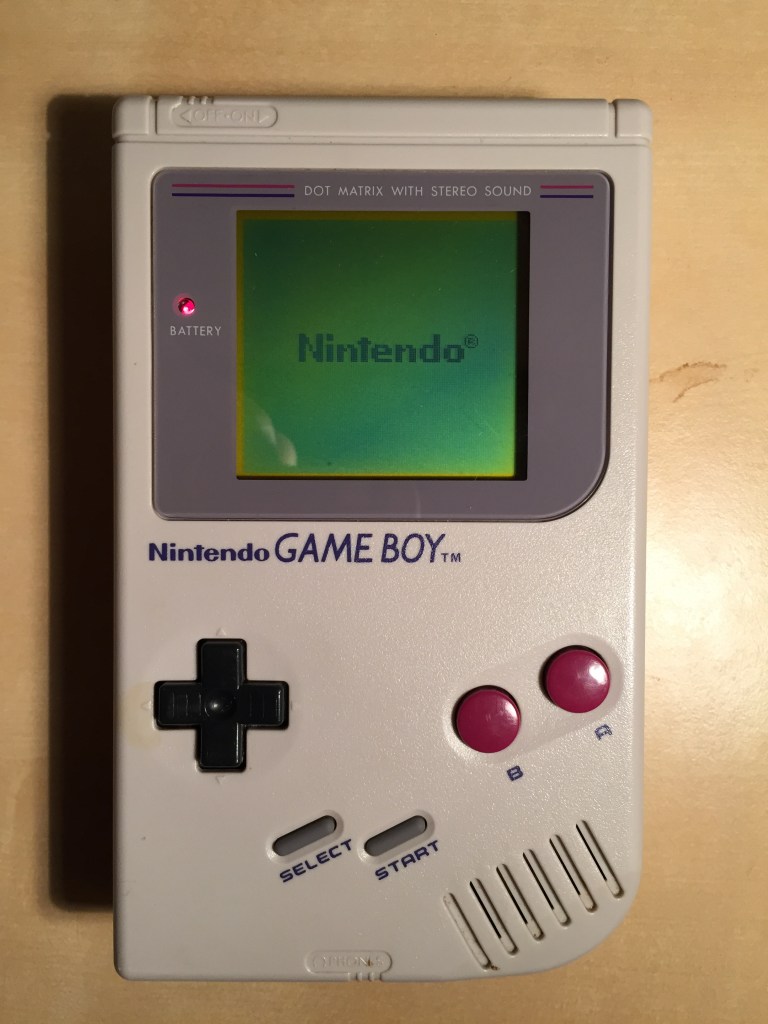
Soon after the Nintendo Game Boy launched in 1989, I was gifted one. Being able to carry video games with me wherever I went was a ground-shaking experience. Even though I enjoyed Castlevania: The Adventure, Batman: The Video Game, Alleyway, Super Mario Land, and F-1 Race, I always returned to Tetris for hours of play eliminating lines while driven by the best chiptune music. Yet, all of these games were immersive experiences that were available nearly anywhere. Unlike a console, you didn’t have to monopolize the family TV. You had your own albeit small and black-on-green screen, a window to miniaturized interactive worlds.

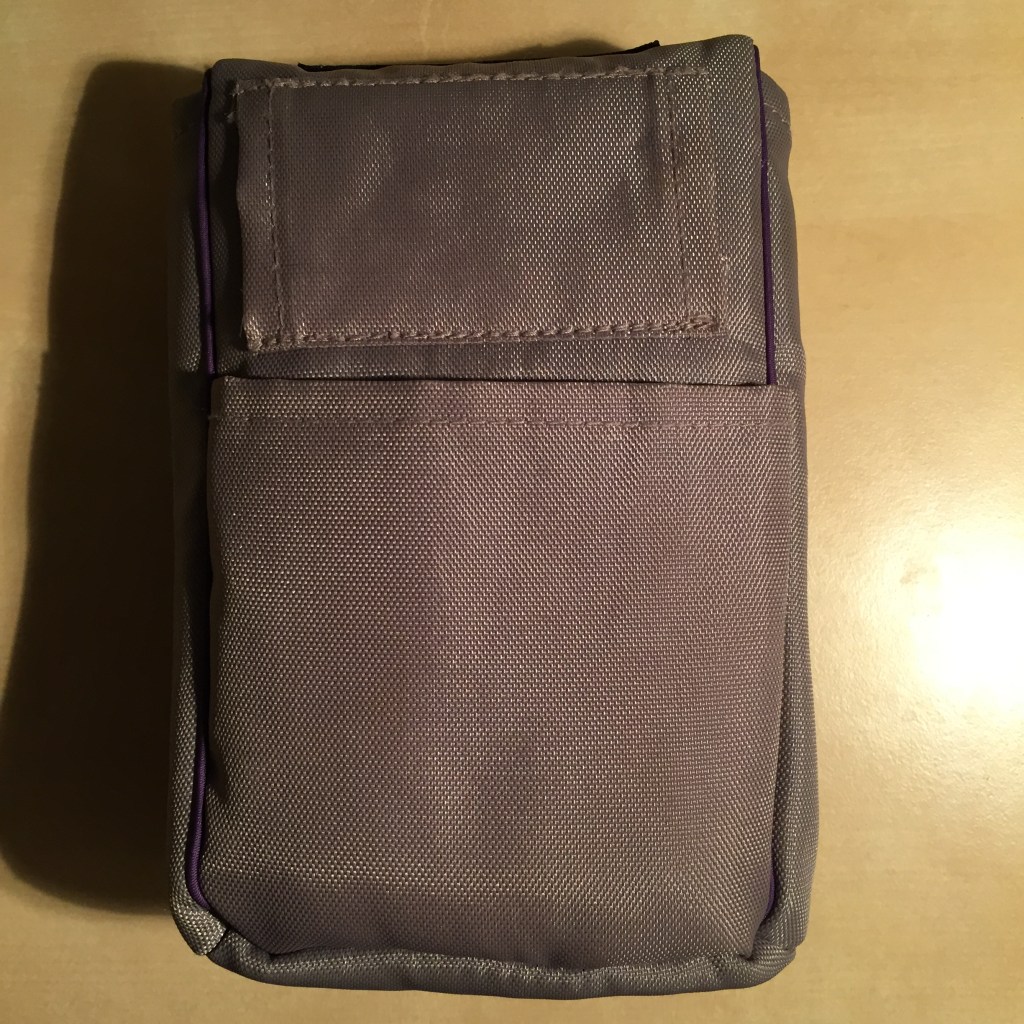
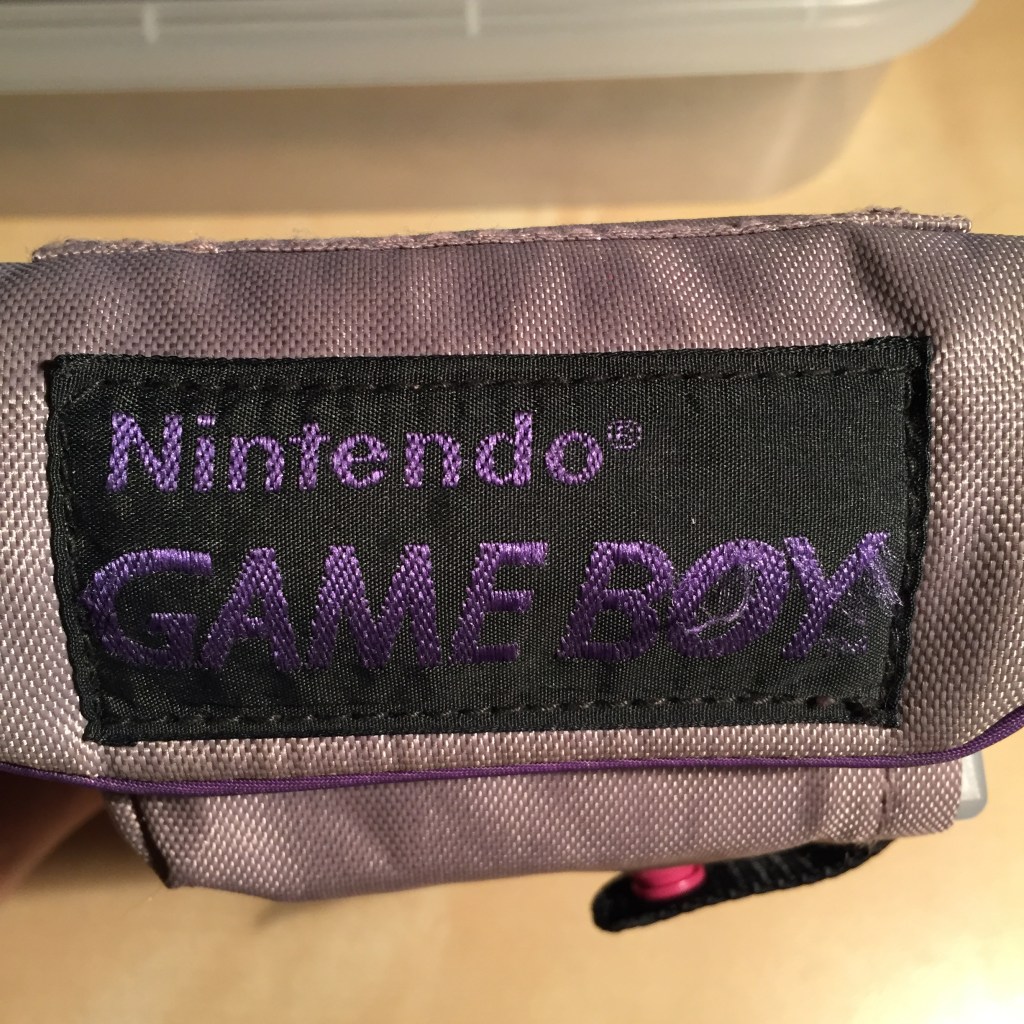
Eventually, it became a habitual companion everywhere I went, including Italy with my high school Latin Club (though, I didn’t play it on the trip–I let my friend Brian hold it on the trip to play Star Trek, which he had bought to play even though he didn’t own a Game Boy). This nylon belt pouch was my favorite on-the-go accessory for carrying my Game Boy. The main compartment held the Game Boy with a cartridge loaded. The back pouch accommodated extra batteries (stretched) or a manual or sheet of paper with codes. And, the two front click button

The industrial design of the Game Boy was well thought out. It was as pleasant to hold when I first got it when I was 12 as when I was a teenager or now in middle age. It has a good weight that is balanced. Playing for hours doesn’t fatigue my fingers, hands, or arms.
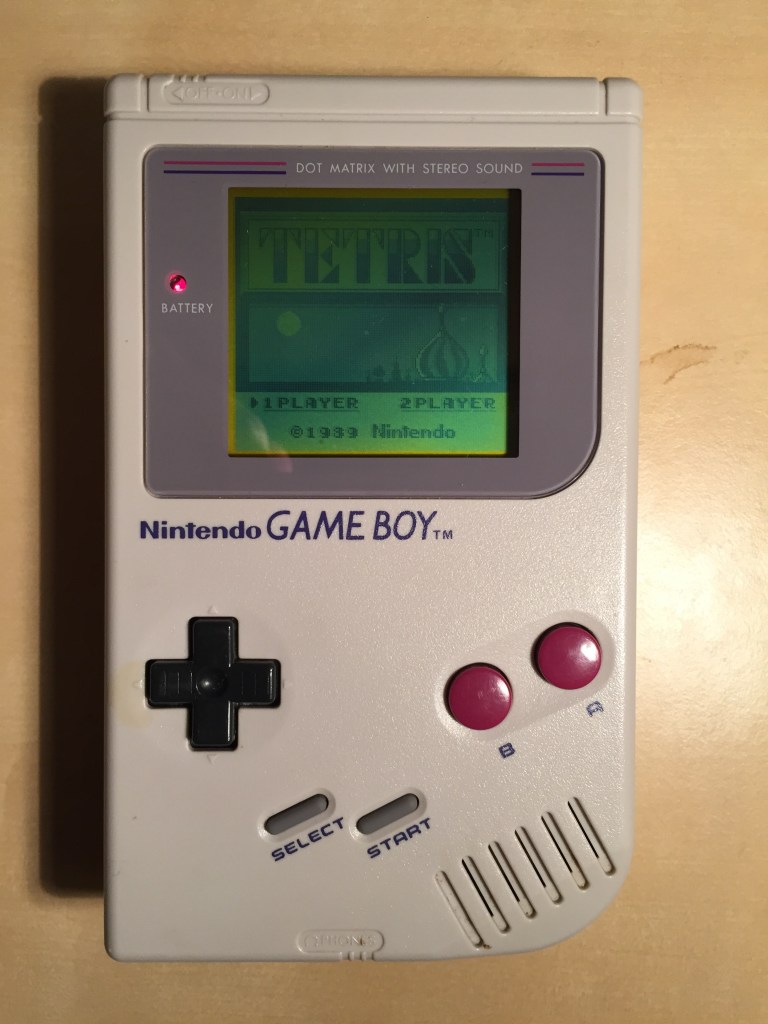

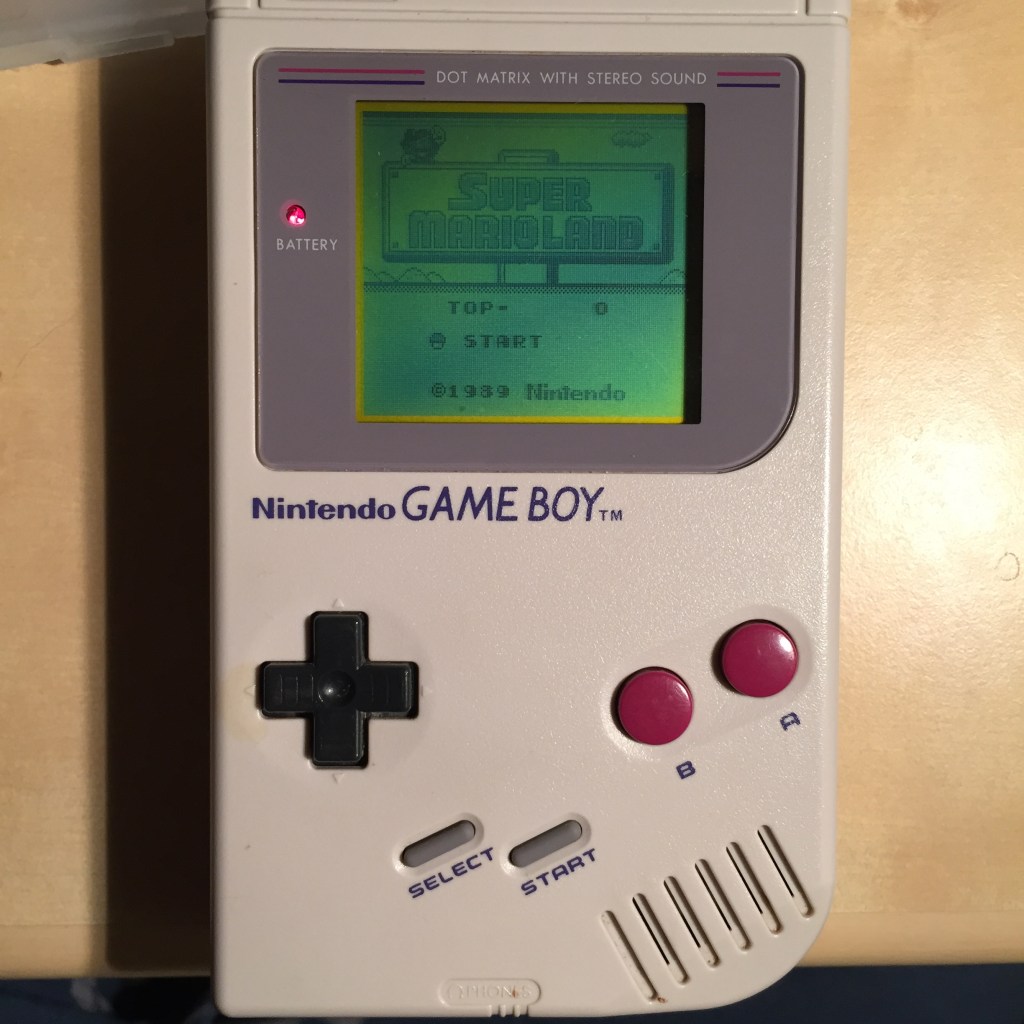
As long as the ambient lighting it good, the non-backlit screen is pleasing to watch during extended game play.
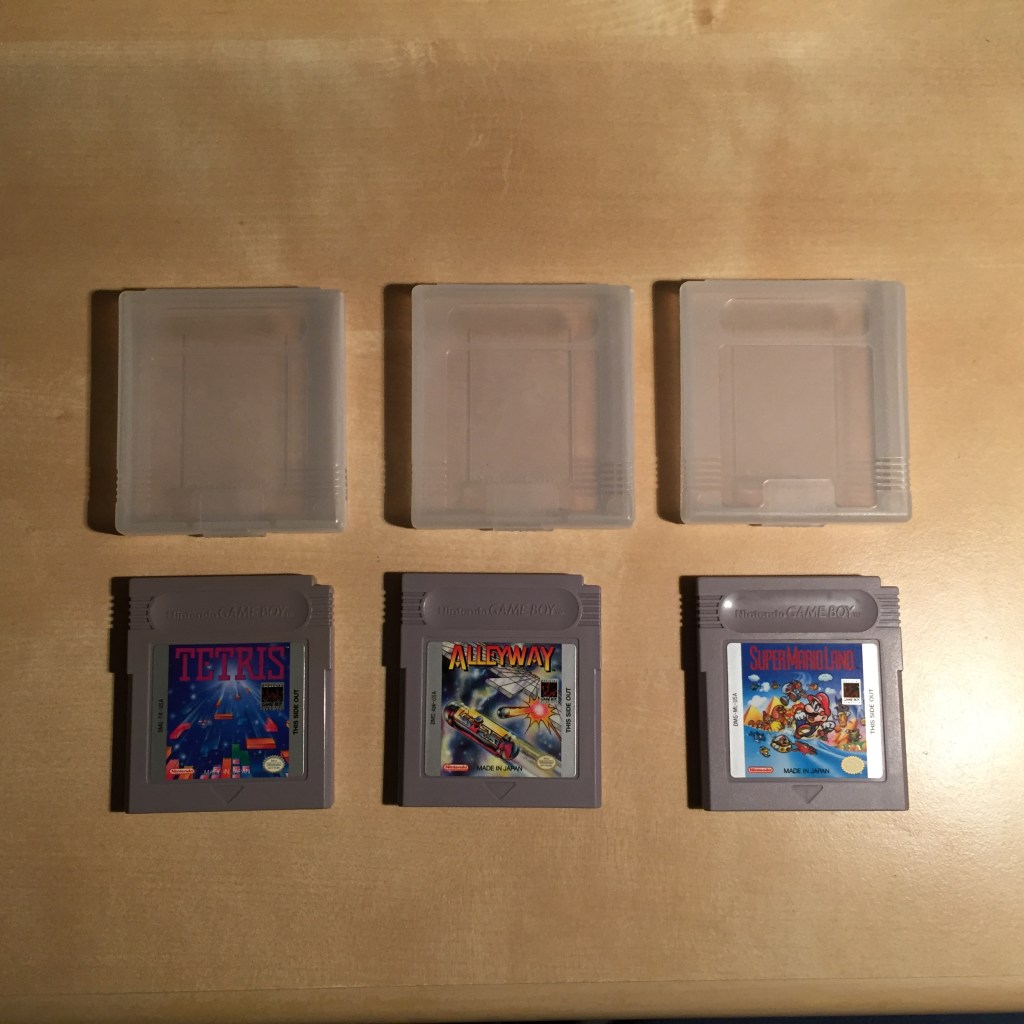
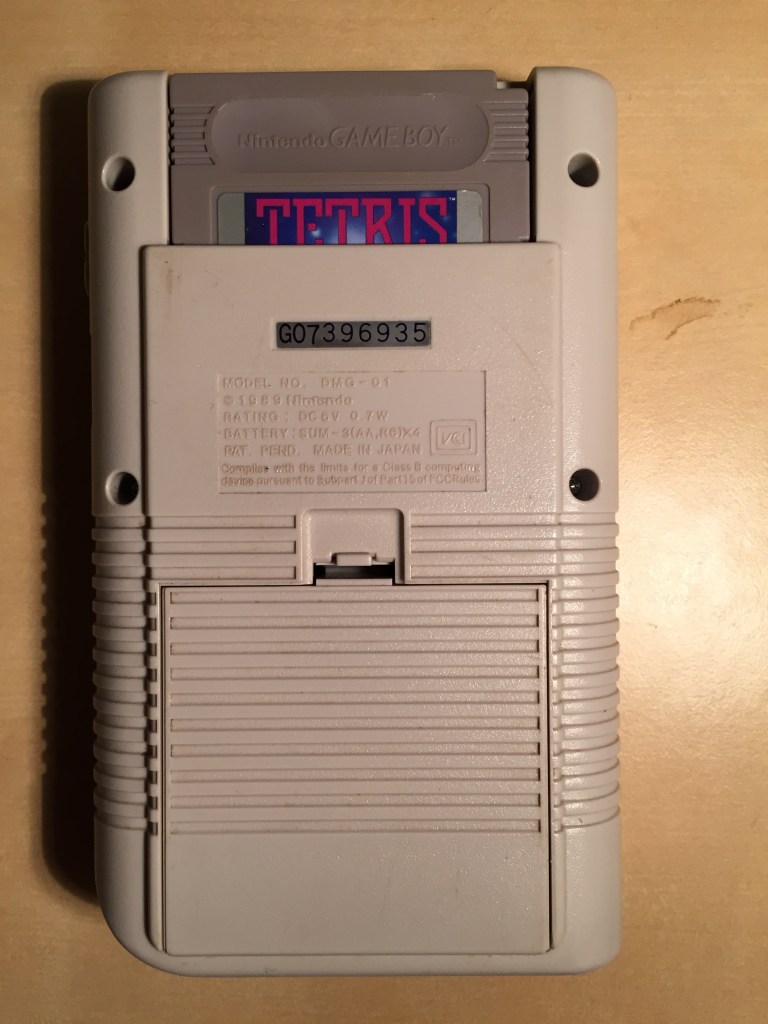
The cartridges and cases are equally designed well. The long oval space above the game’s logo sticker allows for easy grasping of the game cartridge when removing the game. The power switch locks the cartridge into place when turned on.
Despite how much I love the Game Boy, I think that Nintendo has become a garbage company by the actions of its executives to unfairly bully and litigate against its fans instead of acknowledging fair use rights and finding ways to work with its fans (see TechDirt for details and the long history of Nintendo’s actions toward fans). I suppose it all comes down to control on Nintendo’s part. When the Game Boy first launched, control was built into the product. And, there wasn’t yet a widespread medium for participatory culture that the Internet made possible that could riff and build on new cultural art forms like video games. Now we can but Nintendo tends to take a copyright maximalist approach to their IP and most fans who get caught in the company’s crosshairs don’t have the deep pockets to establish their fair use rights through litigation. It’s for those reasons that I haven’t bought any Nintendo products in many years and I encourage others to do the same. There are good games made by better people on other platforms that are as enriching, engaging, and entertaining.
