In any given year as we approach the end of the spring semester, I feel almost skeletal. My animating flesh gives way under responsibilities, deadlines, and stress. I tell my students to hang in there through the end as much to encourage them as myself.
A faceless cybernaut prepares to explore cyberspace. Image created with Stable Diffusion.
For today’s class, my ENG2700 Introduction to Professional and Technical Writing students read two articles about social media and professionalism in the Technical Communication field:
Ferro, T. & Zachry, M. (2014). Technical communication unbound: knowledge work, social media, and emergent communicative practices. Technical Communication Quarterly, 23(1), 6-21.
Verzosa Hurley, E. & Hea, A. (2014). The rhetoric of reach. preparing students for technical communication in the age of social media. Technical Communication Quarterly, 23(1), 55-68.
I plan to discuss the difference between active and passive approaches to building an online professional identity (and why the former is the way to go–giving an example about LinkedIn from Dr. Rebecca Burnett).
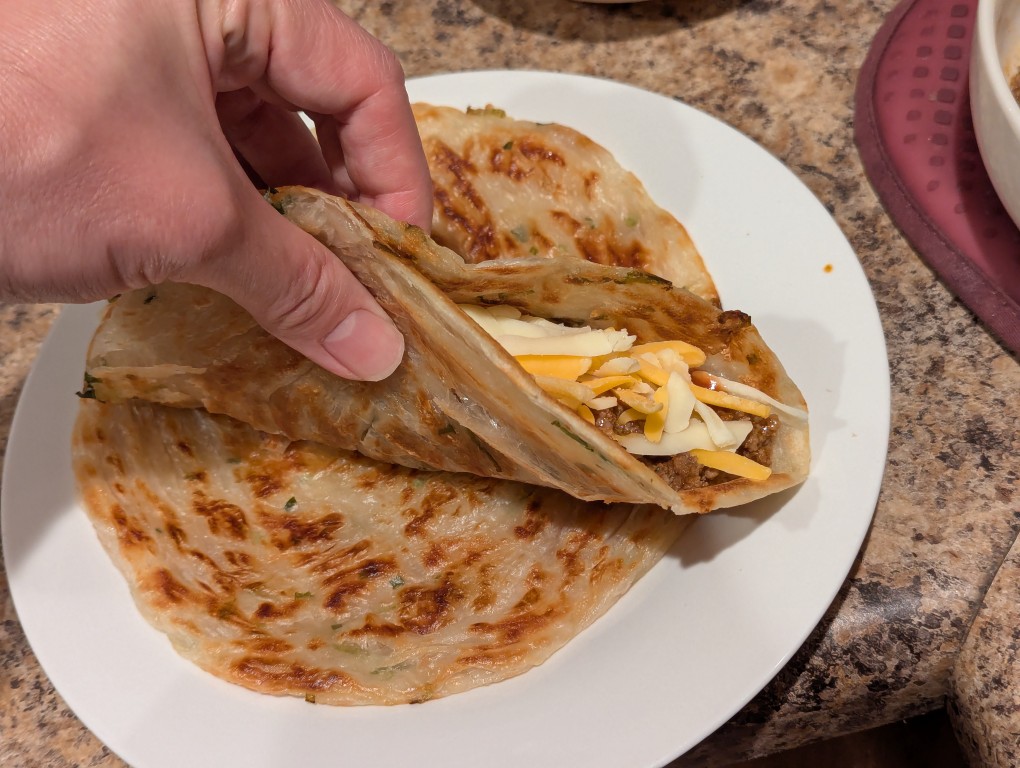
Last night, I made a delightful meal by mixing two things that don’t normally go together–Taiwanese green onion pancakes and ground beef taco mix.
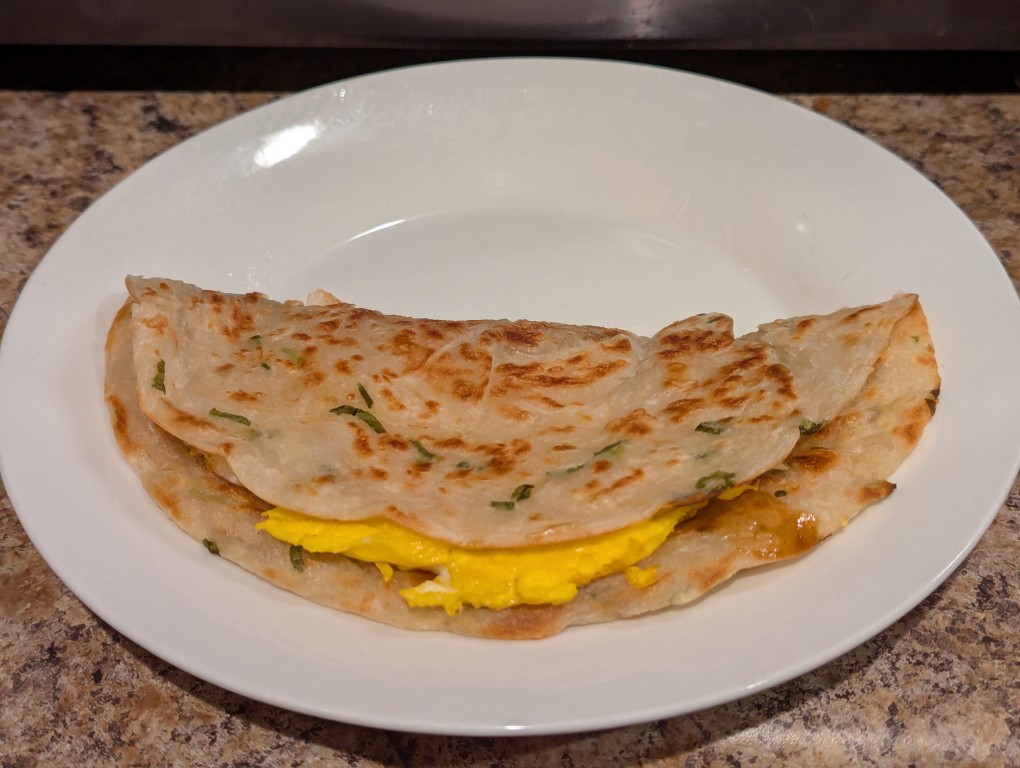
I asked Y to cook me two green onion pancakes, a breakfast staple back in Taiwan. Normally, you eat them with a fried egg rolled inside with a little bit of soy sauce paste like the one below.
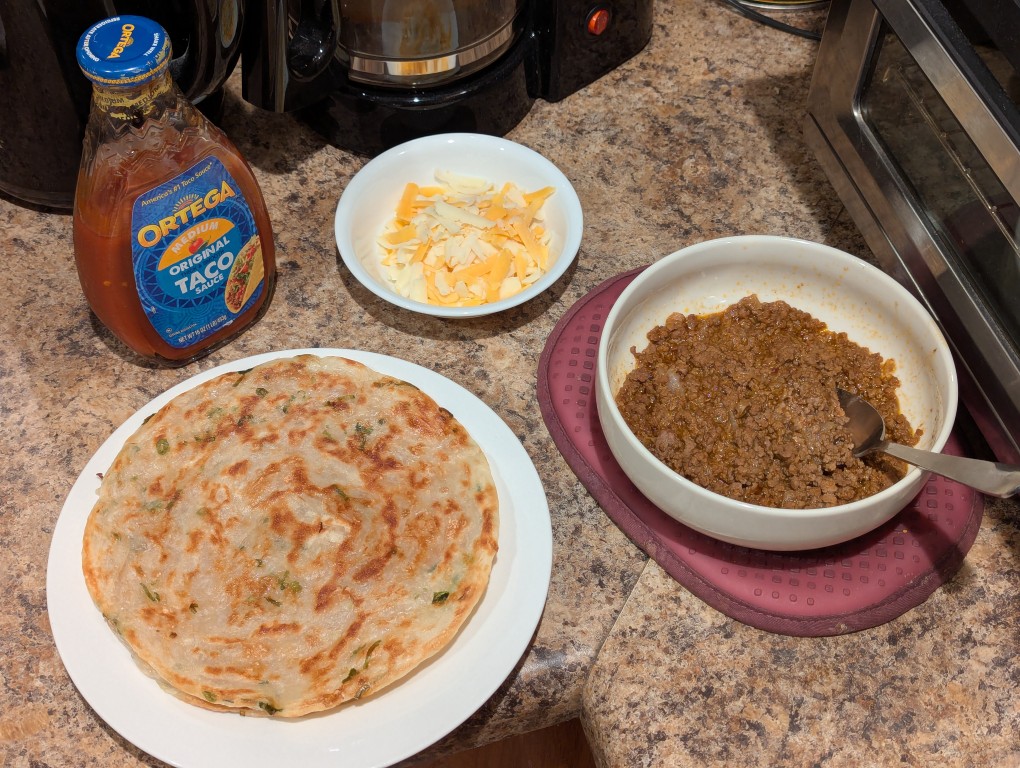
Dubious about my plan, Y cooked me two green onion pancakes while I reheated some leftover ground beef and onion taco mix that I had made on Saturday afternoon. I also set out my favorite sauce, Ortega Medium Original Taco Sauce, and a small bowl of shredded cheese.
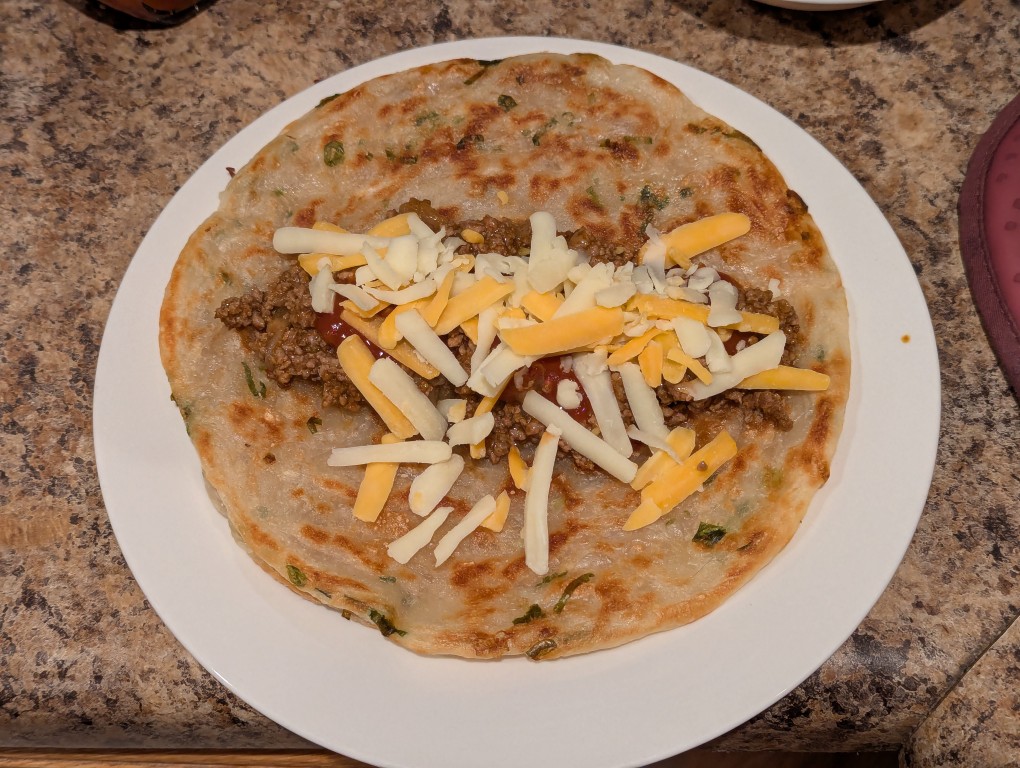
Then, I spooned the beef onto a green onion pancake, poured ample sauce, and covered with plenty of cheese.
The crispiness of the pancake resisted folding, but it eventually went over and formed a taco-like shape. Biting into the crisp outer layer and soft inner layer of the pancake before hitting the taco mix, sauce, and cheese really was something else. I wanted to savor it, but I made a short order of it because it was so good!
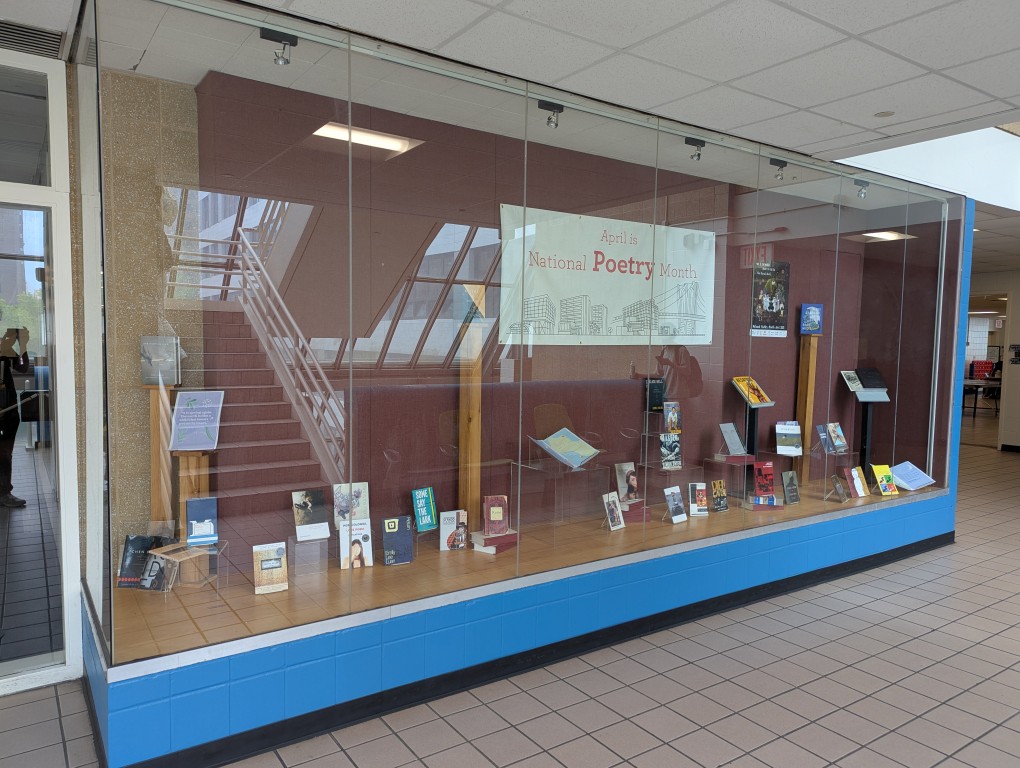
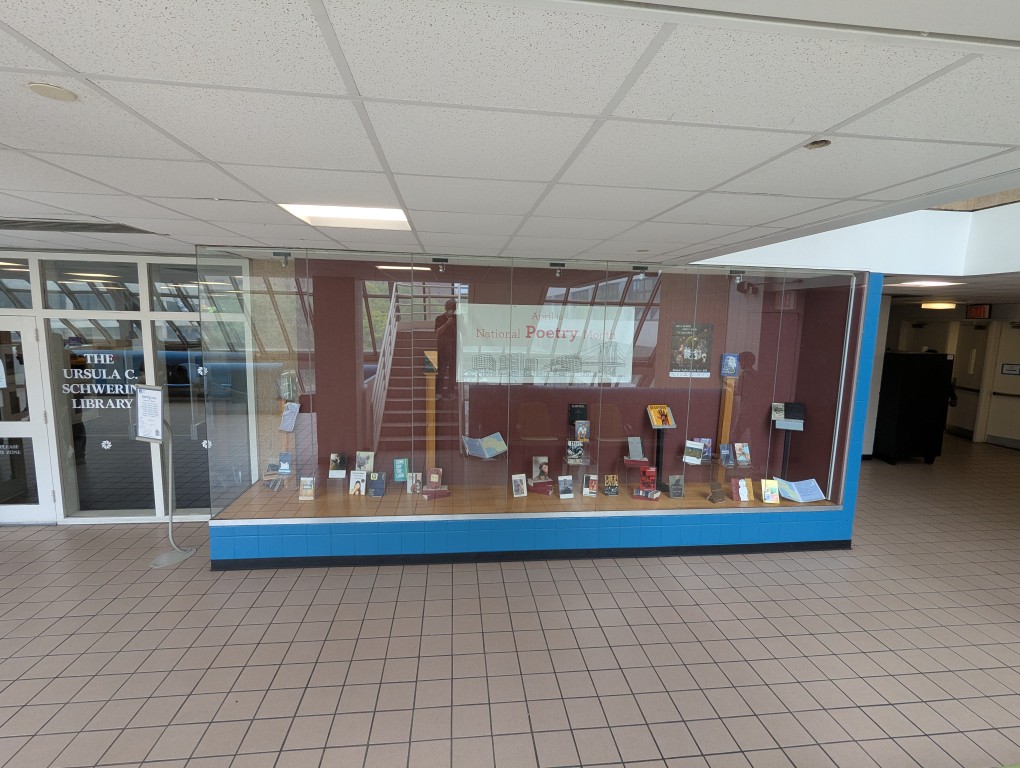
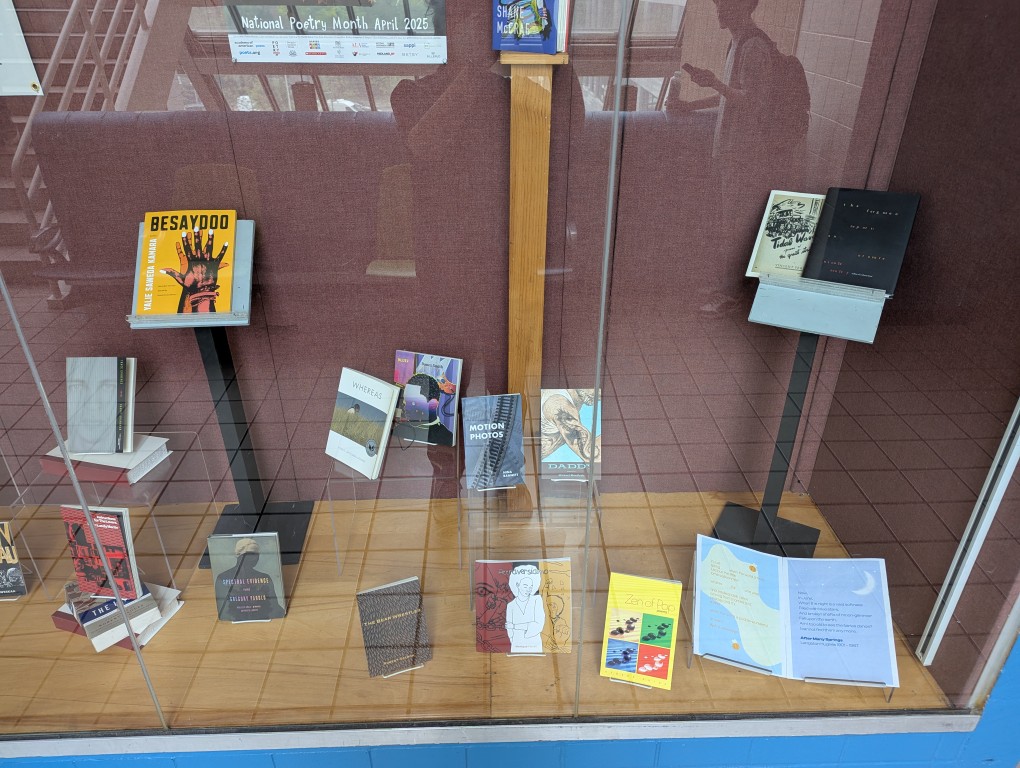
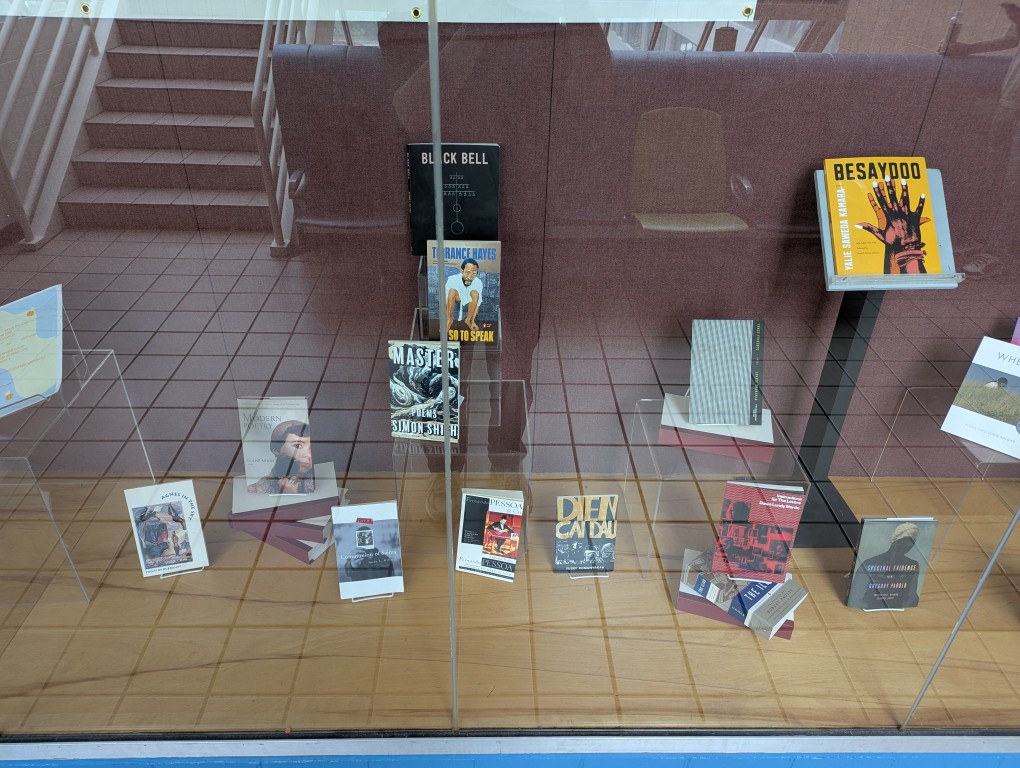
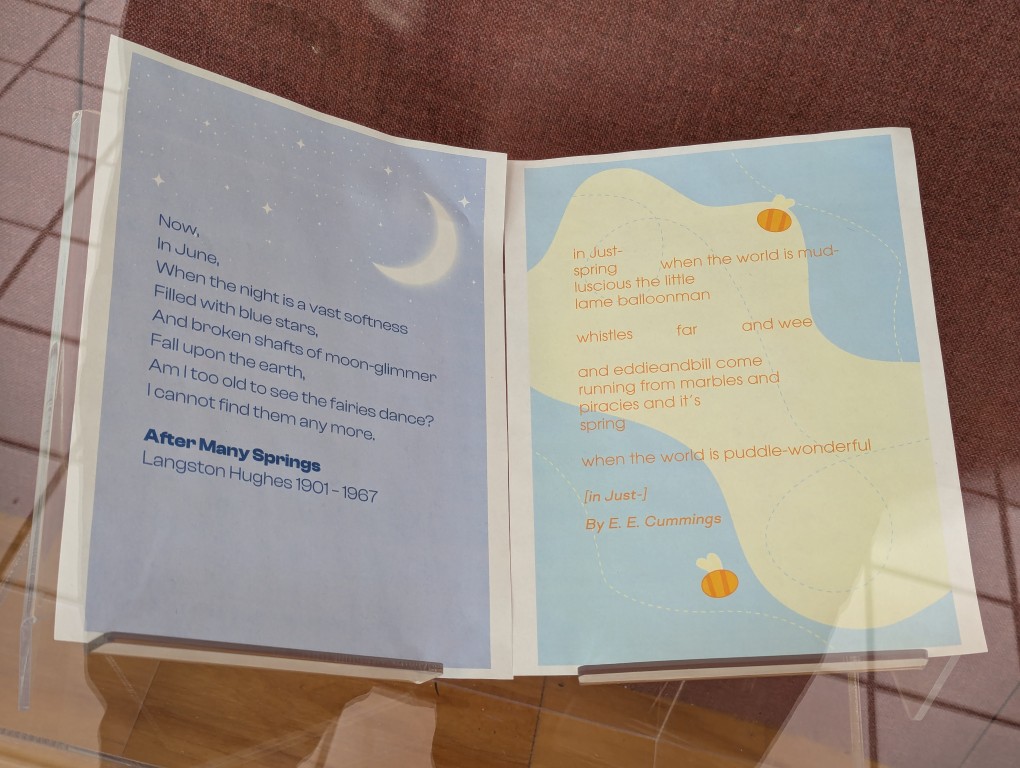
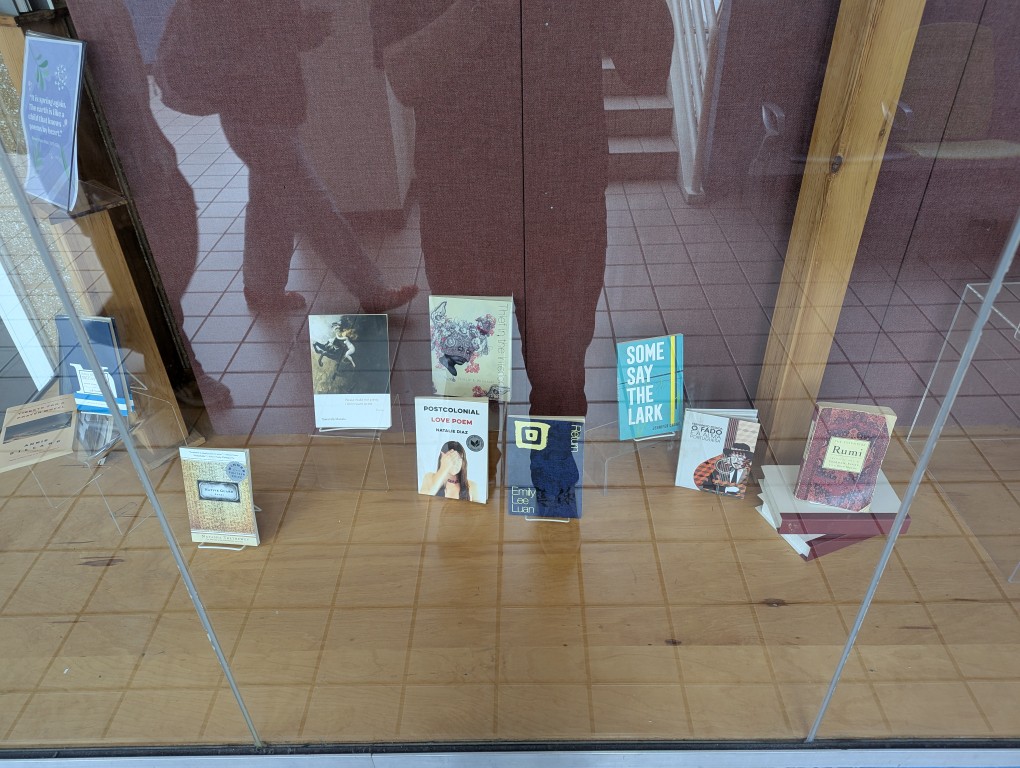
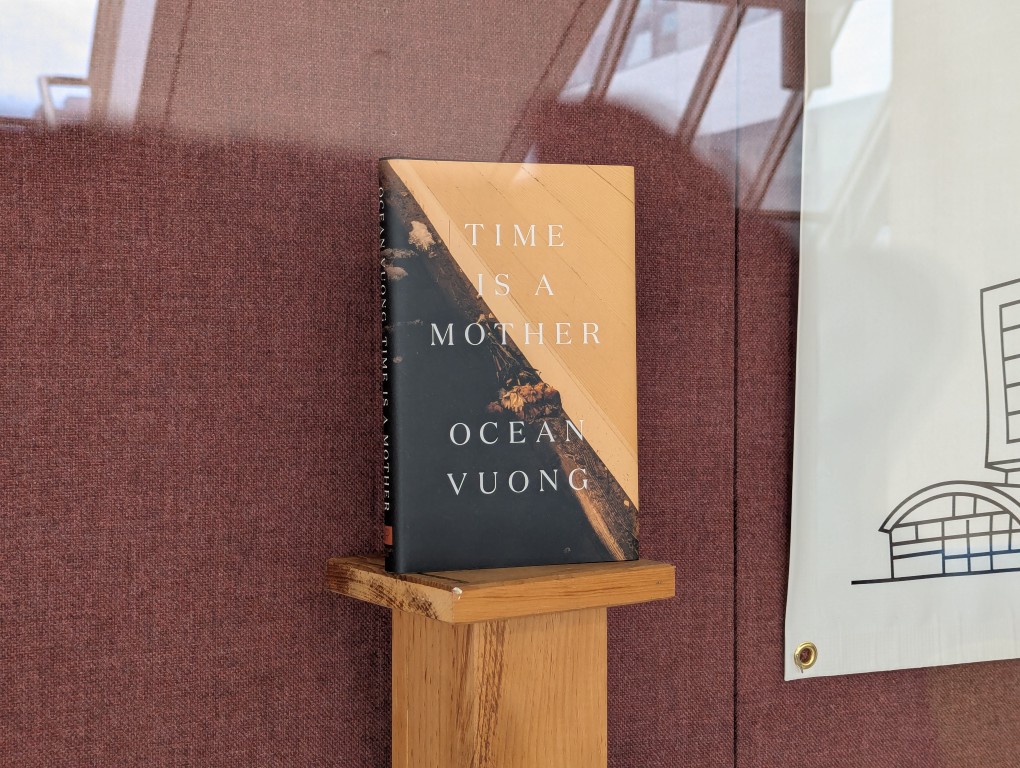
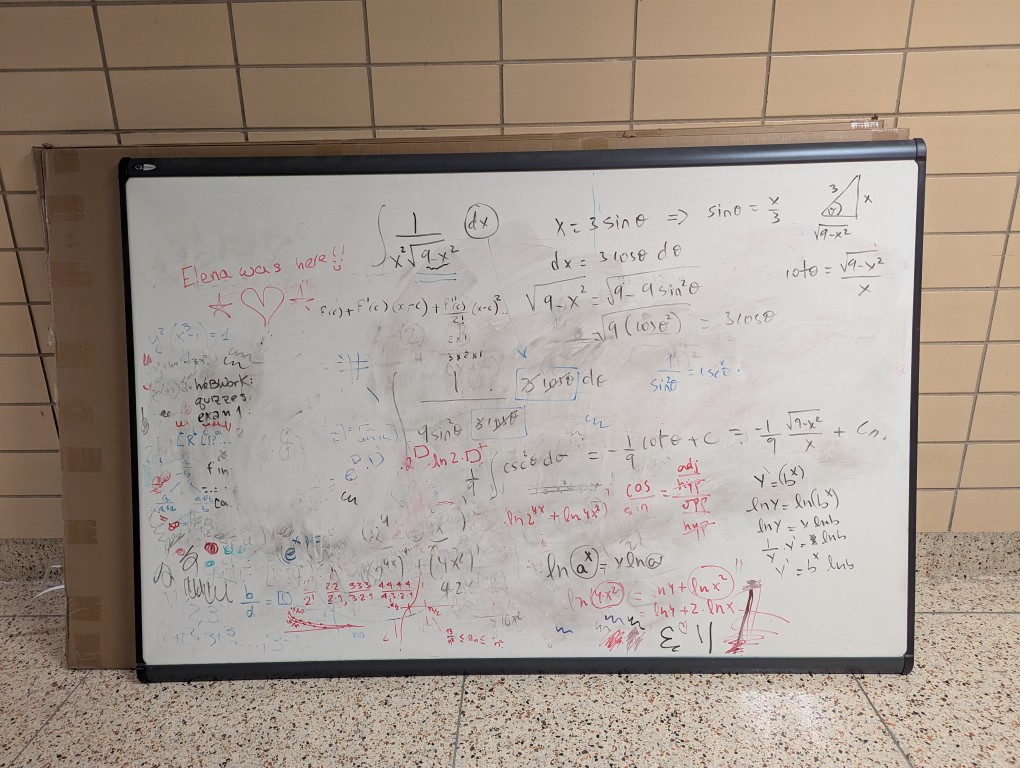
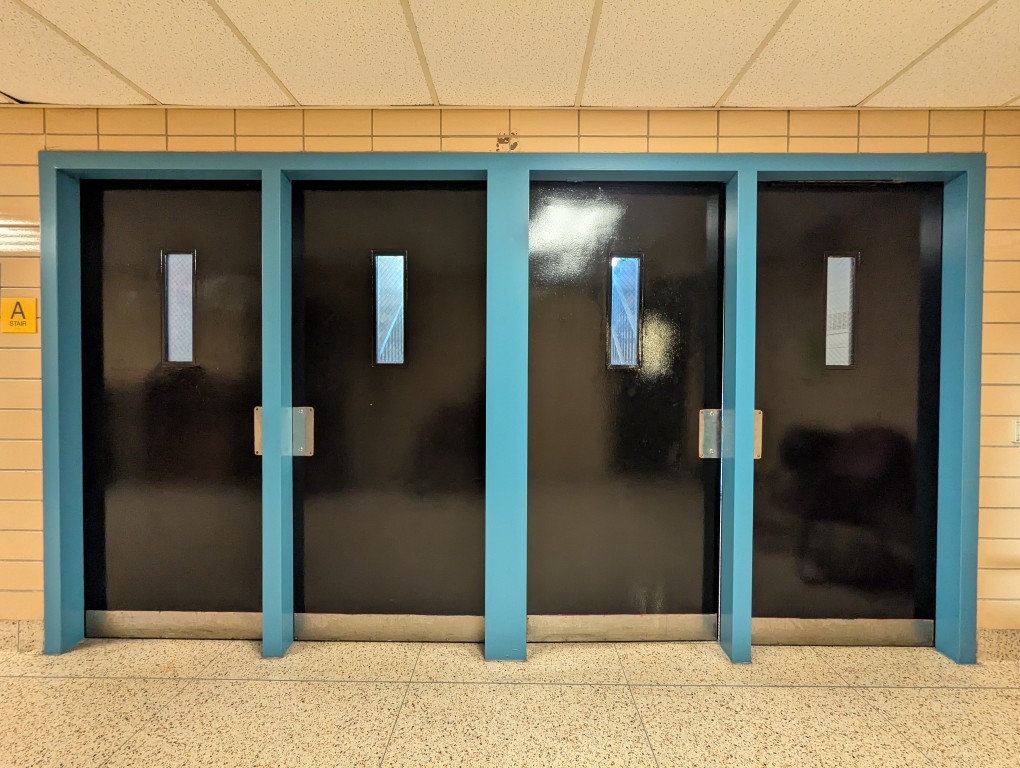
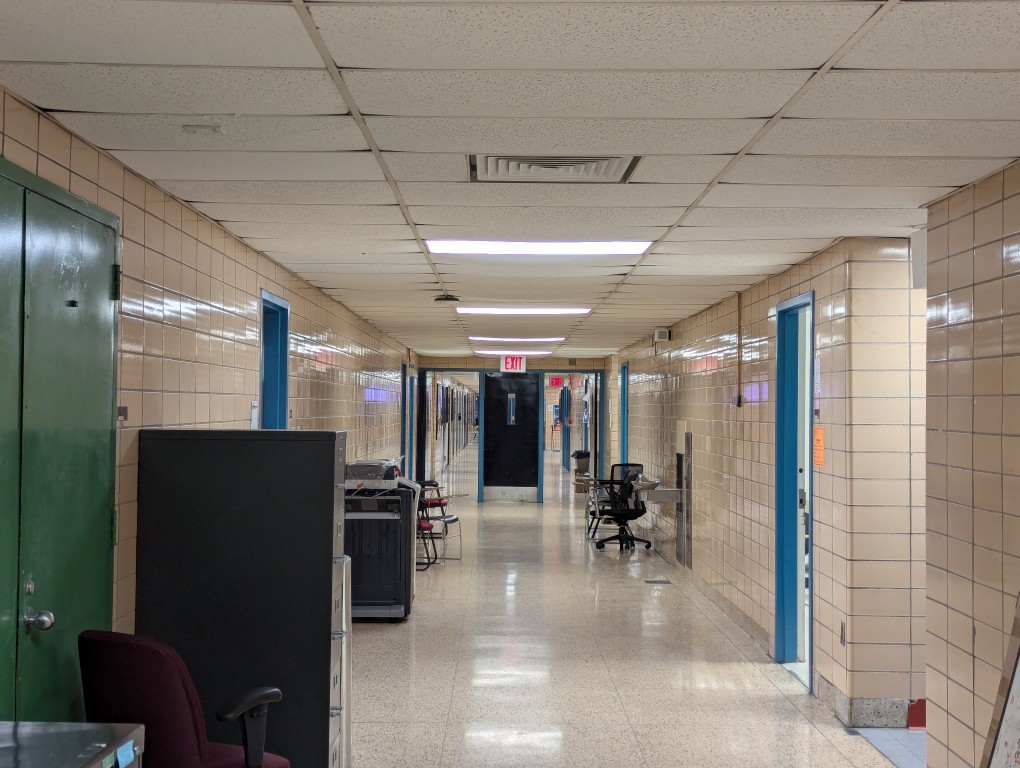
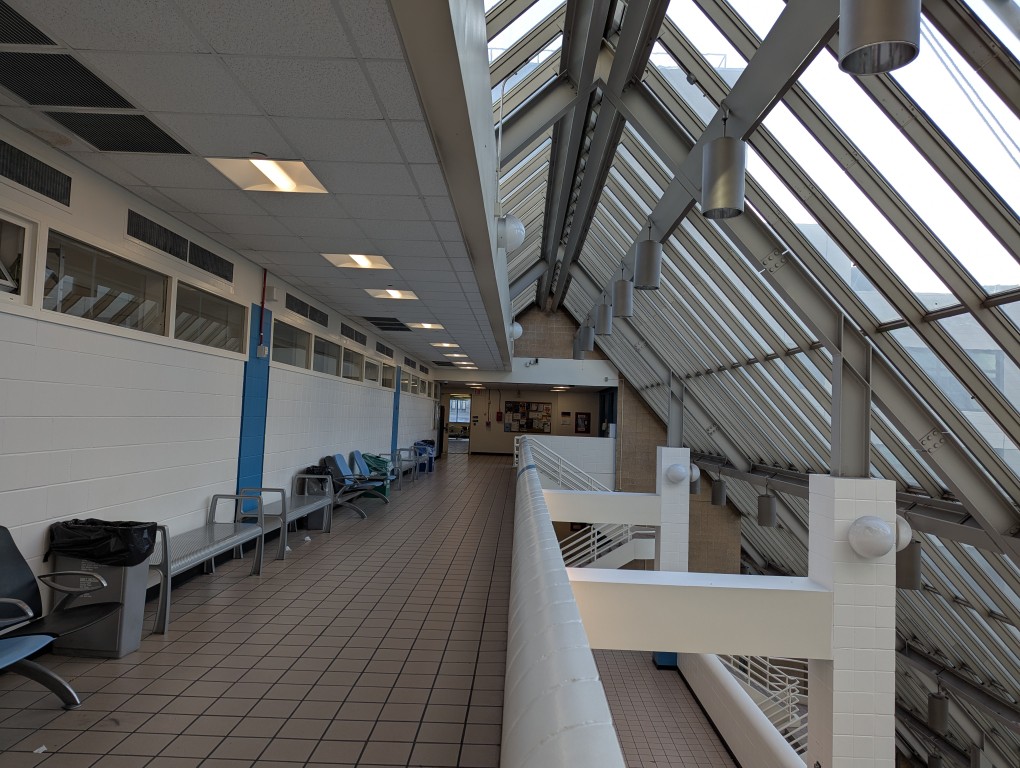
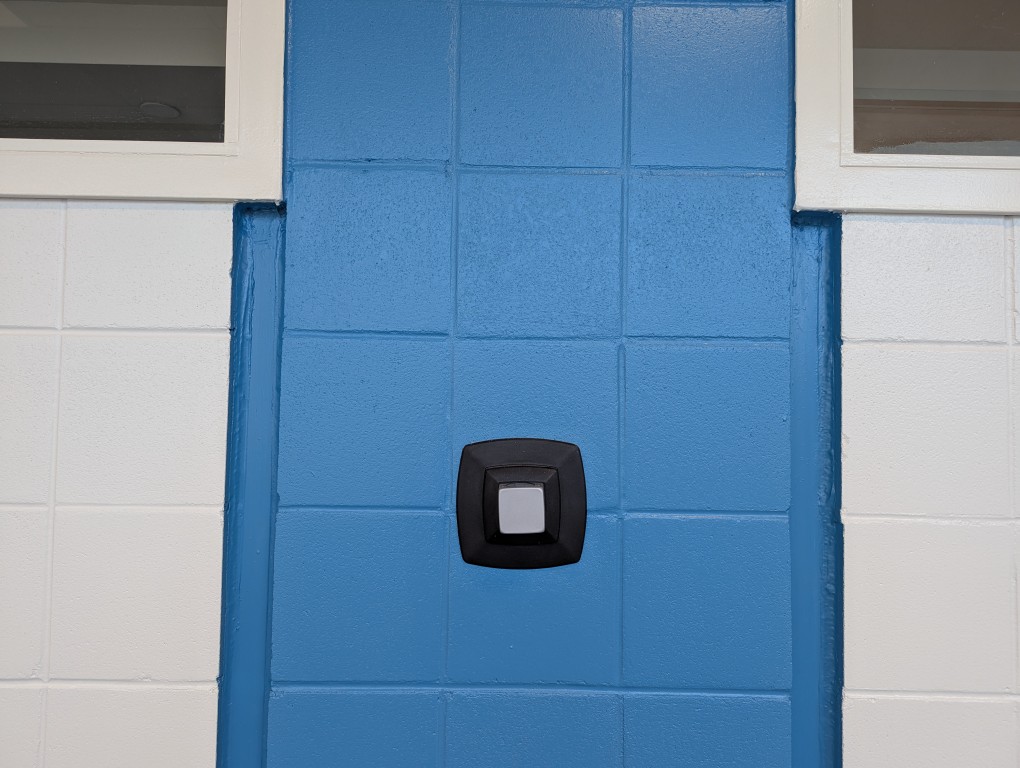
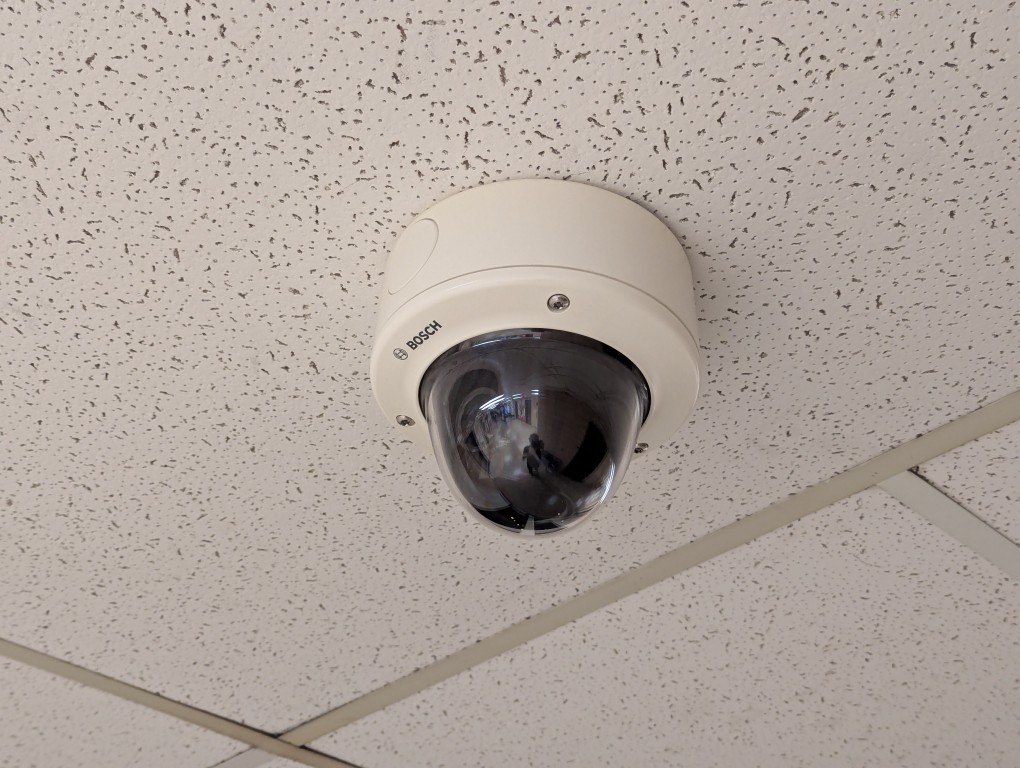
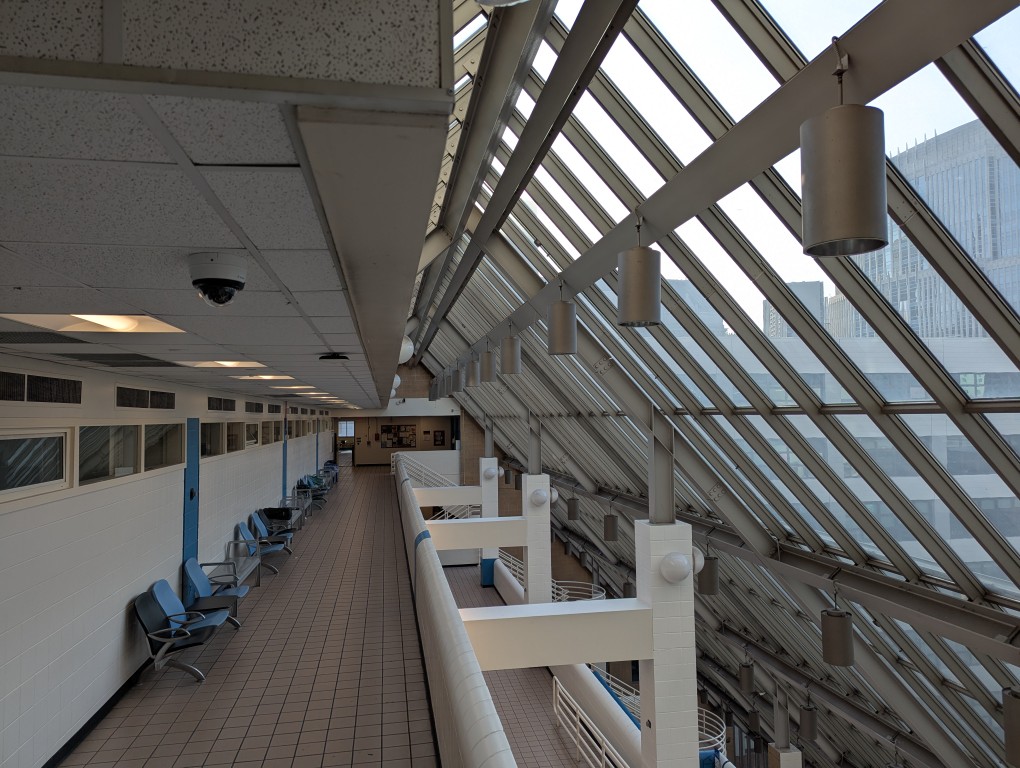
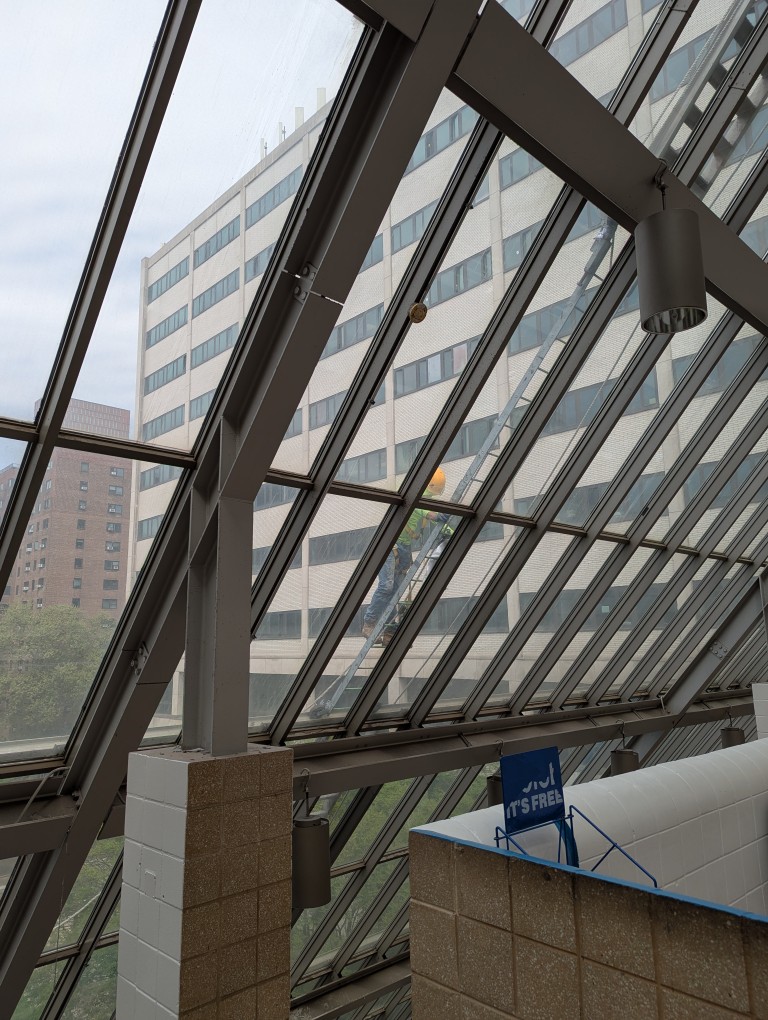
While my students were diligently completed their Student Evaluation of Teaching (SET) feedback forms today, I took photos while walking around the Namm and Library buildings on the fourth floor (afternoon class) and the sixth floor (evening class). Some are mundane, some are technological objects, and some have interesting compositions (to me). Afterwards, I shared my work my students and encouraged them to do the same to build up a personal library of photos that they might want to make use of in their multimodal compositions.