Category: Announcement

  • Call for Applicants, City of Print: New York and the Periodical Press, Deadline Mar. 1, 2020

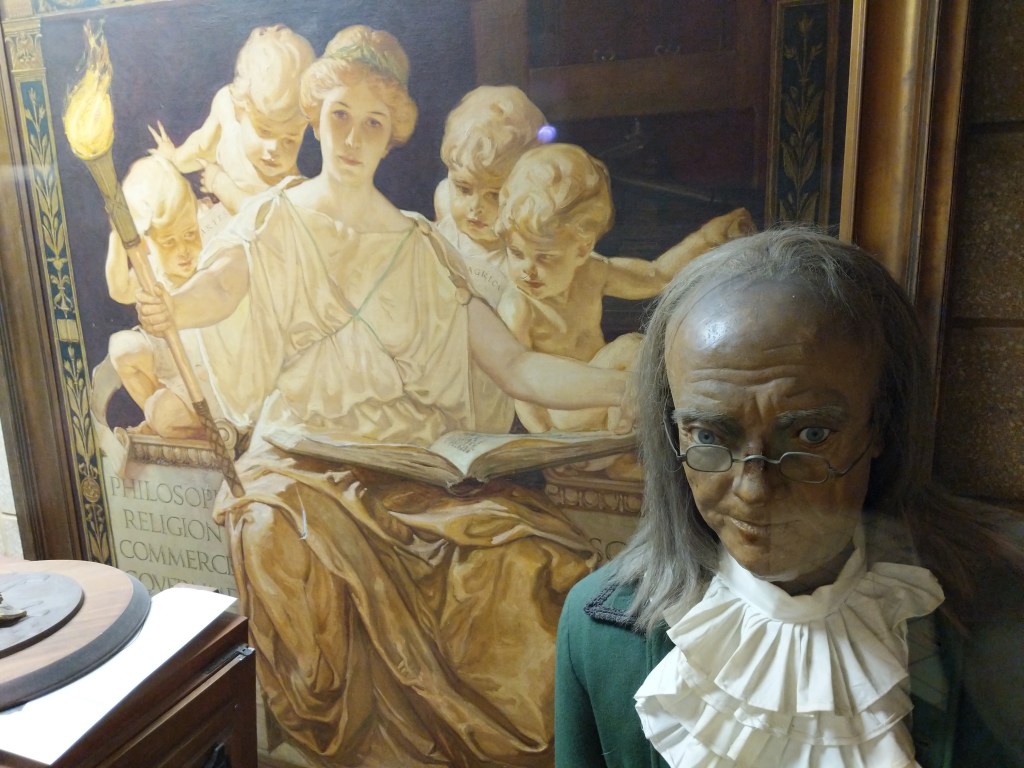
    Benjamin Franklin printing press exhibit at City Tech.
    Benjamin Franklin printing press exhibit at City Tech.

    Mark Noonan, my colleague at City Tech, is running an NEH Summer Institute on the topic, “City of Print: New York and the Periodical Press.” I’ll be contributing to the Digital Methods Workshop on Wednesday, June 24 with my experience working on the City Tech Science Fiction Collection and using digital tools to make archival materials available to students and researchers. See the link below for all the sessions and apply to join us in Brooklyn!

    City of Print: New York and the Periodical Press

    (NEH SUMMER INSTITUTE)
    (June 21 – July 3, 2020)

    New York City College of Technology-CUNY will host a two-week NEH Summer Institute for college and university faculty in the summer of 2020 (June 21 – July 3).

    For more information visit:

    http://www.citytech.cuny.edu/cityofprint/

    Applications to participate will be accepted via our online application system until March 1, 2020.

    The Institute will focus on periodicals, place, and the history of publishing in New York.  As an institute participant, you will take part in discussions led by cultural historians, archivists, and experts in the fields of American literature, art and urban history, and periodical studies; participate in hands-on sessions in the periodicals collection of the New-York Historical Society; visit sites important to the rise of New York’s periodical press, such as Newspaper Row, Gramercy Park, the New York Seaport, the East Village, and the Algonquin Hotel; and attend Digital Humanities workshops.

    You will also be asked to read a rich body of scholarship and consider new interdisciplinary approaches for researching and teaching periodicals that take into account the important site of their production, as well as relevant cultural, technological, aesthetic, and historical considerations. Sessions will be held across New York City including New York City College of Technology, the Brooklyn Historical Society, The Schomburg Center for Research in Black Culture, Pace University, and the New-York Historical Society.

    We encourage applicants from any field who are interested in the subject matter. Scholars and teachers specializing in periodical studies, journalism, urban history, art history, American studies, literature, and/or cultural studies will find the Institute especially attractive.

    Independent scholars, scholars engaged in museum work or full-time graduate studies are also urged to apply.
  • Miao Miao (2005-2018)

    IMG_5118
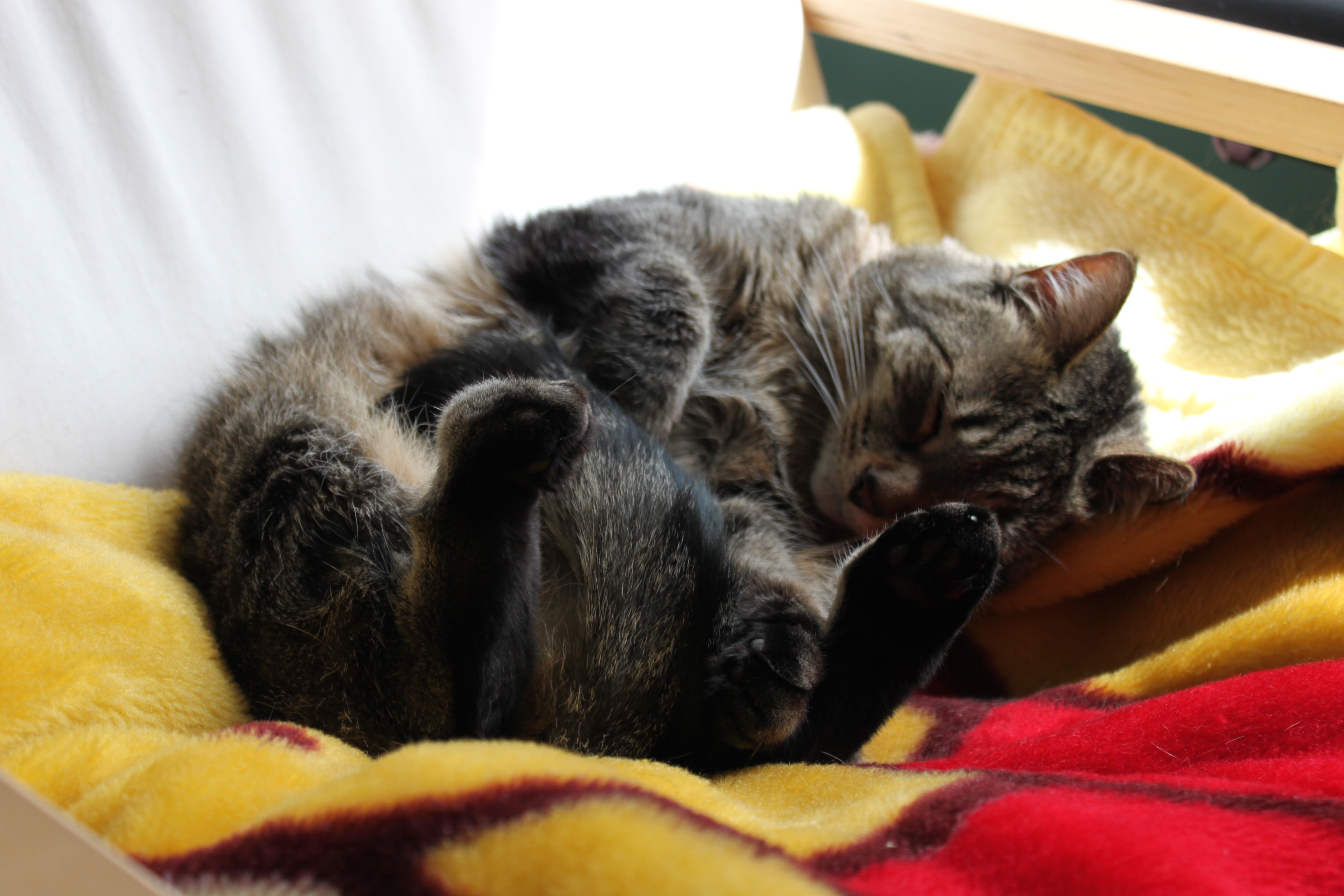
    Miao Miao taking a nap in 2012.

    Our little cat Miao Miao passed away on December 26, 2018 after a battle with cancer. She was 13 years and 8 months old. Y rescued Miao after her mother had abandoned her when she was only a few weeks old in 2005. She was sick and small, but Y nursed her back to health and adopted her as part of her family.  I came to know Miao beginning in 2008, after I met Y at Kent State. Soon, I became a part of the family, too. Miao was strong willed but also very loving. When we had guests over, she was an enthusiastic host. She brightened our days, which now seem diminished without her around. Even though Miao never really took to our younger cat Mose, we can tell that he grieves in his own way for her, too. She will be dearly missed.

  • Retrocomputing at City Tech Site Updated with Software Inventory

    IMG_20180716_152750
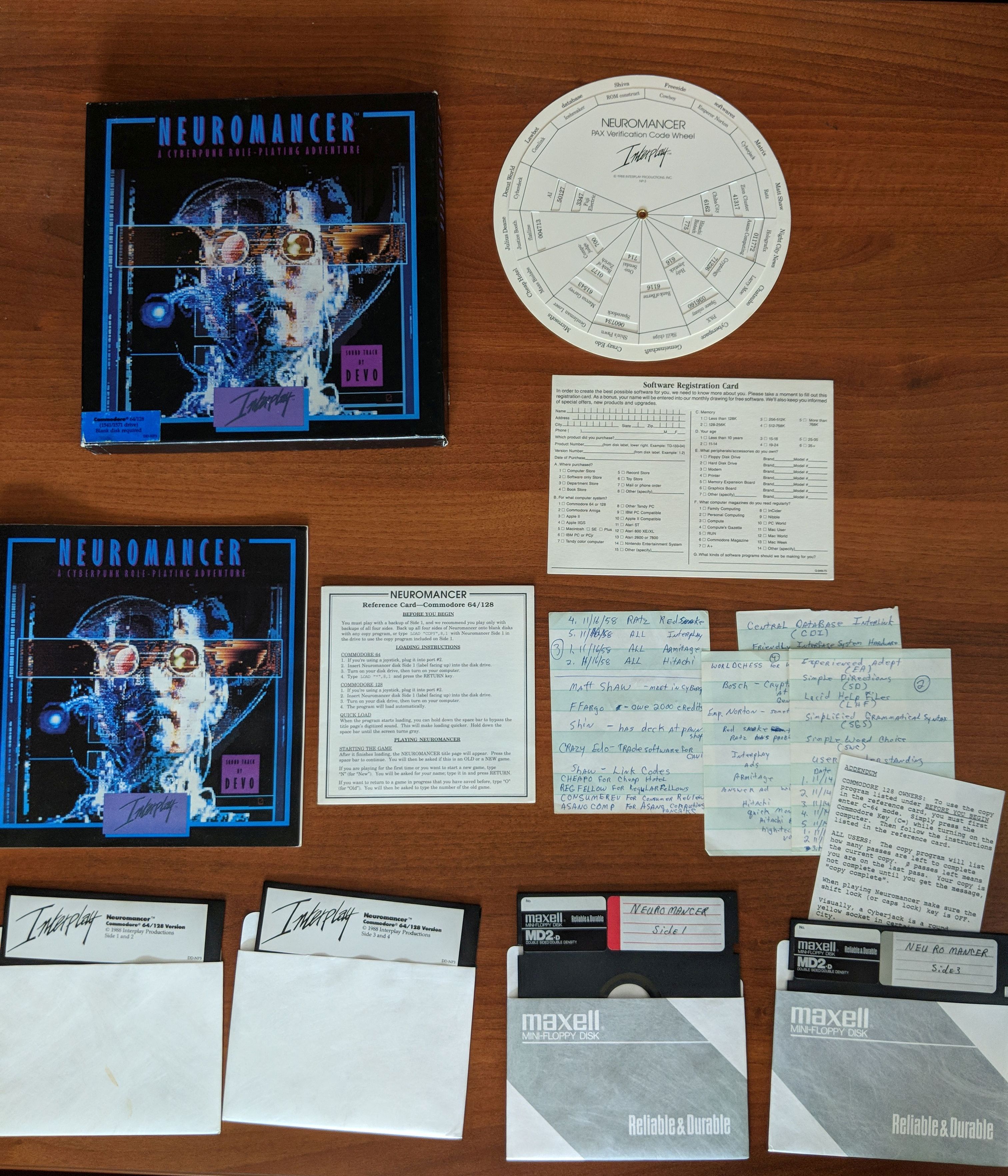
    Neuromancer for Commodore 64/128. Item in City Tech’s Retrocomputing Archive.

    Recently, I posted about the new OpenLab site that I launched for “Retrocomputing at City Tech.” On the site, I included a photographic inventory of the computing hardware and peripherals that I have on-hand in my office in Namm 520. Now, I’ve added to the site with a second page that inventories a majority of the software that is in the vintage computing archive. The software archive includes games (like Neuromancer pictured above, Star Wars X-Wing and TIE Fighter, and Star Trek 25th Anniversary), productivity software (such as Microsoft Office 2004), encyclopedias (Comptons, Groliers, and Microsoft Encarta), and operating systems (Windows 95, Macintosh System 7.5, Mac OS X 10.0-10.3 and 10.5). Follow the link above to see all of the software on its original media followed by textual descriptions.

  • Retrocomputing at City Tech

    retrocomputing-at-city-tech

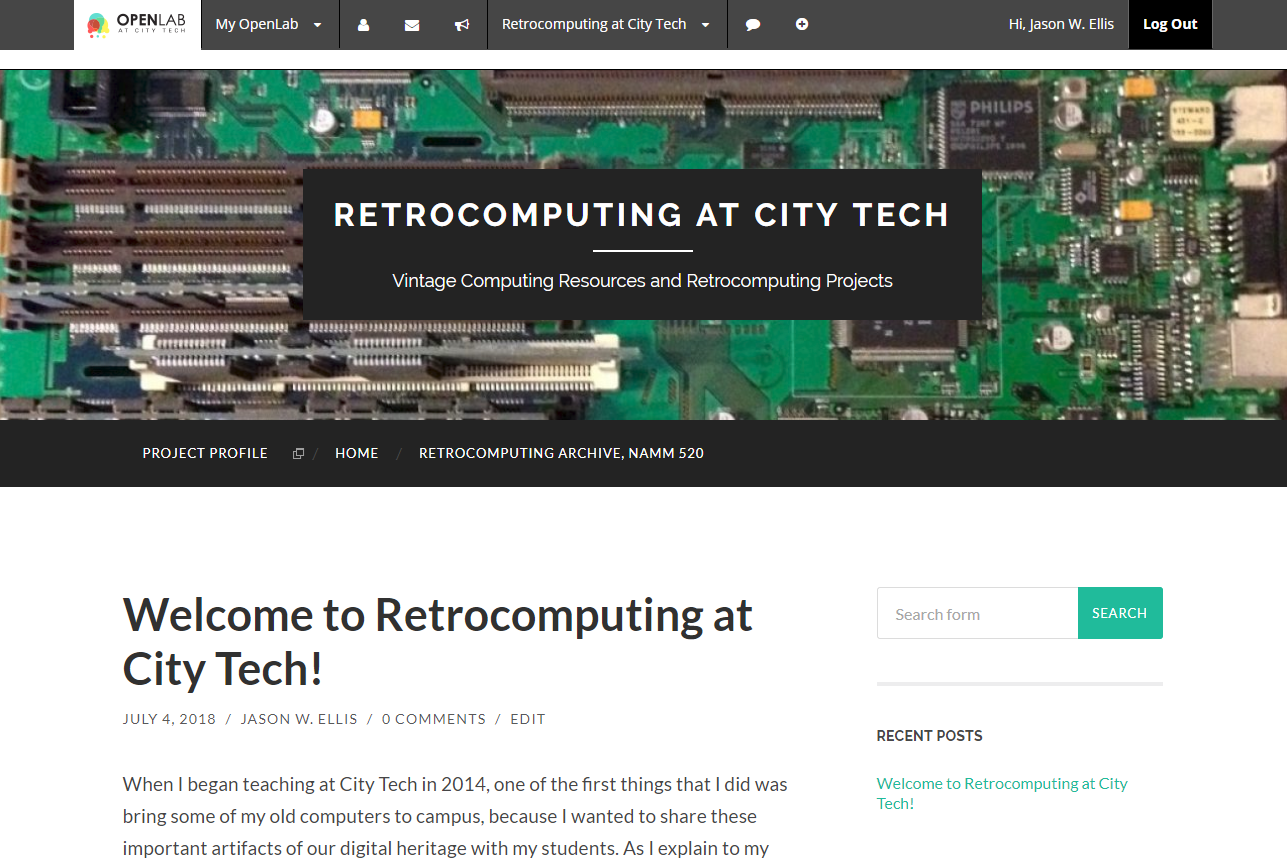
    In addition to working on a book review today, I created a new OpenLab site for Retrocomputing at City Tech. In addition to recording how I use vintage computers in the classroom and in research, the new OpenLab site contains a catalog of my vintage computing archive. I populated this catalog with most of the hardware, but I plan to granulize it further and create a catalog of my software. This, of course, will take time. At least there is a place for me to record these things now within the auspices of the work that I do at City Tech. I updated my previous Retrocomputing Lab page on this site with a link to the updated site on OpenLab.

  • Social Disconnection II: Deleting My Twitter and Reddit Accounts

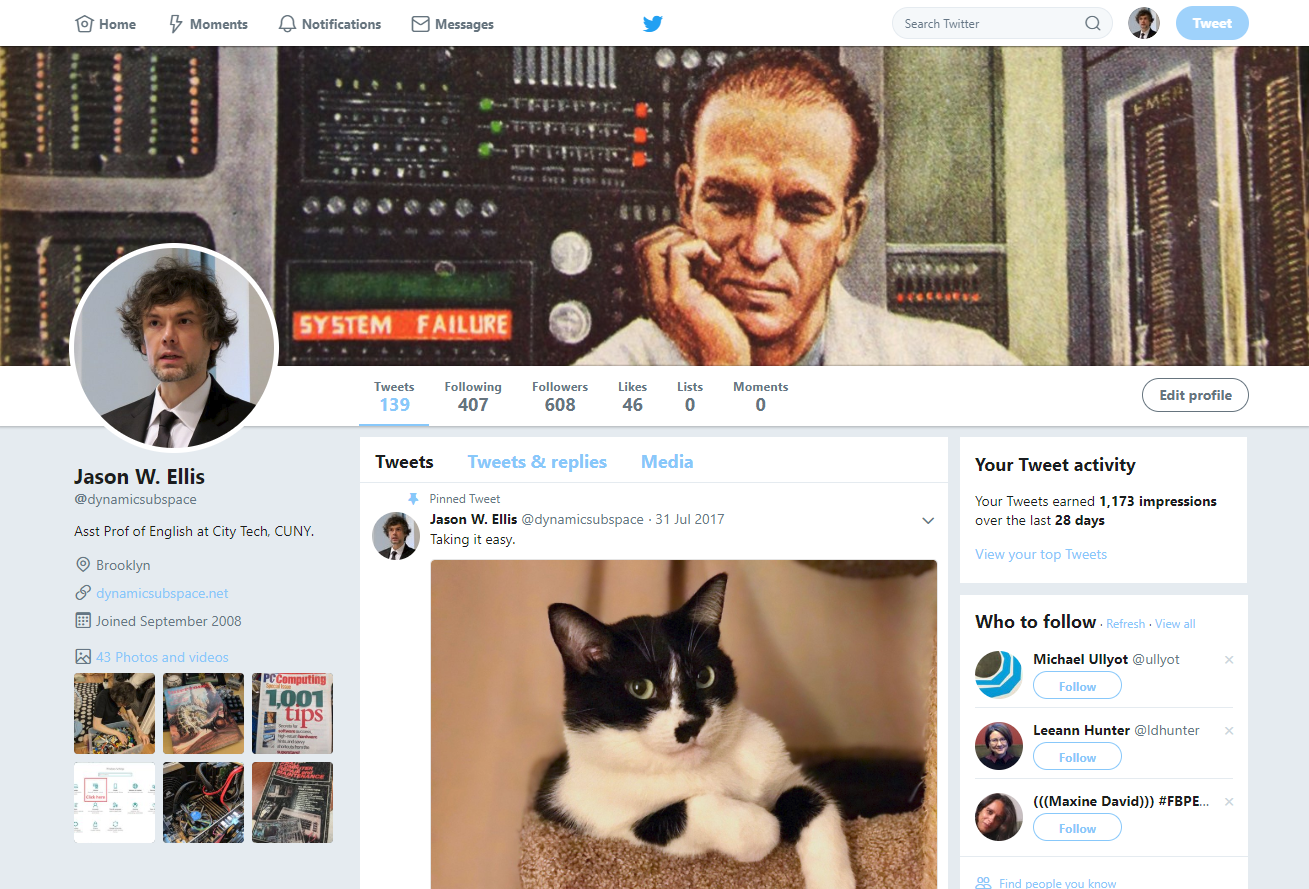
    ellis-jason-twitter-profile
    @dynamicsubspace before

    Back in 2013 and after long deliberation, I deleted my Facebook, Google+, and Academia.edu accounts. Then, I deleted my Flickr/Yahoo and LinkedIn accounts. Now, I’ve wiped out my Twitter and Reddit accounts.

    I used Twitter for seven-and-a-half years and had posted nearly 10,000 tweets (this number ebbed after cleaning up a hoard of past tweets). And I had a Reddit account for four years, and I had a healthy number of upvotes for my LEGO-related posts and discussions there.

    I leveraged my Twitter and Reddit accounts to keep up with what’s going on in my profession as well as learn and contribute to other areas of interest including computer culture and LEGO. However, my cost for keeping up to date was considerable in terms of time and cognitive effort. And while I saw, read, and learned a lot from the work of social media, actionable returns–what I think of as a meaningful returns in terms of conversation, connections, and opportunities–were very small.

    Ultimately, my decision to further reduce my social media footprint was based on these issues:

    • Cost (time, attention, and cognitive load)
    • Content (anxiety over posting, persistent needle-in-the-haystack problem for finding useful information)
    • Discourse (challenge to follow threads, gain background information for out-of-context posts, rage cycles, hot takes, fear of missing out)
    • Connection (so many discussions but uncertain where to contribute, sustaining conversation, social media not leading to projects outside of that realm)
    • People (nonsense, bullshit, bigotry, and sexism; e.g., disheartening cases of disconnection between how some users comport in online LEGO communities and elsewhere)

    Of course, there are arguments for remaining on social media, such as maintaining a professional presence on these platforms, publicizing the work that you and others do, discovering new and compelling work that isn’t amplified elsewhere, and leveraging social media to expand discourse through discussion, debate, and public engagement. For me, however, the daily reality of these platforms do not live up to the promise or potential with which they are often sold to end users.

    My choices and these issues will inform how I approach social media in my classes. The reality for many of my students–especially those entering the field of technical communication–will need and rely on various social media platforms for their professional work and advancement. I think that informed, strategic, and purposeful social media choices are the best for them and others. I’m looking forward to these upcoming discussions in the classroom.

    For now, I’m going to remain blogging here at dynamicsubspace.net and posting videos on my YouTube channel.

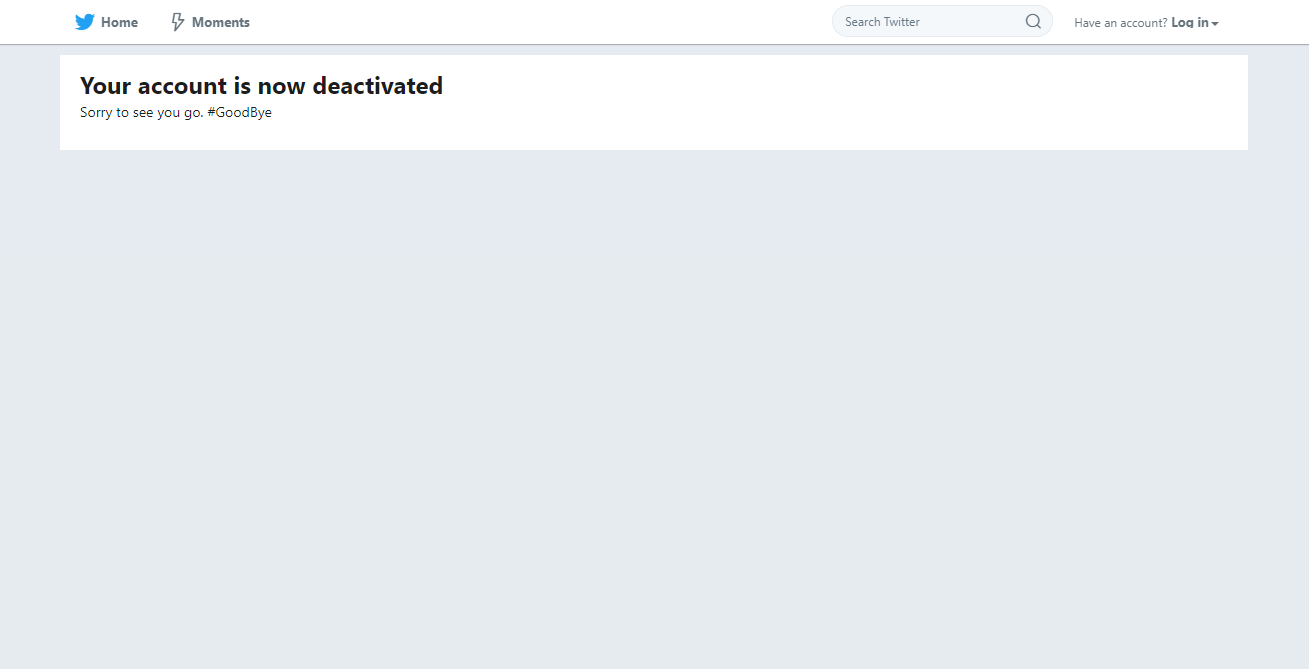
    If you’d like to trim your social media presence, Wired has a guide for deleting the most popular social media accountsThese instructions show how to deactivate your Twitter account. After 30 days of inactivity, your account and its content are deleted. And, these instructions tell you how to delete your Reddit account. One caveat: Your posts and comments will remain unless you take steps to remove or edit them. In my case, I manually deleted them, but there are automated approaches, such as Shreddit and Nuke Reddit History for Firefox or Chrome.

    ellis-jason-twitter-deactivate-message
    @dynamicsubspace after