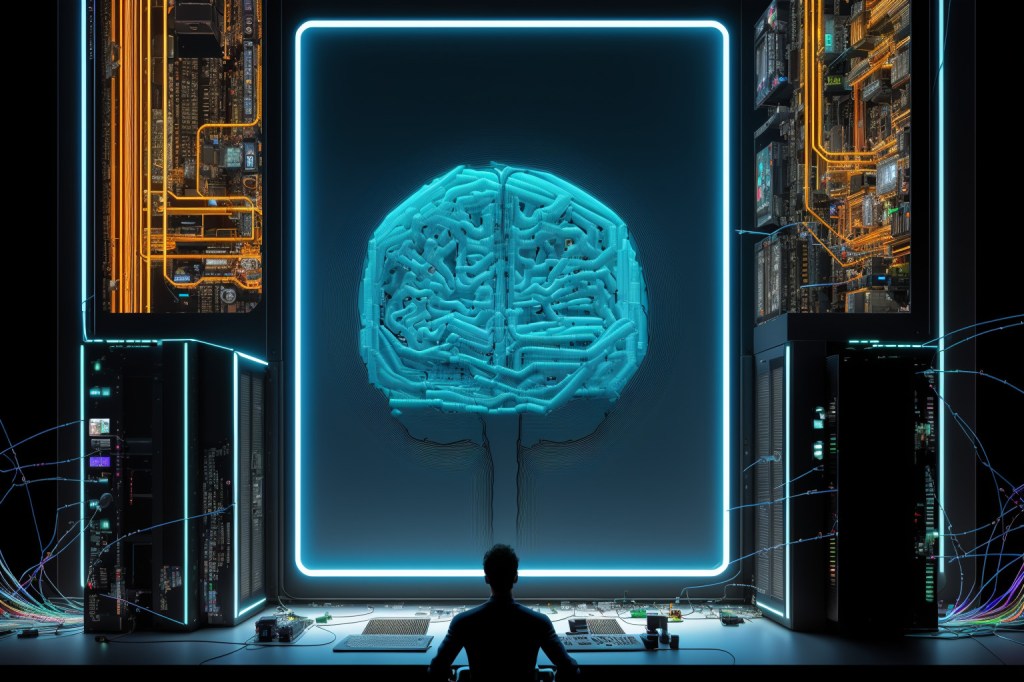
I used controlnet in A1111 to feature an fMRI scan of my brain in this image that I call, Mind Manifesting Mind. In all of the images that I create using Stable Diffusion that feature a brain, I use screenshots of my brain’s fMRI scan that I created using Osirix for MacOS some years ago.
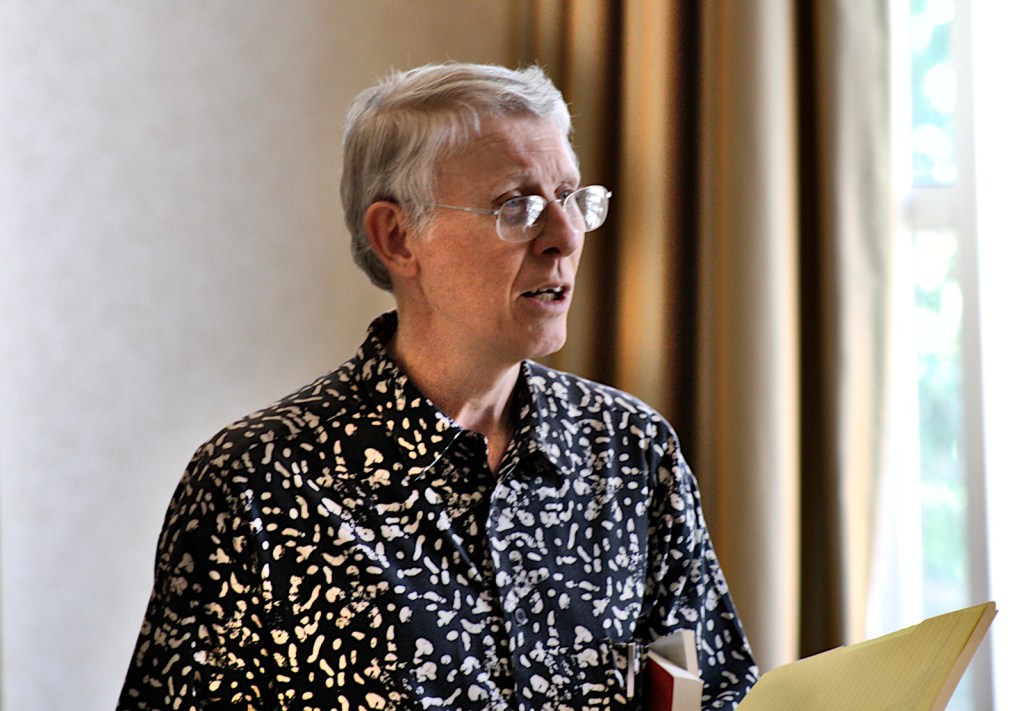
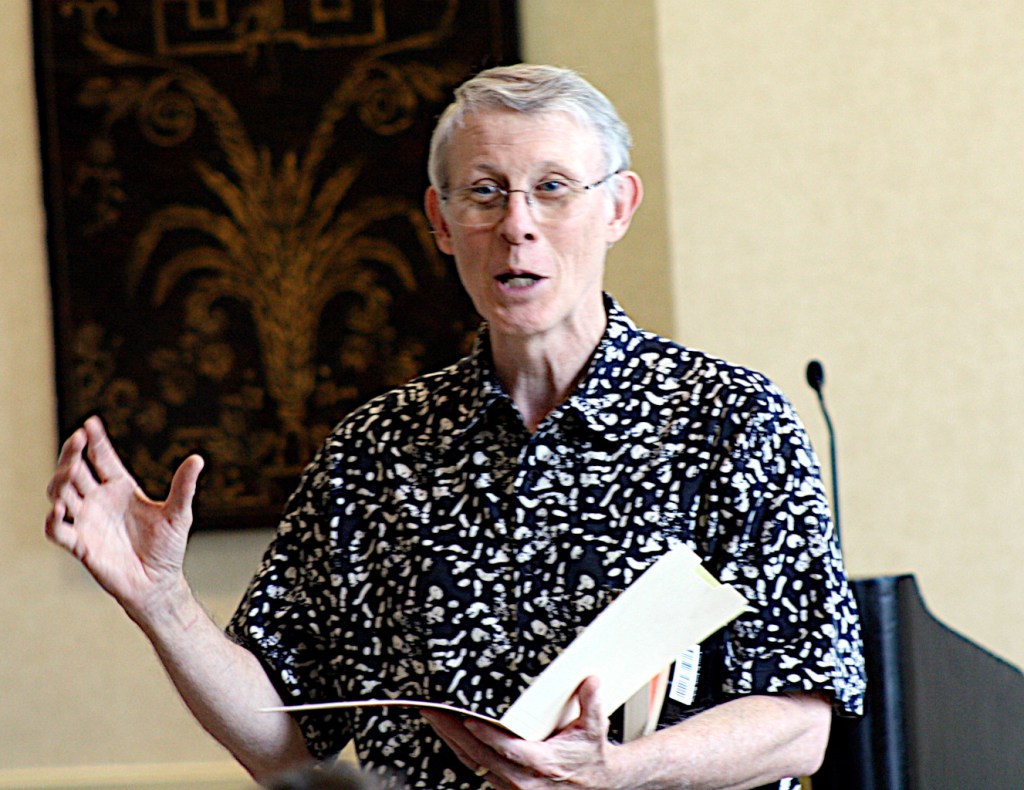
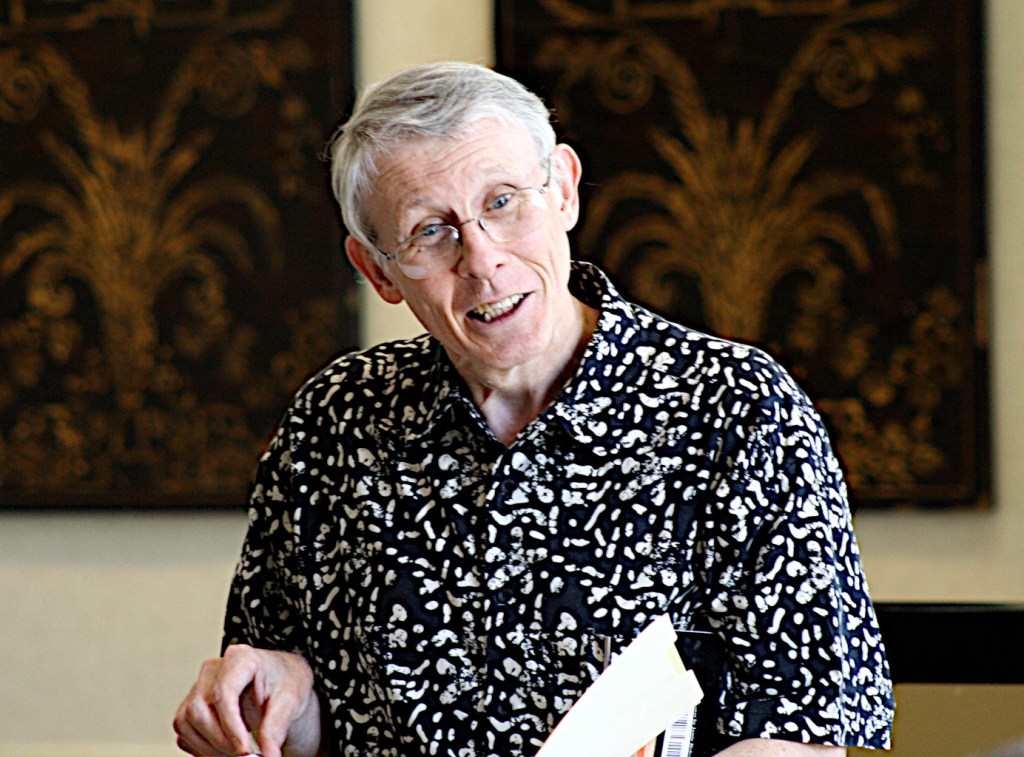
I was sad to learn today that Michael Bishop, the southern science fiction writer, had passed away about a month ago on Nov. 13 in LaGrange, Georgia, a small town near the Alabama border–north of Columbus and southwest of Atlanta. I had the honor of moderating a discussion panel called, “Engineering the Future and Southern Fried Science Fiction and Fantasy,” at the 2009 Science Fiction Research Association (SFRA) Conference in Atlanta that featured Mr. Bishop alongside F. Brett Cox, Paul Di Filippo, Andy Duncan, Kathleen Ann Goonan, Jack McDevitt, and Warren Rochelle. It was a lively discussion and I remember him being friendly and kind throughout the event where he was the Guest of Honor. The pictures above and below are from his GoH reading on Friday, June 12.
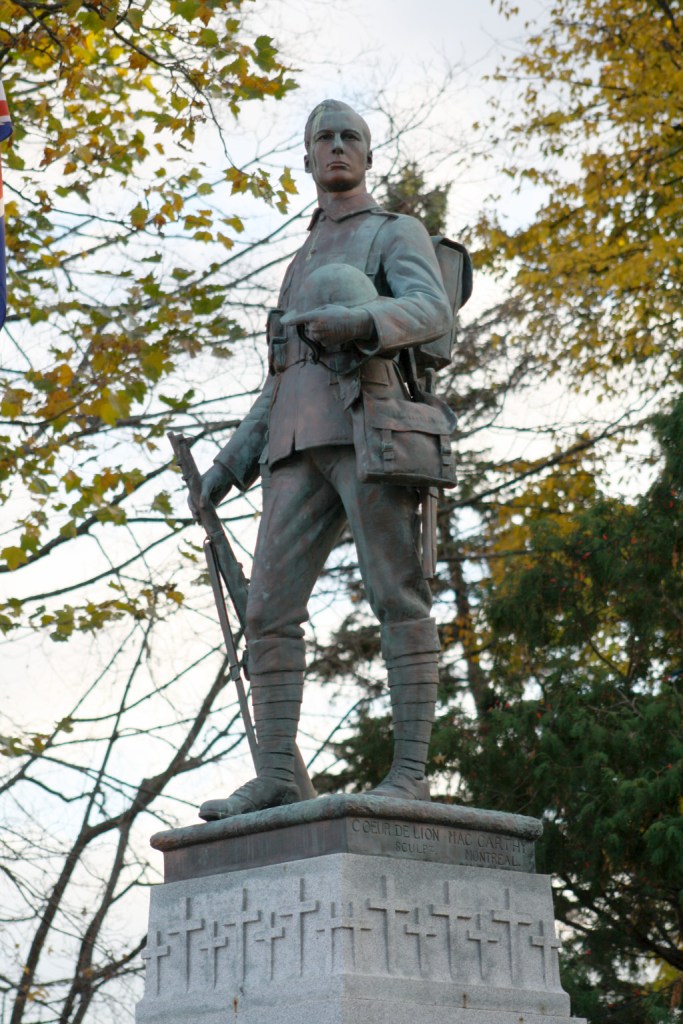
Y and I finished watching the Attack on Titan (2013-2023) anime series tonight. The character of Survey Corp Commander Erwin Smith reminded of this resolute WWI soldier bronze statue by Coeur de Lion MacCarthy at Niagara Falls, Canada.
Considering wars past and present, AoT points out the irrationality and tribalism that propels these kinds of conflicts. It reflects the seeming inevitability of repeating past mistakes mired in violence and death. The rebooted Battlestar Galactica (2003-2009) covers much of this ground, too. Even though the subject matter and mythologies in these series are different, they are clearly in dialog with one another regarding the human condition, free will, tribalism/social structures, and propensity for violence over dialog and compromise. Both seem to say that we are doomed to repeat
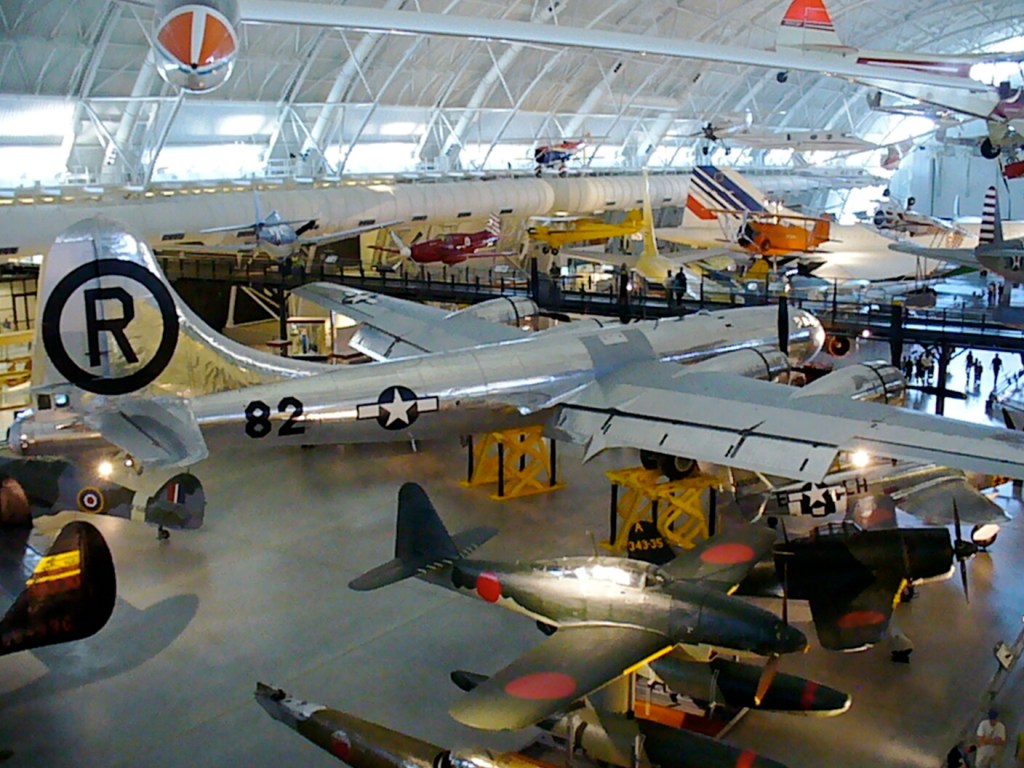
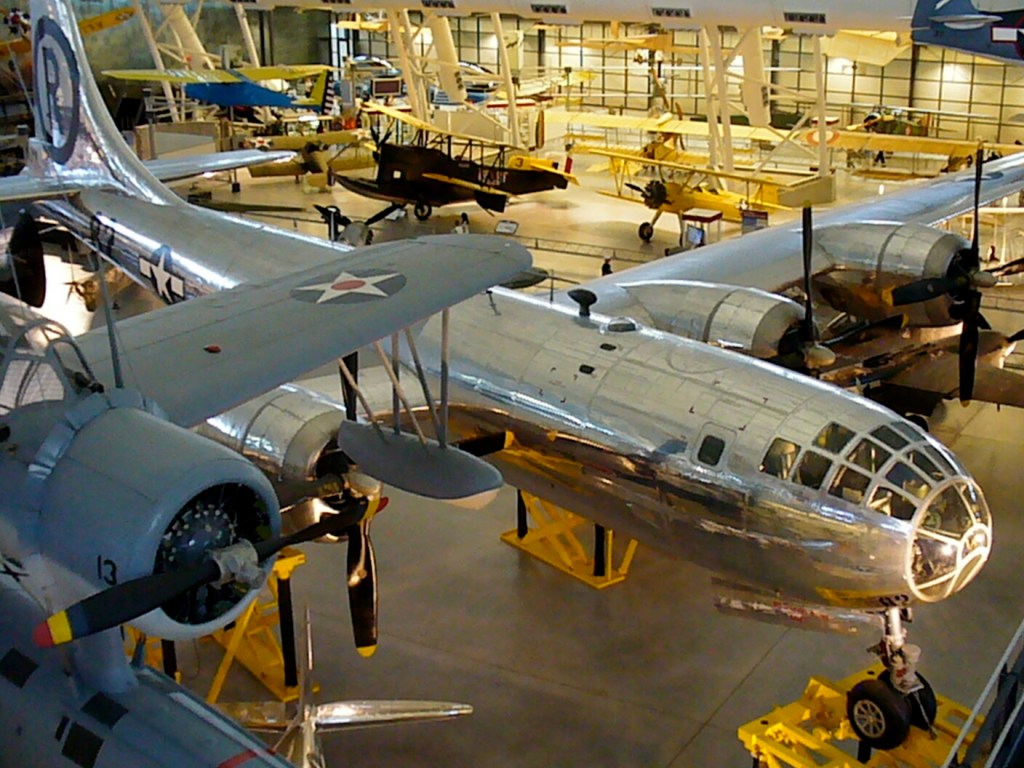
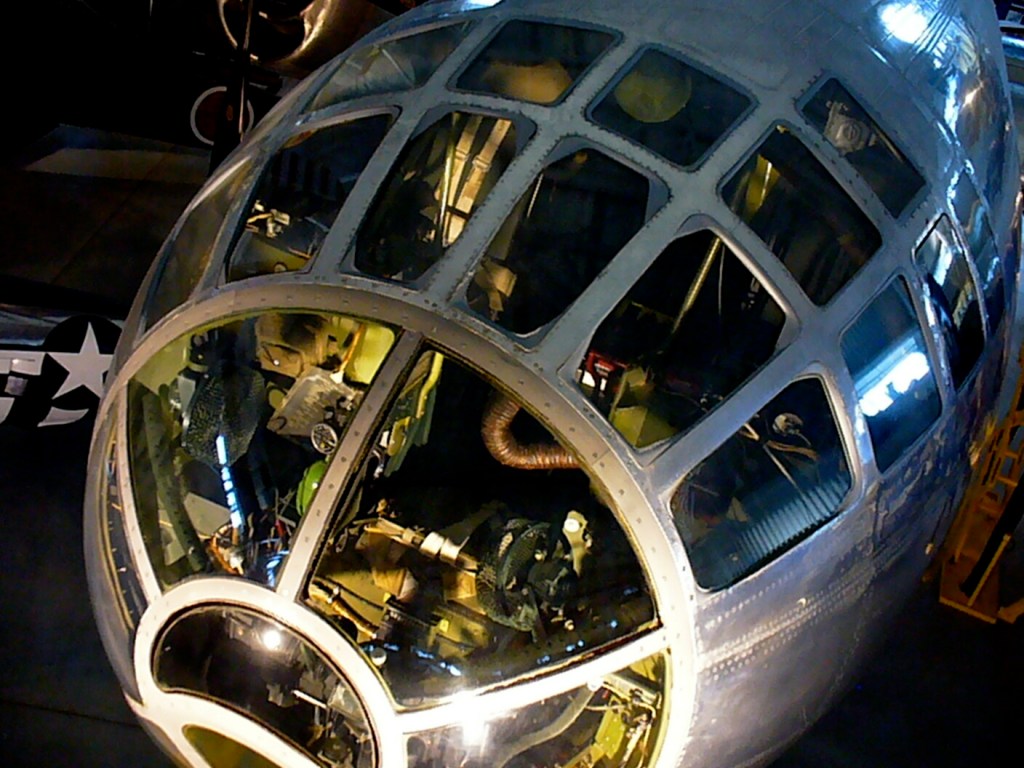
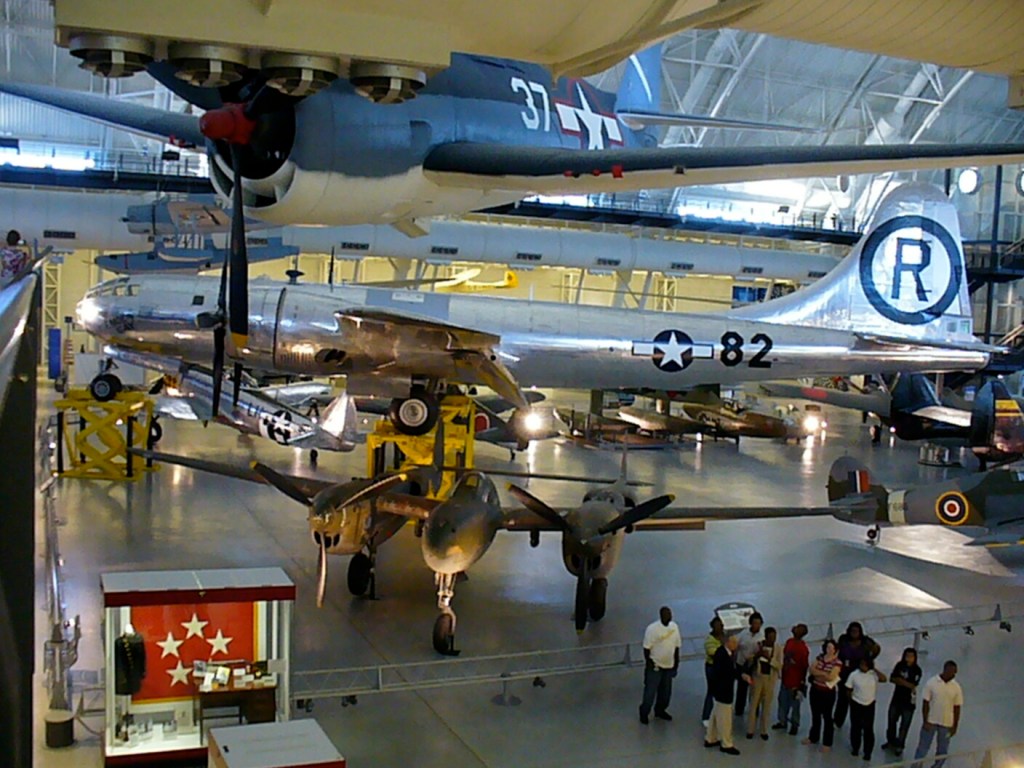
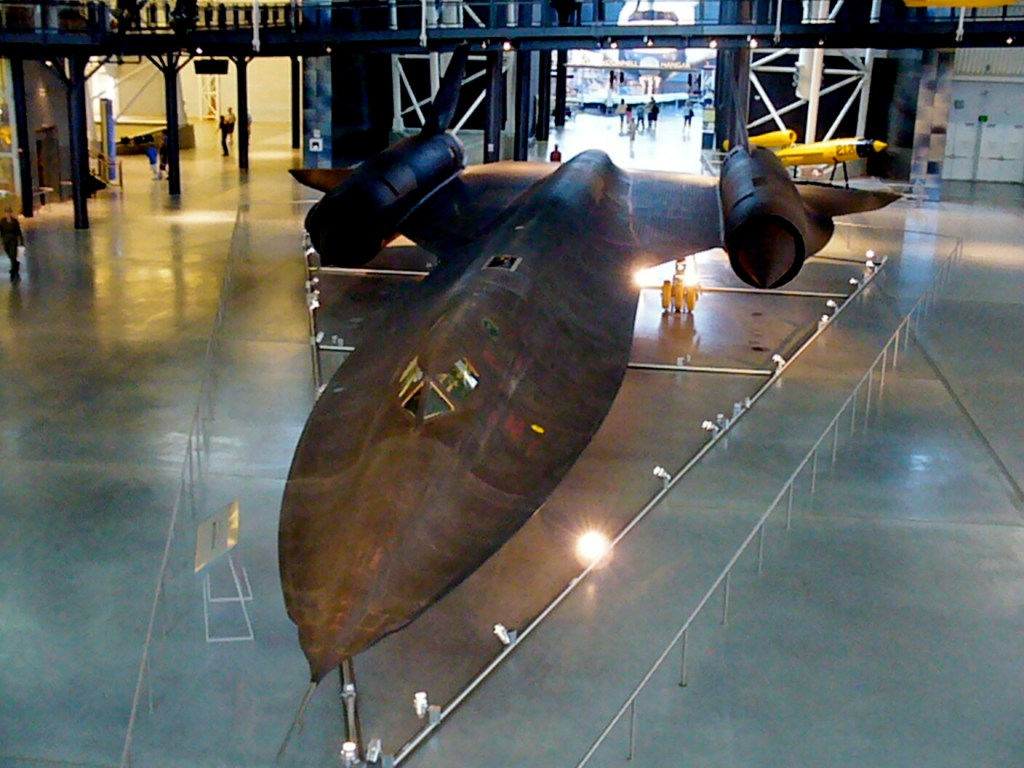
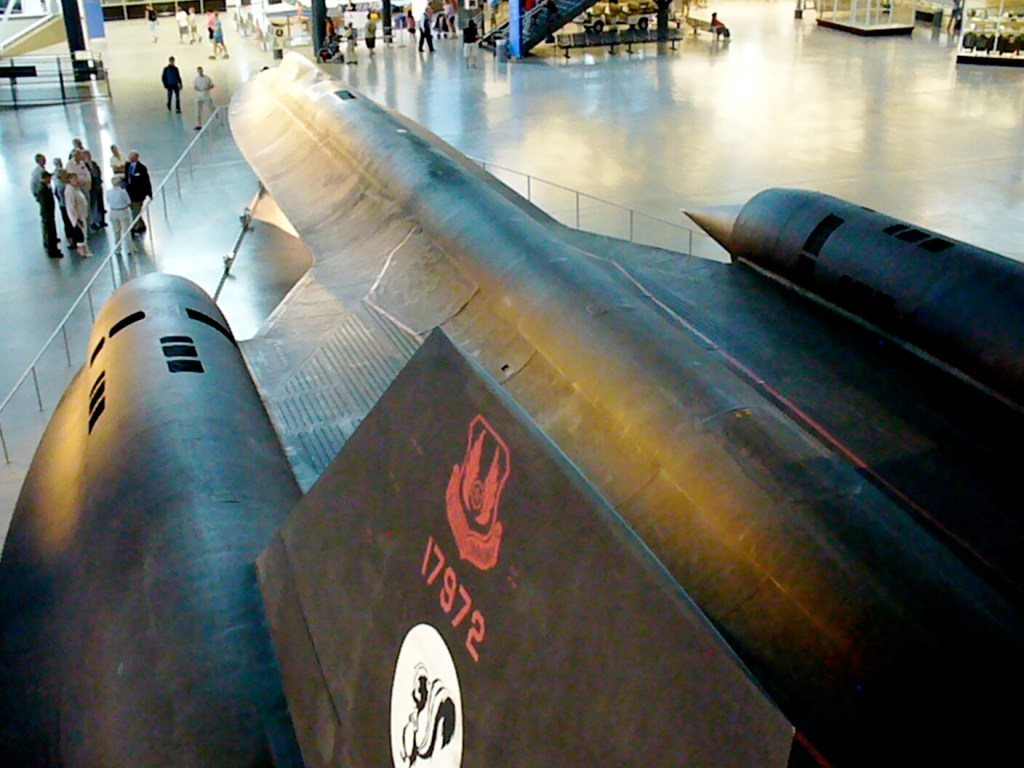
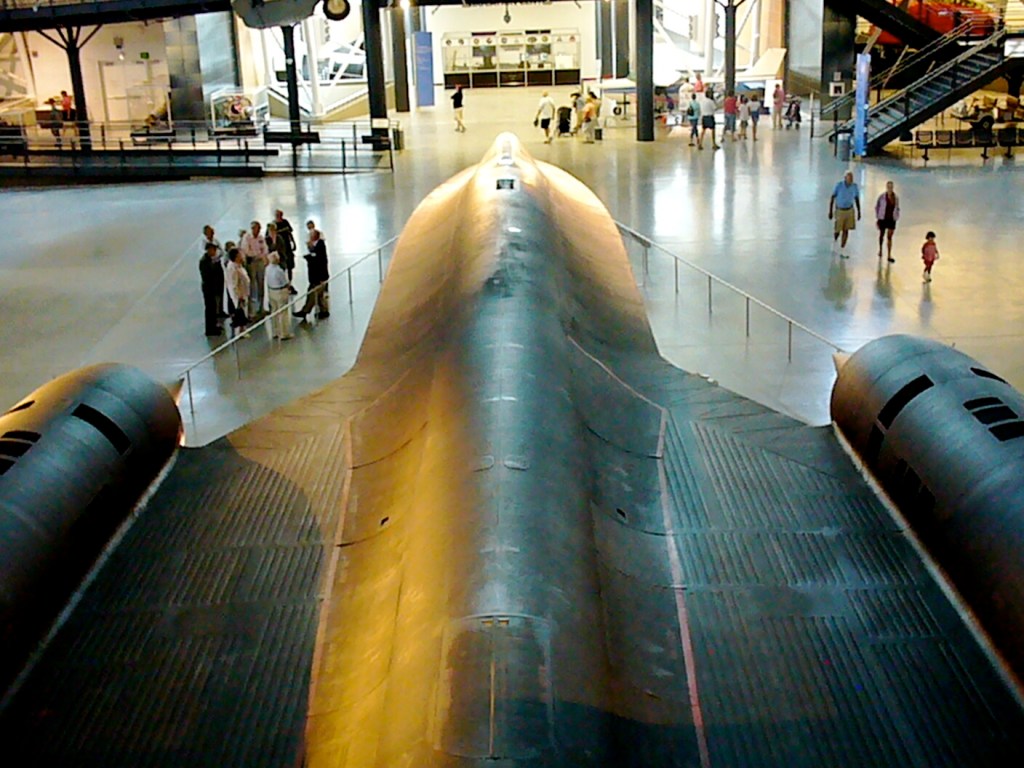
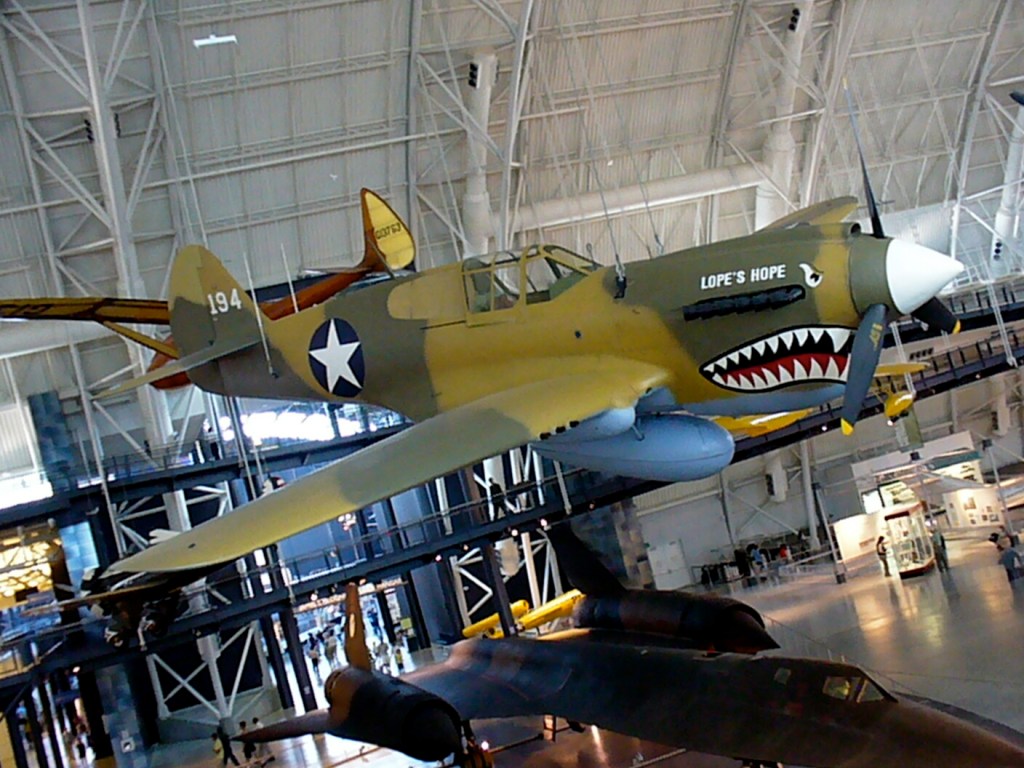
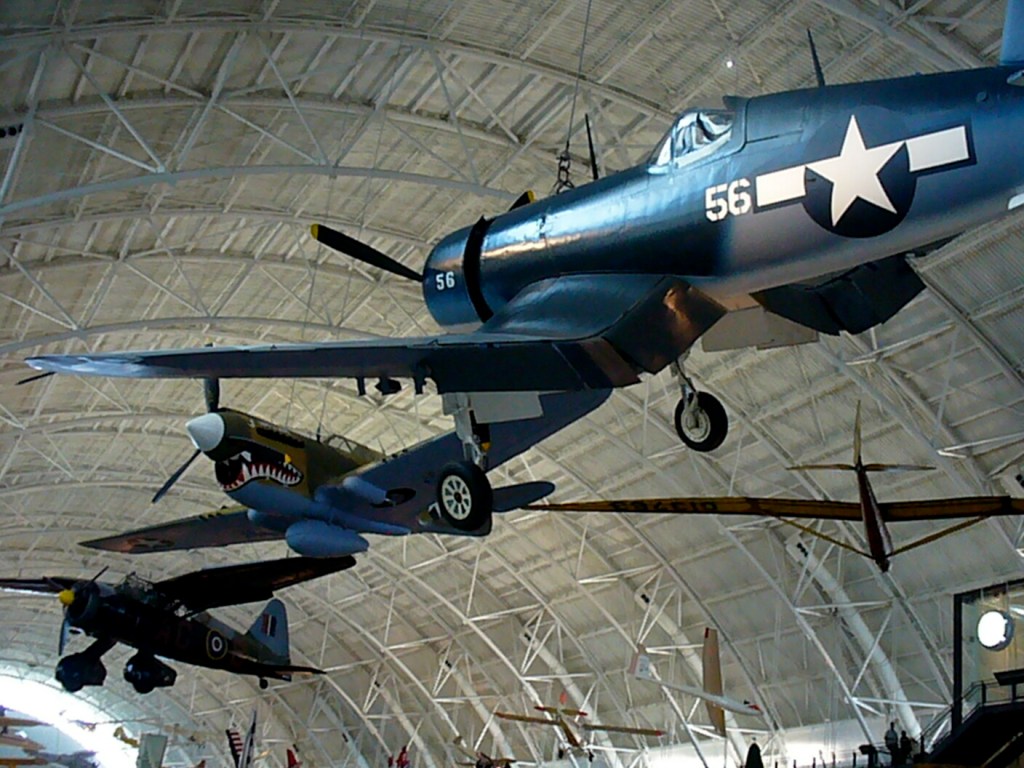
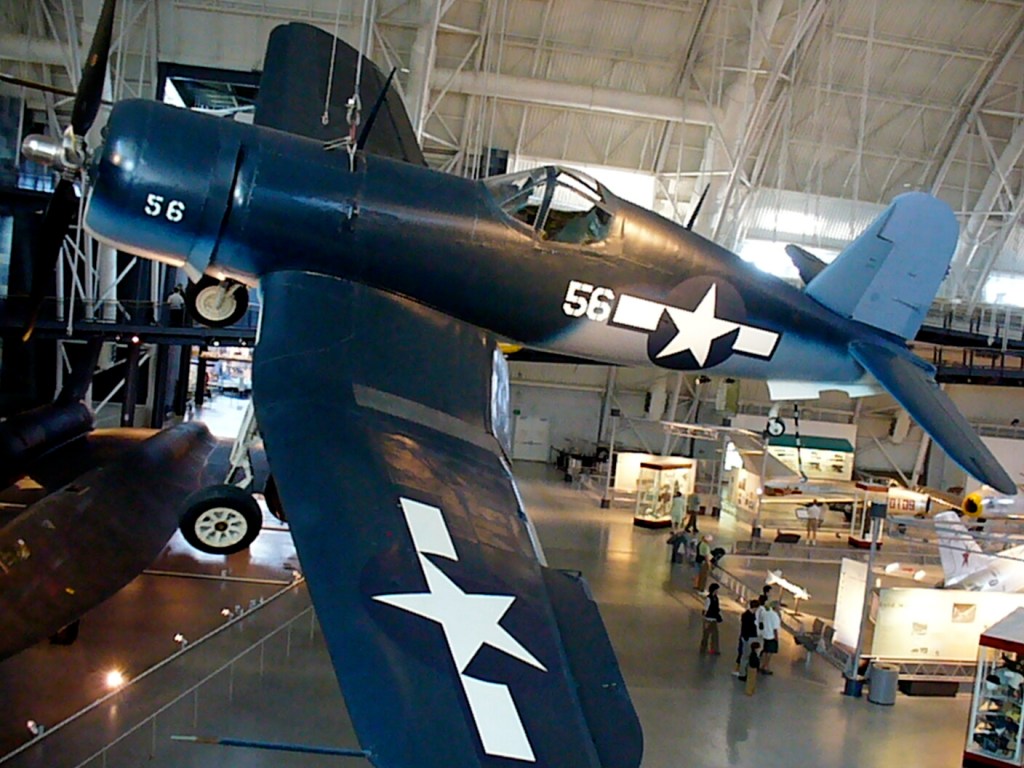
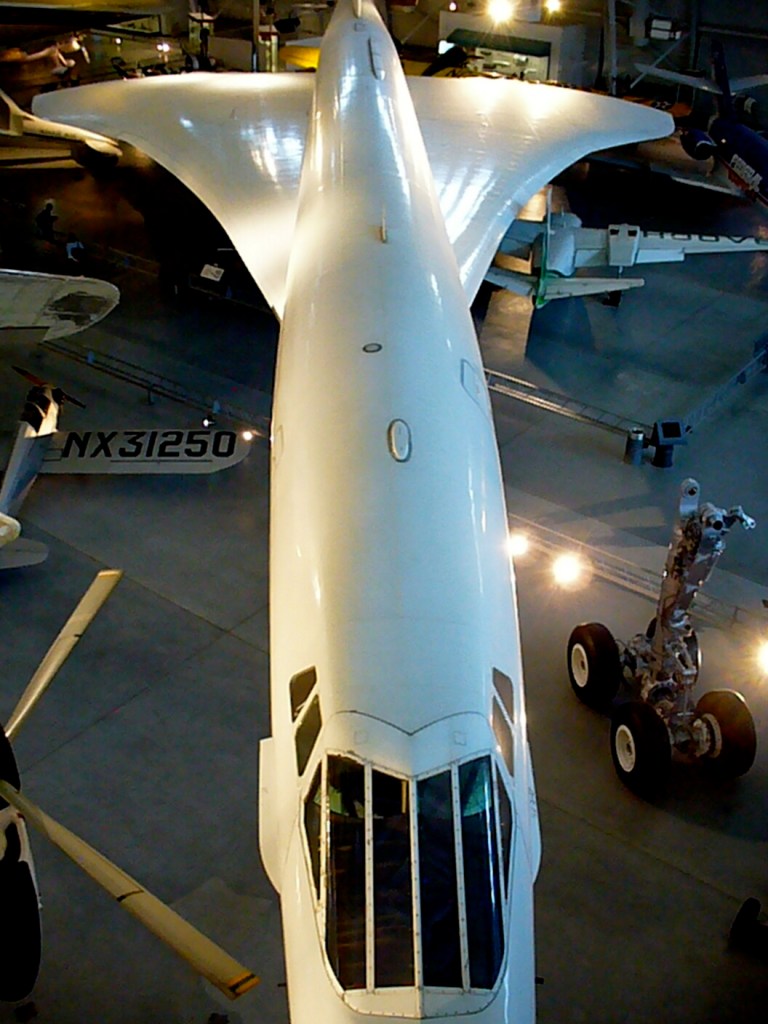
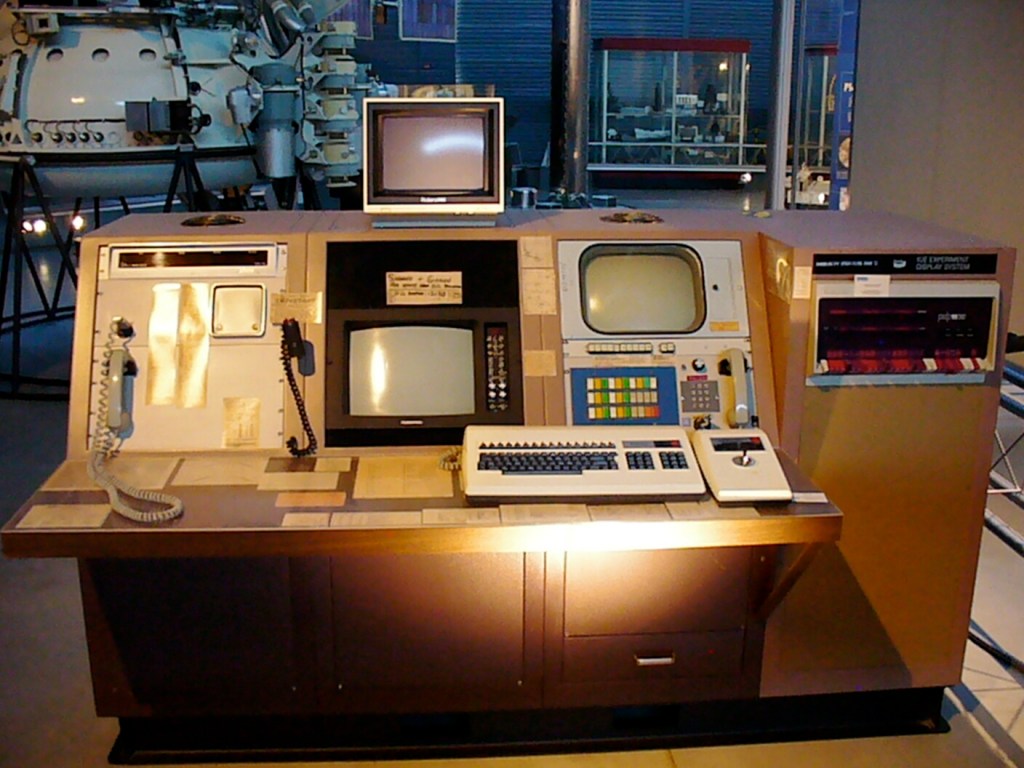
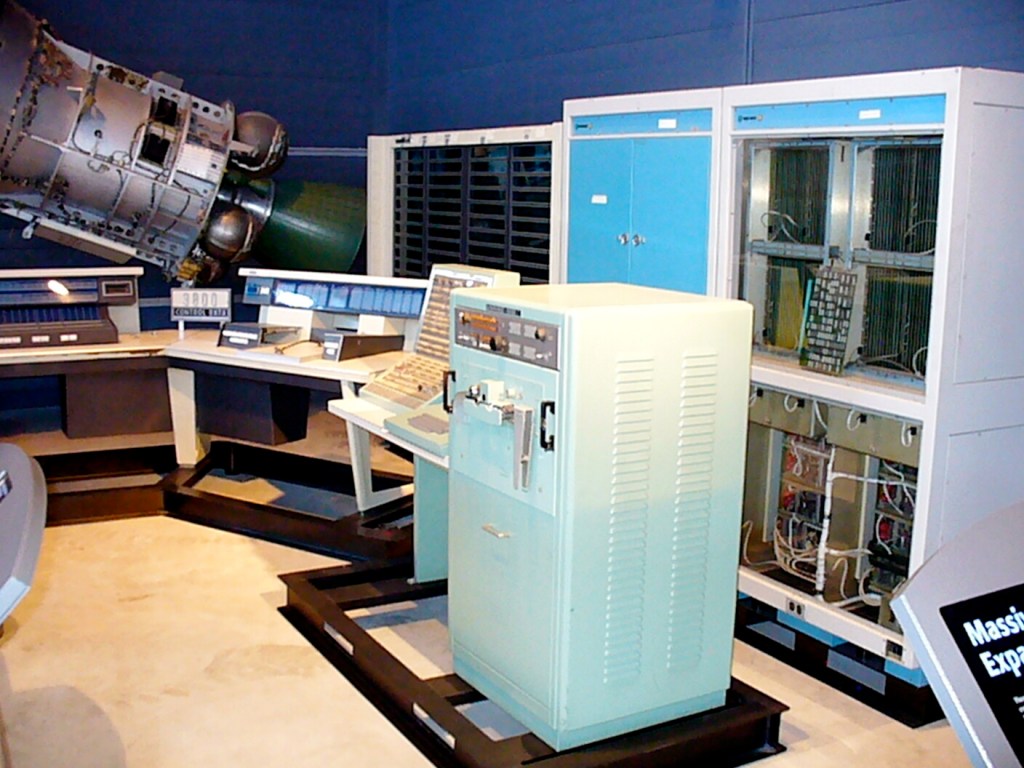
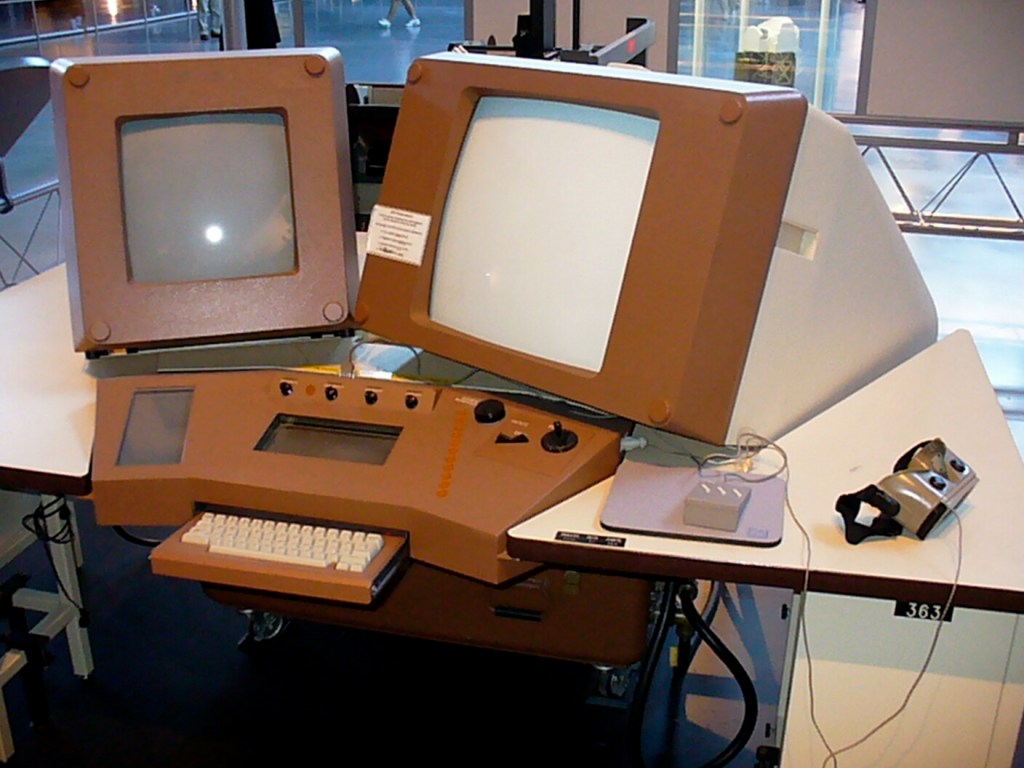
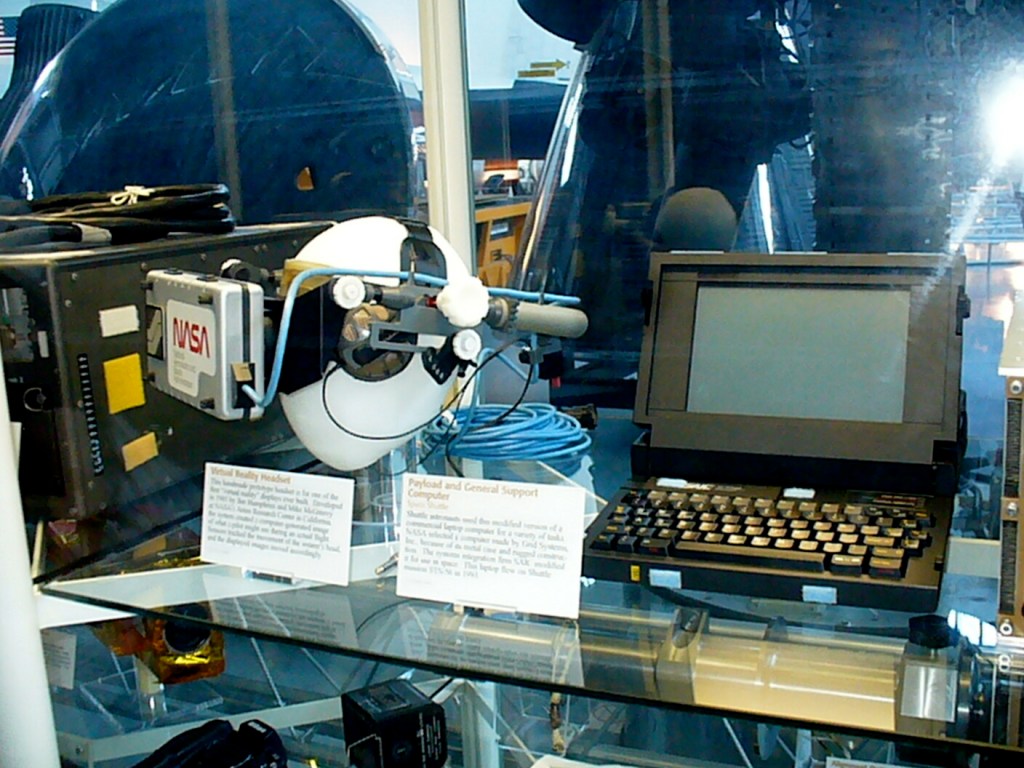
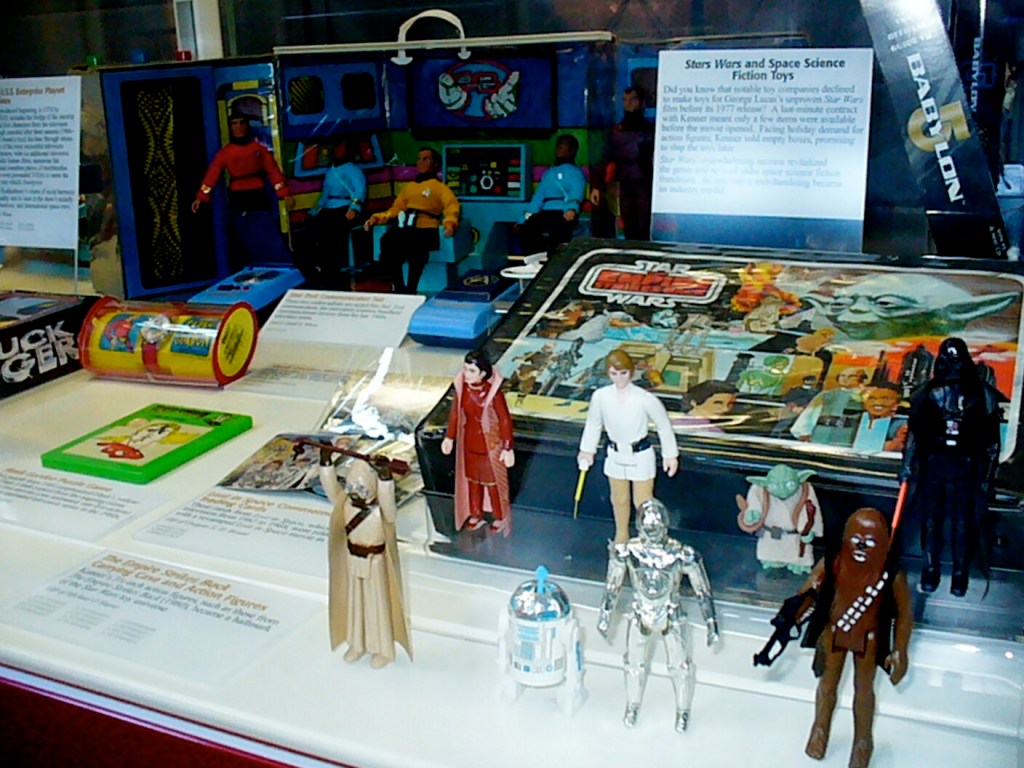
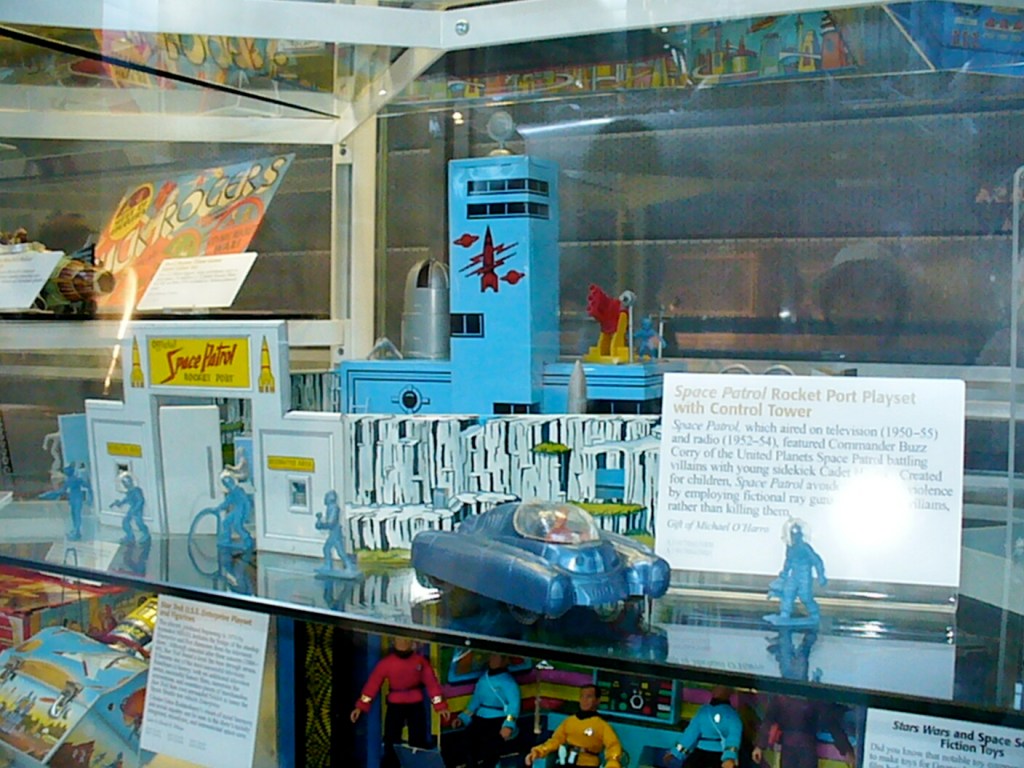
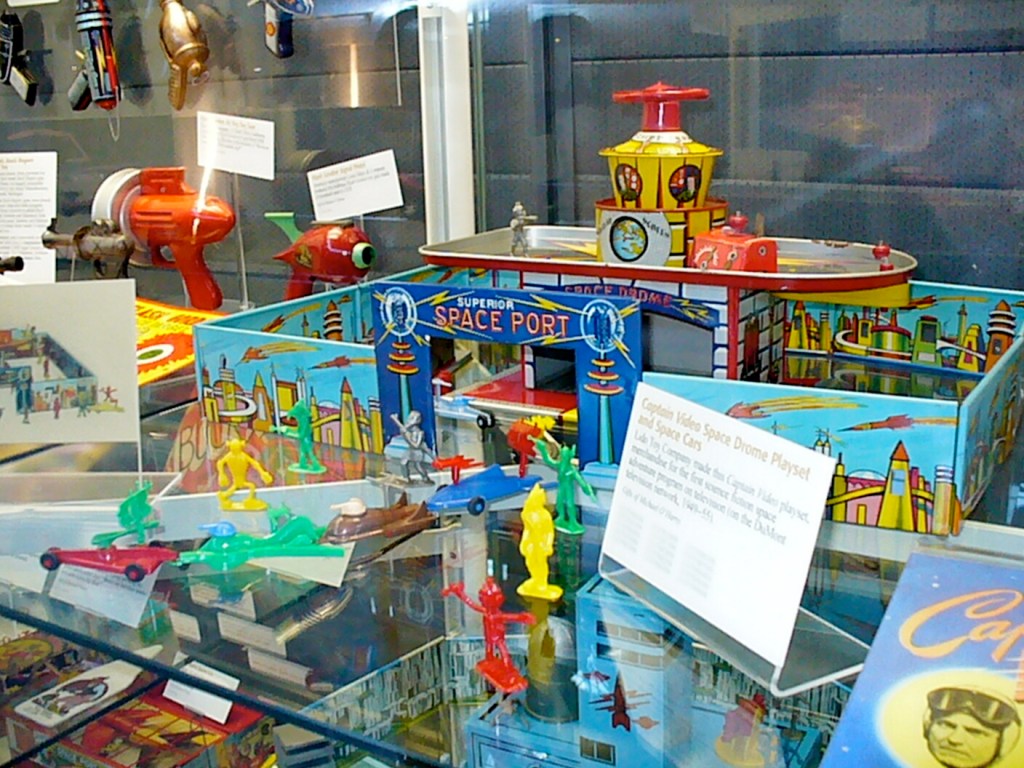
In August 2008, Y and I visited Washington, DC. One of our stops was the Steven F. Udvar-Hazy Center of the National Air and Space Museum, which holds some amazing aerospace artifacts including the B-29 Enola Gay, an SR-71 Blackbird, and Space Shuttle Enterprise. There are also many military aircraft, space related artifacts, robots (and rovers), computers, toys, and even a Hugo Award. Below, I’ve included photos grouped around an artifact or theme, but they are not arranged in a particular order–kind of like meandering around such a huge museum.
Enola Gay B-29
Lockheed SR-71 Blackbird
Grumman F-14 Tomcat
Lockheed T-33A-5-LO Shooting Star
Bell XV-15 Tilt Rotor Research Aircraft
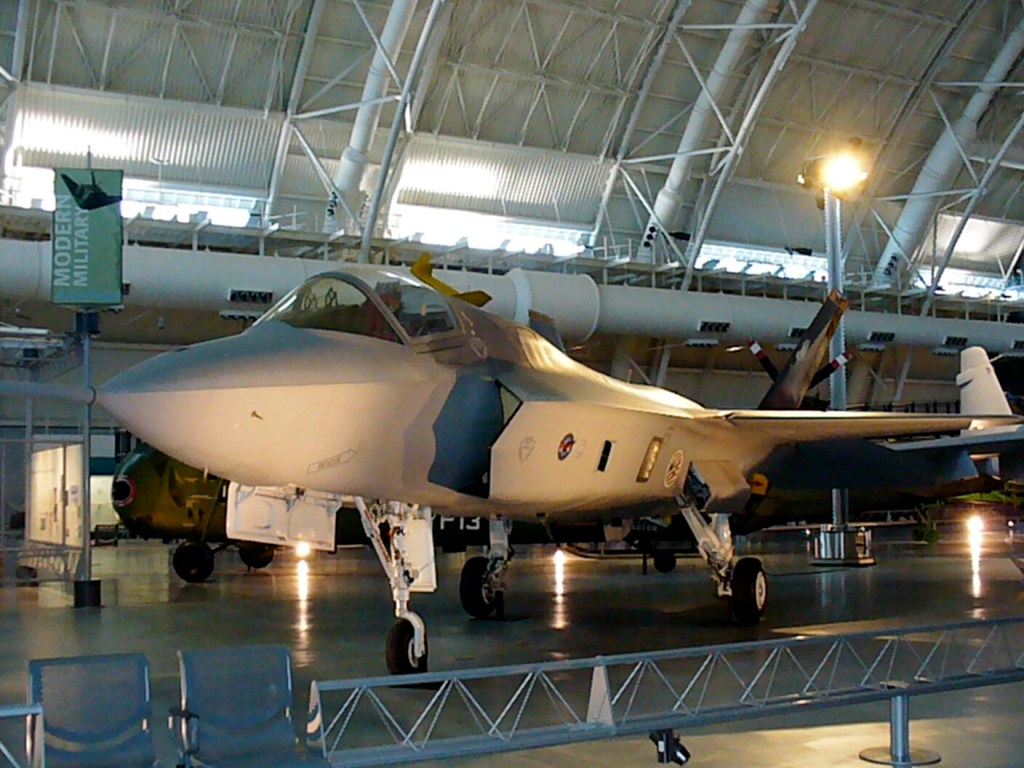
Lockheed Martin X-35B STOVL
NASA Space Shuttle Enterprise
Mars Pathfinder and Sojourner Rover
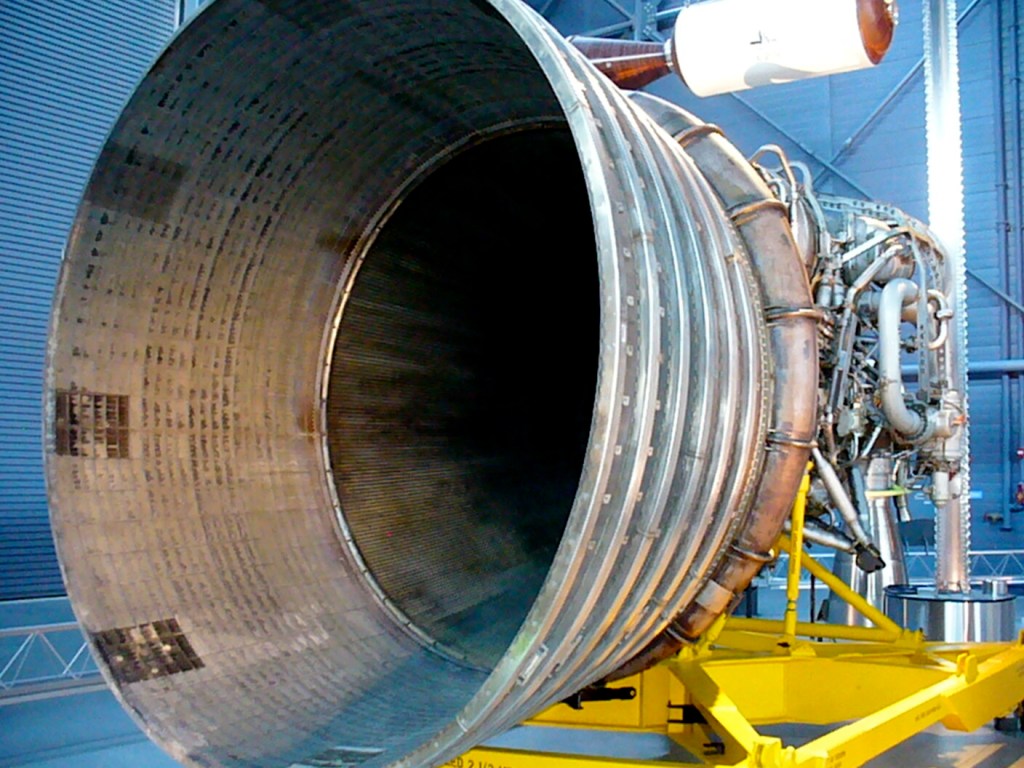
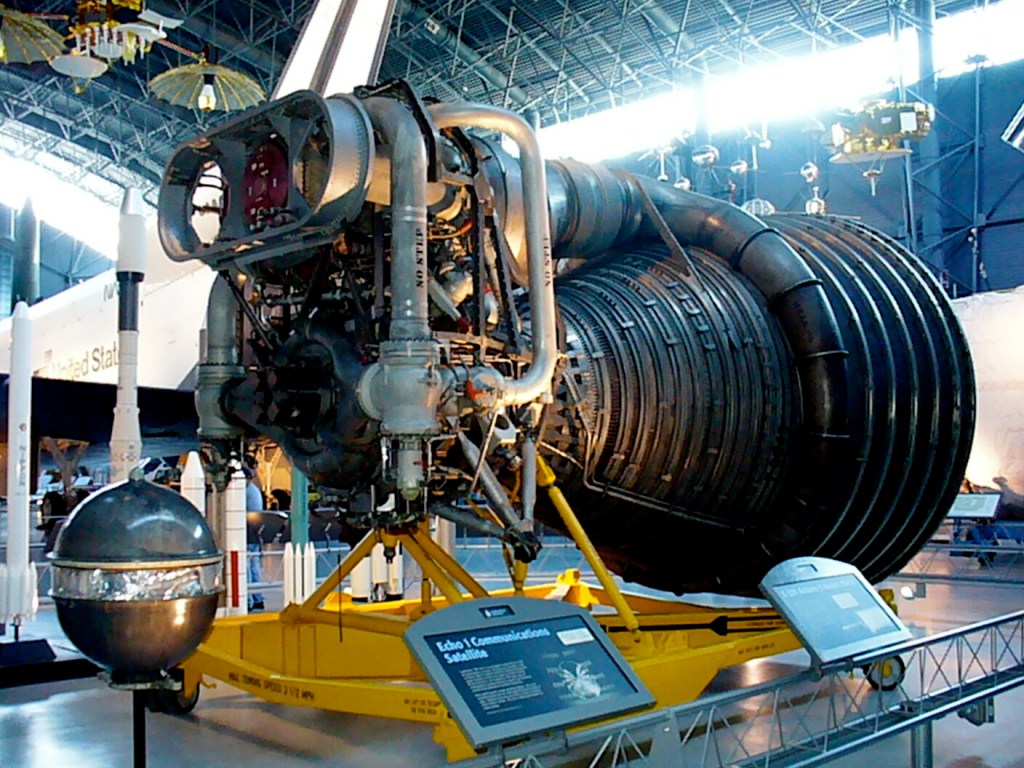
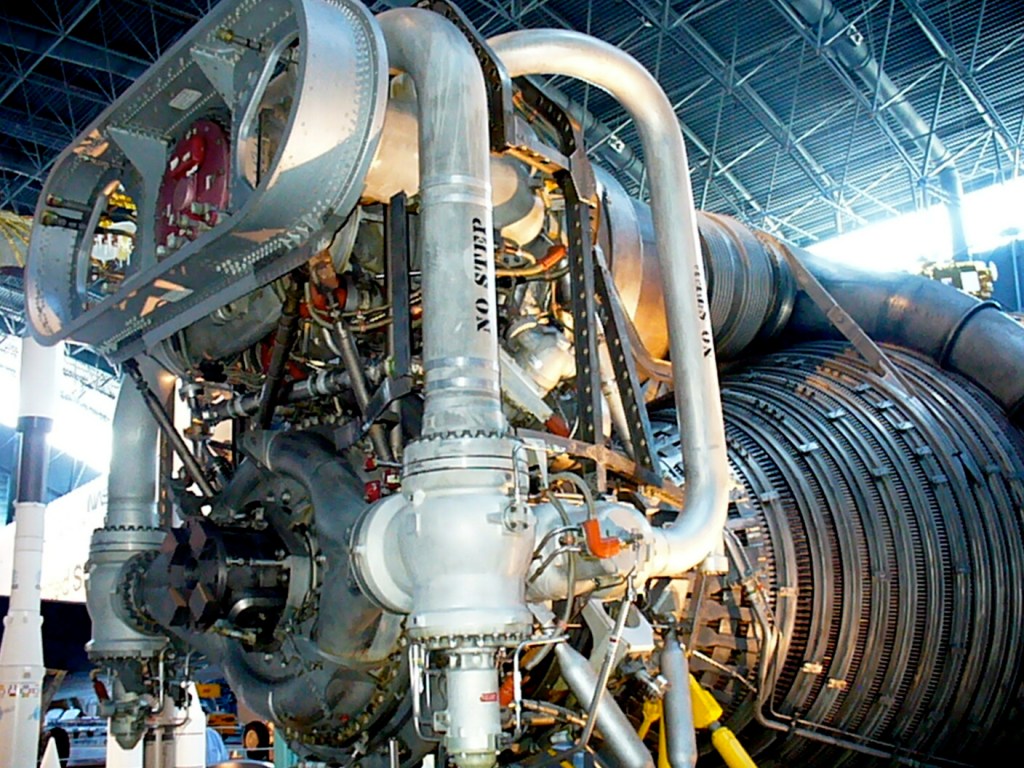
Rocketdyne F-1 Rocket Motor
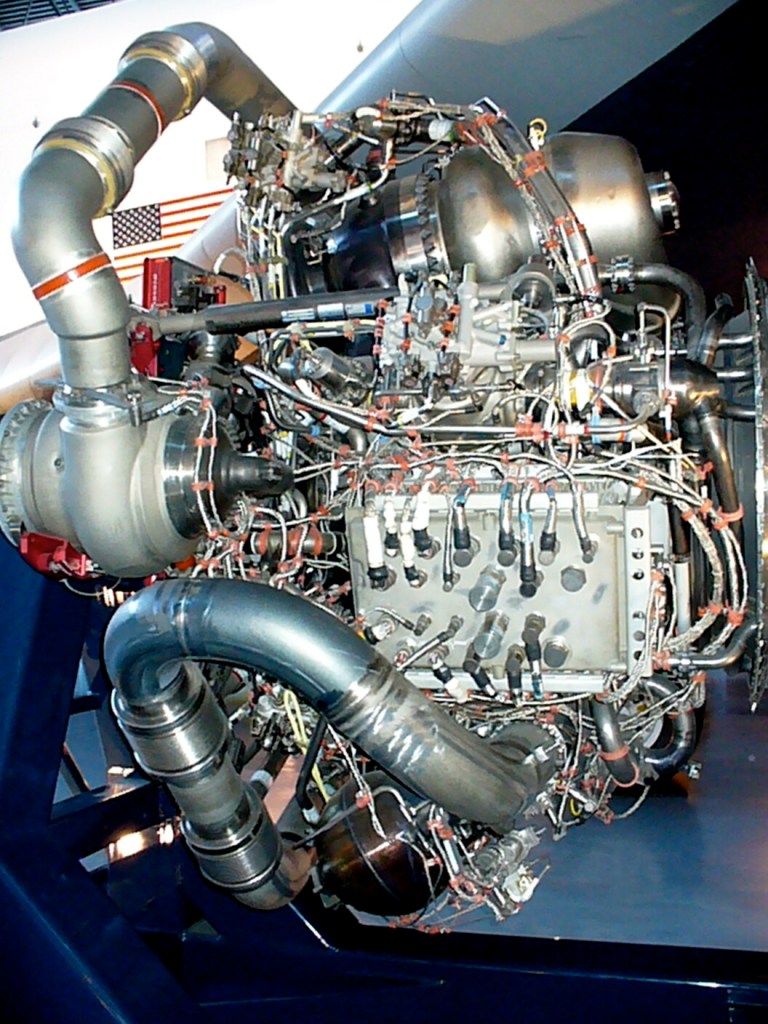
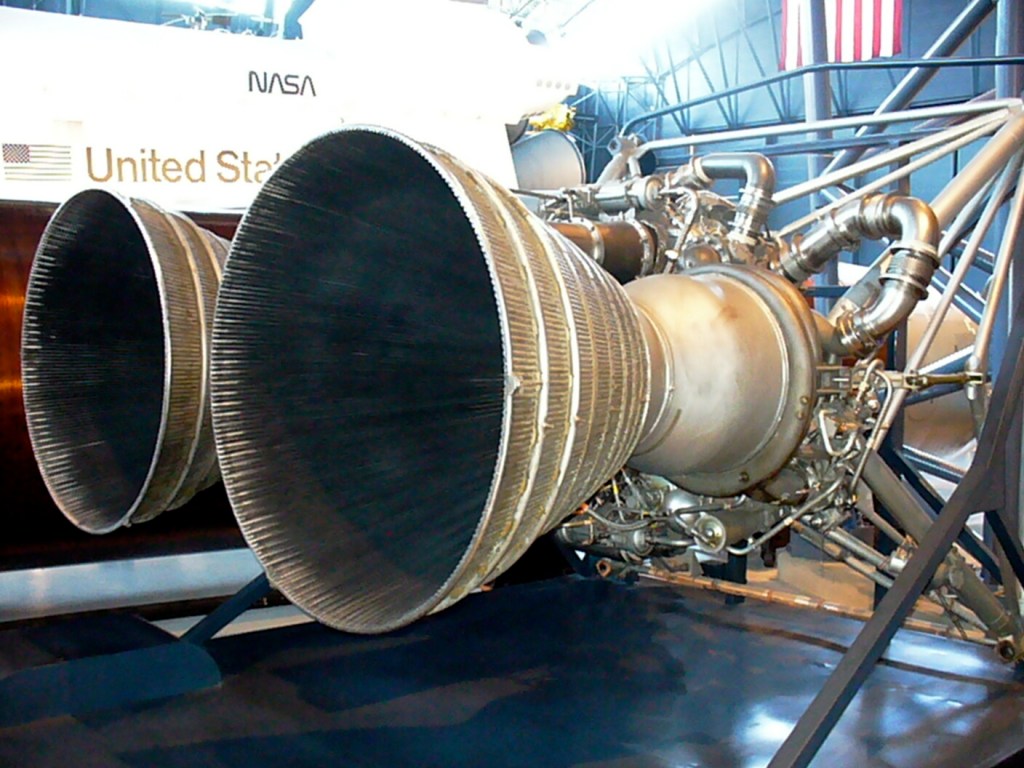
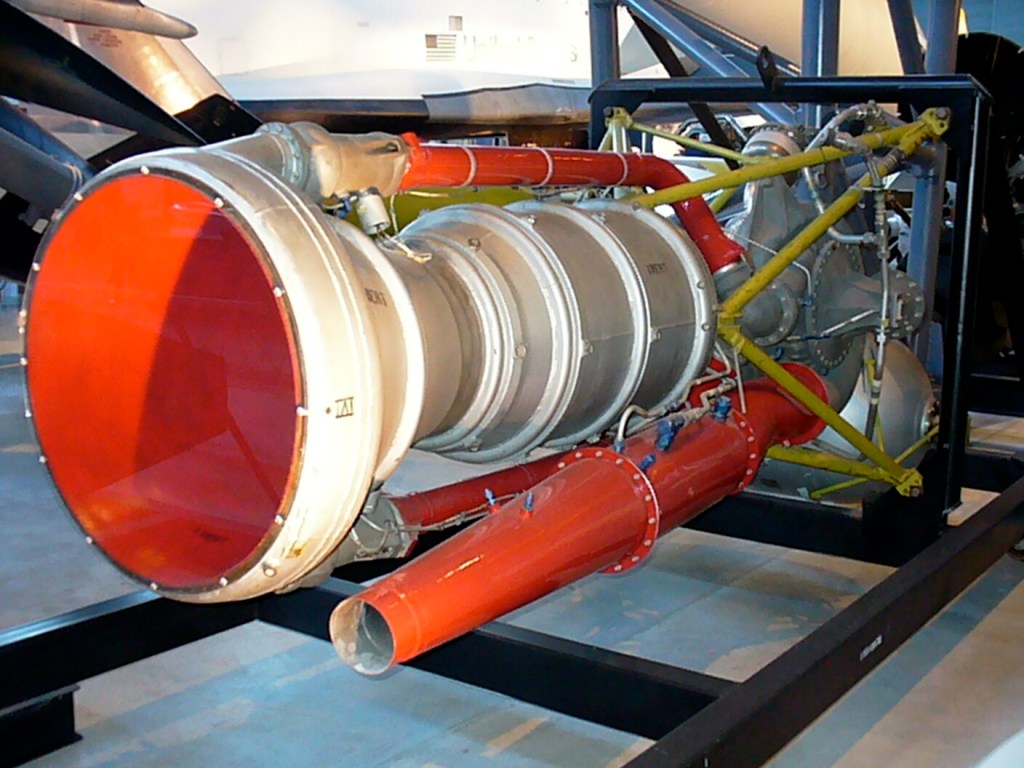
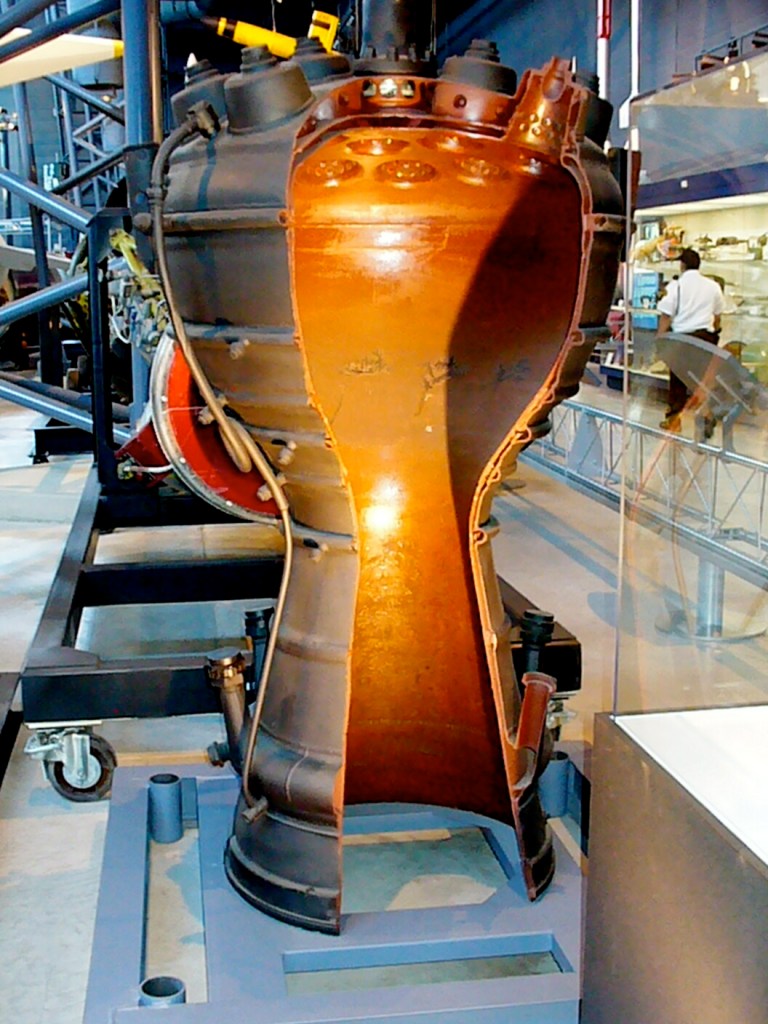
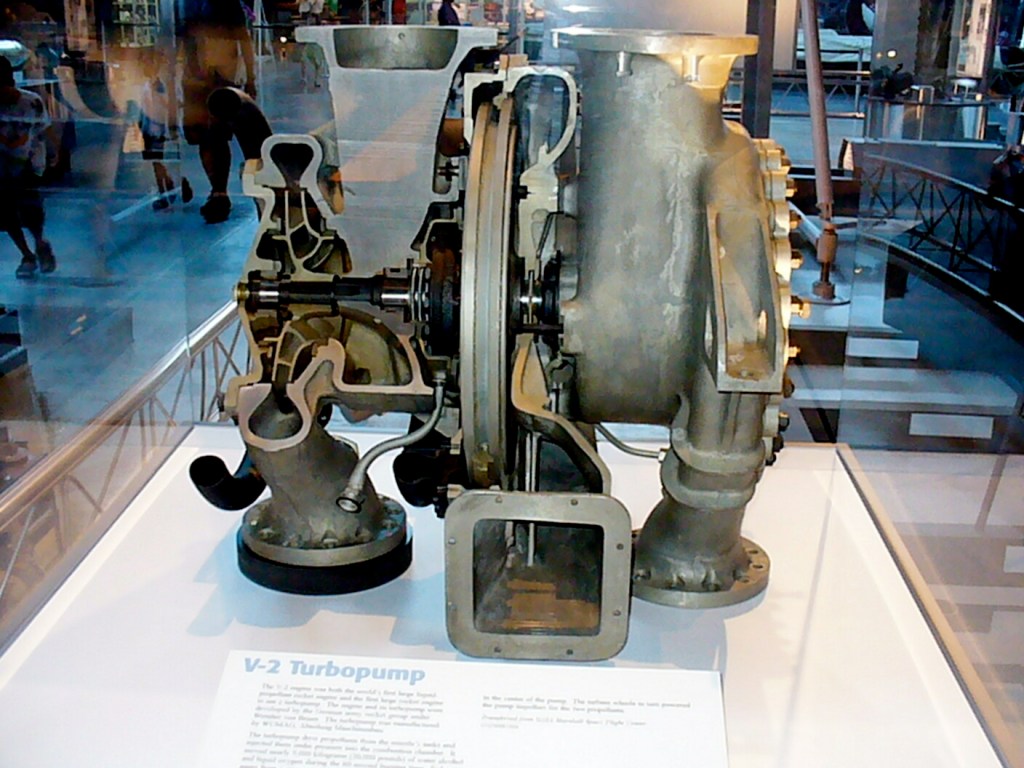
Various Rocket Motors and V-2 Turbopump
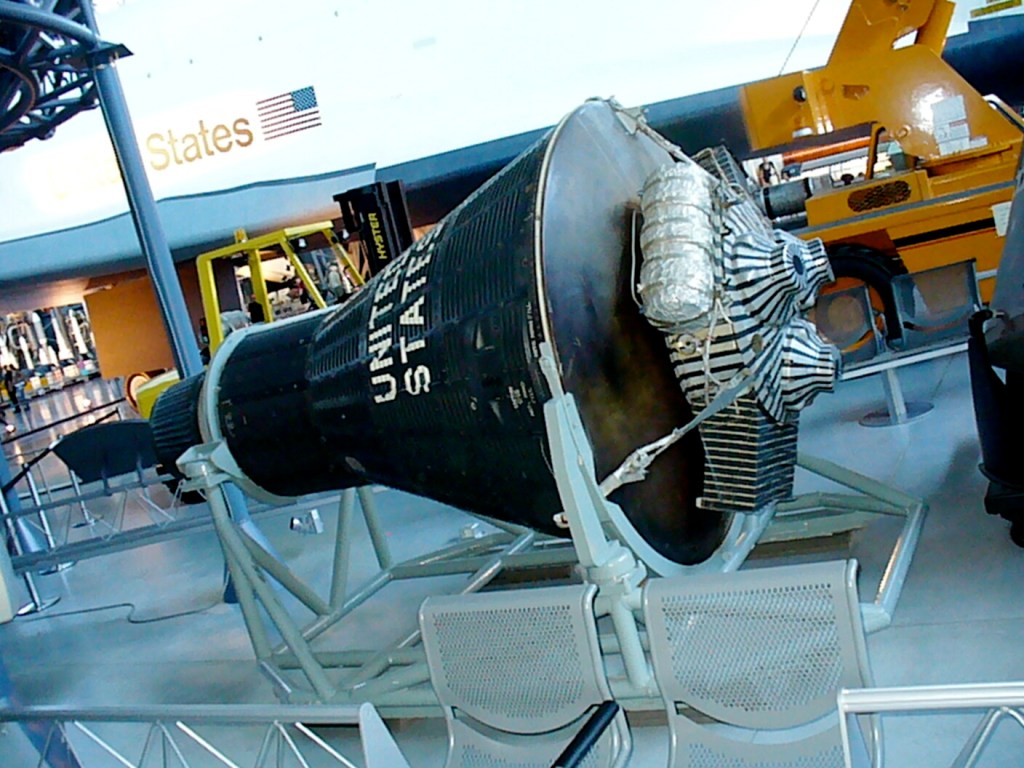
Early Space Capsules
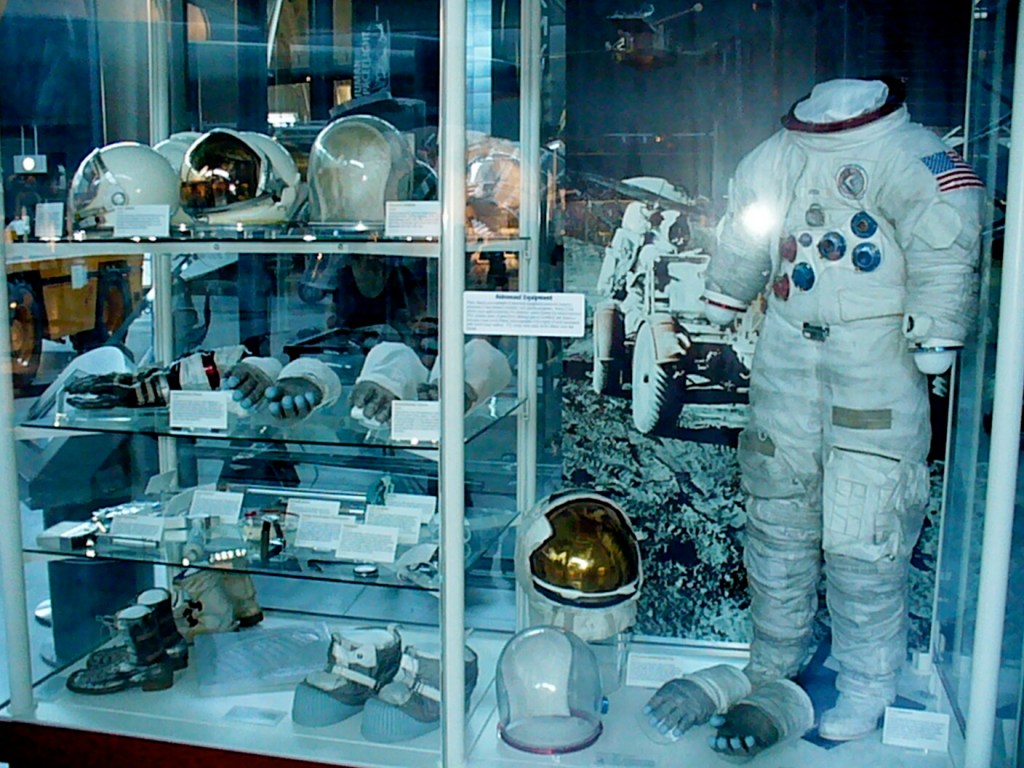
Apollo Spacesuit and Helmets and Gloves
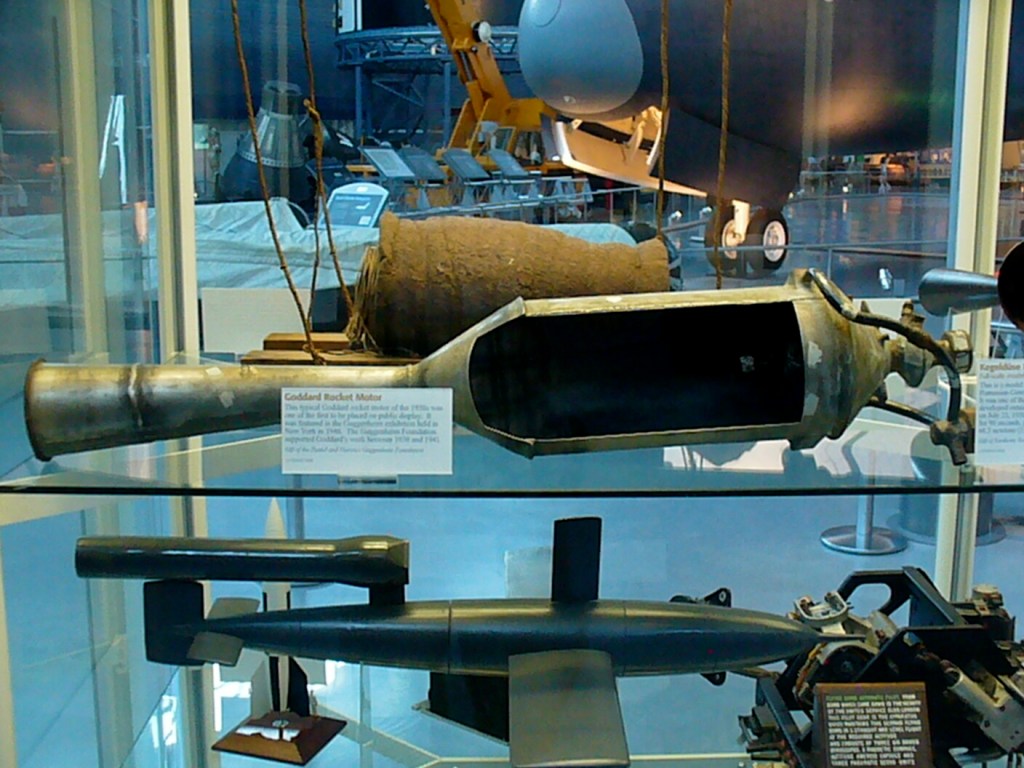
Robert Goddard Rocket Motor
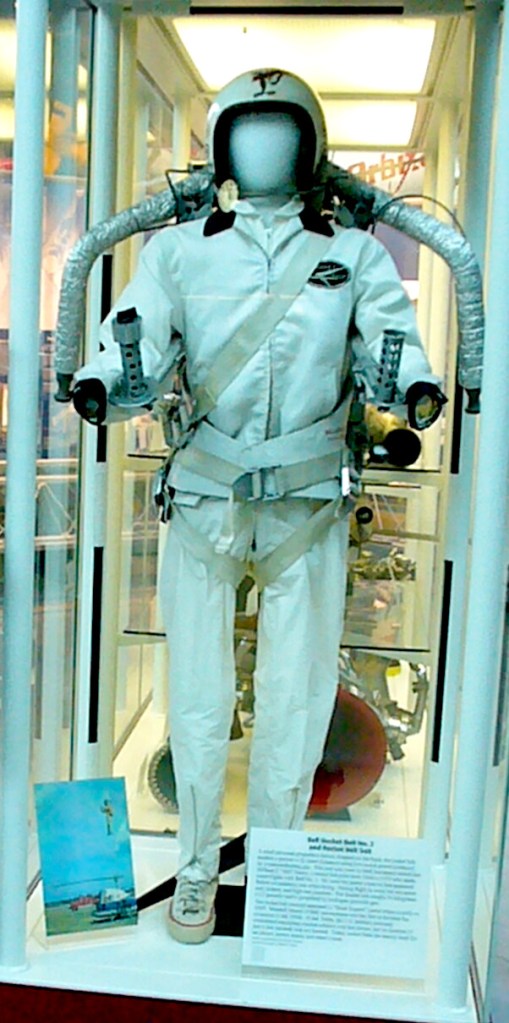
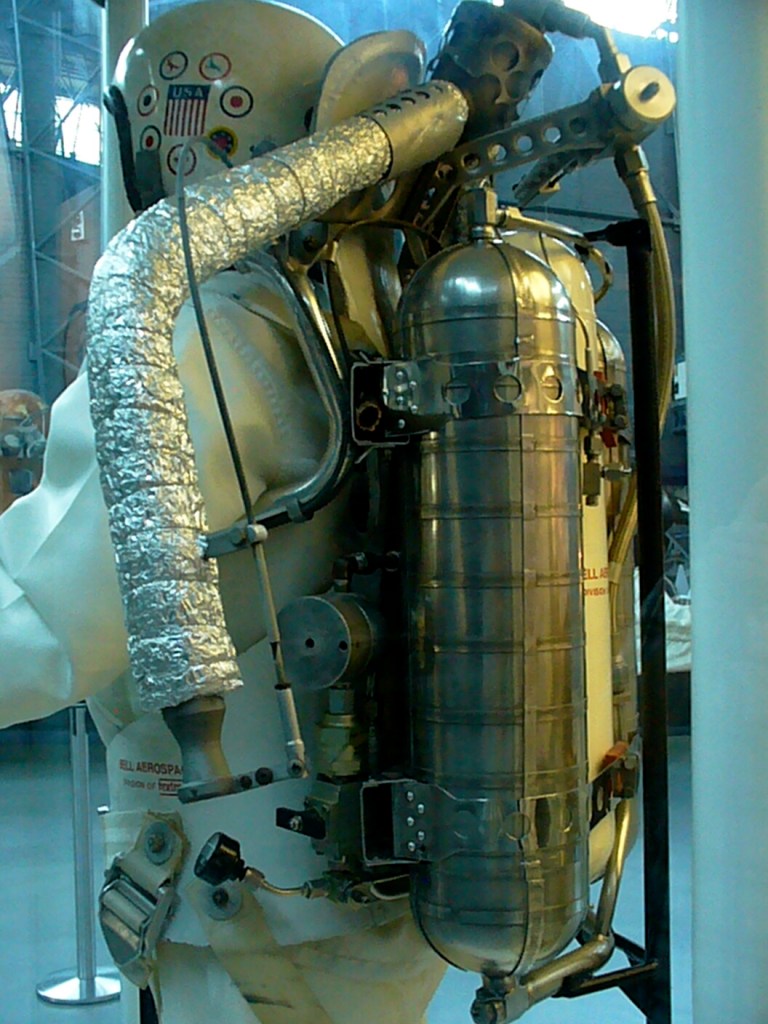
Bell Rocket Belt
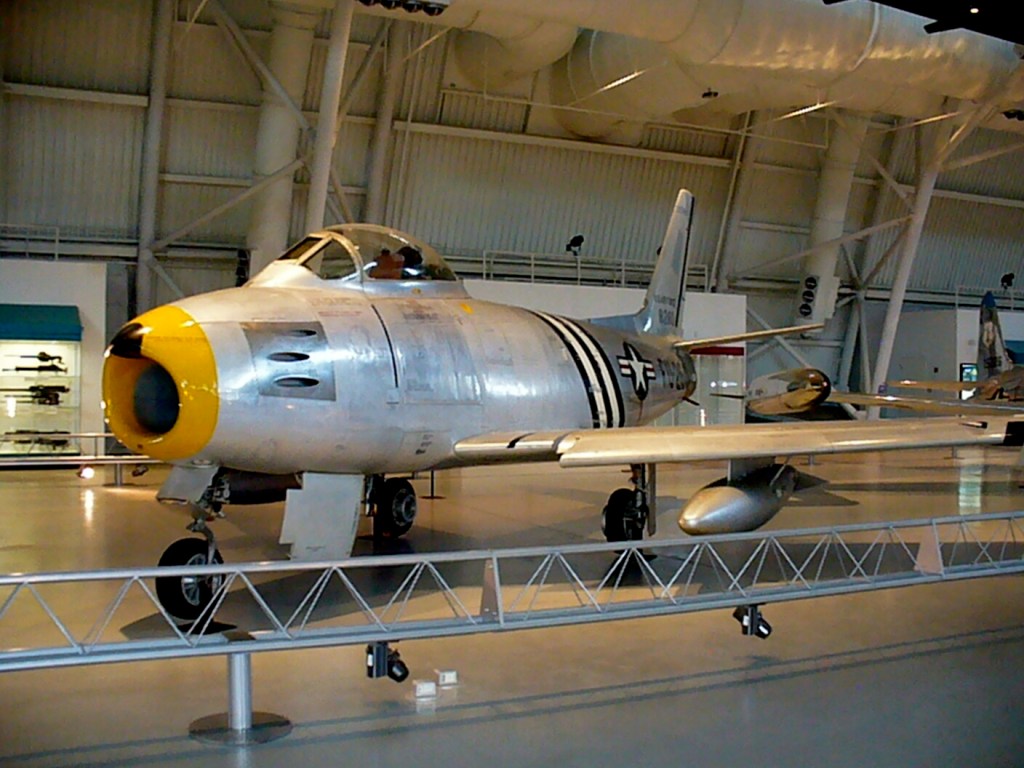
North American F-86 Sabre
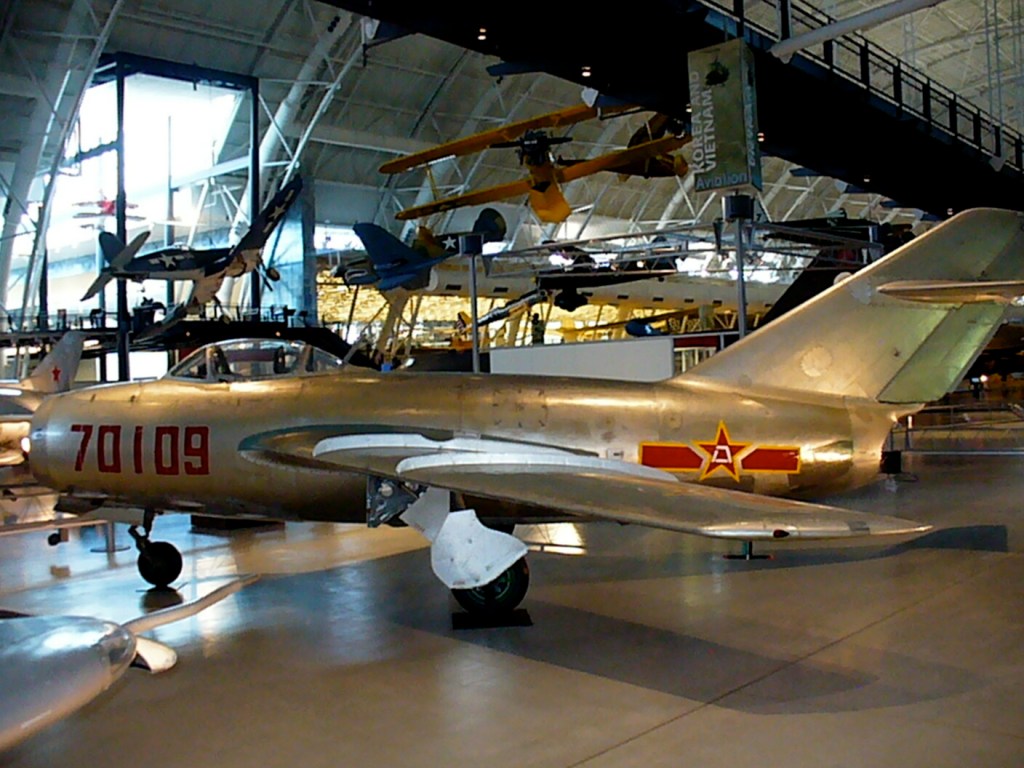
Mikoyan-Gurevich MiG-15
Curtiss P-40 Warhawk
Vought F4U Corsair
Lockheed P-38 Lightning
Aérospatiale/BAC Concorde
Scaled Composites Model 311 Virgin Atlantic GlobalFlyer
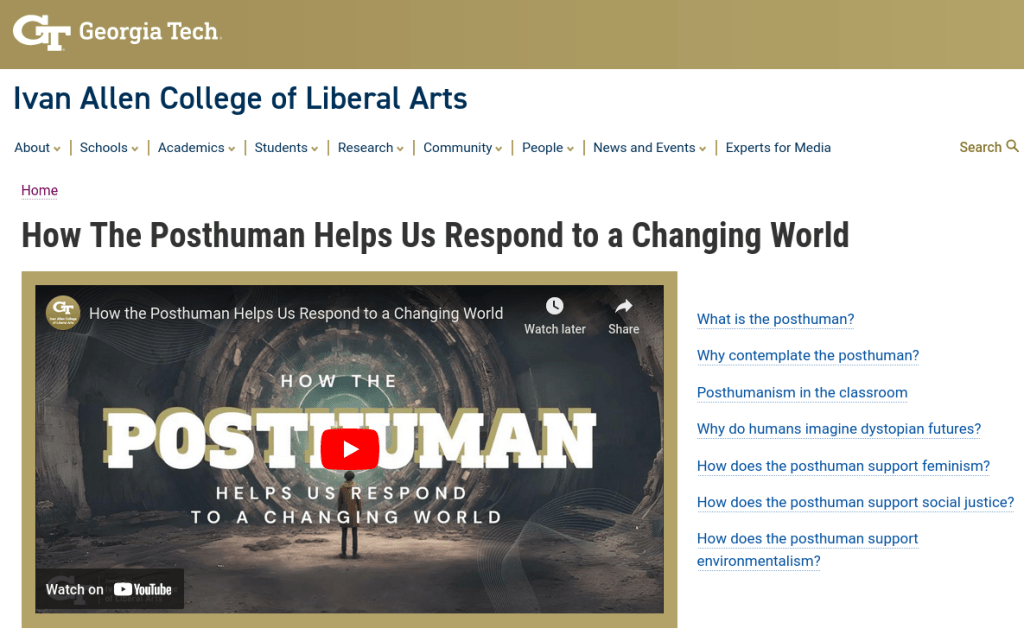
How can we leverage posthumanist ideas to respond to the world’s social and ecological crises? My colleagues at Georgia Tech (Lisa Yaszek, Regents Professor of Science Fiction Studies; Zita Hüsing, Assistant Director of the Writing and Communications Program and Marion L. Brittain Postdoctoral Fellow; and Paul B. Foster, Associate Professor of Chinese) and I give our perspectives in this brief multimodal article that might be great to share with students if you need a resource that succinctly breaks down what posthumanism is and addresses its connections to feminism, social justice, and environmentalism.
Previously, Lisa Yaszek and I wrote an book chapter on Posthumanism and Science Fiction for The Cambridge Companion to Literature the Posthuman (2016). You can read our chapter here.
If you’d like to talk about posthumanism or collaborate on a related project, drop me a line at my email address in the about box to the right.