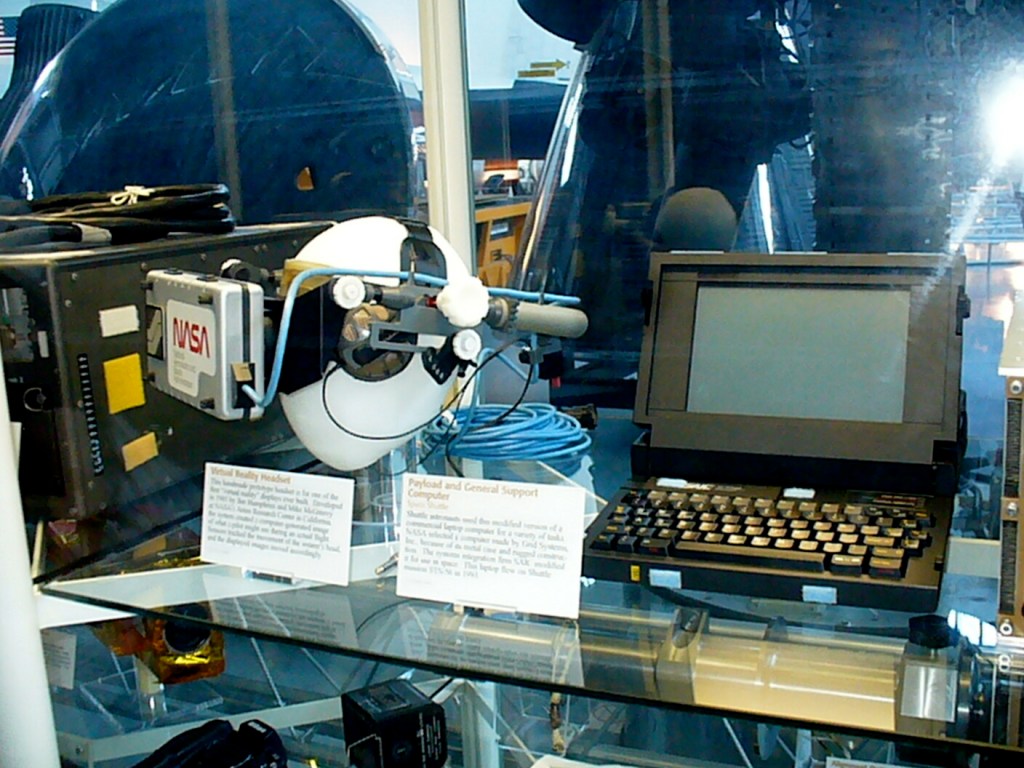
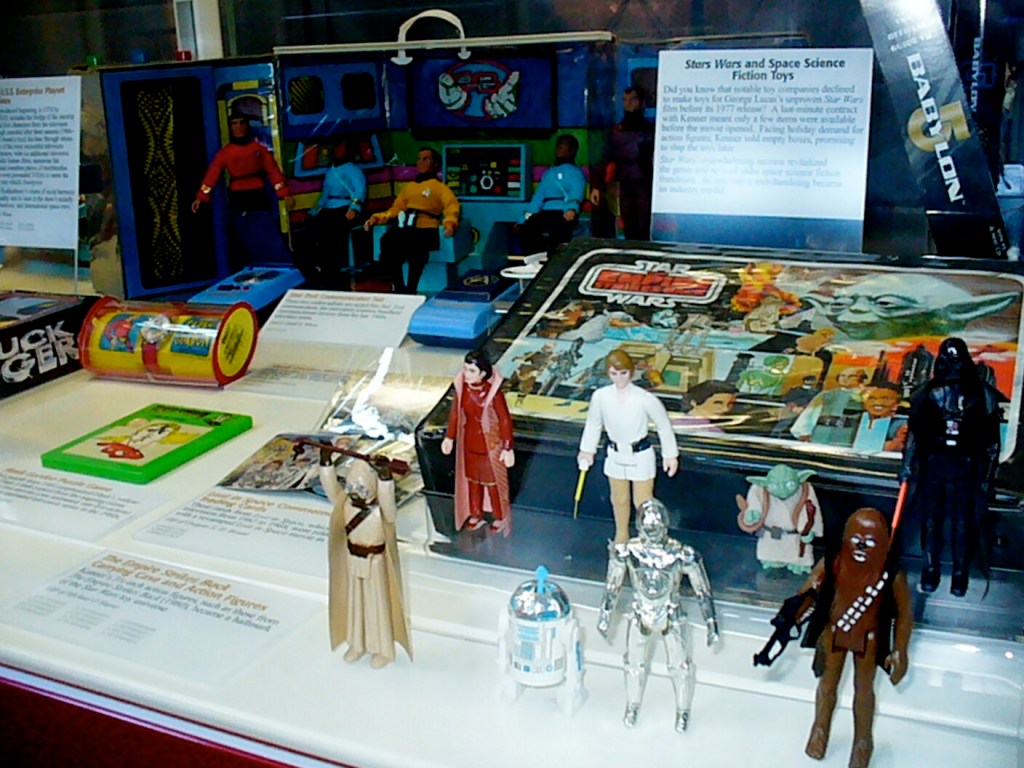
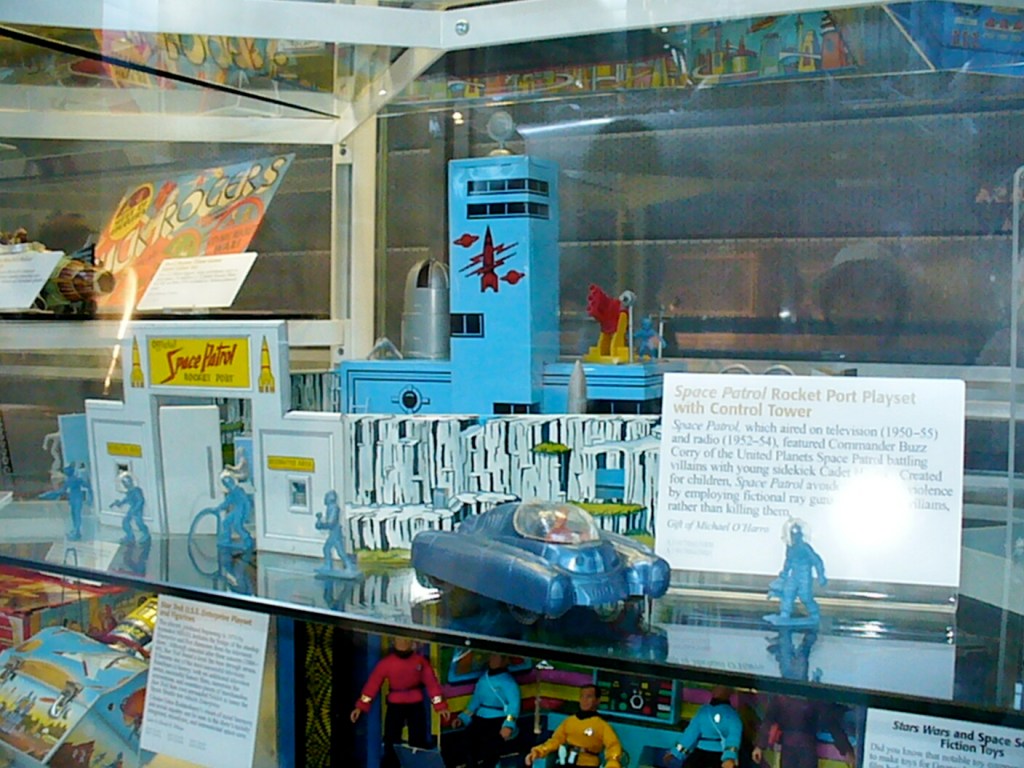
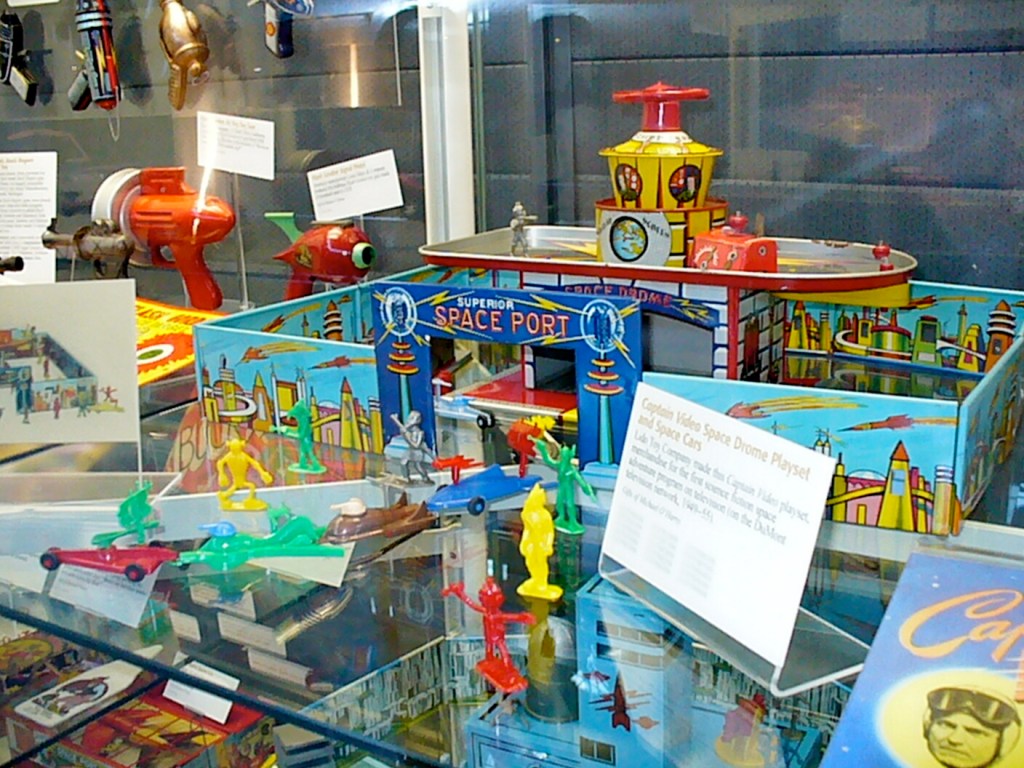
I think of museums of technology, like the NASM, as a kind of technical communication medium. Of course, the work of the displays, diagrams, multimedia, and explanatory text are different kinds of technical communication created to facilitate learning, contextualization, and curiosity. But, the museum as a whole–the system of the museum and its totality, its holism–is a giant technical communication medium, too.
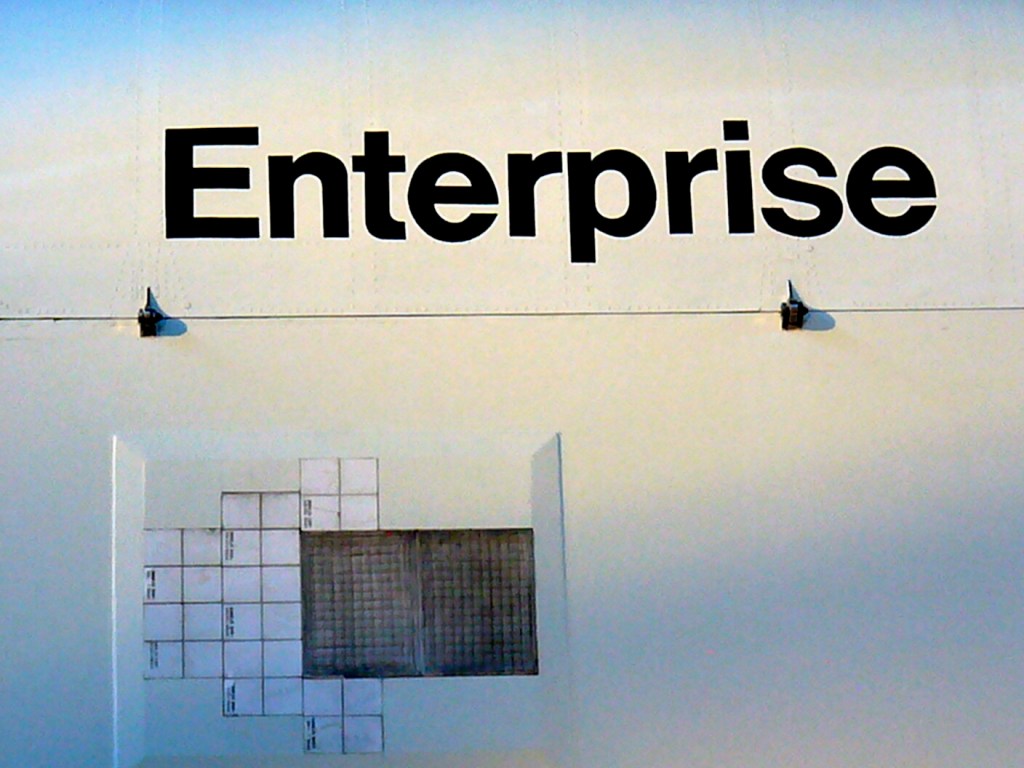
Most of the exhibits seemed similar to the last time that I had visited Washington in the late 1980s, but one notable change is the restoration of the shooting model of Star Trek’s USS-1701 Enterprise, which used to hang in the air but it now at eye-level and encased in plastic (last photos below).
After our visit, the NASM did a big renovation of the museum on the National Mall and the Udvar-Hazy Center (i.e., the replacement of Space Shuttle Enterprise with Discovery).
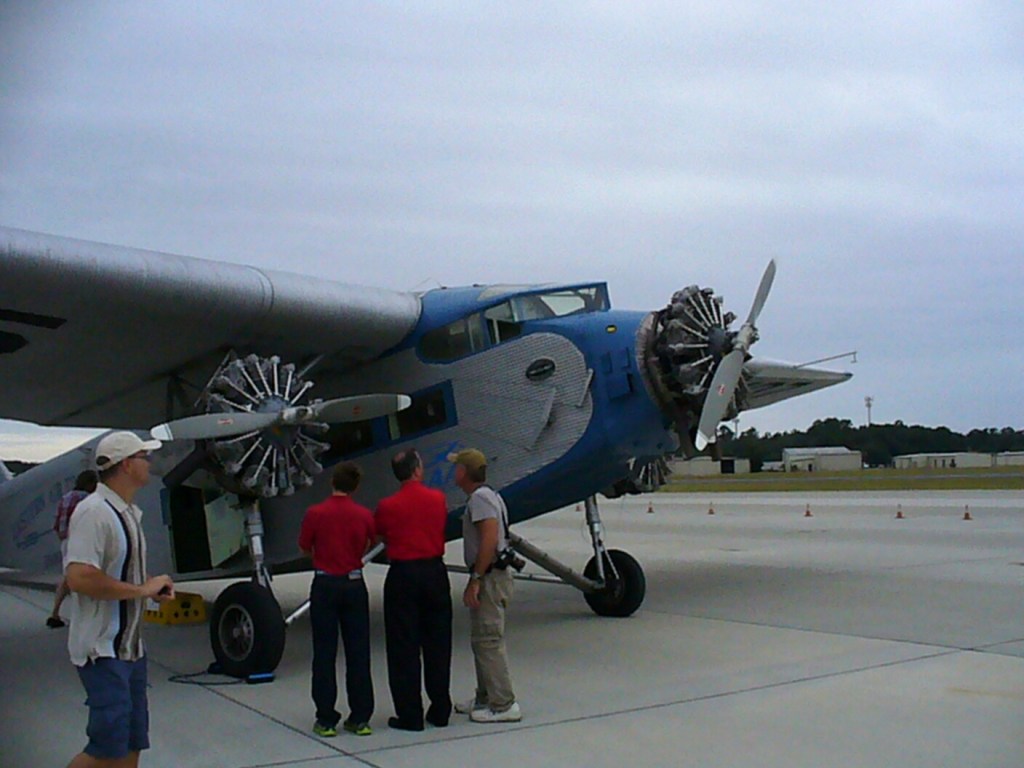
Above and below, you can see Charles Lindbergh’s Atlantic-crossing Spirit of St. Louis. More pictures of the historic air and spacecraft on display follow.
Spirit of St. Louis
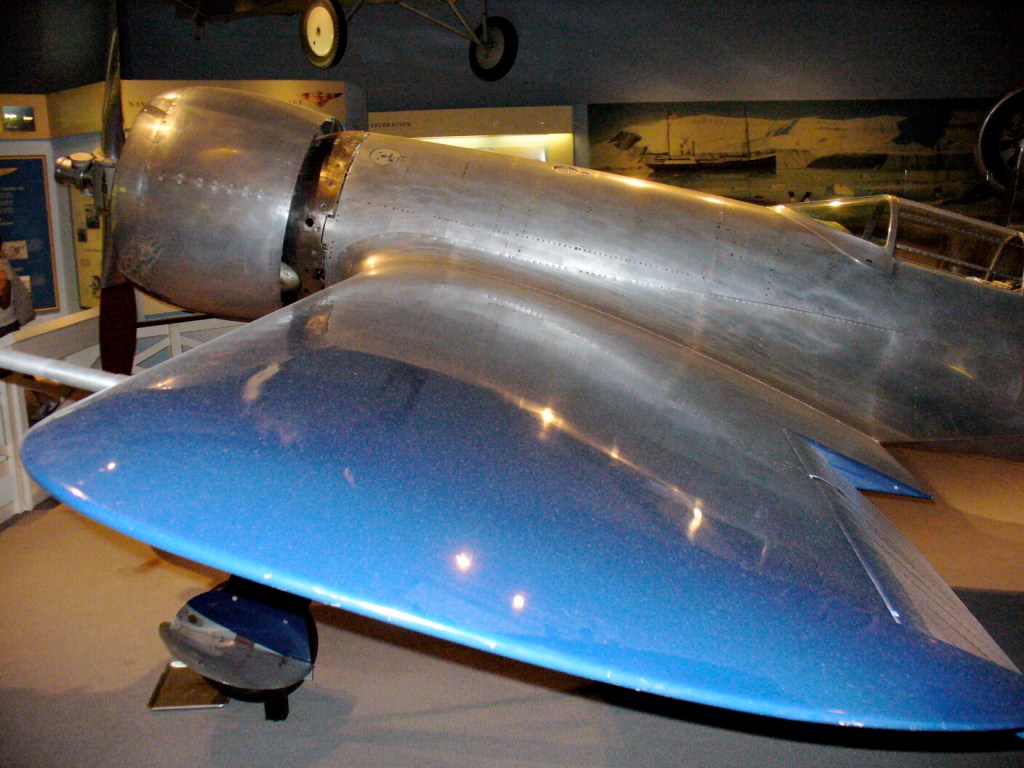
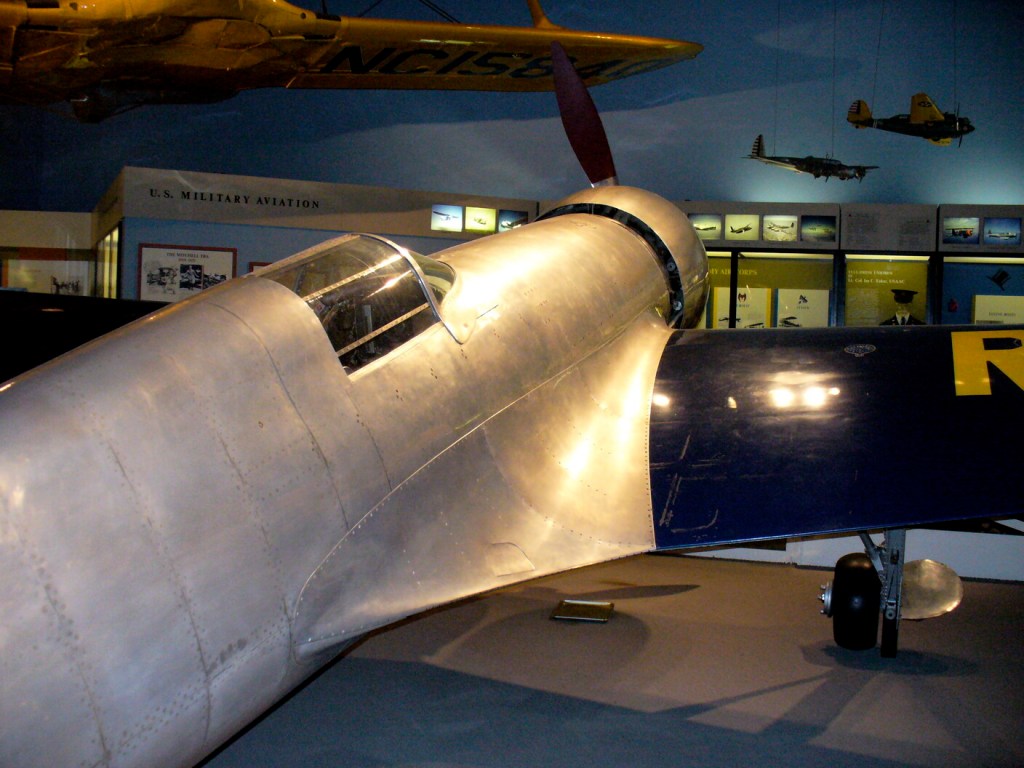
Hughes H-1 Racer
Supermarine Spitfire HF. Mk. VIIc
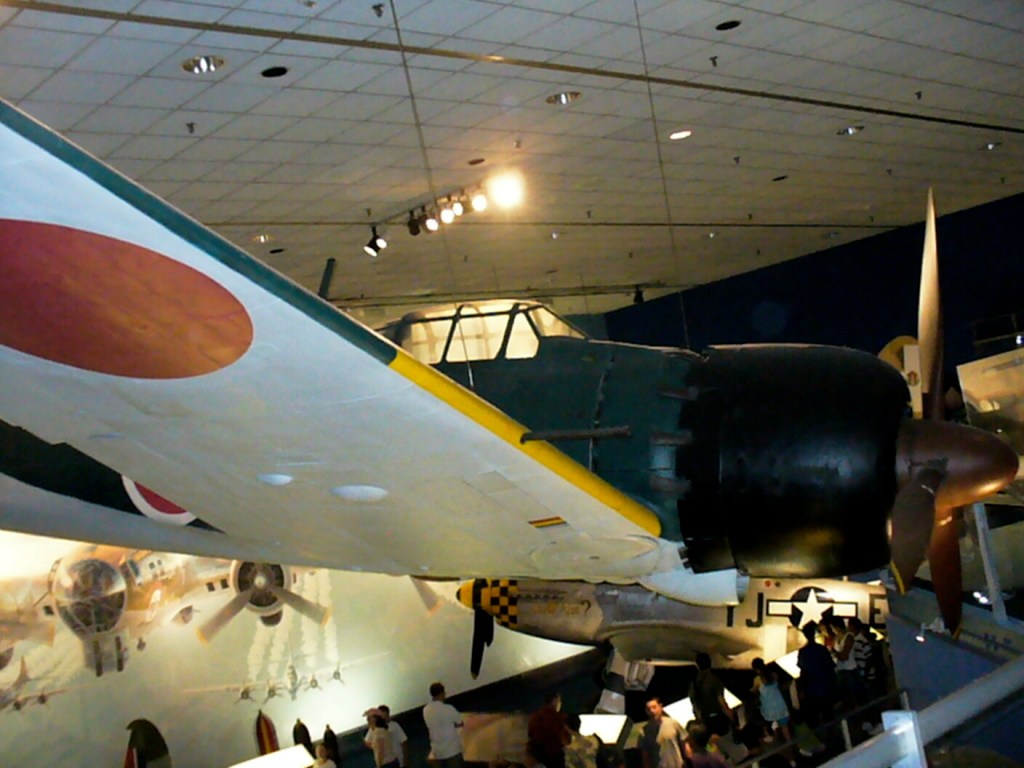
North American P-51D Mustang
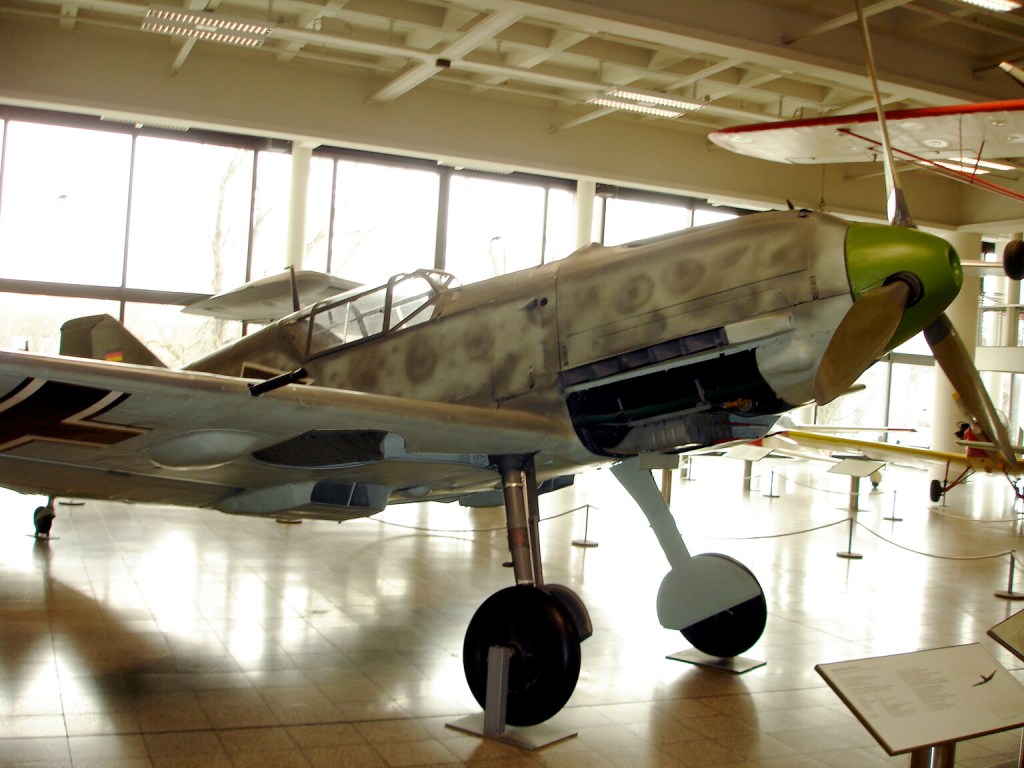
Messerschmitt Bf 109 G-6/R3
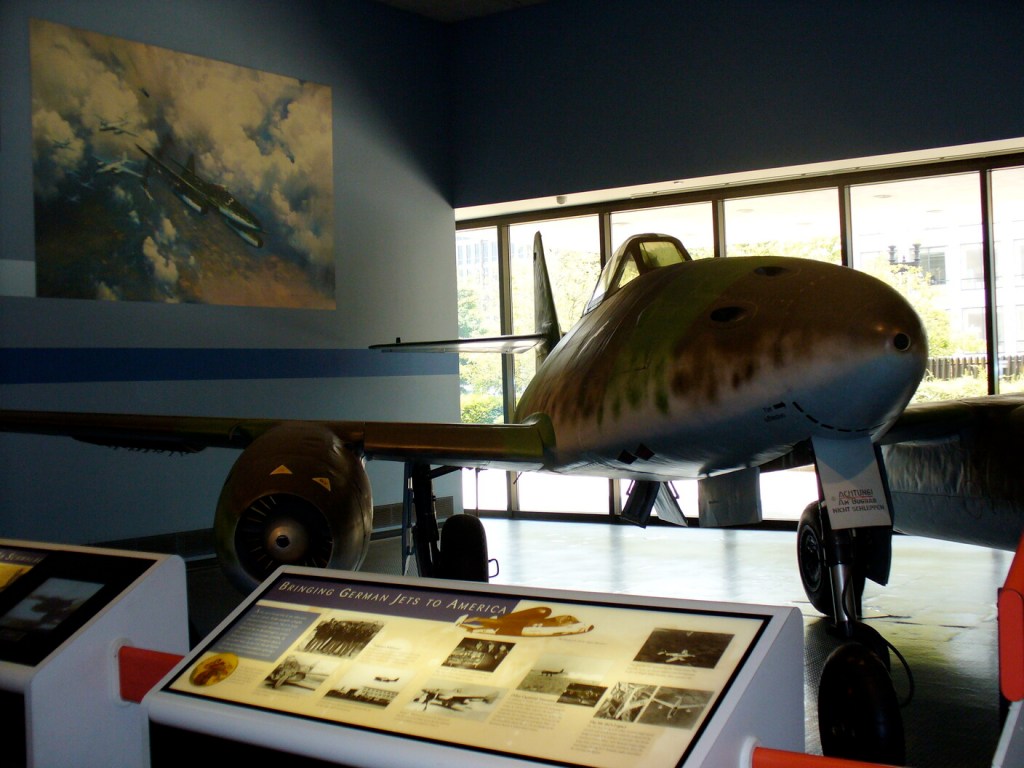
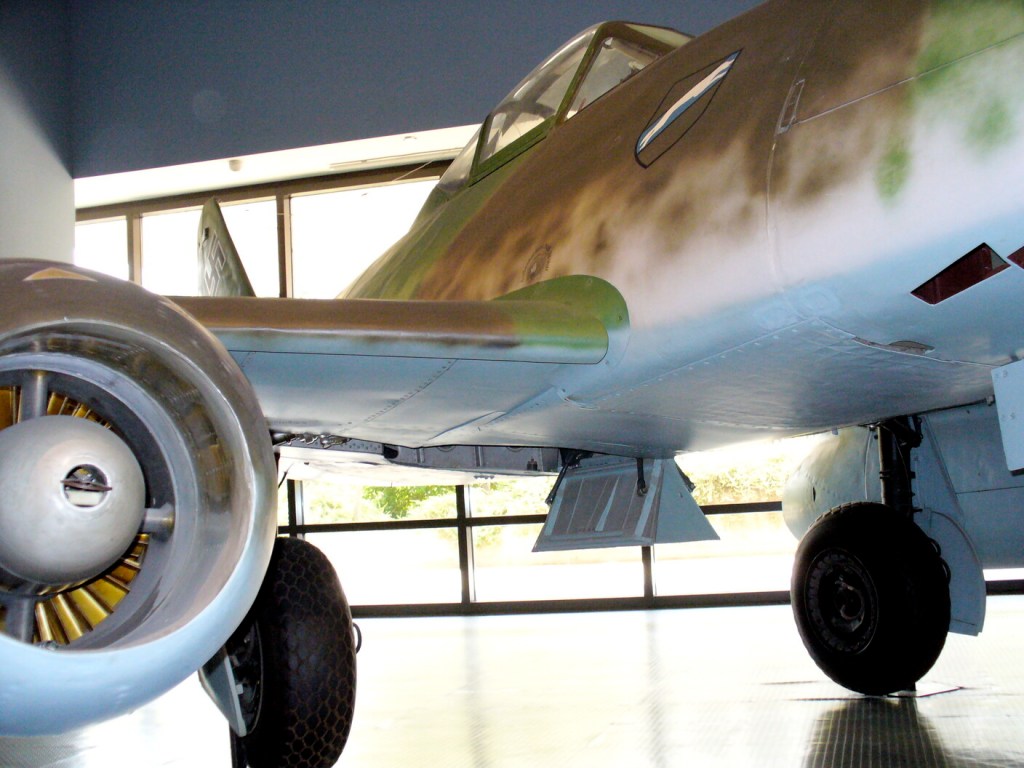
Messerschmitt Me 262 A-1a Schwalbe (Swallow)
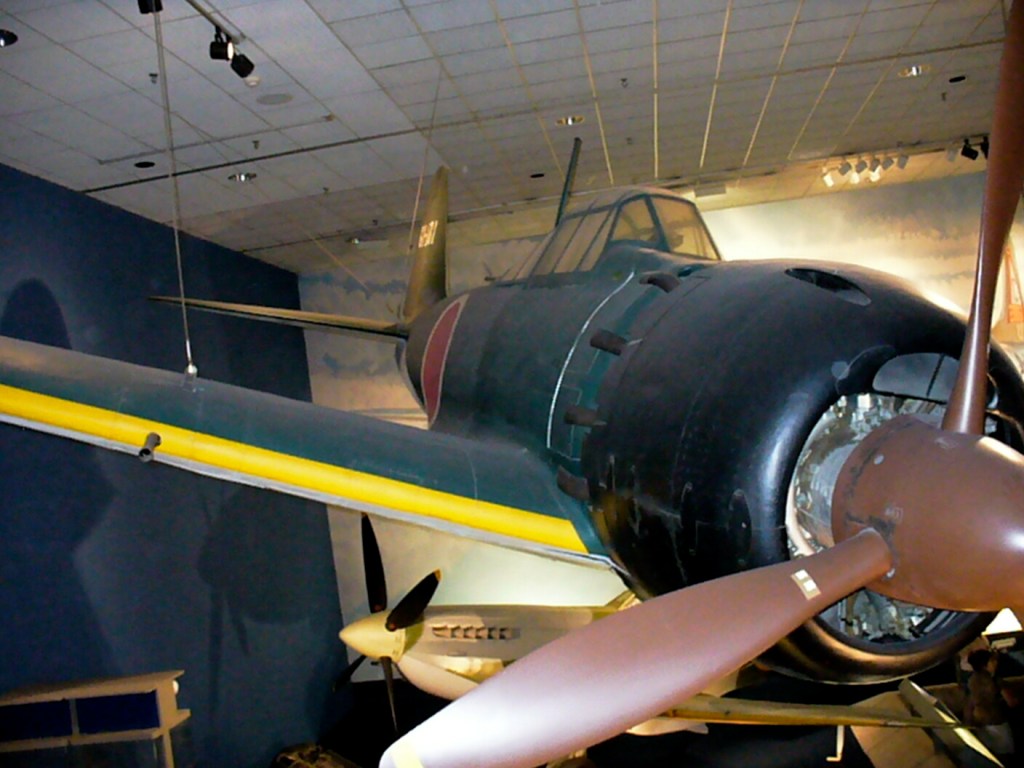
Mitsubishi A6M5 Reisen (Zero Fighter) Model 52 ZEKE
North American X-15
Douglas D-558-2
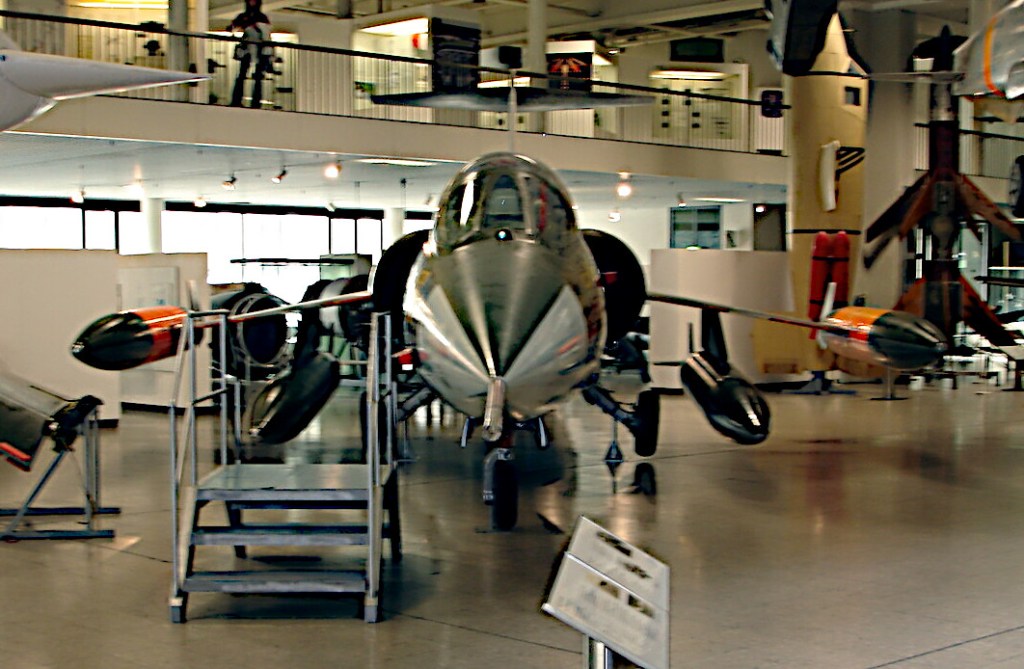
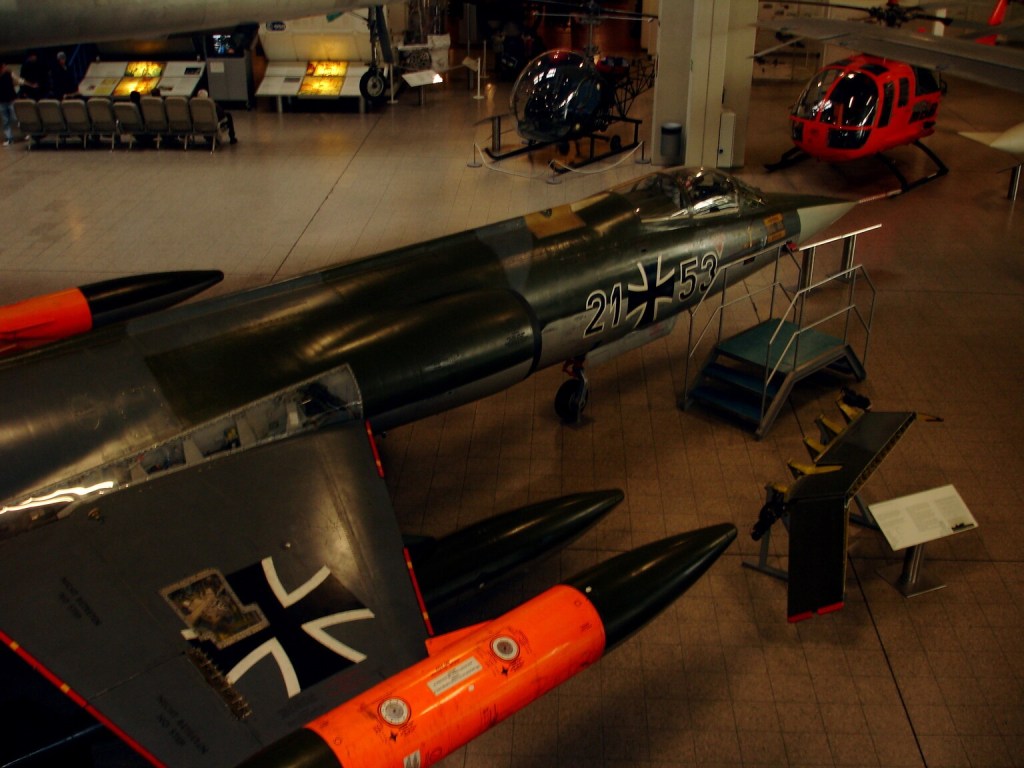
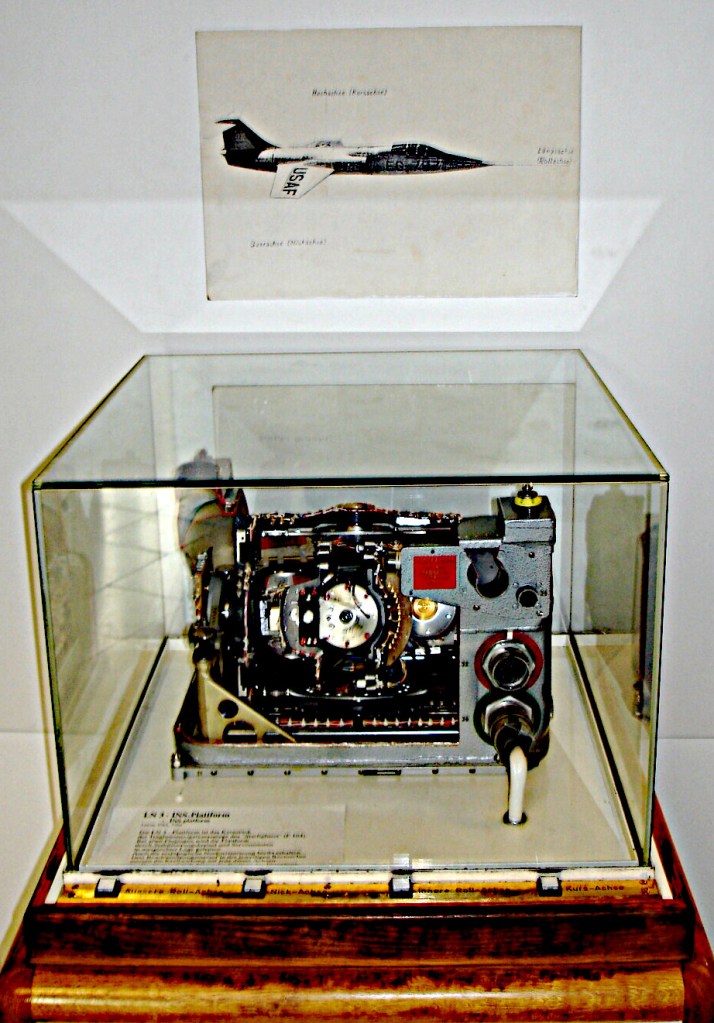
Lockheed F-104 Starfighter
Grumman X-29 full-scale model
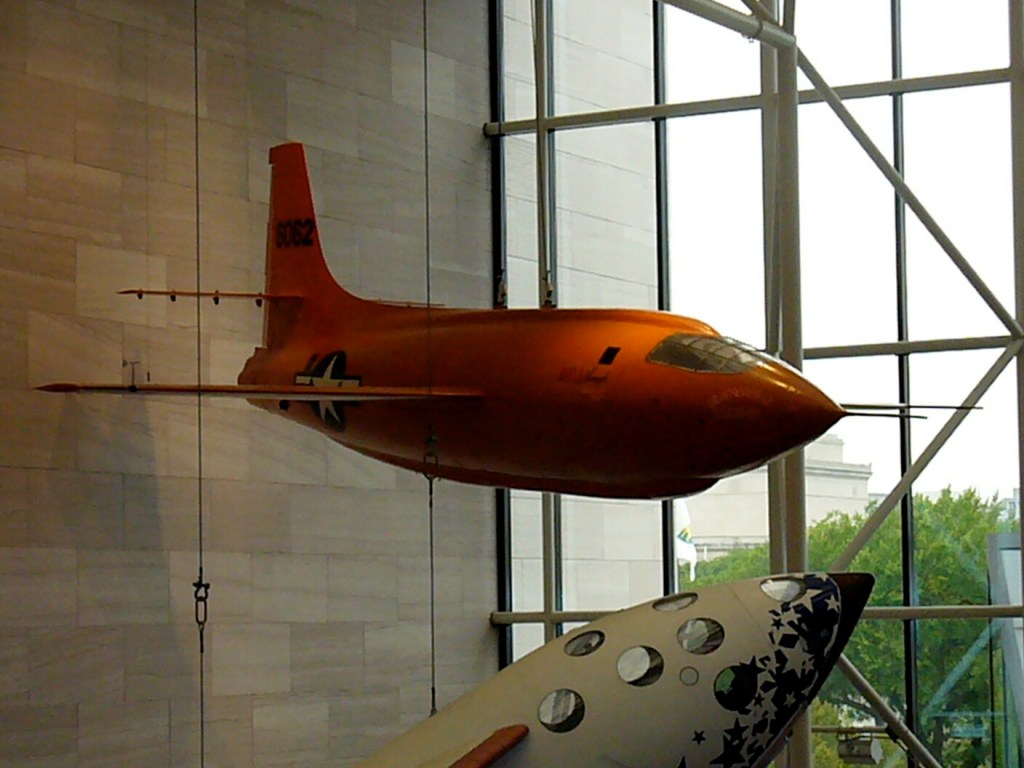
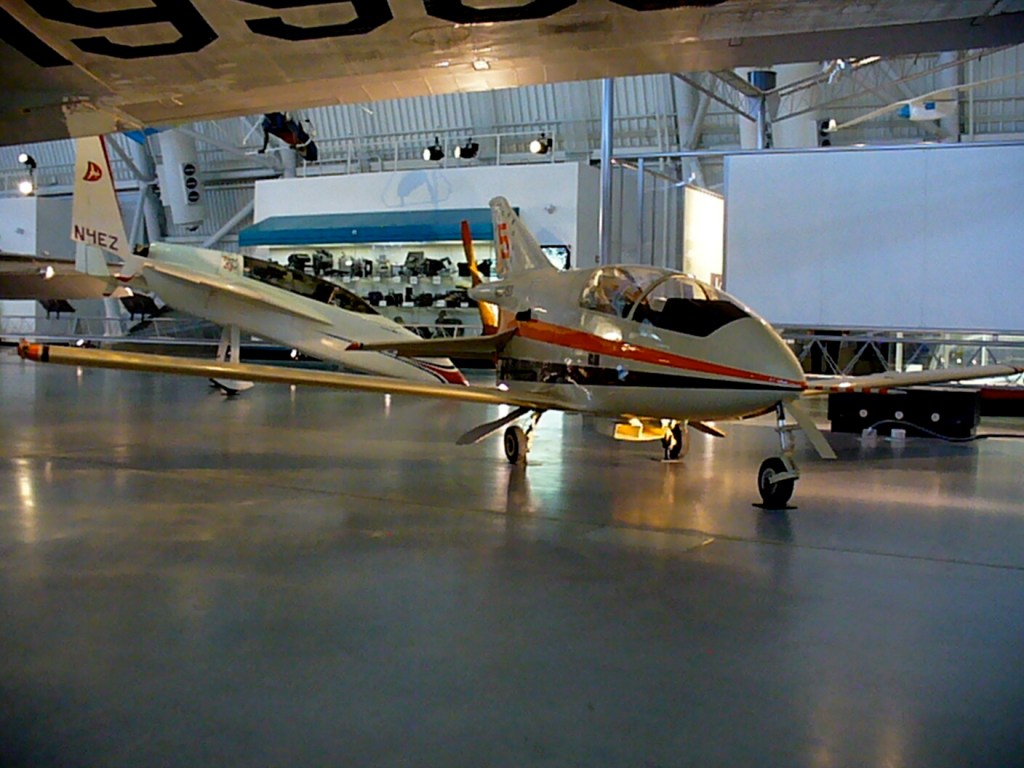
SpaceShipOne and Bell X-1
SpaceShipOne
Bell X-1
John Glenn’s Spacesuit
Space Capsule Interior
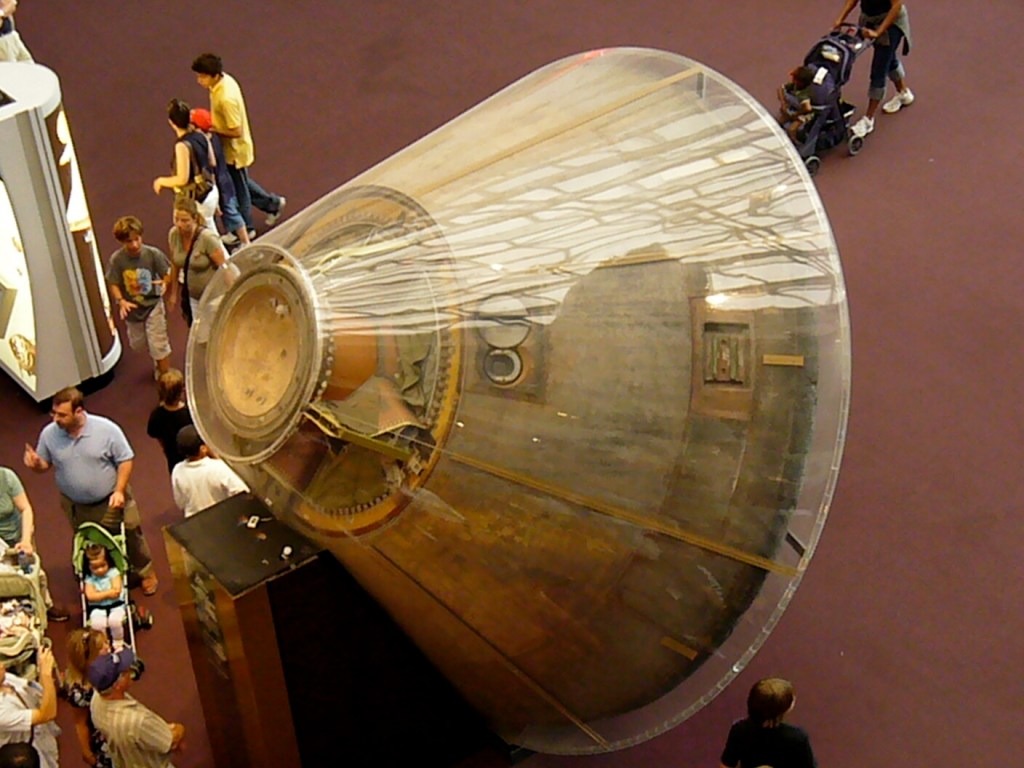
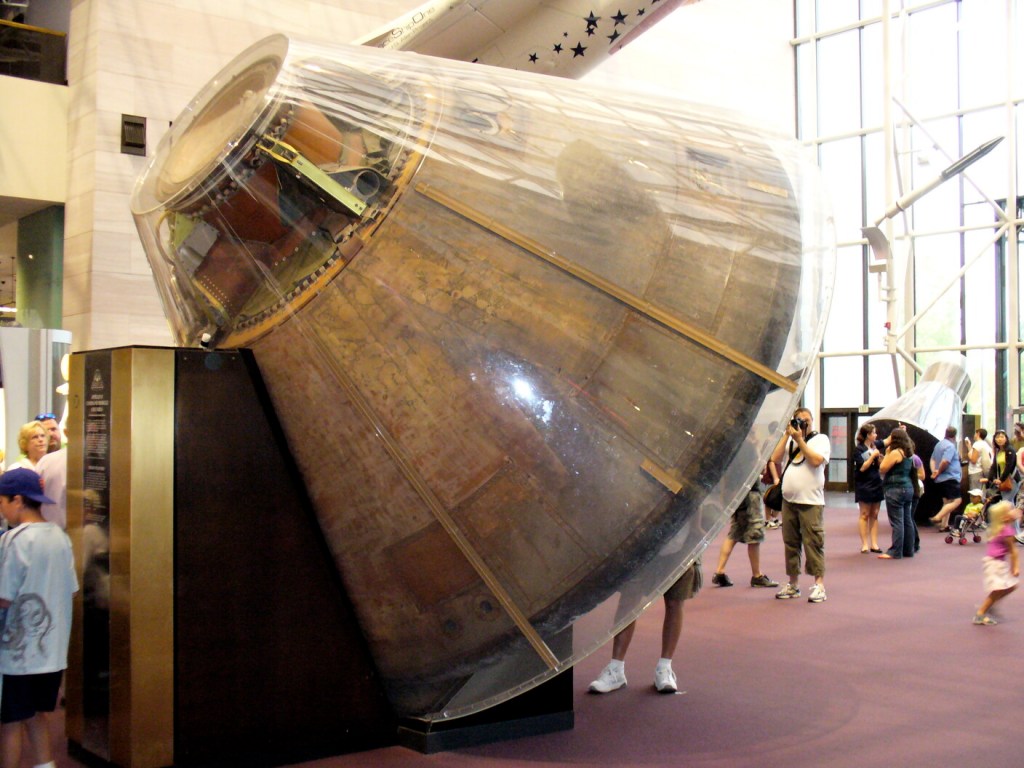
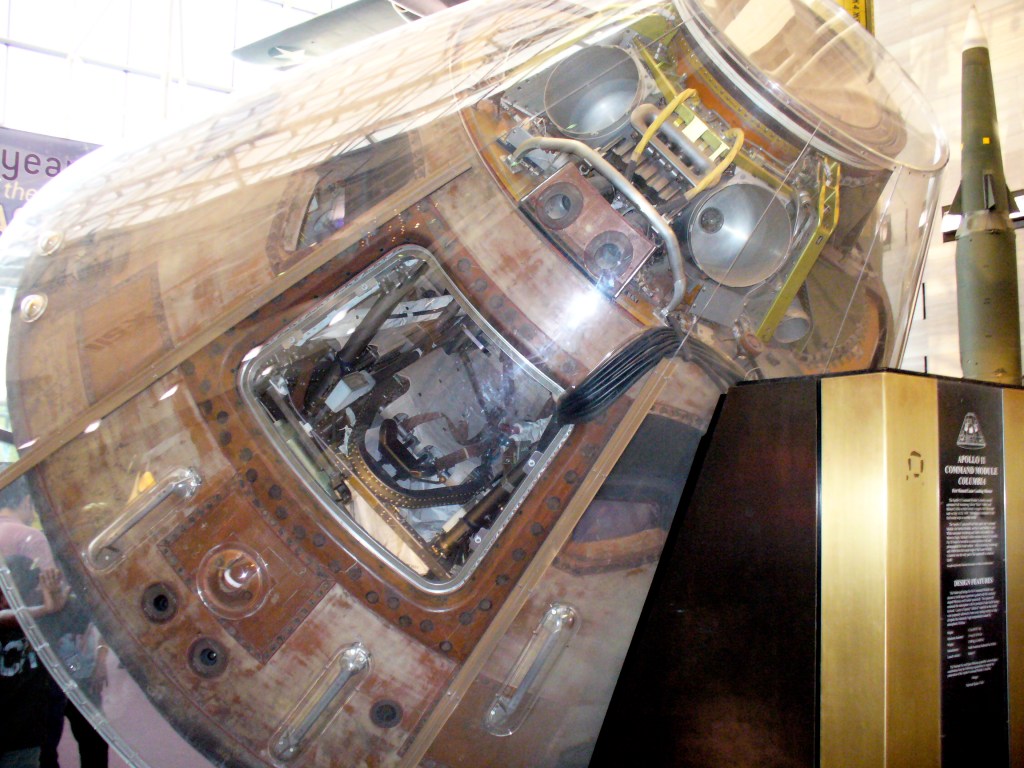
Apollo 11 Command Module
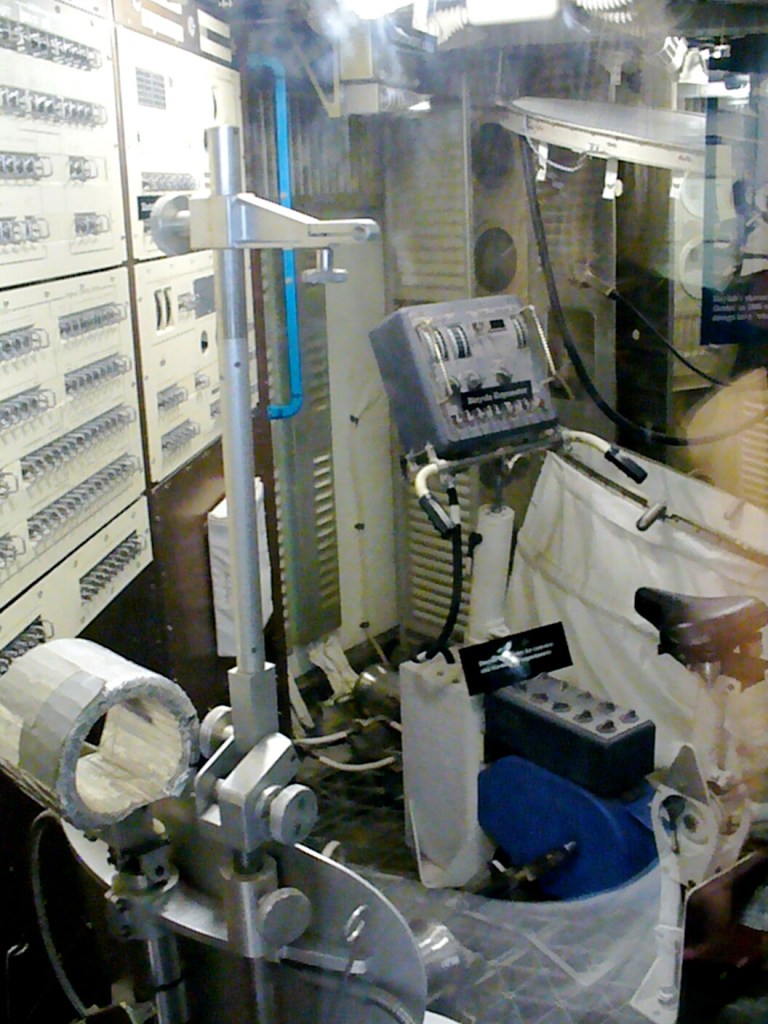
Apollo Command Module Console
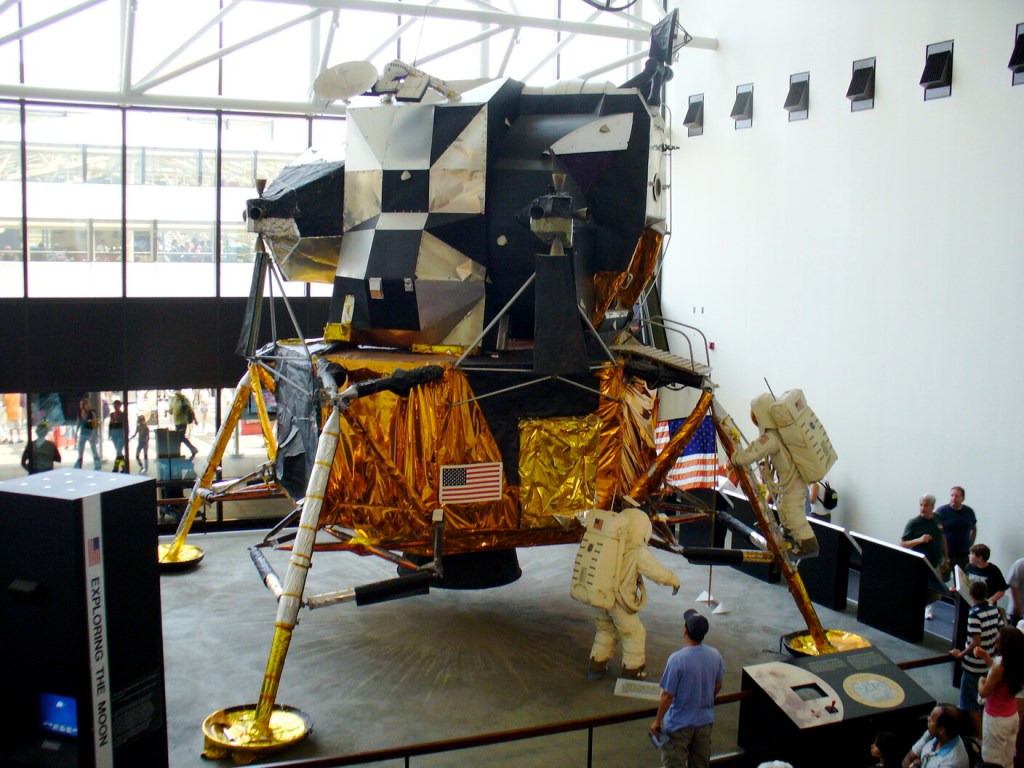
Lunar Module LM-2
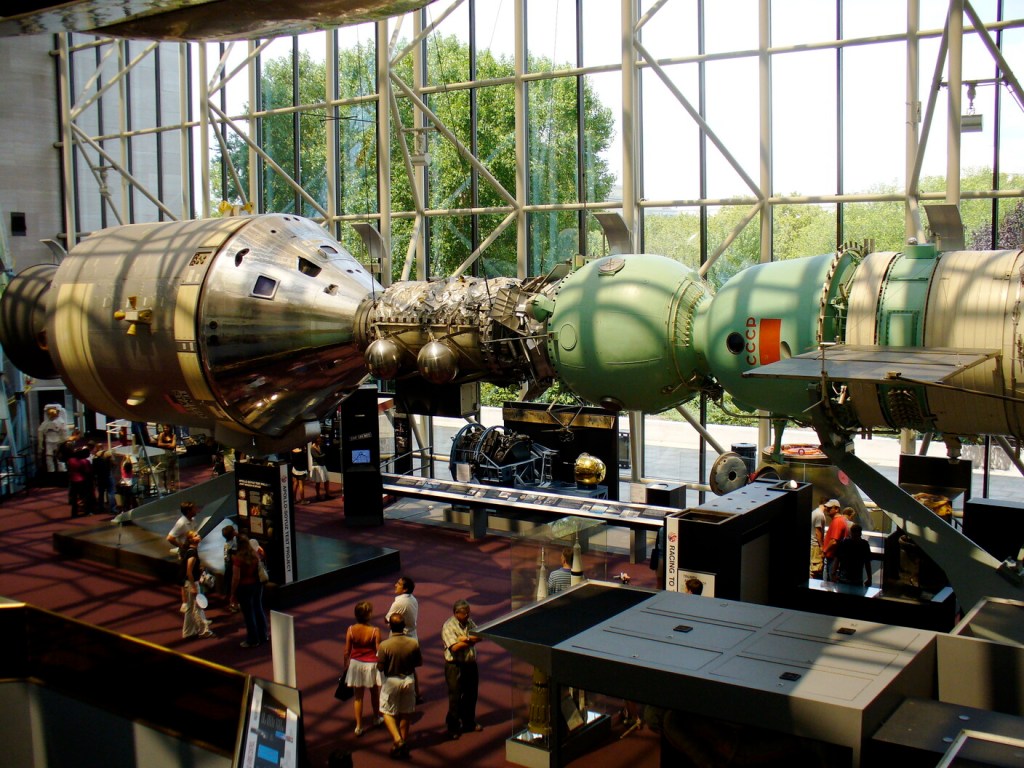
Apollo-Soyuz Rendezvous Recreation
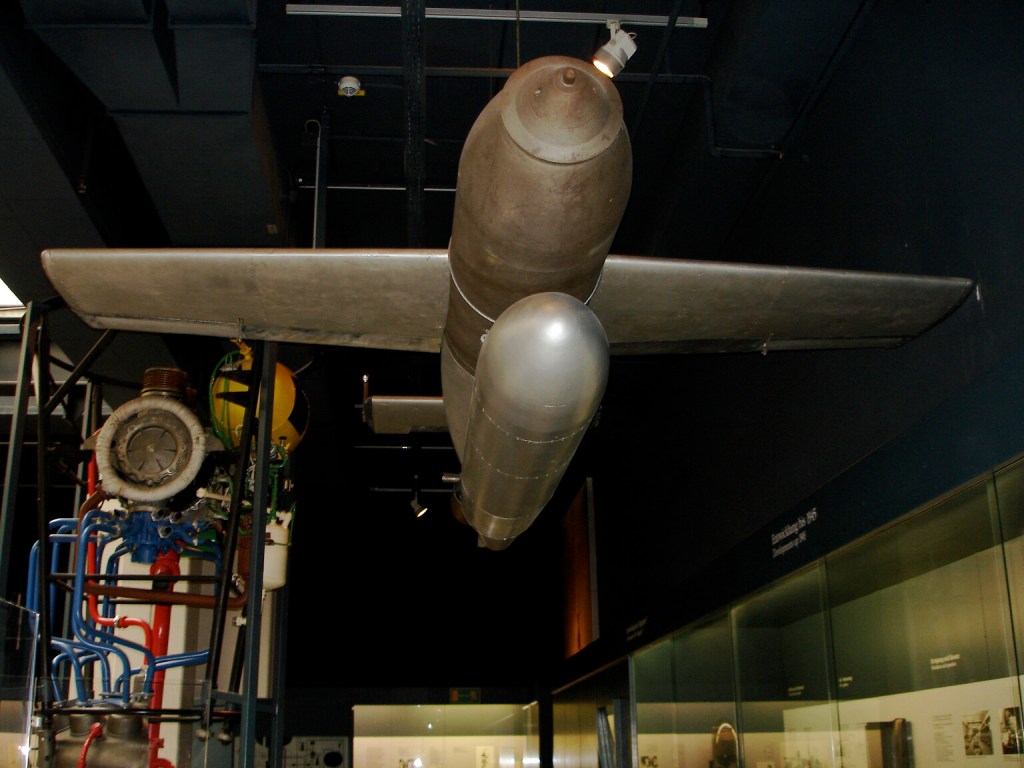
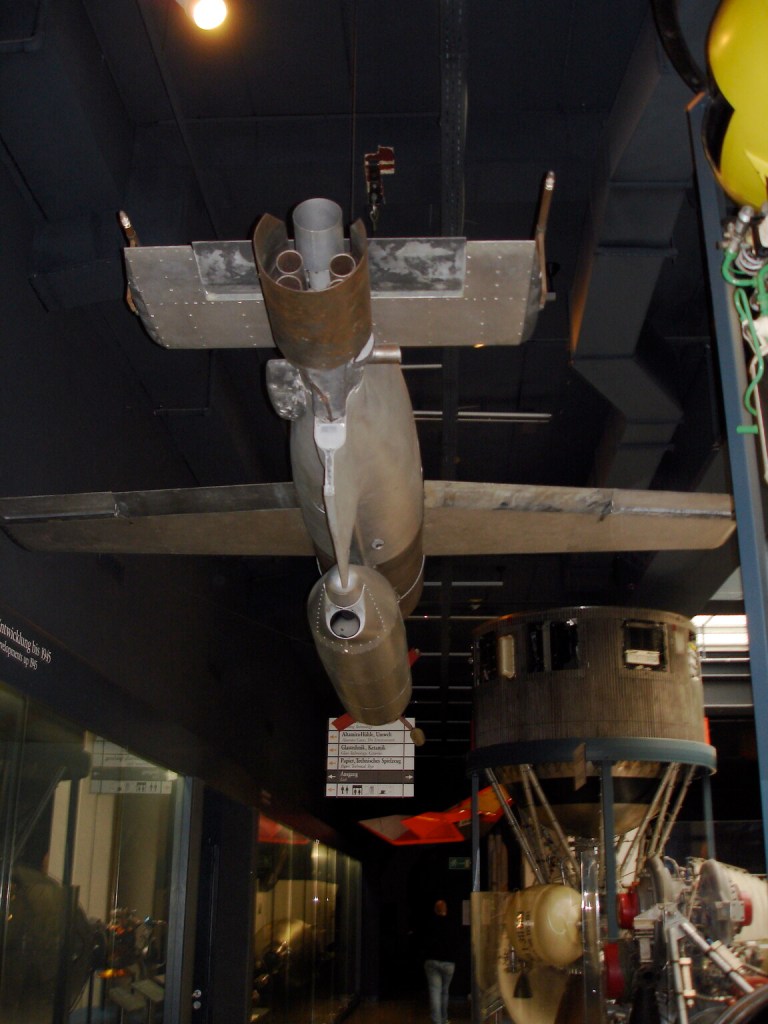
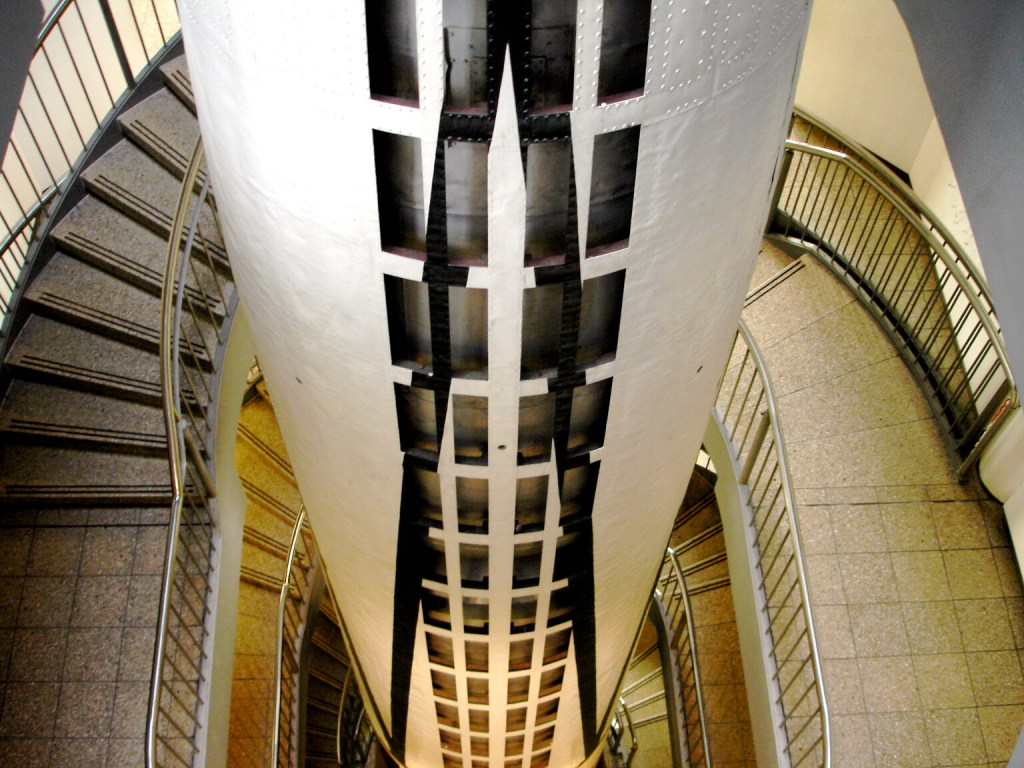
V-2 Rocket, Skylab, and V-1 Rocket
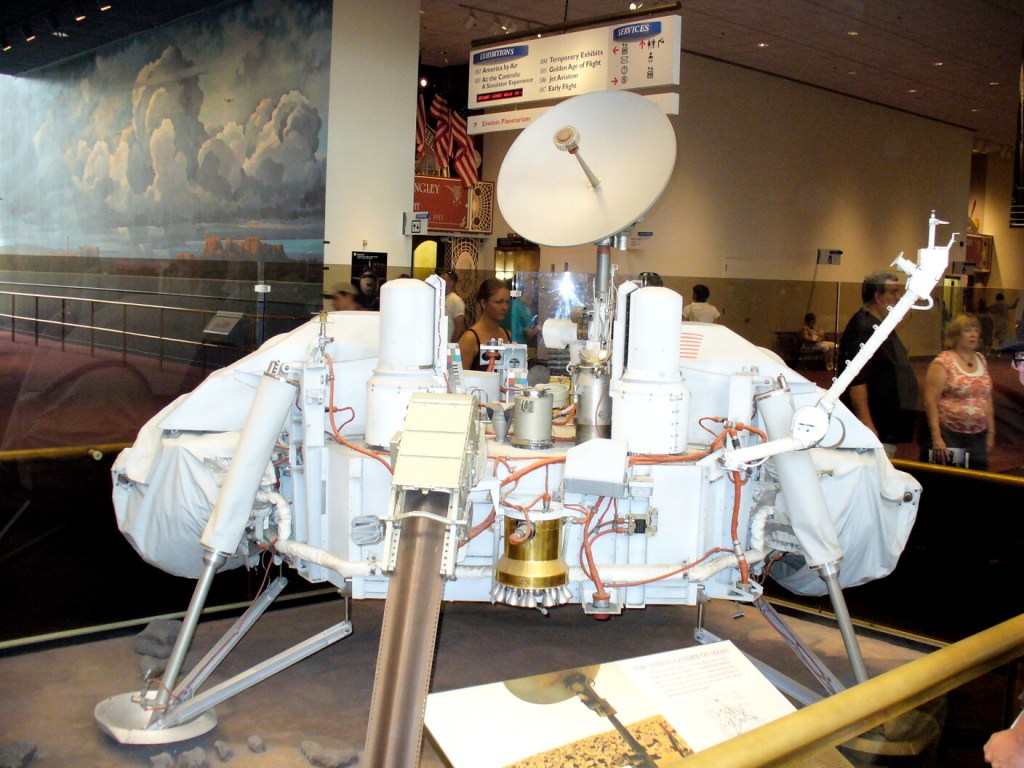
Viking Mars Lander
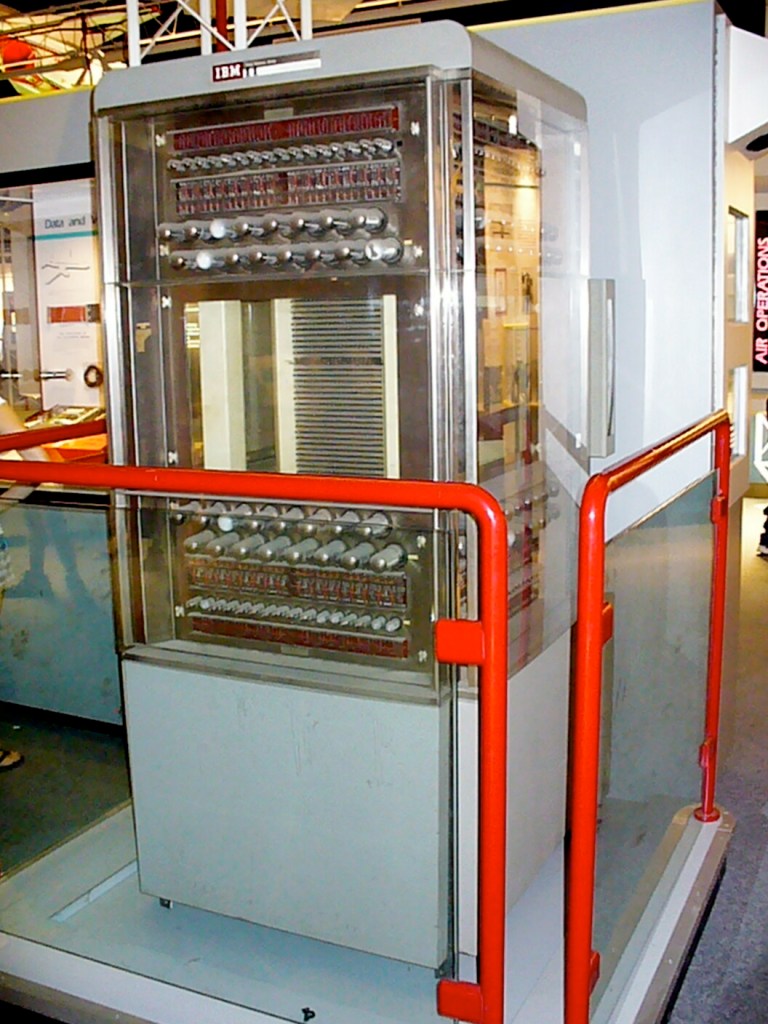
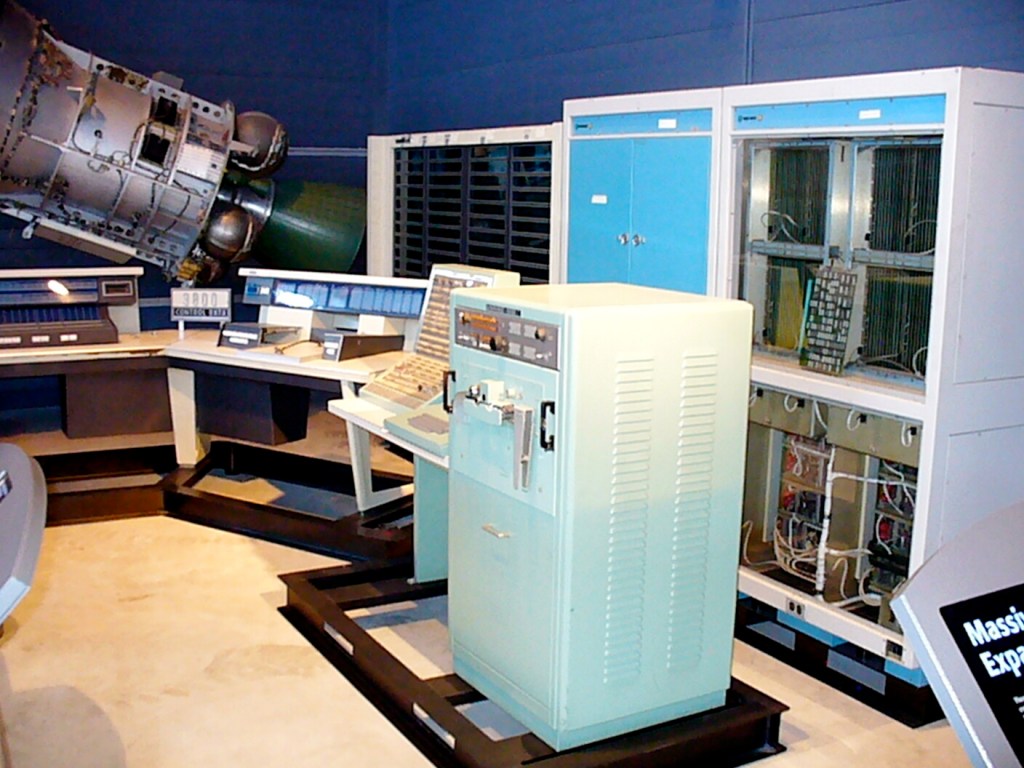
SAGE Core Memory Unit 11, IBM AN/FSQ-7
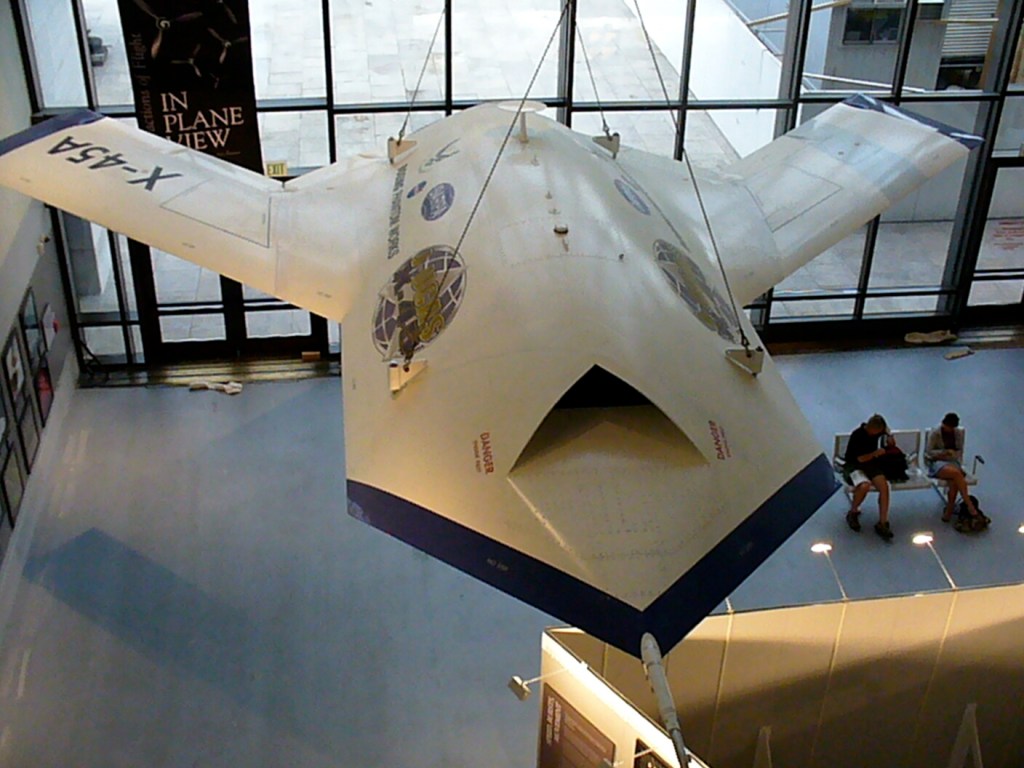
Boeing X-45A Unmanned Vehicle
Star Trek Shooting Model of the USS-1701 Enterprise
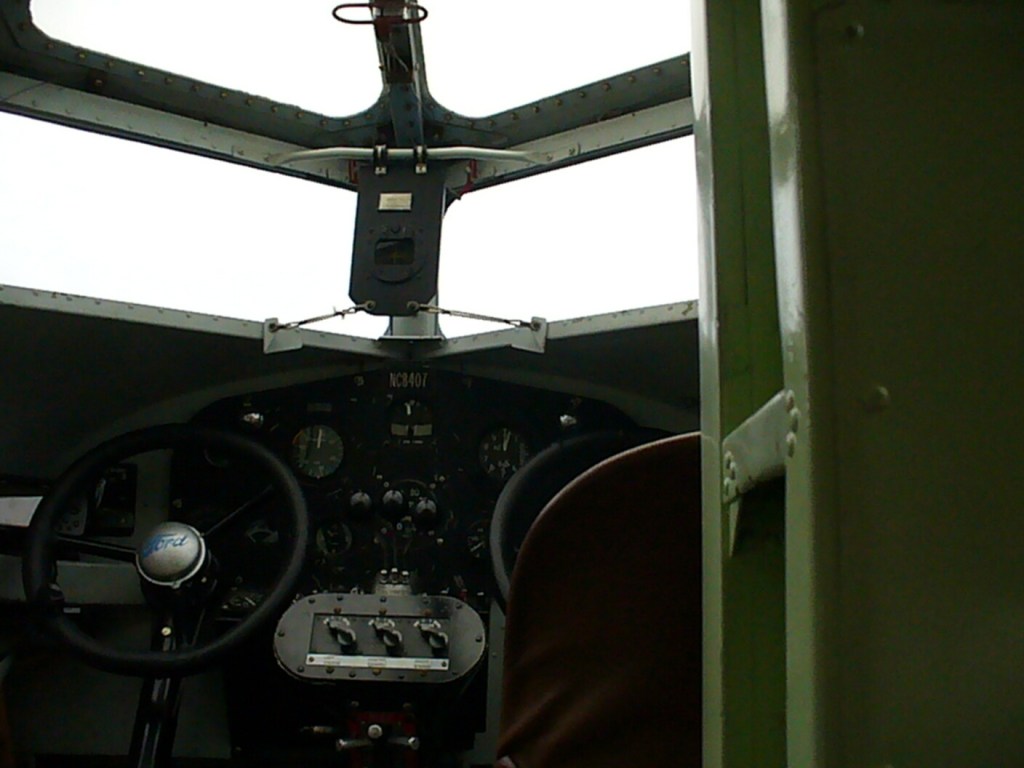
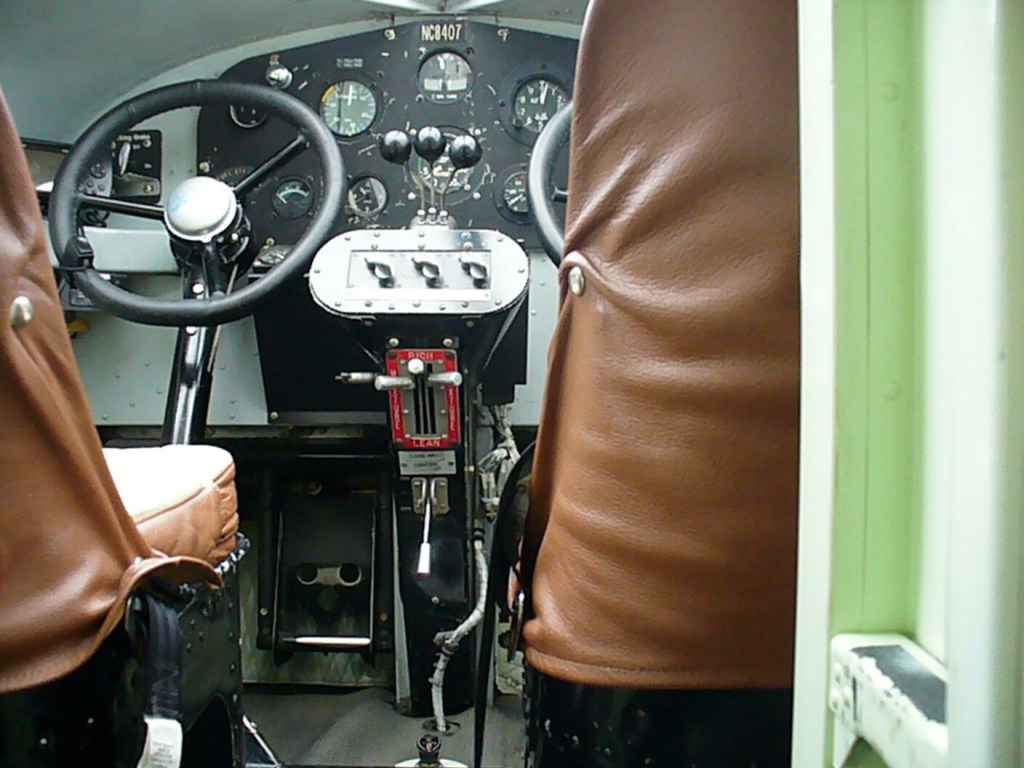
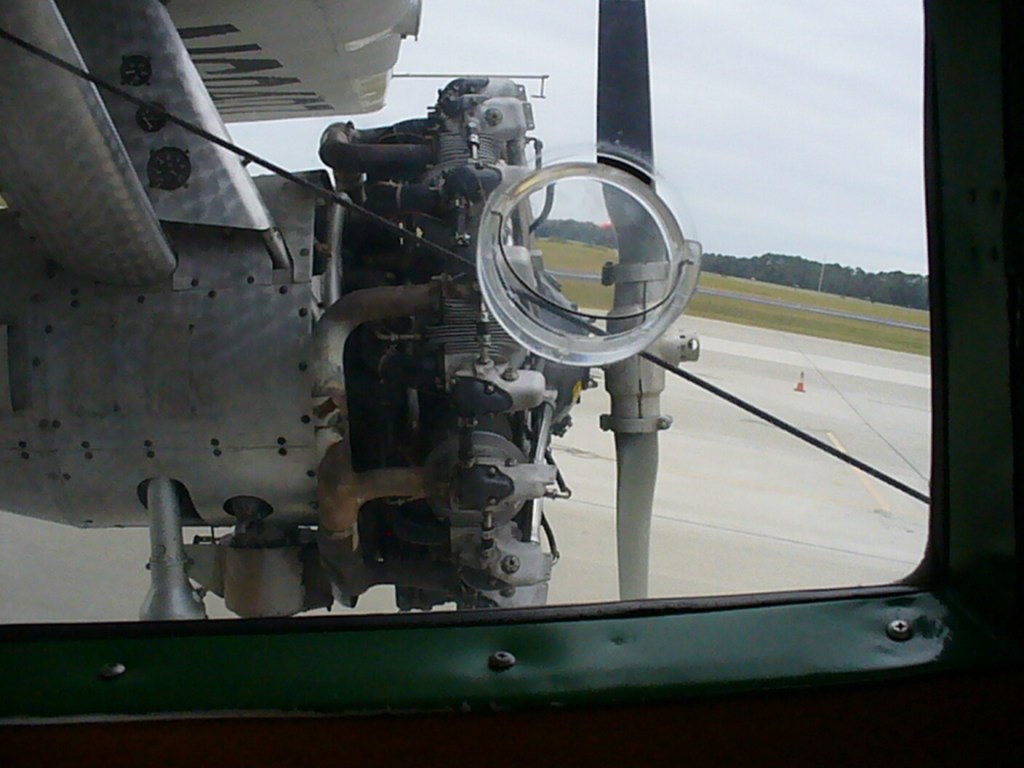
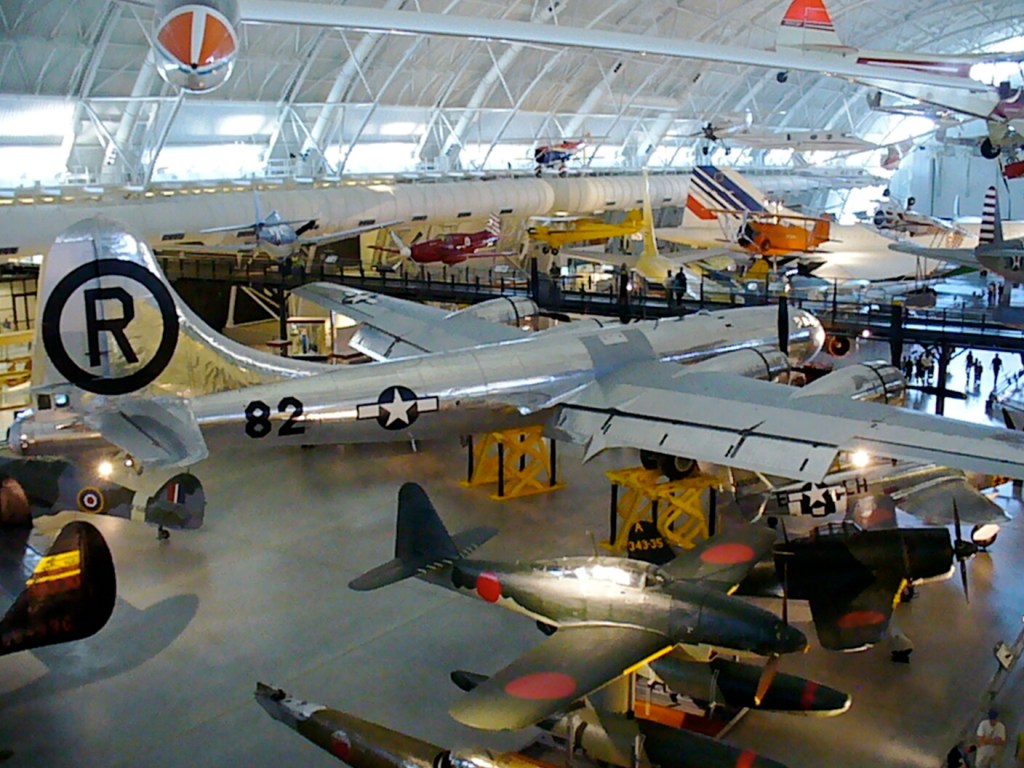
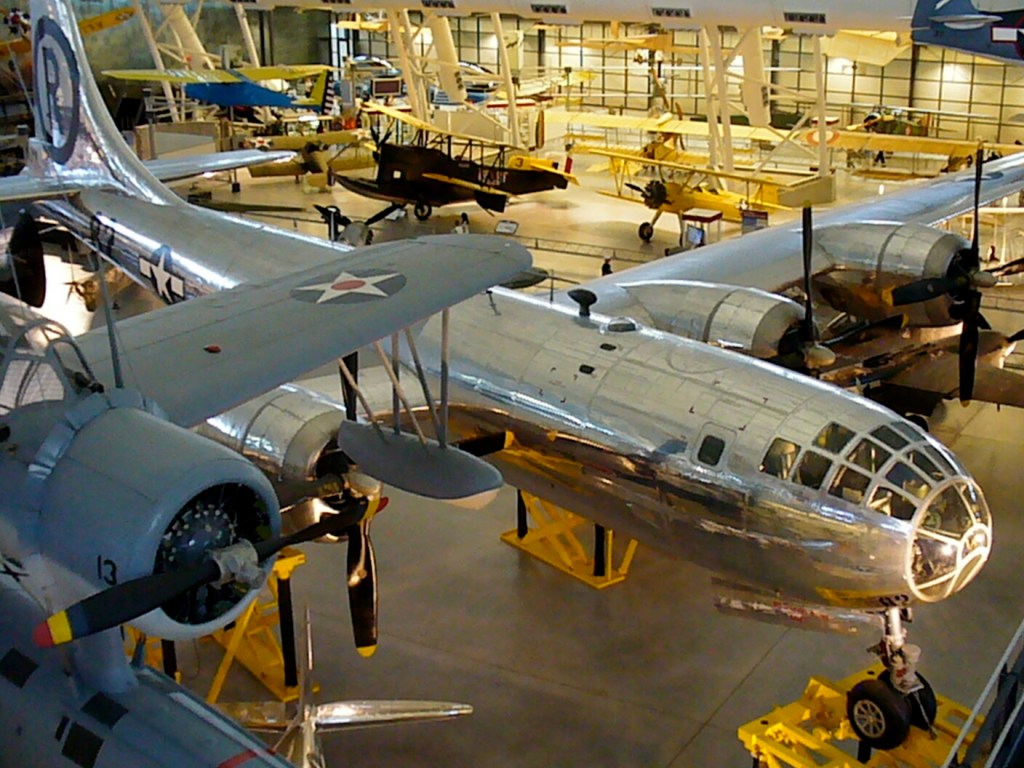
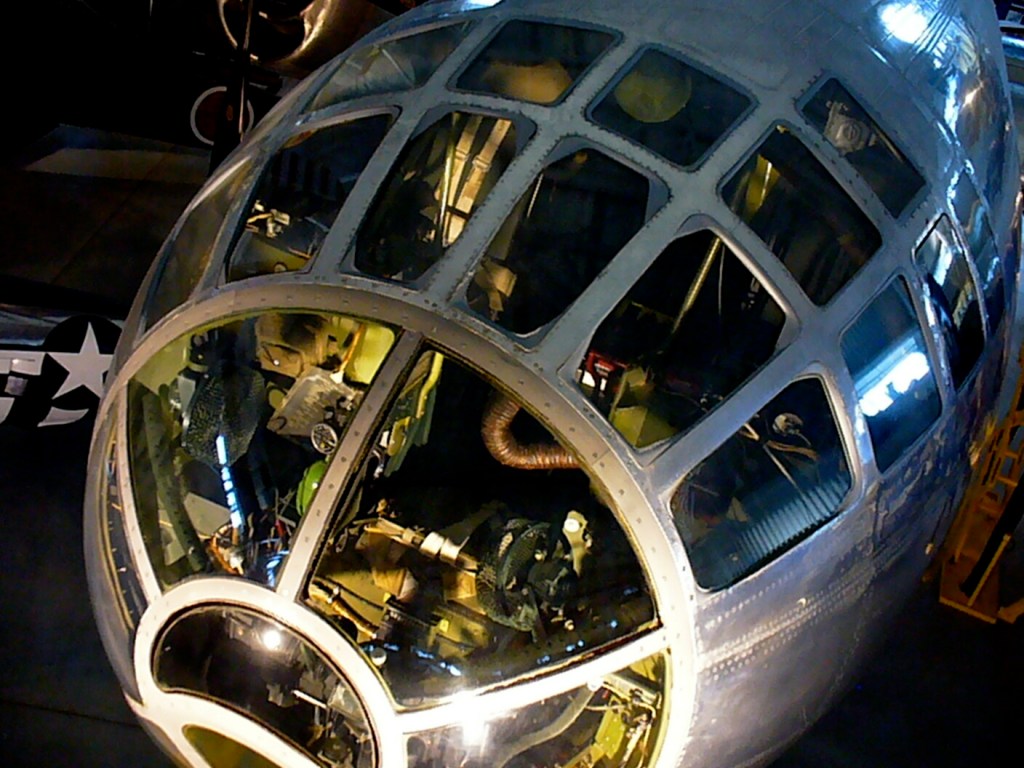
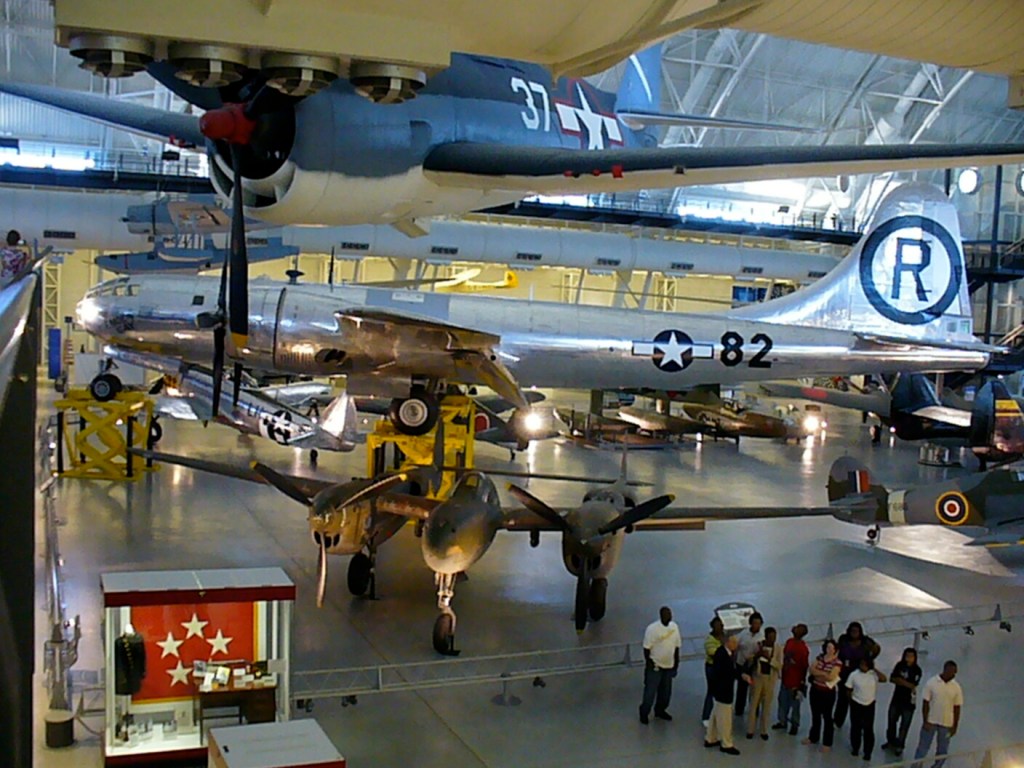
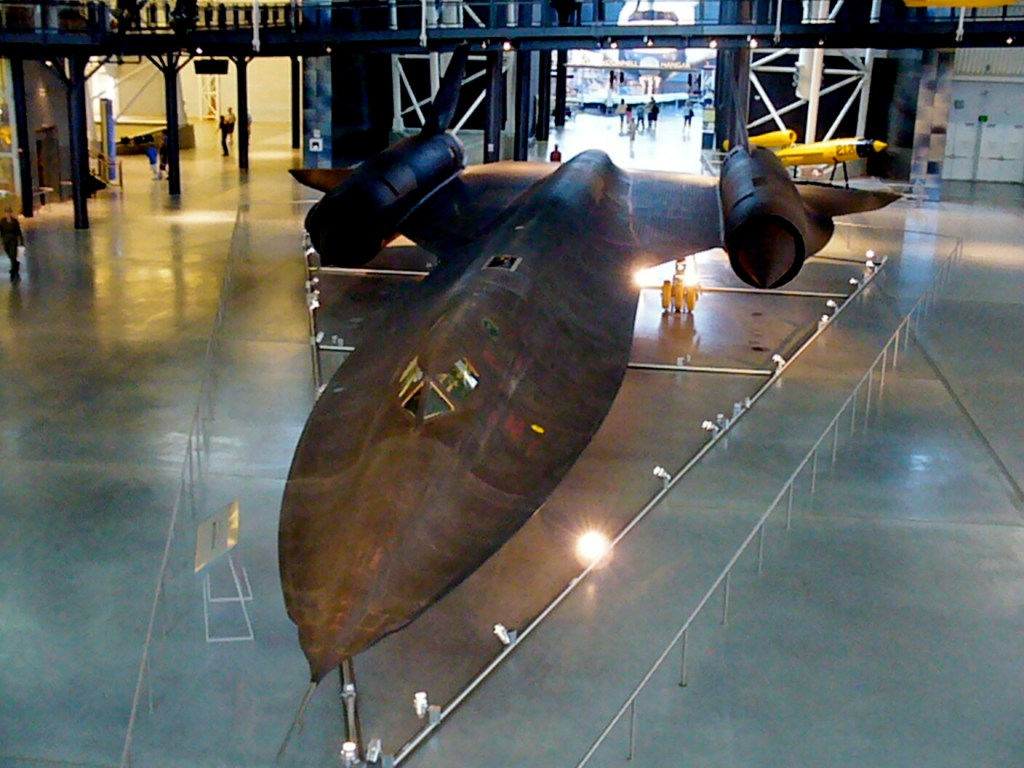
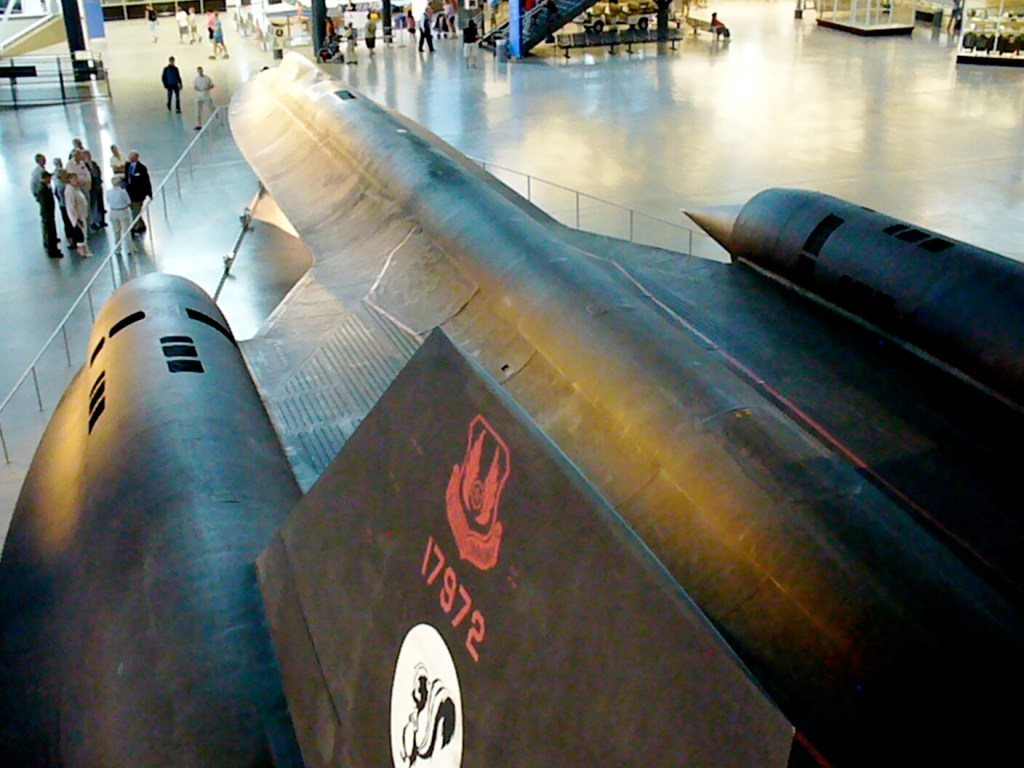
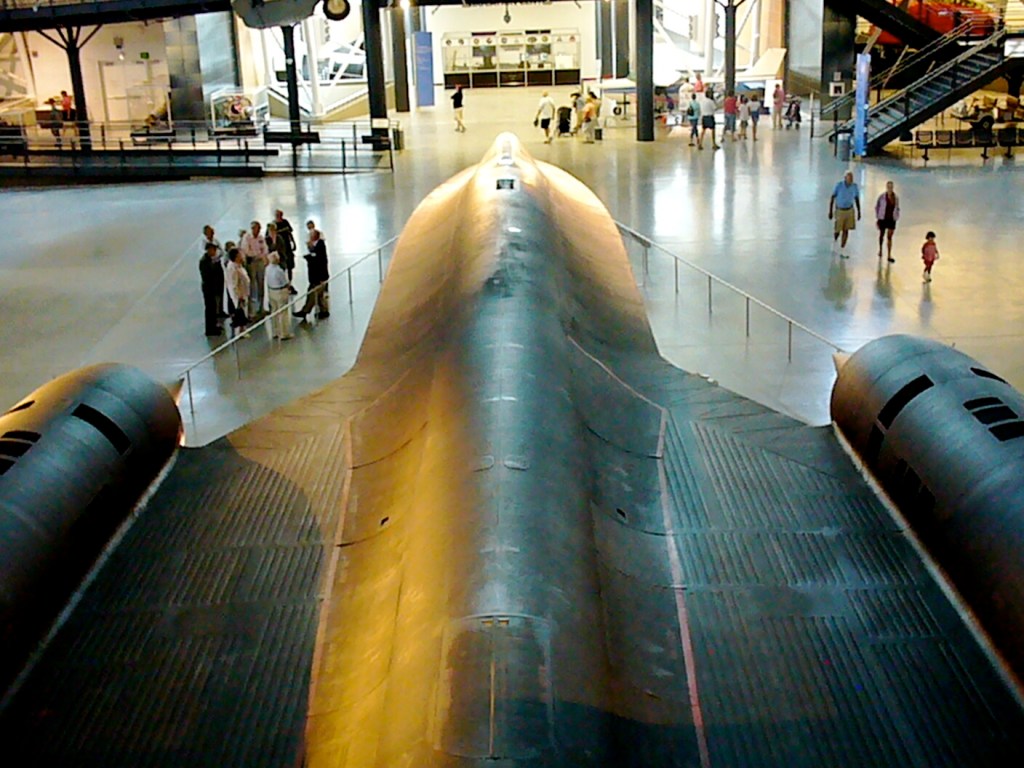
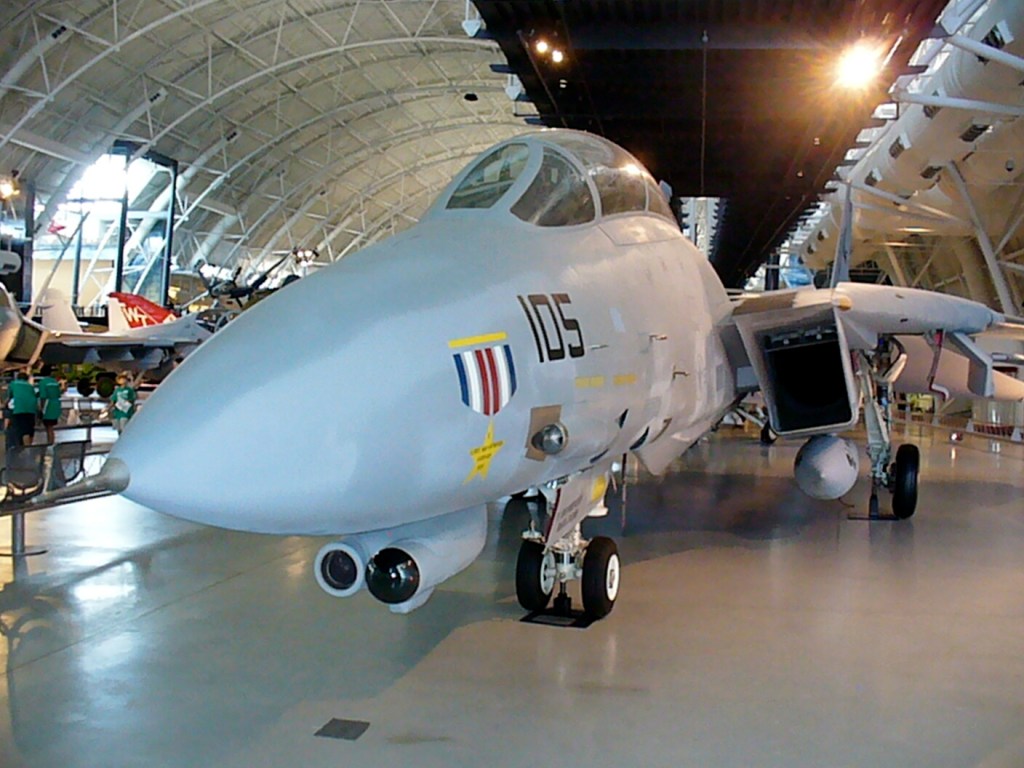
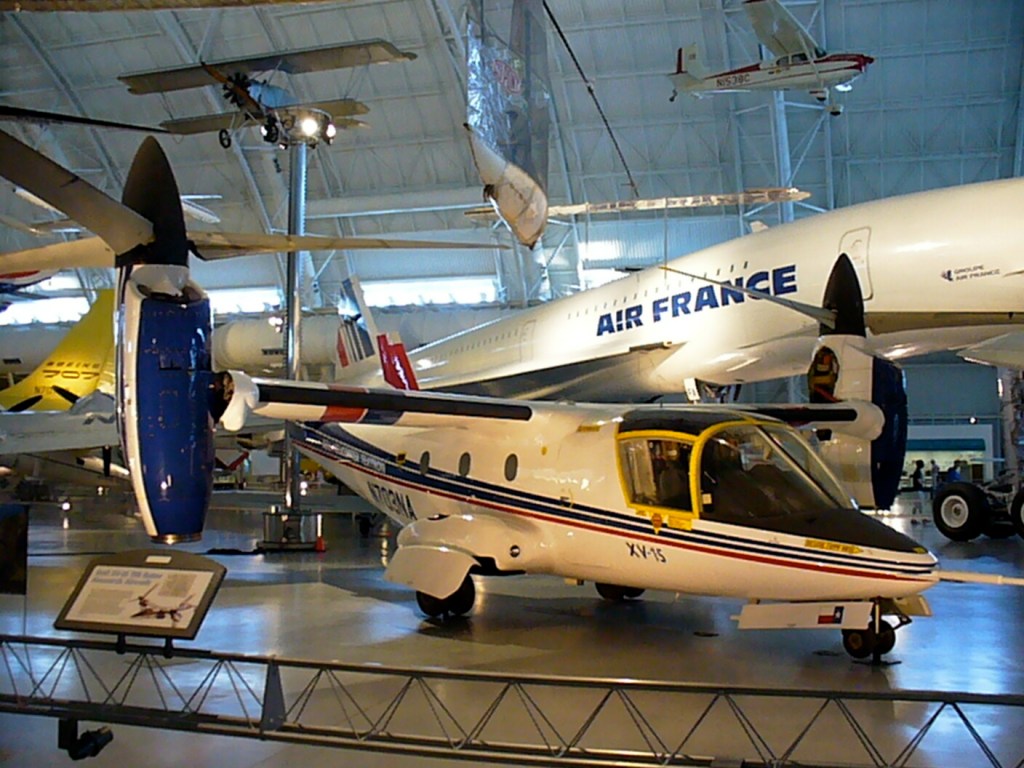
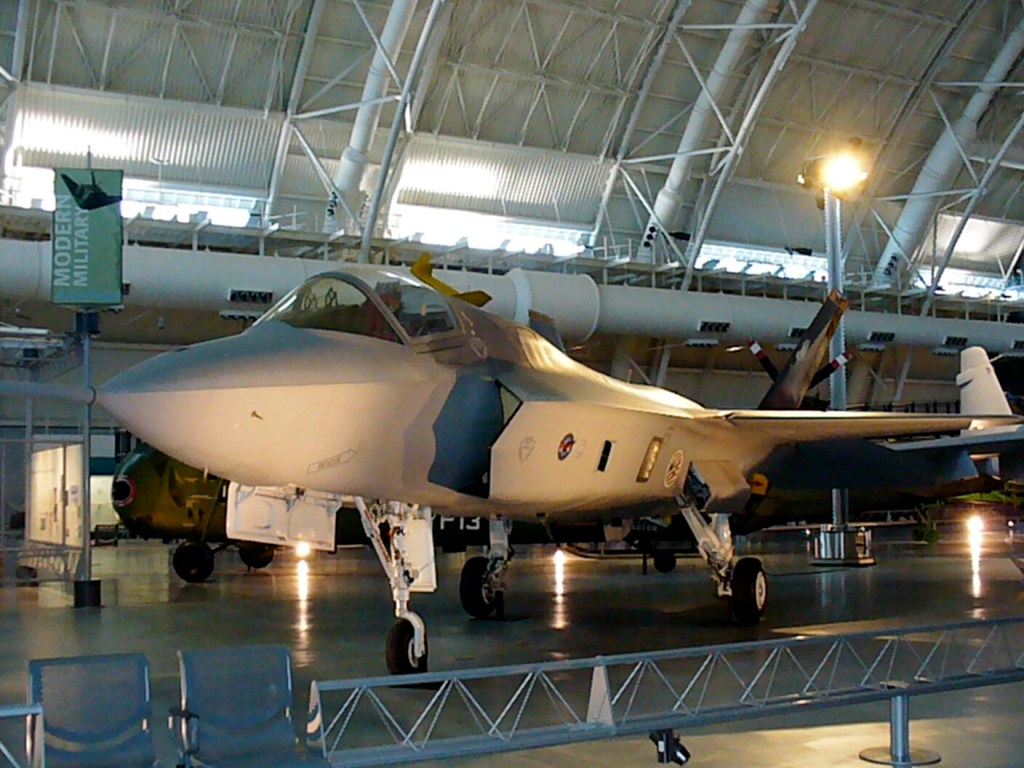
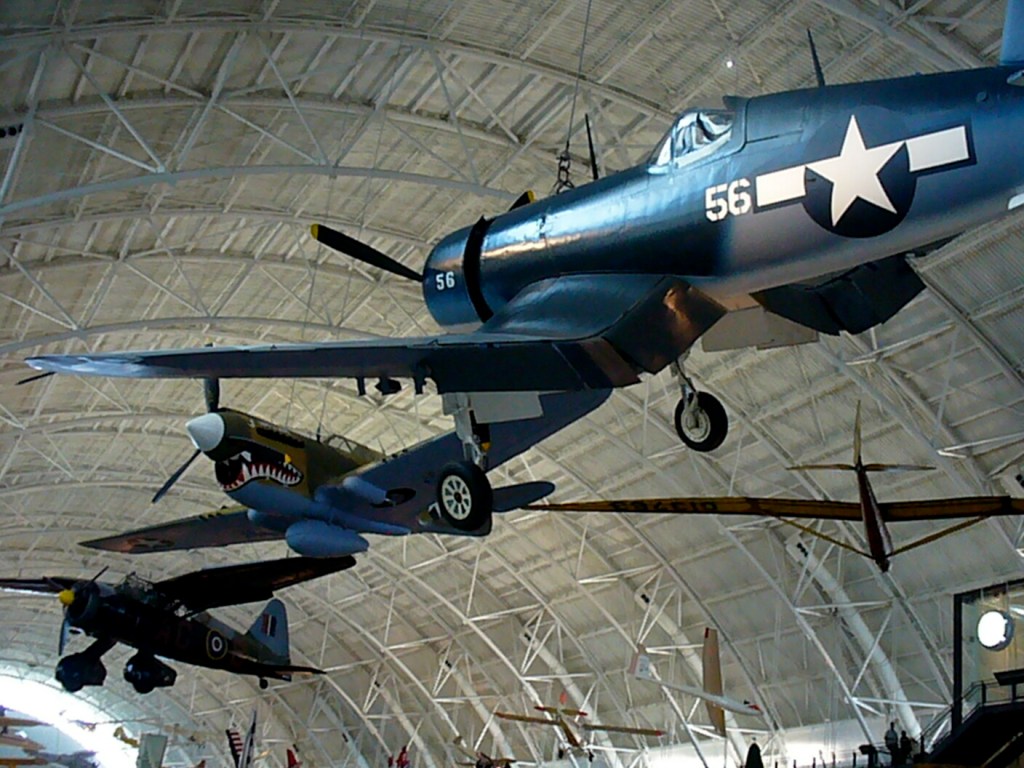
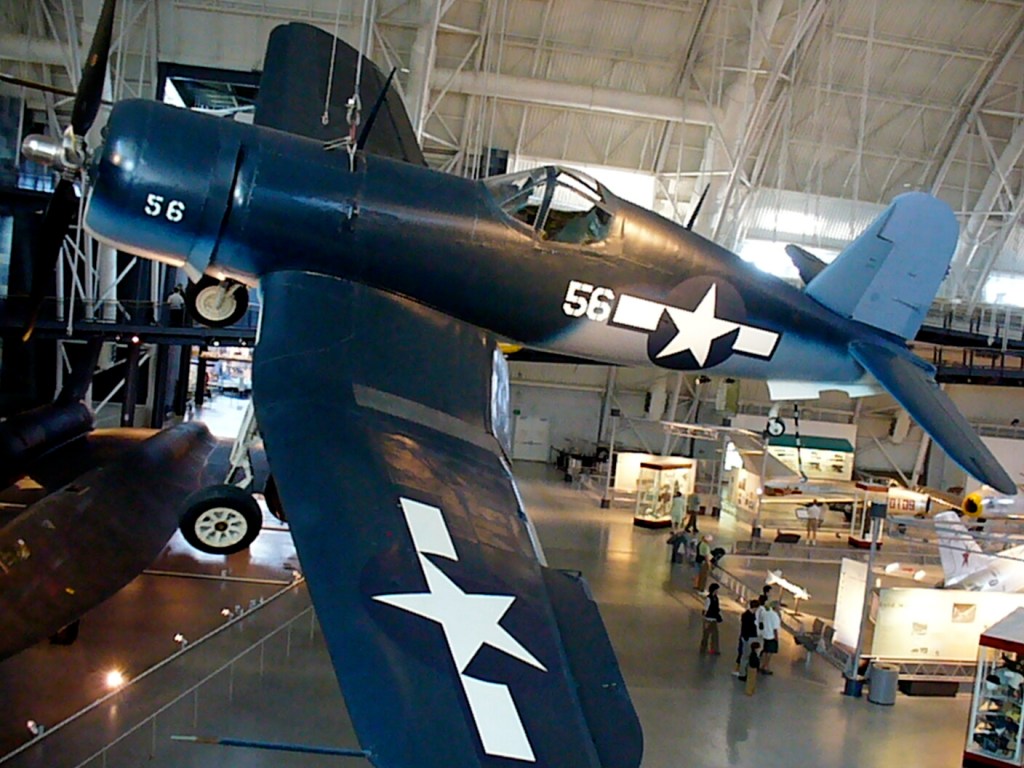
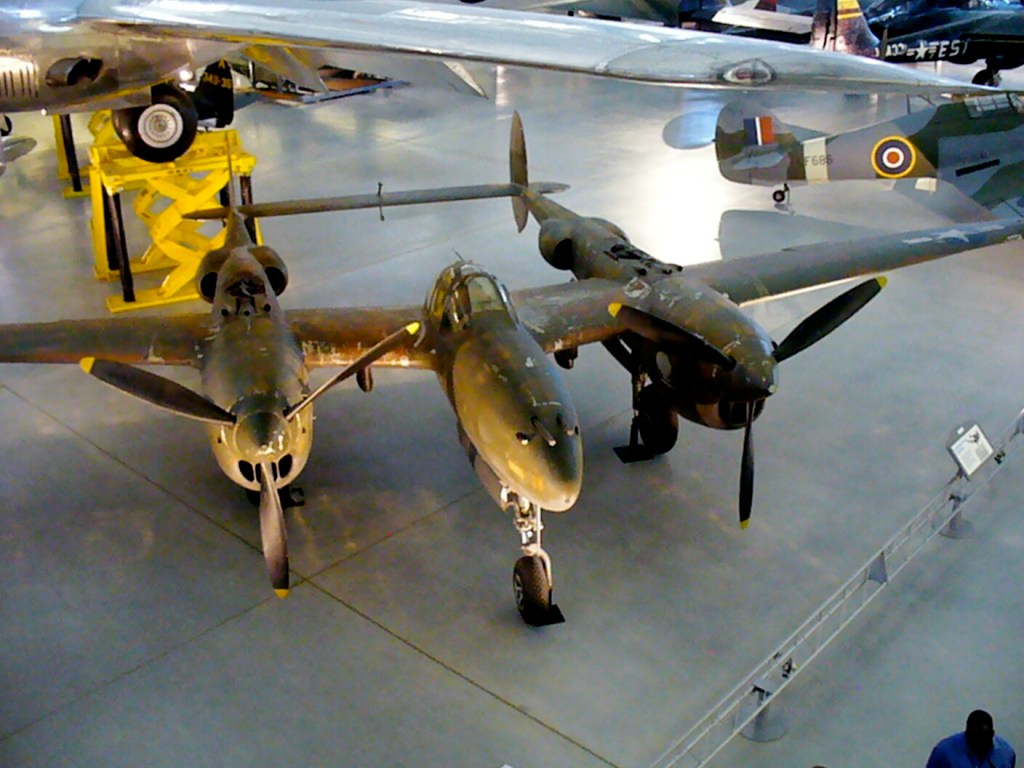
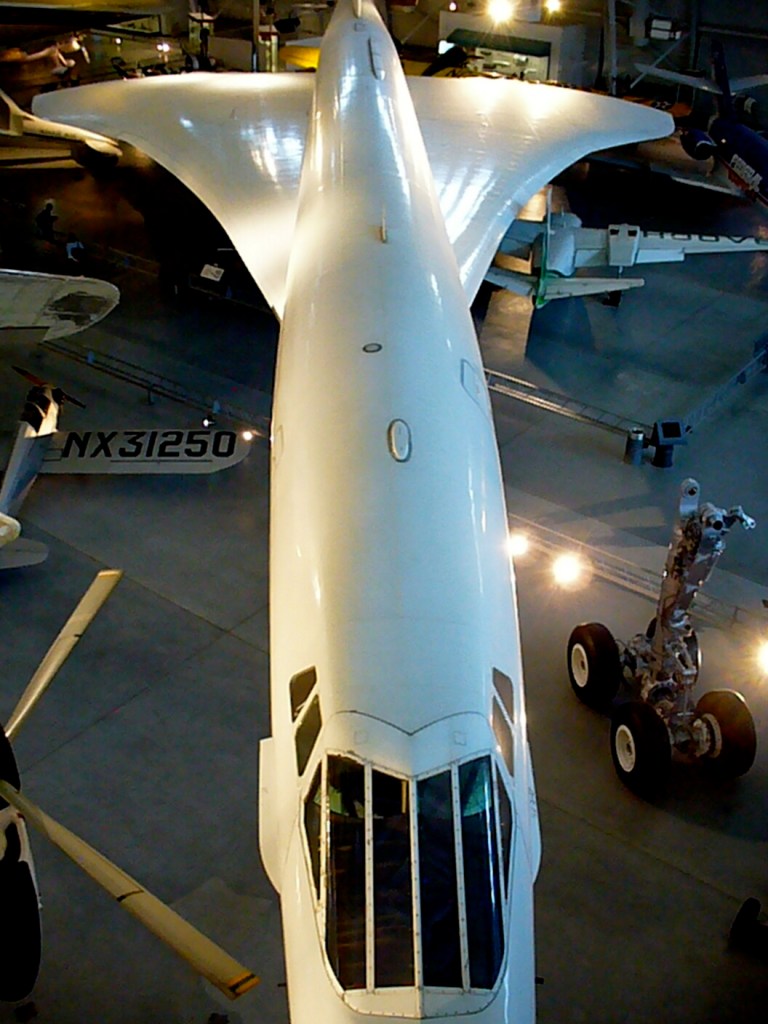
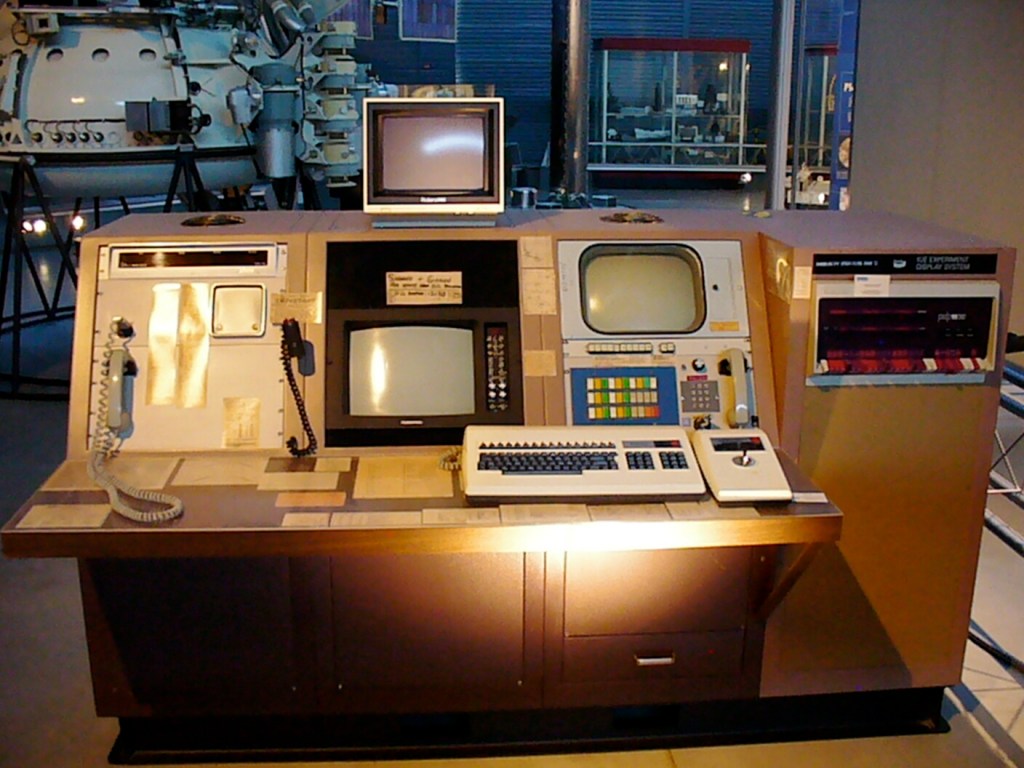
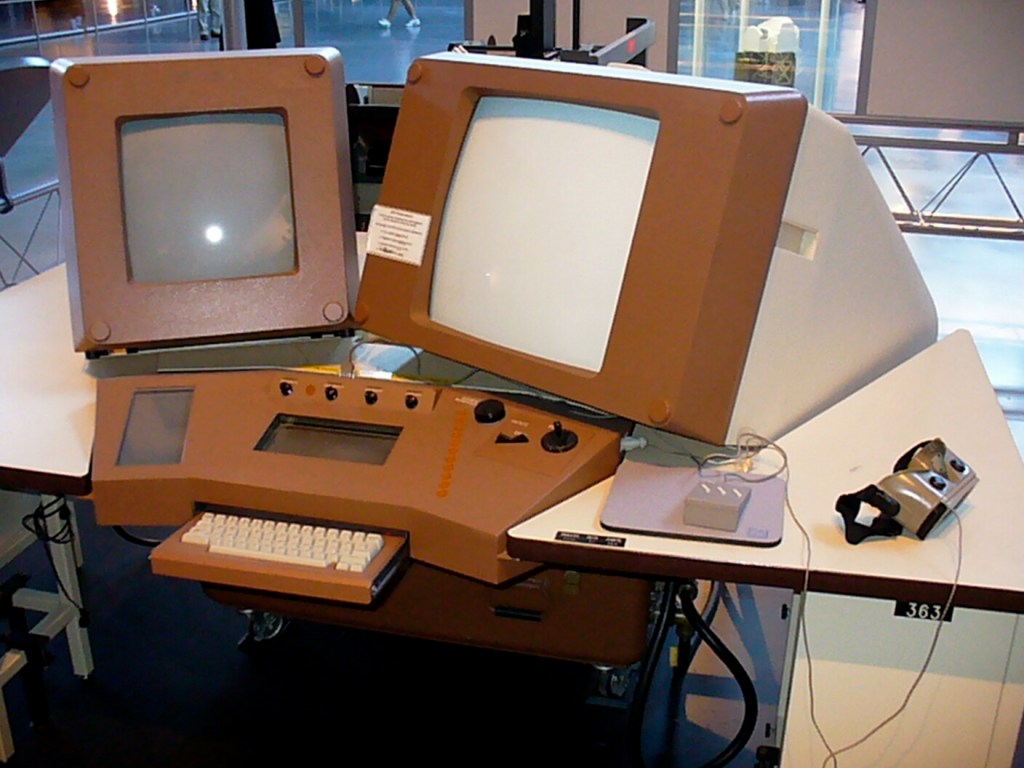
In August 2008, Y and I visited Washington, DC. One of our stops was the Steven F. Udvar-Hazy Center of the National Air and Space Museum, which holds some amazing aerospace artifacts including the B-29 Enola Gay, an SR-71 Blackbird, and Space Shuttle Enterprise. There are also many military aircraft, space related artifacts, robots (and rovers), computers, toys, and even a Hugo Award. Below, I’ve included photos grouped around an artifact or theme, but they are not arranged in a particular order–kind of like meandering around such a huge museum.
Enola Gay B-29
Lockheed SR-71 Blackbird
Grumman F-14 Tomcat
Lockheed T-33A-5-LO Shooting Star
Bell XV-15 Tilt Rotor Research Aircraft
Lockheed Martin X-35B STOVL
NASA Space Shuttle Enterprise
Mars Pathfinder and Sojourner Rover
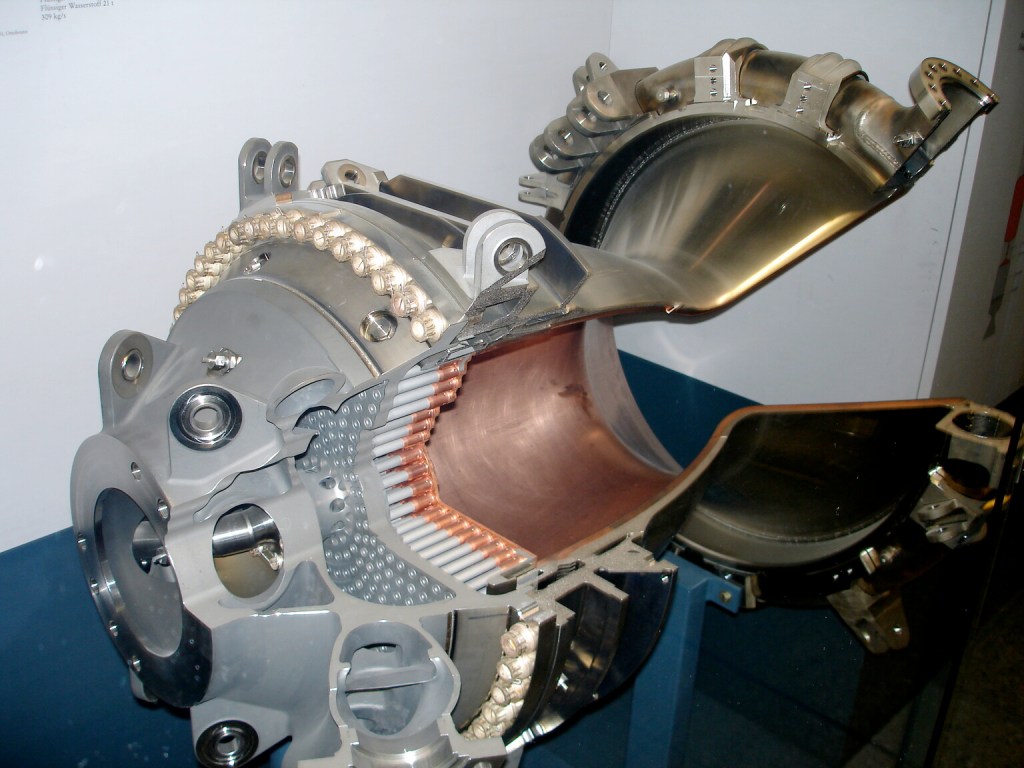
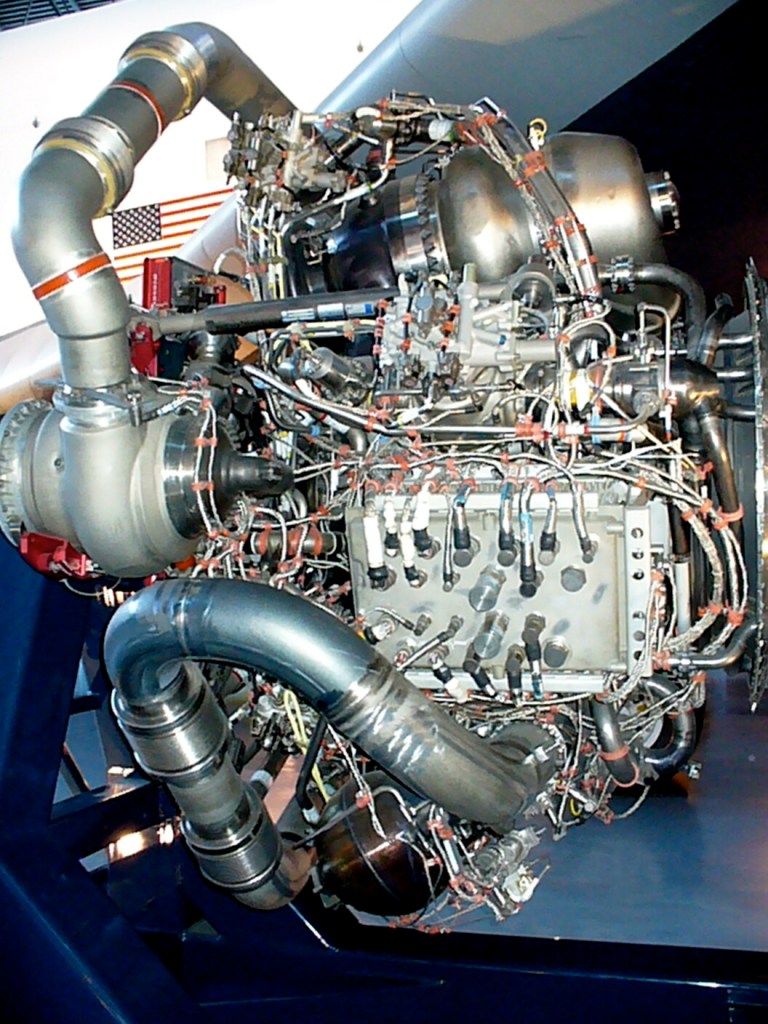
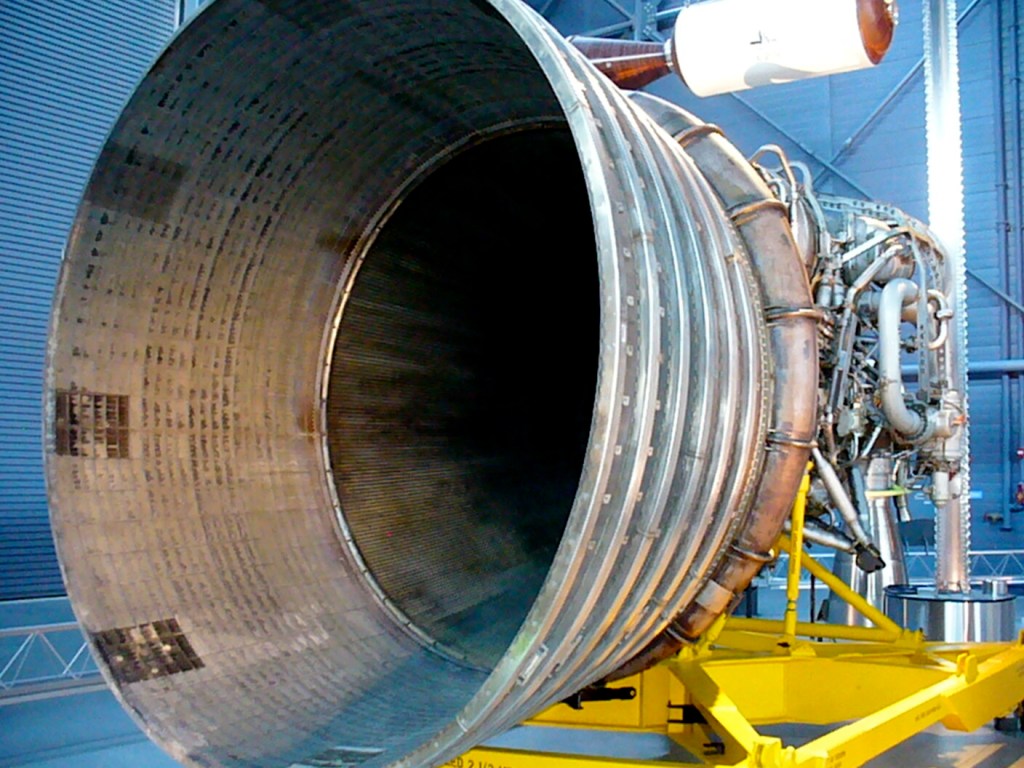
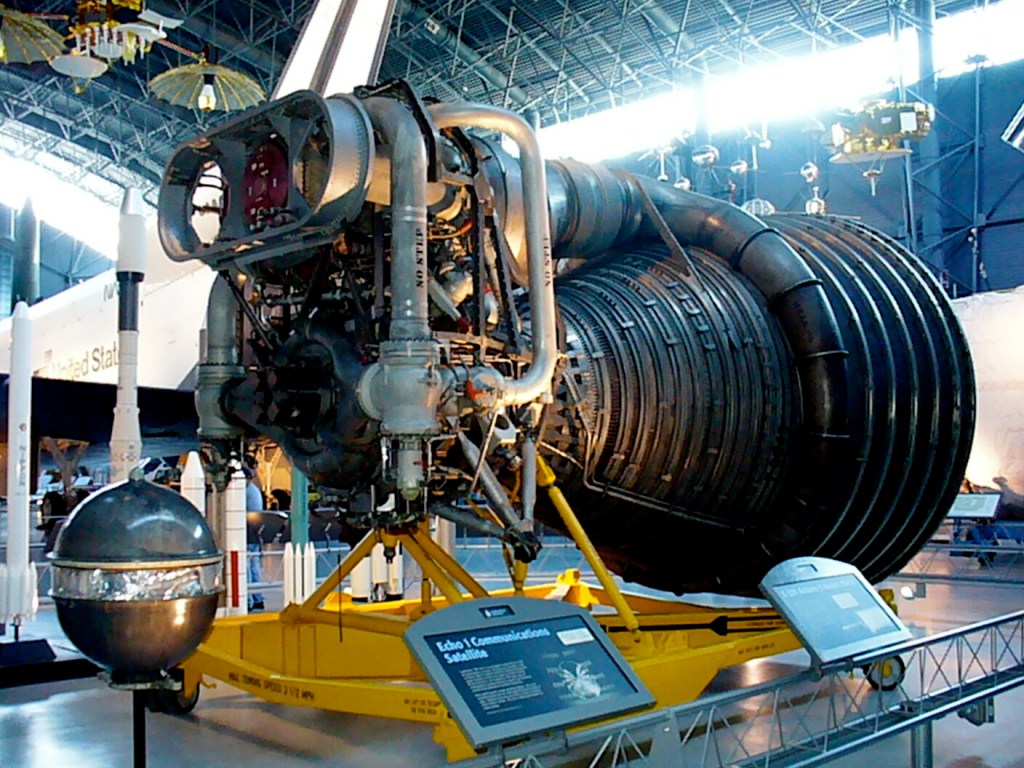
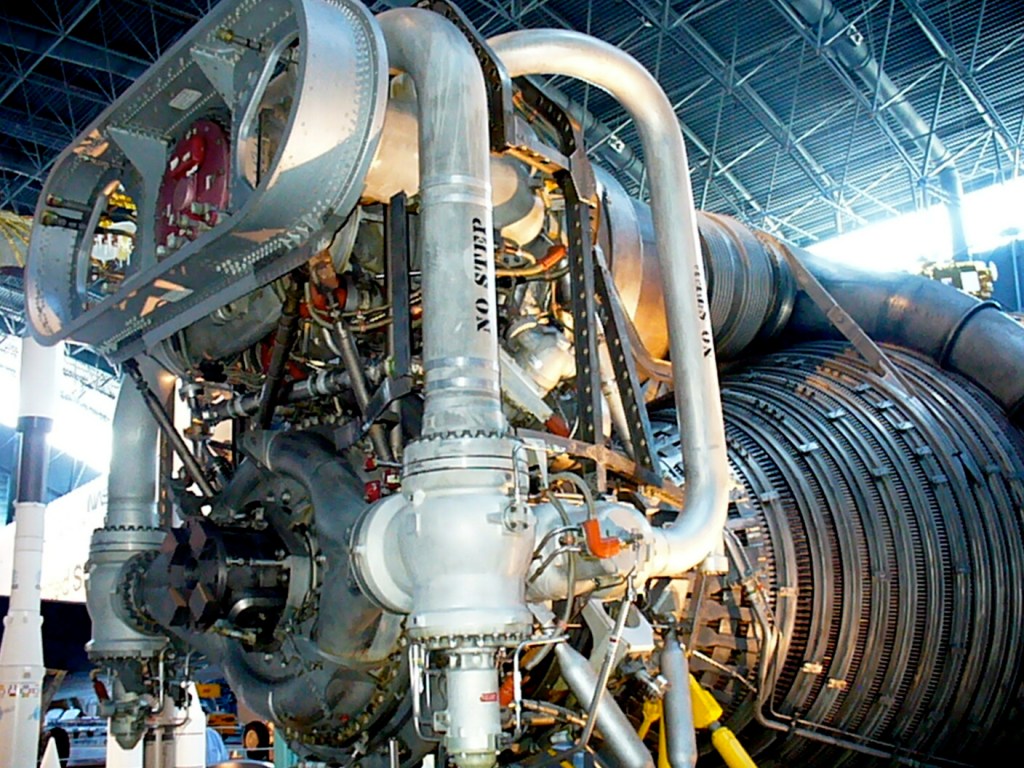
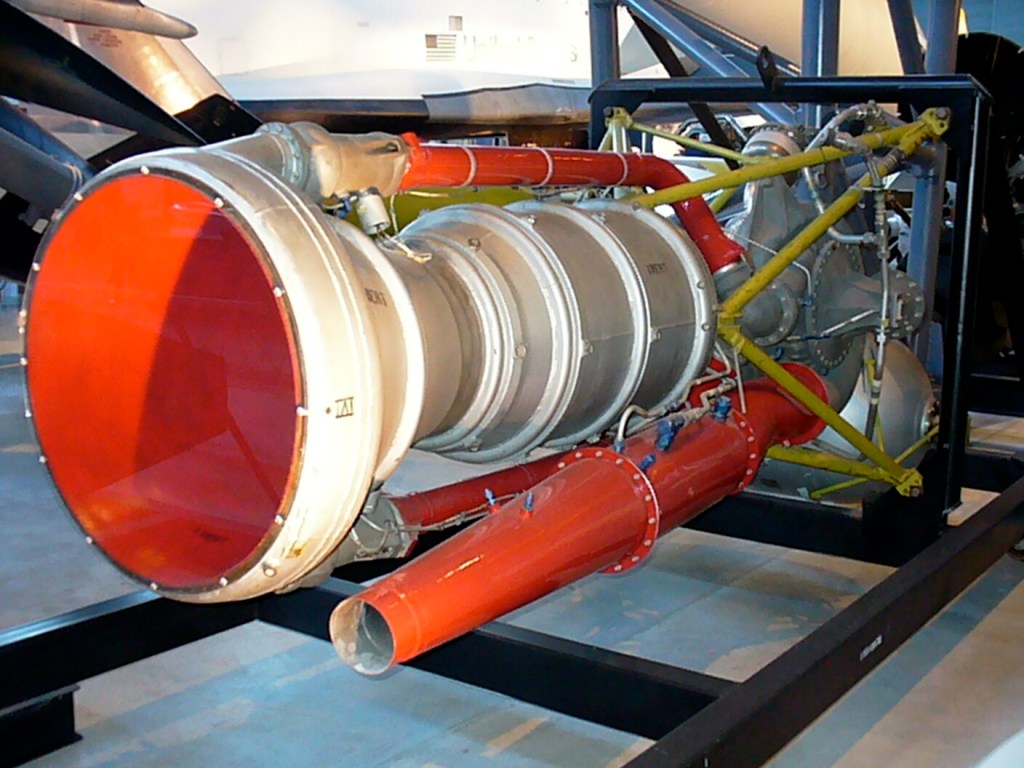
Rocketdyne F-1 Rocket Motor
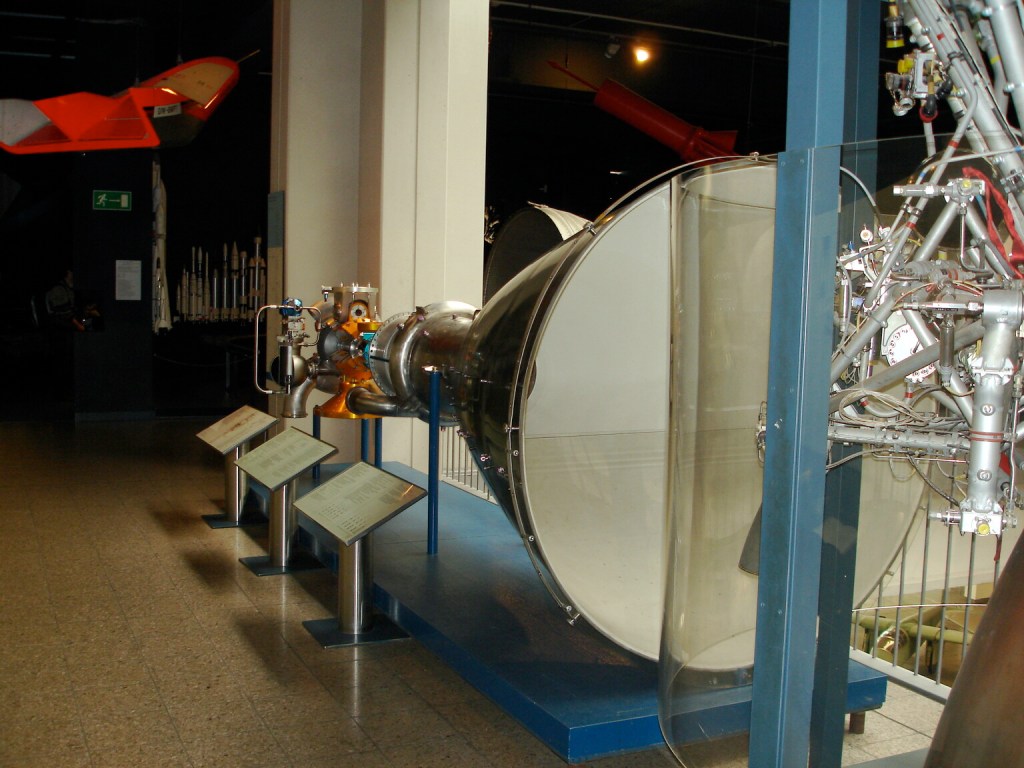
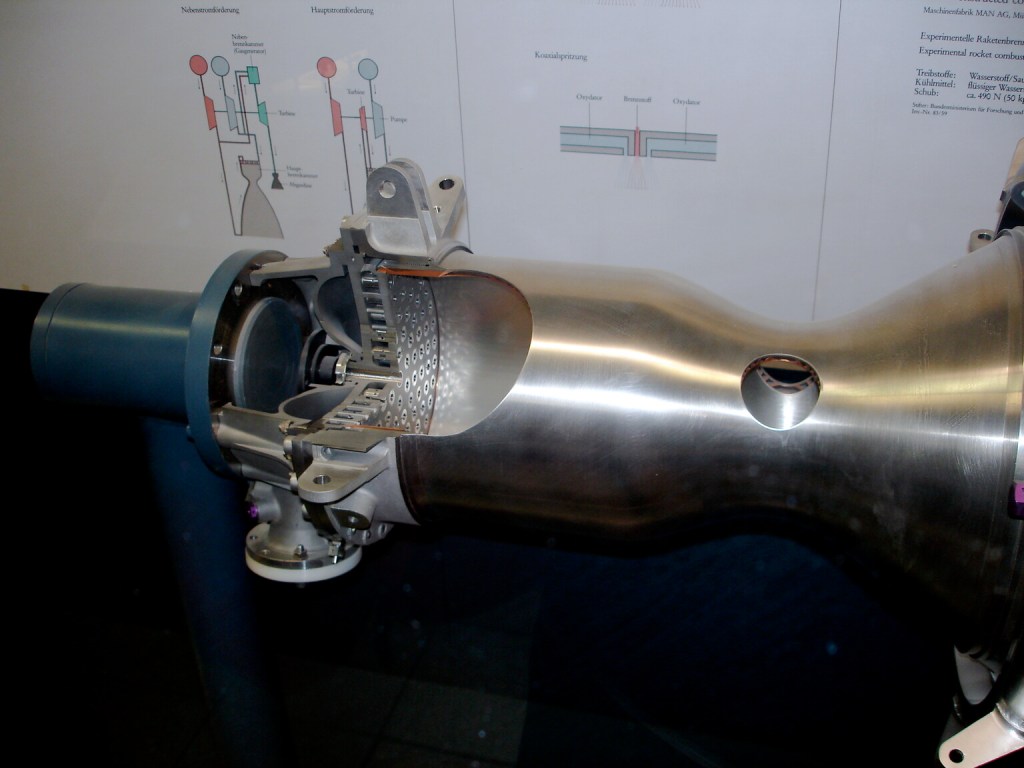
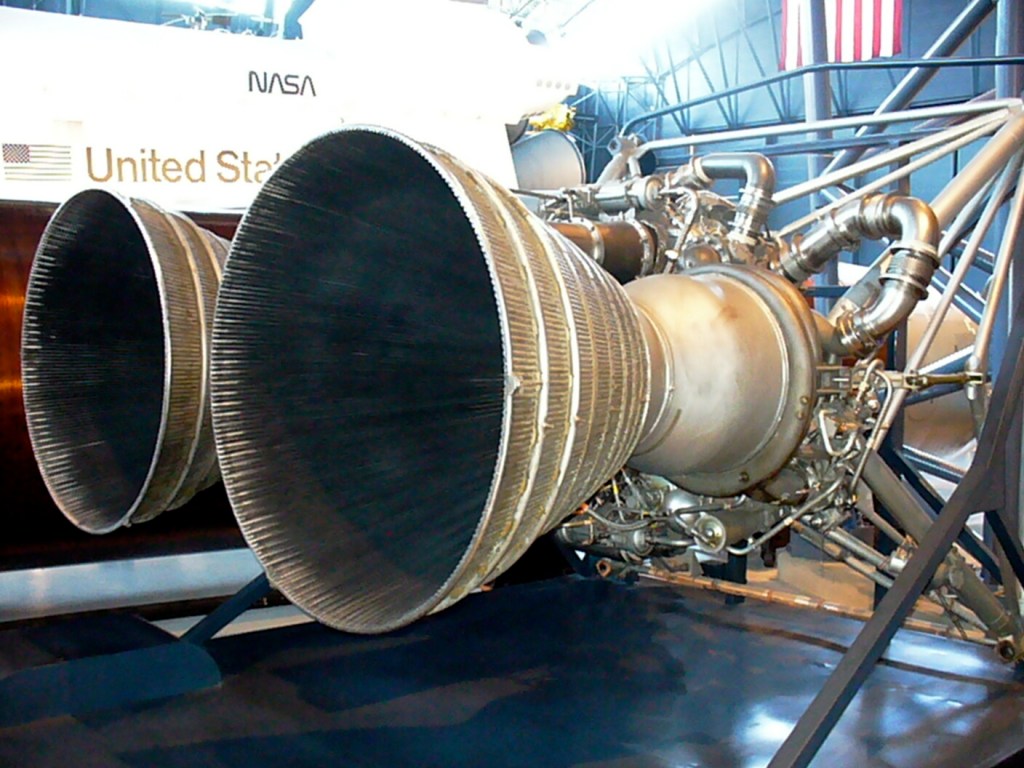
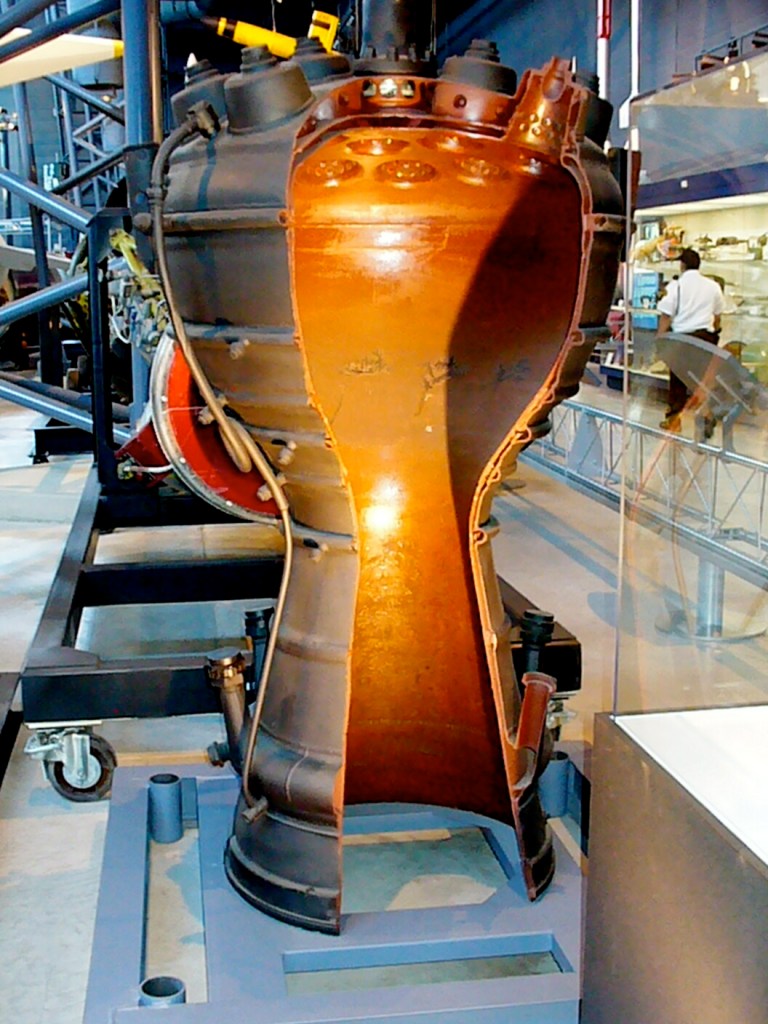
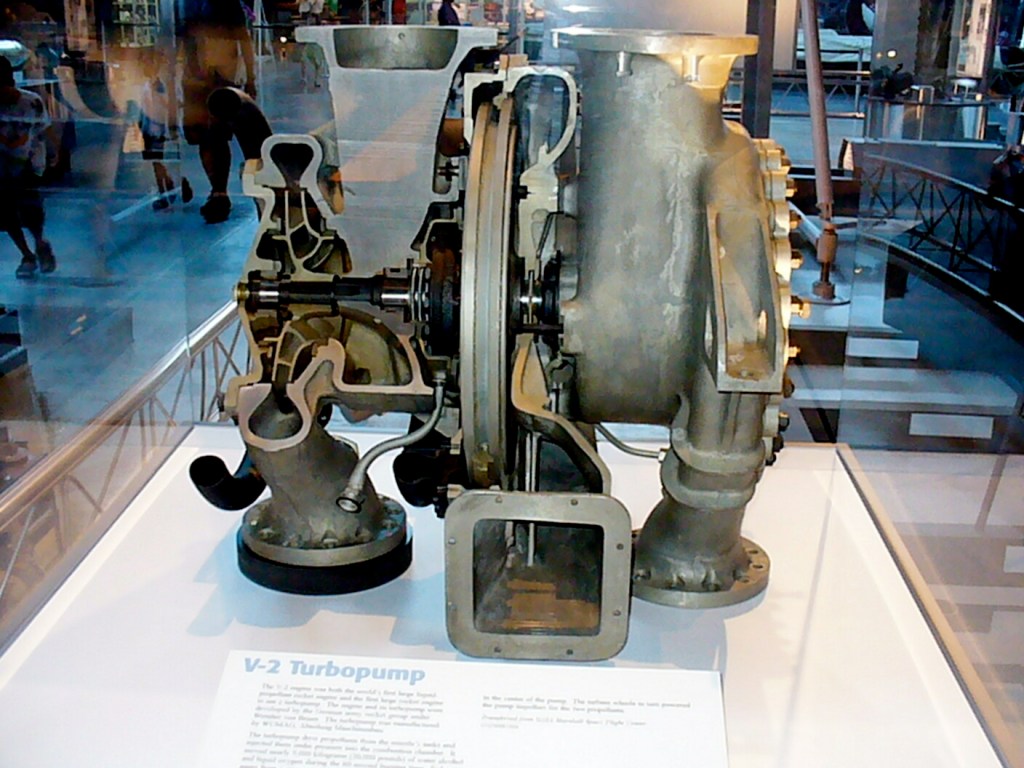
Various Rocket Motors and V-2 Turbopump
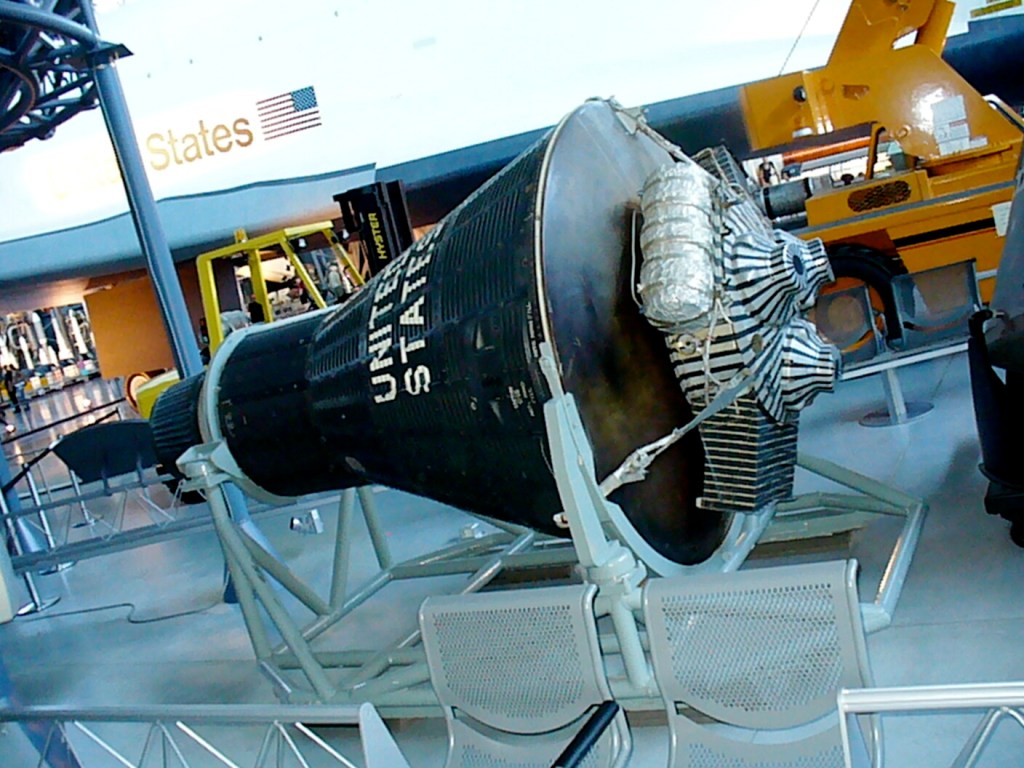
Early Space Capsules
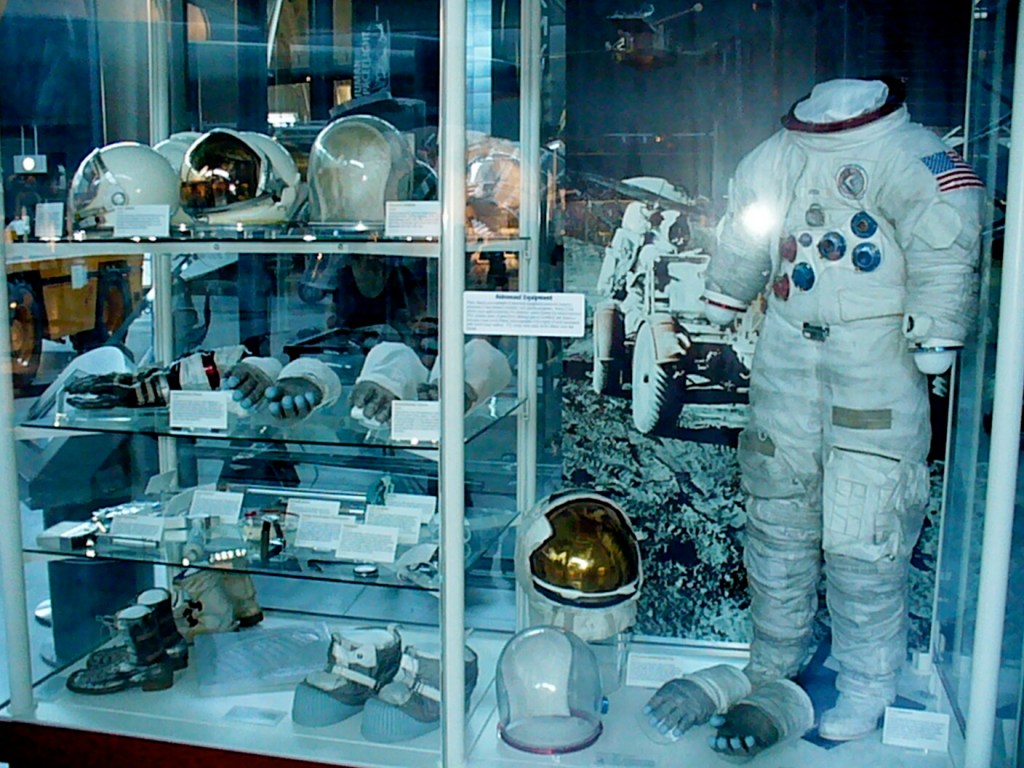
Apollo Spacesuit and Helmets and Gloves
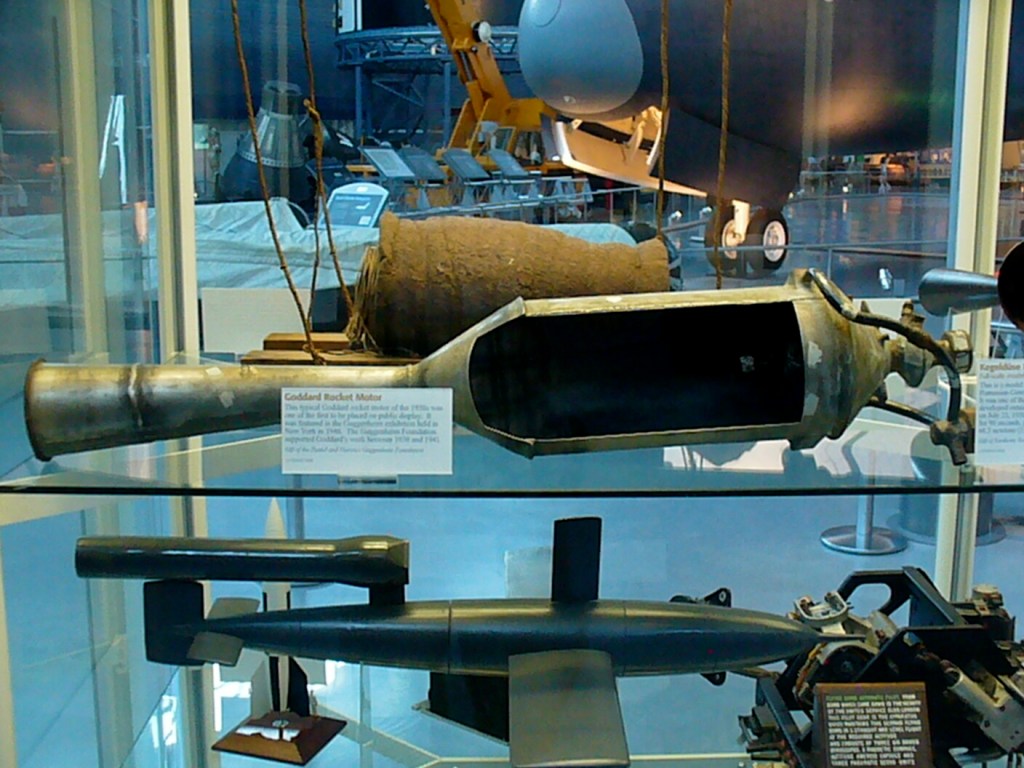
Robert Goddard Rocket Motor
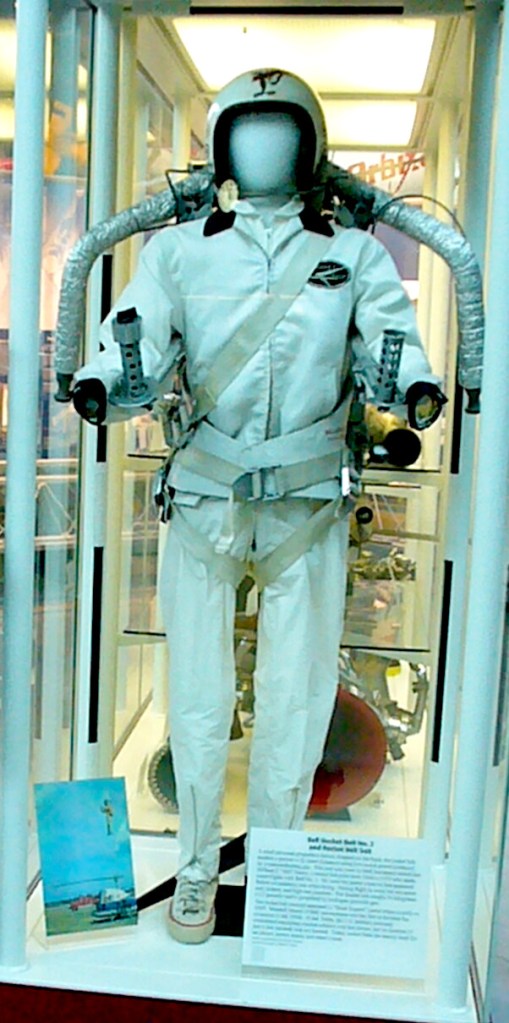
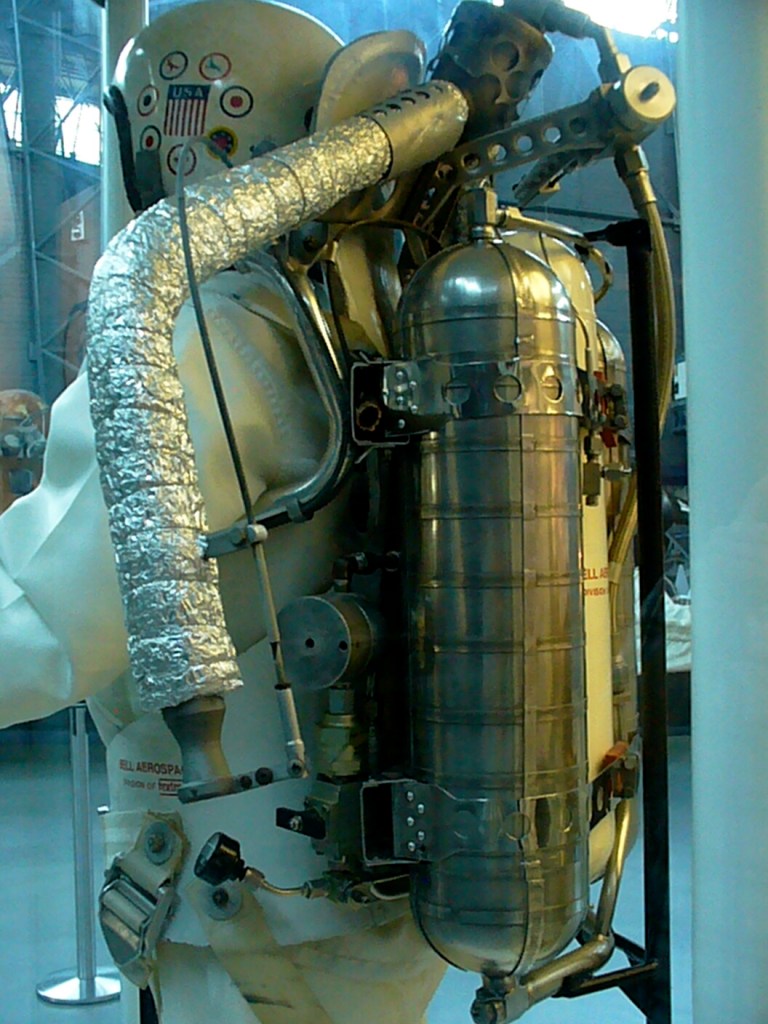
Bell Rocket Belt
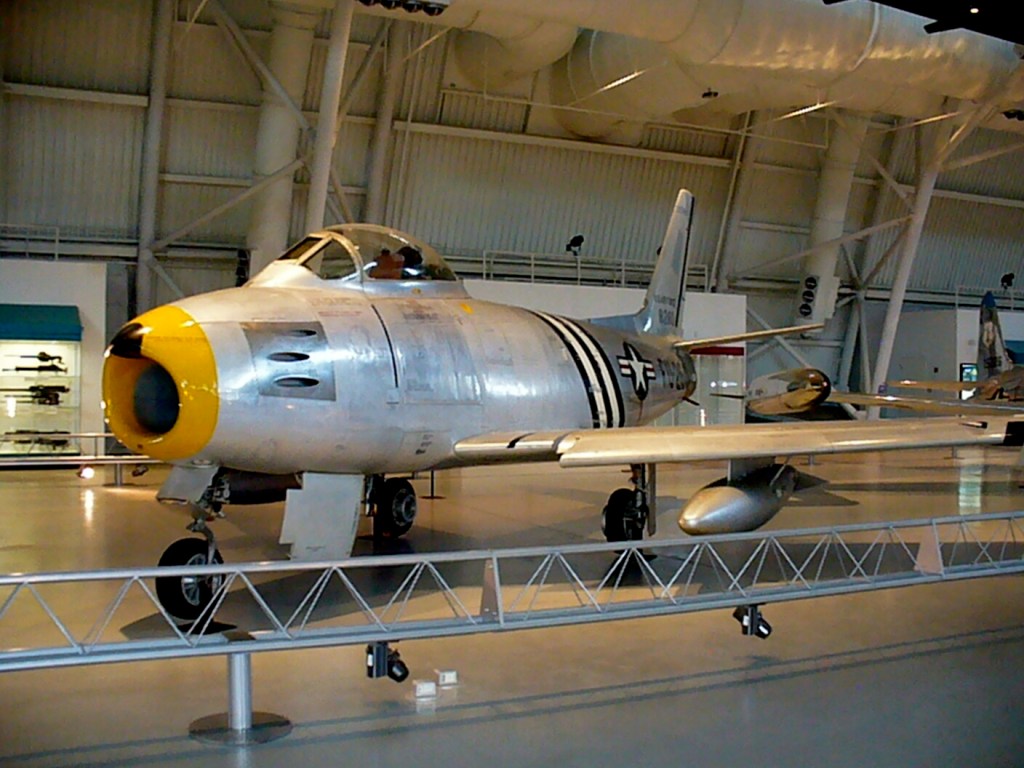
North American F-86 Sabre
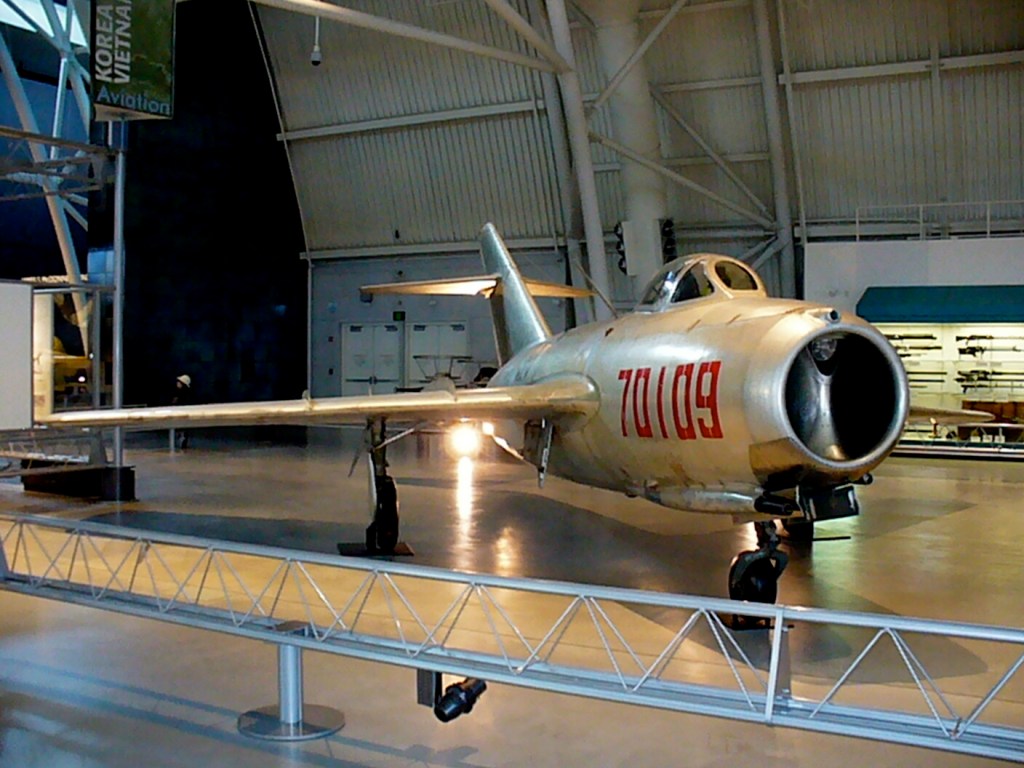
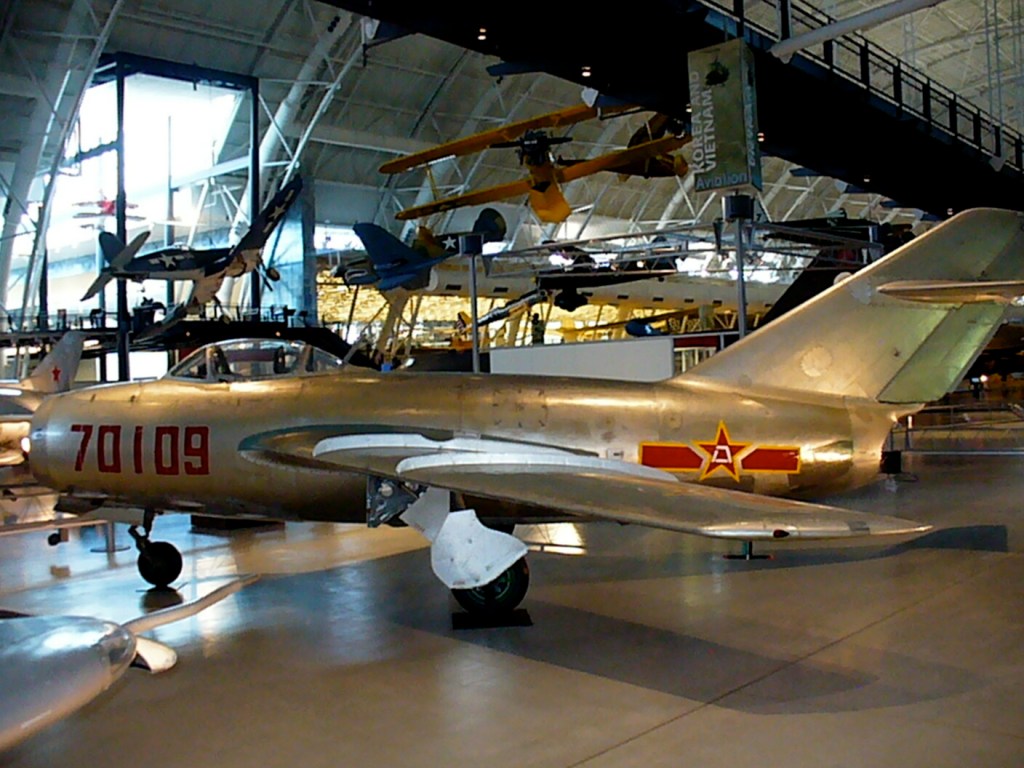
Mikoyan-Gurevich MiG-15
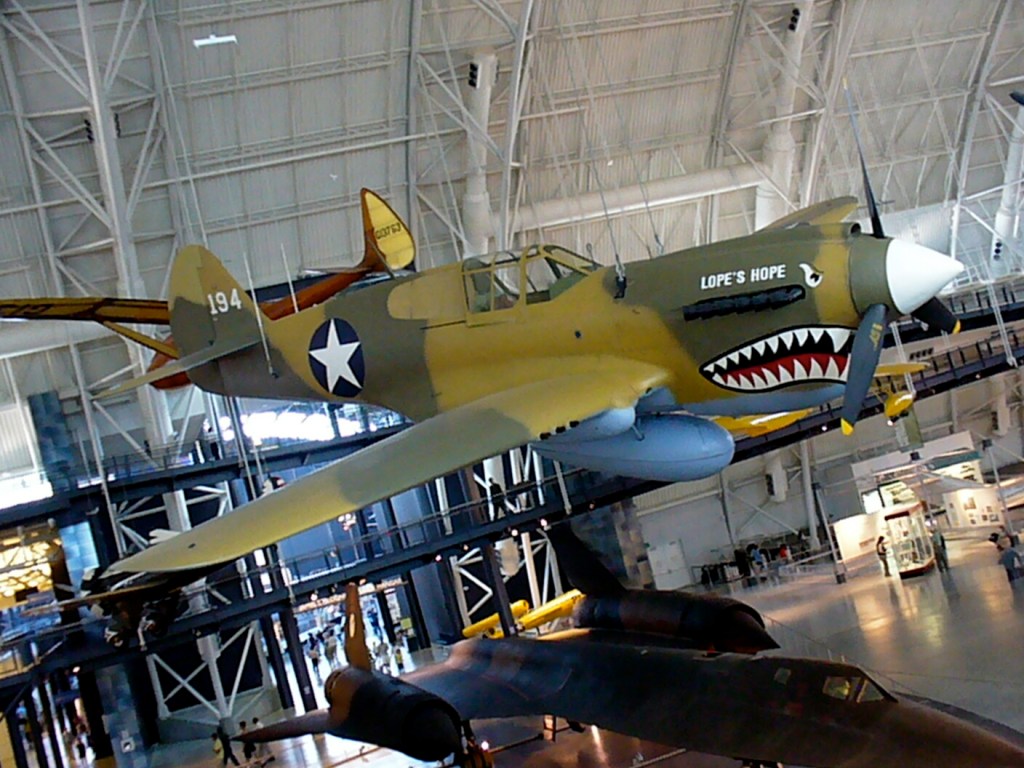
Curtiss P-40 Warhawk
Vought F4U Corsair
Lockheed P-38 Lightning
Aérospatiale/BAC Concorde
Scaled Composites Model 311 Virgin Atlantic GlobalFlyer
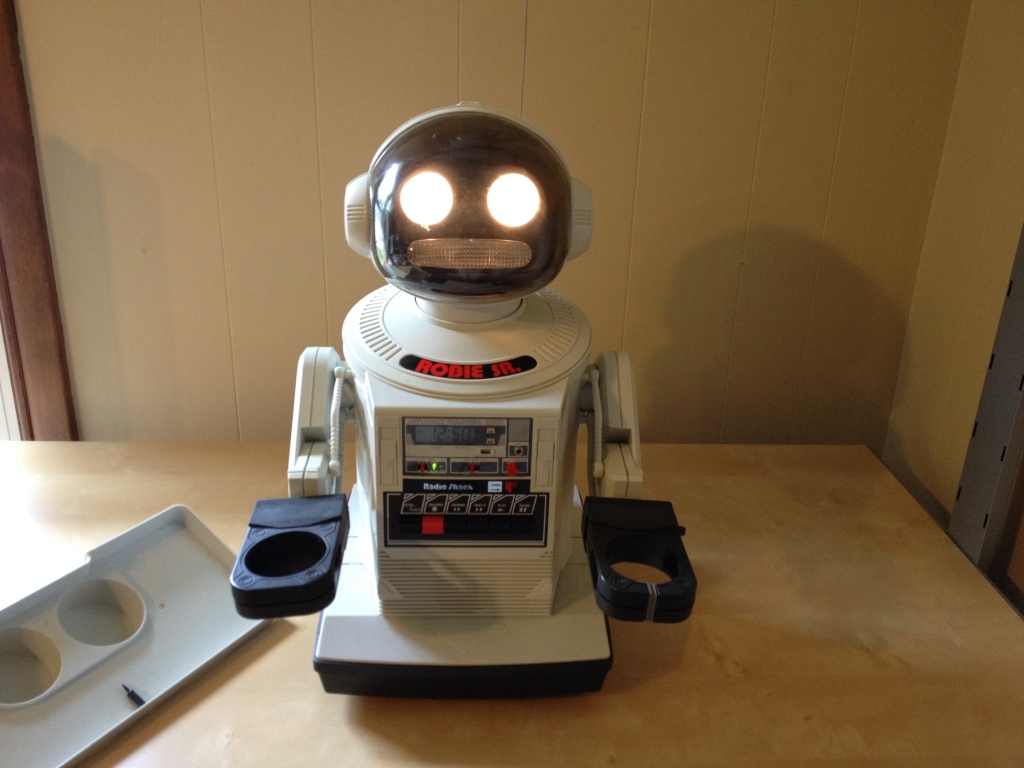
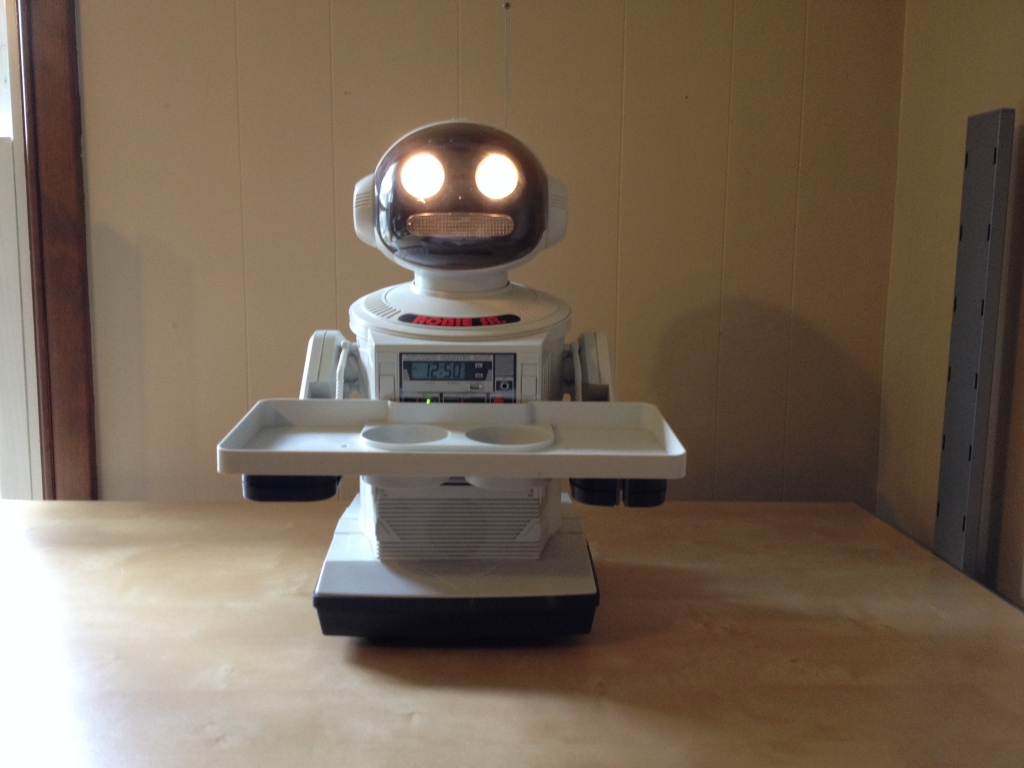
It is a less advanced version of Tomy’s Hearoid and OOM models. Robie Sr. can be remote controlled by a handheld transmitter that doubles as a walkie-talkie so that you can speak through Robie Sr.’s built-in speaker. Also, movements can be recorded to a cassette tape that can be played back to repeat the movements on command or by an internal alarm clock. He can grip items in his left hand, and he includes a tray supported by both hands for carrying larger or awkward items. You can read more details about Robie Sr.’s functions and features in the owner’s manual available at TheOldRobots.com here.
When I was a kid, I wanted one of these robots badly! I imagined it was like having R2-D2 as a friendly companion. Omnibot 2000 was the most advanced consumer robot that I was aware of at that time. Robie Sr. was a close second to my childhood imagination. The Heathkit Hero was the most astromech-like robot on the market at the time, but it was lightyears beyond my affordability and technical skill.
I remember playing for hours with a friend’s Armatron–imagining being the robot brain controlling the rattling rumble of gears moving the waldo arm according to my joystick maneuvers.
Patience and saved searches on eBay eventually led me to find this Robie Sr. to experience what this little robot was capable of. I brought him to my classes and had him in my office at school. Some students thought Robie Sr. was cool, but he didn’t seem to fire their imagination like he did me years before.
My Robie Sr. now belongs to someone else. When we were downsizing before moving to Brooklyn, I had to let go of him and put him up on eBay. Hopefully, he is continuing to live his best robot life with his new family.
Robie Sr. comes with a tray that can be held by both hands.
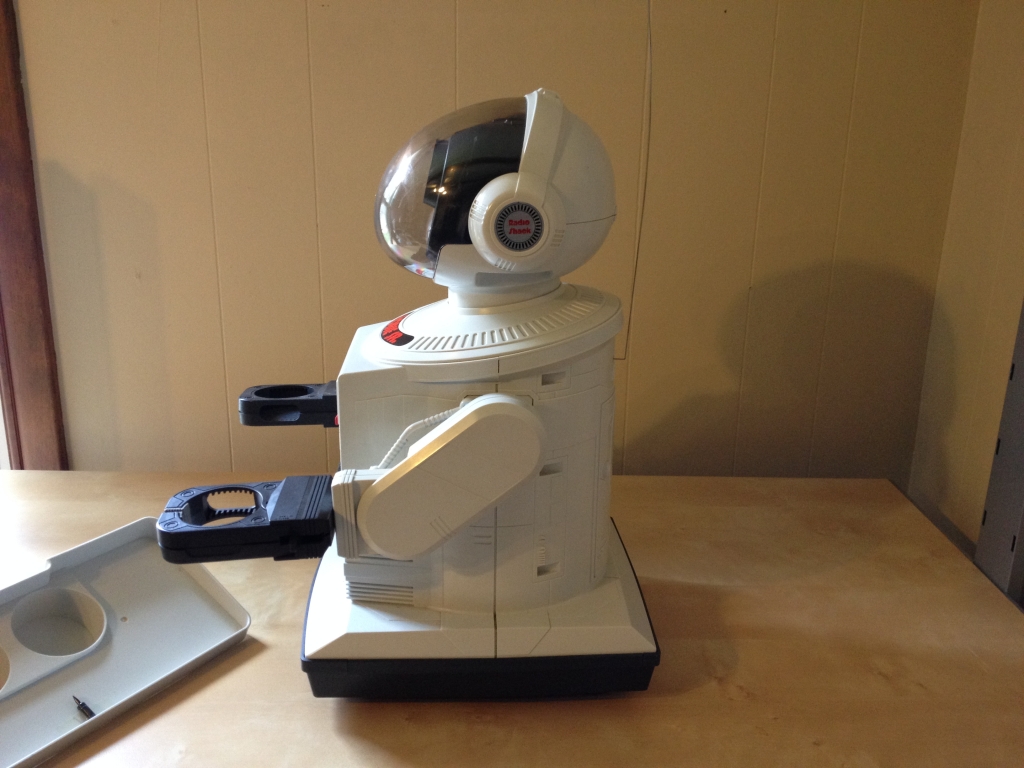
Left view with arm rotated to the height needed to hold a tray.
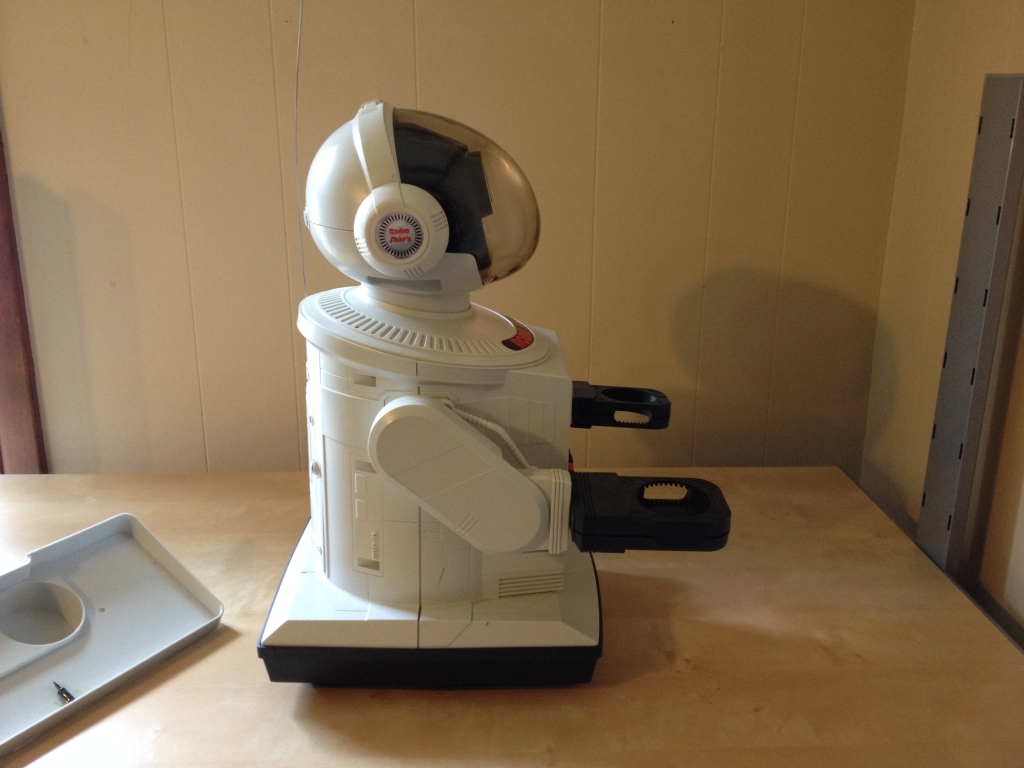
Right view with arm rotated to the height needed to hold a tray.
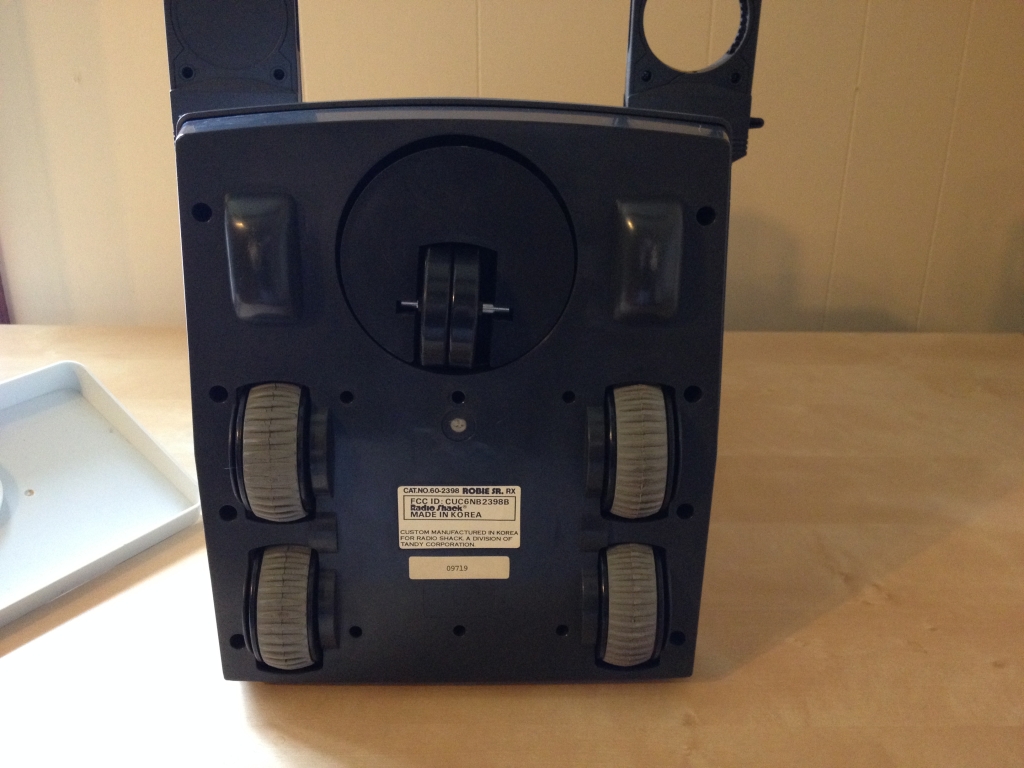
Bottom view of Robie Sr. Its wheels are for locomotion and tank-like steering. The black front wheel (at the top of photo) provides support and rotates based on the motion of the grey wheels.
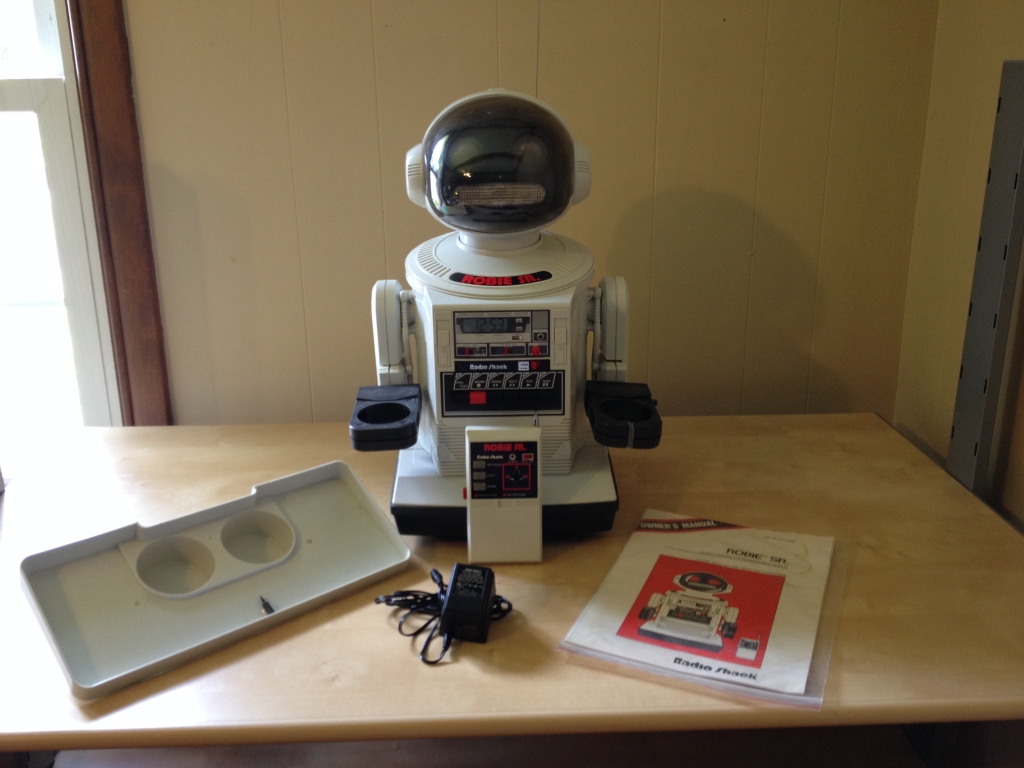
Robie Sr. is pictured here with his tray, AC battery charger, remote control, and owner’s manual.
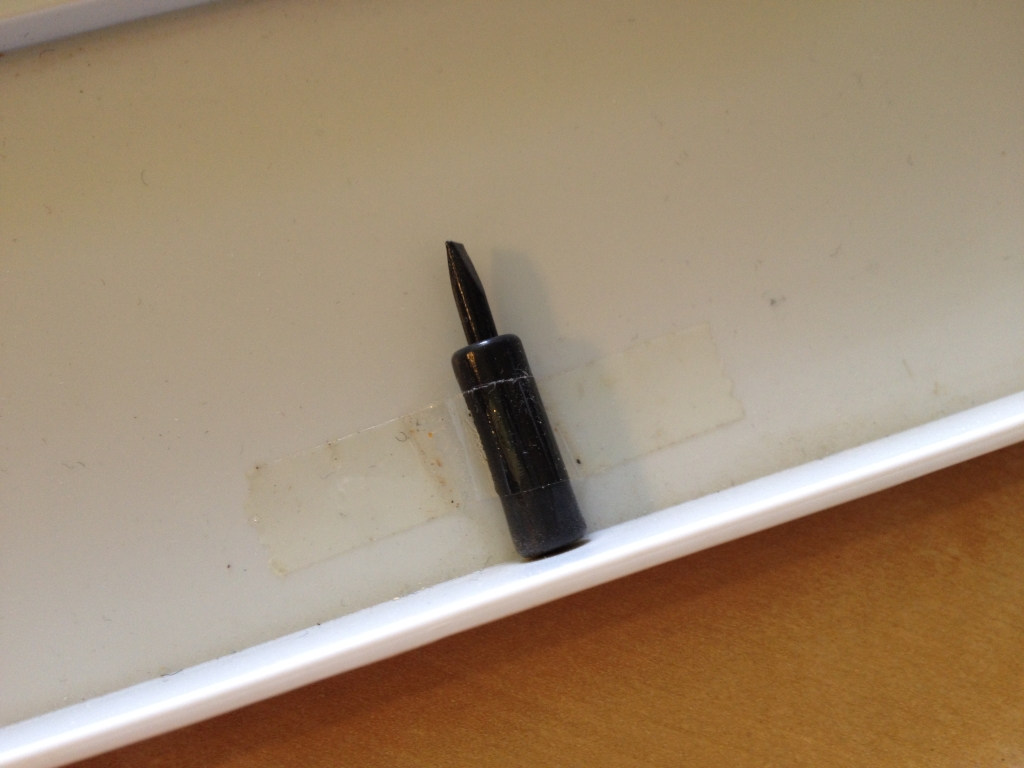
This screw is used for adjusting the steering alignment.
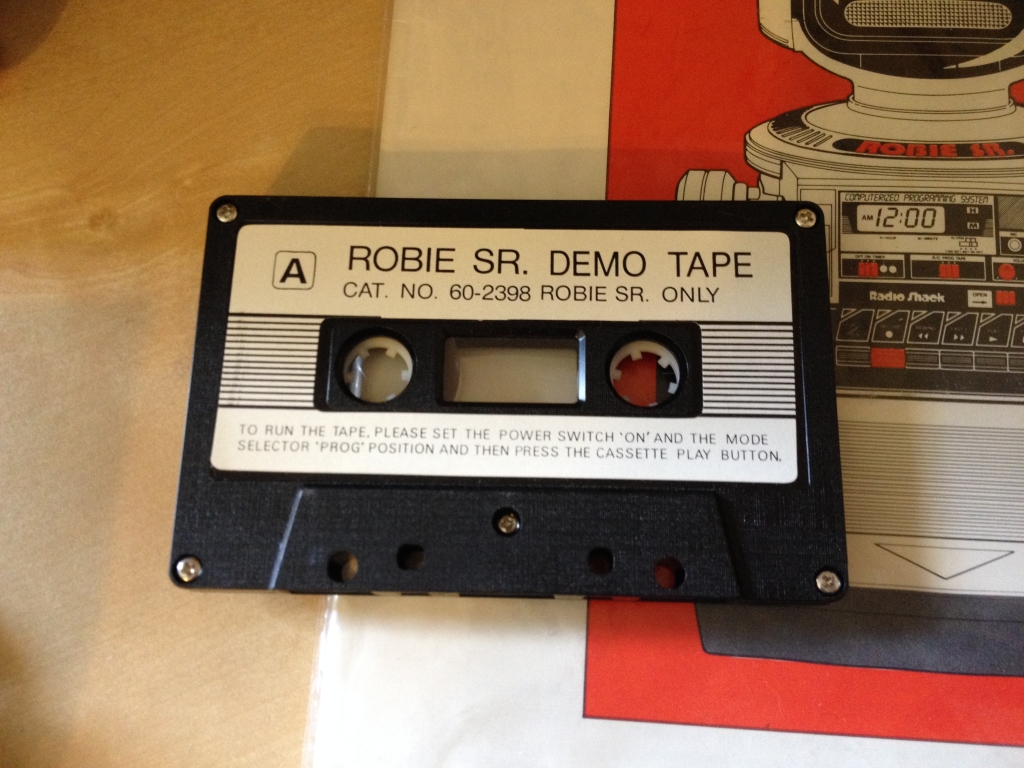
The Robie Sr. Demo Tape has a preprogrammed set of instructions for the robot to perform. To use it, you slide the cassette Open lever on the cassette tape deck on Robie Sr.’s torso, this slides the cassette tape mechanism out, place the cassette inside, push the deck back into Robie Sr.’s torso, and then push the Play button.
To recharge Robie Sr.’s big ass battery, the robot needs to be plugged into the included AC charging adapter.
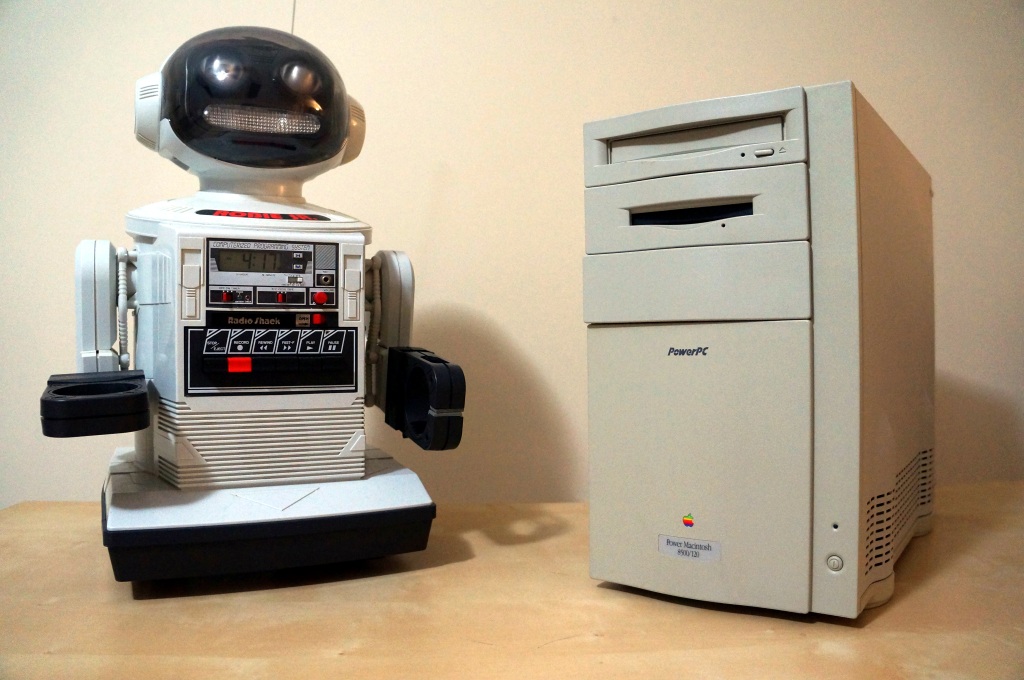
For comparison, Robie Sr. is taller than an Apple Power Macintosh 8500/120. Also, the robot is about 9 years older than this Power Mac model.
Finally, here is Robie Sr. in action! Y and I made this video to show at a friend’s overseas wedding that we were unable to attend. The audio is in Mandarin for the most part. The story is that Robie Sr. needs to deliver a special message. Our dearly departed cat Miao Miao takes the message from Robie and gives it to us, and we read the message to our friends.