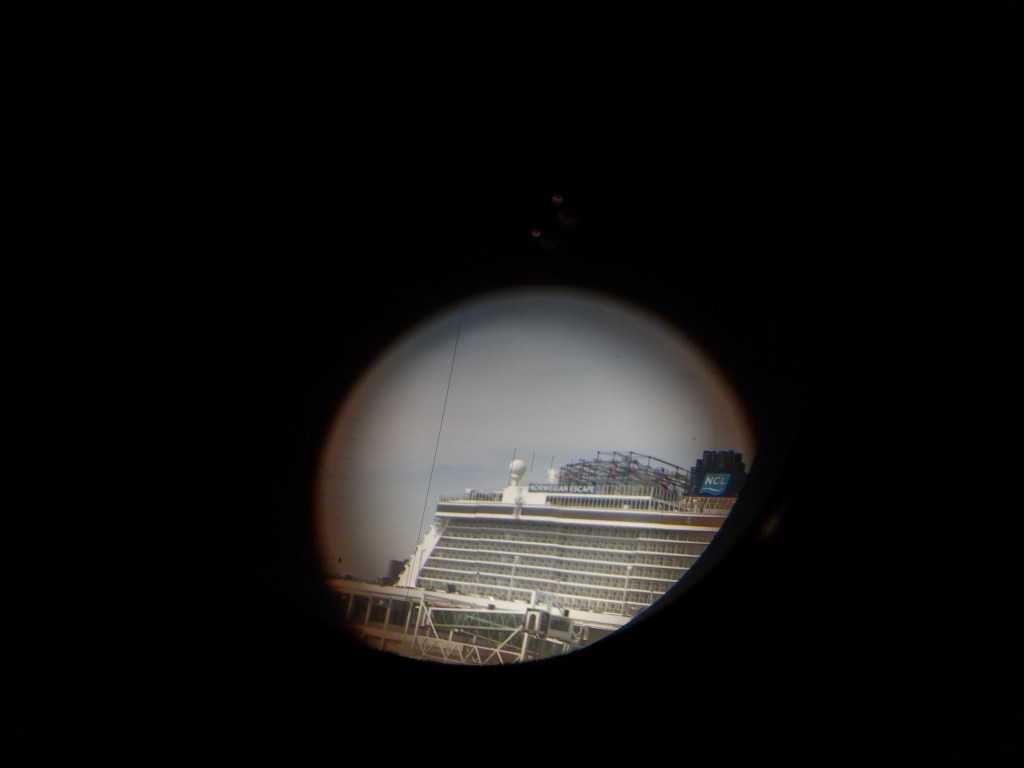
As I wrote about yesterday, I met up with my former City Tech colleague Alan Lovegreen in March 2019 on the west side of Manhattan to visit the Intrepid Museum and USS Growler submarine. My last post showed pictures of from the Intrepid. Today’s post is all about the Growler.
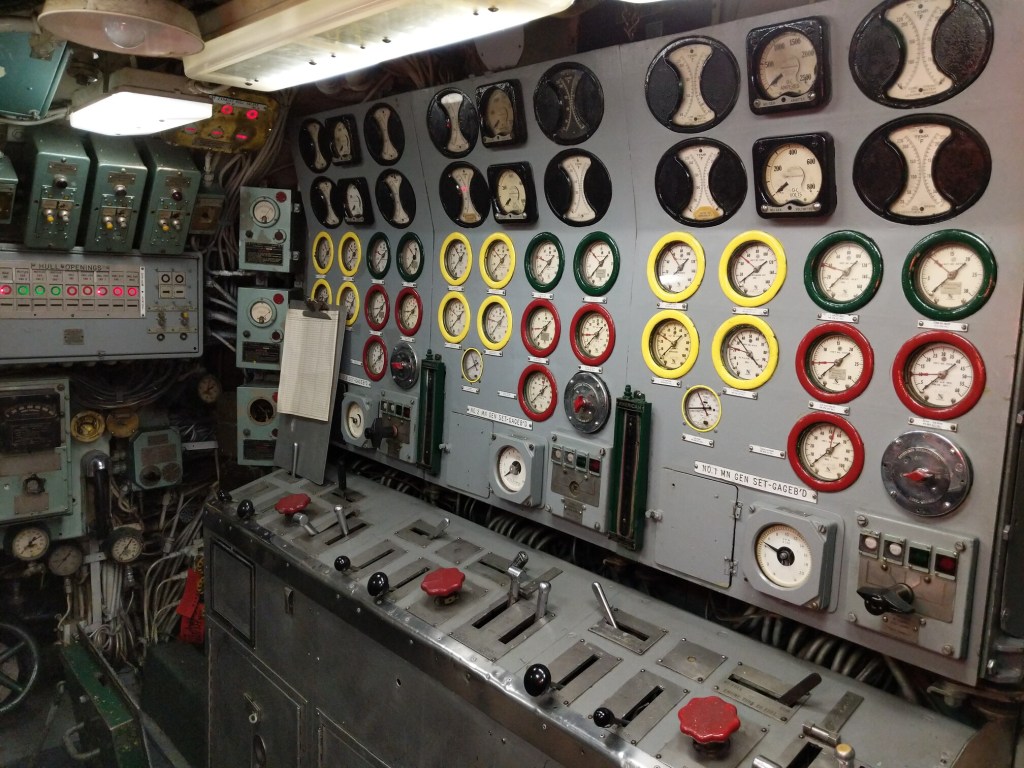
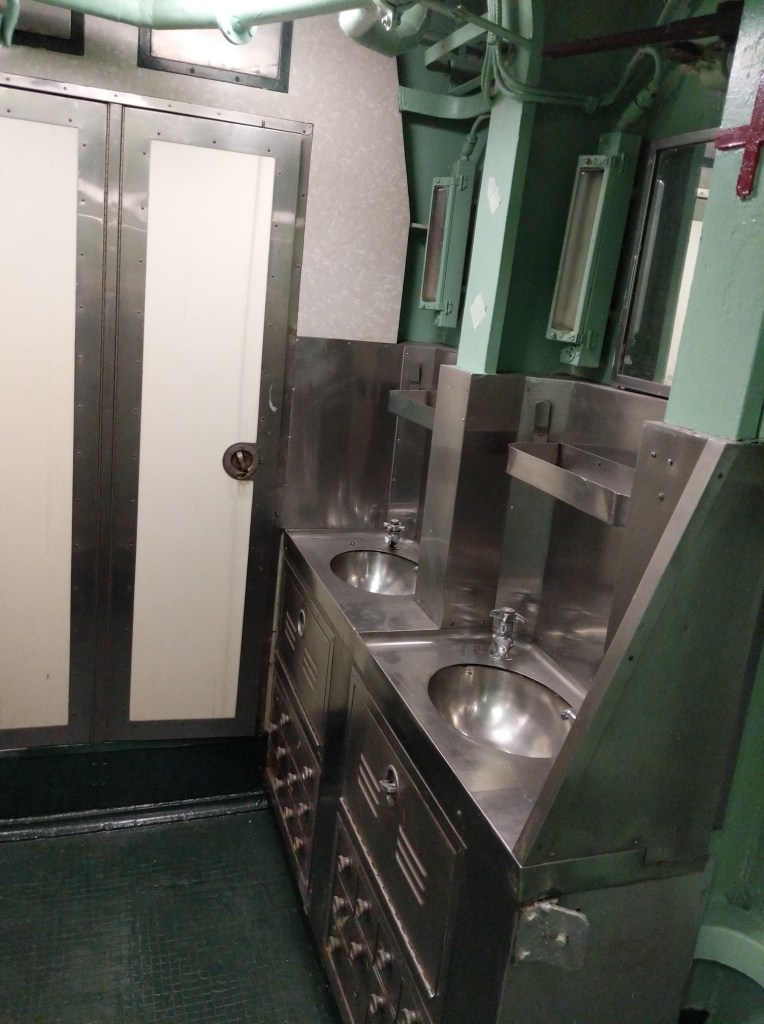
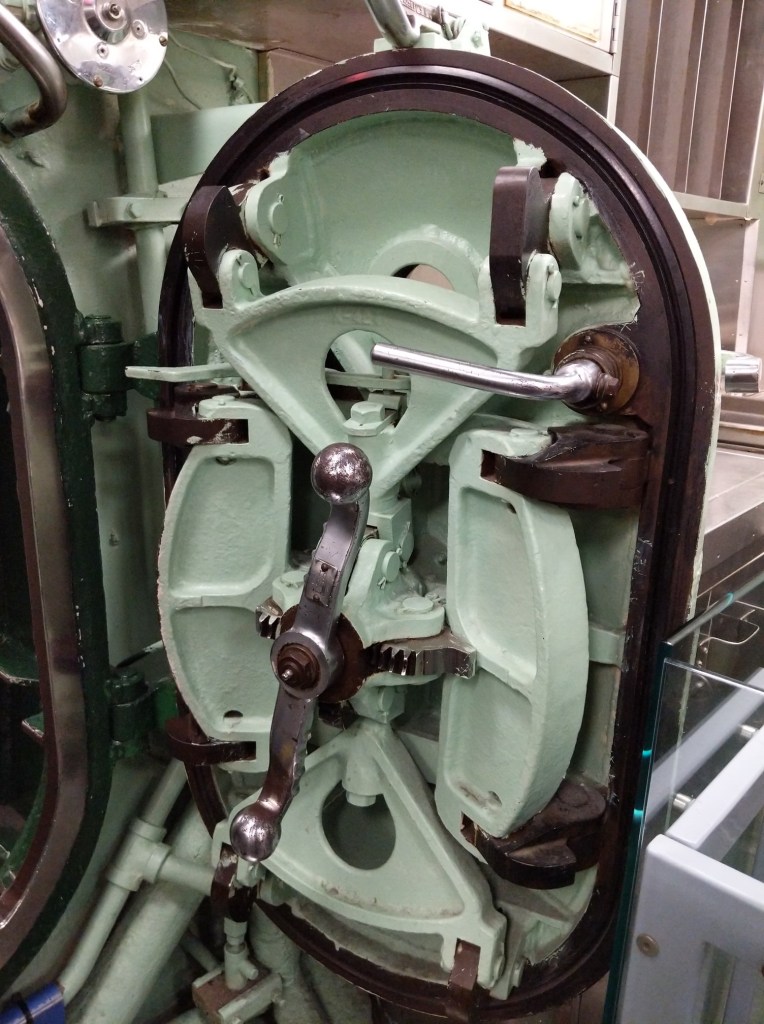
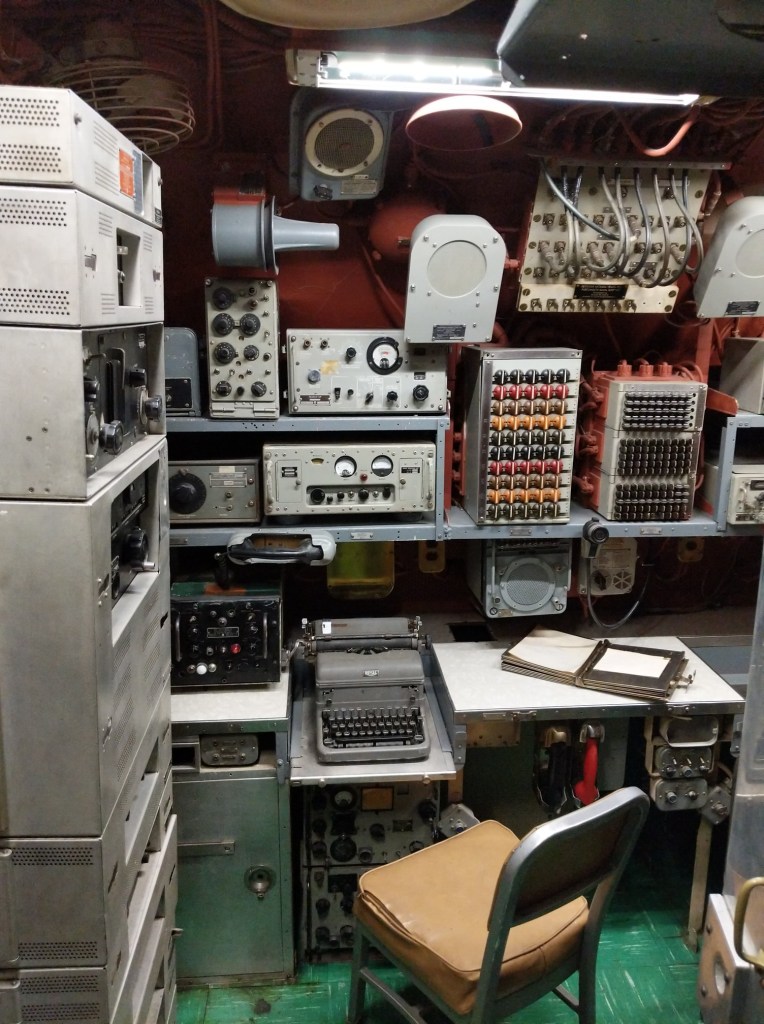
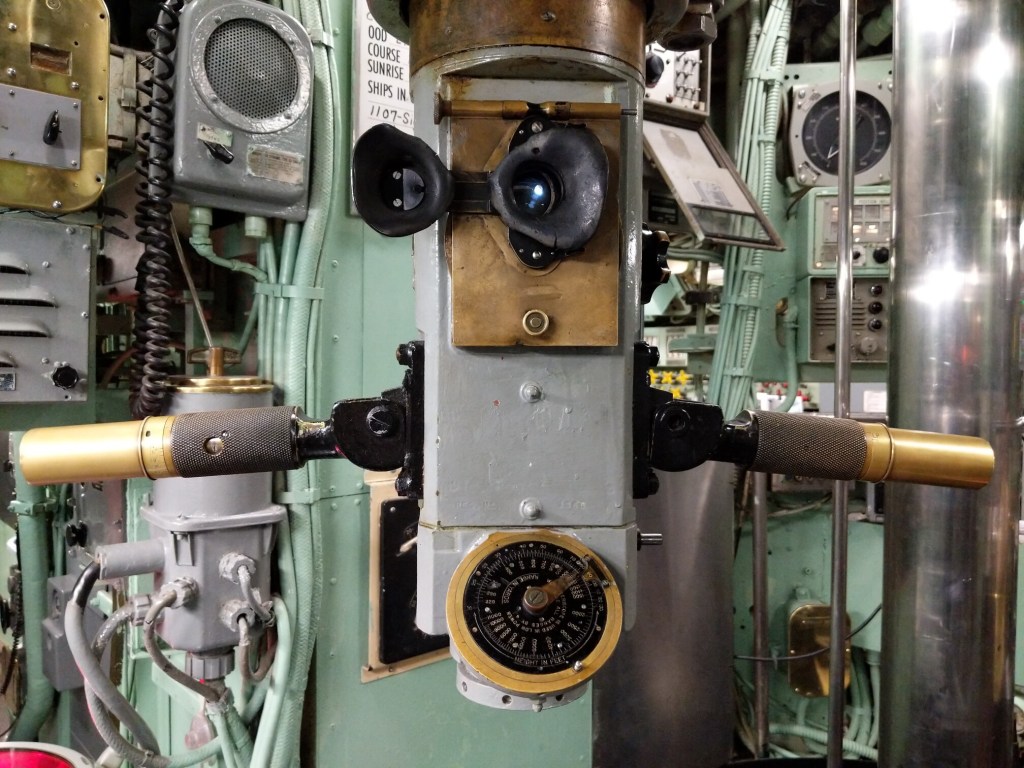
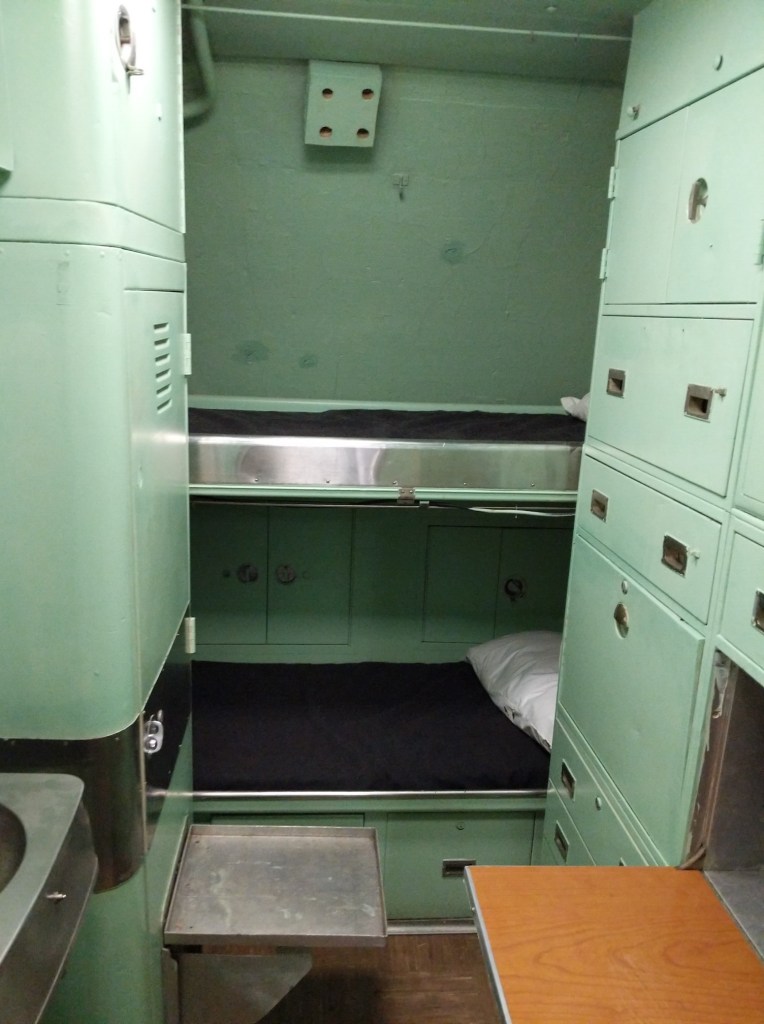
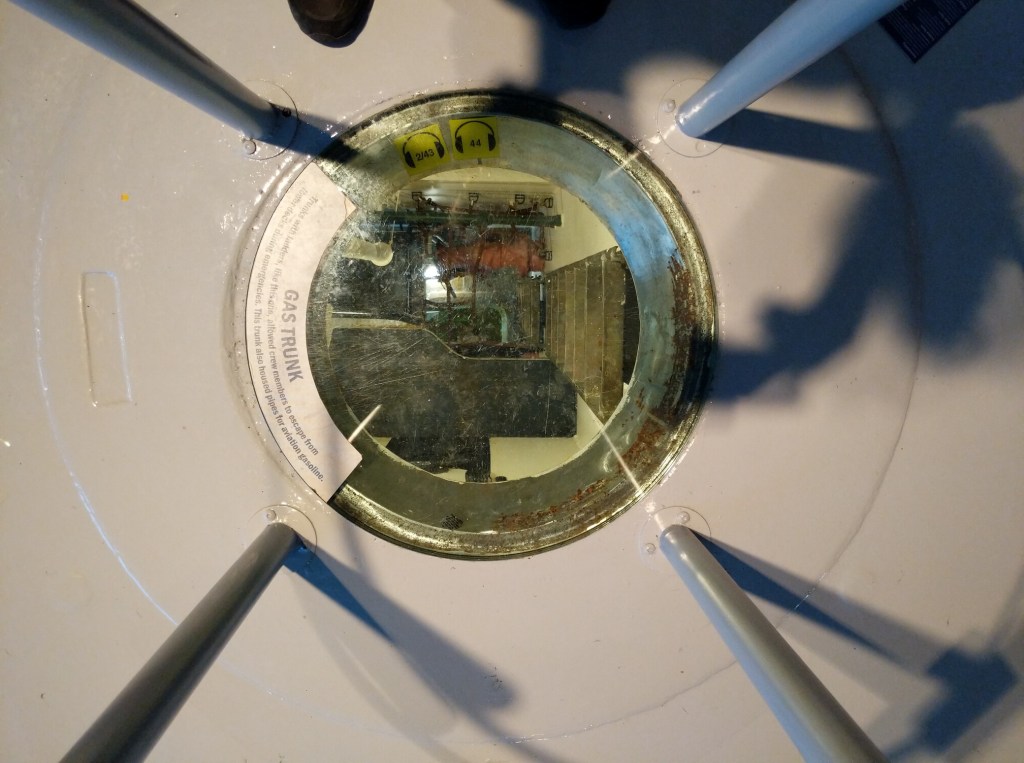
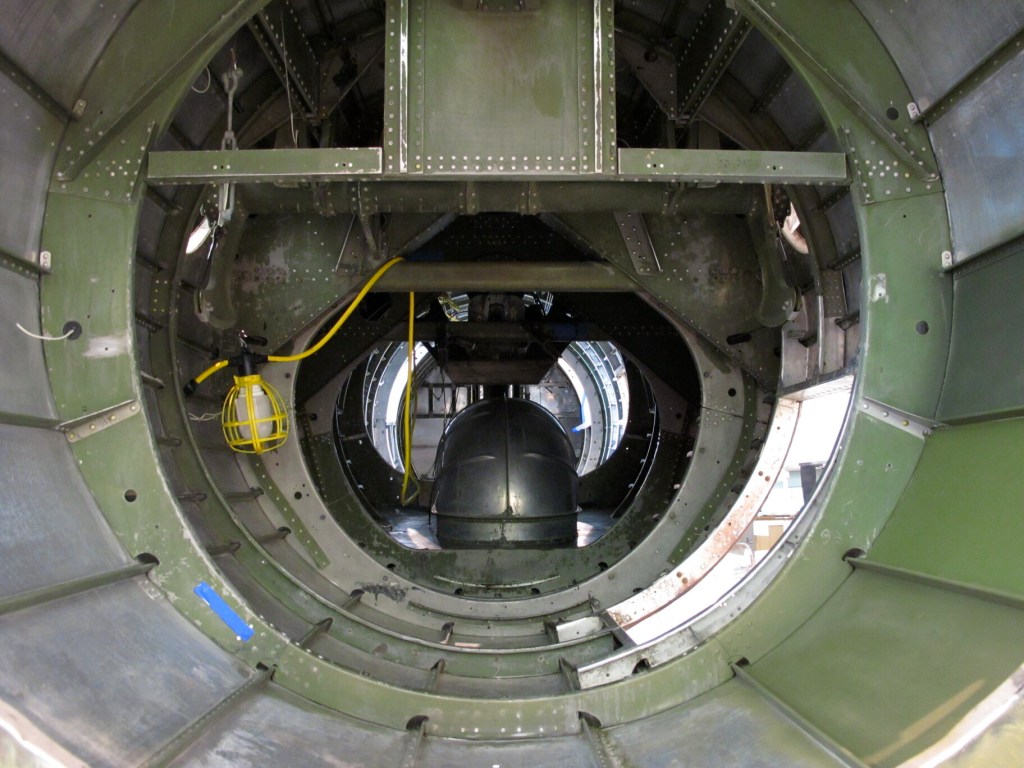
The claustrophobic interior of the Growler submarine was thrilling to walk through. Everything seemed to have its specific purpose and was made to go where it fit into the overall interior puzzle space. It’s hard to imagine the design work that went into building this (or the aircraft carrier next door for that matter) before computer aided design.
Also, I could more easily visualize the similarity between voyaging under water in a submarine and voyaging in outer space in a spacecraft. Both create a living environment for human beings in otherwise inhospitable environments. The former keeps pressure out and the latter keeps pressure in. Catastrophe is possible in a number of ways–some slow and others sudden.
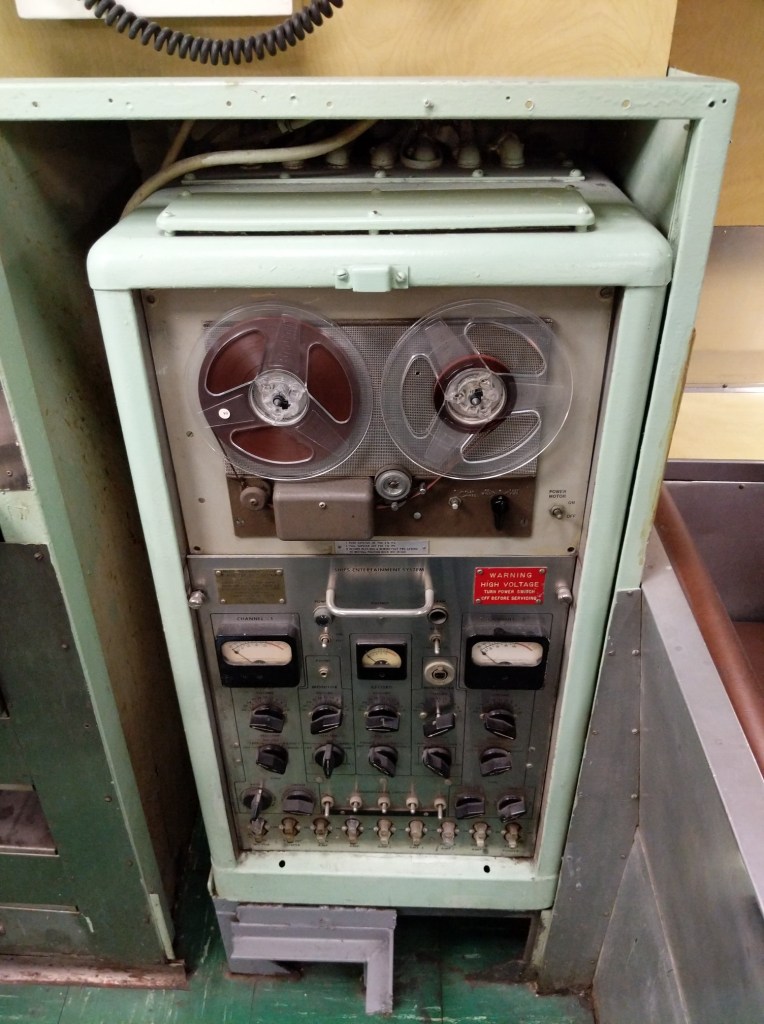
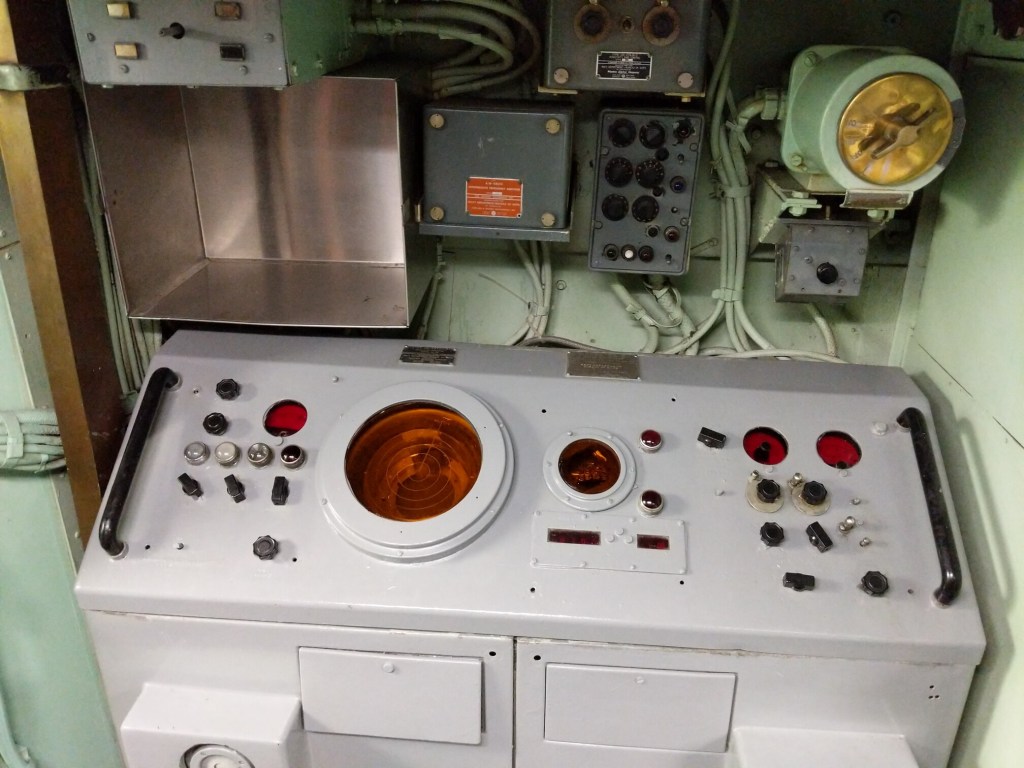
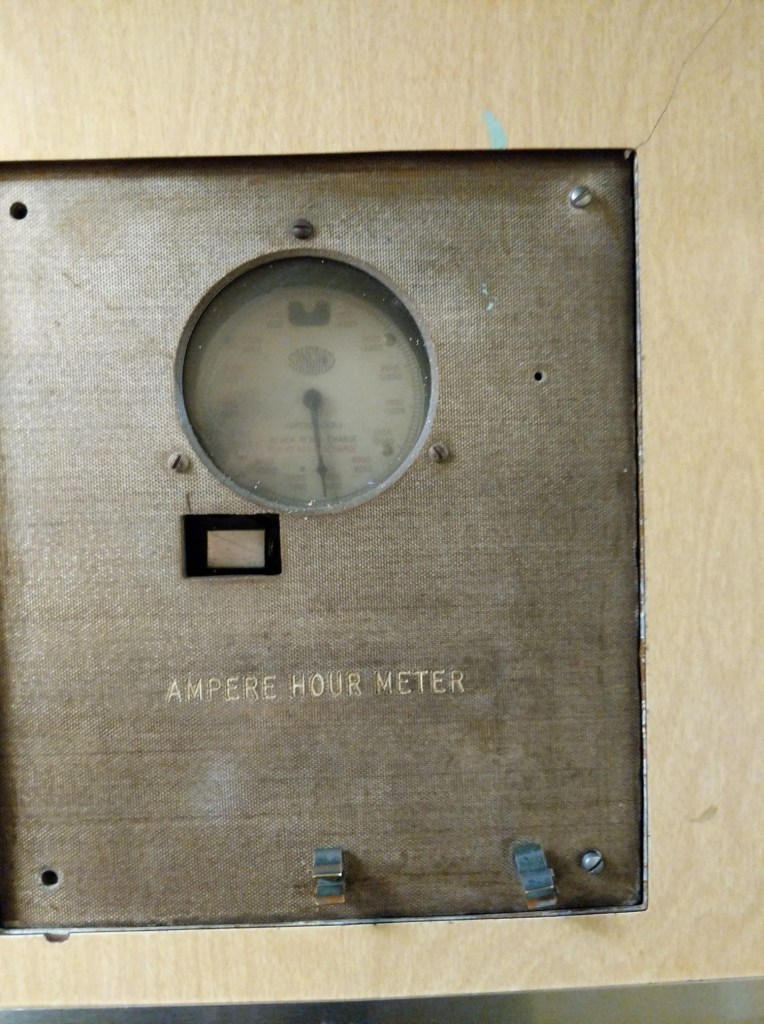
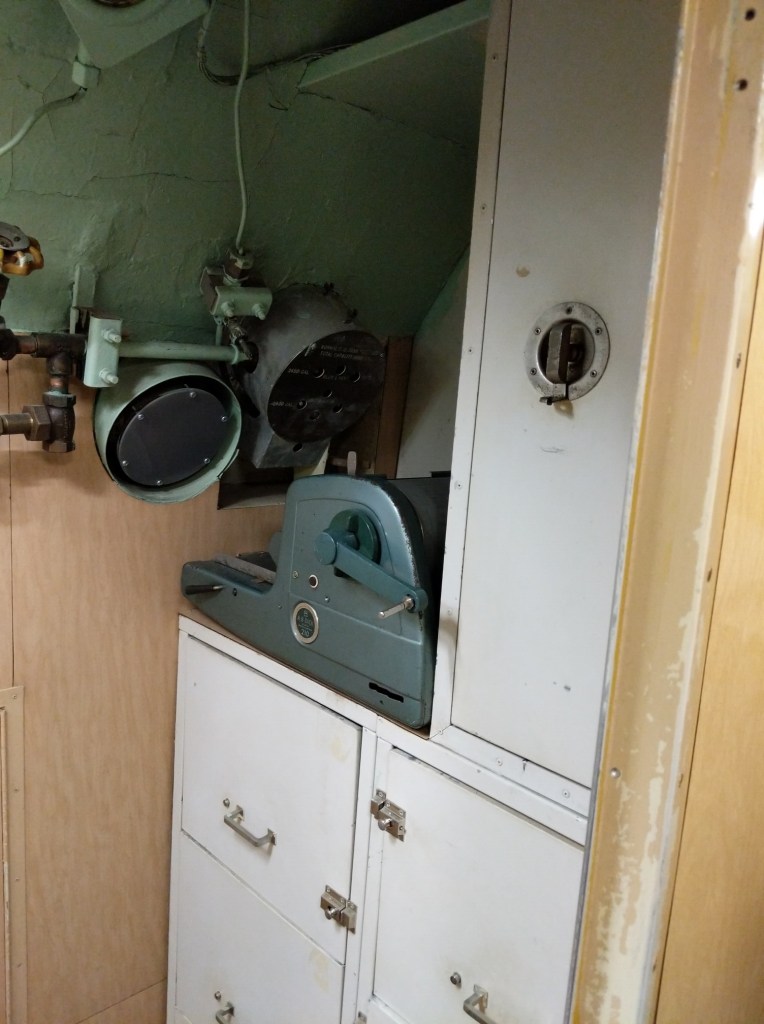
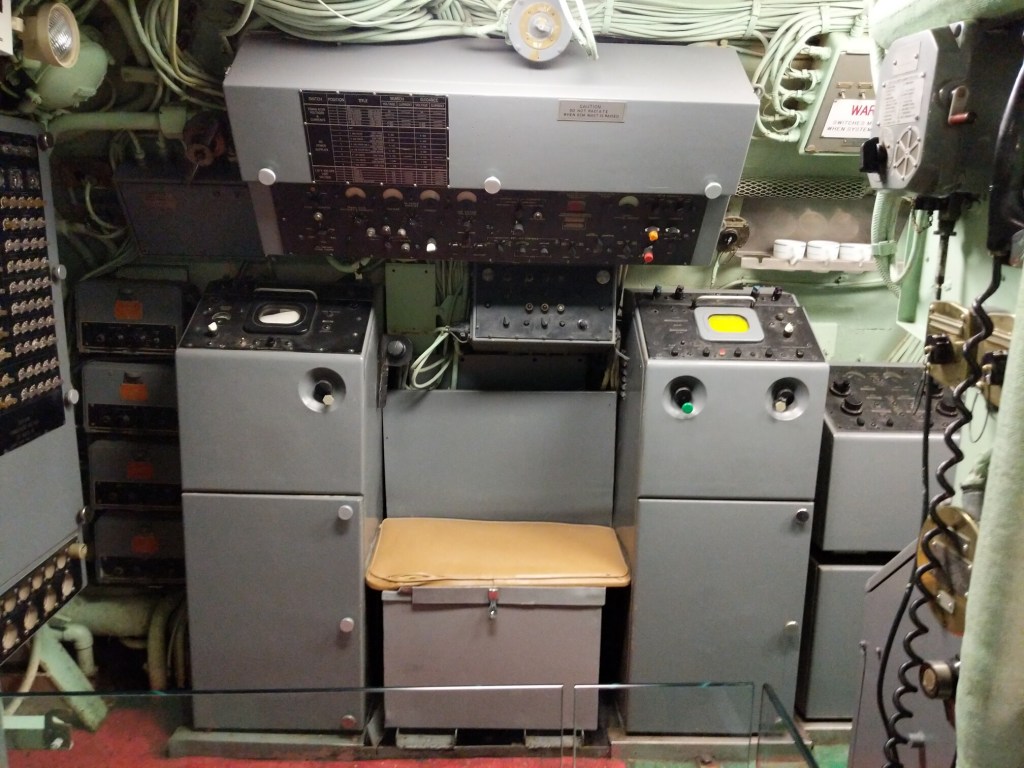
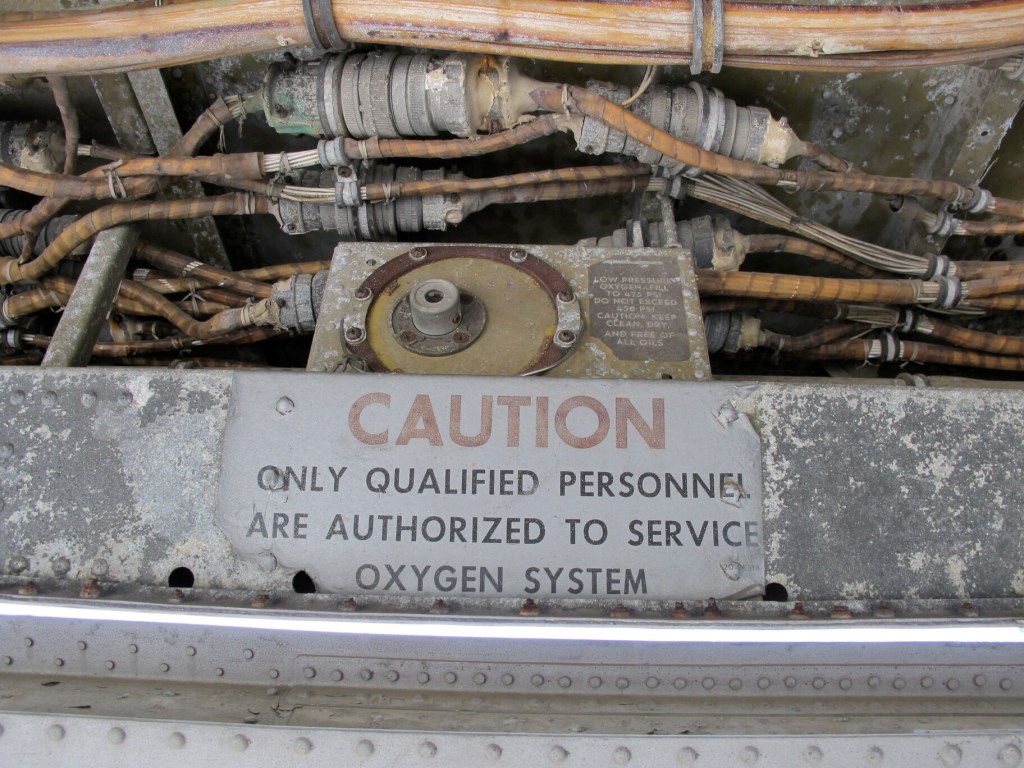
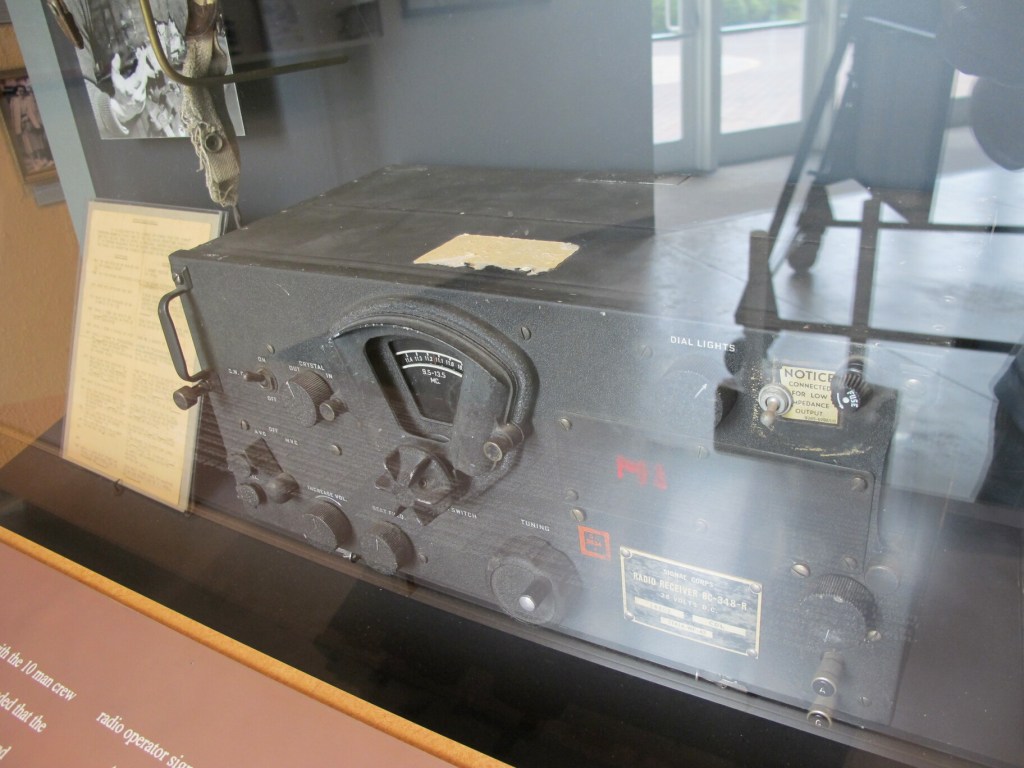
The Growler is also a communication technology museum–loud speakers, telephones, exterior microphones, recording and processing devices, radios, sonar, mimeograph machine, typewriter, gauges, and indicators.
When I’m willing to jump through the hoops of a CUNY class field trip, I imagine a multifaceted technologies of representation and technical communication gold mine at the Intrepid Museum and USS Growler submarine.
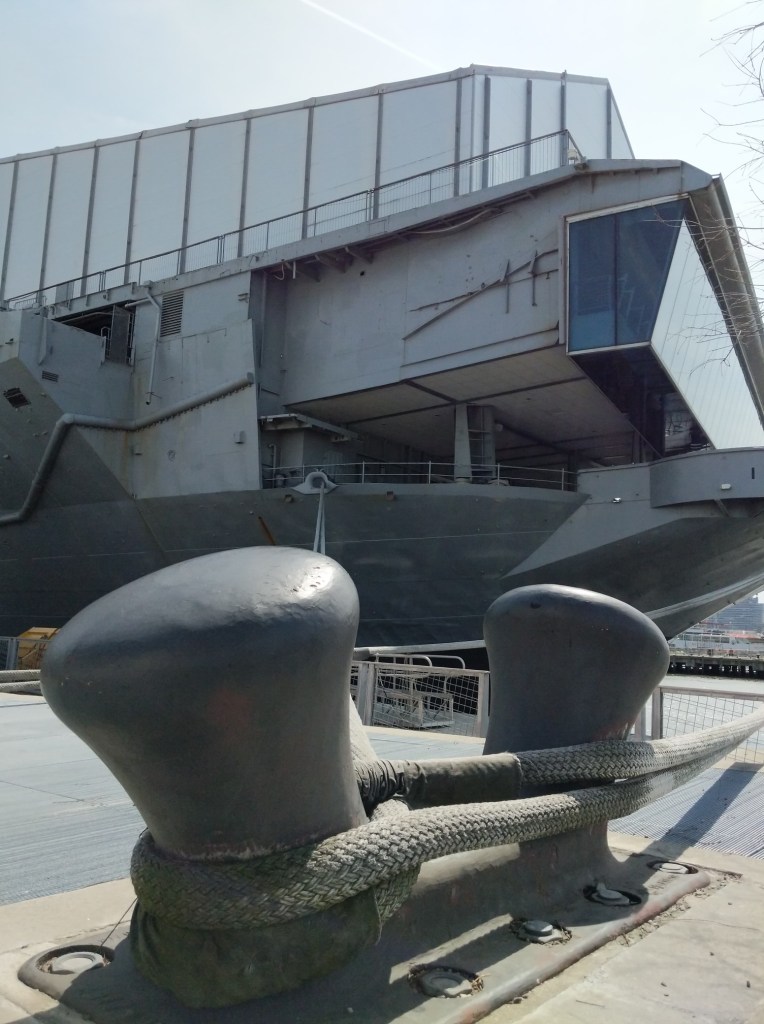
In March 2019, I met up with my buddy Alan Lovegreen to visit the Intrepid Museum, a WWII-era air craft carrier that had been repurposed as an air and space museum moored on the west side of Manhattan.
Alan and I had been hired the same year to work at City Tech in the English Department. While he was there, we worked together to inaugurate the City Tech Science Fiction Collection. Soon after that, he moved back to California for a new job. He was back in NYC to give a talk, so we picked a cool place to meet up.
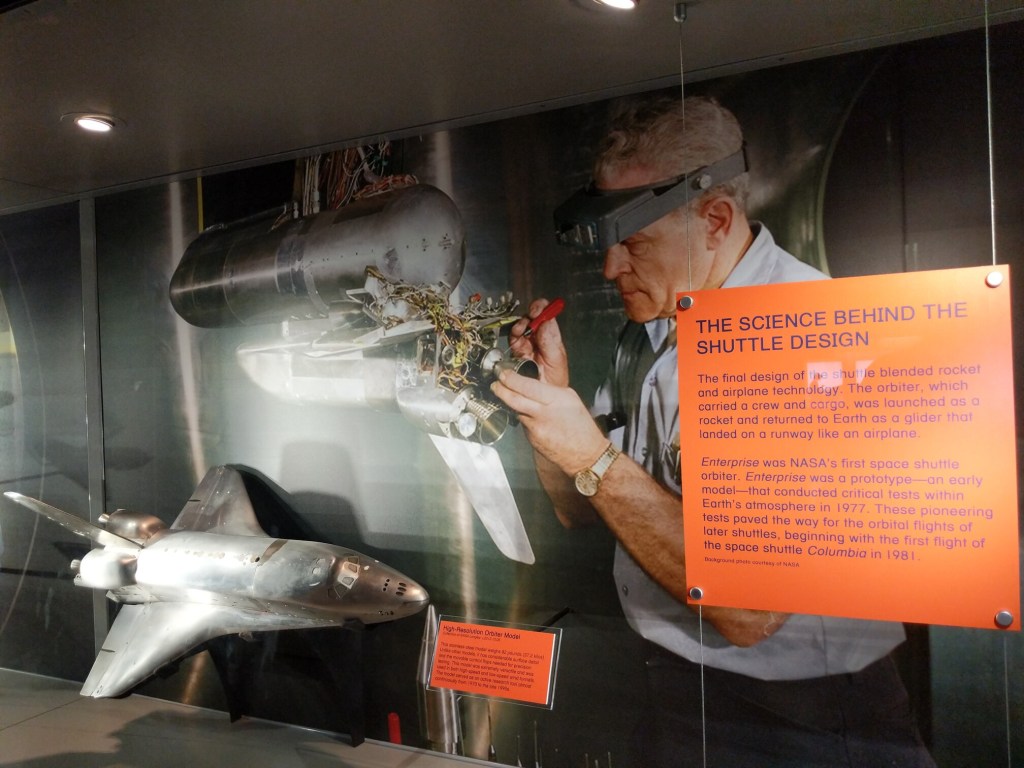
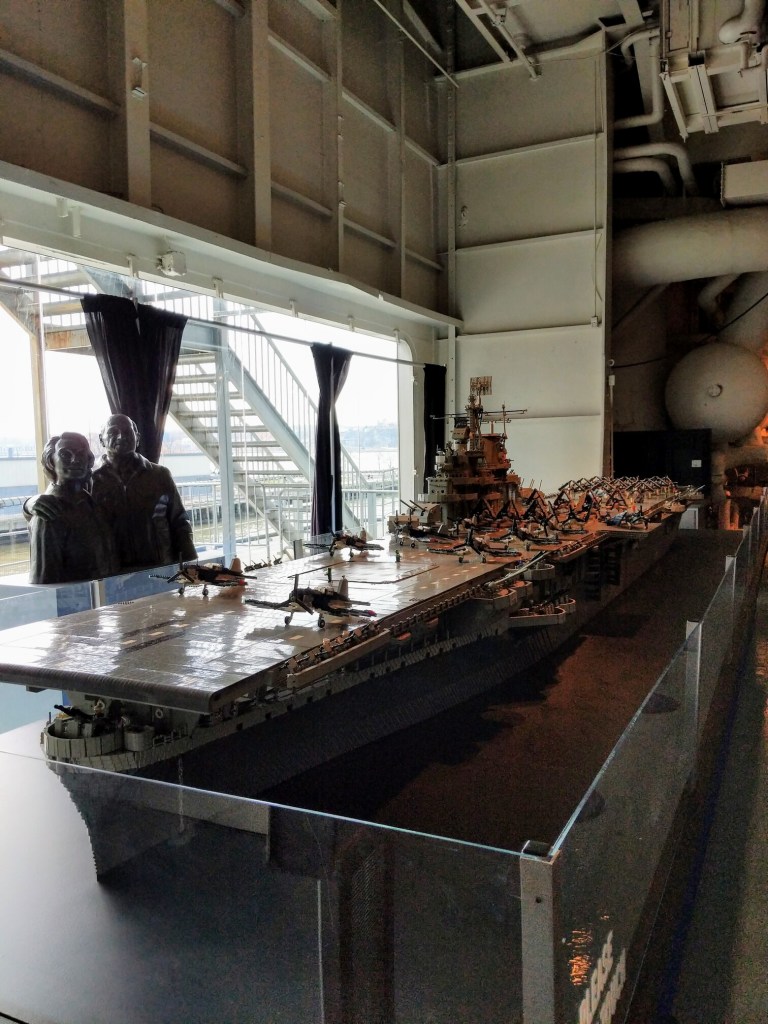
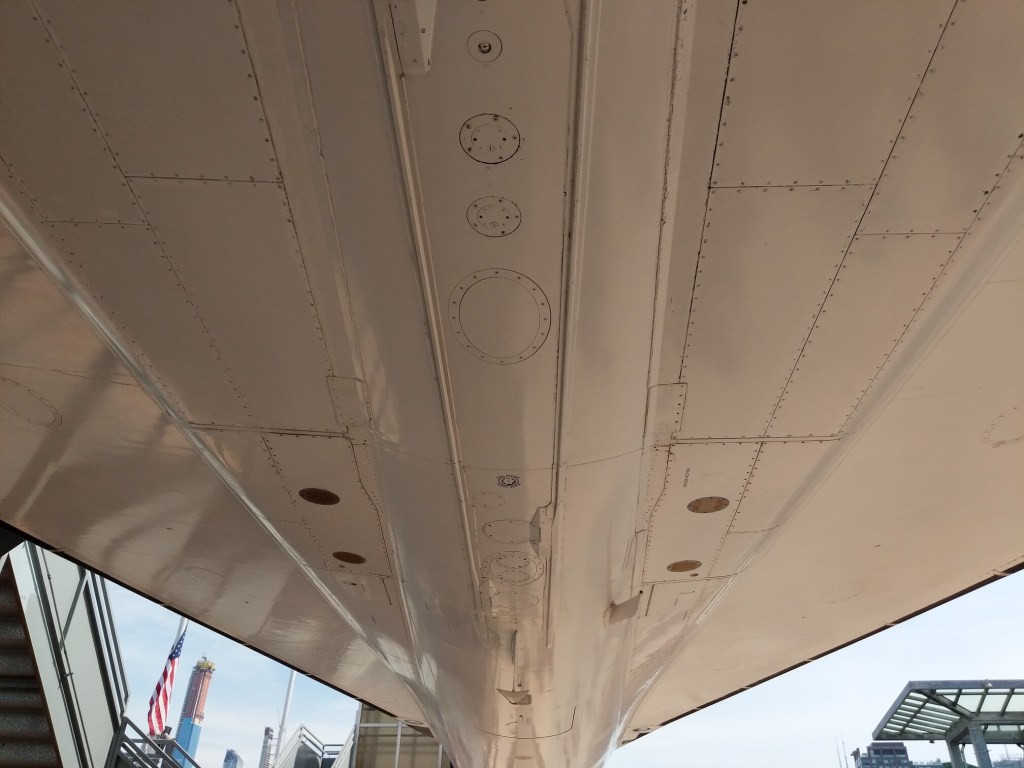
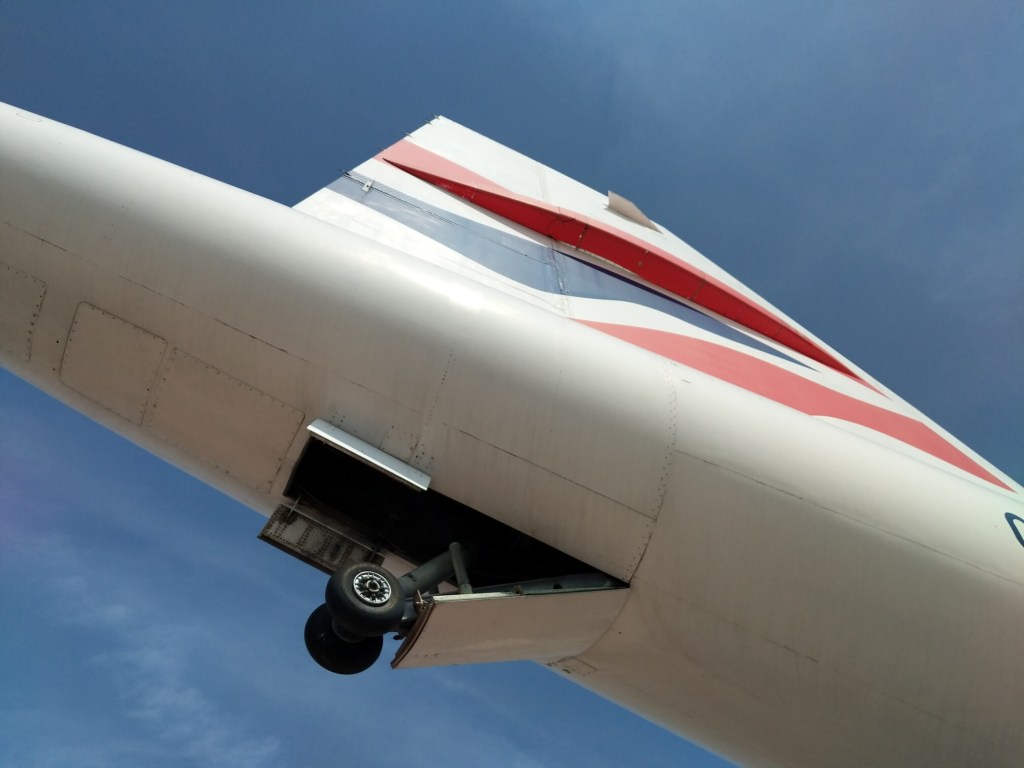
Some exhibits overlap those at the Smithsonian National Air and Space Museum and its Steven P. Udvar-Hazy Center that I wrote about last week, such as the latter also having a Concorde airliner. Also notable is that the Space Shuttle Enterprise, which had been at the Udvar-Hazy Center, is now at the Intrepid Museum. Space Shuttle Discovery is now at the Udvar-Hazy Center. But, some similar looking aircraft are actually experimental or specialized versions, such as the Intrepid’s Lockheed A-12 compared with the Udvar-Hazy Center’s SR-71 Blackbird. There’s also some other unique displays involving LEGO: a 1:40 scale model of the Intrepid and a 50,000 brick mosaic image of the Space Shuttle Enterprise flying over New York City atop a Boeing 747.
We couldn’t have picked a better day to go. It was a cool and clear day, so we spent most of our time on the outside exhibits on the flight deck and hanger deck, but we also went under the water line to explore the submarine USS Growler tied up at the same pier (I’ll post pictures of the Growler tomorrow).
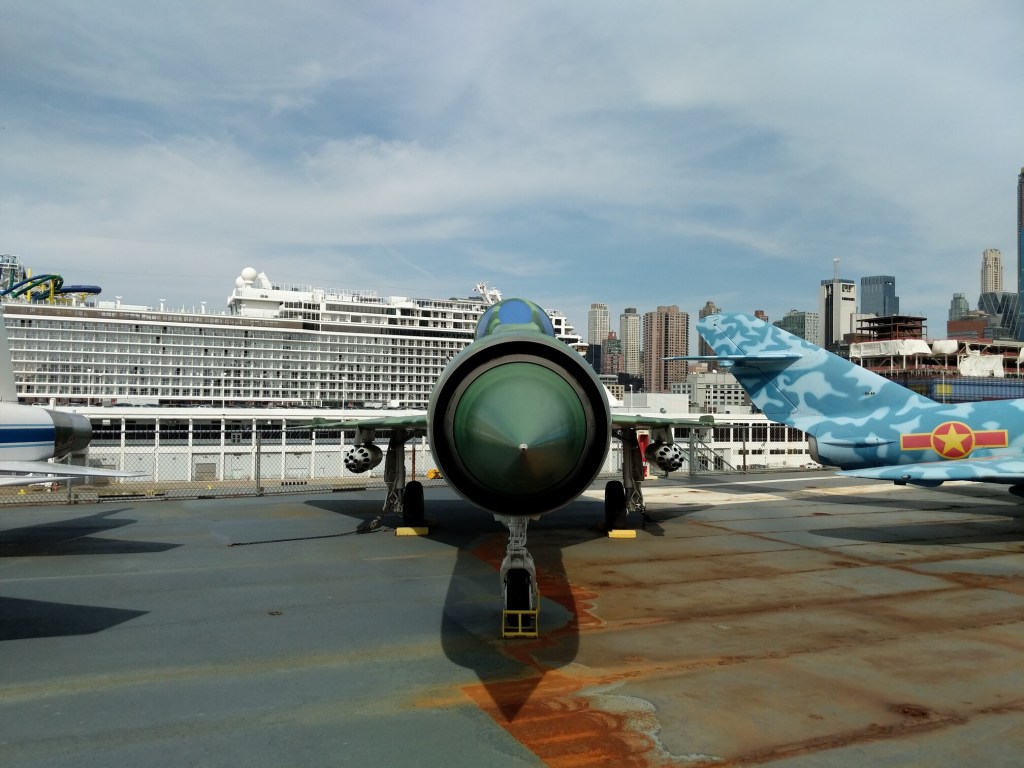
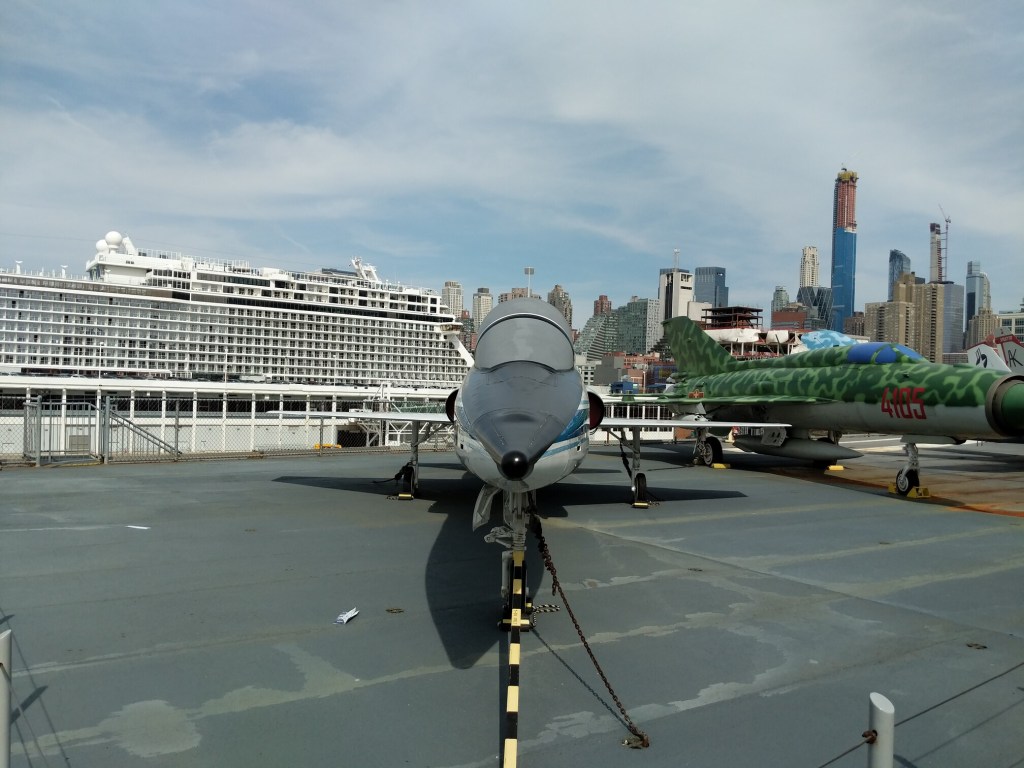
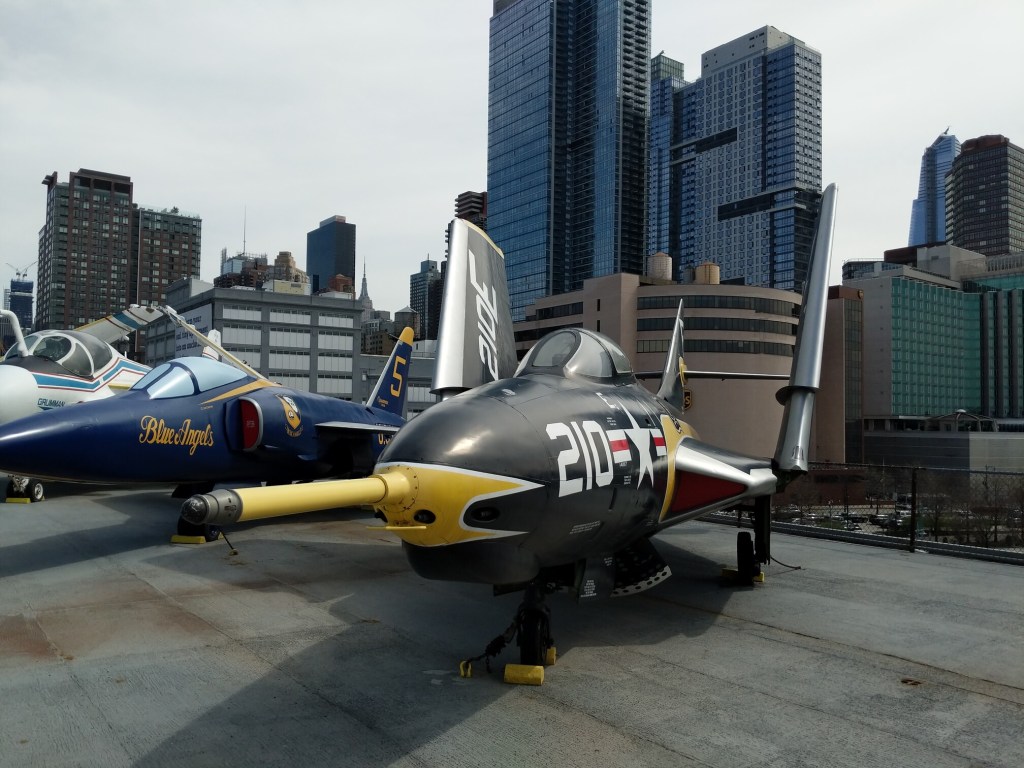
Flight Deck
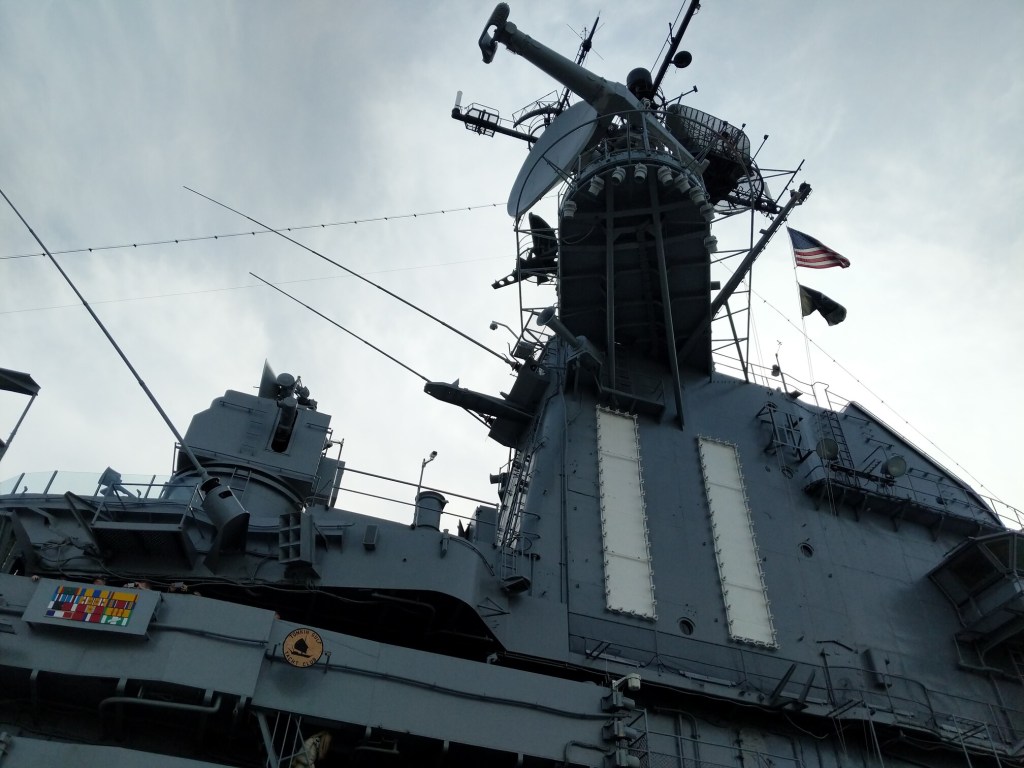
Conning Tower
Bell 309 KingCobra
Bell UH-1A Iroquois “Huey”
McDonnell Douglas AV-8B Harrier II
McDonnell Douglas F-4 Phantom II
Mikoyan-Gurevich MiG-17
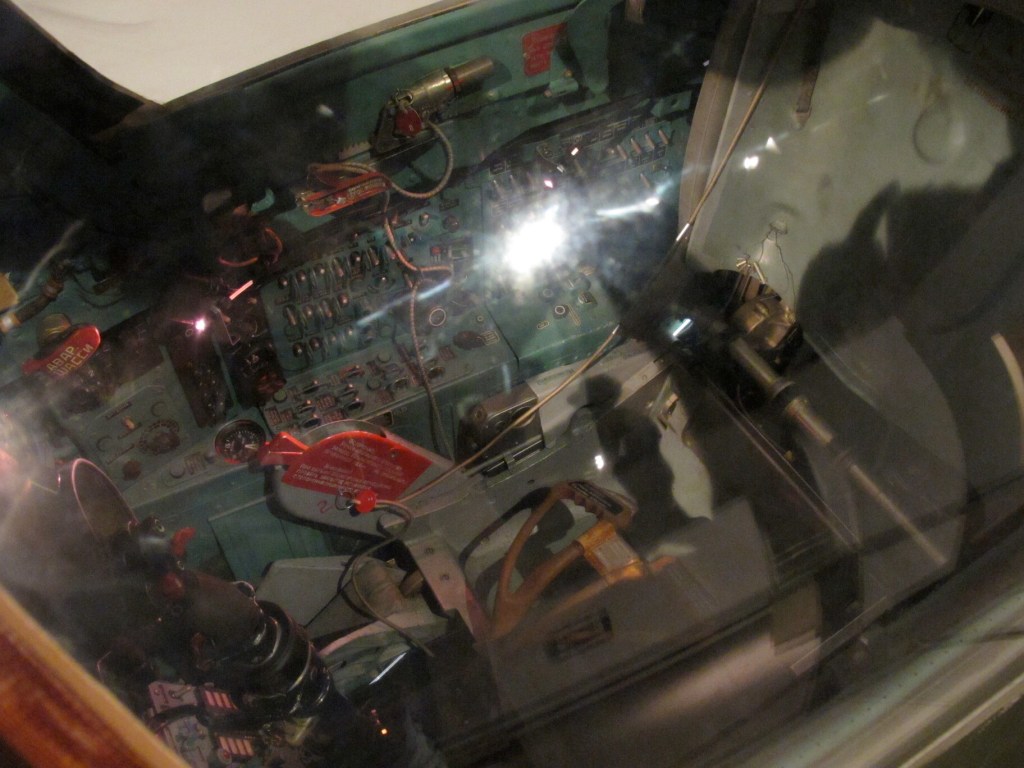
Mikoyan-Gurevich MiG-21
Northrop T-38 Talon
Grumman F-11 Blue Angels
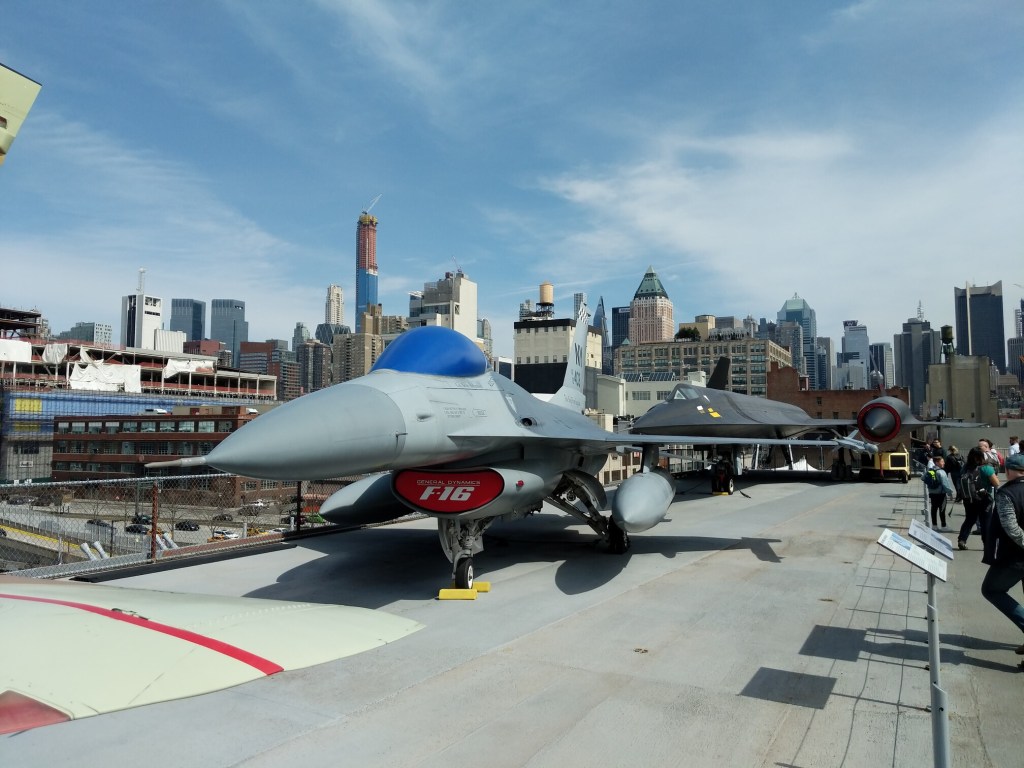
Lockheed A-12
Grumman F-14D Super Tomcat
Grumman F-9 Cougar
Israel Aircraft Industries Kfir/F-21A
General Dynamics F-16 Fighting Falcon
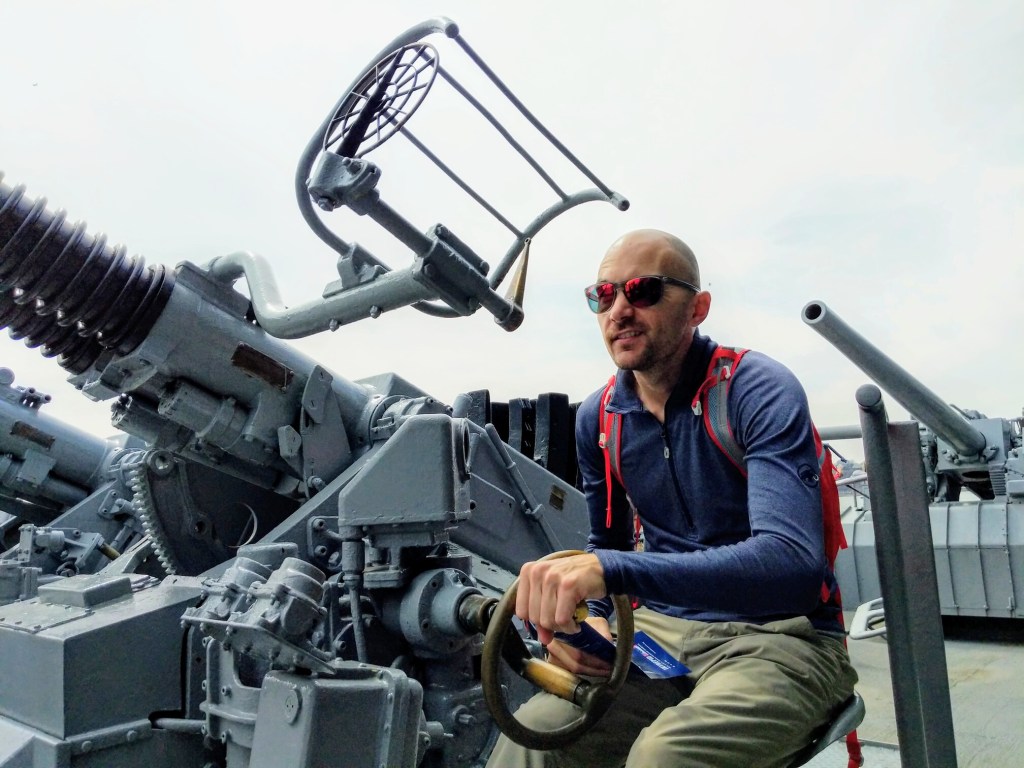
Anti-Aircraft Batteries
Hanger Deck and Interior
North American FJ-3
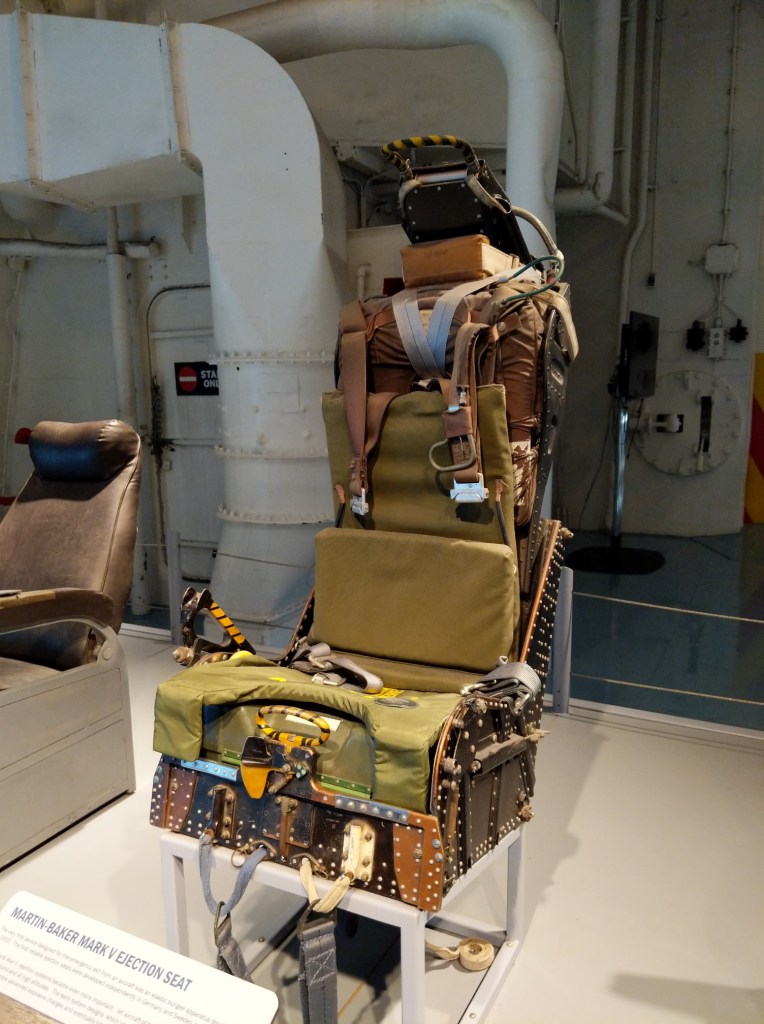
Martin-Baker Mark V Ejection Seat
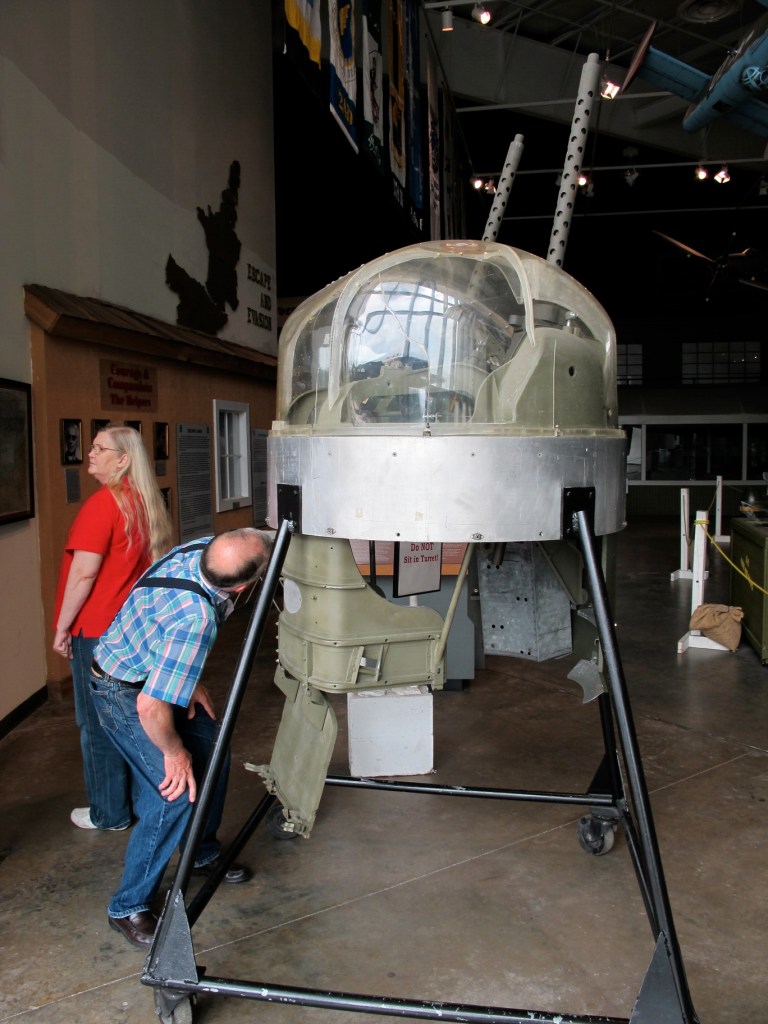
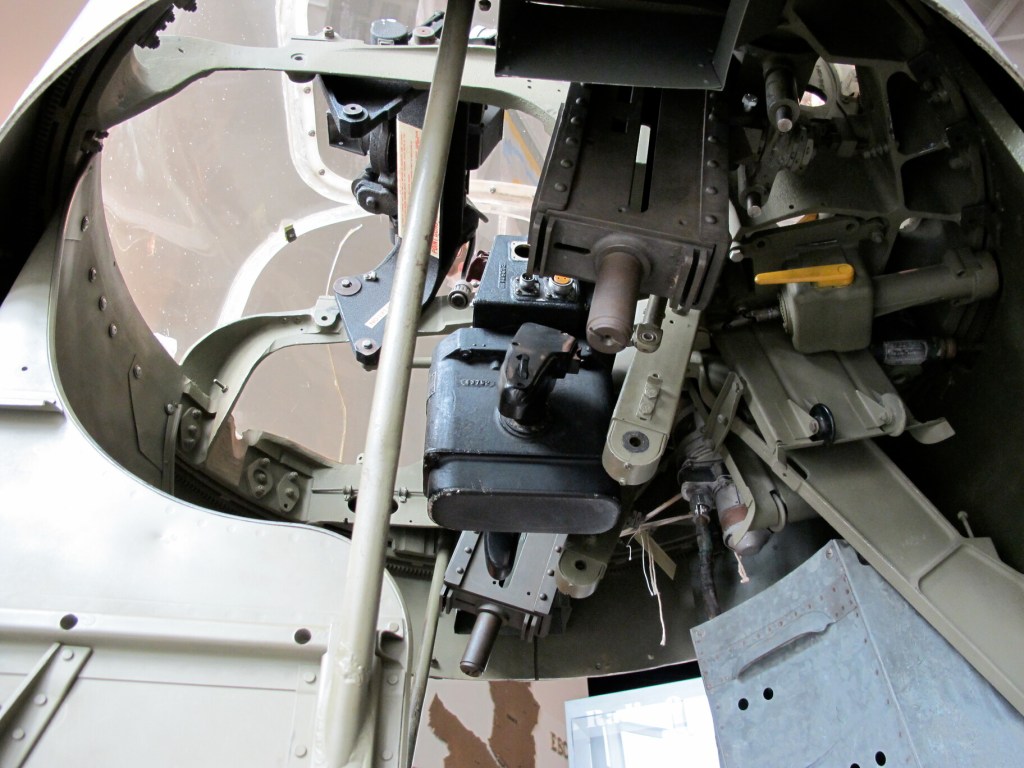
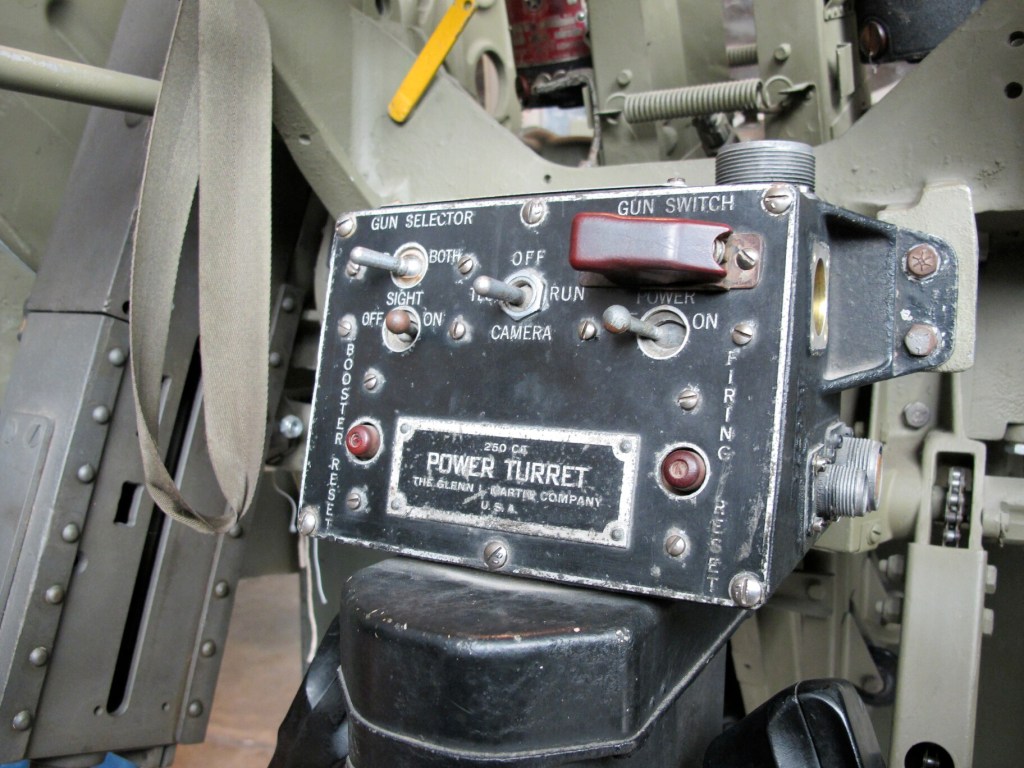
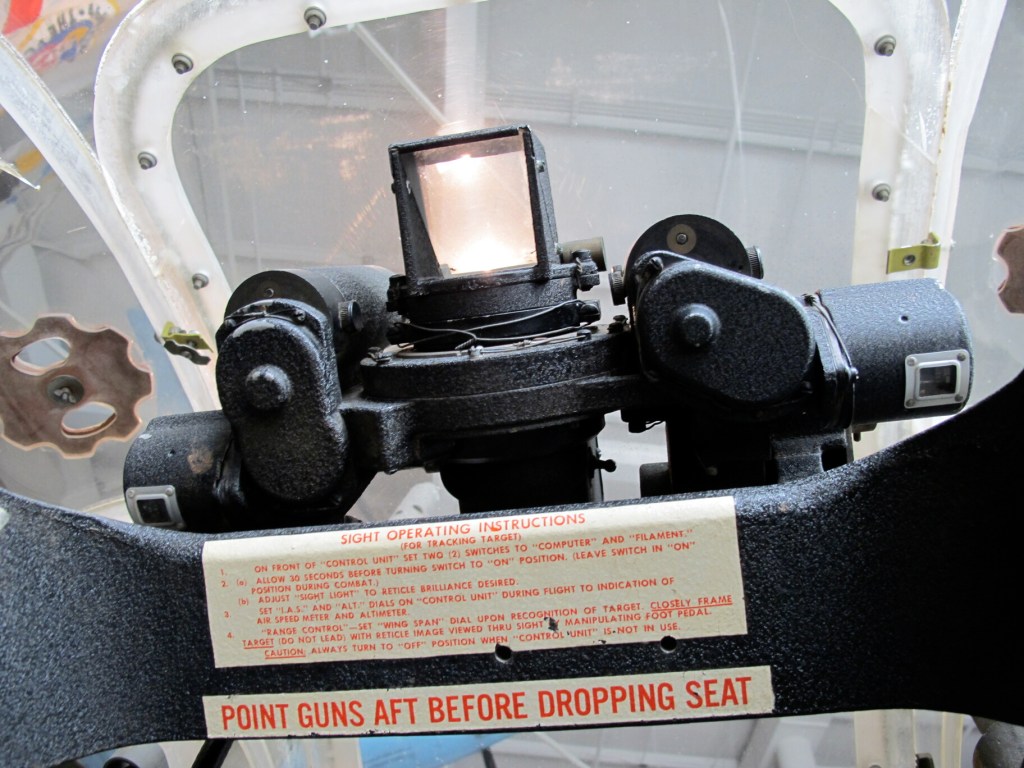
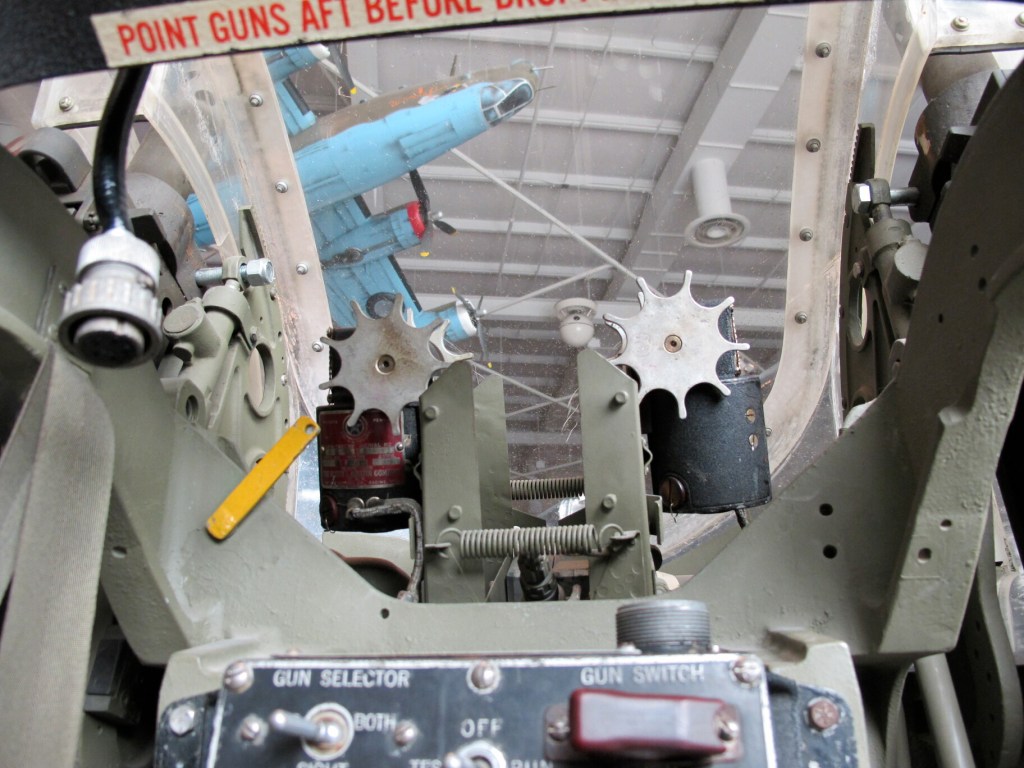
Grumman Avenger Ball Turret
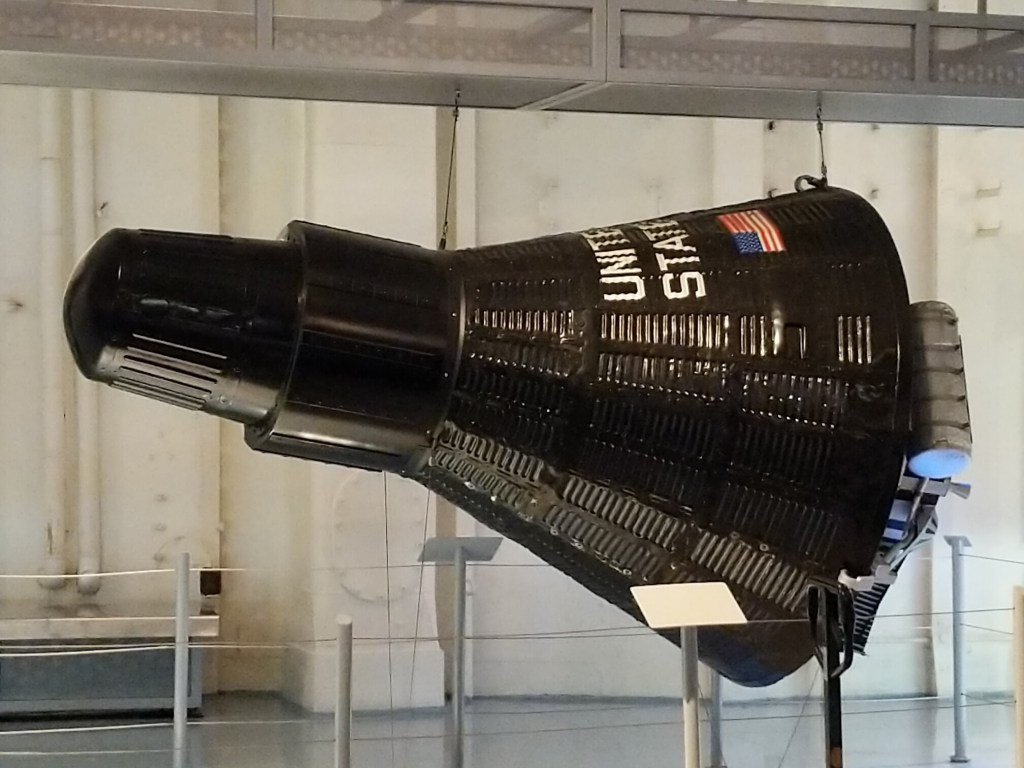
Mercury Capsule
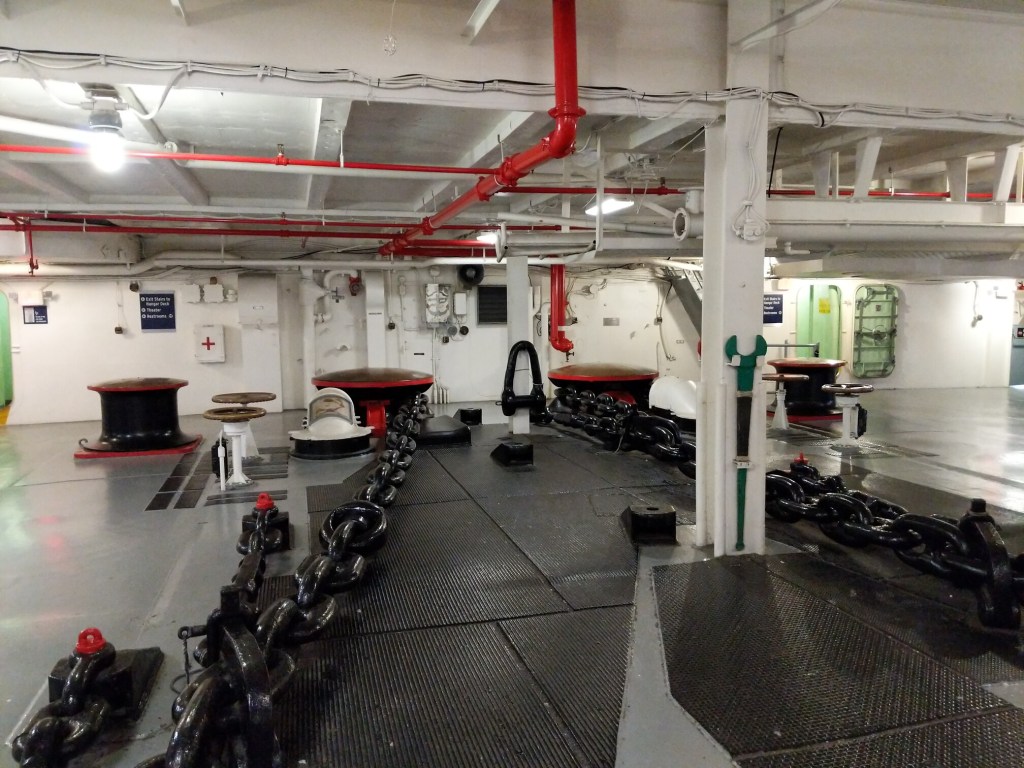
Ship Interior
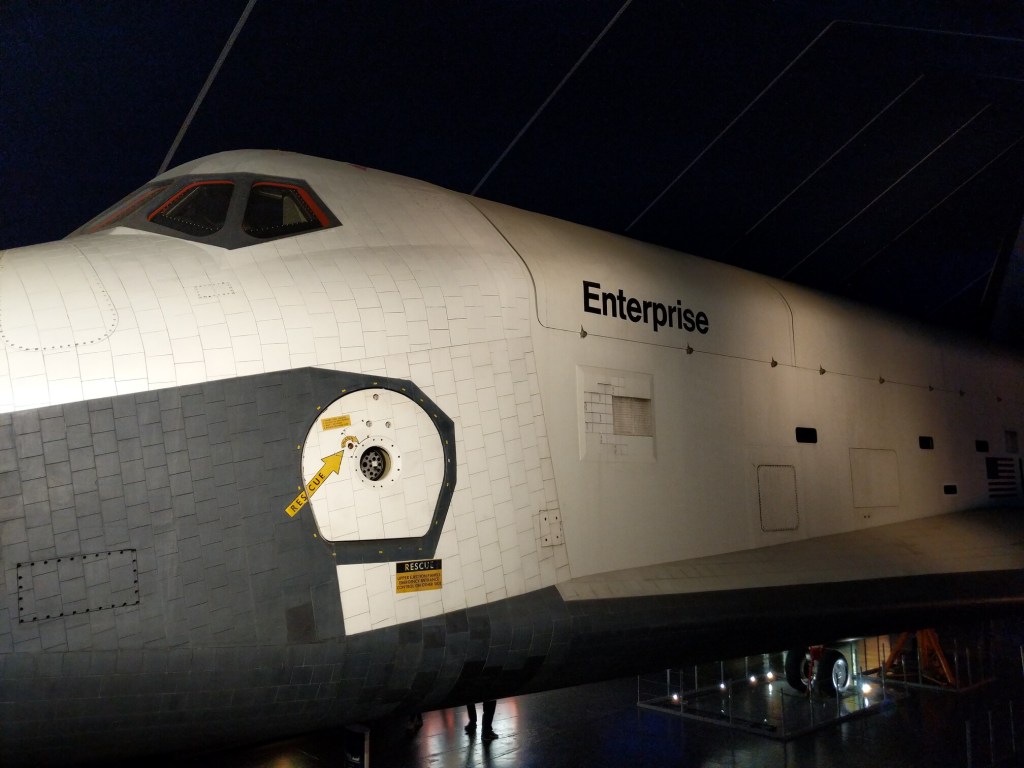
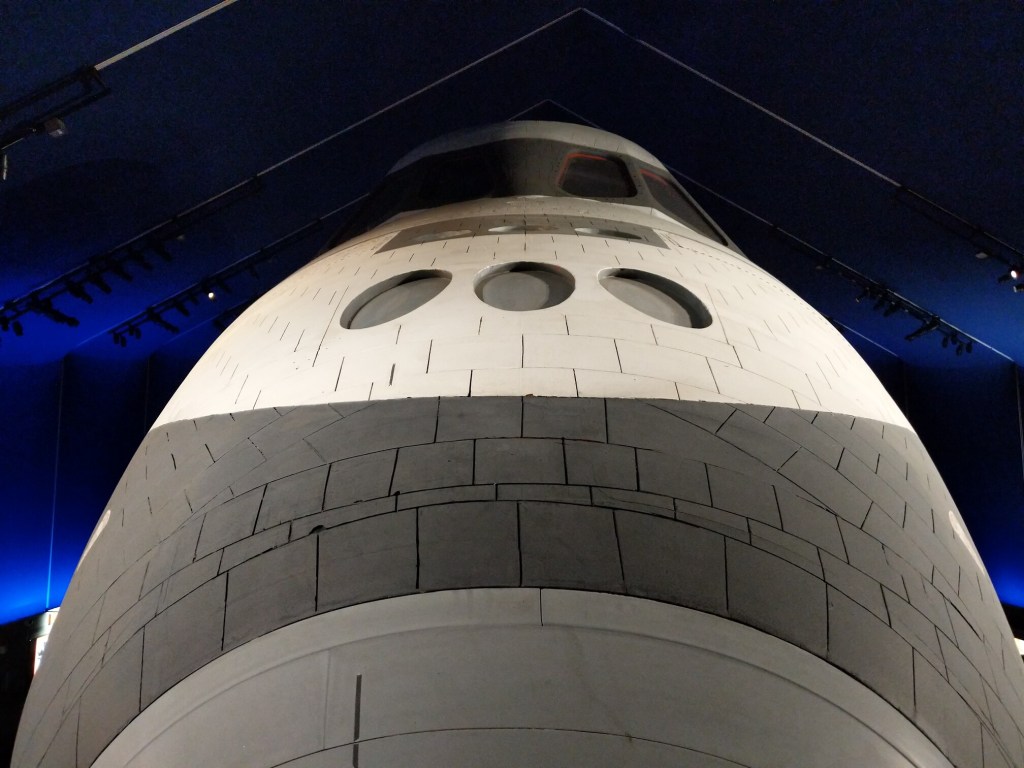
Space Shuttle Enterprise and Exhibit Area
The LEGO mosaic that capped off the Enterprise exhibit area was a cooperative construction project let by Ed Diment, who created the scale model of the USS Intrepid (below). The mosaic above depicts the Space Shuttle Enterprise’s flight over NYC before its arrival at JFK and eventual move to the Intrepid. It was constructed out of 50,000 LEGO bricks by hundreds of children and adults between July 26-28, 2013.
LEGO Build of the USS Intrepid
Built by Ed Diment, this recreation of the USS Intrepid with LEGO bricks is a 1:40 scale model. It is 22 feet long, 4 feet wide, and over 4 1/2 feet tall. It weighs 550 pounds and contains 250,000 pieces!
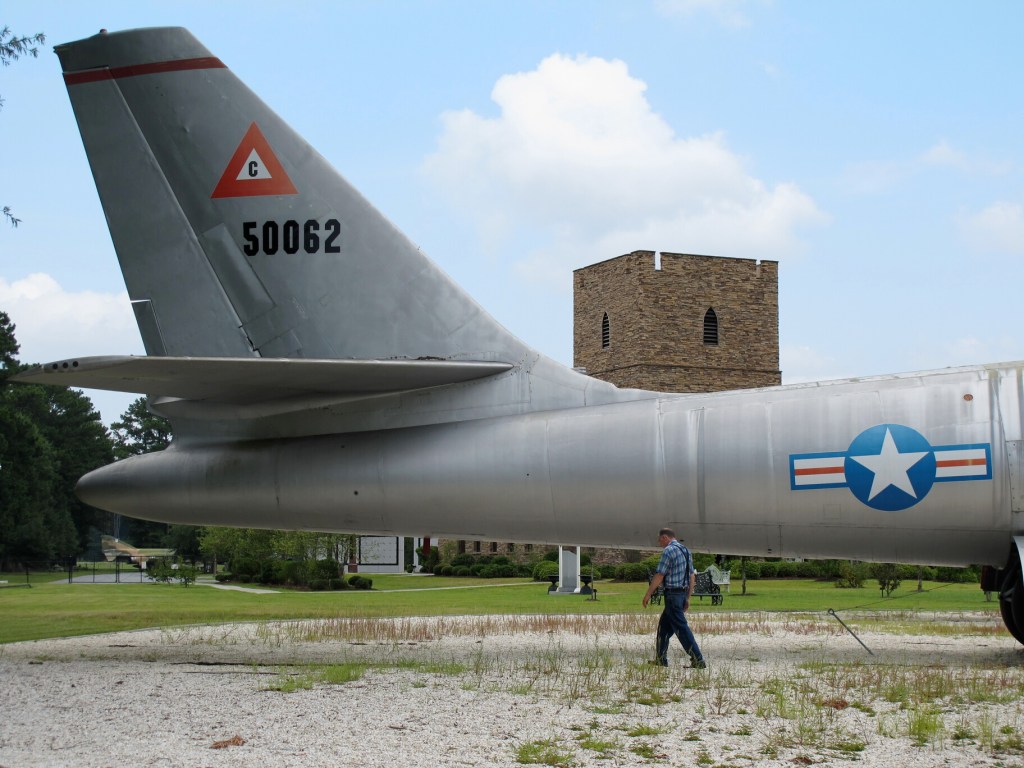
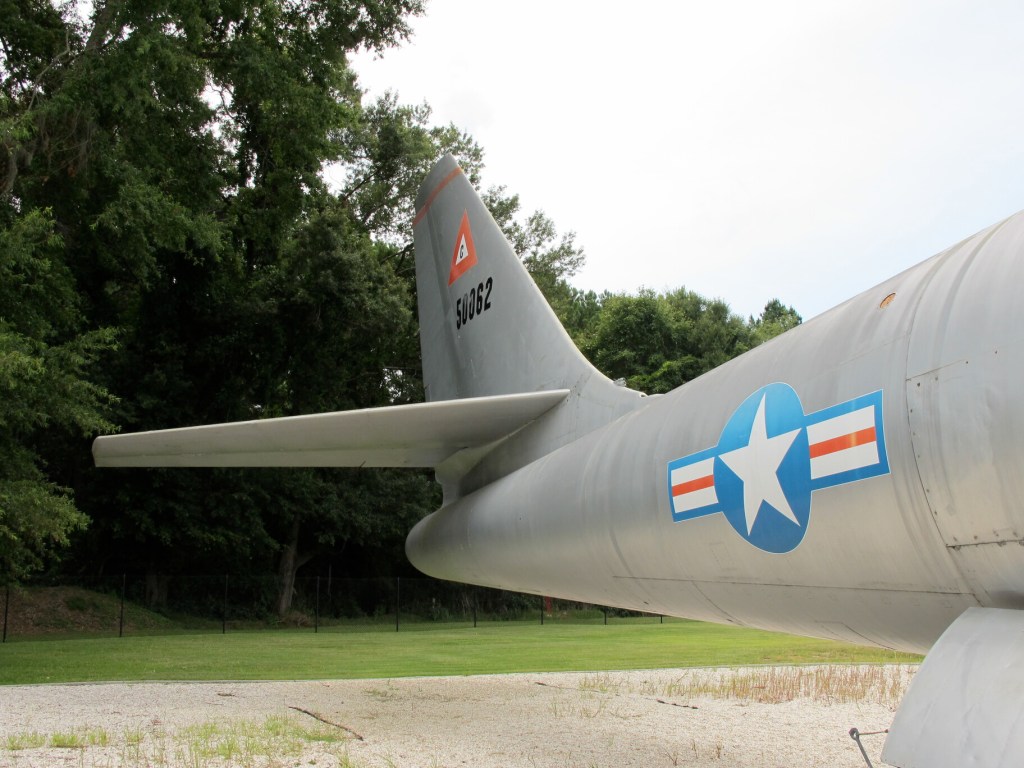
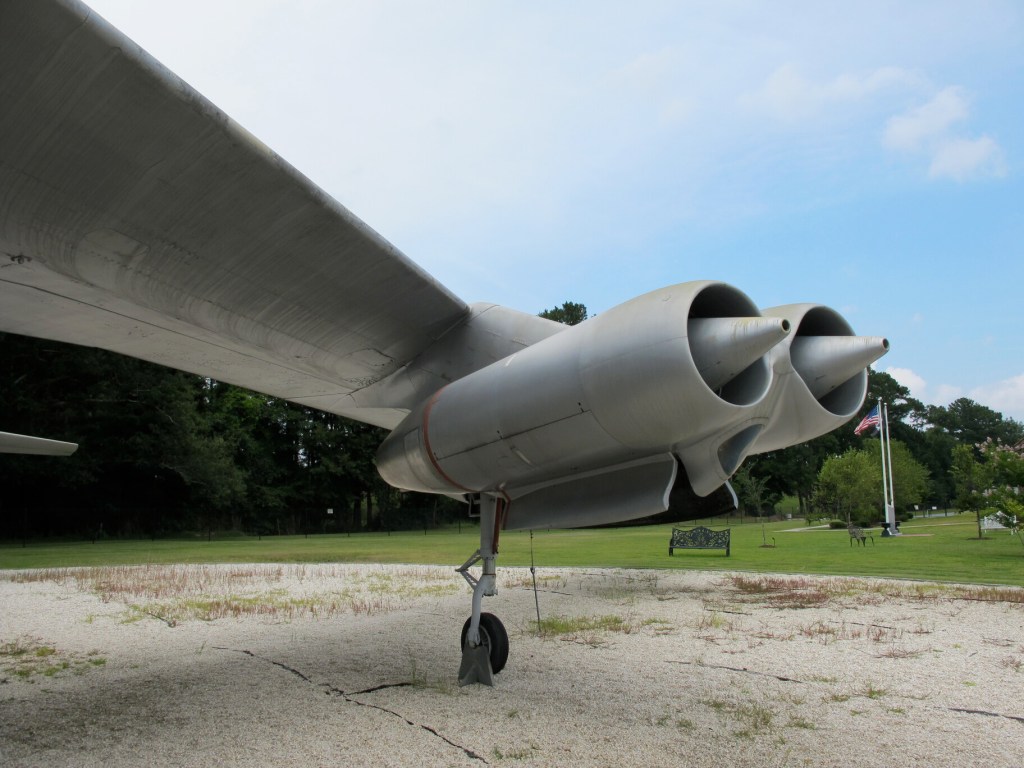
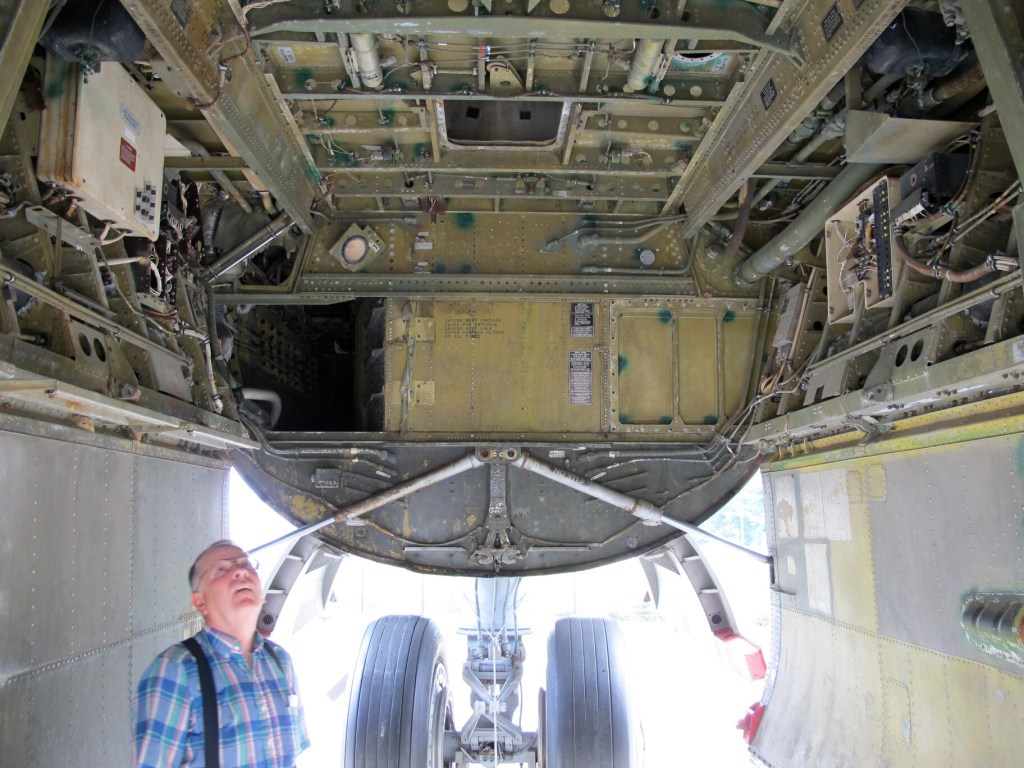
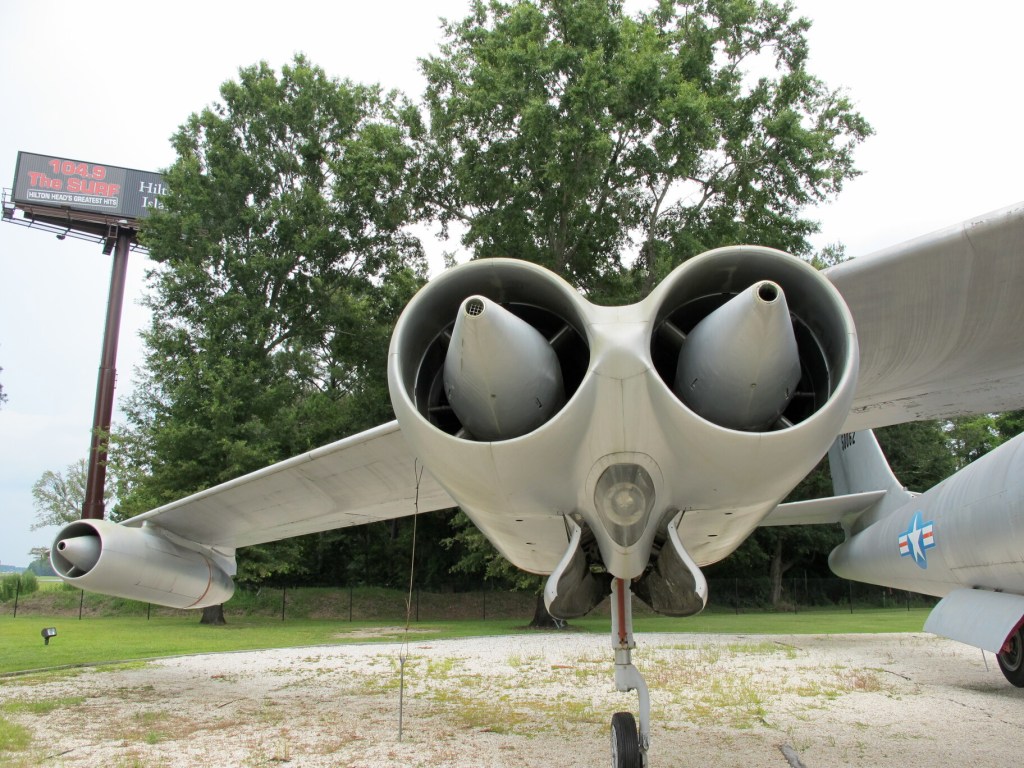
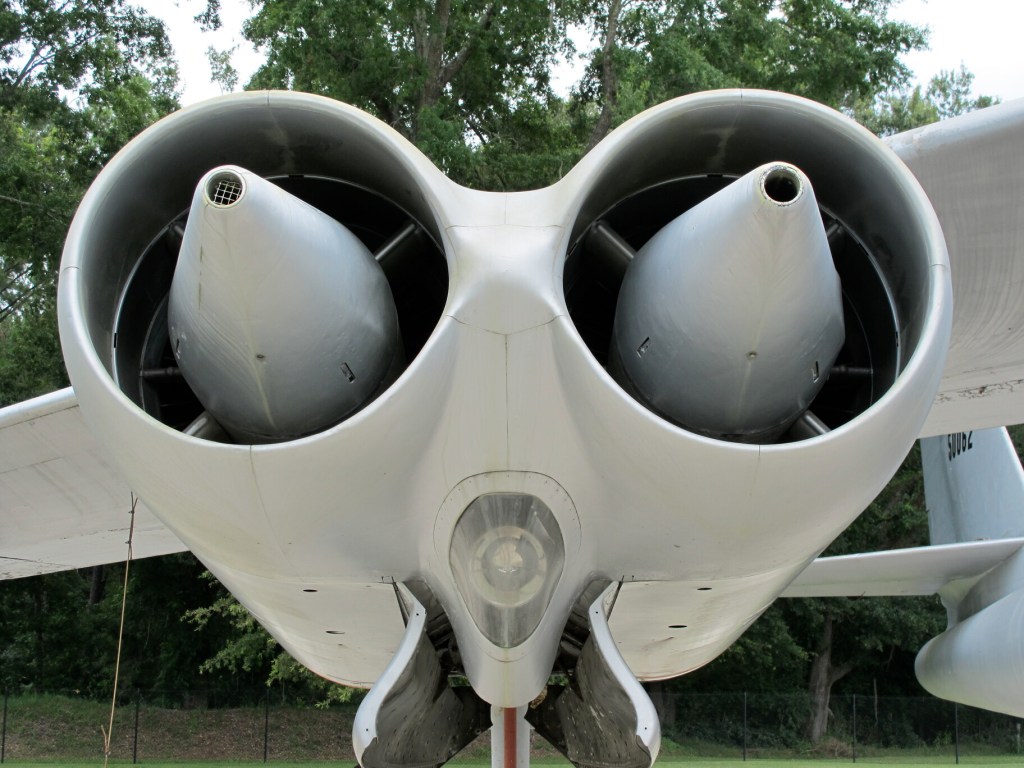
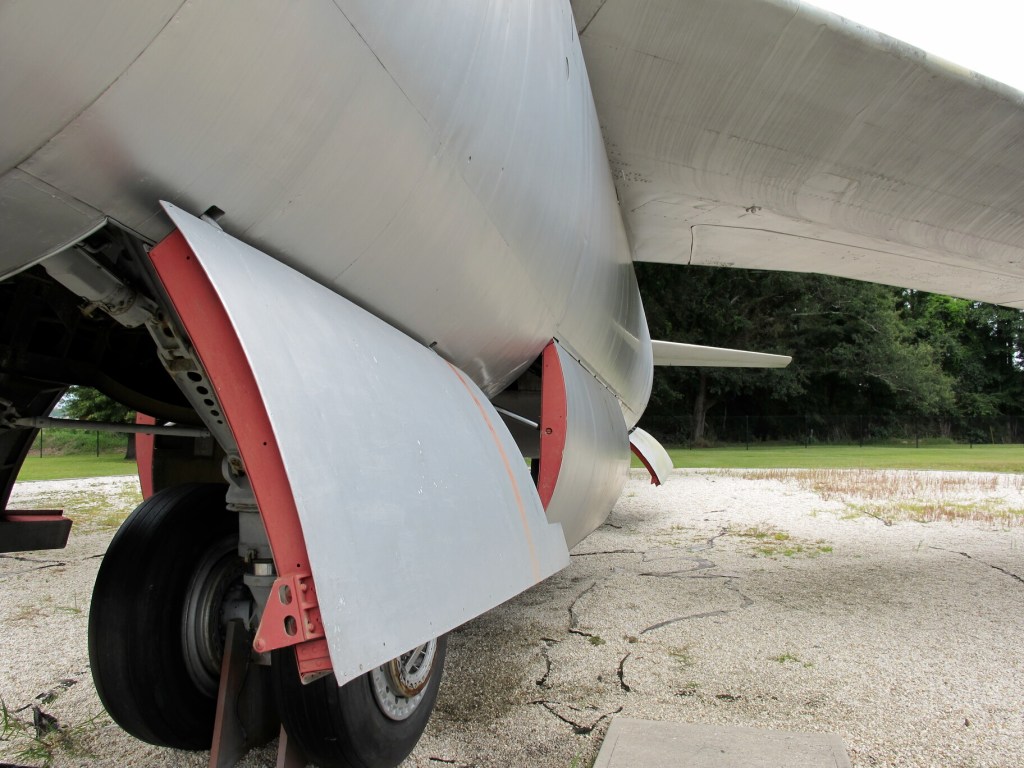
Before the pedestal was constructed and the fence put up, the F-104 had been resting on the ground in the parking lot. My dad and I stopped one evening to look it over real good.
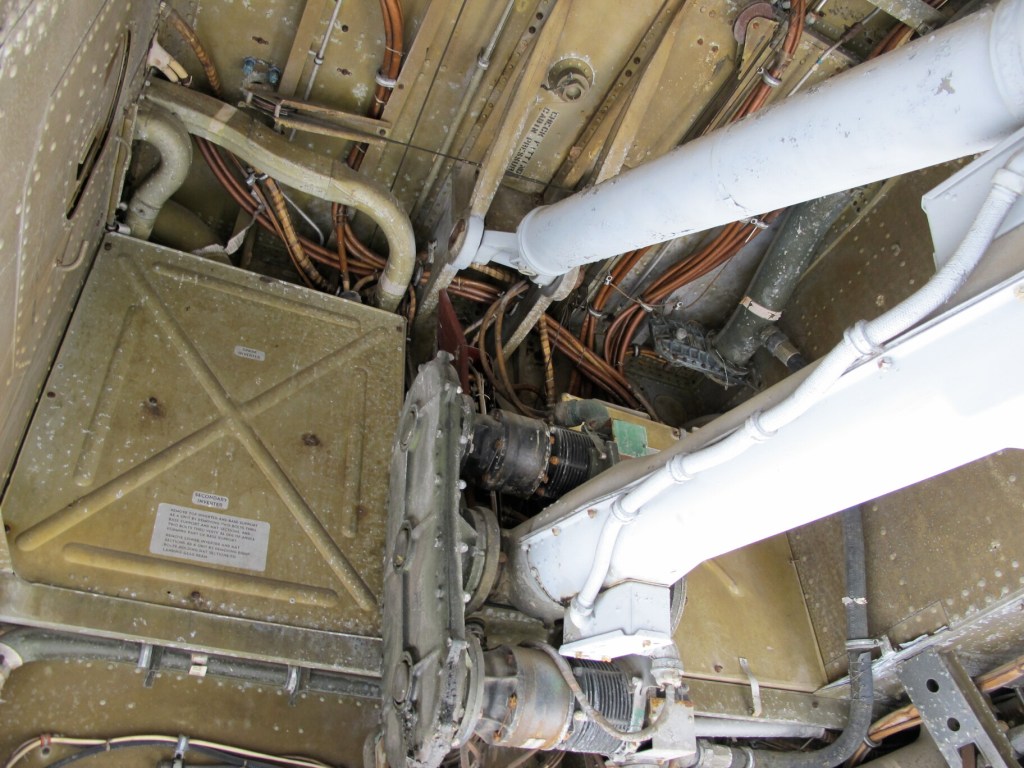
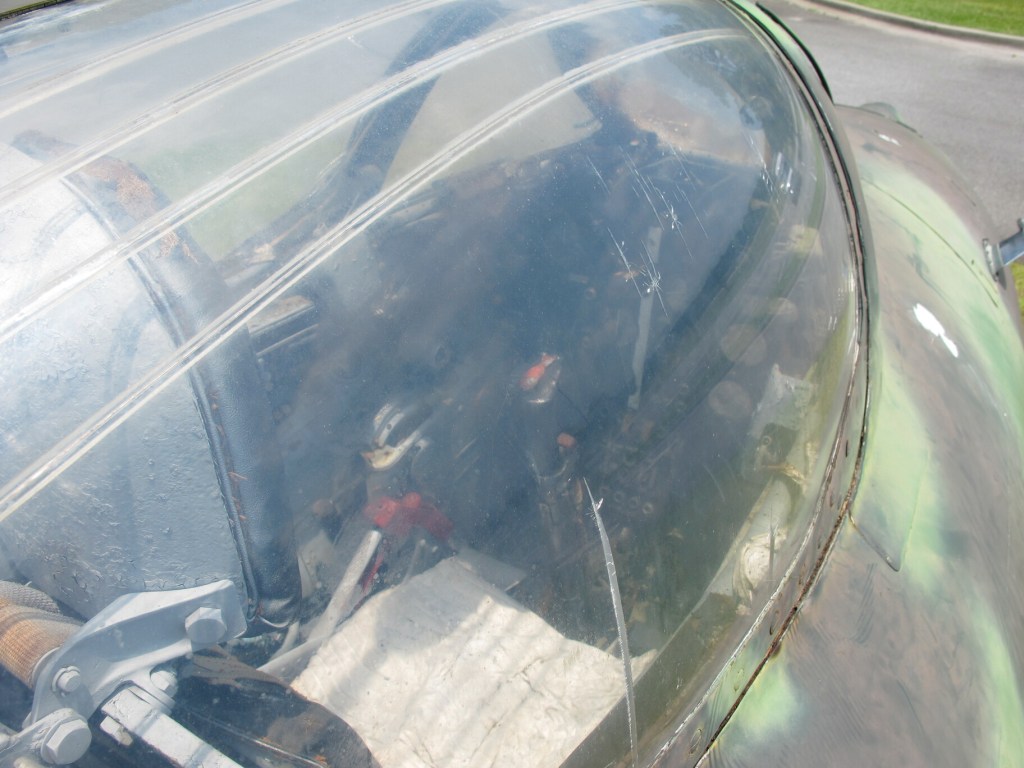
One thing stood out. Behind the cockpit, there was mason glass jar screwed into a receptical with a hose leading to equipment behind the pilot’s seat. I’ve looked at service manuals that are online, but I’ve not yet found what its purpose was.
While this guard unit never flew the F-104 and Glynco is a former Naval air base, it seems an odd choice of air craft. Nevertheless, it might be meant to represent the Air Force in general rather than the specific operational mission of this air guard unit.
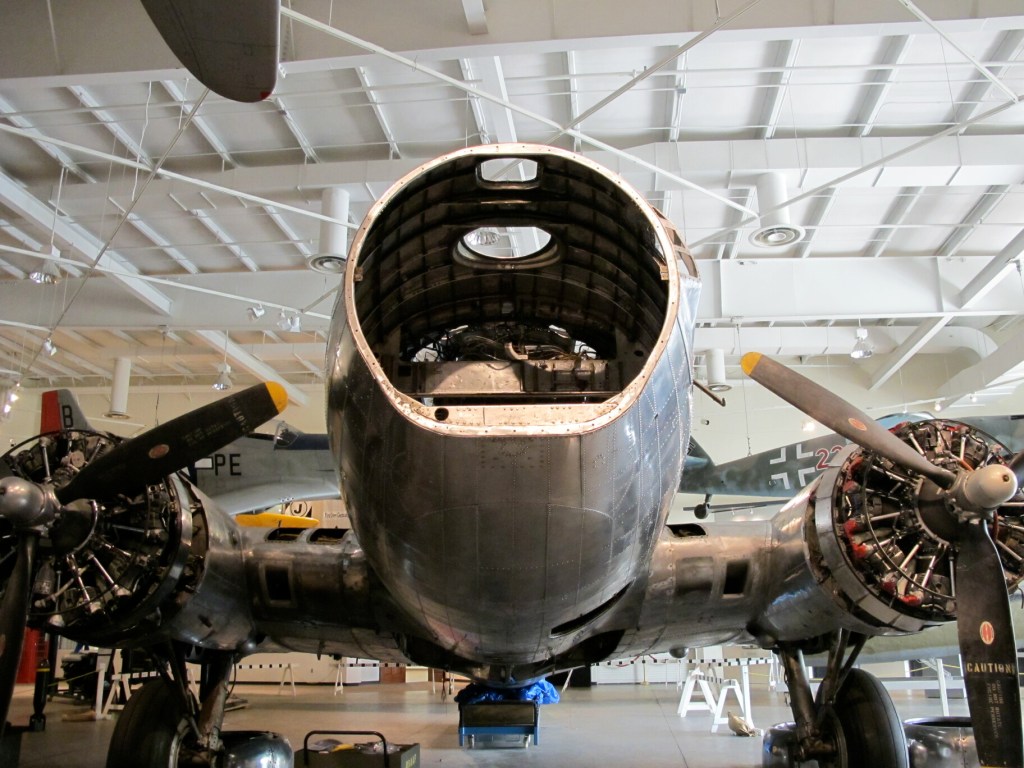
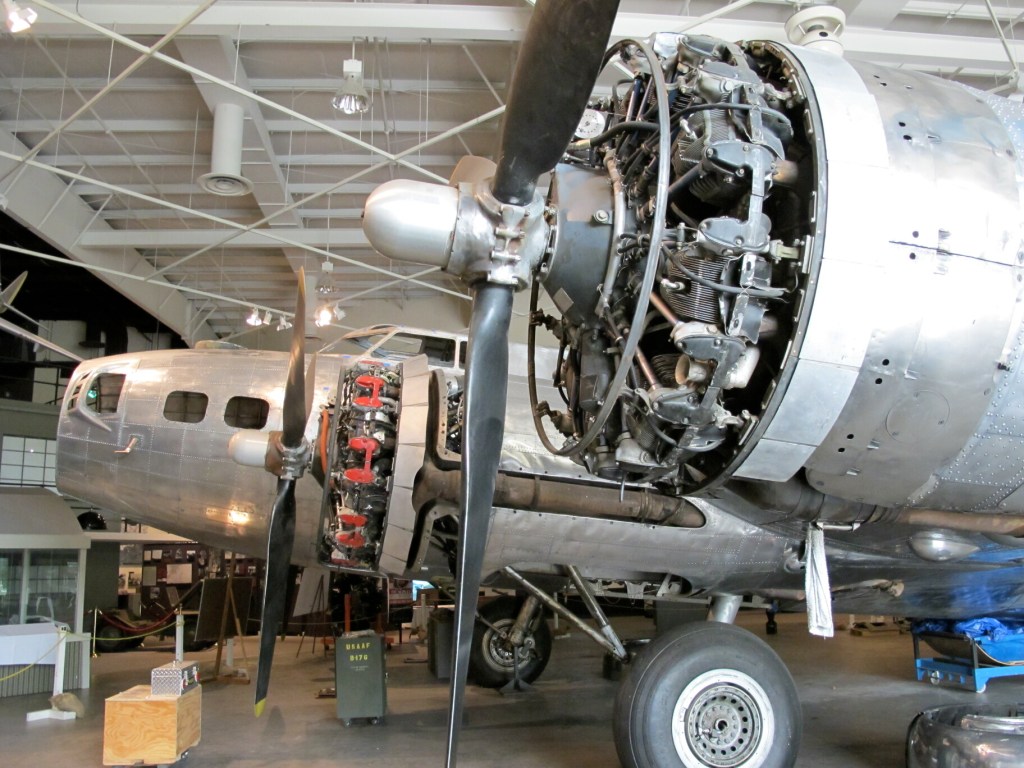
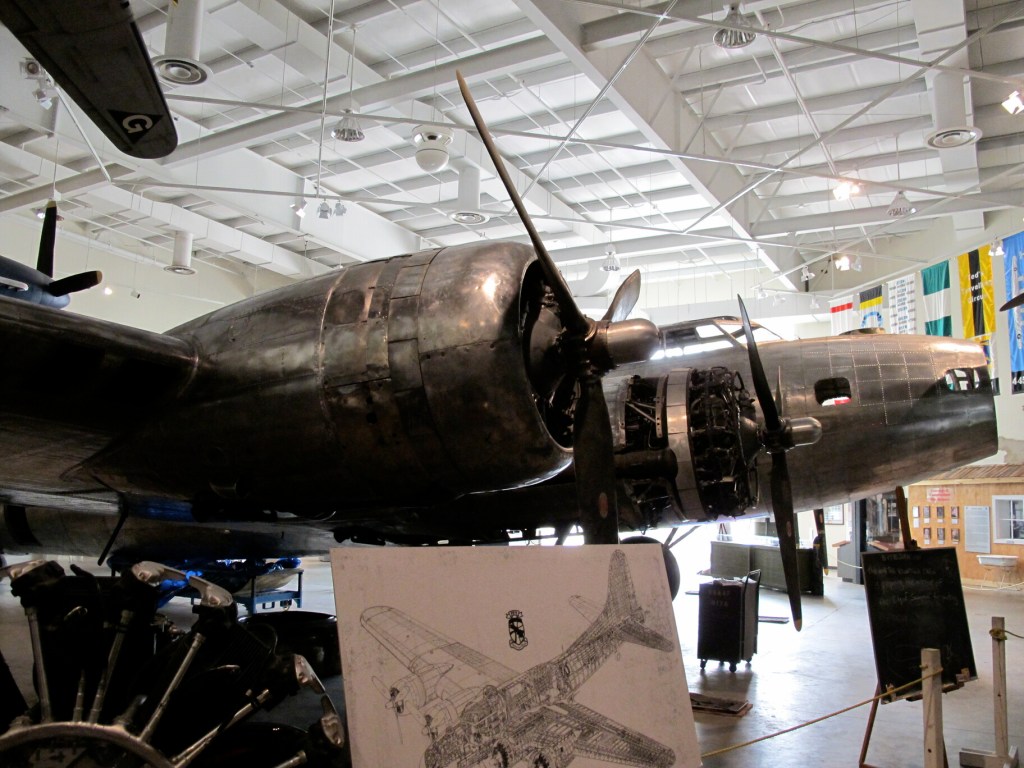
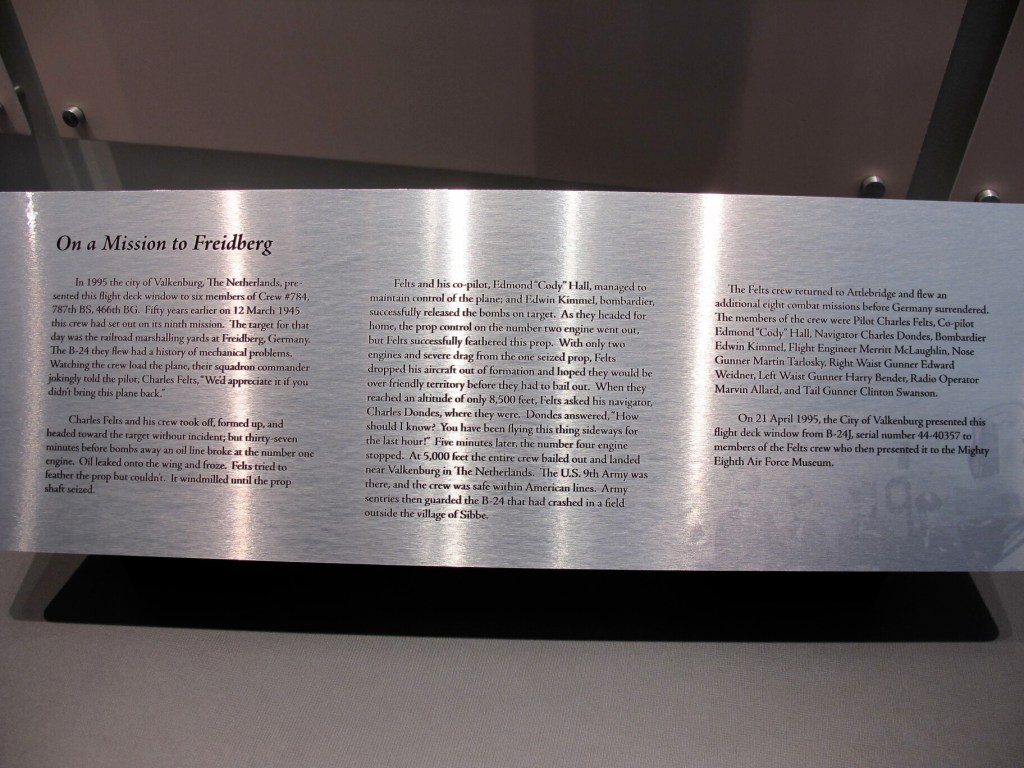
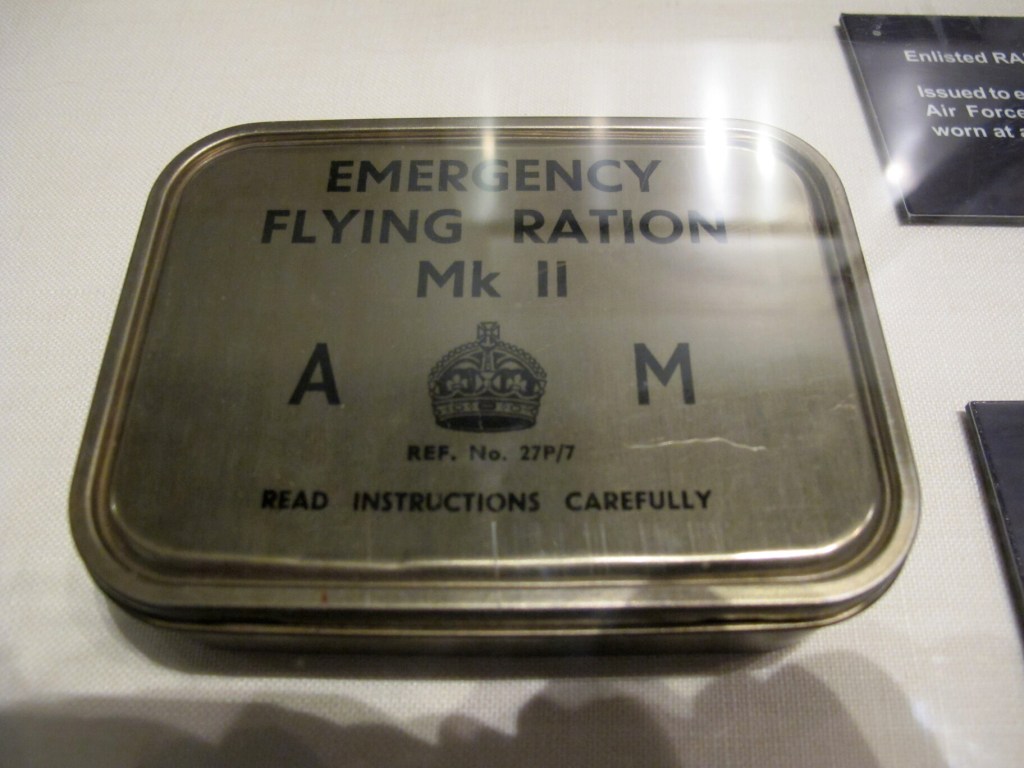
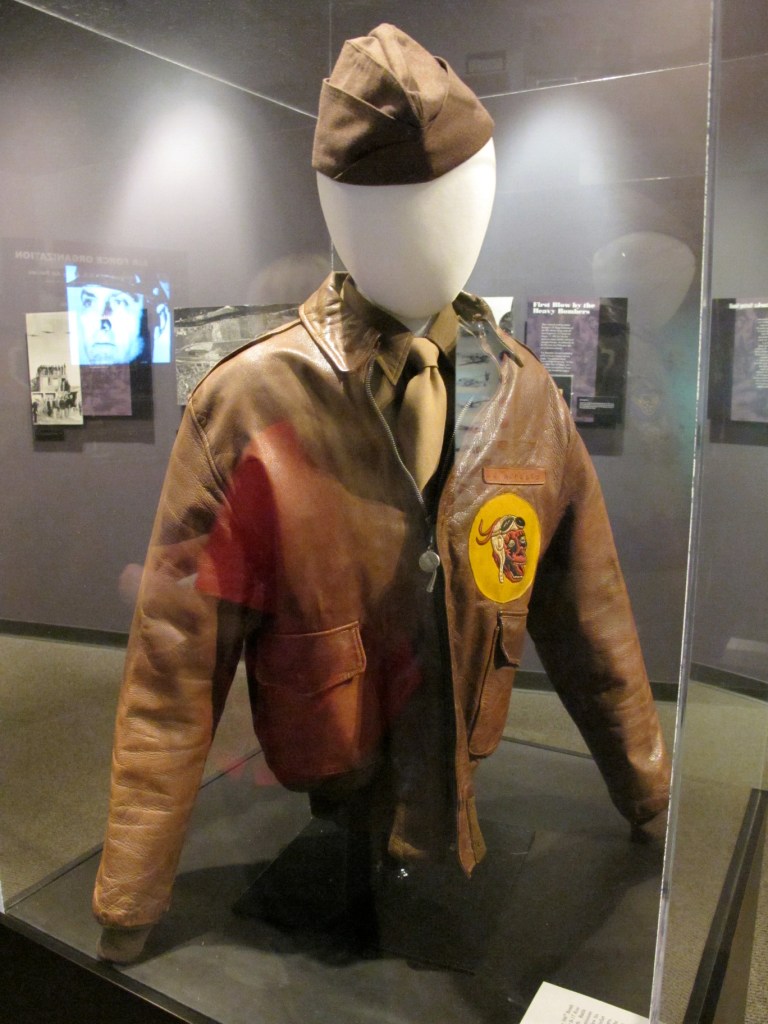
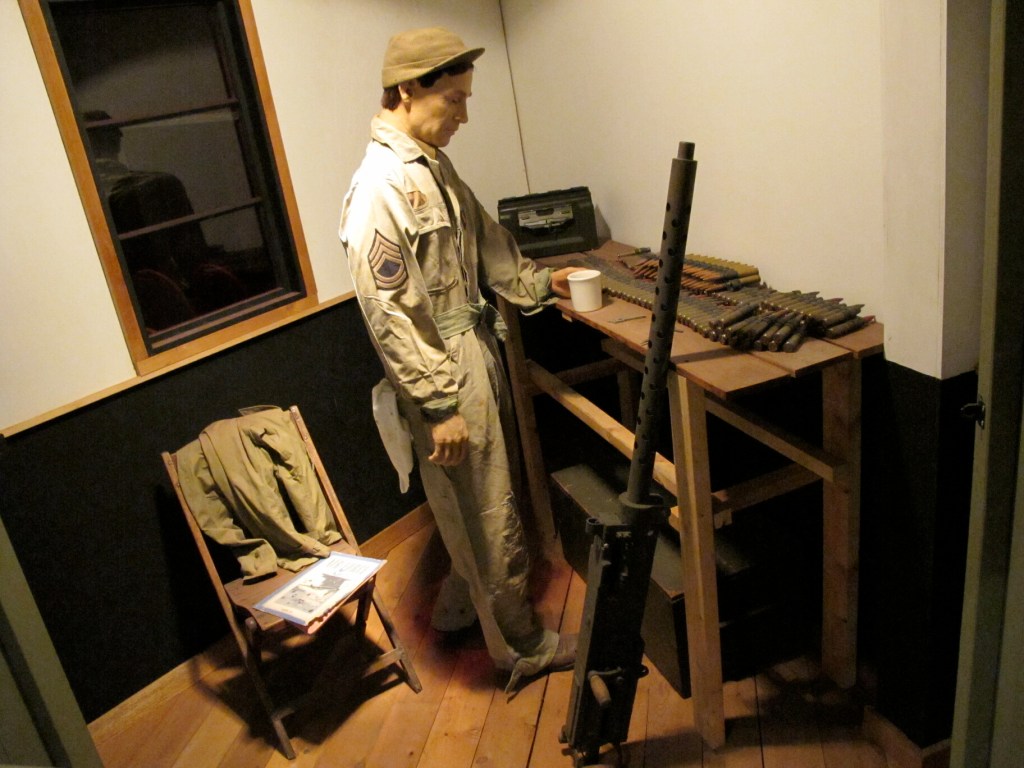
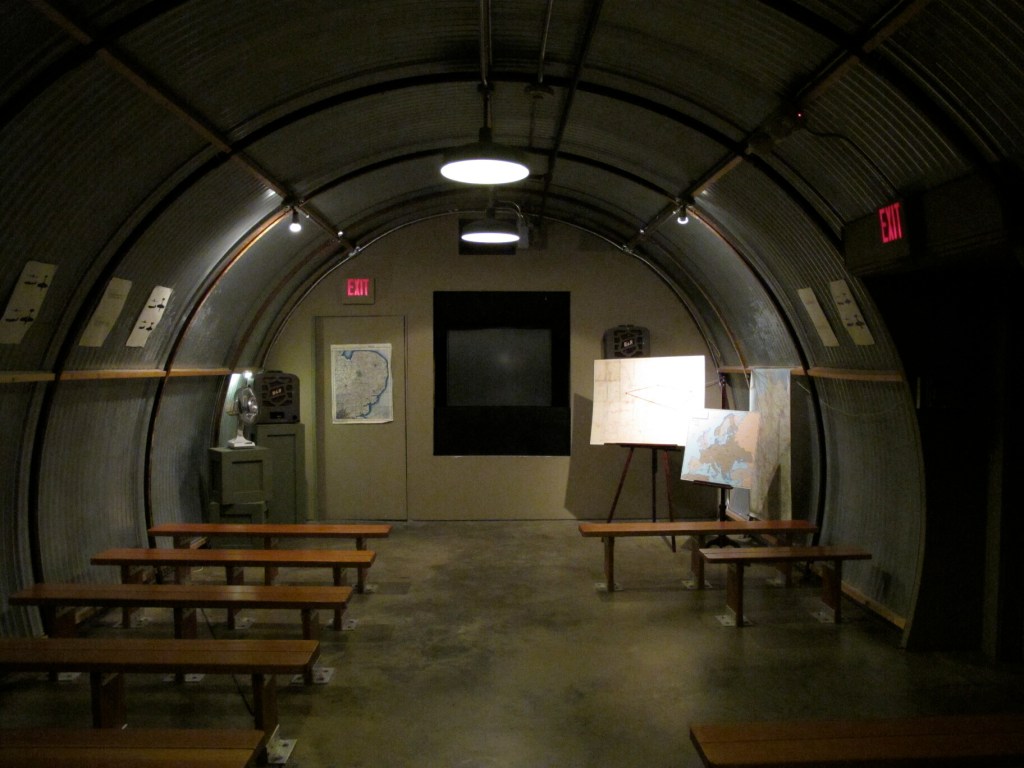
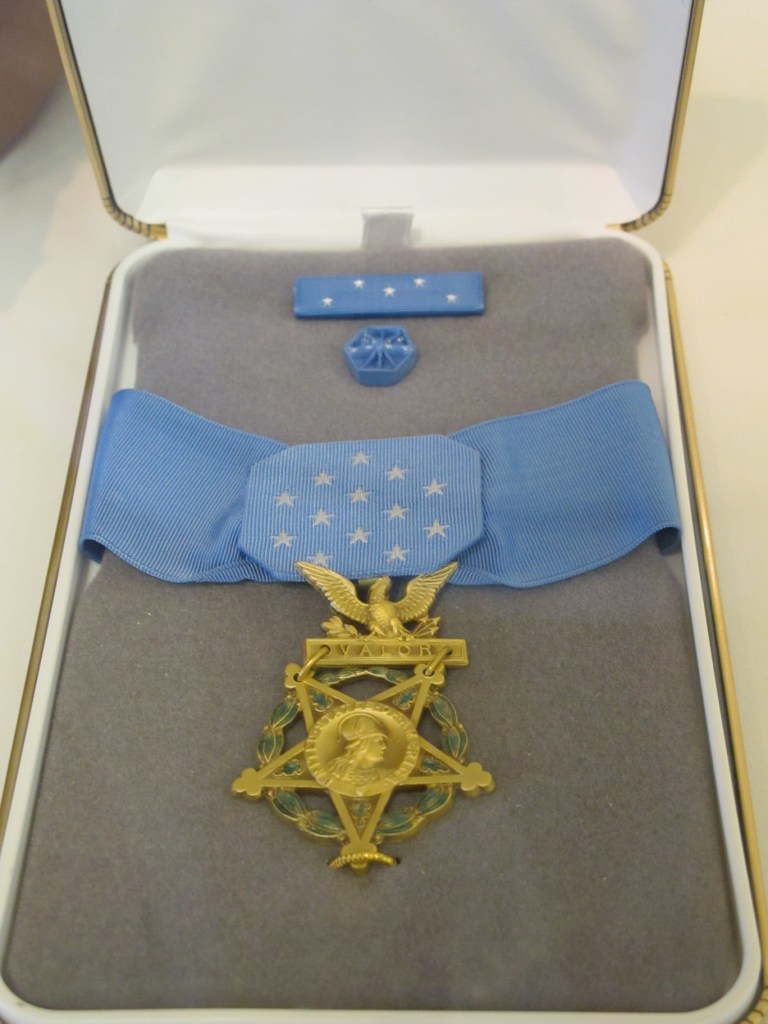
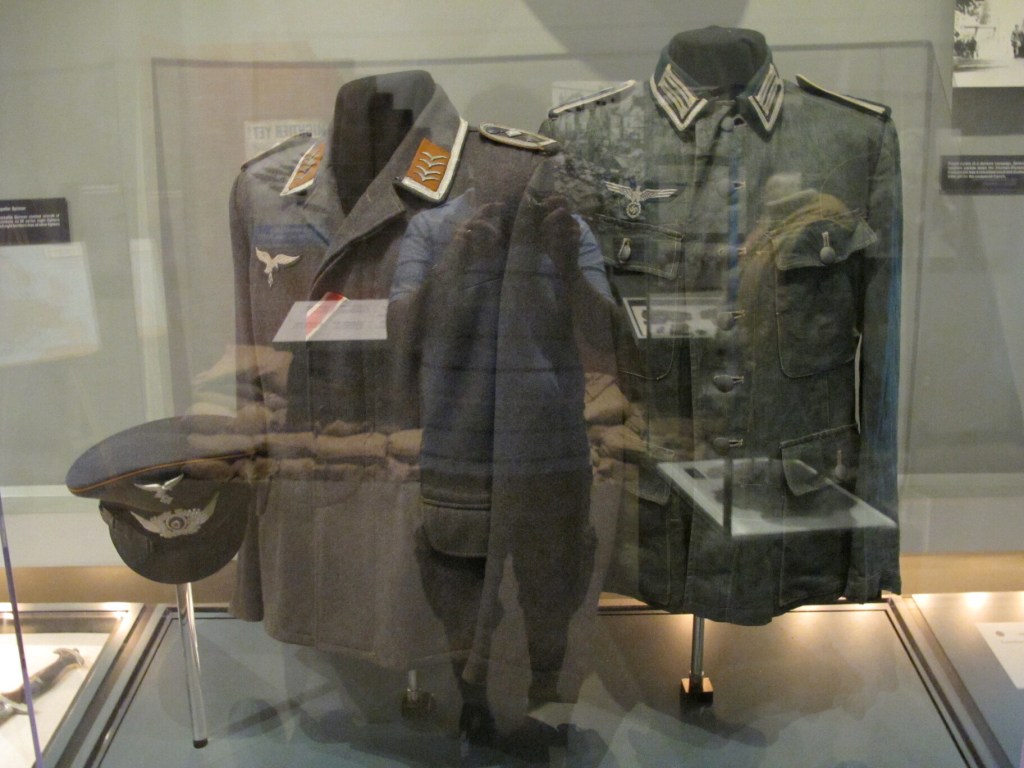
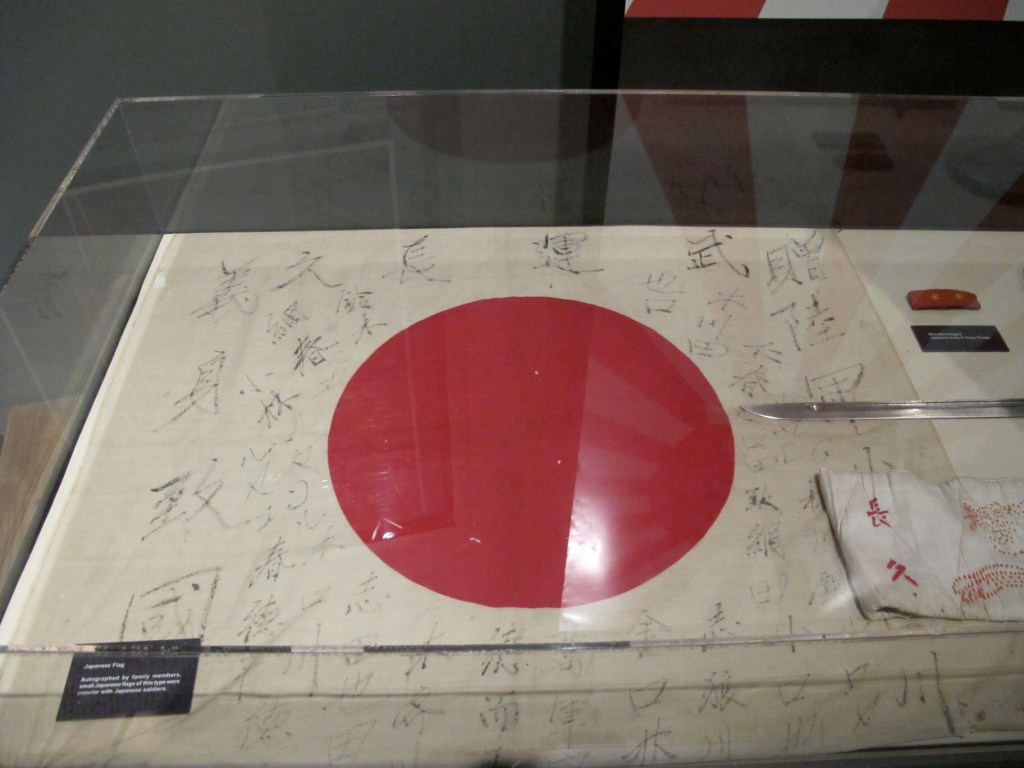
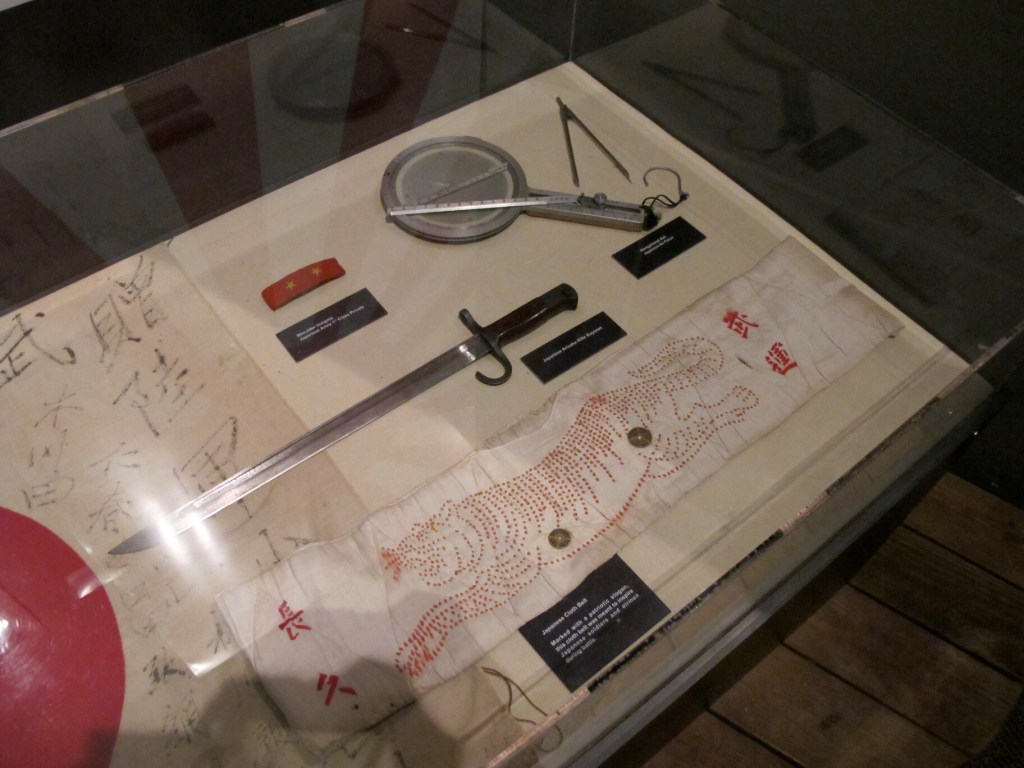
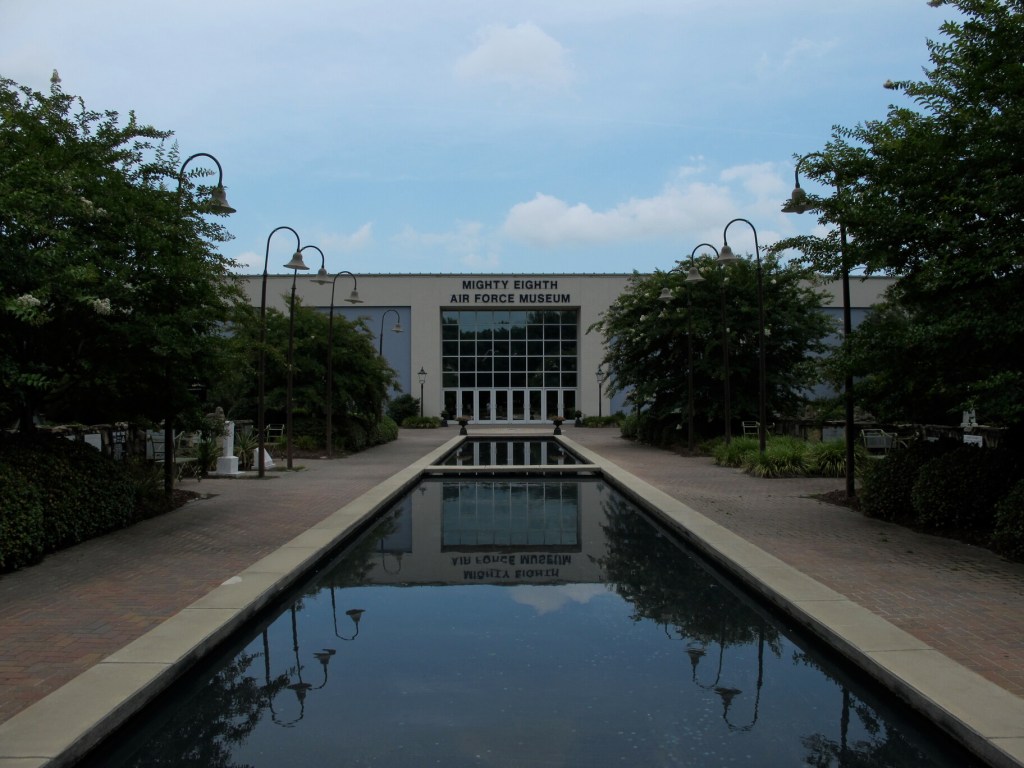
The Mighty Eighth Air Force Museum honors the Eighth Air Force which has its beginnings in World War II. It earned its “MIghty” moniker due to its overwhelming personnel and equipment capability, logistical prowess, and power application on the air battlefield.
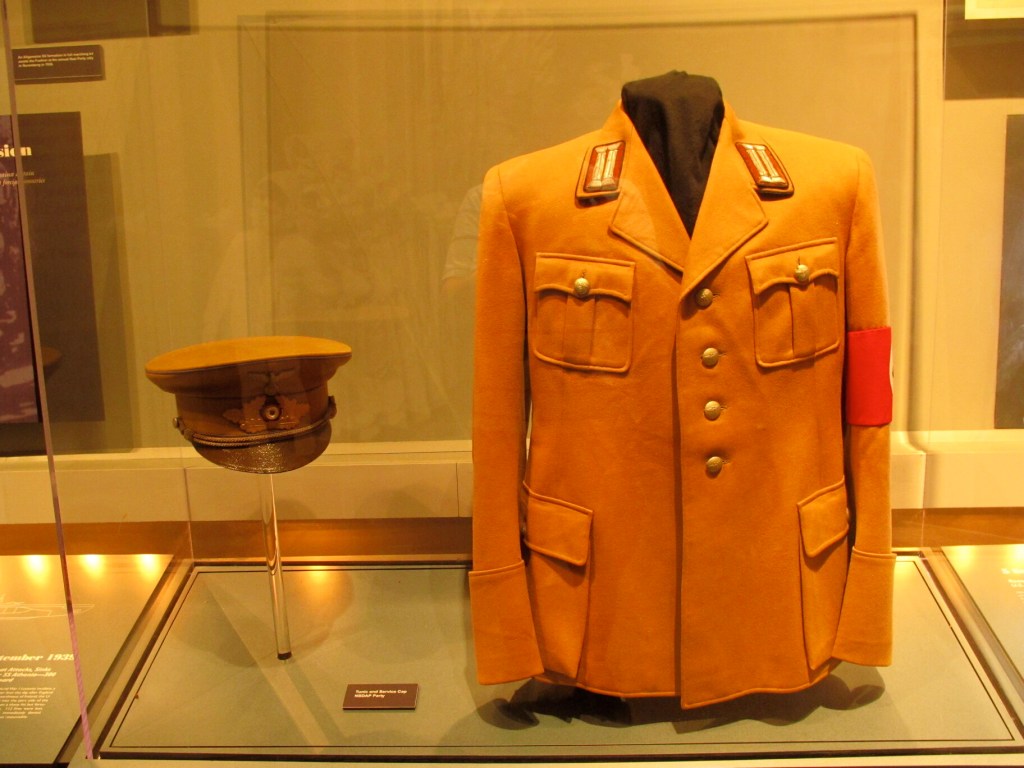
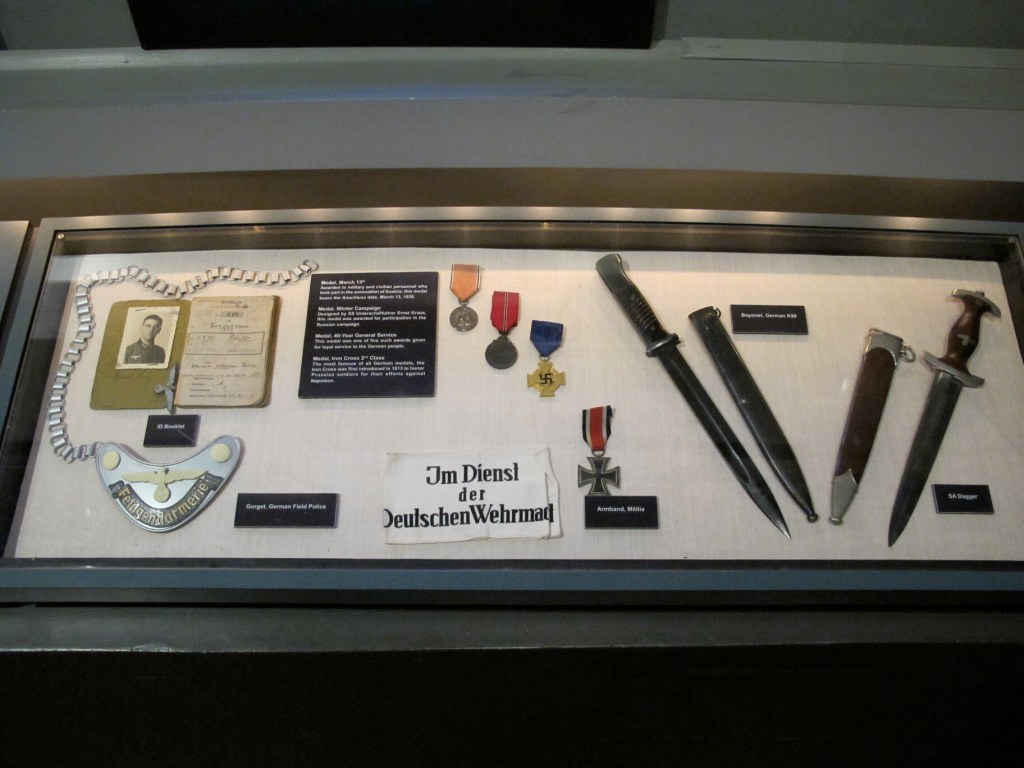
It’s on the latter one of the Axis powers mentioned–Nazi Germany–that I want to give a word of caution. I have included at the bottom of this post images of the Swastika and Nazi Germany uniforms. Like the museum including these in its exhibits, I include these images as a reminder that Nazism is evil and we cannot let that evil return to the world in whatever form it might take. I believe that there we cannot be freedom of speech maximalists in our modern world where there technology has created an extremely imbalanced marketplace of ideas and lopsided means of discourse. If we don’t draw a line in the sand about certain evils, it seems certain that we’re destined to fall prey to the paradox of tolerance. I believed the breakdown of discourse and the ease of manipulating people during the early phases of social media already presented a clear and present danger. Knowing what I know now about generative artificial intelligence (AI)’s capability to do the work of manipulation at a far greater scale and for less money than what was achieved previously, recognizing so-called free speech maximalist owners of a certain social media platform isn’t all about free speech at all and seems to support Nazi ideology, and fearing how our democracy seems weakened and fractured from the assaults culminating in the Jan. 6 insurrection makes me beyond concerned about a return of the Nazi specter–but instead of forming elsewhere, it could manifest here.