Tag: City Tech

  • Video of Final Exam Review for My Spring 2025 Introduction to Language and Technology Class

    Last night, I recorded this final exam review for my Introduction to Language and Technology ENG1710 students. These are the slides that I’m using in the background. The following are the readings that my students and I discussed over the past 14 weeks that comprise the exam review:

    1. Lewis Carroll, “Jabberwocky”
    2. Ted Chiang, “The Truth of Fact, the Truth of Feeling”
    3. Victoria Fromkin, “What is Language?” from An Introduction to Language
    4. Stephen Jay Klein, “What is Technology?”
    5. Salikoko S. Mufwene, “Language as Technology: Some Questions That Evolutionary Linguistics Should Address”
    6. Walter J. Ong, “Writing is a Technology That Restructures Thought,” in The Written Word: Literacy in Transition,
    7. Bruce Mazlish, “The Fourth Discontinuity”
    8. Jacques Derrida, “Linguistics and Grammatology,” translated by Gayatri Chakravorty Spivak
    9. Donna Haraway, “A Cyborg Manifesto”
    10. N. Katherine Hayles, How We Became Posthuman, Chapter 1: “Toward Embodied Virtuality”
    11. Marshall McLuhan, Understanding Media: The Extensions of Man, Chapter 1: “The Medium is the Message”
    12. Friedrich Kittler, “Gramophone Film Typewriter”
    13. J. David Bolter and Richard A. Grusin, “Remediation”
    14. Lisa Gitelman, Always Already New, “Introduction”
    15. Fred Turner, “Where the Counterculture Met the New Economy: The WELL and the Origins of Virtual Community”
    16. Lev Manovich, Language of New Media, Chapter 1: What is New Media?”
    17. Alexander Galloway, “What is New Media? Ten Years After The Language of New Media”
    18. Laurie McNeill and John David Zuern, “Online Lives 2.0: Introduction”
    19. Anil Dash, “The Lost Infrastructure of Social Media”
    20. David Nofre, Mark Priestley, and Gerald Alberts, “When Technology Became Language: The Origins of the Linguistic Conception of Computer Programming, 1950-1960”
    21. Marie Hicks, Introduction to Programmed Inequality: How Britain Discarded Women Technologists and Lost Its Edge in Computing
    22. Jacques Derrida, “Signature Event Context”
    23. William Hart-Davidson, “On Writing, Technical Communication and Information Technology: The Core Competencies of Technical Communication”
    24. Dan Milmo, Seán Clarke, and Garry Blight, “How AI Chatbots Like ChatGPT or Bard Work—Visual Explainer”
    25. Alan F. Blackwell, “Are You Paying Attention?” from Moral Codes
    26. Lorena O’Neil, “These Women Warned of AI’s Dangers and Risks Long Before ChatGPT”
    27. Maria Christoforaki and Oya Beyan, “AI Ethics—A Bird’s Eye View”

  • Some Links About Social Media and Professionalization for Today’s Intro to Professional and Technical Writing Class

    a faceless cybernaut wearing a spacesuit prepares to explore cyberspace. image created with Stable Diffusion.
    A faceless cybernaut prepares to explore cyberspace. Image created with Stable Diffusion.

    For today’s class, my ENG2700 Introduction to Professional and Technical Writing students read two articles about social media and professionalism in the Technical Communication field:

    • Ferro, T. & Zachry, M. (2014). Technical communication unbound: knowledge work, social media, and emergent communicative practices. Technical Communication Quarterly, 23(1), 6-21.
    • Verzosa Hurley, E. & Hea, A. (2014). The rhetoric of reach. preparing students for technical communication in the age of social media. Technical Communication Quarterly, 23(1), 55-68.

    I plan to discuss the difference between active and passive approaches to building an online professional identity (and why the former is the way to go–giving an example about LinkedIn from Dr. Rebecca Burnett).

    I’ll also show them some things related to my social media presence, easy-to-build HTML websites hosted on Github like this one, my old domain name, and online calling card/mini-bio/link aggregator sites, such as:

  • National Poetry Month 2025 Display at City Tech

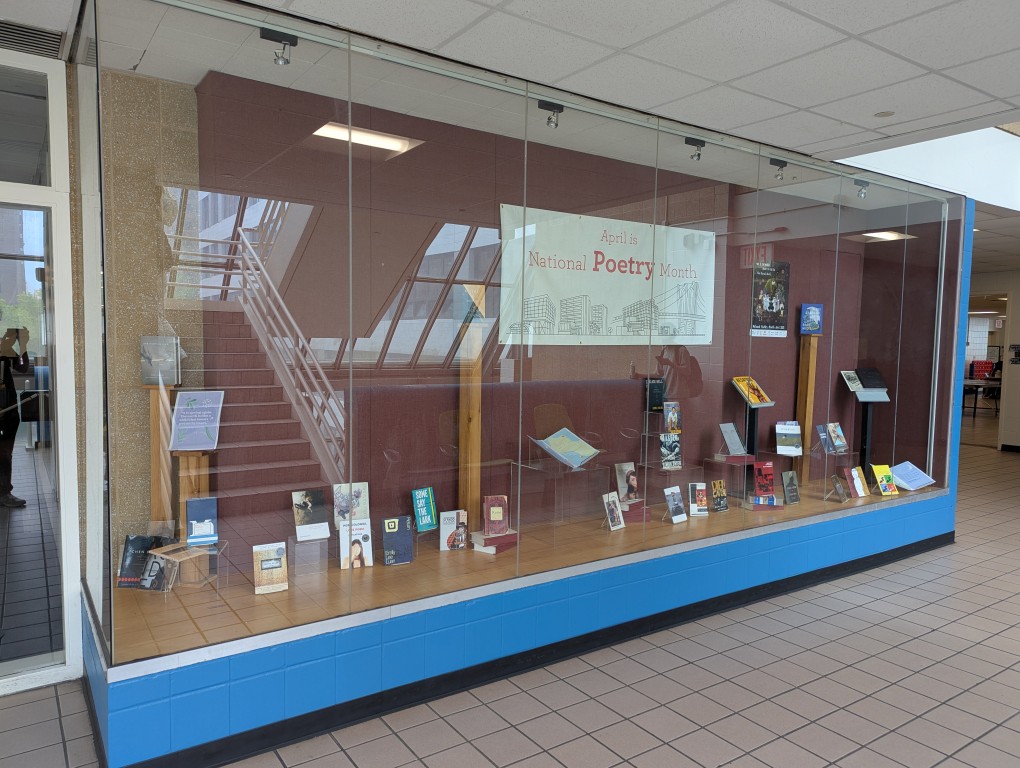
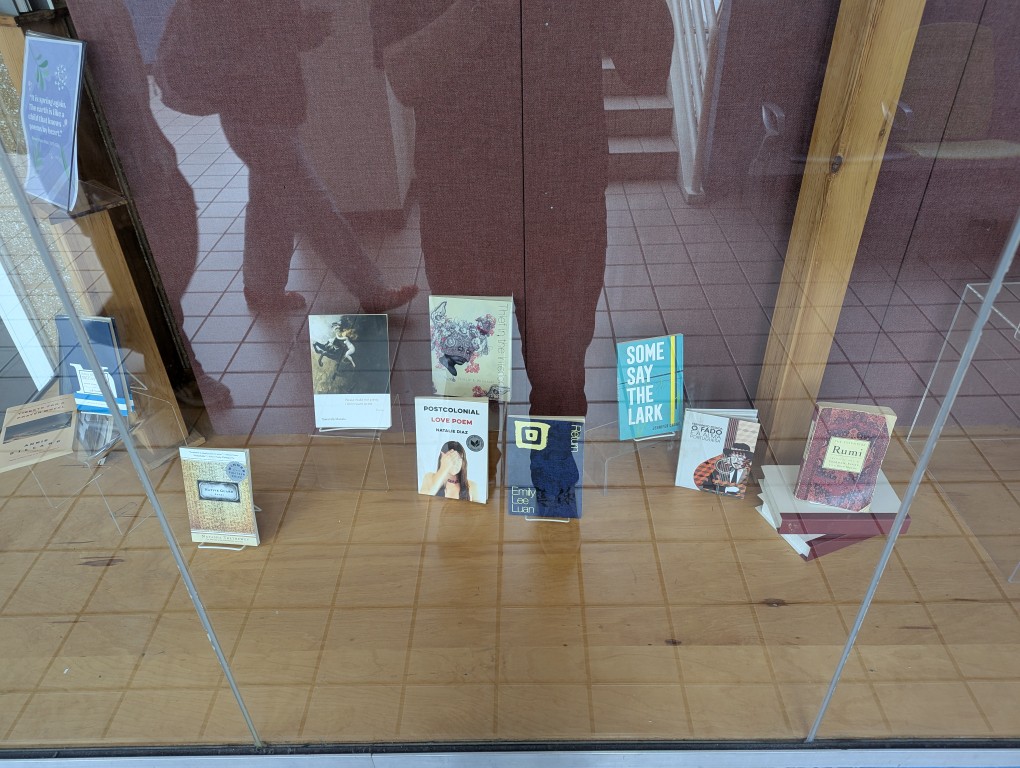
    display of books and banner for national poetry month behind a large glass facade

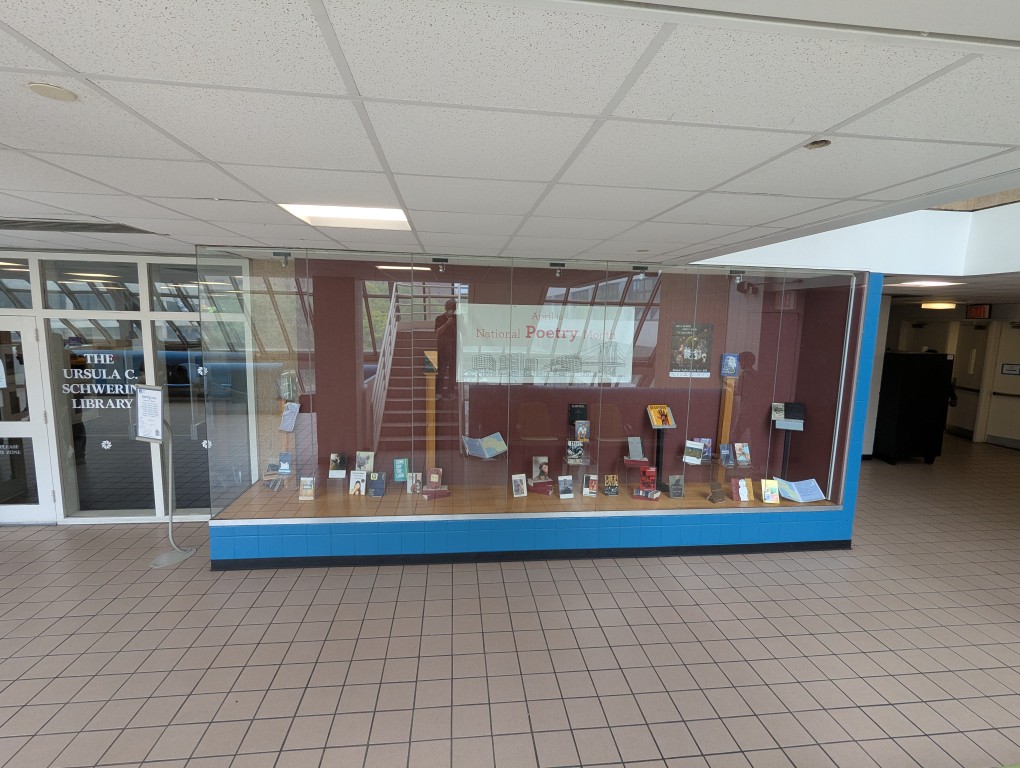
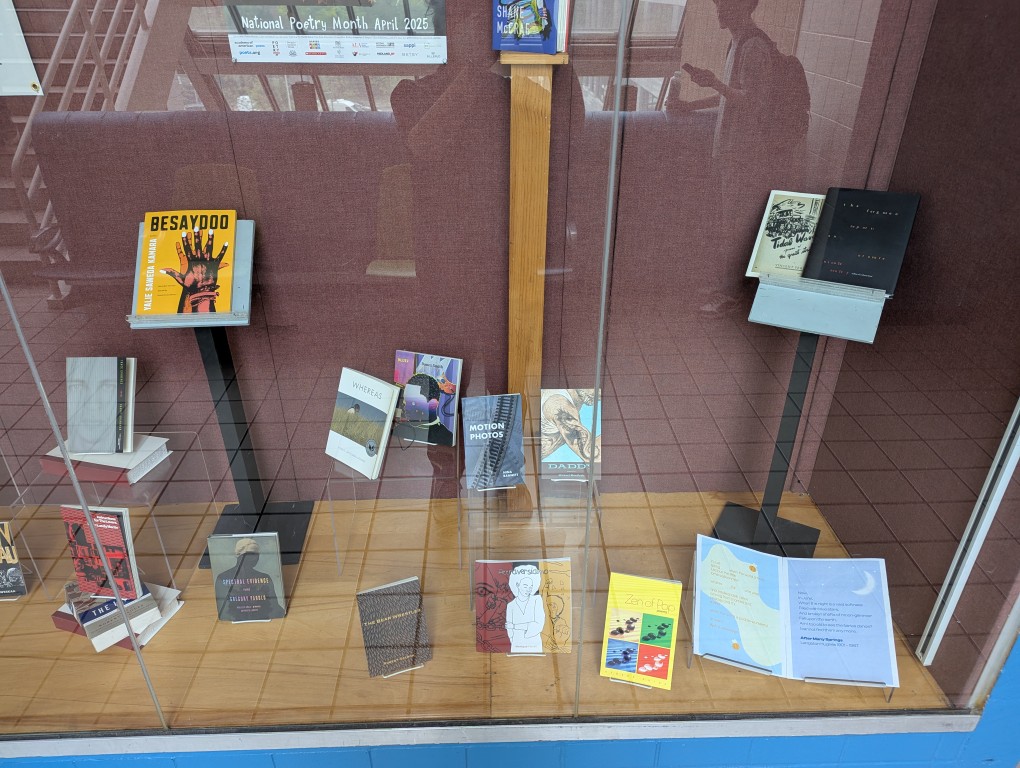
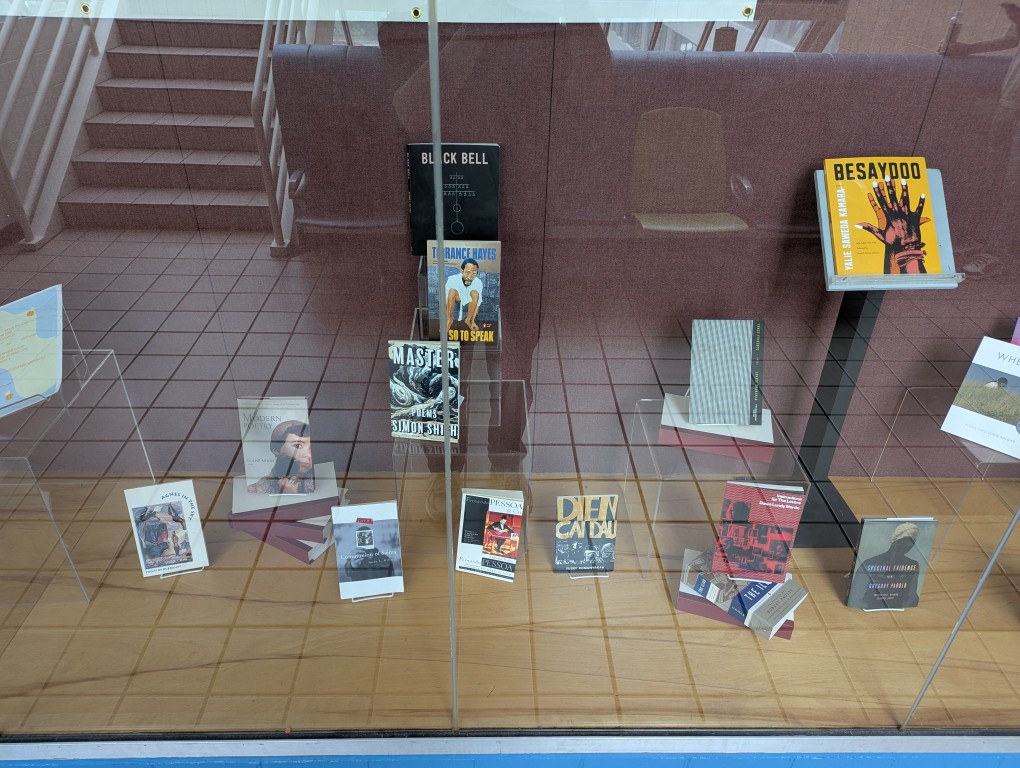
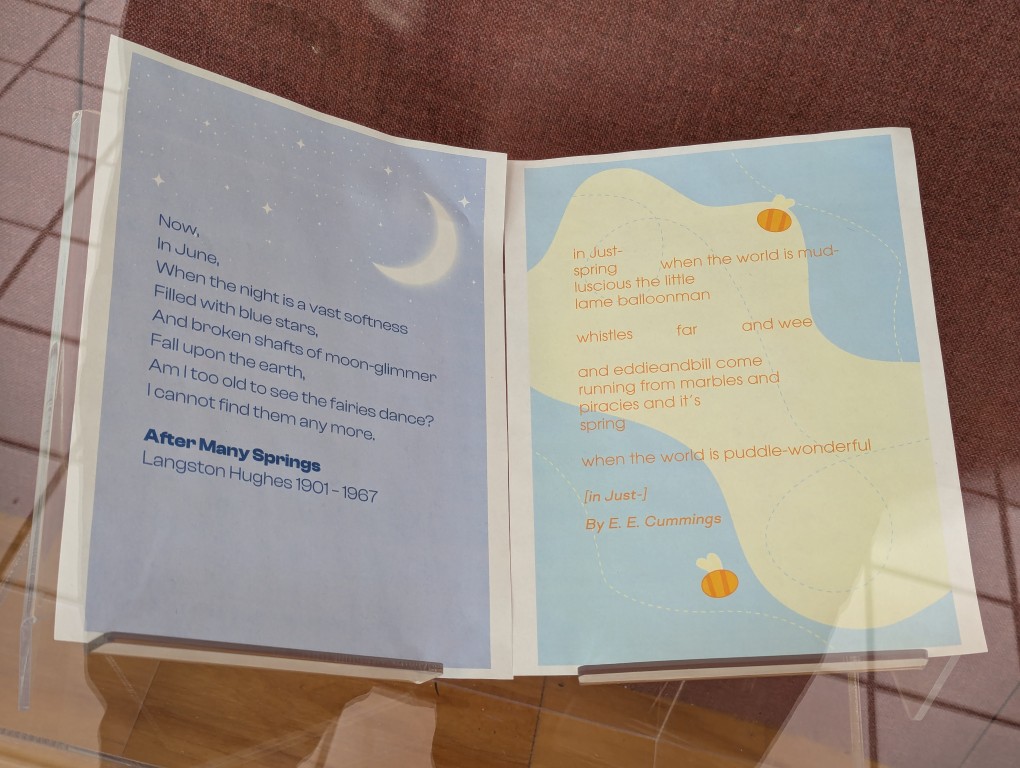
    My colleagues Rob Ostrom and Jennifer Sears put together an impressive display for this past April’s National Poetry Month at the entrance of City Tech’s Ursula C. Schwerin Library. Here are some photos of the display and titles that they curated for the installation.

    display of books and banner for national poetry month behind a large glass facade
    display of books and banner for national poetry month behind a large glass facade
    display of books and banner for national poetry month behind a large glass facade
    display of books and banner for national poetry month behind a large glass facade
    display of books and banner for national poetry month behind a large glass facade
    display of books and banner for national poetry month behind a large glass facade
  • Observations of the Fourth and Sixth Floors of City Tech

    city seen out glass roof in highrise building

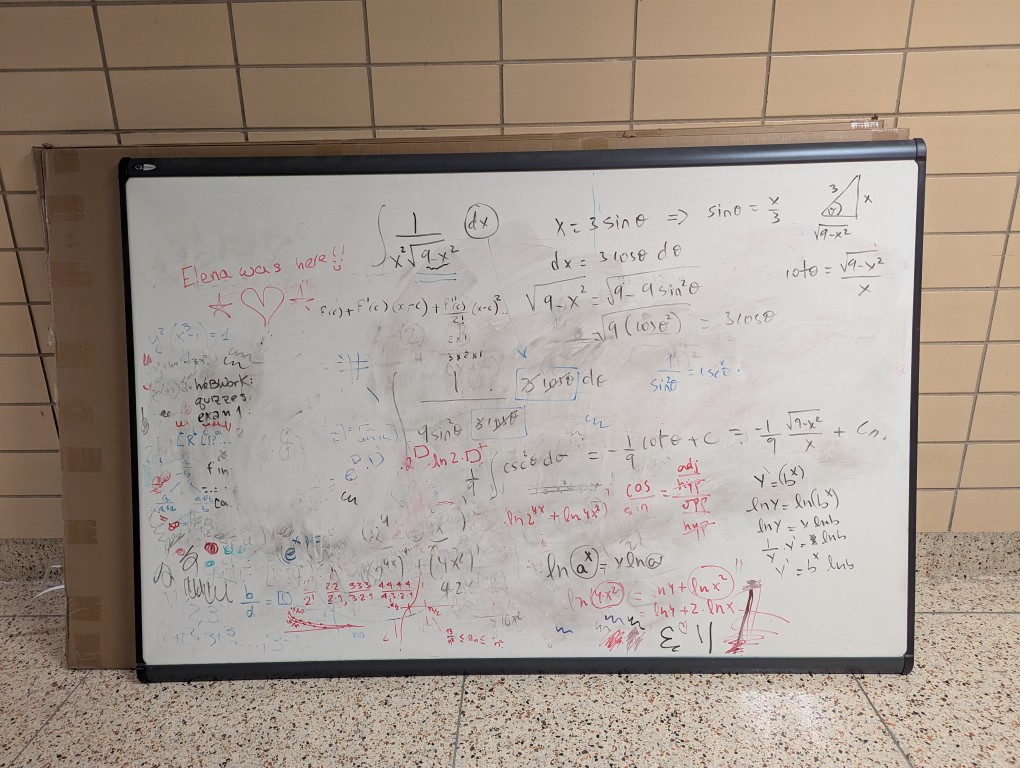
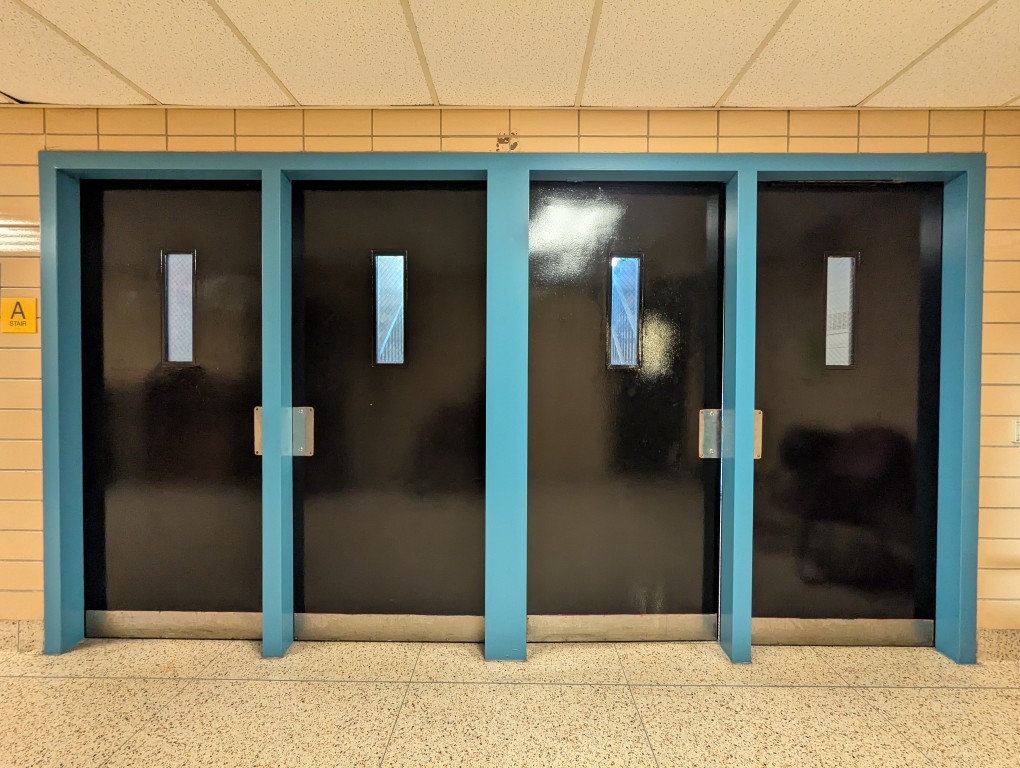
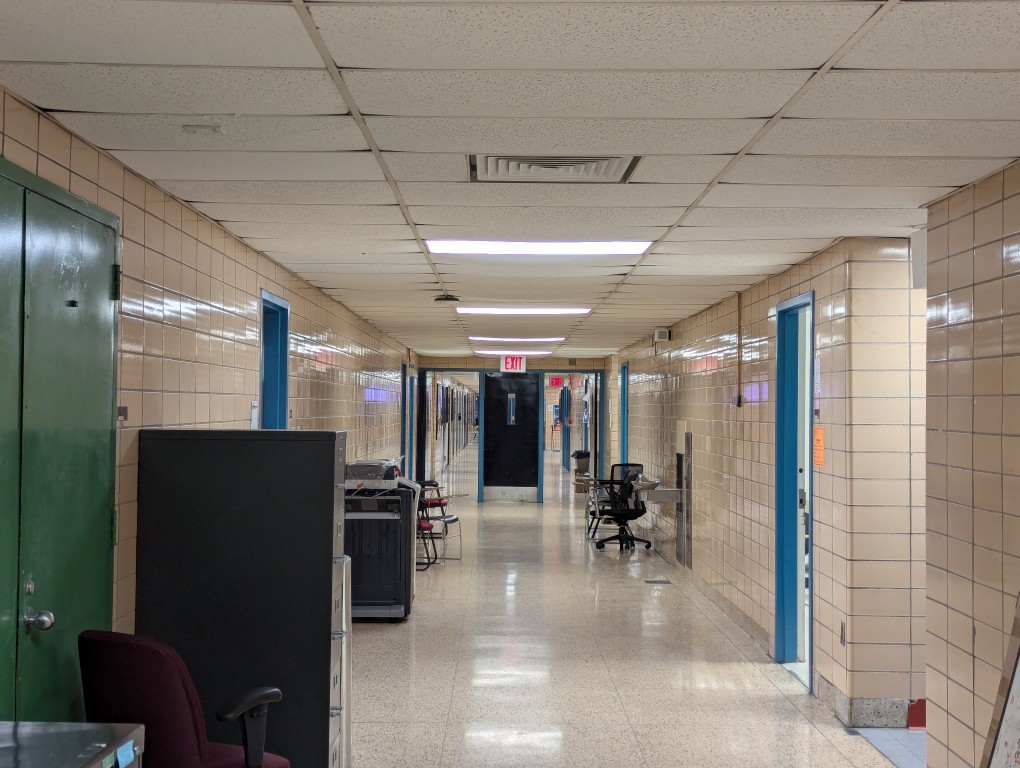
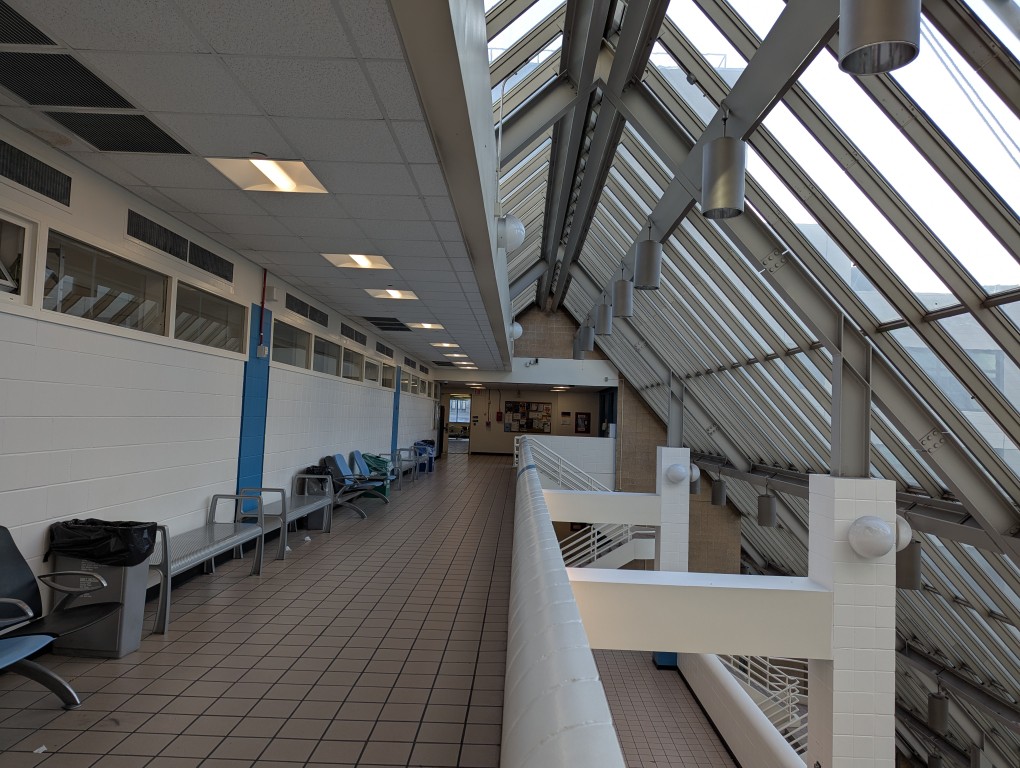
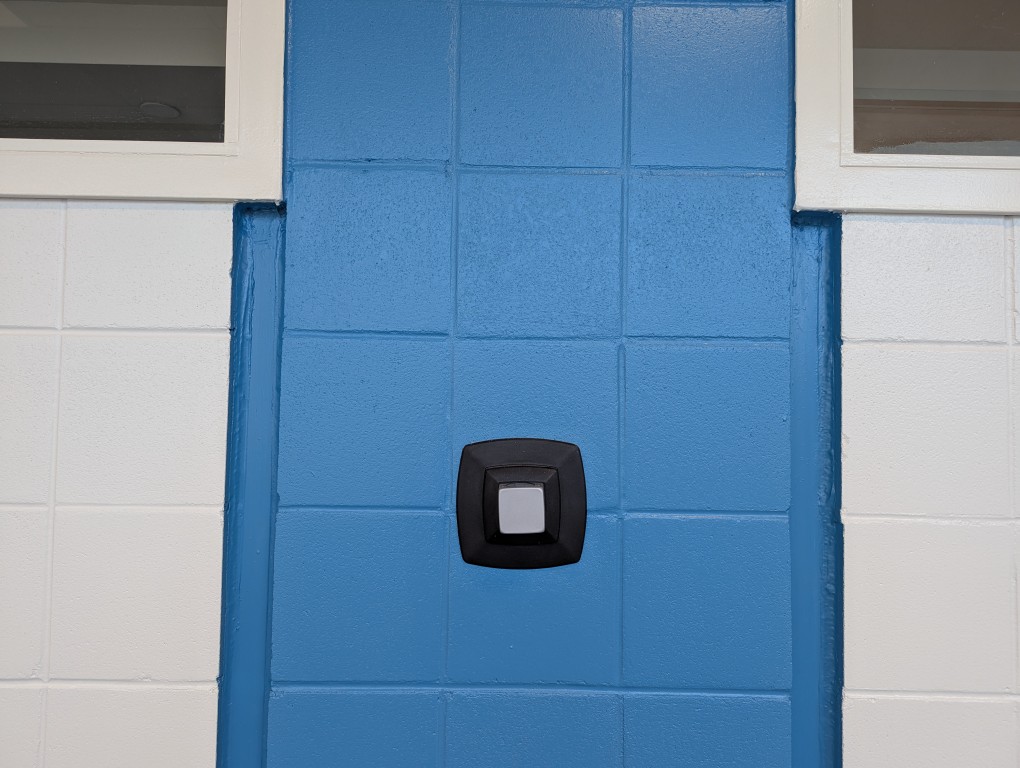
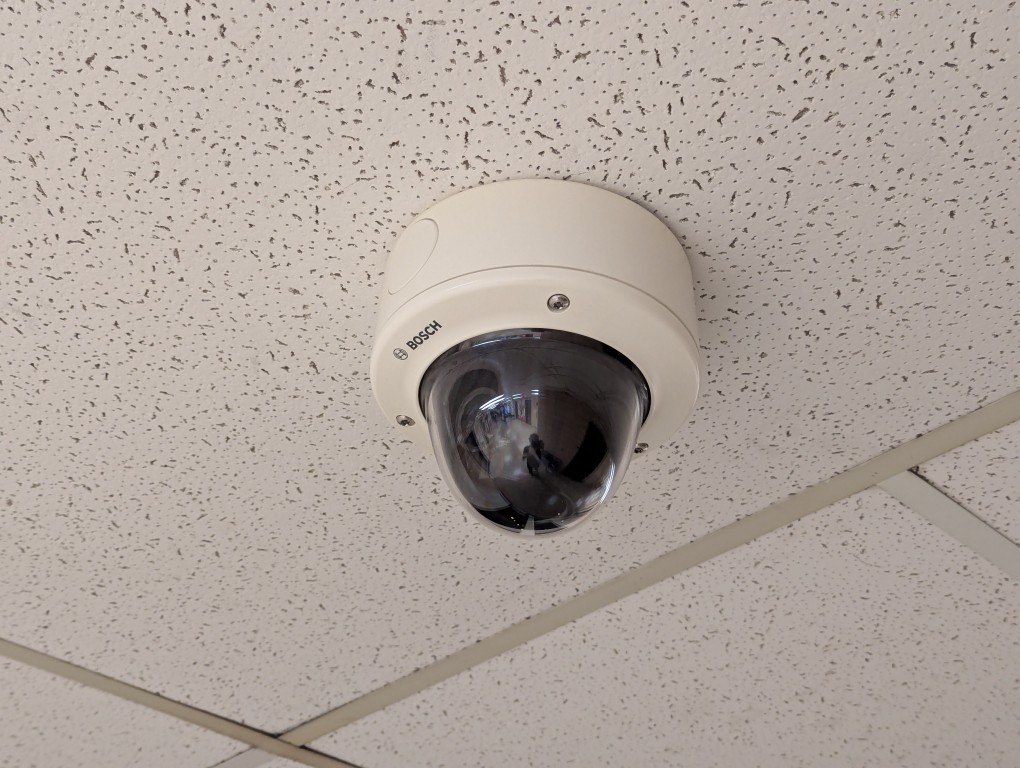
    While my students were diligently completed their Student Evaluation of Teaching (SET) feedback forms today, I took photos while walking around the Namm and Library buildings on the fourth floor (afternoon class) and the sixth floor (evening class). Some are mundane, some are technological objects, and some have interesting compositions (to me). Afterwards, I shared my work my students and encouraged them to do the same to build up a personal library of photos that they might want to make use of in their multimodal compositions.

    messy written whiteboard
    music stand in hallway
    four black doors with blue trim
    cluttered hallway
    multilevel walkways under glass roof in highrise building
    alarm speaker box mounted near ceiling
    windows and thermostat make a face on a block wall
    a keyed switch in an electrical gang switch box
    recessed metal trash can in tiled wall
    ceiling mounted wifi router
    hallway hidden behind the elevators
    ceiling mounted surveillance camera
    water fountain
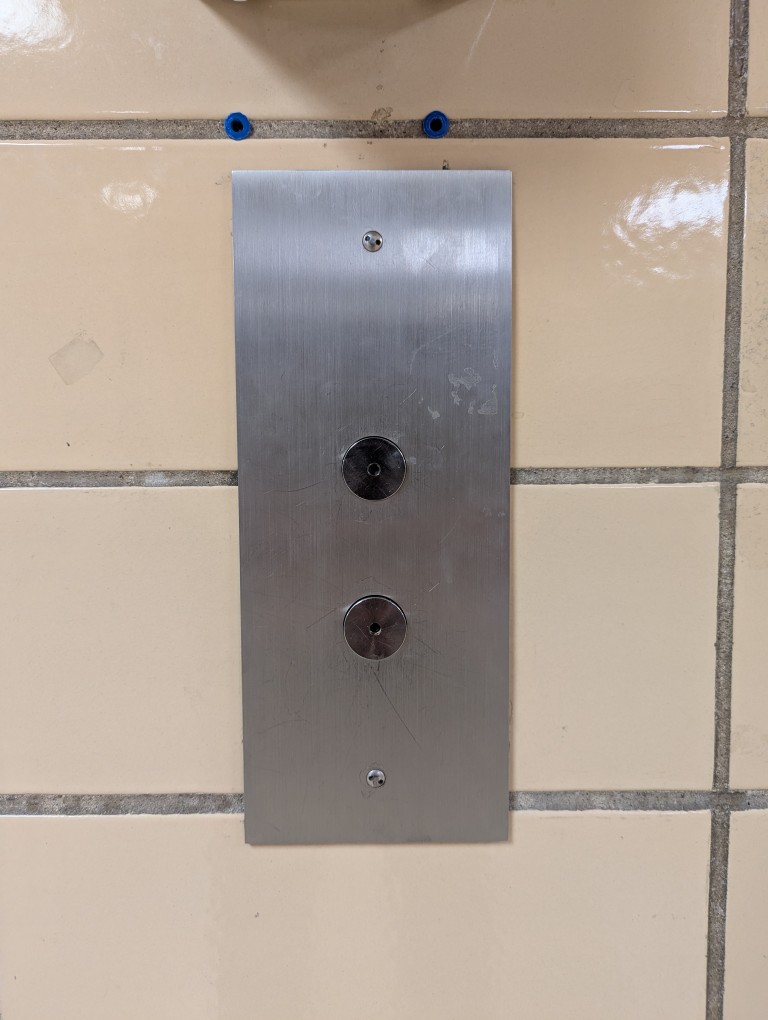
    elevator call buttons
    multilevel walkways from below in highrise building
    empty classroom with a ceiling mounted projector
    multilevel walkways in highrise building under a glass roof
    multilevel walkways under glass roof in highrise building
    snack and drink vending machines in an alcove
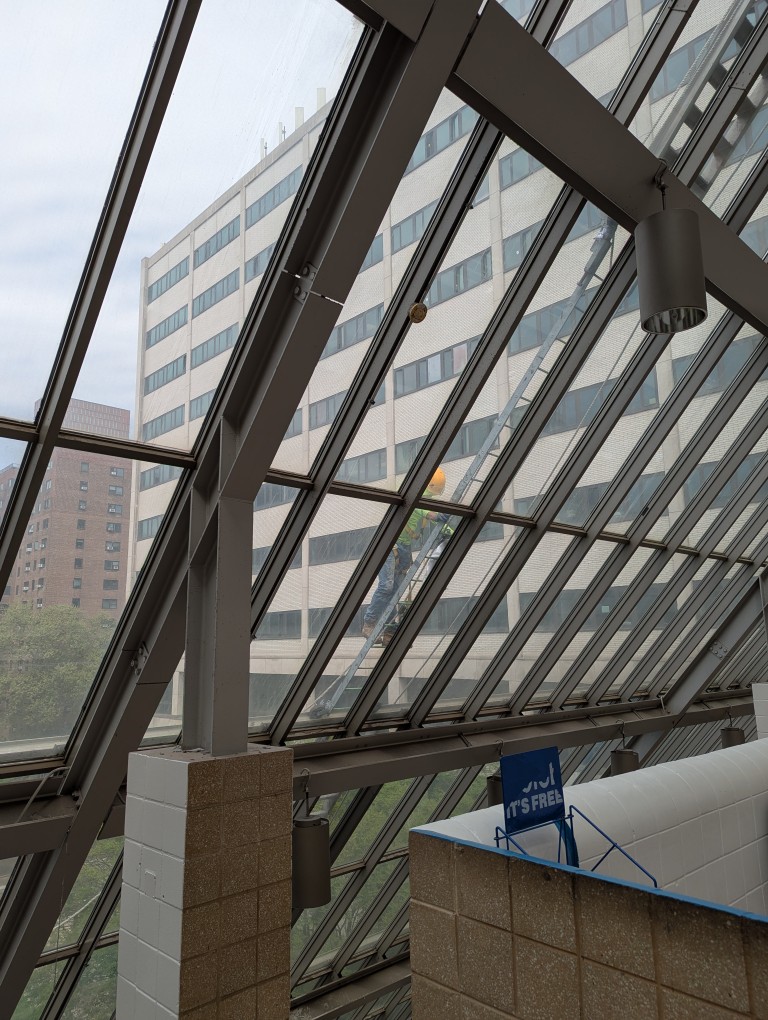
    worker outside the glass roof

  • Some Notes on Reading and Writing

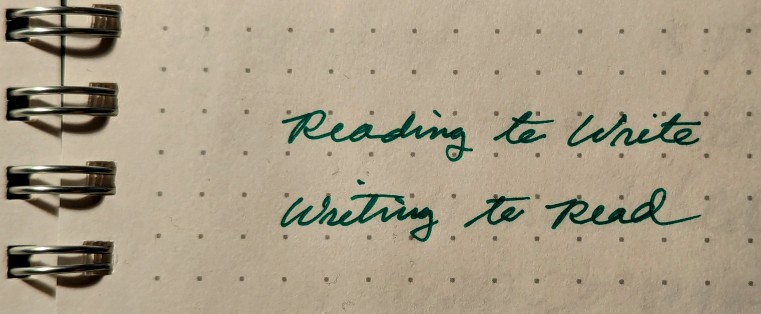
    the words "Reading to Write" and "Writing to Read" written in cursive in a notebook with a dot-grid background and spiral bound

    During last night’s Introduction to Language and Technology (ENG1710) class, I was discussing William Hart-Davidson’s “On Writing, Technical Communication, and Information Technology: The Core Competencies of Technical Communication.” It followed our reading last week of Jacques Derrida’s “Signature Event Context,” which Hart-Davidson engages in part.

    Toward the end of lecture, when I was talking about lessons learned from Hart-Davidson’s essay, which includes being a life-long learner and keeping up-to-date on changing technologies of writing and communication, Prof. Sarah Schmerler, a City Tech English department colleague with a shared interest in Generative AI technologies, stopped by and participated in the class discussion with my students. It was informal and impromptu, but I think my students enjoyed their perspective and lived experience. I enjoyed our conversation during and after class.

    I wanted to jot down some of the conversation and additional thoughts spun off from the conversation here:

    How can you expect to be a good writer without learning, at least in part, from reading many examples of writing by others?

    Writing is reading in reverse. Instead of the words coming into you from the world, you are sending the words out into the world.

    Reading and writing go hand-in-hand. Developing skill in one, enriches the other.

    Reading heuristics, such as lateral reading and vertical reading, can support getting as much as possible out of one’s reading time, energy, and needs (e.g., is this for a research thesis vs. learning enough about something for a journalistic article).

    Our needs–enjoyment, learning, work, etc.–play a key role in what strategies (large scale) and tactics (smaller scale) we employ to accomplish reading goals.

    Reading can be a passive exercise, but active reading that engages the text and combines cognition, reasoning, and imagination yields the greatest returns in terms of understanding, analysis, and memory.

    Isolation, quiet contemplation, and dedicated time can aid the development of reading and writing.

    Teaching writing requires a rethink on how we approach reading and how important reading is to developing writing skill.

    Ray Bradbury was a largely self-educated writer who proudly said that he graduated from the library at the age of twenty eight (though, he adjusted this to twenty seven in a later interview in the Paris Review). In the latter interview, he also remarked about retyping the writing of his favorite authors as a part of his writing apprenticeship and early development as a writer–“[to] Learn their rhythm.”

    Students do lots of different kinds of reading, which we as educators can tap into and help the student connect their reading interests to writing development. Furthermore, it can open doors to other kinds of reading that they were not previously aware of. Knowing where they are and interested can lead to possibilities and knowledge that were around them but unseen. Browsing and finding the neighborhood, in Prof. Schmerler’s terms, connects students to new reading opportunities.