In 2013, Y’s and my friend M from Japan visited us in Atlanta. He had asked us to show him historically important places around Atlanta while he was there. Paramount among those stops was Martin Luther King, Jr’s birth home, his burial site at The King Center, and Ebenezer Baptist Church. While I had read about those places before, I had not yet visited them before M’s arrival.
The experience was multilayered for me: being in those hallowed spaces, sharing those spaces with my wife and friend, and discussing those places based on our knowledge, experiences, and different cultural backgrounds. I’m glad that we were all together in that place at that time. I carry it forward as a warm memory as well as a reminder of why I do the work that I do.
And I’m reminded that history is all about space and time. There feels like a kind of physics at work with it. Not like Hari Seldon’s psychohistory, but something paralleling Einstein’s Special Theory of Relativity. Time passes differently for different observers, or more precisely, culture changes at different rates for different observers. Standing along Auburn Ave that day, I thought that culture supporting equality and liberty for all wasn’t happening at the same rate for everyone everywhere. The rates were different. There was a kind of cultural dilation it seemed. Could there be a fall and dark age to follow? Could Asimov have caught a glimpse of what lay ahead in Foundation after all?
How can we leverage posthumanist ideas to respond to the world’s social and ecological crises? My colleagues at Georgia Tech (Lisa Yaszek, Regents Professor of Science Fiction Studies; Zita Hüsing, Assistant Director of the Writing and Communications Program and Marion L. Brittain Postdoctoral Fellow; and Paul B. Foster, Associate Professor of Chinese) and I give our perspectives in this brief multimodal article that might be great to share with students if you need a resource that succinctly breaks down what posthumanism is and addresses its connections to feminism, social justice, and environmentalism.
Previously, Lisa Yaszek and I wrote an book chapter on Posthumanism and Science Fiction for The Cambridge Companion to Literature the Posthuman (2016). You can read our chapter here.
If you’d like to talk about posthumanism or collaborate on a related project, drop me a line at my email address in the about box to the right.
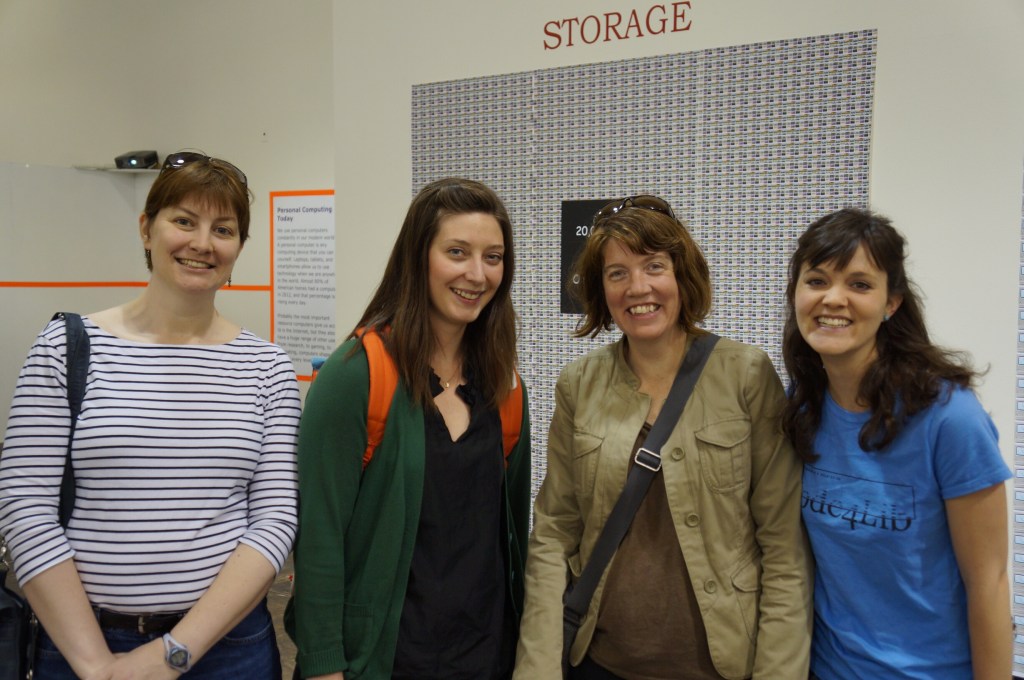
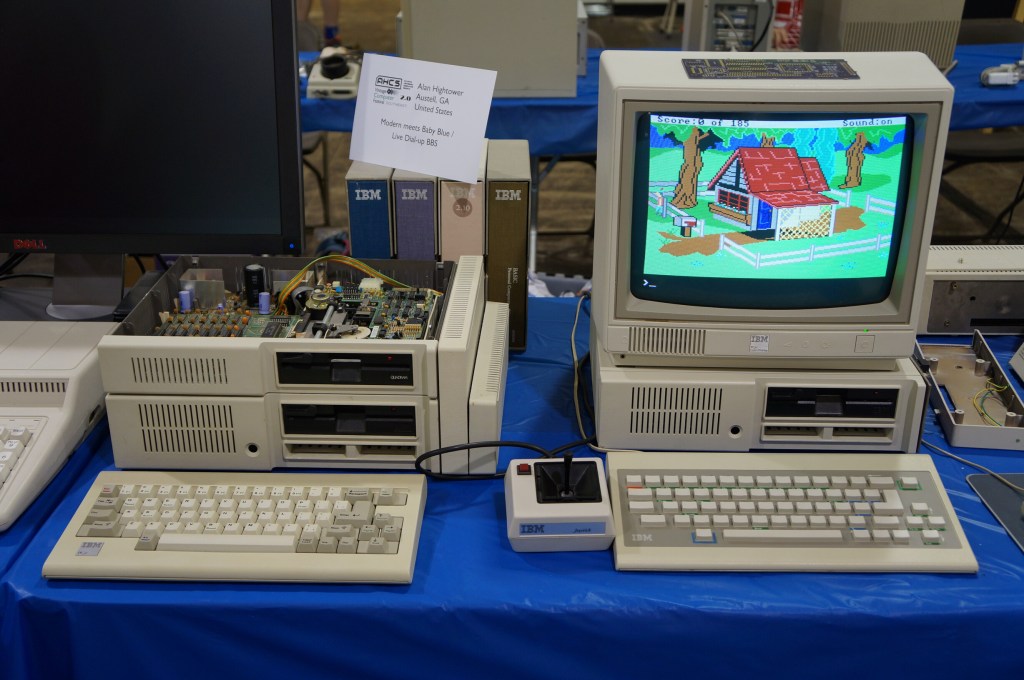
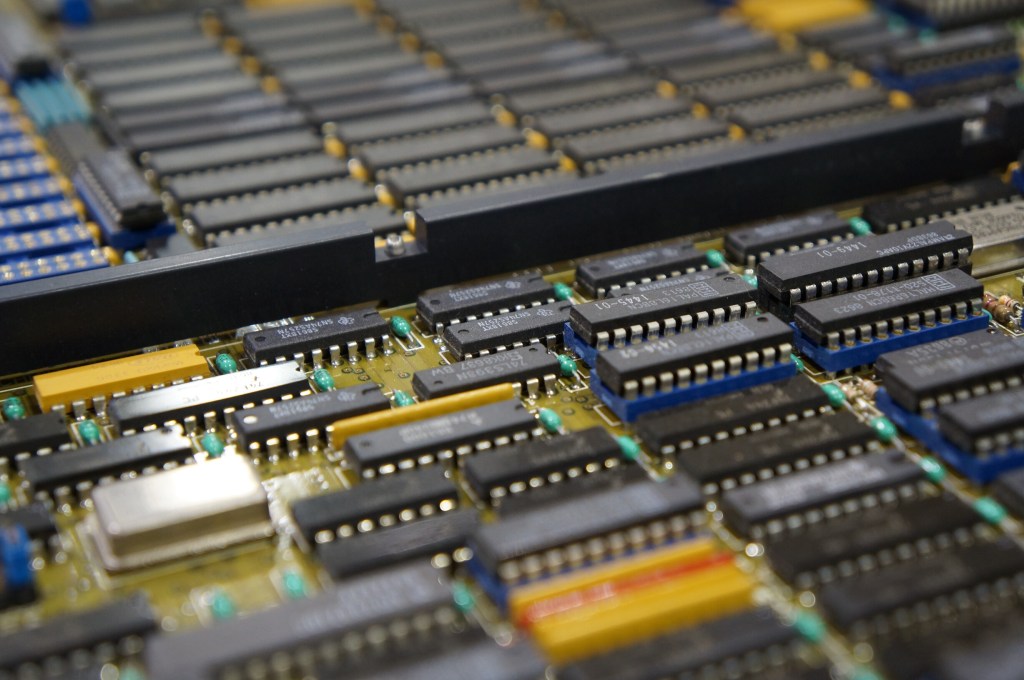
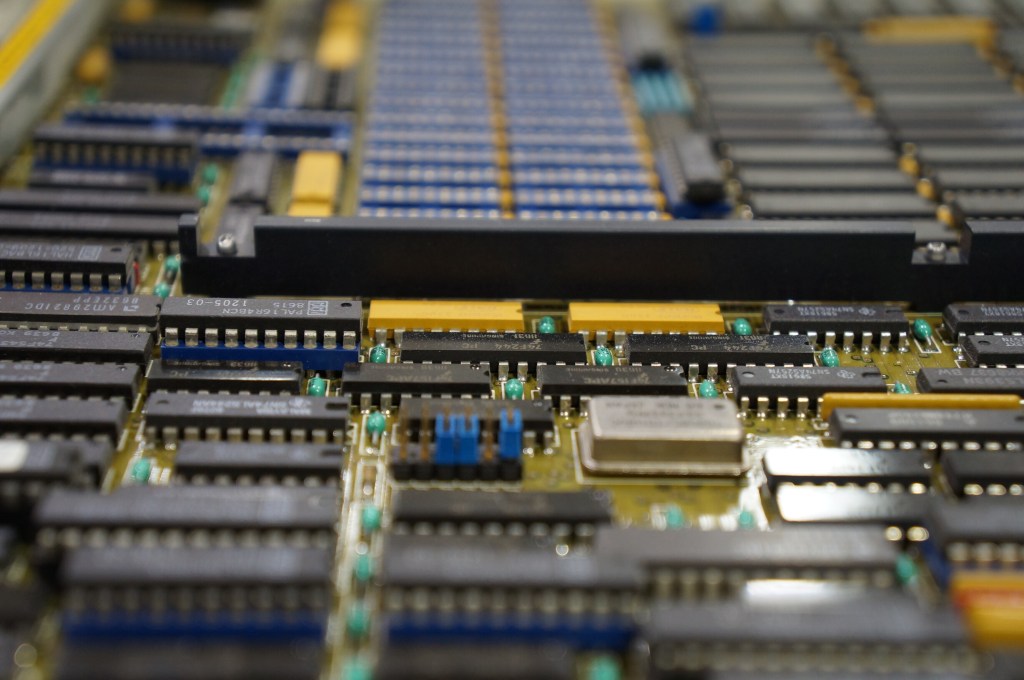
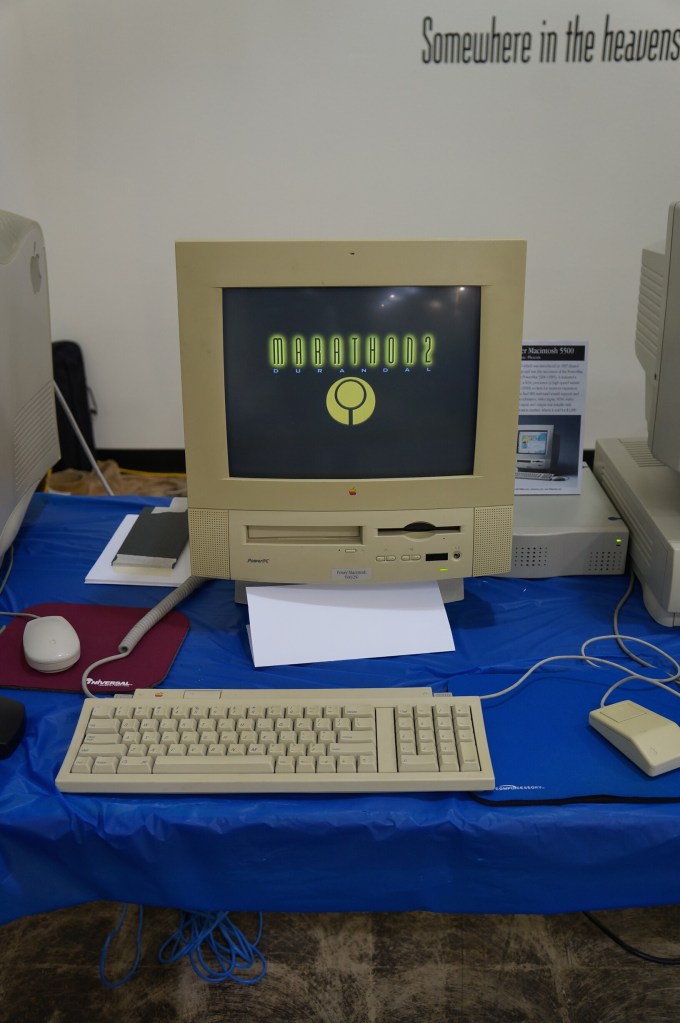
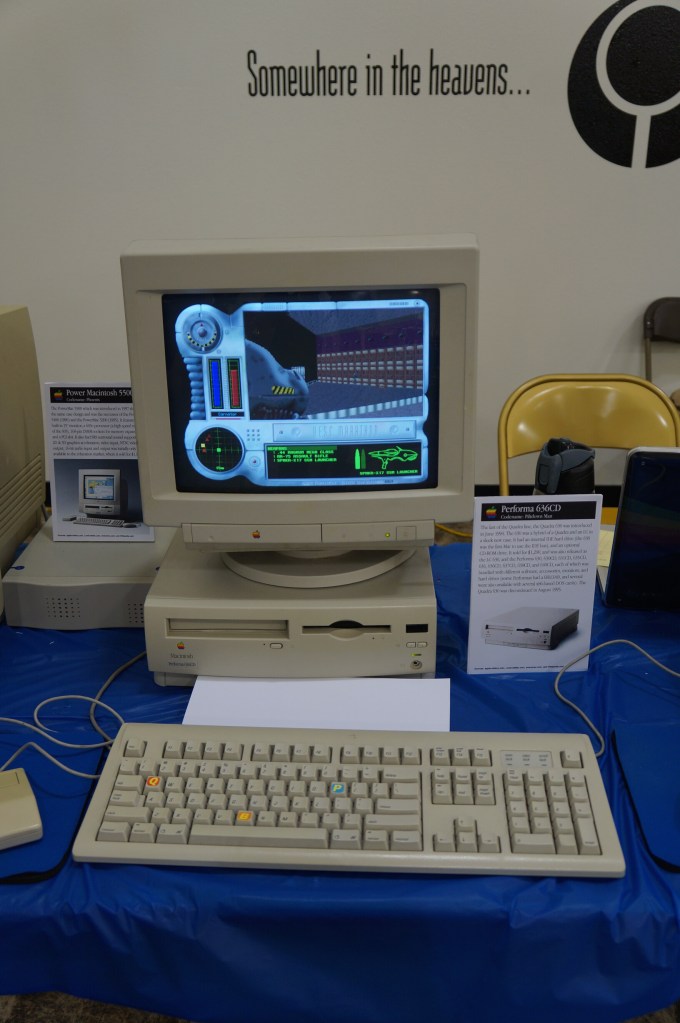
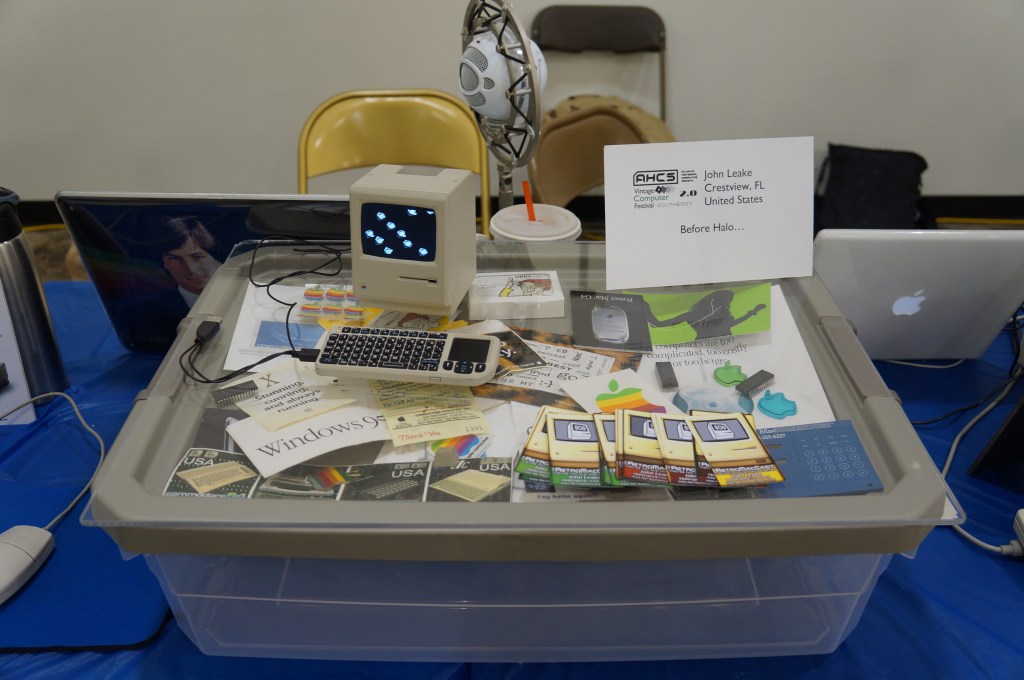
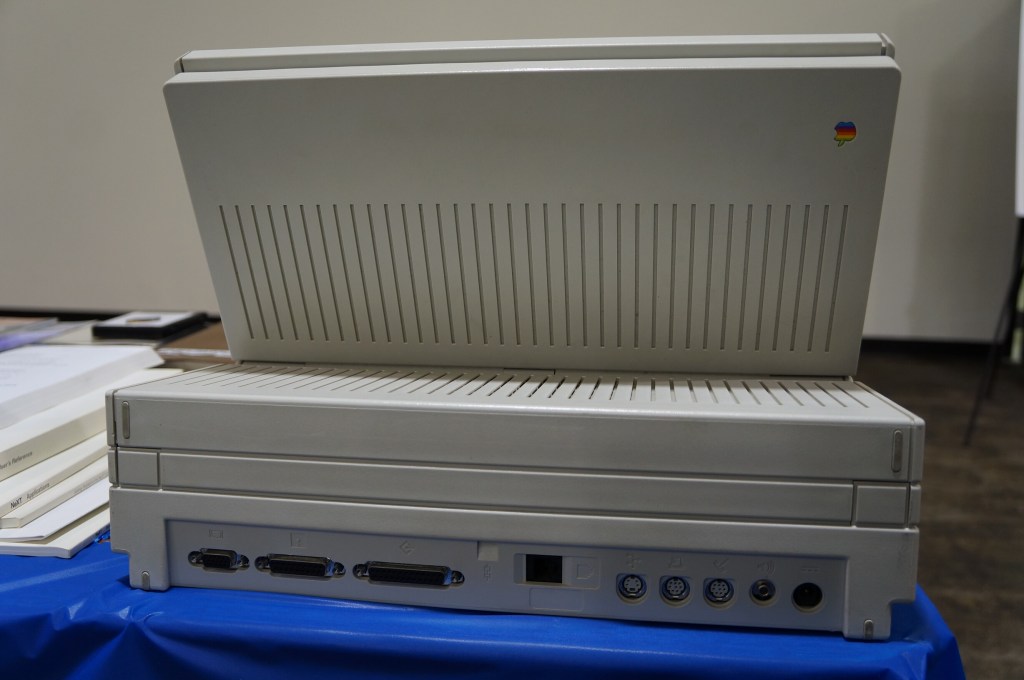
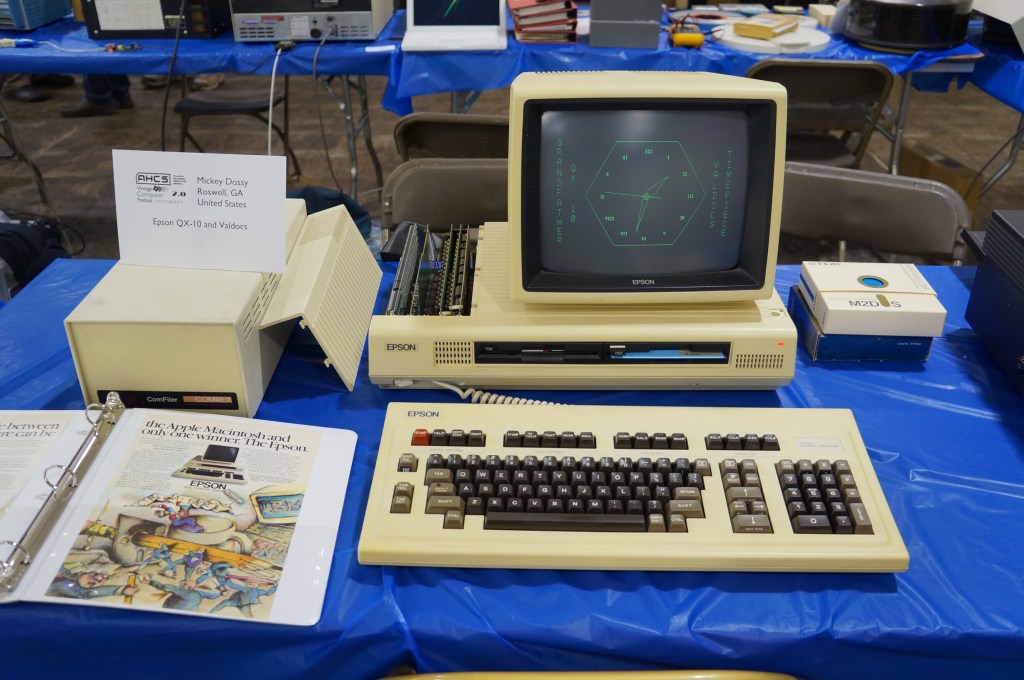
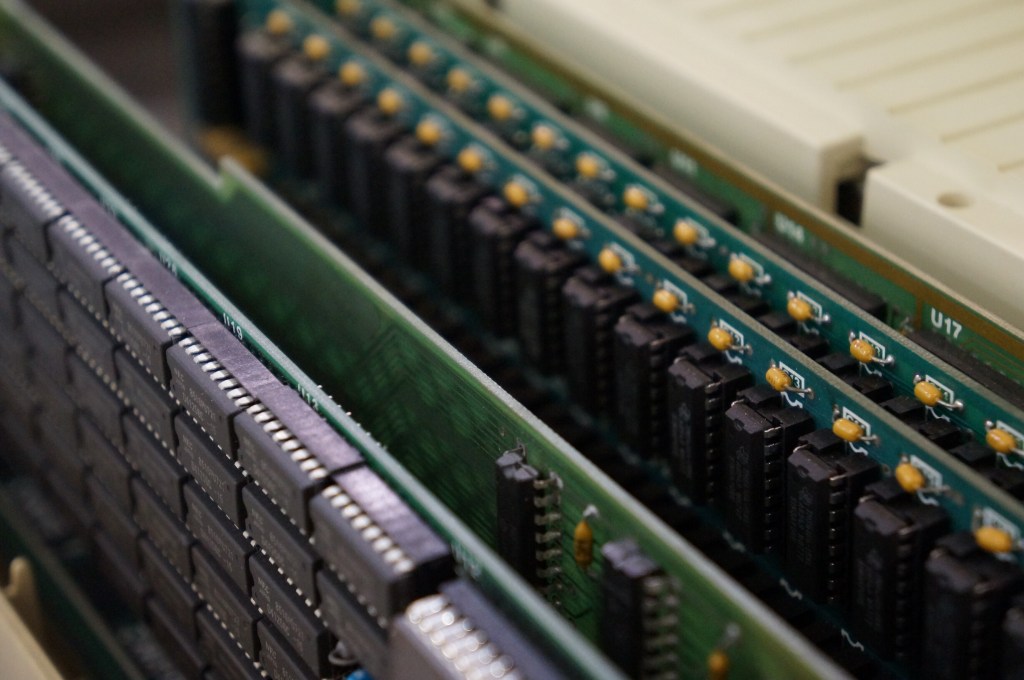
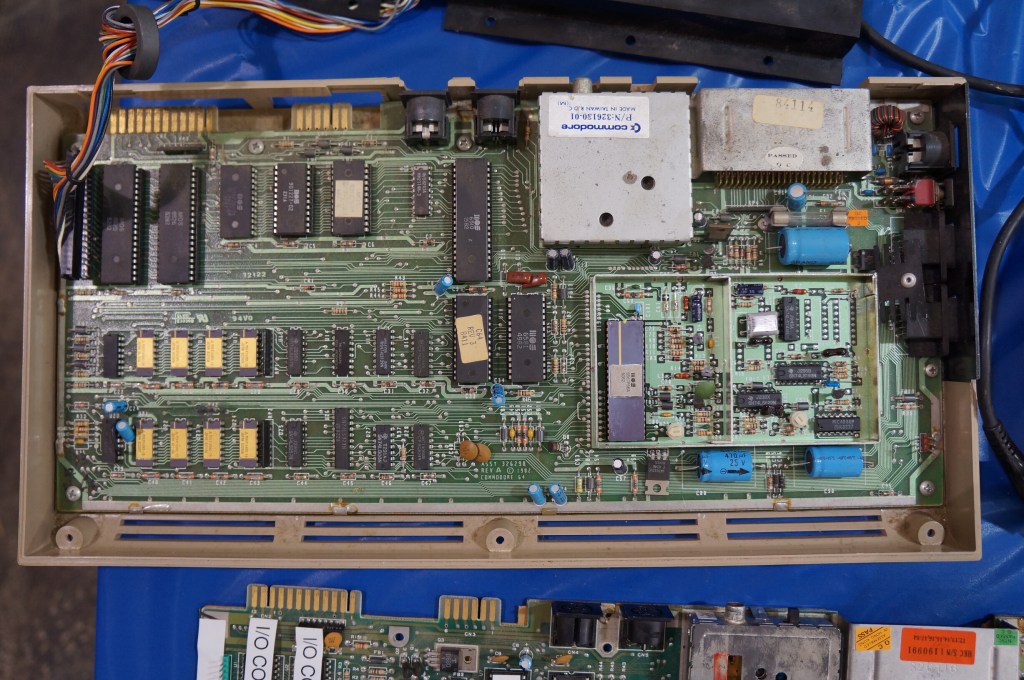
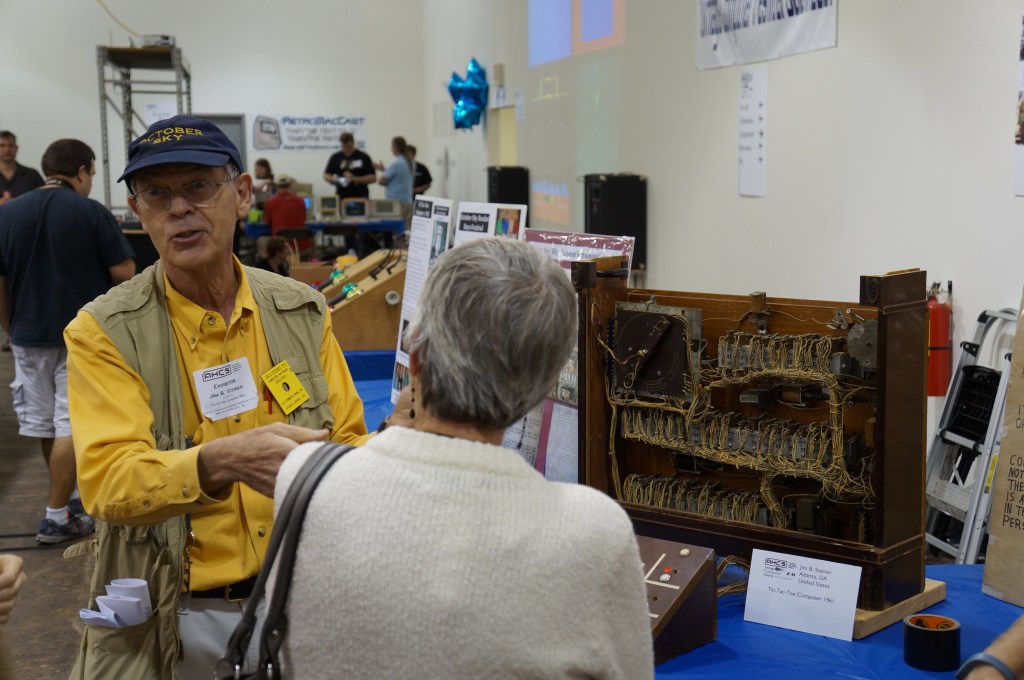
For the second Vintage Computer Festival Southeast (VCFSE 2.0) in 2014, I went with my Georgia Tech Library colleagues Sherri Brown, Lizzy Rolando, Alison Valk, and Wendy Hagenmaier (I wrote about the first VCFSE and shared photos last week here).
For me, it was great to bridge my professional and hobby worlds–one about studying and preserving our software and hardware digital culture and one about geeking out about retrocomputing–fixing it, using it, and playing with it. Sharing this event with my colleagues who were also negotiating these two overlapping worlds made it memorable to me.
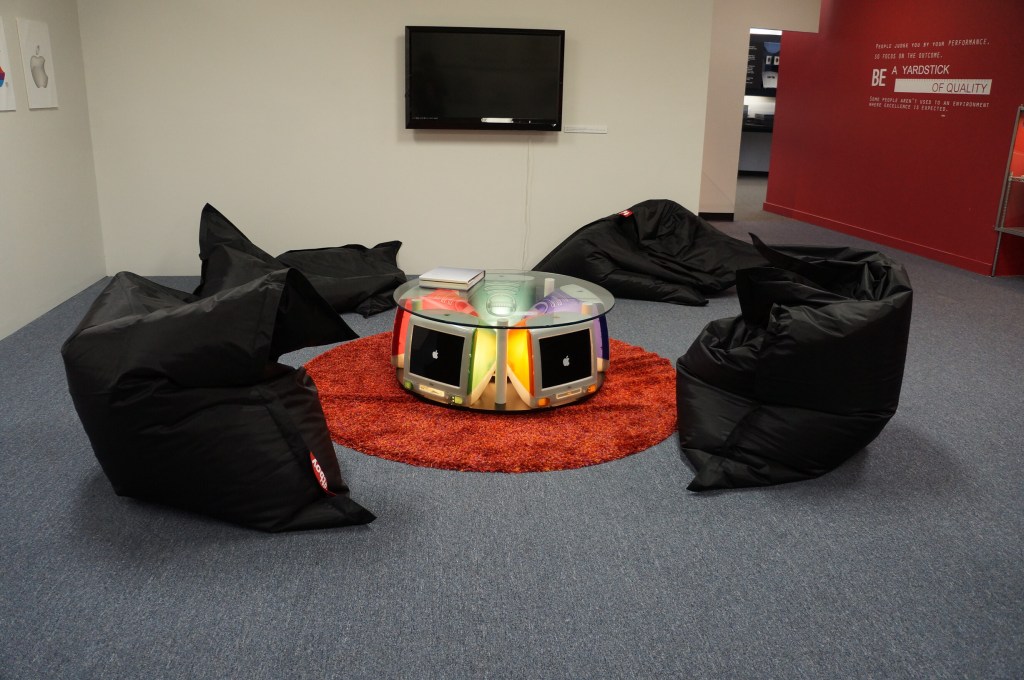
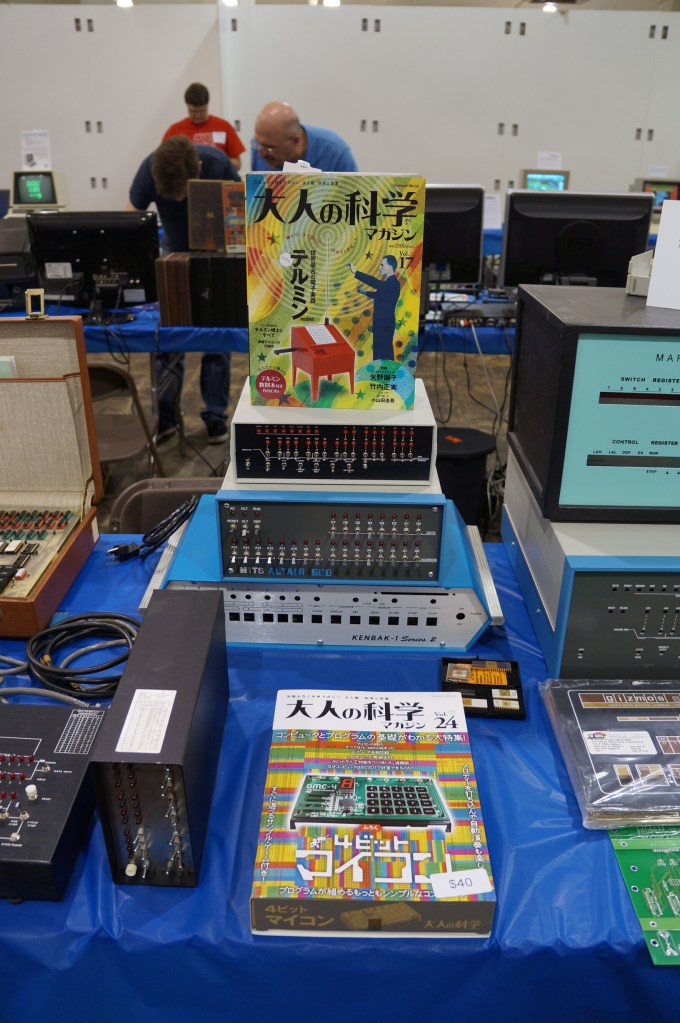
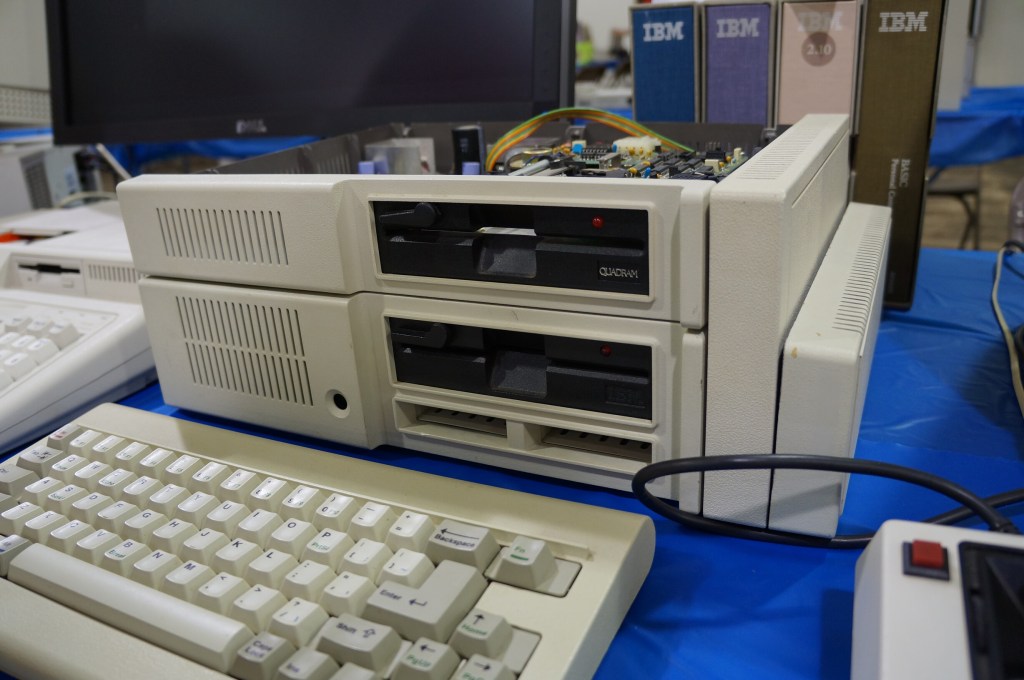
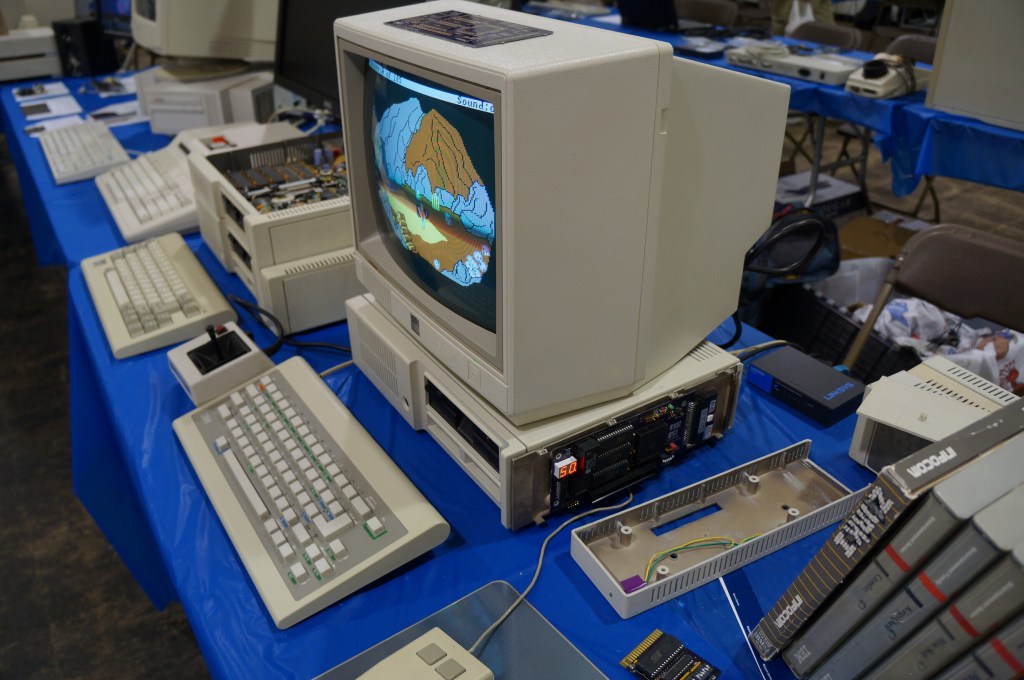
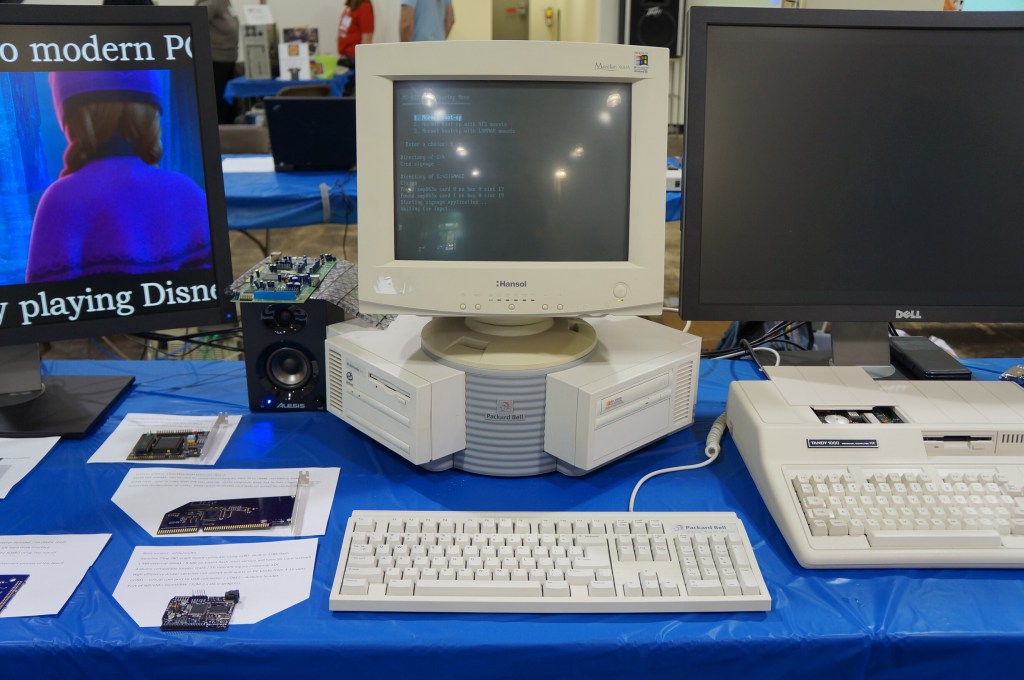
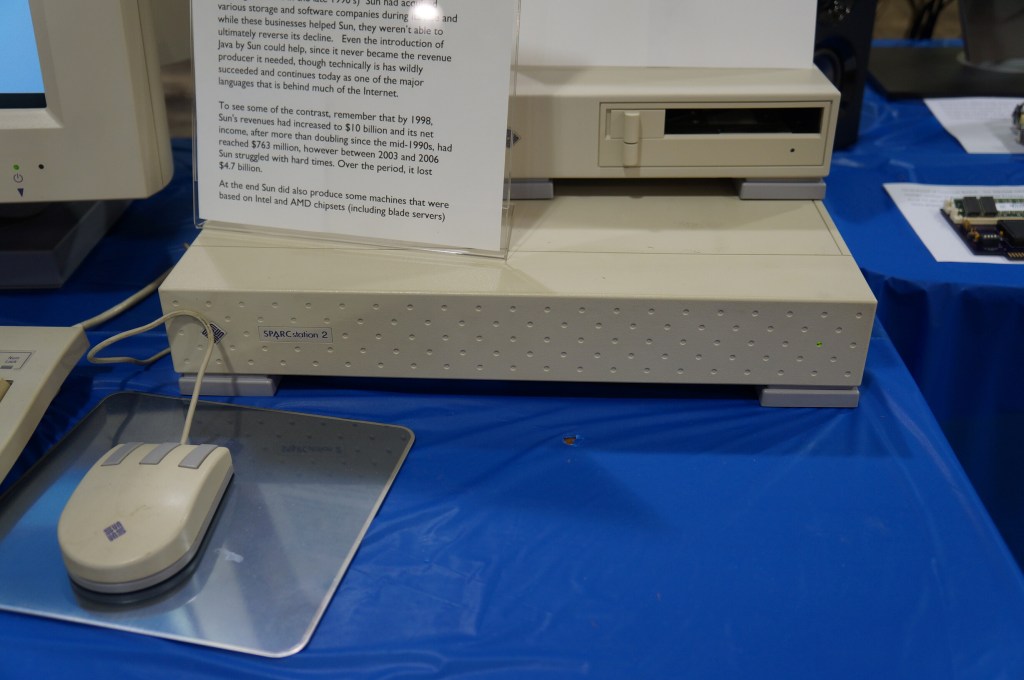
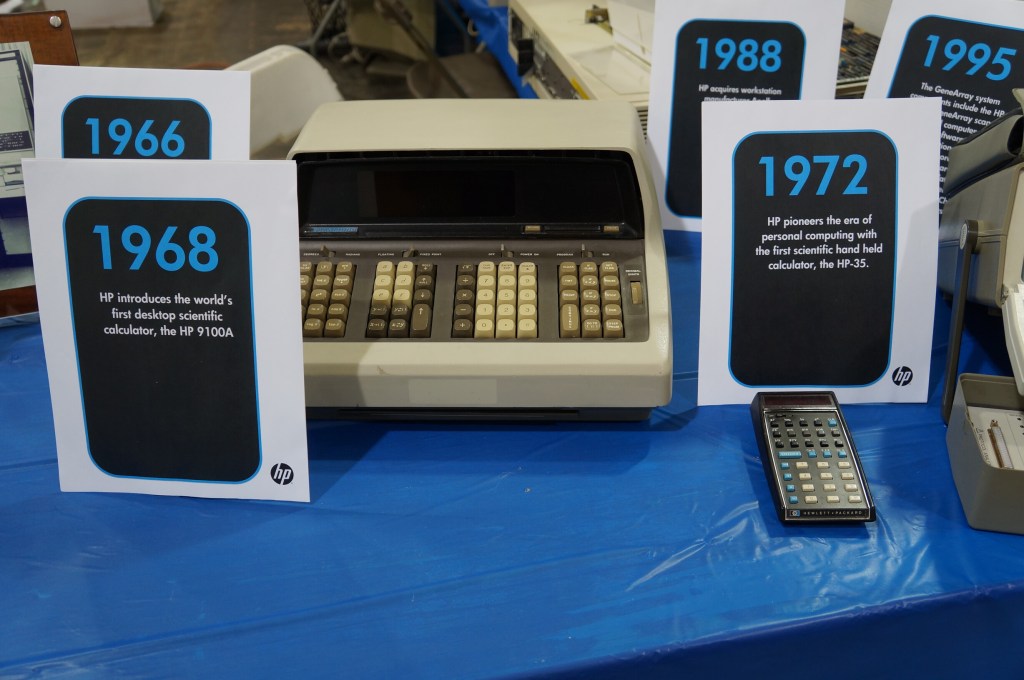
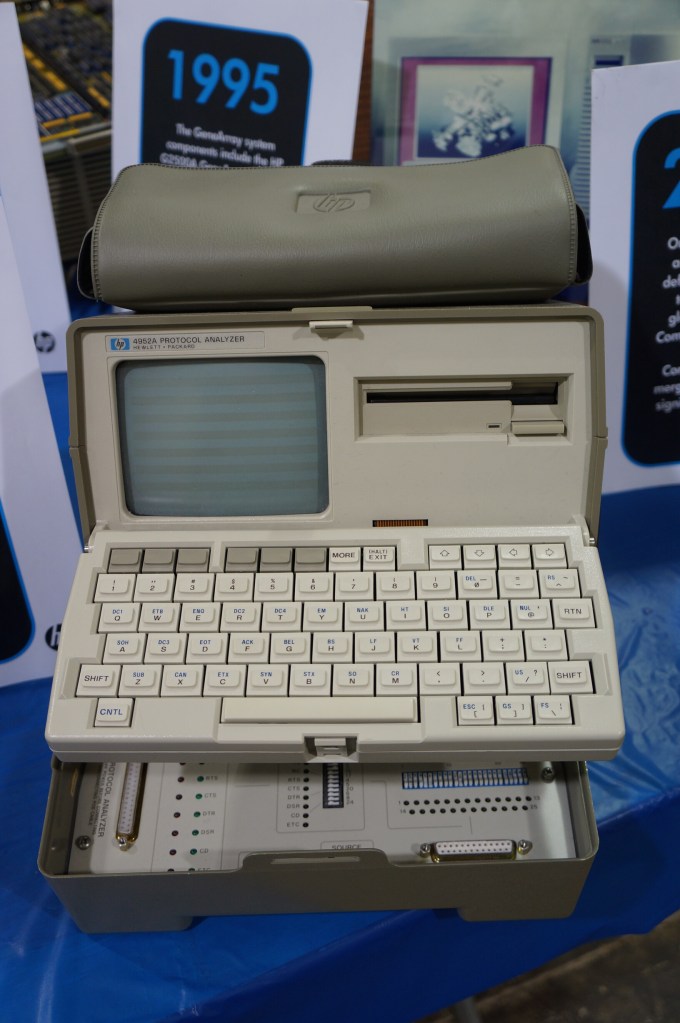
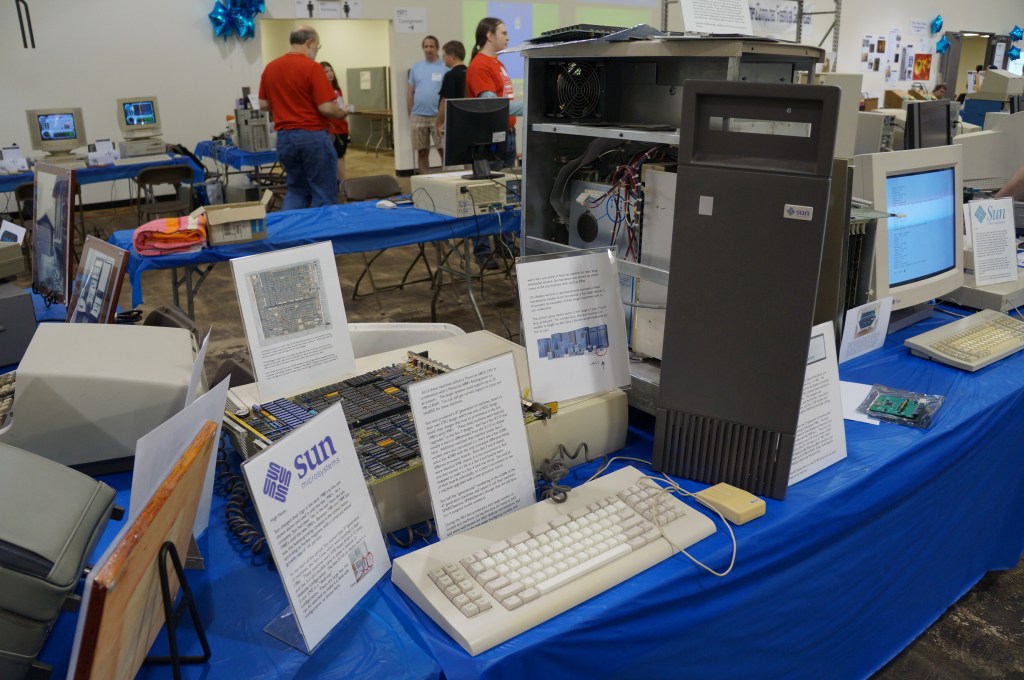
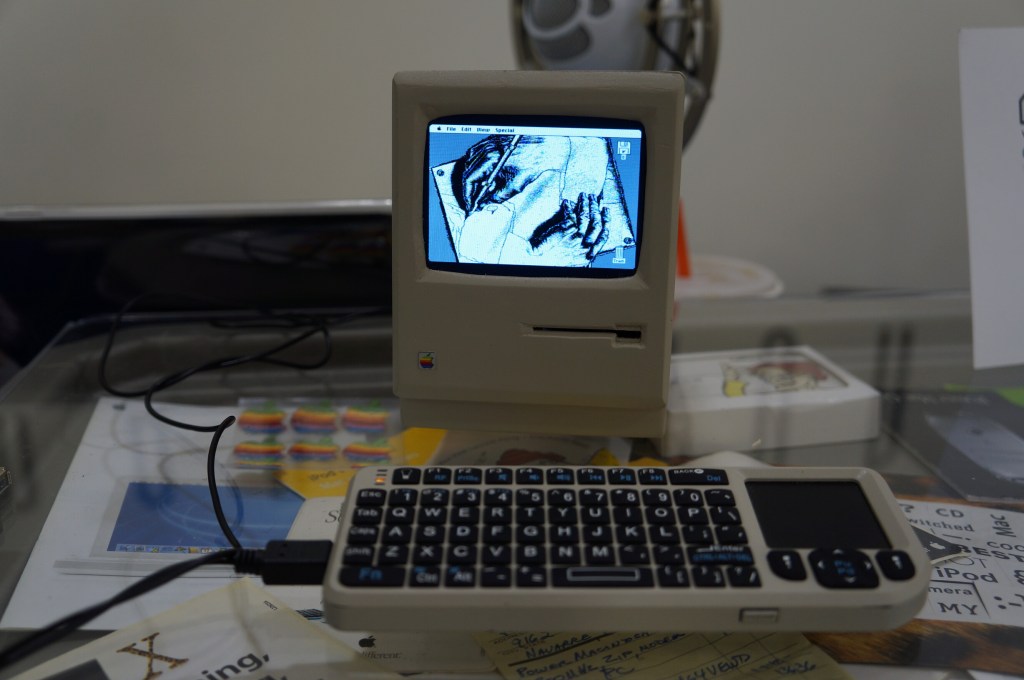
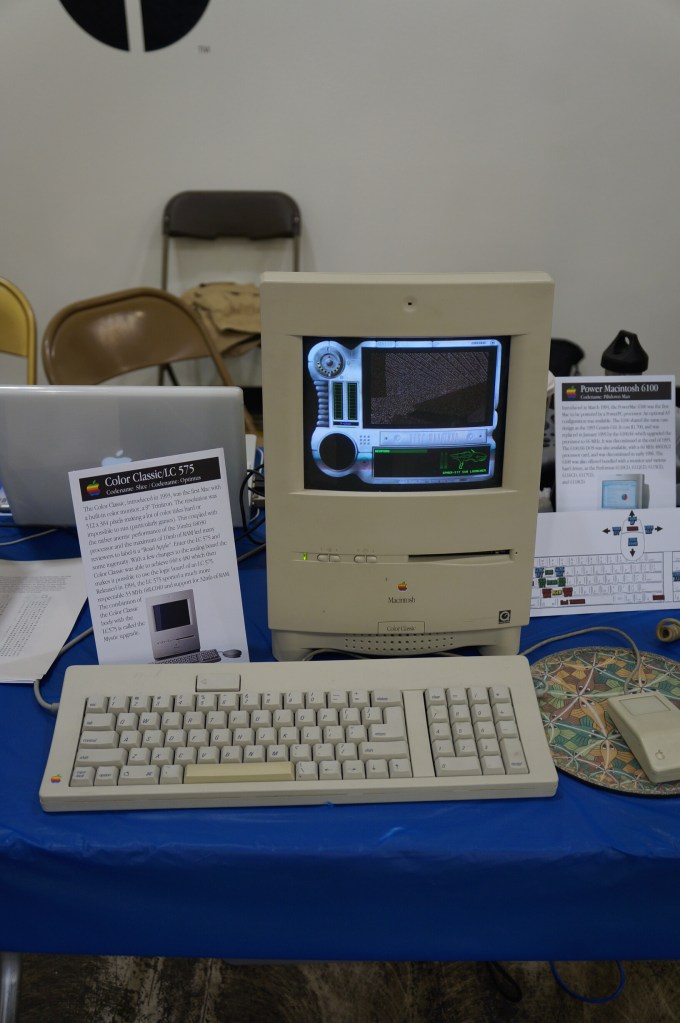
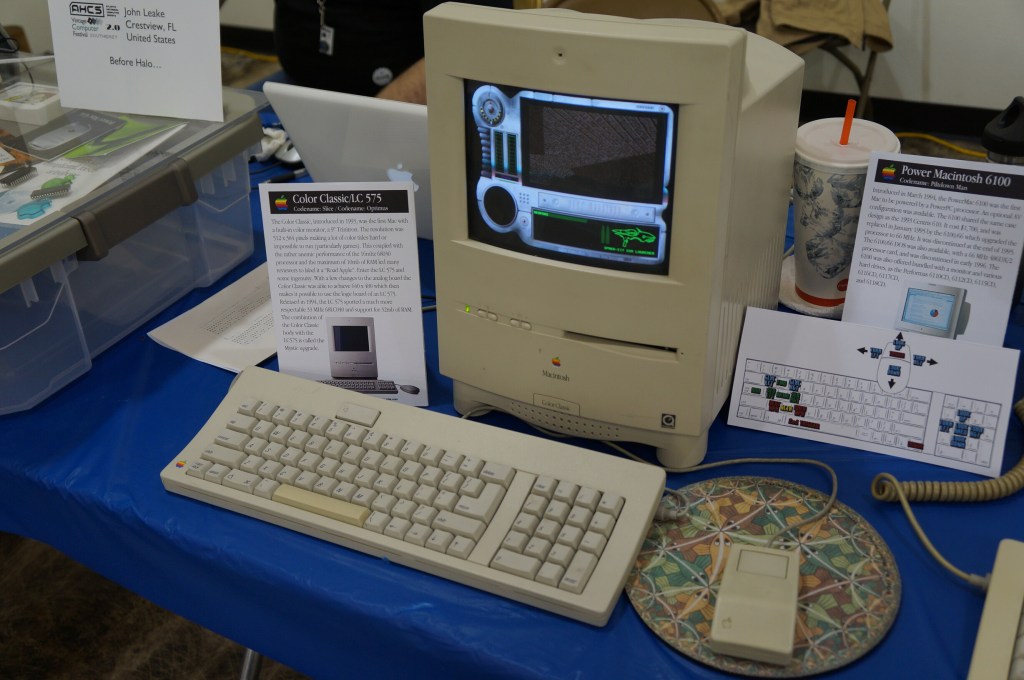
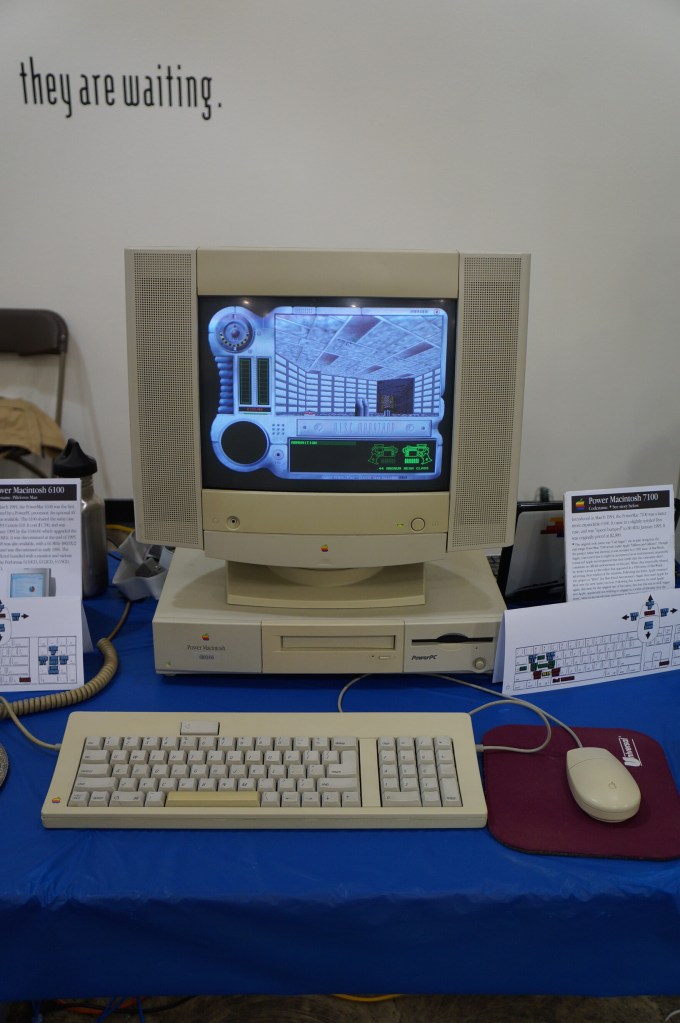
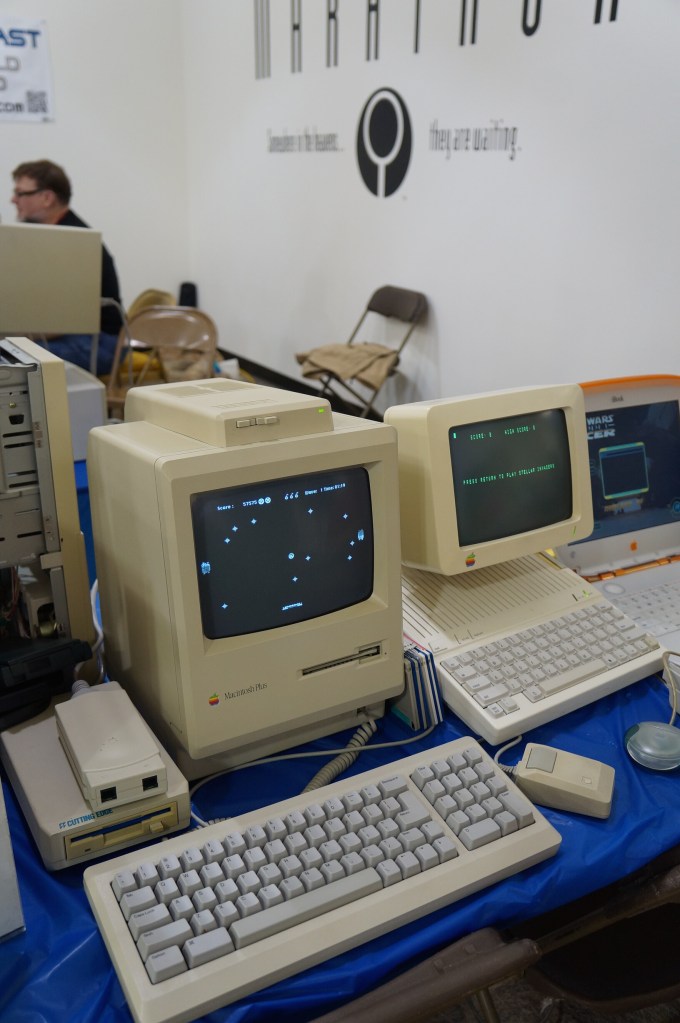
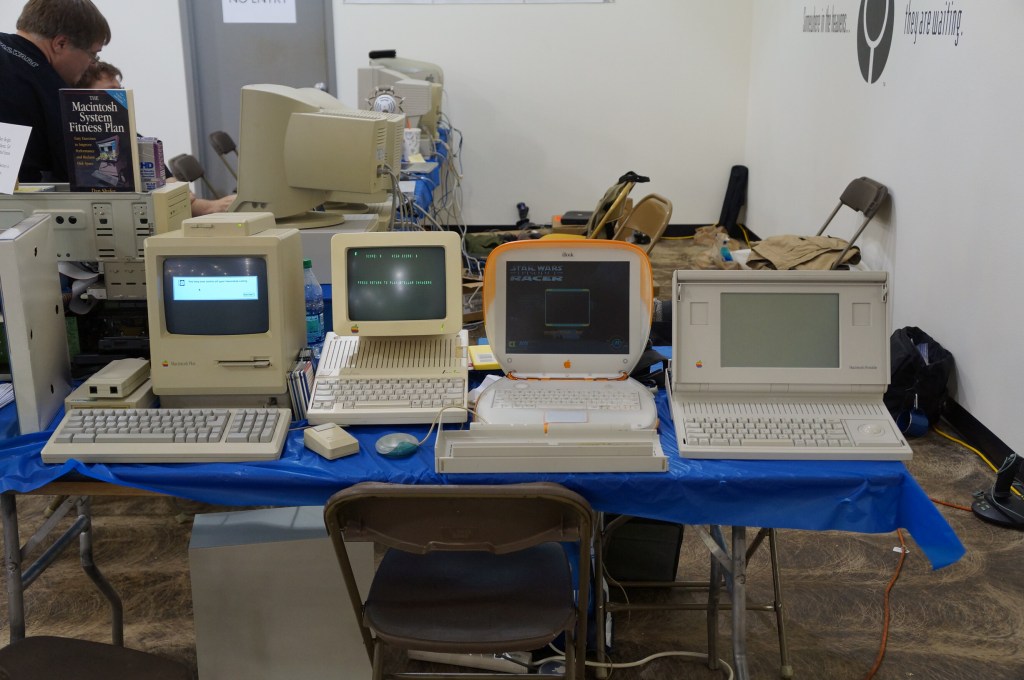
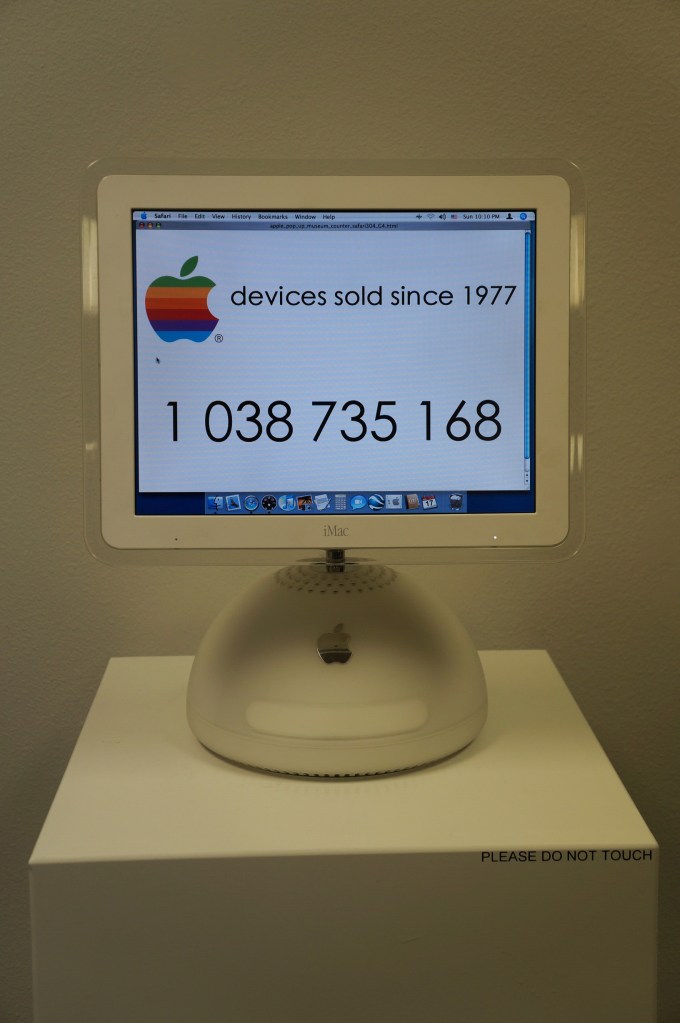
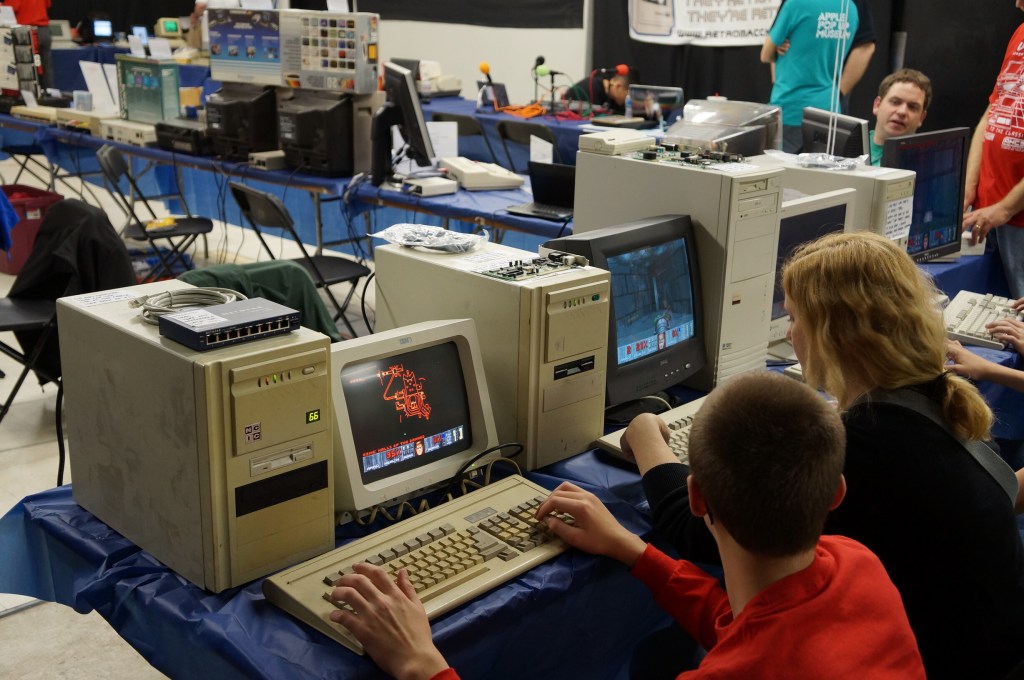
Below, I share photos from the Digital Archivists presentation panel and photos of the Apple Pop-Up Museum and other installed exhibits, and many photos from the individual exhibitor hall.
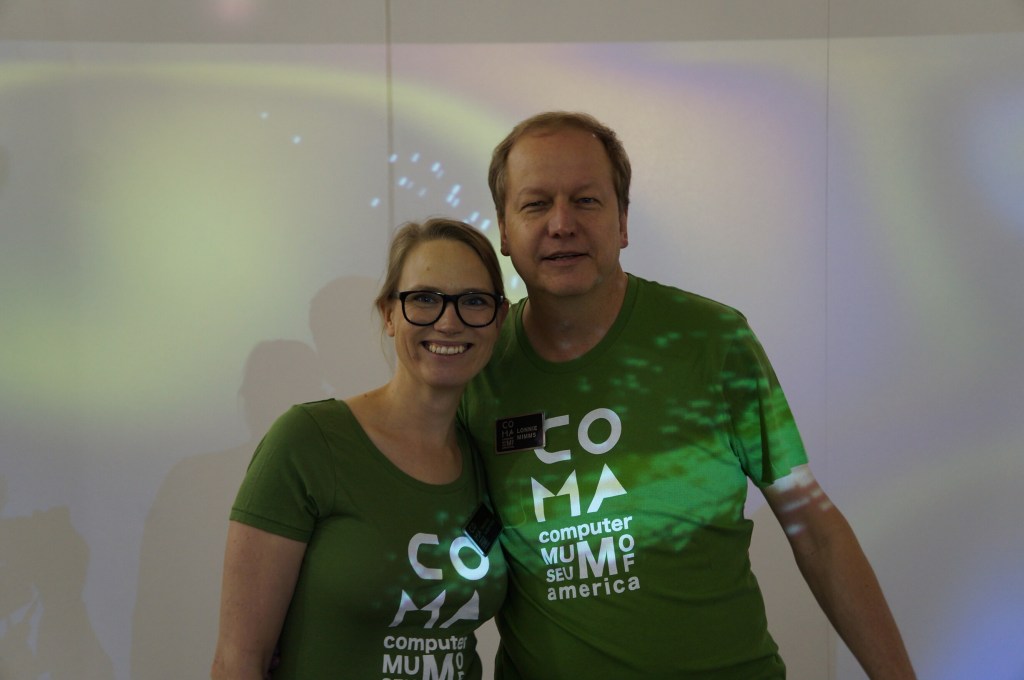
When we first got there, we had a chance to talk with the founder Lonnie Mimms (right) who was wearing a green t-shirt emblazoned with the rebranding for the space as the Computer Museum of America.
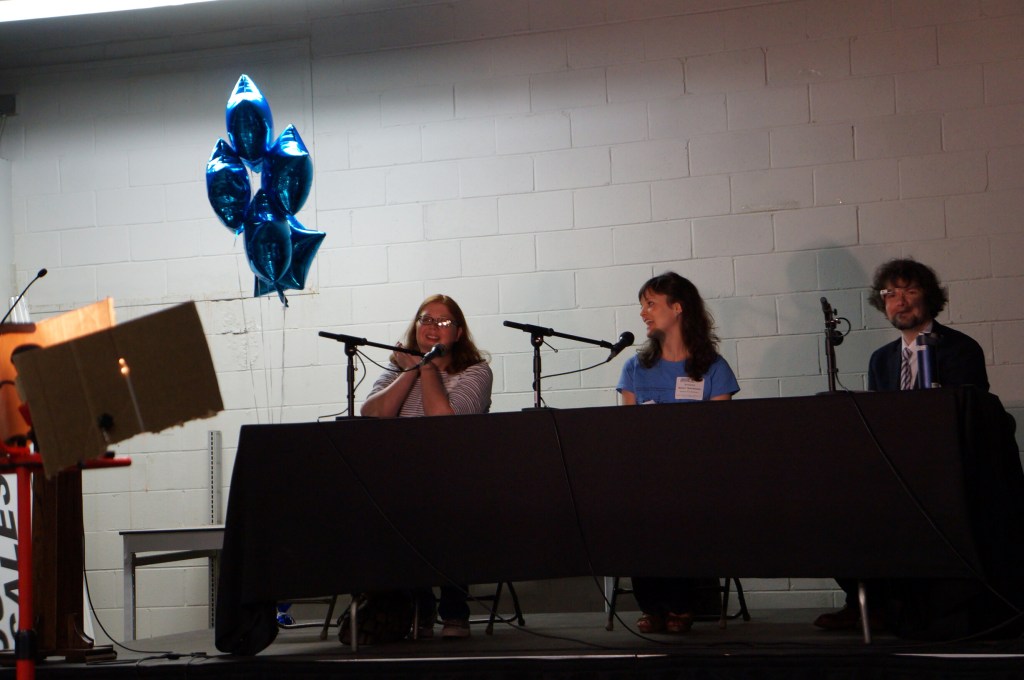
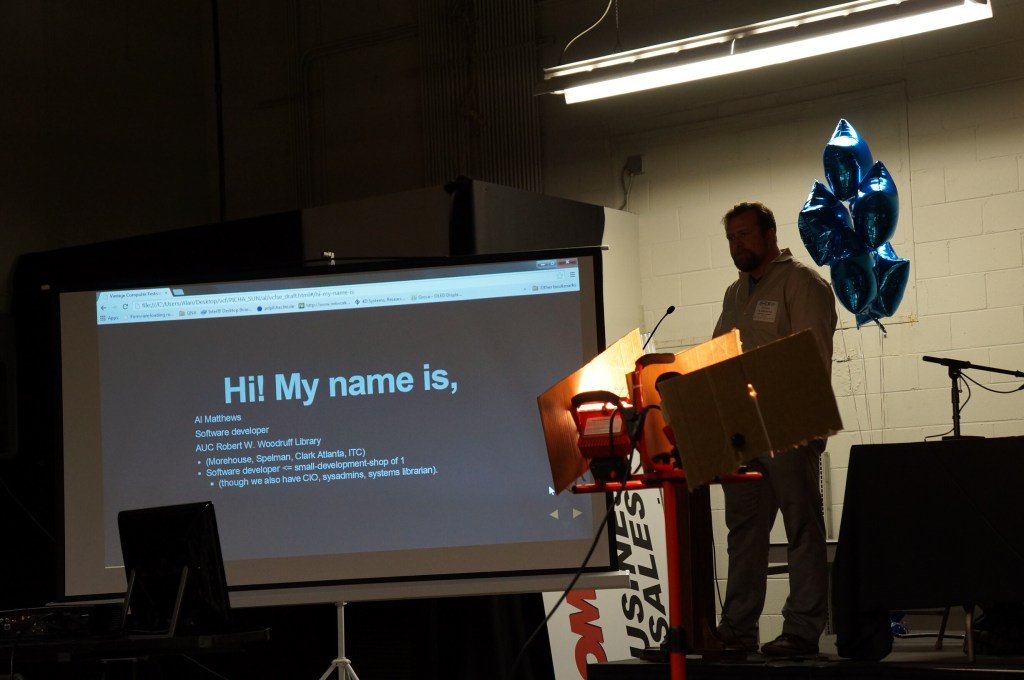
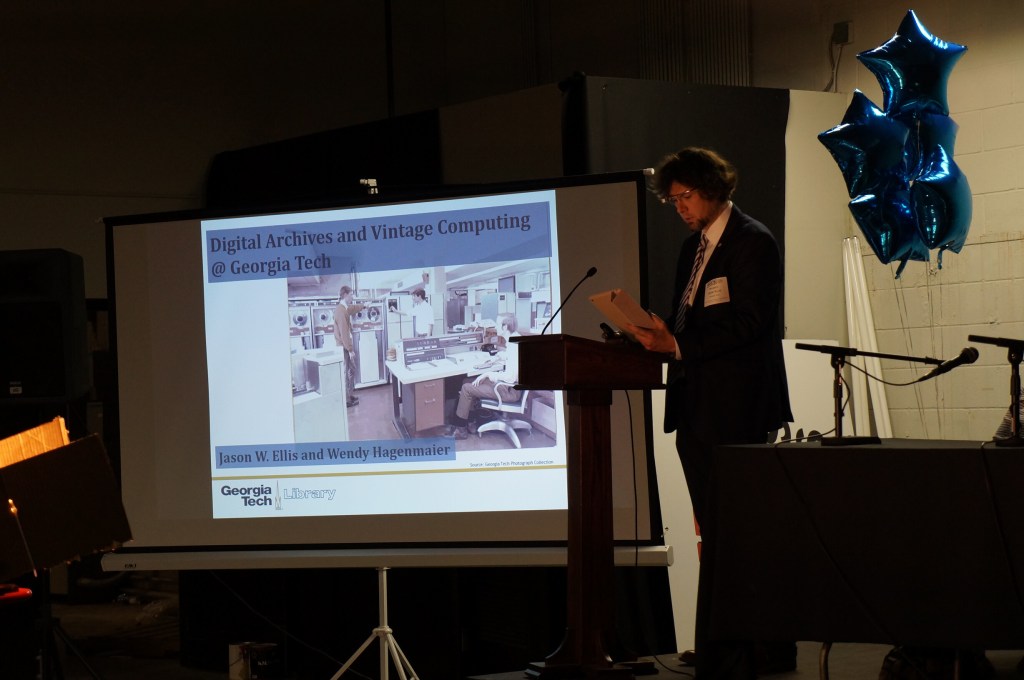
Digital Archivists Panel
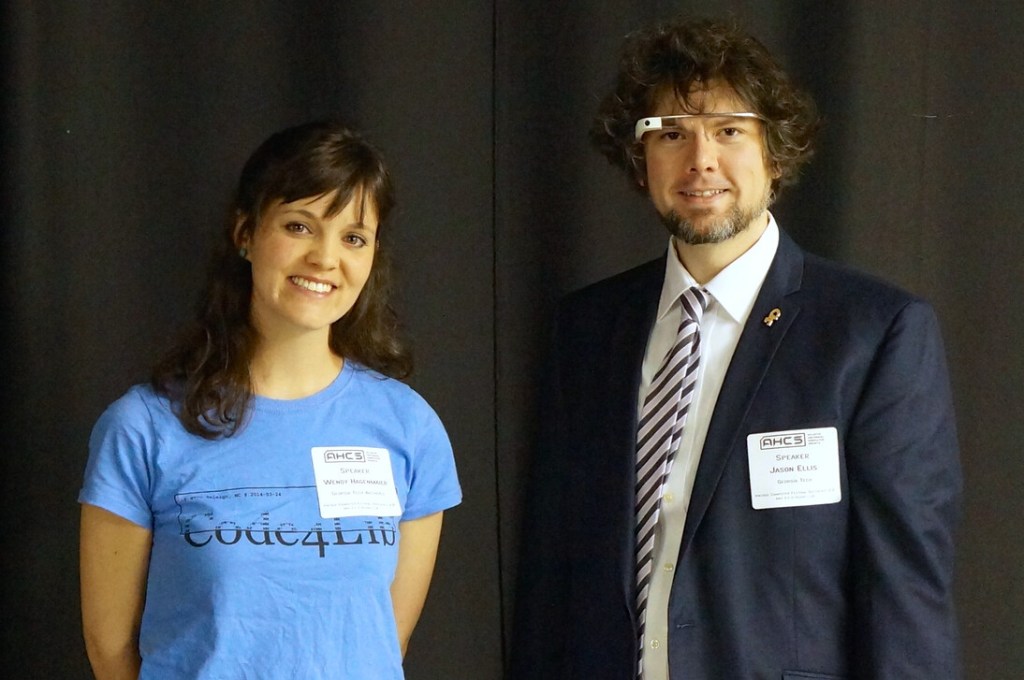
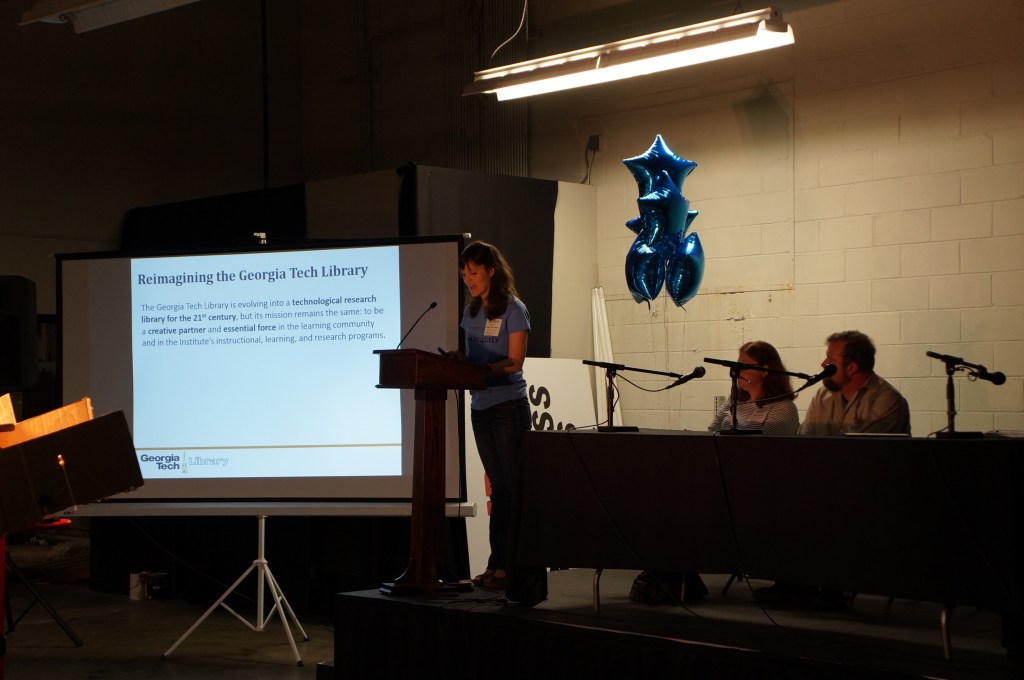
Wendy and I co-presented about “Digital Archives and Vintage Computing at Georgia Tech” during the Digital Archivists panel. Our notes from the event can be found here.
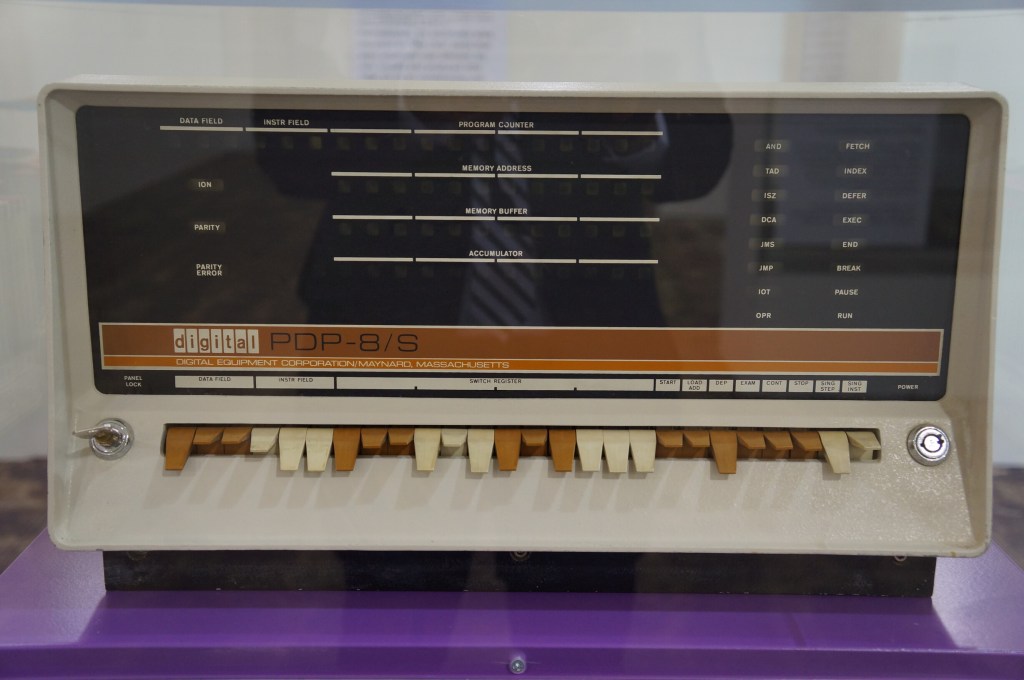
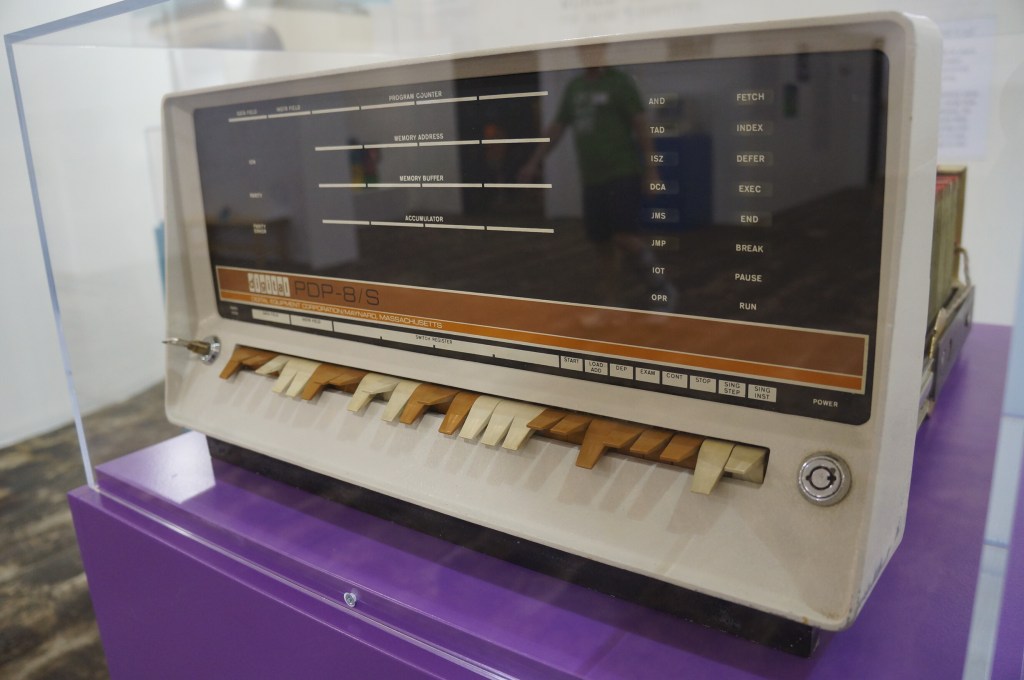
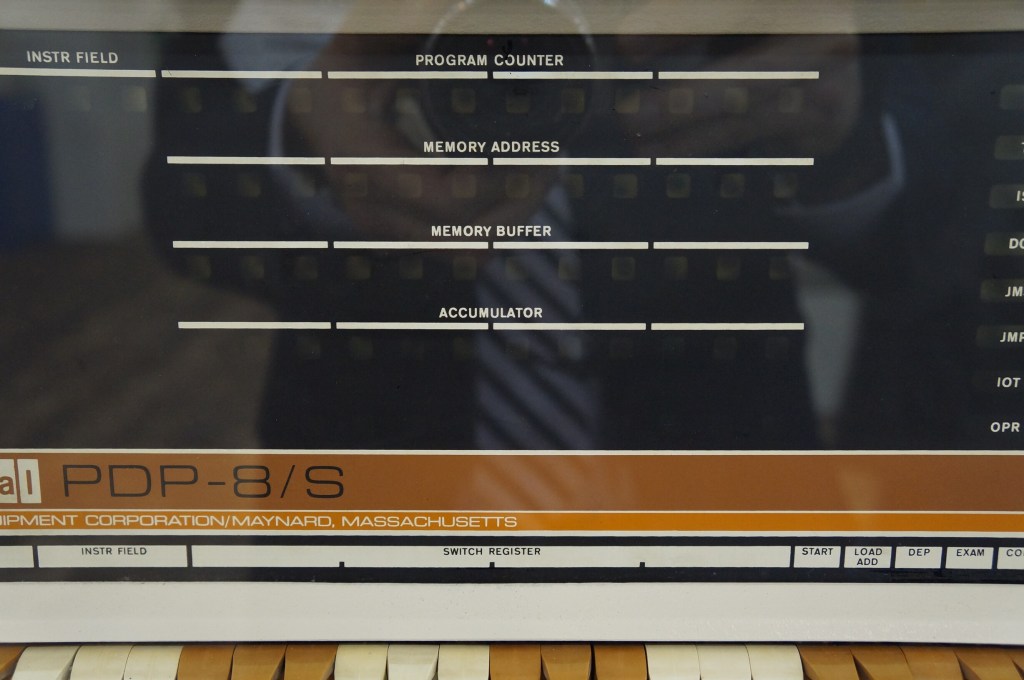
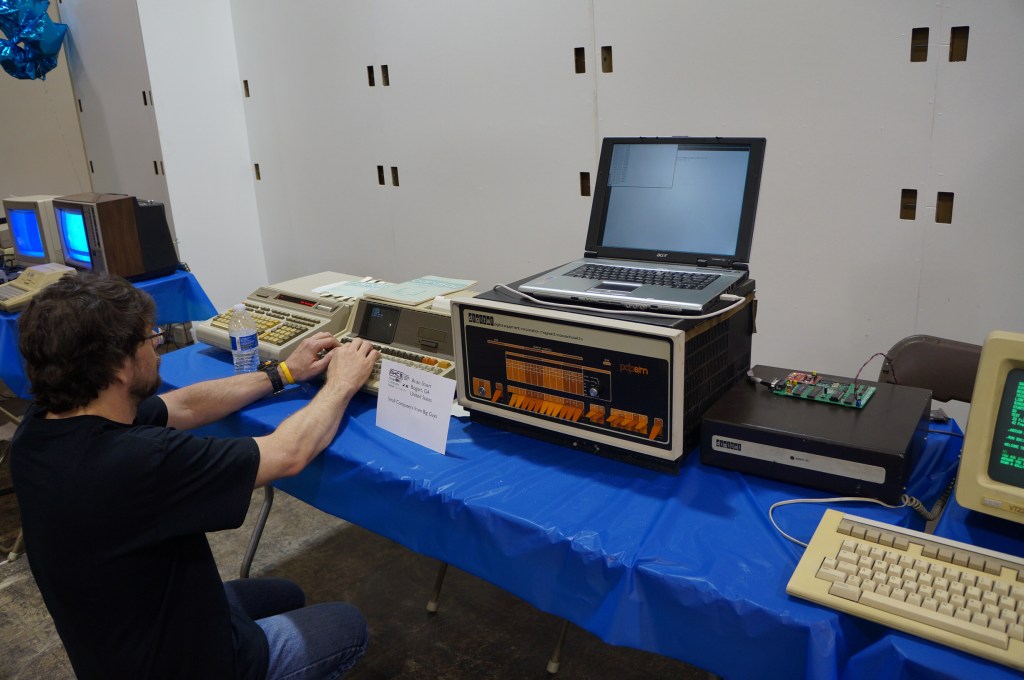
Digital PDP-8
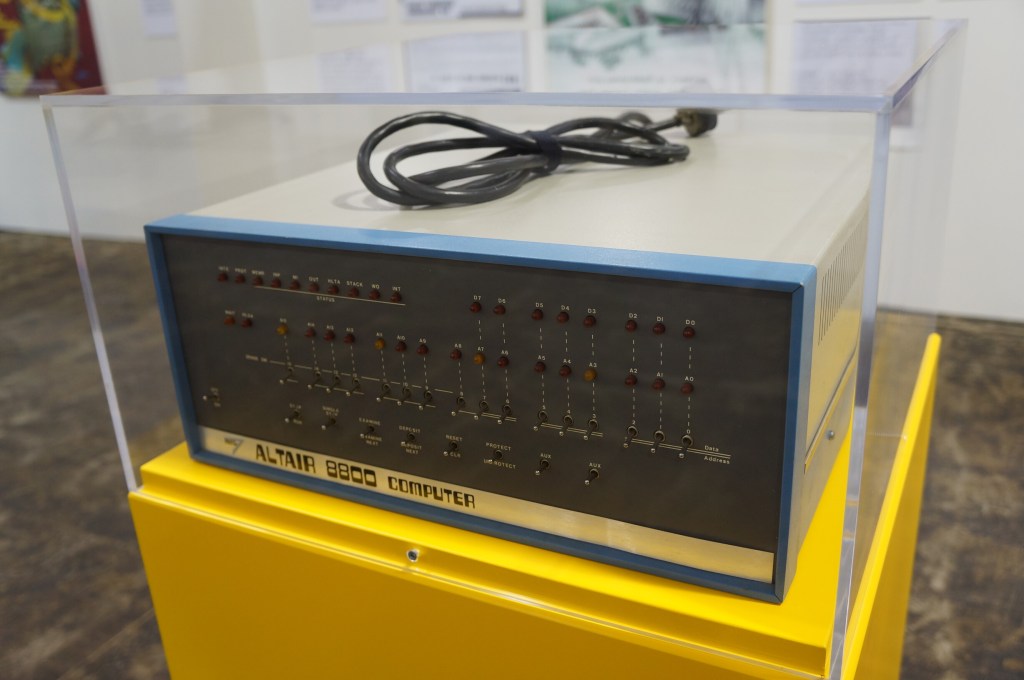
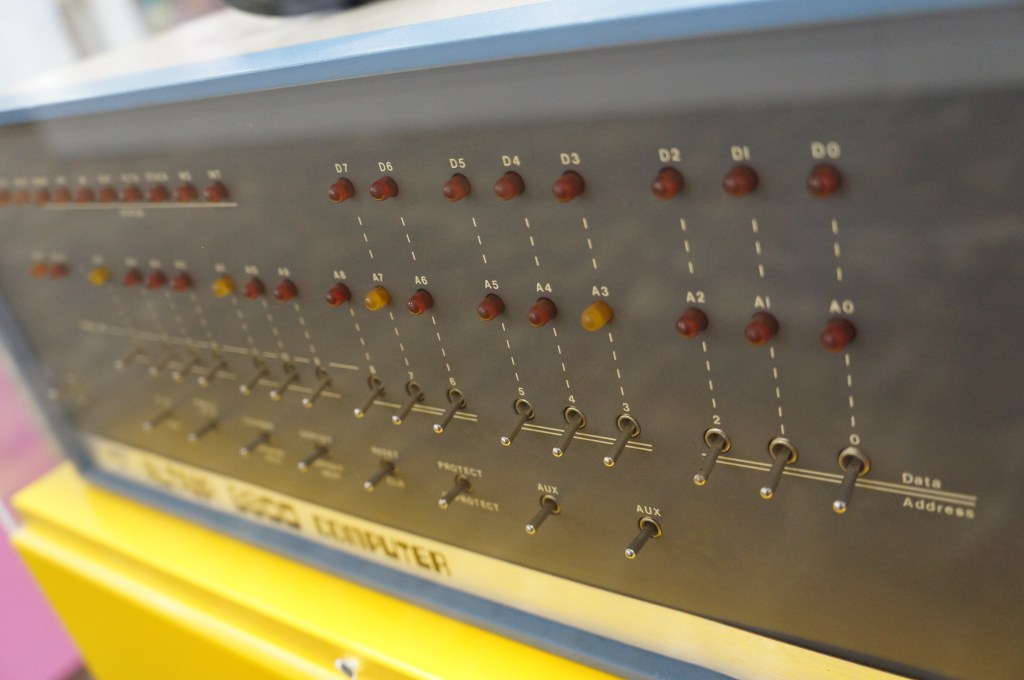
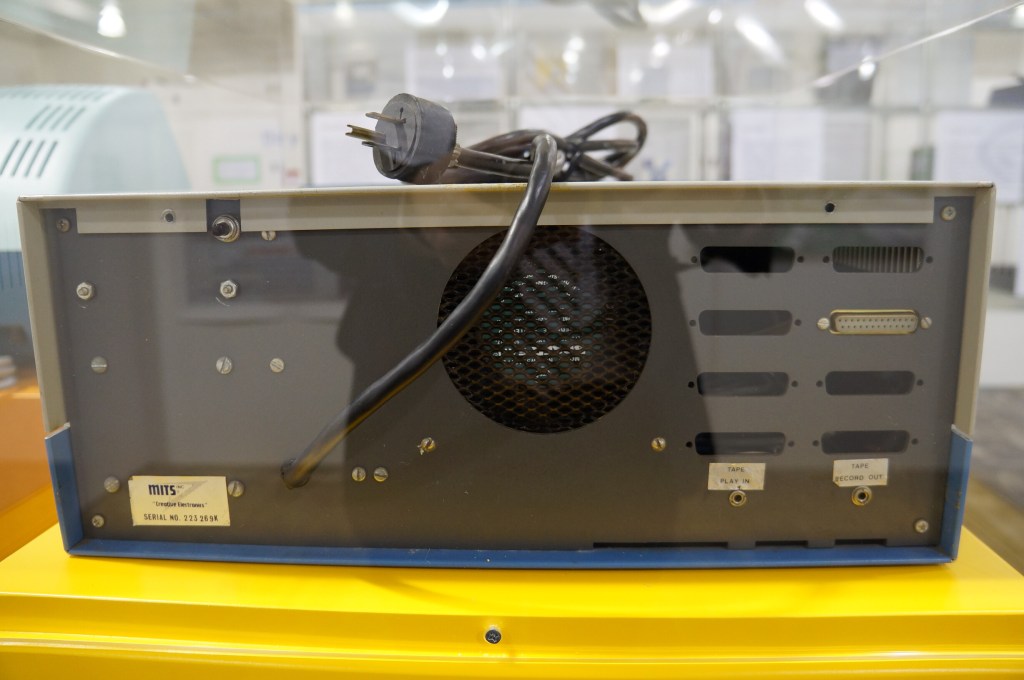
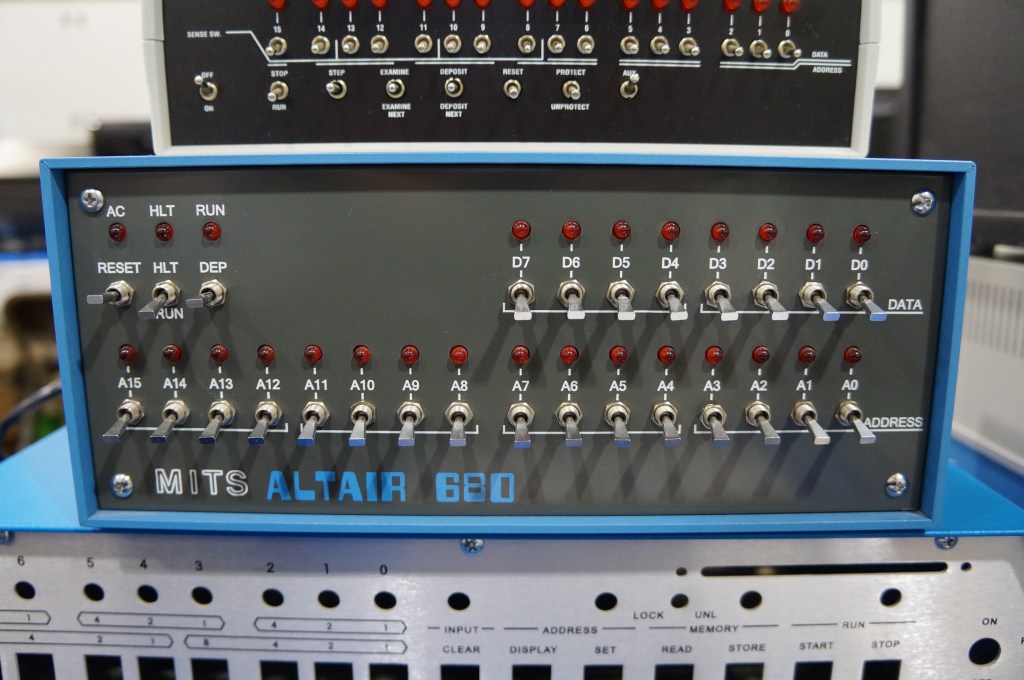
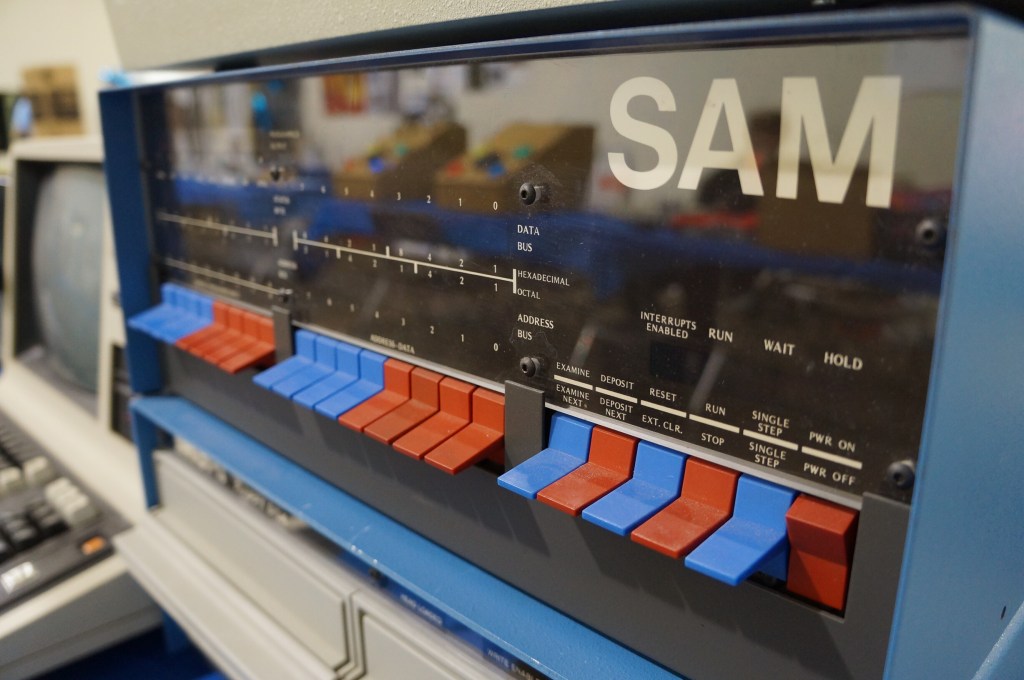
MITS Altair 8800
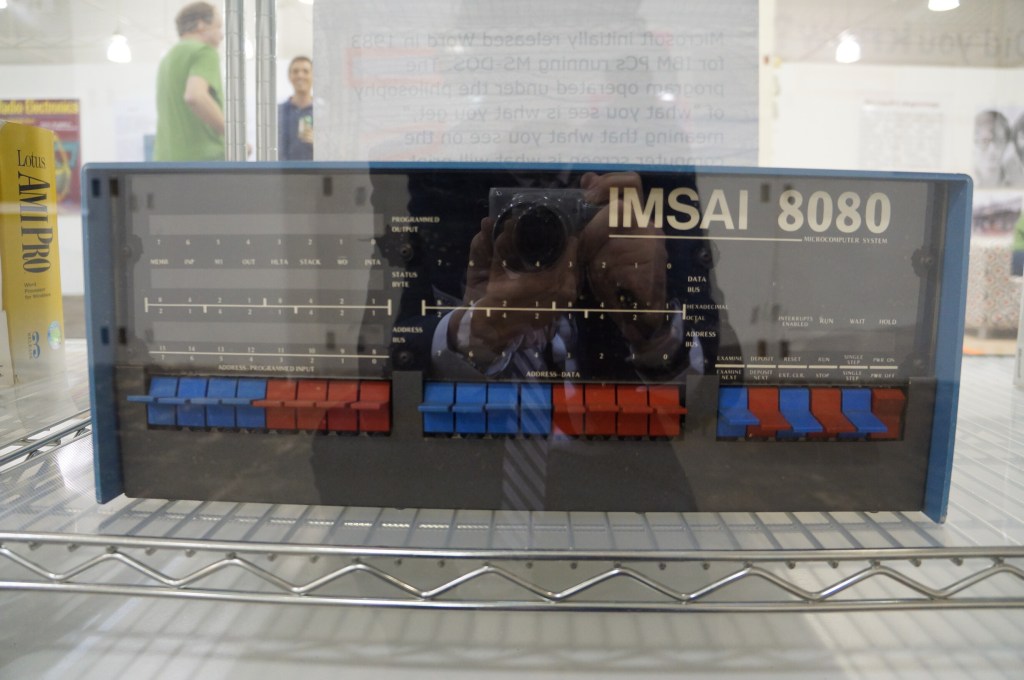
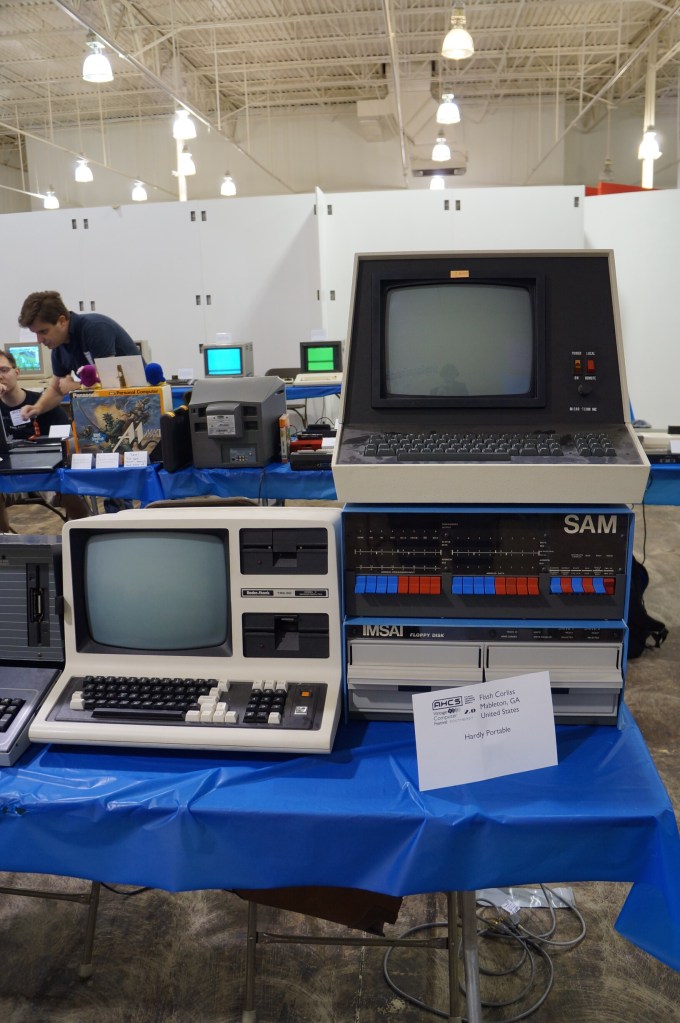
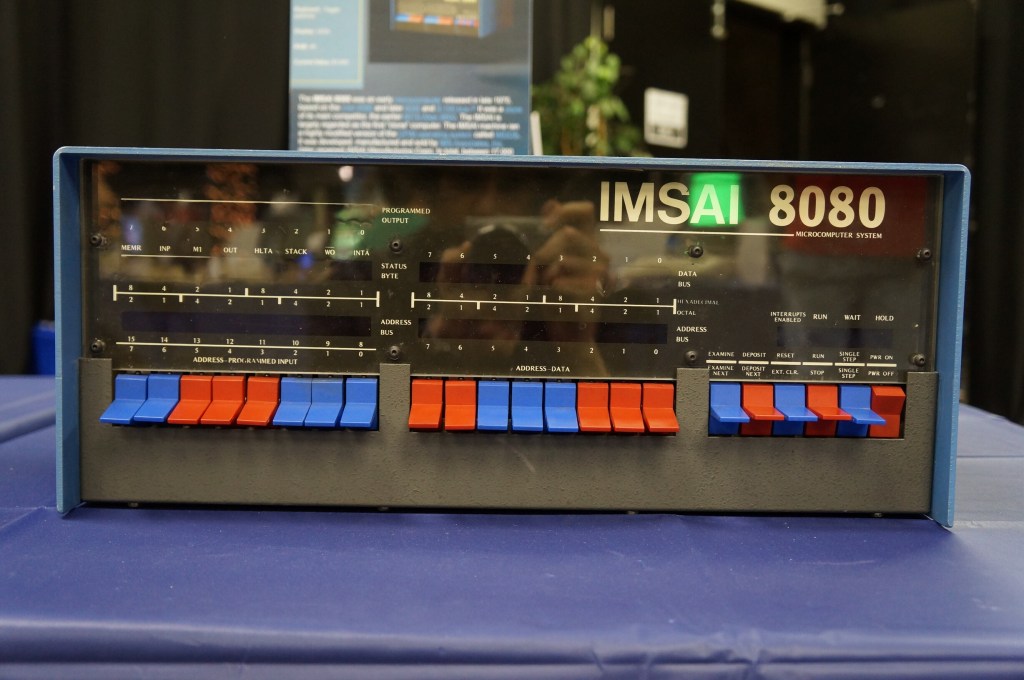
IMSAI 8080
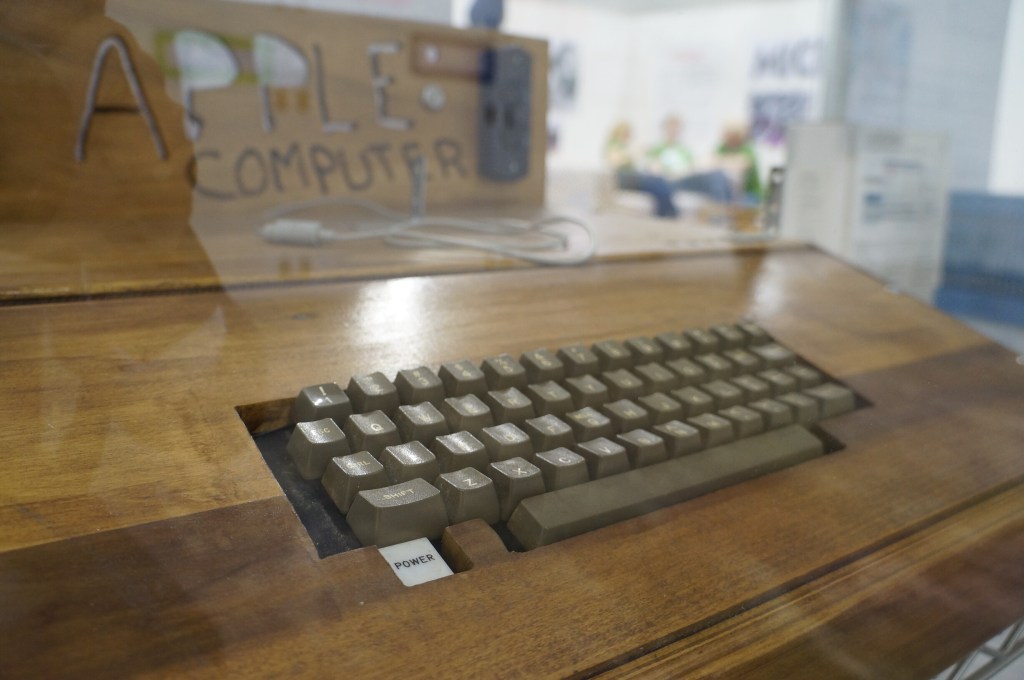
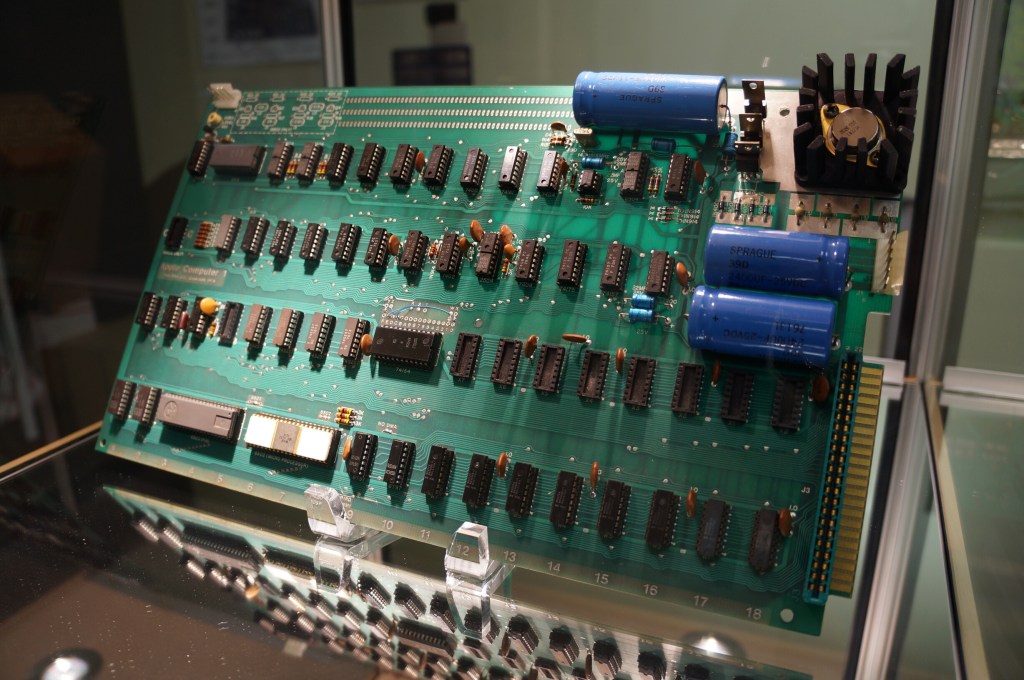
Apple I in Wood Case
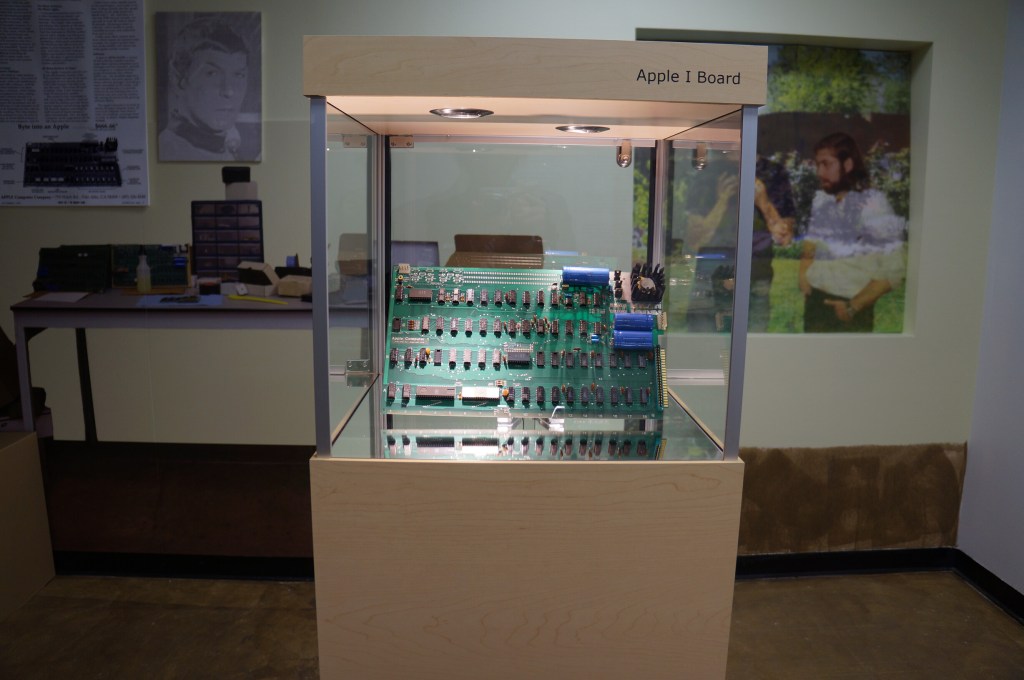
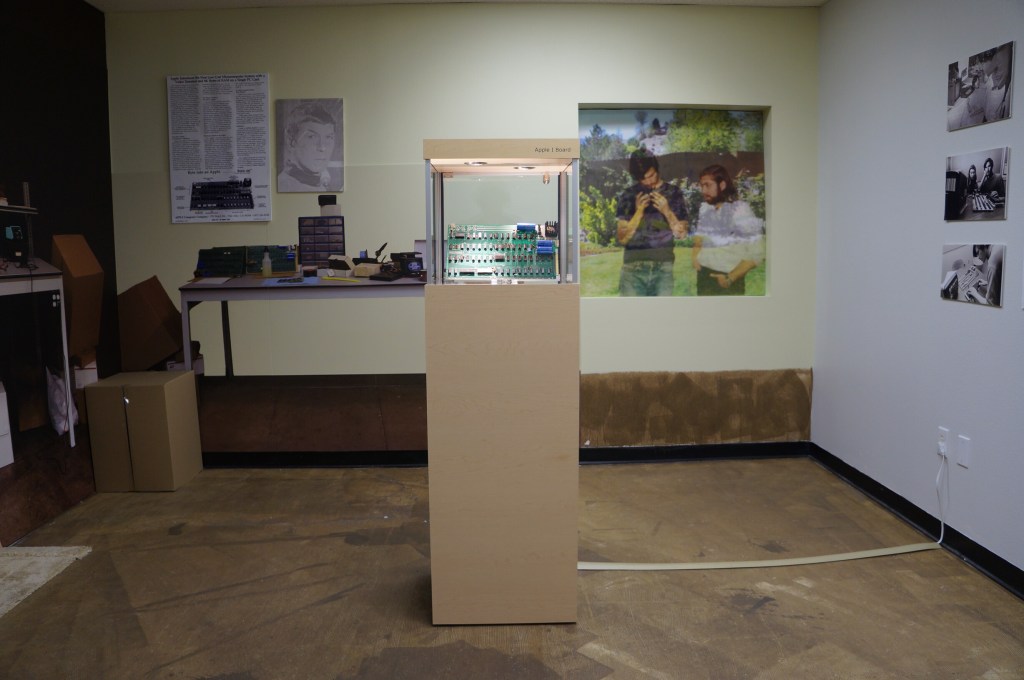
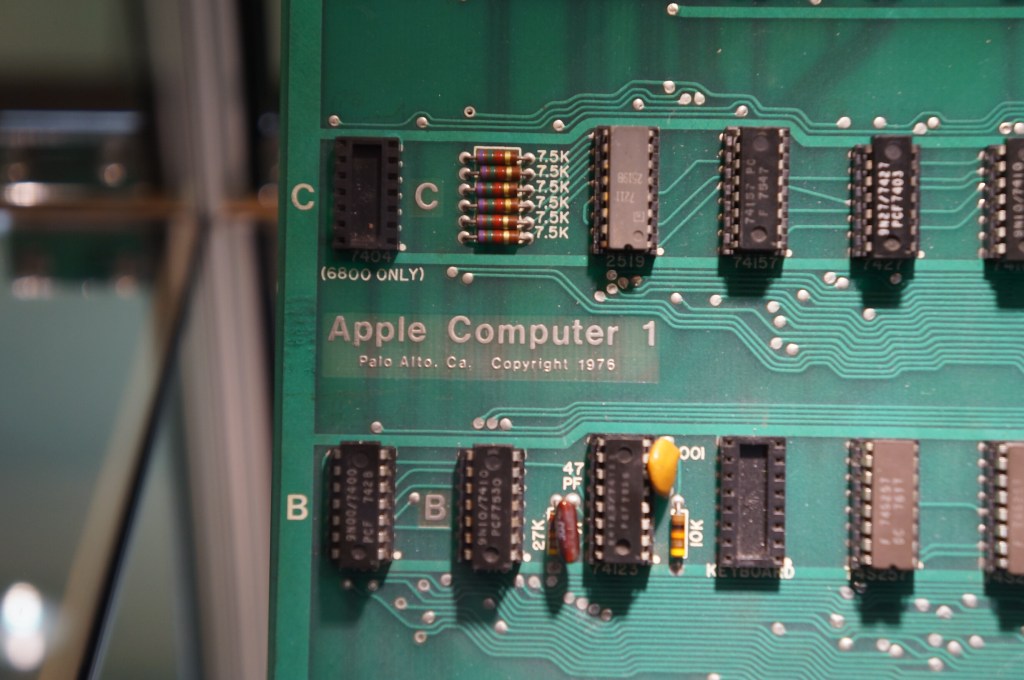
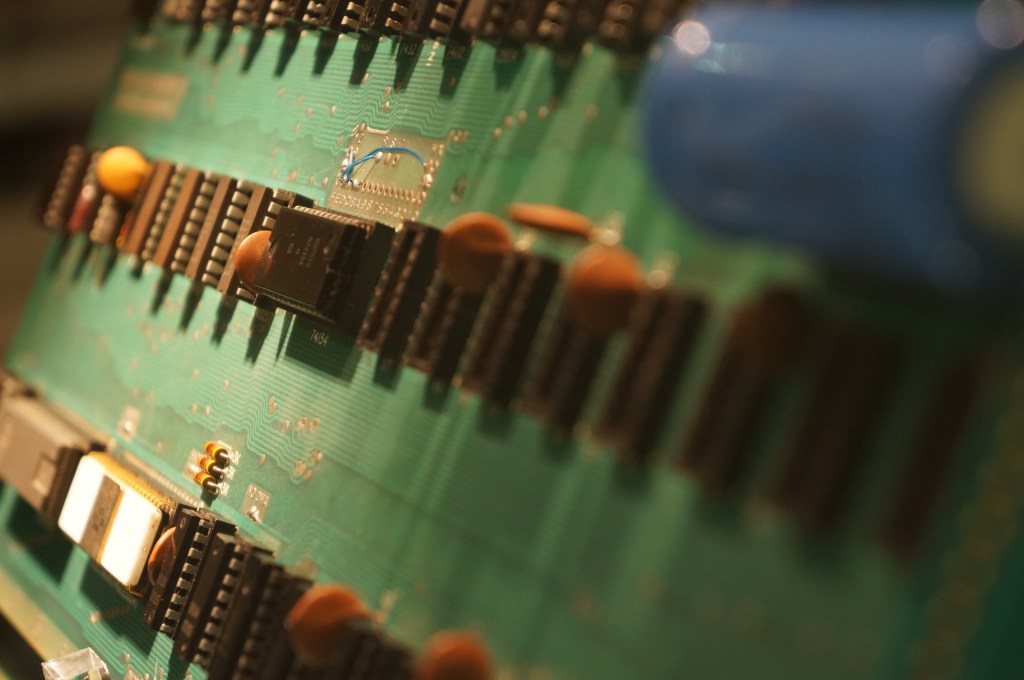
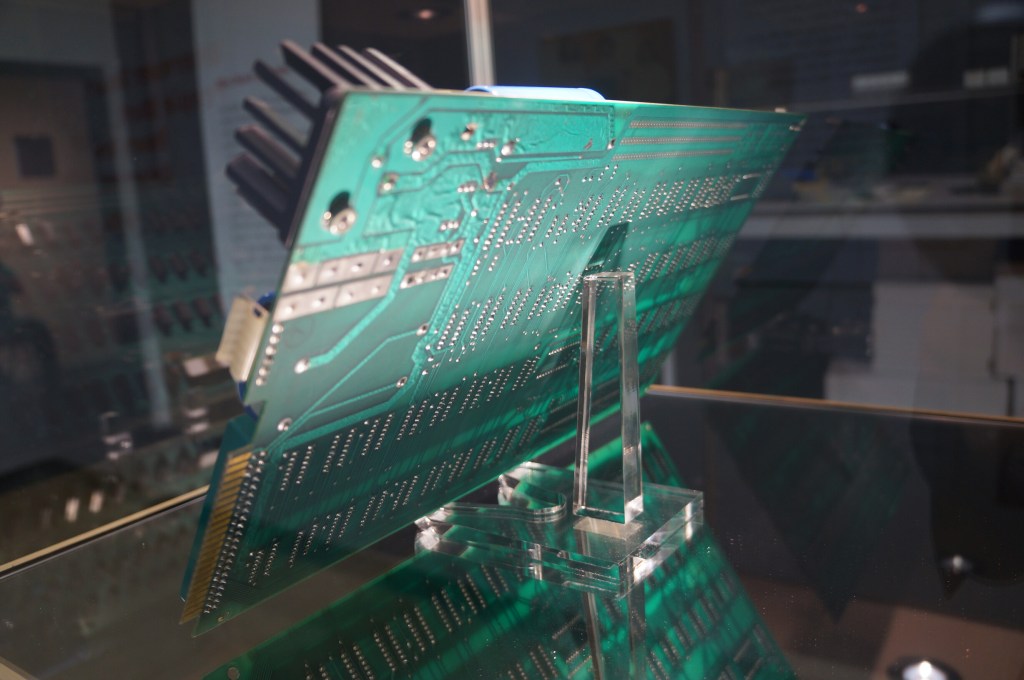
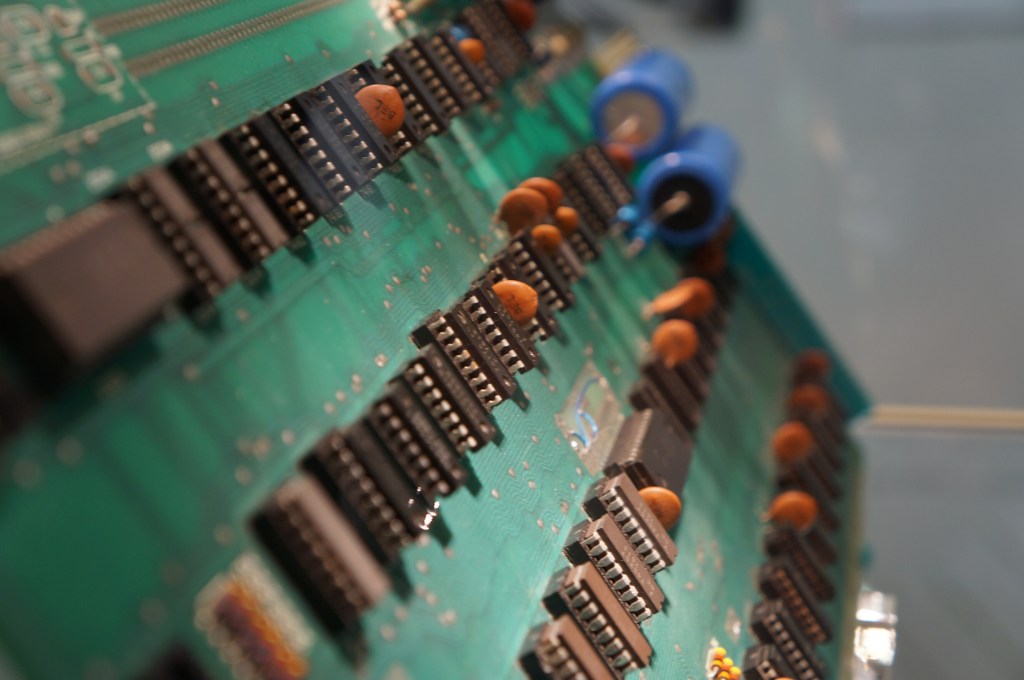
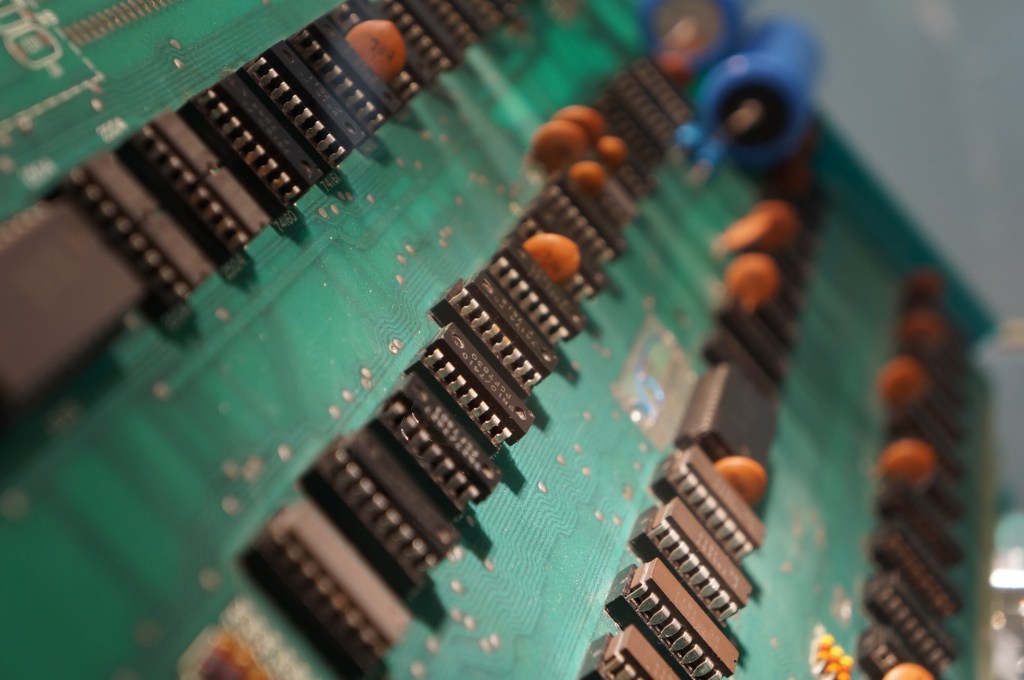
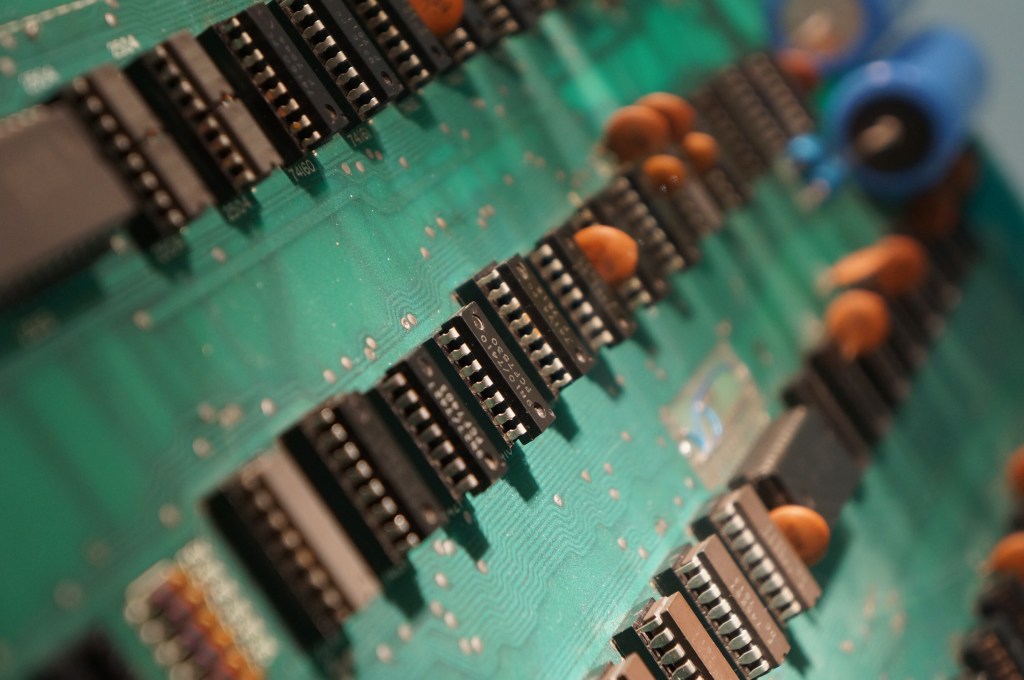
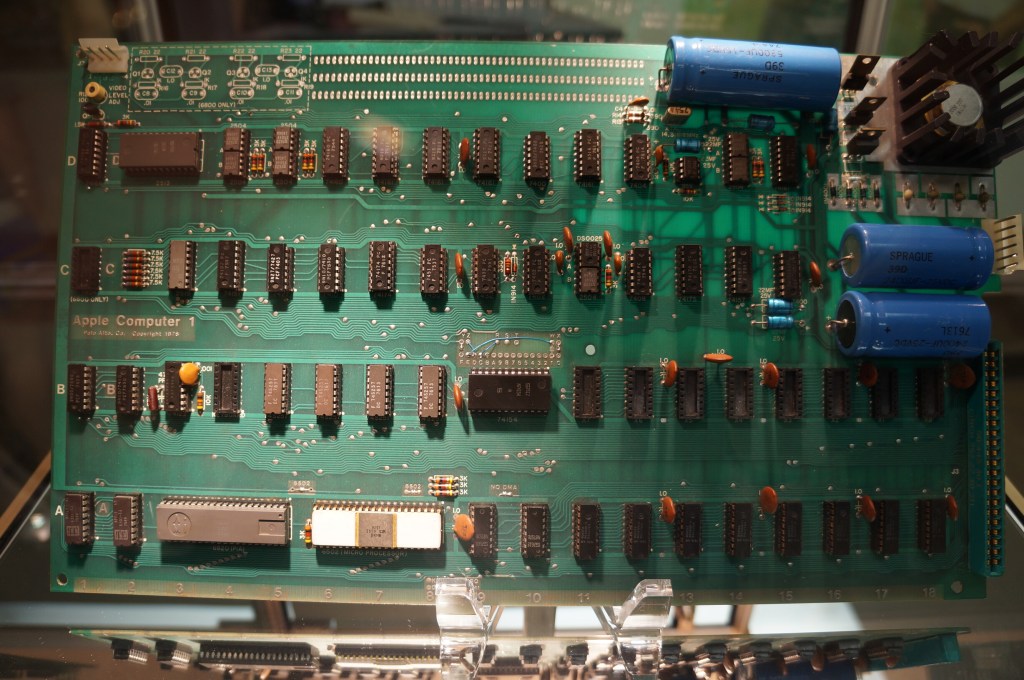
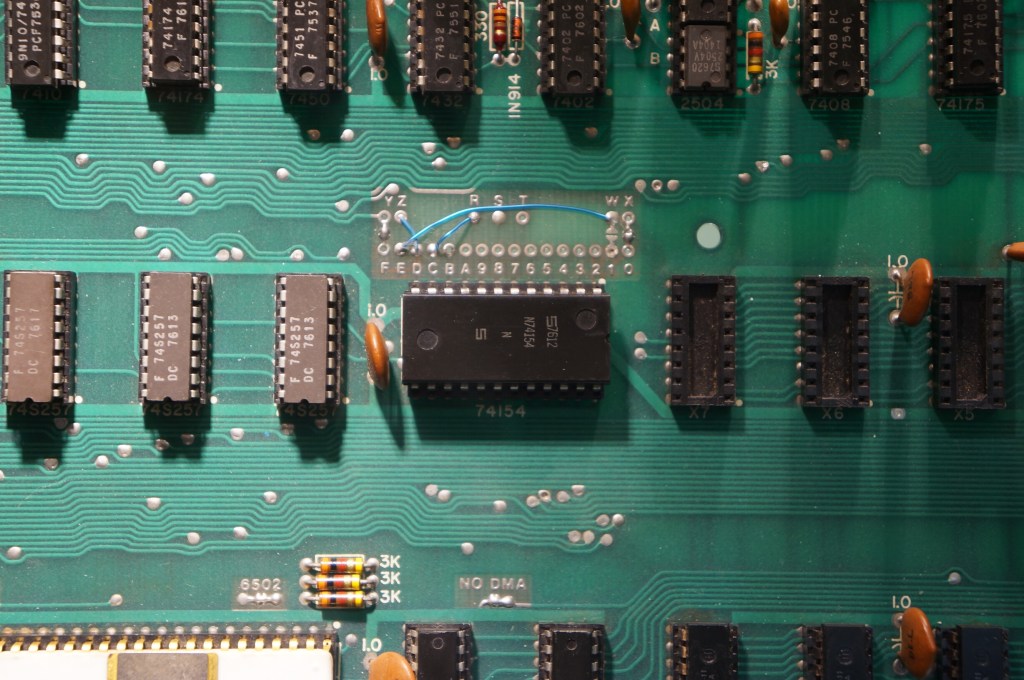
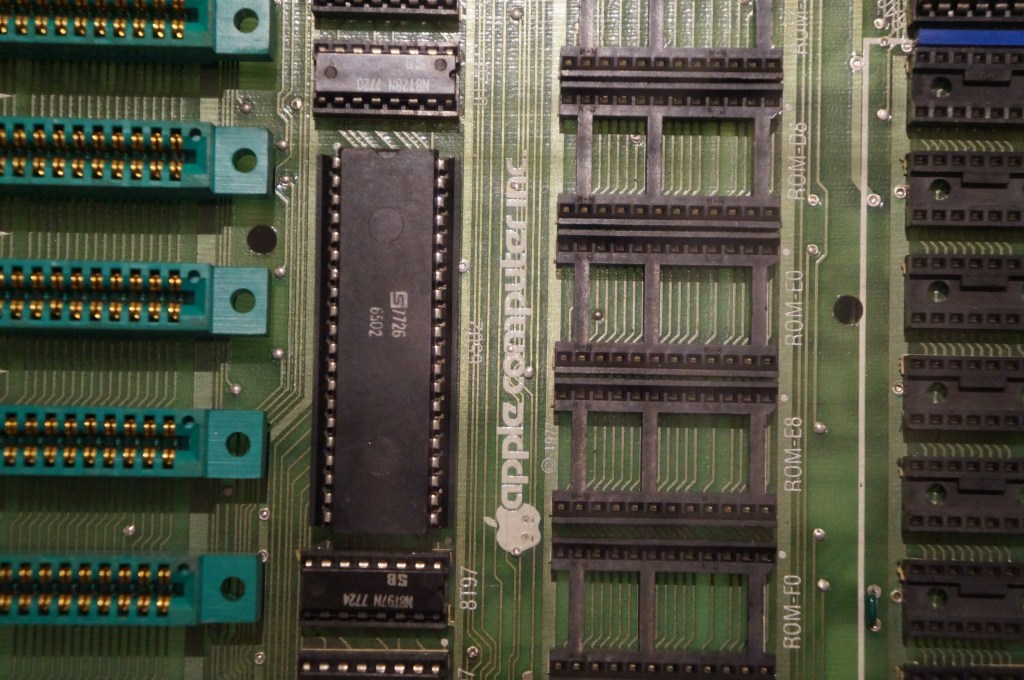
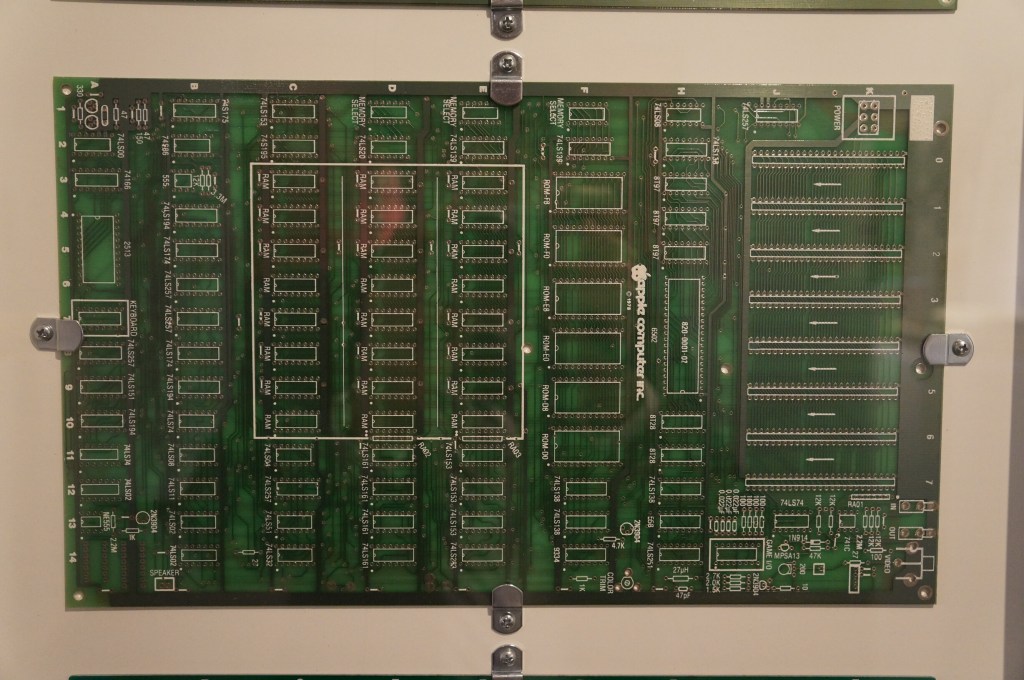
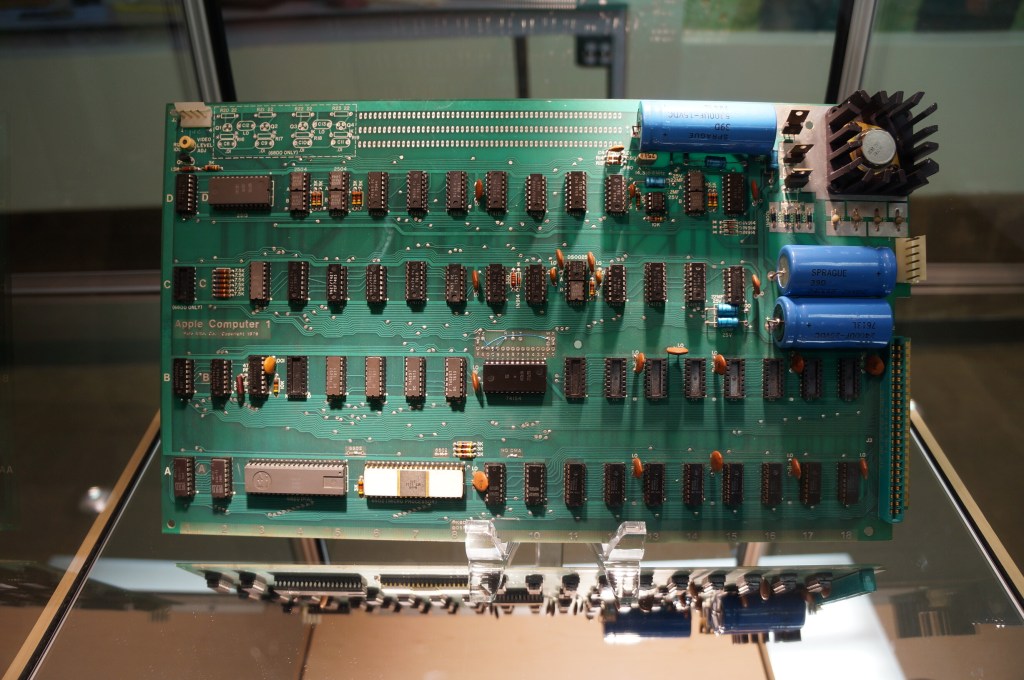
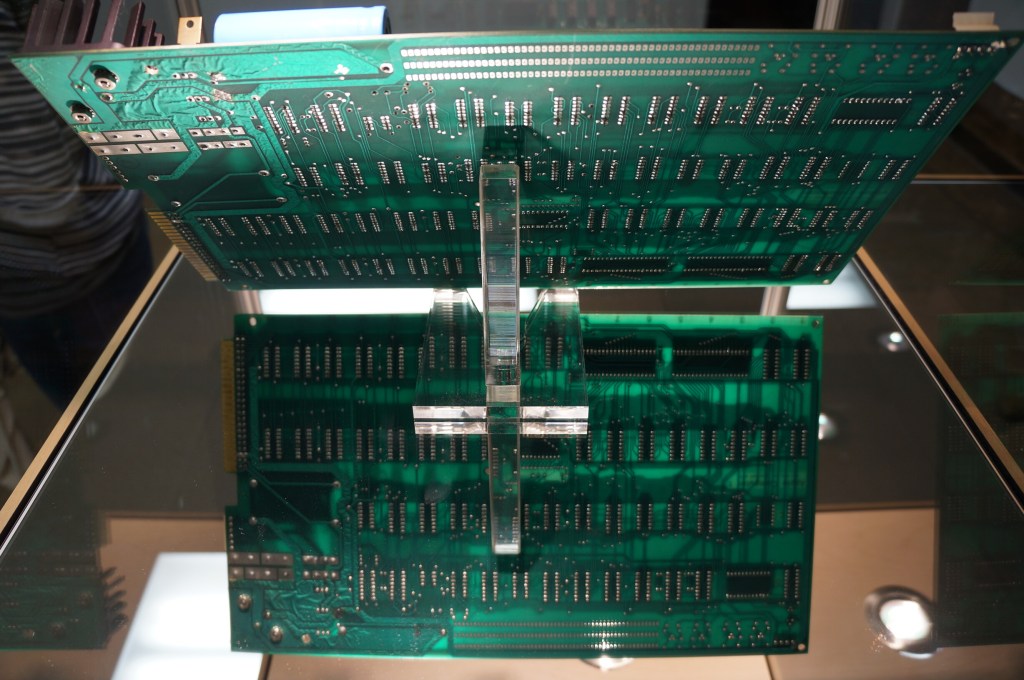
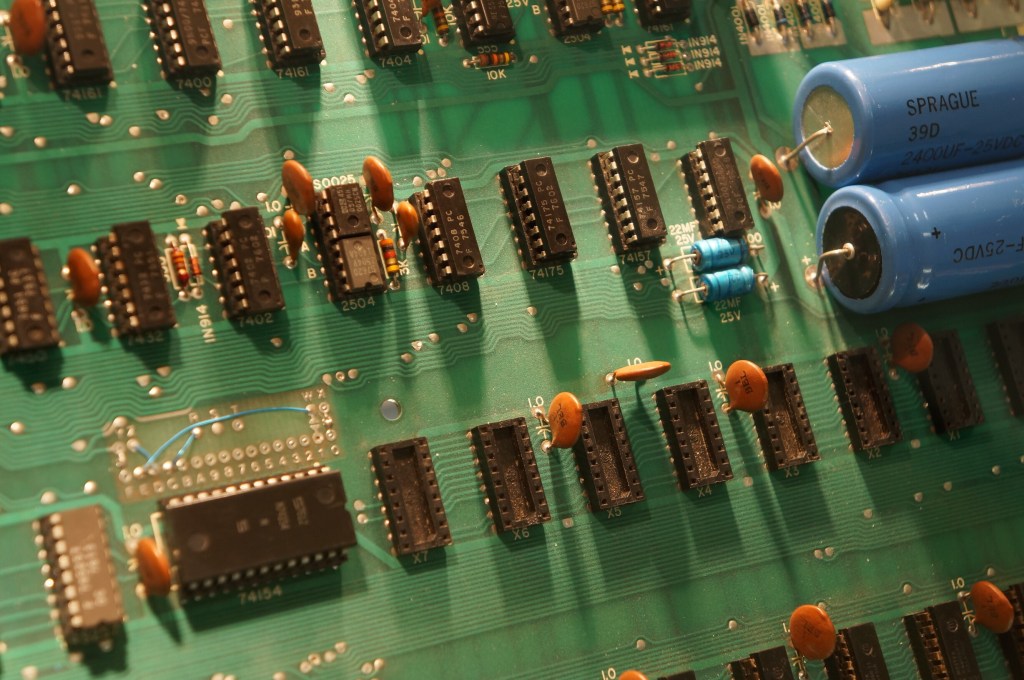
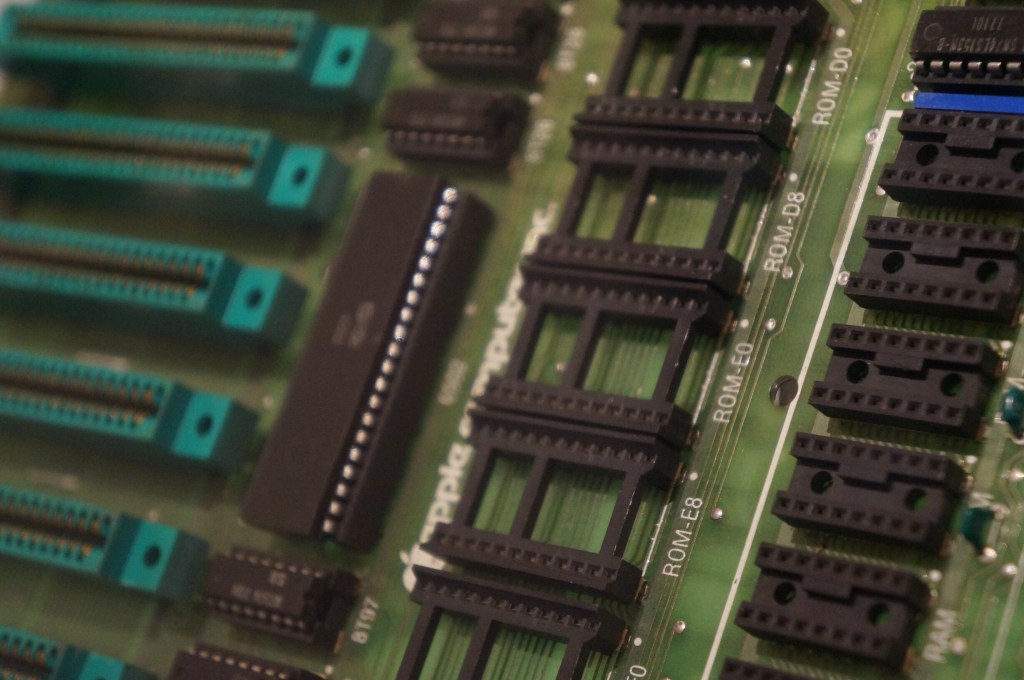
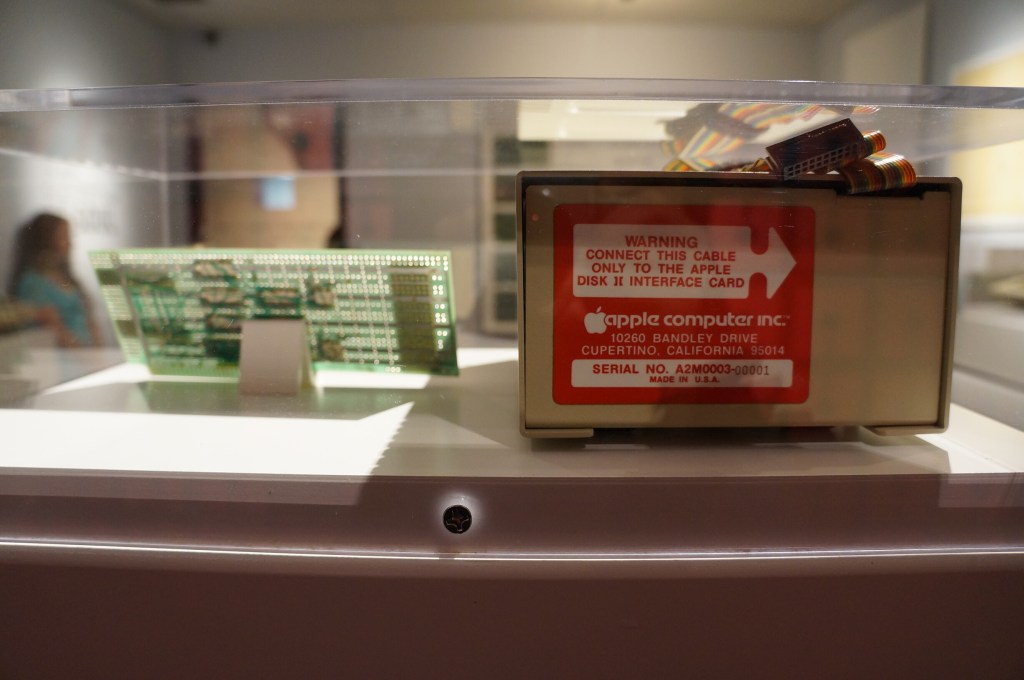
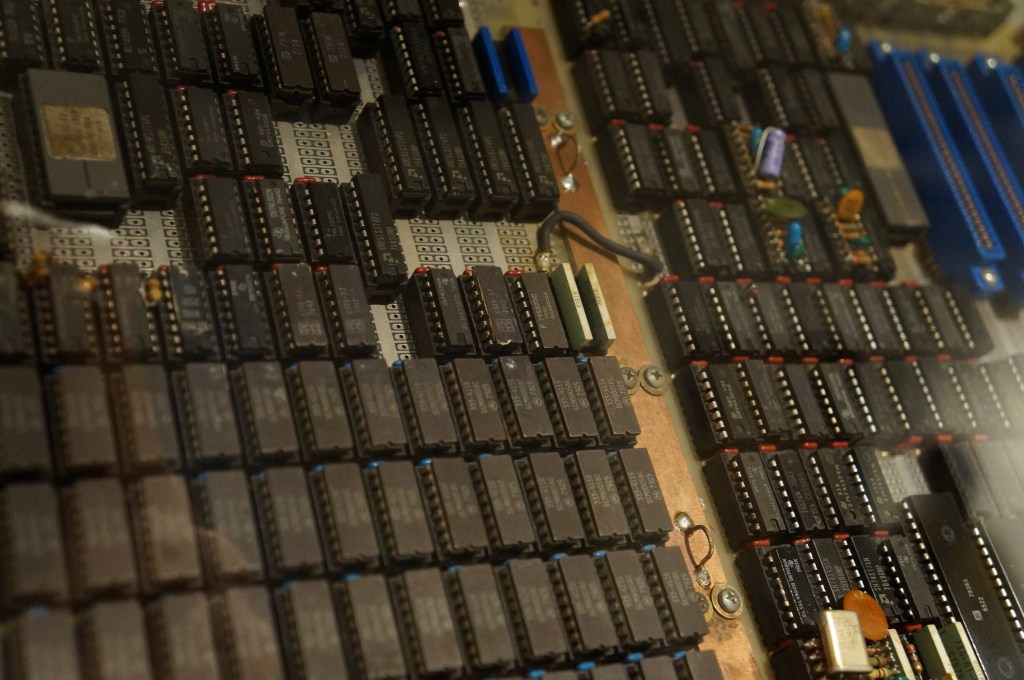
Apple I Motherboard
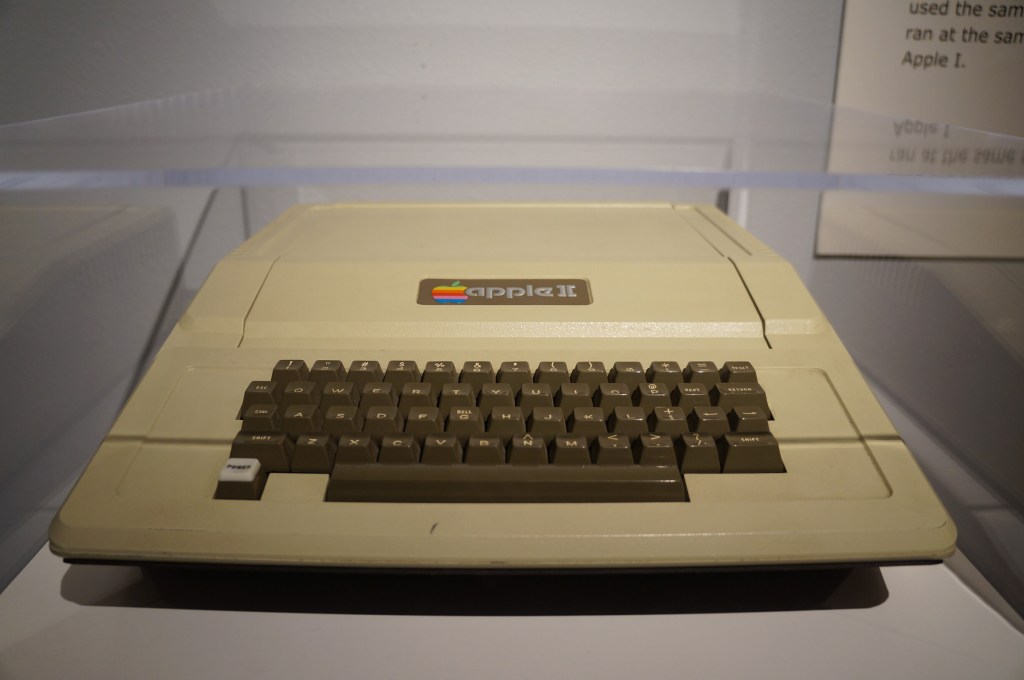
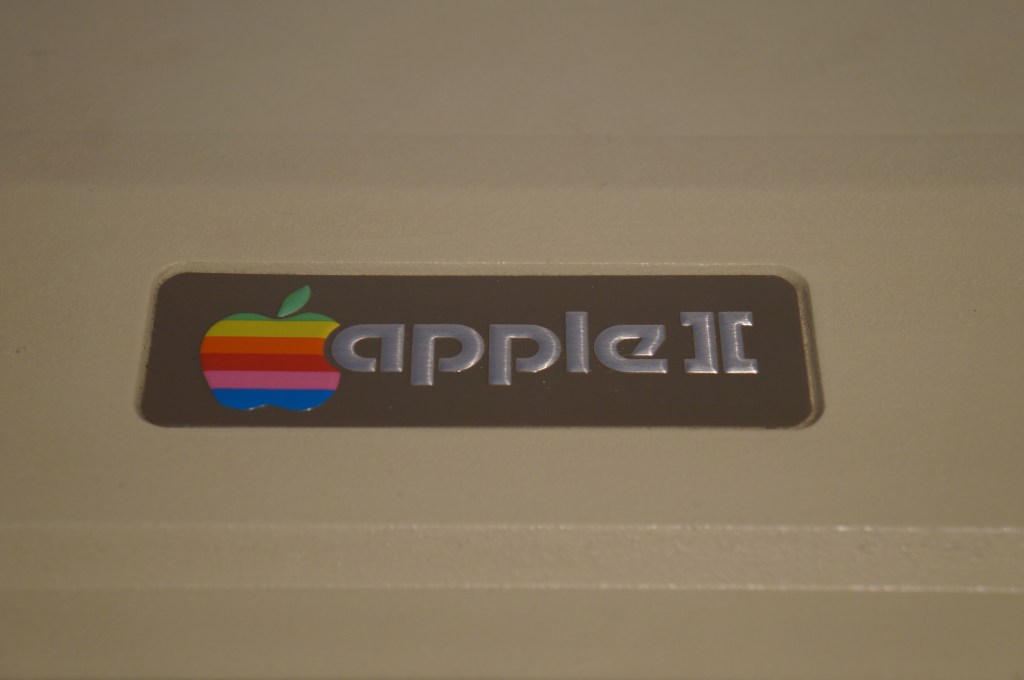
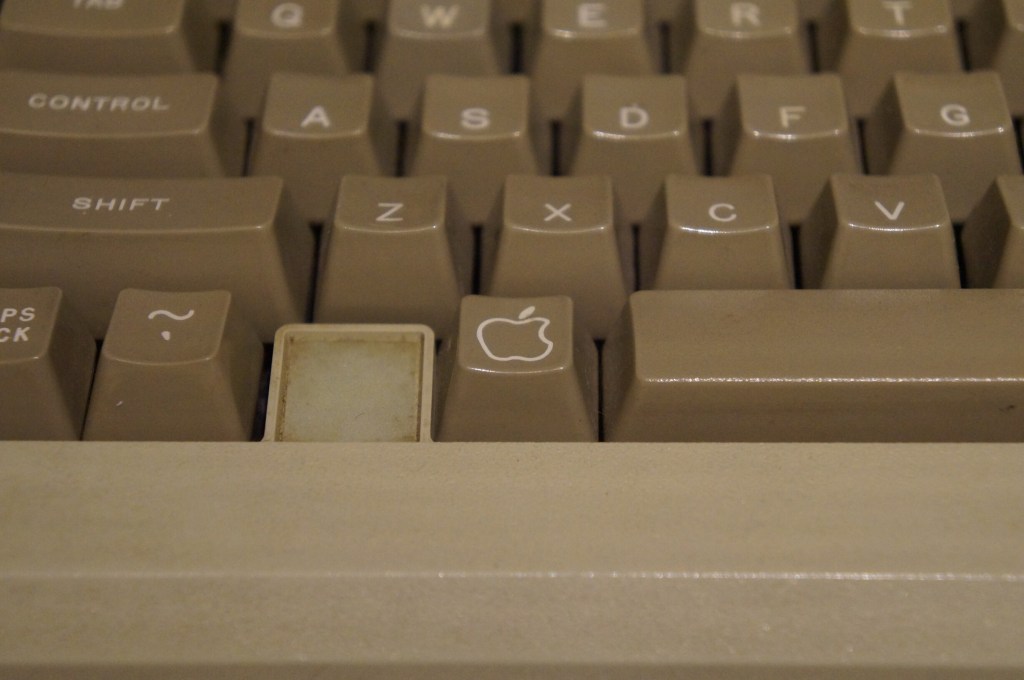
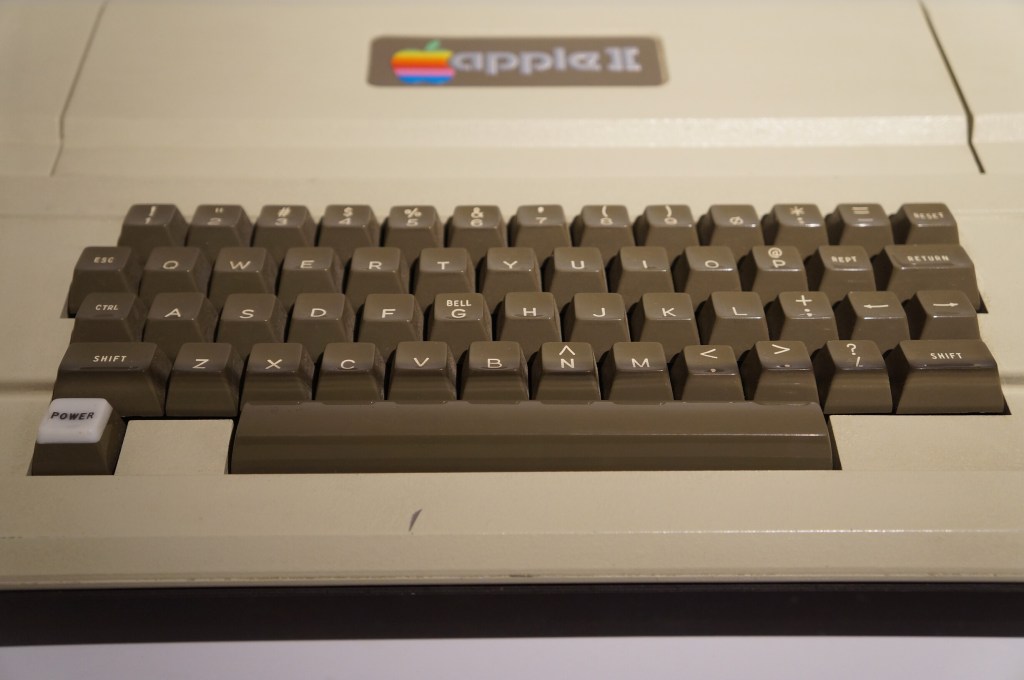
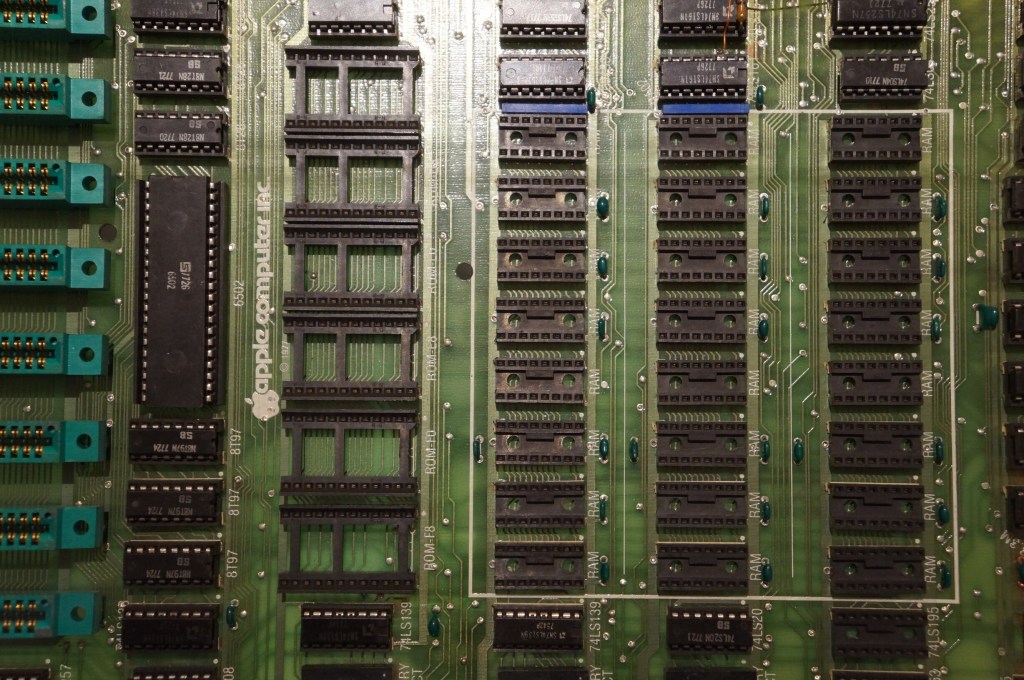
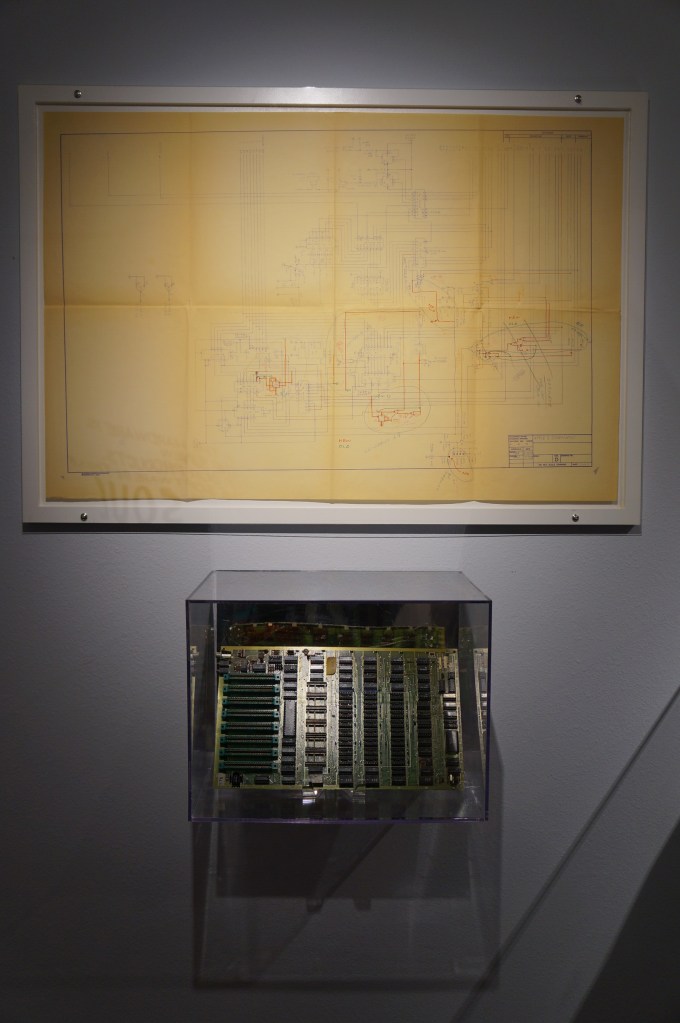
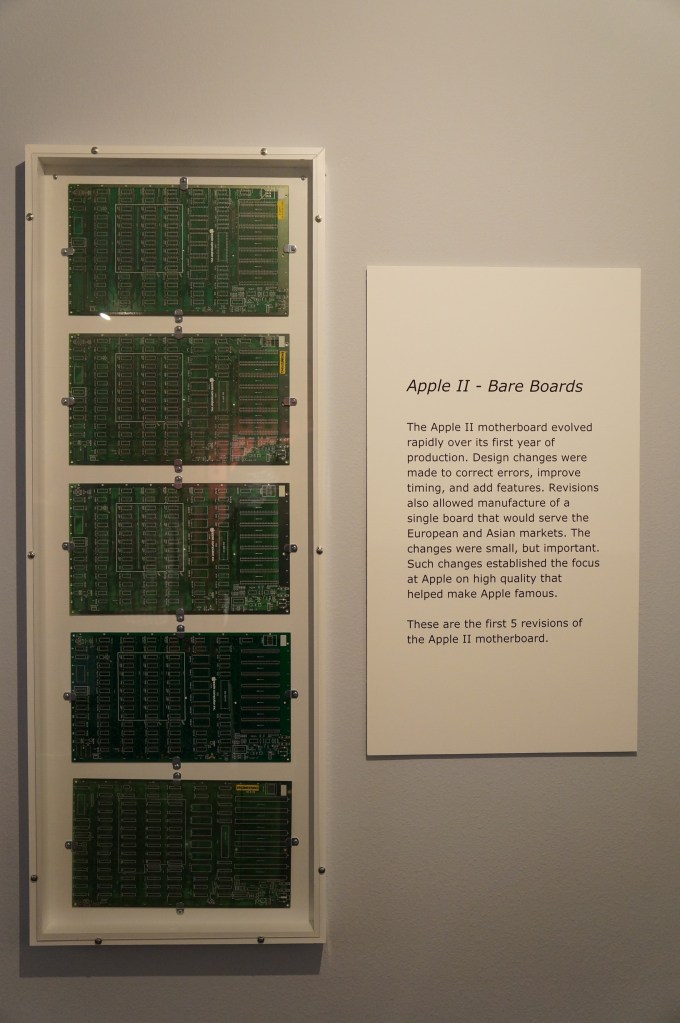
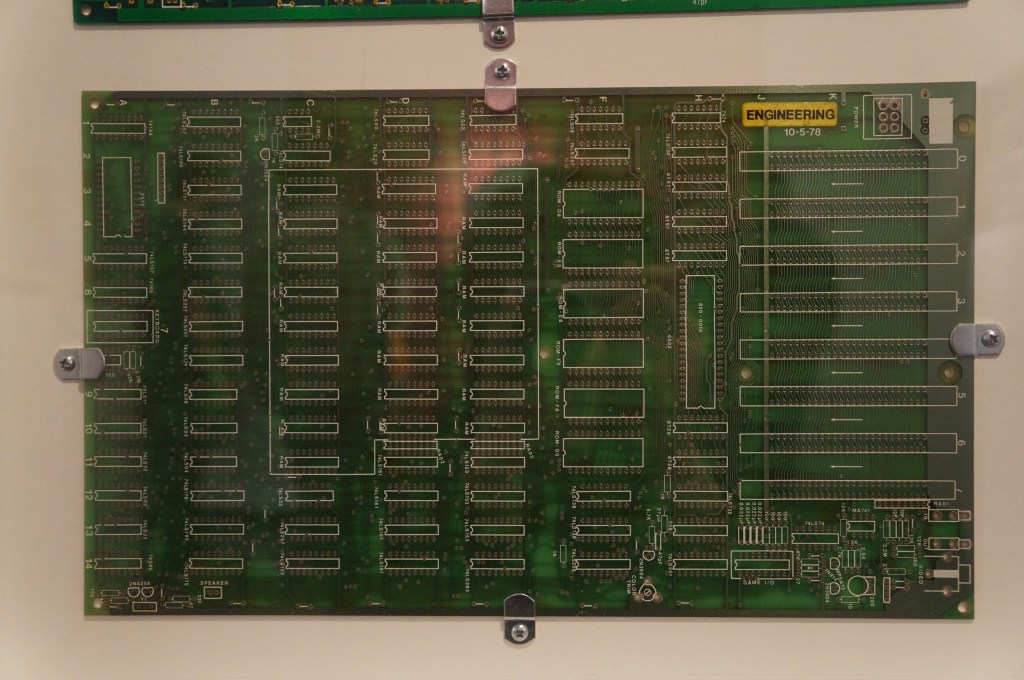
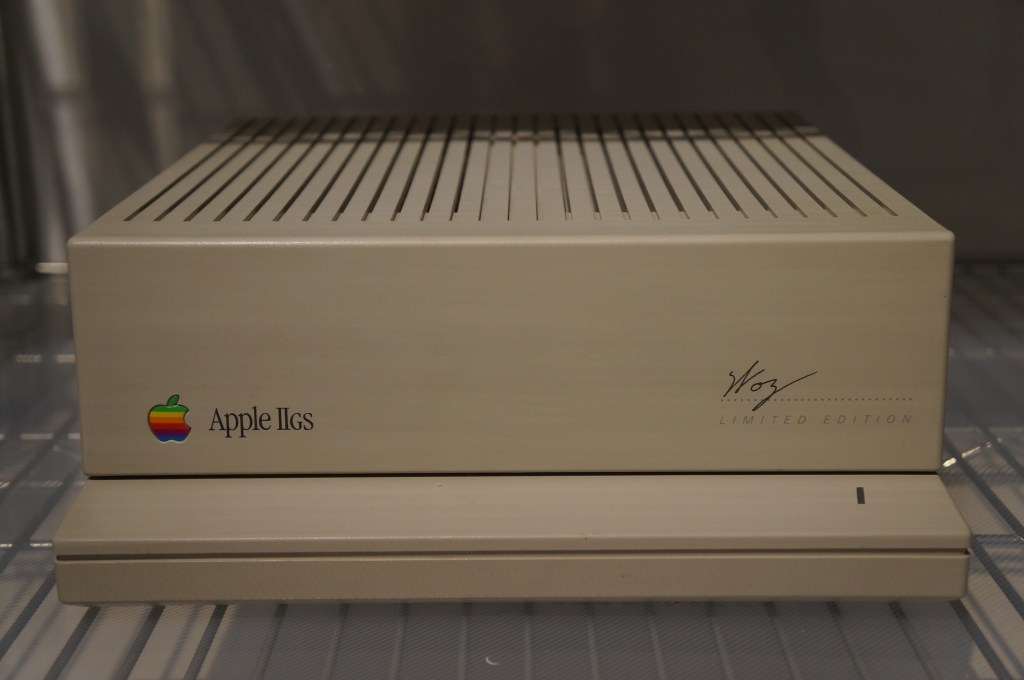
Apple II
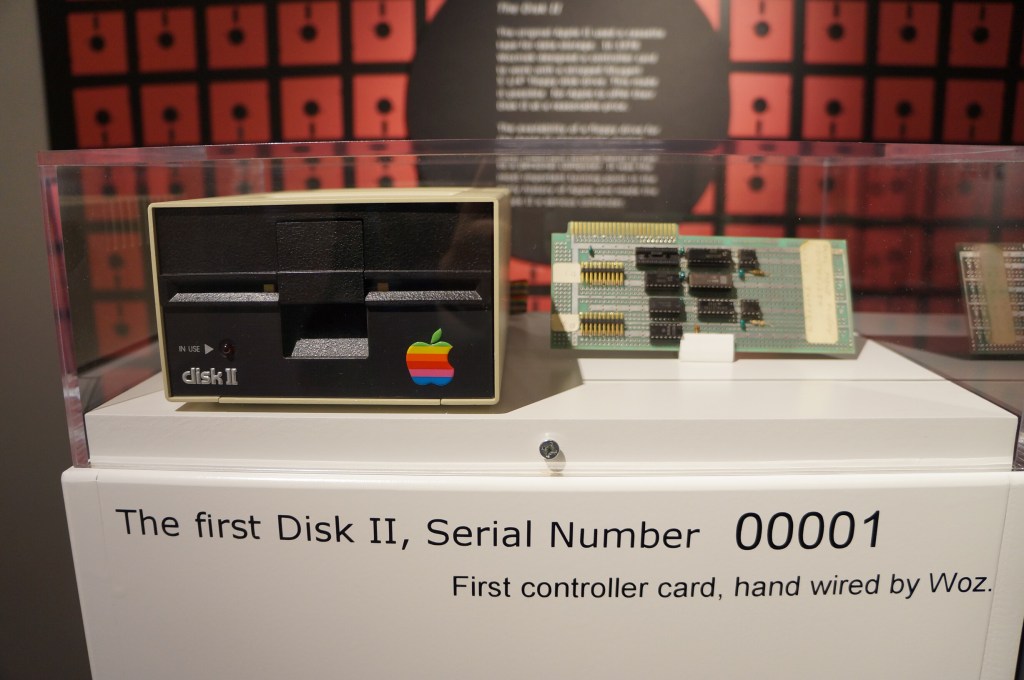
Apple Disk II, Serial Number 00001
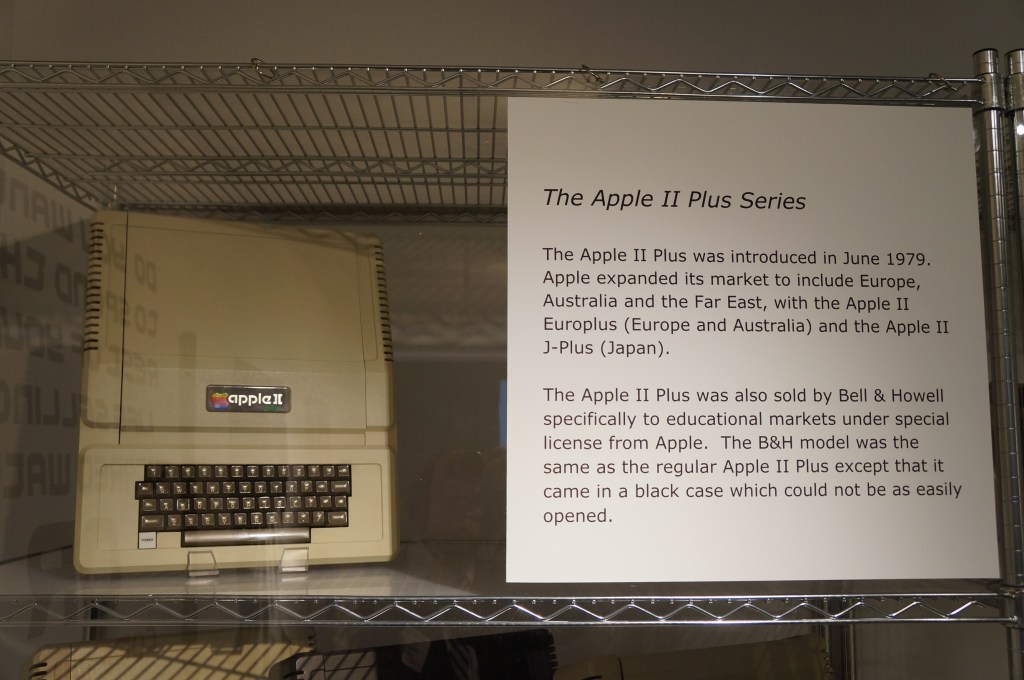
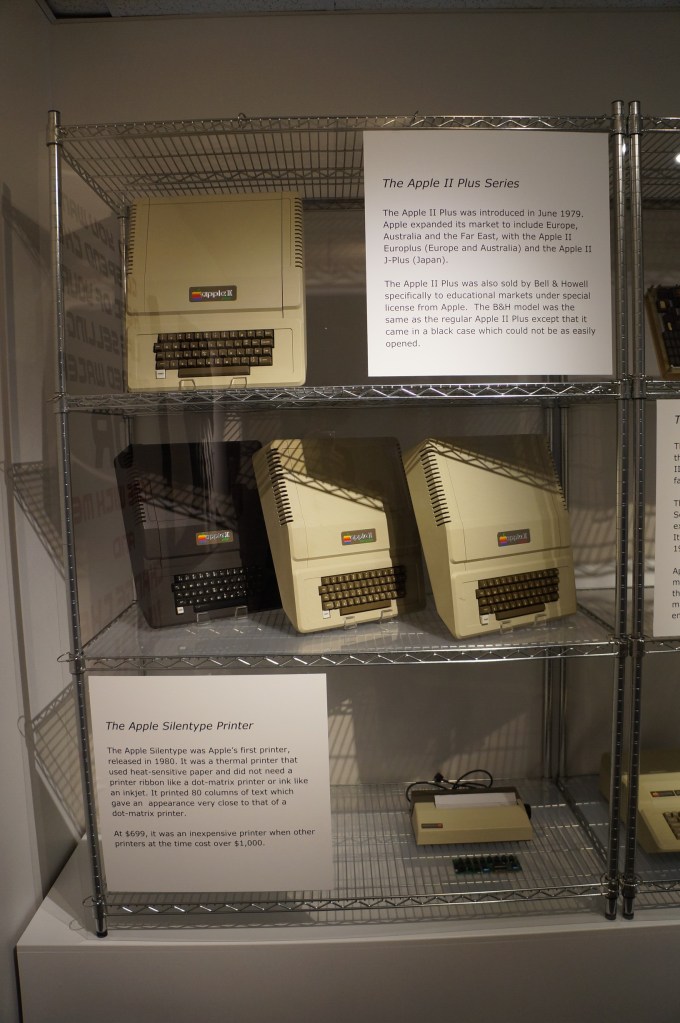
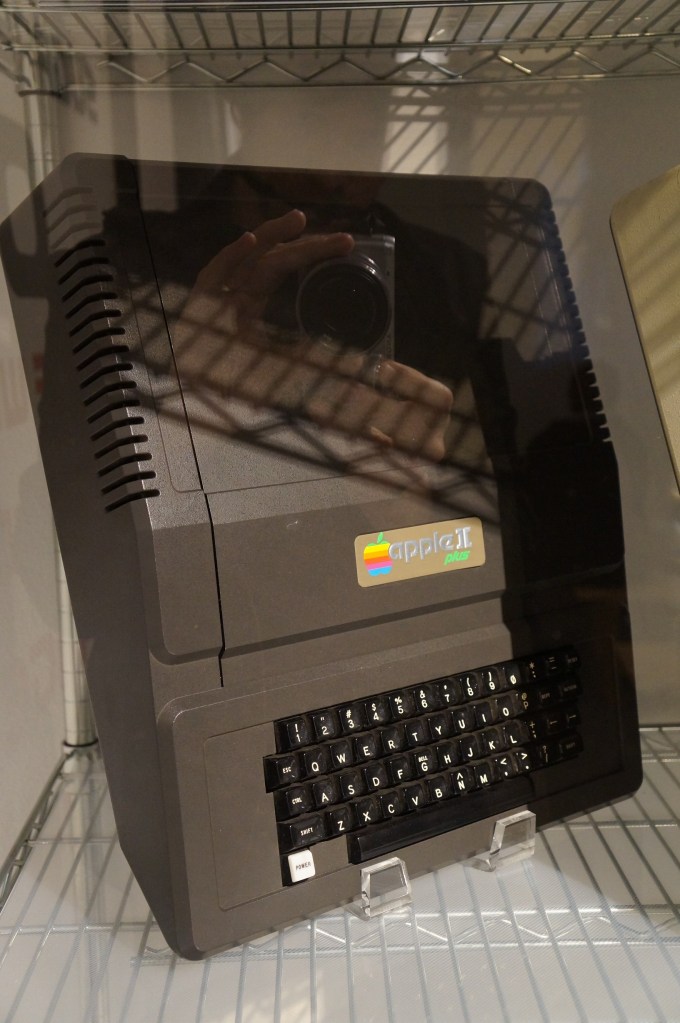
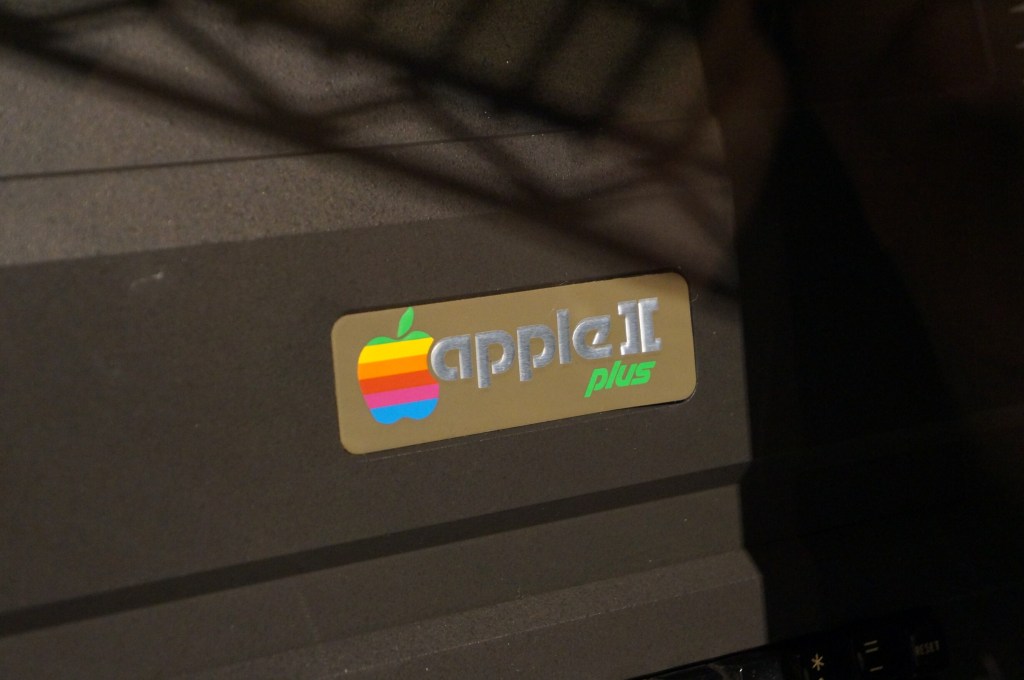
Apple II Plus
Apple IIe
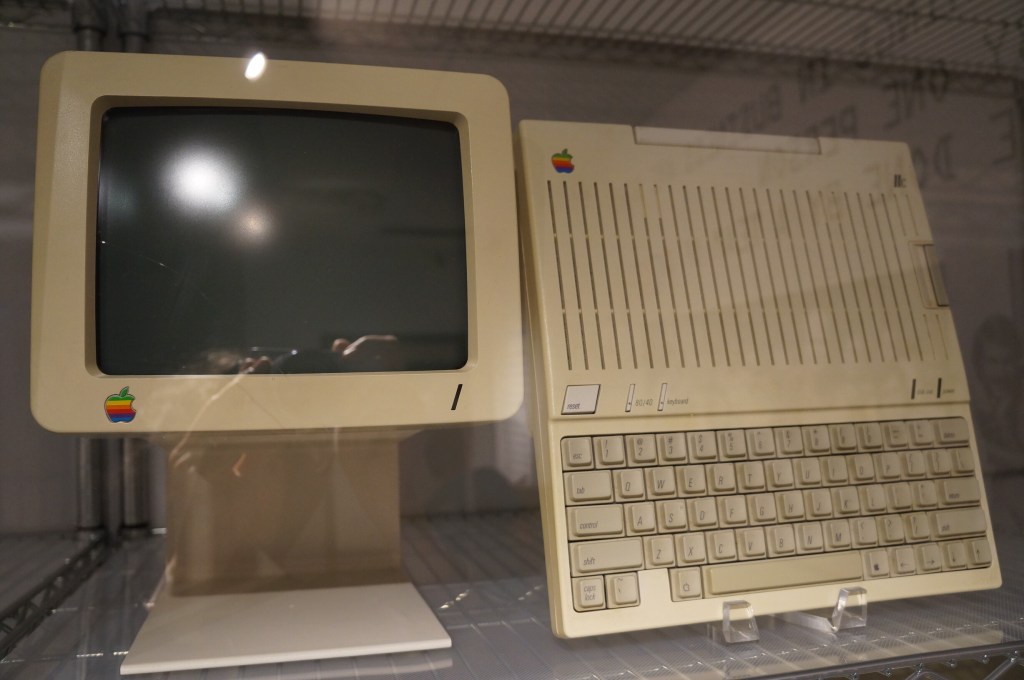
Apple IIc
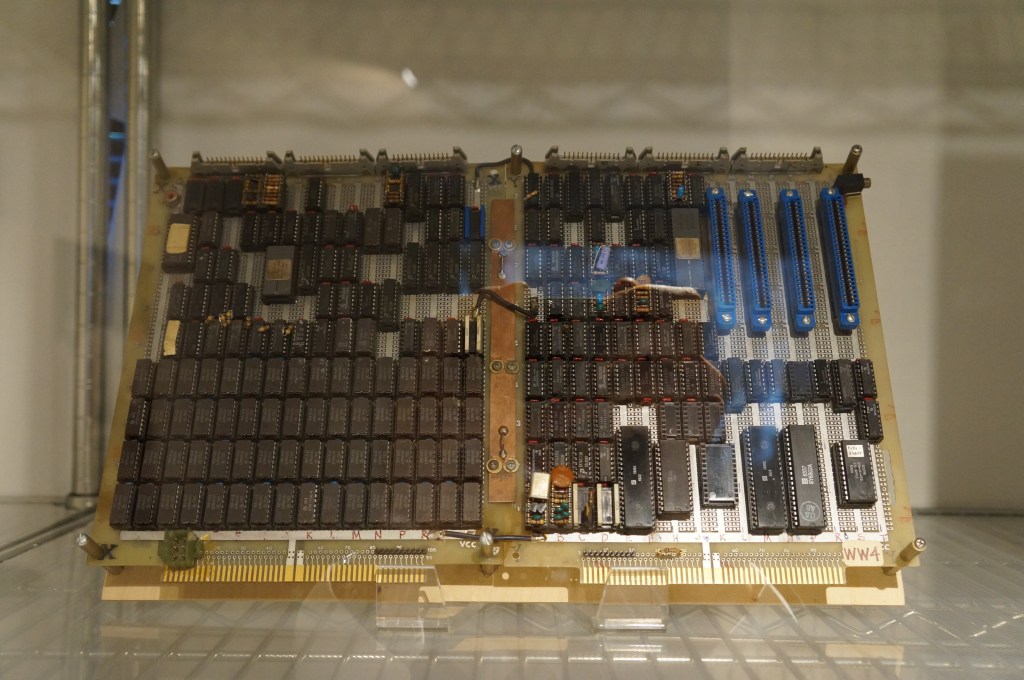
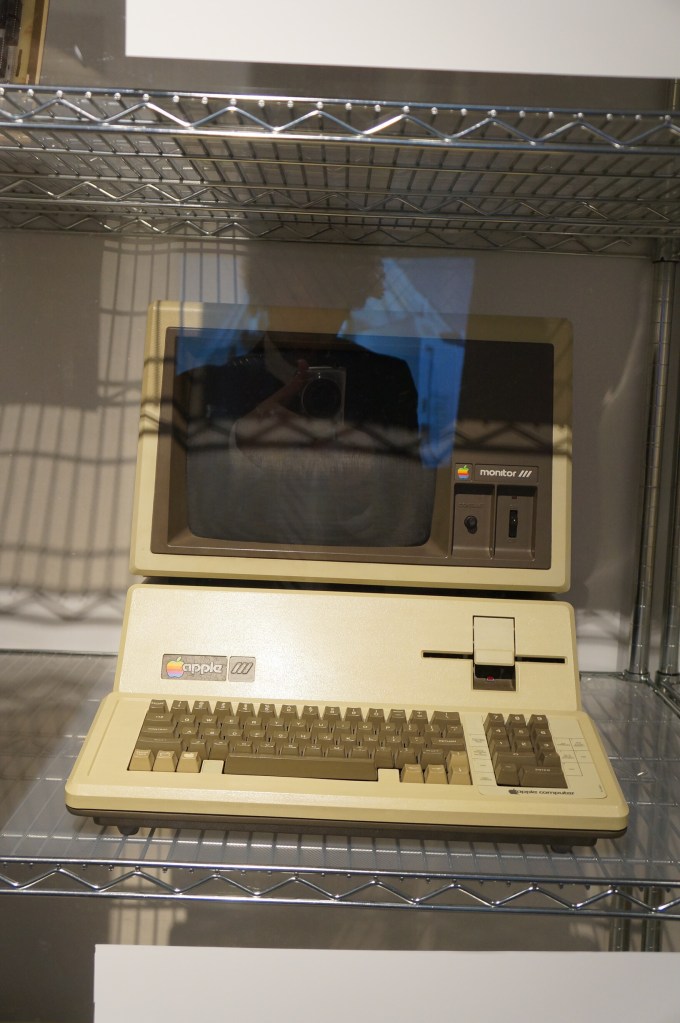
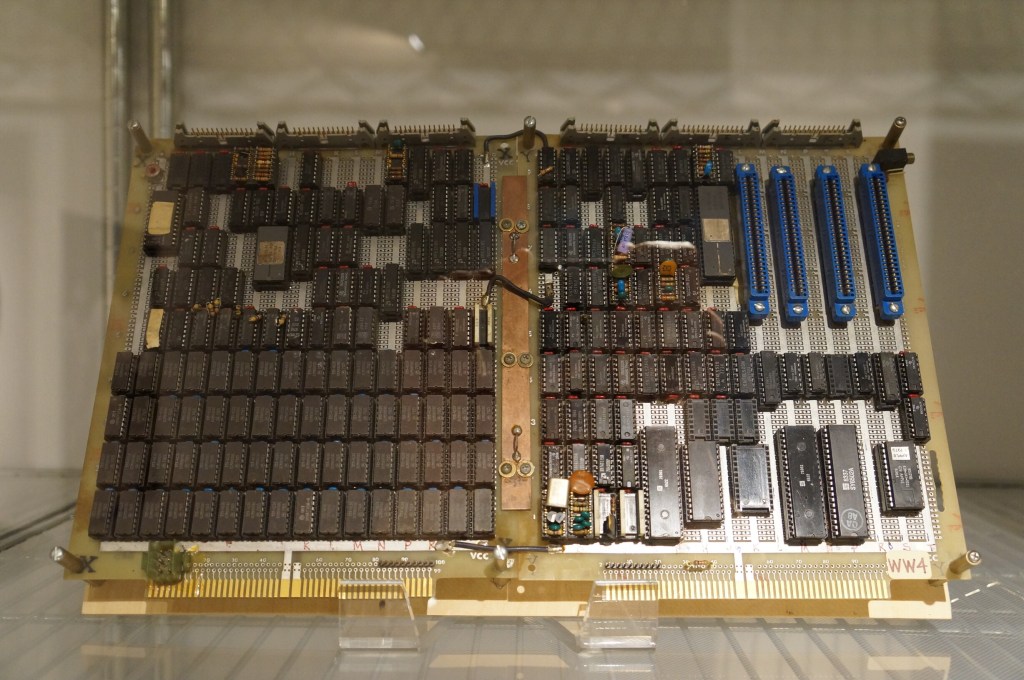
Apple III Prototype Board and Production Model
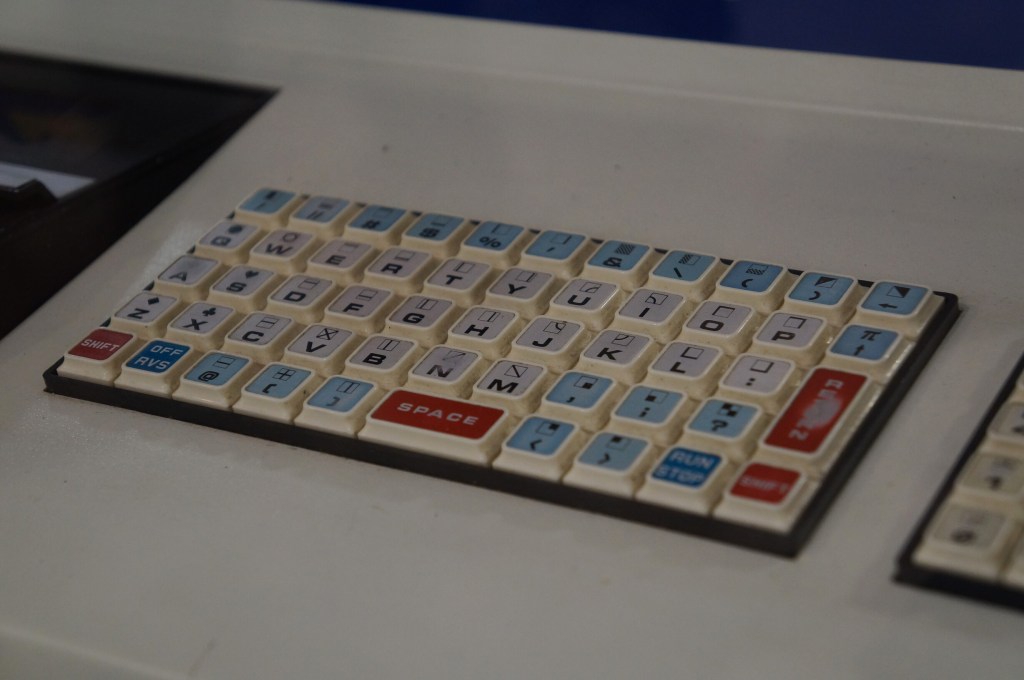
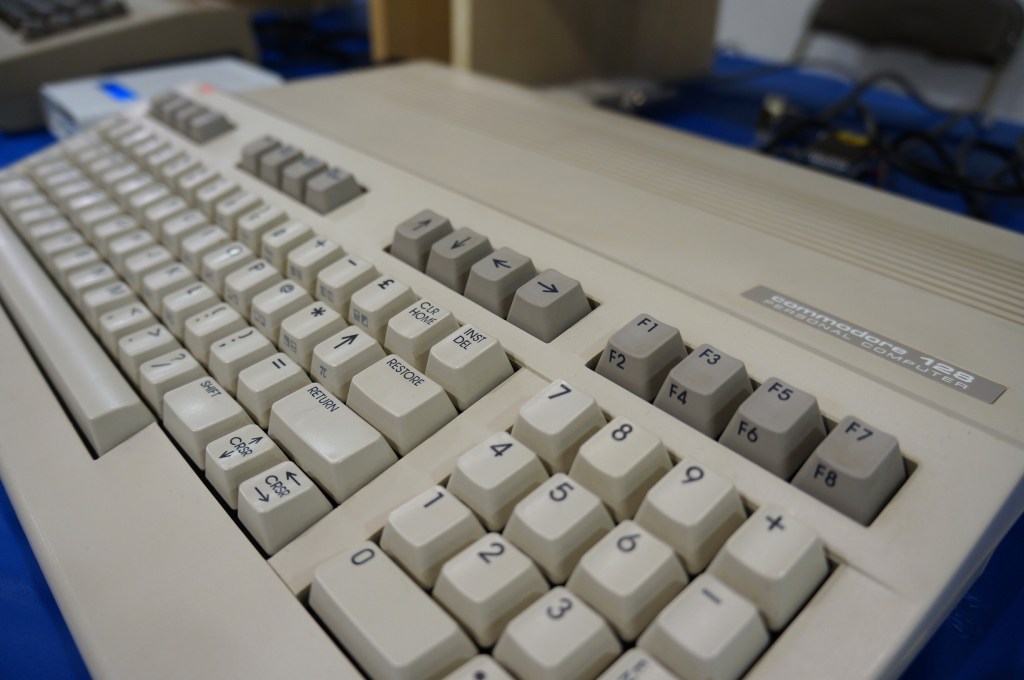
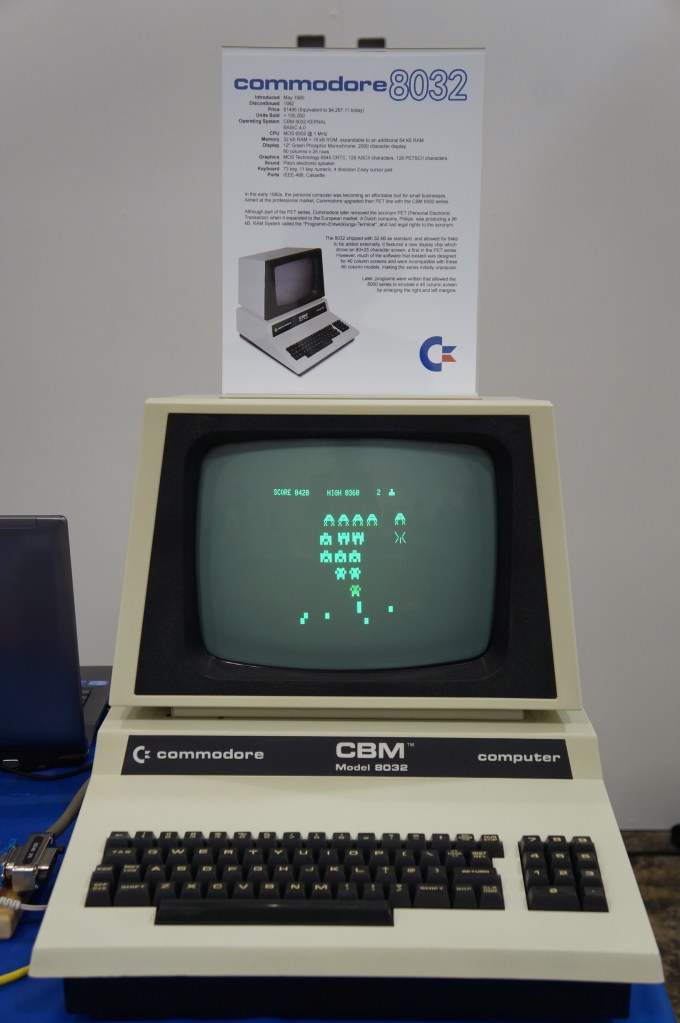
Commodore PET
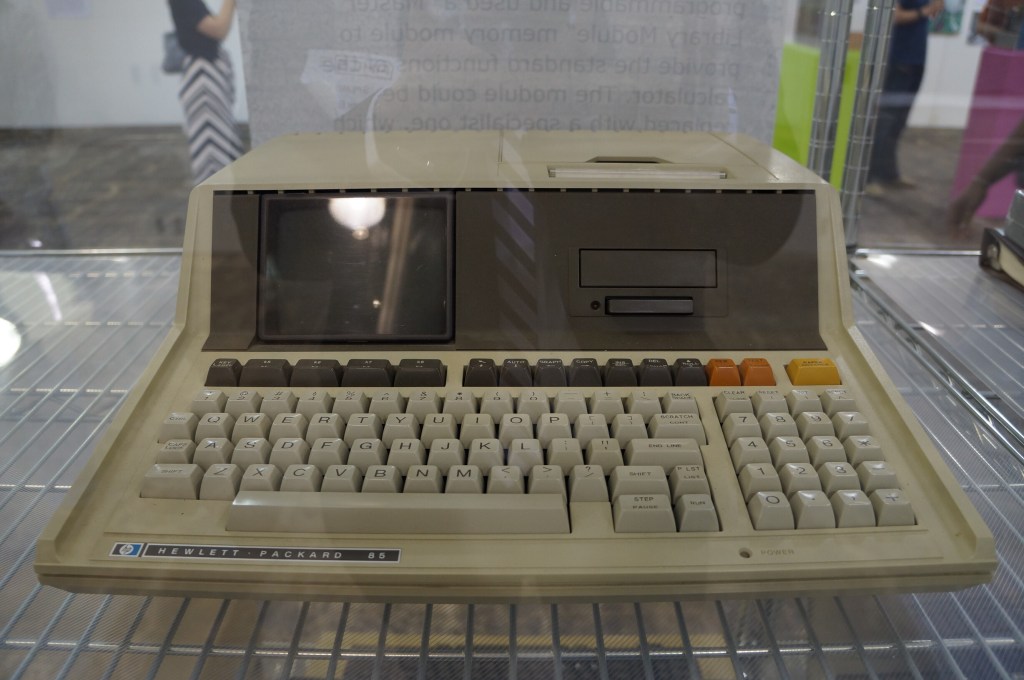
Hewlett Packard 85
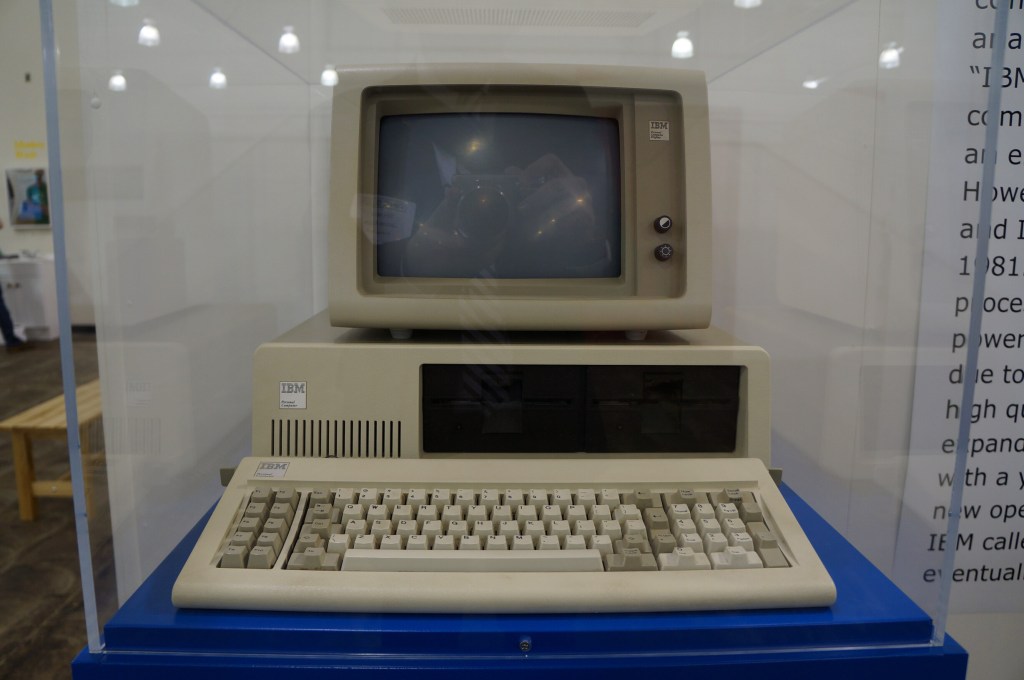
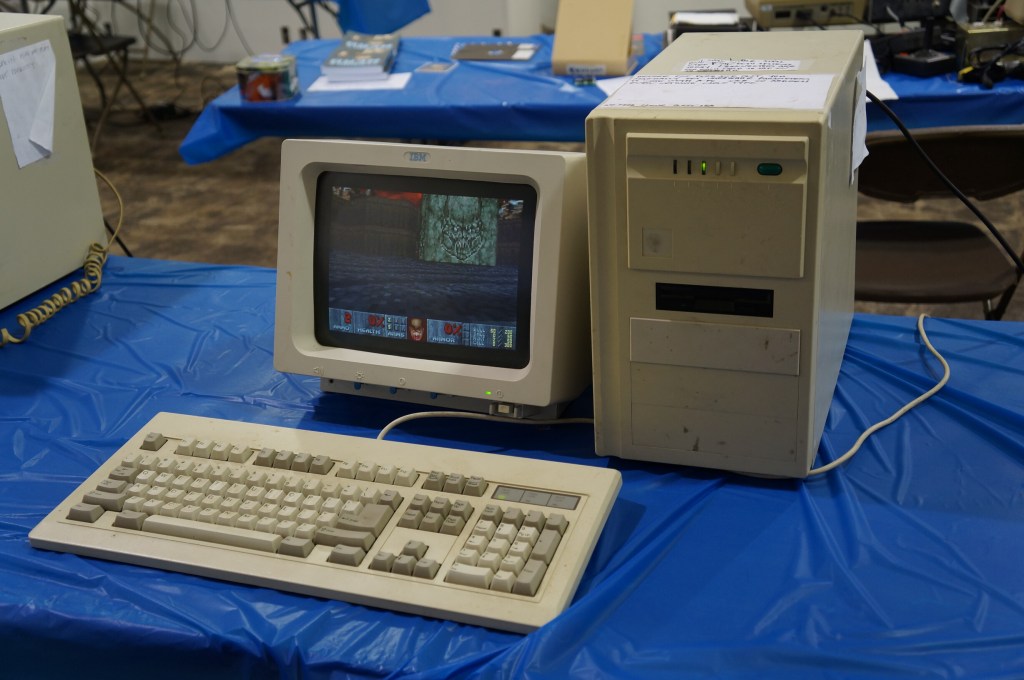
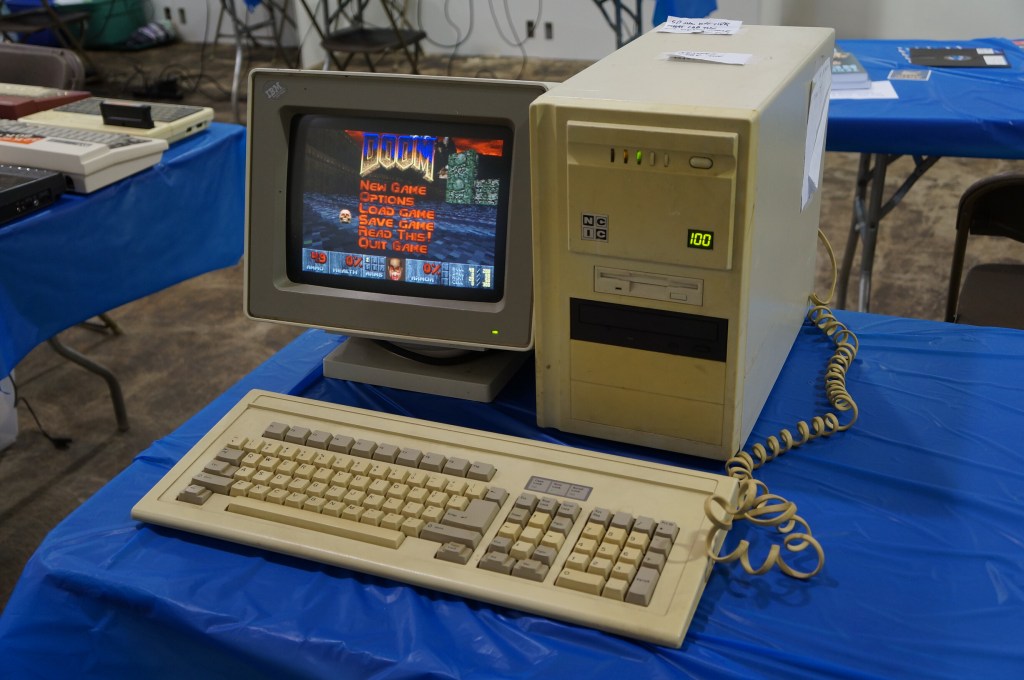
IBM Personal Computer
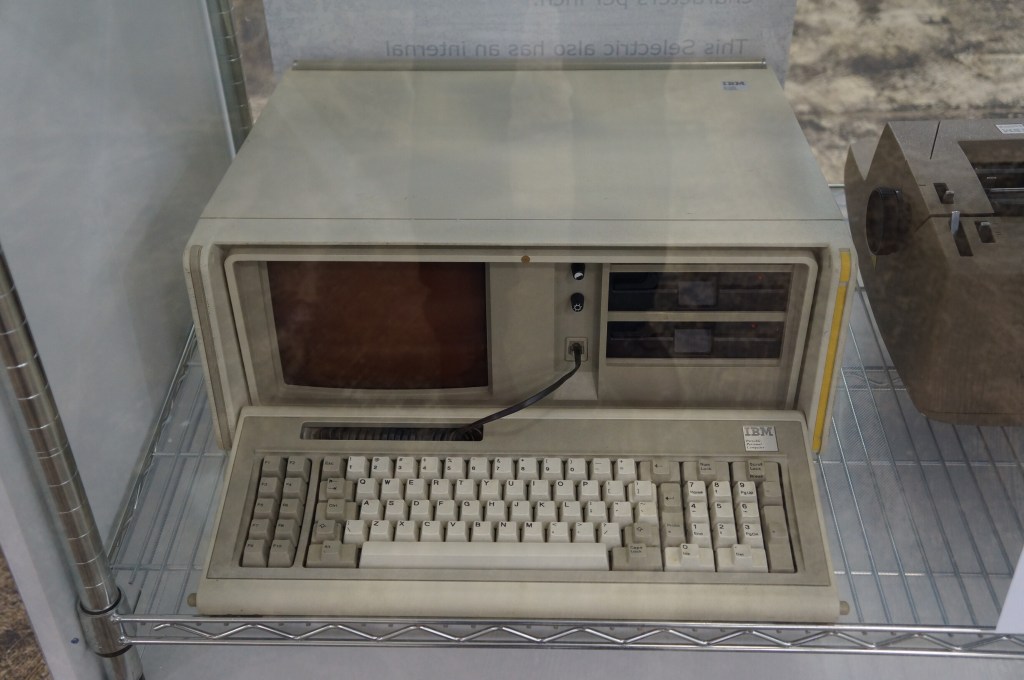
IBM Portable PC
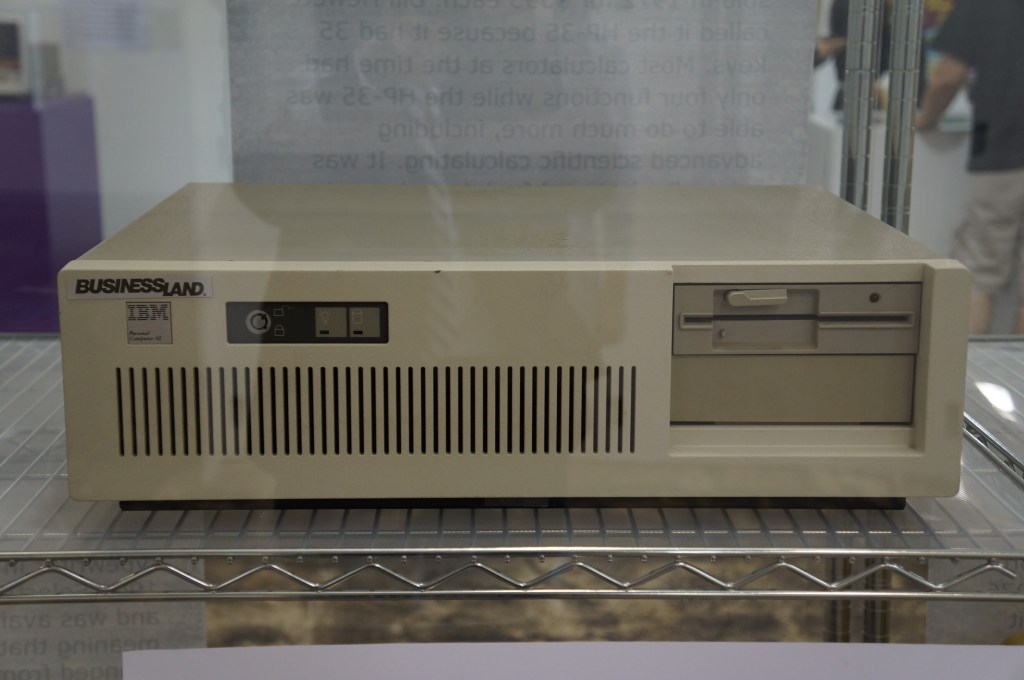
IBM PC AT
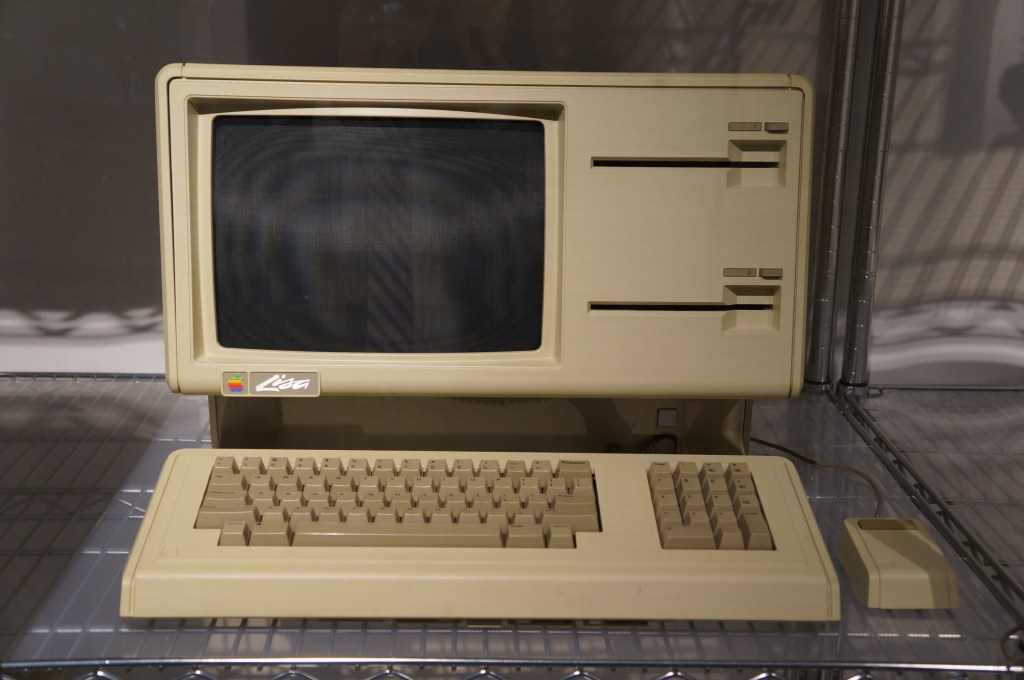
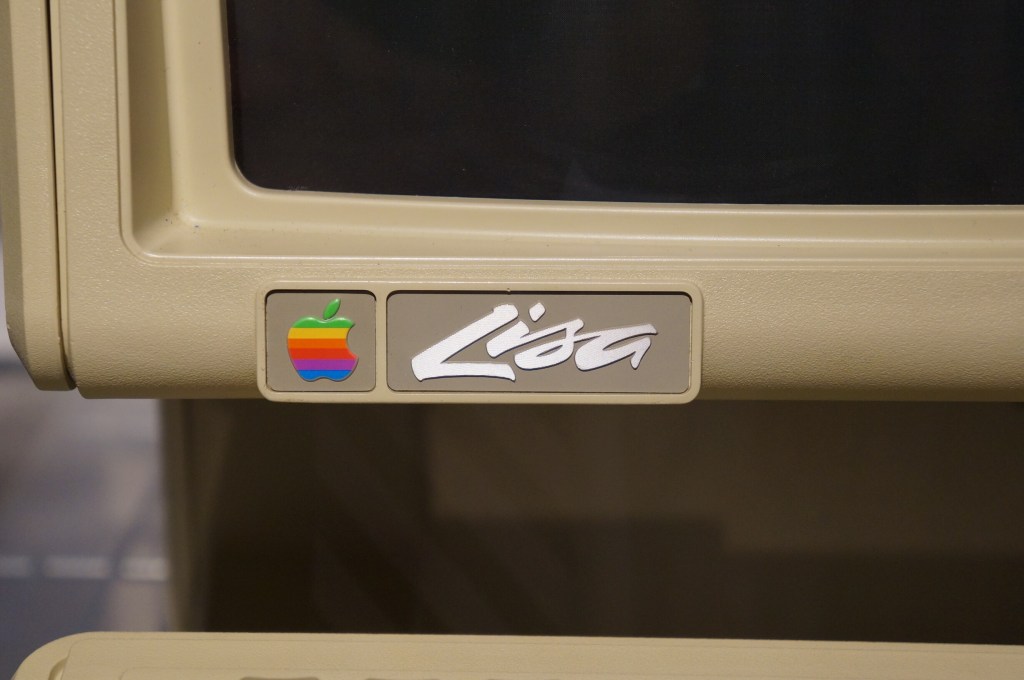
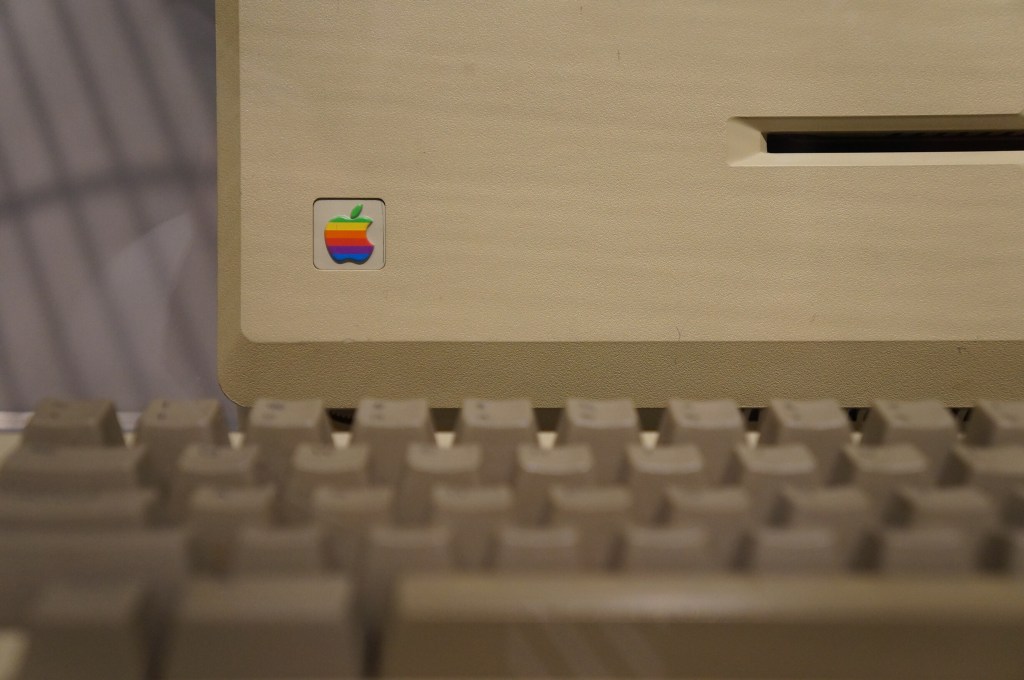
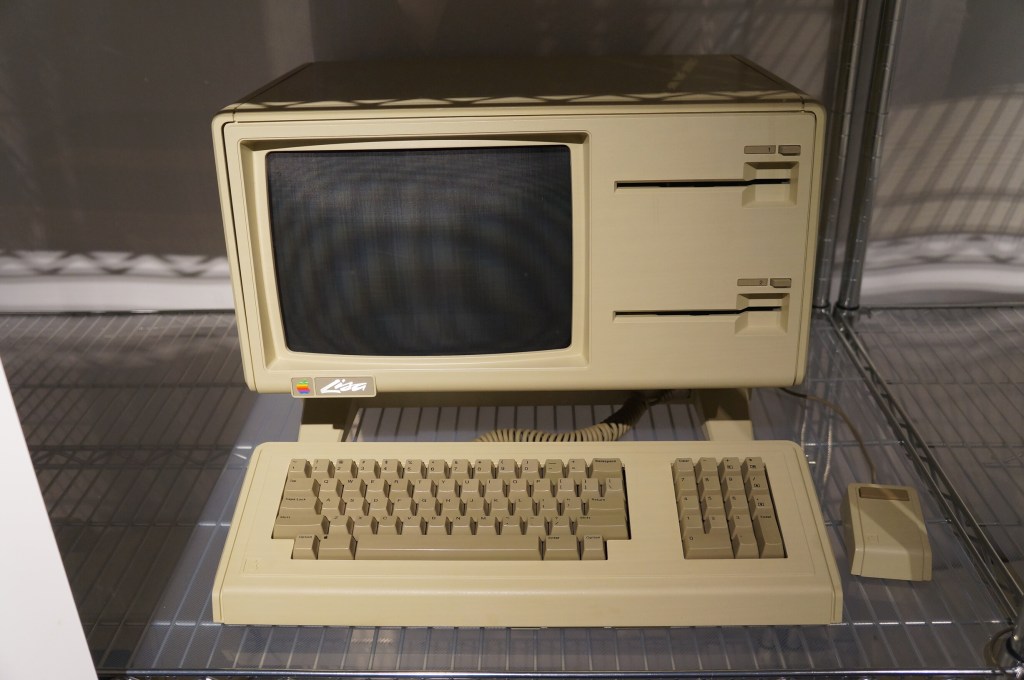
Apple Lisa
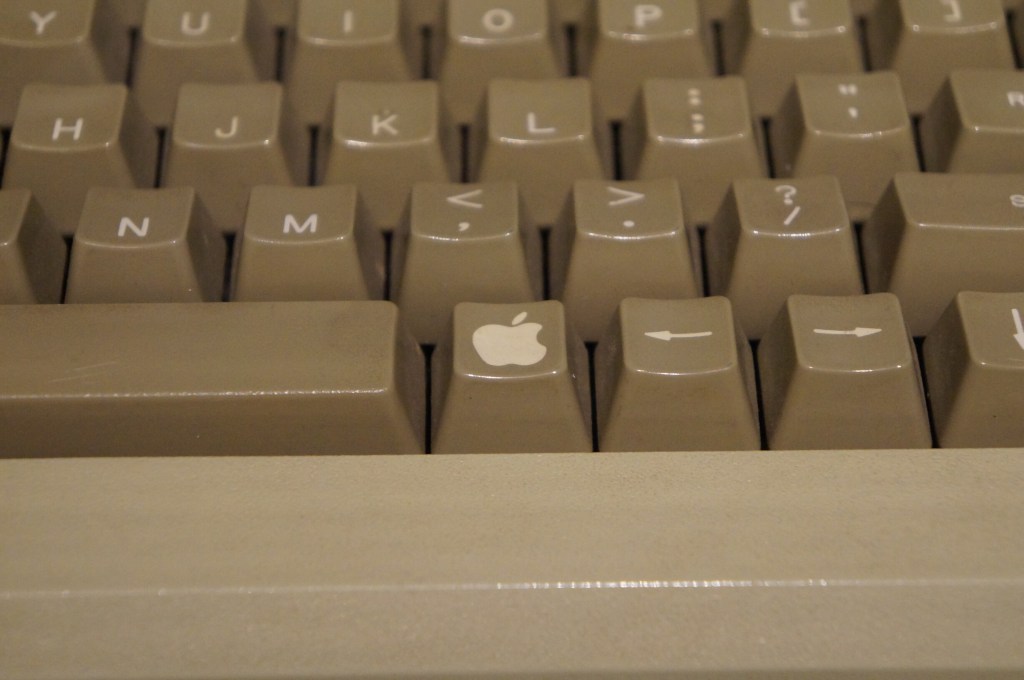
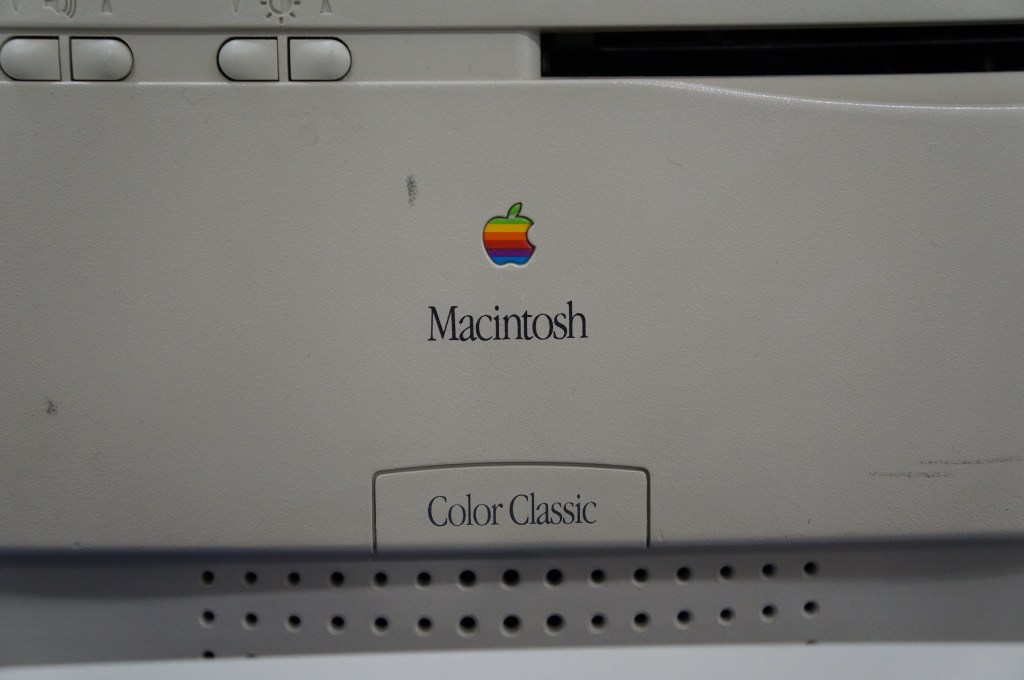
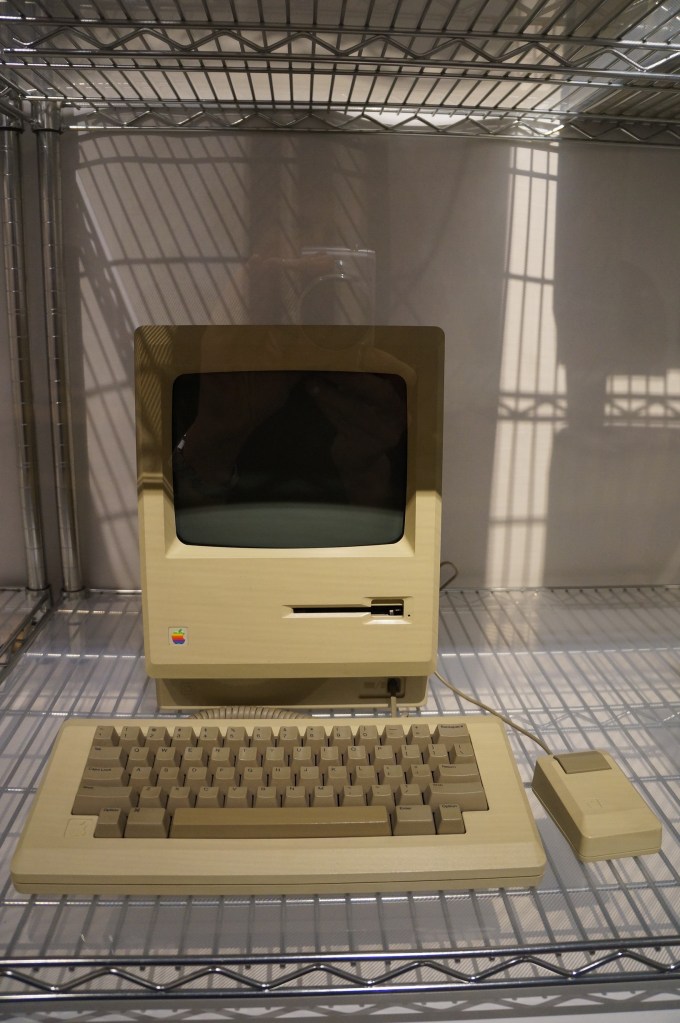
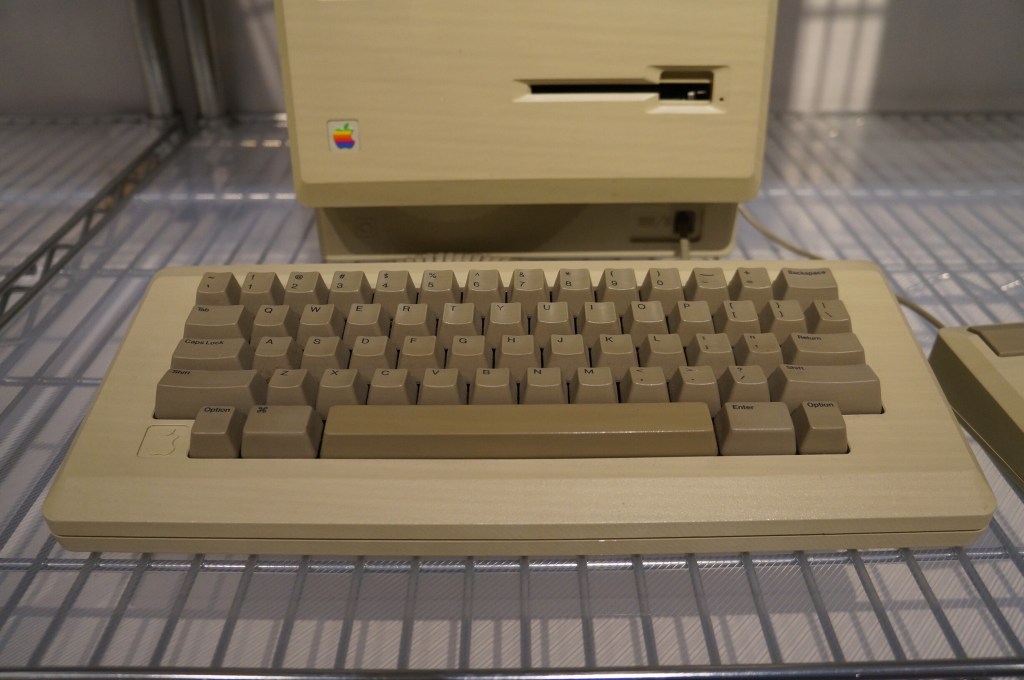
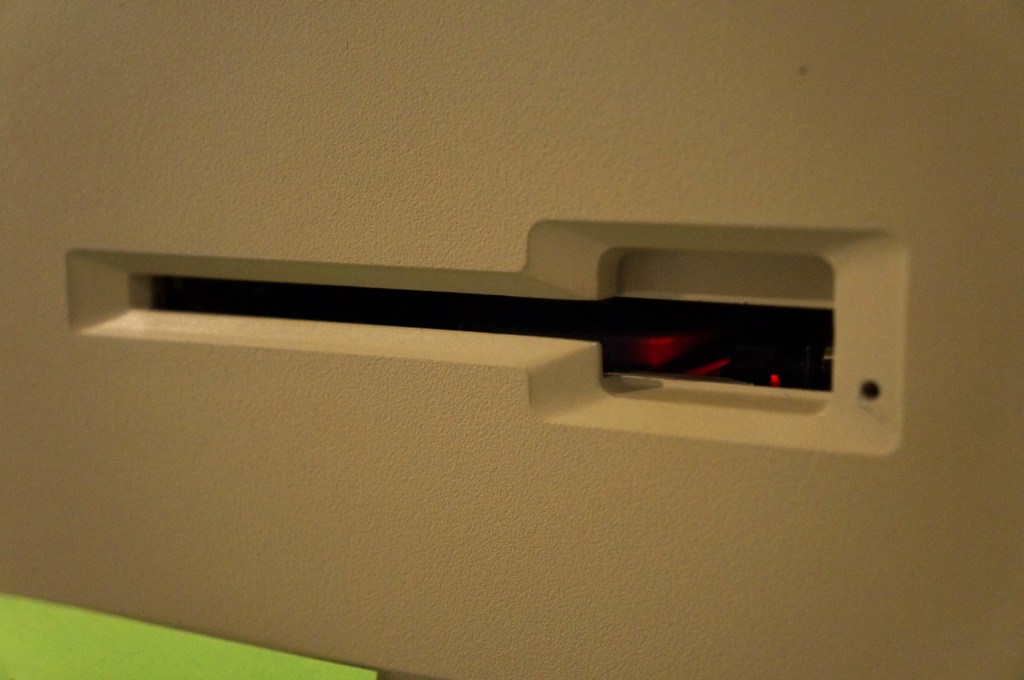
Apple Macintosh
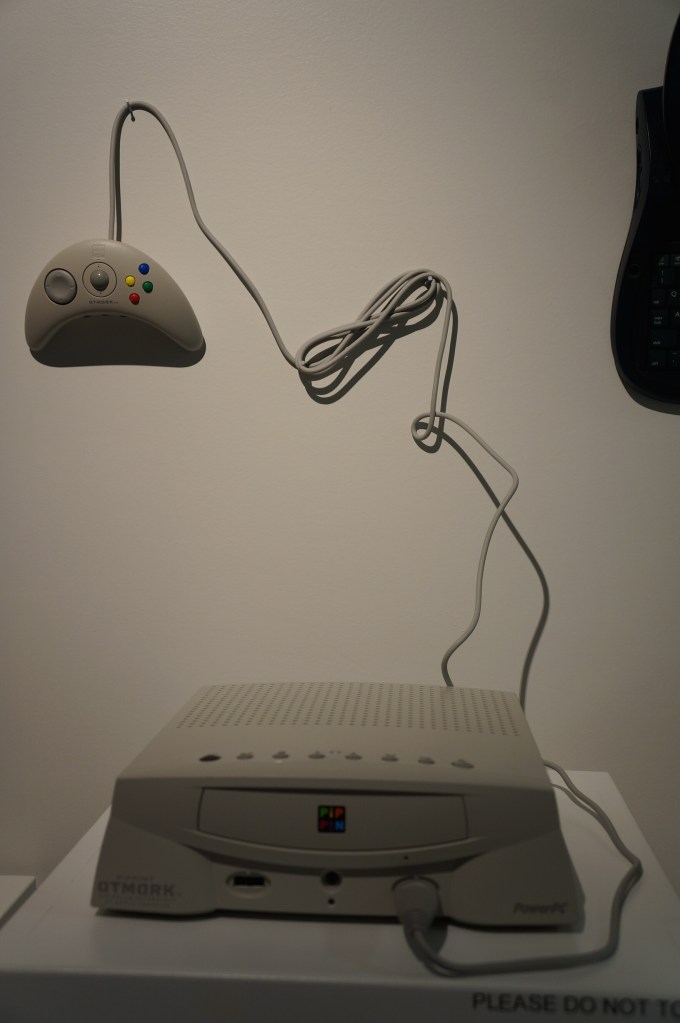
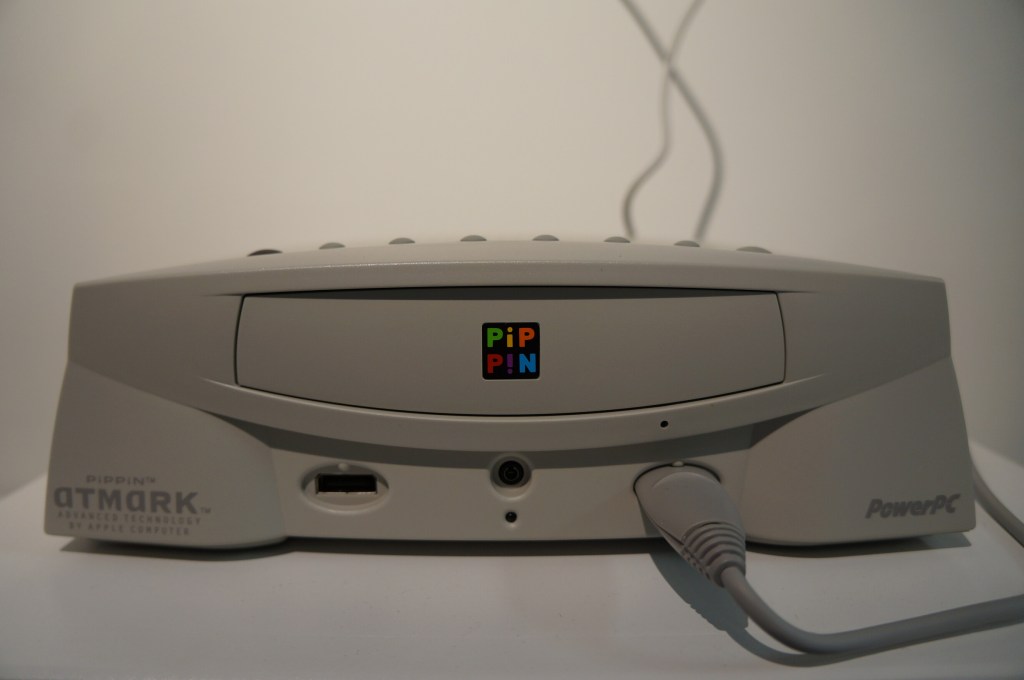
Apple PiPPiN
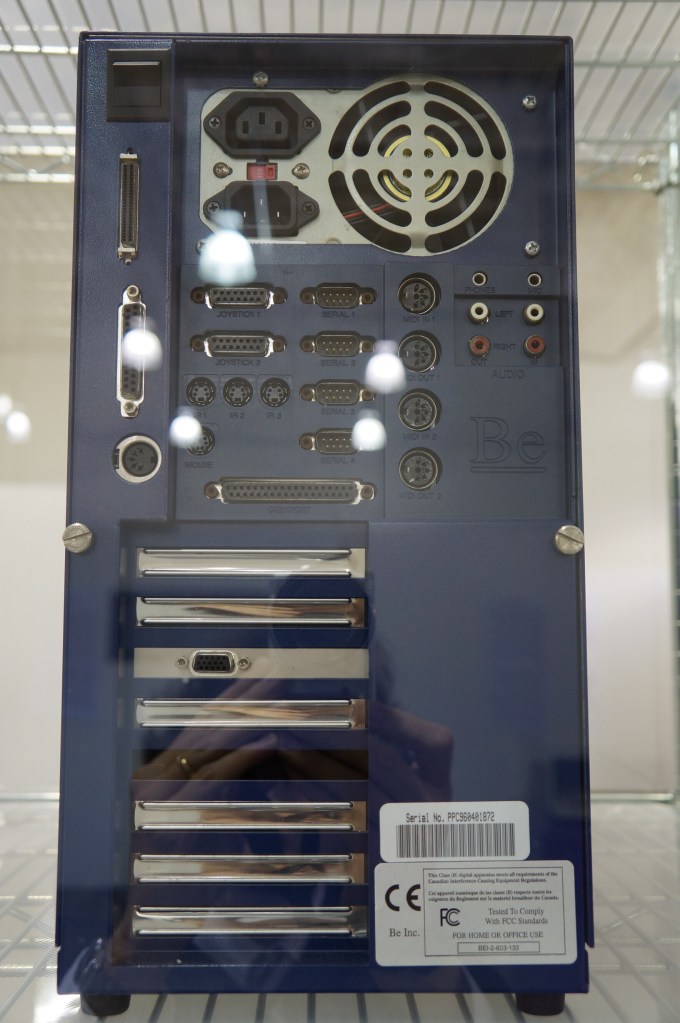
BeBox
As I’ve written before here and here, I really like BeOS, so it was a special joy to see a BeBox in person for the first time at VCFSE 2.0.
On April 20, 2013, I attended the first Vintage Computer Festival Southeast outside Atlanta, Georgia at what is now the Computer Museum of America with my friends Mark, Paul, and Bob. This was the spring of my first full year back in Atlanta after becoming a Brittain Fellow at Georgia Tech in Fall 2012. It was a good day like old times before I went to grad school.
The following year, I co-presented with Wendy Hagenmaier about Vintage Computing at Georgia Tech, which I blogged about here. I will post photos from the 2014 VSFSE next week.
IMSAI 8080 (WarGames)
If you’ve seen the film WarGames (1983), you know what kind of mischief you can get up to with a tricked out version of an IMSAI 8080.
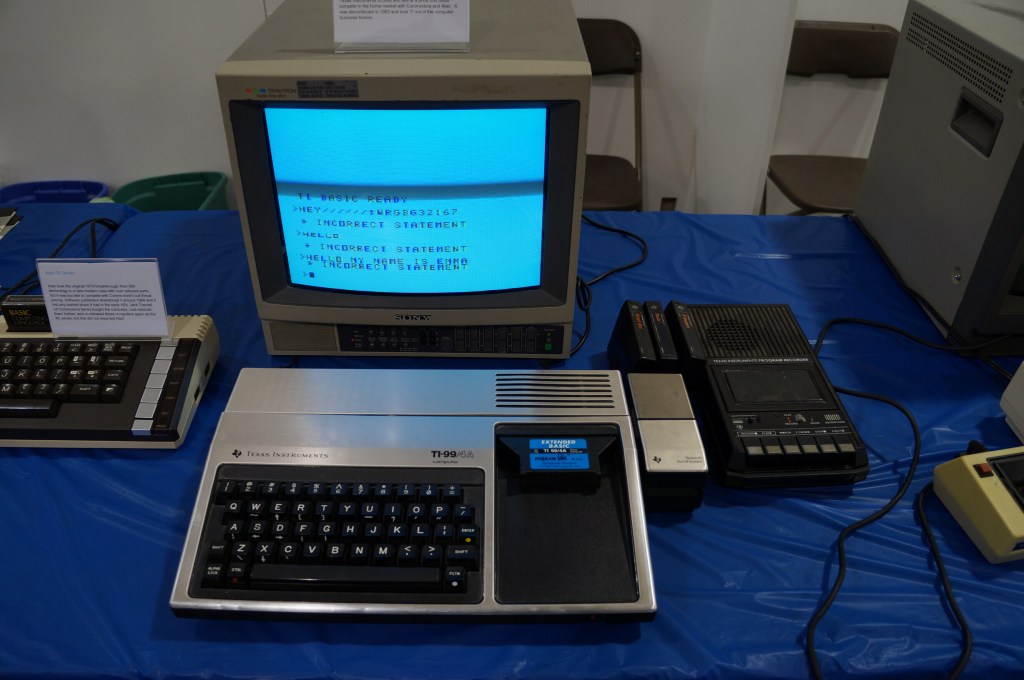
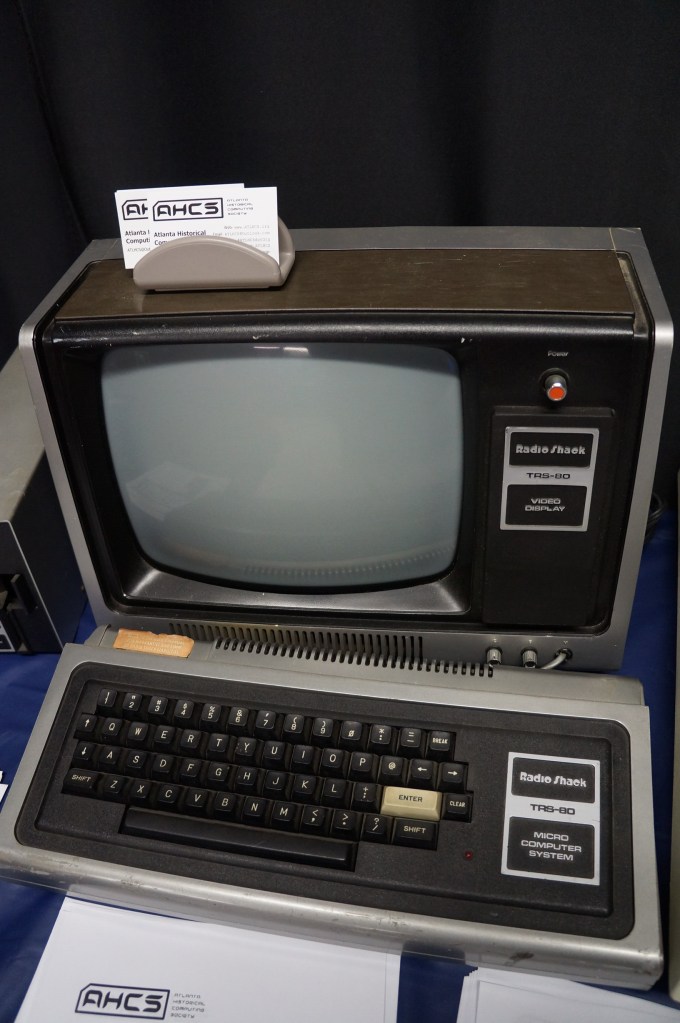
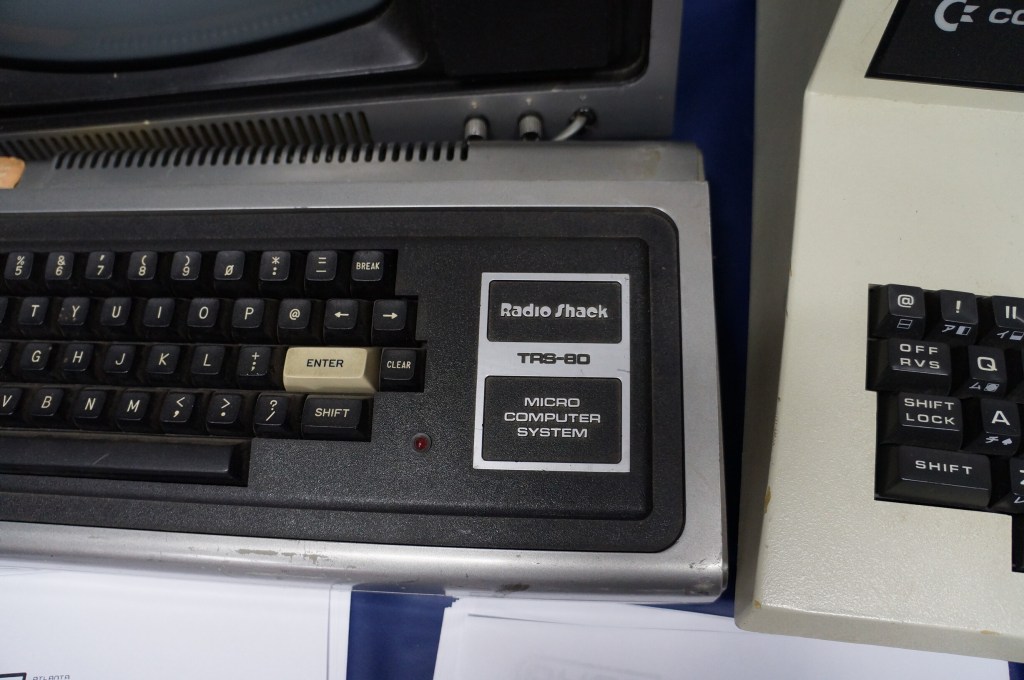
The Big Three: Radio Shack TRS-80, Commodore PET, and Apple II
I often regale my students with tales of the rise of the personal computer with the big three mass manufactured models: Radio Shack’s TRS-80, Commodore’s PET, and Apple’s Apple II (though, it’s actually an Apple IIe pictured below).
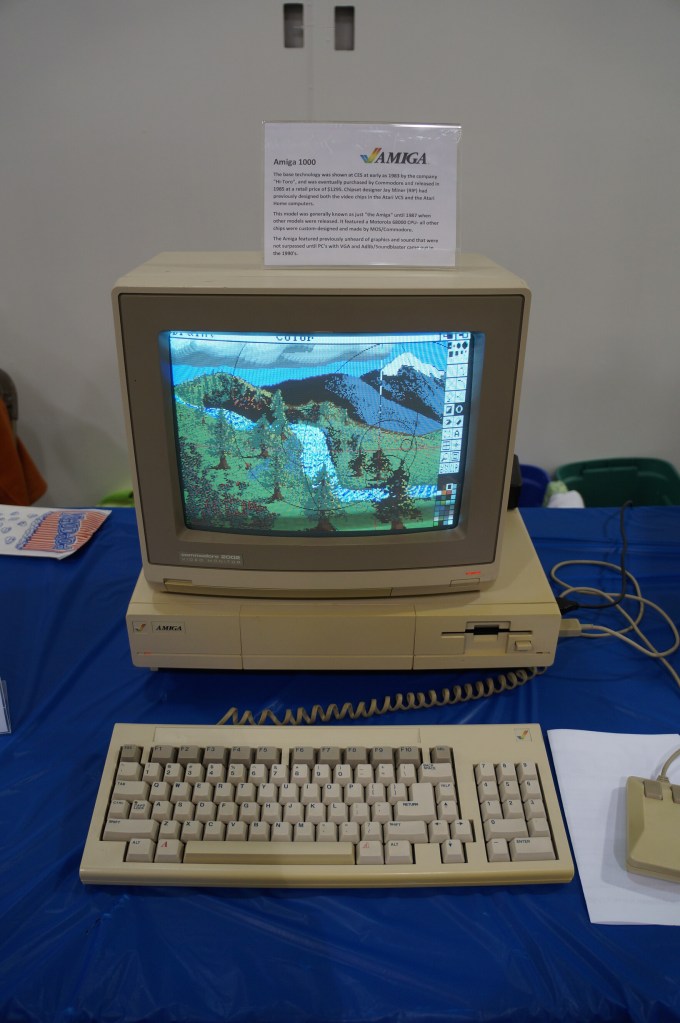
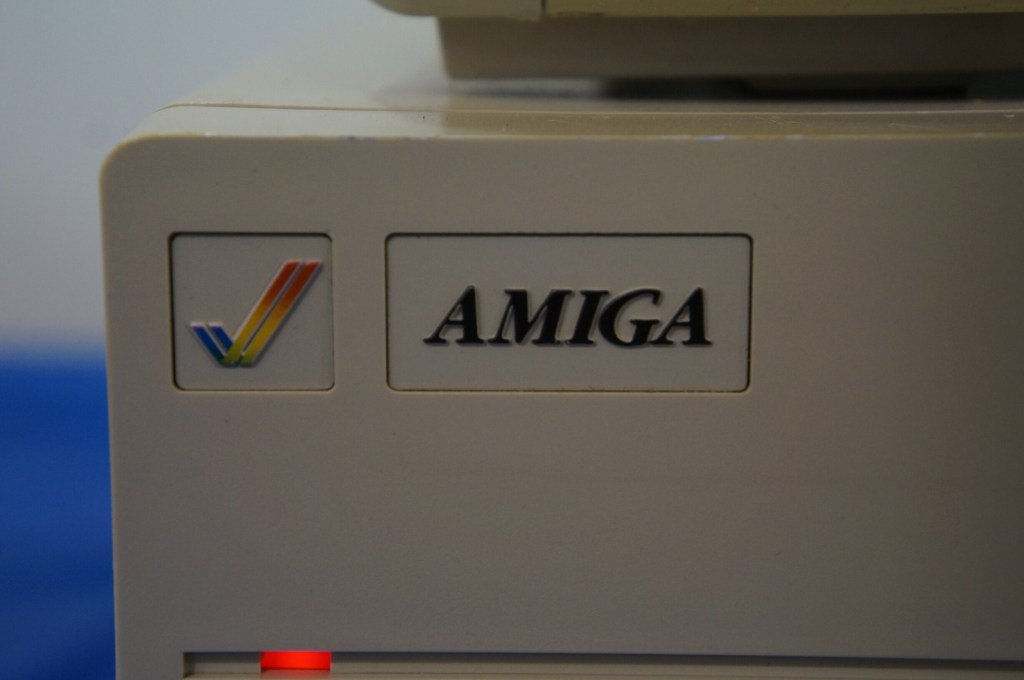
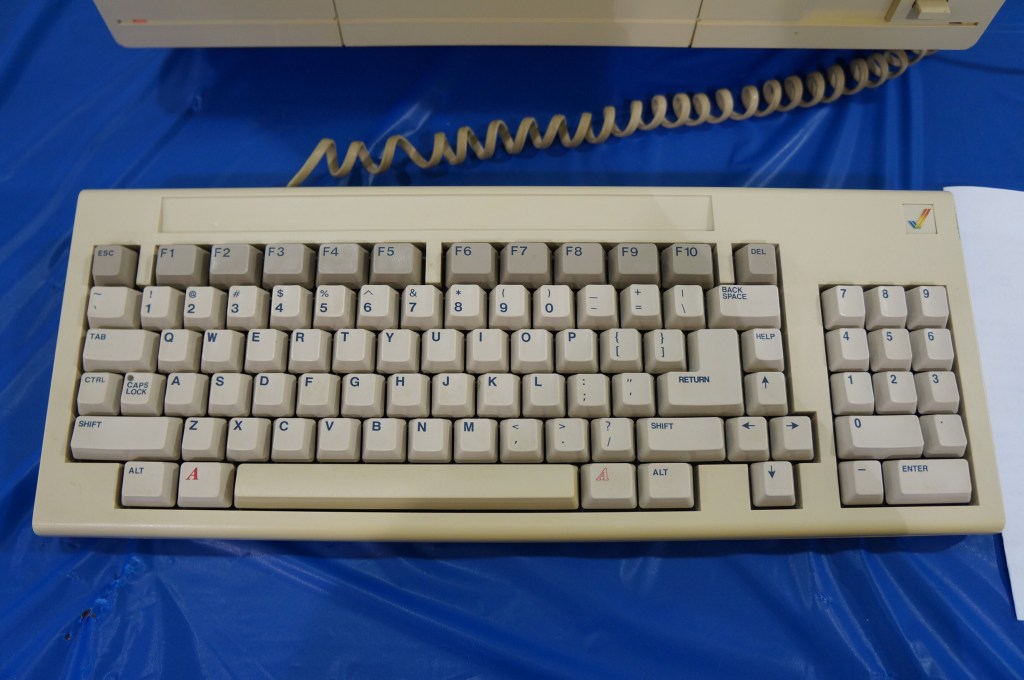
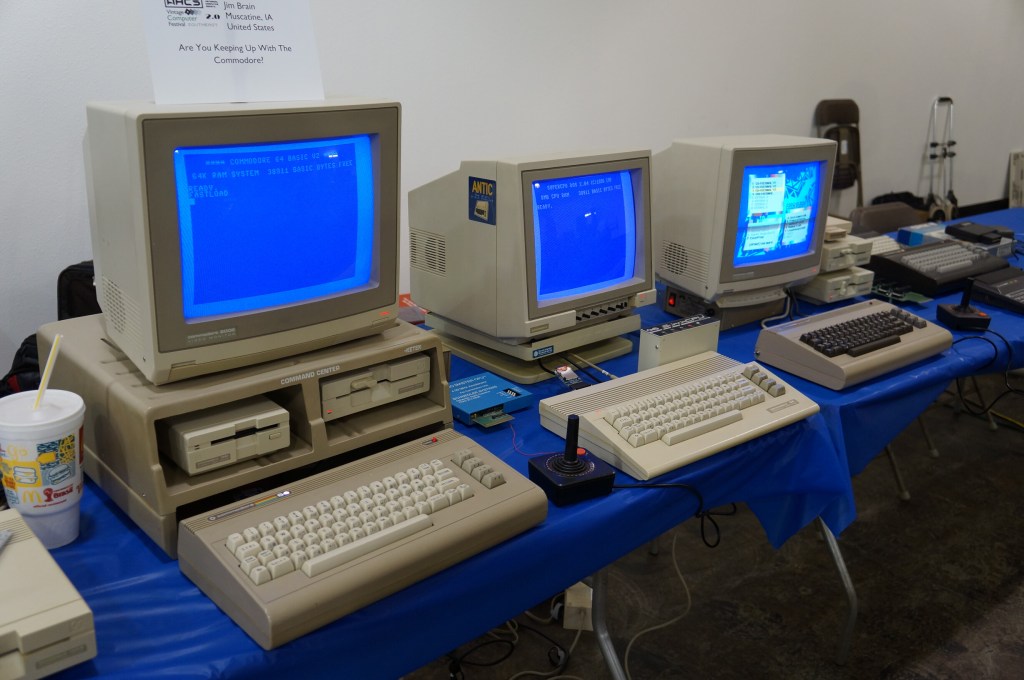
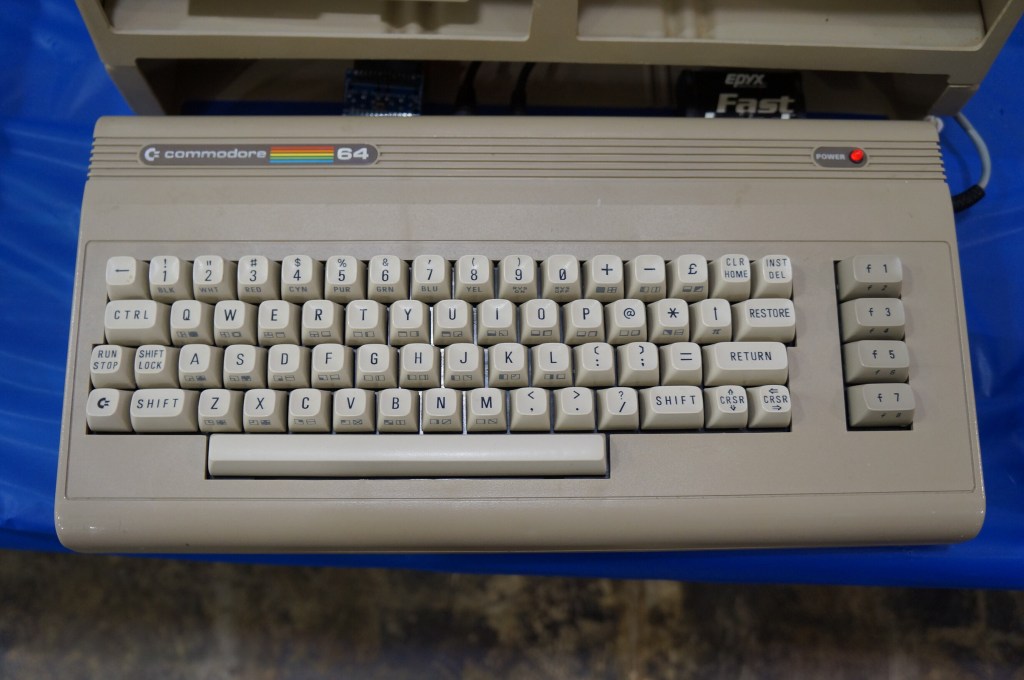
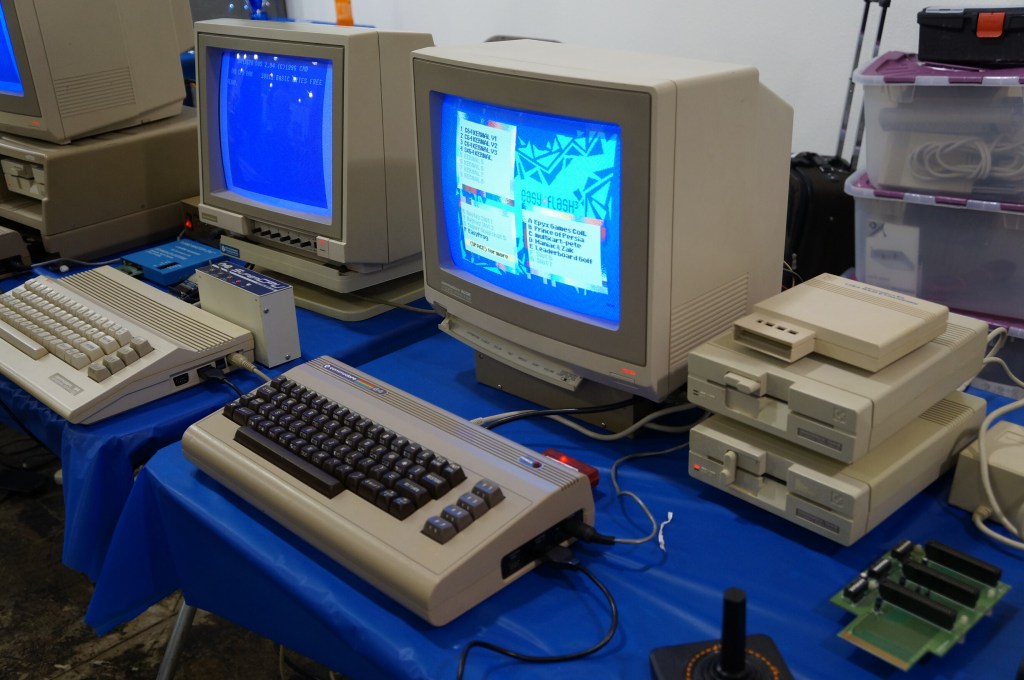
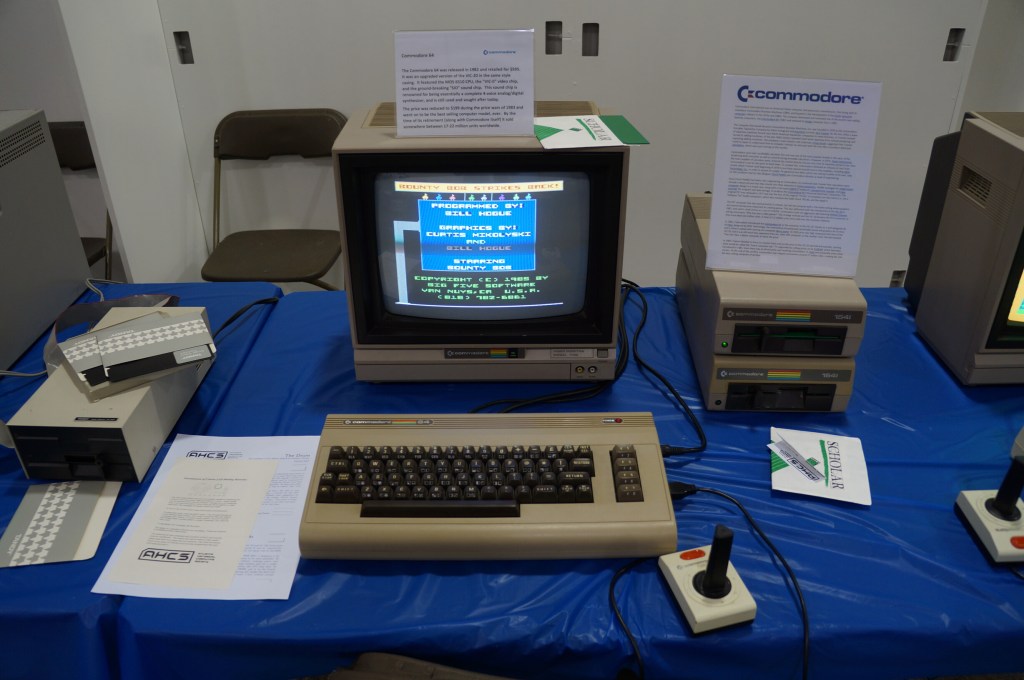
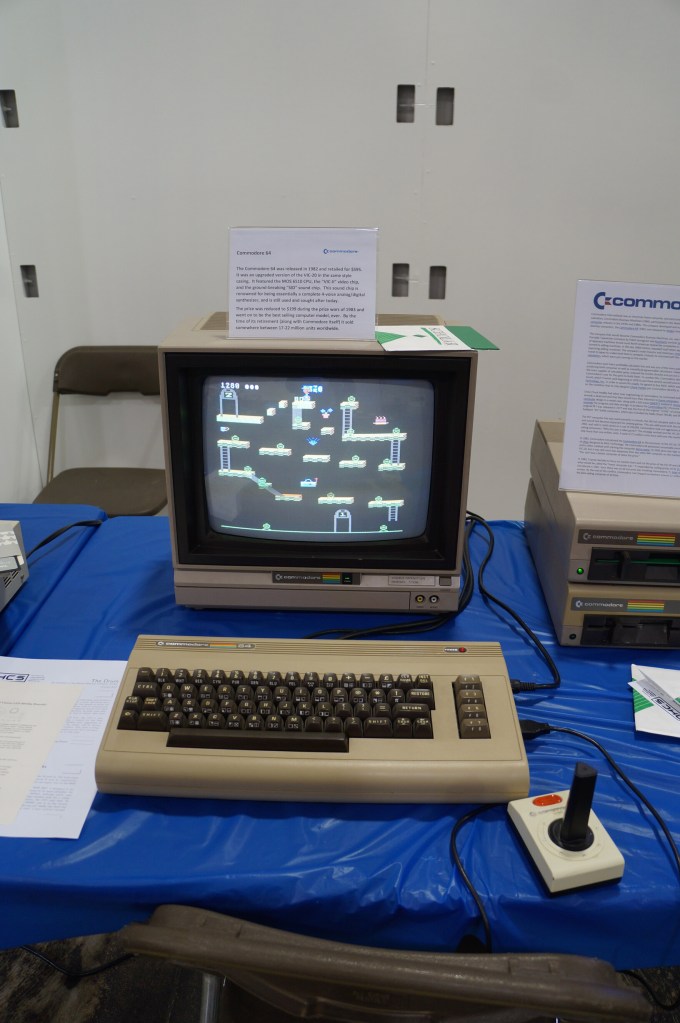
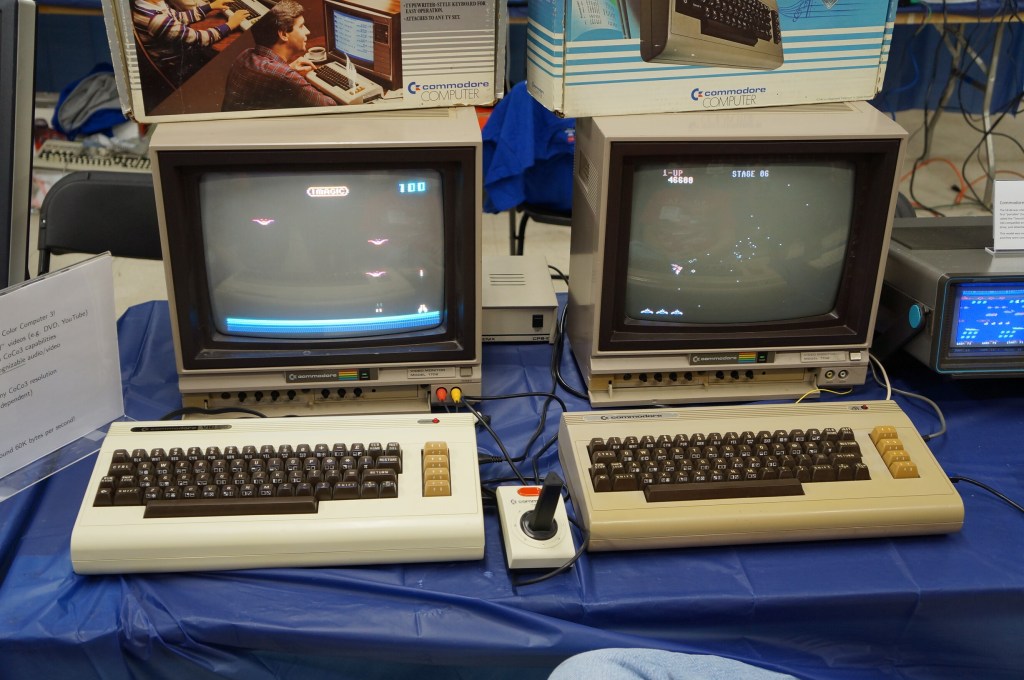
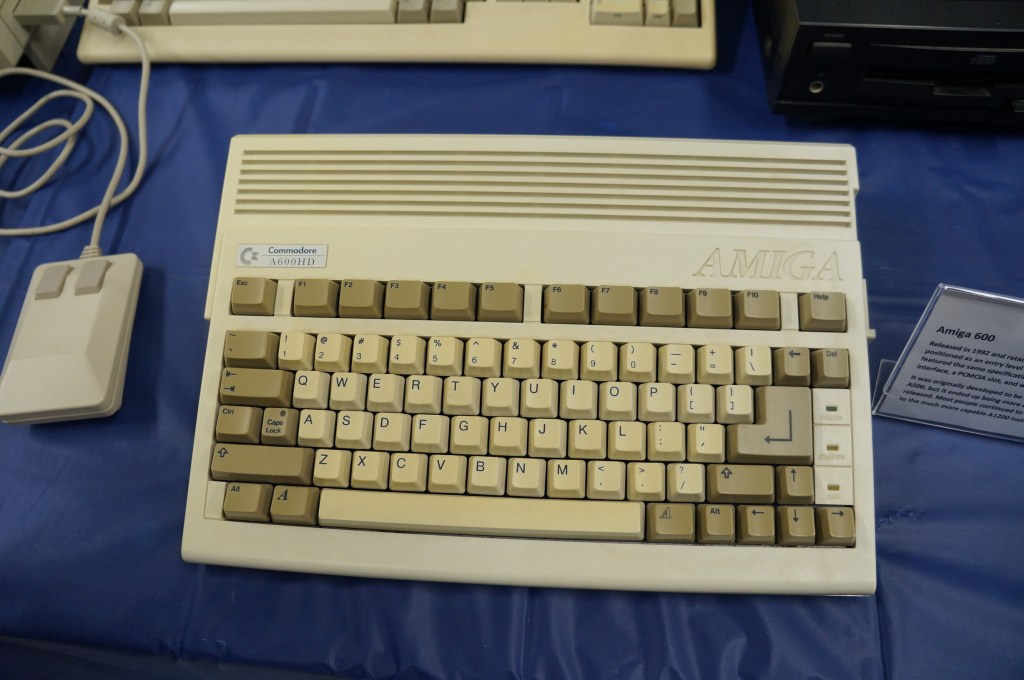
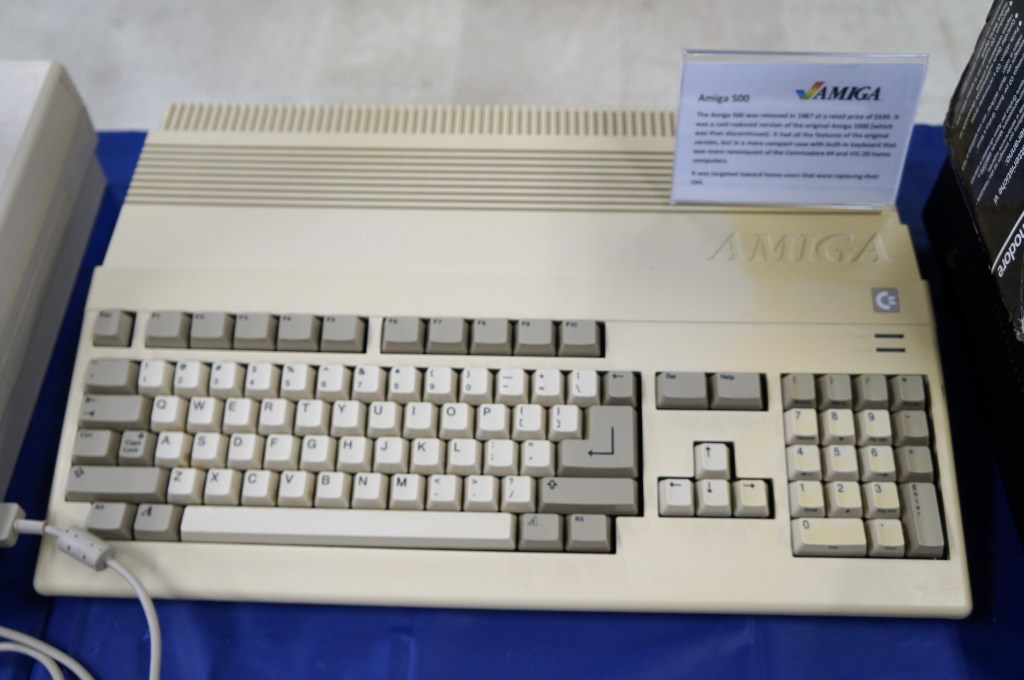
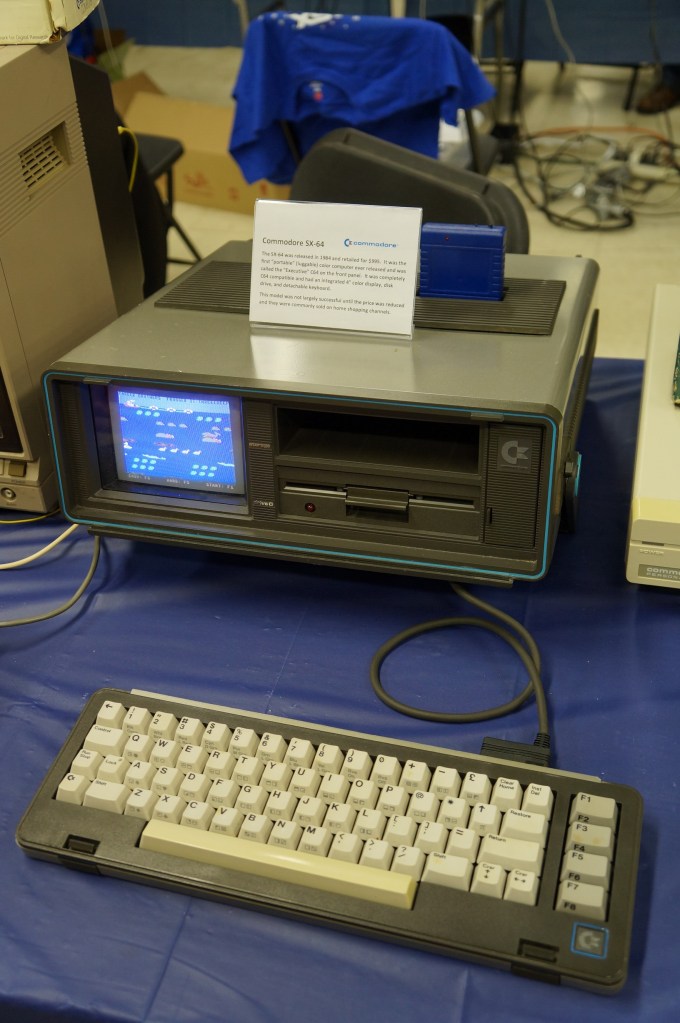
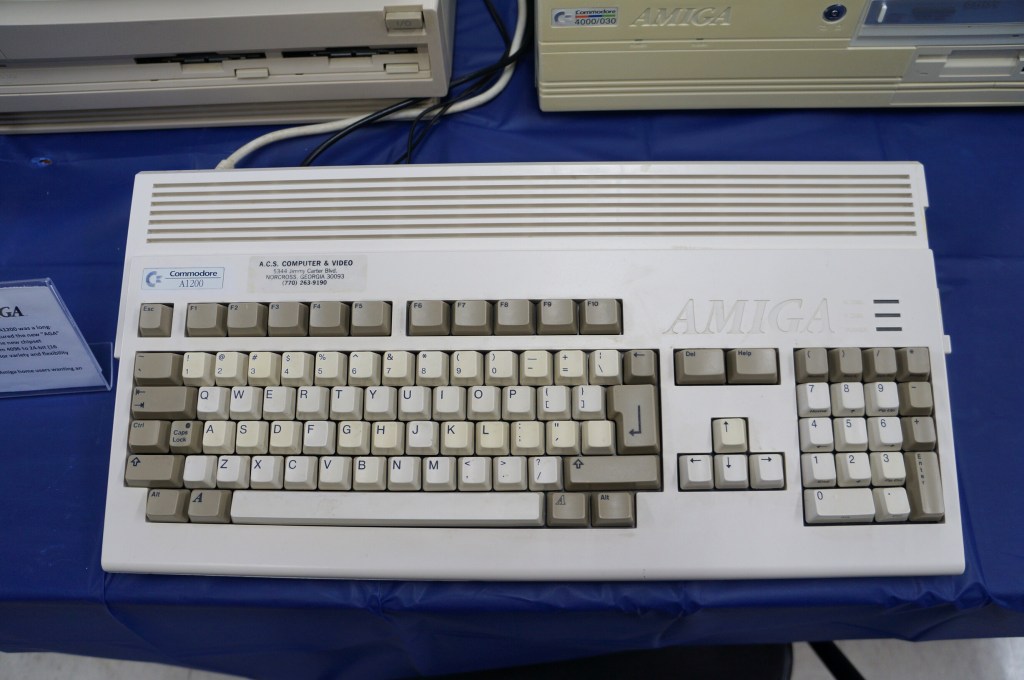
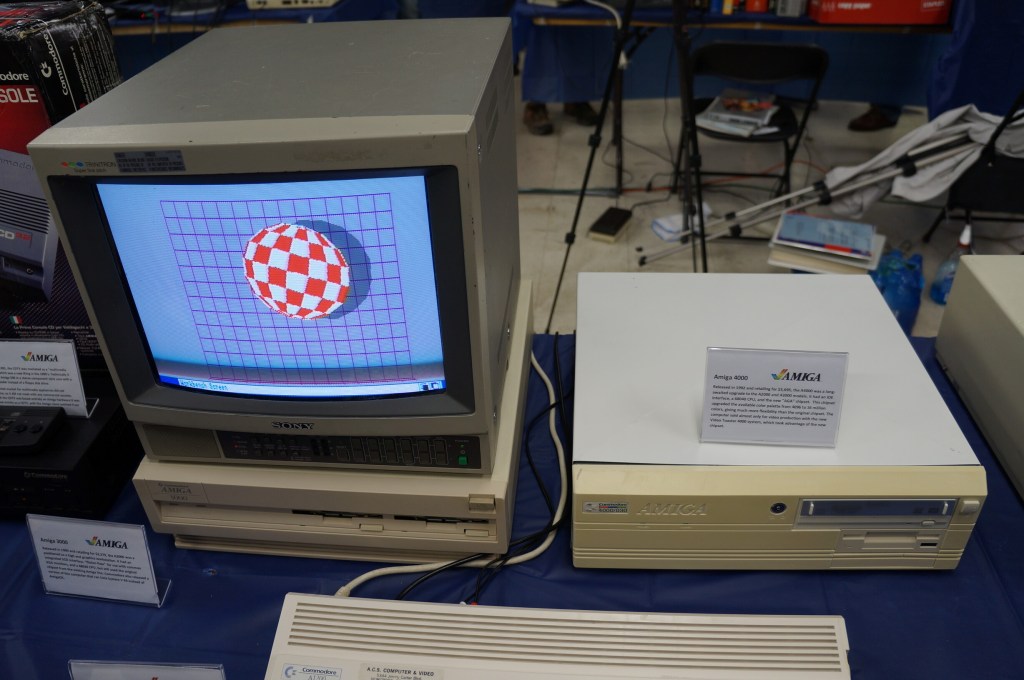
Commodore VIC-20, Commodore 64, and Amiga
I didn’t know anyone with a VIC-20 or Commodore 64 growing up. Mark told me about having a VIC-20 when he was younger. After my trials with the Tandy Color Computer 3, my first GUI-based computer was an Amiga 2000HD. I used it for years for writing, drawing, and gaming until a tree branch attached to a long strand of Spanish moss swung Tarzan-style into my bedroom window and hit the back of the Amiga. It never ran again after that strike.
Years later, I got another Amiga 2000 from someone at a Goodwill auction. He had won the pallet that I wanted that included the Amiga. I don’t remember what I paid him for it, but I stored it at my used computer stall at Duke’s Y’all Come Flea Market in Darien, Georgia. We had a falling out and I abandoned what I still had in the stall, which included the Amiga. I never found out if it still ran or not.
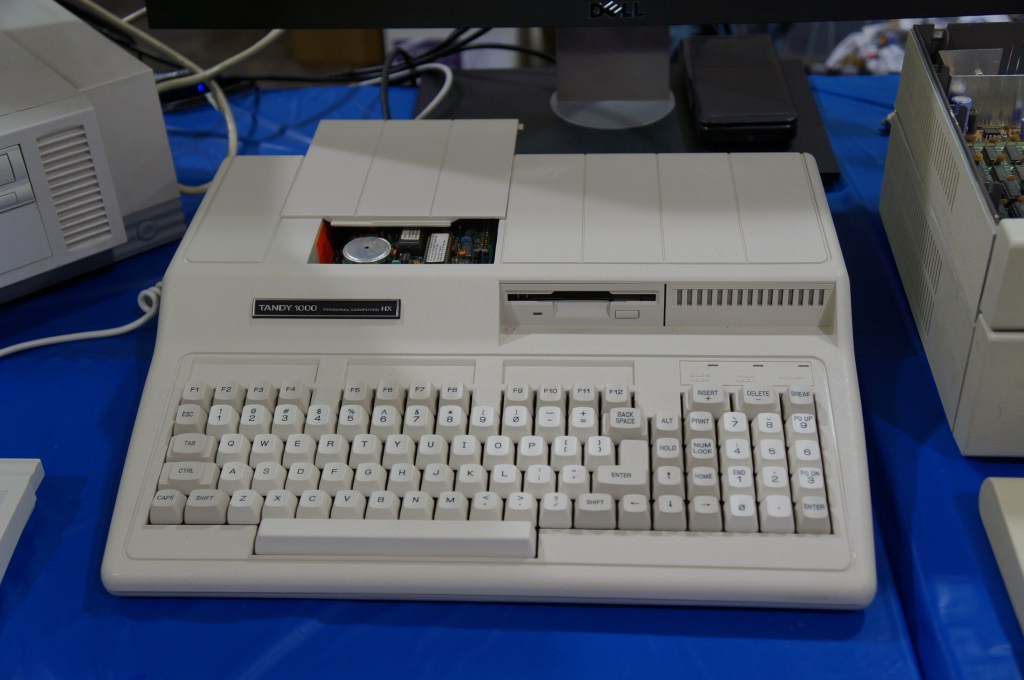
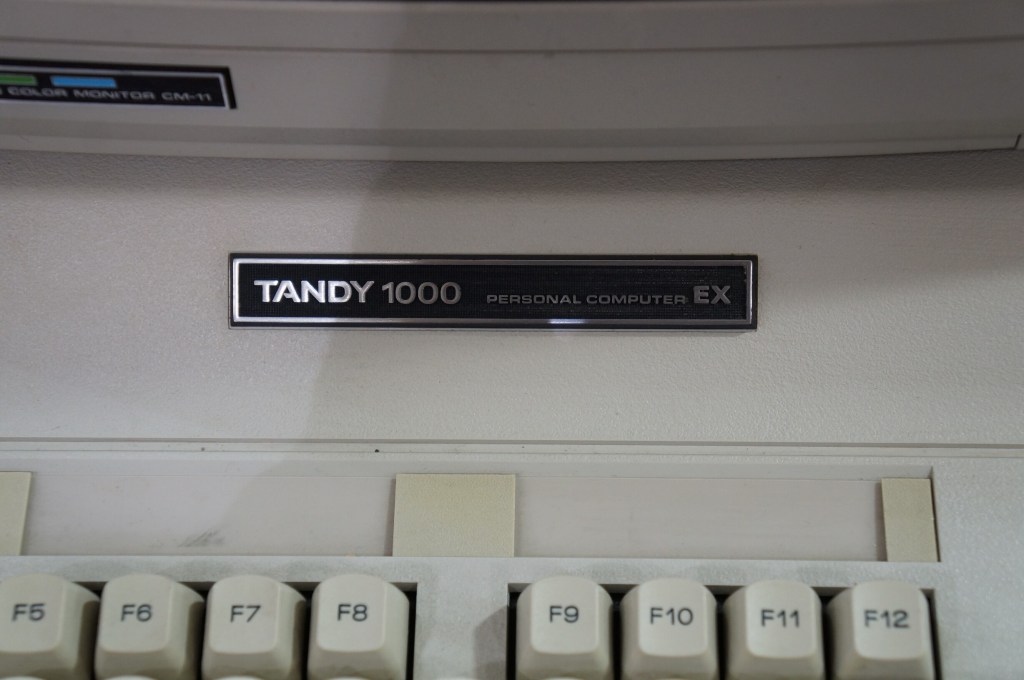
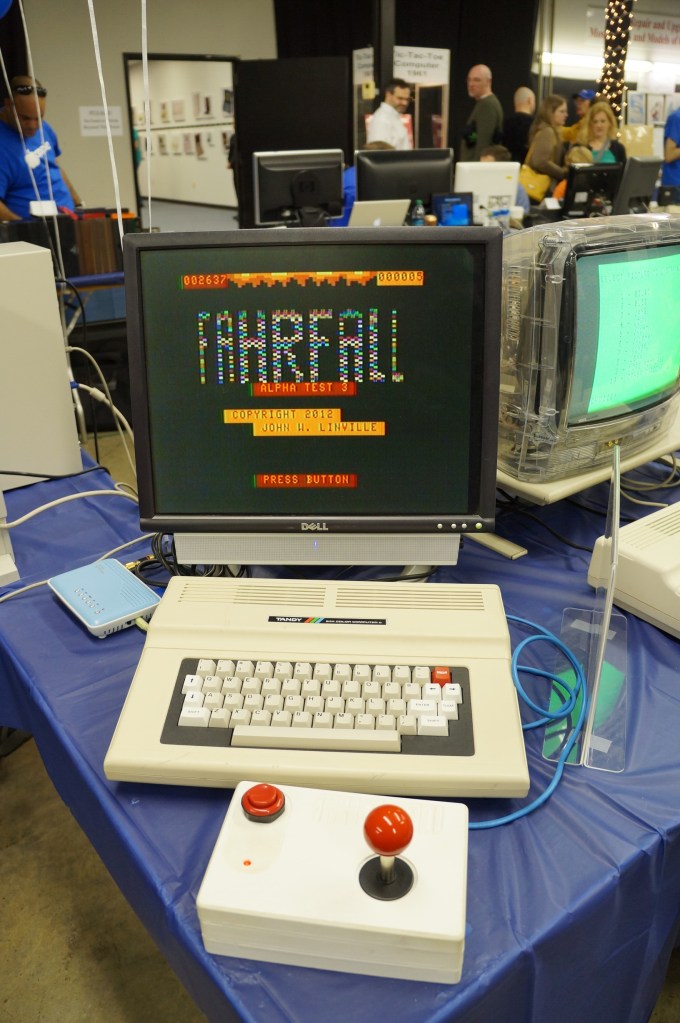
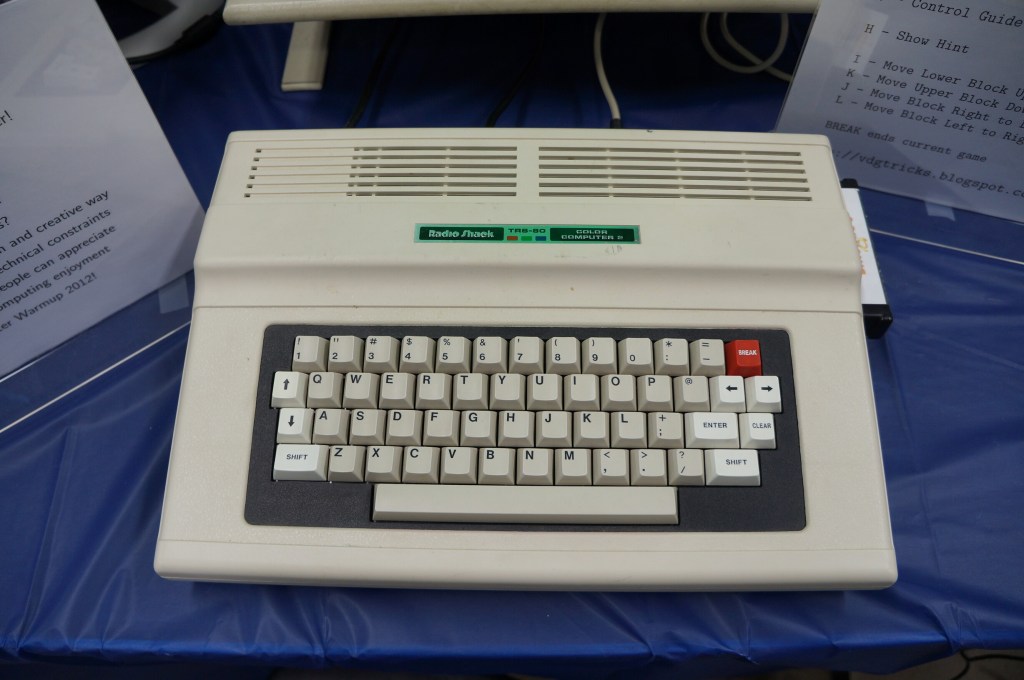
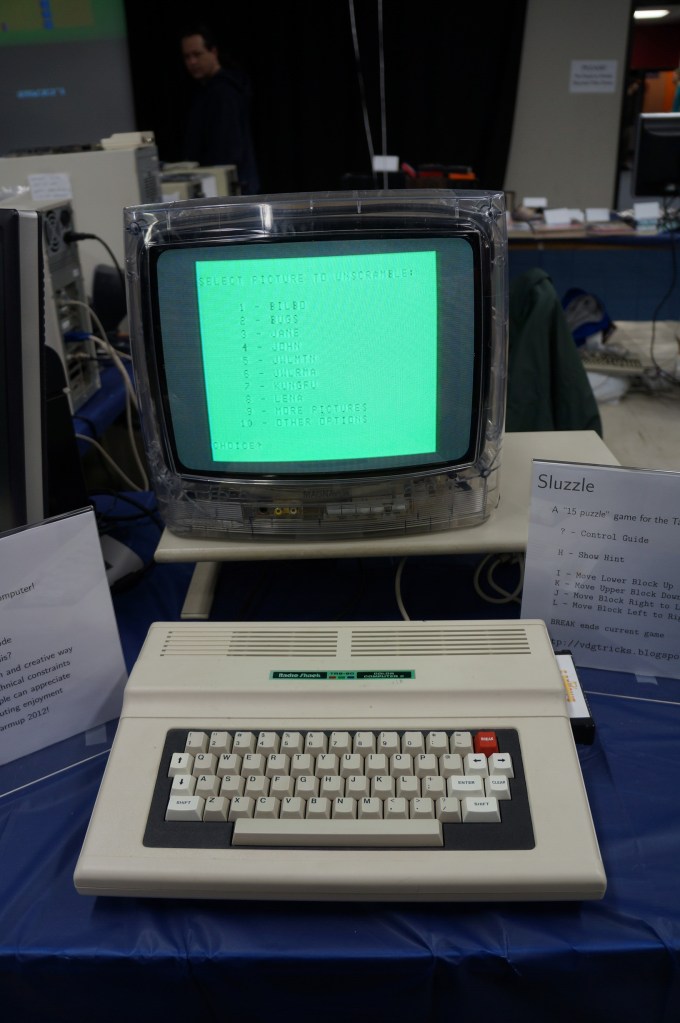
Radio Shack TRS-80 and Color Computer Series
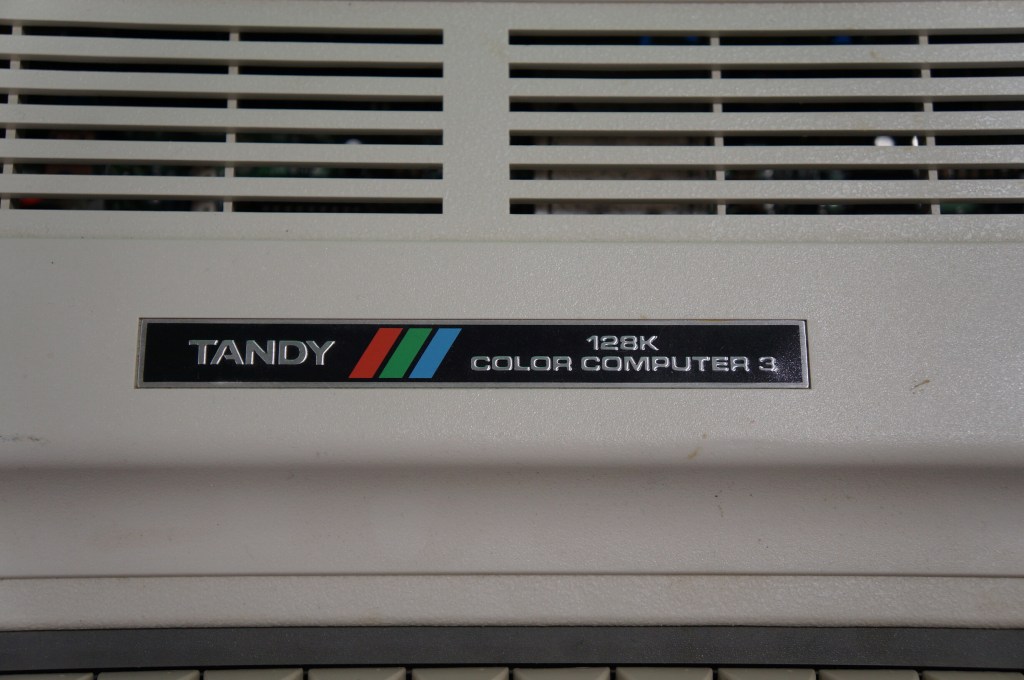
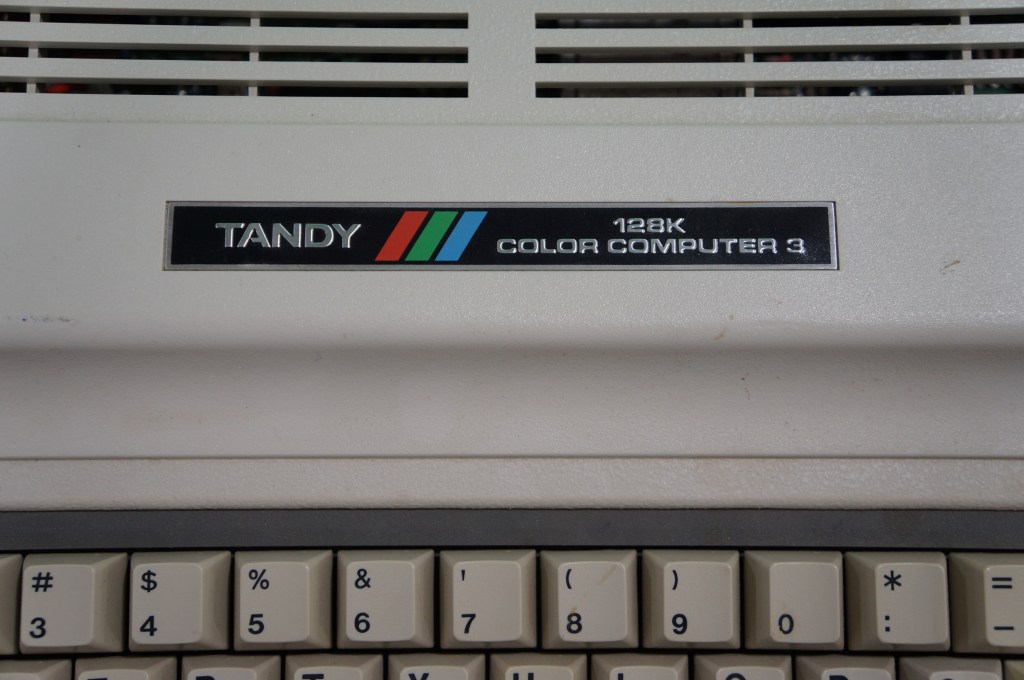
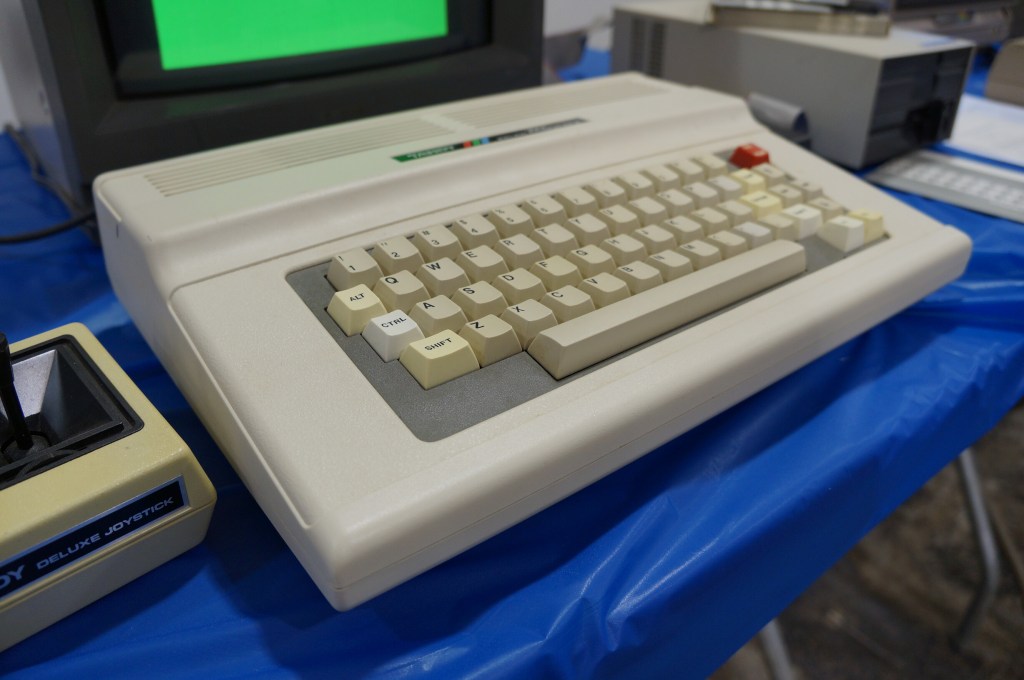
My first desktop computer was a Tandy Color Computer 3 that I hooked up to the family console TV. While I did all that I could with it, I think my mom recognized my frustrations. I wanted to make it work so badly after not having a computer and wanting one for so long. The next Christmas, my folks gave me a Commodore Amiga 2000HD, which was light years ahead of the CC3.
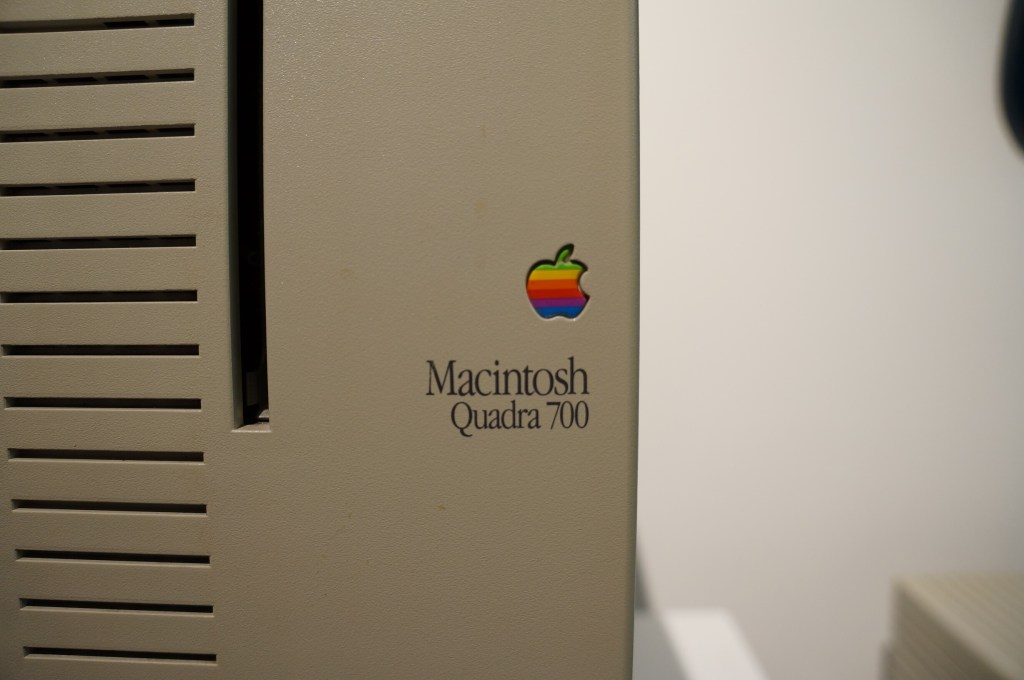
I had a Quadra 700 when I lived in Atlanta with Y. I put it in a box and left it with my folks in Georgia when we moved to NYC. Where it is now is anyone’s guess. There are many hiding places for a small box with this tiny powerhouse of a Mac. I hope to find it again one day.
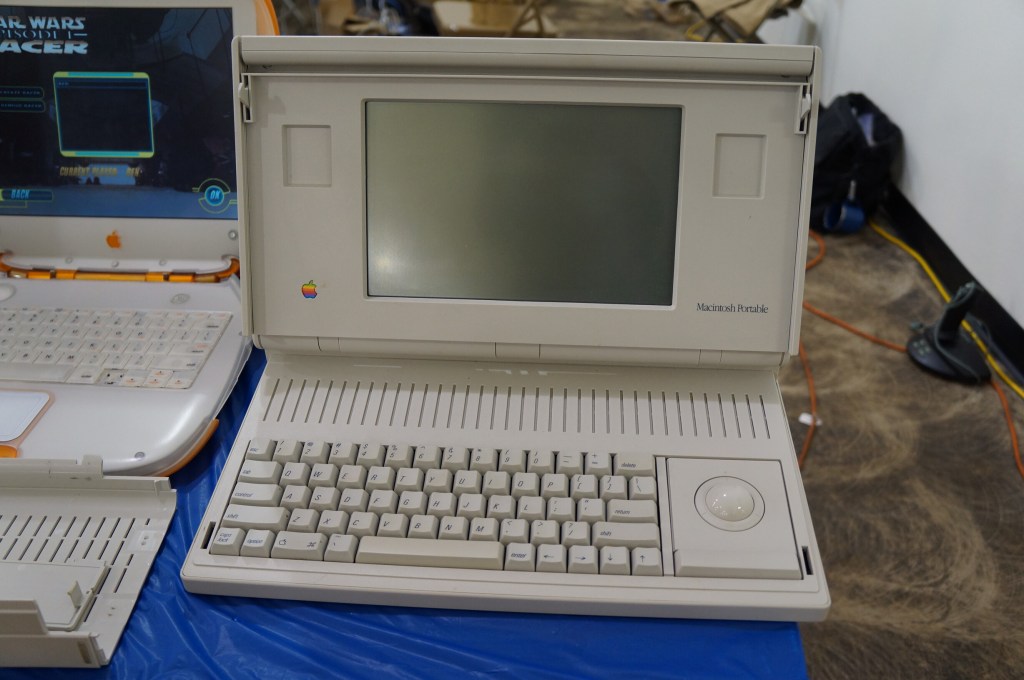
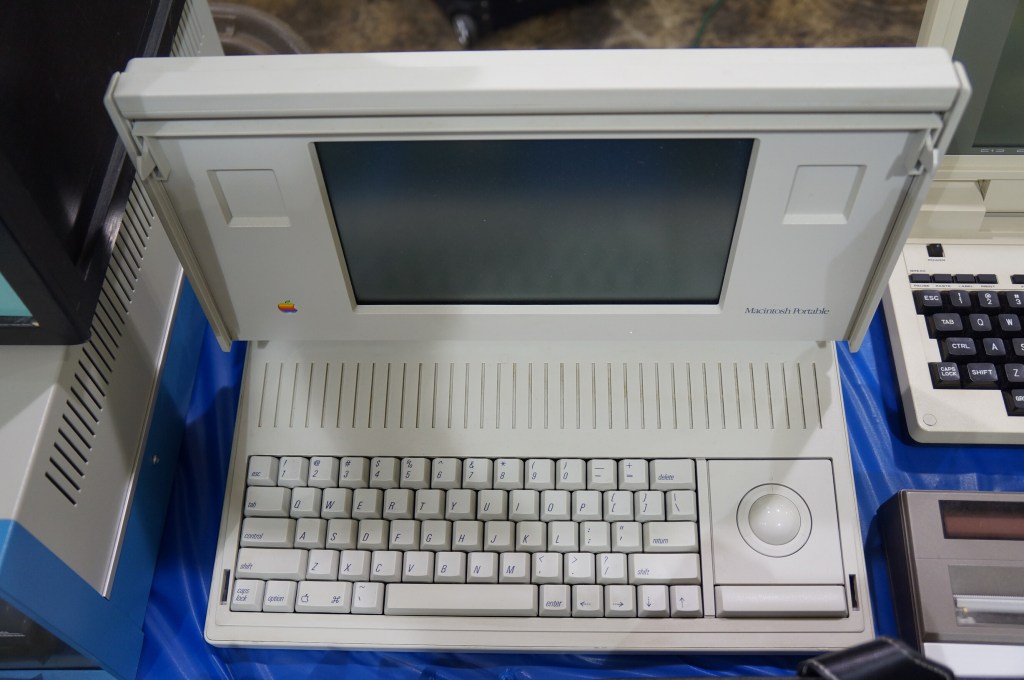
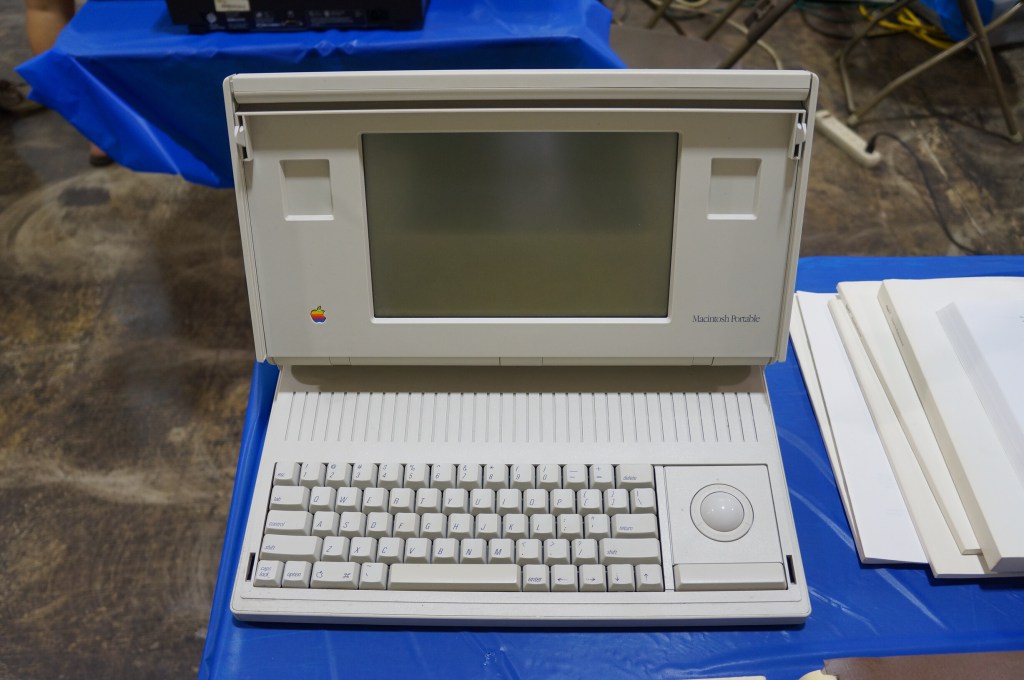
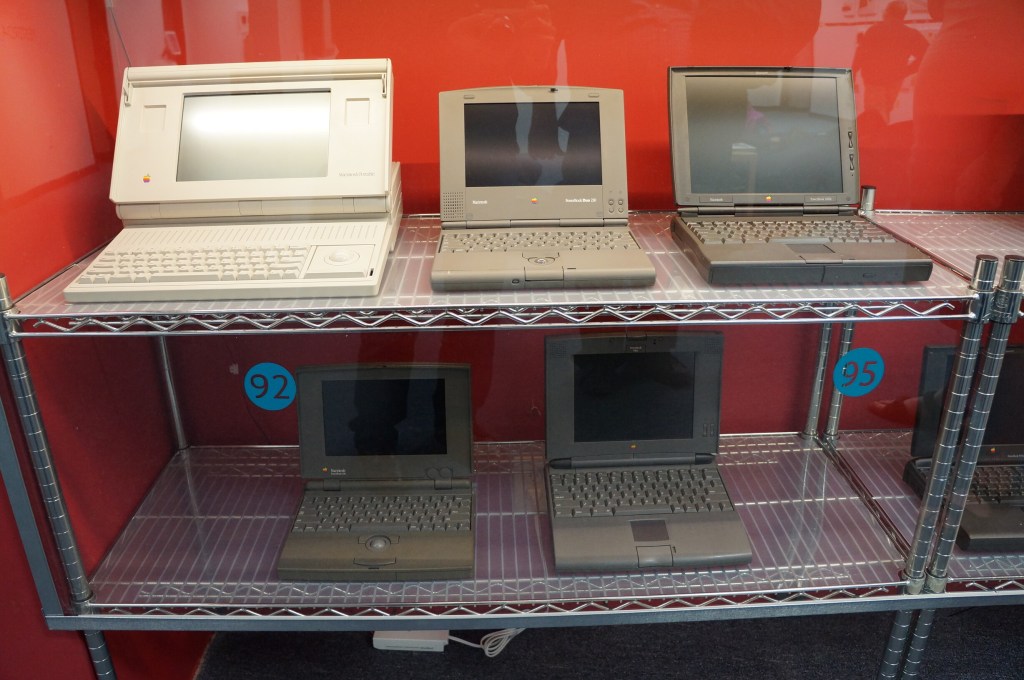
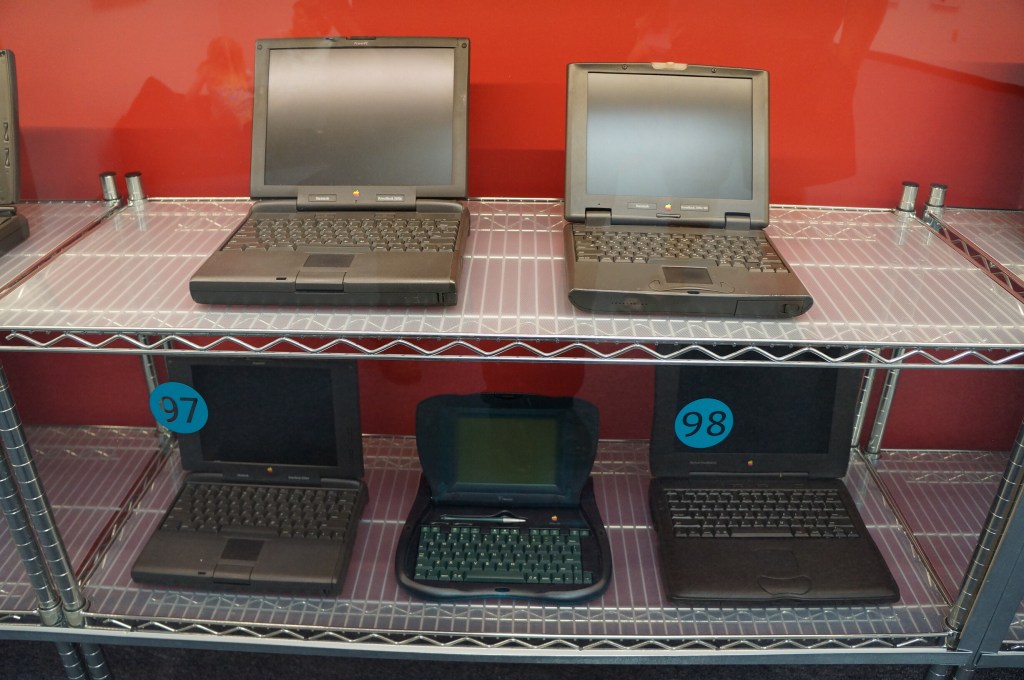
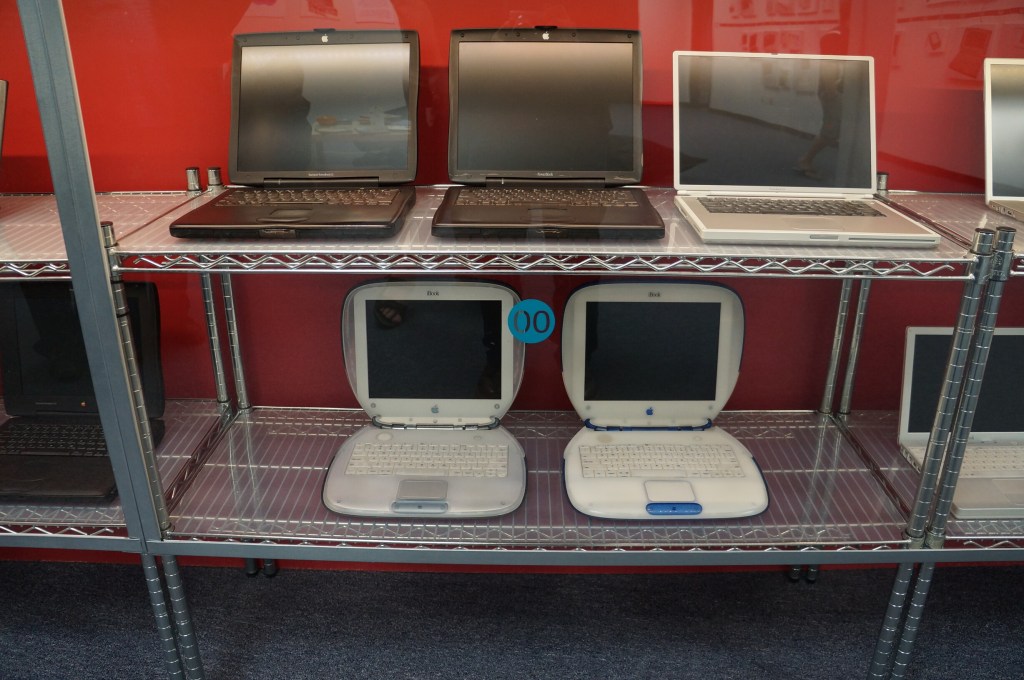
Portable Macintosh and Powerbook Line
My first laptop was a PowerBook 145B, which was my companion during my last two years of high school and the beginning of college of Georgia Tech. Later, I owned a PowerBook G4, iBook G3 (the result of a trade with my friend Kenny), 15″ MacBook Pro (2006), 12″ MacBook (unibody, 2008), and 15″ MacBook Pro (2012–Y still uses it).
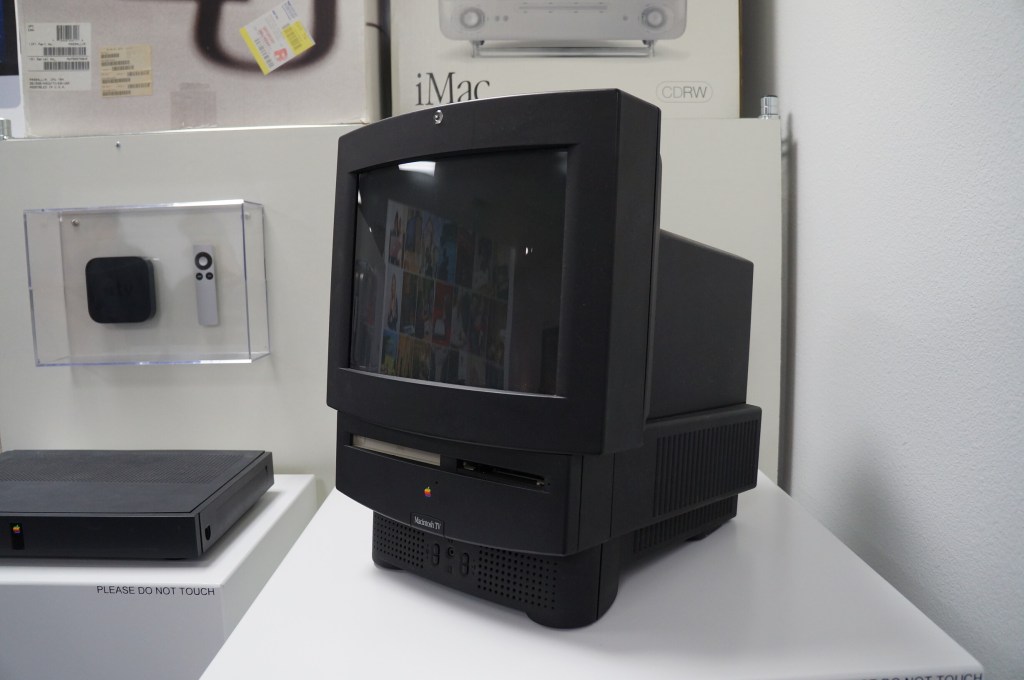
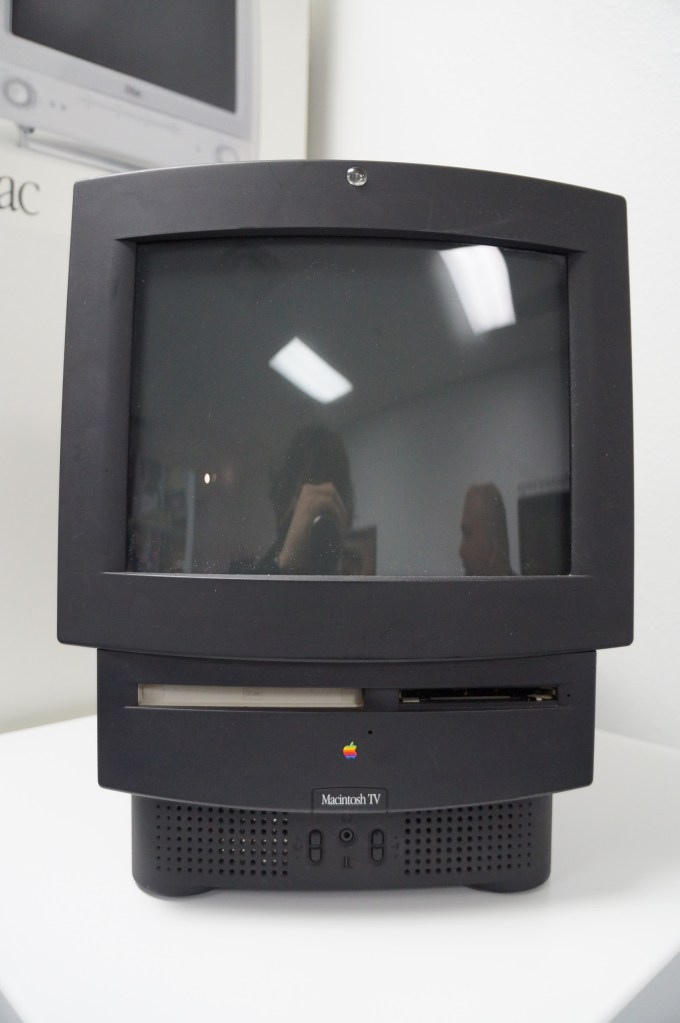
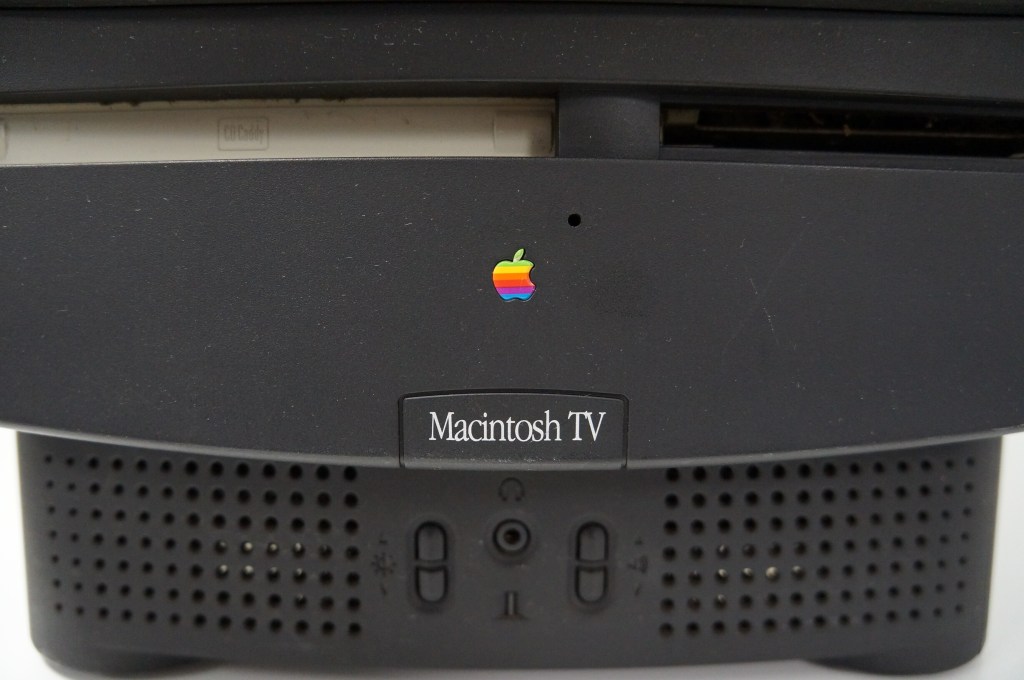
Apple Macintosh TV
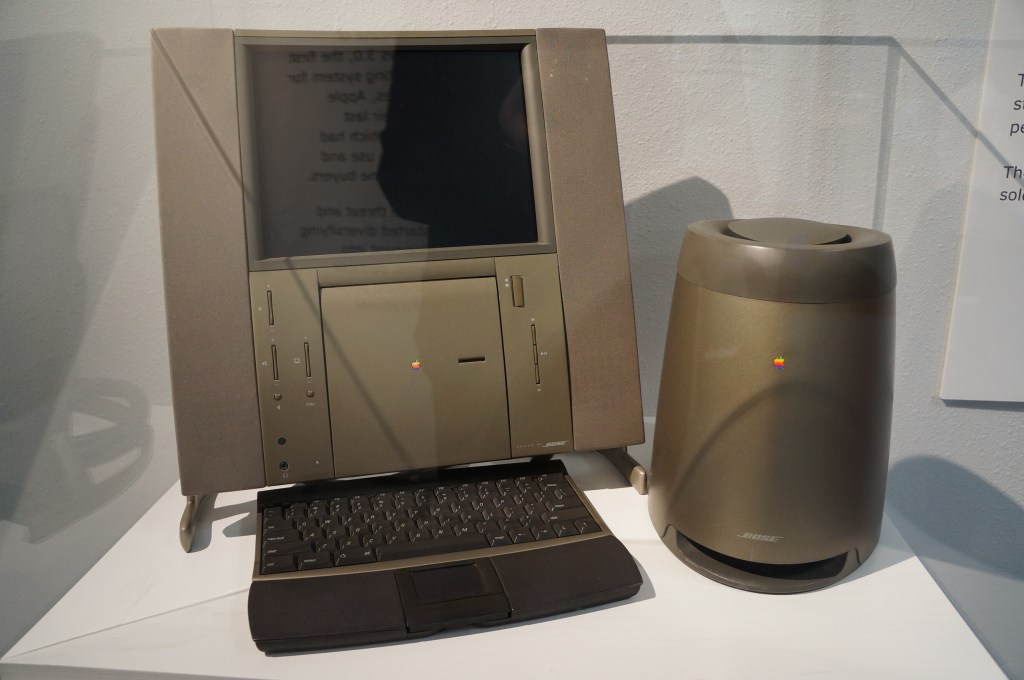
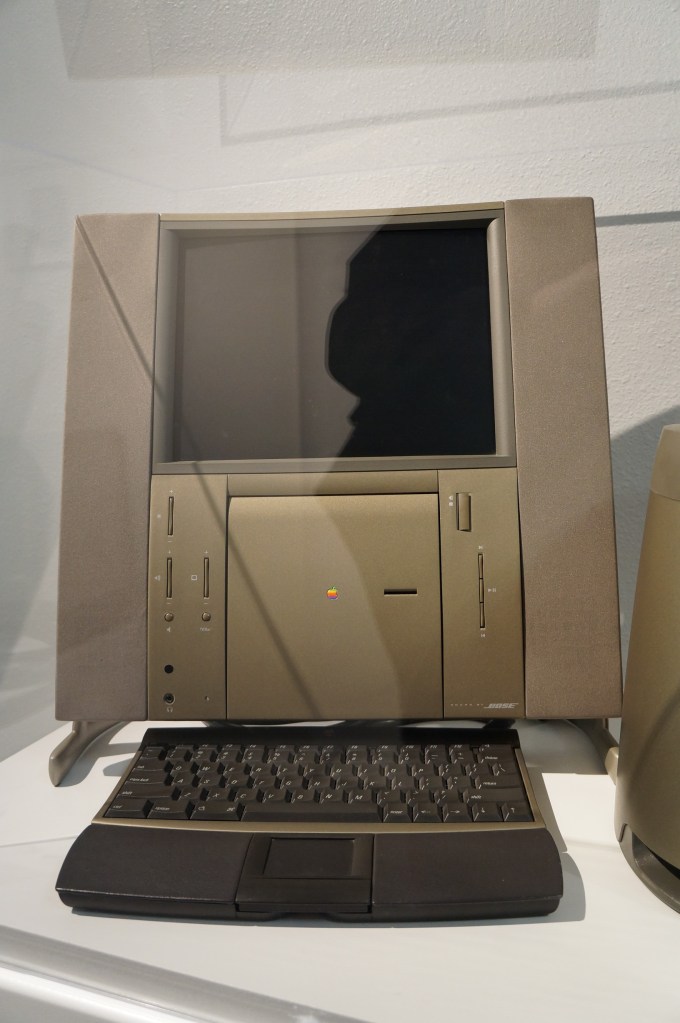
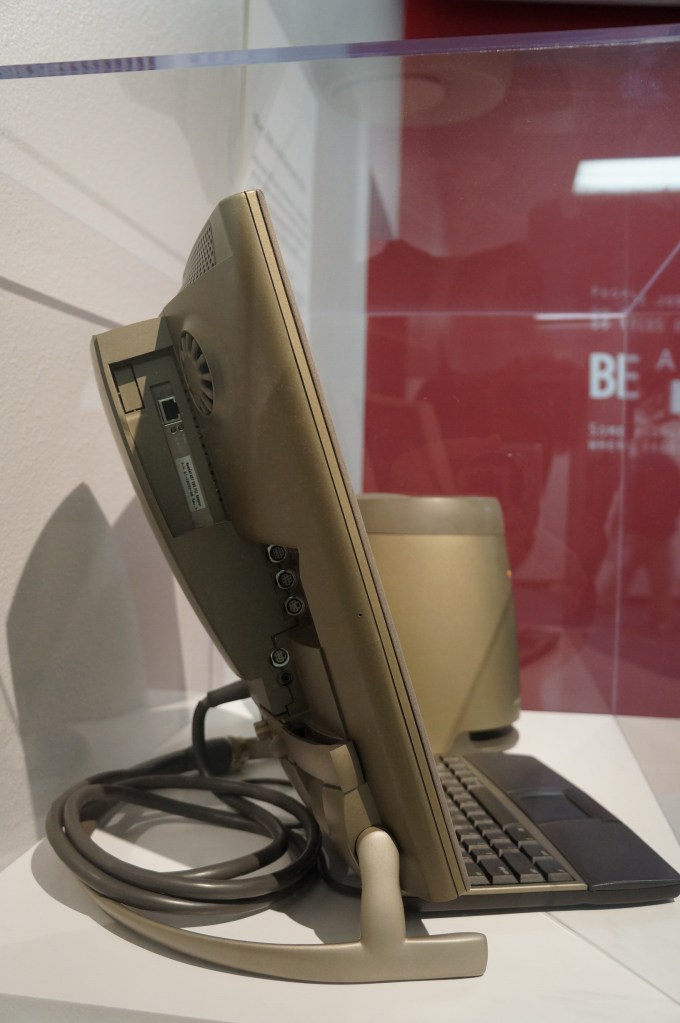
20th Anniversary Macintosh
When the 20th Anniversary Macintosh debuted, my friend Chris and I lusted after it. It was a sexy computer, but it had an out of this world price tag of $10k (though, that included having a technician deliver, setup, and demo the computer in your own home). In retrospect, it was a terrible product that ignored what the original Macintosh represented as an every person’s computer. This computer was about style and prestige and money. A lot about what Apple represents today after Steve Job’s passing seems to be drifting back toward what this computer represents.
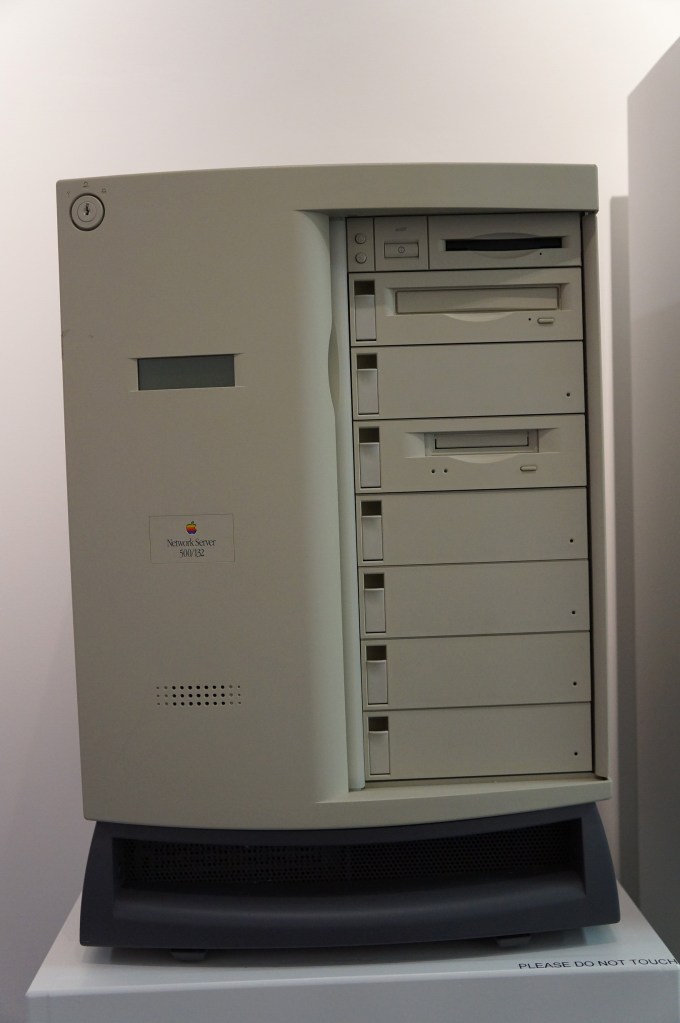
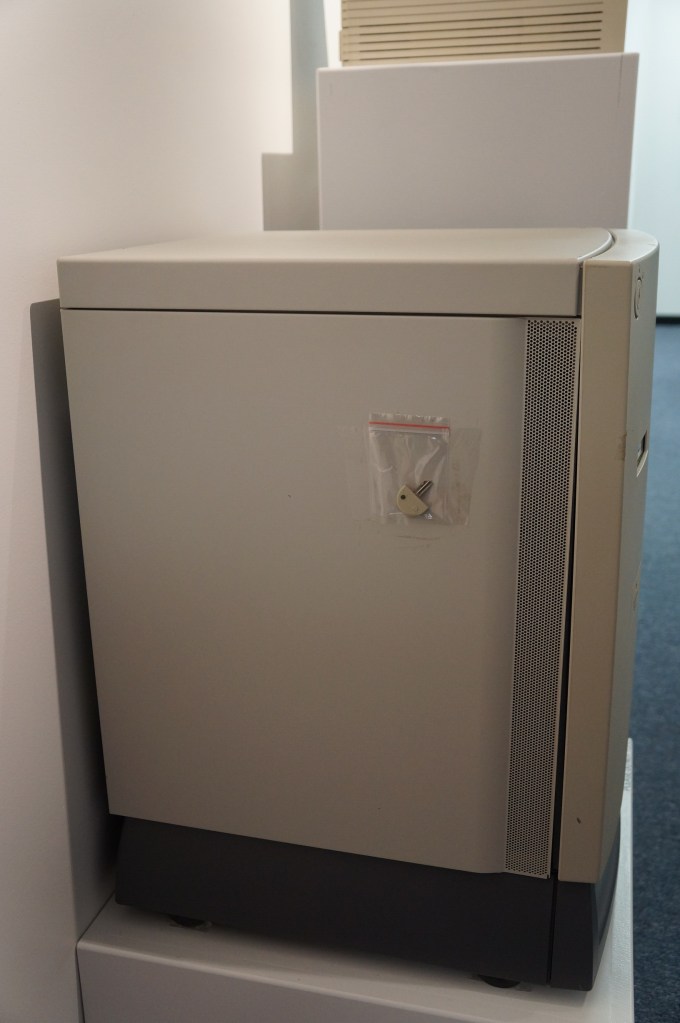
Network Server 500/132
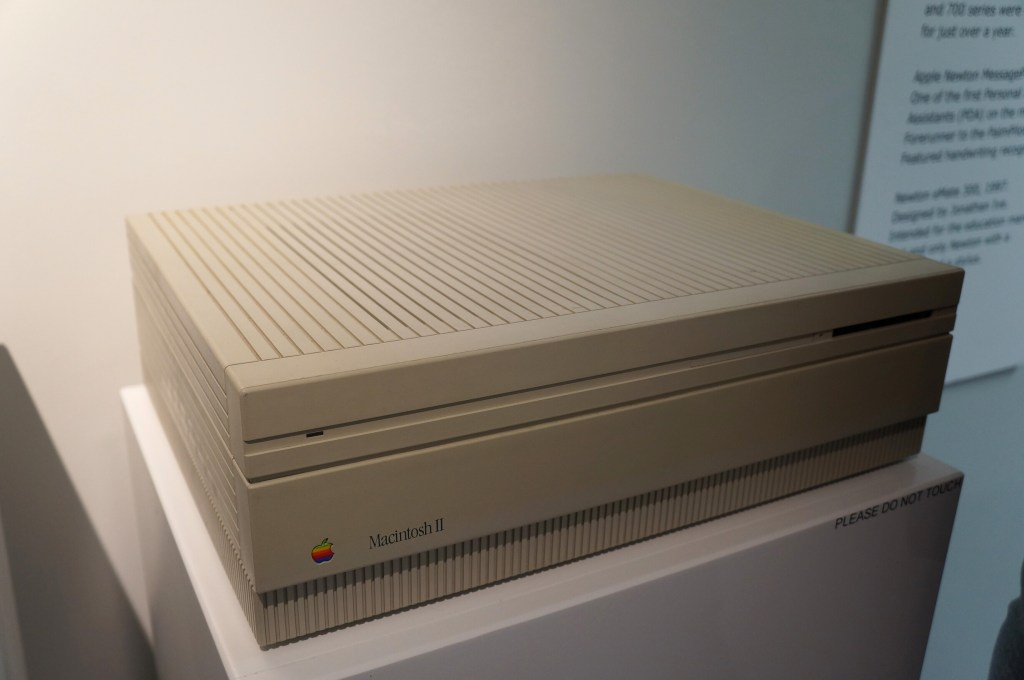
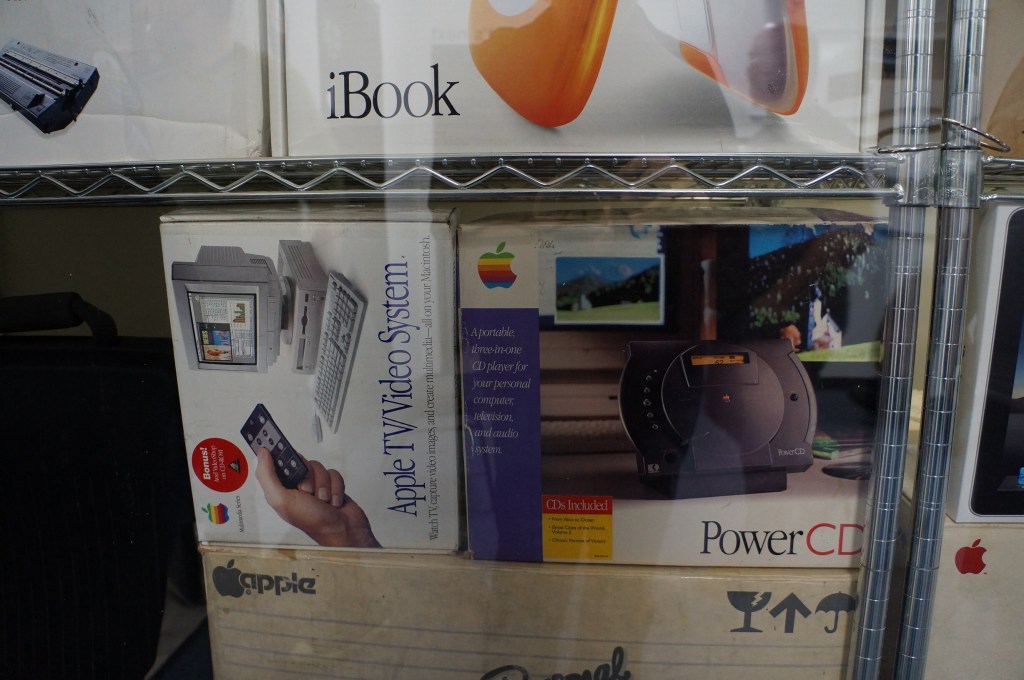
Macintosh Add-Ons
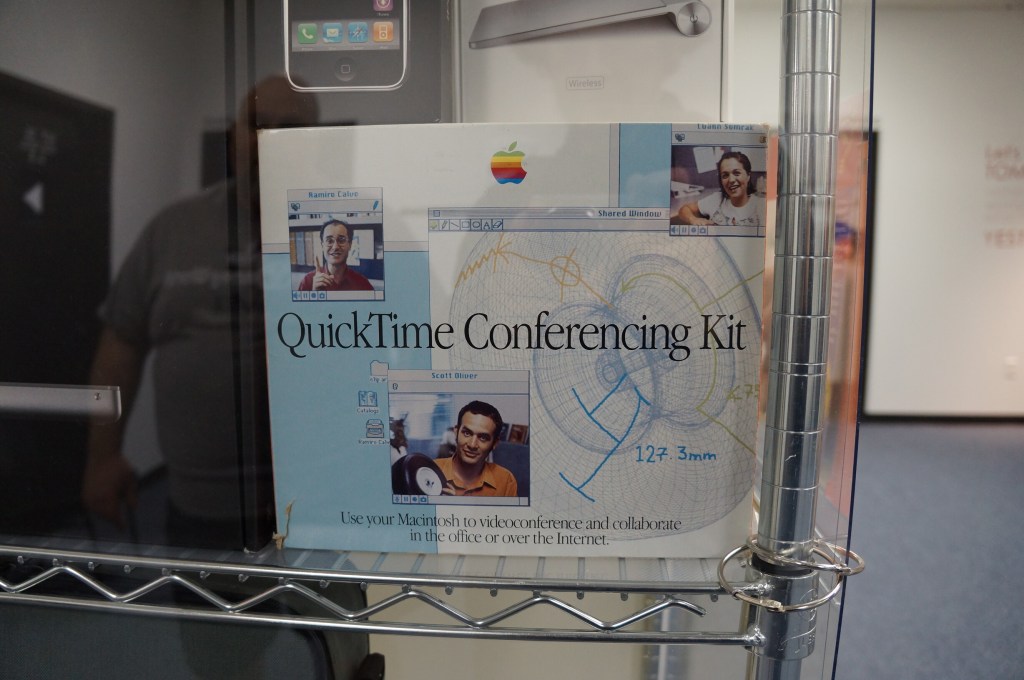
The Apple TV/Video System was an expansion card that gave you a TV tuner and video inputs for your Mac. The PowerCD was an external SCSI CD-ROM drive for Macs that might not have a CD-ROM drive built-in. And the QuickTime Conferencing Kit included a camera and software for video conferencing and collaborative tools like a shared whiteboard–back in 1995.
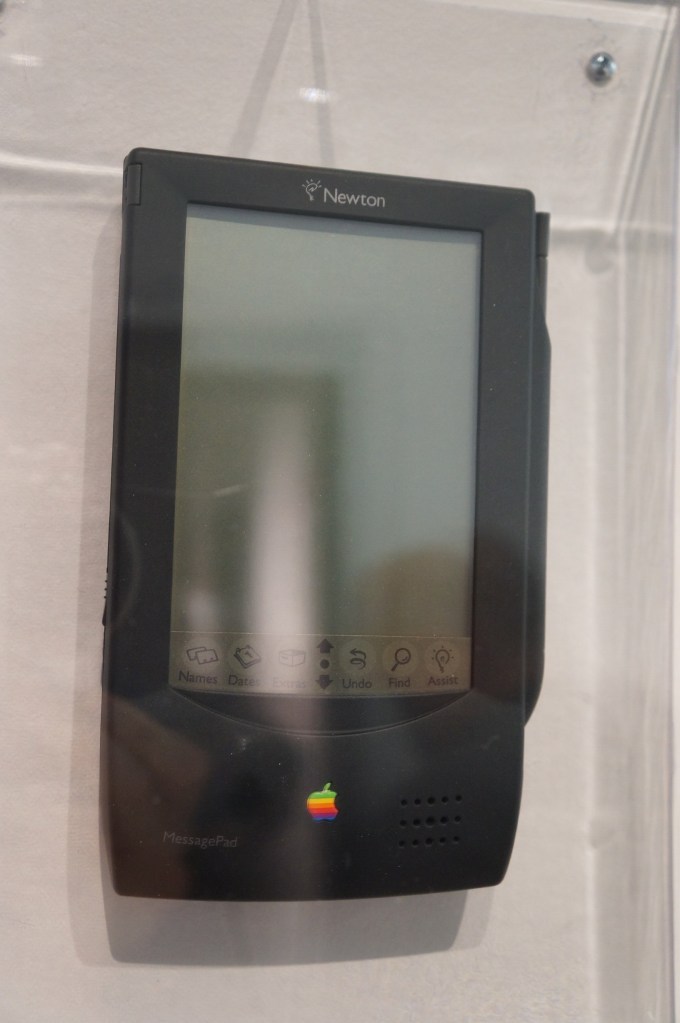
Apple Newton
The thing that used to burn me up when Apple released innovative products like the Newton, popular media like SNL would shit all over them, which would turn the general conversation away from what the products could do and had the potential to do towards the limitations and lack of imagination by those folks who would otherwise never purchase or use those products. It wasn’t criticism. It was product assassination. Had that not happened, I think the Newton would have been in a stronger position that might have let it develop further before getting killed off.
It seems like the Internet and social media provides a force or pressure against these negative megaphones of the past. However, there’s equally a lot of fanboys and cheerleaders who don’t temper their enthusiasm with a little bit of reality.
iMacs and G4 Cube
My first experience with an original Bondi Blue iMac was soon after its announcement. I was working at NetlinkIP on St. Simons Island, Georgia when a client called asking for help setting it up. I drove out to a very nice house on the island, unboxed, and configured it to dial up to the Internet. Admittedly, I took longer than was necessary so that I could thoroughly check it out.
Later, my friend Bert got a G4 Cube. Despite its complete lack of internal expandability beyond upgrading its RAM or hard drive, he used his beyond what I think most people would. Every USB port was used for devices or hubs and it was connected to his stereo system. He used it for a lot of graphics and video work and showed how it really was a supercomputer in a small package.
I had a 17″ Luxo iMac for awhile in the early 2000s, but I sold it before I built another desktop PC using an AMD Athlon 2500+ CPU. While I had it though, I liked its crisp 17″ LCD and it was a powerhouse for some of the video editing projects that I did at the time.
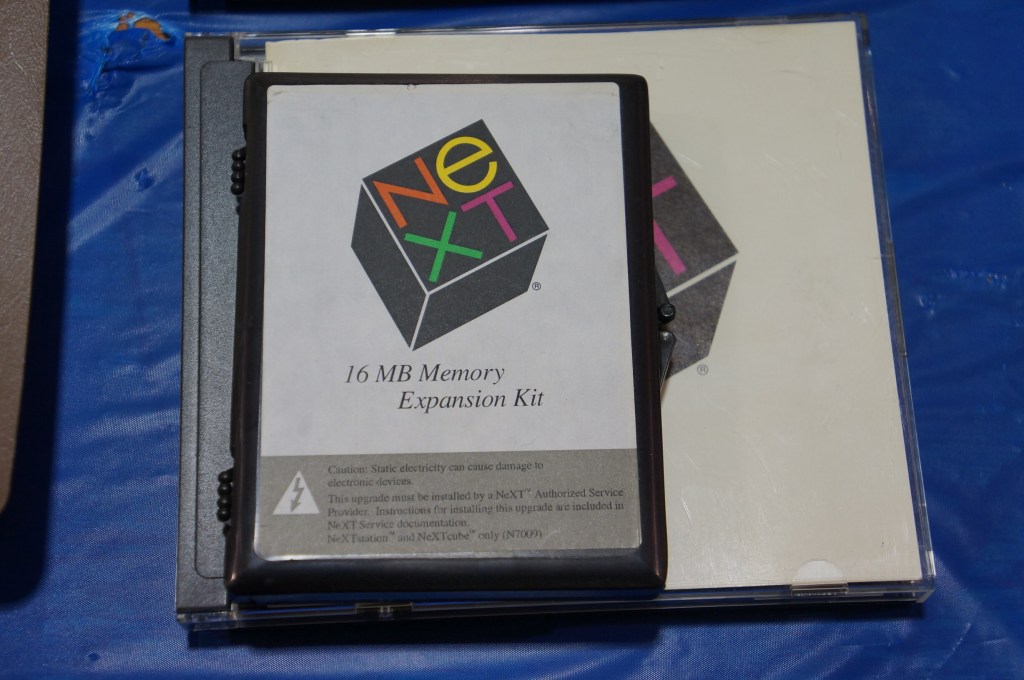
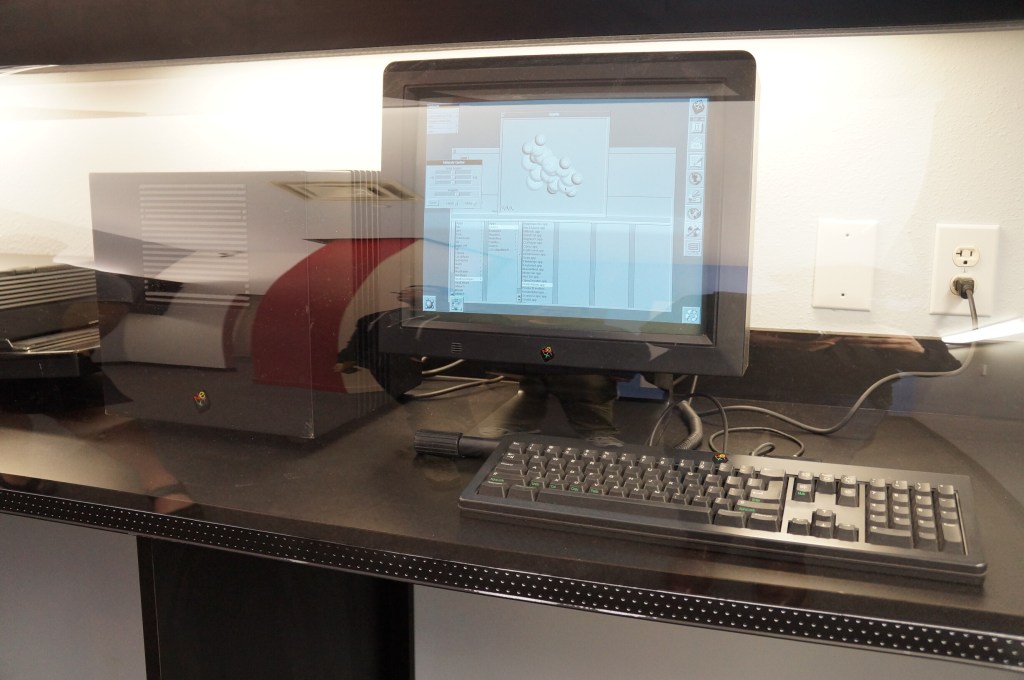
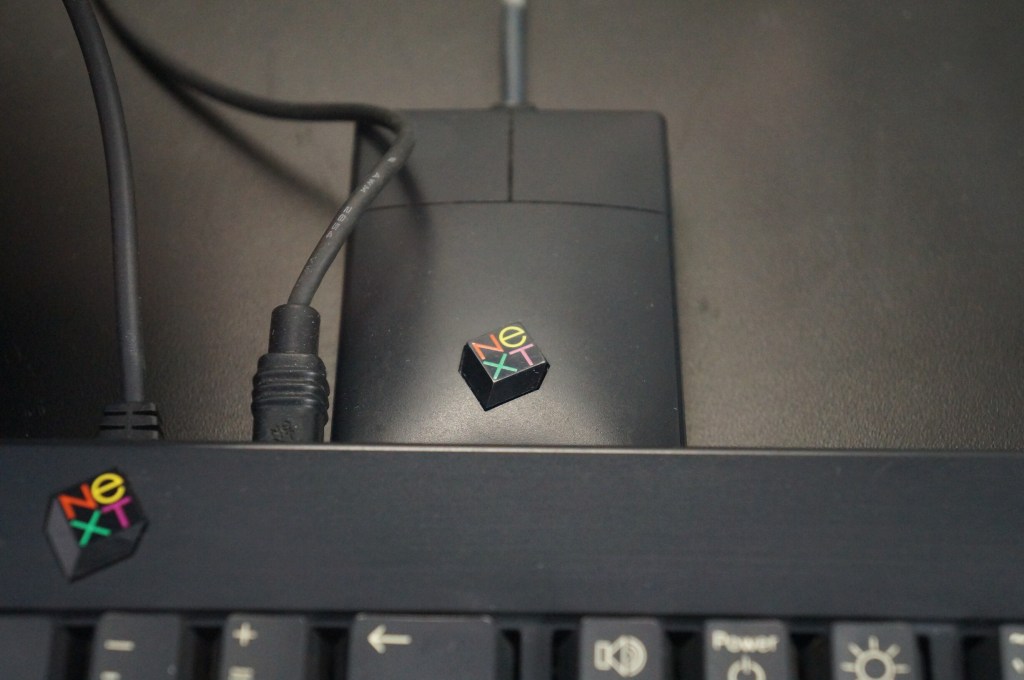
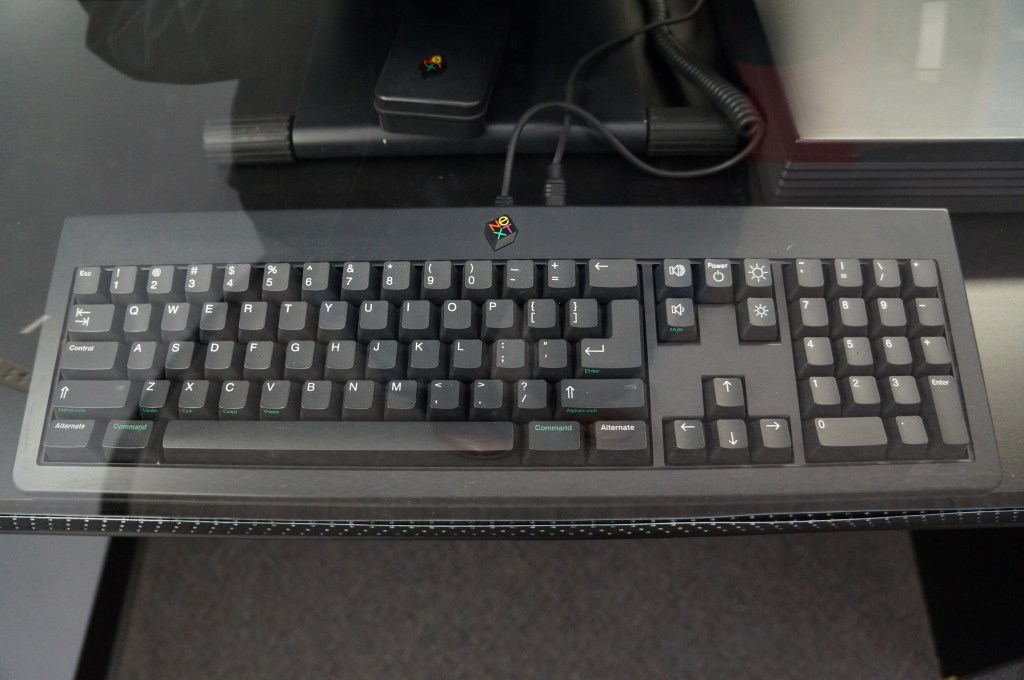
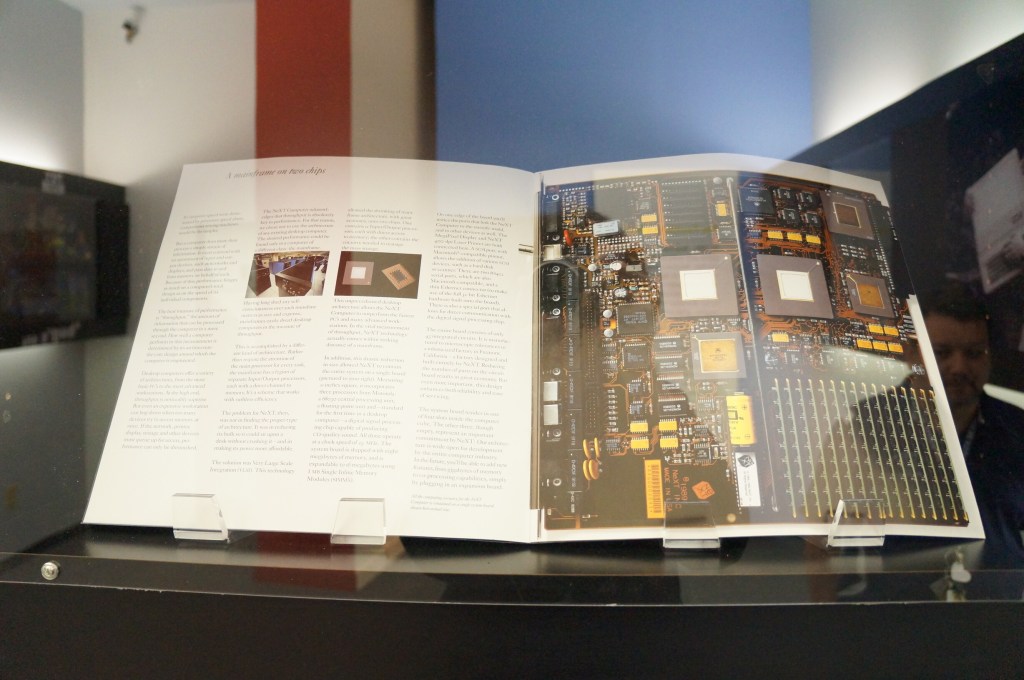
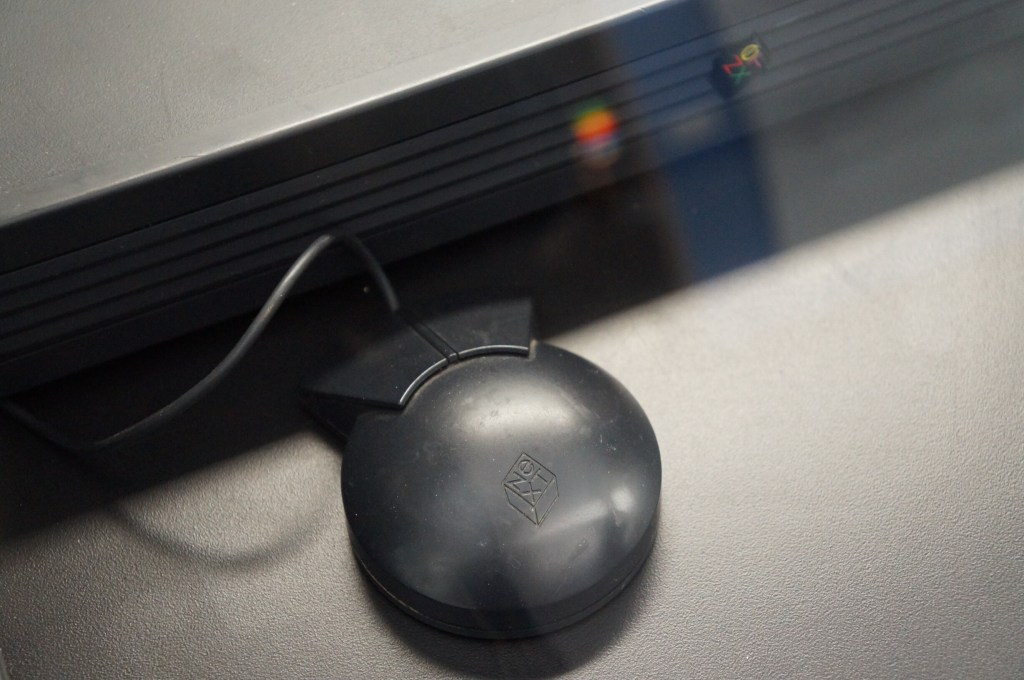
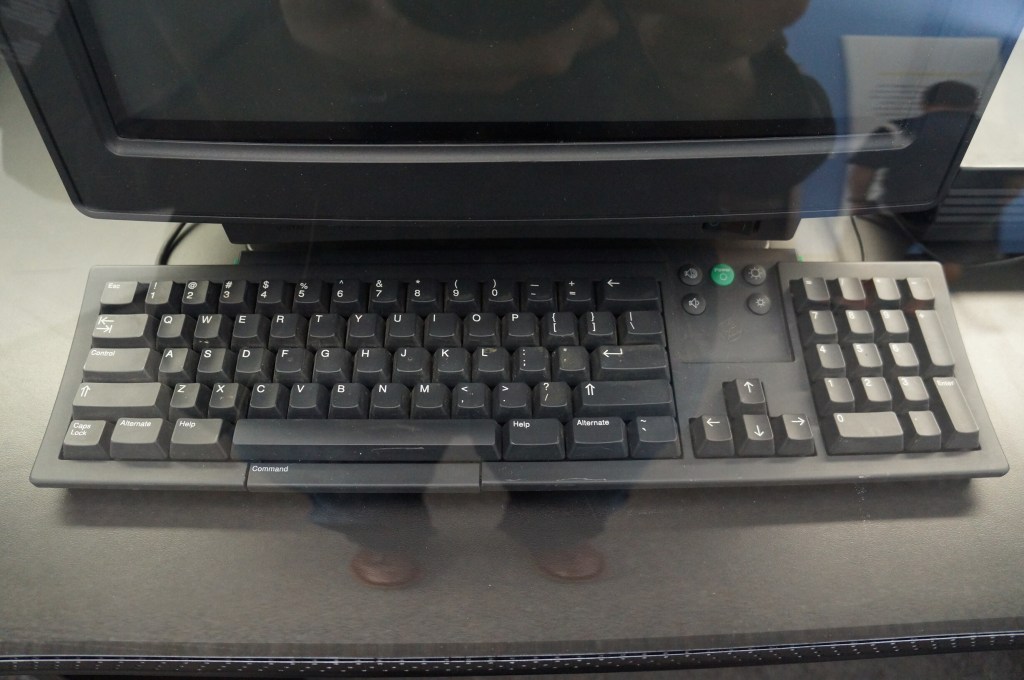
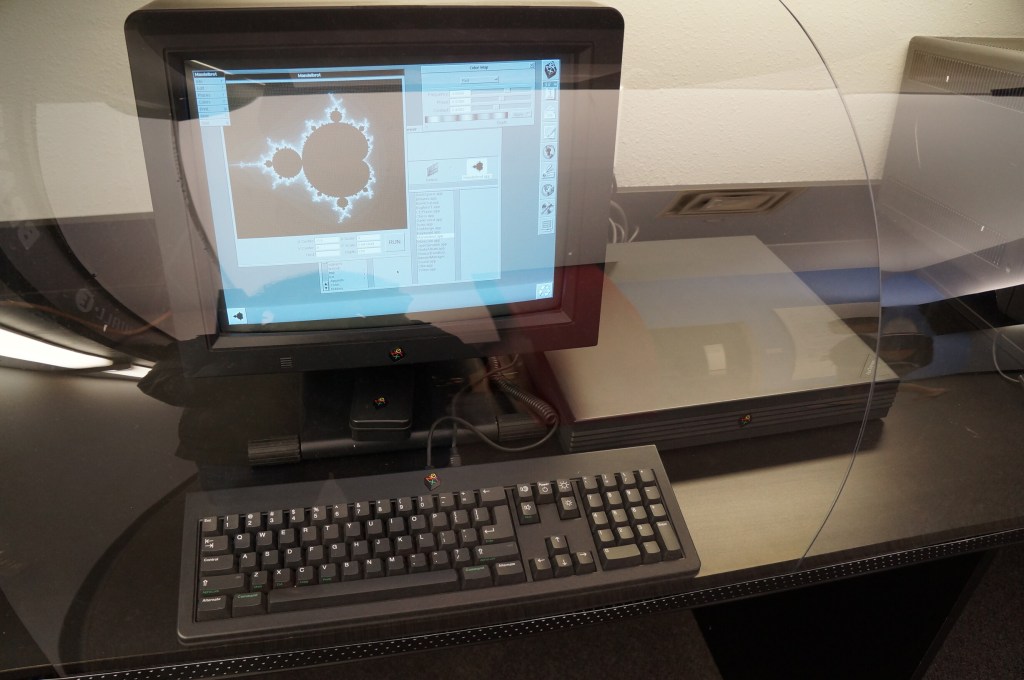
NeXT Computer
Steve Jobs’ second act and the salvation of Apple when the prodigal son returned.
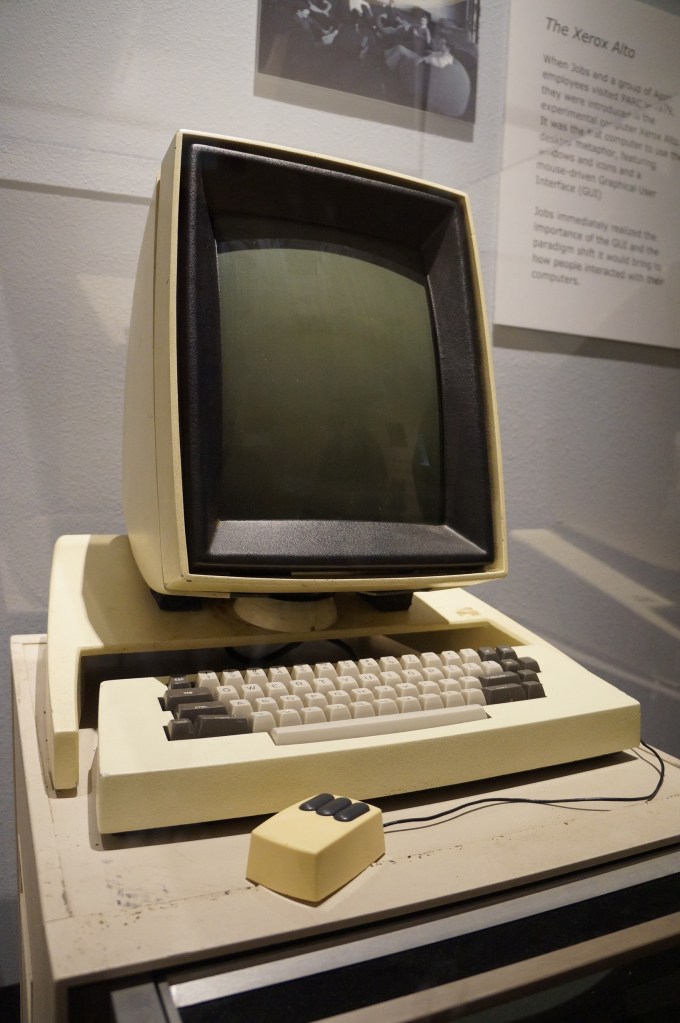
Xerox Alto
This is Xerox’s GUI desktop minicomputer that brought together what Xerox PARC had been developing and demoed to Steve Jobs and his team at Apple that led to the Lisa and eventually the Macintosh.
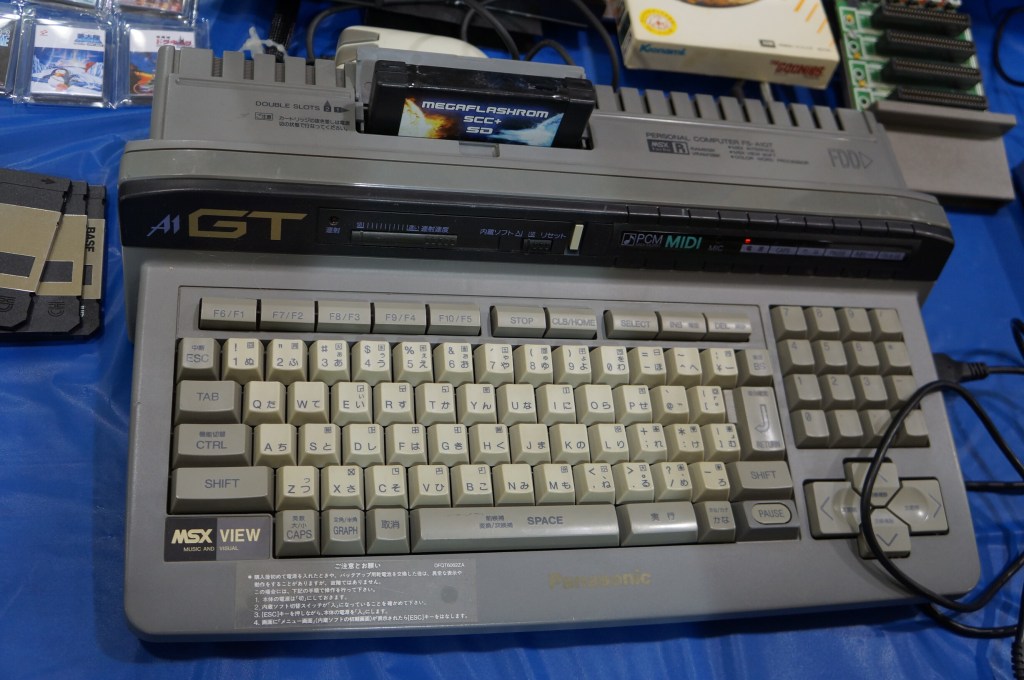
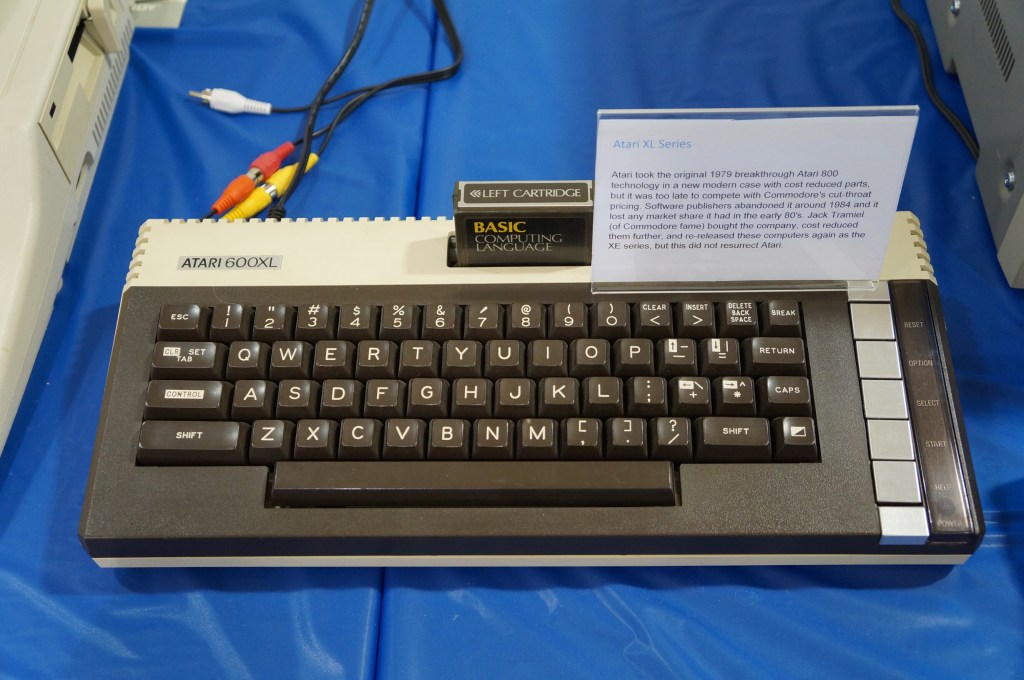
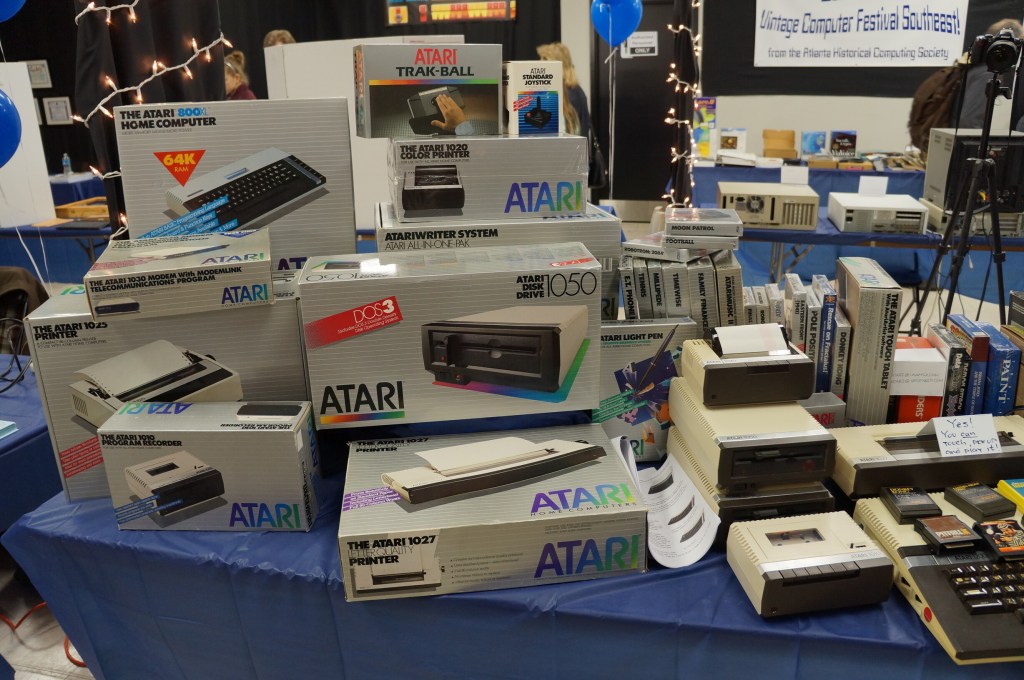
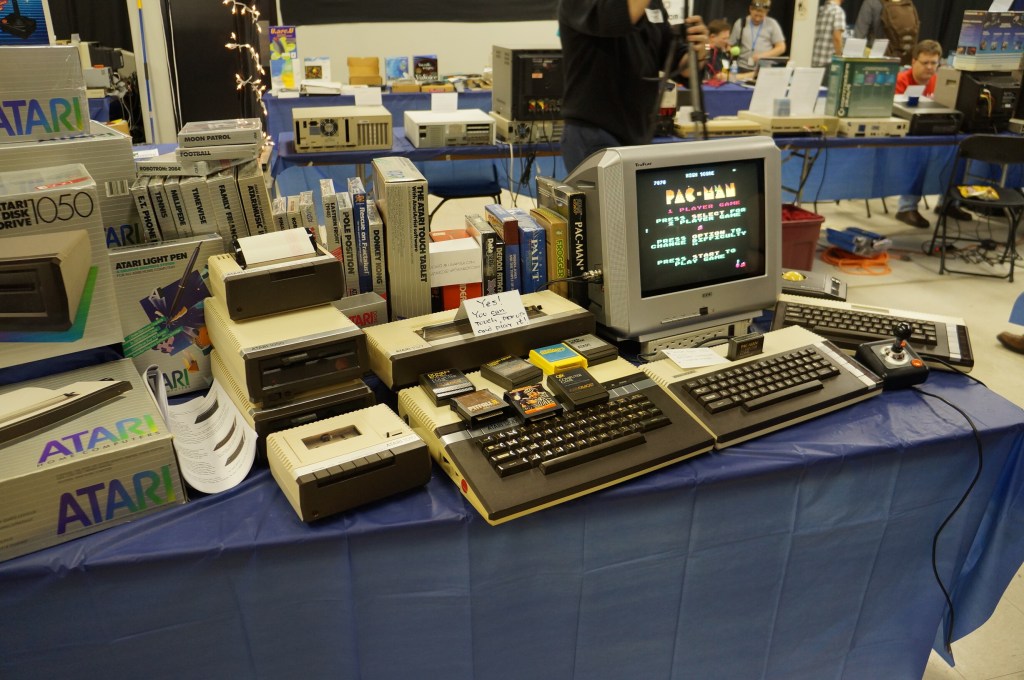
Atari Computer
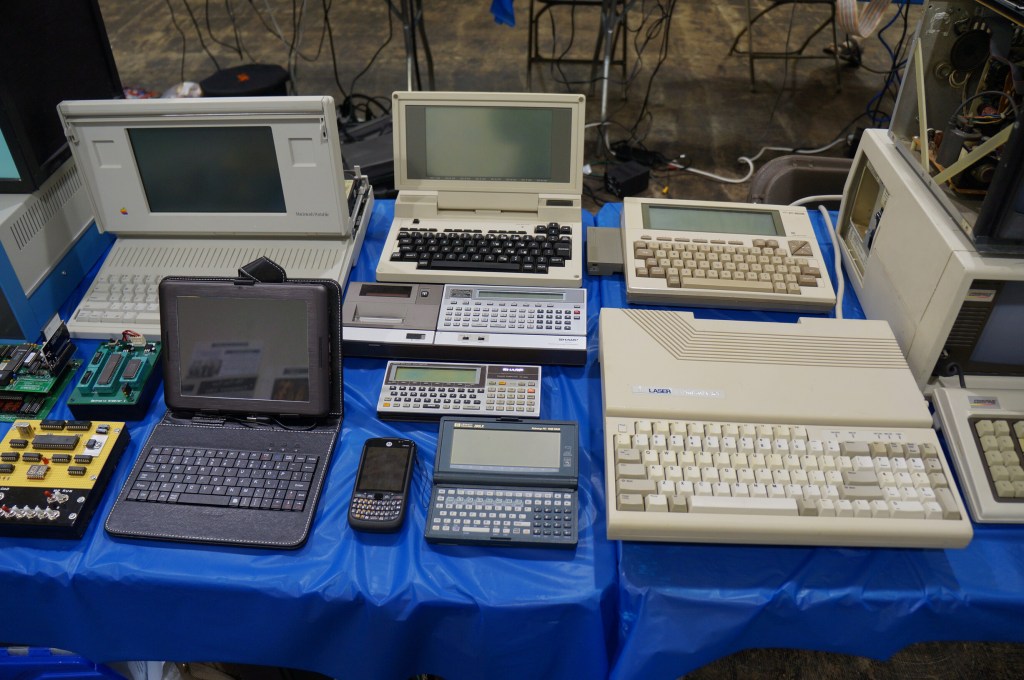
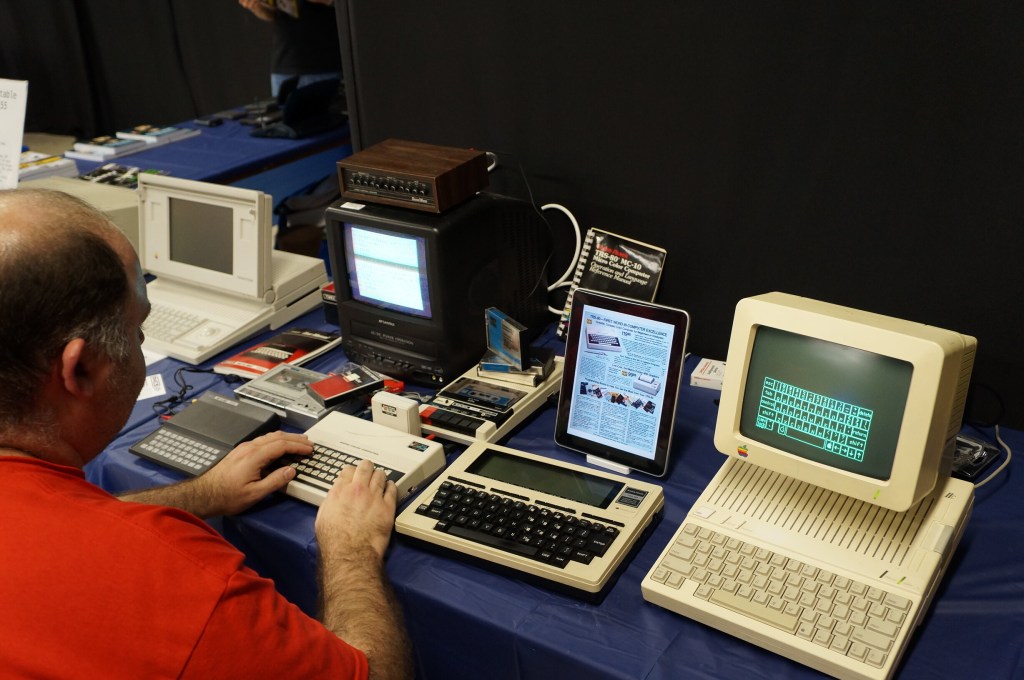
Portable Computing Miscellaneous
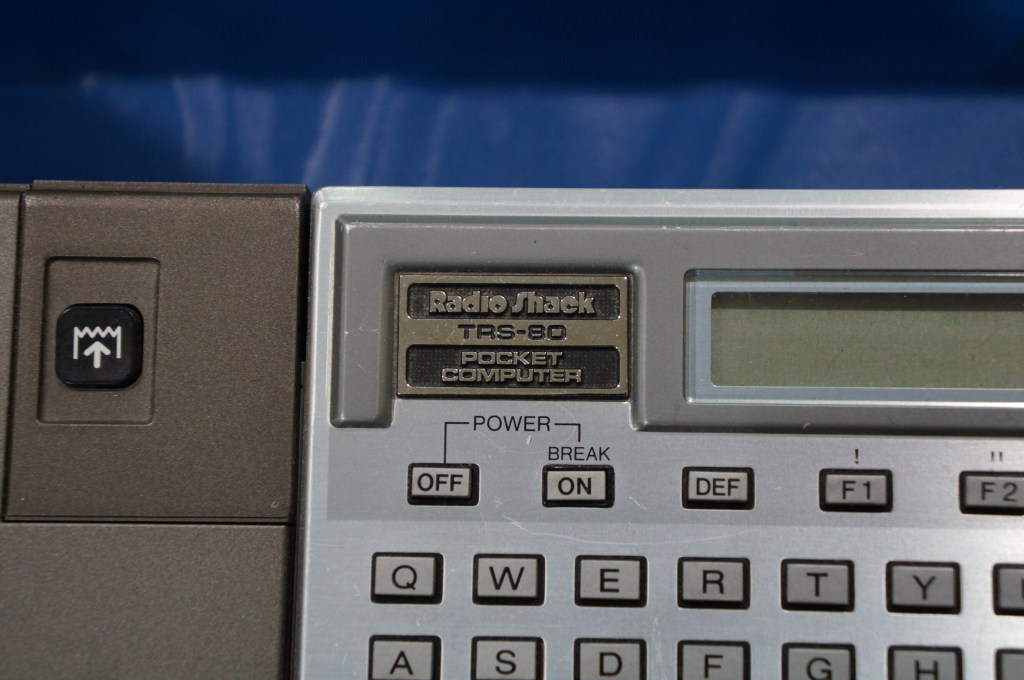
I really like the concept of pocket computers. When I was in middle school, my grandparents gave me a Radio Shack PC-7 Basic Programmable calculator. It looked like a calculator with a built-in soft cover that had a ABC keyboard layout. Considering its programmability, it was the first computer that I owned. The only digital device I had before that was an Atari 2600.
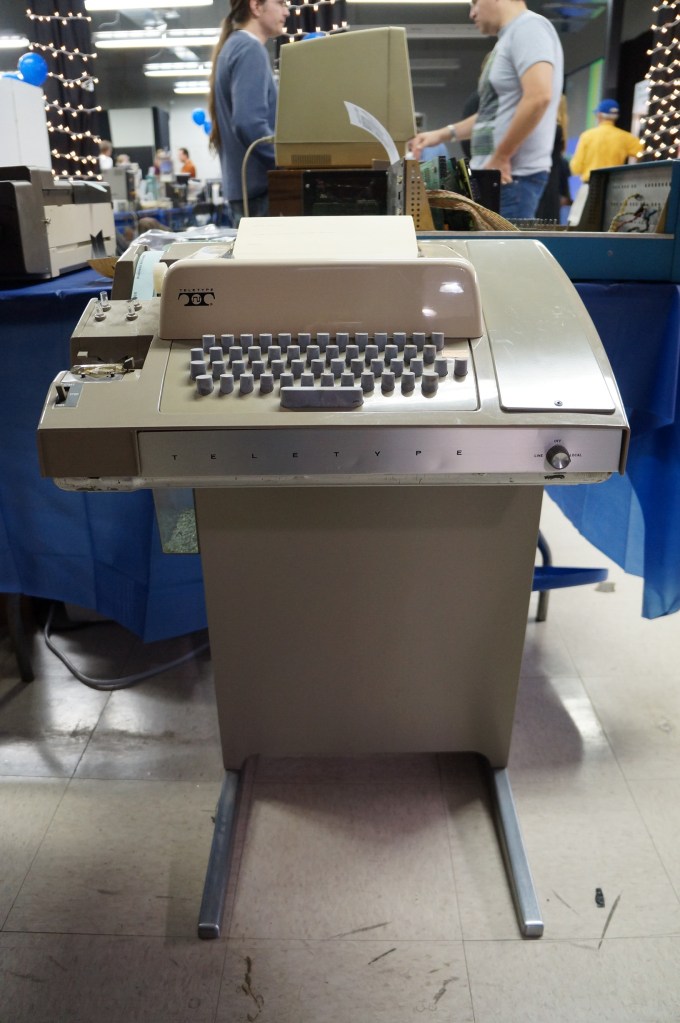
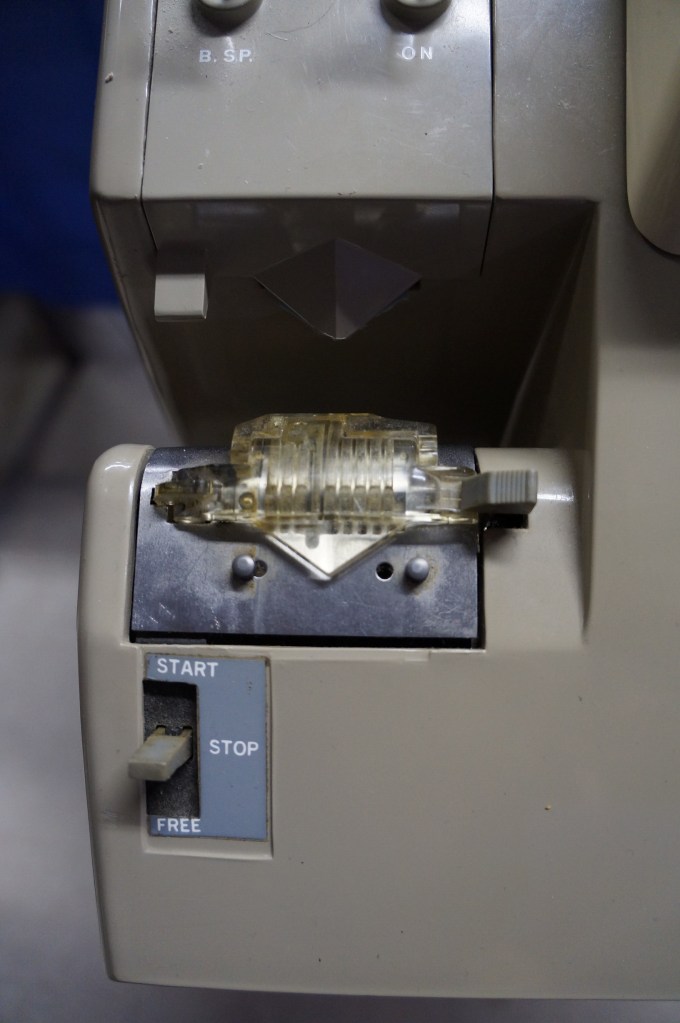
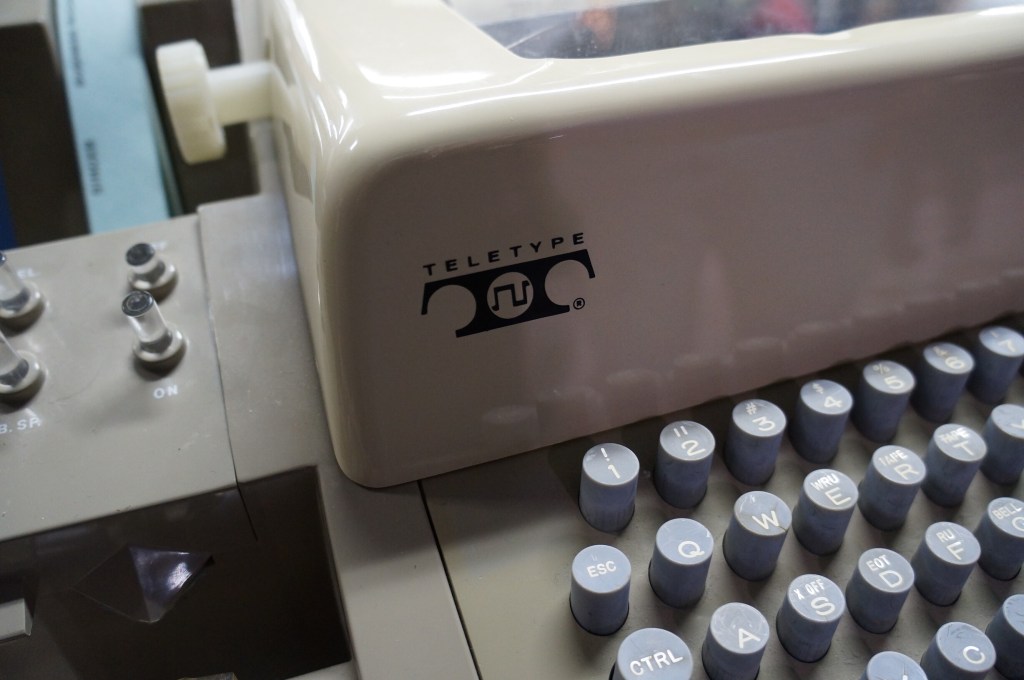
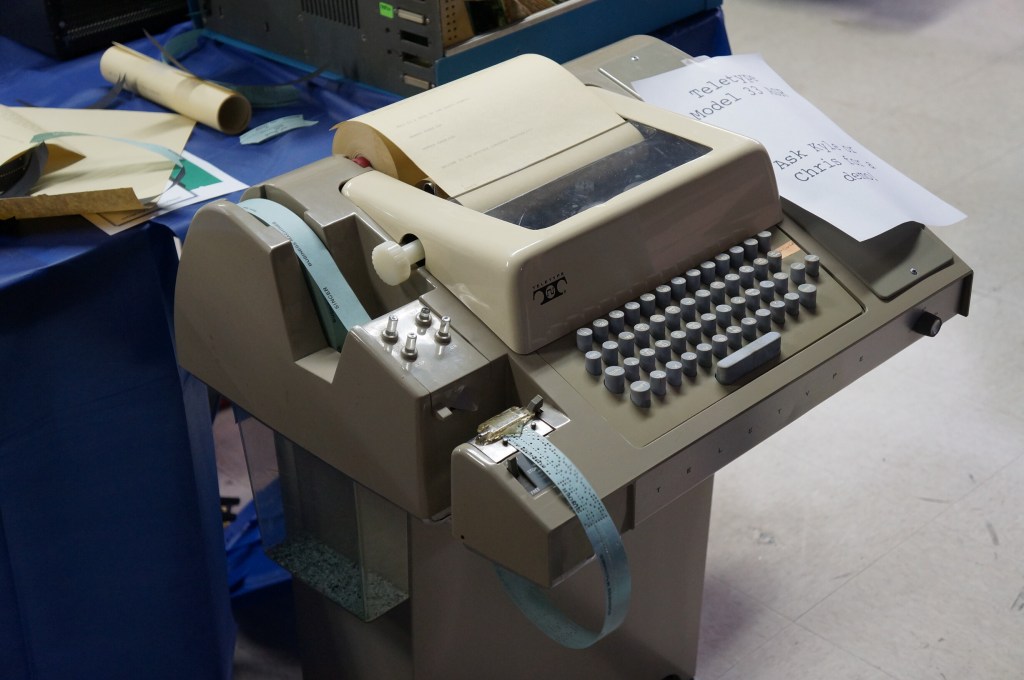
Who needs a display, printer, and program storage when you have a teletype machine like this hooked up to a mainframe or time-share minicomputer?
Captain Crunch Whistles and Tone Generating Blue Box
With the sounds generated by these cereal box toy whistles, which were adapted and expanded electronically with so-called blue boxes, you could commandeer the phone network for your own uses.
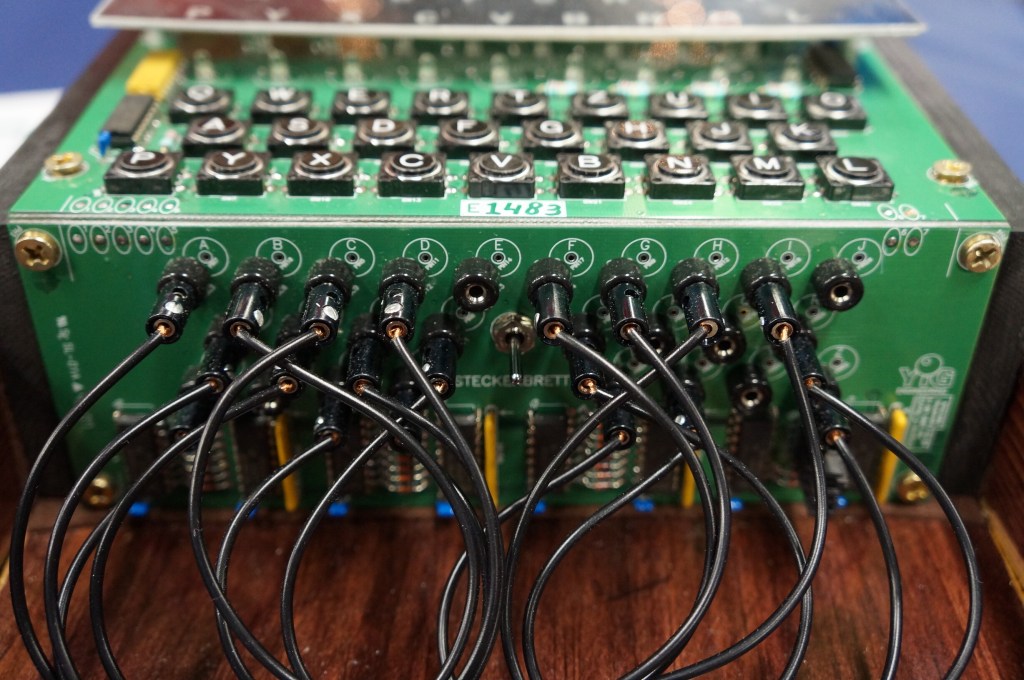
Digital Enigma Machine
This is a digital re-creation of the German Enigma machine used to cyptographically secure their communications during WWII.
    Alas, poor Yorick! I knew him, Horatio: a fellow
    of infinite jest, of most excellent fancy: he hath
    borne me on his back a thousand times; and now, how
    abhorred in my imagination it is! my gorge rims at
    it. Here hung those lips that I have kissed I know
    not how oft. Where be your gibes now? your
    gambols? your songs? your flashes of merriment,
    that were wont to set the table on a roar? Not one
    now, to mock your own grinning? quite chap-fallen?
    Now get you to my lady's chamber, and tell her, let
    her paint an inch thick, to this favour she must
    come; make her laugh at that. -Shakespeare, Hamlet
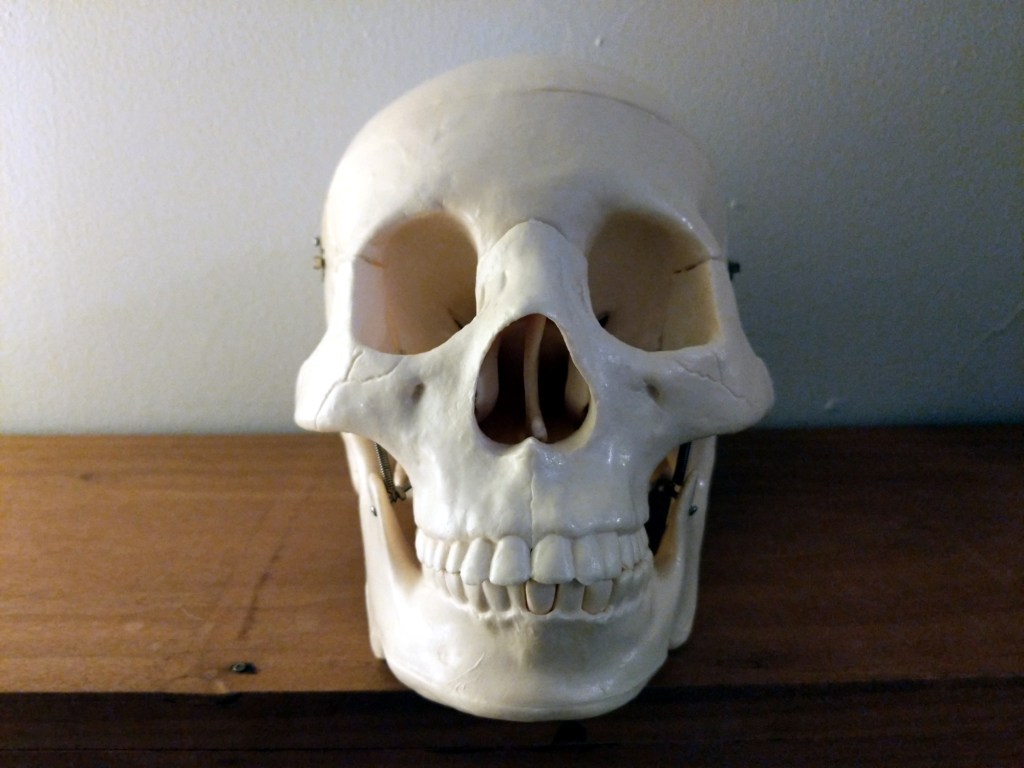
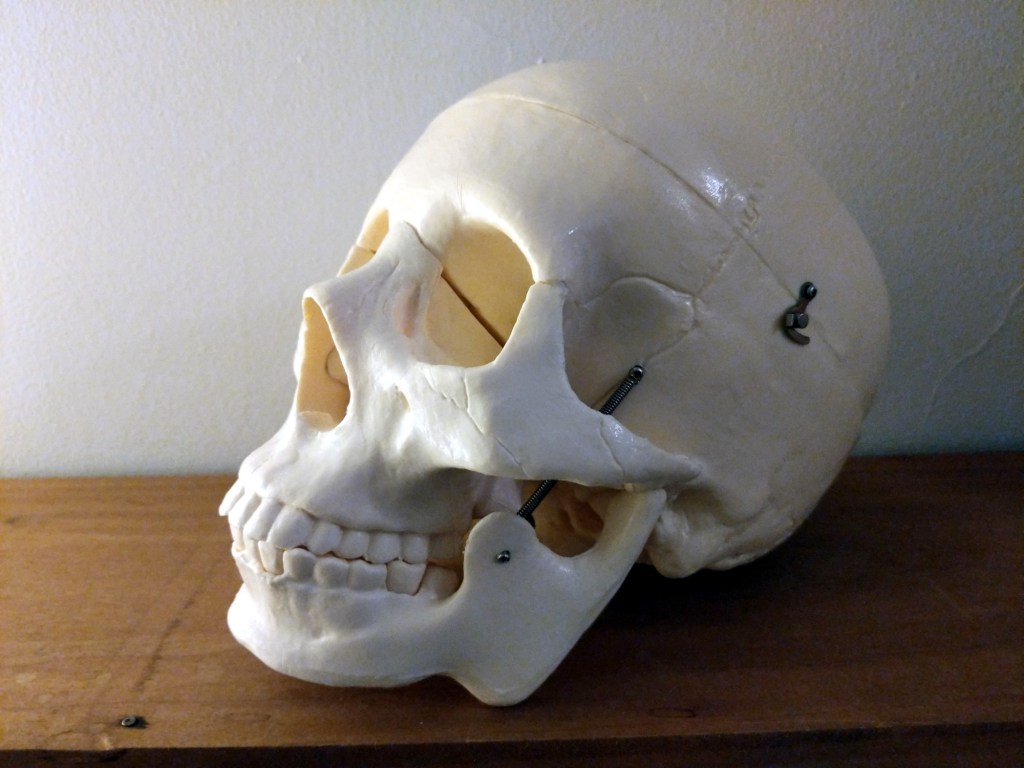
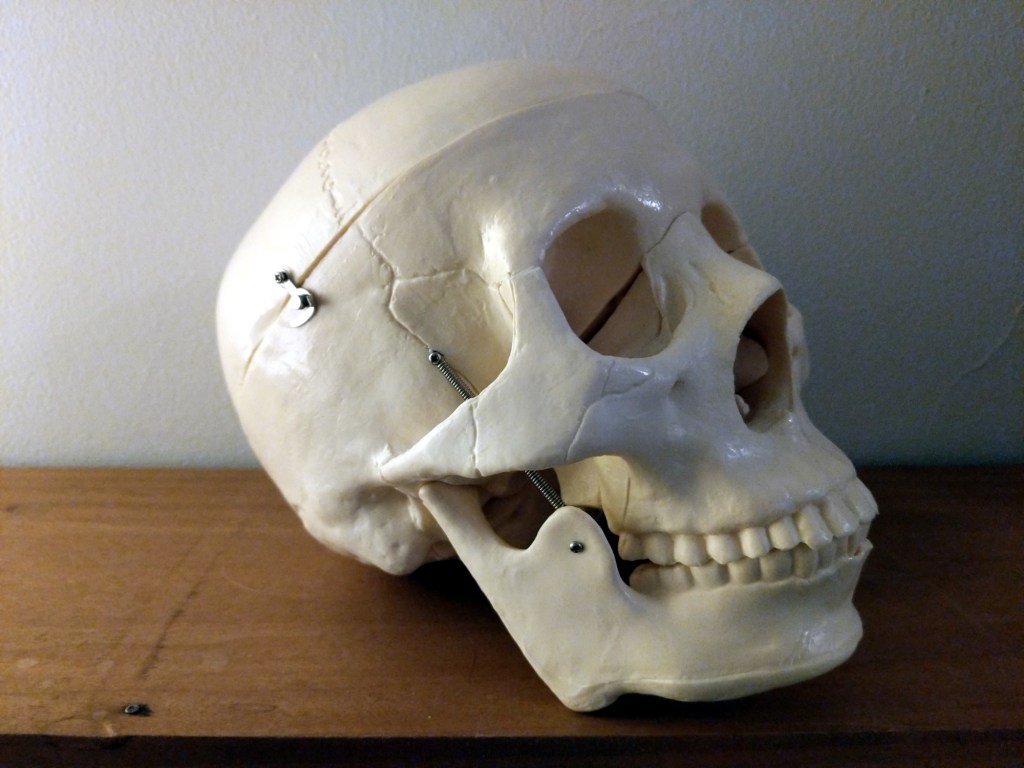
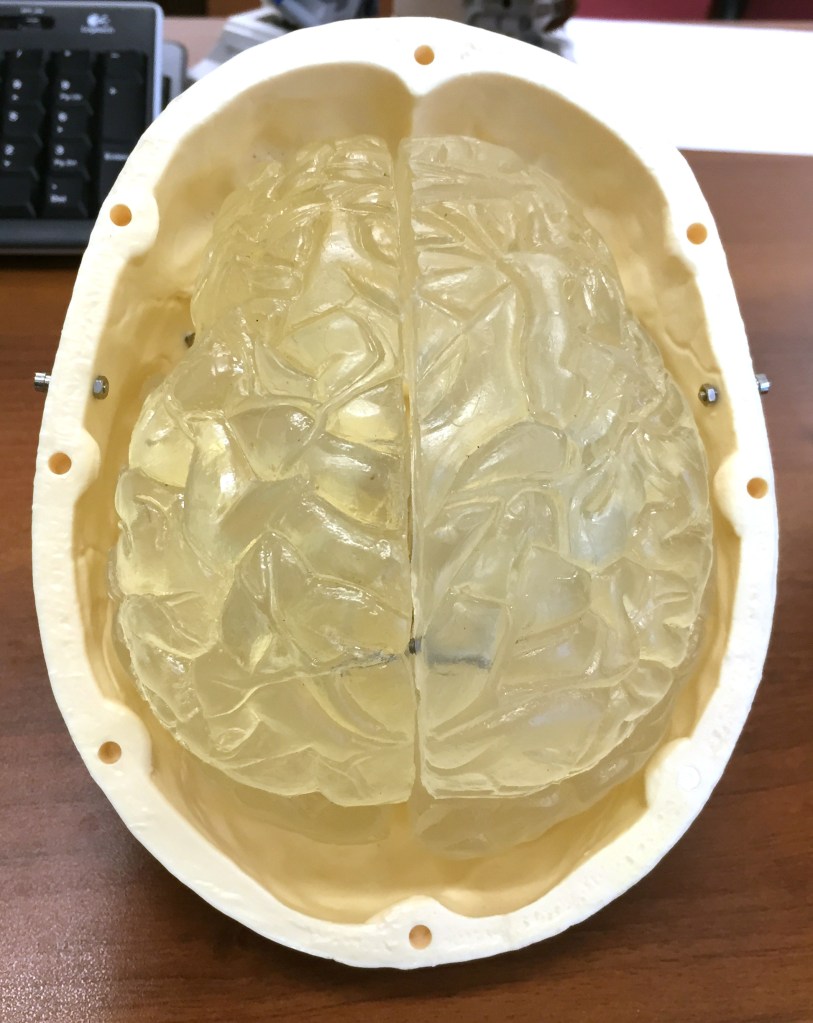
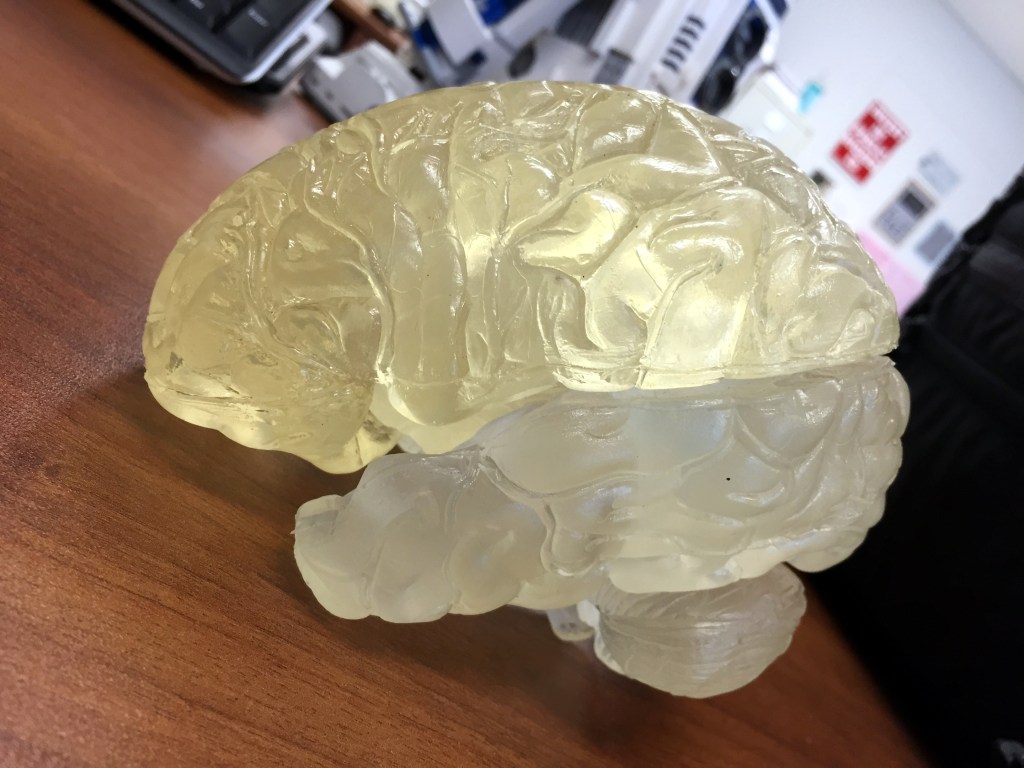
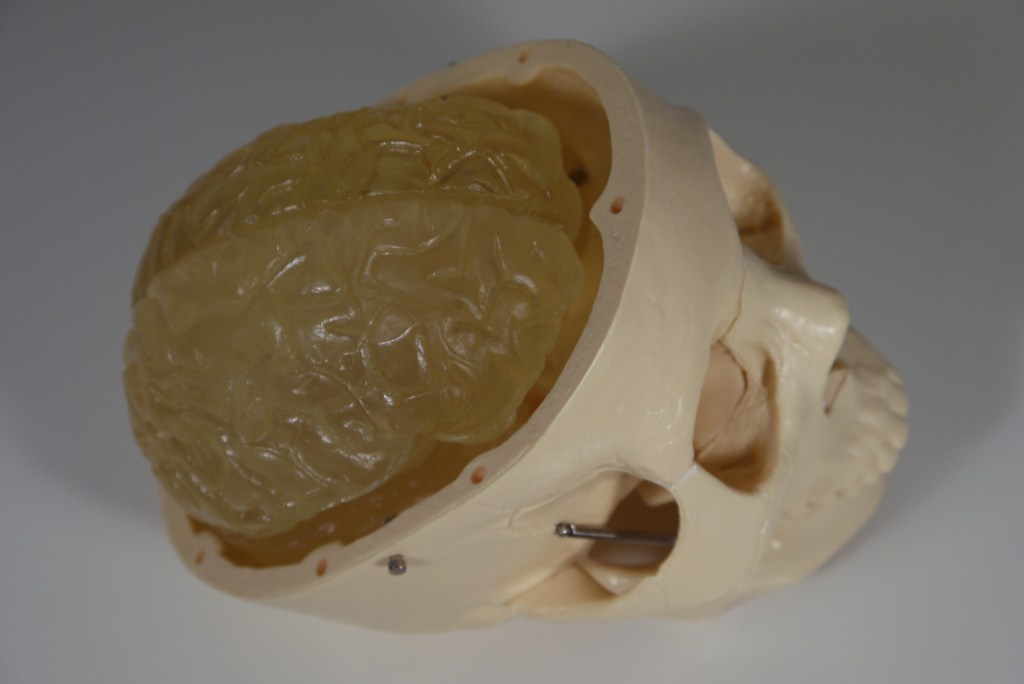
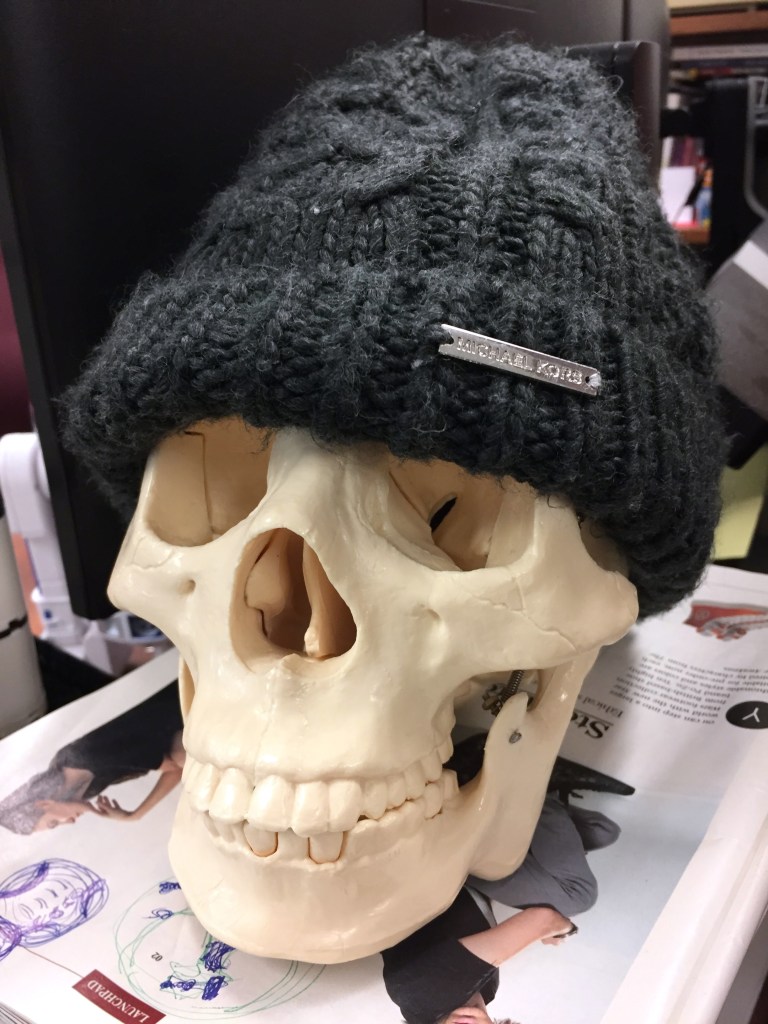
I bring my trusted skull and brain model nicknamed Yorick to my writing and science fiction classes when I want to talk about something related to cognition–e.g., how our attentional focus works, cognitive costs of switching cognitive tasks, time delay from sensory perception to processing to conscious awareness, where are the speech regions–Broca’s area and Wernicke’s area–located, etc. Yorick’s skull and multi-component brain gives students something that they can see and feel and manipulate when it gets passed around the classroom.
And when students leave a hat behind, Yorick gets a treat.