Tag: presentation

  • Vintage Computer Festival Southeast (VCFSE 2.0) 2014

    Georgia Tech Librarians Sherri Brown, Lizzy Rolando, Alison Valk, and Wendy Hagenmaier

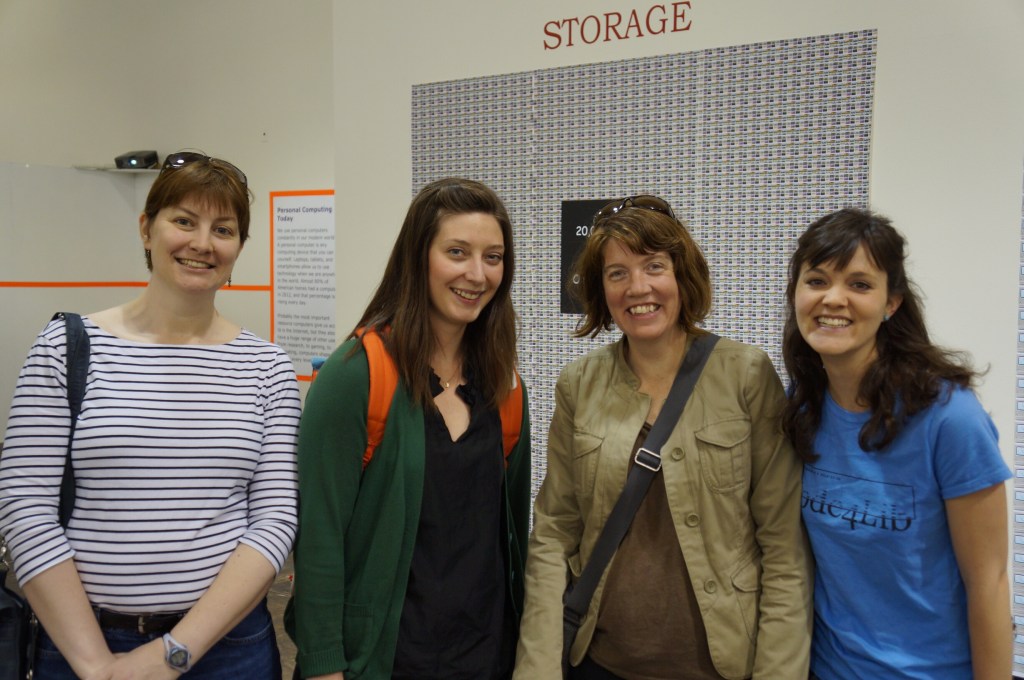
    For the second Vintage Computer Festival Southeast (VCFSE 2.0) in 2014, I went with my Georgia Tech Library colleagues Sherri Brown, Lizzy Rolando, Alison Valk, and Wendy Hagenmaier (I wrote about the first VCFSE and shared photos last week here).

    For me, it was great to bridge my professional and hobby worlds–one about studying and preserving our software and hardware digital culture and one about geeking out about retrocomputing–fixing it, using it, and playing with it. Sharing this event with my colleagues who were also negotiating these two overlapping worlds made it memorable to me.

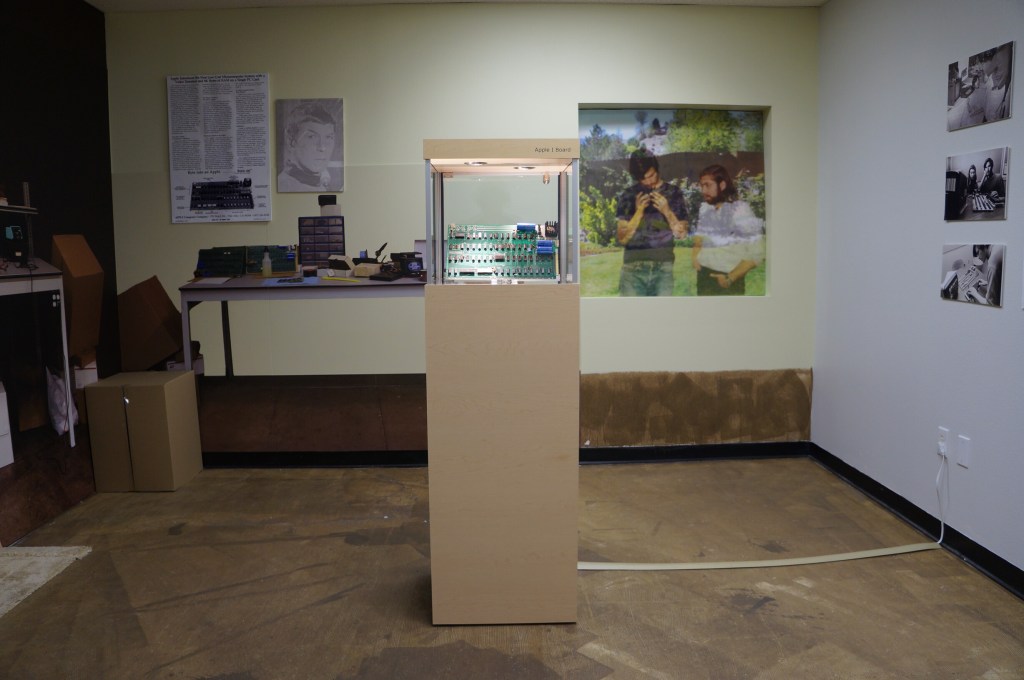
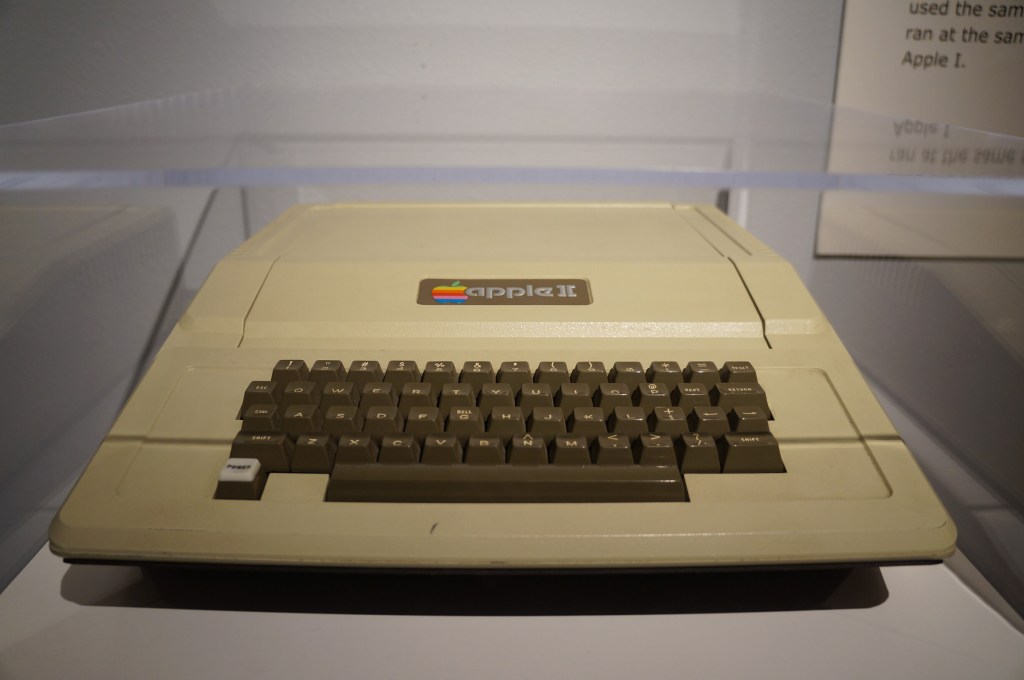
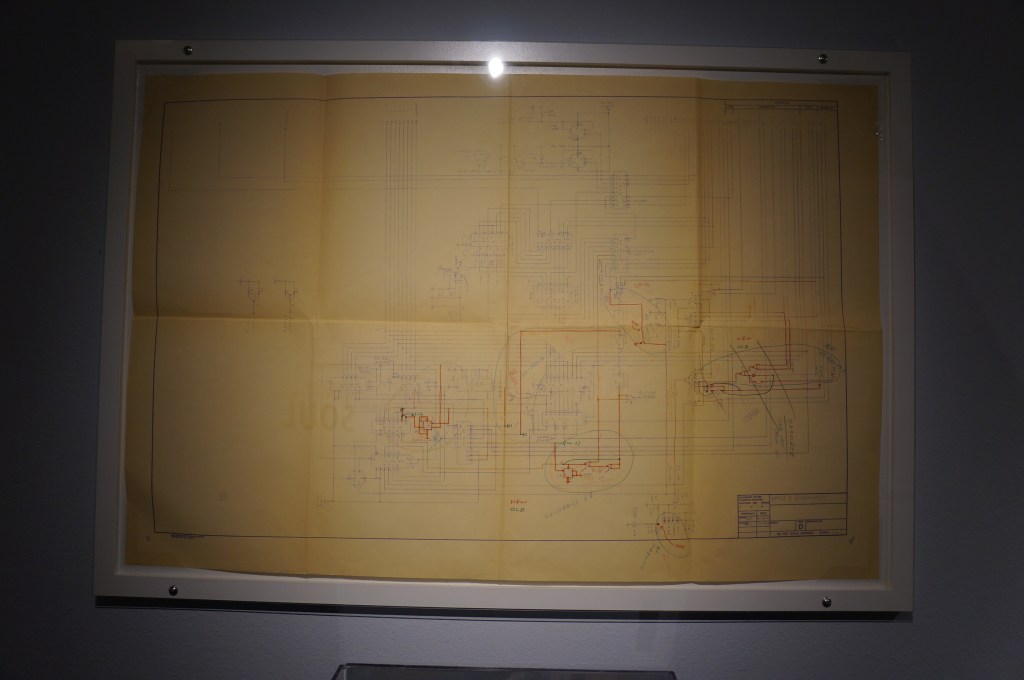
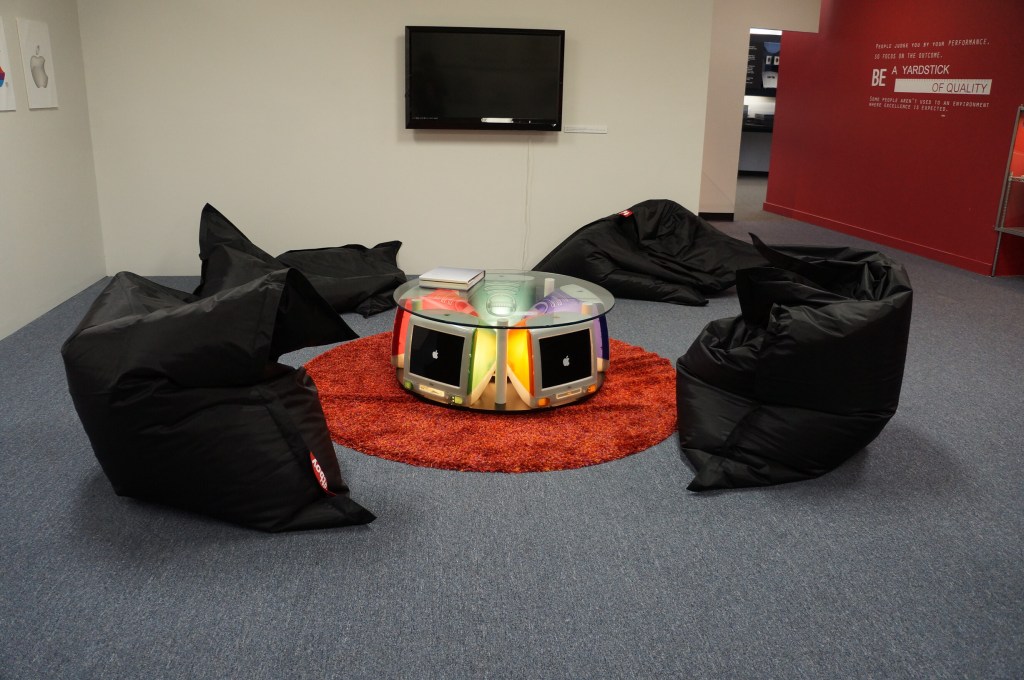
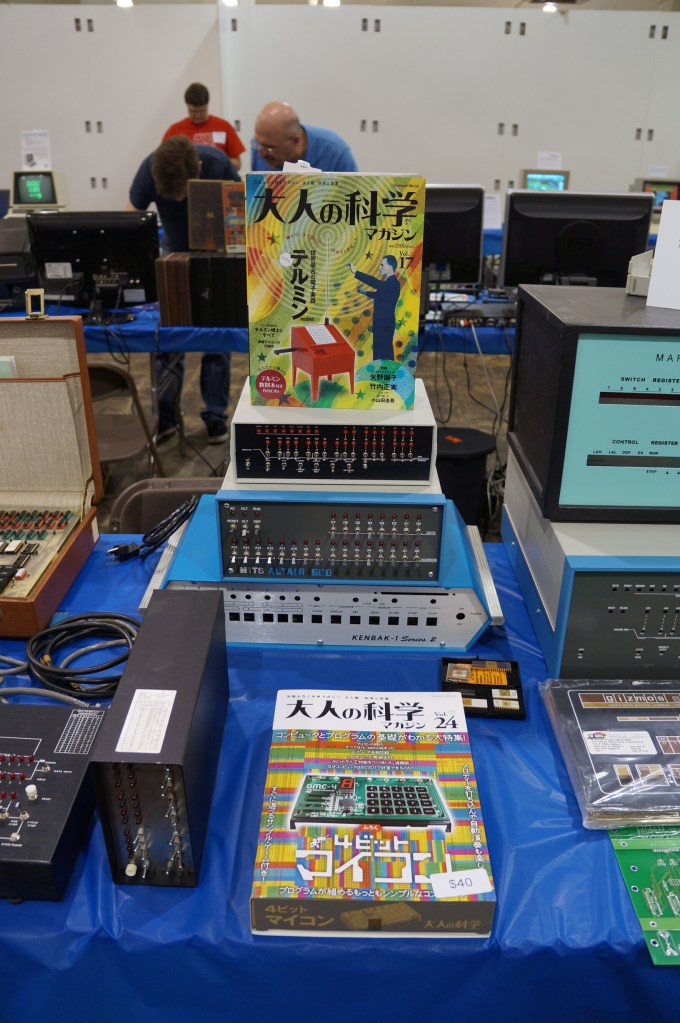
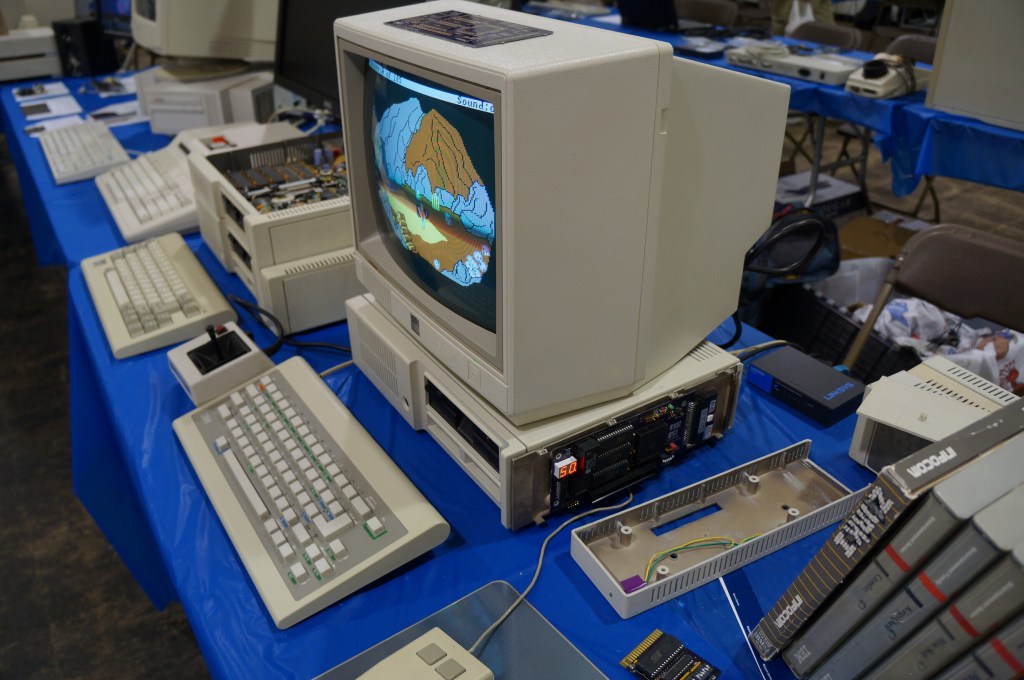
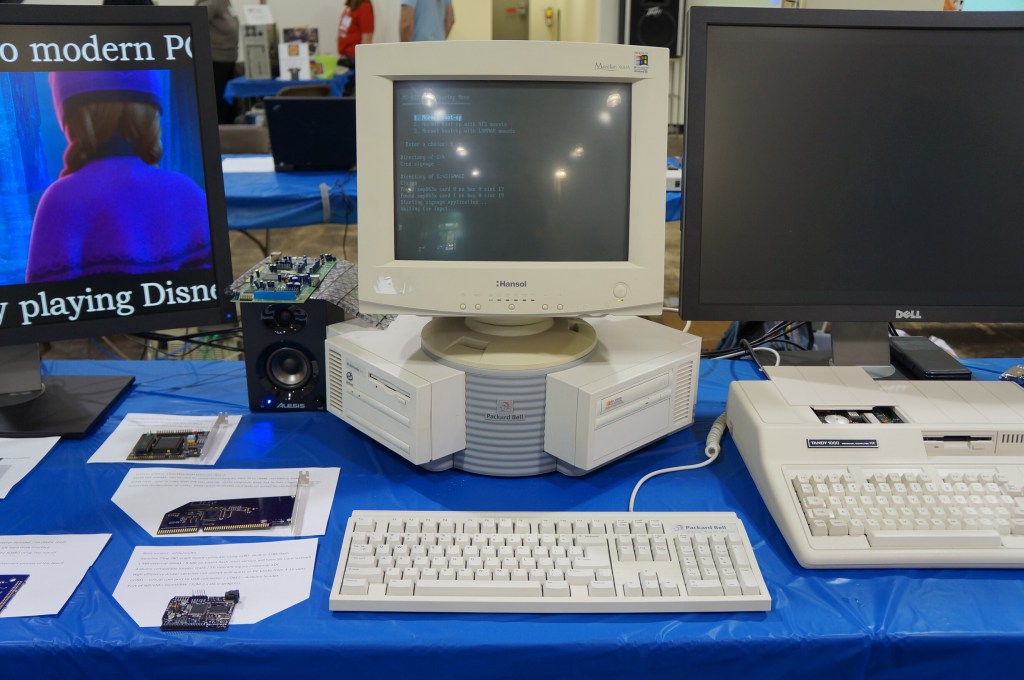
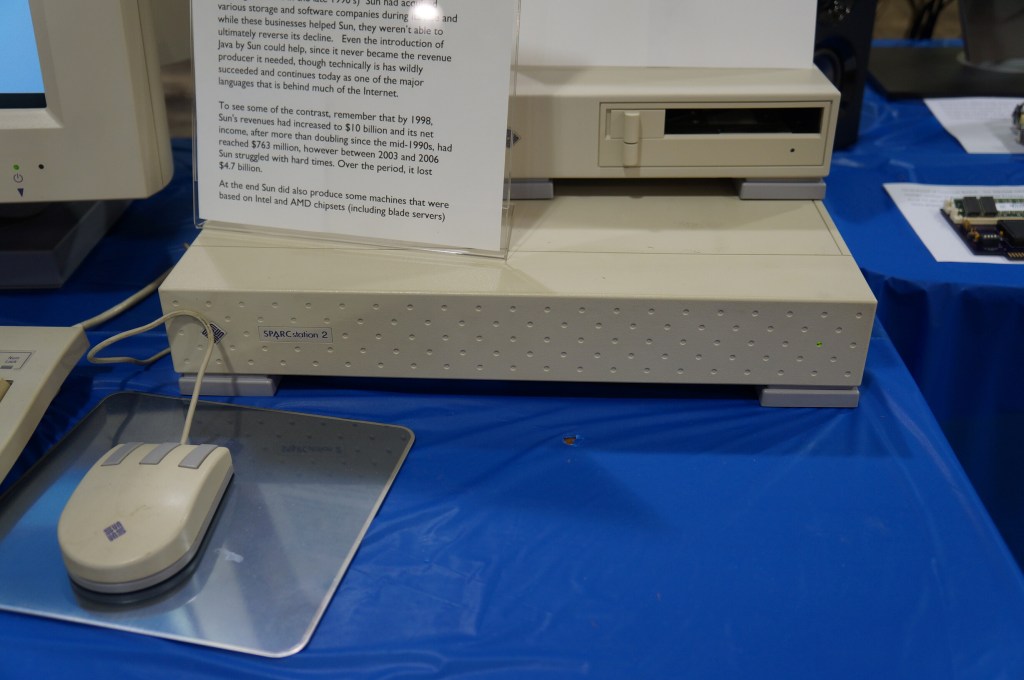
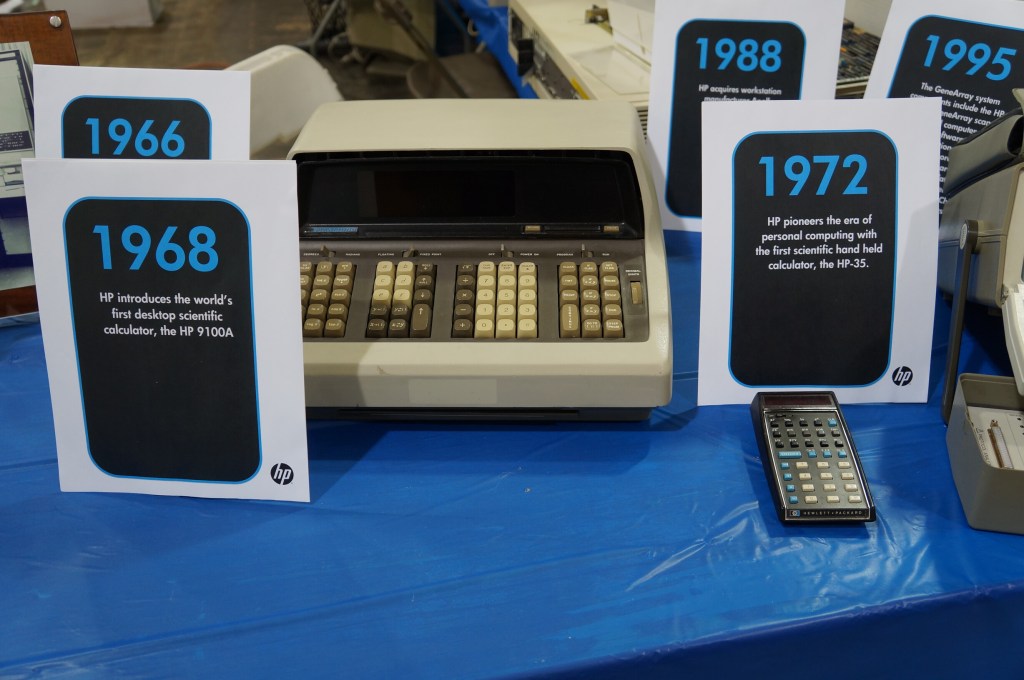
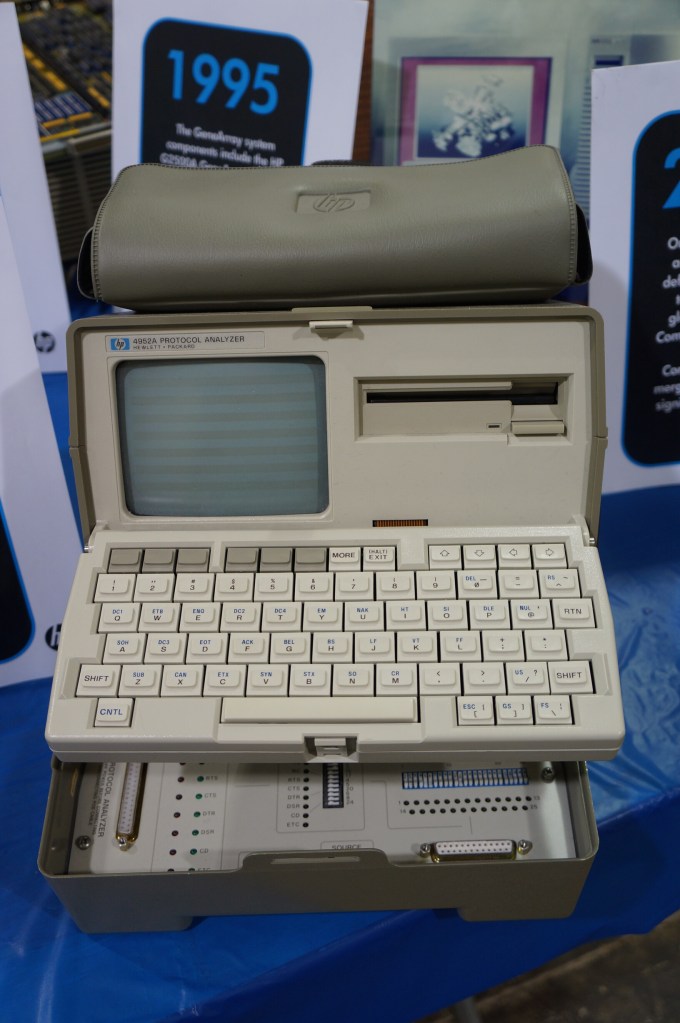
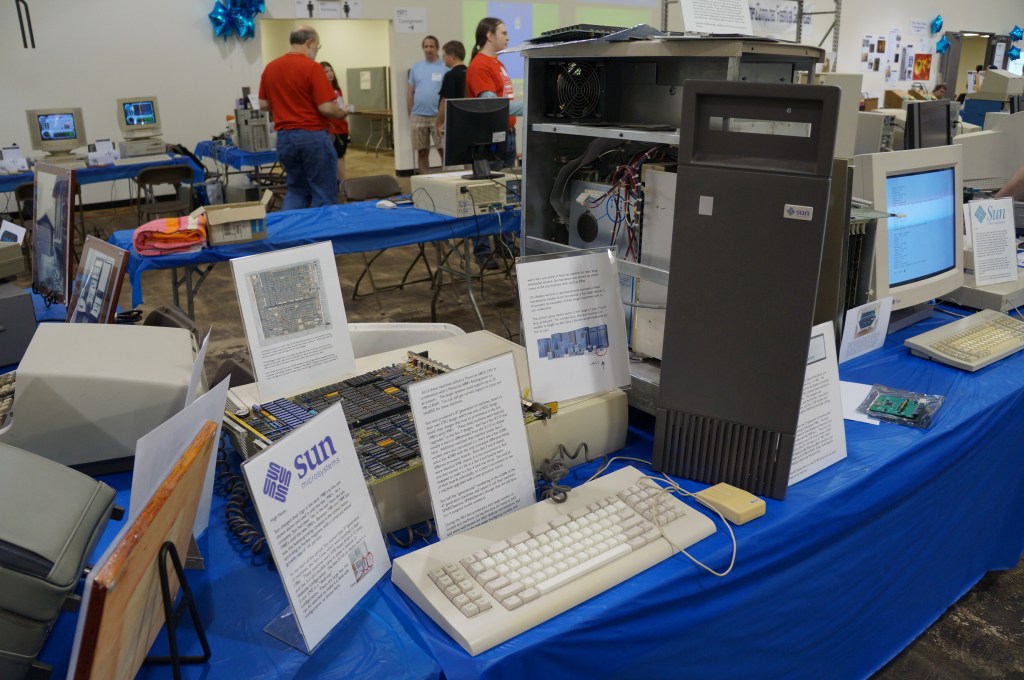
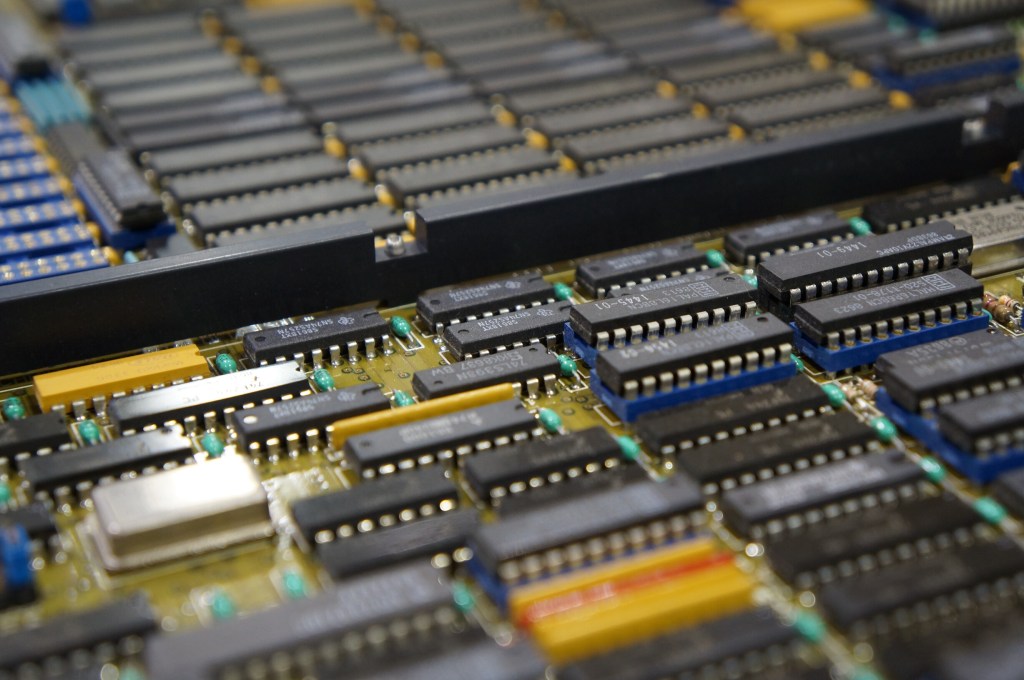
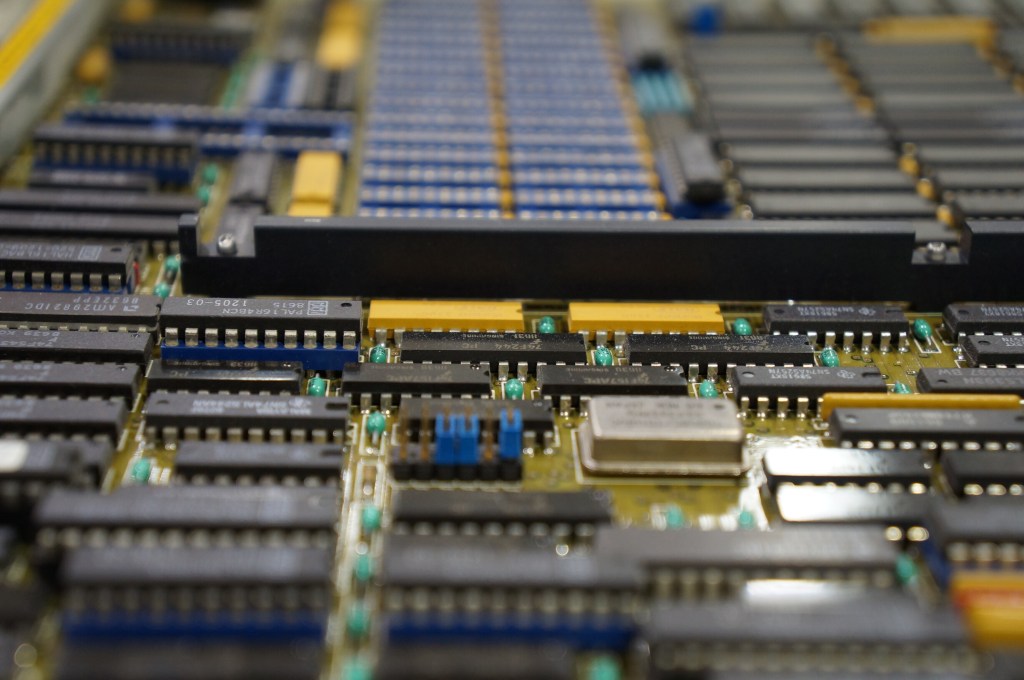
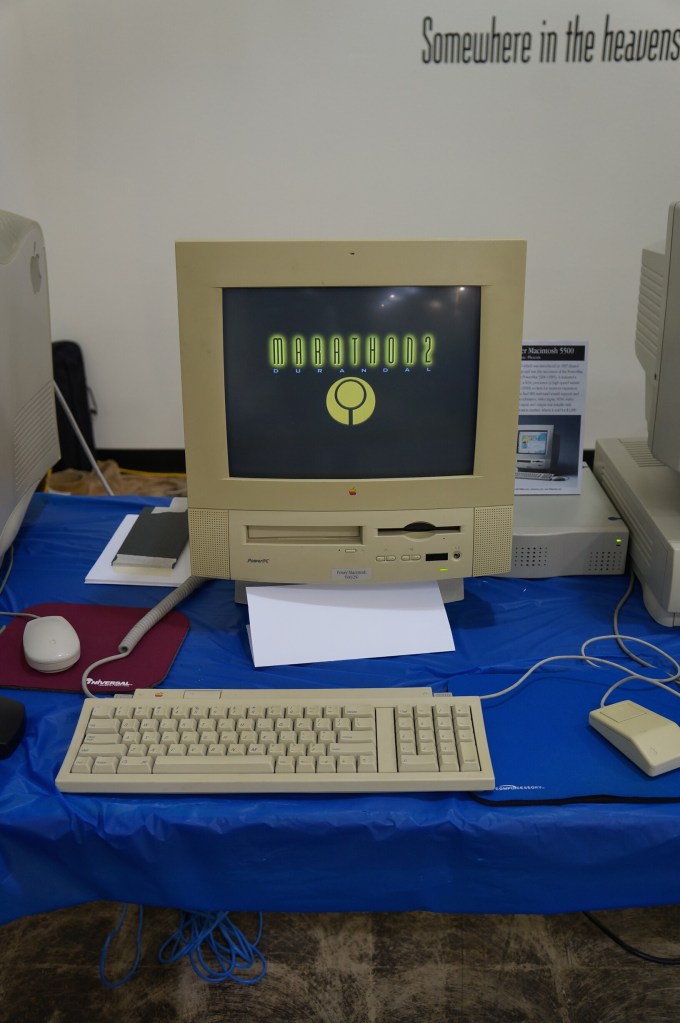
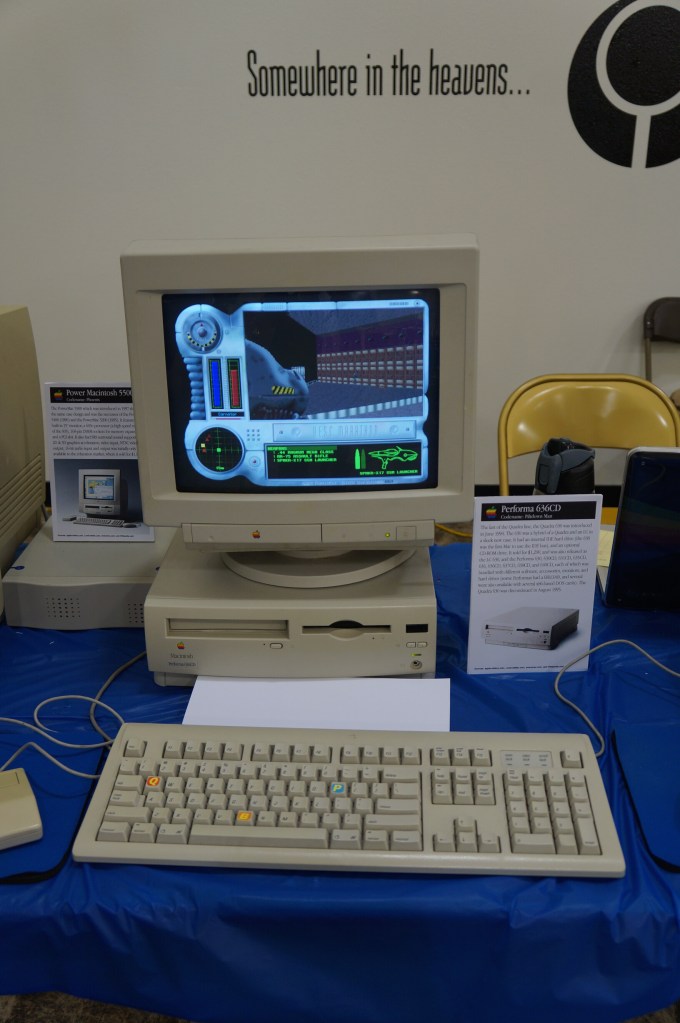
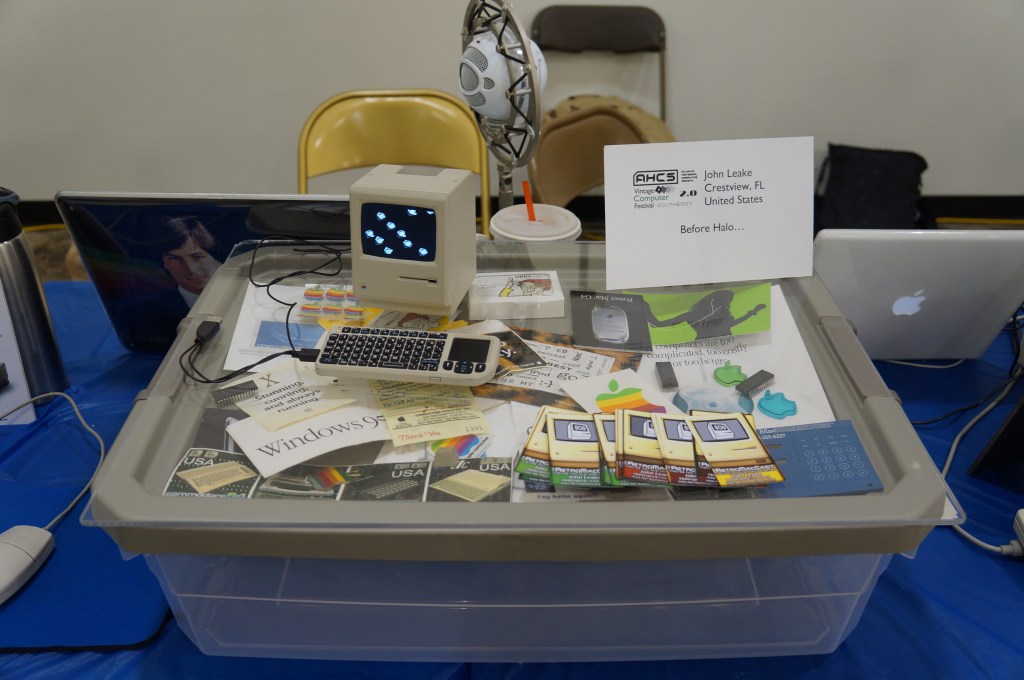
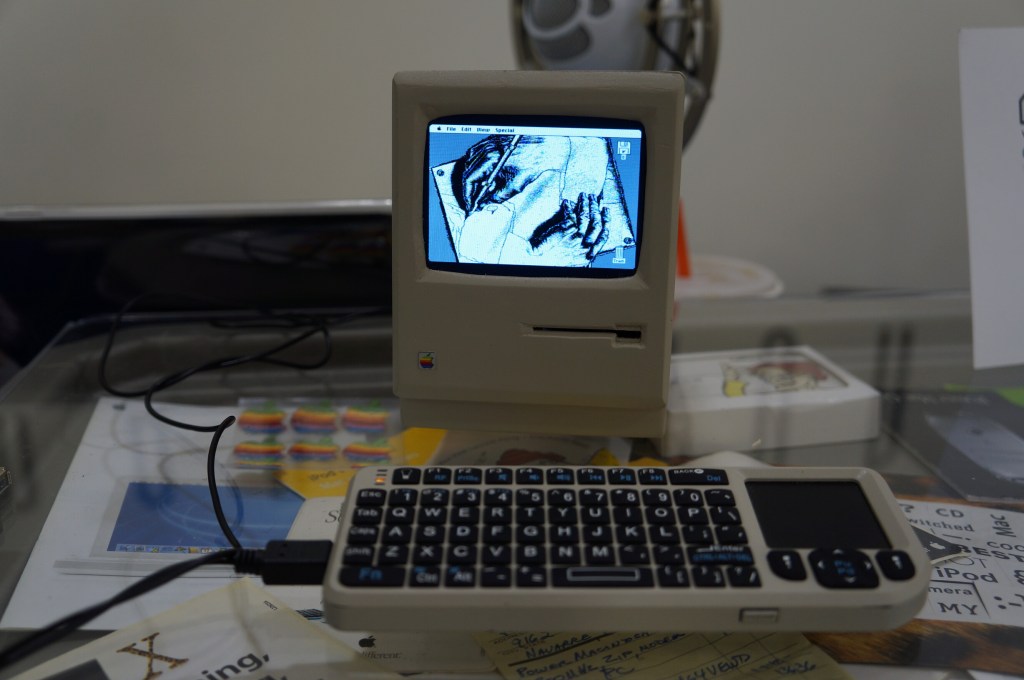
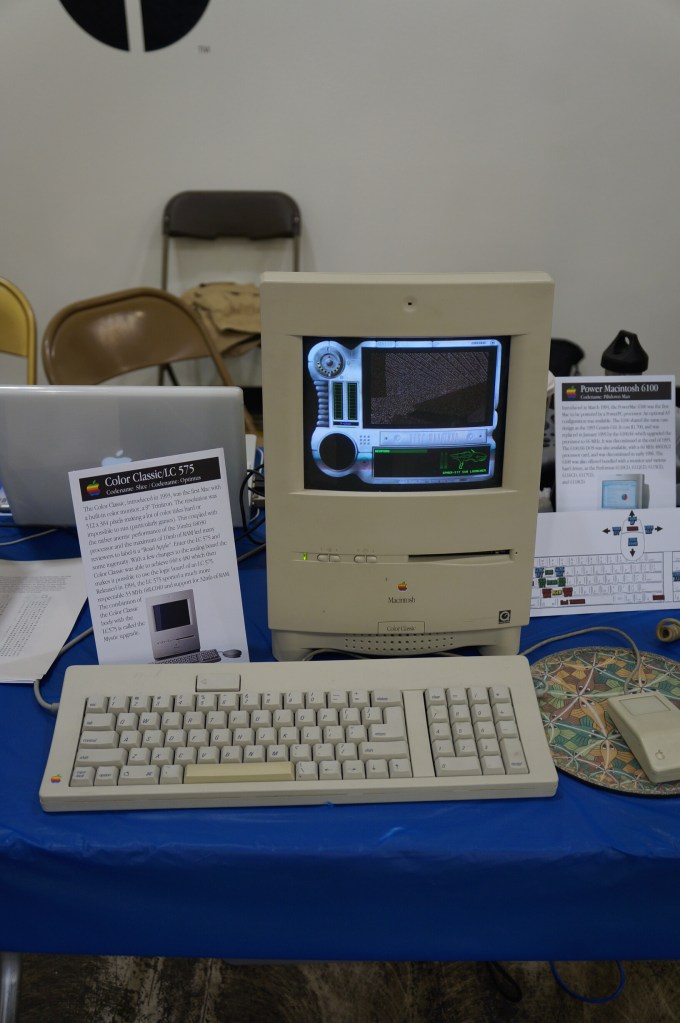
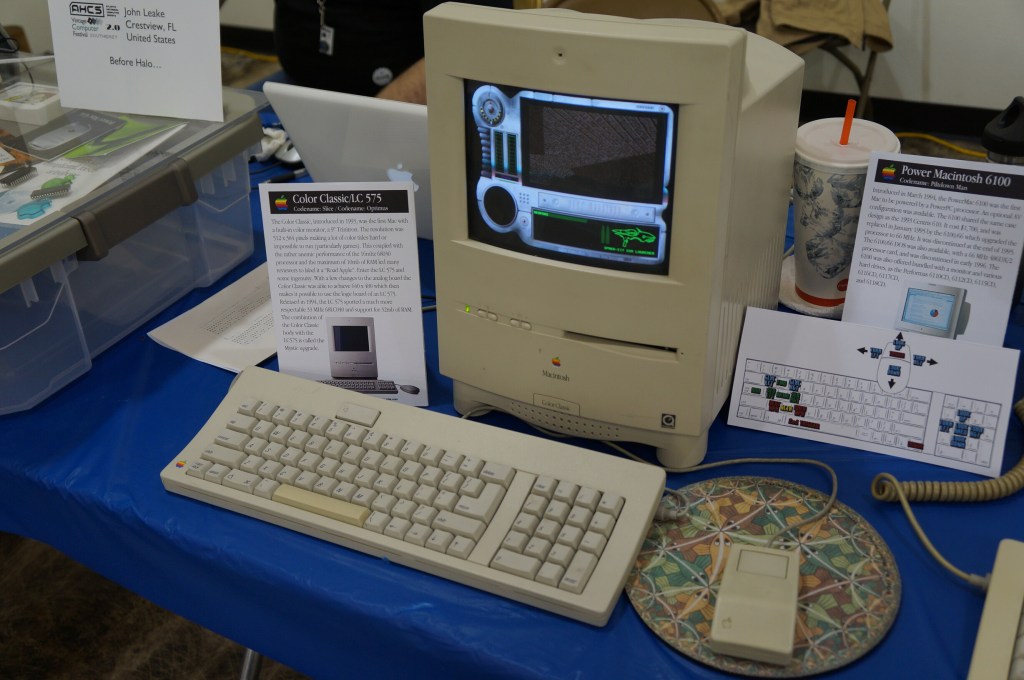
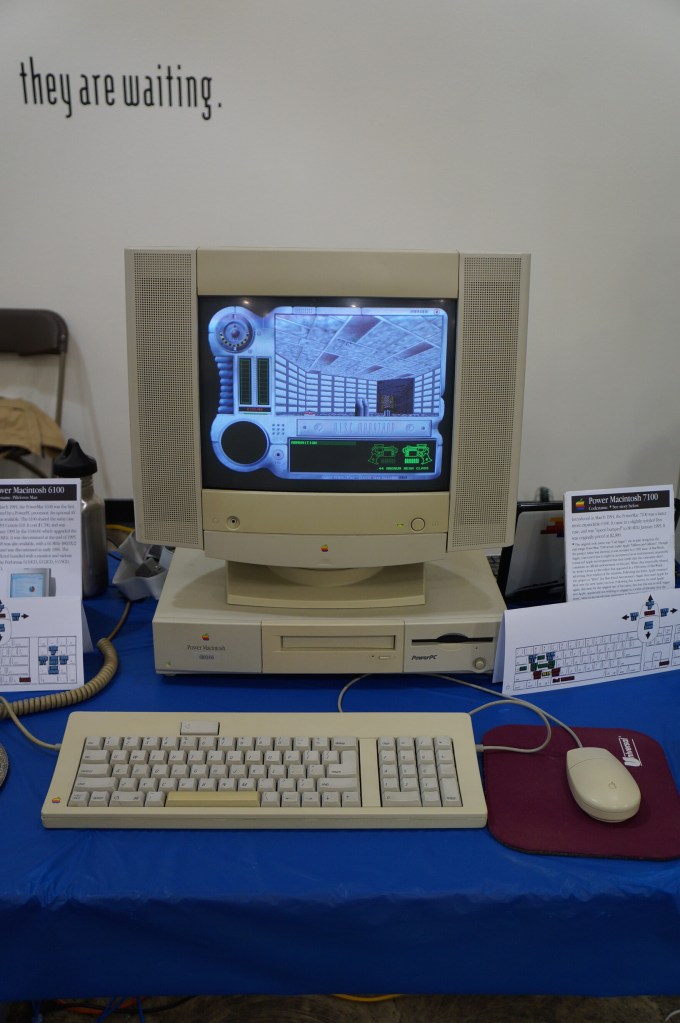
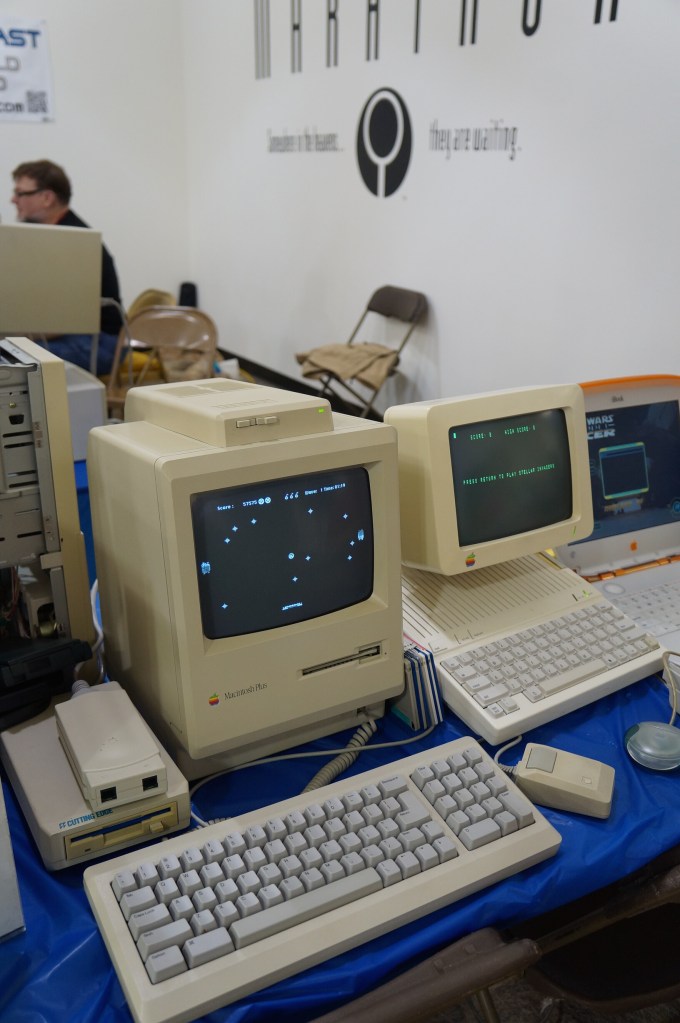
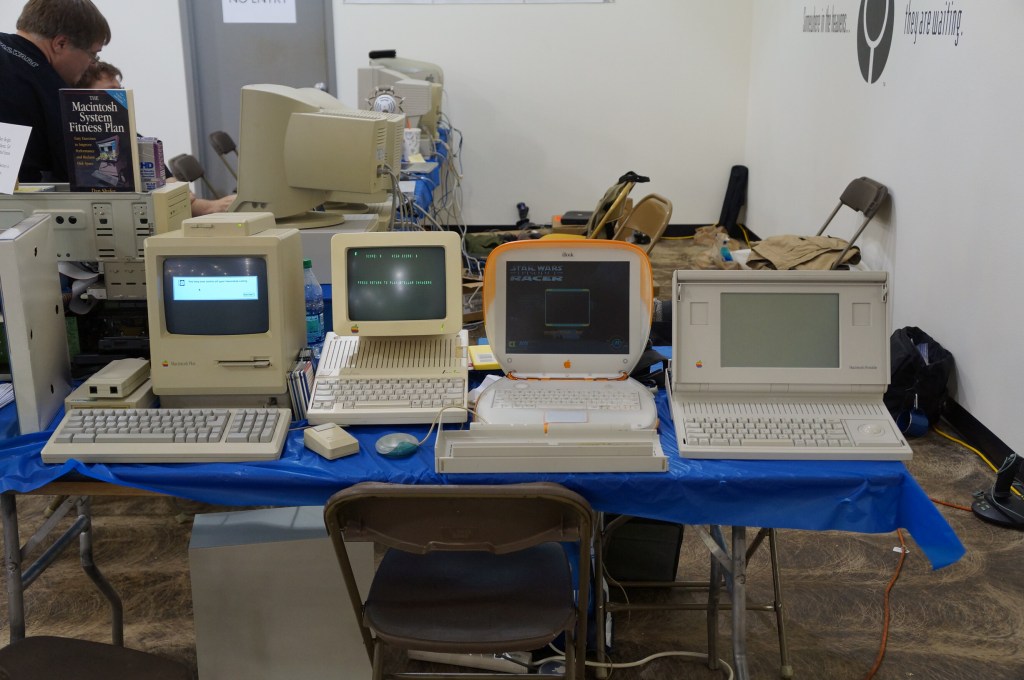
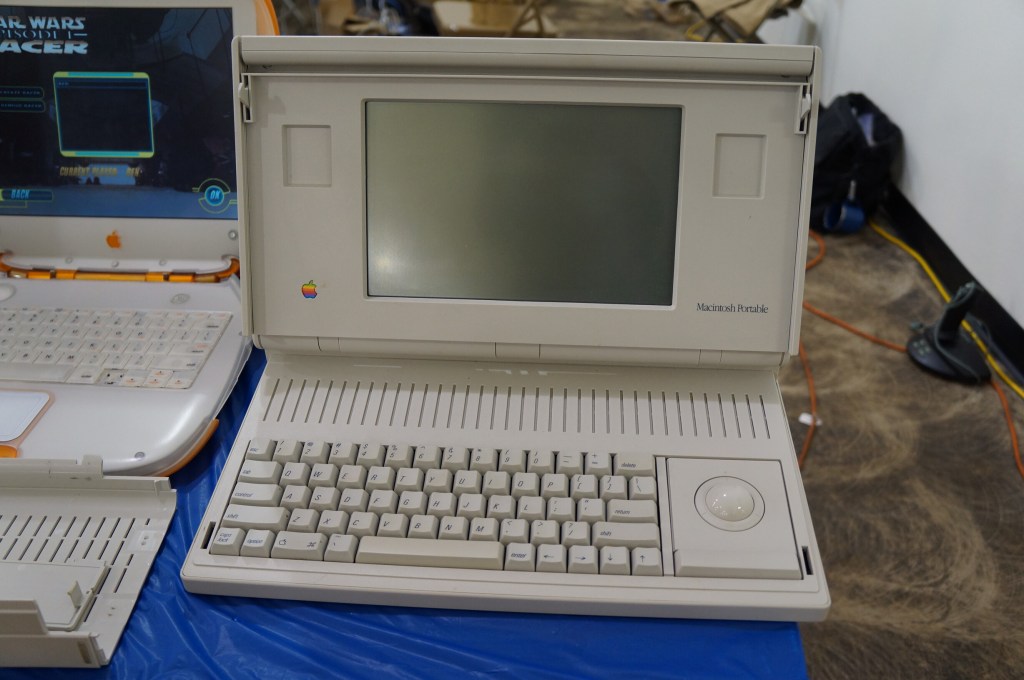
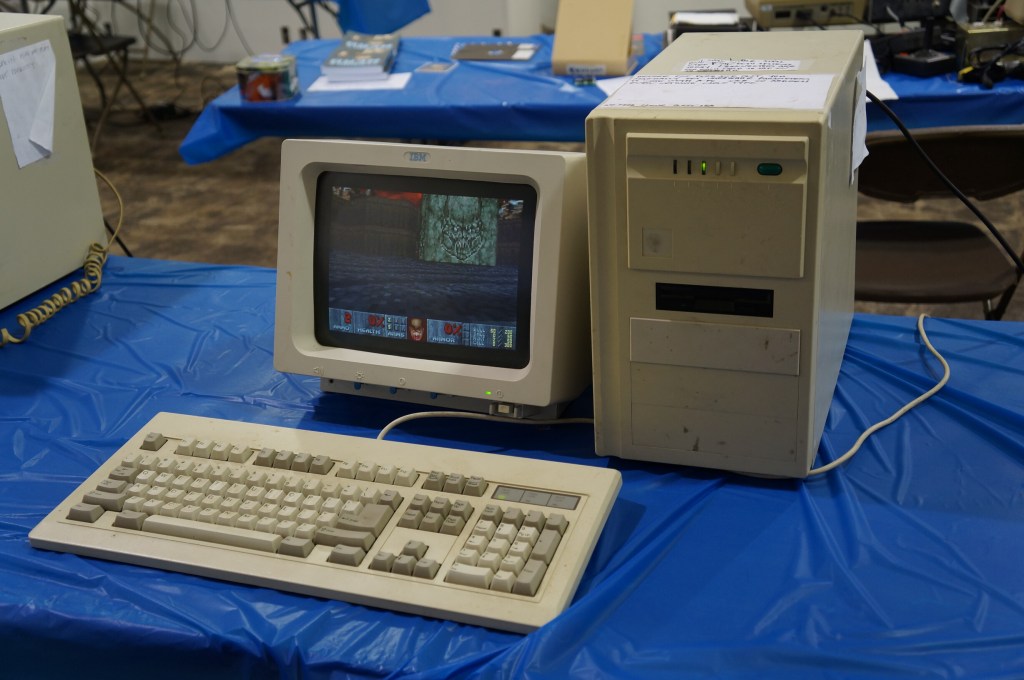
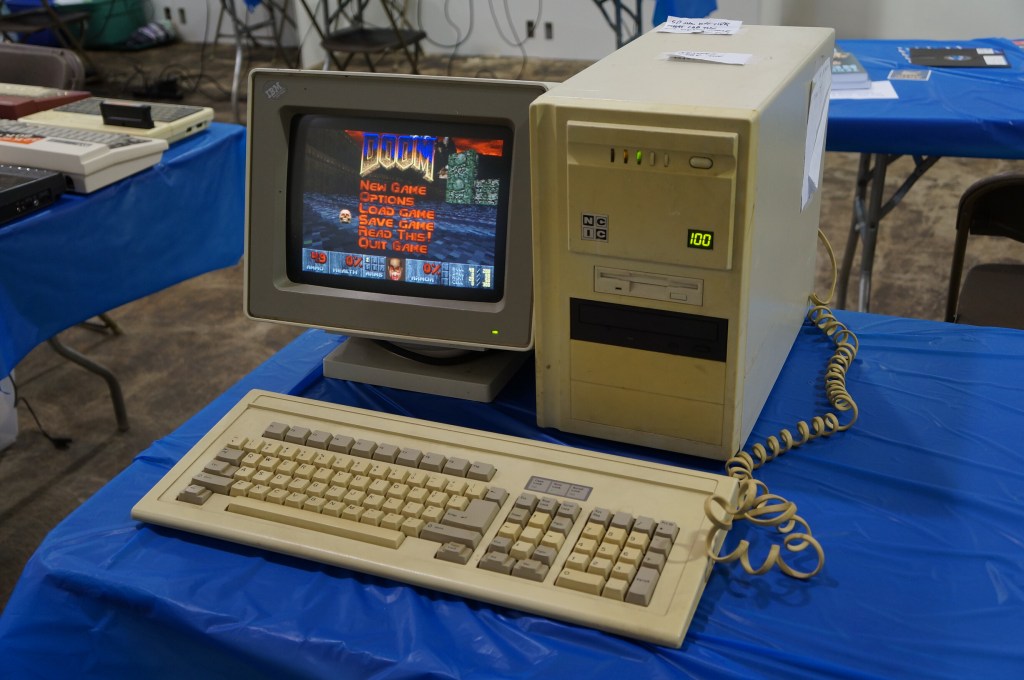
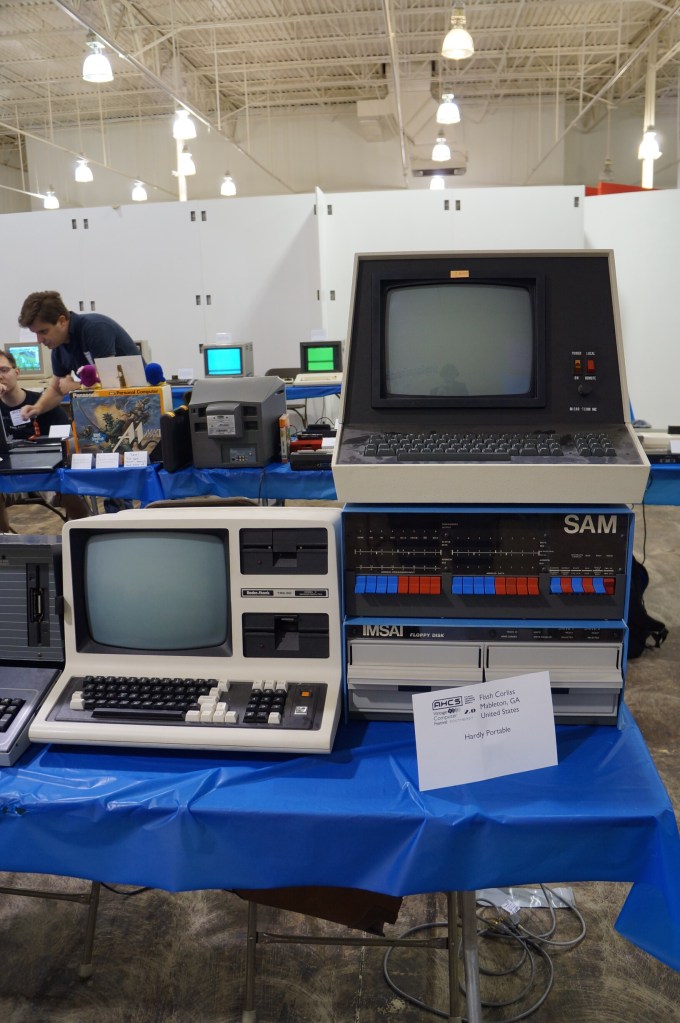
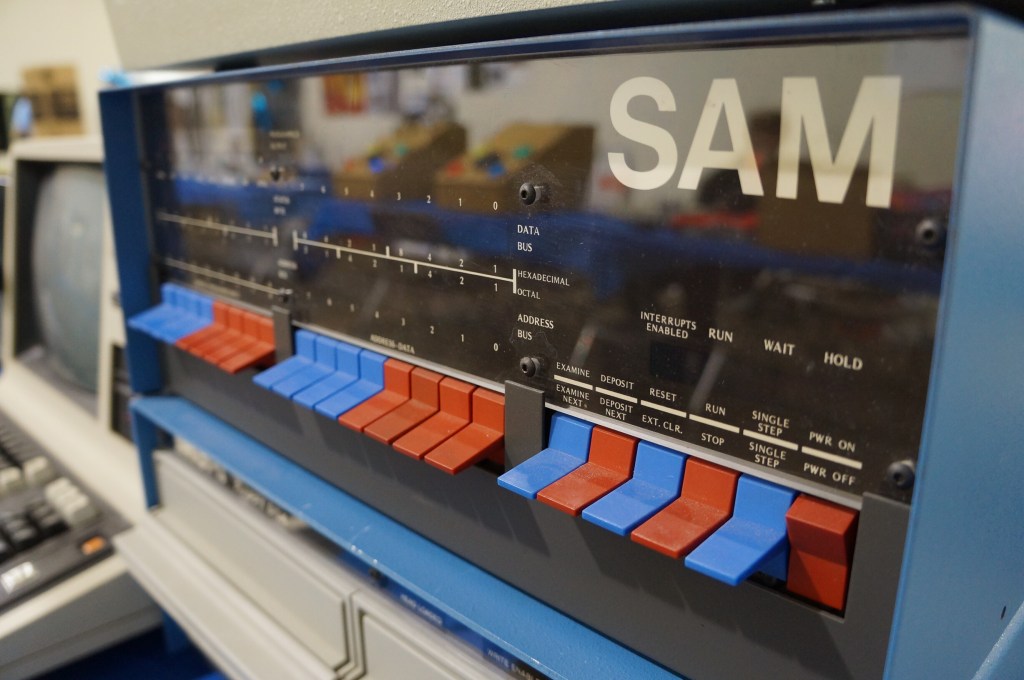
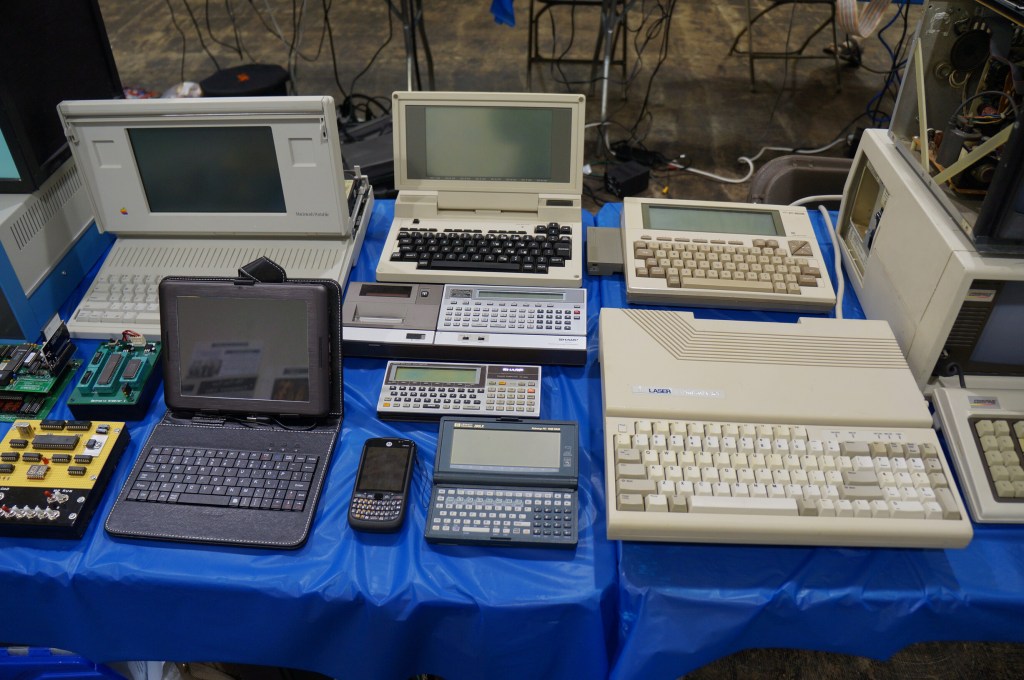
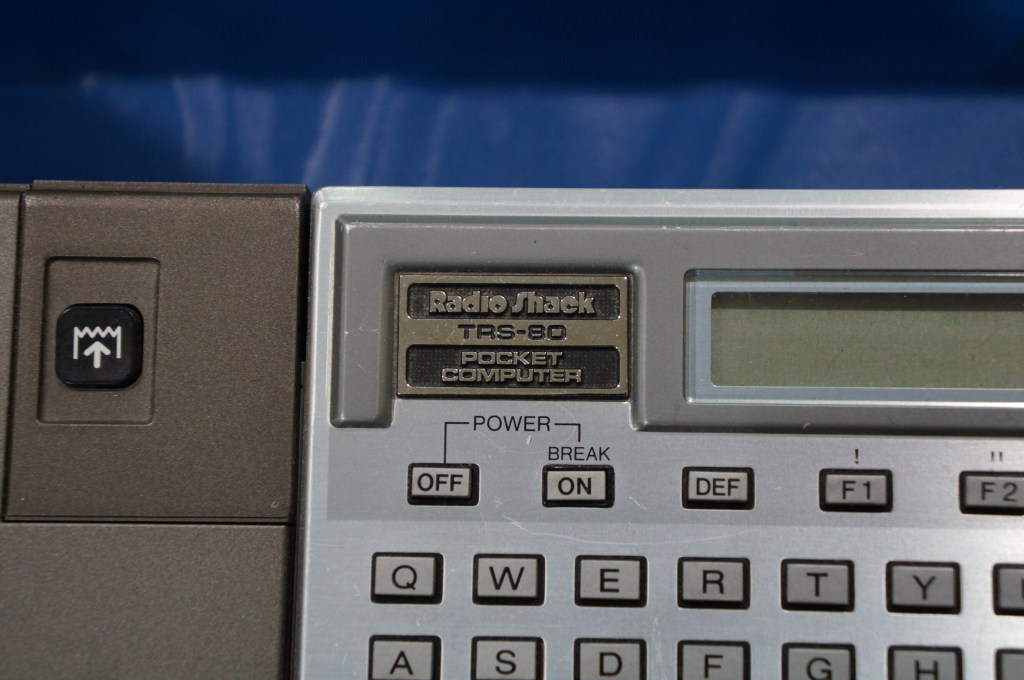
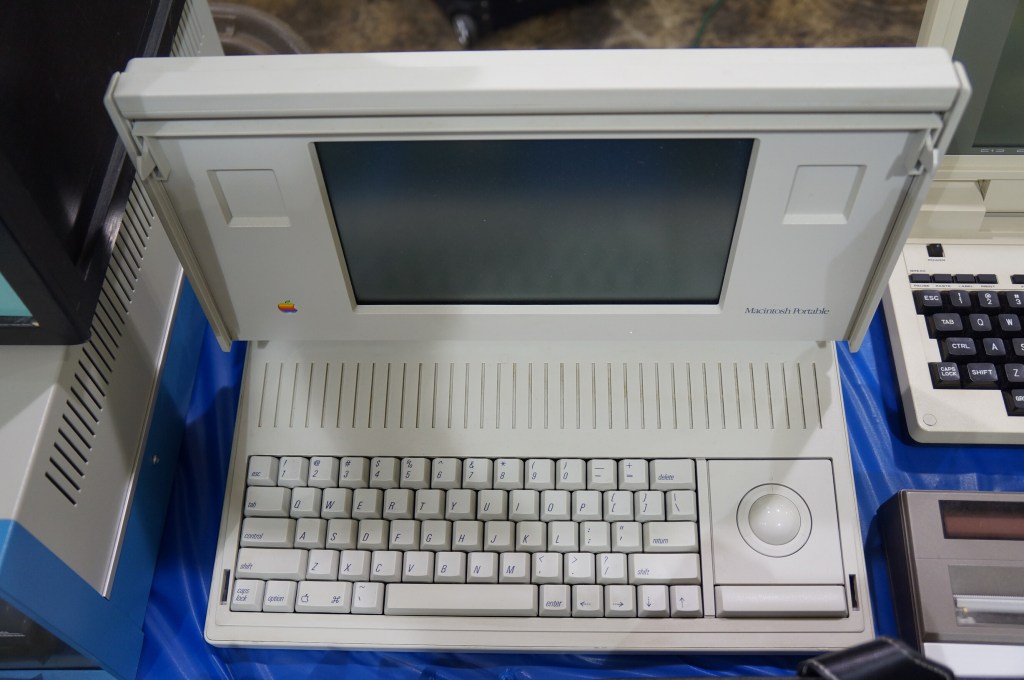
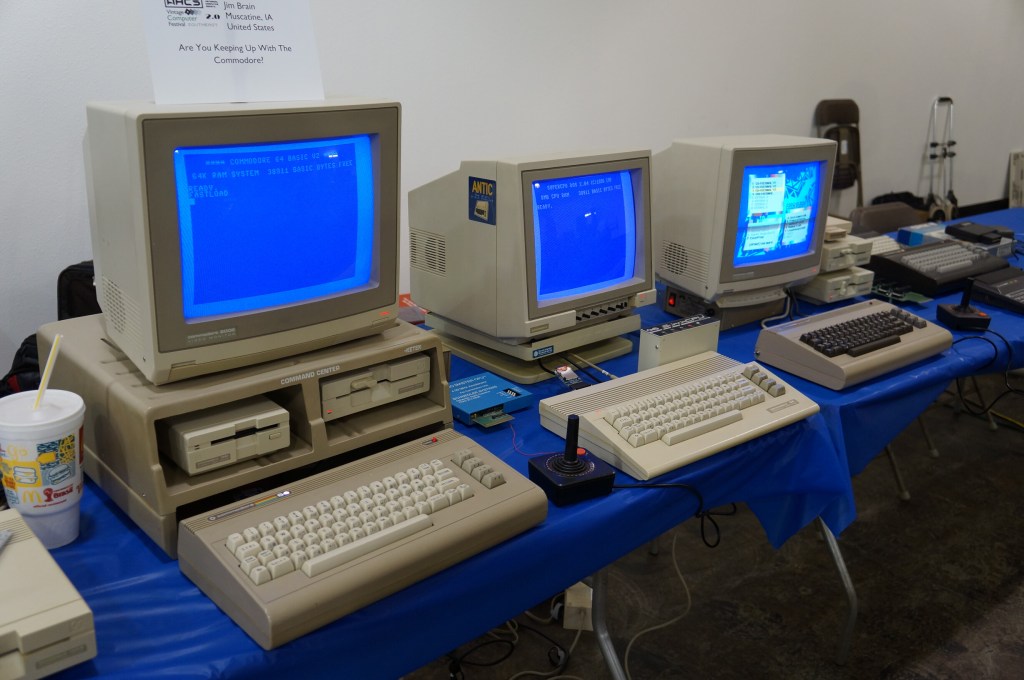
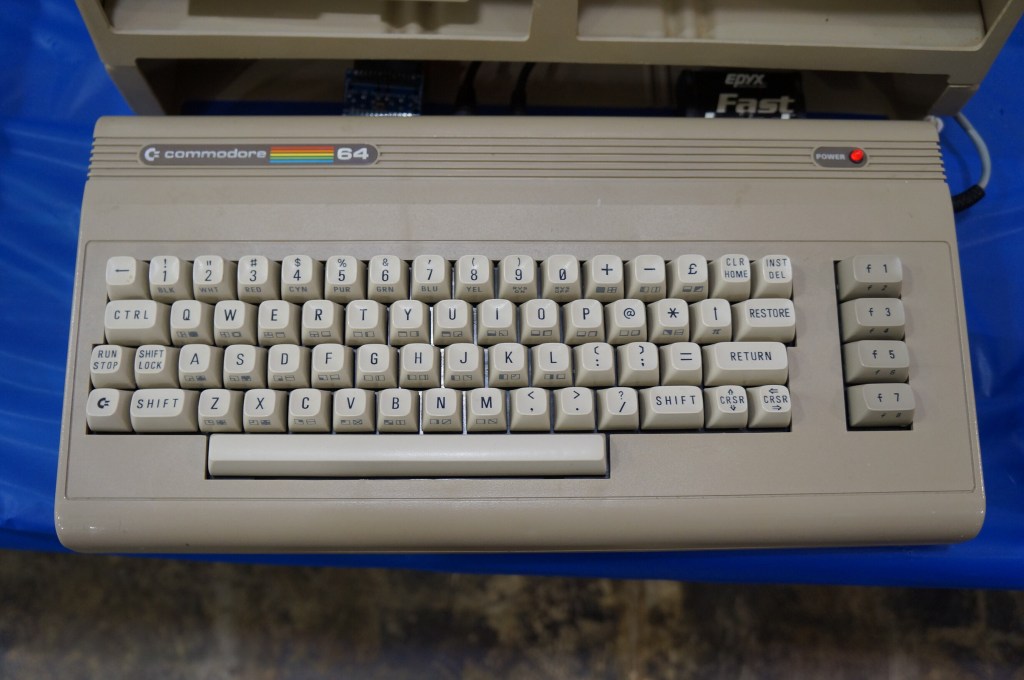
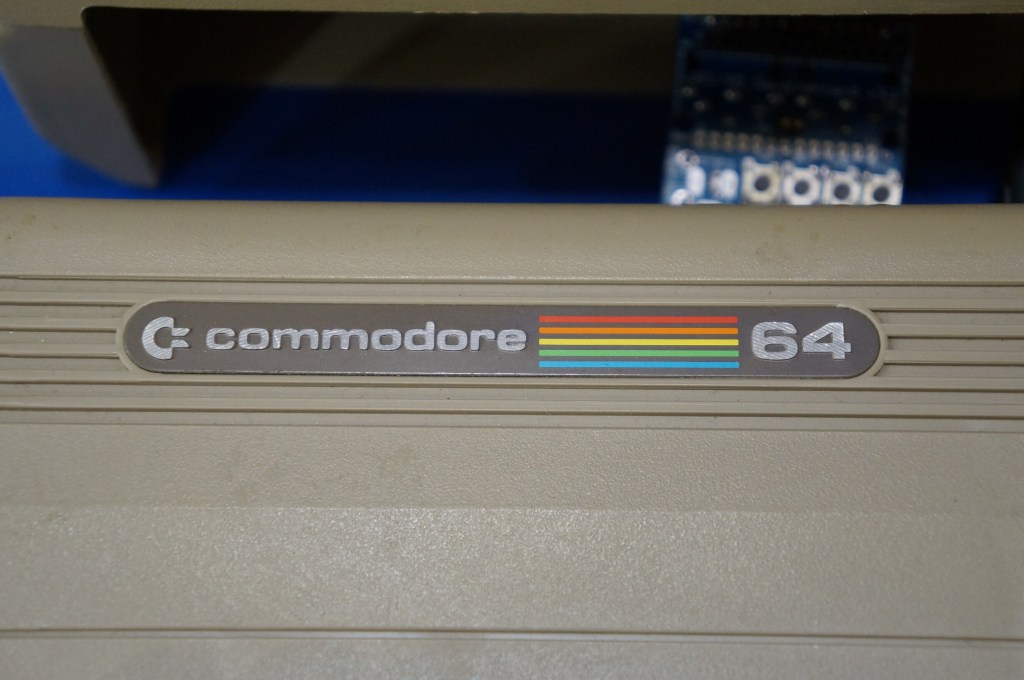
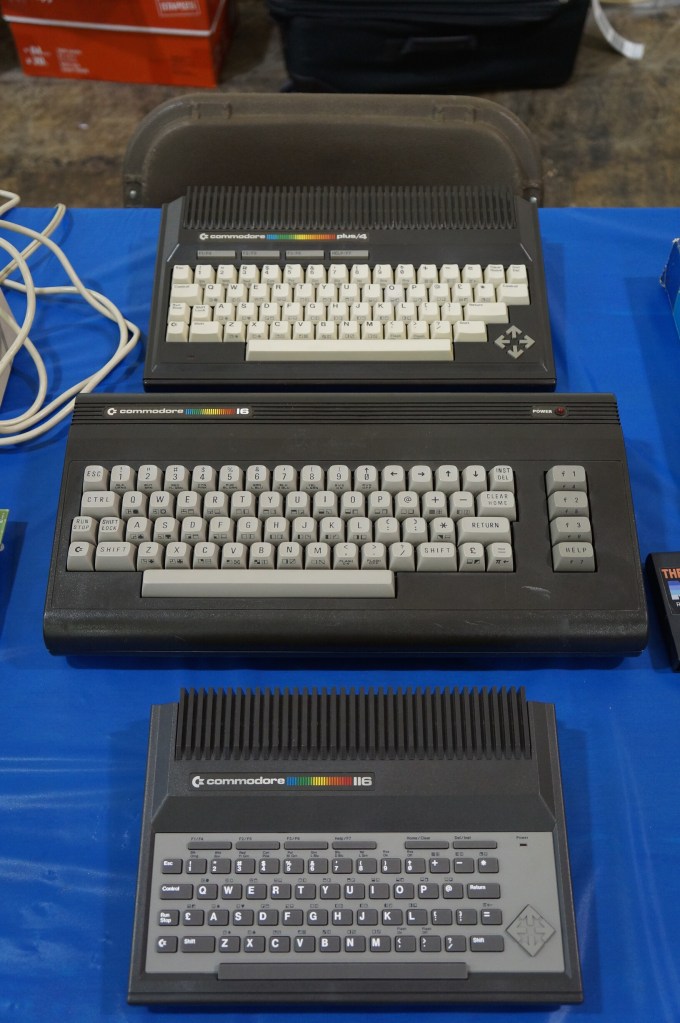
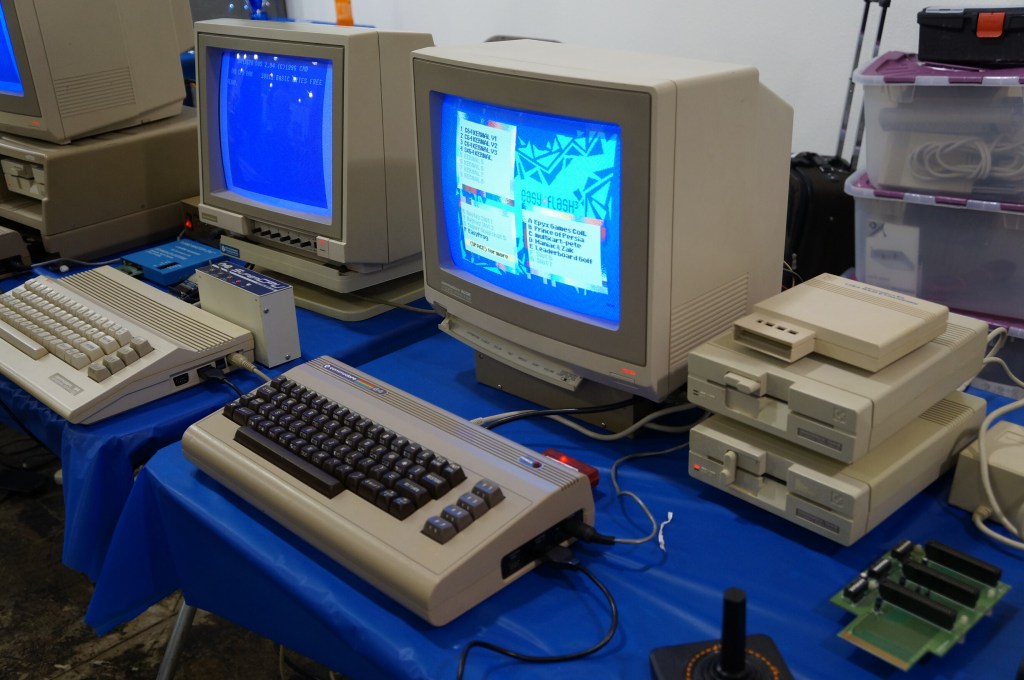
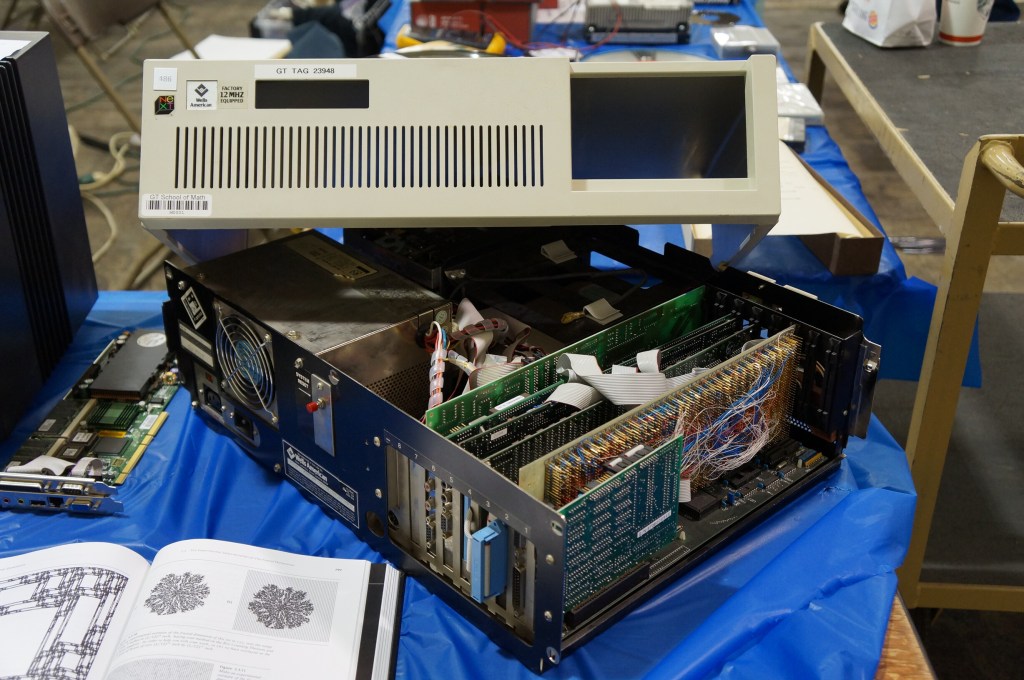
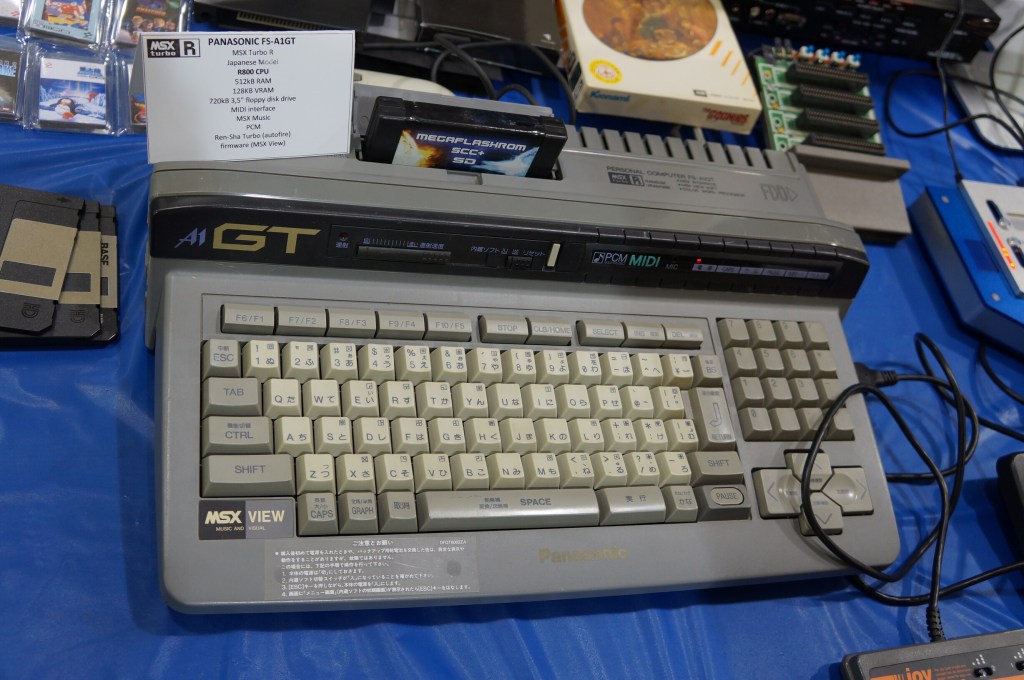
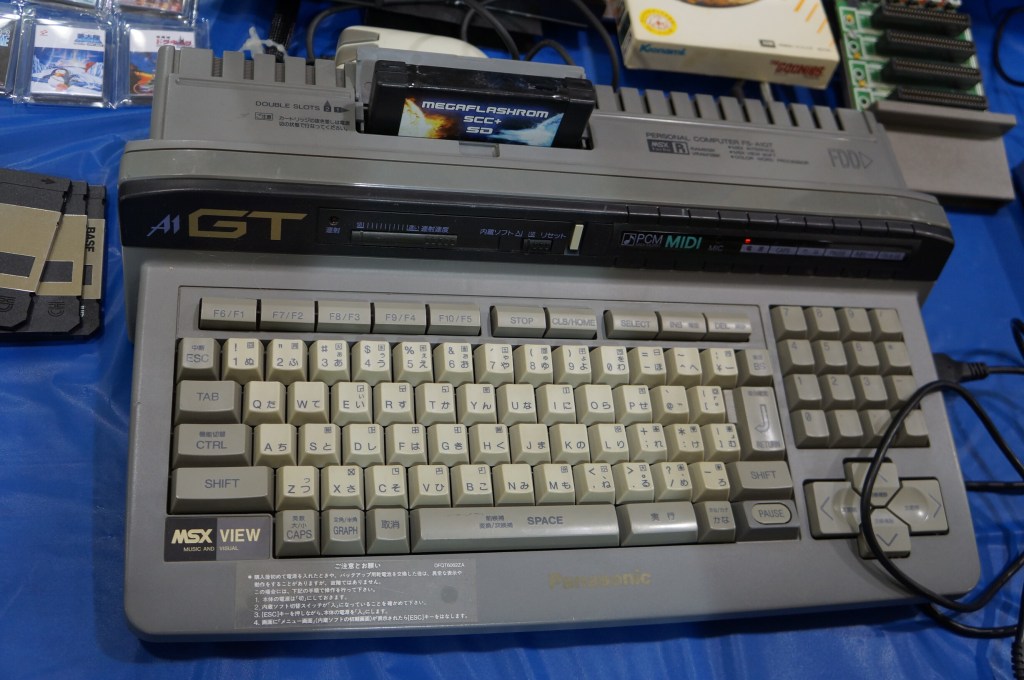
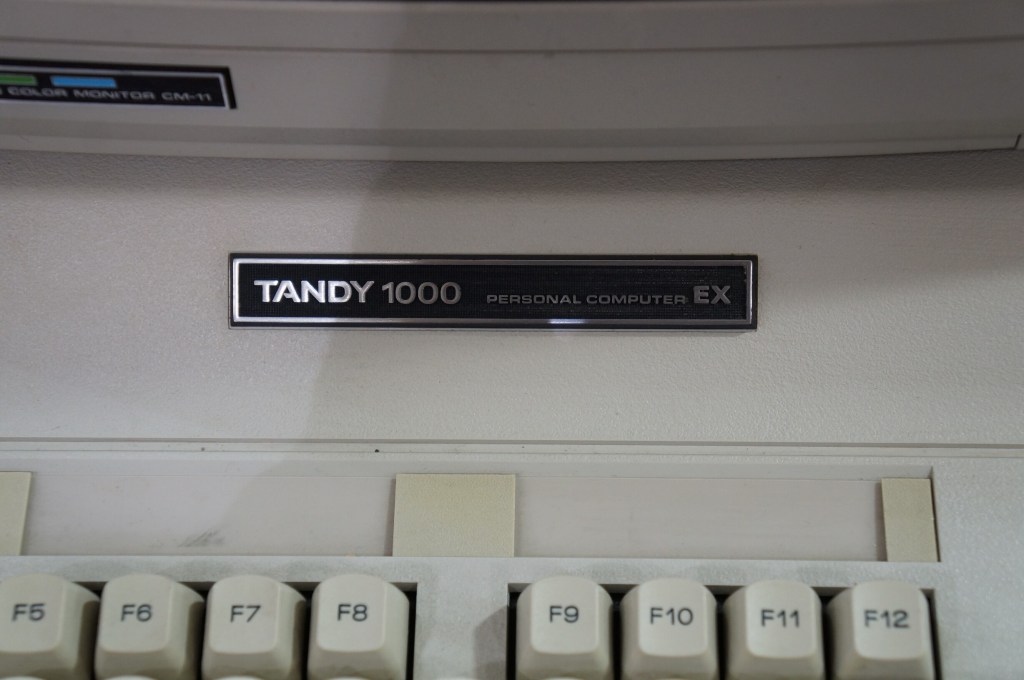
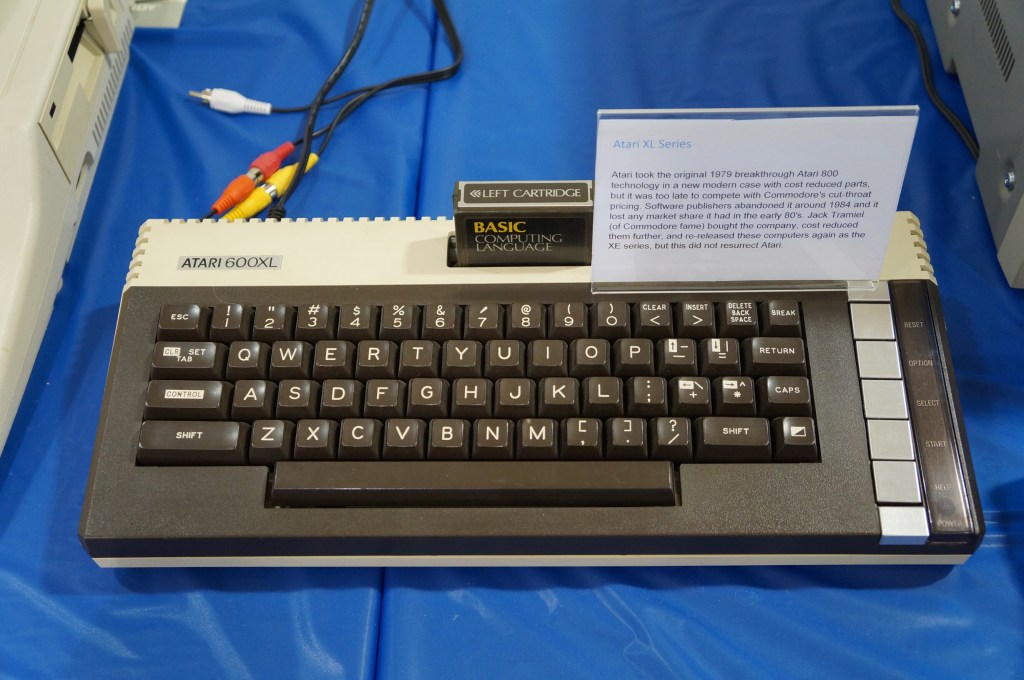
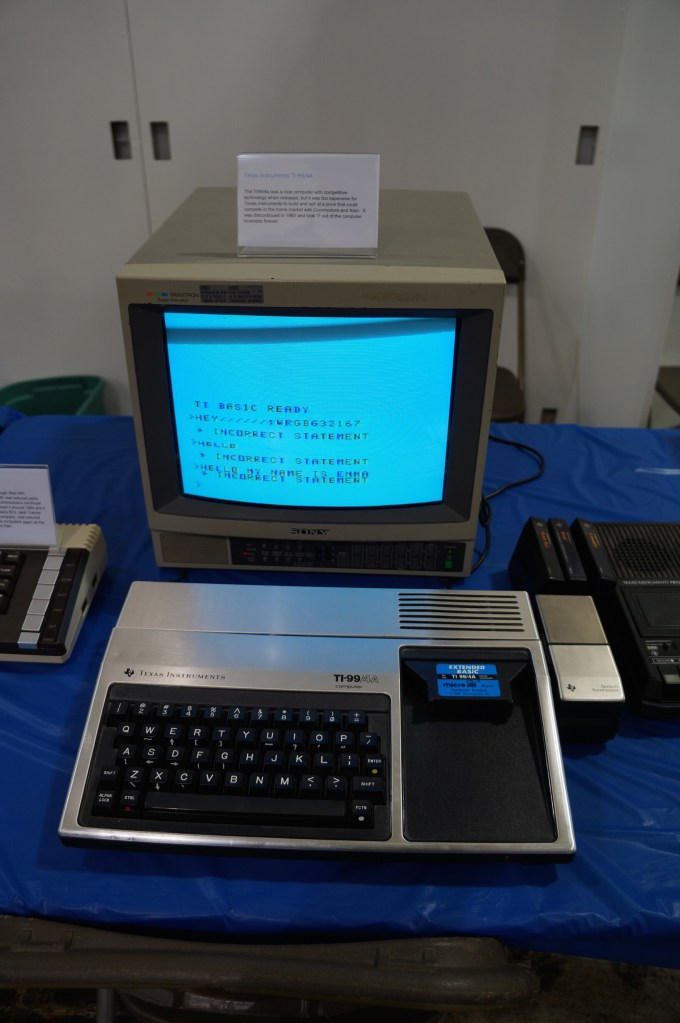
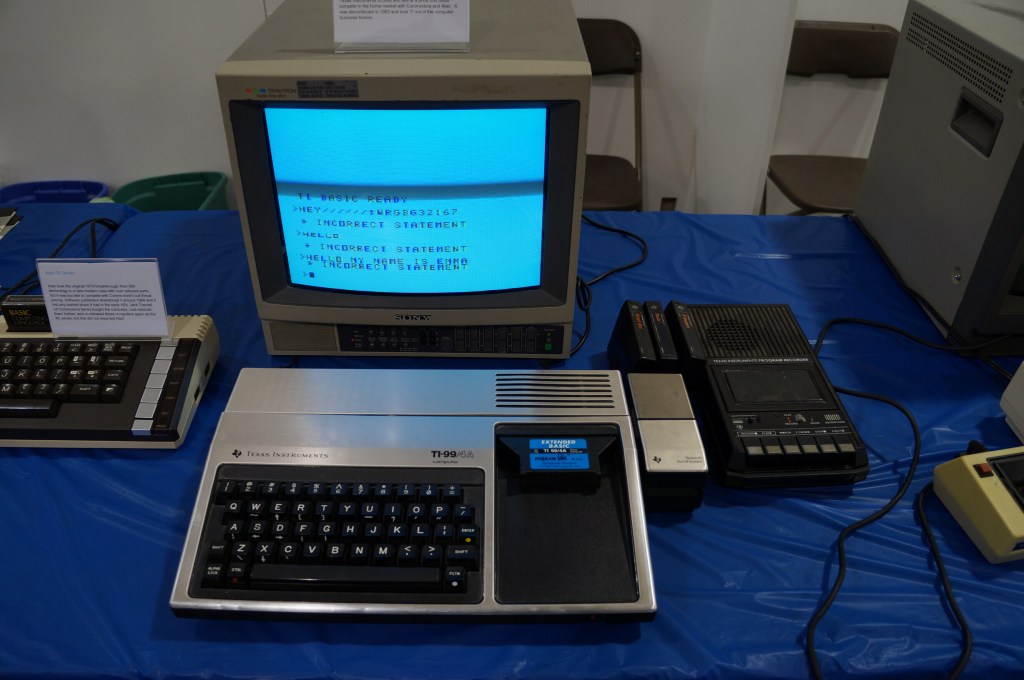
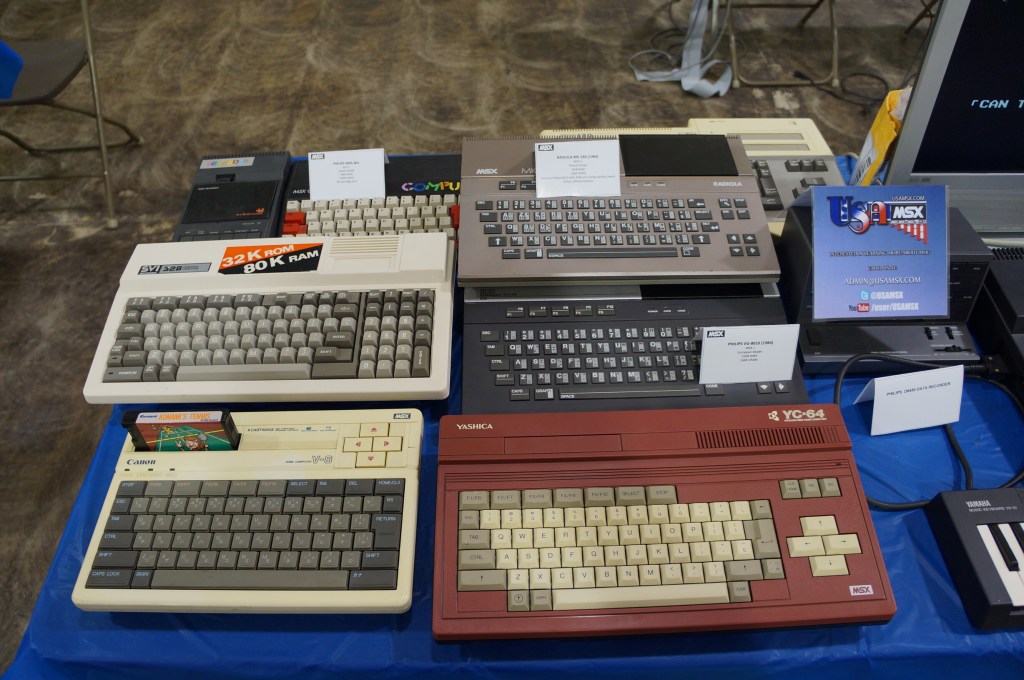
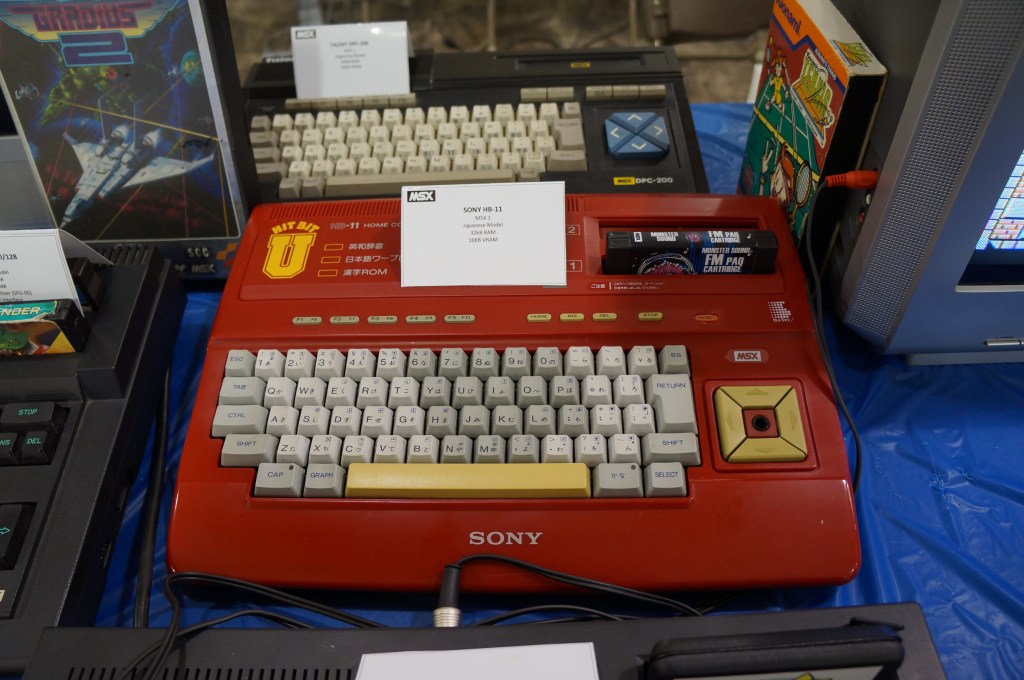
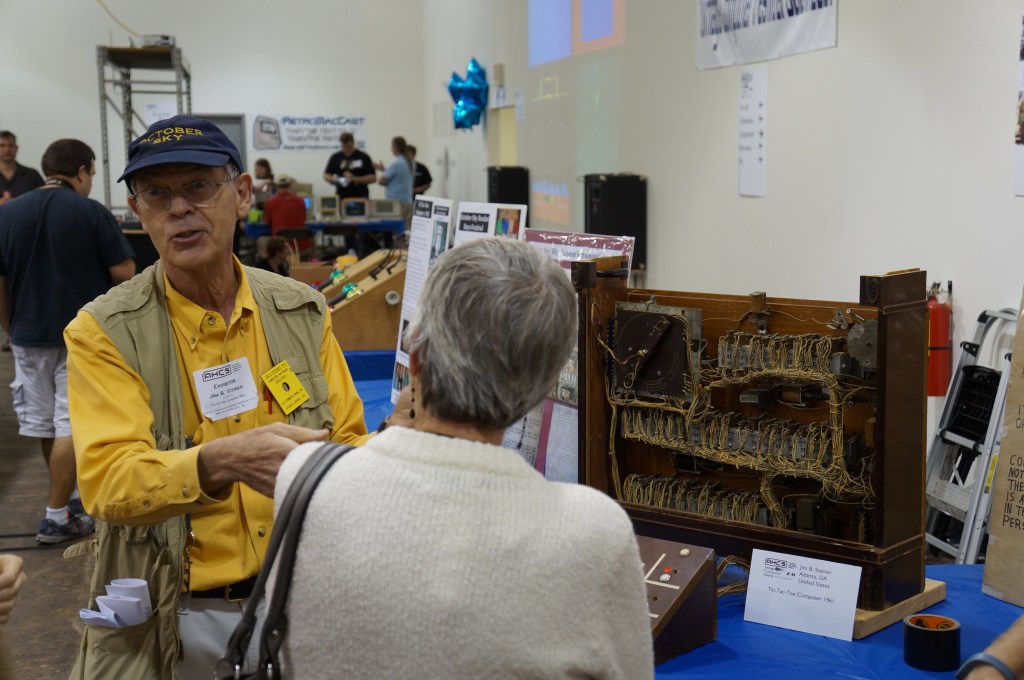
    Below, I share photos from the Digital Archivists presentation panel and photos of the Apple Pop-Up Museum and other installed exhibits, and many photos from the individual exhibitor hall.

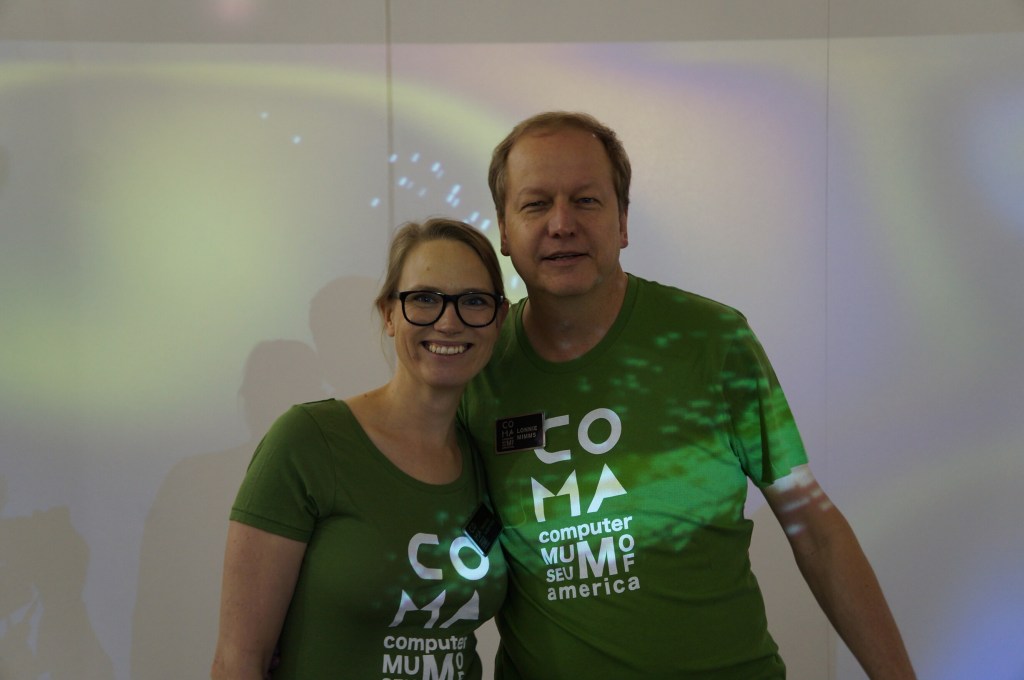
    When we first got there, we had a chance to talk with the founder Lonnie Mimms (right) who was wearing a green t-shirt emblazoned with the rebranding for the space as the Computer Museum of America.

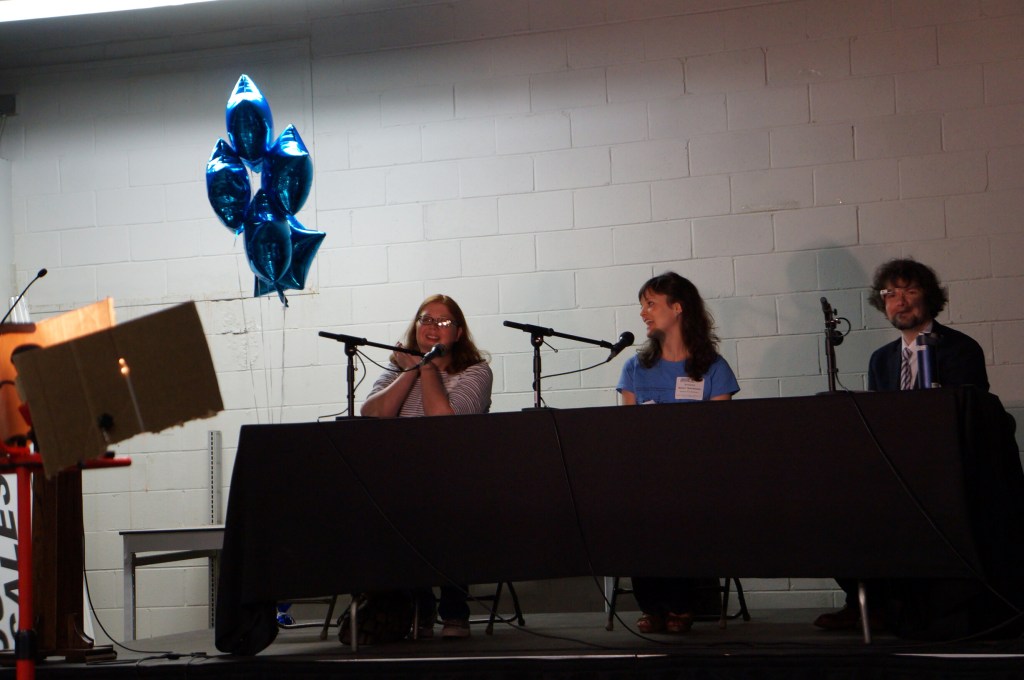
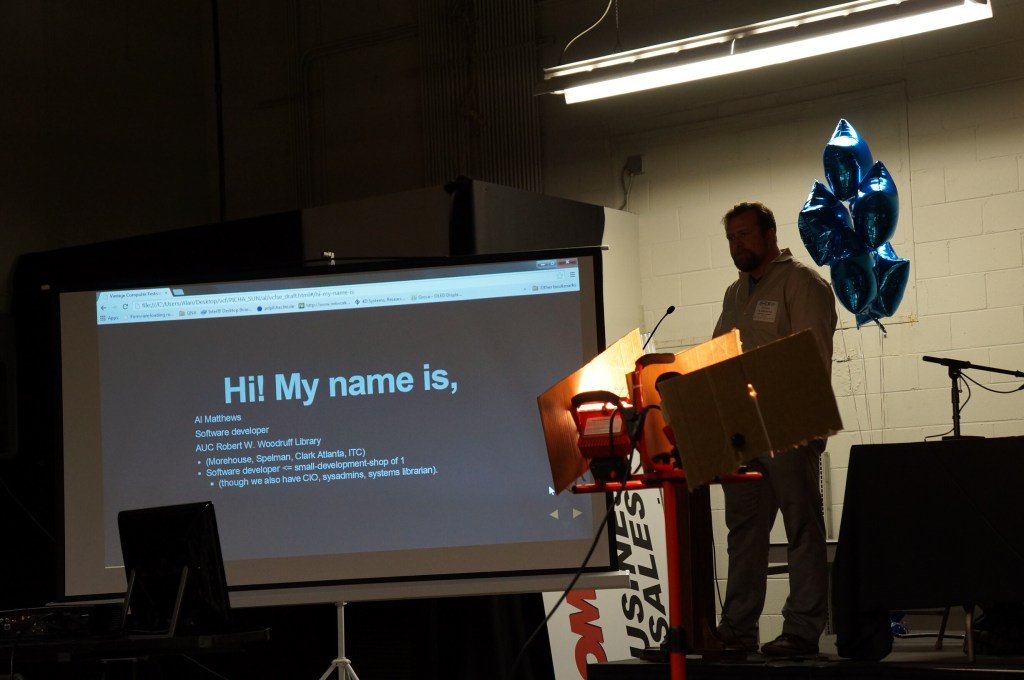
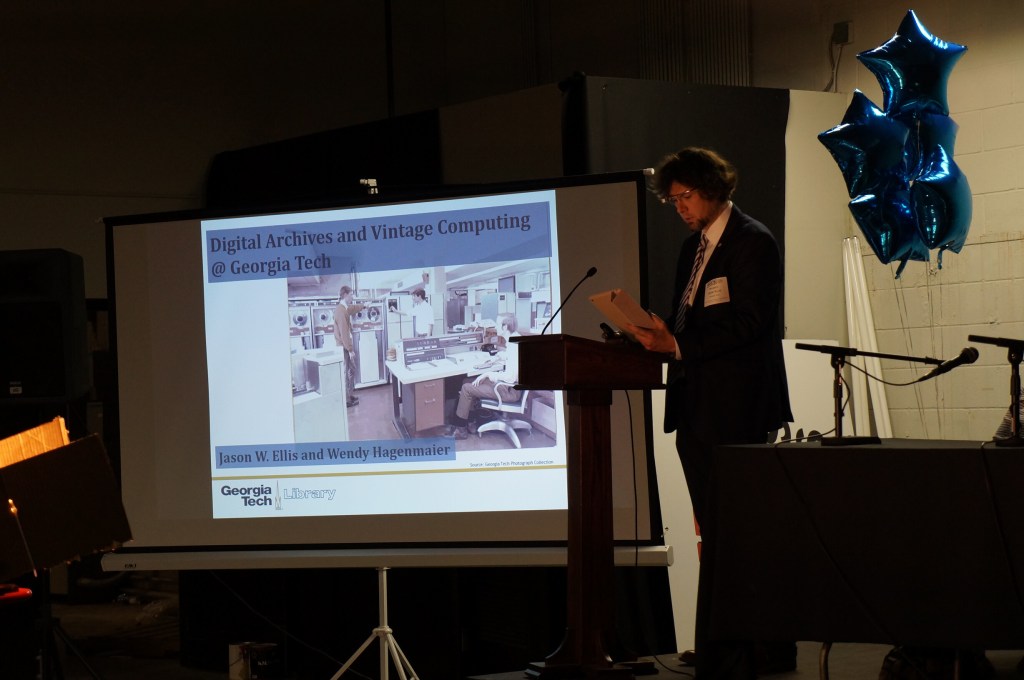
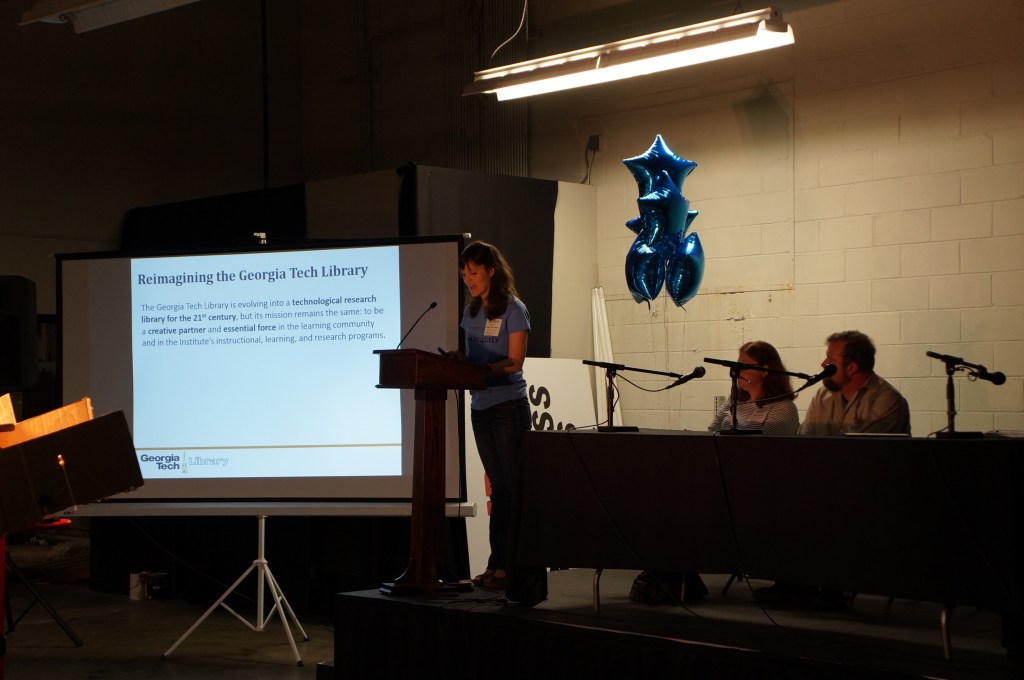
    Digital Archivists Panel

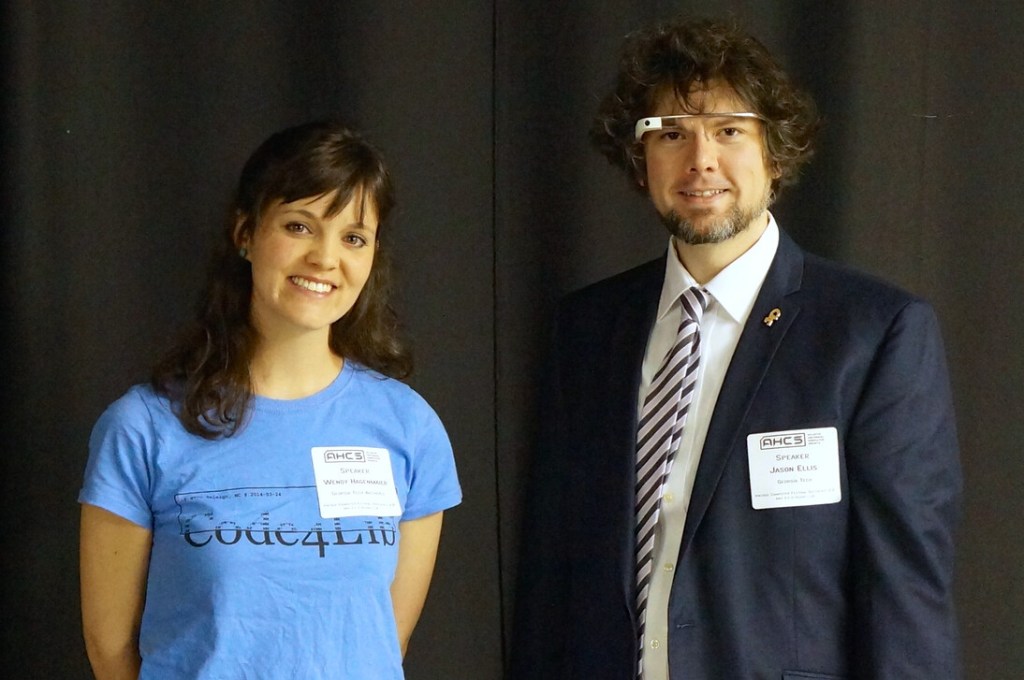
    Wendy Hagenmaier and Jason Ellis after the Digital Archivist panel.

    Wendy and I co-presented about “Digital Archives and Vintage Computing at Georgia Tech” during the Digital Archivists panel. Our notes from the event can be found here.

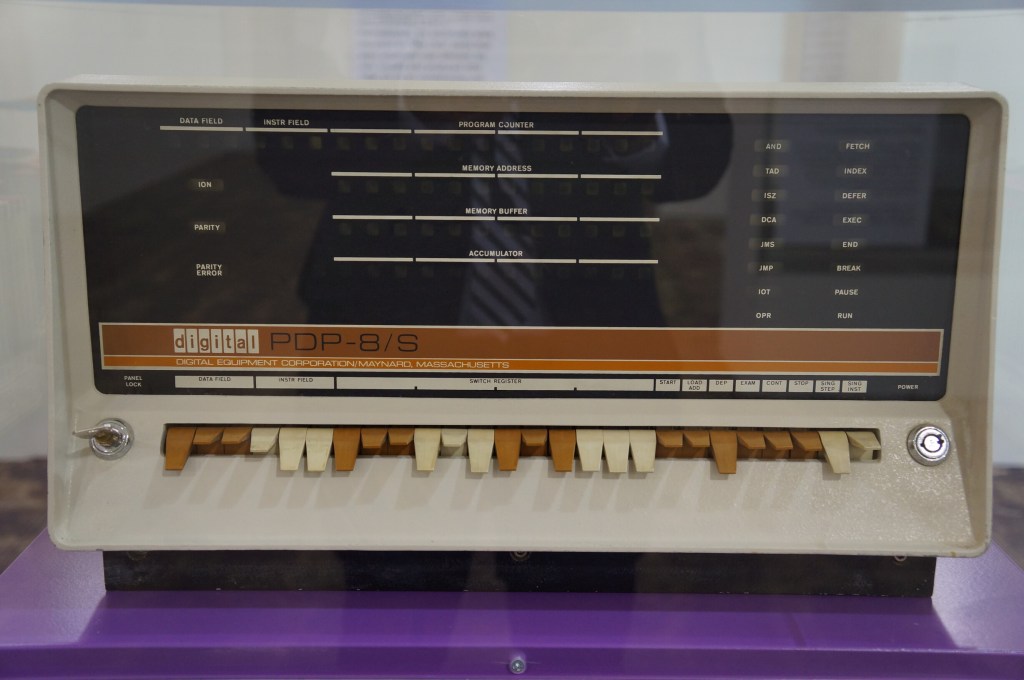
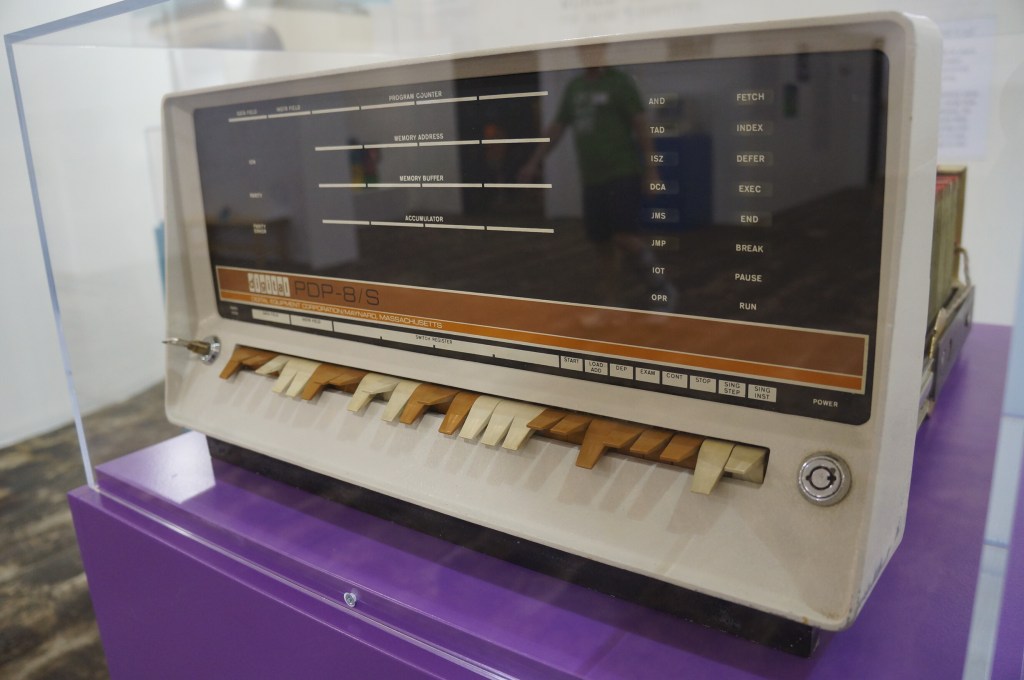
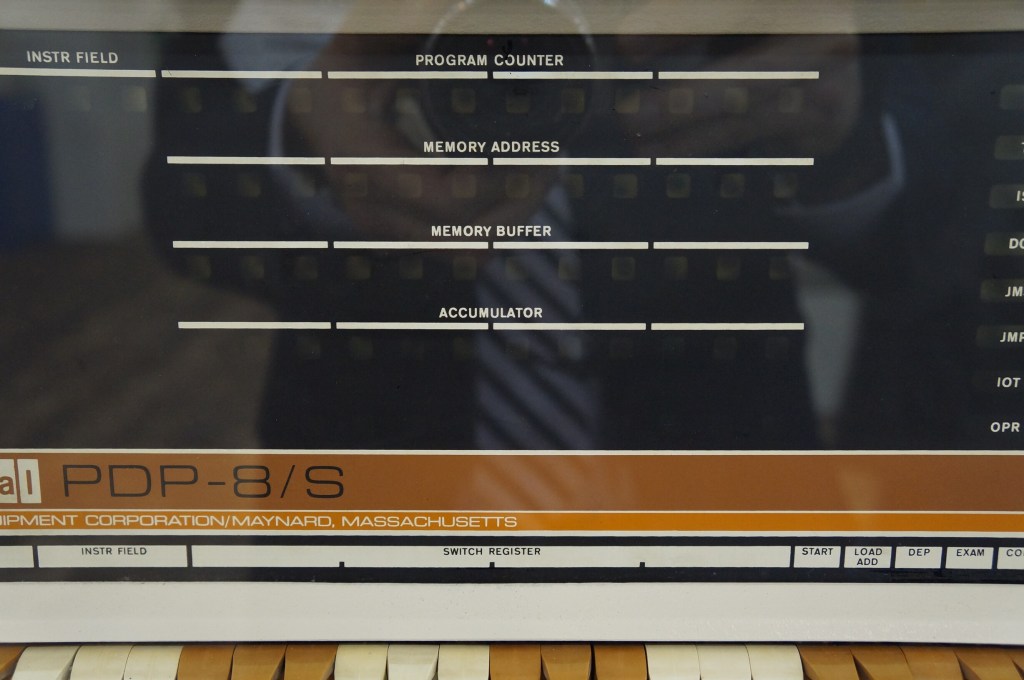
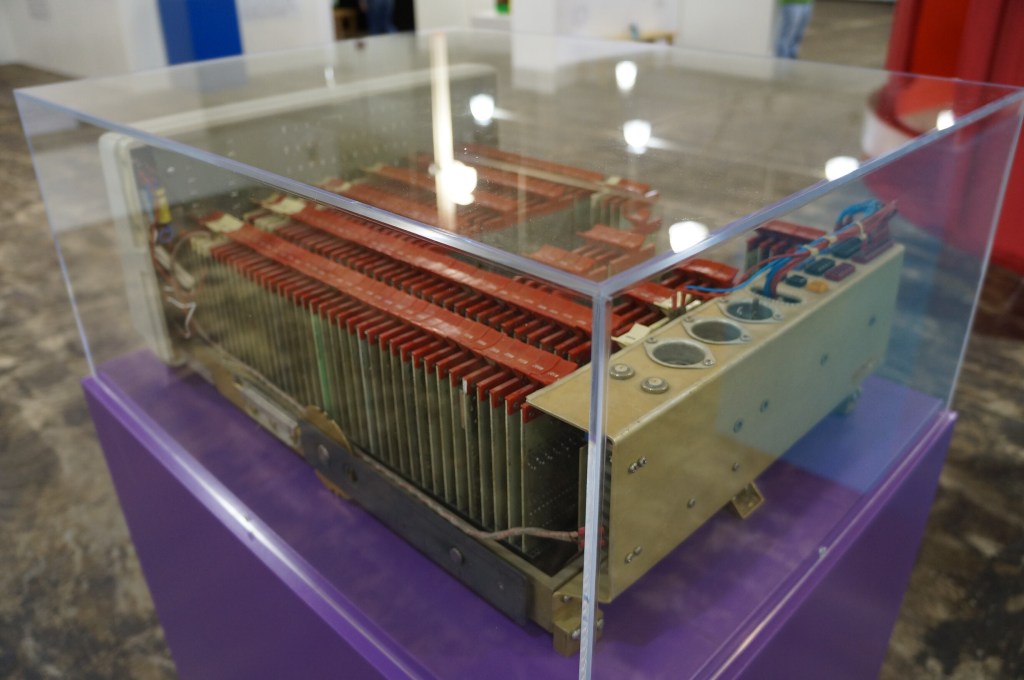
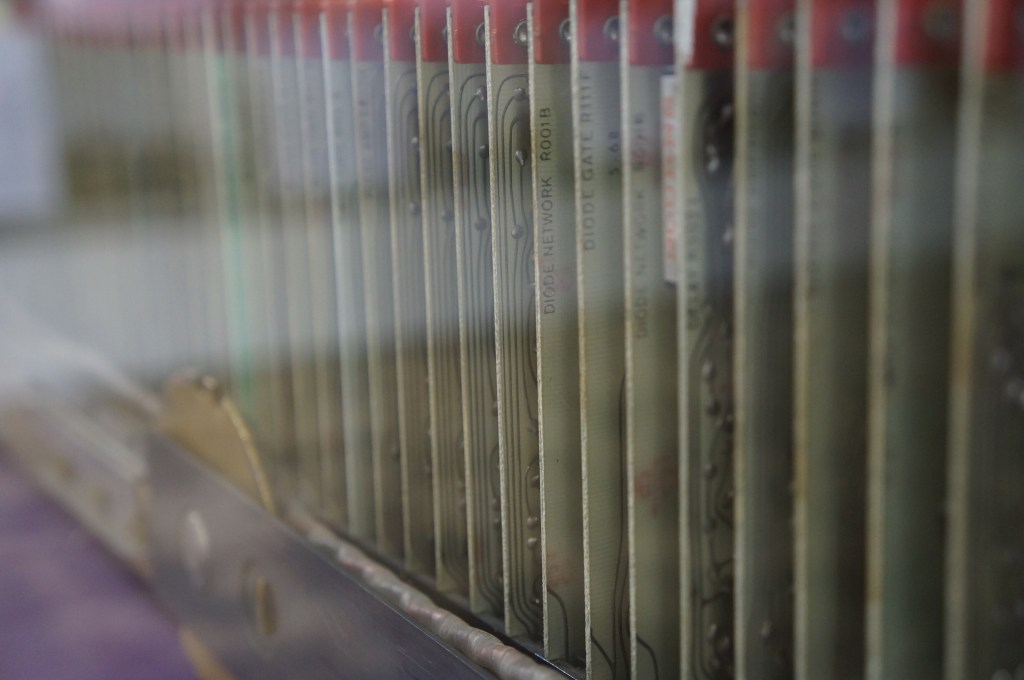
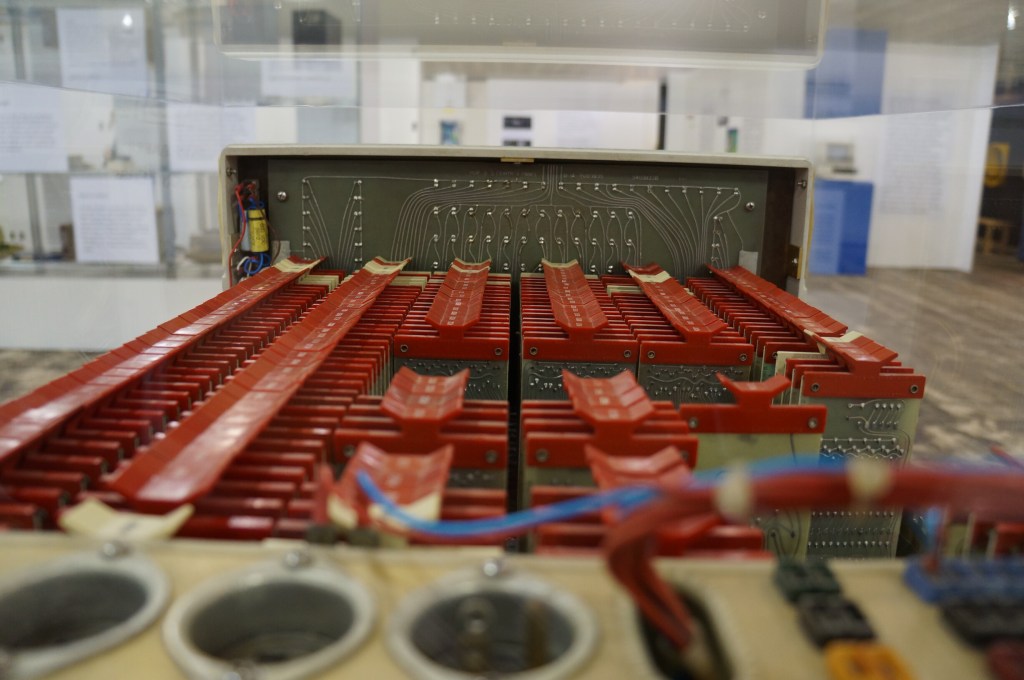
    Digital PDP-8

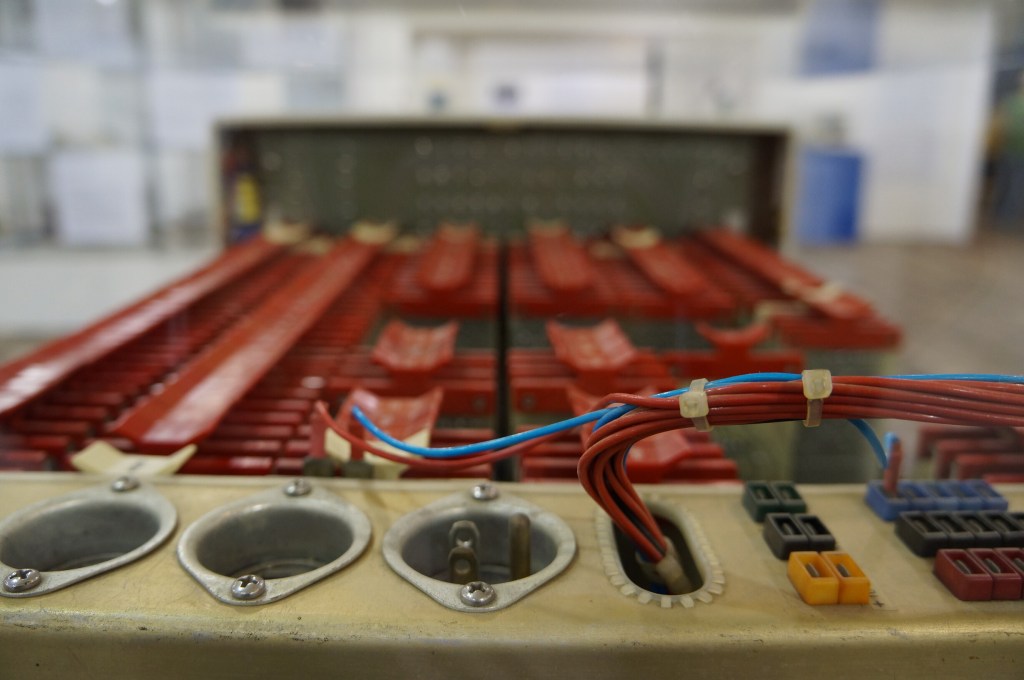
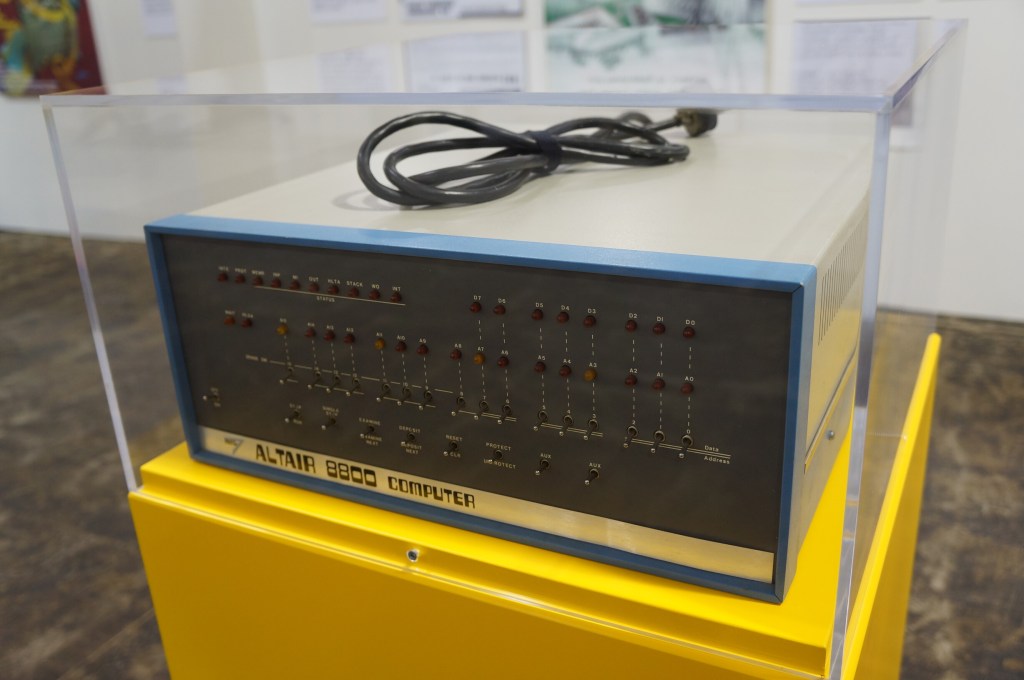
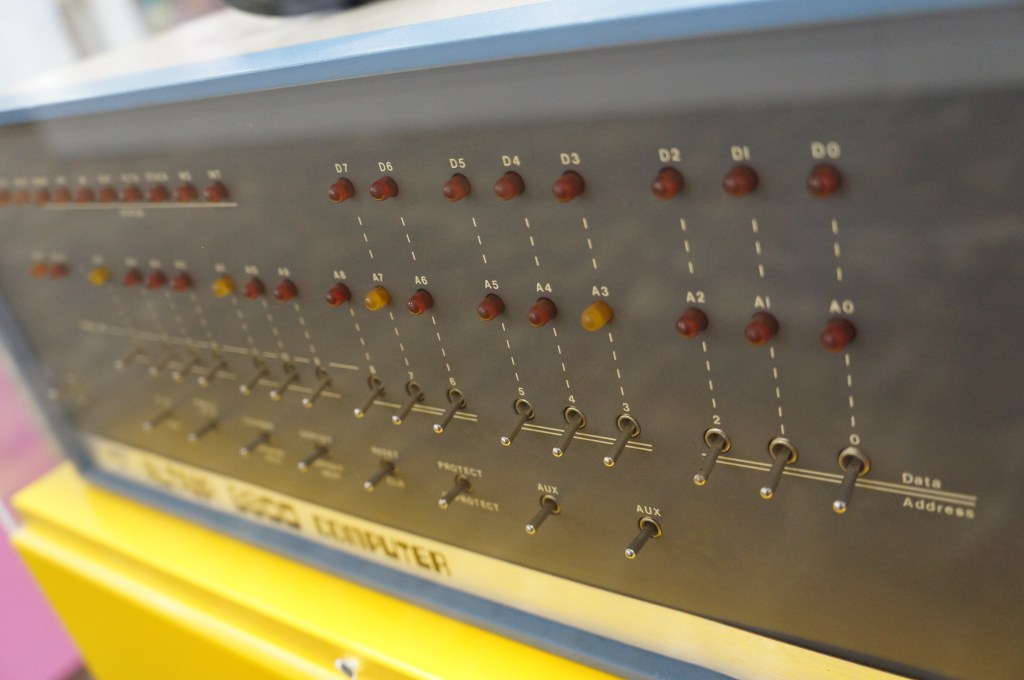
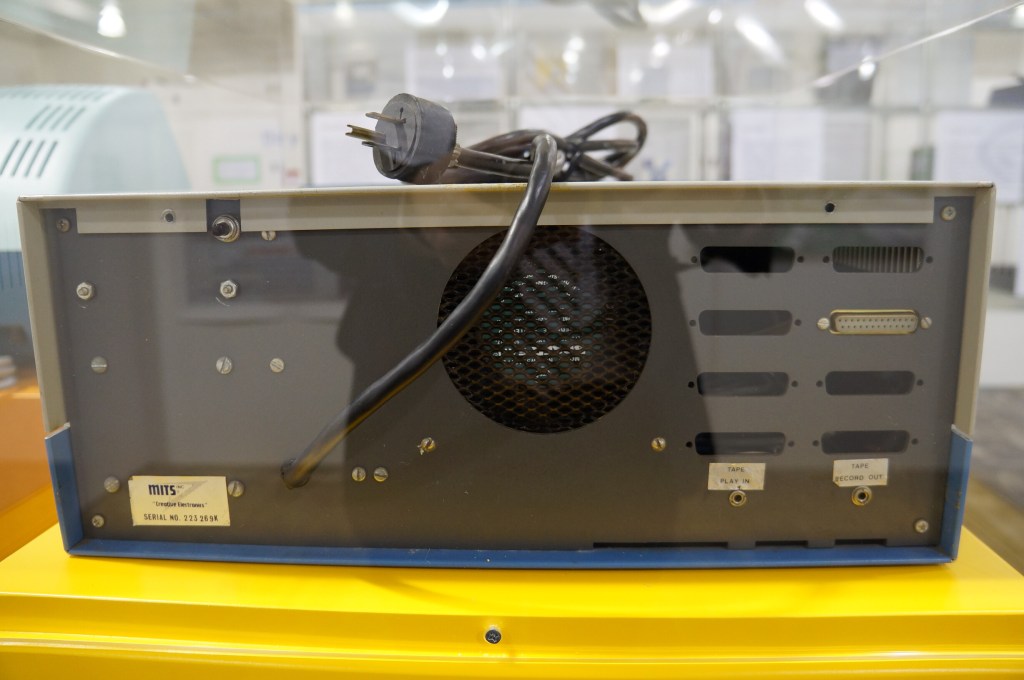
    MITS Altair 8800

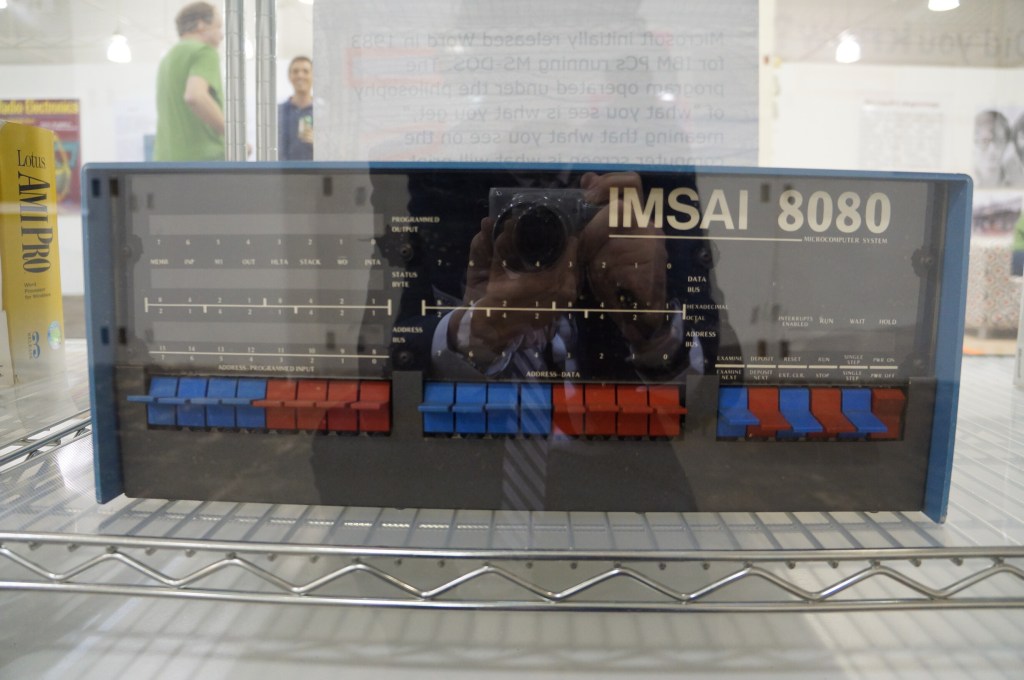
    IMSAI 8080

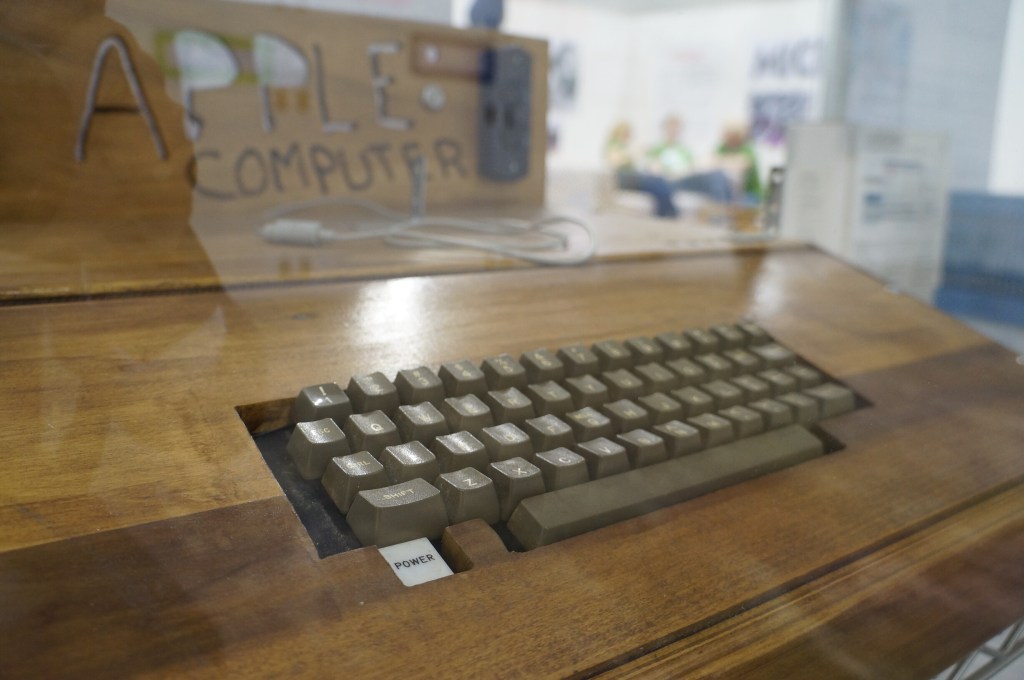
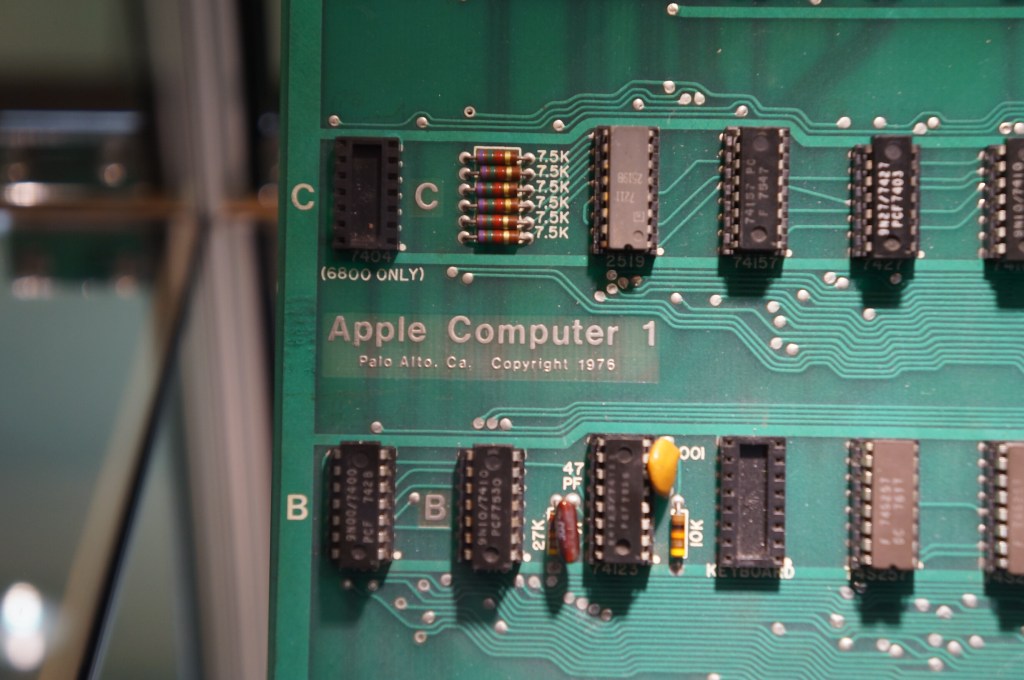
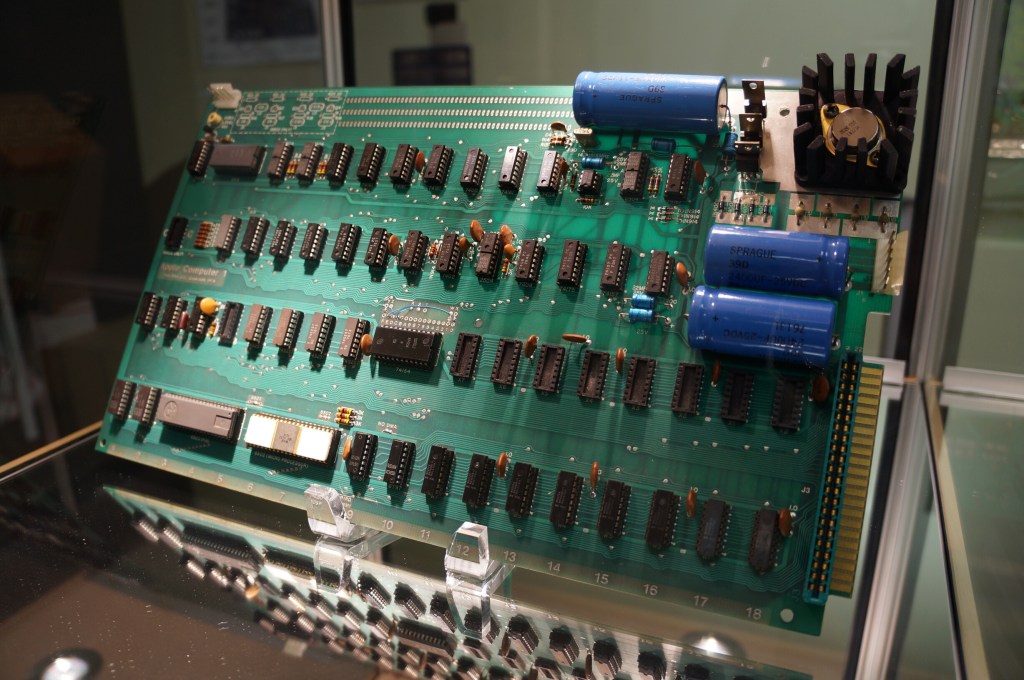
    Apple I in Wood Case

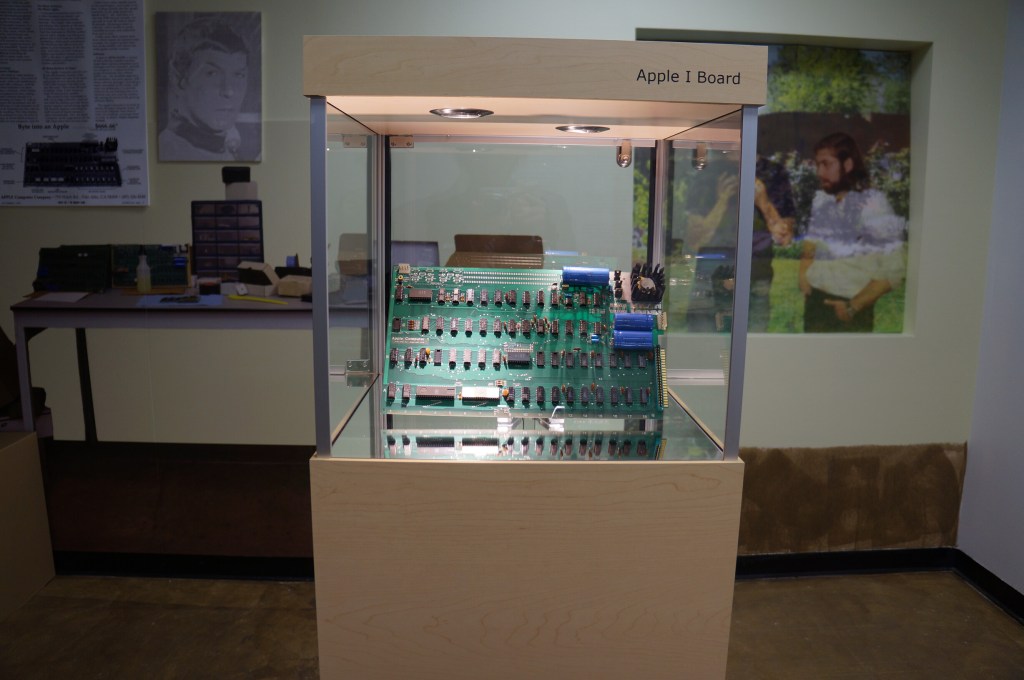
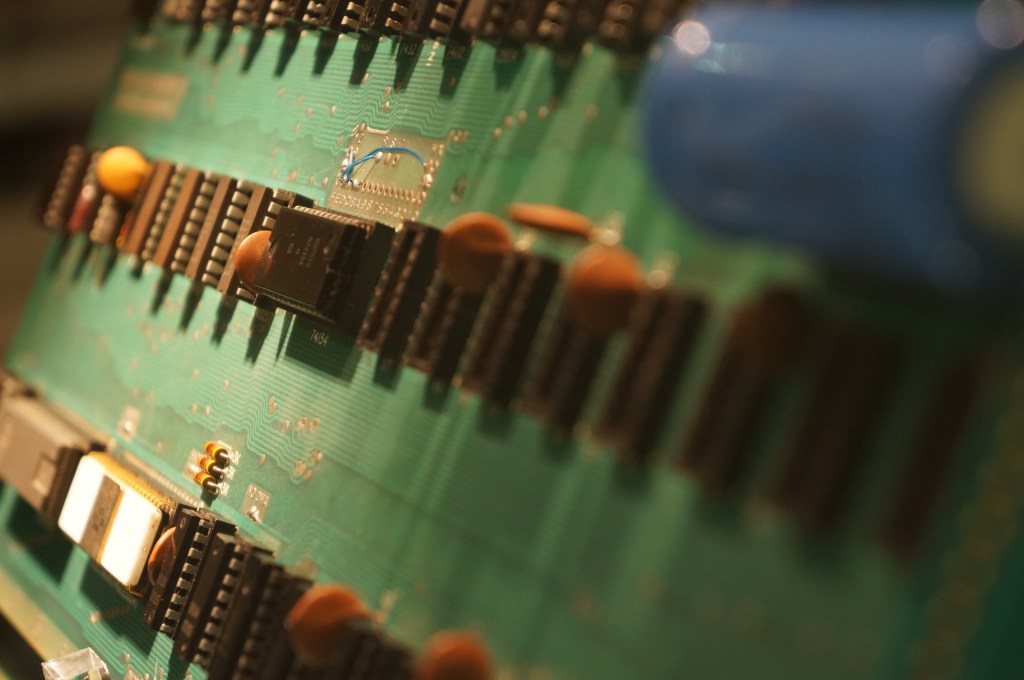
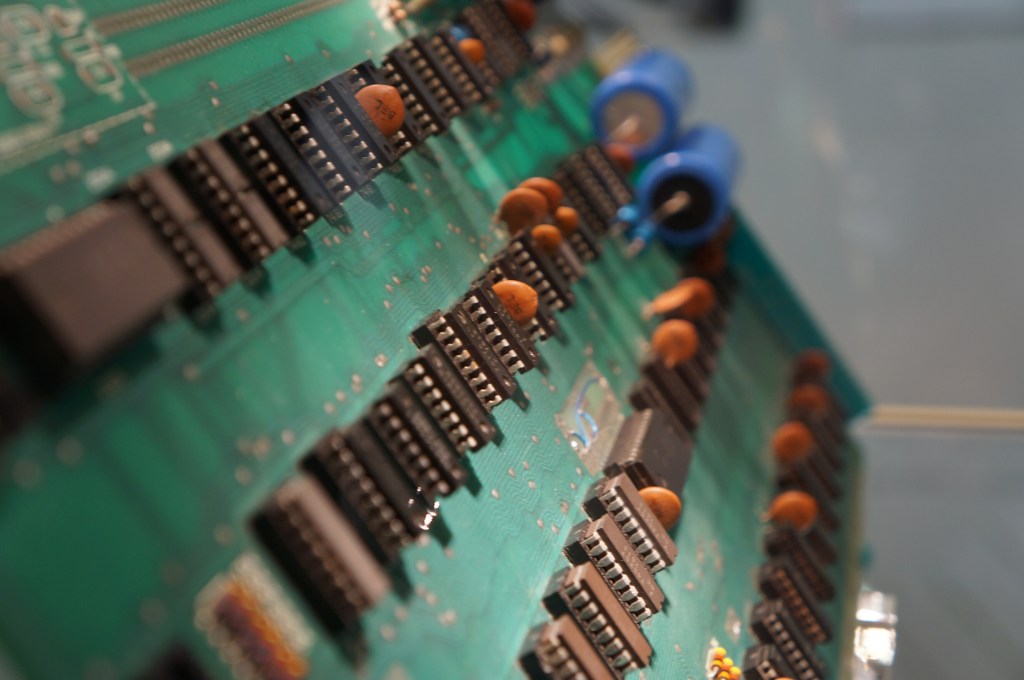
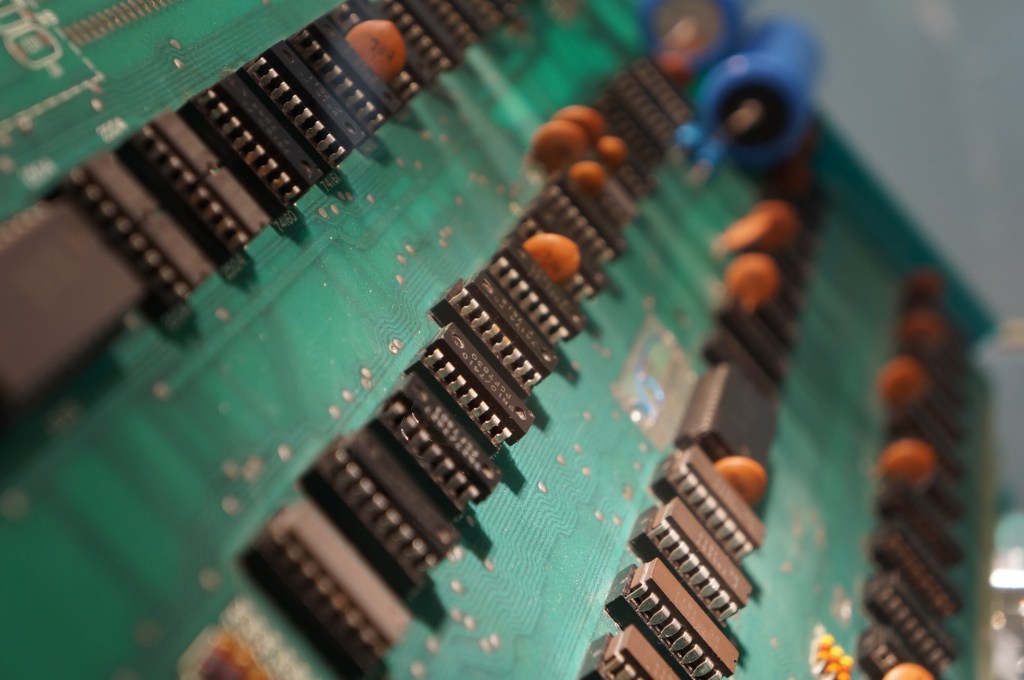
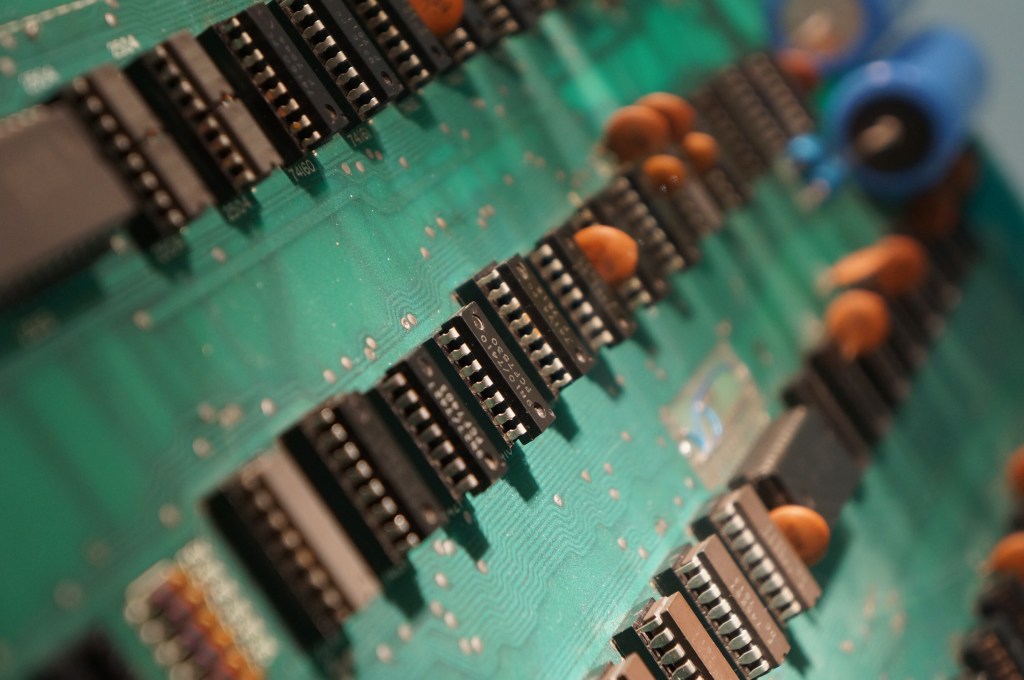
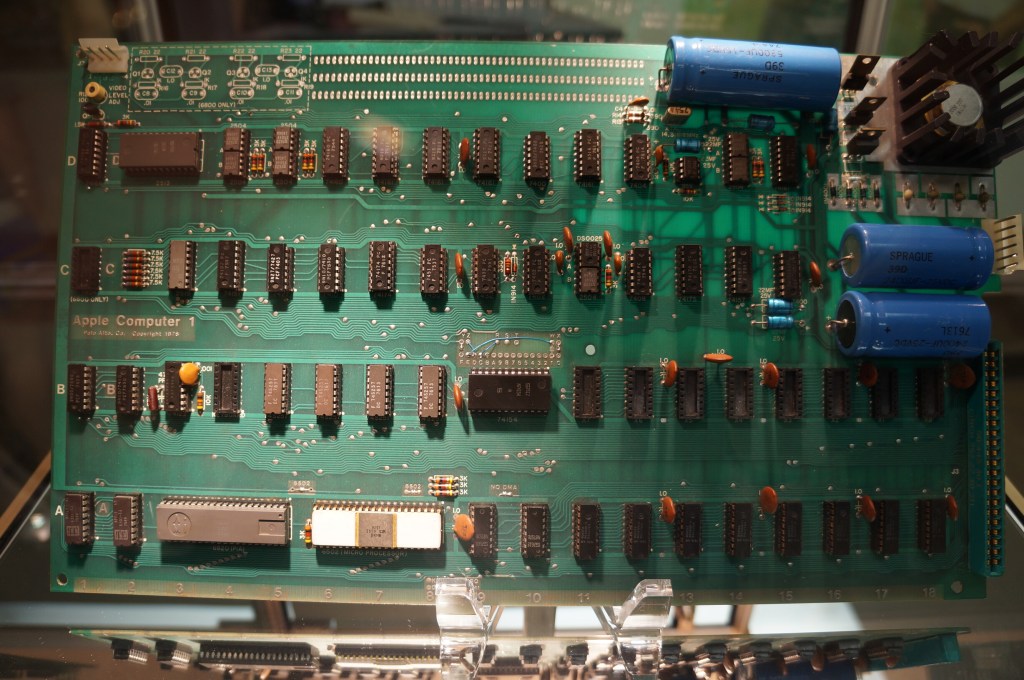
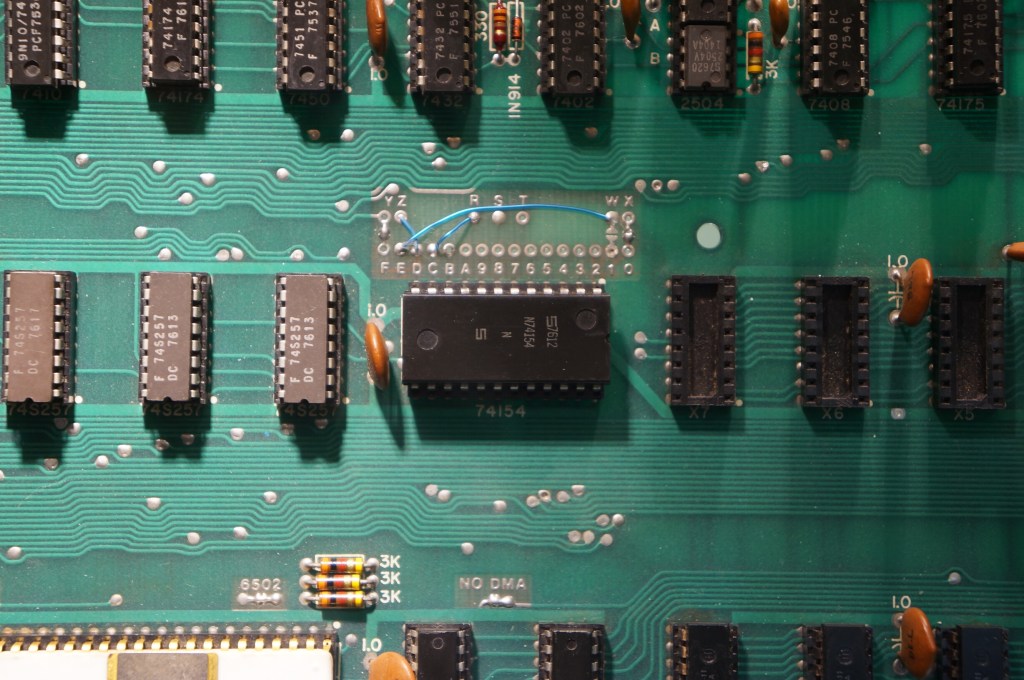
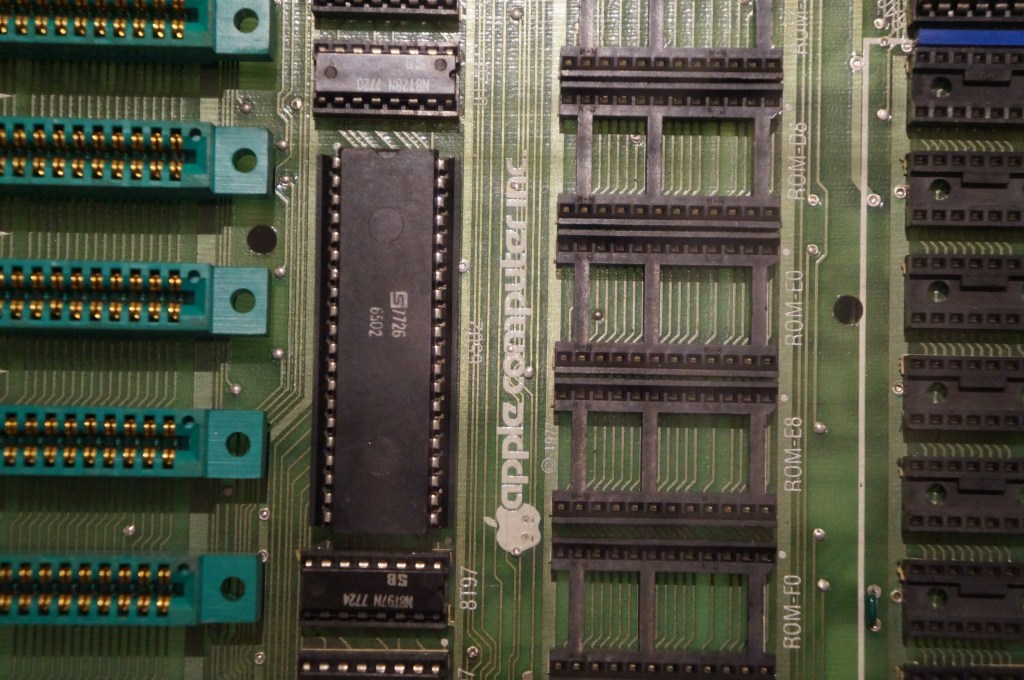
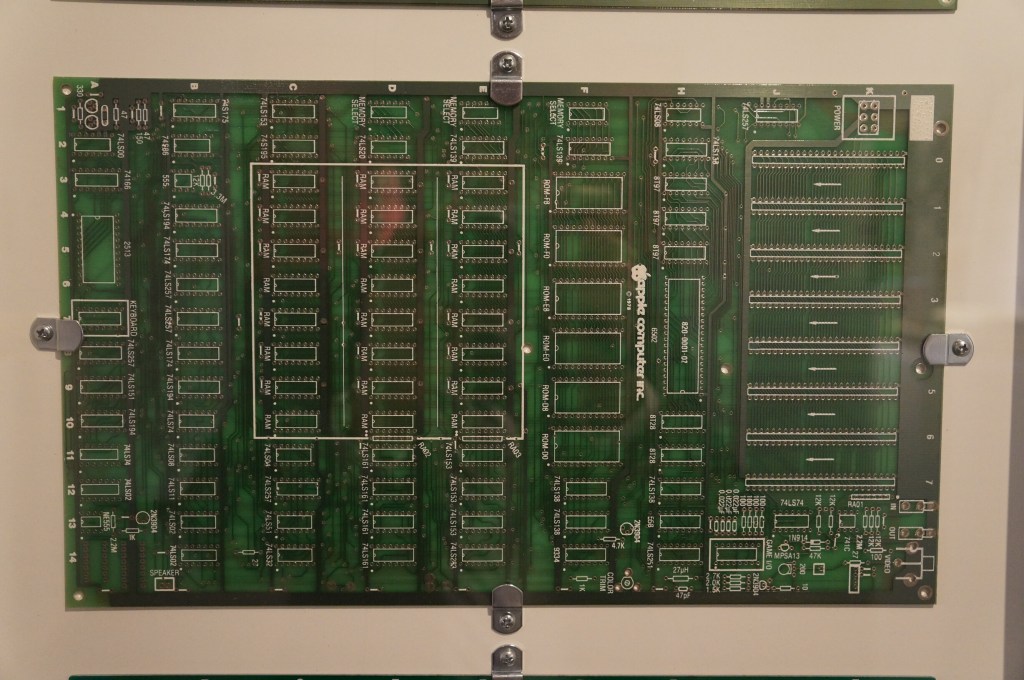
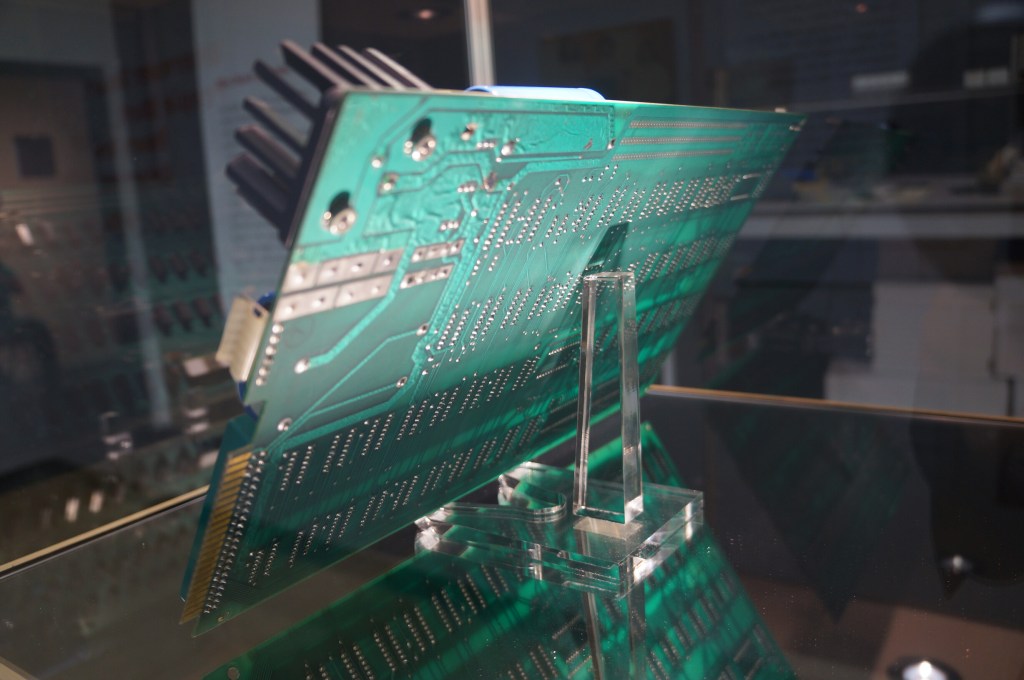
    Apple I Motherboard

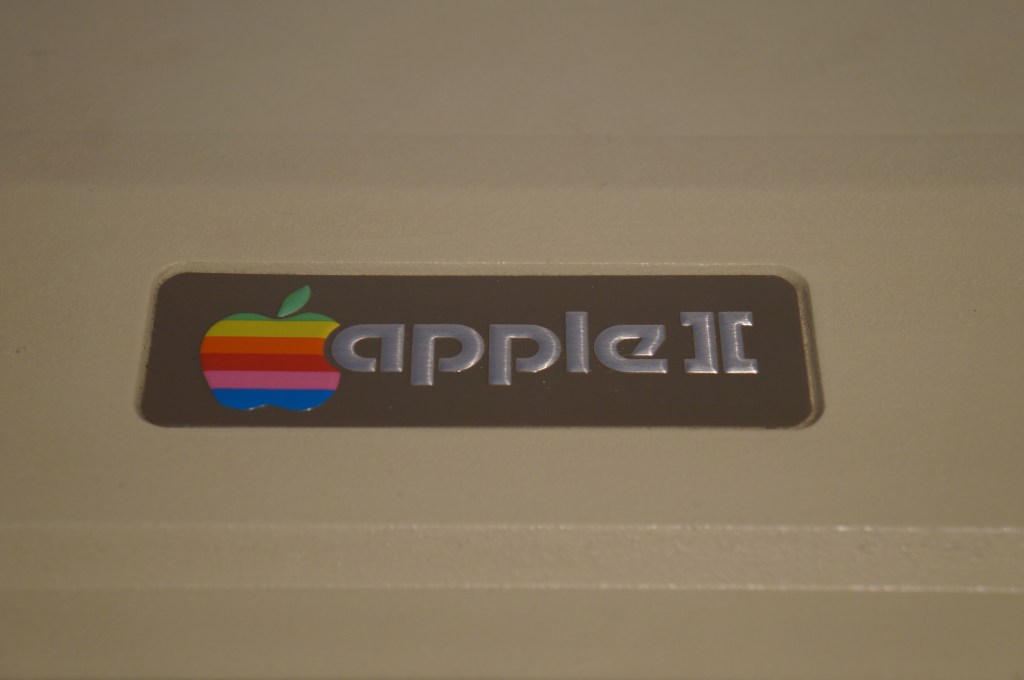
    Apple II

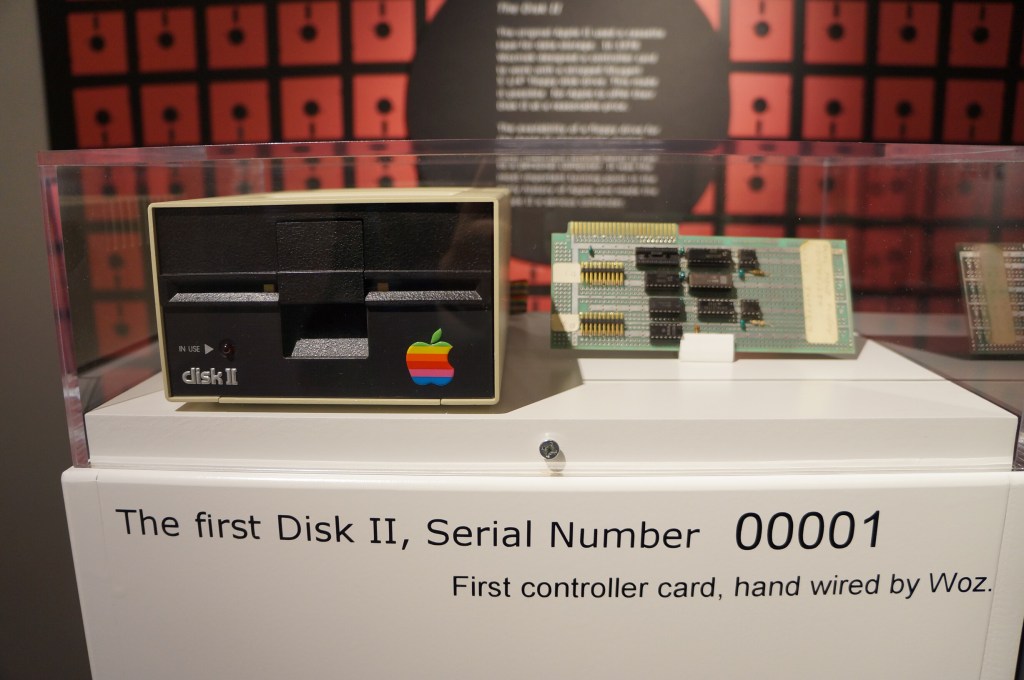
    Apple Disk II, Serial Number 00001

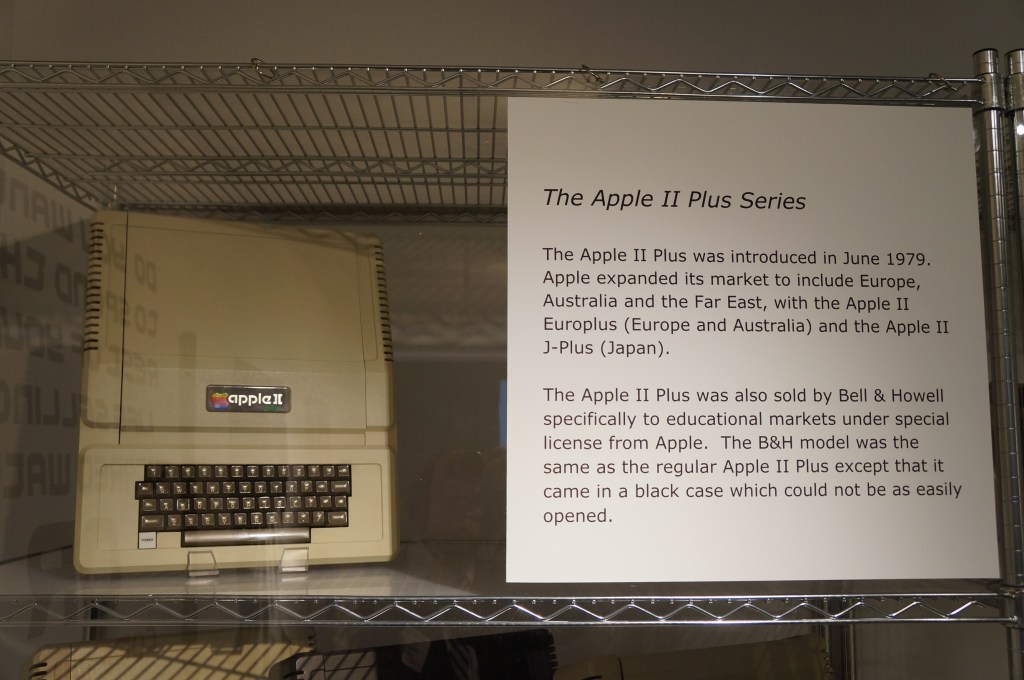
    Apple II Plus

    Apple IIe

    Apple IIc

    Apple IIc with Monitor

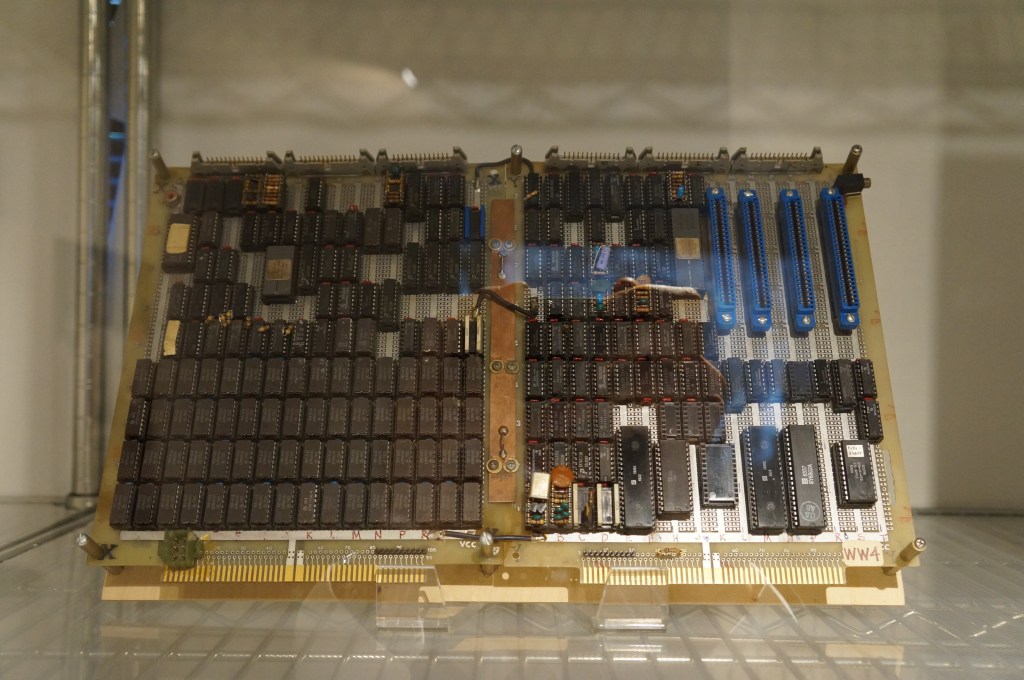
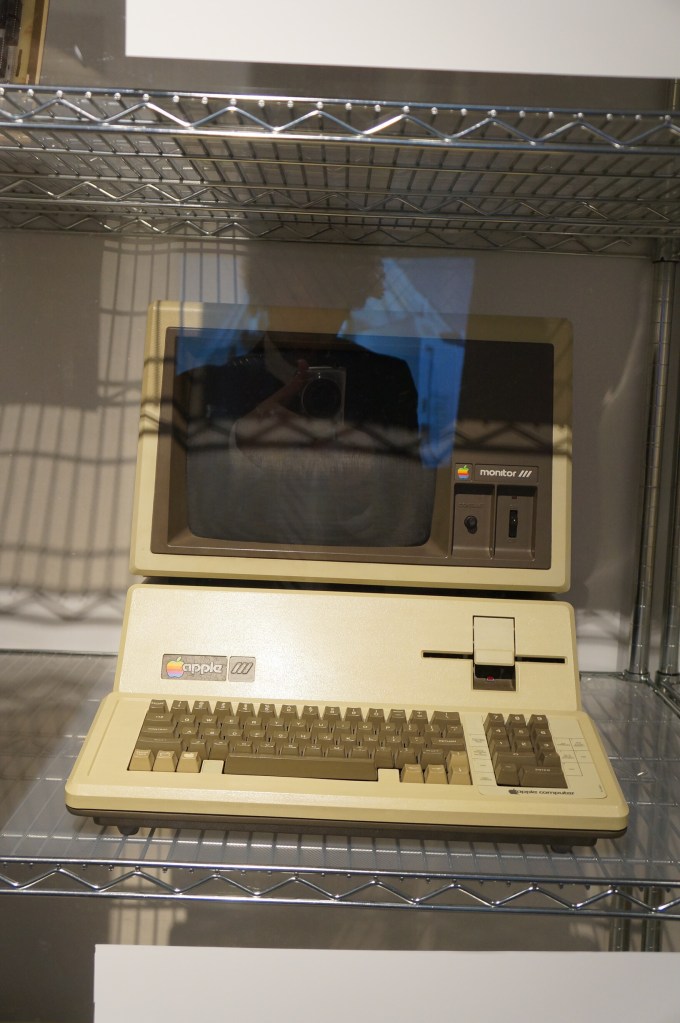
    Apple III Prototype Board and Production Model

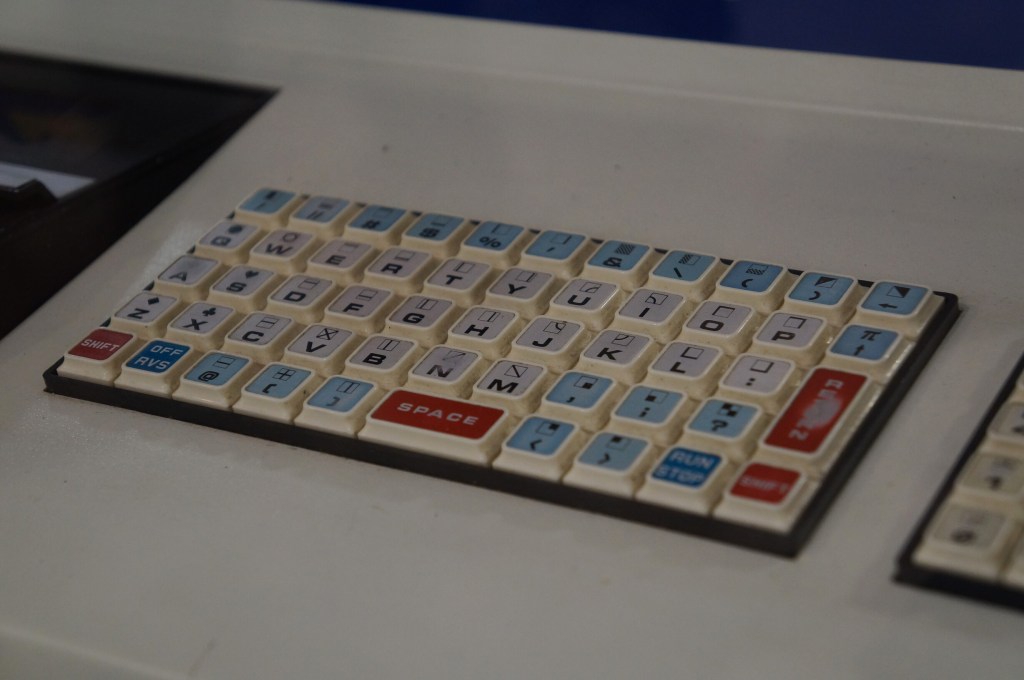
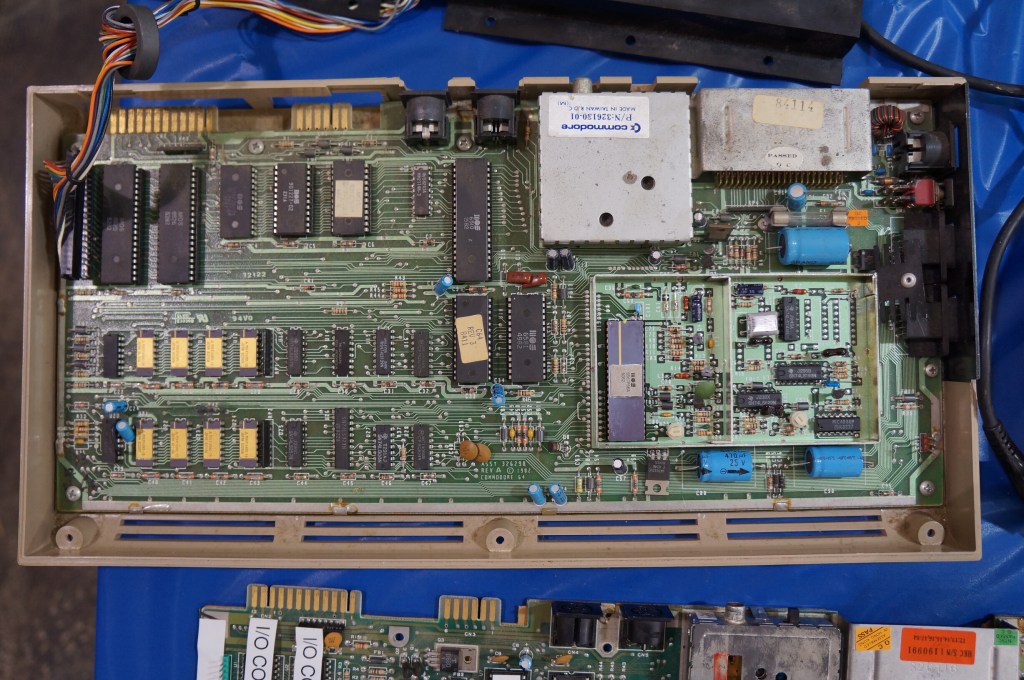
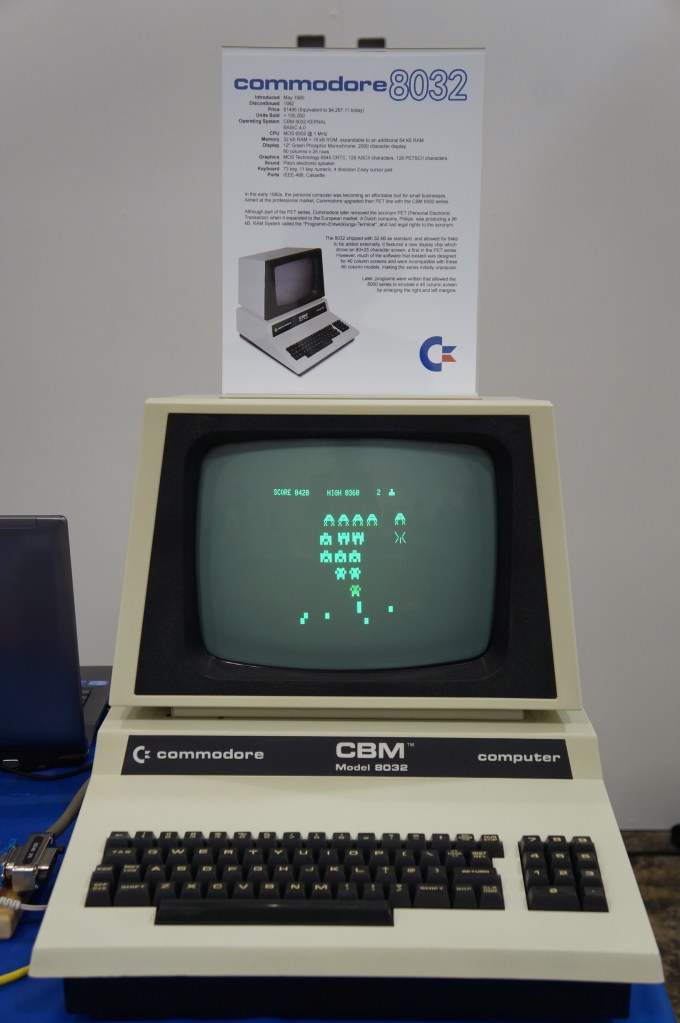
    Commodore PET

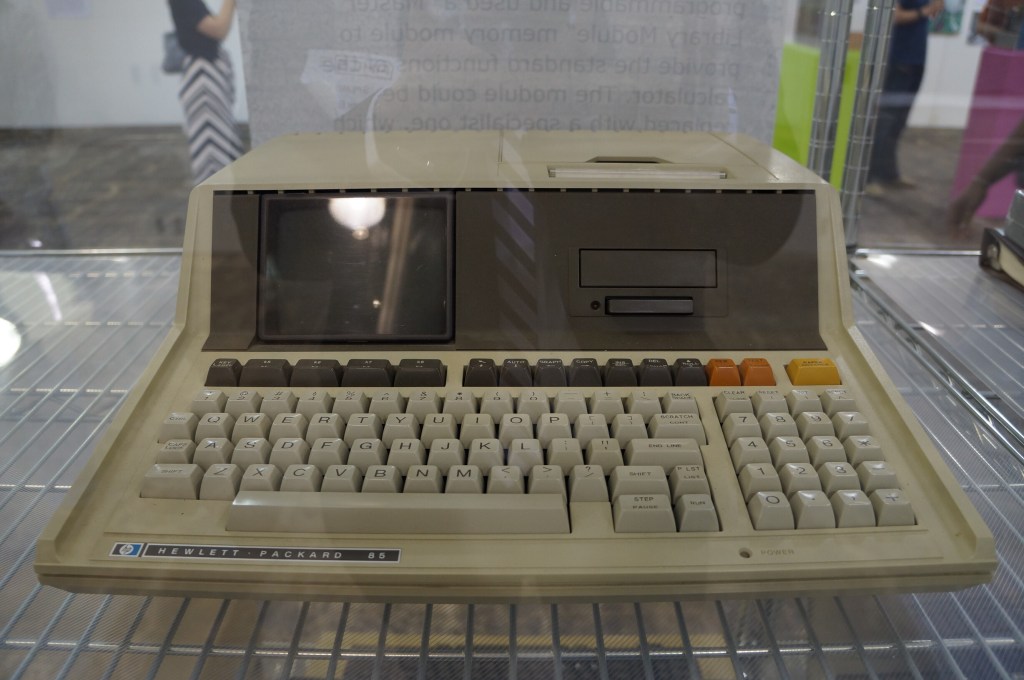
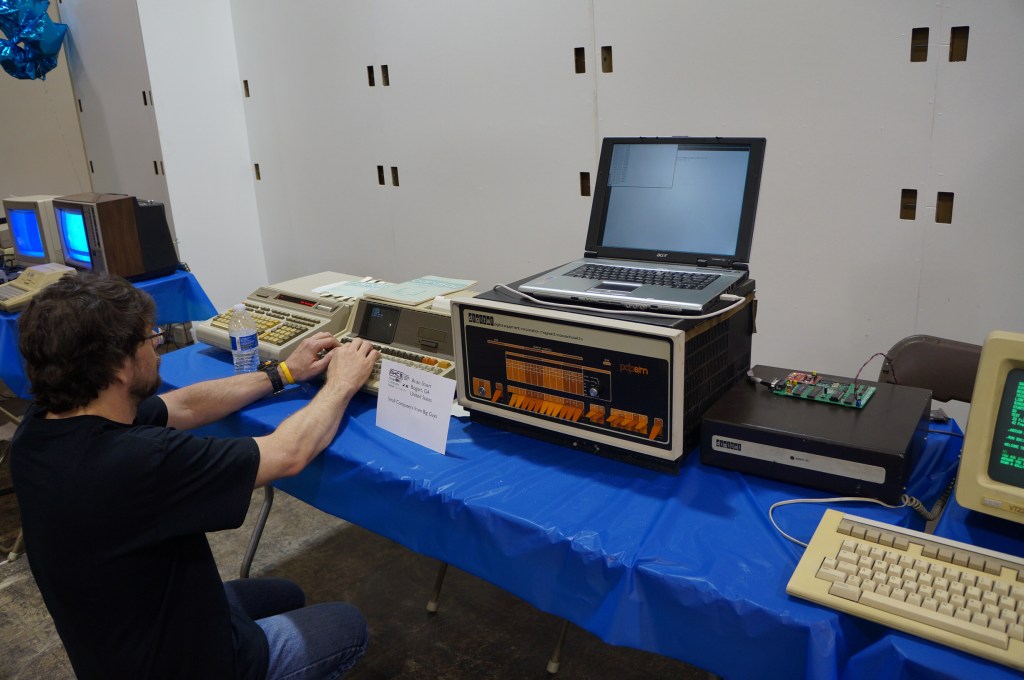
    Hewlett Packard 85

    VCFSE 2.0, Computer Displays, Hewlett Packard 85

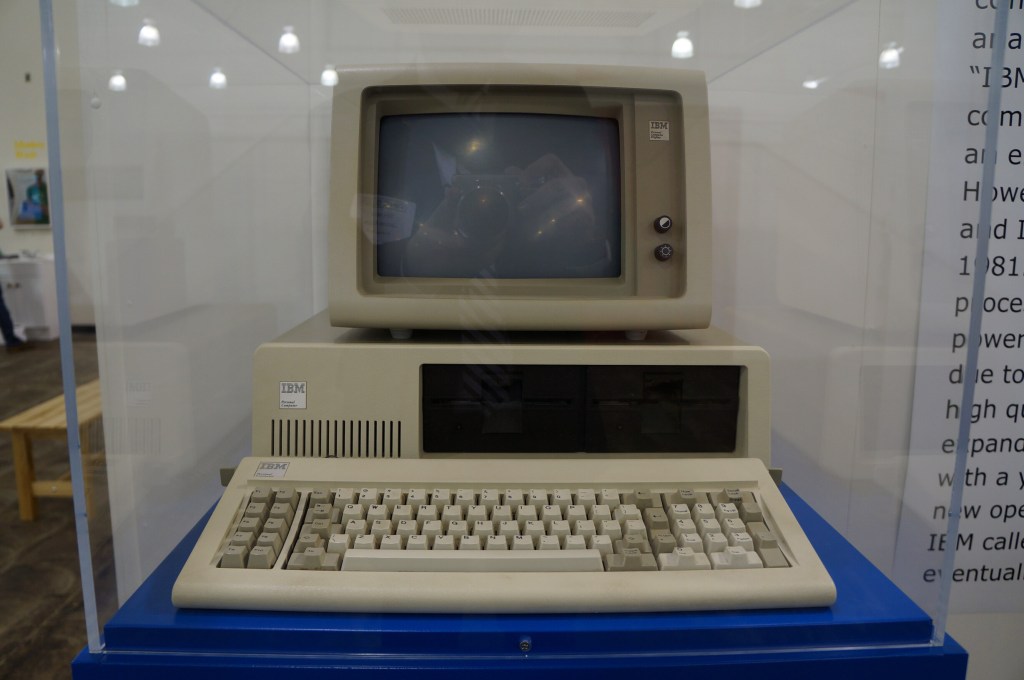
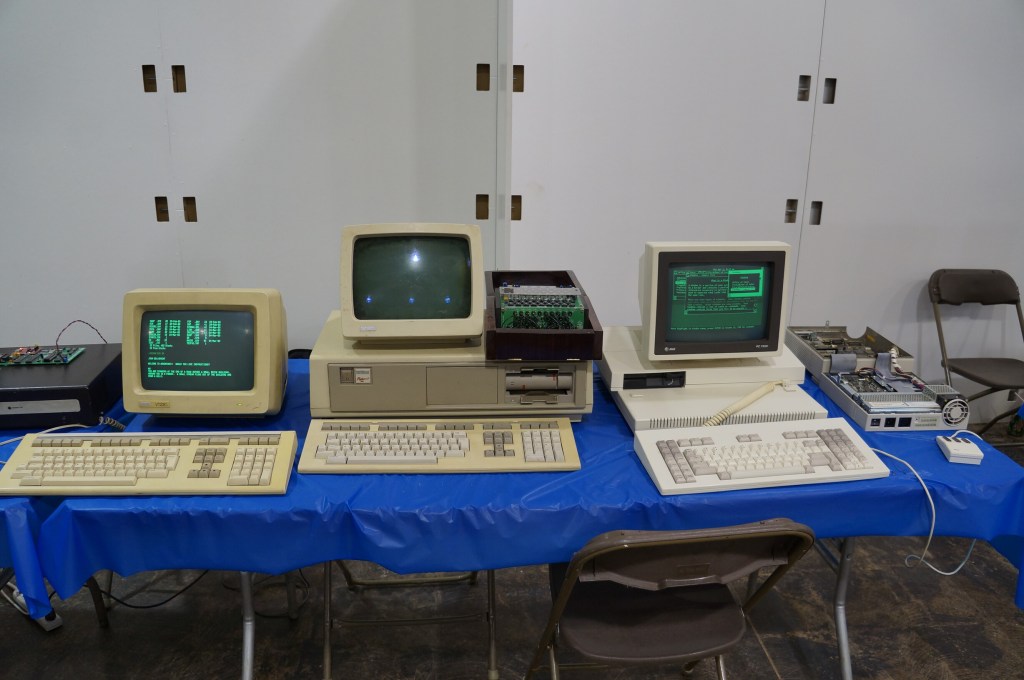
    IBM Personal Computer

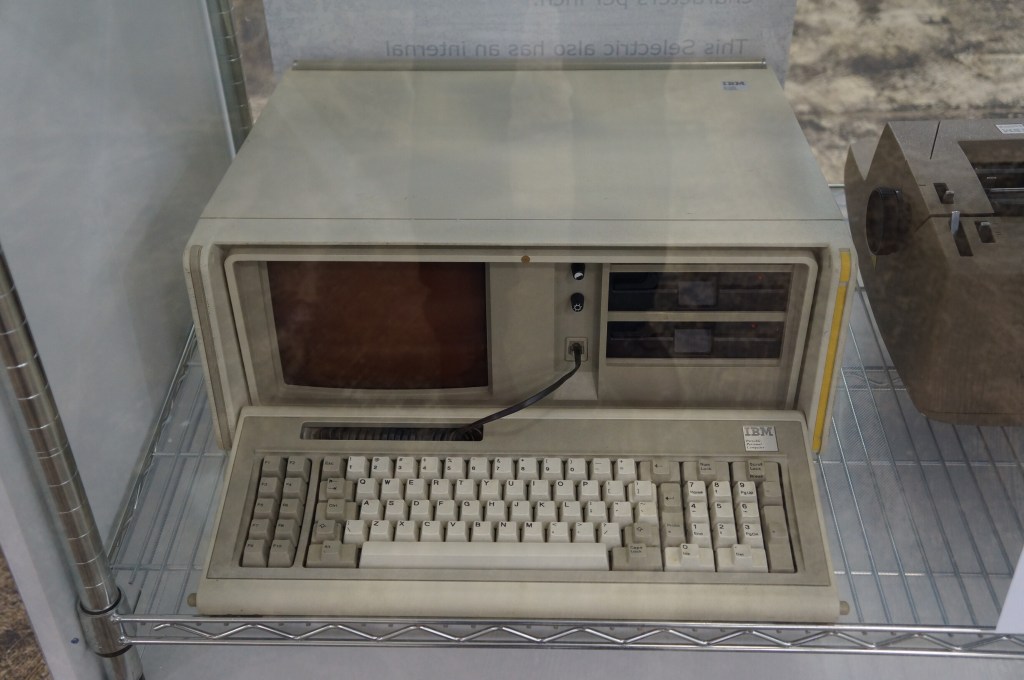
    IBM Portable PC

    VCFSE 2.0, Computer Displays, IBM Portable PC

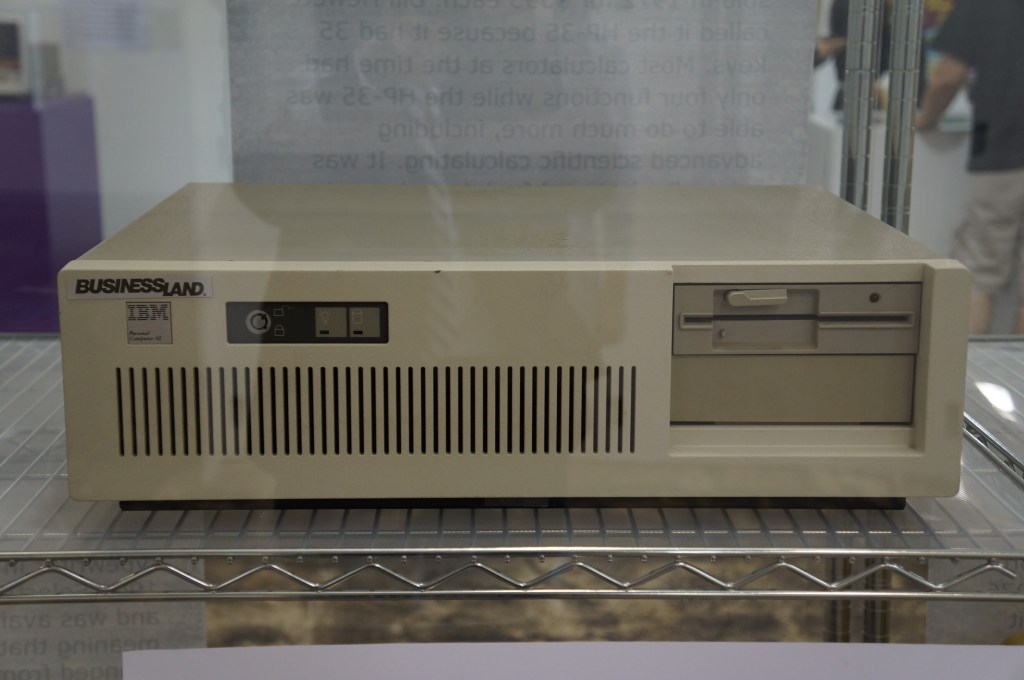
    IBM PC AT

    VCFSE 2.0, Exhibition Hall,

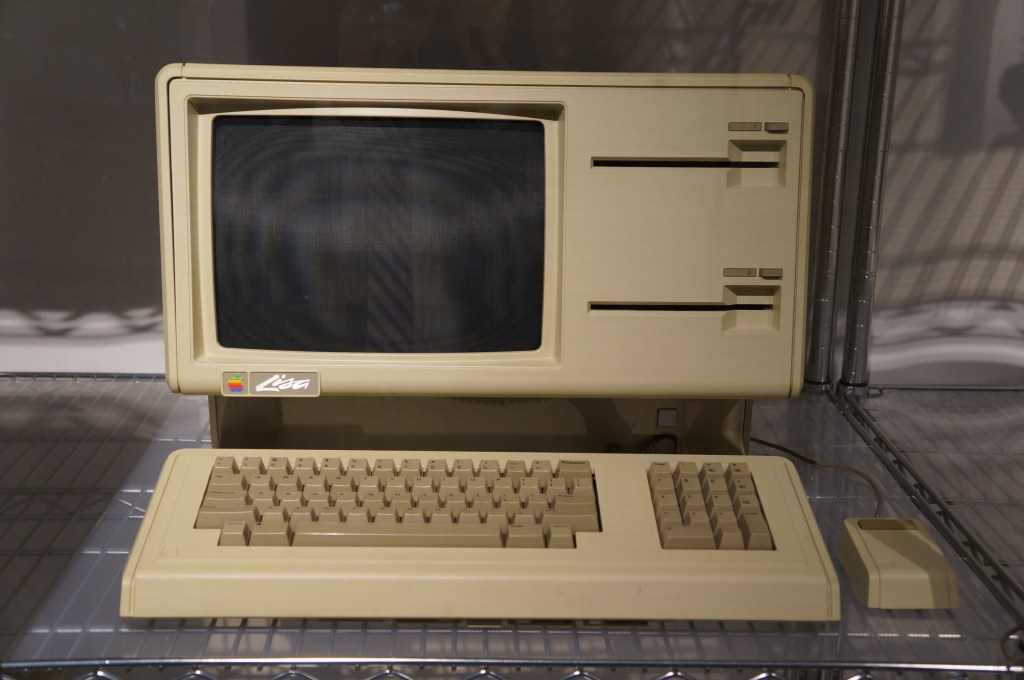
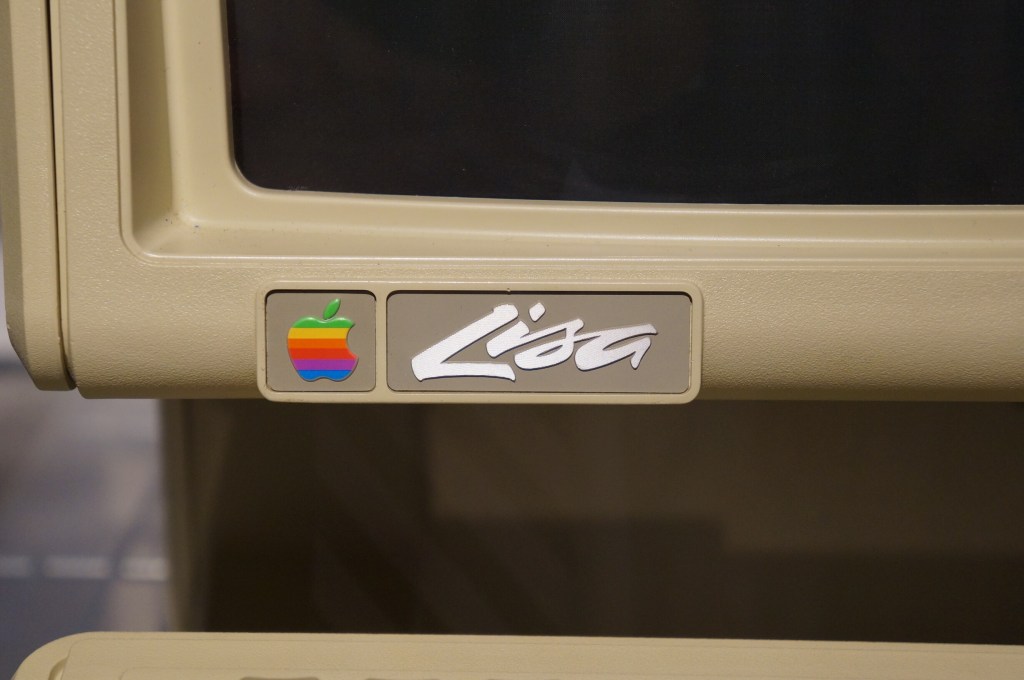
    Apple Lisa

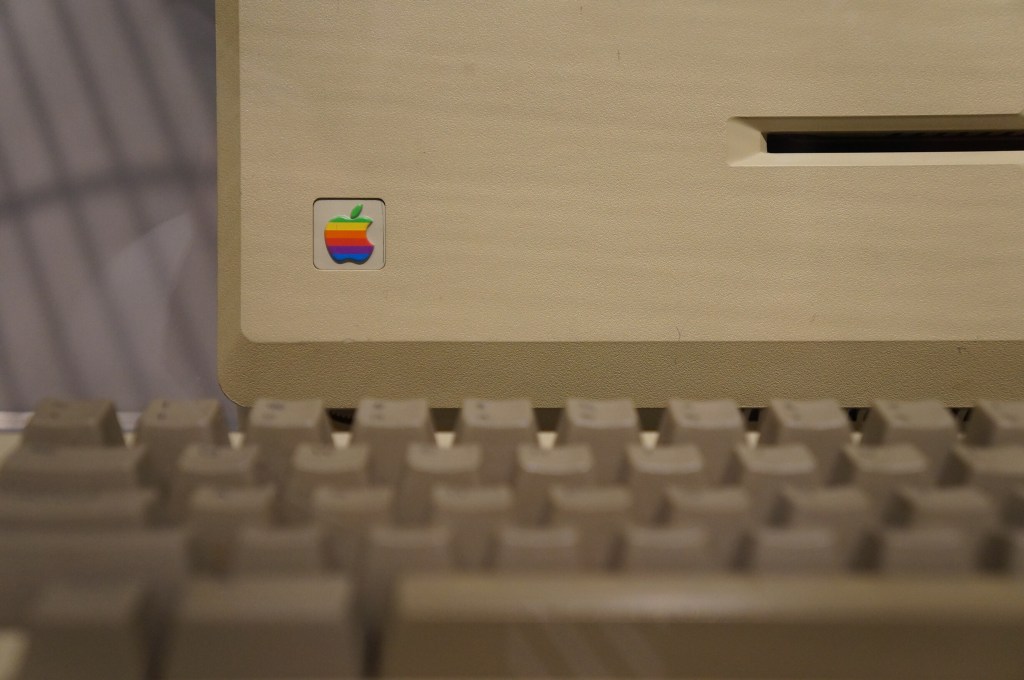
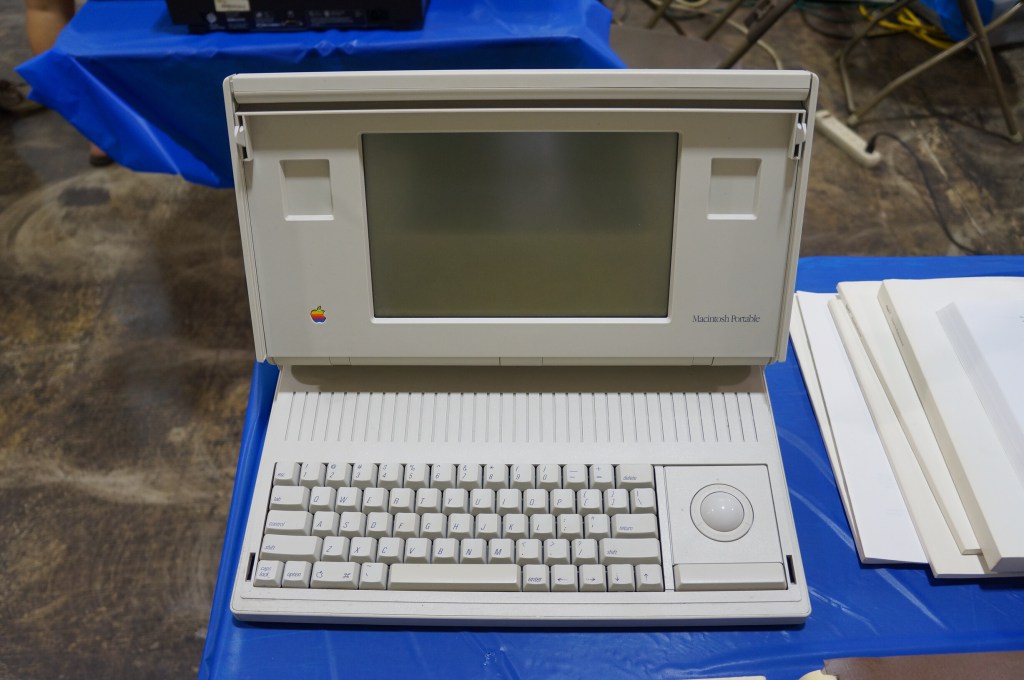
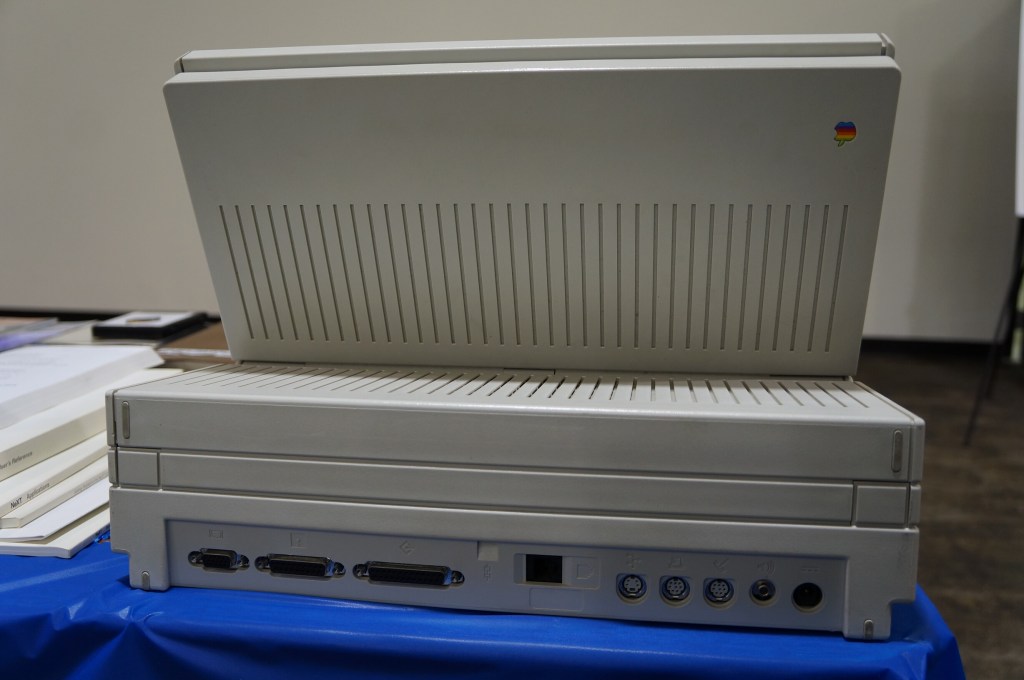
    Apple Macintosh

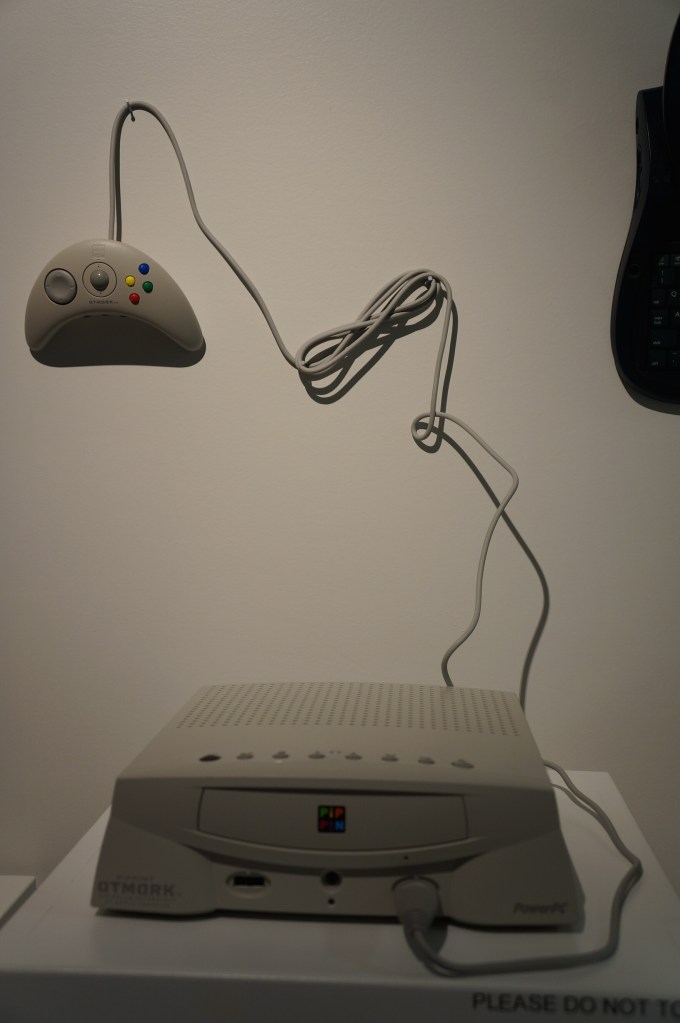
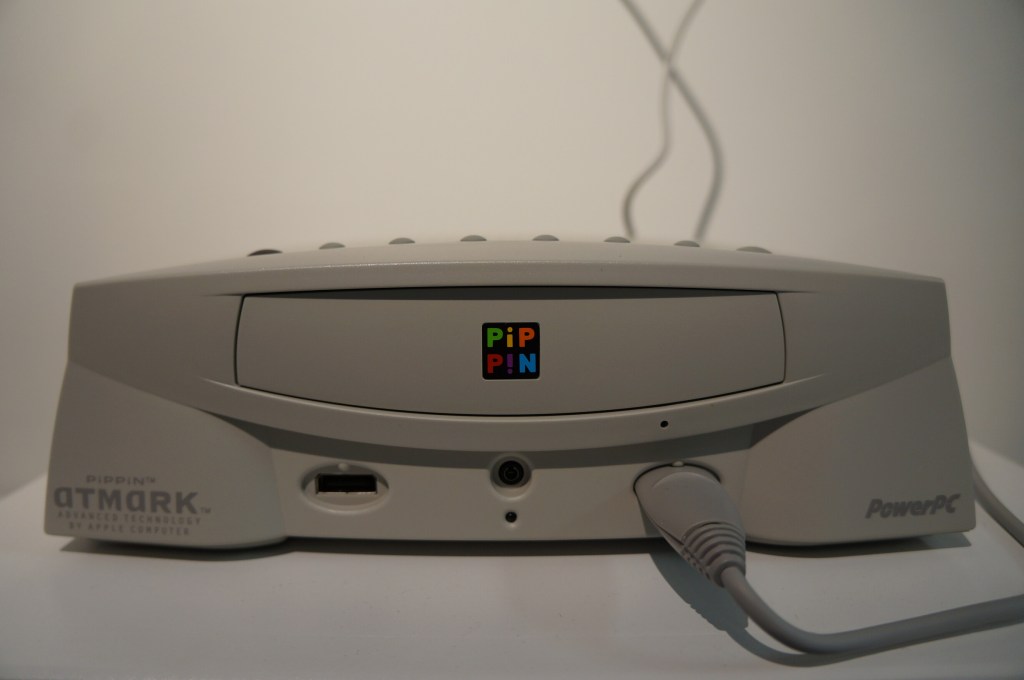
    Apple PiPPiN

    BeBox

    As I’ve written before here and here, I really like BeOS, so it was a special joy to see a BeBox in person for the first time at VCFSE 2.0.

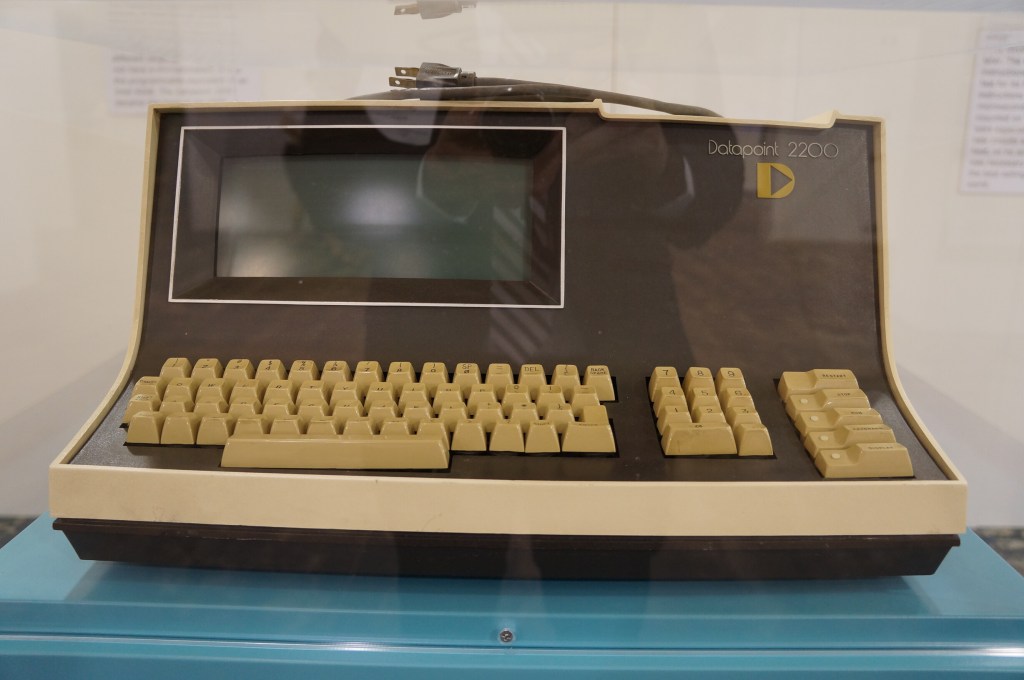
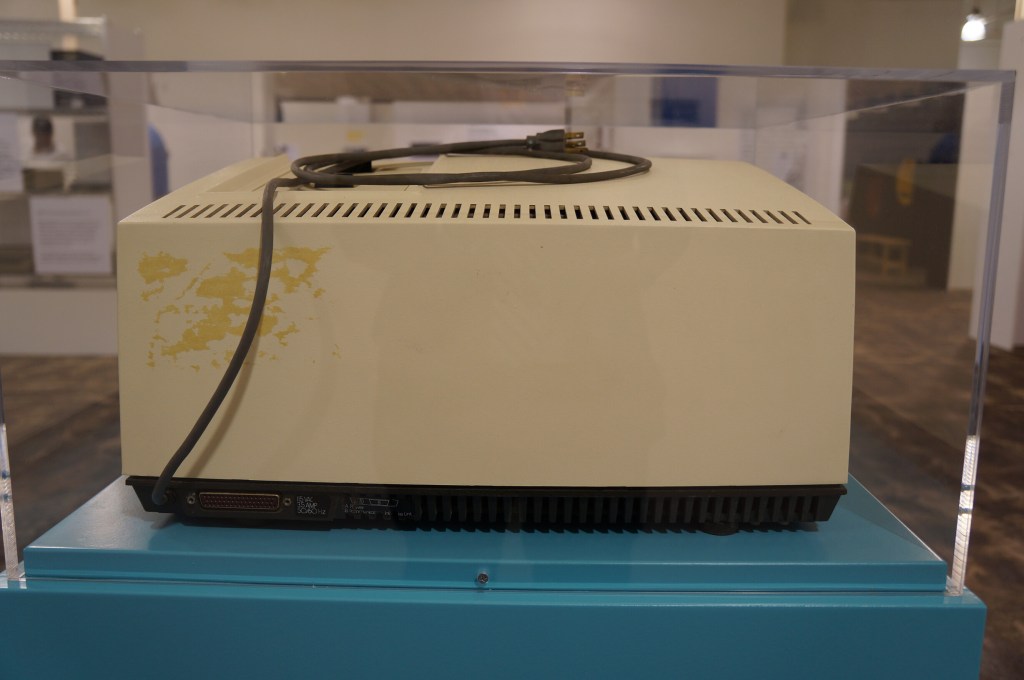
    Datapoint 2200

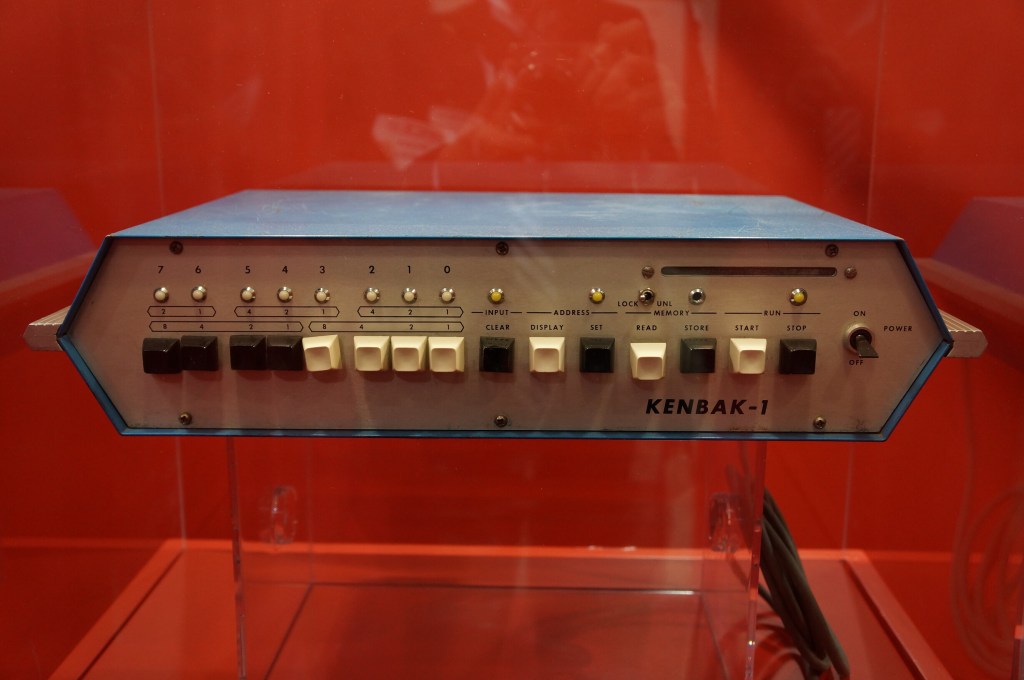
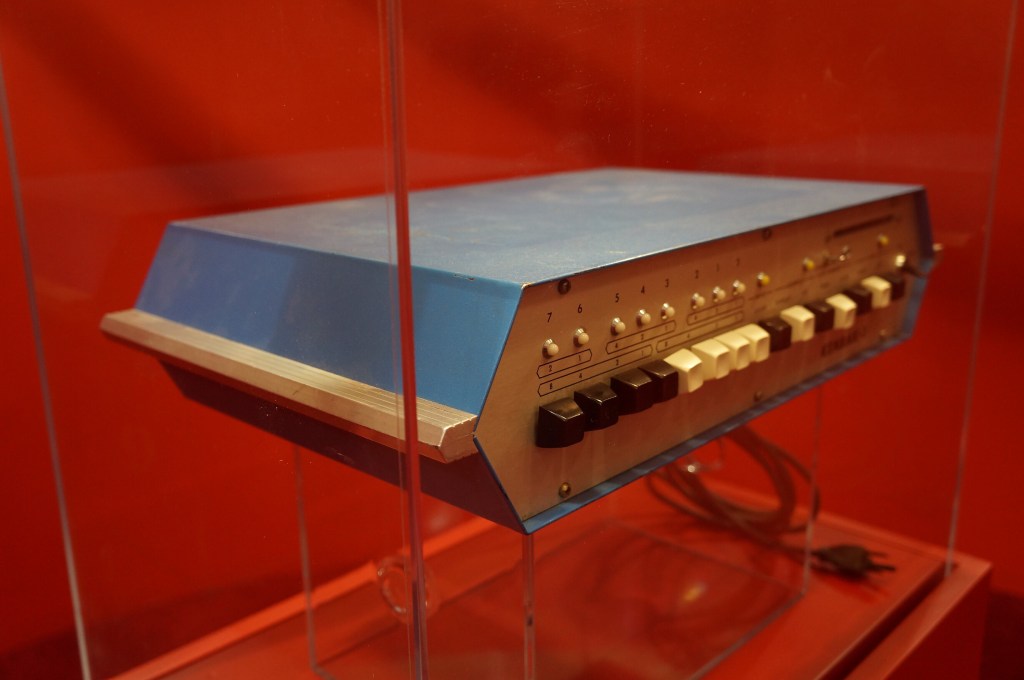
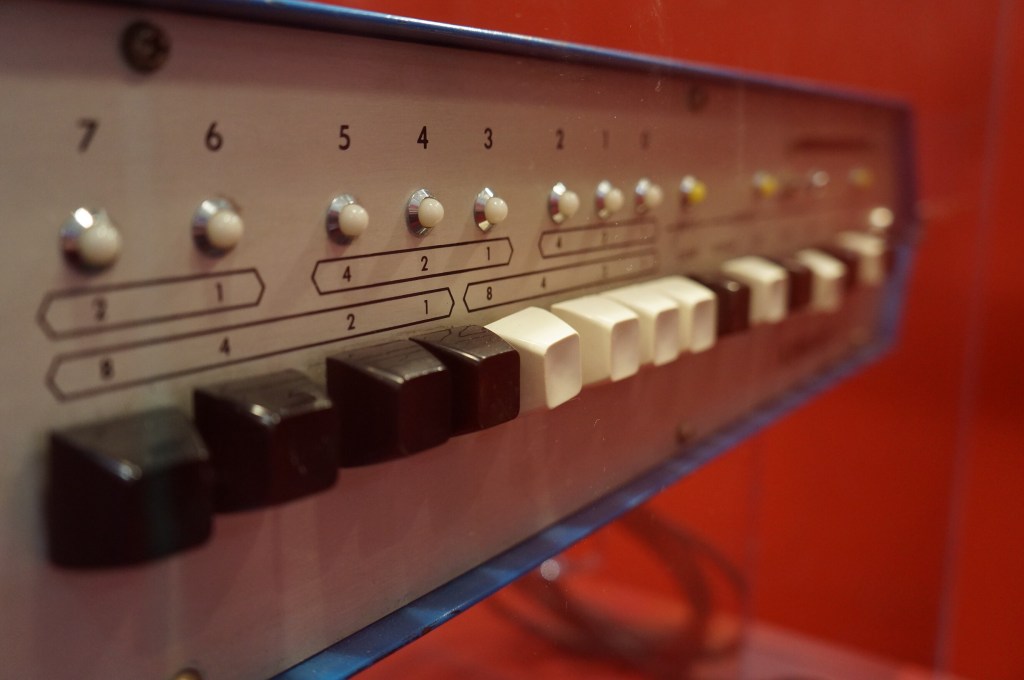
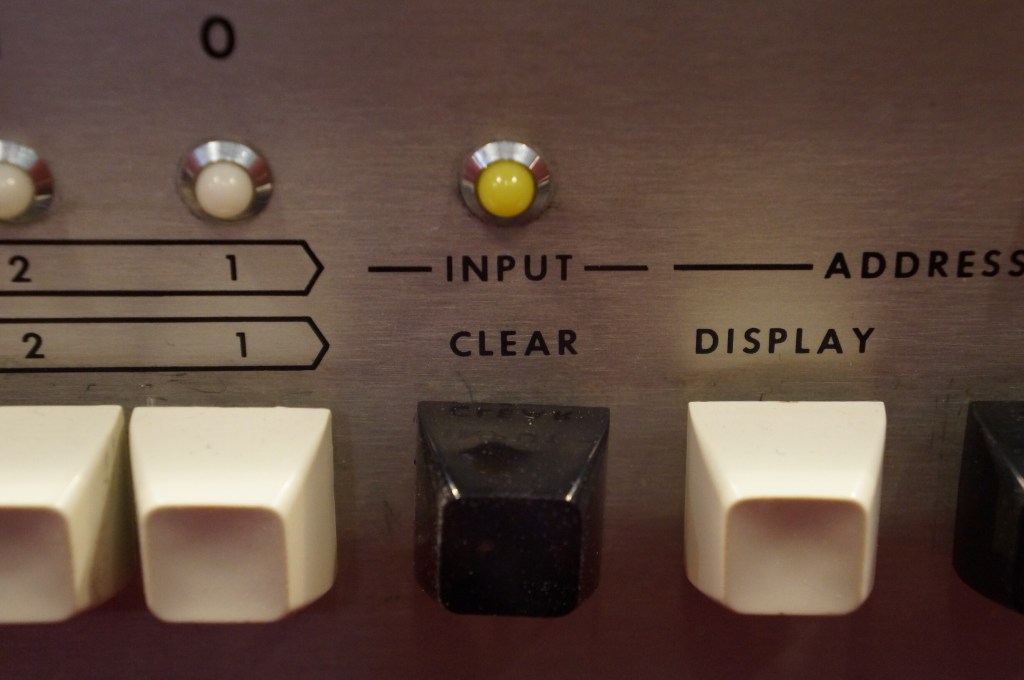
    Kenbak-1

    Miscellaneous Displays

    Exhibition Hall

    MITS Altair 8800 in Operation

    VCFSE 2.0, Exhibition Hall, MITS Altair 8800 Running

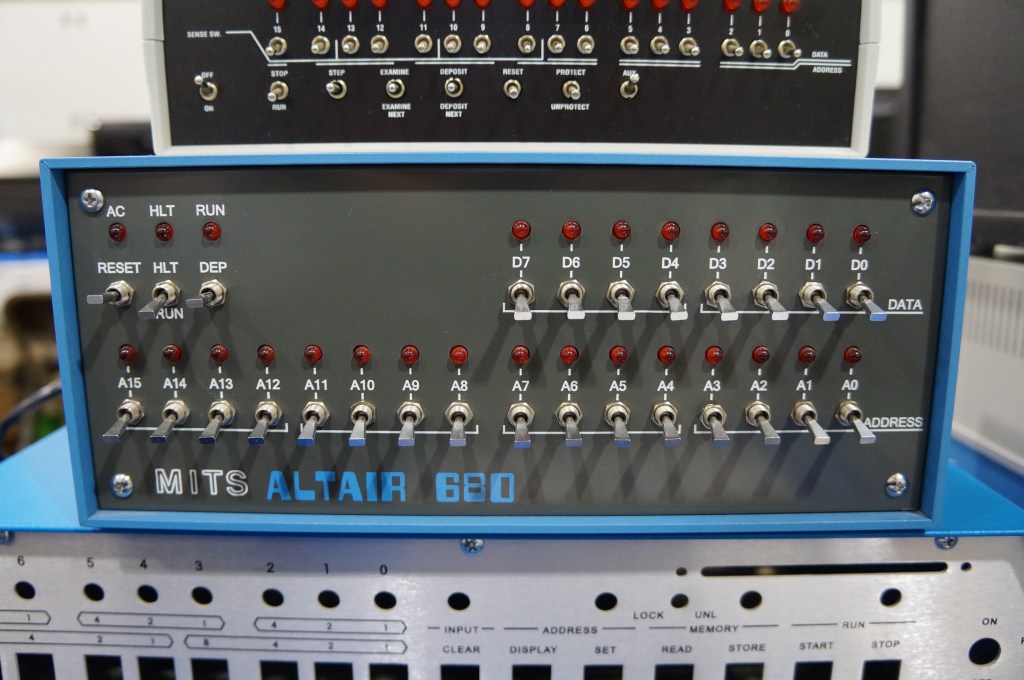
    MITS Altair 680

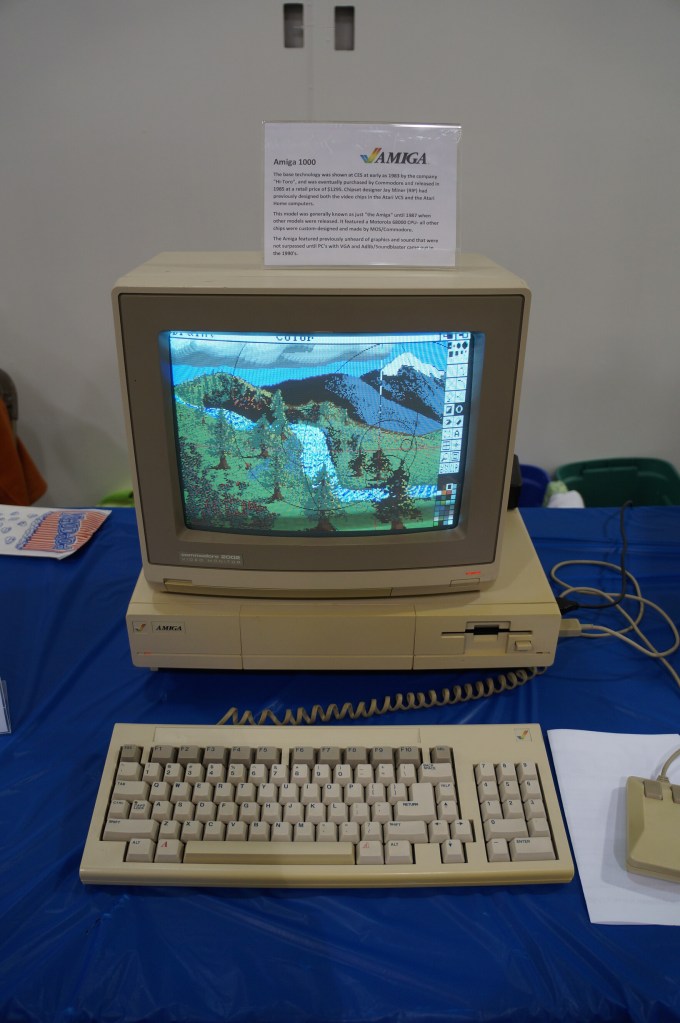
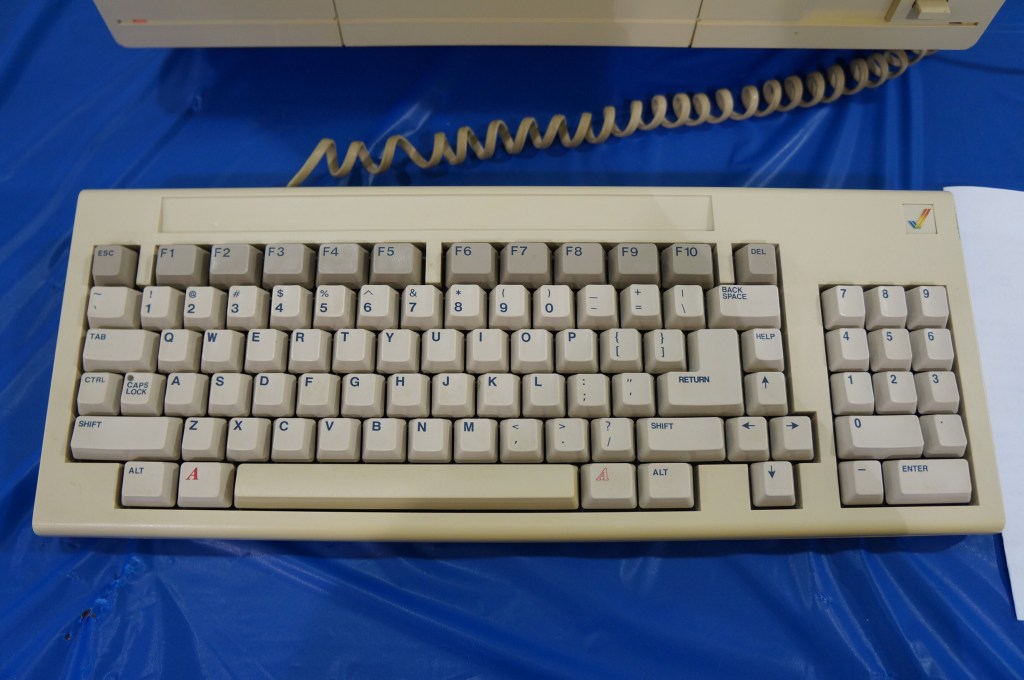
    Amiga 1000

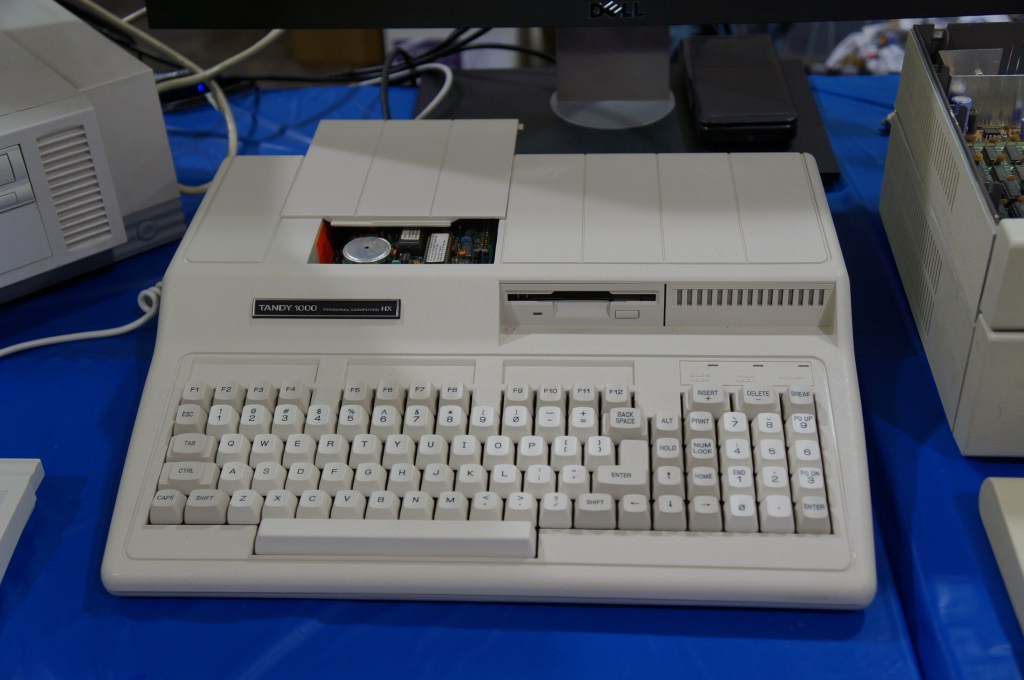
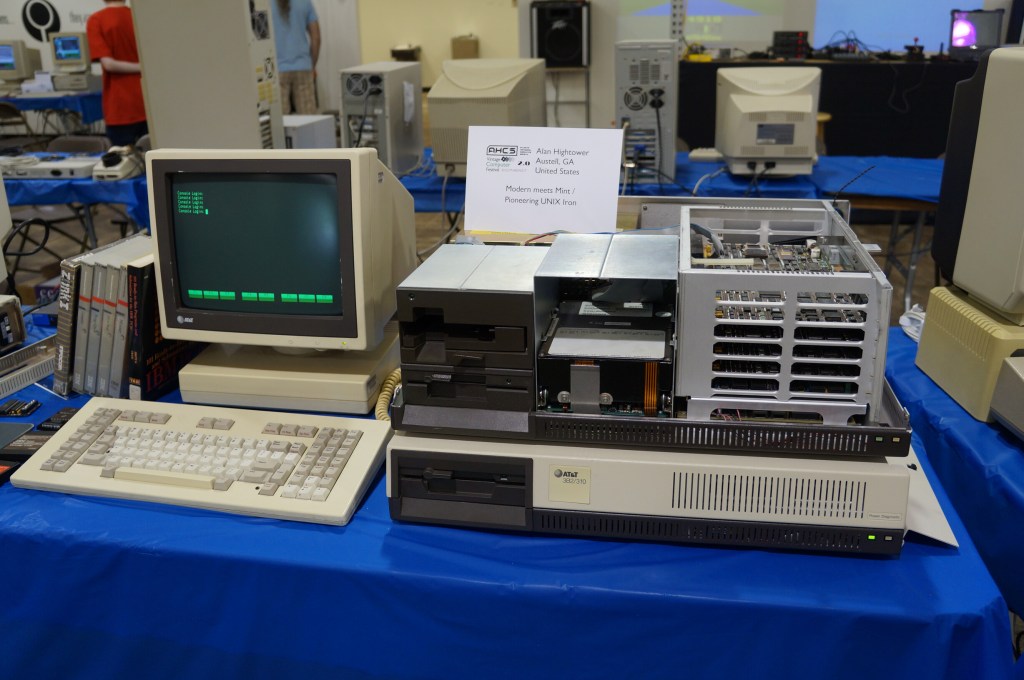
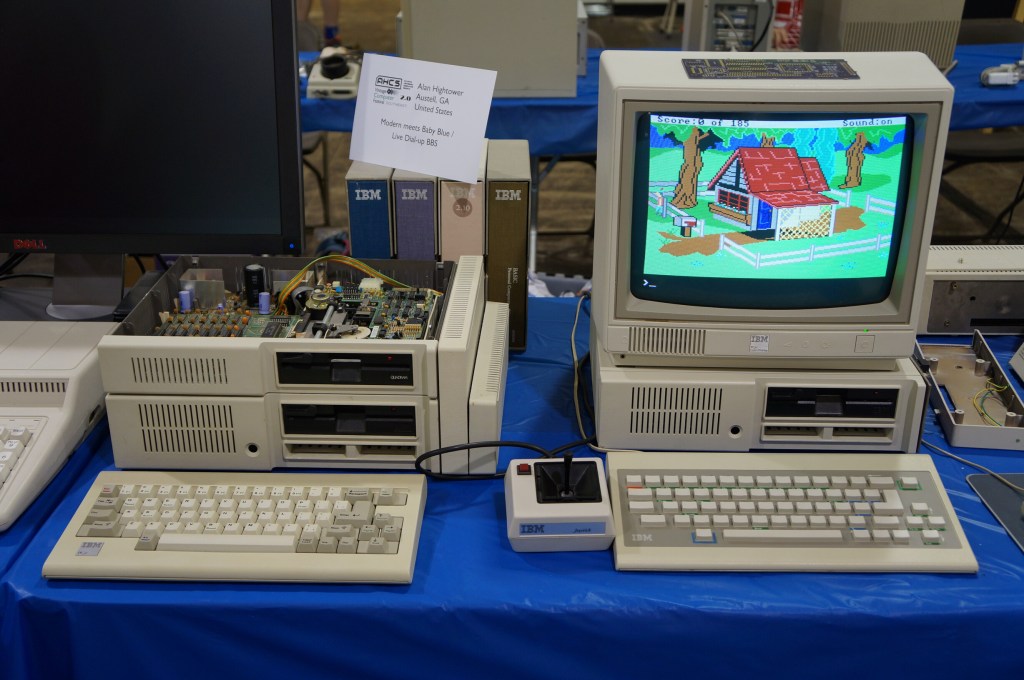
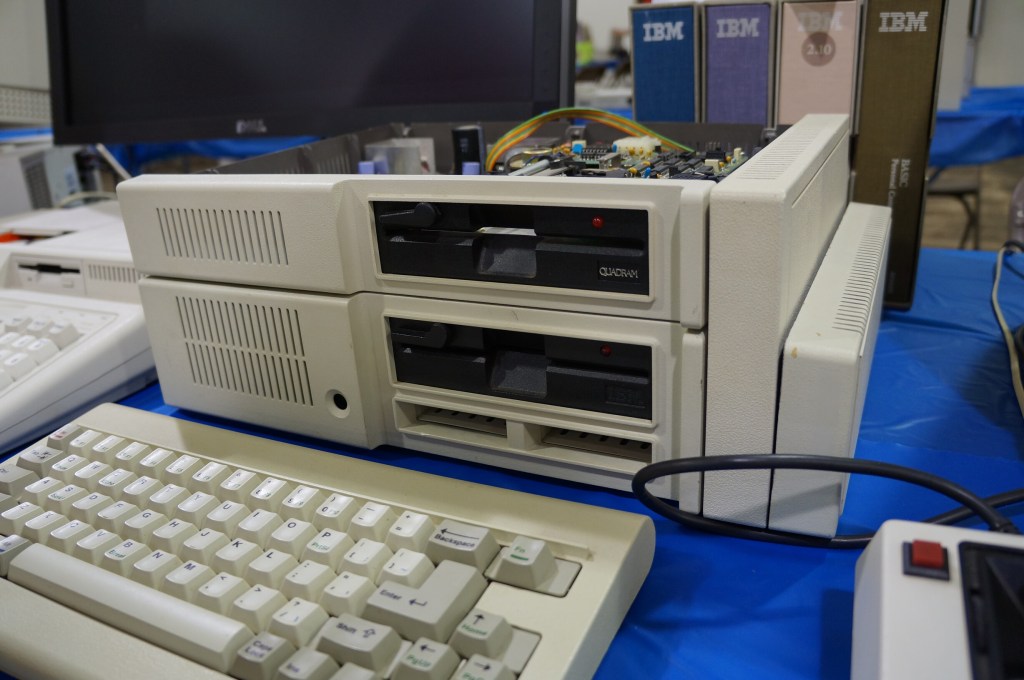
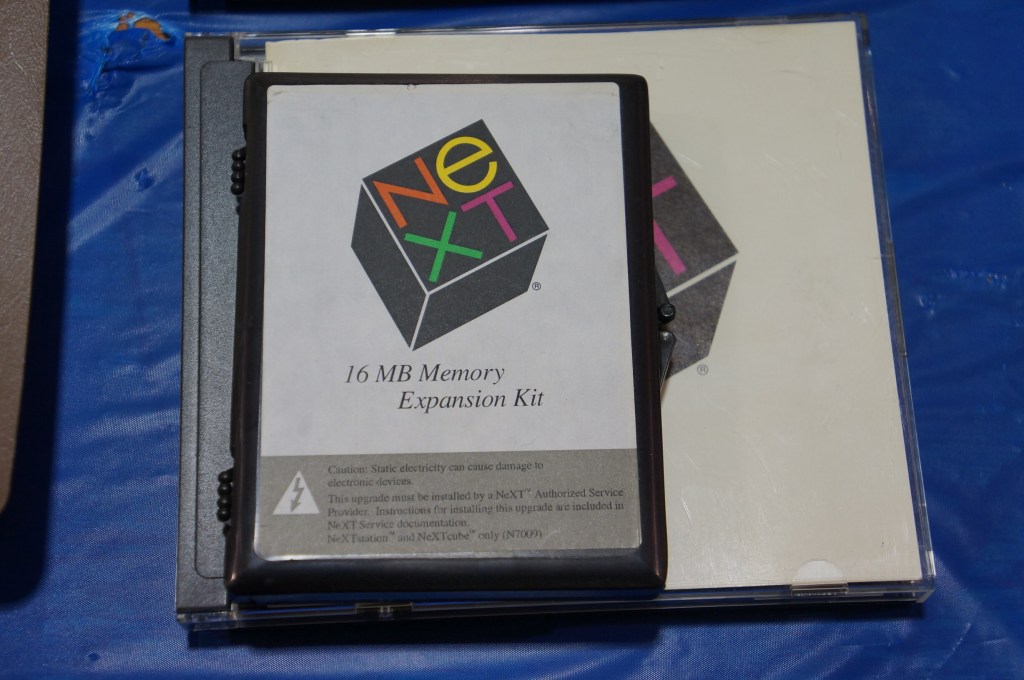
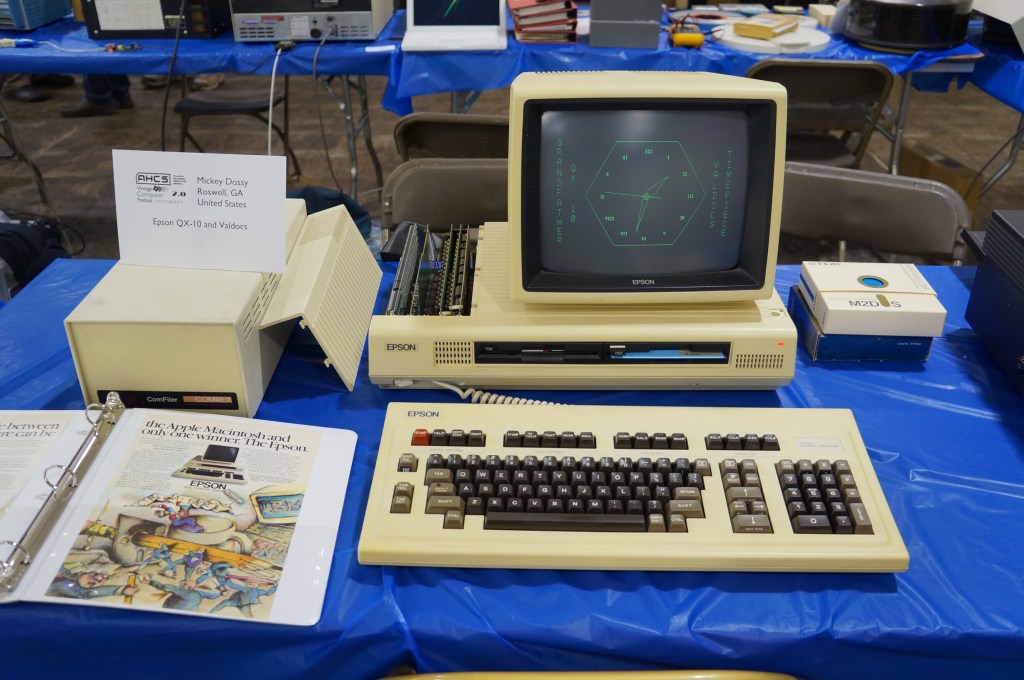
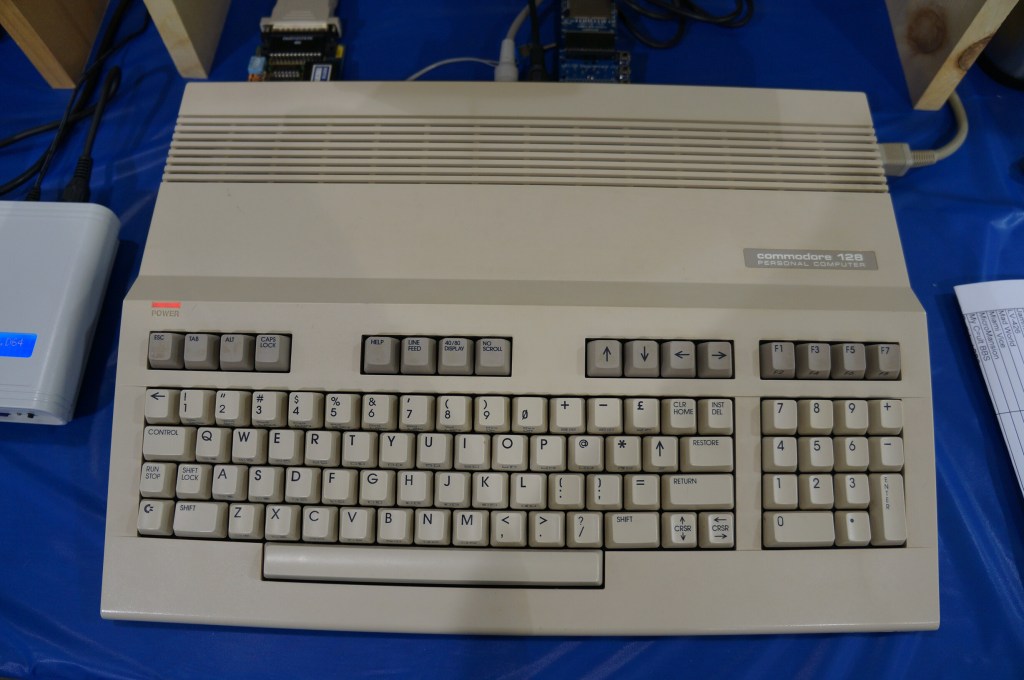
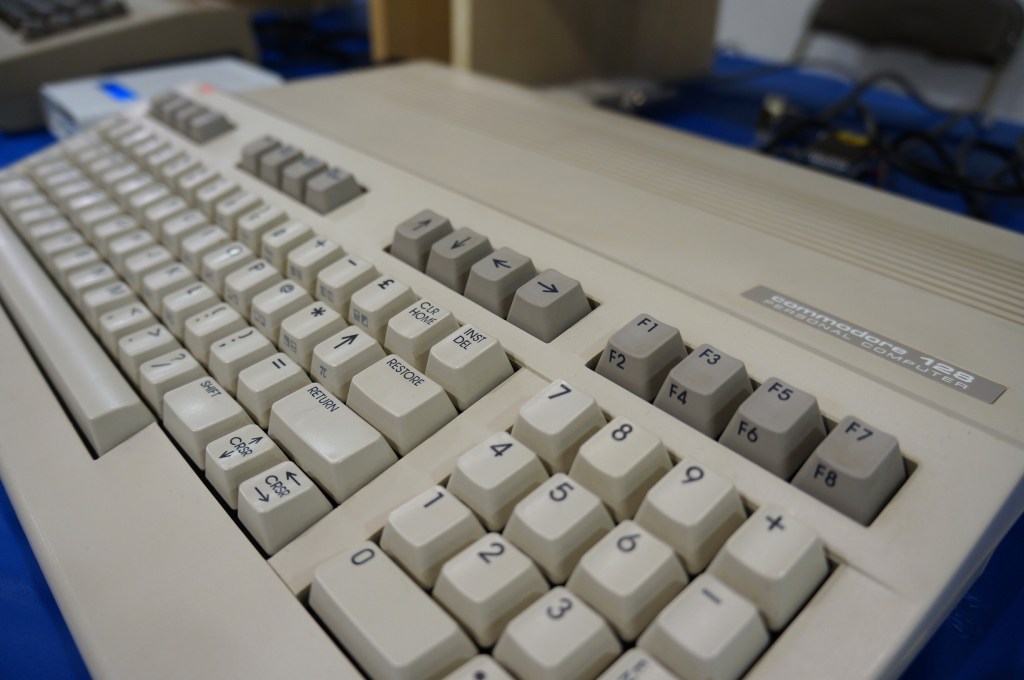
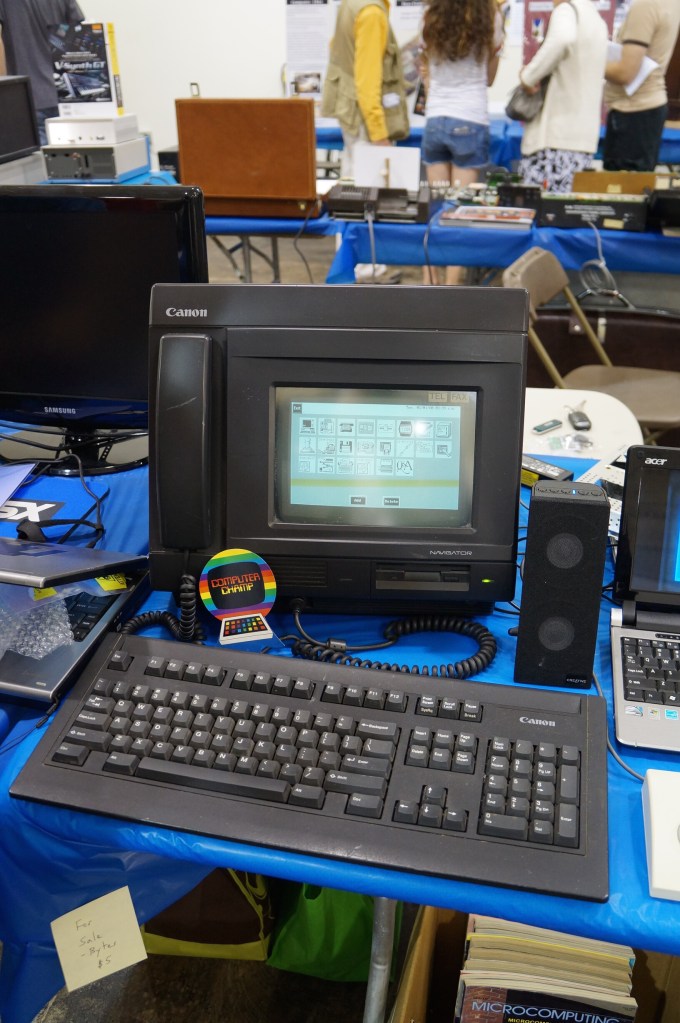
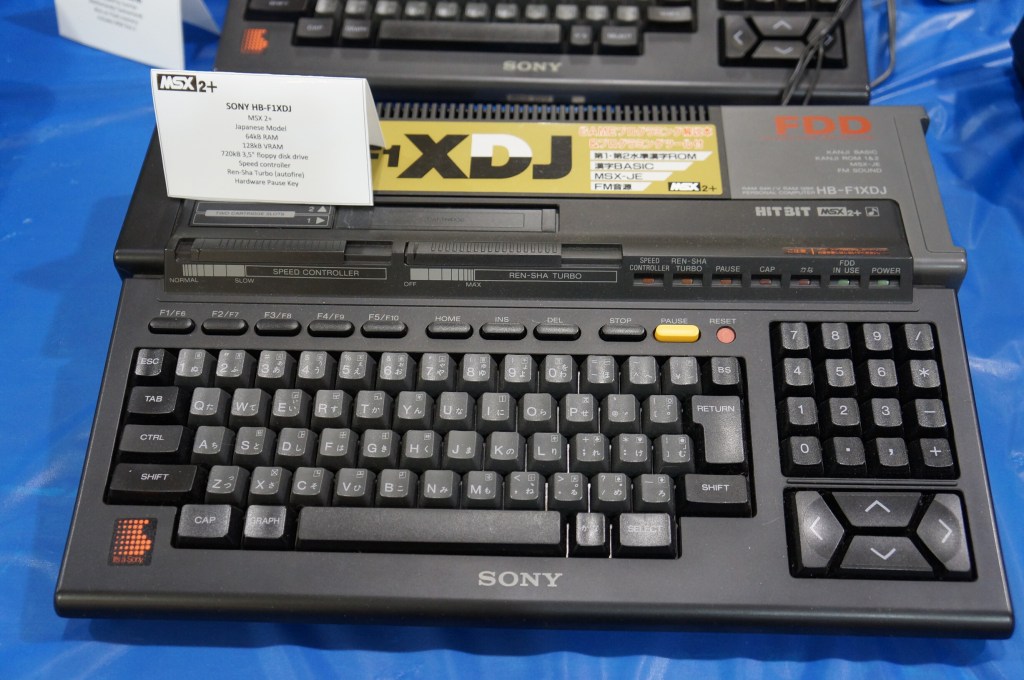
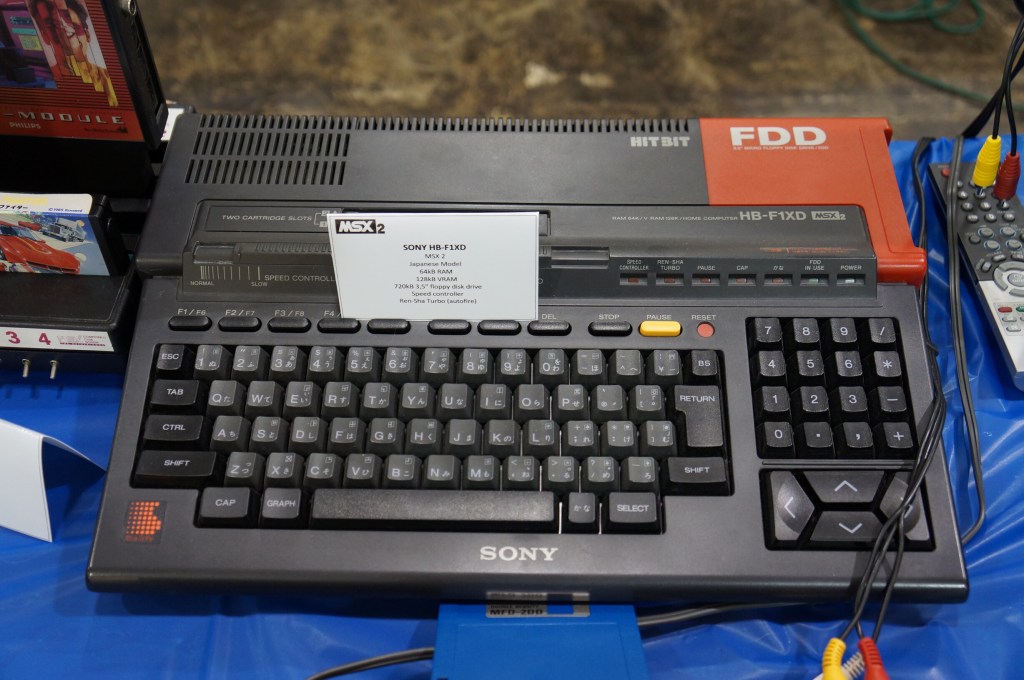
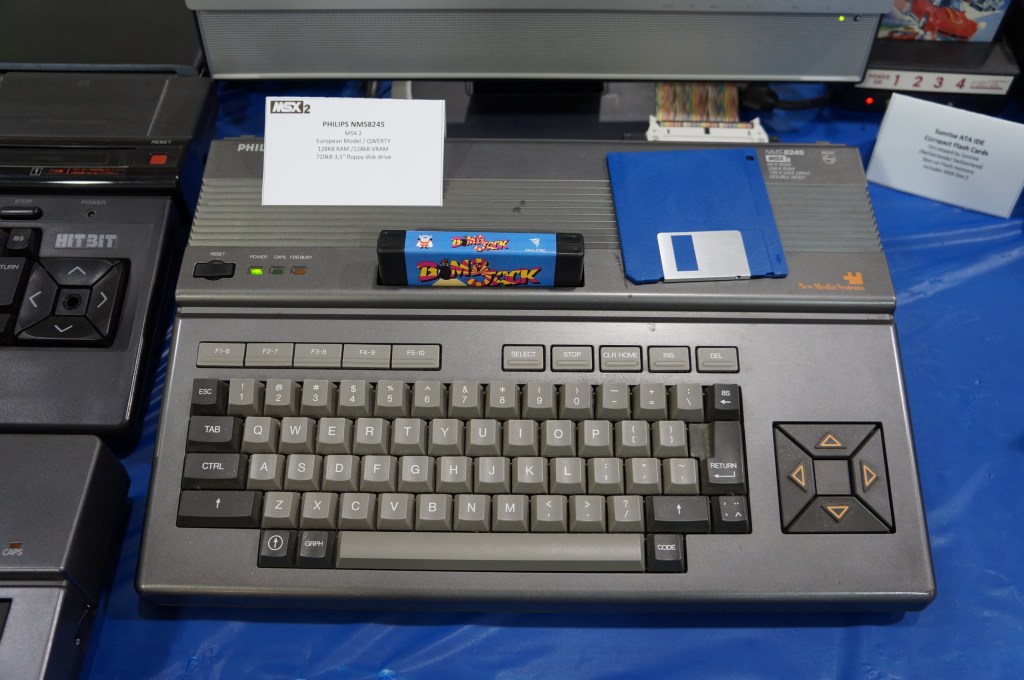
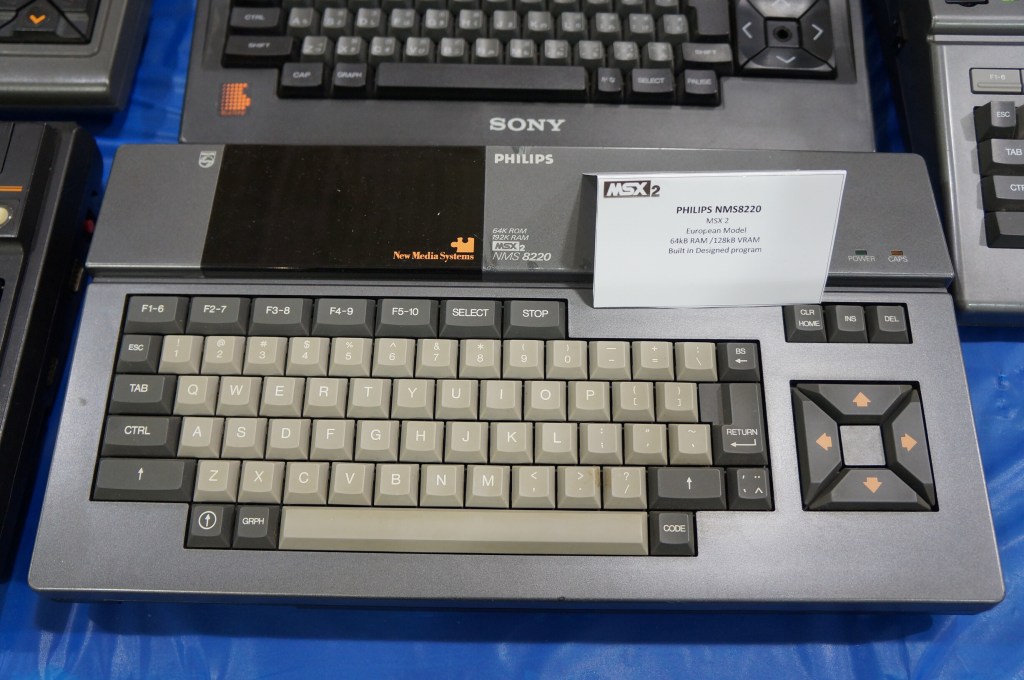
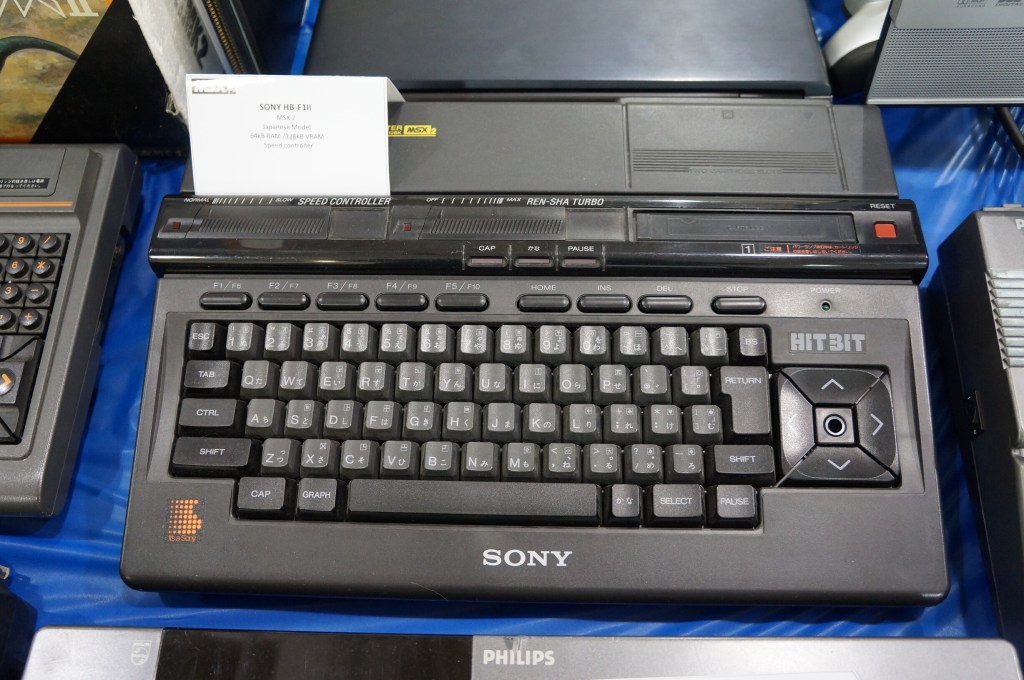
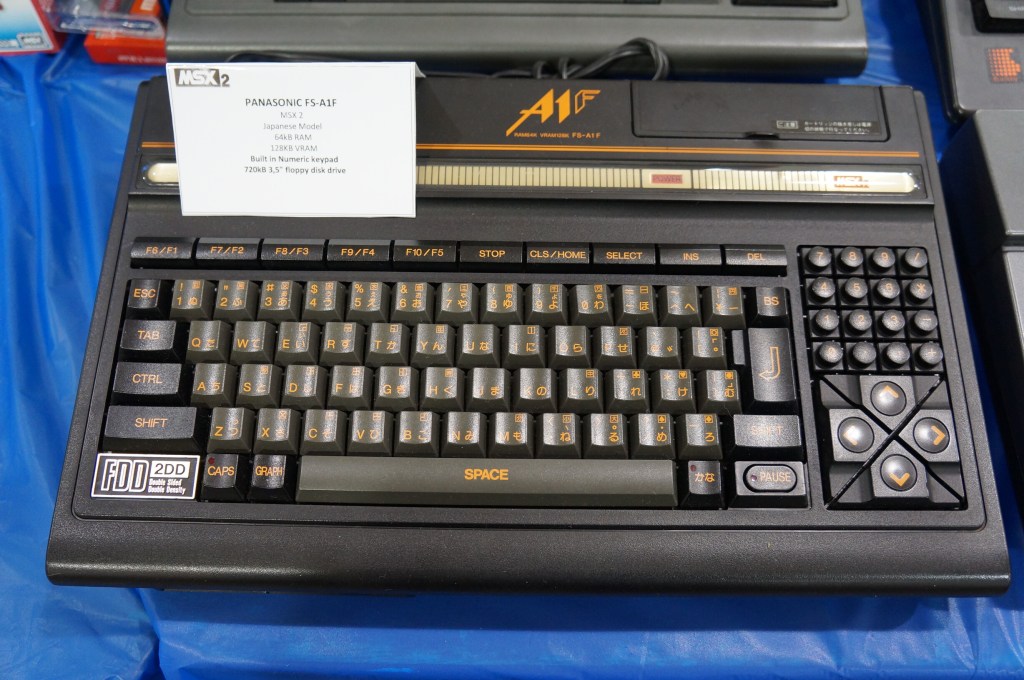
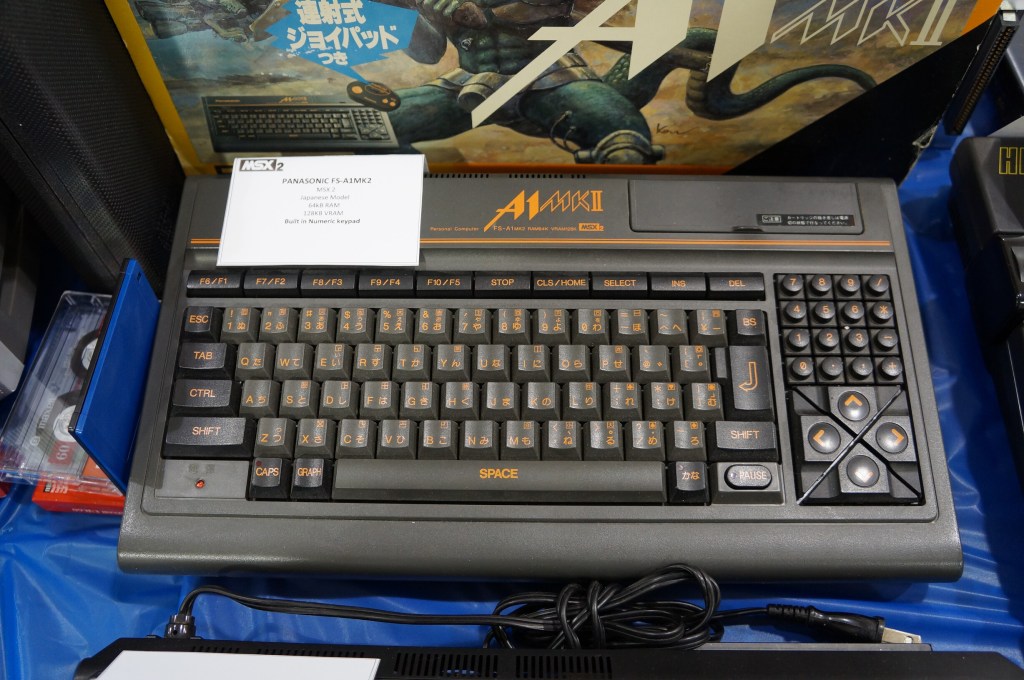
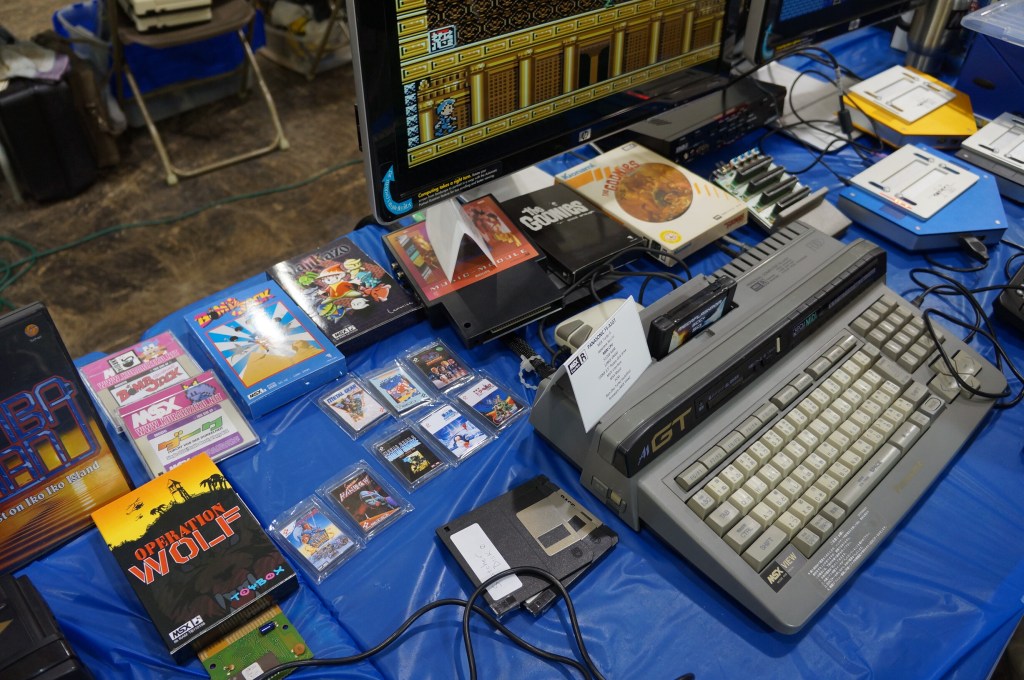
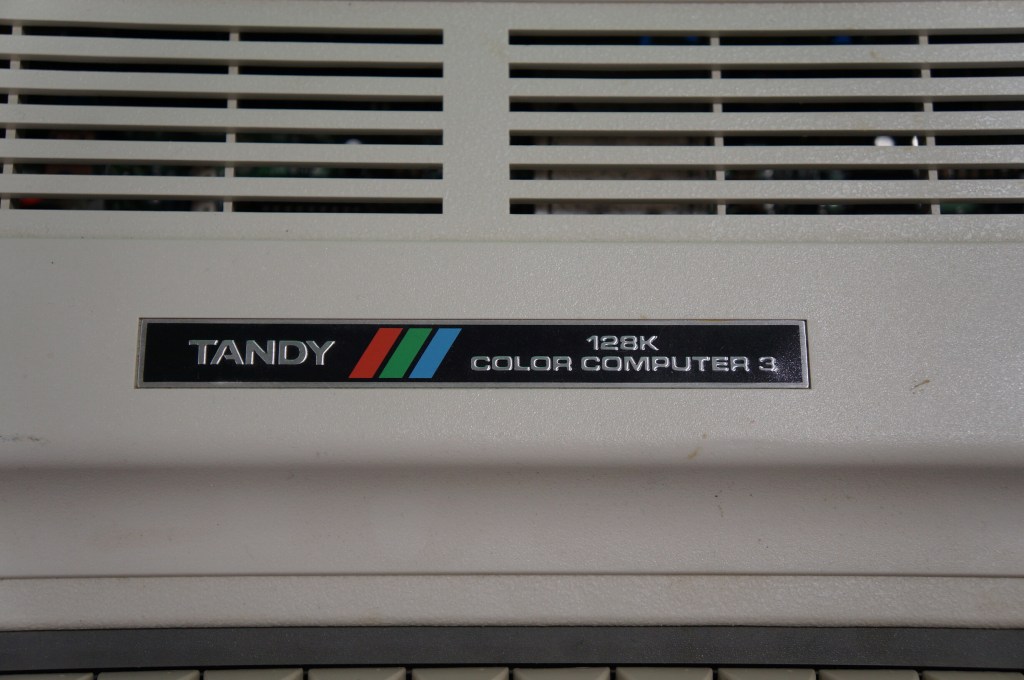
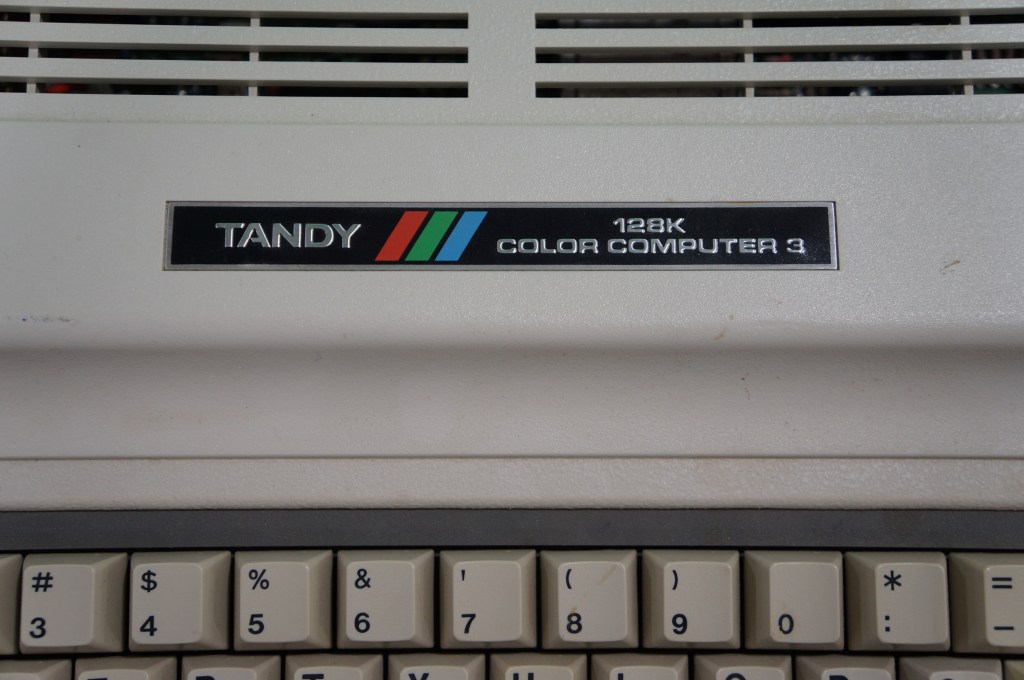
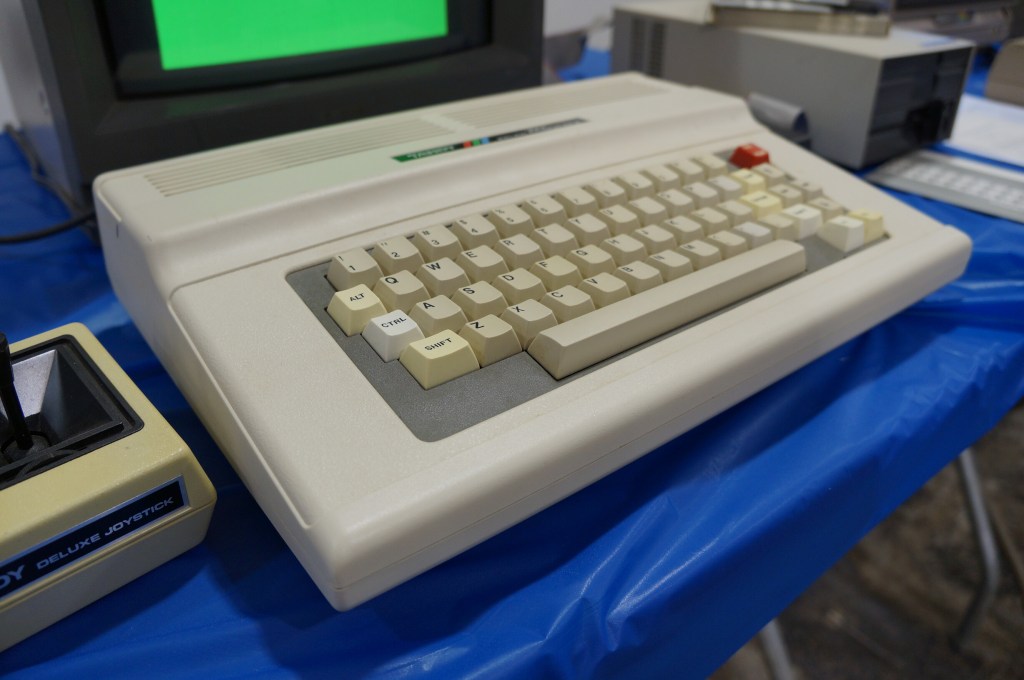
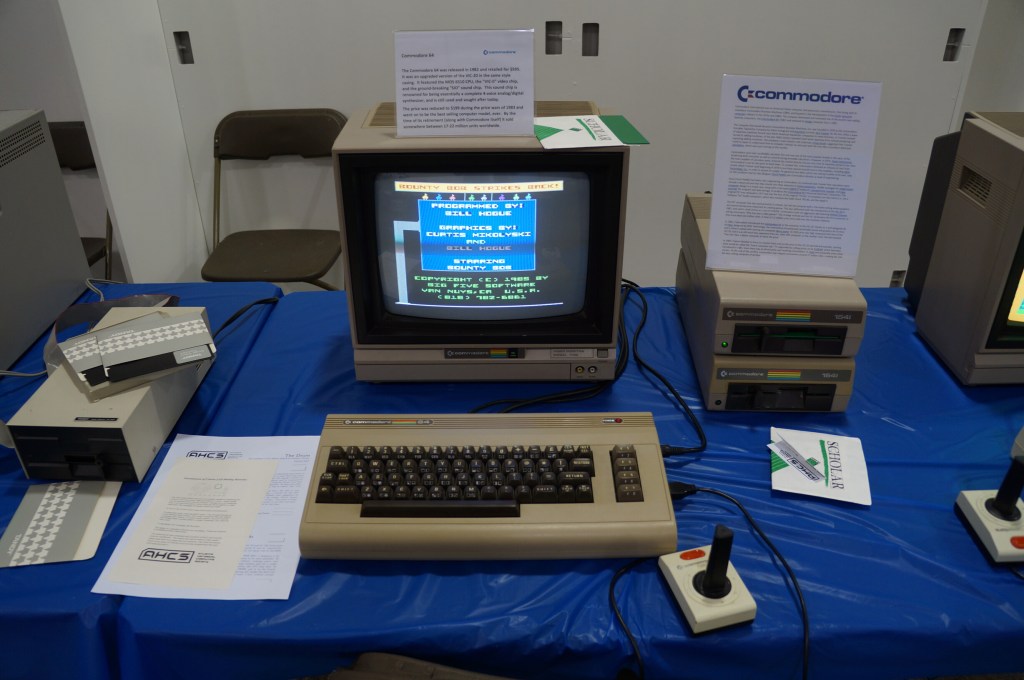
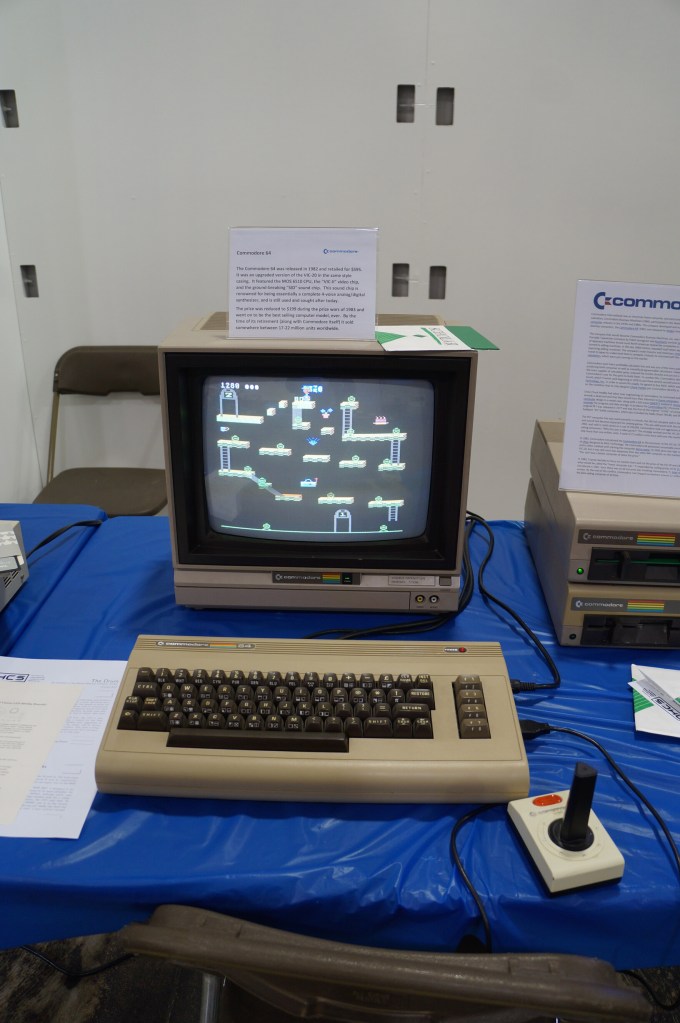
    Miscellaneous Computers in the Exhibition Hall

  • Engagement, Learning and Inspiration in SF: Use Cases for the City Tech Science Fiction Collection

    I delivered this presentation at the James Madison University Pulp Studies Symposium on October 7, 2016. The video above shows my presentation’s images, and the script of my talk is included below.

    The paper is about introducing new audiences to old ideas for the benefit of two different City Tech audiences: 1) frame the historical publication context of science fiction short stories for students, and 2) illuminate the deep history of technological ideas for faculty fellows in the NEH-funded “Cultural History of Digital Technology” project.

    [UPDATE: The symposium was a great success! Thank you to everyone who had questions and comments during our session. I posted photos taken by colleague Caroline Hellman over at the Science Fiction at City Tech website.]


    Engagement, Learning and Inspiration in SF: Use Cases for the City Tech Science Fiction Collection

    Jason W. Ellis


    In the first issue of Amazing Stories dated April 1926, Hugo Gernsback writes:

    By ‘scientifiction’ I mean the Jules Verne, H. G. Wells and Edgar Allan Poe type of story—a charming romance intermingled with scientific fact and prophetic vision … Not only do these amazing tales make tremendously interesting reading—they are always instructive. (Gernsback 3)

    According to Gernsback, the literary genre that would become known as science fiction combines romance, scientific fact, and prophetic vision. The romance engages the reader in an interesting story. The facts instruct the reader in science and technology. The prophetic vision extrapolates from what is known into the not-yet-known and simultaneously inspires readers to realize that vision. I believe that Gernsback’s vision of SF is fundamental to arguments for SF collections at colleges with a pedagogical and community-serving commission like City Tech. Our college occupies several buildings in downtown Brooklyn and serves the educational needs of over 17,000 students. Historically a trade and vocational school, it has over time and by design developed into a senior college of the City University of New York (CUNY) system. Nevertheless, the students it serves and the fields it attempts to prepare them for are primarily focused on STEM career paths. While not all stakeholders recognize the importance that the humanities have to STEM graduates’ success and overall outlook, the administration’s support of the City Tech Science Fiction Collection signals at least one way in which the humanities—in this case via SF—is seen as supportive to the otherwise STEM-focused educational work of the college. In effect, SF and the collection serves as a source for engagement, learning, and inspiration for students who have much to gain from it as a literary genre that reveals the inextricable linkages between STEM and the humanities. While I cannot within the scope of this presentation explore all of these functions of SF, I will restrict myself to discussing how I have used the collection to support my teaching and pedagogical work at City Tech.


    Teaching Science Fiction from a Historical Perspective

    For students, my SF syllabus takes a historical approach to the genre. Following Brian Aldiss, I point to Mary Shelley’s Frankenstein as the genre’s beginning, because its plot pivots upon on an extrapolation of science and technology. Following this novel, I have students read a chronological progression of short stories that correspond with the movements in the genre: proto-science fiction and SF’s influences, H.G. Wells and his scientific romances, Jules Verne and his Voyages extraordinaires, Hugo Gernsback’s scientifiction and the pulps, John W. Campbell, Jr. and the Golden Age, the New Wave, Feminist SF, Cyberpunk, and contemporary SF. Looking at my current syllabus, which draws on readings from the Wesleyan Anthology of Science Fiction and a few stories in PDF form that are not in the anthology, over half appear for the first time in magazines held in the City Tech Science Fiction Collection, including: Isaac Asimov’s “Reason,” Astounding Science Fiction, April 1941; Tom Godwin’s “The Cold Equations,” Astounding Science Fiction August 1954; Robert Heinlein’s “All You Zombies—,“ The Magazine of Fantasy and Science Fiction, March 1959; Harlan Ellison’s “Repent, Harlequin! Said the Ticktockman,” Galaxy Magazine, December 1965; Philip K. Dick’s “We Can Remember It For You Wholesale,” The Magazine of Fantasy and Science Fiction April 1966; James Tiptree, Jr’s “The Women Men Don’t See,” The Magazine of Fantasy and Science Fiction December 1973; William Gibson’s “Burning Chrome,” Omni July 1982; and Octavia Butler’s “Speech Sounds,” Isaac Asimov’s Science Fiction Magazine Mid-December 1983. In addition to discussing each story in its historical context and its addressing Gernsback’s tripartite definition (along with other definitions, too), I show students photos of the magazines and their contents. I relate how these magazines were a big deal that introduced readers to engaging stories, new science and technology, and inspirational ideas via the haptic and tactile experience of reading printed magazines. Furthermore, the contents of a given magazine add an anthropological context to the magazines via editorials, letters, fandom, and advertising. Finally, the magazines help situate the readings for students, because they empower me to point at the library and take the readings out of the abstract realm of anthologization.


    NEH-sponsored “Cultural History of Digital Technology” Project

    While my students’ experience of SF is enriched by the historical materiality of our readings, City Tech’s faculty, who are engaged in pedagogical planning that bridges STEM and the humanities, share some of the same needs as my students. I have learned that my STEM-focused colleagues are experts in their fields, but many do not conceptualize SF on one level as a literary genre that addresses Gernsback’s tripartite definition: romance, scientific facts, and prophetic vision, or on another level as a literary form built on interdisciplinary STEM methodologies (i.e., building assemblages of ideas and constructing extrapolations) and focused on the effects of science and technology on humanity and vice versa (e.g., Asimov’s concept of “social science fiction” or Philip K. Dick’s epistemological and ontological adventures). Professor Anne Leonhardt of Architectural Technology and director of the NEH-funded project titled, “The Cultural History of Digital Technology: Postulating a Humanities Approach to STEM,” asked me to join and contribute my humanities-focused perspective. The project’s goal is to create six interdisciplinary pedagogical modules—on maps, fractals, robotics and sociality, geotagging, topology, and finally, robotics and the workplace. We do this by inviting speakers, holding reading groups, and participating in pedagogical workshops. The student-facing modules will integrate readings, classroom lecture and demonstration, and a hands-on activity. Initially, I helped with finding readings for two modules—fractals and topology, but as I describe below, I have leveraged the City Tech Science Fiction Collection’s magazine holdings and demonstrated that humanities folks can do more than find interesting readings. Also, I will use Gernsback’s definition as a measure of each considered story’s usefulness to the module’s goals.


    3D Printing

    The first module that I contributed readings to is called “Fractals: Patterning, Fabrication, and the Materiality of Thinking.” Its purpose is to bridge students’ understanding of mathematics to the natural world by using fractal geometry—the notion that Benoit Mandelbrot introduced as the process and principle of order and structure underlying the physical world. We teach students the underlying principles of fractal geometry, help them create a workflow using open-source tools to generate a 3D printable STL, or STereoLithography model, and finally, have them print their model using one of City Tech’s powder or plastic 3D printers.

    Initially, I did not consider the City Tech Science Fiction Collection’s holdings, because everything was sitting in 160 boxes stacked floor to ceiling in my office and my former colleague, Alan Lovegreen’s office. Rudy Rucker’s “As Above, So Below” (1989), a story not widely anthologized but available on the author’s website, first came to mind, because I knew that both sides of his professional work touched on this topic. Rucker, a cyberpunk SF writer and mathematician, had written this story after his own attempts at discovering what is now called a “Mandelbulb,” or a three-dimensional plot of the Mandelbrot set, the recognizable image based on a simple iterative function explored in the work of Benoit Mandelbrot. In Rucker’s story, a mathematican hacks together a program that creates a three-dimensional Mandelbrot set that breaks out of his computer screen and takes him on a trippy voyage away from life and into a crabmeat can in his pantry where he can code and enjoy energy drinks for the rest of his life—as long as no one get hungry for canned crab. While it is an interesting story and Rucker’s work on the Mandelbulb is noted in the module, his story is more romantic and possibly prophetic, but less instructive.

    Shortly thereafter, Alan and I finished moving and shelving the City Tech SF Collection, and I began searching for a better story in the collection’s magazines—a story that fulfills the Gernsbackian requirements and connects to both of the module’s topics: fractals and 3D printing. One such contender was Robert Heinlein’s “Waldo,” which tended to capture the materiality-emphasis of the module better than Rucker’s much later story. Published in August 1942 in Astounding Science Fiction as by Heinlein’s pseudonym Anson MacDonald, “Waldo” features on the cover with art by Hubert Rogers and story illustration by Paul Orban. The story is where the term for a remote manipulator system is coined—a waldo. However, the story is about a man named Waldo Jones who invents remote manipulators to enable his weakened body to act on the world. With his invention, he sets out to make smaller ones and smaller ones until they were capable of manipulating microscopic neural tissue and investigate the cause of his physical handicap. The idea then is that waldoes could be used to build up matter in the same way they were used to build smaller versions of themselves. Heinlein’s story fulfills Gernsback’s requirements—romance (intrigue and revenge), scientific fact (cybernetics), and prophetic vision (what possibilities might waldoes enable), but it does not fulfill both module topics as strongly.

    Eventually, I found the story that is credited as the first SF describing 3D printing in detail: Eric Frank Russell’s “Hobbyist,” in the September 1947 issue of Astounding Science Fiction. Unlike “Waldo,” “Hobbyist” is not as widely anthologized, so having access to it in its original magazine was a bonus. If you are familiar with the contemporary video game, No Man’s Sky, then you have an idea about what “Hobbyist” is generally about. Astronaut Steve Ander and his companion parrot Laura crash land on a distant world and are in need of nickel-thorium alloy for fuel, which will hopefully get them a little closer to home. While scavenging around the crash site, Ander notices unsettling patterns of repetition in the world around him and discovers a structure that houses what amounts to a collection of life forms created in a 3D printer of sorts and maintained by an omnipotent being. The narrator describes it thus:

    It was done by electroponics, atom fed to atom like brick after brick to build a house. It wasn’t synthesis because that’s only assembly, and this was assembly plus growth in response to unknown laws. In each of these machines, he knew, was some key or code or cipher, some weird master-control of unimaginable complexity, determining the patterns each was building—and the patterns were infinitely variable. (Russell 56)

    “Hobbyist” satisfied the Gernsbackian requirements—romance (escape the planet), scientific fact (small scale engineering, iterative and fractal growth), and prophetic vision (might this technology make us gods?) and united both module topics. Capturing “Hobbyist” with my iPhone and Scanner Pro app, I shared the story with the other NEH Fellows— the story’s text and in-story illustrations by Edd Cartier and cover art by Alejandro de Cañedo. During meetings, I related the history of the magazine and how that adds to the importance of the story as a nodal point of STEM ideas expressed through SF long before 3D printing was first innovated in the 1980s, and even before it was described in theoretical terms by Richard Feynman in his well-known December 1959 American Physical Society presentation, “There’s Plenty of Room at the Bottom.”


    Topology

    The second module that I contributed to is called “Topology: Behind Escher’s Wizardry, A Look at the Development of Modeling and Fabrication.” Unlike the earlier fractal module, the topology module would involve programming to create each student’s 3D printed model. In addition to my role as the humanist on the team, I made this a personal challenge to relearn Wolfram Mathematica, a symbolic computation program that supports a relatively easy-to-use programming language, because I wanted to demonstrate how its could satisfy all aspects of teaching, coding, and modeling. I began by creating a Mathematica workbook that demonstrated topology concepts, such as points, lines, polygons, and dimensionality, and easy-to-follow programming tutorials of topological surfaces. Additionally, I showed how Mathematica exported 3D printable STL files of the topological models students would create.

    Initially, we considered Edwin Abbott’s Flatland: A Romance of Many Dimensions (1884), but Professor Satyanand Singh, a colleague in the Mathematics department, suggested that we show a video based on Abbott’s story instead. This created an opportunity.

    While performing serious play with Mathematica, I recalled Robert Heinlein’s “—And He Built a Crooked House” from the February 1941 issue of Astounding Science Fiction. Featuring cover art by Hubert Rogers and story illustrations by Charles Schneeman, the story is about an ambitious architect who designs a house in the shape of an unfolded tesseract, or a four-dimensional cube. Unfolded means to create a geometric net or the interconnected, component elements of the object. For example, a three-dimensional cube unfolds into a net composed of two-dimensional squares arranged in eleven different configurations. On the other hand, a tesseract, which is four-dimensional, unfolds into a net of connected three-dimensional cubes with 168 possible configurations! The architect’s innovative design is such an arrangement of three-dimensional cubes, which in this case, resembles the Cross of St. Peter. Unfortunately, having been built in California, there is an earthquake and the house collapses into itself forming a nondescript house-like cube. The incredulous architect and his nonplussed clients enter the domicile to investigate and become trapped within the structure’s weird, higher-dimensional geometry. It is an improbable story, but it captures the strangeness of higher dimensions and introduces topics for discussion. “—And He Built a Crooked House” fulfills Gernsback’s definition—romance (escape the counter-intuitive house-turned-maze), scientific fact (higher dimensionality), and prophetic vision (let’s use math to build innovative buildings), and it tangentially fulfills the module’s focus on topology.

    The NEH project is on going, so there are opportunities to locate other stories and materials in the SF magazines held in the City Tech Science Fiction Collection. In my SF class, I hope to bring my students to the archives for special projects pre-arranged with the librarians. Professor Jill Belli is doing this now, and some of her students’ work will be features in a special session of the upcoming Symposium on Amazing Stories: Inspiration, Learning, and Adventure in Science Fiction on November 29 at City Tech, which I hope that you all will consider presenting or attending. Thank you for listening.

    Works Cited

    Gernsback, Hugo. “A New Sort of Magazine.” Amazing Stories April 1926: 3.

    Heinlein, Robert. “—And He Built a Crooked House. Astounding Science Fiction, February 1941, 68-83.

    Russell, Eric Frank. “Hobbyist.” Astounding Science Fiction, September 1947. 33-61


  • Recovered Writing, Brittain Fellowship, CETL Brown Bag, Writing the Brain: Using Twitter and Storify, Oct. 2, 2013

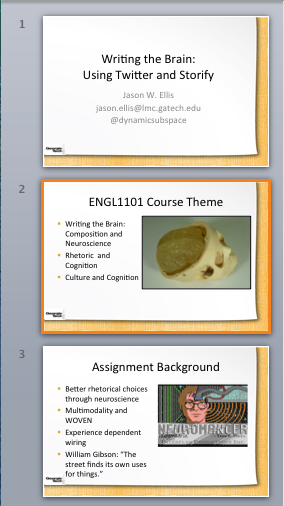
    Slides from "Writing the Brain" PowerPoint.
    Slides from “Writing the Brain” PowerPoint.

    This is the sixty-second post in a series that I call, “Recovered Writing.” I am going through my personal archive of undergraduate and graduate school writing, recovering those essays I consider interesting but that I am unlikely to revise for traditional publication, and posting those essays as-is on my blog in the hope of engaging others with these ideas that played a formative role in my development as a scholar and teacher. Because this and the other essays in the Recovered Writing series are posted as-is and edited only for web-readability, I hope that readers will accept them for what they are–undergraduate and graduate school essays conveying varying degrees of argumentation, rigor, idea development, and research. Furthermore, I dislike the idea of these essays languishing in a digital tomb, so I offer them here to excite your curiosity and encourage your conversation.

    In this Recovered Writing post, I am including two PDF files that I used in my presentation on “Writing the Brain: Using Twitter and Storify” for the 2 October 2013 CETL Brown Bag Workshop. The first is my PowerPoint presentation file and the second is my handwritten presentation notes. Normally, I type up a carefully written script for my presentations, but in this case, I wrote my speaking notes out by hand. While I was driven my a tight deadline imposed by several other responsibilities converging at the same time, I saw this as an opportunity to experiment with a way of presenting that I normally don’t do and I wasn’t completely comfortable doing. As I tell my students, we grow by challenging ourselves, doing new things, and experimenting with new approaches. This was one such attempt on my part.

  • Recovered Writing, PhD in English, Social Theory, Cultural Capital, Market Capital, and the Destabilization of the Science Fiction Genre Presentation, Nov. 17, 2008

    This is the fifty-sixth post in a series that I call, “Recovered Writing.” I am going through my personal archive of undergraduate and graduate school writing, recovering those essays I consider interesting but that I am unlikely to revise for traditional publication, and posting those essays as-is on my blog in the hope of engaging others with these ideas that played a formative role in my development as a scholar and teacher. Because this and the other essays in the Recovered Writing series are posted as-is and edited only for web-readability, I hope that readers will accept them for what they are–undergraduate and graduate school essays conveying varying degrees of argumentation, rigor, idea development, and research. Furthermore, I dislike the idea of these essays languishing in a digital tomb, so I offer them here to excite your curiosity and encourage your conversation.

    The first seminar that I had with Professor Tammy Clewell was “Methods in the Study of Literature.” The second was “Social Theory.” This was an enjoyably challenging seminar in which Professor Clewell encouraged us to explore the them in our specific fields of study. In my case, I researched the exchange of cultural capital in Science Fiction.

    One of the best lessons that I gained from this class happened years afterward. While finishing my dissertation, I sent a lot of publishable-length manuscripts around for consideration. One of those was the longer version of the presentation-length draft included below (I will publish the full length final version on Friday as “Prize Based Cultural Capital Exchange and the Destabilization of the Science Fiction Genre”). In the rejection that I received, a number of factual errors relating to the lore section on the cyberpunks were pointed out by the journal editor. It was a hard lesson in verification and citation that I will not soon forget, and one that I share with my students to drive home the importance of corroboration.

    Due to a number of problems with this essay, including the inaccurate lore, I do not recommend citing this work. Instead, it is offered as a reminder for citation and a resource of ideas and sources.

    Jason W. Ellis

    Professor Tammy Clewell

    Social Theory

    17 November 2008

    Cultural Capital, Market Capital, and the Destabilization of the Science Fiction Genre Presentation

                Michael Chabon, a recognized and celebrated American author best described as mainstream with an admittedly healthy interest in genre fiction, routed the competition in two of the three most prestigious Science Fiction (SF) genre awards with his 2007 alternate history novel, The Yiddish Policemen’s Union. As an alternate history novel, it appeared in the SF section of bookstores, as well as the mainstream section due to Chabon’s widespread recognition as an eminent American author of literature, not genre literature. Also, the cross pollination of Chabon’s work in the SF ghetto is not wholly unique, because Philip Roth, another recognized American author, published his own alternate history novel, The Plot Against America, three years prior. However, what sets Chabon’s novel apart from Roth’s, is that The Yiddish Policemen’s Union swept the two big SF genre superprizes, the Hugo and Nebula, and arrived in second place to Kathleen Ann Goonan’s In War Times for the John W. Campbell Award. In order to evaluate the linkages connected to the Hugo Award, it is necessary to employ a theoretical framework that goes beyond the operations of real capital into the realm of cultural capital, such as that offered by James English in his work, The Economy of Prestige. Furthermore, Chabon’s recent successes raises questions about the purpose of the Hugo Award in relation to the SF cultural economy, the transfer of real capital to and from SF authors, and the meaning of SF in general. In this paper, I argue that Chabon’s Hugo Award triumph destablizes the meaning of SF as a genre due to the transfer of cultural capital and real capital away from the SF archive.

    English adroitly theorizes the exchange and movement of cultural capital via prizes and awards in his 2005 book, The Economy of Prestige: Prizes, Awards, and the Circulation of Cultural Capital. In this work, English expands Pierre Bourdieu’s developing “economic calculation to all the goods, material and symbolic” (qtd. in English 5). Bourdieu’s project refers to “cultural capital,” or an intangible, yet realizable, economy of cultural exchange. English chooses the prize as his object of study, and argues convincingly that prizes are one such signifier of cultural capital exchange. Coupled to English’s primary claim, he develops three significant supporting assertions supported by prize data and a number of regional and superprize cases (such as the Noble Prize for Literature and the Man Booker Prize), which are: 1) prizes are a widespread cultural practice, 2) the number of prizes has proliferated and prizes beget other prizes through virtual modeling or cloning, and 3) prizes are made possible by complex machineries and assemblages of people and distributed work, which have a material cost often in excess of the prize bestowed. It is from the third point that English reveals the cultural capital conveyed by prizes and awards, because it is the intangible but easily recognized priceless value of awards. Essentially, there are economies of cultural capital that do not readily translate into material capital, and cultural capital is circulated within fields where that particular cultural capital is meaningful to those persons within that field.

    Throughout The Economy of Prestige, English primarily uses examples of juried prizes, which feature jurors whose own cultural capital becomes part of the complex exchange between prize and winner. However, I want to discuss a special case, which English does not address in his book. My interest focuses on superprizes that are awarded based on the conclusion of a popular vote rather than the decision of a small group of recognized jurors. Specifically, I’m concerned with the oldest, extant SF genre award, the Hugo.

    The Science Fiction Achievement Awards, or more commonly known as the Hugo Awards in honor of the pulp SF editor, Hugo Gernsback, are an annually bestowed set of awards created in 1953 at the suggestion of SF fan Hal Lynch and modeled after the National Film Academy Awards, or Oscars (Nicholls 595). It is an early example of prize proliferation, because it replicates the voting and spectacle aspects of the Oscar superprize model as a means to elevate the prestige of popular, yet marginalized, SF genre literature. Additionally, the Hugos establishment as an institution within the SF genre operates in the same way that English says, “prizes have always been of fundamental importance to the institutional machinery of cultural legitimacy and authority” (37). The Hugos legitimate popularly regarded works of great SF through its authority as the first superprize in the genre. Furthermore, the Hugos, like the prizes that English studies, acquire greater cultural capital through scandal. English argues that:

    Far from posing a threat to the prize’s efficacy as an instrument of the cultural economy, scandal is its lifeblood; far from constituting a critique, indignant commentary about the prize is an index of its normal and proper functioning. (208).

    The Hugos follow this counterintuitive “proper functioning” that English describes. The award began quietly enough, but following an initial sophomore setback in which it wasn’t administered and awarded again until 1955, the controversy began. The most recognized controversy throughout the history of the Hugos is best described by Peter Nicholls, when he writes:

    The Hugos have for many years been subject to criticism on the grounds that awards made by a small, self-selected group of hardcore fans do not necessarily reflect either literary merit or the preferences of the sf [sic] reading public generally; hardcore fandom probably makes up less than 1 per cent of the general sf readership. (596)

    The self-selection of voting members is problematic, because they are, unlike the juries that English discusses, a collection of individuals without discrete and recognized cultural capital to add to the award. However, the popular aspect of the Hugos supplements the popular aspect of SF literature. SF literature connects with a wide audience in many different ways through a myriad of vectors. SF, like any literature, is not homogenous. The themes, ideas, and narratives in SF literature are as varied as its audience. I conjecture that it is this egalitarian and popular aspect, further embedded in SF following the Second World War with the increase in women SF writers and readers as shown by Lisa Yaszek and others, as well as the explosion of the New Wave, that connected SF to a wider and energized audience.

    With the preceding controversy of the popular vote as an ever-present background to the Hugos, other controversial events took place in the 1980s, which added to the prestige of the SF genre superprize. The first recognized controversy involved the next big thing, building on the successes and innovations of New Wave SF, but integrating in the extrapolative potential of contemporary developments in computer technology and global capital. The cyberpunks didn’t so much as land as jack-in, and the way that they did this has since become lore. At the 1985 Worldcon, William Gibson and a coterie of his compatriot writers, Bruce Sterling and Pat Cadigan, stepped out of a stretch limo wearing ripped jeans, black leather jackets, and the immediately recognizable mirrorshades. Gibson’s punk antics and disregard of the traditional suit-and-tie sensibility of the Hugo Awards ceremony elevated his status and the cyberpunk movement he represented. However, this only solidified what he accomplished by winning the three major SF awards for his 1984 novel, Neuromancer–the Hugo, Nebula, and the John C. Campbell Award. In the following year, the only Hugo Award refusal took place when Judy-Lynn del Rey’s widow, Lester del Rey, refused her 1985 Hugo Award for Best Professional Editor, “on the grounds that she received the accolade only because of her death” (Mallett and Reginald 58). And a final notable example of Hugo Award controversy took place in 1989 when the Worldcon committee barred Stephen Hawking’s popular science work, A Brief History of Time (1988), from the potpourri nonfiction category (Nicholls 596).

    The Hugos have developed a considerable amount of cultural capital by English’s model, but the award is unlike those he analyzes. He establishes in his analysis of that scandal and gamesmanship strategies play an integral part in the development of awards and their followings, but in what he calls, “the higher, ‘art’ end of the art-entertainment spectrum” (English 189). I do not agree with his selection of prizes, because he characterizes them as “somewhat more elaborate” than supposedly lesser prizes (English 189). The sophistication of the Hugo Award mail-based balloting system, single transferable ballot counting, the spectacle of the annual awards ceremony in a different international host city, and the commentary, bookmaking, and reflecting on the awards in magazines, fanzines, and blogs, is in my opinion of sufficient elaborateness to warrant critical evaluation. Furthermore, the Hugo Awards represent a special case that English does not explore, which is a popular vote award that carries within its literary community a greater prestige than any other award. In fact, the Hugo Awards signify an attempt at greater transparency and egalitarian choice than that offered by English’s example of the Man Booker Prize. Additionally, its egalitarianism increases its complexity due to its broad base of voting readers and the ensuing machinery of influence and promotion.

    Michael Chabon’s The Yiddish Policemen’s Union recent win of the 2008 Hugo Award for Best Novel further exemplifies the special case of the Hugo Awards. SF readers and critics overwhelmingly welcomed Chabon and his work to the SF ranks with the publication of his sixth novel. However, Chabon, like other well-regarded mainstream, or dare I say literary, authors that have ventured across the genre divide has maintained a playful, but arm’s length distance from being labeled an SF author. Chabon is masterful at sidestepping genre identification, such as when he writes in his introduction to The Best American Short Stories 2005 that, “I have argued for the commonsense proposition that, in constructing our fictional maps, we ought not to restrict ourselves to one type or category” (xvi). He argues for a non-market supportable writing free-for-all that obviates any need on his part to assume a genre alignment. Furthermore, he playfully critiques the contemporary usage of genre in his introduction to McSweeney’s Enchanted Chamber of Astonishing Stories, when he writes, “I suppose there is something appealing about a word that everyone uses with absolute confidence but on whose exact meaning no two people can agree. The word that I’m thinking of right now is genre, one of those French words, like crêpe, that no one can pronounce both correctly and without sounding pretentious” (ix). To be fair, his analysis of genre construction is insightful, but it is impossible for him to ignore the claim that he became a SF writer with the publication of The Yiddish Policemen’s Union.

    So, what does it mean for a non-self-identified SF writer to win the most prestigious SF award, or conversely, what does it mean for the most prestigious SF award to be given to a self-identified writer without genre classification, or more harshly association? There are two considerations to be made regarding the exchange of capital in the case of Chabon’s Hugo Award win. The first has to do with the prestige exchange between Chabon, the Hugo Awards, and the archive of SF works. Were the Hugo voters eager to add a prestigious, non-genre author, because it, in a way, validates SF as more than genre literature? I cannot answer that, but I can approach the question after the fact. Mainstream entrance into the SF archive creates slippage, and undermines what we mean when we say, “Science Fiction.” It illustrates a problem where accomplished writers, such as Chabon, may enter the genre at will, without acknowledgement, and make off with one of the greatest bearers of SF cultural prestige. Turning the issue around, Chabon walks a fine line as a legitimated literary writer, who stands to lose that prestige if identified as a genre writer. This is not always the case, as evidenced by Doris Lessing, an admitted SF writer and author of the Canopus in Argos: Archives five novel sequence, who won the 2007 Nobel Prize for Literature. Though, this is a stark exception to the rule of ghettoization as evidenced by the early struggles of Kurt Vonnegut for literary legitimacy. Genre fiction carries heavy markers for literary hopefuls that are most assuredly on the minds of such authors, and it is not surprising that Chabon hedges his bets in his authorial identification in spite of the SF accolades bestowed on his works. However, Chabon’s success and conveyance of prestige away from the SF archive reveals the other and arguably more important consideration of exchange–monetary capital and lost book sales for unpretentious SF authors who can only dream of advances comparable to those Chabon receives for his work. But, what of genre? I will have to save this much more weighty question for my longer paper, but I will say that Chabon and other extraordinary non-SF winners of the Hugo may point the direction to a far future–a Science Fiction story in itself–one in which the pragmatic reality of “the law of genre” is no more.


    Works Cited

    Best, Joel. “Prize Proliferation.” Sociological Forum 23.1 (2008): 1-27.

    Chabon, Michael. Introduction. The Best American Short Stories 2005. Ed. Michael Chabon. New York: Houghton Mifflin, 2005.

    —. Introduction. McSweeney’s Enchanted Chamber of Astonishing Stories. Ed. Michael Chabon. New York: Vintage Books, 2004. ix-xv.

    —. The Yiddish Policemen’s Union. New York: HarperCollins, 2007.

    English, James F. The Economy of Prestige: Prizes, Awards, and the Circulation of Cultural Value. Cambridge, Massachusetts: Harvard UP, 2005.

    Mallett, Daryl F. and Robert Reginald. Reginald’s Science Fiction and Fantasy Awards: A Comprehensive Guide to the Awards and Their Winners. San Bernardino, CA: The Borgo Press, 1993.

    Menard, Louis. “All That Glitters; Literature’s Global Economy.” The New Yorker 26 December, 2005: 136.

    Nicholls, Peter. “Hugo.” The Encyclopedia of Science Fiction. Eds. John Clute and Peter Nicholls. New York: St. Martin’s Press, 1994. 595-600.

    North, Michael. Rev. of The Economy of Prestige: Prizes, Awards, and the Circulation of Cultural Value by James F. English. Modernism/modernity 13:3 (2006): 577-578.

    Polumbaum, Judy. Rev. of The Economy of Prestige: Prizes, Awards, and the Circulation of Cultural Value by James F. English. Journal of Communication 57 (2007): 179-181.

    Showalter, Elaine. “In the Age of Awards.” Times Literary Supplement 3 March 2006: 12.

    Wijnberg, Nachoem M. Rev. of The Economy of Prestige: Prizes, Awards, and the Circulation of Cultural Value by James F. English. Journal of Cultural Economics 30 (2006): 161-163.
  • Digital Archives and Vintage Computing @ Georgia Tech, Co-Presentation by Wendy Hagenmaier and Jason W. Ellis, VCF 2.0
    Screen Shot 2014-05-03 at 11.02.38 PMOn May 4, 2014 at 11AM, Wendy Hagenmaier and I will give a co-presentation on Digital Archives and Vintage Computing @ Georgia Tech at the Vintage Computing Festival 2.0 in Roswell, Georgia. This post includes a support video embedded below, a link to our PowerPoint presentation, and a transcript of our talk.

    During my part of the presentation, I will discuss this Google Glass captured demo of the Voyager Expanded Books series ebook of William Gibson’s Sprawl Trilogy on a Powerbook 145:

    We have provided a transcript of Jason’s part of the presentation below (and Wendy’s follows):

    Digital Archives and Vintage Computing at Georgia Tech

    Jason W. Ellis and Wendy Hagenmaier

    Jason:

    [OPENING SLIDE-COMPUTERS]

    Hello and welcome to our presentation on Digital Archives and Vintage Computing at Georgia Tech. I am Jason Ellis, a Marion L. Brittain Postdoctoral Fellow, and this is Wendy Hagenmaier, Digital Collections Archivist at the Georgia Tech Library.

    In the first part of our presentation on digital archives and vintage computing at Georgia Tech, I will describe how these fit into my research and teaching before suggesting how the library can fulfill those needs for the communities it serves. Wendy will conclude with a discussion of the trajectory of the Georgia Tech Library as a place of research, learning, and making beyond the traditional image of a library.


    [JASON W. ELLIS]

    My primary work at Tech is to teach first year composition, tech comm, and occasionally, science fiction.

    [HOW I CAME TO FOLD VINTAGE COMPUTING INTO MY WORK]

    While I have long considered myself a computer hobbyist and I was an IT professional before going back to school to finish my degrees, I have leveraged my interest in computer technology and the human brain to do innovative research on the interplay between the digital and the biological. This raises issues of accessing digital culture on older media and making meaning from these significant forms of culture. These things are important to my research, but I want to enrich my teaching and help my students develop their digital literacies, too.

    [AUTHOR’S AFTERWORD]

    What specifically led me down this path professionally was that I needed to find a citation for a text I found online. It was an intriguing article attributed to the cyberpunk SF writer William Gibson on a Russian website (cyberpunk.ru). In it, he talks about the ephermerality of technologies—a very interesting idea in light of the fact that he wrote his novel Neuromancer on a typewriter. The afterword seemed ephemeral, too, because I couldn’t find a trace of this afterword in any printed book. A friend of my tweeted Gibson (@GreatDismal) and gave me a lead on a floppy disk-based ebook by the Voyager Company. After a search in Worldcat, the massive library database, I found a copy at the Michigan State University Library: the pictured Voyager Expanded Book series floppy disk of Gibson’s Sprawl Trilogy (Neuromancer, Count Zero, and Mona Lisa Overdrive). Unfortunately, I had no way of reading it.

    [POWERBOOK 145]

    After calling around northeast Ohio area schools and libraries without any luck finding a Macintosh with a 3.5” floppy disk drive, I turned to eBay where I acquired this Powerbook 145 (one much like the first computer I carried to Georgia Tech as a freshman in 1995). While I could have purchased an external floppy disk drive that connects with USB to access the ebook software, I wanted to experience the ebook as it was meant to be.

    [VOYAGER EBOOK SOFTWARE]

    With my Powerbook 145 and the Voyager Expanded Books floppy disk, I copied the self expanding archive’s contents to the Powerbook’s 80 MB hard drive. I observed that the Voyager ebook software is Hypercard-based. While it is made for the Macintosh Portable, it works fine on the later model Powerbook 145.

    You can navigate the complete text of the novels and afterword with the trackball or arrow keys. While it has a global search box, you can also search by clicking on a word to see where else the word appears (much like Apple’s iBooks today). It supports annotations and bookmarking with virtual paperclips—an issue of remediation.

    [AUTHOR’S AFTERWORD IN VOYAGER EBOOK]

    This was the prize that I was looking for—the original author’s afterword available only in this ebook. In fact, Gibson did not even include it in his recent collection of nonfiction writing—Distrust That Particular Flavor. If you visit my blog at dynamicsubspace.net, you can watch an experimental video that I made with the Powerbook 145, Gibson’s ebook, an iPad Air, and my Google Glass.

    [LET ME DO THAT FOR YOU]

    Besides my research with and on vintage computing, I believe that these technologies should be an important part of teaching. Our students and young people need to have an idea about how the technology we enjoy today came to be the way that it is and to know that the past is full of ideas that might be repurposed, retried, or rediscovered as we continue developing ever new digital technologies.

    For example, when I was researching Philip K. Dick in the Eaton Science Fiction Collection at the University of California at Riverside—the largest SF collection in the US if not the world—I had to stop a young, special collections librarian-in-training from jamming a one-of-a-kind cassette tape interview into a VHS machine on the AV cart. I directed her attention to the record/cassette combo on the bottom rack and offered, let me show you how to do that. These issues of use, operation, and support are passed on through teaching and first-hand experience.

    [HOW I CONNECT RESEARCH AND TEACHING]

    In my research, I have built a personal “Retrocomputing Lab” of Macs and PCs that support my research in the development of reading on screens just prior to and after the widespread adoption of the Internet. You can learn more about these on dynamicsubspace.net.

    Most recently, I have embarked on a new way of sharing my research with others. In addition to writing essays for publication in journals and online, I am using Google Glass to record my experiences as a raw dataset that I can share on YouTube to support my scholarship and connect with others.

    In my teaching, I encourage my freshmen students to learn how our computing technologies in the past and present have an influence on our neurobiology—put another way how we create computers with our brains and how do computing technologies change the way that we think over time. In Tech Comm, I have students research problems on the Tech campus that can be fixed with a technical communication solution. In one case, students resurrected an online printing solution that had died before they were students. Finally, in Science Fiction, I invite students to read Gibson’s afterword on the Powerbook and play the DOS video game interpretation of Neuromancer on an IBM-compatible PC.

    [A VISION FOR THE FUTURE OF GEORGIA TECH]

    My suspicion is that the need for accessing older media, studying vintage computing hardware and software, and teaching others how to use and preserve these technologies is not limited to literary and cultural studies. Obviously, computing is an interdisciplinary endeavor— specifically, I am thinking what Steve Jobs said about Apple being at the intersection of technology and the liberal arts—I think that this is a long tradition in computing not confined to the fine work at Apple.

    I told Wendy, Sherri Brown, Alison Valk, and Elizabeth Rolando about my hopes for the Georgia Tech Library to serve as a synthesis of vintage computing research and teaching. The library’s archival mission can simultaneously maintain access to knowledge while preserving hardware and software as important artifacts of study. The library’s learning mission can support theoretical issues such as archival work and the history of science and technology alongside practical issues of training, using, and making. The library can do this through acquisition and on-going support, providing space for this kind of work, coordinating across institutions and the private sector, outreach, and more. Already, the Georgia Tech Library is a nexus of research and teaching that evolves to meet the research and learning needs of the communities that it serves. Wendy will tell us more about that in the next part of our presentation.

    We have provided a transcript of Wendy’s part of the presentation below:

    Hi everyone, I’m Wendy Hagenmaier, the Digital Collections Archivist at the Georgia Tech Library. I’m responsible for digital archives (similar to the work Al and Anne have discussed).


    Reimagining the Georgia Tech Library

    In light of Jason’s insights, I want to talk about some exciting changes happening at the Georgia Tech Library—changes we’ve been referring to as “reimagining the Library.” Though some of these changes are unique to Georgia Tech, many of them reflect how libraries everywhere are evolving to anticipate the needs of future library users, including people like Jason and all of you, the attendees here today.

    The GT Library is transforming into a technological research library for the 21st century, but its mission remains the same: to be a creative partner and essential force in the learning community and the Institute’s programs.

    At the GT Library lately, we’ve been asking ourselves: How can we support the research and teaching needs of faculty like Jason and inspire the scholarship of our broader community? And how can we invite the community to explore the past and design the future? As an archivist, I’m always interested in what the past can teach us about the future, so let’s take a quick look at the GT Library of long ago…

    The Georgia Tech Library of the Past

    Welcome to the Library of the 1960s.

    Like many research libraries of the era, the GT Library provided services to support traditional, print book and journal-based research. The emphasis was on creating the most massive collection of print material possible, to position the library as a secluded, exclusive repository of knowledge that could only be found within a print collection. Imagine the shushing librarian, no food, no drink, no talking.

    This worked well for a while, but radical changes in research and daily life on campus—mobile/ubiquitous/wearable technologies, Massive Open Online degrees, flipped classrooms, project based learning, digital repositories, university history now enacted on YouTube and Twitter—have made it essential that the Library undergo its own transformation. Print book checkouts are declining, but the number of visitors to the Library is exploding and users are accessing our e-resources over a million times a year. So here we are, at the Georgia Tech Library of the Present:

    The Georgia Tech Library of the Present

    In light of the cultural shifts I mentioned, the Library is presently planning its own shifts, both literally and metaphorically, on several fronts:

    Here’s the first literal shift: the GT Library and Emory Libraries are partnering to construct a large climate-controlled facility to house the majority of our collection. This means we’re moving perhaps as much as 90% of our print collection to Emory’s Briarcliff campus. Books will be delivered to users on demand, and traditional browsing of physical library stacks will have to be translated into the digital realm.

    Another shift: the Library is conducting user research with students and faculty, including focus groups, interviews, and surveys, to develop a shared vision for the Library’s future.

    The walls of our 1960s buildings are now covered with post-it notes from dozens of internal brainstorming sessions, where we’re defining and innovating future services.

    And another literal shift: we’re working with an architectural team to completely redesign the interiors of our buildings over the next five years.

    Through reimagined spaces and services, the Library is becoming an interdisciplinary platform for scholarship, an integrated network of human and technological resources, and a champion of innovation.

    The Georgia Tech Library of the Future

    My colleague Sherri Brown and I interviewed Jason a few months ago as part of the Library’s user research, and he brought up the idea that the GT community has unmet retrocomputing needs. Faculty members from all sides of campus are encountering the need to access information stored on outdated media and to teach their students about the history of technology.

    This academic interest in retrocomputing parallels the digital archaeology work being conducted in libraries and archives—everywhere from Emory’s Digital Archives to the New York Public Library. Archivists at these institutions are using old hardware and software to access and preserve content created with obsolete technologies (such as Salman Rushdie’s manuscripts saved on floppy disks). To date, however, all of the retrocomputing work in the library world has been conducted by library staff. These digital archaeology labs are not accessible to the libraries’ user communities.

    My colleagues Jason, Sherri, Alison Valk, Lizzy Rolando and I are trying to imagine how we might do something different at the GT Library: offer our technologically-savvy patrons a chance to use the retrocomputing equipment typically restricted to library staff.

    This might take the form of one or two retrocomputing consoles—or perhaps a larger lab—within the Library, which would be available to users who would be vetted by Library staff.

    The idea is to take the digital forensics and archaeology work occurring behind the scenes in archives, plus the rise of hacker and makerspaces in libraries, plus collaborations with campus and community partners (perhaps even you?)…to imagine creating a retrocomputing lab. This space would not only serve as a hands-on historical reference point; it could activate new ideas about future technology and preservation of tools and ideas.

    So how could we make this space happen, and how might we collaborate? Collectors, experts, and community organizations like the Atlanta Historical Computing Society could support an idea like this through:

    -equipment sourcing

    -IT support and expertise, knowledge of the history of computing

    -and mentorship

    In return, a project like this might someday offer collectors, experts, and community organizations:

    -a collaborative meeting and hacking space, for making connections with like-minded people and hacking the past, present and future

    -space dedicated to preservation (libraries specialize in preservation environments in a way that most individuals and community groups can’t)

    -as well as infrastructure, branding, and support for community organizations seeking institutional allies

    In many ways, the retrocomputing space we’re envisioning resembles the high tech computing lab of Georgia Tech’s past, which once seemed so futuristic and advanced, bringing us full circle, so that imagining the future of our Library becomes an act of reimagining our past.