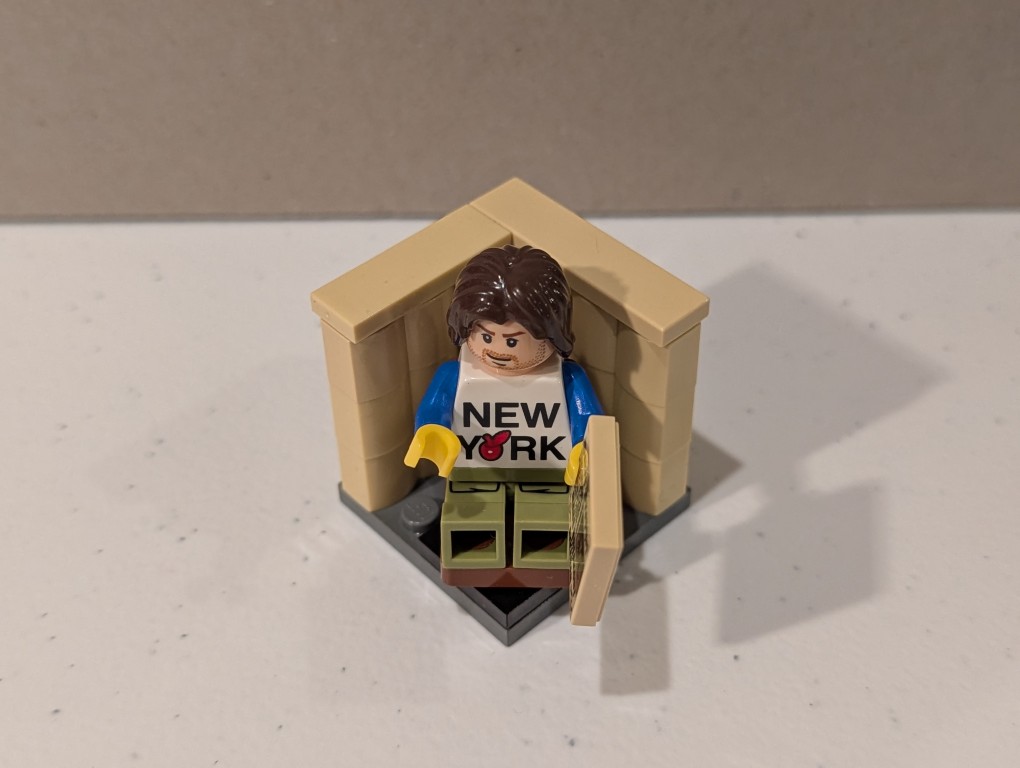
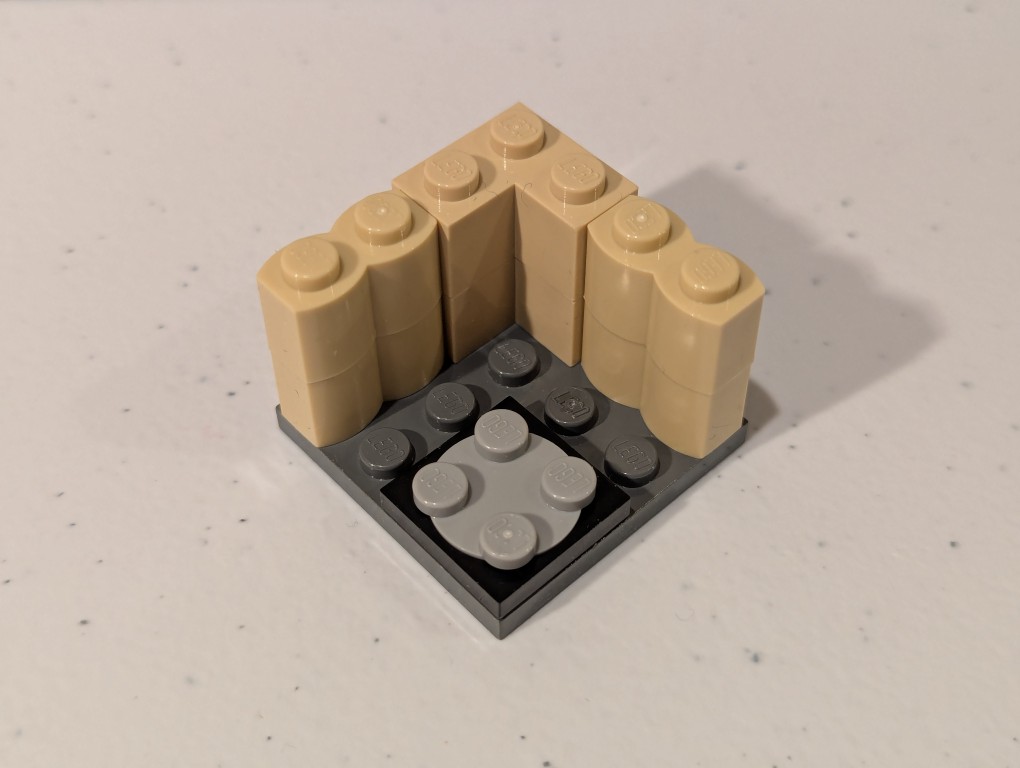
Between the melees, try to find some joy and peace. I’ll be doing that with my Professional and Technical Writing students today. I’ll bring LEGO to class for a bit of educational play that combines the use of their imagination, haptics, educational knowledge, organizational thinking, and writing skill.
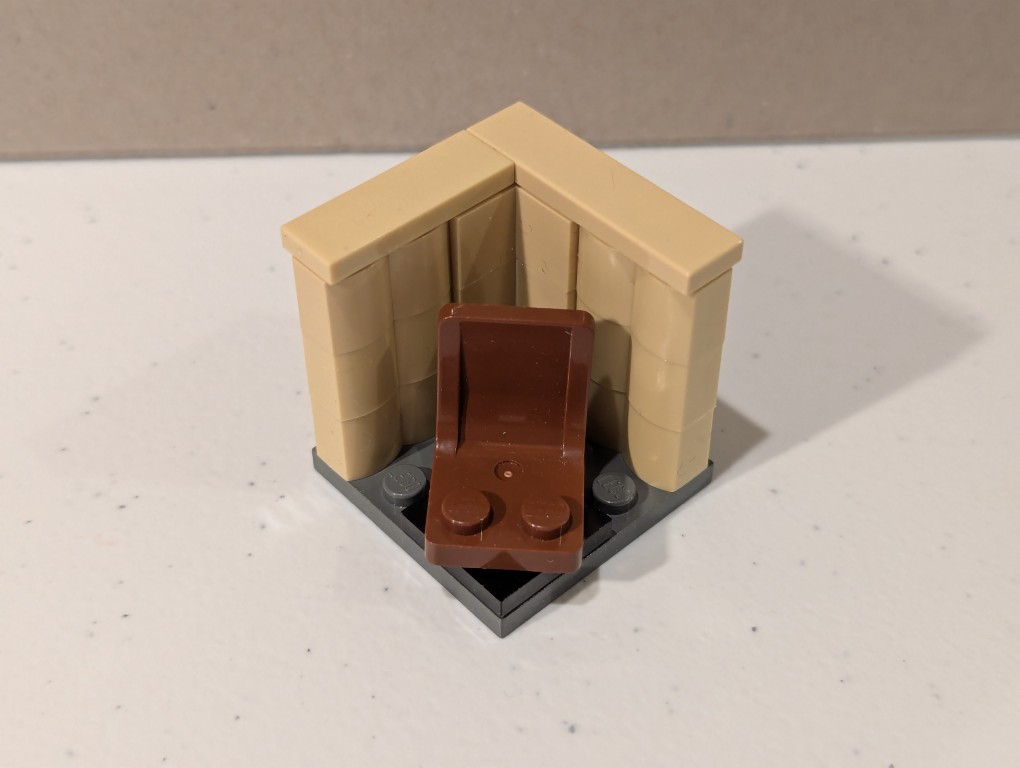
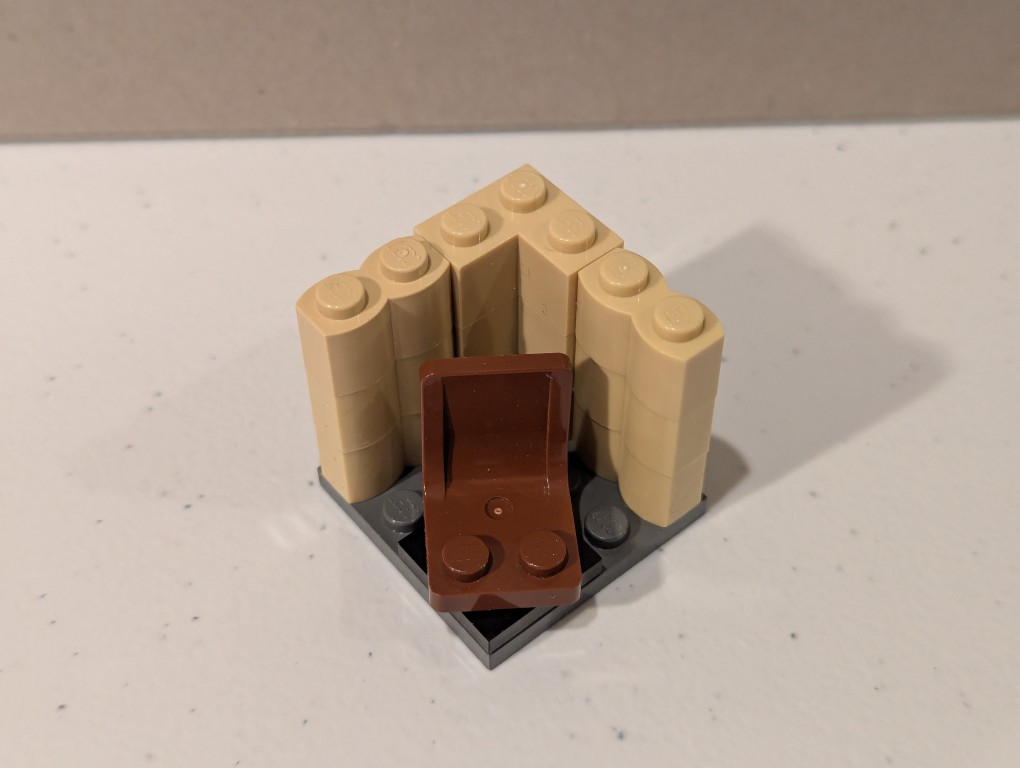
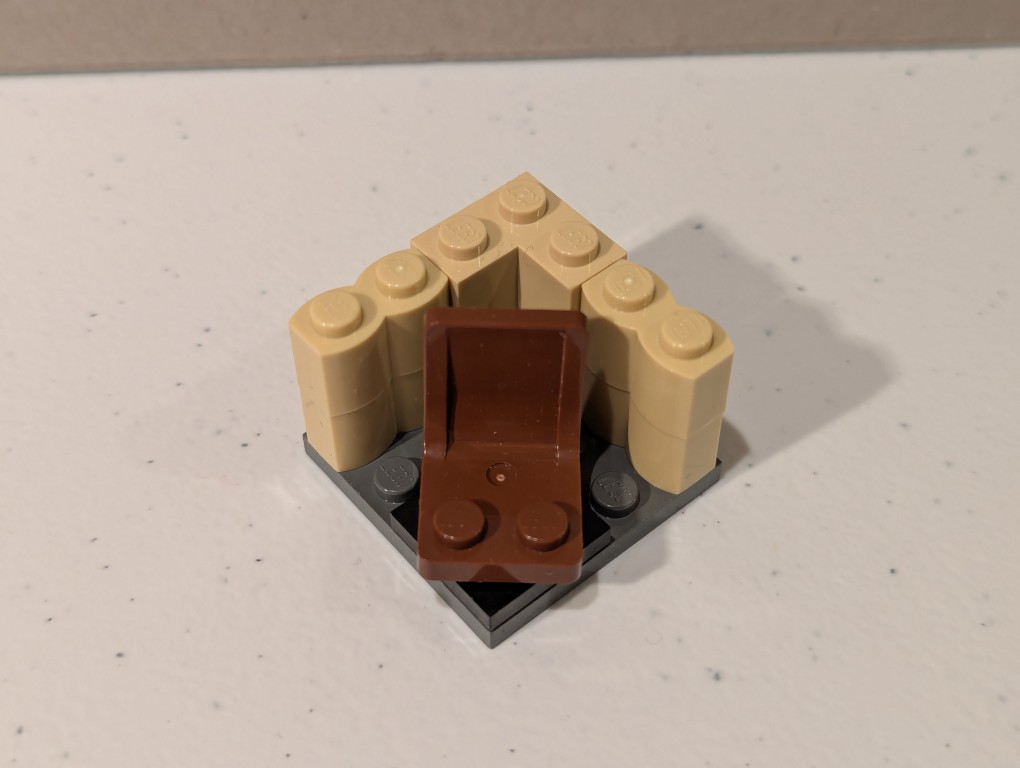
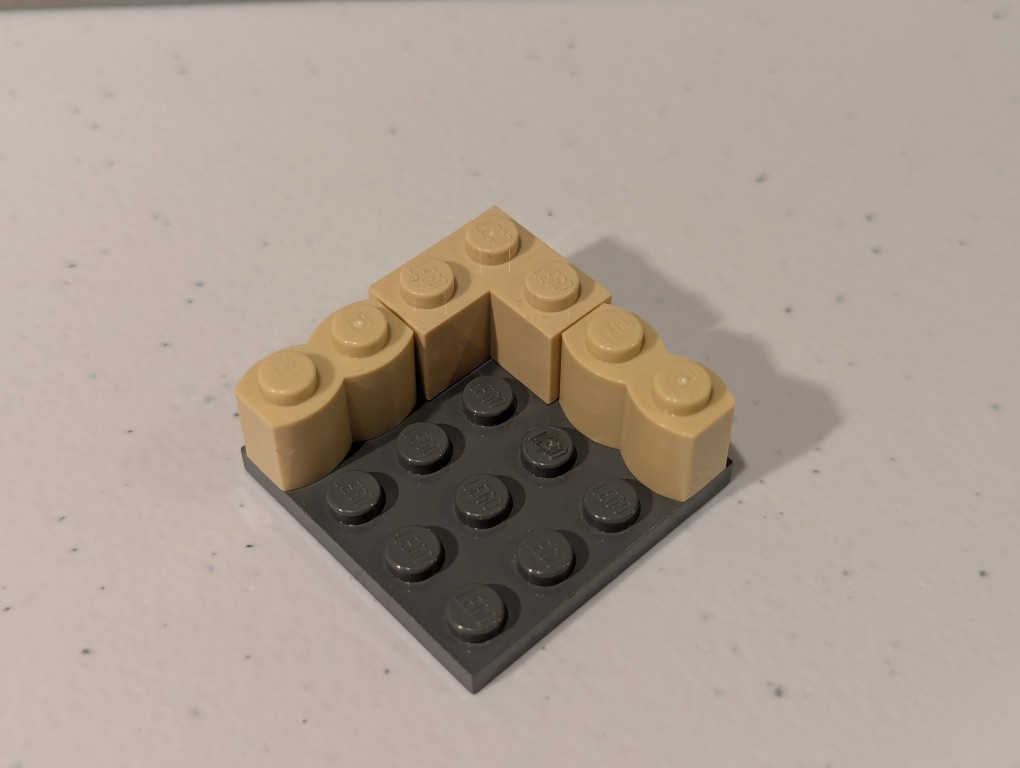
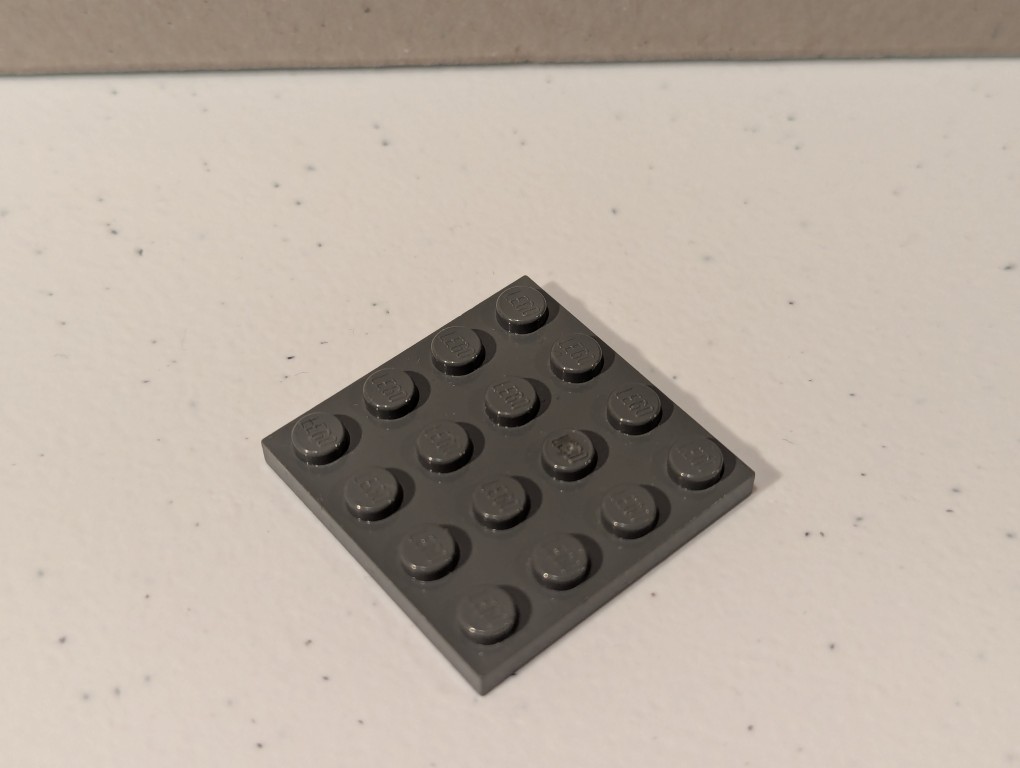
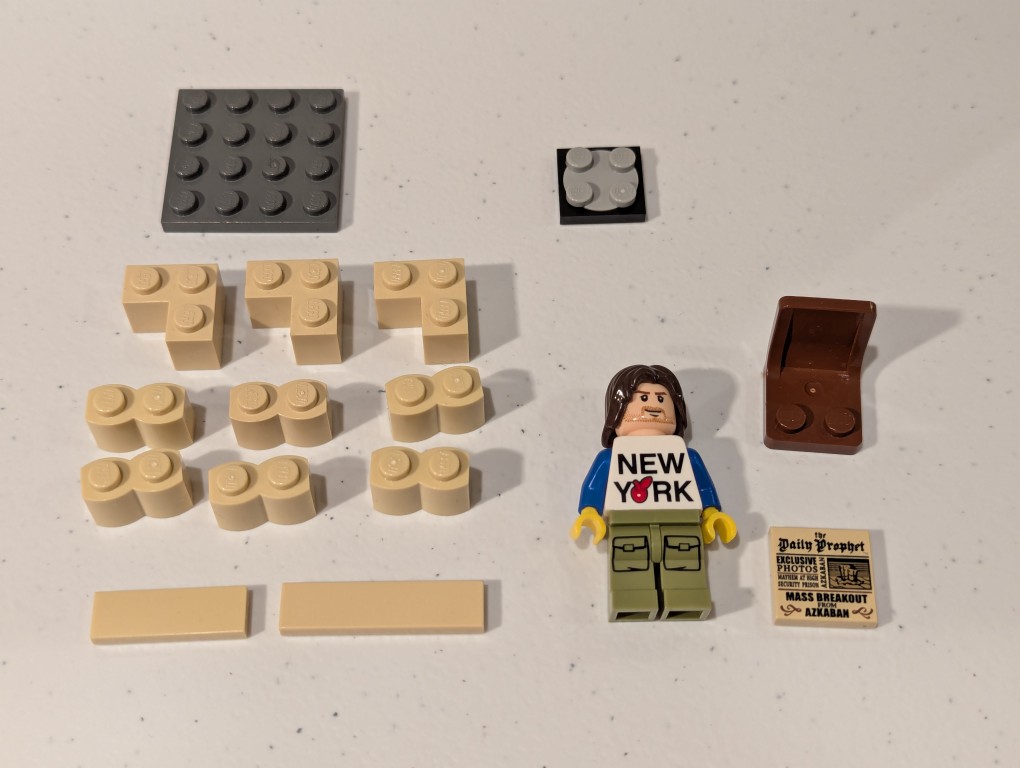
They will design a small model that represents something about their specialization (e.g., Biology, Psychology, Computer Science, Fashion Design, etc.) and then write an instruction manual like this example that I made for them based on the model above that I call a “Quiet Reading Corner.” Scroll down to see it deconstruct, which I presented in reverse in my instruction manual.
While Spring 2025 semester classes began this past Saturday at City Tech, my teaching schedule begins today. I’ll be teaching two classes in the Professional and Technical Writing Program: Introduction to Language and Technology (ENG1710) and Introduction to Professional and Technical Writing (ENG2700).
In Introduction to Language and Technology, I have students read an article (though, we begin with Ted Chiang’s “The Truth of Fact, the Truth of Feeling), which they write about in the following class and we discuss it. We work out what we mean exactly when we say “language” and “technology” before looking more closely at how these two aspects of humanity interrelate, interoperate, and influence one another. In parallel to our class discussions, students research and write a paper about one specific technology and its relationship to language. I’ll include a past final exam review below, which will need updating due to some additions to the reading list.
For Introduction to Professional and Technical Writing, I developed a dual approach that combines theory and praxis as a general welcoming of students to what the field they are entering is like. For each class, students read about the history, work, and deliverables created by technical communicators, which they write about in short in-class assignments and we discuss together. The final readings in the class include one paper about how reading Science Fiction can make you a better technical writer and William Gibson’s “Burning Chrome.” Additionally, students are given short deliverable assignments (e.g., write an email, a letter, a memo, a technical definition, an instruction manual, etc.) each week or so. They receive one grade on these first drafts, and they revise them and write reflections on them for creating a final portfolio, which receives a separate grade.