I made this post sticky. Please scroll down for new posts!
tldr: Someone made an illegal copy of my website dynamicsubspace.net and is using it for scamming people who are enticed with an offer for an impossibly cheap name brand backpack on Facebook, which link to the face version of my website. The scammers use fake Facebook accounts and a variety of websites, including the illicit copy of dynamicsubspace.net. Just to be clear: dynamicsubspace.net is the only domain name for the website of Jason W. Ellis, an English professor at the New York City College of Technology, CUNY. Any other domain names with content identical to my website are illicit copies. Please read on for more details and the evidence that I collected.
A faceless cybernaut prepares to explore cyberspace. Image created with Stable Diffusion.
For today’s class, my ENG2700 Introduction to Professional and Technical Writing students read two articles about social media and professionalism in the Technical Communication field:
Ferro, T. & Zachry, M. (2014). Technical communication unbound: knowledge work, social media, and emergent communicative practices. Technical Communication Quarterly, 23(1), 6-21.
Verzosa Hurley, E. & Hea, A. (2014). The rhetoric of reach. preparing students for technical communication in the age of social media. Technical Communication Quarterly, 23(1), 55-68.
I plan to discuss the difference between active and passive approaches to building an online professional identity (and why the former is the way to go–giving an example about LinkedIn from Dr. Rebecca Burnett).
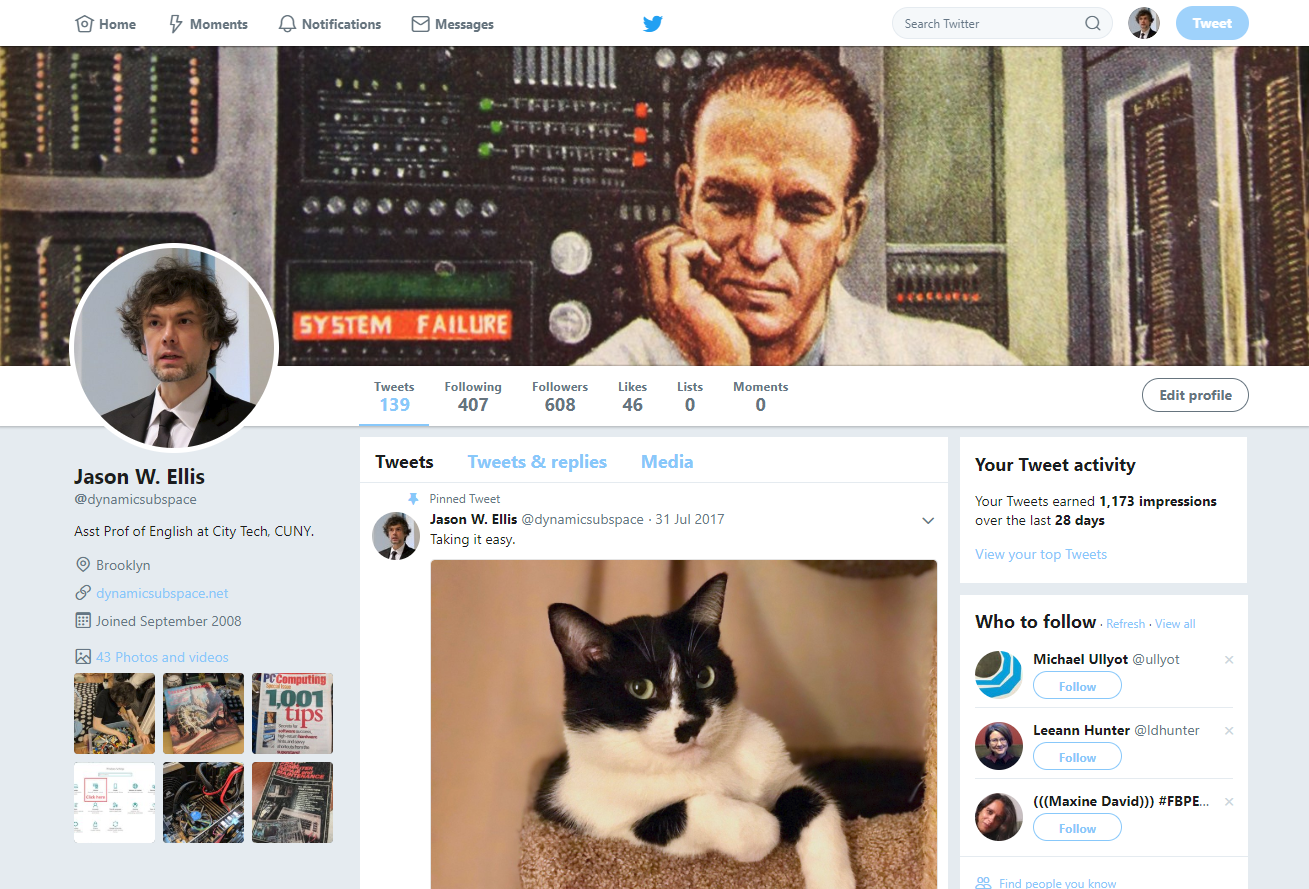
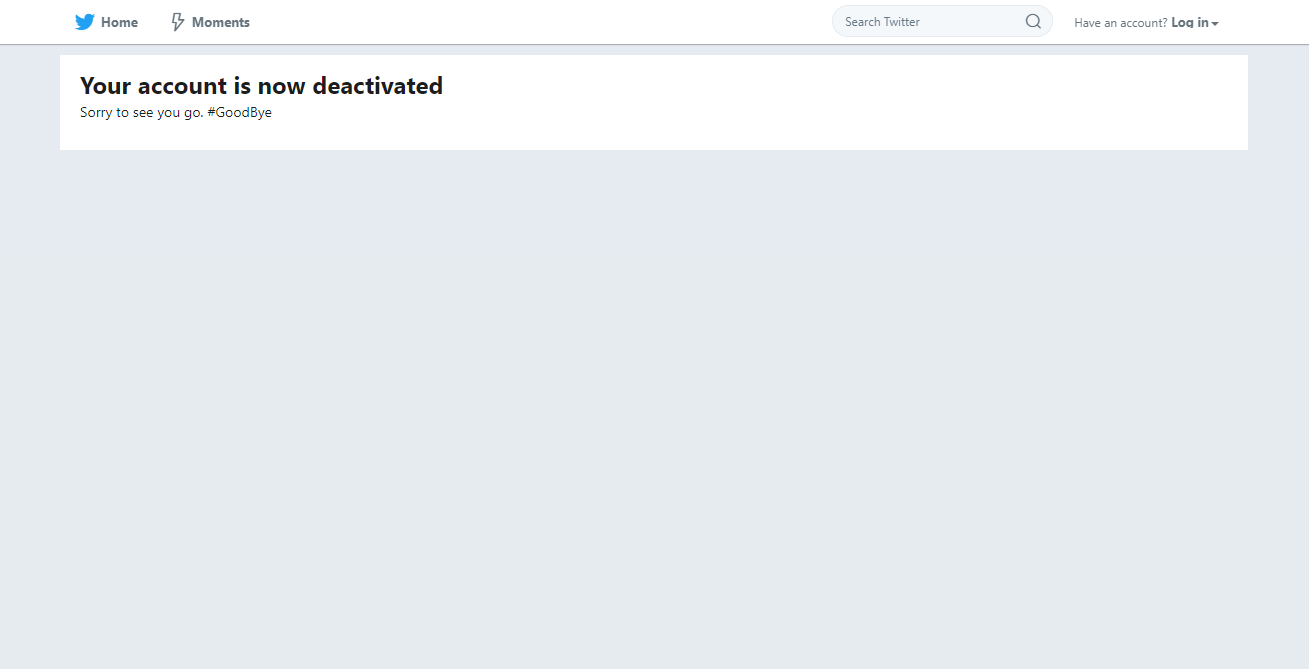
Back in 2013 and after long deliberation, I deleted my Facebook, Google+, and Academia.edu accounts. Then, I deleted my Flickr/Yahoo and LinkedIn accounts. Now, I’ve wiped out my Twitter and Reddit accounts.
I used Twitter for seven-and-a-half years and had posted nearly 10,000 tweets (this number ebbed after cleaning up a hoard of past tweets). And I had a Reddit account for four years, and I had a healthy number of upvotes for my LEGO-related posts and discussions there.
I leveraged my Twitter and Reddit accounts to keep up with what’s going on in my profession as well as learn and contribute to other areas of interest including computer culture and LEGO. However, my cost for keeping up to date was considerable in terms of time and cognitive effort. And while I saw, read, and learned a lot from the work of social media, actionable returns–what I think of as a meaningful returns in terms of conversation, connections, and opportunities–were very small.
Ultimately, my decision to further reduce my social media footprint was based on these issues:
Cost (time, attention, and cognitive load)
Content (anxiety over posting, persistent needle-in-the-haystack problem for finding useful information)
Discourse (challenge to follow threads, gain background information for out-of-context posts, rage cycles, hot takes, fear of missing out)
Connection (so many discussions but uncertain where to contribute, sustaining conversation, social media not leading to projects outside of that realm)
People (nonsense, bullshit, bigotry, and sexism; e.g., disheartening cases of disconnection between how some users comport in online LEGO communities and elsewhere)
Of course, there are arguments for remaining on social media, such as maintaining a professional presence on these platforms, publicizing the work that you and others do, discovering new and compelling work that isn’t amplified elsewhere, and leveraging social media to expand discourse through discussion, debate, and public engagement. For me, however, the daily reality of these platforms do not live up to the promise or potential with which they are often sold to end users.
My choices and these issues will inform how I approach social media in my classes. The reality for many of my students–especially those entering the field of technical communication–will need and rely on various social media platforms for their professional work and advancement. I think that informed, strategic, and purposeful social media choices are the best for them and others. I’m looking forward to these upcoming discussions in the classroom.
If you’d like to trim your social media presence, Wired has a guide for deleting the most popular social media accounts. These instructions show how to deactivate your Twitter account. After 30 days of inactivity, your account and its content are deleted. And, these instructions tell you how to delete your Reddit account. One caveat: Your posts and comments will remain unless you take steps to remove or edit them. In my case, I manually deleted them, but there are automated approaches, such as Shreddit and Nuke Reddit History for Firefox or Chrome.