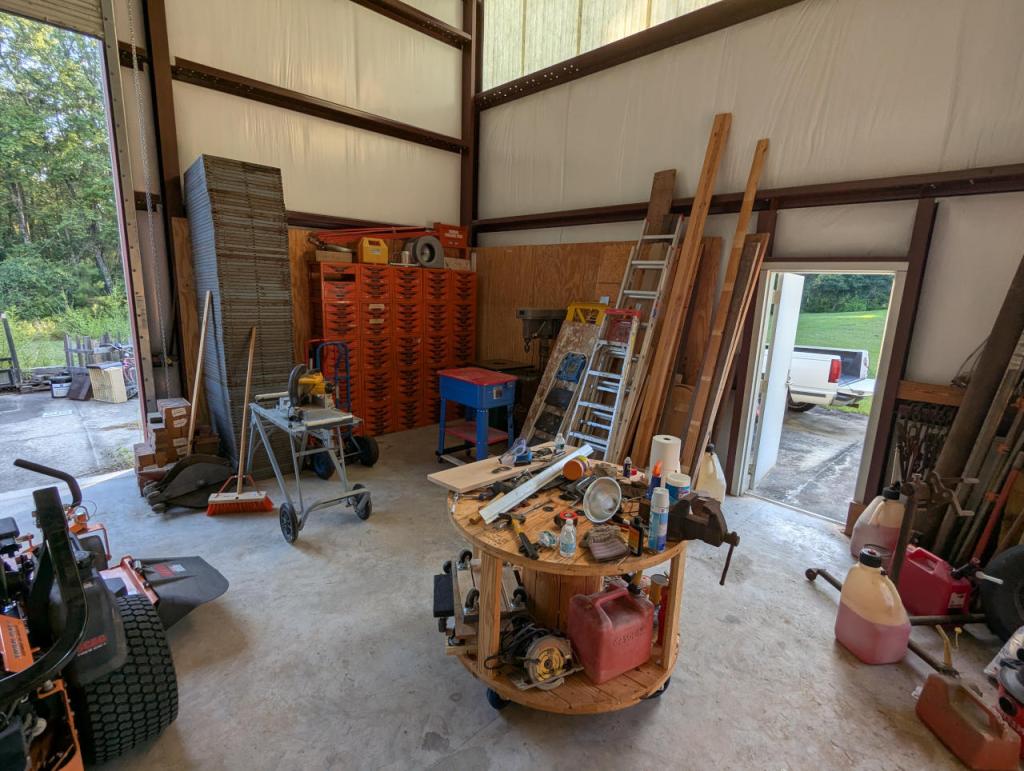
Ellis Auto Parts, my family’s business that closed down in 1996 when my parents retired, used to carry Dorman Products, a line of automotive hardware such as bolts, nuts, washers, pins, caps, and a variety of other kinds of parts. While my dad sold a lot of our remaining stock when he closed the store, he kept a lot of unsold product and the metal drawers that we kept the stock in. When I was at home, I stacked up more of these drawers to create a grid against one wall. The full grid is 5 x 5, but I took a photo of 4 x 4 because one of the corner bins was missing a drawer that I couldn’t find–it is likely somewhere in the shop but waits to be rediscovered. I’m glad that we had access to all of these parts during my trip this time, because we made use of them in our many projects.
Below are my presentation notes and bibliographic citations for readings that might be helpful.
General Teaching Portfolio Advice
As with everything in your PARSE and Teaching Portfolio, the key is considering your audience. The audience for these documents are our colleagues across the campus representing very different intellectual disciplines, ways of approaching teaching, and styles for communicating information. Each reader brings different knowledge, expertise, ways of reading, and ways of thinking about teaching. While it’s impossible to accommodate every conceivable possible reader, it pays to address the needs of a general academic audience outside of your field. To do this, unpack concepts, explain the importance of people, theories, or approaches, and use an approachable writing style. If you are unsure or want additional feedback on whether colleagues outside your discipline can get what you are trying to say, ask someone in another department to read an excerpt or section of your portfolio. Avoid dumping your whole portfolio on someone to provide you feedback on unless they have offered to do that for you in advance!
Also, I think it should be said that while it might seem that the work you put into the Teaching Portfolio is a bureaucratic hurdle for promotion, it actually serves a few different important functions. Of course, it is something to check off for your promotion package. However, it’s also a way to reckon with the teaching that you’ve done, the kinds of teaching that you want to do, and how to achieve your ideal teaching in the future. Without it being a requirement, many of us might not take the time to do this necessary professional work that helps us become better educators. Also, it’s valuable for yourself to create a Teaching Portfolio and its individual documents to keep your professional portfolio fresh and up to date. None of us knows what the future holds, but having these documents at the ready help you face change and seek opportunities.
To write an effective Teaching Portfolio, I would suggest reading as many examples as you can given your time and energy. A good starting place is the portfolios of your departmental colleagues who have most recently gone up for promotion successfully. But, you can get lots of good ideas about what to write, how to write it, and how to organize what you write by looking at portfolios from faculty across the college. Reading others’ Teaching Portfolios is what helped me write mine.
Teaching Philosophy and Teaching Methodology
For today, I was asked to talk about two sections of the Teaching Portfolio today: the Teaching Philosophy and Teaching Methodology, which provide your readers with the framework to understand everything that you do in the classroom as an instructor. You can think of the Teaching Philosophy as the “why,” and your Teaching Methodology as the “how.” Another way to think about them is that the Teaching Philosophy is your strategy or the military general’s overarching battle plan, and the Teaching Methodology is your tactics or the smaller actions that added together help you achieve your larger battle plan. While these two documents are separate, they should be in dialog with one another and might even repeat or rephrase some of the same information but in service to the purpose of the respective document. They are simply a reflection of the work that you do in the classroom—your theory of teaching and your praxis of teaching.
Teaching Philosophy
Your Teaching Philosophy is the theoretical underpinning for what you do in the classroom day in and day out. It answers the “because” for each aspect of your teaching.
You can use it to situate yourself in terms of being an educator or in relation to your students at City Tech.
Threaded together, it can include theories of learning, theories of teaching, and theories of assessment and feedback. Show how these work together to facilitate student learning and success.
Rigor in your Teaching Philosophy is an asset, but if you are going to name names or provide quotes, you should explain who those people are, why they are significant, and what they say means in terms of your teaching. This is a part of my Teaching Philosophy that I want to improve on.
Teaching Philosophy Readings
Alexander, Phill, Karissa Chabot, Matt Cox, Dànielle Nicole DeVoss, Barb Gerber, Staci Perryman-Clark, Julie Platt, Donnie Johnson Sackey, and Mary Wendt. “Teaching with Technology: Remediating the Teaching Philosophy Statement.” Computers and Composition, vol. 29, no. 1, Mar. 2012, pp. 23-38, https://doi.org/10.1016/j.compcom.2011.12.002.
Eierman, Robert J. “The Teaching Philosophy Statement: Purposes and Organizational Structure.” Journal of Chemical Education, vol. 85, no. 3, Mar. 2008, pp. 336-339, https://pubs.acs.org/doi/abs/10.1021/ed085p336.
The Teaching Methodology is the list of things that you do in the classroom with students to facilitate learning.
I don’t think there is one right way to write this. Some examples of Teaching Methodologies that I’ve seen focus on discrete activities, which might include the activities’ goals, procedures, and rationalization. Others, like mine, is a mixture of techniques for working with students, providing feedback, and encouraging learning in different ways.
Highlight those techniques of your teaching that you think work best and exemplify yourself as an instructor.
Provide context if a method works better or differently in one class versus another one.
Don’t assume that your reader will understand why or how a particular methodology works for your goals in the classroom. Take the time to provide explanations, discussion, elaborations, and rationalizations.
Review all of your past classes as you brainstorm what you want to include in your methodology. The things that you include do not necessarily have to be big tent activities. There are likely big, medium, and small techniques in your teaching that are worth discussing. Also, the small techniques might yield bigger results than the bigger techniques. If so, include those and explain how.
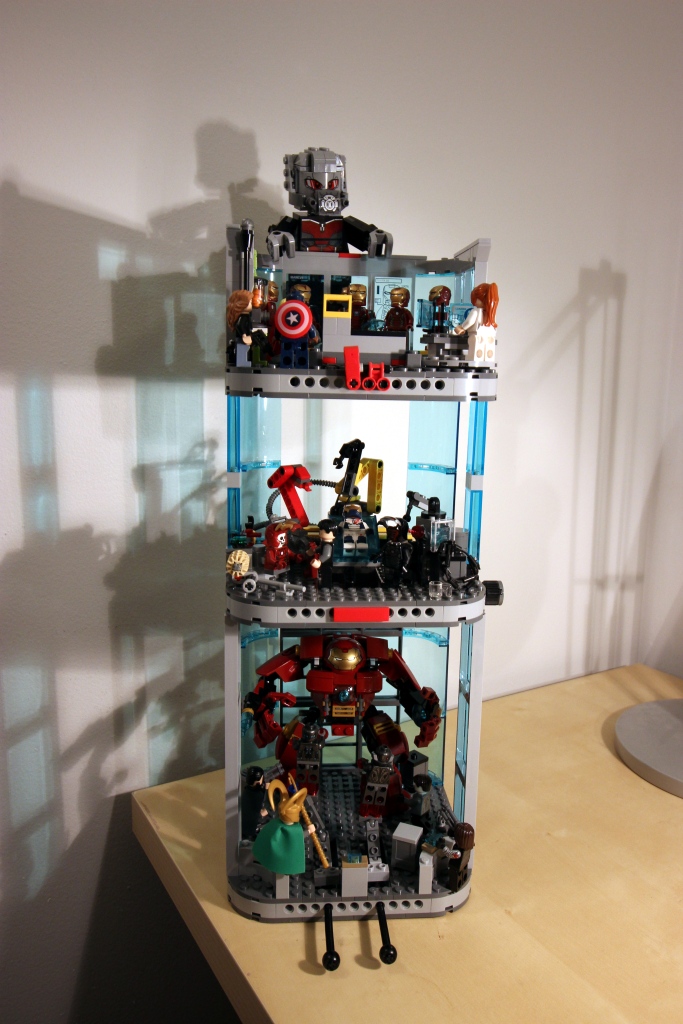
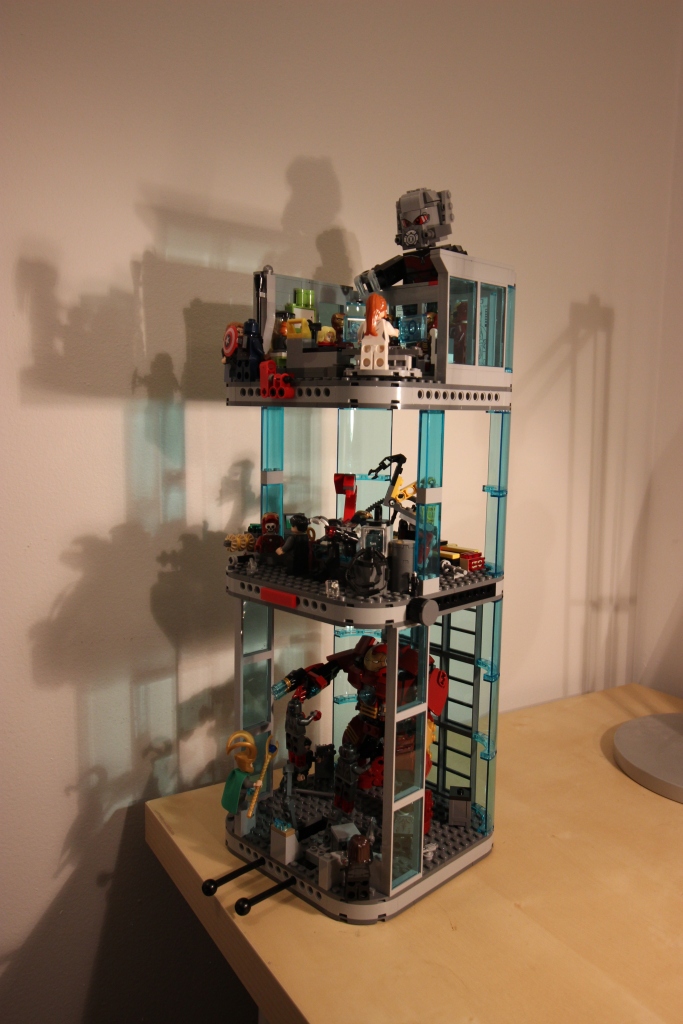
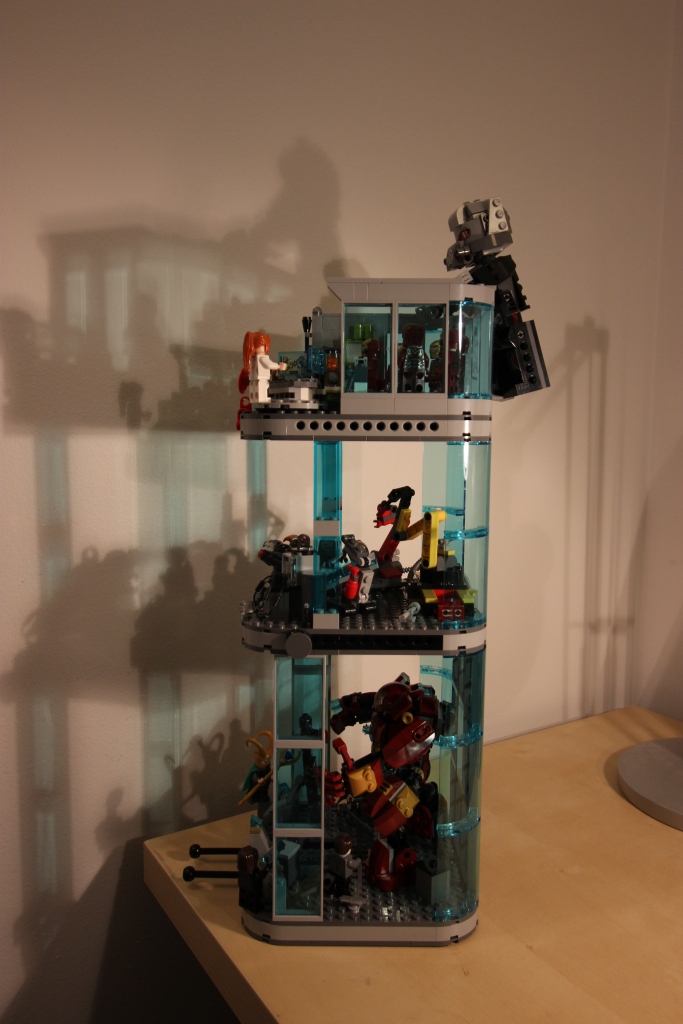
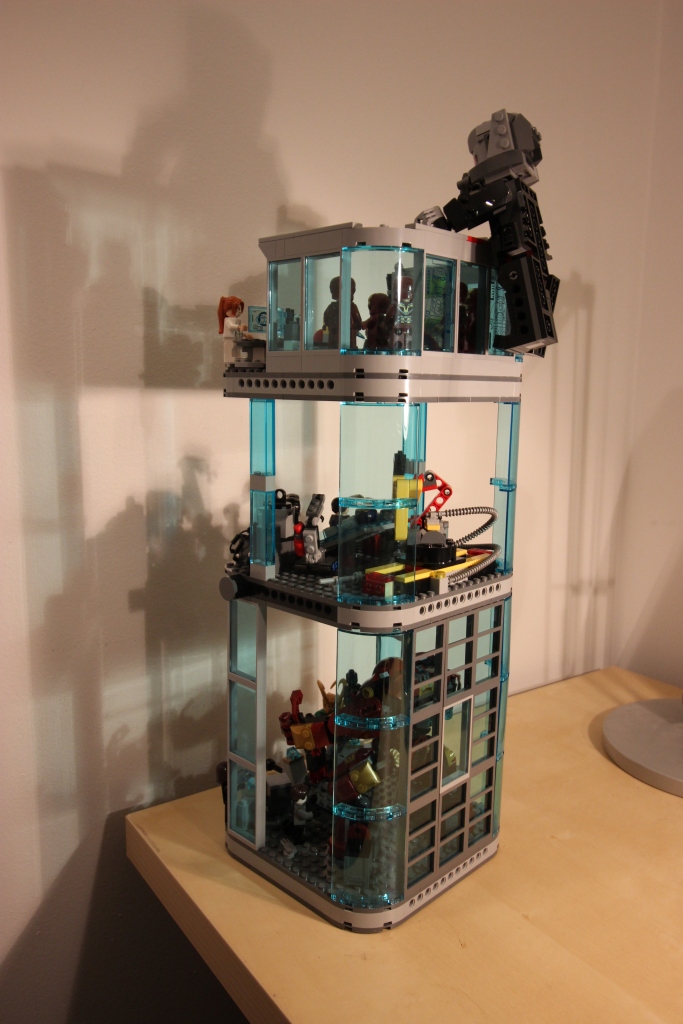
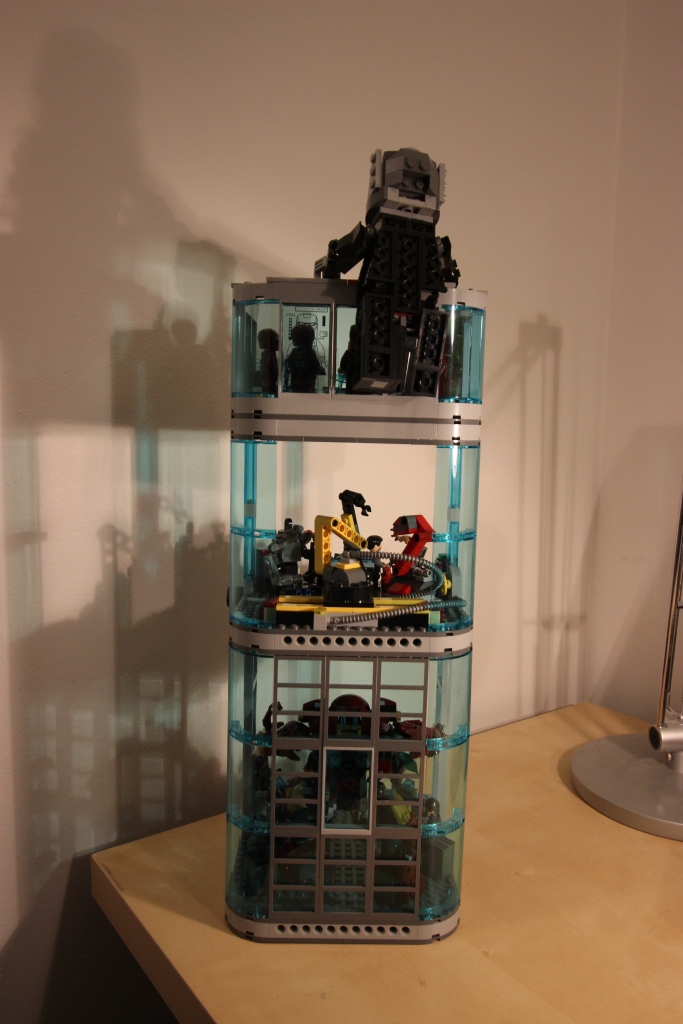
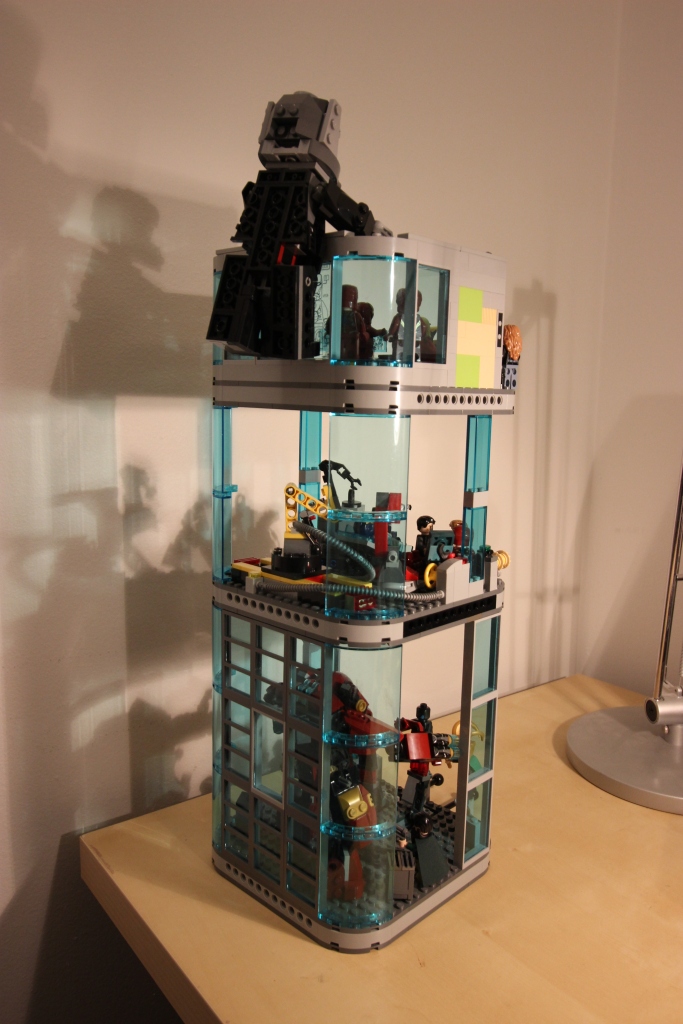
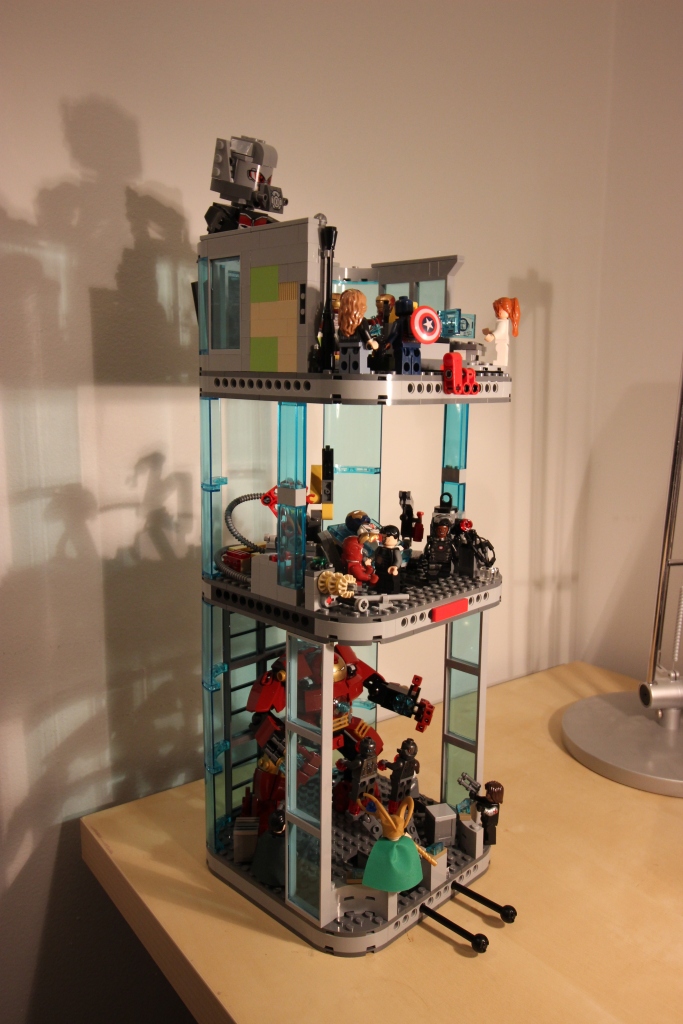
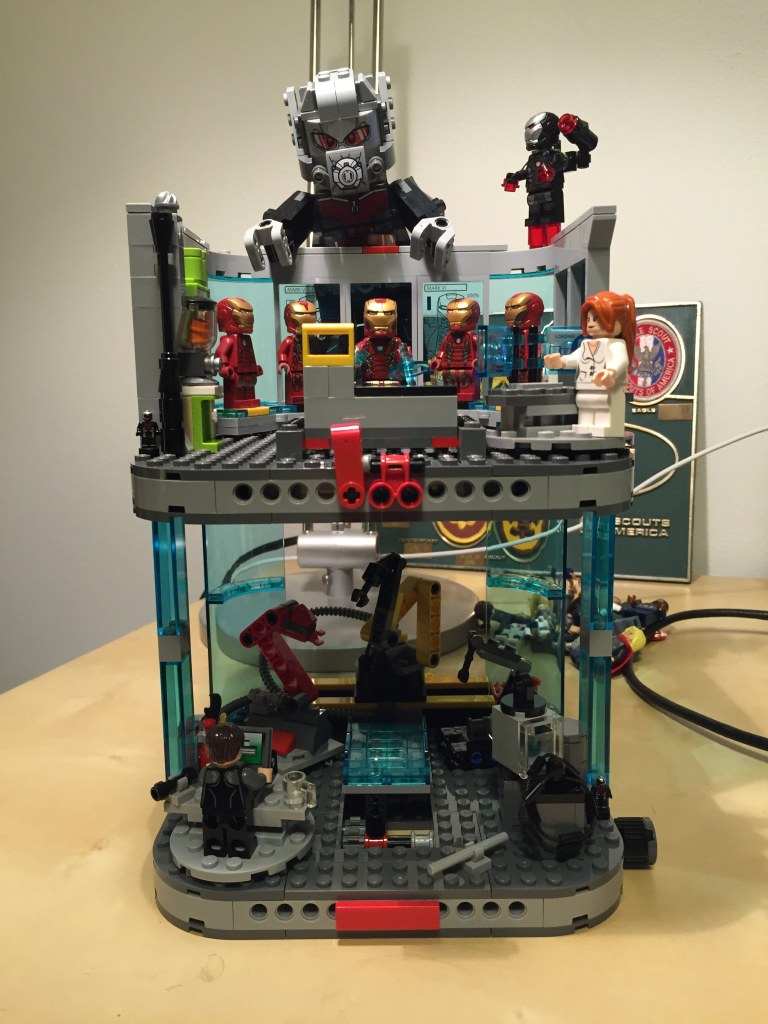
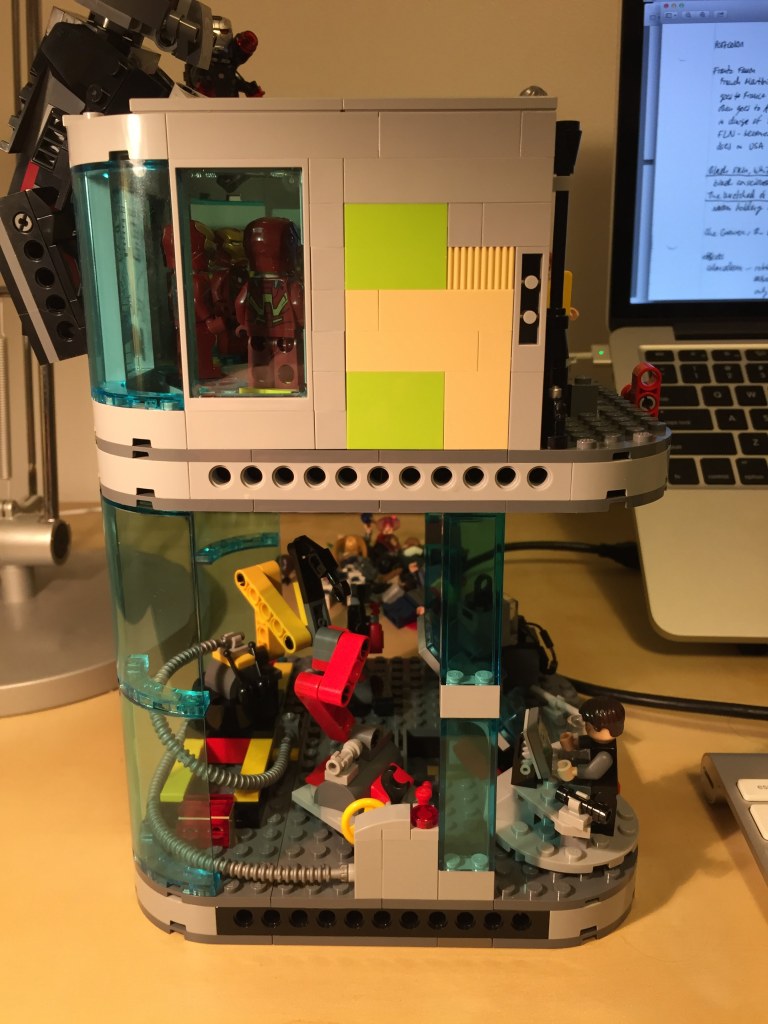
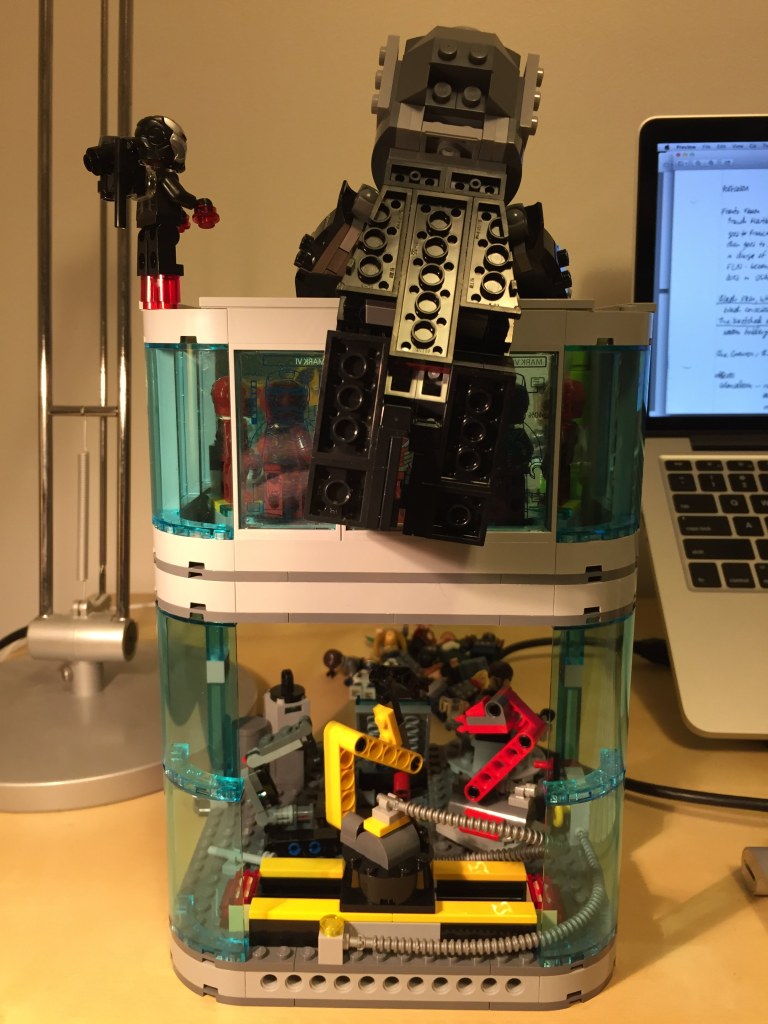
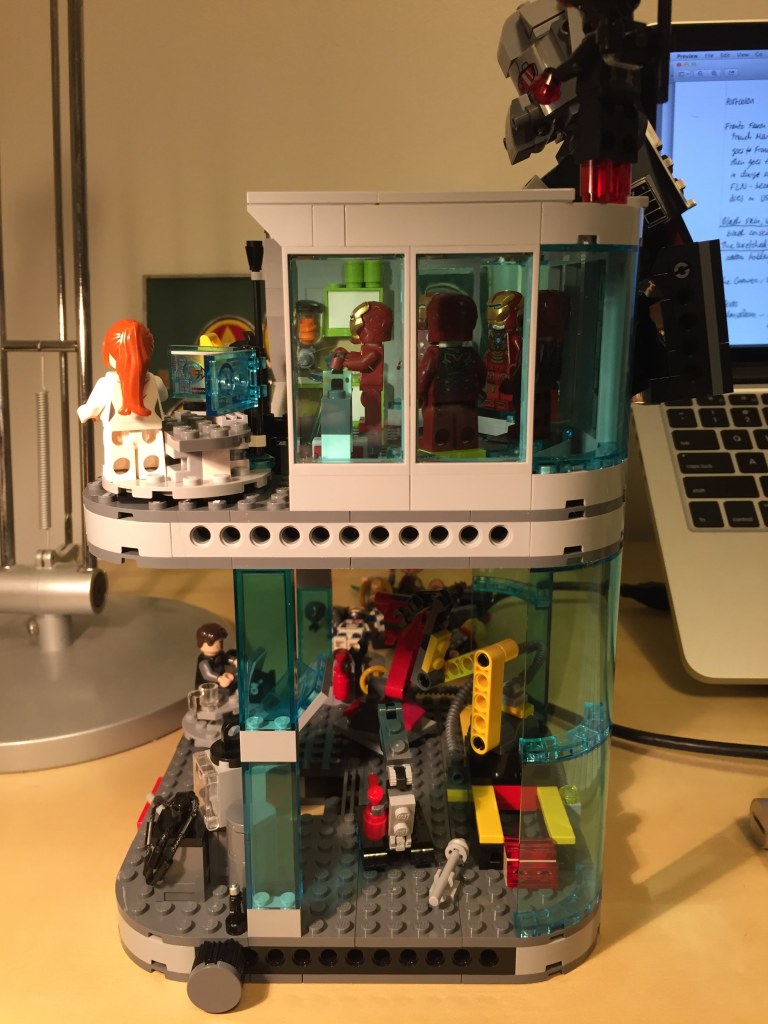
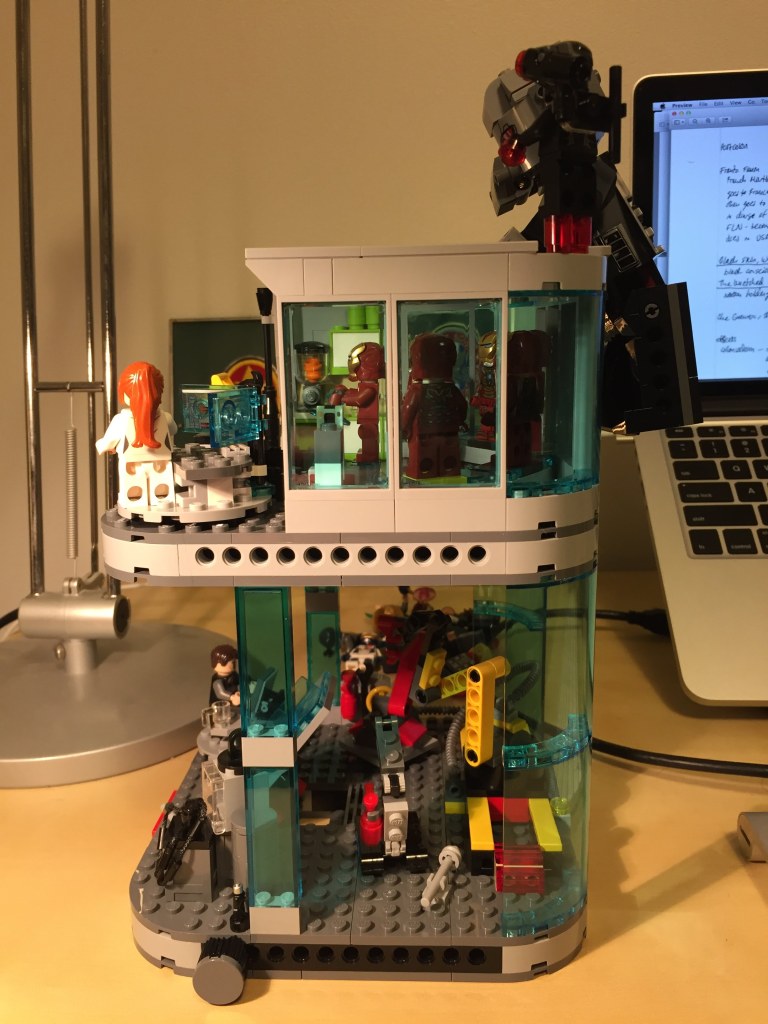
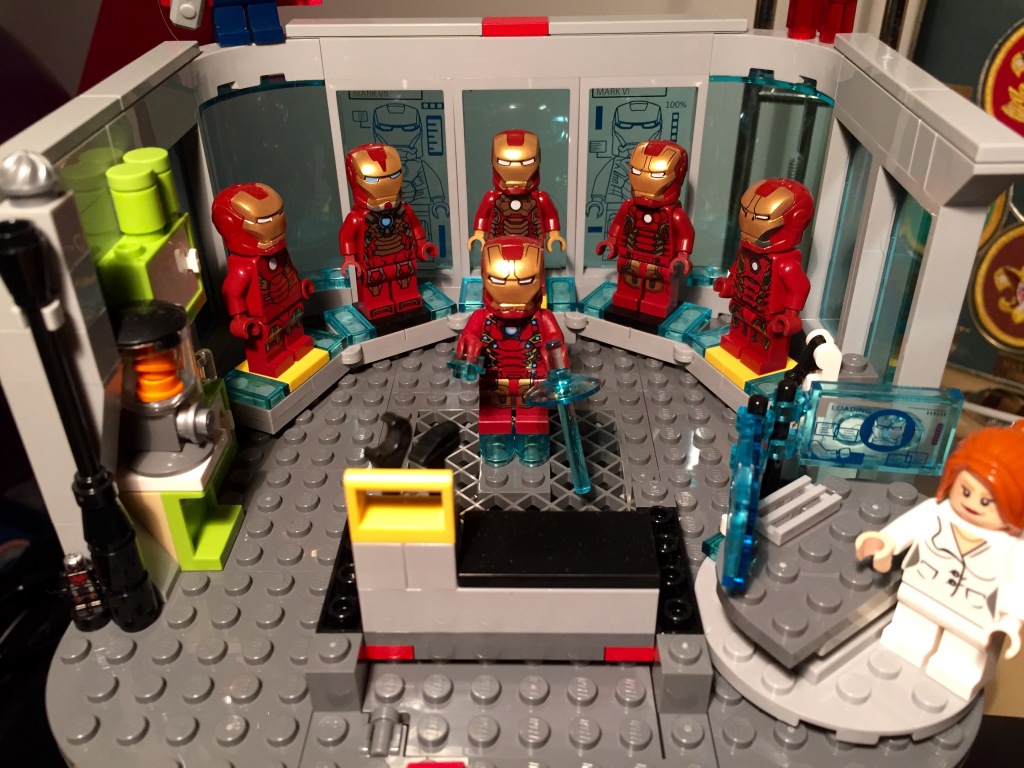
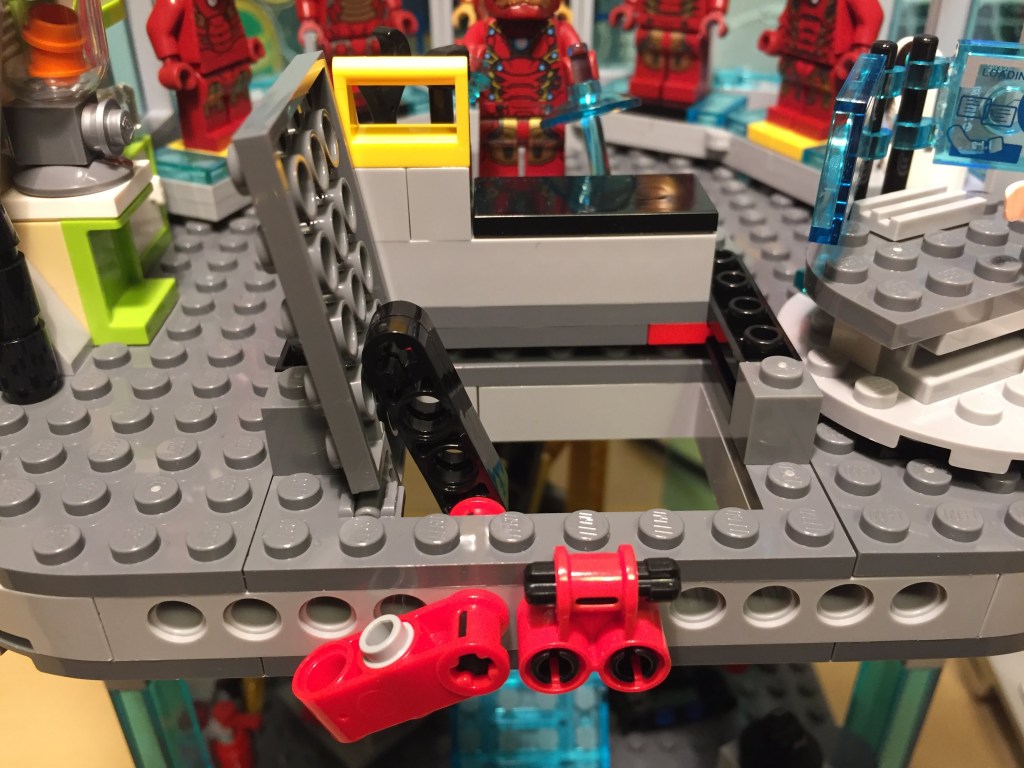
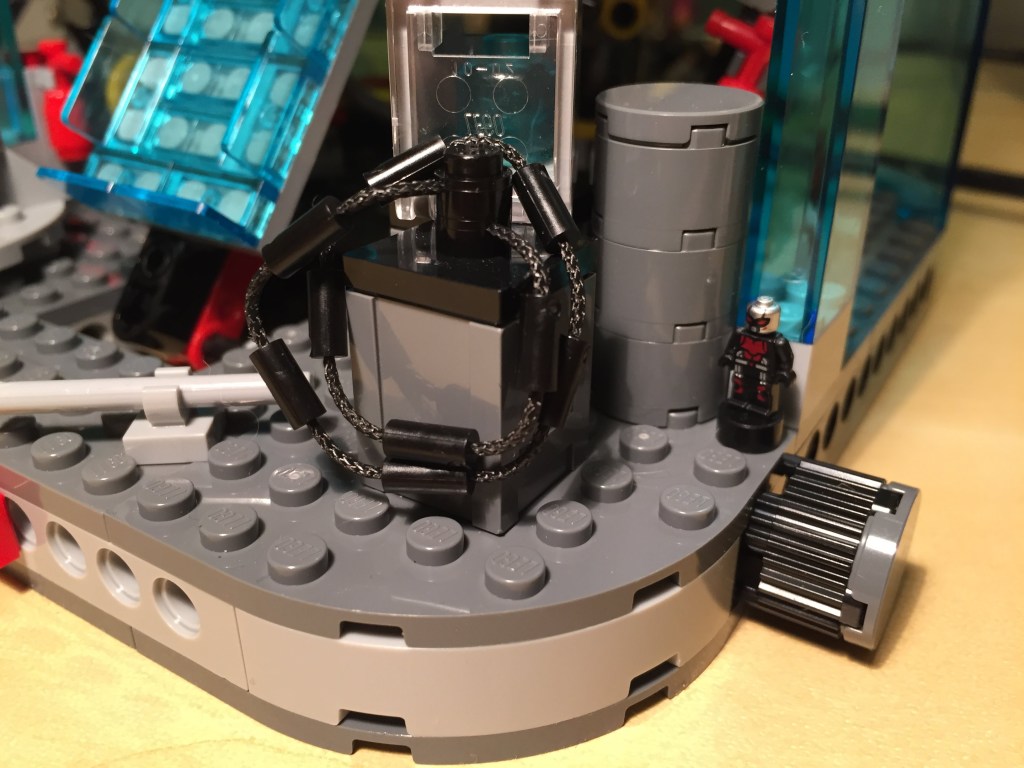
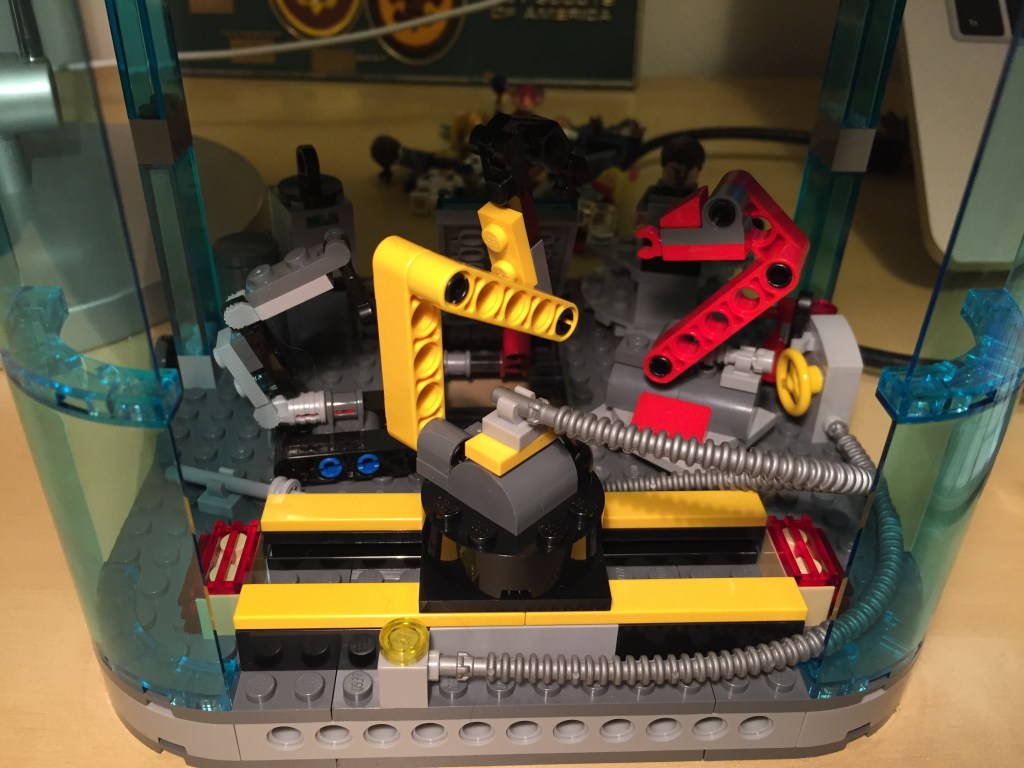
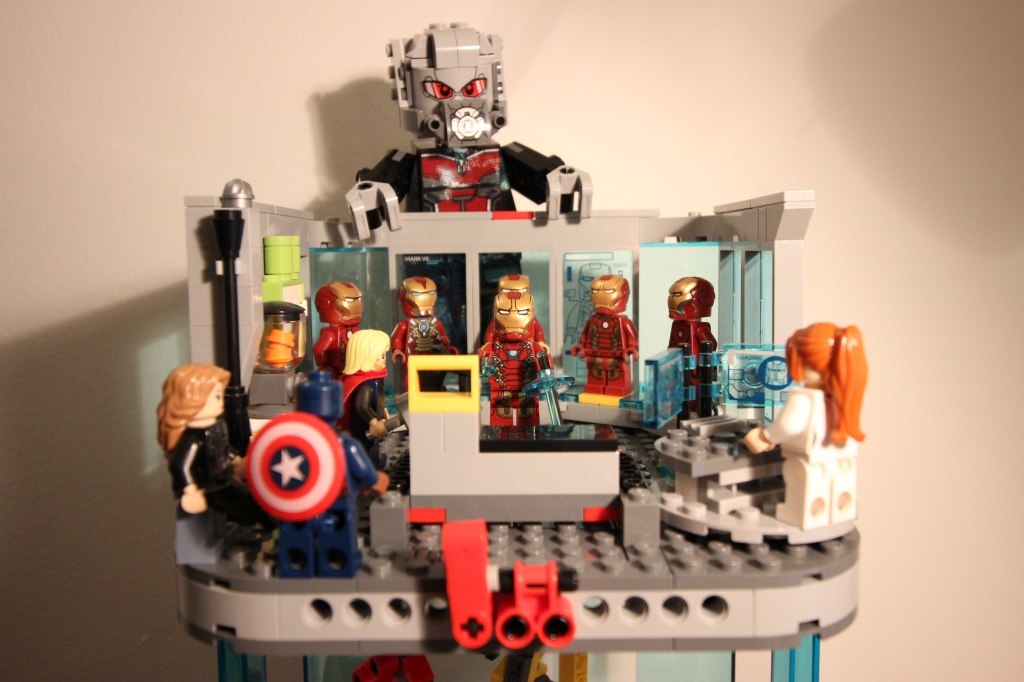
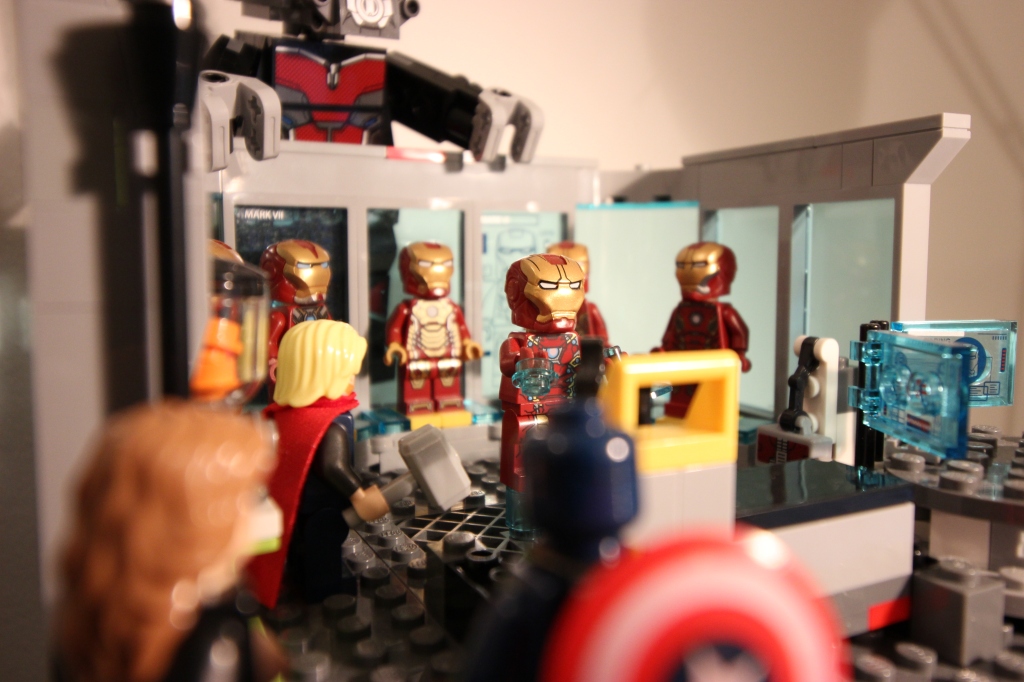
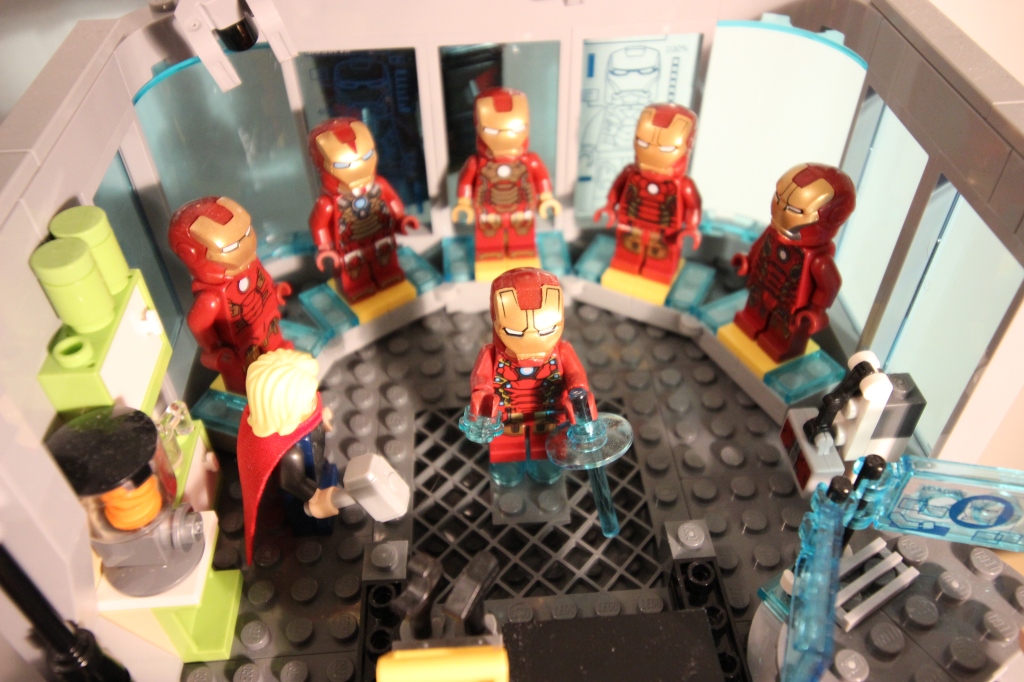
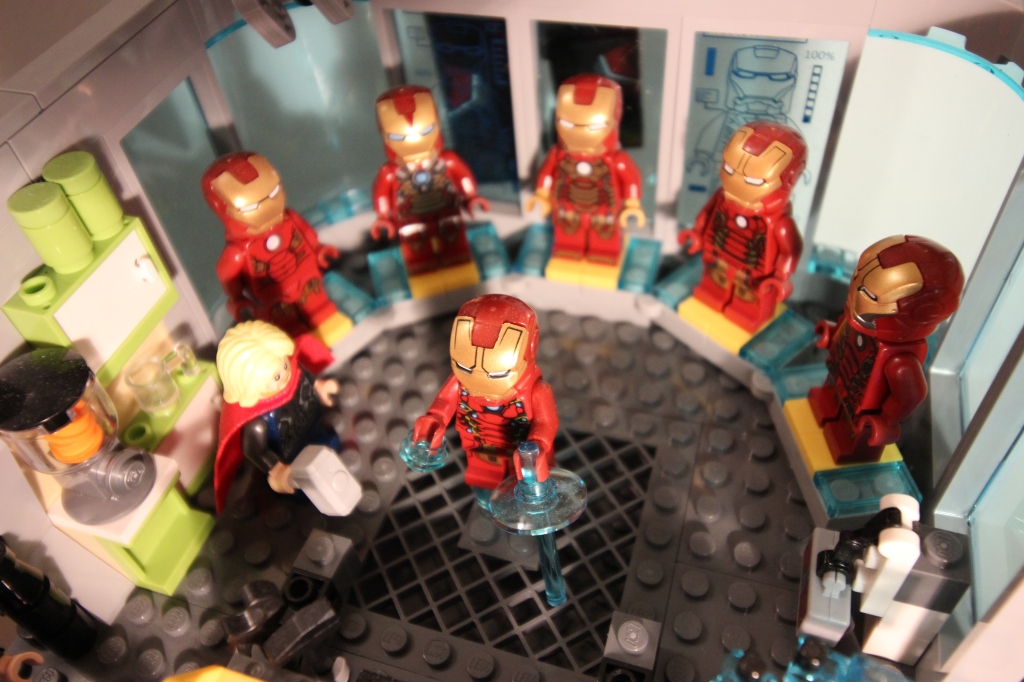
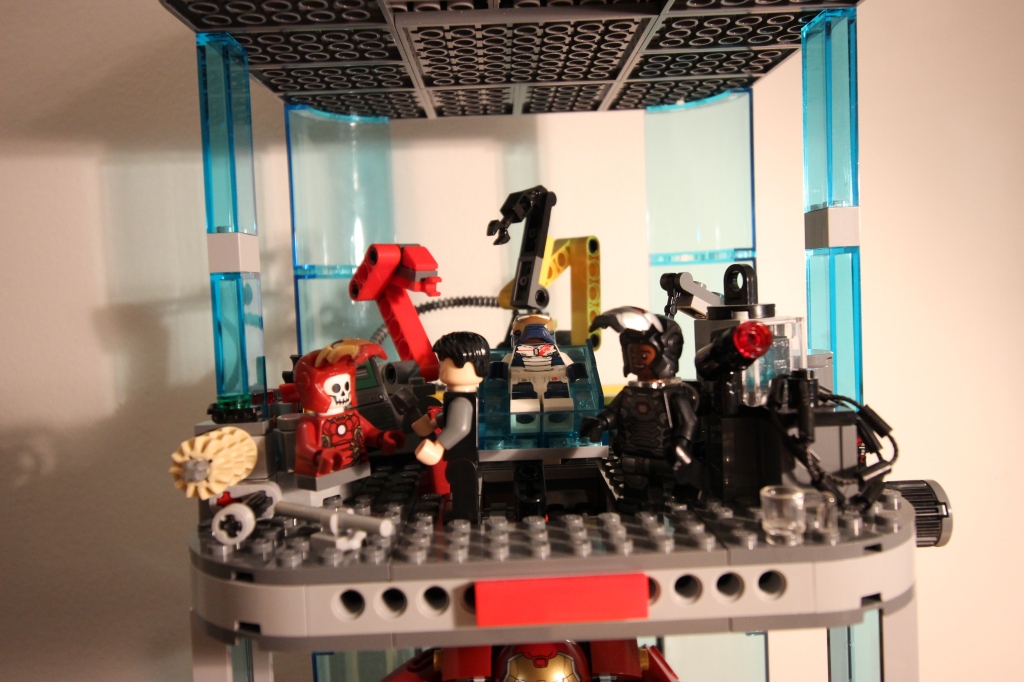
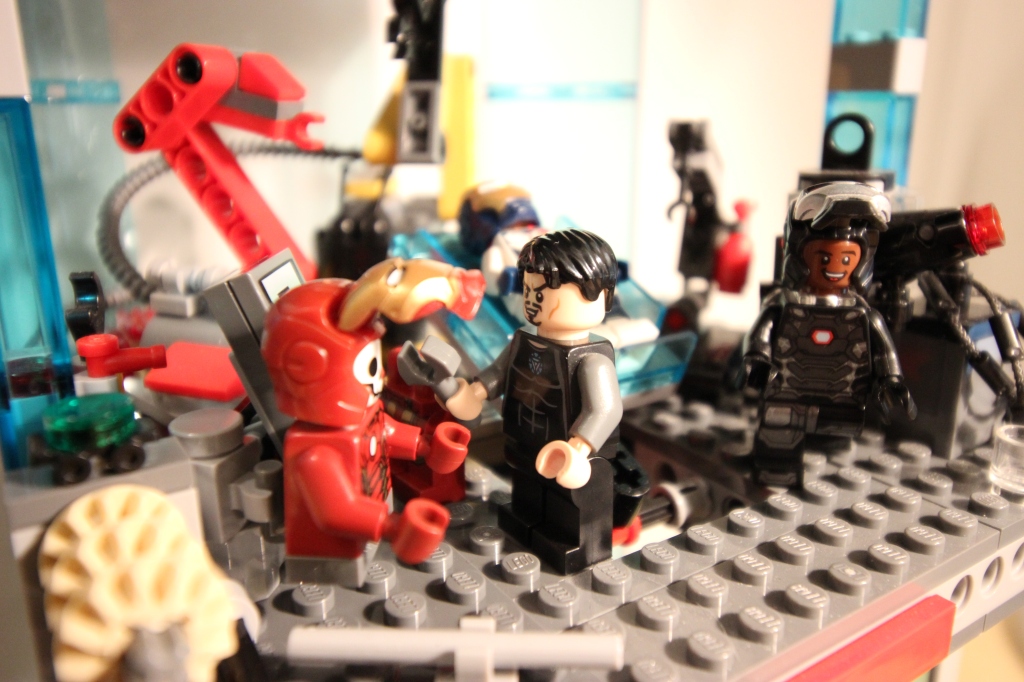
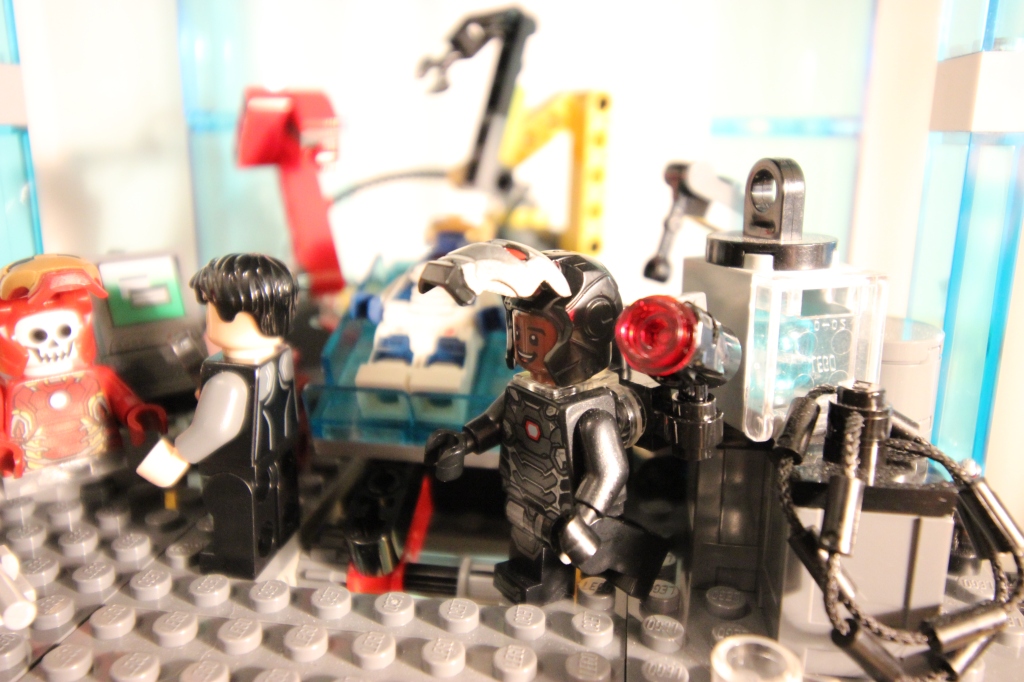
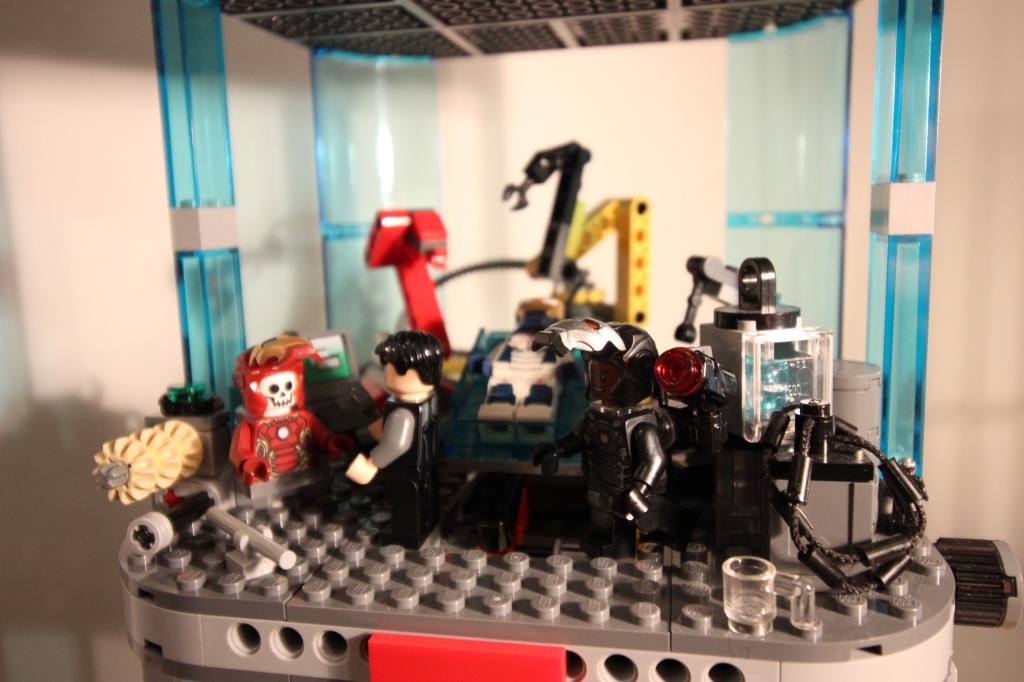
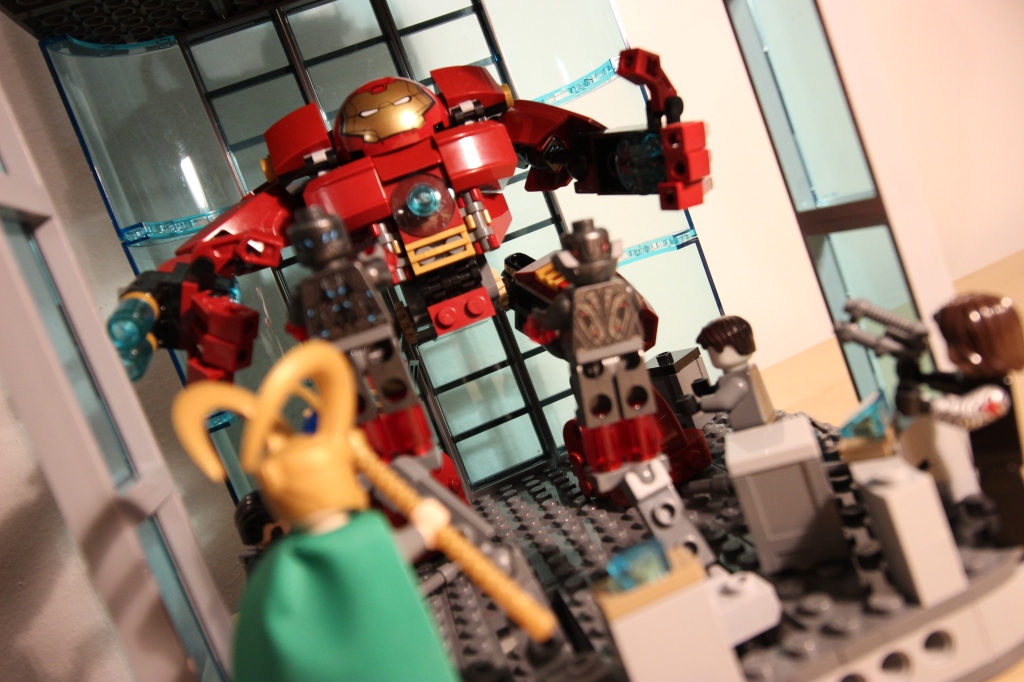
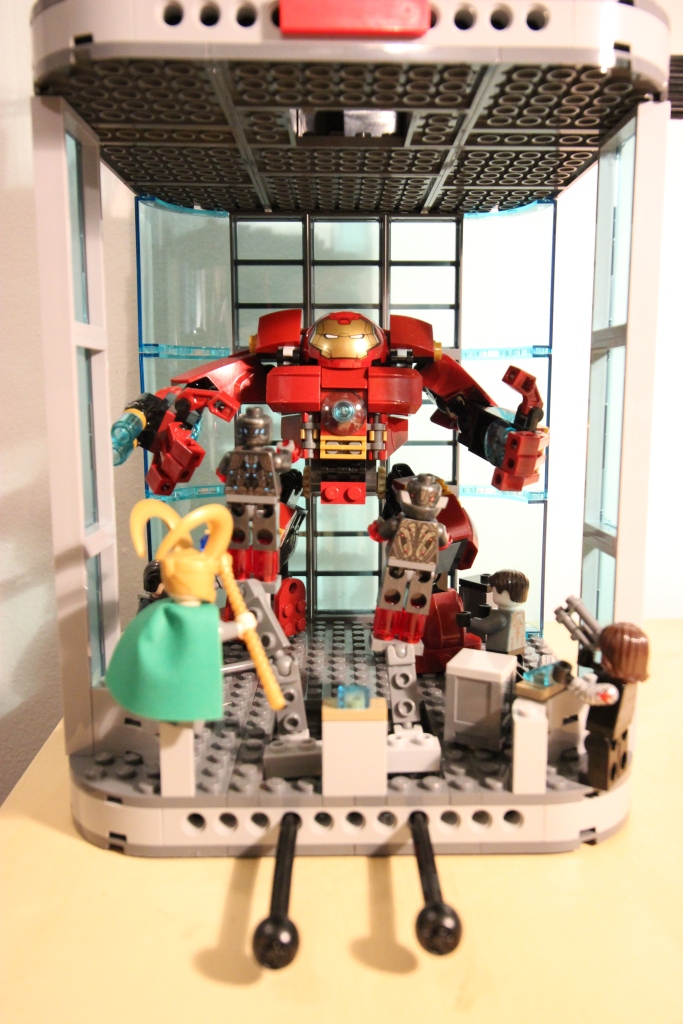
I built this gargantuan three-level Stark Tower LEGO MOC (my own creation) to bring together three concept spaces: Iron Man’s Hall of Armor, Tony Stark’s Workshop, and an X-Men Danger Room-like testing area. Also, it was a model that didn’t take up too much desk space, so I got the enjoyment of seeing it while working without it monopolizing my desk. I wasn’t going for accuracy to something canon-established. Instead, I was mashing up some different ideas into a single model with a high degree of built-in playability. Eventually, I disassembled it and used many of its bricks to create the taller Avengers Tower MOC that I built and wrote about here.
Two-Level Origin
The first iteration of the mode was only two-levels tall and focused on the Hall of Armor and Workshop.
Top Level: Hall of Armor
Armor Display
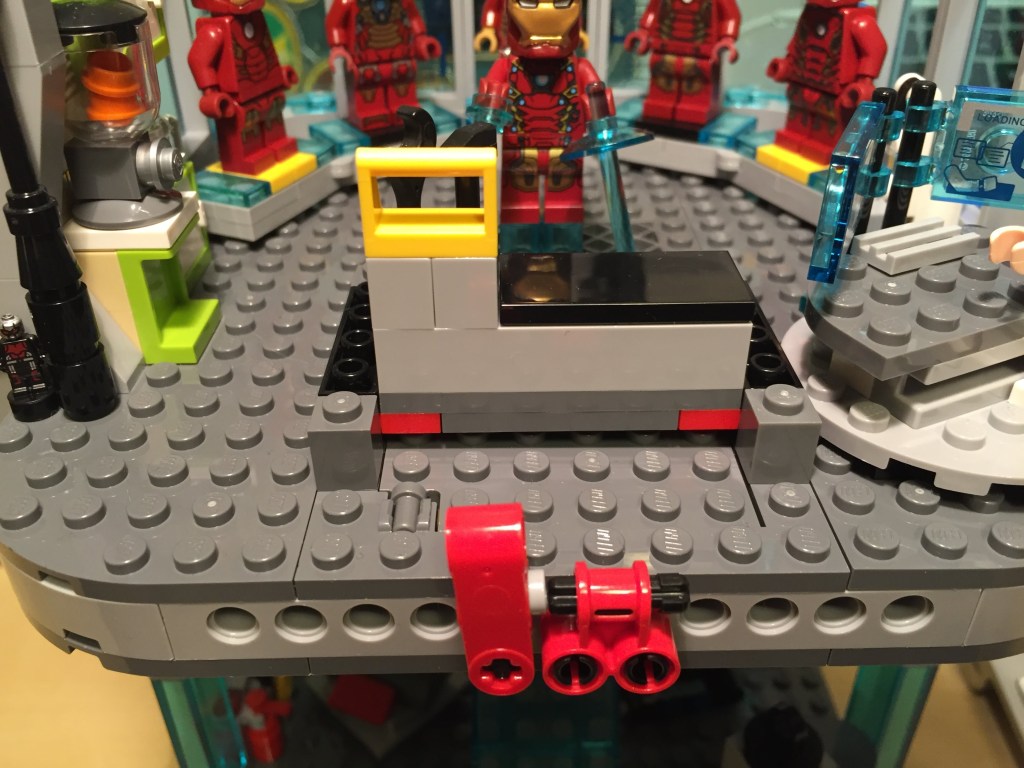
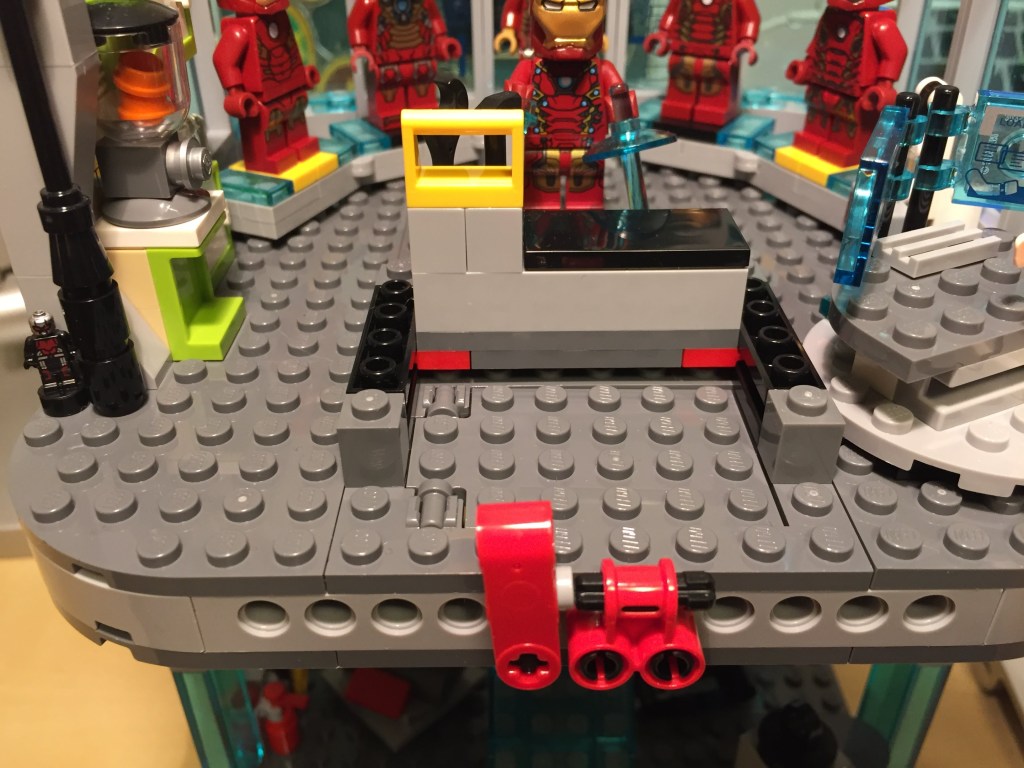
Trap Door
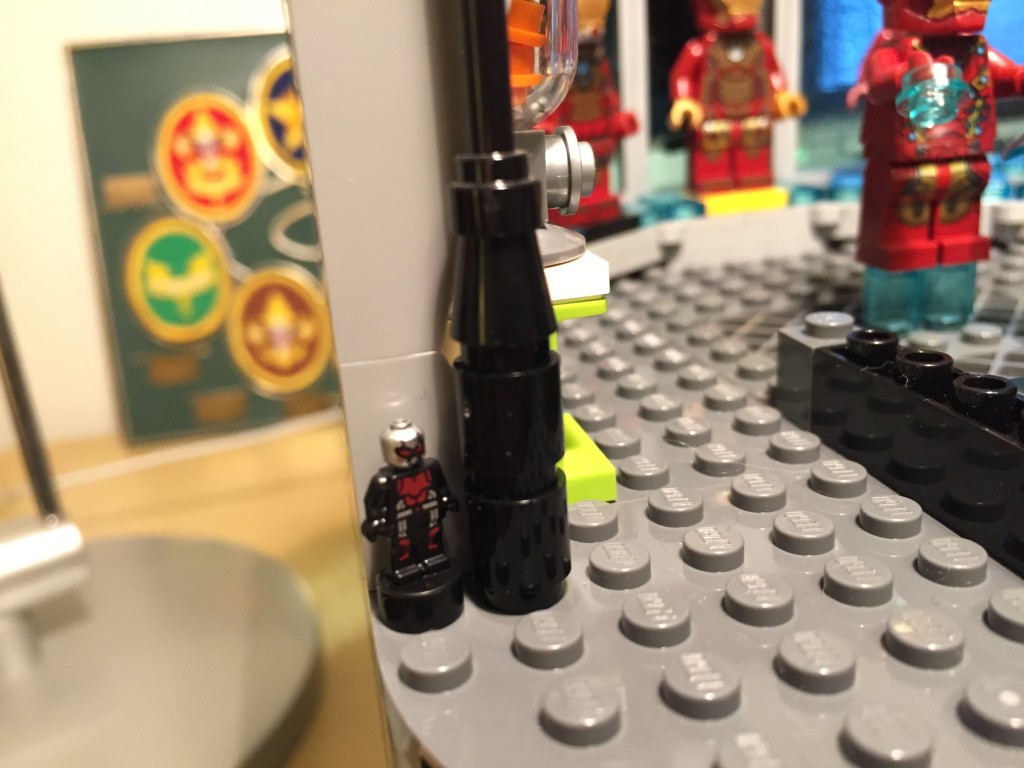
Ant-Man Hides in the Shadows
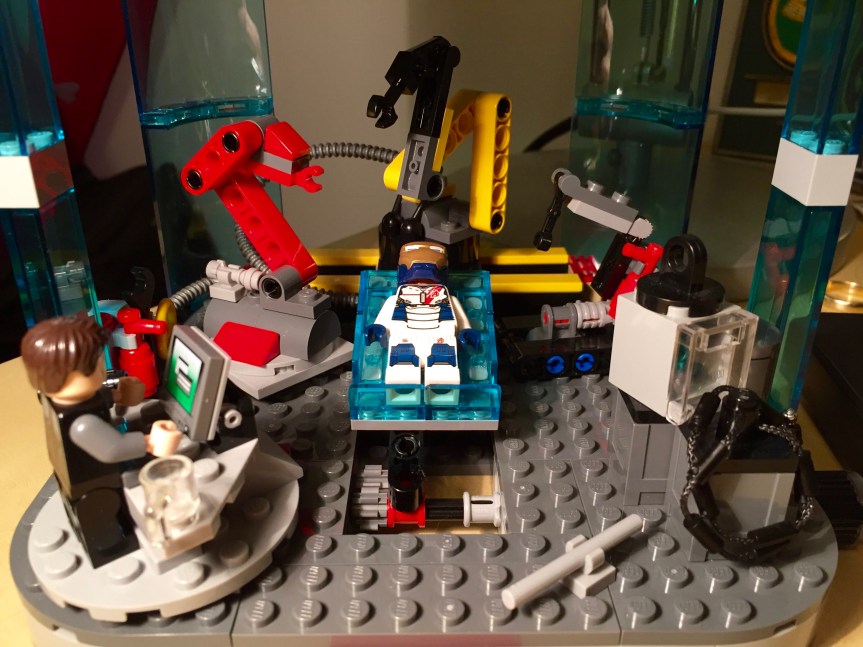
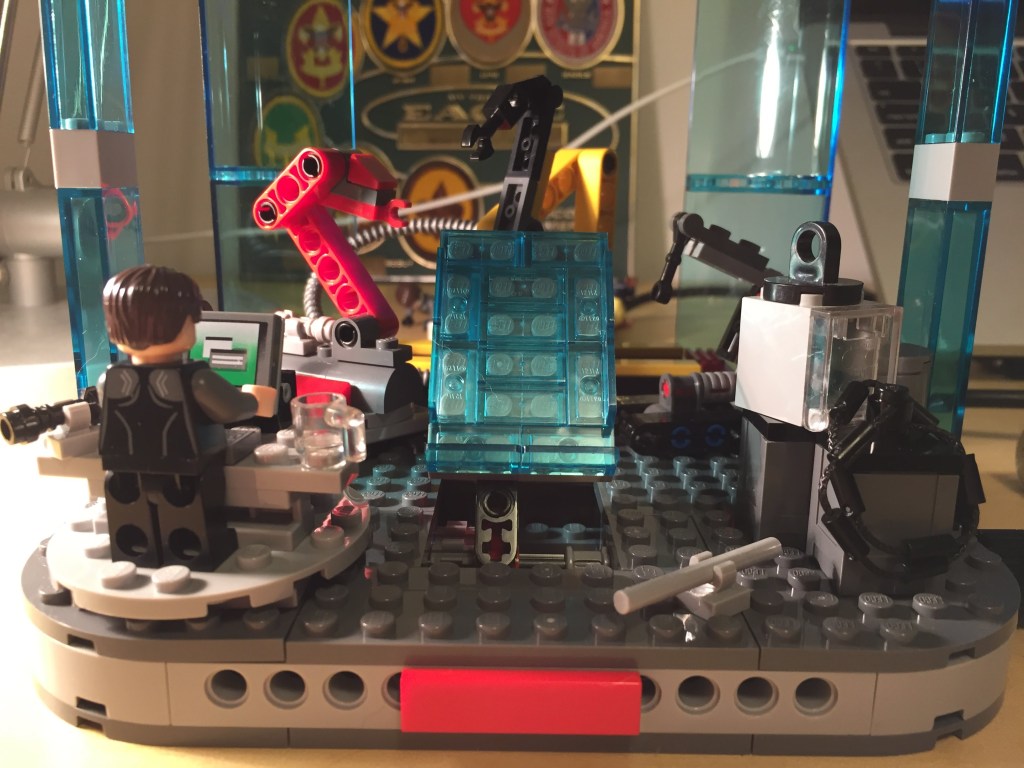
Bottom Level: Workshop
The Slab with Rotator Knob
Industrial Robot on Slider
Three-Level Expansion
But, I thought adding a high ceiling level for testing and training, kind of like The X-Men’s Danger Room, would be cool. So, the build grew in height to enclose the Hulkbuster Armor facing off against Loki, the Winter Soldier, the Mandarin, Ultron, and an Extremis soldier.
Hall of Armor Updates
Workshop Updates
Danger Room
The knobs at the bottom center move the armatures forward and back for Ultron and one of his familiars.
This is the sixty-second post in a series that I call, “Recovered Writing.” I am going through my personal archive of undergraduate and graduate school writing, recovering those essays I consider interesting but that I am unlikely to revise for traditional publication, and posting those essays as-is on my blog in the hope of engaging others with these ideas that played a formative role in my development as a scholar and teacher. Because this and the other essays in the Recovered Writing series are posted as-is and edited only for web-readability, I hope that readers will accept them for what they are–undergraduate and graduate school essays conveying varying degrees of argumentation, rigor, idea development, and research. Furthermore, I dislike the idea of these essays languishing in a digital tomb, so I offer them here to excite your curiosity and encourage your conversation.
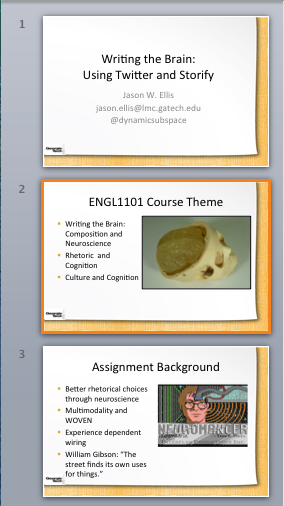
In this Recovered Writing post, I am including two PDF files that I used in my presentation on “Writing the Brain: Using Twitter and Storify” for the 2 October 2013 CETL Brown Bag Workshop. The first is my PowerPoint presentation file and the second is my handwritten presentation notes. Normally, I type up a carefully written script for my presentations, but in this case, I wrote my speaking notes out by hand. While I was driven my a tight deadline imposed by several other responsibilities converging at the same time, I saw this as an opportunity to experiment with a way of presenting that I normally don’t do and I wasn’t completely comfortable doing. As I tell my students, we grow by challenging ourselves, doing new things, and experimenting with new approaches. This was one such attempt on my part.