Blog

  • Lego Models of NASA’s Project Constellation, Orion and Altair

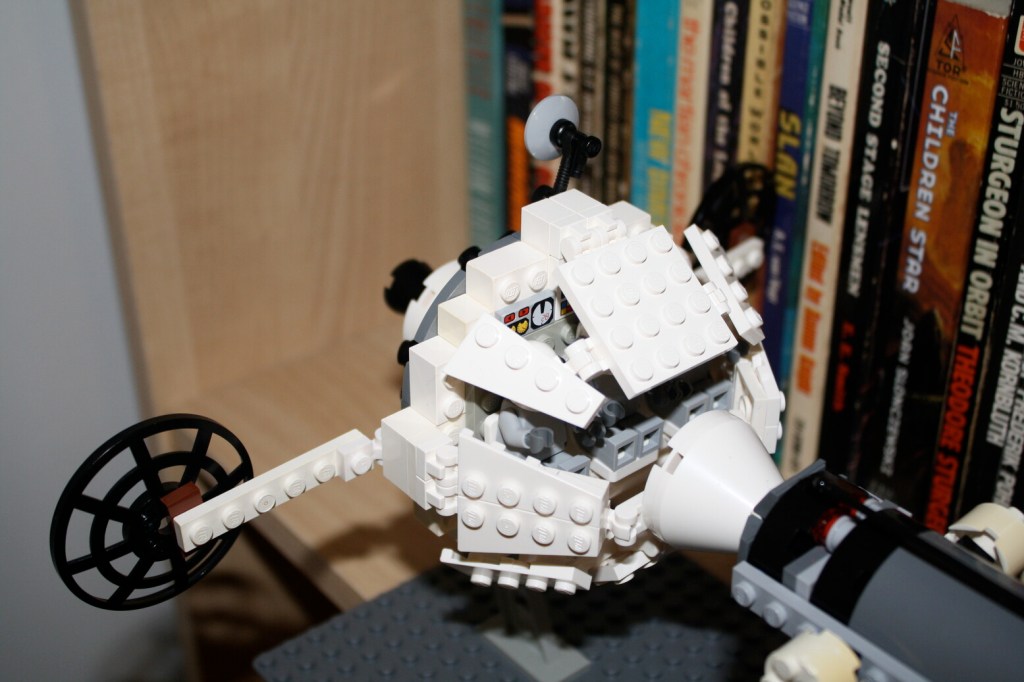
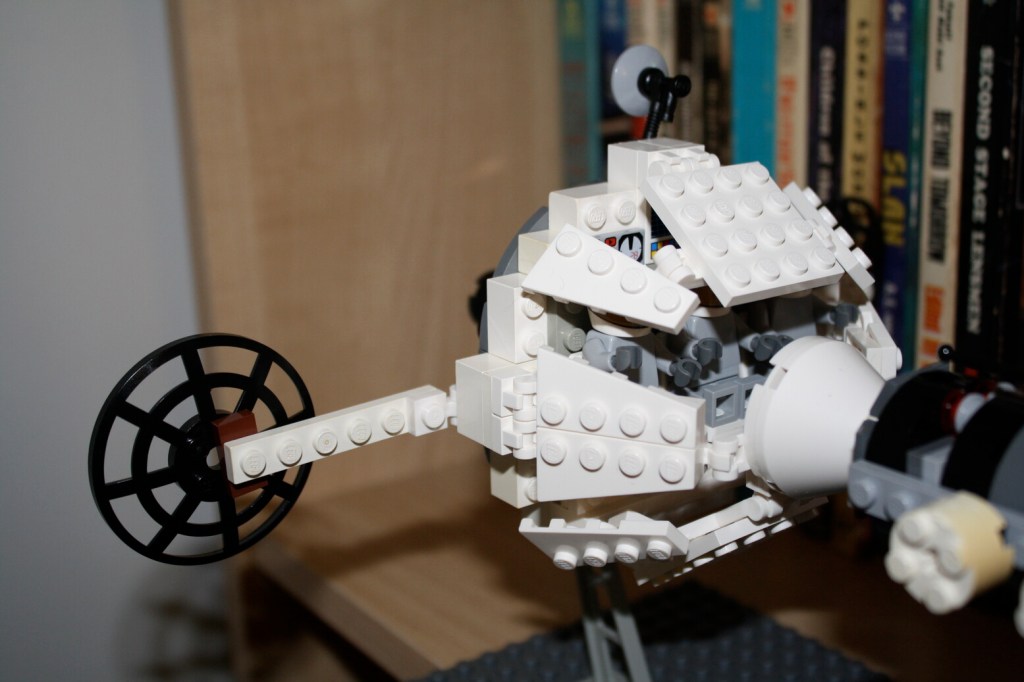
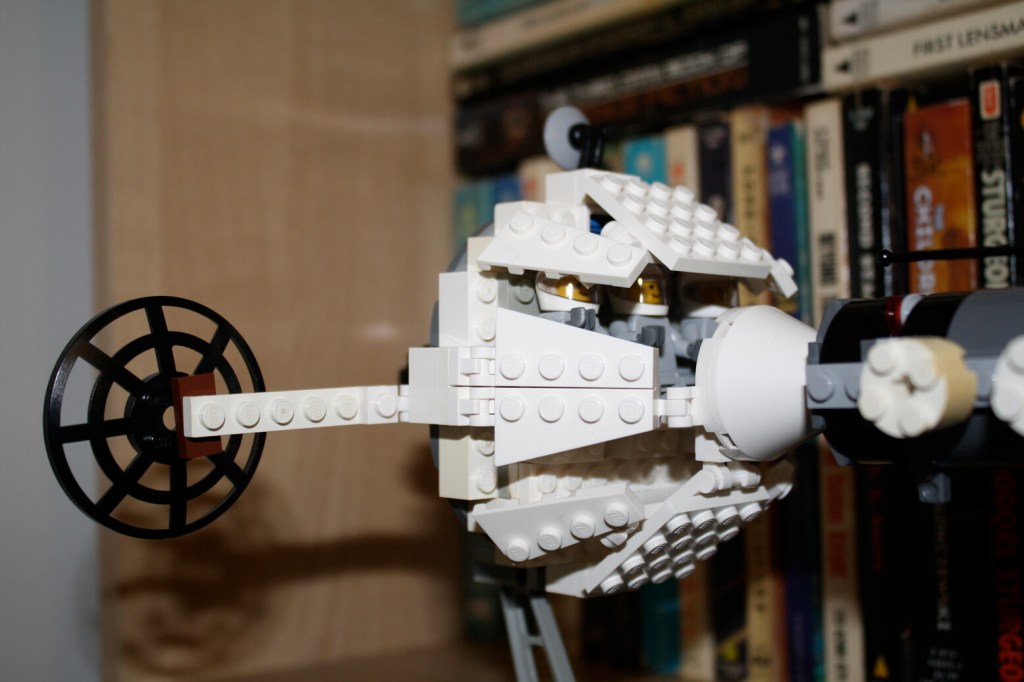
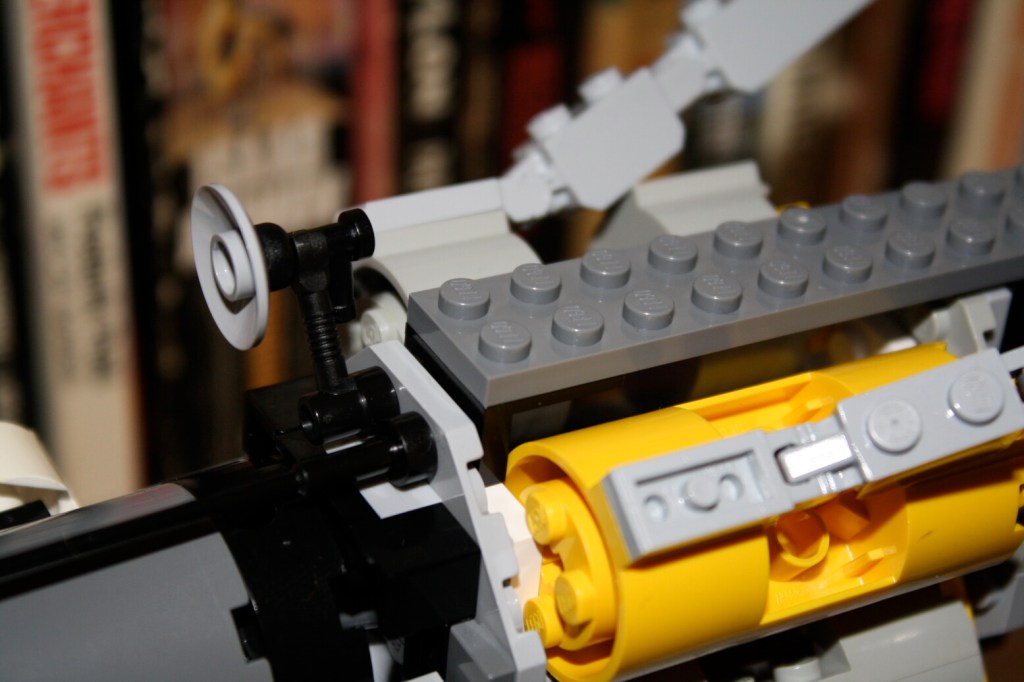
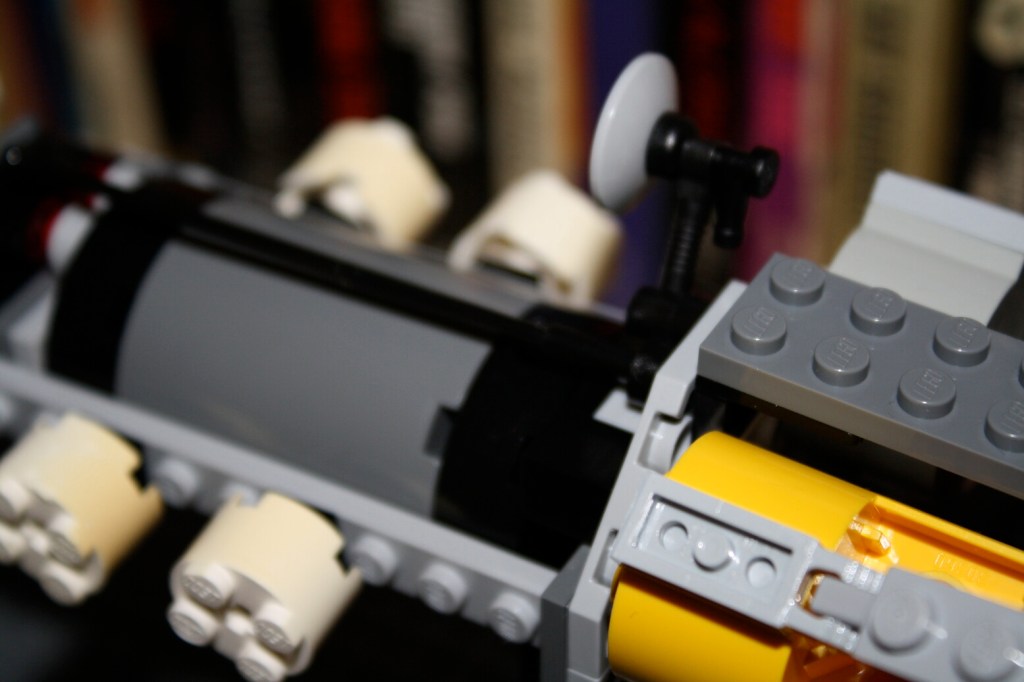
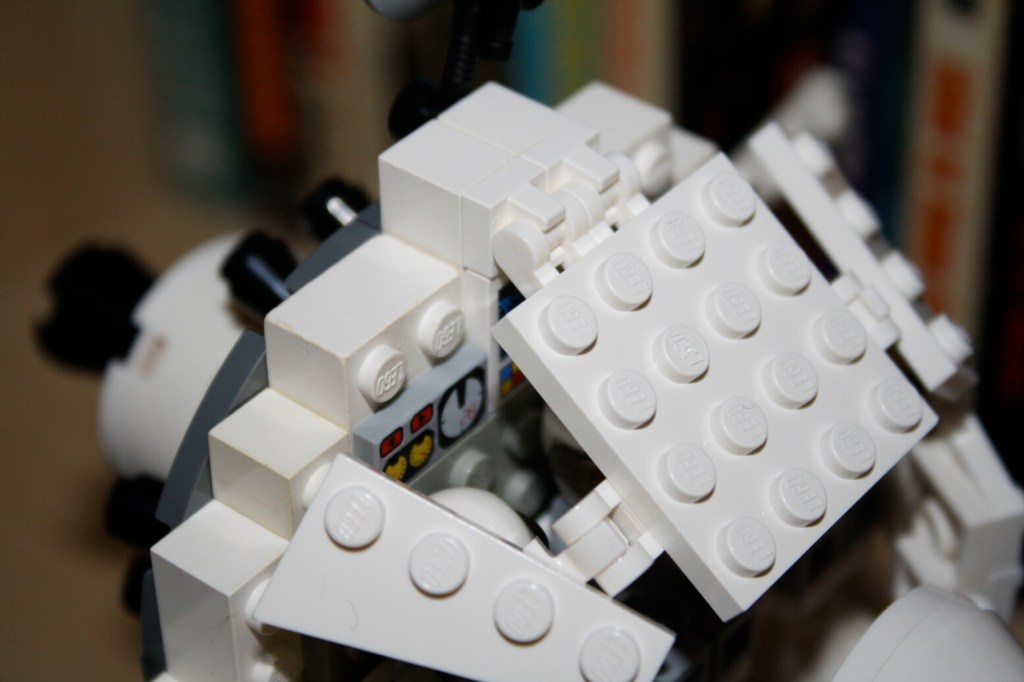
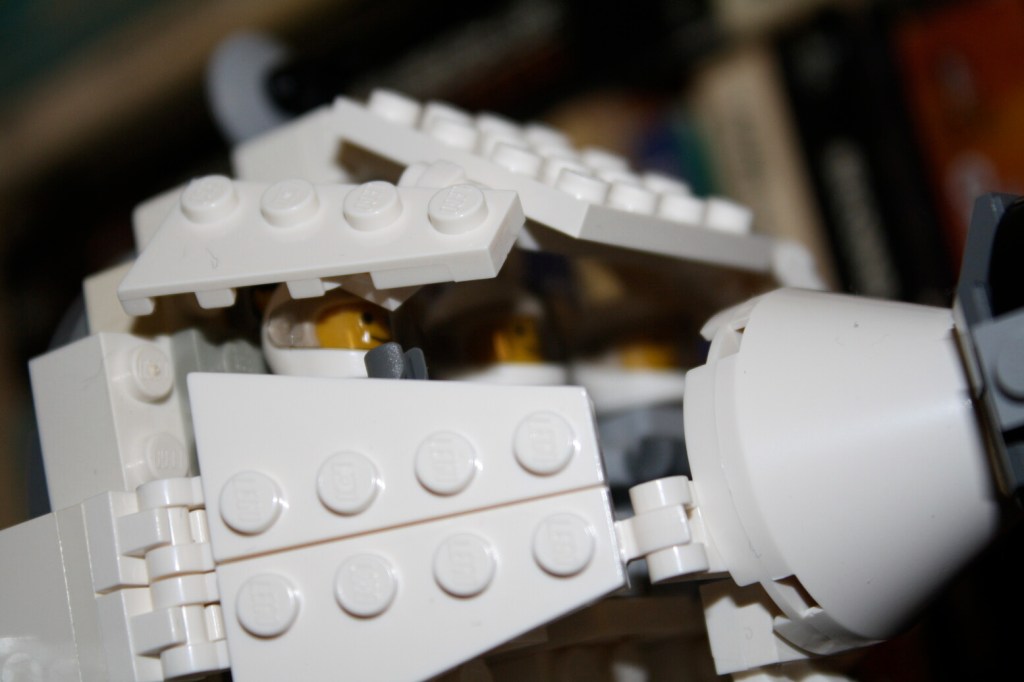
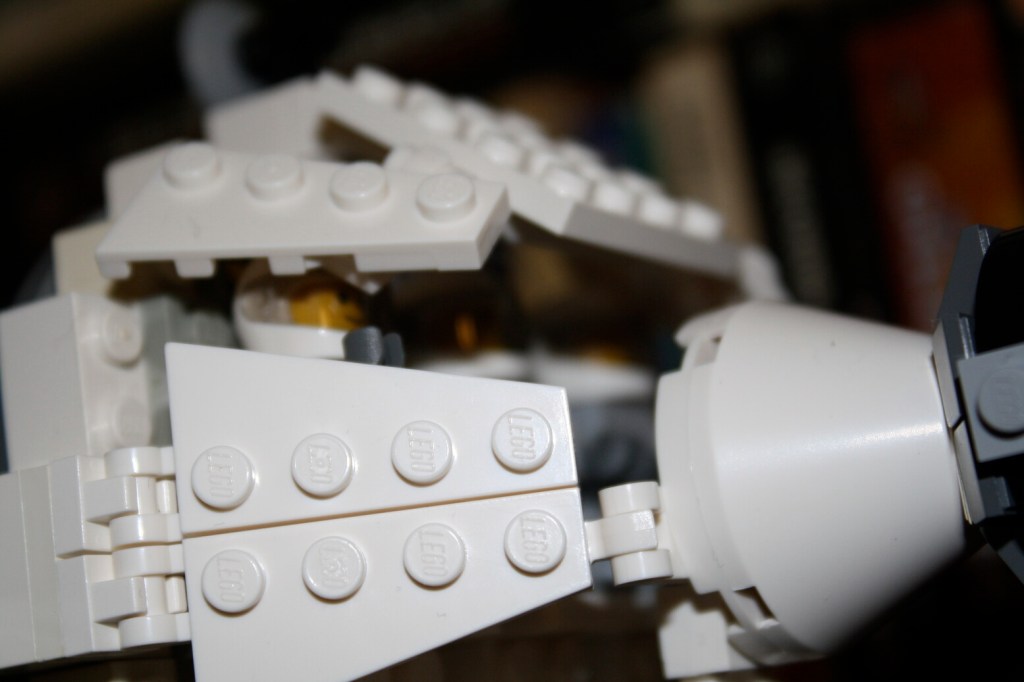
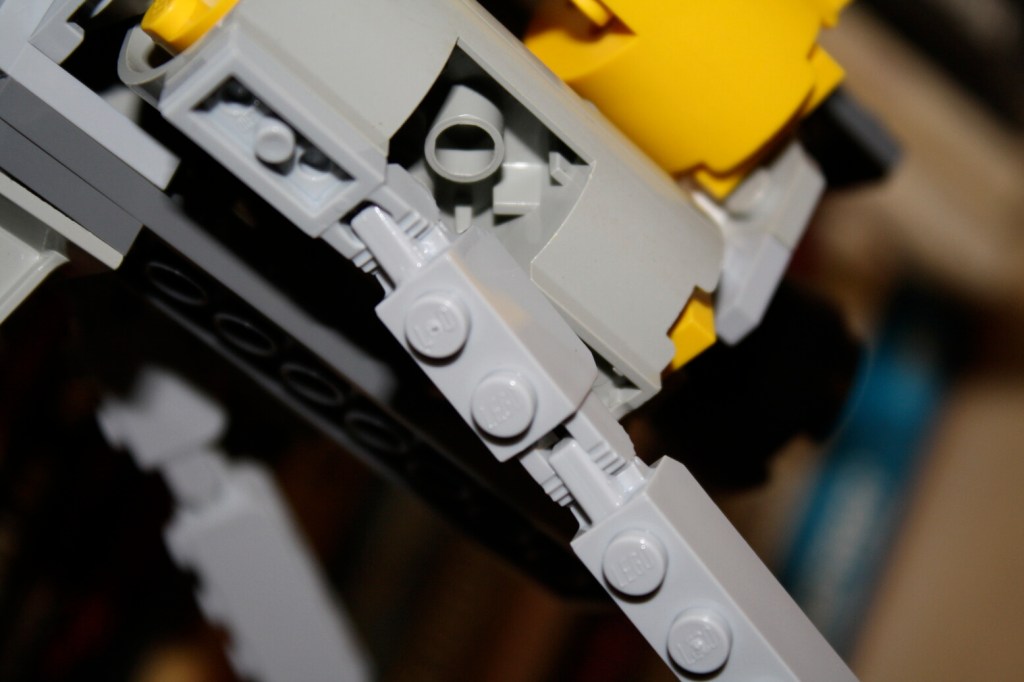
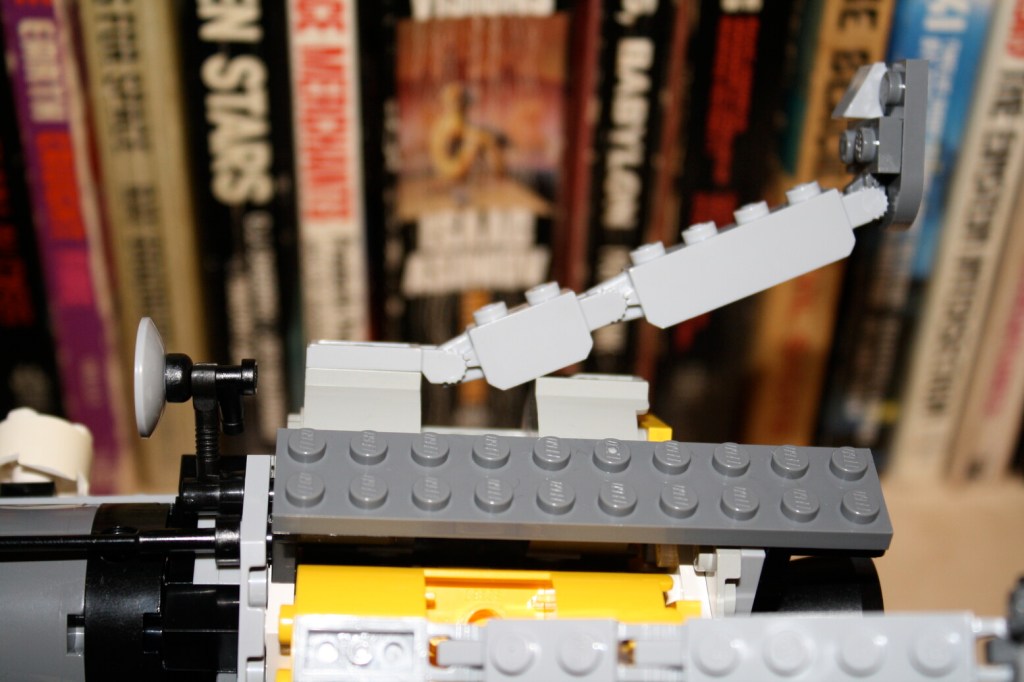
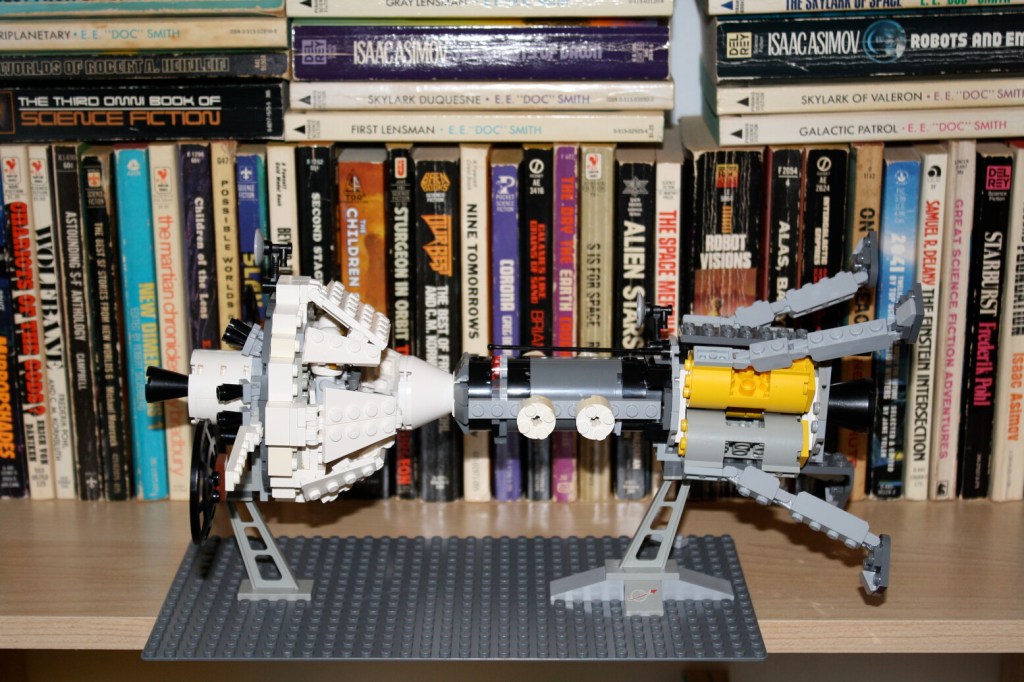
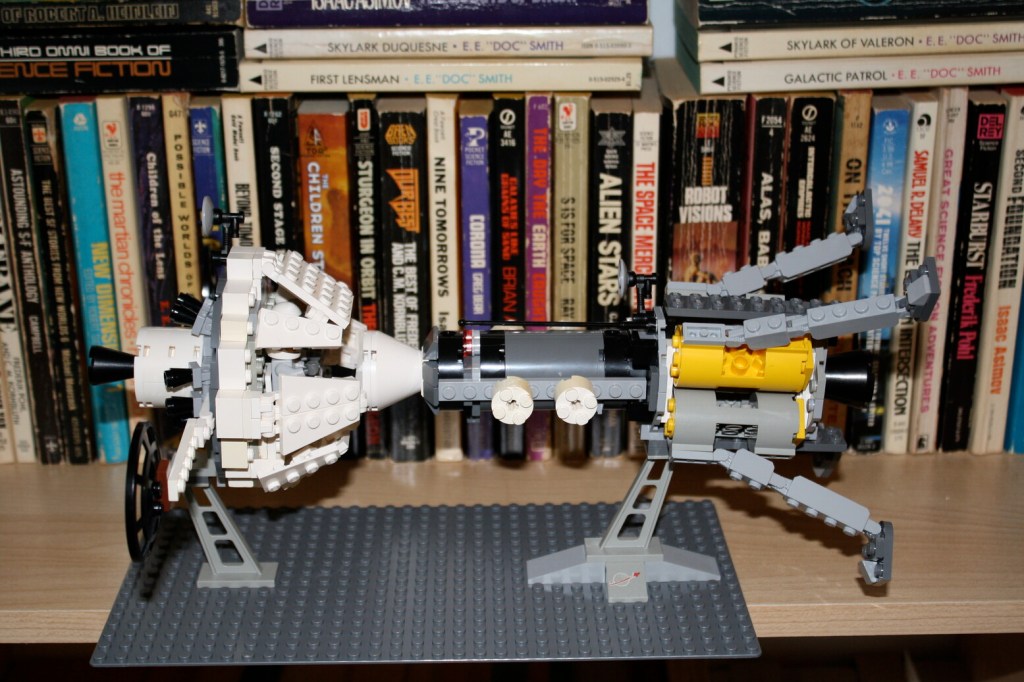
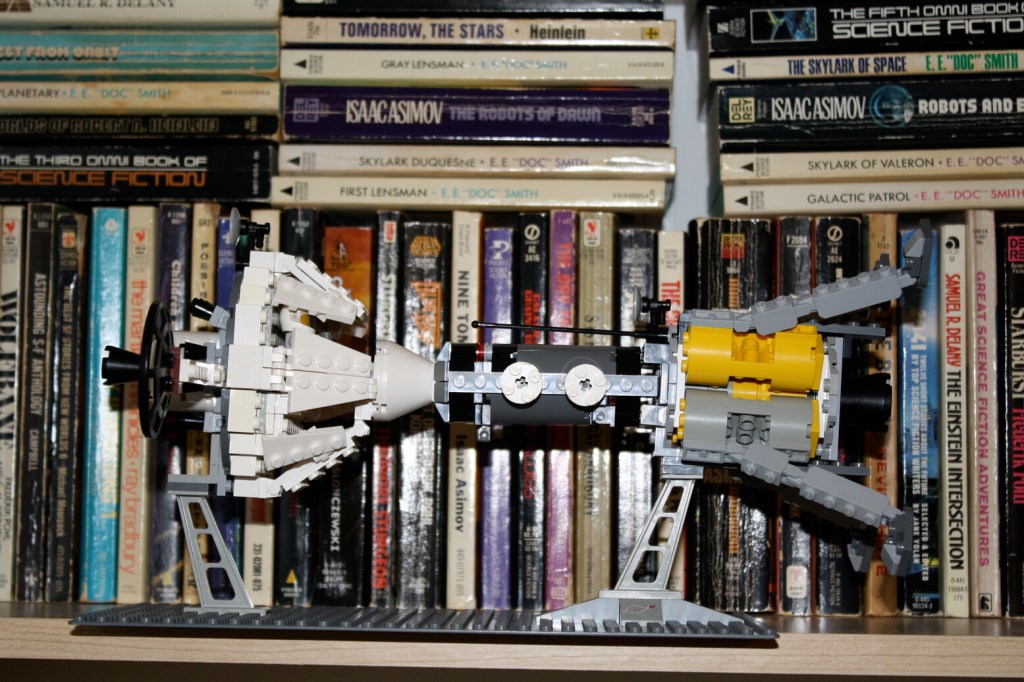
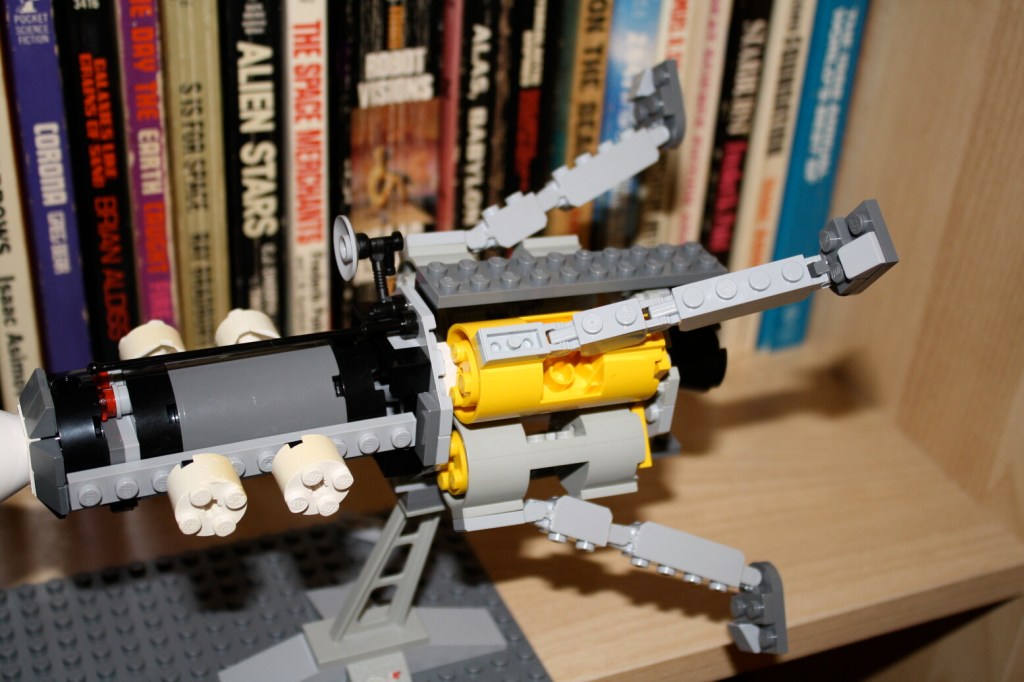
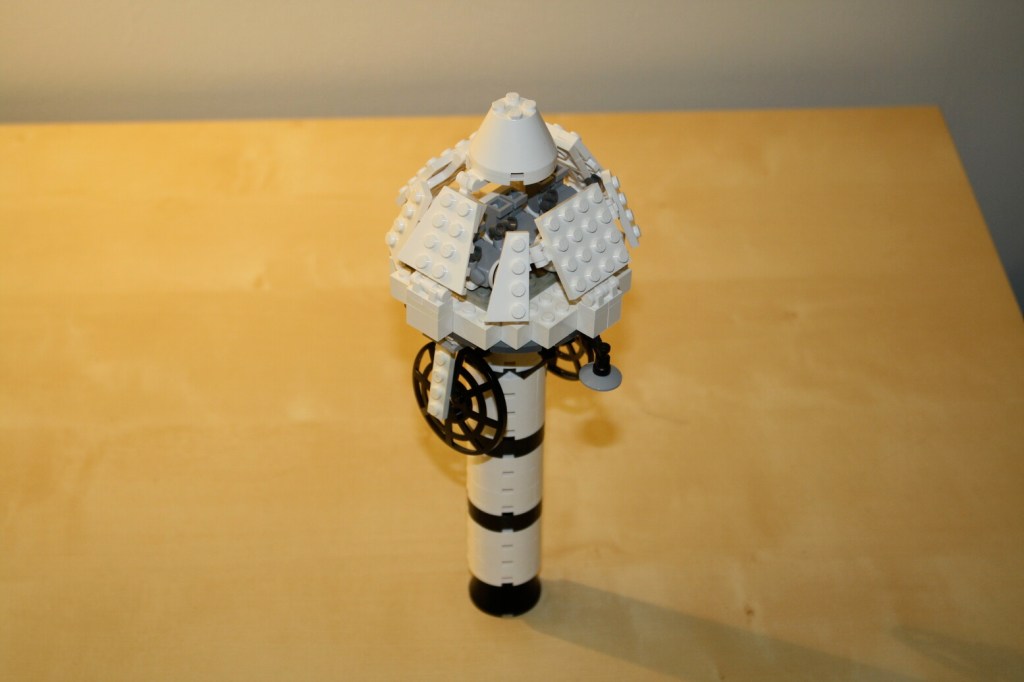
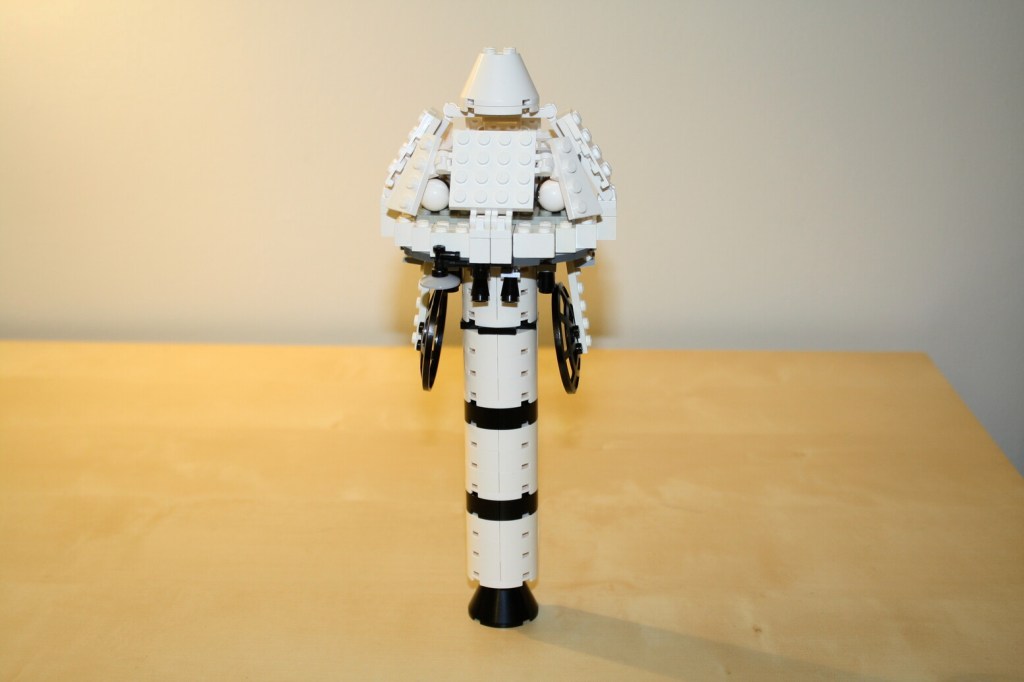
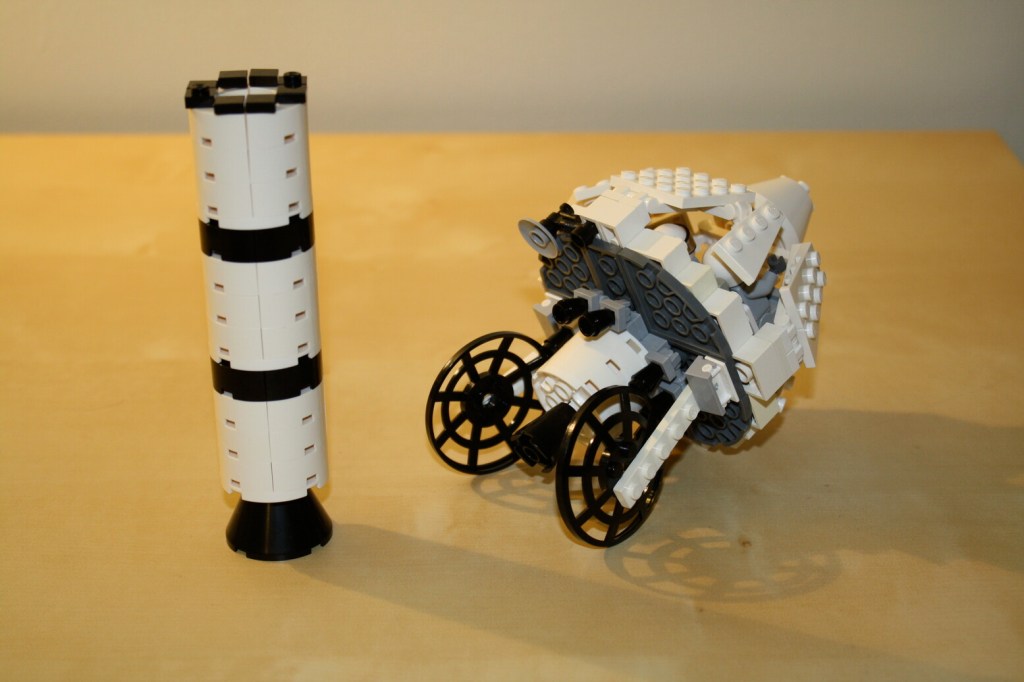
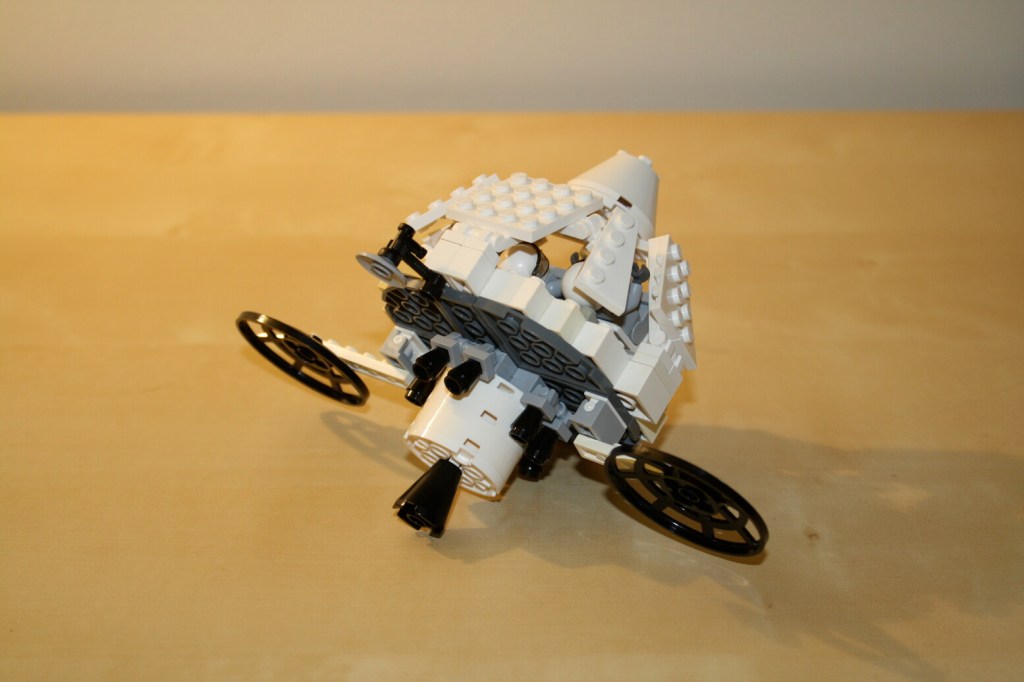
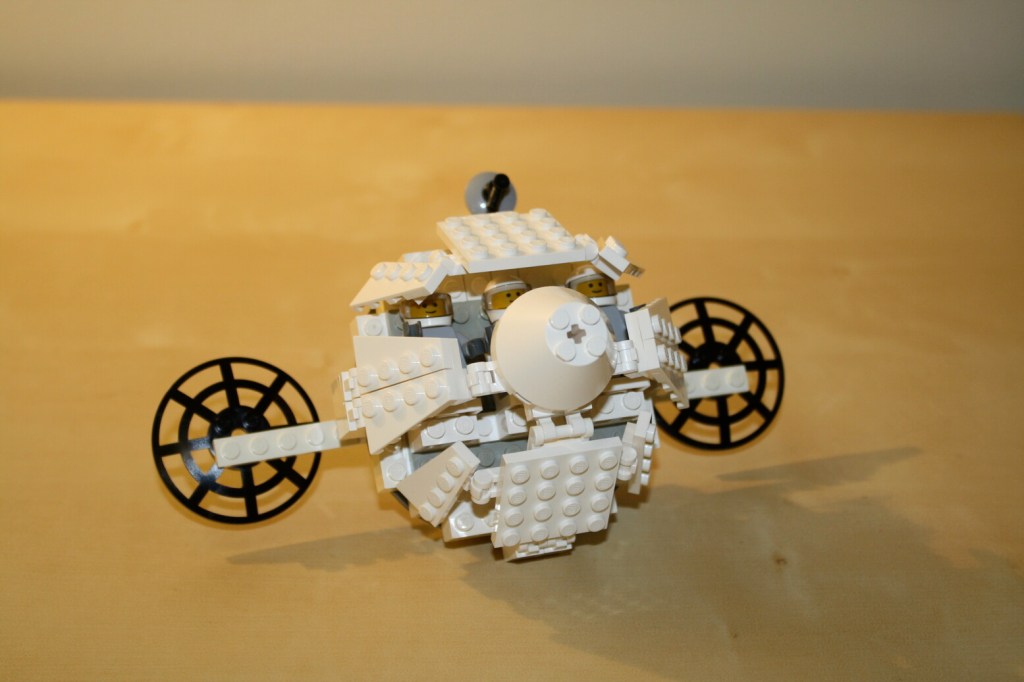
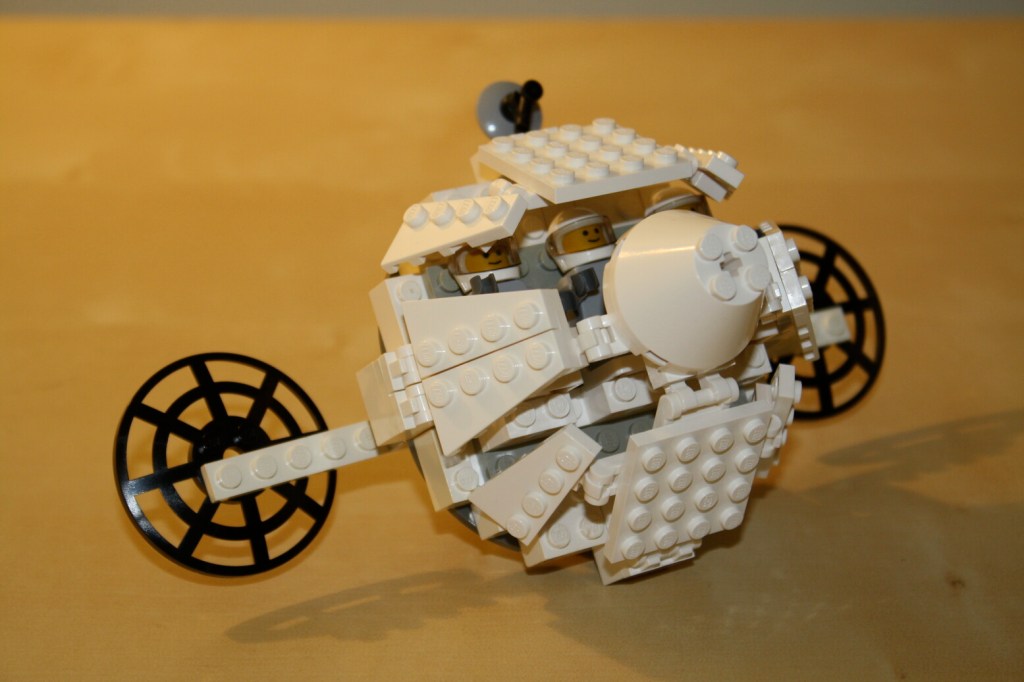
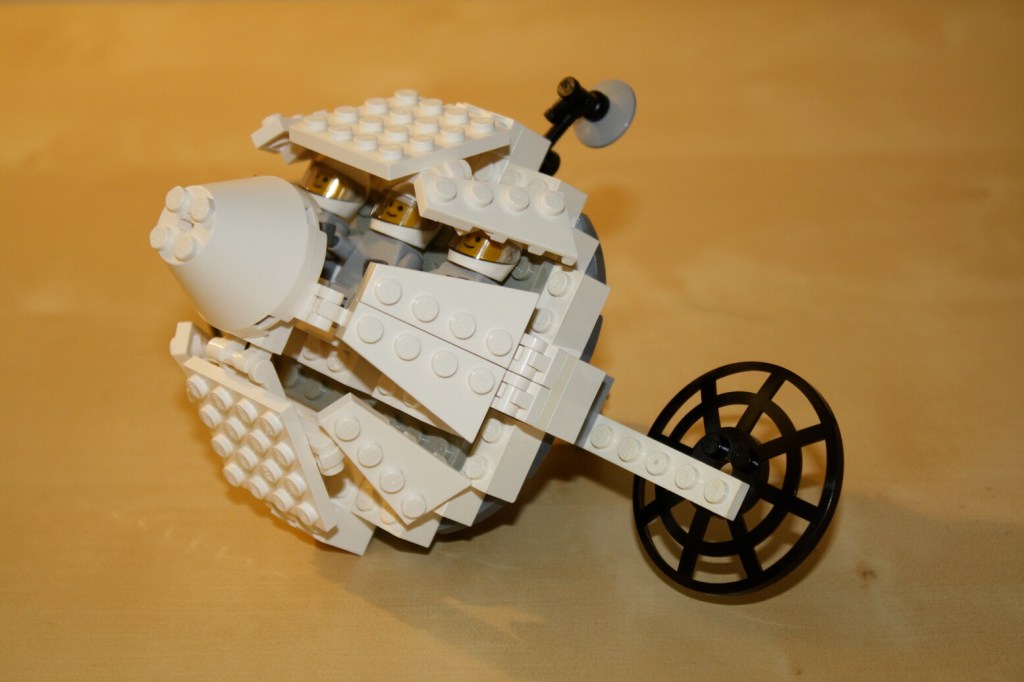
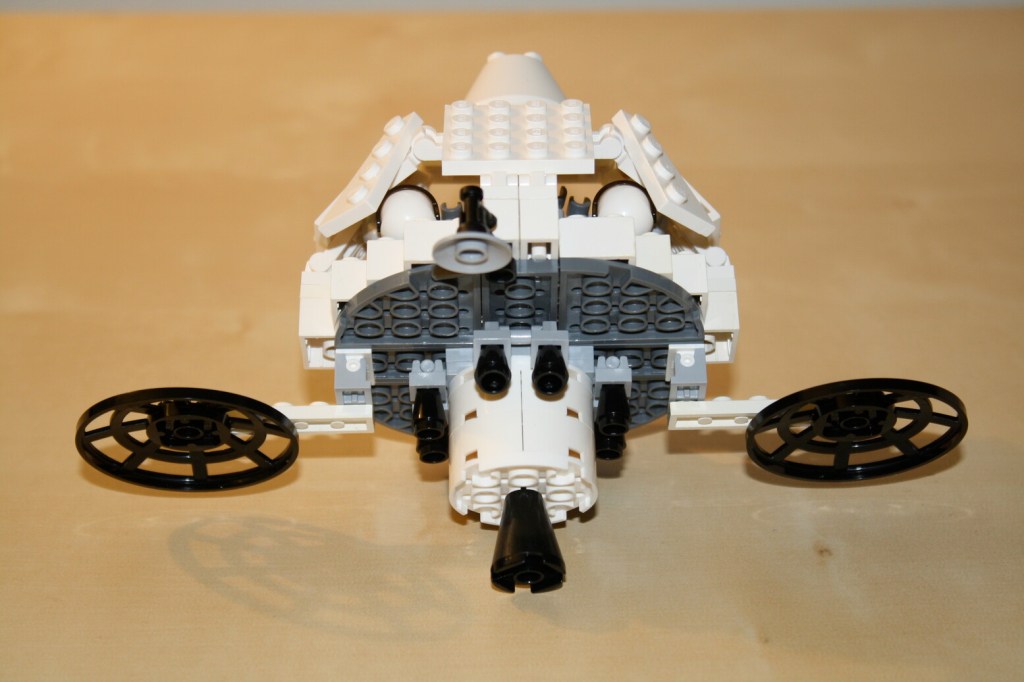
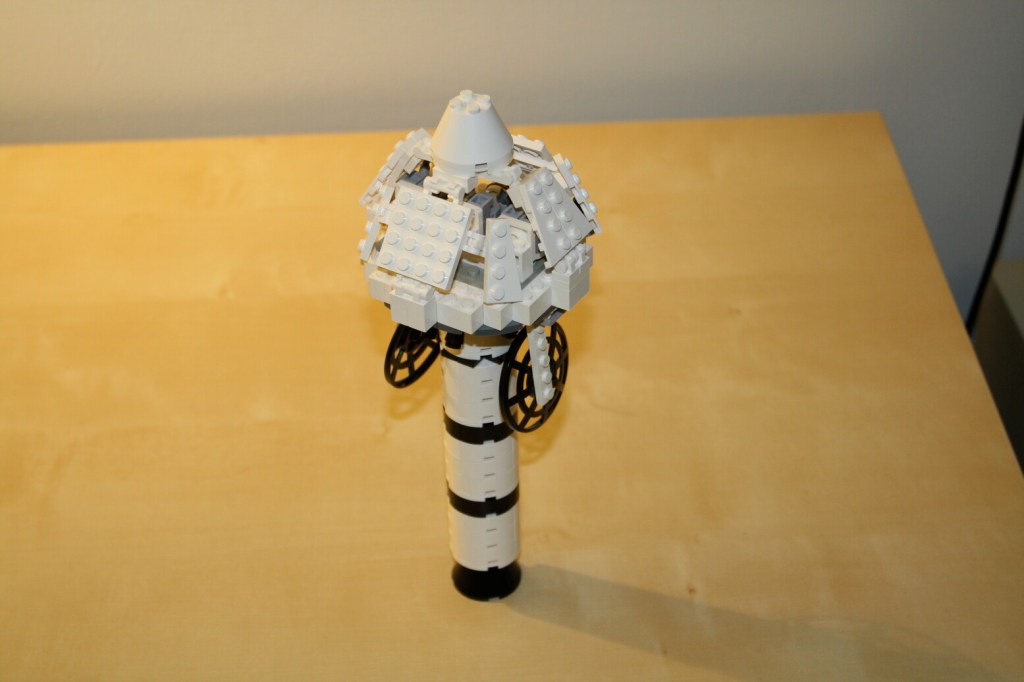
    Legos return to the Moon! I built the following Lego models of NASA’s Constellation Program spacecraft and lunar lander when I would take breaks from my PhD exam reading schedule. The Orion spacecraft includes a detachable solid rocket booster, and it can be mated to the Altair lunar lander craft. Orion carries three minifig astronauts, and the Altair has room for one minifig astronaut. I based my Lego models on some of computer generated mockups previously shown on NASA’s Constellation program website.

  • Vandana Singh’s The Woman Who Thought She Was a Planet and Other Stories

    Photo on 2009-10-17 at 15.18

    Professor Masood Raja lent me his signed copy of Vandana Singh’s The Woman Who Thought She Was a Planet and Other Stories (2008) a few months ago. Mrs. Singh is an Indian science fiction and fantasy author, who also holds a PhD in theoretical particle physics. You may read some of her work and learn more about her on her official website here.

    Due to my PhD reading lists and an enormous amount of other work, I have only just now got around to reading the short story for which the collection got its name, and I can only say, wow, it’s a really great story. “The Woman Who Thought She Was a Planet” is a whimsical answer to the more paranoid invasion stories of Philip K. Dick or the alarming nanotech transformations of Greg Bear. Her writing style reminds me of the fleshiness and texture found in the works of Ted Chiang and Ian McDonald. The “aliens” of this story are not from out there, but from the woman herself. She creates them, and they in turn care for the planet that gave them birth. Her creations, which she is trying to learn how to understand, and her changed behavior as a planet among human beings challenges the relationships of husband-wife/male-female while turning issues of class and face on their heads.

    You should check out Mrs. Singh’s collection on the basis of this one story, and if you have the time, let me know what you think of the other stories.

  • Greetings to the Home Guys in Taiwan

    P1030611

    I would like to welcome Mr. Xuei-Hen Ju (朱學恒) and all of the home guys (阿宅) from Taiwan who are stopping by DynamicSubspace.net today in response to my previous post: Fandom, Otaku, and Home Guys in Taiwan. I hope that my reporting of the home guy phenomenon is accurate, and I would welcome future discussion regarding fandom in general in the United States and Taiwan. Unfortunately, I can only speak English at the moment, but I will learn Chinese as soon as I am finished with my PhD.

    Above picture: Mizuho Kazami (Please Teacher!) figure casts a shadow on my wall.

  • Bruno Latour and James Burke

    I just finished reading Bruno Latour’s We Have Never Been Modern (1991/translation 1993), and I was struck by how similar his ideas about the interplay of Nature and Society–that they are not the poles, but orbit about the quasi-object and quasi-subject–that collectives and networks are definitive. However, I was more struck by how much his ideas seemed to reflect those of James Burke in his Connections (1978) and The Day the Universe Changed (1985) television series, albeit in much more philosophical terms. Burke’s demonstration that science, technology, culture, and society are all interconnected and construct one another. Or, to beat a dead cliche, nothing (but subatomic particles) are created in a vacuum. I do not know to what extent Burke’s work may have informed Latour’s theories, but I do know that Latour was a constant presence in my Georgia Tech literature and cultural studies classes. I am done for the evening, but I will think more about Latour tomorrow when I write up my notes.

  • Fandom, Otaku, and Home Guys in Taiwan

    Last week in Taipei, Taiwan, 朱學恒 (Xuei-Hen Ju) recently hosted a big get-together for fans and readers of his blog, 朱學恒的阿宅萬事通事務所 (Xuei-Hen Ju’s Home Guy’s Guide to Everything–I’m not sure about this translation–it could also mean “everything is good”) called 725阿宅反抗軍千人誓師大會 (July 25 Home Guy’s Resistance Army–1000s Show Your Commitment).

    You may be wondering why I’m writing about this event. You may also be wondering what the heck is a ‘home guy.’

    Xuei-Hen Ju is a Taiwanese blogger and translator of English language SF and fantasy novels including Star Wars and The Lord of the Rings, but he originally majored in electrical engineering. He is considered a ‘home guy’, originally because of his education, and later because of his passion for what we in the States would consider geekdom.

    Home guy (阿宅) is a term that was originally reserved for folks who majored in computer science in school, but now the term has an expanded meaning that encompasses someone who is shy, plays video games, and reads comic books (girls are a marginalized minority in this group but there are definitely some out there). Home guys are aligned with geekdom, fandom, otaku, and other marginal groups who are passionate about some aspect of pop culture, SF, fantasy, etc. Due to these cross cultural connections, I wanted to mention the Xuei-Hen Ju’s work and the home guy phenomenon to an English language audience.

    Xuei-Hen Ju uses his blog to promote his own kind of ‘homeness.’ In many ways, he encourages other home guys to break out of the reductionist and stereotypical boxes that have in the past confined and stifled social acceptance of home guys. Through his blog, books, and the 725 event, he promotes a socially aware and proactive sense of what it means to be a home guy.

    Like an otaku Tony Robbins, Xuei-Hen Ju inspires other home guys to follow their passion and tap into their enthusiasms, not as a cross to bear but as a marker for their sense of self. Also, he tells others that anyone, despite their educational background or personal condition, can achieve personal happiness–that it is up to each home guy to achieve what it is that he wants. He connects masculinity to his vision of the home guy by rallying others to maintain social justice (e.g., if you see someone abusing a dog, it is the home guy’s duty to call that person out) and do something with passion. The subtitle of his site is 熱情從來不是被找到的,而是奮戰努力才能獲得的!(Passion is never to be found, but gained by fighting!).

    His idea about what it means to be a home guy may be skewed toward men more so than women. During his posts, he does occasionally insert pictures of attractive girls during an otherwise non-girl related post just to pause or breakup the flow of what he may be talking about.

    However, he is conscious of respect for women when he threw the 725 event, because he warned the other home guys to not hit on girls in attendance (but they could do what they wanted to outside the event). If you click through to the 725 event post with pictures of the event, you will see a number of girls in the audience, and some of the Star Wars cosplayers were women, so there are home girls/gals, too.

    More about the 725 event: I definitely recommend you clicking here to read (if you know Chinese) and see the pictures of the extremely successful event. There was music, Star Wars cosplay and demonstrations, presentations, and video game play on the 400″ screen. There are men, women, and children in the audience. And, the audience beat out an earlier torrential rain storm that killed power to the adjacent movie theater and shopping mall. Folks from all over Taiwan converged on Taipei to go to the free event, and they were determined to go come hell or high water (literally).

    I liked the idea of the event being free, and I don’t exactly know how it was pulled off. Perhaps there was corporate sponsorship, or Xuei-Hen Ju used his own money to pay for the space and the setup. Directly, he didn’t get any money by hosting the home guy get-together, but he did sells some copies of his popular book, which he would personalize for attendees (and those not there–but by saying “loser, why didn’t you come out?!”). Also, there are the Home Guy Army t-shirts that are in some of the pictures. Oh, and the event itself wasn’t advertised anywhere else, except on Xuei-Hen Ju’s blog. Essentially, he told his blog following, home guy friends to “Come here on this particular day and let’s show everyone what we can do.”

    You should definitely check out Xuei-Hen Ju’s blog, and if you know Chinese, you should find out more about home guys and Taiwan fandom. From talking with Y (who was sweet to tell me about the 725 event, and who I asked to help me with the translating and descriptions), Taiwanese popular culture is an amalgamation of cultures from surrounding countries. It seems that much of the culture consumed in Taiwan comes from other places, but I suspect that there must be a local flavor to the way that other cultures are interpreted, consumed, and enjoyed by home guys and every other Taiwanese person. I think that more work should be done on SF fandom in Taiwan, because that country and its people are more unique than many due to their position as a cultural crossroads.