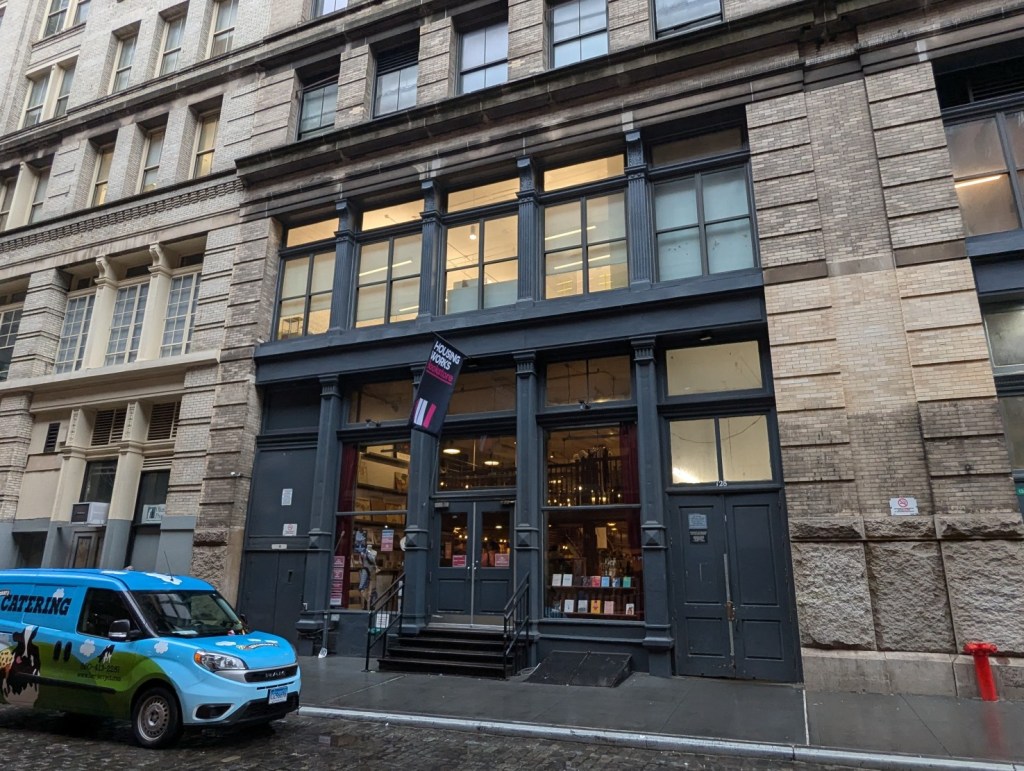
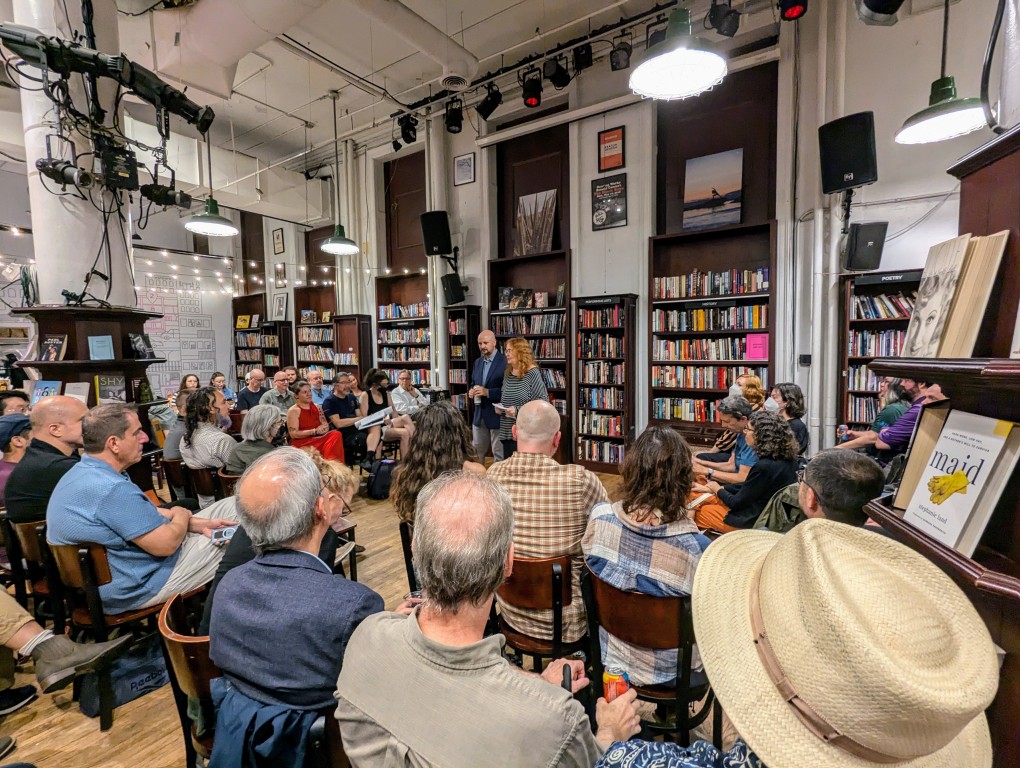
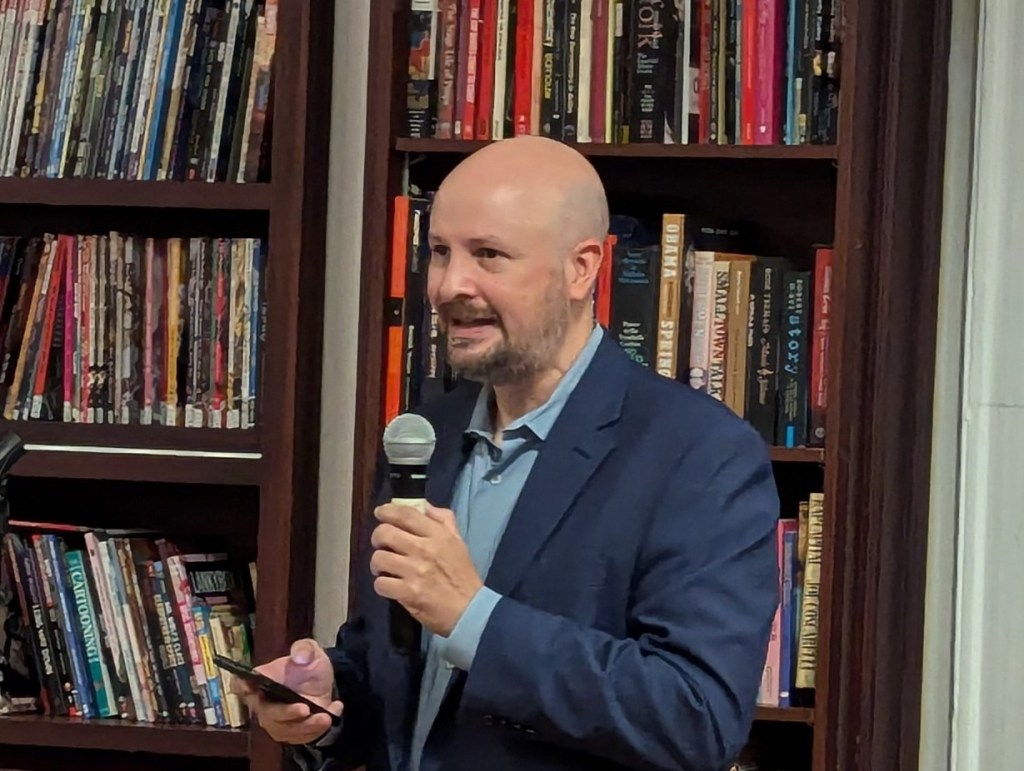
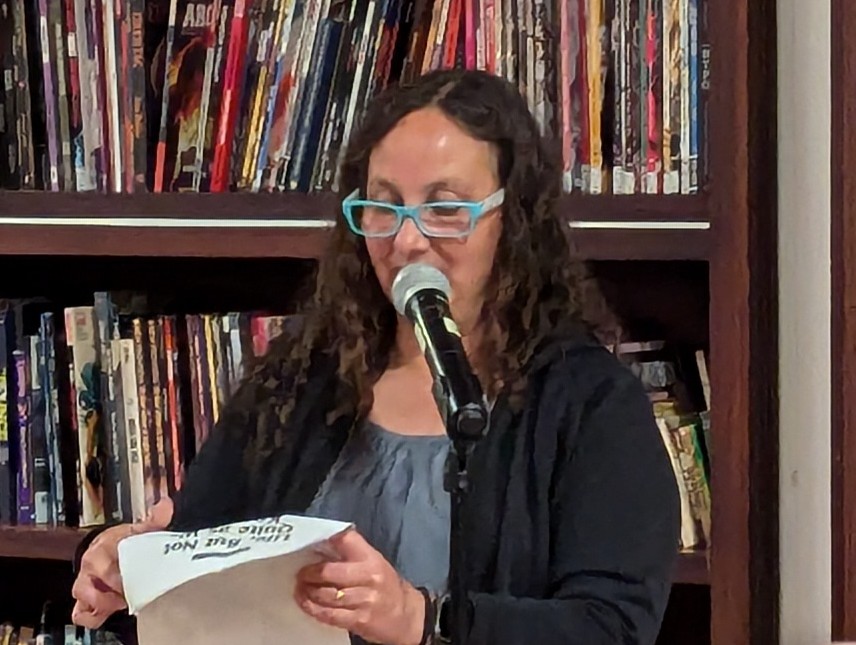
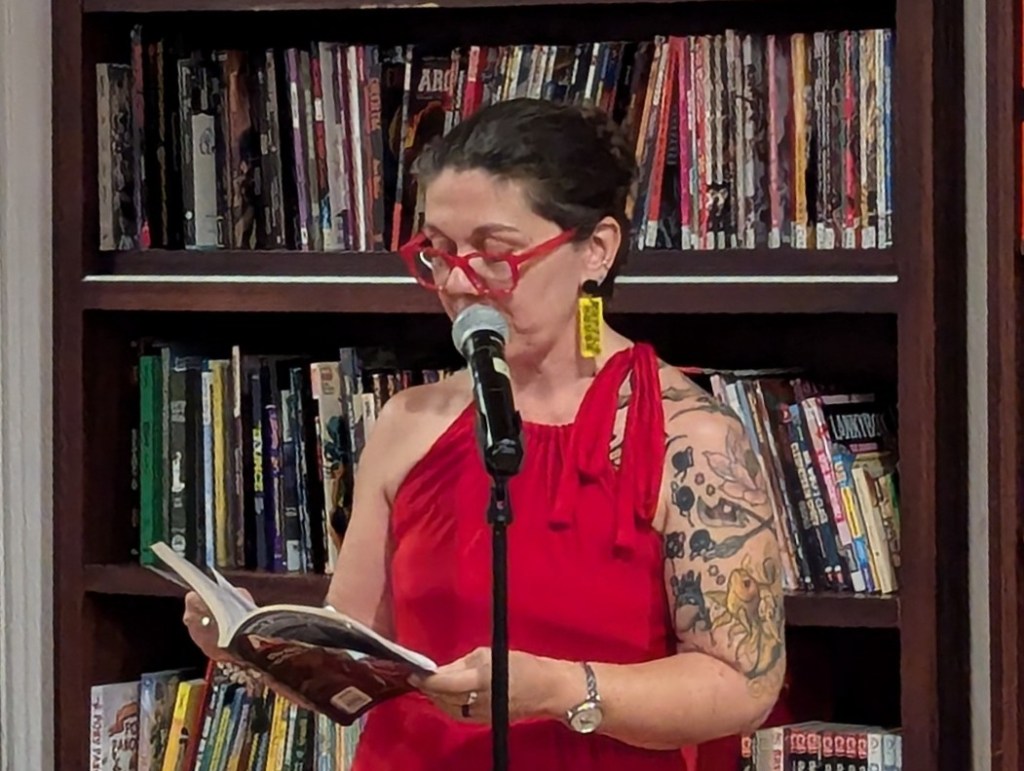
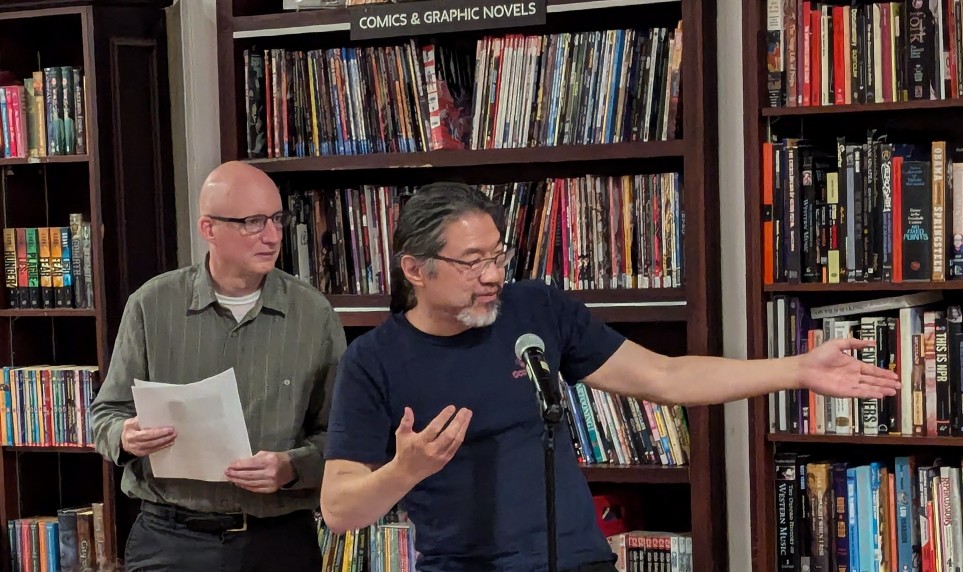
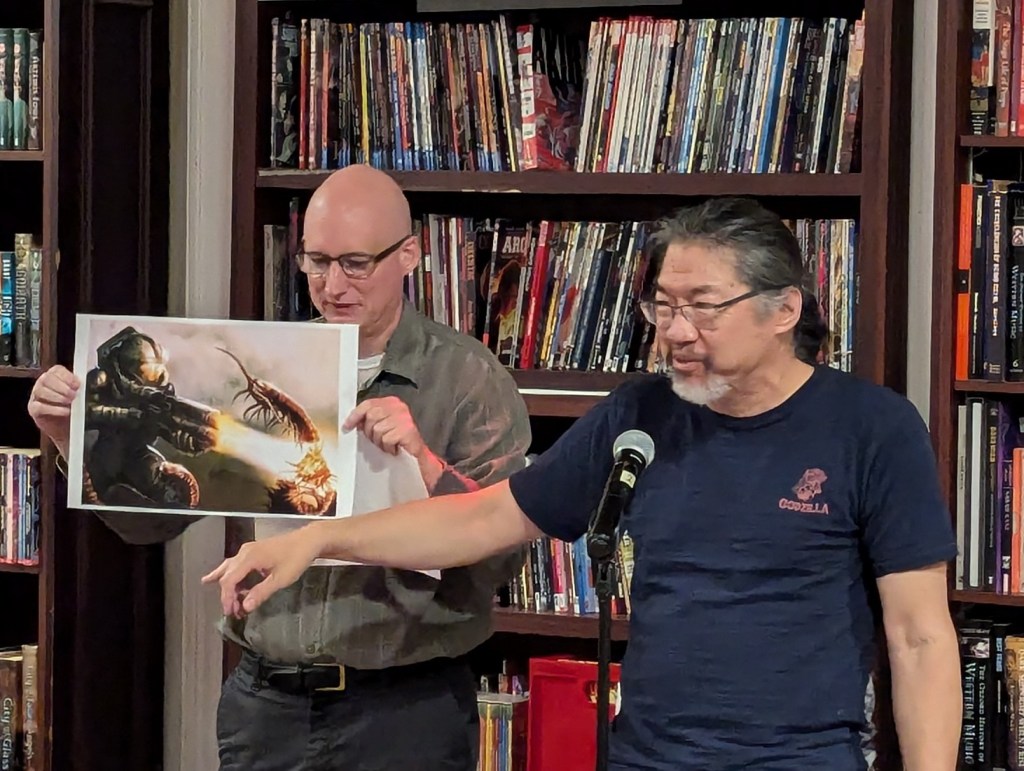
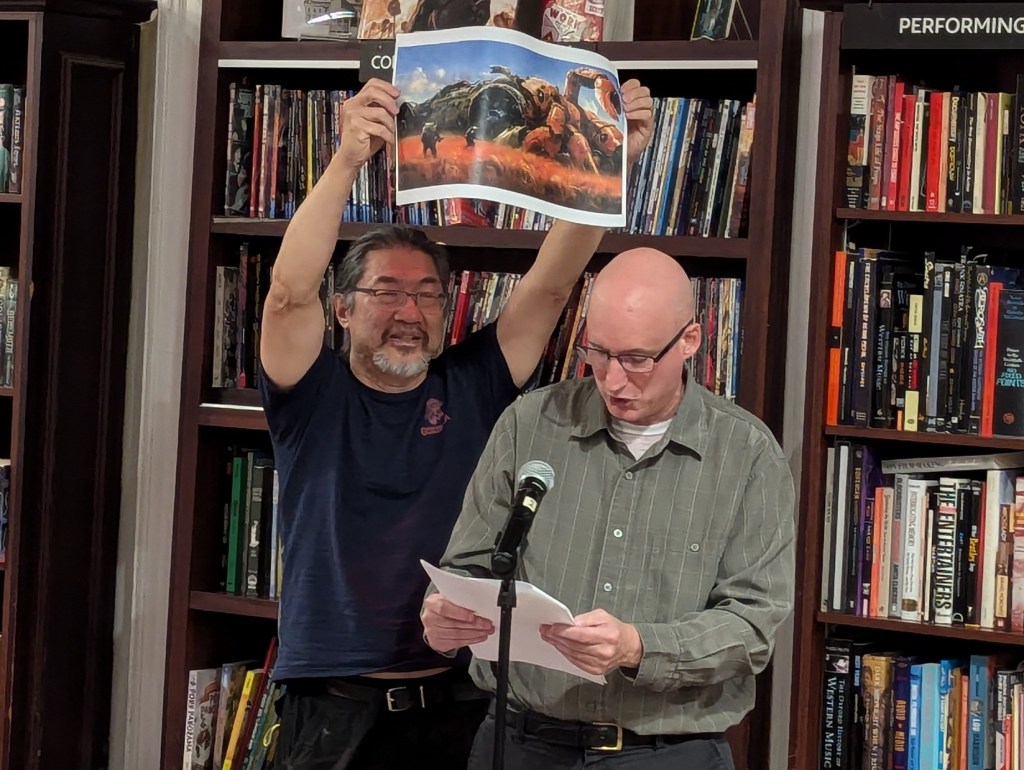
It was a full house at Housing Works Bookstore Cafe. Besides hearing great readings by the assembled authors, I also got to talk with some fans and friends of the winners.
Congratulations to the winners, and also congratulations to all the writers for having their words accepted for publication in two of the flagship venues in the field! And, thank you to Sheila Williams (editor of Asimov’s), Trevor Quachri (editor of Analog), and Emily Hockaday (managing editor of Asimov’s and Analog) for your work keeping the SF magazine dream alive (seconding Frank Wu’s remarks)!
I’ll let the magazines announce all of the winners, but I’ll post my photos of the speakers and authors who read below.
Opening Remarks by Sheila Williams and Trevor Quachri
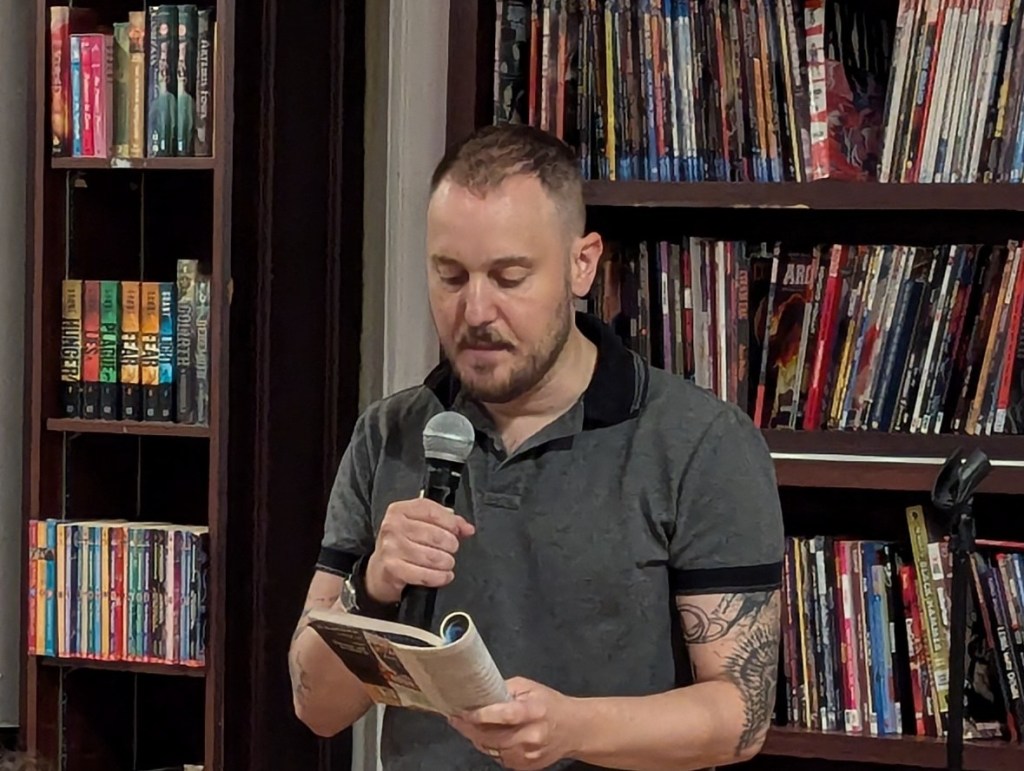
Sam J. Miller Reading from “Planetstuck” (Asimov’s Science Fiction, March-April 2023)
Timons Esaias Reading “The Next Step” (Asimov’s Science Fiction, January-February 2023) and Other Poems
Trevor Quachri Introducing the Analog Authors
Christina De La Rocha Reading “Life, But Not Quite as We Know It?” (Analog Science Fiction and Fact, January-February 2023)
Victoria Navarra Reading from “Cornflower” (Analog Science Fiction and Fact, January-February 2023)
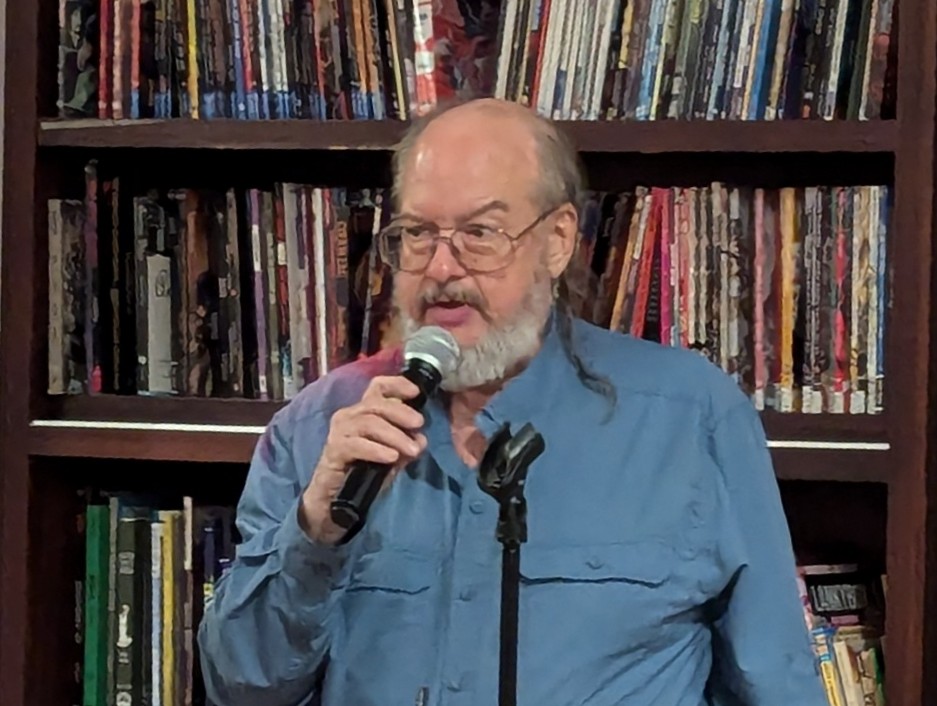
Wukheiser (Frank Wu and Jay Werkheiser) Reading and Performing from “Poison” (Analog Science Fiction and Fact, May/June 2023)
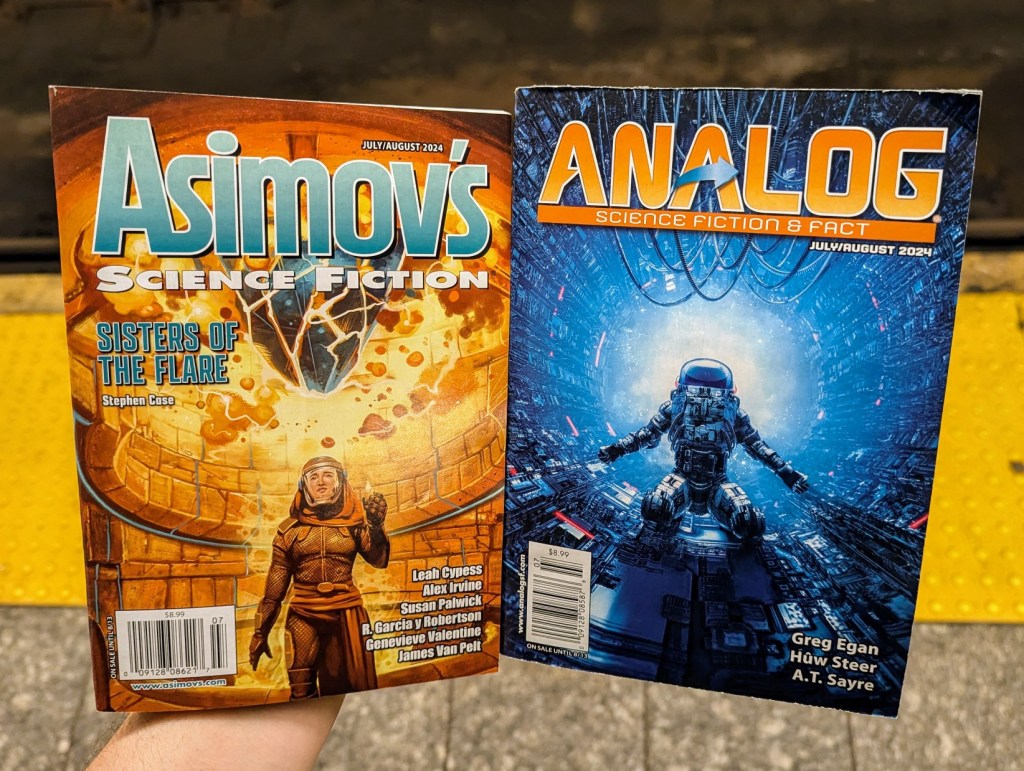
Latest Issues of Asimov’s and Analog Hot Off the Press
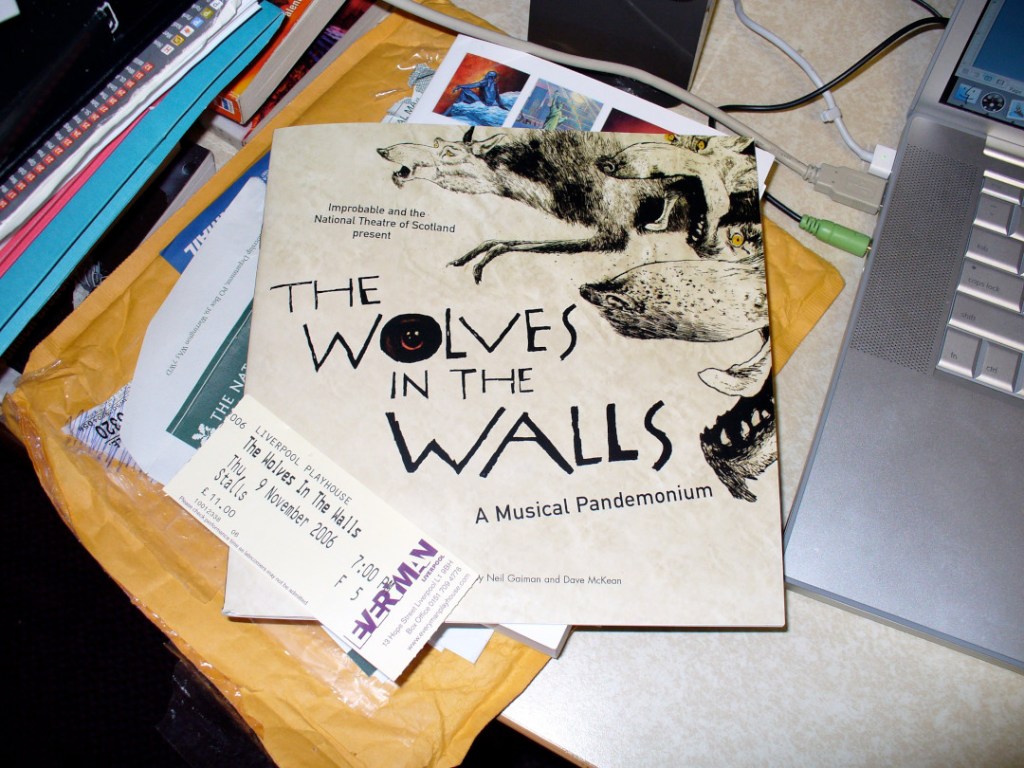
Recently, I ran across the image above of the program book and ticket of the stage adaptation of “The Wolves in the Walls,” based on the book of the same title by Neil Gaiman and Dave McKean on my desk in Liverpool. It gave me pause.
It’s about a girl named Lucy, who likes to draw. She lives with her mum who makes jam, her dad who plays the tuba, and her brother who plays video games. One day, Lucy begins to hear wolves in the walls. At first, her family doesn’t believe her, but then the wolves come out and it’s all over! Pandemonium breaks loose and Lucy must brave the wolves to regain her pig puppet from the clutches of the crazy wolves.
The recent allegations against Gaiman made me think of the theatrical adaptation and source material in a completely skewed and disorienting way. Its difficult now to square my before and after interpretations.
It’s challenging to ignore what shouldn’t, according to Roland Barthes in “The Death of the Author” (1967), matter as far as how we interpret the text. We, the readers, shouldn’t give an author tyranny over our interpretation of a text. Yet, Gaiman is an author who has cultivated a public persona that dovetails with the positive interpretations of his creative work and associated social causes. Joss Whedon also comes to mind in terms of the close connection between auteur, themes, and social causes, and what happens when the auteur’s behavior conflicts with the constructed persona. Of course, these public personae are created, cultivated, supported, and accepted, but the person beneath the persona is far more complicated and potentially far different than the persona circulating in culture. The author’s behavior might be reprehensible and seem radically different from what the audience has come to expect from the author’s persona. A problem for the reader and critic is to disentangle the linkages between the work, persona, and person in order to provide richer interpretations as opposed to those dominated by the author, persona, or both. Of course, what Gaiman has been alleged to have done must be addressed and remedied in other ways.
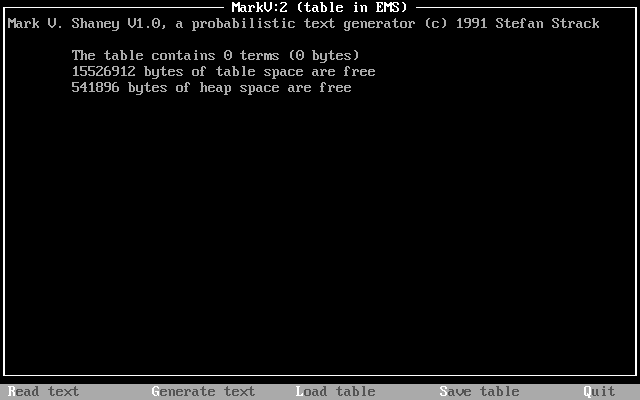
MARKV.EXE (44,365 bytes) was developed in 1991 by Stefan Strack, who is now a Professor of Neuroscience and Pharmacology at the University of Iowa. In the MARKV.DOC (10,166 bytes) file that accompanied the executable, Strack writes, “Mark V. Shaney featured in the “Computer Recreations” column by A.K.Dewdney in Scientific American. The original program (for a main-frame, I believe) was written by Bruce Ellis based on an idea by Don P. Mitchell. Dewdney tells the amusing story of a riot on net.singles when Mark V. Shaney’s ramblings were unleashed” (par. 2). Dewdney’s article on the MARKV.EXE program appears in the June 1989 issue of Scientific American. The article that Strack mentions is available in the Internet Archive here. A followup with reader responses, including a reader’s experiment with rewriting Dewdney’s June 1989 article with MARKV.EXE, is in the January 1990 issue here.
The program works by the user feeding a text into MARKV.EXE, which is “read.” This generates a hashed table of probabilistic weights for the words in the original text, which can be saved. The program then uses that table and an initial numerical seed value to generate text until it encounters the last word in the input text or the user presses Escape. The larger the text (given memory availability) , the more interesting its output text, because more data allows it to generate better probability weights for word associations (i.e., what word has a higher chance to follow a given word). Full details about how the program works can be found in the highly detailed and well-organized MARKV.DOC file included with the executable.
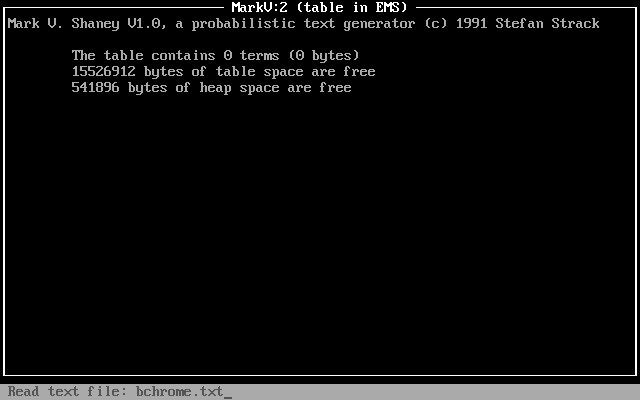
Using DOSBox on Debian 12 Bookworm, I experimented by having MARKV.EXE read William Gibson’s “Burning Chrome” (1982). I pressed “R” for “Read,” entered the name of the text file (bchrome.txt), and pressed enter.
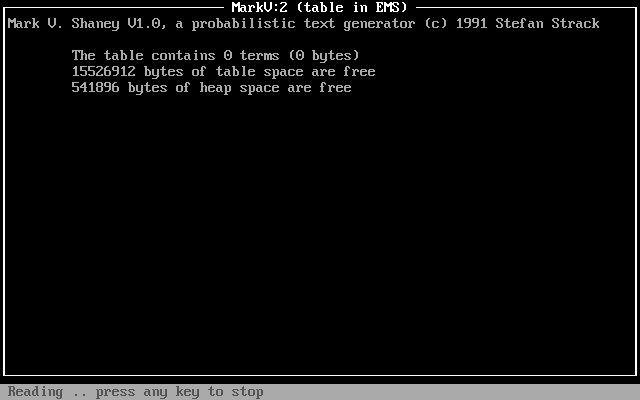
The program reported “reading” for a few minutes (running DOSBox at default settings).
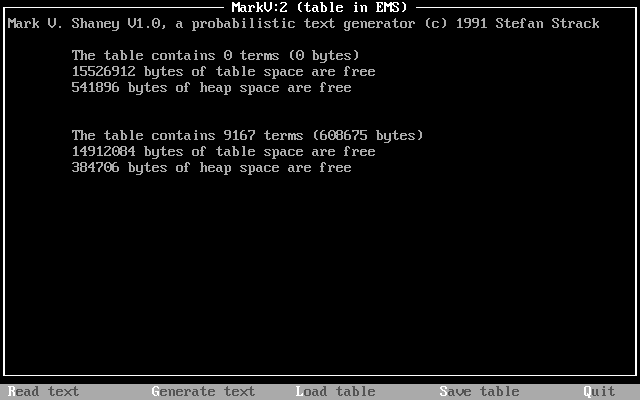
After completing its “reading,” the program reported stats on the table that it created using bchrome.txt: 9167 terms (608,675 bytes).
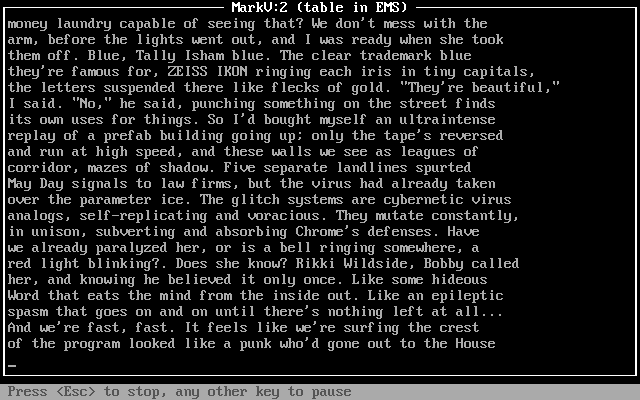
I pressed “G” and the program began to generate text based on its table of probabilities generated from the bchrome.txt text file, which contained the short story, “Burning Chrome.” While the generated text flows across the screen, there are options to press “Esc” to stop or any other key to pause.
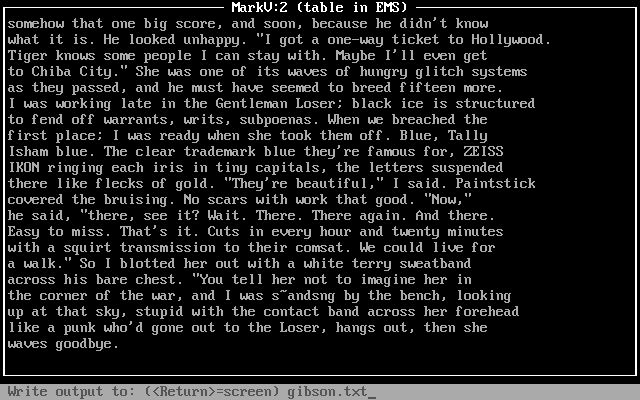
After it completed writing the generated text to the screen, I pressed “S” to save the generated text and it prompted me to type in a file name for the saved generated text: gibson.txt.
Pressing “S” gives the user an option to save the table for future use. I went with the default name, MARKKOV.MKV (not to be confused with a modern Matroska container file). This file can be loaded in MARKV.EXE on subsequent runs by pressing “L” and entering the name of the table. When the user presses “Q”, the program exits back to DOS and displays a message, “The random number seed was x,” where x is a random number used in the generation of text. If repeatability is important to the user, you’ll want to make a note of that number and use it with the -s modifier when running MARKV.EXE again (e.g., markv.exe -s2510).
Mark V. Shaney’s implementation of a Markov chain that builds a table of next word probability on a small text sample is one example of the predecessors to large language models (LLMs) like LLaMA and ChatGPT. However, Mark V. Shaney’s word association probabilities is far simpler than the much more complicated neural networks of LLMs (especially considering attention) with many orders of magnitude more parameters trained on gargantuan data sets. Nevertheless, Mark V. Shaney is one aspect of the bigger picture of artificial intelligence and machine learning development that led to where we are now.
The next academic year is just around the corner, so I wanted to give a shout out for the open educational resource (OER) that I published earlier this year, Yet Another Science Fiction Textbook (YASFT), an over 60,000 word textbook on the history of SF literature that includes a syllabus, video lectures, and more.
And, if you’re an educator needing open and free teaching materials and textbooks, here are some useful resources where you can find OERs:
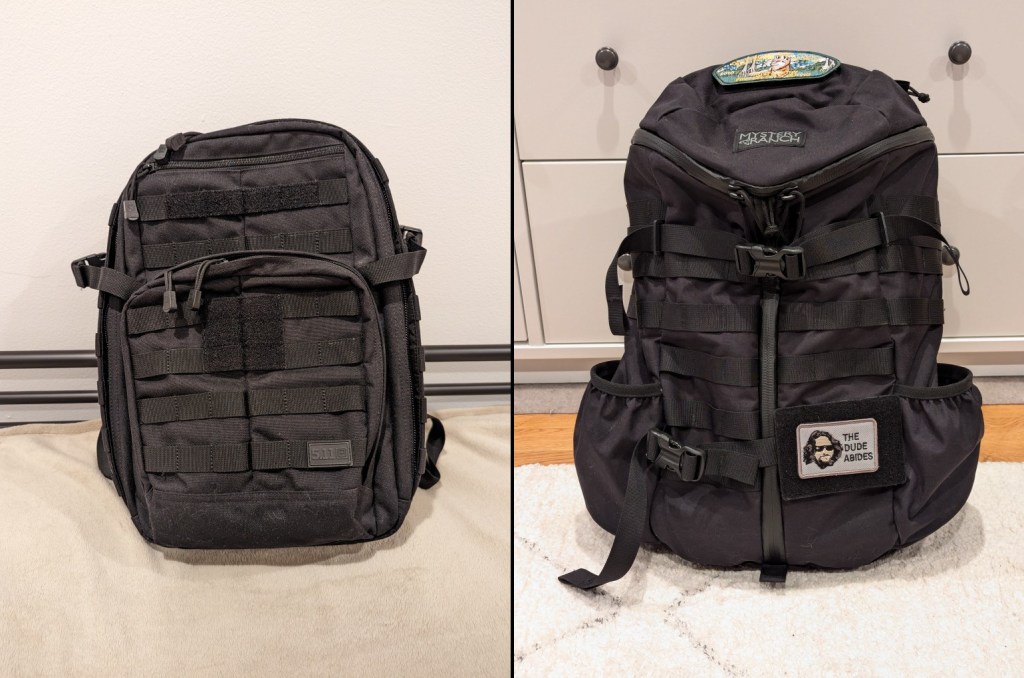
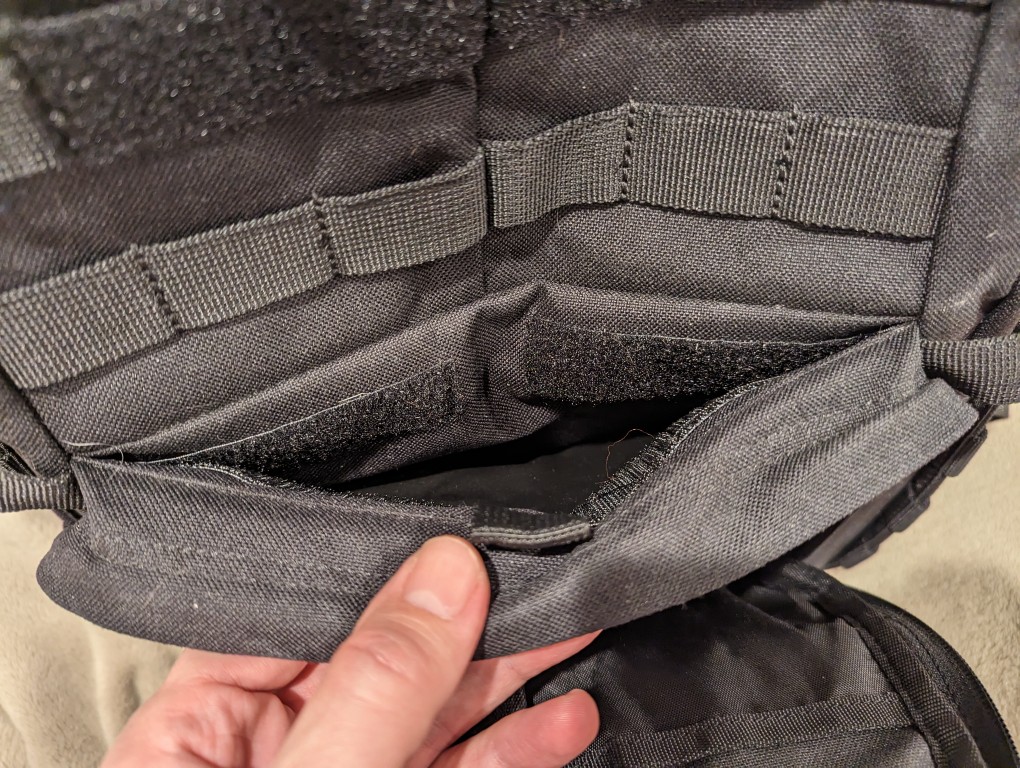
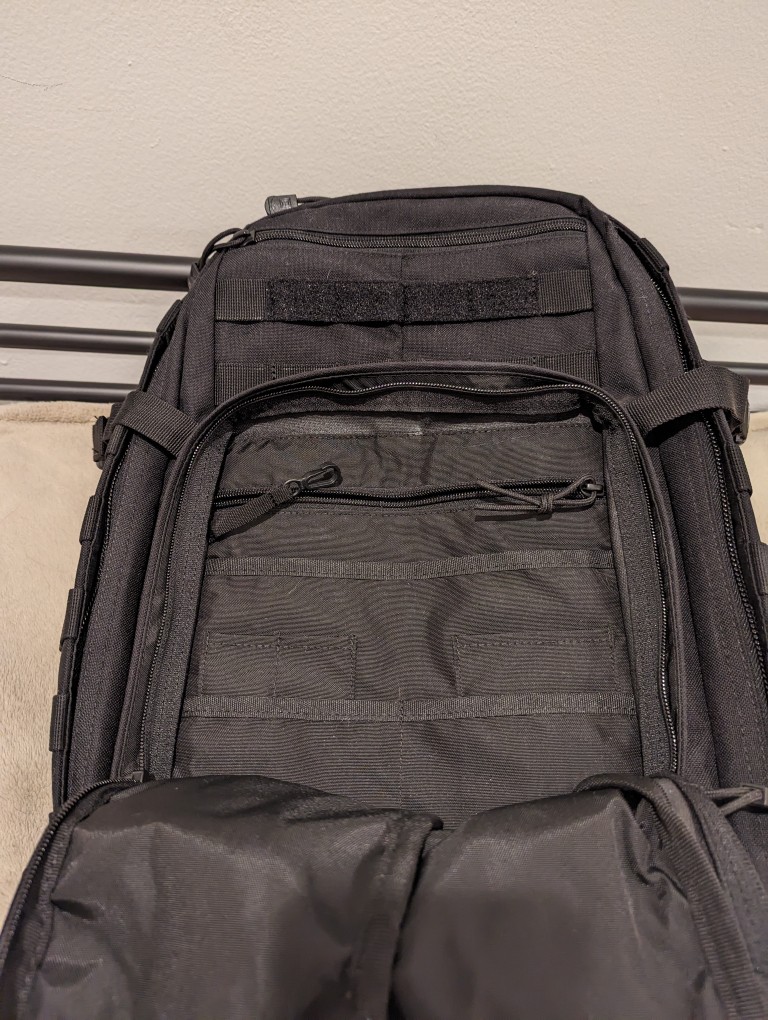
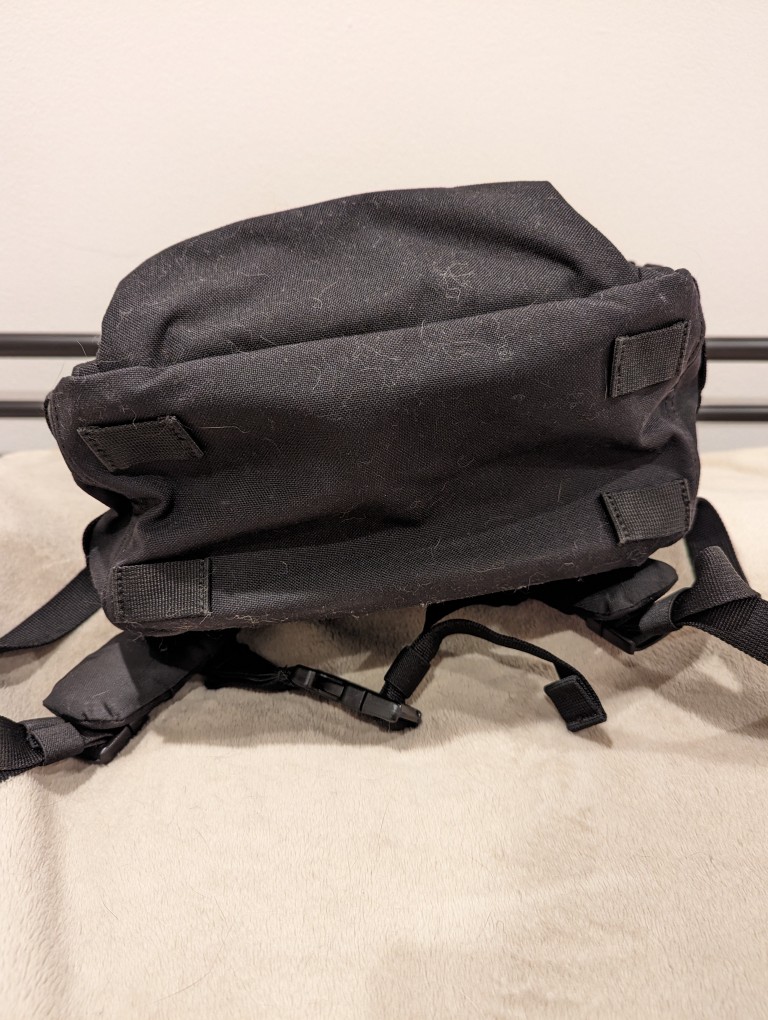
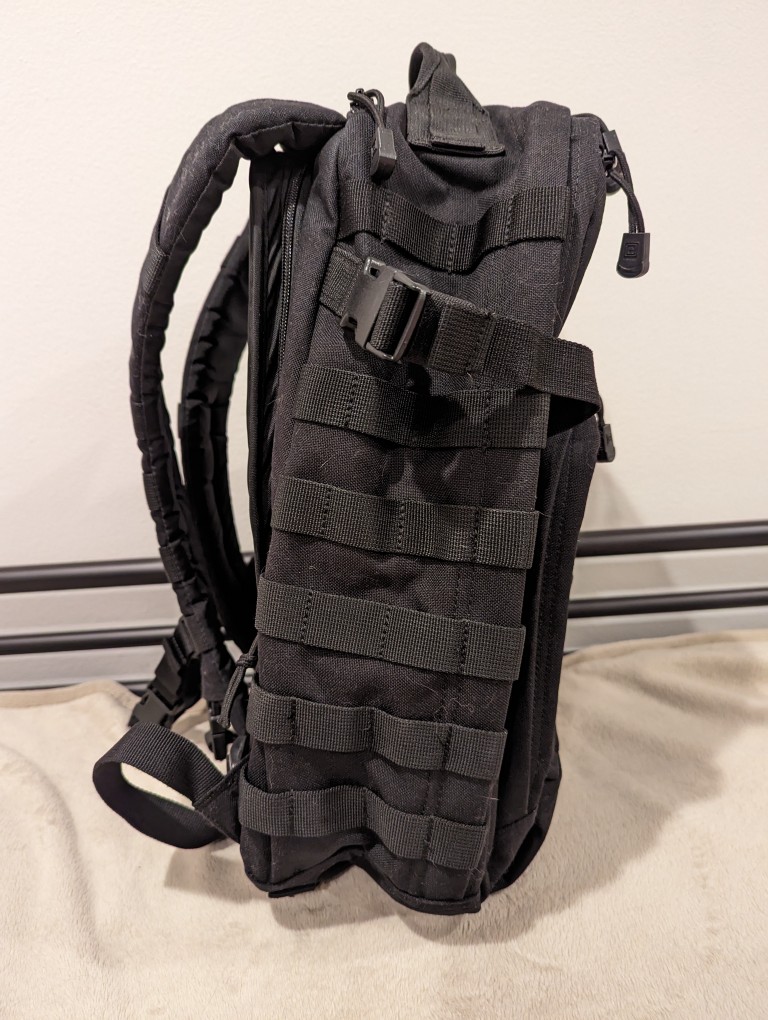
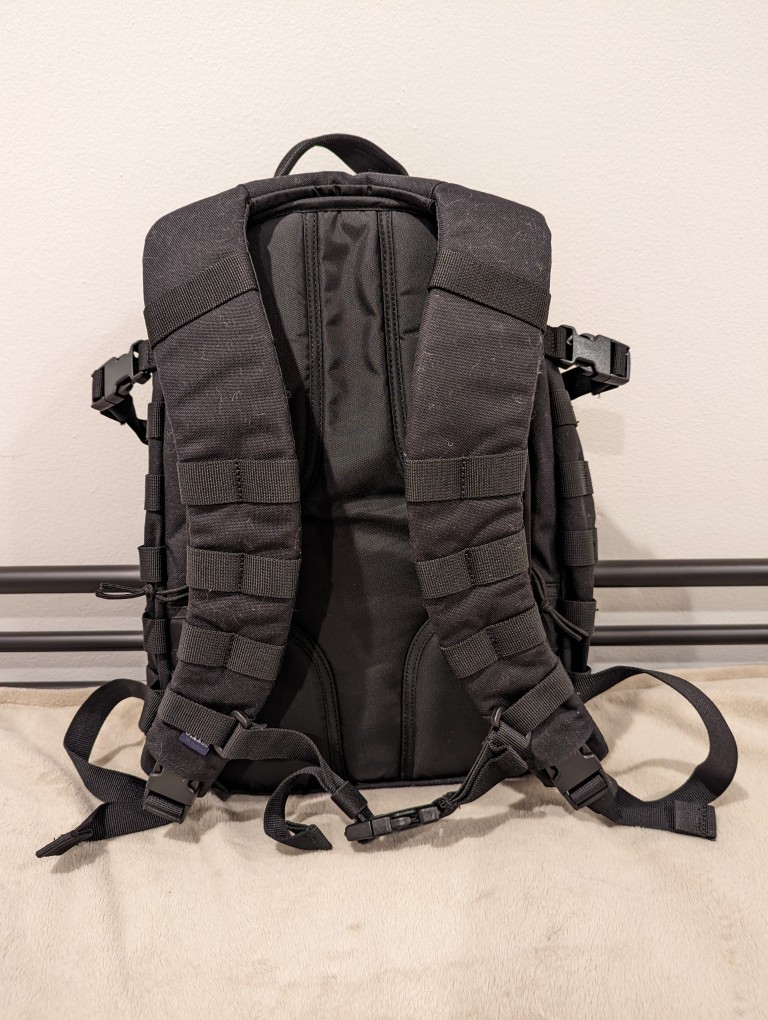
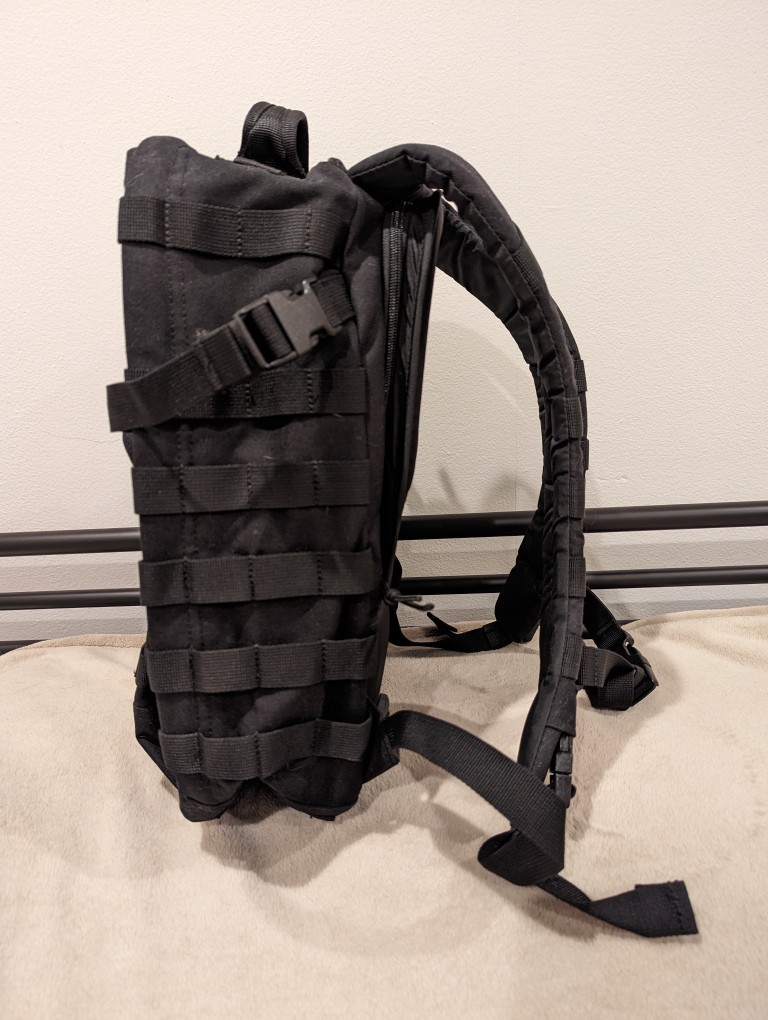
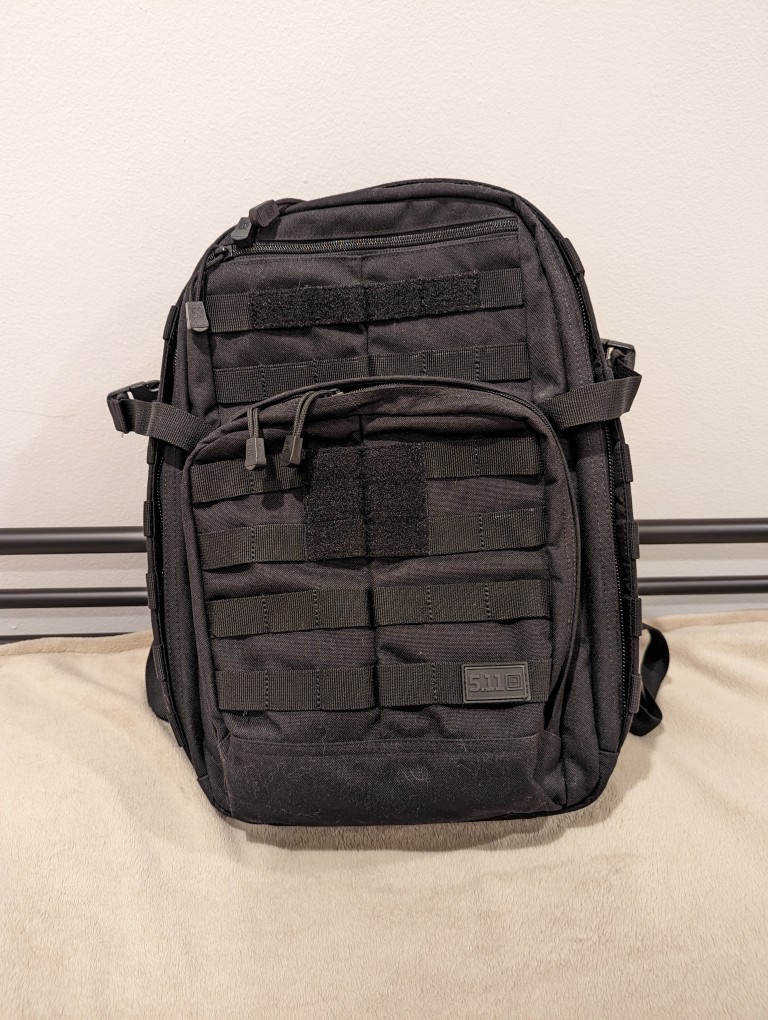
When I upgraded to a 16″ Lenovo ThinkPad P1 Gen 4 workstation-class laptop earlier this year, I soon learned that it was too large to fit safely in my 24-liter 5.11 Rush 12 2.0 backpack. While my old 12″ ThinkPad X230 easily fit into the up-to-15″ laptop capable compartment of the 5.11 Rush 12 2.0, the newer ThinkPad P1 Gen 4 dangerously pressed against its corners. Also, I trouble wearing the 5.11 Rush 12 2.0 with a a padded waist belt while carrying a heavy load–I couldn’t get the bag to ride securely against my back when doing that. Nevertheless, the 5.11 Rush 12 2.0 is virtually bulletproof and a very well made backpack. Unfortunately, it just didn’t meet my changing needs.
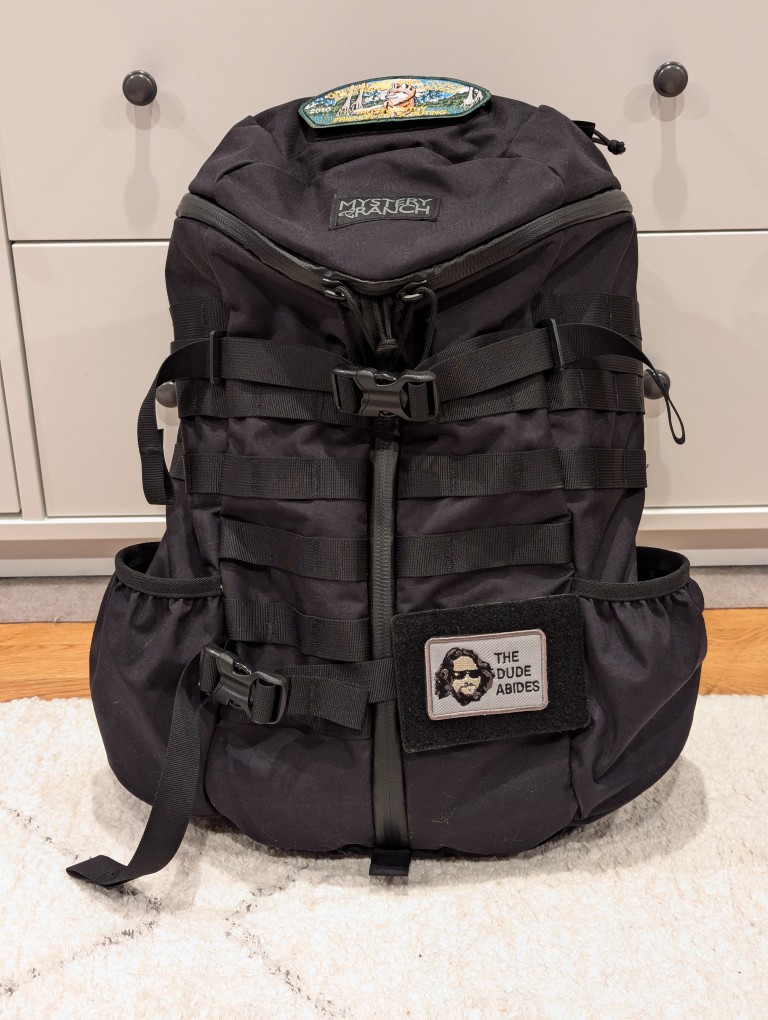
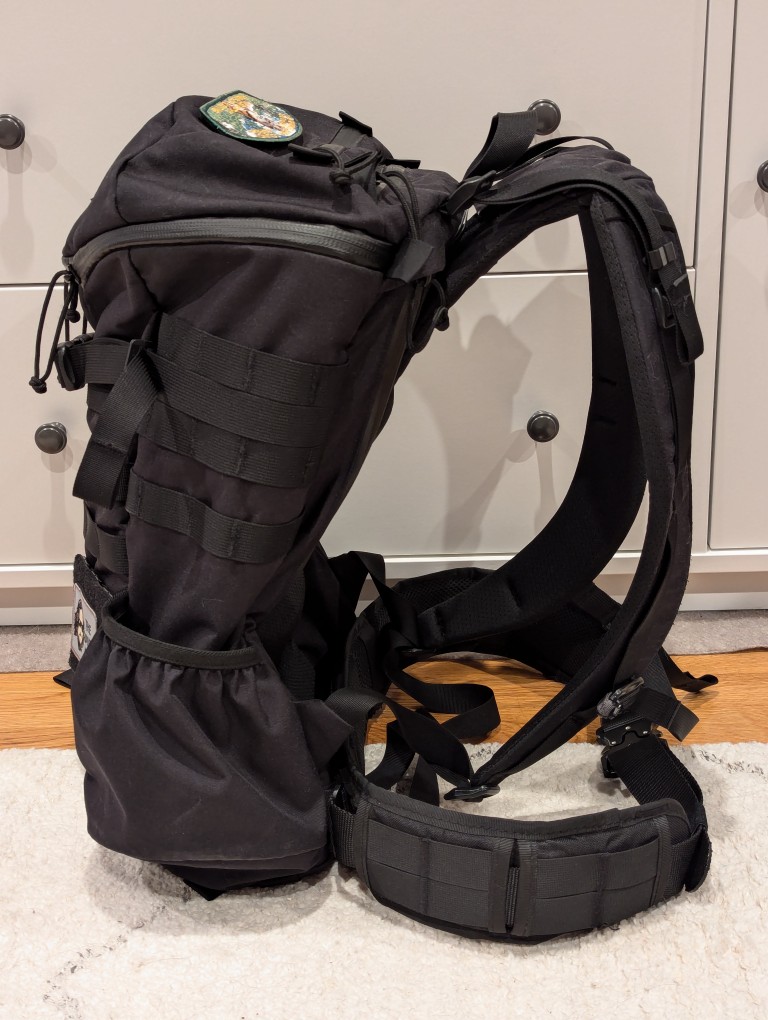
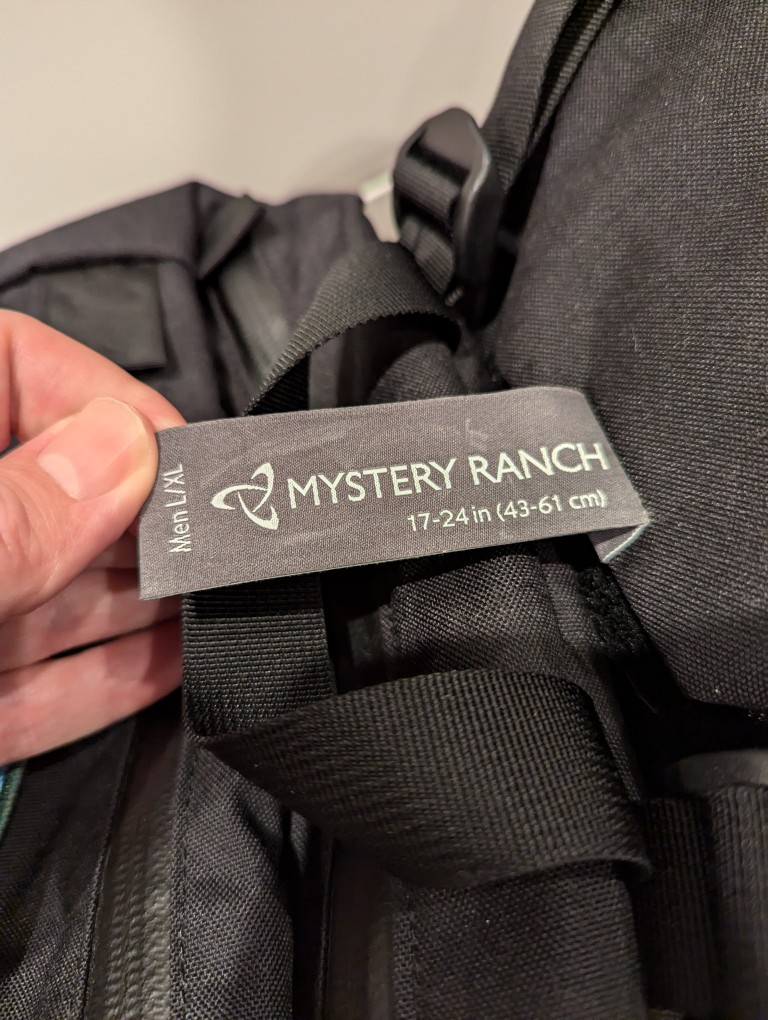
Looking for a larger backpack with MOLLE, waist belt attachment points, and a tough build like the 5.11 Rush 12 2.0 was easy–there’s a number of great alternate bags that fit those needs. However, finding one that also has a laptop sleeve capable of safely holding a 16″ laptop more challenging, because most manufacturers only support up to 15″ laptops. Thankfully, the Mystery Ranch 2 Day Assault L/XL backpack fit my needs quite well.
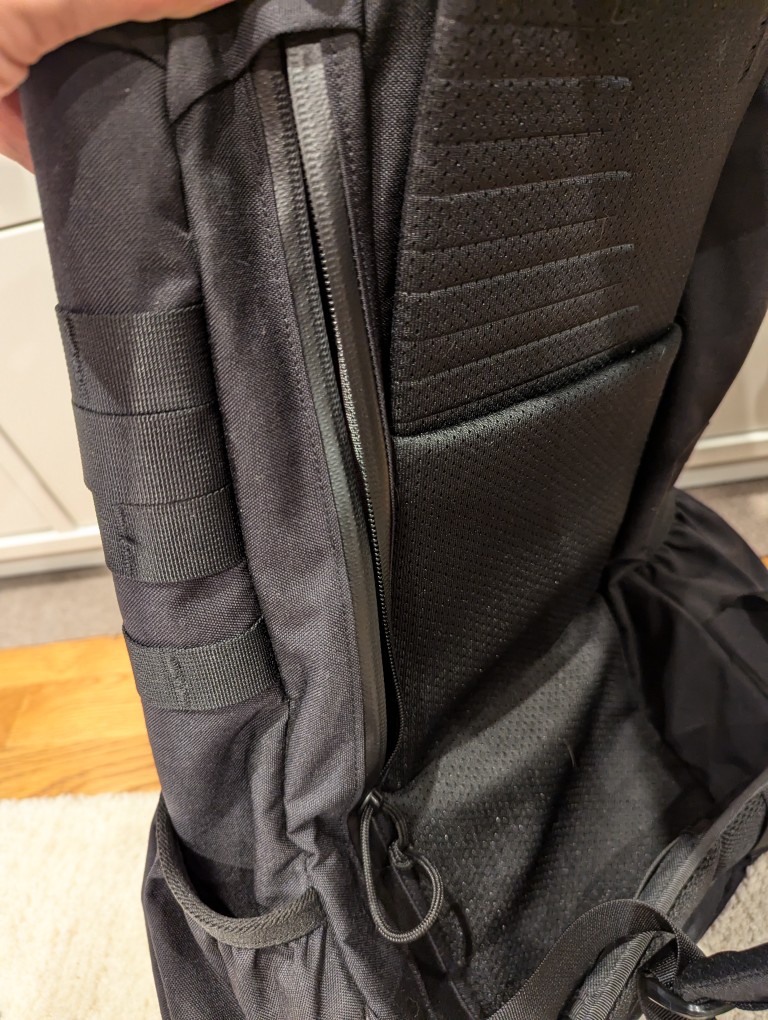
Like the 5.11 Rush 12 2.0, the Mystery Ranch 2 Day Assault L/XL backpack is built tough.
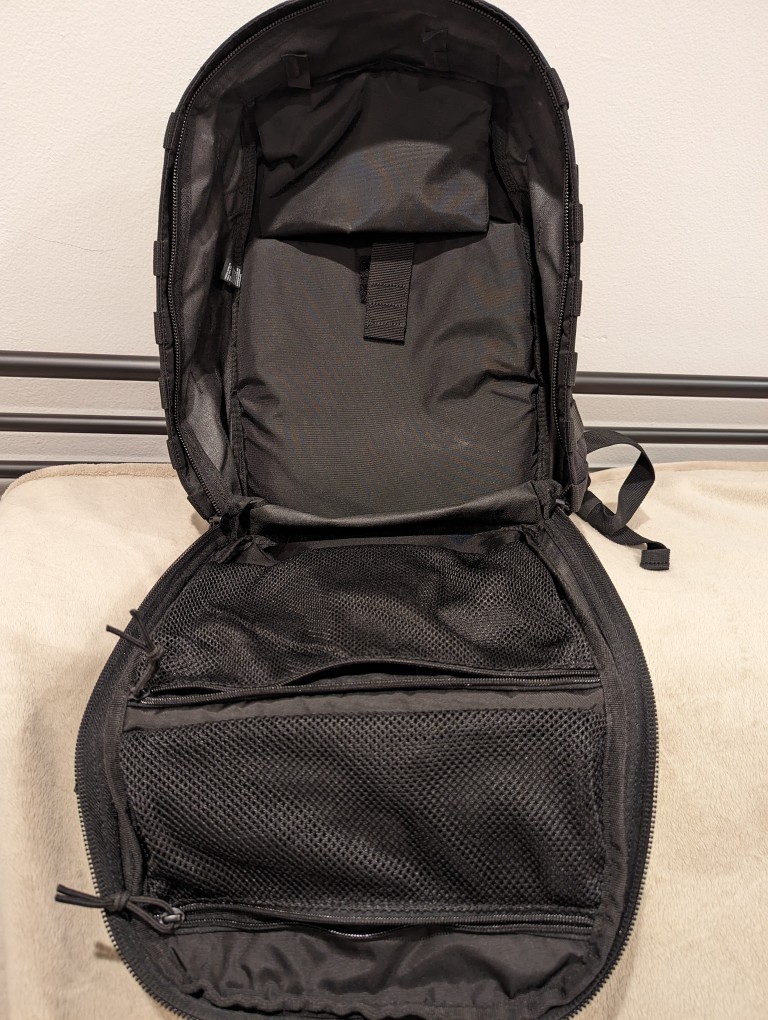
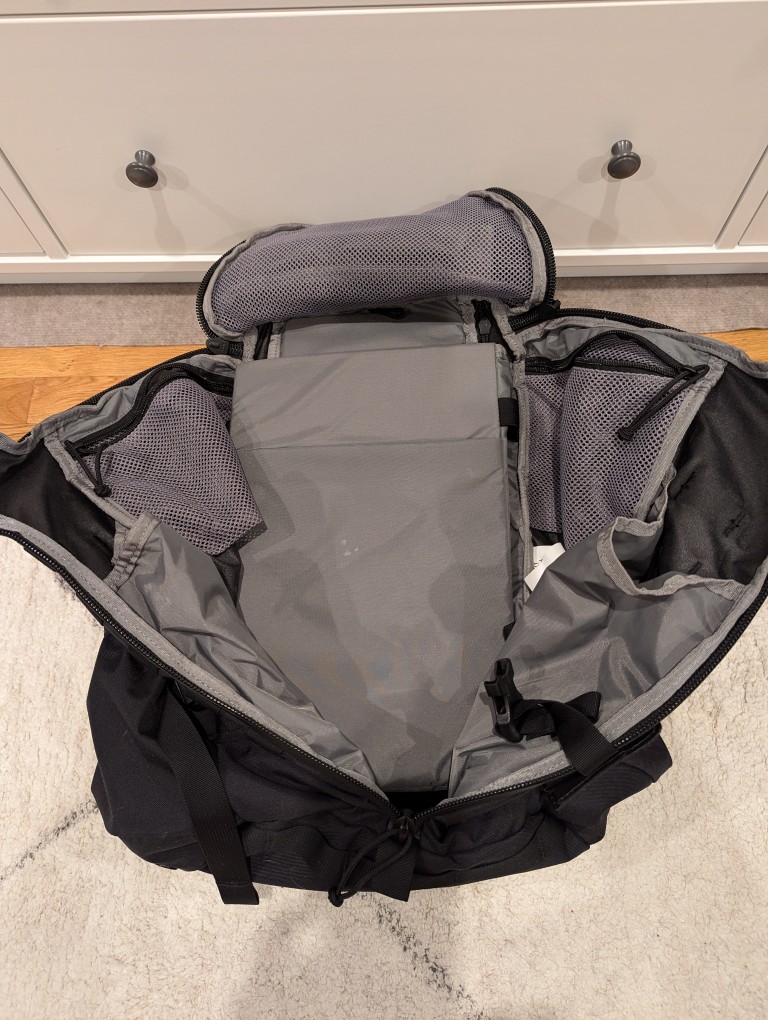
Meeting my new requirements in a backpack, it has a larger volume (24 liters vs. 29.7 liters), and its built-in laptop sleeve can accommodate a 16″ laptop (my ThinkPad P1 Gen 4 measures 10″ deep x 14 1/8″ wide x 15/16″ tall). However, I have to load and unload the ThinkPad through the main pocket as it is too wide and deep to easily maneuver through the zippered laptop side-loading pocket).
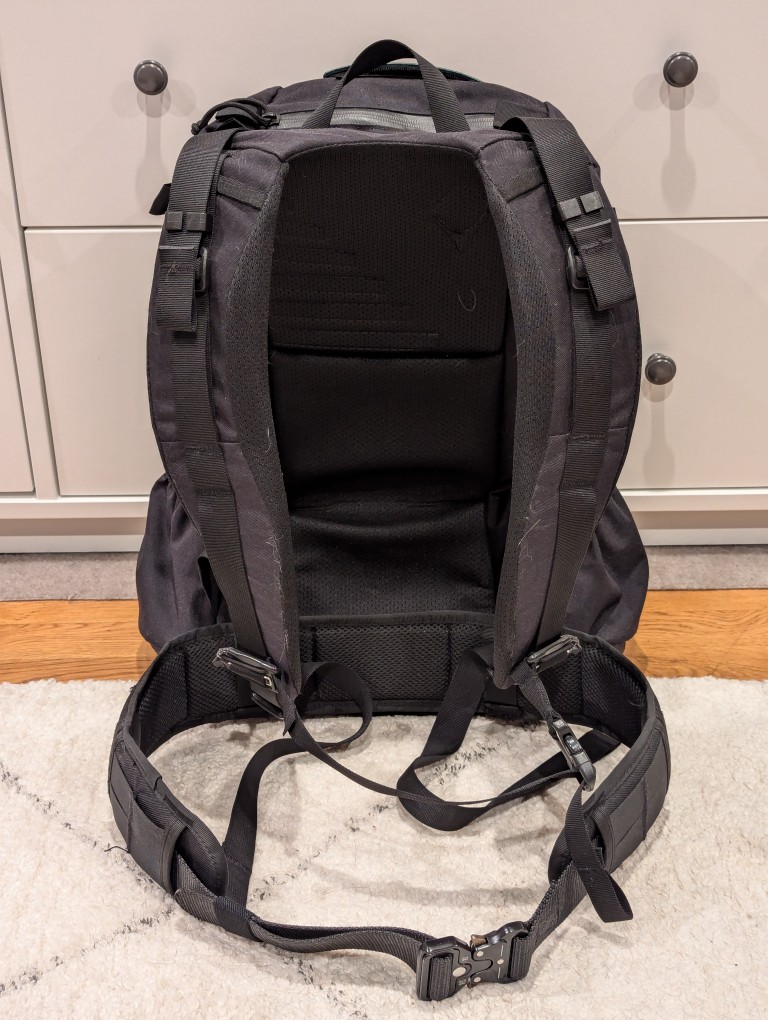
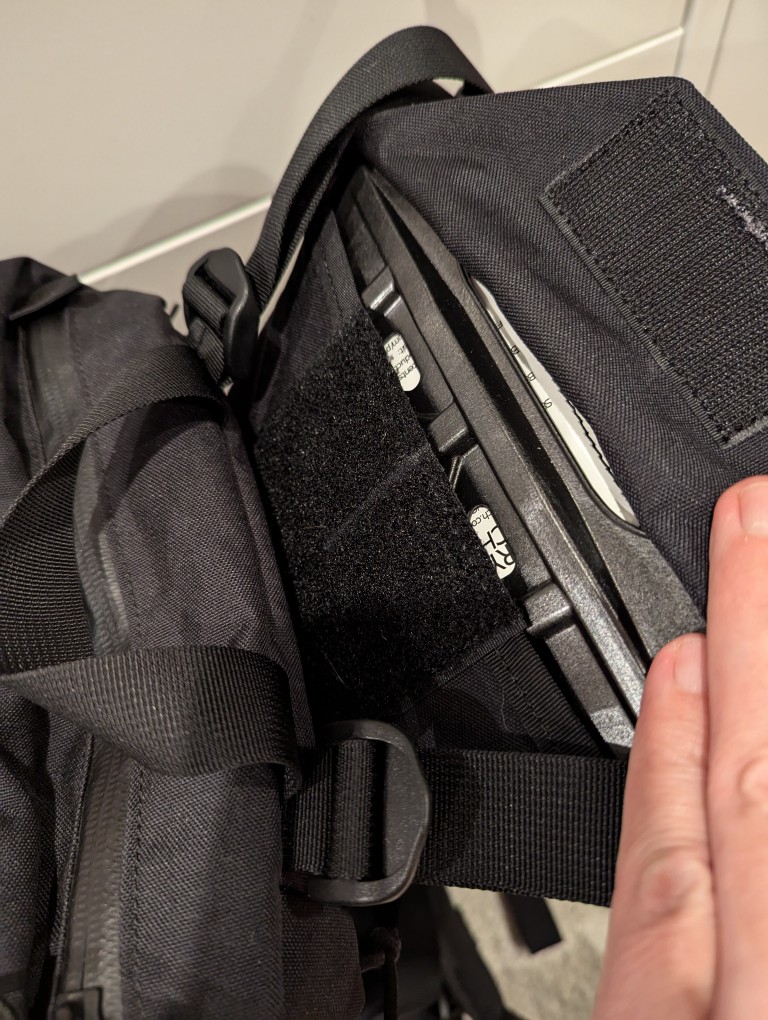
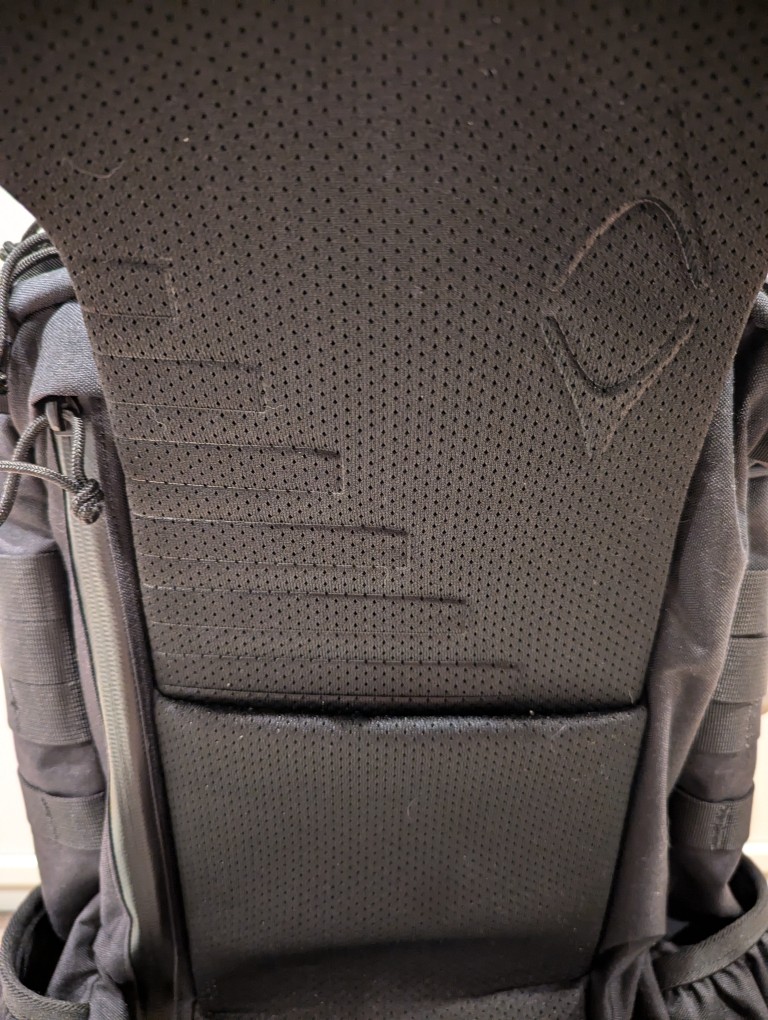
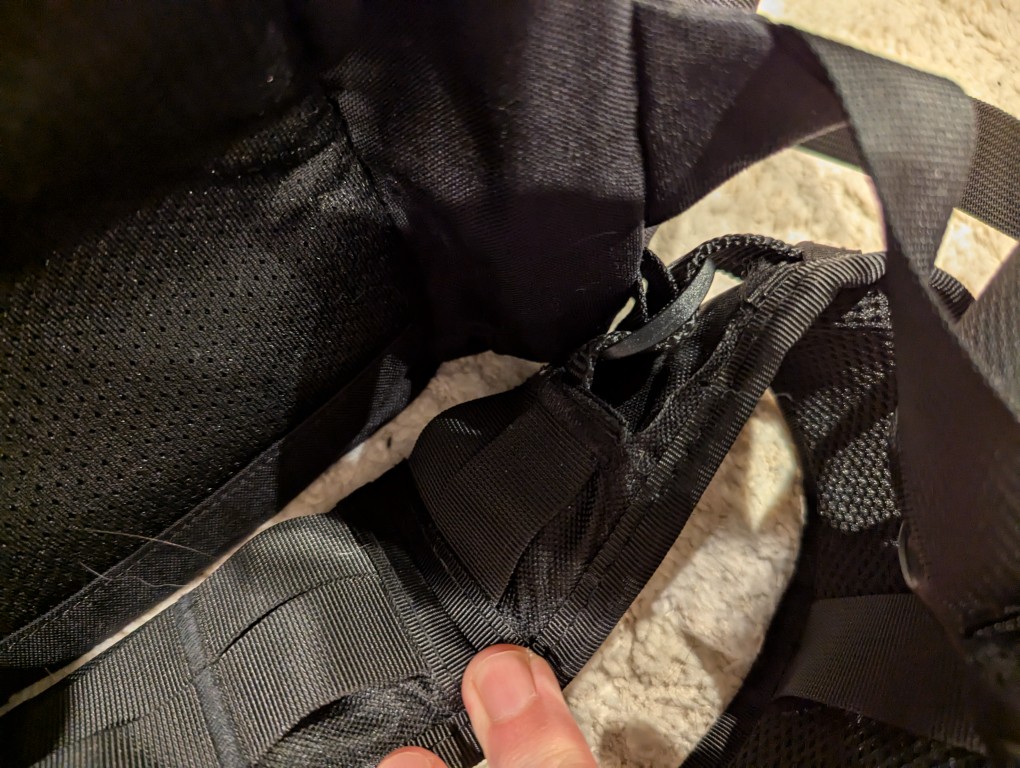
To help with load carrying, it has an innovative lengthening system that helps the pack ride close against your body. To adjust this system, remove the plastic frame shown in the gallery above, shove it into the velcro area behind the straps to release the hook and loop material holding the straps and pack together, pull up to lengthen, put the frame back in its place, press the pack flat to ensure the hook and loop are reattached, and adjust the straps as needed to have the straps rest tightly against your torso and shoulders and the bottom of the pack against your waist.
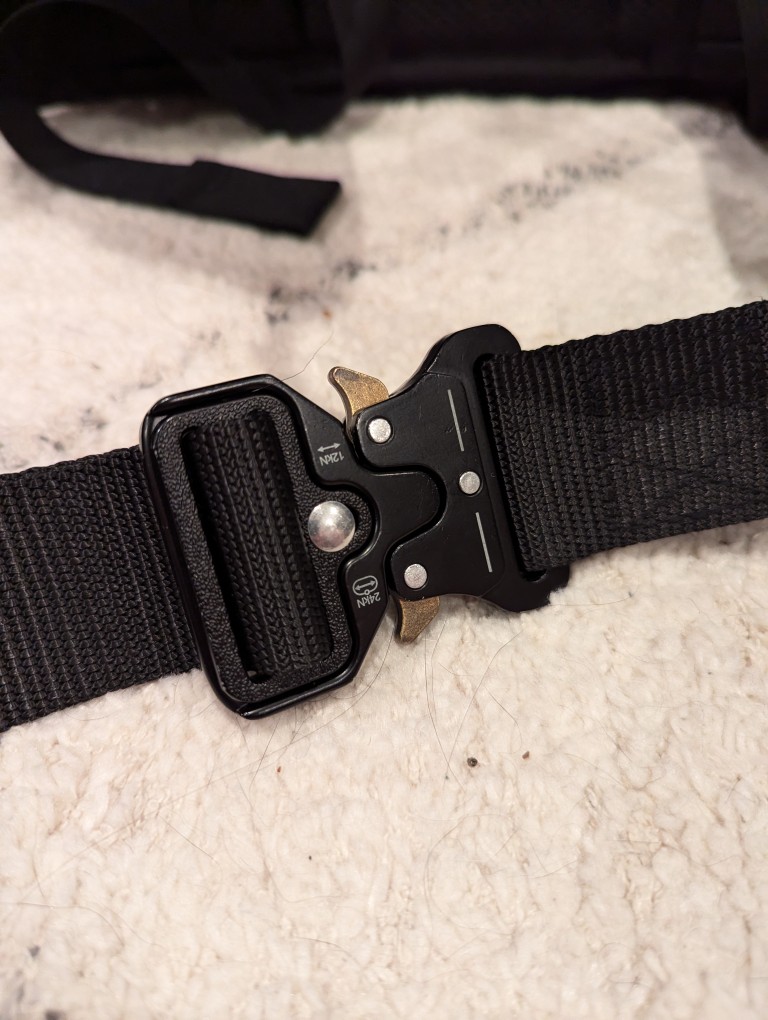
This adjustment system works well with the aftermarket padded waist belt that I originally used with the 5.11 Rush, but moved over to the Mystery Ranch 2 Day Assault pack. The Mystery Ranch bag included a two-piece simple nylon belt with plastic buckle. Its intention is to help hold the back against your body but not help with load carrying. I removed it and modified a Condor Battle Belt (it has a padded outer belt with MOLLE and an inner 1 1/2″ nylon belt with aluminum quick-release buckle). I cut off the D-ring equipment carriers and cut expanded holes in the outer padded belt to allow the inner 1 1/2″ belt to thread through the belt attachments on the Mystery Ranch pack. I added extra stitching to the outer padded belt and melted the nylon to prevent unraveling from these modifications.
The strangest thing about Mystery Ranch bags is the three-zipper main pocket opening. It is difficult to open and close these one-handed. However, the zippers are top-quality and waterproof. And, with the main pocket fully open, it can ingest a tremendous amount of gear, but it will likely require the bag to be fully opened to extract that gear if it is larger (e.g., a boxed 12 pack of aluminum cans).
Another modification that I made to the bag was to plug its main pocket drain holes with closed hole rubber grommets (I don’t want anything crawling in and setting up shop) and added some strap clips to keep the shoulder adjustment straps from flying all over the place while putting on the pack or walking with it.
Its two side mounted stuff pouches easily hold water bottles, thermoses, and short collapsible umbrellas. During the summer, I keep a pack of menthol cooling sheets and an electric fan in one so that I can reach back to grab them without having to take off the pack.
When I traveled to see my parents a few months ago, I added some MOLLE pouches to the exterior mounts (first aid, toiletries, cables, chargers, multitool, and snacks), but I took them off to reduce the pack’s weight when I am in the city where I walk further distances with it and would prefer the weight go towards what I am carrying instead of how I’m carrying those things.
The Mystery Ranch 2 Day Assault pack is holding up and meeting my expectations. With the new academic year about to begin, I’ll see how it holds up trekking to and from campus.