
I often find myself unable to move an arm or leg for extended periods of time when Mose happens to fall asleep while using part of my body as a pillow.
I often find myself unable to move an arm or leg for extended periods of time when Mose happens to fall asleep while using part of my body as a pillow.
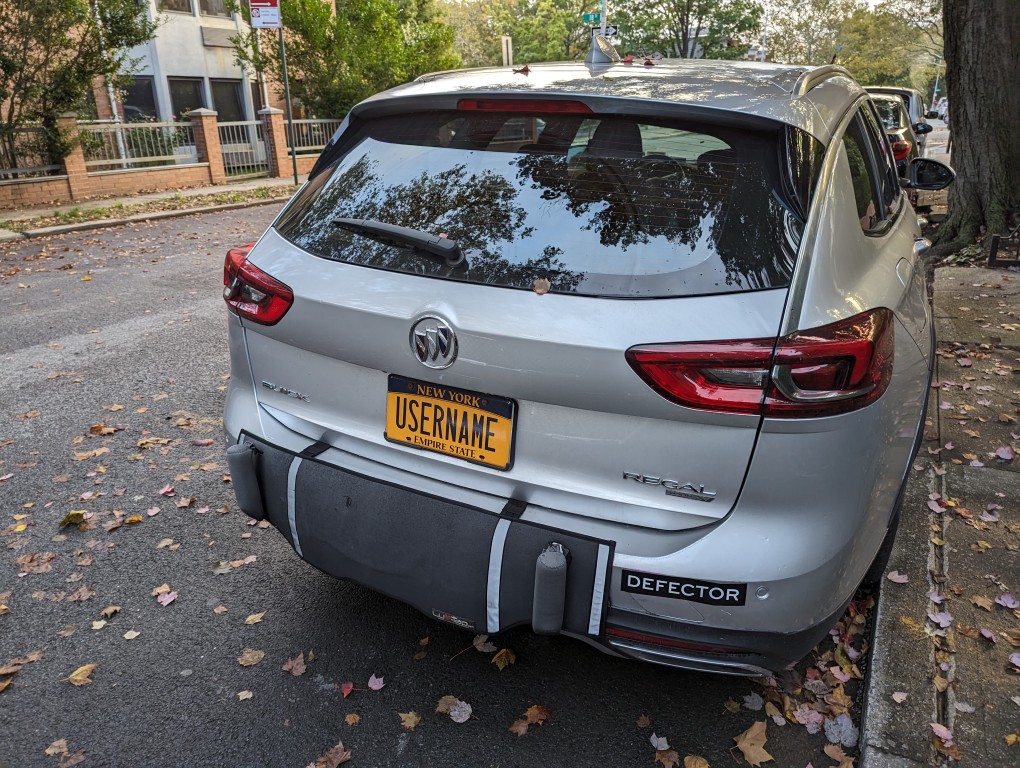
If I had a nickle for every time I’ve said, “Now, enter your username . . .”
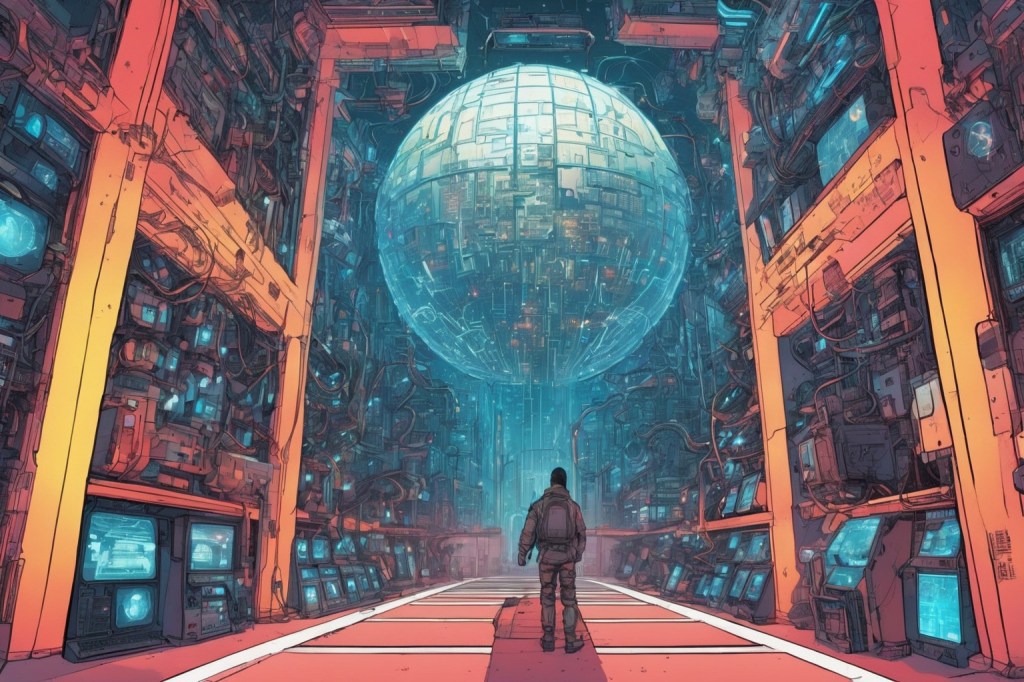
Tomorrow is the first anniversary of the Generative Artificial Intelligence (AI) and Pedagogy Bibliography and Resource List.
I first launched it on 13 April 2023 when I was directing the Professional and Technical Writing (PTW) Program at City Tech before going on my current research sabbatical.
The motivation for the resource was two fold: I wanted to learn all that I could about generative AI for my professional work as a teacher and scholar, and I needed to understand the changes taking place due to these new technologies for the benefit of my students who had already expressed concern and wonder about it.
I launched it with more than 150 MLA-formatted citations of books, collections, and articles related to AI and generative AI with an emphasis on teaching but also including useful background and area specific sources.
Now, it has over 550 citations! It also includes a growing list of online resources with direct links!
I’ll keep adding to it periodically, and if you have some sources that I haven’t included but should, drop me a line (my email address is in the sidebar to the right).

Near the corner of Mulberry Avenue and Fern Avenue in Green-Wood Cemetery, Y and I saw this once mighty tree felled and its trunk removed. All that remained was its stump and roots that had been pulled from the ground–perhaps due to the recent rains and high winds. I counted at least 120 rings.

The side it fell towards shows an extensive wood boring infestation (more than half the the circumference of the outer bands on the side toward the bottom of the photo). Perhaps its roots were weakened on that side, which contributed to its fall.
Switch to the satellite view of this point on Google Maps to see how large the tree was in better days.
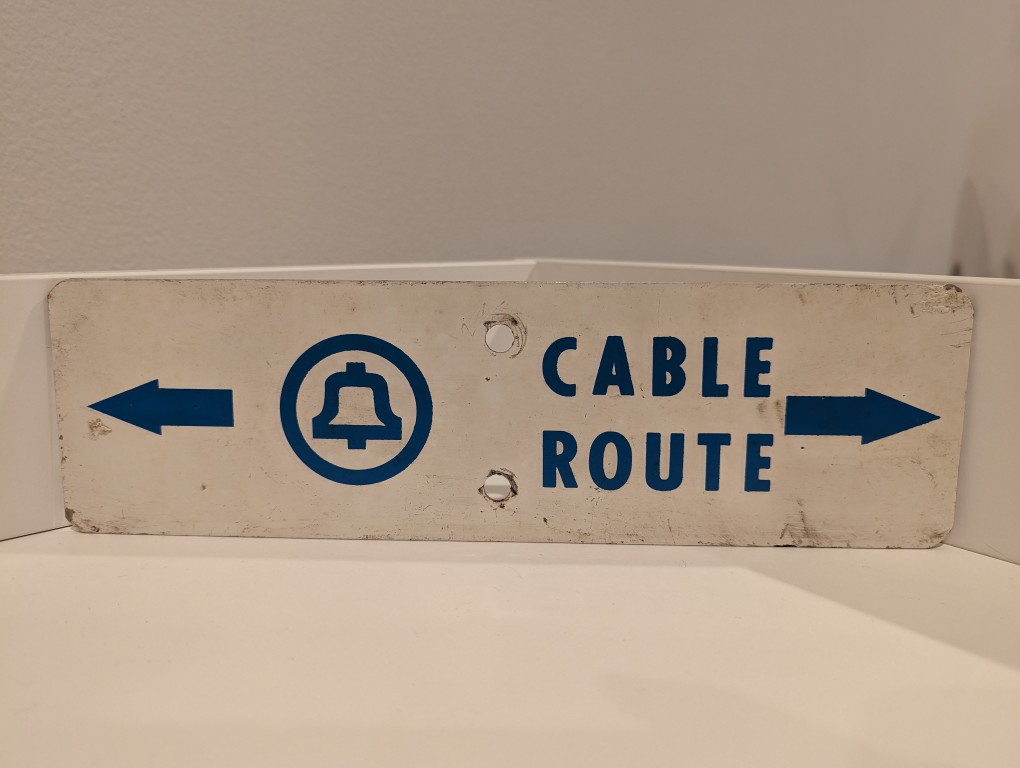
Long before AT&T was having massive data breaches, they were burying cables and putting up these signs in the back country to warn would-be diggers from slicing through buried copper or fiber optic cables.
