
I saw this mysterious fairy door next to a normal sized door in Brooklyn awhile back.
I saw this mysterious fairy door next to a normal sized door in Brooklyn awhile back.
As I wrote about KPT Bryce in July 2023, there are image generating programs that use fractal geometry instead of artificial intelligence (AI).
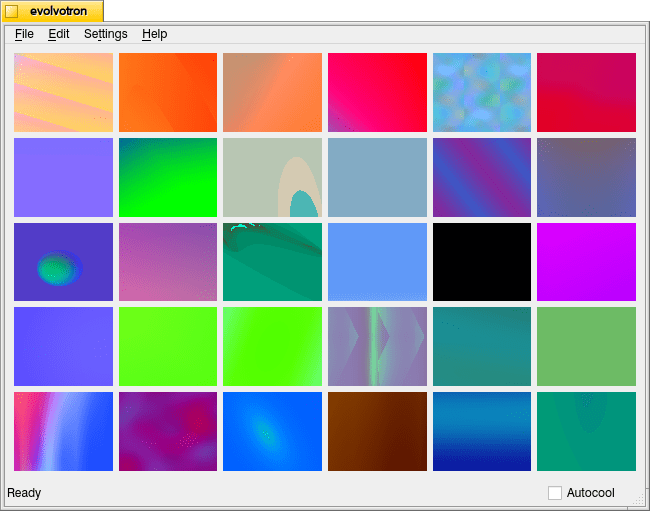
Another such image generator program is Evolvotron. It can generate fractal-based images with different patterns, colors, and shapes.
It has an interactive interface driven by user choices in response to a field of different images–each generated from a different set of parameters. Based on this initial field of images, the user can choose File > Reset (or press R on the keyboard) to generate a new field of images.
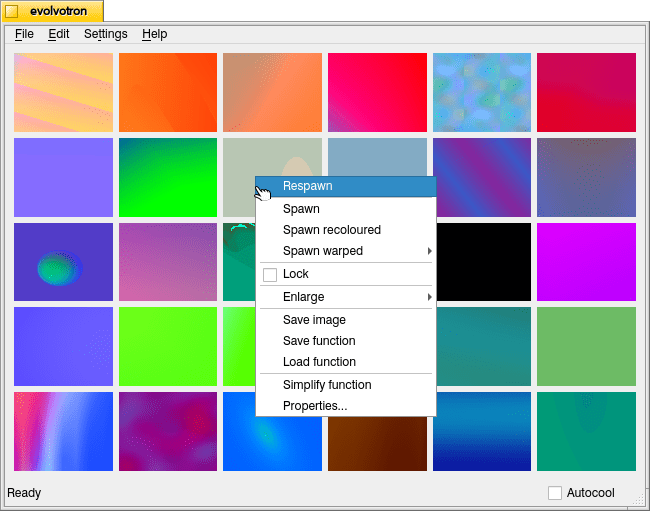
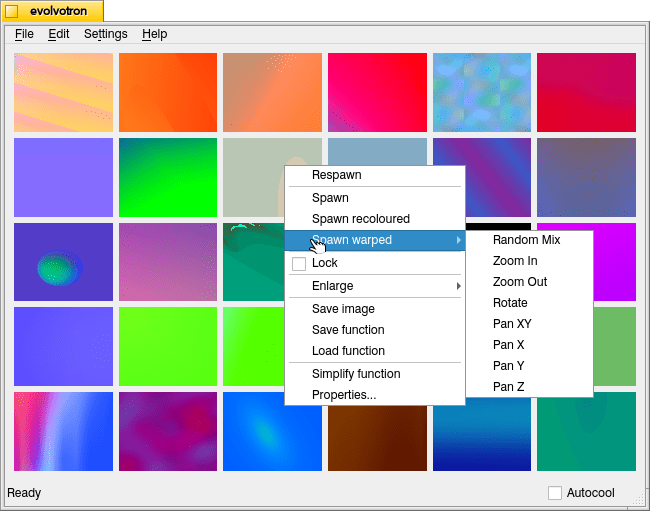
When one of these images is one that the user likes or would like to explore more, they can right click and choose to Respawn (just the one square), Spawn (generate images with adjacent parameters), Spawn recoloured (same originating parameters but different colors), and other functions such as Spawn warped (below), Enlarge (below), and Save.
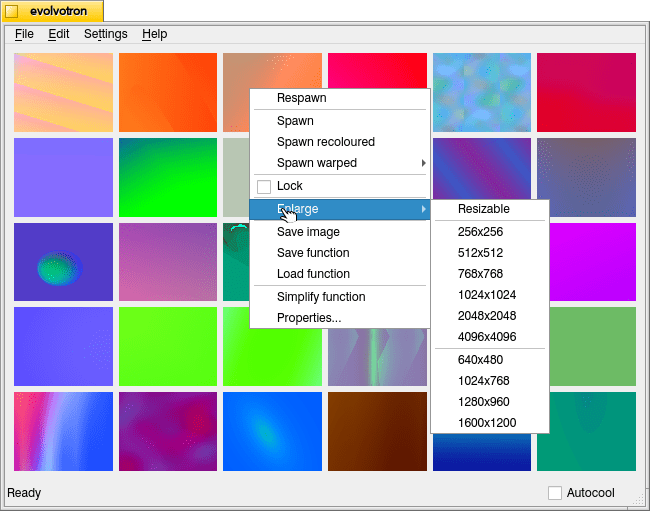
Below are a few images at 1024 x 1024 that I generated with Evolvotron.




I installed Evolvotron from the Debian 12 repositories. It can also be downloaded for various Linux distributions here, and it is available for MacOS X via Fink.
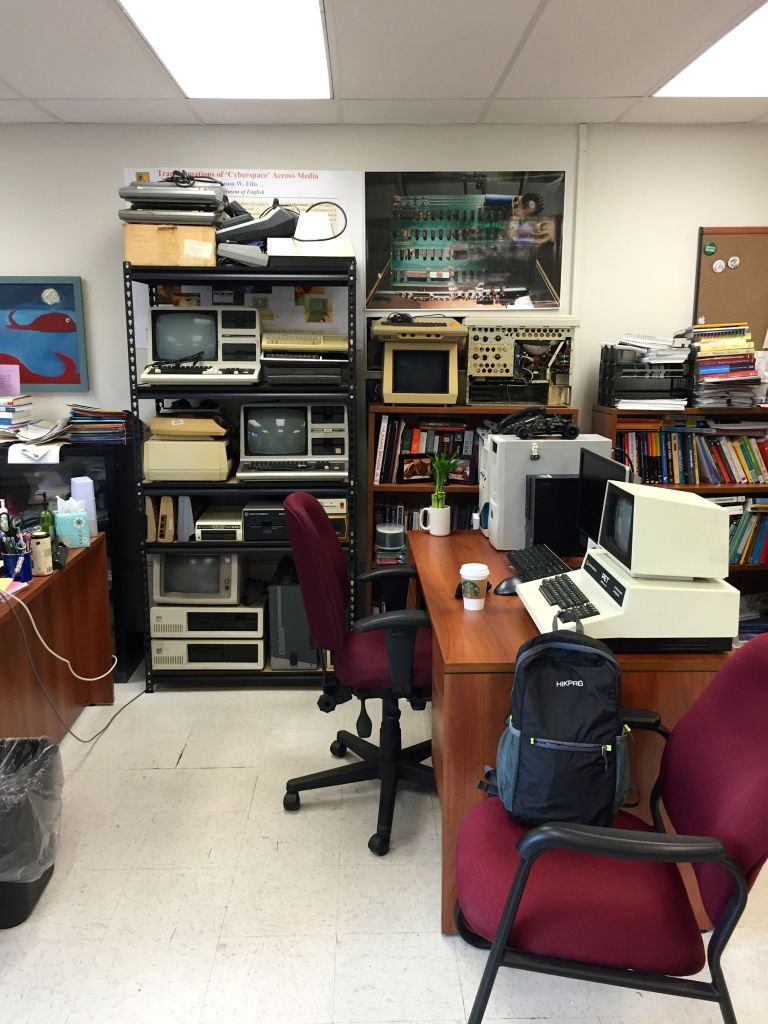
I’ve written some about starting the Retrocomputing Archive at City Tech in my cramped desk area in Namm 520 here and here, but I don’t think I’ve written about how I moved the bulk of the lab’s holdings that belong to City Tech from one building to another.
At a semi-enclosed campus, it might seem relatively easy to move equipment around, but when your campus is like City Tech’s, which is essentially a clusters of buildings on busy, big city streets with security and protocols it can be a real headache. Here’s how the move went down.
In 2015, I learned through Mary Nilles, my dearly departed English Department colleague, that Stanley Kaplan, Senior CLT Assisting the Dean of the School of Technology and Design, had been keeping a collection of forgotten, vintage computers in a closet on an upper floor in City Tech’s Vorhees Building and the dean wanted the closet cleared out.
I reached out to Stanley who gave me a tour of the large closet’s treasures seen below.

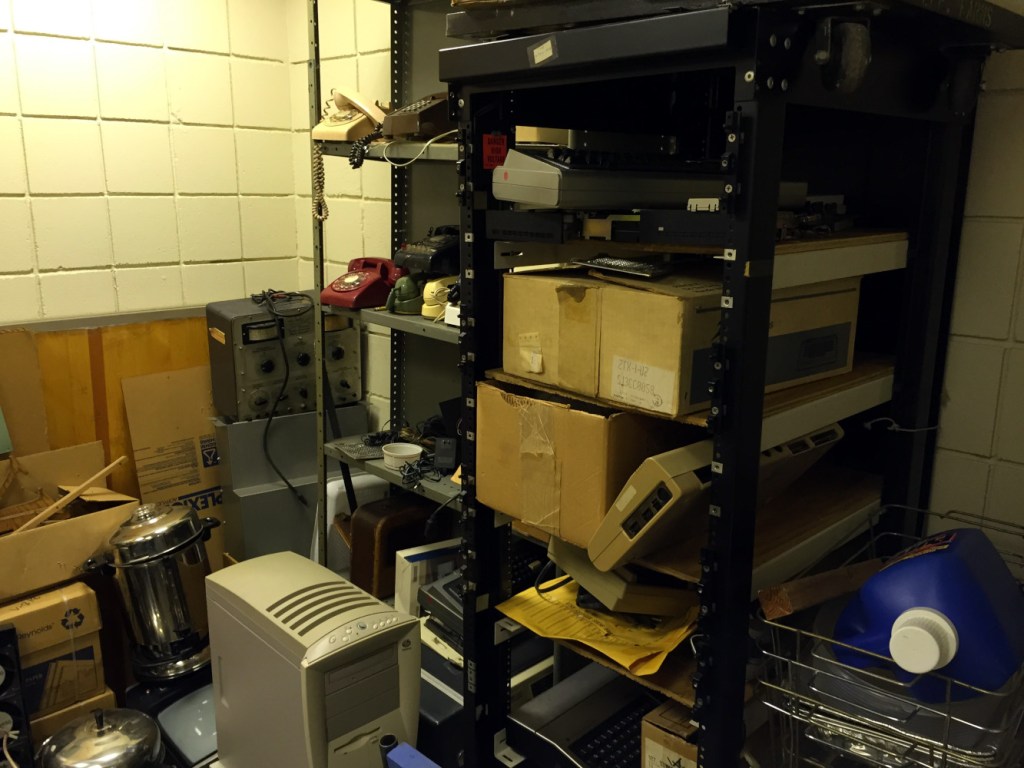
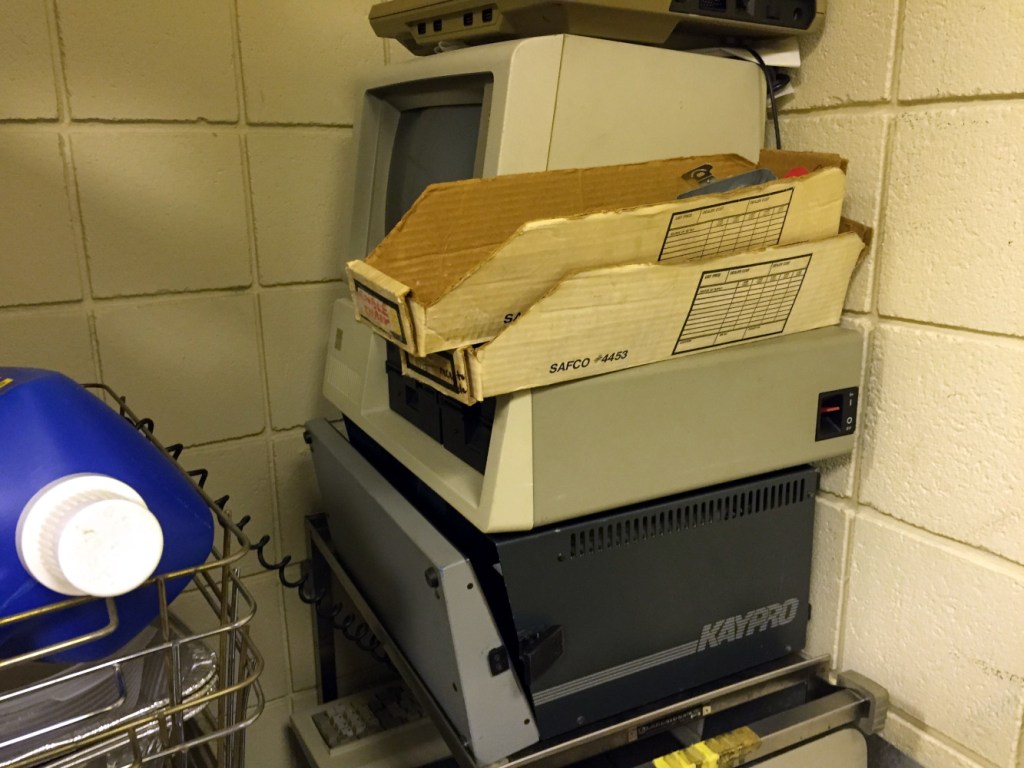
I told him that I definitely wanted to move the computers into my office for the Retrocomputing Archive, but I would need to figure out the logistics of it since I didn’t have a car to move everything from one building to the next and a cart to carry the items from the top of Vorhees to the street and then from the street into the bowels of the Namm building where my office is.
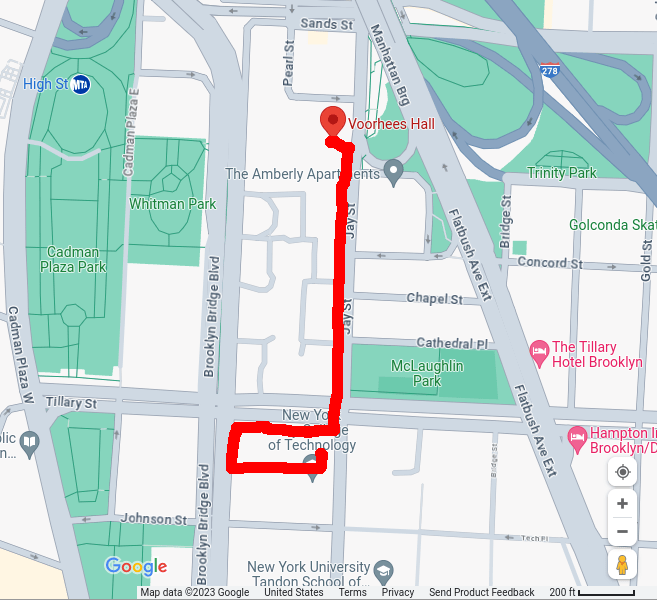
I already had nylon straps and plastic wrap from our move to New York from the year before, which I could use to secure everything on a cart, which I didn’t have. So, I purchased up a heavy duty utility cart from Lowes for about $60 (I just looked and the price is up to $130 now!), and carried it boxed (~35 pounds) across the parking lot, down the street, up the stairs to the above ground subway at 4th Ave/9th St, up the steps at Jay St/Metrotech, two blocks down Jay St into the Namm Building, elevator ride up, and dropped it next to my desk exhausted. I assembled it in the office (I had considered assembling it in the Lowes parking lot, but it would have been too awkward to carry up the steps at the 4th Ave/9th St station.
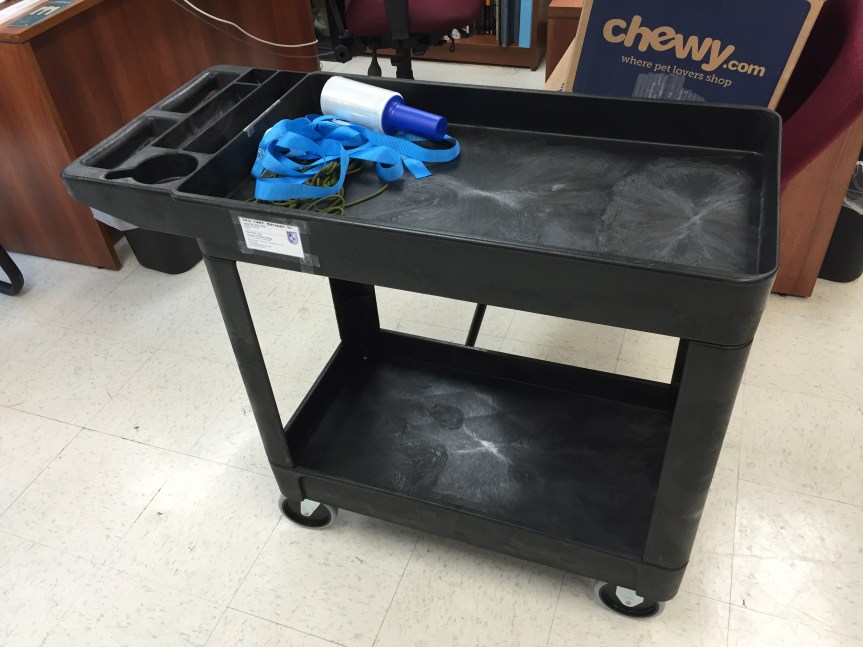
For each load of computers from Vorhees to Namm, I put the heaviest equipment on the bottom and completely filled the lower shelf space to give it as low a center of gravity as possible. I stacked the top as reasonably as I could. I strapped it down and used the plastic wrap to secure smaller items that might wiggle loose during the rattly trip through Brooklyn.
There were pros and cons about moving the computers from Vorhees to Namm. Leaving Vorhees and walking to Namm on Jay Street is down hill. However, the weight of the computers on the cart made it a strenuous task to hold the cart back from careening down the hill. The sidewalk is also uneven, broken, and pieced together with different kinds of material, which had to be navigated over and around. And, of course, there were the pedestrians, which occasionally made the move like a game of Frogger.
I was able to move the bulk of the equipment in three trips. I might have gone back to pick up a few other things, but the second trip also turned out to be the most stressful. I never had any trouble with security at the entrance of Vorhees. I showed them my faculty identification and told them that I was taking the equipment to Namm. During the first trip into Namm past security, I wasn’t questioned about the equipment. Probably because logically I am bringing things into the building rather than attempting to walk them out, which I imagine happens on occasion.
But, on the second trip into the Namm building, security stopped me and grilled me about what I was doing. Eventually, they led me to the security office on the first floor where I had an unpleasant conversation with the former public safety director about processes, protocols, and policies that admittedly serve a purpose in most cases but in an edge case like this.
Despite the computers no longer appearing in any equipment databases, Stan and I had to fill out overzealous paperwork that had to be signed off exiting and entering a building. Individual items’ serial numbers weren’t checked against the paperwork, so it seems to have been bureaucratic onanism that added unnecessary labor to an already difficult project.
Nevertheless, I moved the equipment into my limited office space and later purchased garage storage shelves to hold most of the larger computers with others on top of my official issued bookshelf and desk and others stacked into my filing cabinet.
And, the utility cart came in handy when we received the first 160 box donation that inaugurated the City Tech Science Fiction Collection.
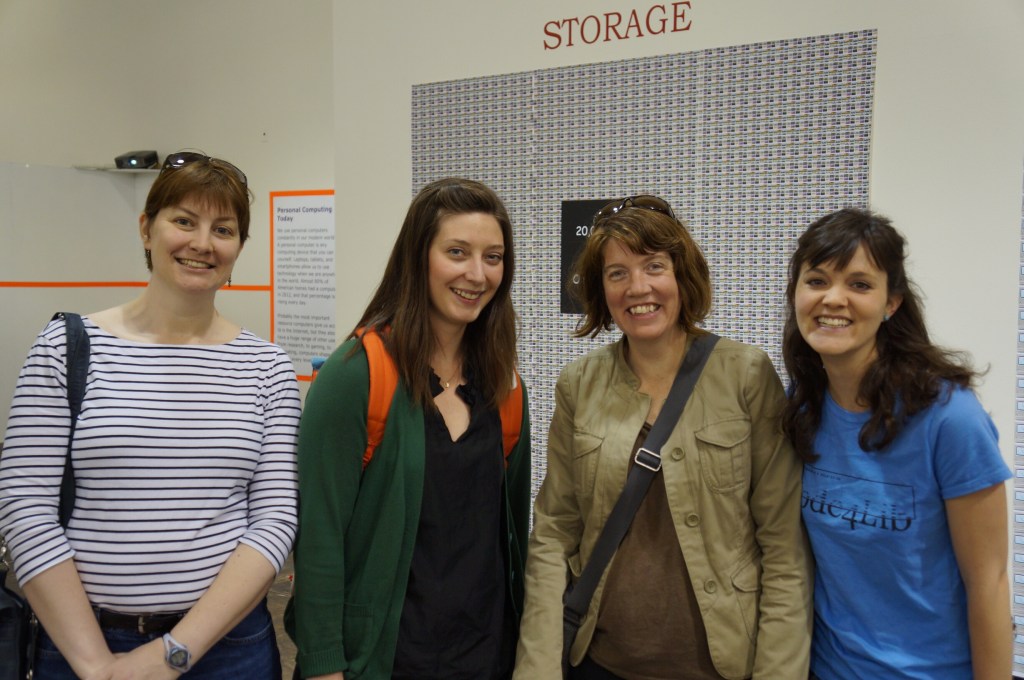
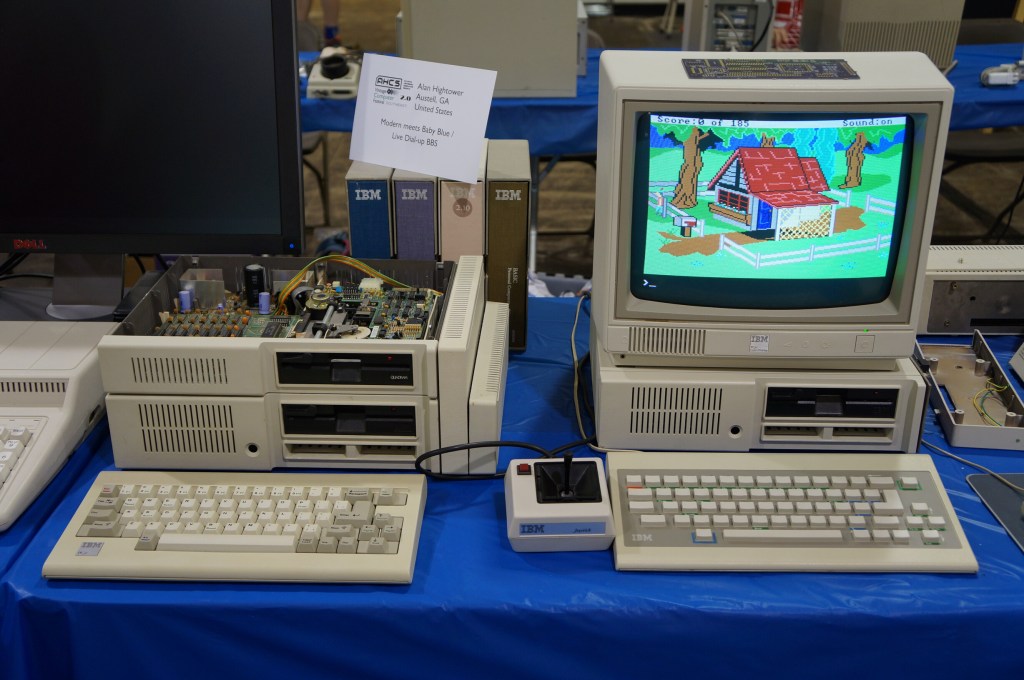
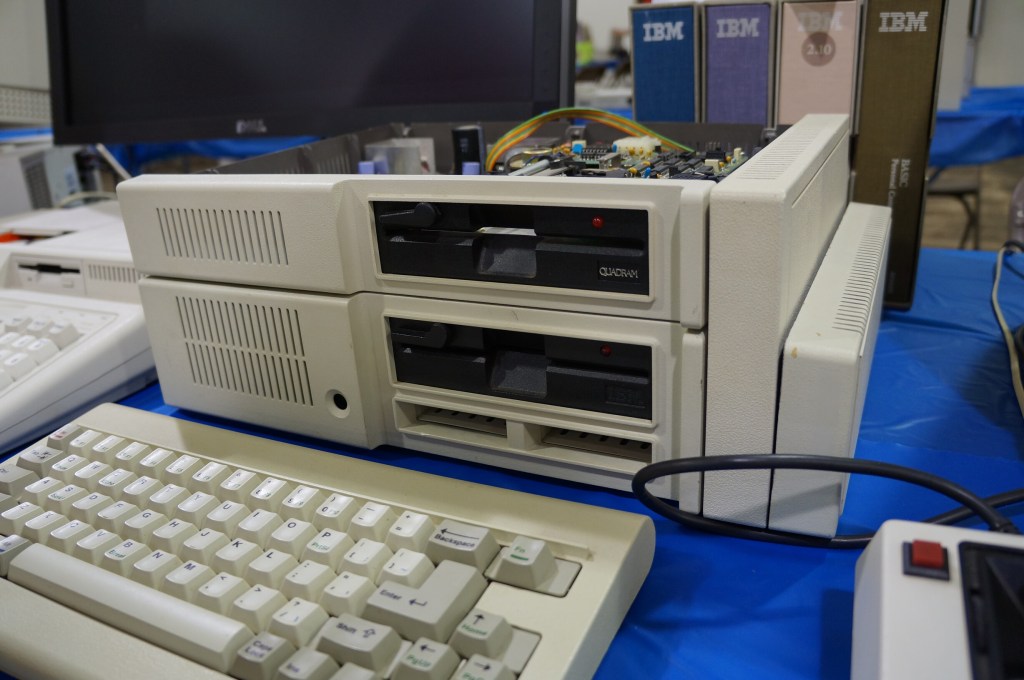
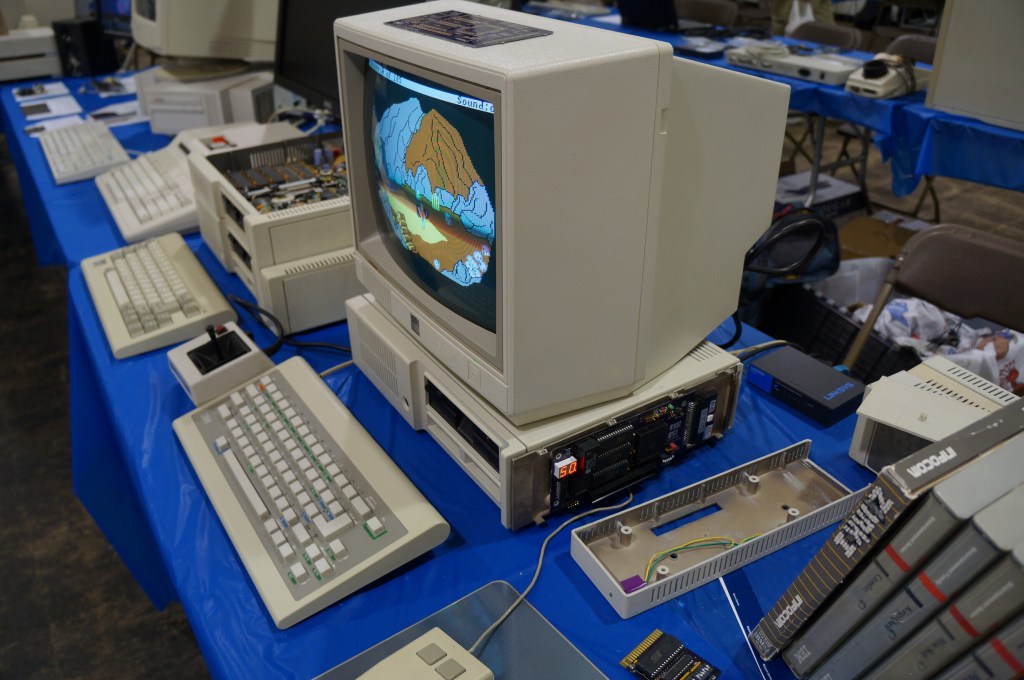
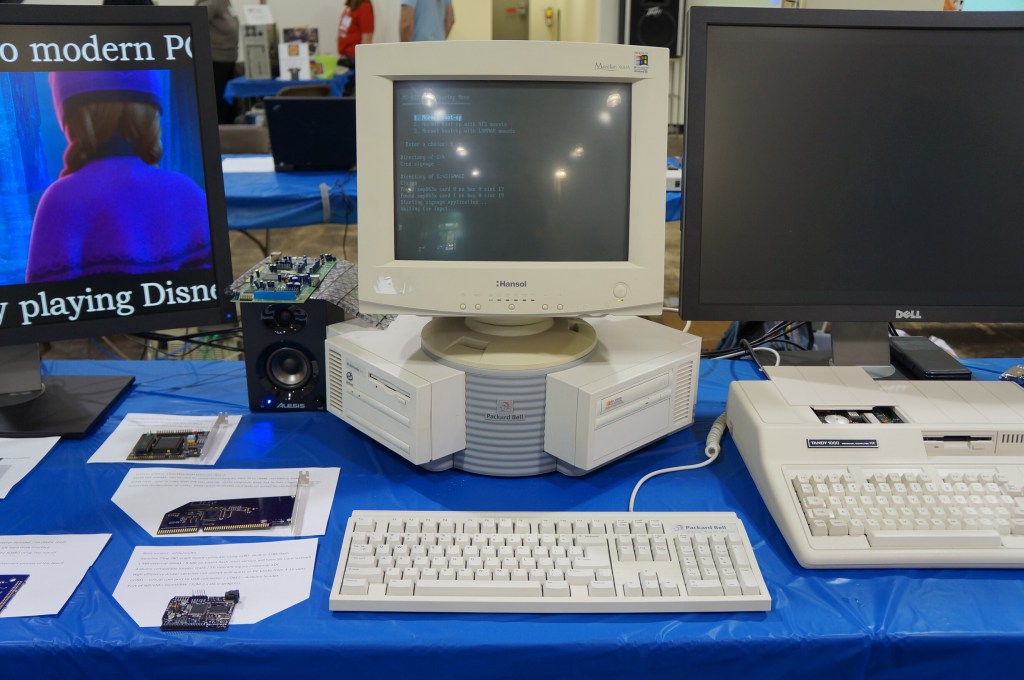
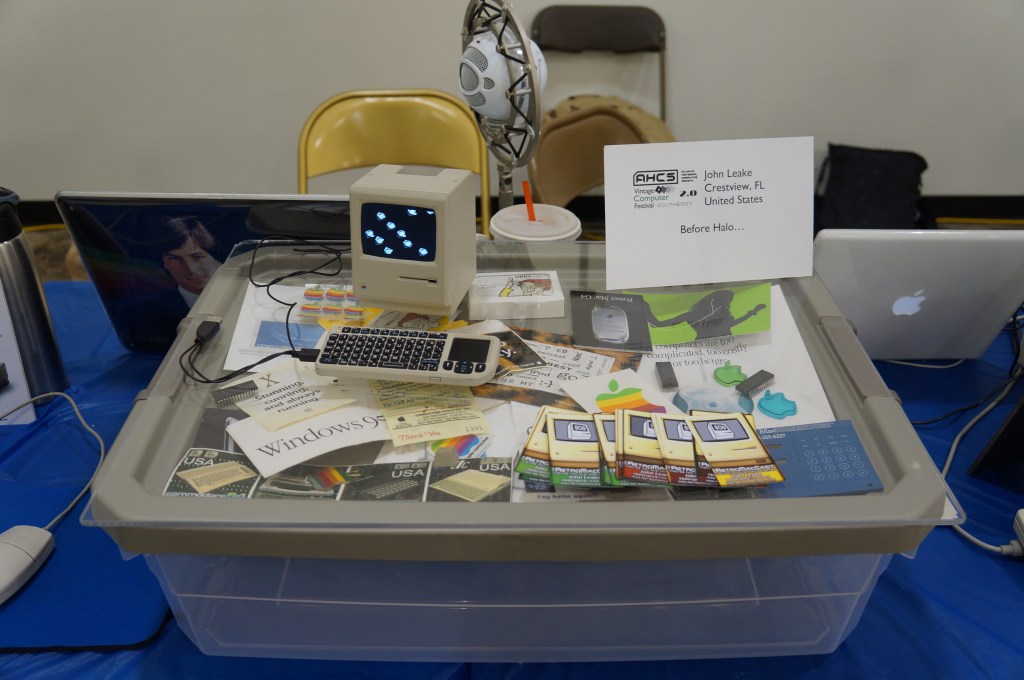
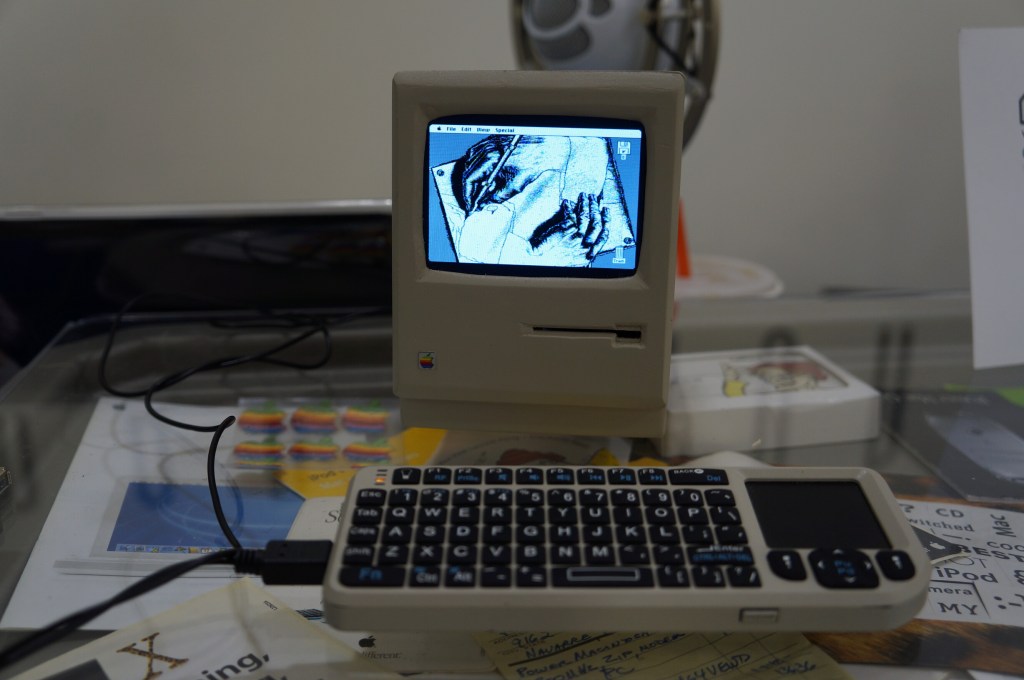
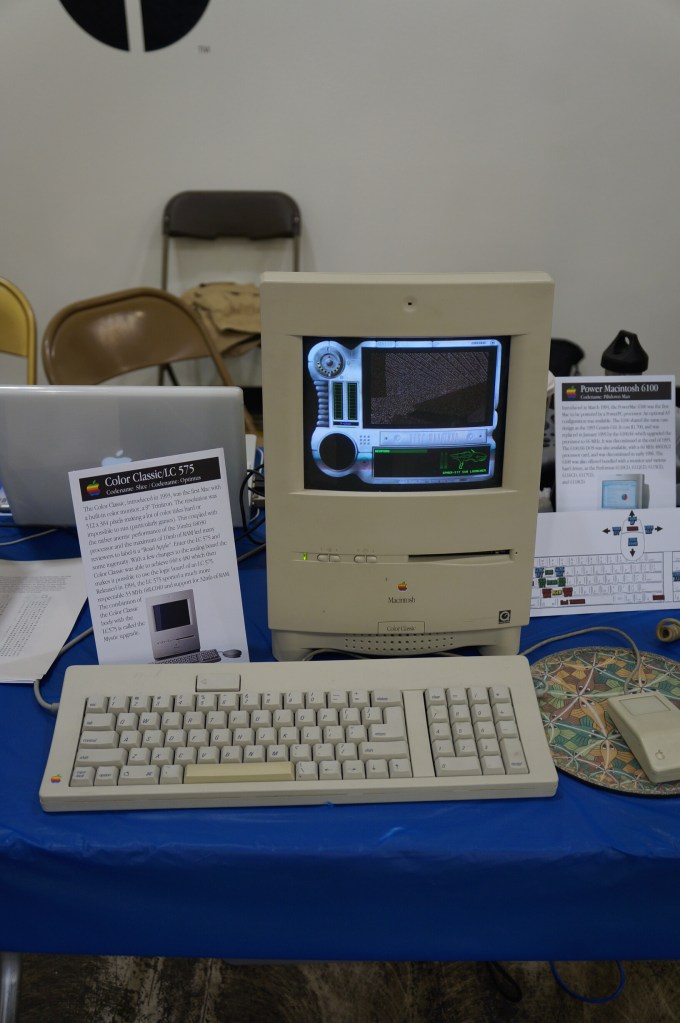
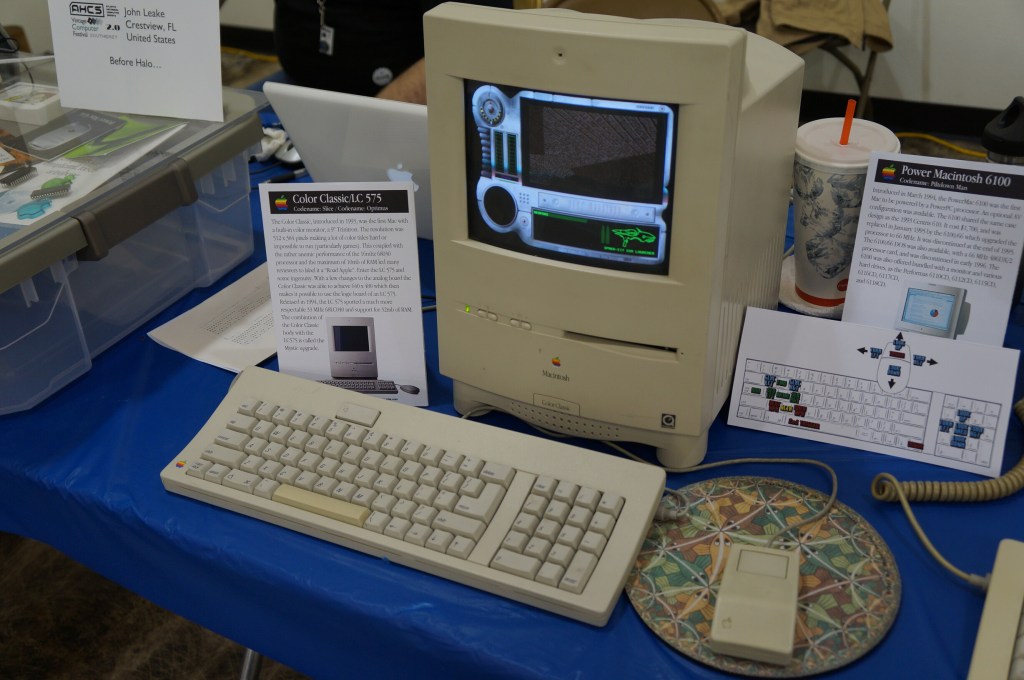
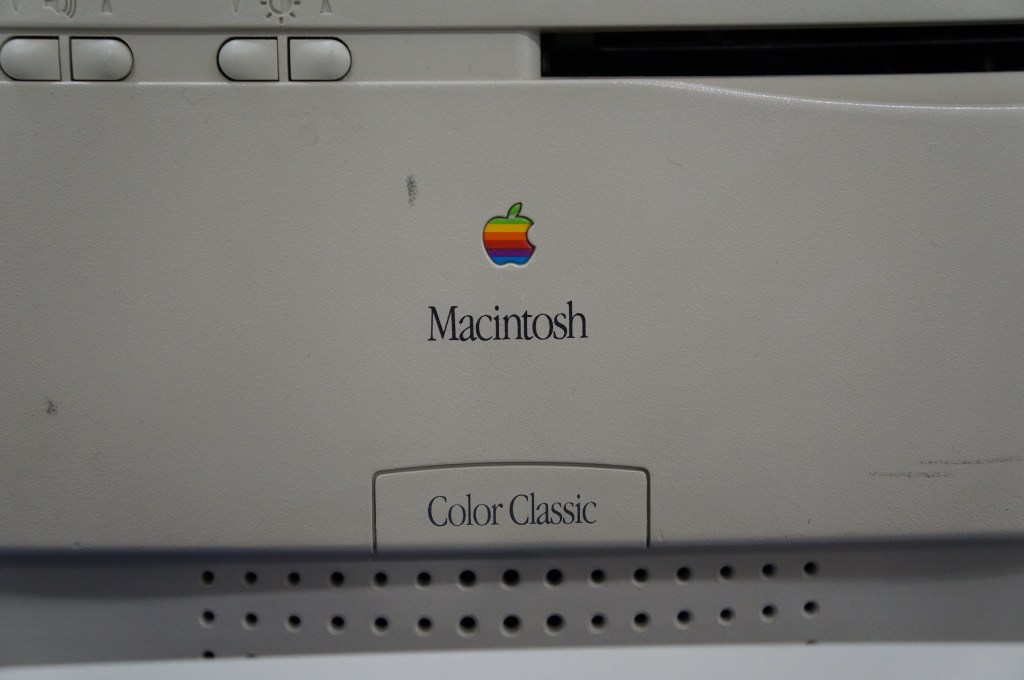
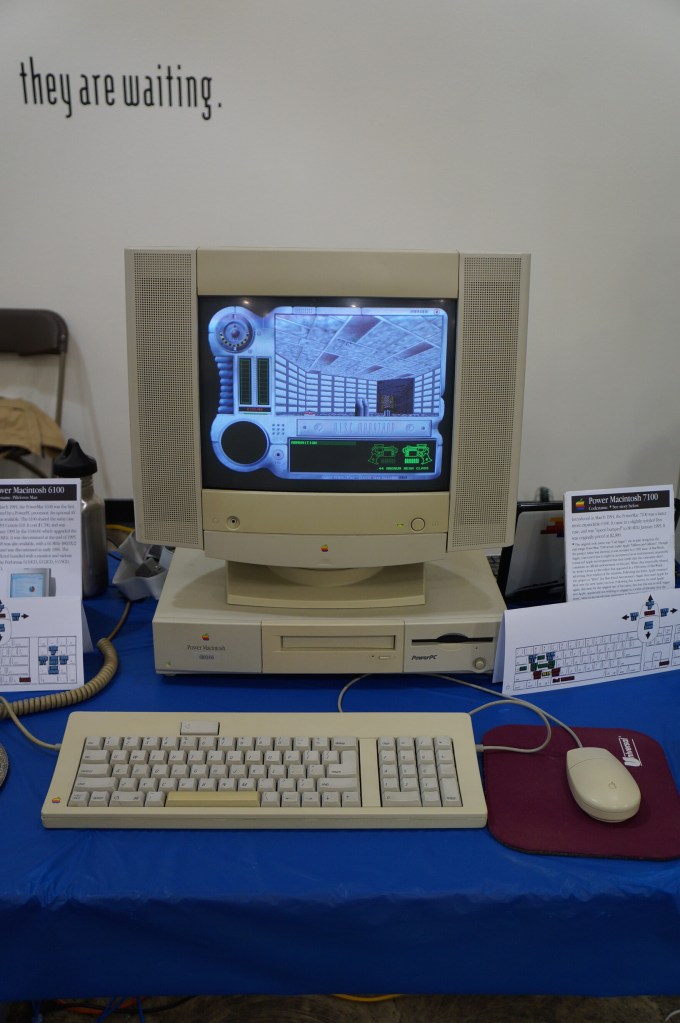
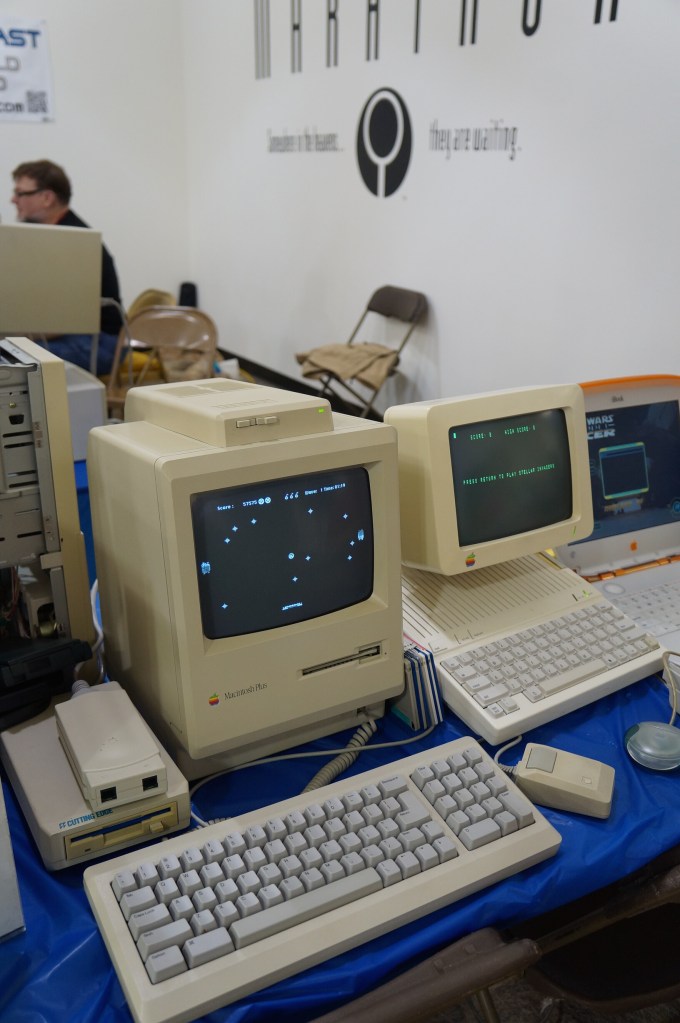
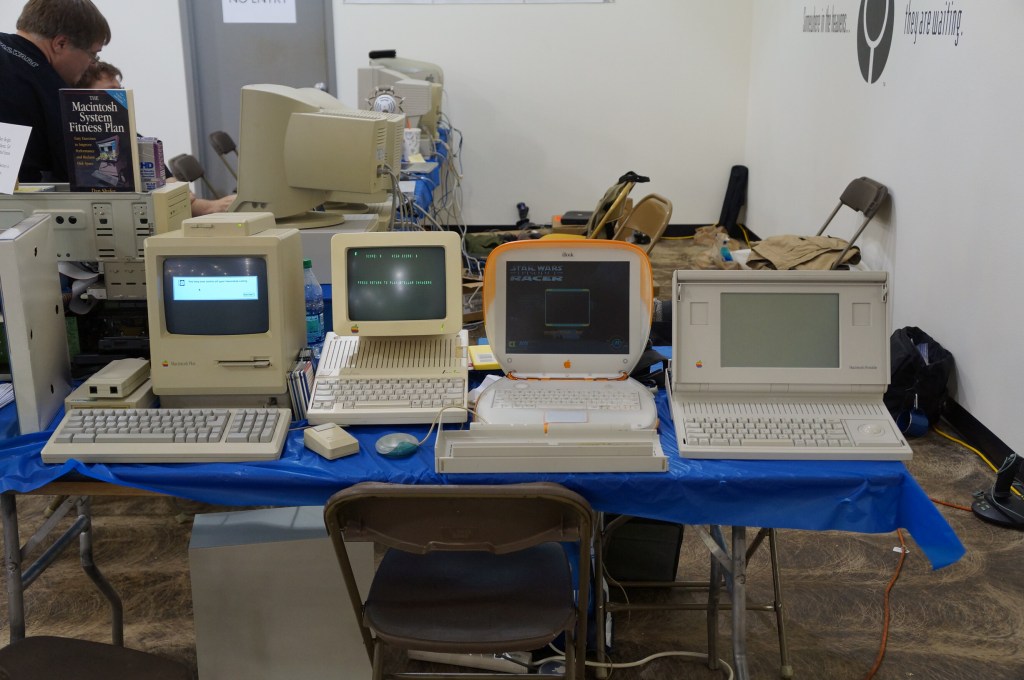
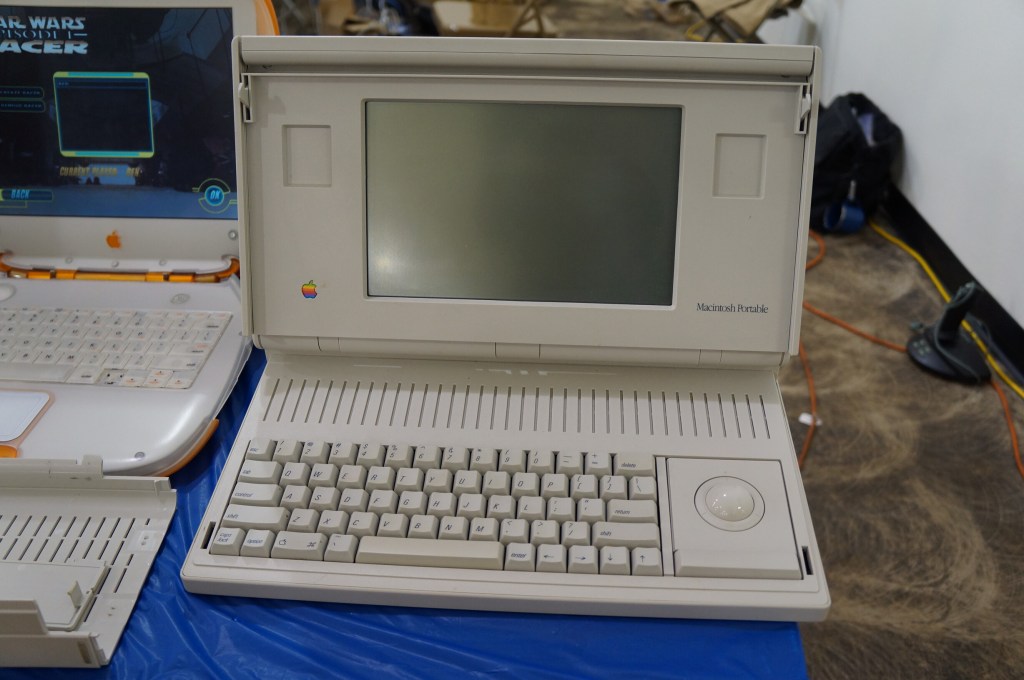
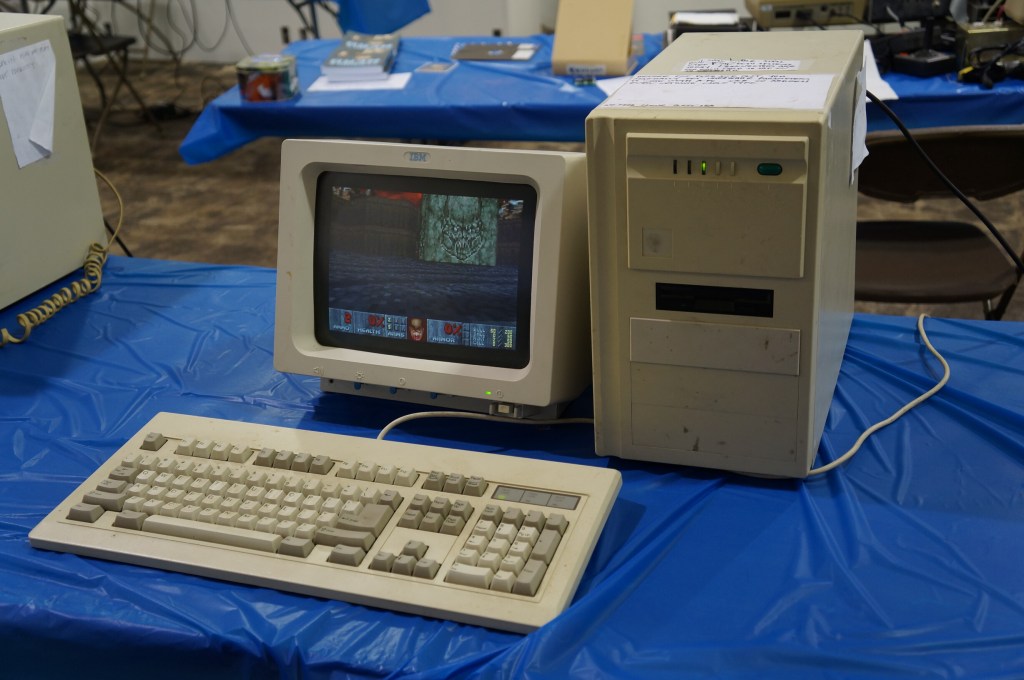
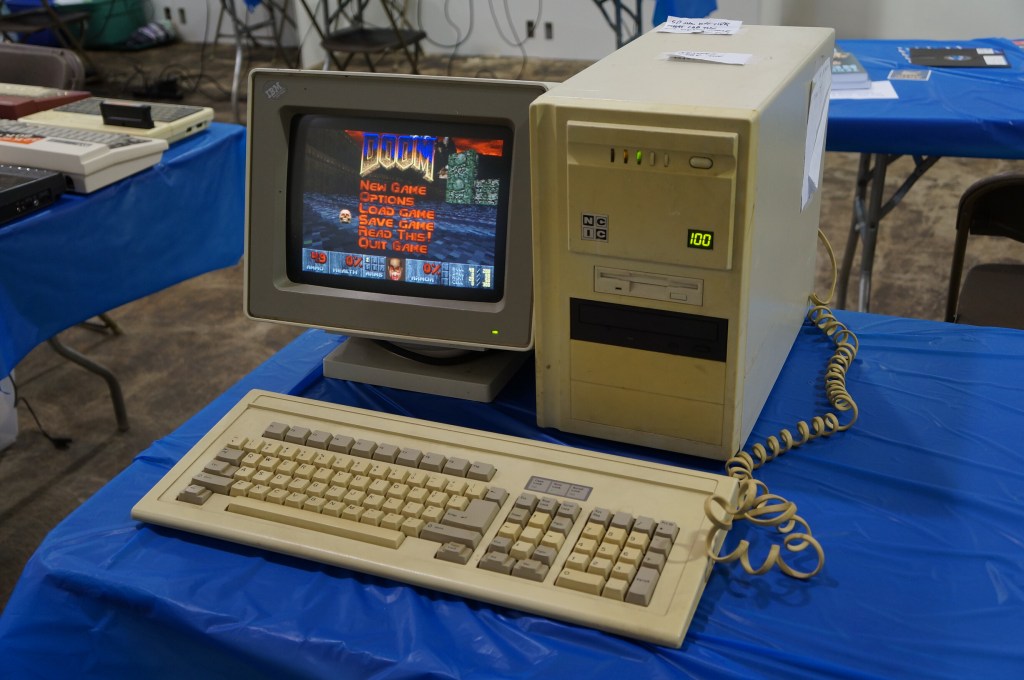
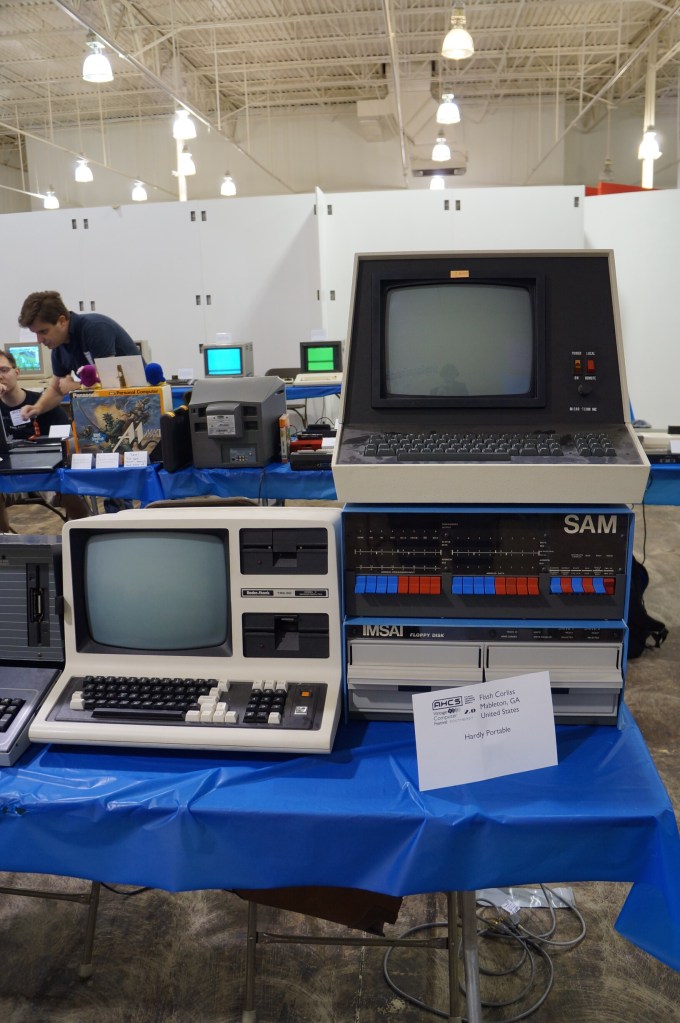
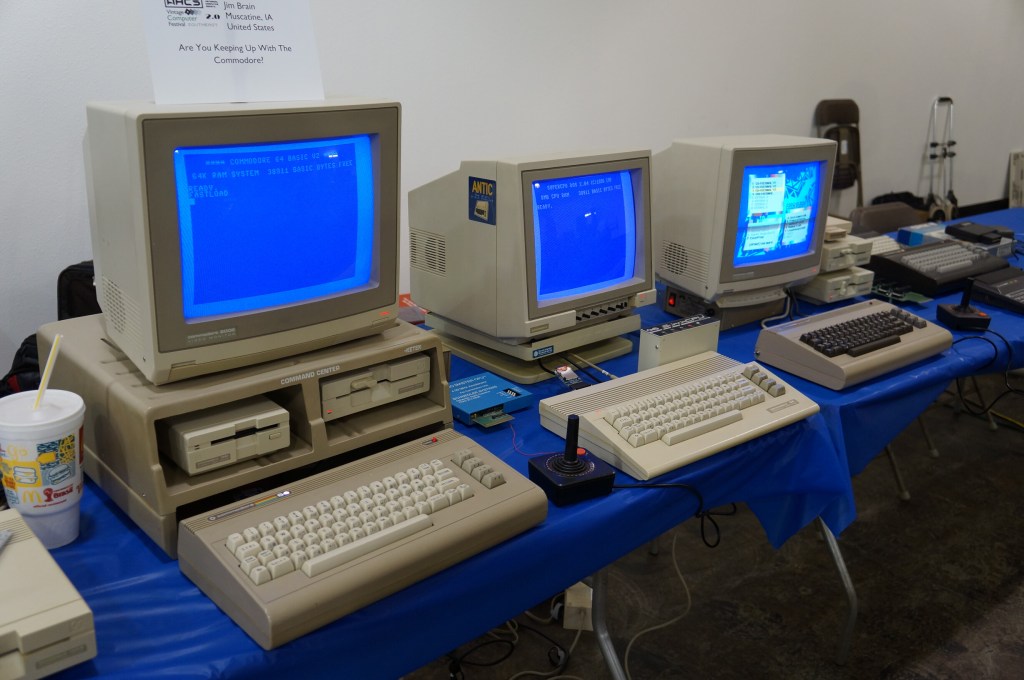
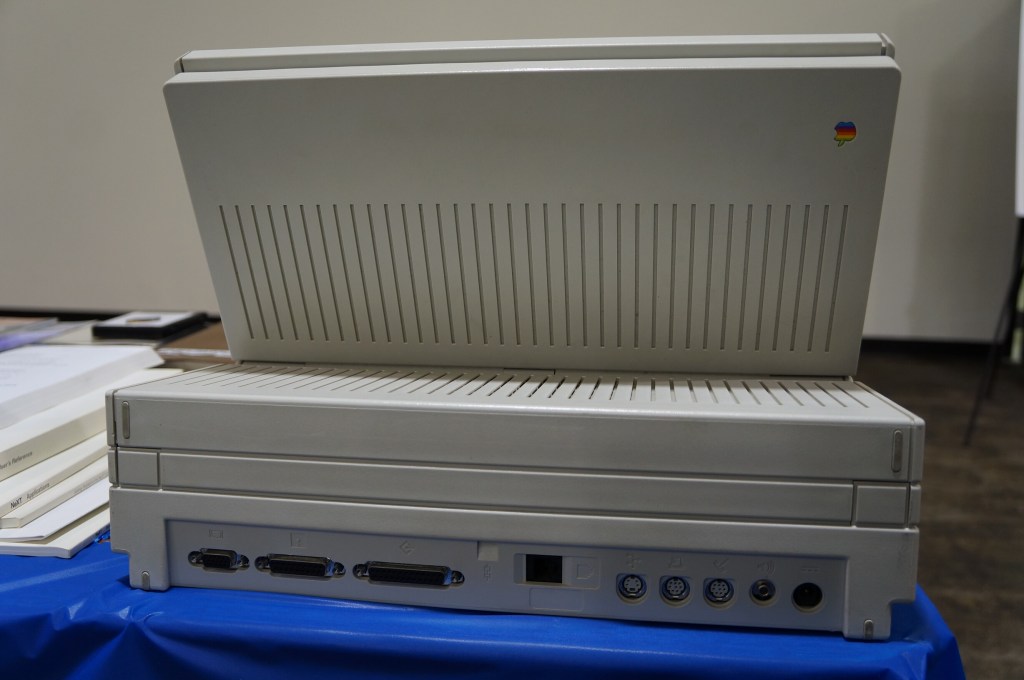
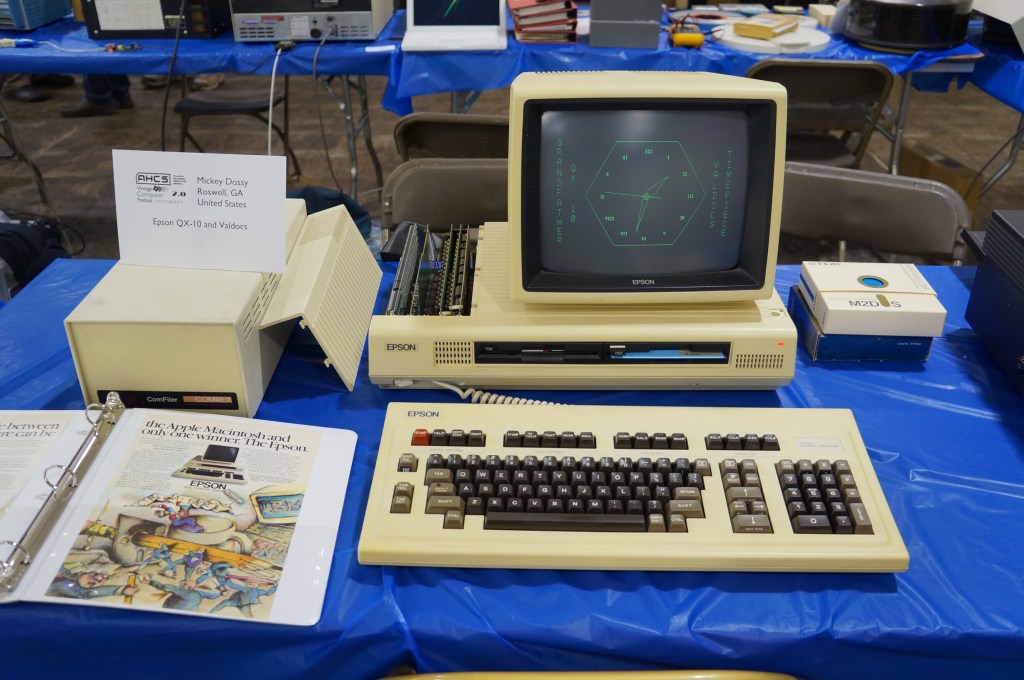
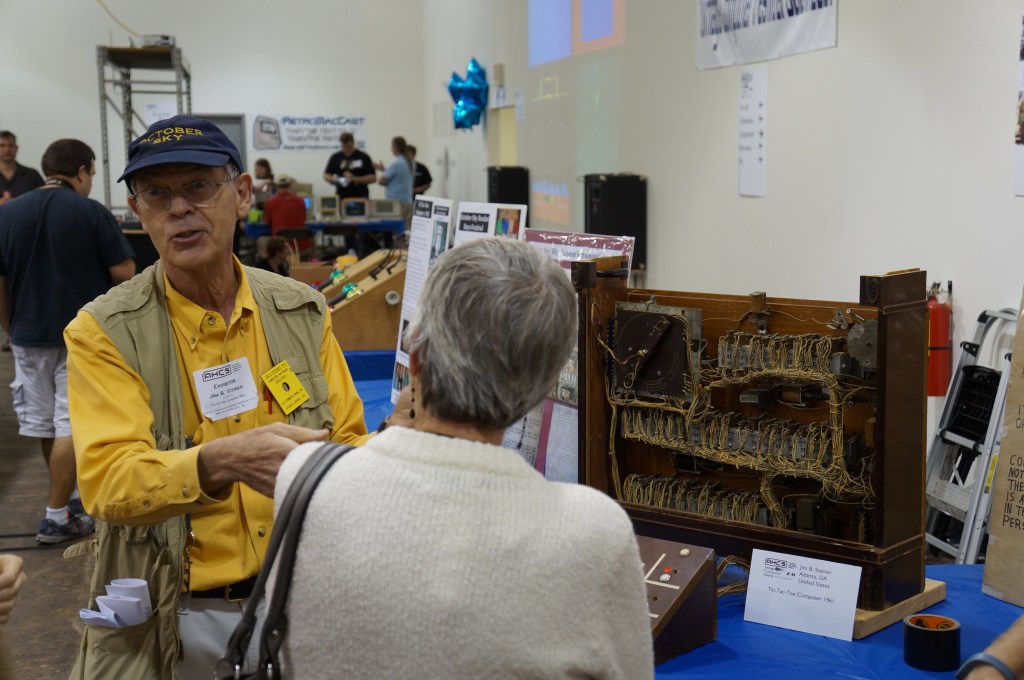
For the second Vintage Computer Festival Southeast (VCFSE 2.0) in 2014, I went with my Georgia Tech Library colleagues Sherri Brown, Lizzy Rolando, Alison Valk, and Wendy Hagenmaier (I wrote about the first VCFSE and shared photos last week here).
For me, it was great to bridge my professional and hobby worlds–one about studying and preserving our software and hardware digital culture and one about geeking out about retrocomputing–fixing it, using it, and playing with it. Sharing this event with my colleagues who were also negotiating these two overlapping worlds made it memorable to me.
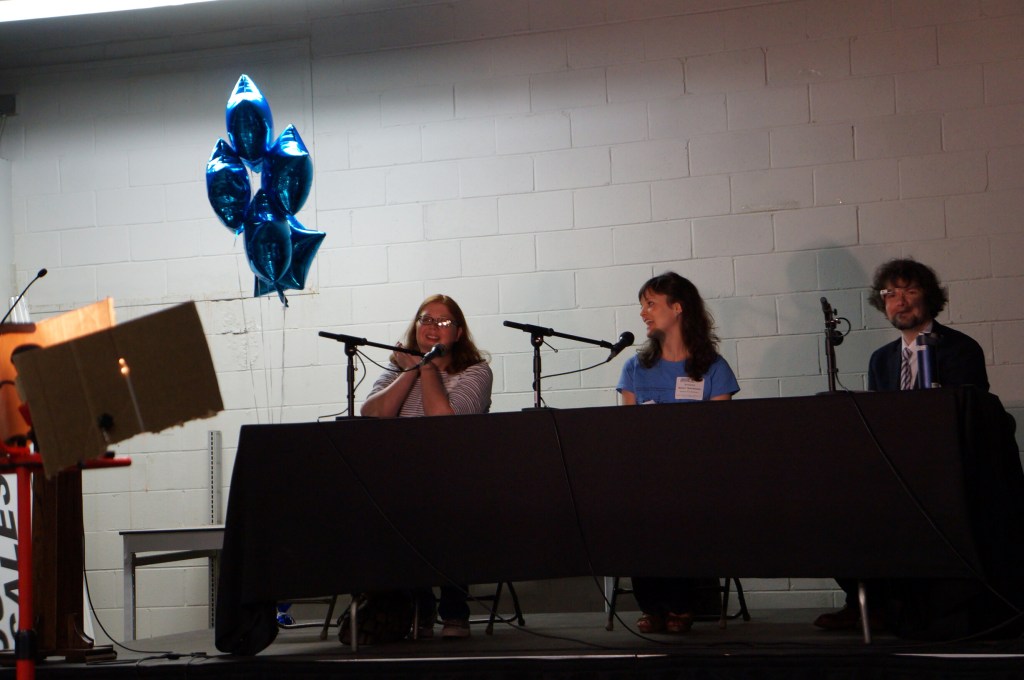
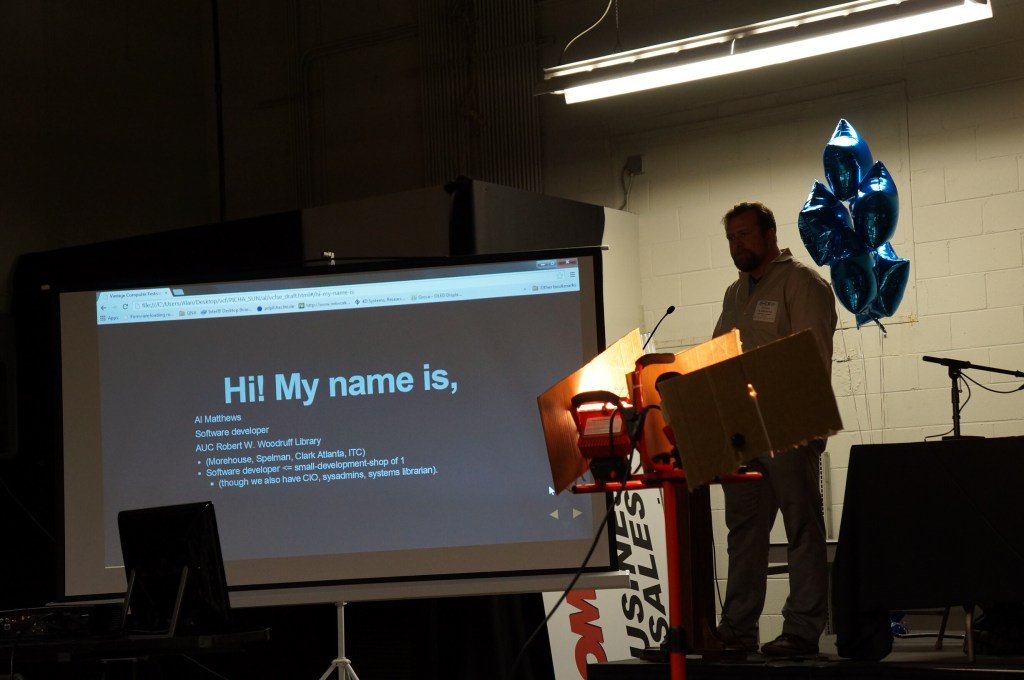
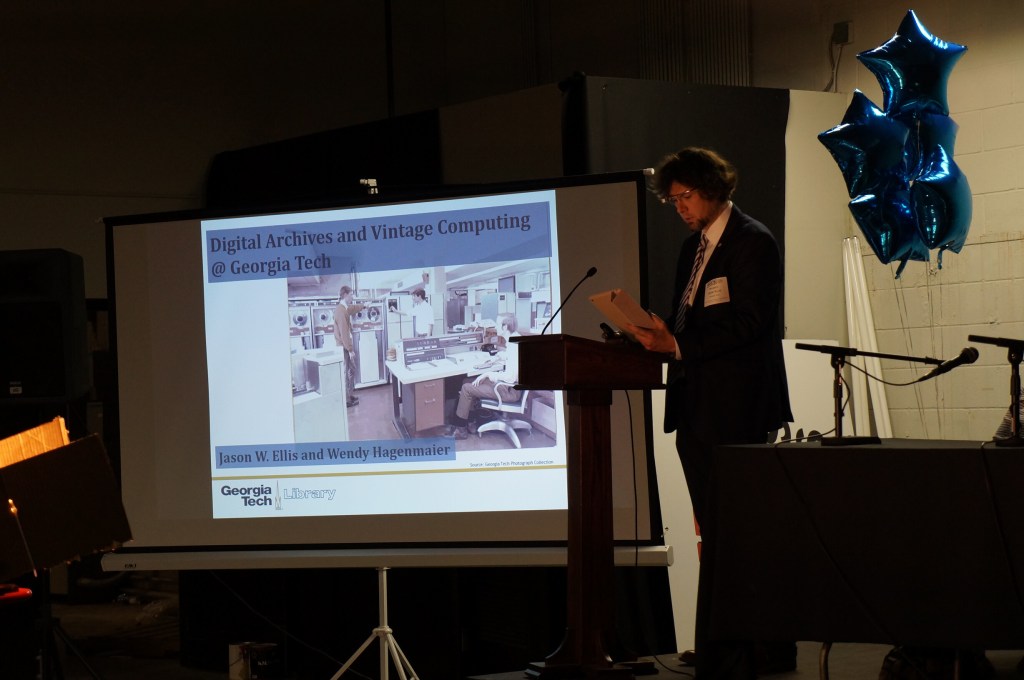
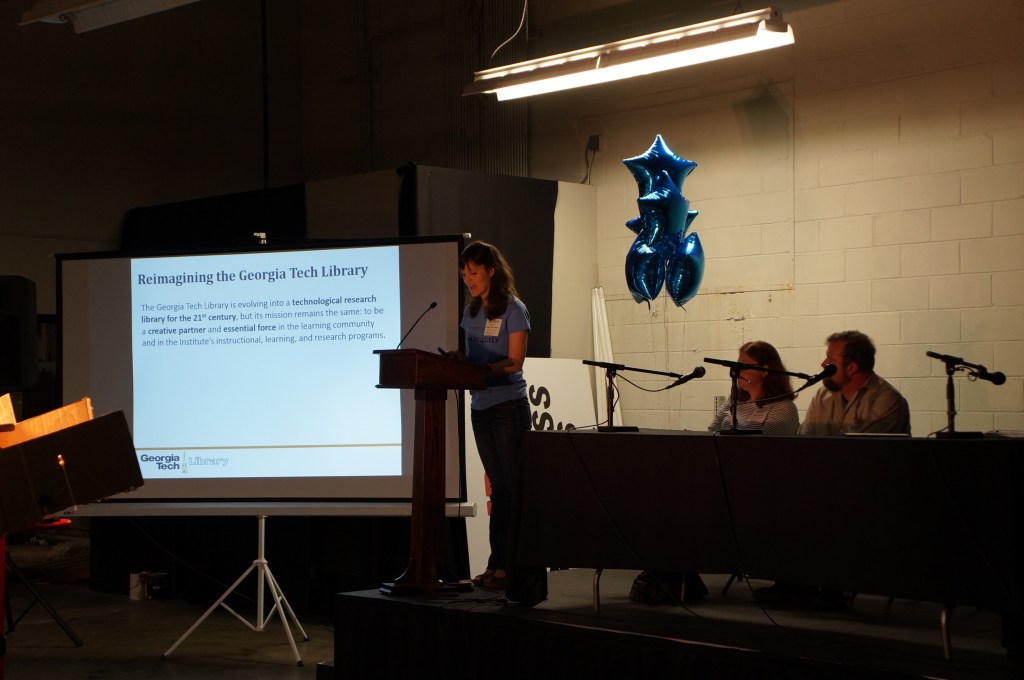
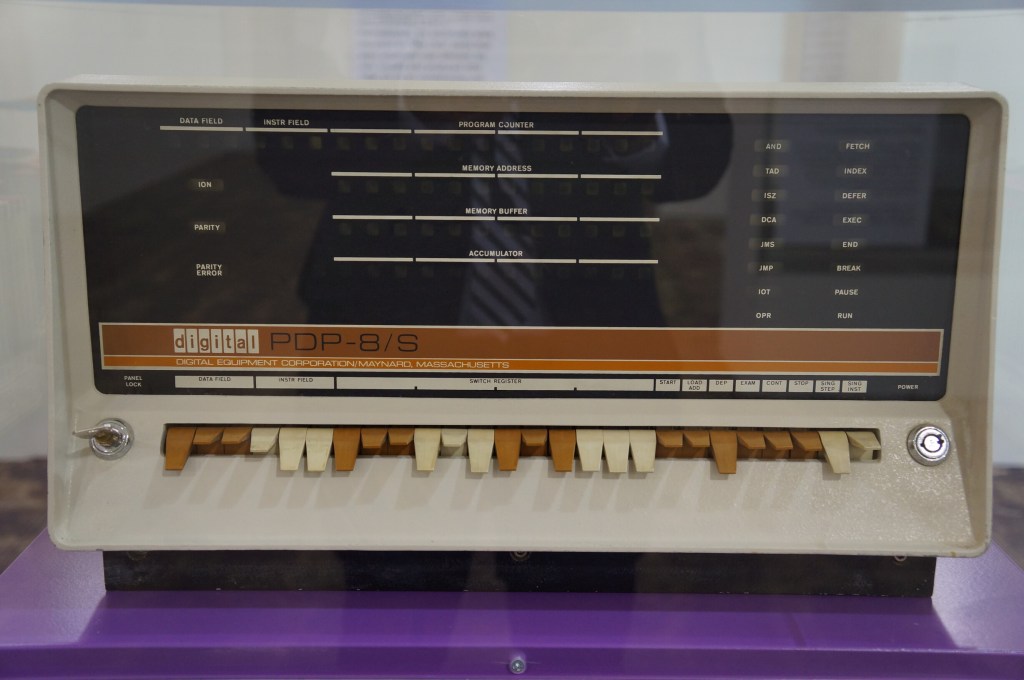
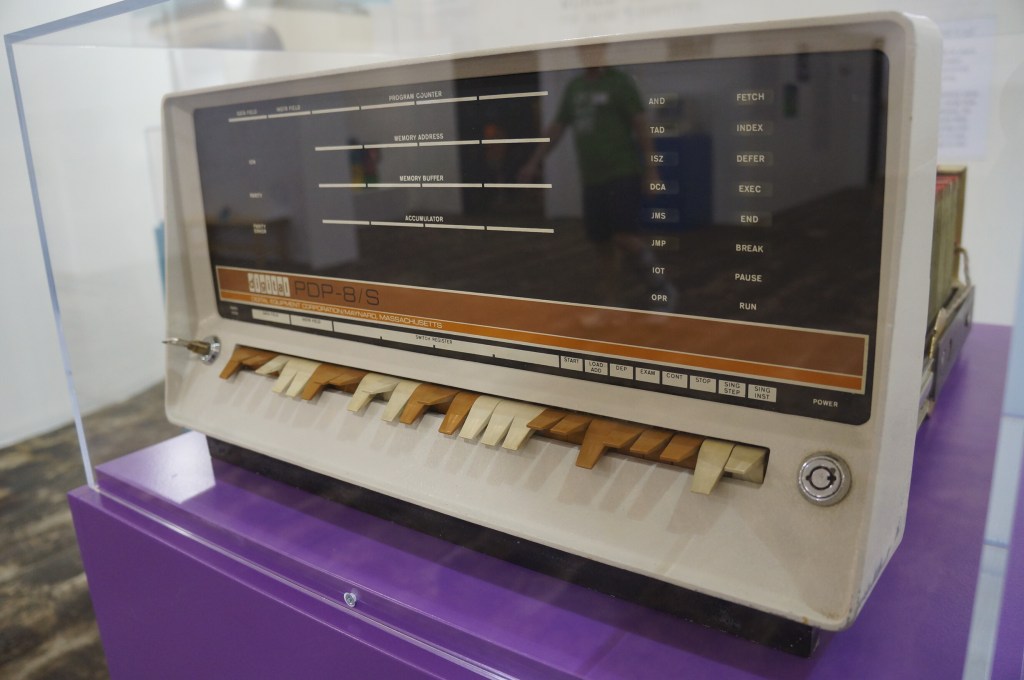
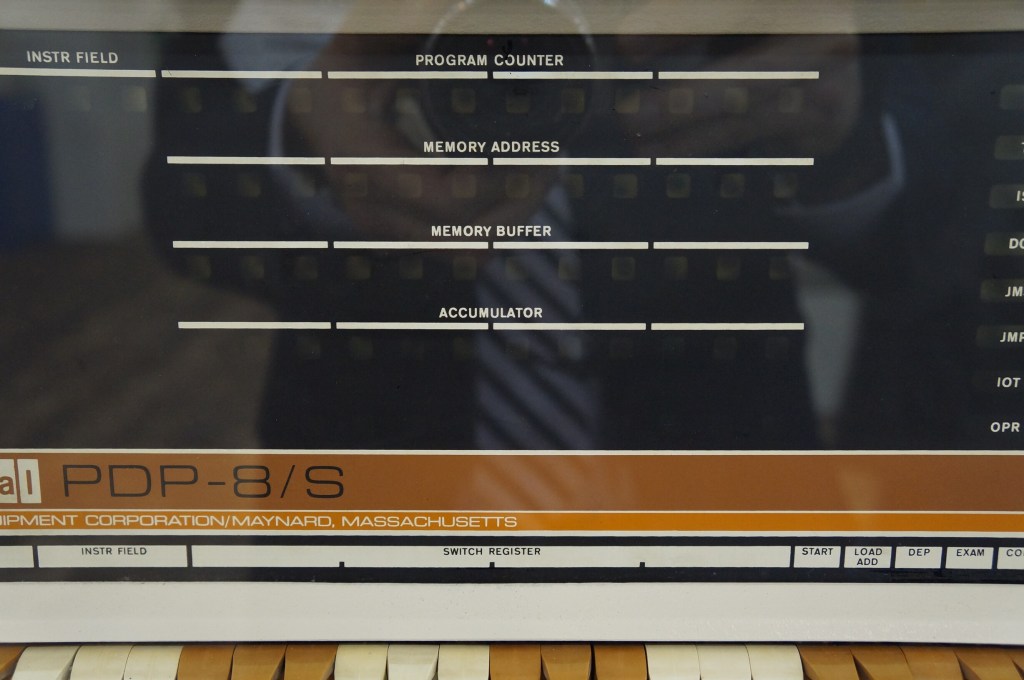
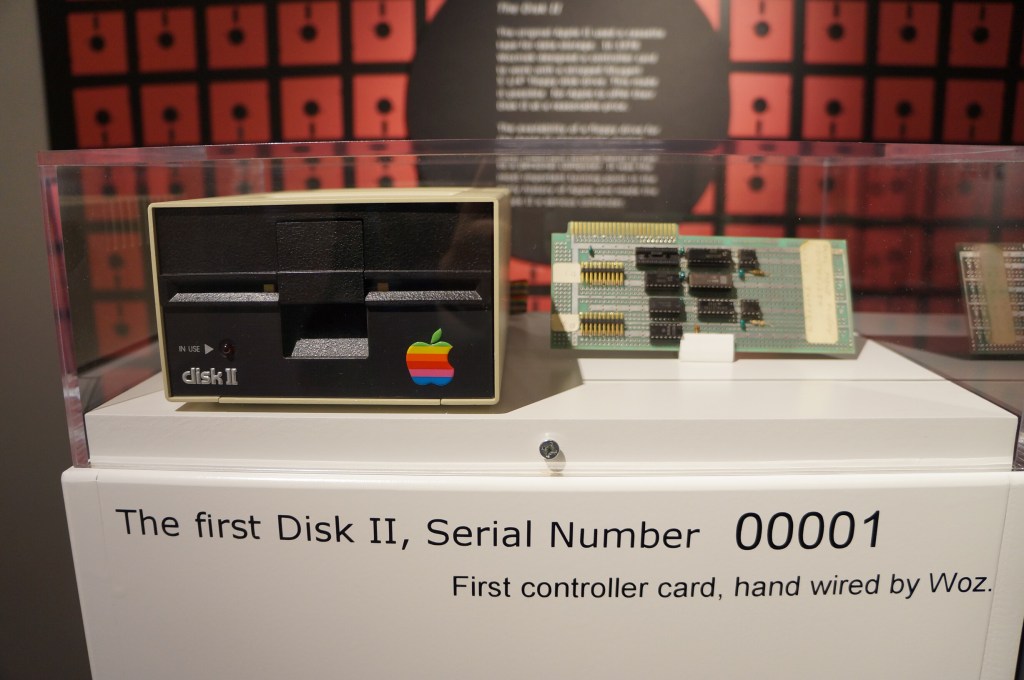
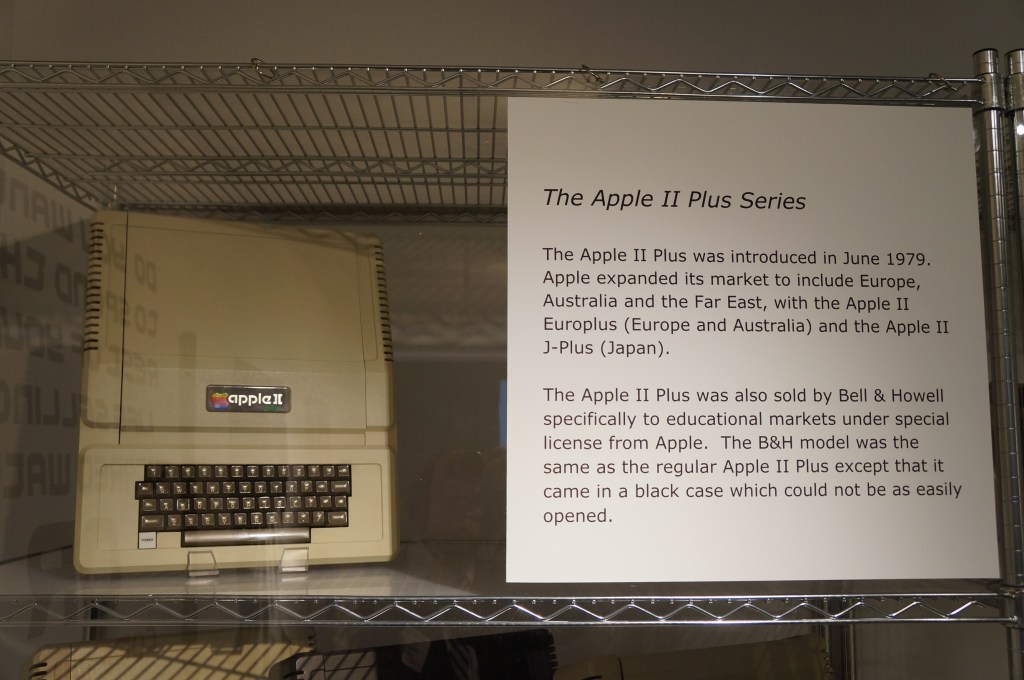
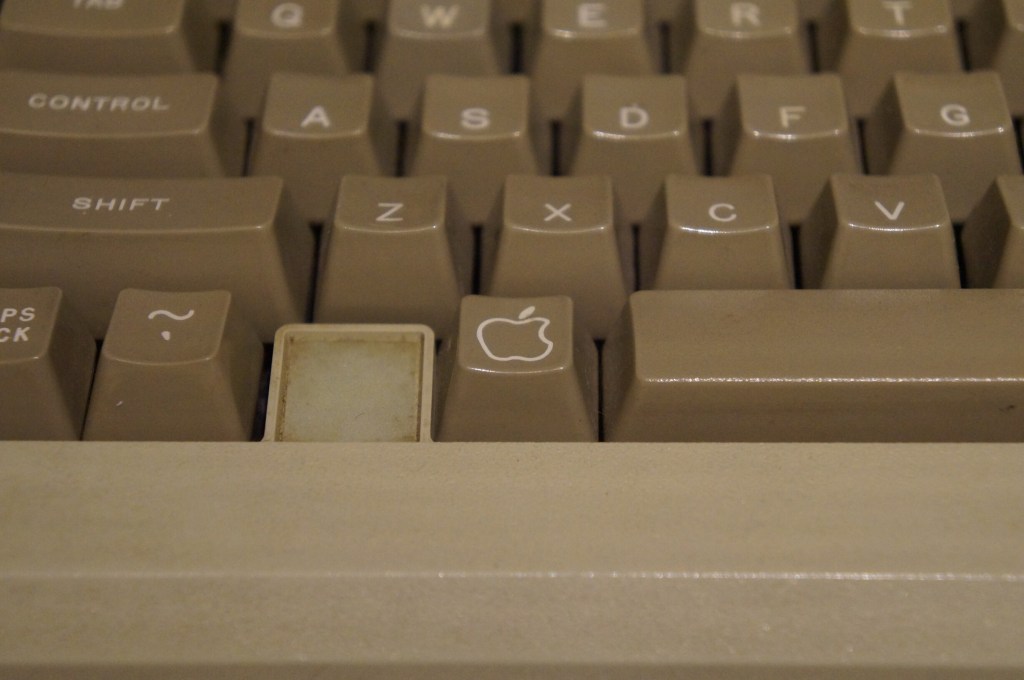
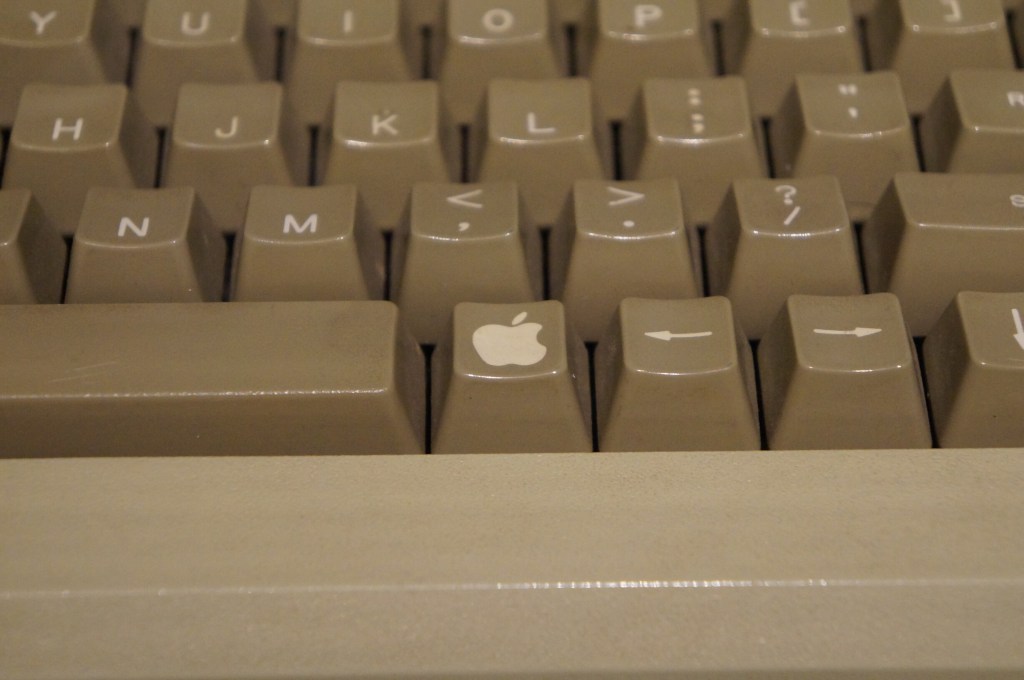
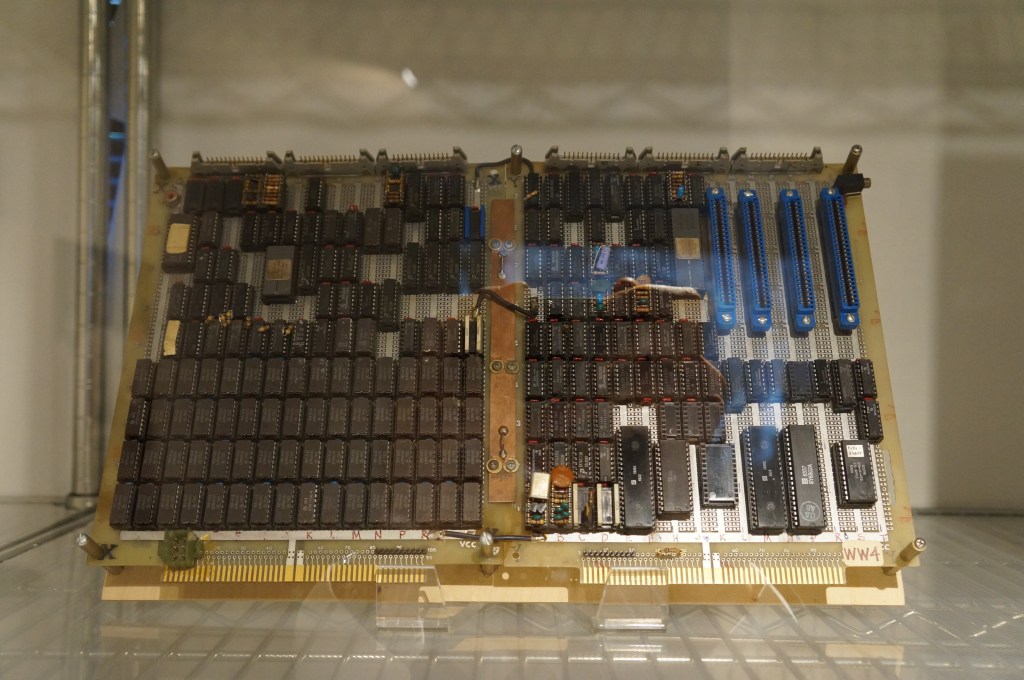
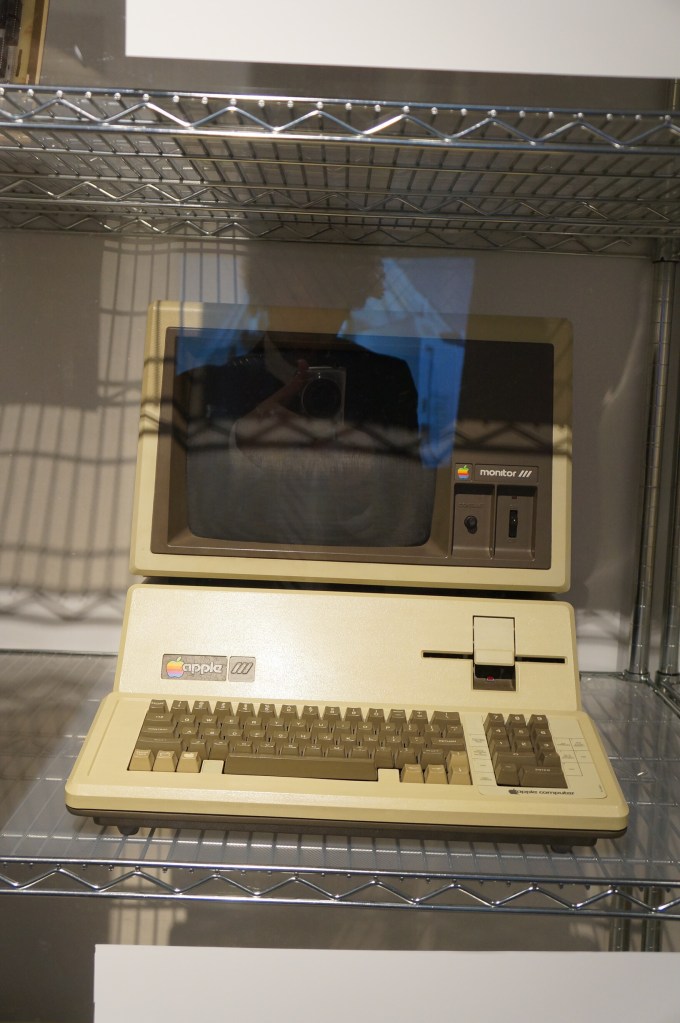
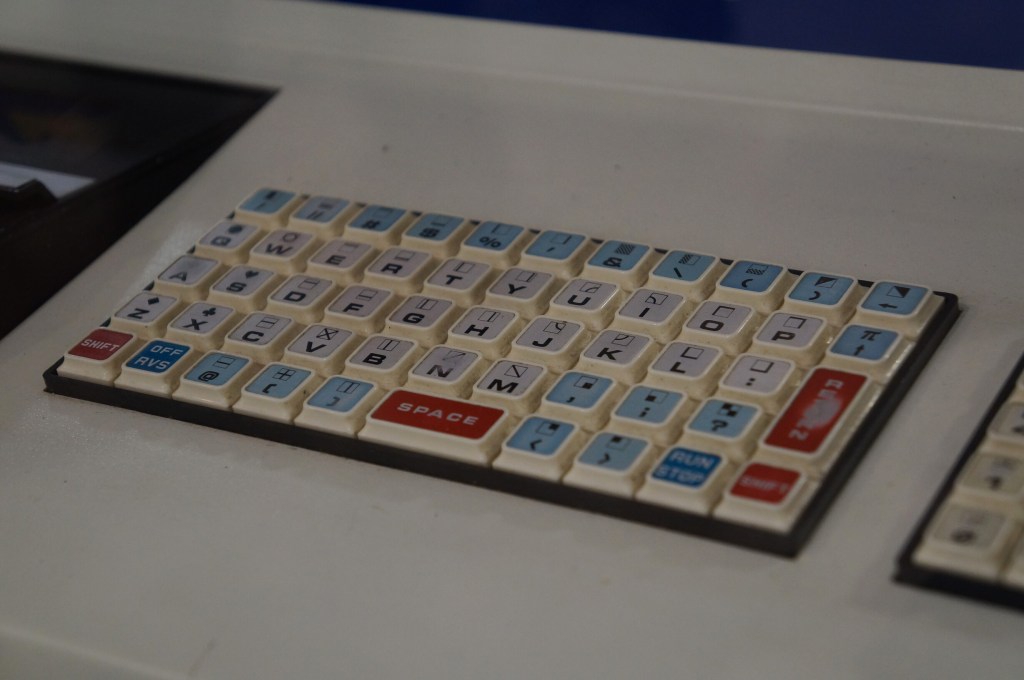
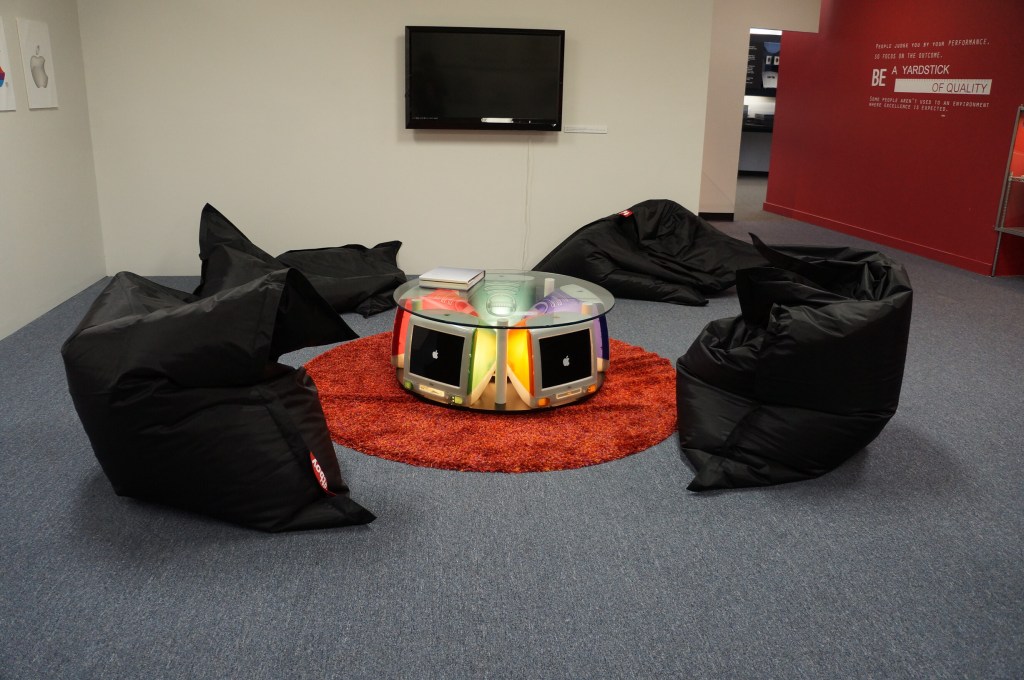
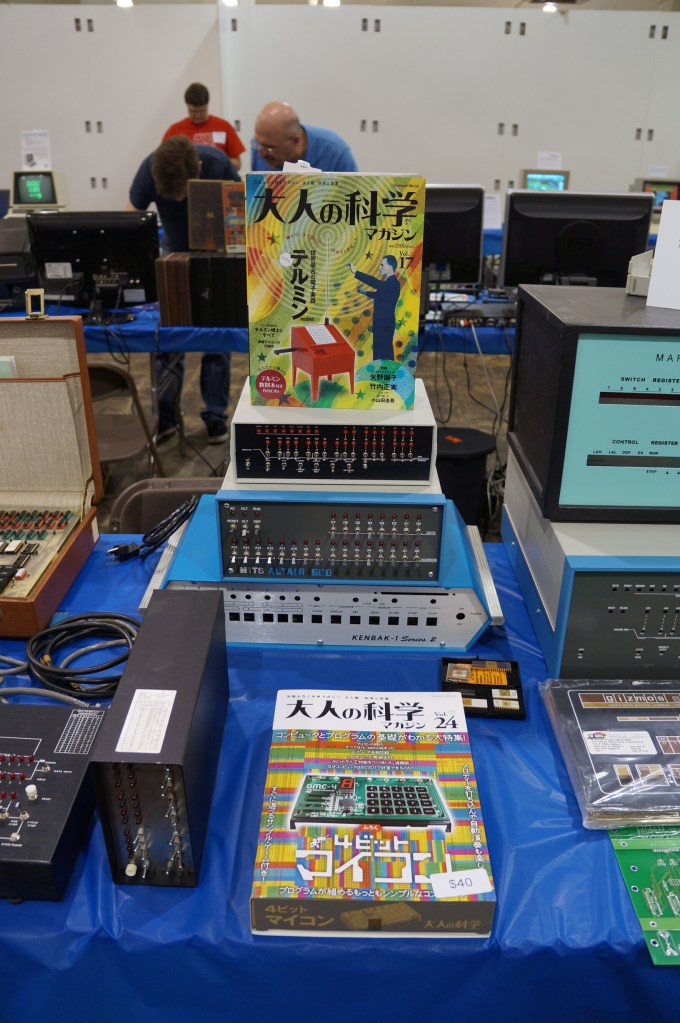
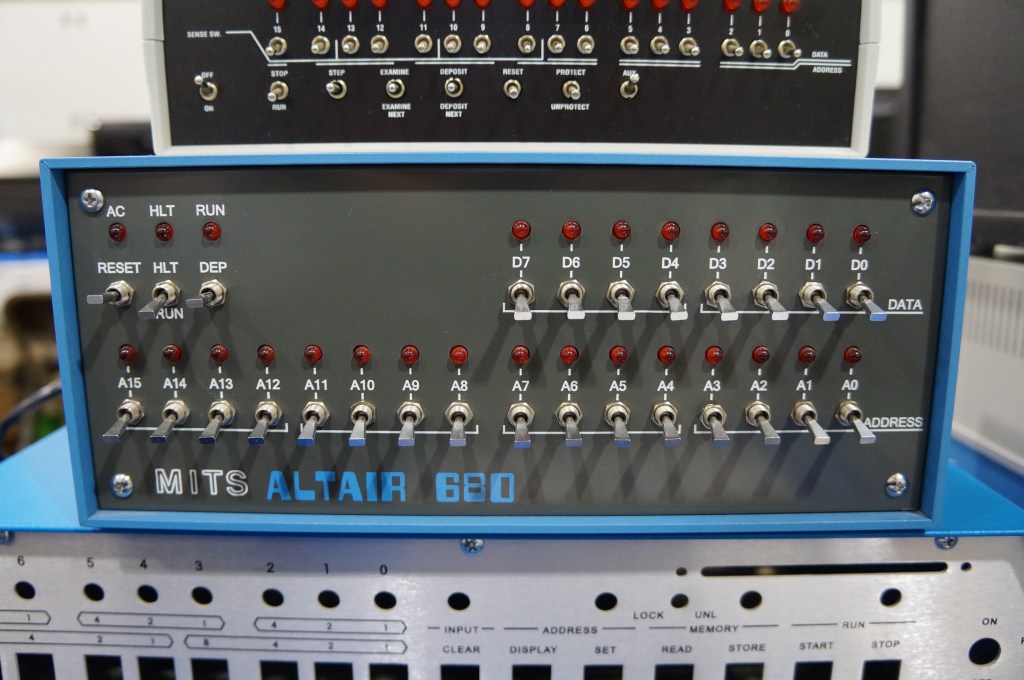
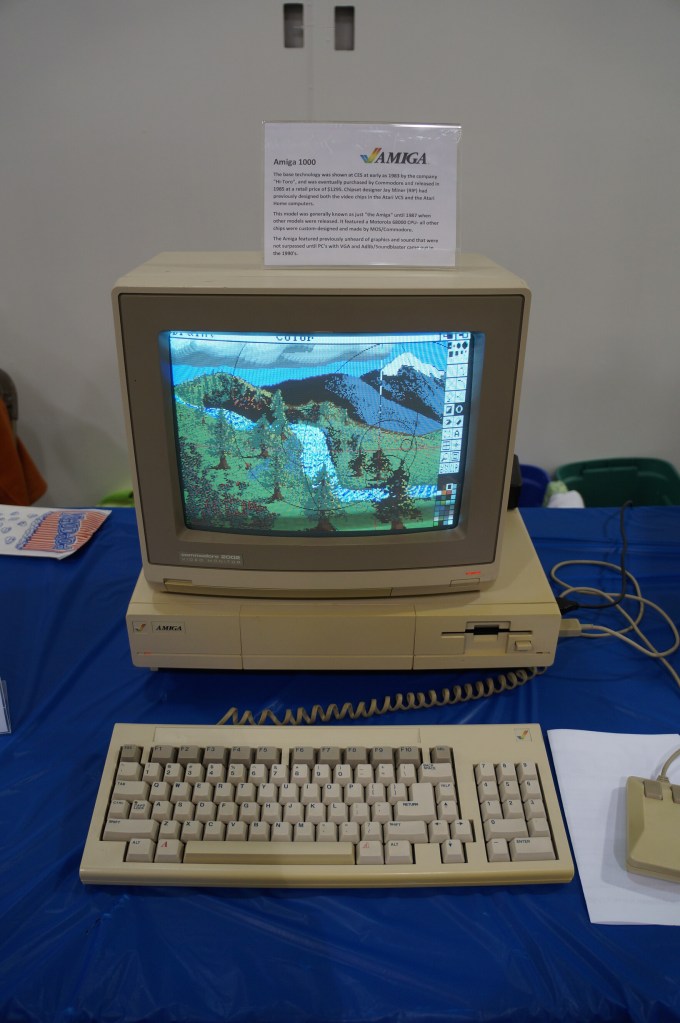
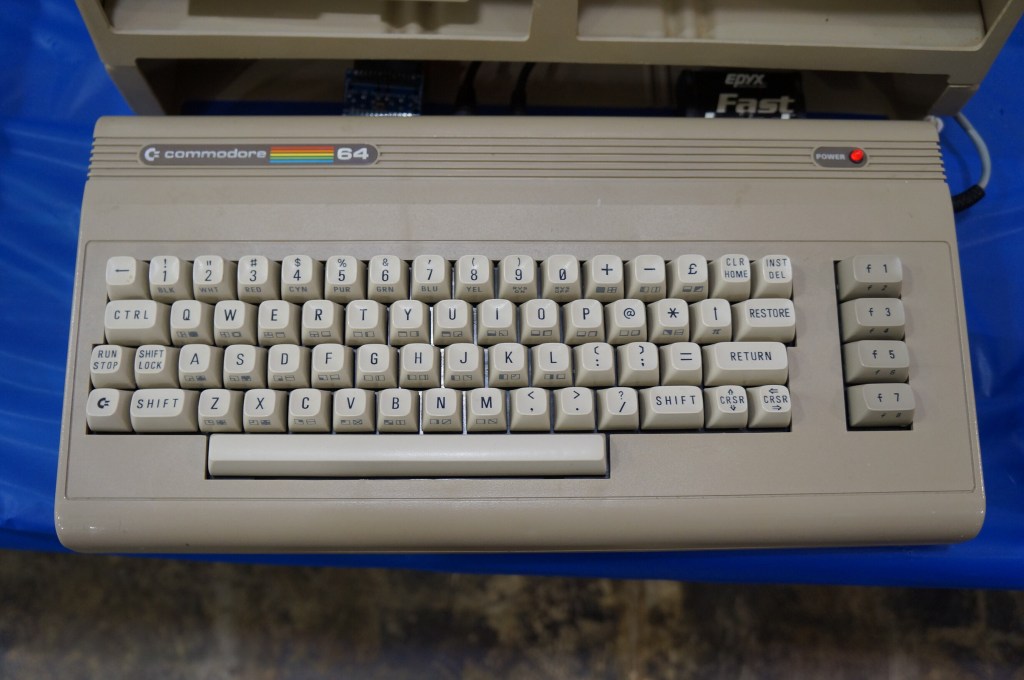
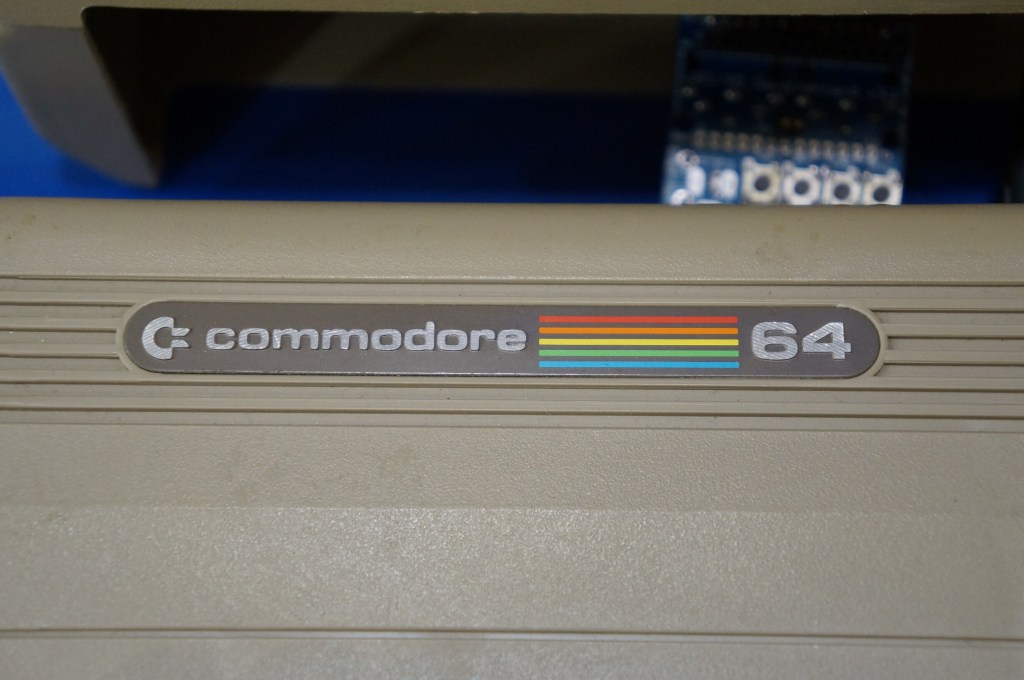
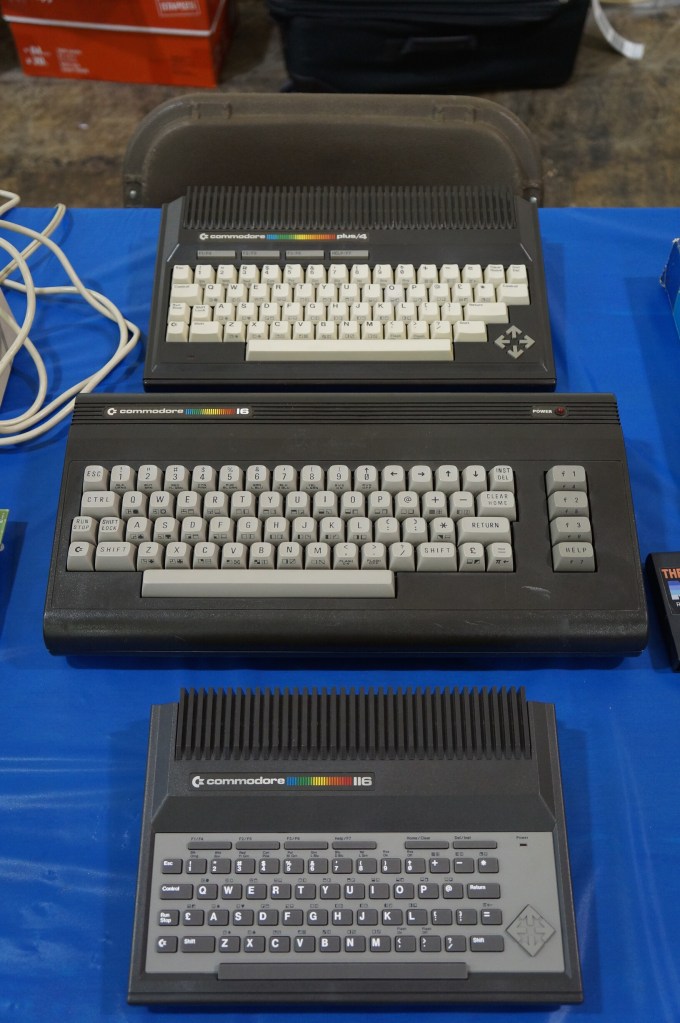
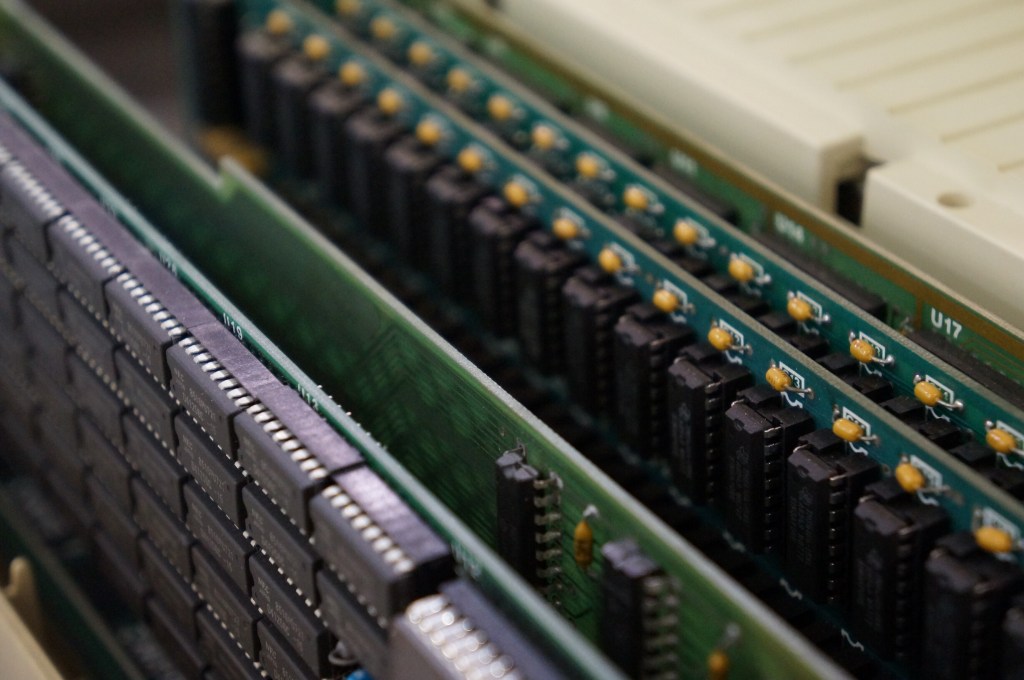
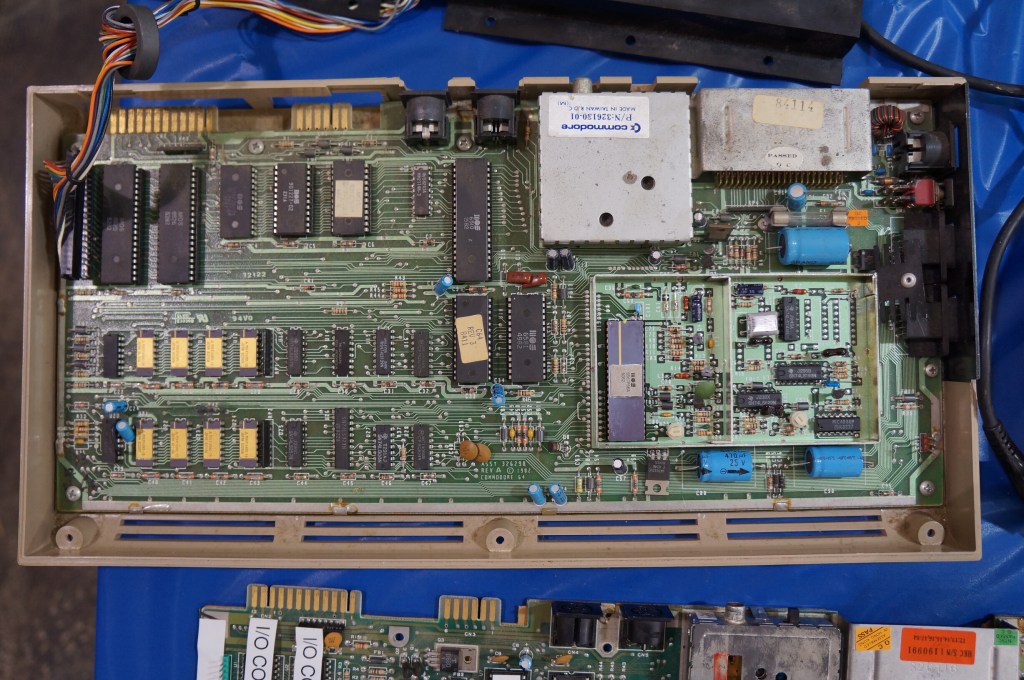
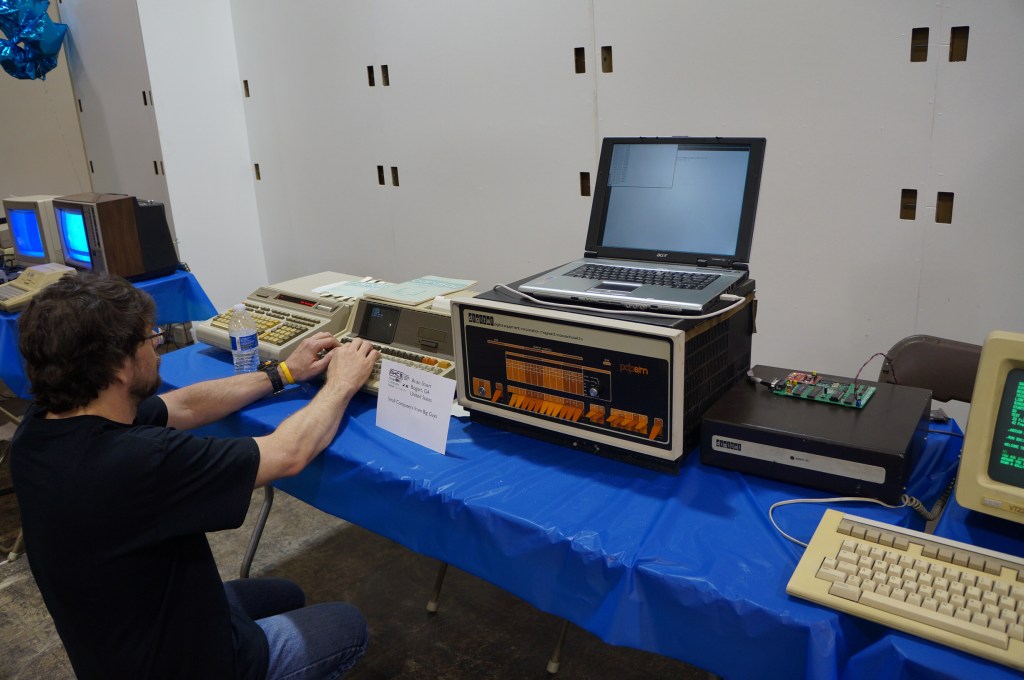
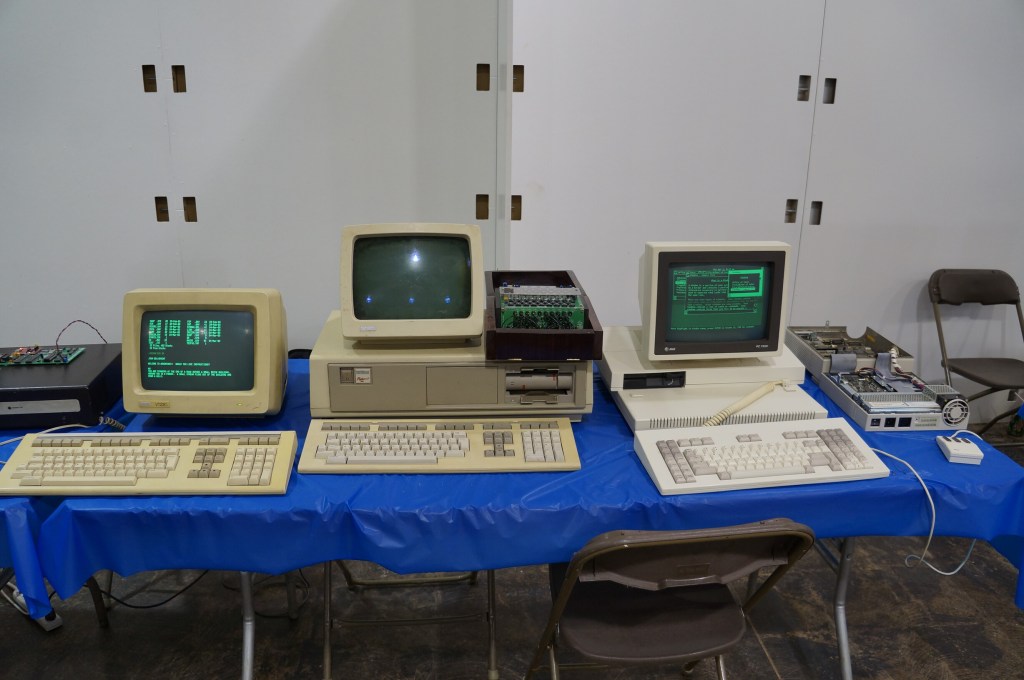
Below, I share photos from the Digital Archivists presentation panel and photos of the Apple Pop-Up Museum and other installed exhibits, and many photos from the individual exhibitor hall.
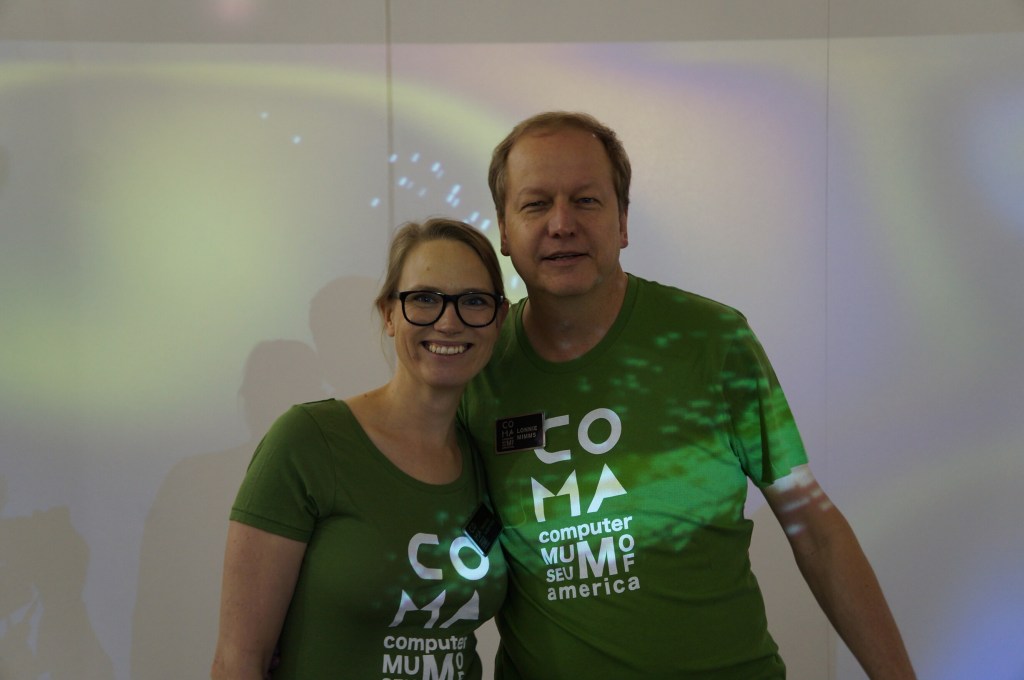
When we first got there, we had a chance to talk with the founder Lonnie Mimms (right) who was wearing a green t-shirt emblazoned with the rebranding for the space as the Computer Museum of America.
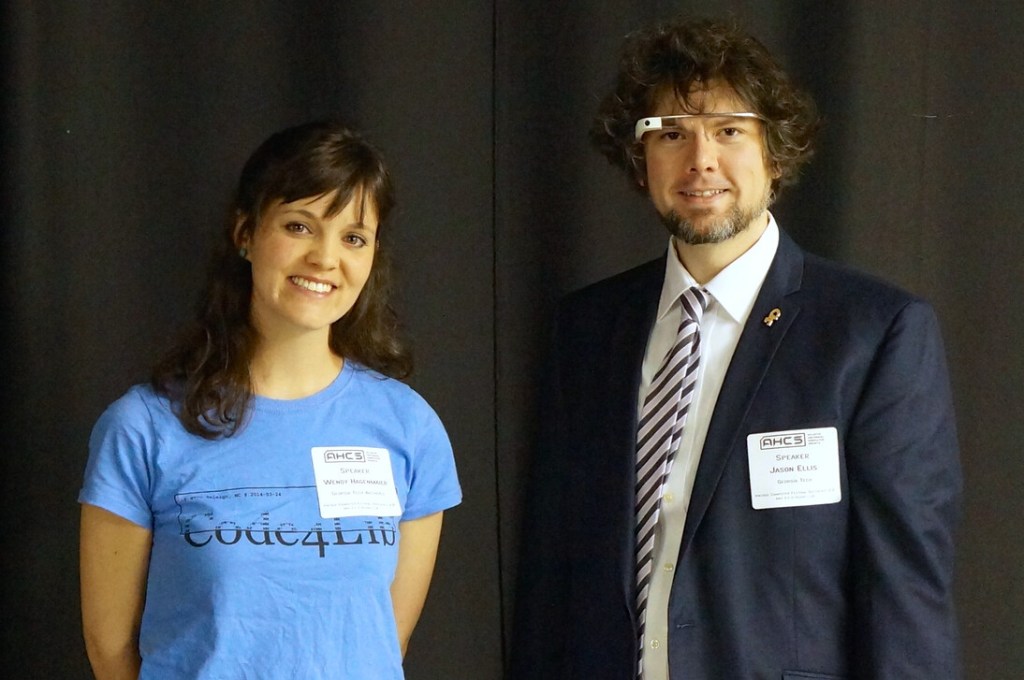
Wendy and I co-presented about “Digital Archives and Vintage Computing at Georgia Tech” during the Digital Archivists panel. Our notes from the event can be found here.


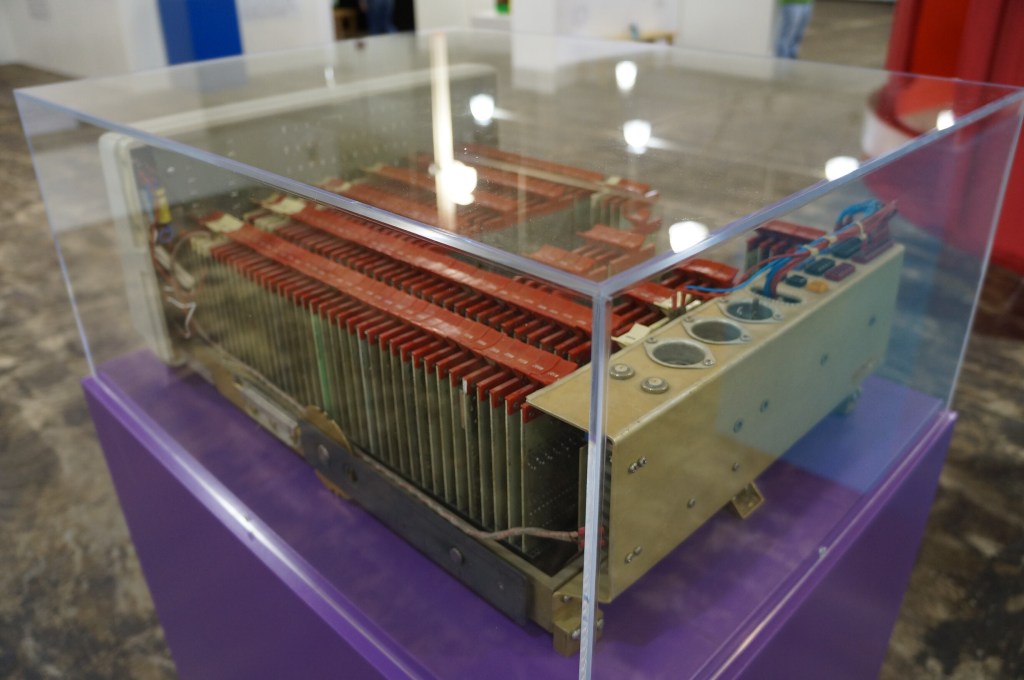
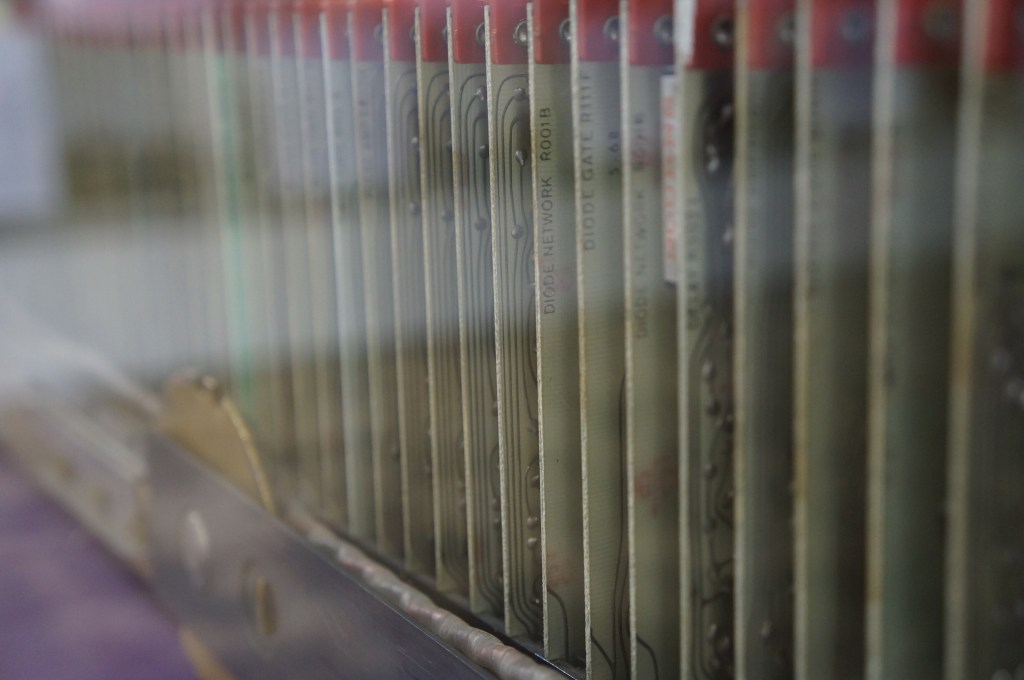


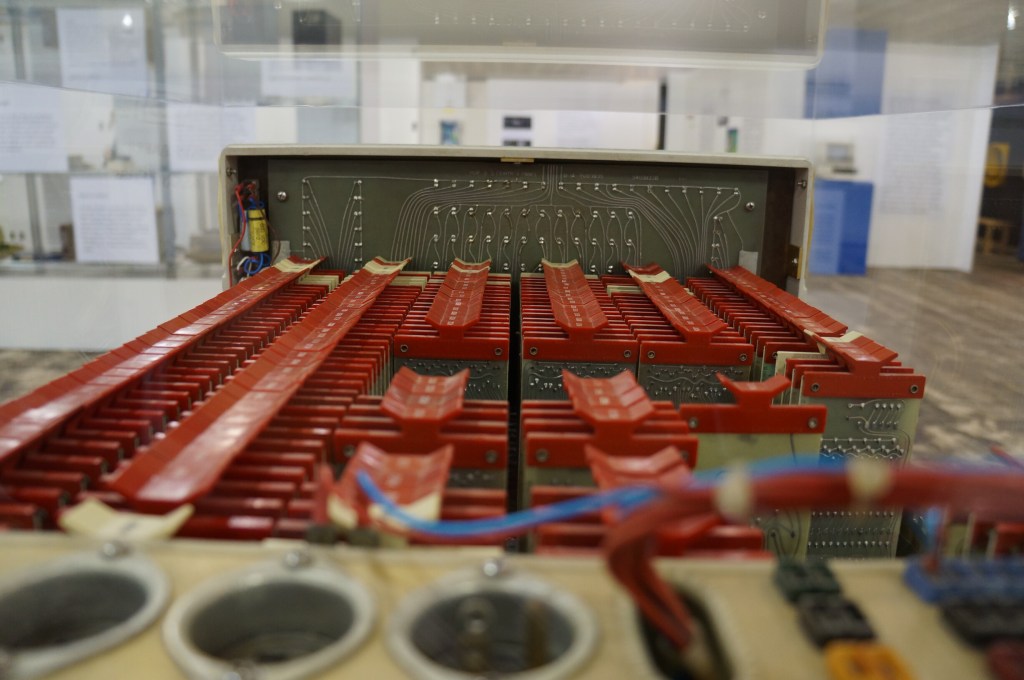
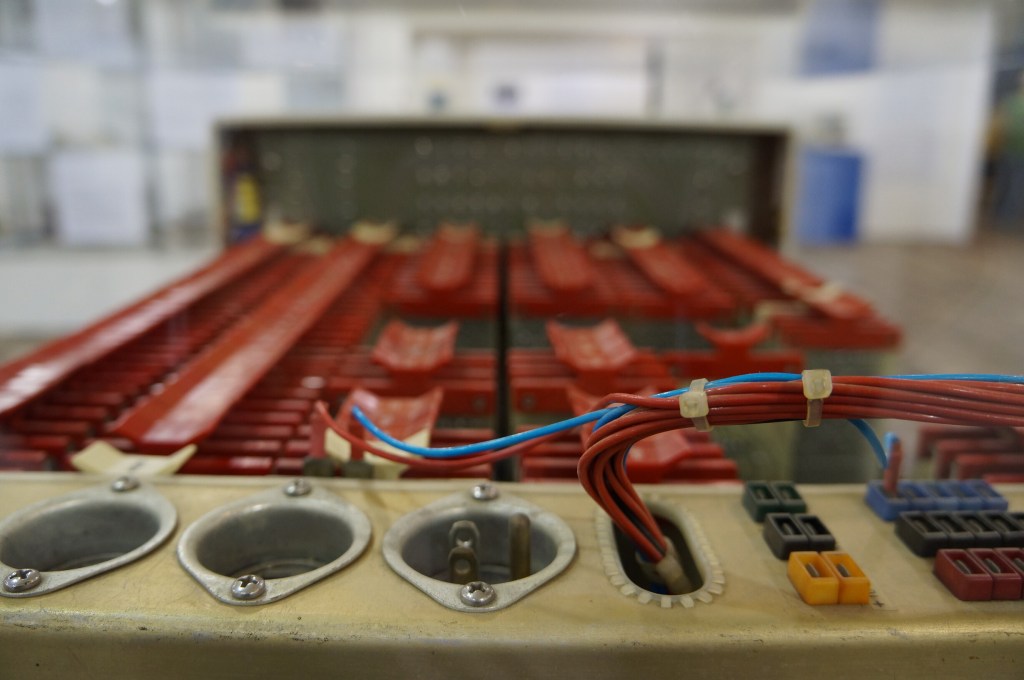

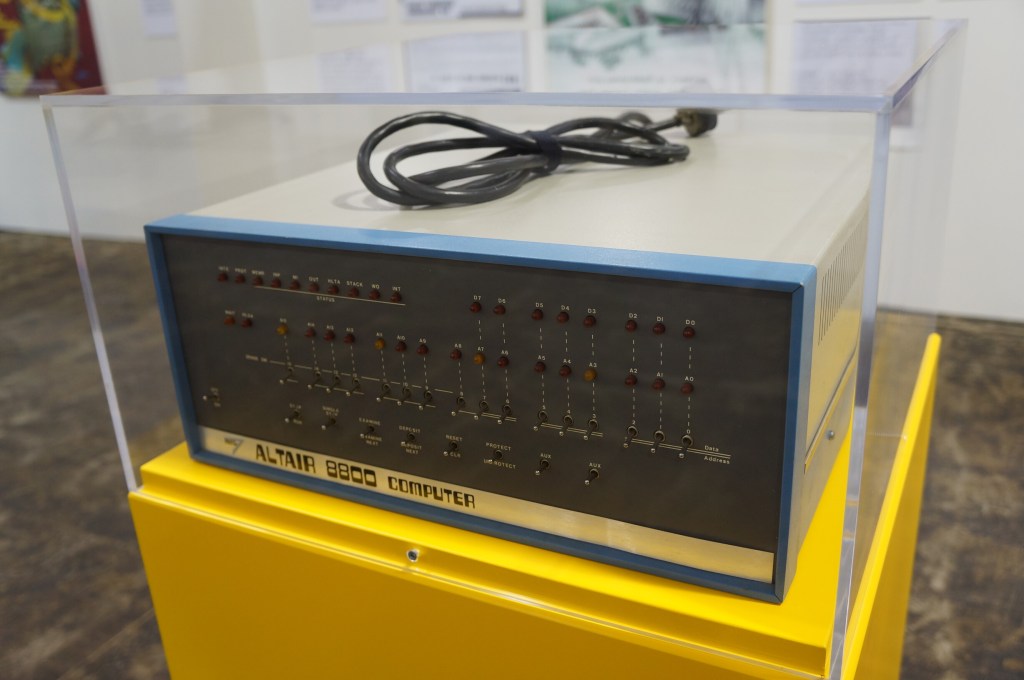
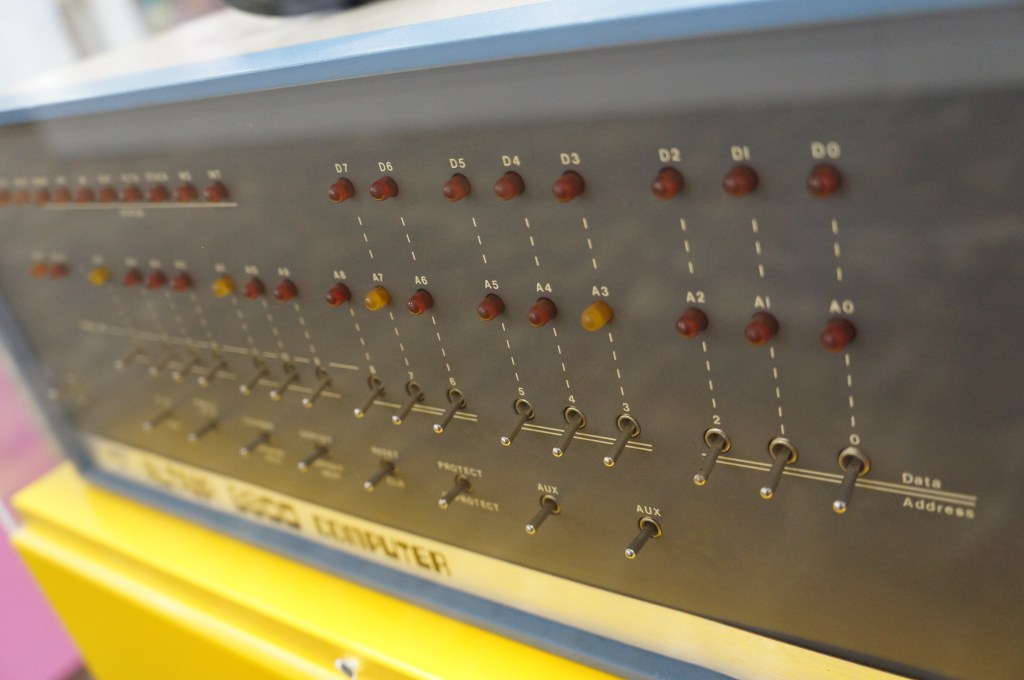
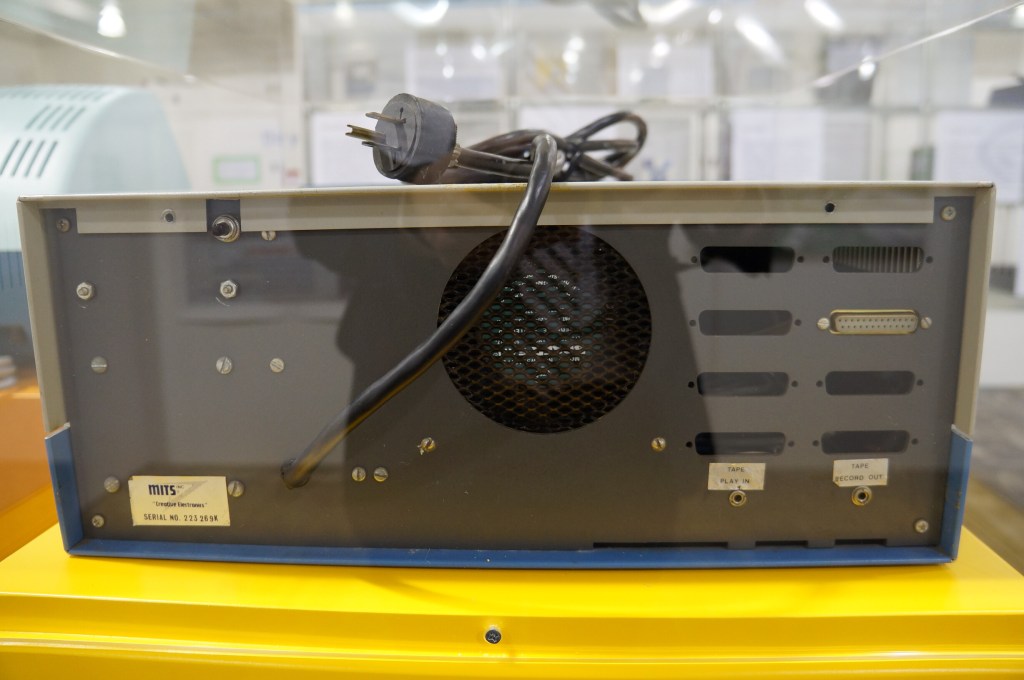
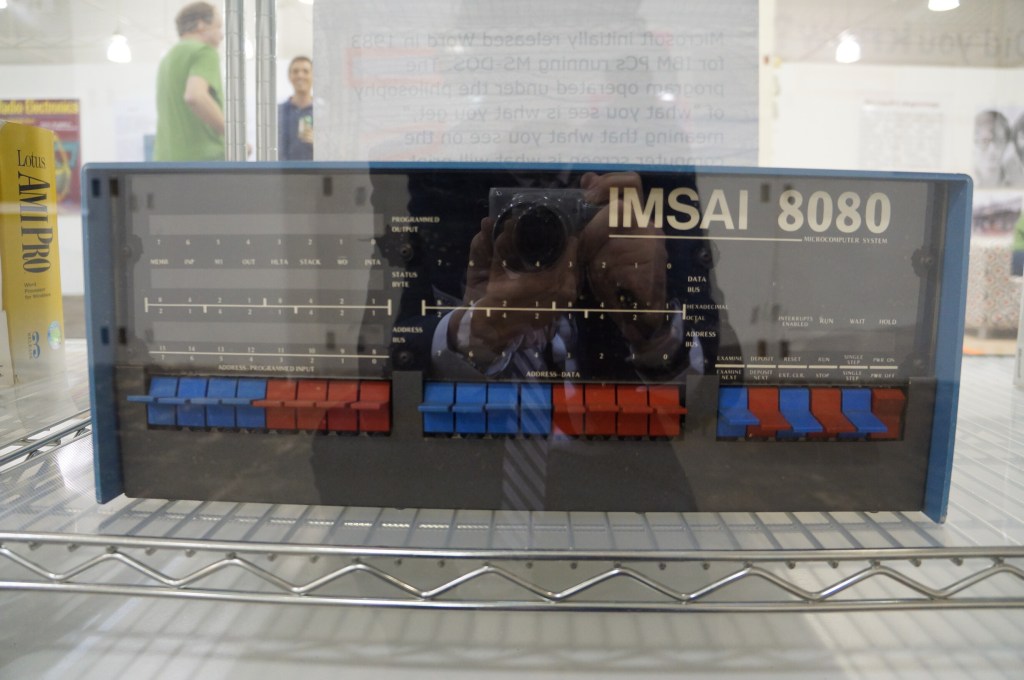


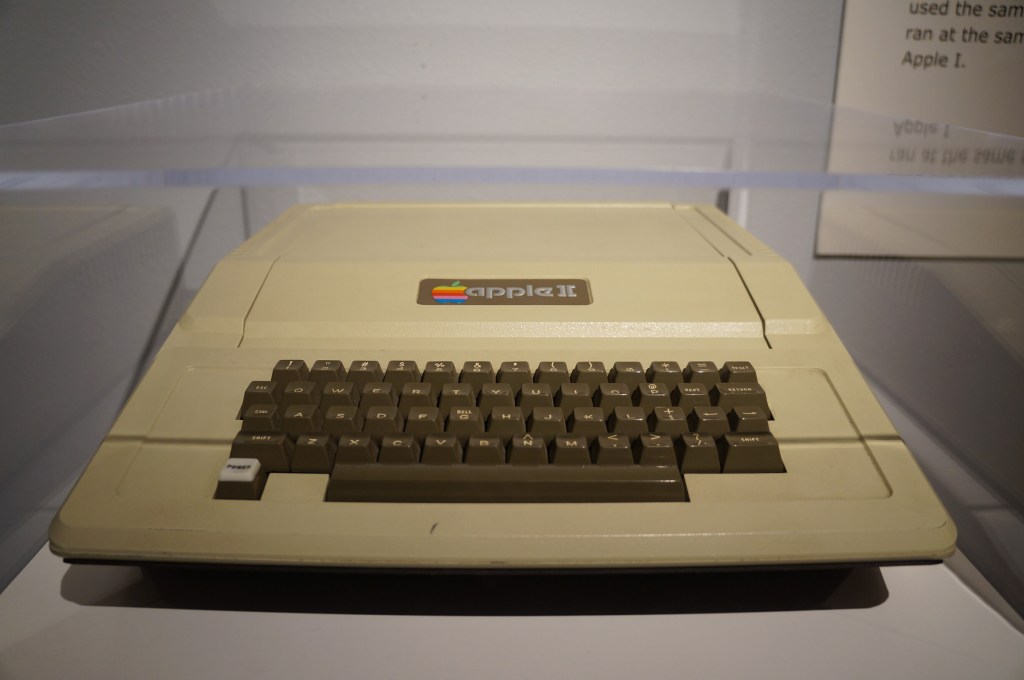
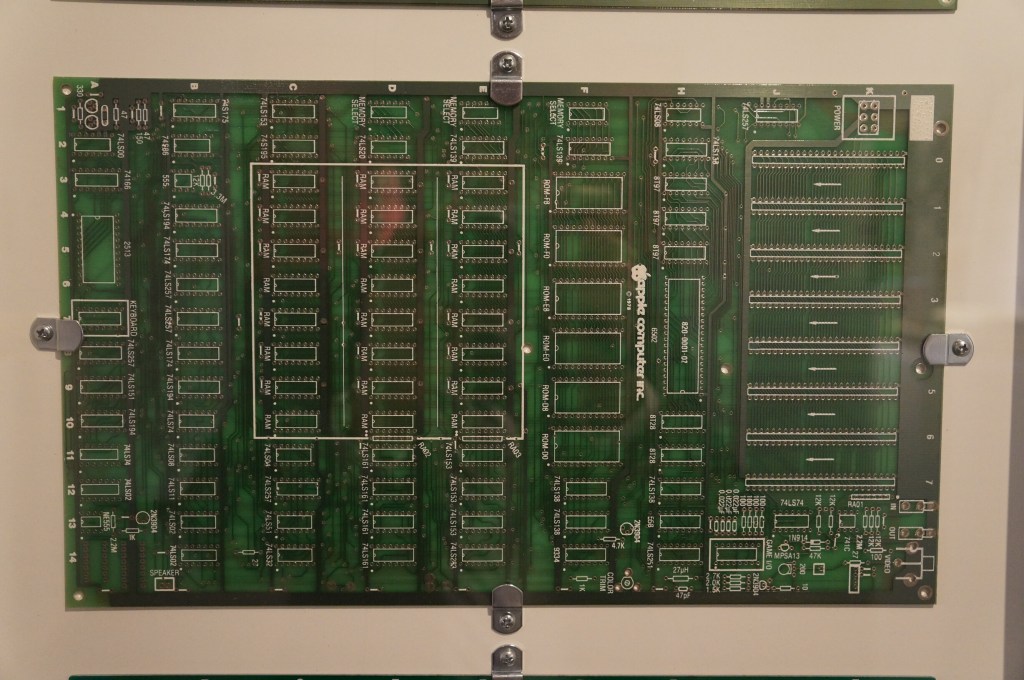
Apple I in Wood Case


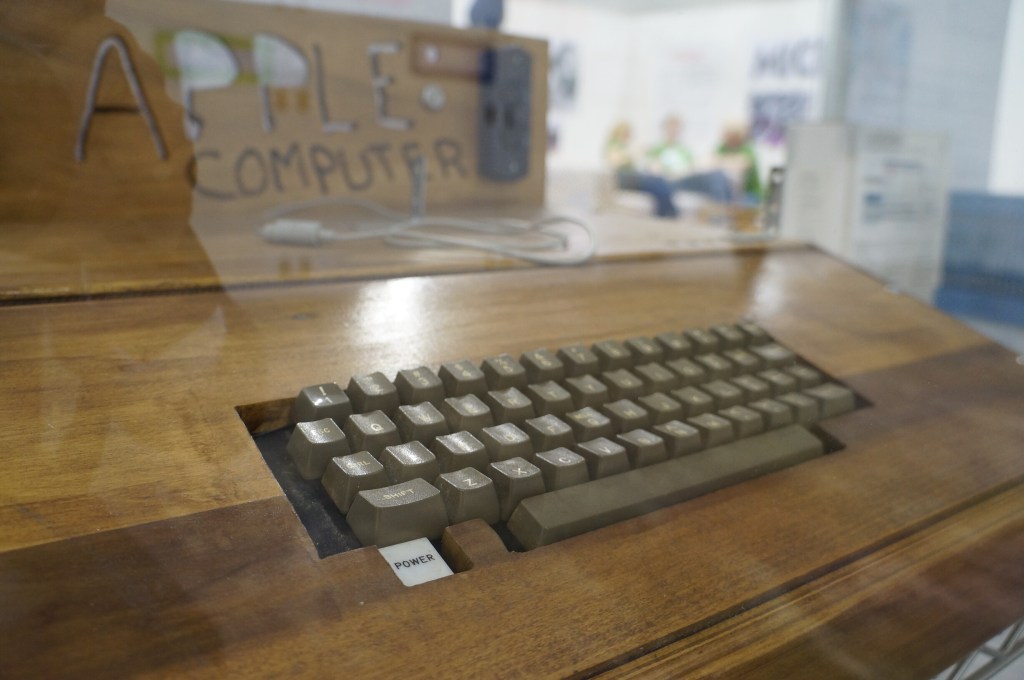

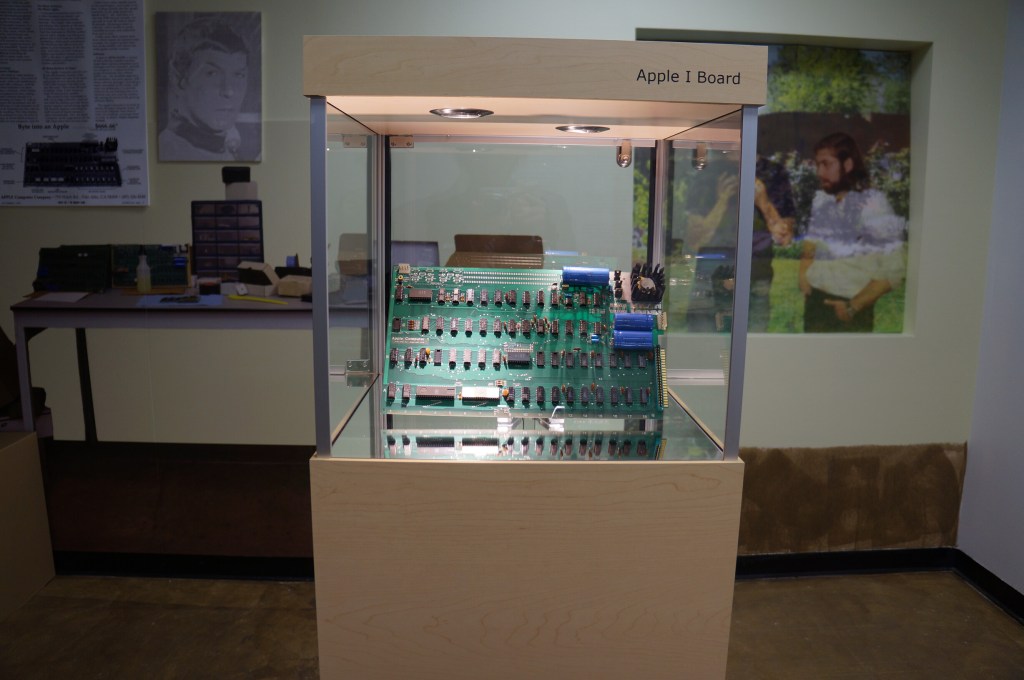
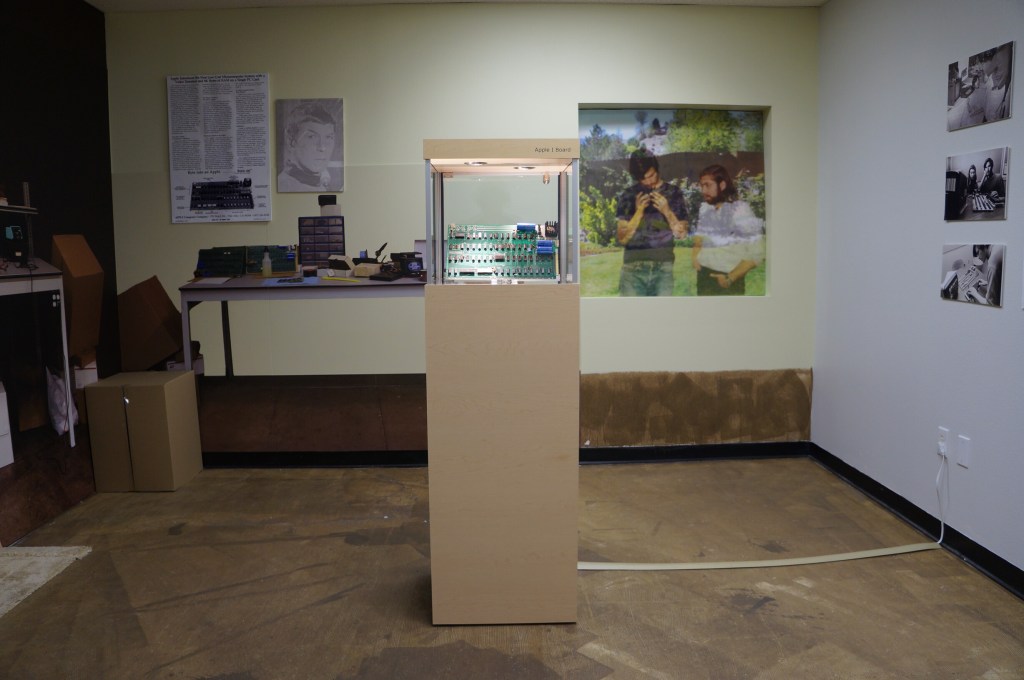

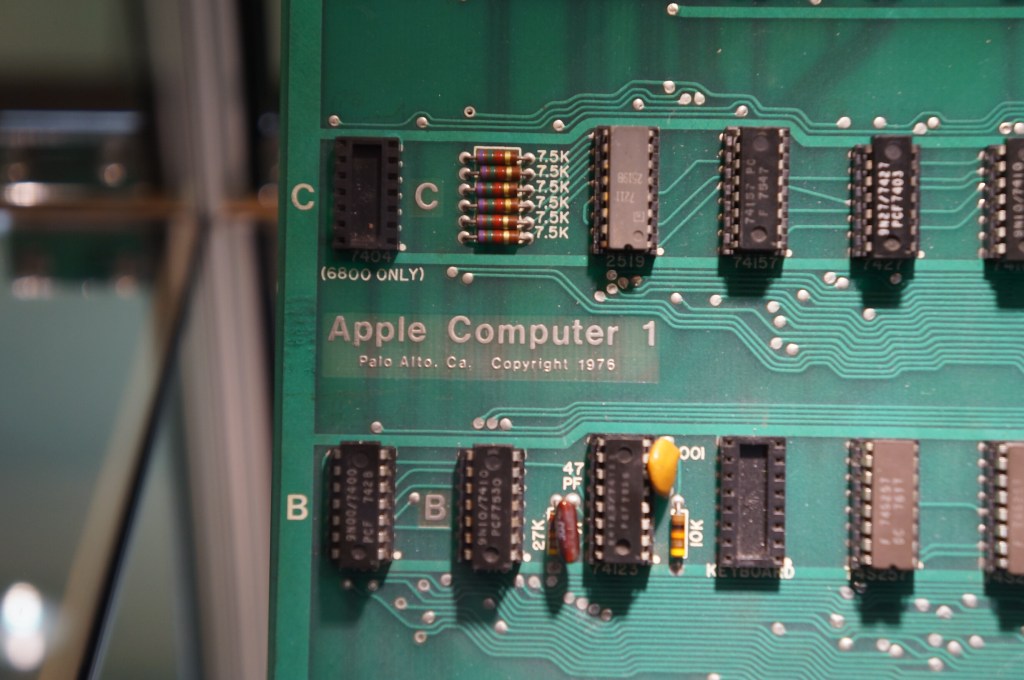
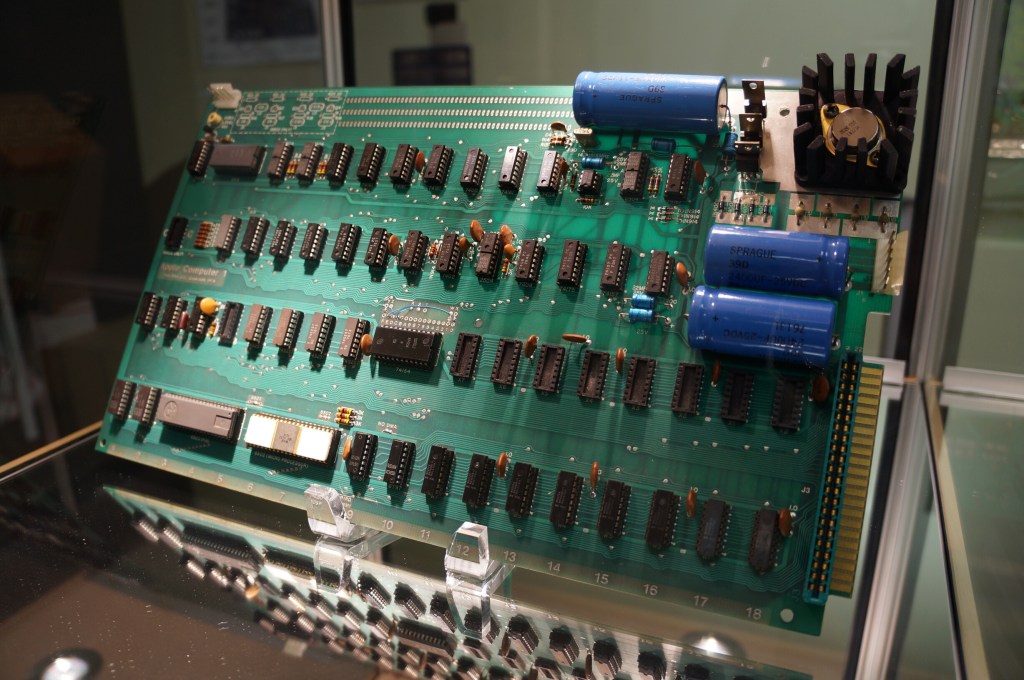


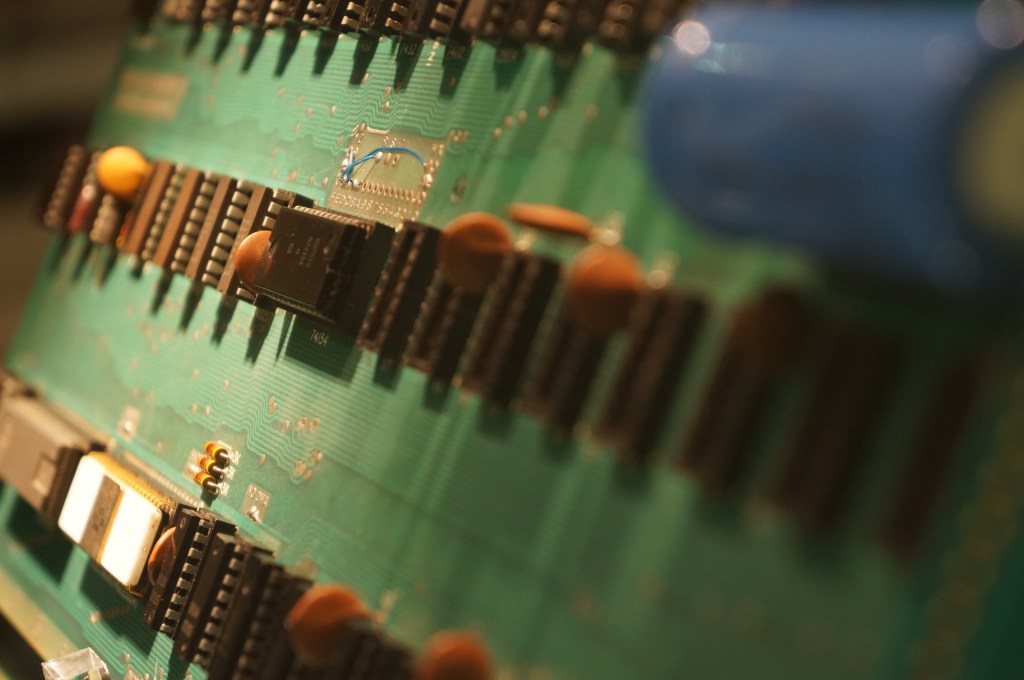
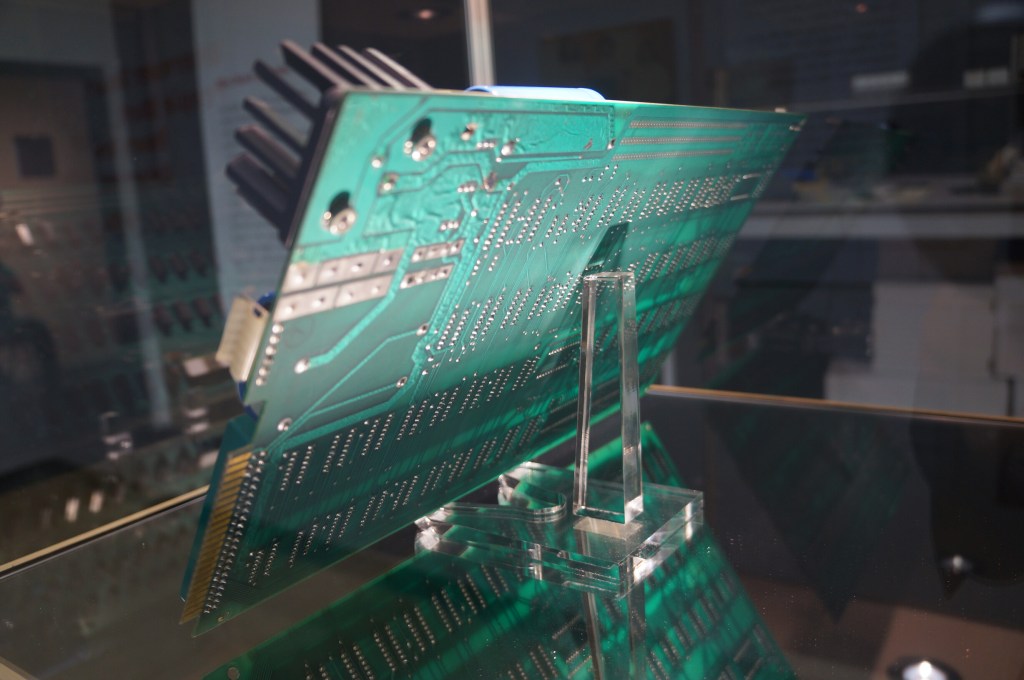

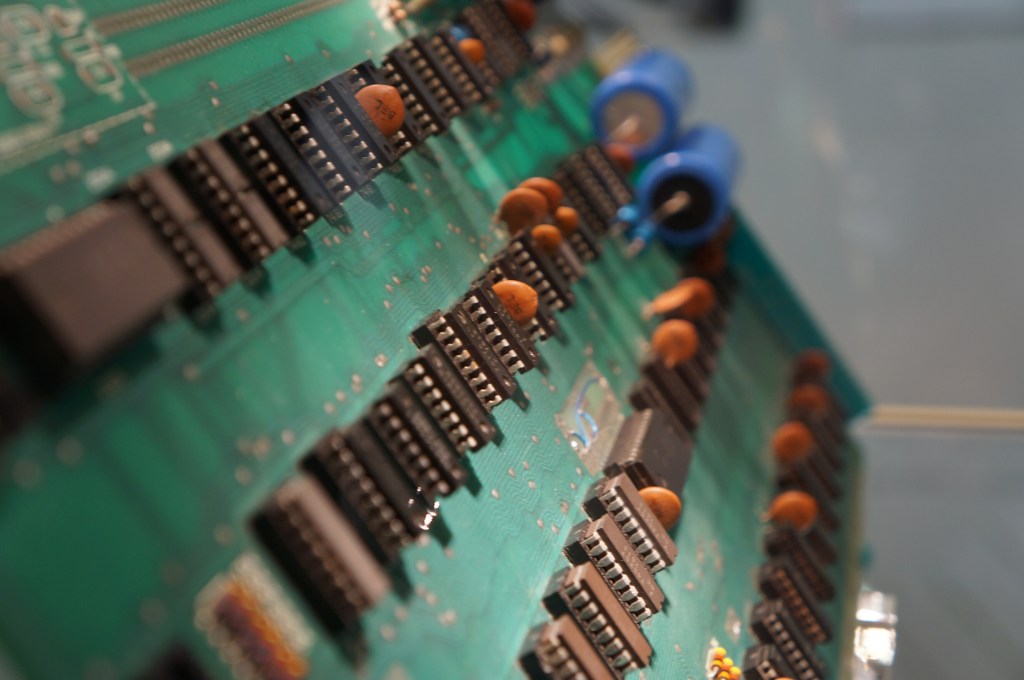
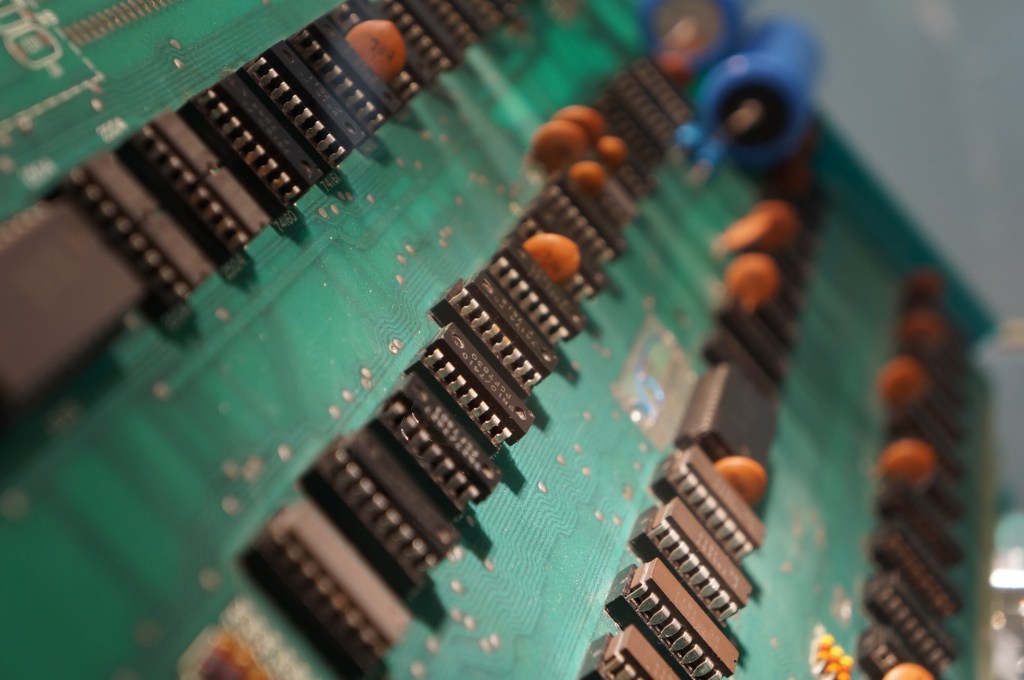
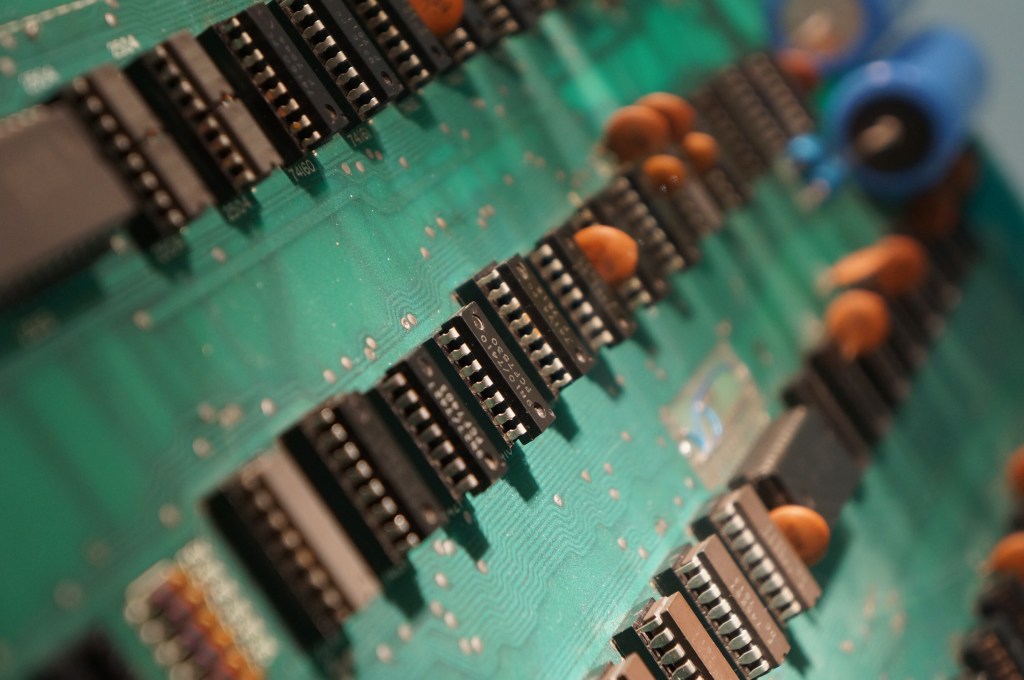


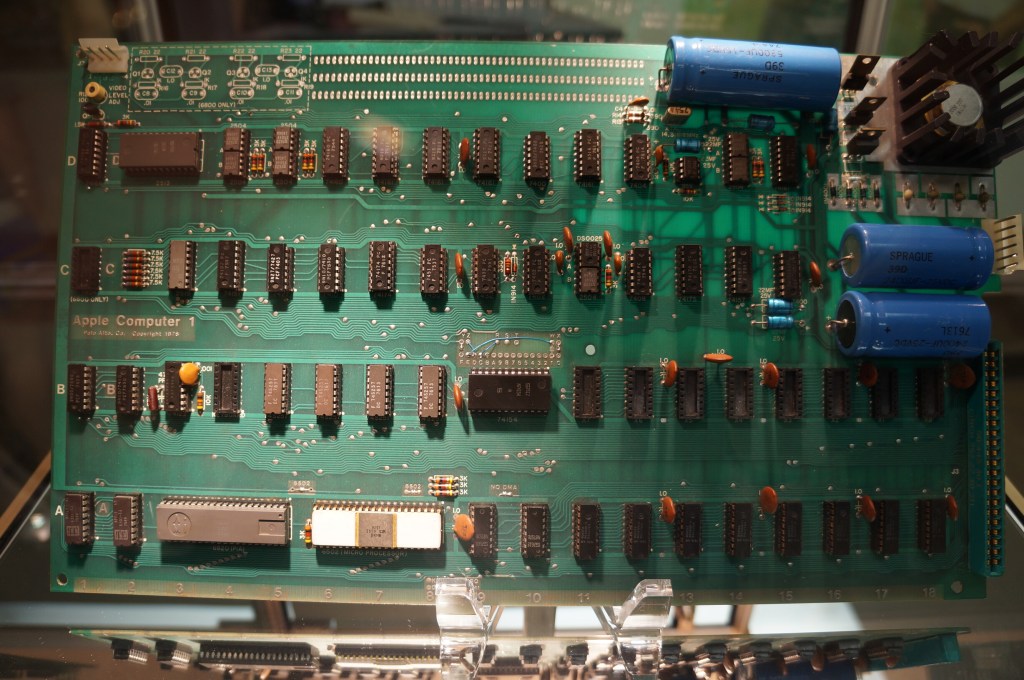
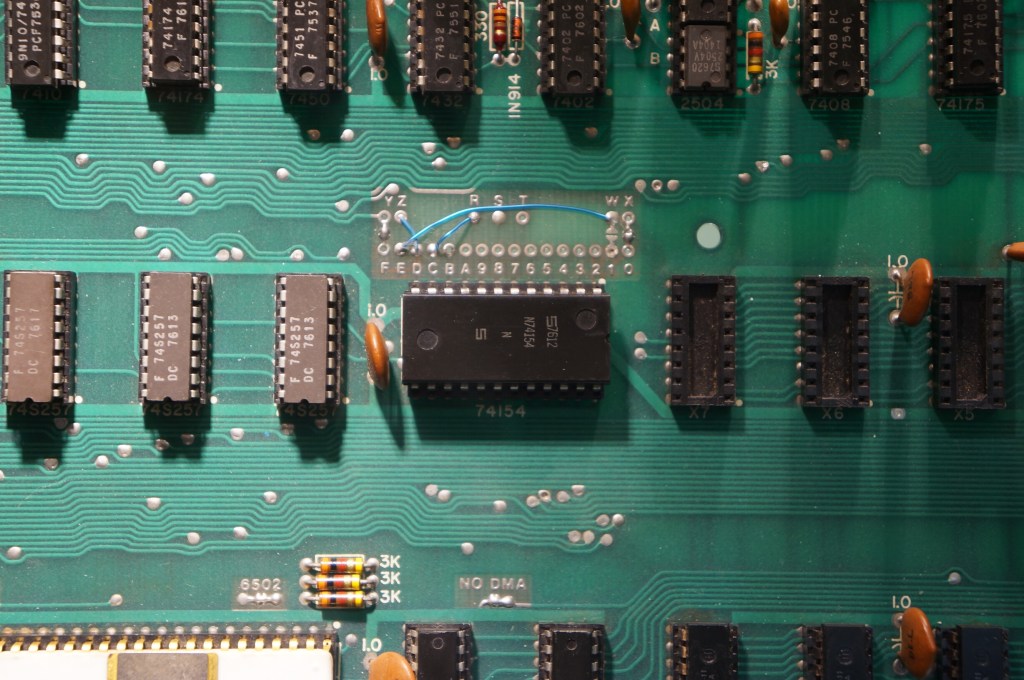










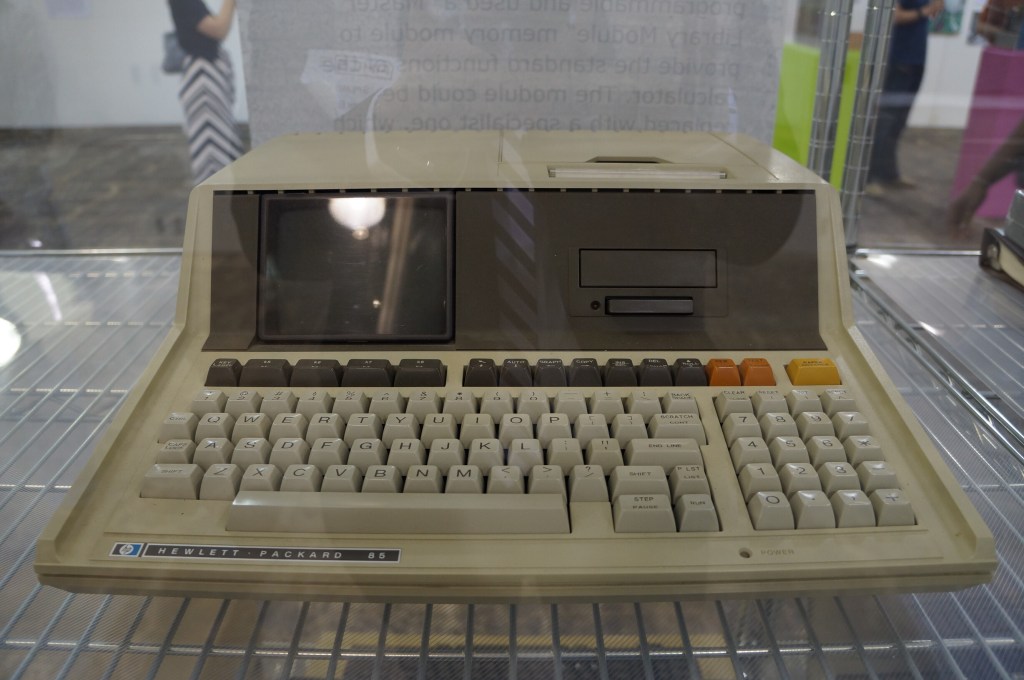
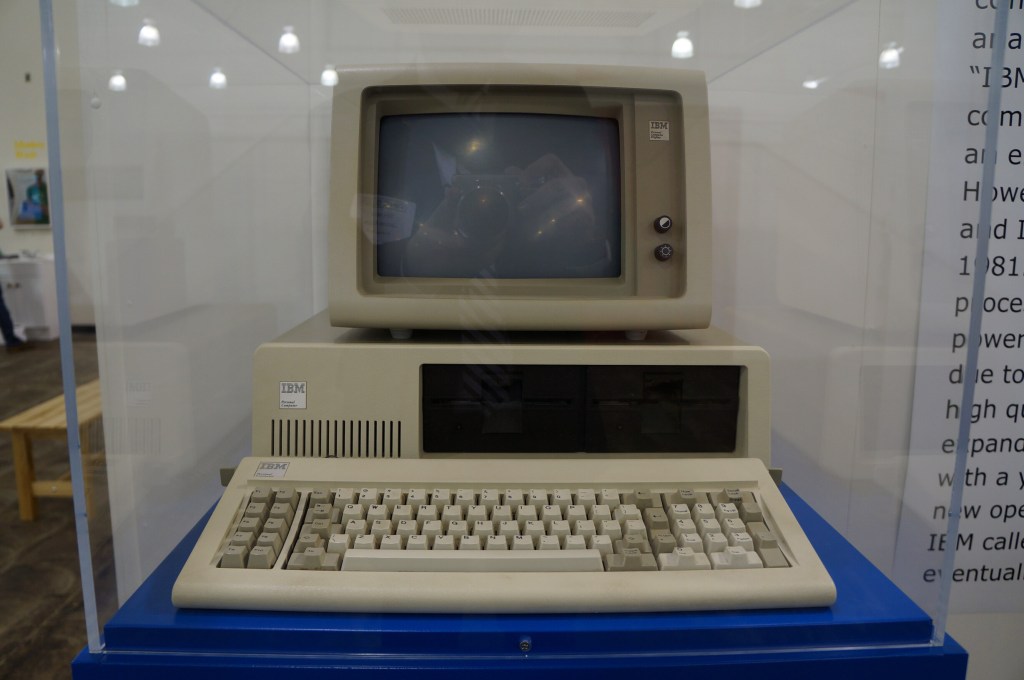


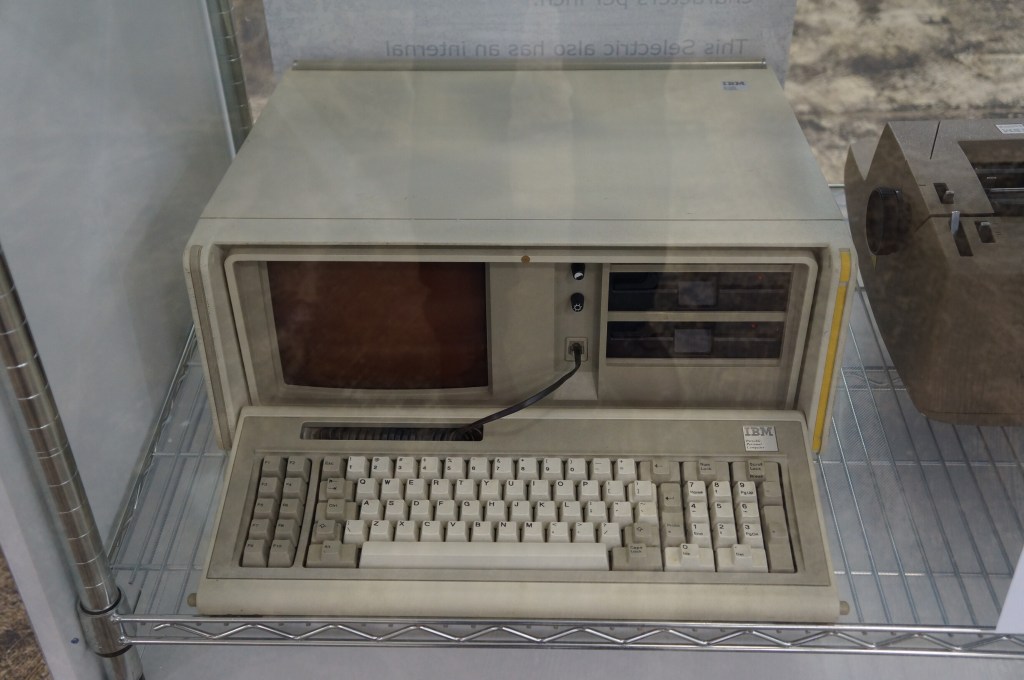
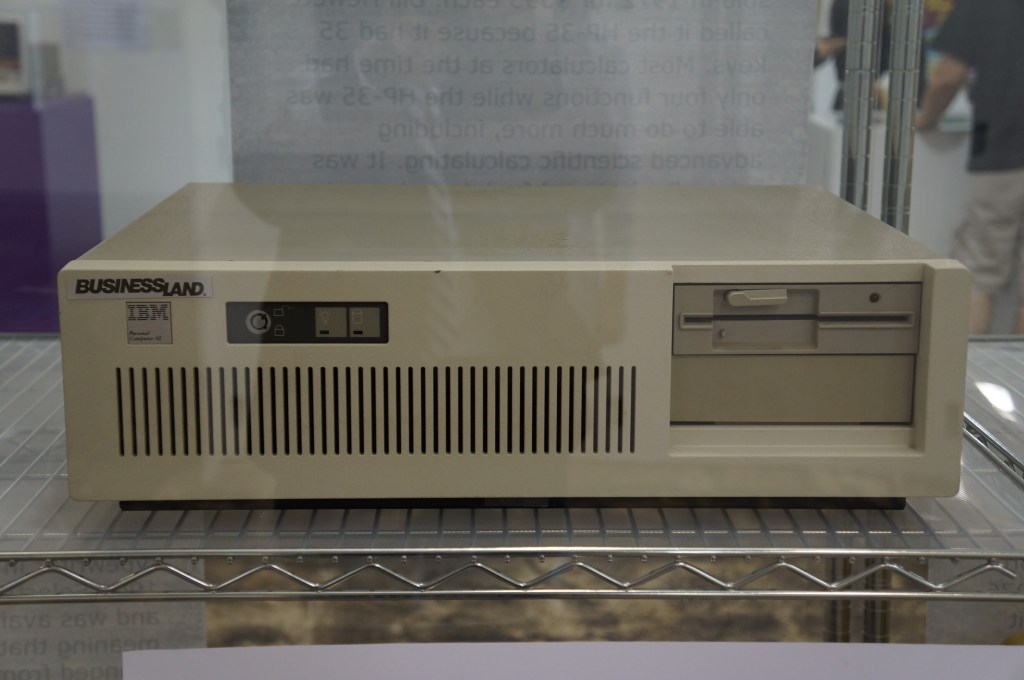
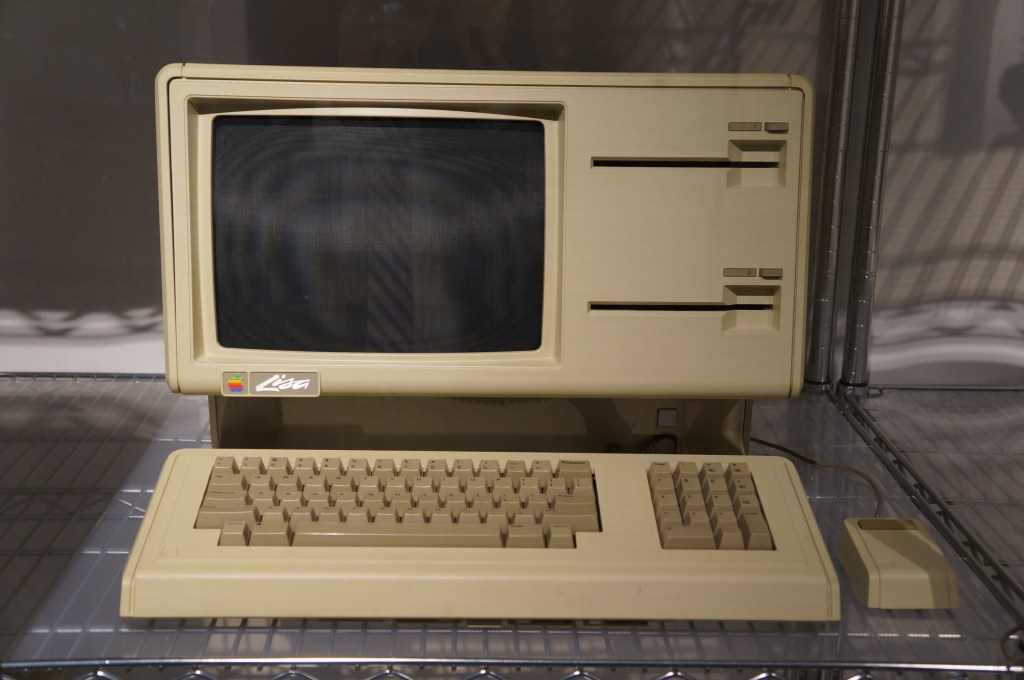
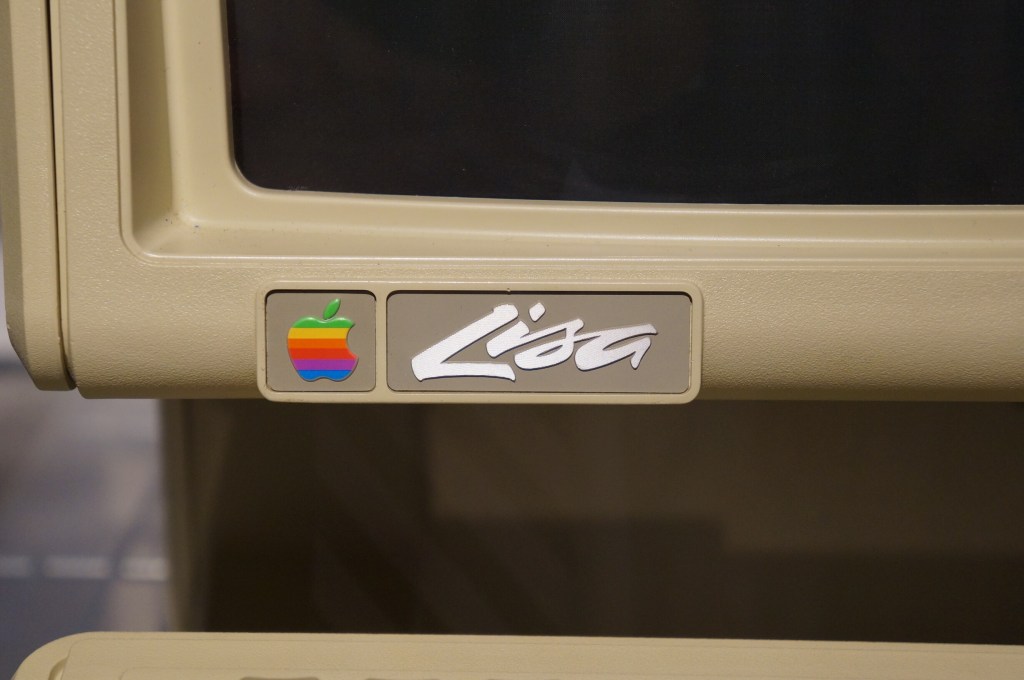


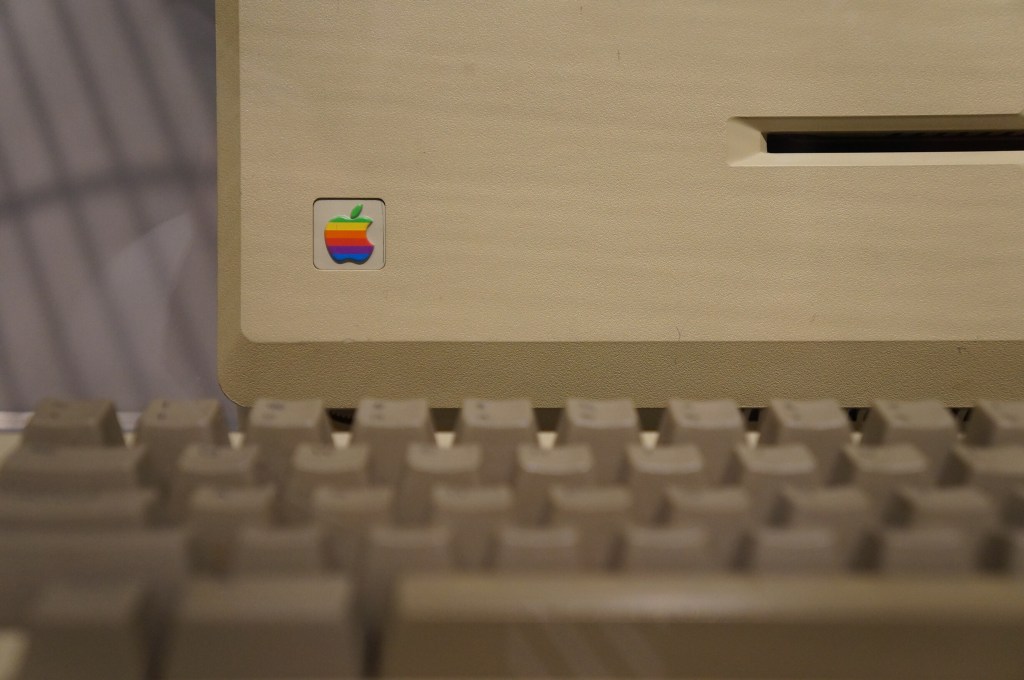
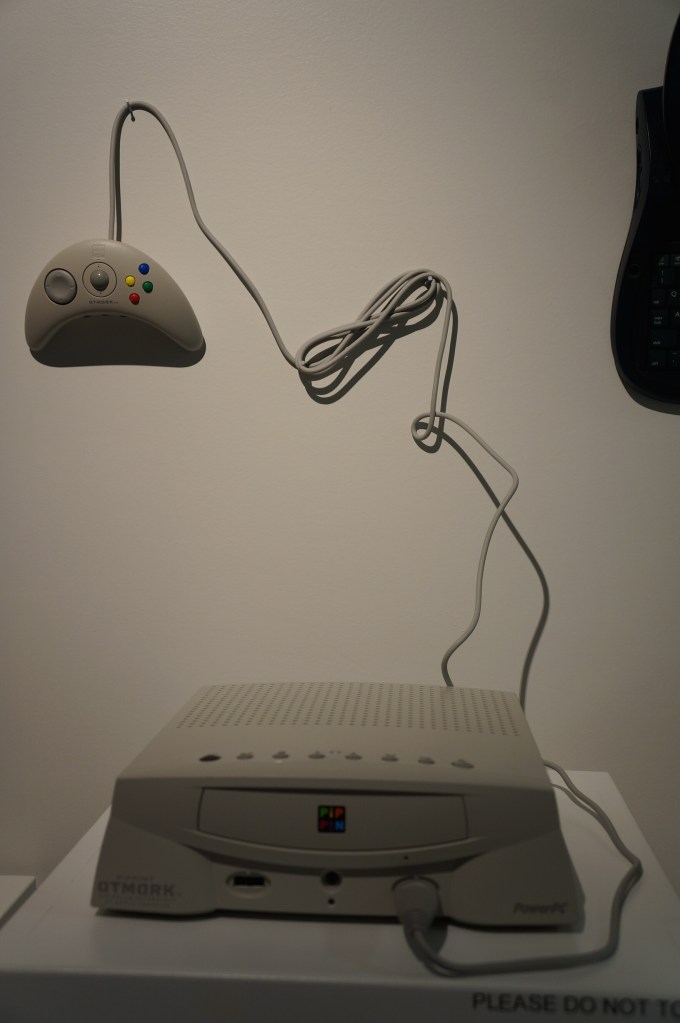


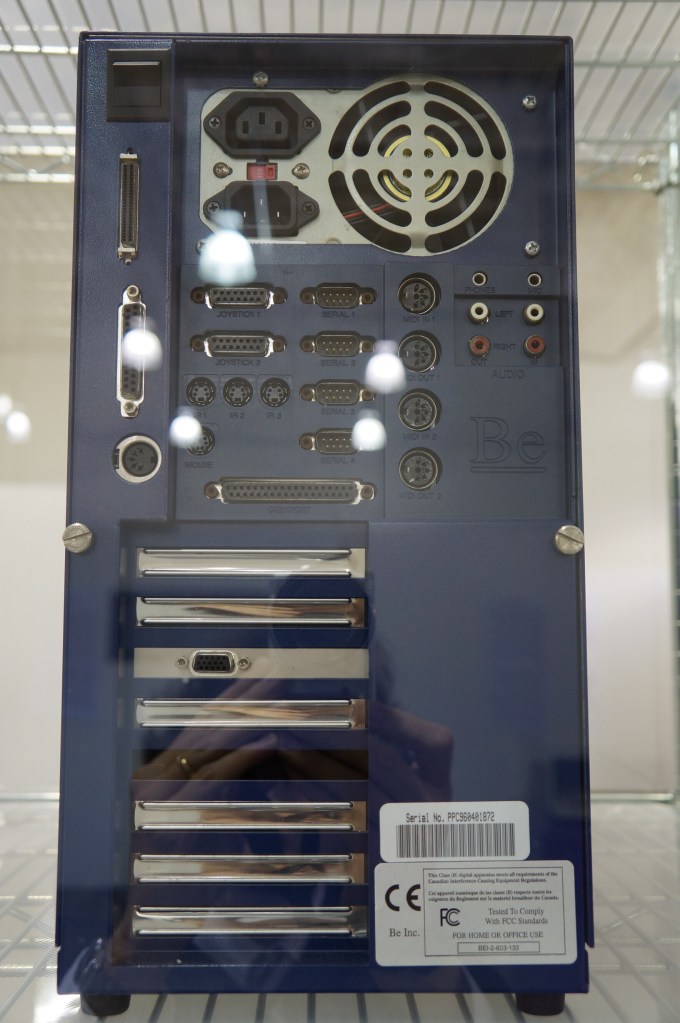
As I’ve written before here and here, I really like BeOS, so it was a special joy to see a BeBox in person for the first time at VCFSE 2.0.















































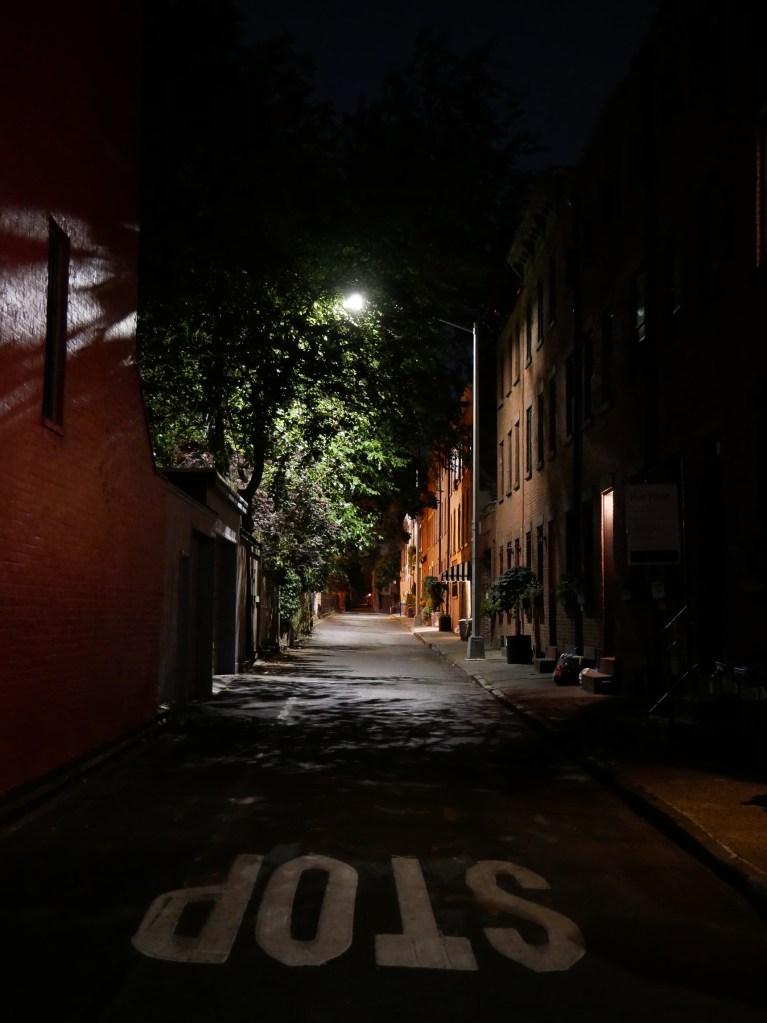
Y and I go for evening walks after dinner. I took the photo above on one such walk during June of 2020. The city was relatively quiet during the day, but it was even more so at night. This is a one-way side street between Carroll Gardens and Cobble Hill. Residences–some might have once been stables–are on the right side and the back of neighboring residences are on the left. In the background on the left side is a small park.
