Author: Jason W. Ellis

  • My Review of Henry Wessells’ A Conversation Larger Than the Universe Book Exhibit, Published at the Science Fiction Foundation

    Maker:L,Date:2017-10-2,Ver:5,Lens:Kan03,Act:Kan02,E-Y

    The Science Fiction Foundation recently published my review of A Conversation Larger Than the Universe: Science Fiction and the Literature of the Fantastic from the Collection of Henry Wessells. The exhibit, held at The Grolier Club in New York City from Jan. 2018 through 10 Mar. 2018 offered a very interesting afternoon’s exploration of one reader’s impressive collection of books, autographs, and ephemera. While I hope that you will click through to read the full review, I include my conclusion below, which might be of interest to those folks who were unable to attend the short-lived display.

    Personal collections tend to say more about their collectors than anything else. While the totality of the items in the collection (with the exhibit being a curated selection from the larger collection) provides one kind of map and history of the fantastic, it ultimately expresses the logic and lived experience of its collector. Wessells explains: ‘I collect by synecdoche, meiosis, and metonymy, as well as by inclination, and by ties of friendship’, and ‘My interests as a reader have often led me away from the canonical to the uncertain edges of the fantastic. Along the boundaries is often where distinctions are sharpest, where science fiction is not so much a place you get to as it is the way you went’. Wessells’s exhibited collection is as admirable as it is interesting to experience, a path off the busy Manhattan streets and into other, imagined worlds.

    Read my full review here and browse photos of the exhibit here.

  • Interzone 14, Winter 1985/1986

    Maker:L,Date:2017-10-2,Ver:5,Lens:Kan03,Act:Kan02,E-Y

    I received another eBay find today: Interzone issue 14 (Winter 1985/1986). This is a special magazine issue for me, because it contains “The New Science Fiction” manifesto by Vincent Omniaveritas (pseudonym for the science fiction writer and activist Bruce Sterling; his alter ego also appears as publisher of the zine Cheap Truth–read scanned issues here or text of each issue here).

    Originally published in the Puerto Rican fanzine Warhoon, this hard-hitting call-to-arms advocates that, “We must create the native literature of a post-industrial society” (40).

    This isn’t necessarily a manifesto for the movement known as cyberpunk, but many cyberpunk works fit. Instead, it is a larger artistic movement, which he describes thus at the end of the essay:

    What, in short, is the New Science Fiction? How do you write it, how do you recognize it?

    First, it is not the property of any editor, clique, publisher, or regional or national association. It is not a question of personal influence, creative writing classes, or apprenticeship to genre gurus. It is a question of approach, of technique. And these are its trademarks:

    (1) Technological literacy, and a concern with genuine modern science as opposed to the hand-me-down pseudoscience guff of past decades.

    (2) Imaginative concentration, in which extrapolations are thoroughly and originally worked out rather than patched together from previous notions.

    (3) Visionary intensity, with a bold, no-holds-barred approach to sf’s mind-expanding potential.

    (4) A global, 21st-century point of view, which is not bound by the assumptions of middle-aged, middle-class white American males.

    (5) A fictional technique which takes the advances of the new Wave as already given, using the full range of literary craftsmanship, yet asserting the primacy of content over style and meaning over mannerism.

    The New Science Fiction is a process, directed toward a goal. It is an artistic movement in the fullest sense of the word. It is the hard work of dedicated artists, who know their work is worthwhile, who treat it as such, and who push themselves to the limit in pursuit of excellent.

    And it is for real. (Omniaveritas 40)

    The entire manifesto is worth reading–for its historical significance, its ideas for the New Science Fiction, and its prize-fighter-like style of sending its message home blow-after-blow. You can find a copy on Archive.org’s Internet Wayback Machine here.

    Works Cited

    Omniaveritas, Vincent (Bruce Sterling). “The New Science Fiction.” Interzone. No. 14 (1985), pp. 39-40.

  • PC Computing, August 1994

    Maker:L,Date:2017-10-2,Ver:5,Lens:Kan03,Act:Kan02,E-Y

    The August 1994 issue of PC Computing was my go-to source for customizing my 486/DX2 66MHz system back in high school. I wanted to relive some of those tricks in my emulated DOS environments today, so I began hunting around for a copy to refresh my memory. After having no luck with nearby collections on Worldcat, I reached out to several eBay sellers who offer back issues of computer magazines. Seller sij167 replied that he had a copy that he would offer up, which I immediately purchased. It arrived very well protected this afternoon.

    In this issue, the Operating Environments section is particularly helpful for building batch files to do a variety of otherwise tedious typing tasks. There are tips from “superstars,” including Bill Gates and Peter Norton. There are opposite-end-of-the-spectrum columns by John Dvorak and Penn Jillette. And, of course, the advertising! I wonder if I would get a reply if I send off a bubbled-in information request postcard?

    A note about the magazine’s title: The Wikipedia page for the magazine lists it as “PC/Computing.” The magazine’s logo is styled with a slash between PC and Computing as shown in the photo above. However, the magazine’s masthead page lists the magazine as “PC Computing” with a space separating PC and Computing, as does the footer on odd number pages throughout the magazine.

  • Workaround Solution to Spinning Blue Circle Next to Mouse Pointer (Working in Background) in Windows 10

    pointer-workingEver since I installed Windows 10 on this desktop computer build (detailed here), I have been distracted by a tiny spinning blue circle next to my mouse pointer about every 5 minutes. This mouse pointer change indicates that a process is working in the background. I could still move the mouse around and click on things, but the mouse pointer change visually distracted me from the work that I was doing. The user interface, which should facilitate my focused work on the computer, was pulling my attention away from my work and towards what should otherwise fade into the background: the user interface and the operating system.

    There are many discussions about what causes Working in Background mouse pointer change, such as here, here, and here. I tried troubleshooting what was causing the regularly appearing “Working in Background” pointer change on my computer, but I couldn’t definitively pin down the cause and resolve it.

    Nevertheless, I found a solution to the distraction caused by spinning blue circle: change the “Working in Background” pointer to match the “Normal Select” pointer icon. Here’s how to do this:

    Click Start > Settings > Device

    settings

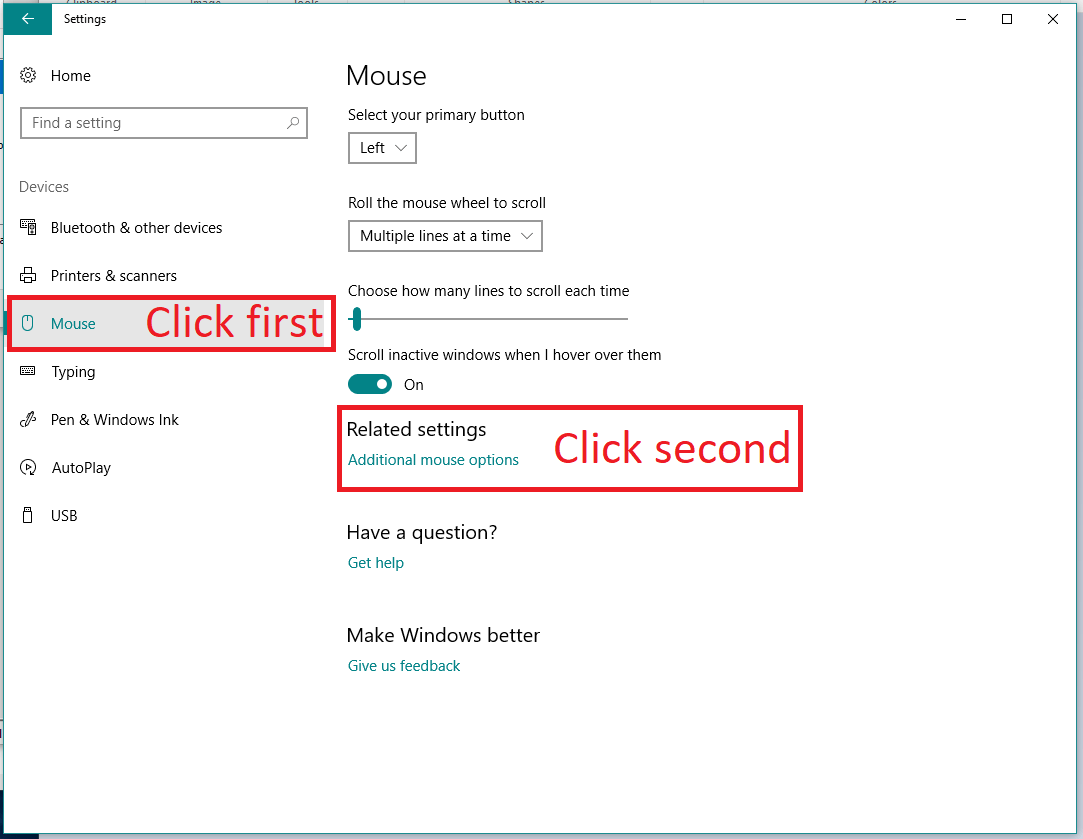
    In Devices, click Mouse on the left, and then click “Additional Mouse Options” on the right.

    settings-mouse

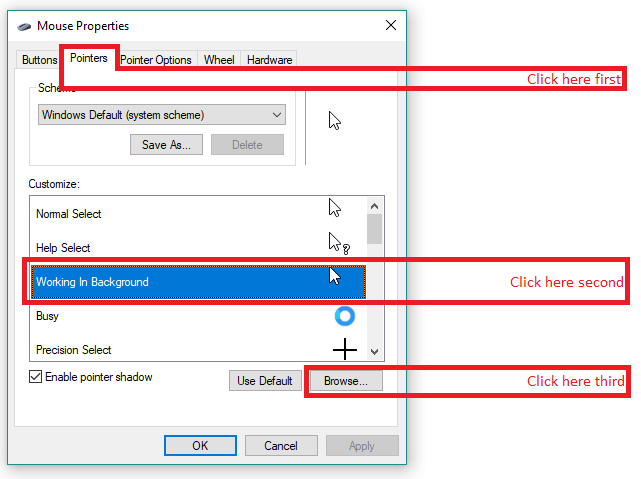
    This pops up a new window with additional mouse settings. Click Pointers > Working in Background > Browse.

    mouse-properties

    This pops up a pointer selection window. Choose “aero_arrow.cur” and then click “Open.” mouse-pointer-select

    This returns you to the previous window where you will click “Apply” and “Okay.” Finally, you can close Settings. Now, your mouse pointer should remain as the arrow pointer icon even when a process is working in the background.

    Since I have made this change to my computer, I am not distracted by the mouse switching intermittently between the arrow and the arrow with spinning blue circle. Of course, the underlying cause of the spinning blue circle remains, but at least with this solution, whatever is working in the background is no longer disturbing my attentional focus by leaping front-and-center into the UI.

  • LEGO Playset MOC of Temple Island on Ahch-To in Star Wars: The Last Jedi

    IMG_20180218_133943.jpg

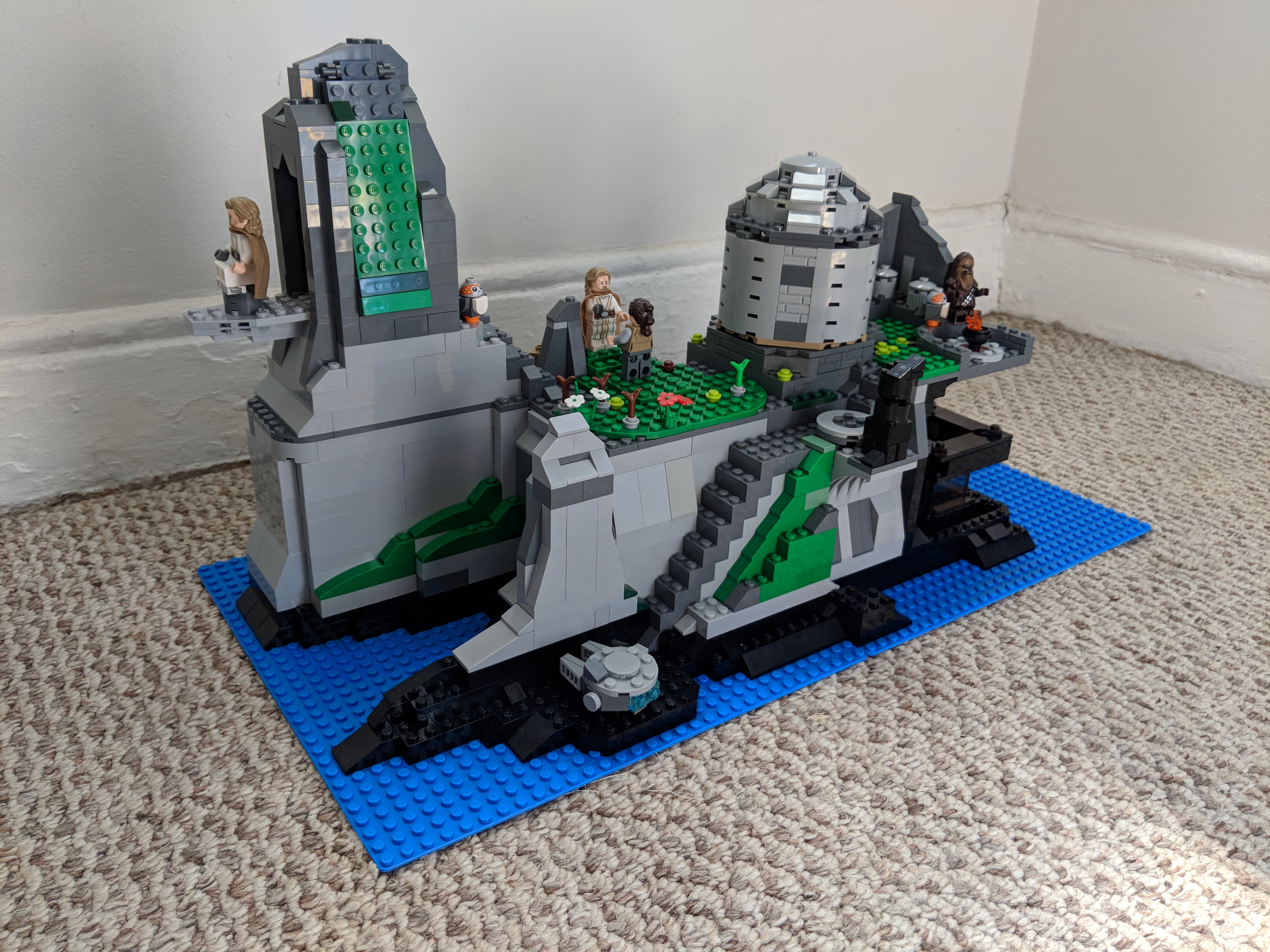
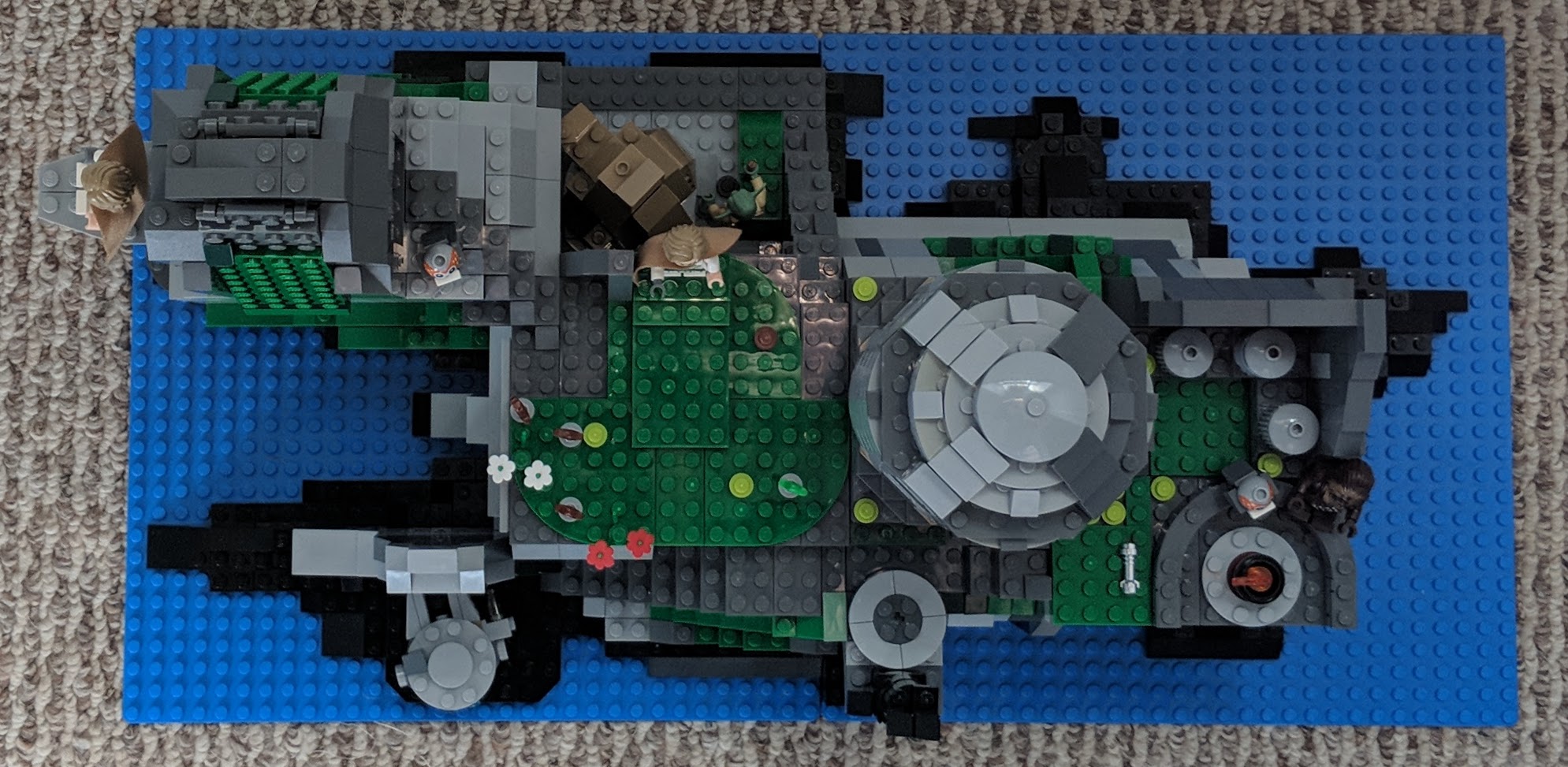
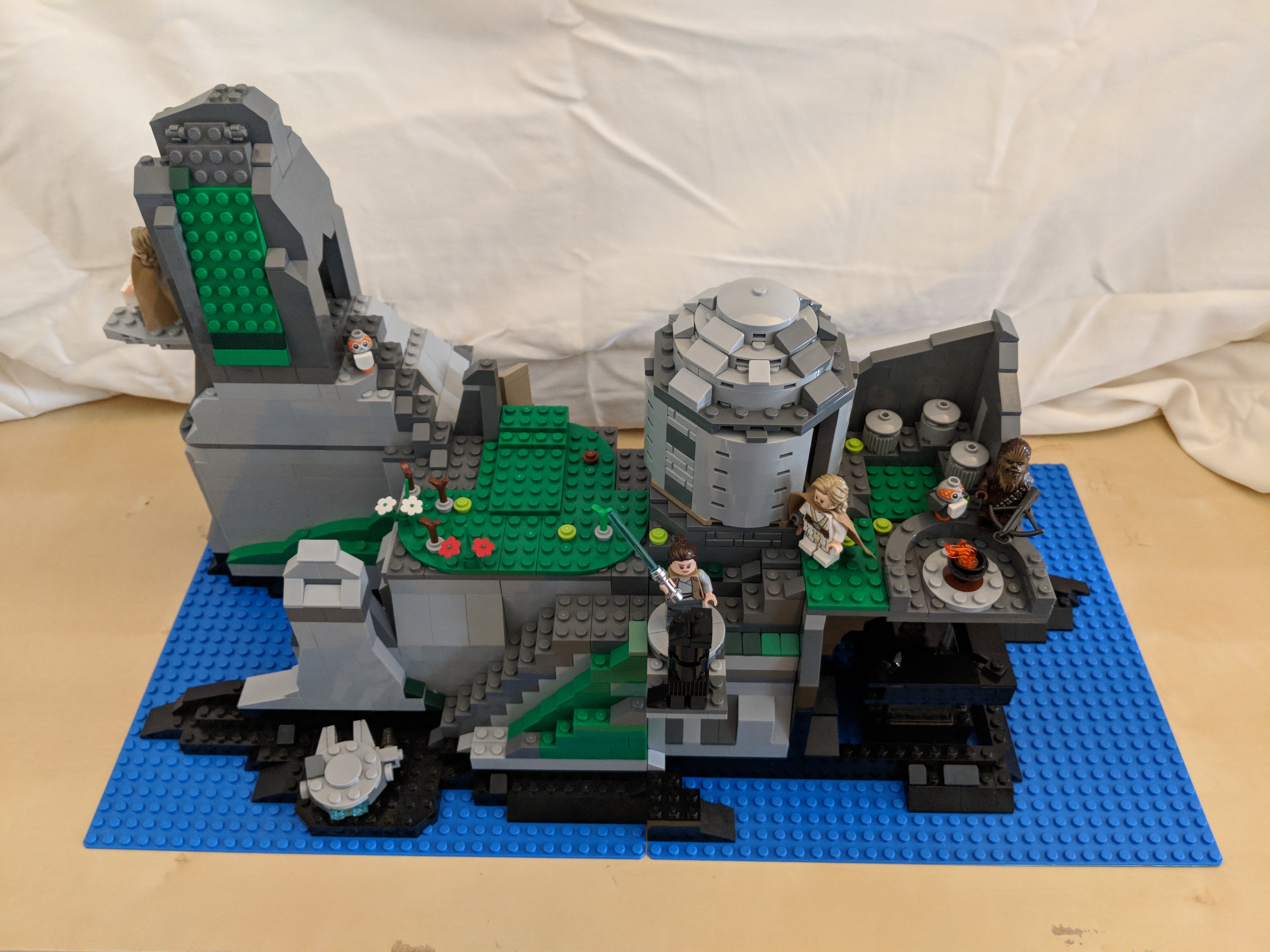
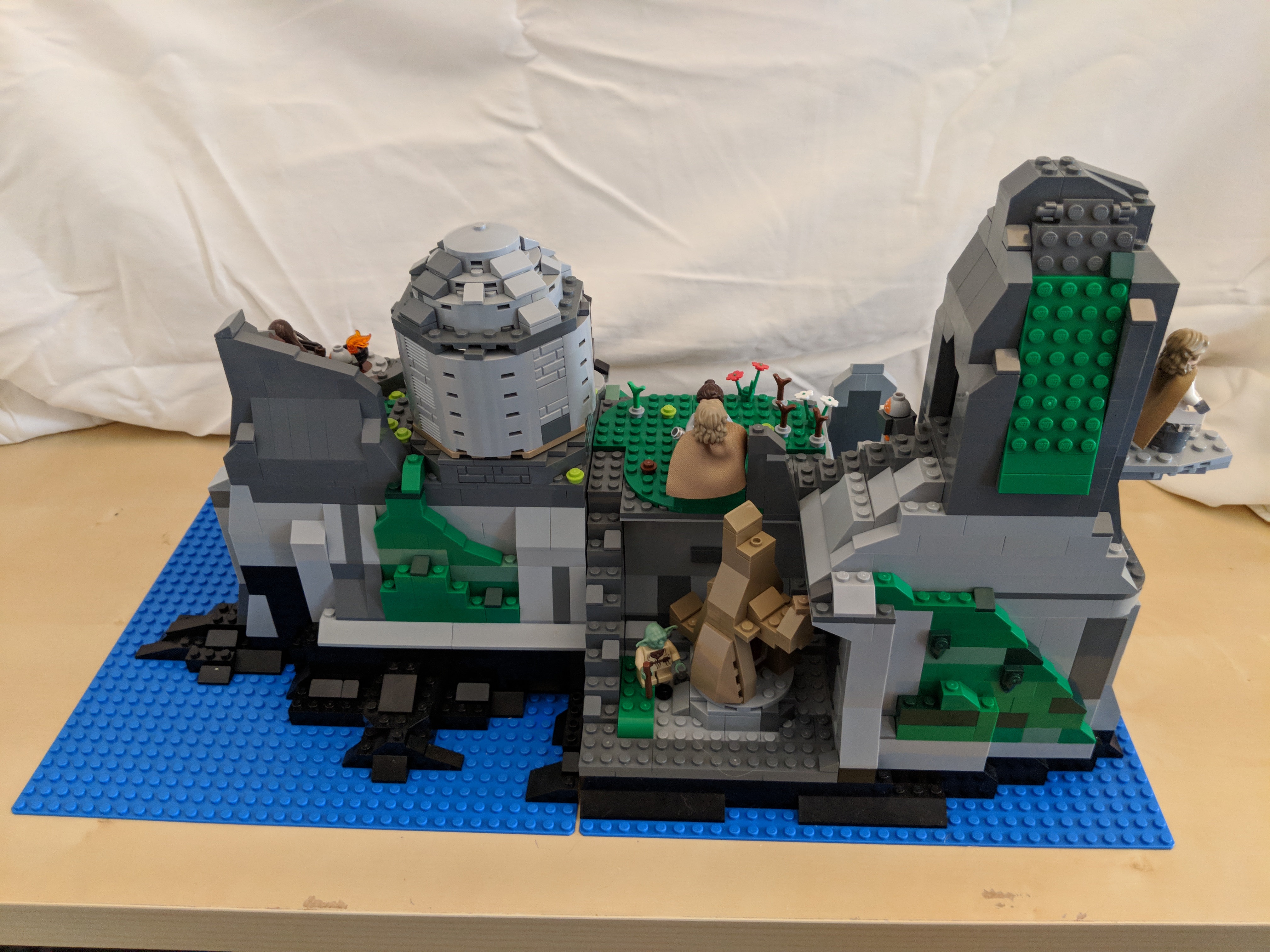
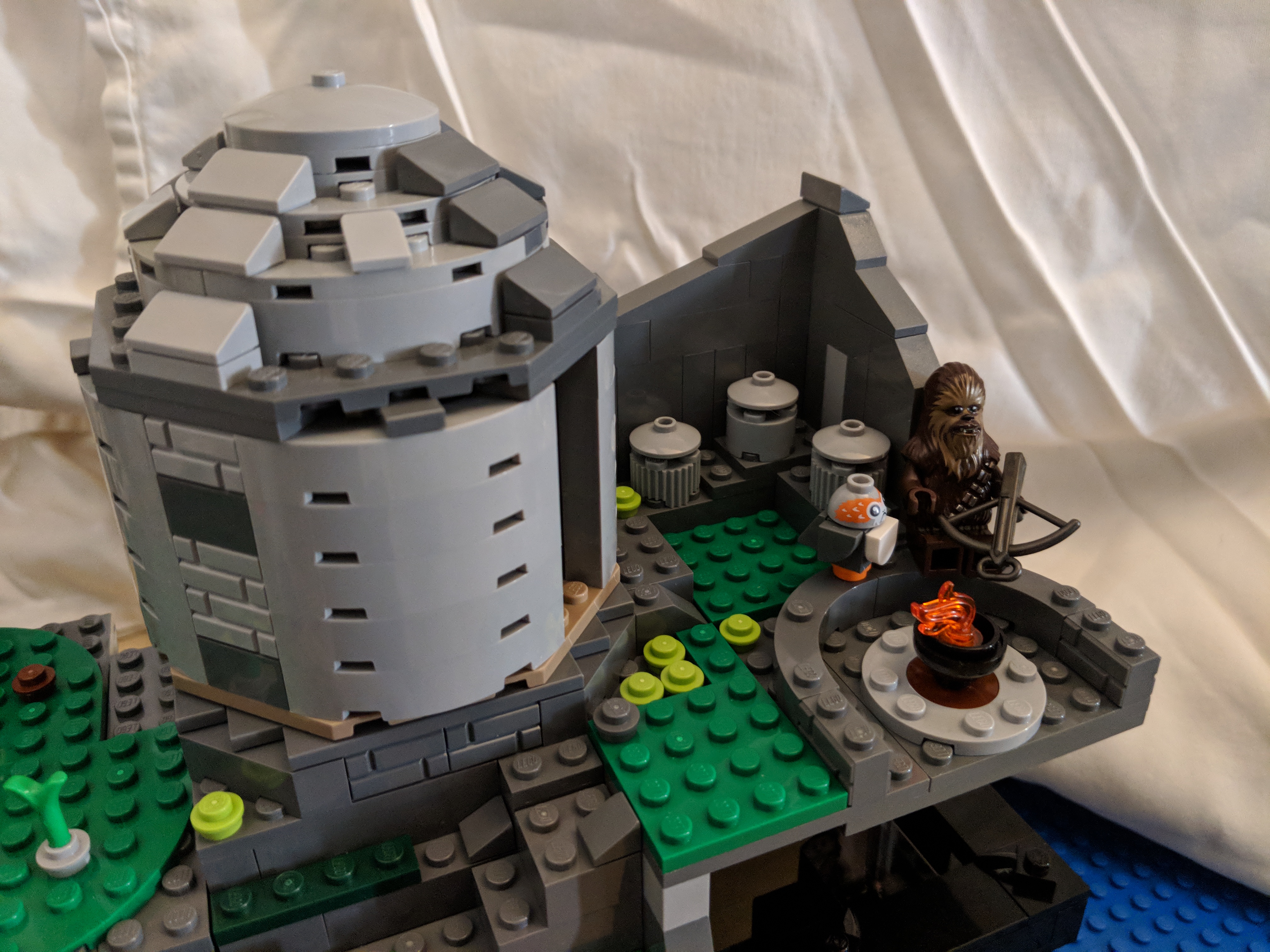
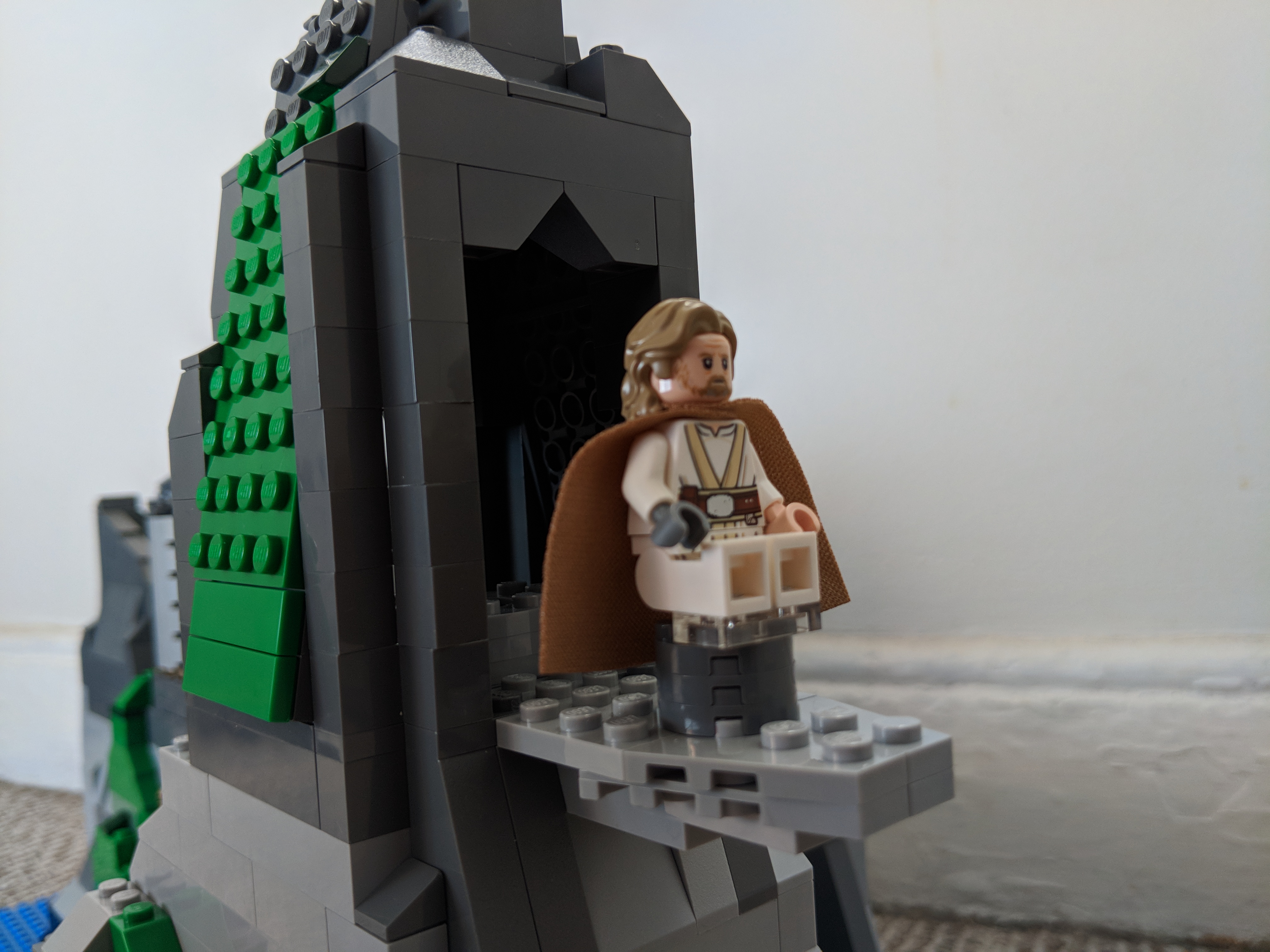
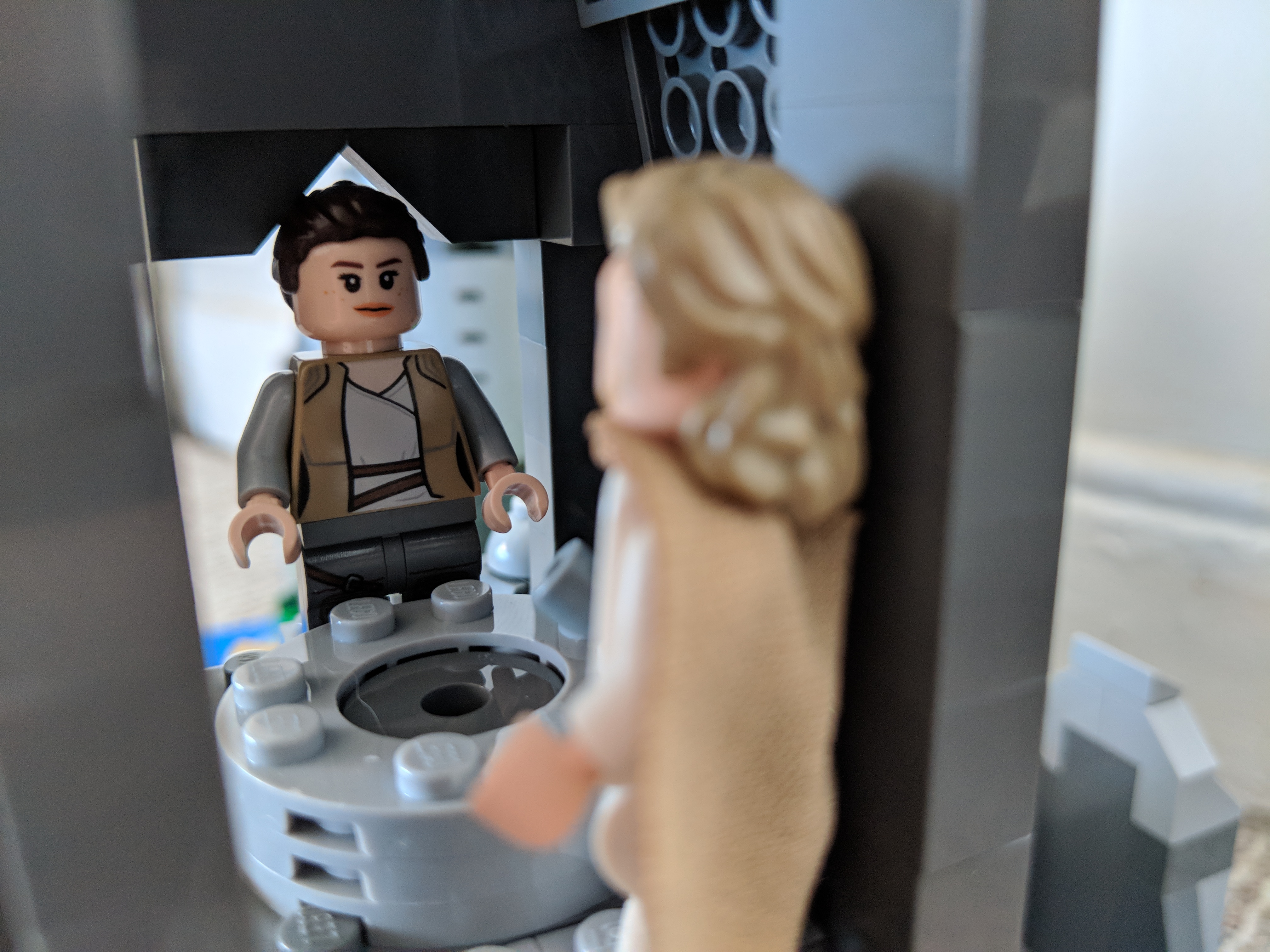
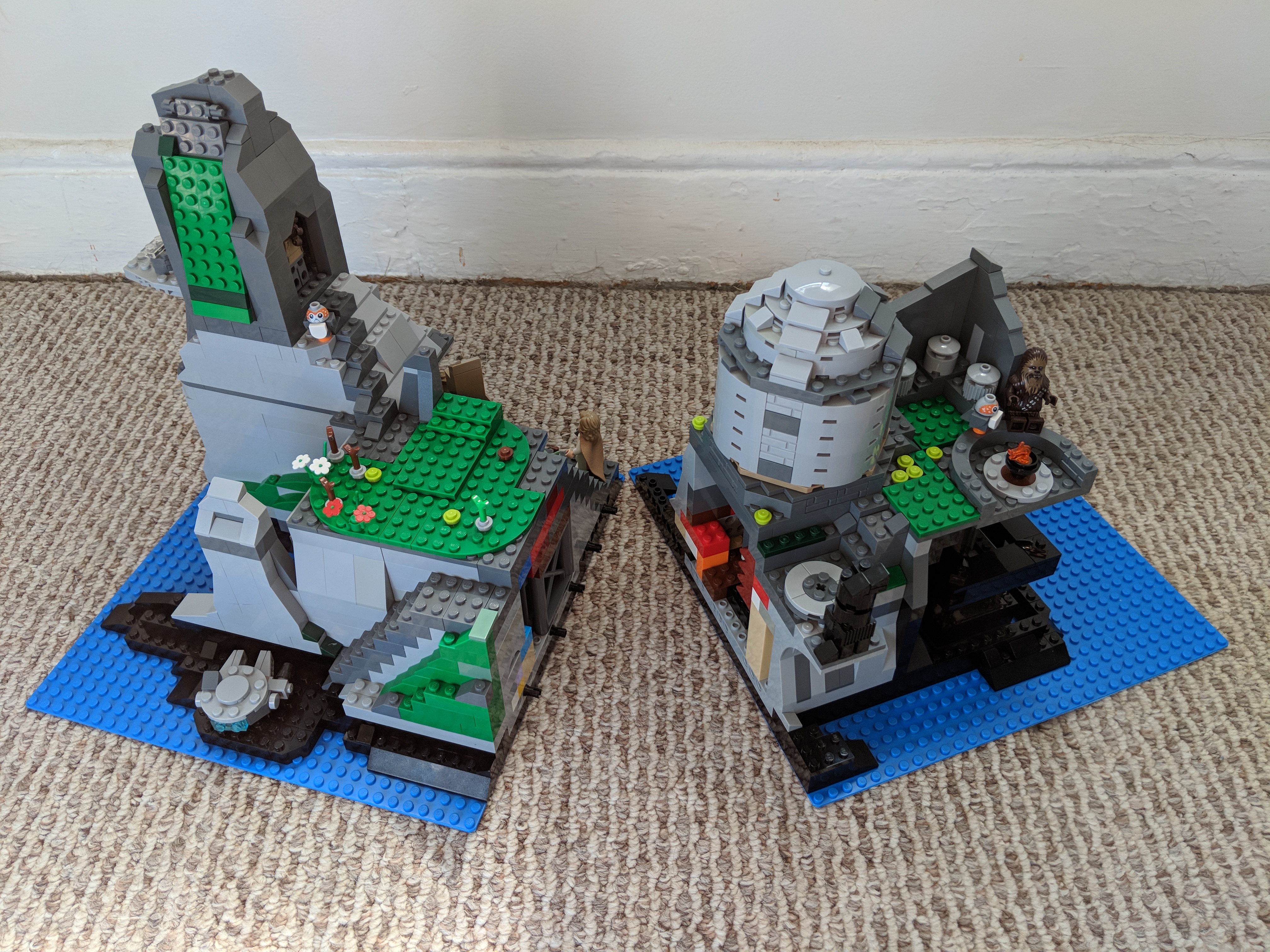
    Inspired by LEGO’s Death Star playset, which is both enormous and scene-focused, I built a 64 x 32 stud MOC of Temple Island on Ahch-To from Star Wars: The Last Jedi. First glimpsed at the end of The Force Awakens and explored in the latest installment, Temple Island is the home of the first Jedi Temple, and it is where Luke Skywalker has been hiding away during the rise of the First Order under the leadership of Snoke and supported by Luke’s former pupil, Ben Solo or Kylo Ren.

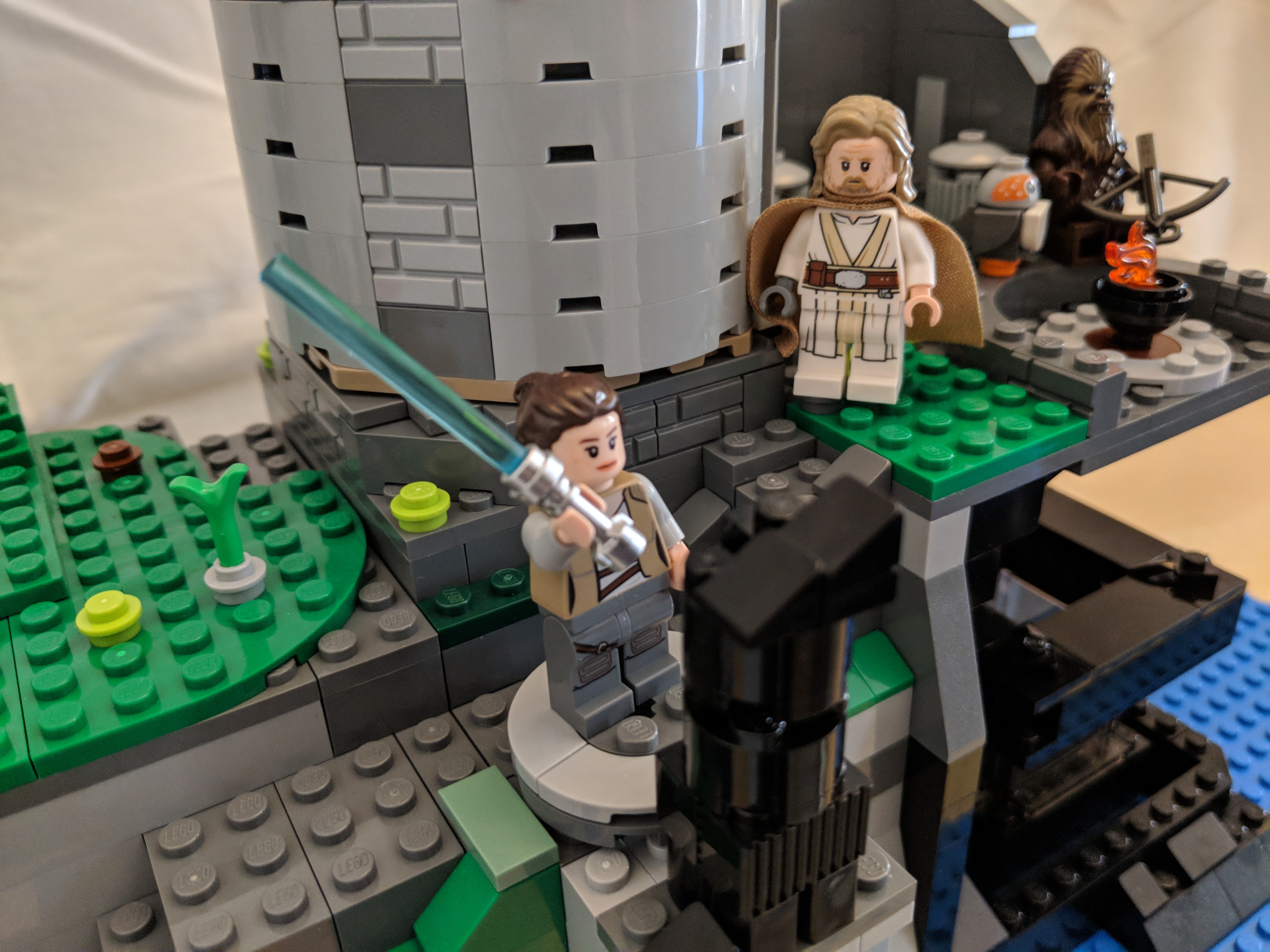
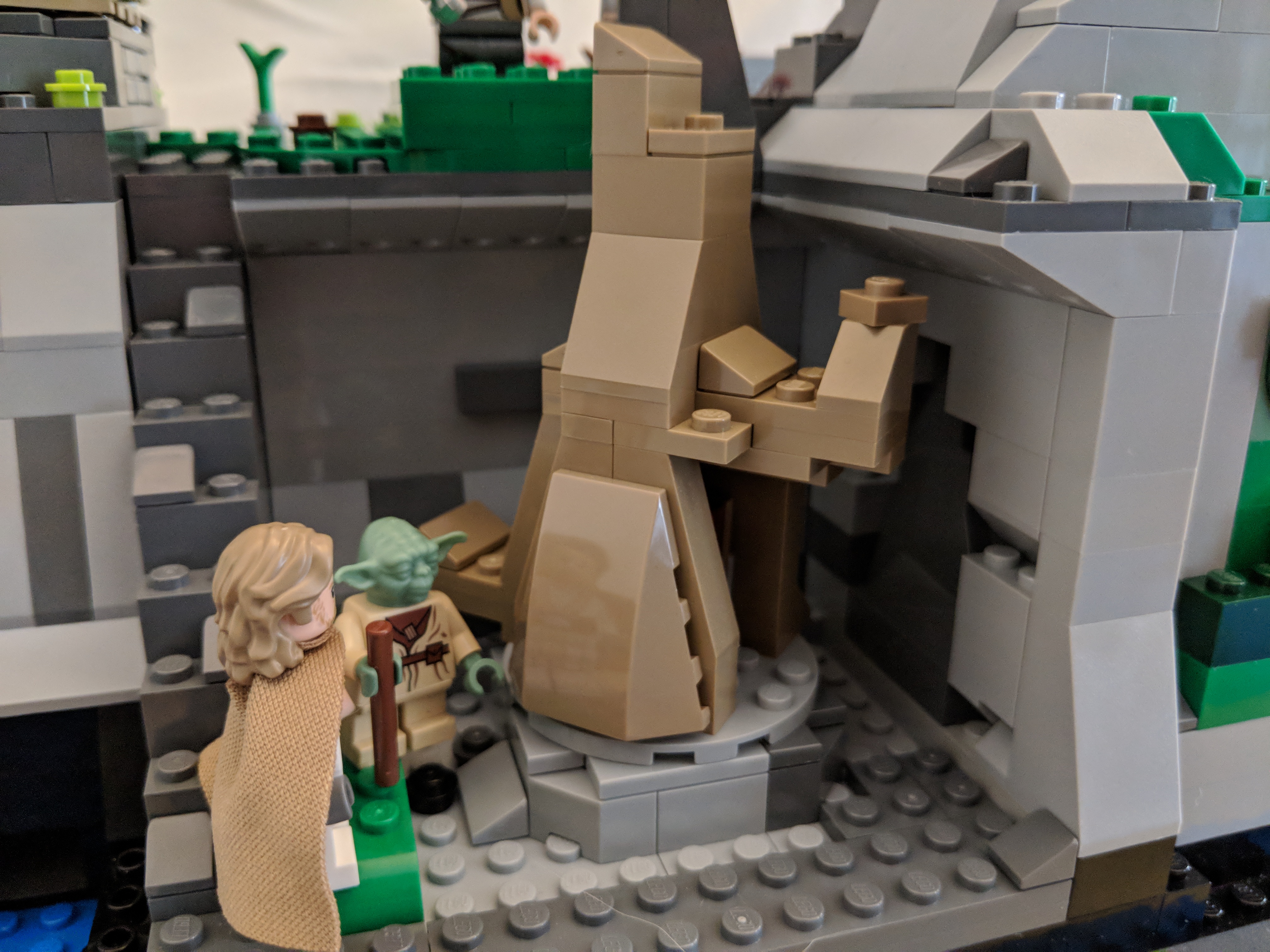
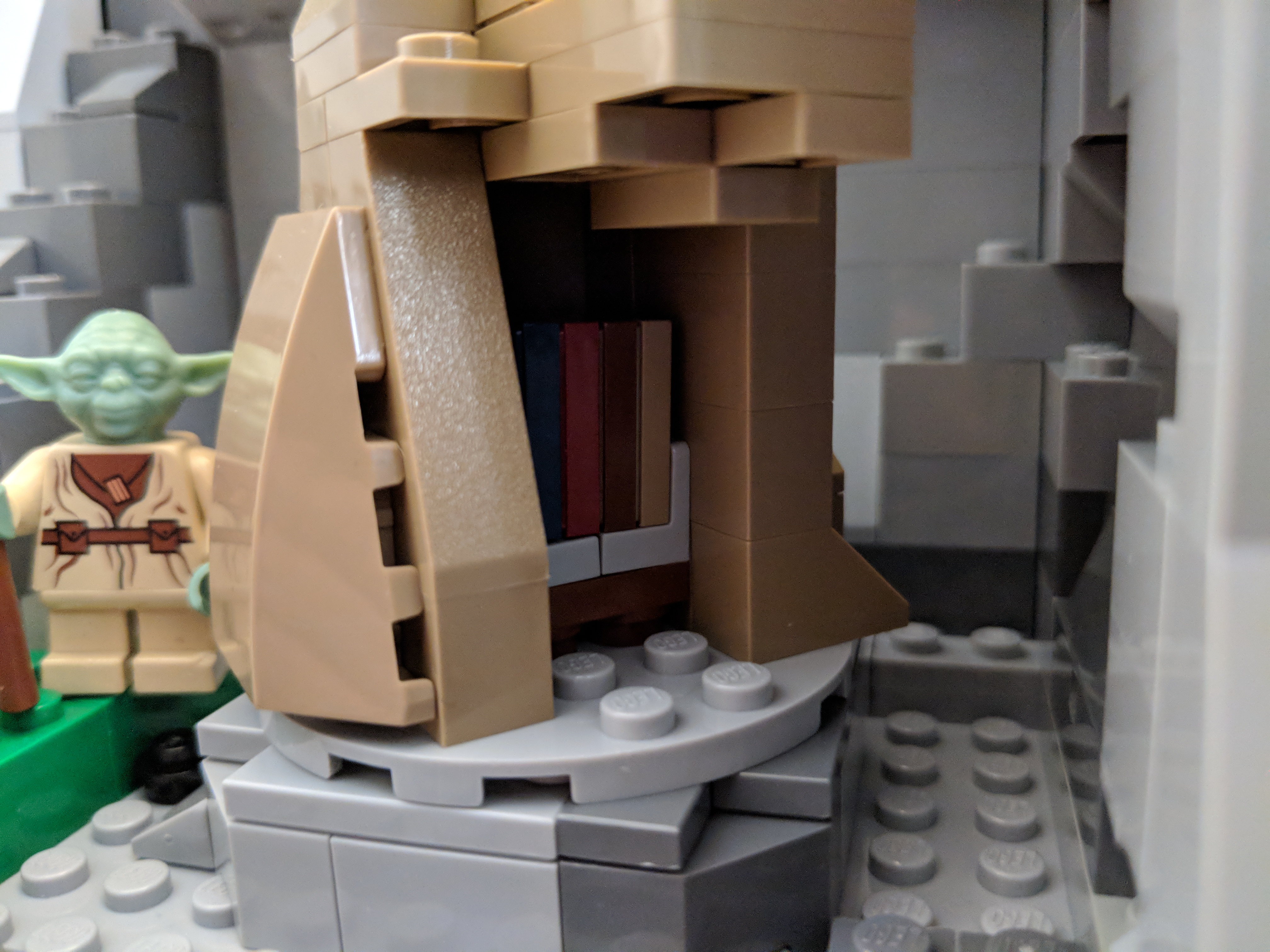
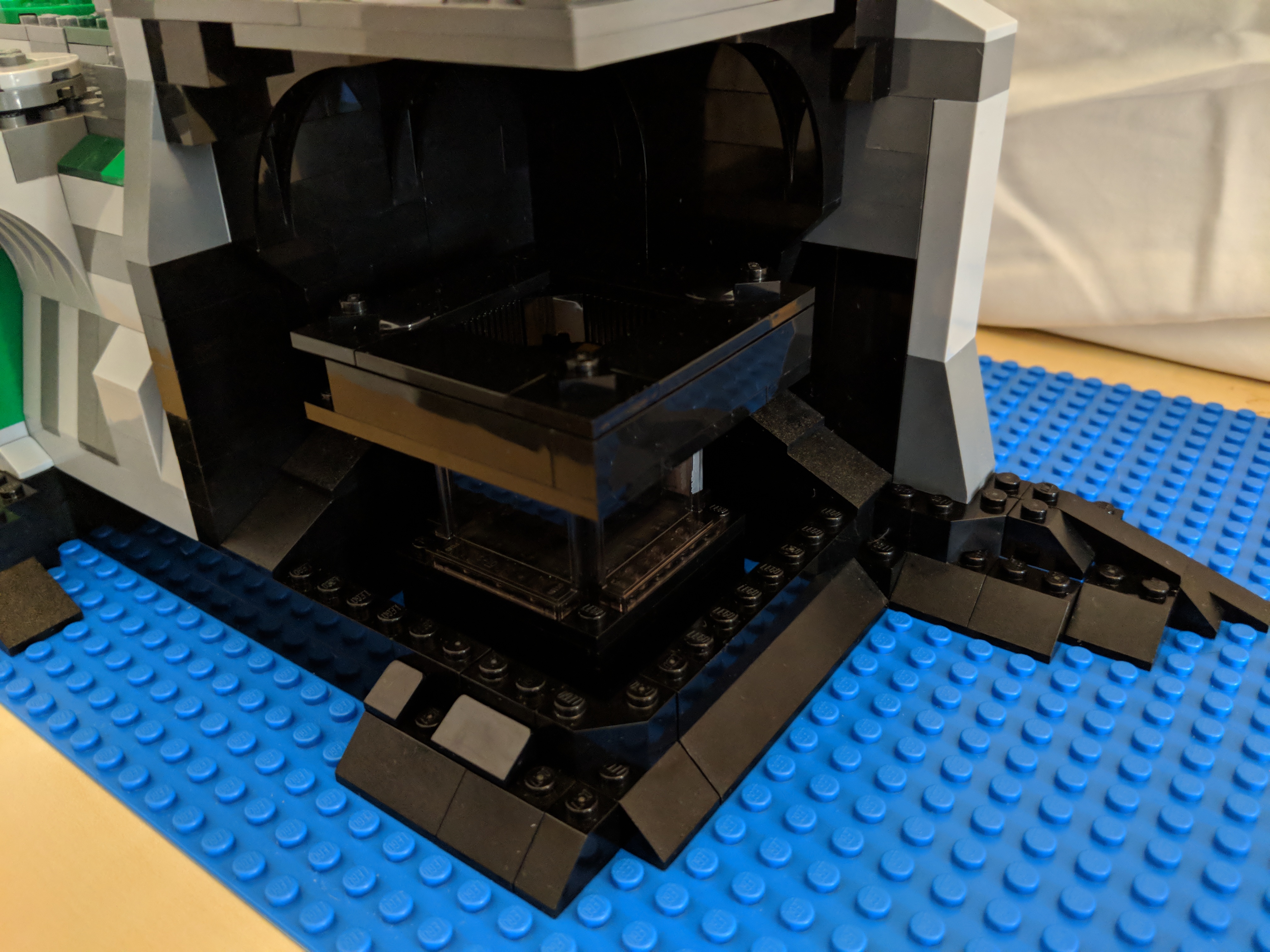
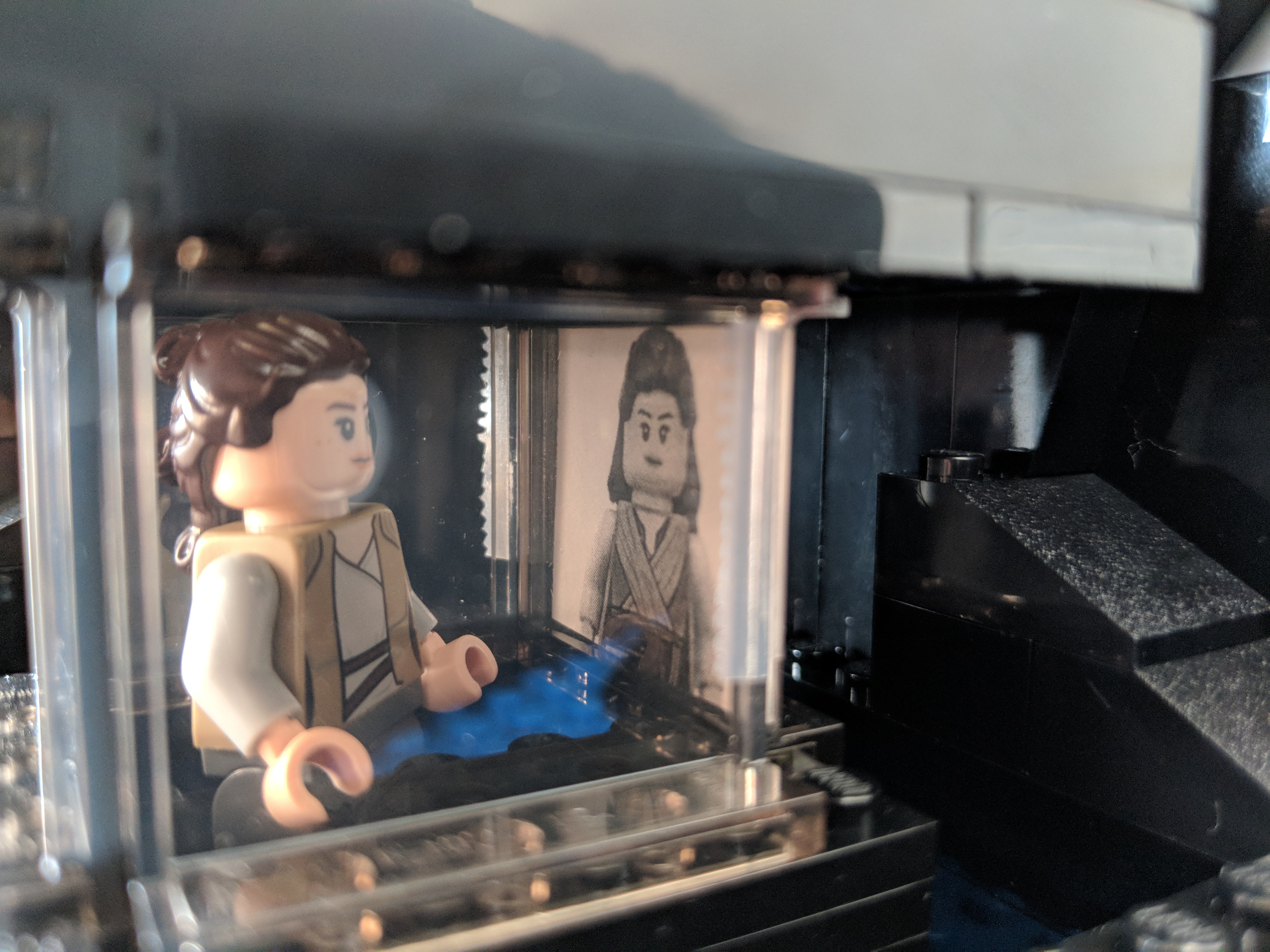
    As a LEGO playset, it has to balance accuracy, playability, and scale. For accuracy, I based the island’s shoreline on Ireland’s Skellig Michael, which is the location where these scenes were shot for the film. Also, the island’s topography were adhered to as closely as possible by having the north peak slightly lower than the higher south peak, and designing a middle valley between the two peaks, known as Christ’s Saddle on Skellig Michael. Each major scene involving Temple Island has been placed approximately where it would be on the island according to The Art of The Last Jedi and my observations of the film. And, each scene is scaled for play with LEGO minifigures, except where the Millennium Falcon lands along the shoreline, which would otherwise dwarf the island or require building a much larger model! For this element of the MOC, I used the Falcon included in last year’s LEGO Star Wars Advent Calendar (75184).

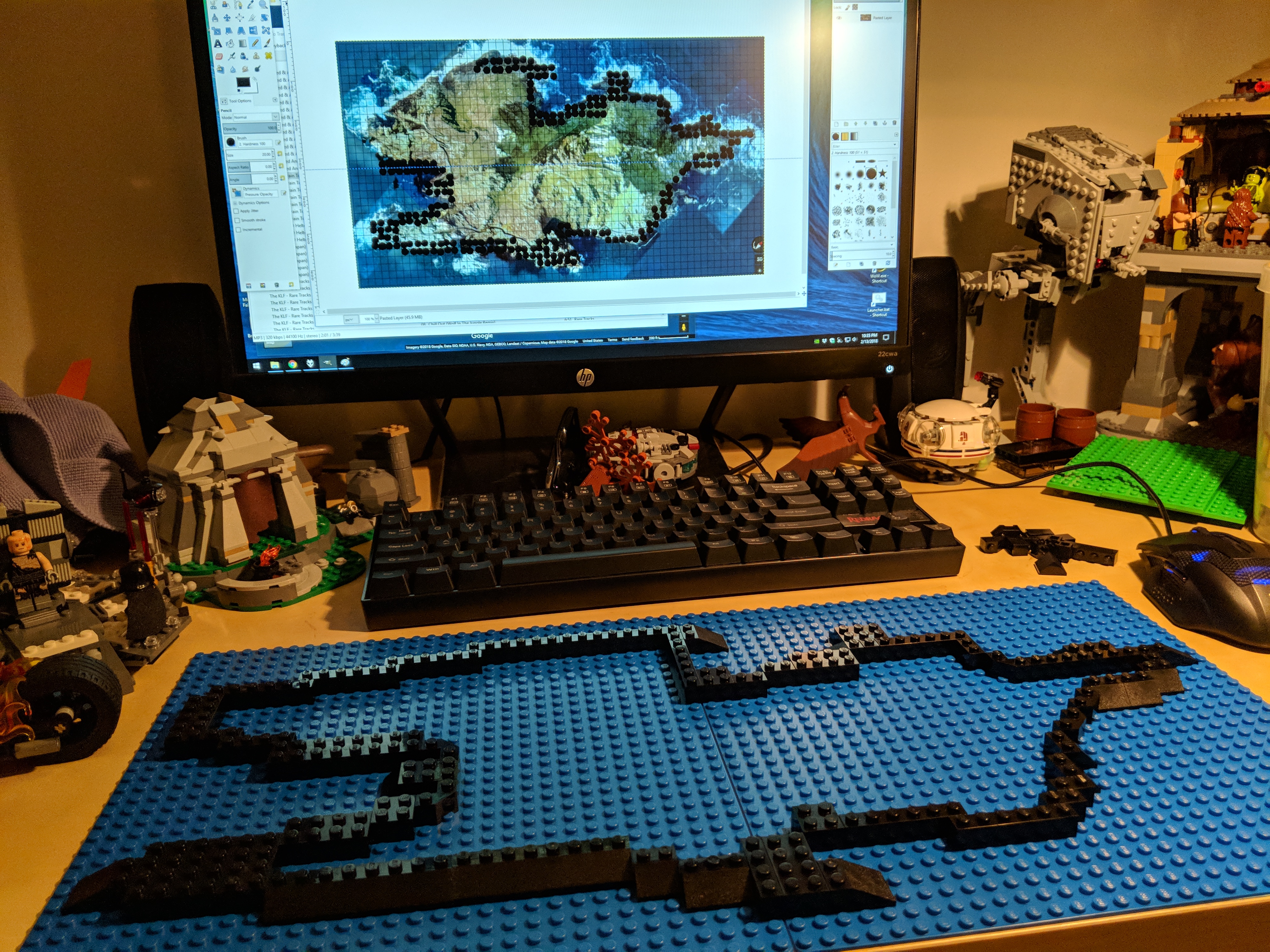
    Including all prep time, this build took me about 40 hours. In addition to studying books and magazines that showed glimpses of Temple Island and its topography, I watched YouTube videos such as these: one, two, and three. I leveraged Gimp’s grid rendering to plan the overall design based on a Google Maps’ satellite image of Michael Skellig. Also, I purchased additional LEGO to supplement what I already had on-hand: two 32 x 32 stud blue base plates to construct the MOC on, one green Creative set (10708), and two LEGO Ahch-To Island Training sets (75200).

    Below, I am including highlights from the construction process and the completed model. At the end, there are links to these albums with more photos of the MOC: Google Photos and Imgur.

    Designing the Shoreline Using Google Maps, Gimp, and Generated Grid

    IMG_20180213_223514.jpg

    Top and Side Views of Temple Island

    IMG_20180218_134351.jpg

    IMG_20180218_142459.jpg

    IMG_20180218_143054.jpg

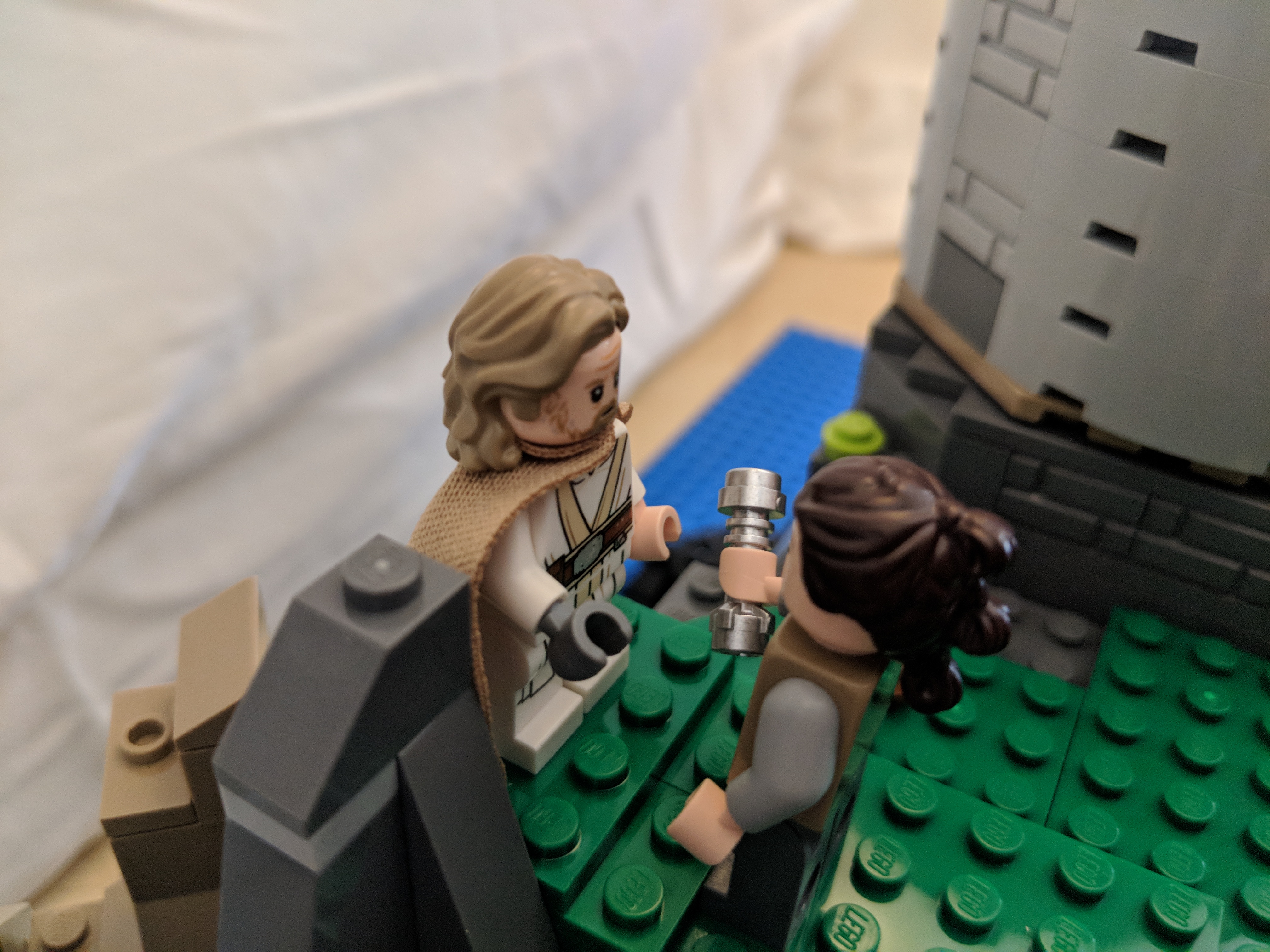
    Rey’s First Encounter with Master Skywalker

    IMG_20180218_142905.jpg

    Luke Skywalker’s Hut and Village

    IMG_20180218_160654.jpg

    Rey’s Lightsaber Practice (at the Wailing Woman Rock)

    IMG_20180218_142523.jpg

    The Sacred Jedi Texts Within the Uneti Tree

    IMG_20180218_143109.jpg

    IMG_20180218_143125.jpg

    The Jedi Temple and Meditation Rock

    IMG_20180218_134836.jpg

    IMG_20180218_134953.jpg

    Rey’s Visit to the Mirror Cave

    IMG_20180218_143030.jpg

    IMG_20180218_134258_1.jpg

    Portability of the Model 

    IMG_20180218_135109.jpg