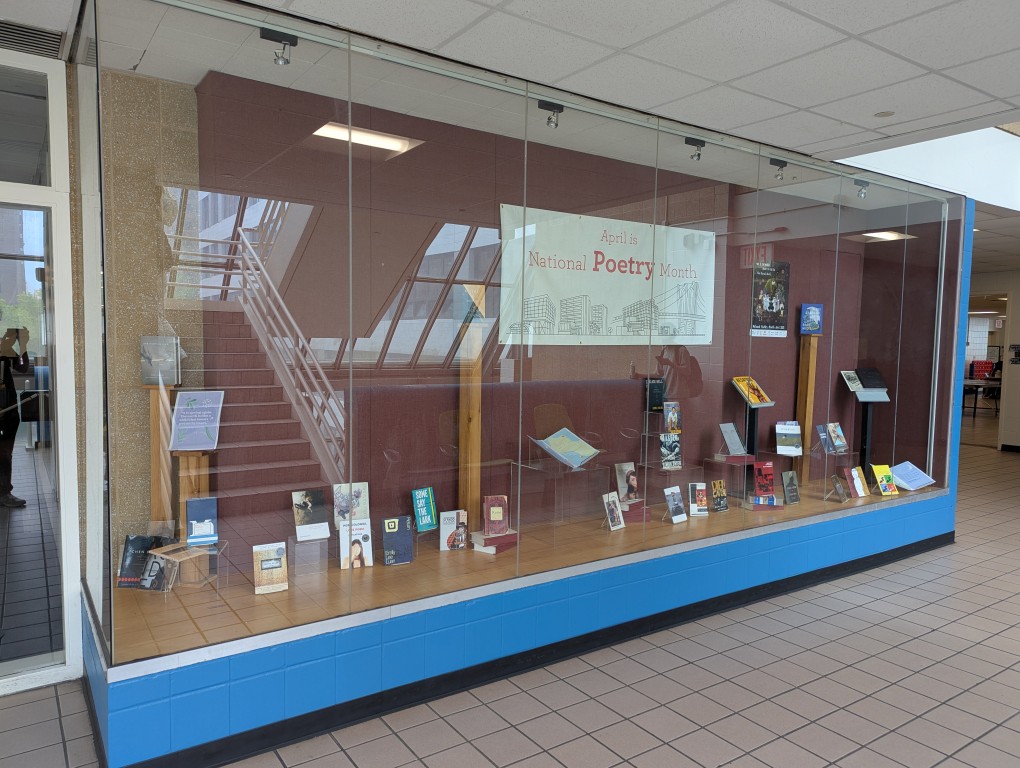
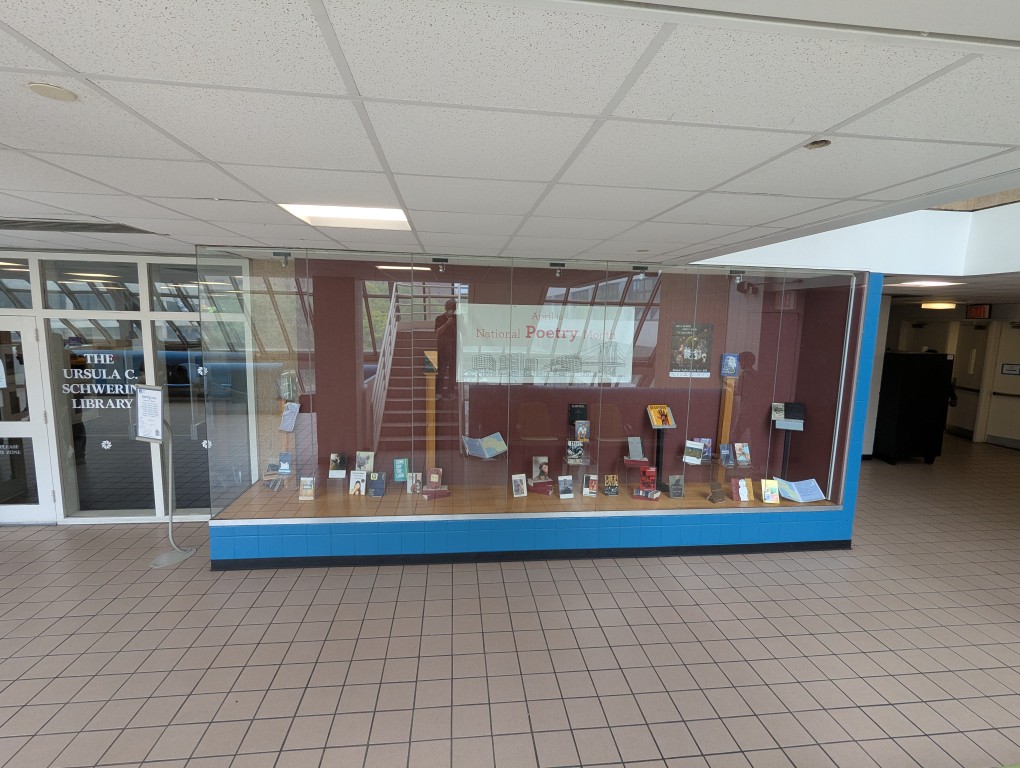
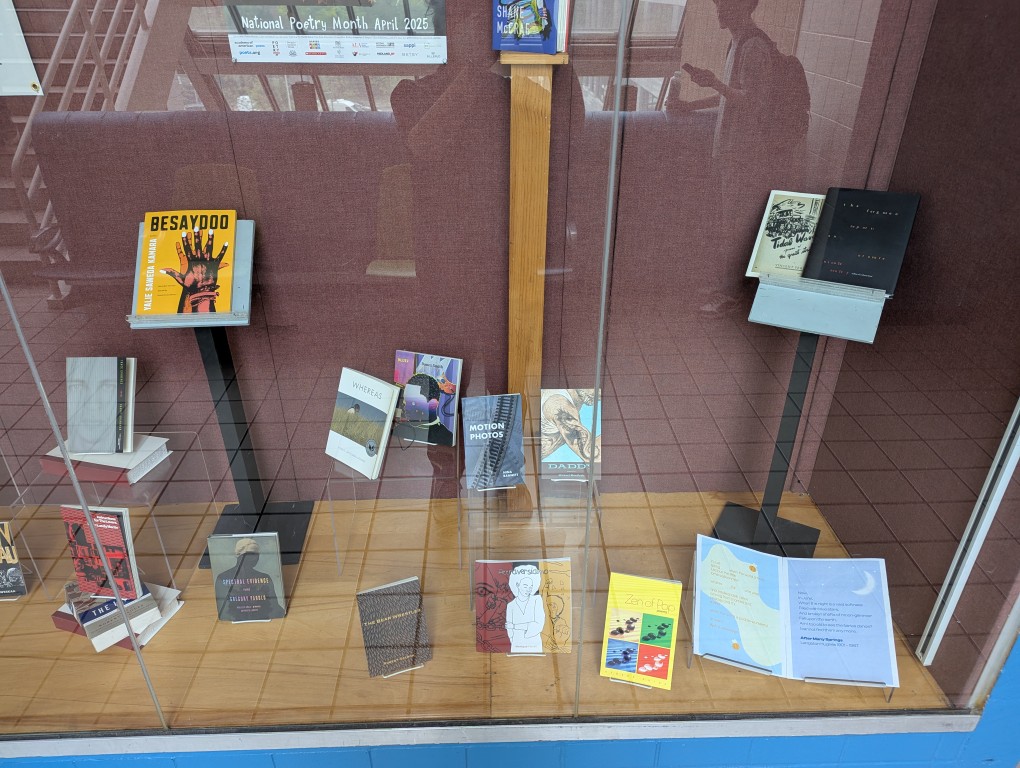
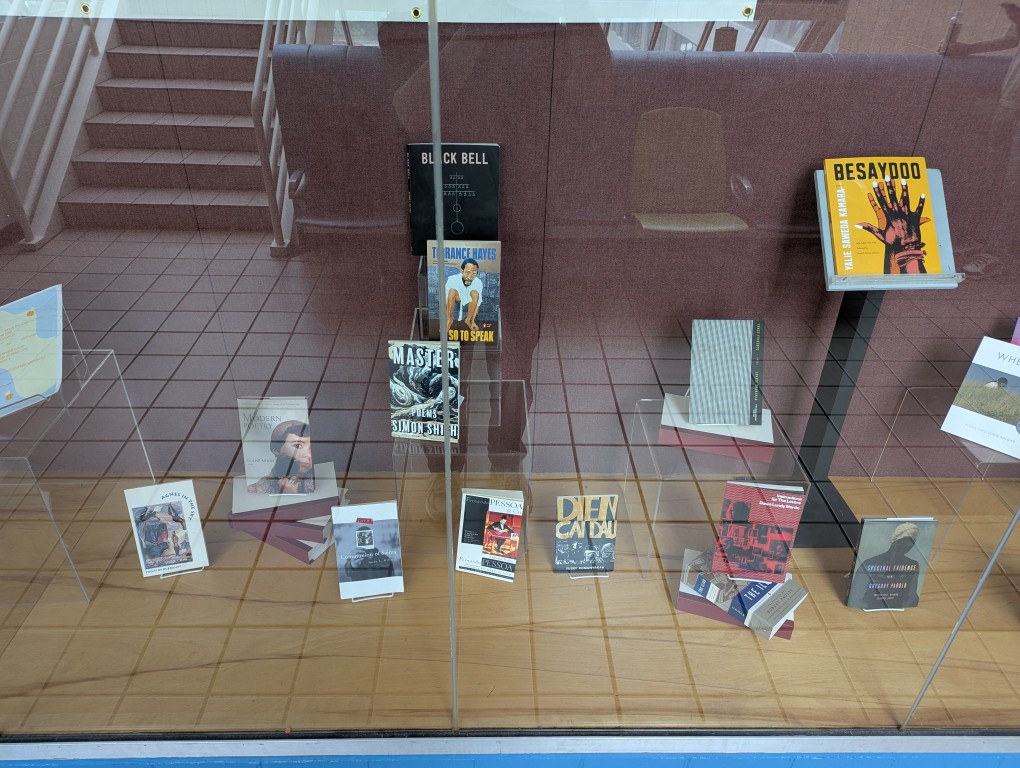
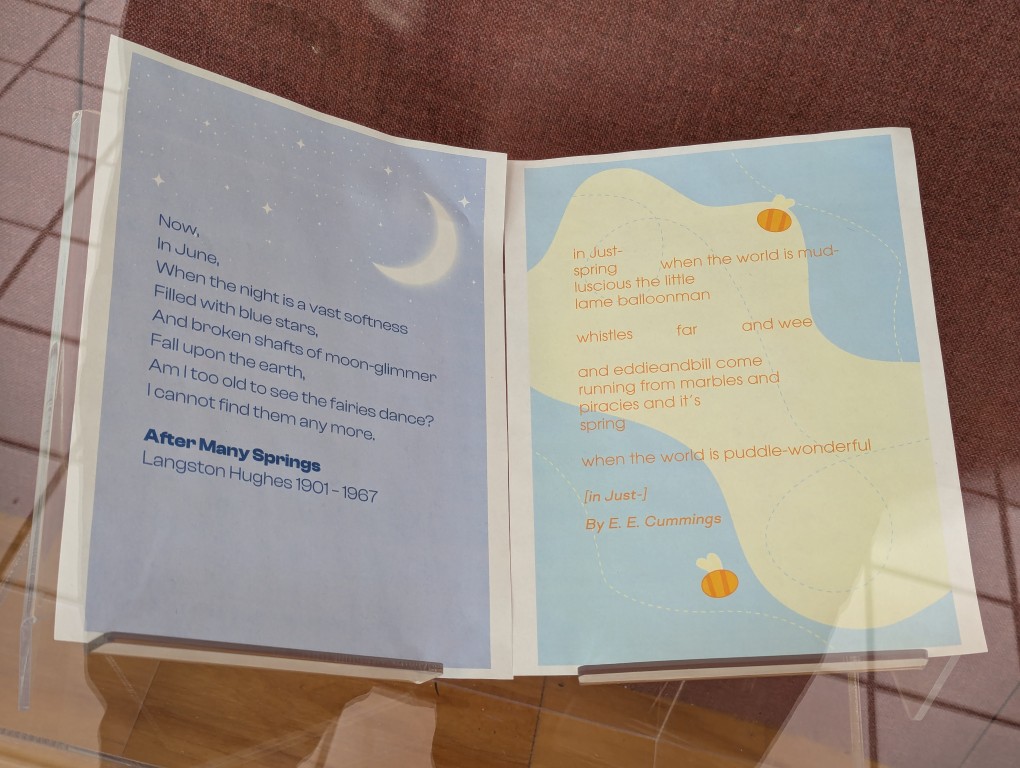
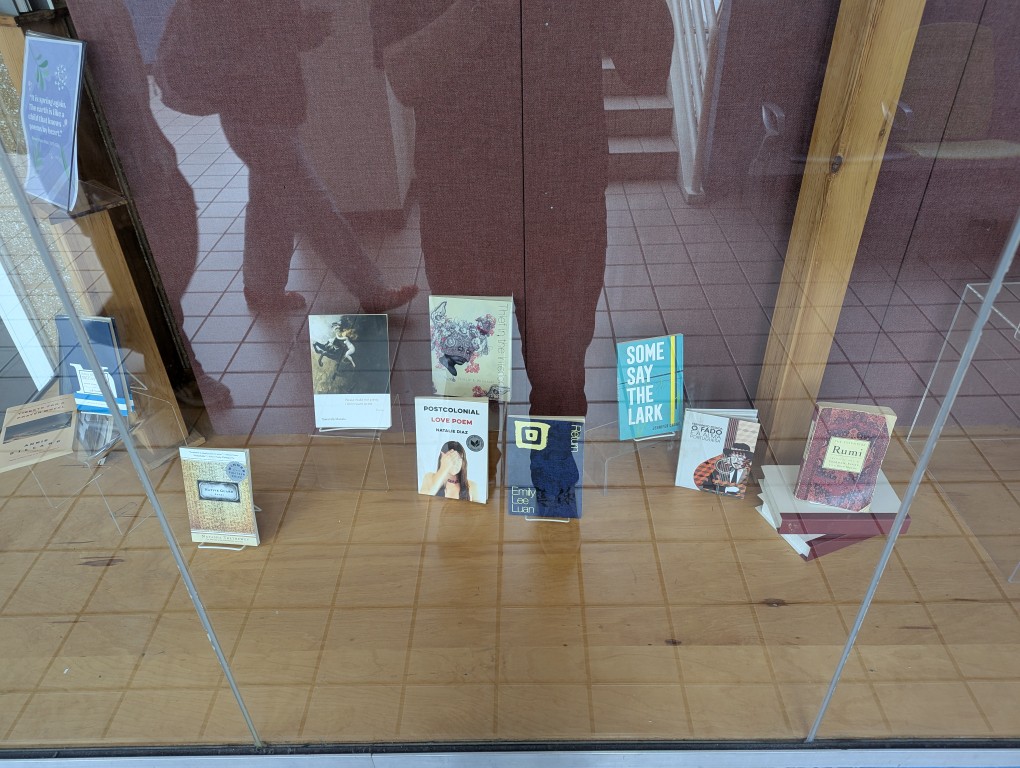
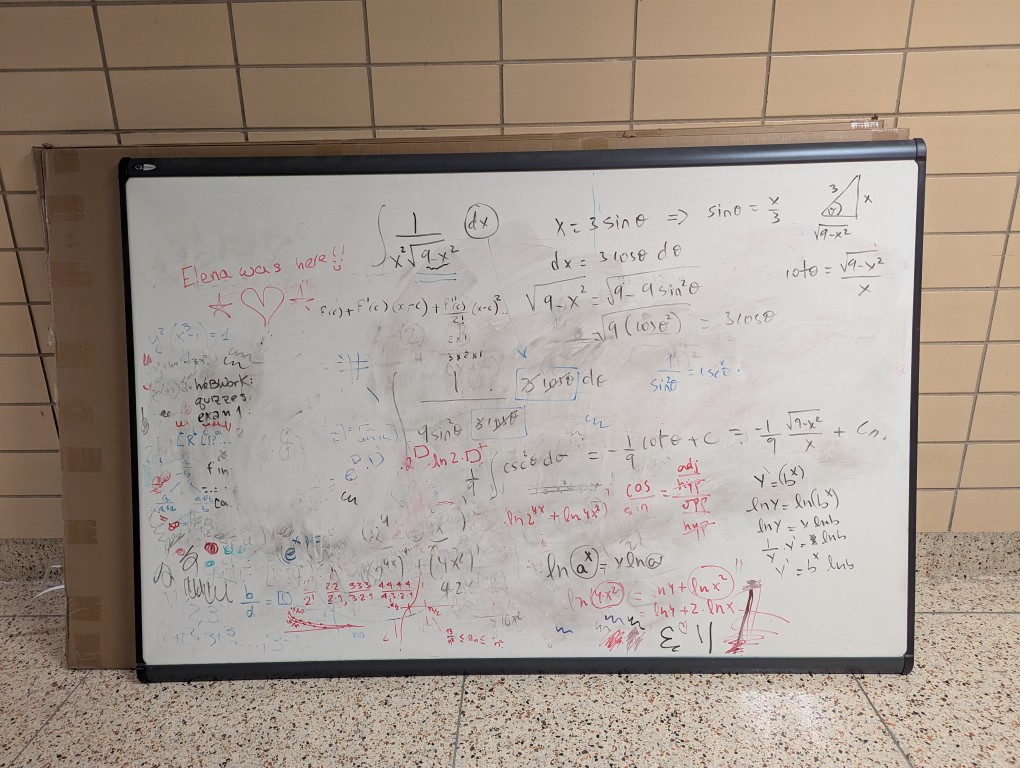
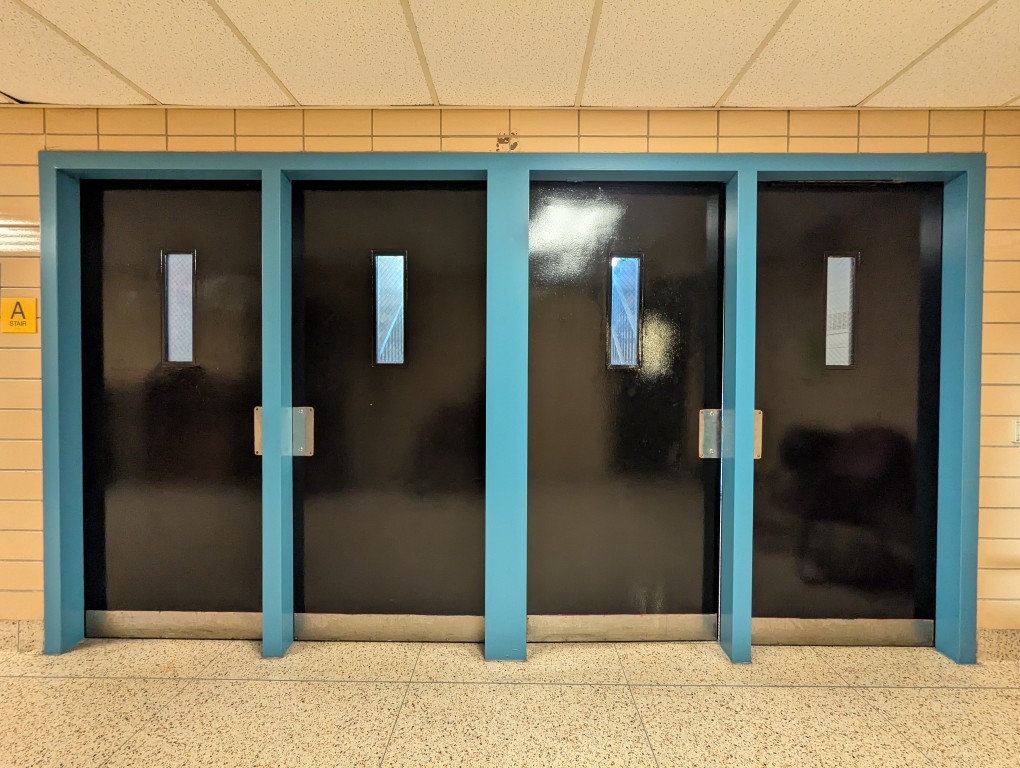
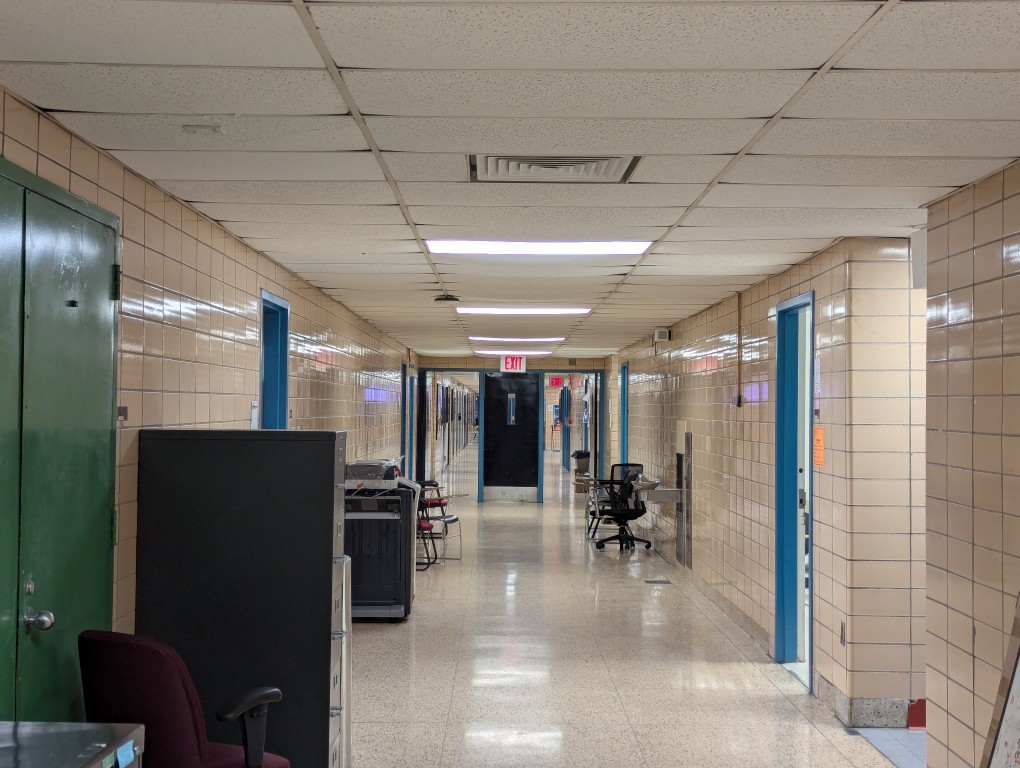
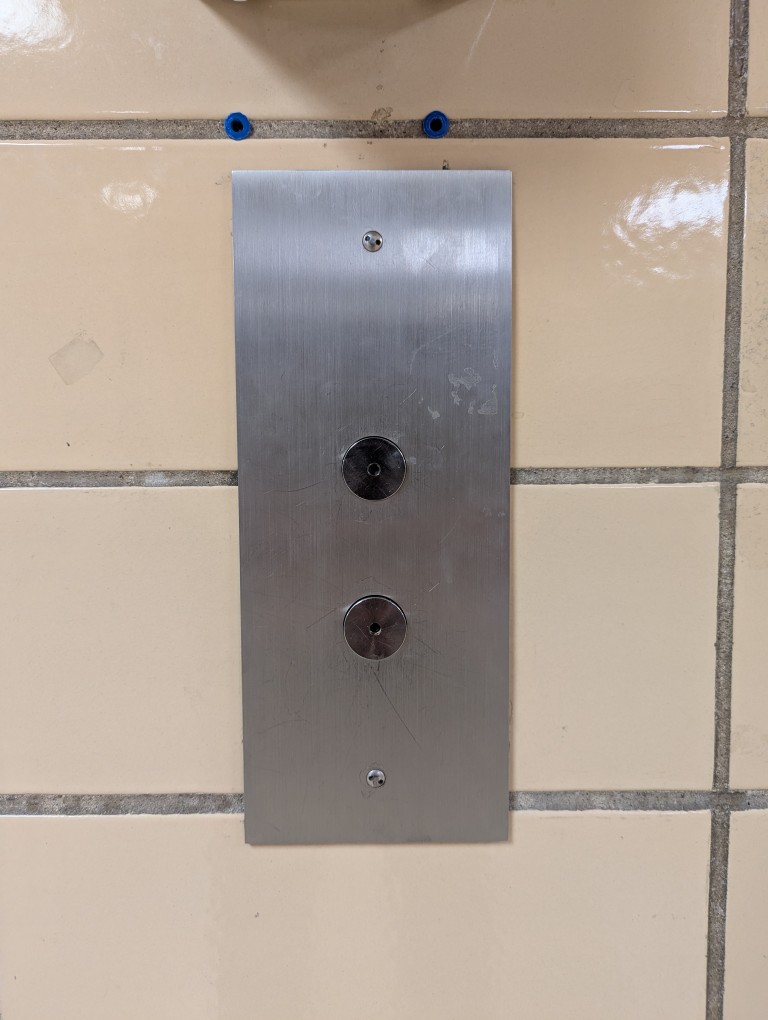
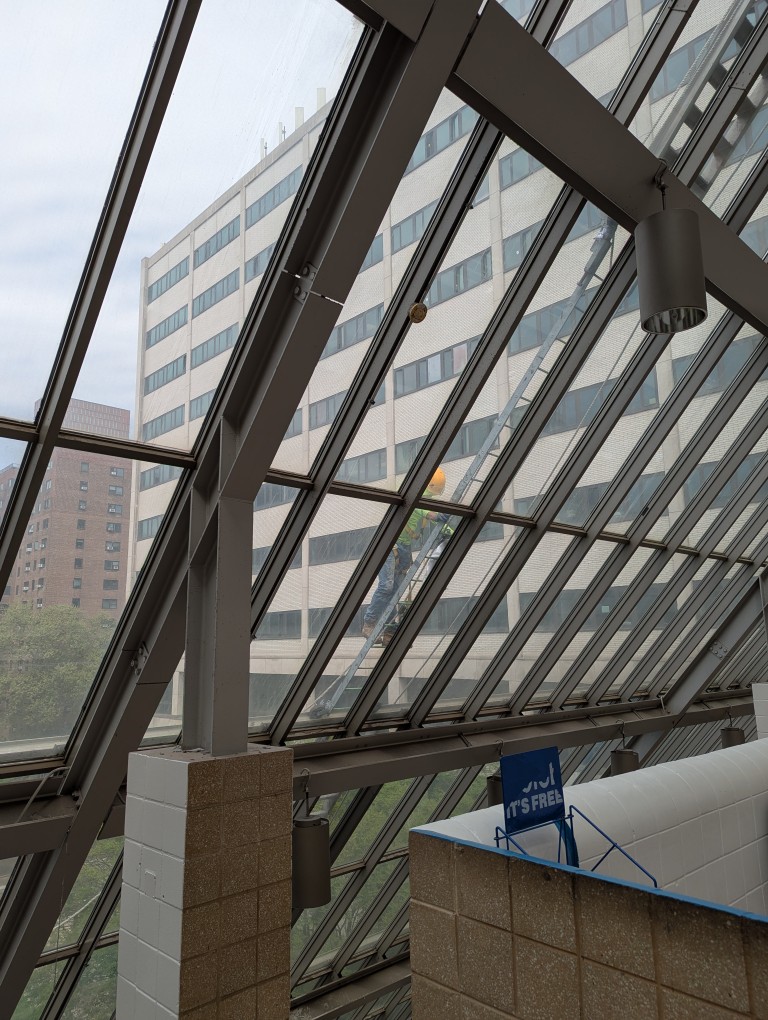
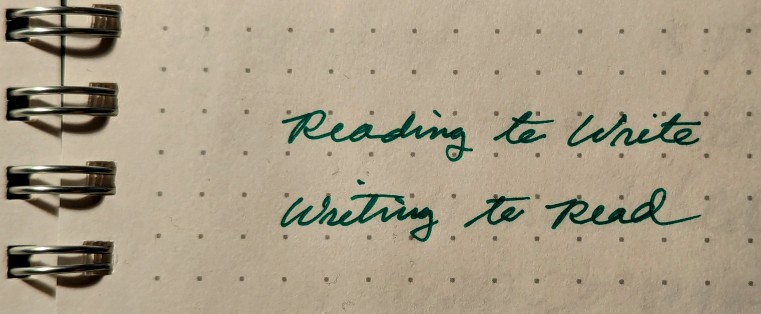
While my students were diligently completed their Student Evaluation of Teaching (SET) feedback forms today, I took photos while walking around the Namm and Library buildings on the fourth floor (afternoon class) and the sixth floor (evening class). Some are mundane, some are technological objects, and some have interesting compositions (to me). Afterwards, I shared my work my students and encouraged them to do the same to build up a personal library of photos that they might want to make use of in their multimodal compositions.
Toward the end of lecture, when I was talking about lessons learned from Hart-Davidson’s essay, which includes being a life-long learner and keeping up-to-date on changing technologies of writing and communication, Prof. Sarah Schmerler, a City Tech English department colleague with a shared interest in Generative AI technologies, stopped by and participated in the class discussion with my students. It was informal and impromptu, but I think my students enjoyed their perspective and lived experience. I enjoyed our conversation during and after class.
I wanted to jot down some of the conversation and additional thoughts spun off from the conversation here:
How can you expect to be a good writer without learning, at least in part, from reading many examples of writing by others?
Writing is reading in reverse. Instead of the words coming into you from the world, you are sending the words out into the world.
Reading and writing go hand-in-hand. Developing skill in one, enriches the other.
Reading heuristics, such as lateral reading and vertical reading, can support getting as much as possible out of one’s reading time, energy, and needs (e.g., is this for a research thesis vs. learning enough about something for a journalistic article).
Our needs–enjoyment, learning, work, etc.–play a key role in what strategies (large scale) and tactics (smaller scale) we employ to accomplish reading goals.
Reading can be a passive exercise, but active reading that engages the text and combines cognition, reasoning, and imagination yields the greatest returns in terms of understanding, analysis, and memory.
Isolation, quiet contemplation, and dedicated time can aid the development of reading and writing.
Teaching writing requires a rethink on how we approach reading and how important reading is to developing writing skill.
Students do lots of different kinds of reading, which we as educators can tap into and help the student connect their reading interests to writing development. Furthermore, it can open doors to other kinds of reading that they were not previously aware of. Knowing where they are and interested can lead to possibilities and knowledge that were around them but unseen. Browsing and finding the neighborhood, in Prof. Schmerler’s terms, connects students to new reading opportunities.
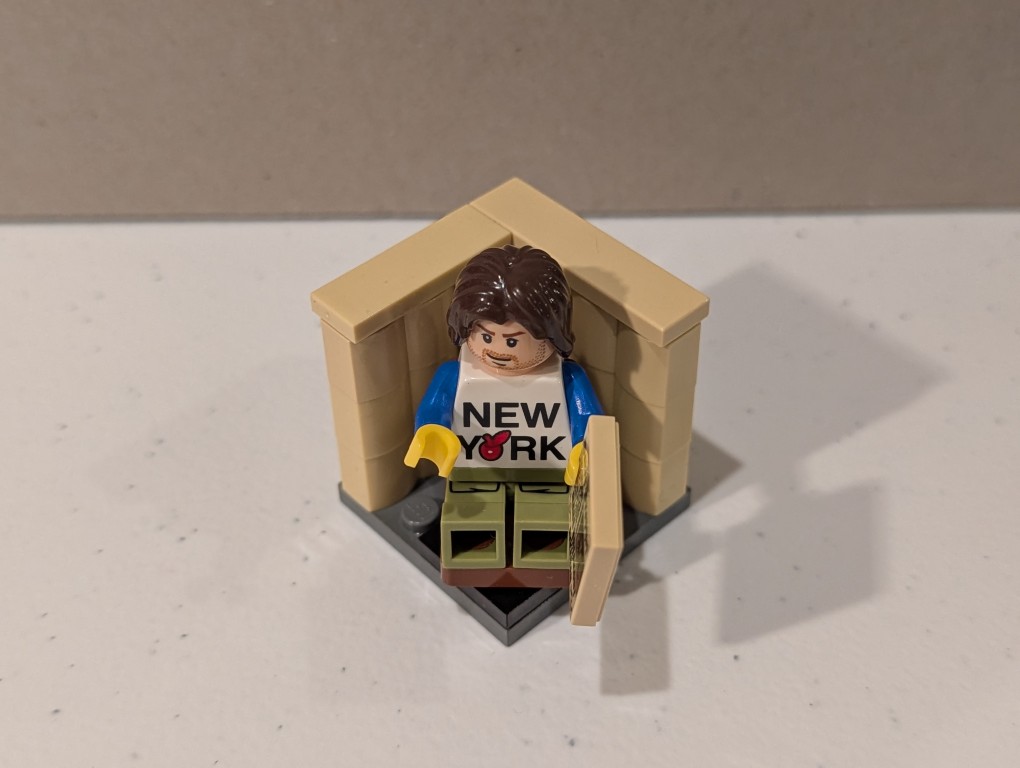
Between the melees, try to find some joy and peace. I’ll be doing that with my Professional and Technical Writing students today. I’ll bring LEGO to class for a bit of educational play that combines the use of their imagination, haptics, educational knowledge, organizational thinking, and writing skill.
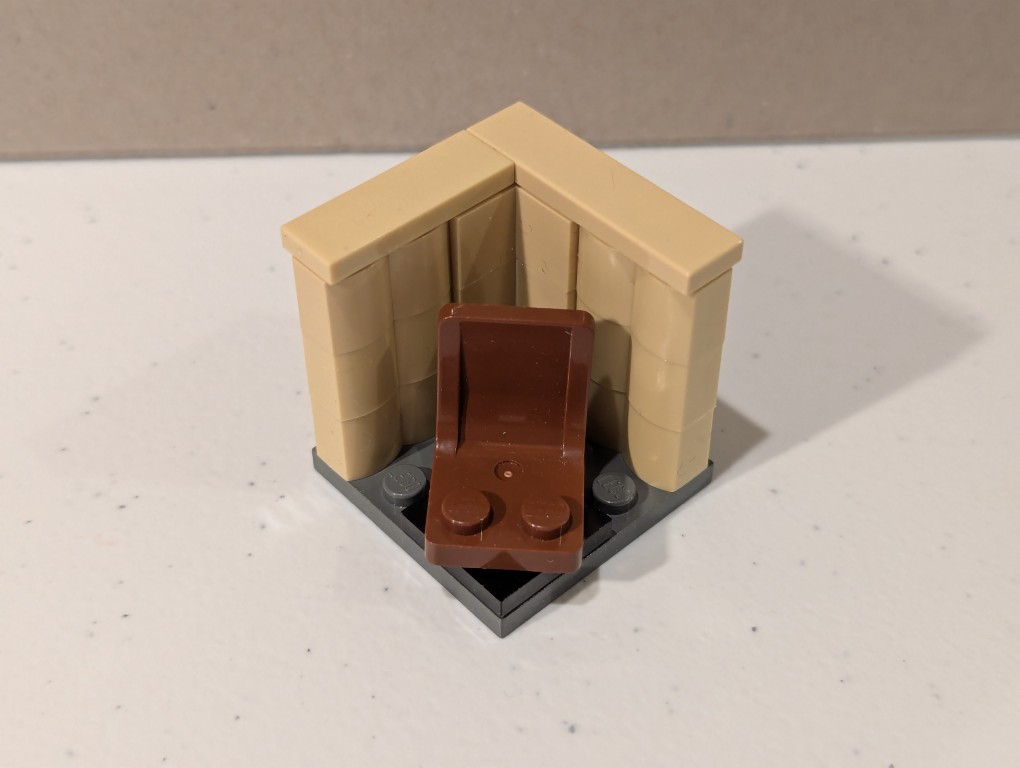
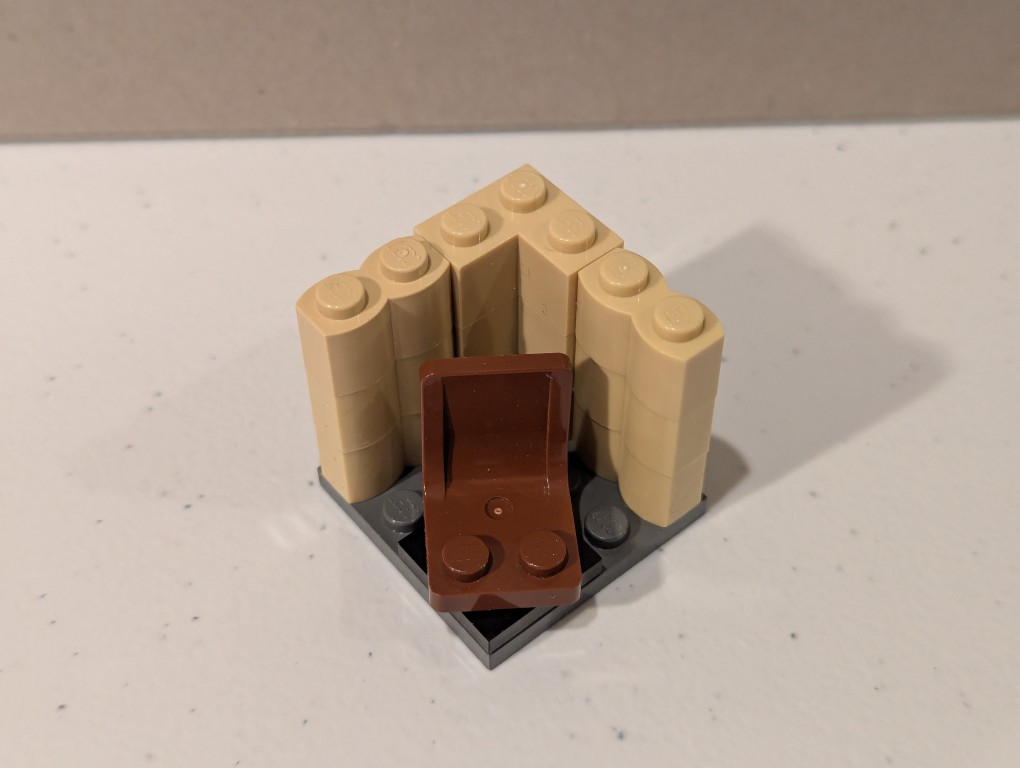
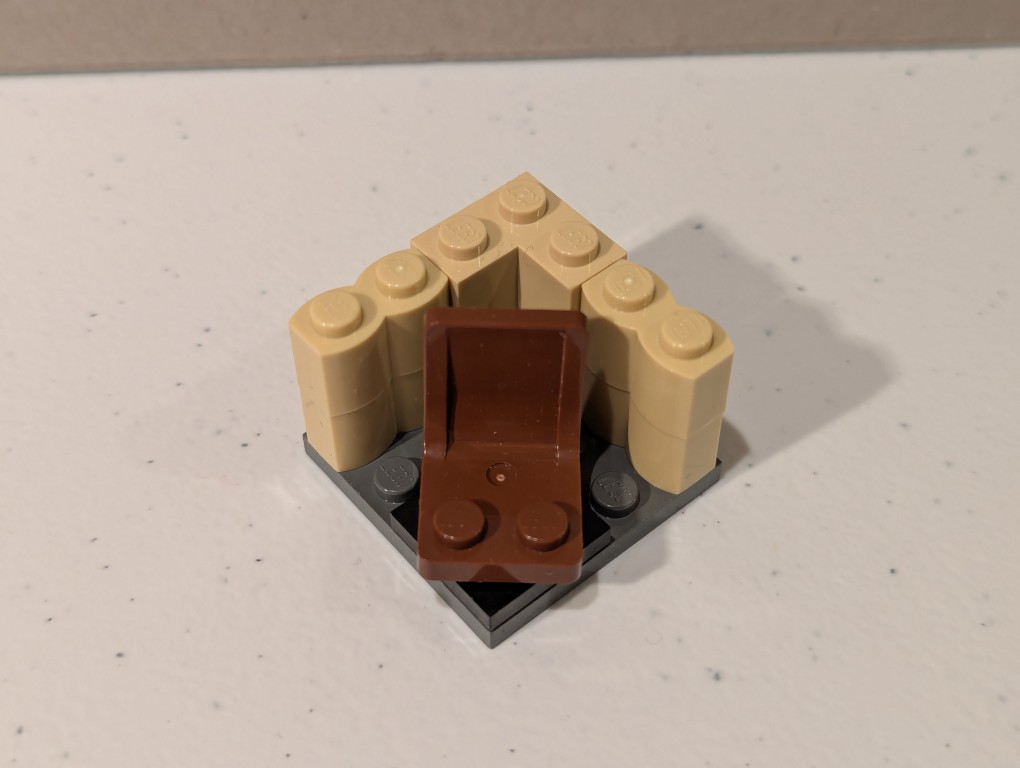
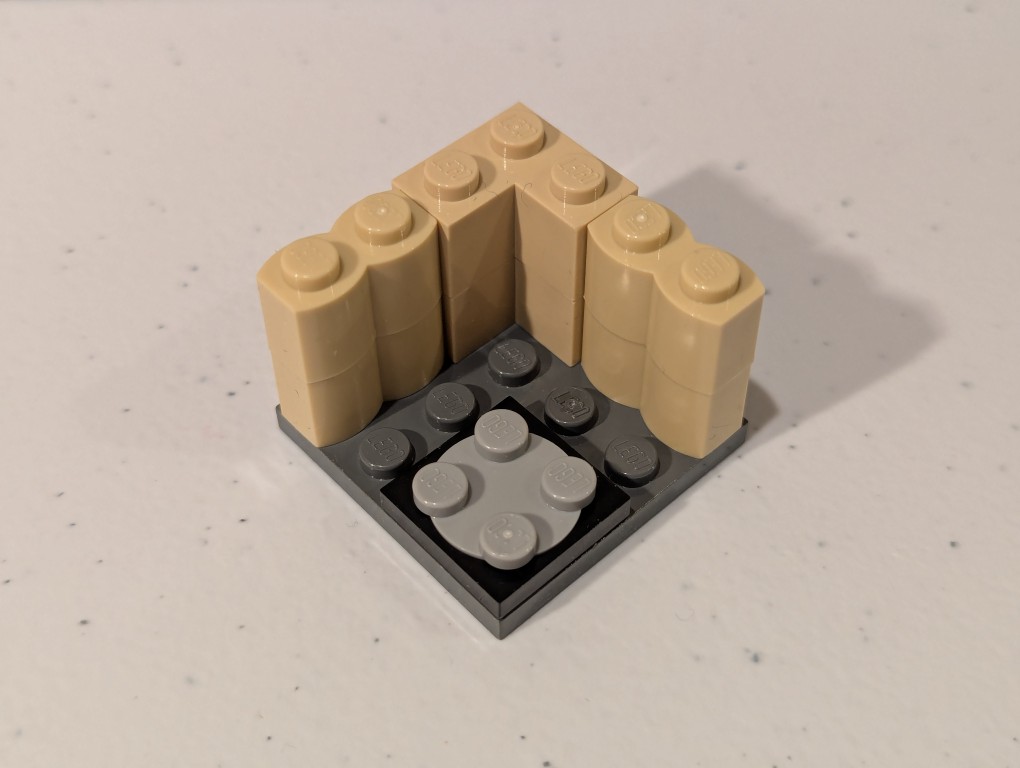
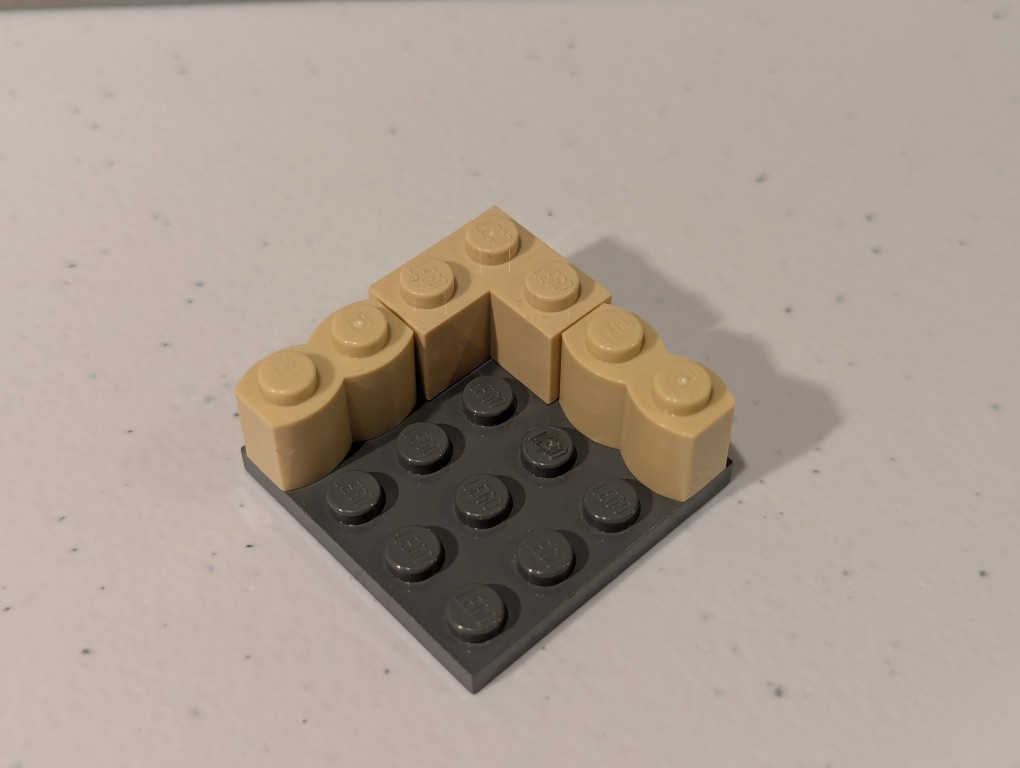
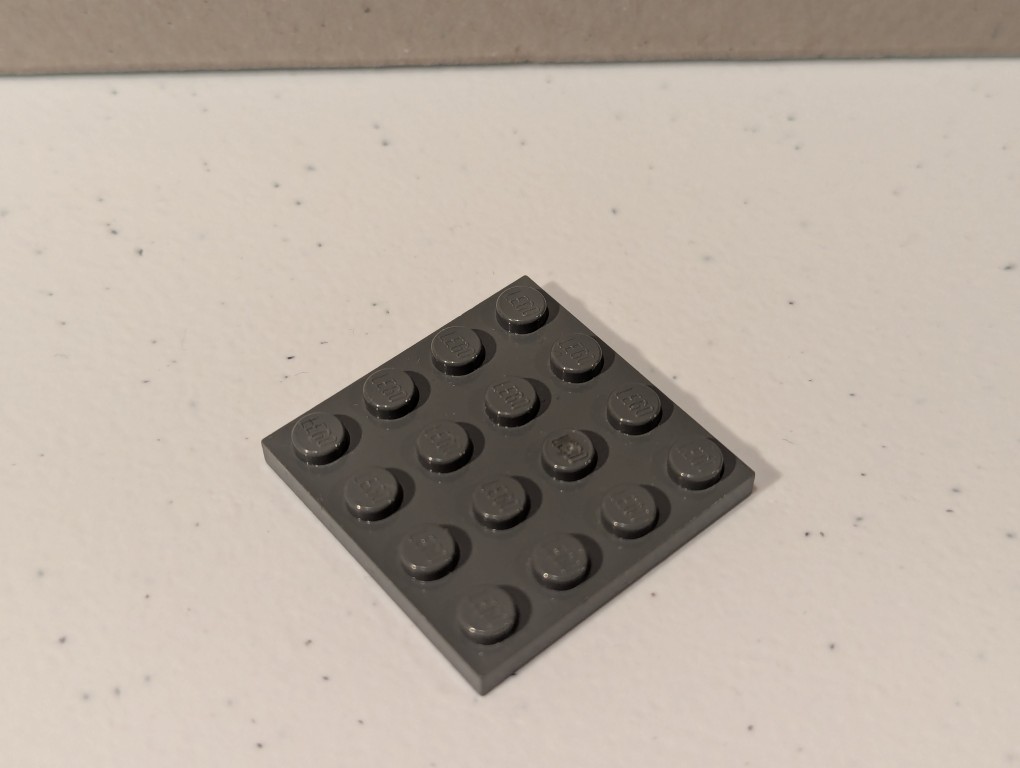
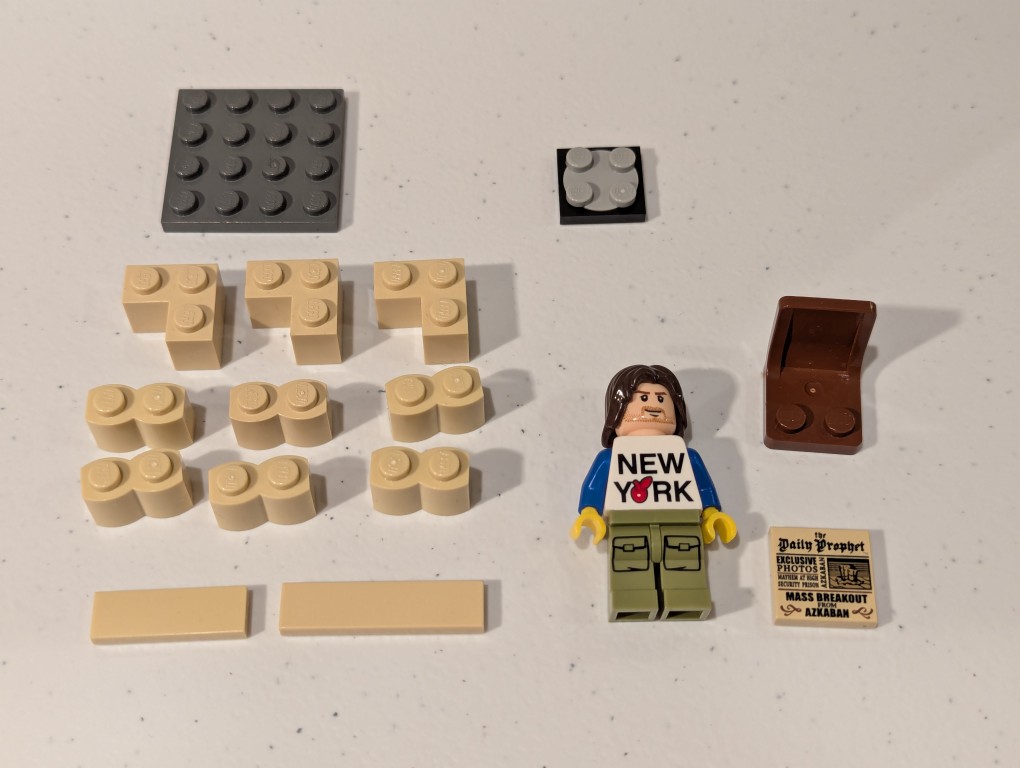
They will design a small model that represents something about their specialization (e.g., Biology, Psychology, Computer Science, Fashion Design, etc.) and then write an instruction manual like this example that I made for them based on the model above that I call a “Quiet Reading Corner.” Scroll down to see it deconstruct, which I presented in reverse in my instruction manual.
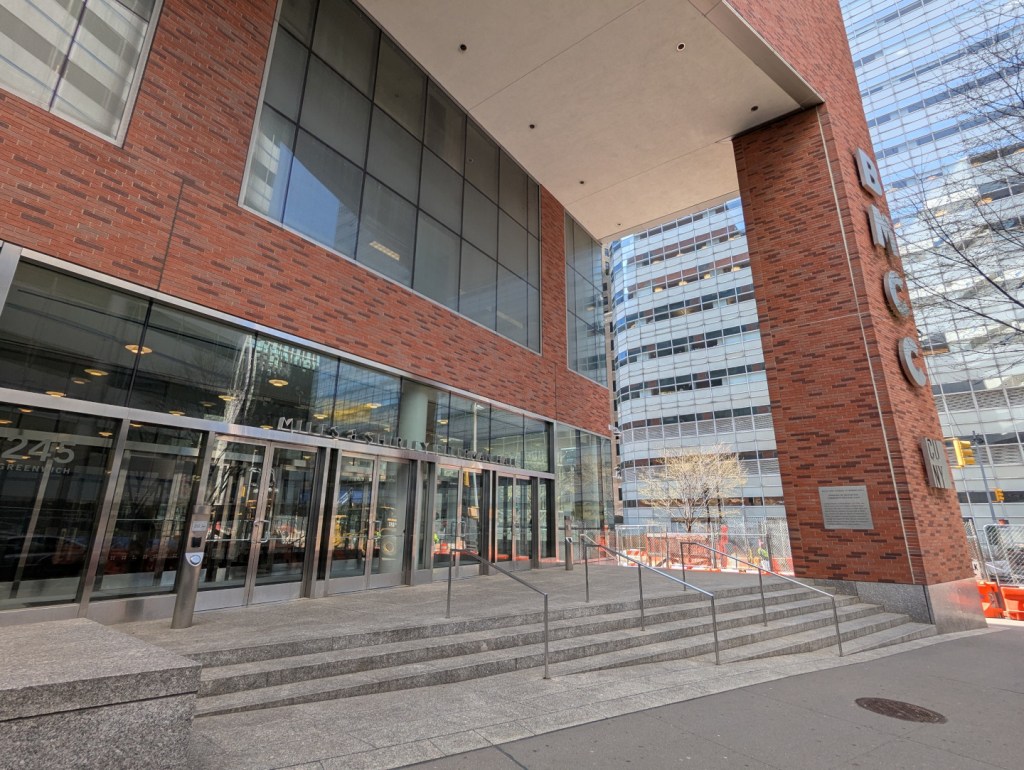
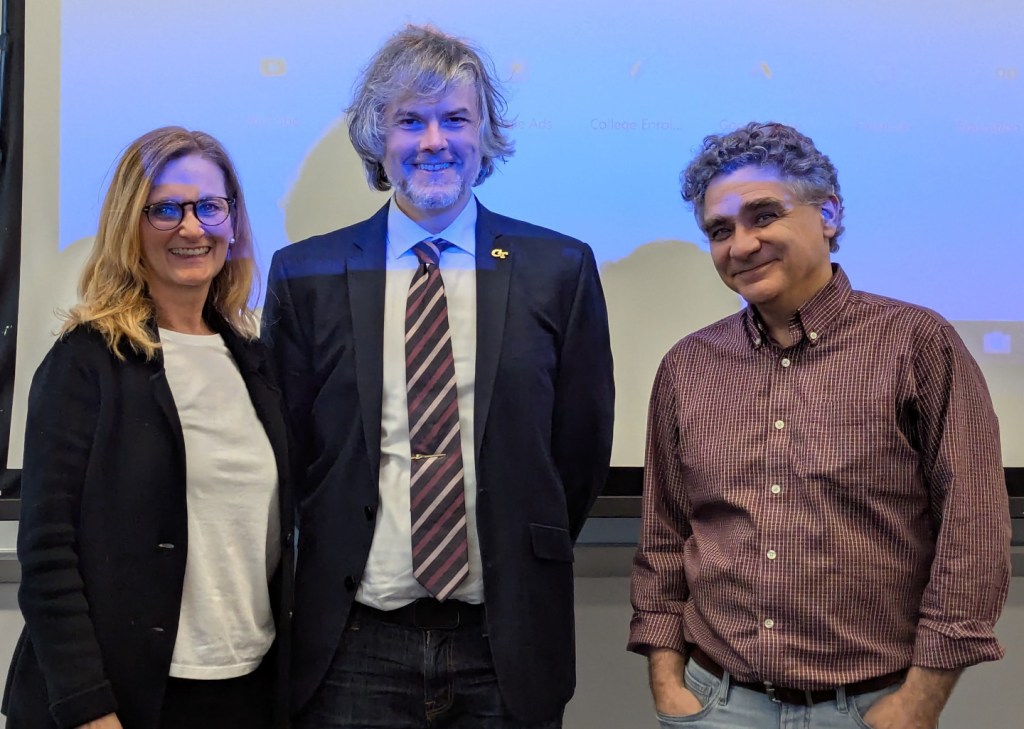
Yesterday, about twenty faculty and students gathered in BMCC’s Fiterman Hall room 1304 to discuss the effects of Generative AI on college writing, higher education, and society-in-general for the Spring 2025 Robert Lapides Faculty Forum. I was honored to have been invited to participate.
For my part in the conversation, I came at the issue from four vectors: as a science fiction scholar, a writing instructor, a technical communication instructor, and computer hobbyist. My desire to learn how Generative AI works and to pass on what I have learned to my students is informed by my adherence to William Gibson’s axiom, “the street finds its own use for things,” which is coupled with Donna Haraway’s “Cyborg Manifesto” and claiming the tools of technology for our own purposes to build the network, community, and world that we want.
While it was scheduled for only two hours, we ran over by 20 minutes–something the organizers said hadn’t happened before. I think that if time hadn’t been called, we might still be there into the wee hours.
The BMCC students in attendance demonstrated their engagement and concern about these technologies in the classroom and their everyday lives.
I closed my comments in response to a question about how we might use Generative AI to fight back against authoritarianism. I offered an assemblage of open source generative AI, a bit of Harlan Ellison’s “‘Repent, Harlequin!’ Said the Ticktockman” (1965), and Orson Scott Card’s Ender’s Game (1985).
Besides the substance of the discussion, I think meeting colleagues at BMCC might have opened doors for further work on AI matters and the annual City Tech Science Fiction Symposium. Stay tuned!