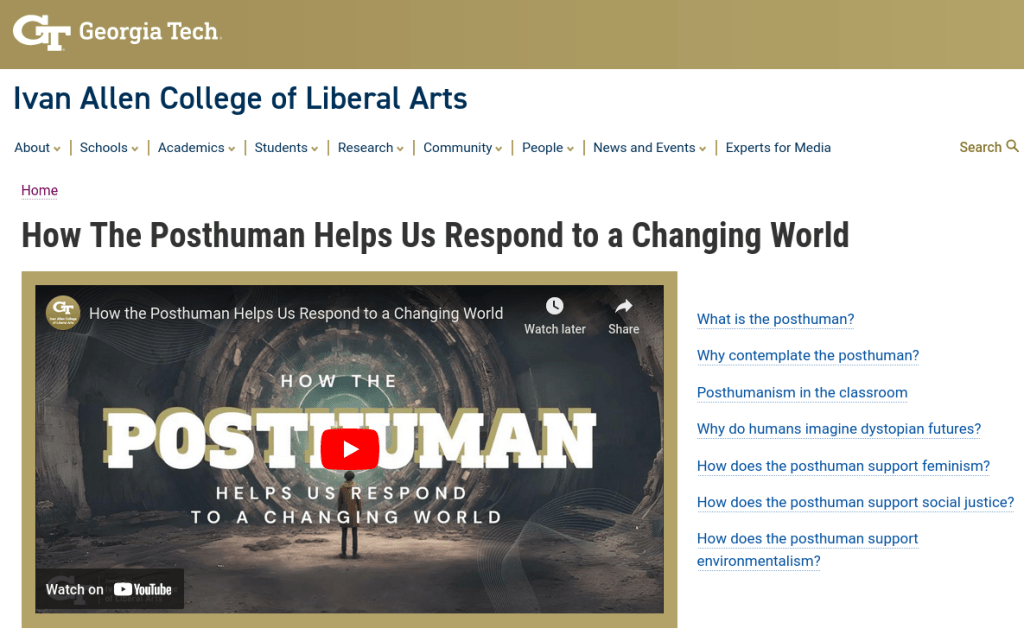
How can we leverage posthumanist ideas to respond to the world’s social and ecological crises? My colleagues at Georgia Tech (Lisa Yaszek, Regents Professor of Science Fiction Studies; Zita Hüsing, Assistant Director of the Writing and Communications Program and Marion L. Brittain Postdoctoral Fellow; and Paul B. Foster, Associate Professor of Chinese) and I give our perspectives in this brief multimodal article that might be great to share with students if you need a resource that succinctly breaks down what posthumanism is and addresses its connections to feminism, social justice, and environmentalism.
Previously, Lisa Yaszek and I wrote an book chapter on Posthumanism and Science Fiction for The Cambridge Companion to Literature the Posthuman (2016). You can read our chapter here.
If you’d like to talk about posthumanism or collaborate on a related project, drop me a line at my email address in the about box to the right.
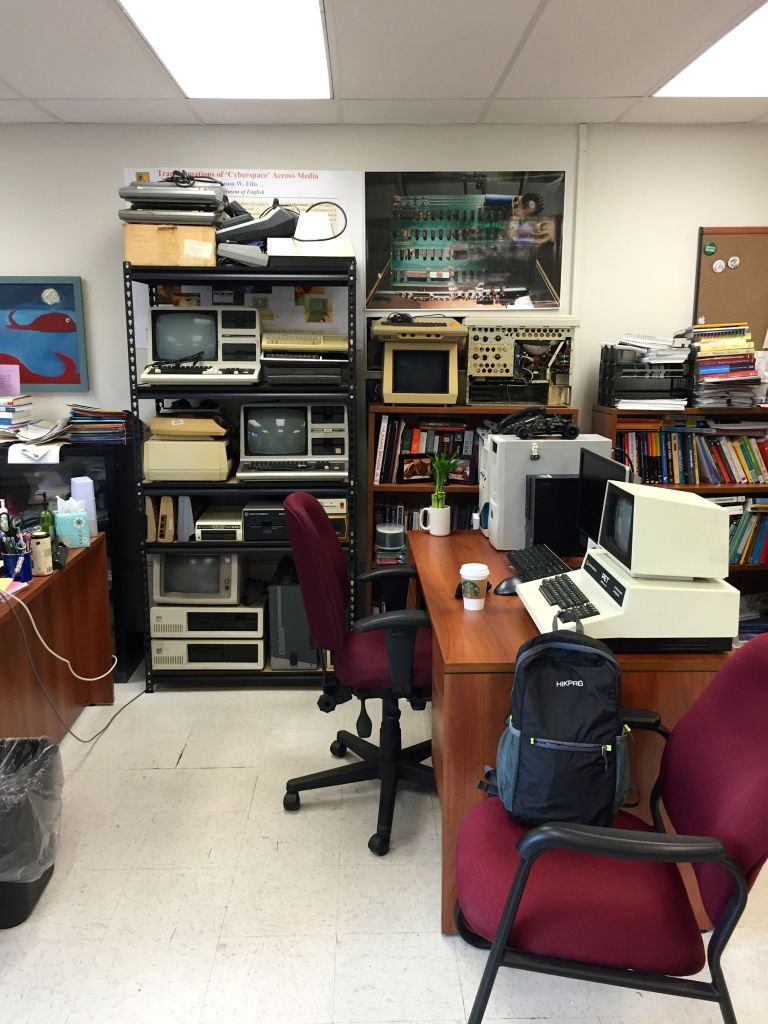
I’ve written some about starting the Retrocomputing Archive at City Tech in my cramped desk area in Namm 520 here and here, but I don’t think I’ve written about how I moved the bulk of the lab’s holdings that belong to City Tech from one building to another.
At a semi-enclosed campus, it might seem relatively easy to move equipment around, but when your campus is like City Tech’s, which is essentially a clusters of buildings on busy, big city streets with security and protocols it can be a real headache. Here’s how the move went down.
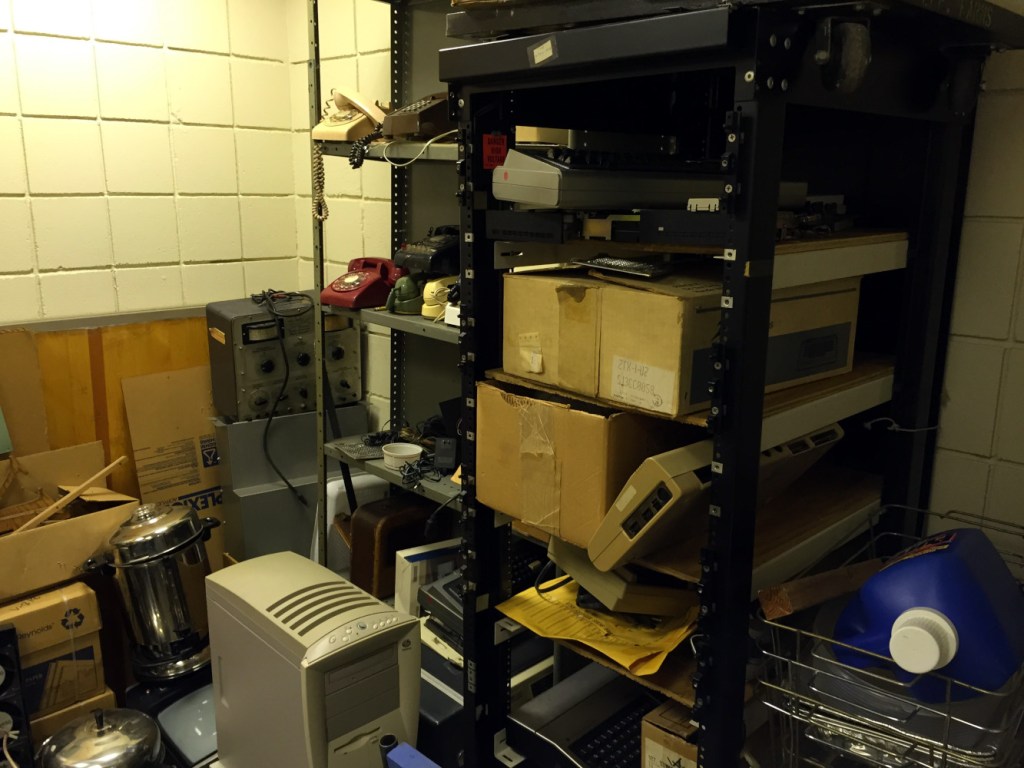
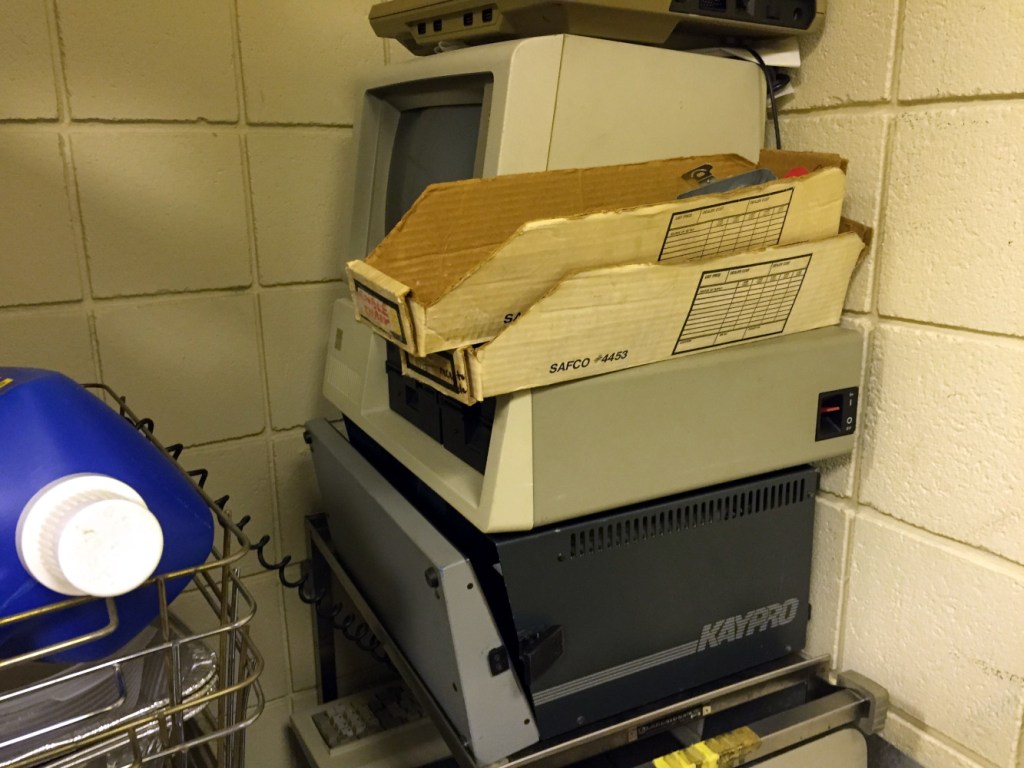
In 2015, I learned through Mary Nilles, my dearly departed English Department colleague, that Stanley Kaplan, Senior CLT Assisting the Dean of the School of Technology and Design, had been keeping a collection of forgotten, vintage computers in a closet on an upper floor in City Tech’s Vorhees Building and the dean wanted the closet cleared out.
I reached out to Stanley who gave me a tour of the large closet’s treasures seen below.
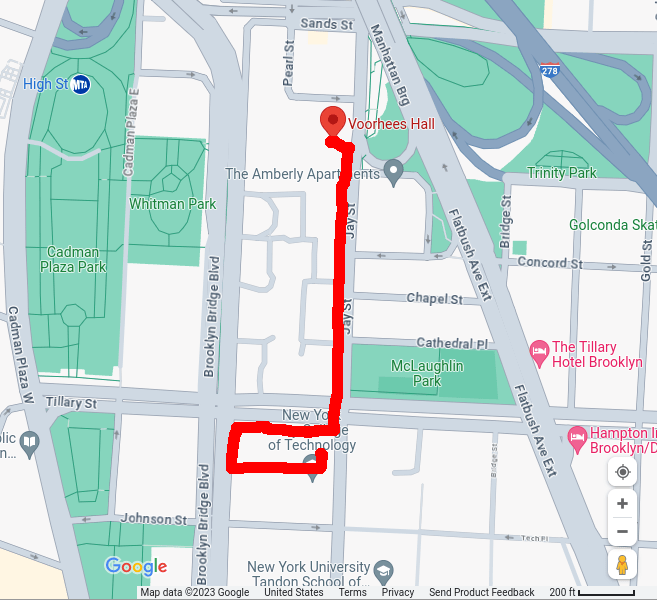
I told him that I definitely wanted to move the computers into my office for the Retrocomputing Archive, but I would need to figure out the logistics of it since I didn’t have a car to move everything from one building to the next and a cart to carry the items from the top of Vorhees to the street and then from the street into the bowels of the Namm building where my office is.
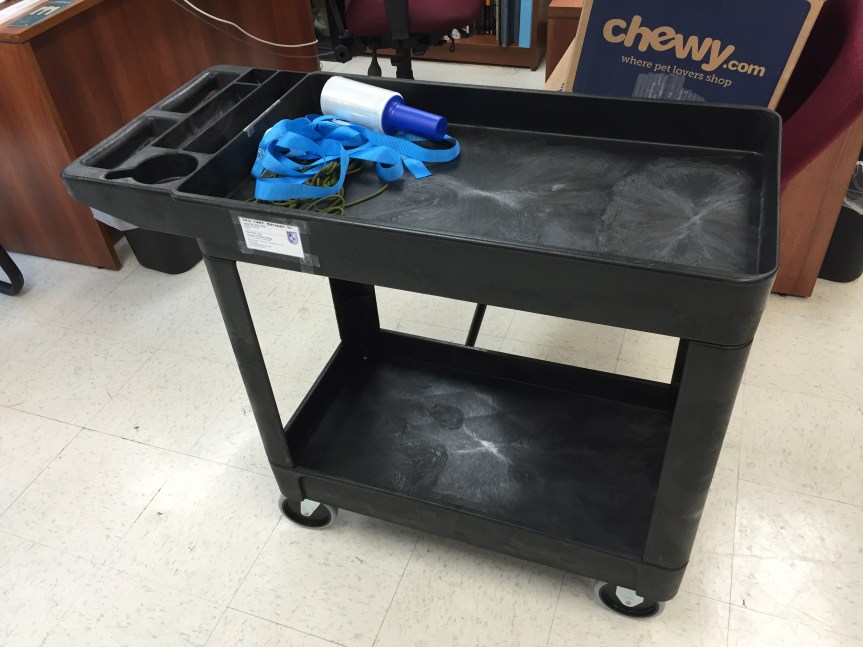
I already had nylon straps and plastic wrap from our move to New York from the year before, which I could use to secure everything on a cart, which I didn’t have. So, I purchased up a heavy duty utility cart from Lowes for about $60 (I just looked and the price is up to $130 now!), and carried it boxed (~35 pounds) across the parking lot, down the street, up the stairs to the above ground subway at 4th Ave/9th St, up the steps at Jay St/Metrotech, two blocks down Jay St into the Namm Building, elevator ride up, and dropped it next to my desk exhausted. I assembled it in the office (I had considered assembling it in the Lowes parking lot, but it would have been too awkward to carry up the steps at the 4th Ave/9th St station.
For each load of computers from Vorhees to Namm, I put the heaviest equipment on the bottom and completely filled the lower shelf space to give it as low a center of gravity as possible. I stacked the top as reasonably as I could. I strapped it down and used the plastic wrap to secure smaller items that might wiggle loose during the rattly trip through Brooklyn.
There were pros and cons about moving the computers from Vorhees to Namm. Leaving Vorhees and walking to Namm on Jay Street is down hill. However, the weight of the computers on the cart made it a strenuous task to hold the cart back from careening down the hill. The sidewalk is also uneven, broken, and pieced together with different kinds of material, which had to be navigated over and around. And, of course, there were the pedestrians, which occasionally made the move like a game of Frogger.
I was able to move the bulk of the equipment in three trips. I might have gone back to pick up a few other things, but the second trip also turned out to be the most stressful. I never had any trouble with security at the entrance of Vorhees. I showed them my faculty identification and told them that I was taking the equipment to Namm. During the first trip into Namm past security, I wasn’t questioned about the equipment. Probably because logically I am bringing things into the building rather than attempting to walk them out, which I imagine happens on occasion.
But, on the second trip into the Namm building, security stopped me and grilled me about what I was doing. Eventually, they led me to the security office on the first floor where I had an unpleasant conversation with the former public safety director about processes, protocols, and policies that admittedly serve a purpose in most cases but in an edge case like this.
Despite the computers no longer appearing in any equipment databases, Stan and I had to fill out overzealous paperwork that had to be signed off exiting and entering a building. Individual items’ serial numbers weren’t checked against the paperwork, so it seems to have been bureaucratic onanism that added unnecessary labor to an already difficult project.
Nevertheless, I moved the equipment into my limited office space and later purchased garage storage shelves to hold most of the larger computers with others on top of my official issued bookshelf and desk and others stacked into my filing cabinet.
    Alas, poor Yorick! I knew him, Horatio: a fellow
    of infinite jest, of most excellent fancy: he hath
    borne me on his back a thousand times; and now, how
    abhorred in my imagination it is! my gorge rims at
    it. Here hung those lips that I have kissed I know
    not how oft. Where be your gibes now? your
    gambols? your songs? your flashes of merriment,
    that were wont to set the table on a roar? Not one
    now, to mock your own grinning? quite chap-fallen?
    Now get you to my lady's chamber, and tell her, let
    her paint an inch thick, to this favour she must
    come; make her laugh at that. -Shakespeare, Hamlet
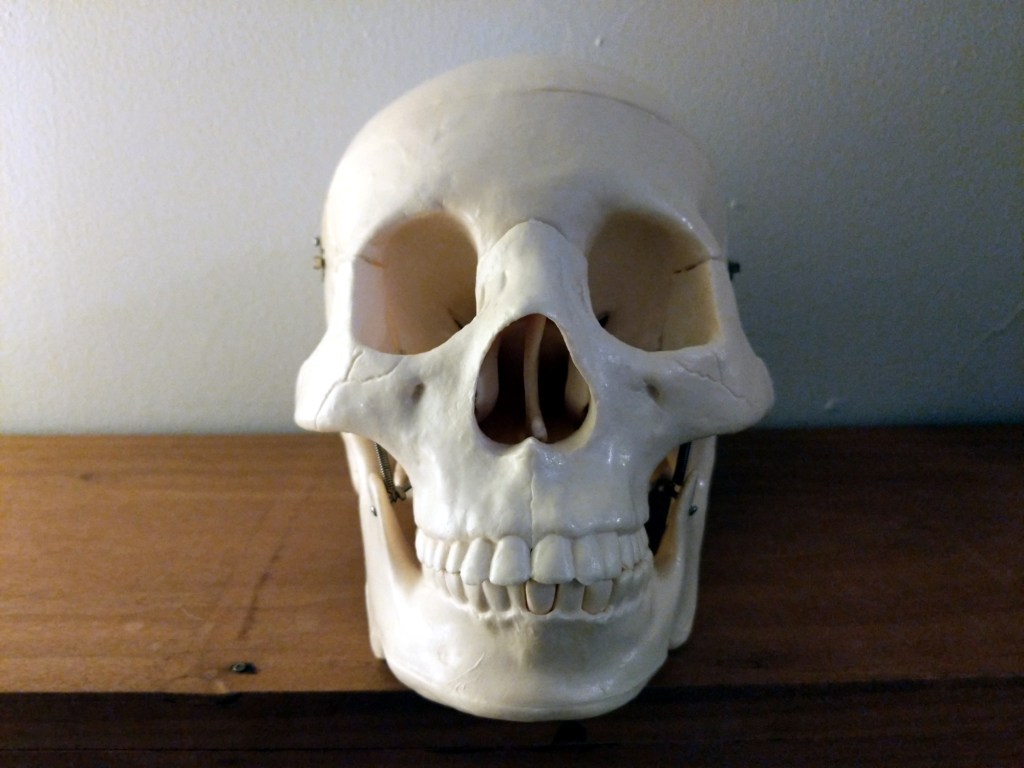
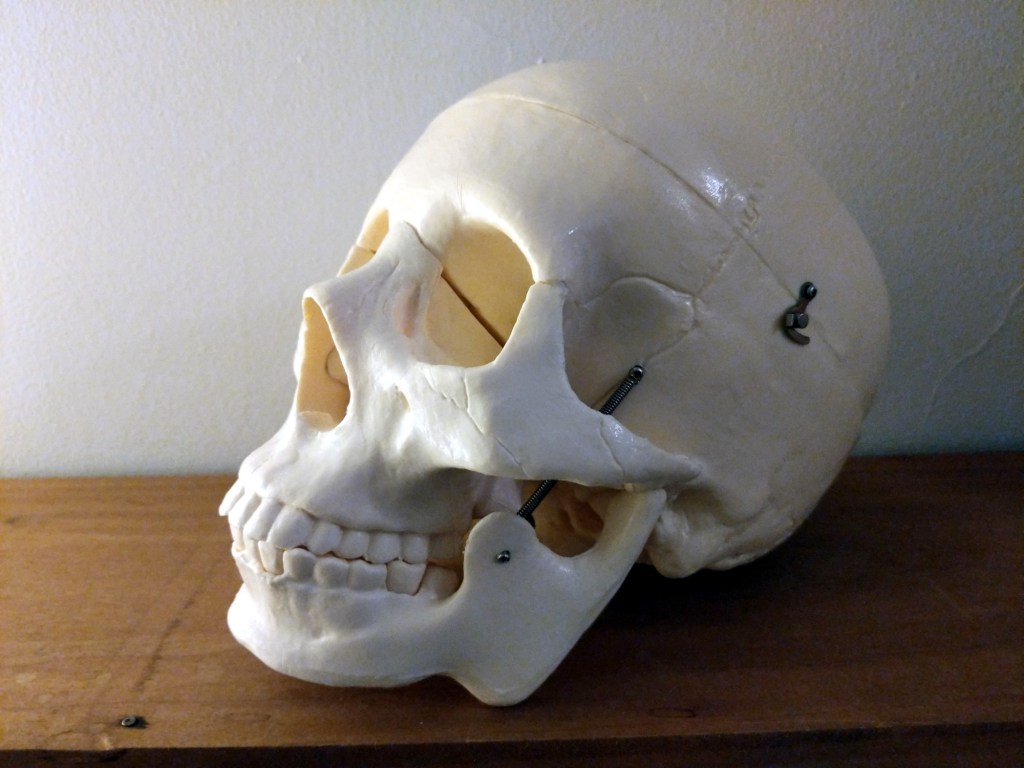
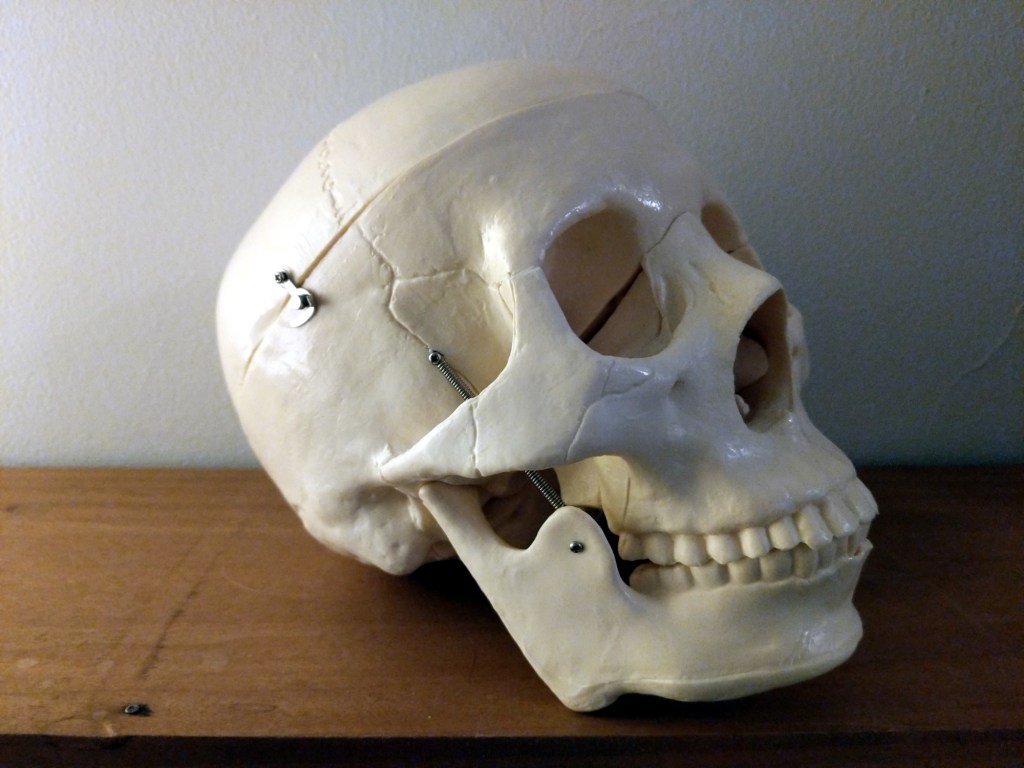
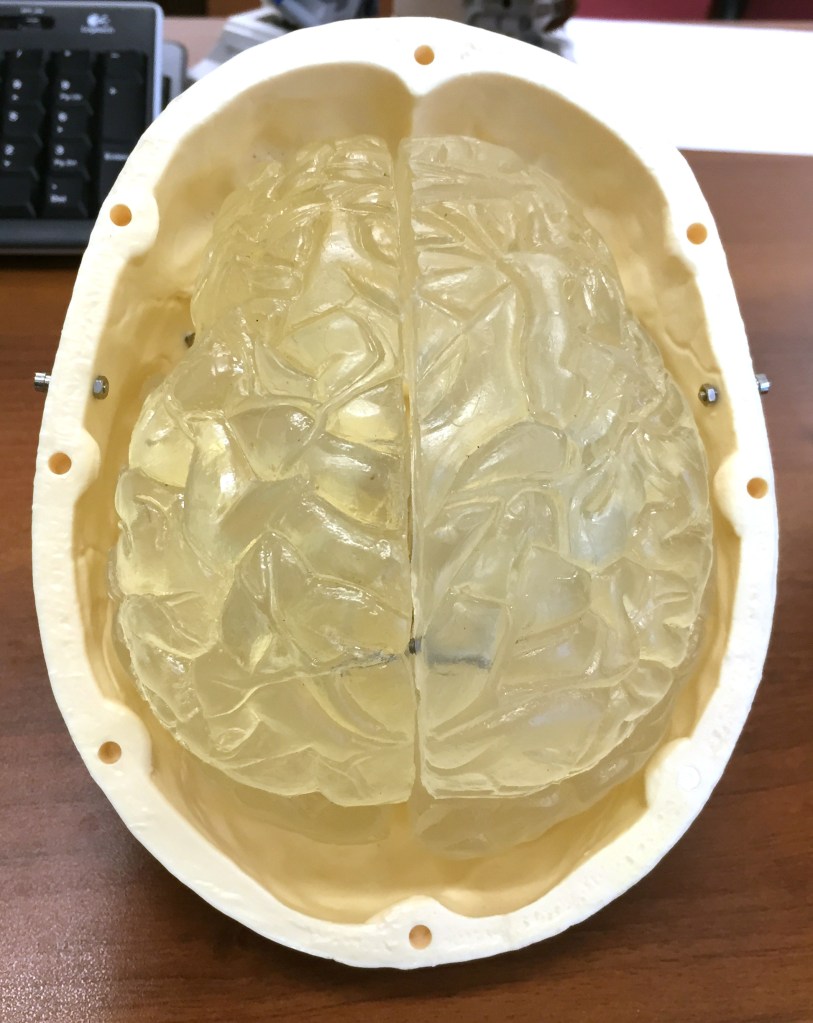
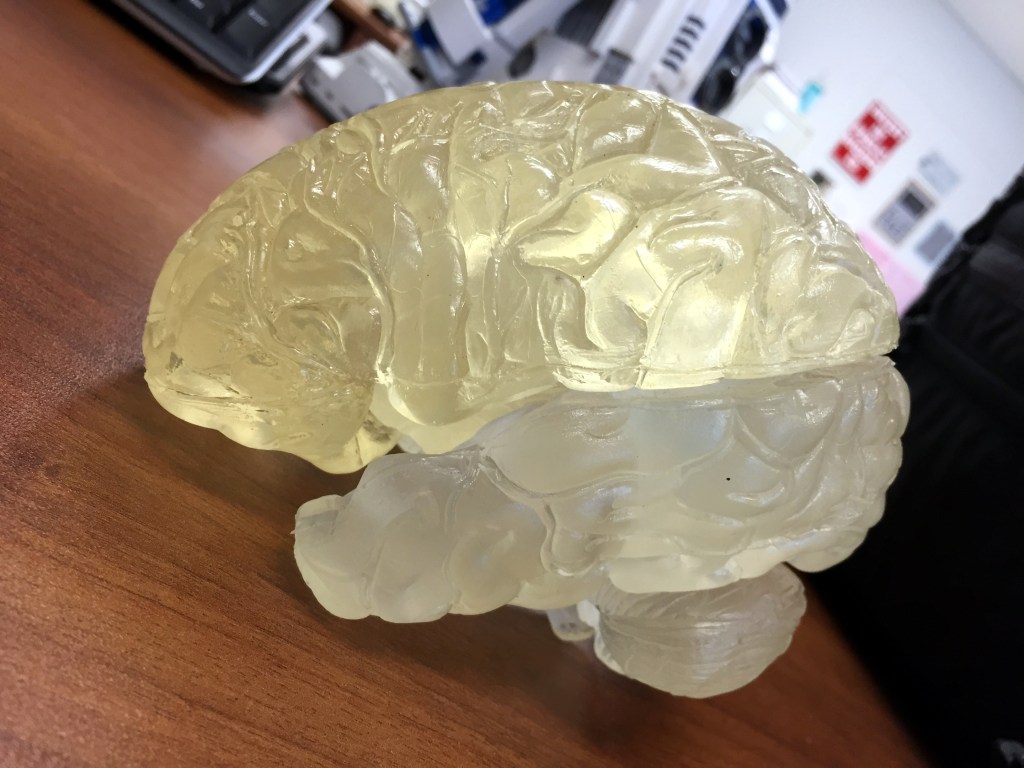
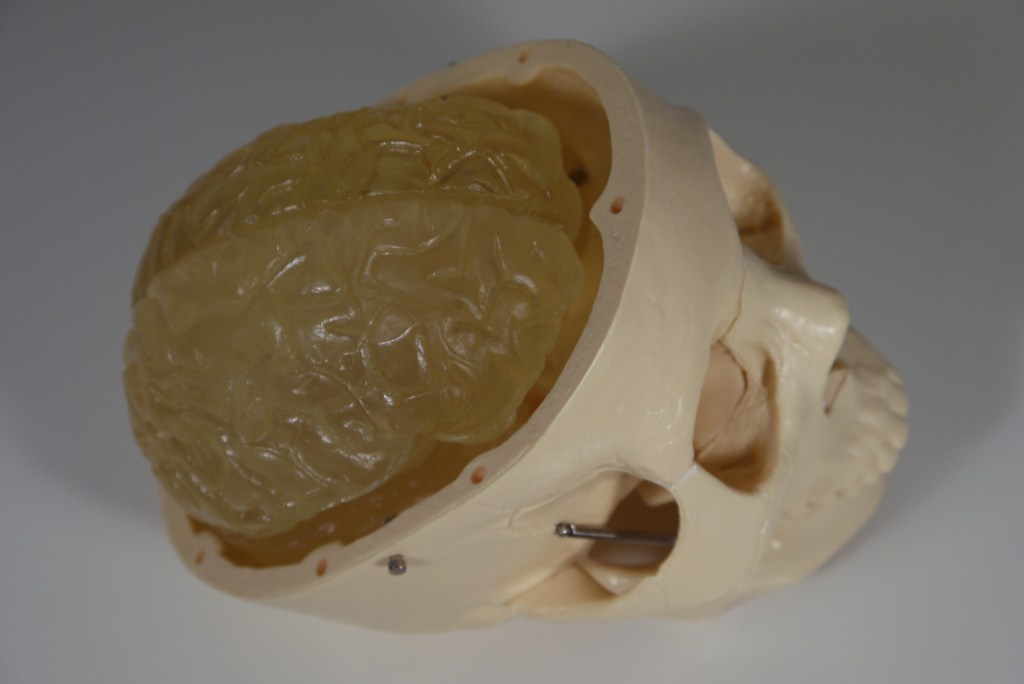
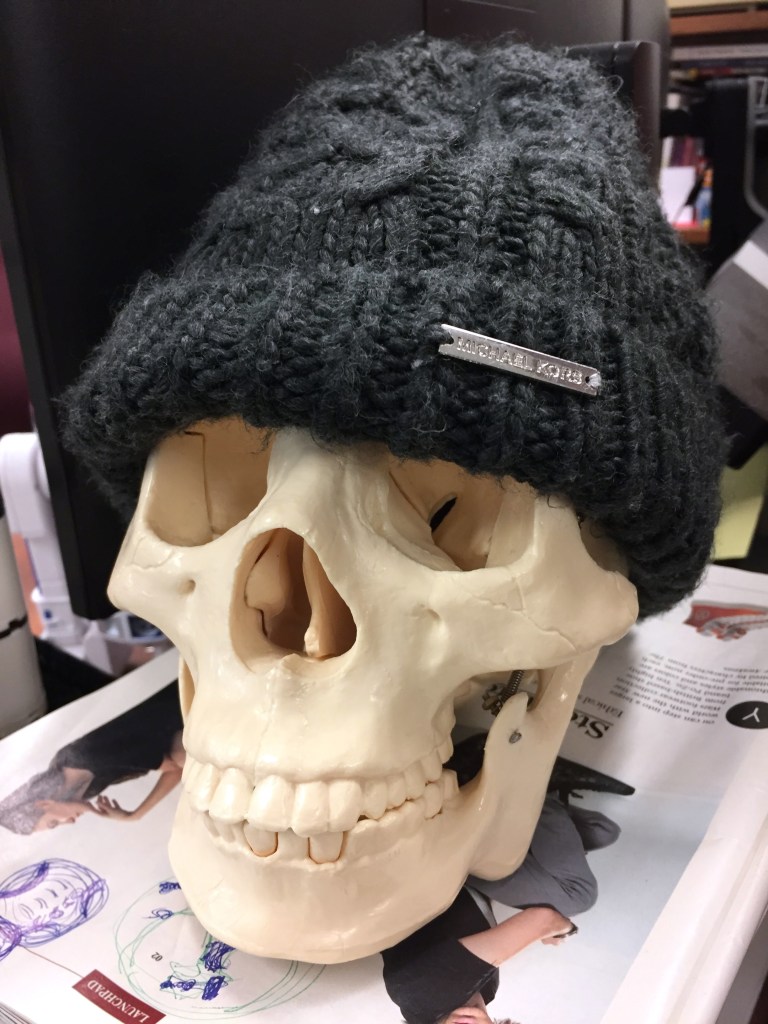
I bring my trusted skull and brain model nicknamed Yorick to my writing and science fiction classes when I want to talk about something related to cognition–e.g., how our attentional focus works, cognitive costs of switching cognitive tasks, time delay from sensory perception to processing to conscious awareness, where are the speech regions–Broca’s area and Wernicke’s area–located, etc. Yorick’s skull and multi-component brain gives students something that they can see and feel and manipulate when it gets passed around the classroom.
And when students leave a hat behind, Yorick gets a treat.
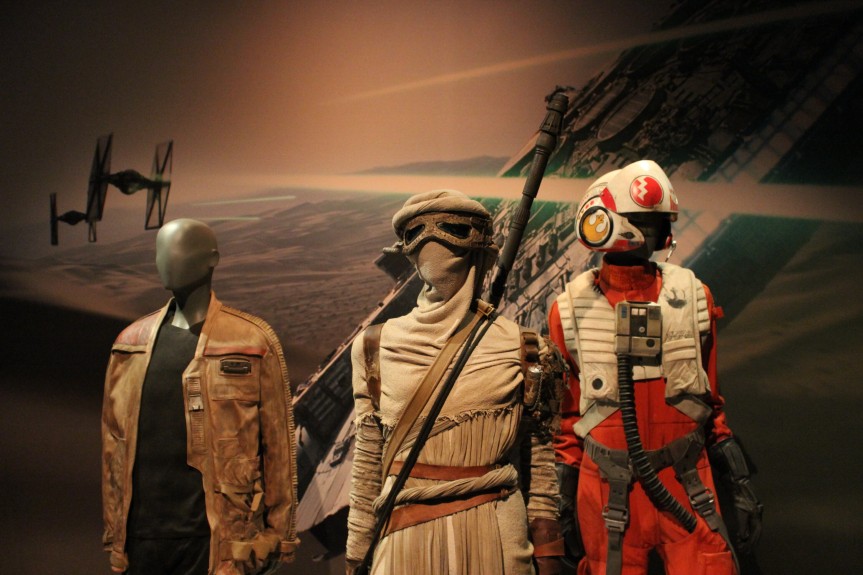
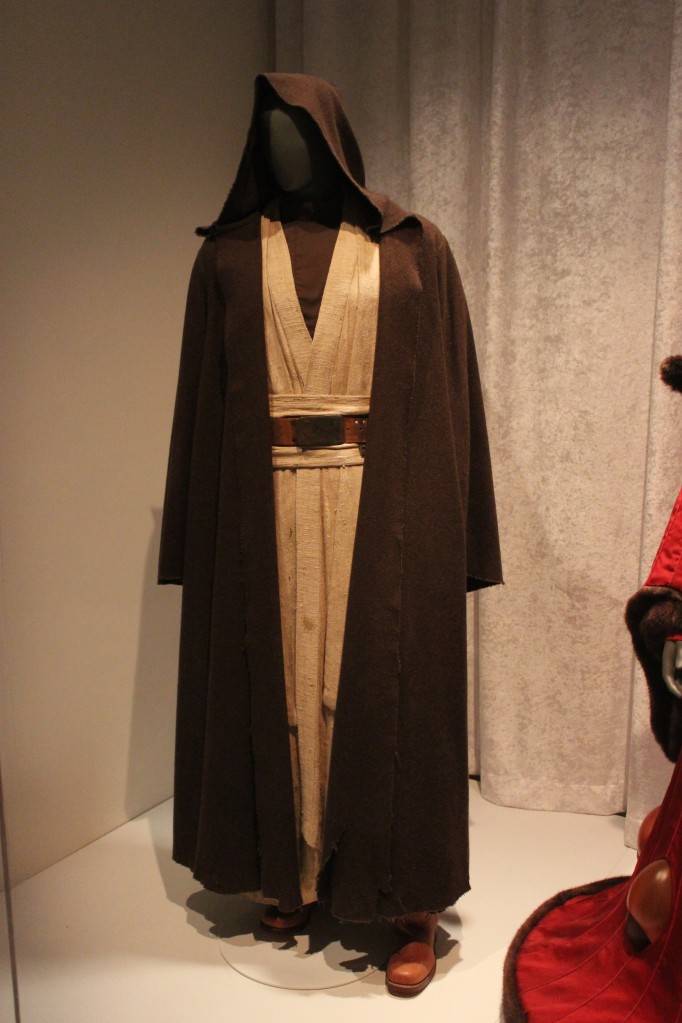
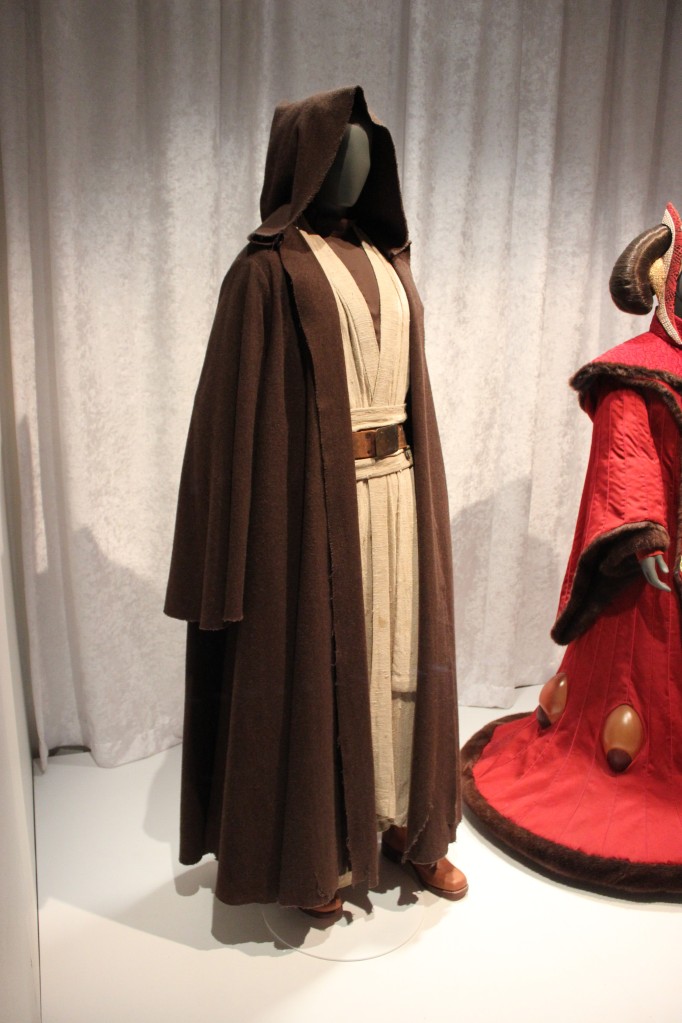
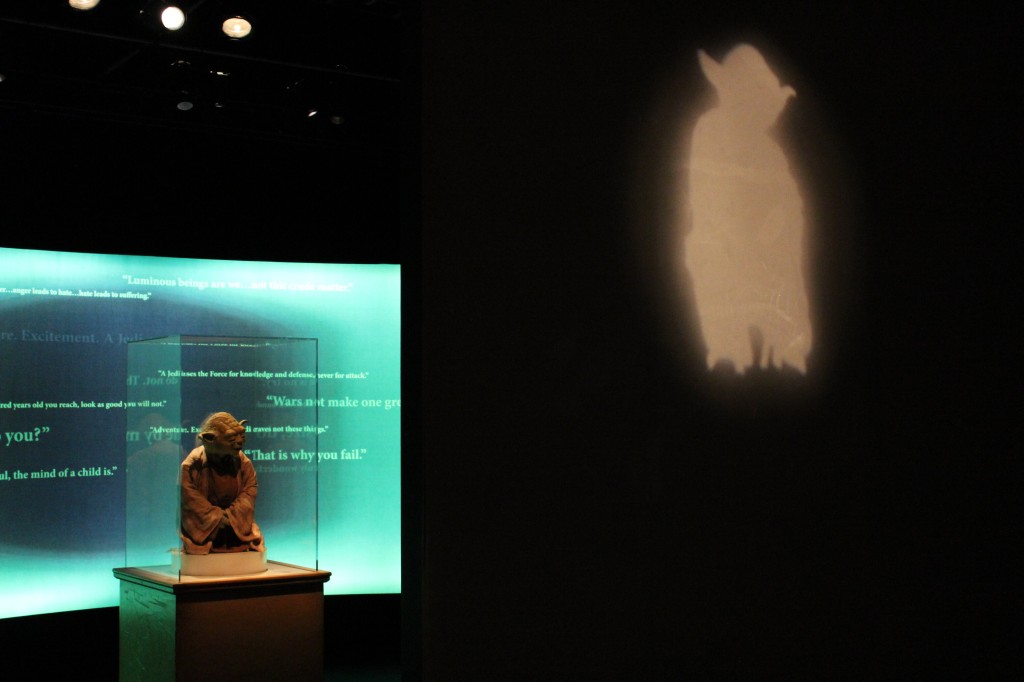
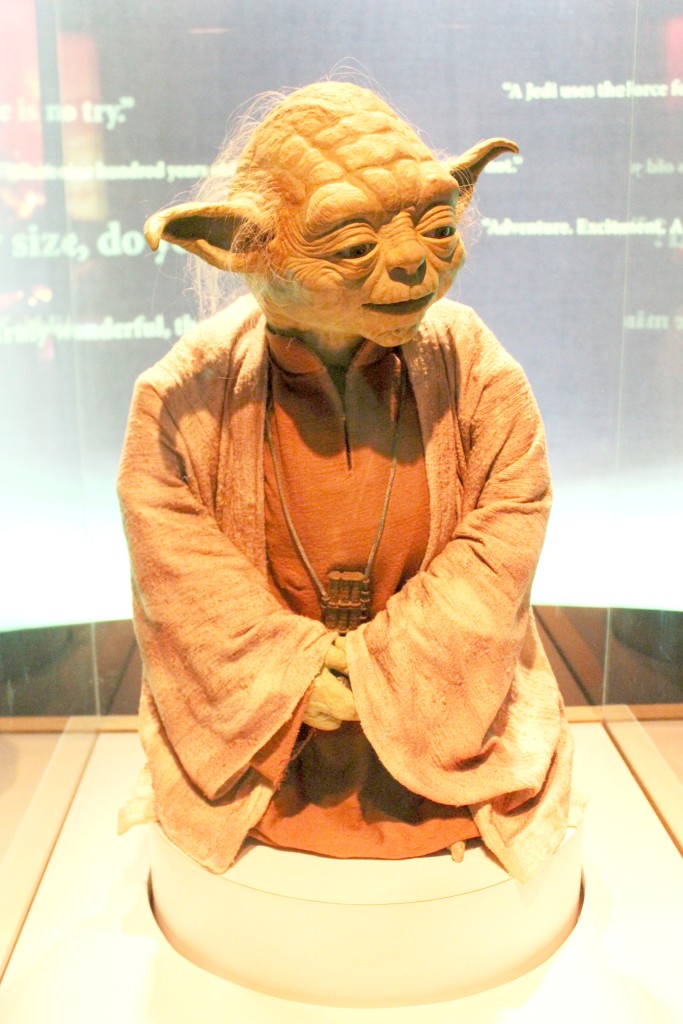
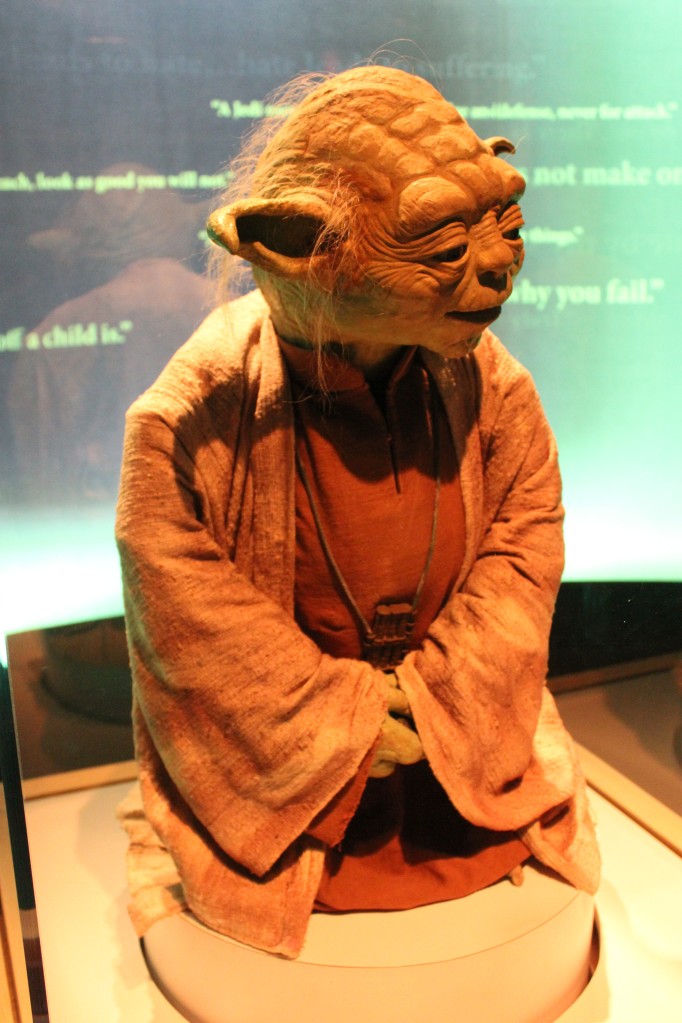
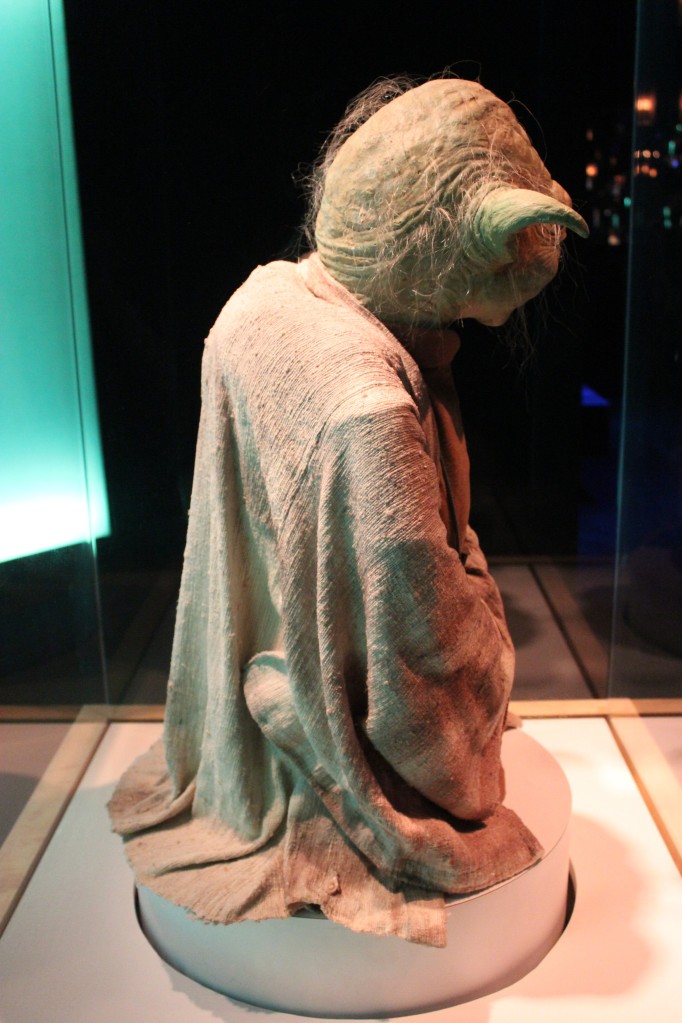
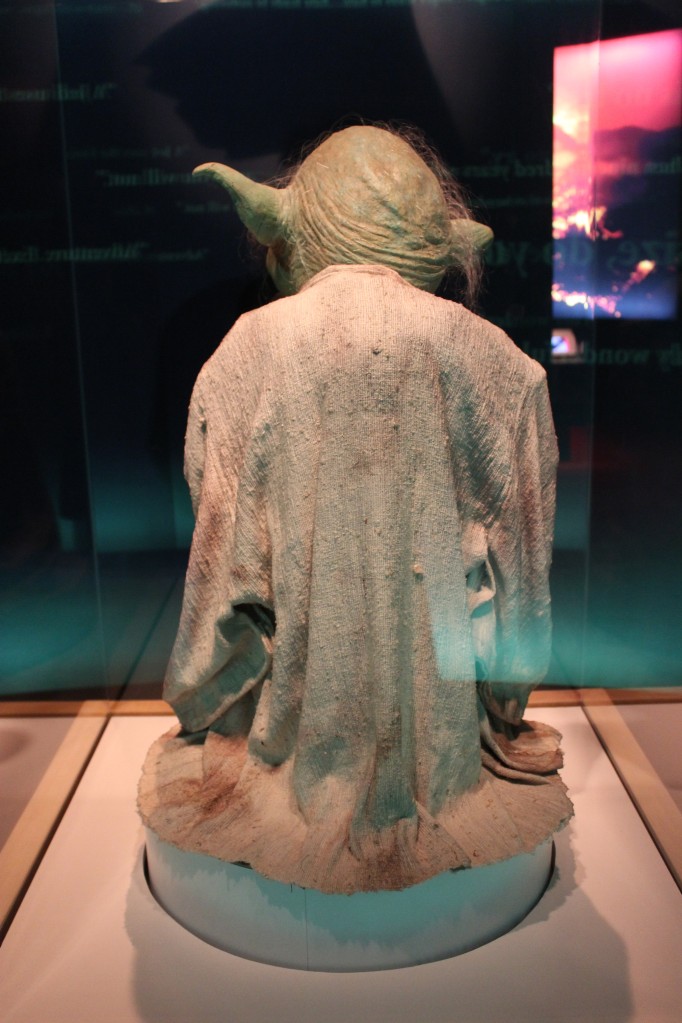
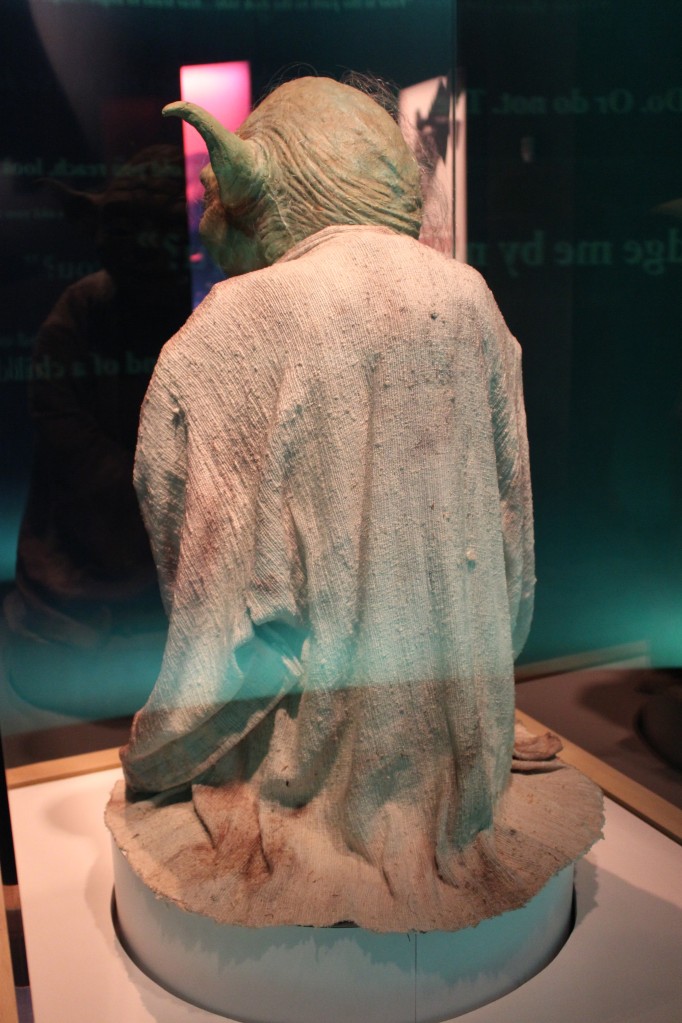
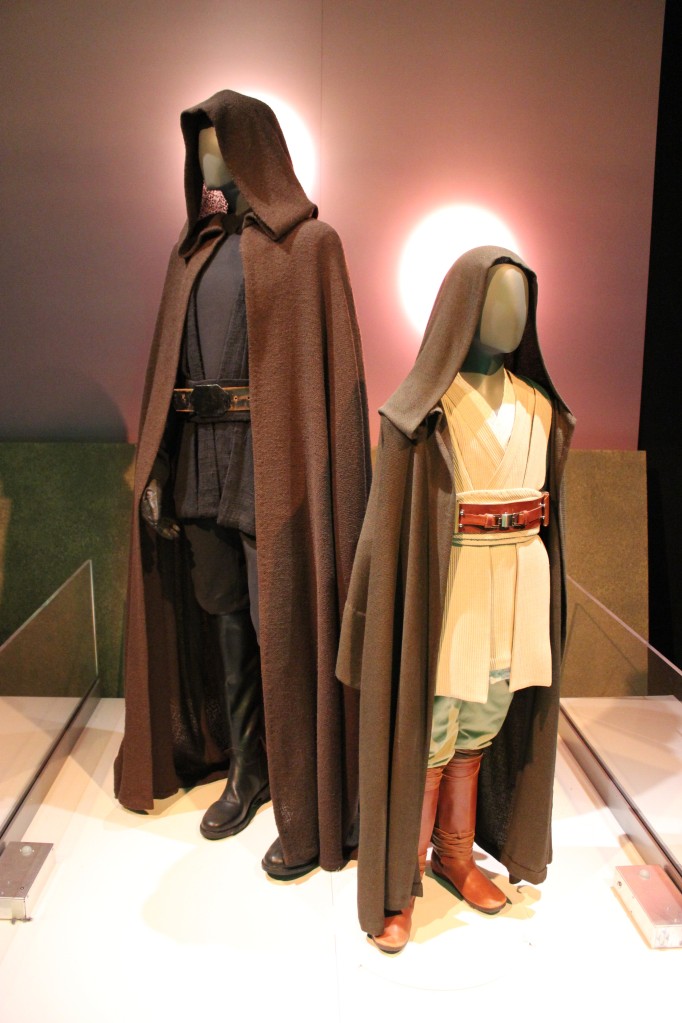
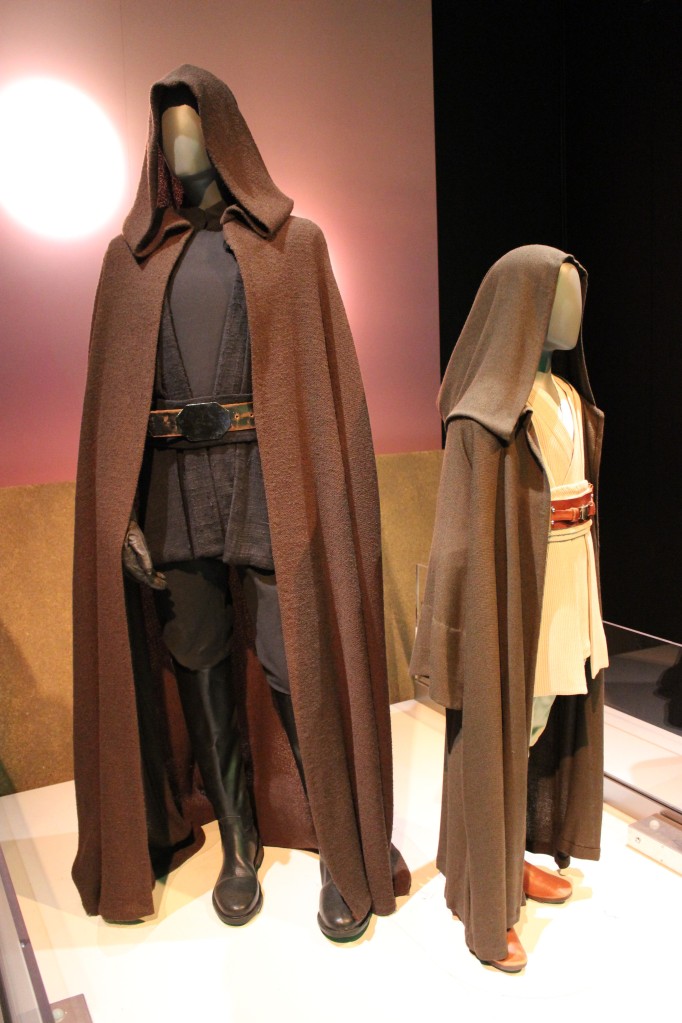
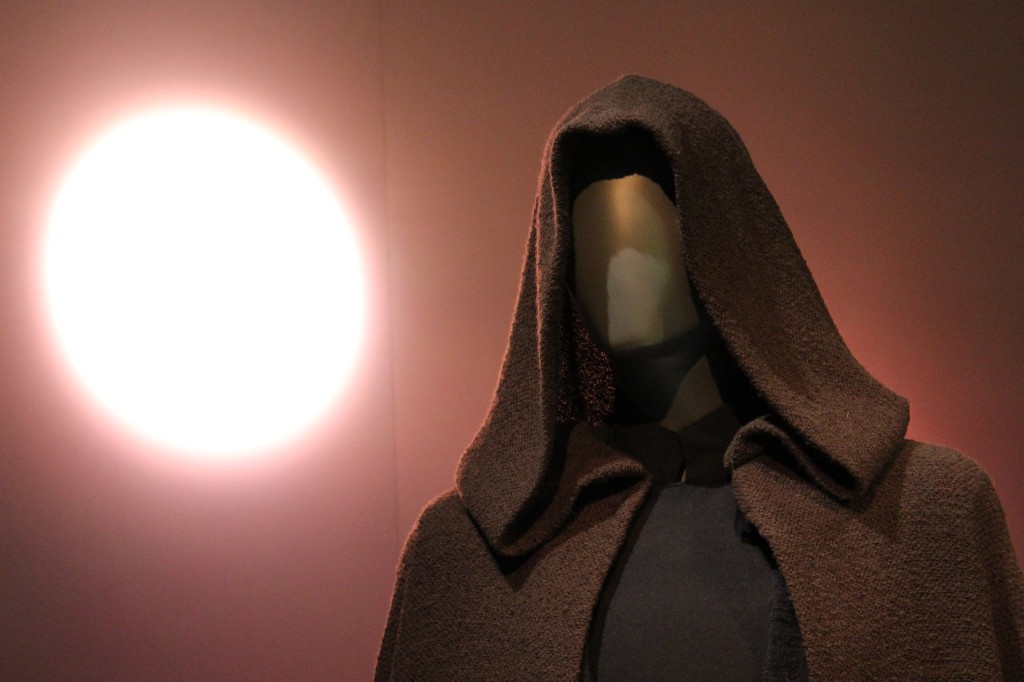
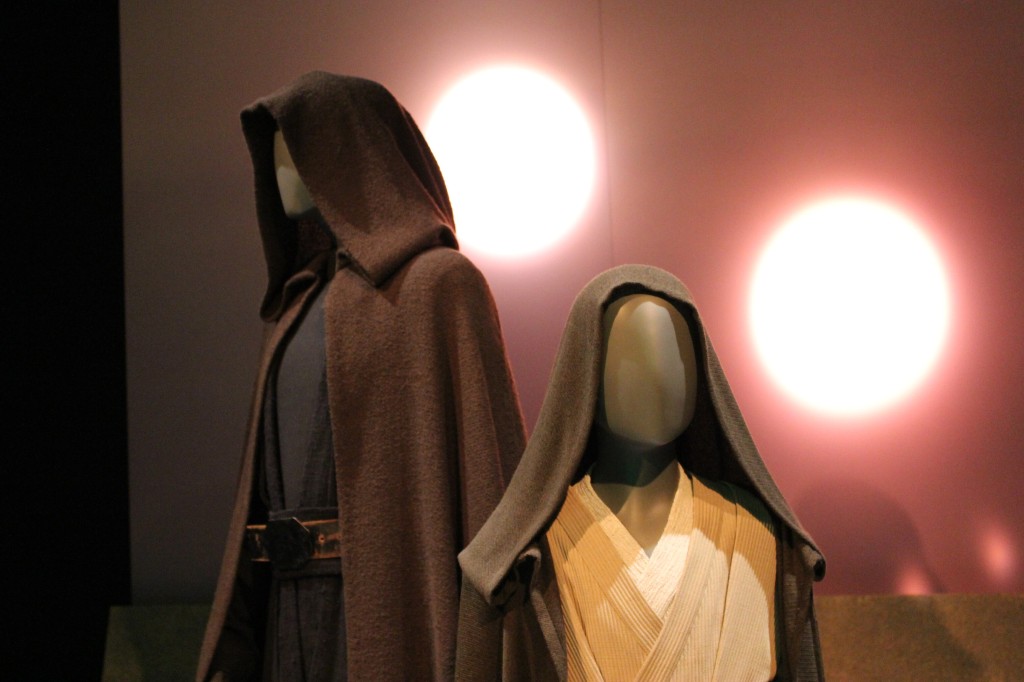
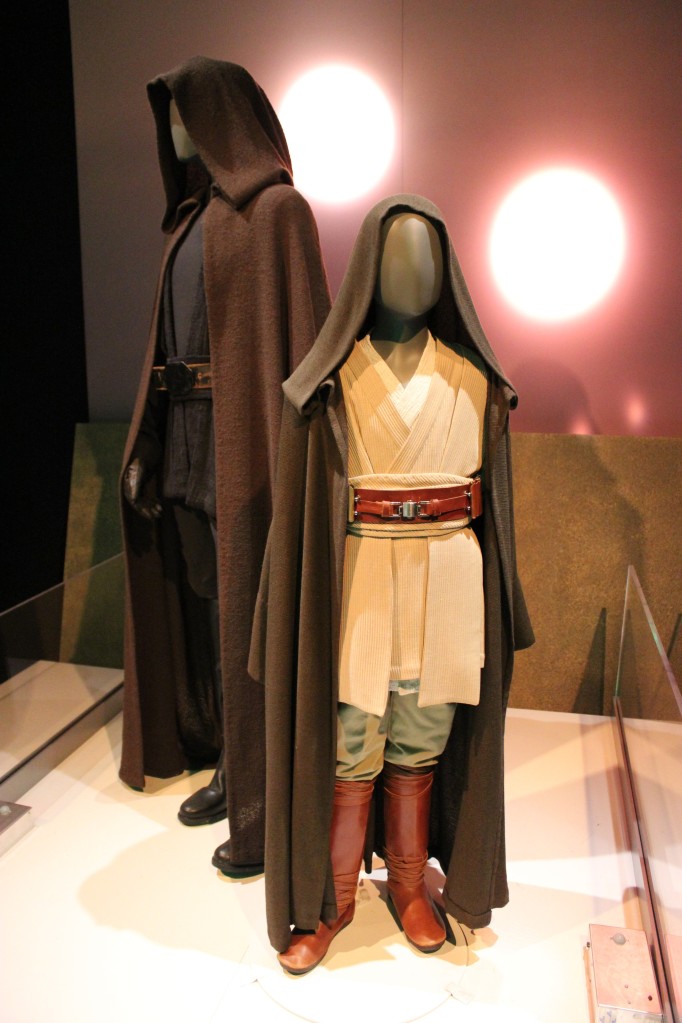
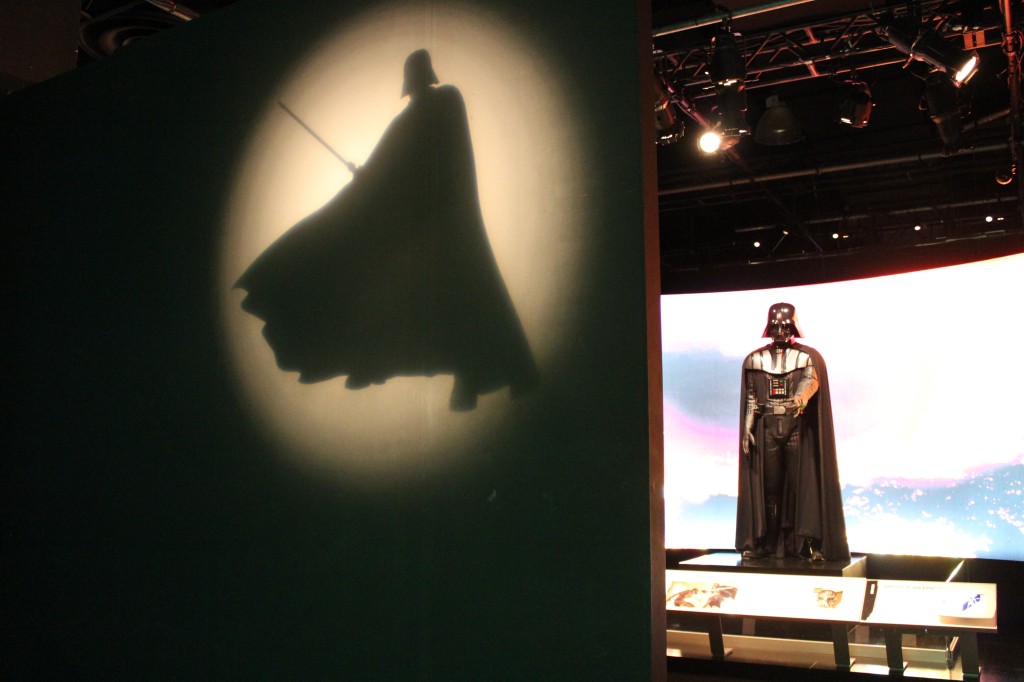
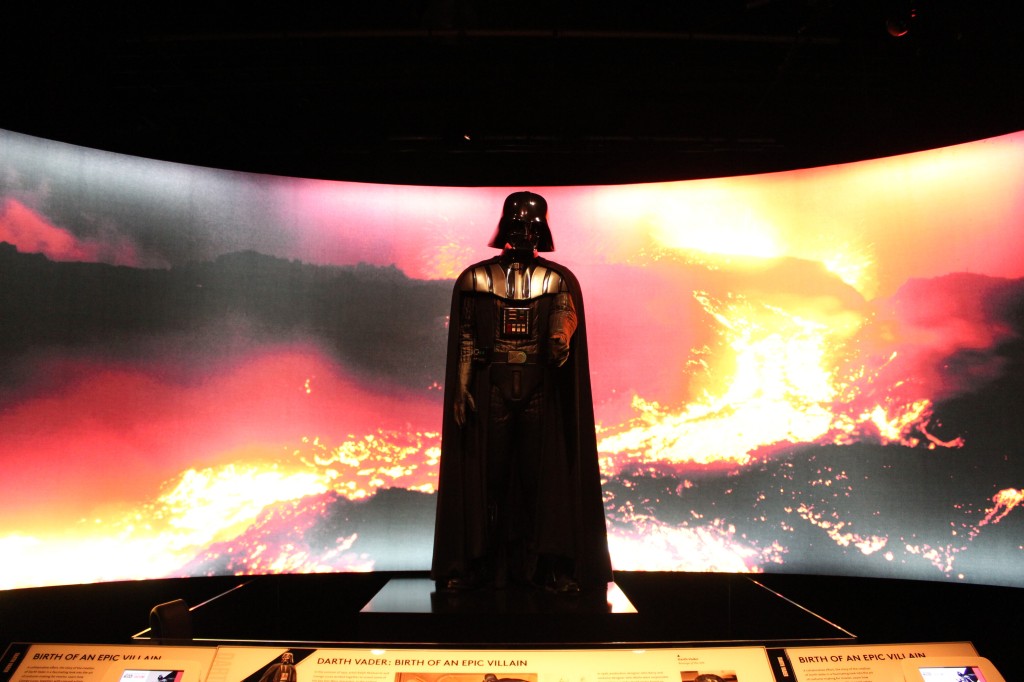
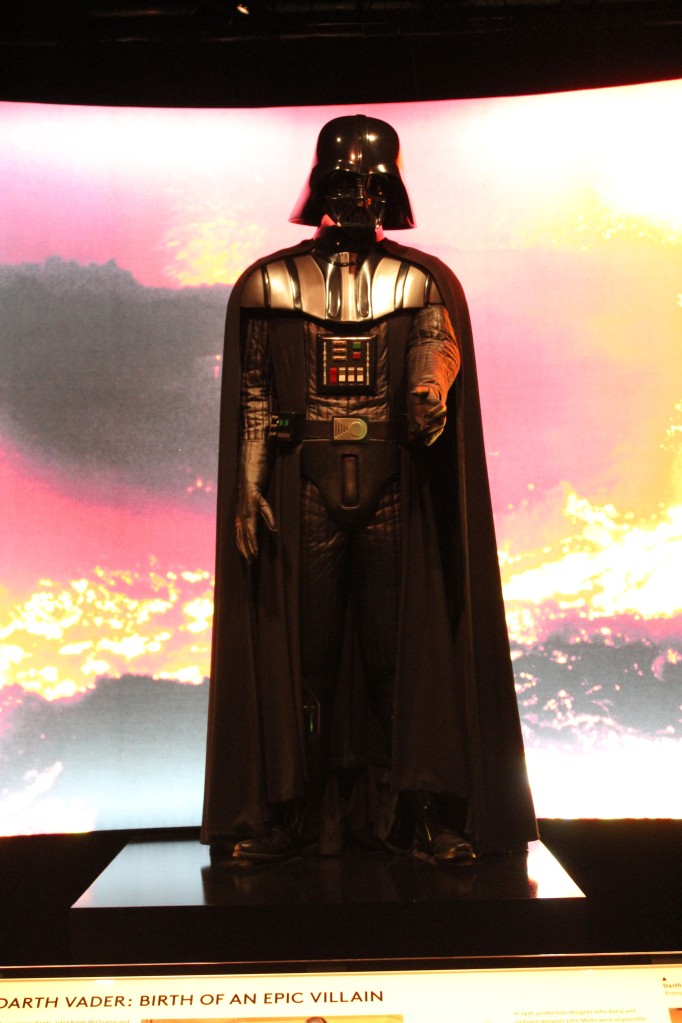
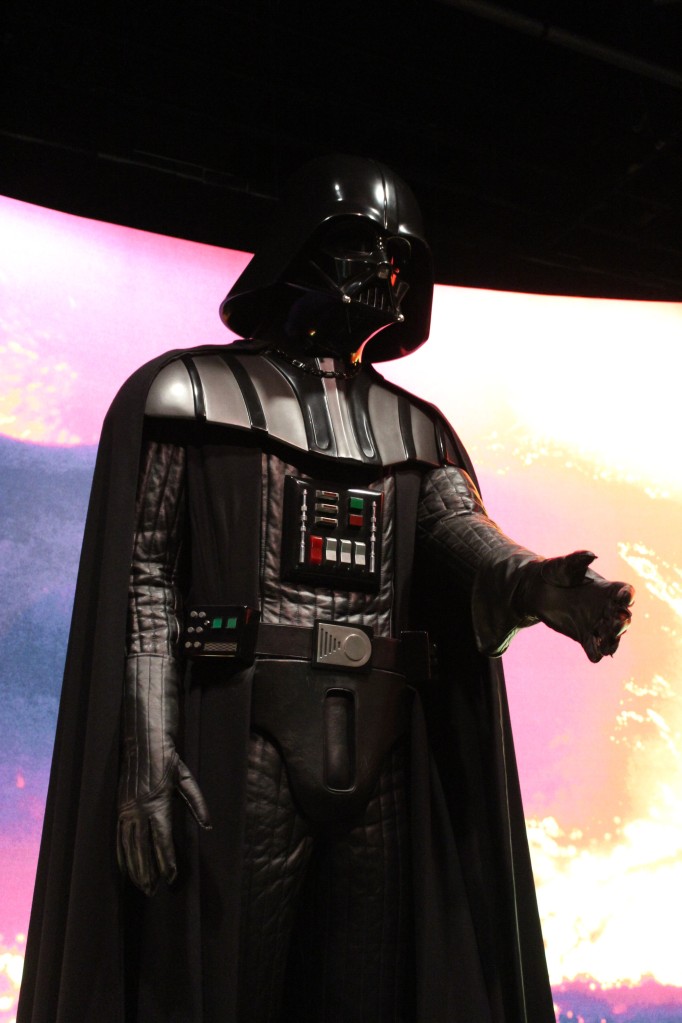
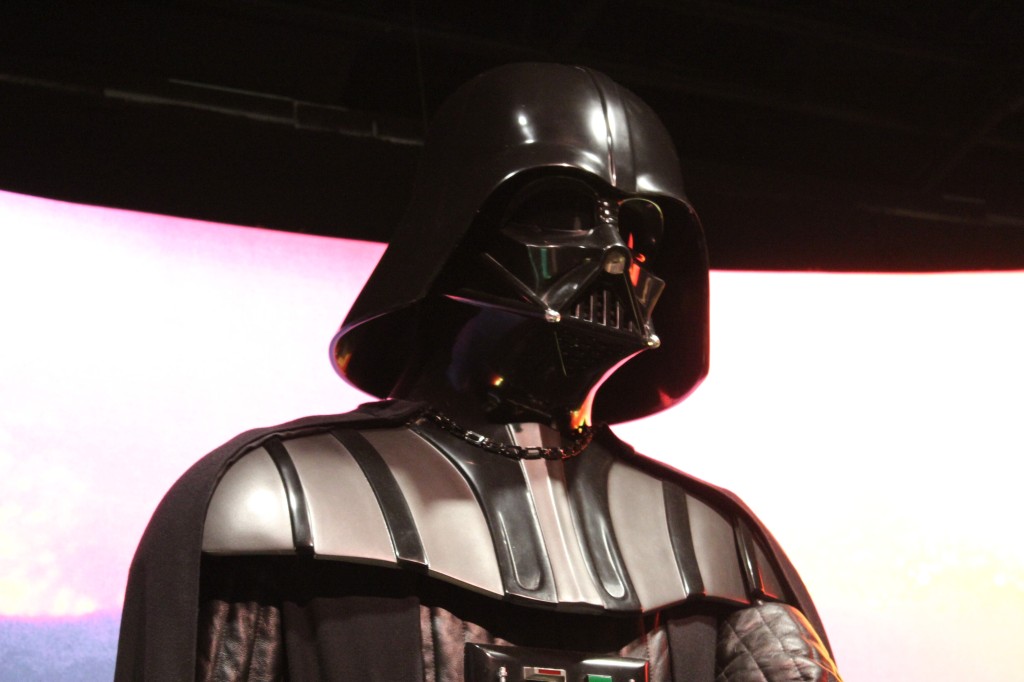
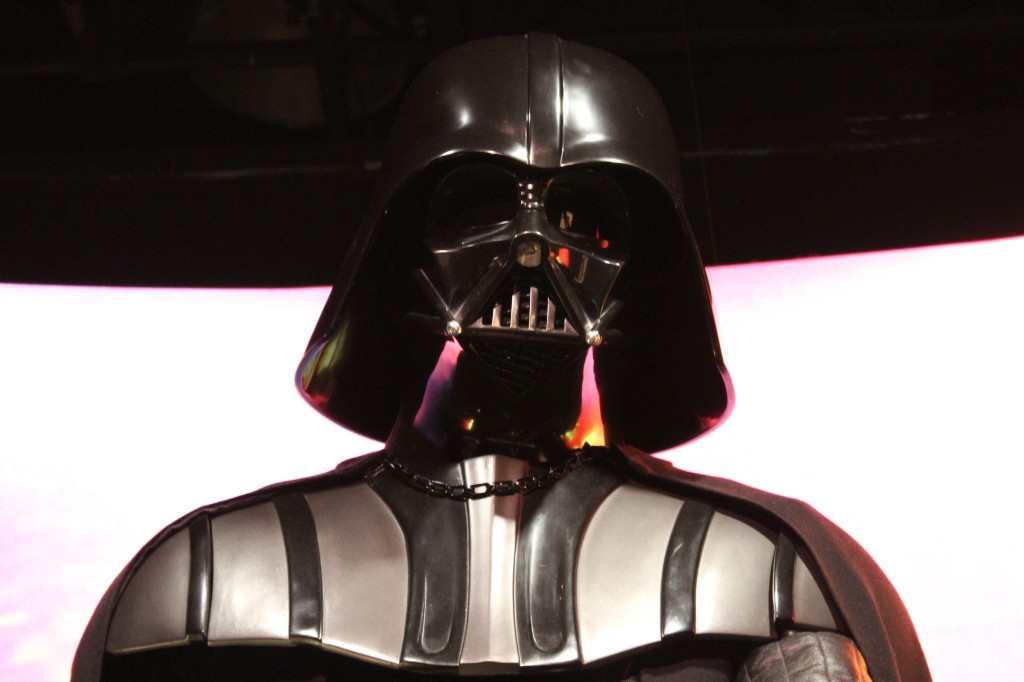
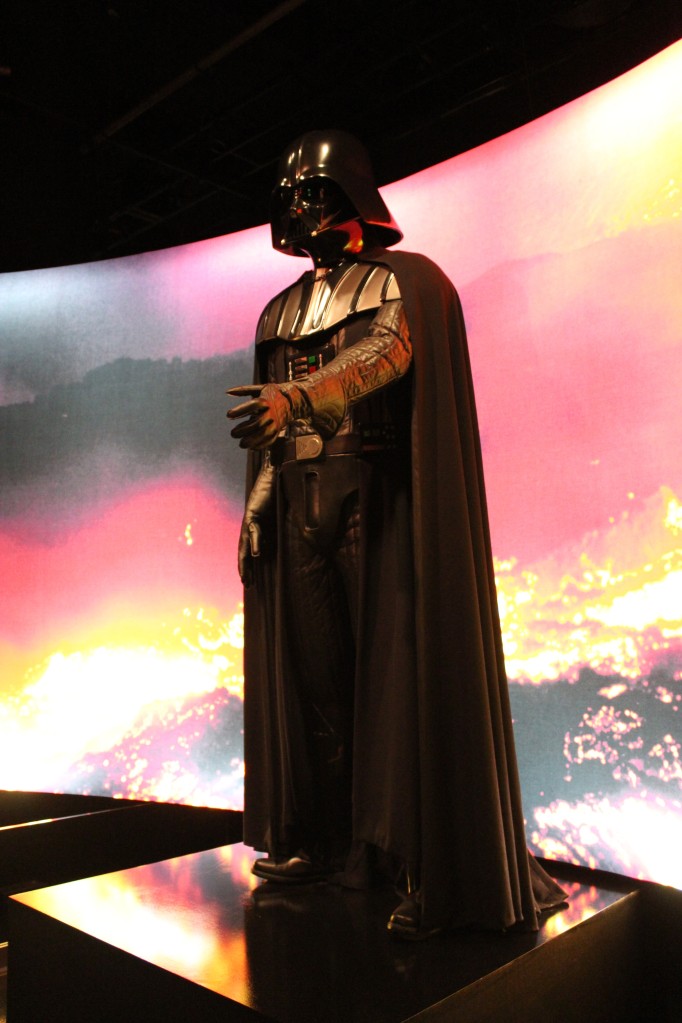
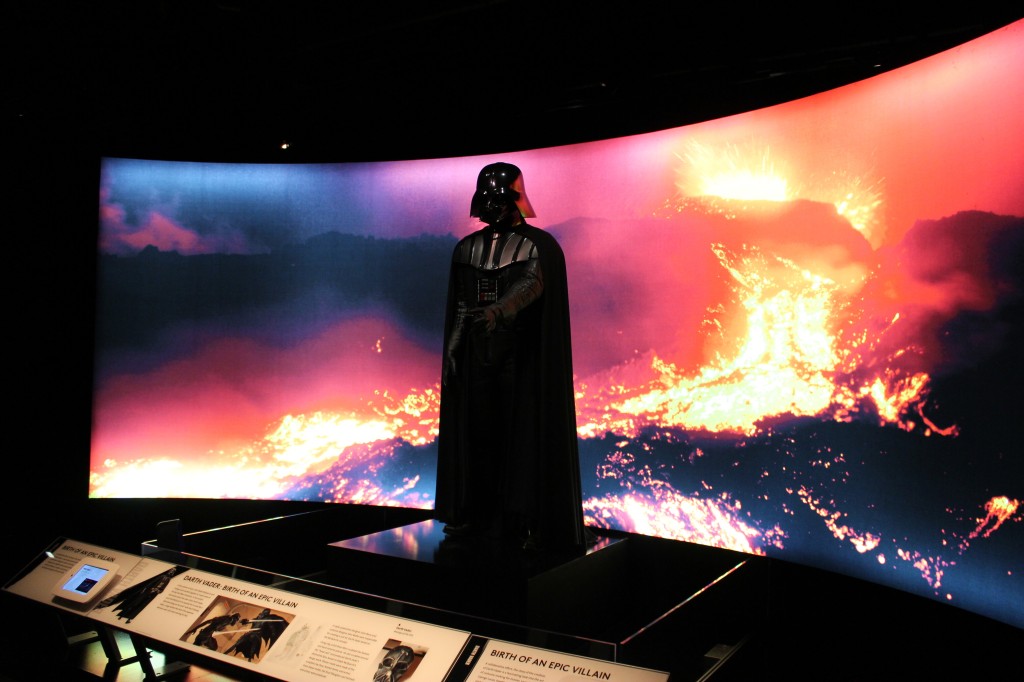
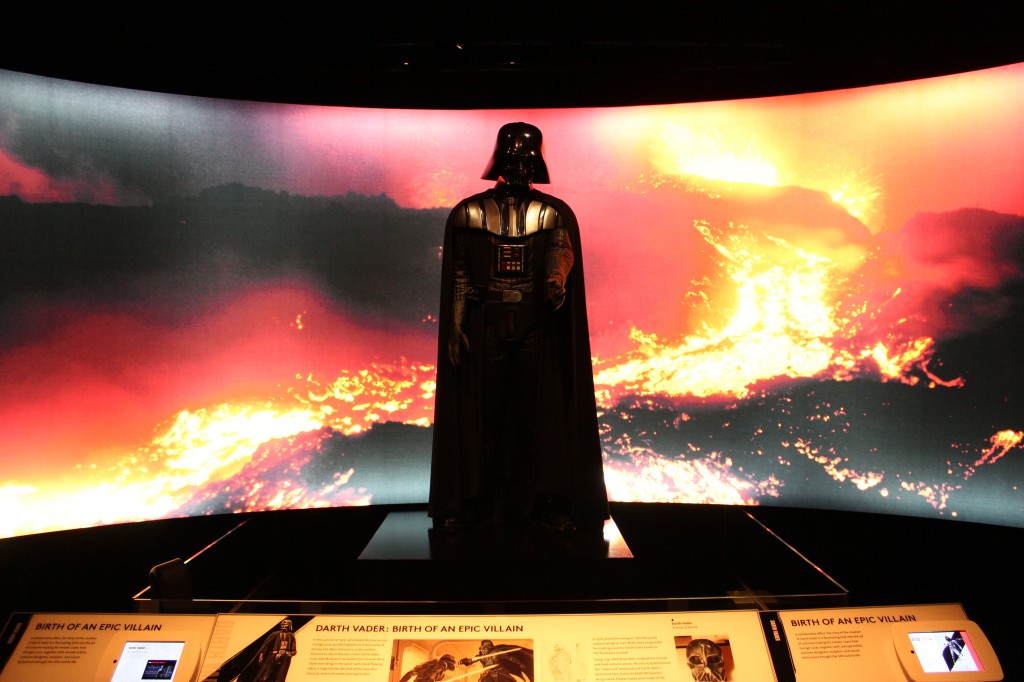
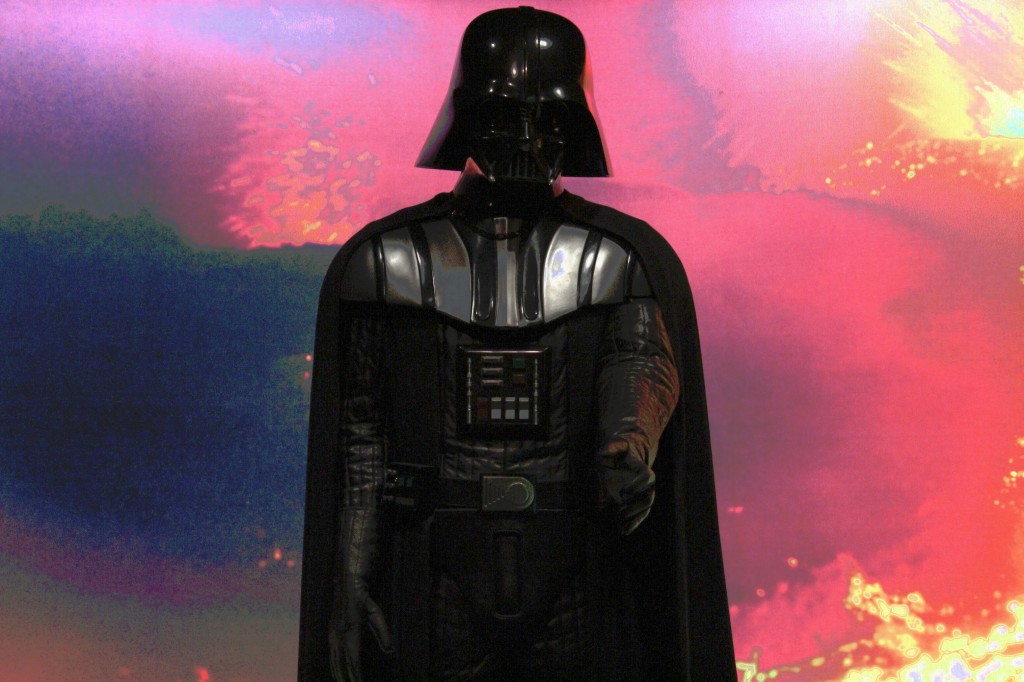
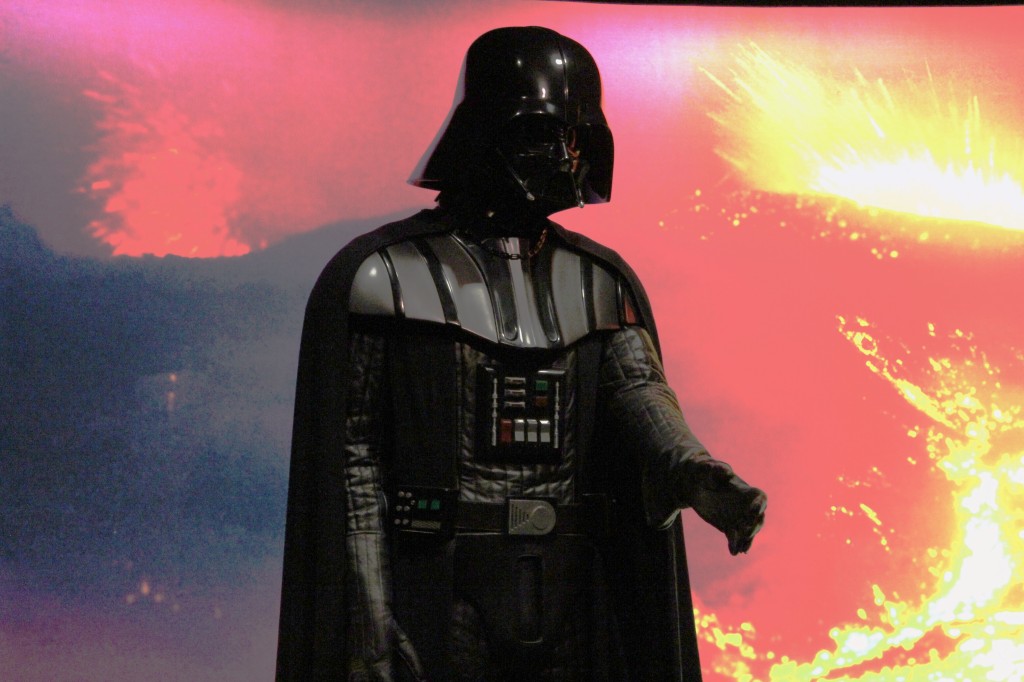
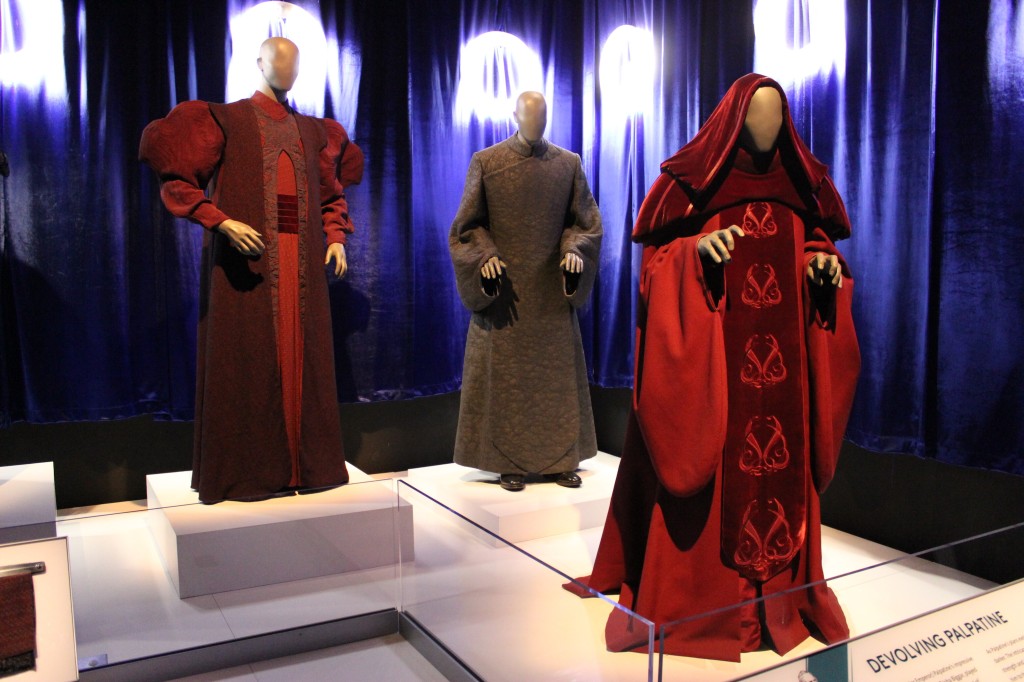
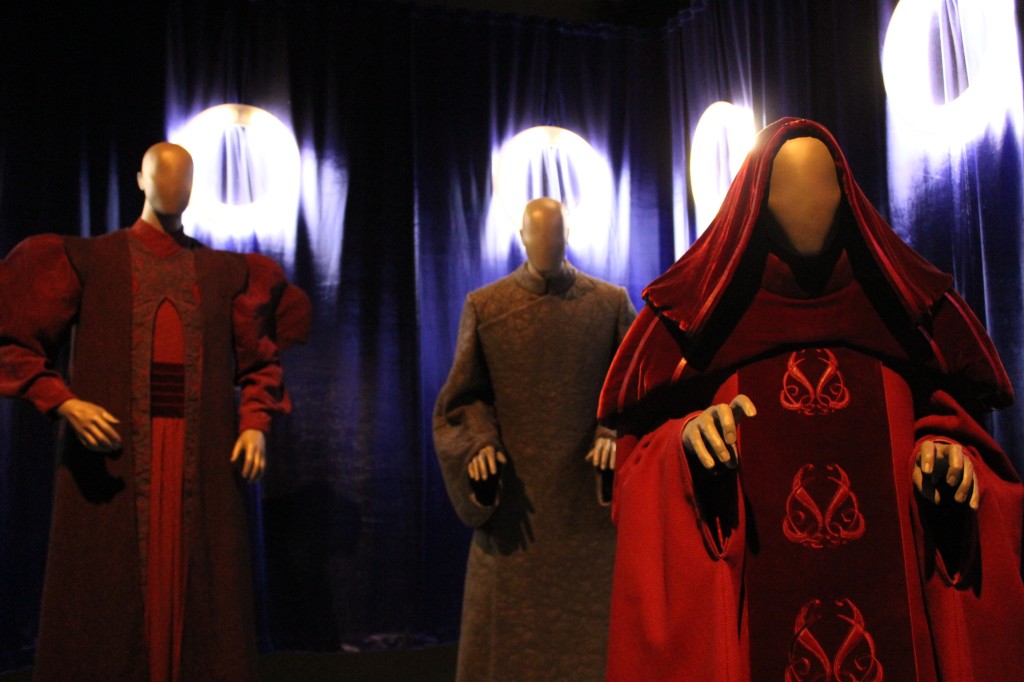
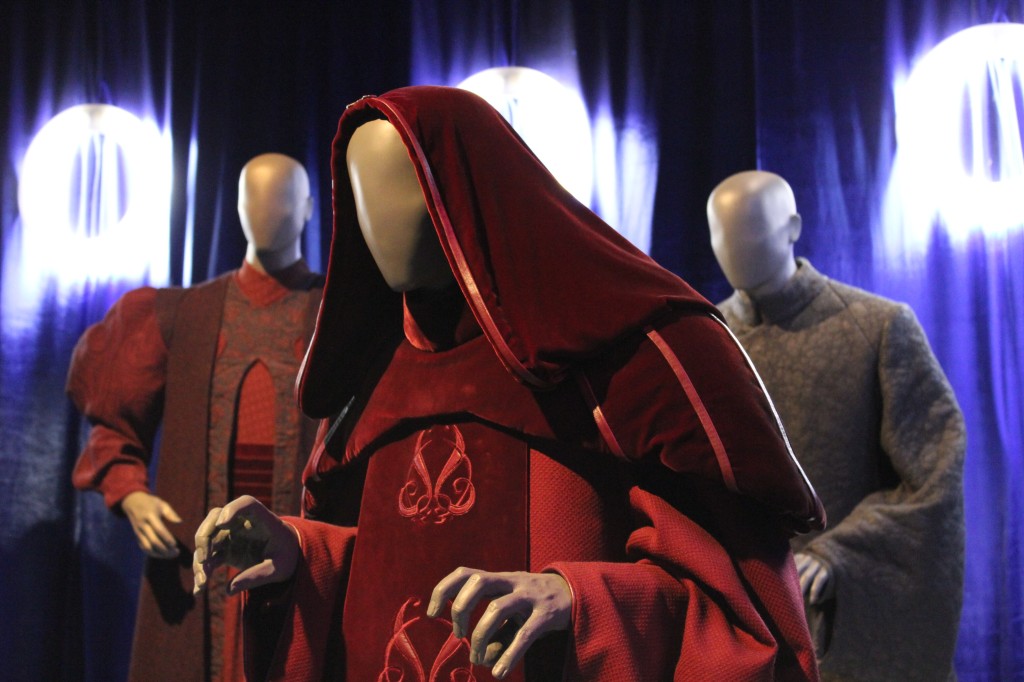
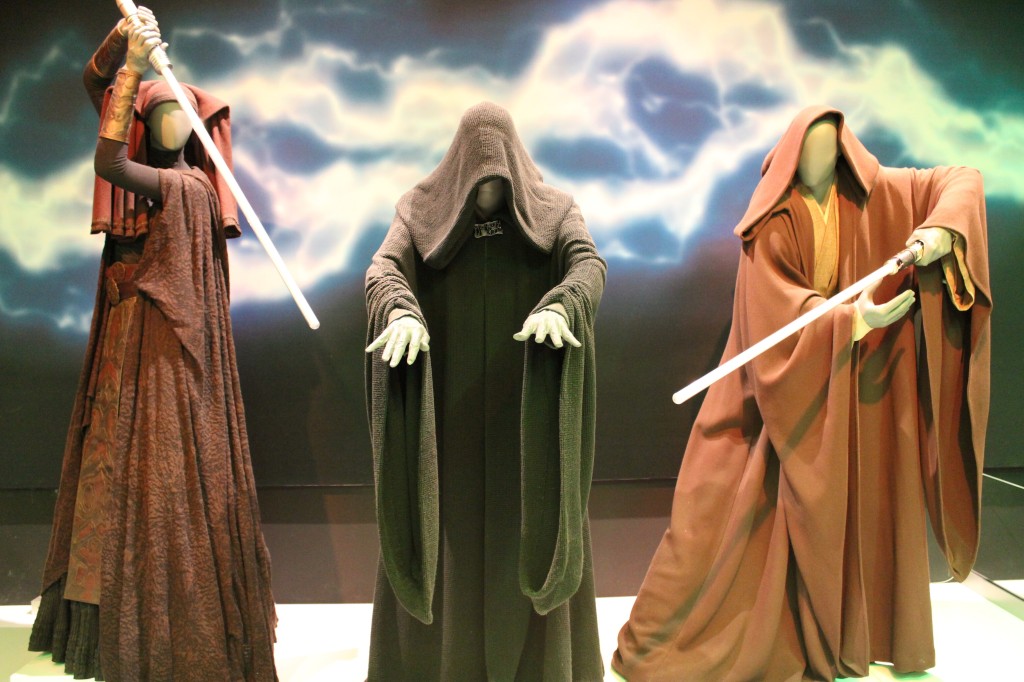
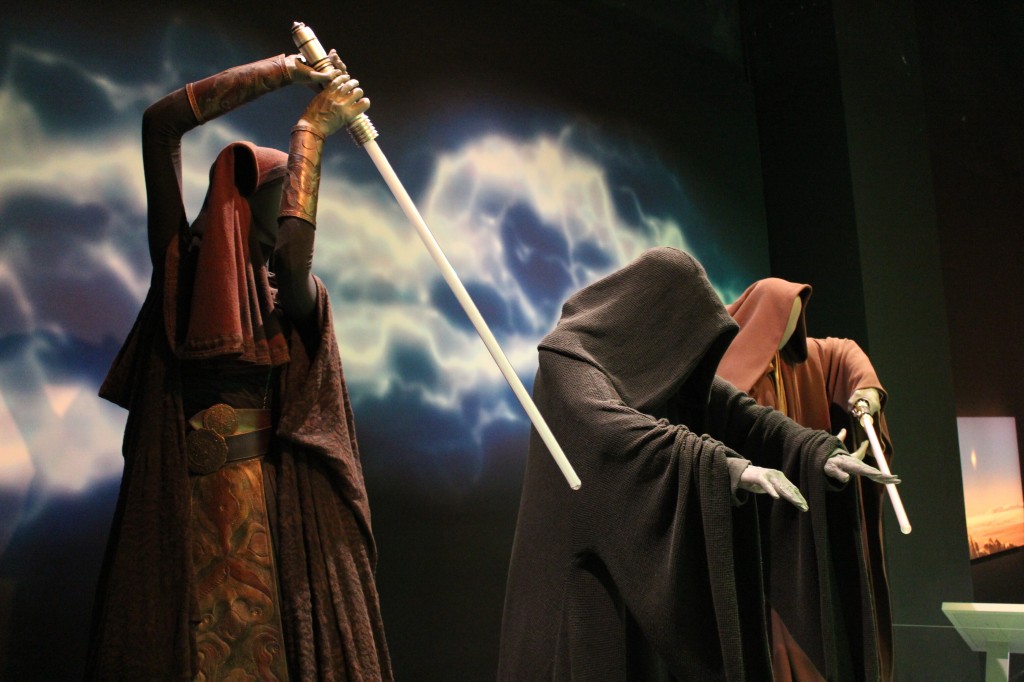
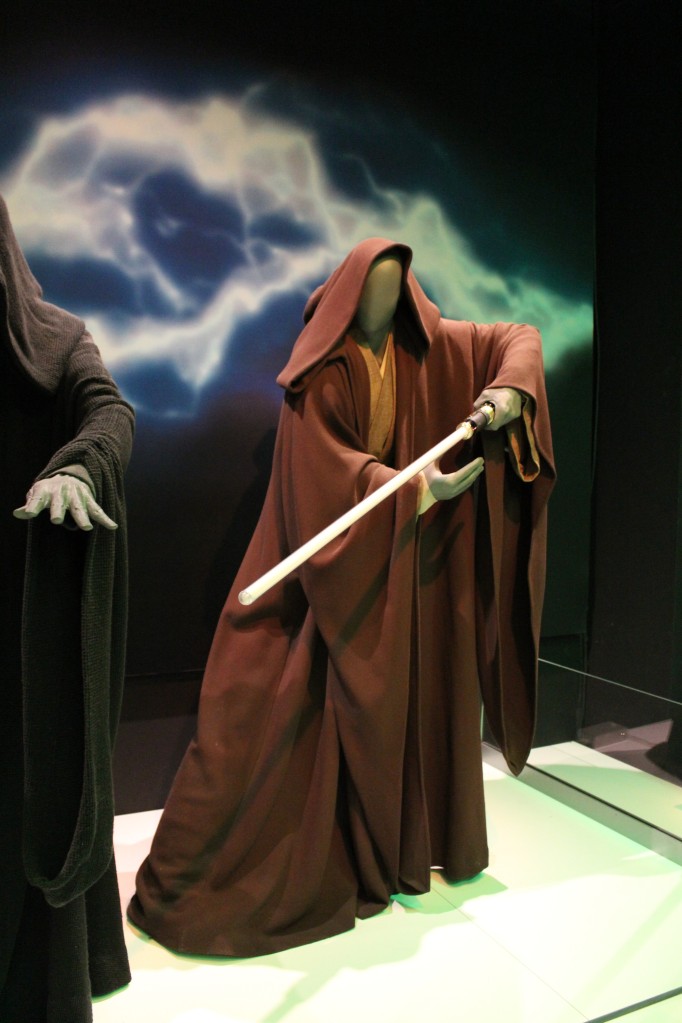
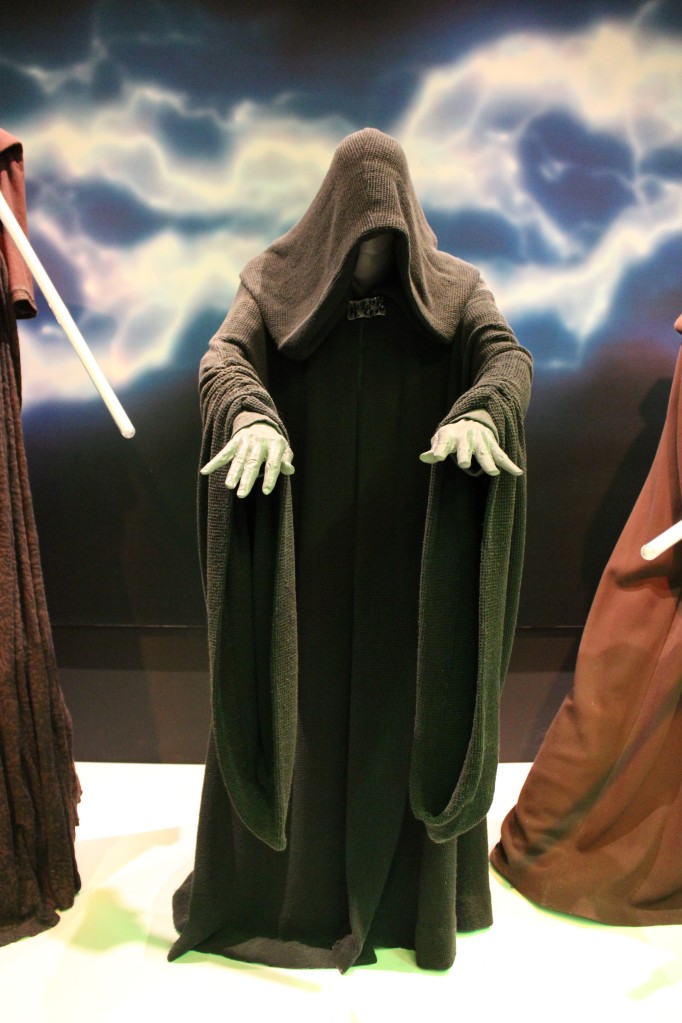
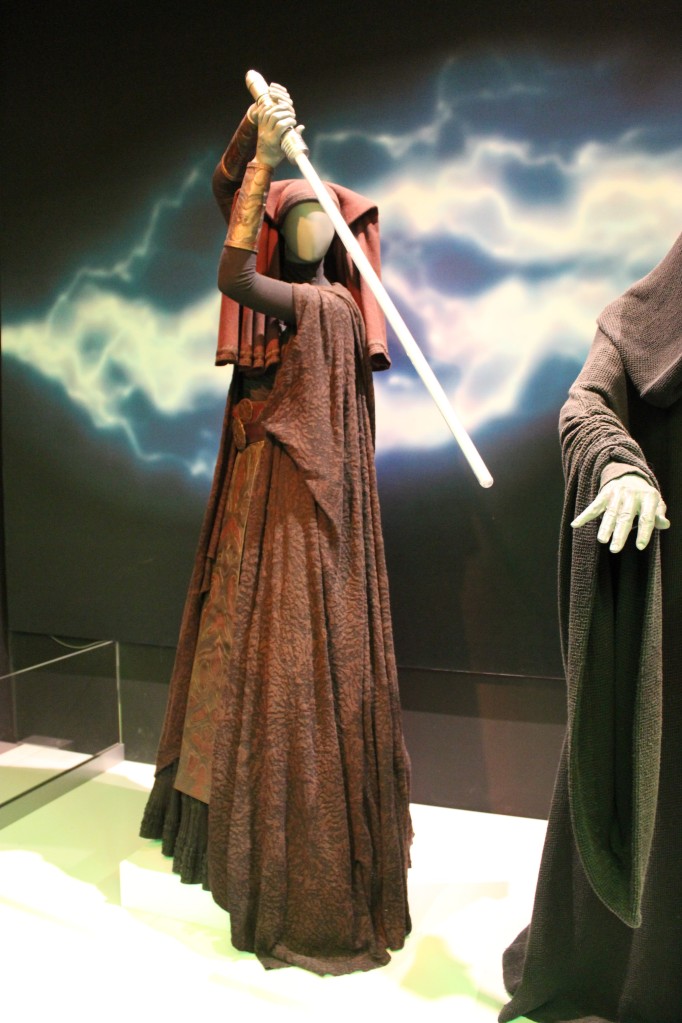
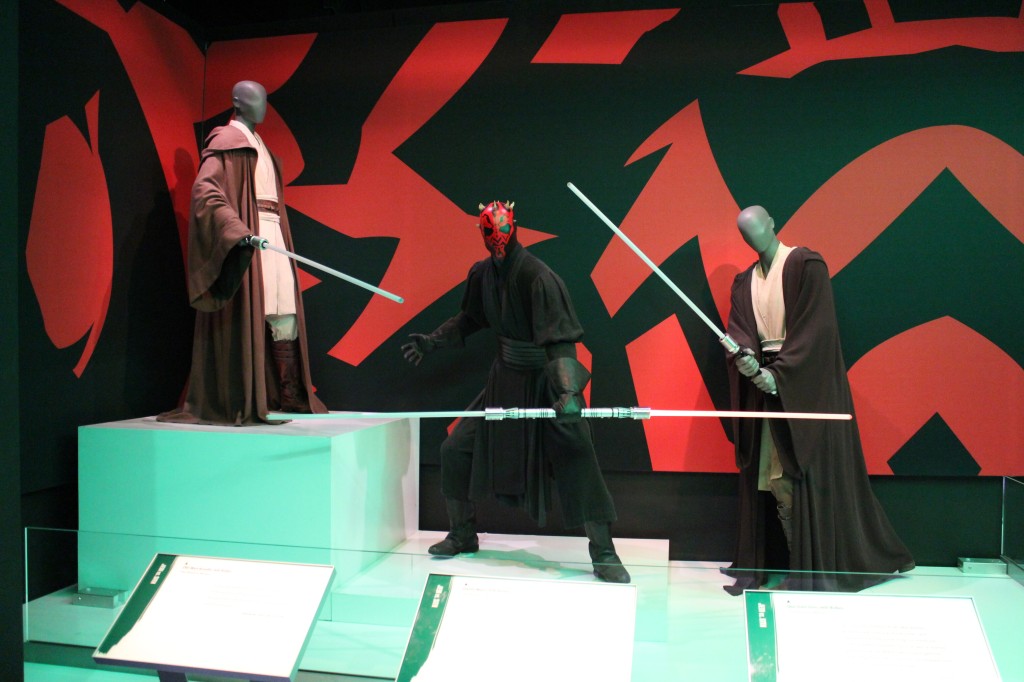
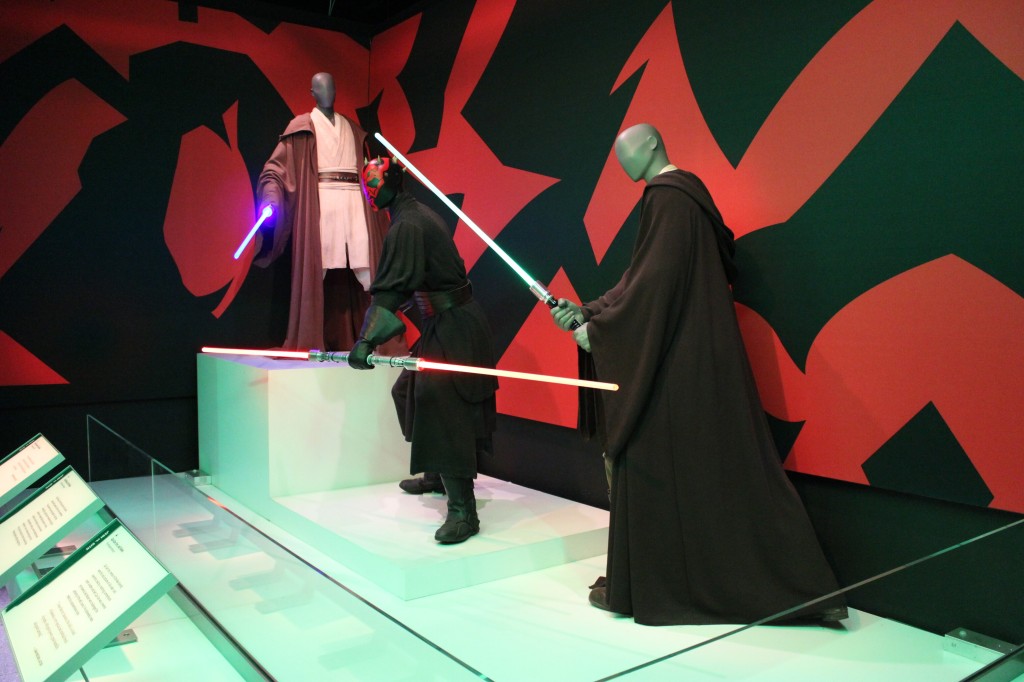
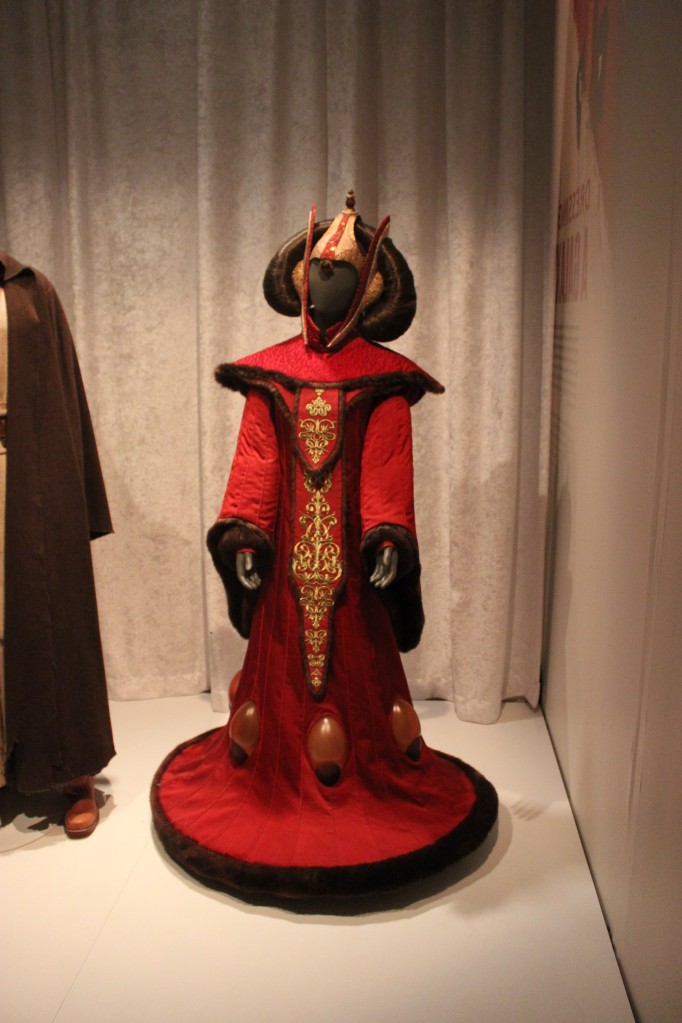
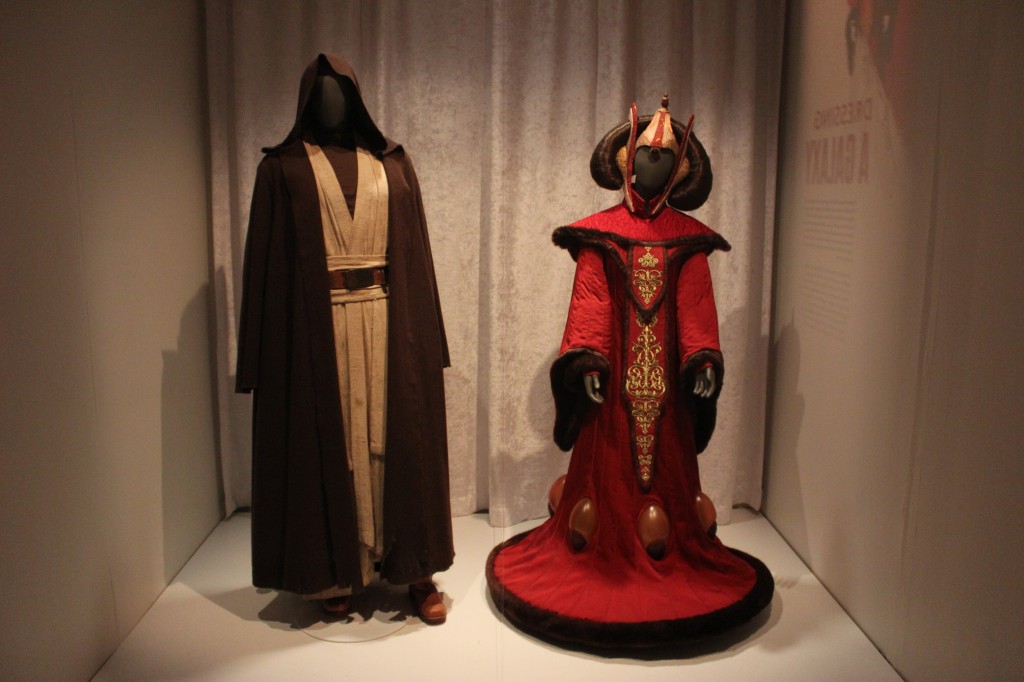
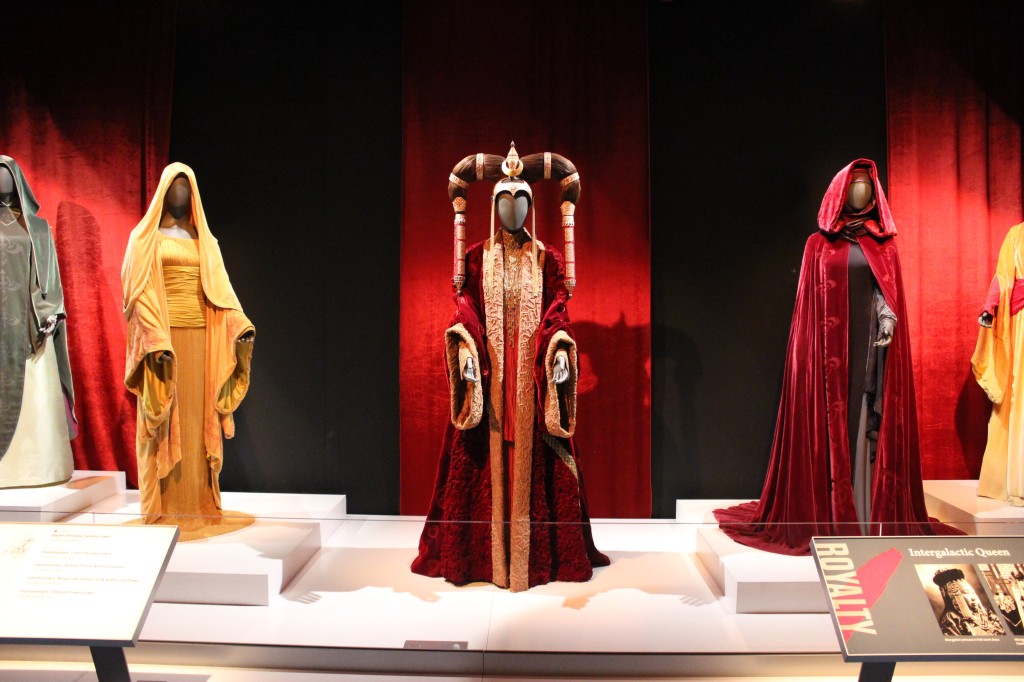
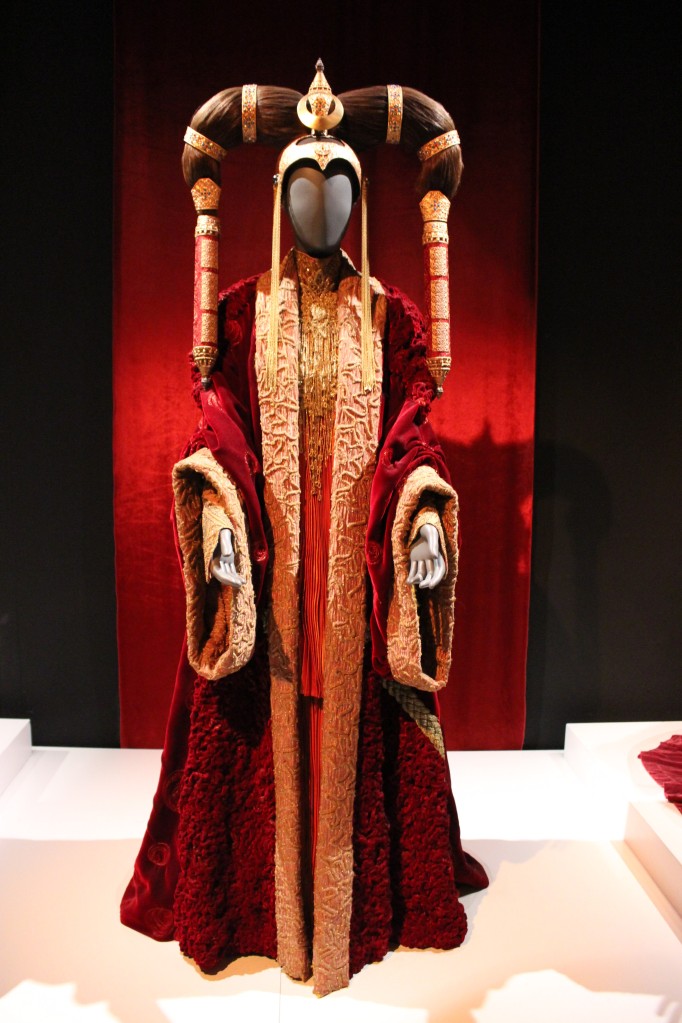
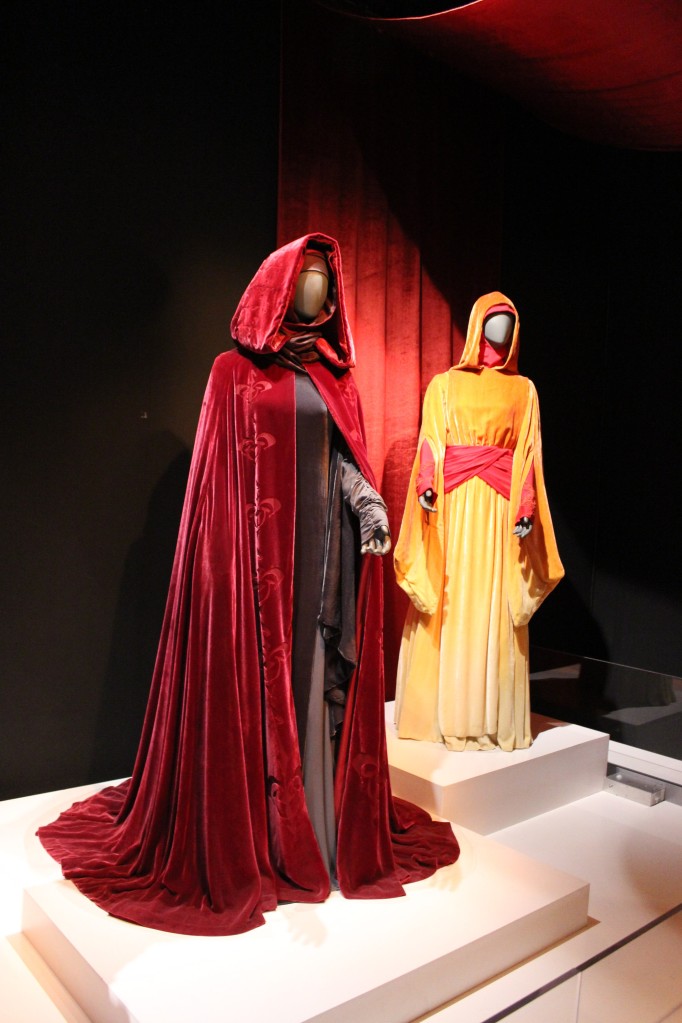
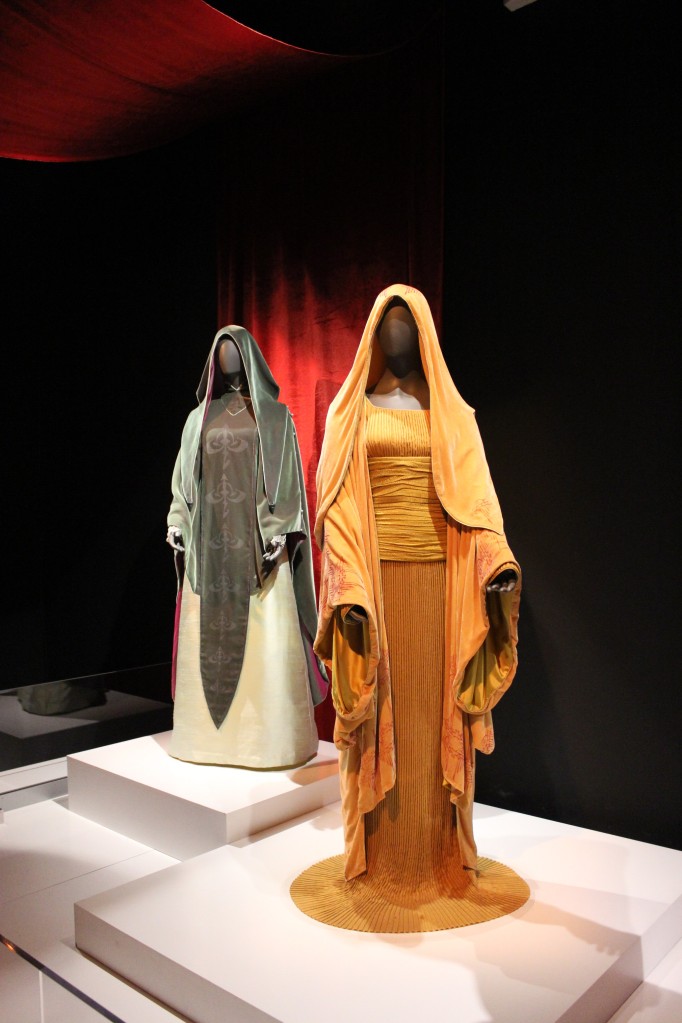
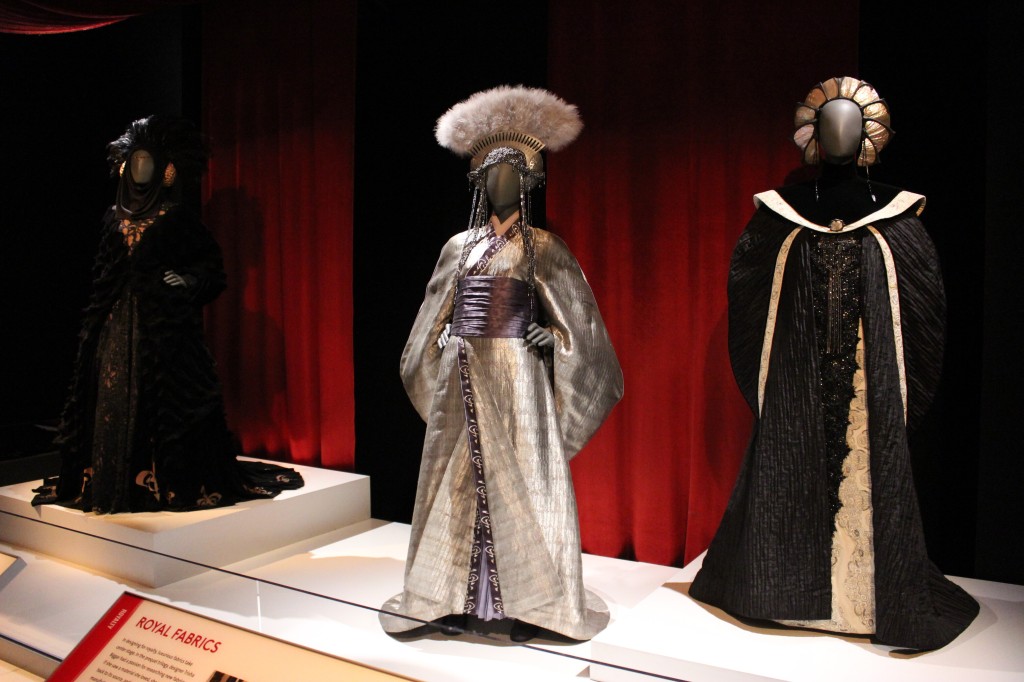
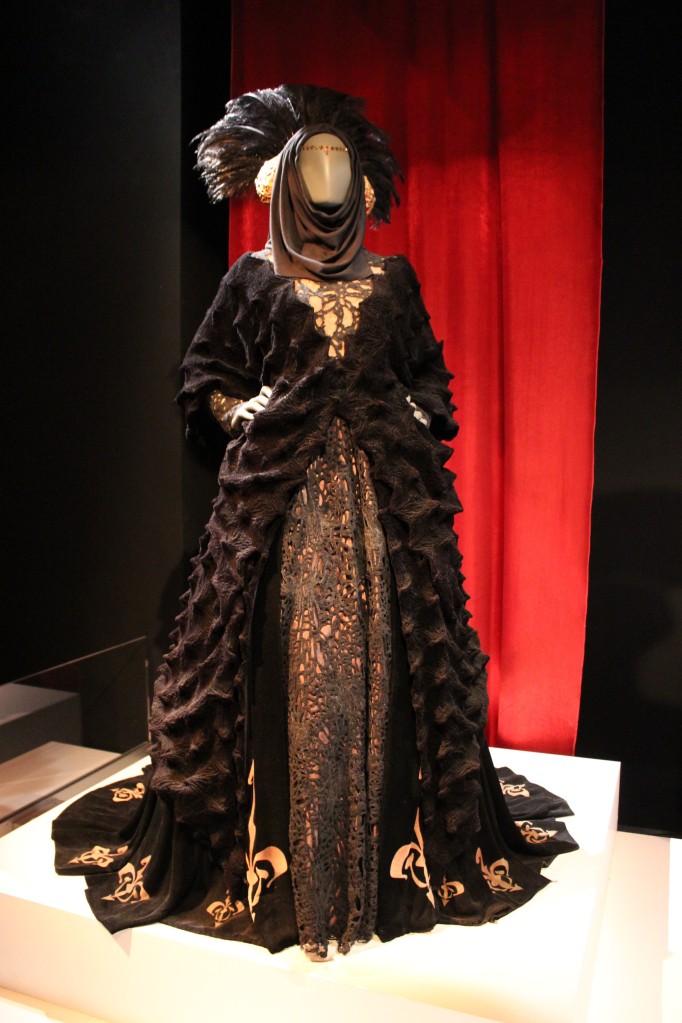
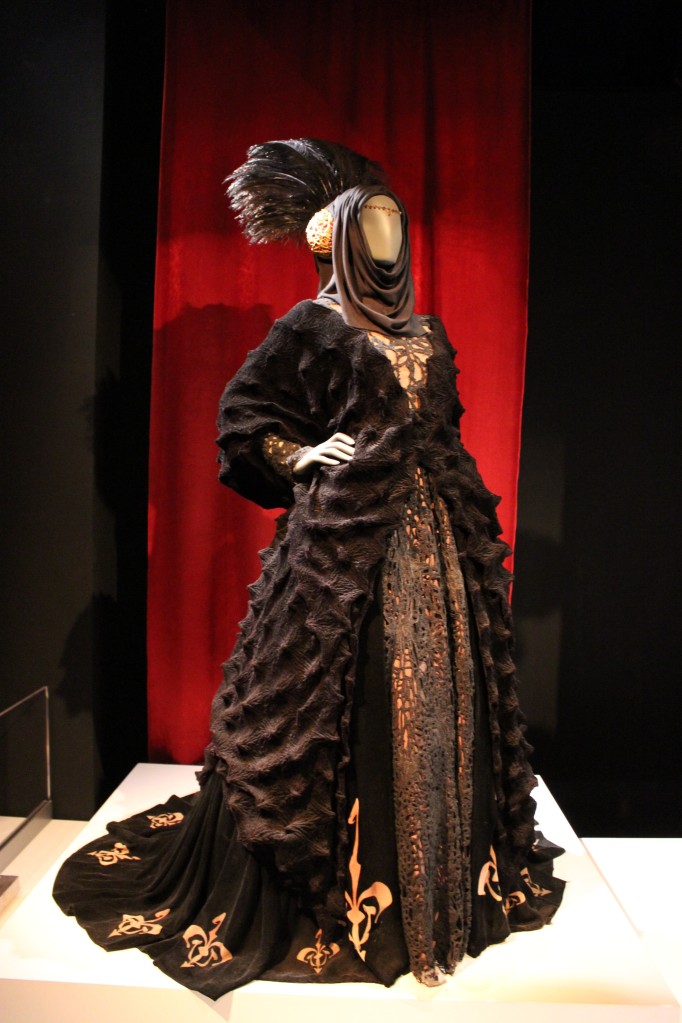
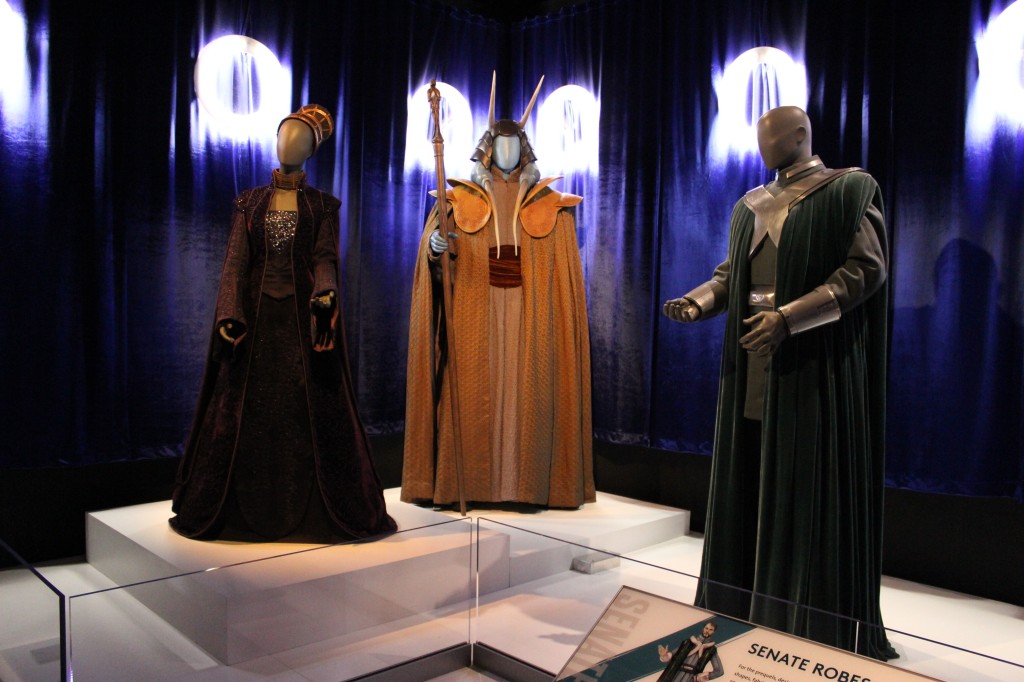
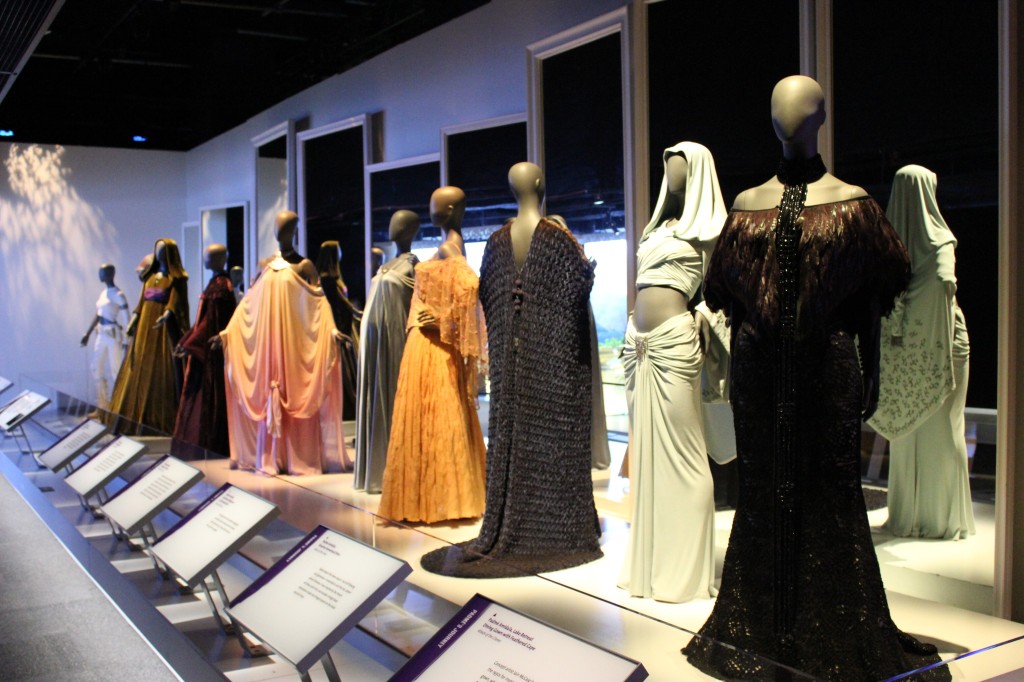
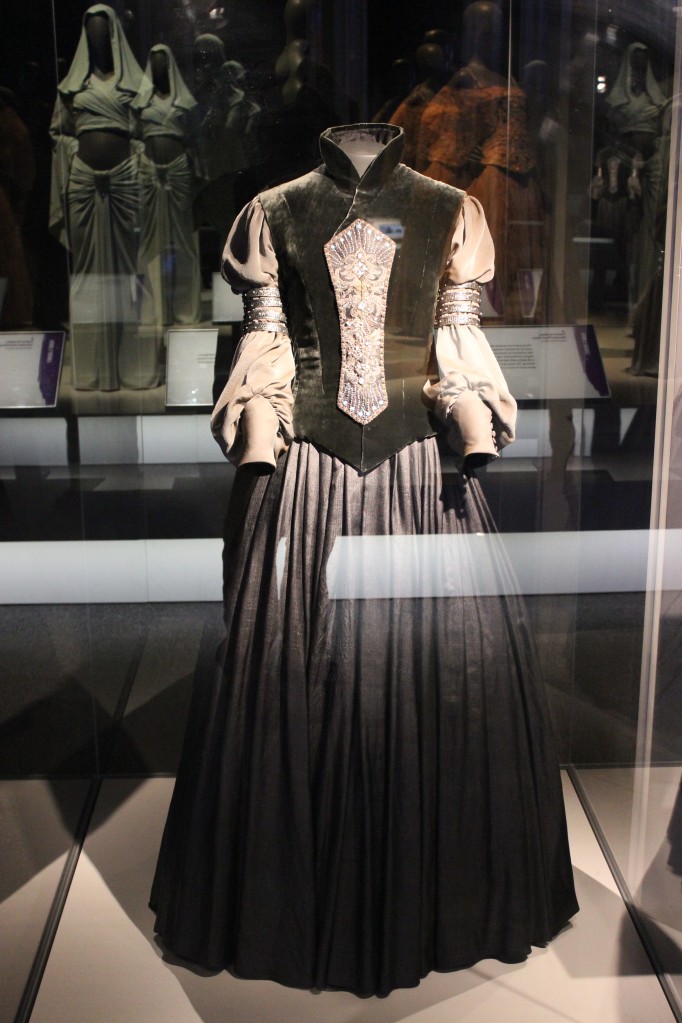
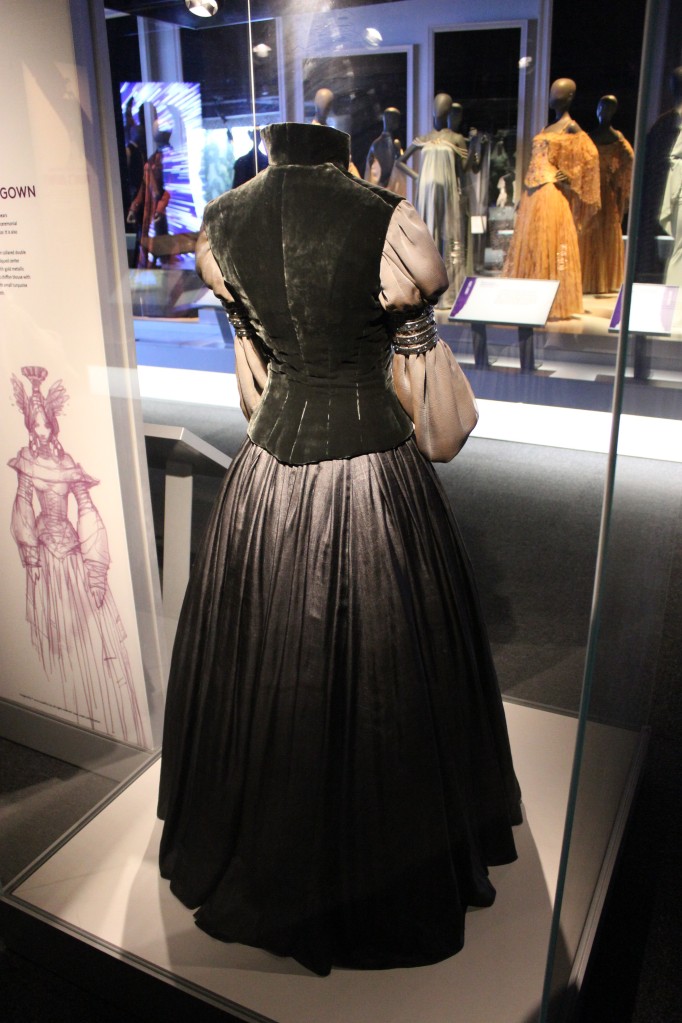
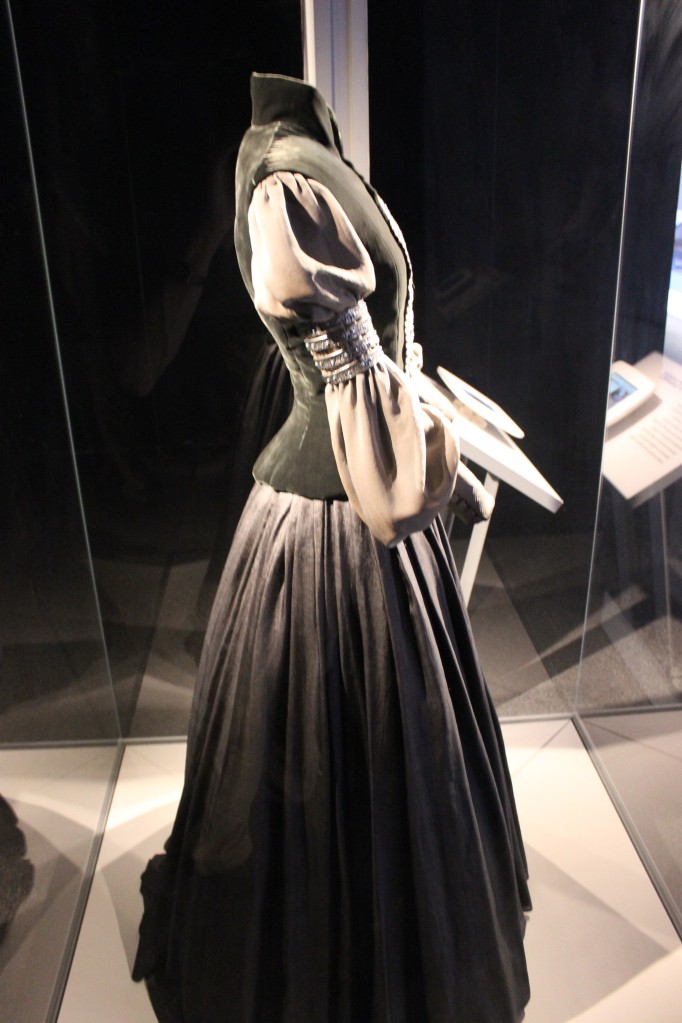
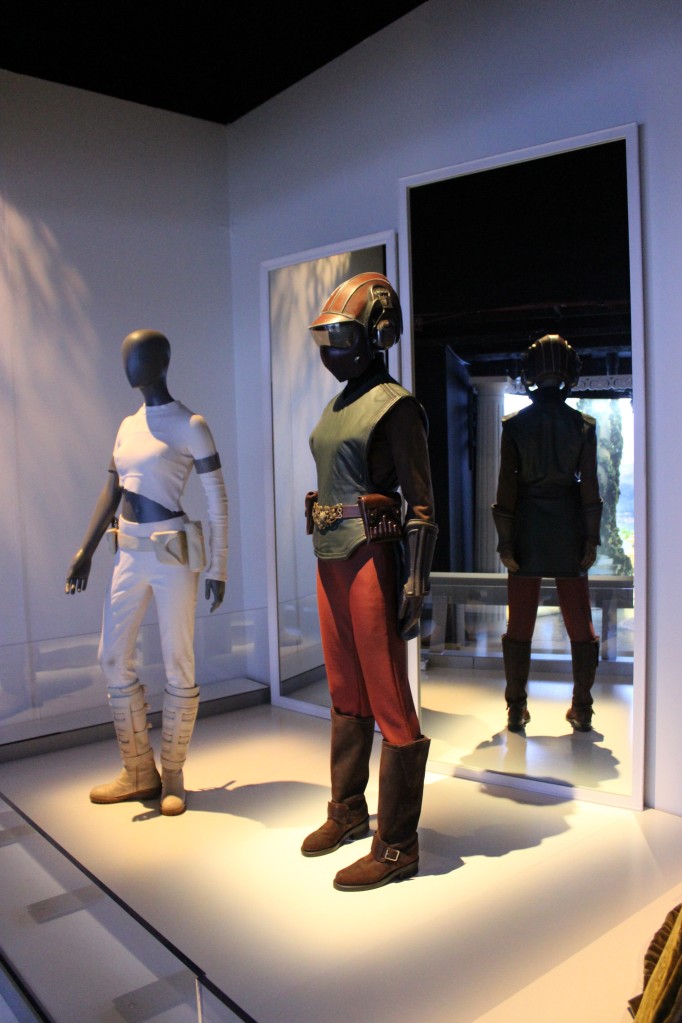
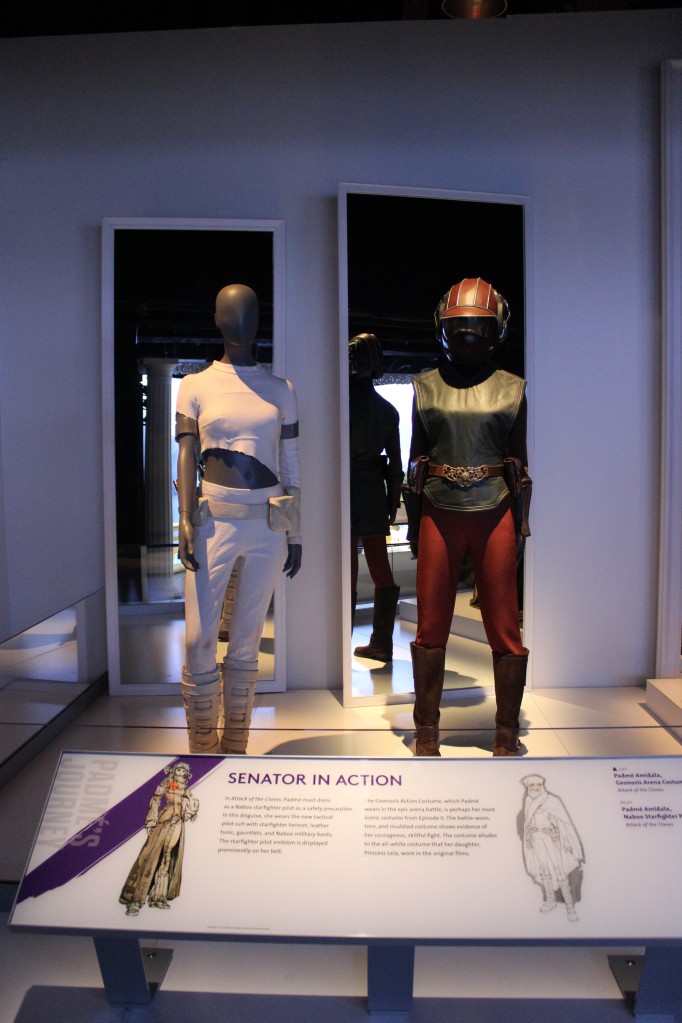
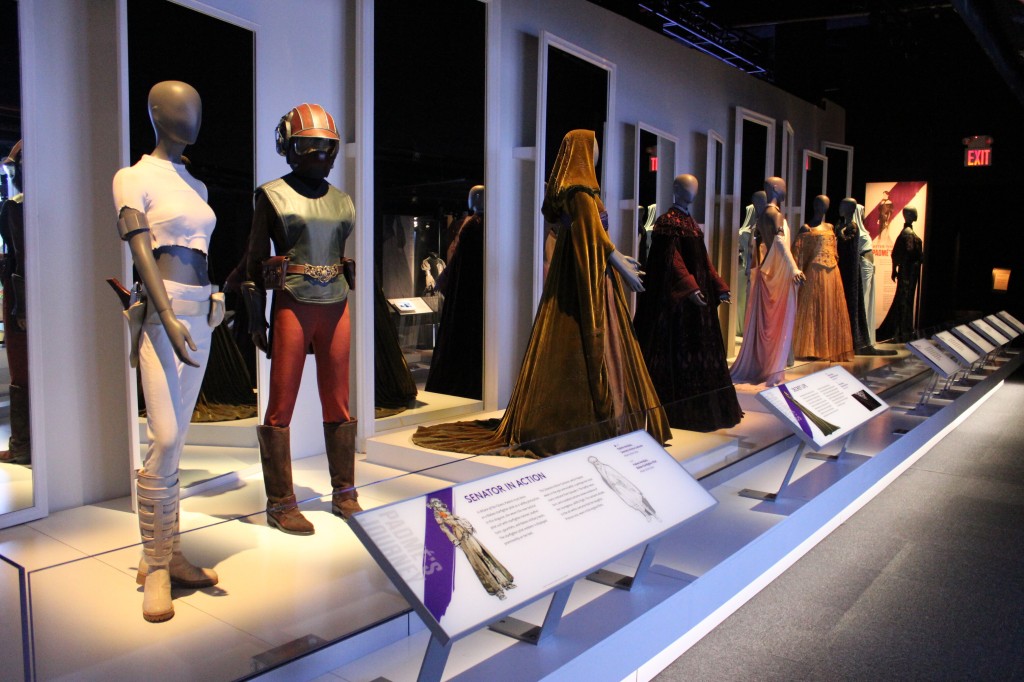
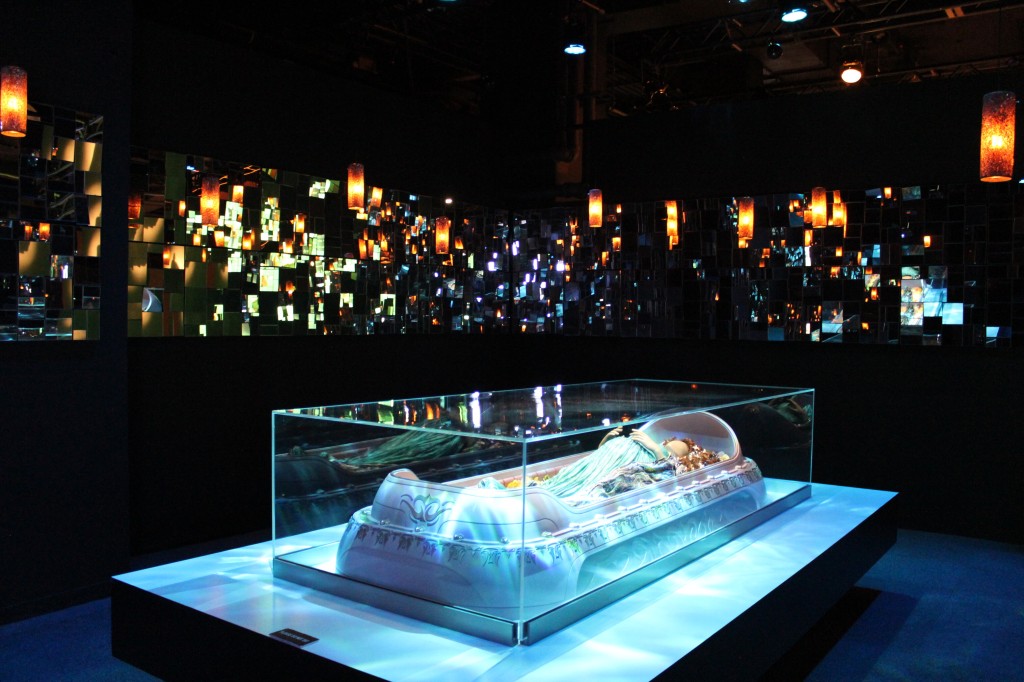
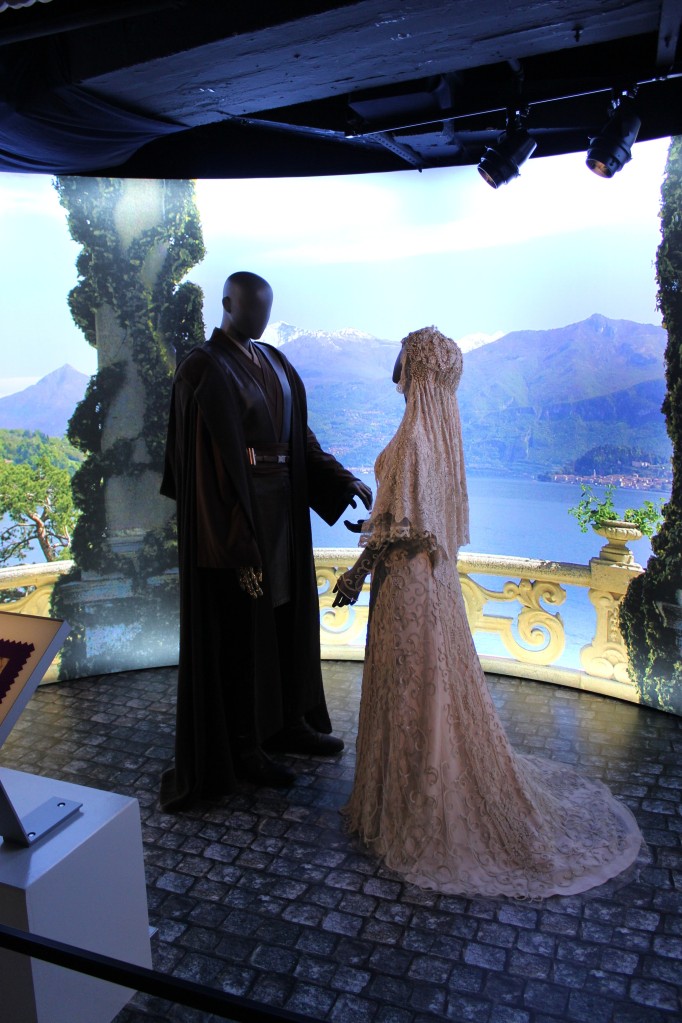
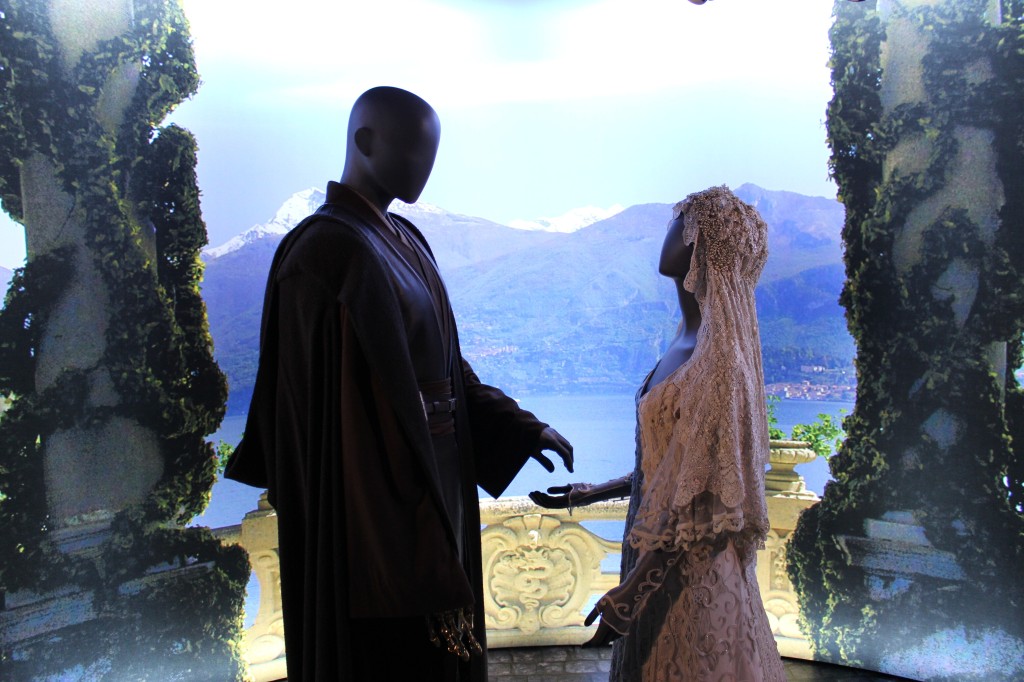
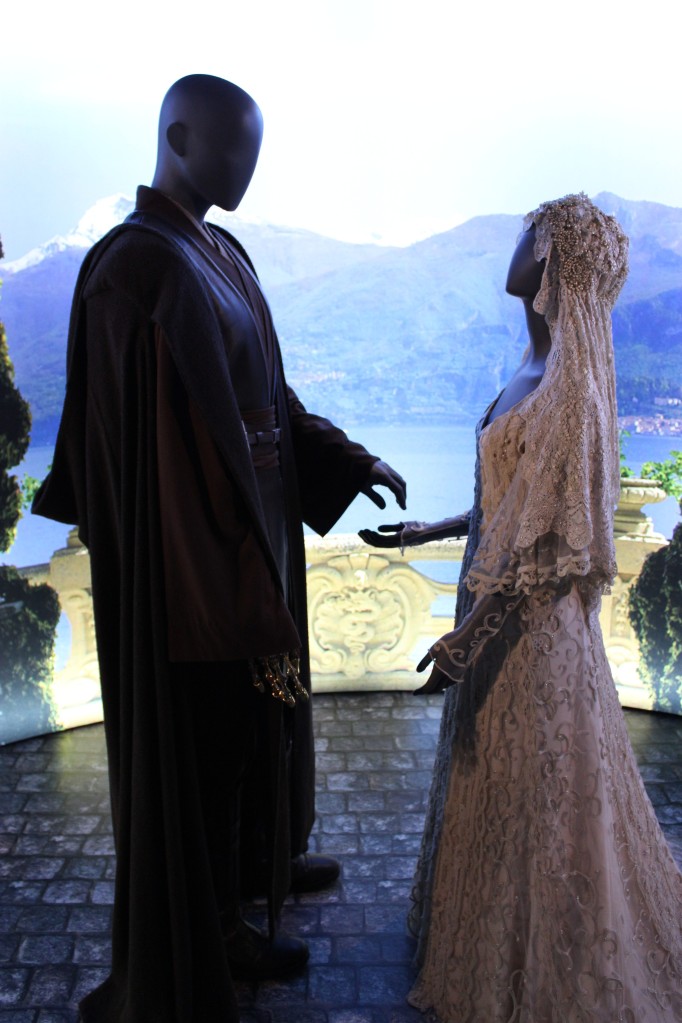
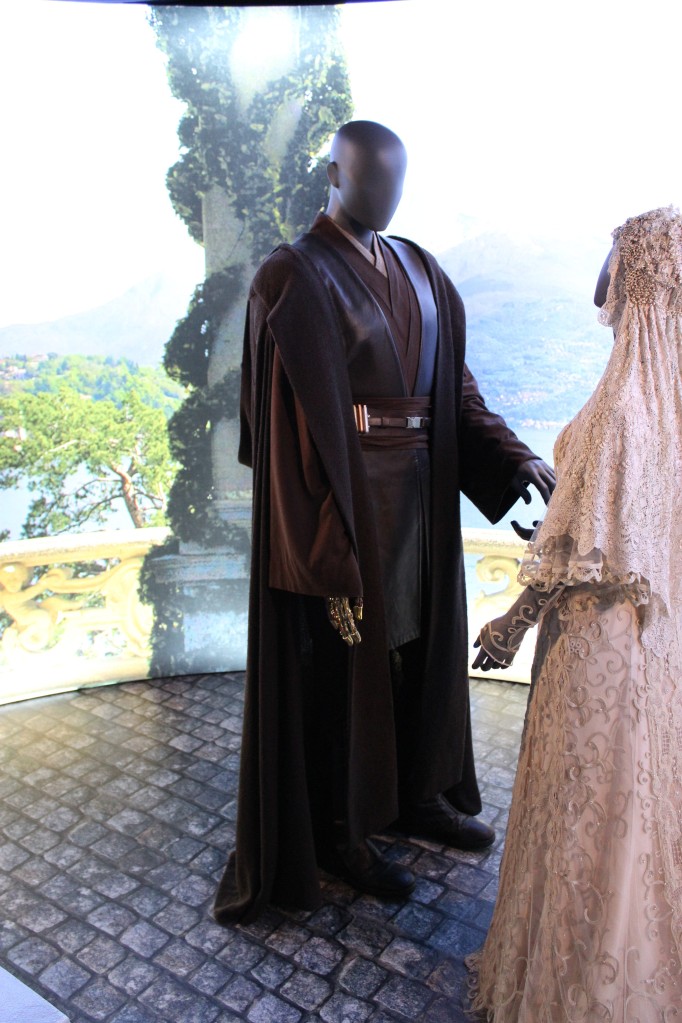
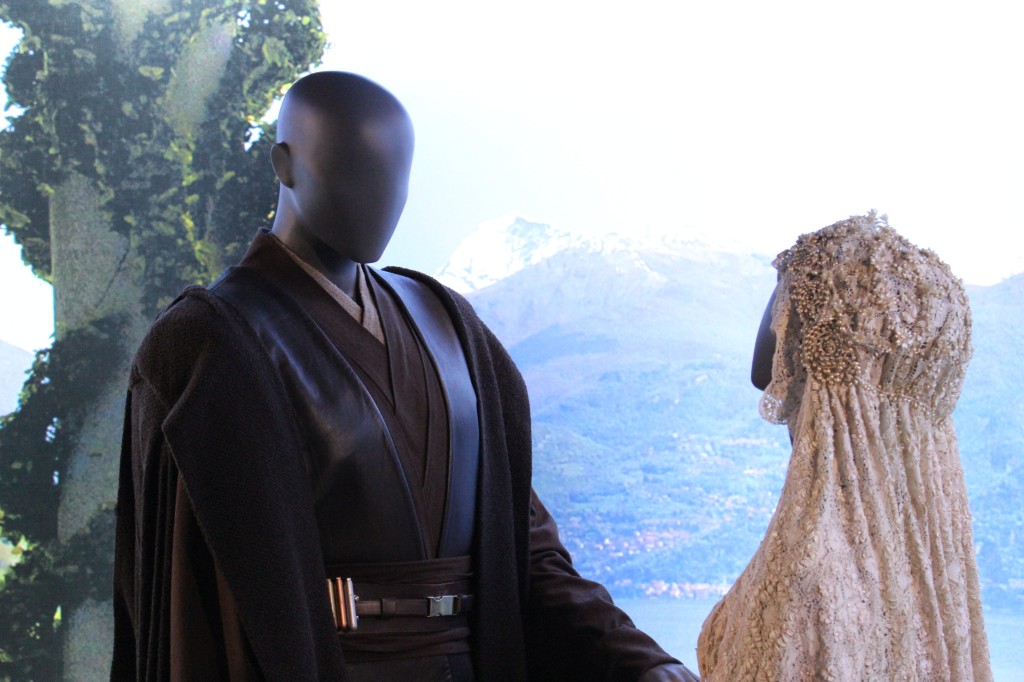
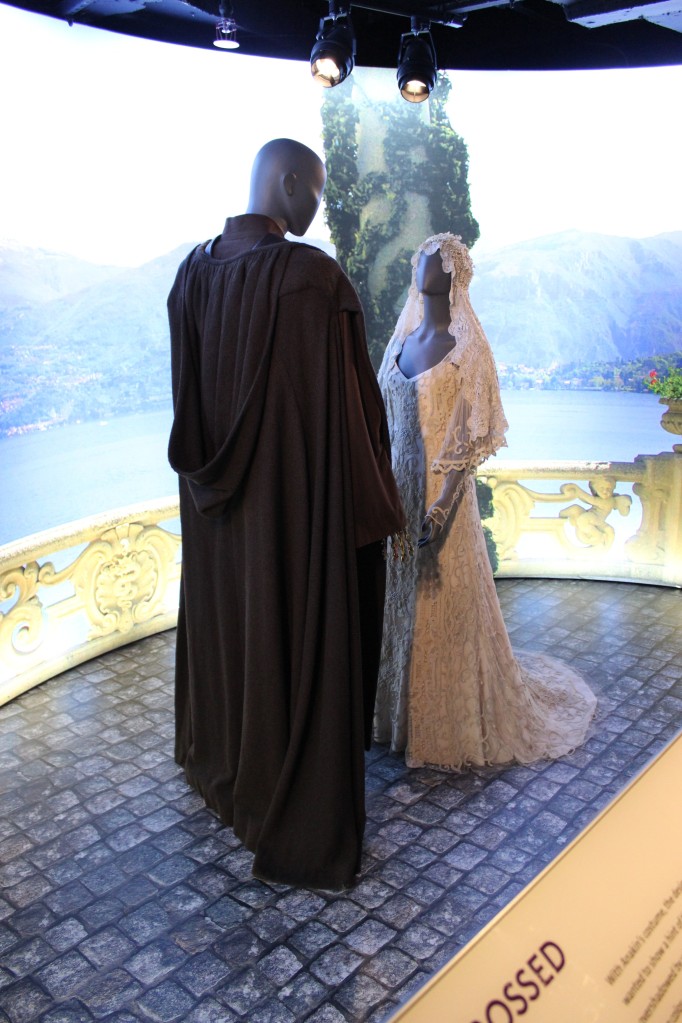
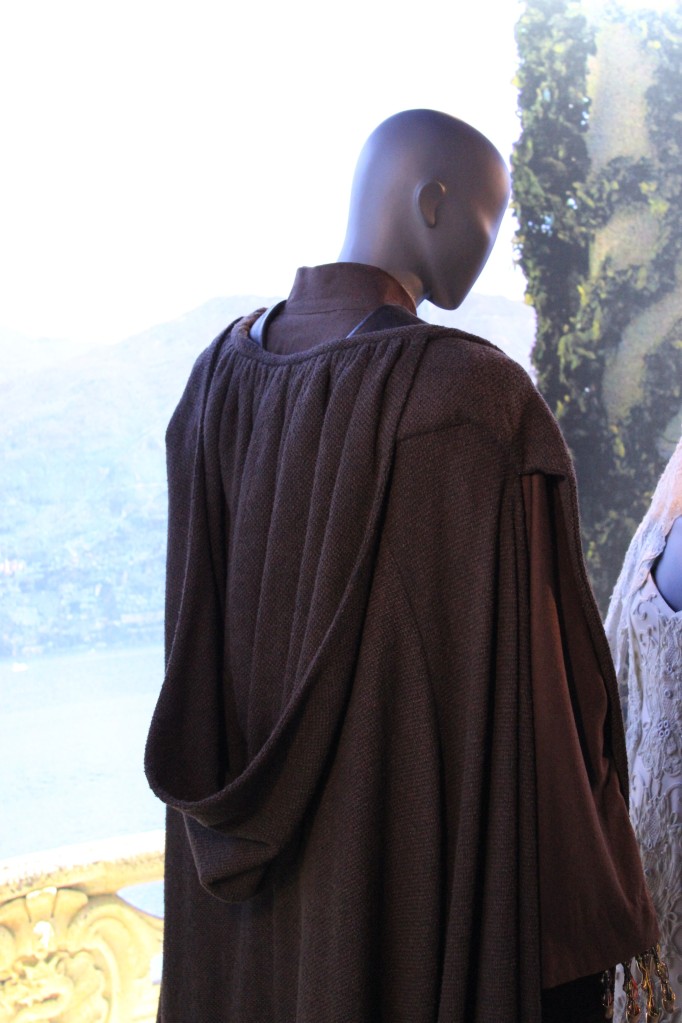
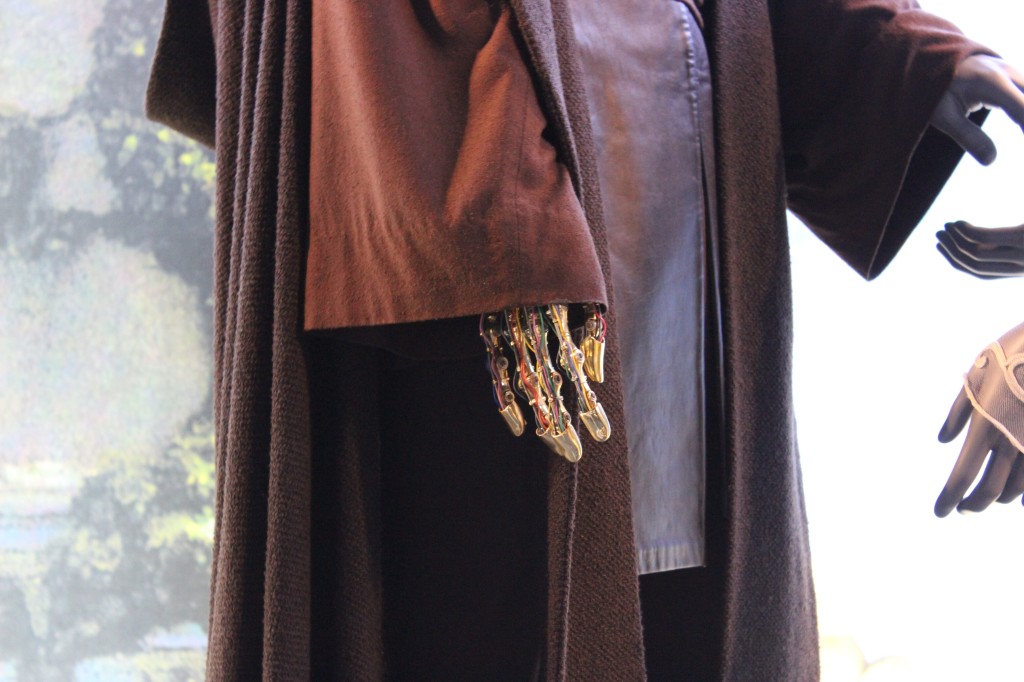
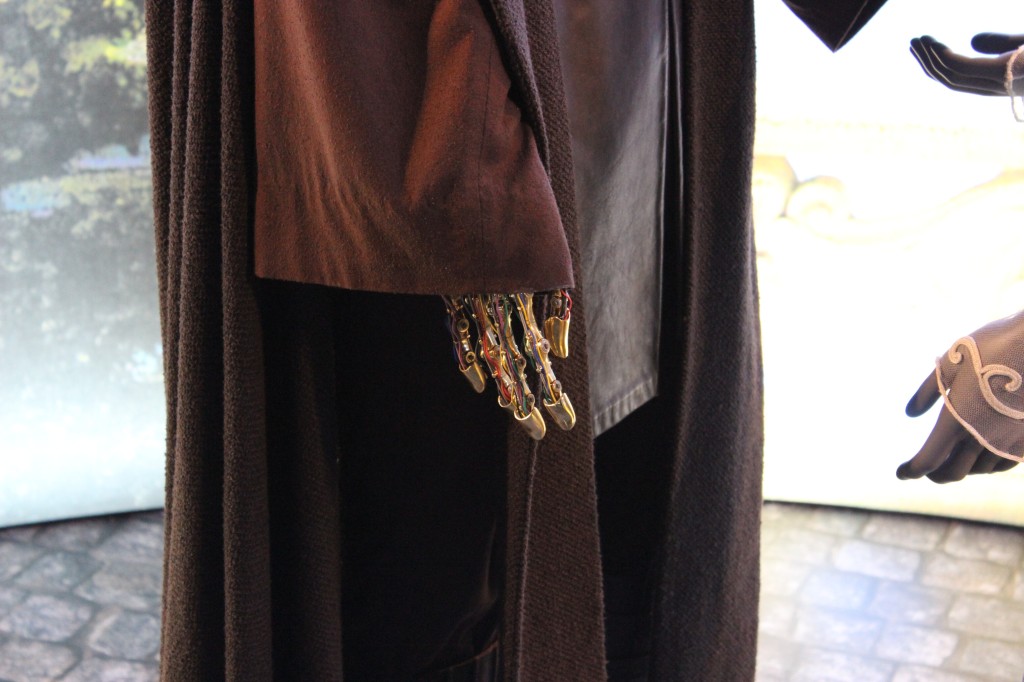
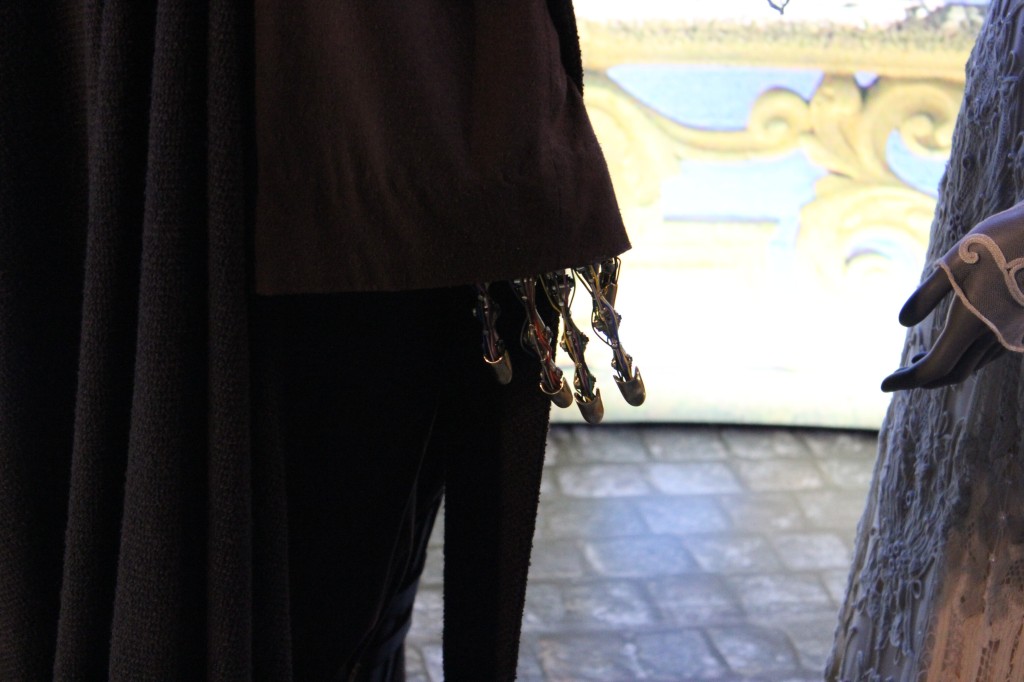
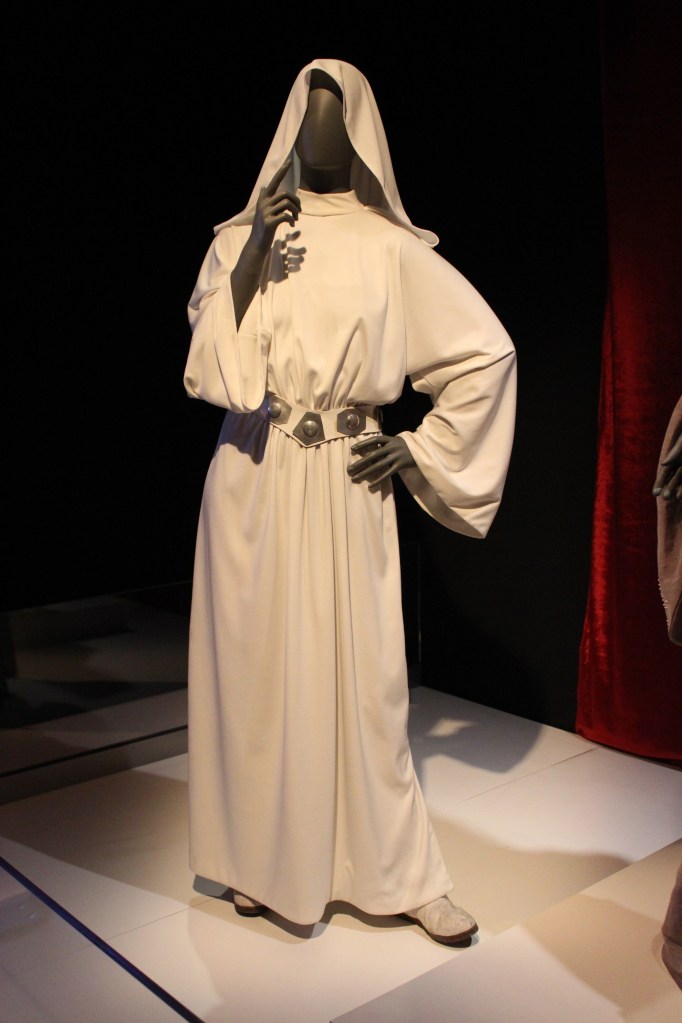
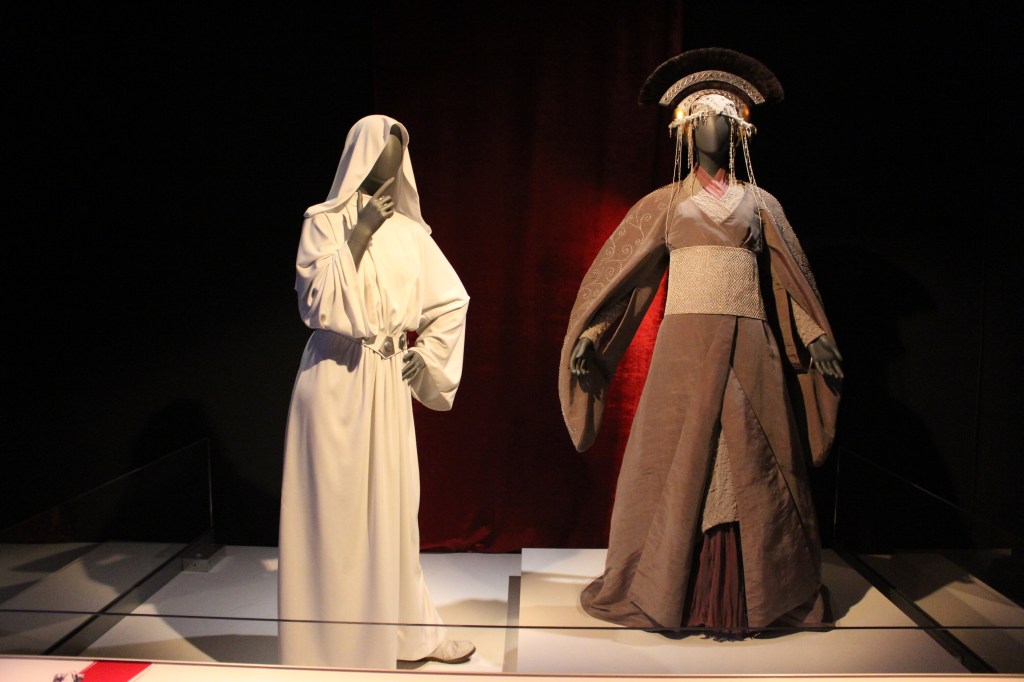
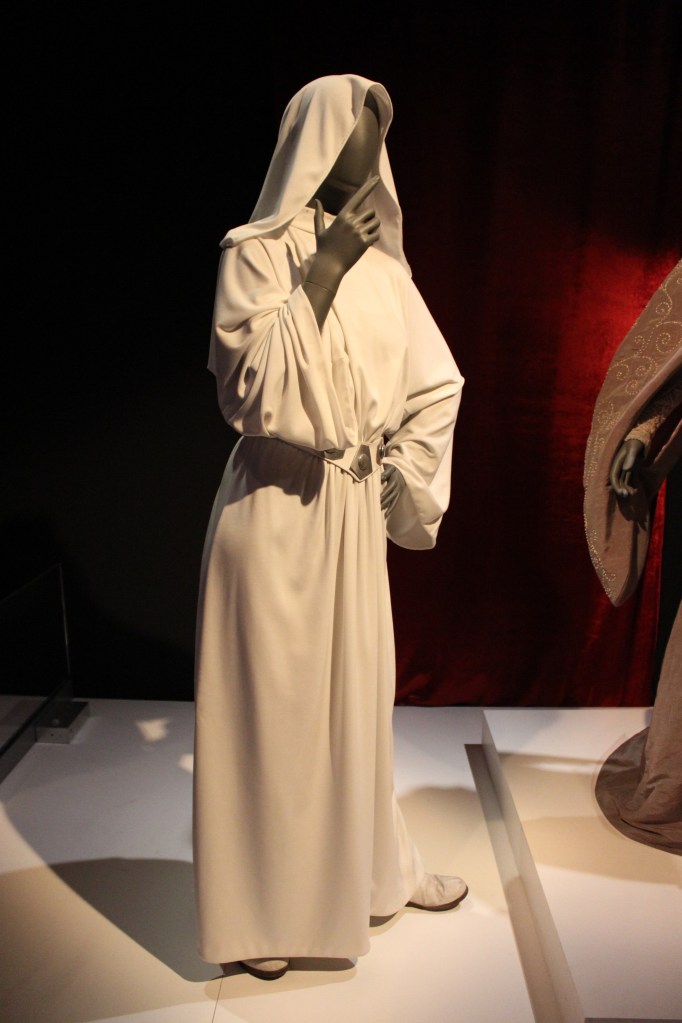
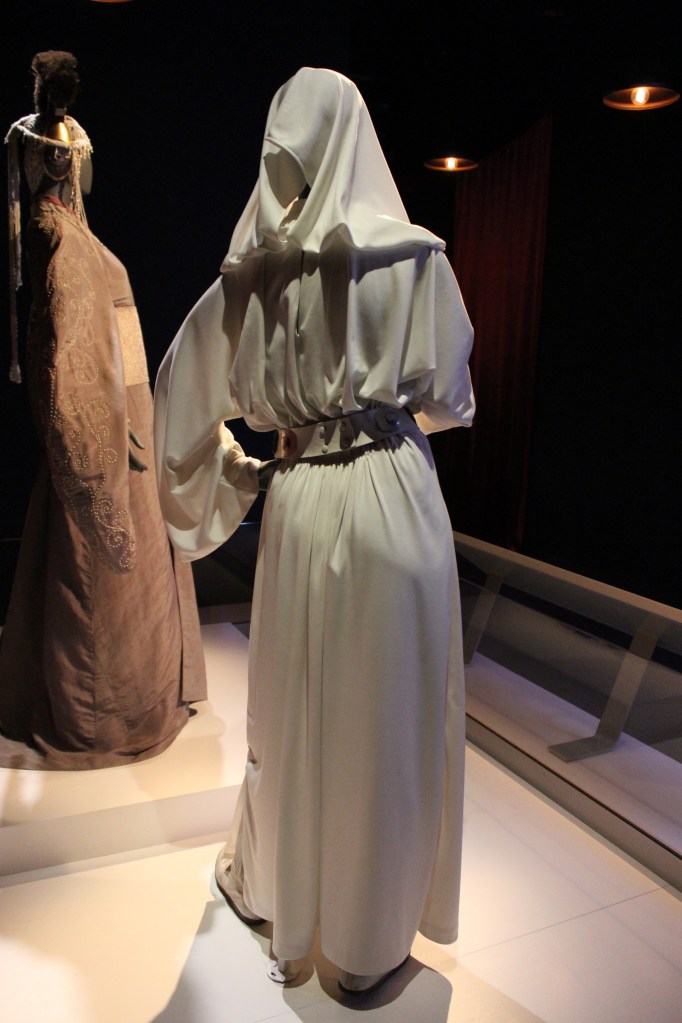
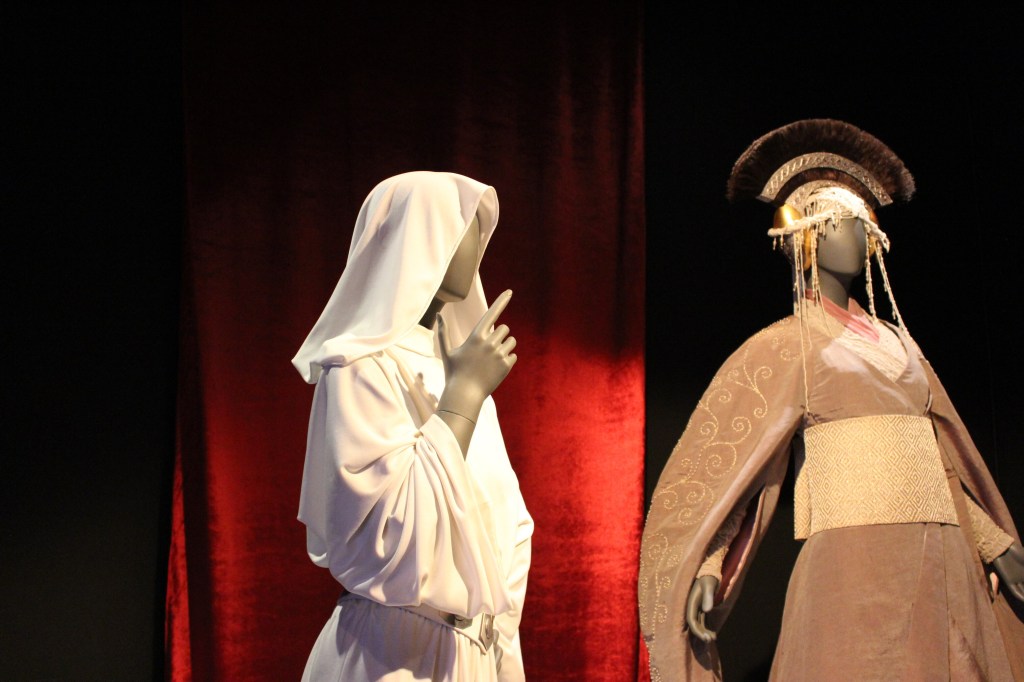
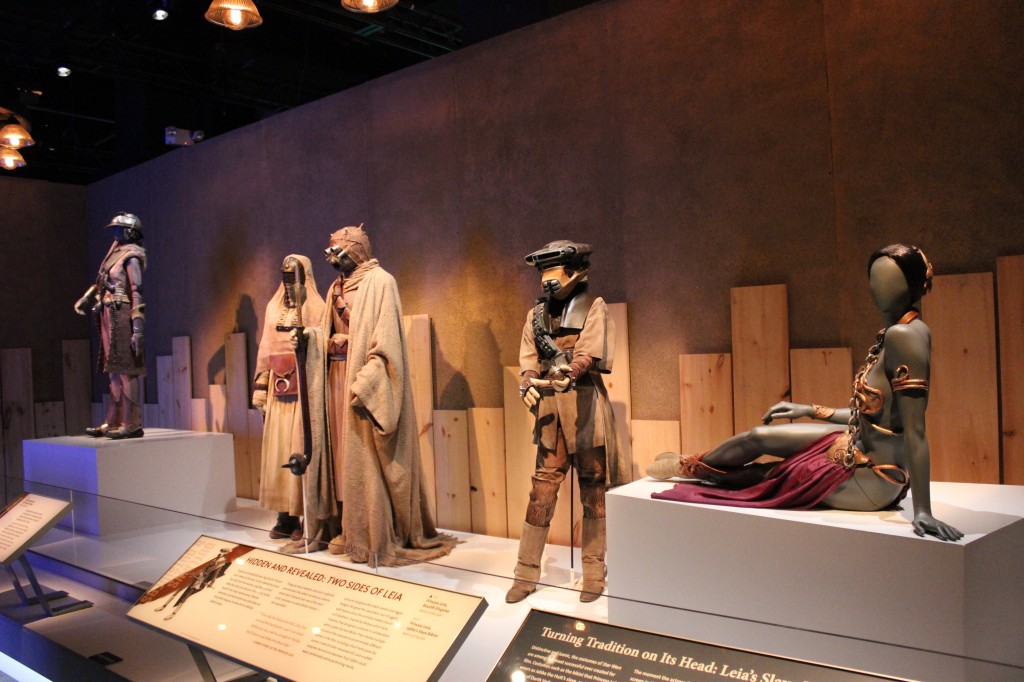
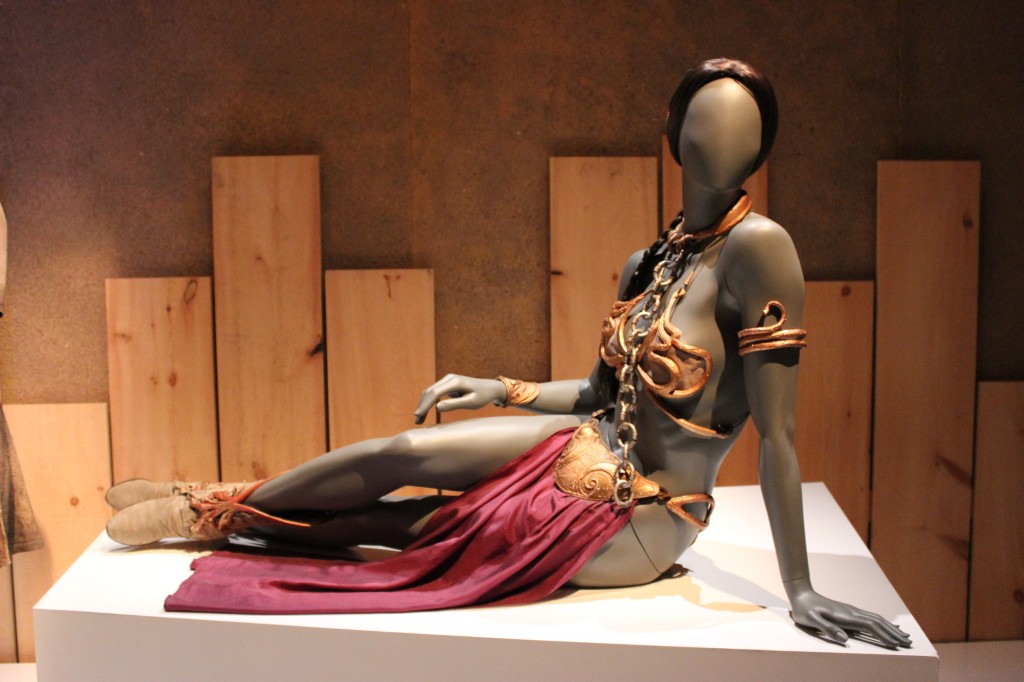
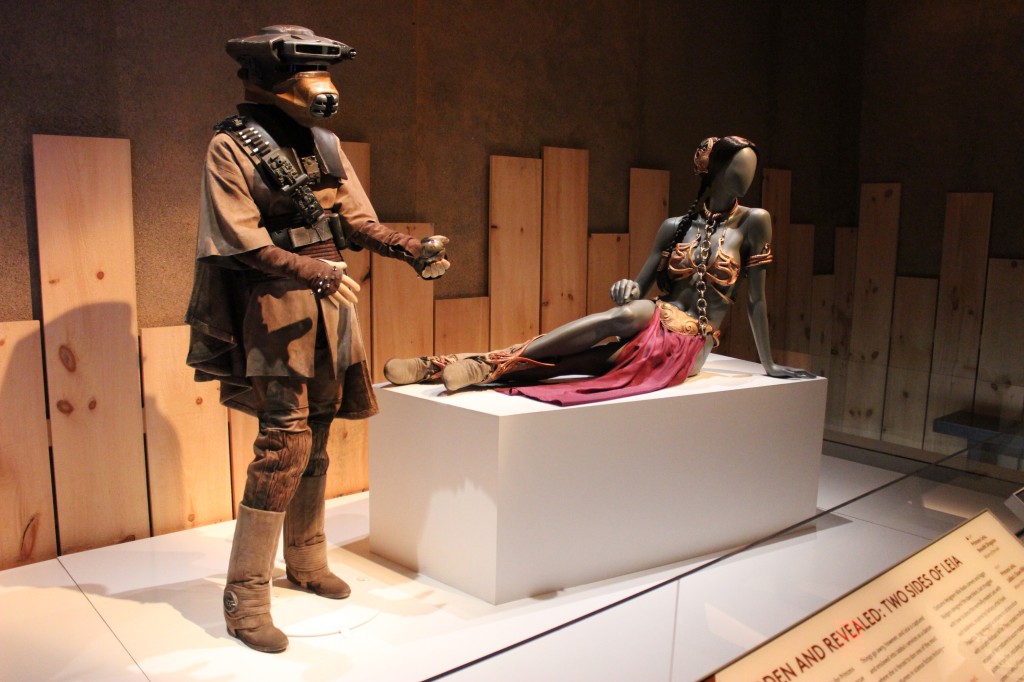
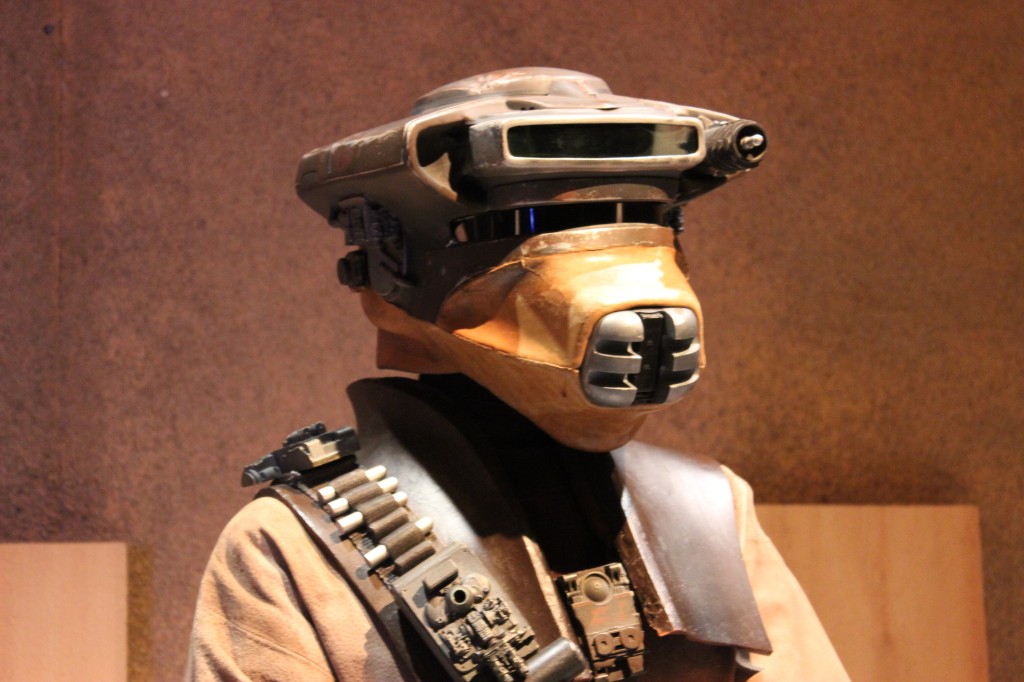
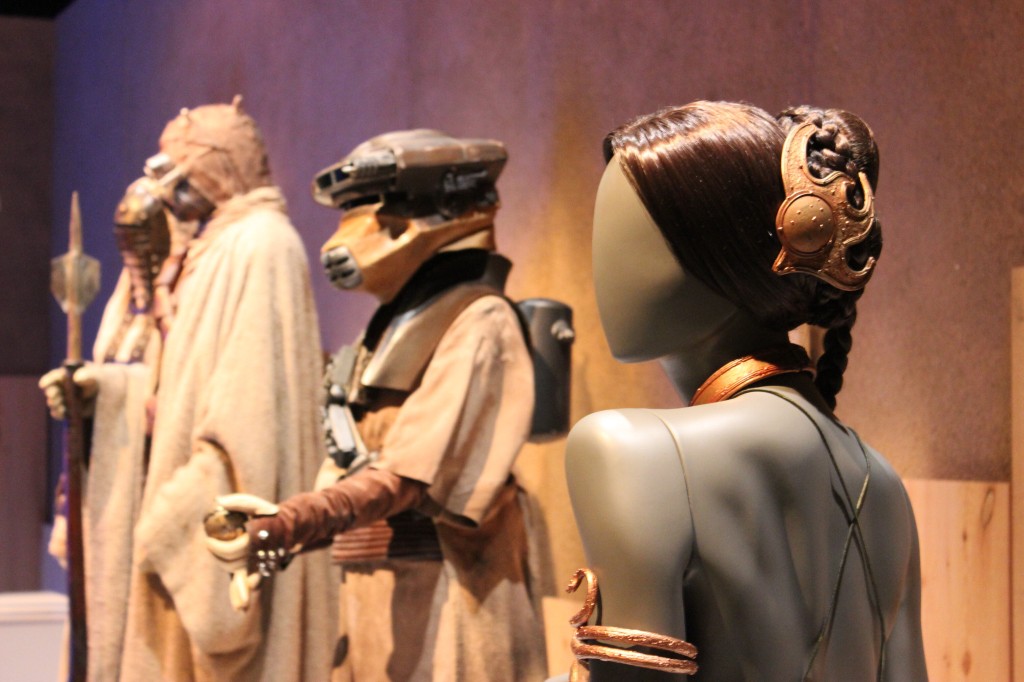
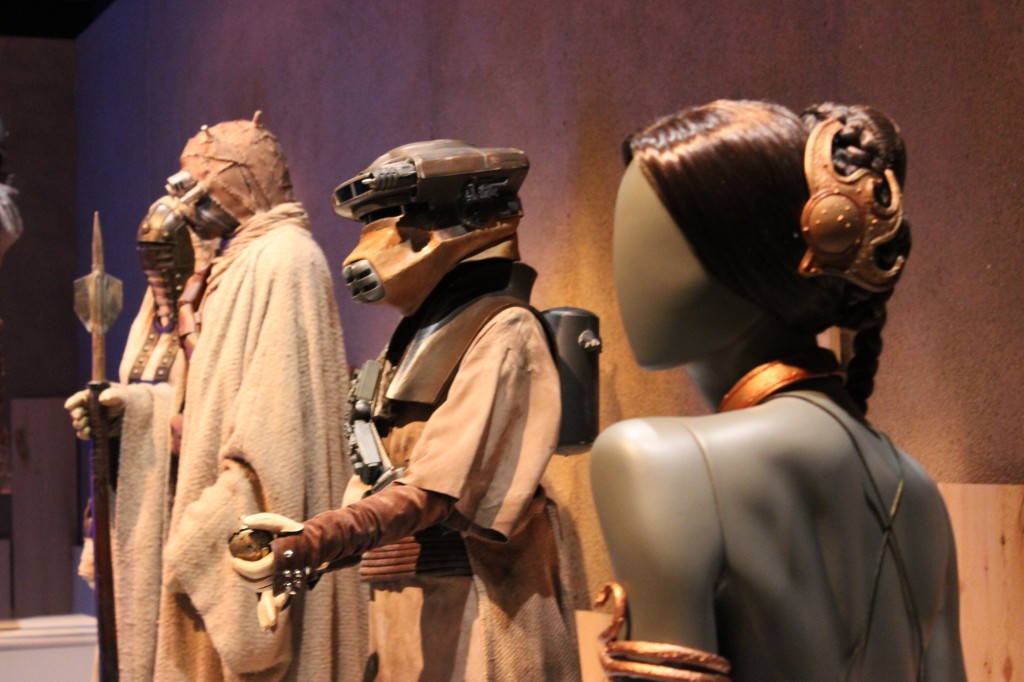
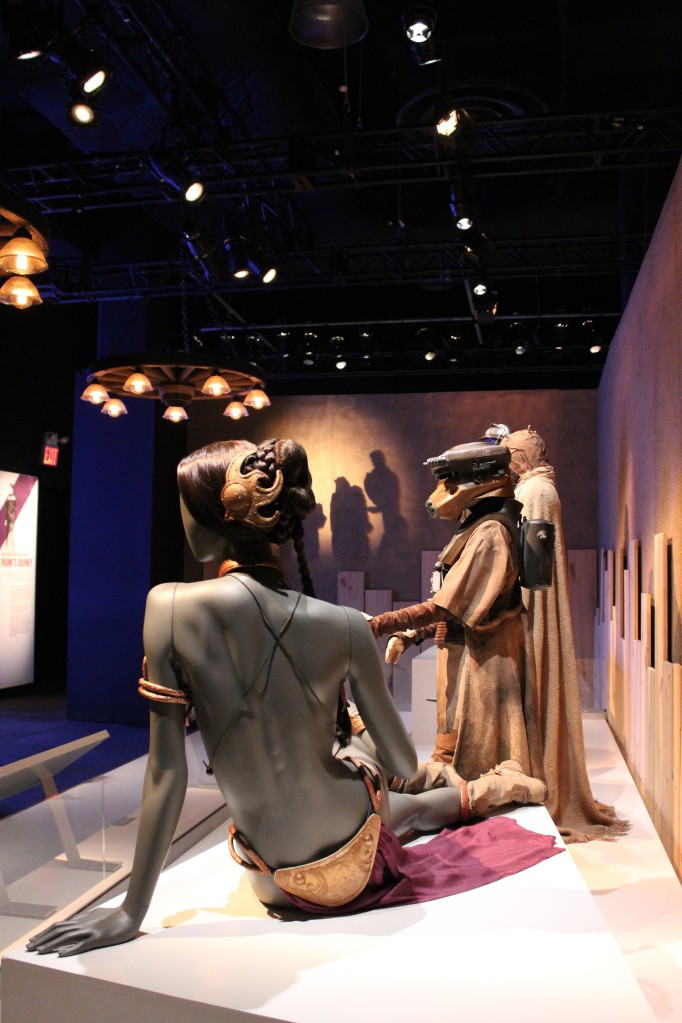
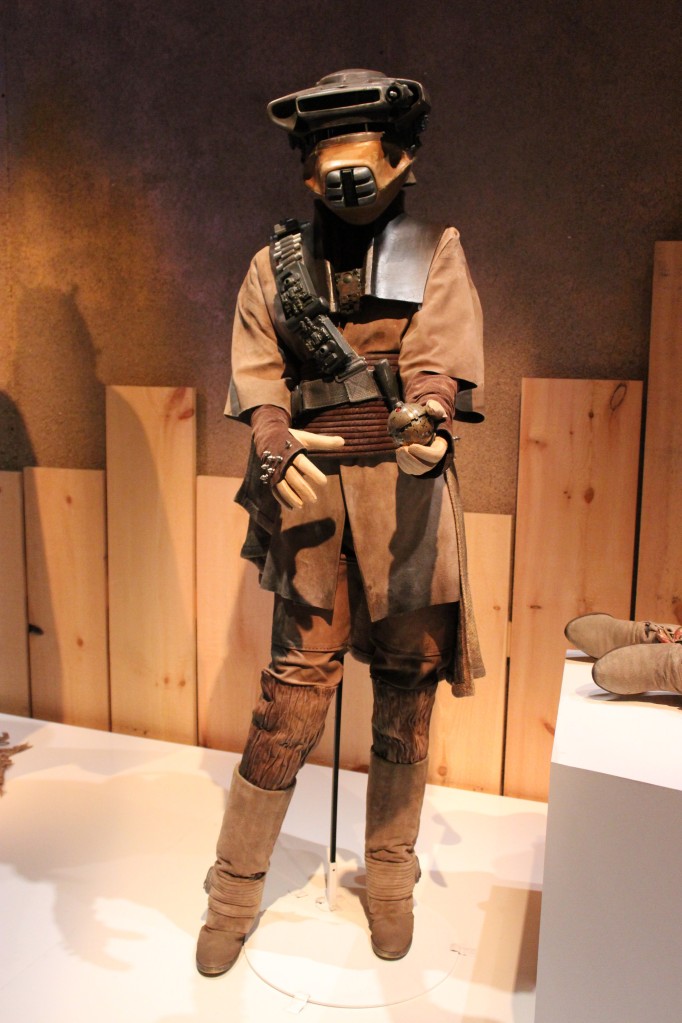
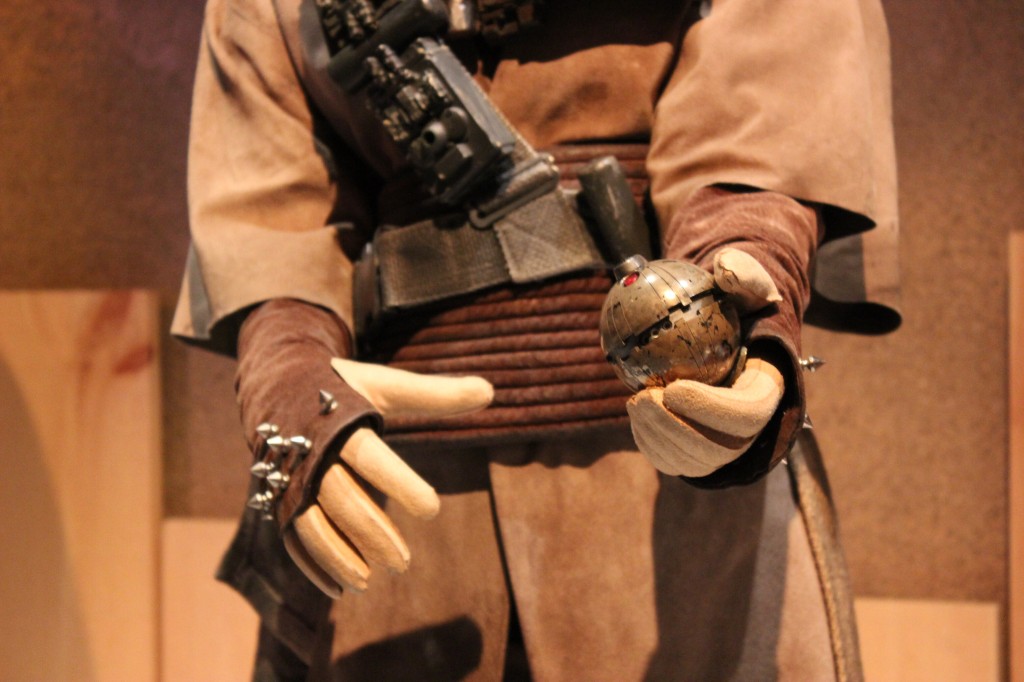
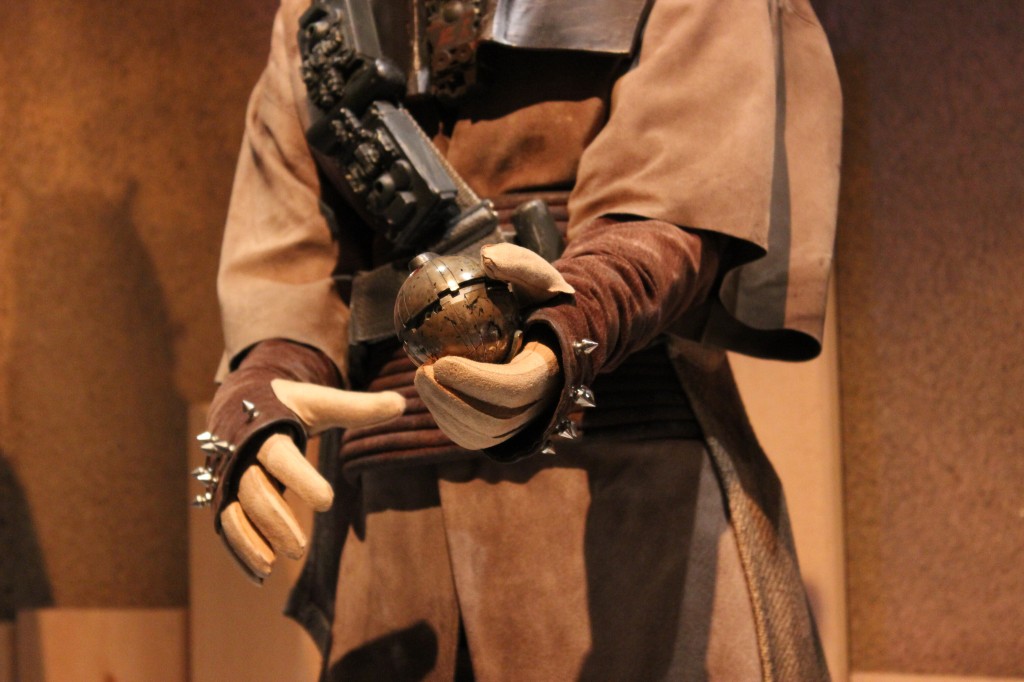
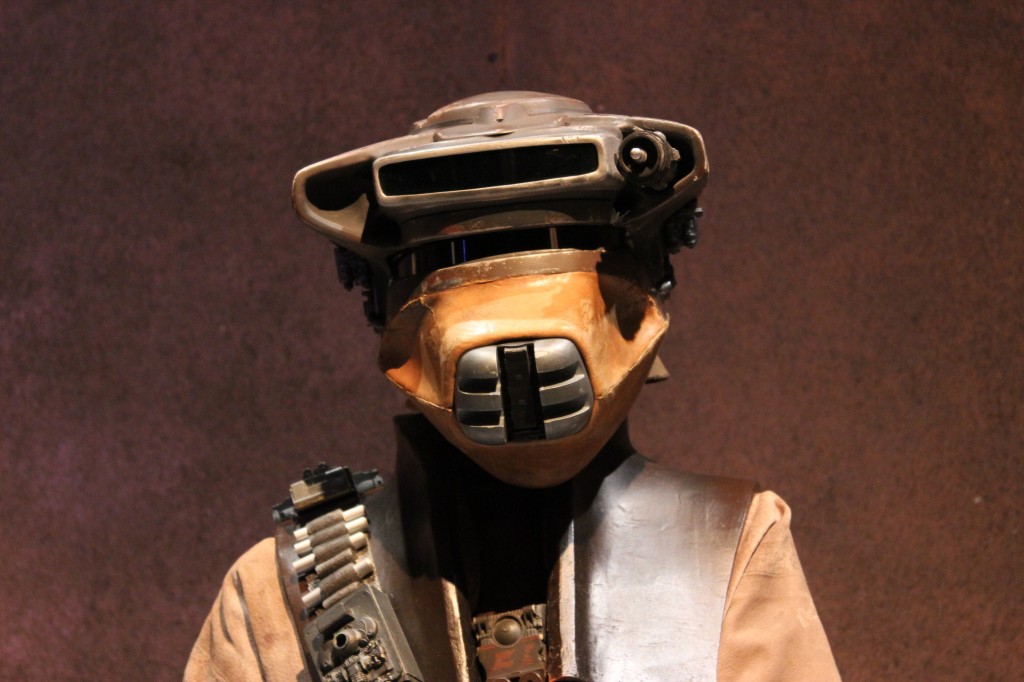
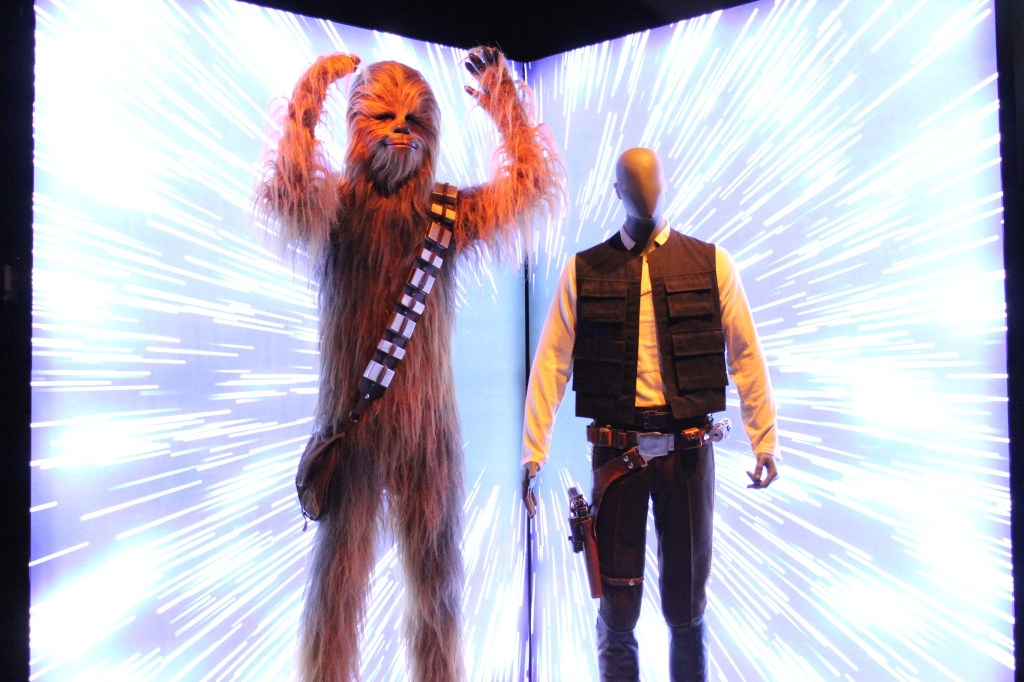
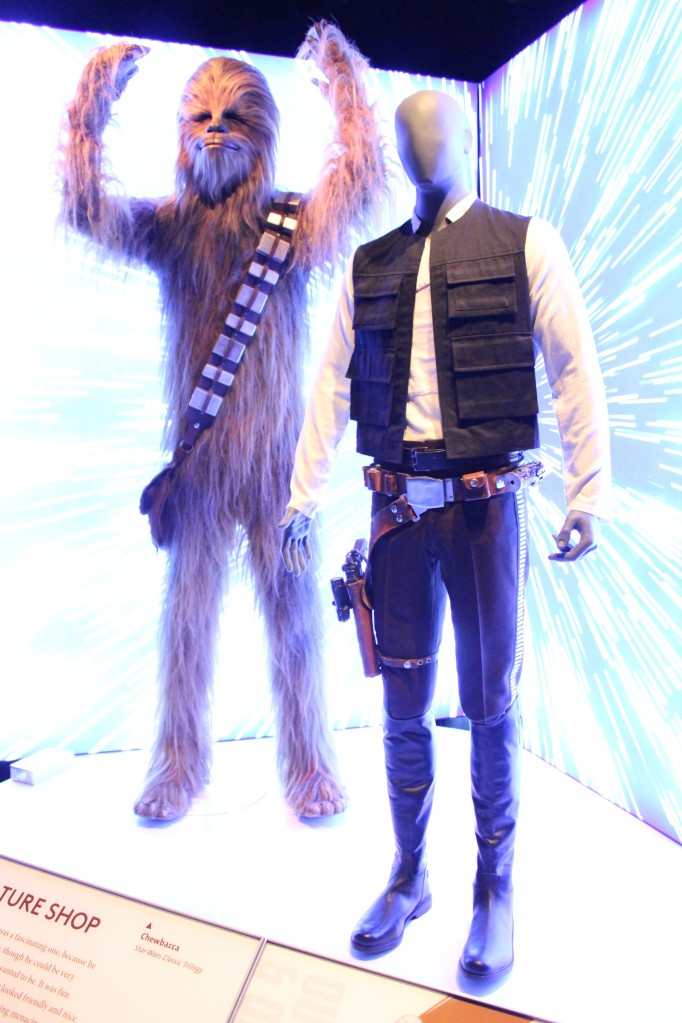
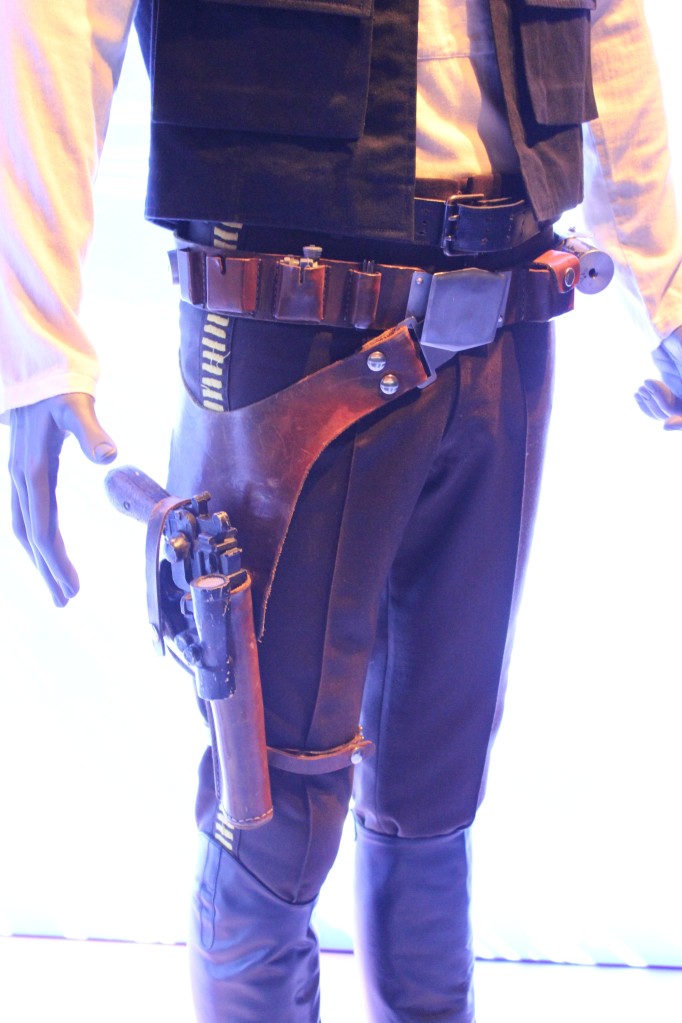
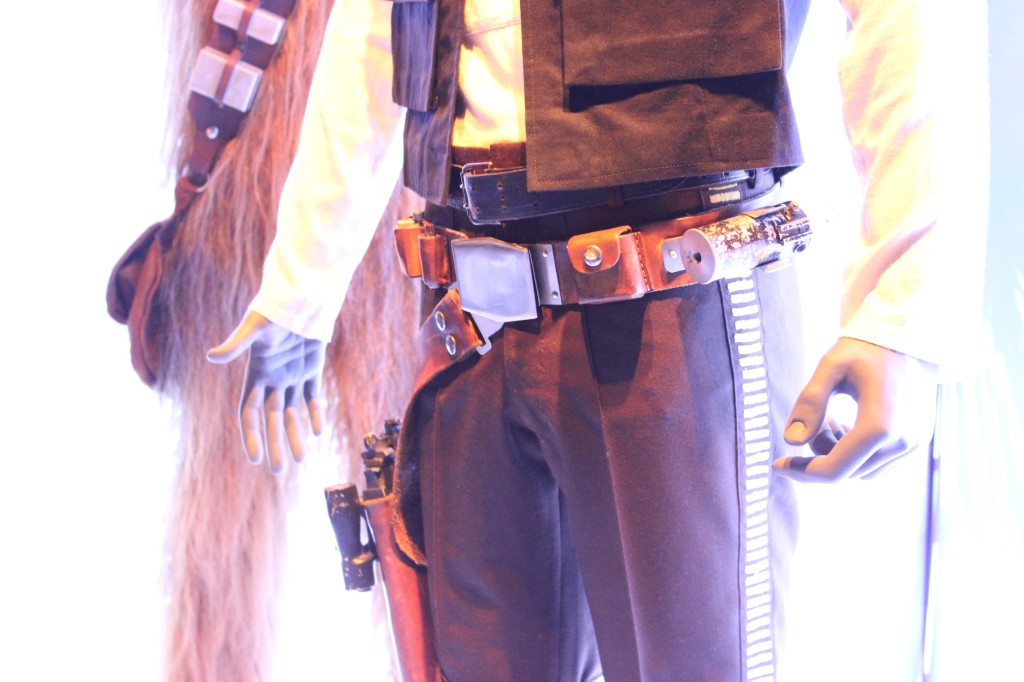
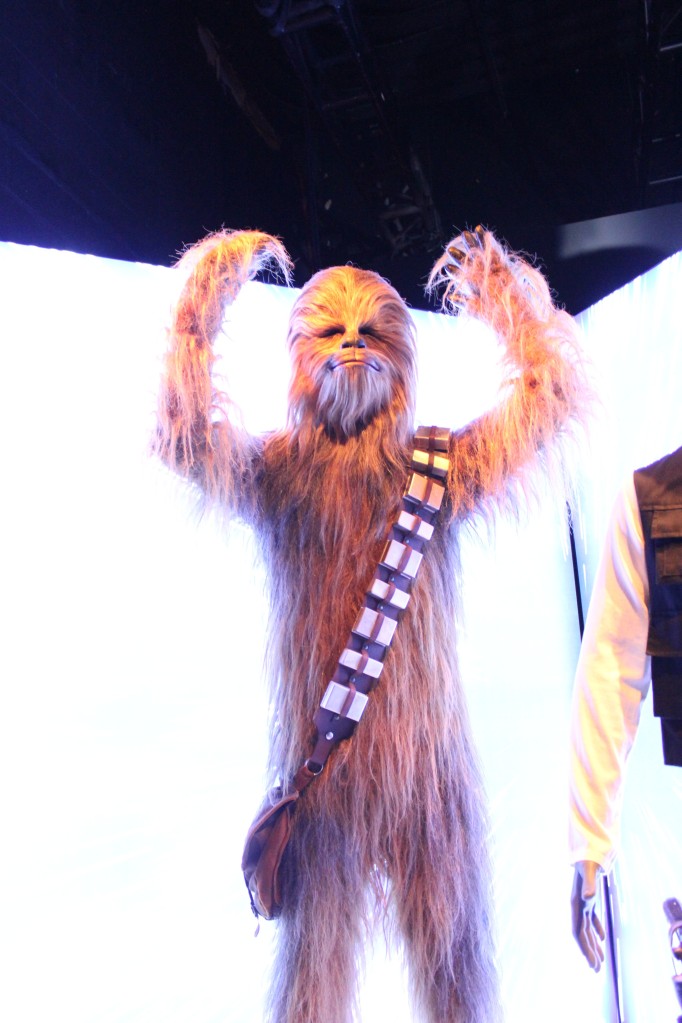
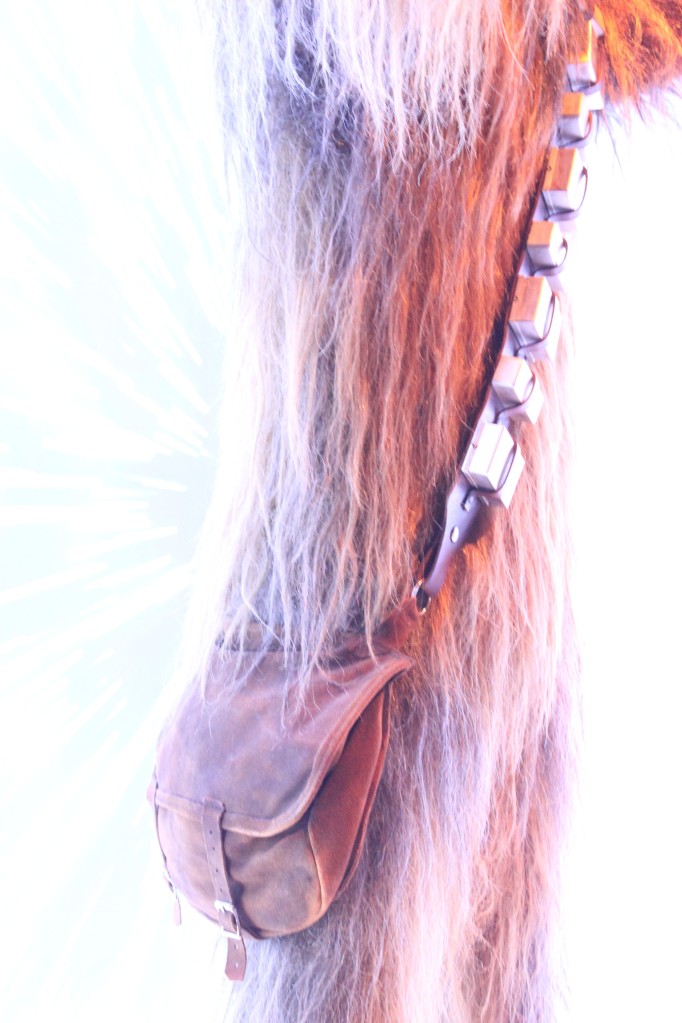
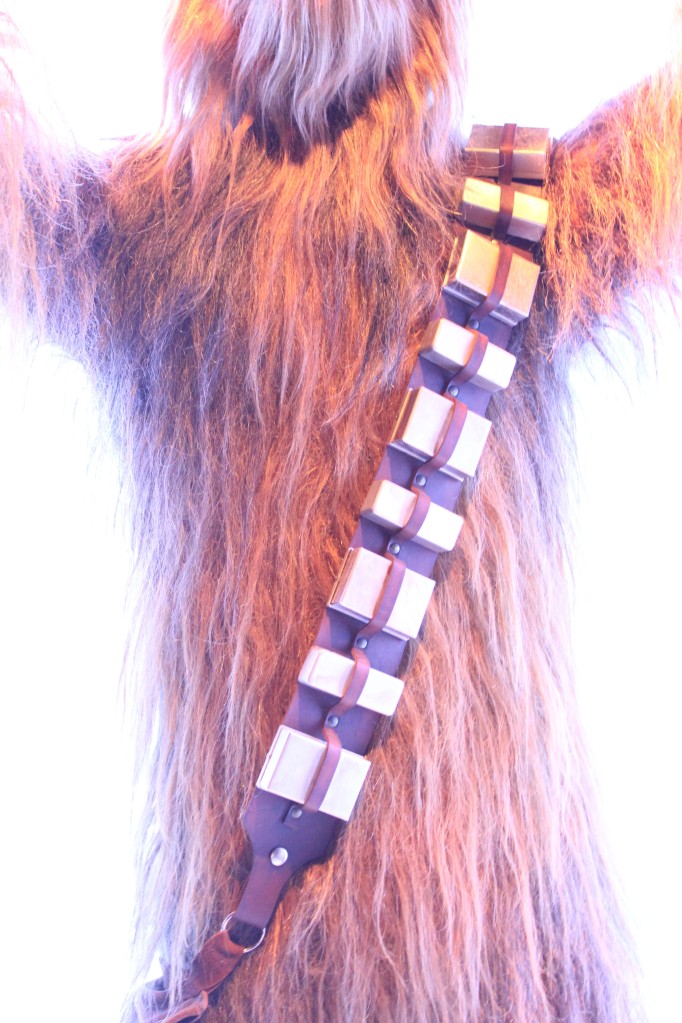
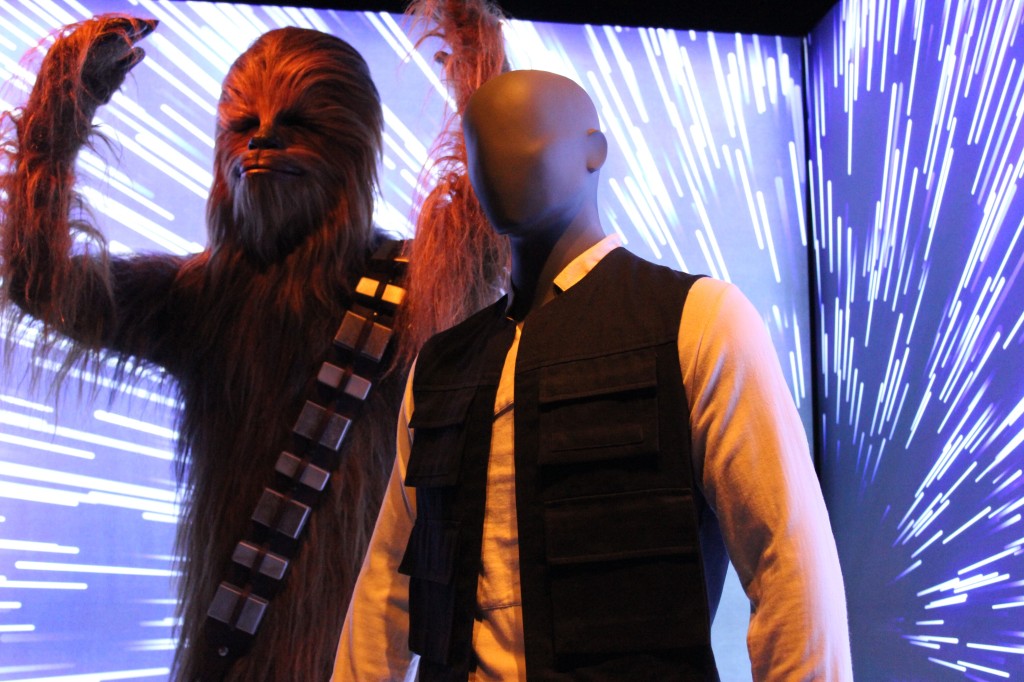
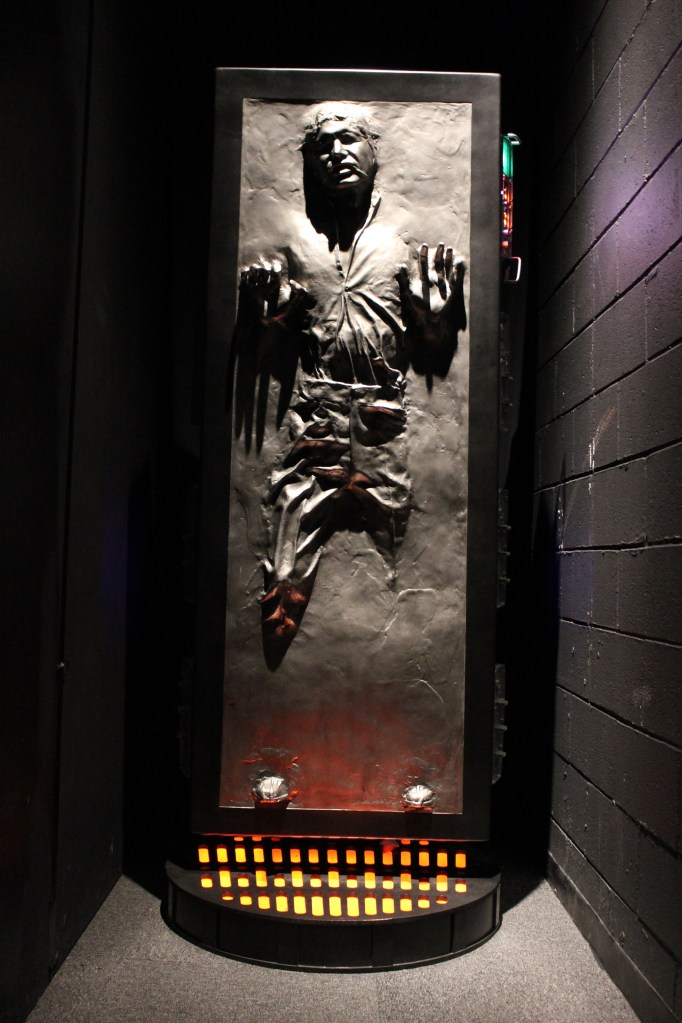
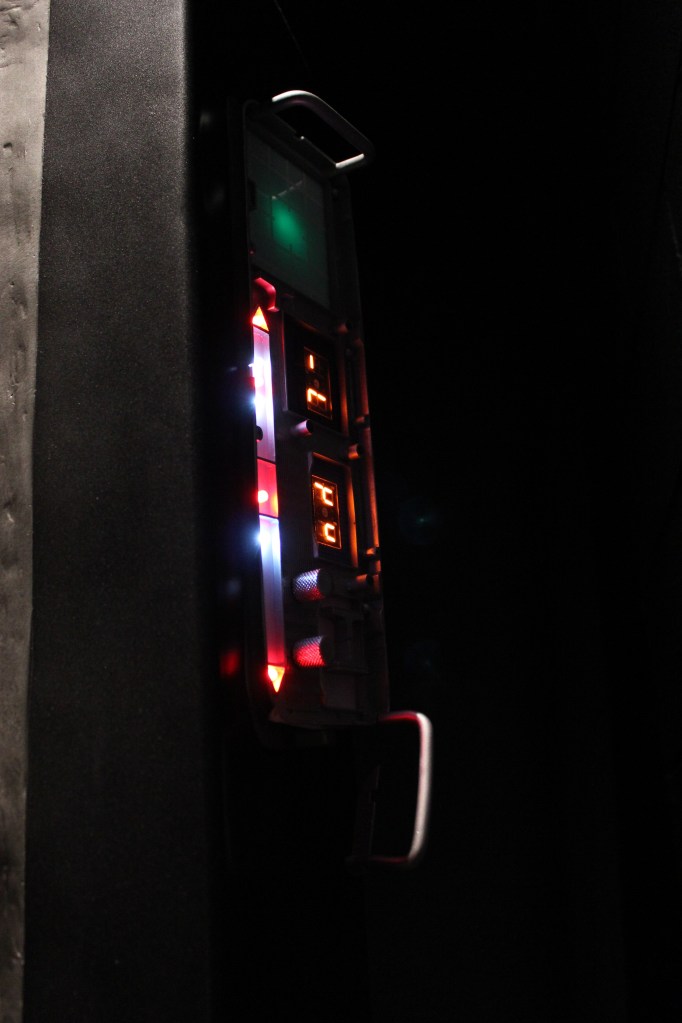
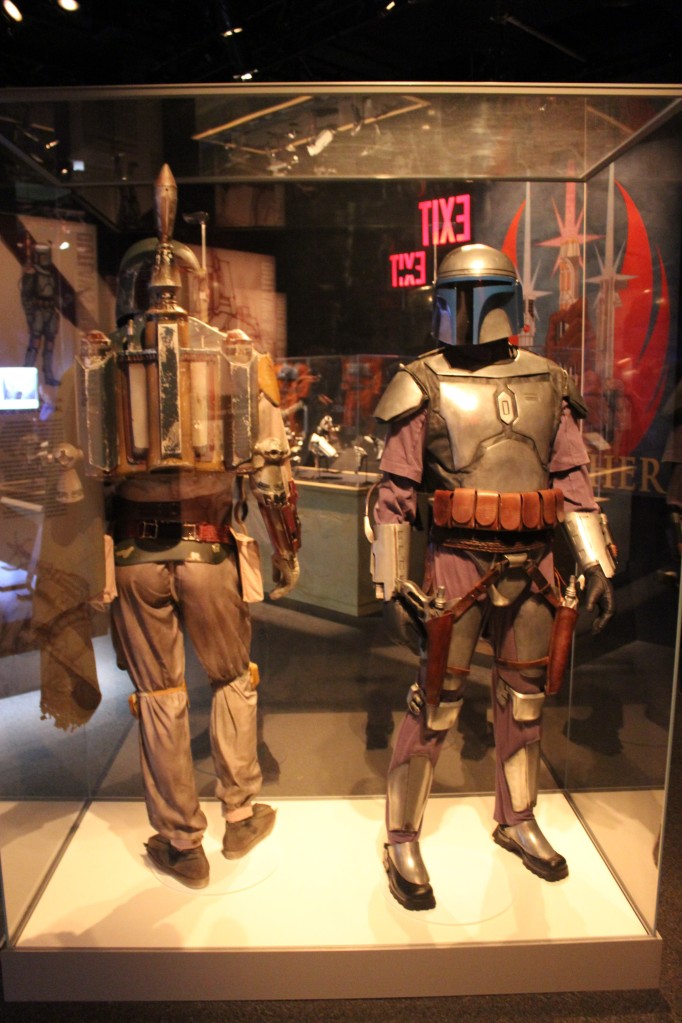
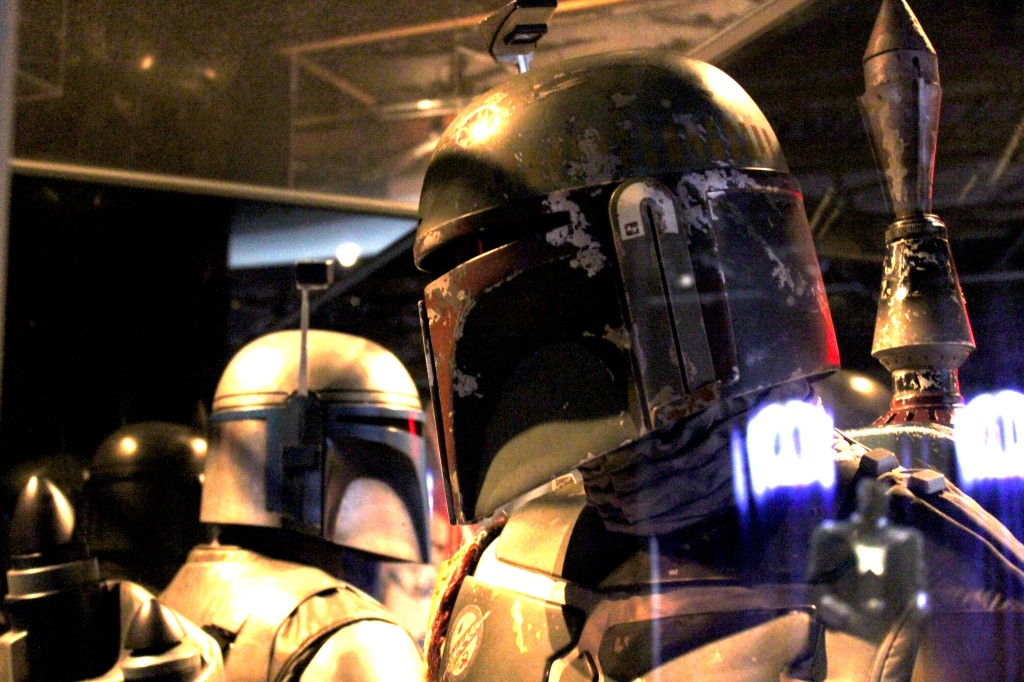
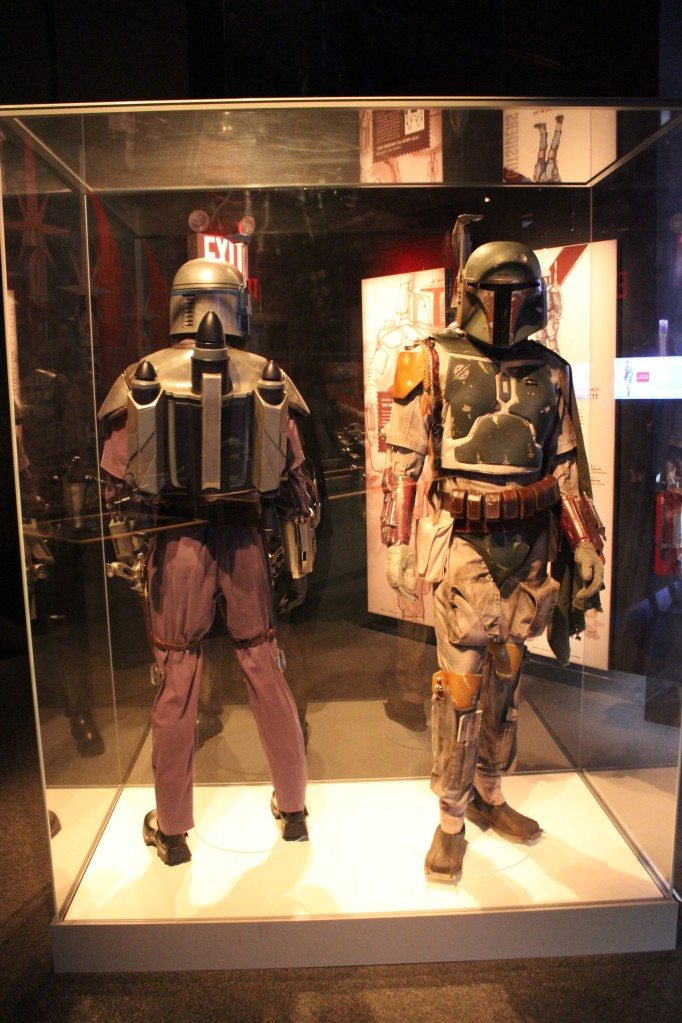
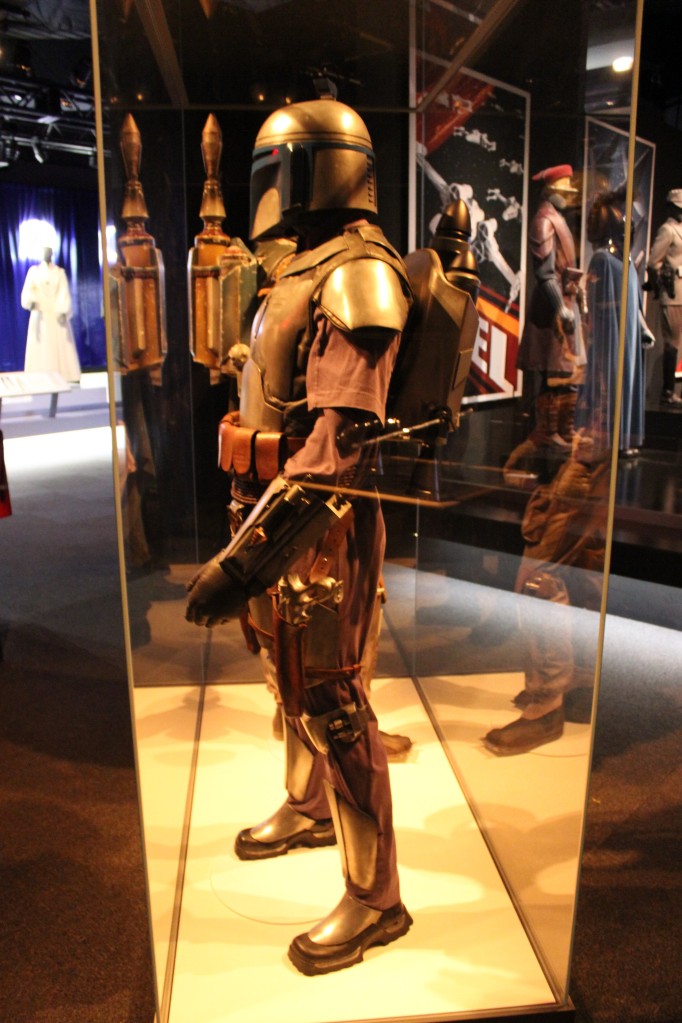
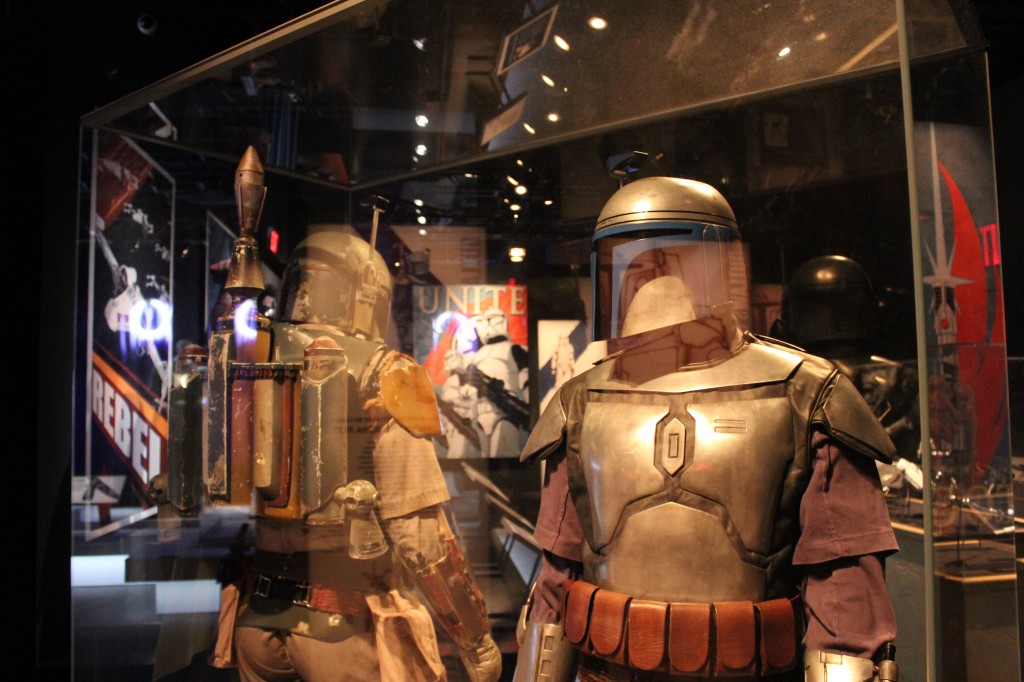
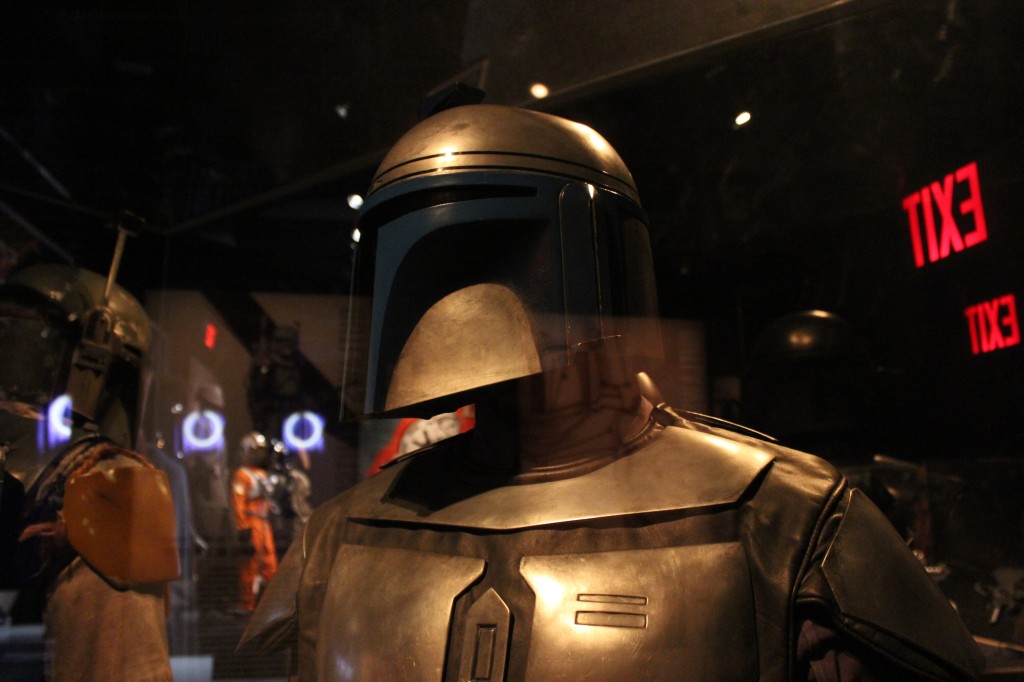
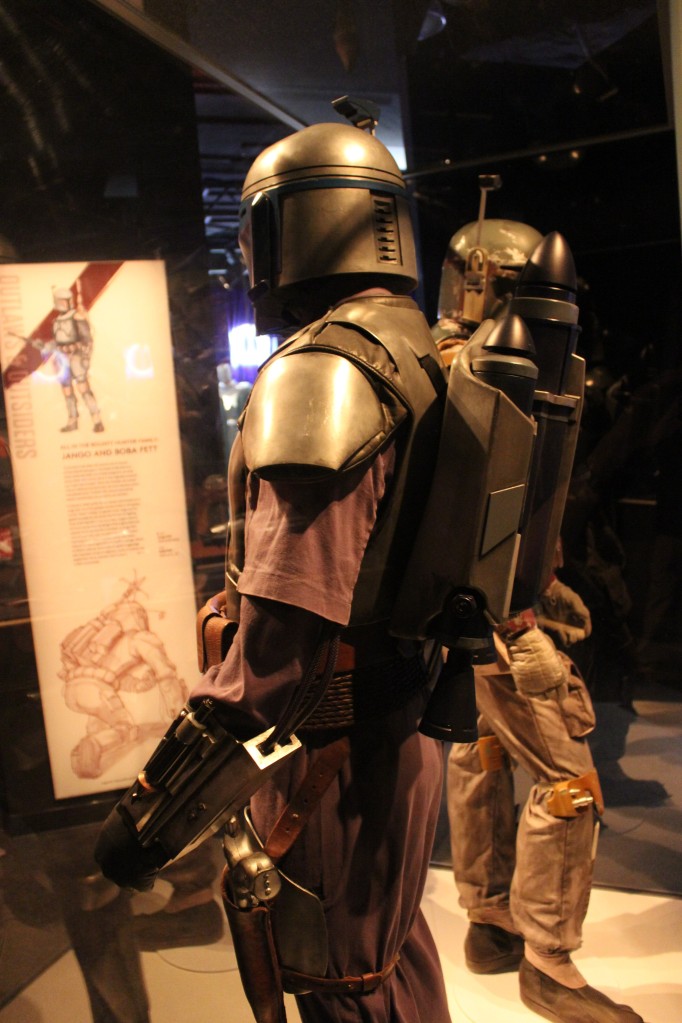
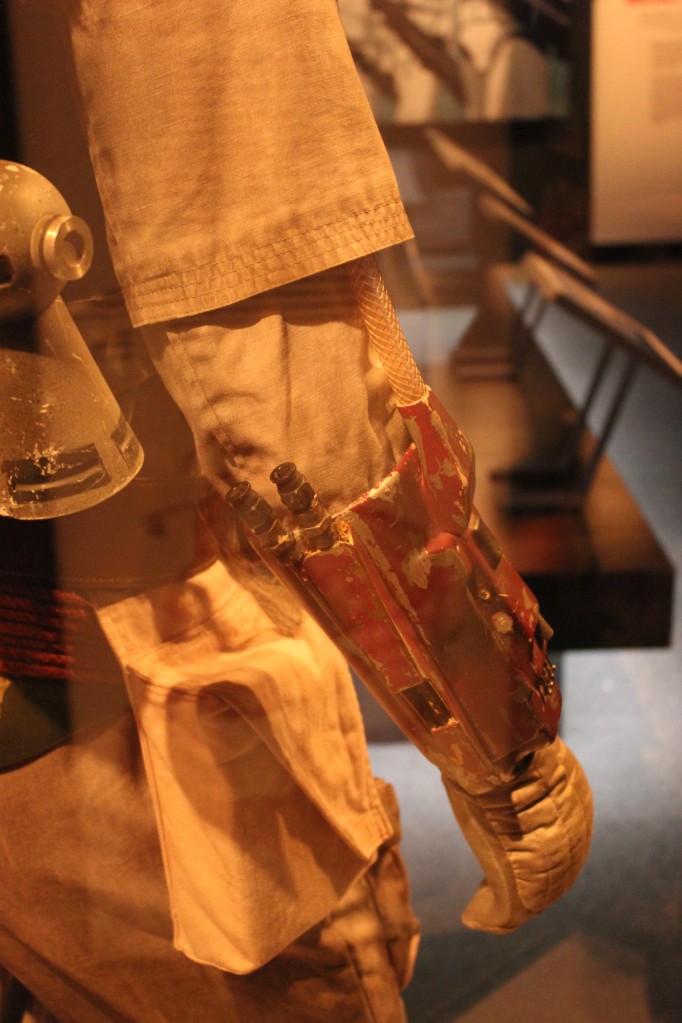
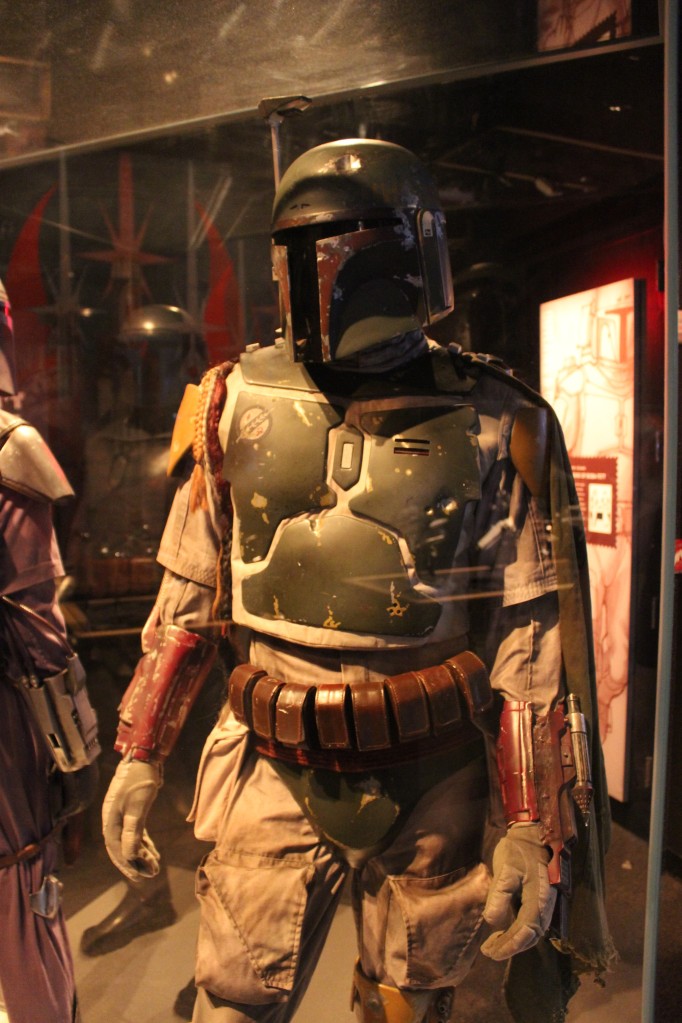
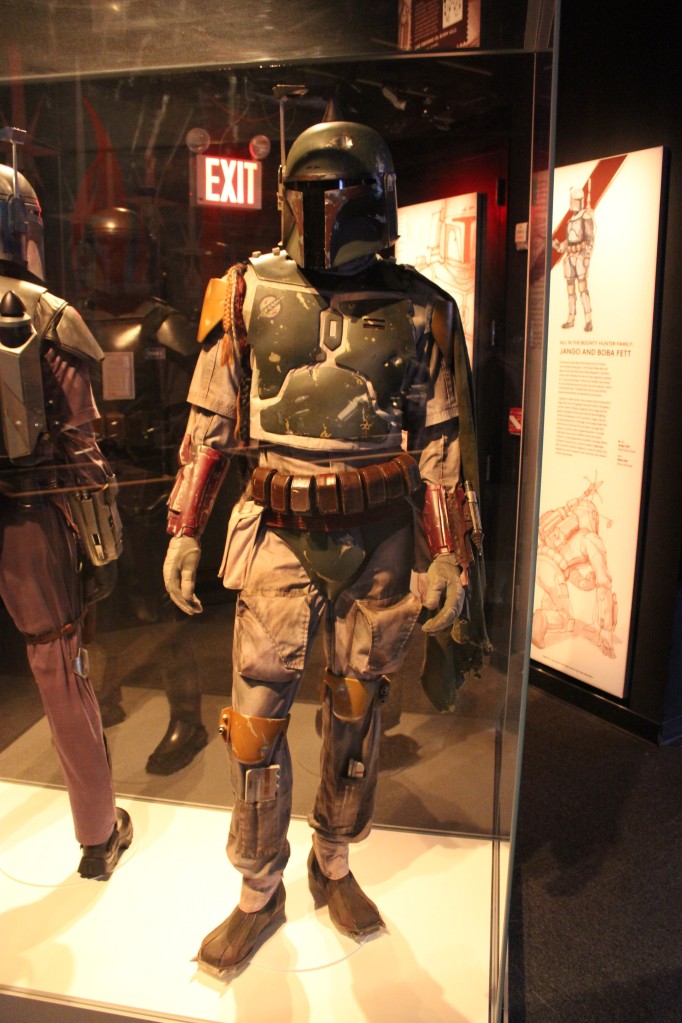
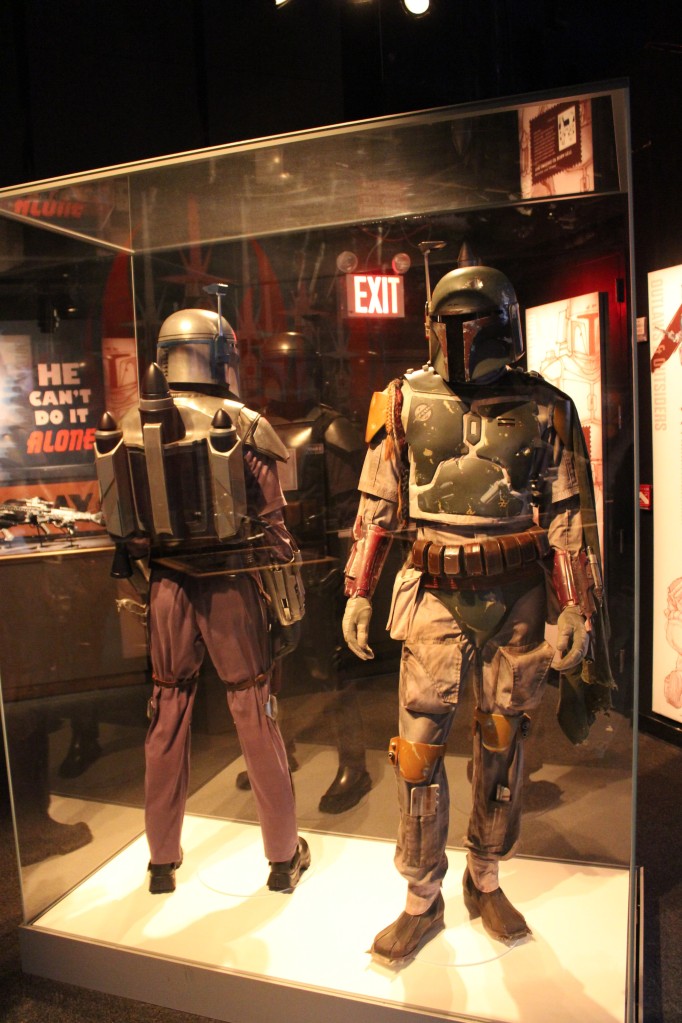
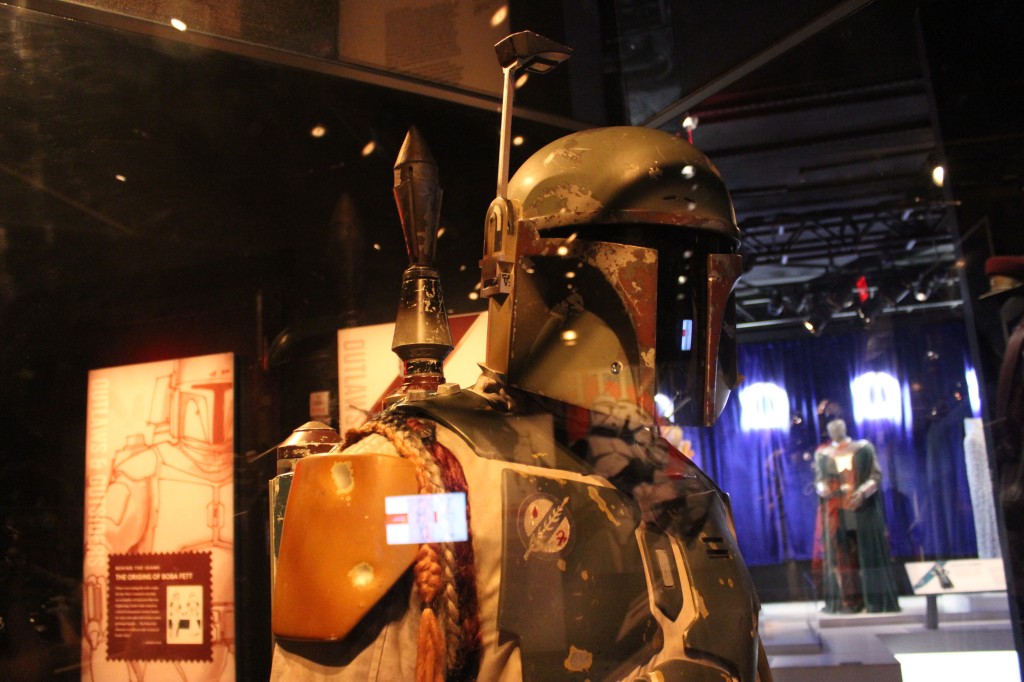
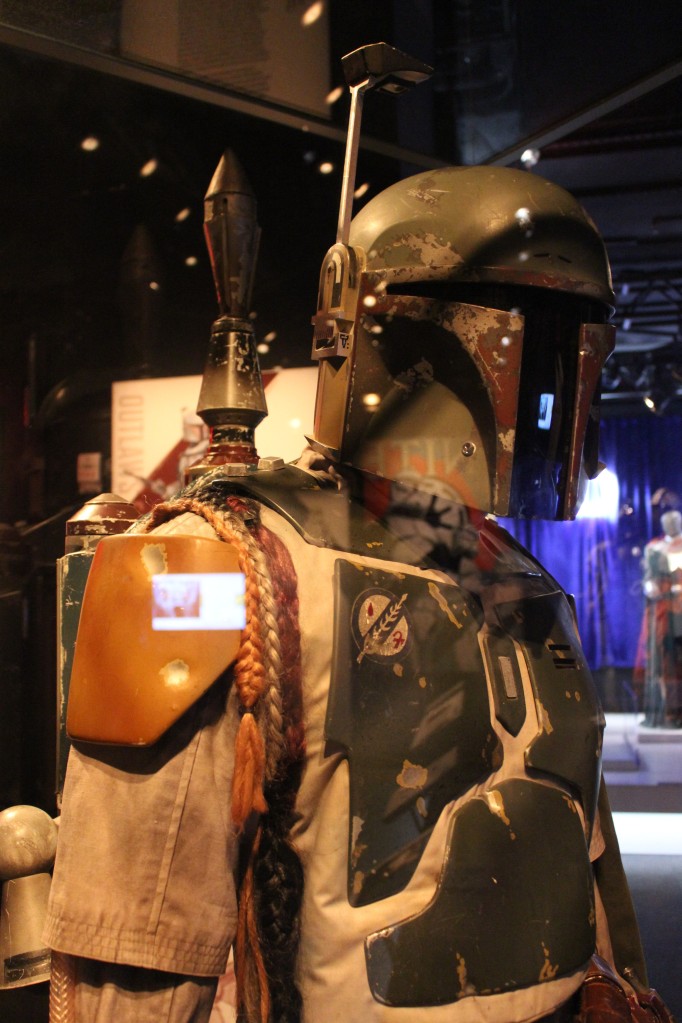
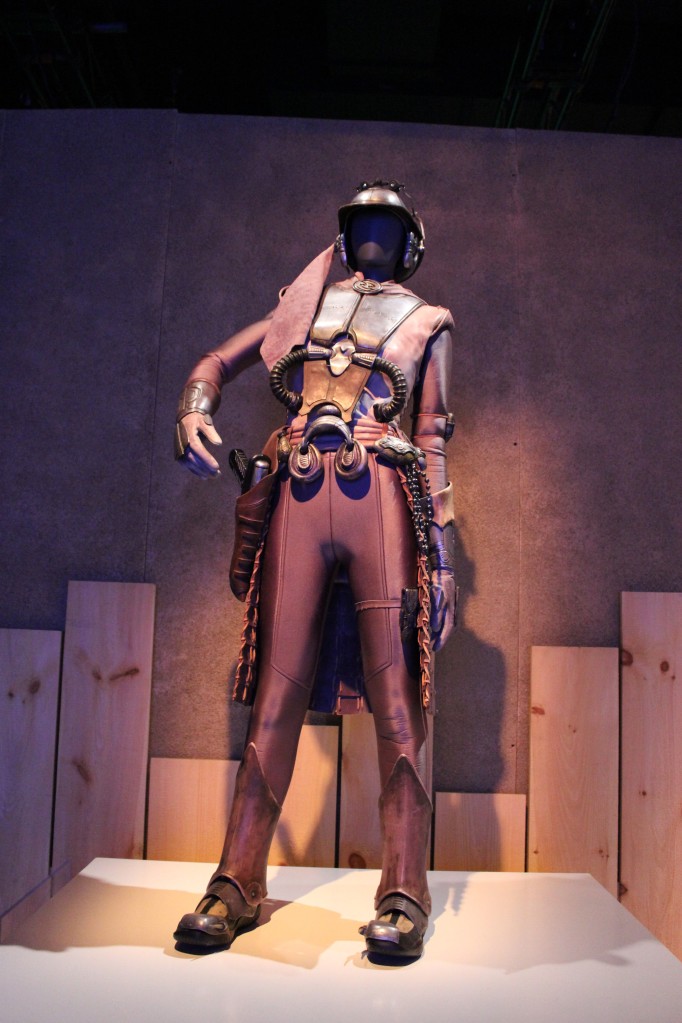
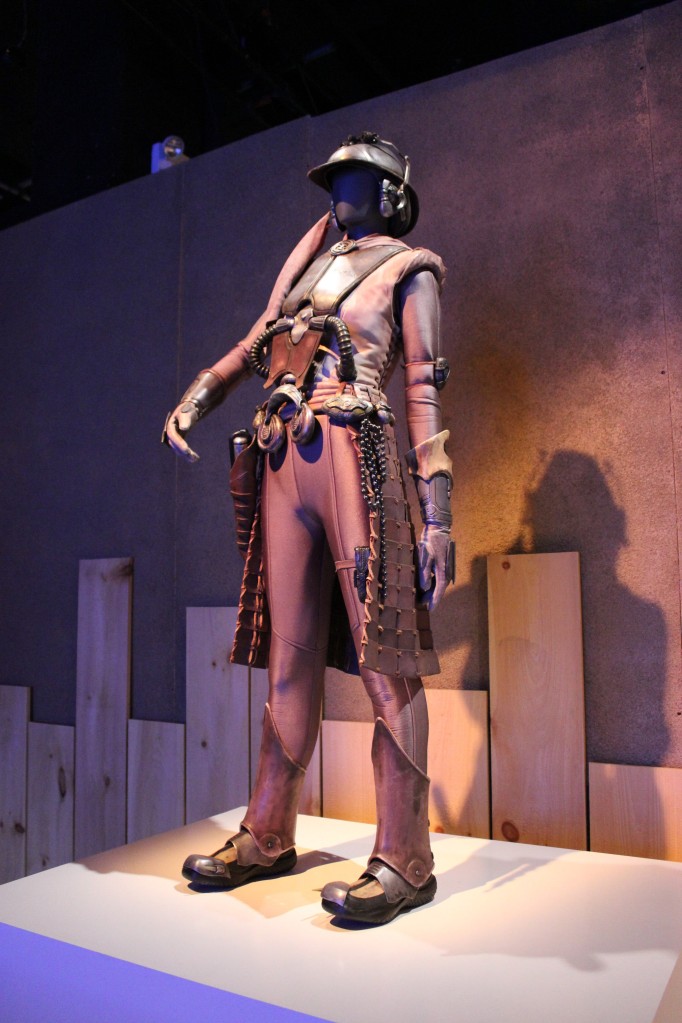
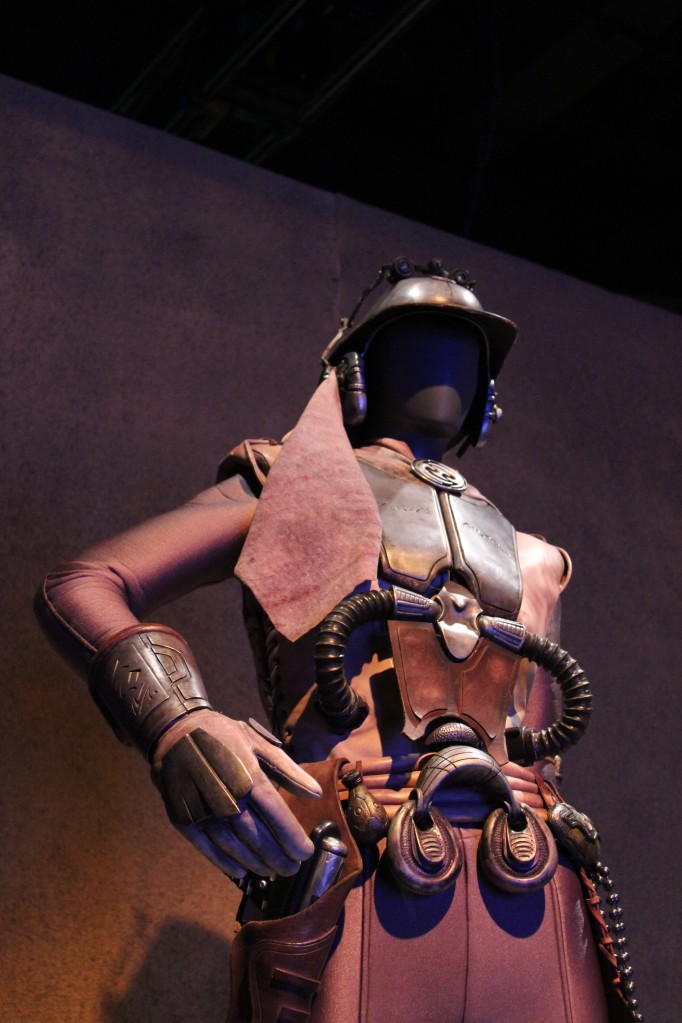
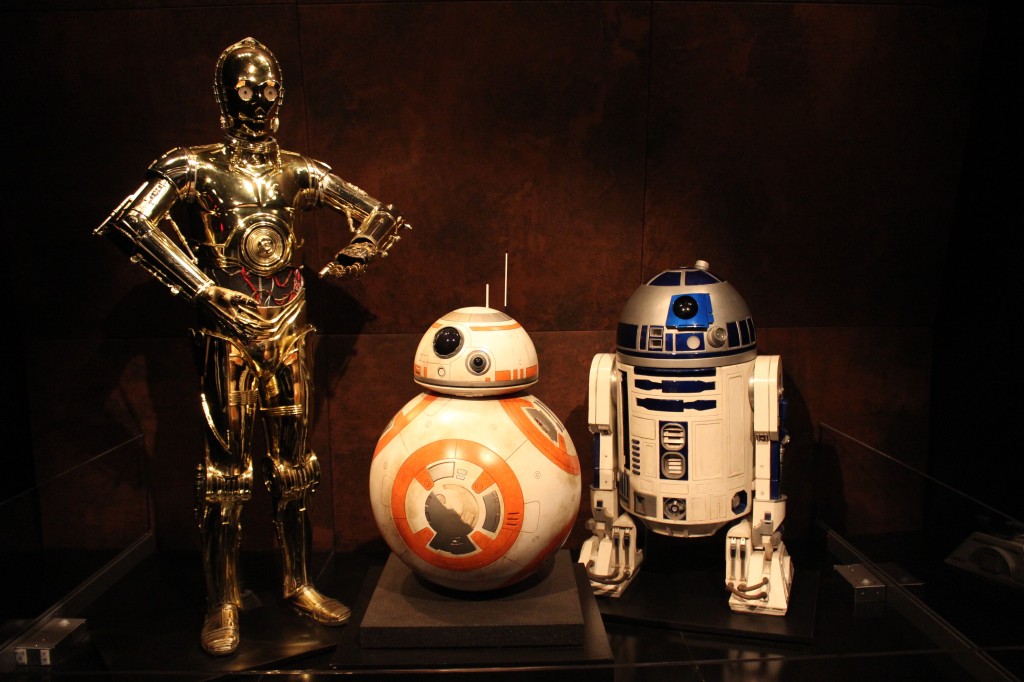
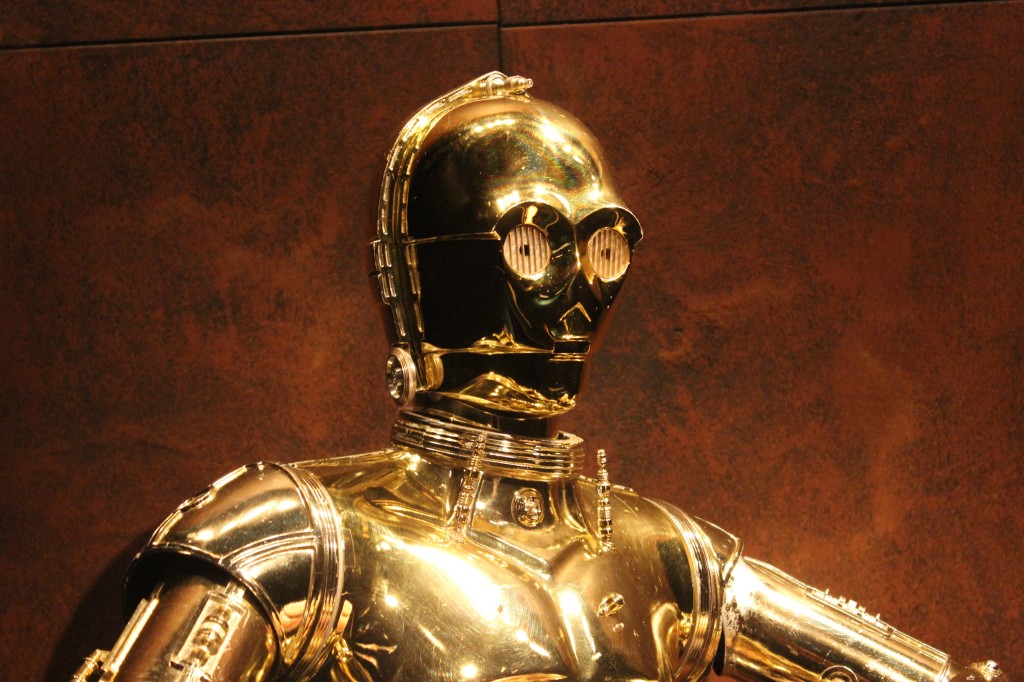
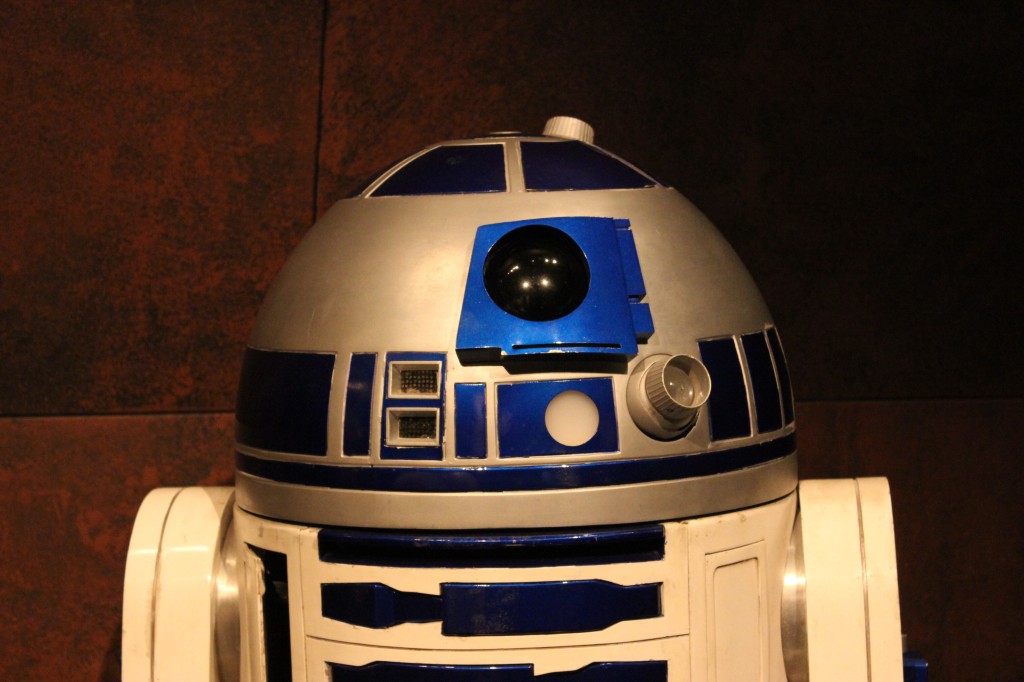
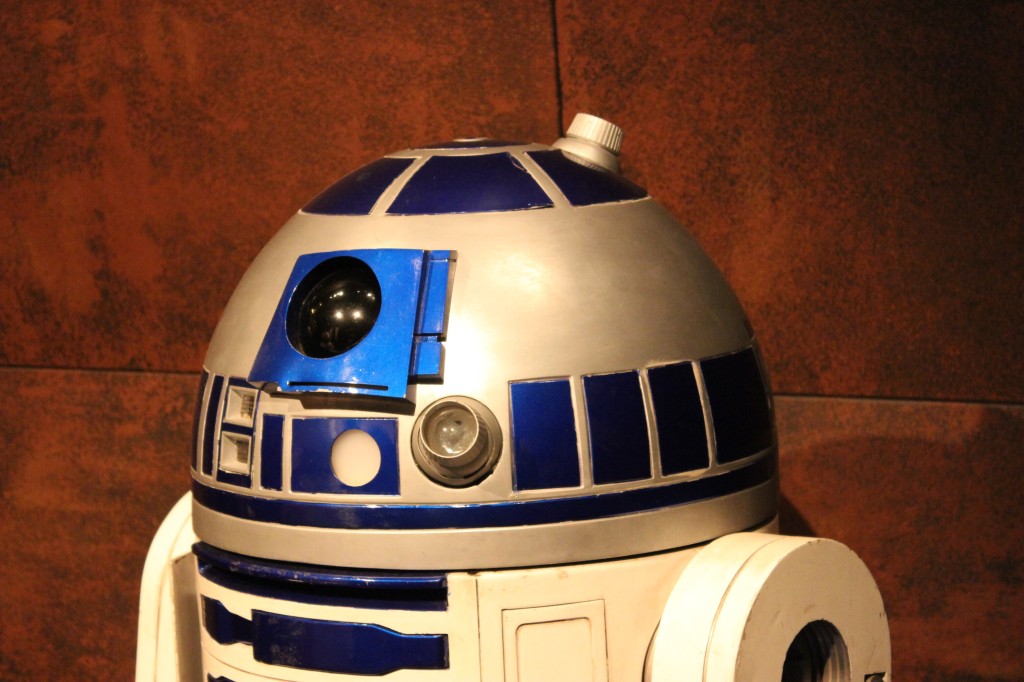
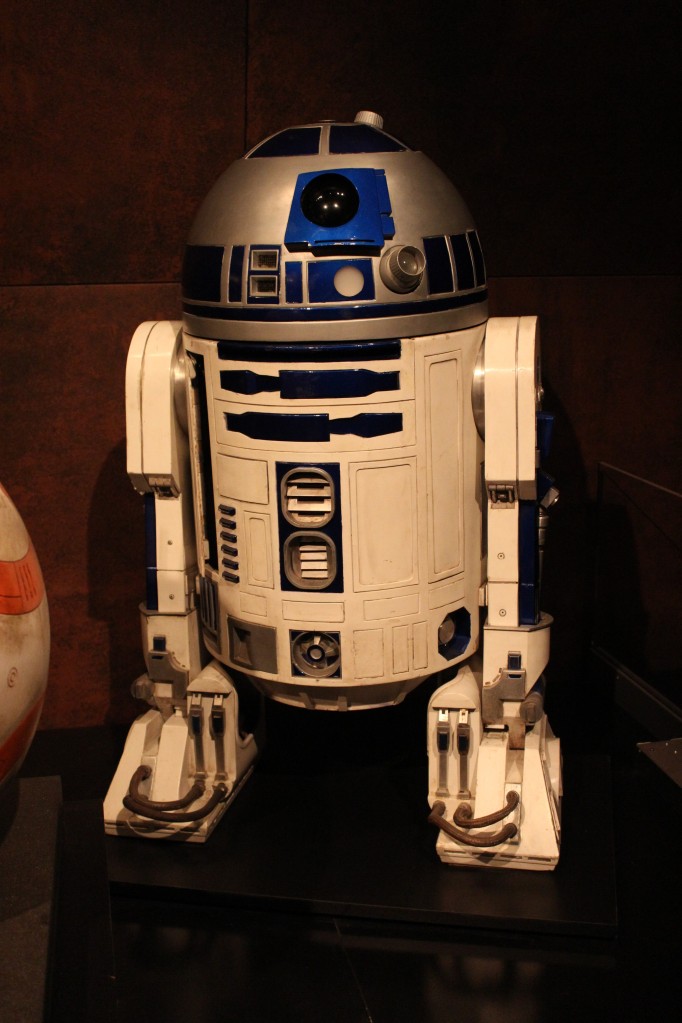
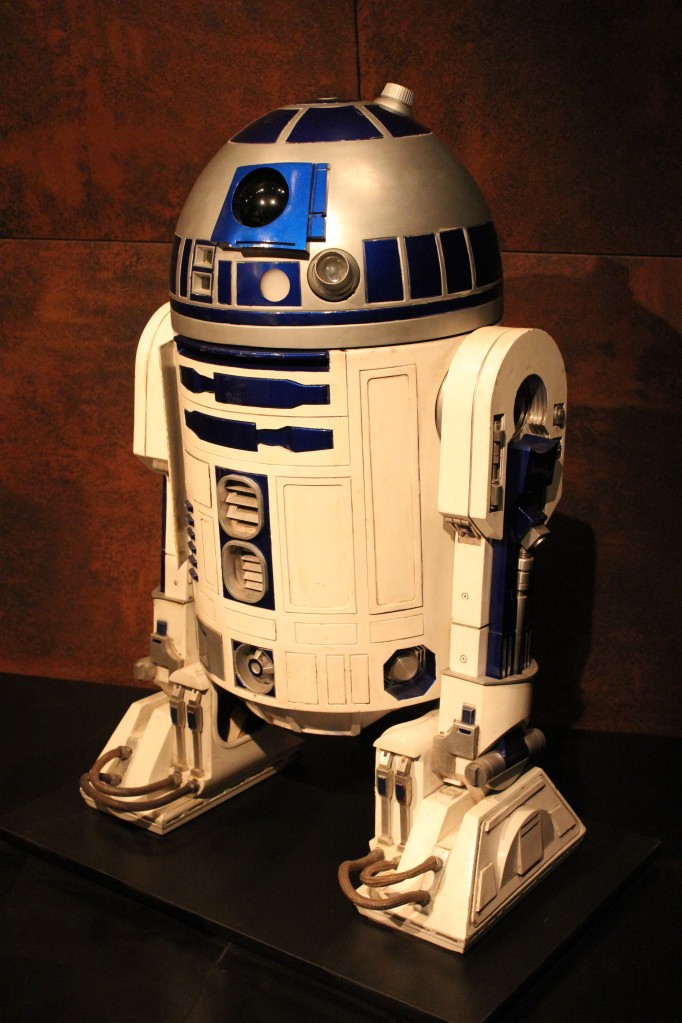
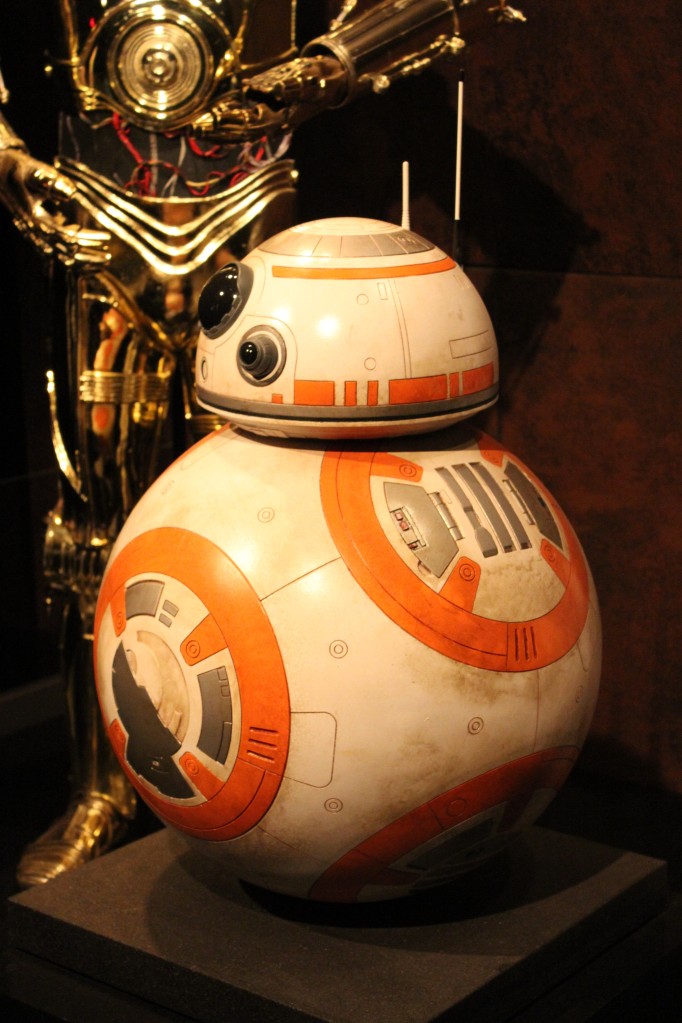
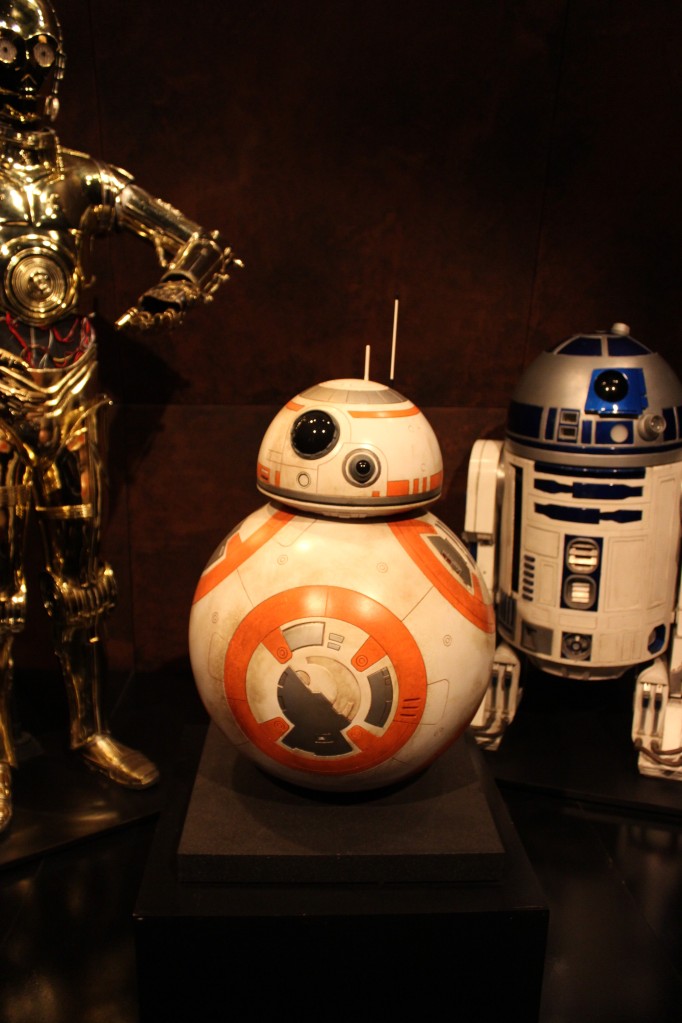
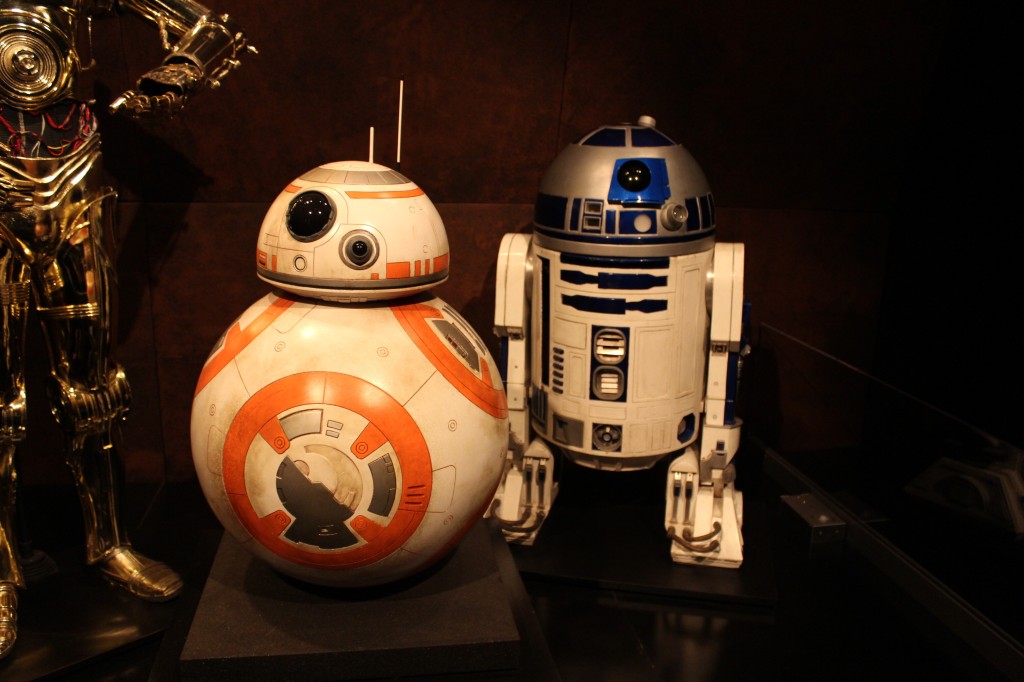
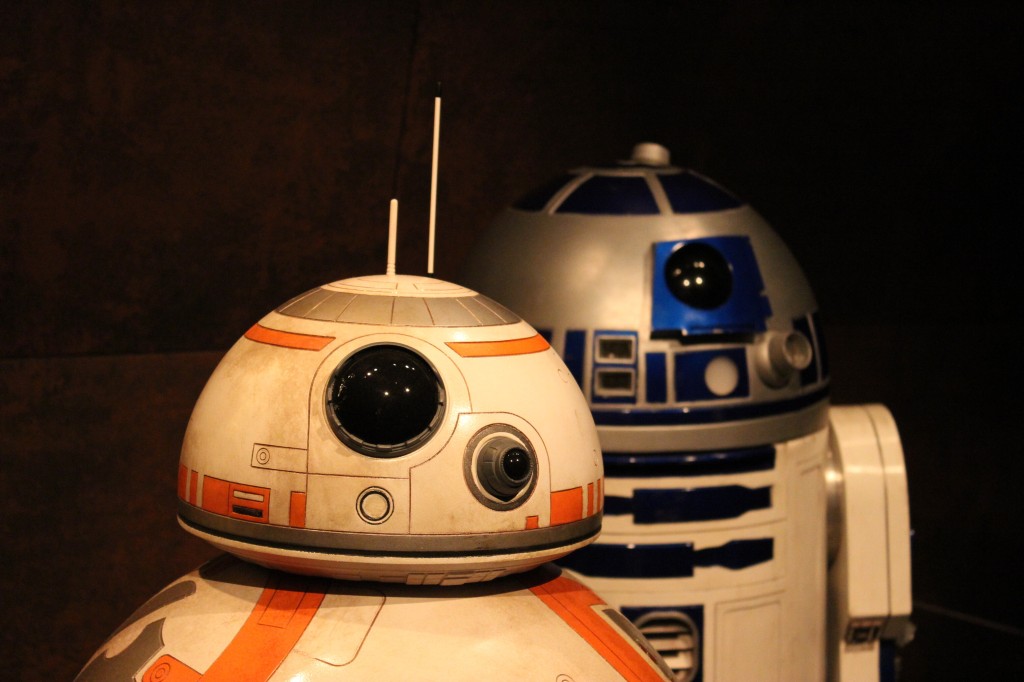
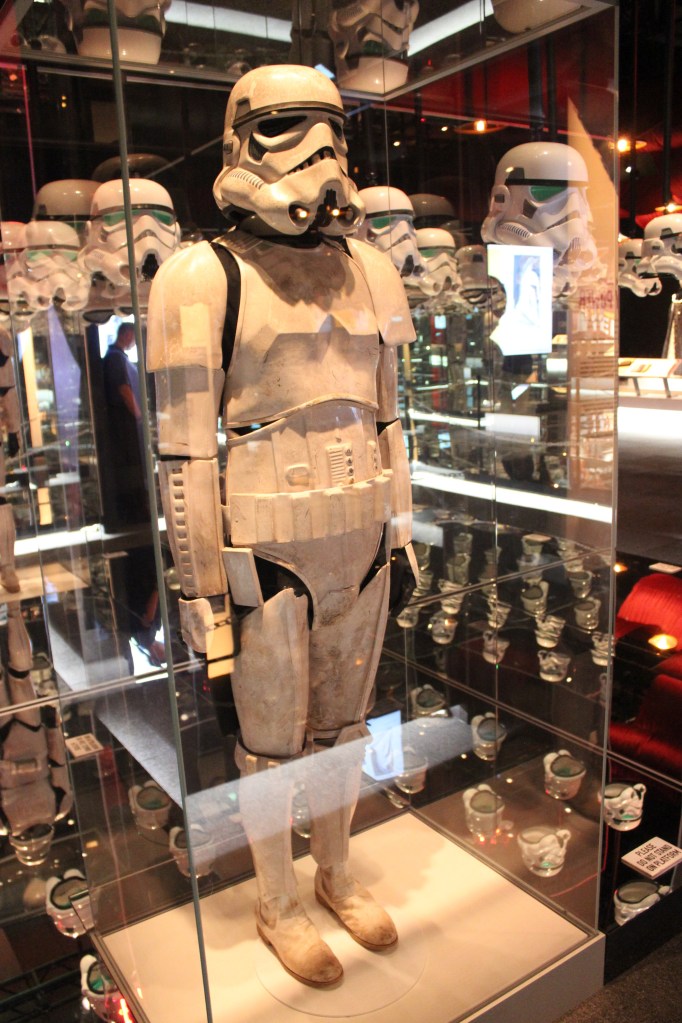
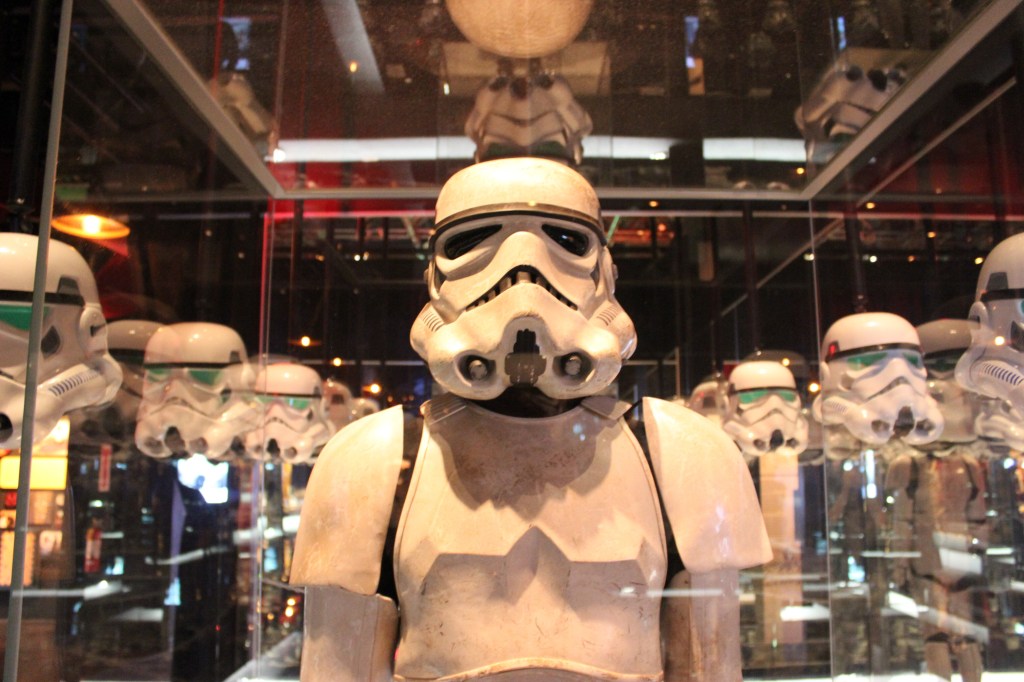
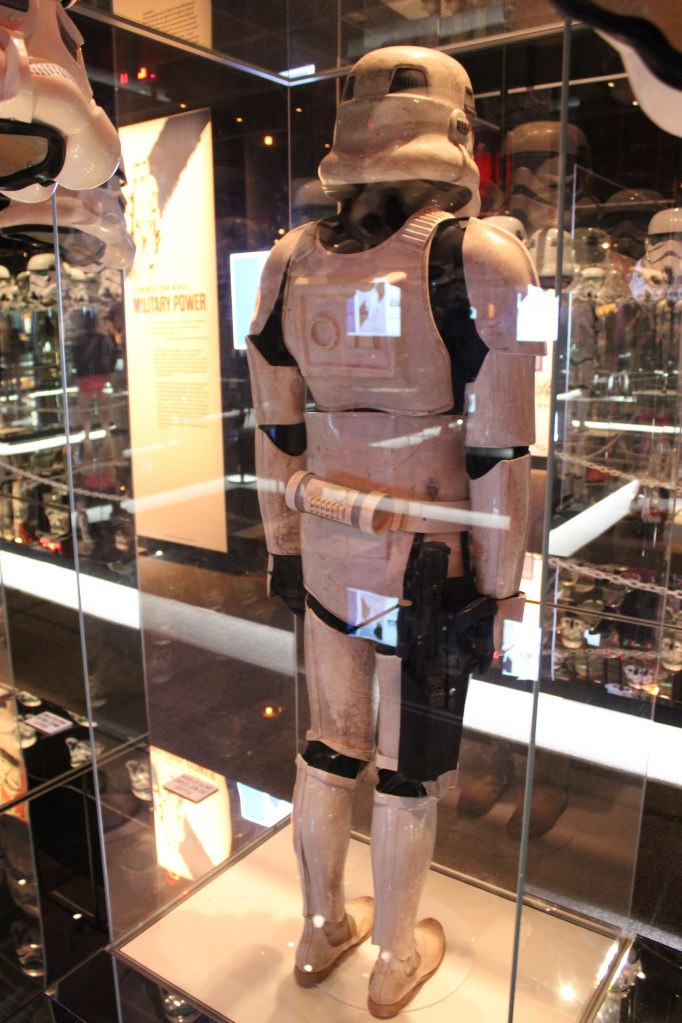
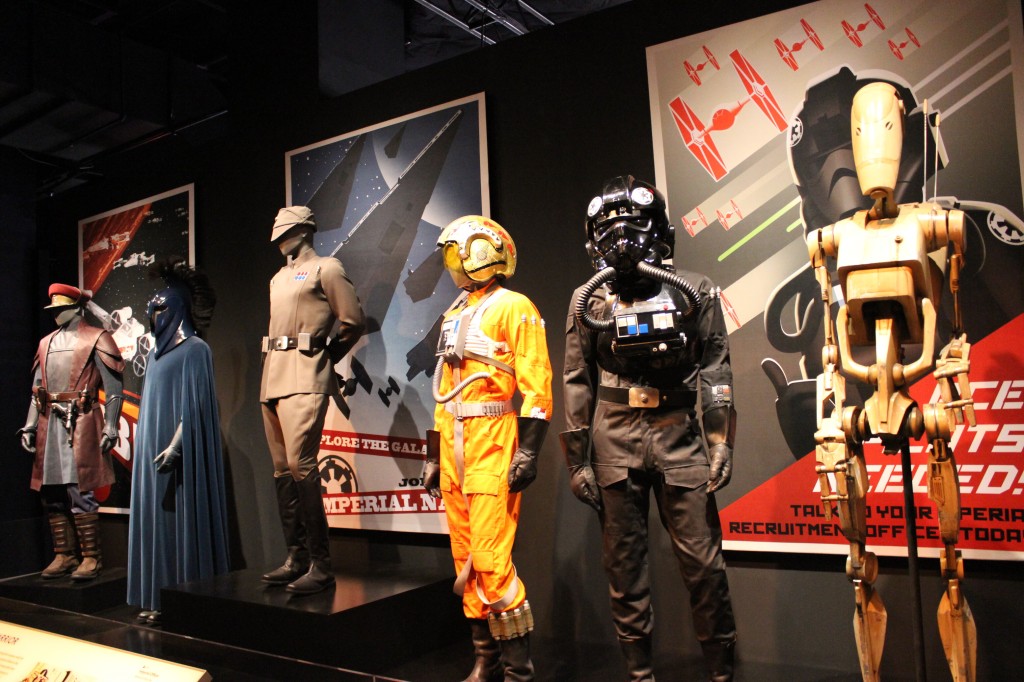
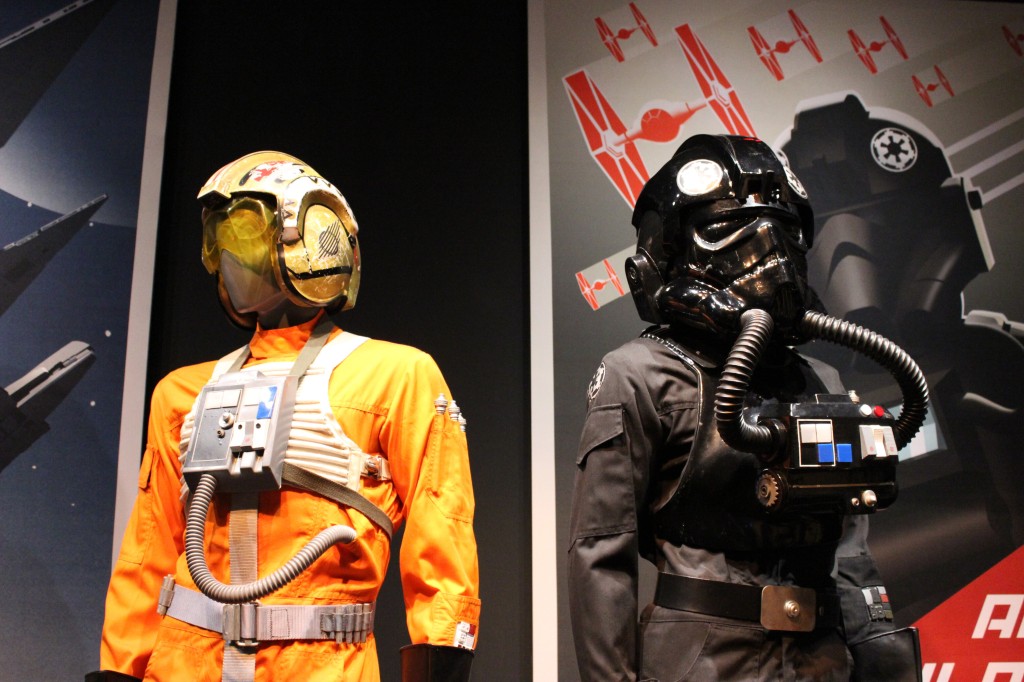
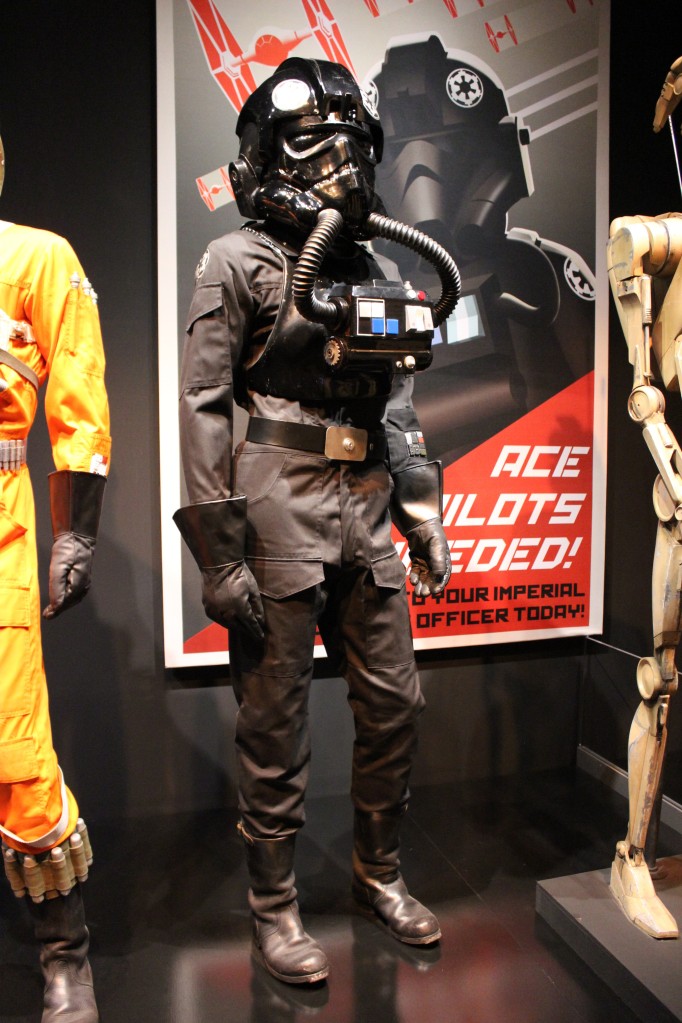
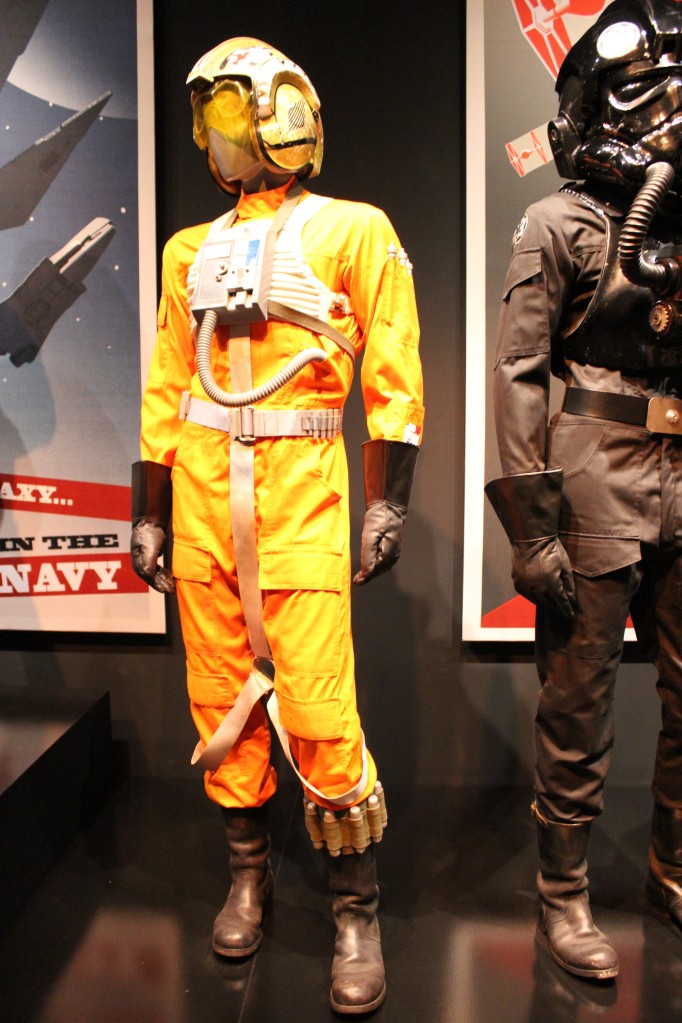
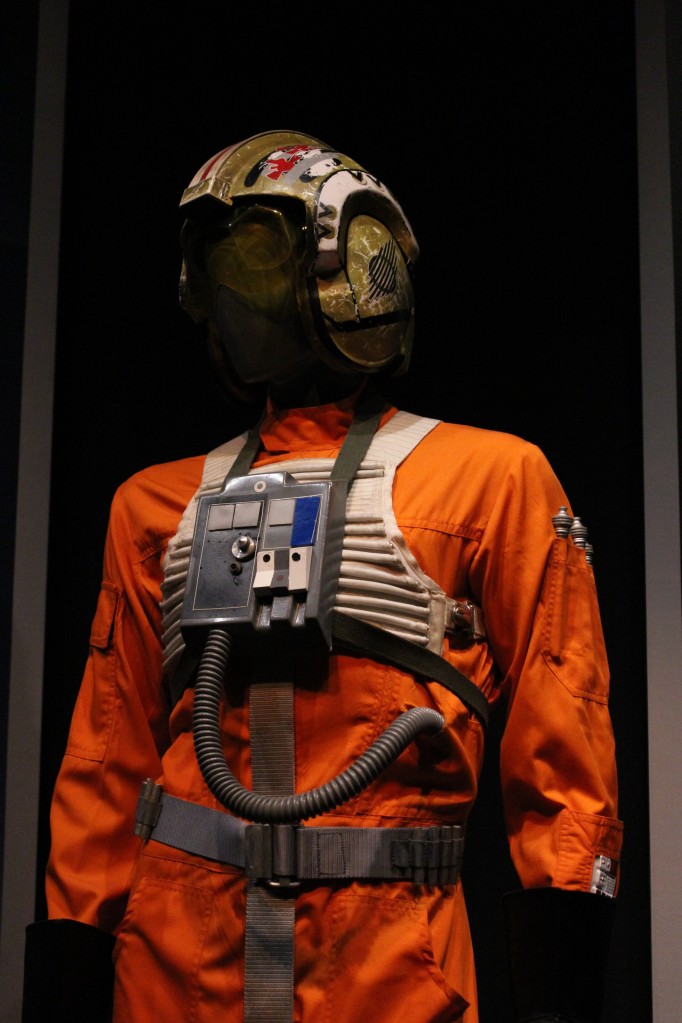
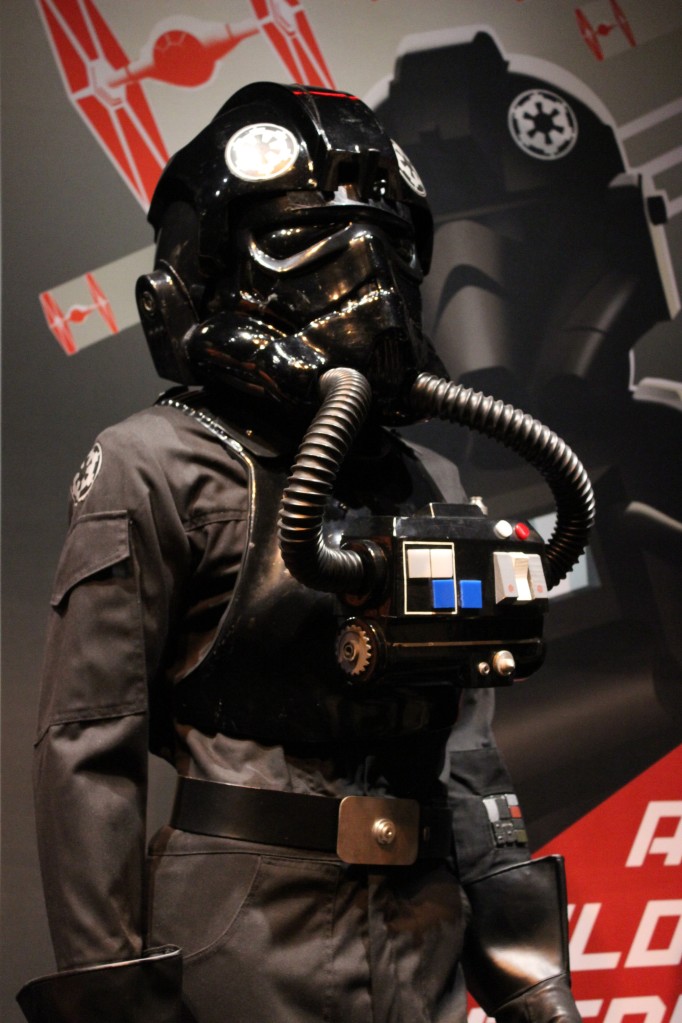
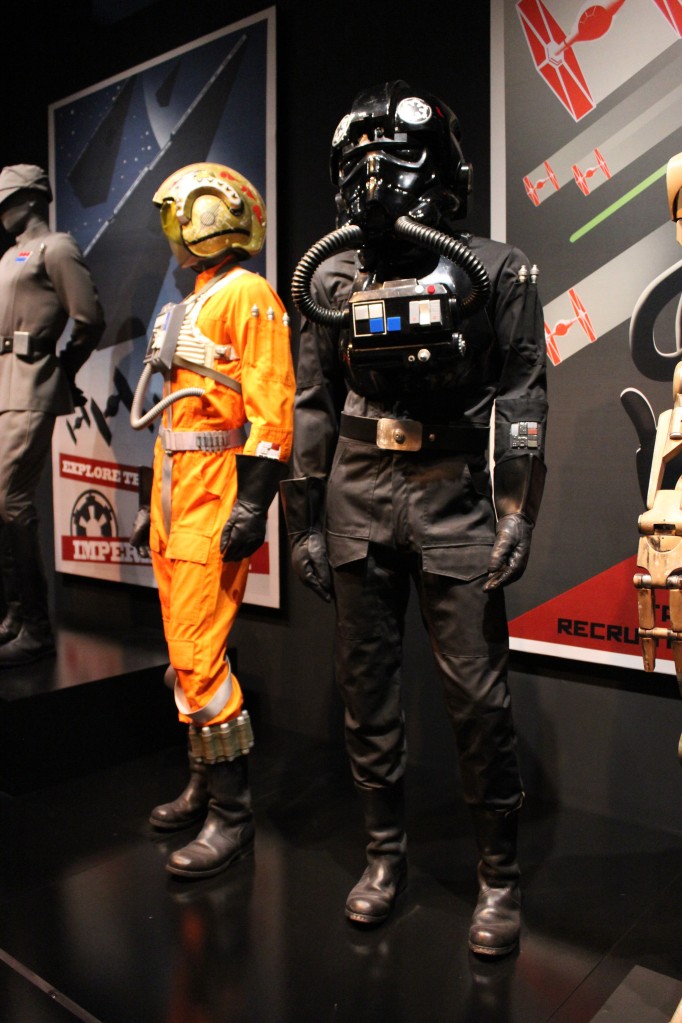
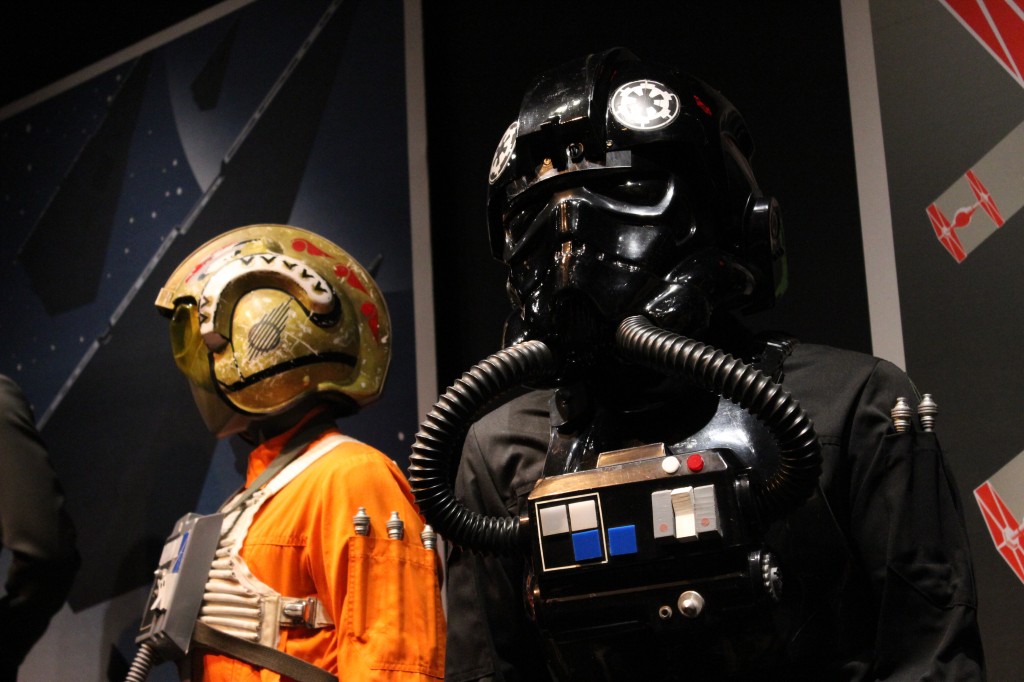
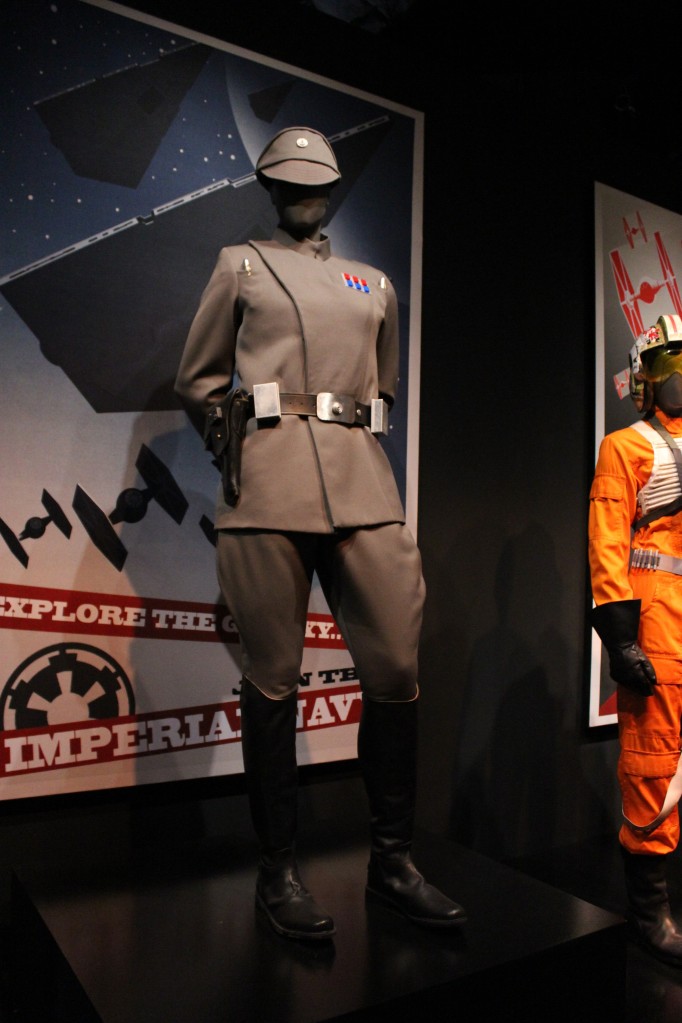
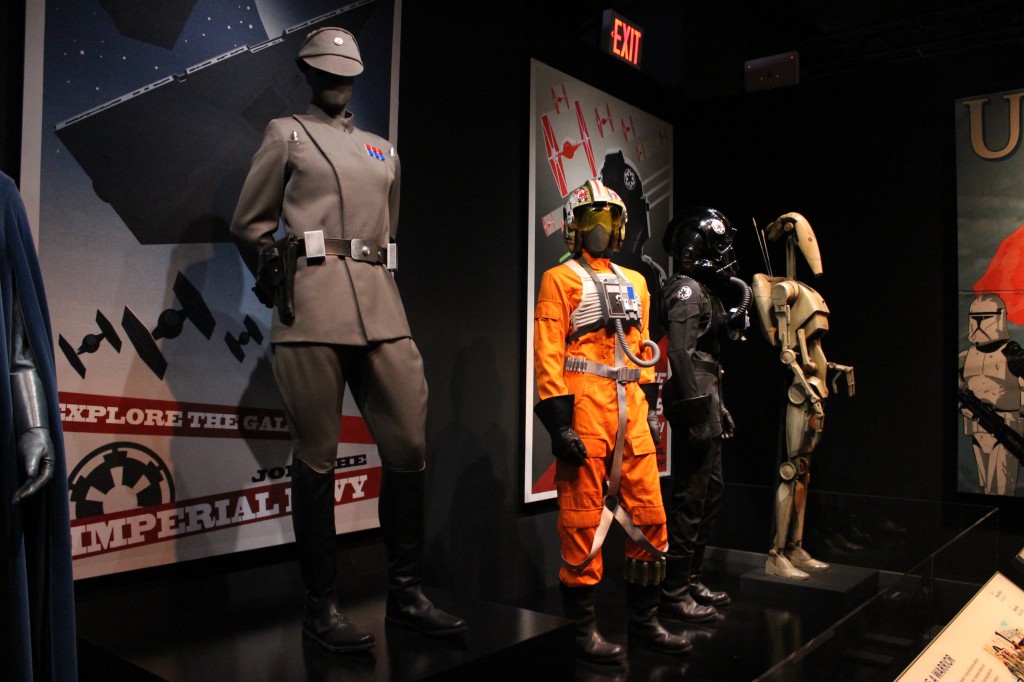
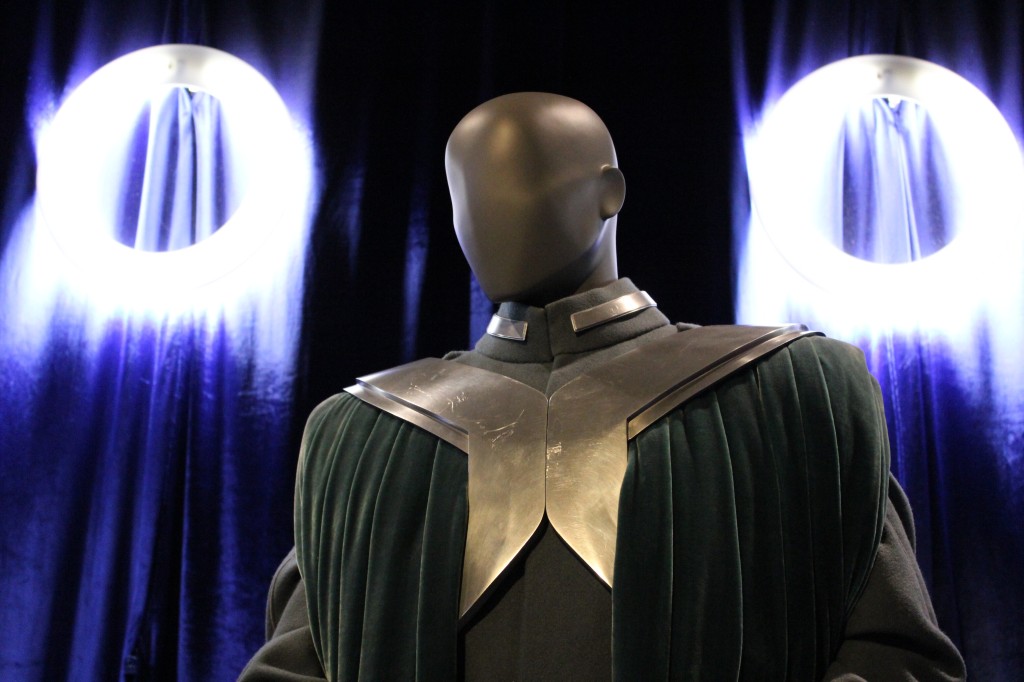
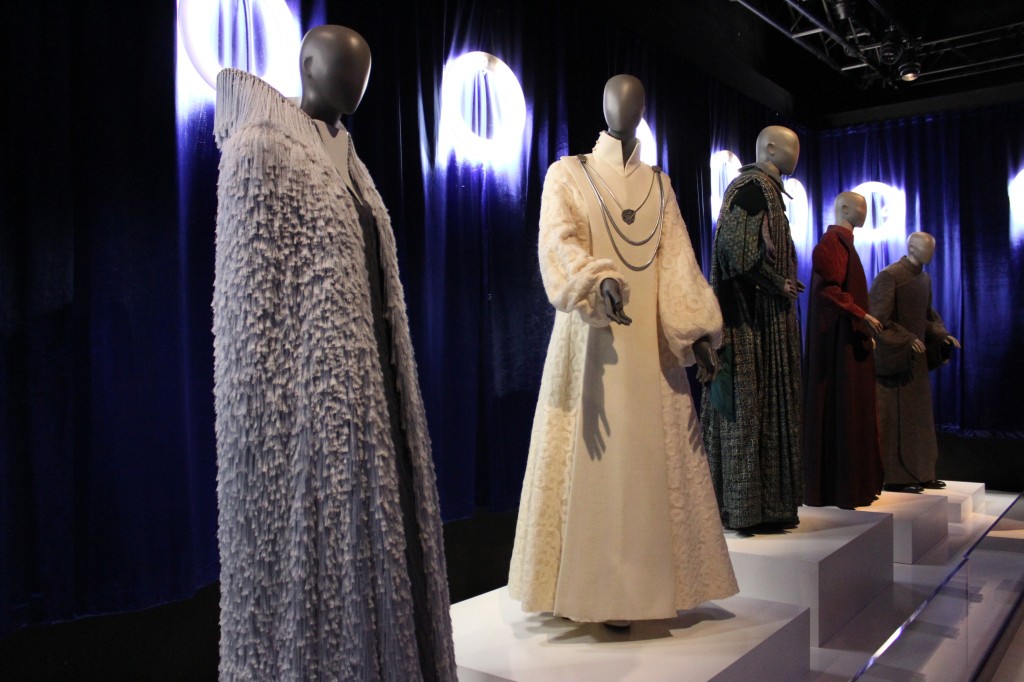
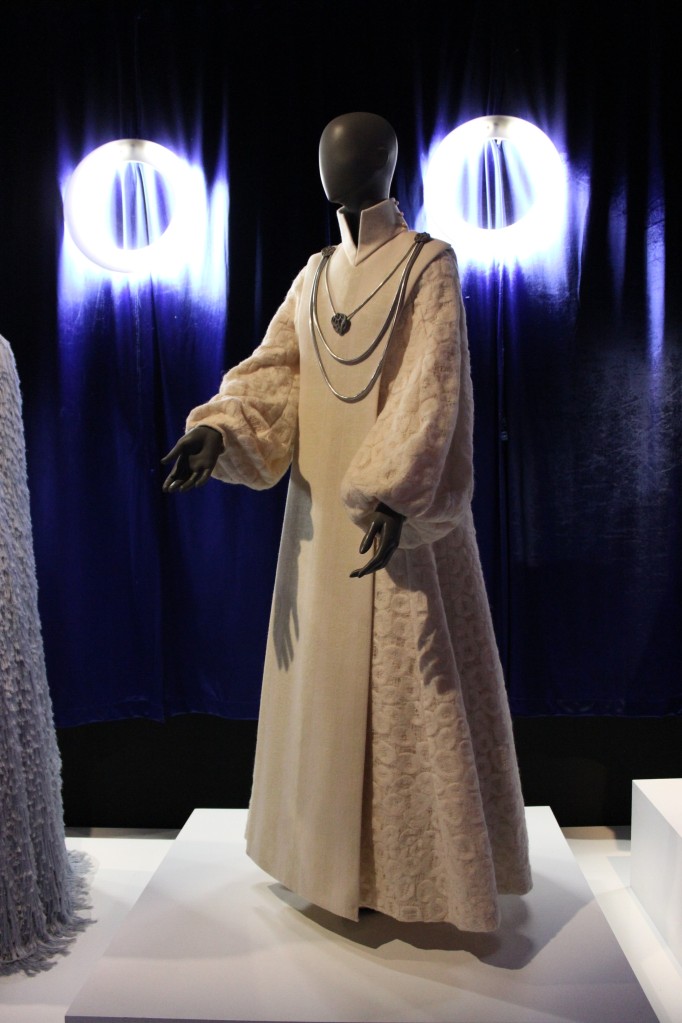
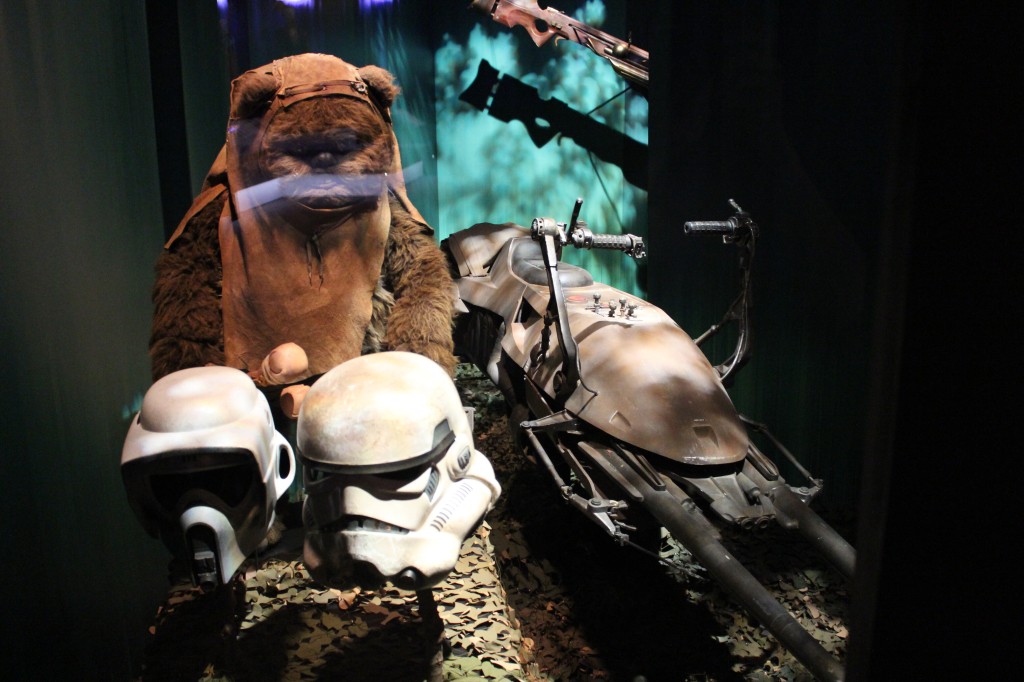
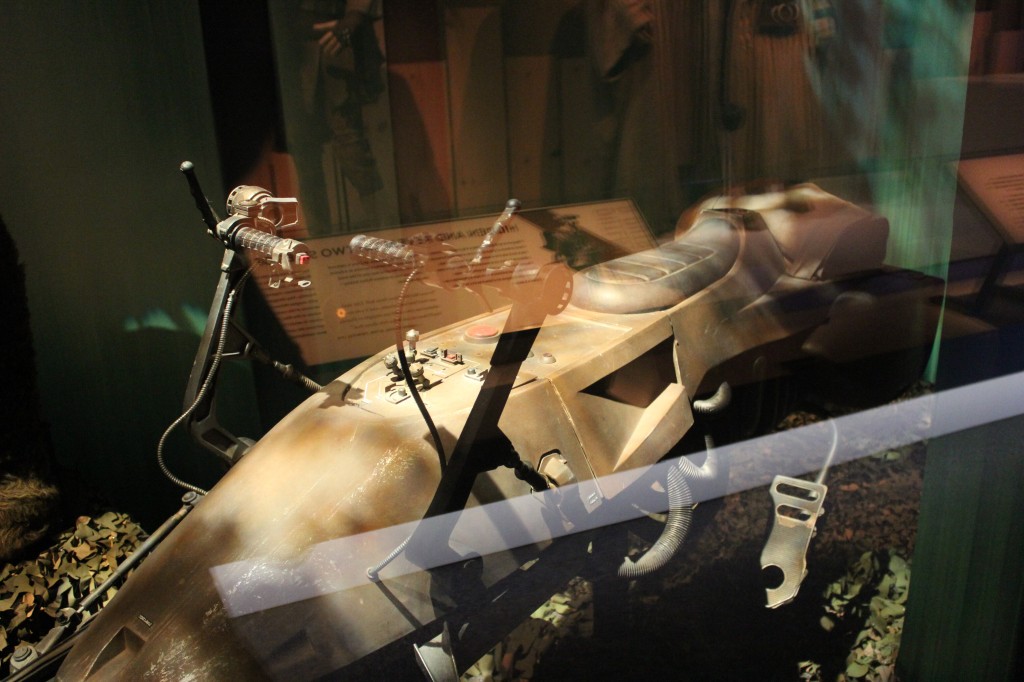
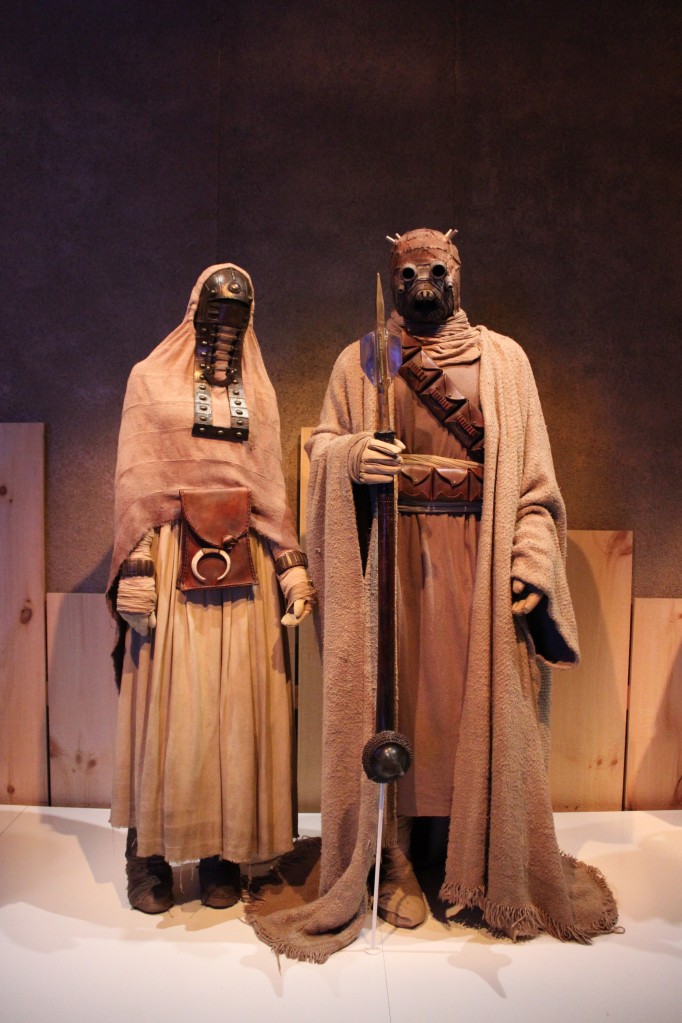
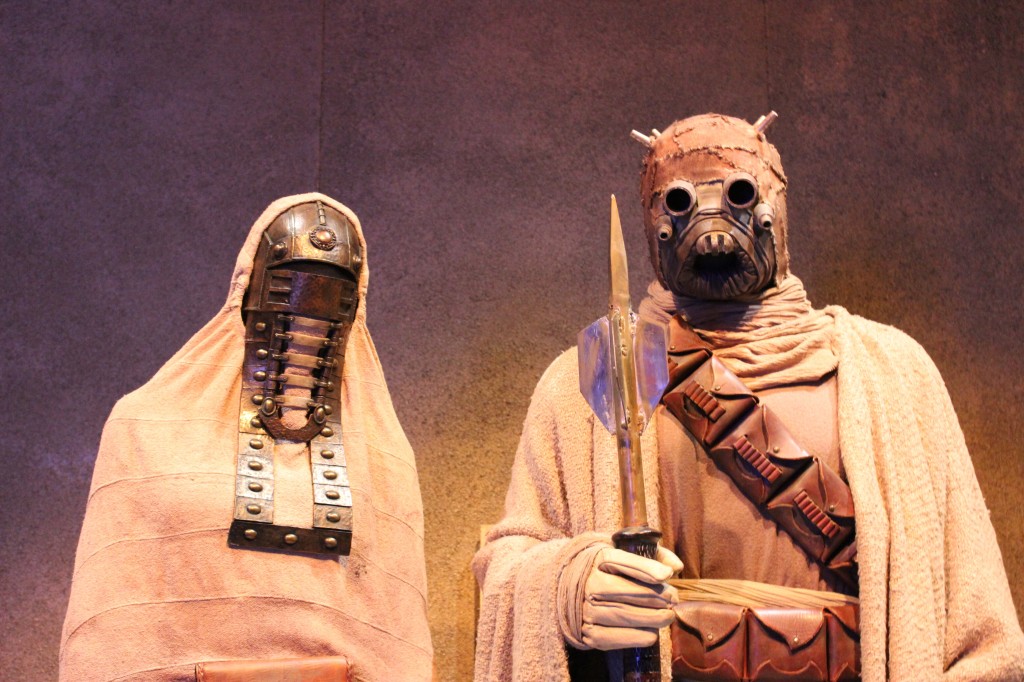
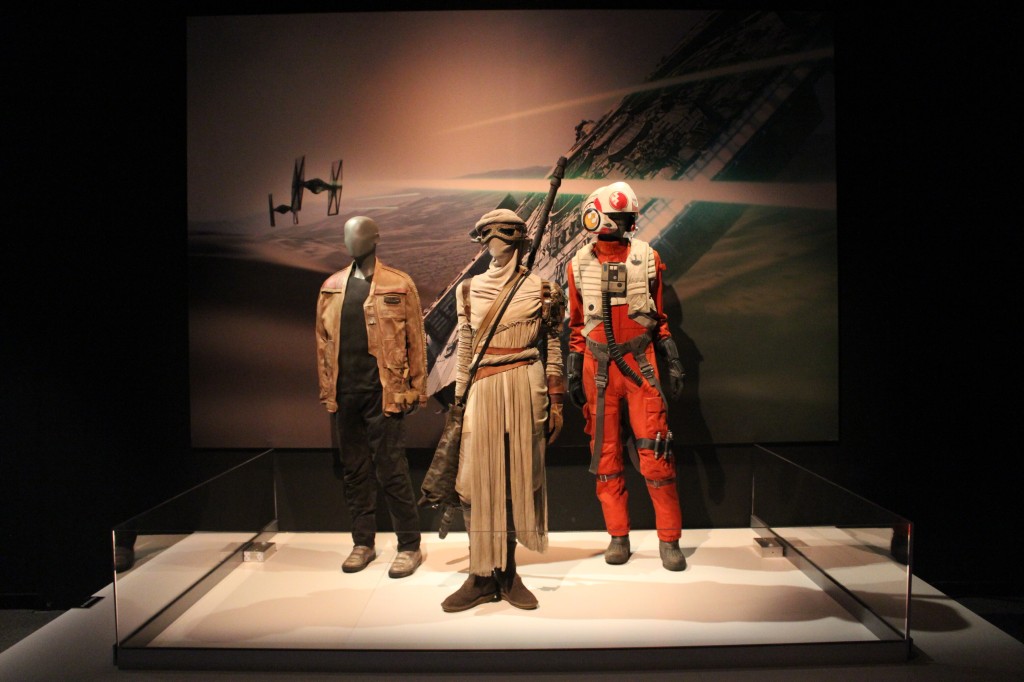
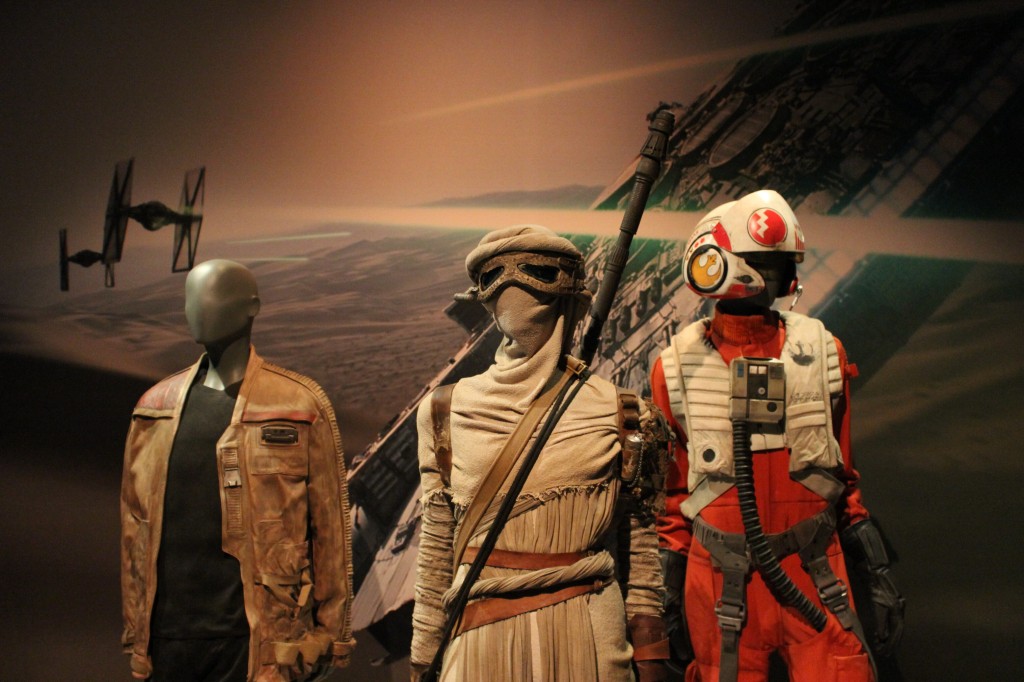
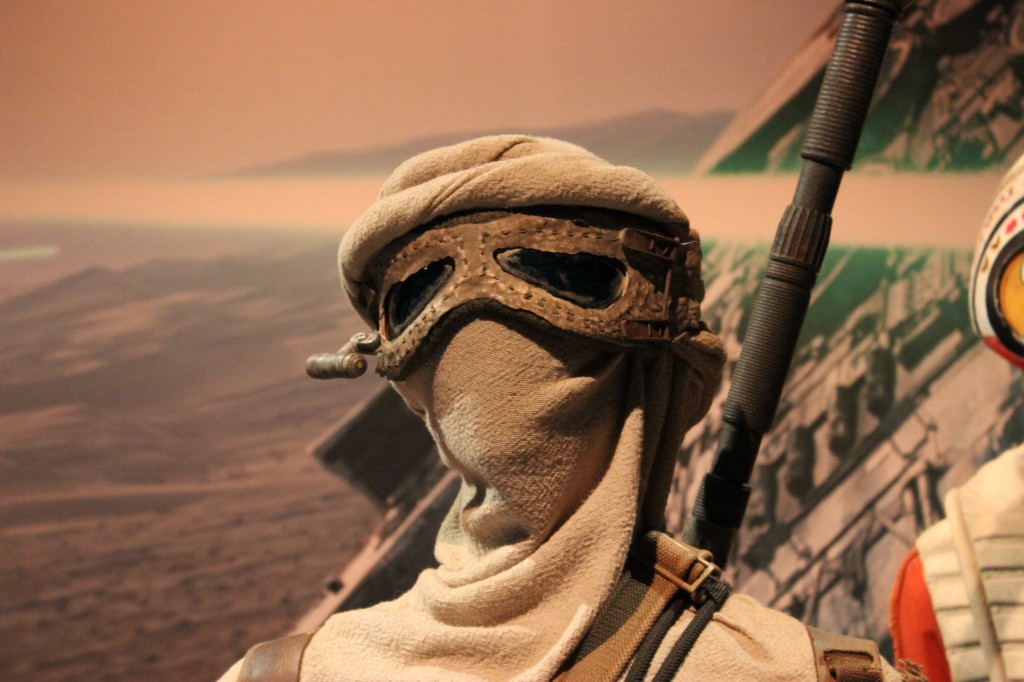
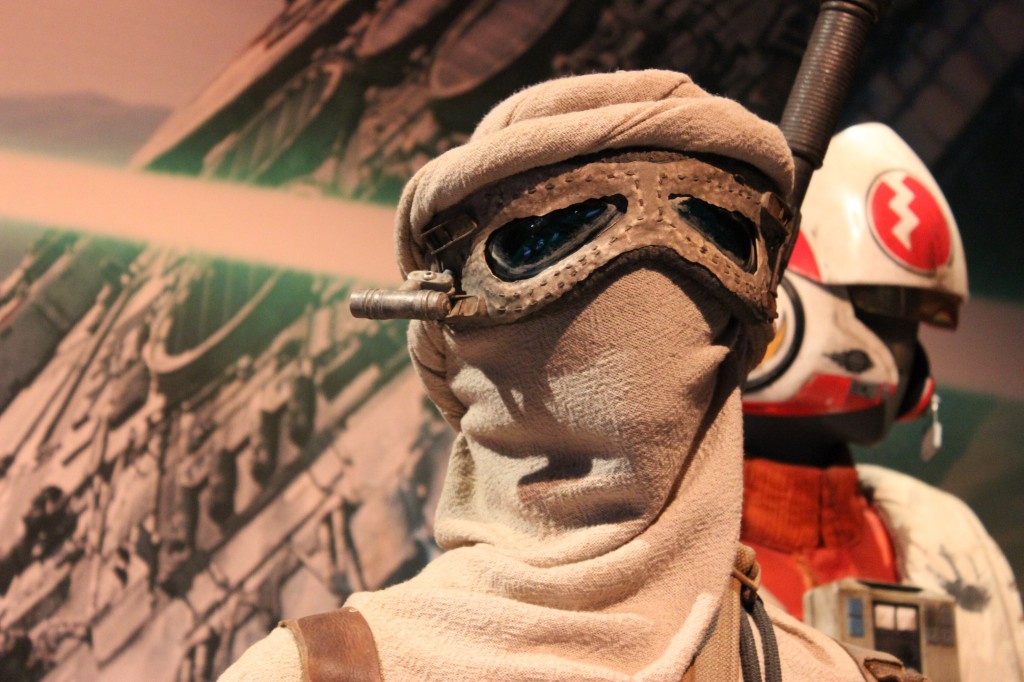
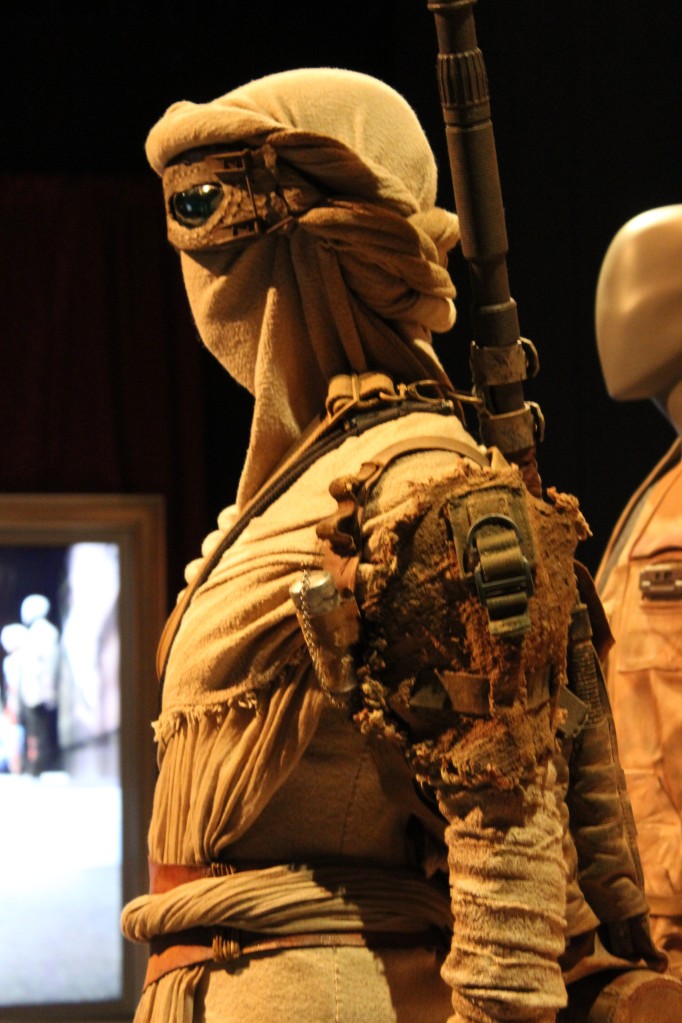
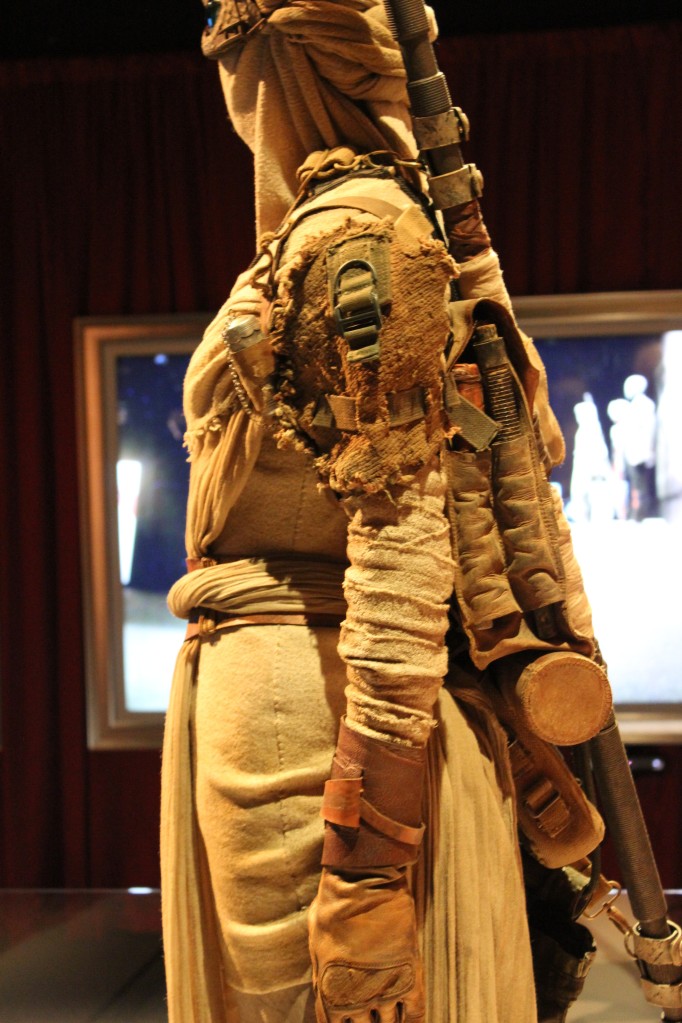
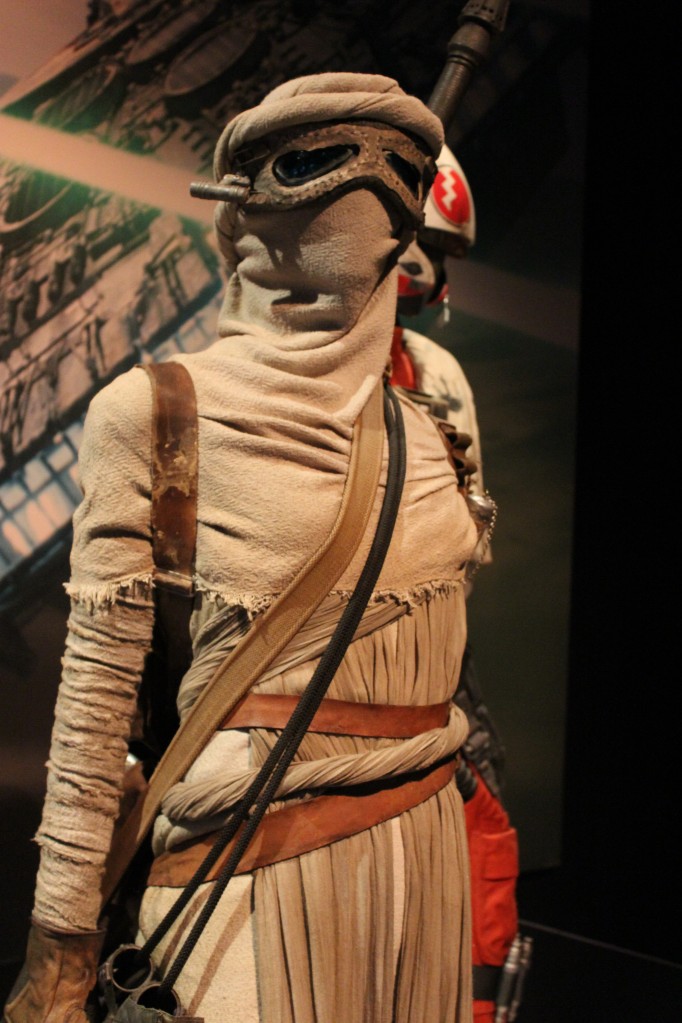
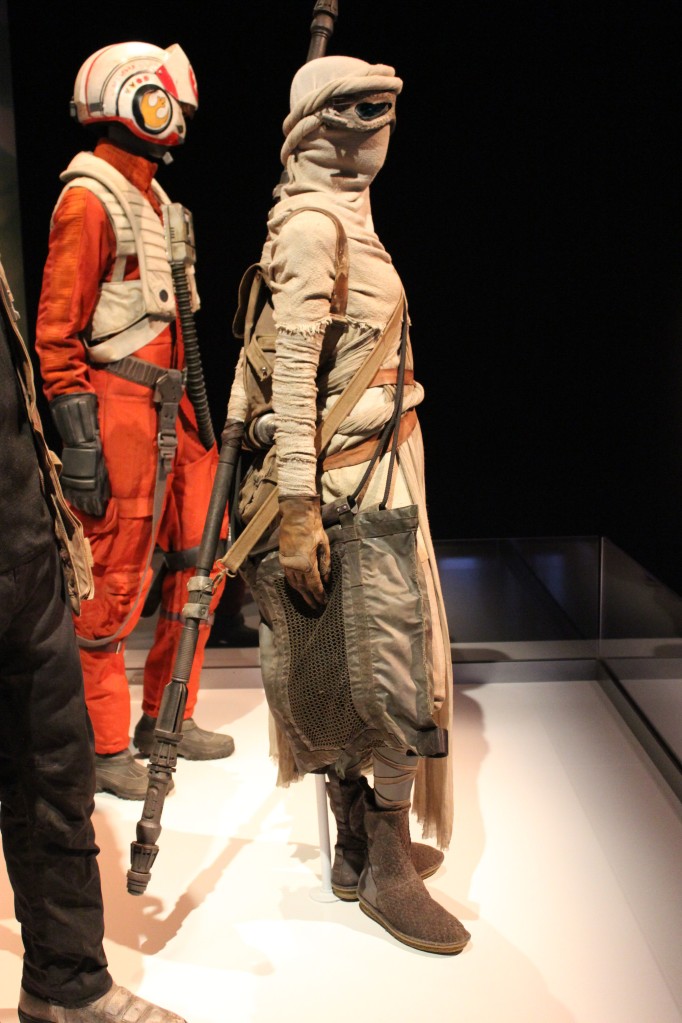
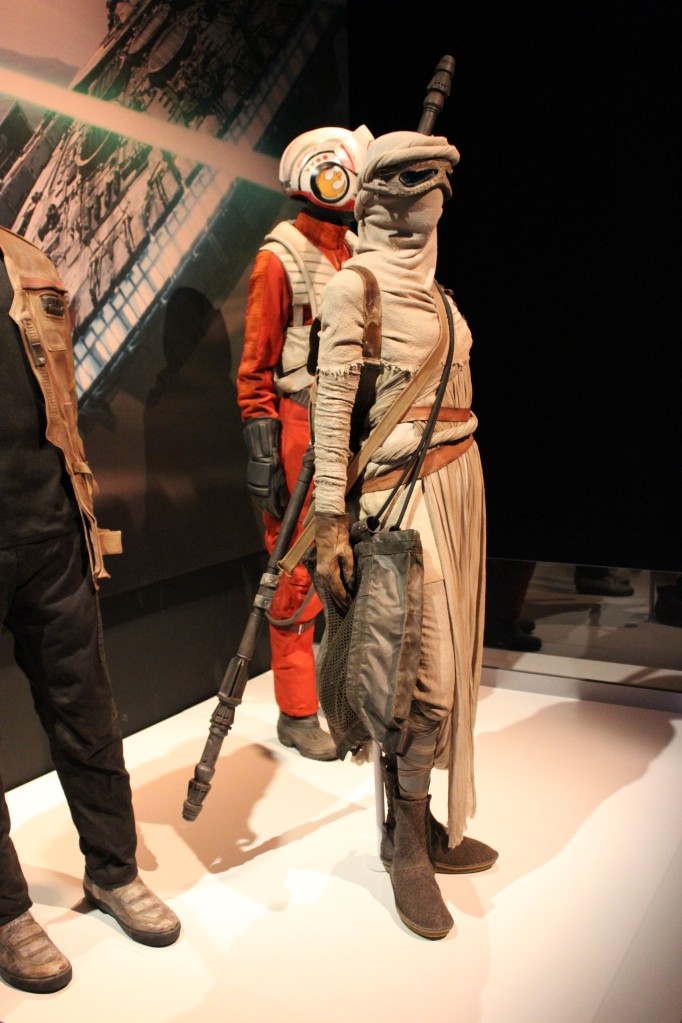
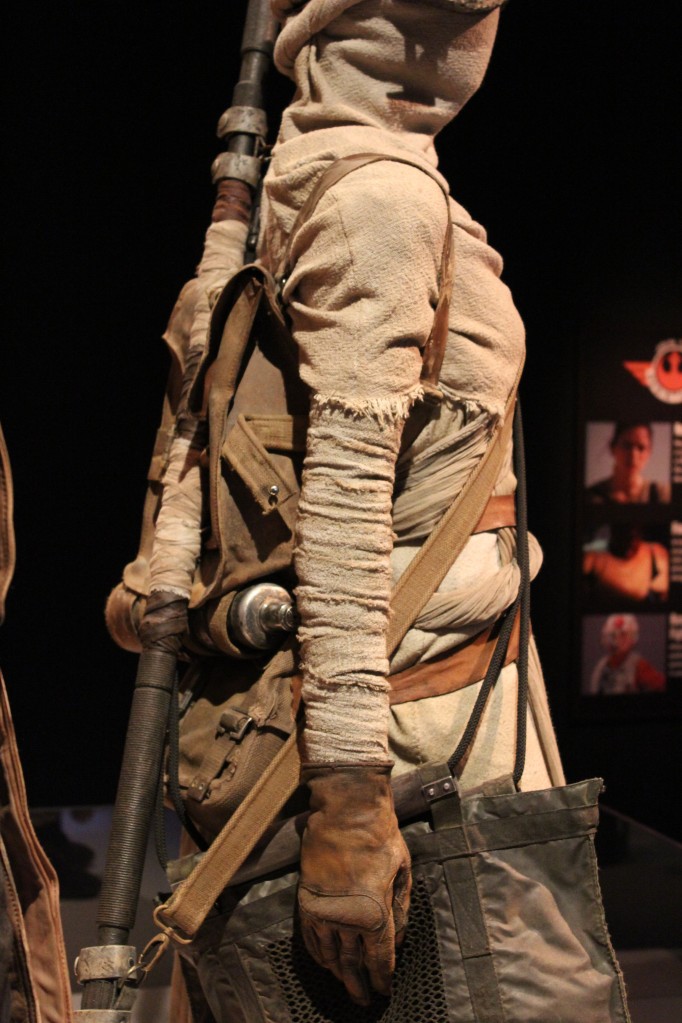
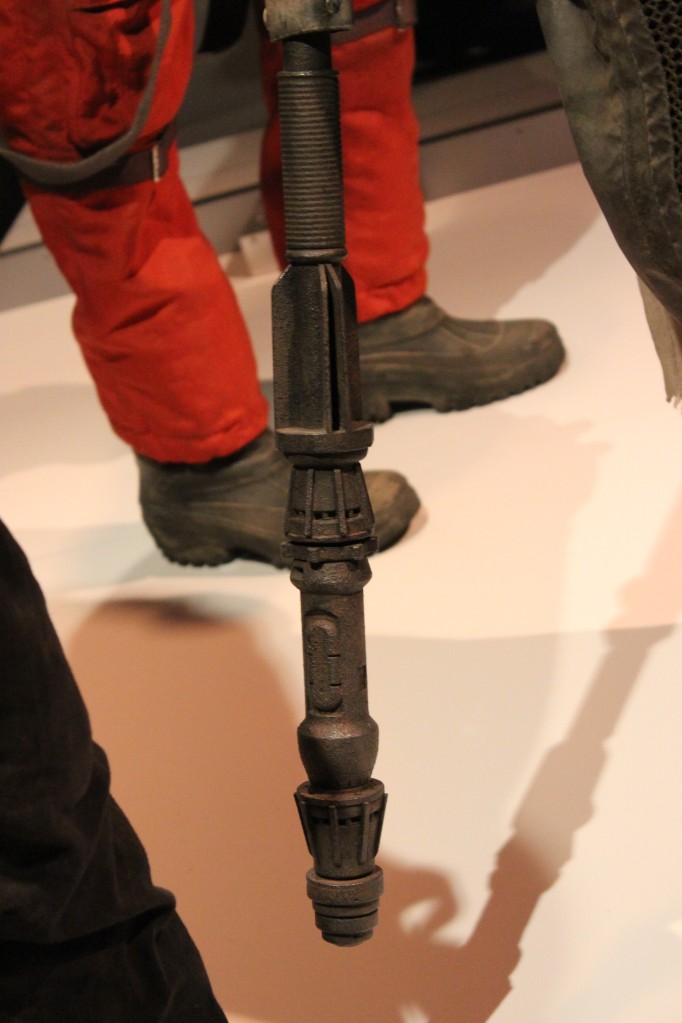
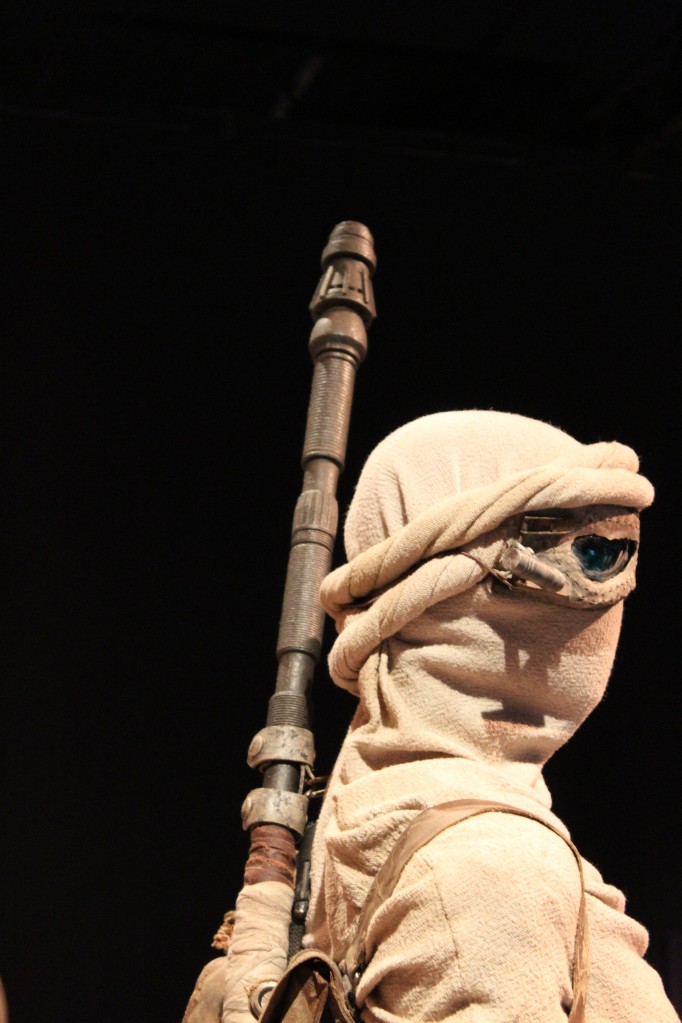
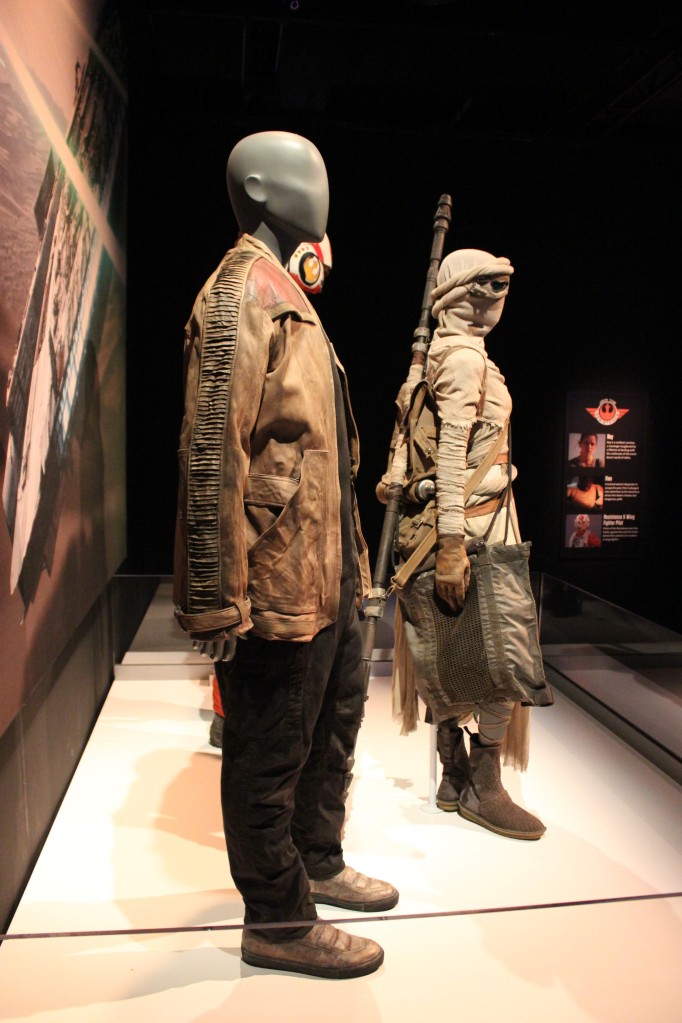
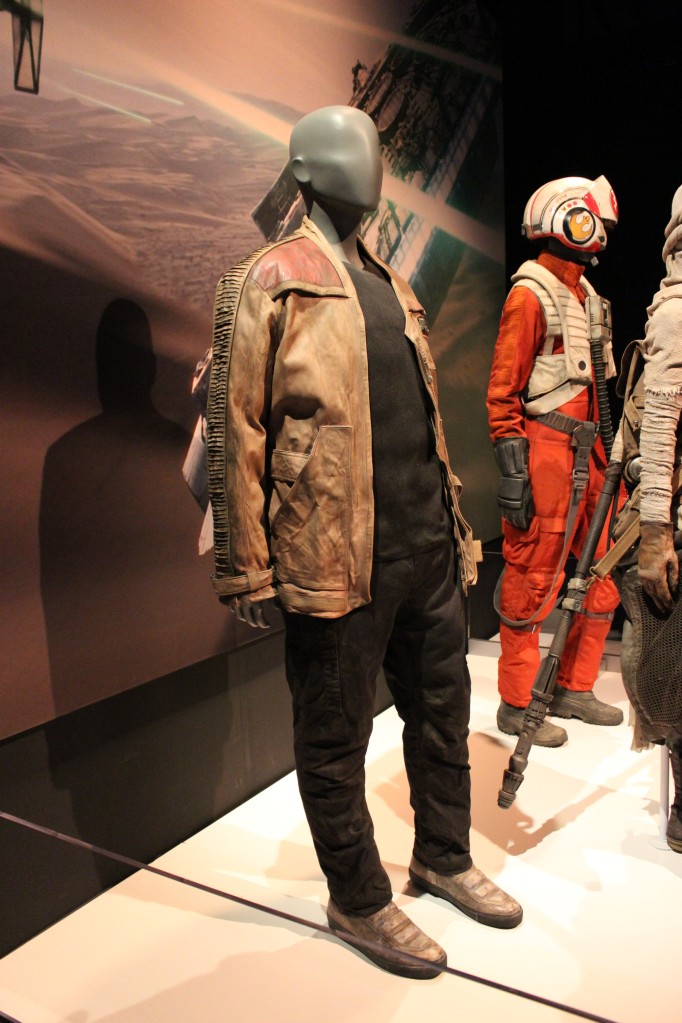
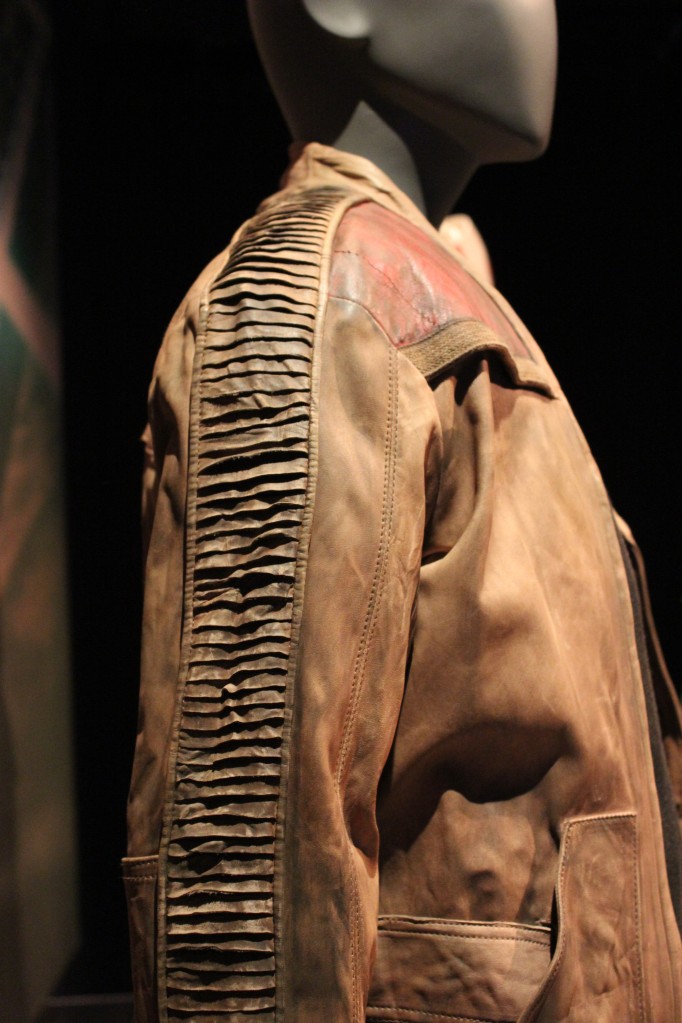
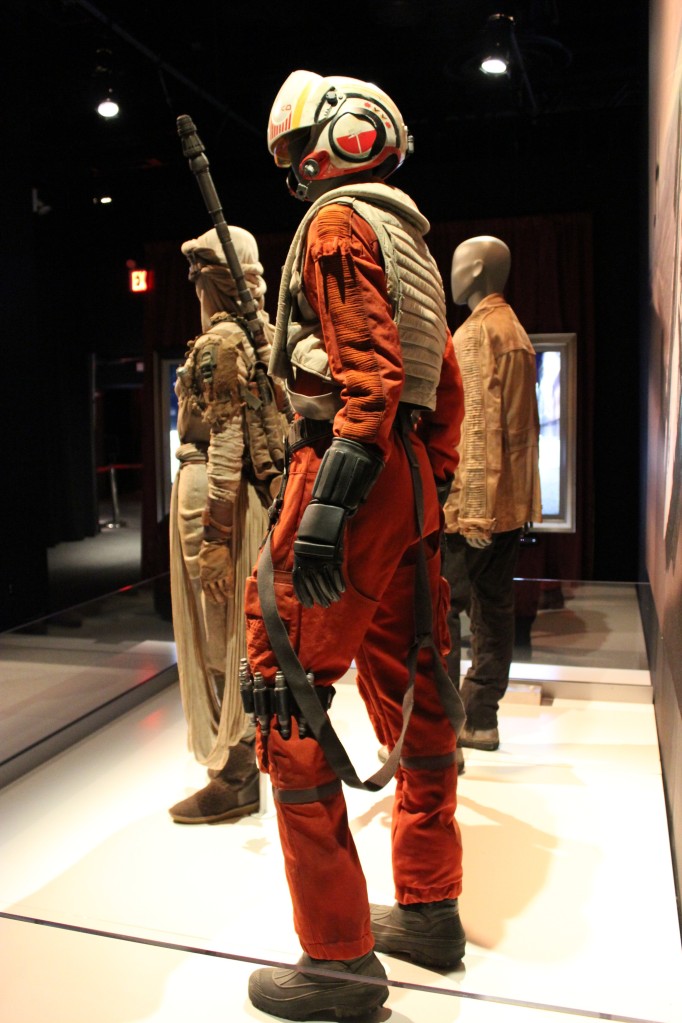
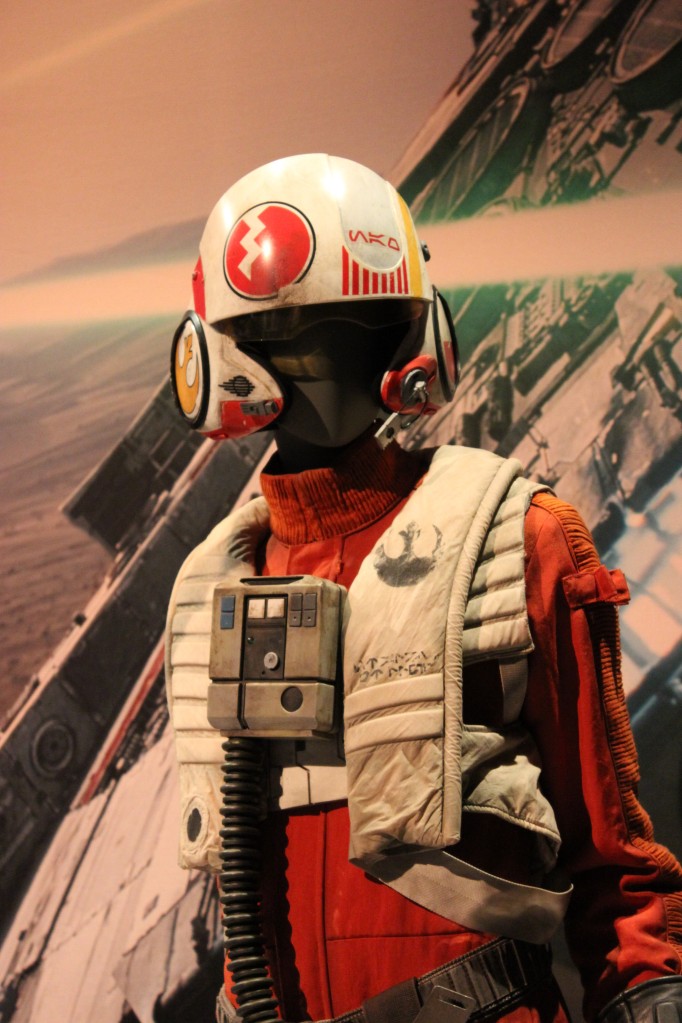
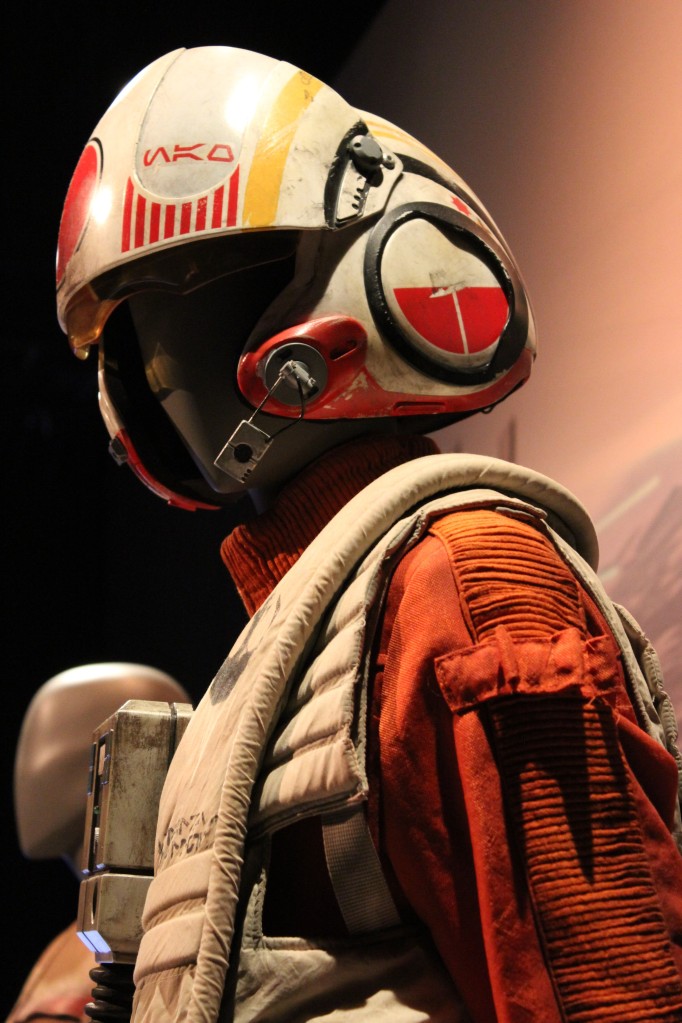
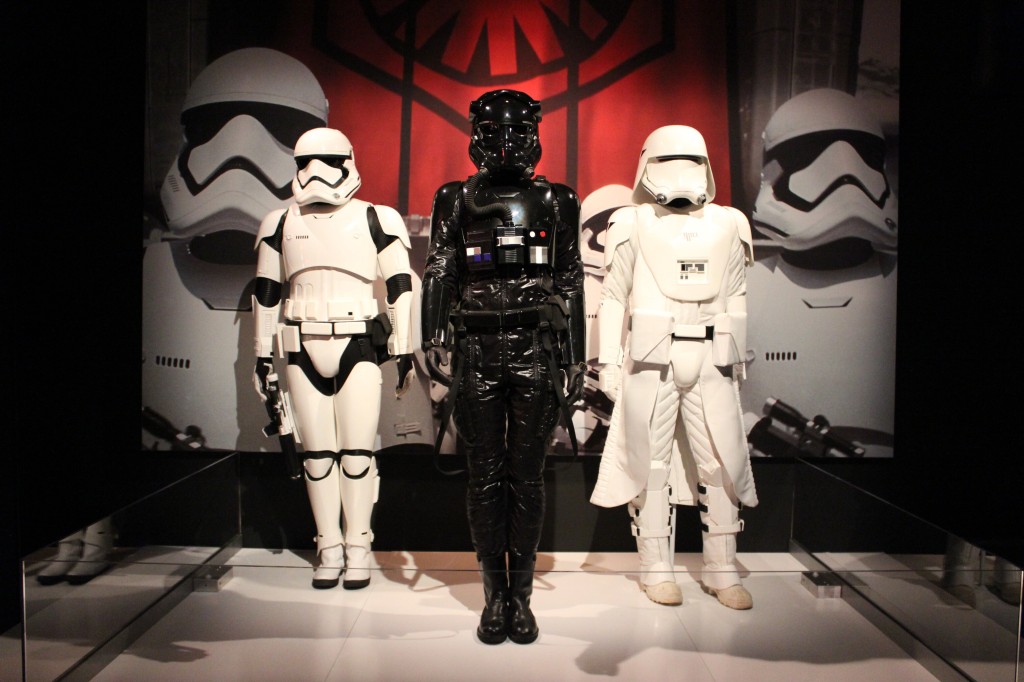
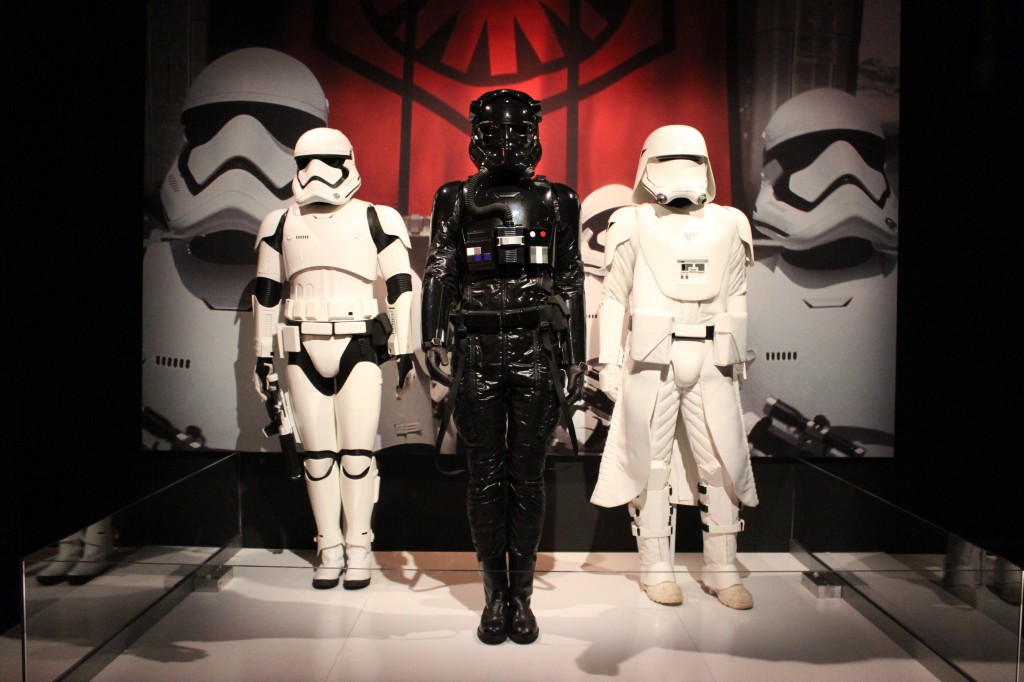
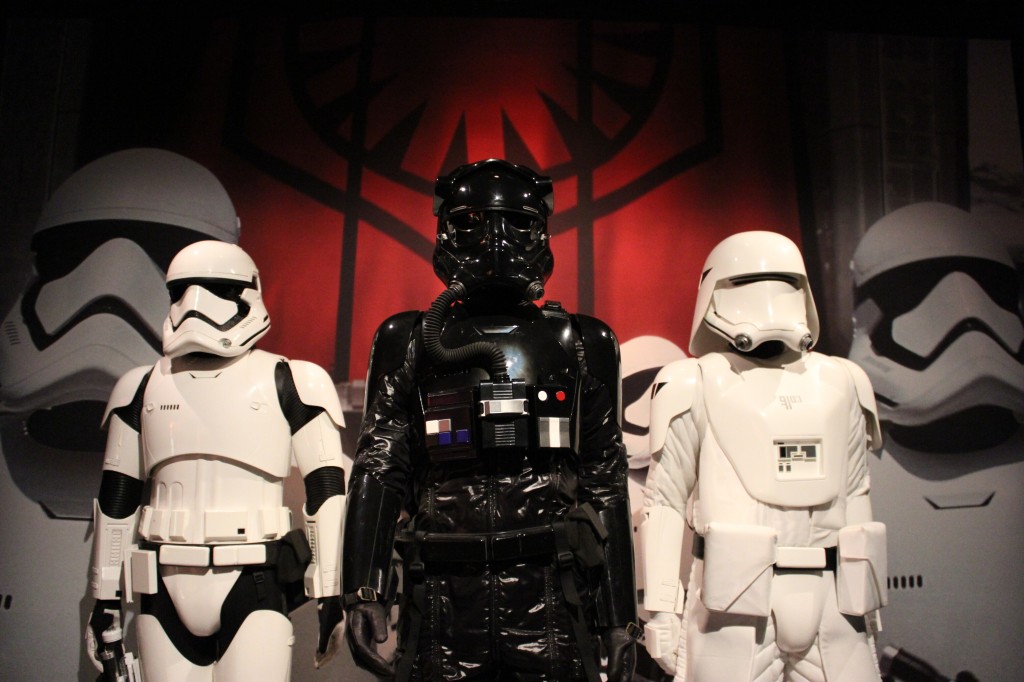
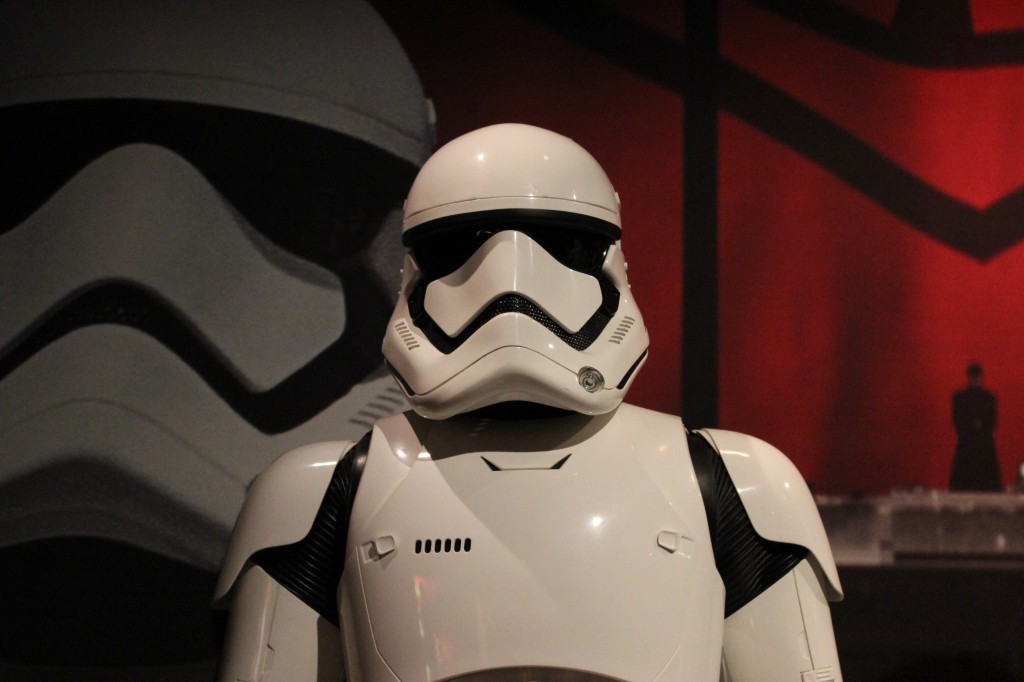
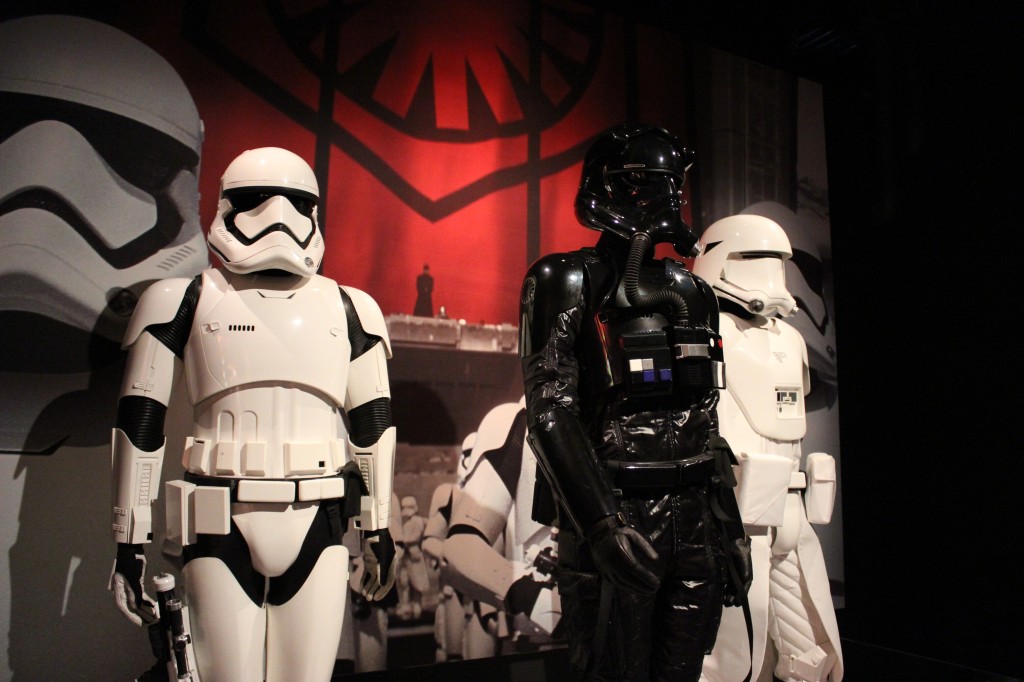
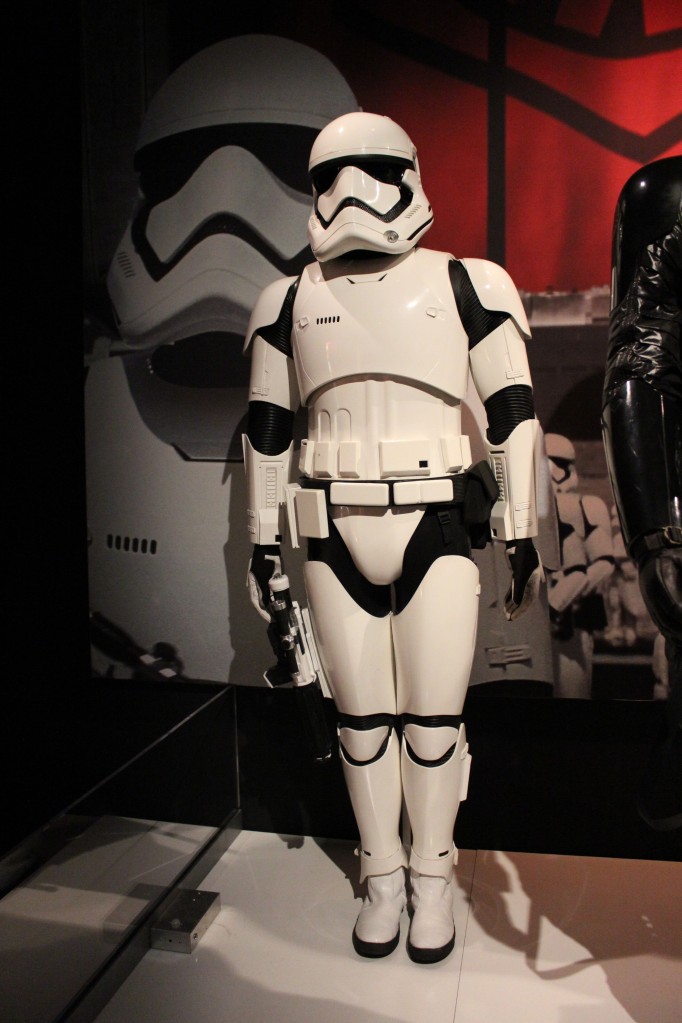
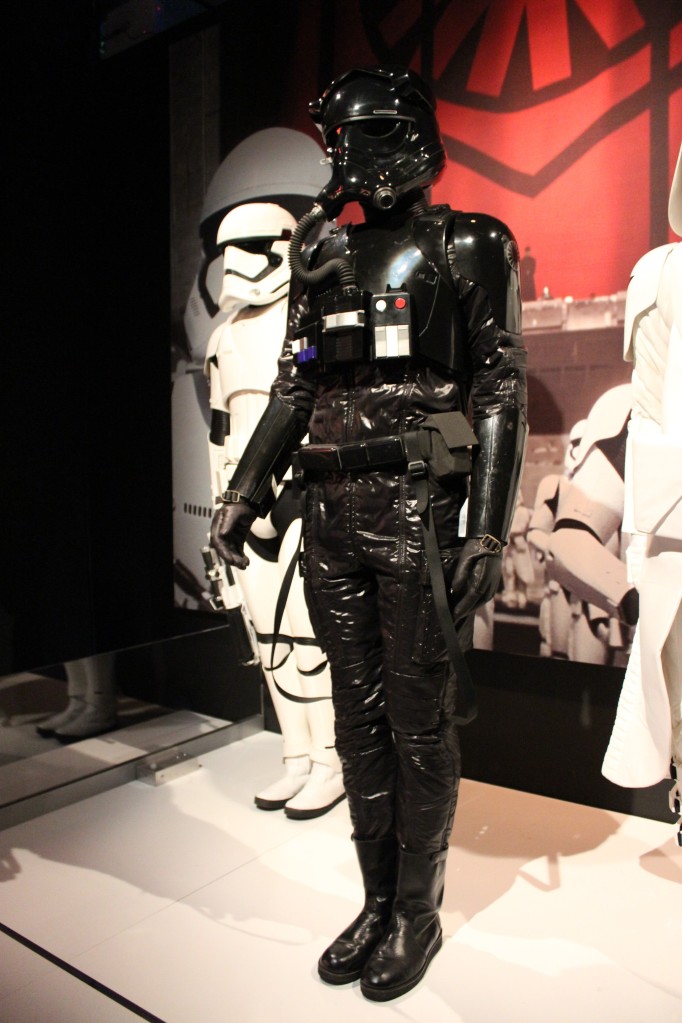
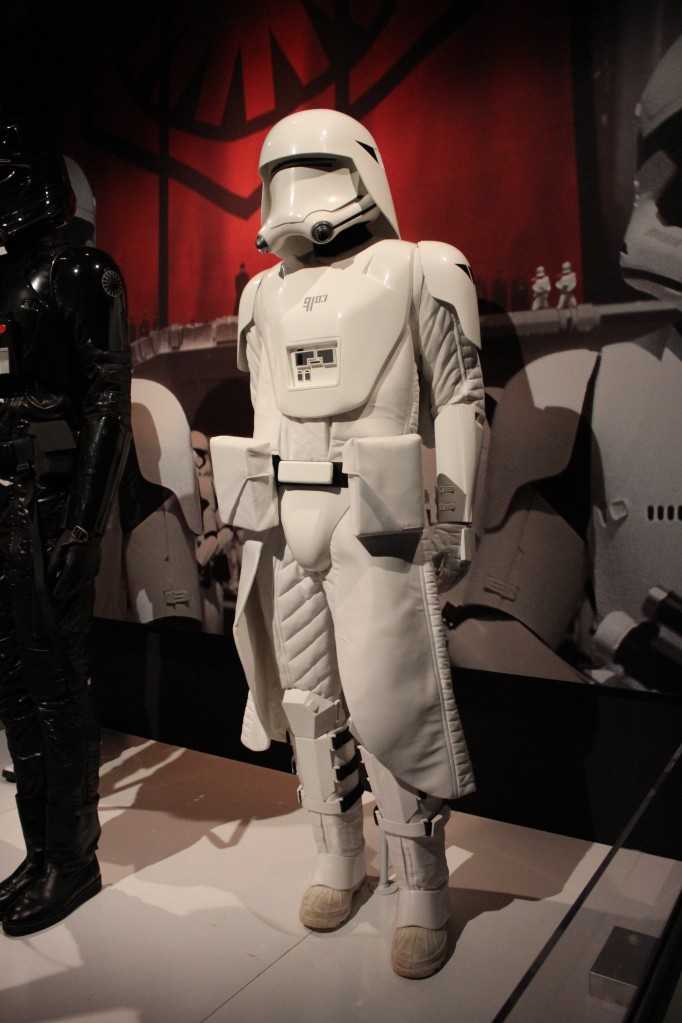
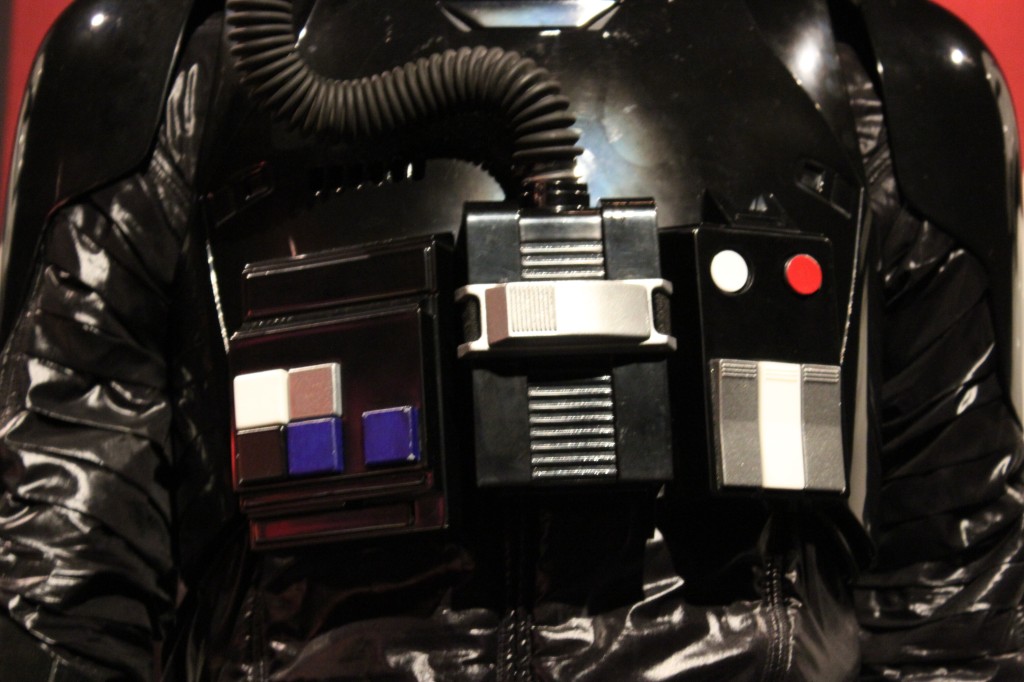
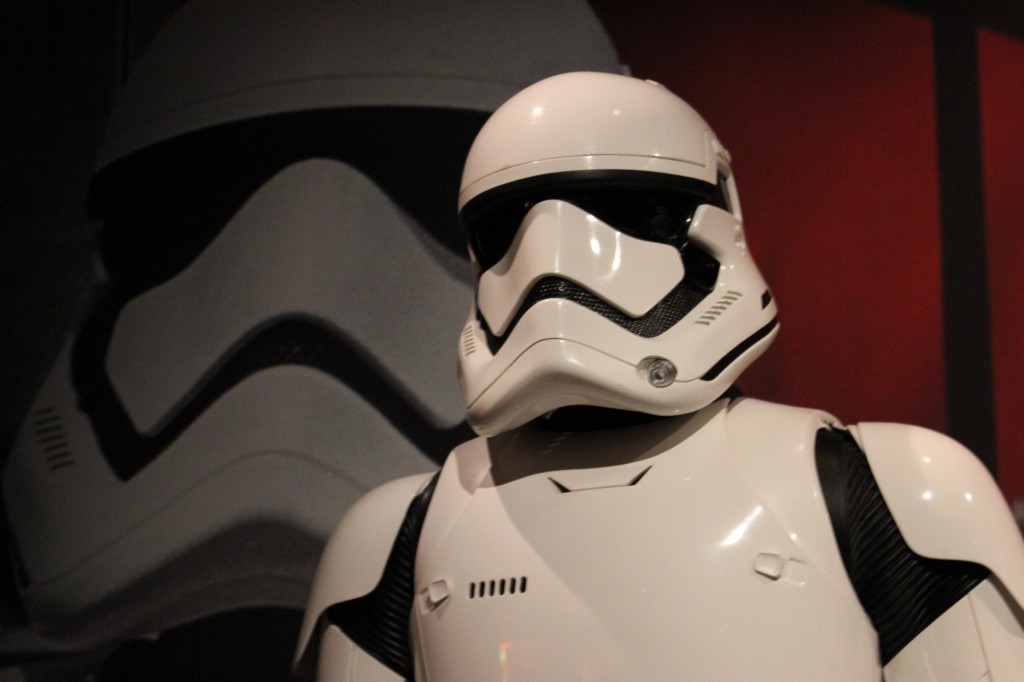
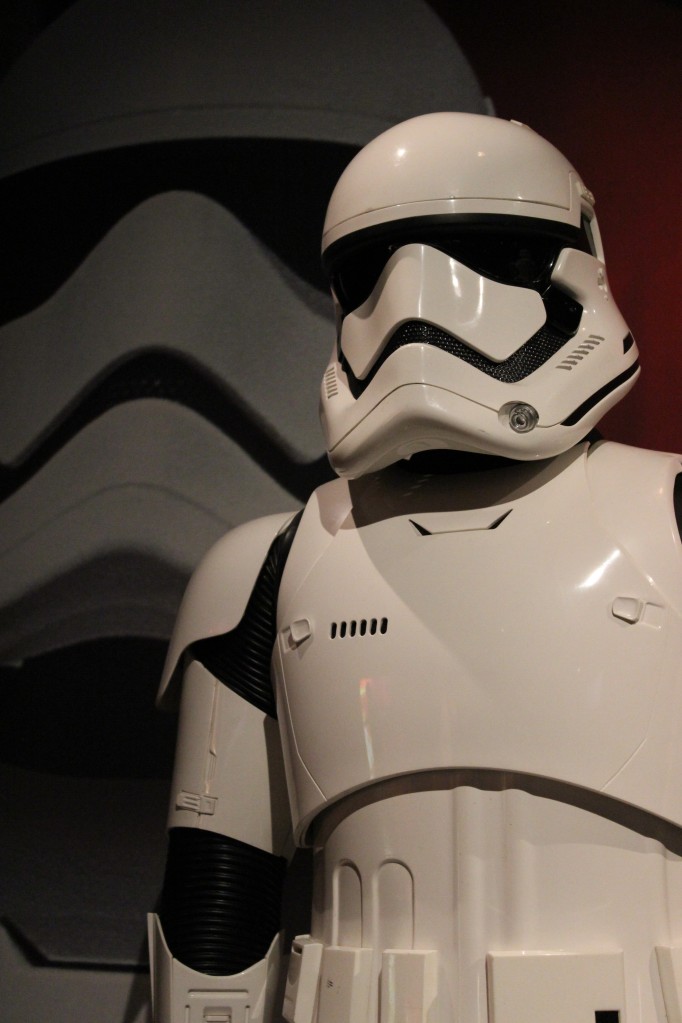
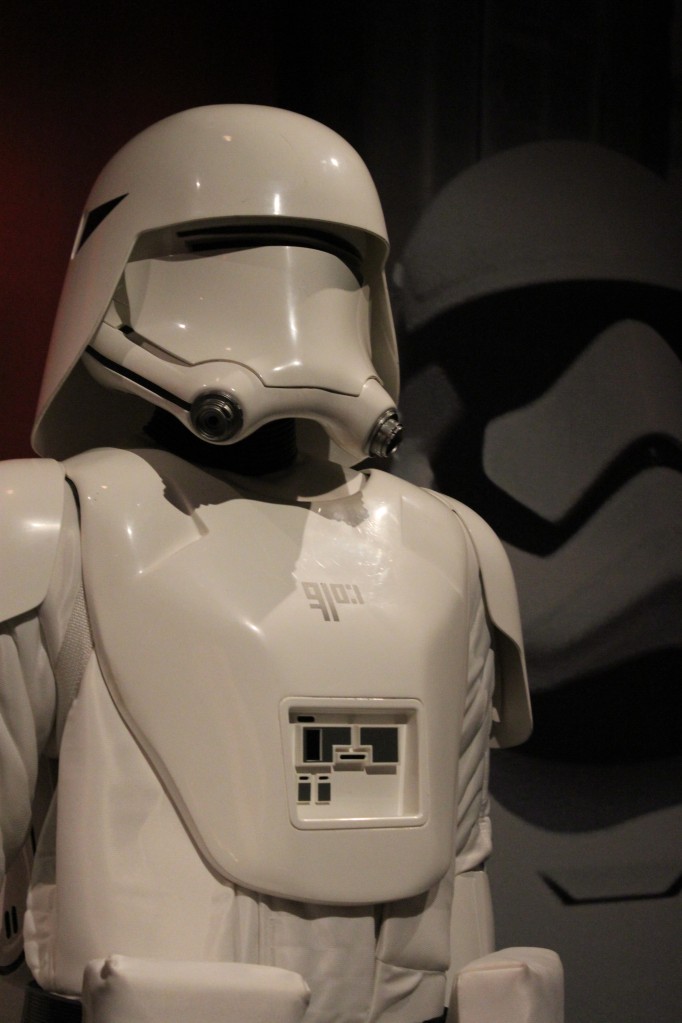
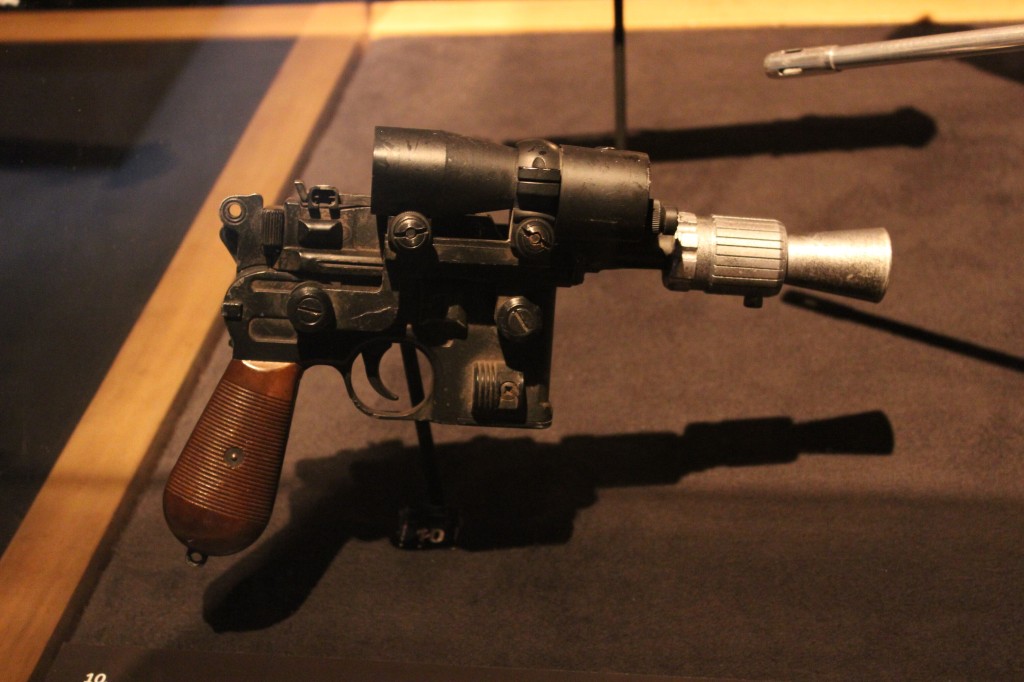
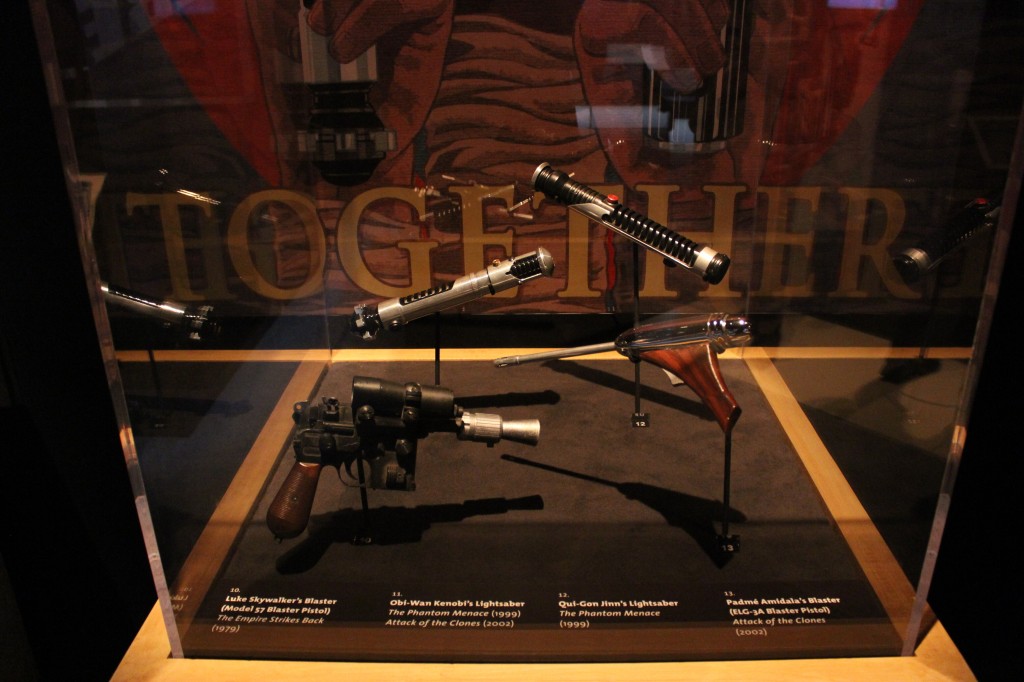
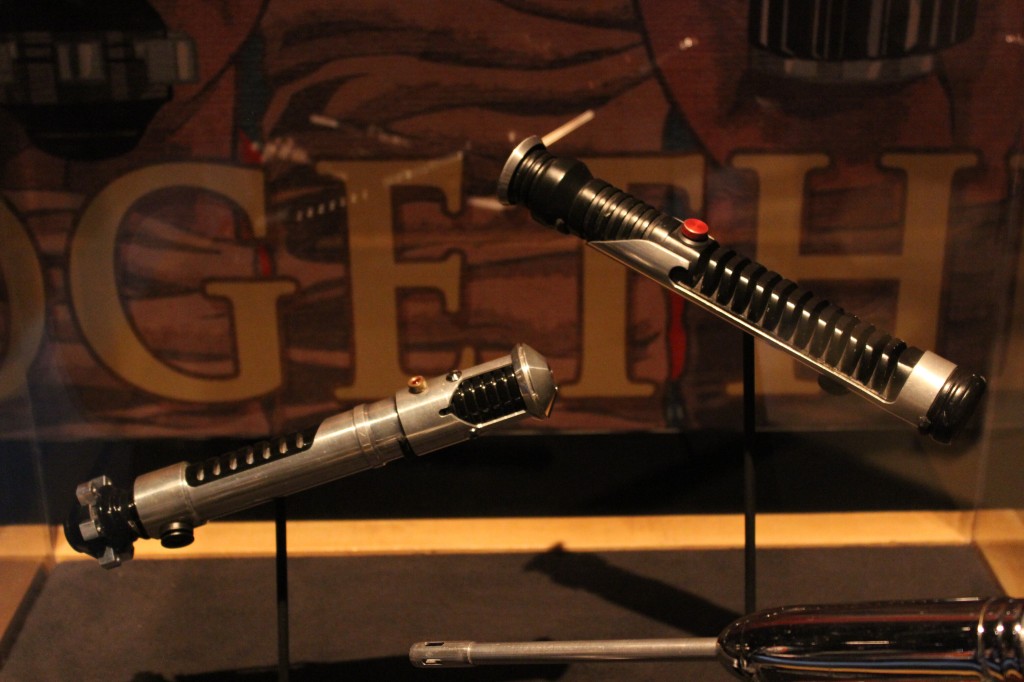
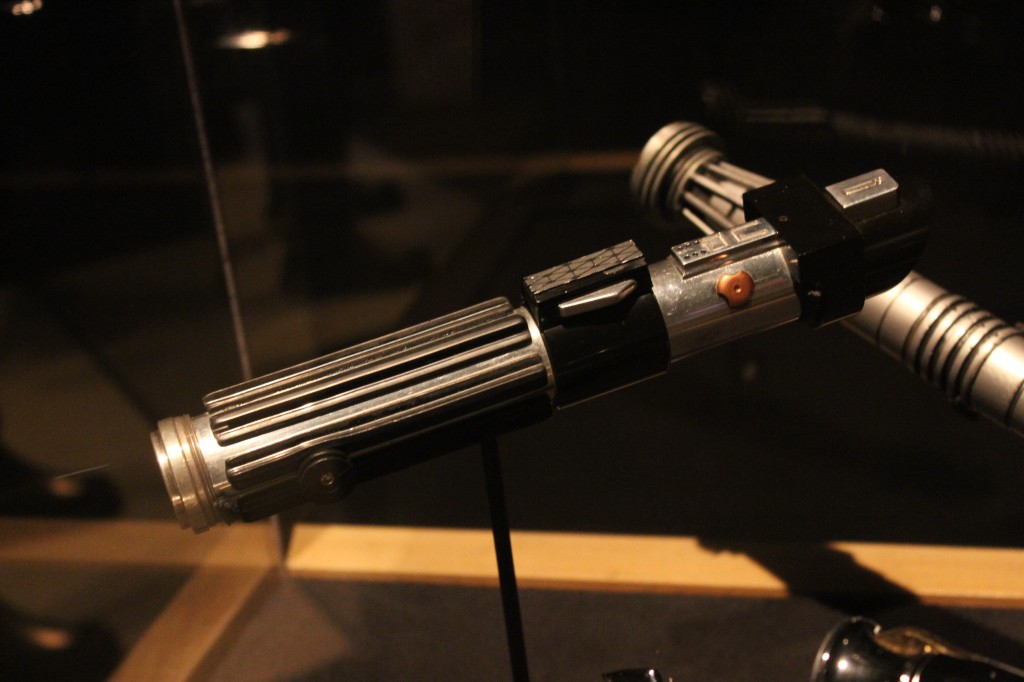
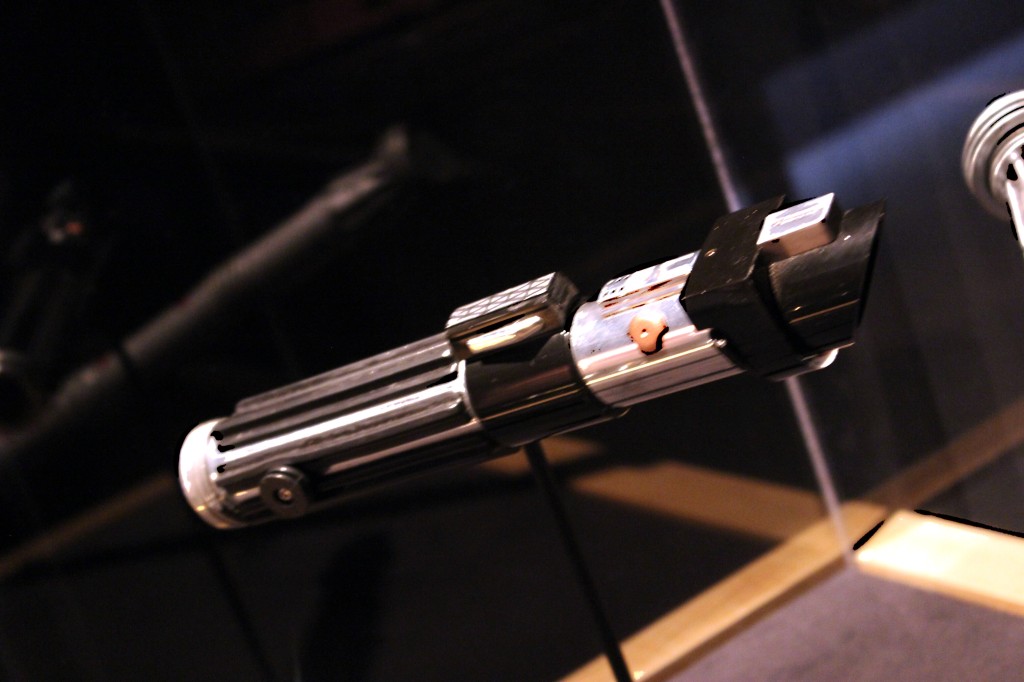
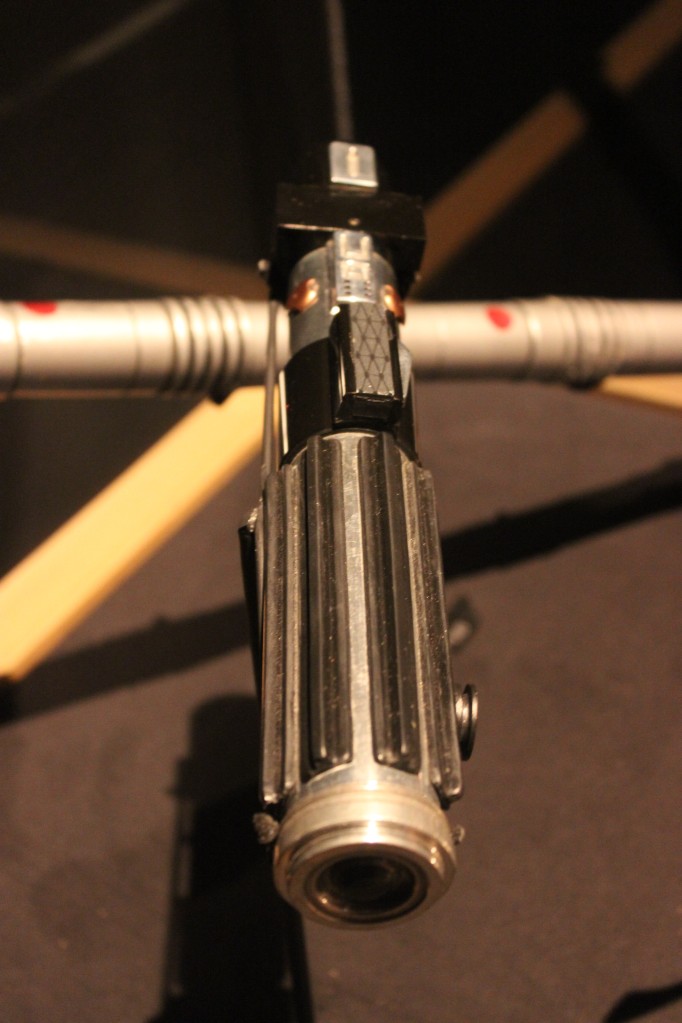
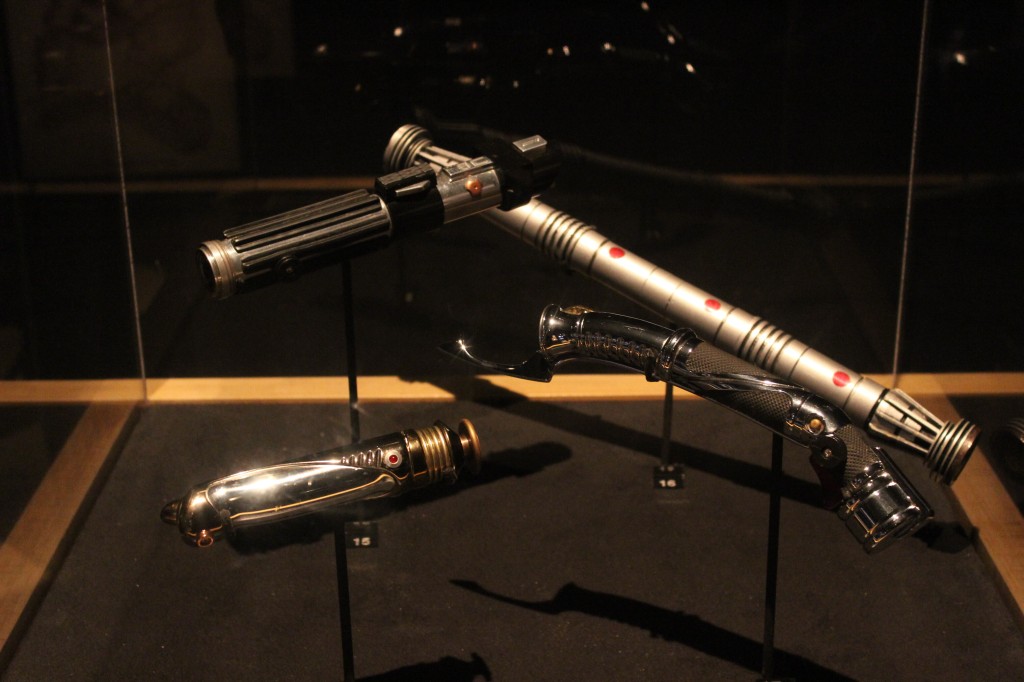
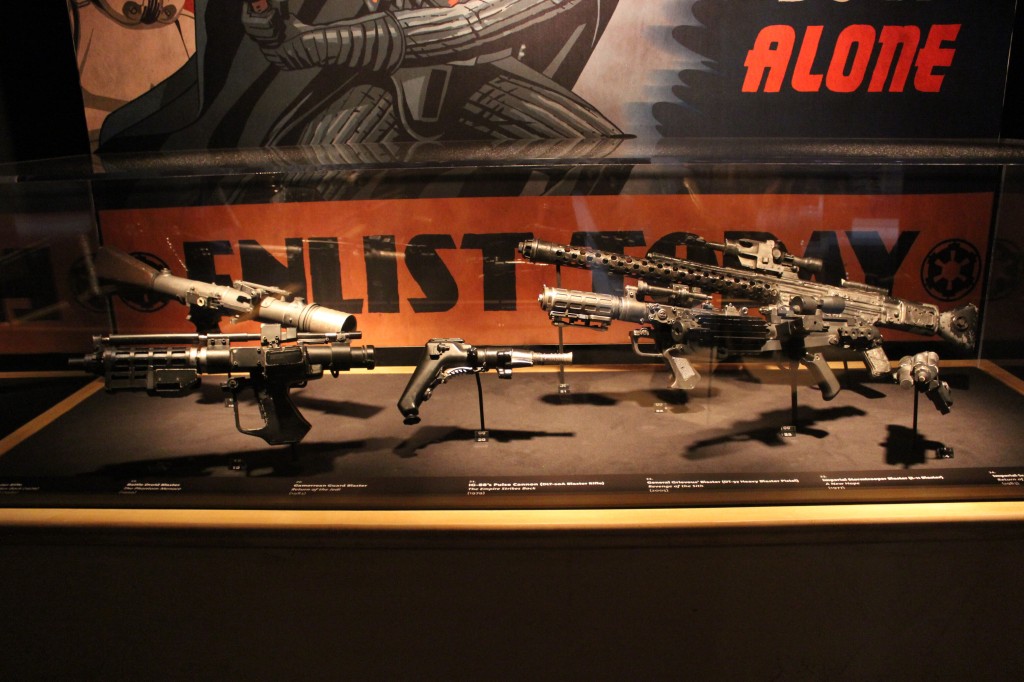
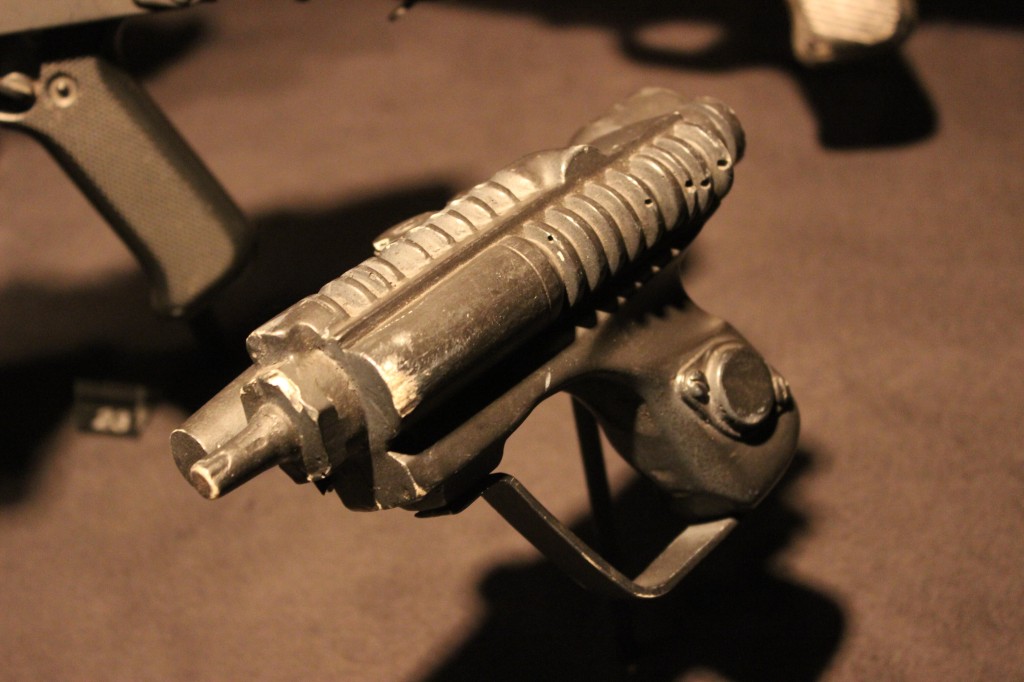
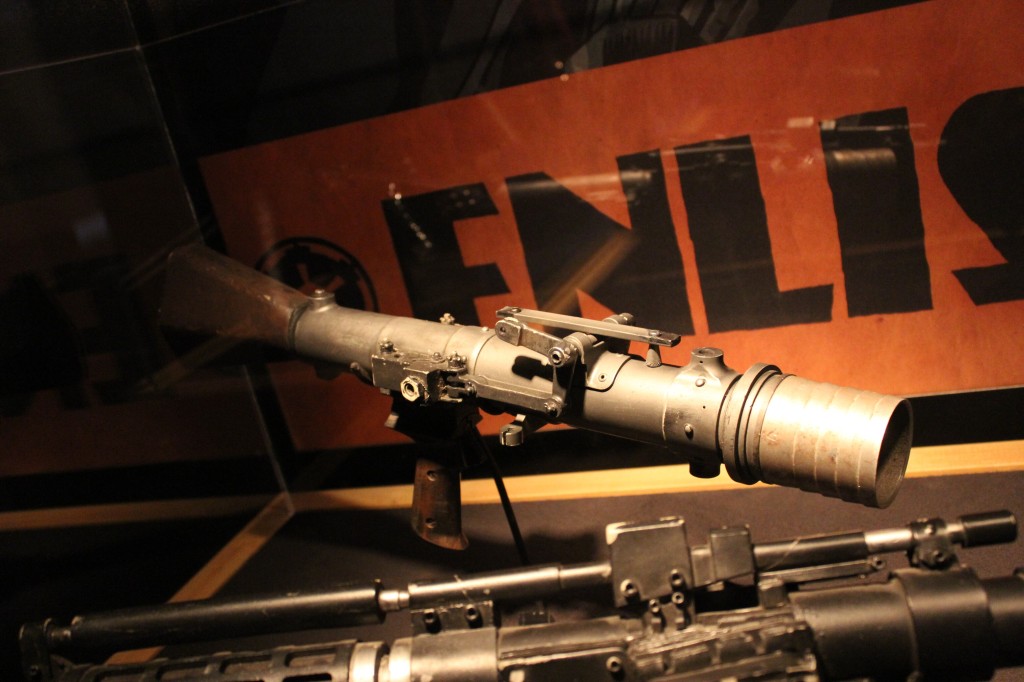
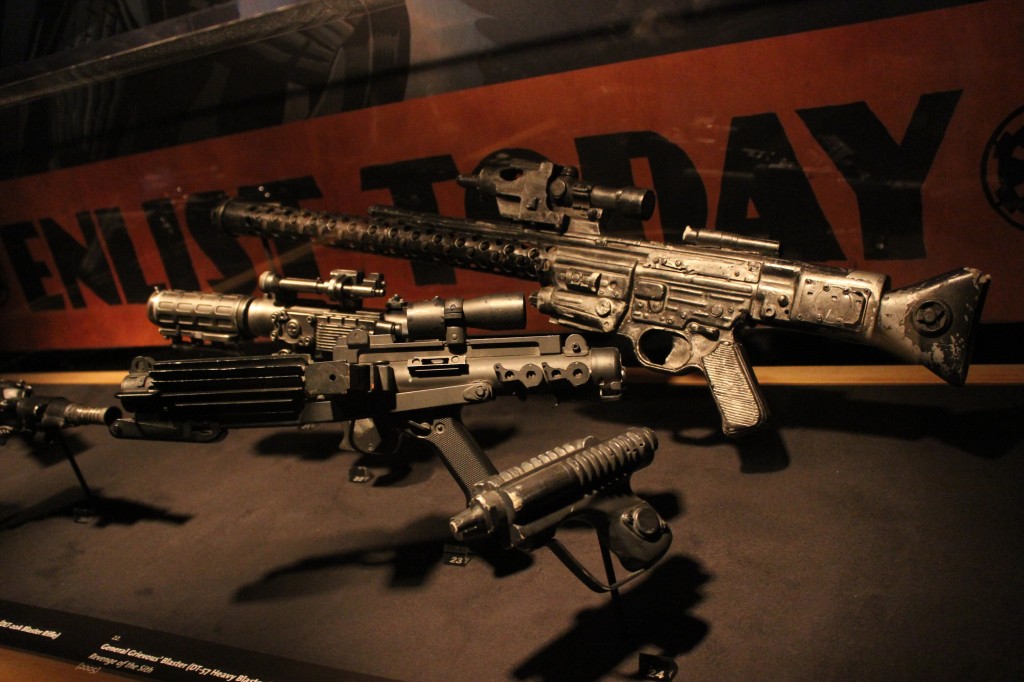
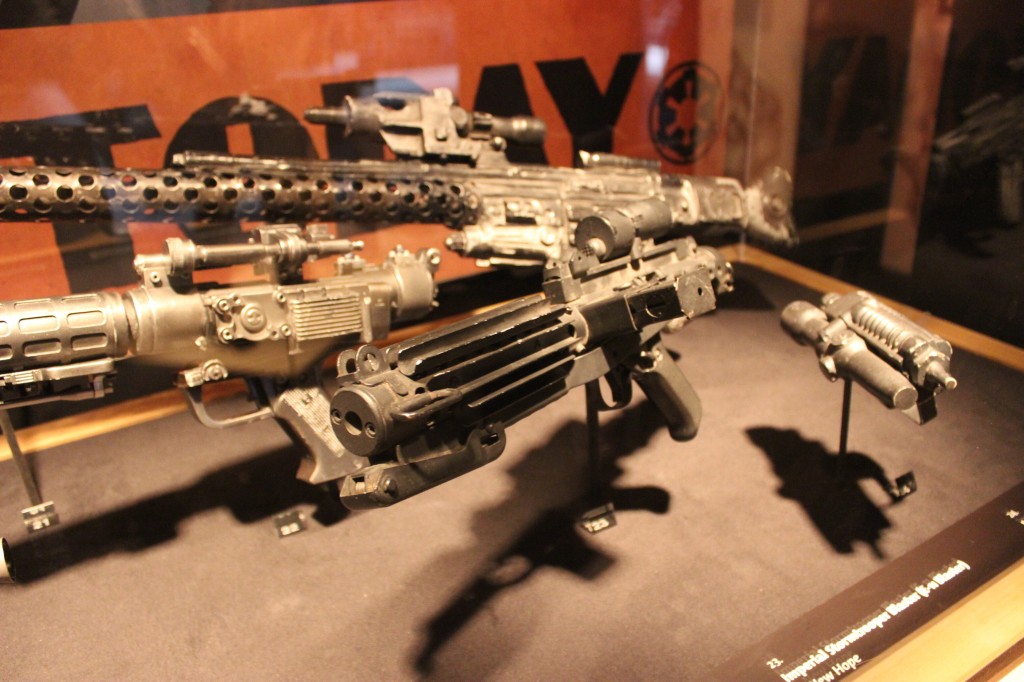
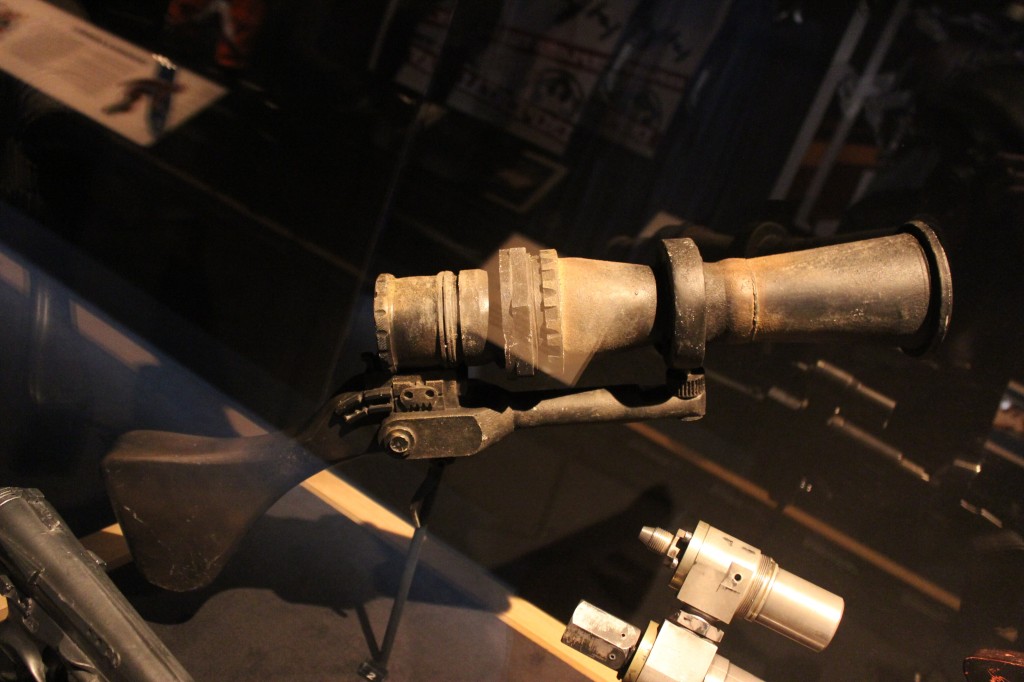
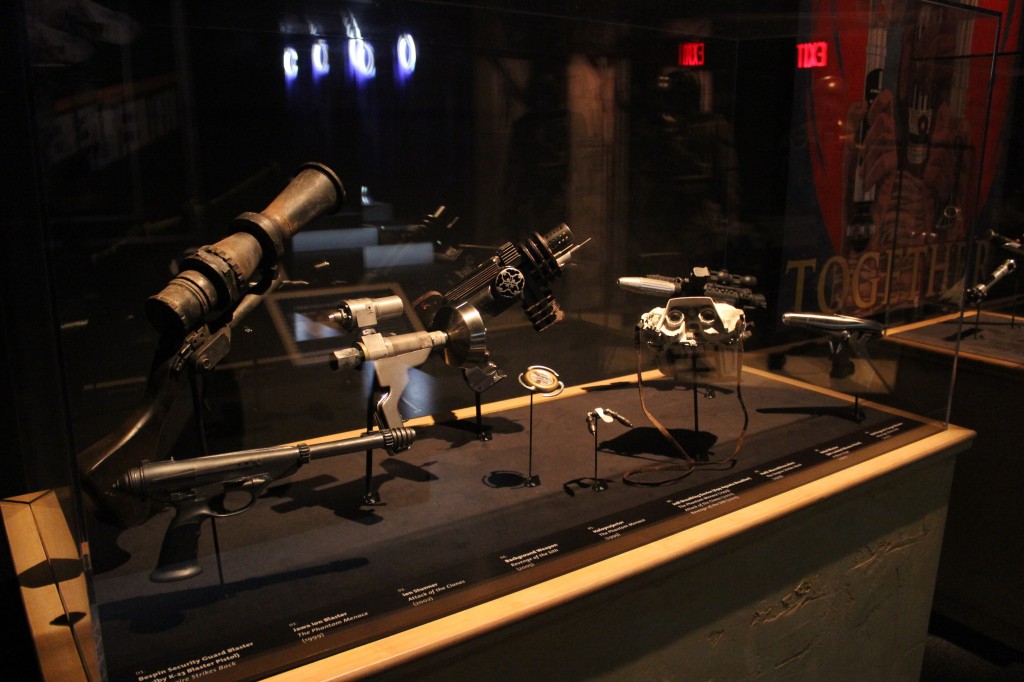
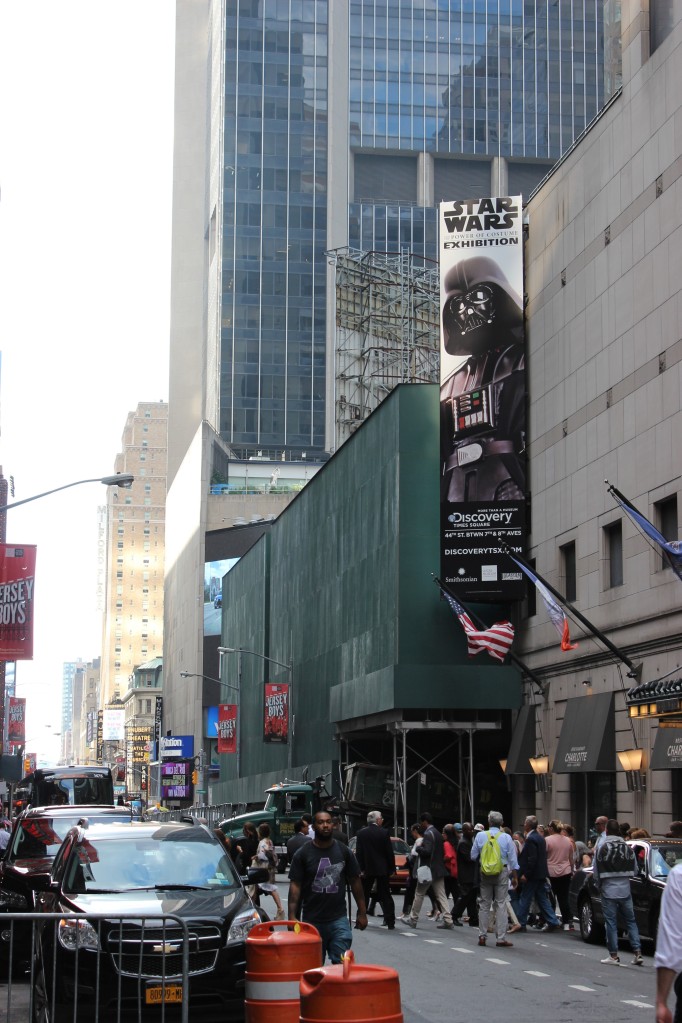
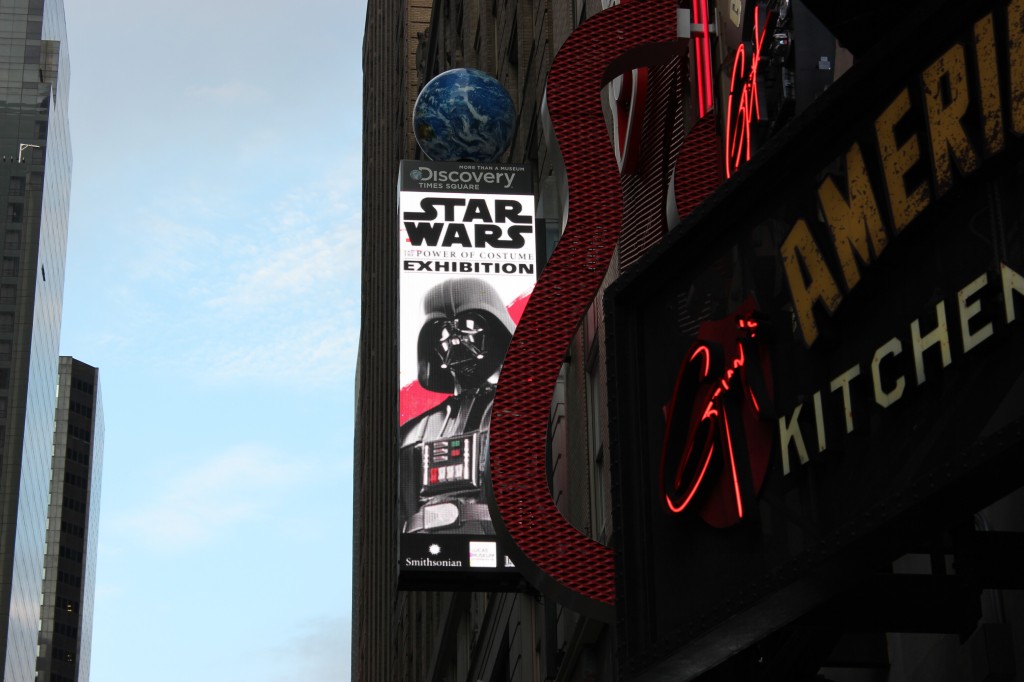
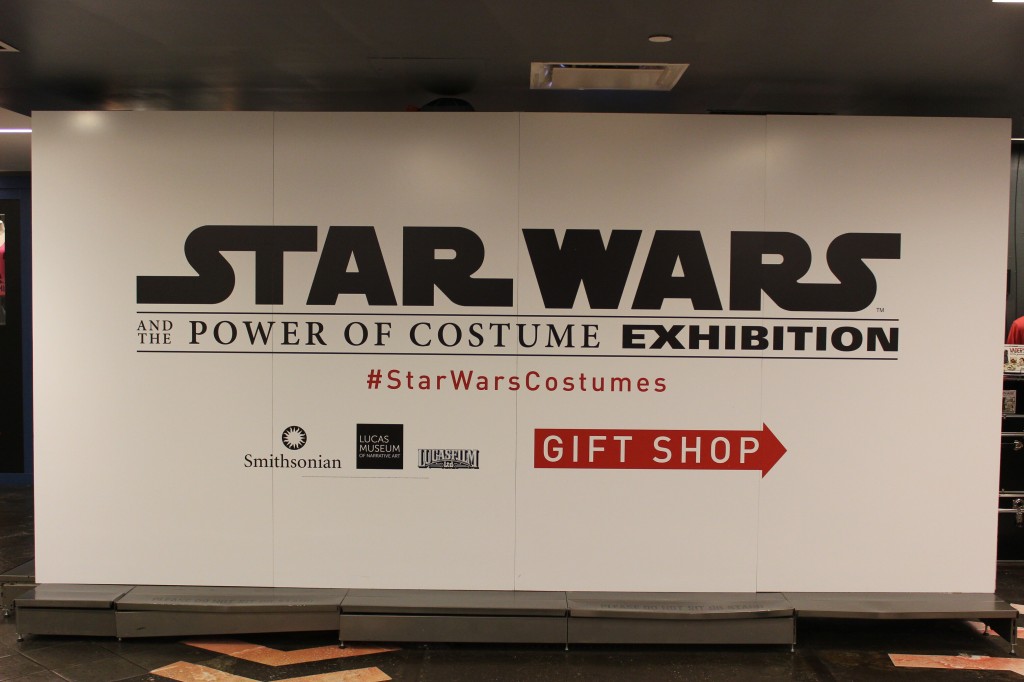
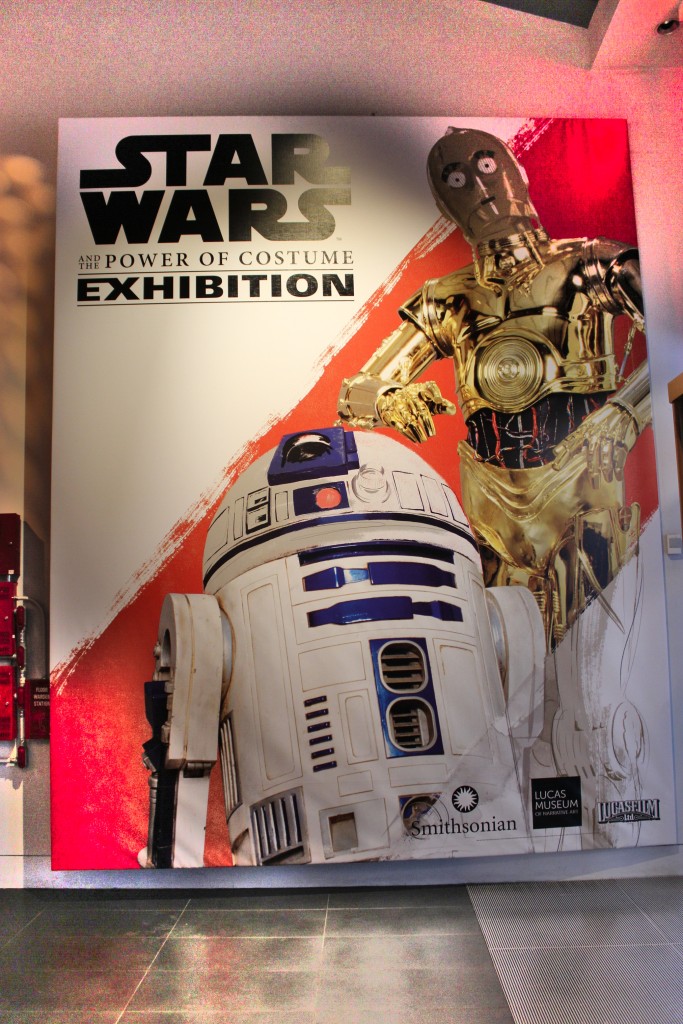
In a stroke of luck in the lead-up to Sean Scanlan and I publishing our co-edited special issue of New American Notes Online (NANO) on Star Wars Episode VII: The Force Awakens, the Smithsonian and Lucas Museum of Narrative Art traveling exhibition collaboration called Star Wars and the Power of Costume came to New York City. I visited the exhibition with my Canon T3i one summer afternoon in 2016. It was exhilarating to me to be close to the costumes and props from my most loved movie franchise. Also, I imagined how the exhibit must be a goldmine for costuming details for Star Wars cosplay.
I’m afraid that my photography skills and control over my equipment is left wanting, but I tried my best to capture the costumes and equipment as best as I could for my own enjoyment when revisiting the exhibition via memory conjured by the photos. Now, I’m sharing my photos of the exhibition for your benefit here.
Also, I attended an earlier Star Wars exhibition in London nine years earlier, which I will post next week as my Flickr album of those photos no longer exists [link added to the London Star Wars Exhibition on 17 Oct. 2023]. It will feature costumes and some vehicles and models. In the meantime, I hope that you enjoy virtually visiting the Power of Costume below.
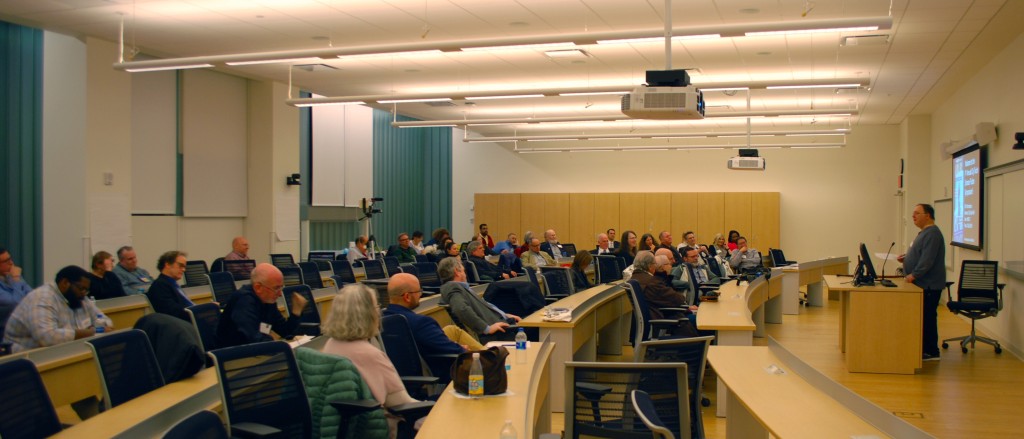
When you put together an event like a symposium or conference, you need a keynote speaker who can anchor it, pull together its various threads, and share their reputation to elevate the event for the benefit of the audience and participants. Mike Flynn, the author of Eifelheim and “The Forest of Time,” graciously agreed to be all that by closing out the Fourth Annual City Tech Science Fiction Symposium in 2019 that celebrated Astounding/Analog‘s 90th anniversary. He passed away at the end of September. Locus remembers him here, and his family started this thread of memories on Facebook. You can watch his touching keynote address below.