Category: Movies

  • Ditched Roku for a Discounted Origimagic Ryzen 5 Mini PC

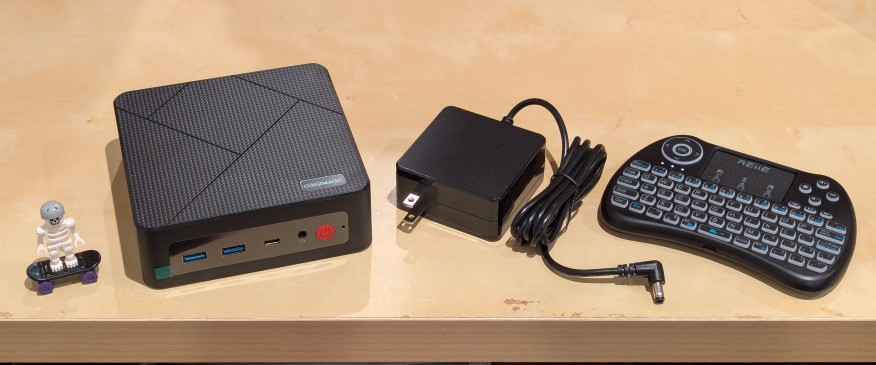
    lego minifigure skeleton on skateboard next to origimagic c4 mini pc, power adapter, and handheld keyboard with trackpad

    I’ve been unhappy with Roku’s increasing advertising through images and now full-motion video and their lack of support for a variety of codecs in their media player app. So, I’ve been looking for awhile for a good deal on a mini pc that could replace the Roku for playing media and also support some light gaming. Also, considering the impending tariffs (i.e., a tax on Americans), I hoped to find something as soon as possible.

    After tracking several mini pcs on Amazon and eBay for a few weeks, I finally pulled the trigger when Amazon offered the Origimagic C4 Mini PC with a Ryzen 5 3550H (4 core, 8 threads) on sale for $153. It’s CPU has a lot more horsepower while using 25 watts of power than Intel’s similarly priced mini pc processors. It came stock with 16GB DDR4 RAM, 512GB PCIe SSD, 1 x Type-C USB, 4 x Type-A USB (3 are USB 3 and 1 is USB 2), headphone jack, HDMI, DisplayPort, and dual ethernet.

    To operate it from the sofa, I got a $10 reiie H9+ Mini Keyboard with Touchpad that uses a wireless USB adapter to connect to the mini pc.
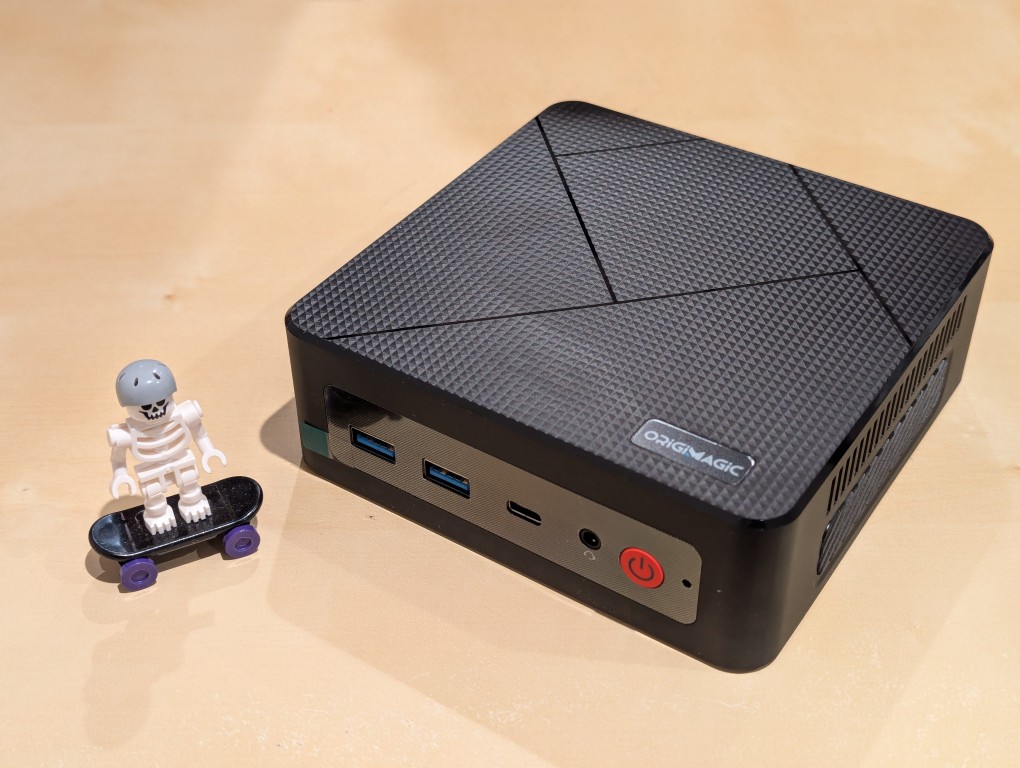
    lego minifigure skeleton on skateboard next to origimagic c4 mini pc
    lego minifigure skeleton on skateboard next to origimagic c4 mini pc

    Before setting anything up, I created a flash drive with Debian 13 Trixie, the latest version that was released over the weekend on Saturday.

    To do this, I inserted a 16GB flash drive into my workstation, but I didn’t mount the device. I downloaded the network install ISO for Debian 13 from here. Then, I ran lsblk in a terminal window to see what device address corresponded to the flash drive. It’s important to not make a mistake here, because it’s easy to overwrite another drive using this method. lsblk lists the devices, which are all in the “/dev/” folder, so when I saw that my flash drive was assigned the address “sdb”, I knew that its full address was “/dev/sdb”. With that info, I then wrote the downloaded Debian 13 netinstall ISO directly to the flash drive using this command:

    sudo cp debian-13.0.0-amd64-netinst.iso /dev/sdb

    After the copying to the flash drive had finished, I ejected it from my workstation and took it over to the mini pc. I plugged in the power adapter, ethernet cable (I arbitrarily picked the one furthest from the power plug), HDMI cable to the TV, the keyboard receiver USB, and the Debian 13 installation flash drive.

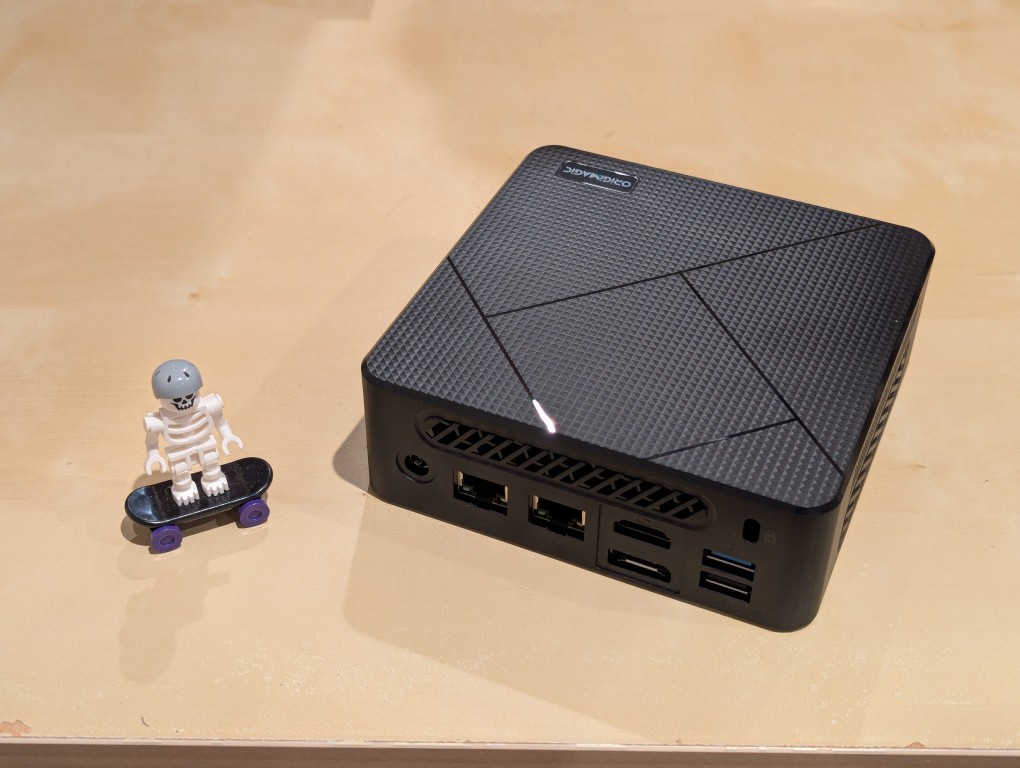
    I did experience some frustration with getting the Debian 13 flash drive to boot the mini pc. As soon as the mini pc booted, I was unable to enter BIOS or open the boot menu. Instead, it kept booting into the Windows 11 setup, which I did not want to use. At first, I thought it might be a problem with the tiny wireless keyboard and trackpad, so I switched to my Logitech keyboard and trackball, which are both tied to one Logitech USB receiver. I tried different USB plugs on the front and rear of the mini pc until I was finally able to enter bios (pushing DEL at boot) when the keyboard USB receiver is in the top-right USB port on the rear of the mini pc as shown below (it is a USB3 port). It might have been bad luck on my part with the other ports, so I can’t say this is a peculiarity with this hardware for certain. Nevertheless, it’s good to exhaust all possibilities like this.
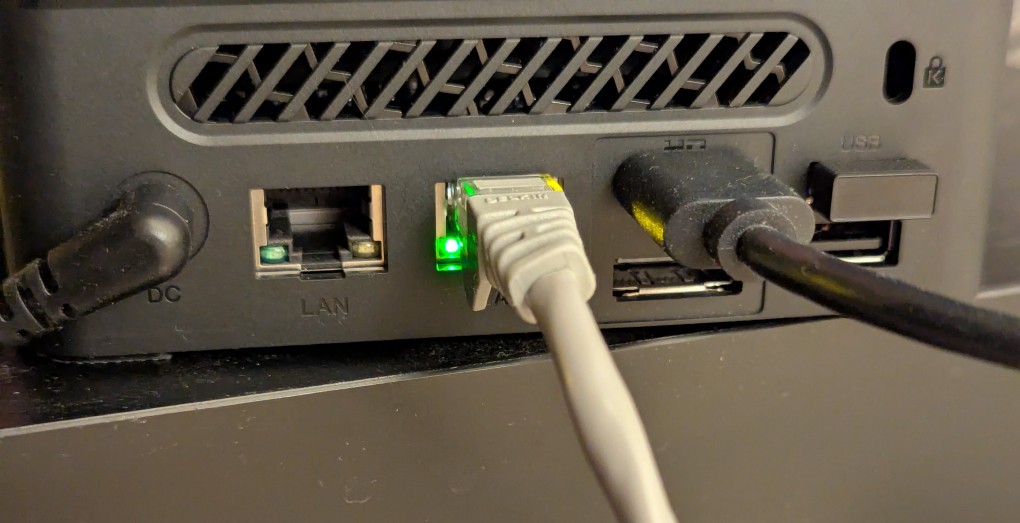
    back of mini pc: power plug, two ethernet ports (one plugged in), HDMI (plugged in), display port, and 2 usb ports (one has a tiny device plugged in)

    Once in the BIOS, there’s not many options except for disabling hardware (I disabled WiFi), turning off Secure Boot and the Trusted Computing Module, and other odds and ends. I saved the settings, rebooted, and went into the Boot Menu (F7), selected the Debian 13 netinstall flash drive, and began the installation (a full nuke-and-pave: erasing the NVMe drive and setting up Debian 13 as the only operating system).

    While I use XFCE on my laptop and workstation, I opted for the GNOME desktop environment on the mini pc, because I thought its screen controls and overall user interface would be easier to see and navigate from across the room. If I don’t like it, I can always install XFCE.

    Because two of the main sources of media for us is Netflix and YouTube, I installed Chrome to handle those sites. I have VLC and Kodi for everything else.
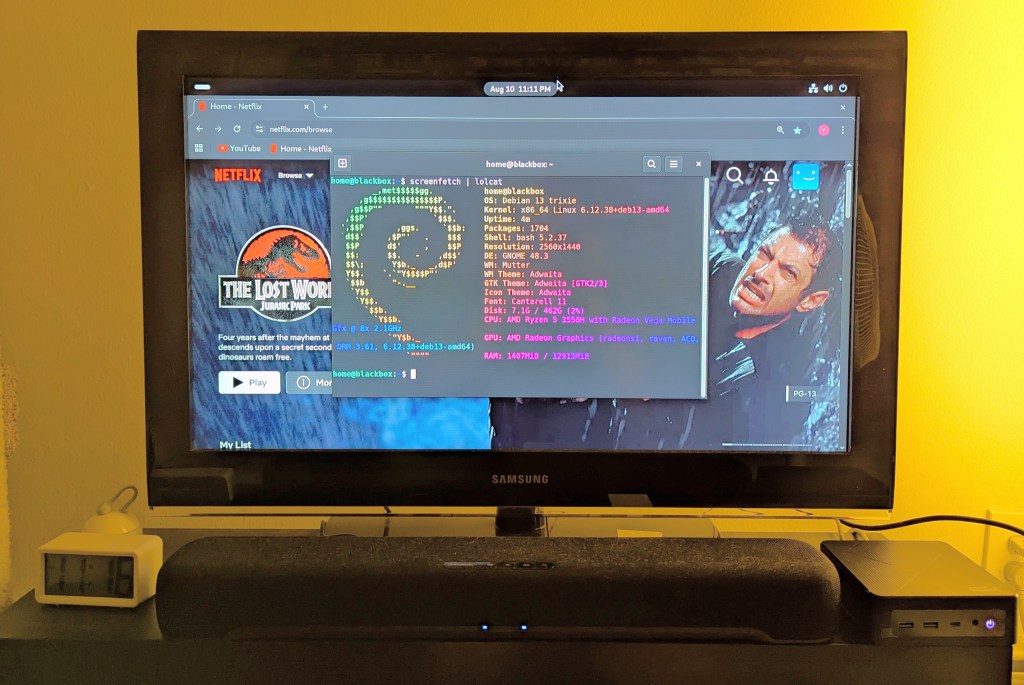
    samsung tv and soundbar with a mini pc on the right side of the tv stand. the screen is showing netflix Jurassic Park the lost world in the background while the foreground terminal shows the pc's info, which is also in the second paragraph above.
  • Green-Wood Cemetery’s Ghostface is Buried in Snow

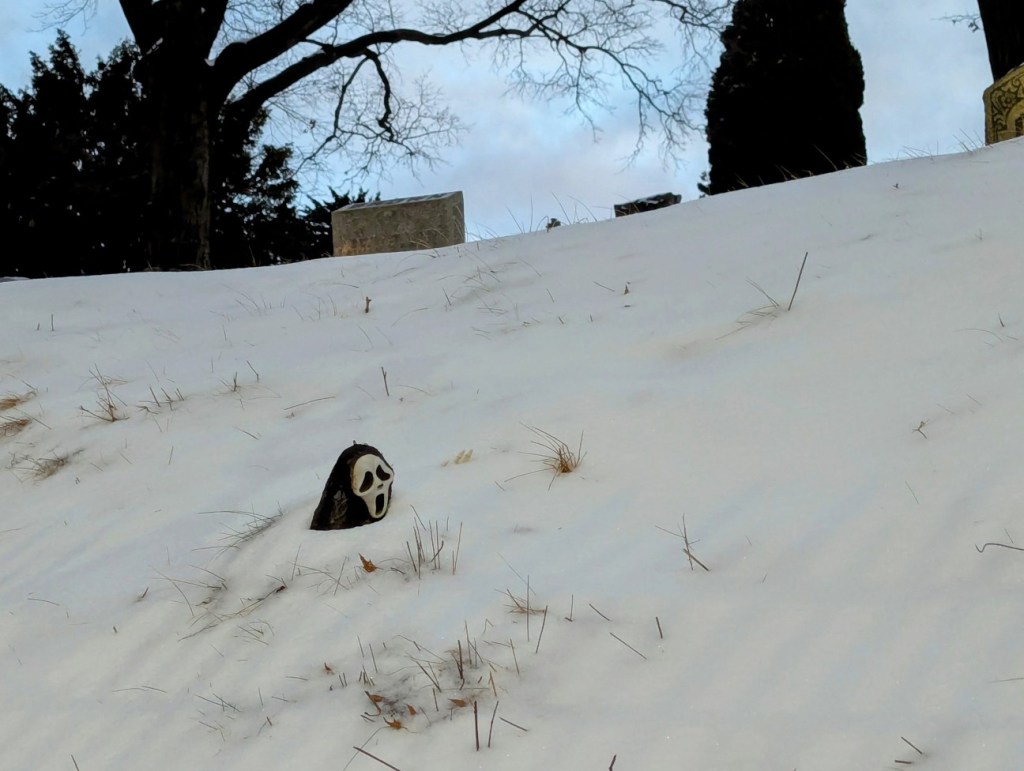
    ghostface from the film scream is buried in snow with only his head poking through the snow drift

    Ghostface is buried in a snowdrift in Green-Wood Cemetery. He’s seen better days.

  • “Always with the negative waves Moriarty, always with the negative waves.”

    Donald Sutherland’s portrayal of Oddball in 1970’s Kelly’s Heroes is one of my all-time favorite performances. His character was straightforward and never pretentious about his role as a tank commander in the best war heist movie: “I only ride ’em, I don’t know what makes ’em work.” But his Dude-like abiding had its limits when money was involved: “We see our role as essentially defensive in nature. While our armies are advancing so fast and everyone’s knocking themselves out to be heroes, we are holding ourselves in reserve in case the Krauts mount a counteroffensive which threatens Paris… or maybe even New York. Then we can move in and stop them. But for 1.6 million dollars, we could become heroes for three days.” He played up to people’s expectations when they framed him as crazy: “Woof, woof, woof! That’s my other dog imitation.” Nevertheless, he was almost always upbeat, especially when he was backed by someone putting it on the line, too: “Crazy! I mean like so many positive waves maybe we can’t lose! You’re on!”

    Donald Sutherland will be missed.

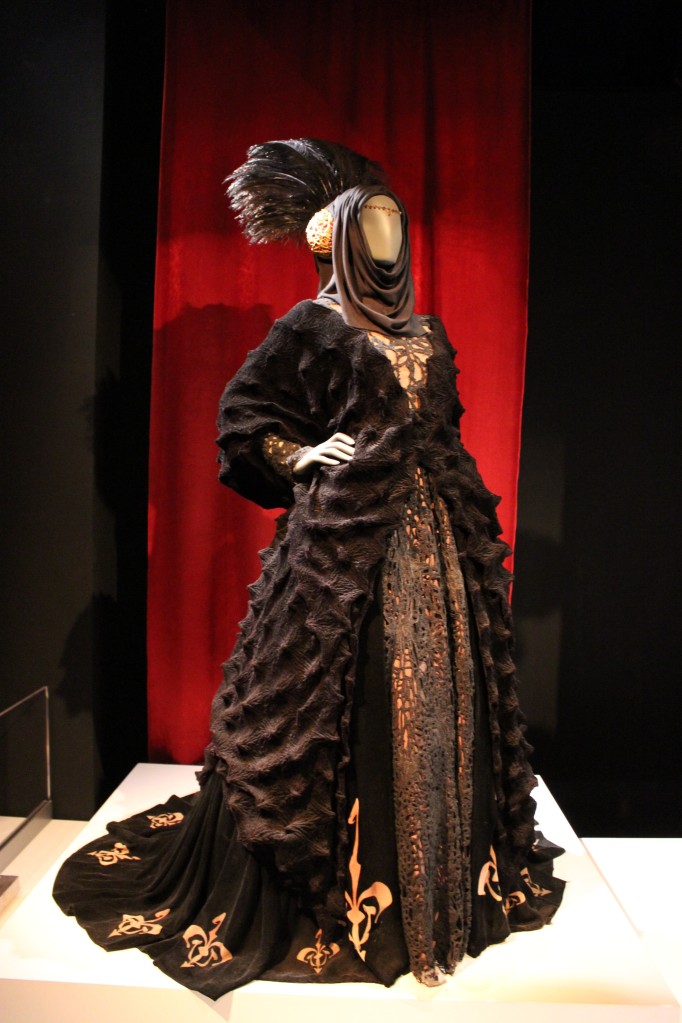
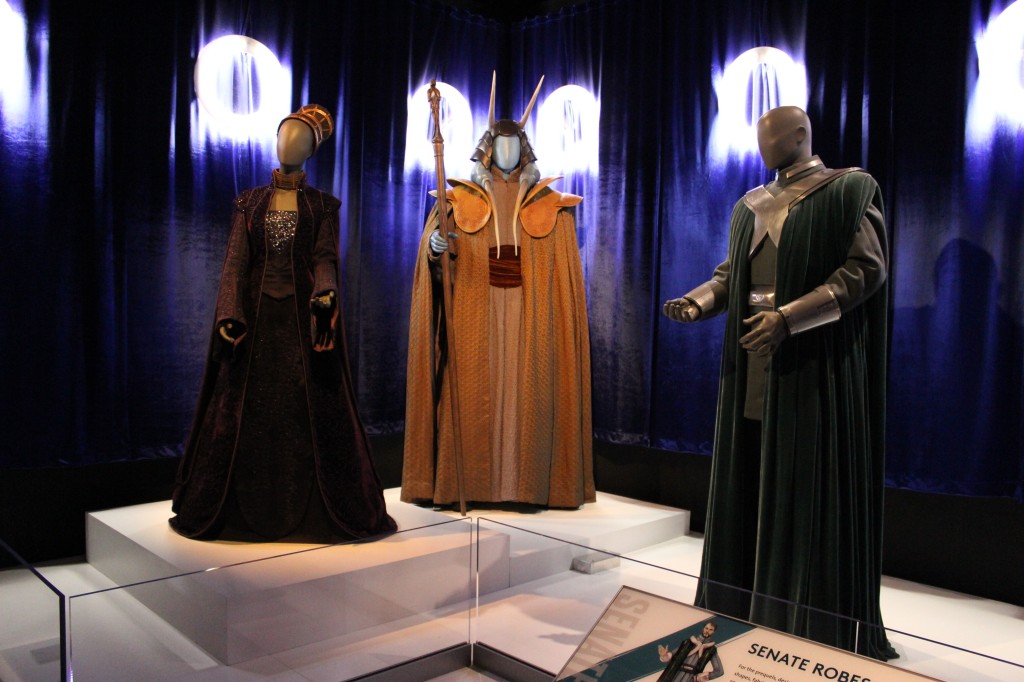
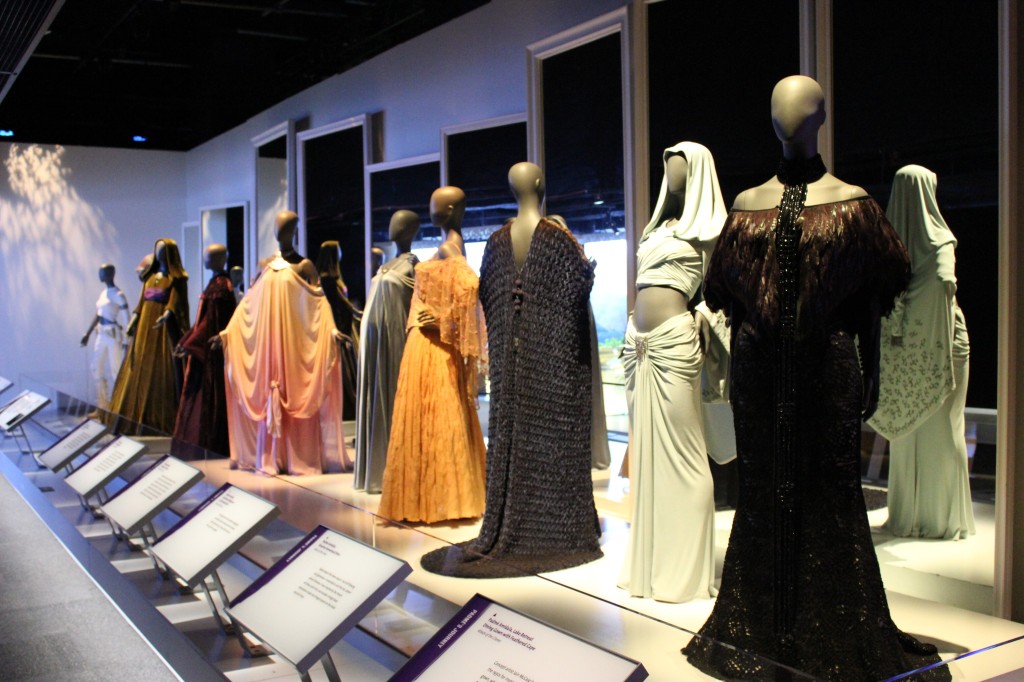
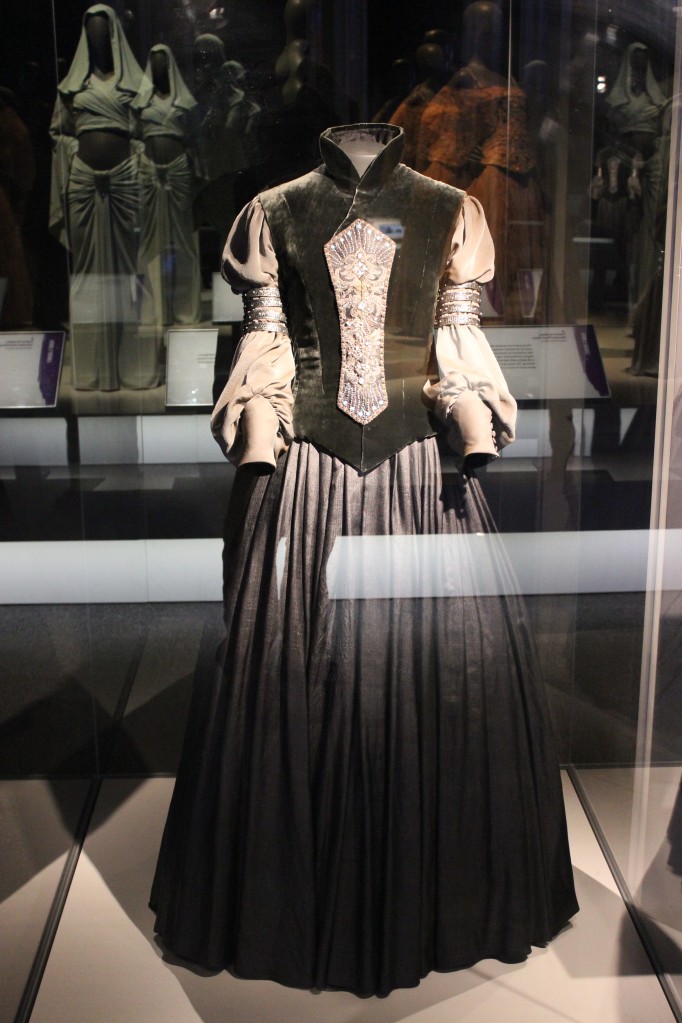
  • Star Wars and the Power of Costume Exhibition in NYC 2016

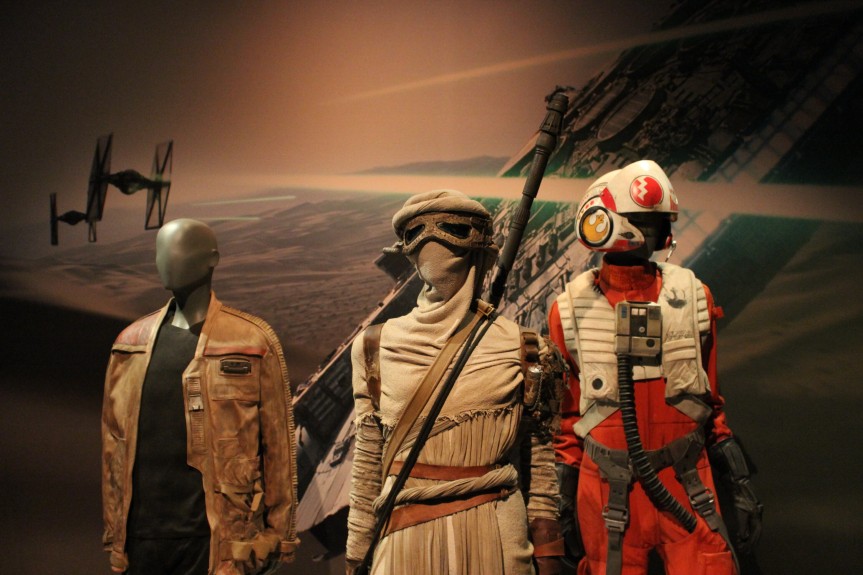
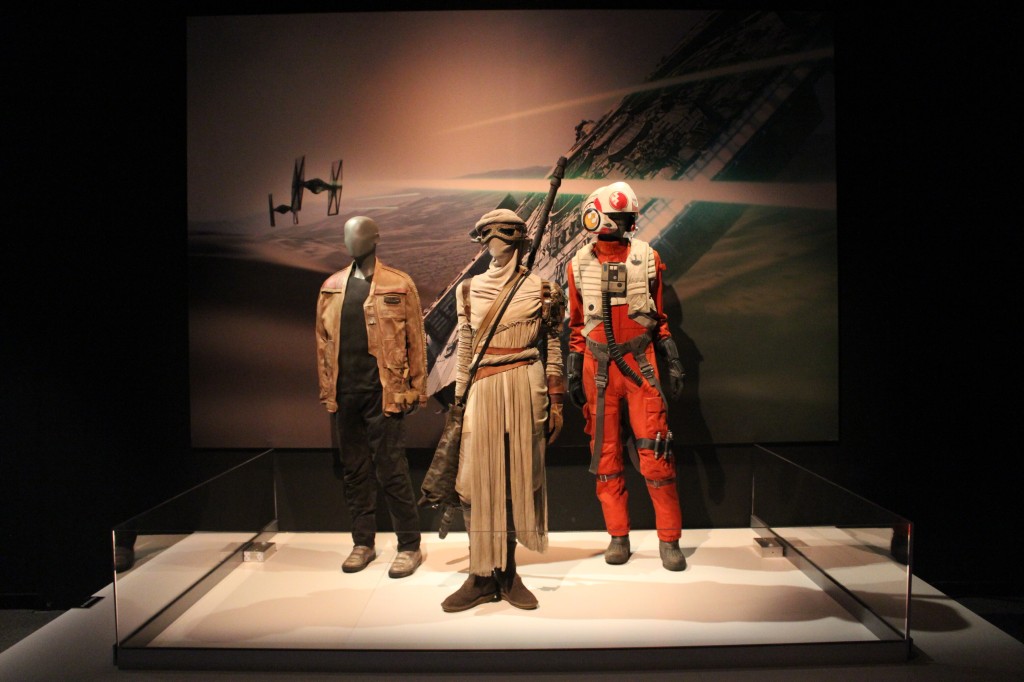
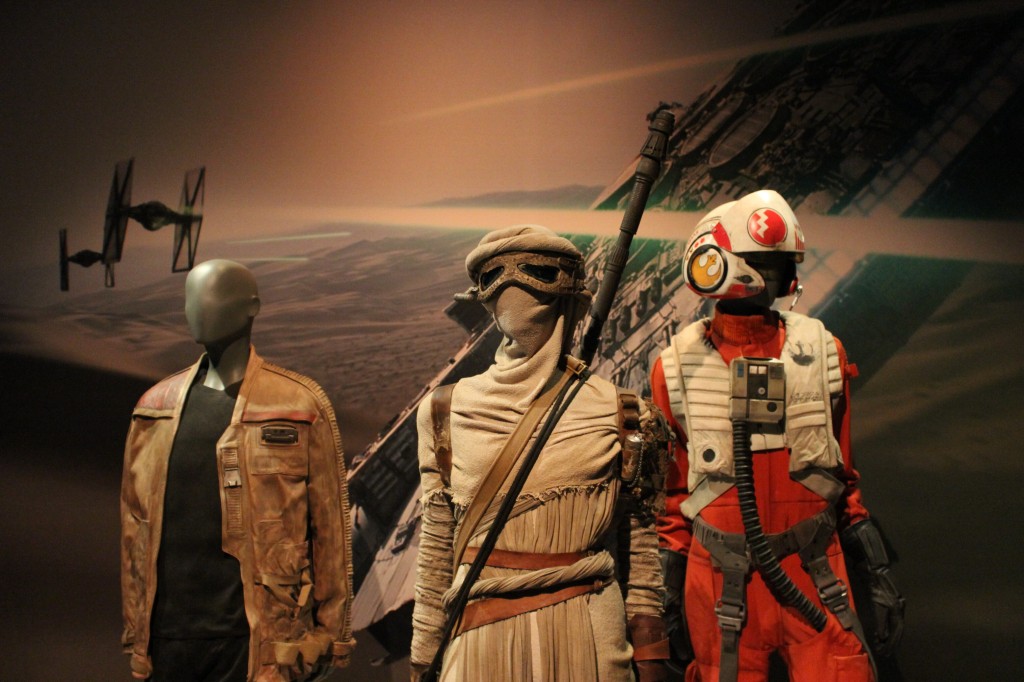
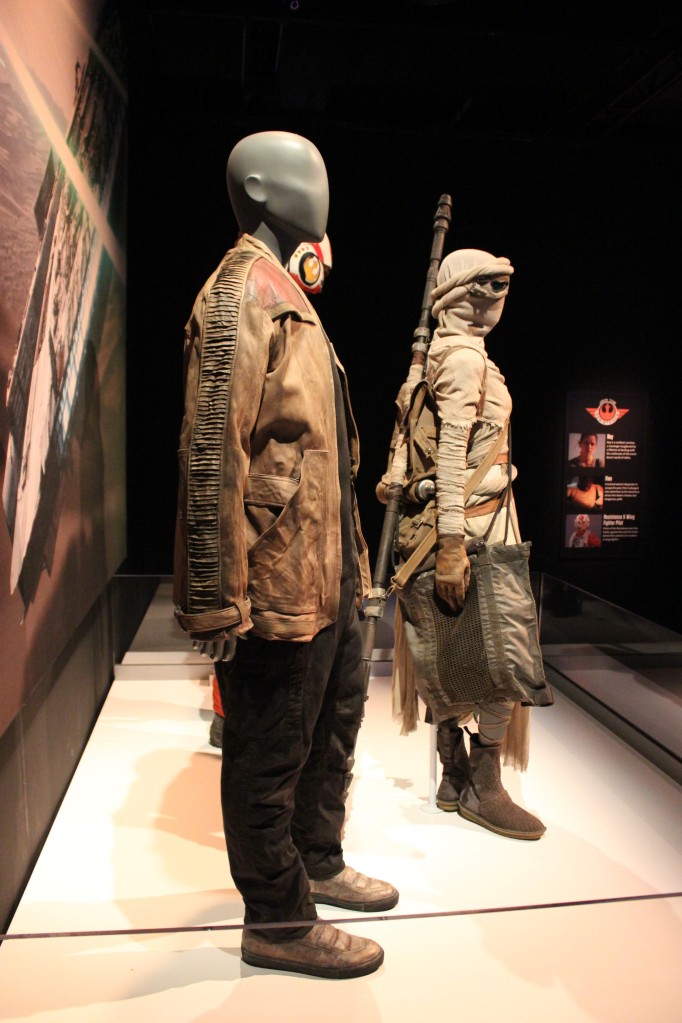
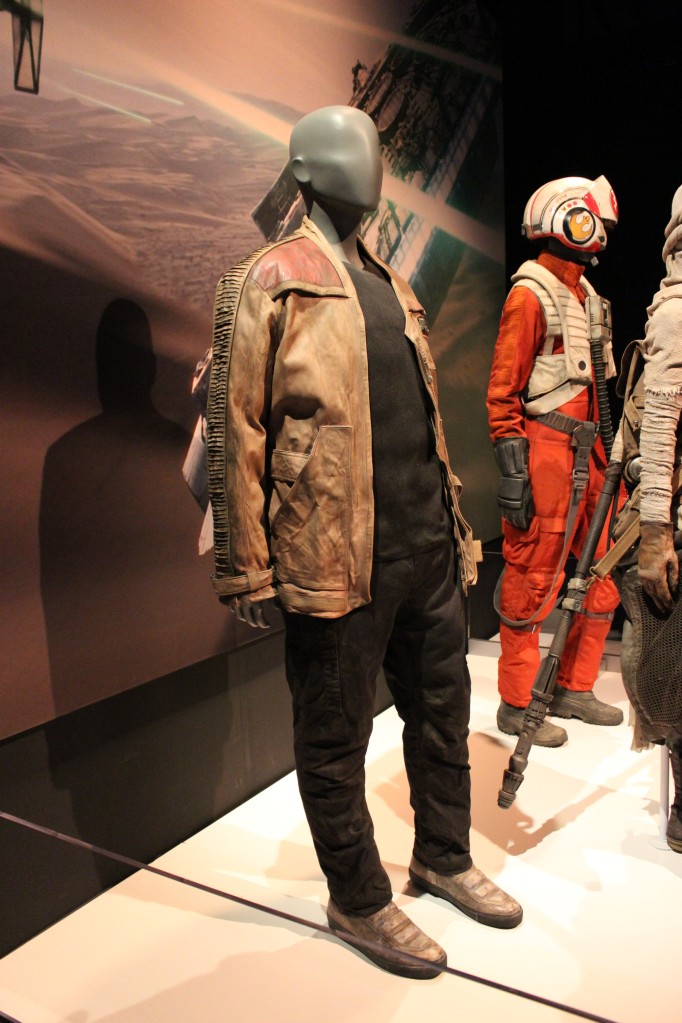
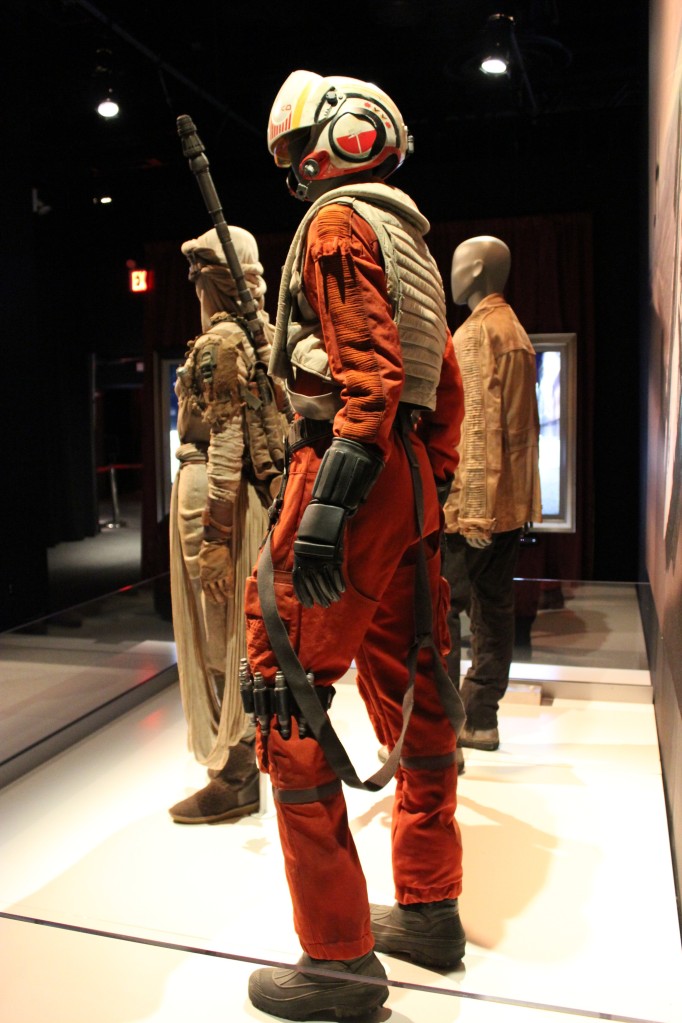
    Finn, Rey, and Poe from The Force Awakens

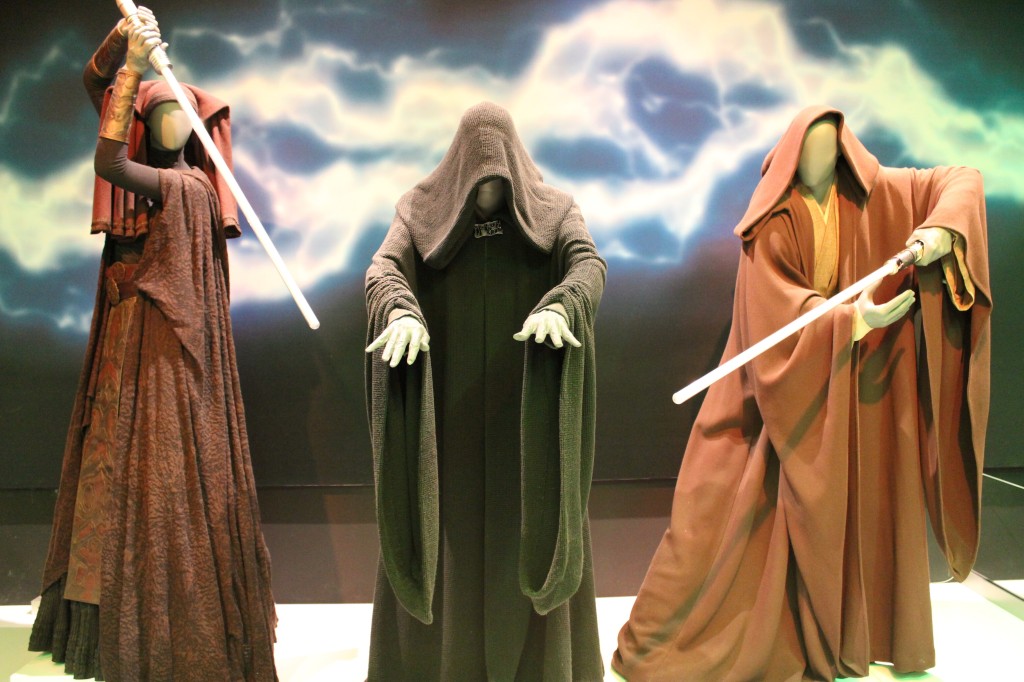
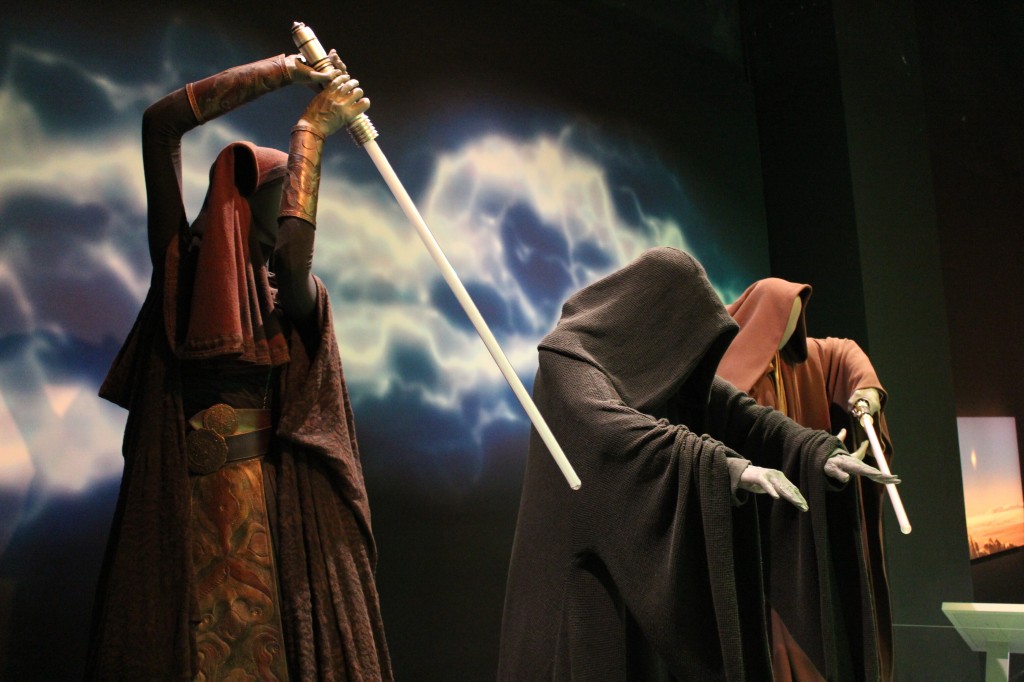
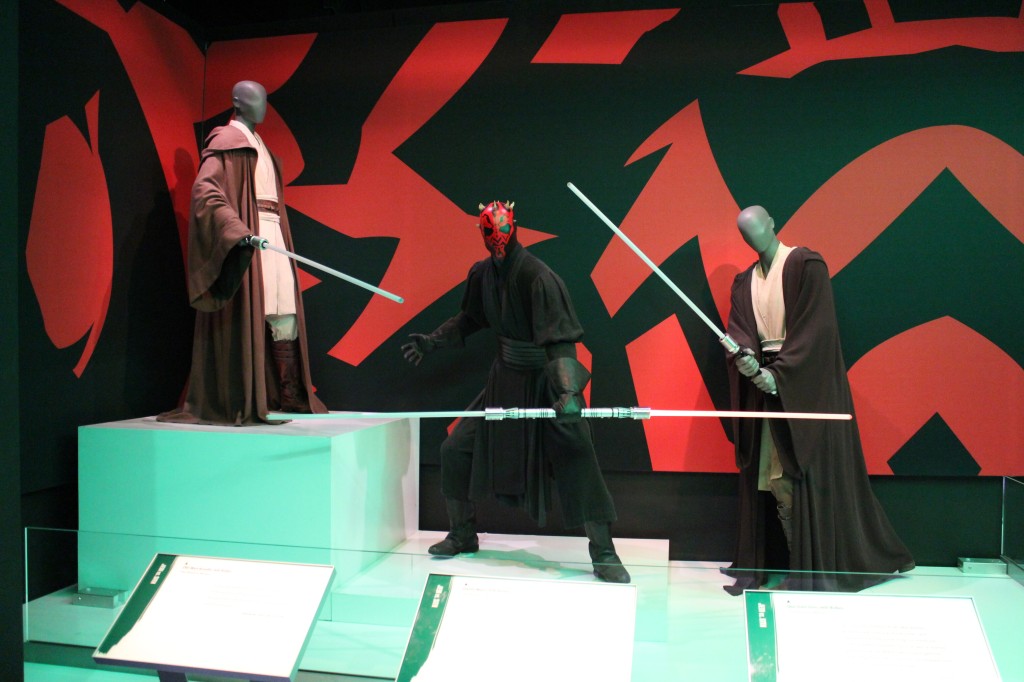
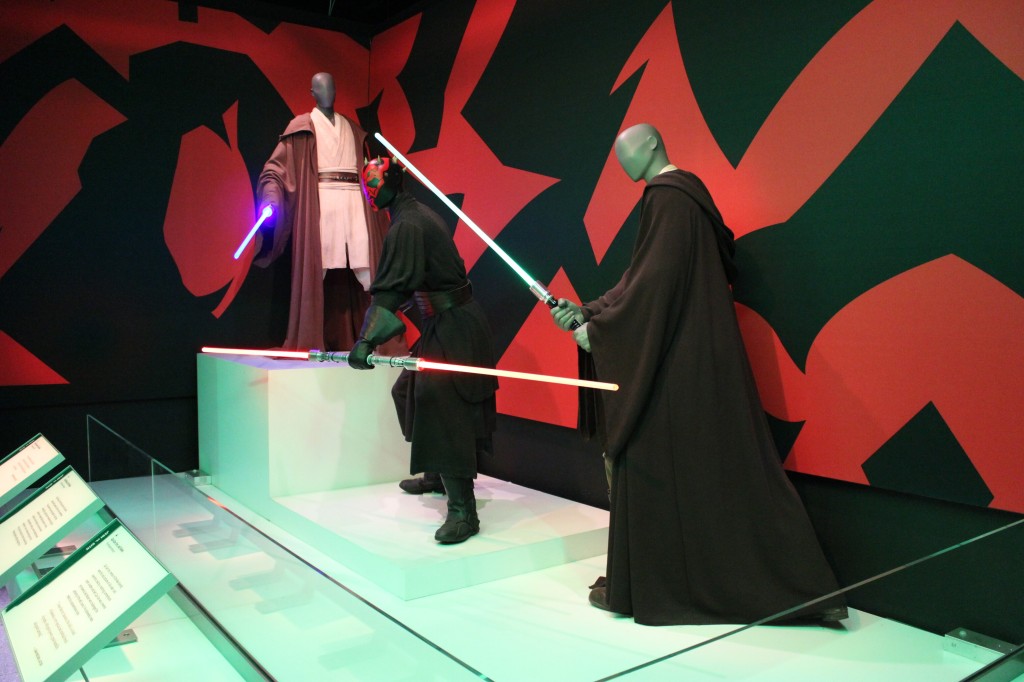
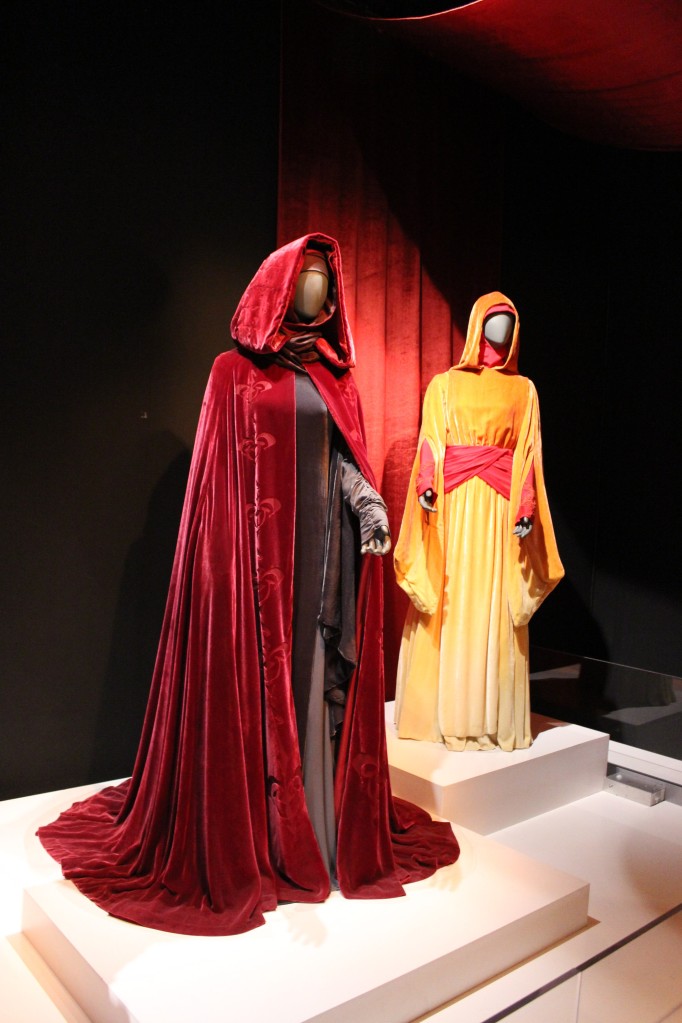
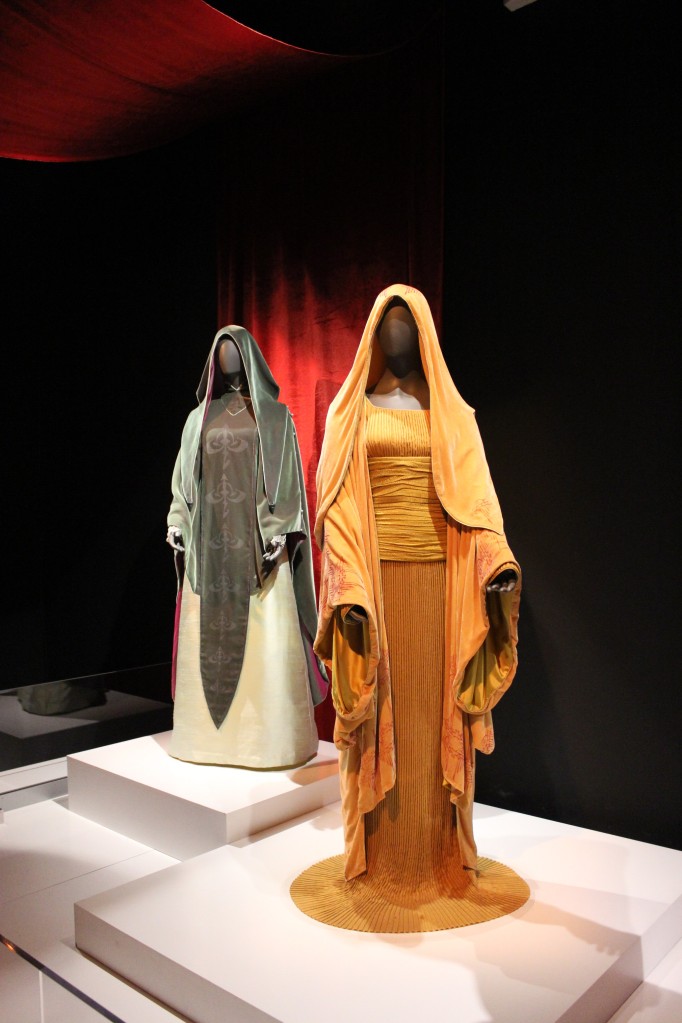
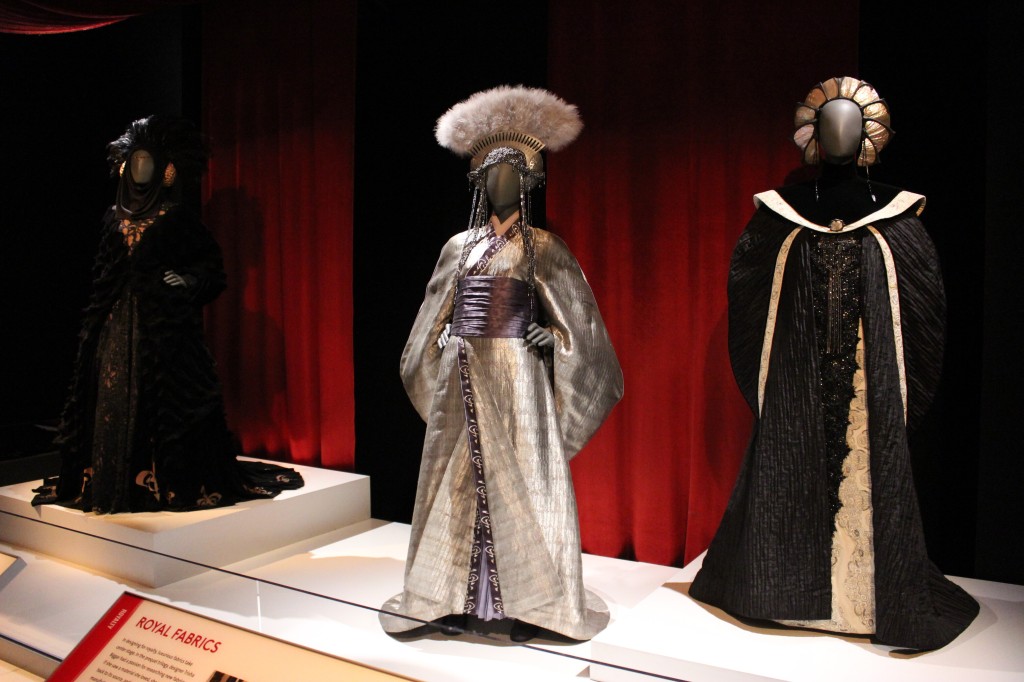
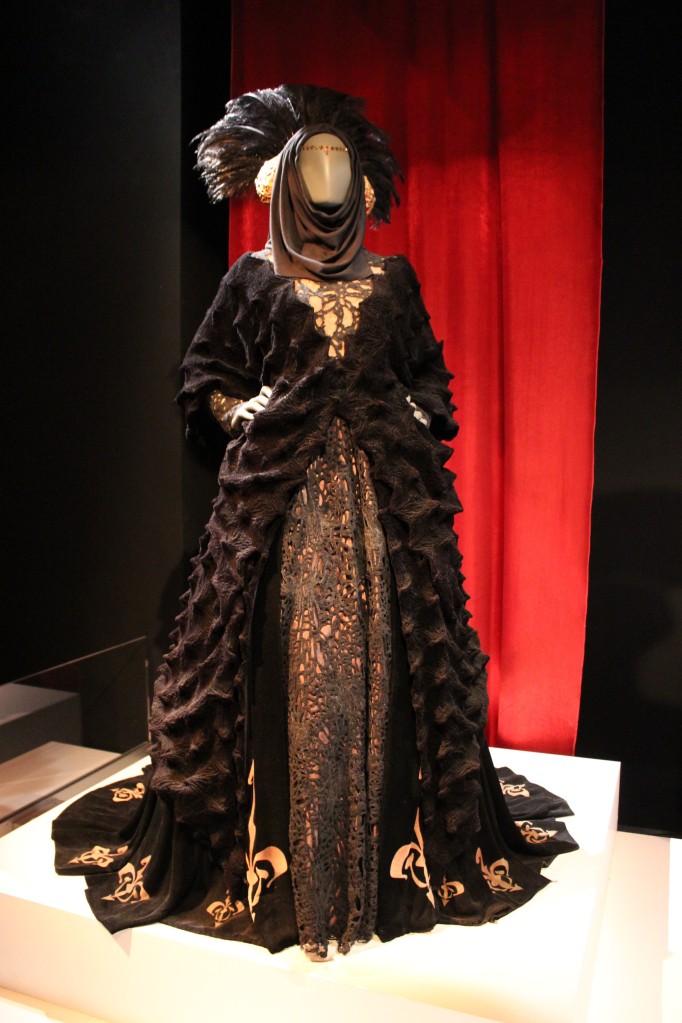
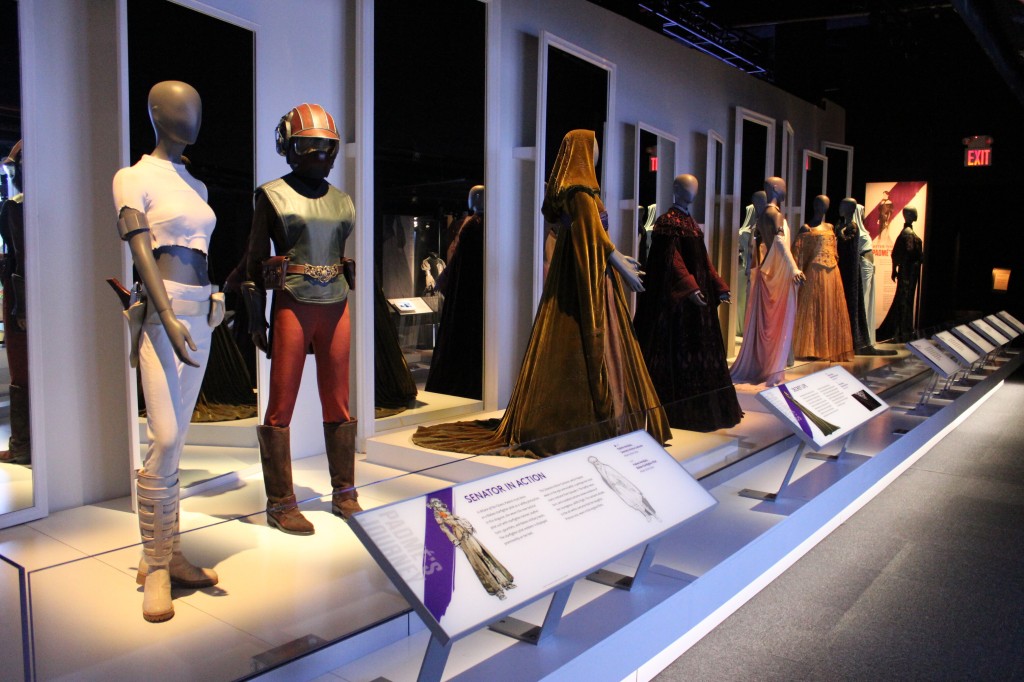
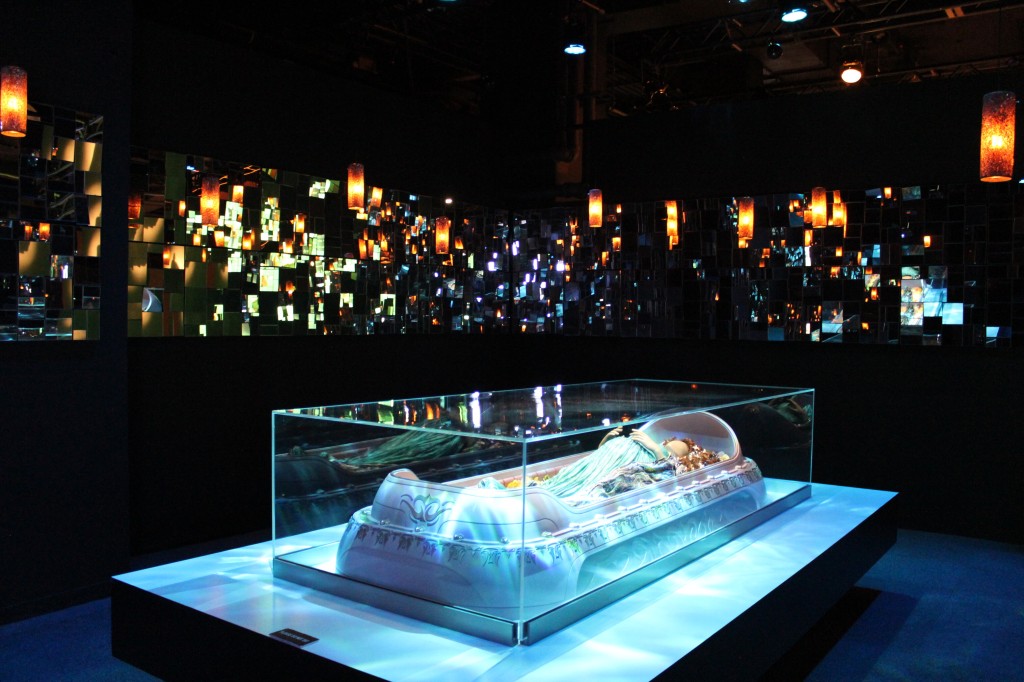
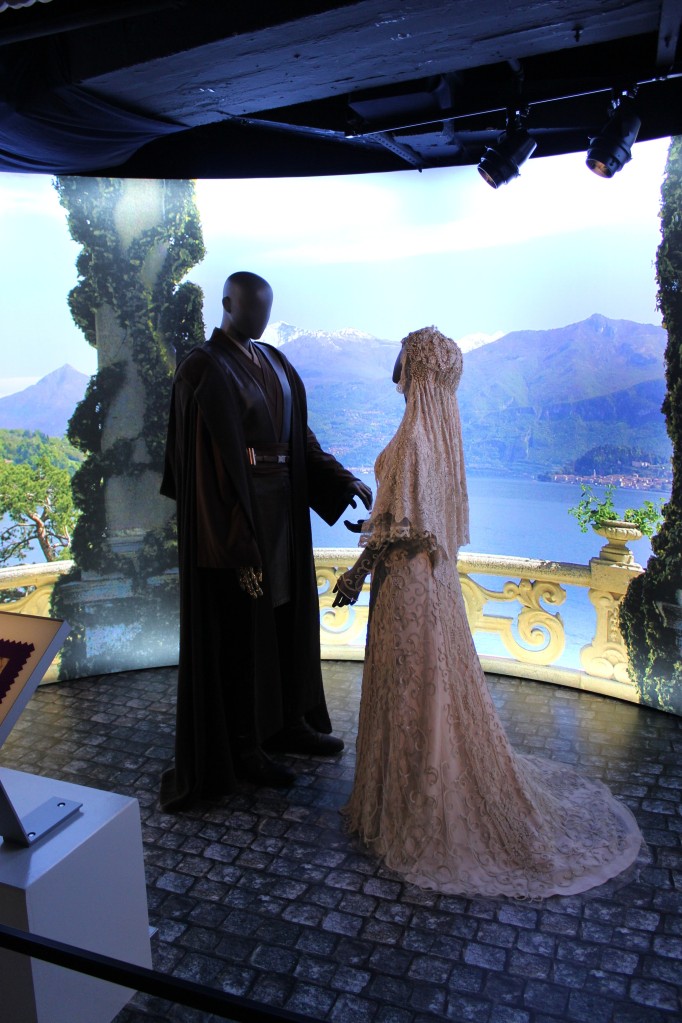
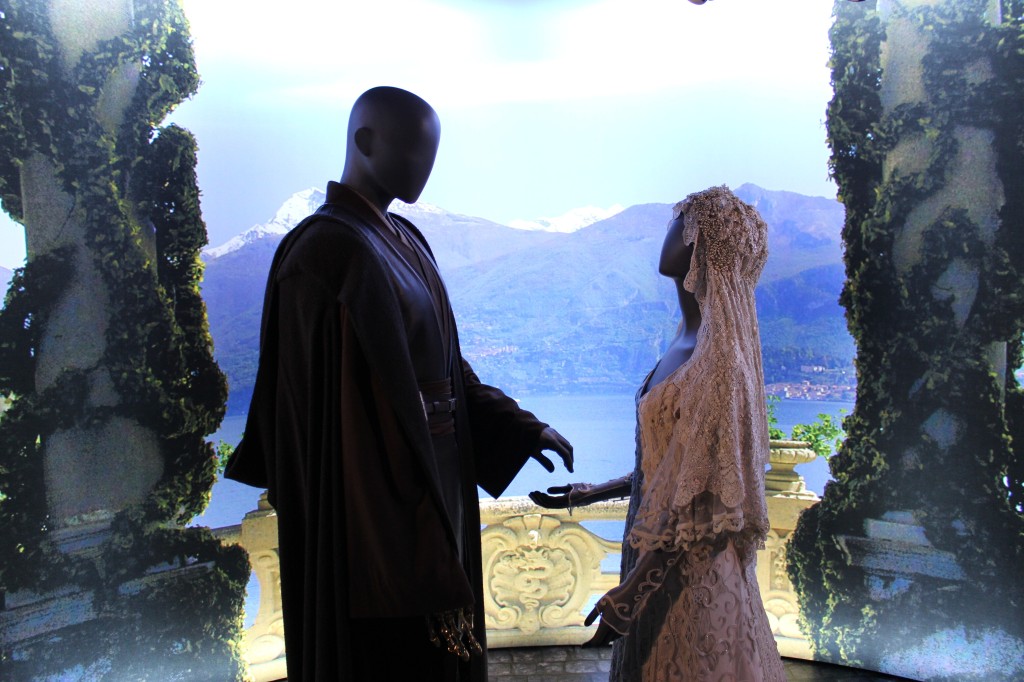
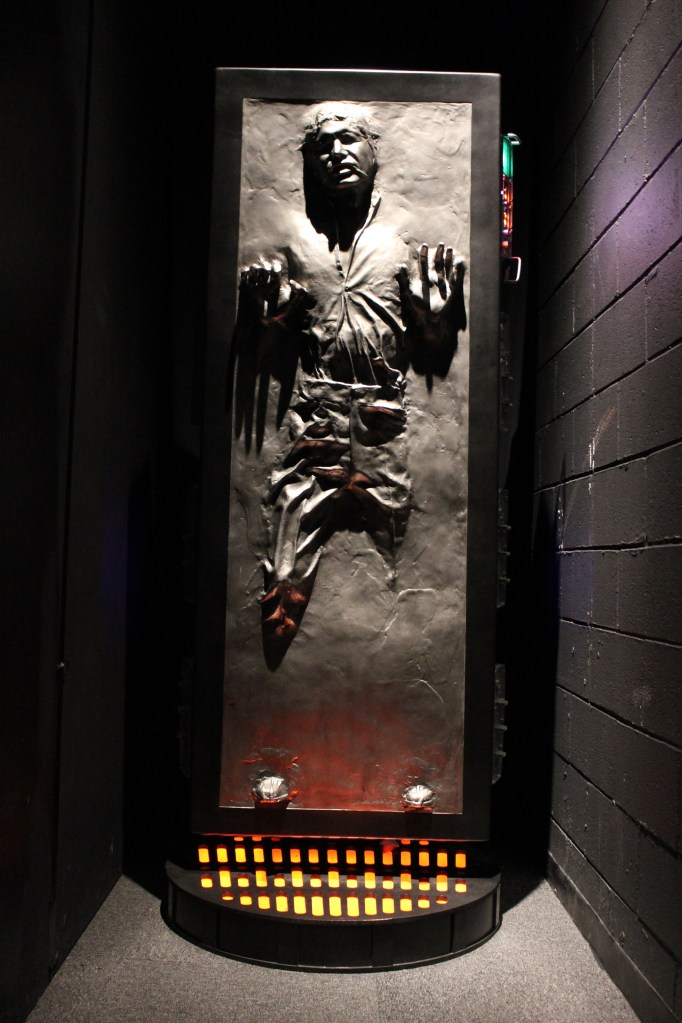
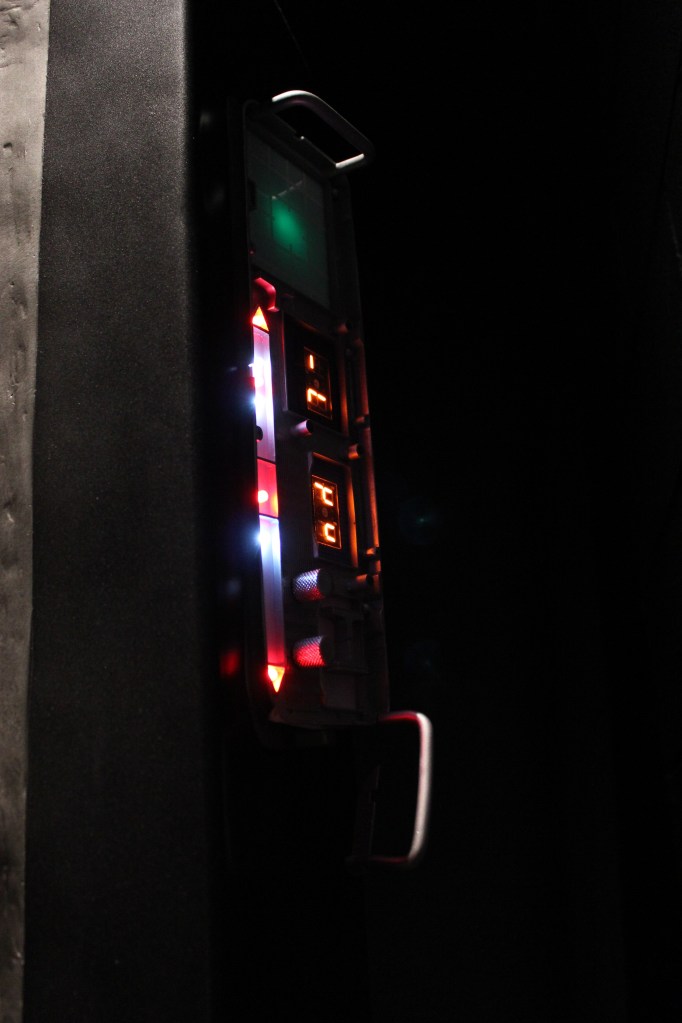
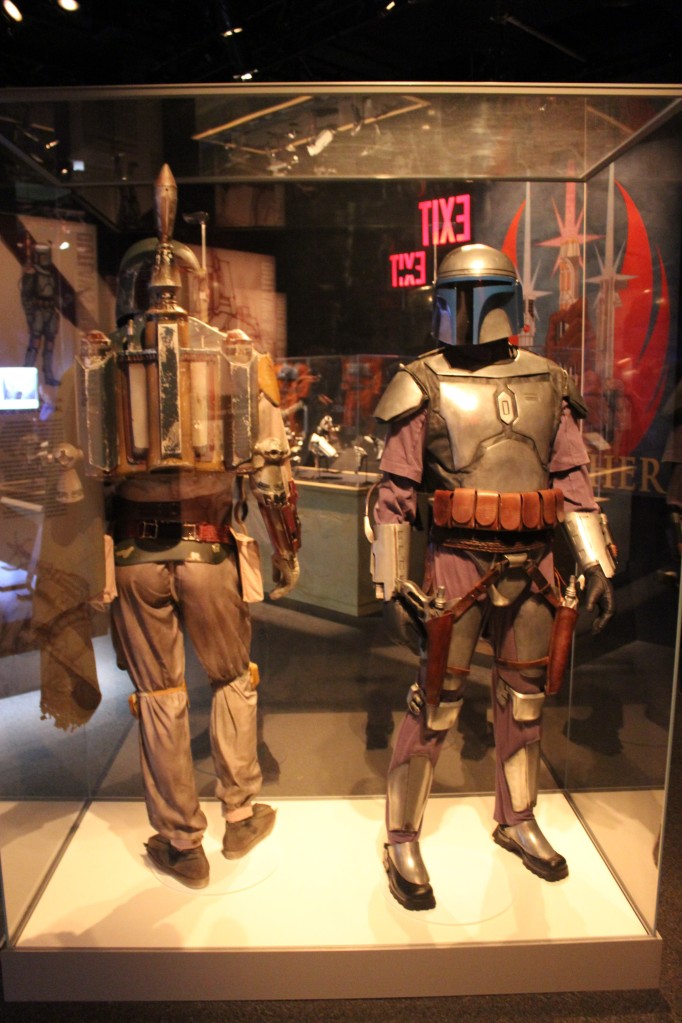
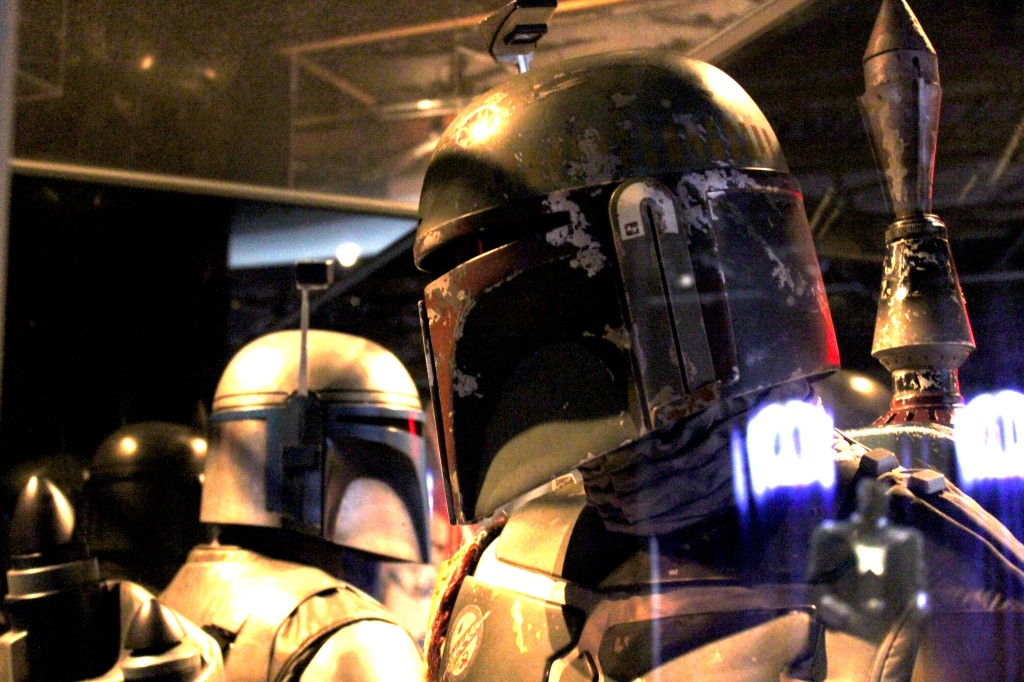
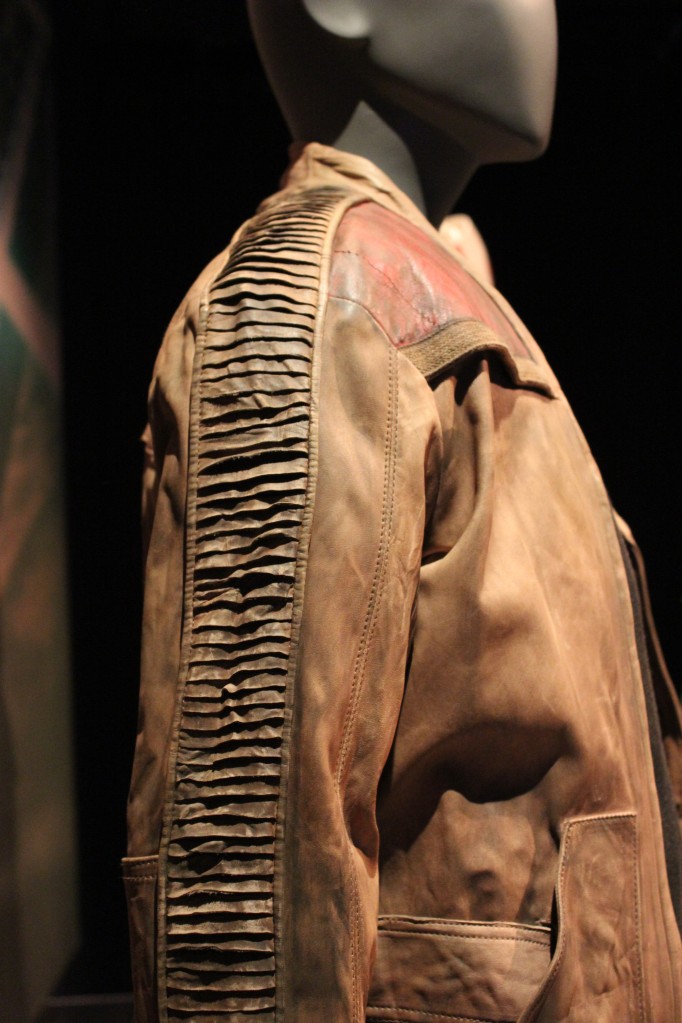
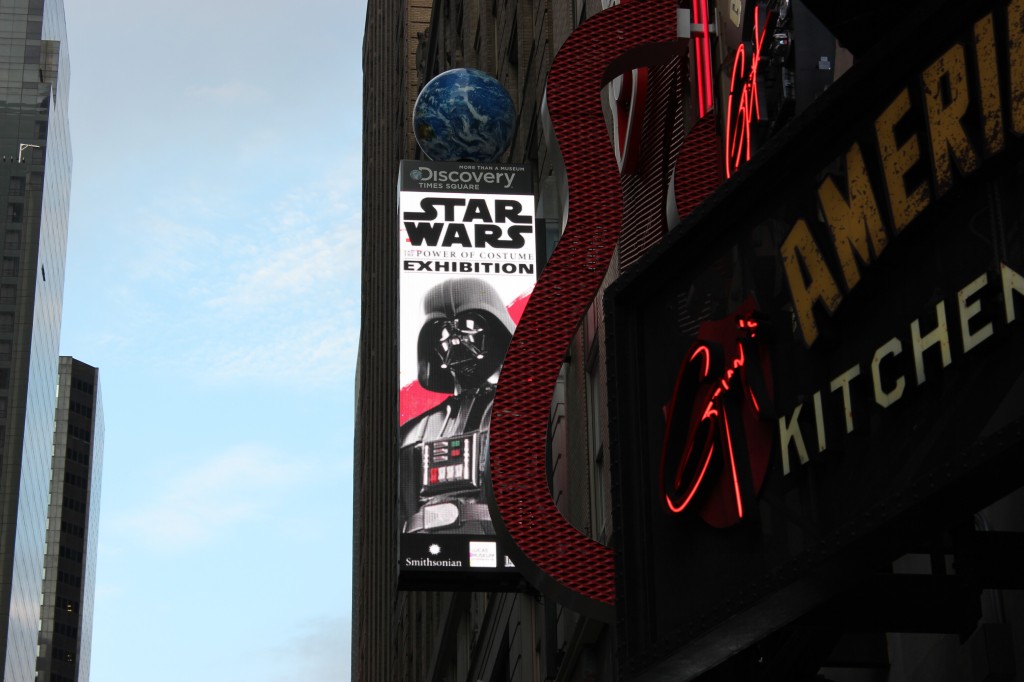
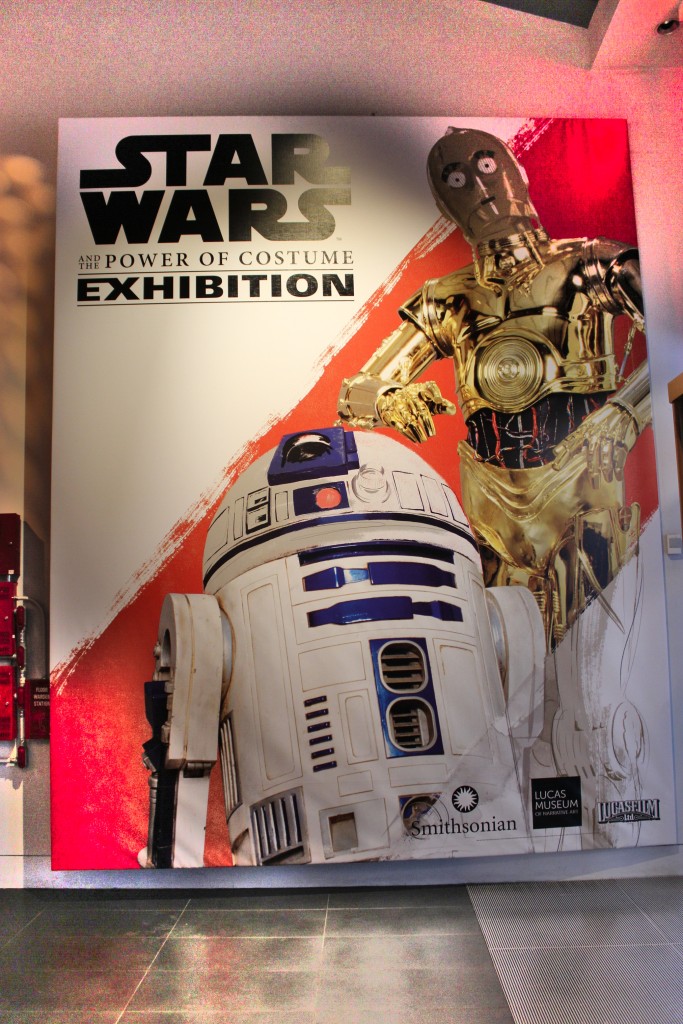
    In a stroke of luck in the lead-up to Sean Scanlan and I publishing our co-edited special issue of New American Notes Online (NANO) on Star Wars Episode VII: The Force Awakens, the Smithsonian and Lucas Museum of Narrative Art traveling exhibition collaboration called Star Wars and the Power of Costume came to New York City. I visited the exhibition with my Canon T3i one summer afternoon in 2016. It was exhilarating to me to be close to the costumes and props from my most loved movie franchise. Also, I imagined how the exhibit must be a goldmine for costuming details for Star Wars cosplay.
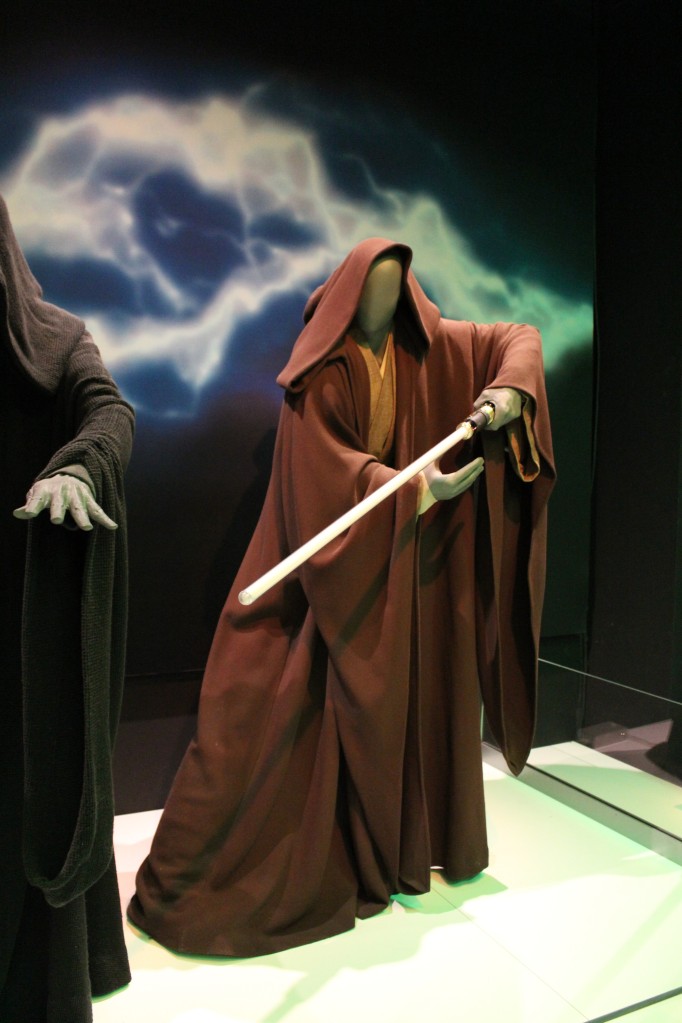
    I’m afraid that my photography skills and control over my equipment is left wanting, but I tried my best to capture the costumes and equipment as best as I could for my own enjoyment when revisiting the exhibition via memory conjured by the photos. Now, I’m sharing my photos of the exhibition for your benefit here.
    Also, I attended an earlier Star Wars exhibition in London nine years earlier, which I will post next week as my Flickr album of those photos no longer exists [link added to the London Star Wars Exhibition on 17 Oct. 2023]. It will feature costumes and some vehicles and models. In the meantime, I hope that you enjoy virtually visiting the Power of Costume below.
    Jedi and Sith

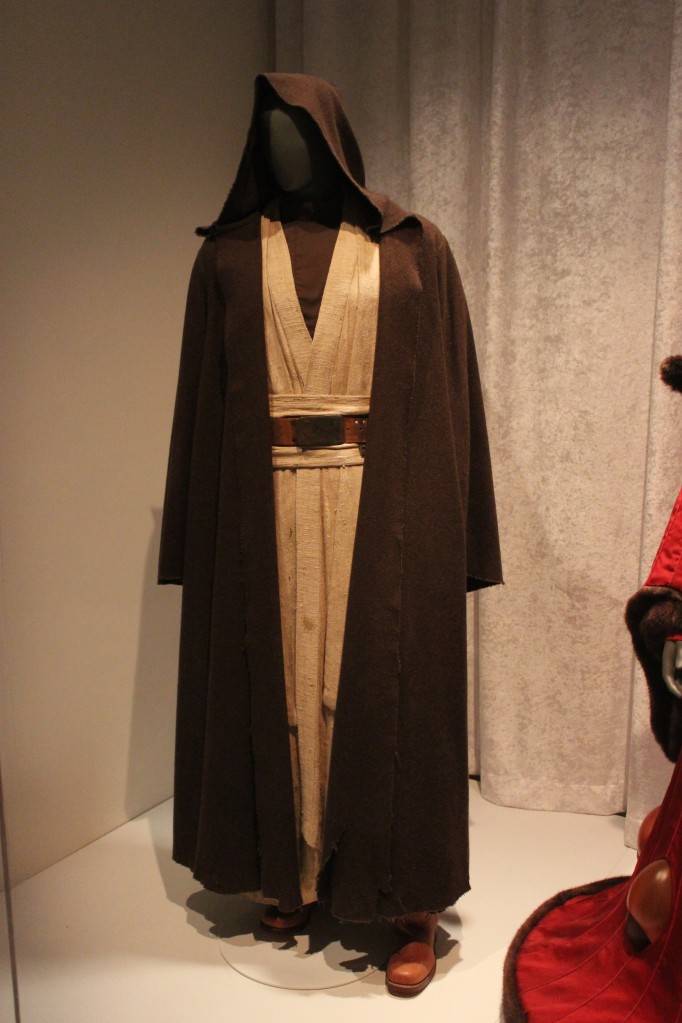
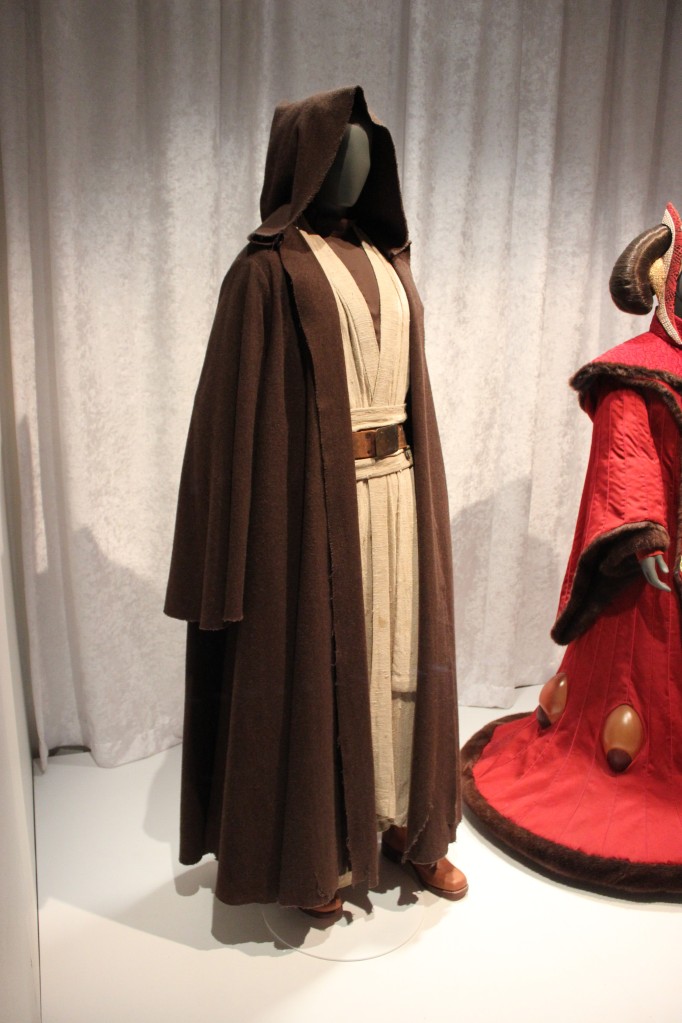
    Obi-Wan Kenobi from A New Hope

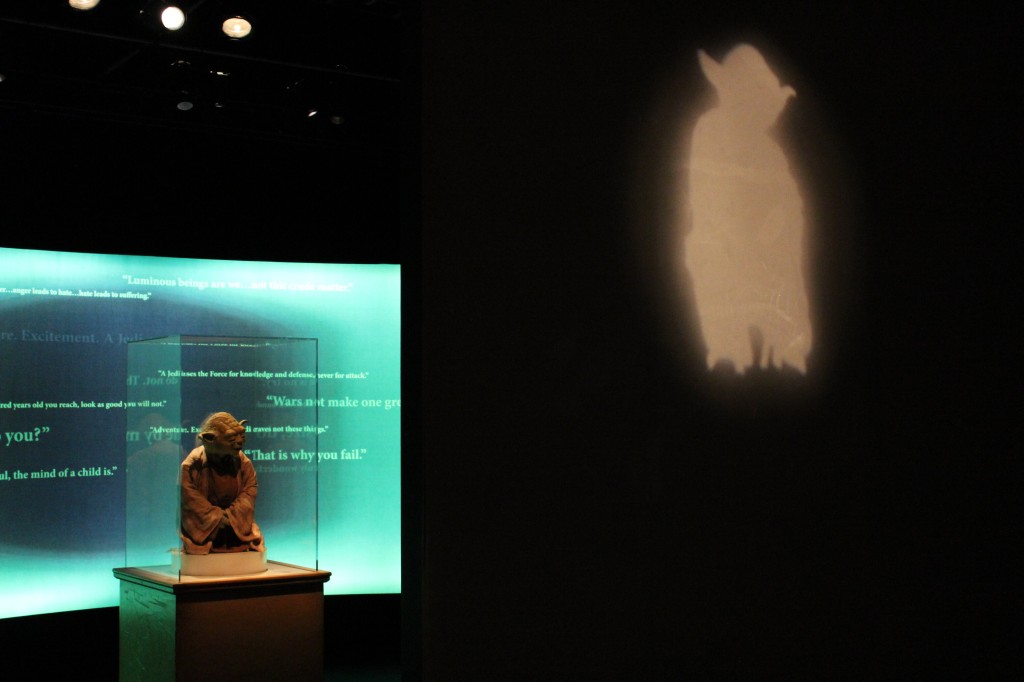
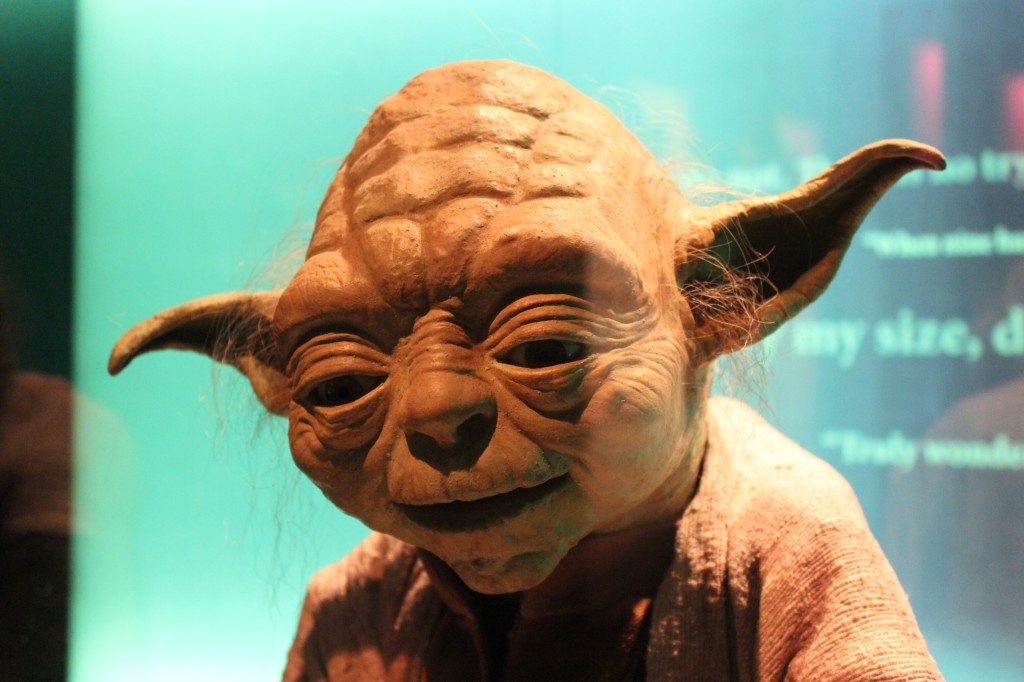
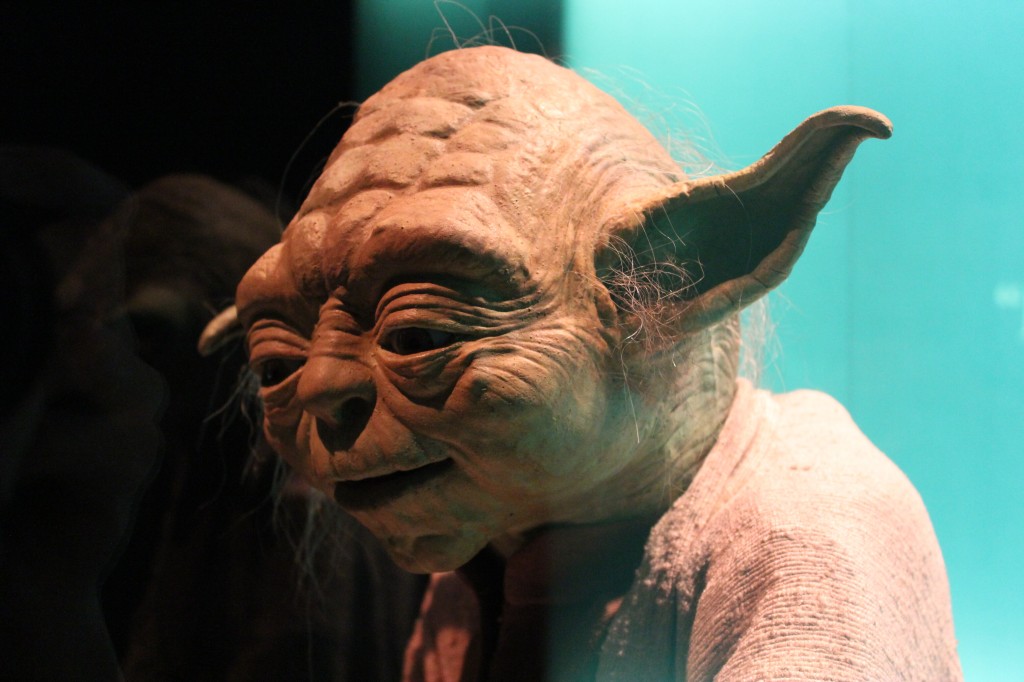
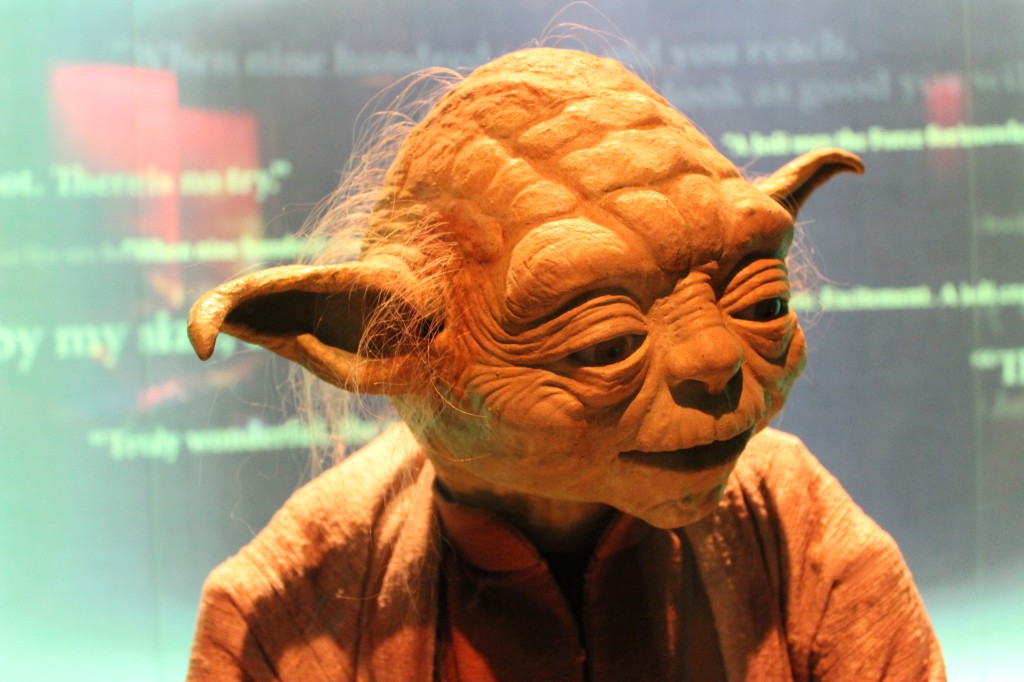
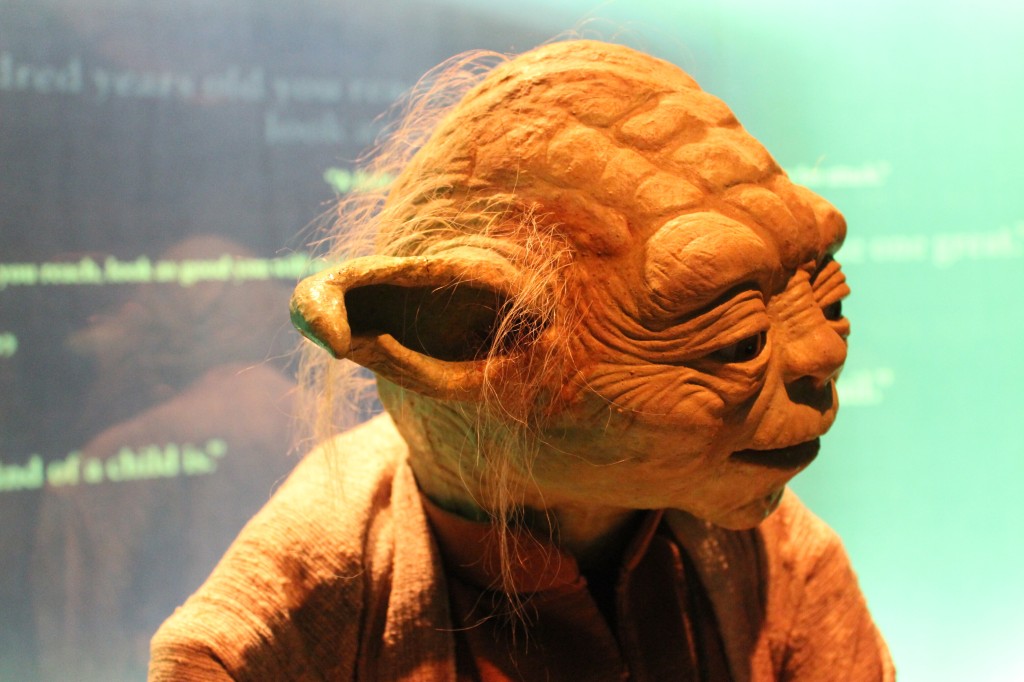
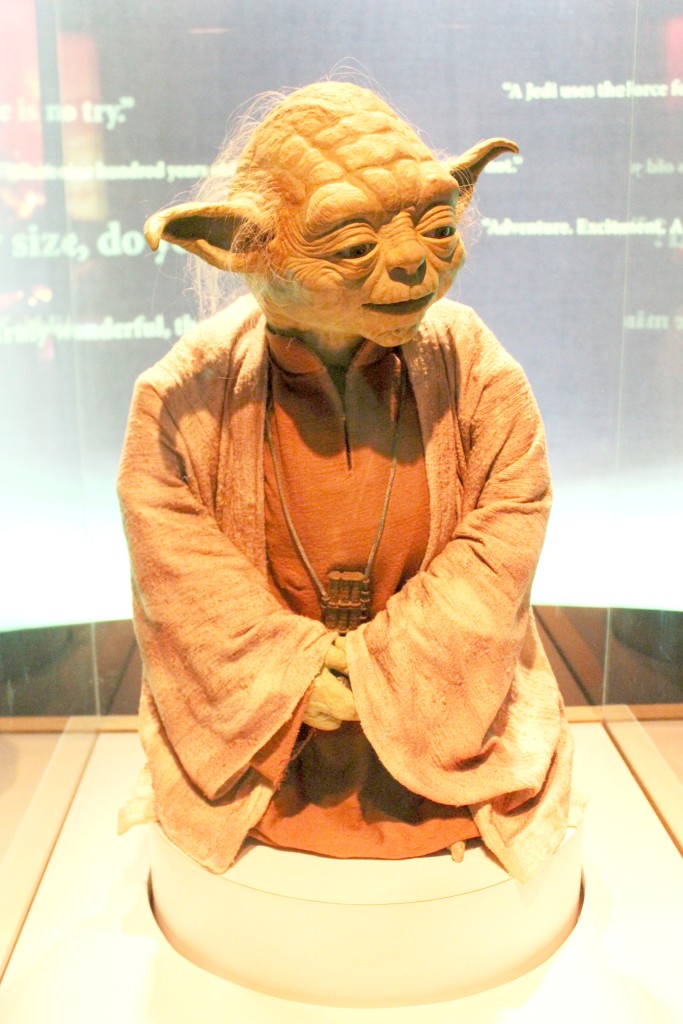
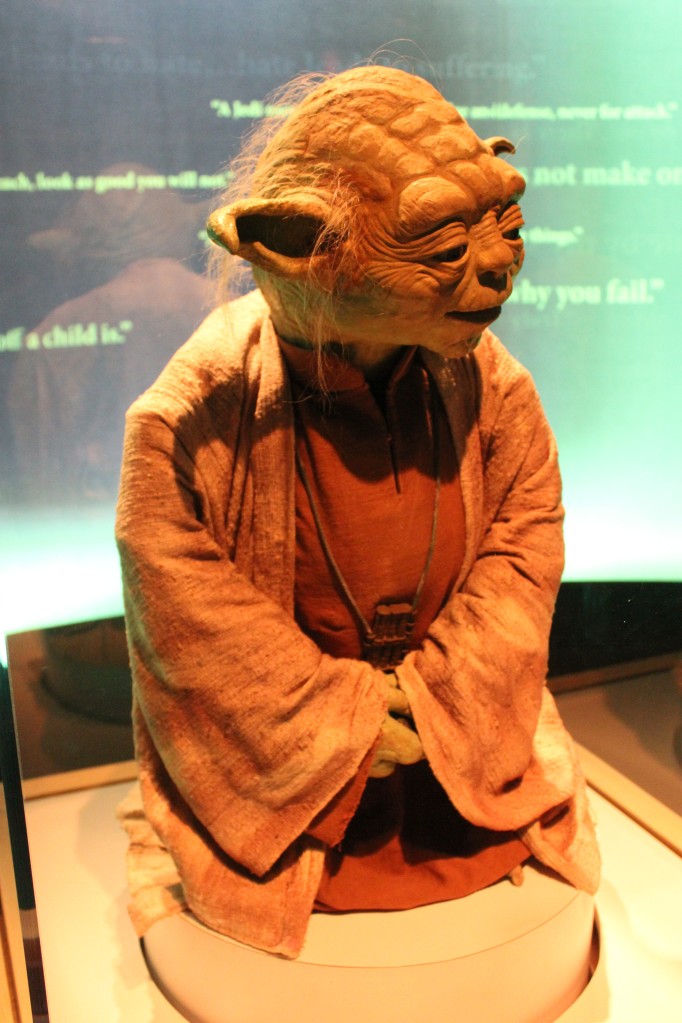
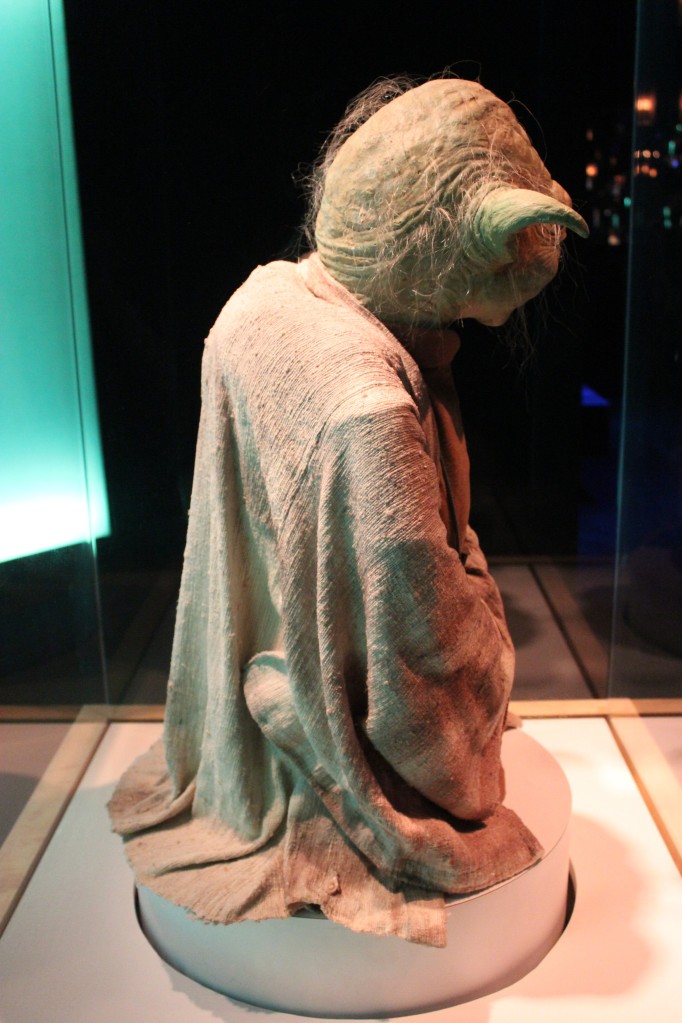
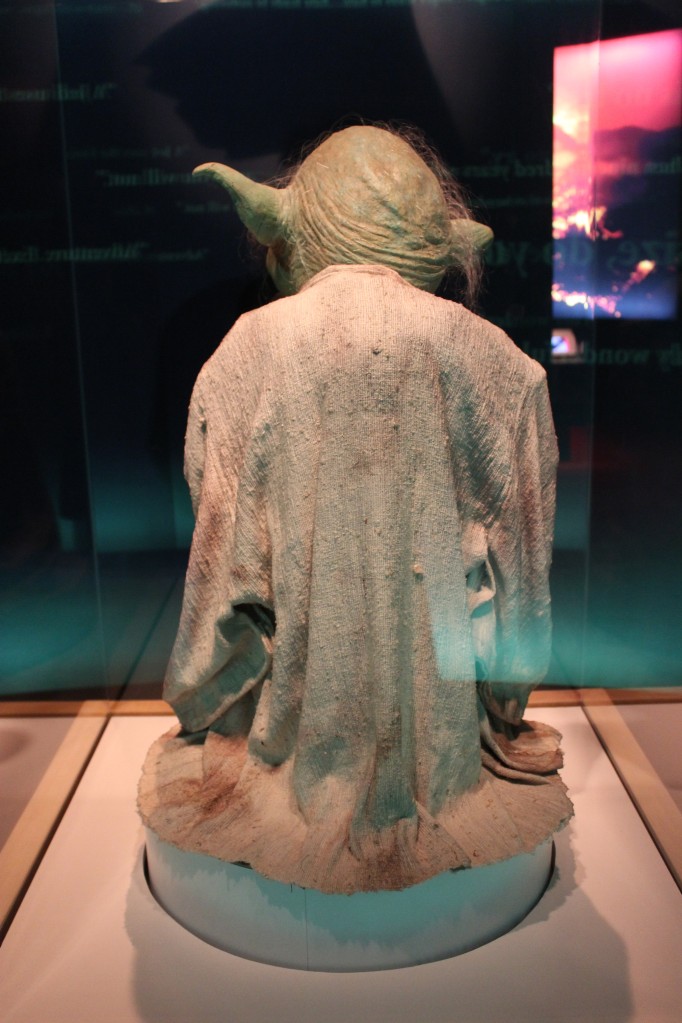
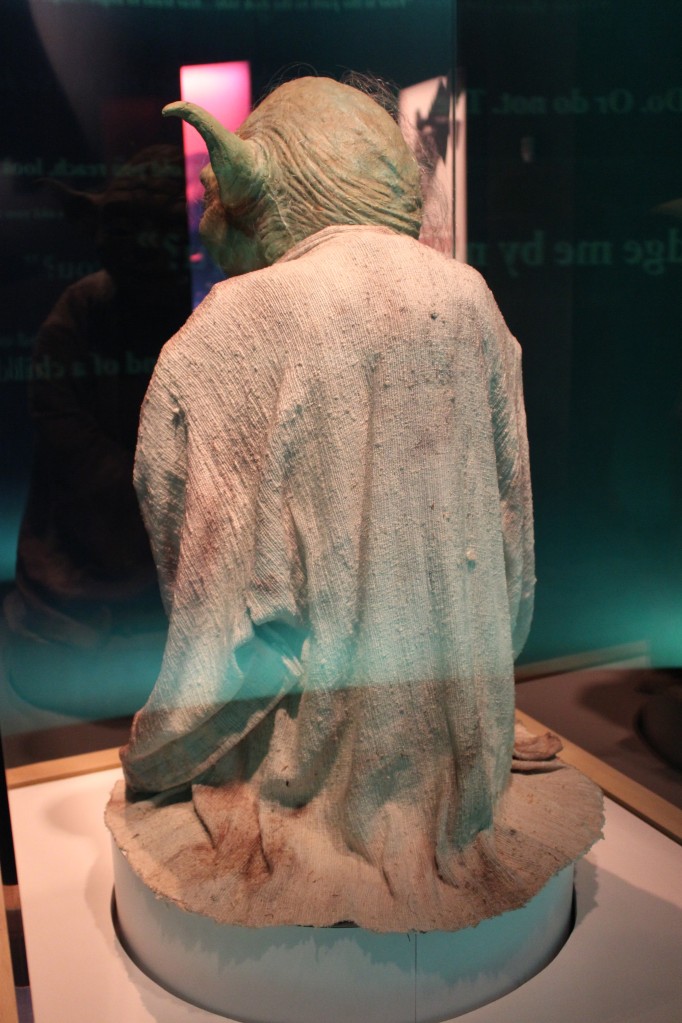
    Yoda

    Yoda area entrance

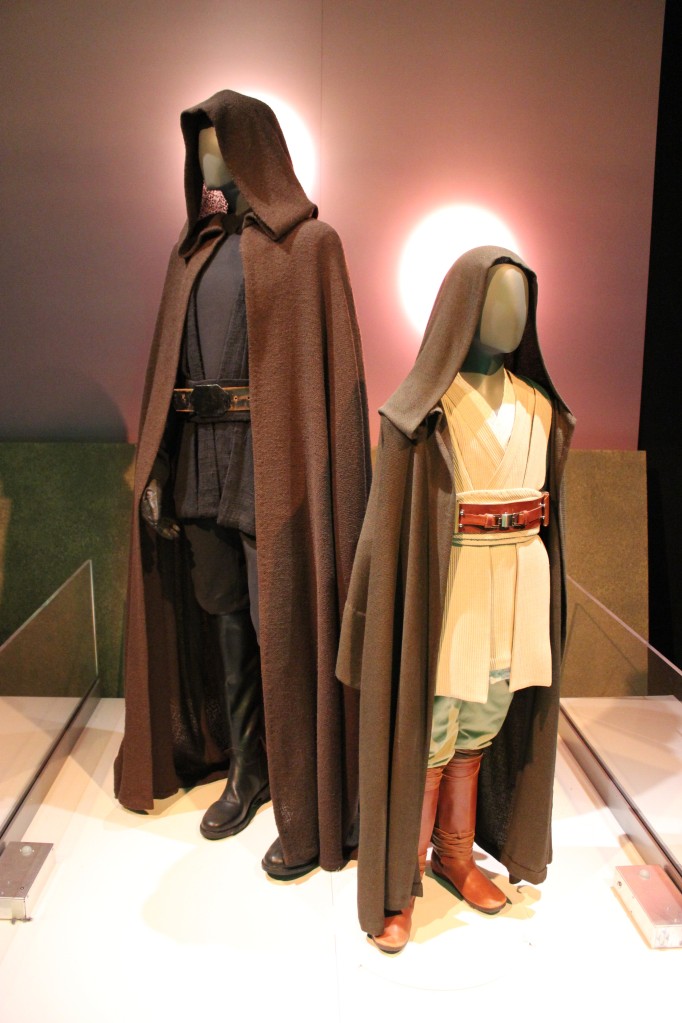
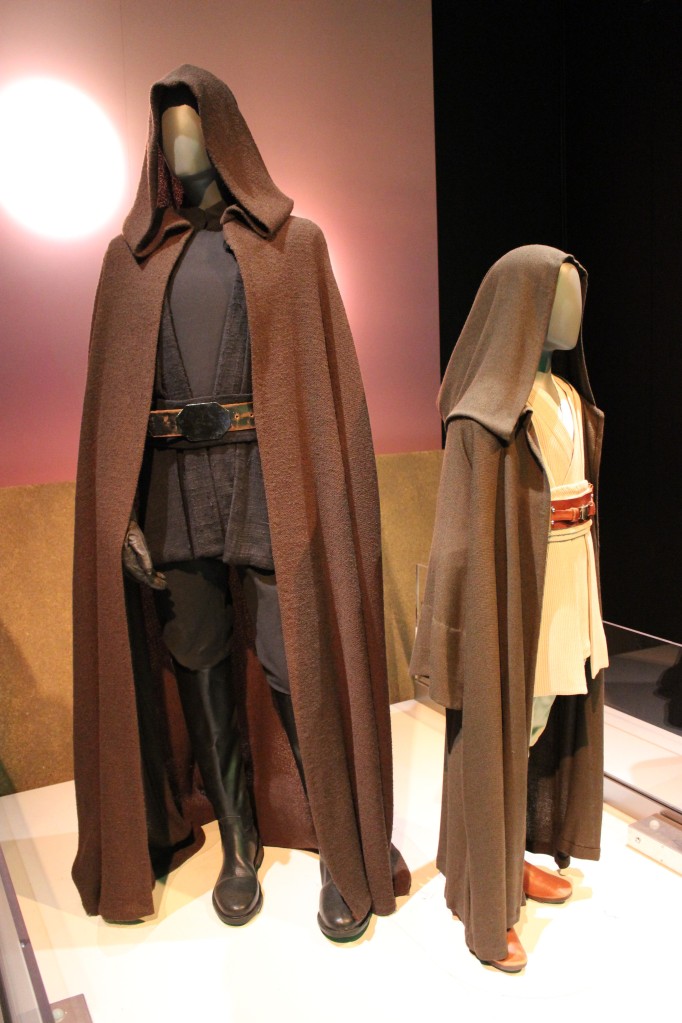
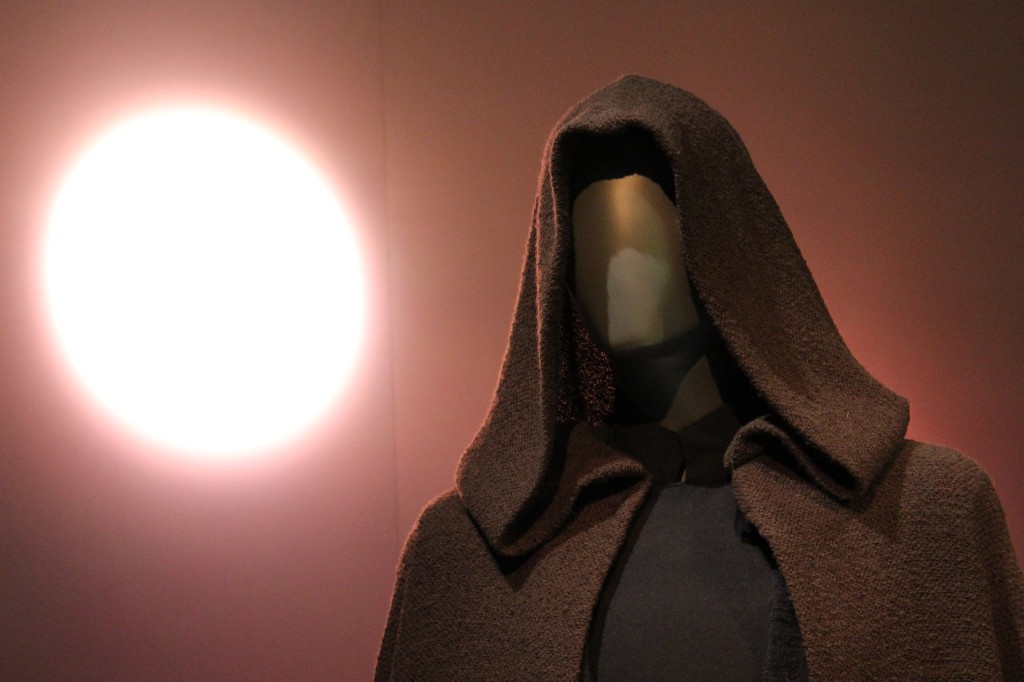
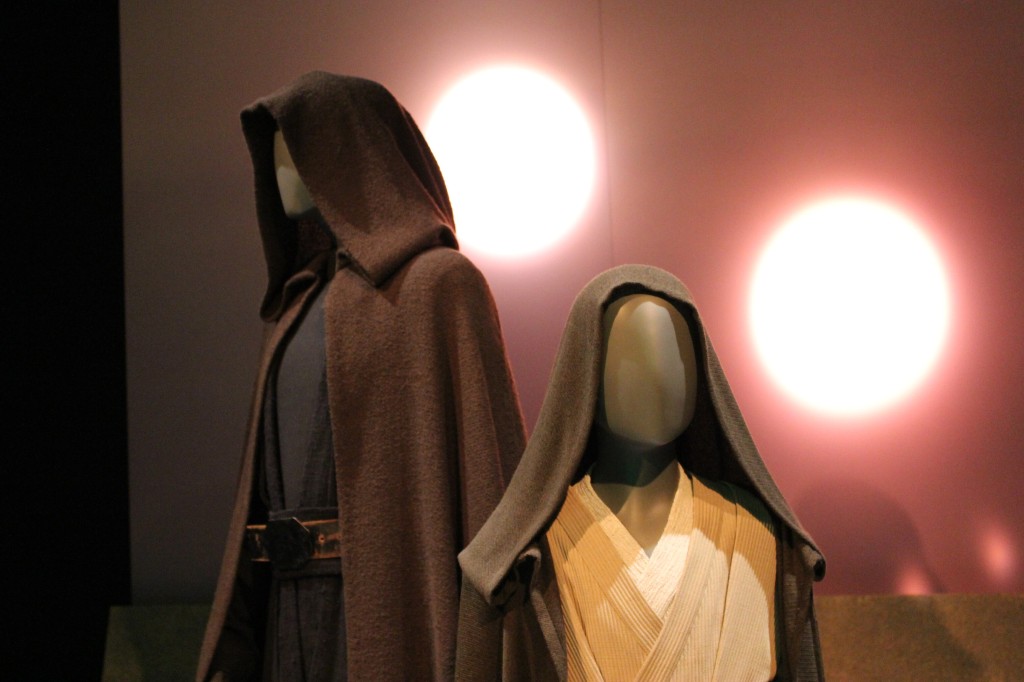
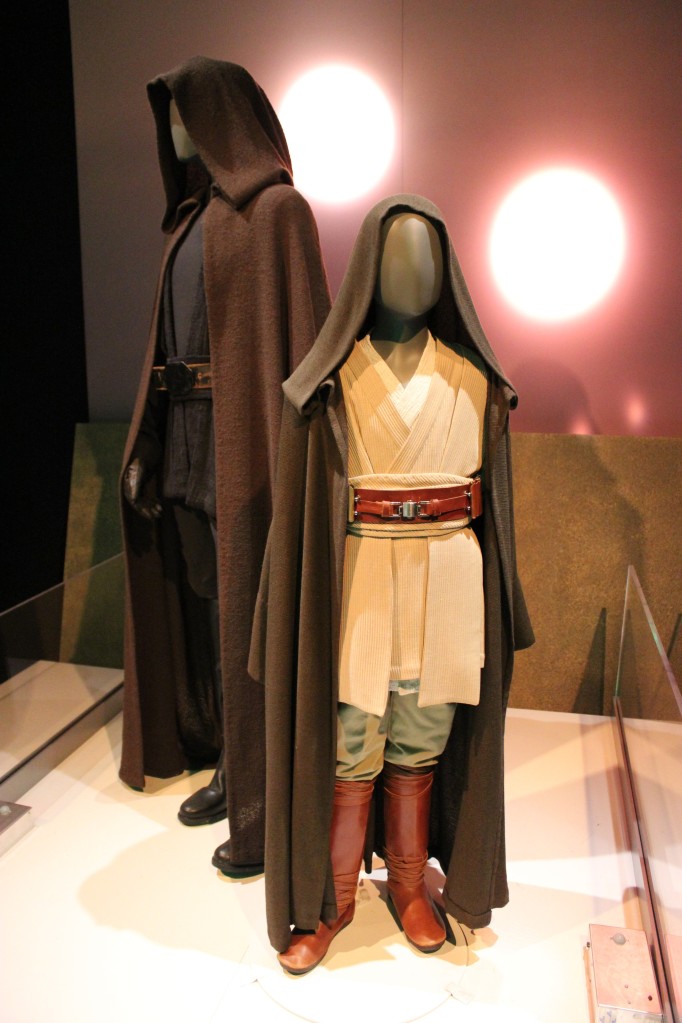
    Jedi Luke Skywalker and Padawan Anakin Skywalker

    Jedi Luke Skywalker and Padawan Anakin Skywalker

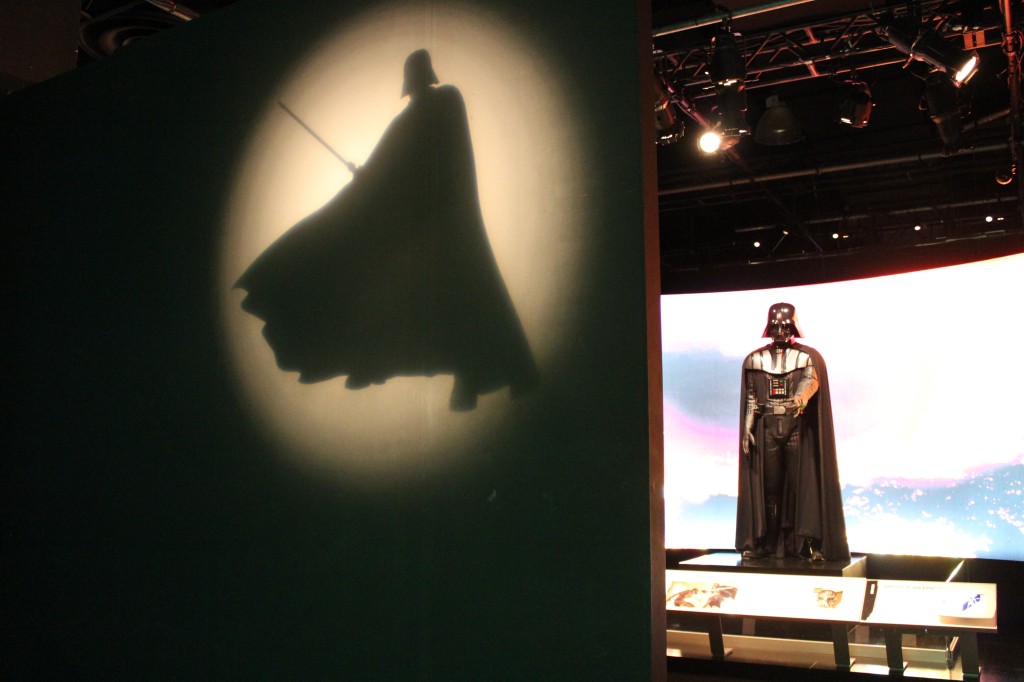
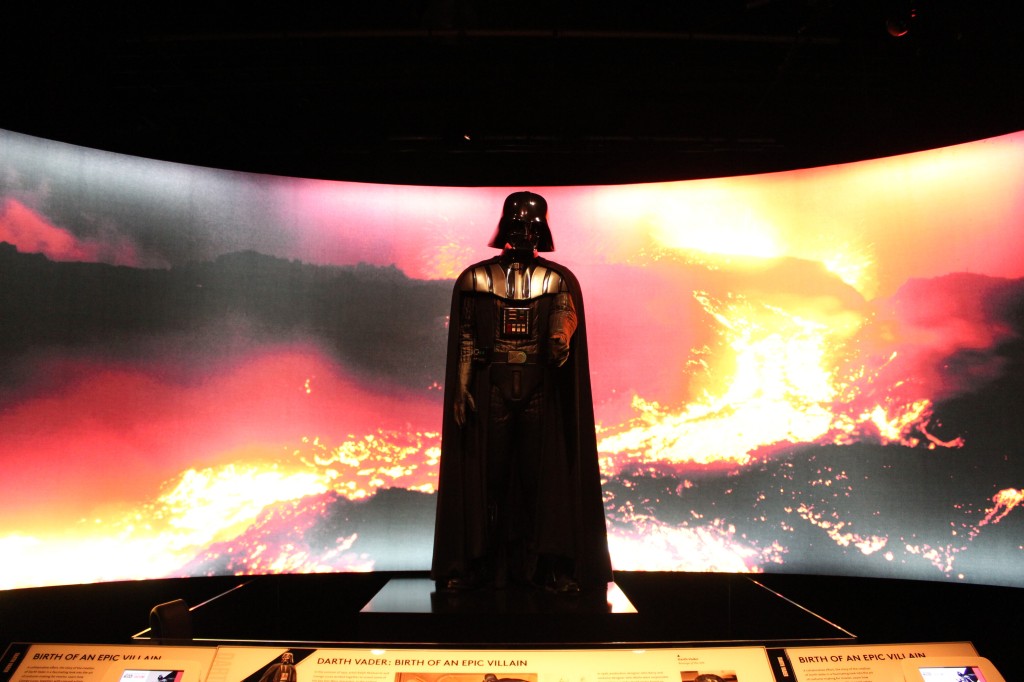
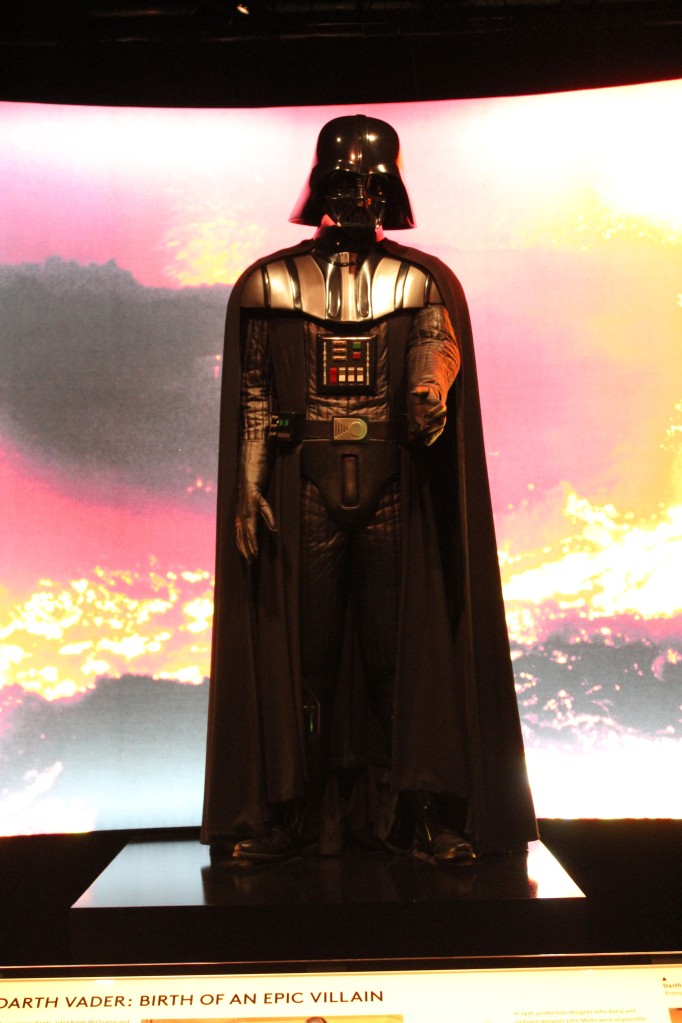
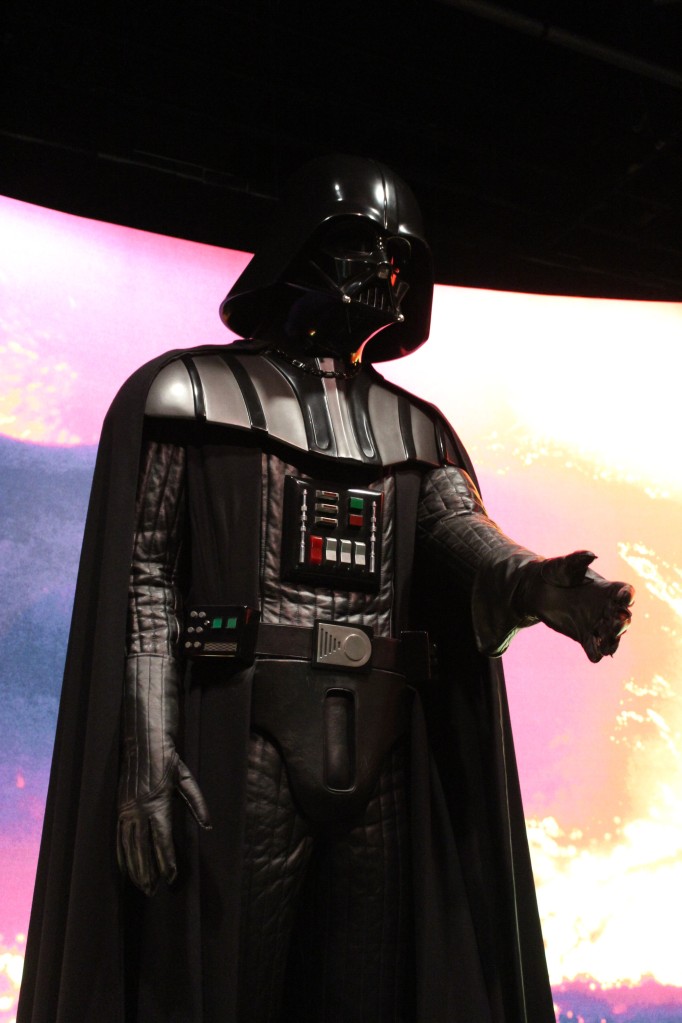
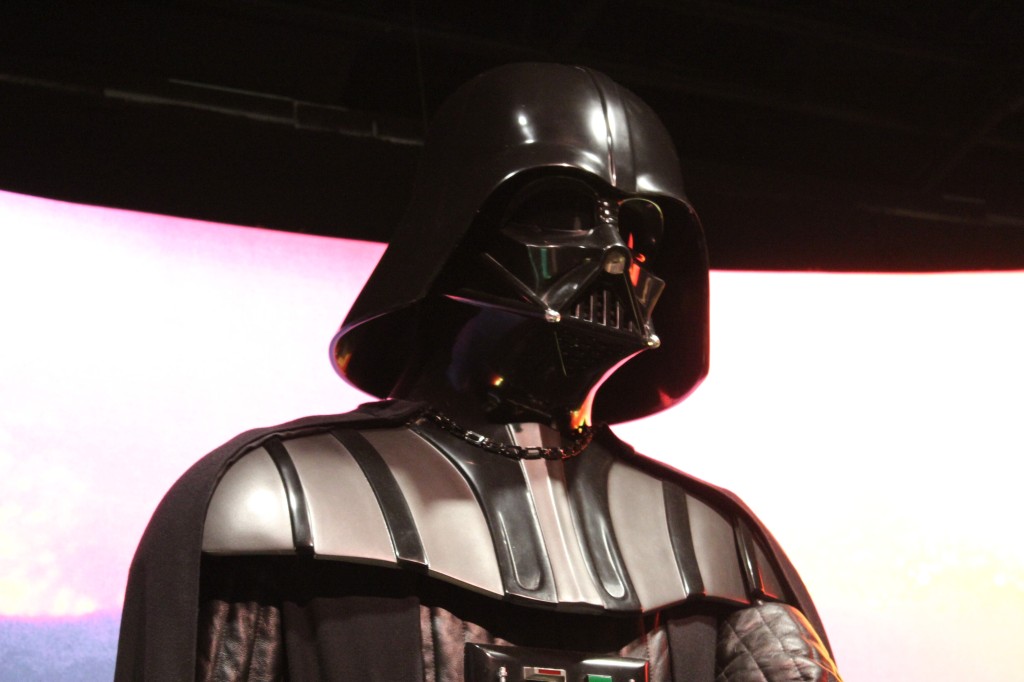
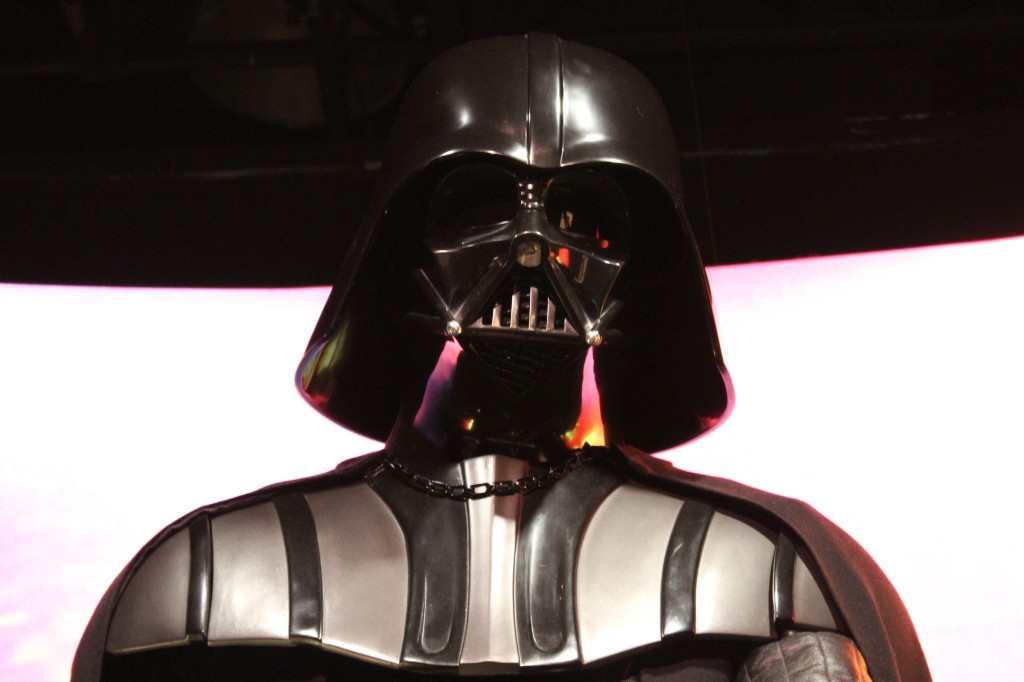
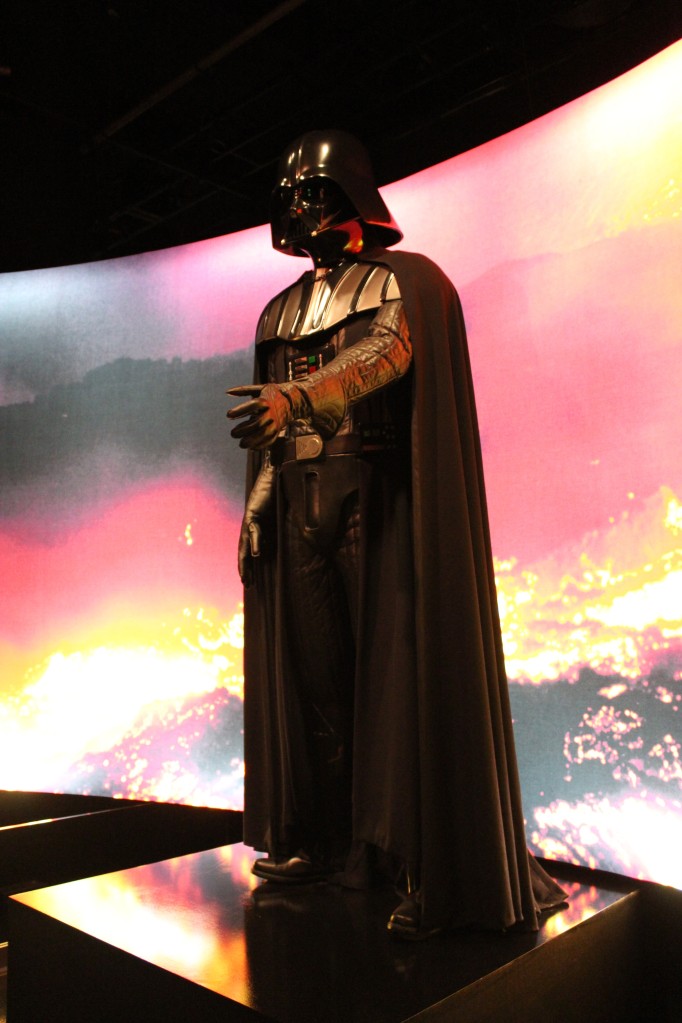
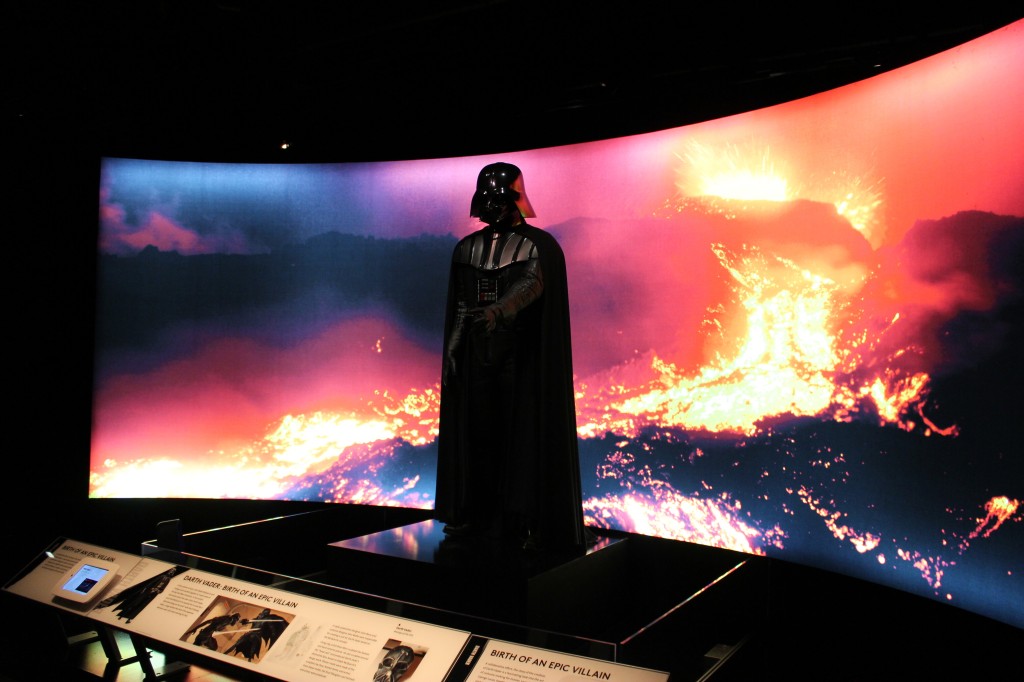
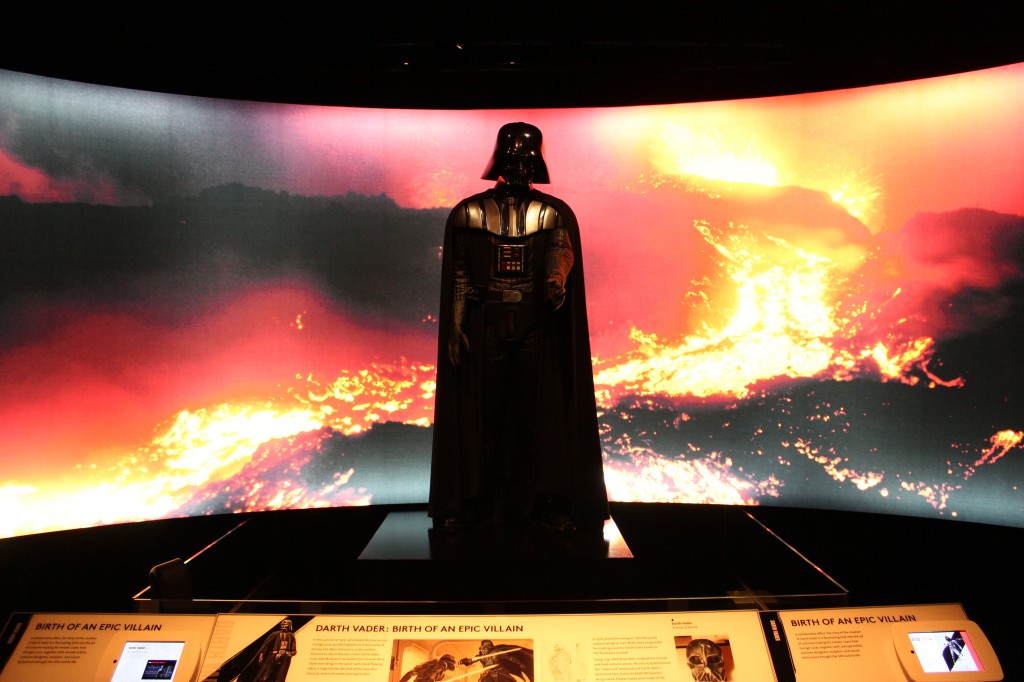
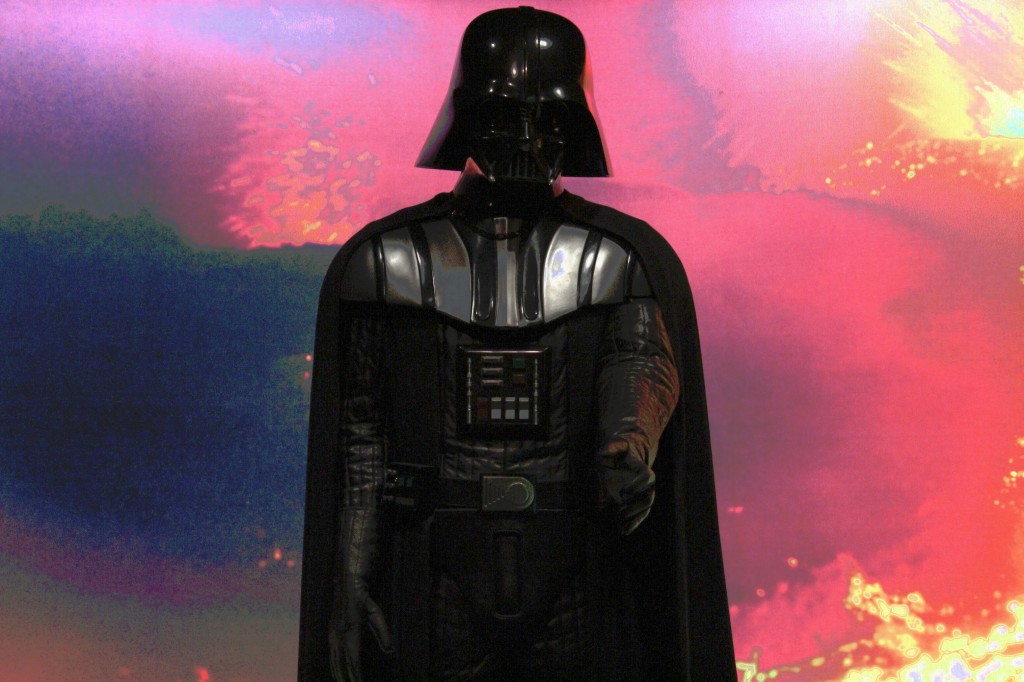
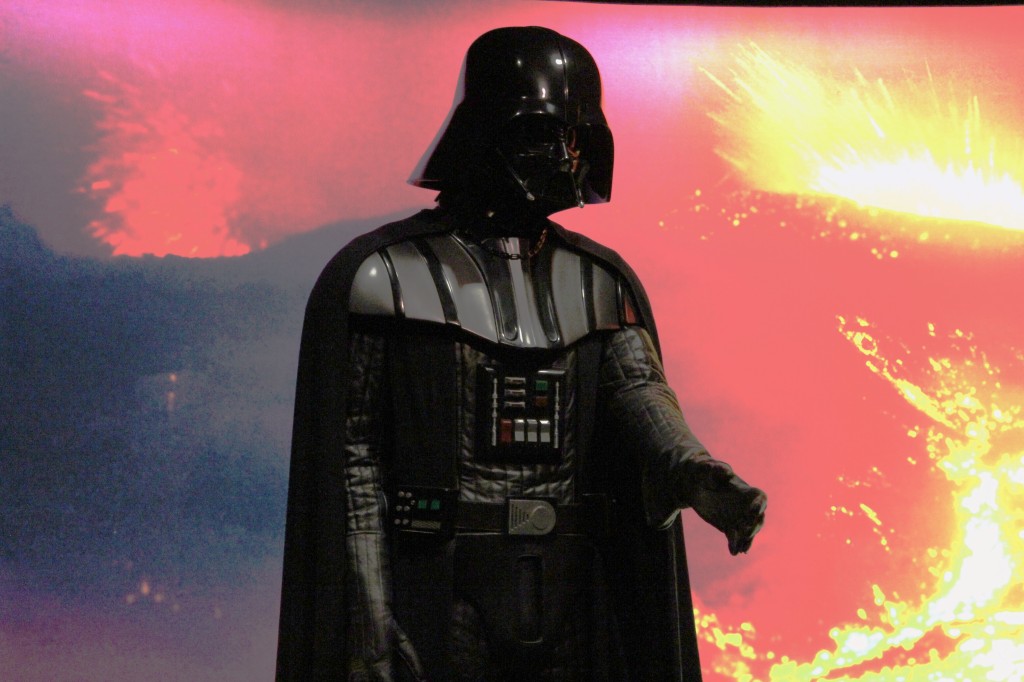
    Darth Vader

    Darth Vader

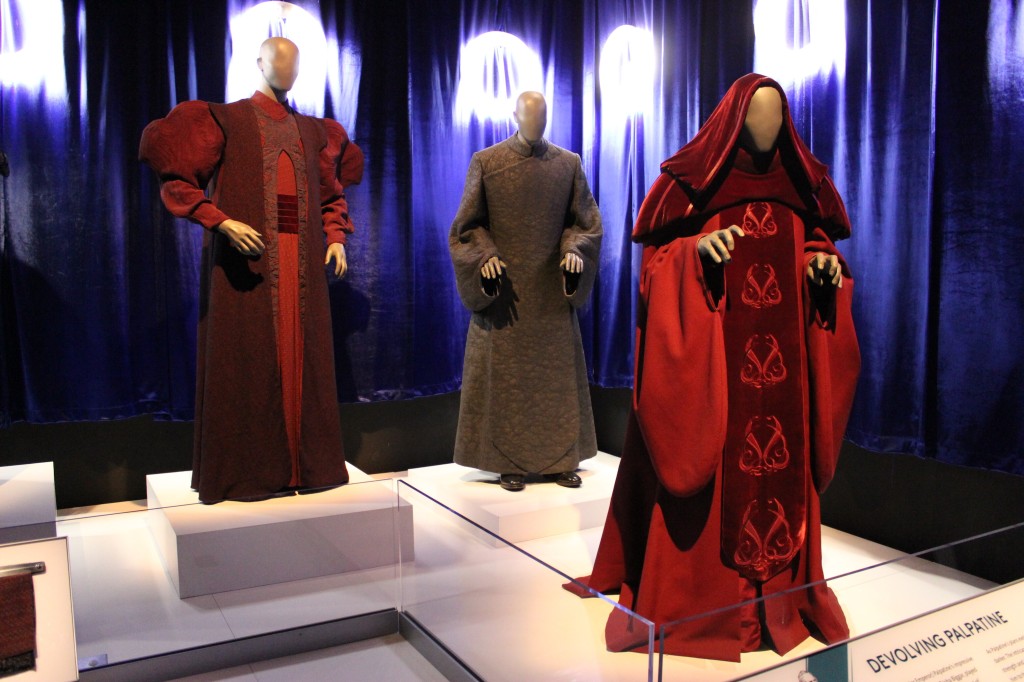
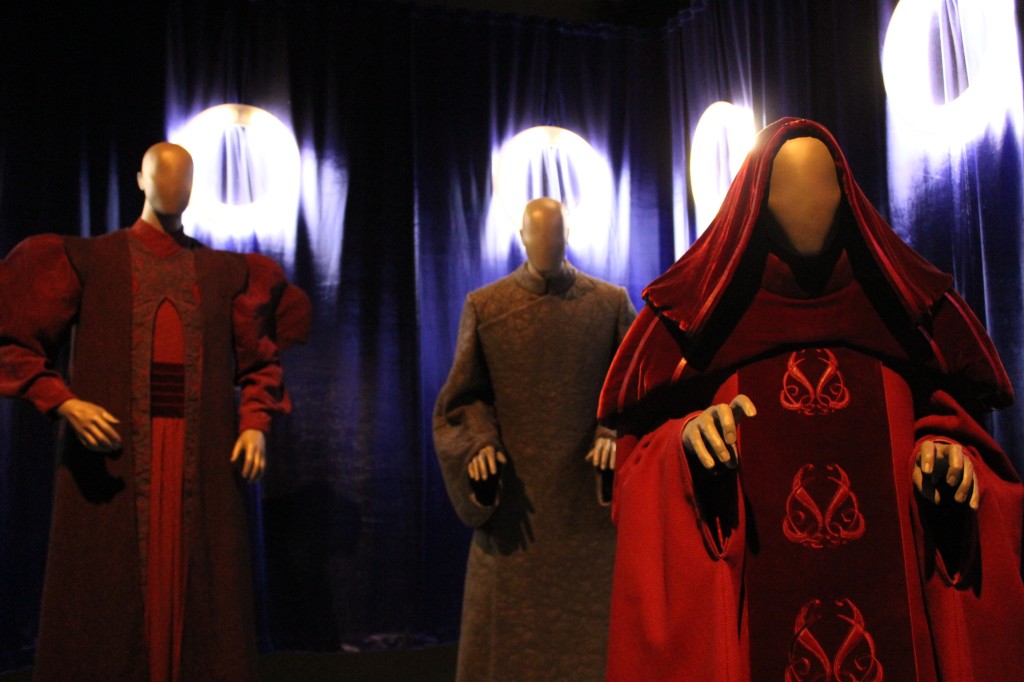
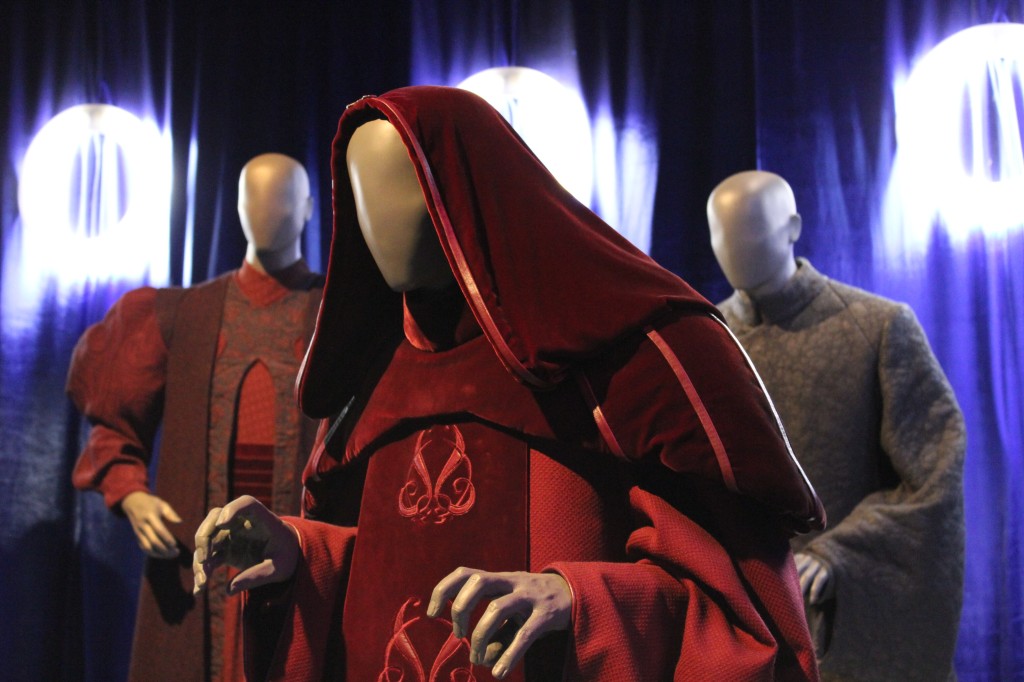
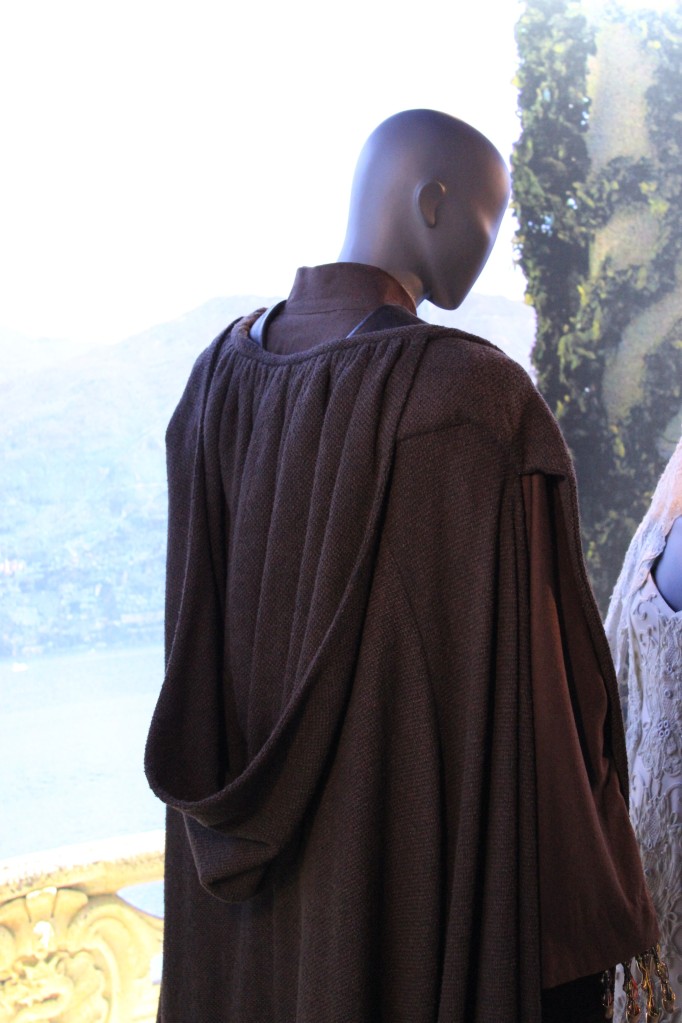
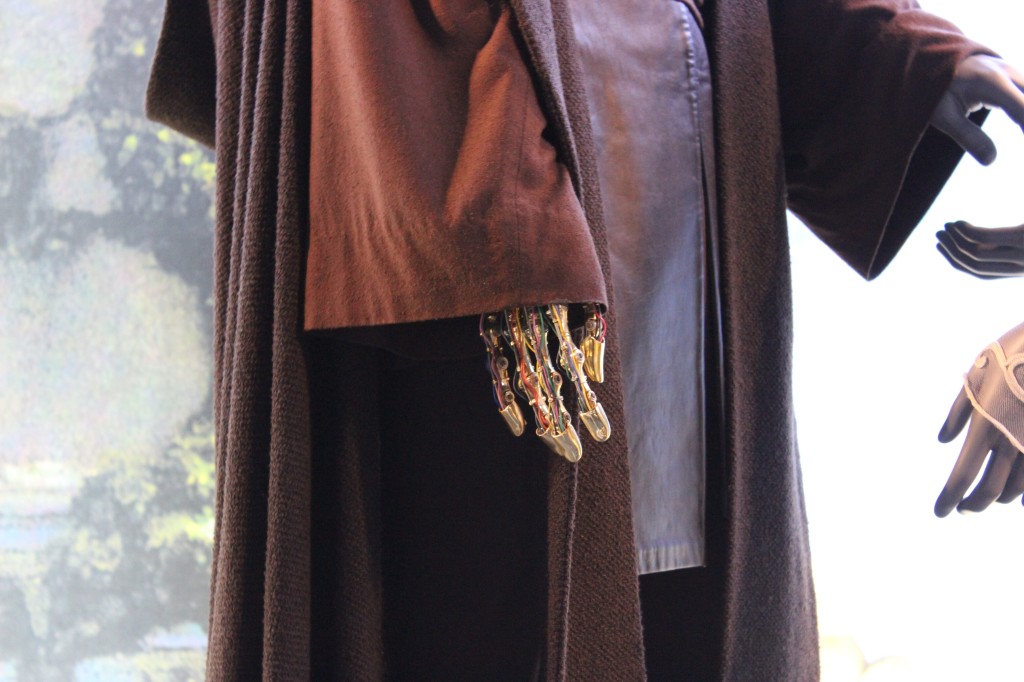
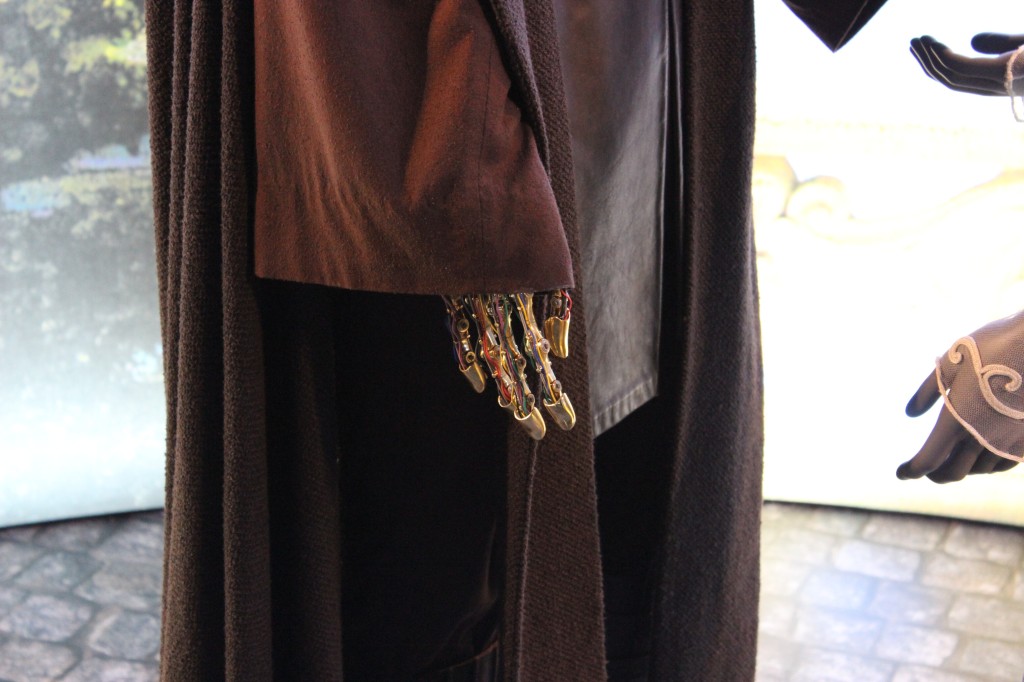
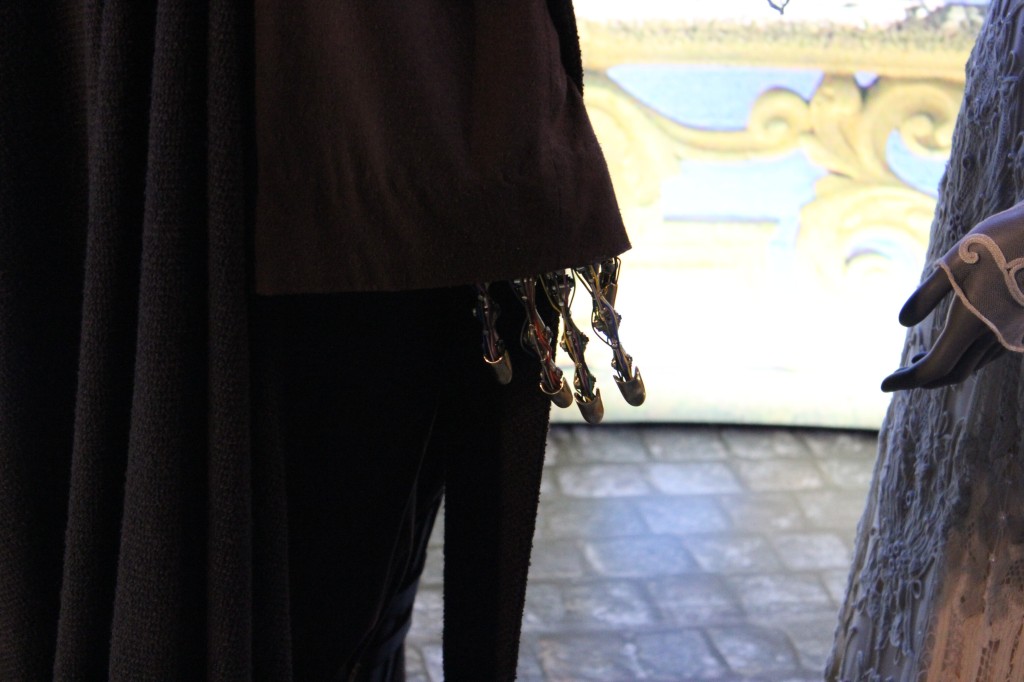
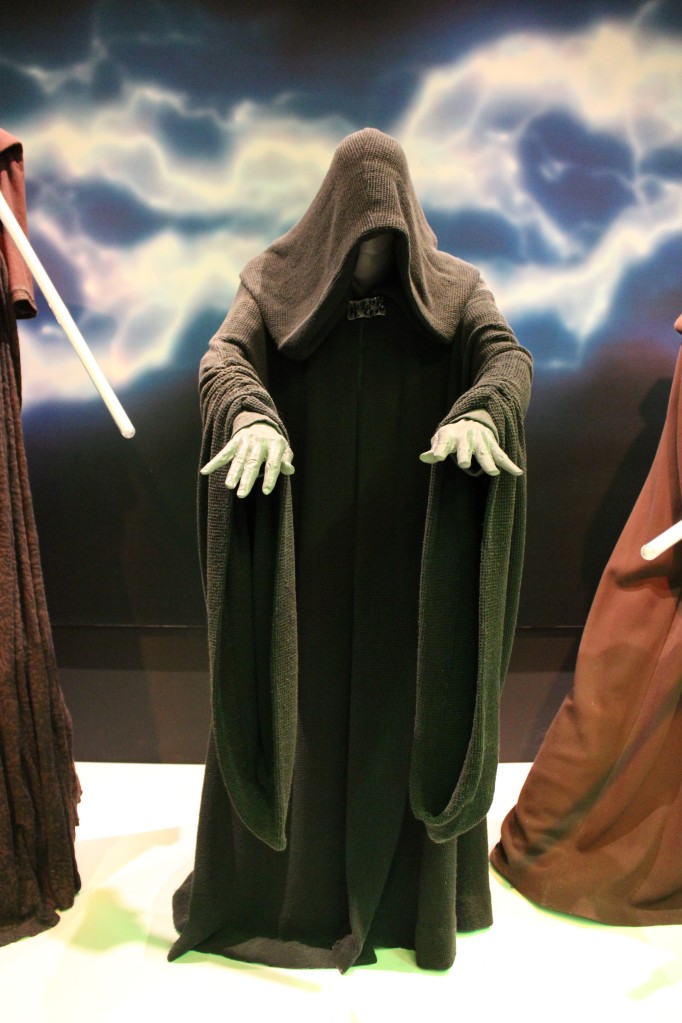
    Palpatine/Darth Sidious

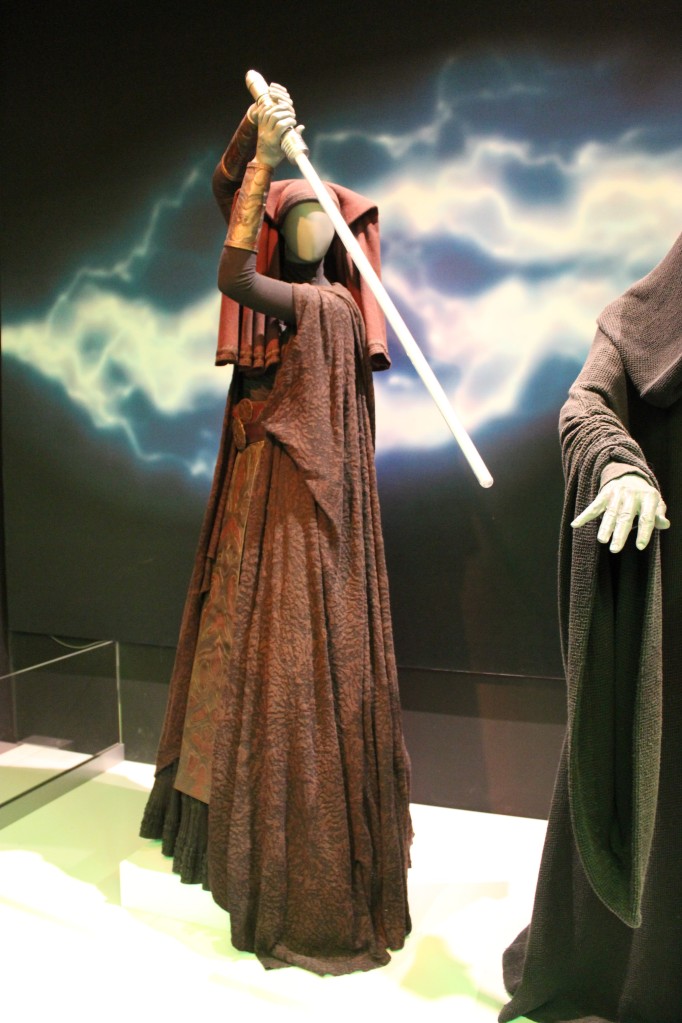
    Luminara Unduli, Emperor Palpatine, and Mace Windu

    Qui-Gon Jinn and Obi-Wan Kenobi versus Darth Maul in The Phantom Menace

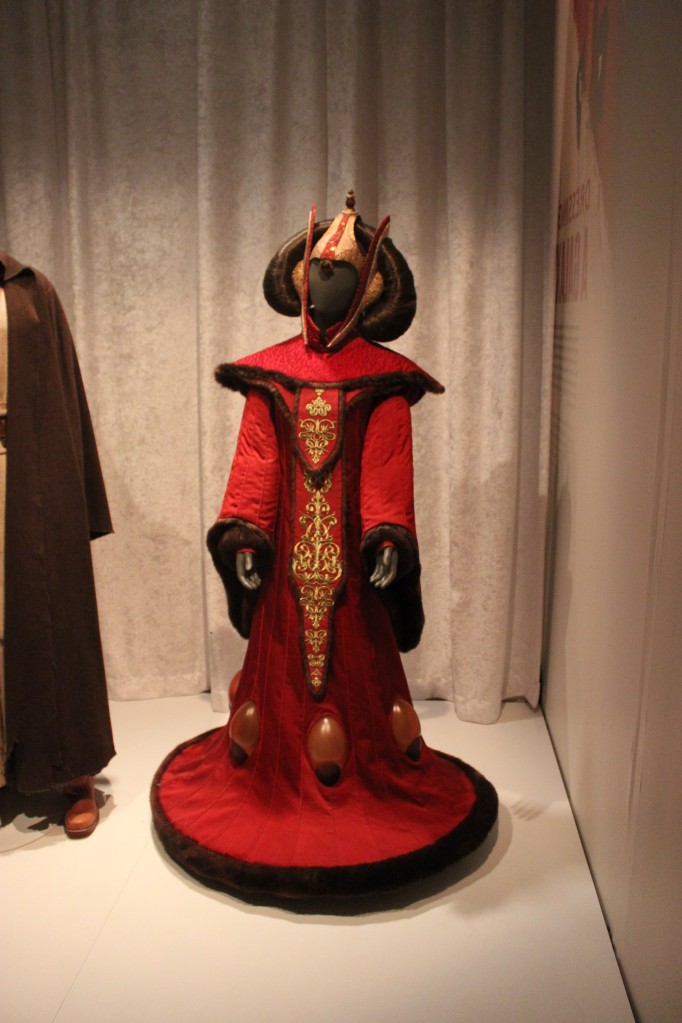
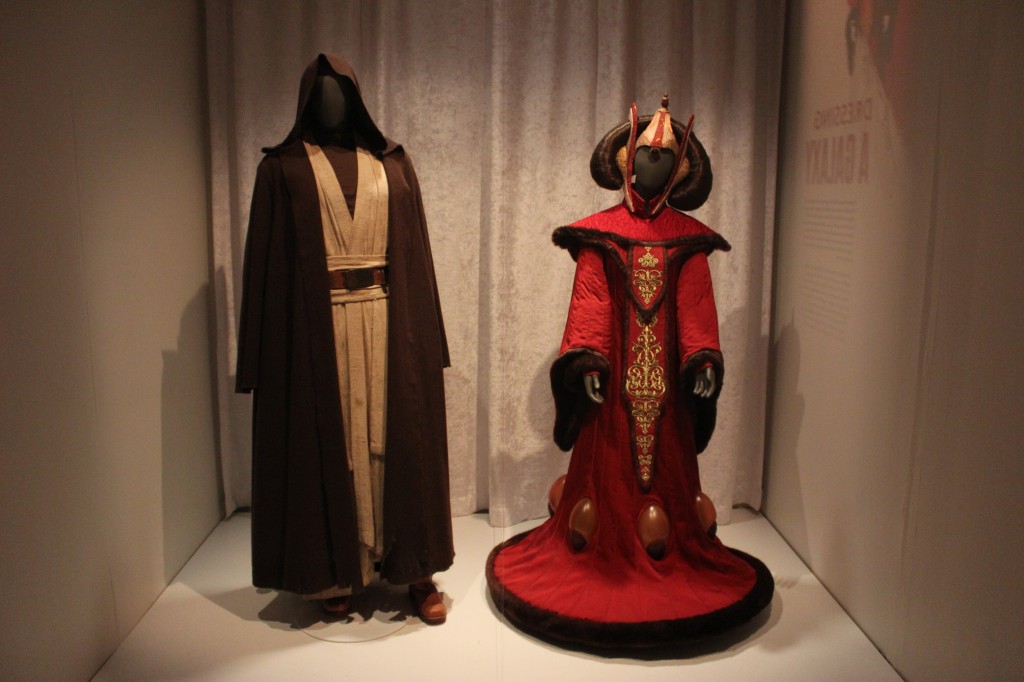
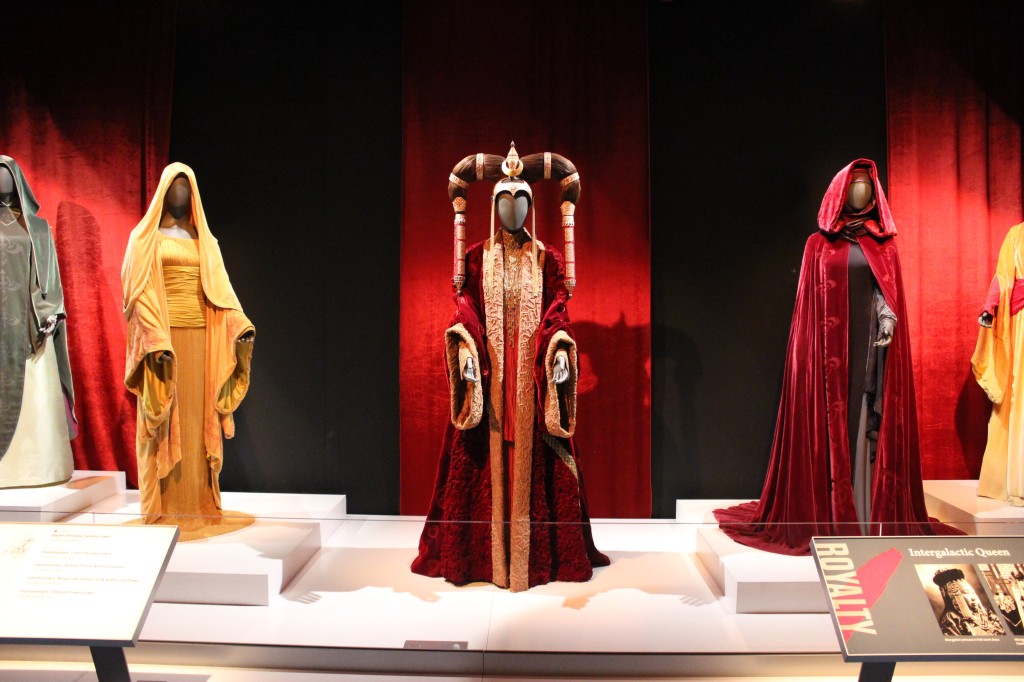
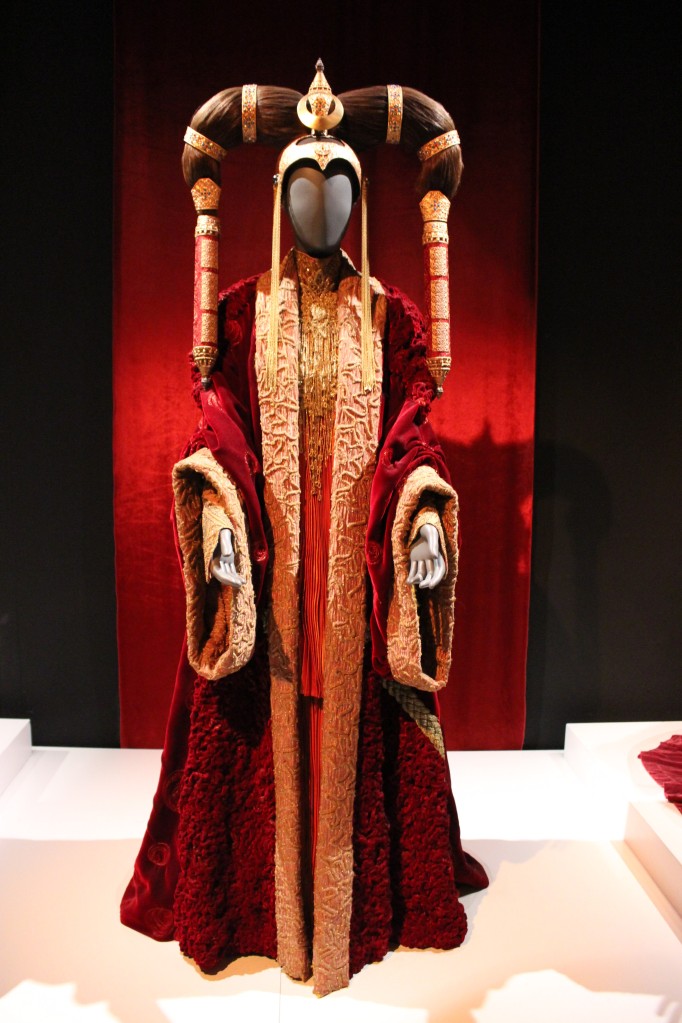
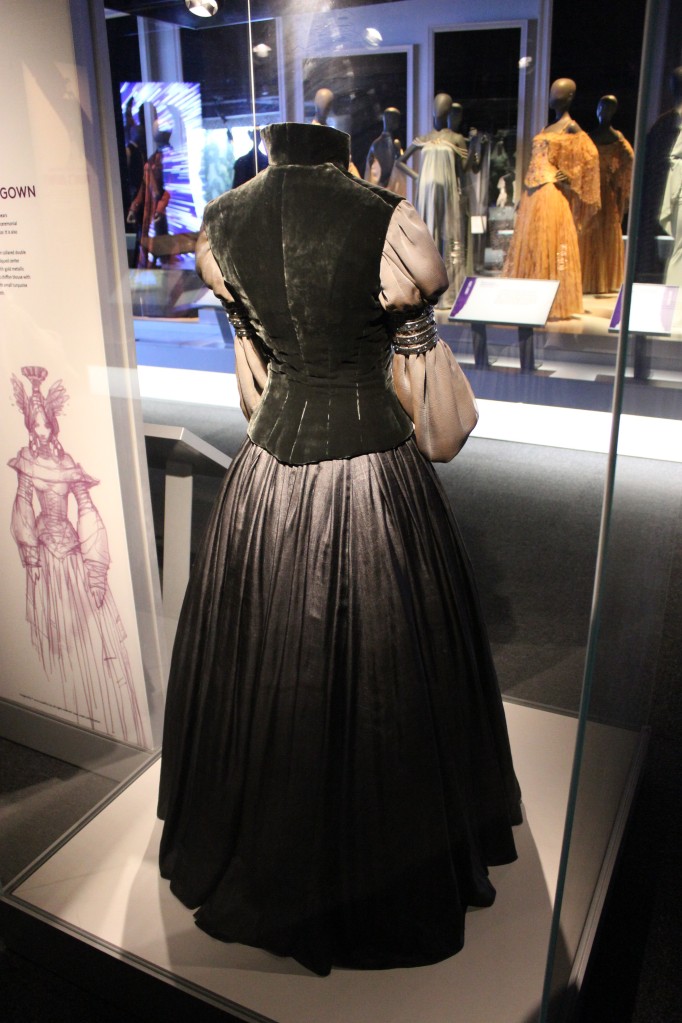
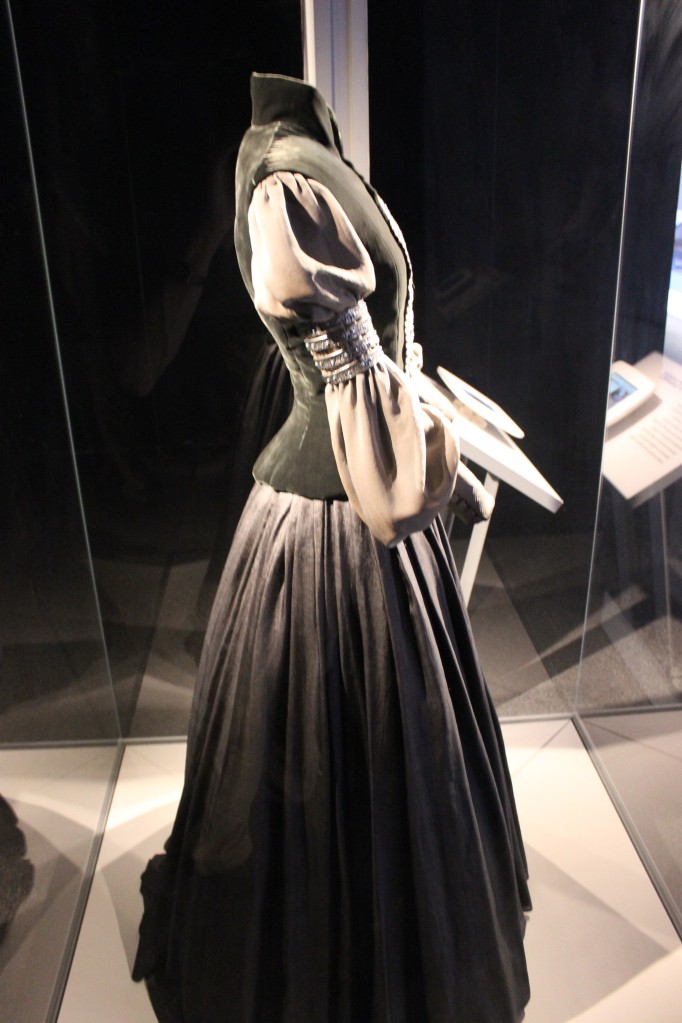
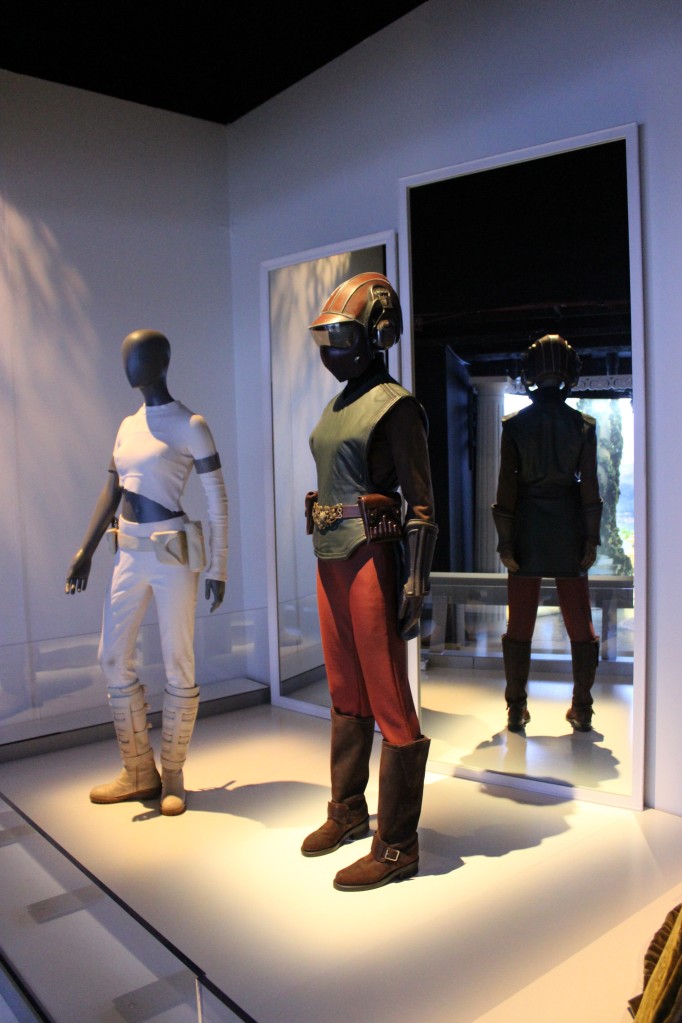
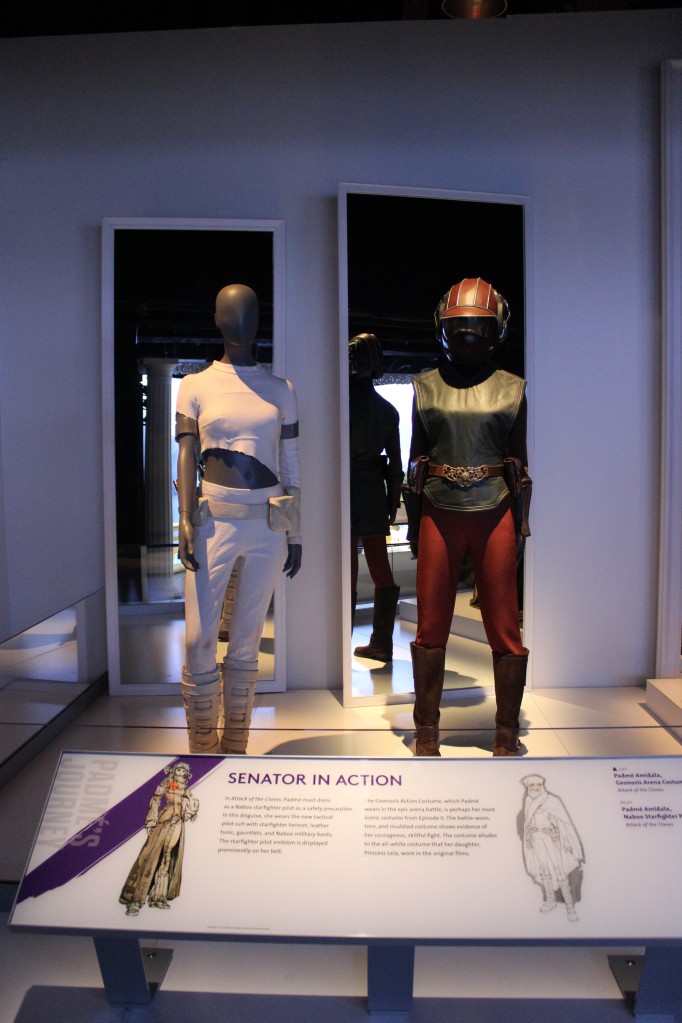
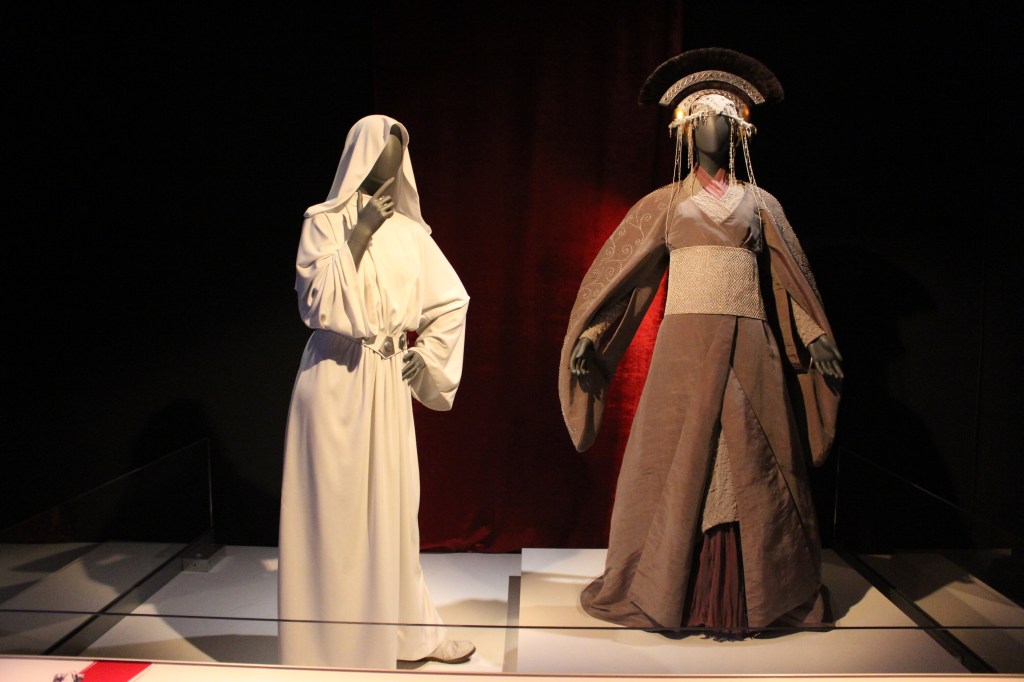
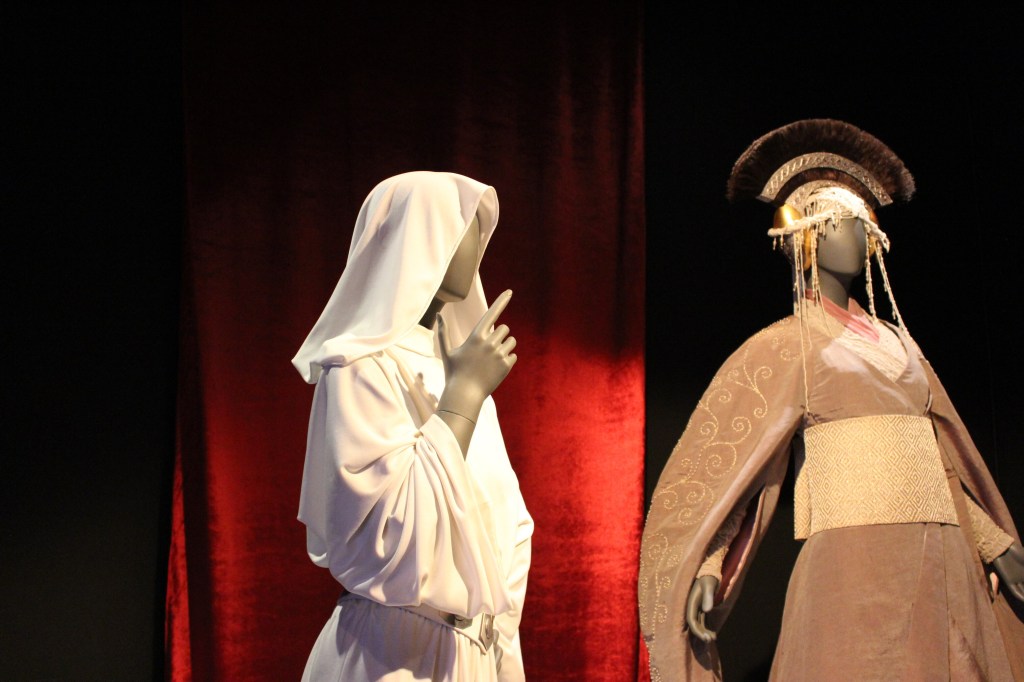
    Padmé Amidala

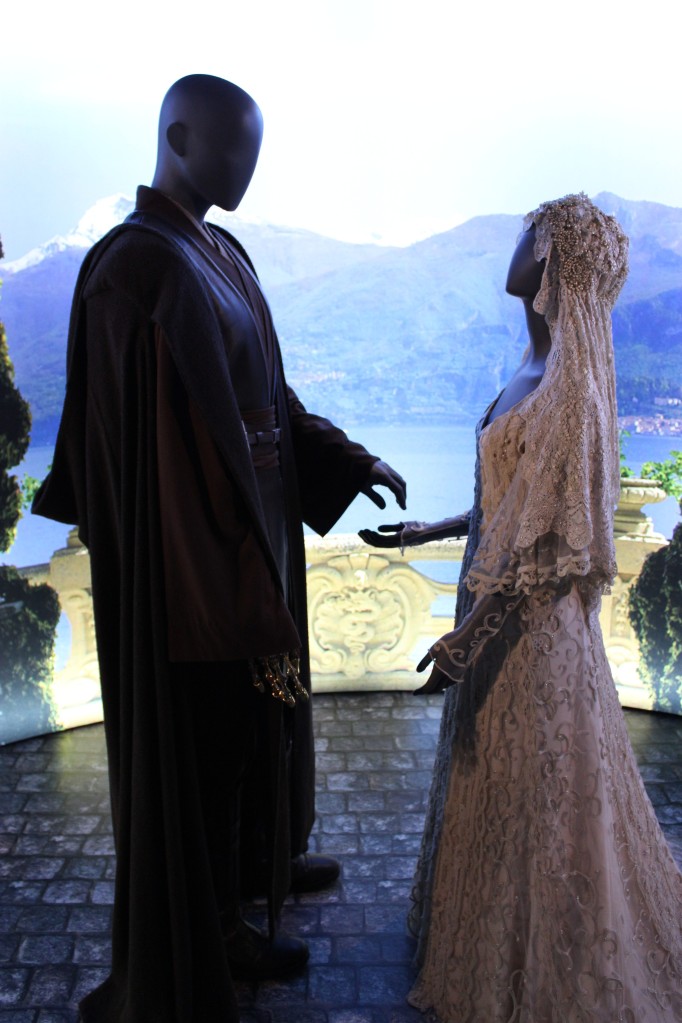
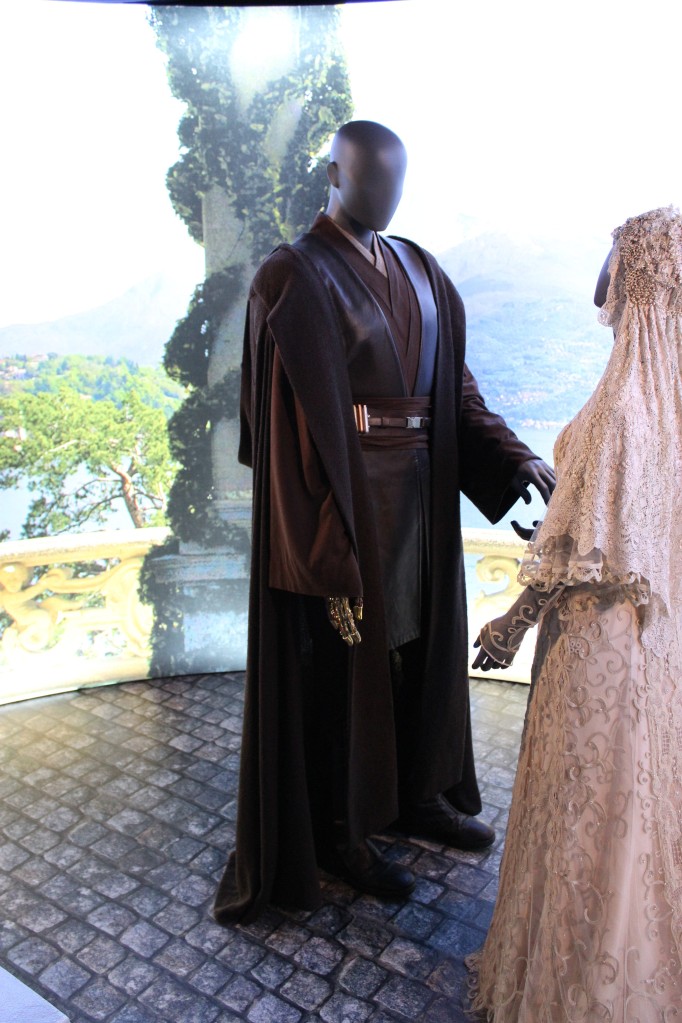
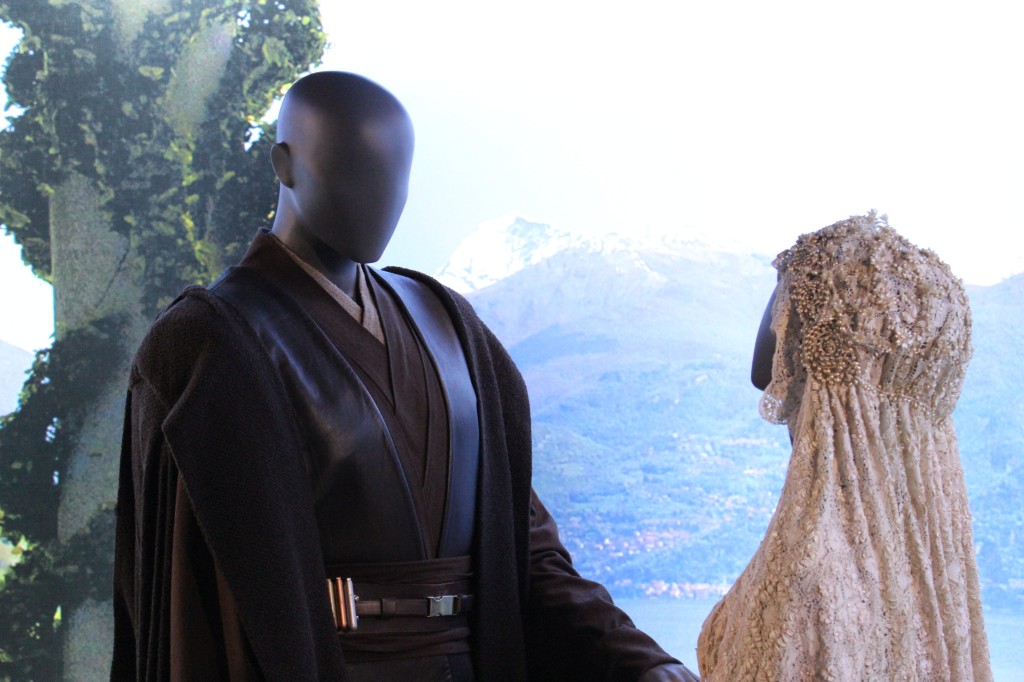
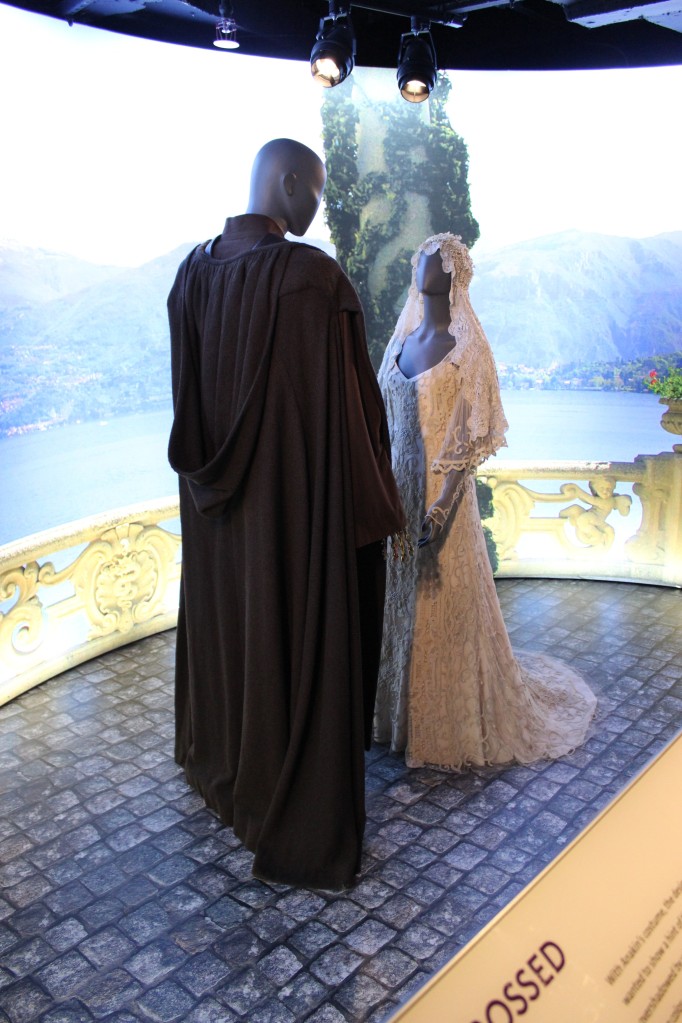
    Padmé Amidala and Anakin Skywalker’s Secret Wedding

    Padmé Amidala and Anakin Skywalker's Secret Wedding

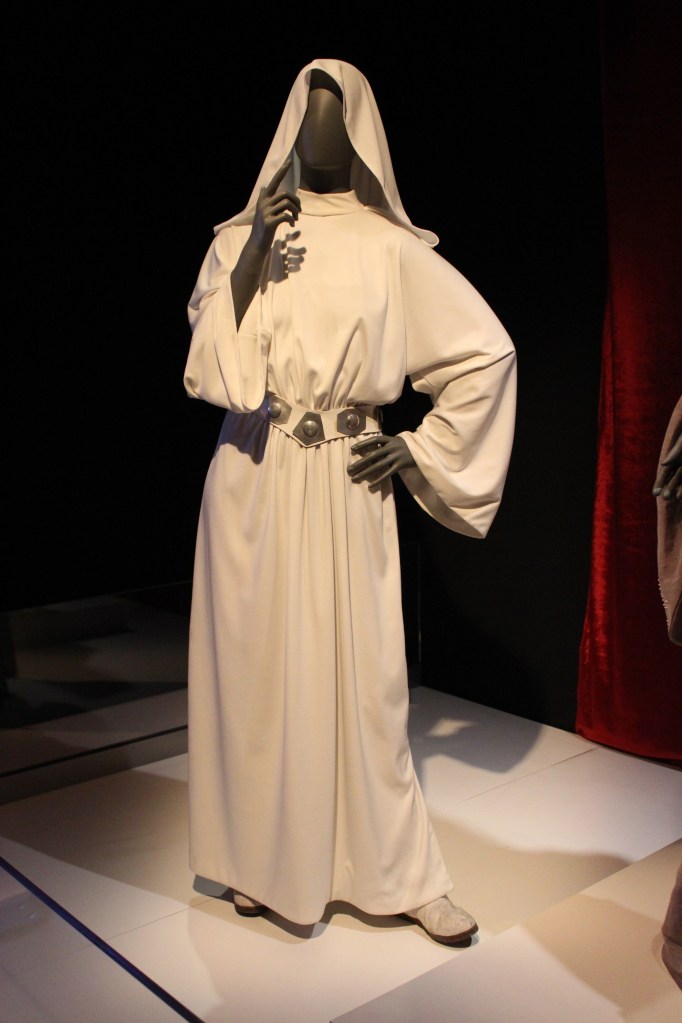
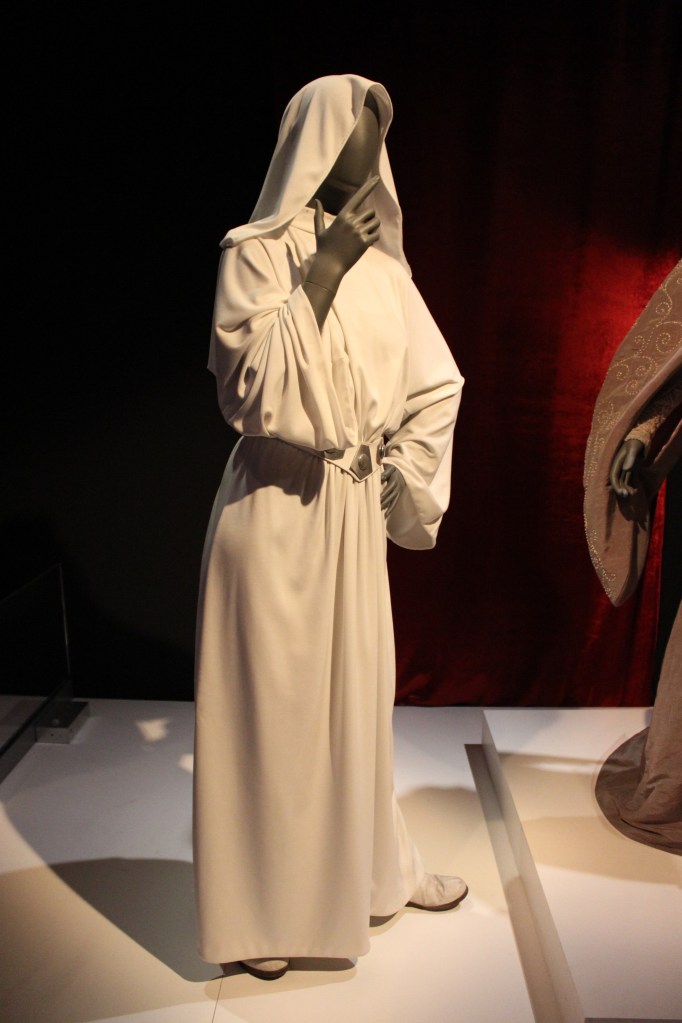
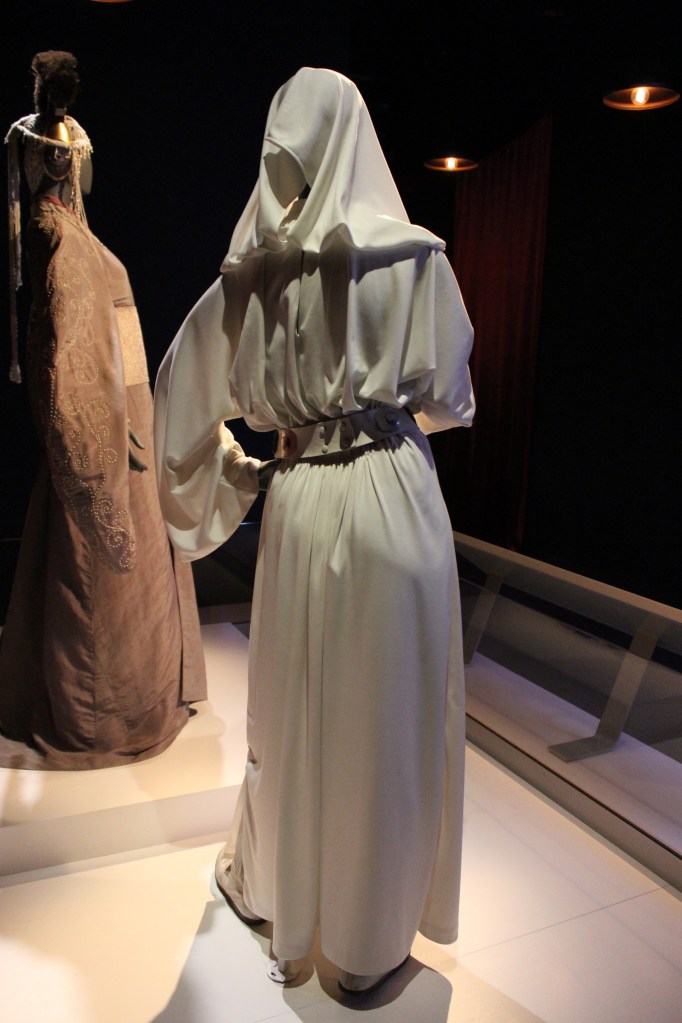
    Princess Leia

    Princess Leia in A New Hope

    Princess Leia in Return of the Jedi

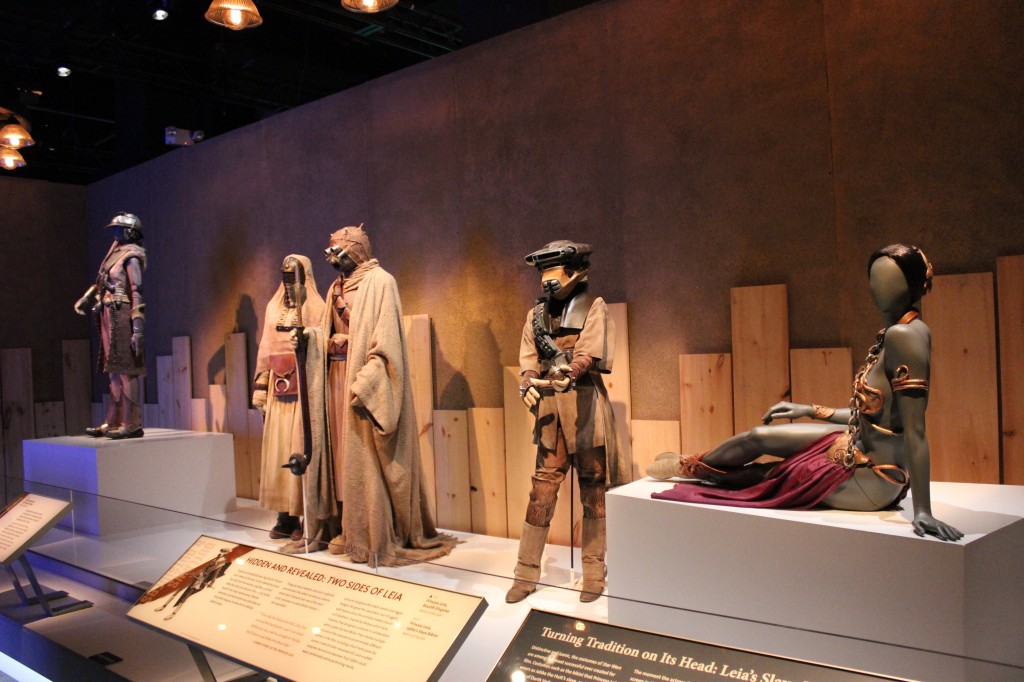
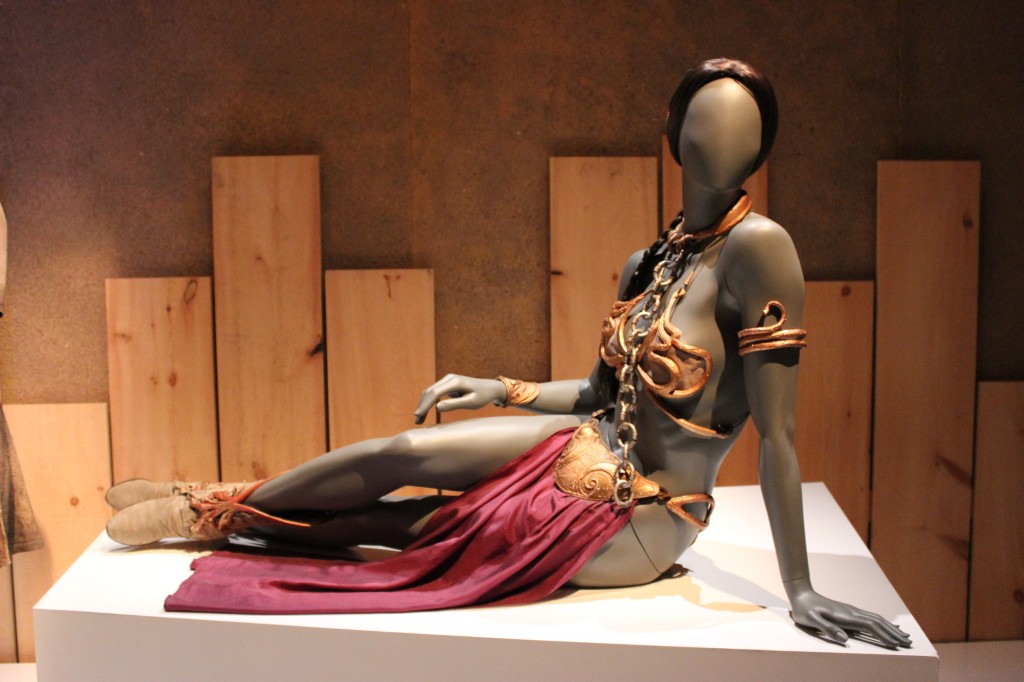
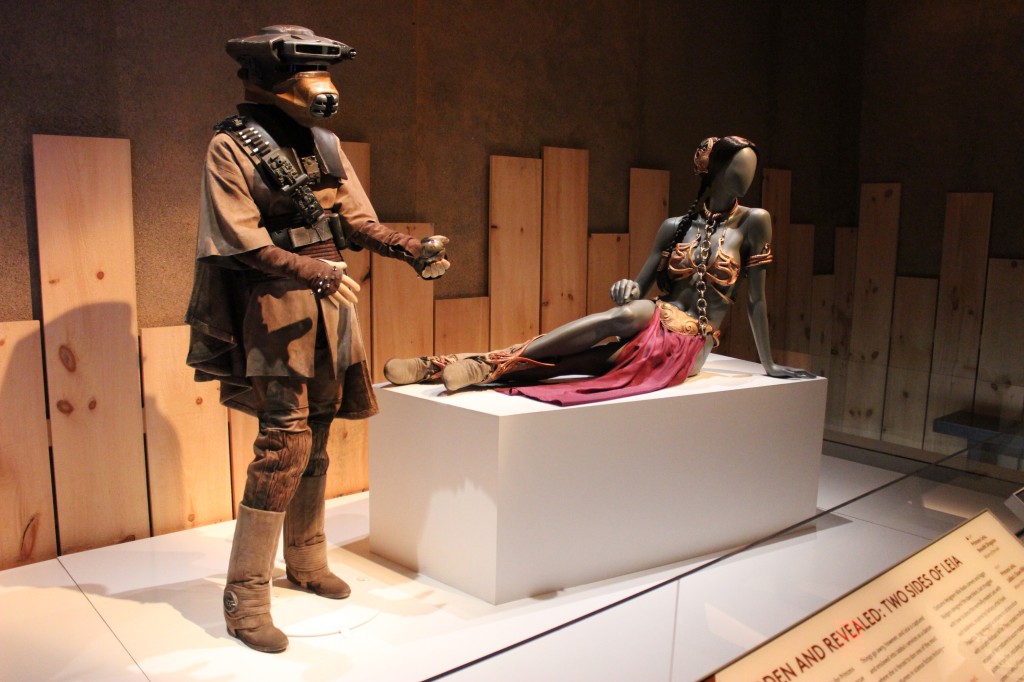
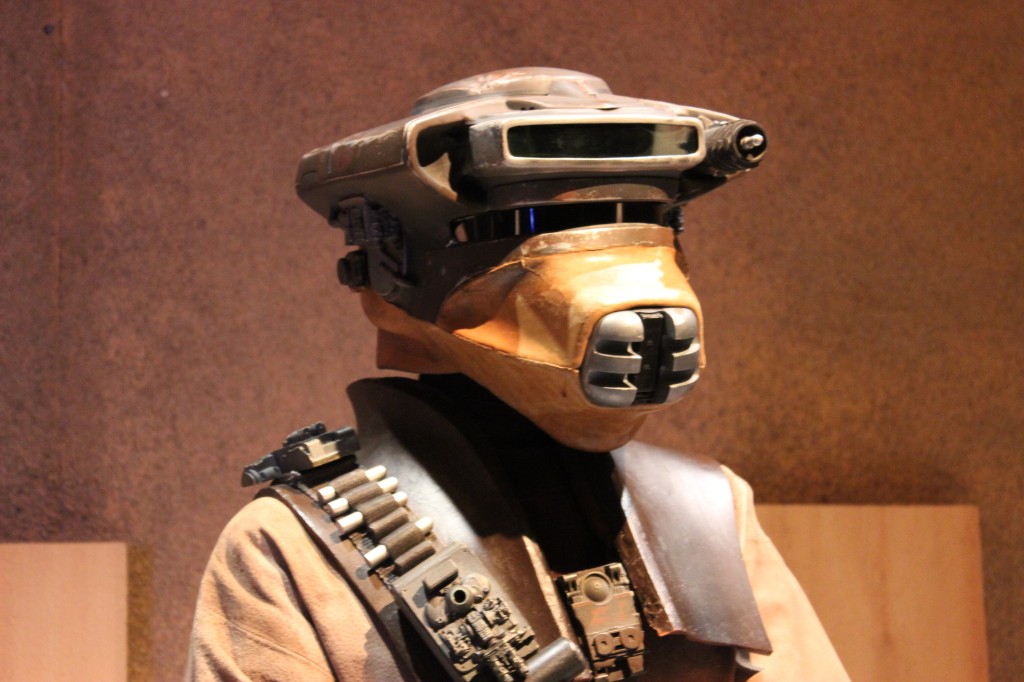
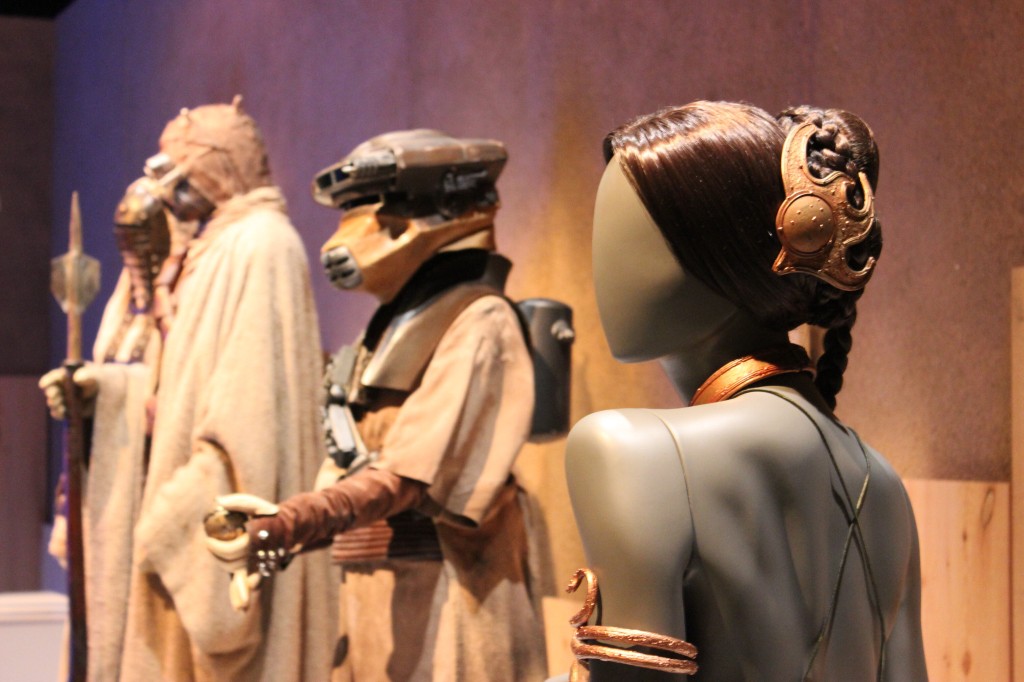
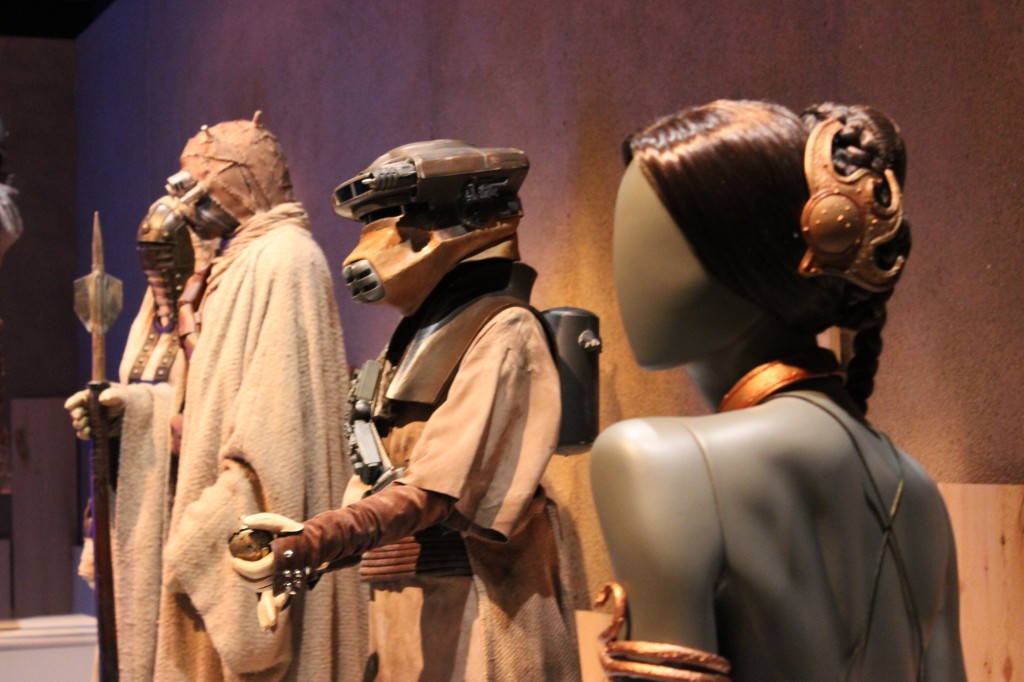
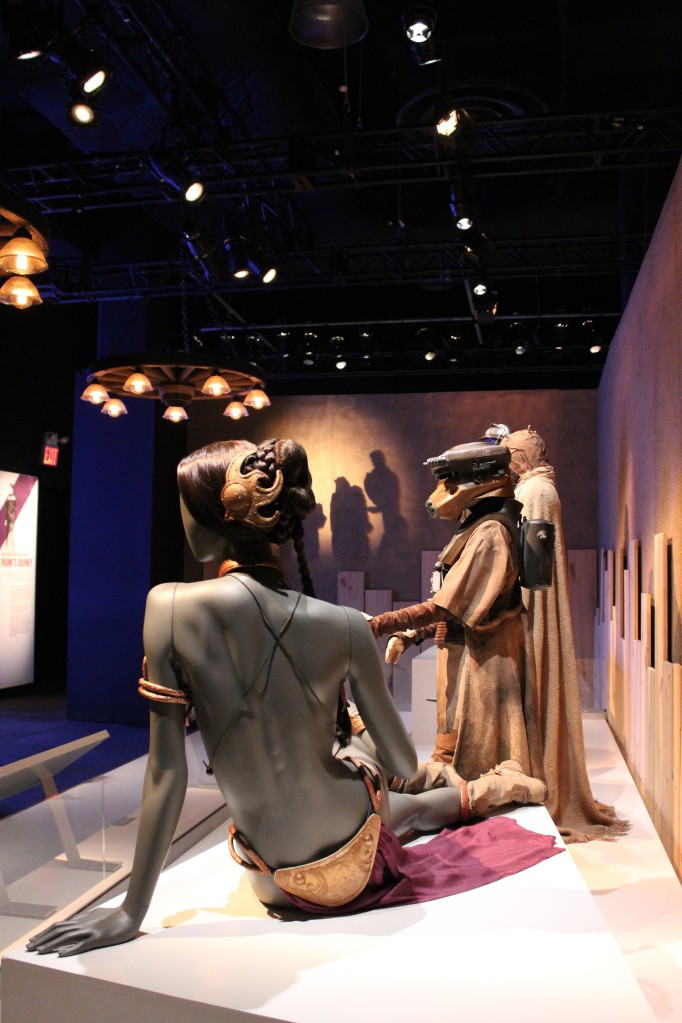
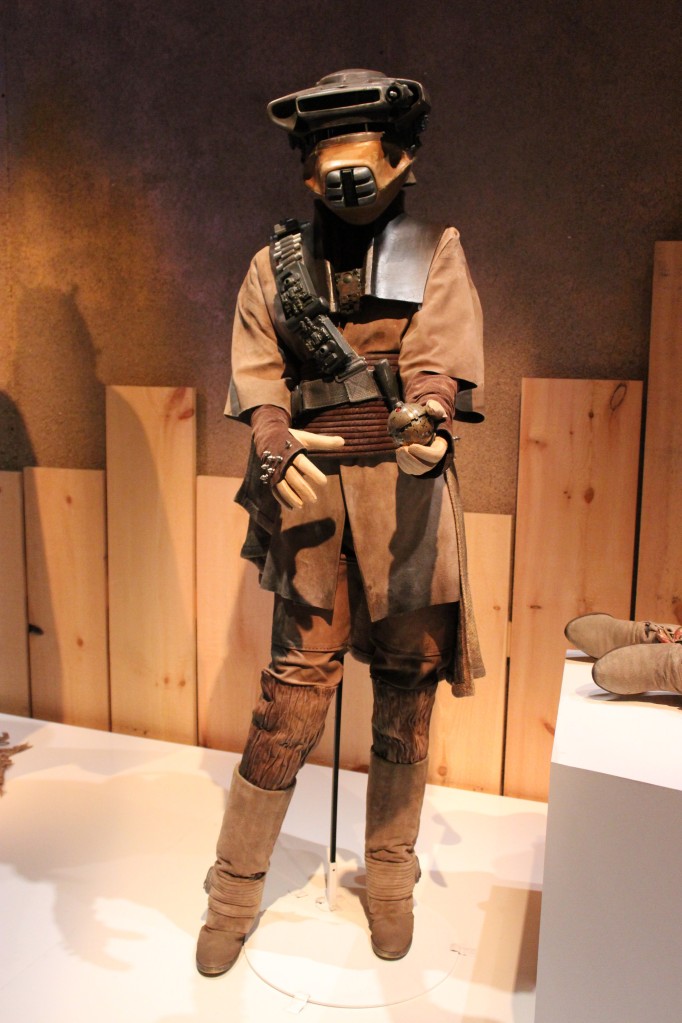
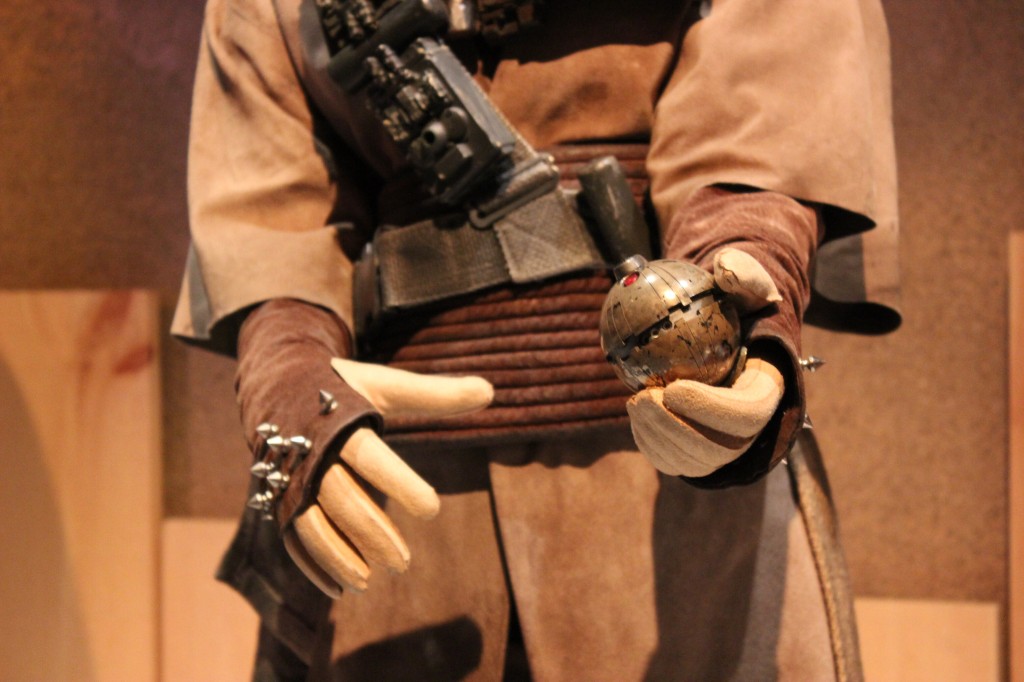
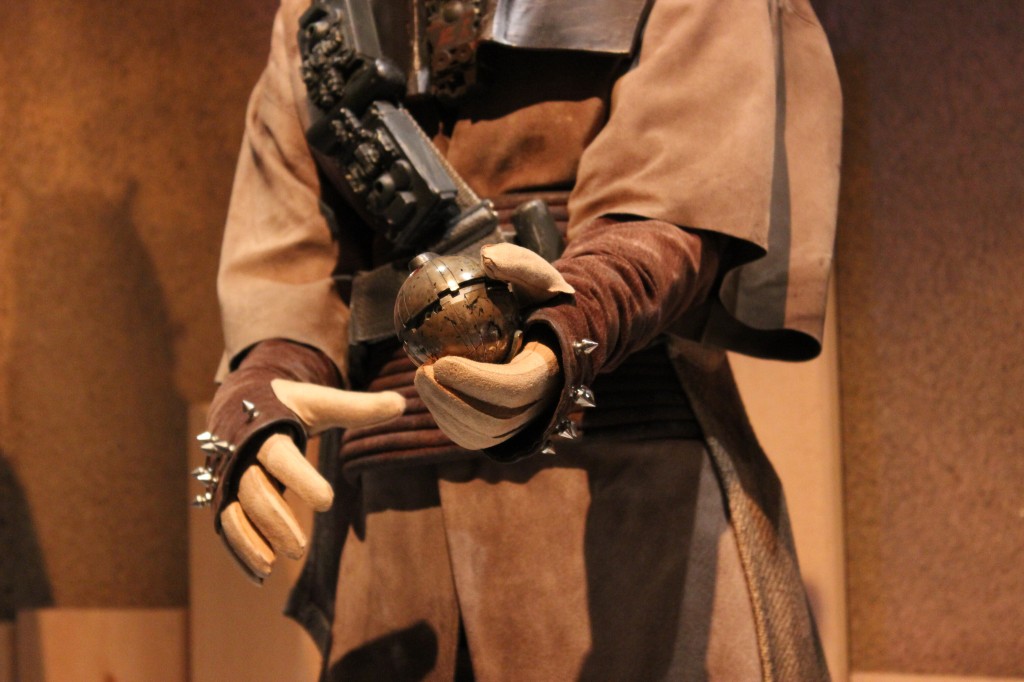
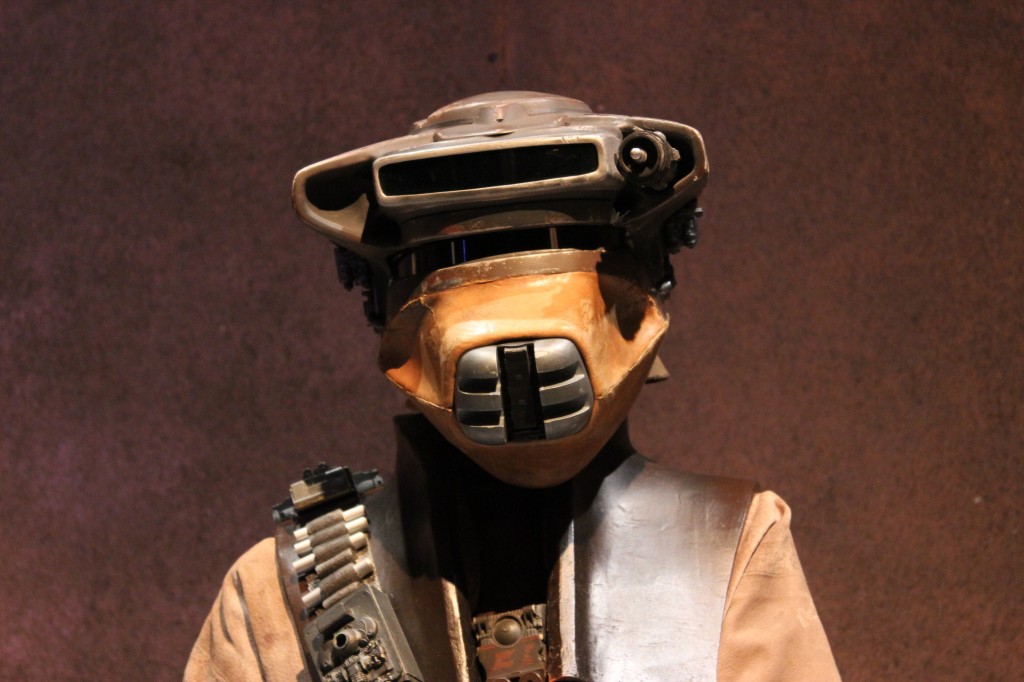
    Zam Wessel, Sandpeople, Boushh, and Slave Leia

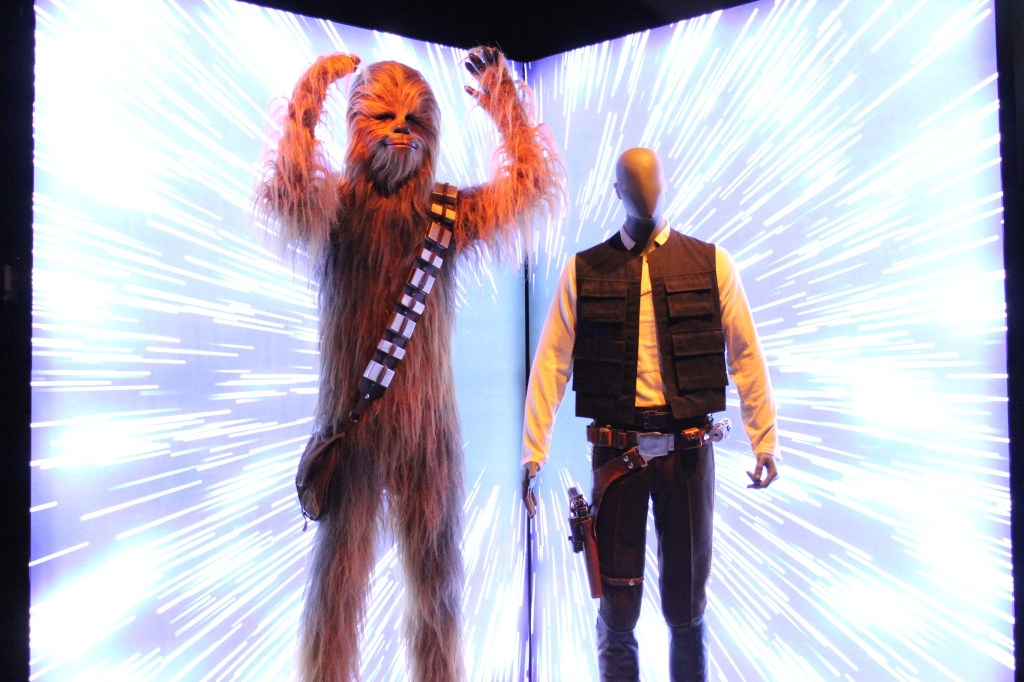
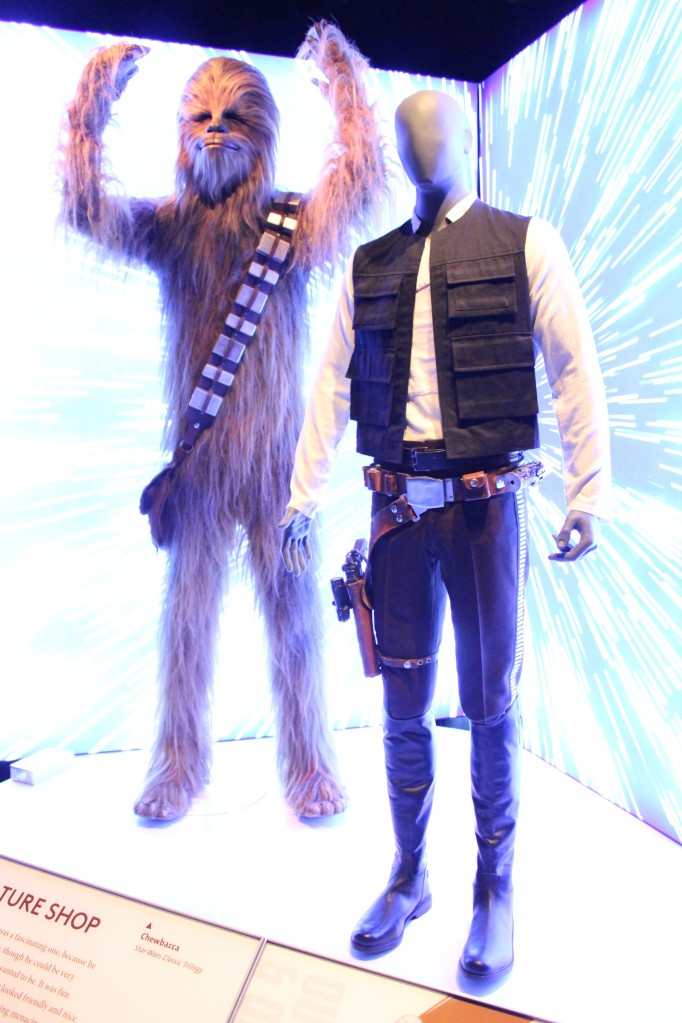
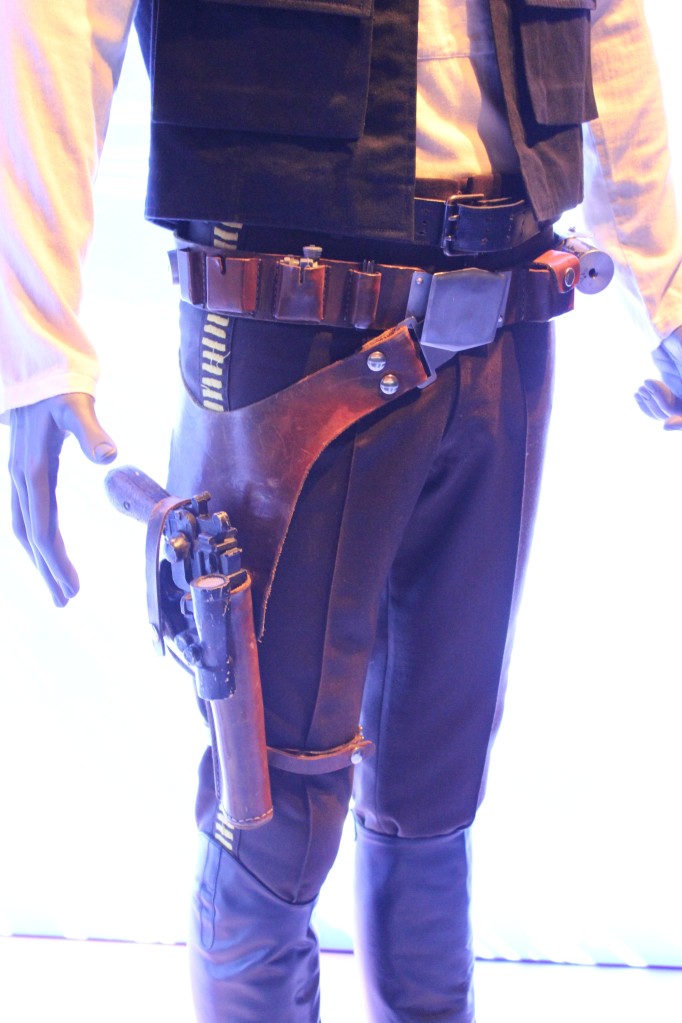
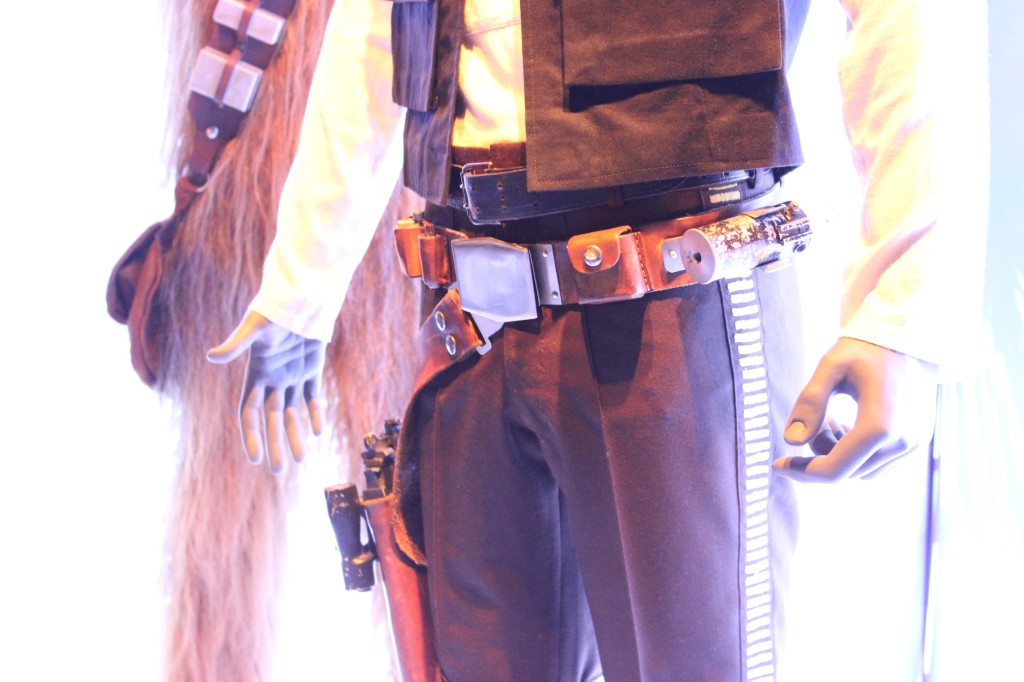
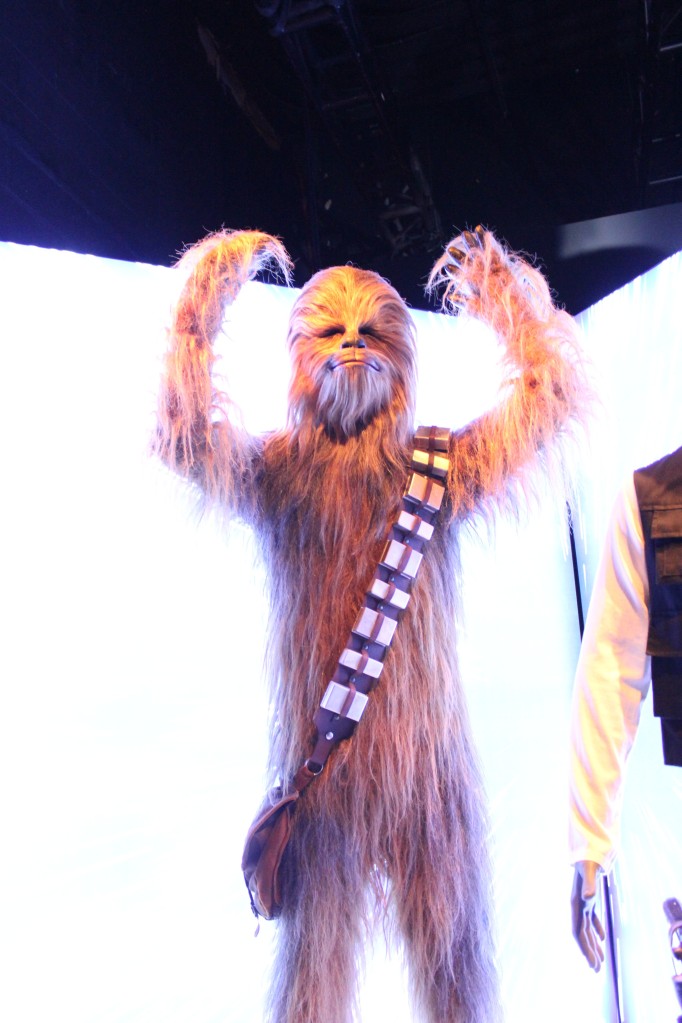
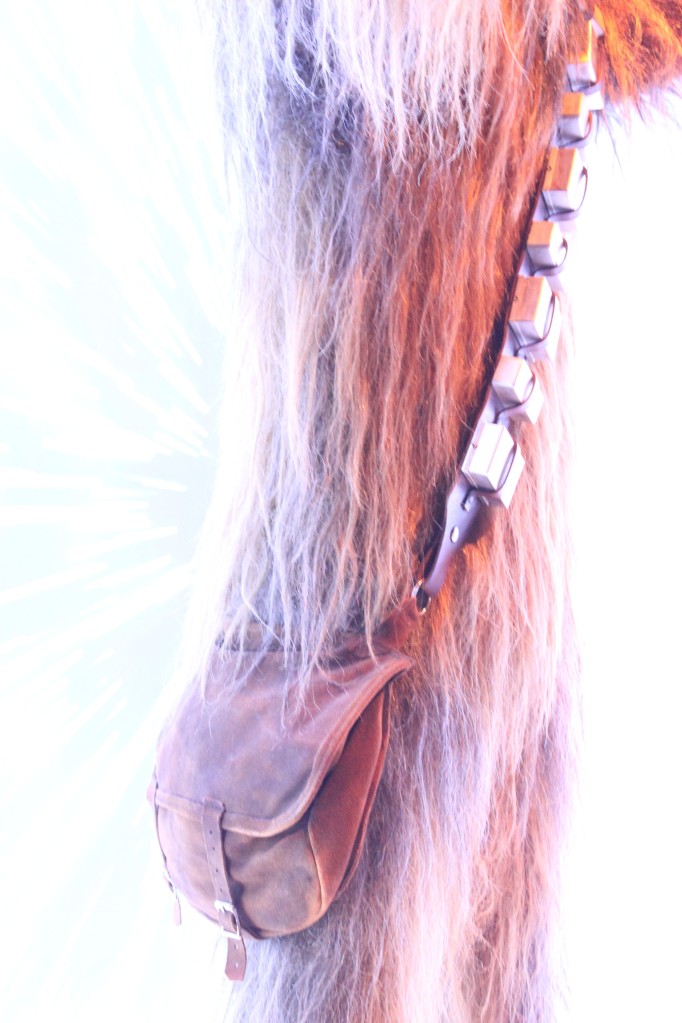
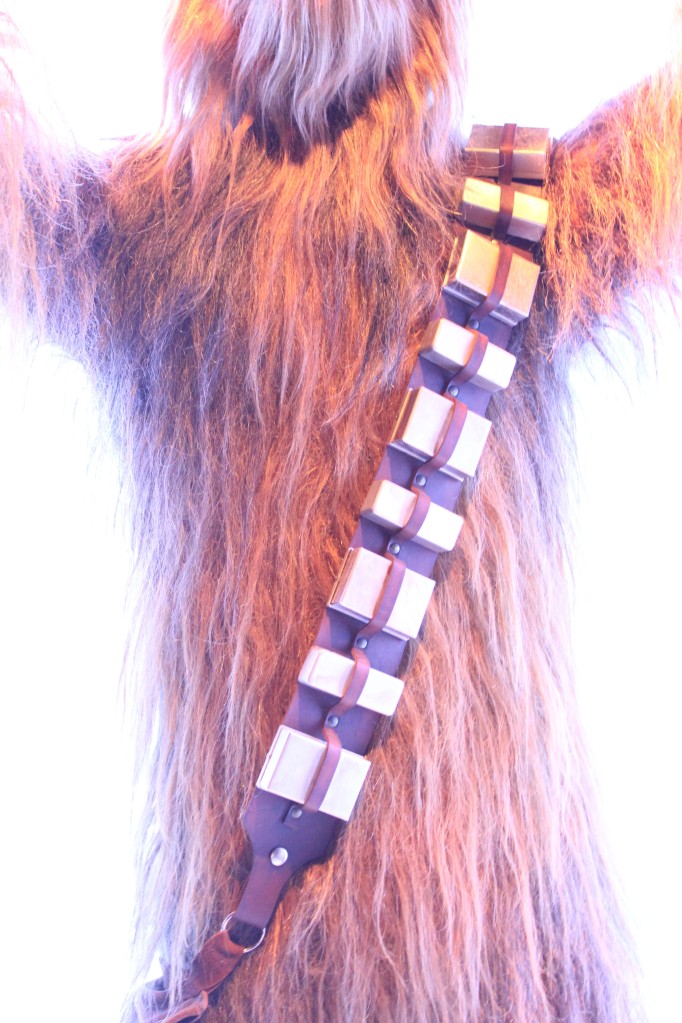
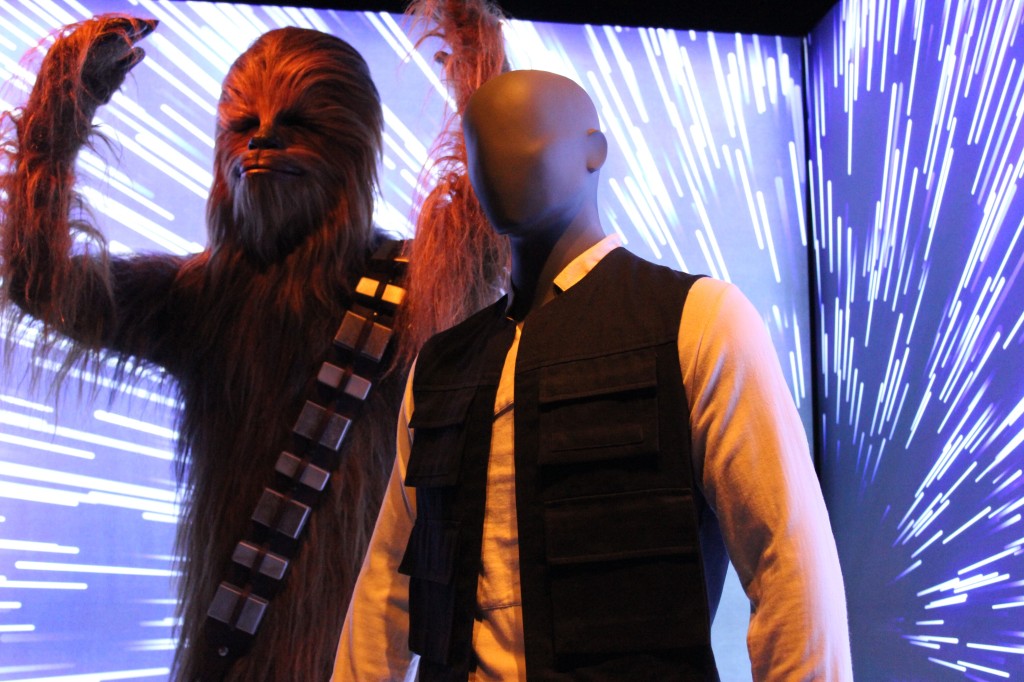
    Han Solo and Chewbacca

    Han Solo in Carbonite

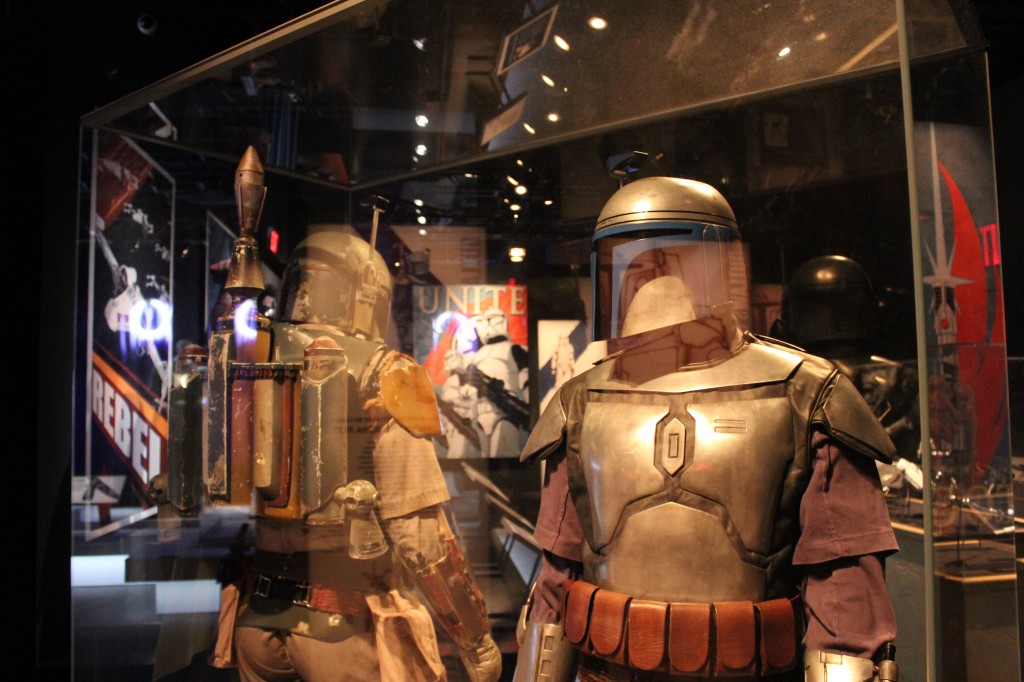
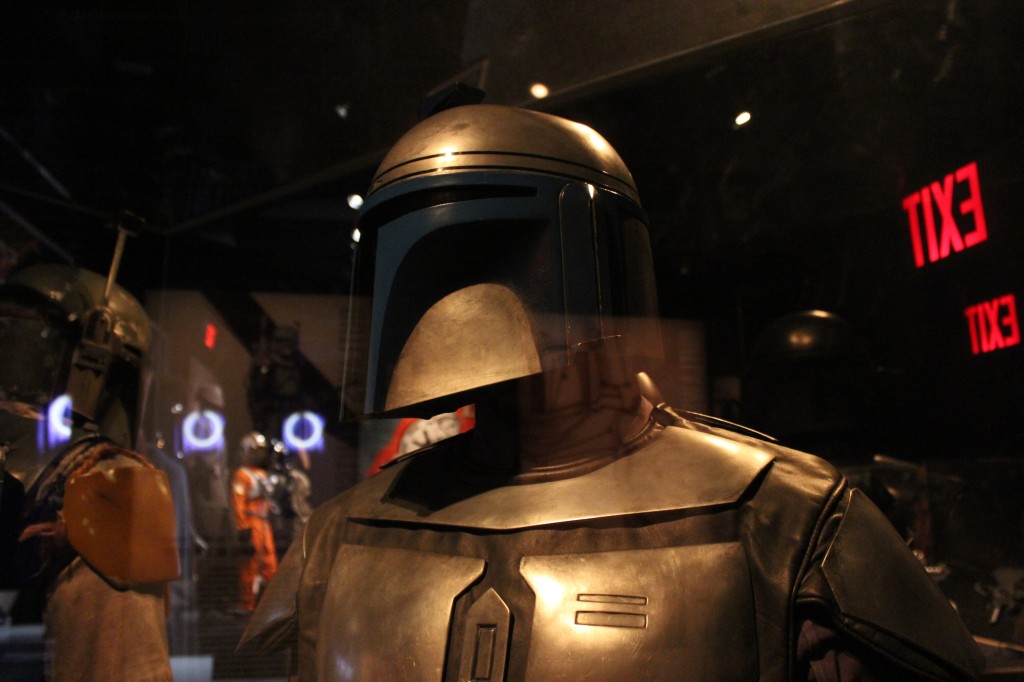
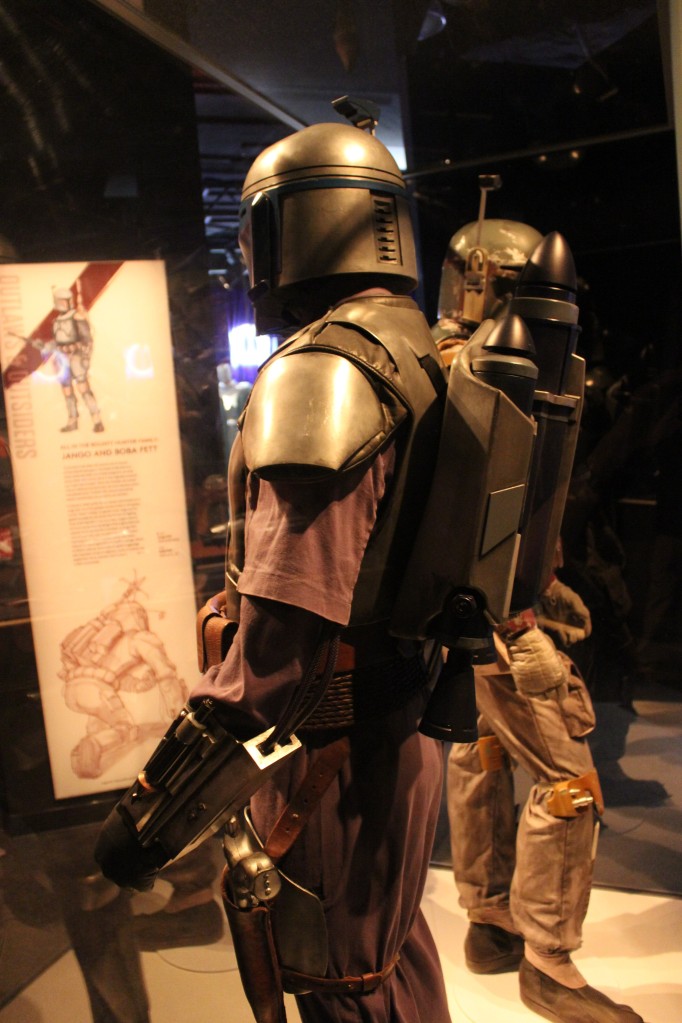
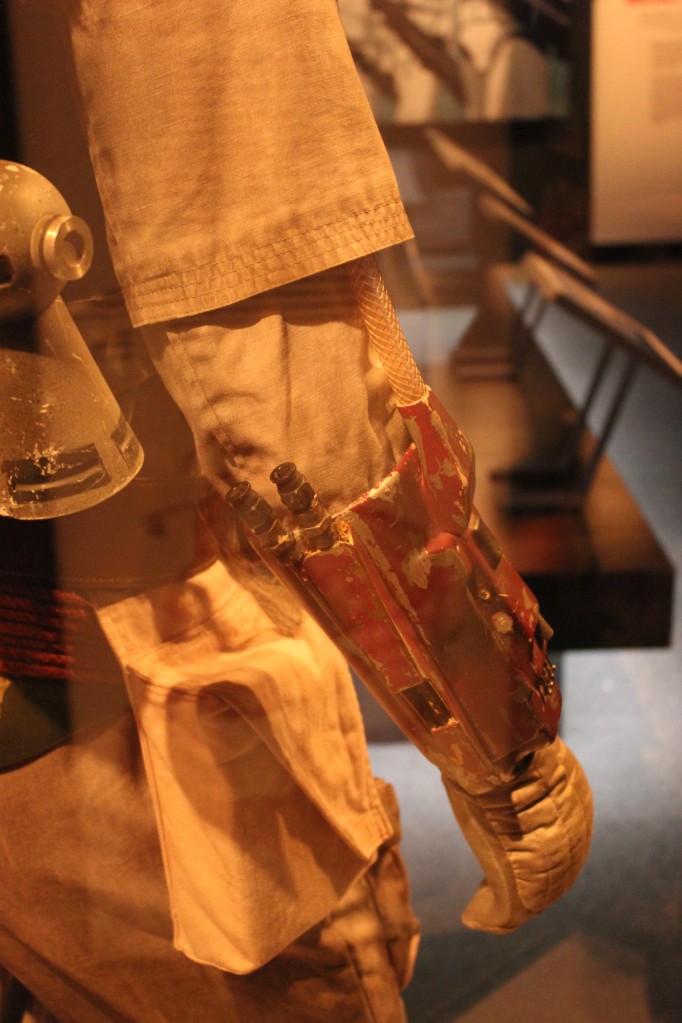
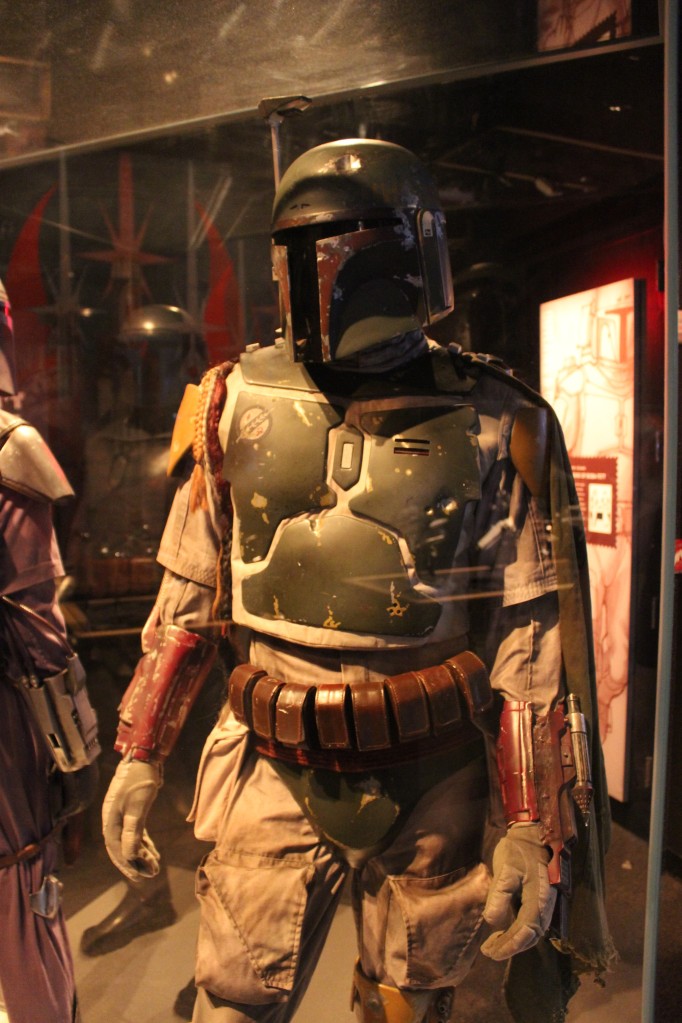
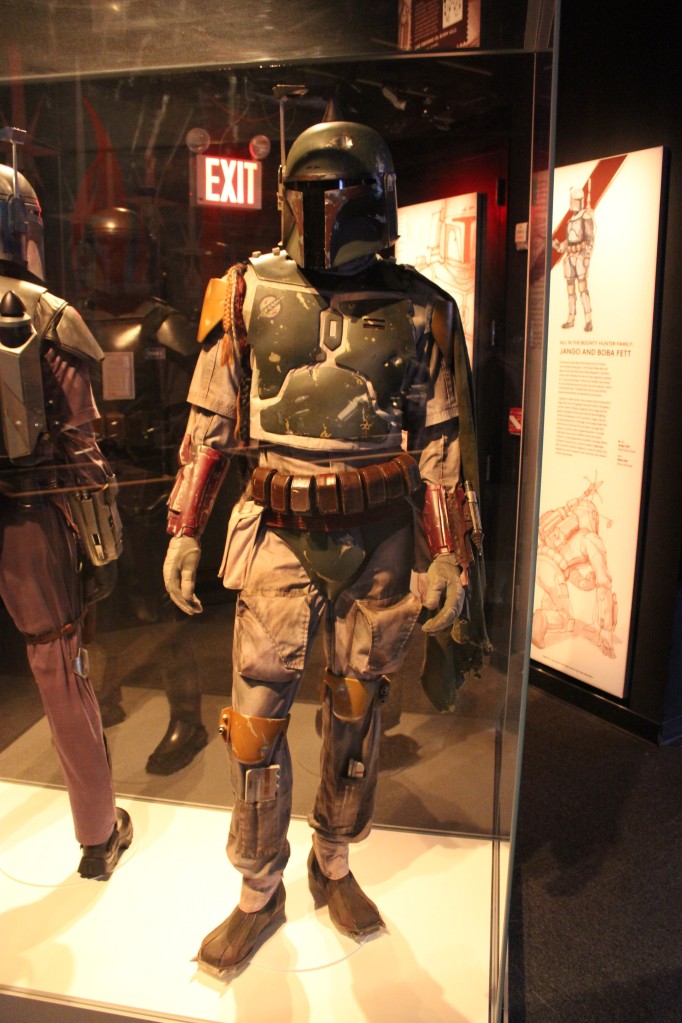
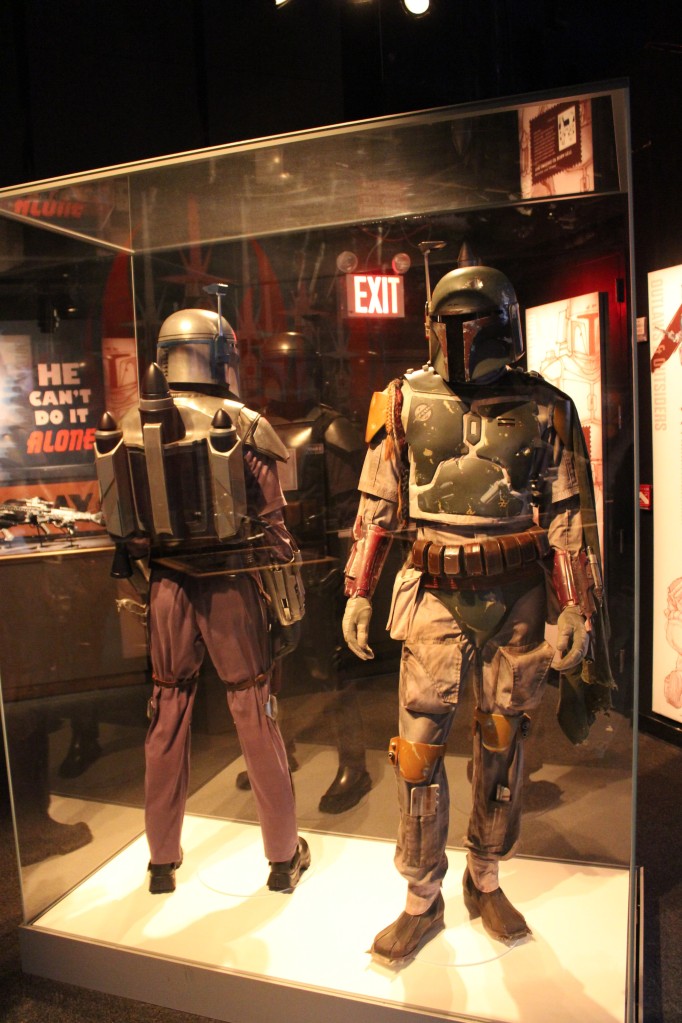
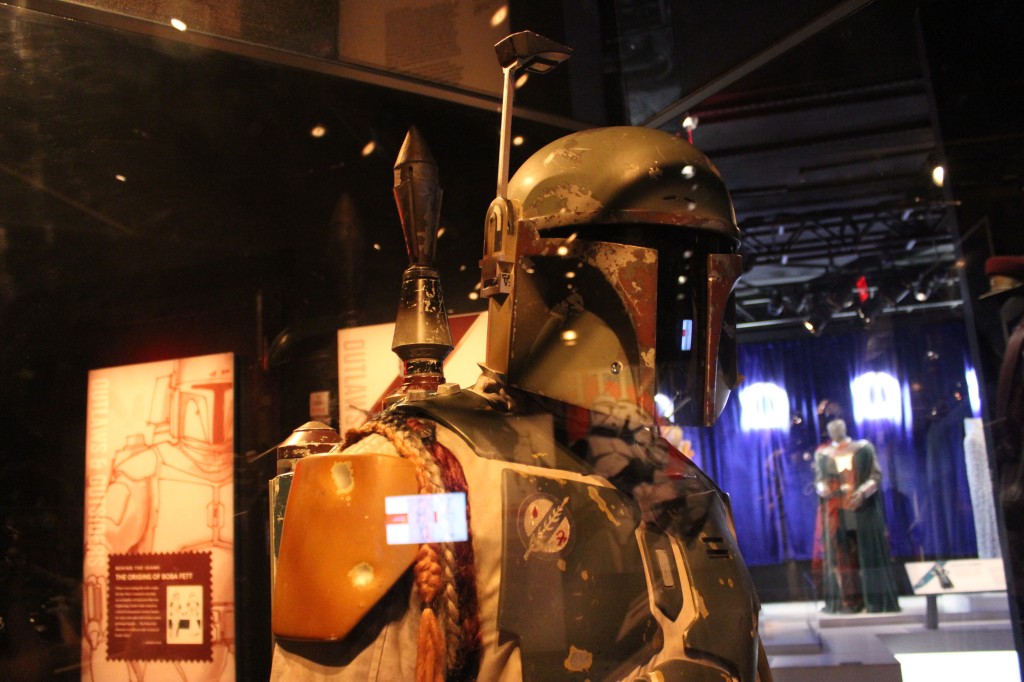
    Bounty Hunters

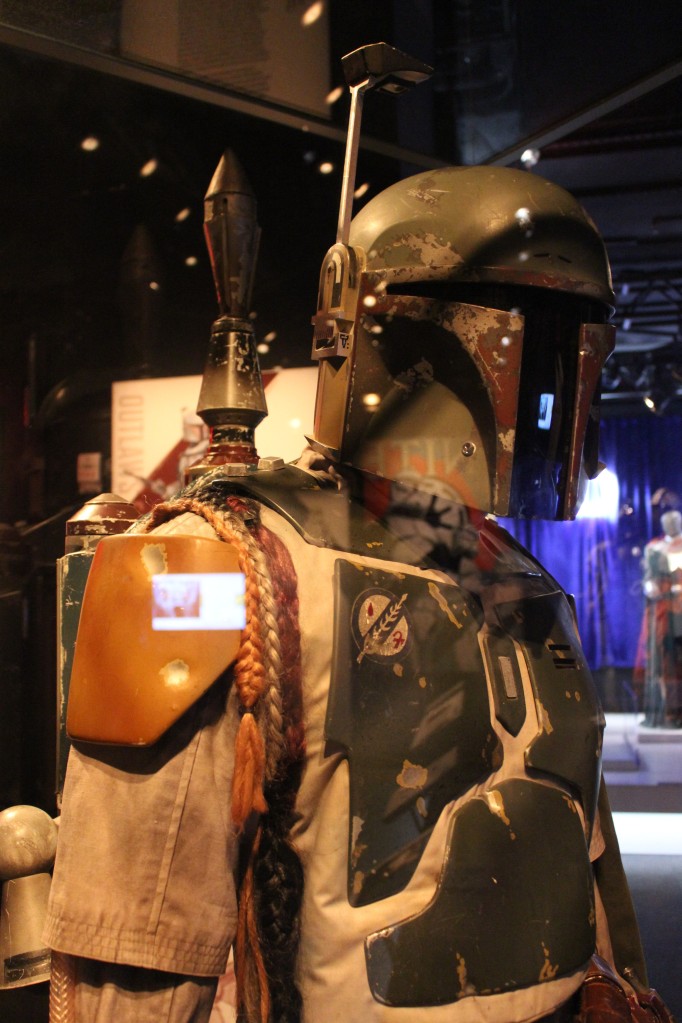
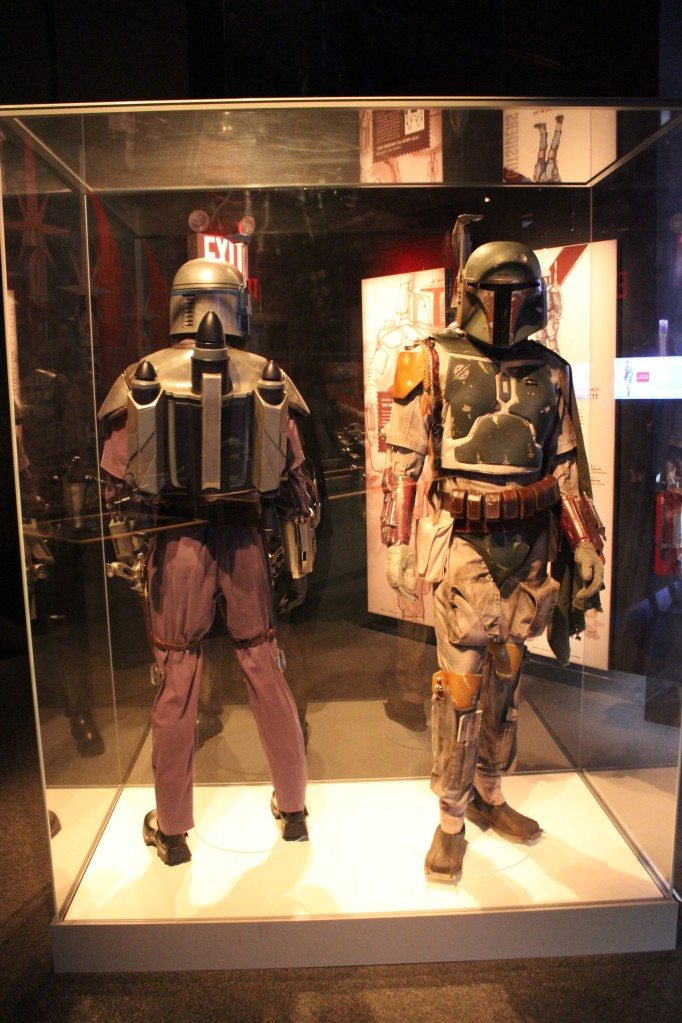
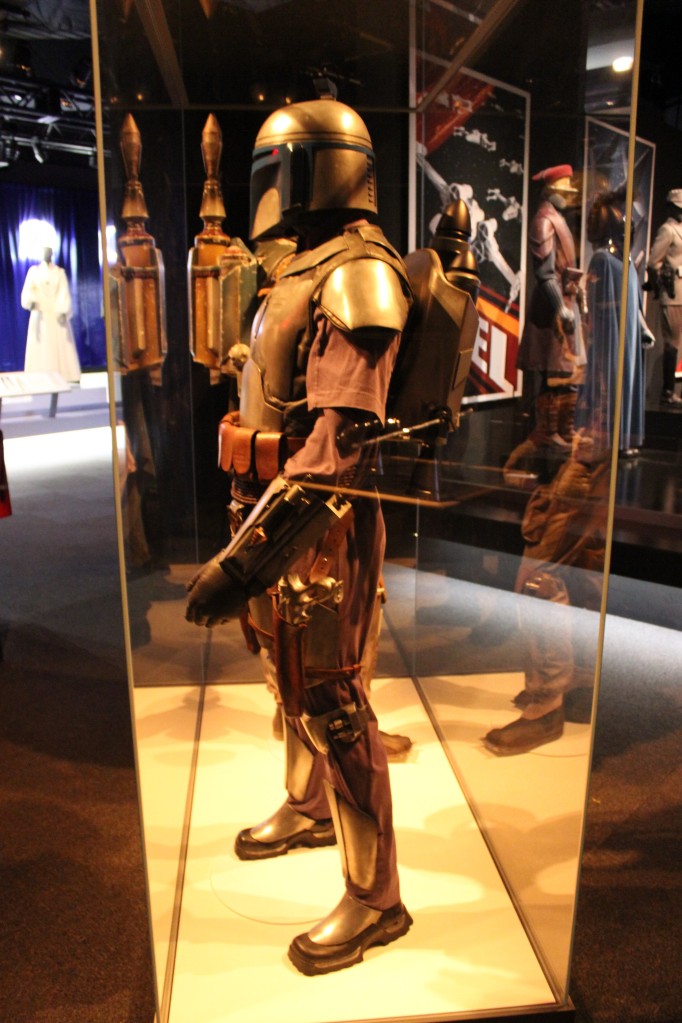
    Jango Fett and Boba Fett

    Jango Fett and Boba Fett

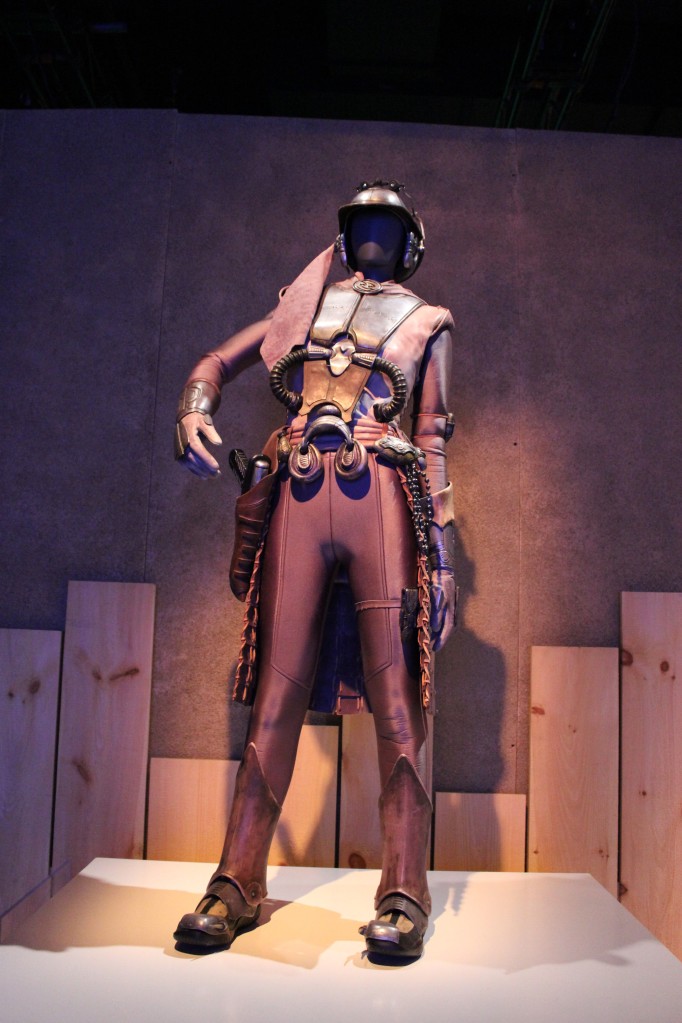
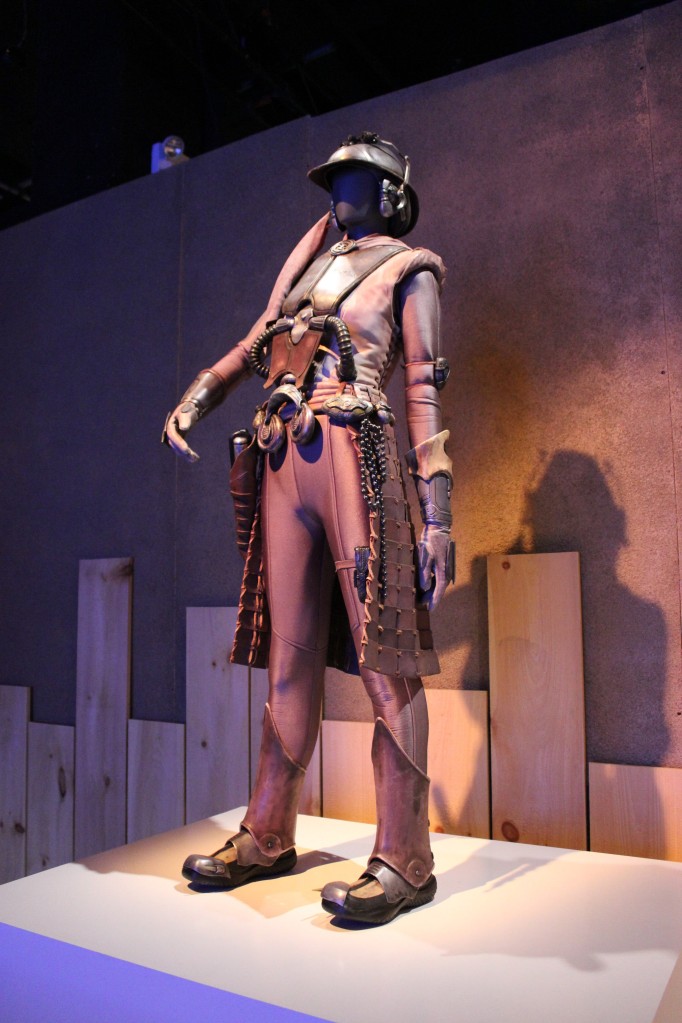
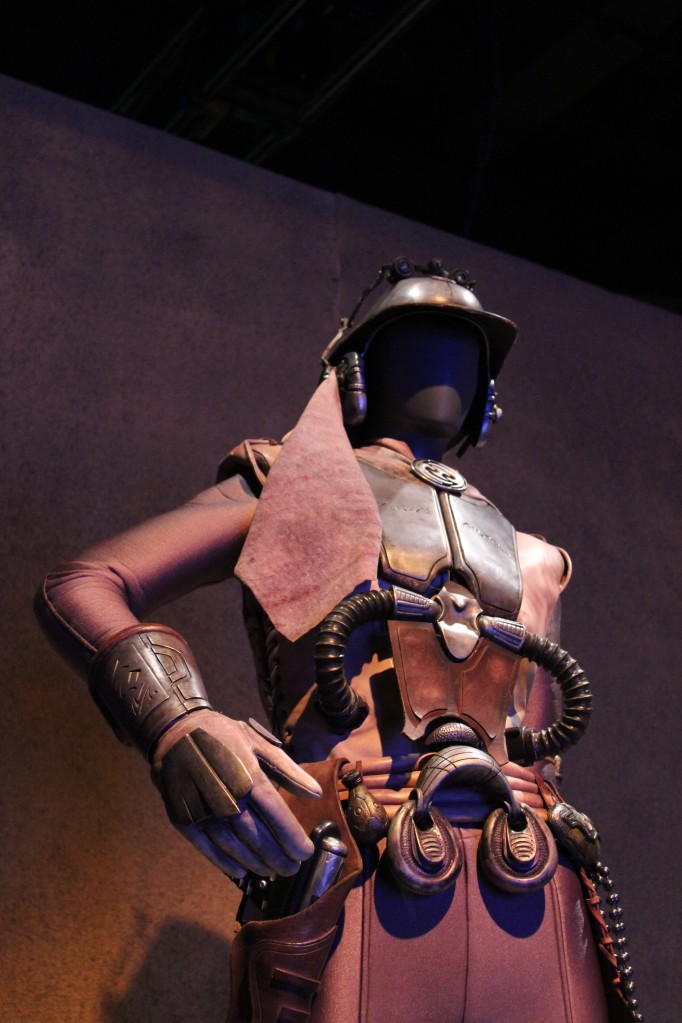
    Zam Wesell

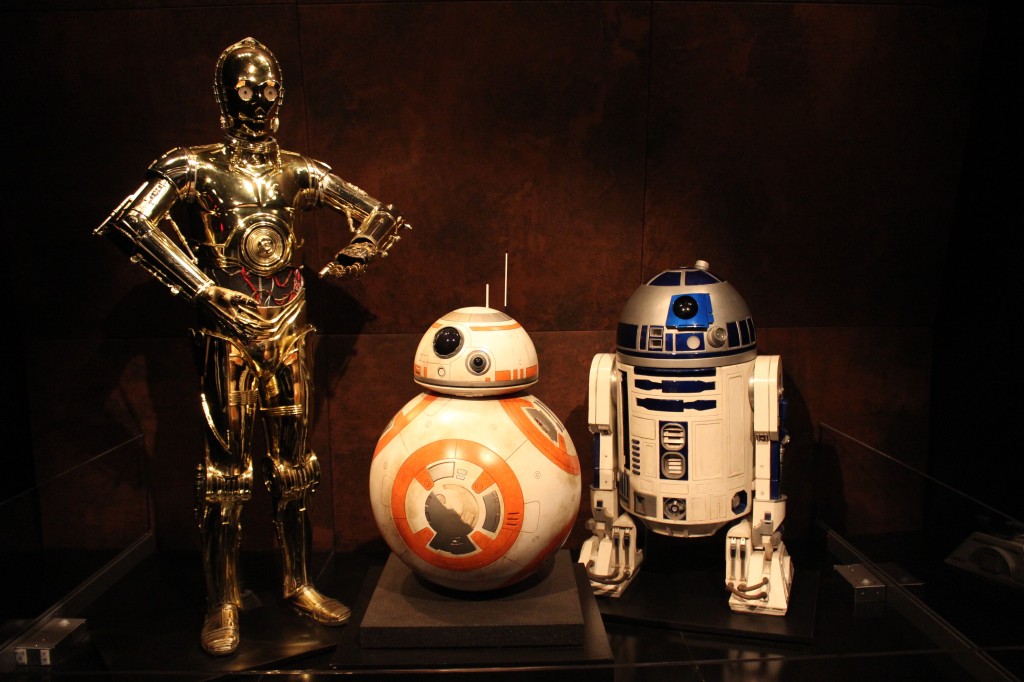
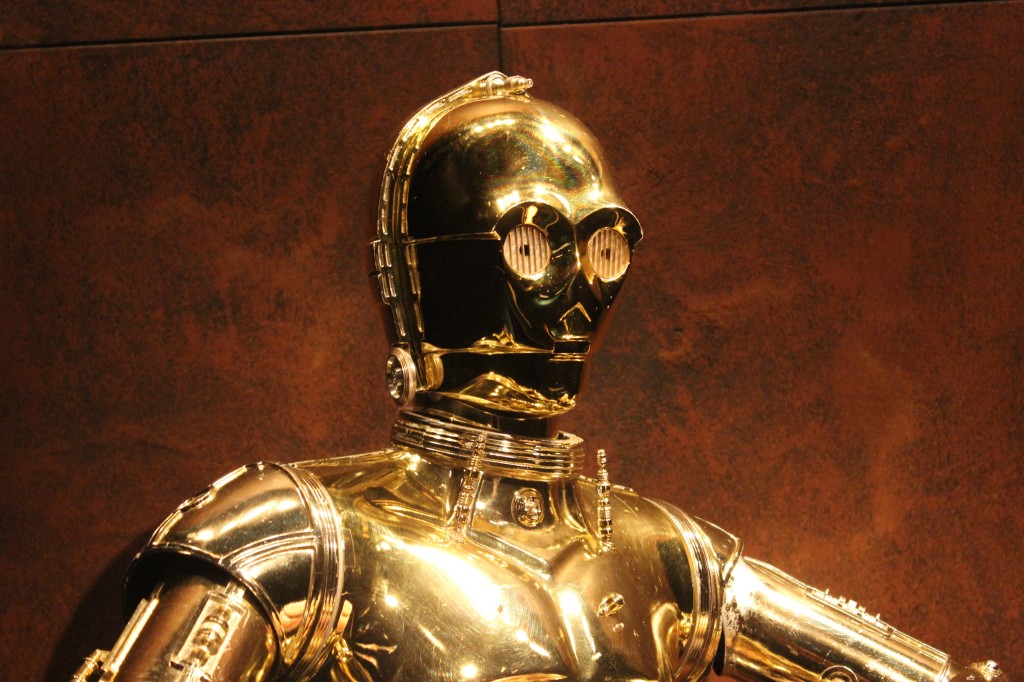
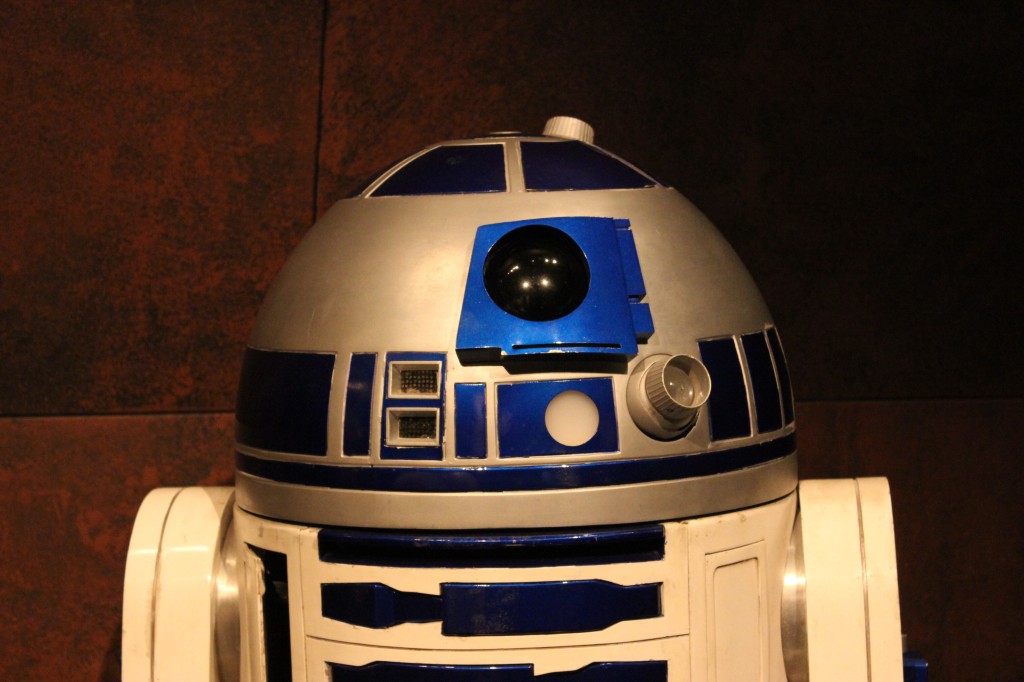
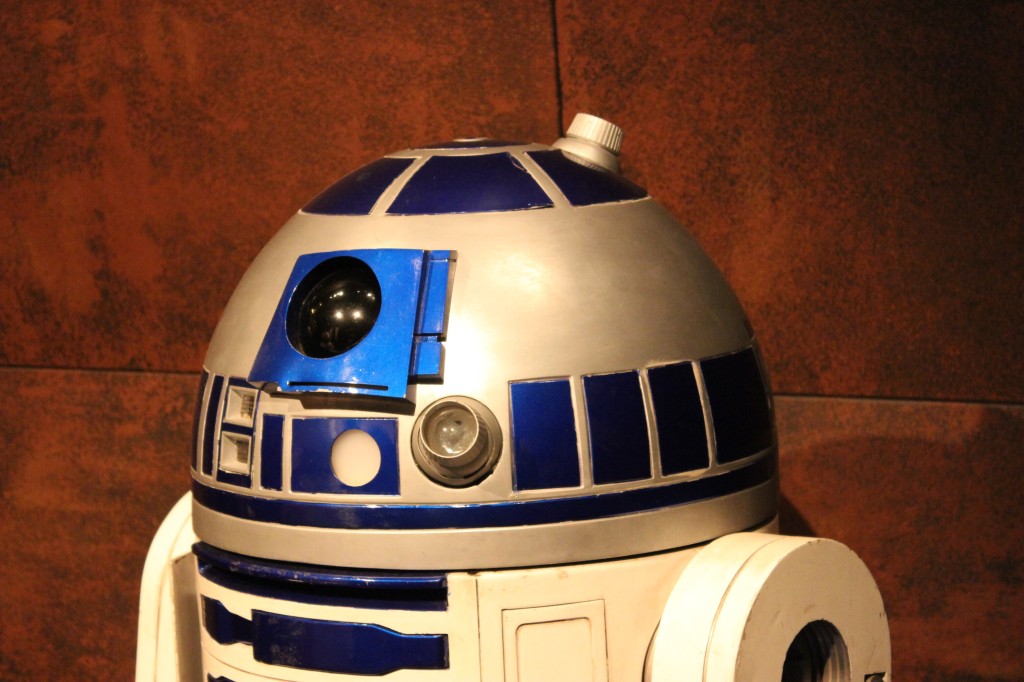
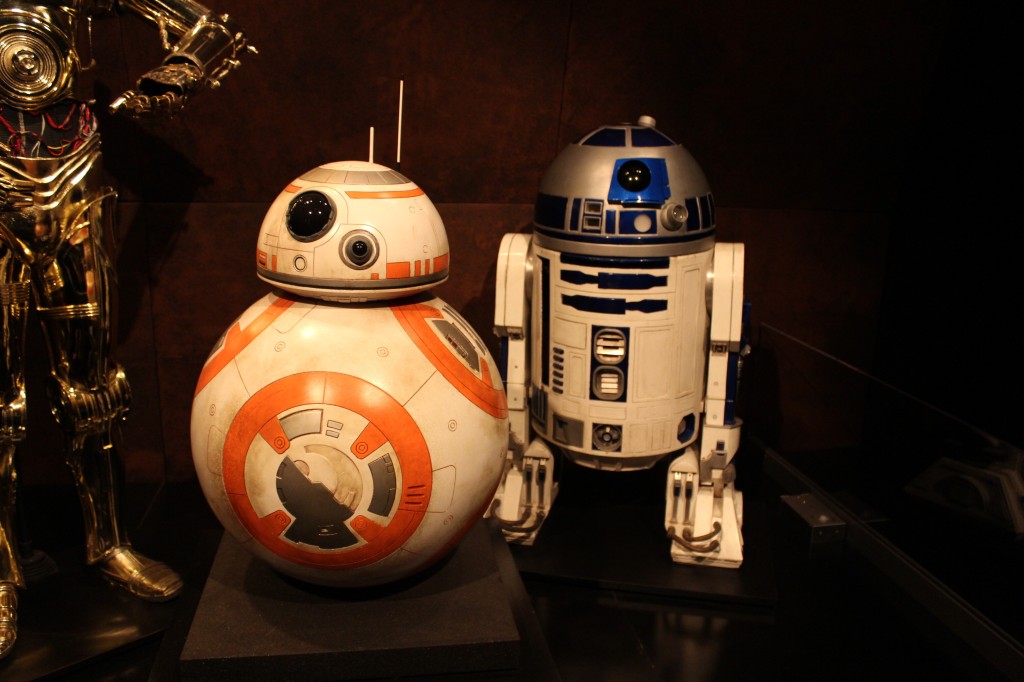
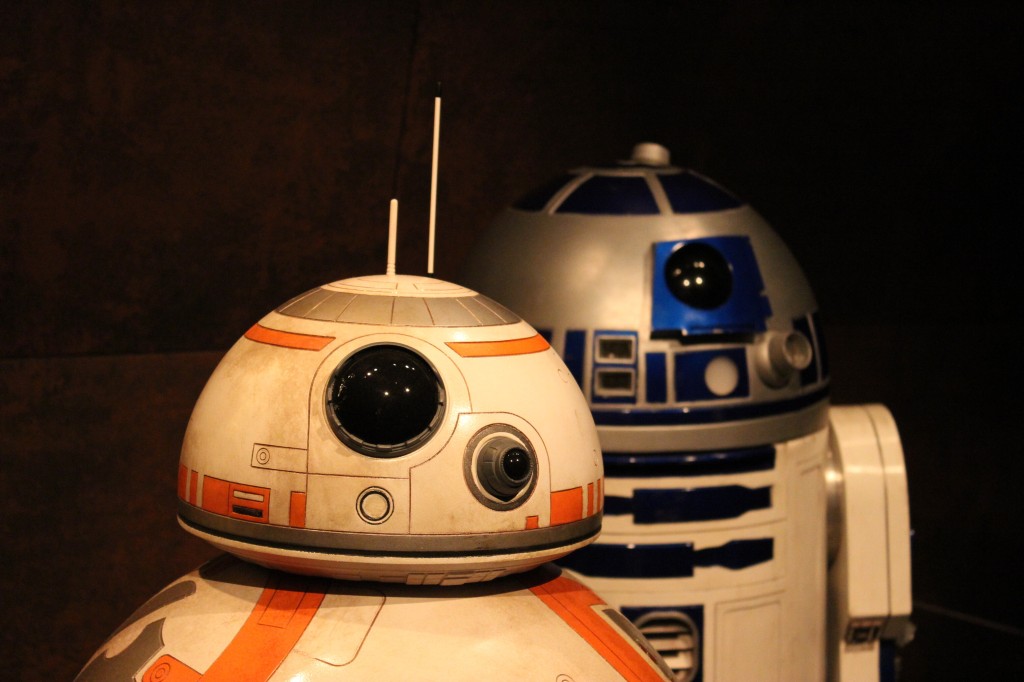
    Droids

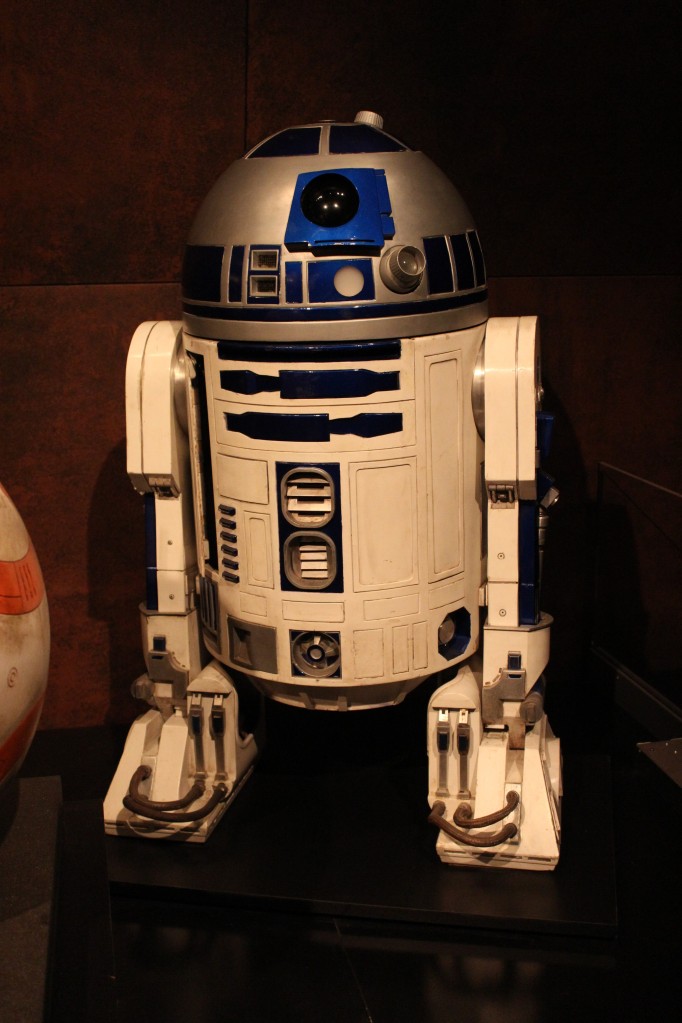
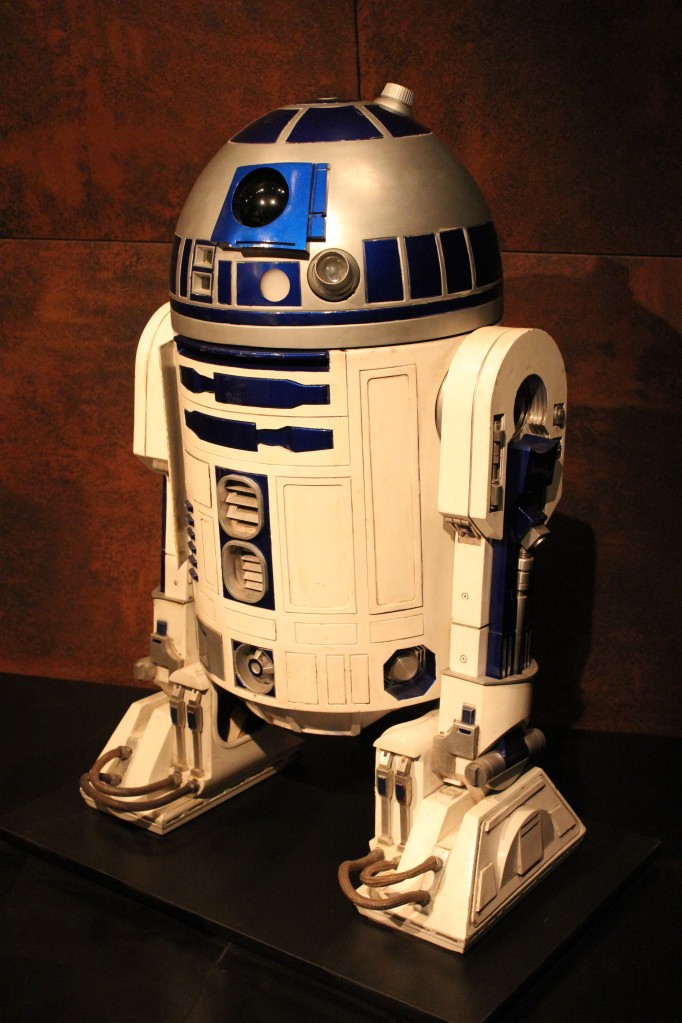
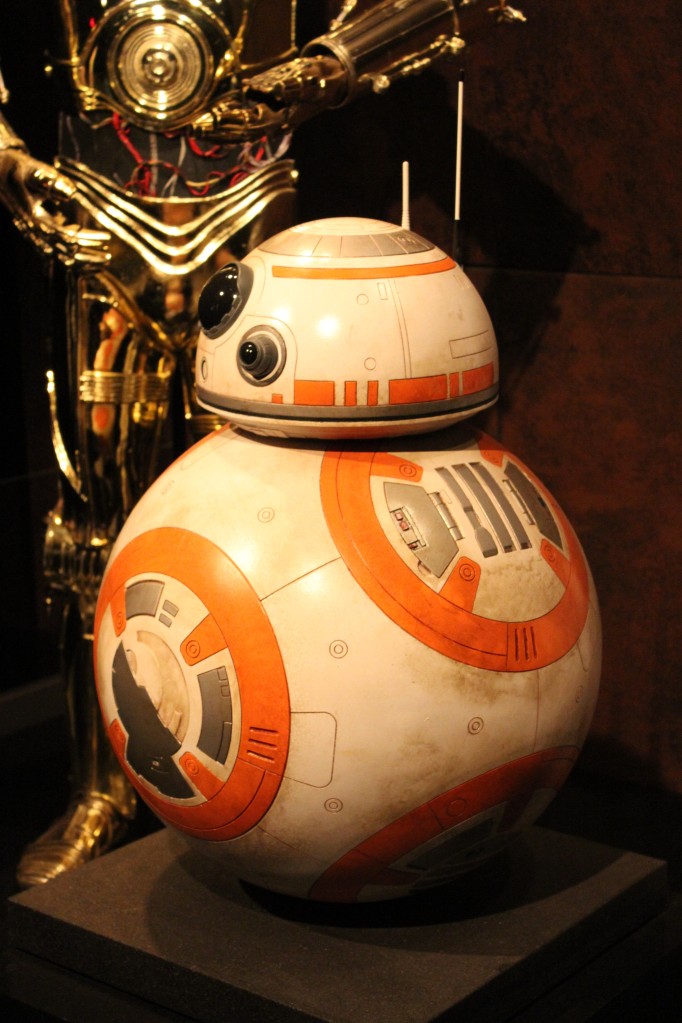
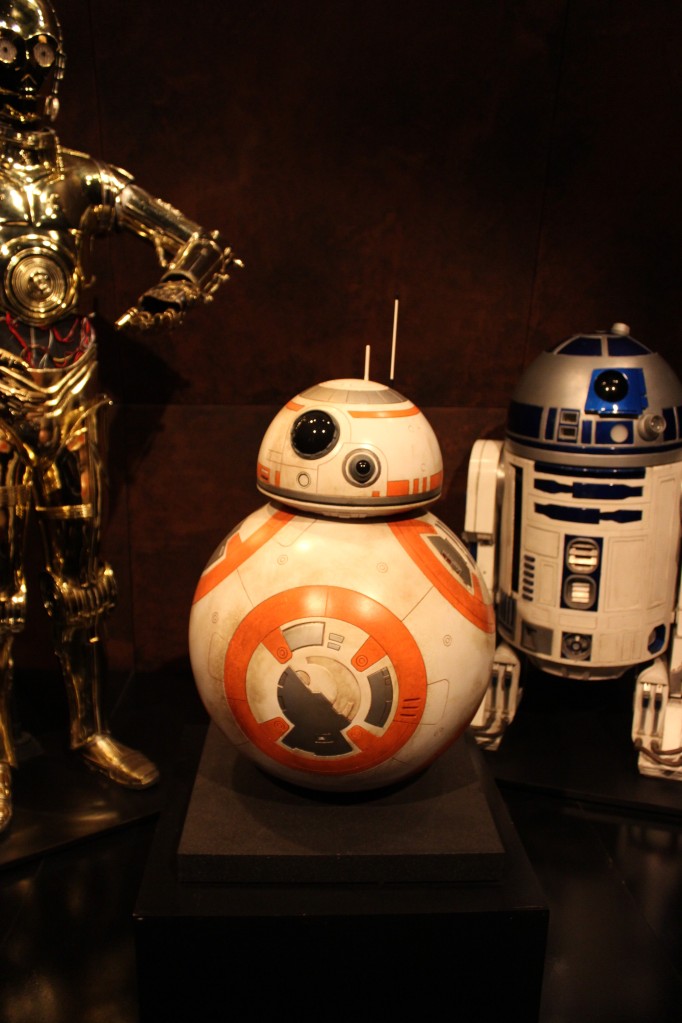
    C-3PO, BB-8, and R2-D2

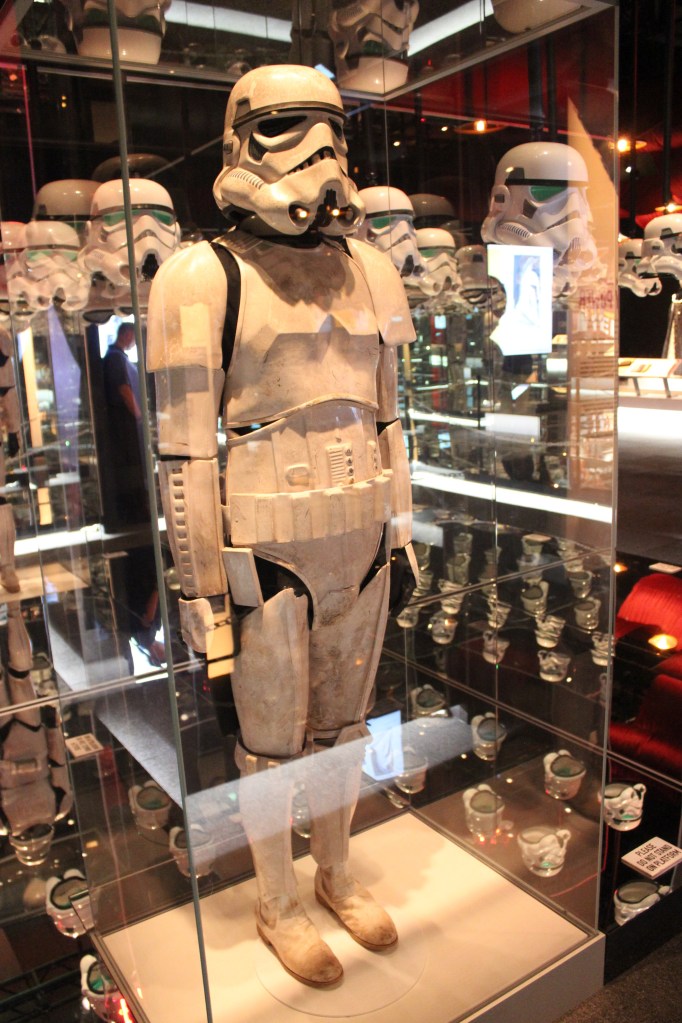
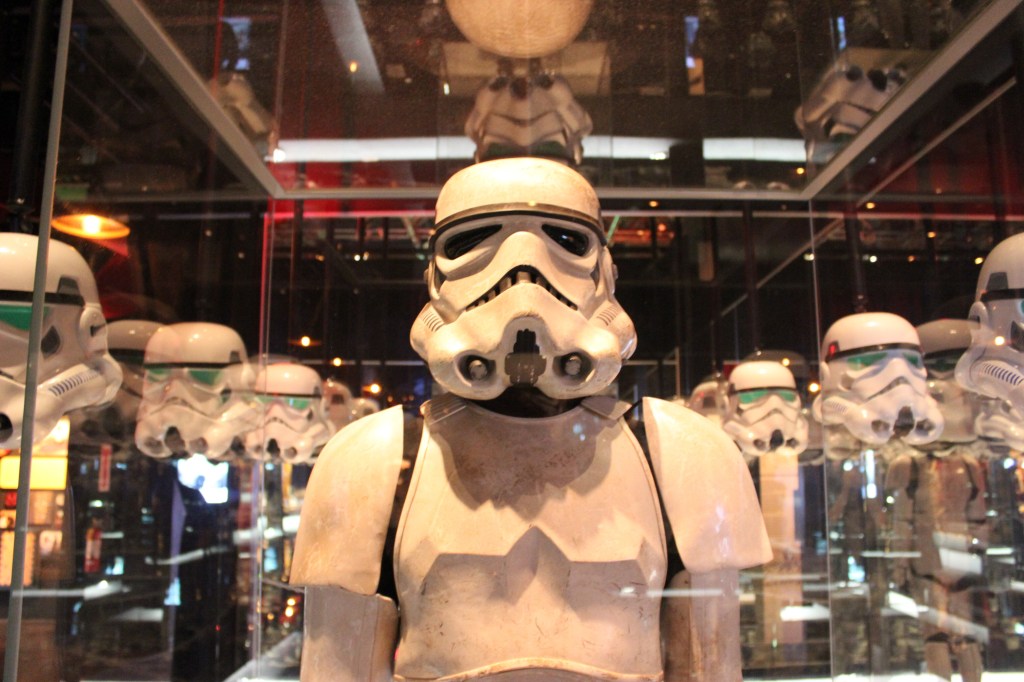
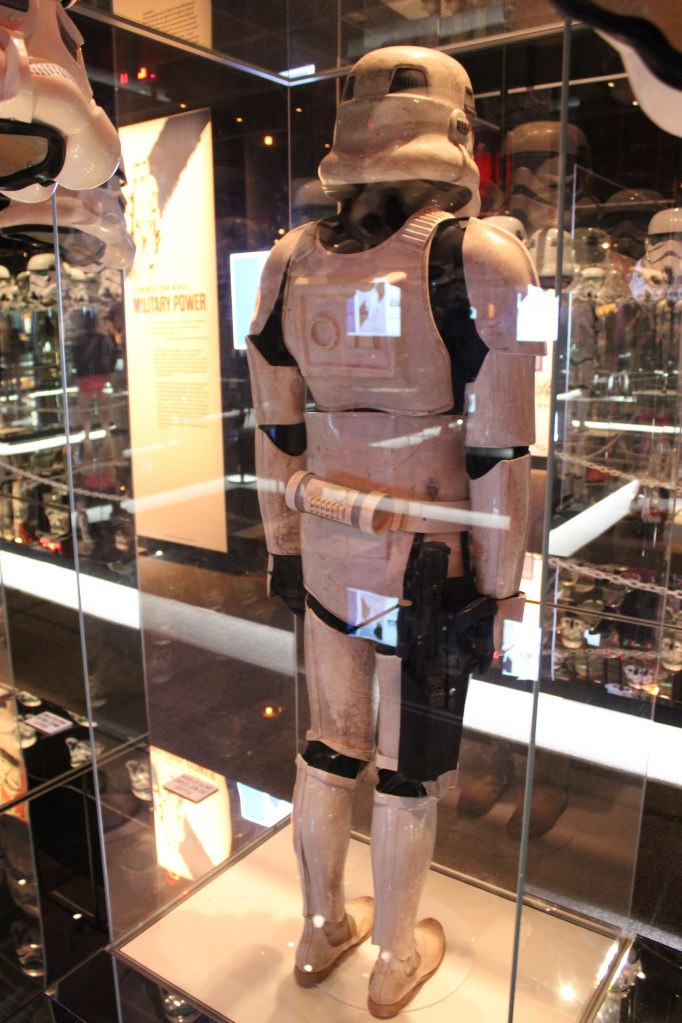
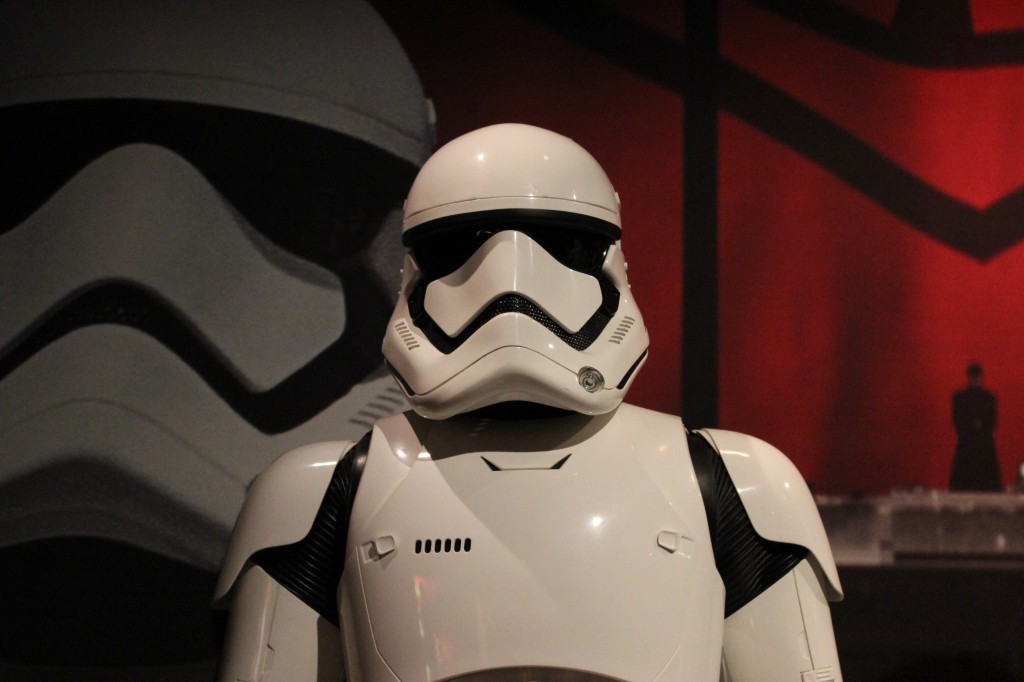
    Stormtrooper

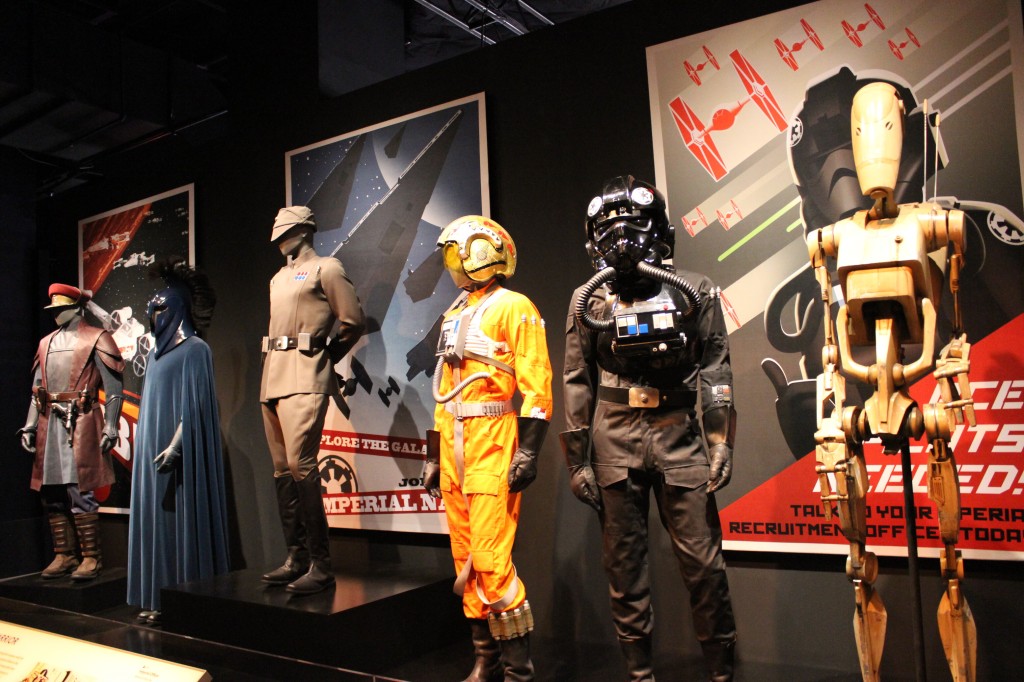
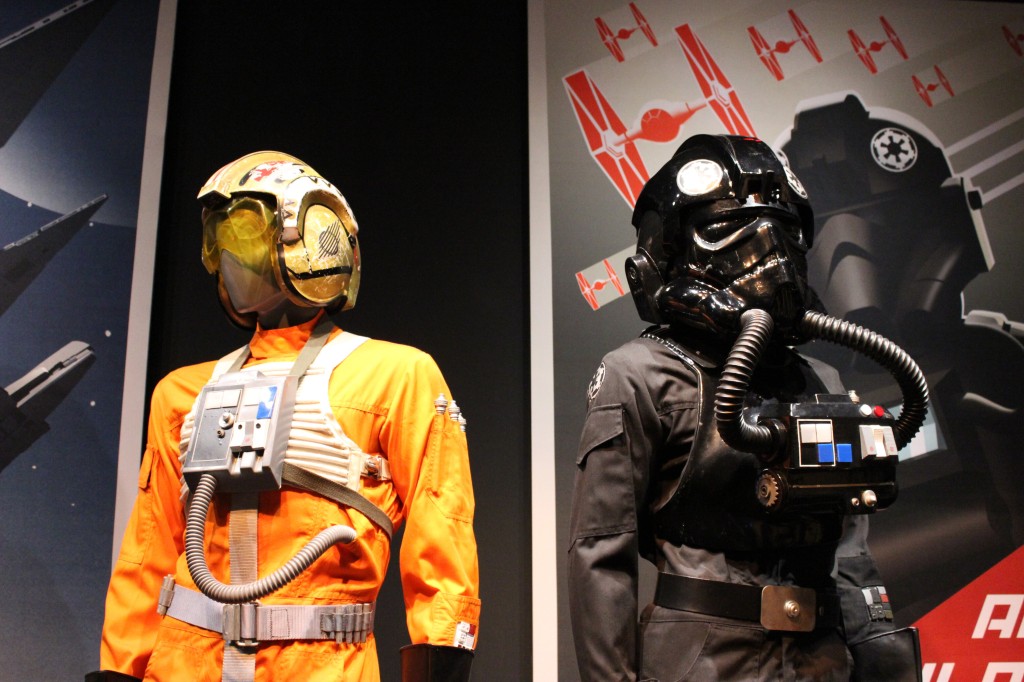
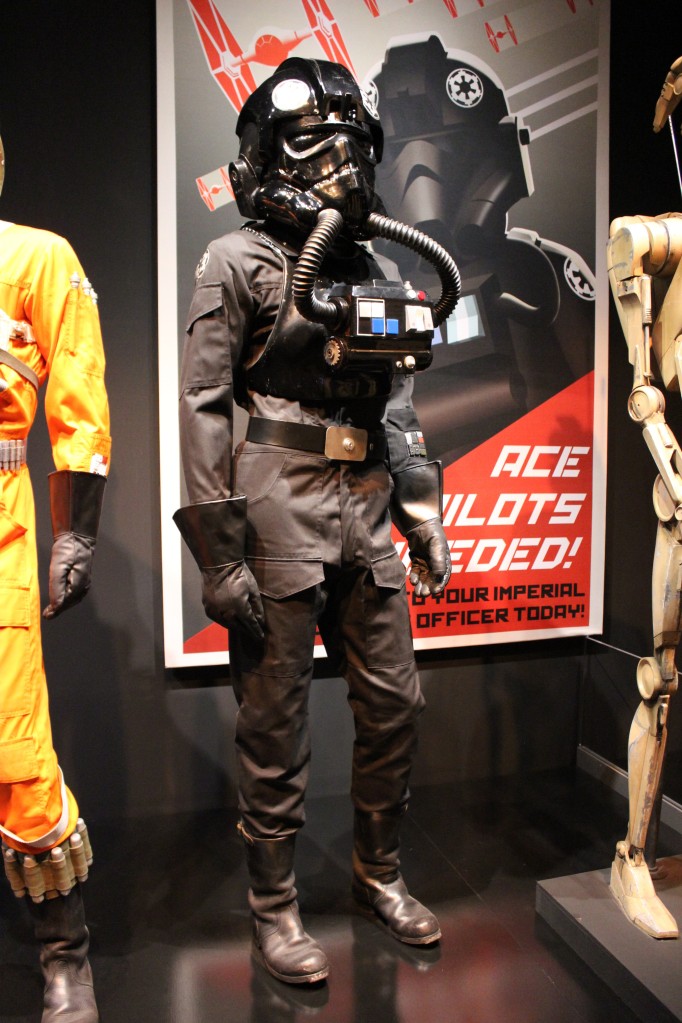
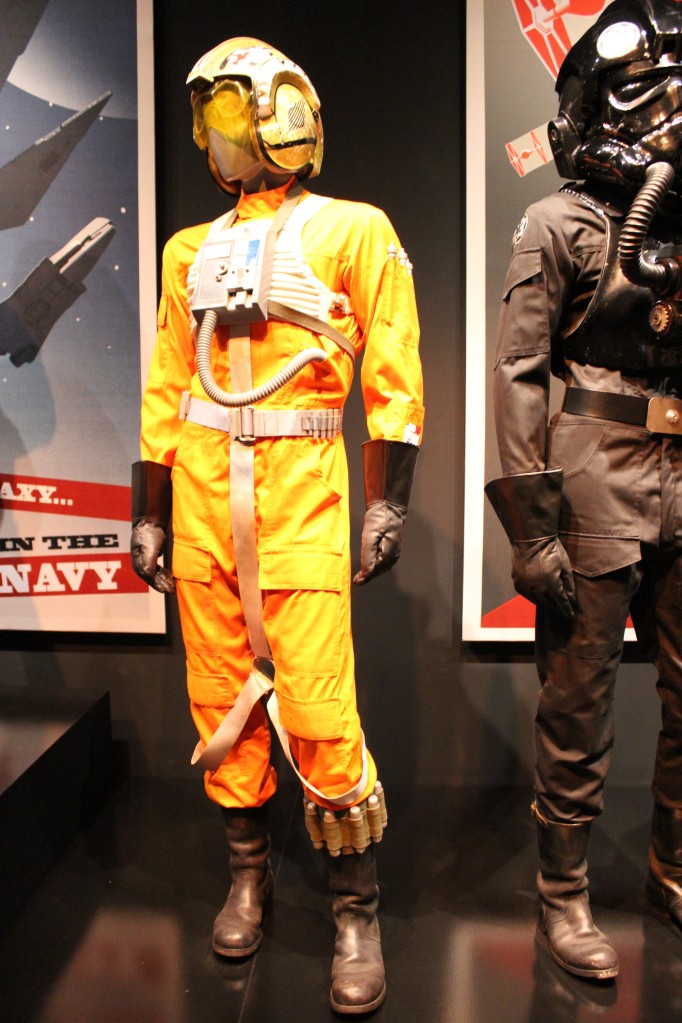
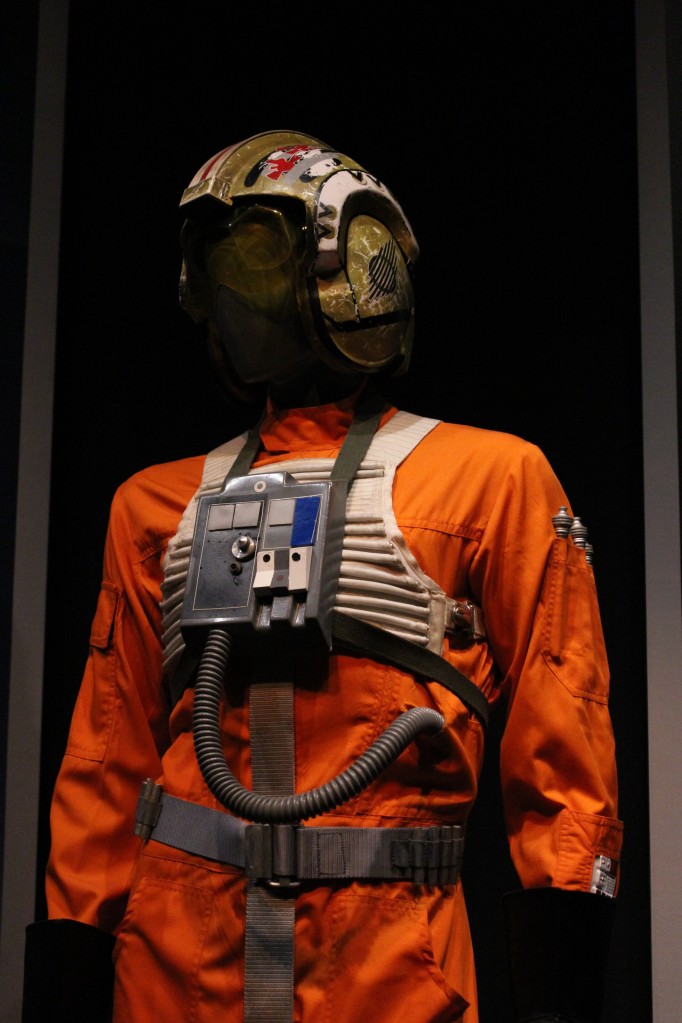
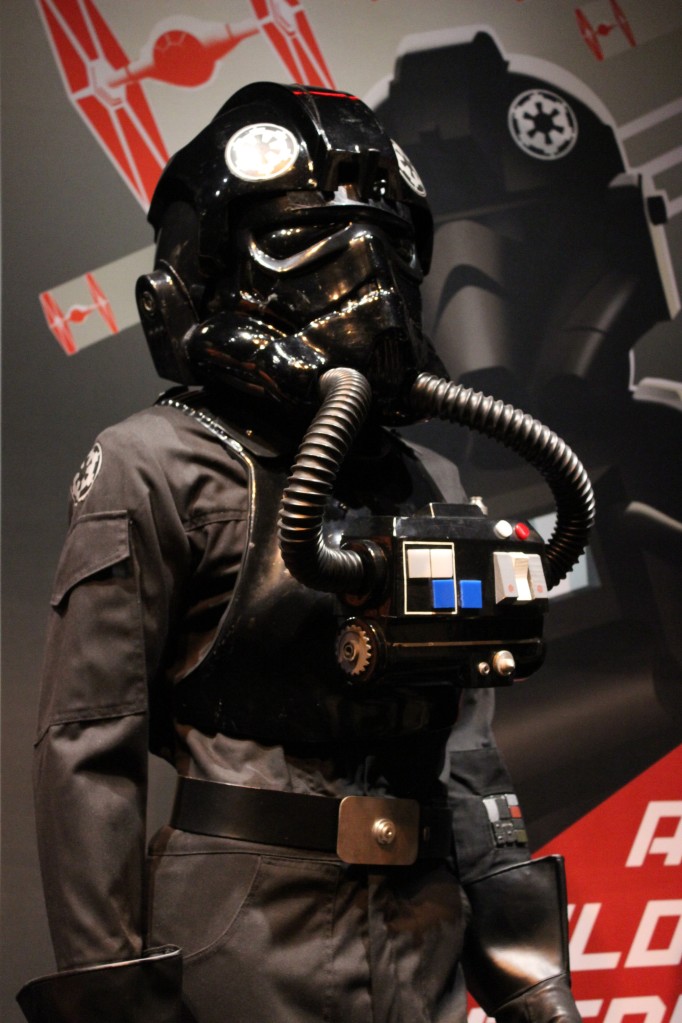
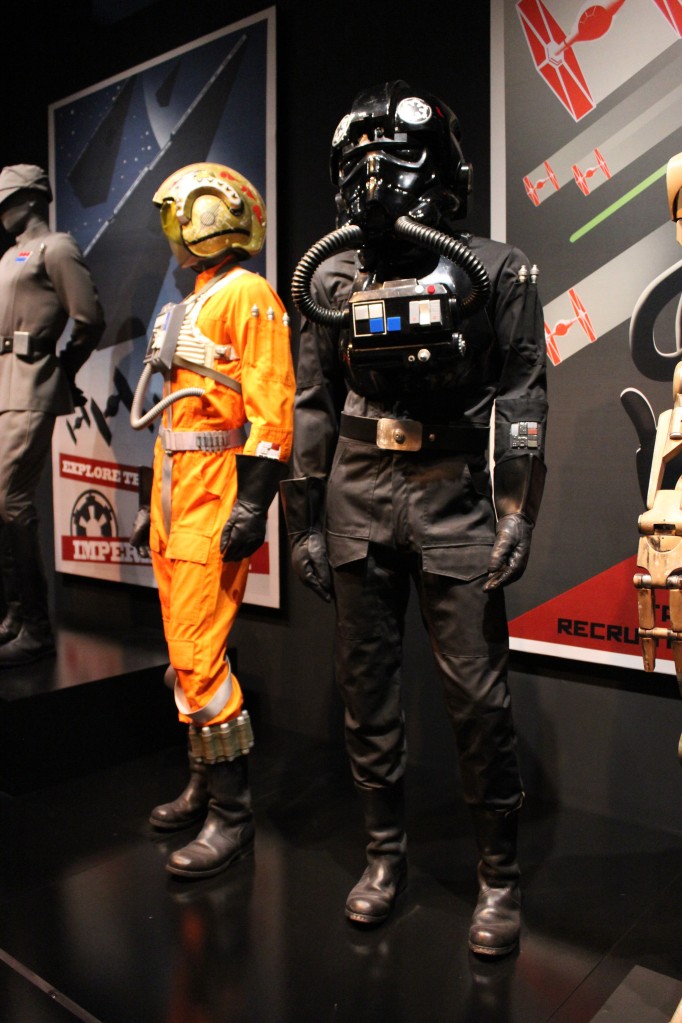
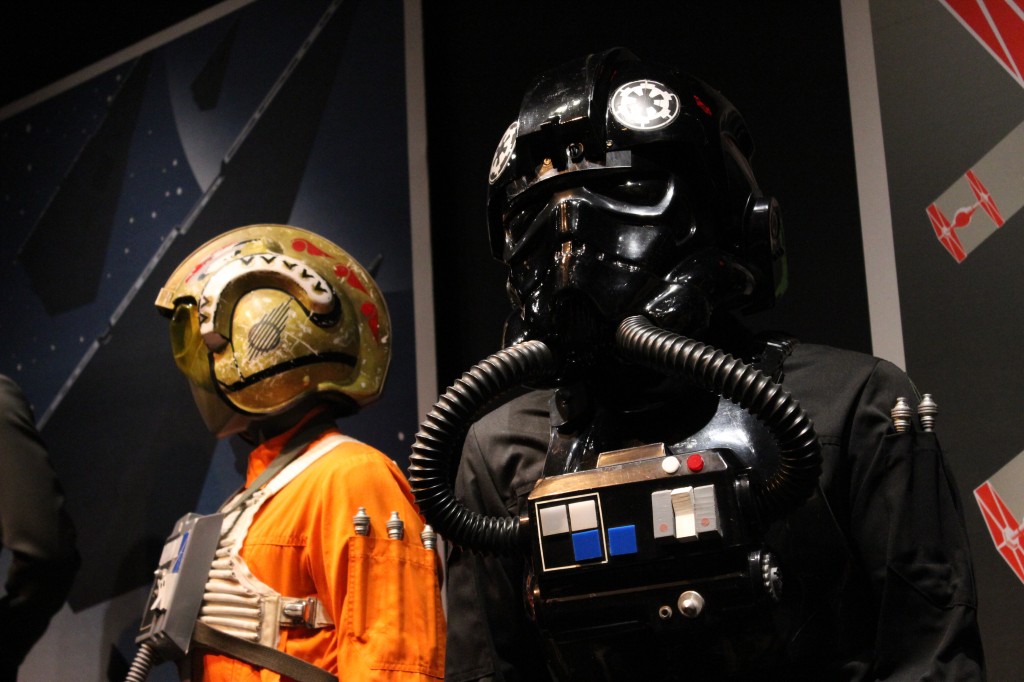
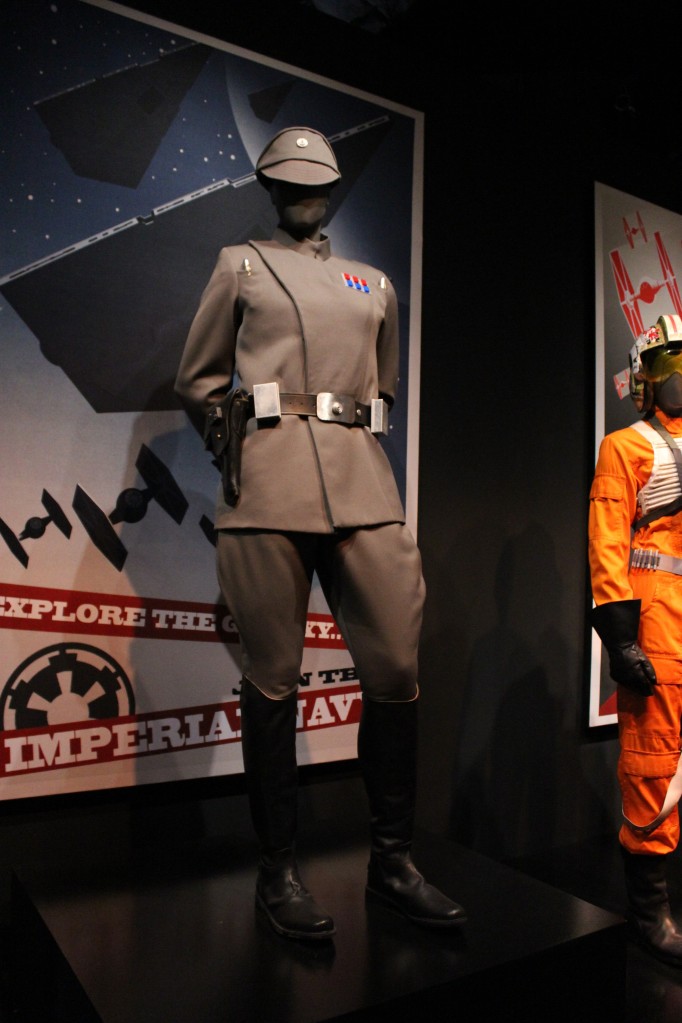
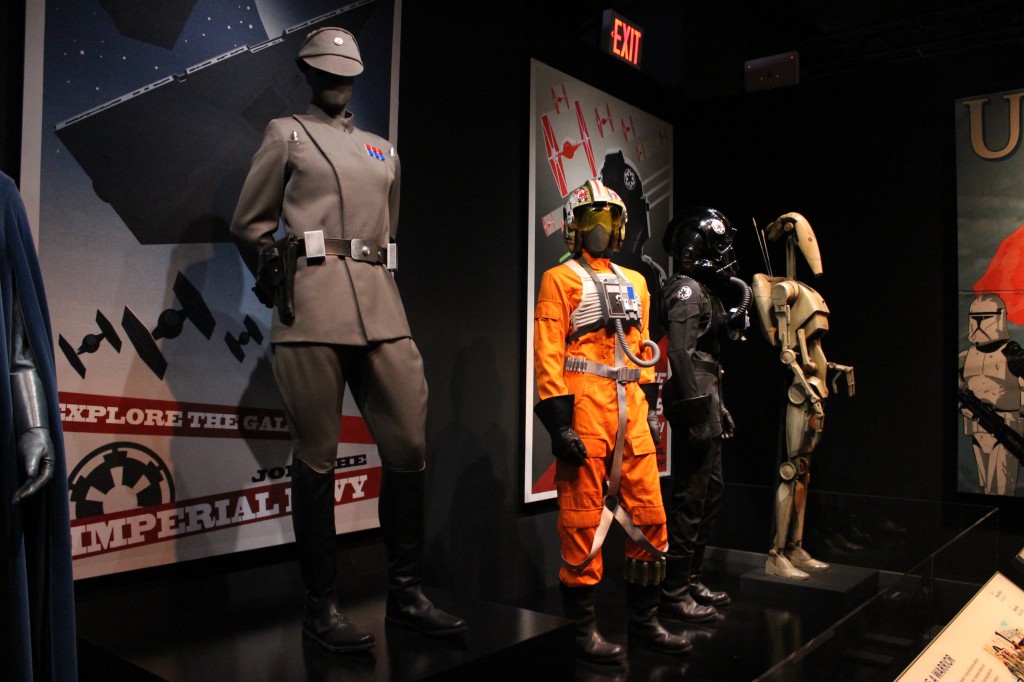
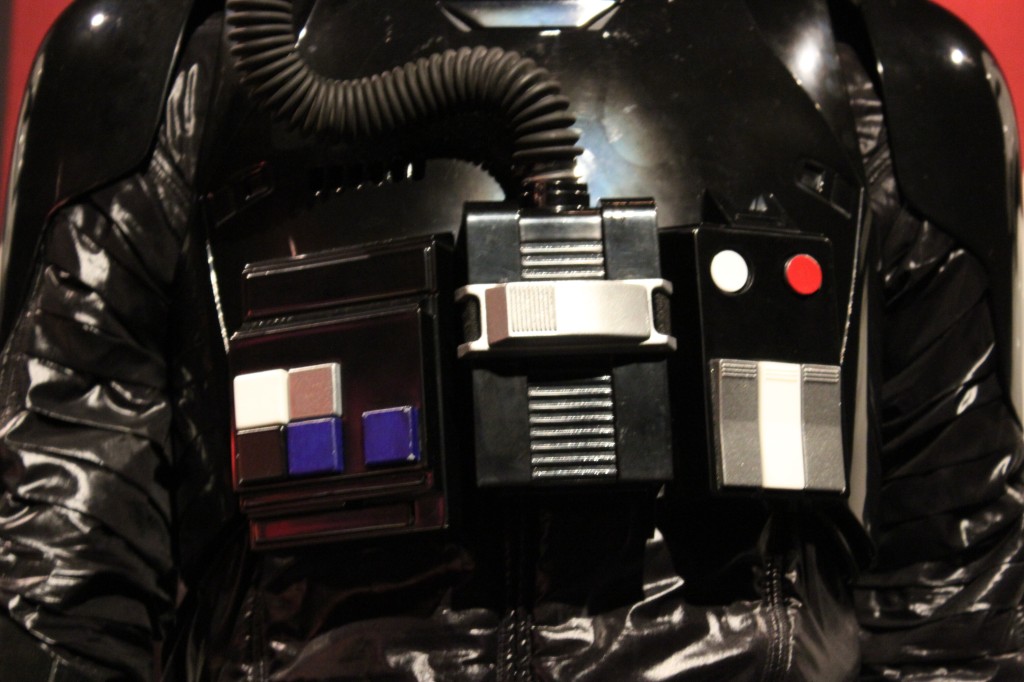
    Queen’s Guard, Chancellor’s Guard, Imperial Officer, X-Wing Pilot, TIE Pilot, and Battle Droid

    Queen's Guard, Chancellor's Guard, Imperial Officer, X-Wing Pilot, TIE Pilot, and Battle Droid

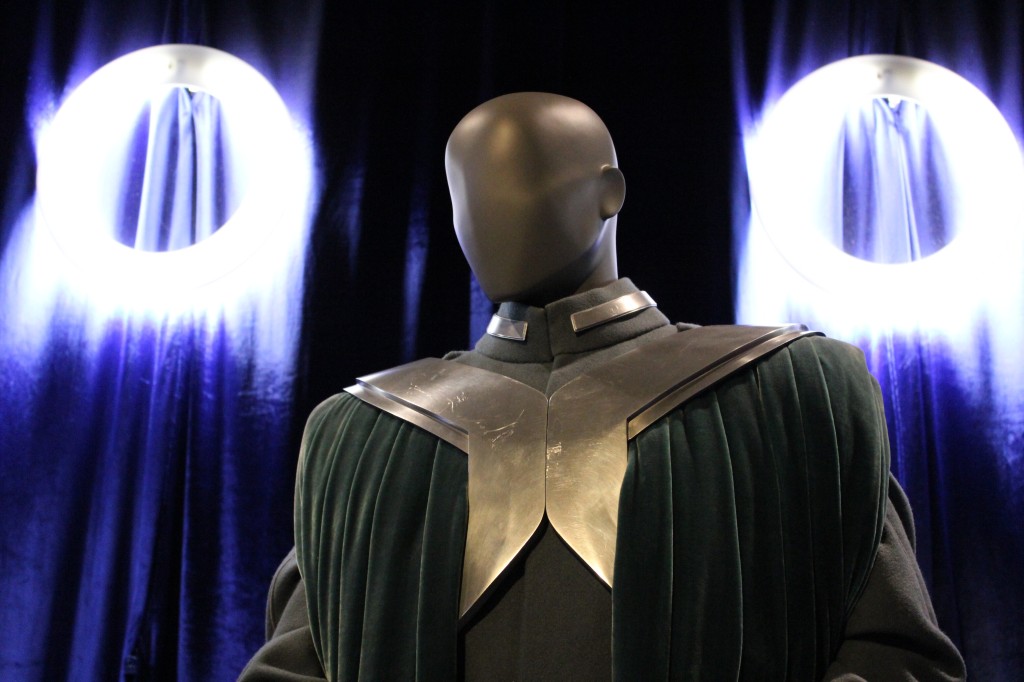
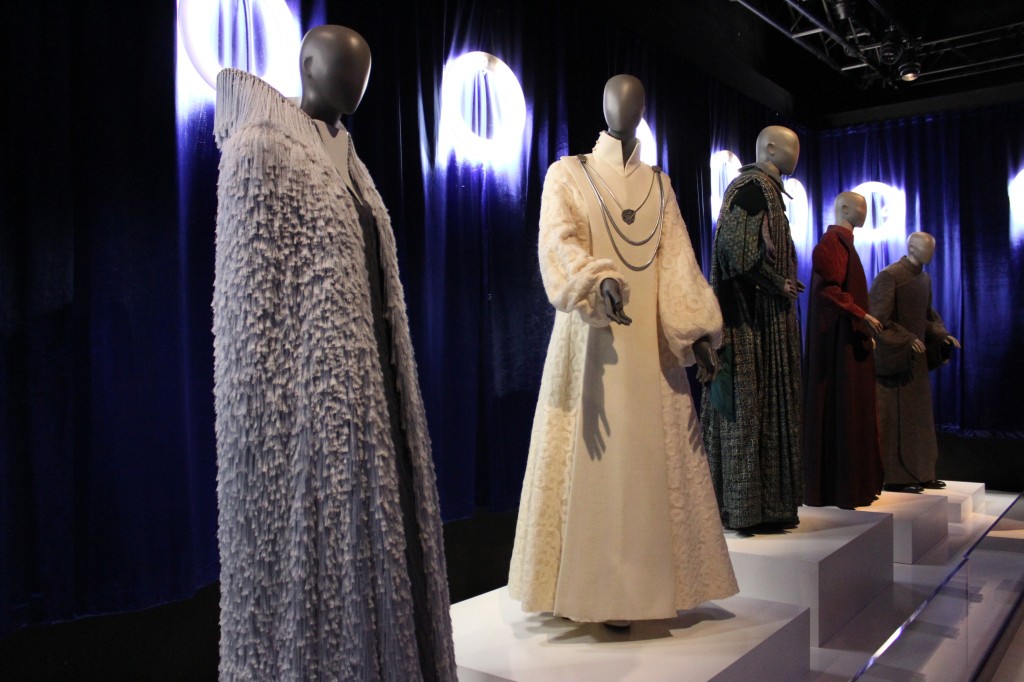
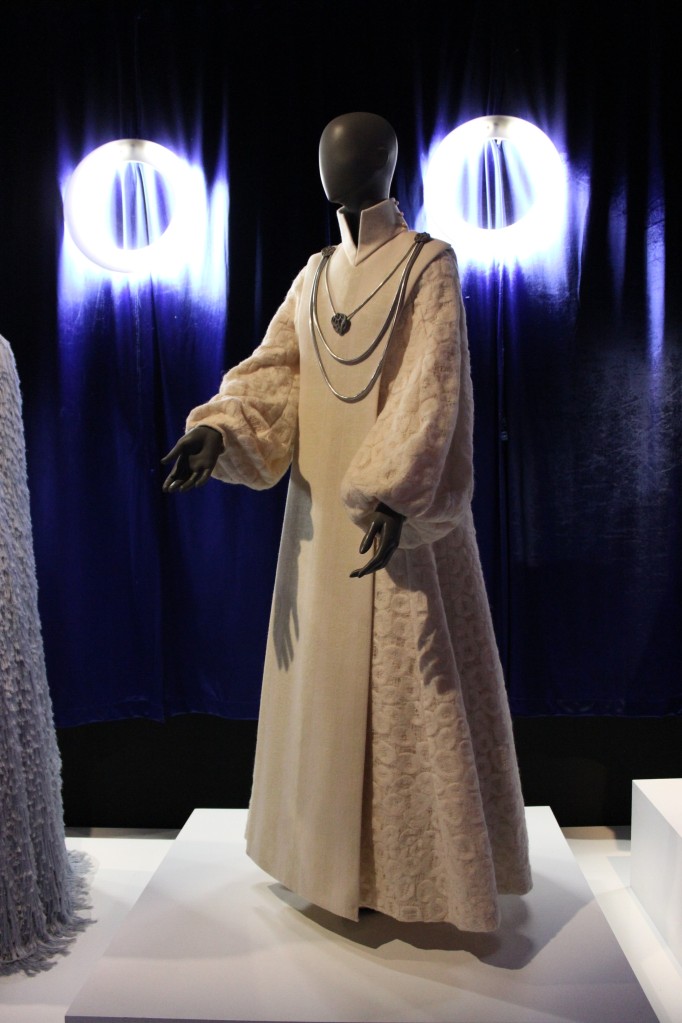
    Republic Senators Bail Organa and Mon Mothma

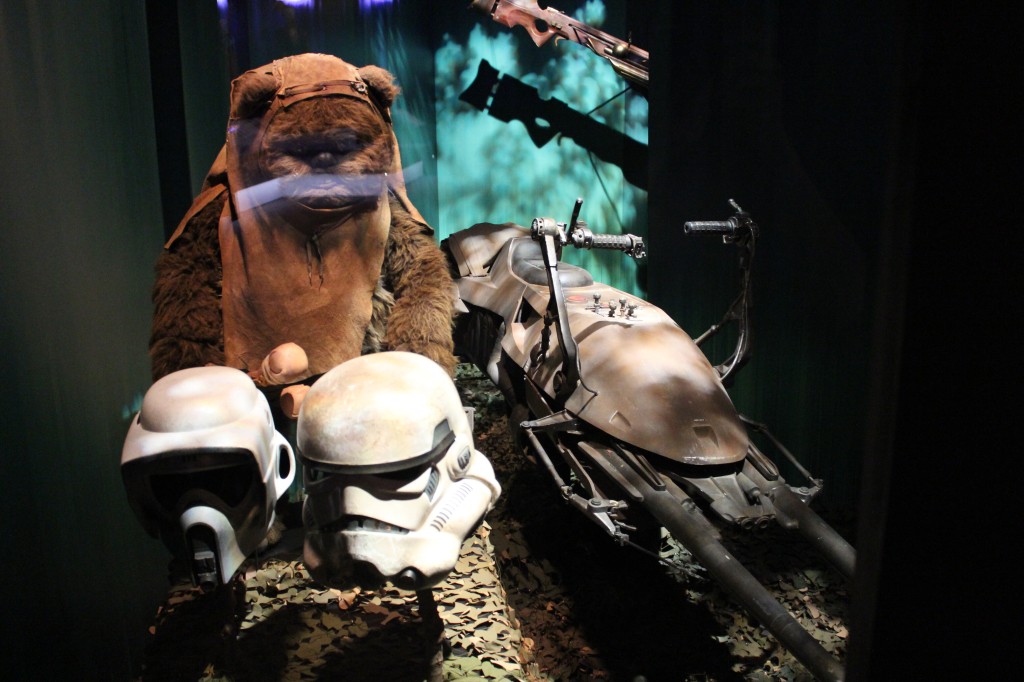
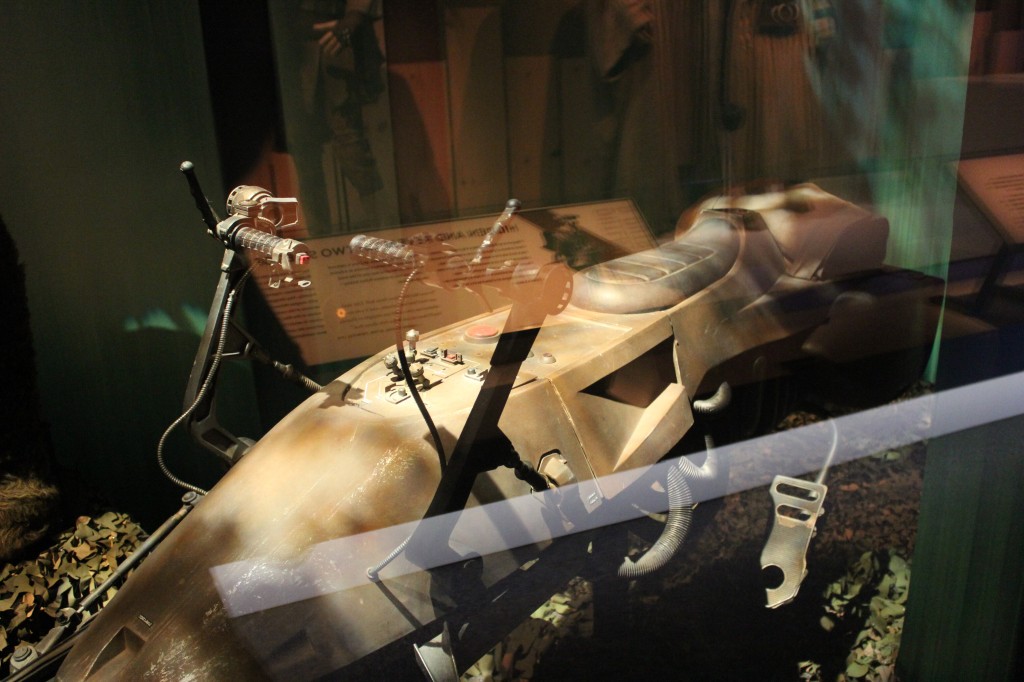
    Ewok and Speeder Bike

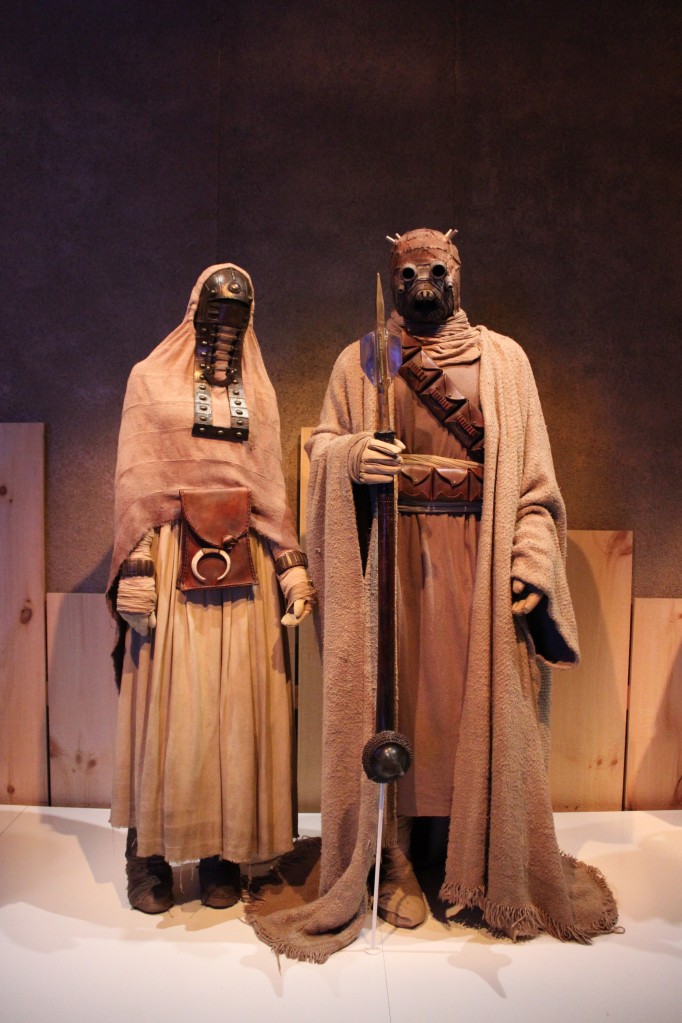
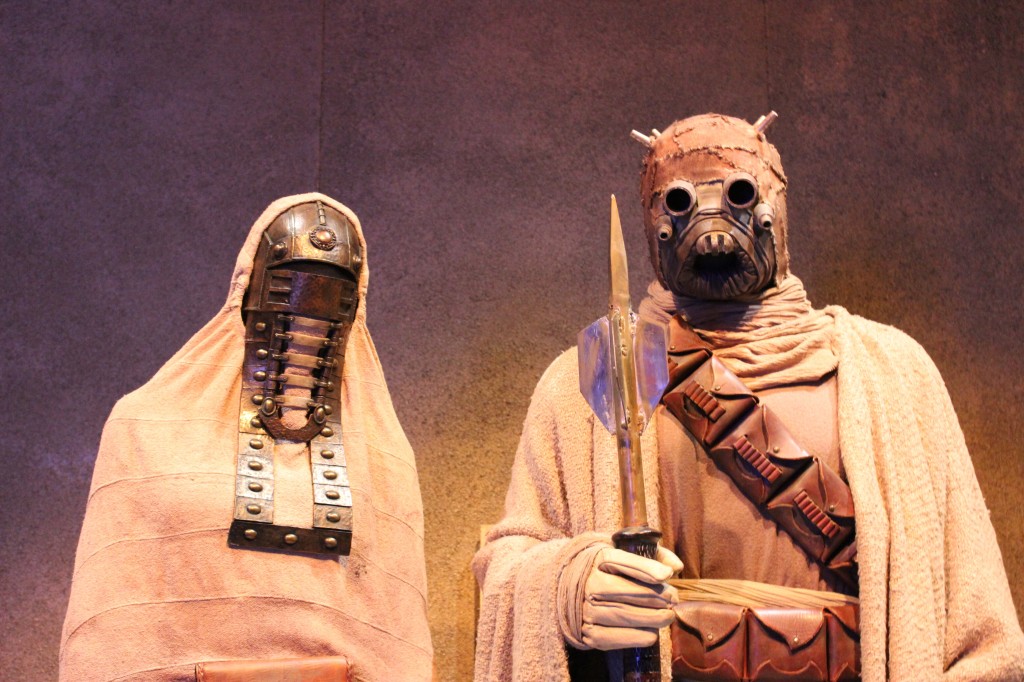
    Sandpeople

    The Force Awakens

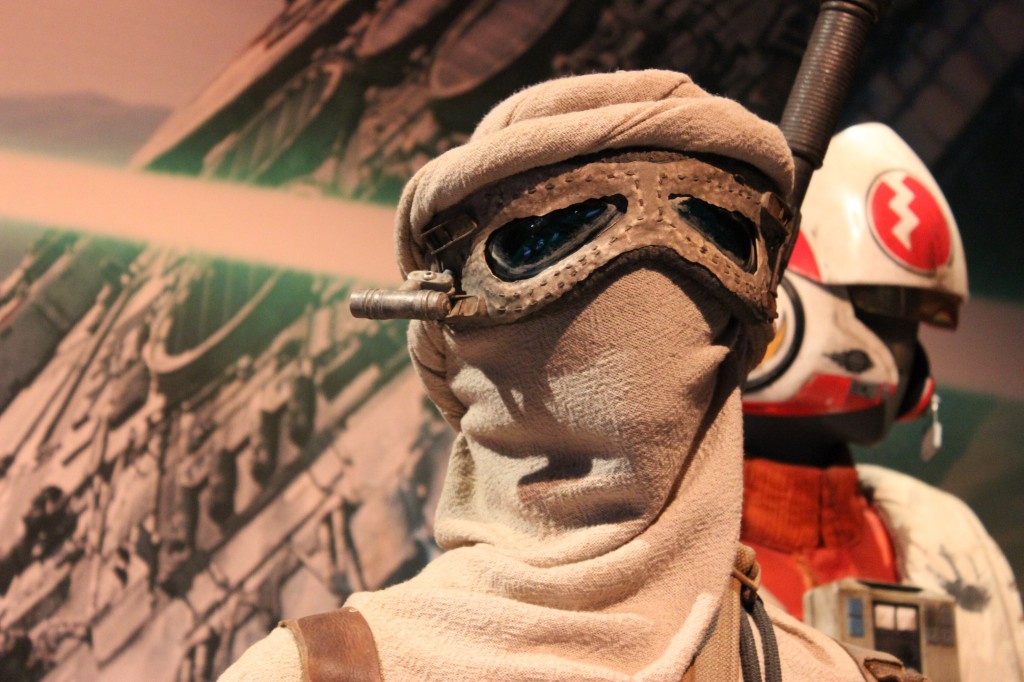
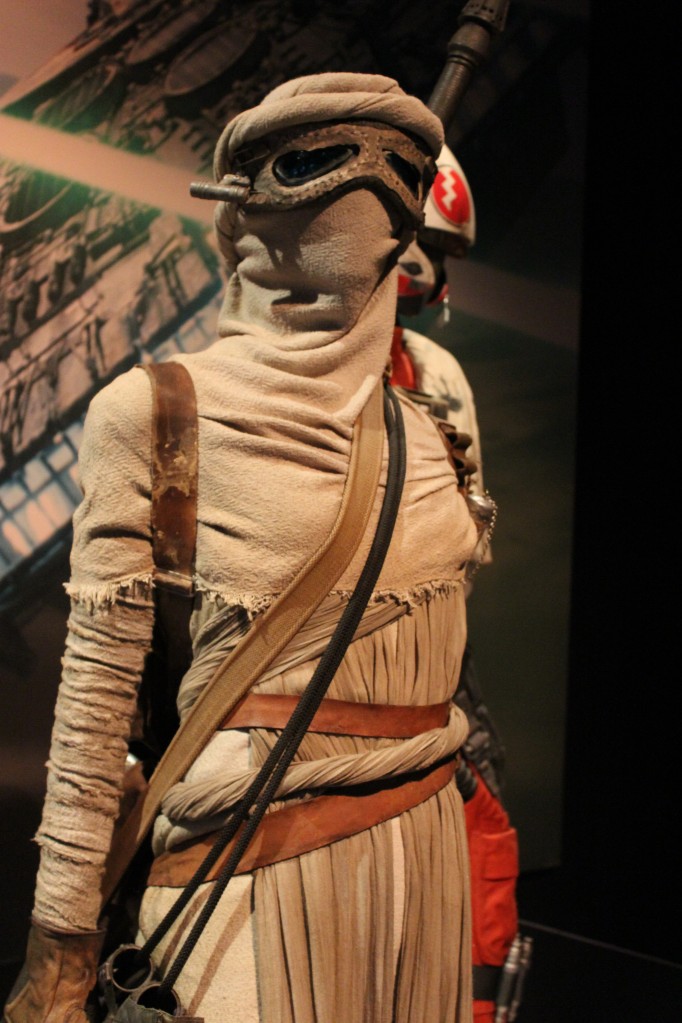
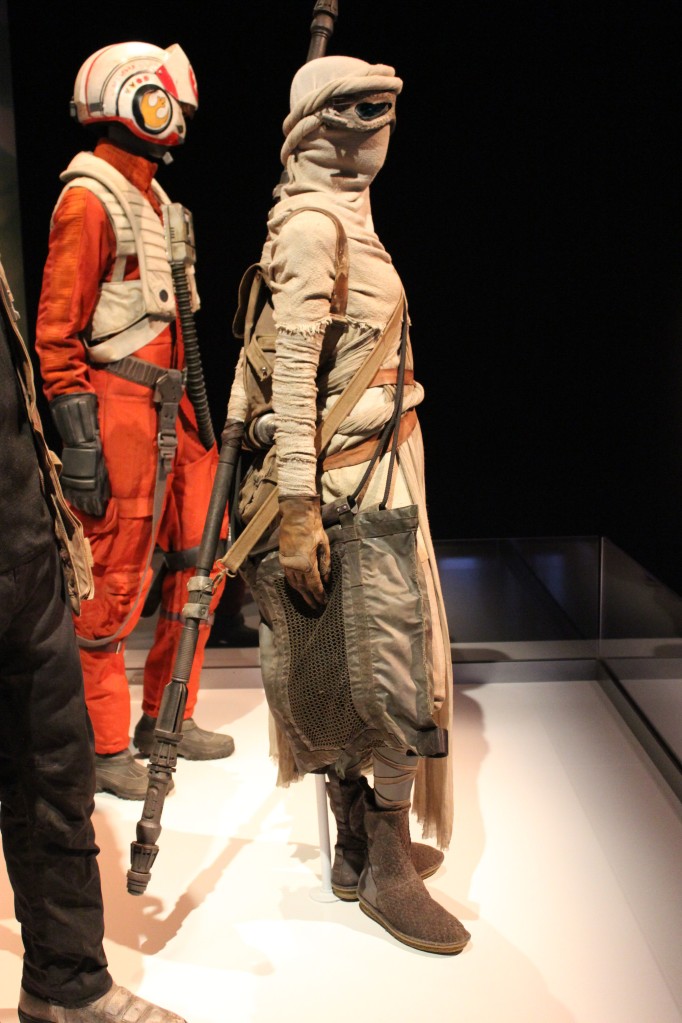
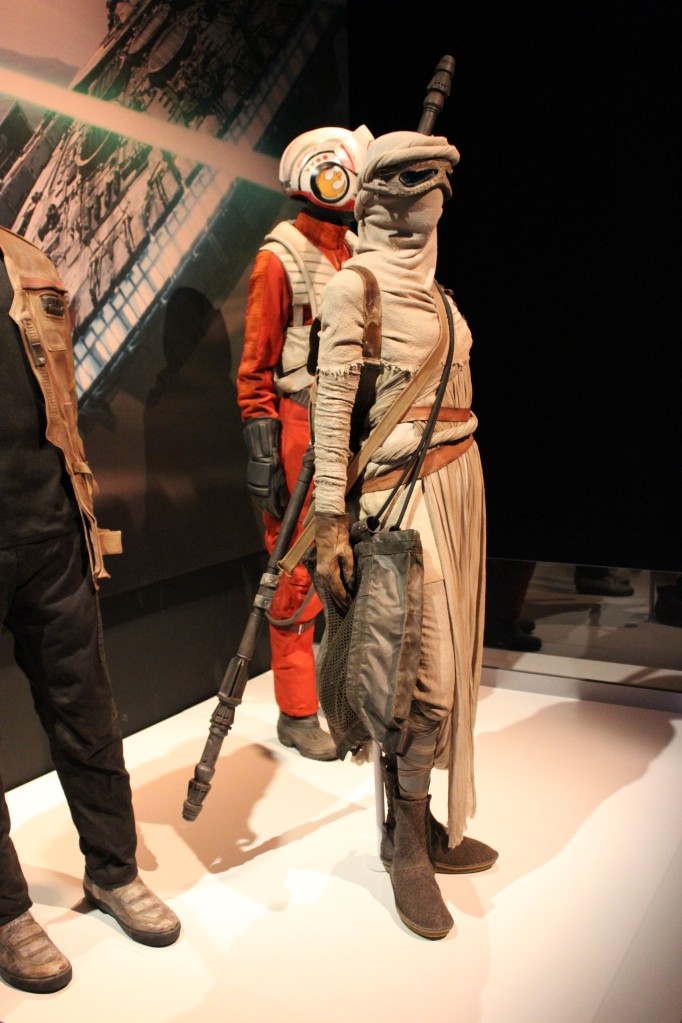
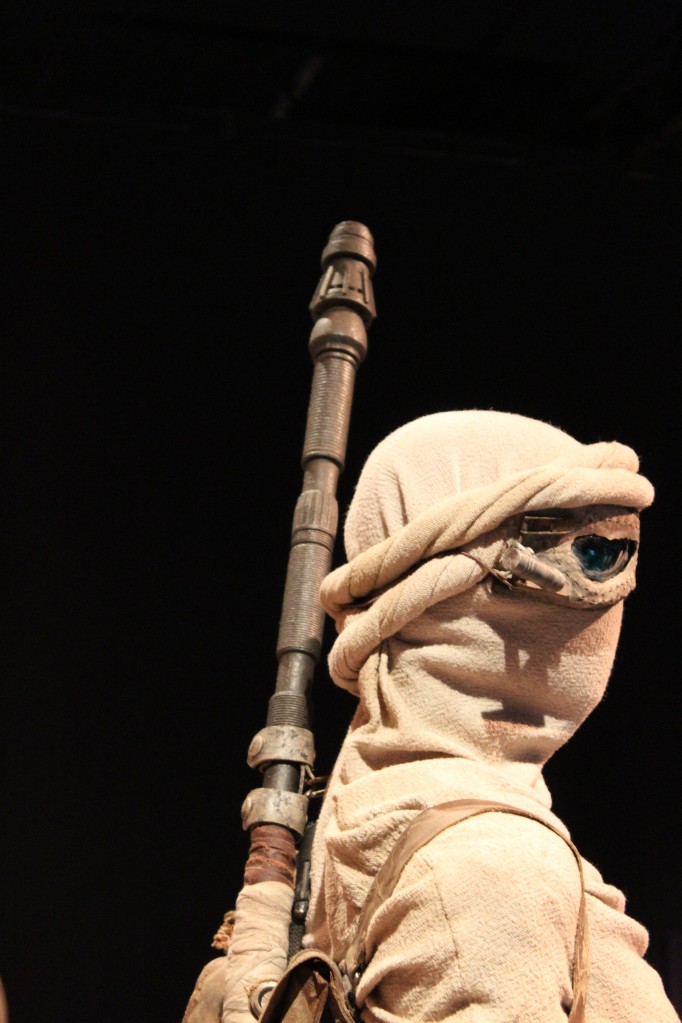
    Finn, Rey, and Poe Dameron

    Finn, Rey, and Poe
    Finn, Rey, and Poe

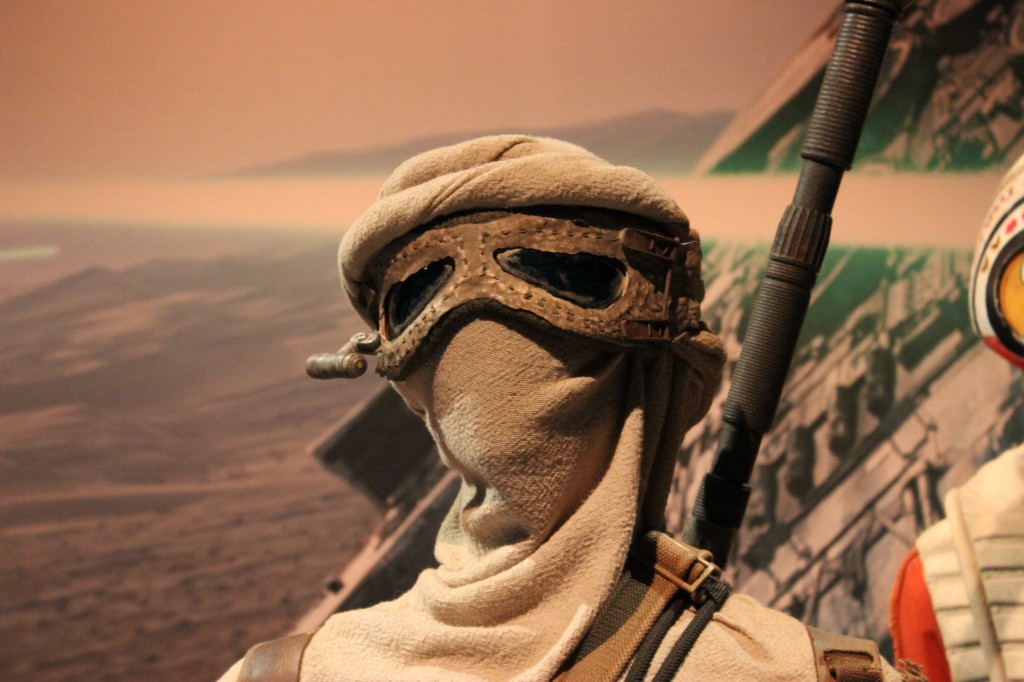
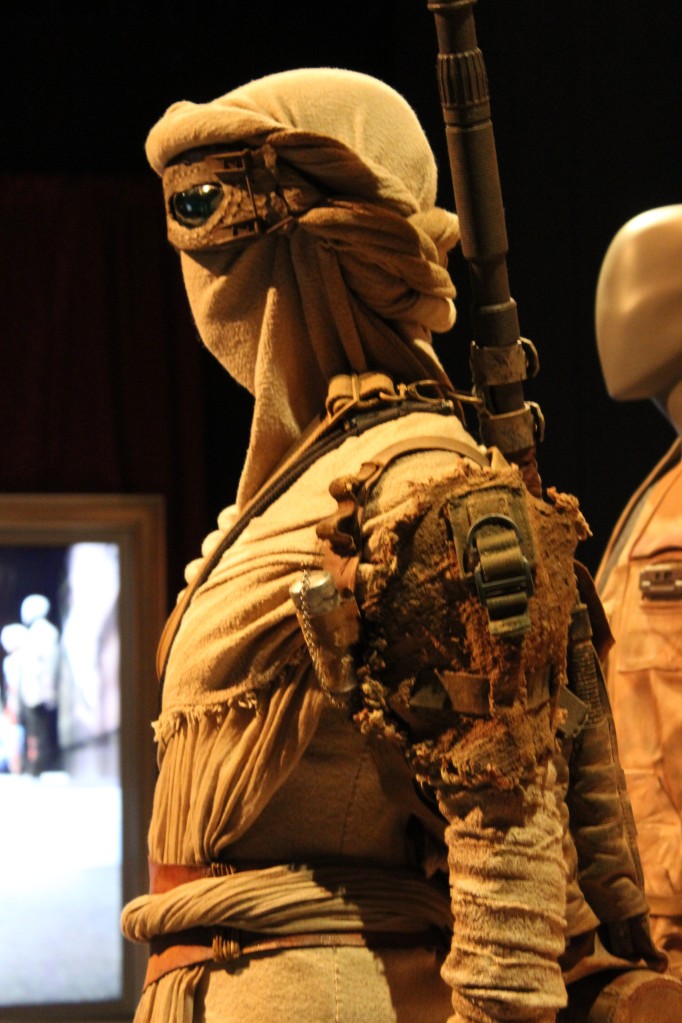
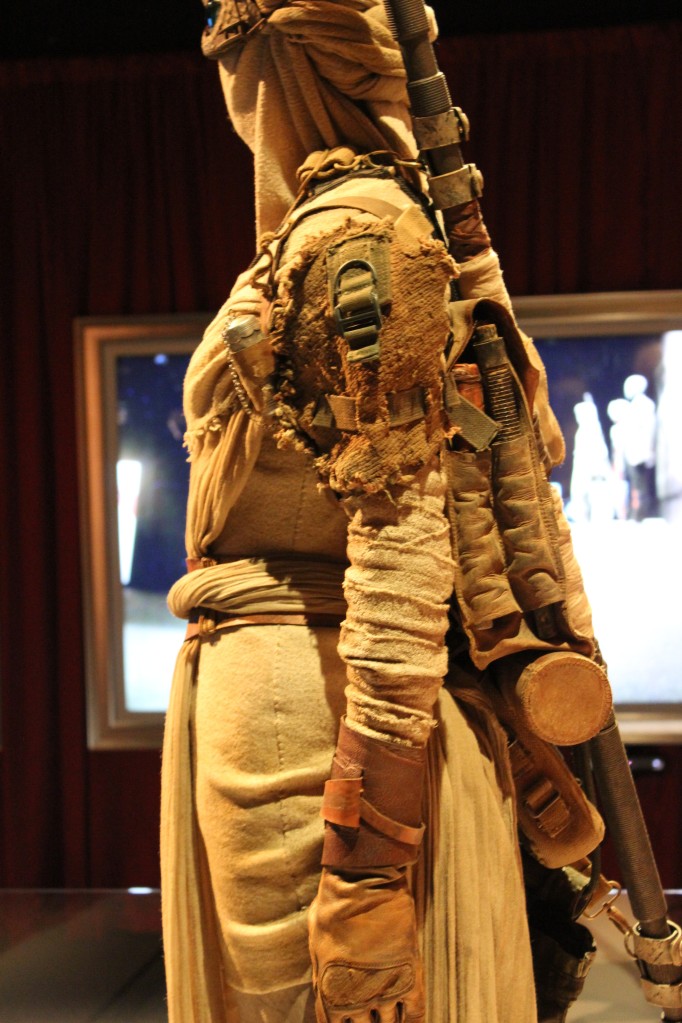
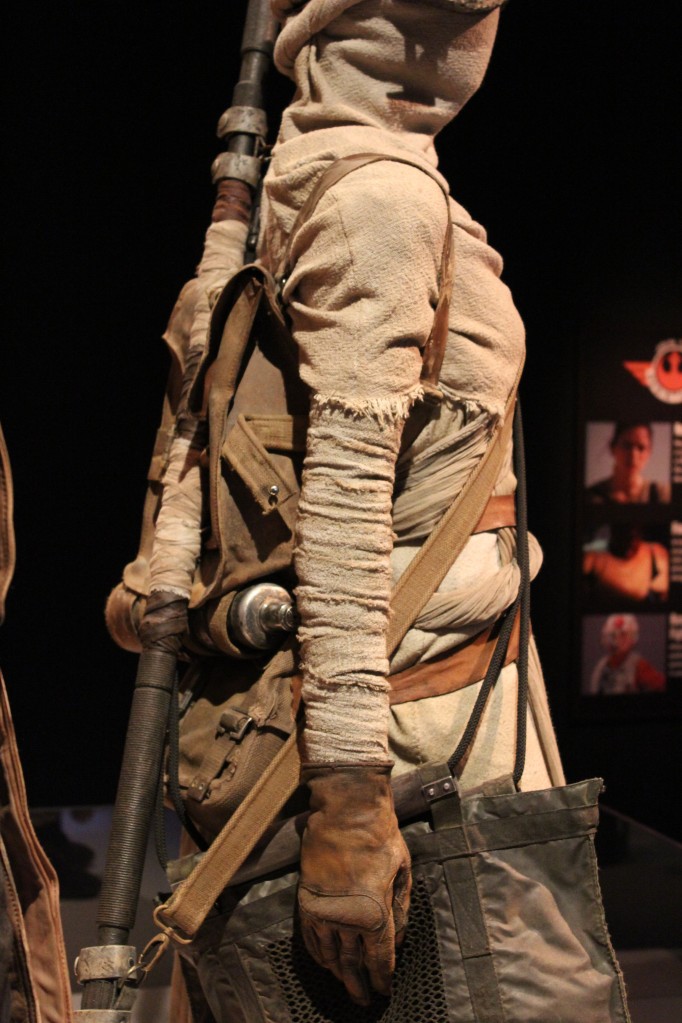
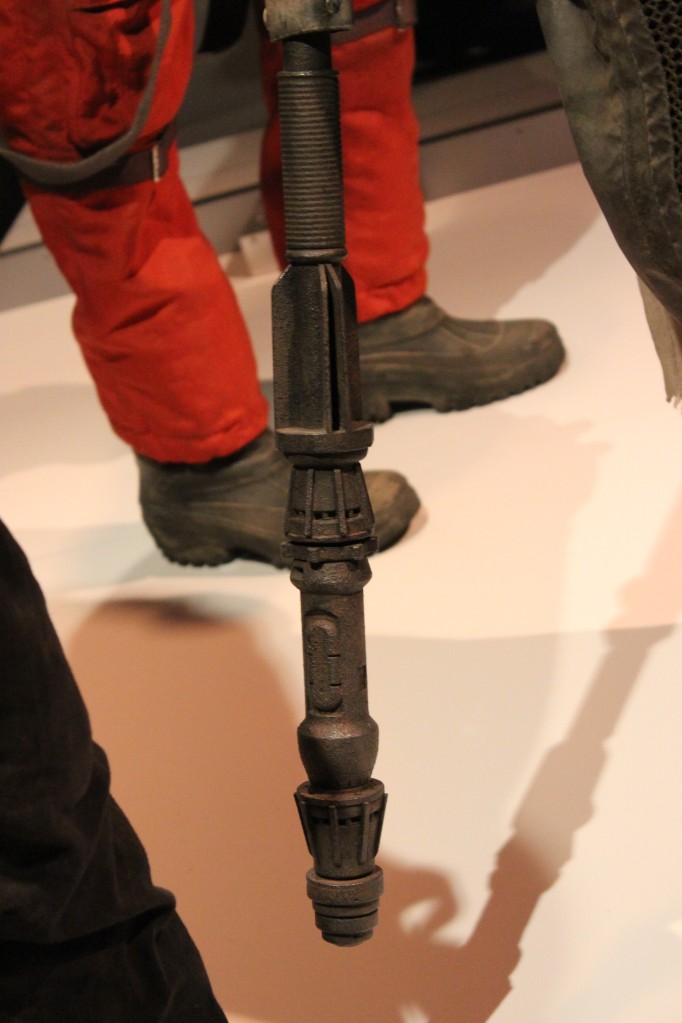
    Rey

    Finn

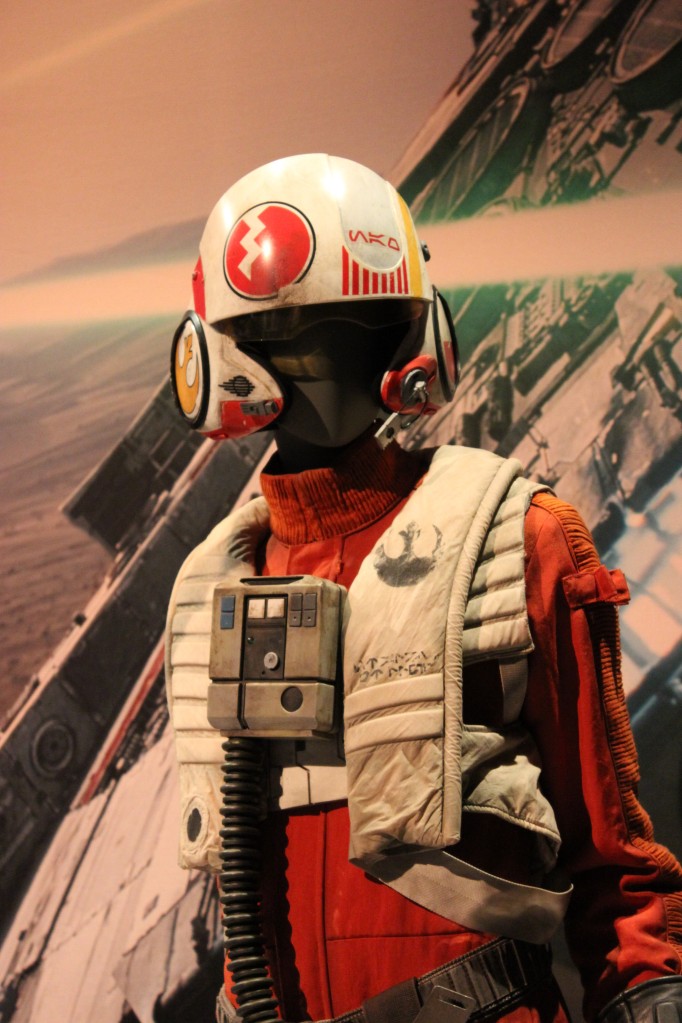
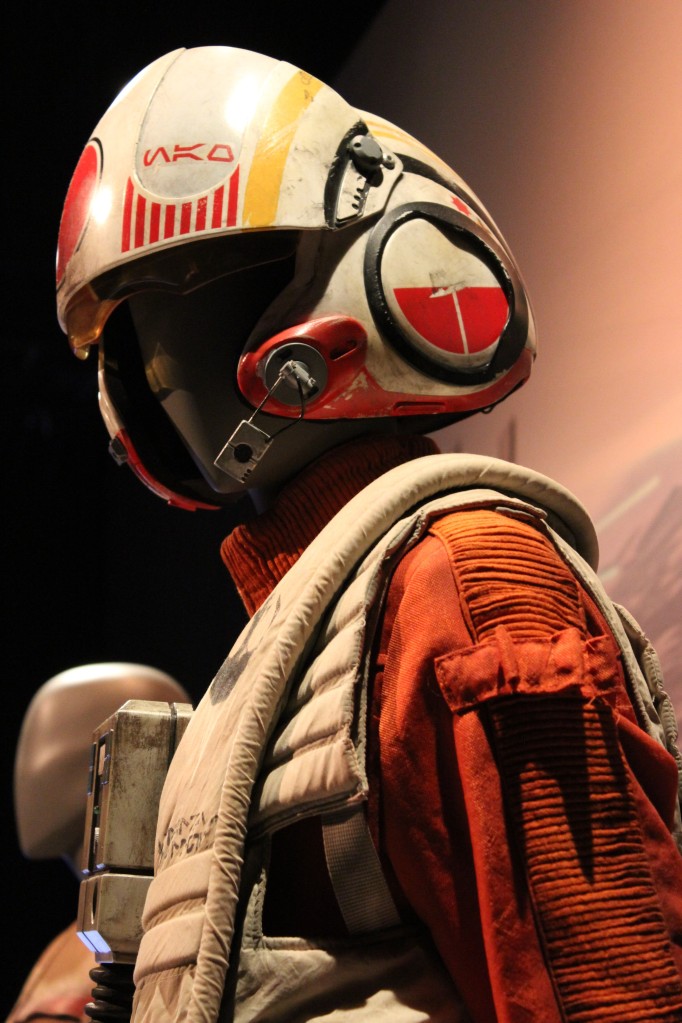
    Poe

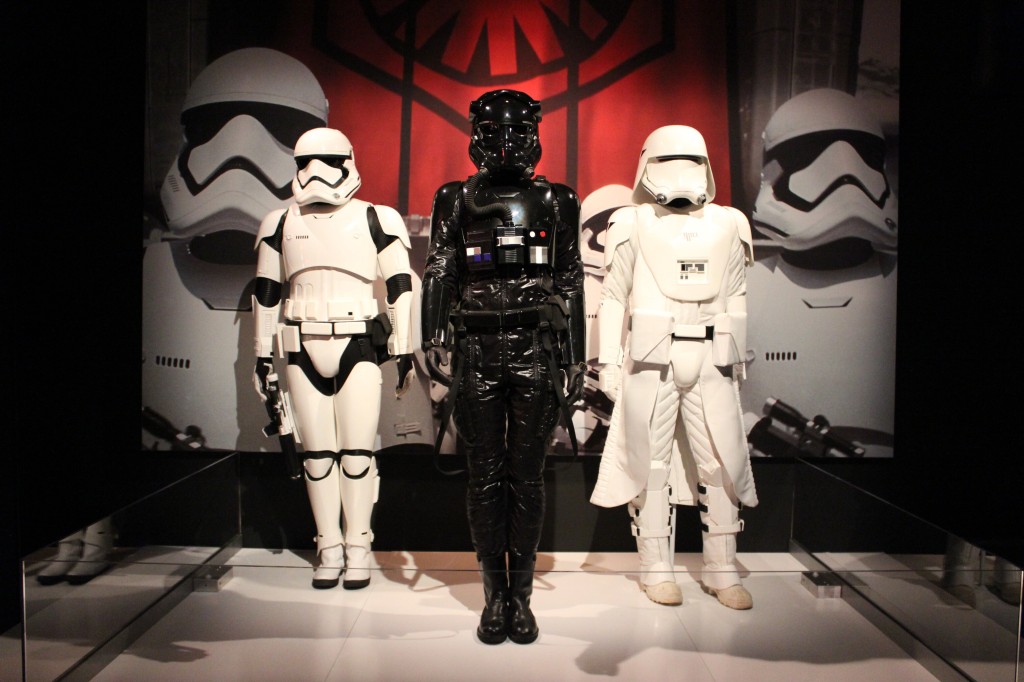
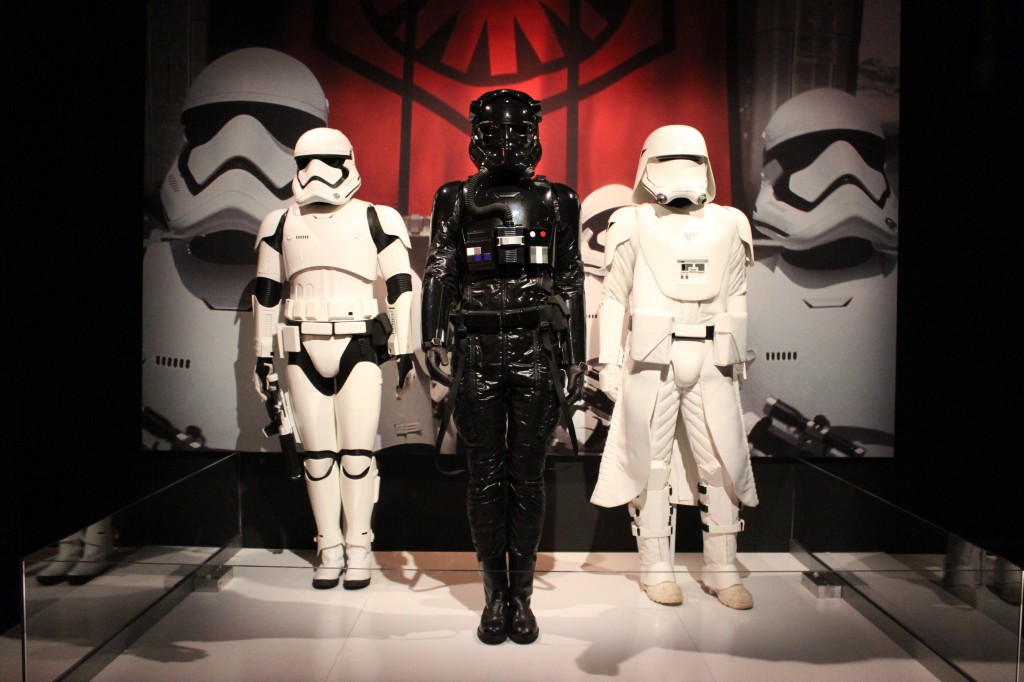
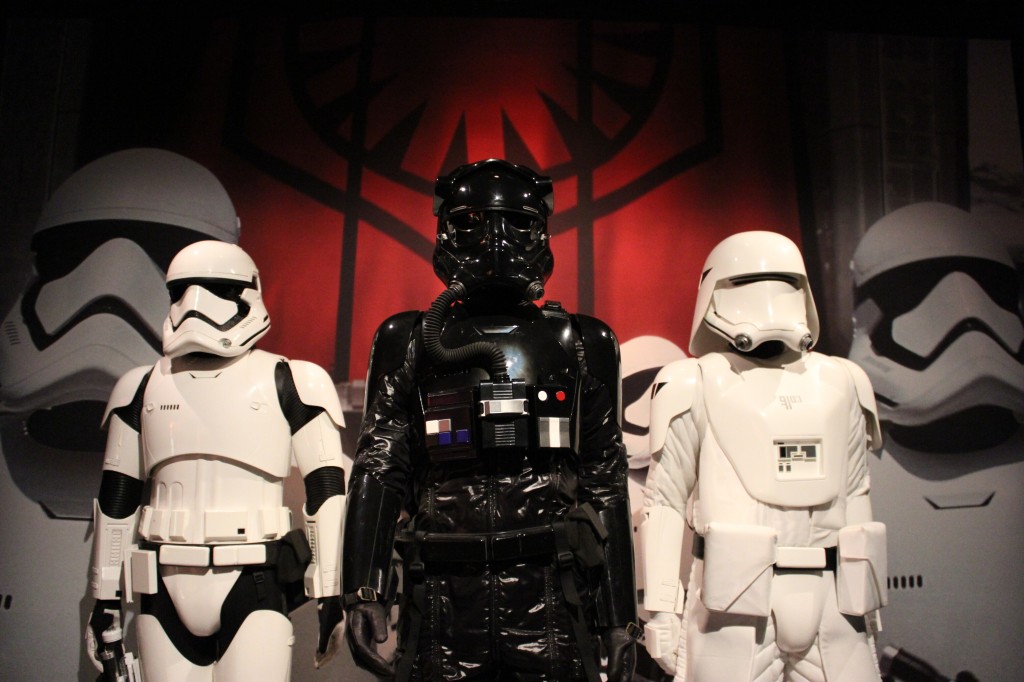
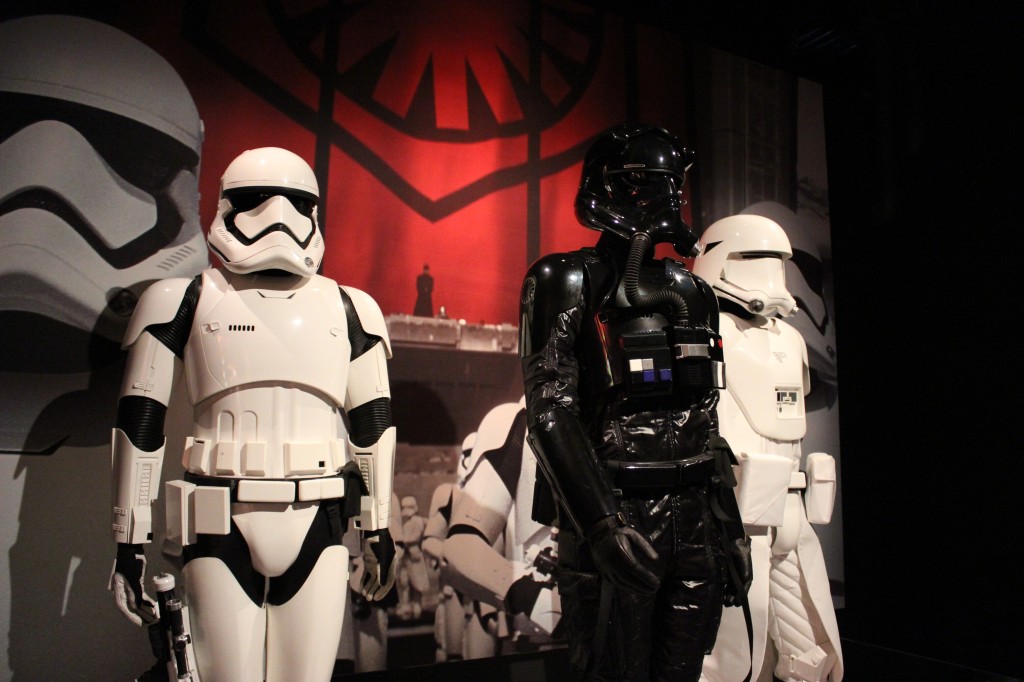
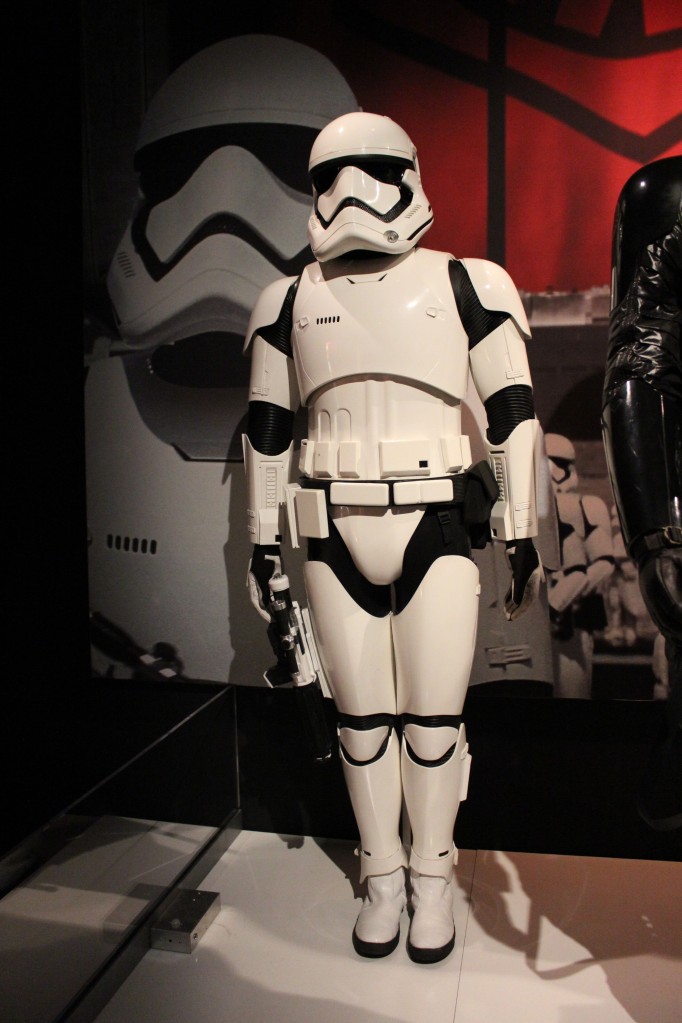
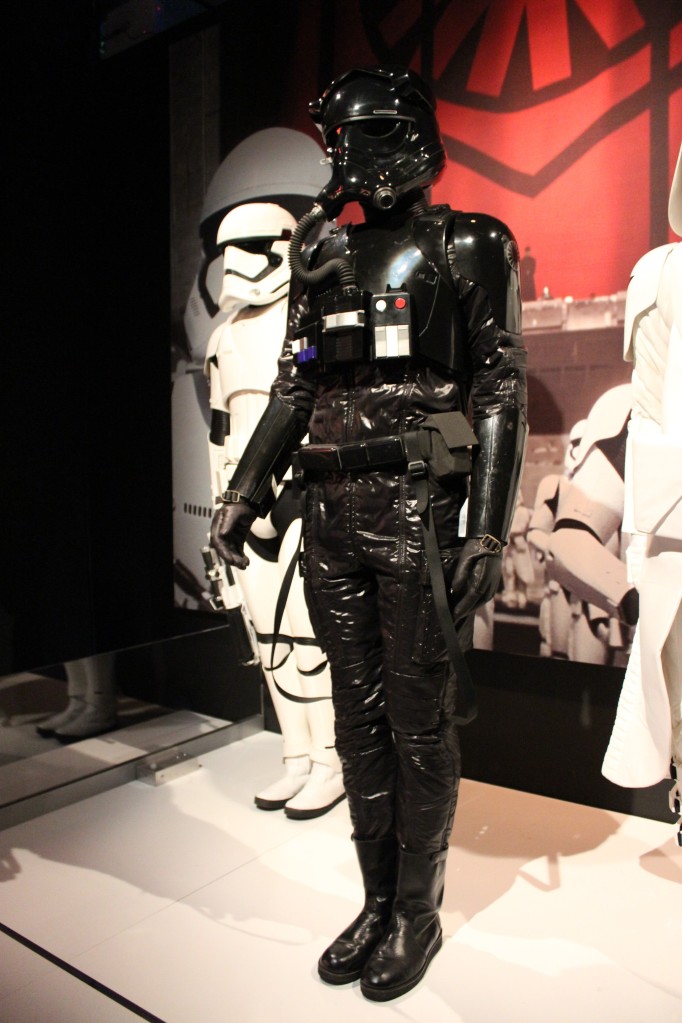
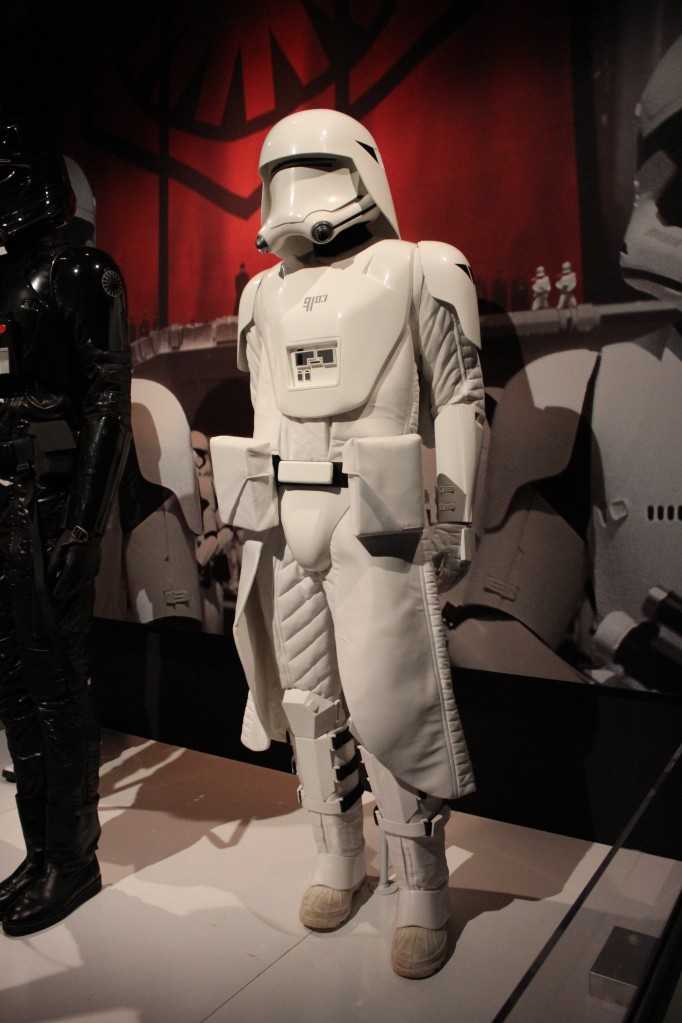
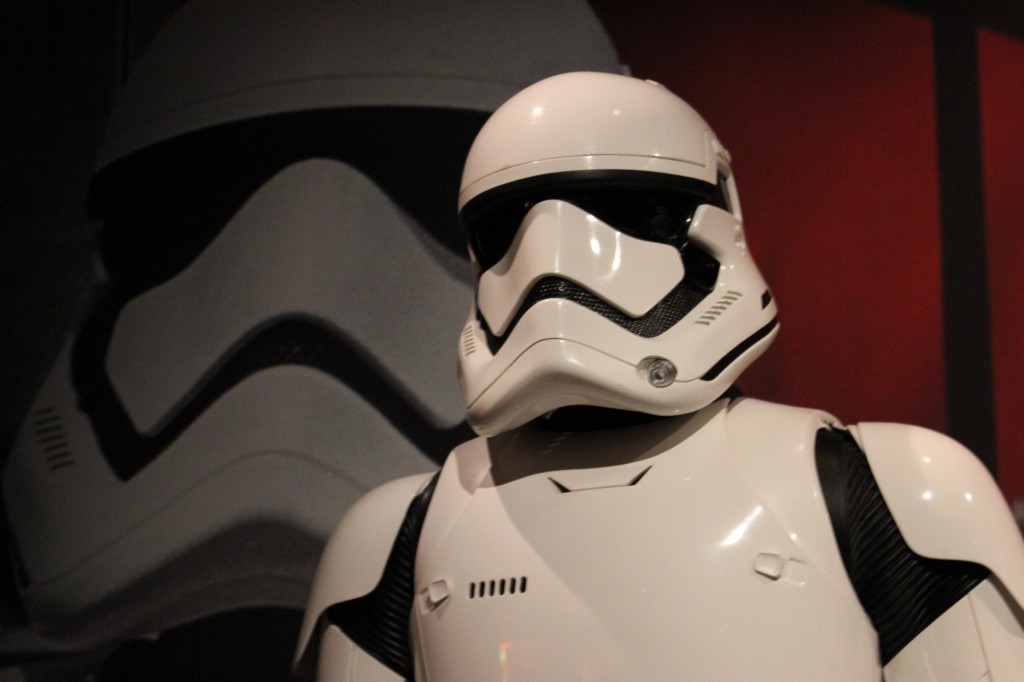
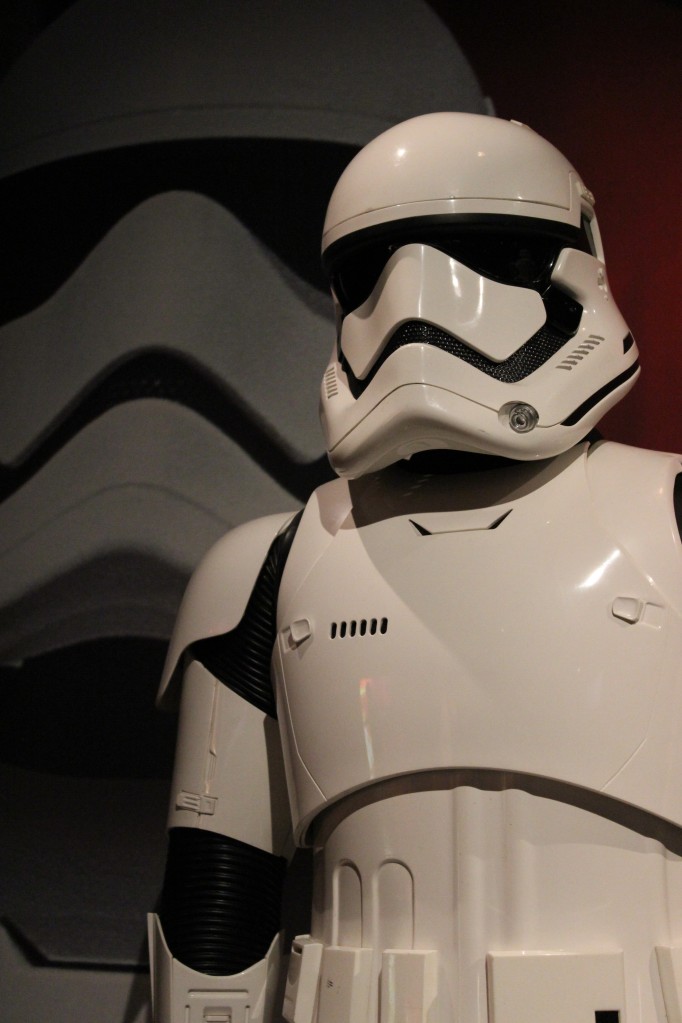
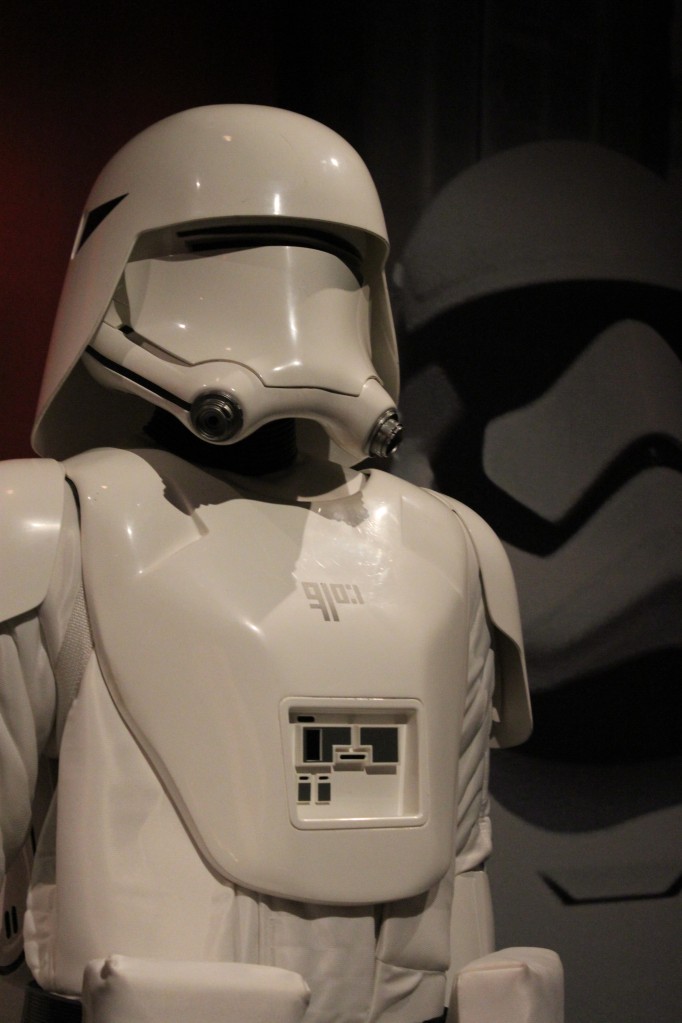
    First Order

    First Order Stormtrooper, TIE Pilot, and Snowtrooper

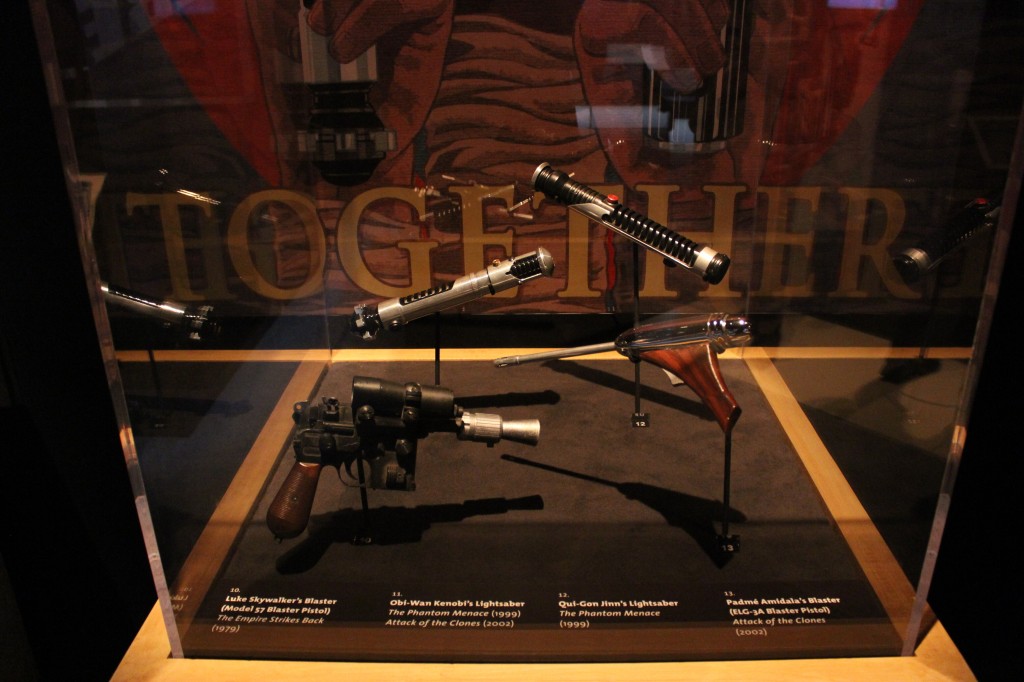
    Weapons and Equipment

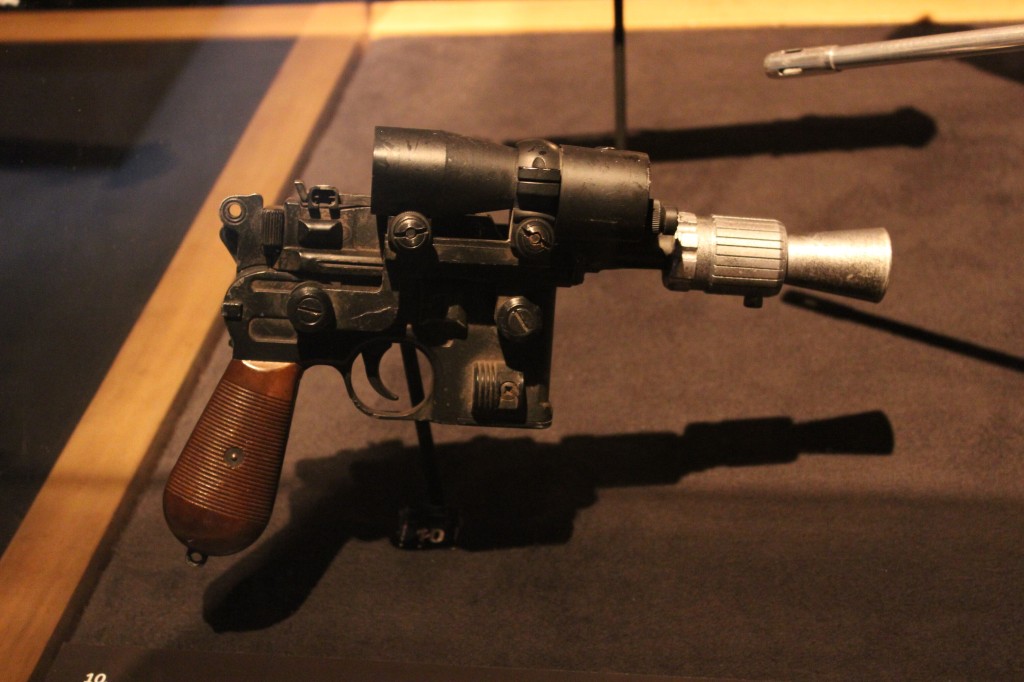
    Luke Skywalker’s Blaster

    Luke Skywalker's blaster

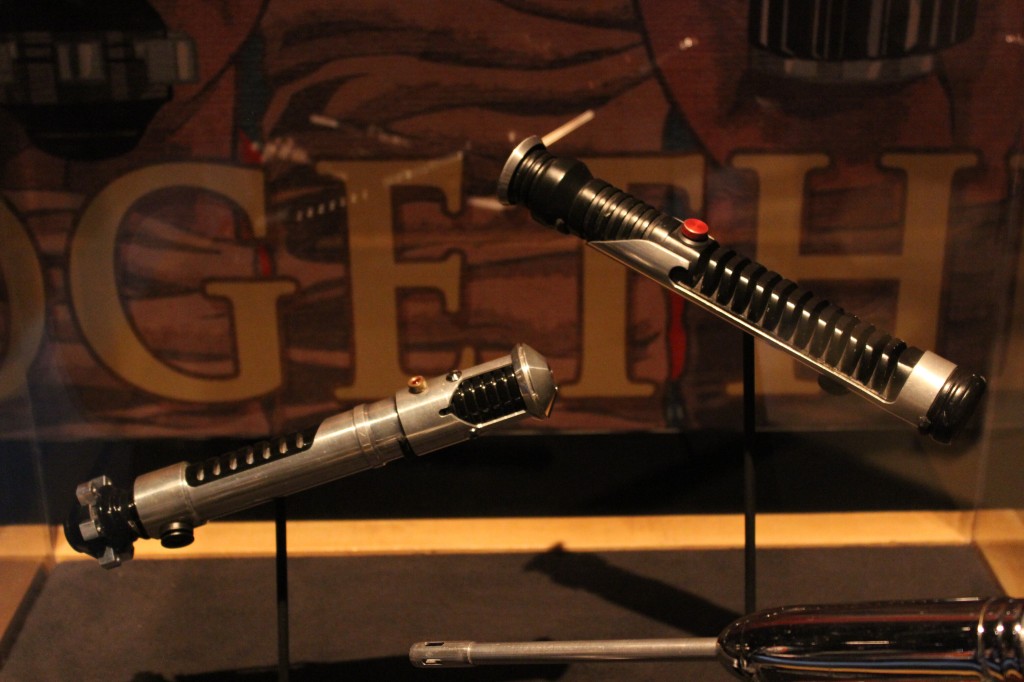
    Obi-Wan Kenobi and Qui-Gon Jinn’s Lightsabers

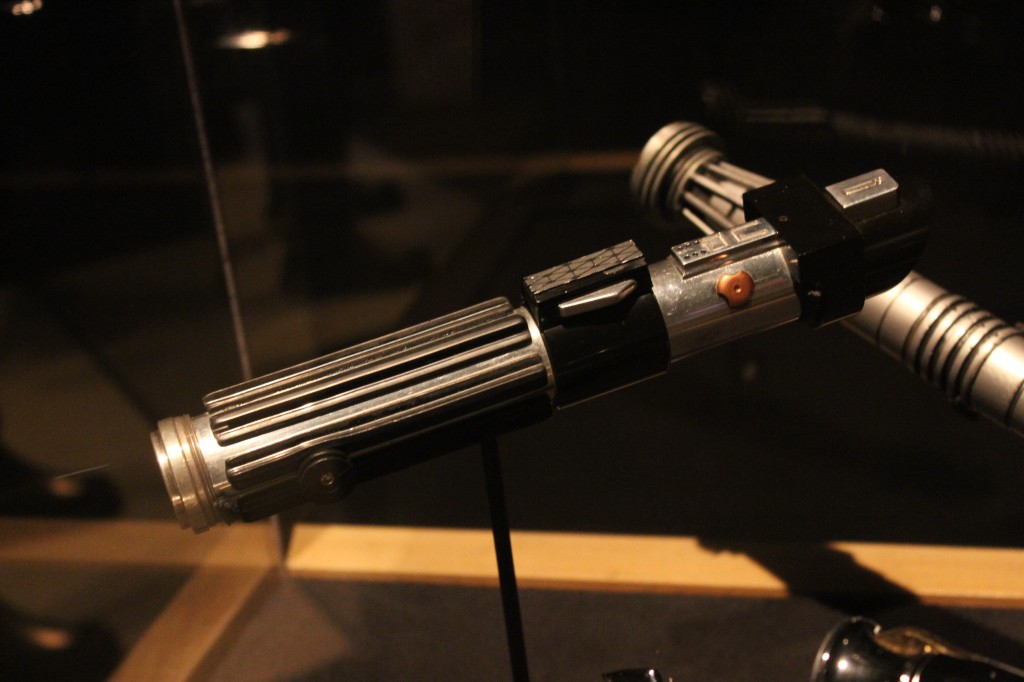
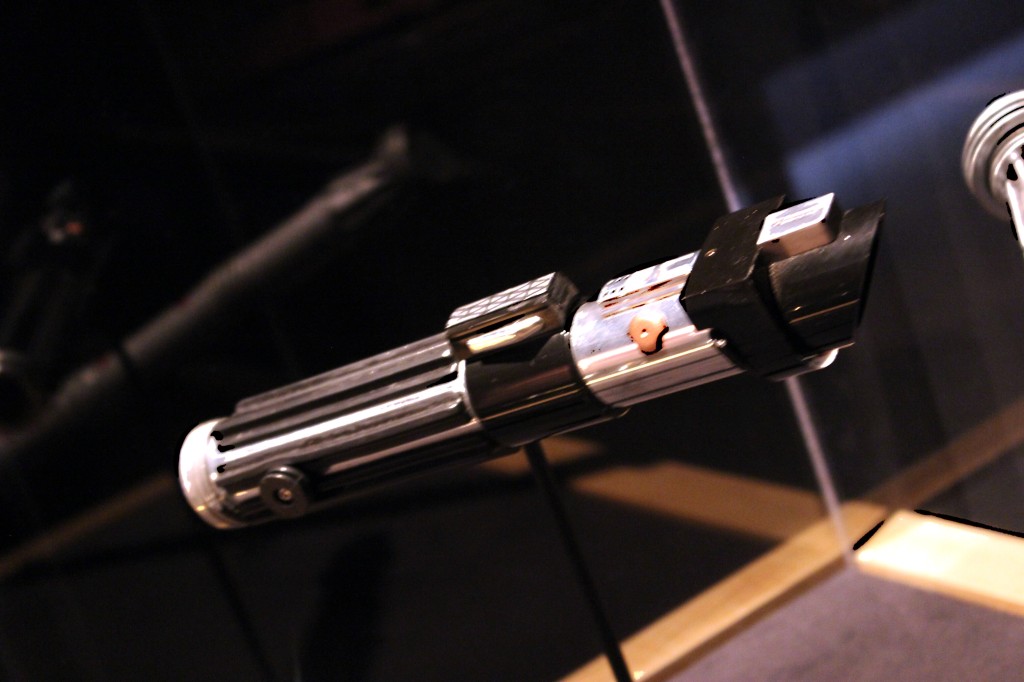
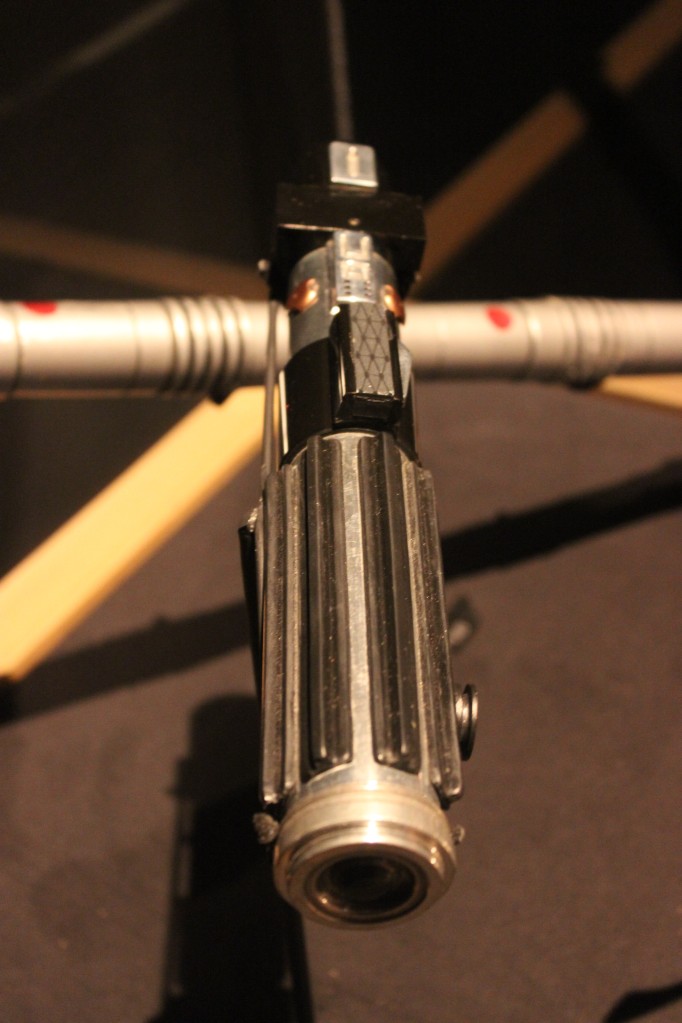
    Darth Vader’s Lightsaber

    Darth Vader's Lightsaber

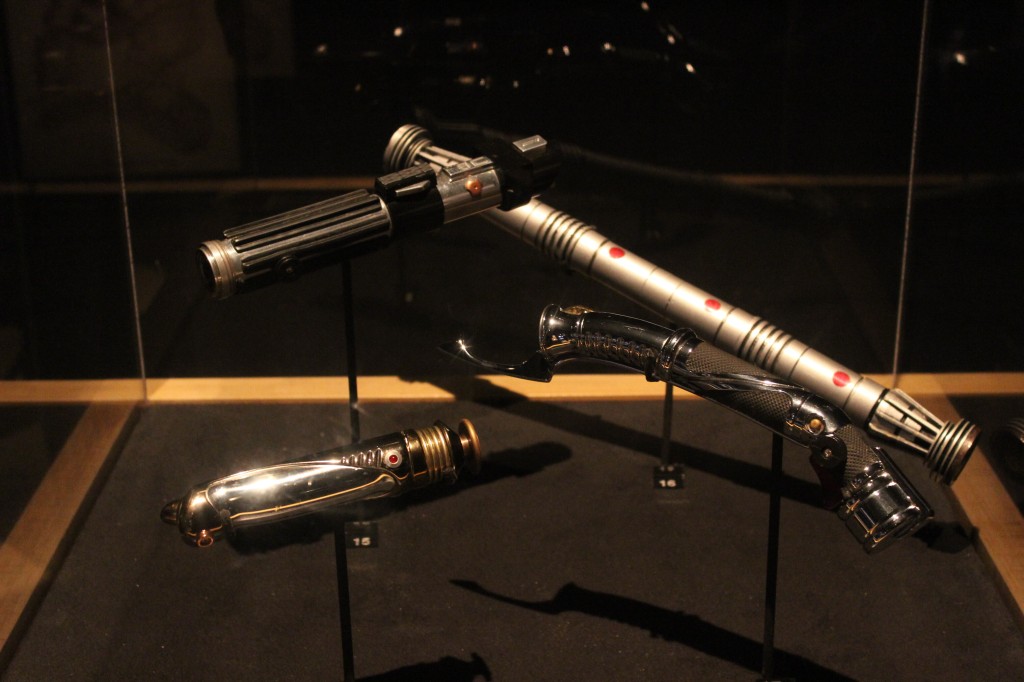
    Sith Lightsabers

    Darth Vader's, Darth Maul's, Count Dooku's, and Emperor Palpatine's Lightsabers

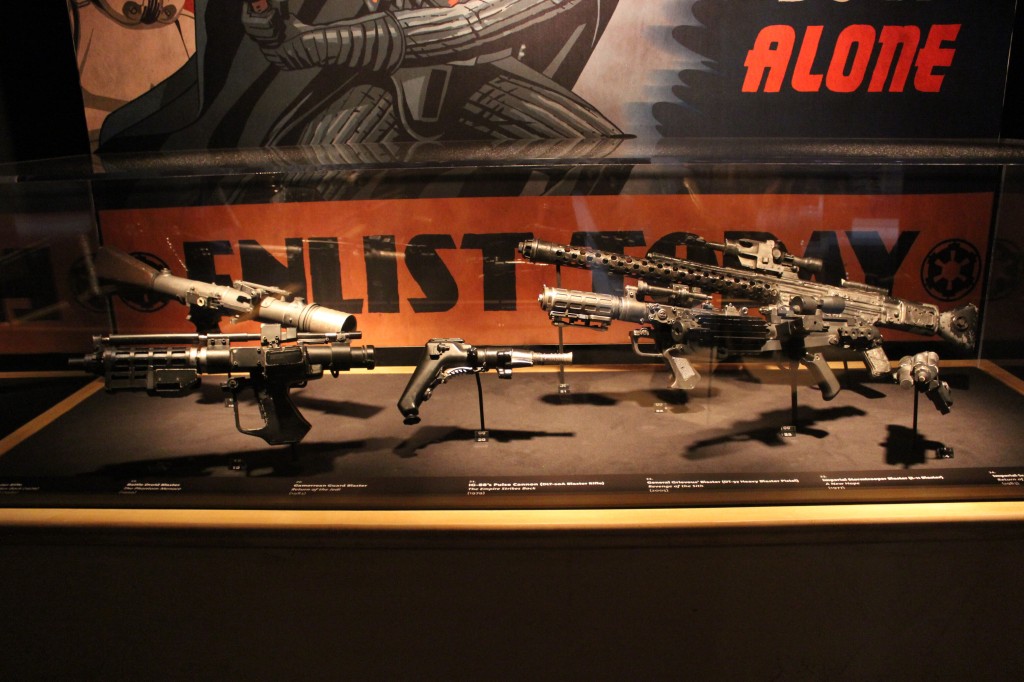
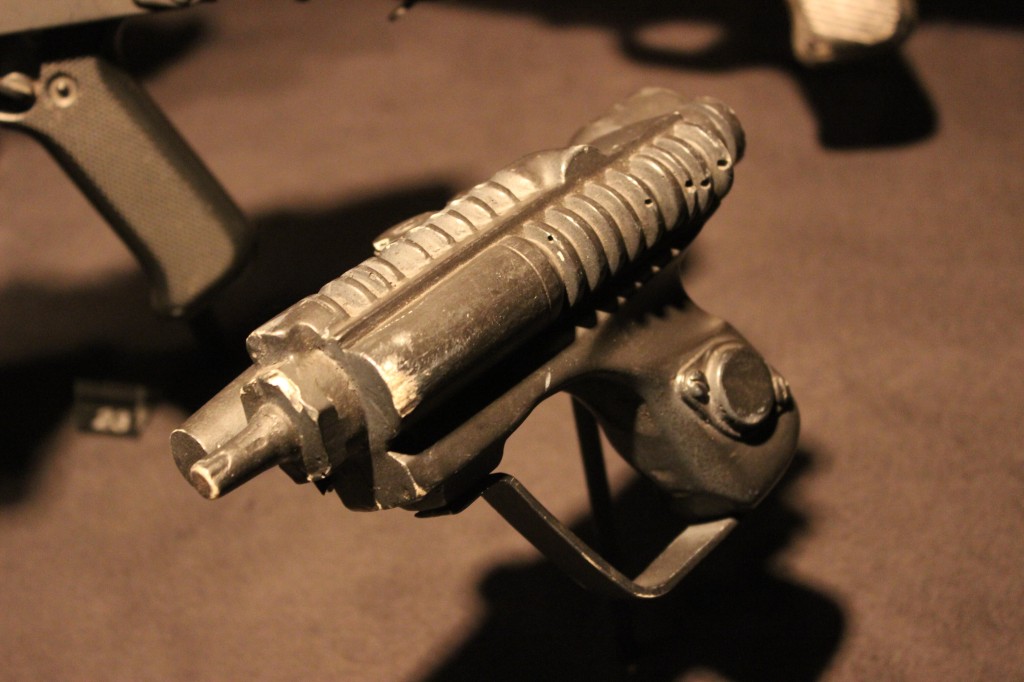
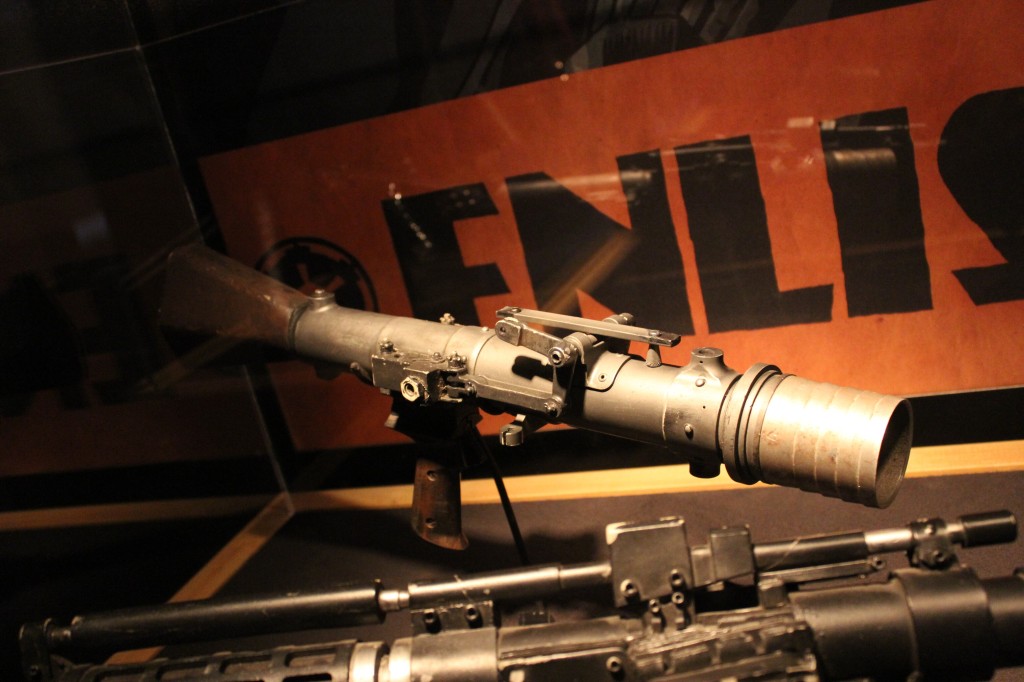
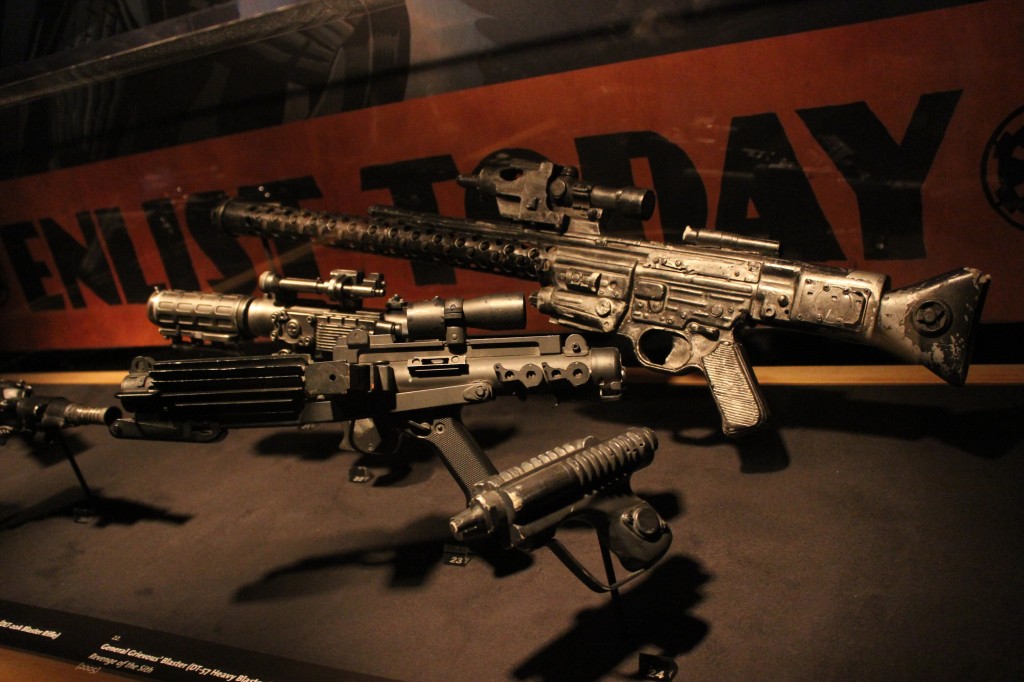
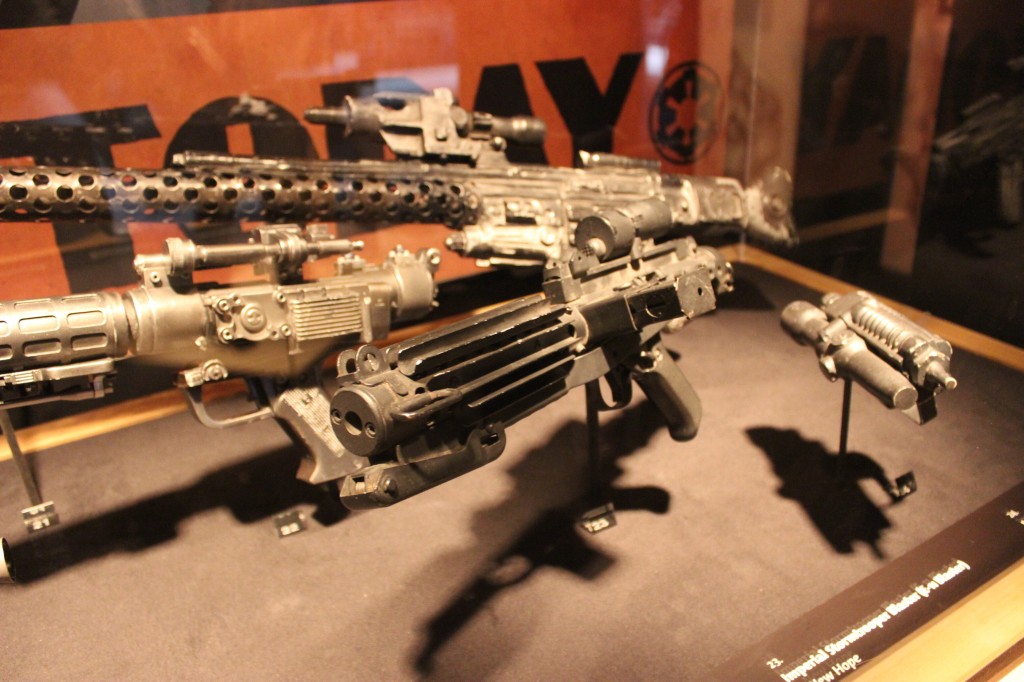
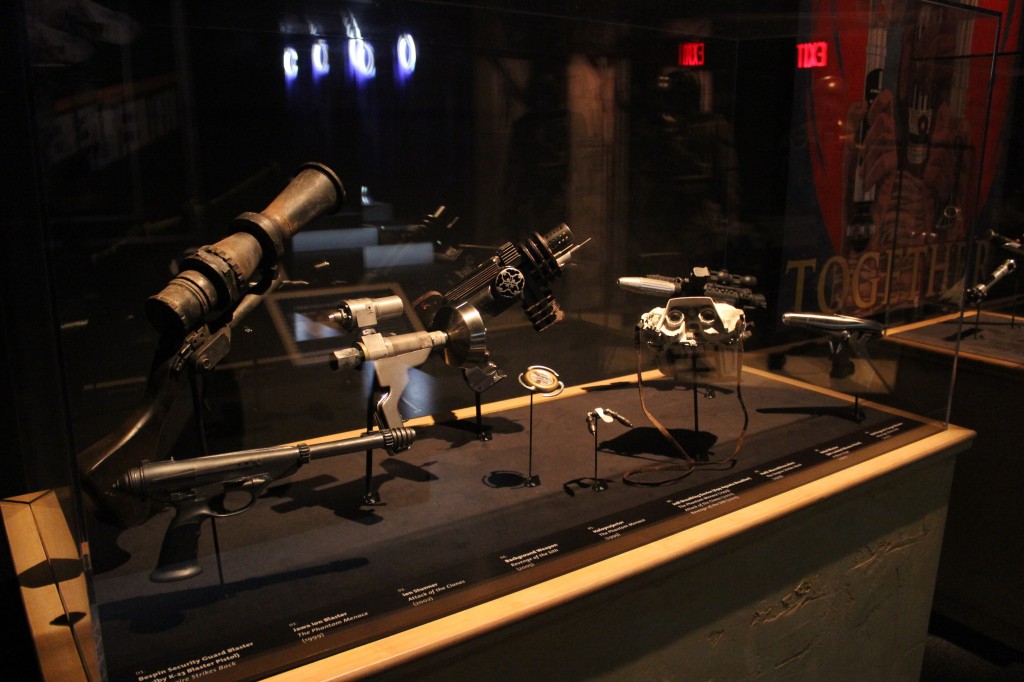
    Villain Blasters and Rifles

    Star Wars blasters and rifles used by the droid army, bounty hunters, and Imperial soldiers

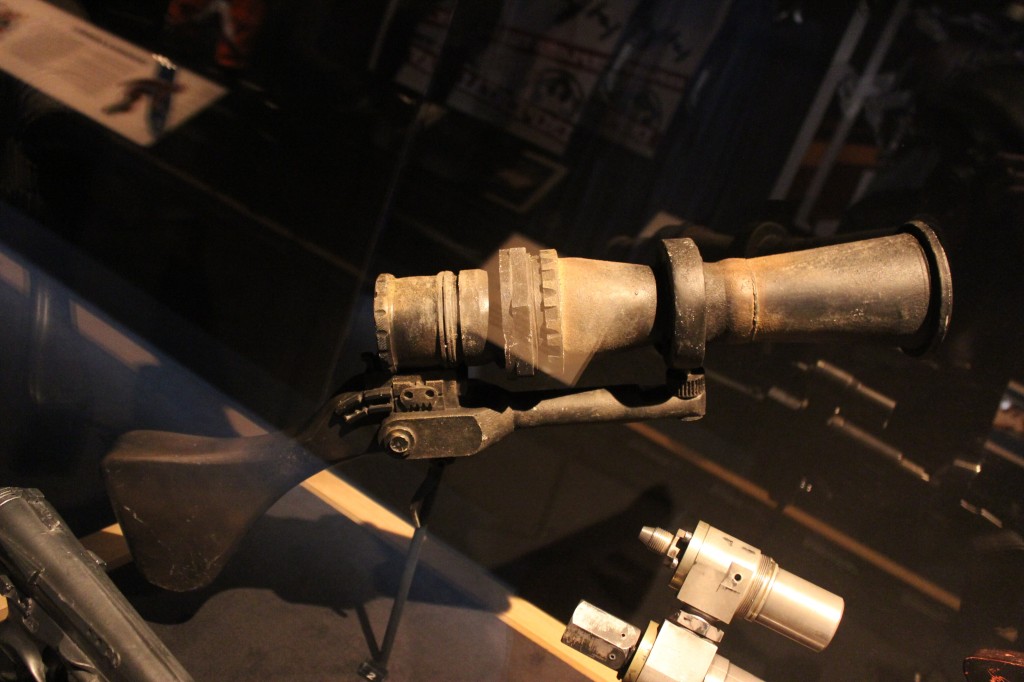
    Other Blasters and Equipment

    Signage

  • Talking Science Fiction with Neil deGrasse Tyson on StarTalk Radio

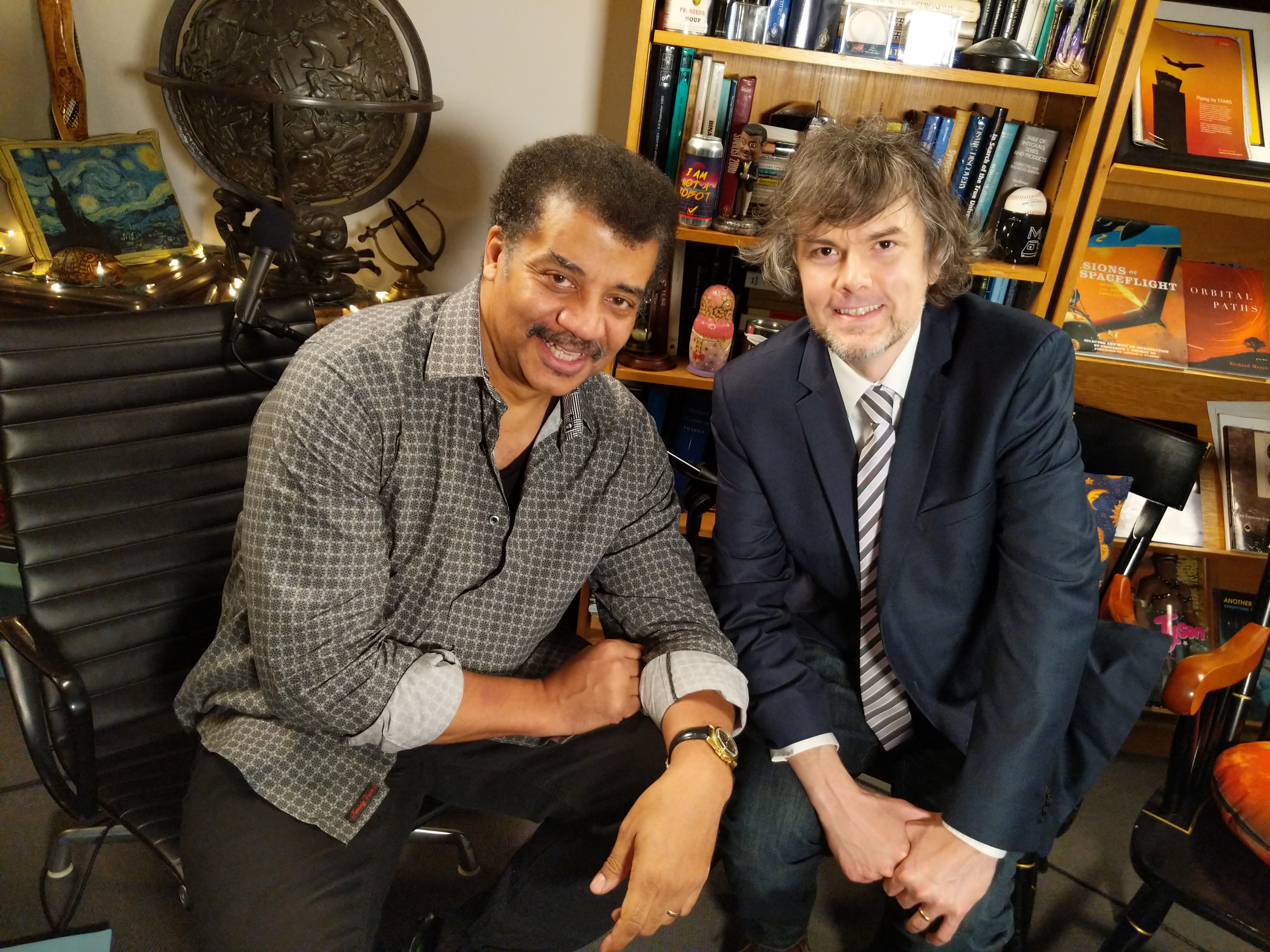
    Neil deGrasse Tyson and Jason Ellis in Dr. Tyson’s Office at the AMNH Planetarium.

    I had the distinct honor to join the conversation about science fiction and society on Dr. Neil deGrasse Tyson’s StarTalk Radio Show on May 30, 2019 (season 10, episode 22). The episode is about Creating Science Fiction, with Gale Anne Hurd, the producer of The Terminator and The Walking Dead. I shared some thoughts on Hugo Gernsback’s formula for “scientifiction,” H.G. Wells and Sir Ernest Swinton’s legal fight over the modern battle tank, the power of SF to engage social issues and debate, and my personal, lifelong relationship to SF. You can listen to the episode here or embedded below:

    About the episode from the StarTalk website:

    The Terminator, The Walking Dead, Aliens, and a lot more. Those are just some of the producing credits for this week’s main guest on StarTalk Radio. Neil deGrasse Tyson sits down with producer-extraordinaire Gale Anne Hurd to explore what it takes to bring great science fiction to life. Neil is joined by comic co-host Chuck Nice, science fiction expert Jason Ellis, PhD, and volcanologist Janine Krippner, PhD.
    Because science fiction comes in many different forms and through many different avenues, there are many ways to get into it. You’ll learn how Gale’s childhood love of Marvel comic books and science fiction novels translated into a career “making what she likes to see.” She tells us how she served as a science fiction consultant to her local library to make sure their stock was up to date. Jason shares why not being able to see Star Wars in the theater sparked a rebellious love for science fiction.

    You’ll hear about the history of science fiction and how it combines the STEM fields and the humanities. We debate if science fiction informs the future of every technological invention. You’ll find out about a lawsuit H.G Wells brought upon military figureheads because he claimed they stole his idea from one of his science fiction stories. Explore using science fiction as social commentary. Discover more about the famous kiss between Captain Kirk and Lt. Uhura, and how William Shatner and Nichelle Nichols purposely flubbed takes to make sure it stayed in the episode.

    We take a deep dive into Dante’s Peak as volcanologist Janine Krippner stops by to share her take on the film. She explains why she thinks it’s still the best volcano movie even with its flaws. Gale gives us a behind-the-scenes look on how she fought for even more scientific realism to be in the film but encountered pushback from the studio. Neil also confronts Gale on the famous scientific inaccuracies of Armageddon. Chuck shares his love for The Expanse, we discuss Interstellar, and Neil tells us about his involvement in The Europa Report.

    Lastly, you’ll also find out the differences between creating science fiction for television and film. According to Hugo Gernsback, the father of science fiction, sci-fi should be 75% romance and 25% science – is that still the goal? All that, plus, Jason caps it off with a story on how he was criticizing the film Sunshine right in front of director Danny Boyle’s family.

    “Creating Science Fiction, with Gale Anne Hurd.” StarTalk Radio, 30 May 2019, https://www.startalkradio.net/show/creating-science-fiction-with-gale-anne-hurd/.