Category: Technology

  • Reprint of My Article, “Decoding the Origins of H. G. Wells’s ‘The Land Ironclads’ and Sir Ernest Dunlop Swinton’s Tank” Now Available in Short Story Criticism, Vol. 264

    British_Mark_I_male_tank_Somme_25_September_1916
    British Mark I Tank. This is photograph Q 2486 from the collections of the Imperial War Museums (collection no. 1900-09).

    My article on the public debate between H. G. Wells and Sir Ernest Dunlop Swinton about who originated the idea of a motorized, armored weapons platform or tank, which first appeared in The Wellsian: The Journal of the H. G. Wells Society (no. 33, 2010, pp. 42-57) is now available as a reprint in Short Story Criticism, Volume 264 (edited by Catherine C. DiMercurio, Prod. Layman Poupard. Gale, Cengage, 2018, pp. 256-265).

    N.B.: Gale’s Short Story Criticism series is an excellent resource for scholars and students to easily and quickly learn the discourse on a particular author’s short story oeuvre. These volumes collate scholarship from a wide variety of academic journals on the works of a particular author. For example, Short Story Criticism, Volume 264 includes three sections of collected articles for these writers: Mary Caponegro, Mahasweta Devi, and H. G. Wells. I believe that the series is a good addition to libraries serving the needs of English departments and literature programs, because it provides a wide array of research on its selected authors for convenient access to scholarship.

  • Retrocomputing at City Tech

    retrocomputing-at-city-tech

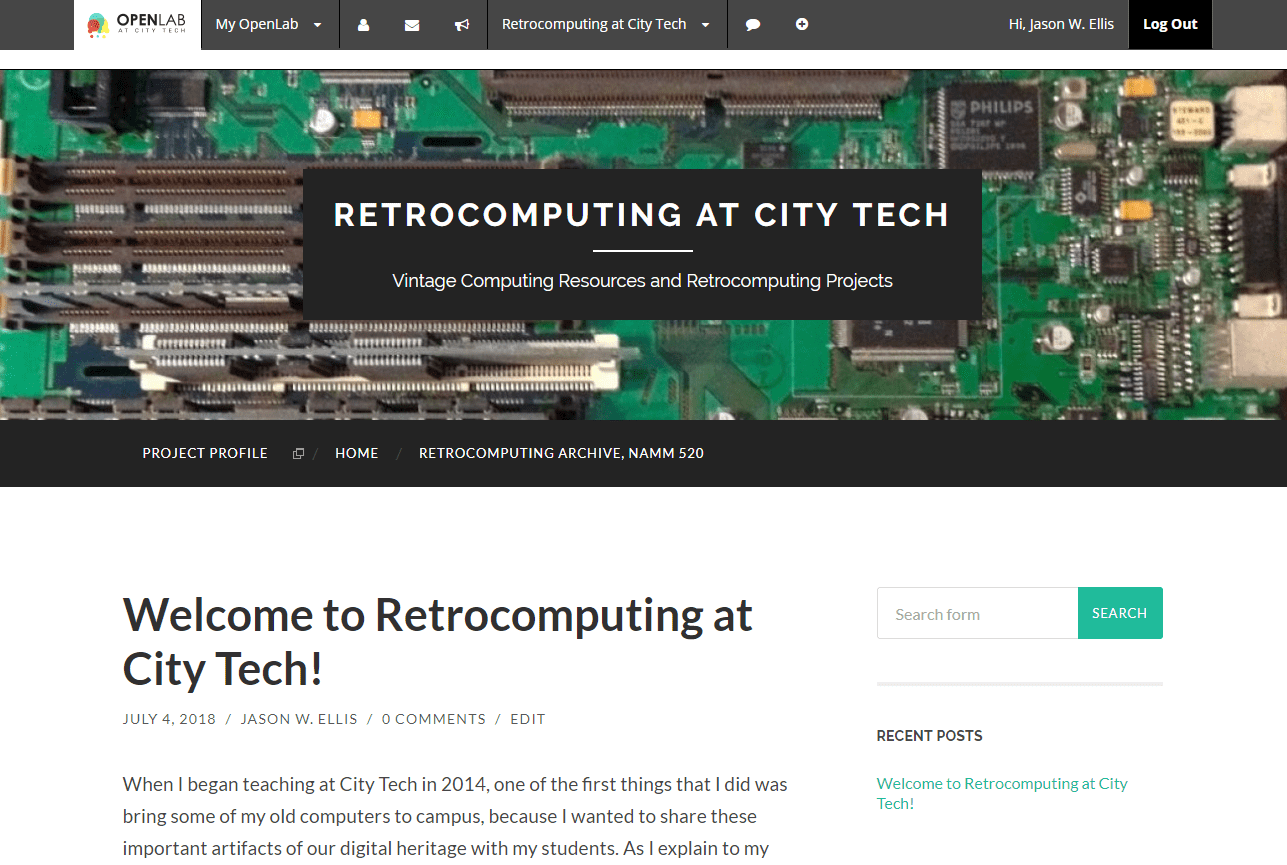
    In addition to working on a book review today, I created a new OpenLab site for Retrocomputing at City Tech. In addition to recording how I use vintage computers in the classroom and in research, the new OpenLab site contains a catalog of my vintage computing archive. I populated this catalog with most of the hardware, but I plan to granulize it further and create a catalog of my software. This, of course, will take time. At least there is a place for me to record these things now within the auspices of the work that I do at City Tech. I updated my previous Retrocomputing Lab page on this site with a link to the updated site on OpenLab.

  • Desktop Shelving Epic Continues: Notched Shelf Added in the Middle

    shelf-progression

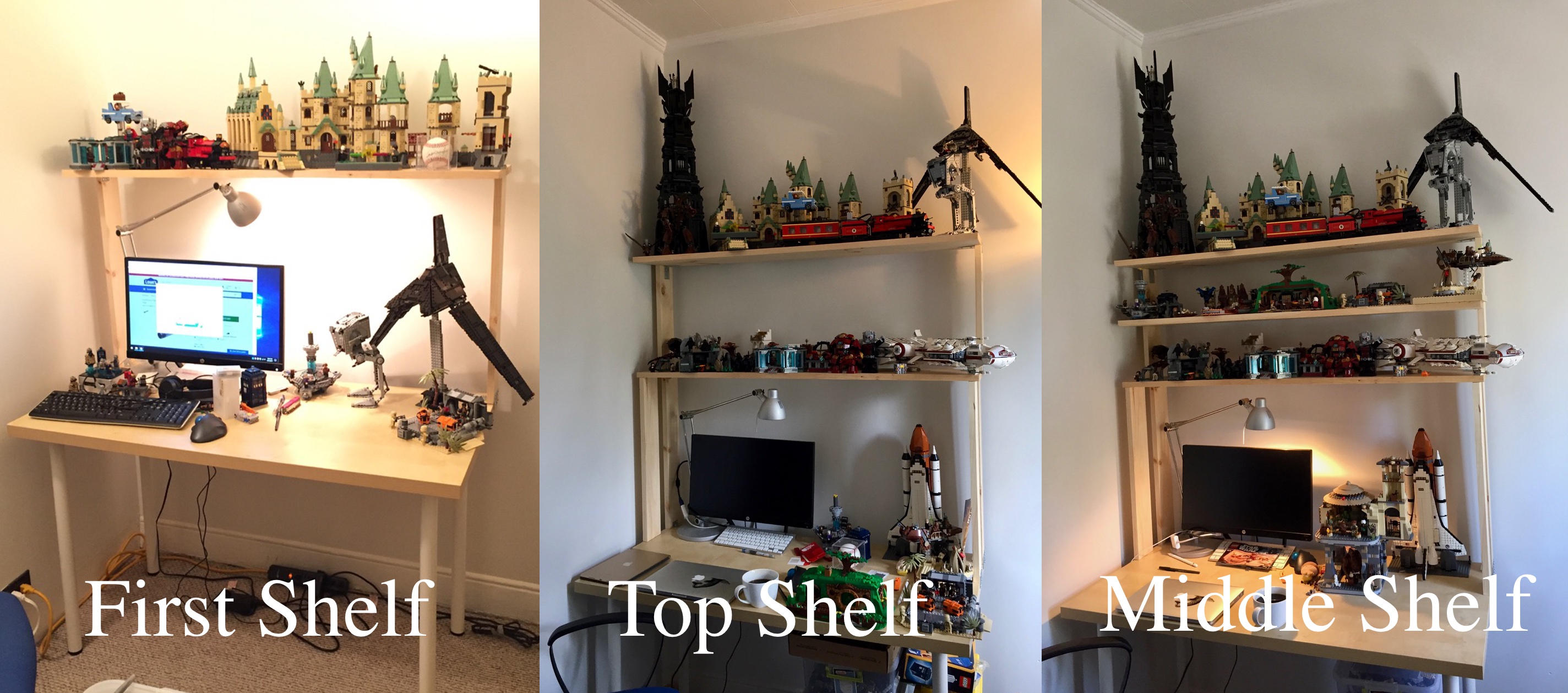
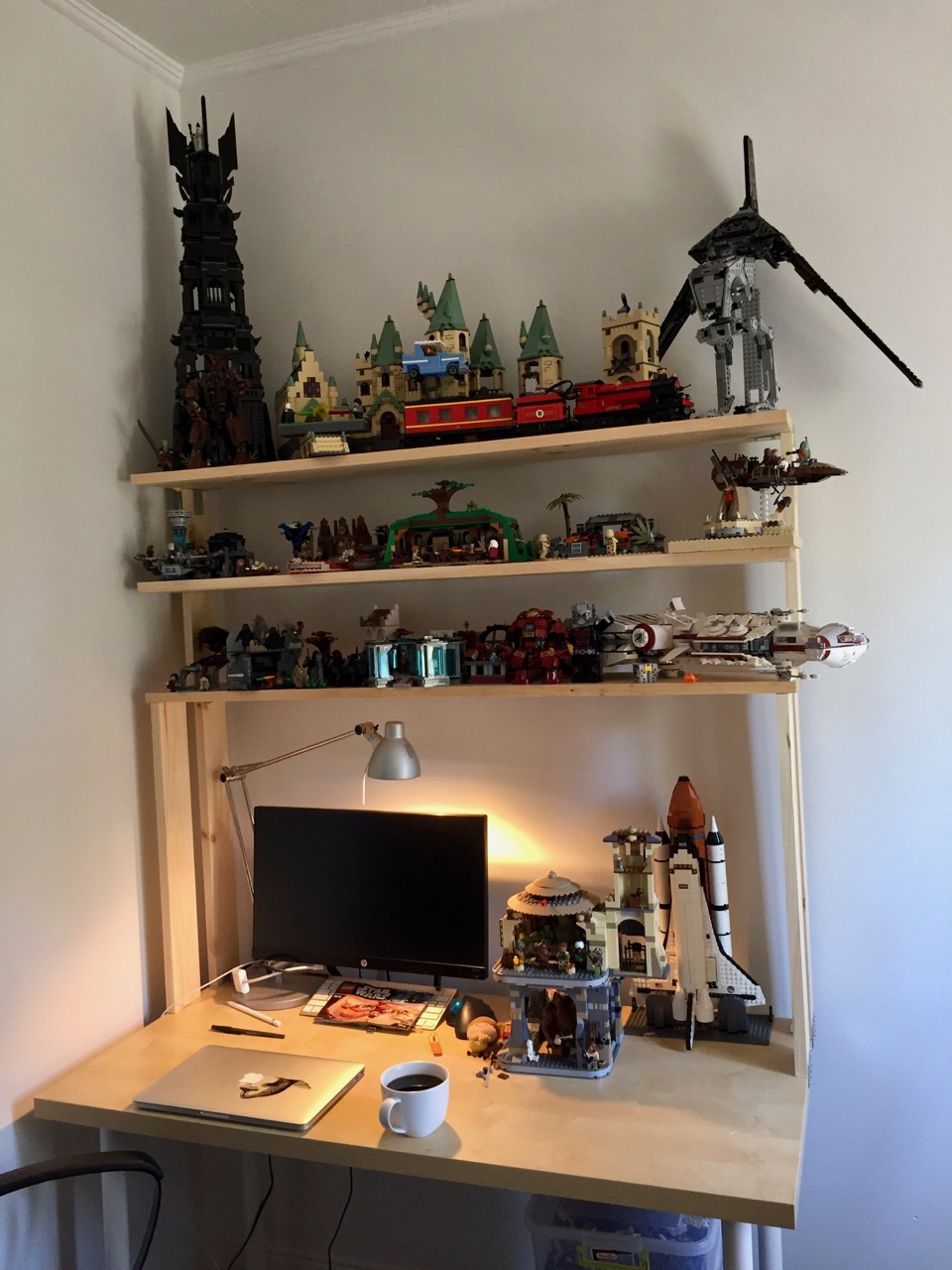
    What began as a simple shelf to raise some of my LEGO sets off the workspace of my desk and rose to incorporate a higher shelf to accommodate more sets that I brought back from my parents’ home is now a three tier Franken-shelf.

    It quickly became evident that I needed more shelf space for a few more sets that I had assembled. Also, I noticed that the 16″ space between the lower and upper shelves of the second phase construction was more than necessary. It seemed that 8″ headspace was required for most of my LEGO sets. So, I set about adding a third shelf between the lower and top shelves.

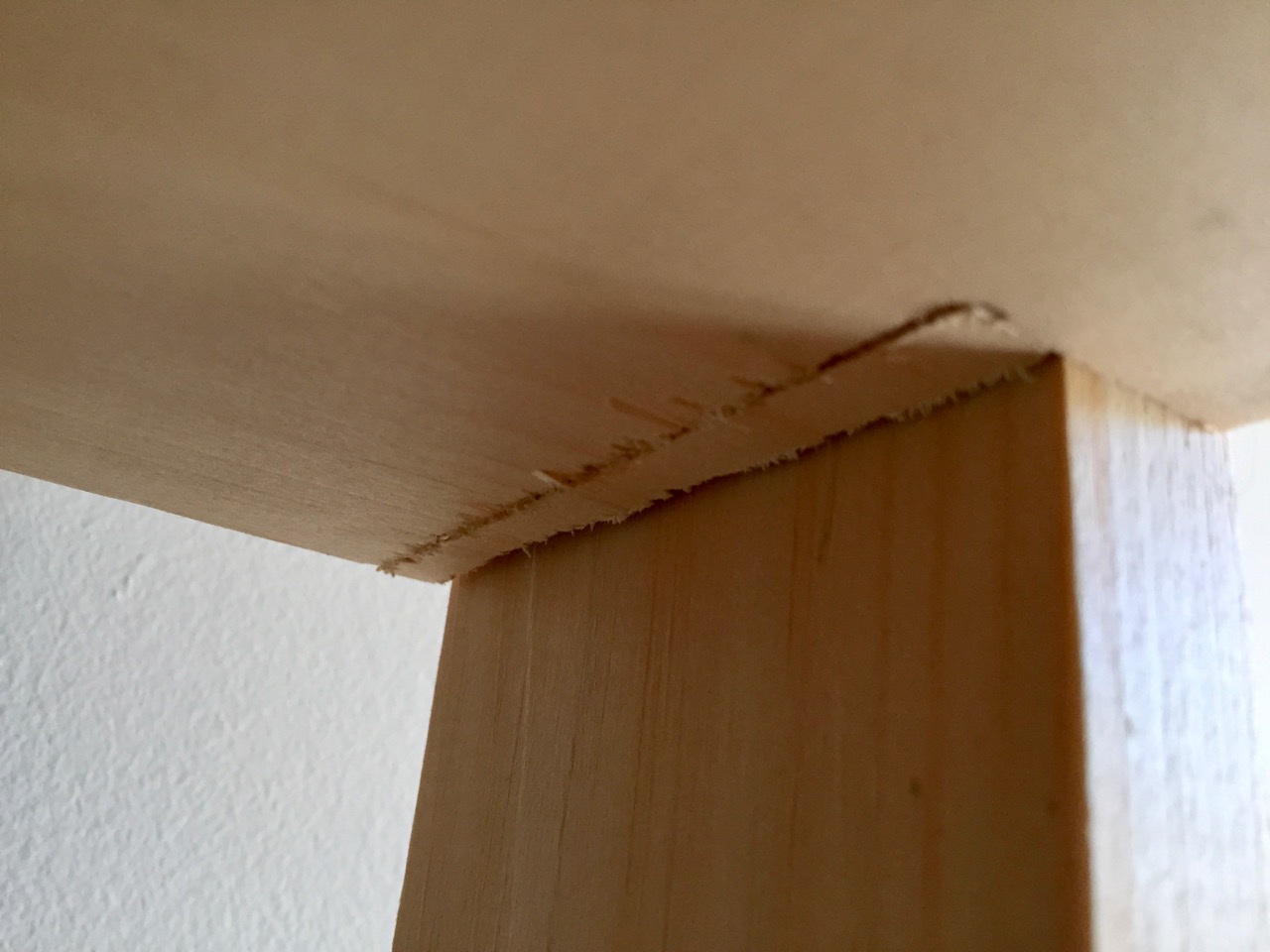
    I decided to notch this 1″ x 10″ x 4′ shelf and install it only with deck screws through the upper shelf supports. I measured 46 1/2″ between the two supports and the 1″ x 4″ supports are 3/4″ thick. This is where I made a mistake with my initial cut. My measurements were correct, but during the 5 seconds that it takes for me to talk from my closet (where the desk is) to the living room where I had left my handsaw, my mind misremembered the measurement as 46″ between the supports. This meant that I cut 1/4″ more than needed on each side of the shelf! Luckily, I had a scrap piece of 1″ x 4″ board that I cut 1/4″ fillers from and glued into the notch to fill the missing material.

    IMG_2117

    The shelf is centered on a line at 8″ between the top of the bottom shelf and the bottom of the top shelf, which is a distance of 16″.

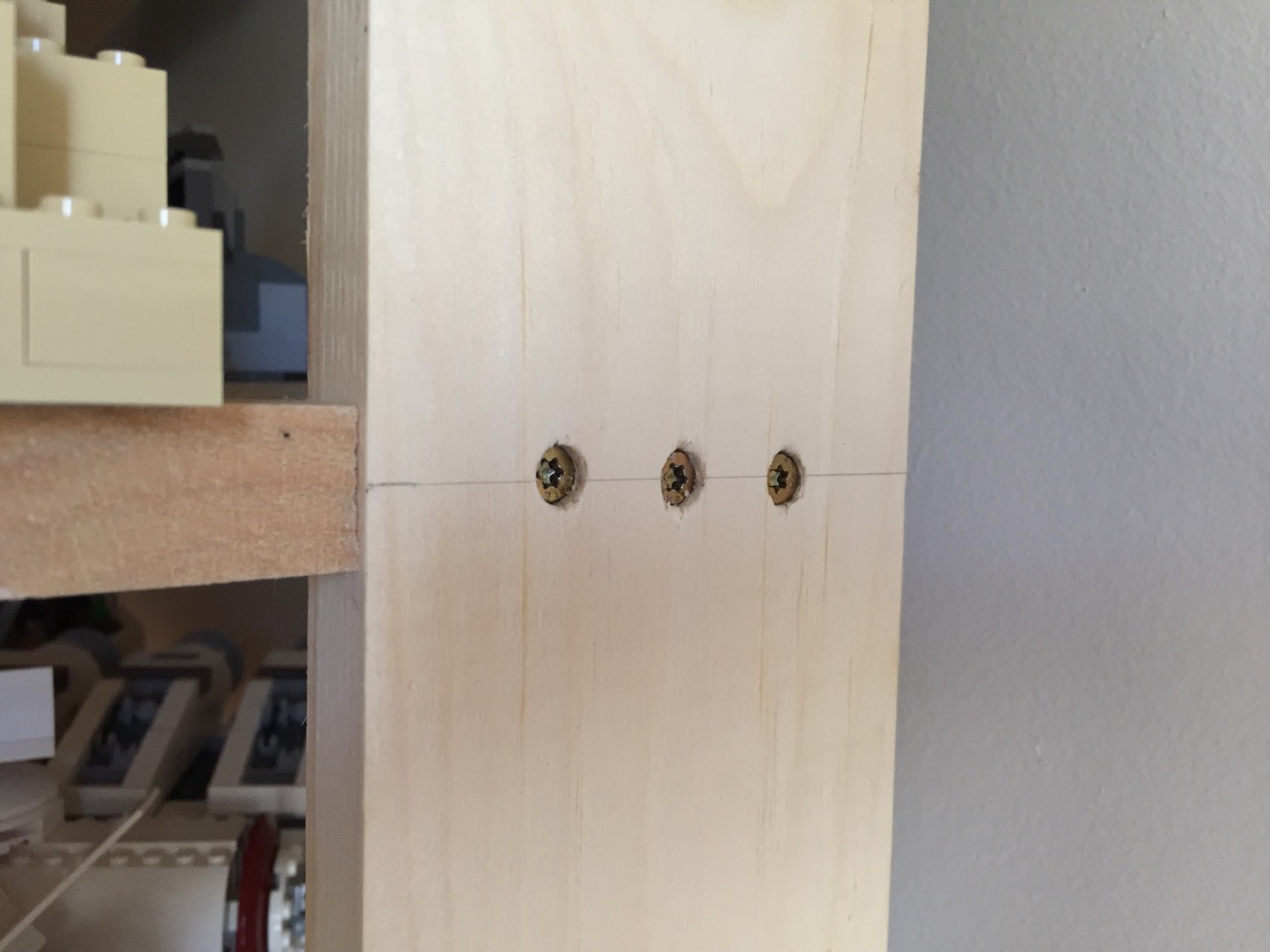
    IMG_2118

    My deck screws extend through the supports and filler, and enter the shelf securely. They are spaced 1″ inside from either end and the third being in the middle (3/4″ from either end screw).

    IMG_2116

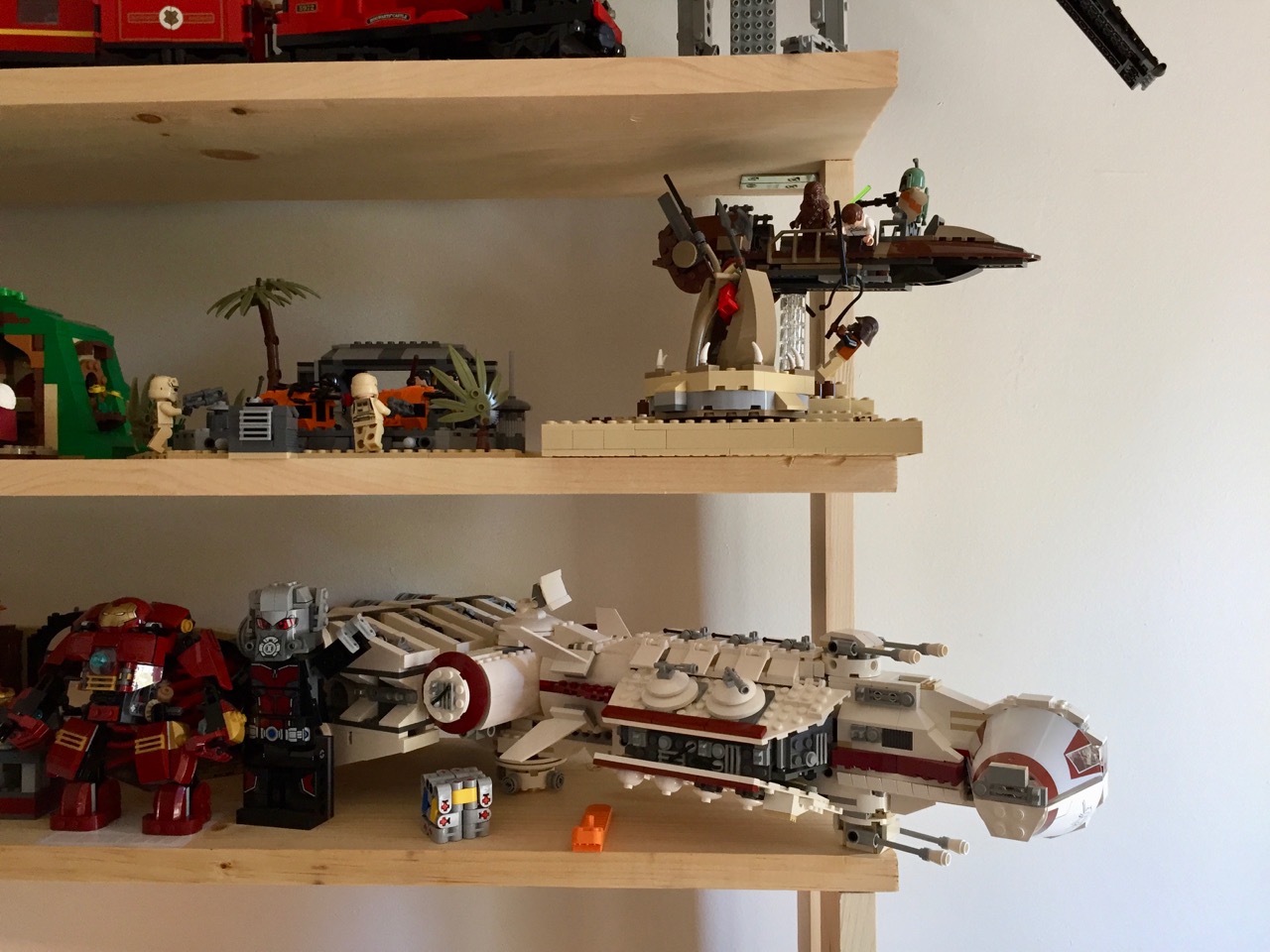
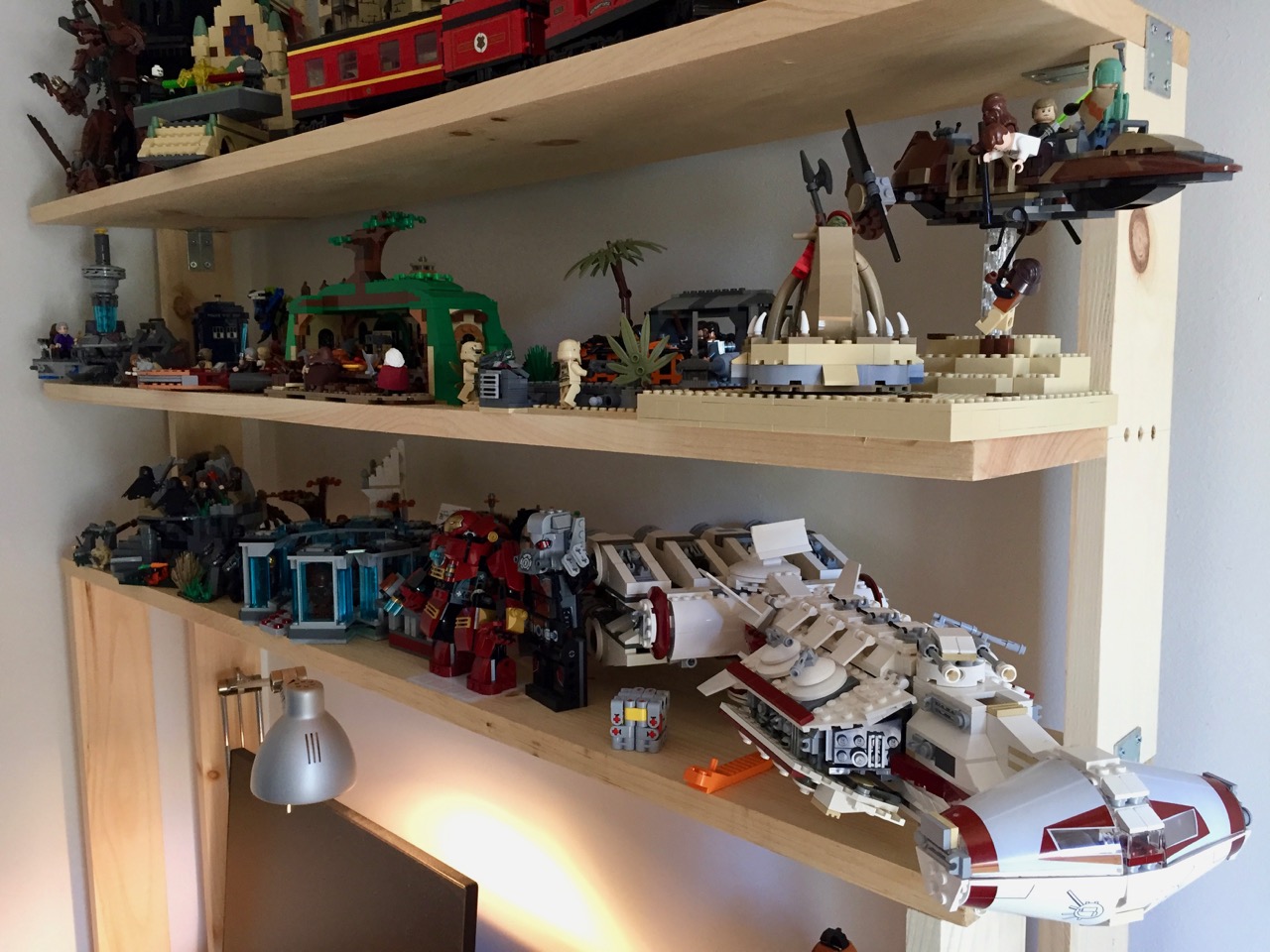
    The new shelf easily accommodates a number of sets from Star Wars, Lord of the Rings, Harry Potter, and Doctor Who.

    IMG_2115

    If I had planned out the shelves better than I had, I would have built the entire thing using only wood and deck screws (my previous blog posts explain how I used metal brackets and braces). This would have lowered the cost and it would have had a better craft appearance than horribly kludge-like. Nevertheless, it gets the job done–I can see my sets above and continue building on my clearer workspace below.

    IMG_2114

  • In Search of a Better Backpack, Review of The North Face Electra

    IMG_2073

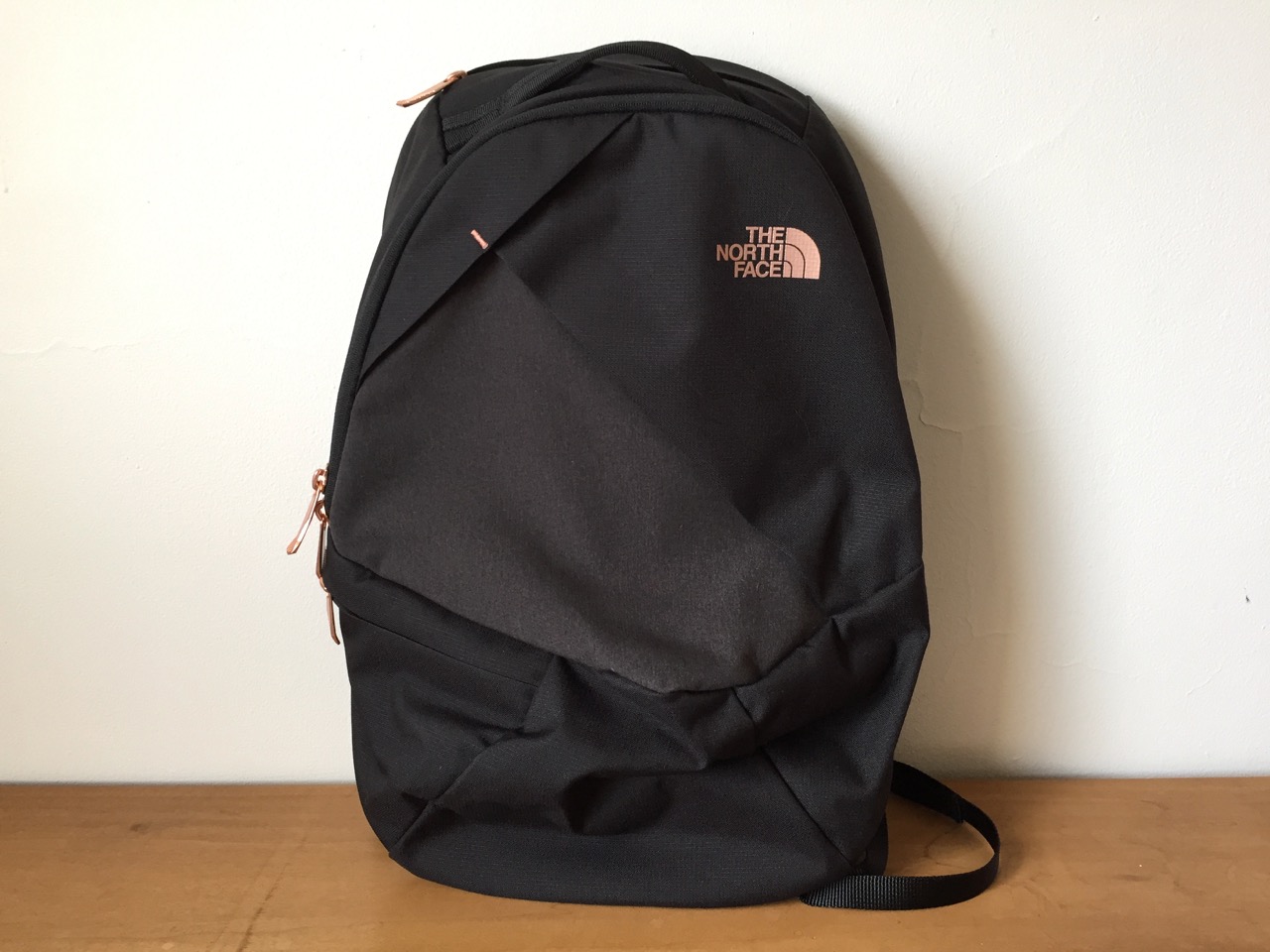
    Despite being labeled for “Women,” I recommend The North Face Electra backpack for anyone needing a compact, EDC bag that can accommodate a 10.5″ tablet. This is my new work bag that carries the things that I need daily without incurring too much added weight.

    IMG_2082

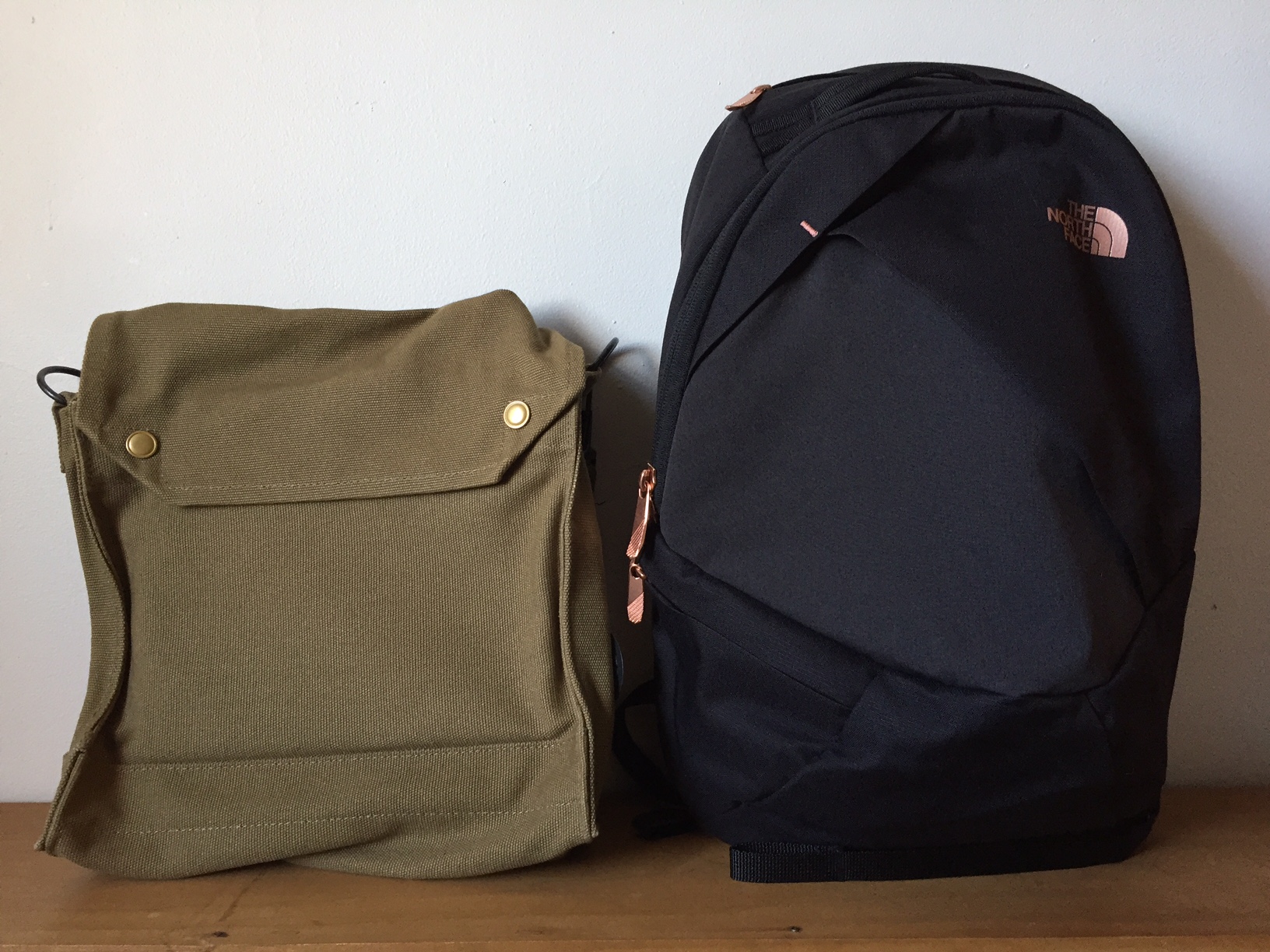
    In a previous blog post, I wrote praise for the Magnoli Clothiers’ British Mark VII Gas Mask Bag reproduction, because it is a good everyday bag for carrying an iPad mini, notebook, lunch, and thermos. It is still a good bag, but I sold my iPad Mini after I got Apple’s new 10.5″ iPad Pro, which would not fit in the Mark VII without the removal of the supporting material stitched through the center of the bag. As you can see in the photo above, TNF Electra is slightly larger than the Mark VII. The Mark VII has just shy of 6L capacity whereas the TNF Electra has 12L capacity.

    I use the TNF Electra to carry the same, essential things as I used the Mark VII to carry, but the difference between the kits is the iPad upgrade from mini to Pro. Above, you can see the various pockets that differentiate the TNF Electra. It has a padded tablet sleeve in the main zippered compartment, the front flap has a Napoleon-style pocket that I use to hold my cellphone, a small zippered compartment in the lower left for change, keys, or another small item, and a slightly larger zippered compartment at the top of the back beneath the grab handle that holds all of my small, regular use items like hand sanitizer, eye drops, pen, pocket knife, etc.

    IMG_2083

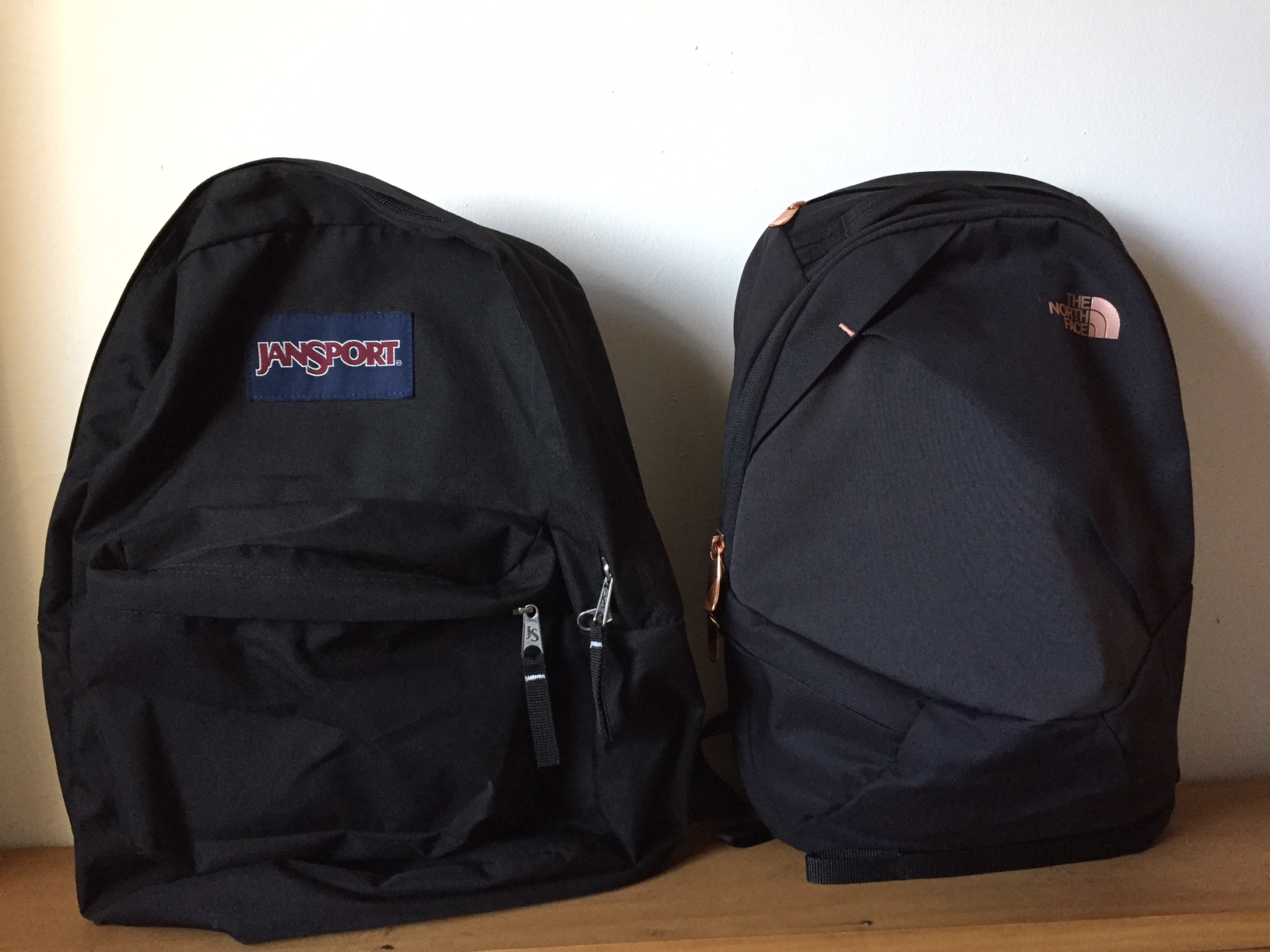
    The TNF Electra weighs the same as a Jansport Superbreak–12 oz. However, the Superbreak has more than double the capacity–25L. The difference between the two packs is that the Electra has a smaller surface area against the back, and it has more substantial padding in the back and around the tablet sleeve. The Superbreak has thin back padding and no laptop/tablet sleeve. The TNF Electra’s zippers are more subtantial YKK brand than what Jansport uses on the current Superbreak packs.

    IMG_2074

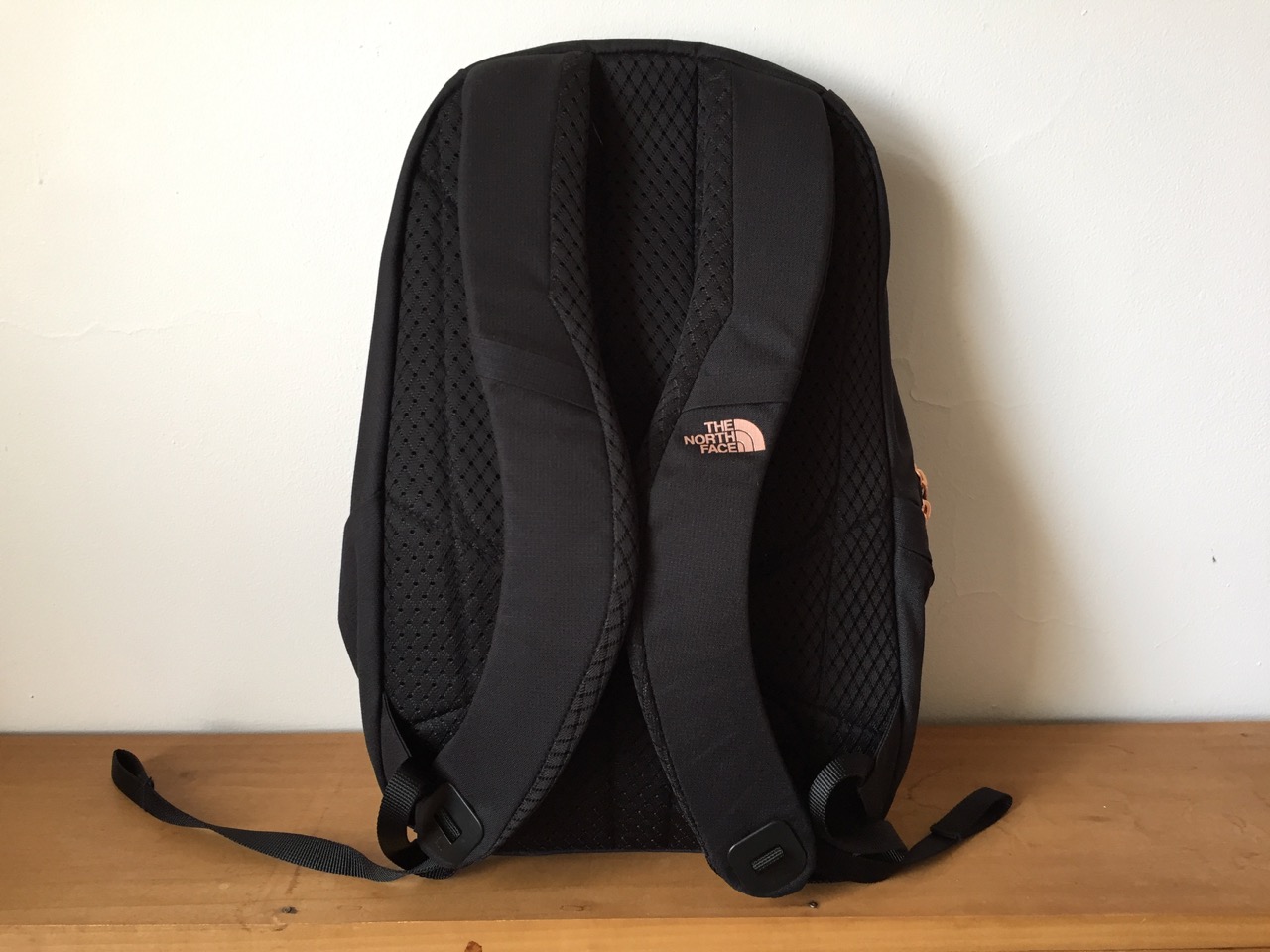
    The TNF Electra features “Women-specific back panel and shoulder straps.” These have worked fine for me, too. The pack rides high on my back, which I prefer to a pack that is lower, because it allows my back to breathe more and remain cool on my long walks to-and-from work.

    IMG_2080

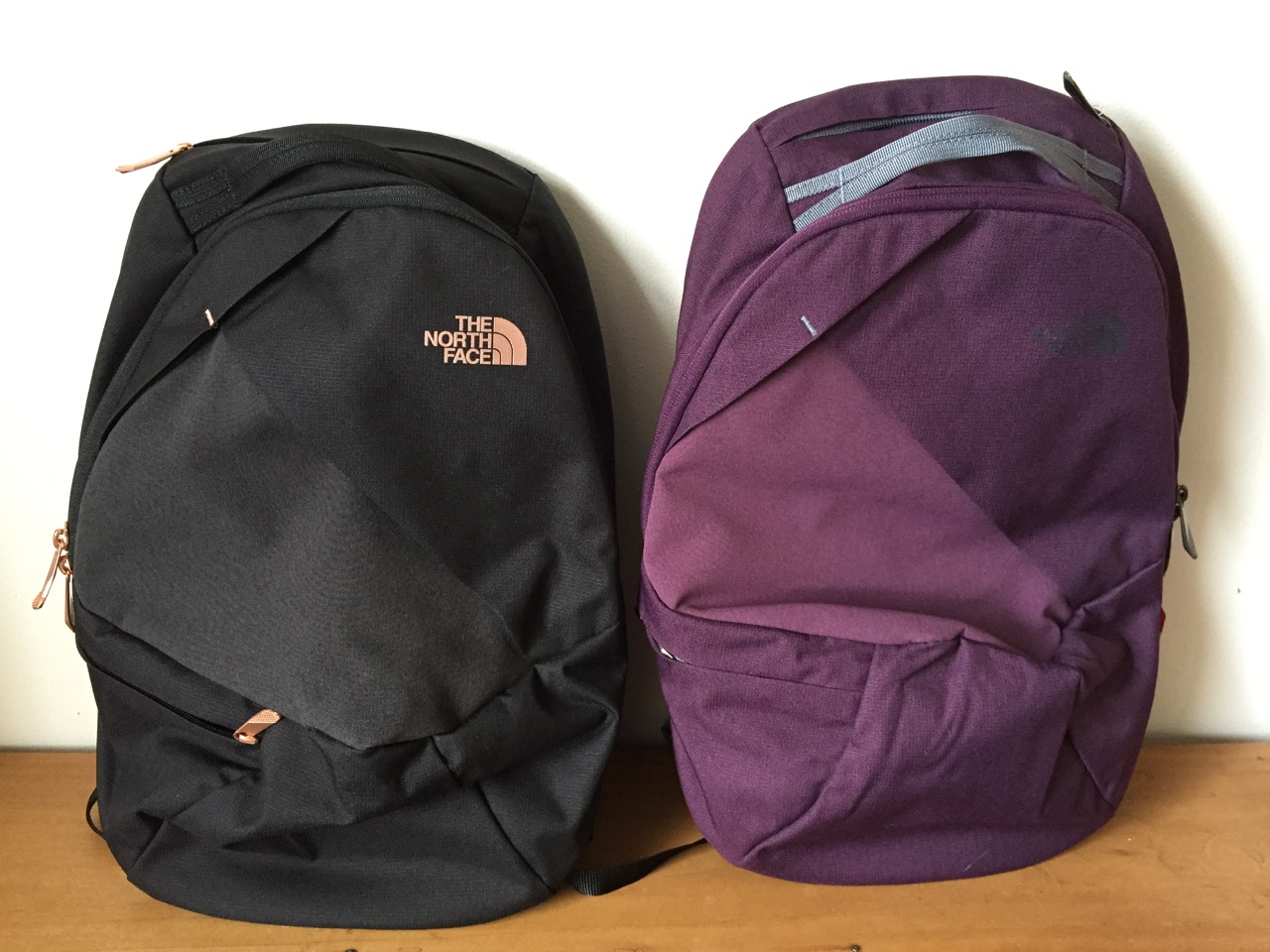
    The TNF Electra that I have is black heather and burnt coral metallic (it reminds me of Apple’s Rose Gold). Y liked my bag so much that we got her one in dark eggplant purple dark/amaranth purple.

    I like the TNF Electra, because it holds just what I need, is lightweight and compact, and helps me stay cool on my daily long walks.

    While its labeling and colors might signify its use by a specific gender, I think its better to focus on one’s needs than on the social signifiers made into a tool–in this case–a useful bag.

  • Magnoli Clothiers’ British Mark VII Satchel Review, an Excellent Everyday Carry EDC Bag Inspired by Indiana Jones

    IMG_1752

    A bag is a form of technology that helps us move our things from place to place so that we can get our daily work done. Every bag has affordances and constraints. Unfortunately, I find myself running up against what I see as unbalanced trade-offs in these affordances and constraints for my particular circumstances.

    I don’t begrudge a tool’s constraints. In fact, these constraints can be quite liberating. For example, Thomas Lux, my former poetry professor at Georgia Tech, would purposefully give his students specific constraints for a week’s assignment: there can be only so many words, there can be only so many lines, there must be the color green, etc. He explained that these constraints open up possibilities that would not have existed had he not instructed us to create a new work of poetry based around these constraints. Put another way, while affordances are the explicitly designed ways and interfaces for using a technology, constraints can open up new, unforseen possibilities along the lines of William Gibson’s important observation: “the street finds its own use for things.”
    IMG_1766

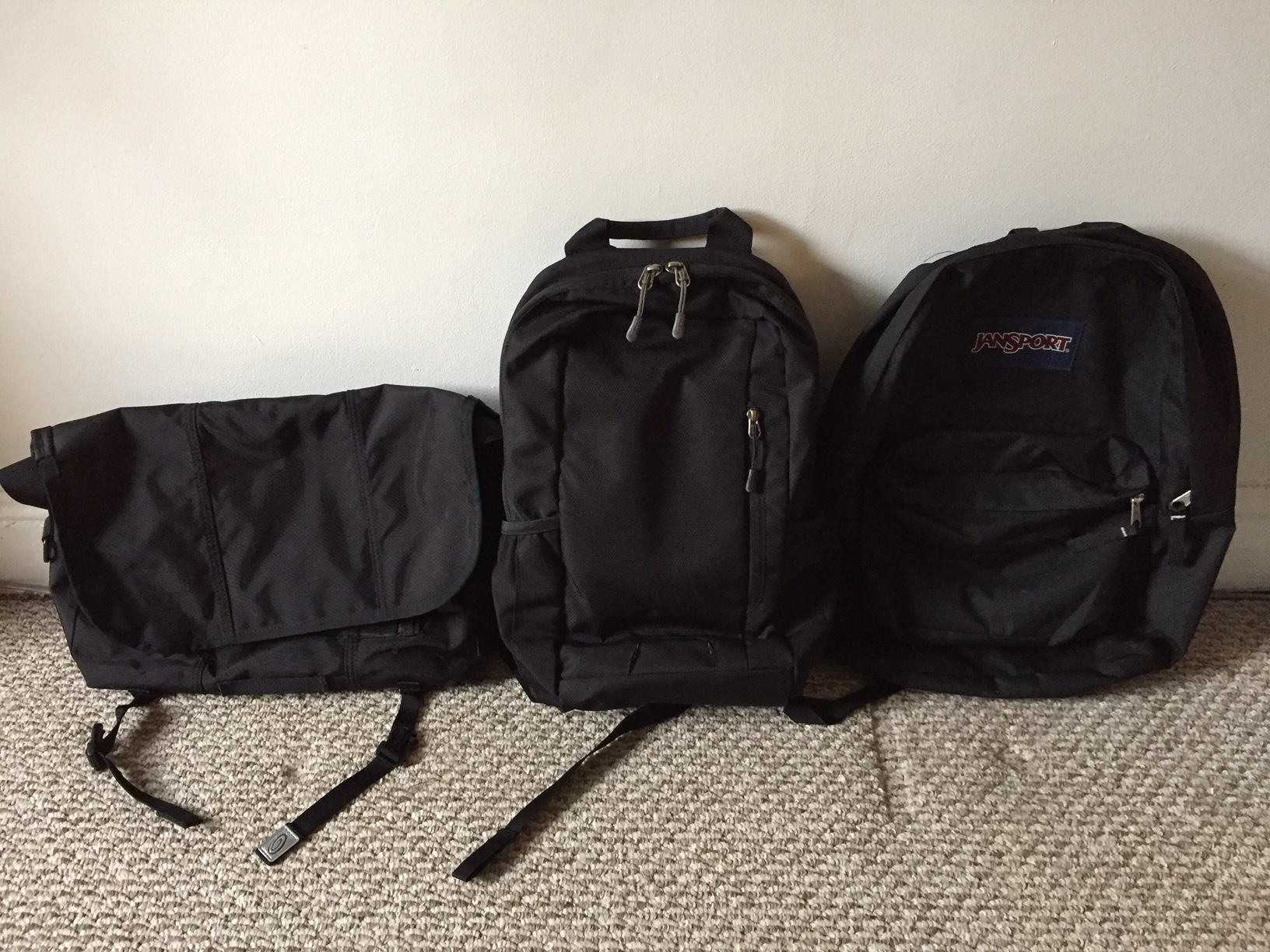
    Of the bags that I do own, I’ve unstitched a lot of the fluff on my small Timbuk2 messenger, and I’ve unriveted and cut the unnecessary branding and features of my STM Aero 13 backpack. I’ve made them more usable for me, but I come to realize that I didn’t like how large they are for everyday use. Certainly, if I’m going to the store for groceries, a larger bag is better (my stock Jansport Super Break II is usually deployed for these missions), but I’m thinking about the gear that I carry everyday.
    IMG_1759

    So, my bag problem came to be one about just the needed size for the things that I carry everyday. I should explain that these are the things that I carry to and from work. This is about a 2 mile round trip walk. This makes weight and comfort a prime consideration. Also, as I think is true for many instructors, if a large enough bag is available, I tended to bring a lot of work home with me in the form of books and stacks of papers. However, my interaction with this material often was simply via osmosis instead of material-in-hand engagement. I would carry things home with an intention of using the materials and then returning them to campus later, but this often didn’t happen. Life gets in the way (or simply exhaustion–probably from lugging 10 pounds of student work a mile down Court Street), and the books and papers would be returned via a return trip to be used ultimately on campus. Thus, I wanted an EDC bag that would obviate the possiblity of using it for carrying these kinds of materials. Also, I thought that this change might turn me to using my tech gear in a new way–digitizing and scanning only the most important and pressing work to carry home on a device or upload to the cloud.
    2010-08-28 - Christmas 1982 2

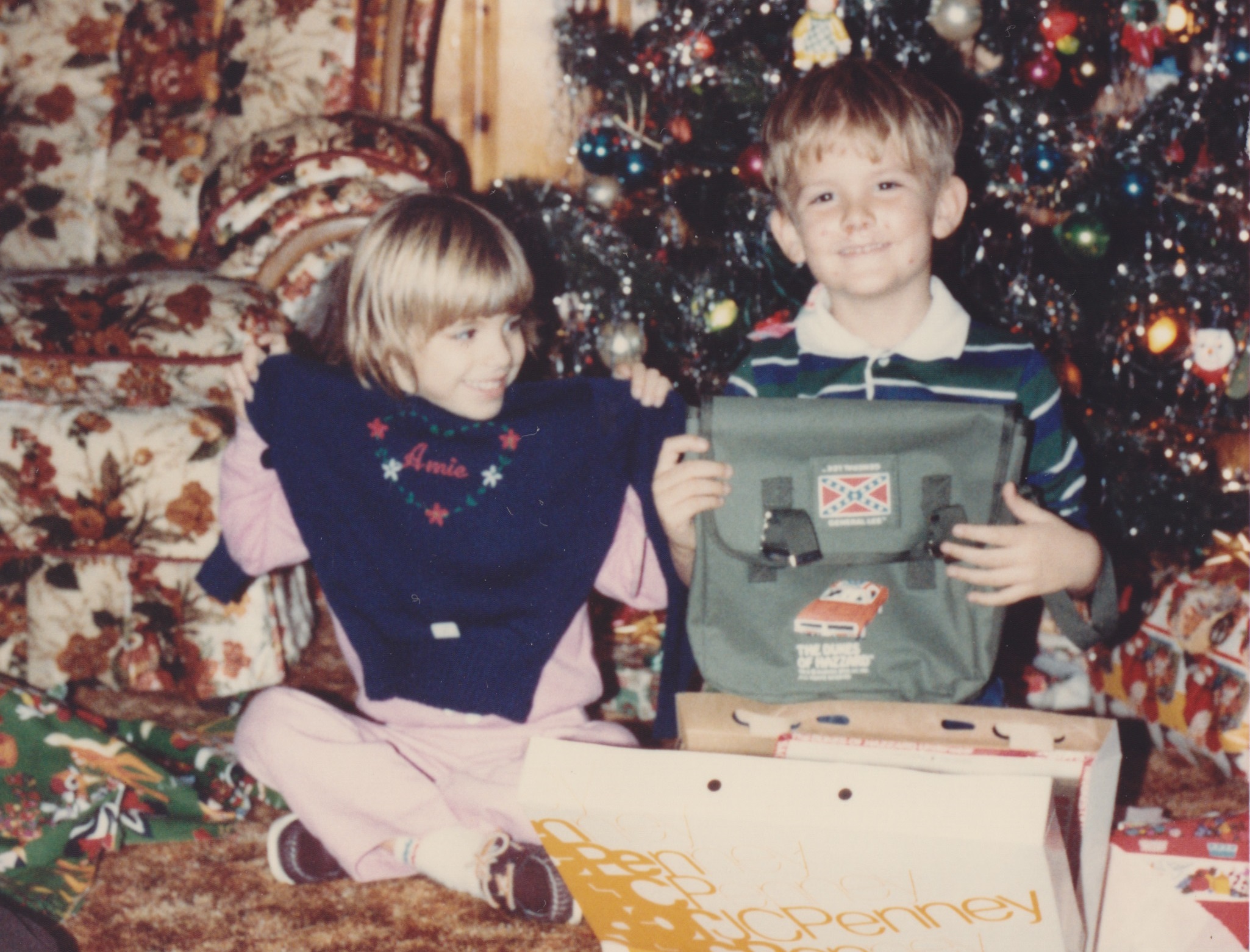
    As you’re probably familiar with, the character Indiana Jones made famous the anachronistic British Mk VII gas mask bag (the bag did not yet exist during the period of the first three Indy films). When I was a kid, my cousin Amie and her folks gave me one of my most precious gifts–a Dukes of Hazard shoulder bag. I wore it everywhere and it always contained my most essential kit–toys, candy, and a leather whip. Yes, I fancied this bag as my Indy bag. When its strap broke, I tied my best knot to keep on adventuring with it. Looking through old photos like the one above when I received it, I was reminded about how much I liked its size and simplicity.

    FullSizeRender (4)

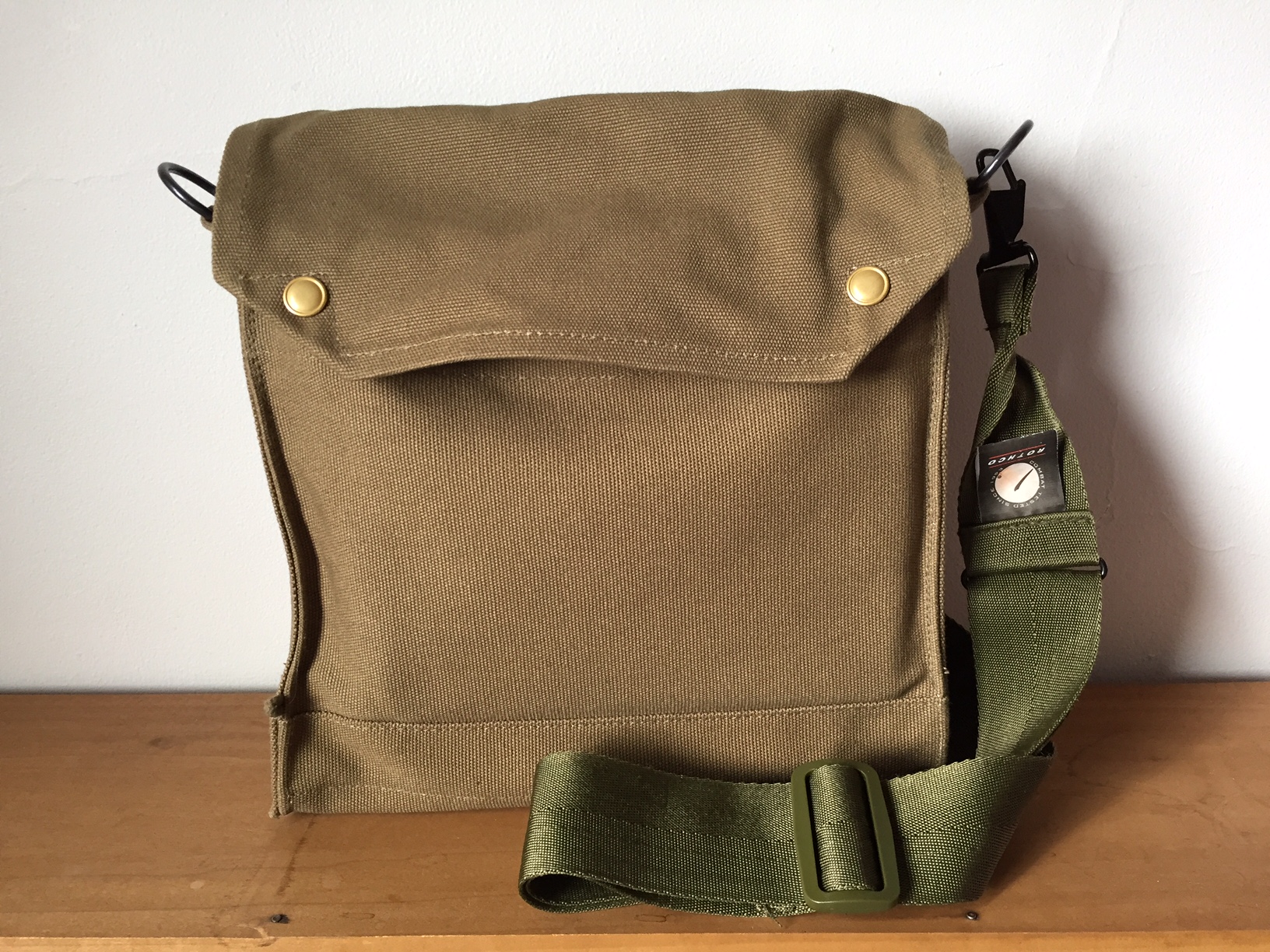
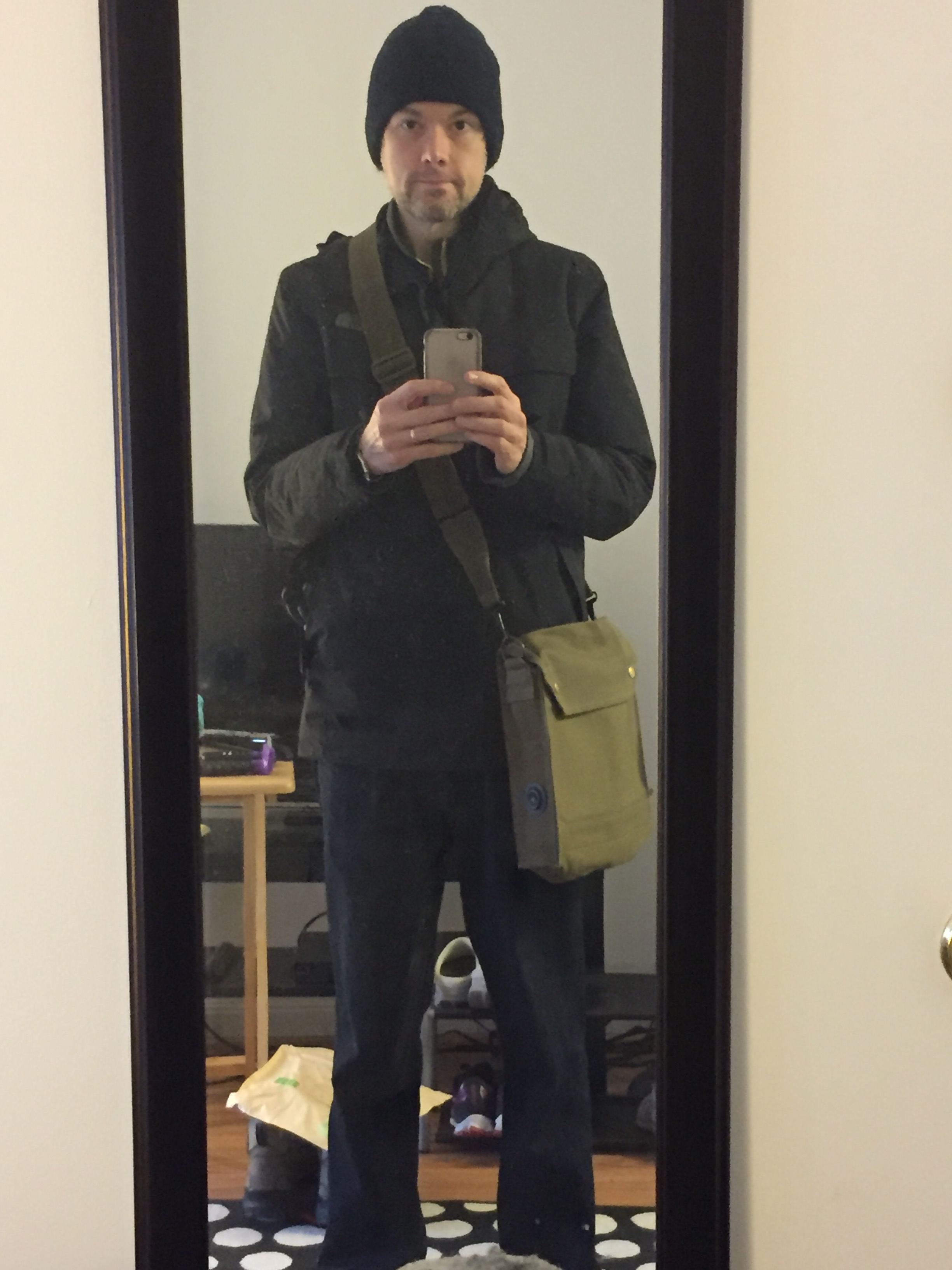
    In my searches, a name kept popping up: Magnoli Clothiers. It is an outfit based in New Zealand that specializes in making clothing and prop reproductions from film and television (and other bespoke tailoring services, too). Many folks online–especially in forums discussing Indiana Jones–recommended their reproduction of Indy’s bag called the British Mk VII Satchel. I figured that its low cost justified trying it out. Also, I liked that it didn’t include a shoulder strap. Magnoli Clothiers offers an add-on leather strap, which would make the Mk VII satchel match Indy’s customized look (the original Mk VII bag has a built-in canvas shoulder strap). For me, however, I decided to get a 55″ Rothco General Purpose Nylon Strap. It is adjustable and has metal hooks on either end to mate with the customized metal rings on either side of Magnoli Clothiers’ Mk VII satchel.

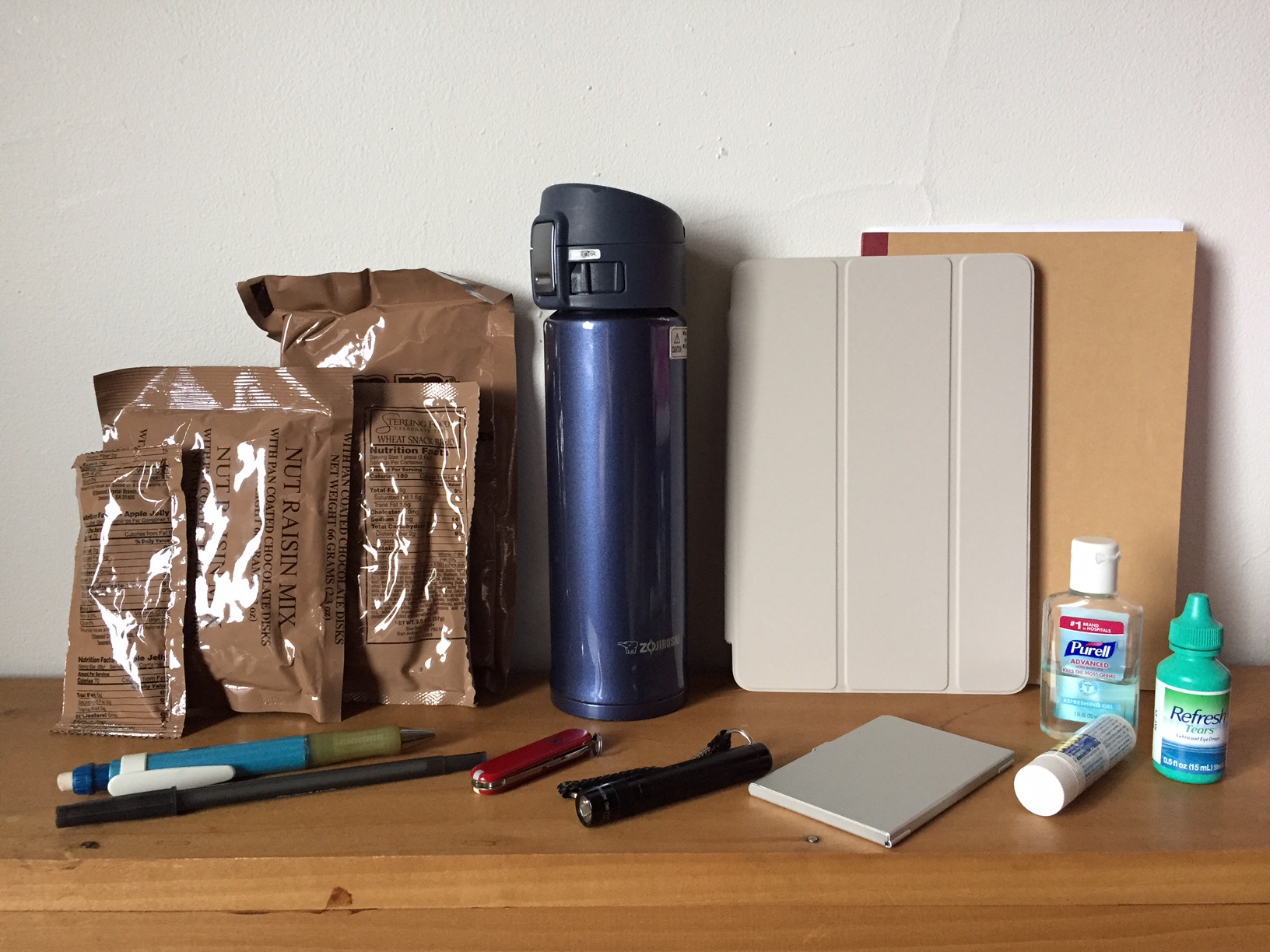
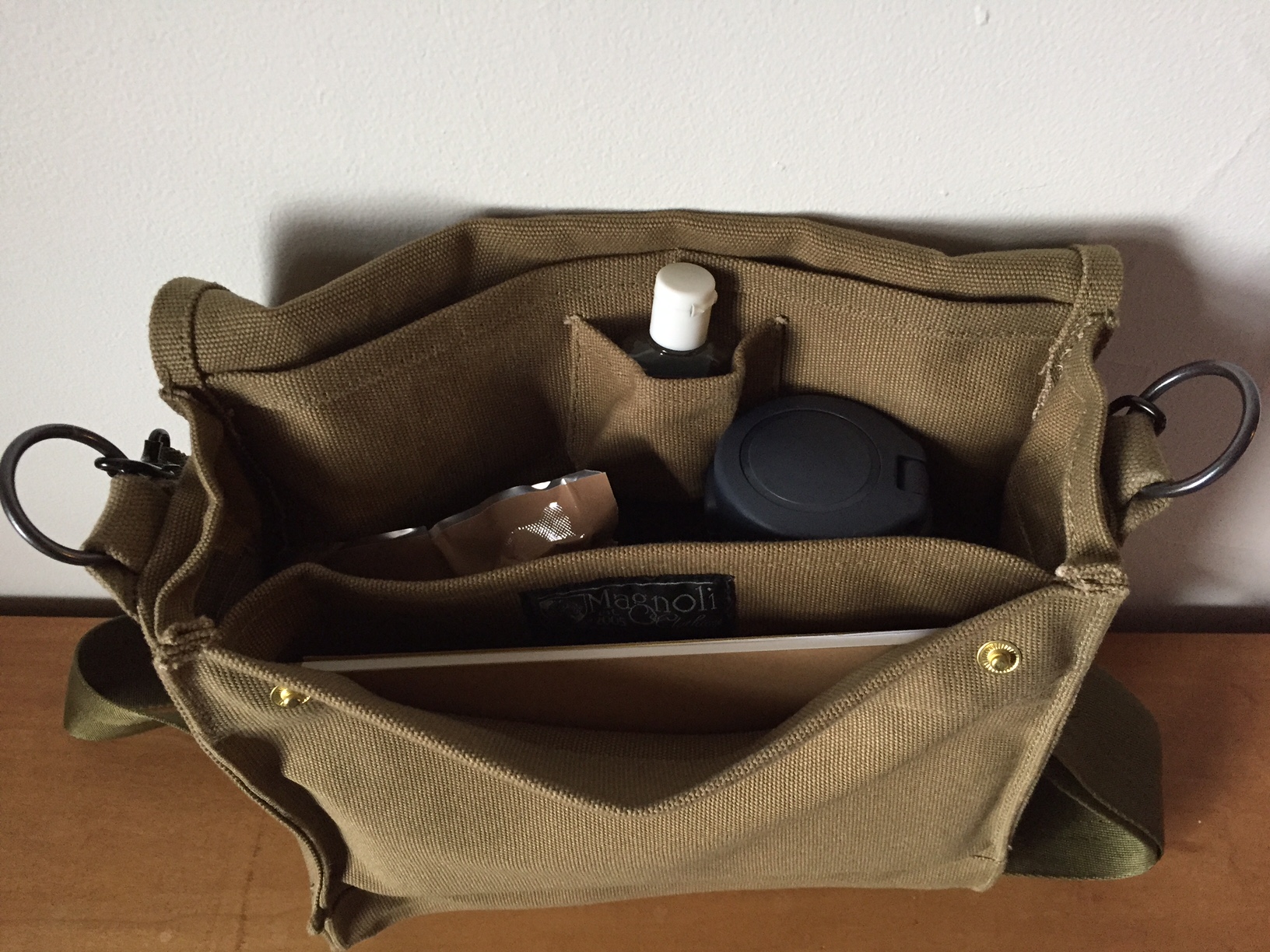
    The British Mk VII satchel measures about 11″ x 11″ x 3″. It has a number of compartments. The front-most pocket holds an Apple iPad Mini 4 with Smart Cover and a Muji A5 notebook. The large middle compartment is open at the bottom, but there is a divider making the left side slightly larger than the right. I put my 16 oz. Zojirushi thermos on the right and my lunch/supper fixings (usually MREs) on the left. Rolling about in the bottom of this compartment, I leave my pens, pencils, pocket knife, flashlight, eye drops, and Advil. In the back of the back against your body are two small pockets–my phone goes into one of these and my business cards in the other. Sewn between these pockets is a small pouch that holds a 1 oz. hand sanitizer bottle perfectly.
    IMG_1761

    Over the past two weeks, I’ve been having great success with the British Mk VII satchel. Its affordances (It carries my essential things to and from work) and its constraints (Its smaller volume made me change my workflow to be honest with my carry-home workload and essentially carry less to and from work) have worked out very positively for me. I’m curious about how it will hold up in the long term, but its already received bumps and brushes on the street, train, and campus without any appreciable wear. If you are looking for a small bag for essentials, drink, food, and personal electronics, I highly recommend the British Mk VII satchel.
    IMG_1558