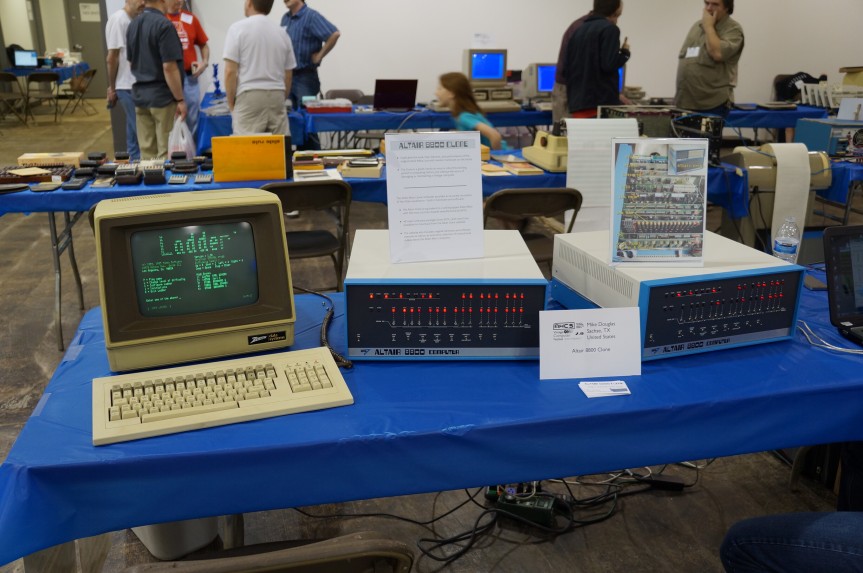
Altair 8800 kit computer running at the SEVCF 2014. This computer is mentioned in Buchanan’s article.
In the November 1977 issue of Analog Science Fiction/Science Fact magazine, Martin Buchanan published a feature article on personal computers titled, “Home Computers Now!” In it, he opens with a scenario about how PCs can automate family life and then goes into the nuts and bolts of how computers work, what to look for in a kit, and what the future of computing looks like. It was at the end of the article that this passage stood out to me:
"With cheap processors, cheap memory, and cheap communications, what can't we do? The effects on individuals and society will be major and unpredictable. Today's personal computer is just a beginning" (Buchanan 74).
Buchanan, Martin. “Home Computers Now!” Analog, Nov. 1977, pp. 61-74.
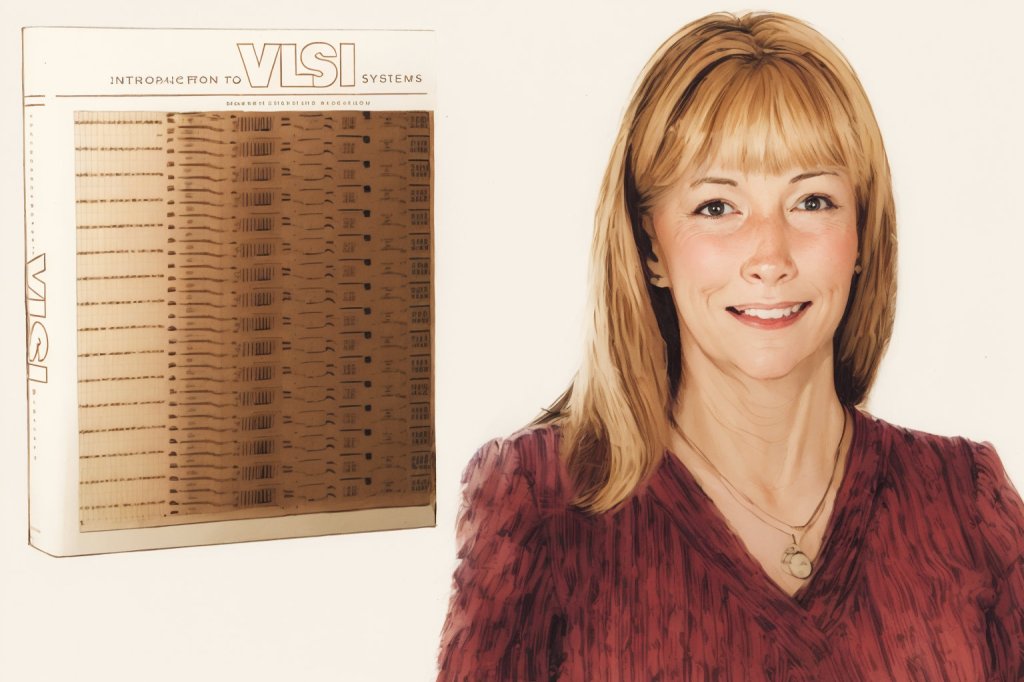
Illustration of Lynn Conway with a copy of Mead and Conway’s Introduction to VLSI Systems. Conway’s likeness is based on Charles Roger’s photo on Wikipedia, which he released under a CC BY-SA 2.5 License. Image created with Stable Diffusion.
This past weekend, The New York Times ran an obituary for Lynn Conway, half of the namesake for the Mead-Conway VLSI Revolution and co-author of the groundbreaking textbook Introduction to VLSI Systems (1980). She died at the age of 86.
What is so cool about the Mead-Conway VLSI chip design revolution was not only that it was the paradigm shift that made possible the next step in microprocessor design and fabrication by enabling electrical engineering and computer science students to do the work that was previously the domain of physicists and the high tech industry, but also that it was a under-the-radar pedagogical hack. Conway writes in the October 2018 issue of Computer:
"With all the pieces in place, an announcement was made on ARPANET to electrical engineering and computer science departments at major research universities about what became known as "MPC79." On the surface, while appearing to be official and institutionally based, it was done in the spirit of a classic "MIT hack"--a covert but visible technical stunt that stuns the pubic, who can't figure out how it was done or what did it. (I'd been an undergrad at MIT in the 1950s).

The bait was the promise of chip fabrication for all student projects. Faculty members at 12 research universities signed on to offer Mead-Conway VLSI design courses. This was bootleg, unofficial, and off the books, underscoring the principle that "it's easier to beg forgiveness than to get permission" (p. 69).
While this was a huge contribution to the development of the computer industry leading into the 1980s and beyond, it was only one of her many accomplishments–innovating an out-of-order queuing processing system for IBM only to be fired in 1968 when she began transitioning to become a woman, starting her career over and eventually making her way to Xerox PARC, later joining the University of Michigan as a professor of electrical engineering and computer science and serving as associate dean of engineering, and becoming a transgender advocate later in life. She was recognized with many awards and honorary doctorates for her contributions to the field as an engineer and educator.
Y sent me this photo of Syntrend Creative Park in Taipei, Taiwan. The whole complex is the funky, weird-ass building in the foreground and the highrise in the background.
Syntrend has across its many floors shopping (computers, gaming, pop culture, toys, music, etc.) and dining experiences. It has maker spaces, co-working spaces, and event spaces. It’s definitely on my list of places to visit when I get a chance to go to Taiwan again!
I decided to ride Amtrak back home after visiting my folks, because I dislike the indignity of traveling by air in the United States. I’ve had more than my fair share of “random bag checks,” and I disagree with the security theater at TSA checkpoints that does more to insult than protect.
While a train obviously takes longer than an airplane flight, it provides the individual with a dignified travel experience. You walk from the station to the tracks, board your train, and off you go.
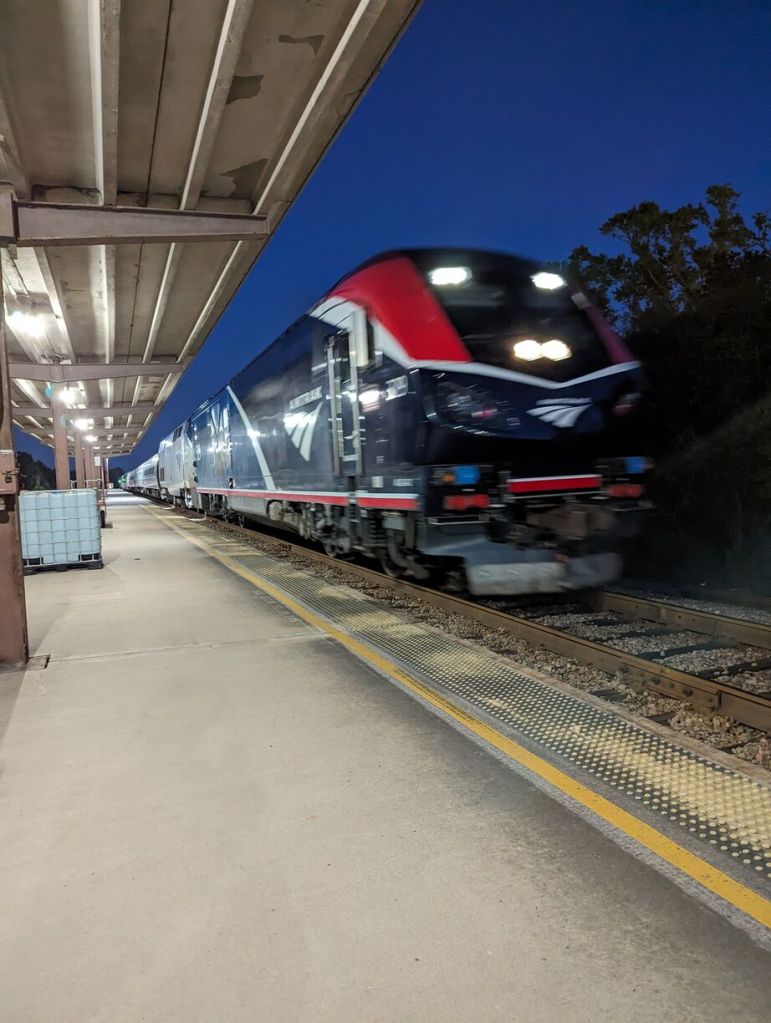
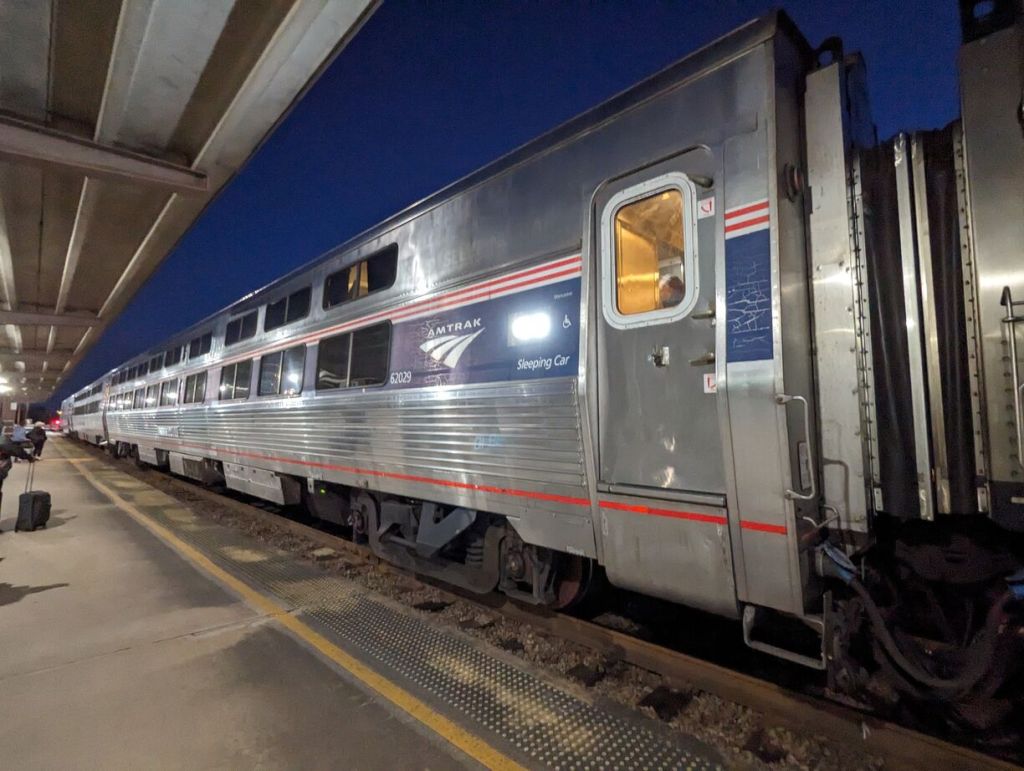
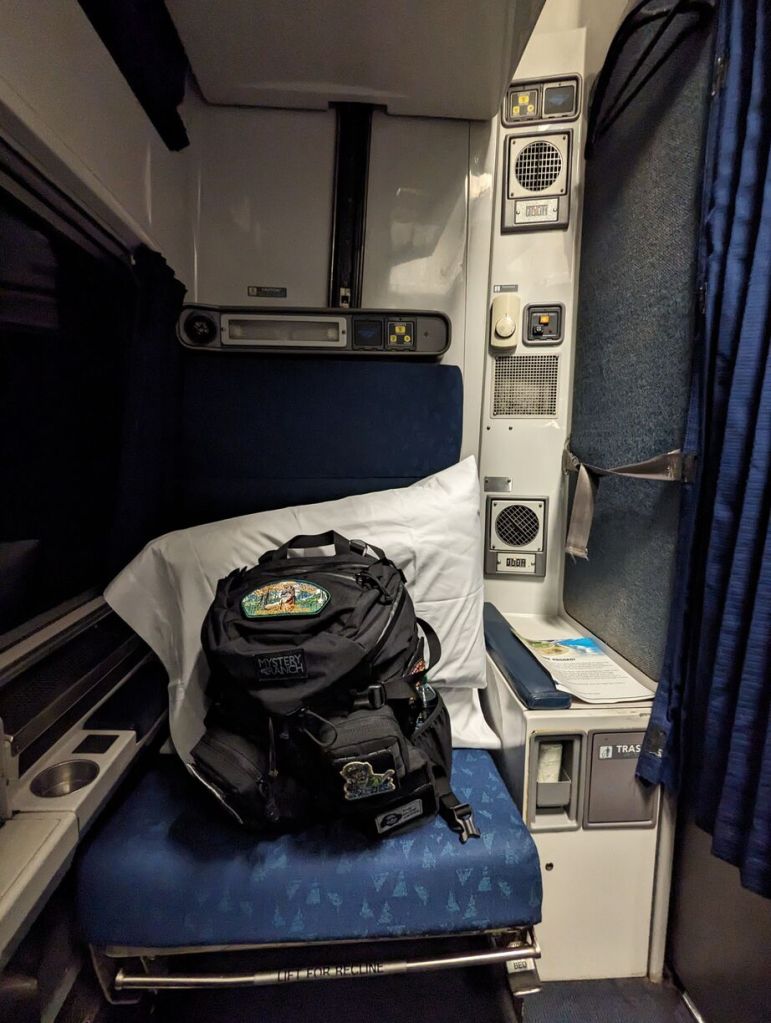
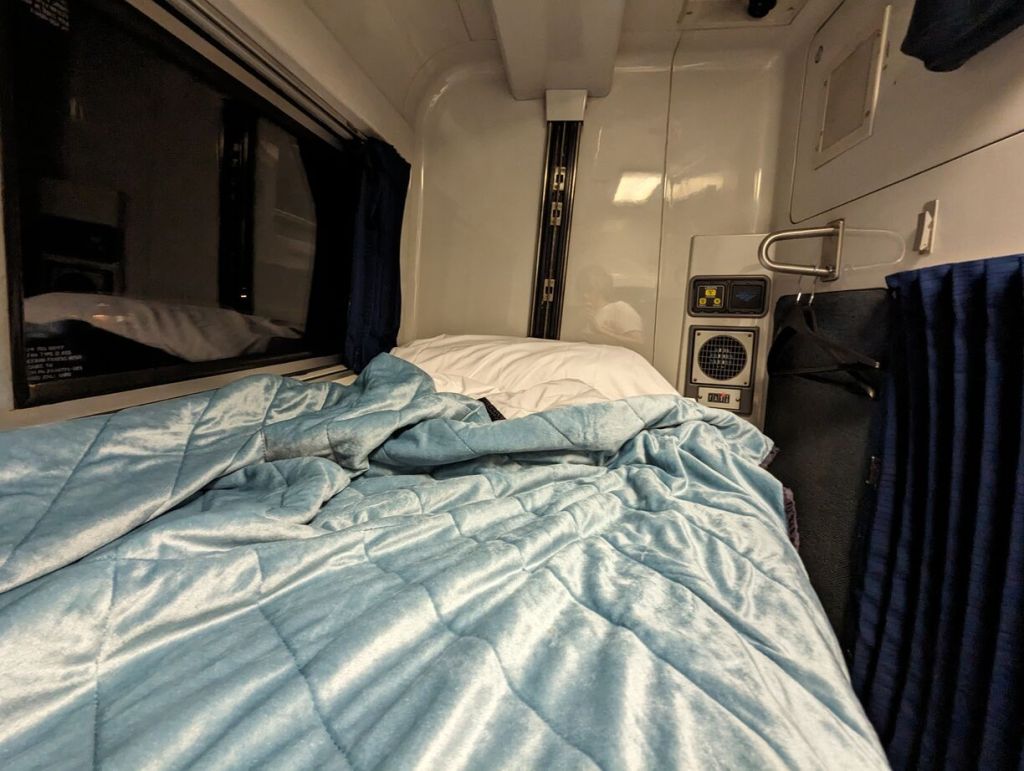
I opted for a roomette aboard Amtrak’s Silver Meteor so that I could sleep more easily on the overnight train ride. The scheduled trip time was about 14 hours, but the actual trip time was closer to 17. For one-way travel, the cost was only a little more than a plane ticket.
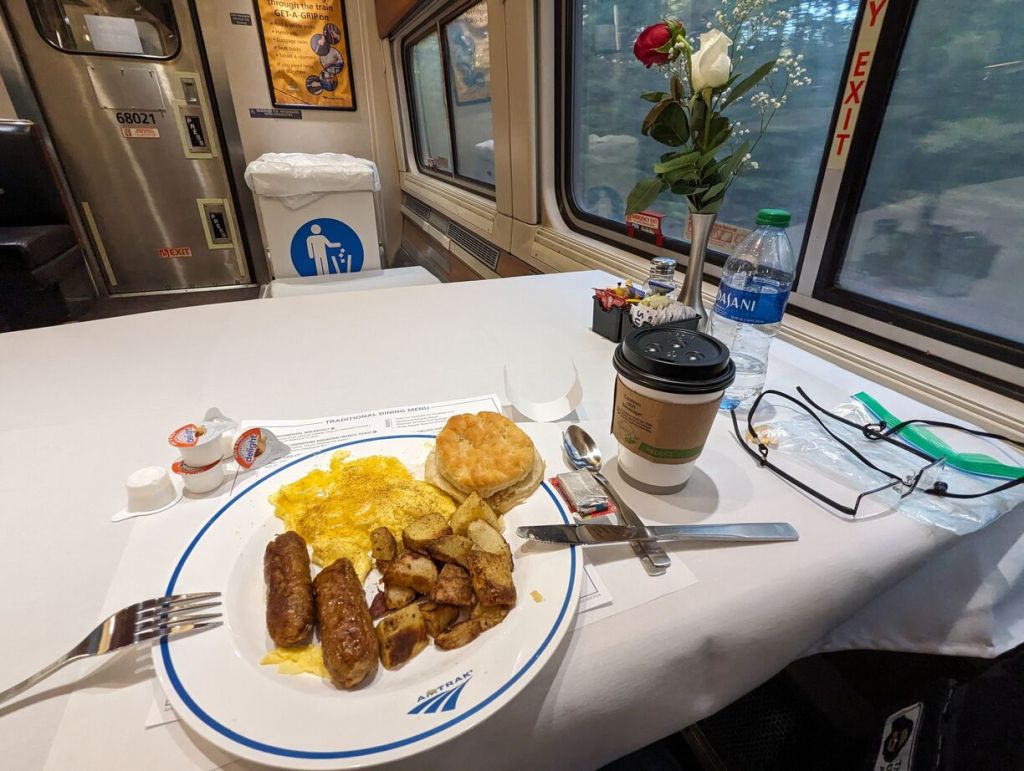
Overall, I enjoyed the experience. Perhaps because the experience was new, I had trouble staying asleep. When I ride again, I might take a sleep aid like Melatonin to help with my sleep. Also, as others have remarked online, there were delays. My train’s delays meant that I missed the dinner service, and since the train was designated only with dinner and breakfast service, there was no lunch service despite arriving 3 hours late in NYC the next day. Thankfully, I had learned from other train travelers and came prepared with extra water and snacks to tide me over. However, I might pack an MRE for a meal next time to have something more substantial to eat if needed.
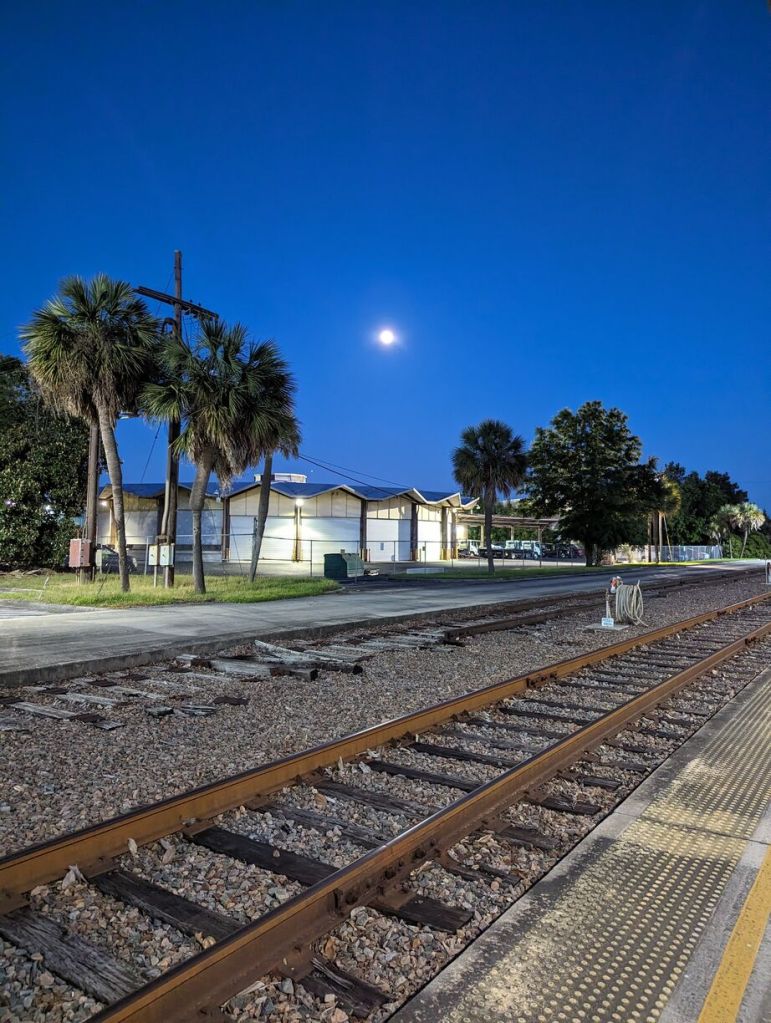
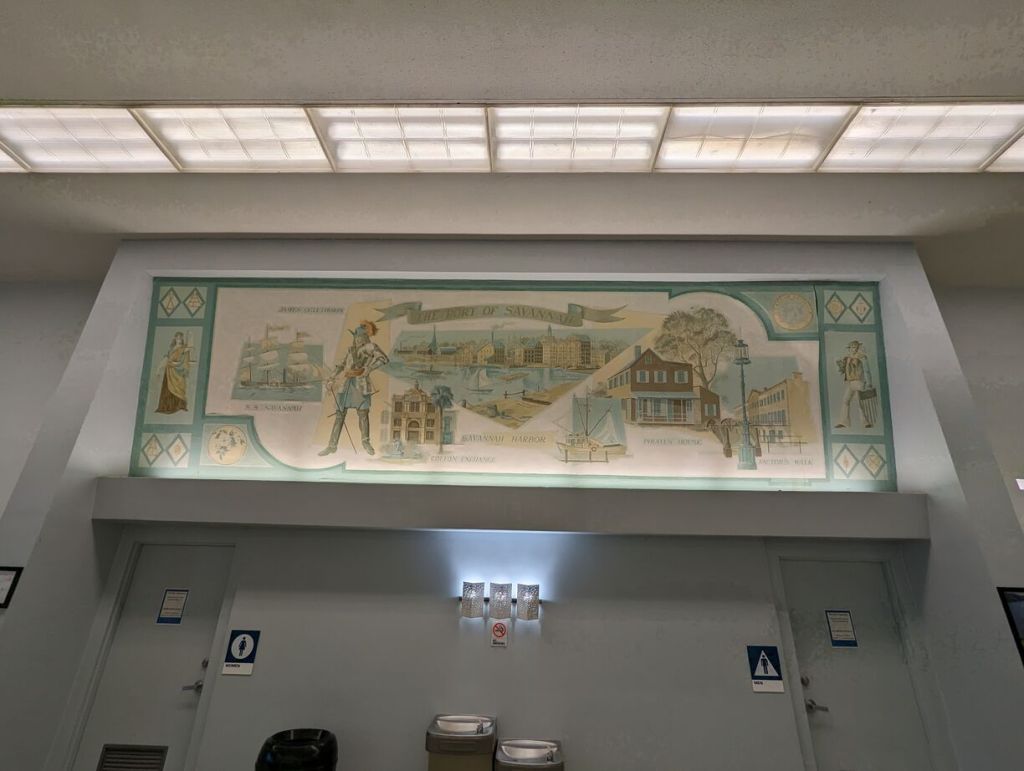
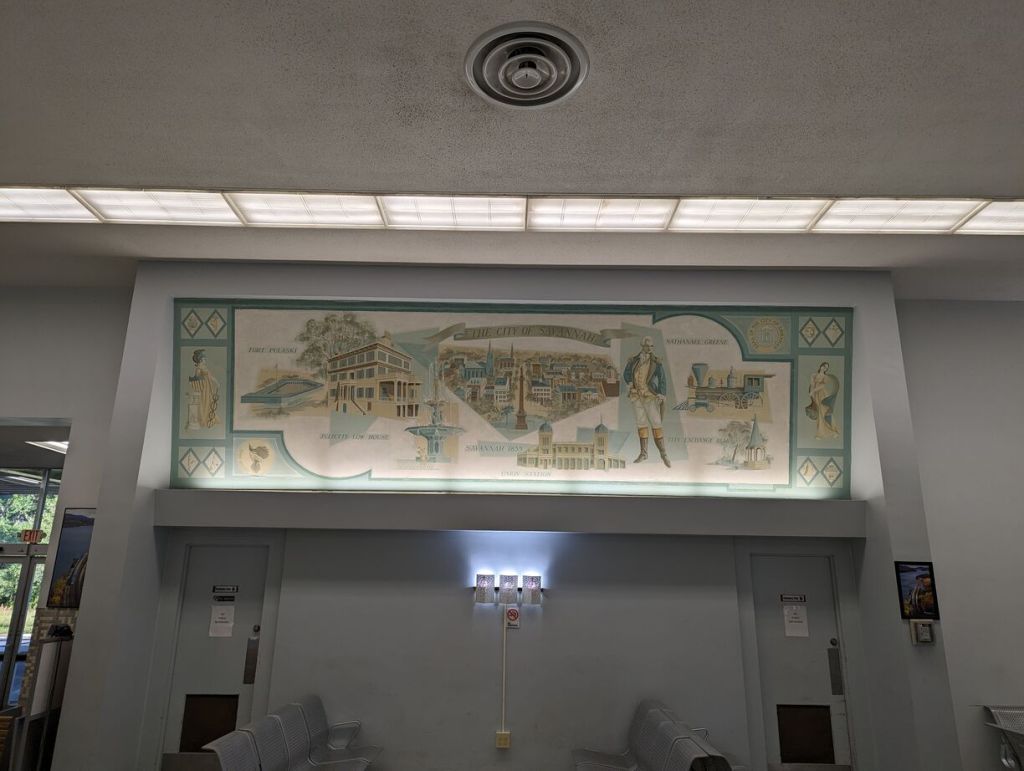
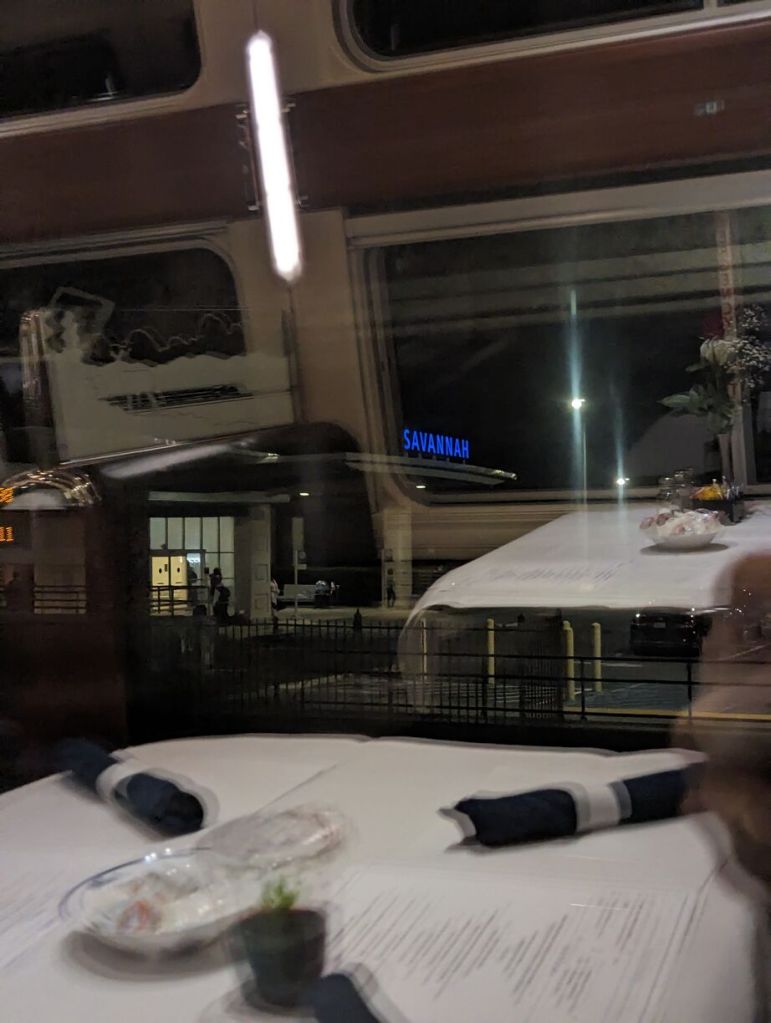
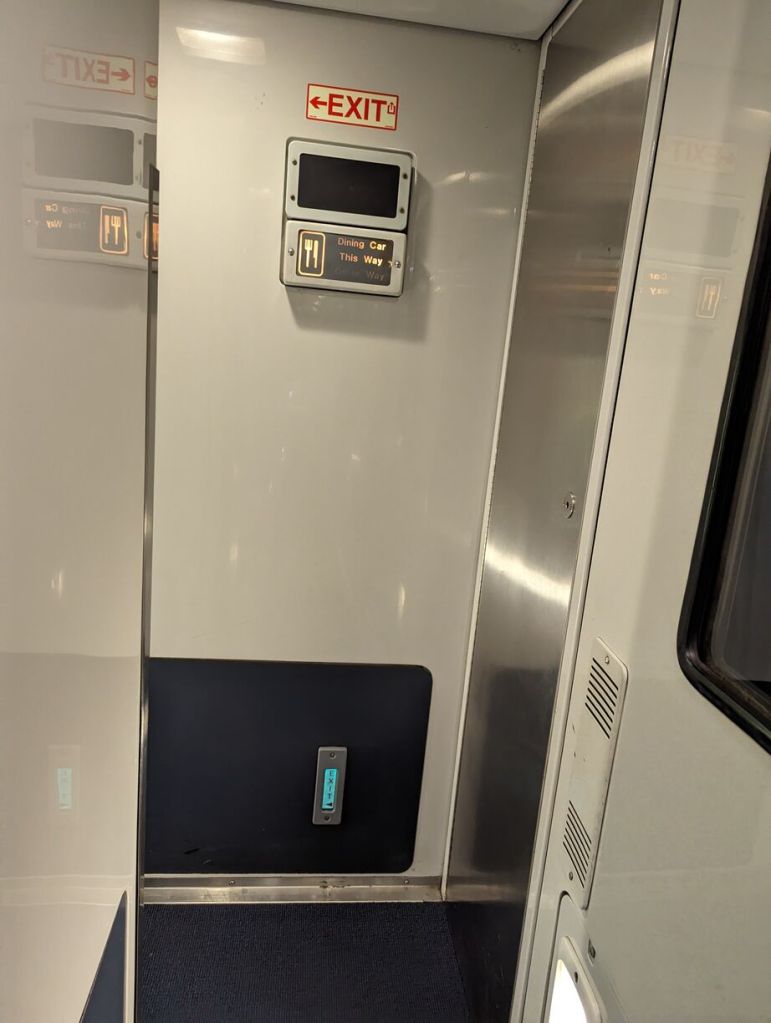
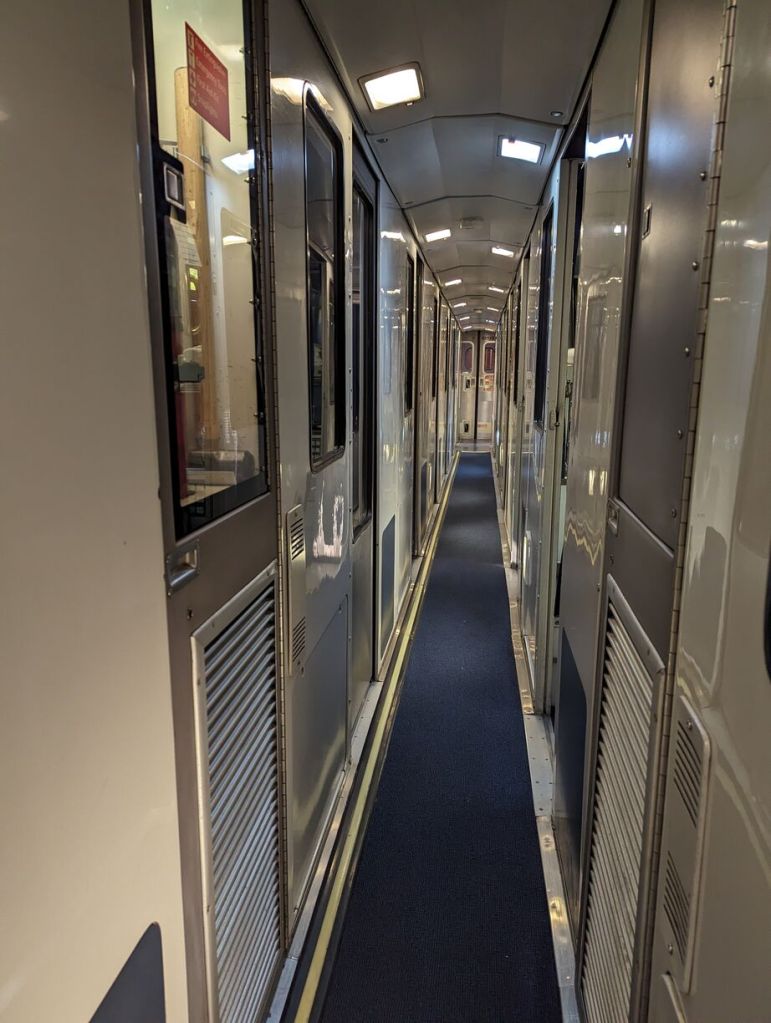
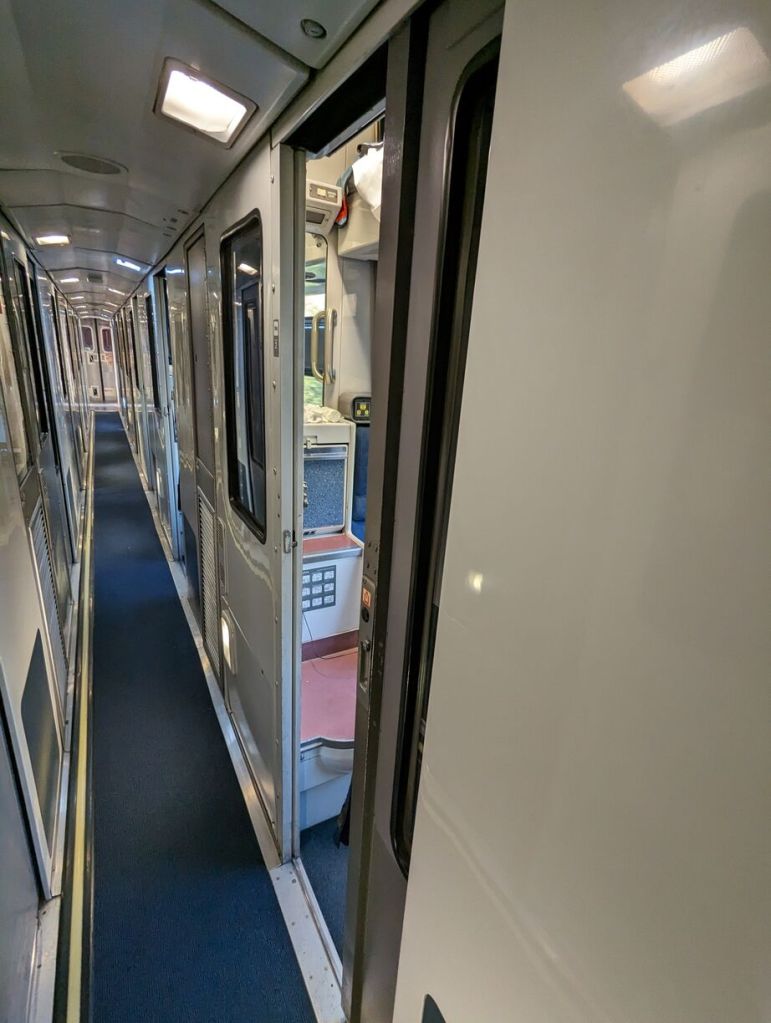
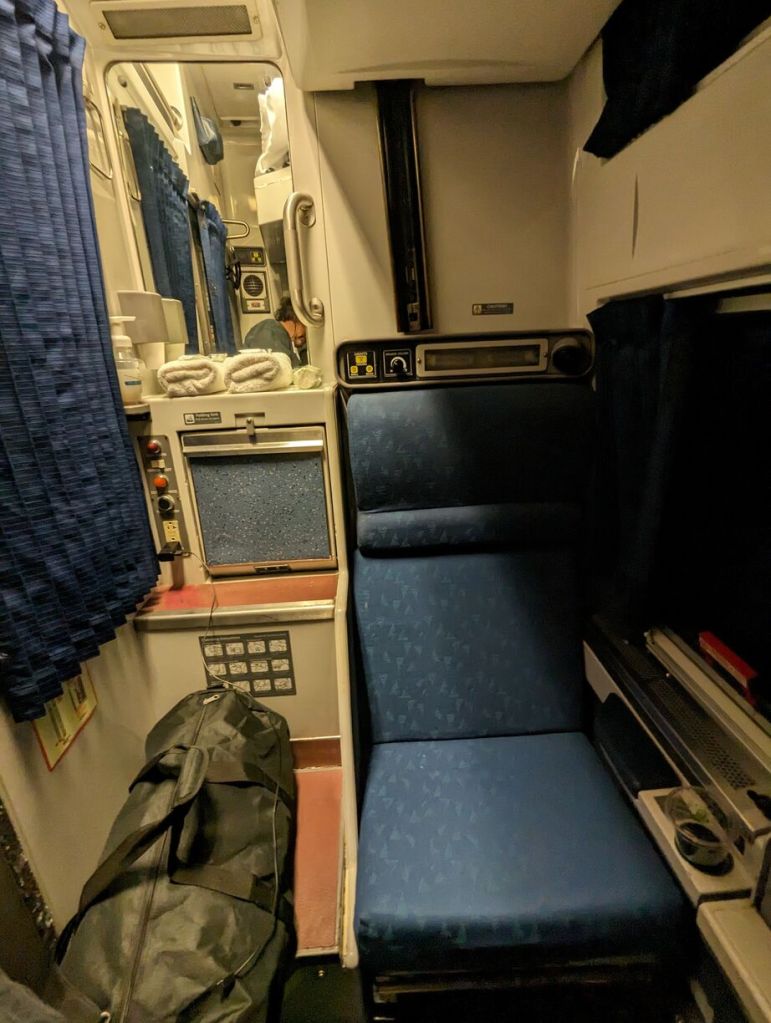
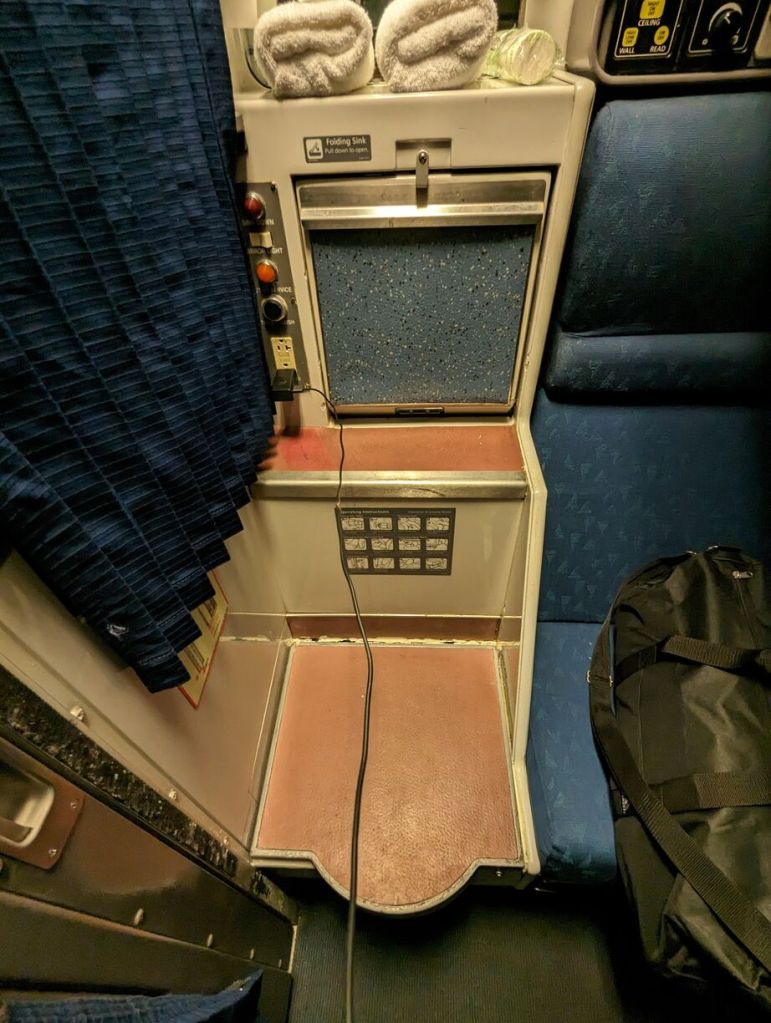
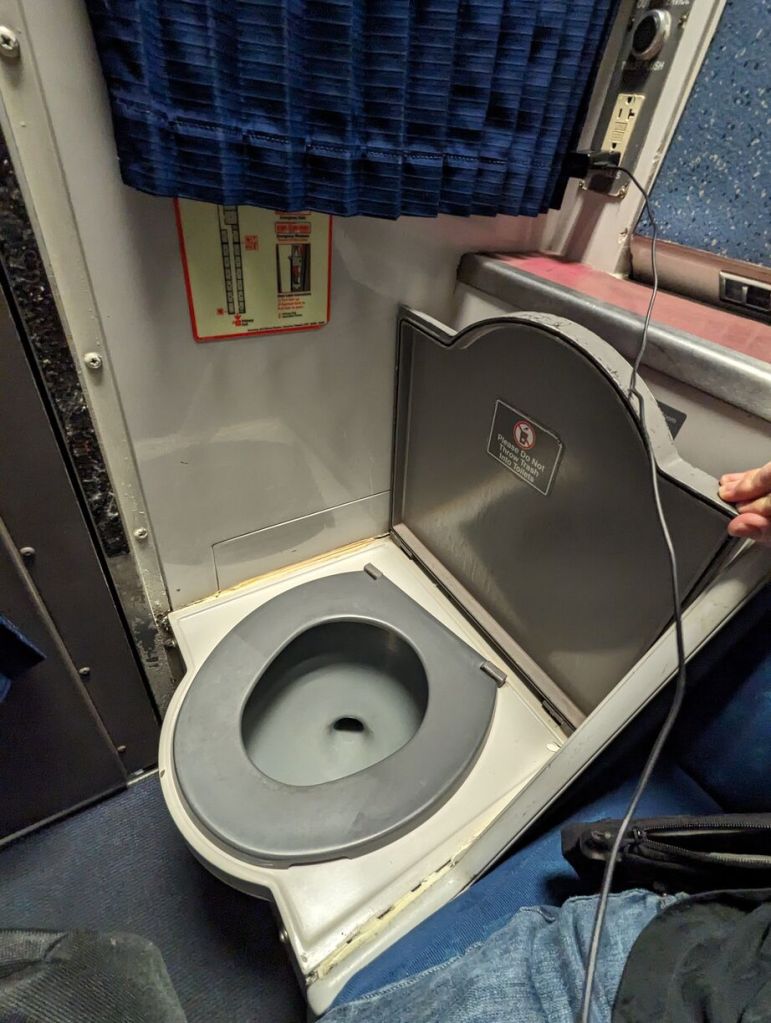
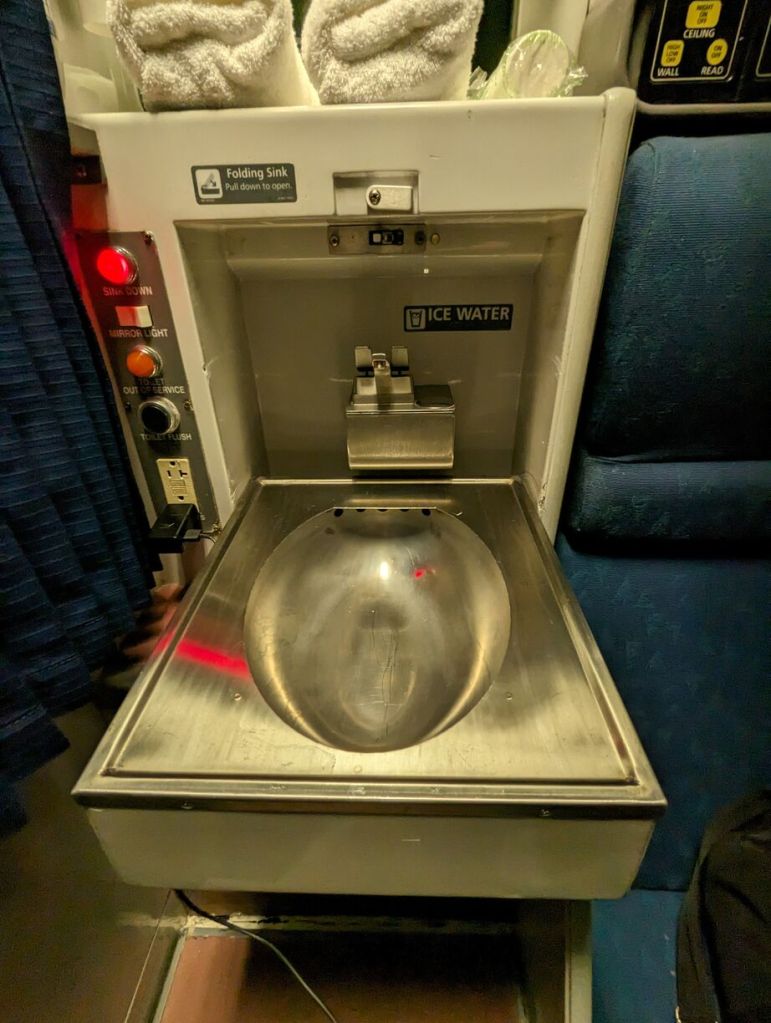
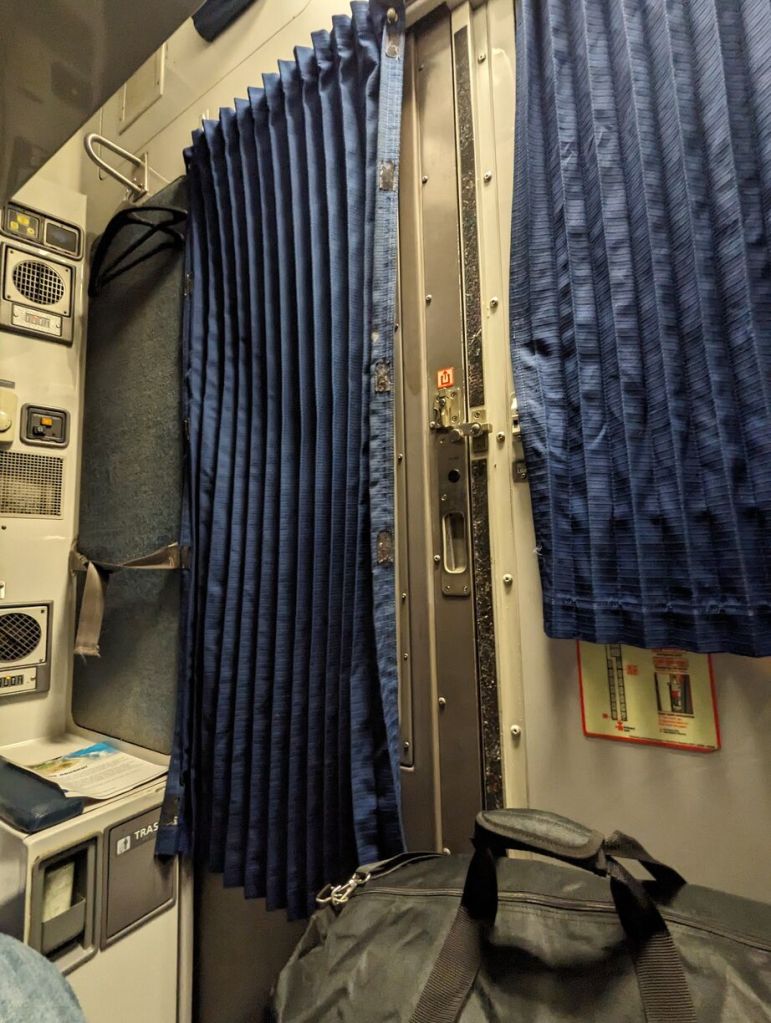
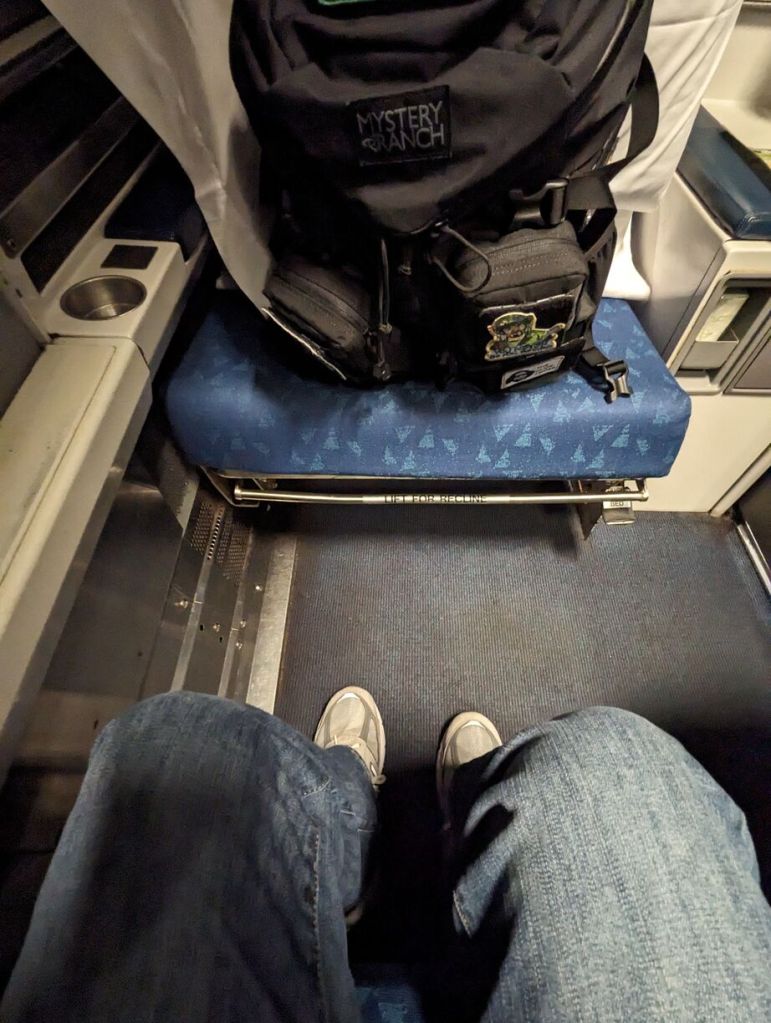
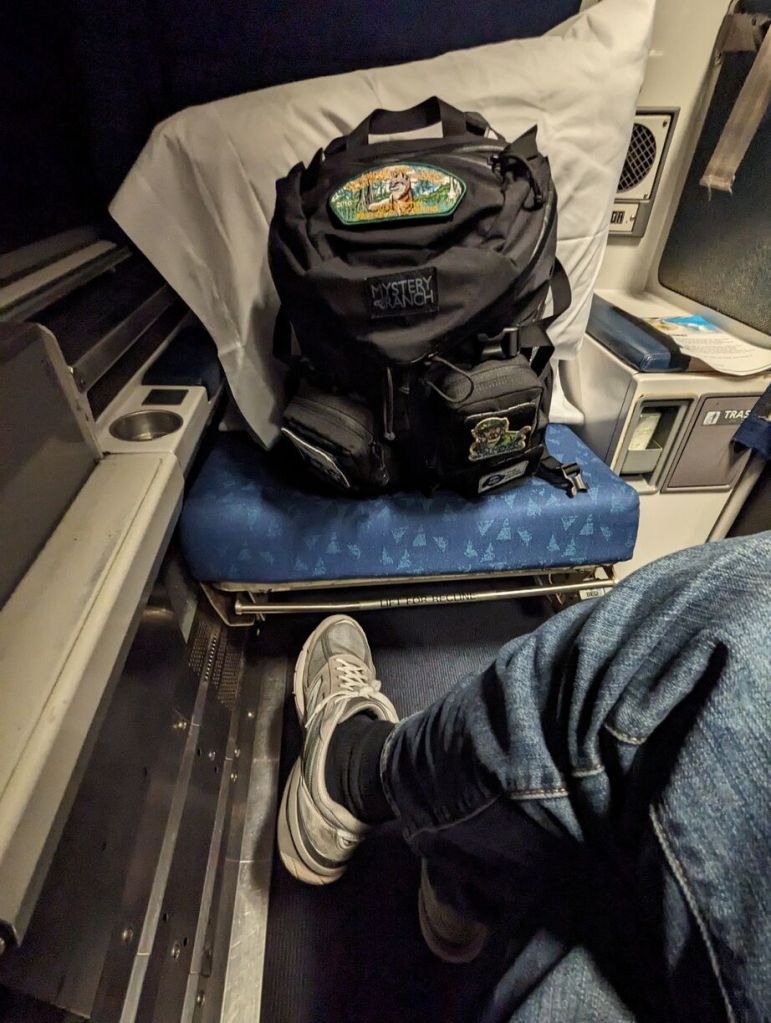
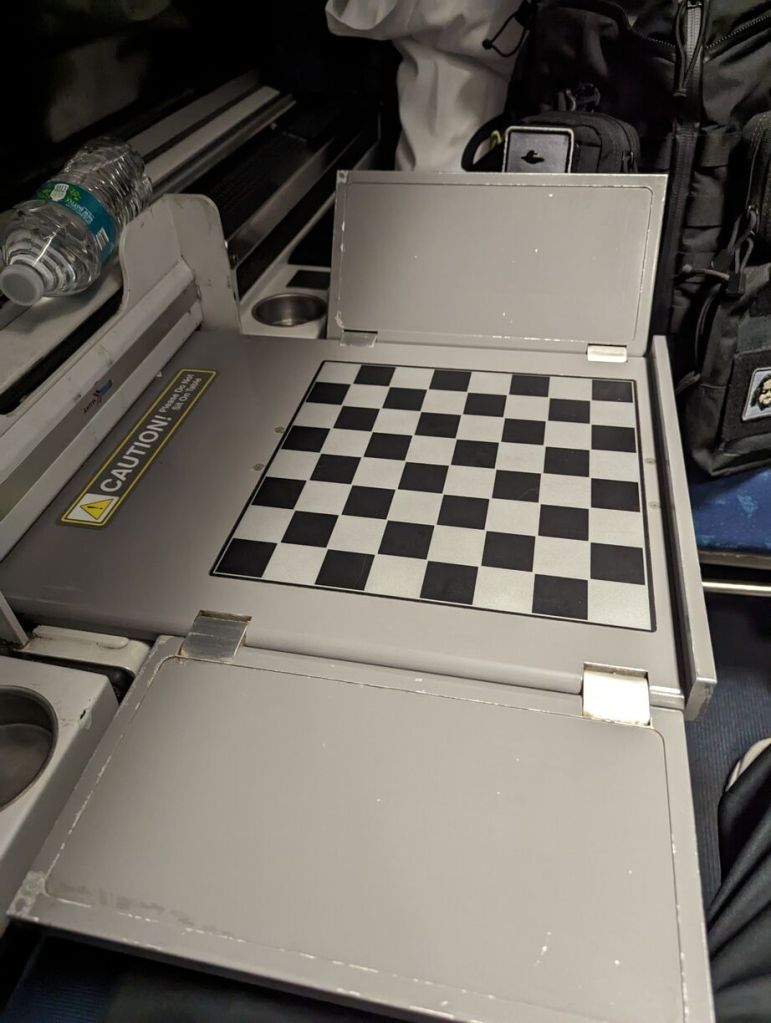
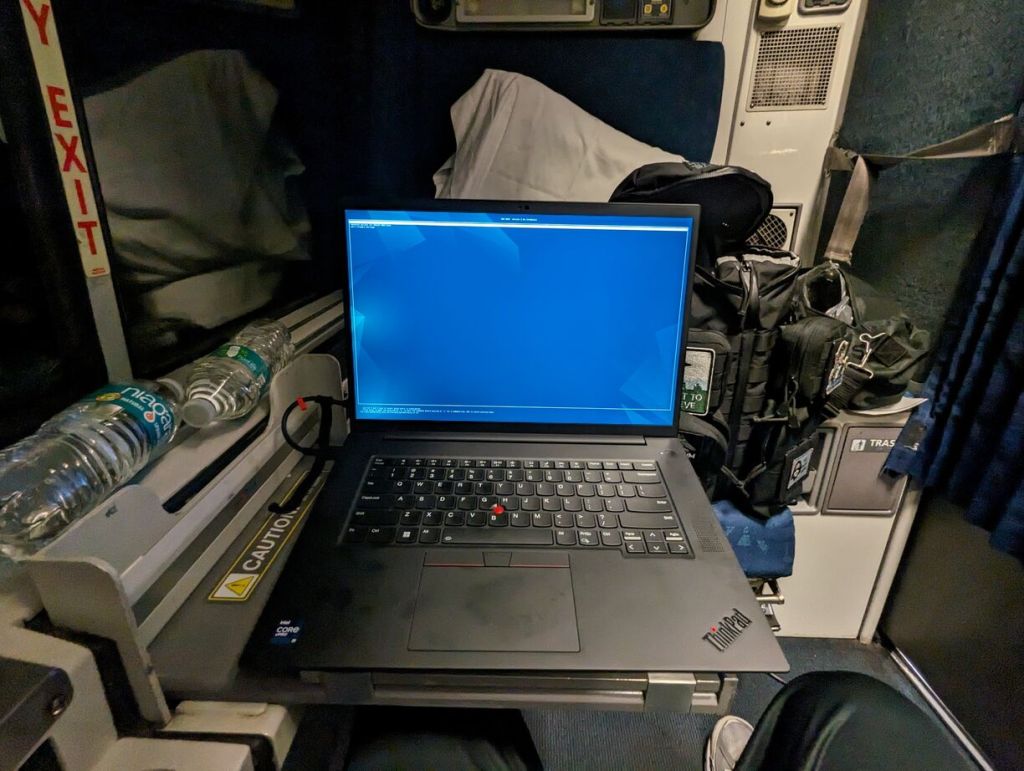
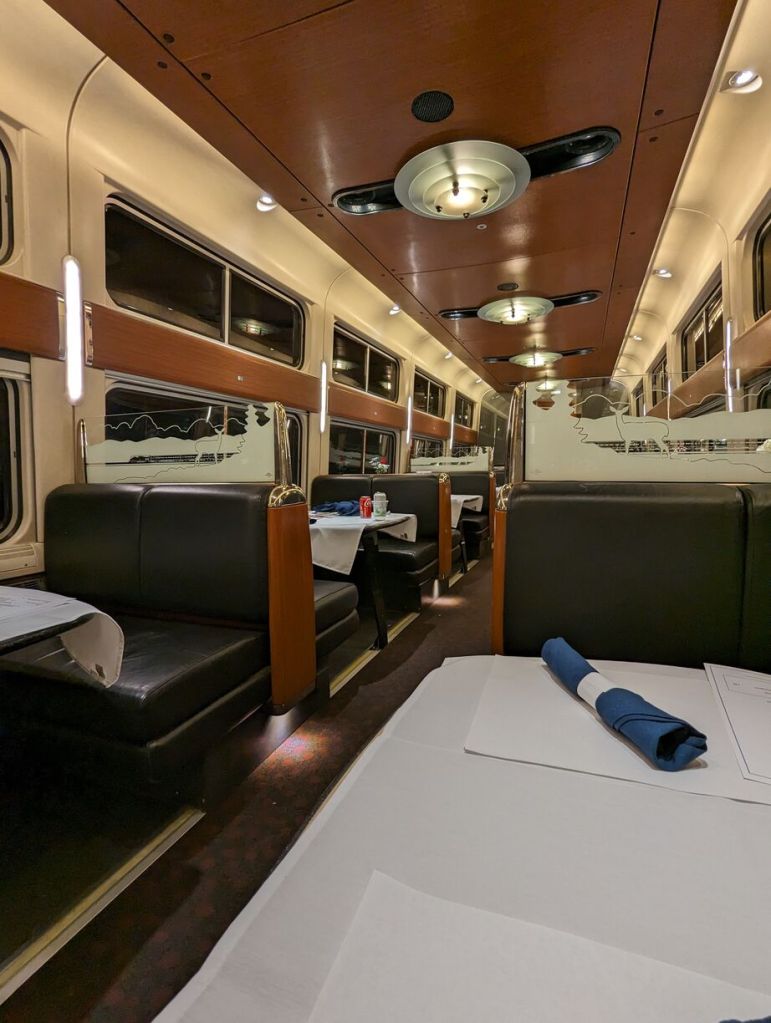
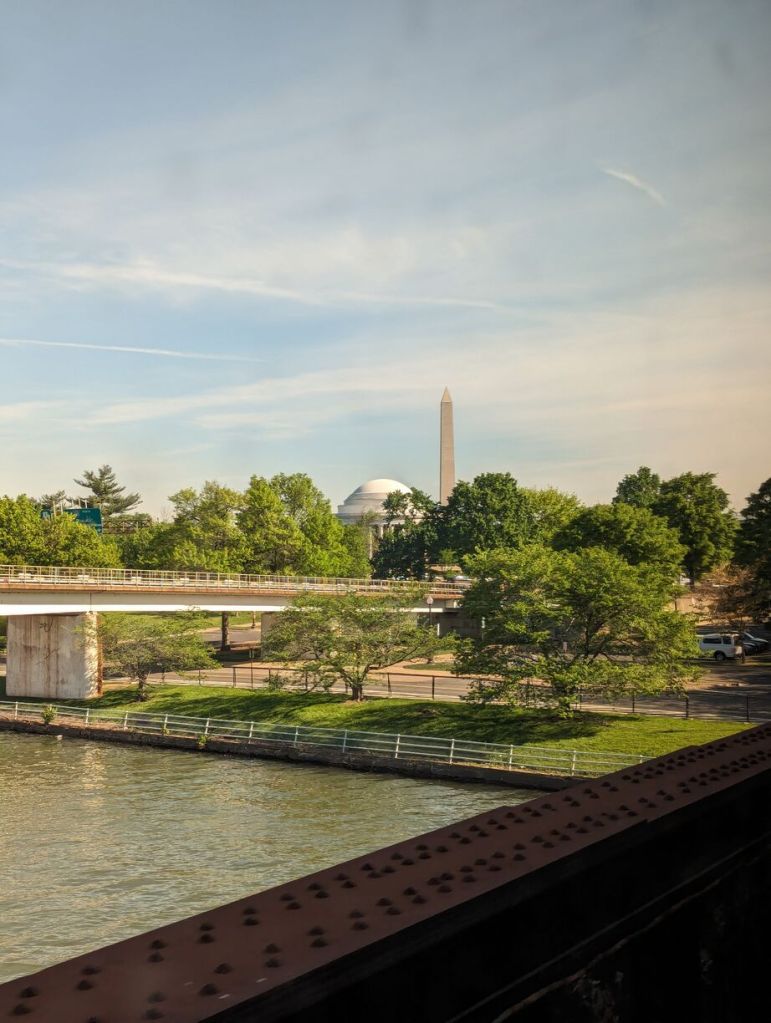
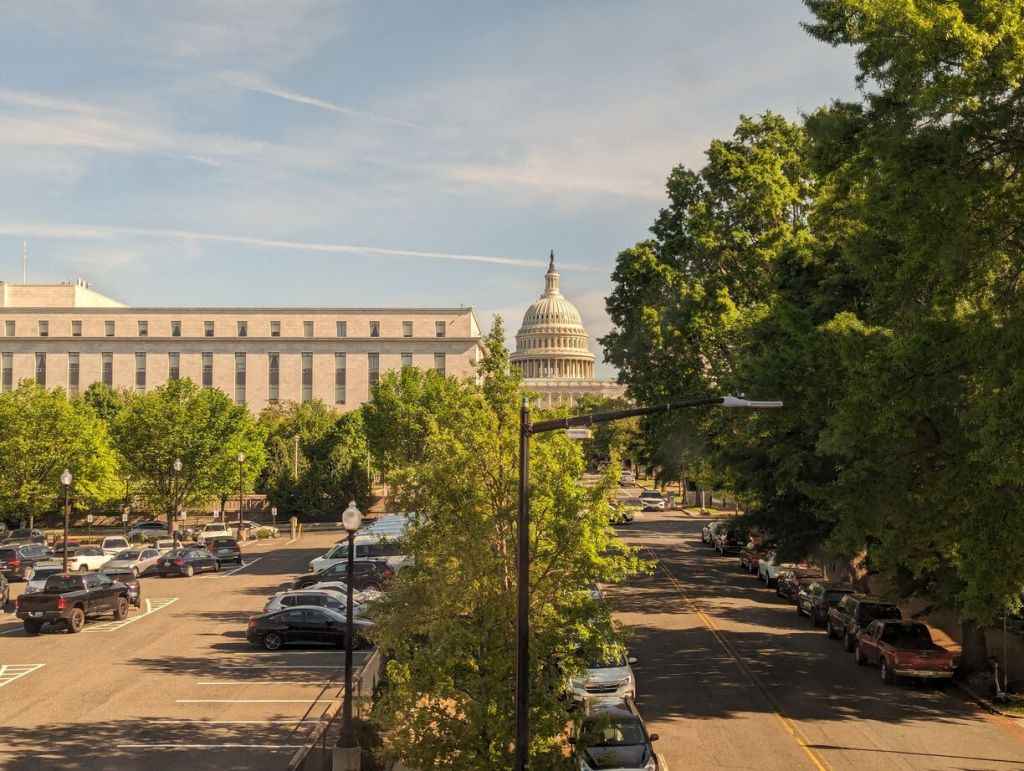
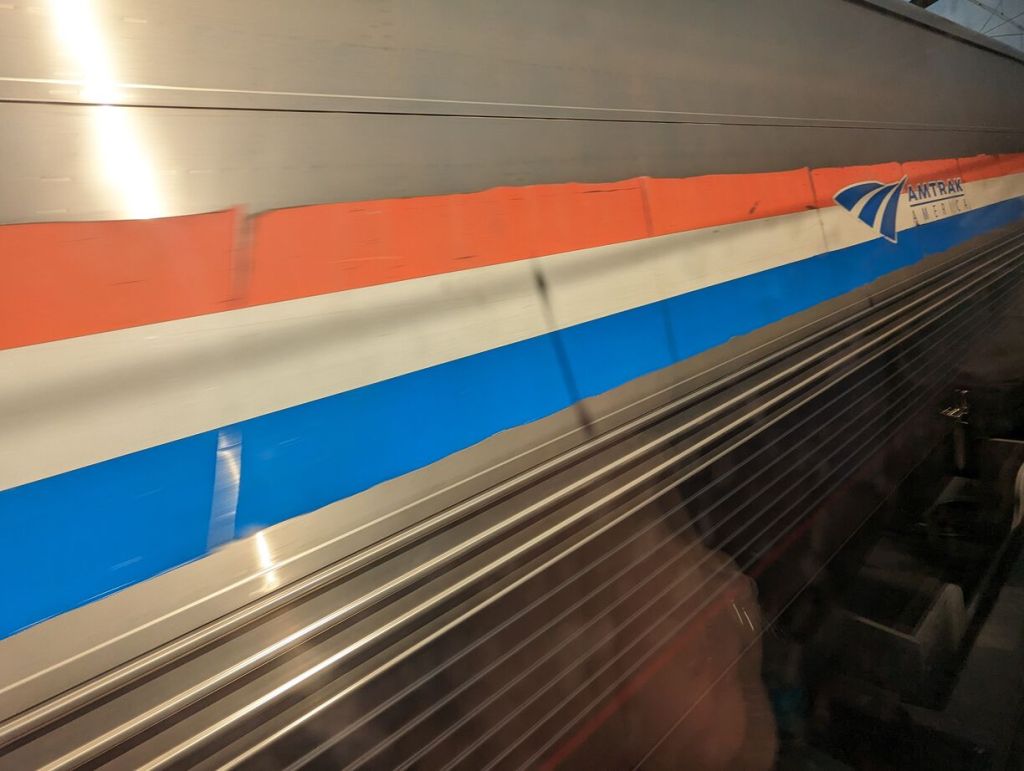
Below are some photos of my trip aboard the Silver Meteor and my roomette. I tried to capture the roomette’s features and amenities as well as demonstrate how much/little leg room there is if you are traveling with another person. Also, this train has a toilet in the roomette–something you would need to negotiate its use if traveling with someone else. Finally, I have some photos of the dining car and the early morning breakfast that I enjoyed (as the dining options are limited, the earlier you go to a meal, the more likely the option you want will still be available).
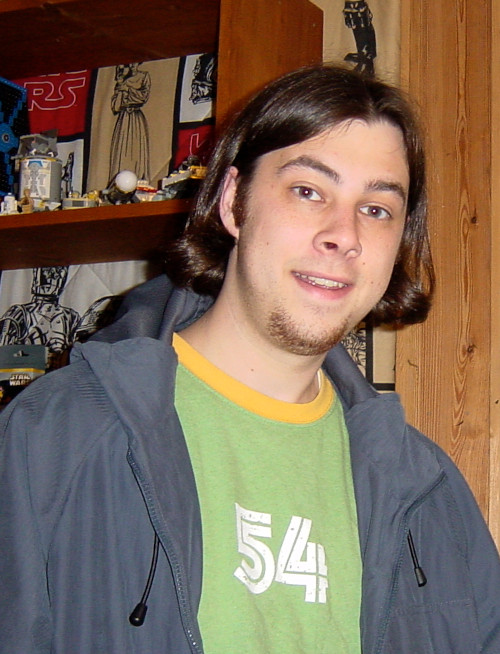
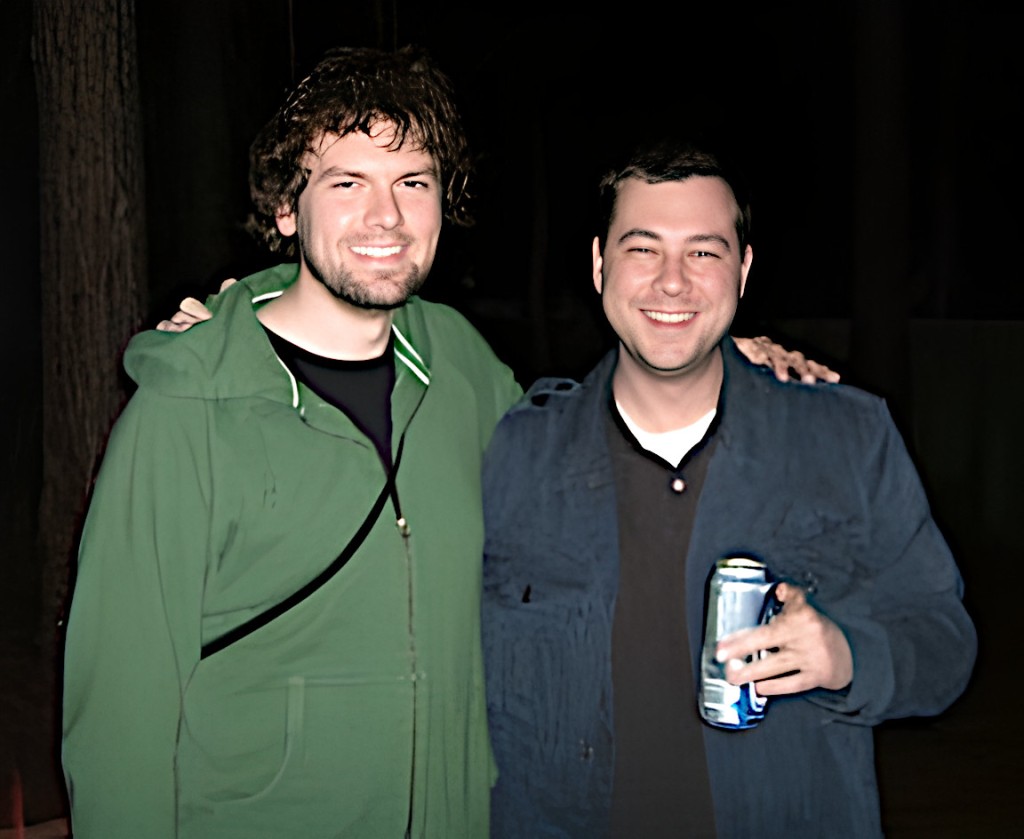
Recently, I was telling my City Tech colleague Kate Falvey about a habit of thought that I have when I encounter things that I would ordinarily want to share with a specific person who I think would be interested in that thing even though that person might have passed away. That kind of thought happens more often with my friend Chris Lee, who passed away in 2016. Our mutual interest in computers, pop culture, and video games was the currency of our friendship over many years that began when he saw me pull out my Apple Powerbook 145B in Mr. Norris’ Graphic Design class at Brunswick High School. Later, after we had a falling out around 2000, he mended the bridge and we became good friends again.
When we were younger, our great ambition was to open a computer repair shop and publicize it with a video of us marching through flames as Rammstein’s “Du Hast” blasts in the background. He pushed the limits of good sense by loading what I believe to be a record number of Control Panels and Extensions that would dance along the bottom of his Mac’s boot screen–at least three full lines of icons at 1024 x 768. He created archives of sound that surpassed mortal lifespans capable of listening to it all. He mastered anything released for the Nintendo GameCube. He had a phenomenal memory for movie dialog–a specialized eidetic memory that would have been a superpower at trivia night.
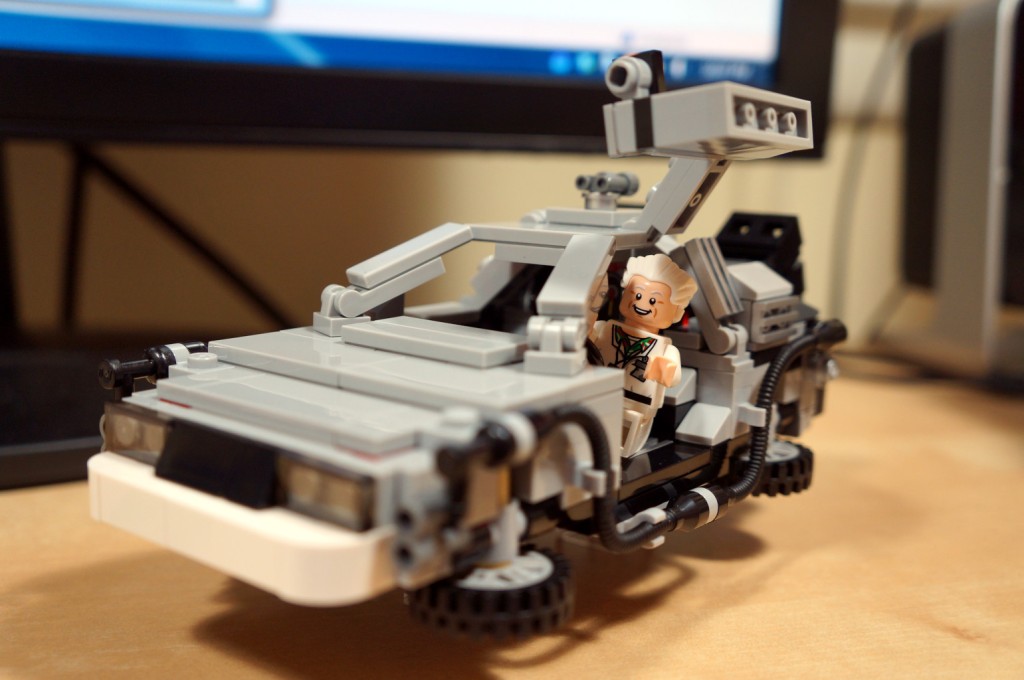
The last thing that we talked about was how much had gone on in our lives so far. I texted him, “Too bad we don’t have a time traveling DeLorean. We could stop by and blow our younger selves’ minds 😎.” His reply and last text to me was, “I wish I had a DeLorean.”
Not long after that, I got a call from our friend Kenny. Chris had died. He was back in Brunswick where our friendship had started. I couldn’t really write about it then, and even now, it’s difficult. I’m not able to say all that I feel and how I wish that I could share just a few things with Chris again.
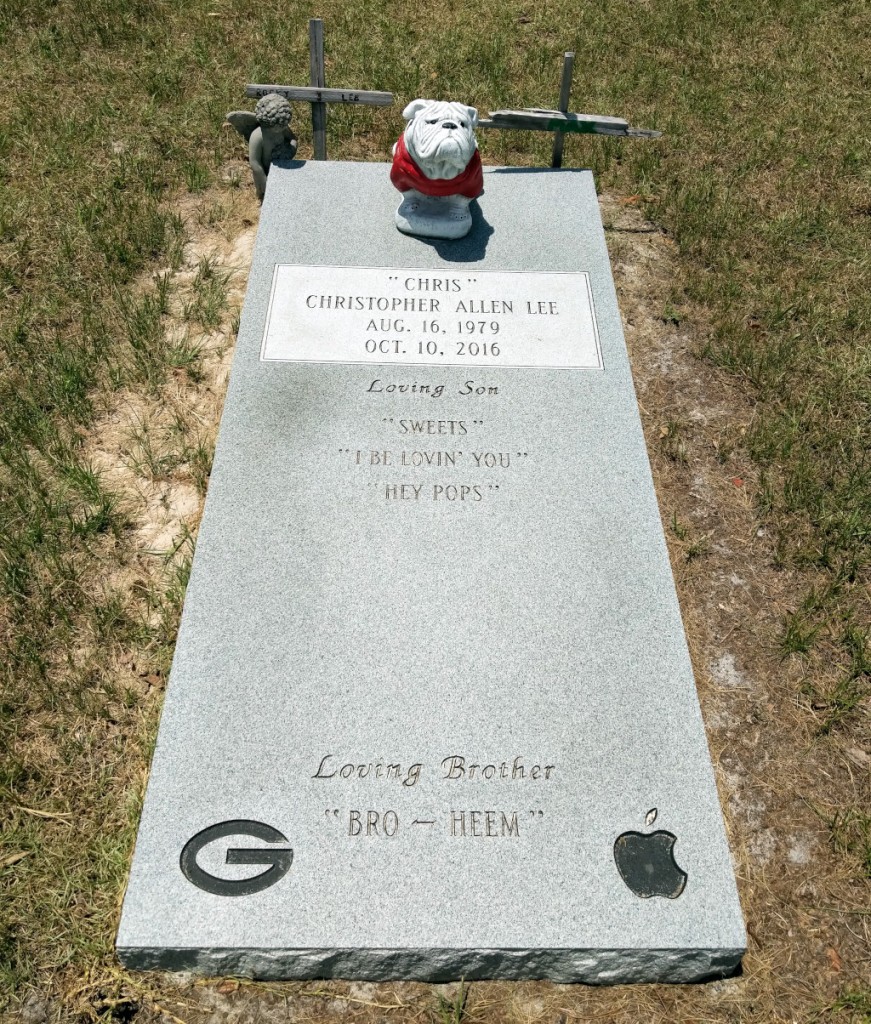
When I visit my parents, I try to visit Chris’s grave in Smyrna Cemetery, which is between Nahunta and Hortense. His grave marker highlights some of his life’s loves, including Apple Computer. Of course, I wish that Chris could hear when I talk, but I know that what I say is only heard by regret.