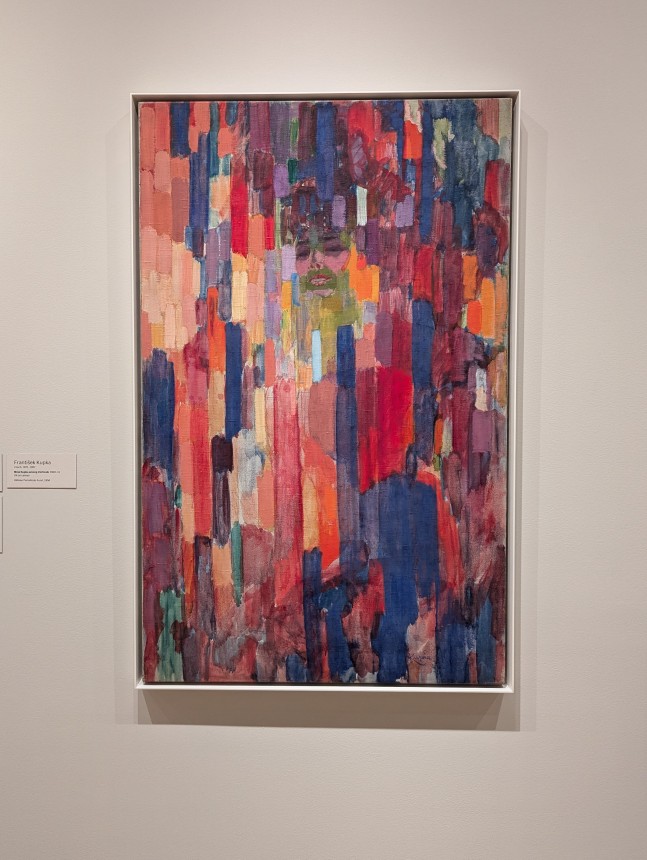
Czech painter František Kupka‘s Mme. Kupka Among Verticals (1910-1911) on display at the Museum of Modern Art in Manhattan evokes what we see much later as being dematerialized for matter transport in Star Trek. In particular, Star Trek: The Next Generation‘s season six, episode 2 titled “Realm of Fear” features Lt. Barclay (Dwight Schultz, aka Murdock from The A-Team) facing his fears of the transporter and unwittingly saving the missing crew members of the USS Yosemite who were trapped in the transporter’s matter stream.
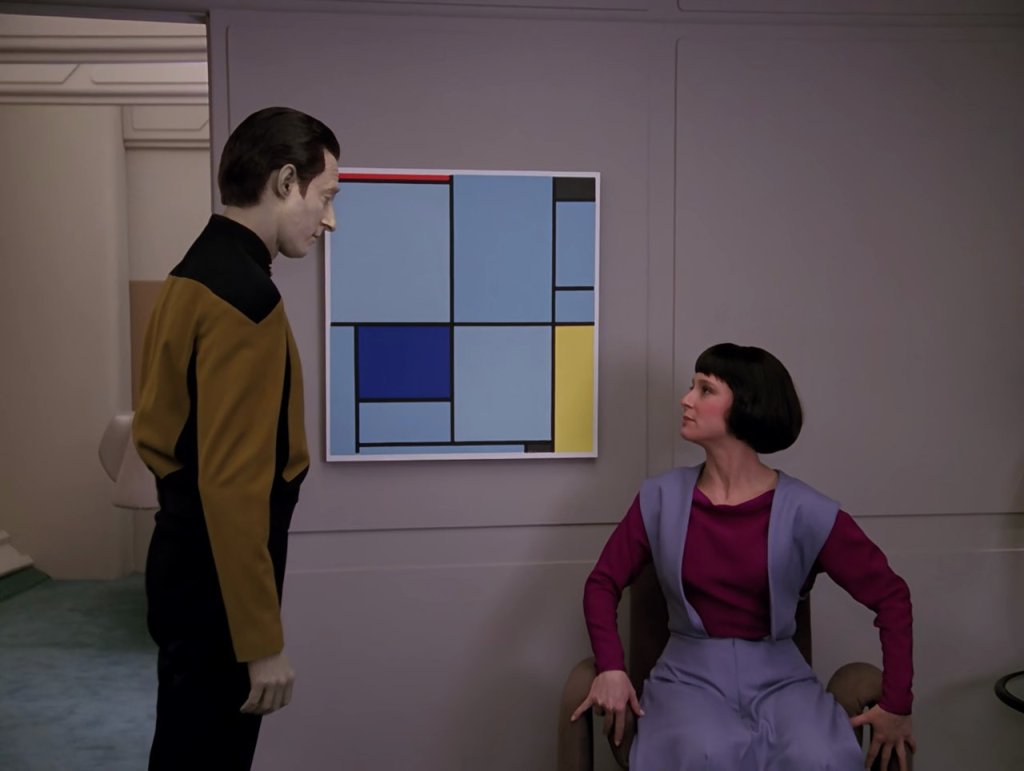
In “The Offspring,” the 16th episode of the third season of Star Trek: The Next Generation, we get to see Piet Mondrian’s “Tableau I” hanging on the wall of his quarters when he shows it to his daughter Lal. I think this might be the first time that I had really seen or had my attention drawn to a work by Mondrian. I thought it was quite striking as a work of art, and it seemed fitting that Data might be drawn to this work for its ordered lines despite Mondrian’s neoplasticism theory and its connection to nature and emotion as being the motivators for the artist’s composition.
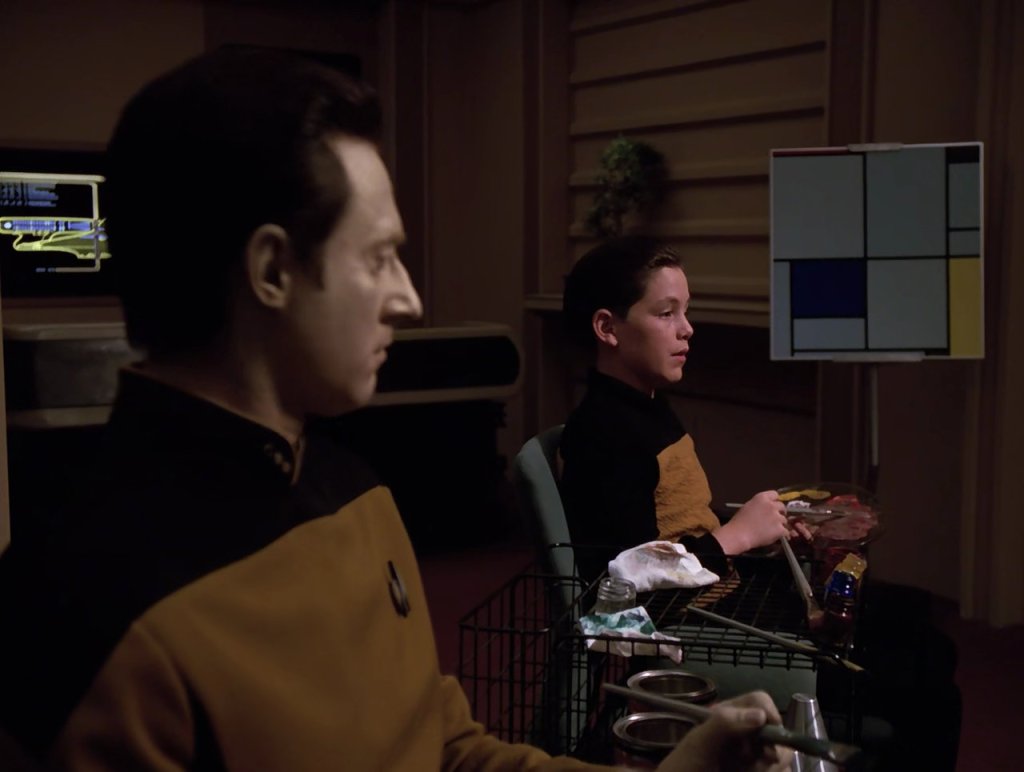
Mondrian’s “Tableau I” appears in Lt. Cmd. Data’s quarters–notably in the eleventh episode of season five titled “Hero Worship,” in which Timothy, a young boy traumatized by the loss of his parents, apes Data’s mannerisms in order to erase his emotional response to his loss. In one scene, Data and Timothy paint in Data’s quarters where “Tableau I” is on an easel to the side.
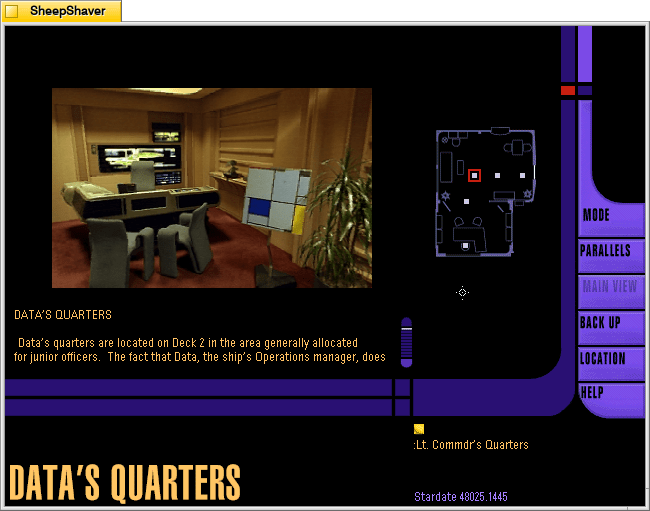
In the Star Trek: The Next Generation Interactive Technical Manual, Mondrian’s “Tableau I” is on an easel in about the same place as pictured in “Hero Worship.”
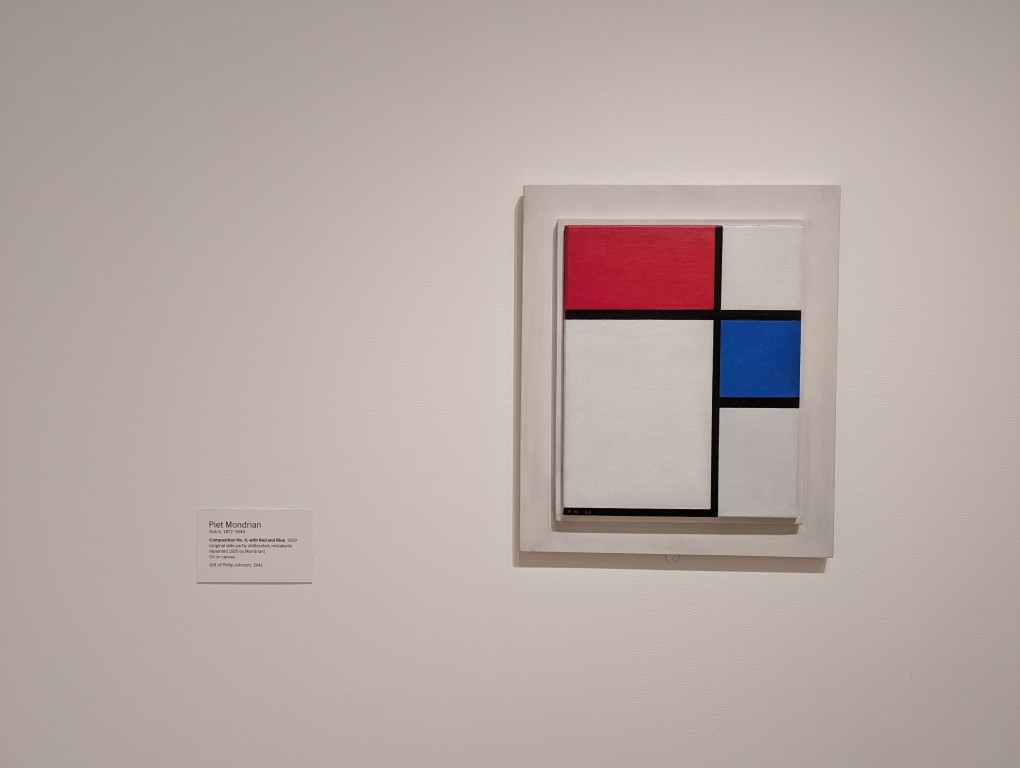
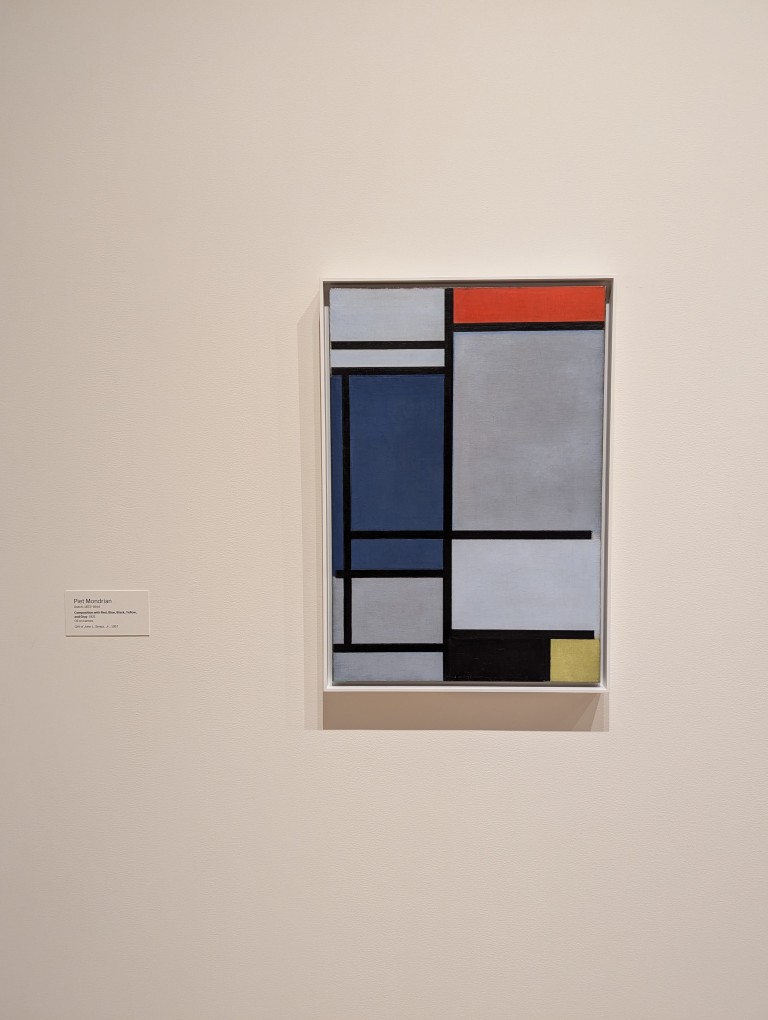
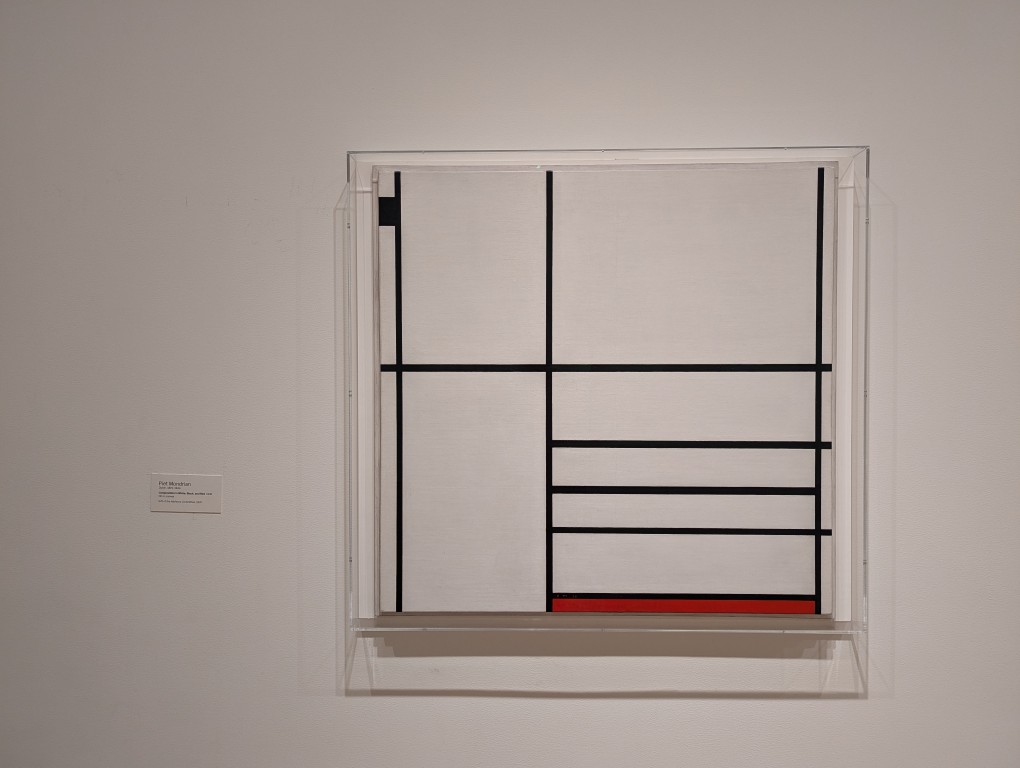
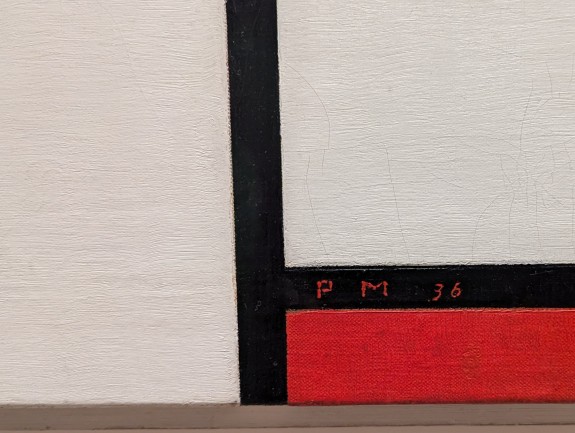
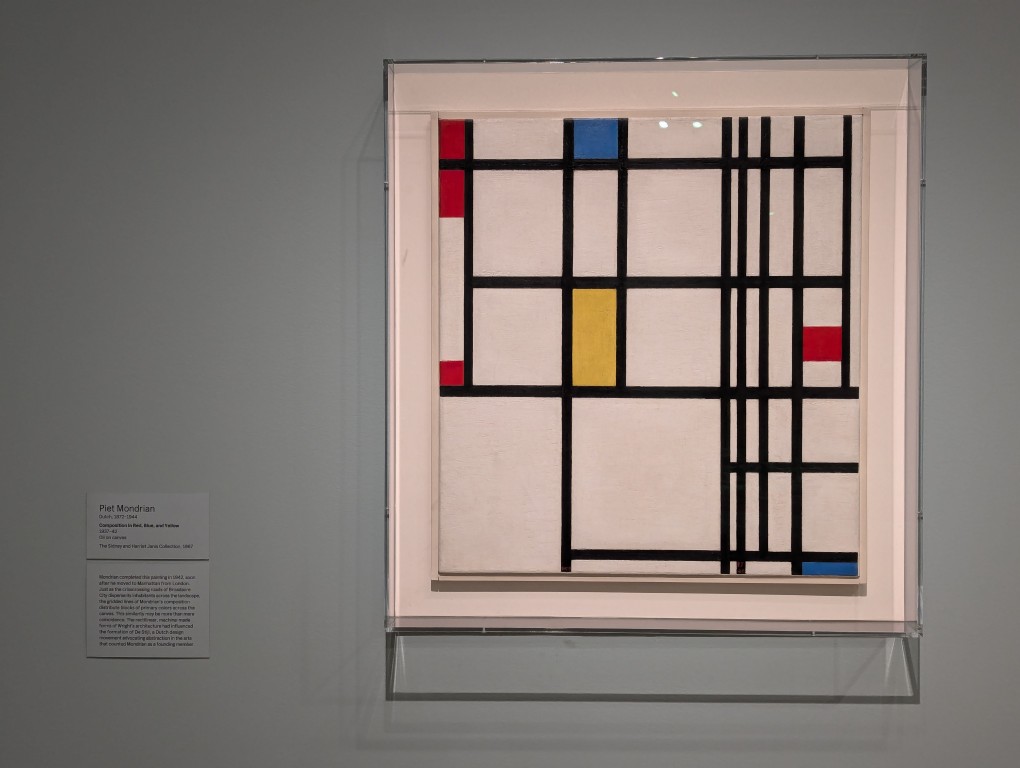
Yesterday, I was able to see some of Mondrian’s works in person at the Museum of Modern Art (MOMA) in Manhattan. Y and I went there to see our friends from Japan, Masaya and Saki. While I didn’t get to see “Tableau I,” because it hangs in the Kunstmuseum in The Hague, I did get to see some representative works of his neoplasticism.
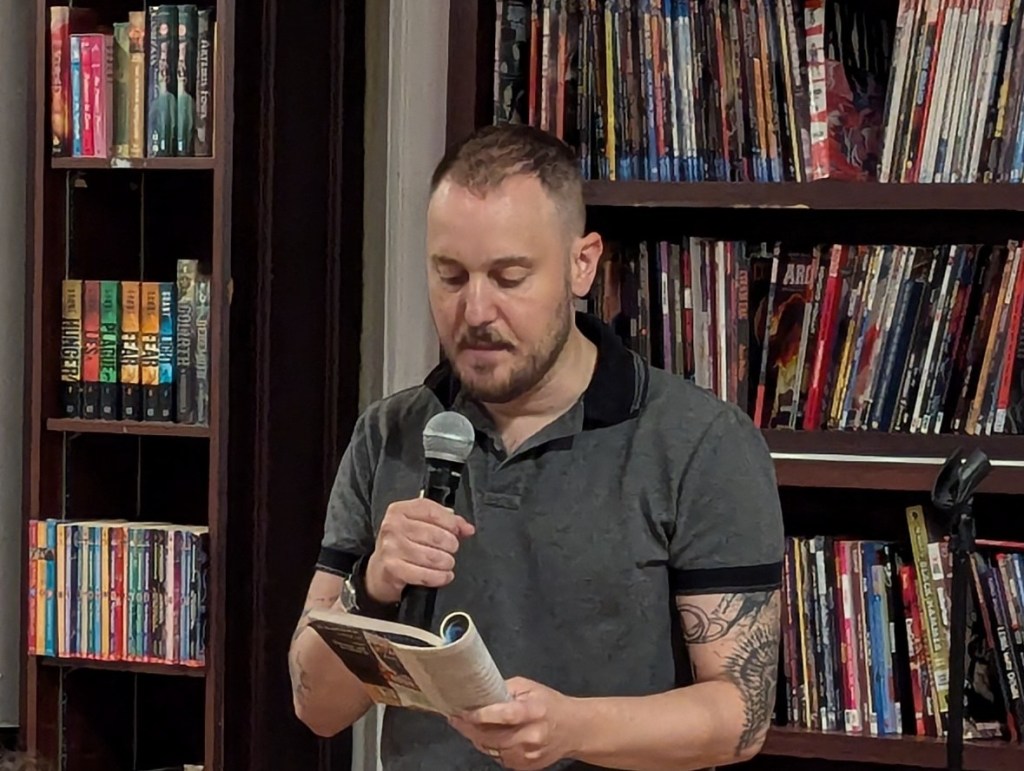
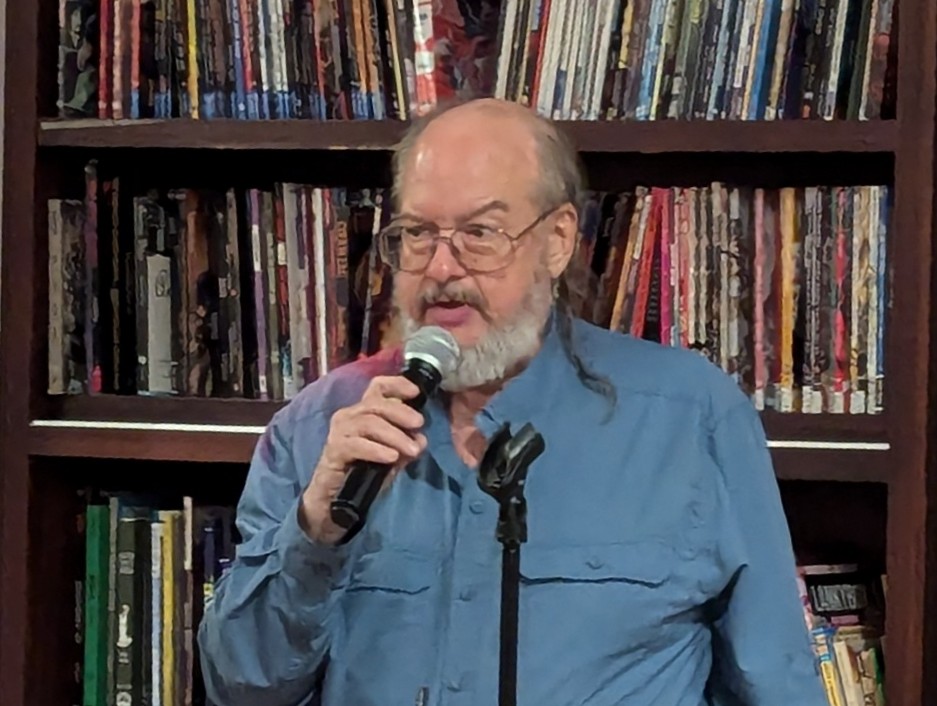
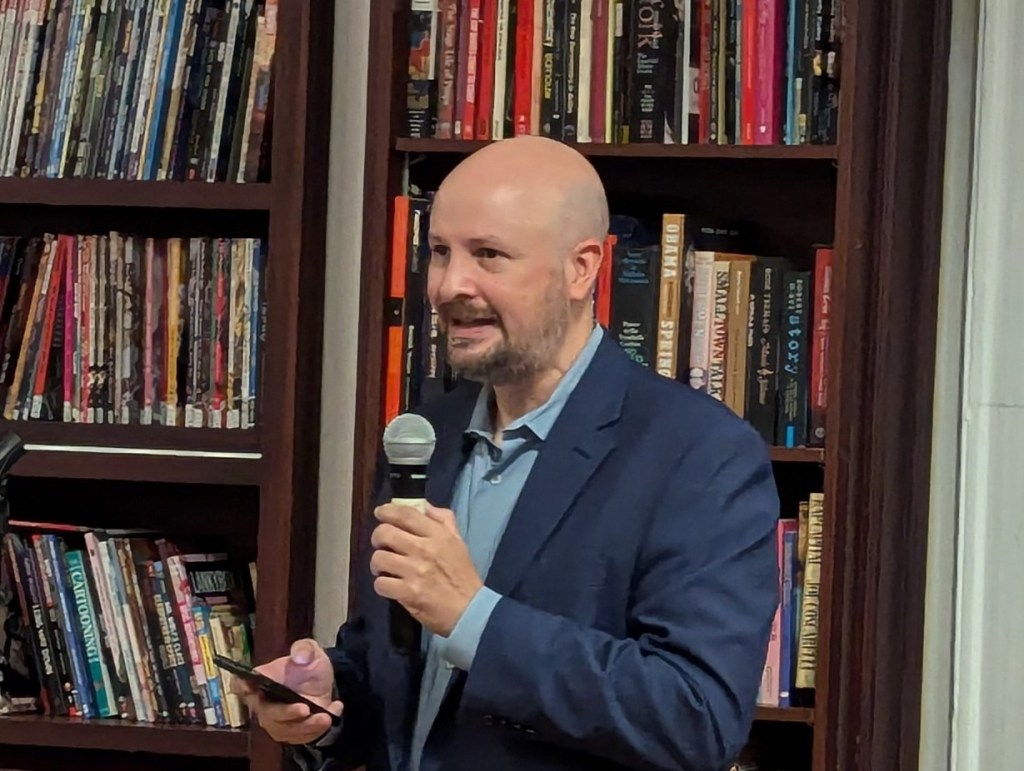
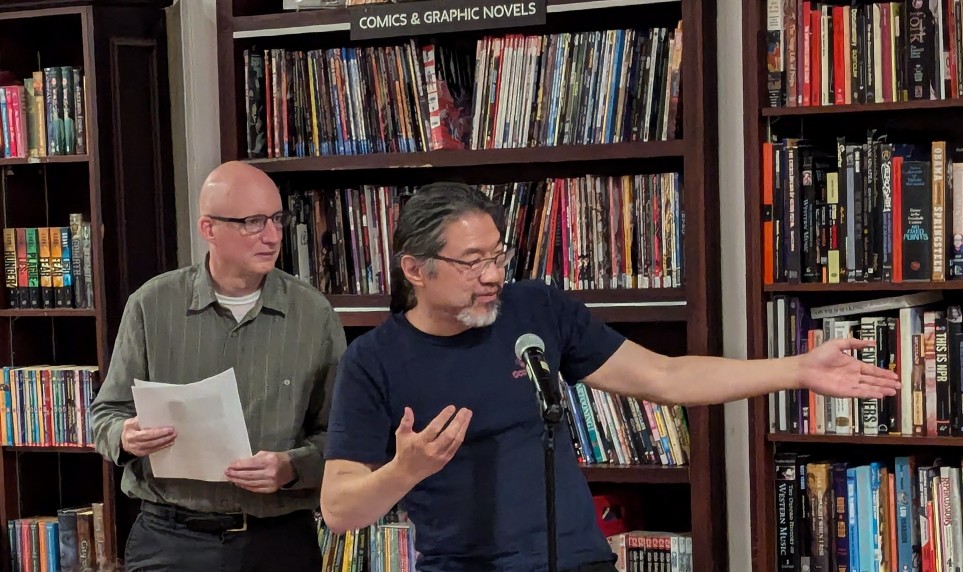
It was a full house at Housing Works Bookstore Cafe. Besides hearing great readings by the assembled authors, I also got to talk with some fans and friends of the winners.
Congratulations to the winners, and also congratulations to all the writers for having their words accepted for publication in two of the flagship venues in the field! And, thank you to Sheila Williams (editor of Asimov’s), Trevor Quachri (editor of Analog), and Emily Hockaday (managing editor of Asimov’s and Analog) for your work keeping the SF magazine dream alive (seconding Frank Wu’s remarks)!
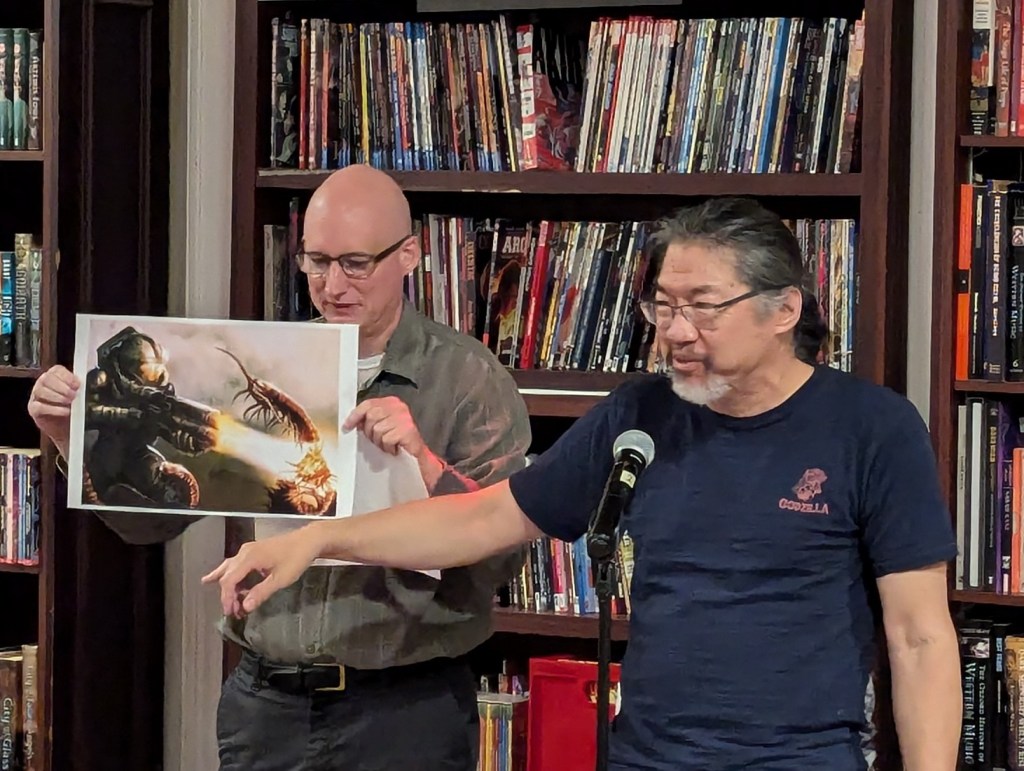
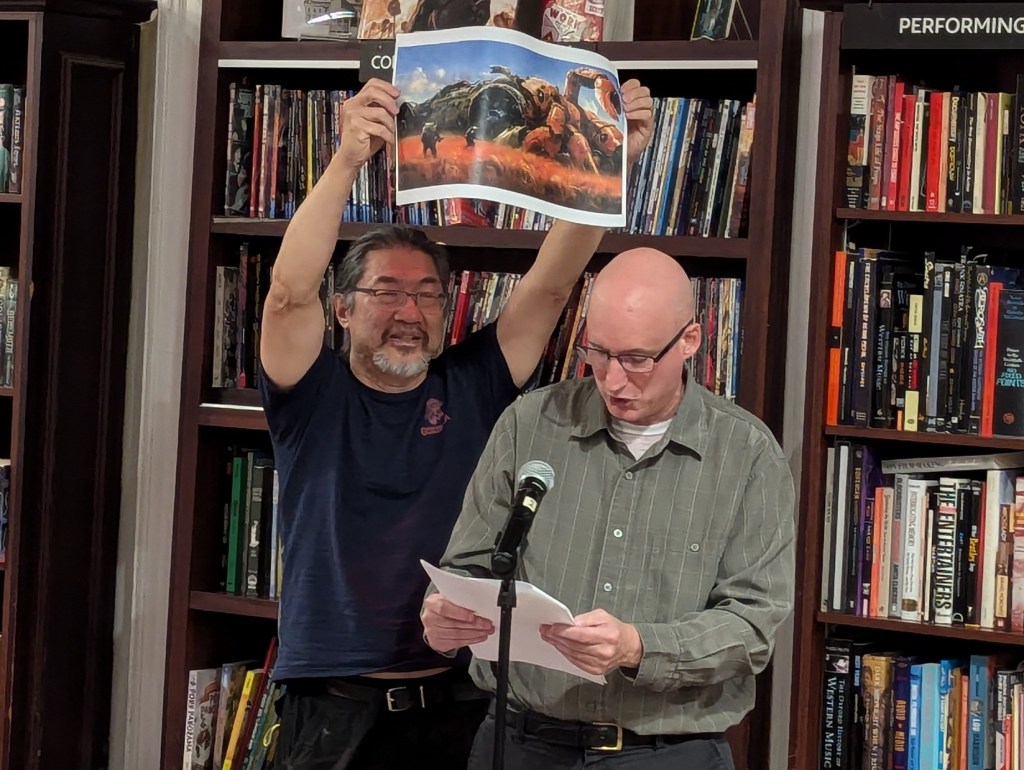
I’ll let the magazines announce all of the winners, but I’ll post my photos of the speakers and authors who read below.
Opening Remarks by Sheila Williams and Trevor Quachri
Sam J. Miller Reading from “Planetstuck” (Asimov’s Science Fiction, March-April 2023)
Timons Esaias Reading “The Next Step” (Asimov’s Science Fiction, January-February 2023) and Other Poems
Trevor Quachri Introducing the Analog Authors
Christina De La Rocha Reading “Life, But Not Quite as We Know It?” (Analog Science Fiction and Fact, January-February 2023)
Victoria Navarra Reading from “Cornflower” (Analog Science Fiction and Fact, January-February 2023)
Wukheiser (Frank Wu and Jay Werkheiser) Reading and Performing from “Poison” (Analog Science Fiction and Fact, May/June 2023)
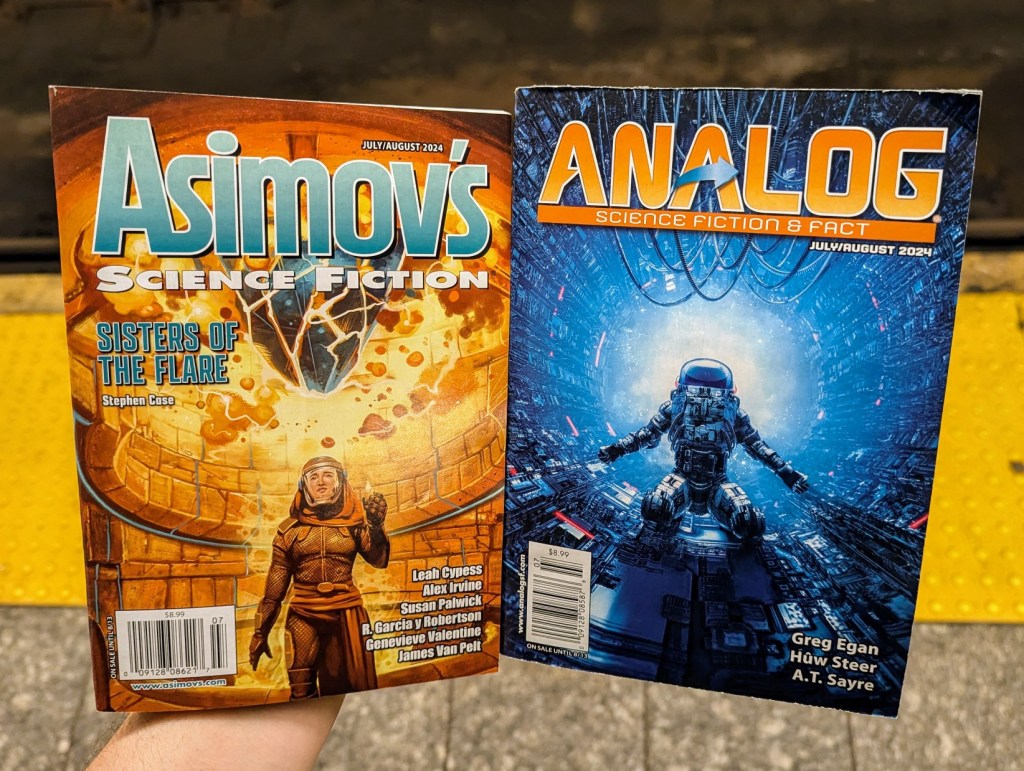
Latest Issues of Asimov’s and Analog Hot Off the Press
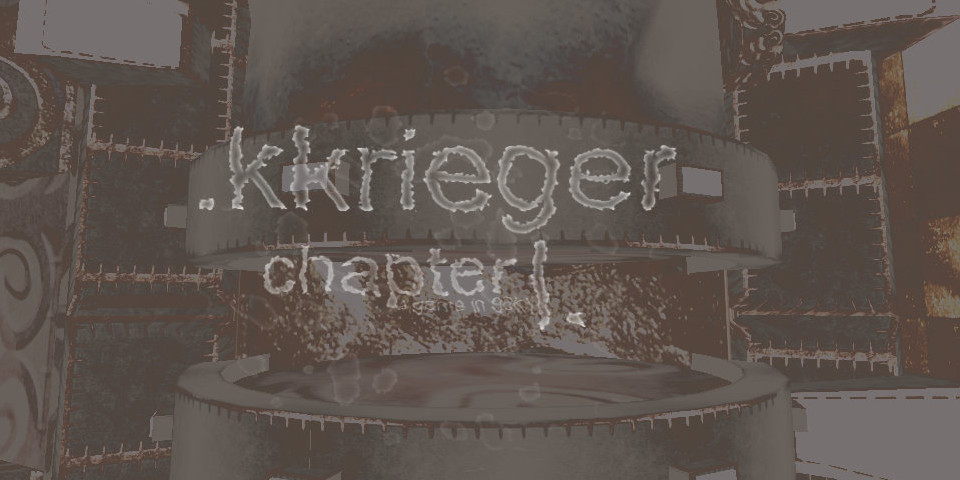
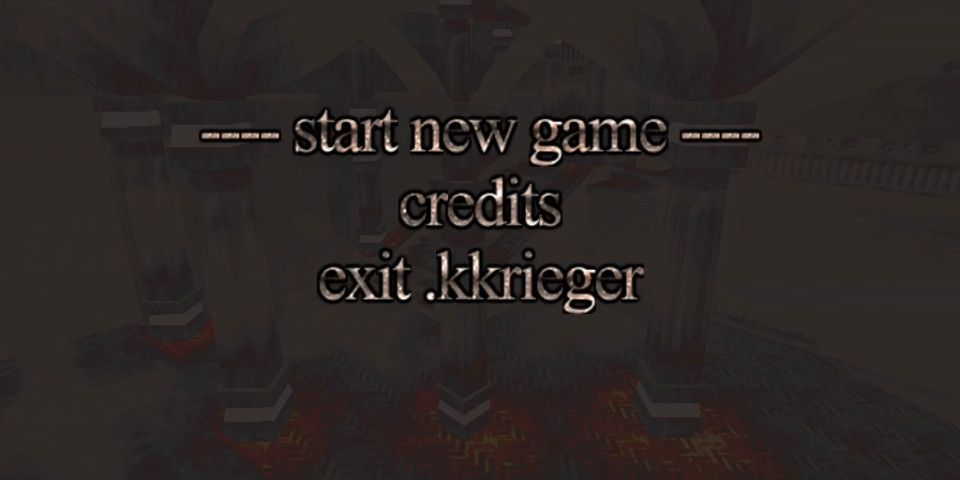
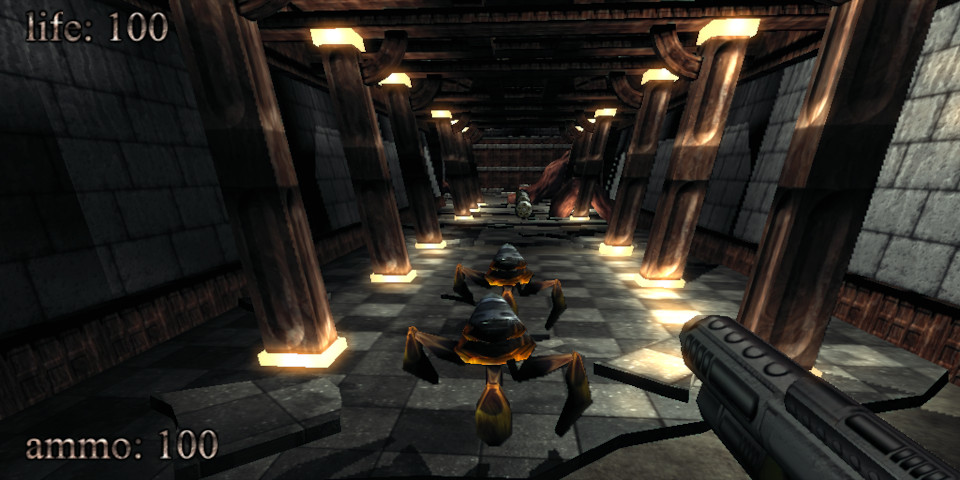
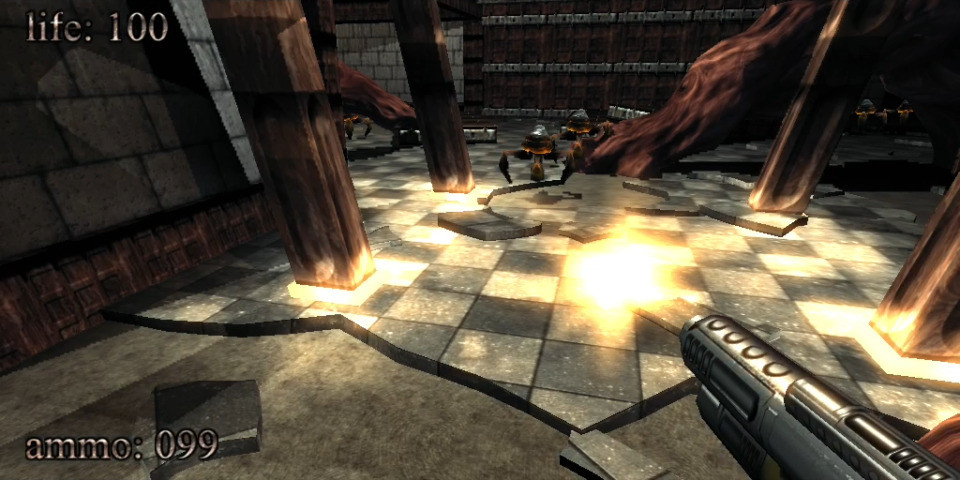
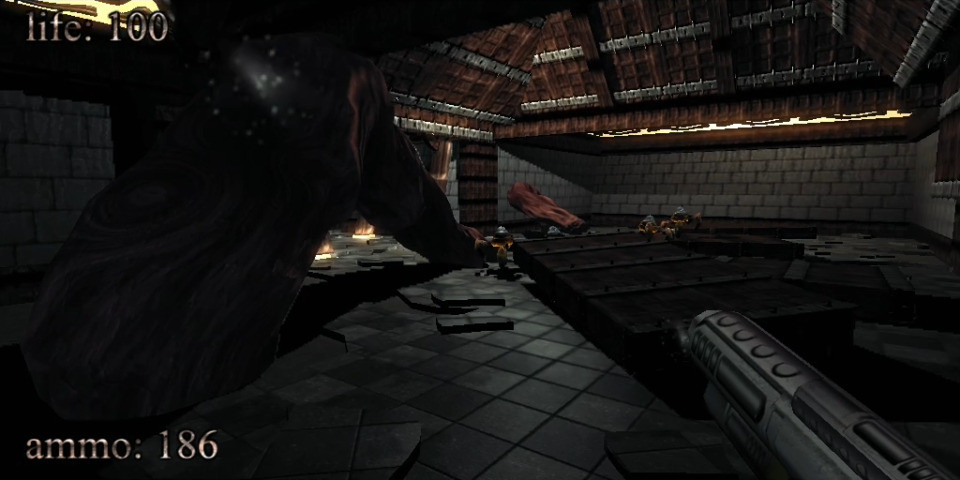
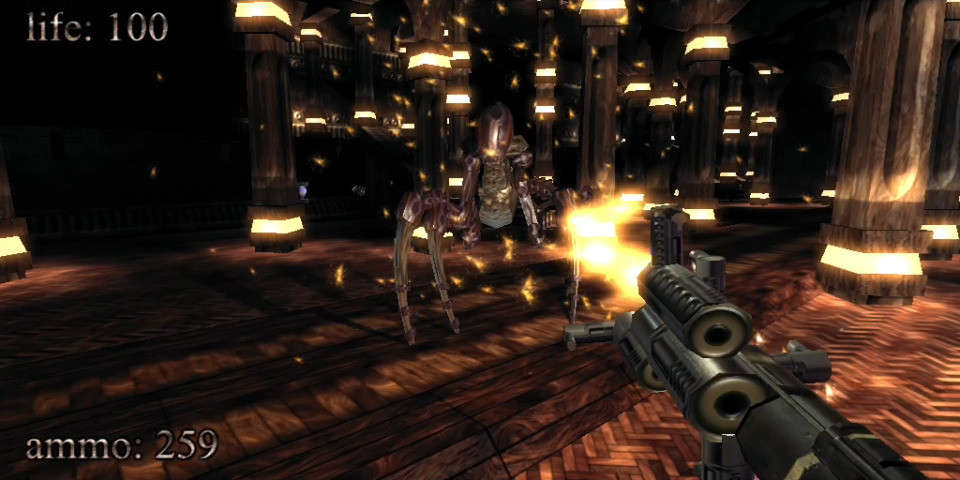
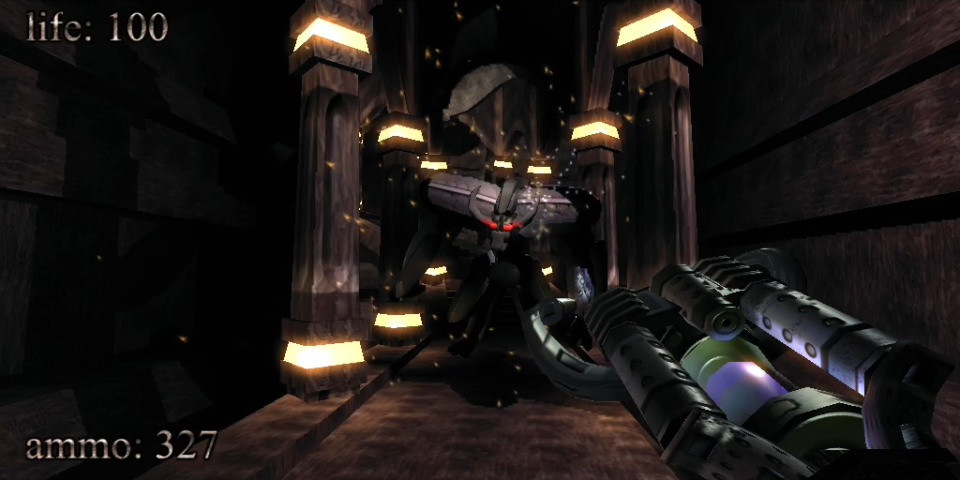
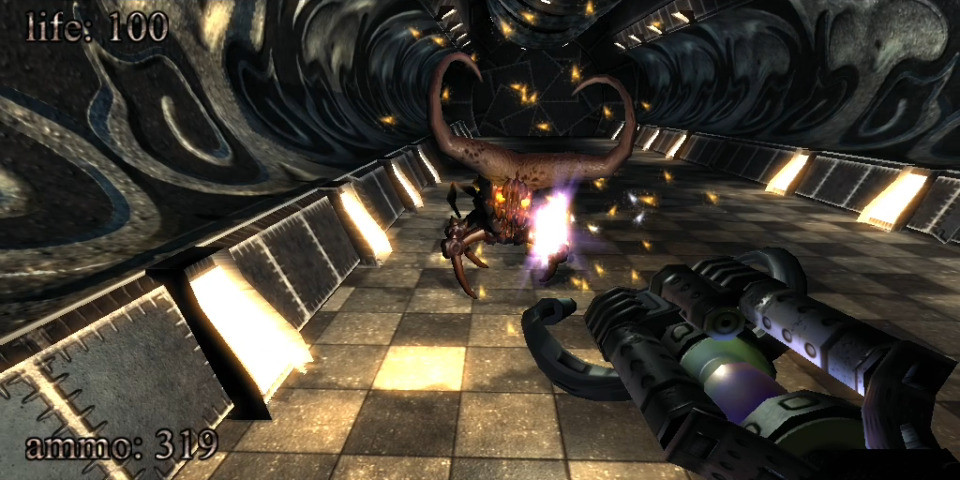
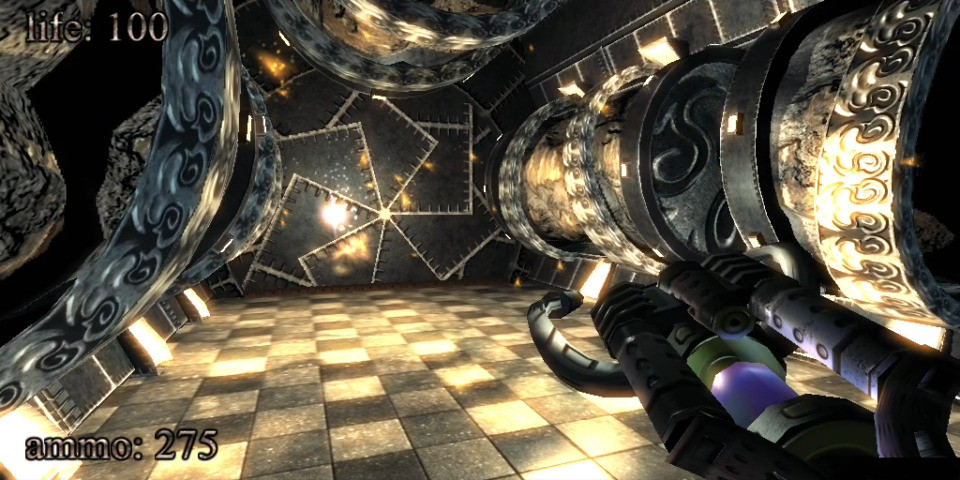
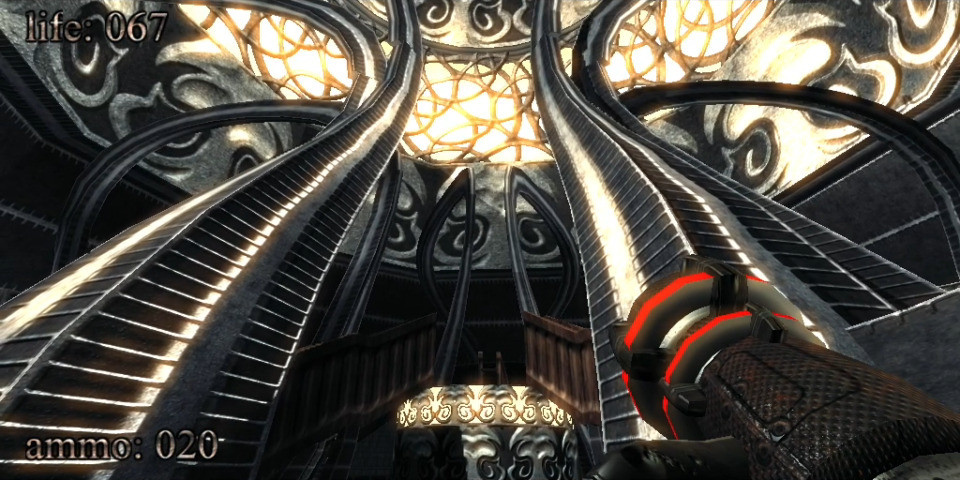
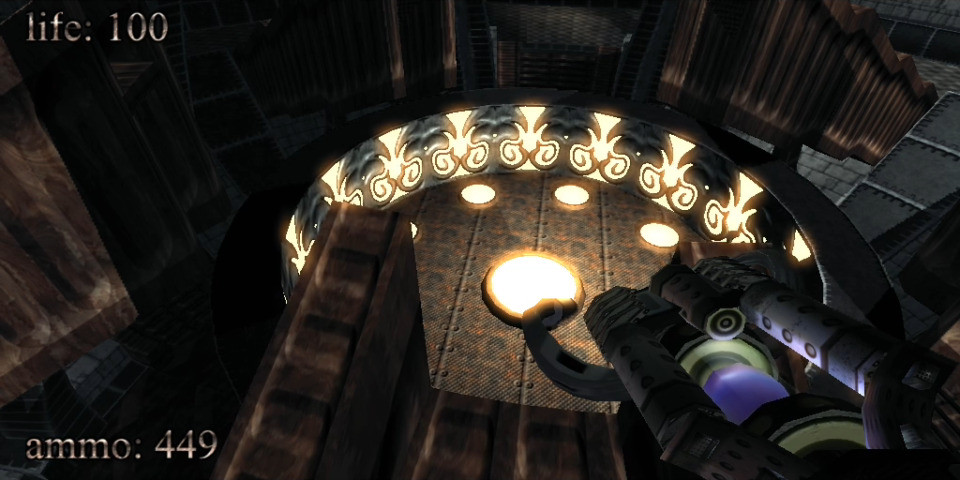
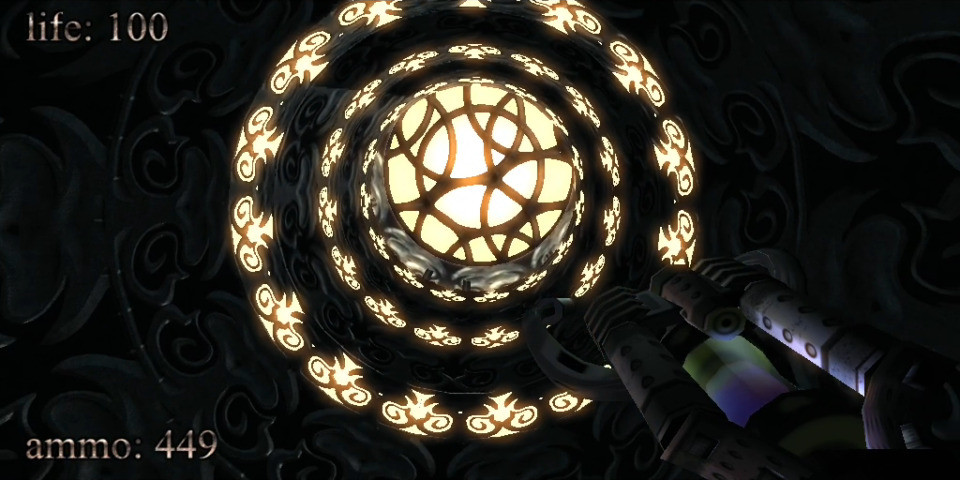
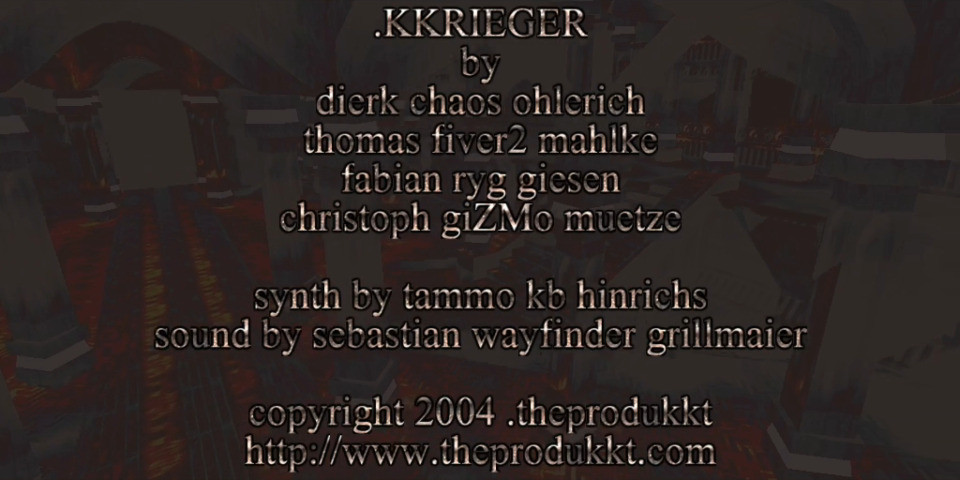
In 2004, .theprodukkt, a project aiming to use “generative computer graphics” and “procedural content creation,” developed a demoscene-inspired first person shooter (FPS) called .kkrieger that features a complex 3D environment with lighting and shadow effects, a variety of enemies, a selection of weapons, an atmospheric soundtrack, and engaging sound effects. Incredibly, .kkrieger is an astonishingly small 96K! The game uses a clever procedural approach to recreate its main elements at runtime instead of storing those assets in an appropriate file format that would balloon the game’s installation.
To put .kkrieger’s tiny file size in perspective, consider that Wolfenstein 3D (1992) is 1.3MB installed, Doom (1993) is 4.6MB, Quake (1996) is about 700MB (including its audio CD soundtrack), Unreal Tournament (1999) is about 780MB, Halo: Combat Evolved (2001) is about 700MB, and Half-Life 2 (2004) is about 6GB. Put another way, many of the in-game screenshots that I made and attached to this post in JPEG format are about the same size or larger than the entire kkrieger game!
To accomplish this feat, .theprodukkt designed the game to run on high-end PC hardware of that era on Microsoft Windows with DirectX 9.0b:
.kkrieger requires a relatively high-end machine to run properly. To be
precise:

- A 1.5GHz Pentium3/Athlon or faster.
- 512MB of RAM (or more)
- A Geforce4Ti (or higher) or ATI Radeon8500 (or higher) graphics card
  supporting pixel shaders 1.3, preferably with 128MB or more of VRAM.
- Some kind of sound hardware
- DirectX 9.0b
In the readme.txt included with the game’s executable, .theprodukkt explains the technical details for .kkrieger:
  In general, if you have any technical questions concerning .kkrieger, either refer to our web site or contact us via email. However past experience shows that there are some rumours and misunderstandings about our work that are very hard to correct, so we'll state the truth here, in written form, for all the world to see :)

- We do .not. have some kind of magical data compression machine that is able to squeeze hundreds of megabytes of mesh/texture and sound data into 96k. We merely store the individual steps employed by the artists to produce their textures and meshes, in a very compact way. This allows us to get .much. higher data density than is achievable with normal data compression techniques, at some expense in artistic freedom and loading times.
- .kkrieger is not written in 100% assembler/machine language. Not even nearly. Like the vast majority of game projects being developed today, .kkrieger was mostly written in C++, with some tiny bits of assembler where it is actually advantageous (notably, there are a lot of MMX optimisations in the texture generator).
- A kilobyte is, historically, defined to be 1024 (2^10) bytes, not 1000. Thus .kkrieger is a game in 96k even though it's actually 98304 bytes.
- The concept of the texture/mesh generators was developed by fiver2. We do .not. want to claim that the techniques we used to develop .kkrieger are new inventions. It´s rather a  selection of useful operations and their parameters to optimise the results.
For this post, I ran .kkrieger on my Ryzen 7 5800X system (NVIDIA RTX 3090 Founder’s Edition, 128GB DDR4 RAM) with 32-bit Wine 8.0-repack-4 for Debian with it set to run in an emulated 1024×768 desktop (to avoid it resetting my display settings and make it easier to capture game play using OBS Studio. It ran smoothly without any glitches. However, it did freeze once during a sequence of running it multiple times. After closing Wine, it successfully ran on the next try. You can download a copy from the link in the first paragraph that leads to a cached copy of the official website in the Internet Archive’s Wayback Machine.