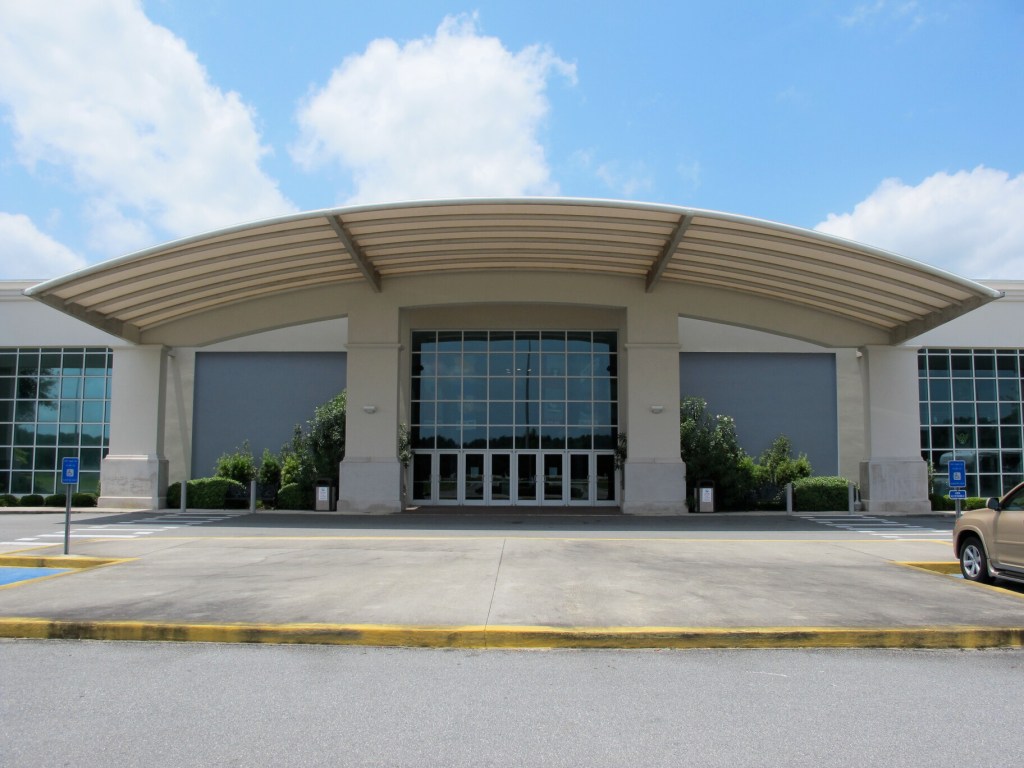
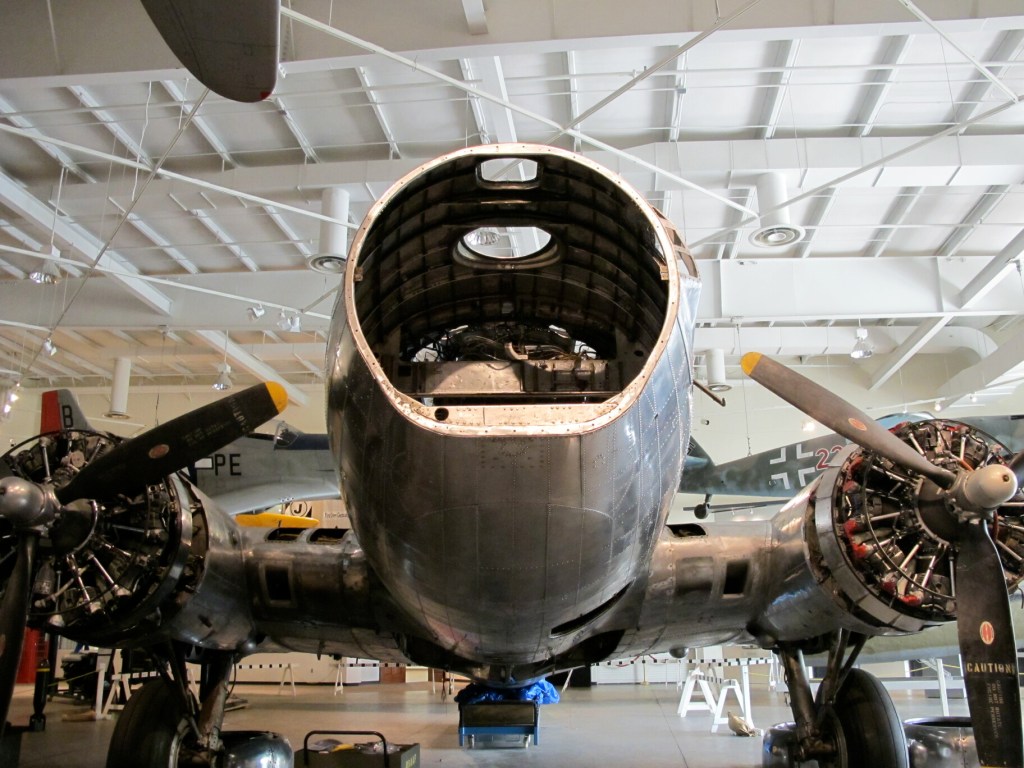
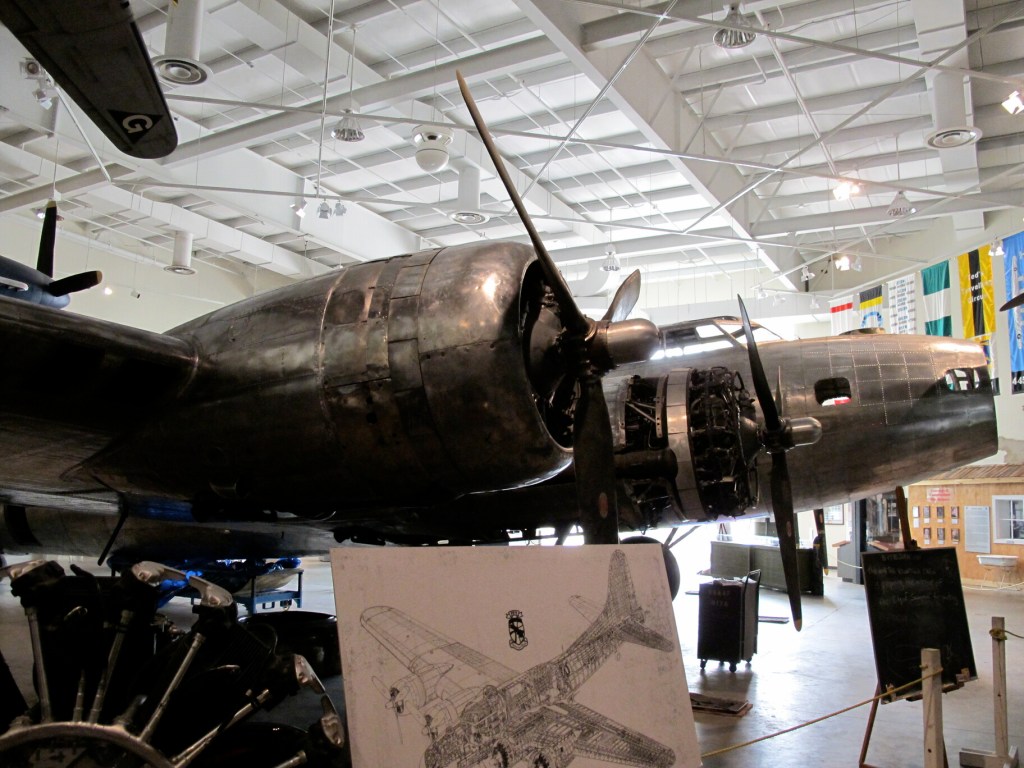
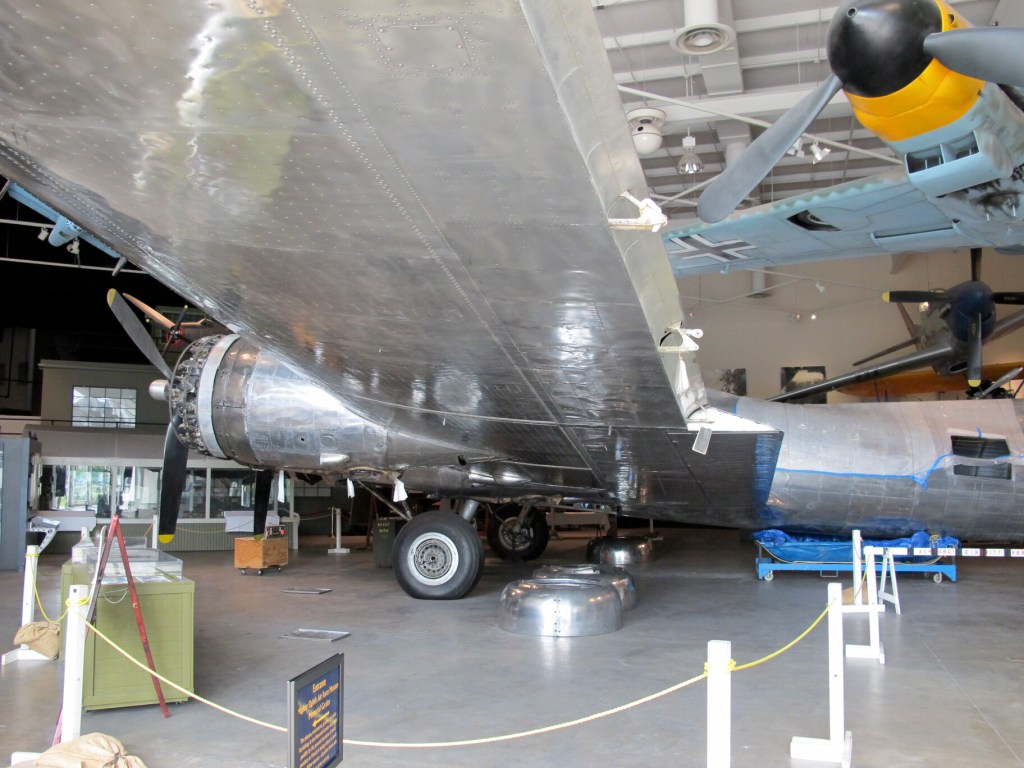
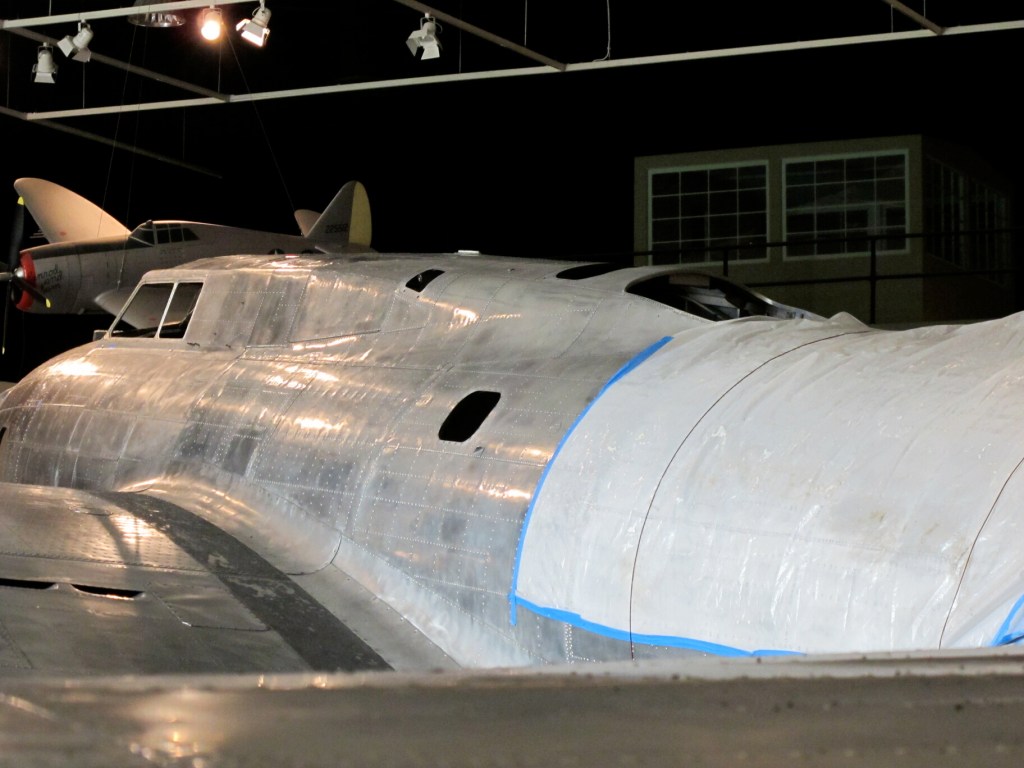
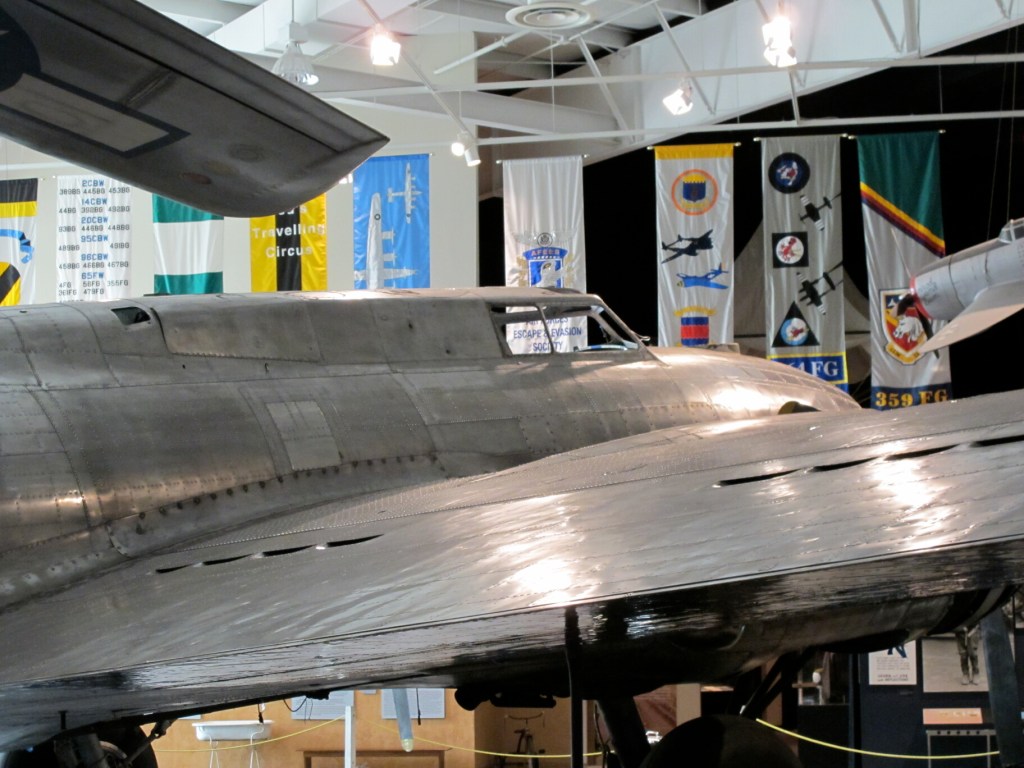
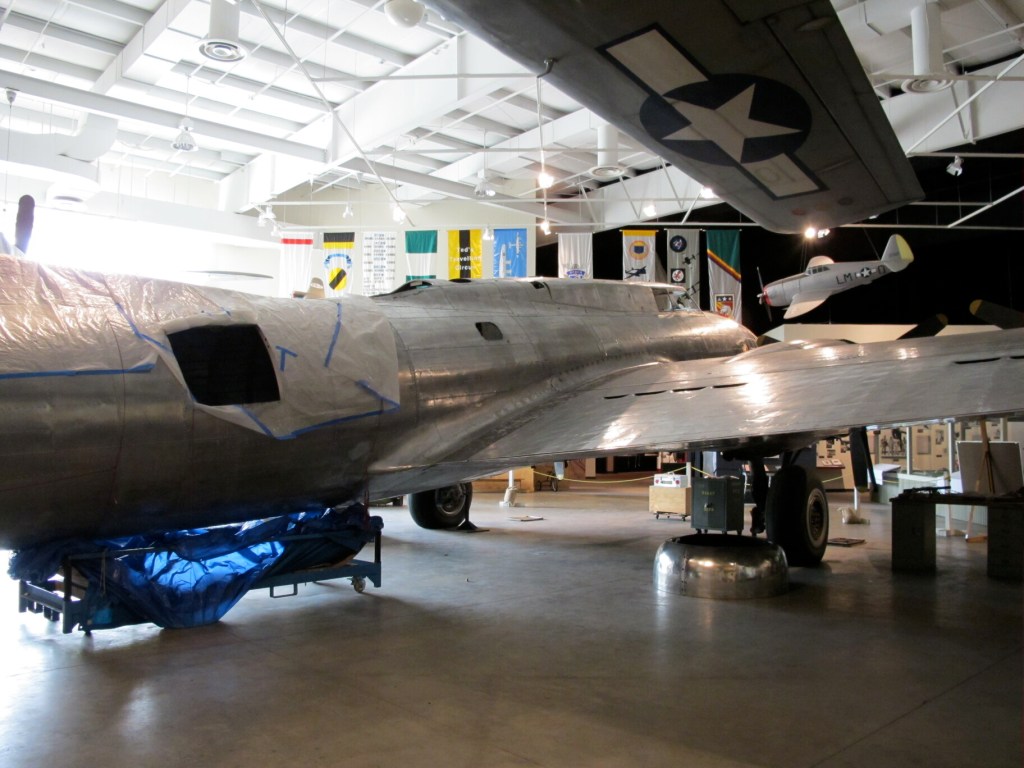
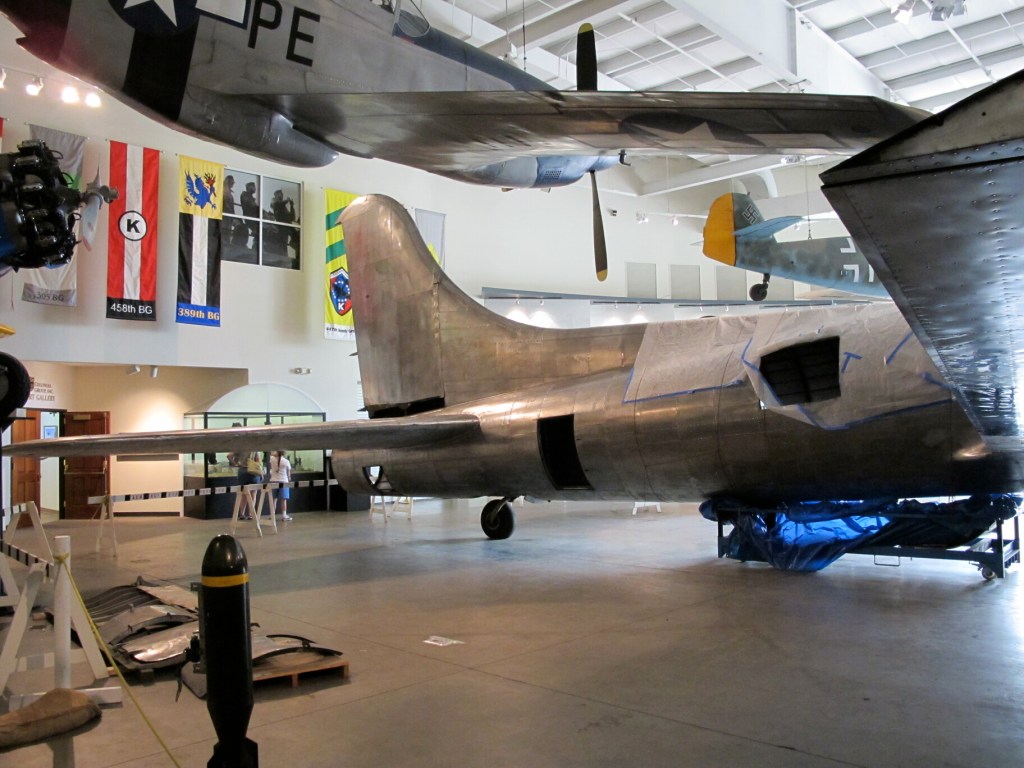
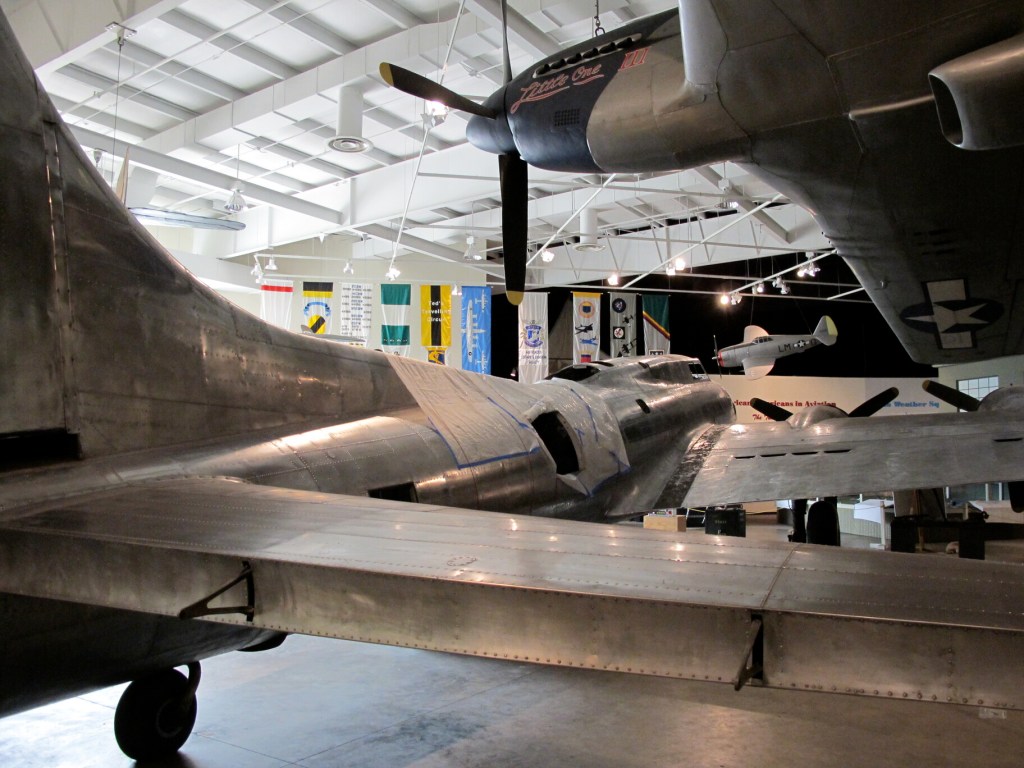
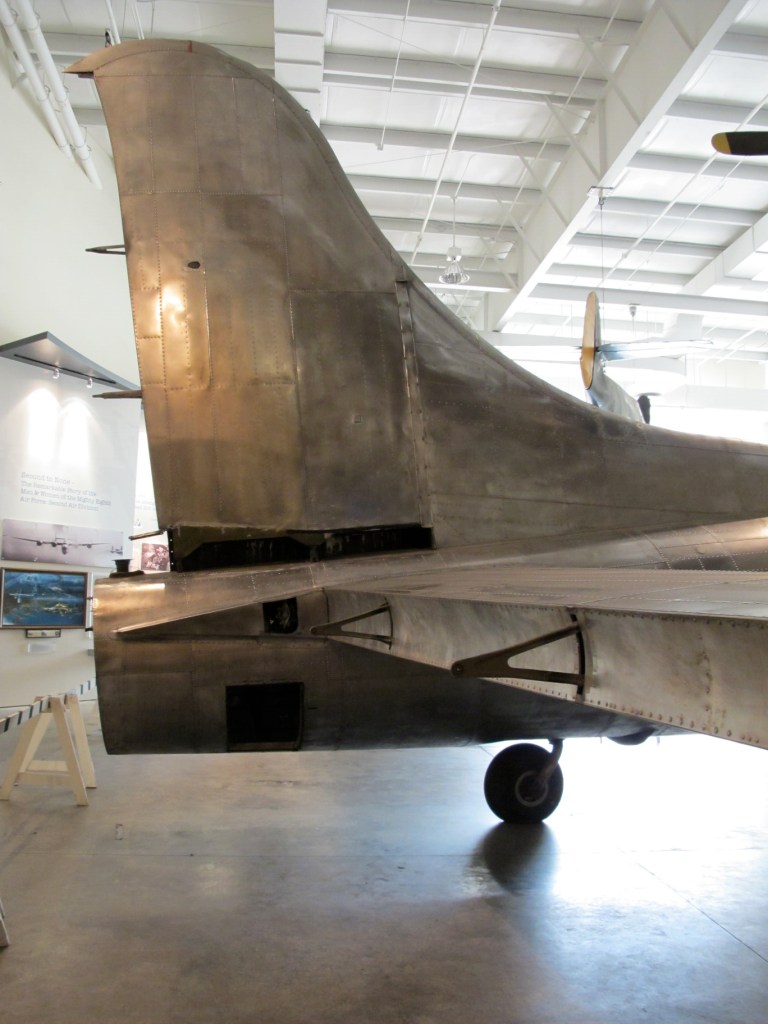
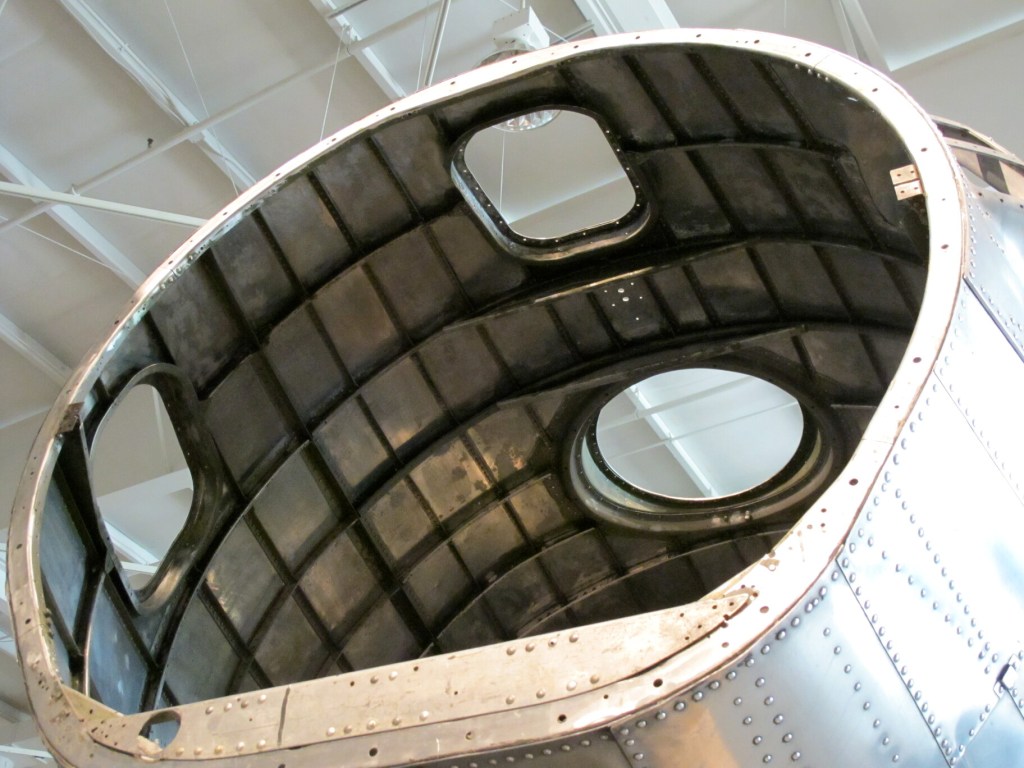
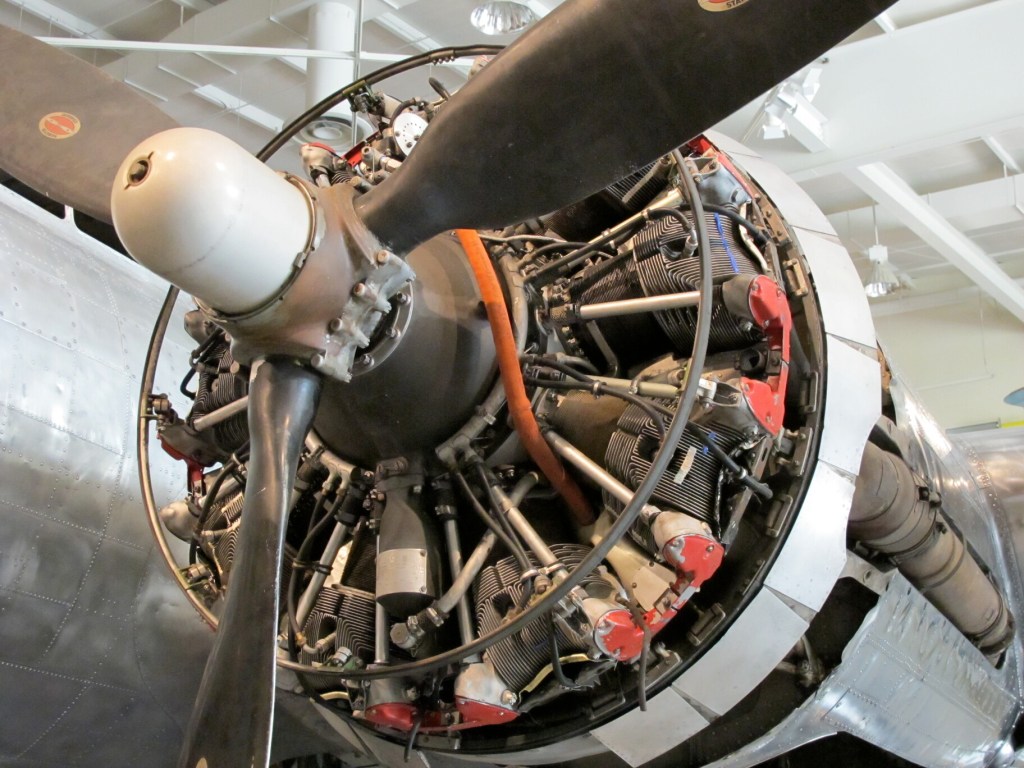
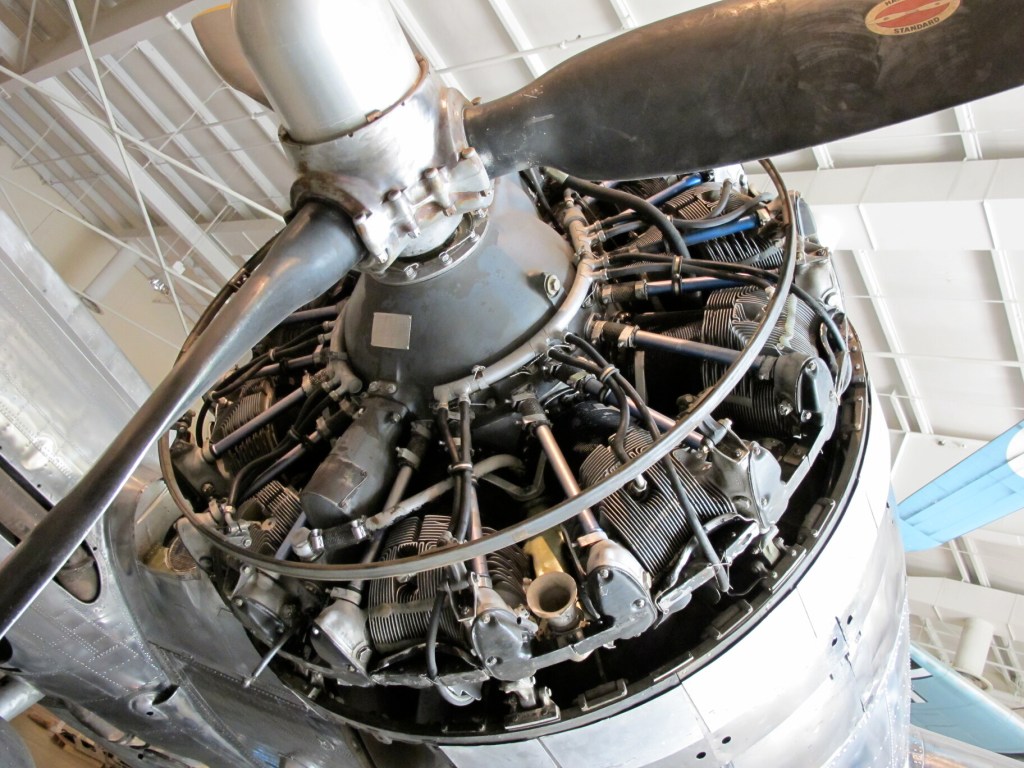
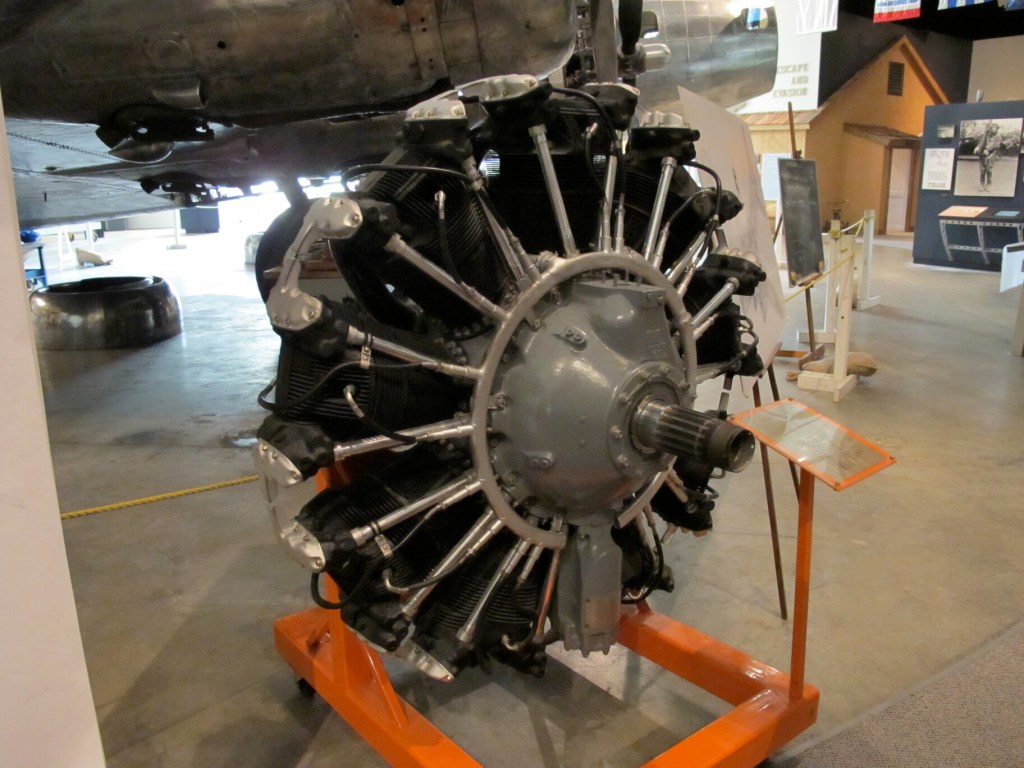
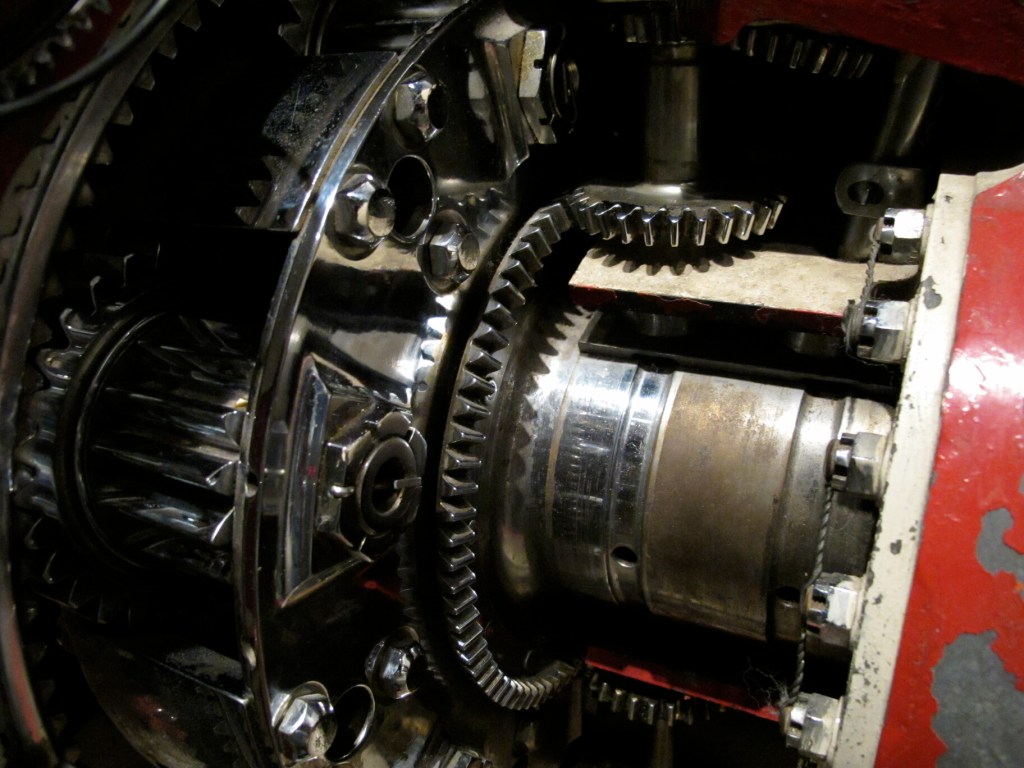
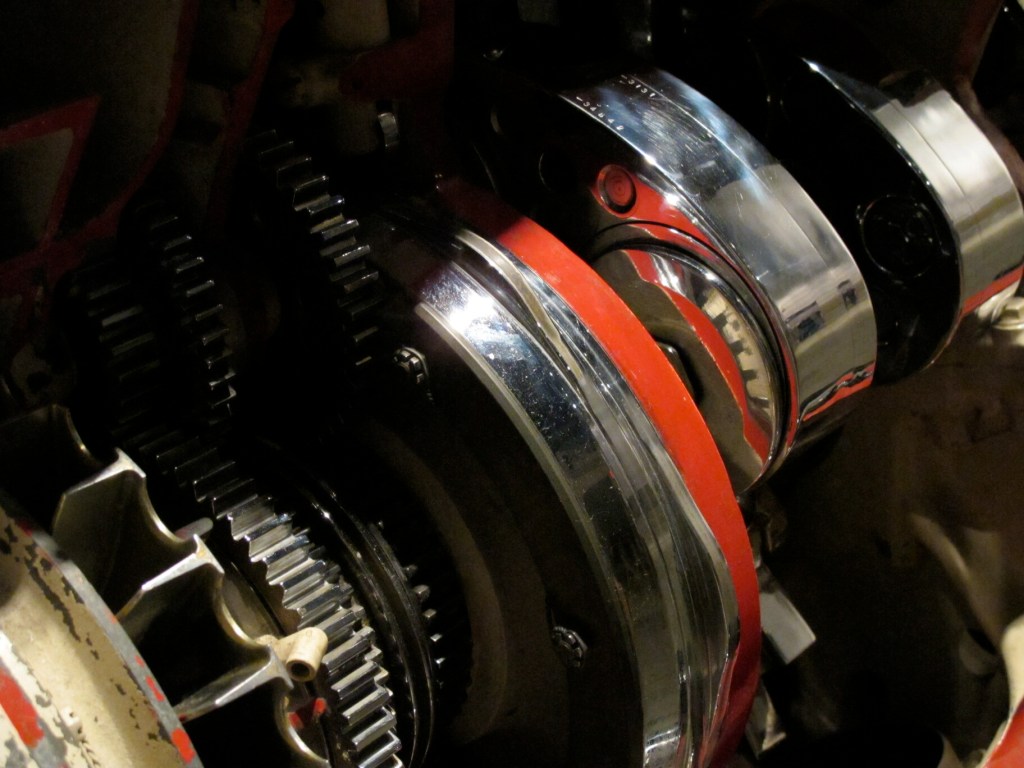
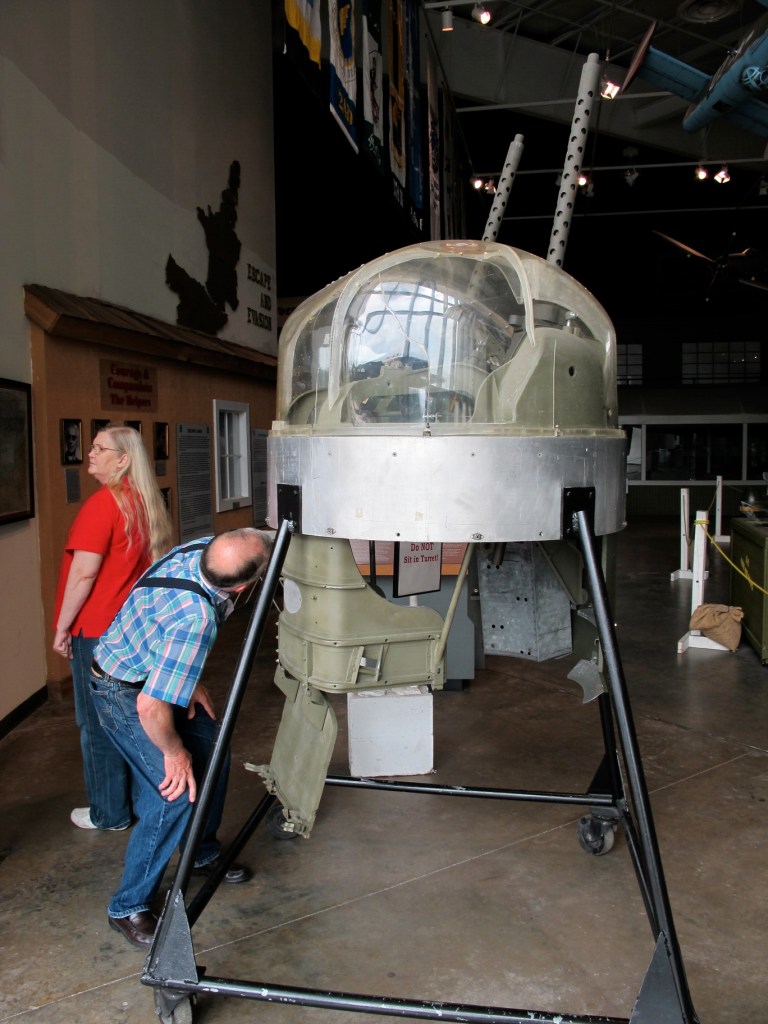
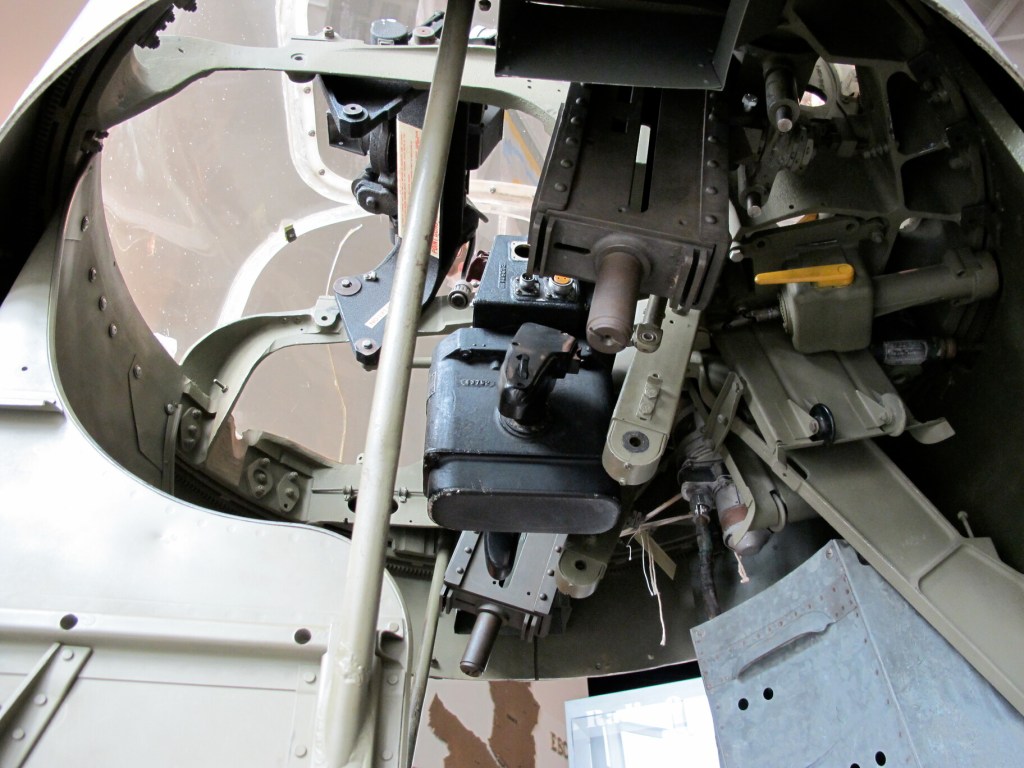
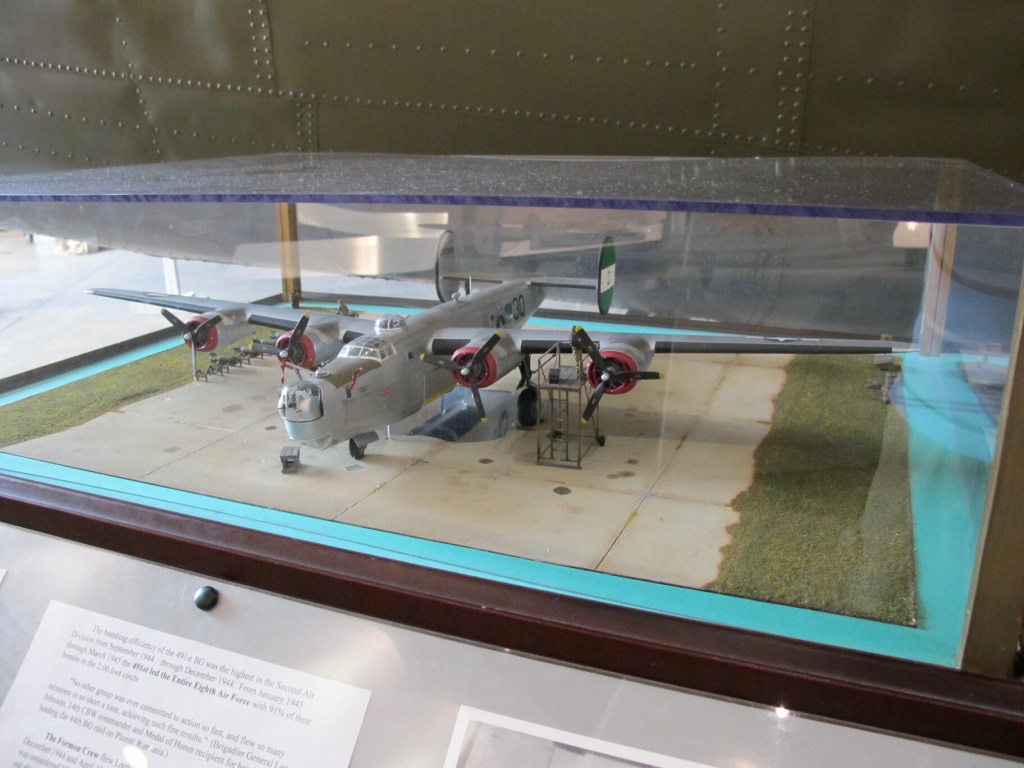
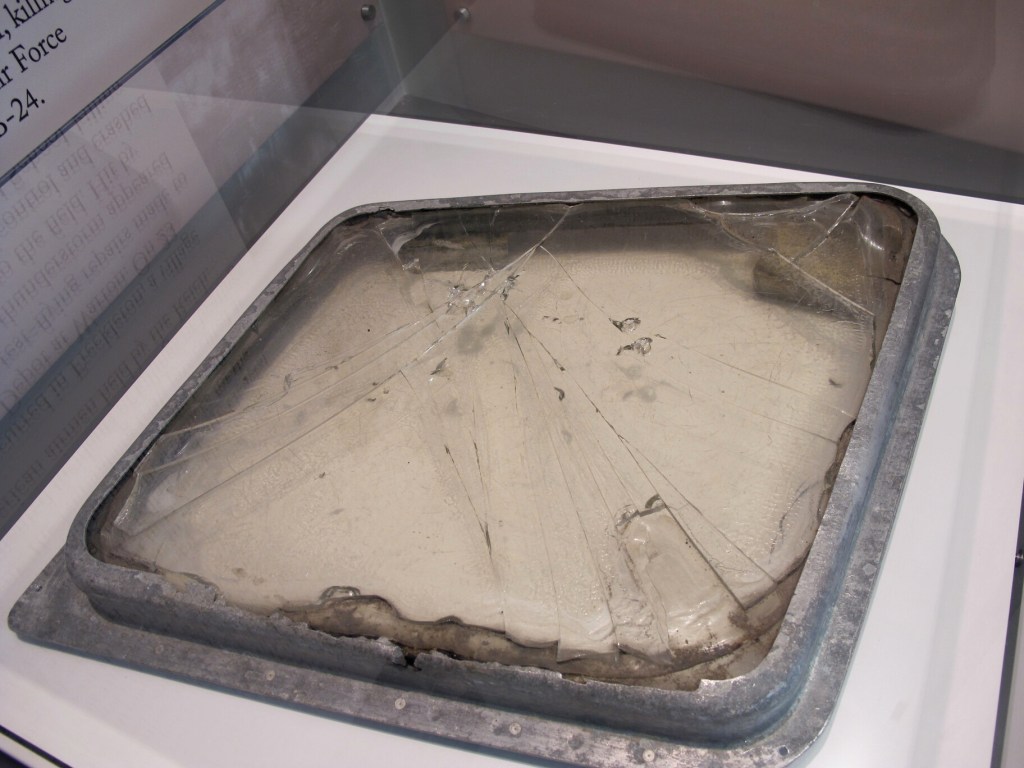
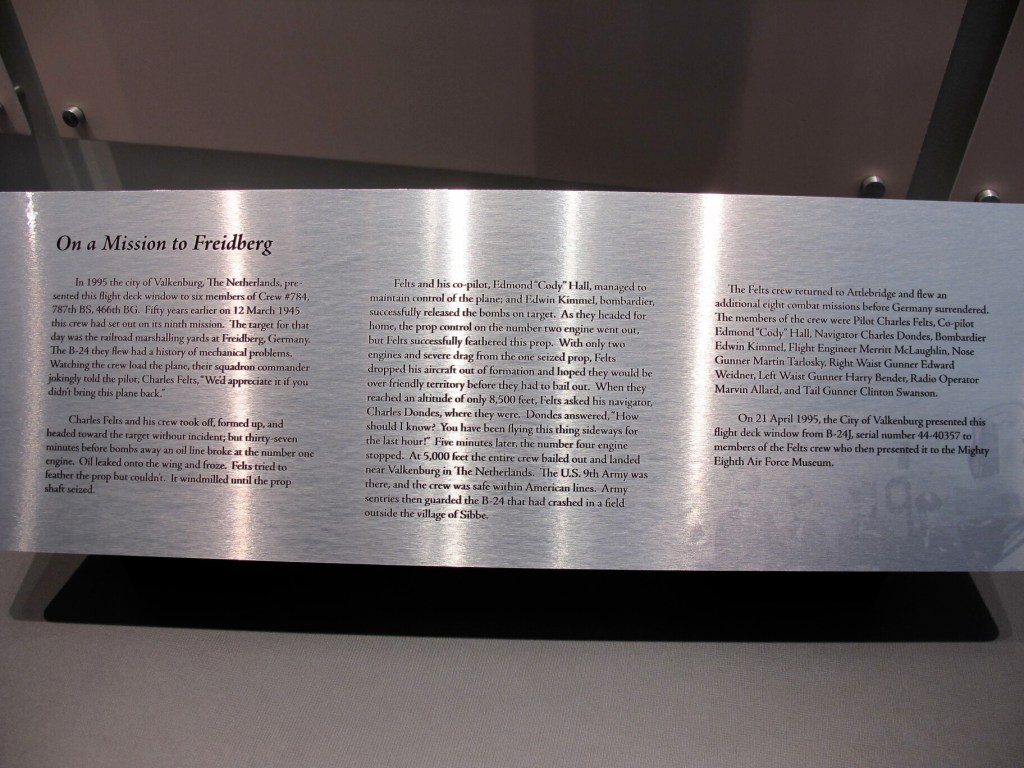
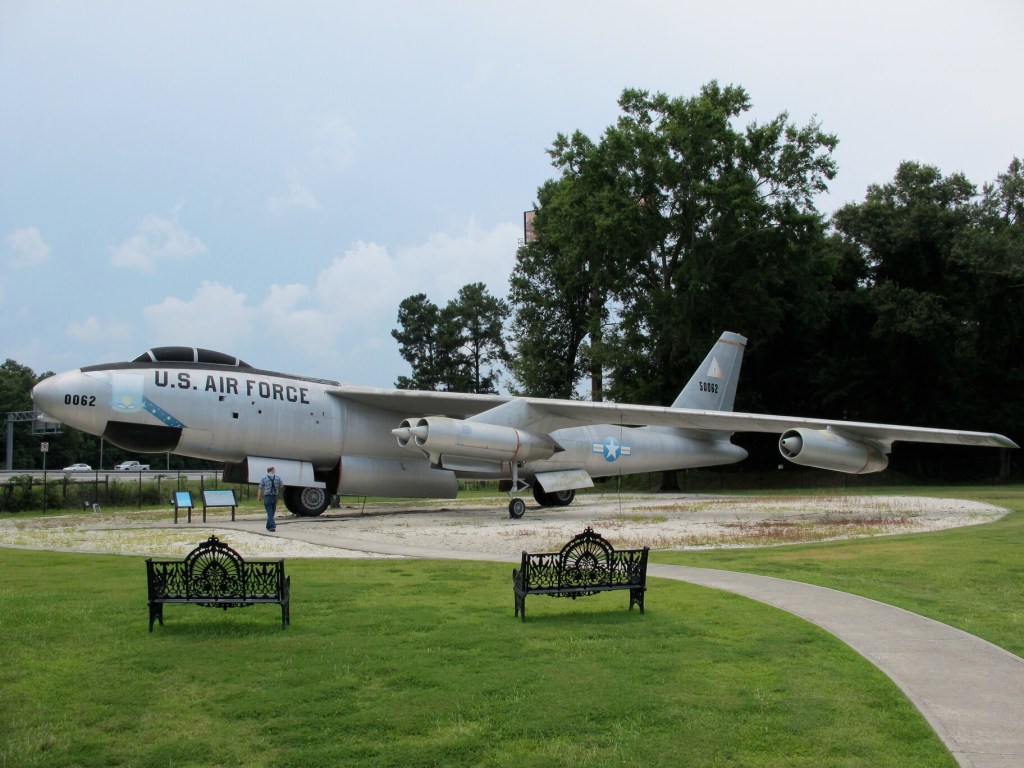
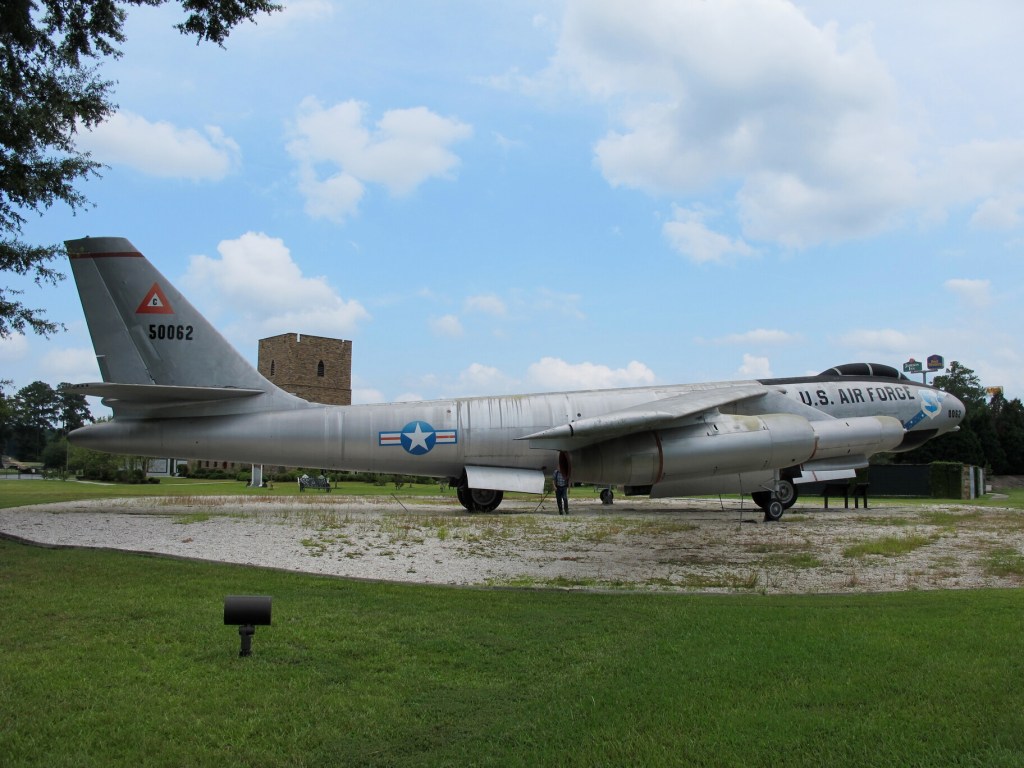
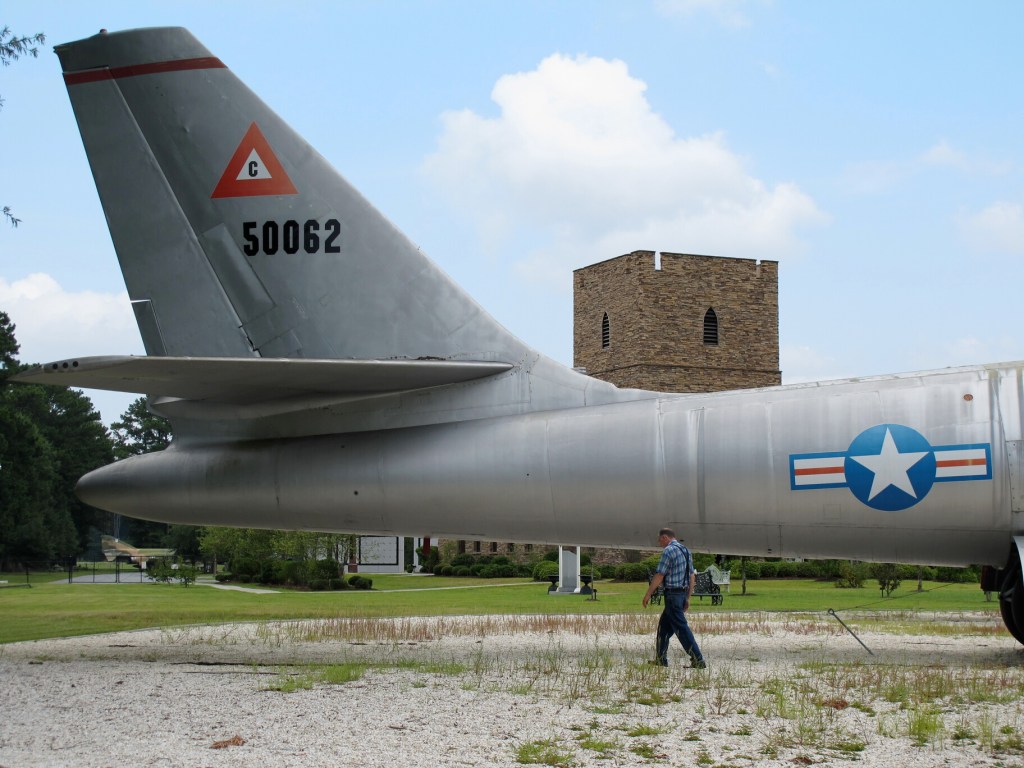
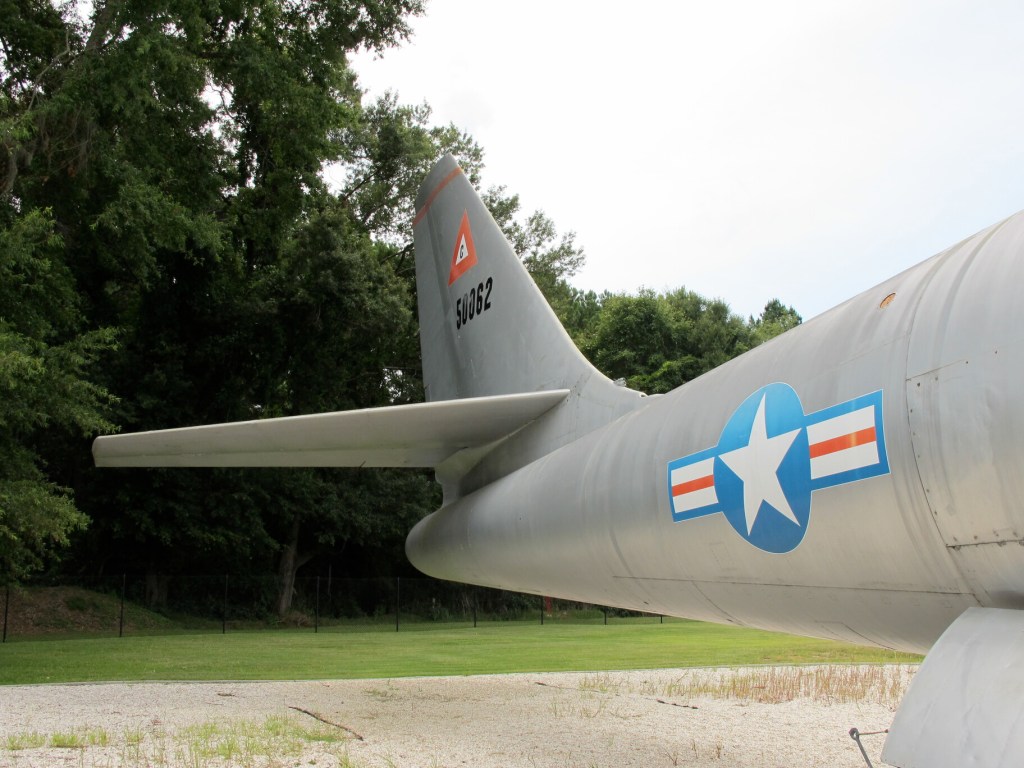
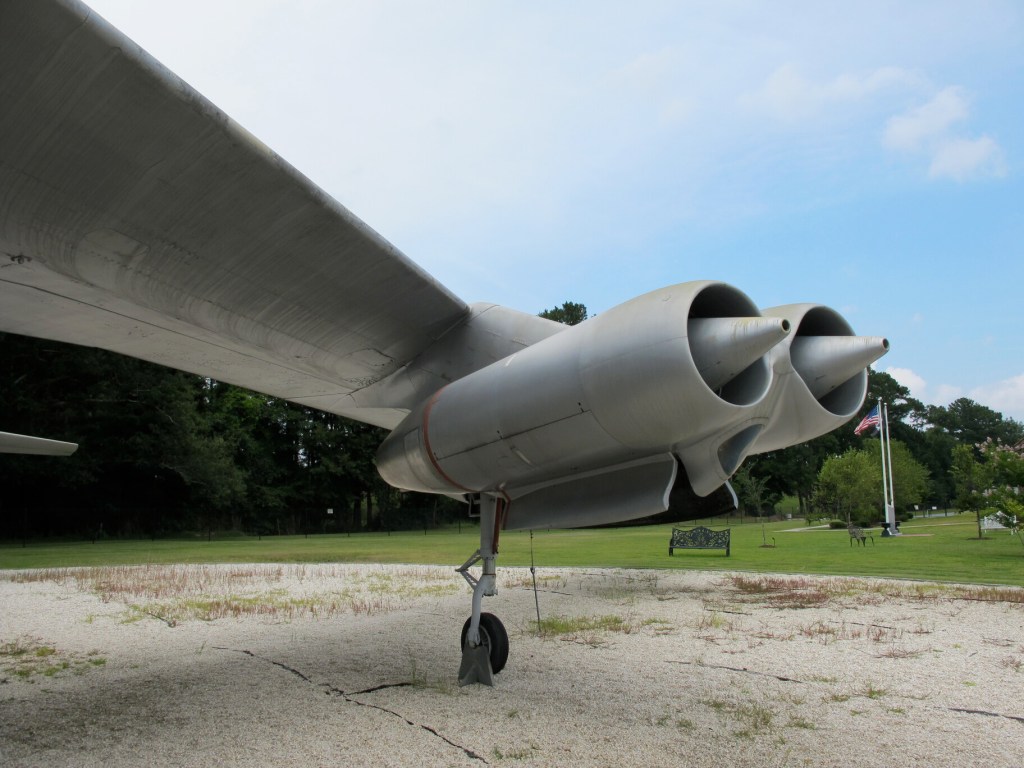
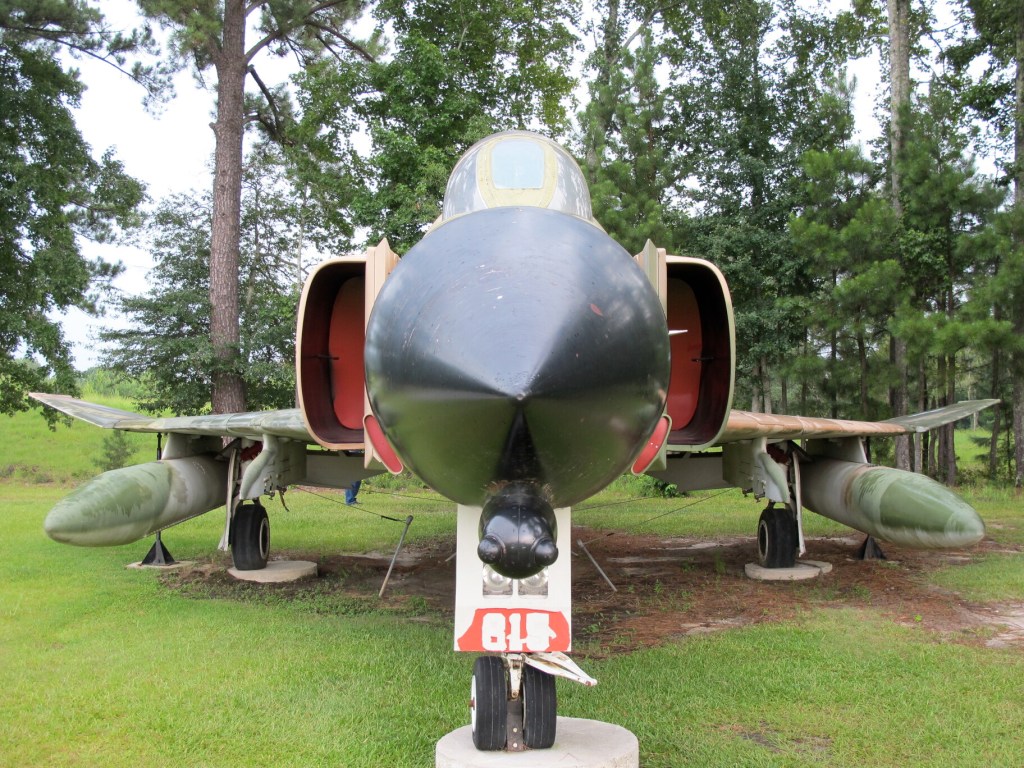
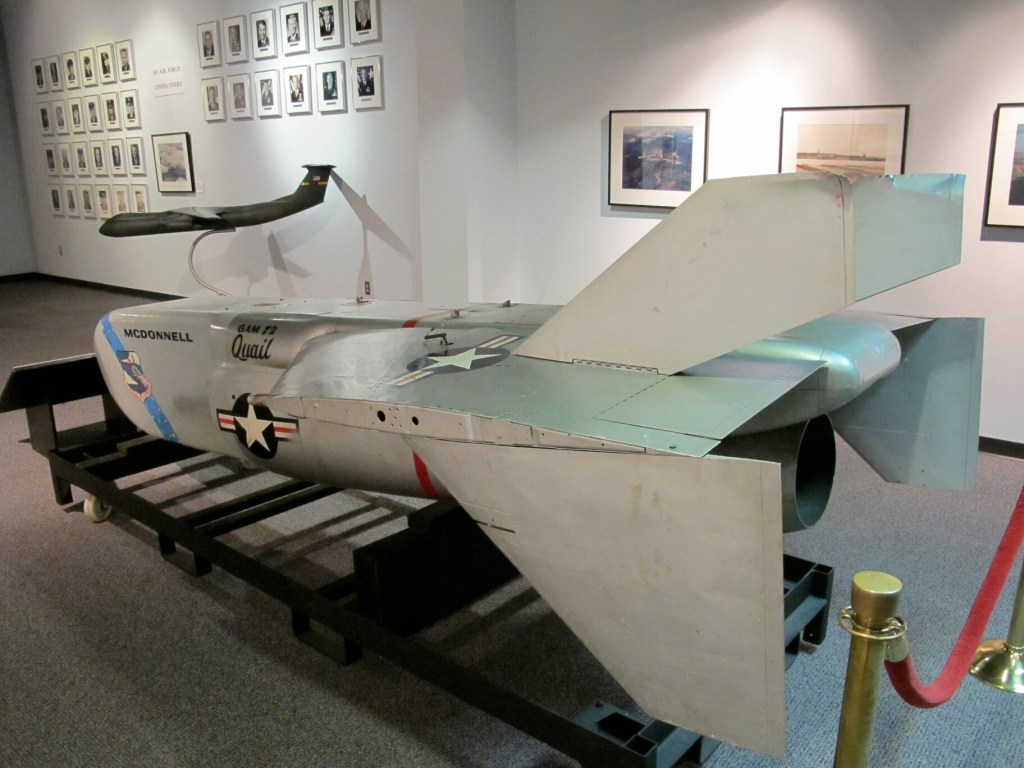
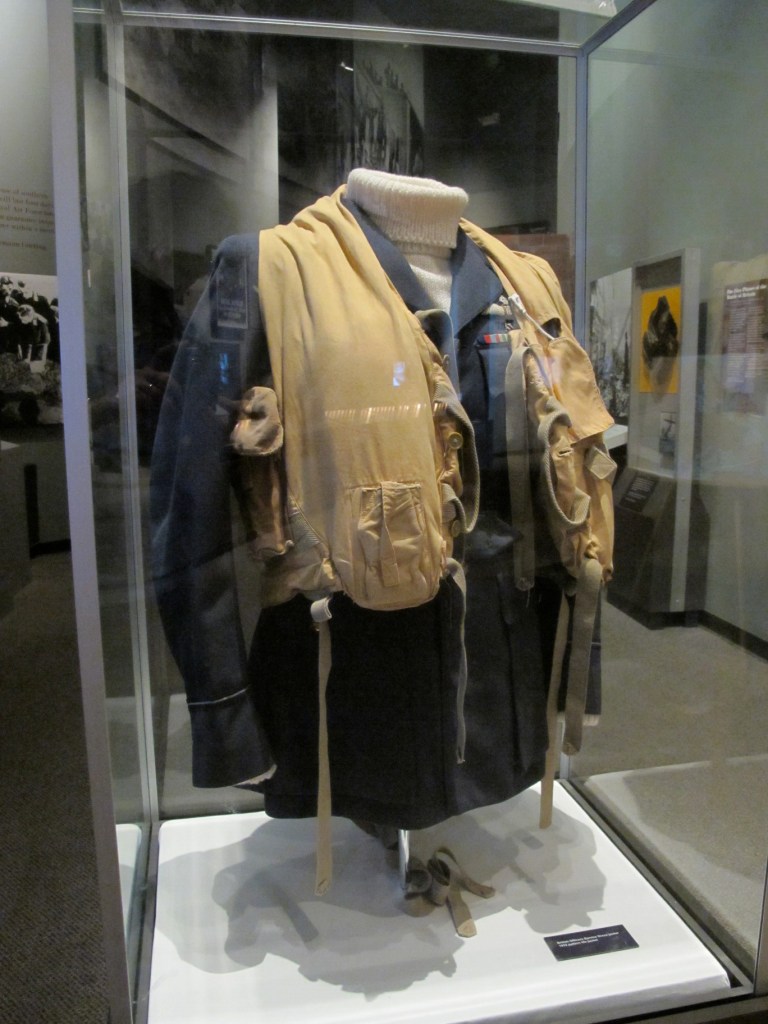
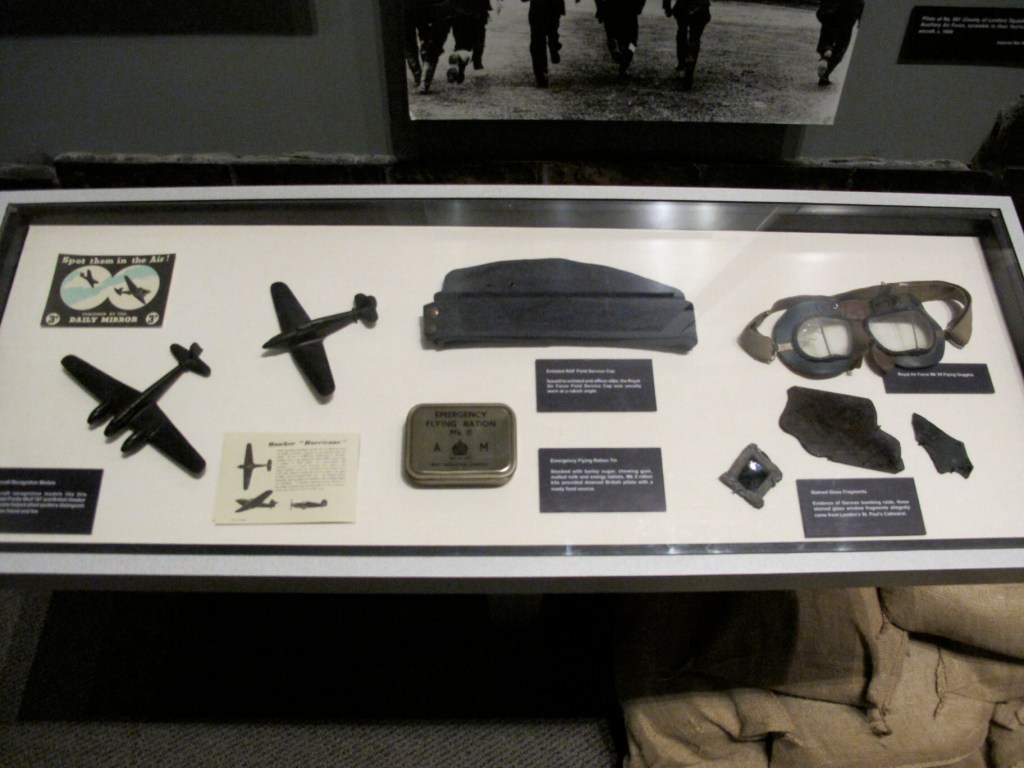
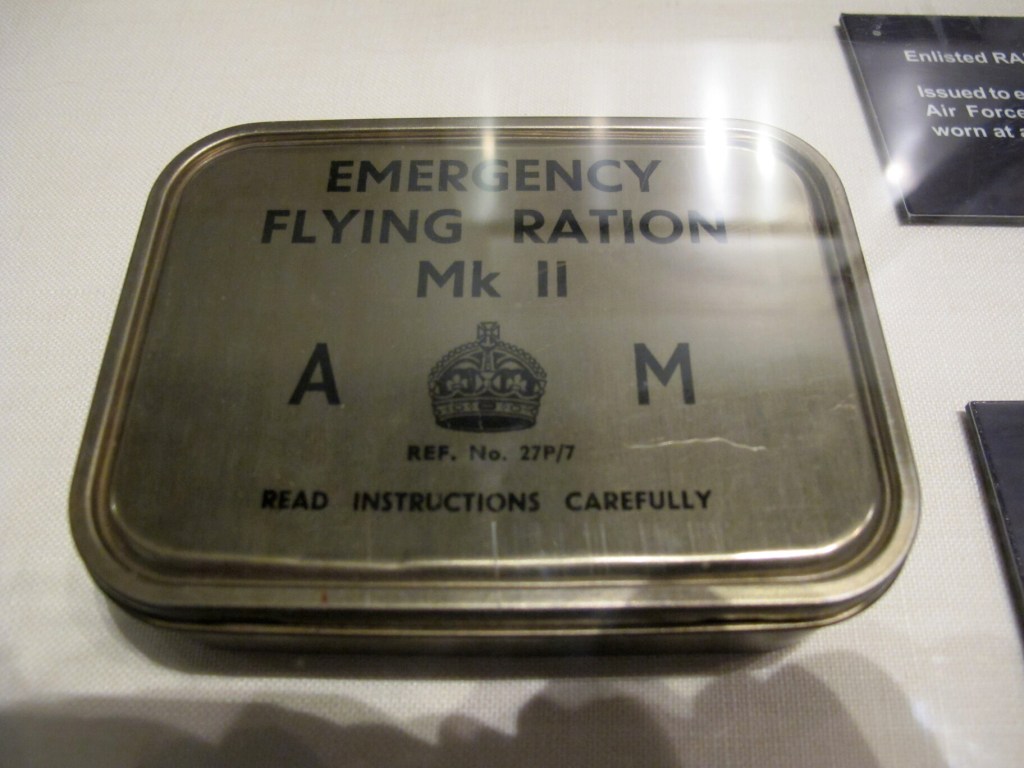
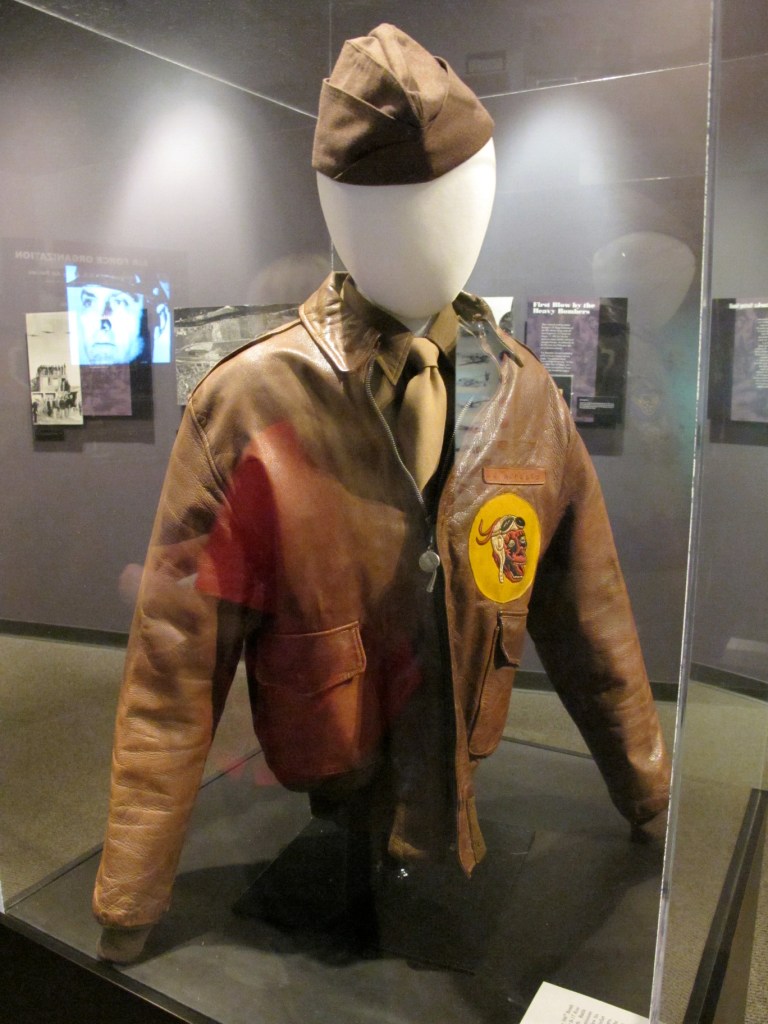
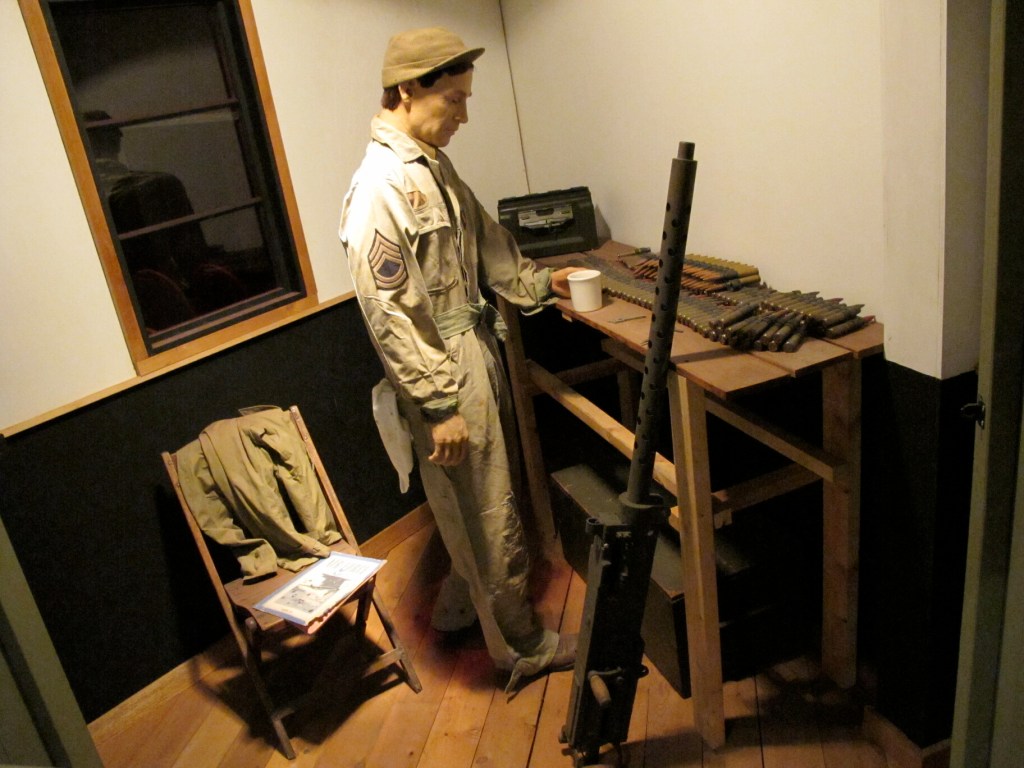
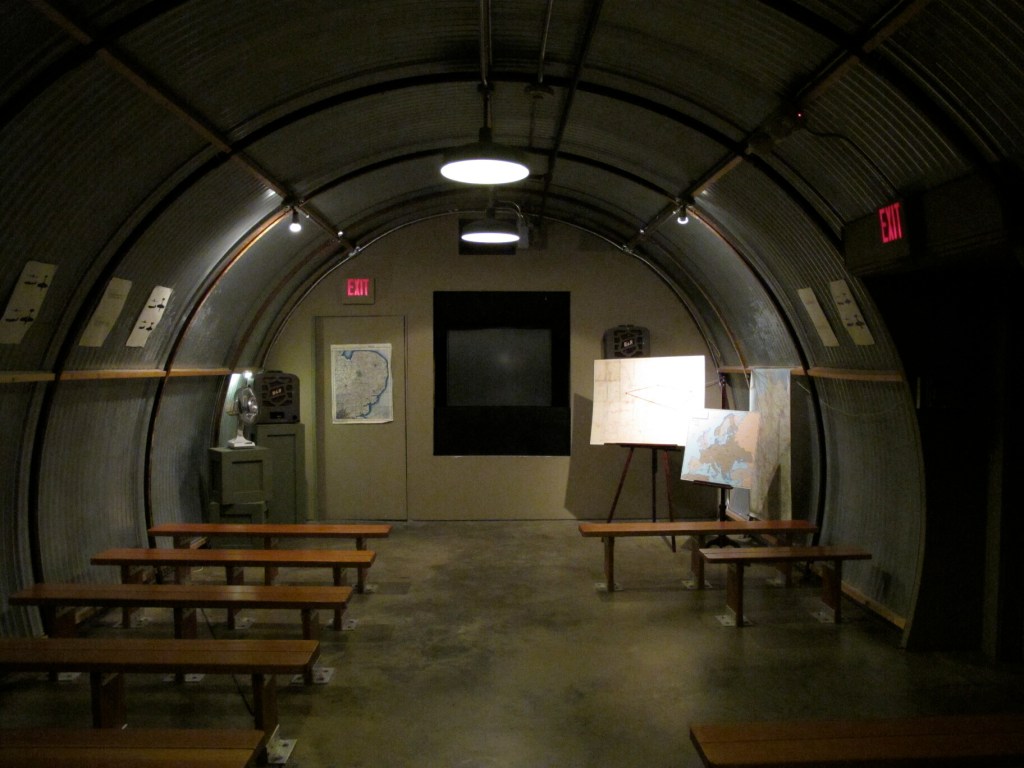
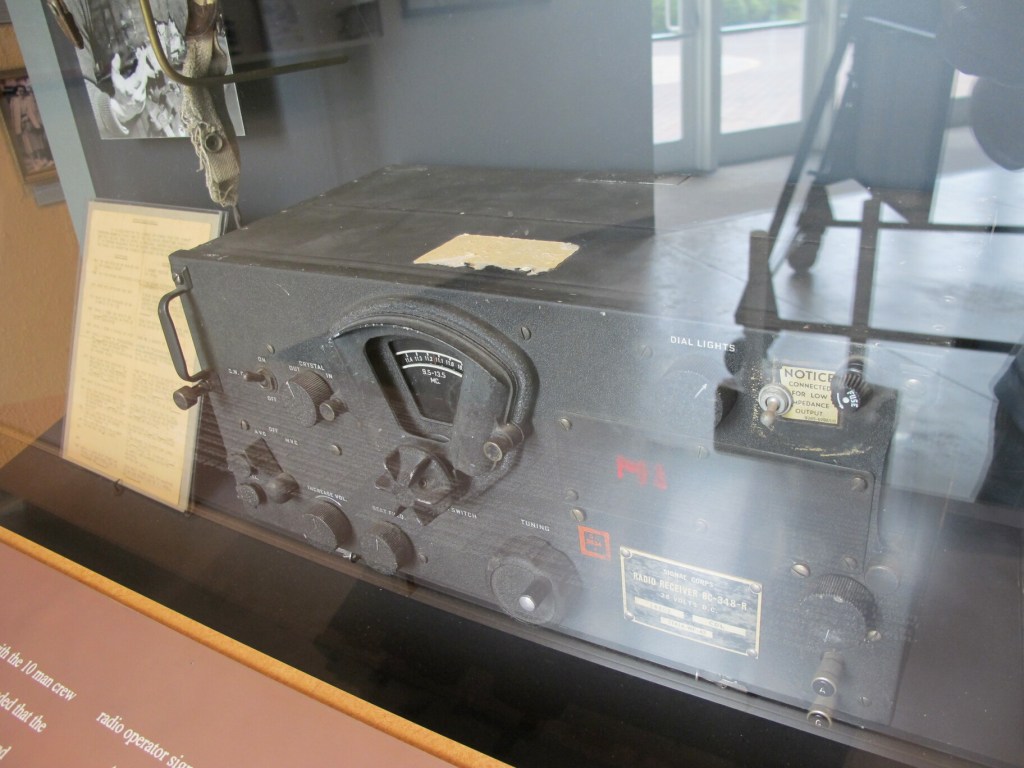
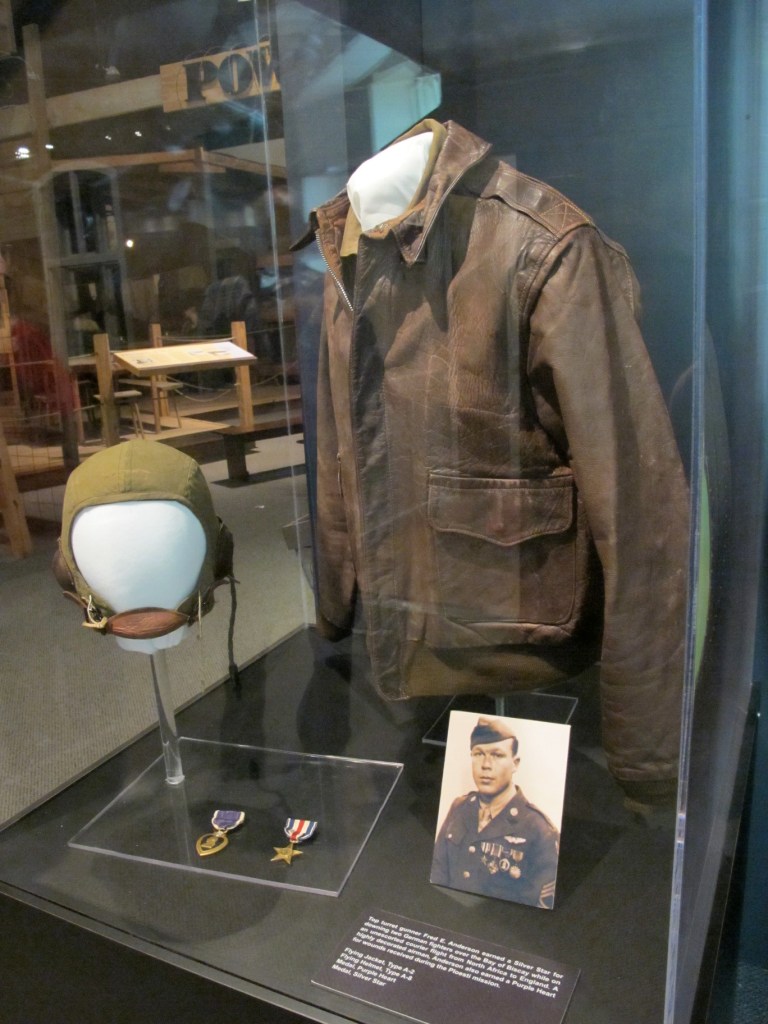
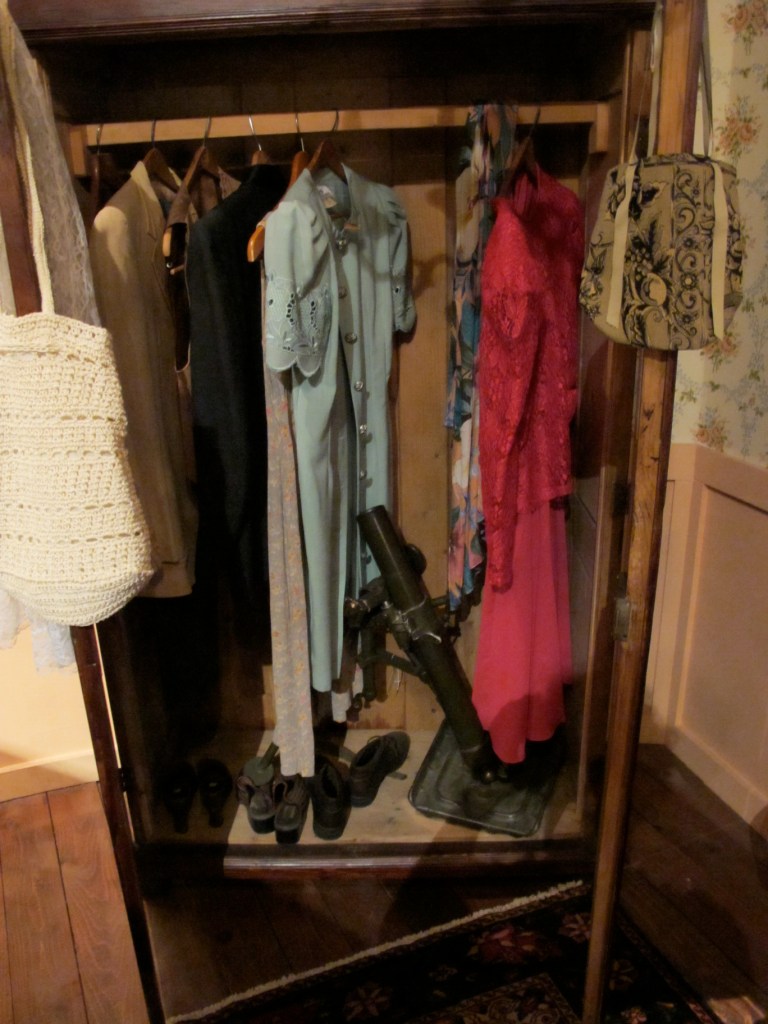
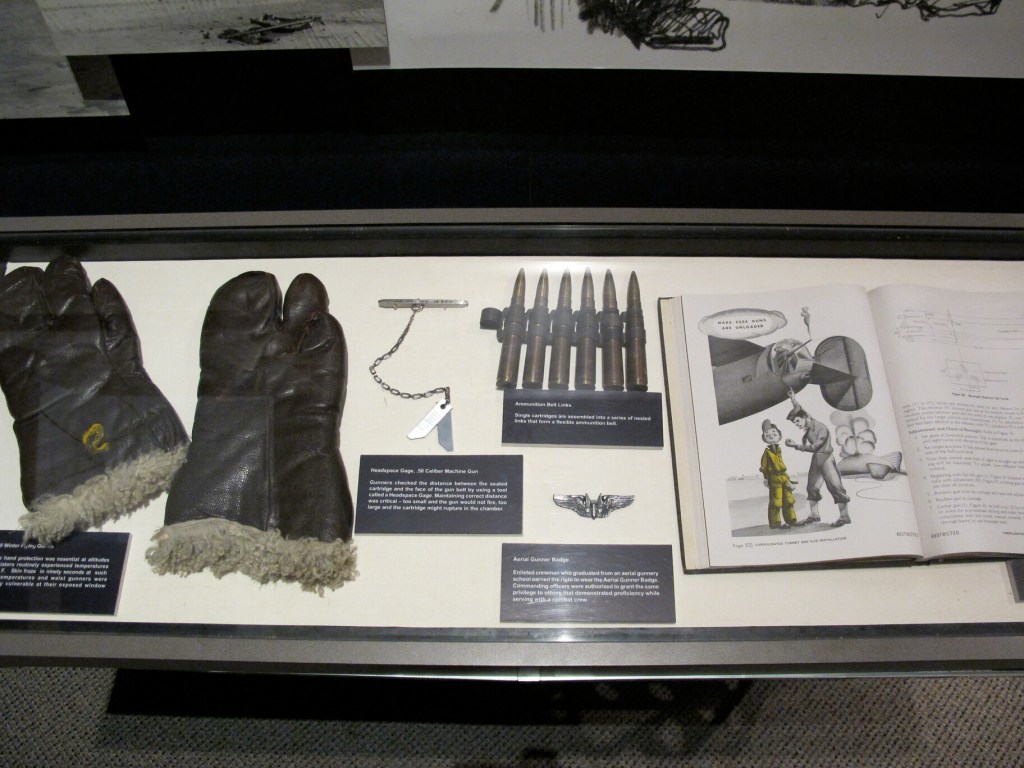
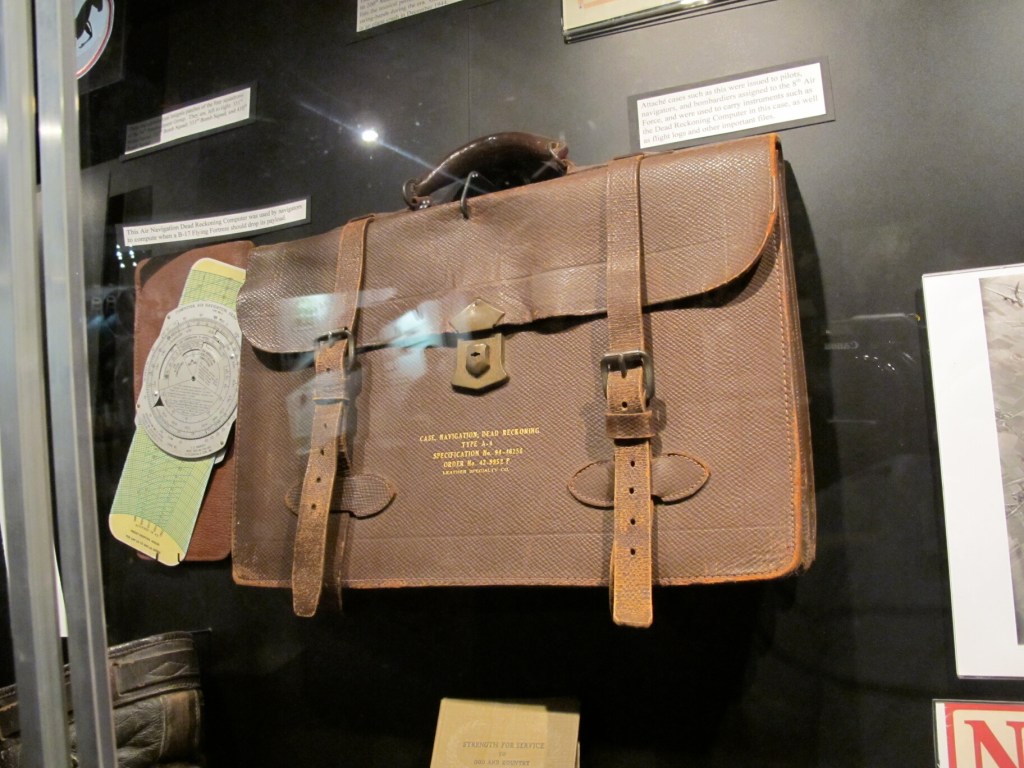
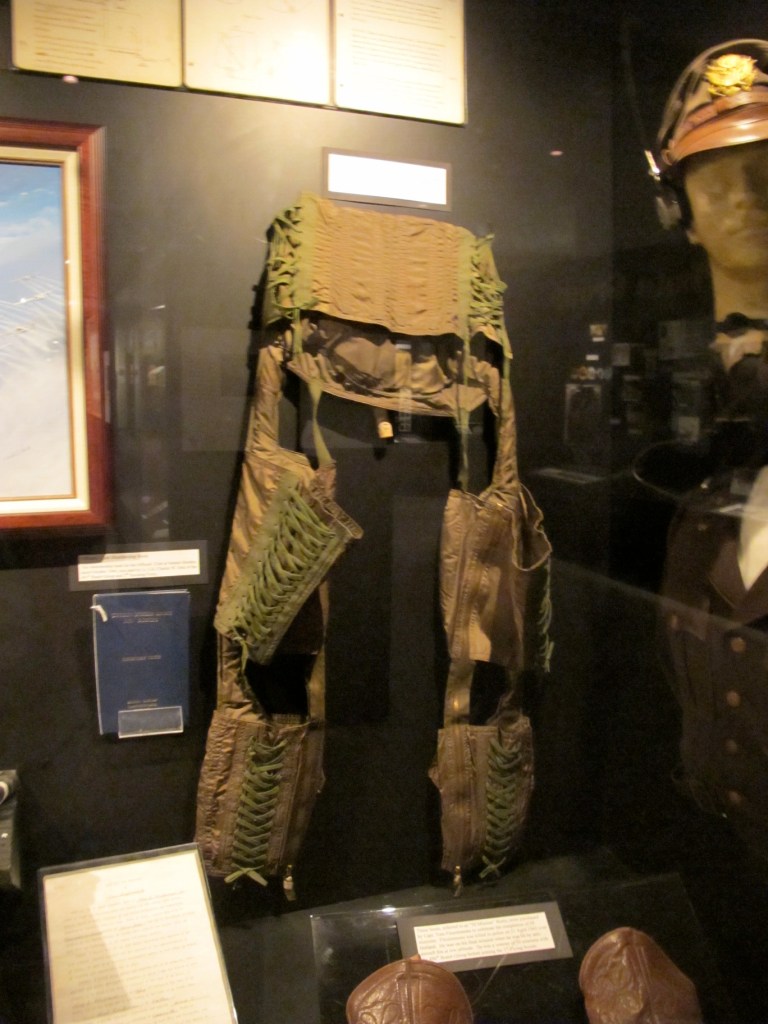
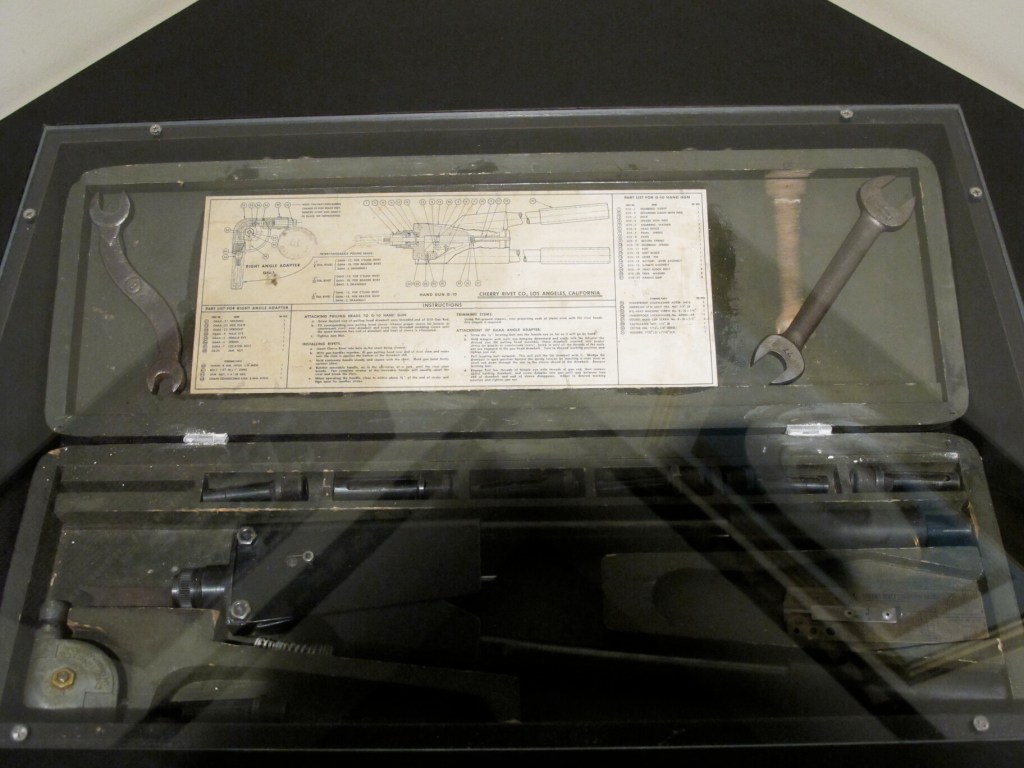
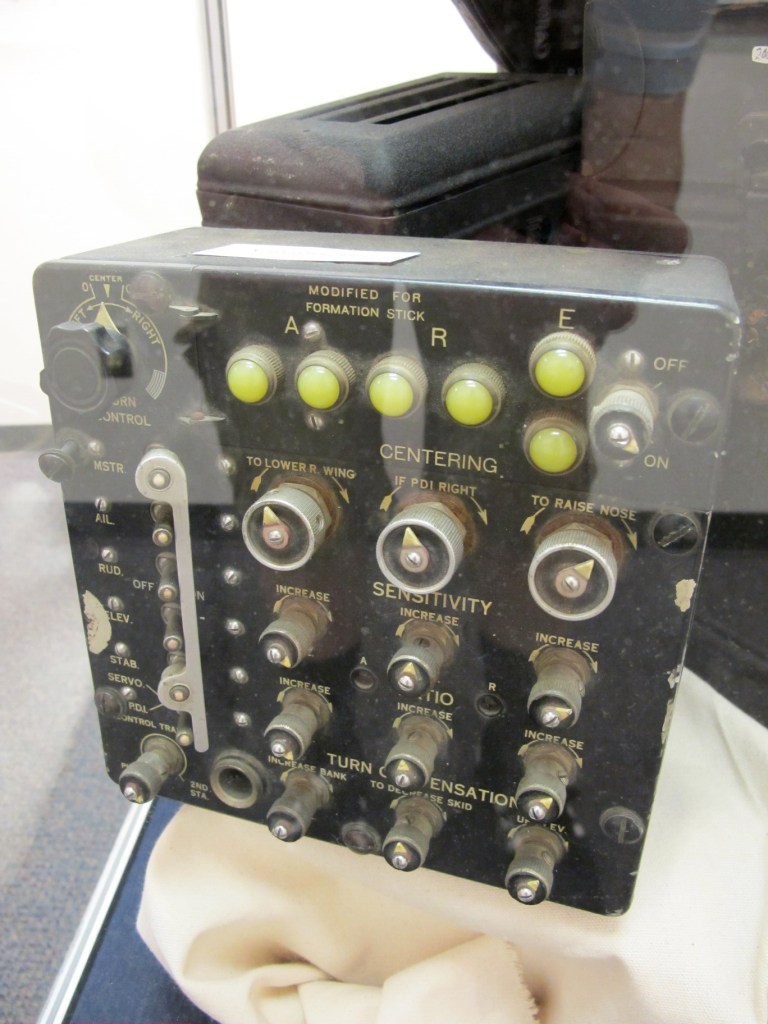
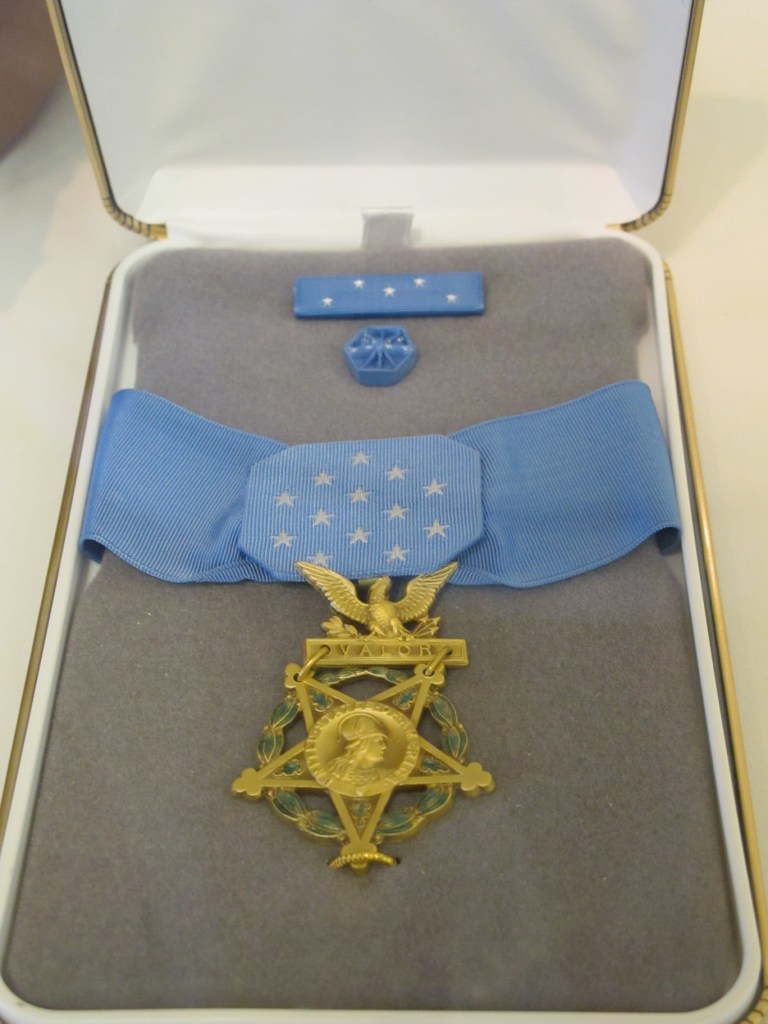
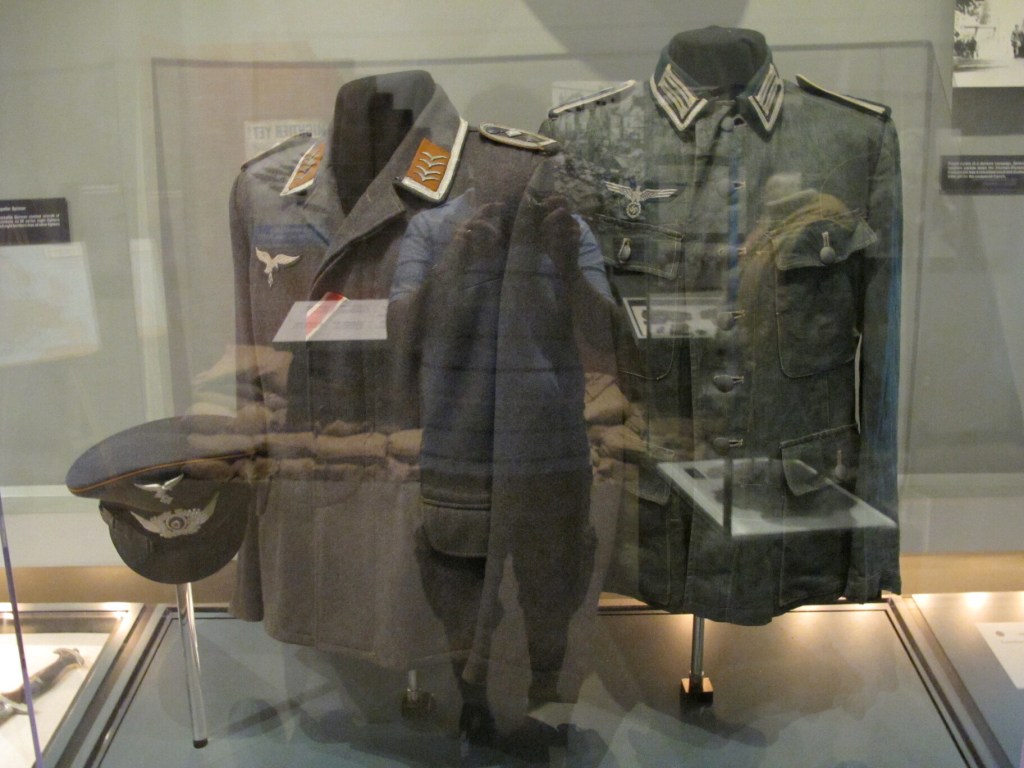
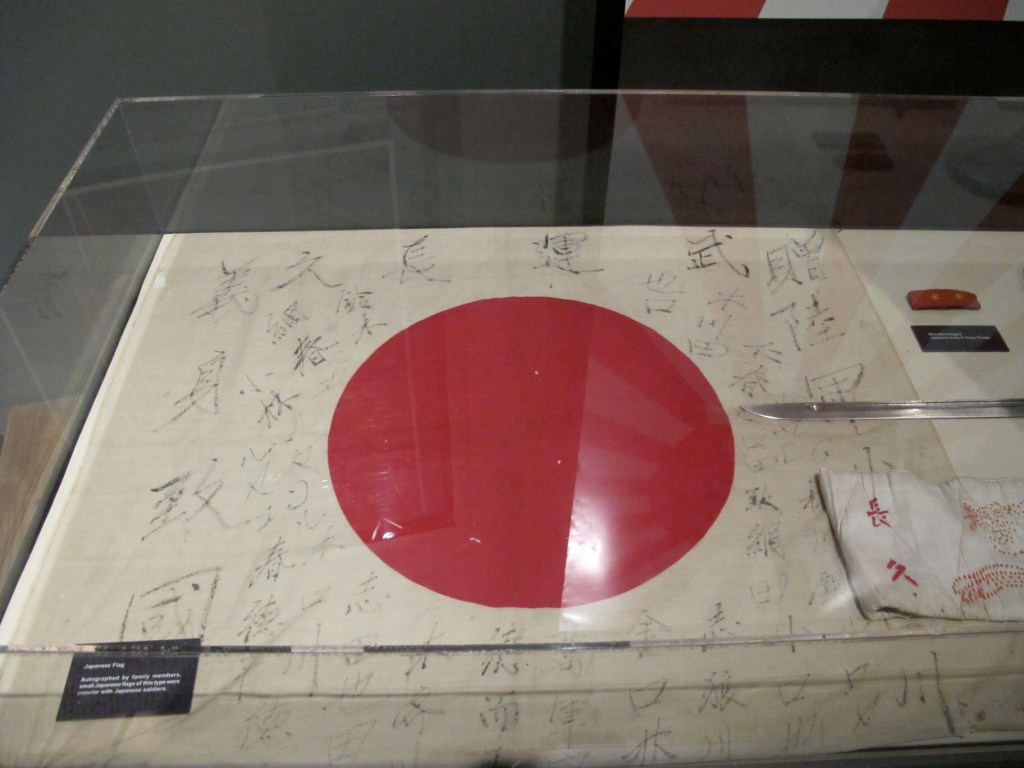
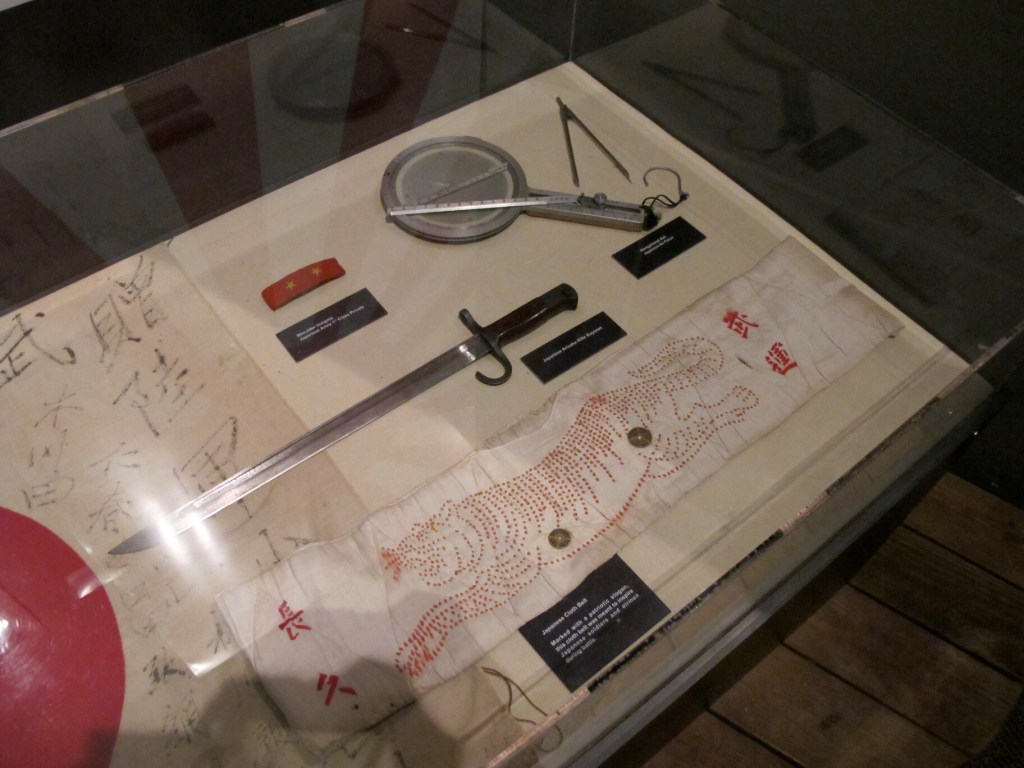
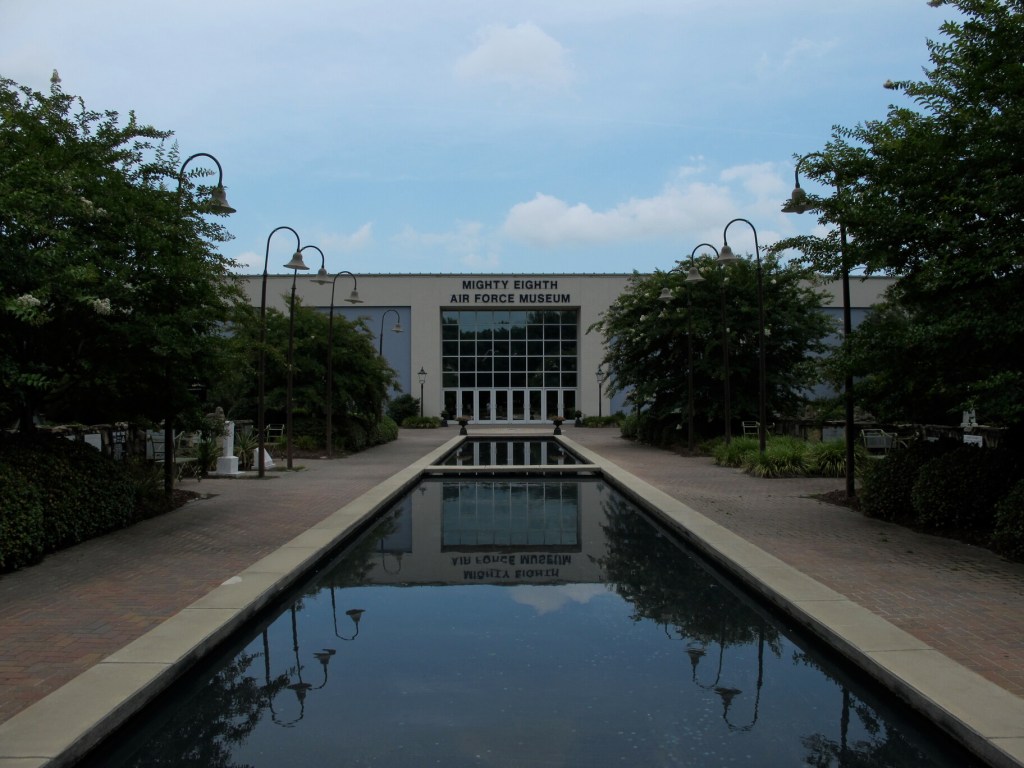
The Mighty Eighth Air Force Museum honors the Eighth Air Force which has its beginnings in World War II. It earned its “MIghty” moniker due to its overwhelming personnel and equipment capability, logistical prowess, and power application on the air battlefield.
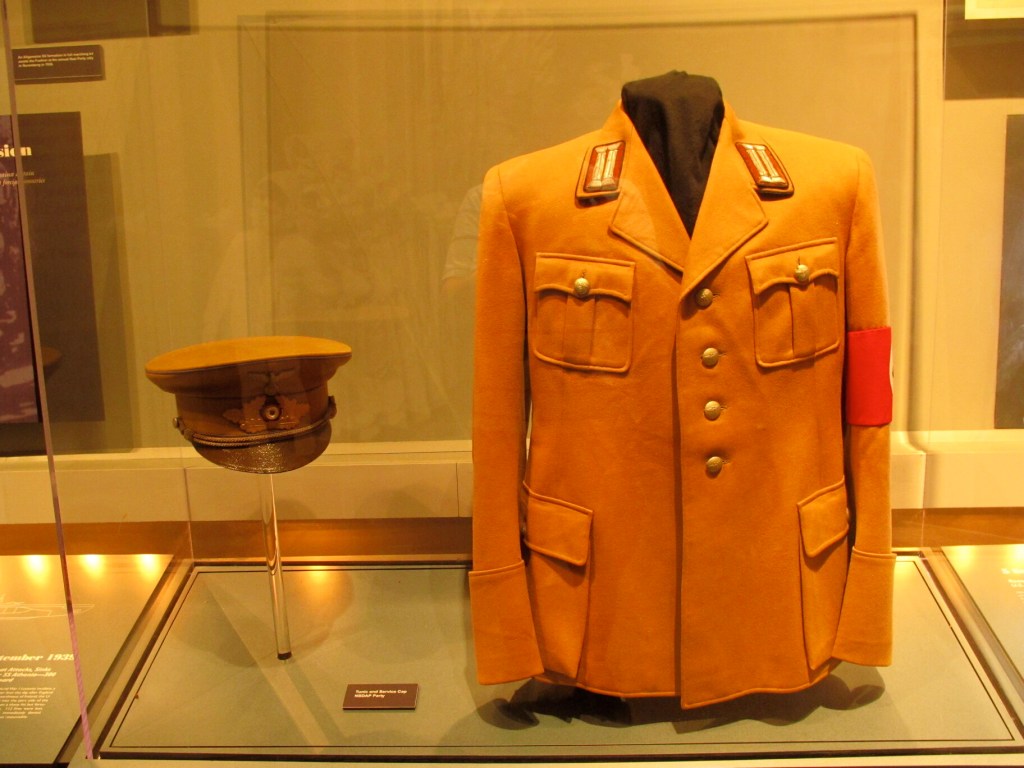
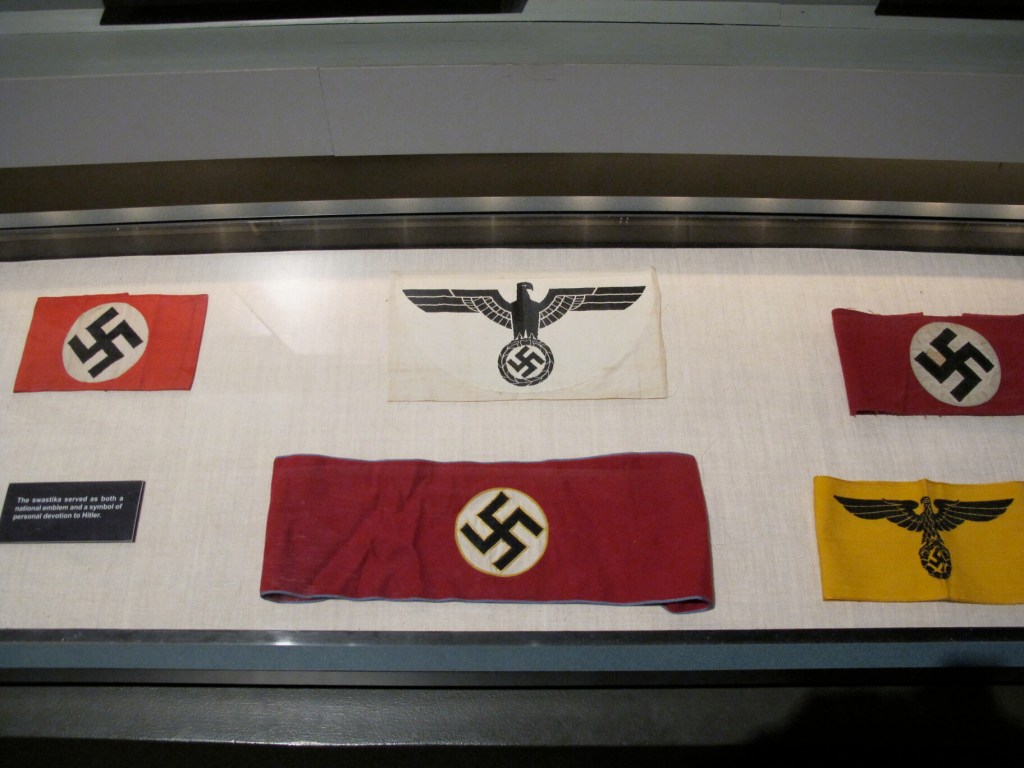
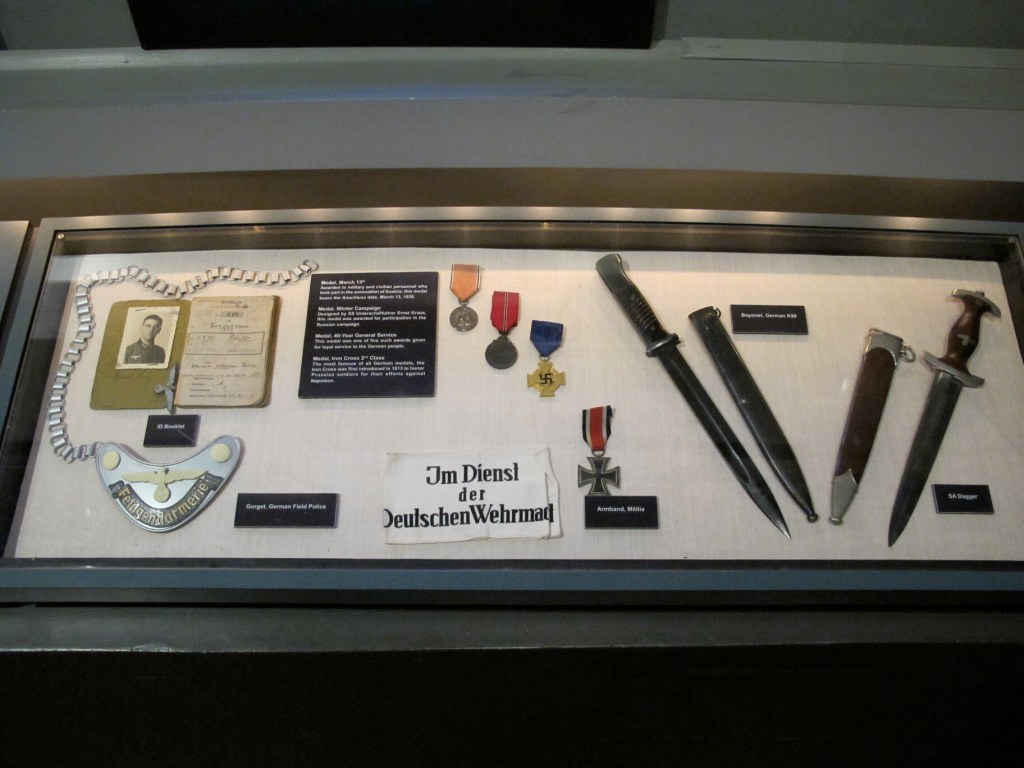
It’s on the latter one of the Axis powers mentioned–Nazi Germany–that I want to give a word of caution. I have included at the bottom of this post images of the Swastika and Nazi Germany uniforms. Like the museum including these in its exhibits, I include these images as a reminder that Nazism is evil and we cannot let that evil return to the world in whatever form it might take. I believe that there we cannot be freedom of speech maximalists in our modern world where there technology has created an extremely imbalanced marketplace of ideas and lopsided means of discourse. If we don’t draw a line in the sand about certain evils, it seems certain that we’re destined to fall prey to the paradox of tolerance. I believed the breakdown of discourse and the ease of manipulating people during the early phases of social media already presented a clear and present danger. Knowing what I know now about generative artificial intelligence (AI)’s capability to do the work of manipulation at a far greater scale and for less money than what was achieved previously, recognizing so-called free speech maximalist owners of a certain social media platform isn’t all about free speech at all and seems to support Nazi ideology, and fearing how our democracy seems weakened and fractured from the assaults culminating in the Jan. 6 insurrection makes me beyond concerned about a return of the Nazi specter–but instead of forming elsewhere, it could manifest here.
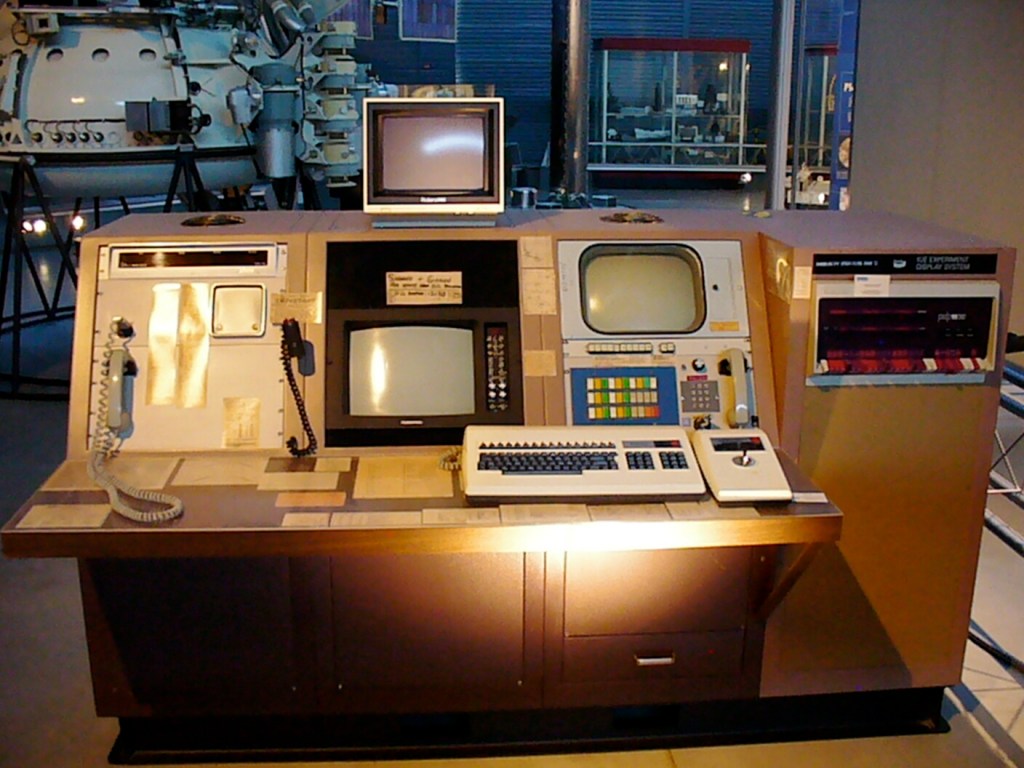
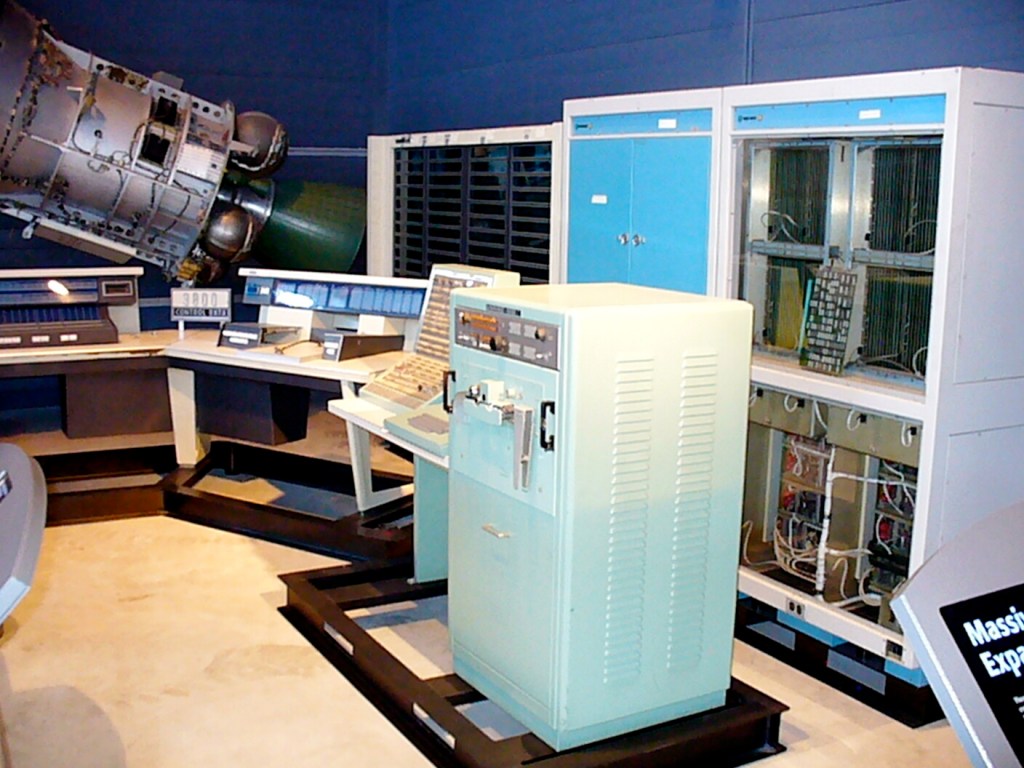
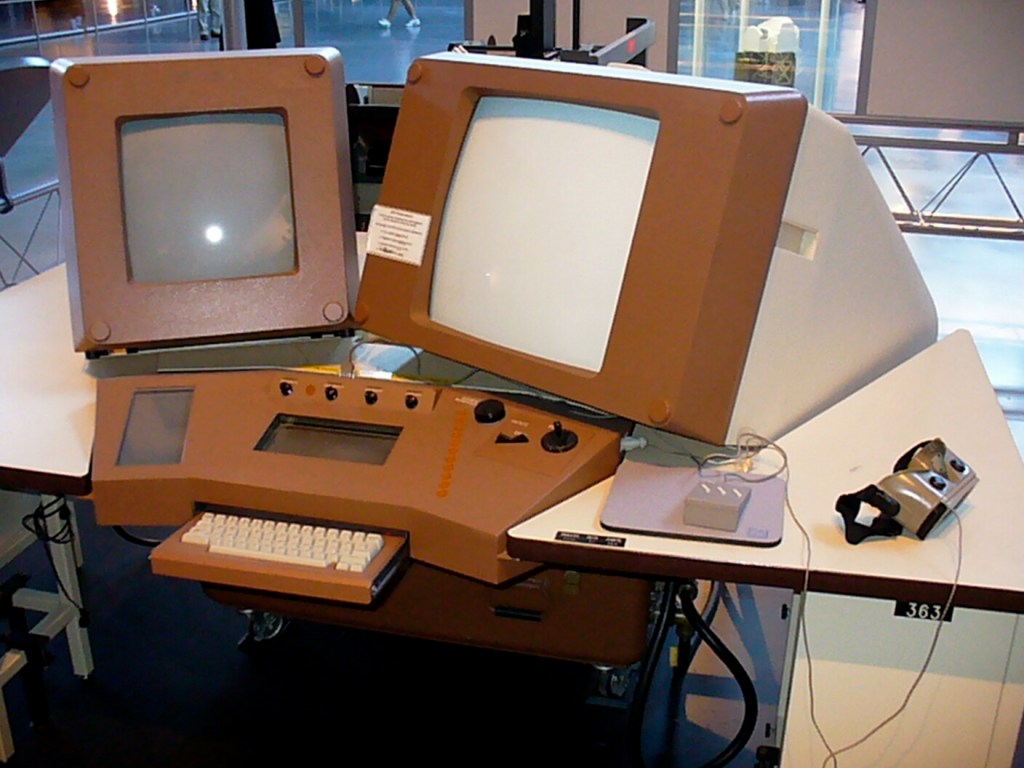
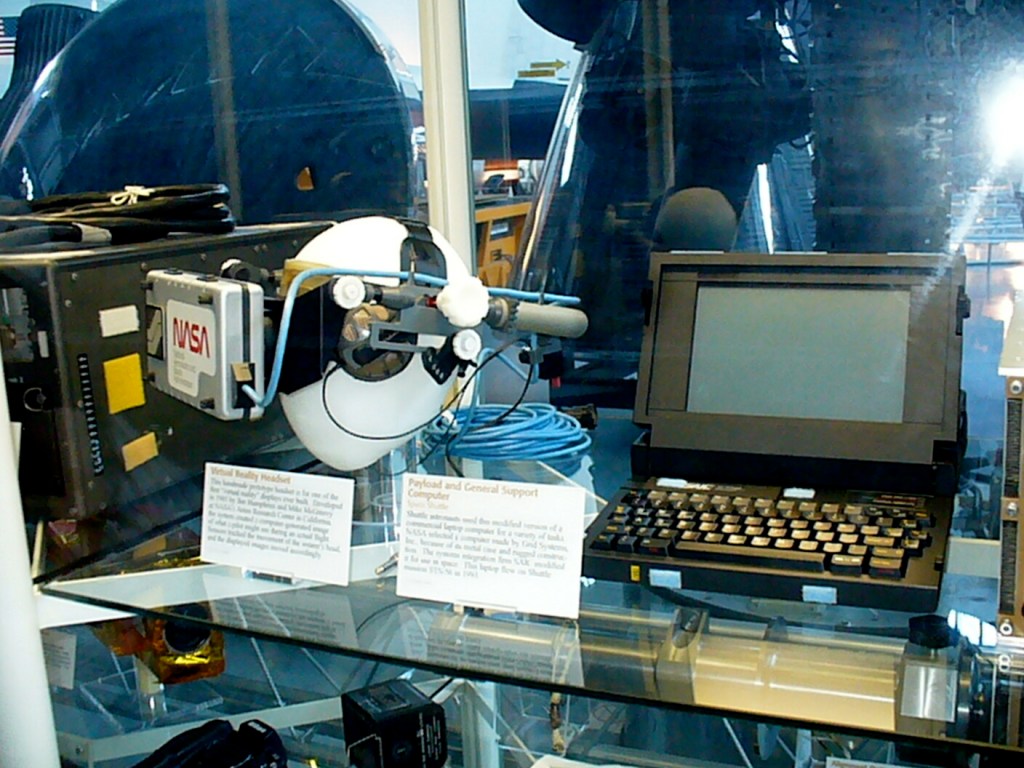
I think of museums of technology, like the NASM, as a kind of technical communication medium. Of course, the work of the displays, diagrams, multimedia, and explanatory text are different kinds of technical communication created to facilitate learning, contextualization, and curiosity. But, the museum as a whole–the system of the museum and its totality, its holism–is a giant technical communication medium, too.
Most of the exhibits seemed similar to the last time that I had visited Washington in the late 1980s, but one notable change is the restoration of the shooting model of Star Trek’s USS-1701 Enterprise, which used to hang in the air but it now at eye-level and encased in plastic (last photos below).
After our visit, the NASM did a big renovation of the museum on the National Mall and the Udvar-Hazy Center (i.e., the replacement of Space Shuttle Enterprise with Discovery).
Above and below, you can see Charles Lindbergh’s Atlantic-crossing Spirit of St. Louis. More pictures of the historic air and spacecraft on display follow.
Spirit of St. Louis
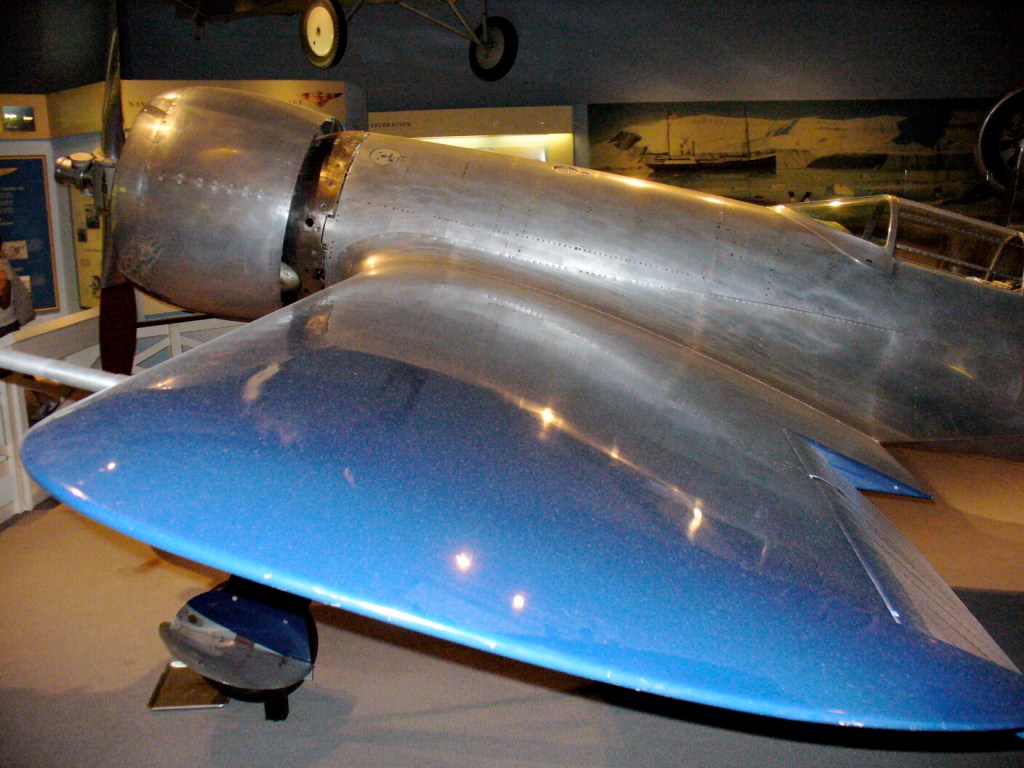
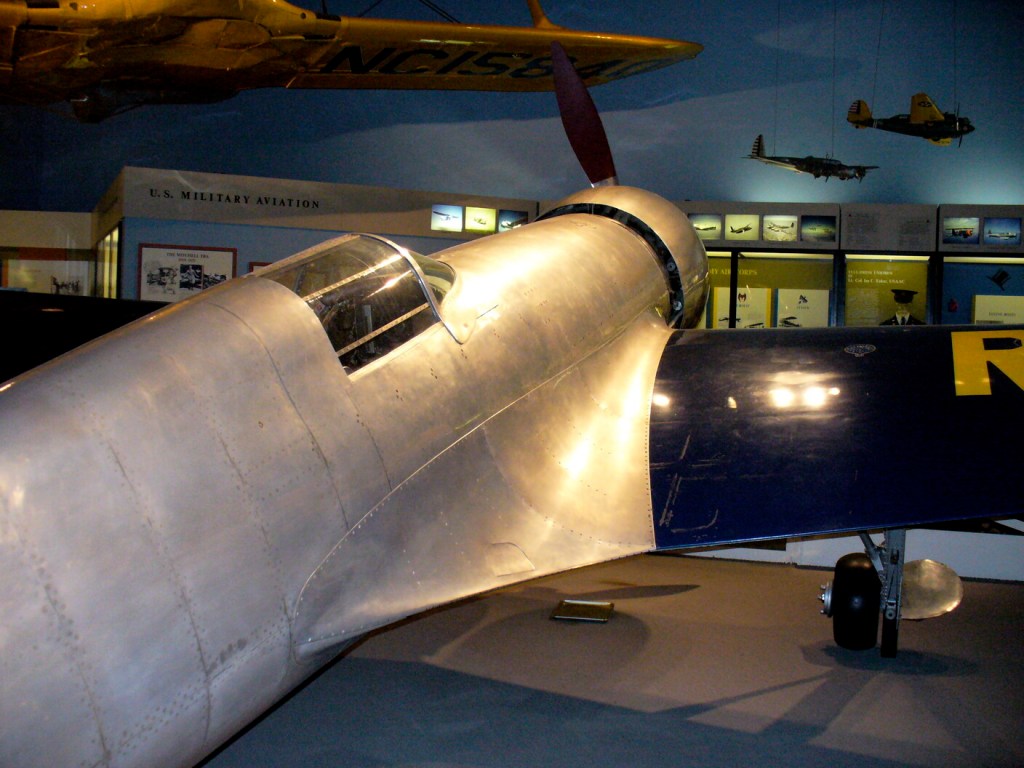
Hughes H-1 Racer
Supermarine Spitfire HF. Mk. VIIc
North American P-51D Mustang
Messerschmitt Bf 109 G-6/R3
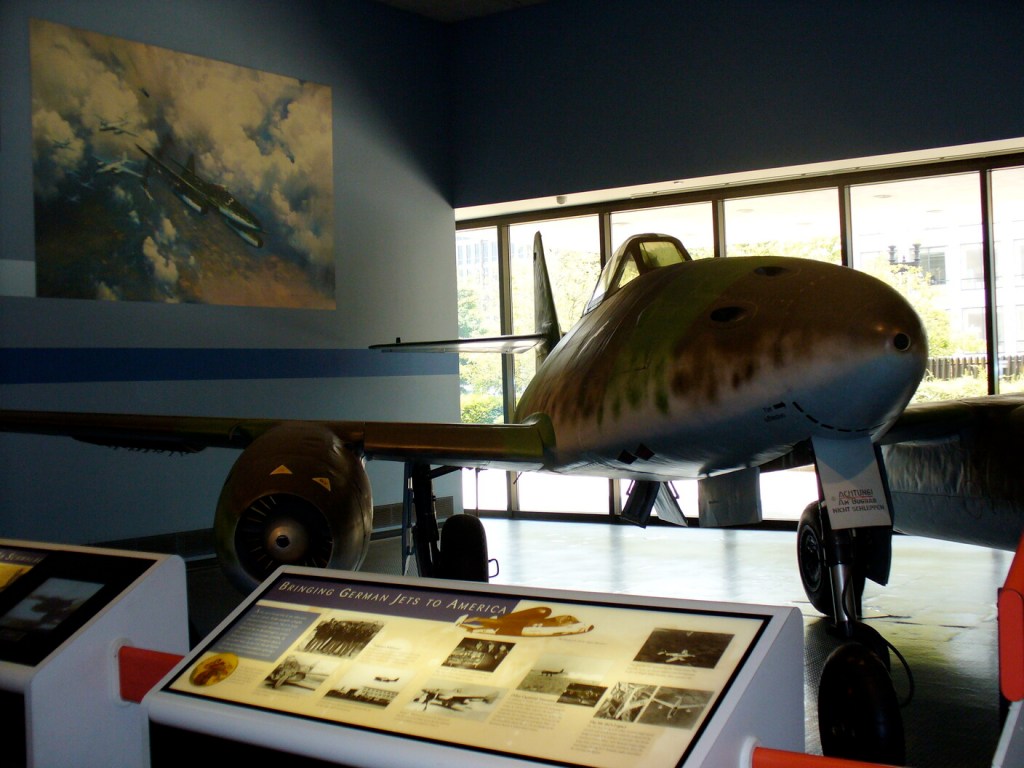
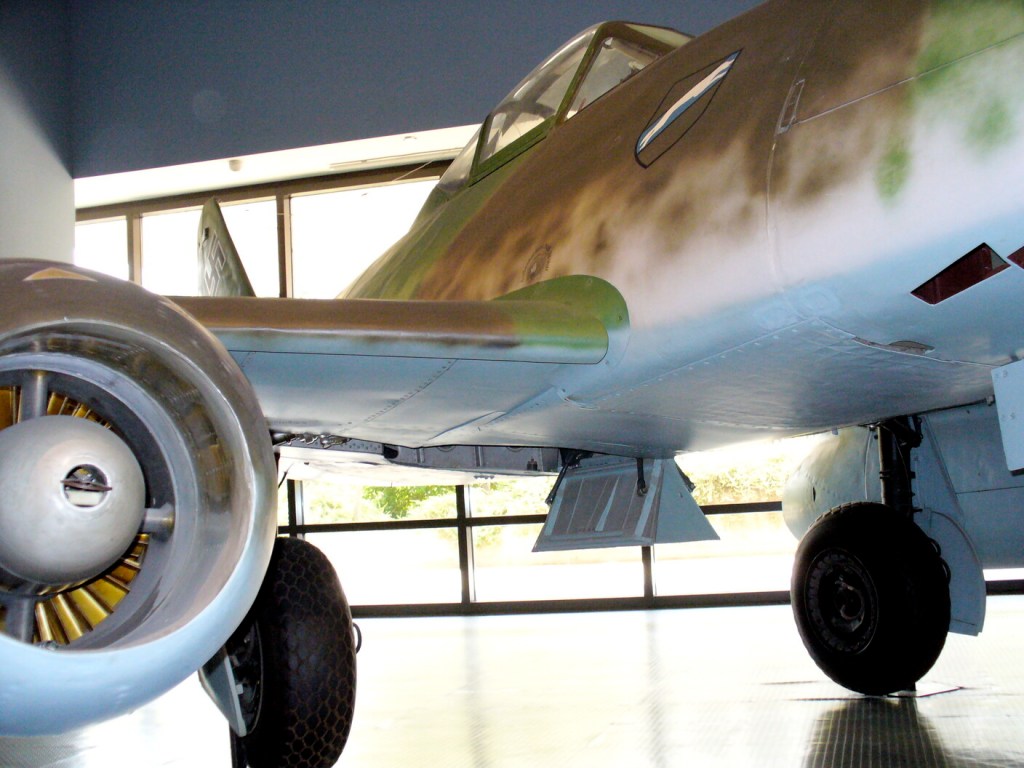
Messerschmitt Me 262 A-1a Schwalbe (Swallow)
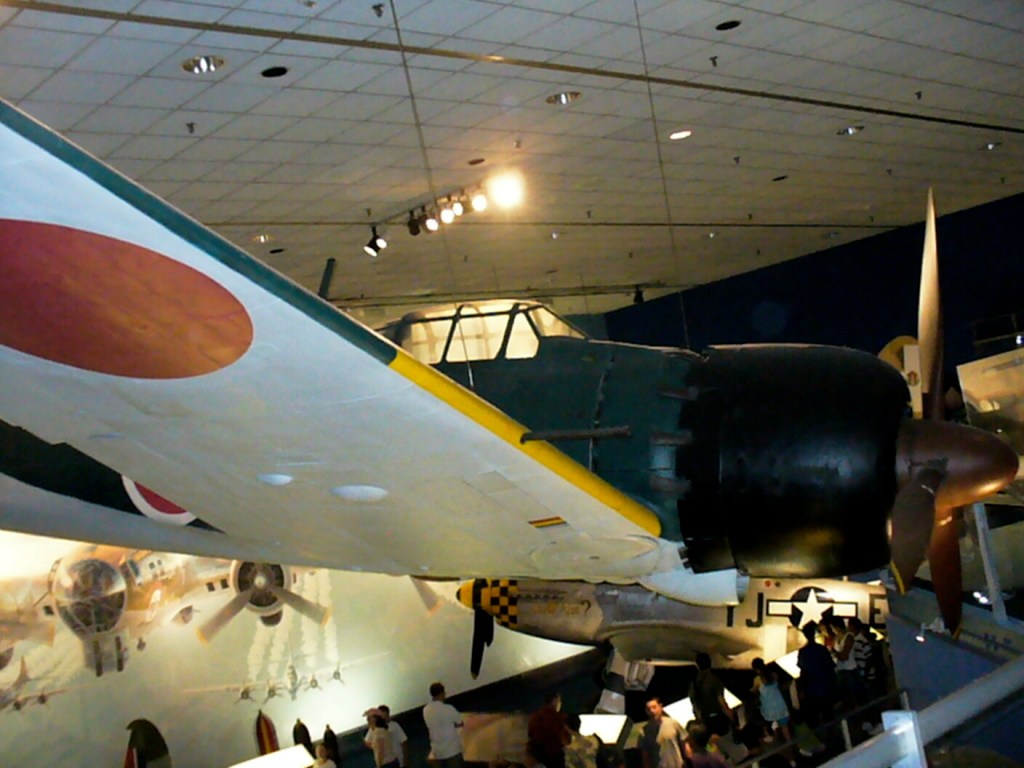
Mitsubishi A6M5 Reisen (Zero Fighter) Model 52 ZEKE
North American X-15
Douglas D-558-2
Lockheed F-104 Starfighter
Grumman X-29 full-scale model
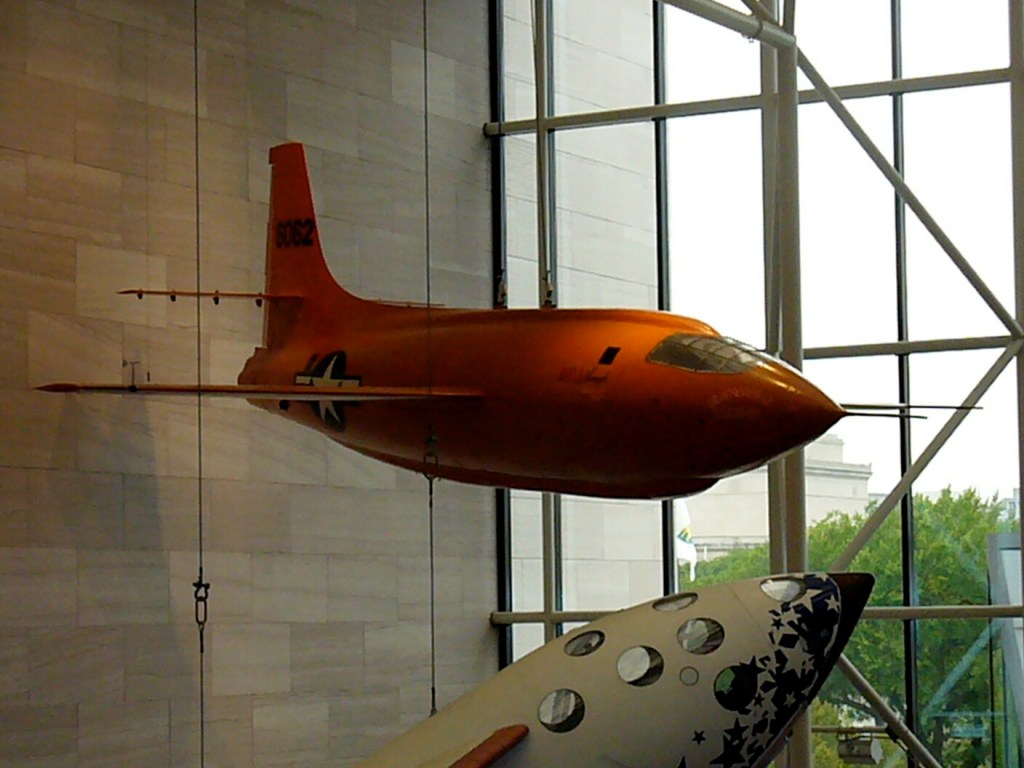
SpaceShipOne and Bell X-1
SpaceShipOne
Bell X-1
John Glenn’s Spacesuit
Space Capsule Interior
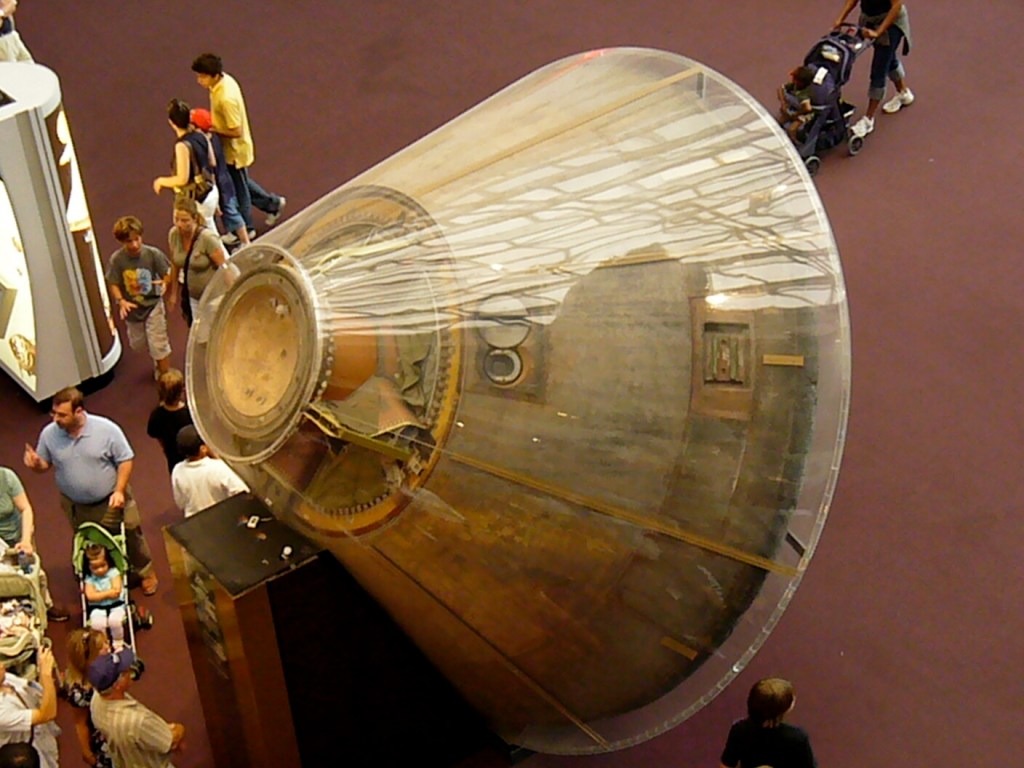
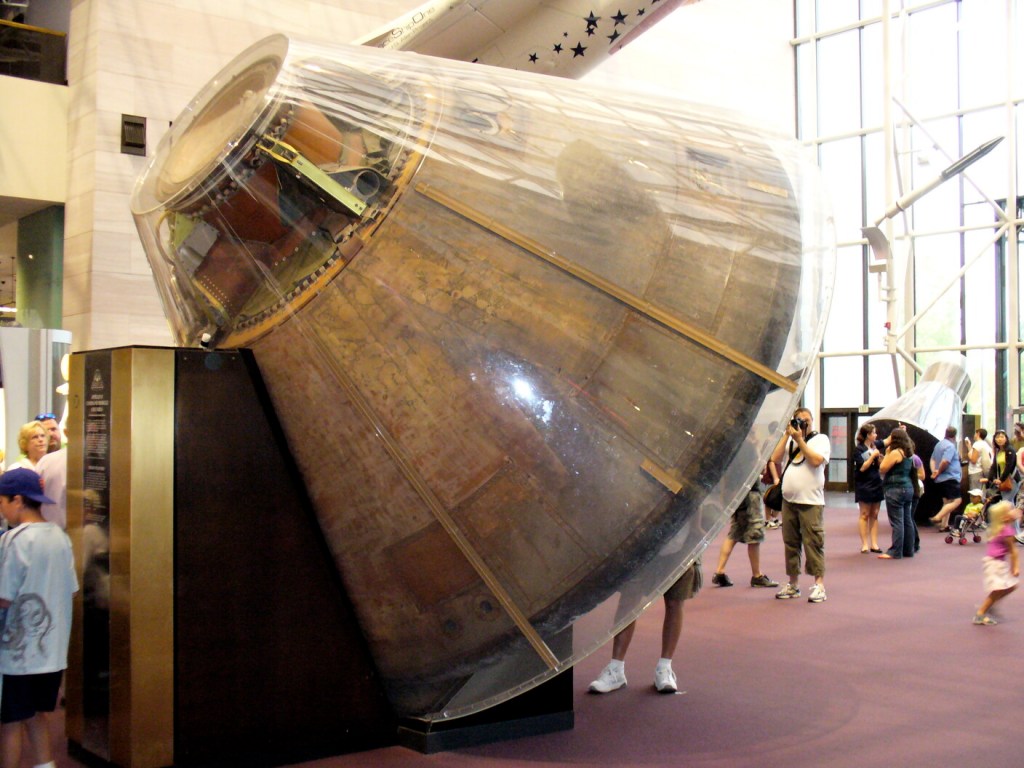
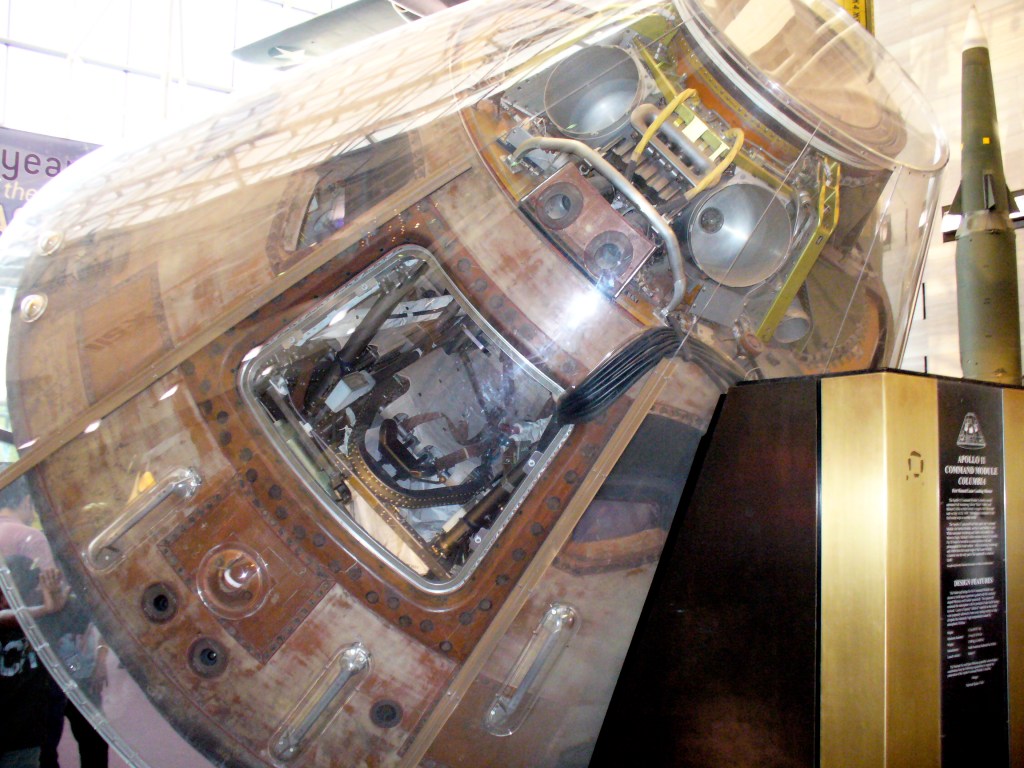
Apollo 11 Command Module
Apollo Command Module Console
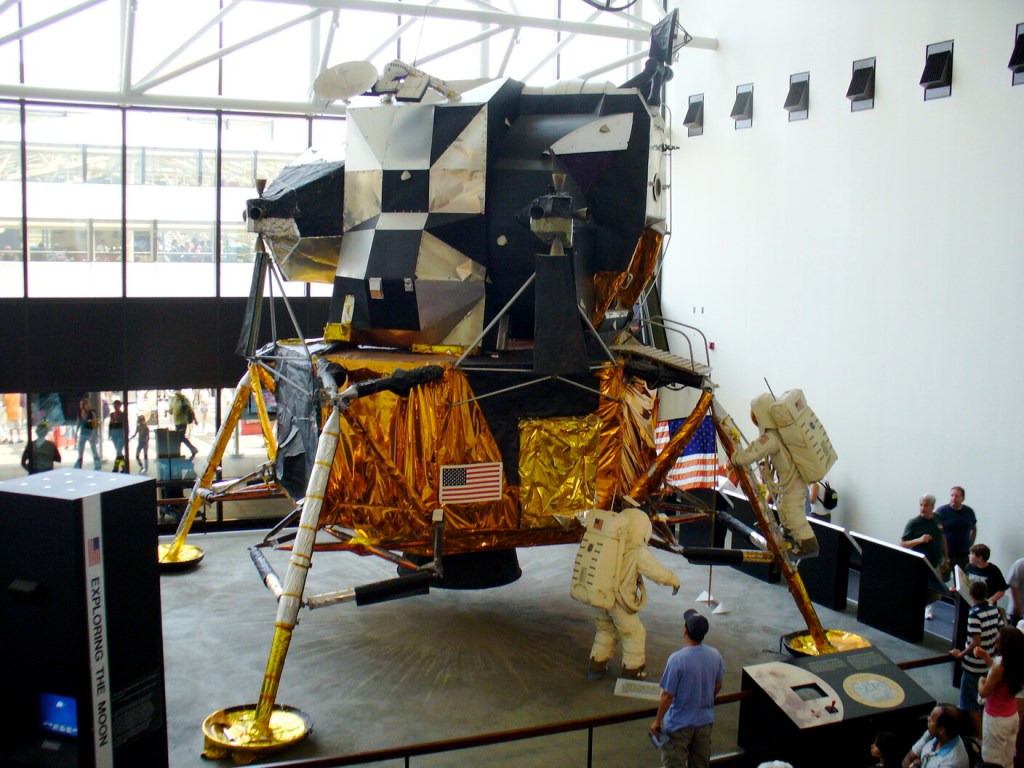
Lunar Module LM-2
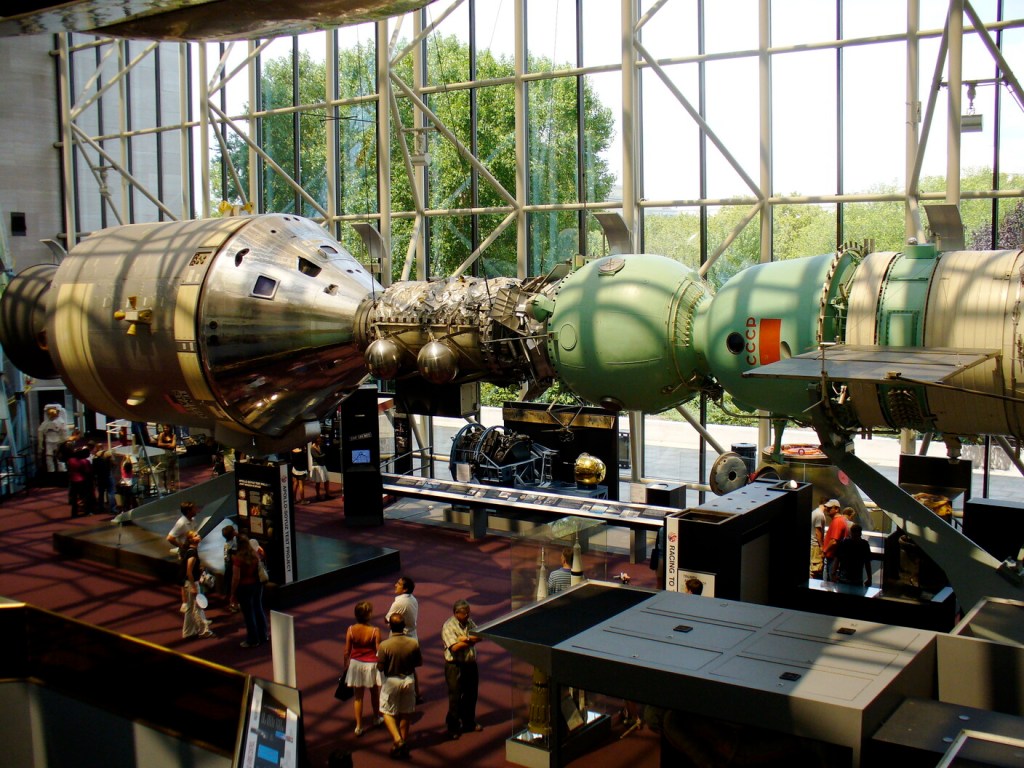
Apollo-Soyuz Rendezvous Recreation
V-2 Rocket, Skylab, and V-1 Rocket
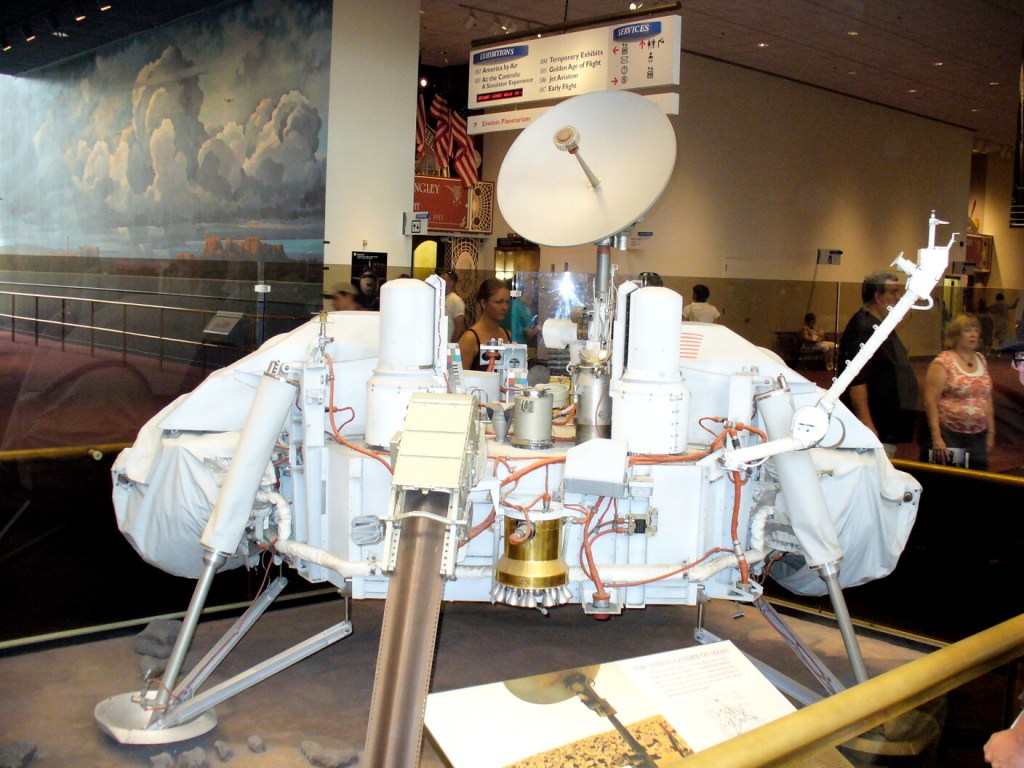
Viking Mars Lander
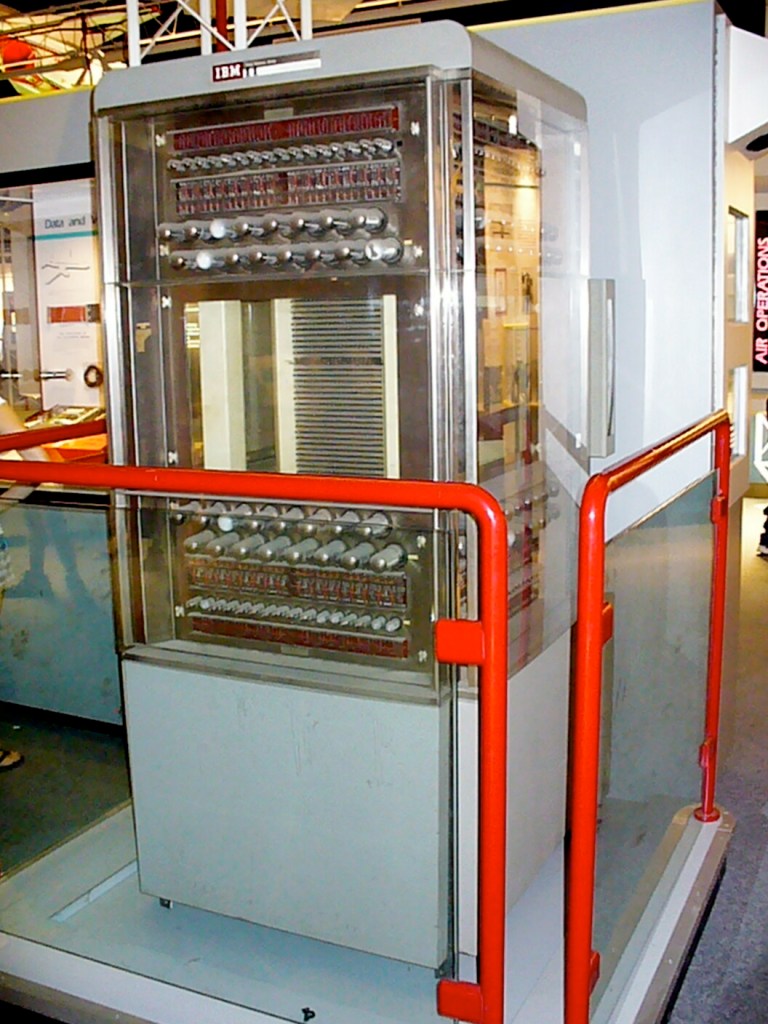
SAGE Core Memory Unit 11, IBM AN/FSQ-7
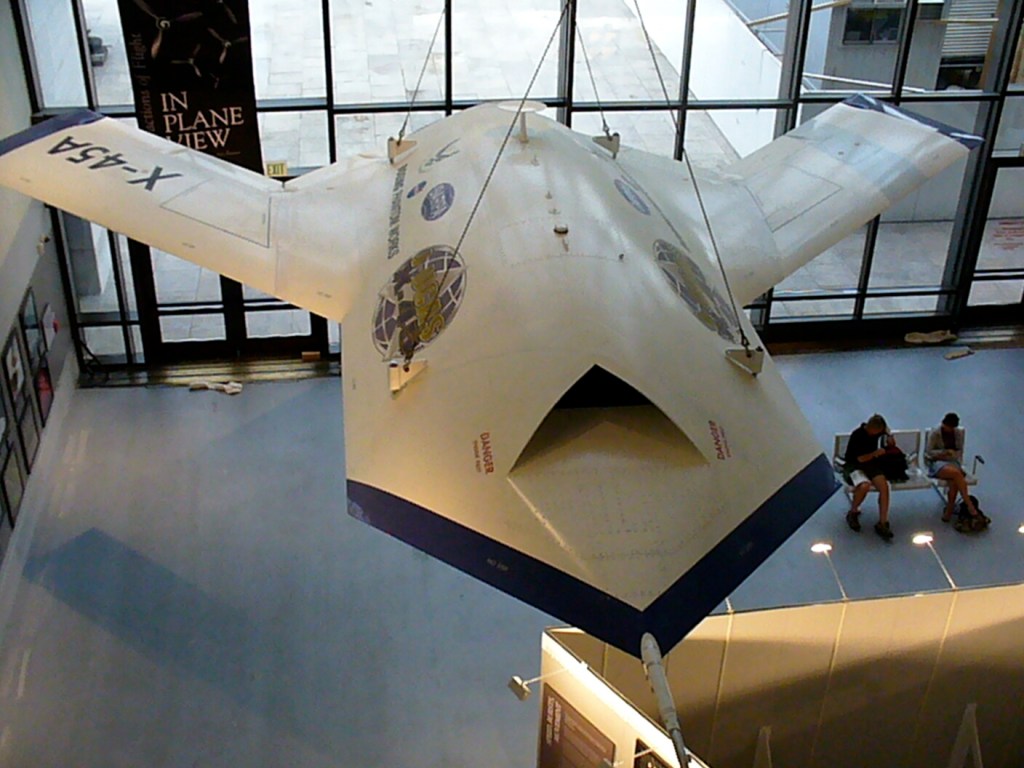
Boeing X-45A Unmanned Vehicle
Star Trek Shooting Model of the USS-1701 Enterprise
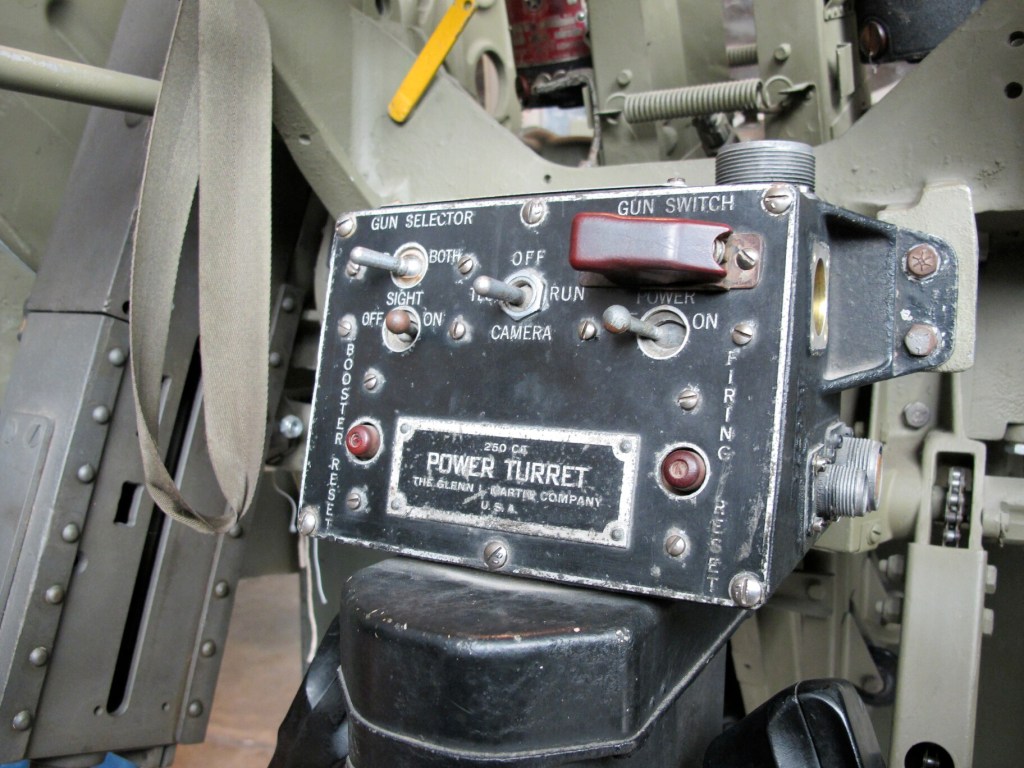
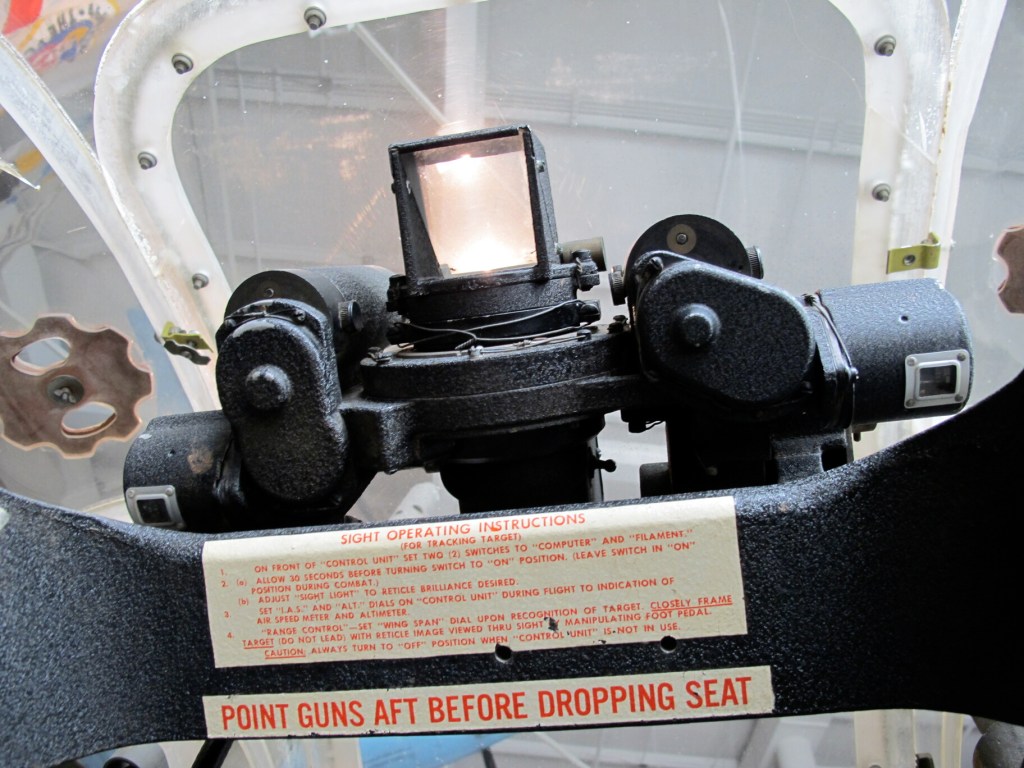
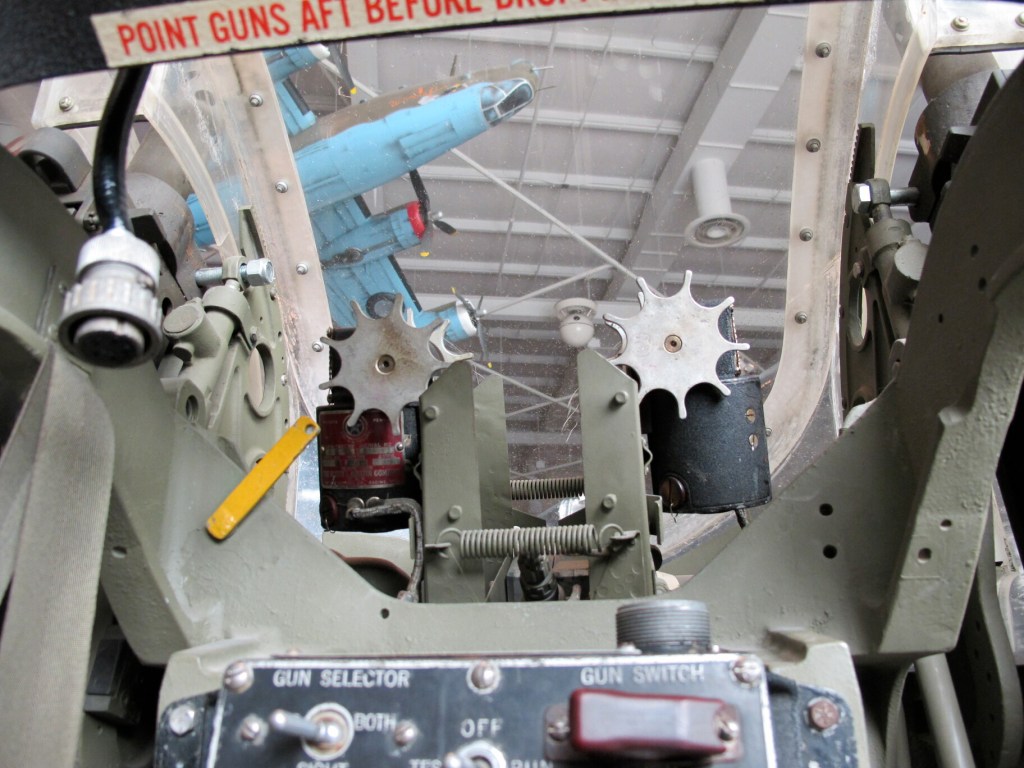
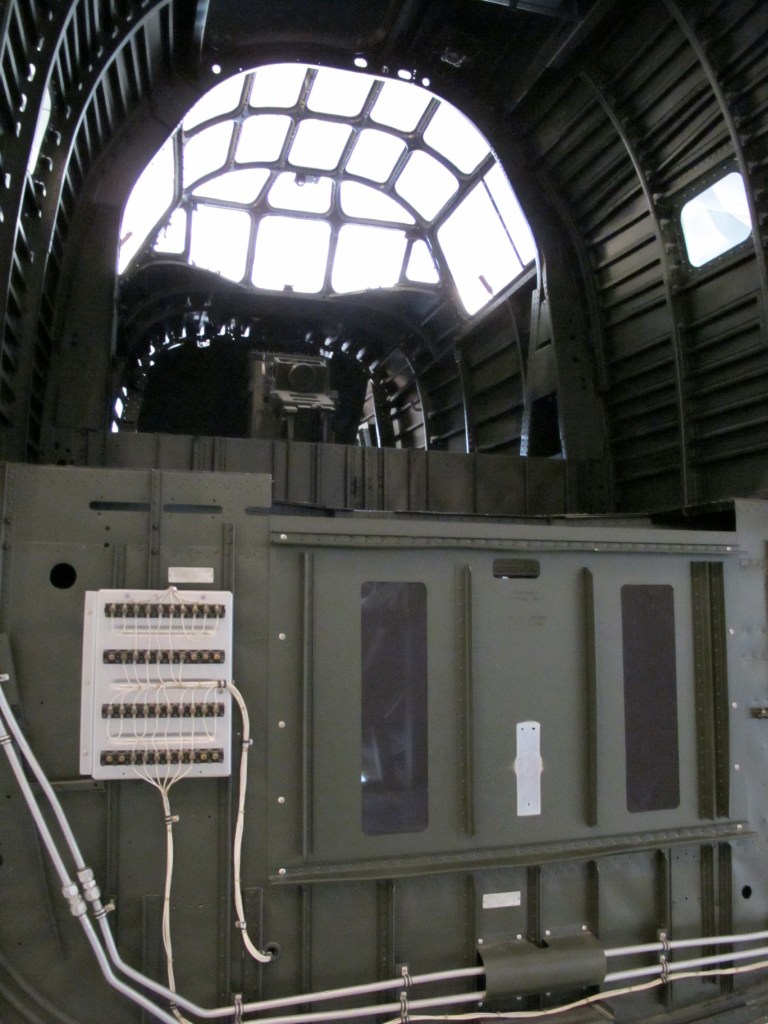
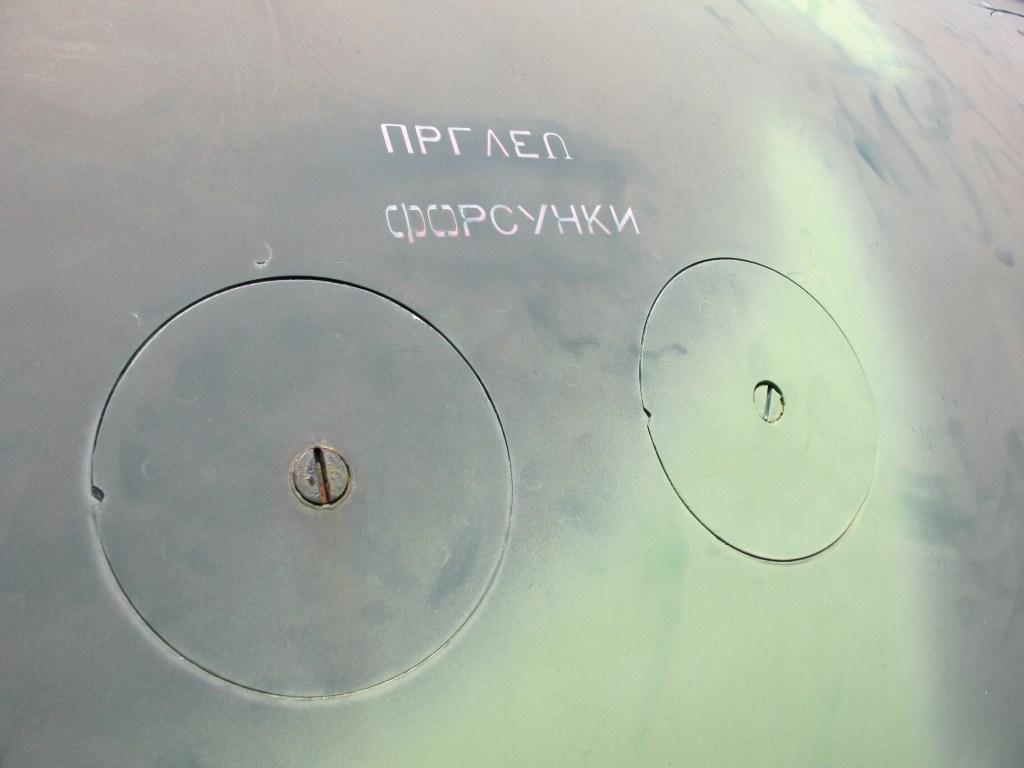
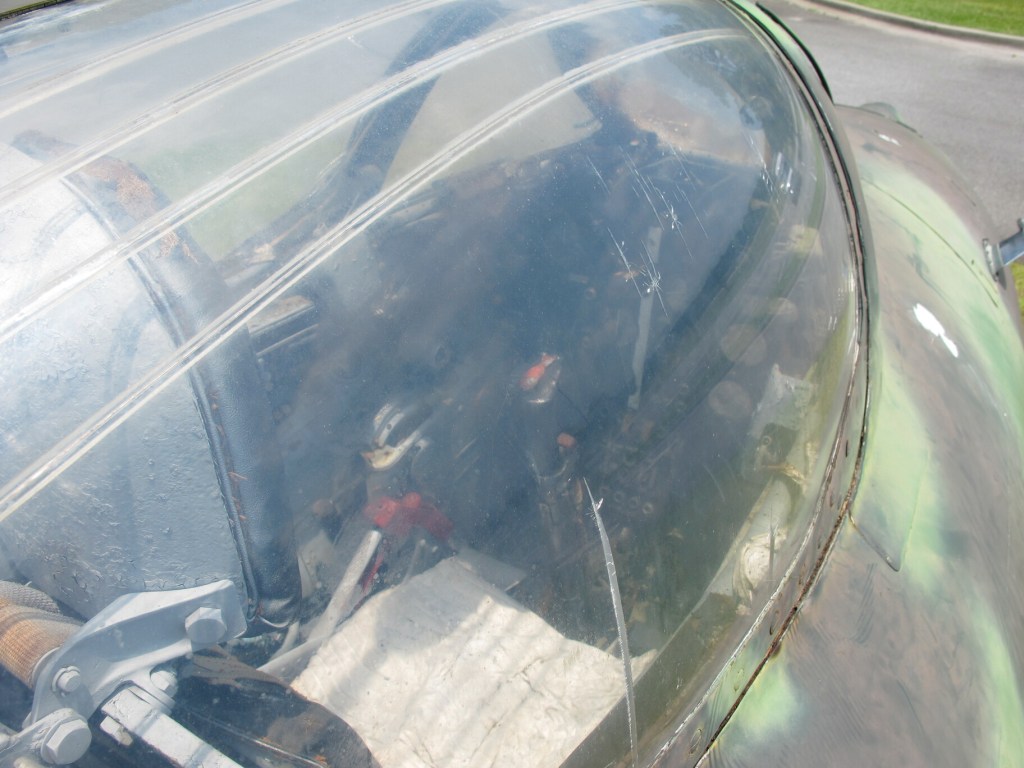
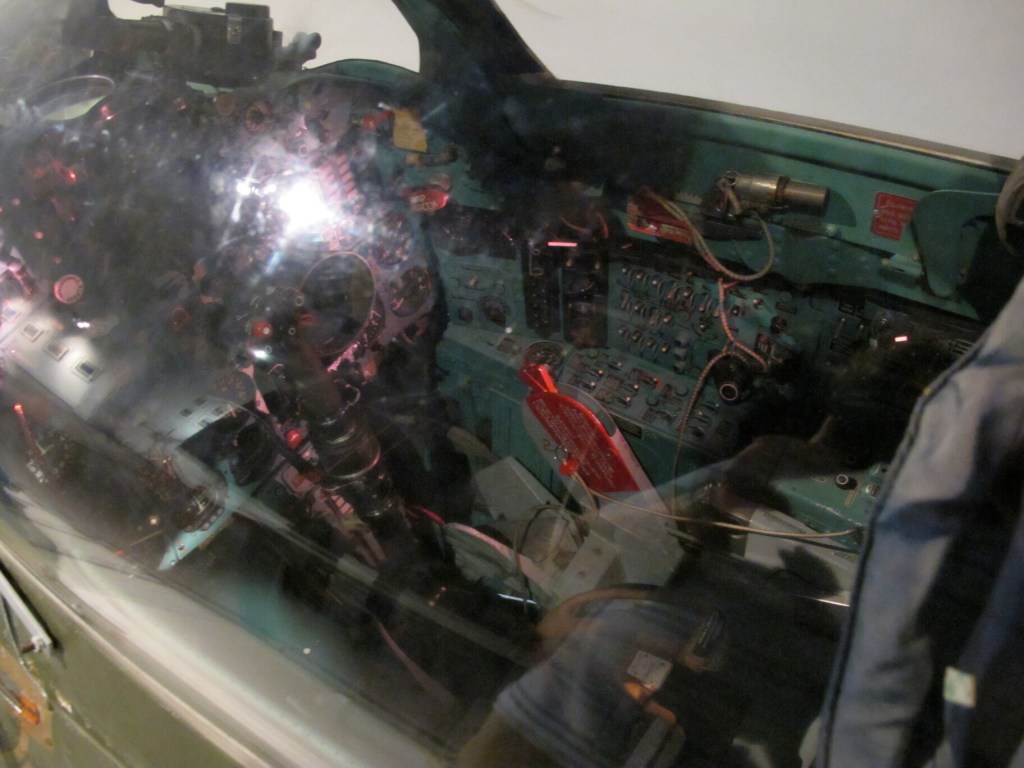
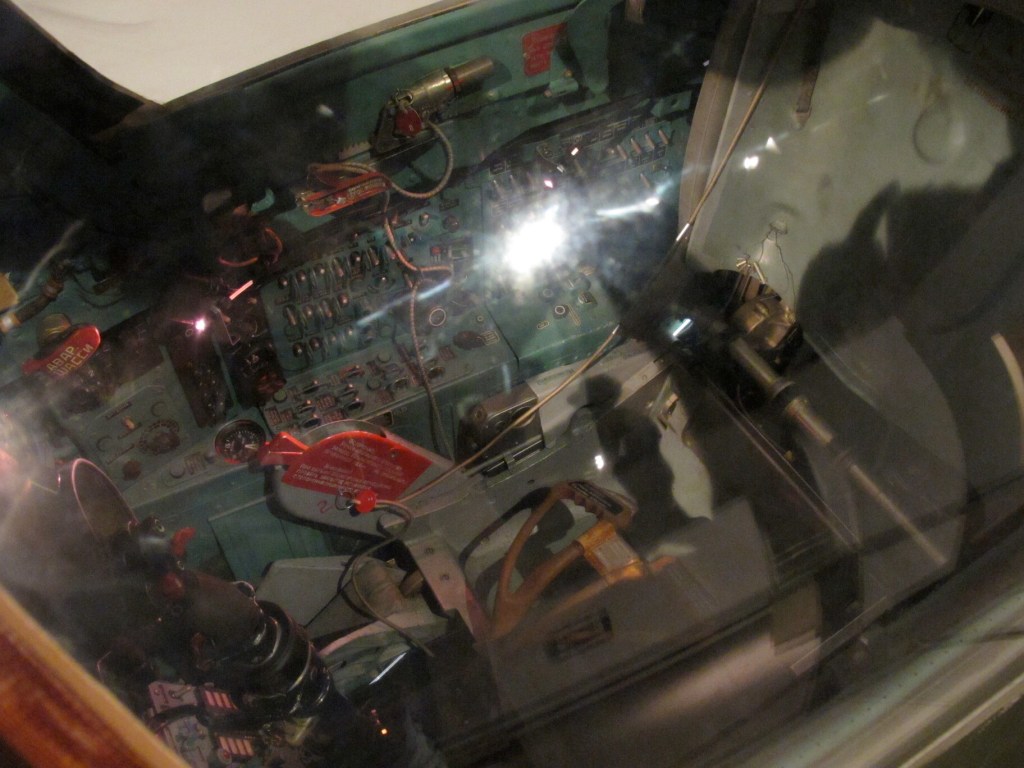
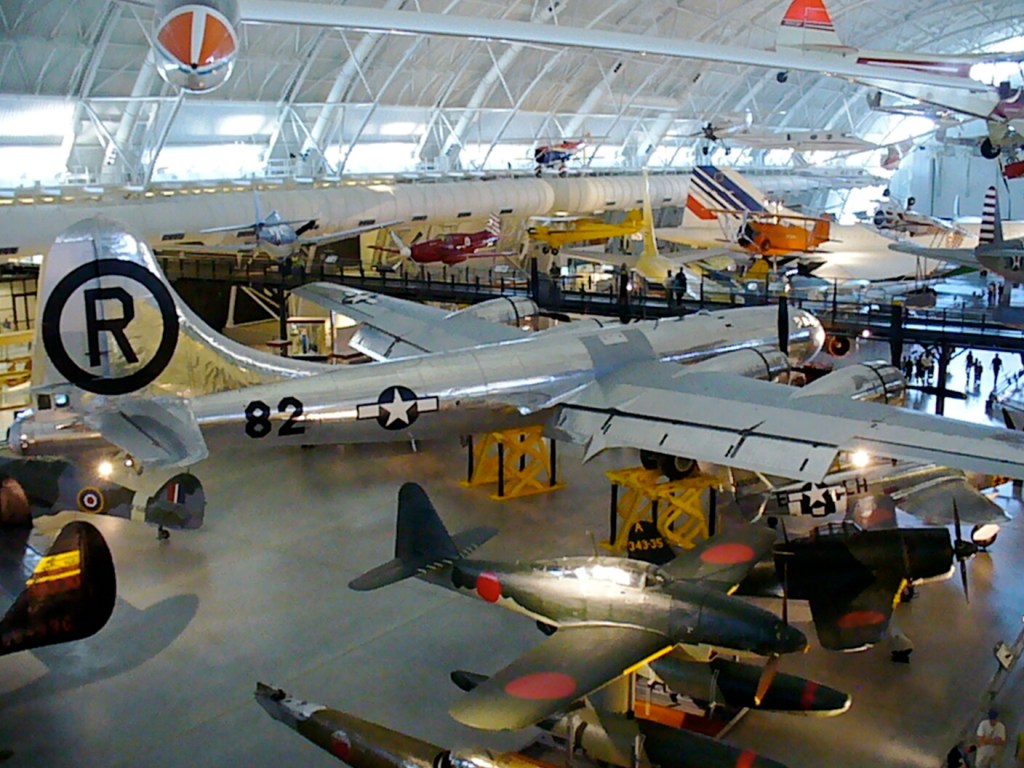
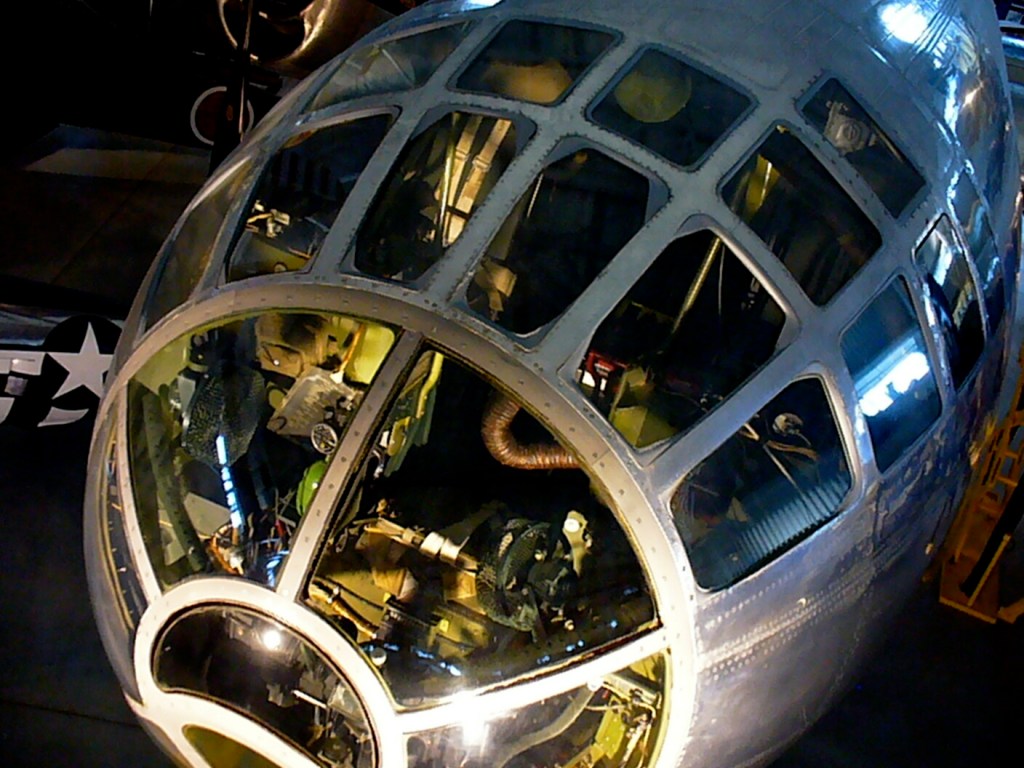
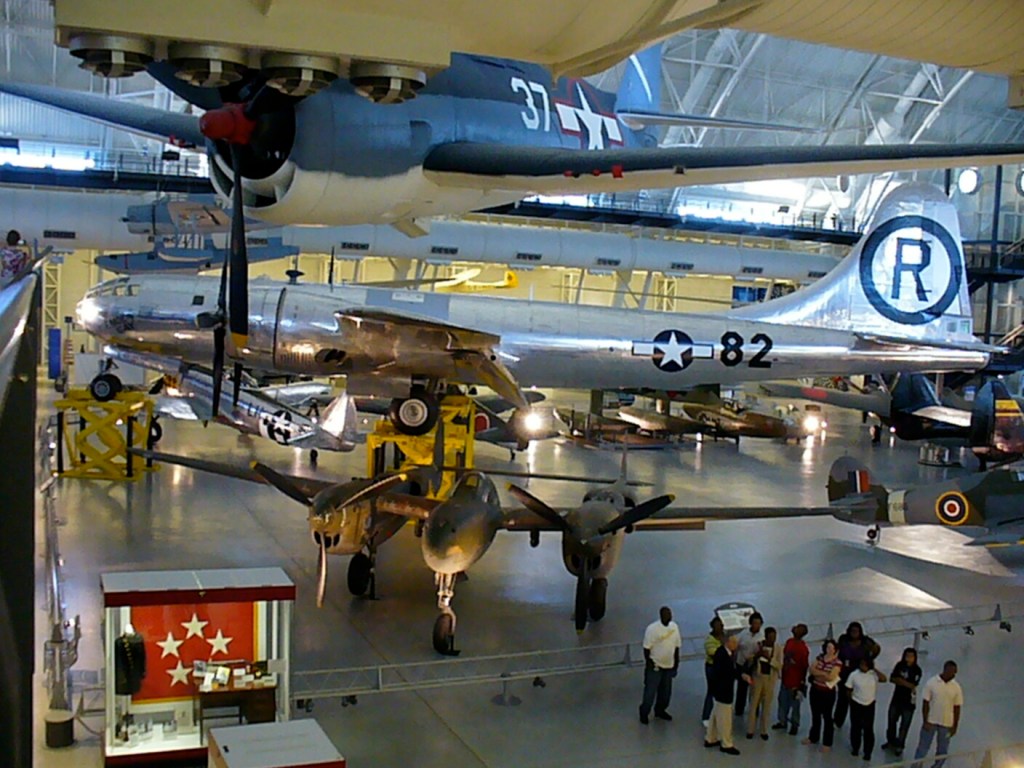
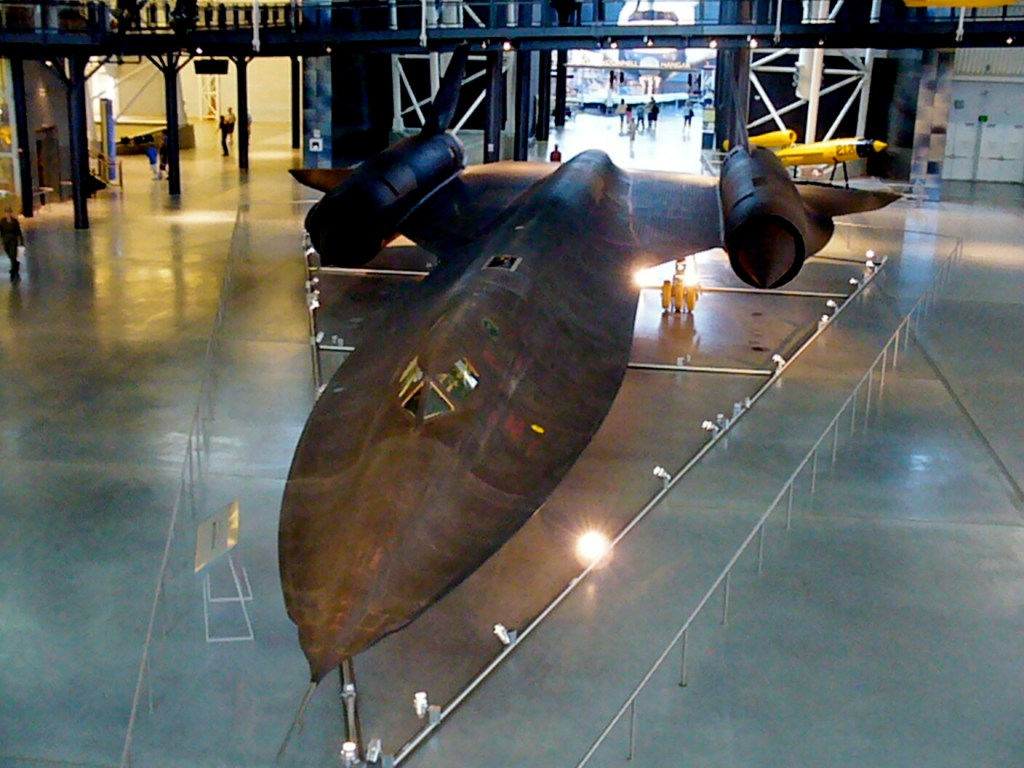
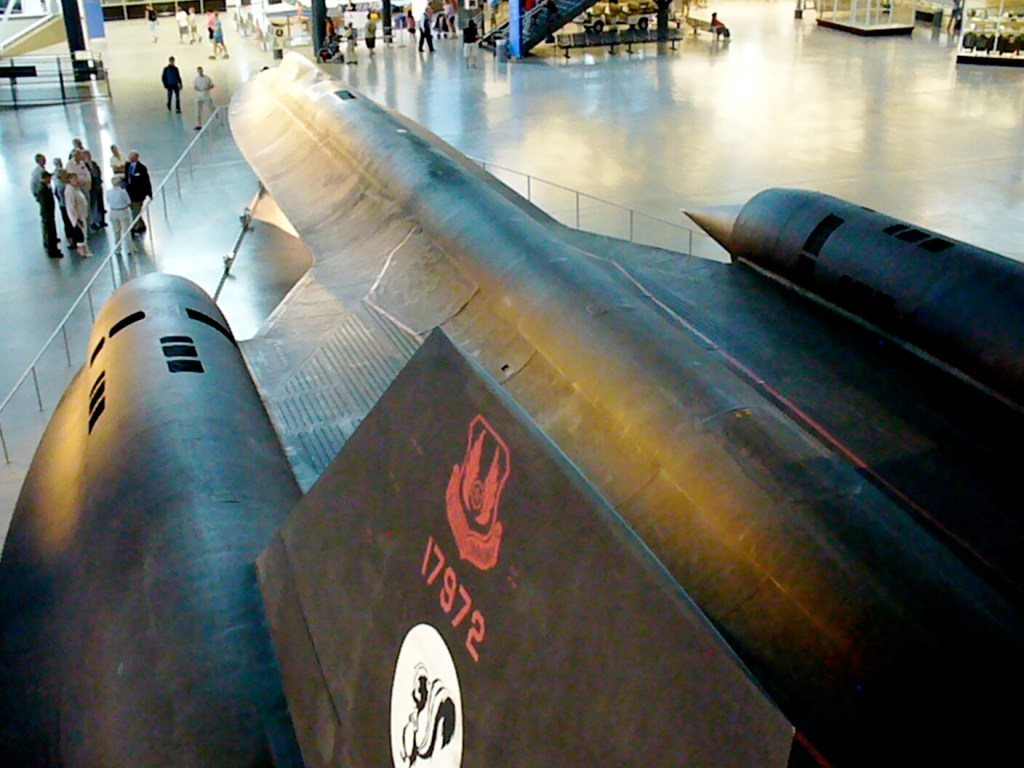
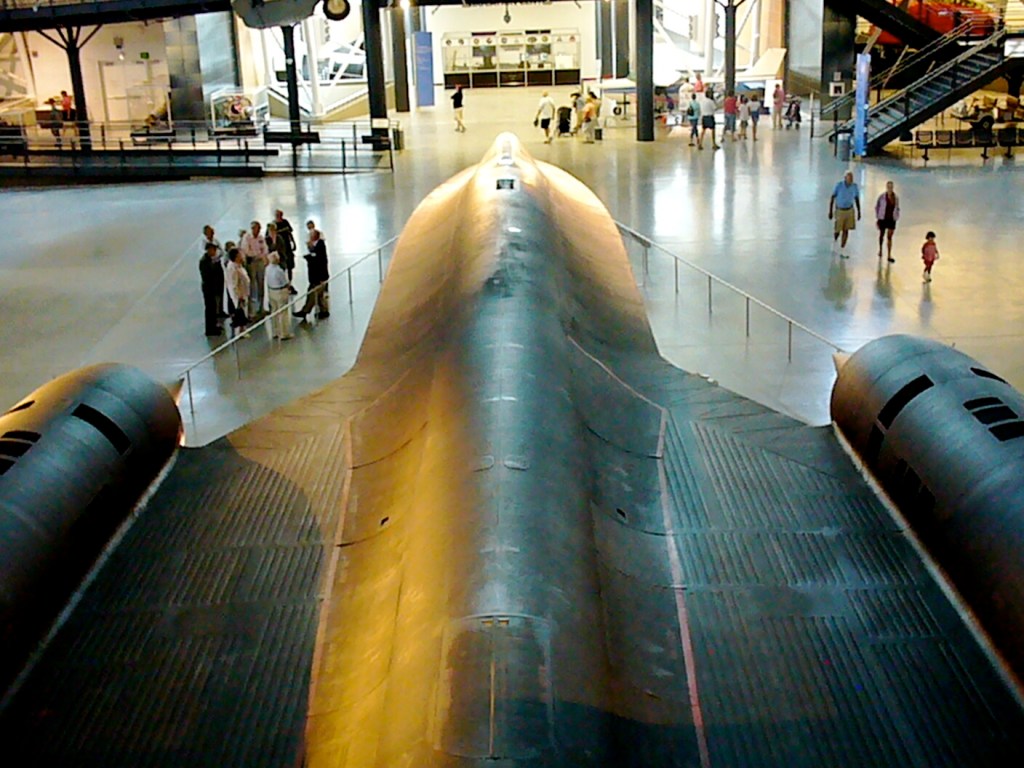
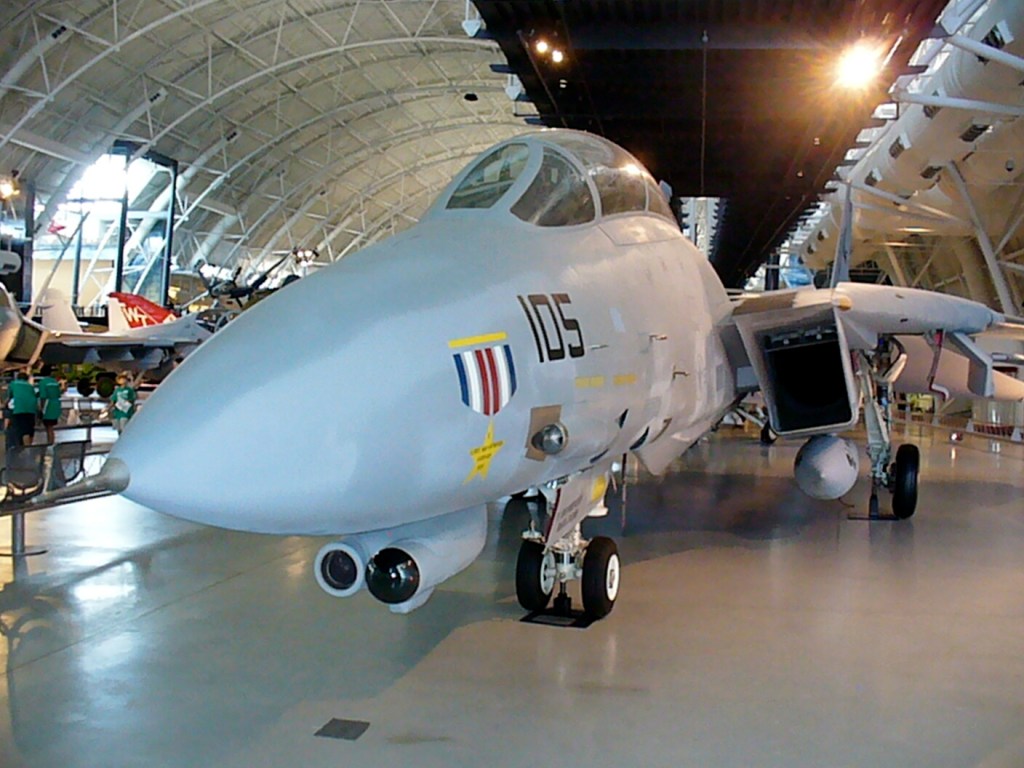
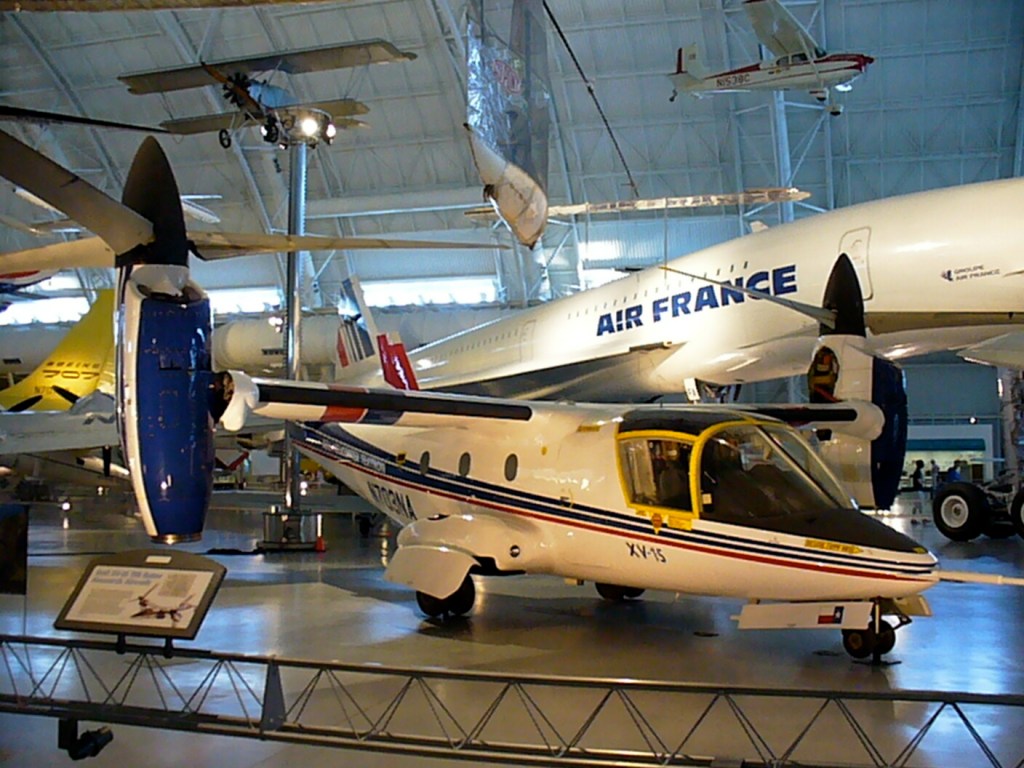
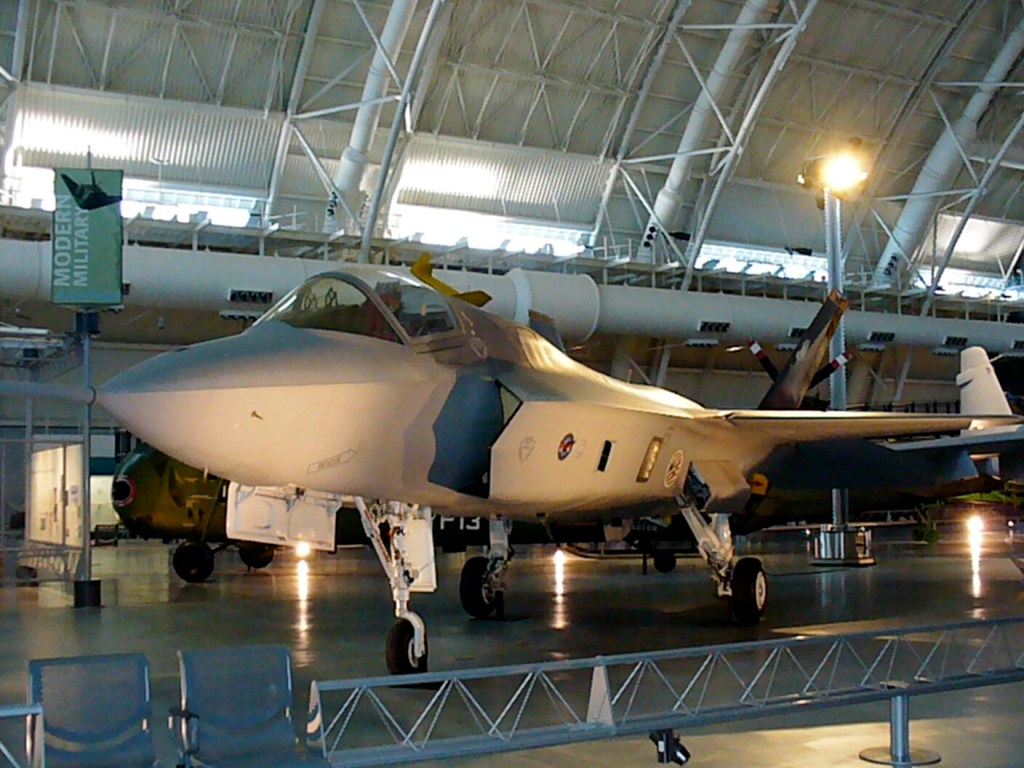
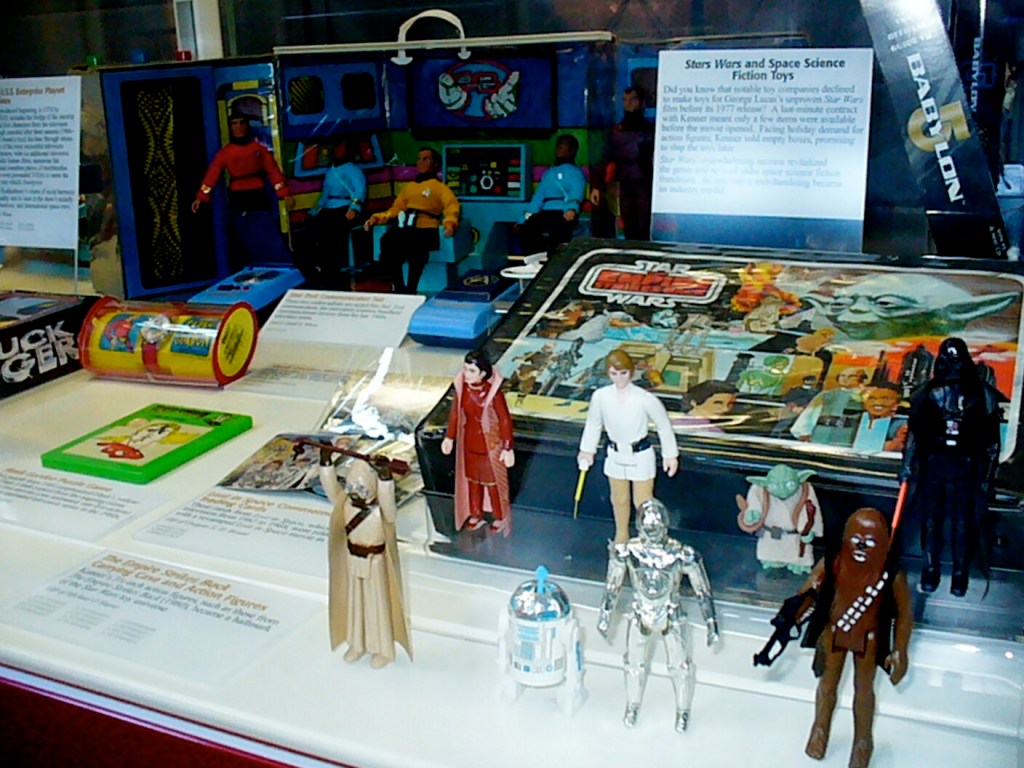
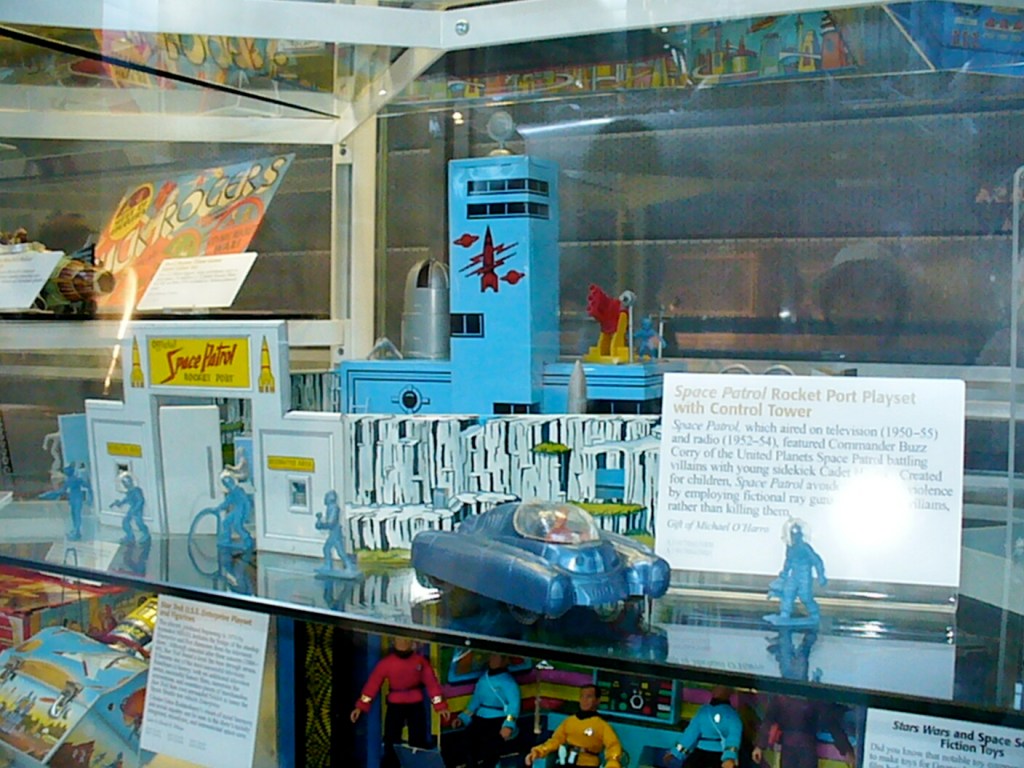
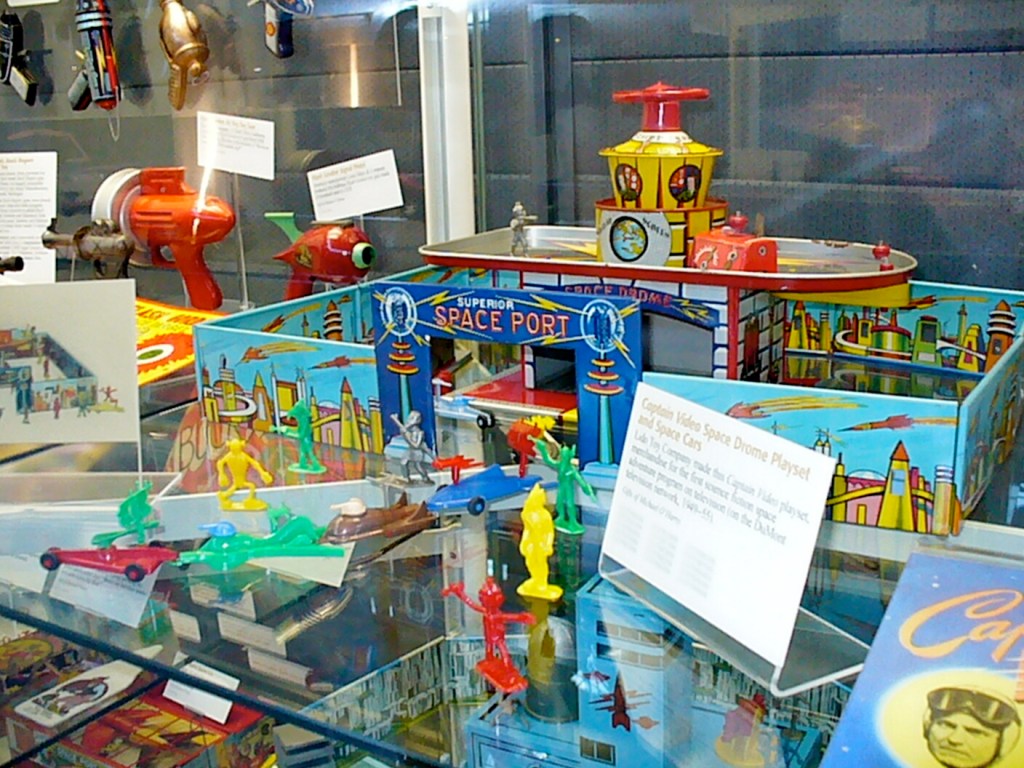
In August 2008, Y and I visited Washington, DC. One of our stops was the Steven F. Udvar-Hazy Center of the National Air and Space Museum, which holds some amazing aerospace artifacts including the B-29 Enola Gay, an SR-71 Blackbird, and Space Shuttle Enterprise. There are also many military aircraft, space related artifacts, robots (and rovers), computers, toys, and even a Hugo Award. Below, I’ve included photos grouped around an artifact or theme, but they are not arranged in a particular order–kind of like meandering around such a huge museum.
Enola Gay B-29
Lockheed SR-71 Blackbird
Grumman F-14 Tomcat
Lockheed T-33A-5-LO Shooting Star
Bell XV-15 Tilt Rotor Research Aircraft
Lockheed Martin X-35B STOVL
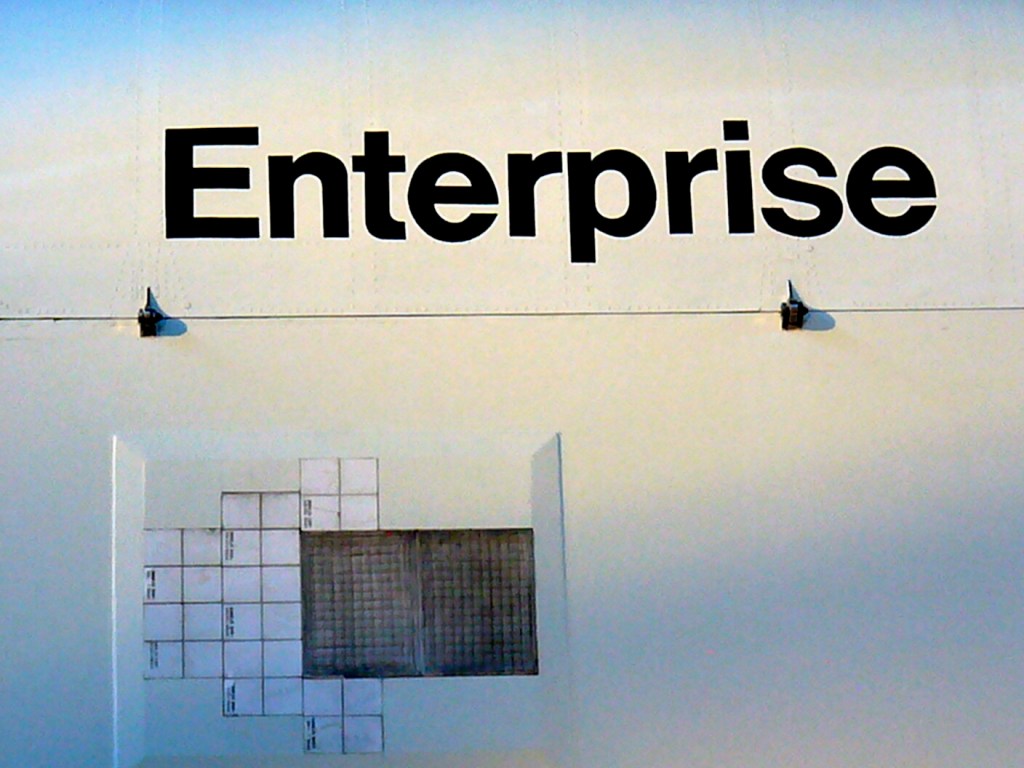
NASA Space Shuttle Enterprise
Mars Pathfinder and Sojourner Rover
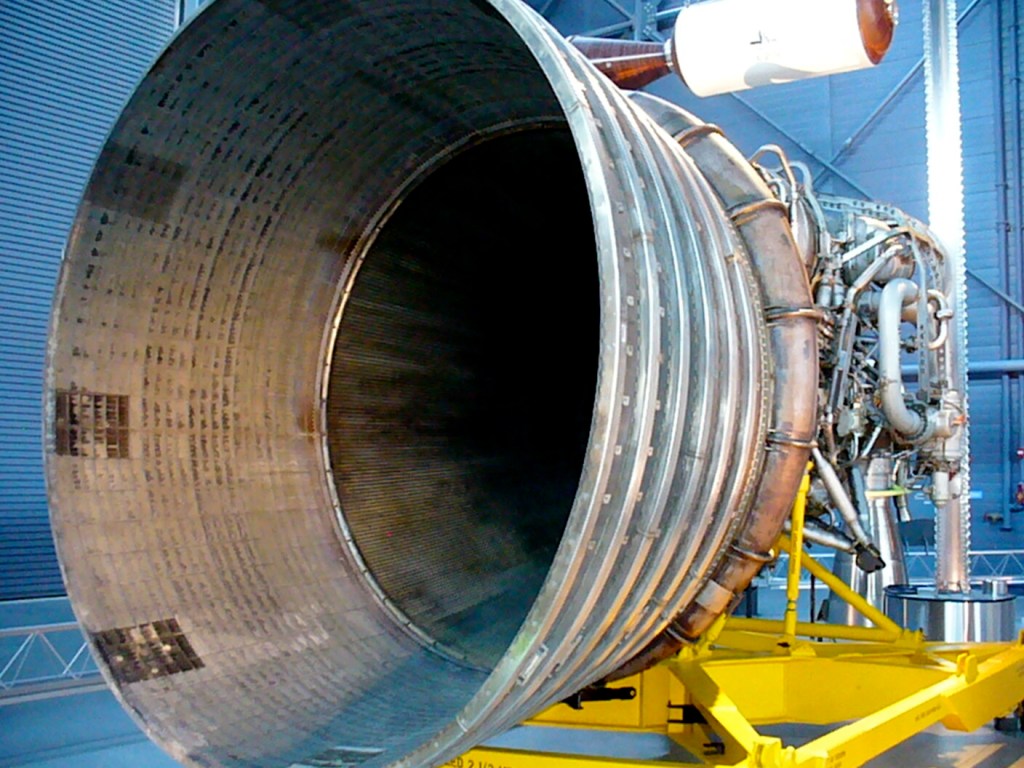
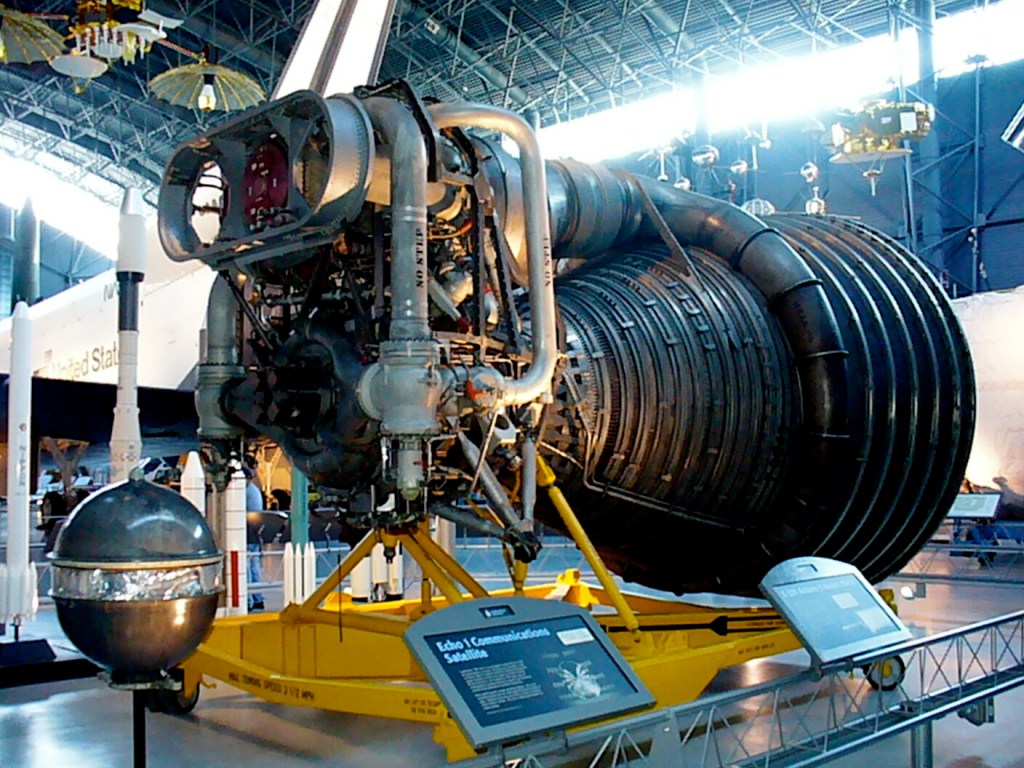
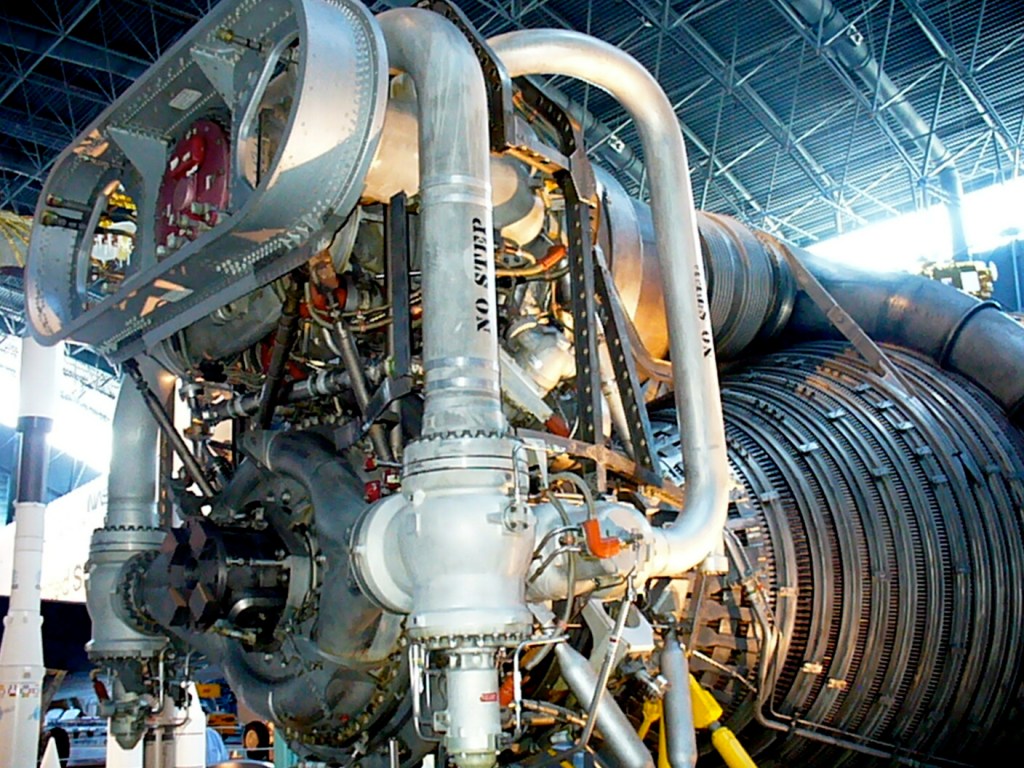
Rocketdyne F-1 Rocket Motor
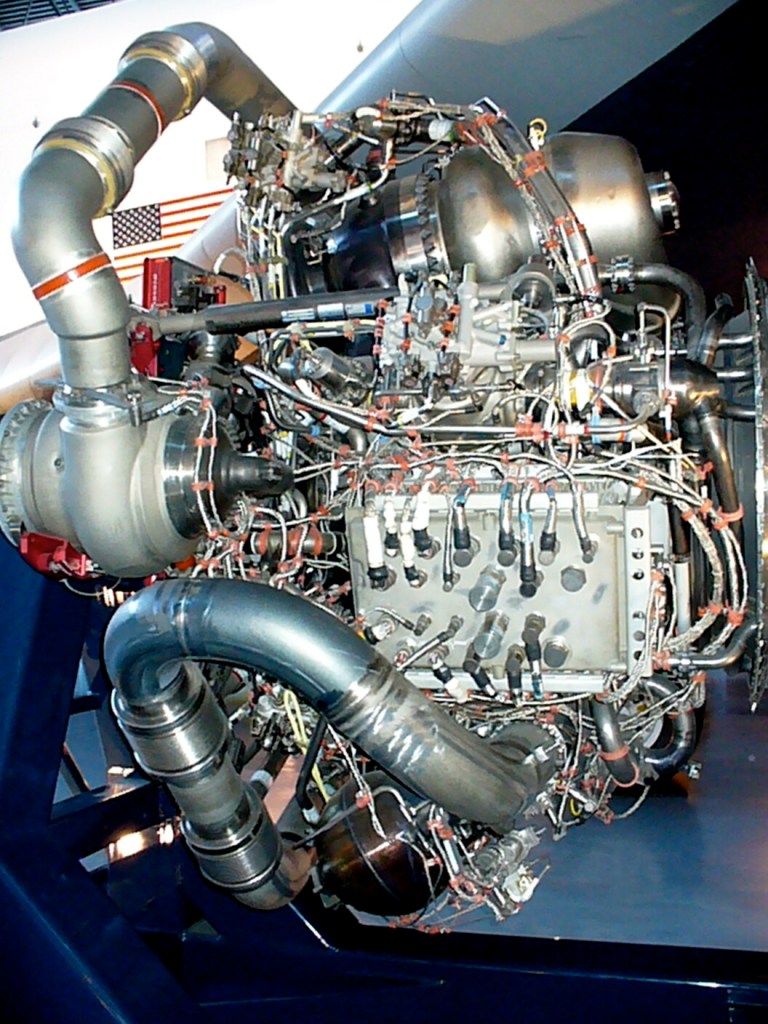
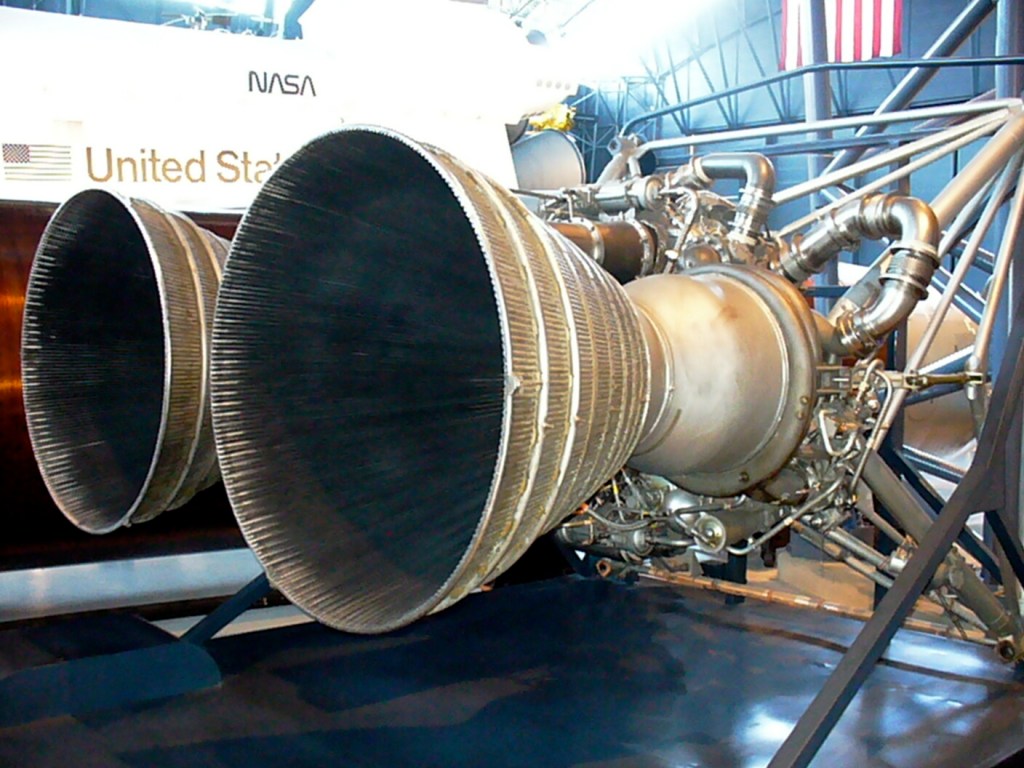
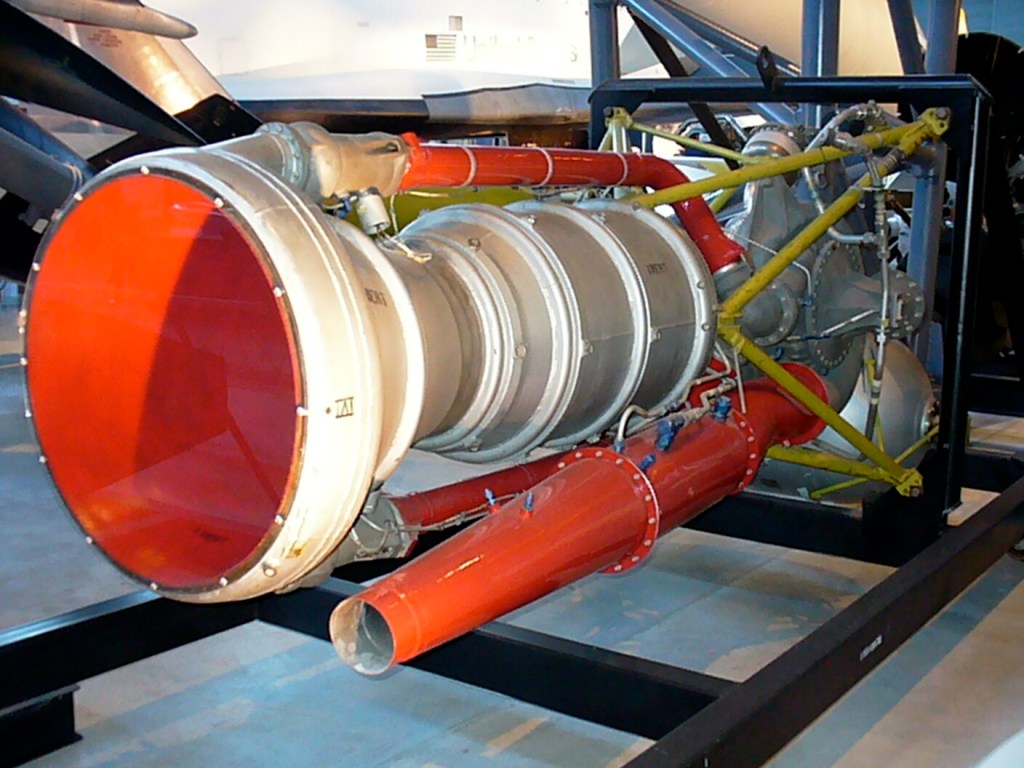
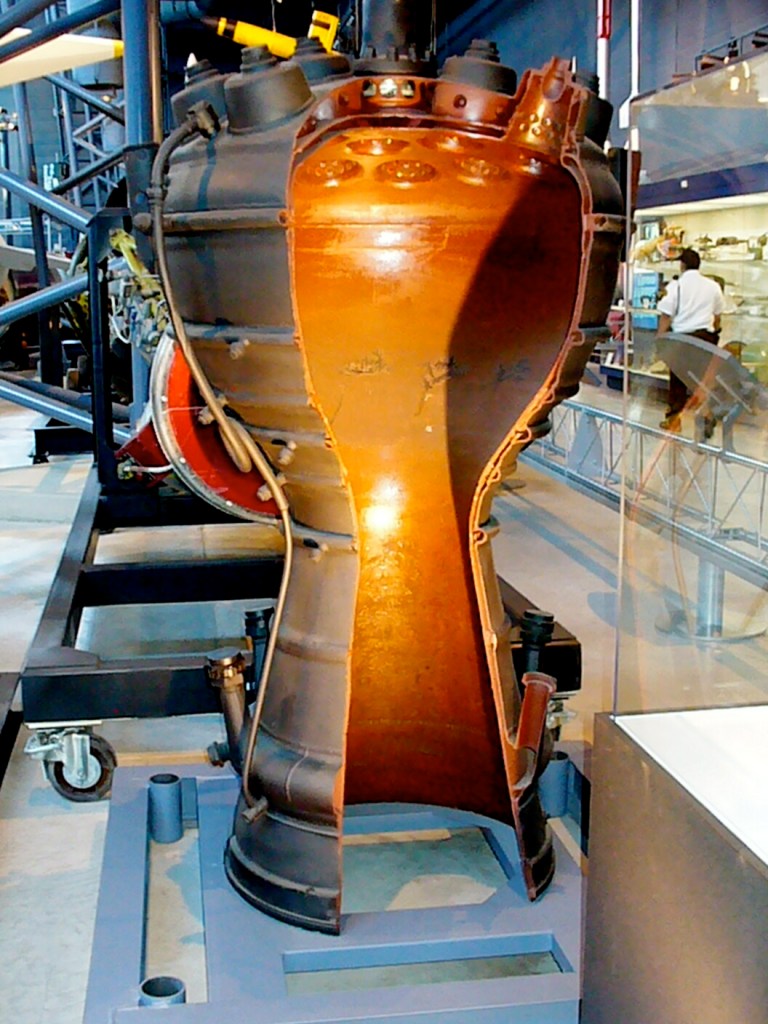
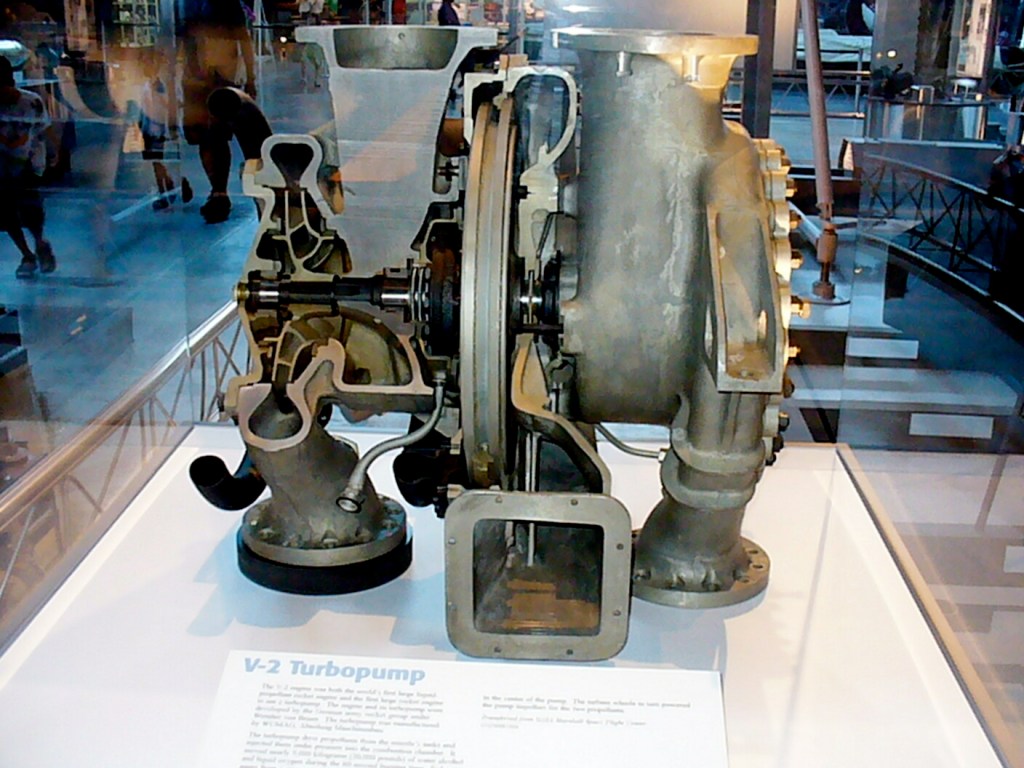
Various Rocket Motors and V-2 Turbopump
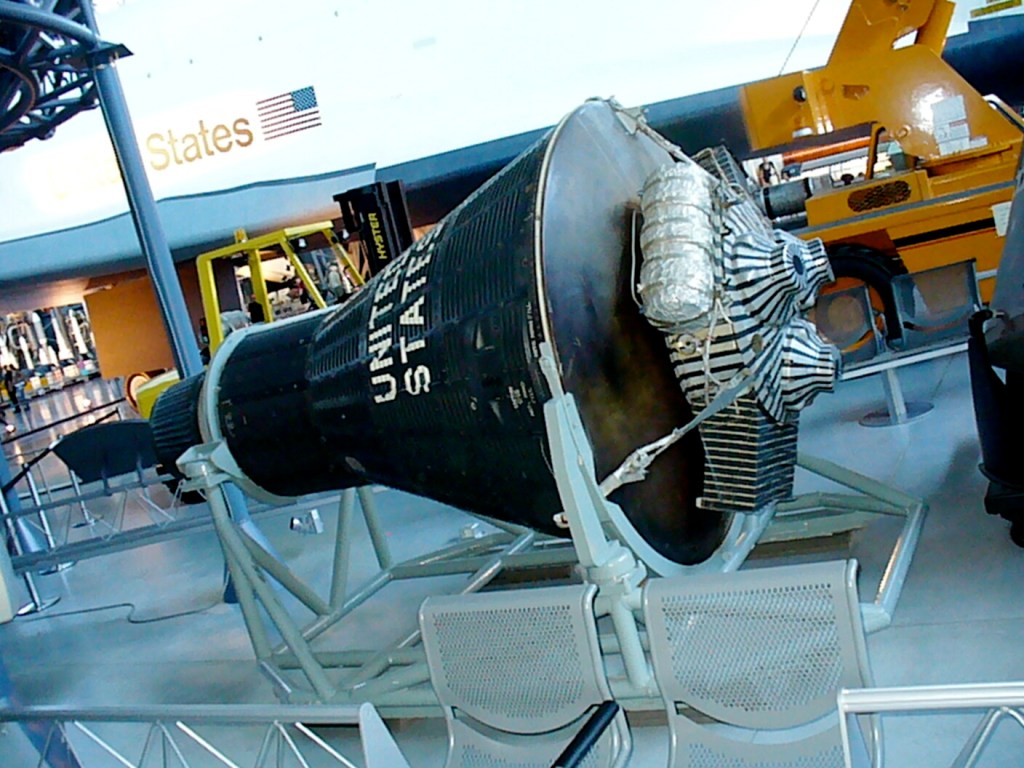
Early Space Capsules
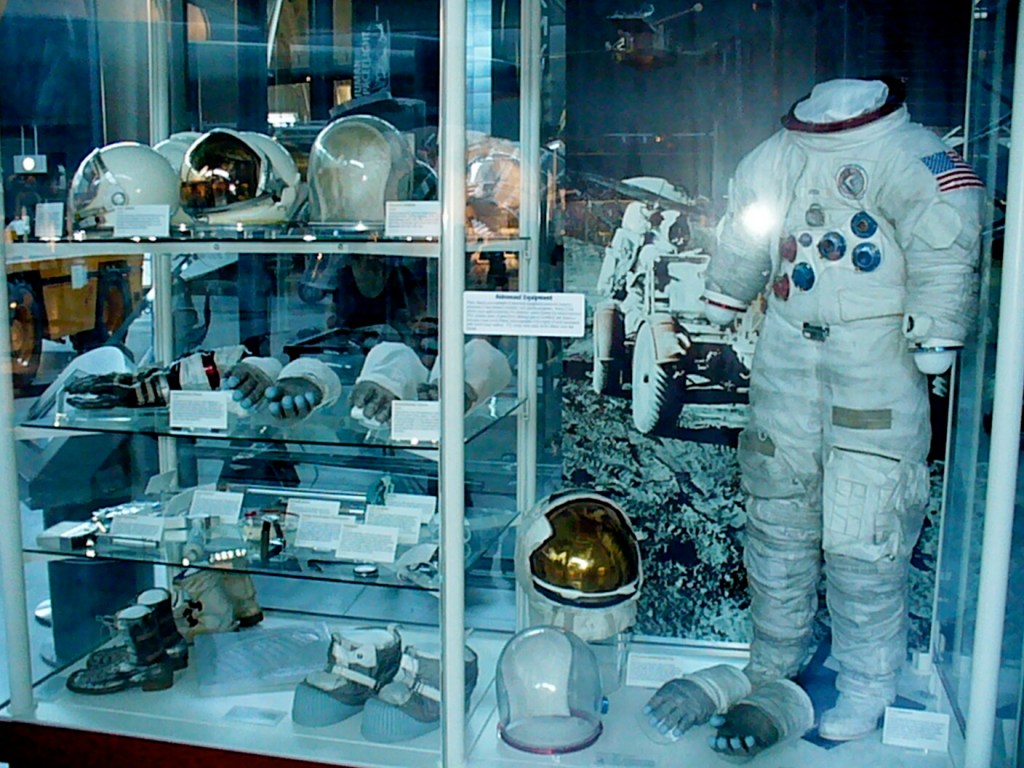
Apollo Spacesuit and Helmets and Gloves
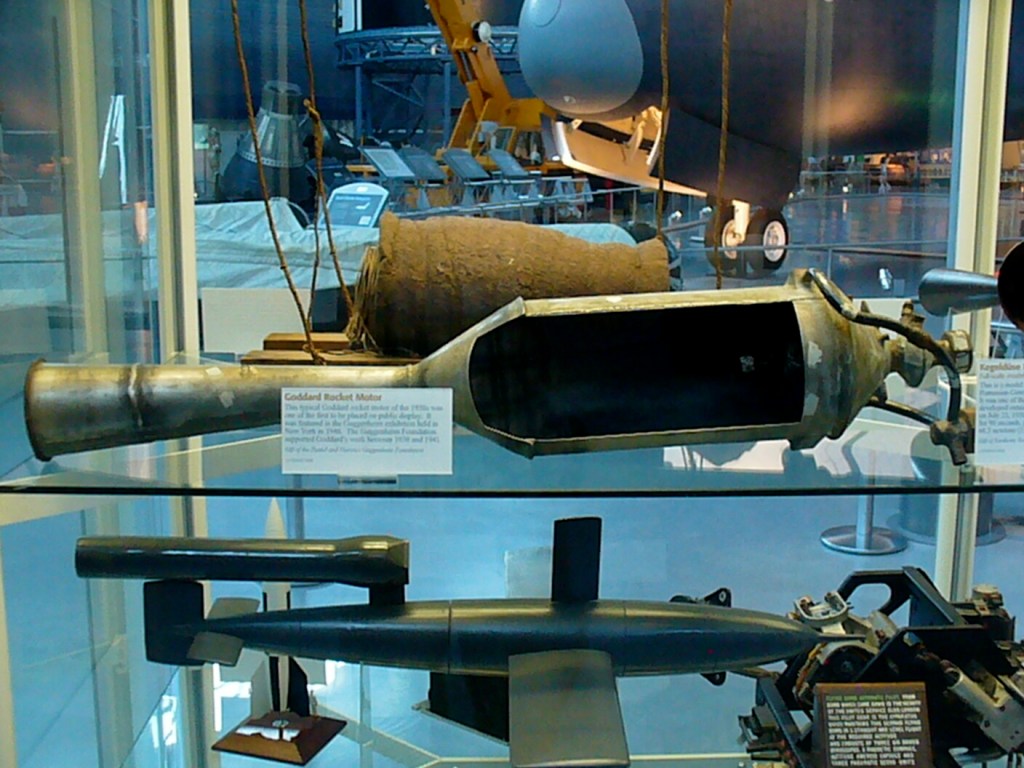
Robert Goddard Rocket Motor
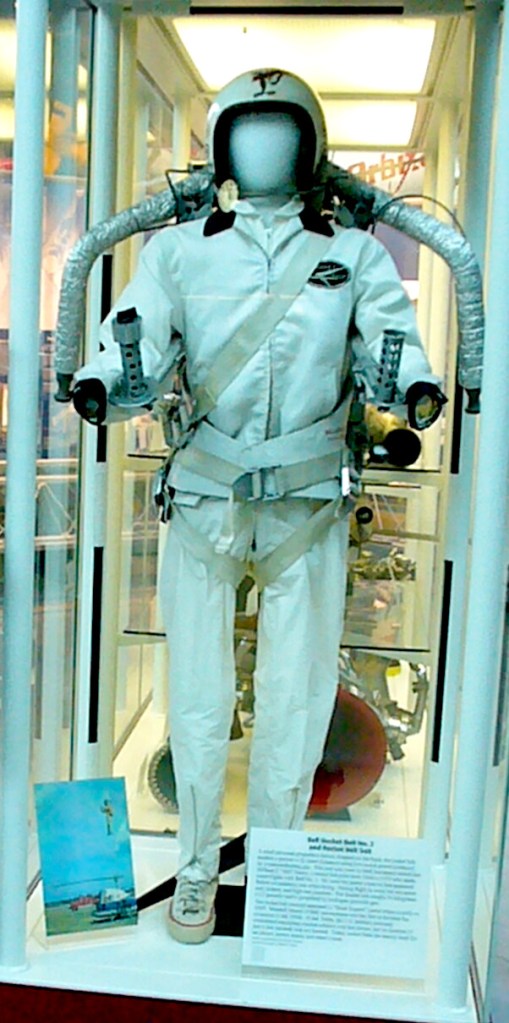
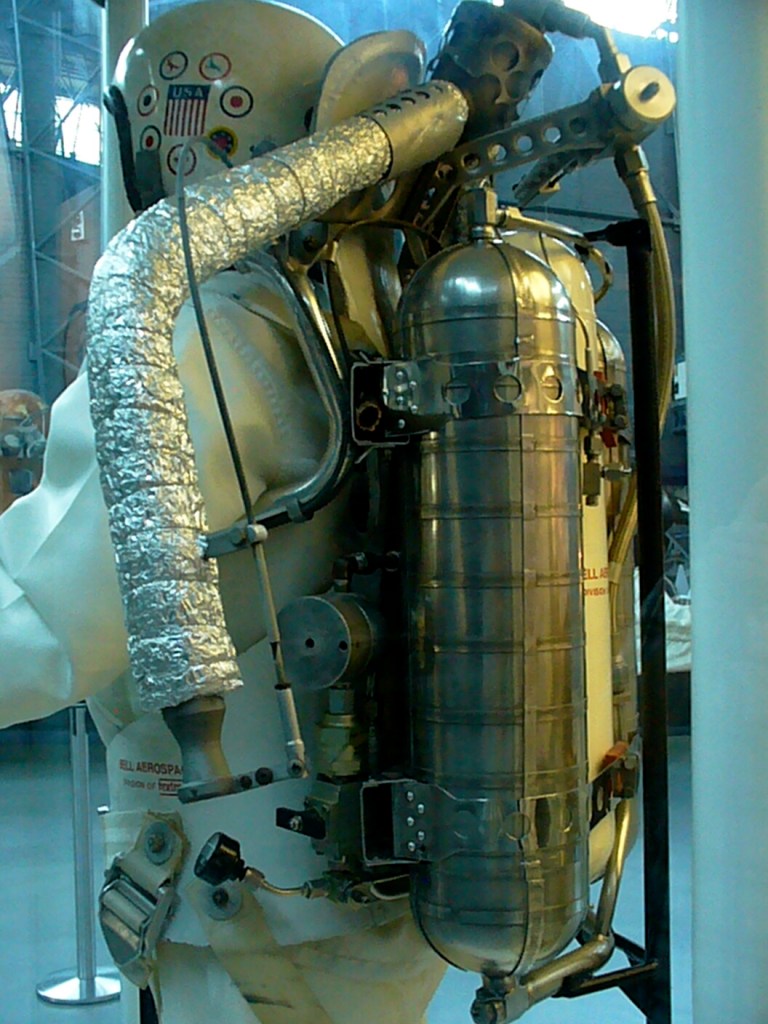
Bell Rocket Belt
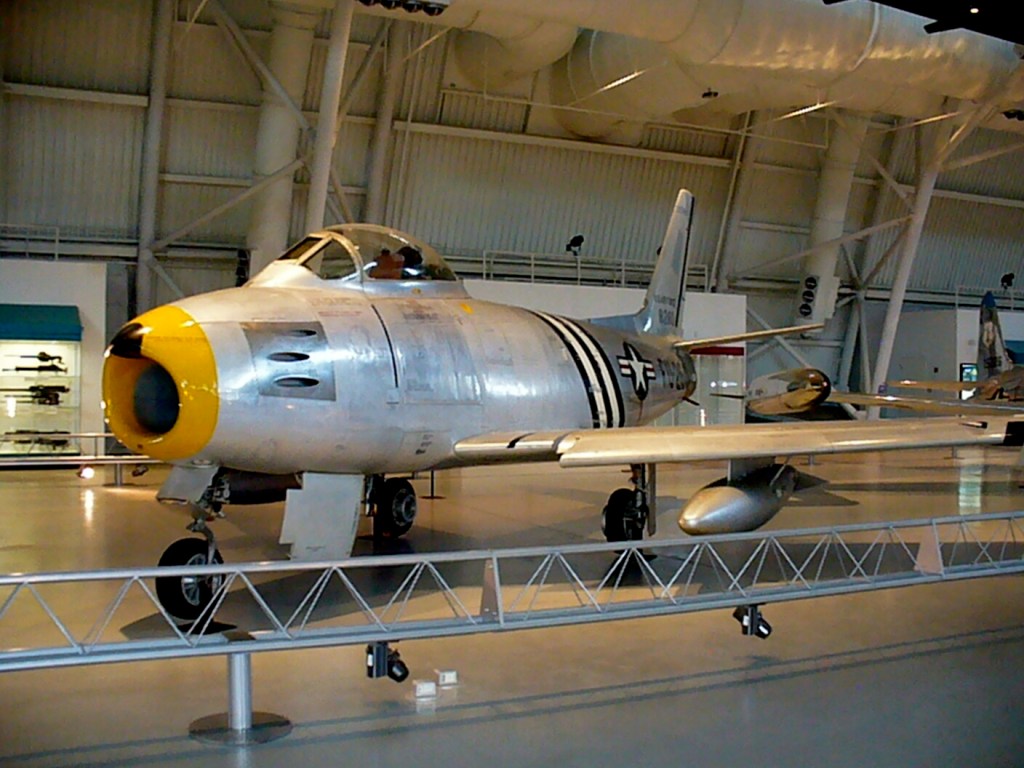
North American F-86 Sabre
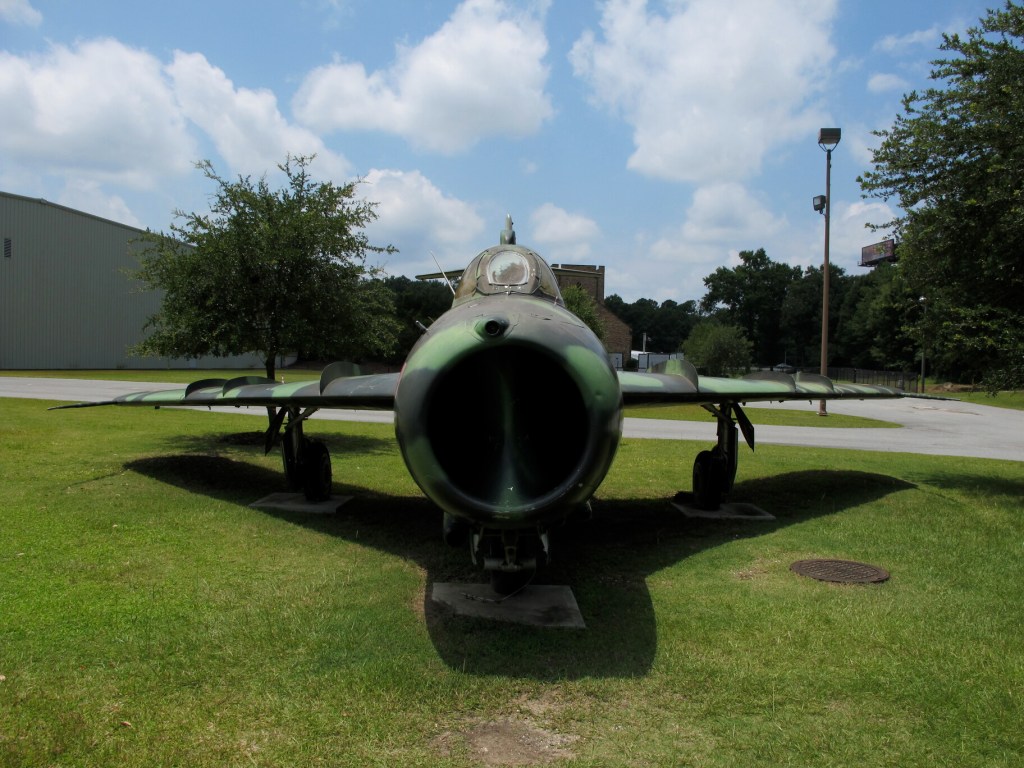
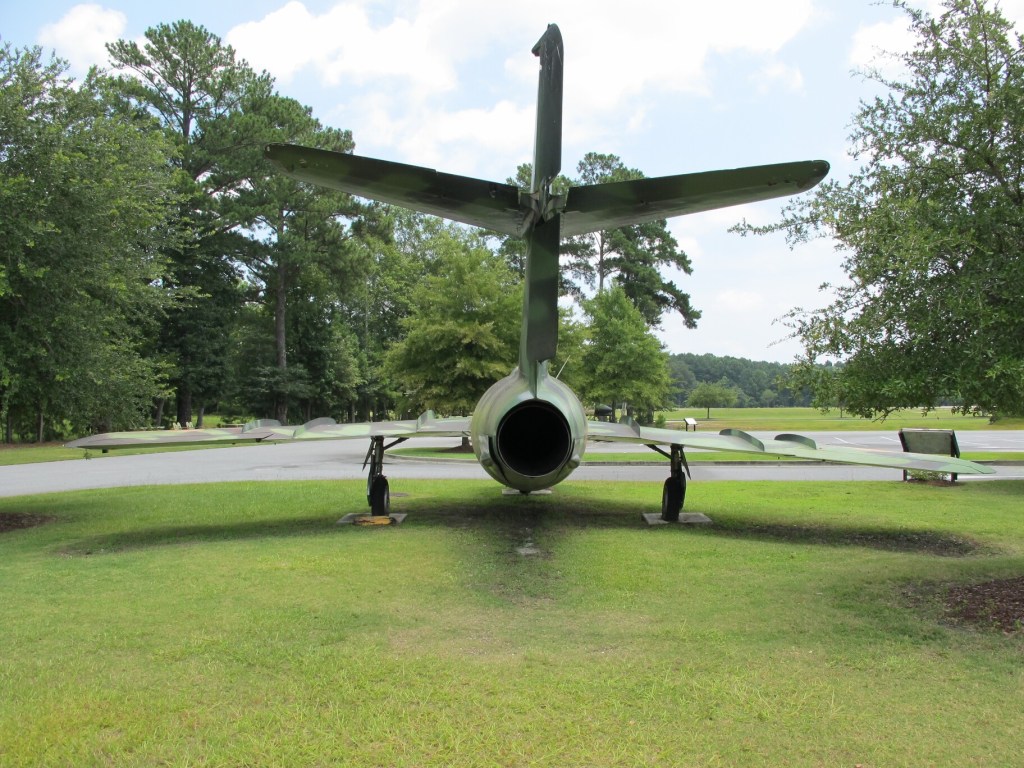
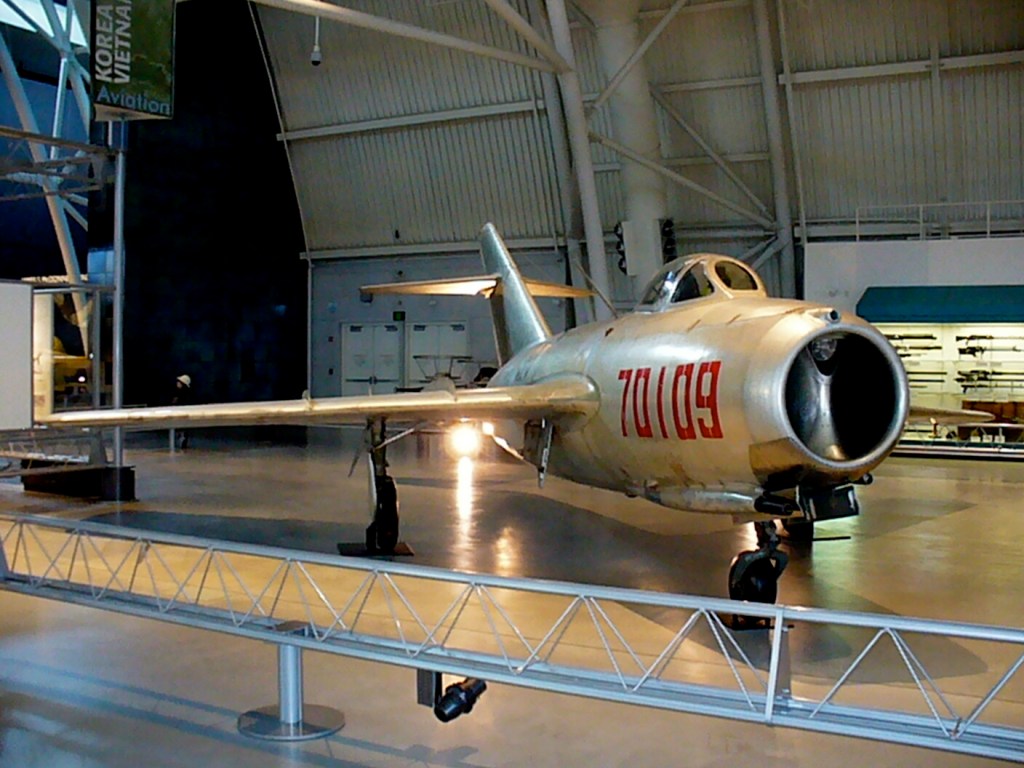
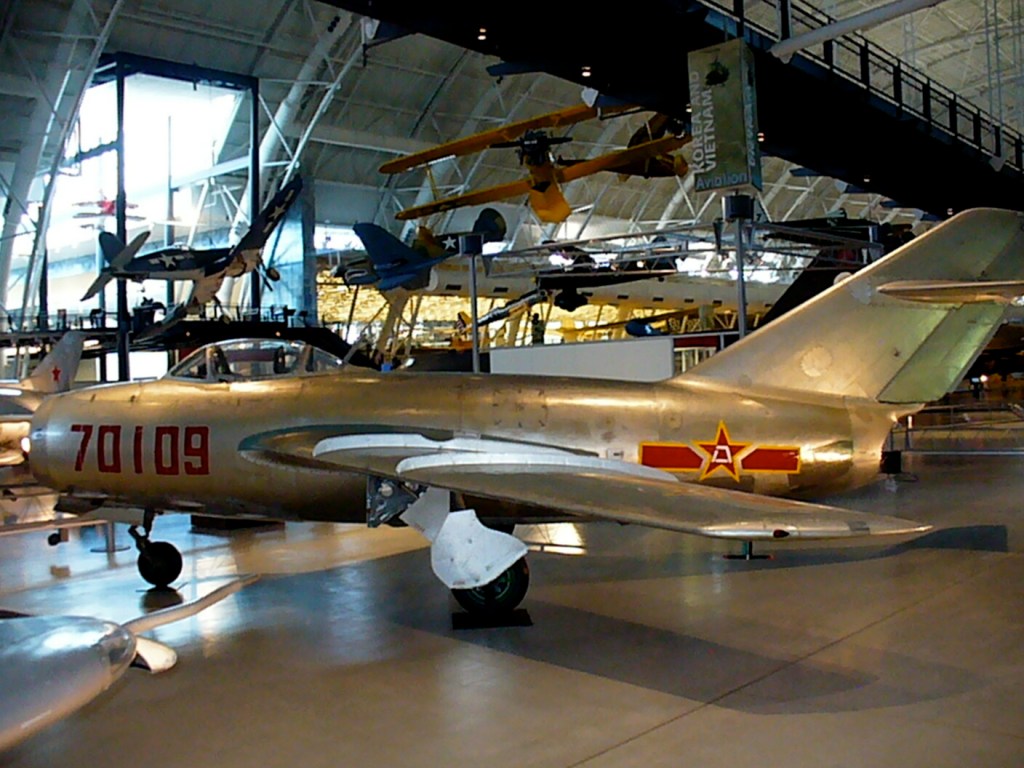
Mikoyan-Gurevich MiG-15
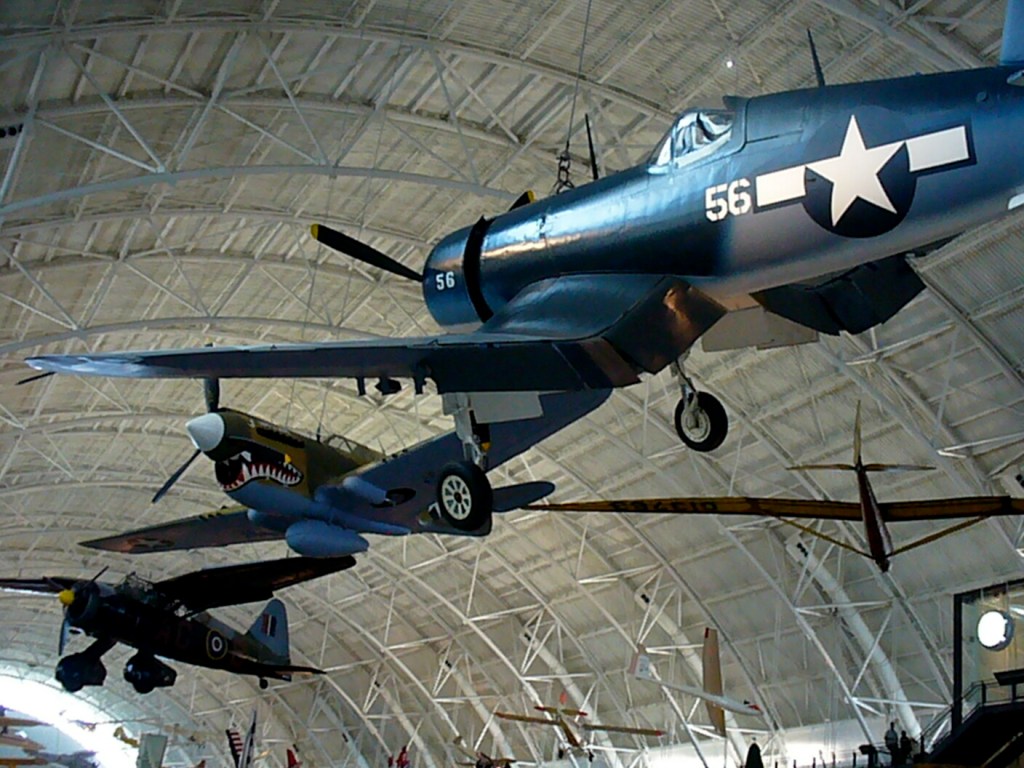
Curtiss P-40 Warhawk
Vought F4U Corsair
Lockheed P-38 Lightning
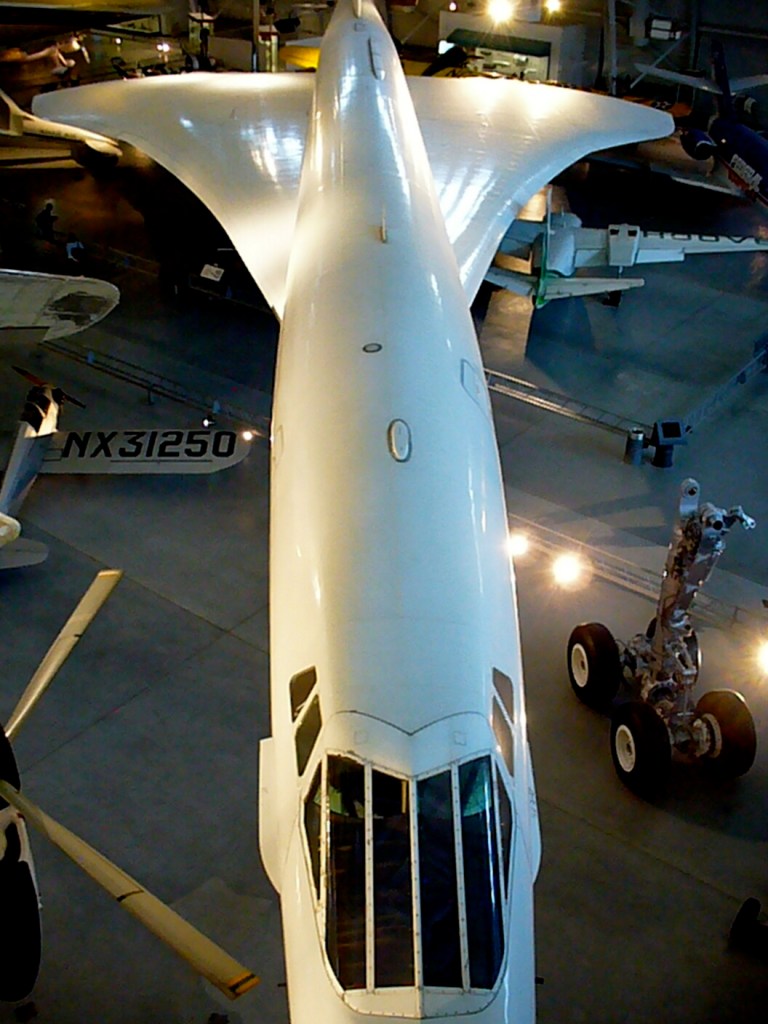
Aérospatiale/BAC Concorde
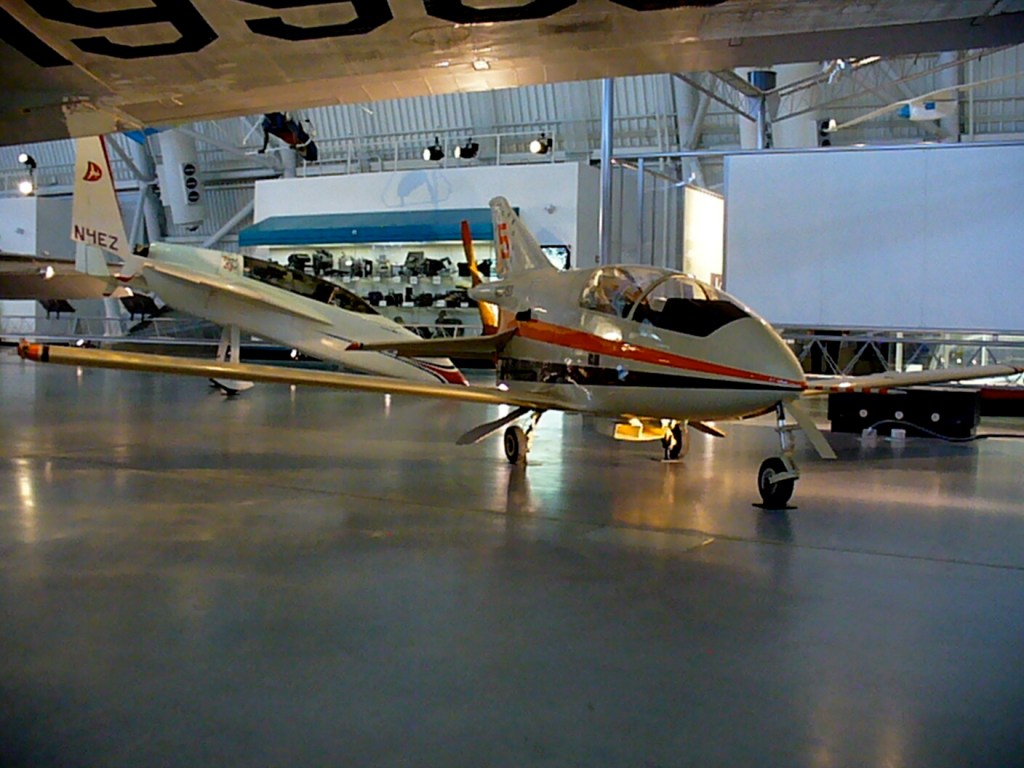
Scaled Composites Model 311 Virgin Atlantic GlobalFlyer
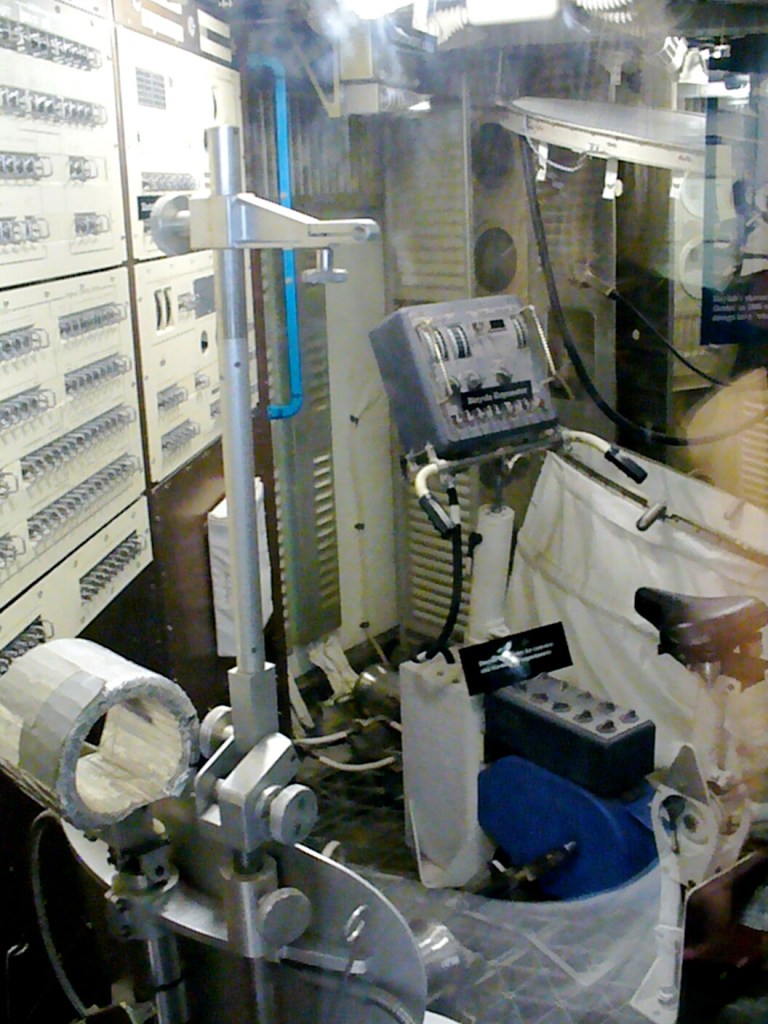
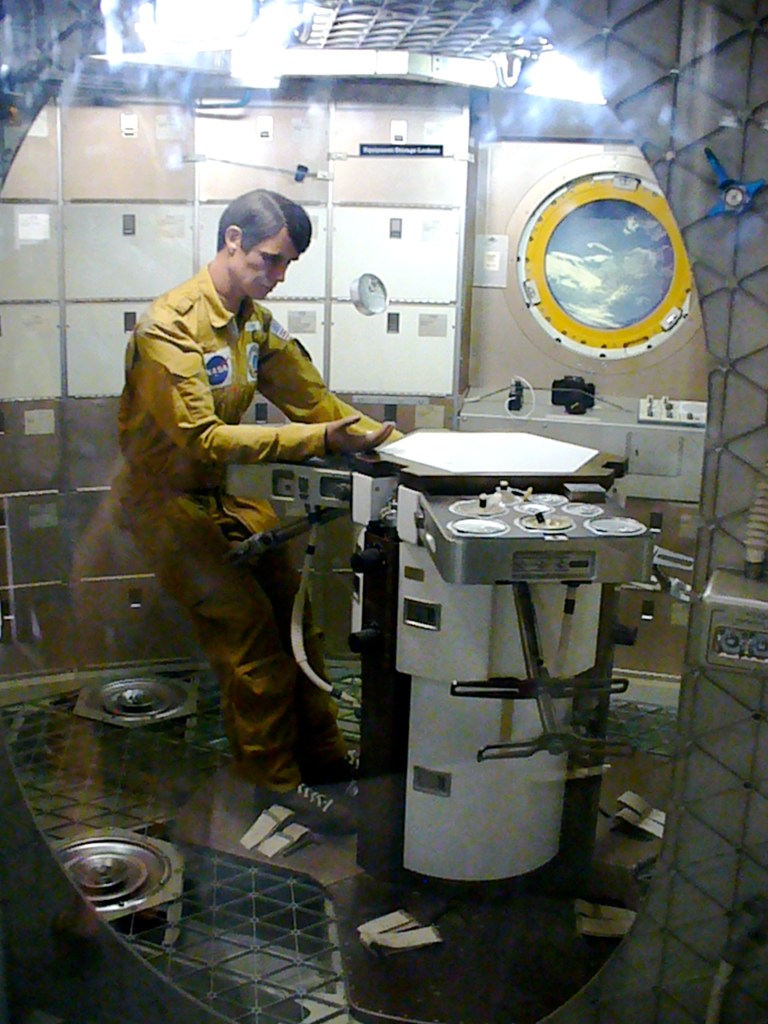
Skylab Orbital Workshop Interior, Smithsonian Air and Space Museum, Washington, DC. Photo taken in 2008.
As I wrote last week here, I reached out to Steve Lenzen via postal mail about Space Station L-4, the Earth Sciences Educational Program from 1977, after I found his contact information on an archived version of GPN’s website. He worked at GPN from 1976 to 2006, and he co-founded Destination Education. He kindly replied to me via email with important details about the history of GPN and why it might be impossible to find a copy of the series. He explains:
"The series was produced by Children's Television International, which was owned by Ray Gladfelter. When Ray was "winding down" his career, GPN took over distribution because Ray was an old friend of our director at the time. When Ray died, many, many years ago his old friend had also retired and GPN ceased distribution. Actually, GPN had ceased distribution years before that because there was no demand."

"Back when Ray produced the series many or most of the PBS Stations broadcast programs specifically designed for use in the classroom. This mode of getting educational programming into the classroom was started before the age of VHS and Betamax. The introduction of Betamax and then VHS is what led to the "death" of 16mm film and subsequently PBS stations airing a block of programs designed specifically for in classroom use. Starting in the late 80's, teachers were demanding that PBS Stations air only new, up-to-date programs depicting current hair styles, clothes, etc. If a series did not meet this criteria, teachers did not want it."

"Due to the lack of storage space, once a series was pulled from distribution GPN destroyed the submaster it had. The copyright holder/producer usually had a master. Space Station L-4 was pulled out of distribution long before advent of DVD which meant it cost of lot of money to keep old master, usually 2" Quad, 1" Helical, or Betamax in storage. As a result, the copyright owner also destroyed their copy."

"After Ray's death, his son . . . took control of Children's Television International. . . . The company, CTI, was, out of business by then so all he could do was find a place to give the tapes or destroy them."
My next move is to reach out to Ray Gladfelter’s son. I will report back with any developments.
From L to R: V-2 Rocket, WAC Corporal Sounding Rocket, Skylab Orbital Workshop, and V-1 Cruise Missile (hanging), National Air and Space Museum, Washington, DC, 2008.
My friend Mark and I have been on a decade’s long quest to find copies of Space Station L-4 (1977), an educational Earth Sciences television program produced, written, and directed by Paul Lally, who I interviewed in 2013 about the show, and distributed by Children’s Television International (CTI).
Unfortunately, we have not yet been able to obtain copies of Space Station L-4.
Obvious starting places like Google, YouTube, Bing, Yandex, etc. yield no video, screenshots, or substantive information.
I’ve tried interlibrary loan requests without any success.
Most recently, I discovered video order directories including Bowker’s Complete Video Directory and The Video Source Book in the Internet Archive that list the series and individual episodes, which were available for order from CTI in Virginia (apparently no longer exists and a more recent San Diego address seems defunct but there is a branch of this organization that seems to remain incorporated in Maryland) and GPN in Lincoln, NE (also no longer exists–the owner retired). I am sending letters to the agent listed for the Maryland branch of CTI and Steve Lenzen of GPN in the hope of them having stock available or a reference to who might have tapes for sale.
Below, I’m pasting the series and episode information from Bowker’s Complete Video Directory 1998, pp. 2158-2159 in the hope that it might lead someone with info about how to obtain the series to my website and who would be kind enough to reach out by email to my address in the info box to the right or via my social media links on the About page.
Space Station L-4. 16 cass. (1977). Science—Environmental Studies. 240 min. Rights: Group; Broadcast. Viewers imagine themselves on space station L-4, 440 miles above the earth. Their mission: to study & monitor life support systems for planet Earth & share this information with all countries needing assistance. By dramatically demonstrating modern equipment, techniques & methods of scientific investigation this video teaches how we are seeking to safeguard the future of our natural environment & prepare for human survival. GPN. tchr's. guide: $3.50; VHS, Set (Order #: E374):
$351.20.

Space Station L-4, Vol. 1: The Changing Earth; Earth Measurement; Atmosphere; Water. Science—General. B&W and Color. 60 min. Juvenile.Ages: 9-13. G. Made-for-Video Movie. Children’s Television International. VHS (Order #: ST-1): $79.95.

Space Station L-4, No. 1: The Changing Earth. (1977). Science—Environmental Studies. 15 min, Rights: Group; Broadcast. Develops an awareness within students that the earth is constantly changing. GPN. tchr's. guide: $3.50; VHS (Order #: E374): $29.95.

Space Station L-4, Vol. 2: Soil; Earth Limits; Energy; Gravity. Science—General. B&W and Color. 60 min. Juvenile.Ages: 9-13. G. Made-for-Video Movie. Children’s Television International. VHS (Order #: ST-2): $79.95.

Space Station L-4, No. 2: Earth Measurement. (1977). Technology. 15 min. Rights: Group; Broadcast. Demonstrates how technological advances enable us to increase the accuracy of measurements. GPN. tchr’s. guide: $3.50; VHS (Order #: E374): $29.95.

Space Station L-4, Vol. 3: Human Life Support; ‘Human Communication; The Order of Nature; Cycles. Science—General. B&W and Color. 60 min. Juvenile Ages: 9-13. G. Made-for-Video Movie. Children's Television International. VHS (Order #: ST-3): $79.95.

Space Station L-4, No. 3: Atmosphere. (1977). ‘Science—Environmental Studies. 15 min. Rights: Group; Broadcast. Helps students understand the effects of the interaction between the earth's surface & living things. GPN. tchr's. guide: $3.50; VHS (Order #: E374): $29.95.

Space Station L-4, Vol. 4: Things in Motion; Reach ‘Up; Reach Out; Reach Far Out. Science—General. B&W and Color. 60 min. Juvenile. Ages: 9-13. G. Made-for-Video Movie. Children’s Television International. VHS (Order #: ST-4): $79.95.

Space Station L-4, No. 4: Water. (1977). Science—Environmental Studies. 15 min. Rights: Group; Broadcast. Presents the interrelationship between water, the earth's surface & living things. GPN. tchr’s. guide: $3.50; VHS (Order #: E374): $29.95.

Space Station L-4, No. 5: Soil. (1977). Science—Environmental Studies. 15 min. Rights: Group; Broadcast. Continues to demonstrate the interrelationship to ecology by looking at how soil, water & living things affect each other. GPN. tchr’s. guide: $3.50; VHS (Order #: E374): $29.95.

Space Station L-4, No. 6: Earth Limits. (1977). Science—Environmental Studies. 15 min. Rights: Group; Broadcast. Shows students that the earth & its components are finite resources. GPN. tchr's. guide: $3.50; VHS (Order #: E374): $29.95.

Space Station L-4, No. 7: Energy. (1977). Science—Environmental Studies. 15 min. Rights: Group; Broadcast. Reveals that the sun is our energy source. GPN. tchr’s. guide: $3.50; VHS (Order #: £374): $29.95

Space Station L-4, No. 8: Gravity. (1977). Science—General. 15 min. Rights: Group; Broadcast. Shows students how man & his environment are both affected by gravity. GPN. tchr's. guide: $3.50; VHS (Order #: E374): $29.95.

Space Station L-4, No. 9: Human Life Support. (1977). Science—Environmental Studies. 15 min. Rights: Group; Broadcast. Makes us aware that we all interact with our environment. GPN. tchr’s. guide: $3.50; VHS (Order #: E374): $29.95.

Space Station L-4, No. 10: Human Communications. (1977). Anthropology. 15 min. Rights: Group; Broadcast. Develops an awareness of humans as communicators. GPN. tchr's. guide: $3.50: VHS (Order #: E374): $29.95.

Space Station L-4, No. 11: The Order of Nature. (1977). Science—Environmental Studies. 15 min. Rights: Group; Broadcast. Promotes the observable patterns in nature. GPN. tchr’s. guide: $3.50; VHS (Order #: E374): $29.95.

Space Station L-4, No. 12: Cycles. (1977). Science—Environmental Studies. 15 min. Rights: Group; Broadcast. Develops student understanding of physical & biological cycles that naturally occur. GPN. tchr’s. guide: $3.50; VHS (Order #: E374): $29.95.

Space Station L-4, No. 13: Things in Motion. (1977). Science—-Environmental Studies. 15 min. Rights: Group; Broadcast. Helps students understand that we increase our use of fuels as we explore space. GPN. tchr's. guide: $3.50; VHS (Order #: E374): $29.95.

Space Station L-4, No. 14: Reach Up. (1977). Science—Environmental Studies. Exploration. 15 min. Rights: Group, Broadcast. Demonstrates how we have increased our knowledge of the environment through space exploration. GPN. tchr's. guide: $3.50; VHS (Order #: E374): $29.95.

Space Station L-4, No. 15: Reach Out. (1977). Science—Environmental Studies. Space Exploration. 15 min. Rights: Group; Broadcast. Enables viewers to better understand how our explorations of space have actually changed the dimensions of environmental research. GPN. tchr's guide: $3.50; VHS (Order #: E374): $29.95

Space Station L-4, No. 16: Reach Far Out. (1977). Science—Astronomy. Space Exploration. 15 min. Rights: Group; Broadcast. Takes viewers one step further in the search & inquiry process by showing how we are looking for life in outerspace. GPN. tchr’s. guide: $3.50; VHS (Order #:E374): $29.95.
If you know where I might find a copy of Space Station L-4, please send me an email at my address to the right or via my social media links on the About page. Thank you!