Y and I finished watching the Attack on Titan (2013-2023) anime series tonight. The character of Survey Corp Commander Erwin Smith reminded of this resolute WWI soldier bronze statue by Coeur de Lion MacCarthy at Niagara Falls, Canada.
Considering wars past and present, AoT points out the irrationality and tribalism that propels these kinds of conflicts. It reflects the seeming inevitability of repeating past mistakes mired in violence and death. The rebooted Battlestar Galactica (2003-2009) covers much of this ground, too. Even though the subject matter and mythologies in these series are different, they are clearly in dialog with one another regarding the human condition, free will, tribalism/social structures, and propensity for violence over dialog and compromise. Both seem to say that we are doomed to repeat
I think of museums of technology, like the NASM, as a kind of technical communication medium. Of course, the work of the displays, diagrams, multimedia, and explanatory text are different kinds of technical communication created to facilitate learning, contextualization, and curiosity. But, the museum as a whole–the system of the museum and its totality, its holism–is a giant technical communication medium, too.
Most of the exhibits seemed similar to the last time that I had visited Washington in the late 1980s, but one notable change is the restoration of the shooting model of Star Trek’s USS-1701 Enterprise, which used to hang in the air but it now at eye-level and encased in plastic (last photos below).
After our visit, the NASM did a big renovation of the museum on the National Mall and the Udvar-Hazy Center (i.e., the replacement of Space Shuttle Enterprise with Discovery).
Above and below, you can see Charles Lindbergh’s Atlantic-crossing Spirit of St. Louis. More pictures of the historic air and spacecraft on display follow.
Spirit of St. Louis
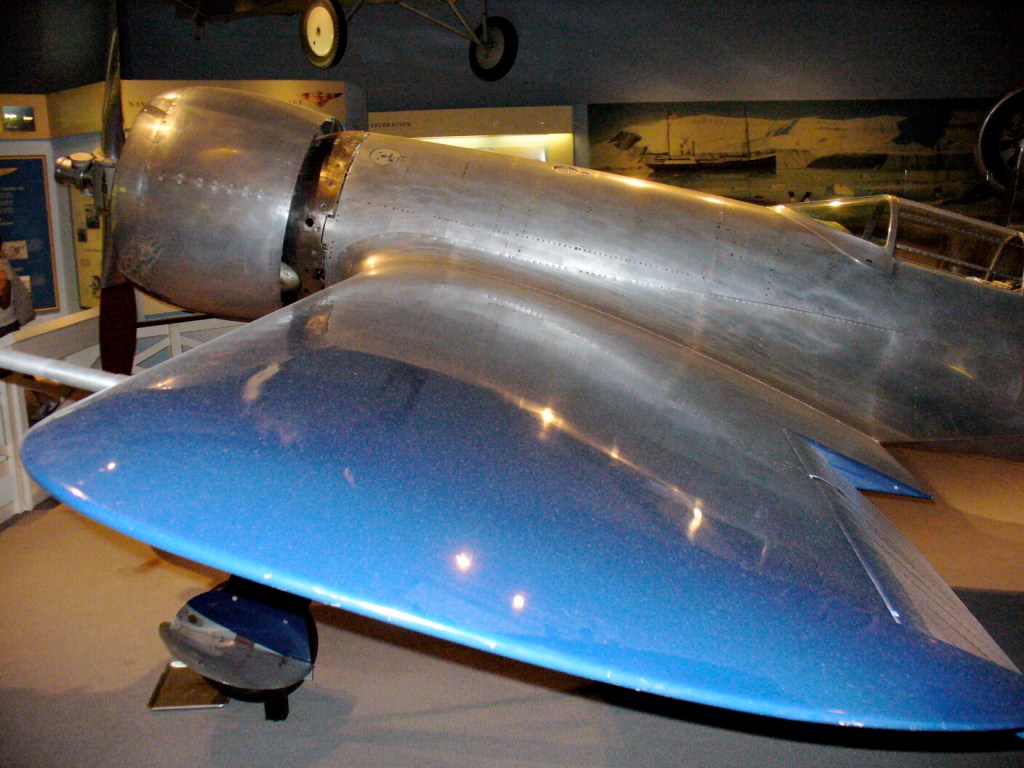
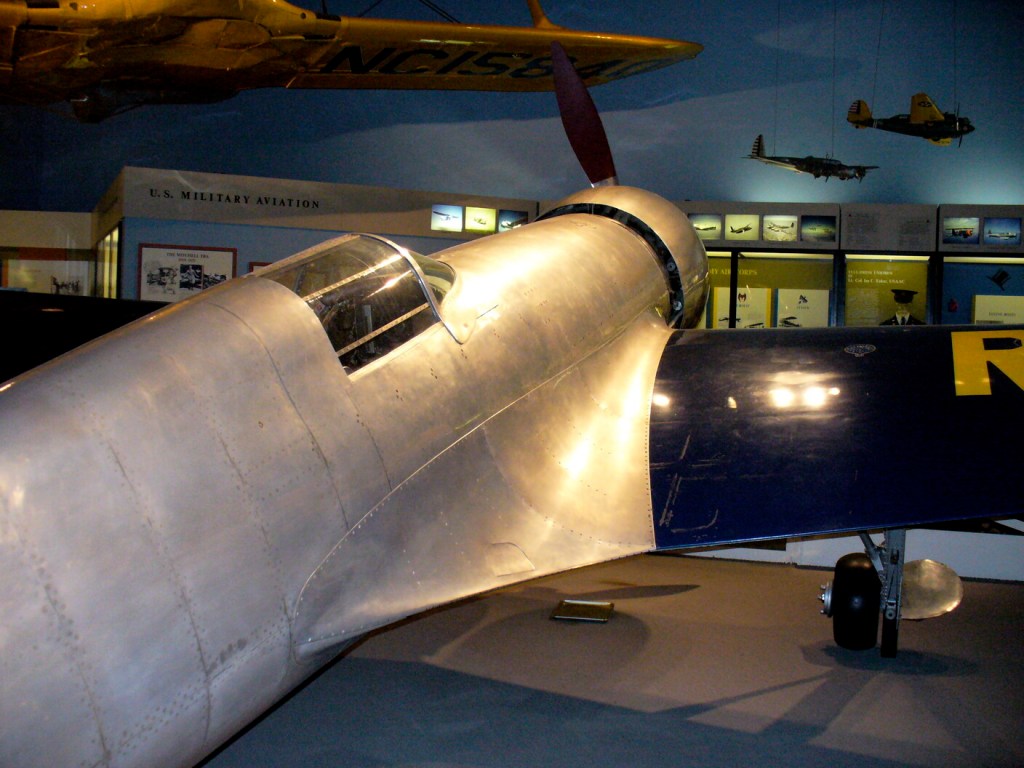
Hughes H-1 Racer
Supermarine Spitfire HF. Mk. VIIc
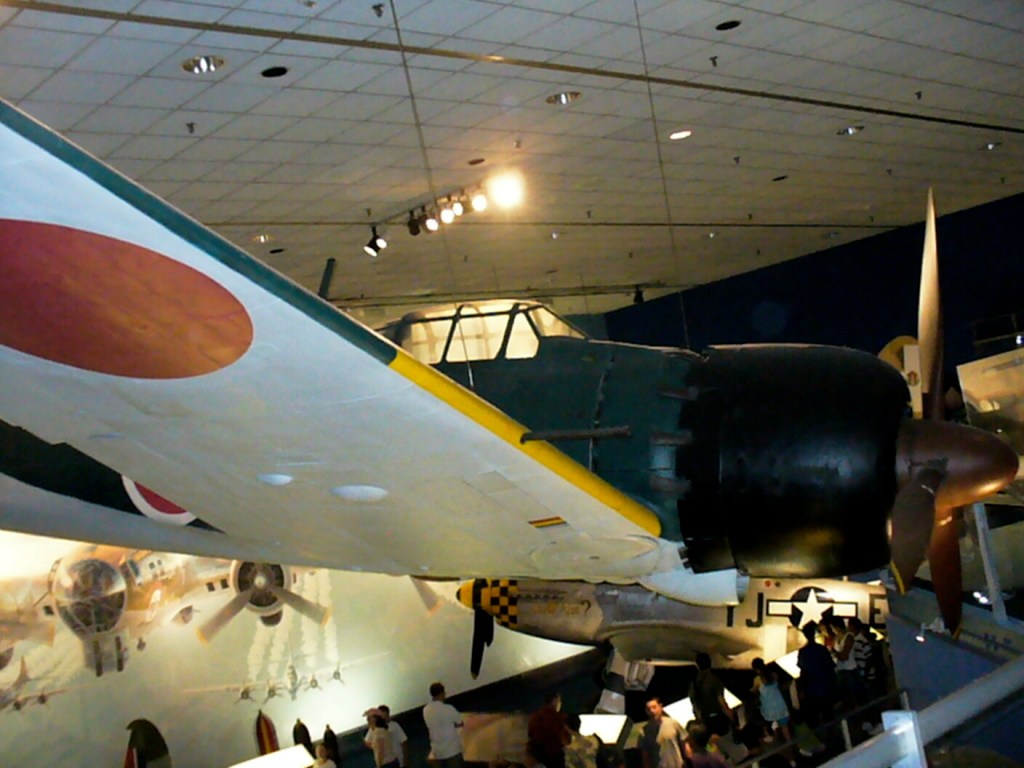
North American P-51D Mustang
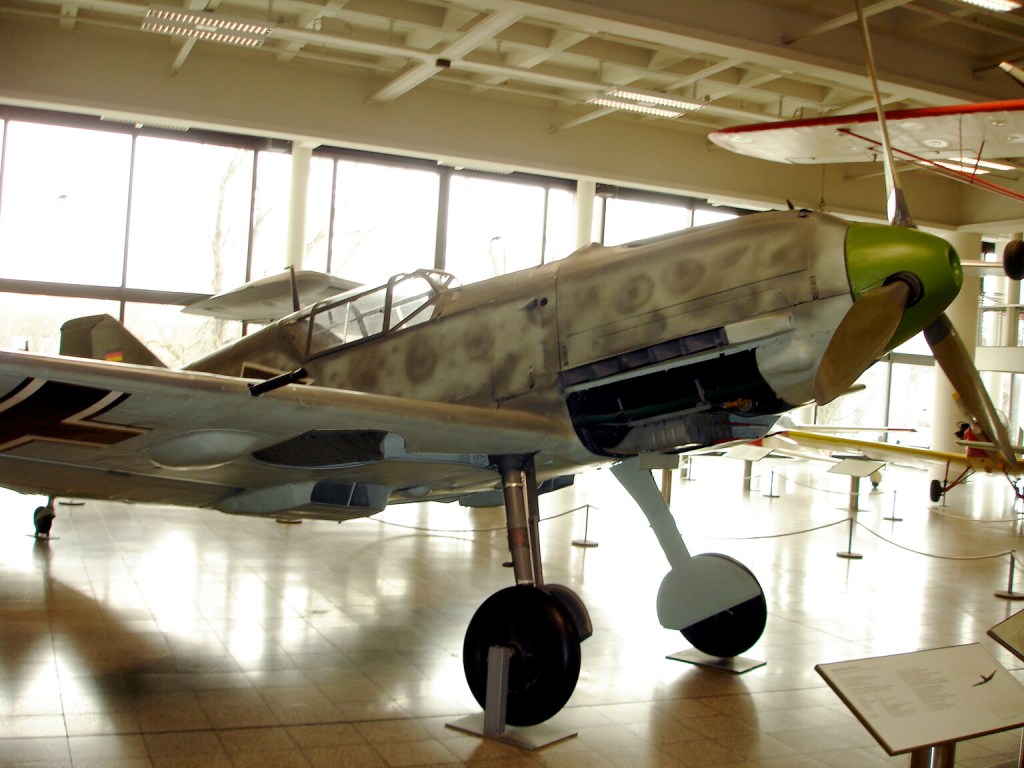
Messerschmitt Bf 109 G-6/R3
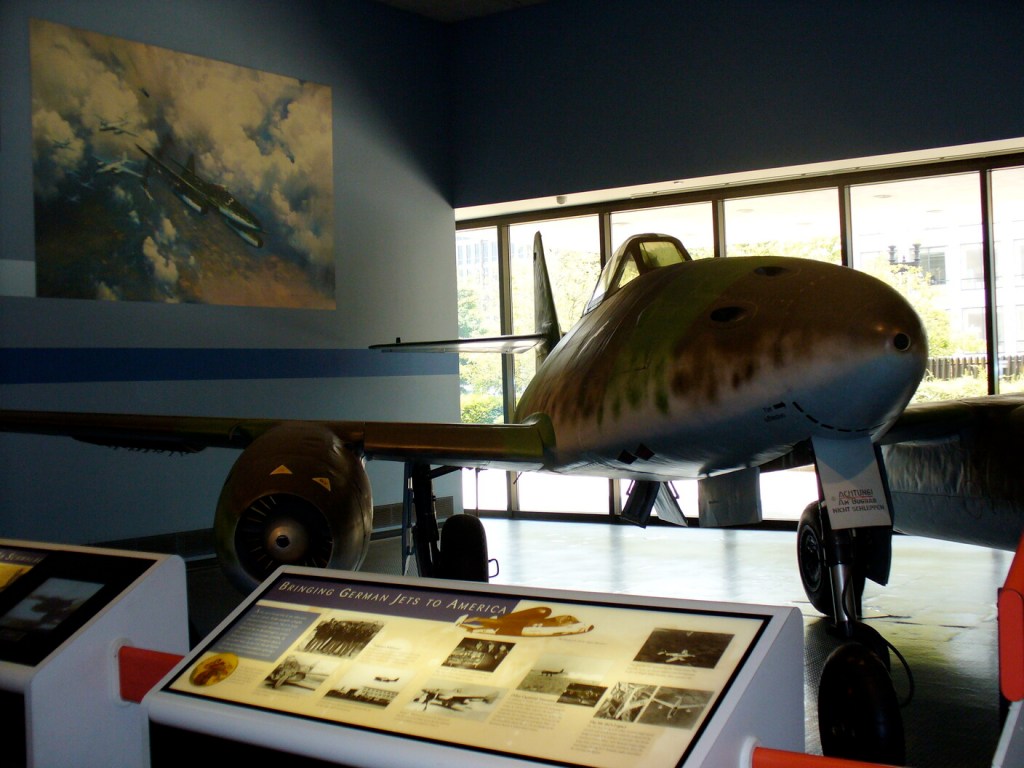
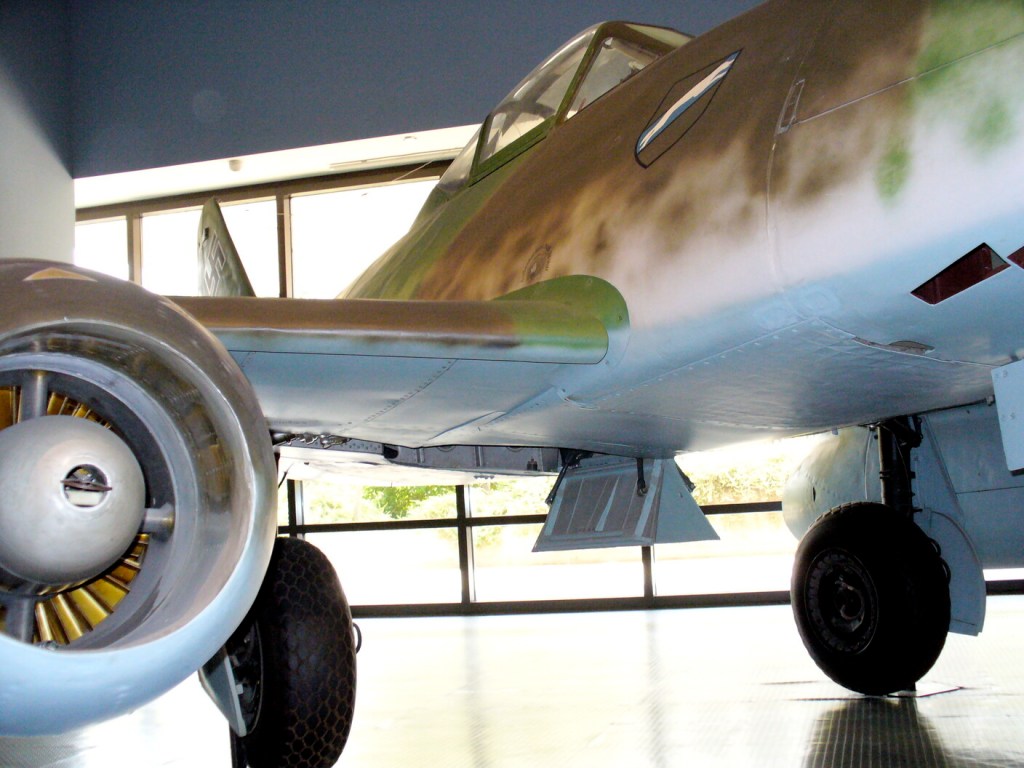
Messerschmitt Me 262 A-1a Schwalbe (Swallow)
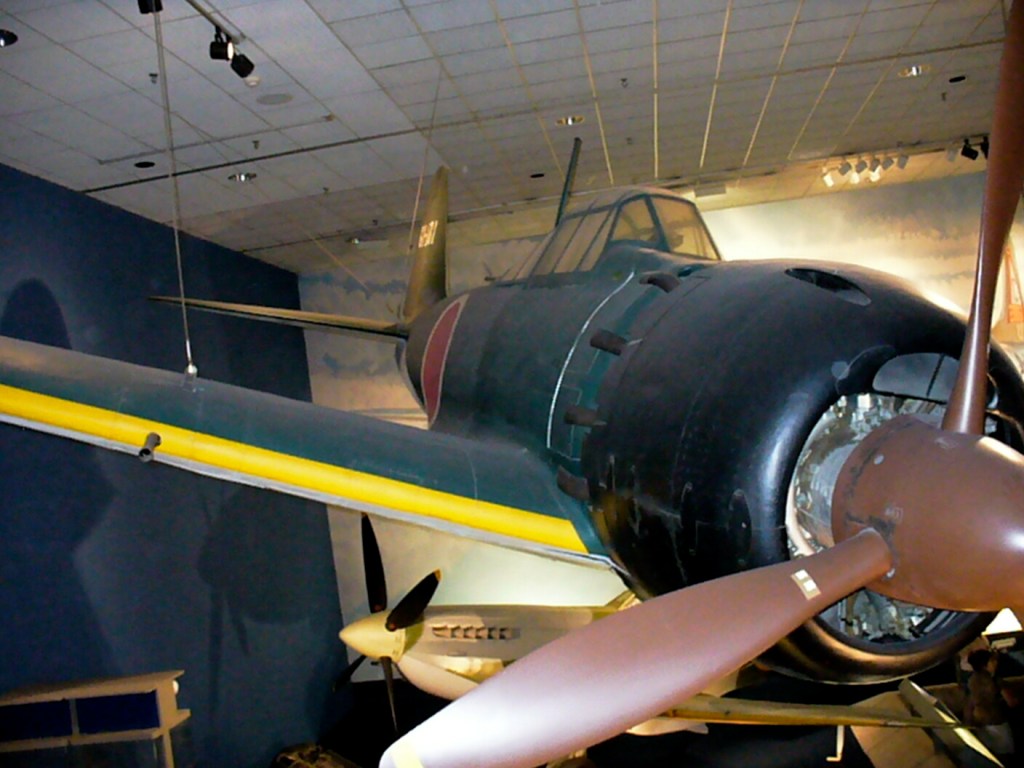
Mitsubishi A6M5 Reisen (Zero Fighter) Model 52 ZEKE
North American X-15
Douglas D-558-2
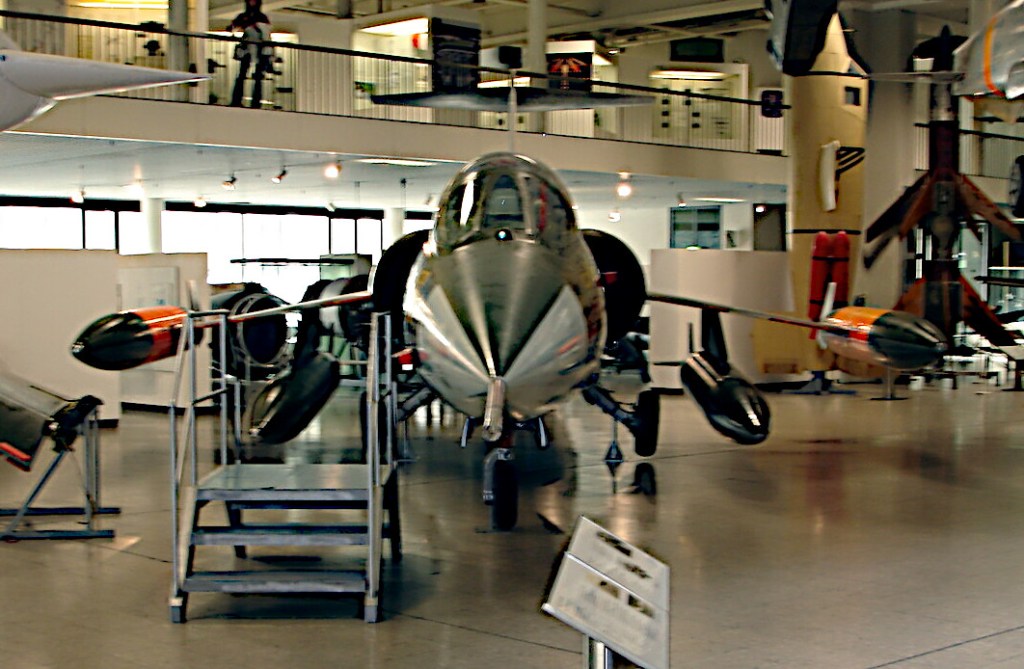
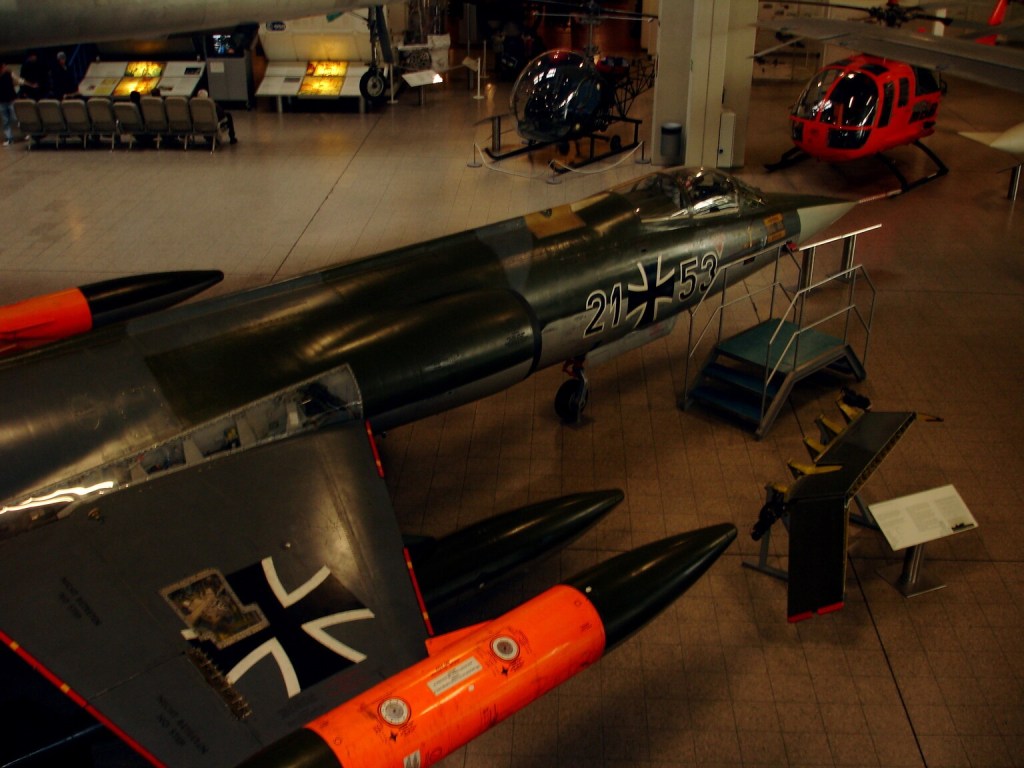
Lockheed F-104 Starfighter
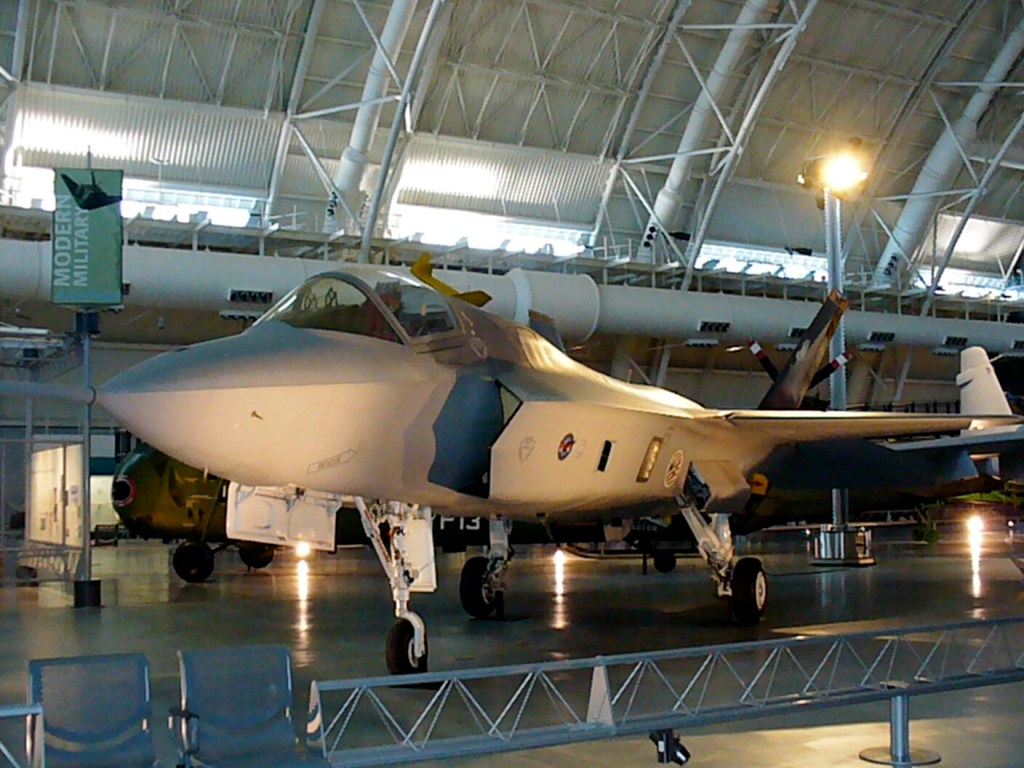
Grumman X-29 full-scale model
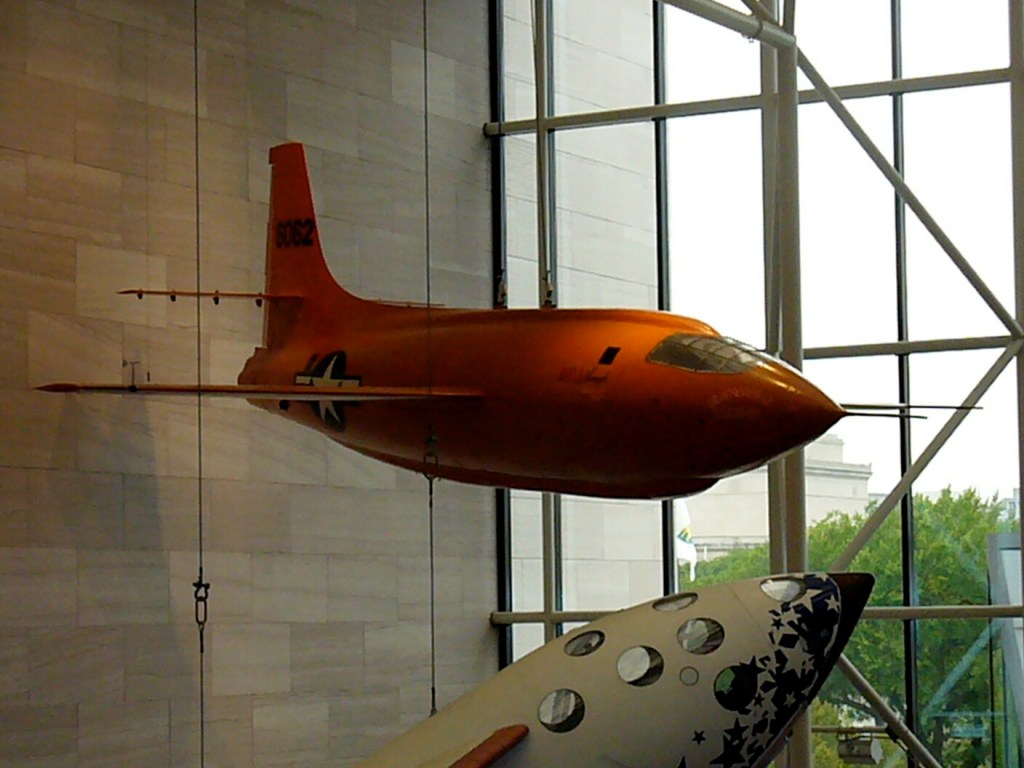
SpaceShipOne and Bell X-1
SpaceShipOne
Bell X-1
John Glenn’s Spacesuit
Space Capsule Interior
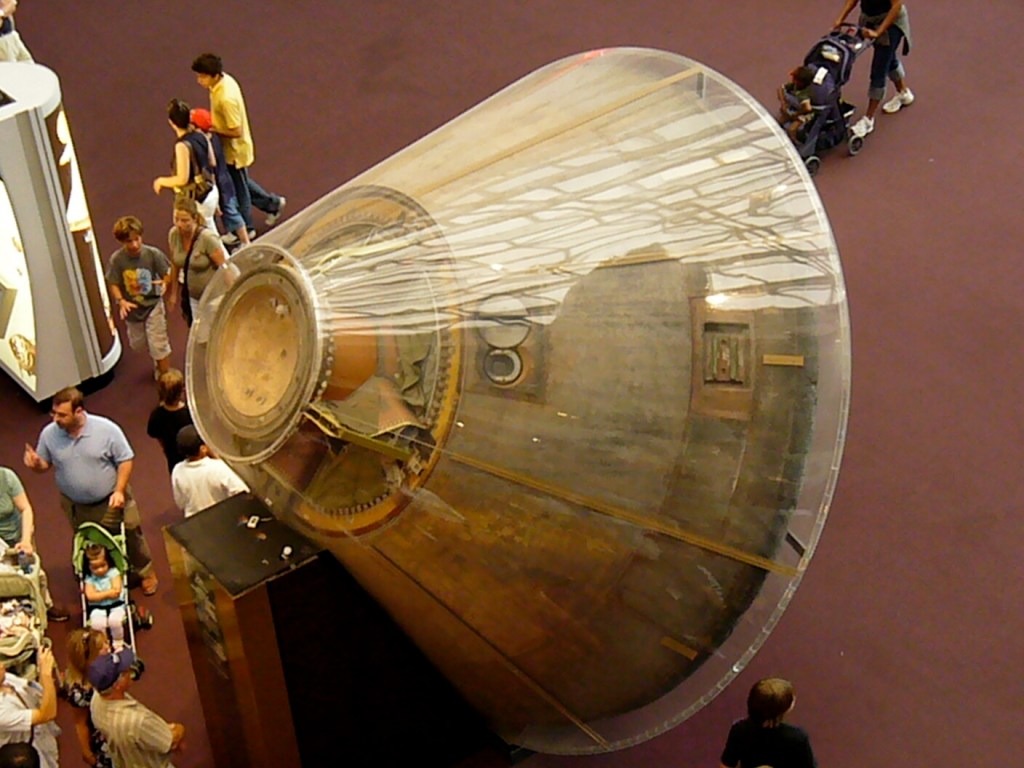
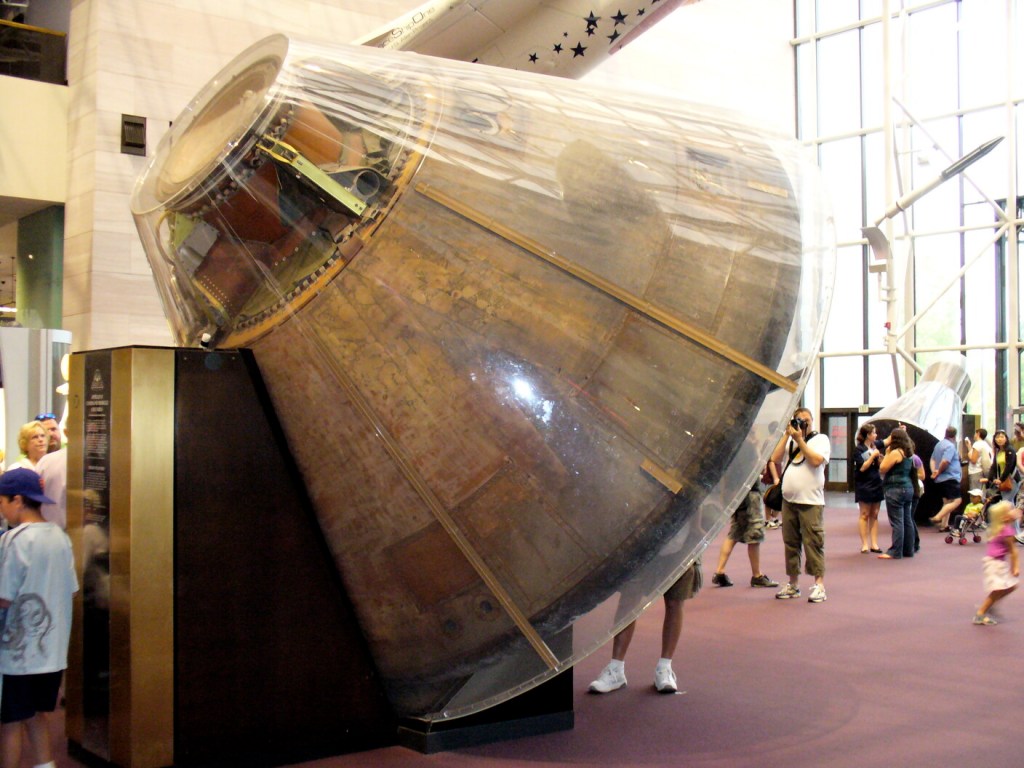
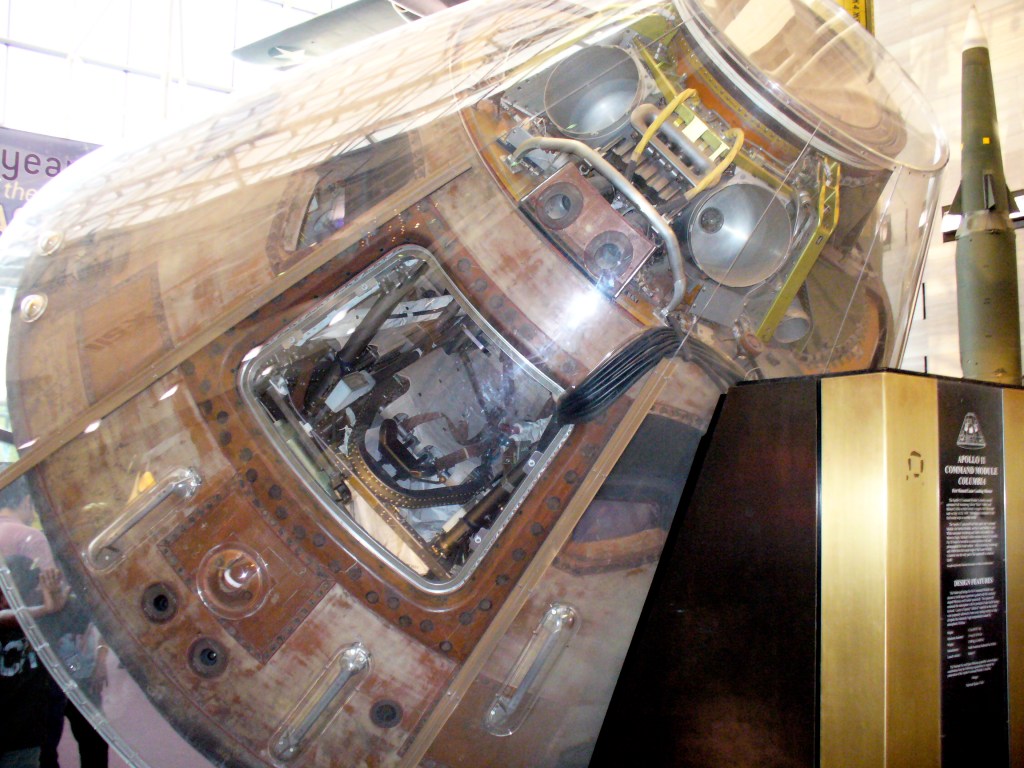
Apollo 11 Command Module
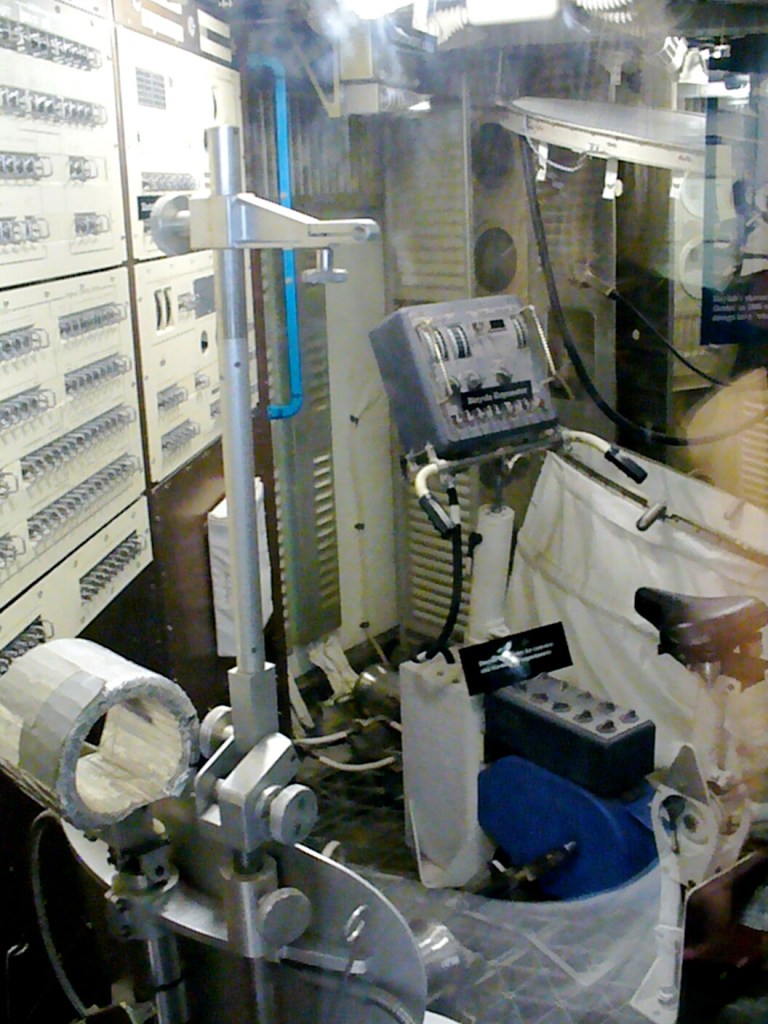
Apollo Command Module Console
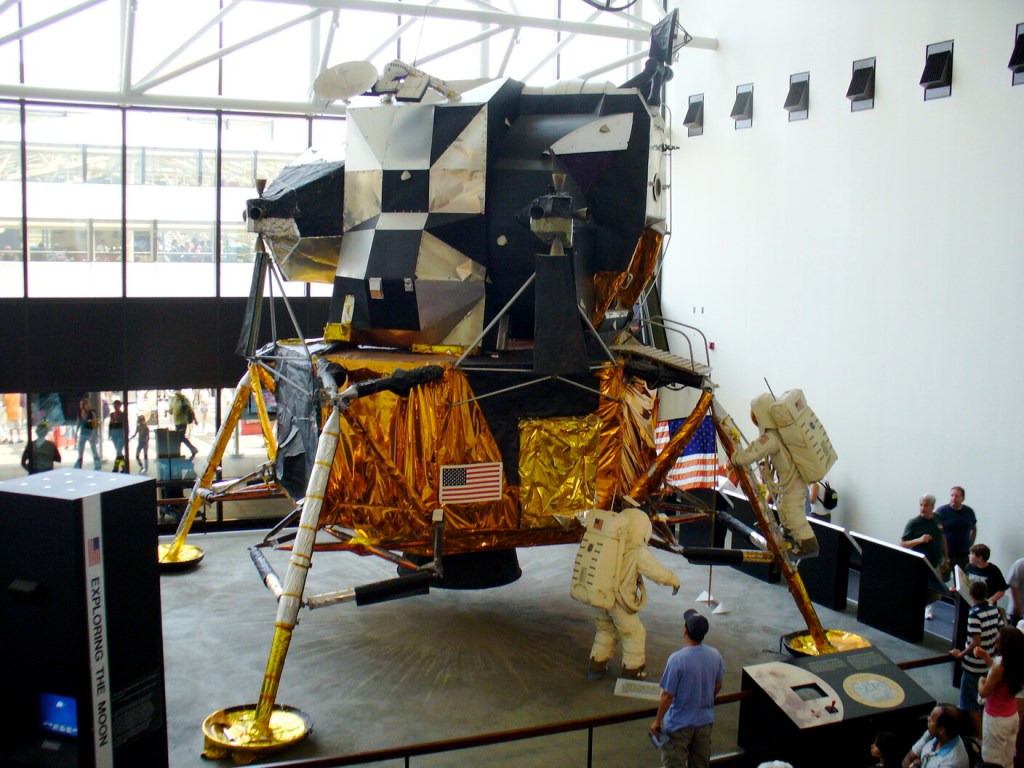
Lunar Module LM-2
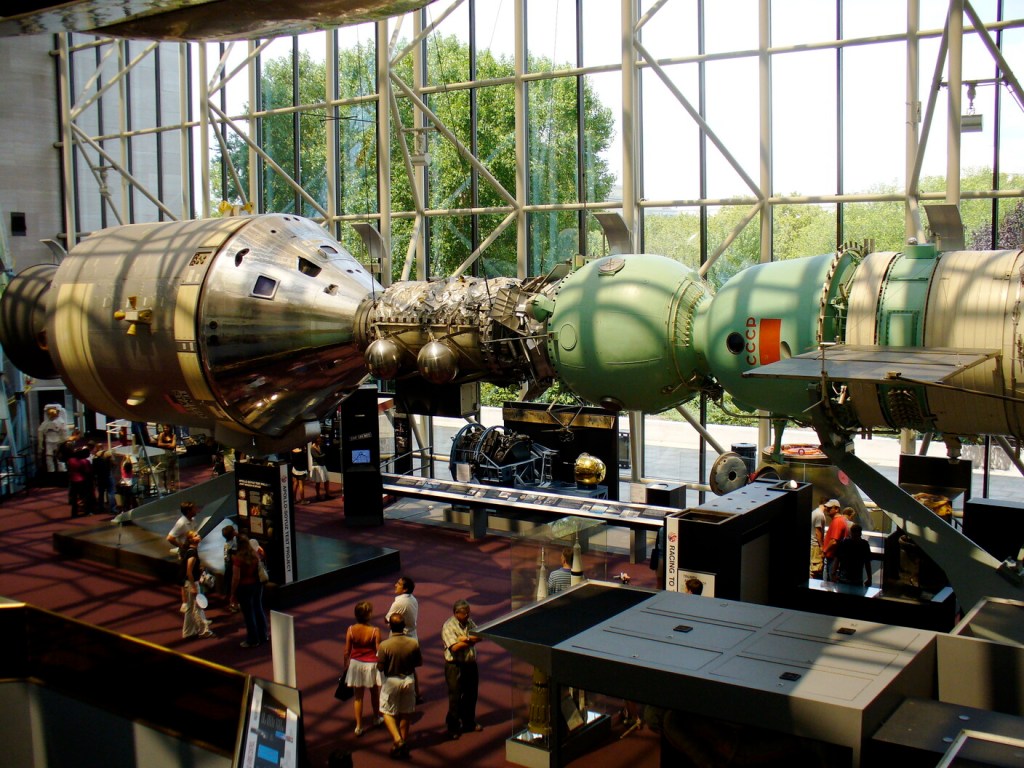
Apollo-Soyuz Rendezvous Recreation
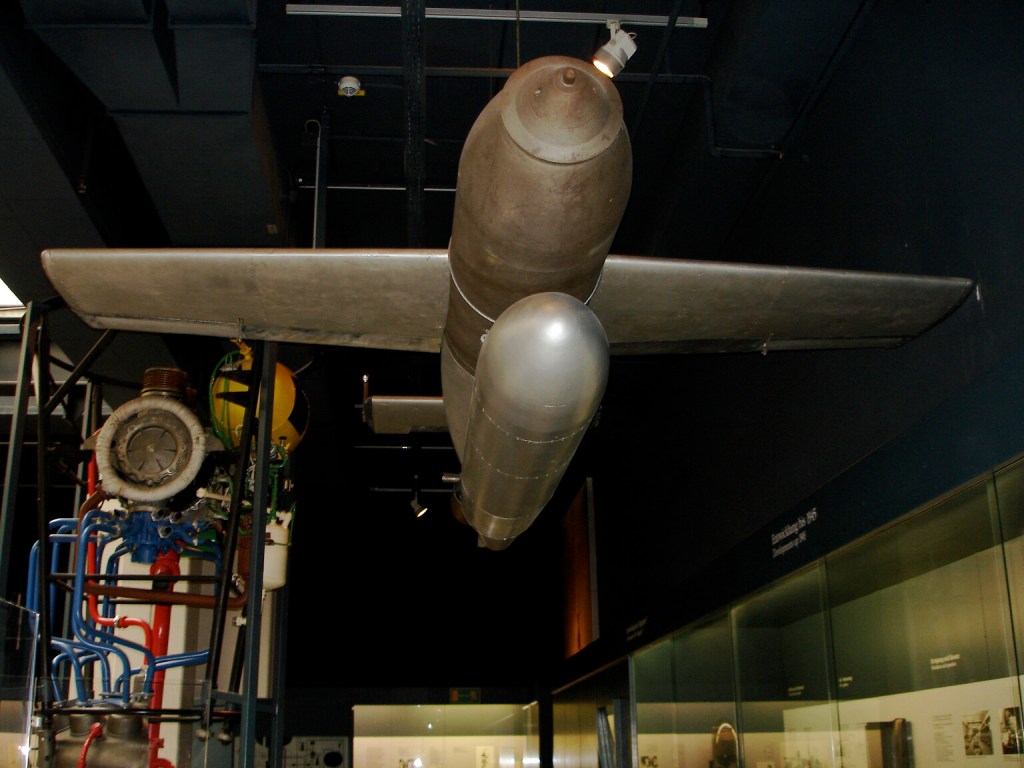
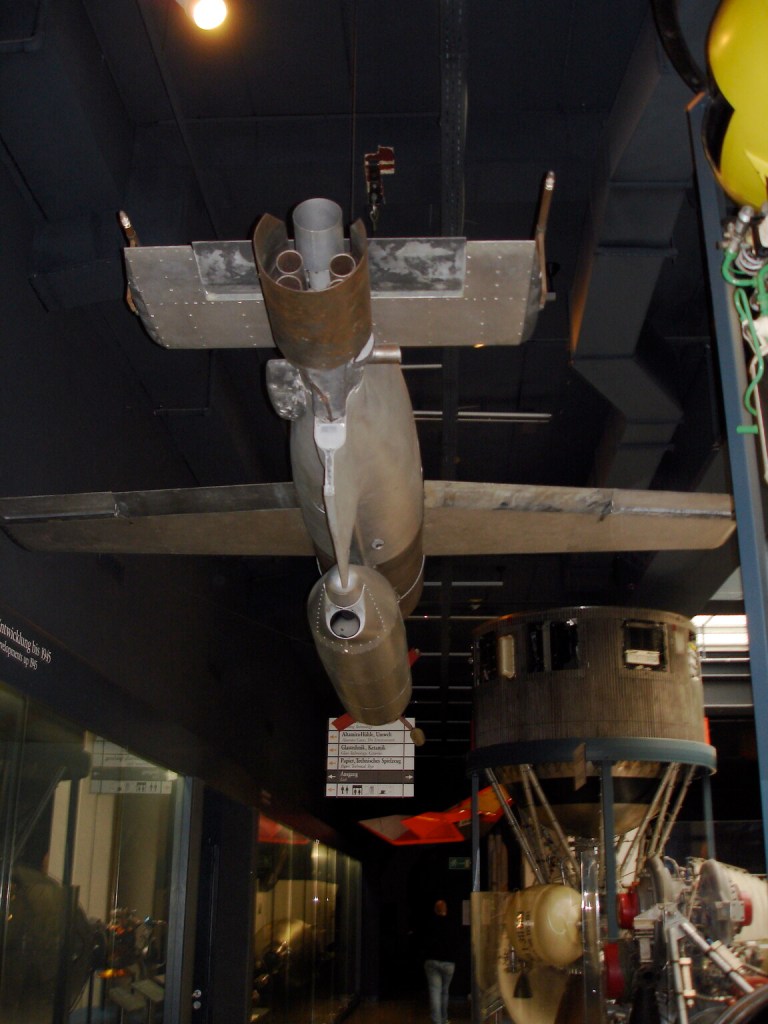
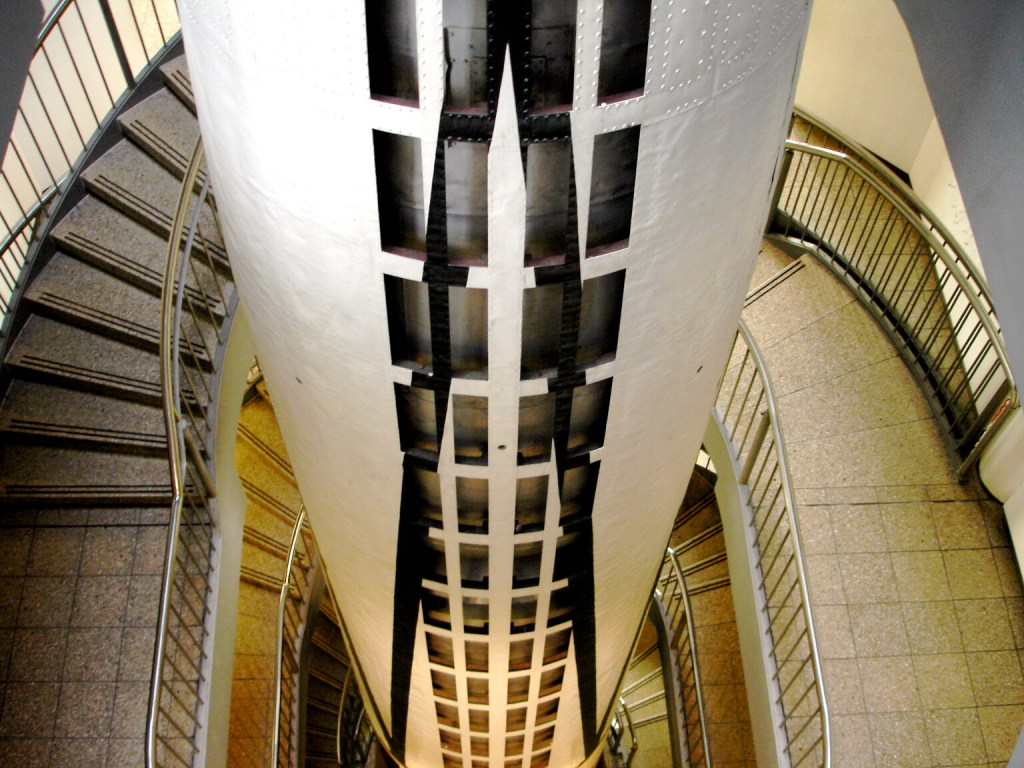
V-2 Rocket, Skylab, and V-1 Rocket
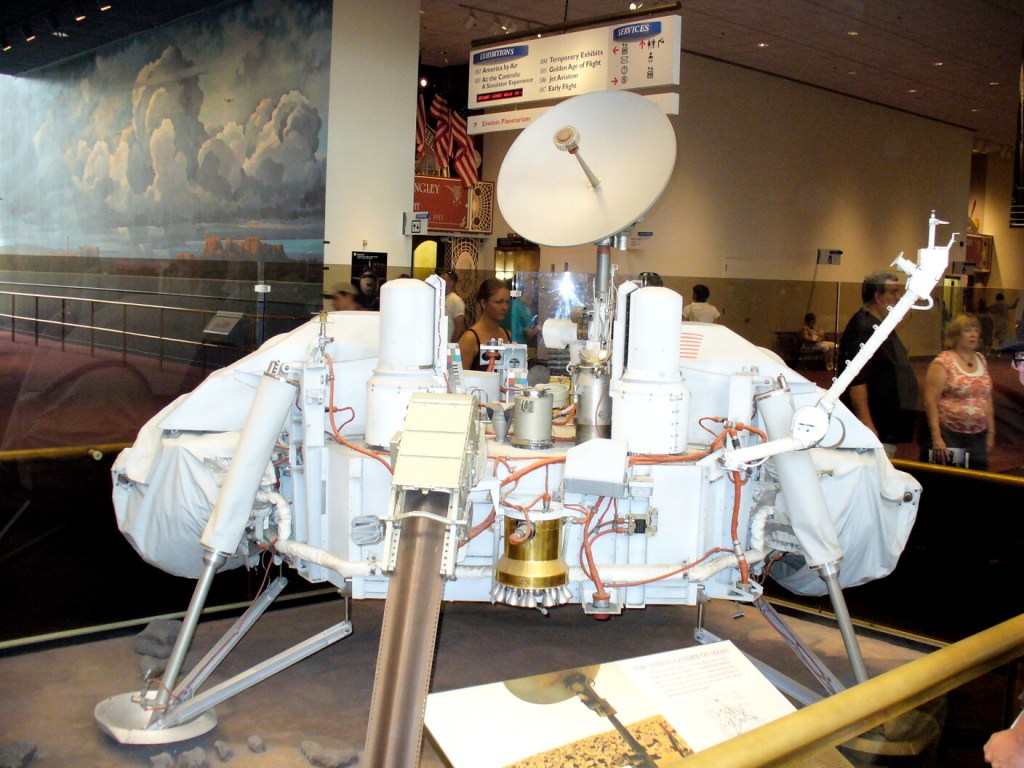
Viking Mars Lander
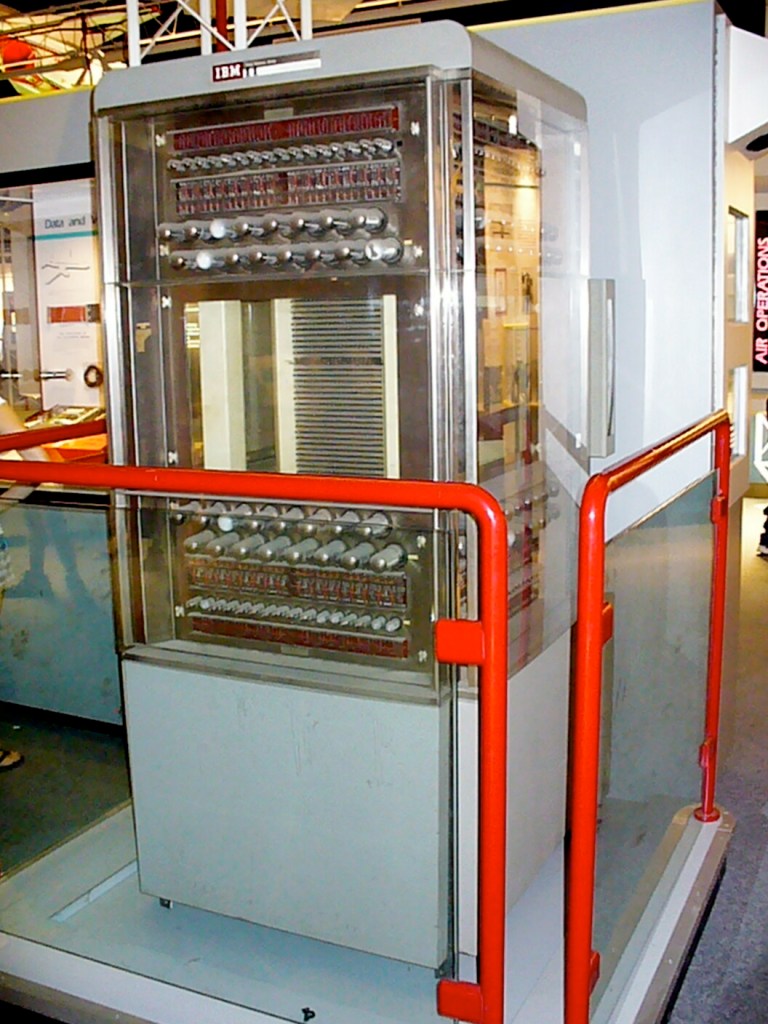
SAGE Core Memory Unit 11, IBM AN/FSQ-7
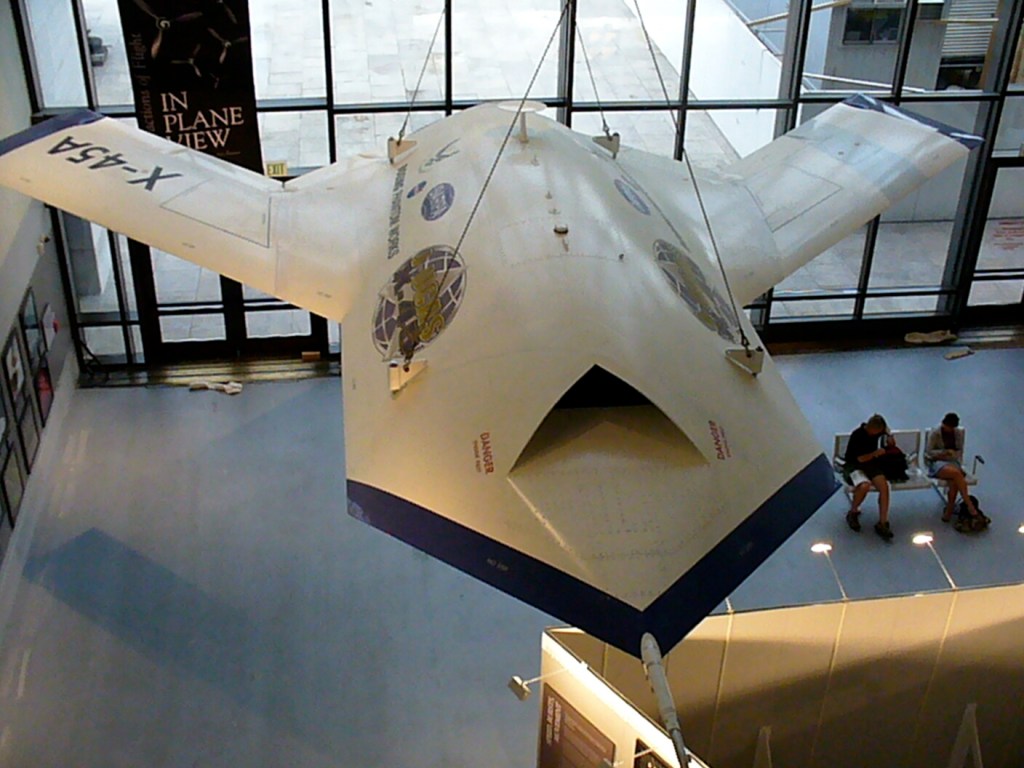
Boeing X-45A Unmanned Vehicle
Star Trek Shooting Model of the USS-1701 Enterprise
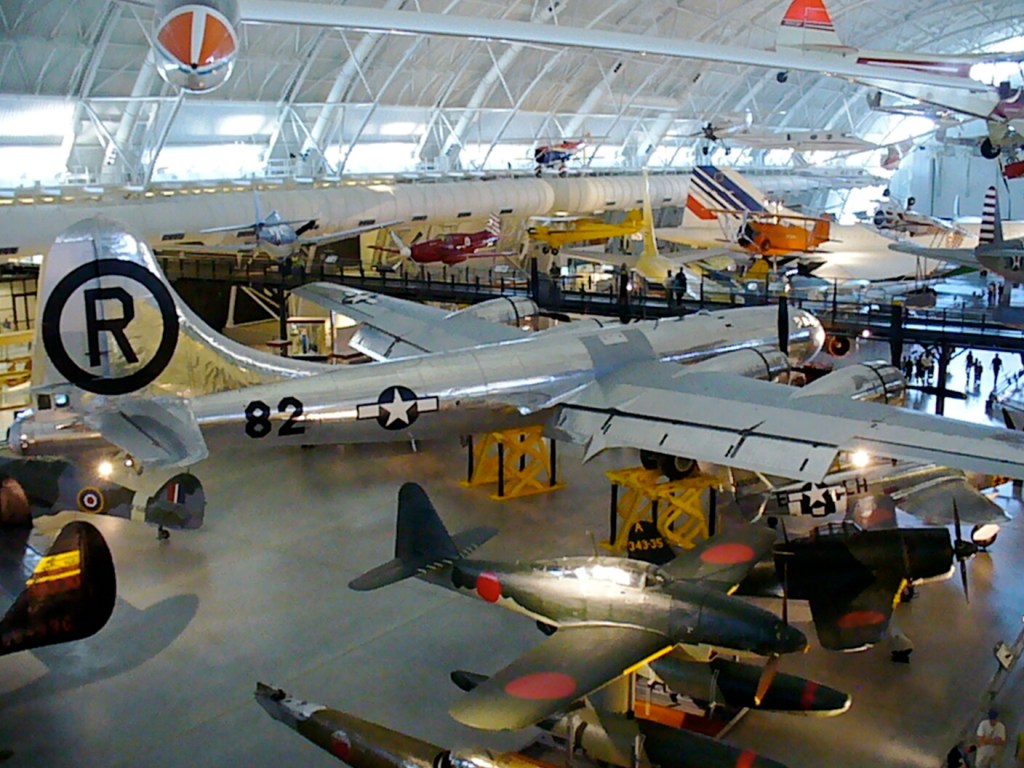
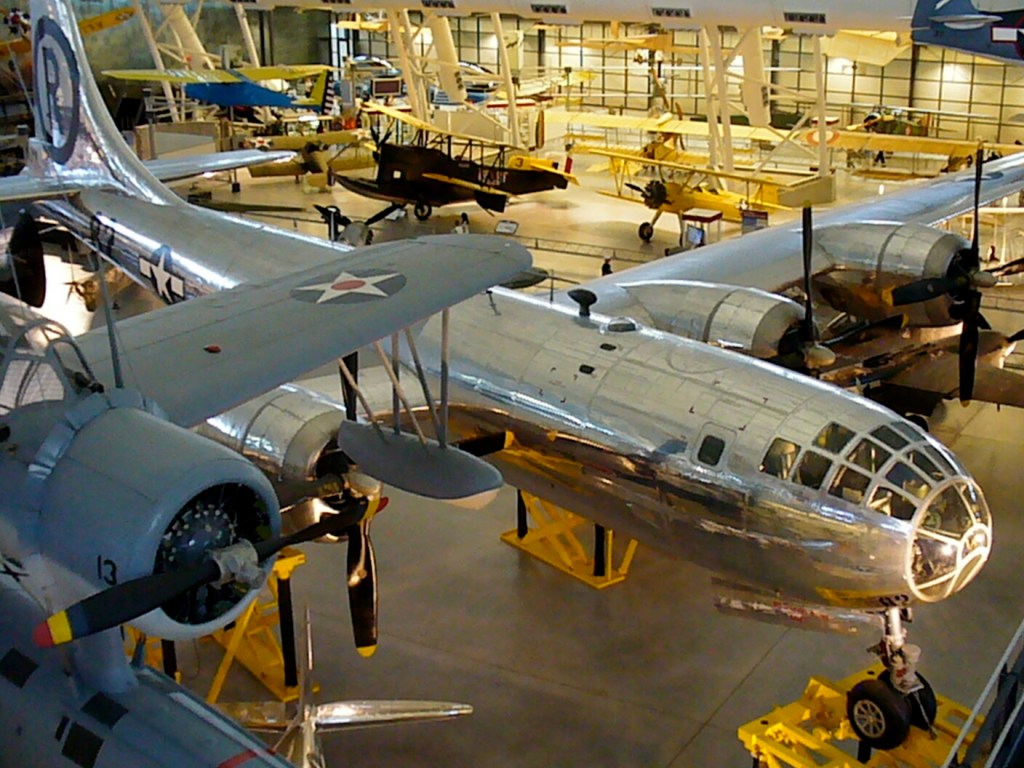
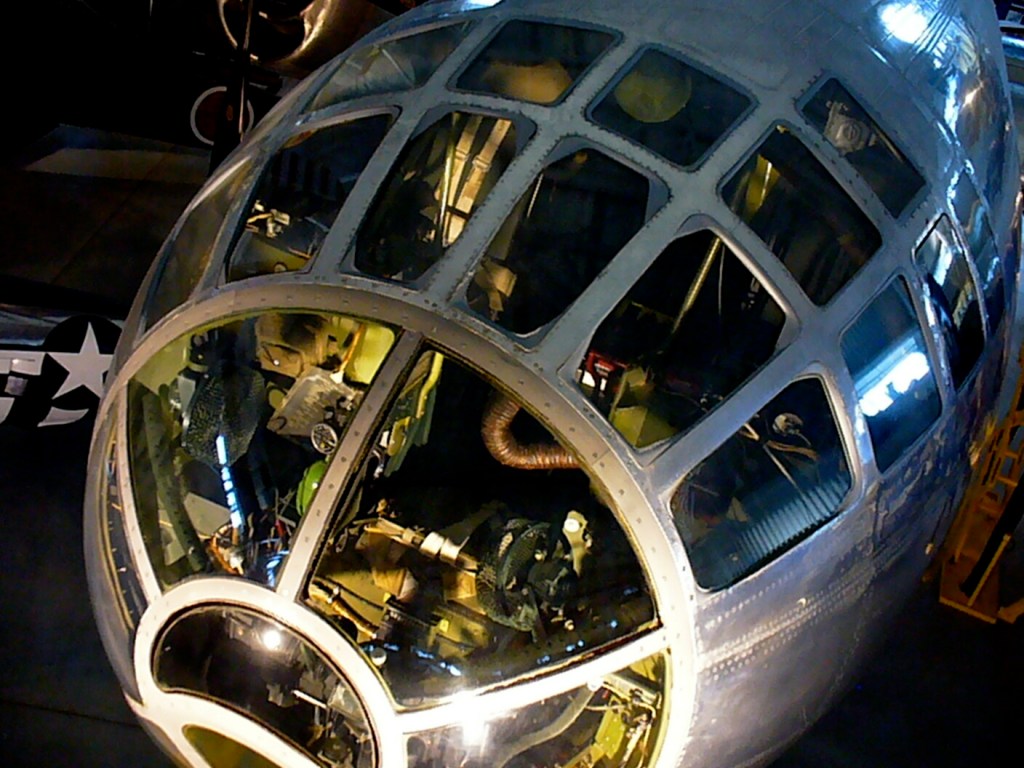
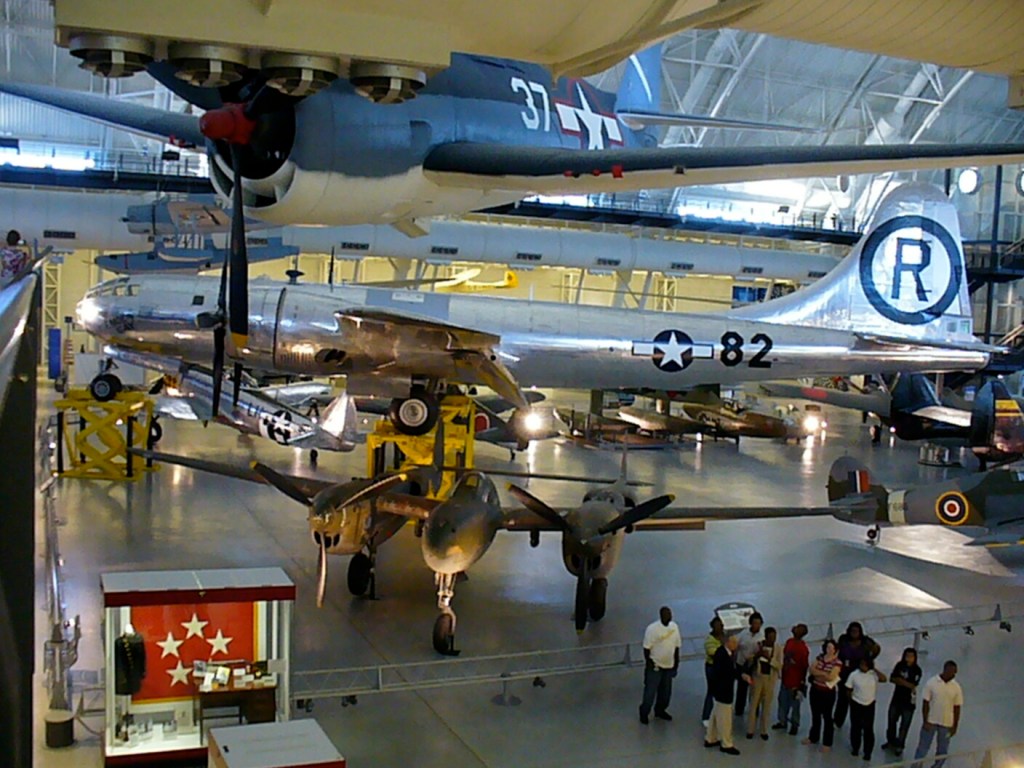
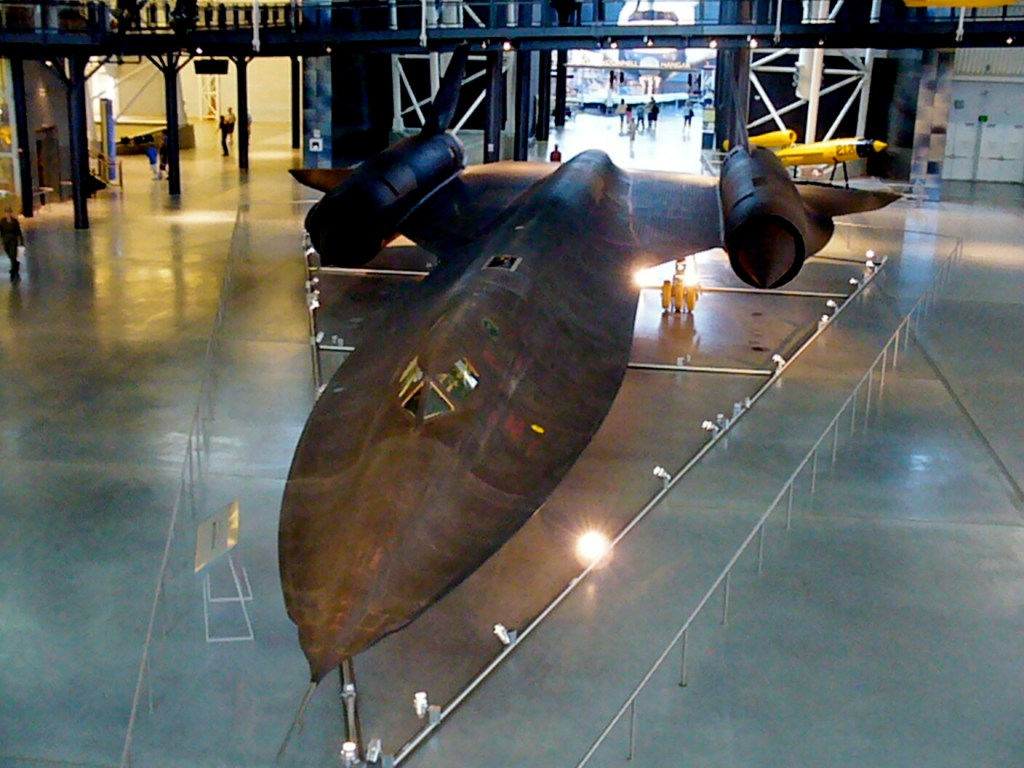
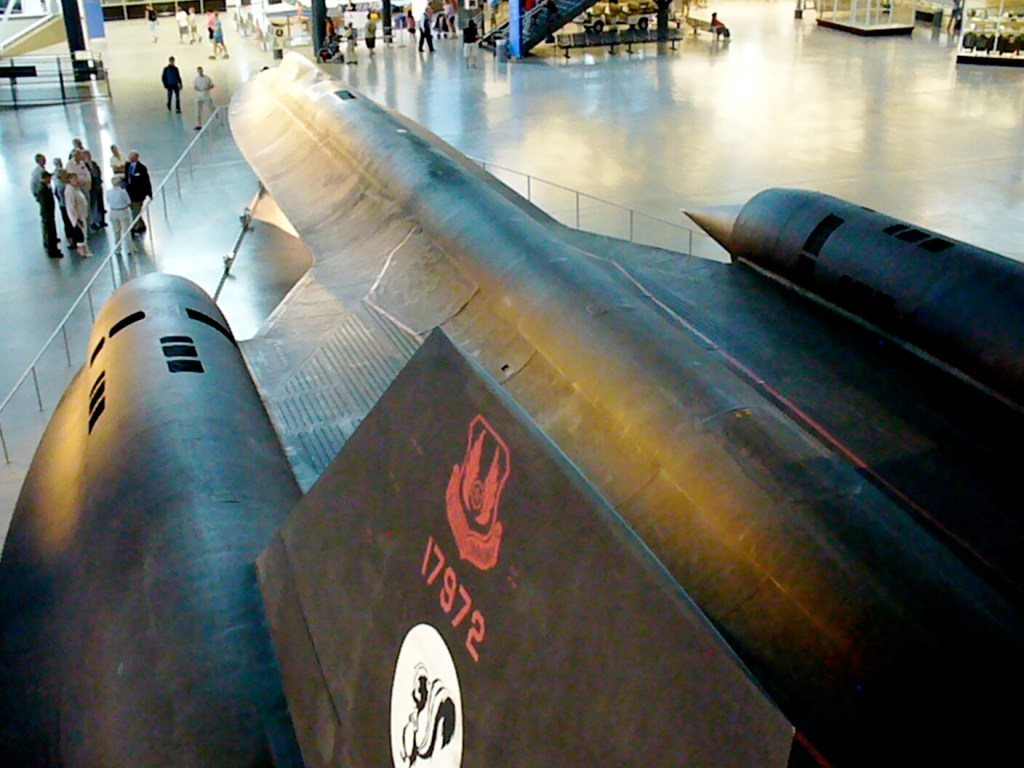
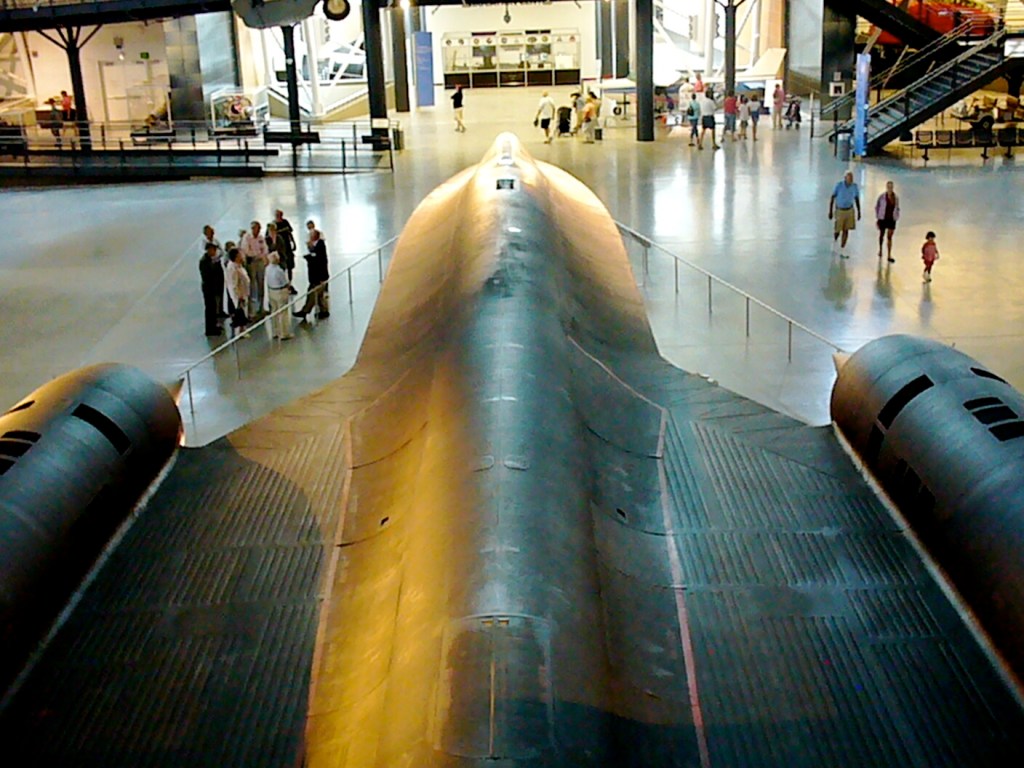
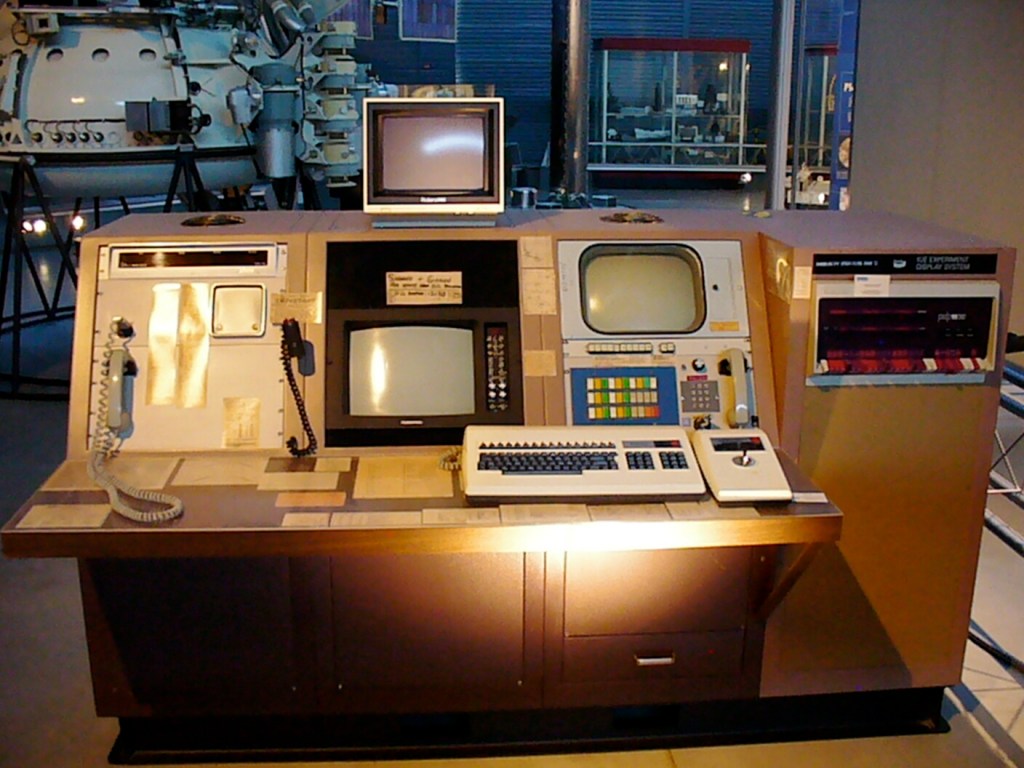
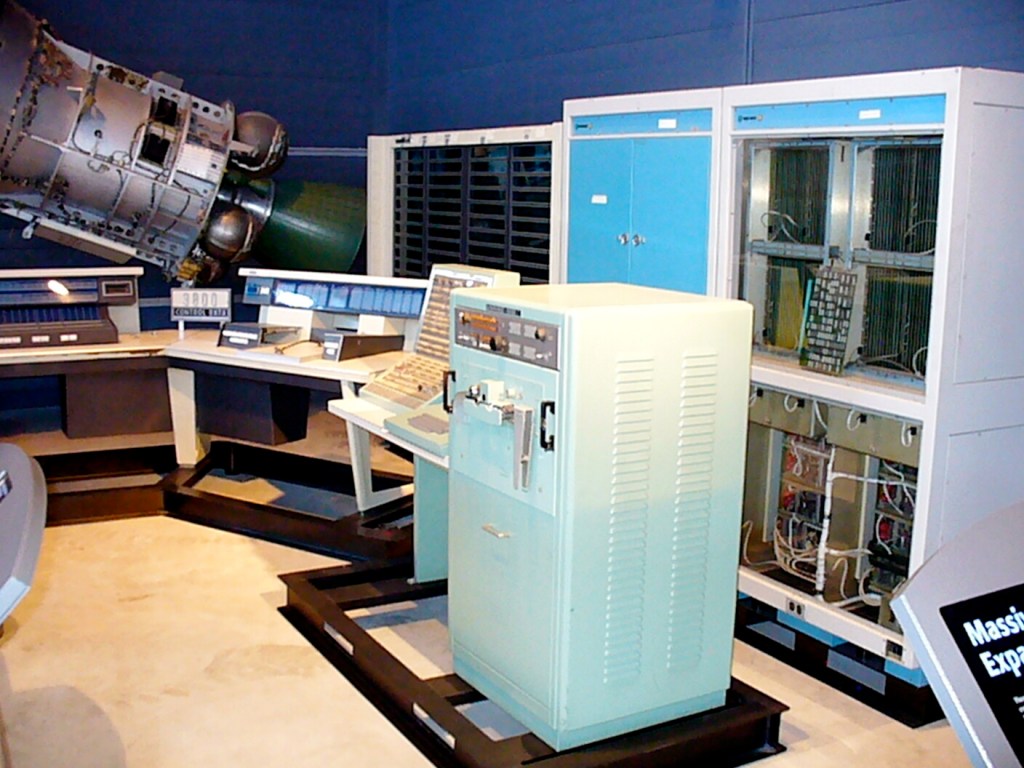
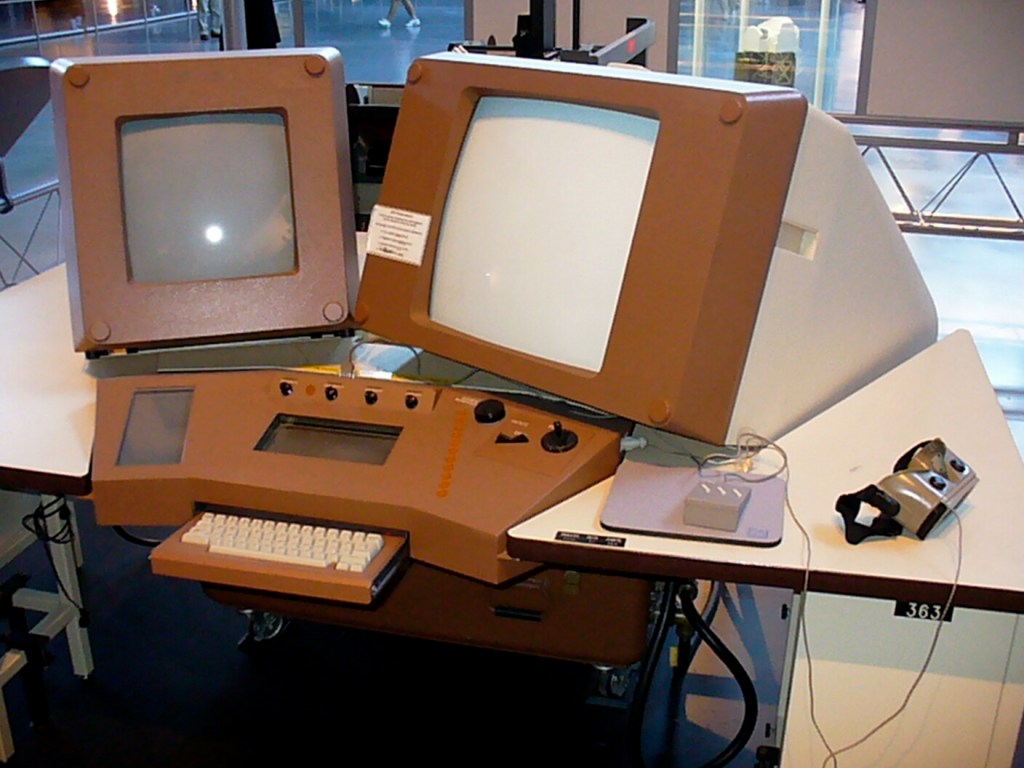
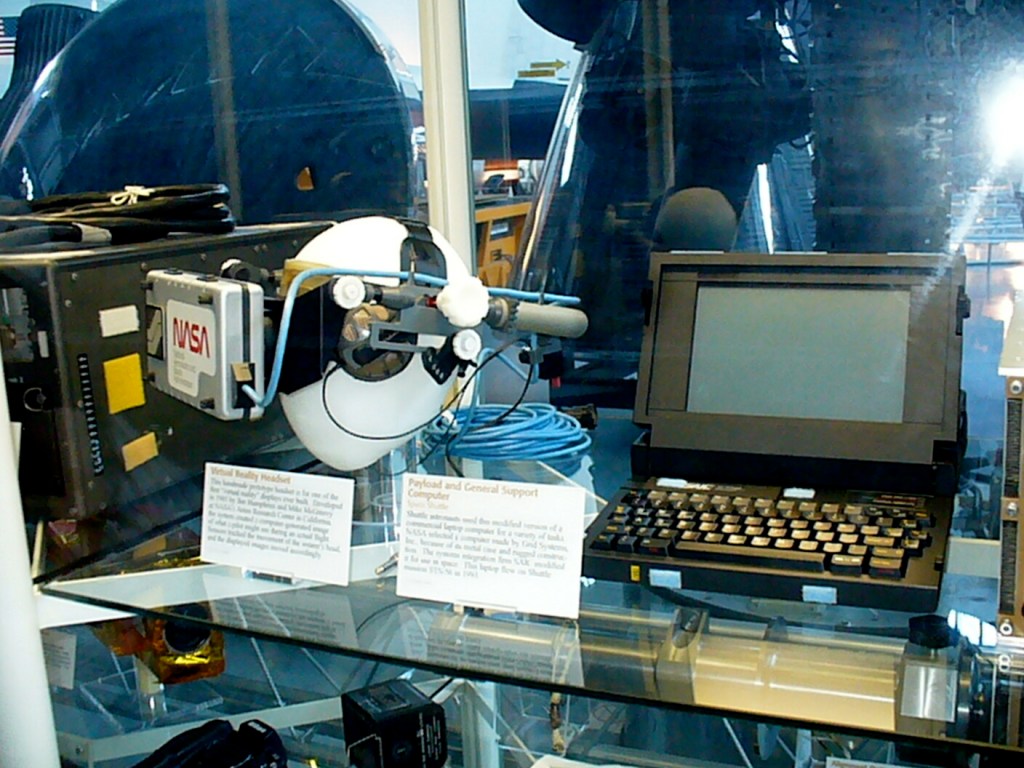
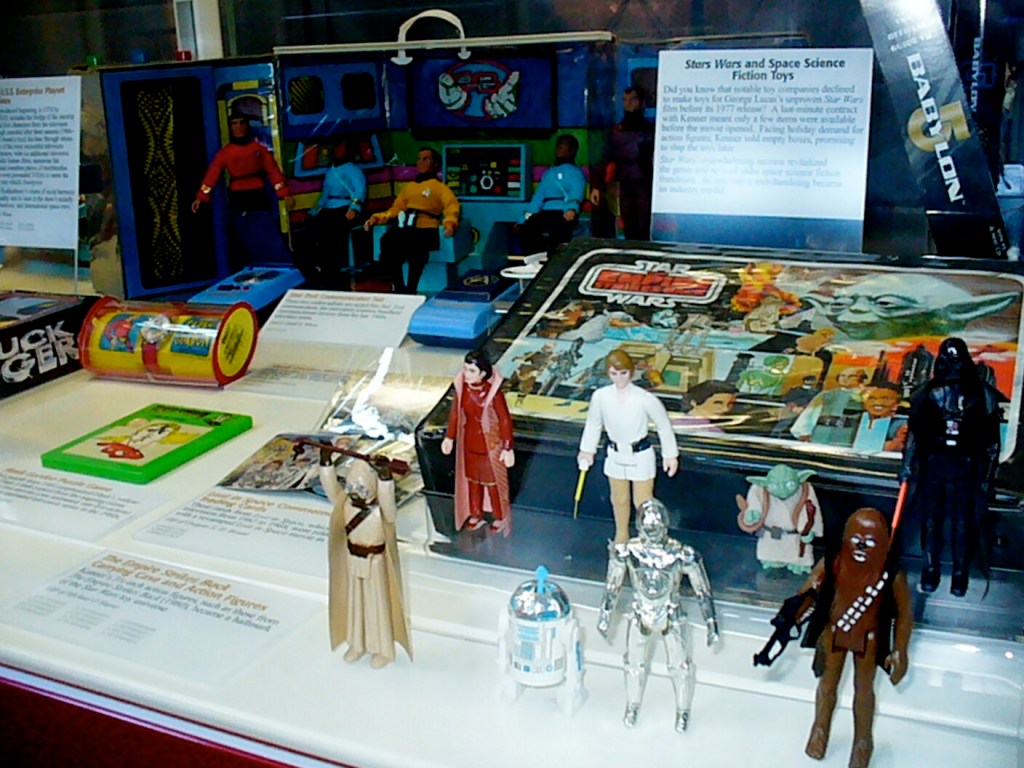
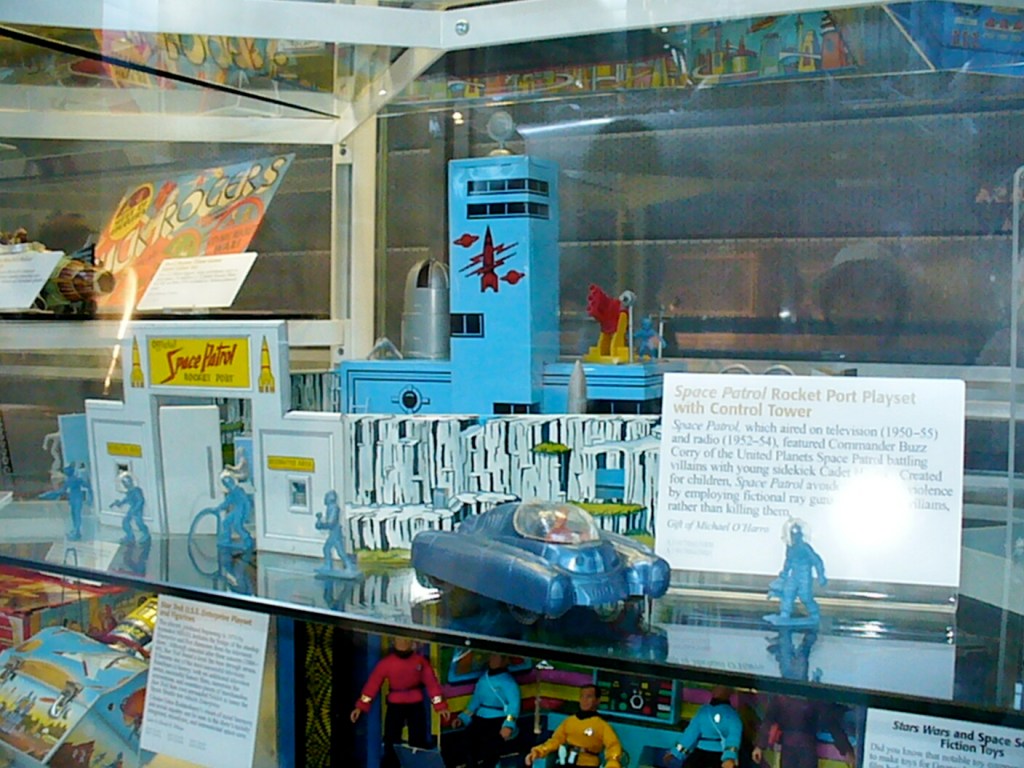
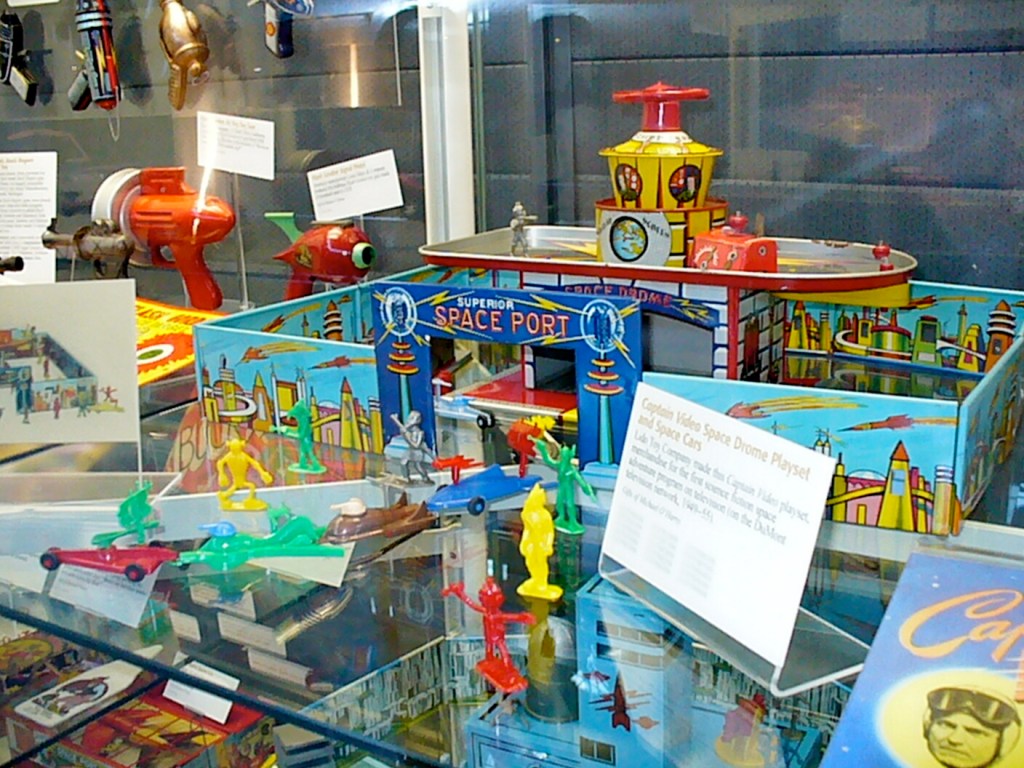
In August 2008, Y and I visited Washington, DC. One of our stops was the Steven F. Udvar-Hazy Center of the National Air and Space Museum, which holds some amazing aerospace artifacts including the B-29 Enola Gay, an SR-71 Blackbird, and Space Shuttle Enterprise. There are also many military aircraft, space related artifacts, robots (and rovers), computers, toys, and even a Hugo Award. Below, I’ve included photos grouped around an artifact or theme, but they are not arranged in a particular order–kind of like meandering around such a huge museum.
Enola Gay B-29
Lockheed SR-71 Blackbird
Grumman F-14 Tomcat
Lockheed T-33A-5-LO Shooting Star
Bell XV-15 Tilt Rotor Research Aircraft
Lockheed Martin X-35B STOVL
NASA Space Shuttle Enterprise
Mars Pathfinder and Sojourner Rover
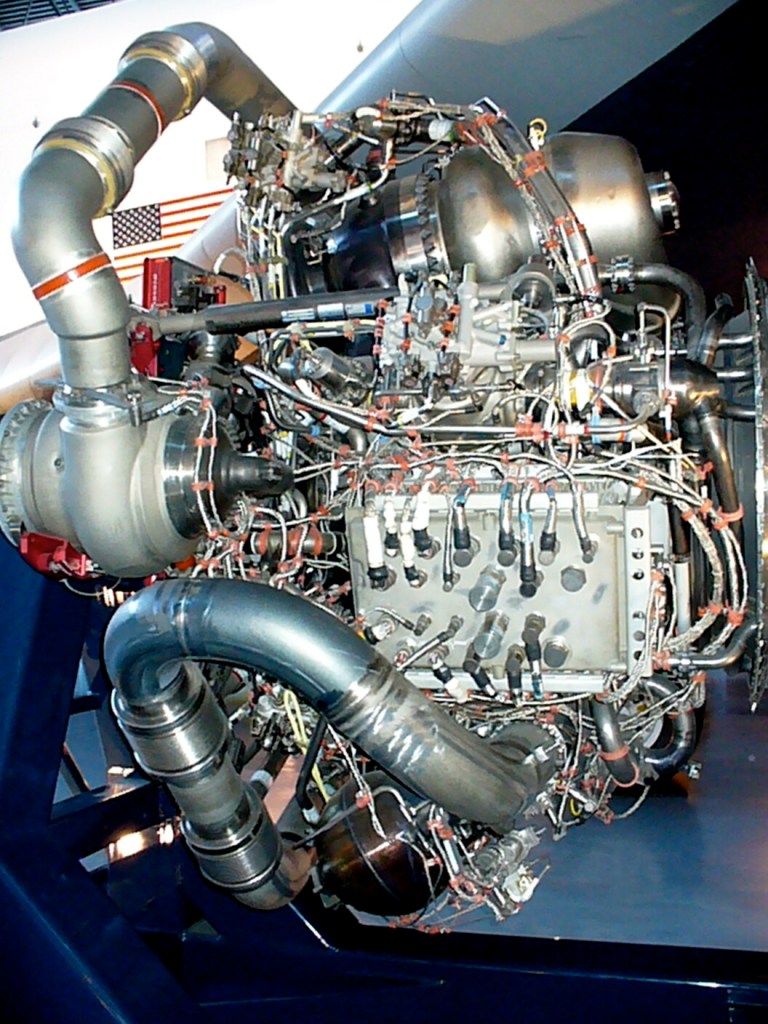
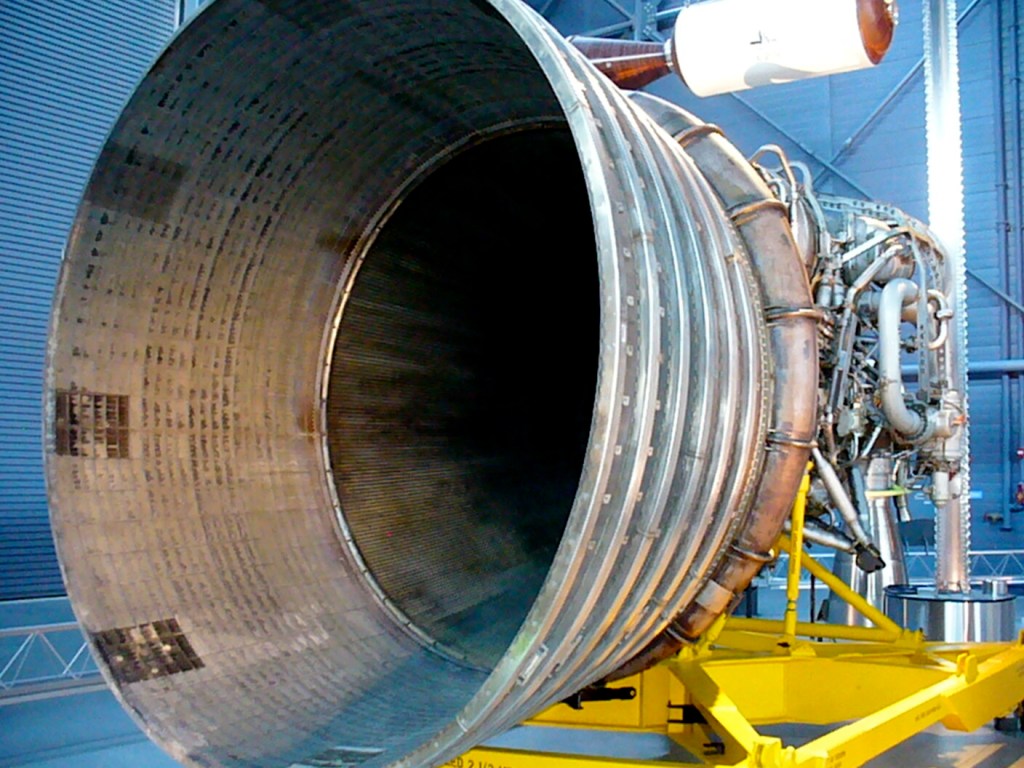
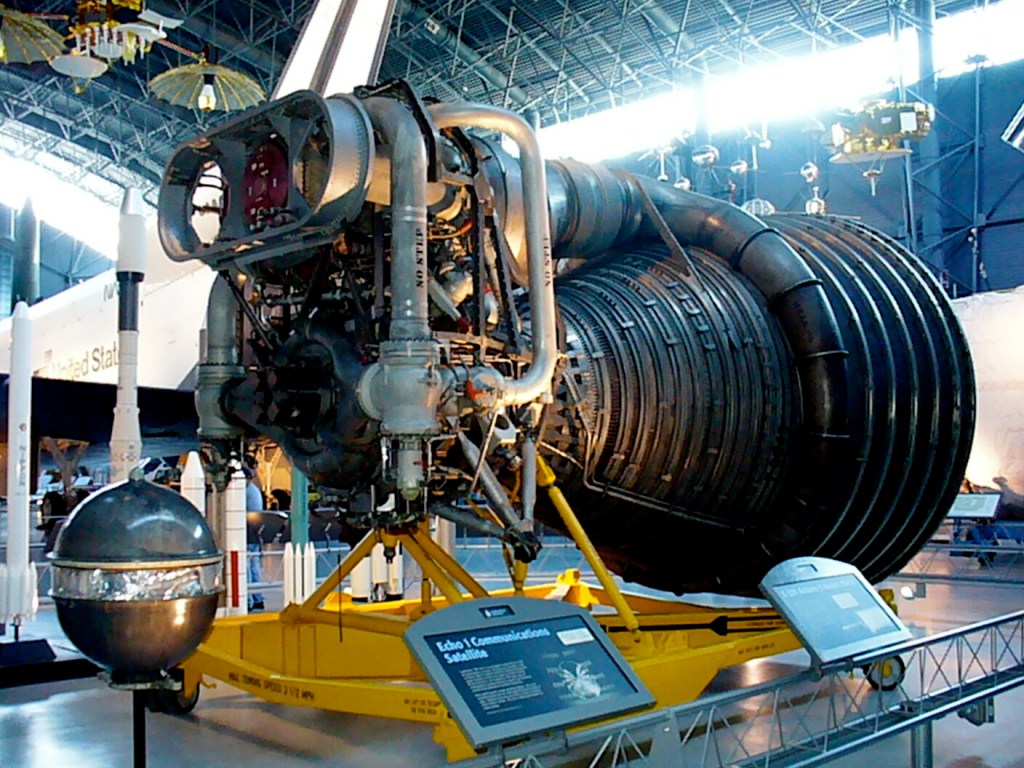
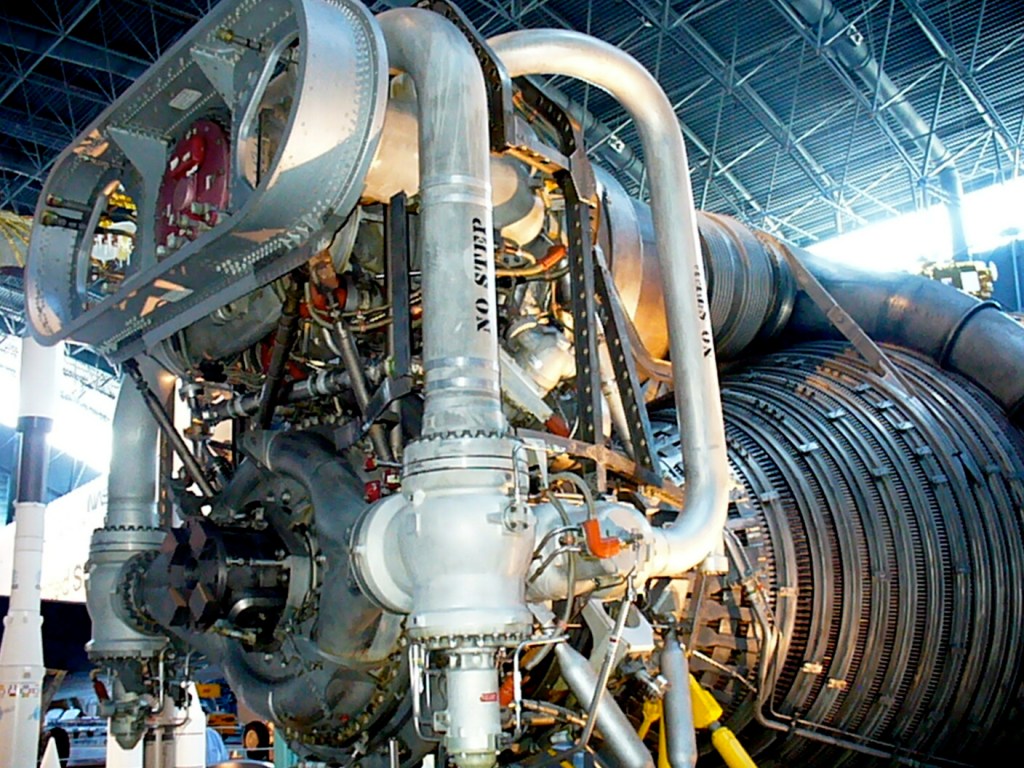
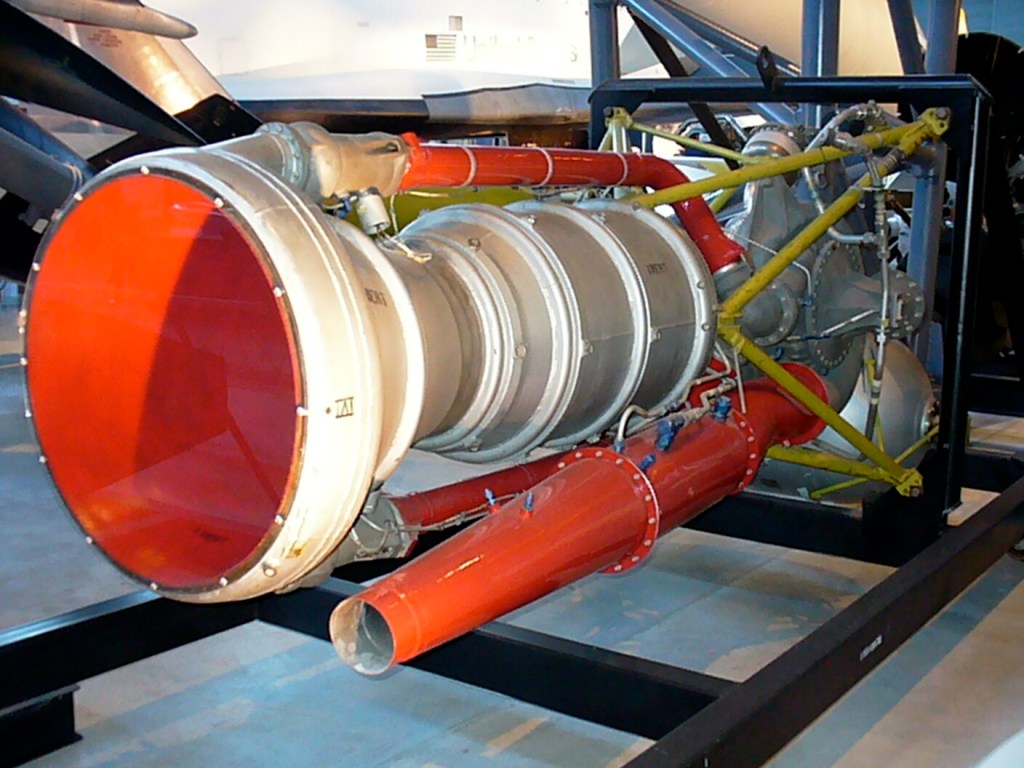
Rocketdyne F-1 Rocket Motor
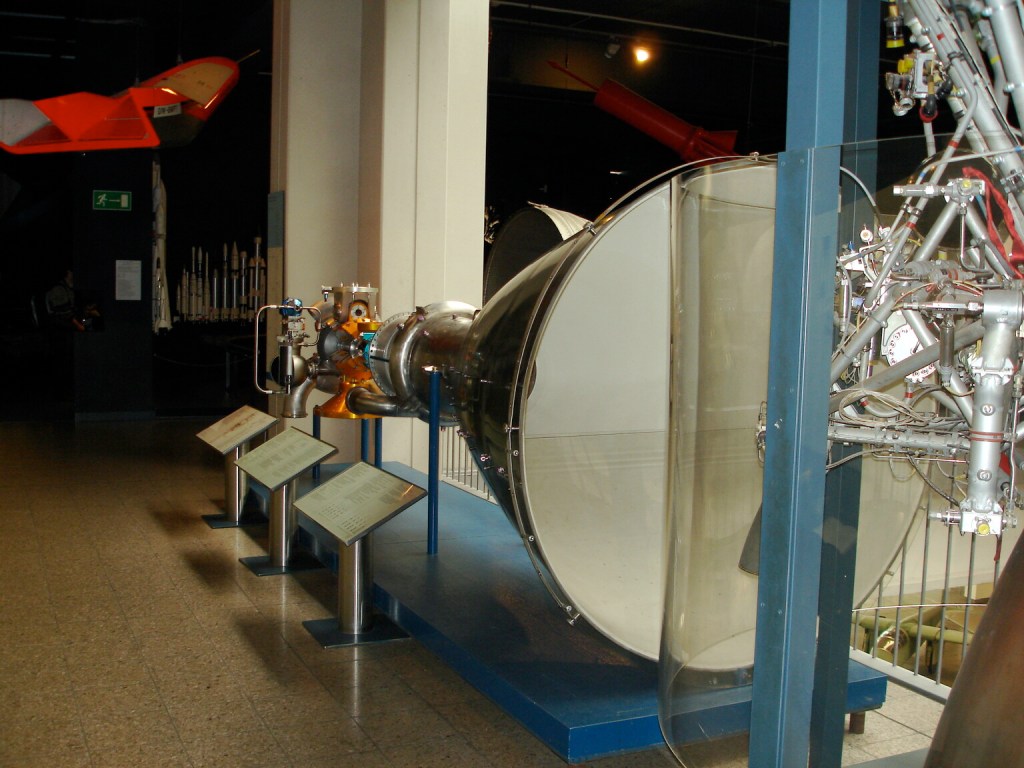
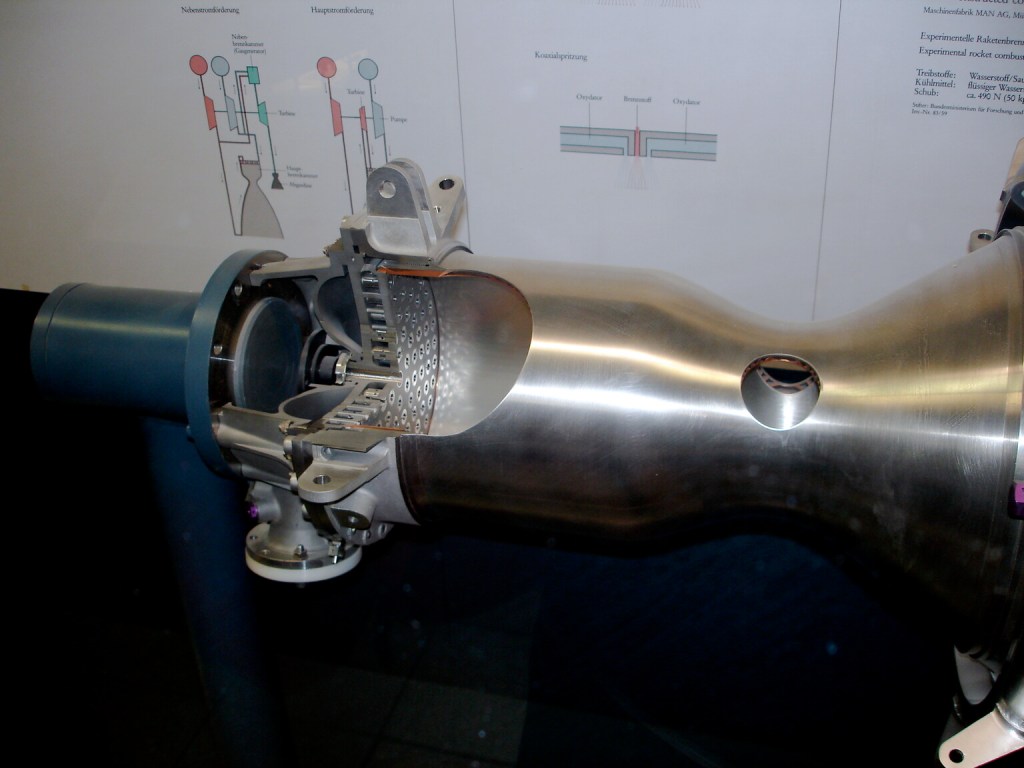
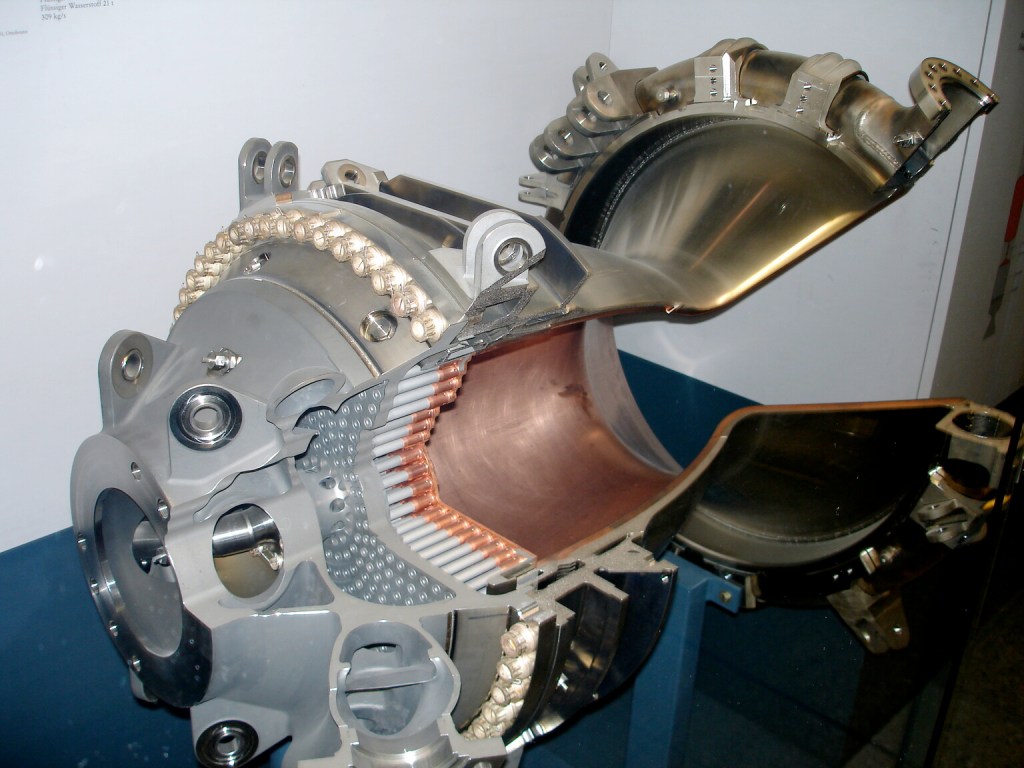
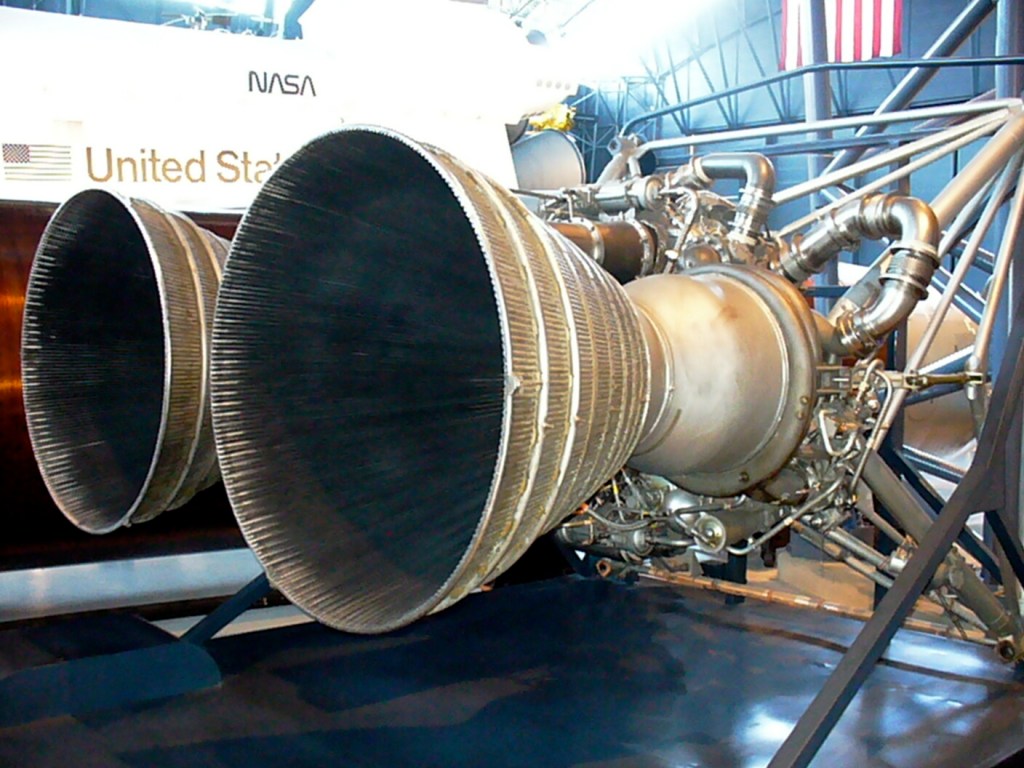
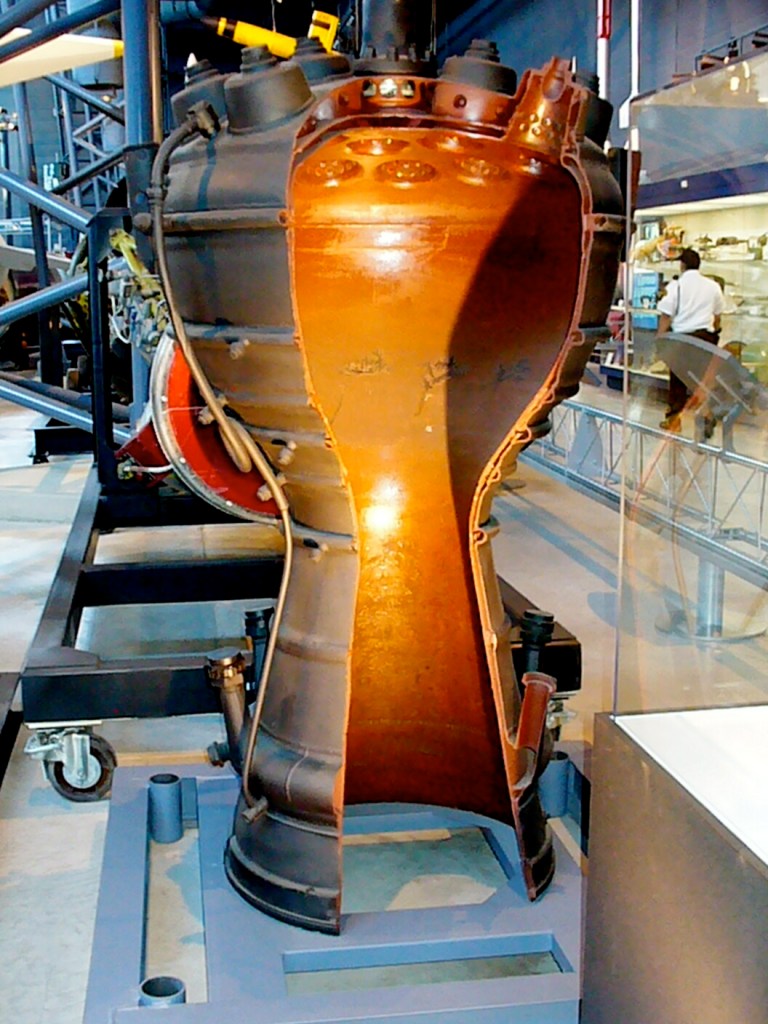
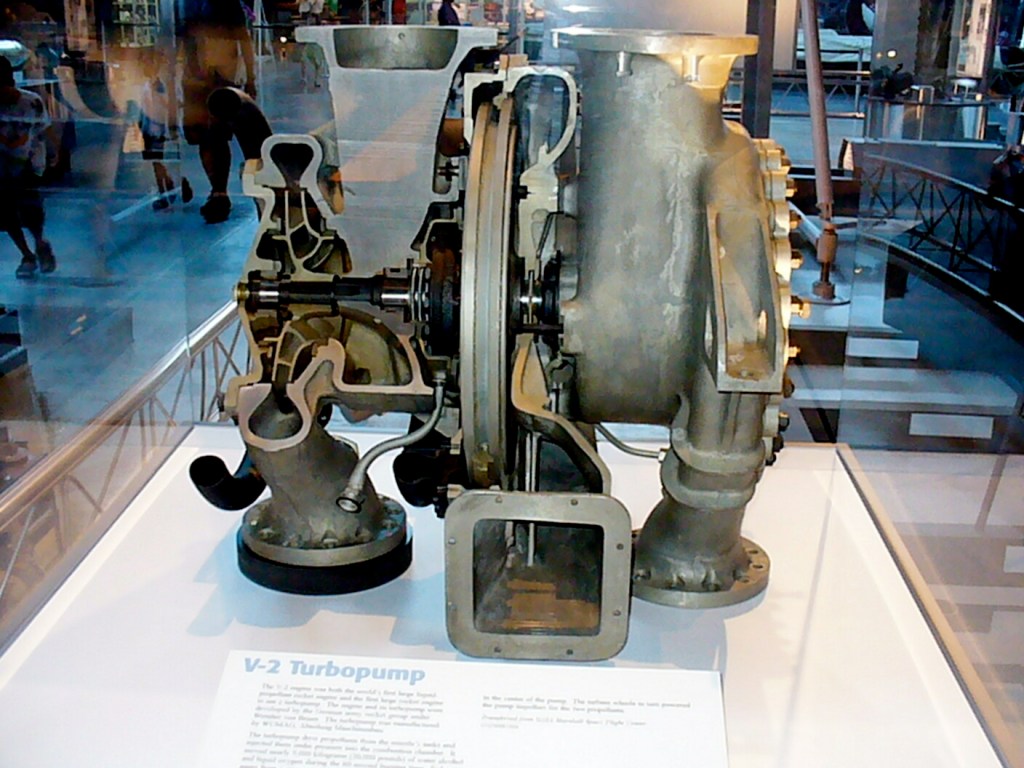
Various Rocket Motors and V-2 Turbopump
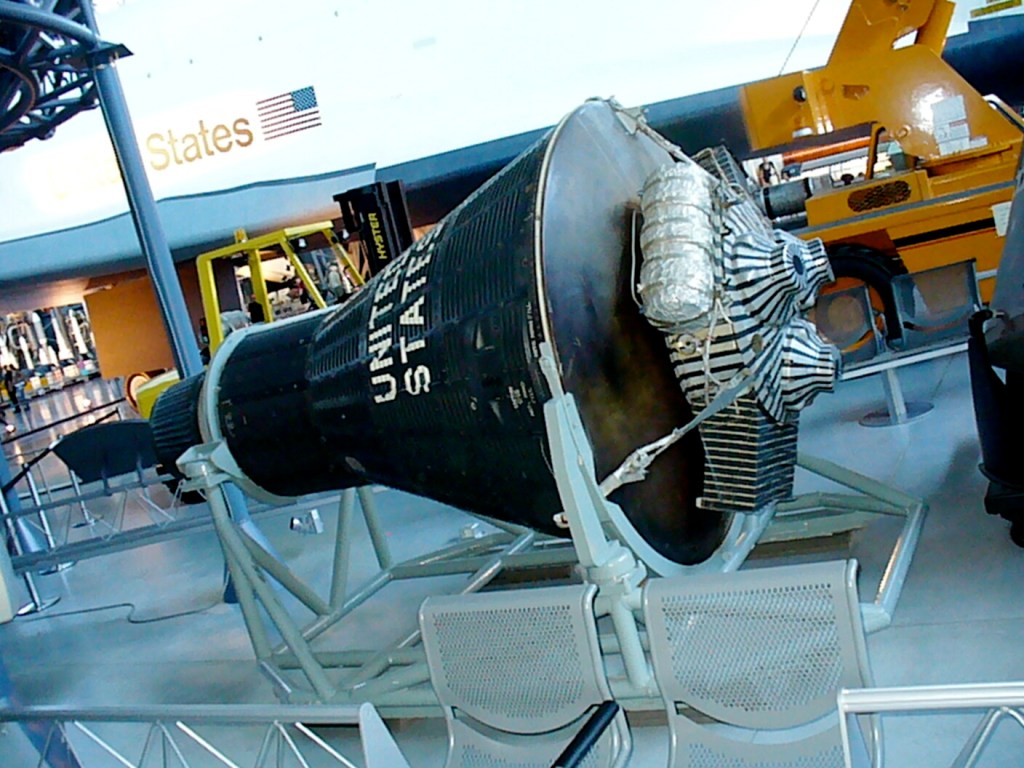
Early Space Capsules
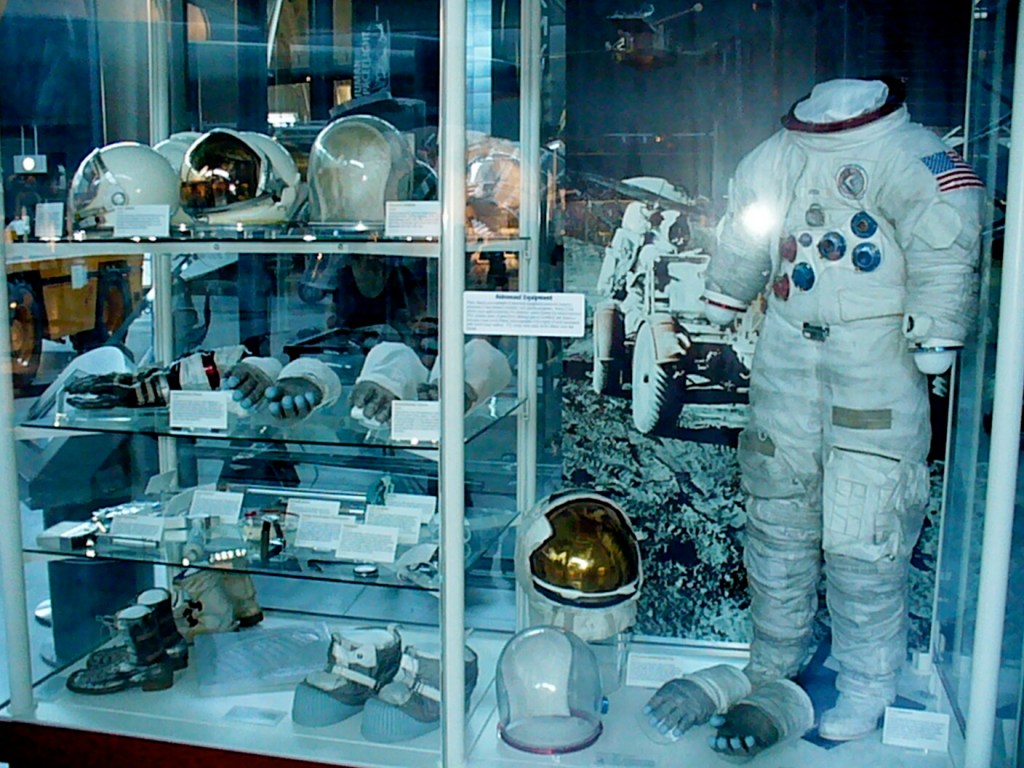
Apollo Spacesuit and Helmets and Gloves
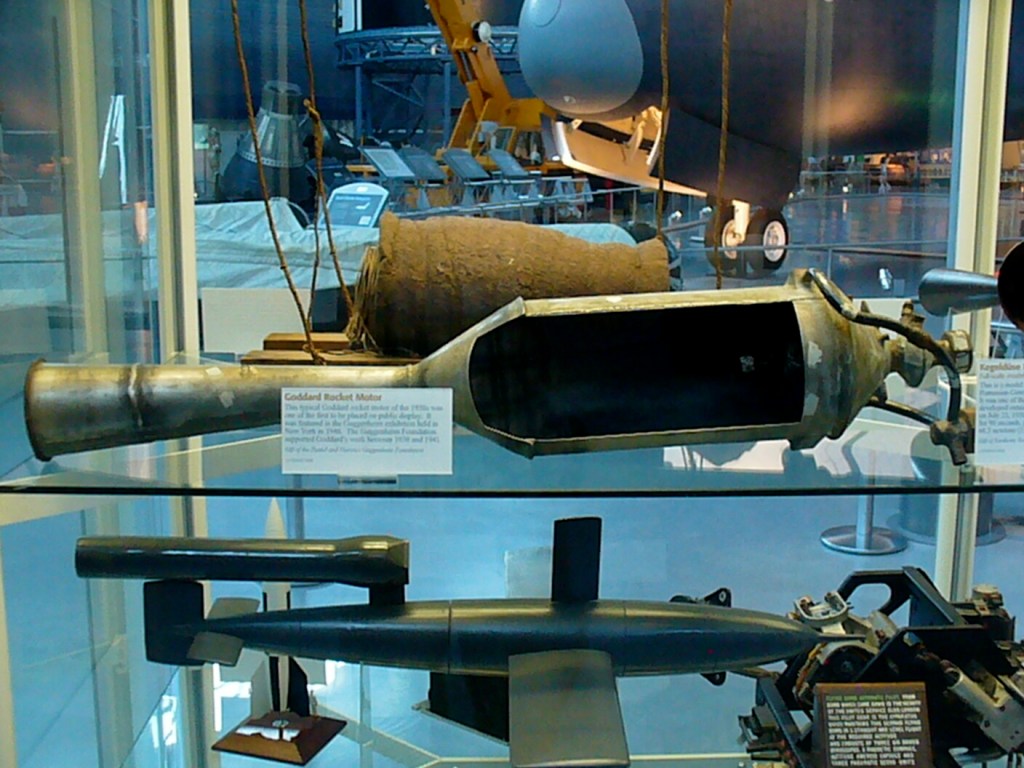
Robert Goddard Rocket Motor
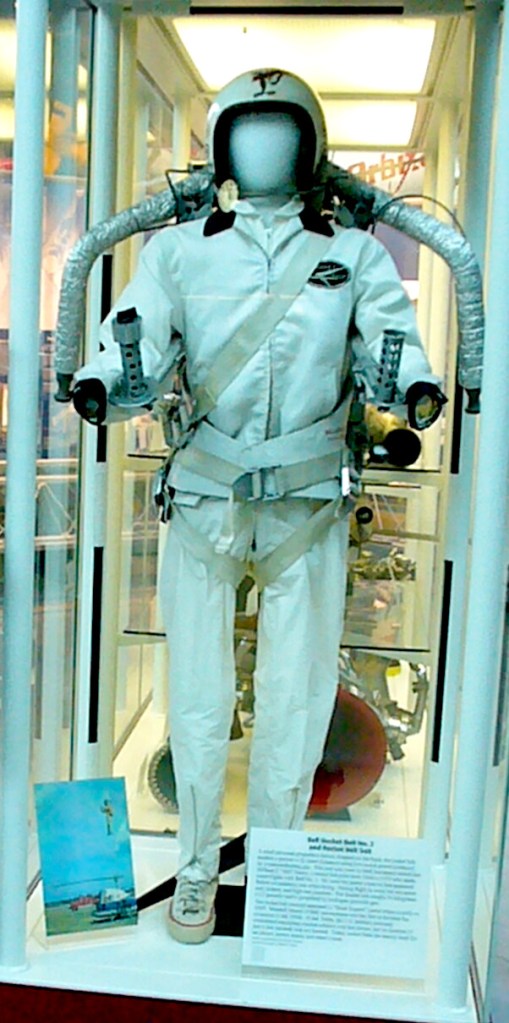
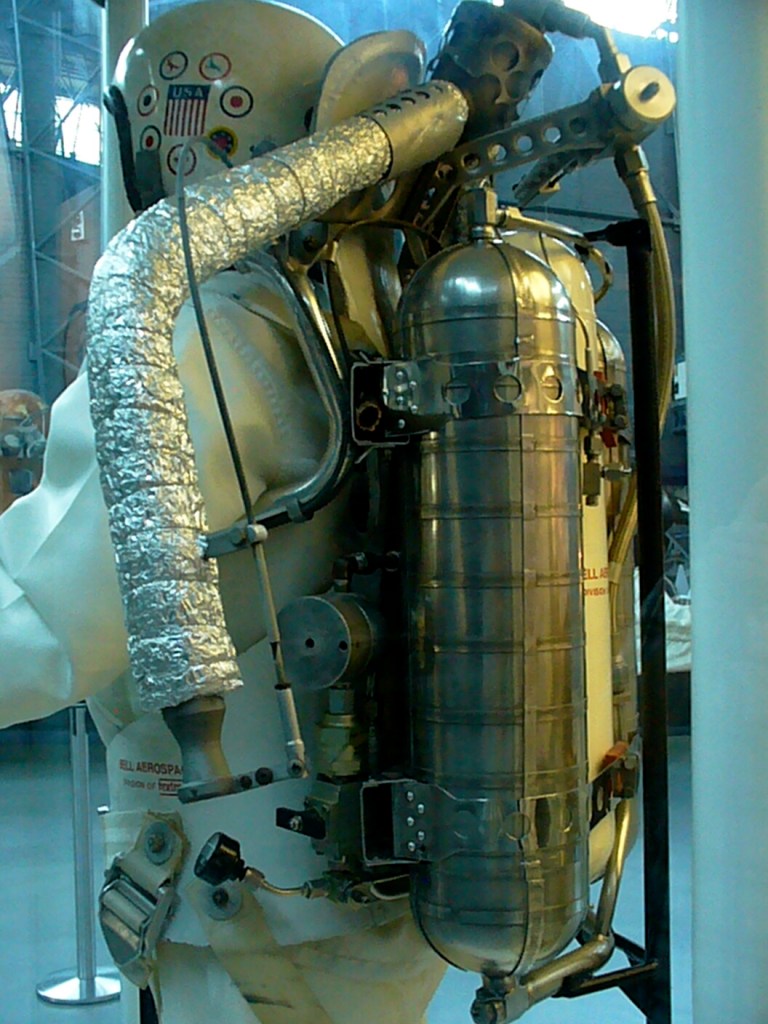
Bell Rocket Belt
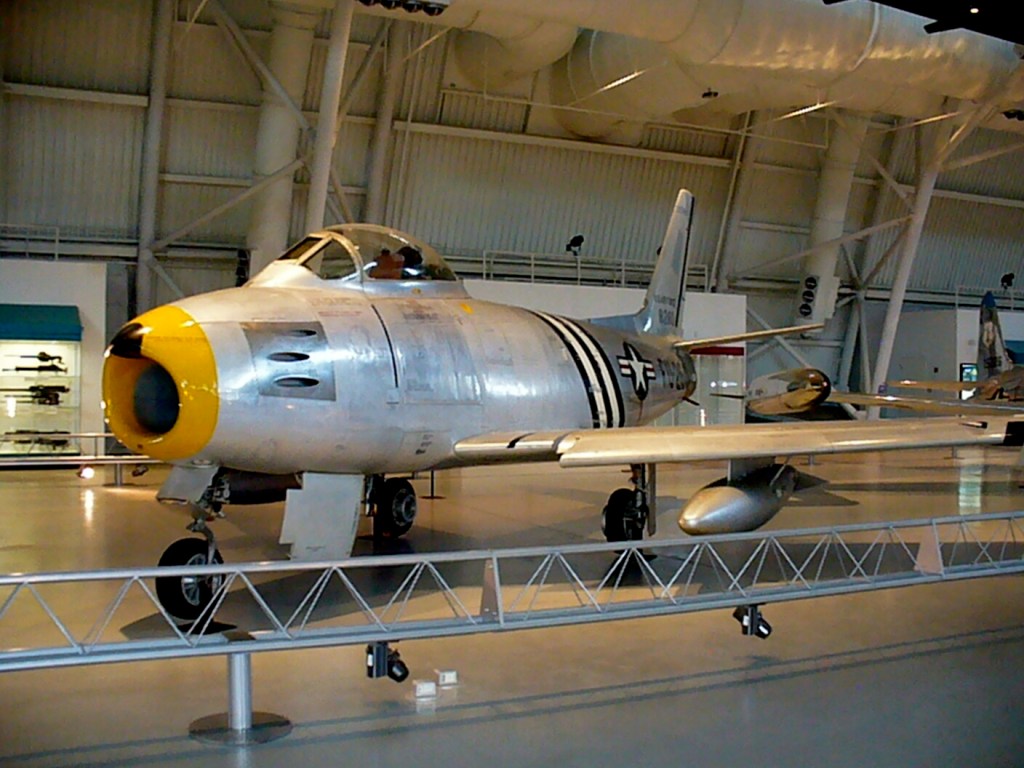
North American F-86 Sabre
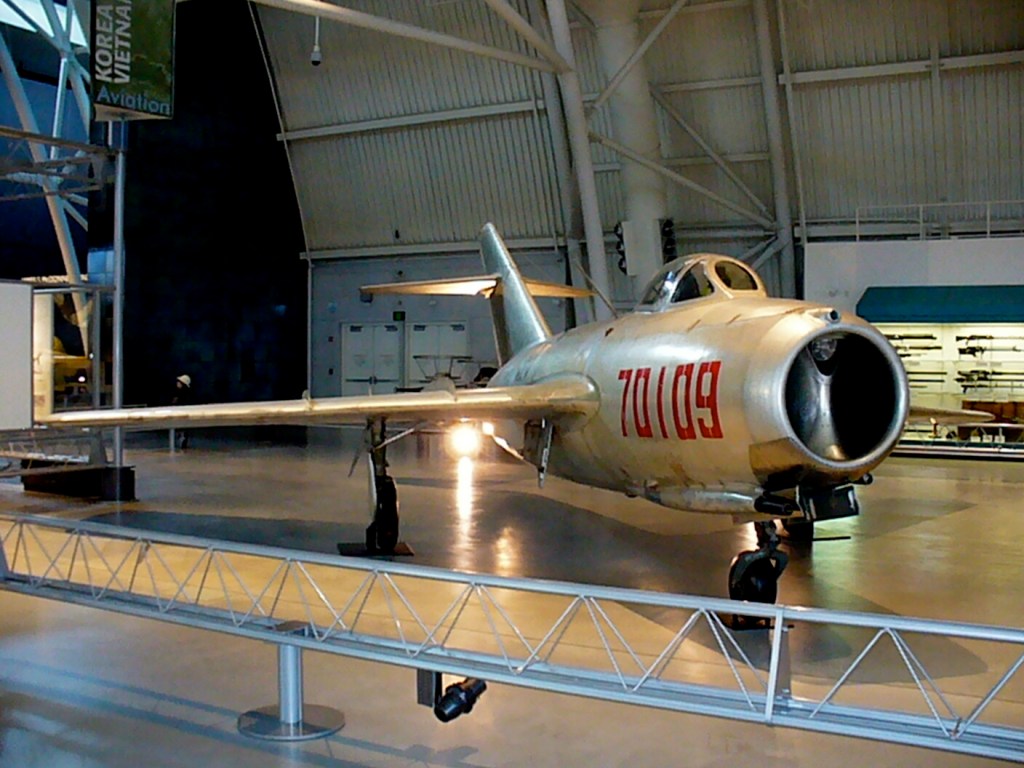
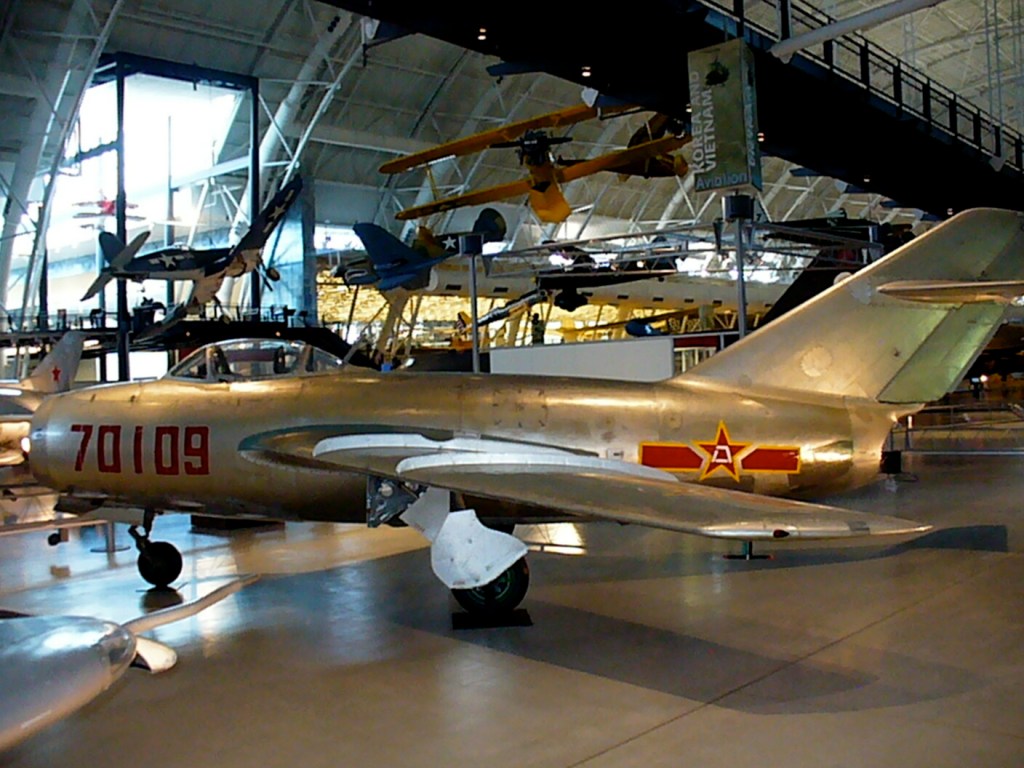
Mikoyan-Gurevich MiG-15
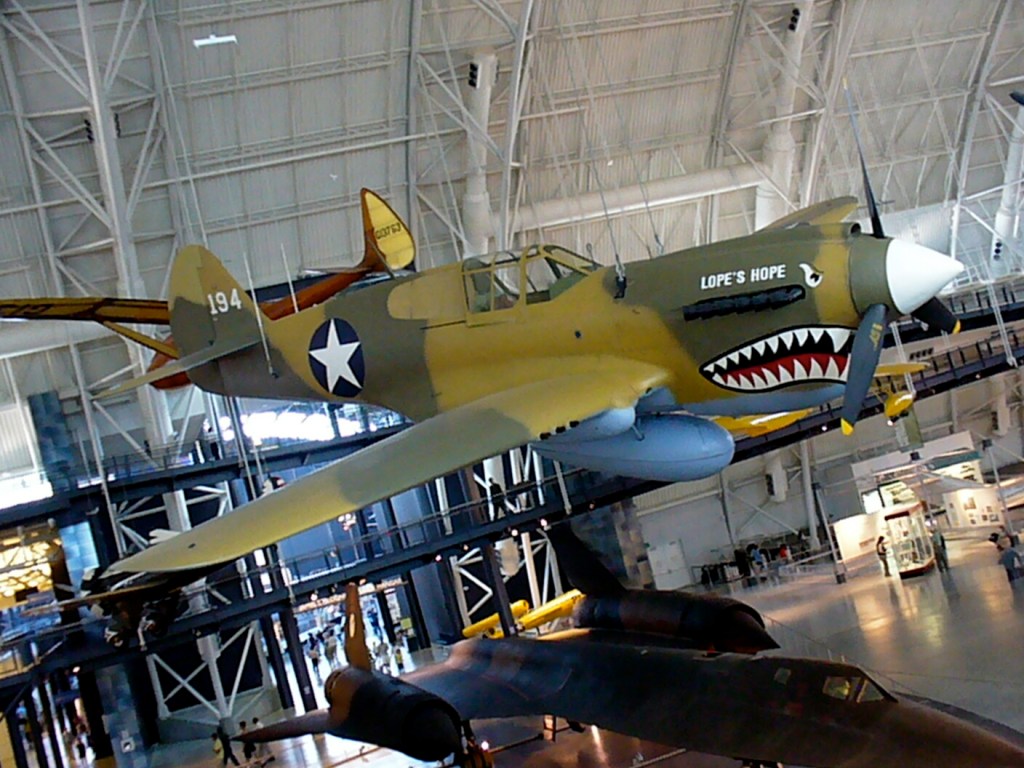
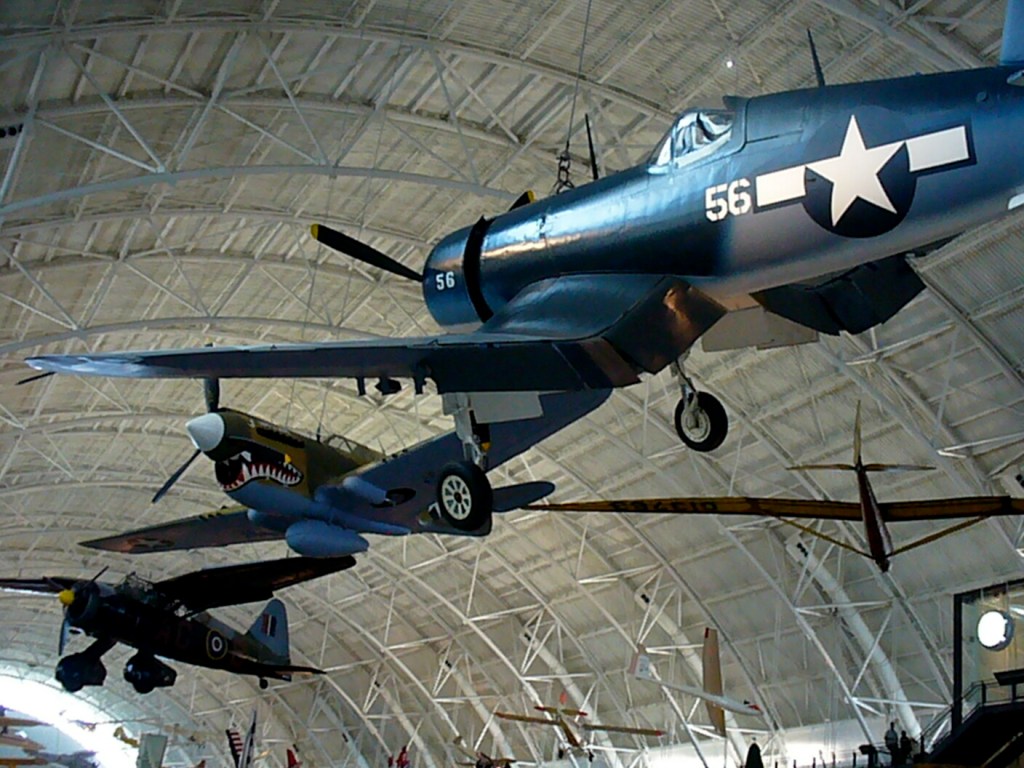
Curtiss P-40 Warhawk
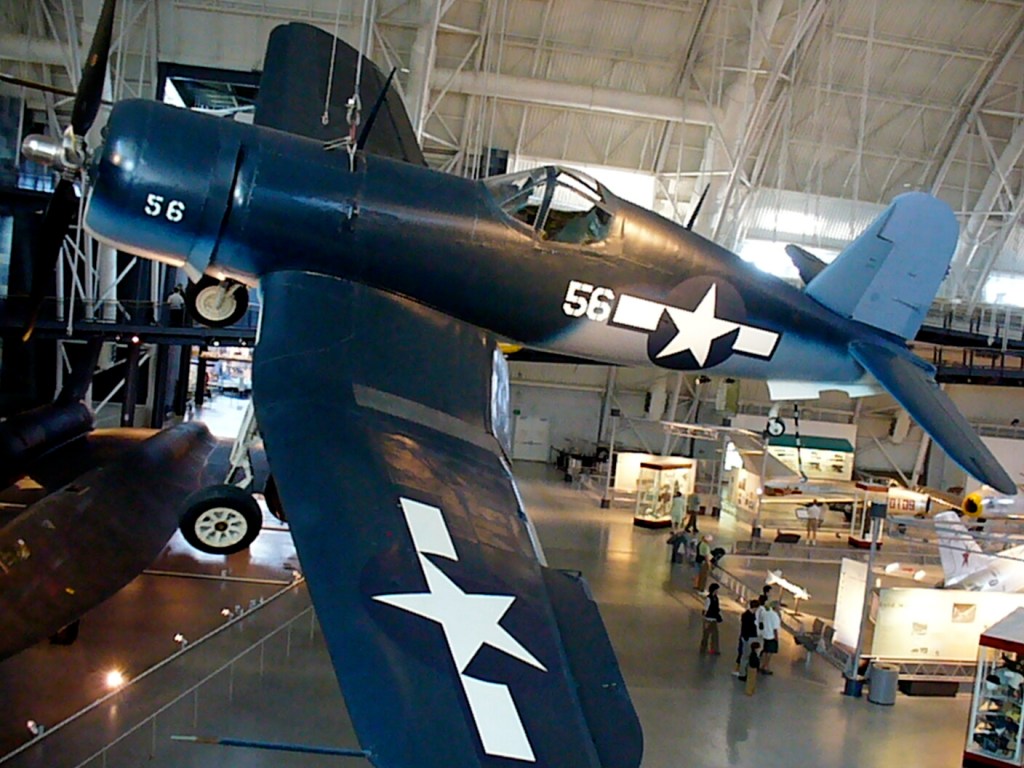
Vought F4U Corsair
Lockheed P-38 Lightning
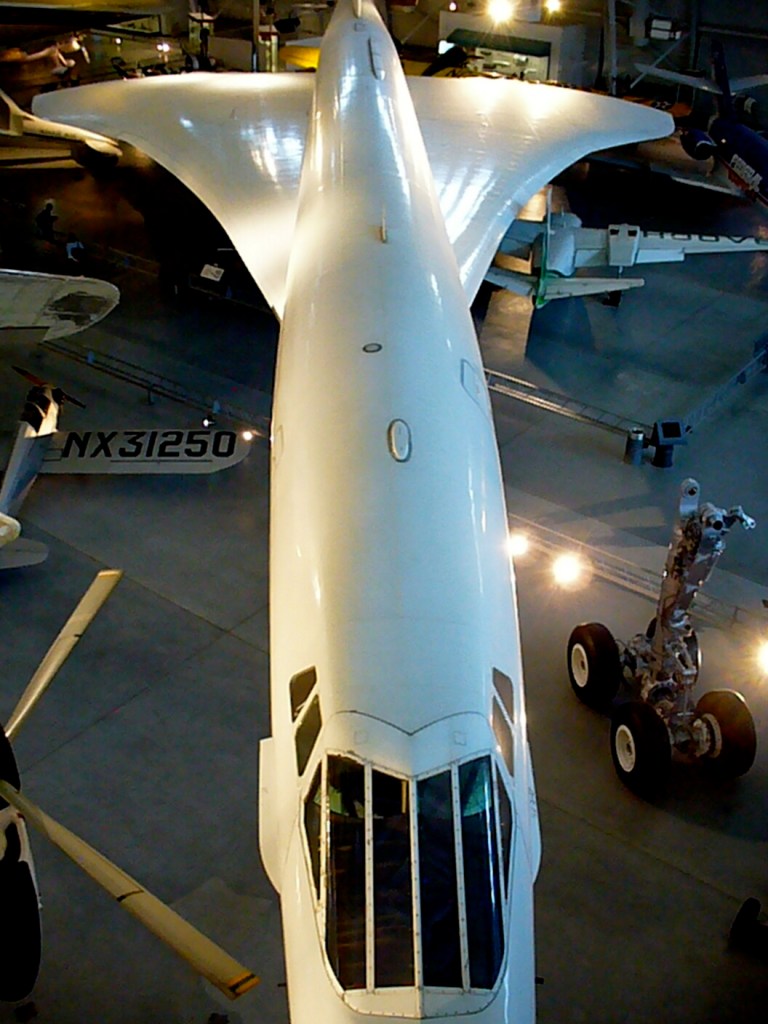
Aérospatiale/BAC Concorde
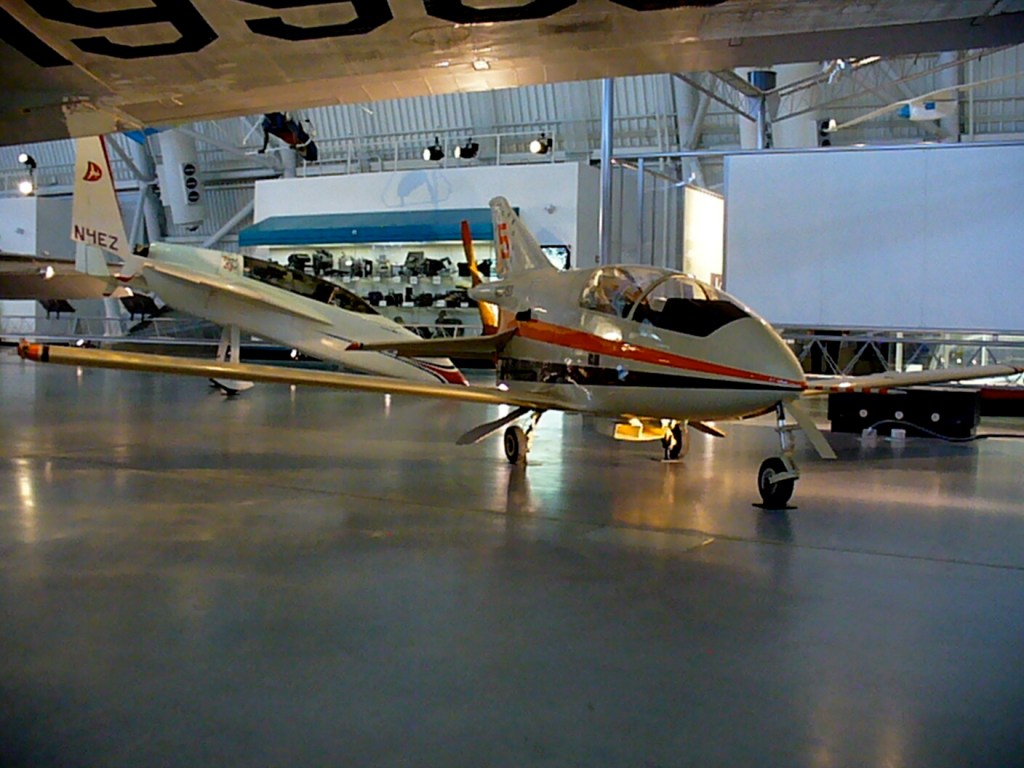
Scaled Composites Model 311 Virgin Atlantic GlobalFlyer
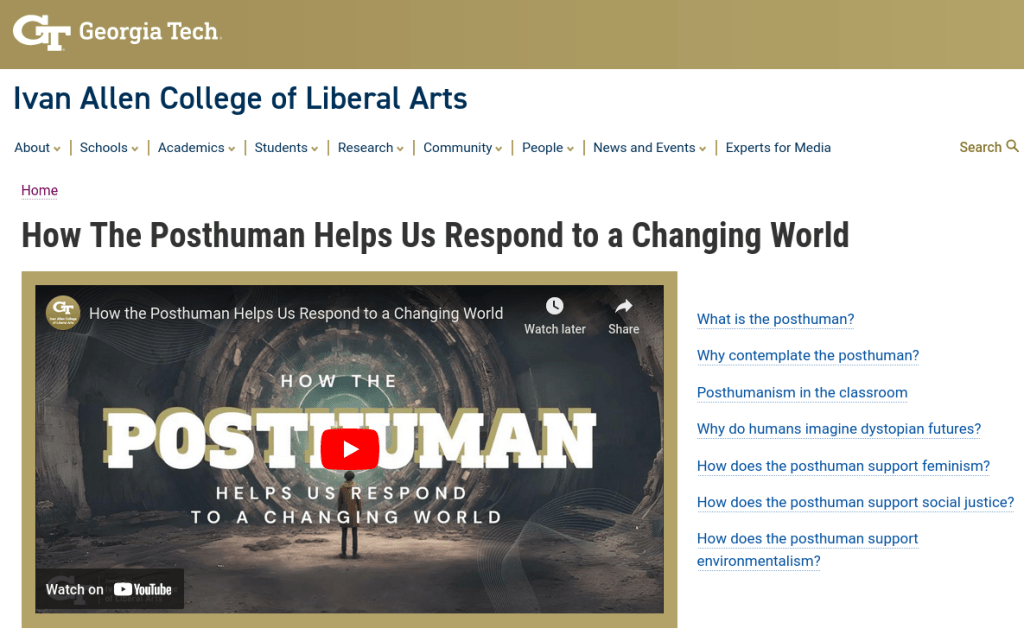
How can we leverage posthumanist ideas to respond to the world’s social and ecological crises? My colleagues at Georgia Tech (Lisa Yaszek, Regents Professor of Science Fiction Studies; Zita Hüsing, Assistant Director of the Writing and Communications Program and Marion L. Brittain Postdoctoral Fellow; and Paul B. Foster, Associate Professor of Chinese) and I give our perspectives in this brief multimodal article that might be great to share with students if you need a resource that succinctly breaks down what posthumanism is and addresses its connections to feminism, social justice, and environmentalism.
Previously, Lisa Yaszek and I wrote an book chapter on Posthumanism and Science Fiction for The Cambridge Companion to Literature the Posthuman (2016). You can read our chapter here.
If you’d like to talk about posthumanism or collaborate on a related project, drop me a line at my email address in the about box to the right.