Tag: Science Fiction

  • ONTAP 5 Minute Teaching Session – Sci-Fi or SF?

    Today, I had to give a five minute lesson to my ONTAP group at Kent State University as part of graduate teaching assistant training.  We were asked to teach the class something that we were familiar with, it could be on any subject, and we could teach it anyway we wished.  I chose to teach everyone the distinction between sci-fi and SF.  I got some good comments from everyone in class, which ranged from “I watch a lot of Science Fiction movies, and now I have the language to talk to my friends about it more effectively,” to, “I didn’t really follow what you were saying.”  I tried to construct it to connect with everyone, but I guess Michael Berube was right and we’re “teaching to the six.”  Anyways, I’ve included my notes below (I would have included the video that they made, but it’s on VHS tape and I don’t have an easy way to convert it for posting on YouTube).  Enjoy!

    ONTAP 5 Minute Teaching Session

    Today let’s talk about Science Fiction, sci-fi, and SF.  Science Fiction, as the scholar Darko Suvin puts it, is the literature of “cognitive estrangement.”  What does that mean?  Science Fiction is estranging, that is it puts the reader in unfamiliar territory.  You might say that other literature such as the gothic or even postmodern literature does the same thing, and you’d be right.  However, what sets Science Fiction apart is the cognitive aspect of its estranging function.  The cognitive estranging aspect of Science Fiction is called the novum, which is the technological and scientific extrapolation from the here-and-now that is the kernel of the story, the techno-scientific kernel of the narrative that is essential to the story and sets it apart from mainstream or fantasy literature.  What are some novum examples?  One example of the novum might be robots.  Can you name some others?  Space ships, ray guns, aliens, and humans with a multiplicity of sexes rather than just male and female are a few other examples.
    Okay, so now you roughly know what Science Fiction is, however did you know that Science Fiction is a little more complicated than that?  You see, for much of the history of Science Fiction, beginning with its naming by the pulp magazine publisher, Hugo Gernsback, in 1929, academic and journalist elites have often sneered at Science Fiction as marginal, low, or pop culture.  These Science Fiction detractors pointed to the weakest stories and worst movies as examples of the supposed overall low quality of Science Fiction.  An early response to this problem was offered by the Science Fiction author Theordore Sturgeon in the 1950s when he stated that, “ninety percent of everything is crap.”  That observation is now known as Sturgeon’s Law and is available in the Oxford English Dictionary.  Sturgeon’s point is that there’s a lot of good Science Fiction, but there’s a lot more bad stuff that people point to when they talk about Science Fiction.  Also, the implication is that ninety percent of mainstream literature is also crap, and canonical literature such as Shakespeare’s Romeo and Juliet isn’t derided because of the multitude of trashy Romance novels.

    This state of affairs expanded with the widespread adoption of the truncated term, sci-fi.  Sci-fi became widely used to describe Science Fiction by journalists with an implied insult toward the genre as a whole. 

    In the 1970s, Science Fiction scholars and critics decided it was time to distinguish hackwork from the 10% of good stuff.   The new term for the best work, which often received the most critical attention, was simply SF.  SF works are those based on a novum and are as well or better written than its mainstream counterparts.  Sci-fi was used to label works with a much less extrapolated novum, and a very low level of quality in writing or production in the case of movies or television. 

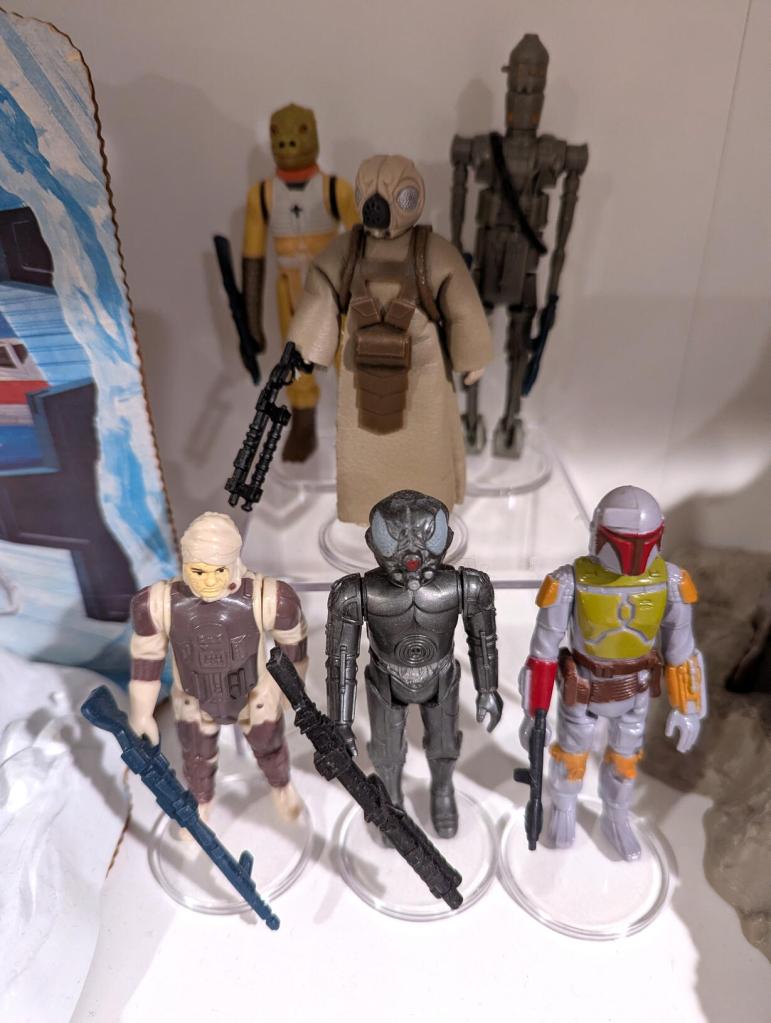
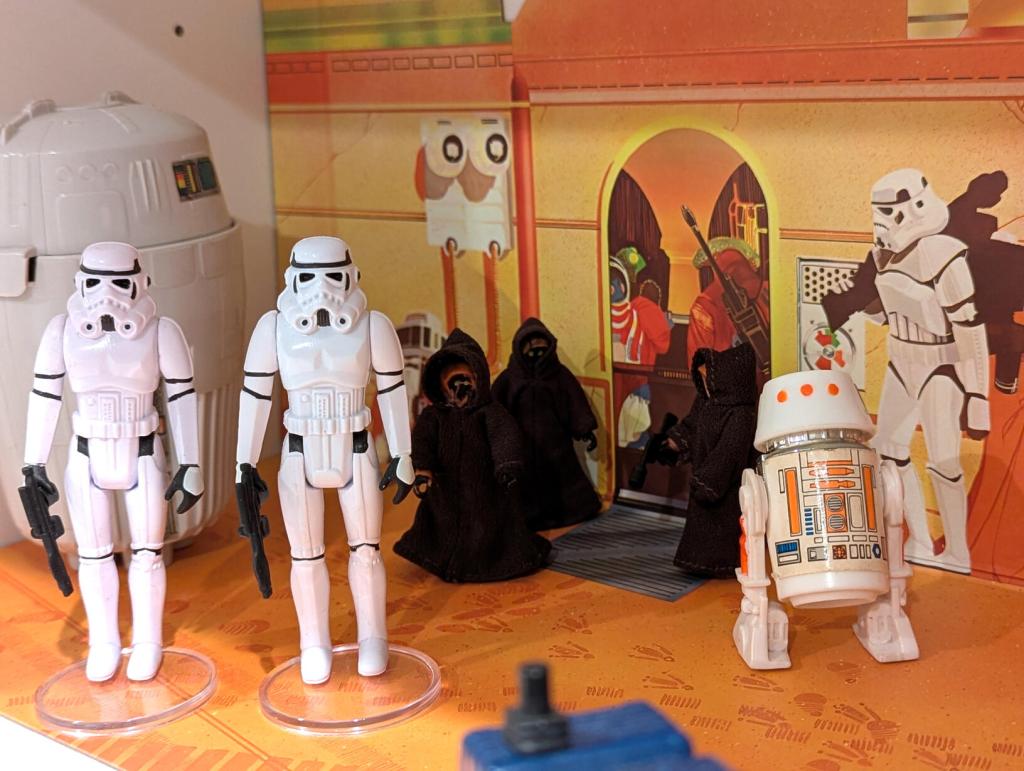
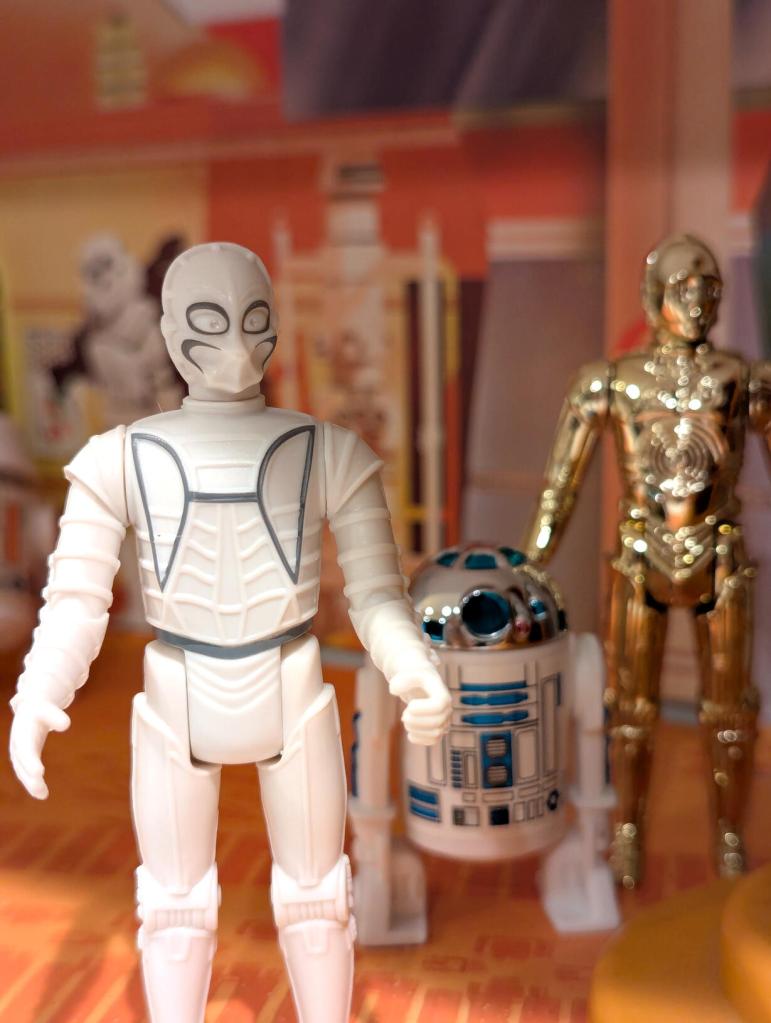
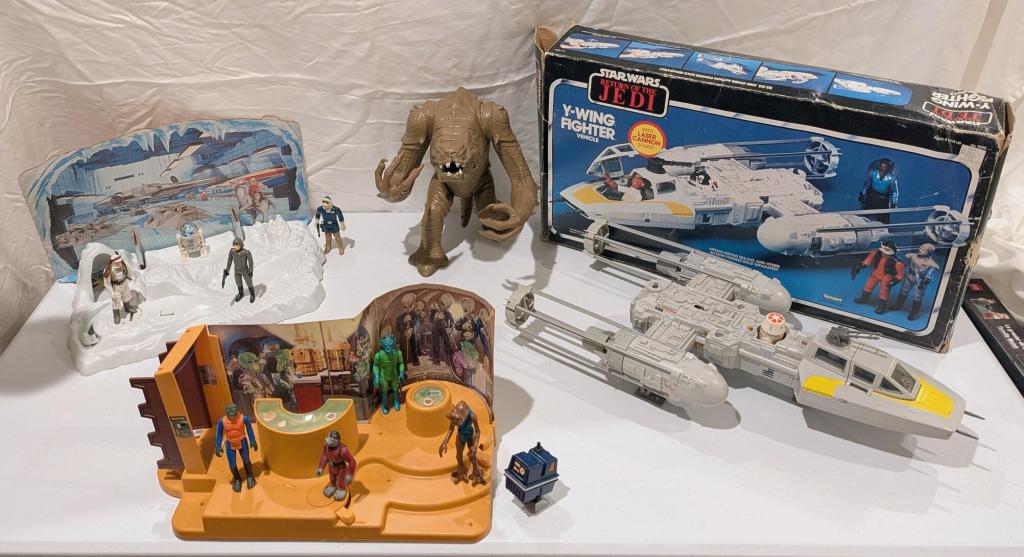
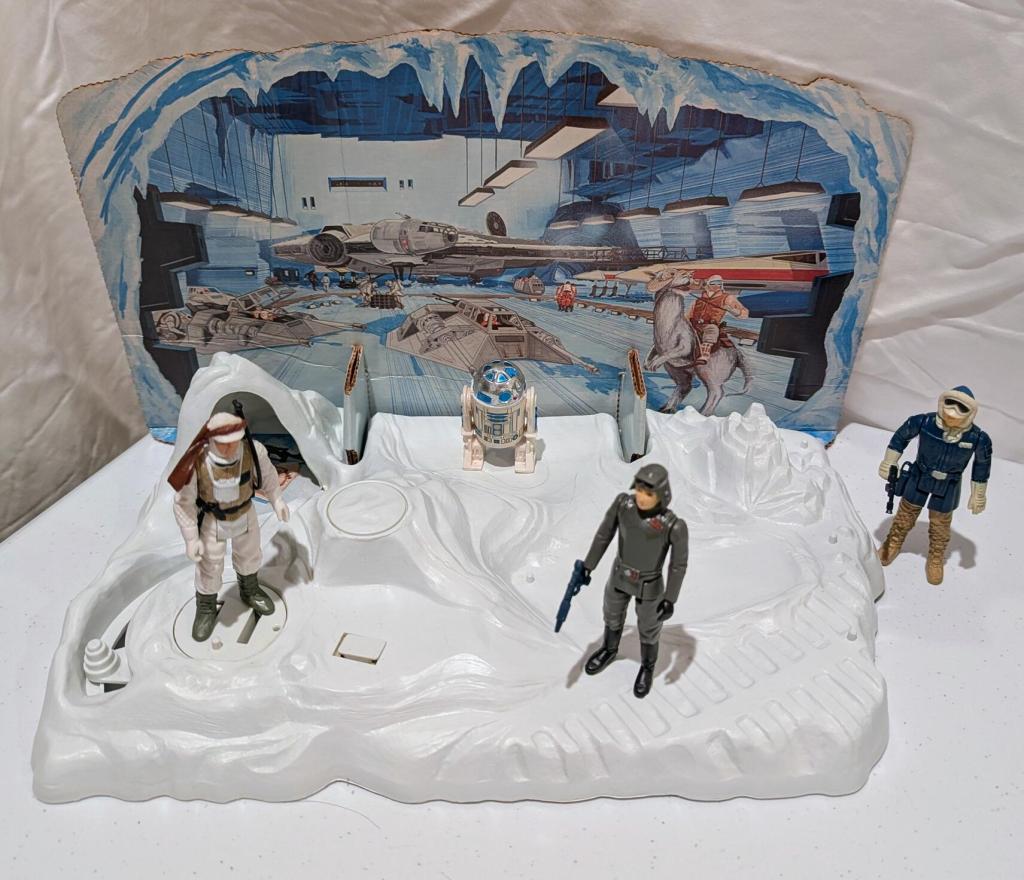
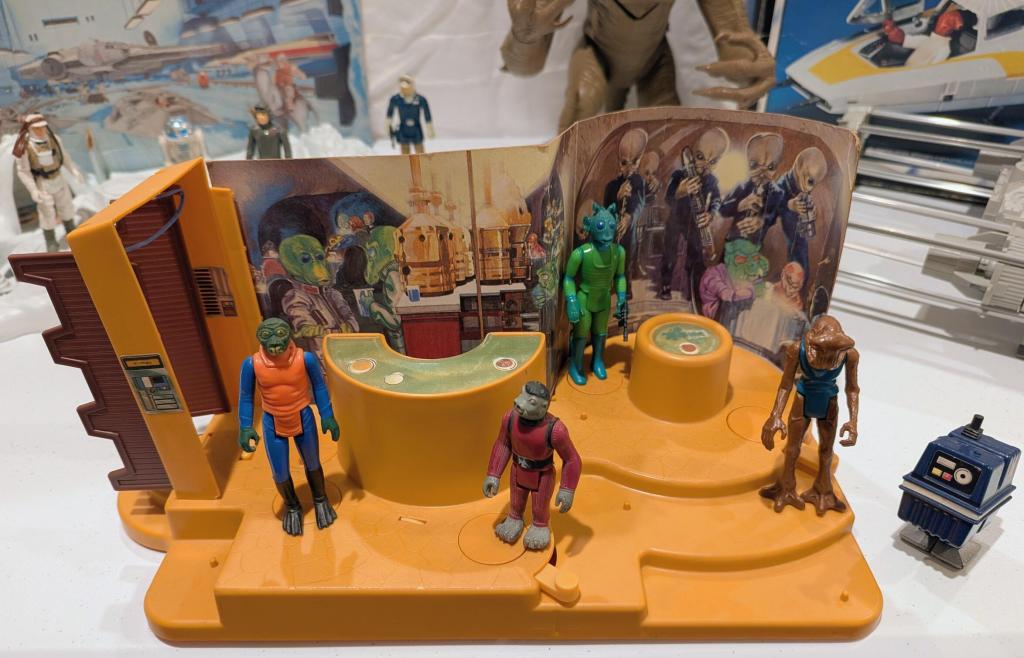
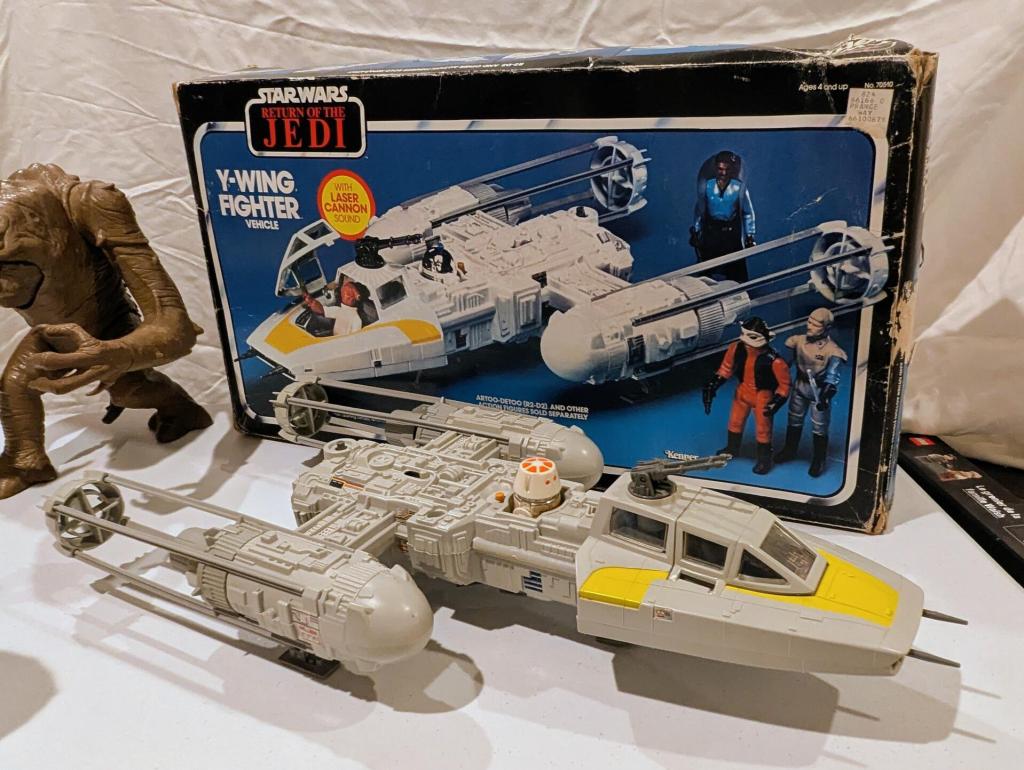
    So, what are some examples of SF and sci-fi?  A recent example of SF film would be The Matrix.  It extrapolates from our world to create a reasonably plausible future based around computer simulation, autonomous robot beings, and a planet devastated by war.  An example of sci-fi would be George Lucas’ Star Wars movies.  Sure, there are space ships, ray guns, and aliens, but there’s also the Force, which is more fantasy than Science Fiction, and the laws of physics are violated egregiously in space such as having things slide off space ships in outer space as if it were an airplane in the Earth’s atmosphere.  What are some Science Fiction movies that you’ve seen, and what would you classify them as–sci-fi or SF?  Some other examples of sci-fi include Plan 9 From Outer Sapce, Back to the Future, Cloverfield, and Red Planet.  Other examples of SF include A.I. Artificial Intelligence, A Scanner Darkly, WALL-E, The Dark Knight, and Mission to Mars.

    Now you’re all initiate Science Fiction scholars who know the difference between SF and sci-fi!

  • Paul Kincaid’s What It Is We Do When We Read Science Fiction

    Before a week’s long vacation, I finished reading and writing a review of Paul Kincaid’s What It Is We Do When We Read Science Fiction.  This is a great collection of Kincaid’s essays on a variety of topics centered around SF and the fantastic.  

    In his introductory essay, from which the title of the book is taken, he tackles one of the major concerns of SF scholarship, which is the definition of SF.  He skillfully manages to create a pragmatic definition that draws on Samuel R. Delany’s idea of a SF language, or what Damien Broderick calls the SF “mega-text.”  

    The collection is broken down into these sections:  Theory, Practice, Christopher Priest, Britain, the World, Gene Wolfe, and 1 April 1984.  The Priest section is very strong, and there are many other insightful and enthusiastically written pieces throughout the thirty-two essays and reviews in the book.

    Keep an eye out for my full review in an upcoming issue of Foundation:  The International Review of Science Fiction.

    Discover more of Paul Kincaid’s scholarship online here, and read about his current work on his blog here.

  • Sonja Fritzsche’s Science Fiction Literature in East Germany

    I finished reading Sonja Fritzsche’s Science Fiction Literature in East Germany (2006) for a review that I’m writing for The German Quarterly.  Before writing the review, I do want to share some of my first impressions as I organize my thoughts for the official review. 

    This is a fantastic synthesis of history and cultural analysis of Deutsche Demokratische Republik (DDR) SF.  Fritzsche opens up an often-neglected field of SF research with this work.  Building on a dearth of earlier scholarly work on DDR SF, she builds a history of the DDR, SF authors, SF publishers, and DDR fandom through a contextualization of Sozialistische Einheitspartei Deutschland (SED) policies and the thematic and theoretical elements of a variety of DDR SF, but focusing a deep analysis on three emblematic works:  Eberhardt Del Antonio’s Heimkehr der Vorfahren (Return of the Forefathers, 1966), Johanna and Günter Braun’s Unheimliche Erscheinungsformen auf Omega XI (Uncanny Manifestations on Omega XI, 1974), and Angela and Karlheinz Steinmüller’s Der Traummeister (The Dream Master, 1990).

    Fritzsche’s Science Fiction Literature in East Germany succeeds at adding to SF history as well as DDR history.  I recommend this book to SF and German Studies scholars alike–it has much to offer to SF and German discourses.  Also, I have to find translations of some of these books that she writes about, because they sound so damn interesting!

    Keep an eye out for my full, very positive review in an upcoming issue of The German Quarterly.

  • Wall-E, Terrific Science Fiction

    Y and I just got back home from seeing Pixar’s latest animated film, Wall-E, at the single screen Highland Theatre in Akron, Ohio.  It’s everything but a “silly cartoon.”  I have to tell you–Wall-E is TERRIFIC Science Fiction, and GREAT filmmaking!

    I’ve seen every film by Pixar except for the Toy Story series, and I’ve enjoyed all that I’ve seen thus far.  However, Wall-E surpasses all of their previous work through a well-thought out story, amazing cinematography, good examples of real-world physics, and the interweaving of American consumer culture with capitalistic-paternalism and eco-disaster.  The most striking element of the film goes back to Leo Marx’s work, The Machine in the Garden, but I believe Wall-E is emblematic of how Marx is wrong.  Marx’s thesis is that American literature imagines an idyllic garden which has been lost and is reattainable through the embrace of technology, but the lost Edenic pastoral is gone forever, and technological progress pushes us further away from it.  The characters of Wall-E and his girlfriend, Eve, show humanity the way toward regaining what we’ve lost through two key scenes (one in the film, and the other during the end credits).  The earlier scene has Eve take Wall-E’s plant offering into what is best described as a womb.  There, the plant is safe until returned to the corporate robot controlled Axiom starship (accepted/unquestioned truth, wow, what a perfect name!).  Wall-E and Eve keep the plant safe, and reawaken obese humanity’s connection with (mother) Earth.  Then, during the end credits, there are developing scenes in a variety of stylzied animations covering cave paintings to Egyptian heiroglyphics to Impressionism.  In these scenes, the garden is recreated by the cooperation of humanity with its autonomous robotic creations.

    Wall-E is a really fun movie for all ages, and I guarantee that you’ll be as enchanted as I was by this amazing Science Fiction allegory!

  • Science Fiction and Your World

    Continuing from my last post, Dr. Takayoshi asked us to practice what she preaches and create a multimodal work to show to our students (e.g., an example of how to do multimodal work, something that ties into a multimodal assignment, or an introduction to our class).  Also, it should be 4 minutes in length.

    As much as I didn’t want to do something of this magnitude in one day, this assignment did help me crystallize my thoughts regarding the first writing class that I’ll teach in the Fall at KSU.  I decided to go with the theme, “Science Fiction and Your World.”  I’m going to assign my students a number of SF short stories and secondary readings to begin discussions about contemporary issues, which will lead into their writing assignments.  I found a nice anthology edited by Orson Scott Card that I’m going to assign, which is titled, Masterpieces:  The Best Science Fiction of the Twentieth Century.  I wouldn’t say that it’s the best anthology out there, but it has a number of enjoyable and topical stories that I believe my students will enjoy.

    After deciding my course’s theme, I storyboarded an introductory video that’s a campy informative mix.  It’s just over 4 minutes long, and available on YouTube.

    Oct. 21, 2023 Update: Video link removed as it no longer exists.