The flag of the United States of America is the enduring emblem of our country and what our women and men in the armed forces protect through their service. Memorial Day is set aside to remember and honor those who died in service to our country. It’s origin is in honoring Union soldiers who gave their lives to preserve our country and uphold our constitutional foundation. For those like myself who have not served in the armed forces, we reflect on those who have fallen while in service and honor them through our own humble efforts to protect, preserve, and contribute to our country’s well-being.
The photo above is the Brunswick, Georgia Risley Middle School flag squad (1990-1991). The administration asked me to organize a group of students to raise and lower the US and Georgia flag each school day. On this day, Shannon, Robert, and Darrell joined me to lower and fold the flags. As a Boy Scout, I had participated on Color Guard and flag ceremonies many times. I was glad to support the school with this service and pass on what I had learned about flag protocols and folding to my school friends who were not in Scouts.
I’m very happy to announce the launch of a new open educational resource (OER) that I’ve been working on for awhile!
It’s called Yet Another Science Fiction Textbook (YASFT). It’s over 60,000 words and includes additional resources that can be helpful for readers, students, and instructors.
YASFT is released under an Attribution-NonCommercial-ShareAlike 4.0 International Creative Commons License. It’s freely available to be read as it is. However, if anyone would like to use it in another way, there are licensing terms that must be followed: “This license requires that reusers give credit to the creator. It allows reusers to distribute, remix, adapt, and build upon the material in any medium or format, for noncommercial purposes only. If others modify or adapt the material, they must license the modified material under identical terms.”
You can find YASFT under the Teaching menu above or directly here.
Its abstract and table of contents are included below.
Abstract
Yet Another Science Fiction Textbook (YASFT) is an open educational resource or OER, meaning it is freely available for anyone to use and learn with. It provides a chronological history of Science Fiction (SF) with an emphasis on literature and film, and it includes other useful resources, such as a glossary of terms, an extensive list of SF definitions, additional resources, a syllabus with hyperlinked readings available online, and video lectures. It tells a story, but not the only story, about SF history. It’s also an experiment in using generative artificial intelligence (AI) to assist with editing a large body of text, in this case over 60,000 words.
Table of Contents
    Front Matter
        What is YASFT?
        Who made YASFT?
        Why was YASFT made?
        Why is it called YASFT?
        How can YASFT be used?
        How was YASFT made?
        Acknowledgements
    Preface
    Origins of Science Fiction
        Early Fantastic Stories
        Scientific Revolution
        Age of Enlightenment
        Romanticism
        The Gothic
    Mary Shelley’s Frankenstein
        Science-Saturated Novel
        Victor Frankenstein’s Hubris
        Critique of the Age of Enlightenment
        Tabula Rasa
    Proto-SF
        Historical Context
        Edgar Allan Poe
        Nathaniel Hawthorne
        Jules Verne
        H. G. Wells
        E. M. Forster
    Pulp SF
        Historical Context
        Overview of Pulp SF
        Hugo Gernsback
        E. E. “Doc” Smith
        C. L. Moore
        Edgar Rice Burroughs
        H. P. Lovecraft
    SF Film Serials of the 1930s and 1940s
        Buck Rogers
        Flash Gordon
    Golden Age SF
        Historical Context
        Overview of Golden Age SF
        John W. Campbell, Jr.
        Isaac Asimov
        Ray Bradbury
        Robert A. Heinlein
        Frank Herbert
        Tom Godwin
    SF Film Through the 1950s
        Film vs. Literature
        Early SF Film
        1950s SF Film Boom
        Forbidden Planet
    New Wave SF
        Historical Context
        Overview of New Wave SF
        J.G. Ballard
        Harlan Ellison
        Philip K. Dick
        Samuel R. Delany
    Star Trek
        “The City on the Edge of Forever”
    Feminist SF
        Historical Context
        Beginnings of Feminist SF
        Definitions of Feminist SF
        Joanna Russ
        Marge Piercy
        Pamela Zoline
        James Tiptree, Jr.
        Ursula K. Le Guin
        Octavia E. Butler
    Afrofuturism
        Steven Barnes
        Tananarive Due
        Nalo Hopkinson
        Nnedi Okorafor
    Cyberpunk
        Historical Context
        Coining the Cyberpunk Term
        Cyberpunk Characteristics
        William Gibson
            Sprawl Trilogy and Stories
            Hermes 2000 and Floppy Disk eBooks
            The X-Files, “Kill Switch”
        Bruce Sterling
        Pat Cadigan
    Contemporary Science Fiction
        Historical Context
        Ted Chiang
        N. K. Jemisin
        Cory Doctorow
        Charlie Jane Anders
        Martha Wells
        Mary Robinette Kowal
        Ken Liu
        R. F. Kuang
    SF Film from 1960 Onward
        1960s
        1970s
        1980s
        1990s
        2000s
        2010s
    Global Perspective: Taiwanese SF
        Brief Taiwanese History
        Taiwanese SF Overview
        Taiwanese Fandom
        Cultural Comparisons
        Issues with Translation
    How to Keep Up With Science Fiction
    Appendices
        Appendix 1: Glossary of Science Fiction Terms
        Appendix 2: Chronological List of SF Definitions of Science Fiction with MLA Citations
        Appendix 3: Further Reading
            Textbooks
            Readers
            Teaching
            Online Research
        Appendix 4: Sample Syllabus with Hyperlinked Readings
        Appendix 5: Lecture Videos
        Appendix 6: Version History
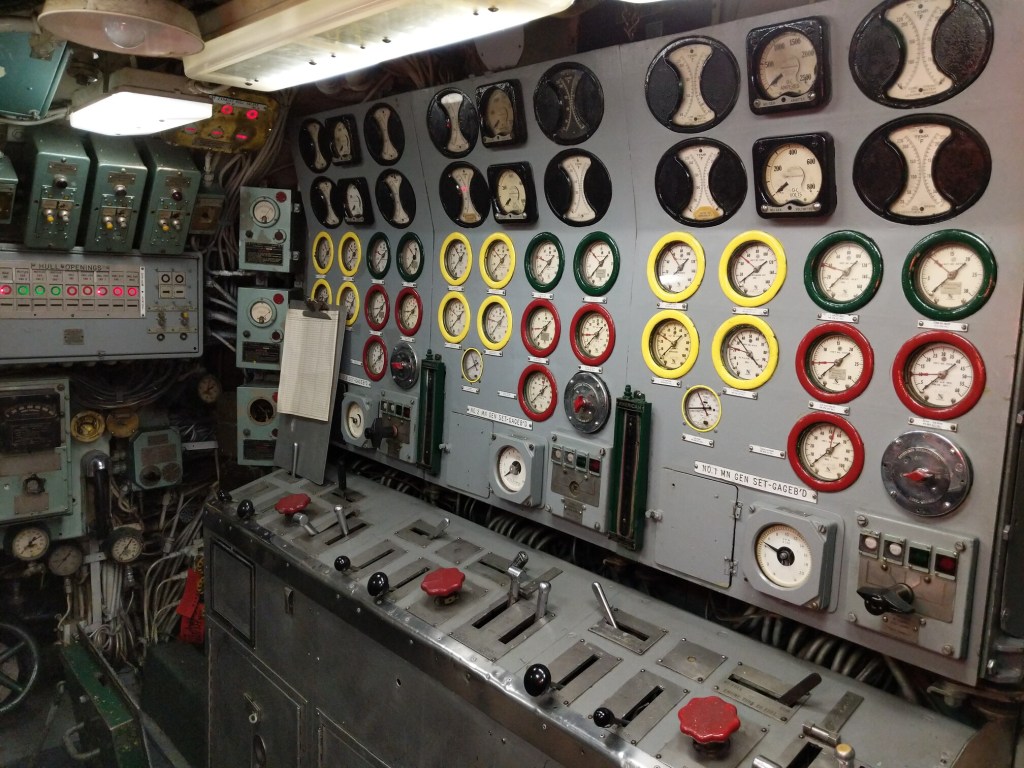
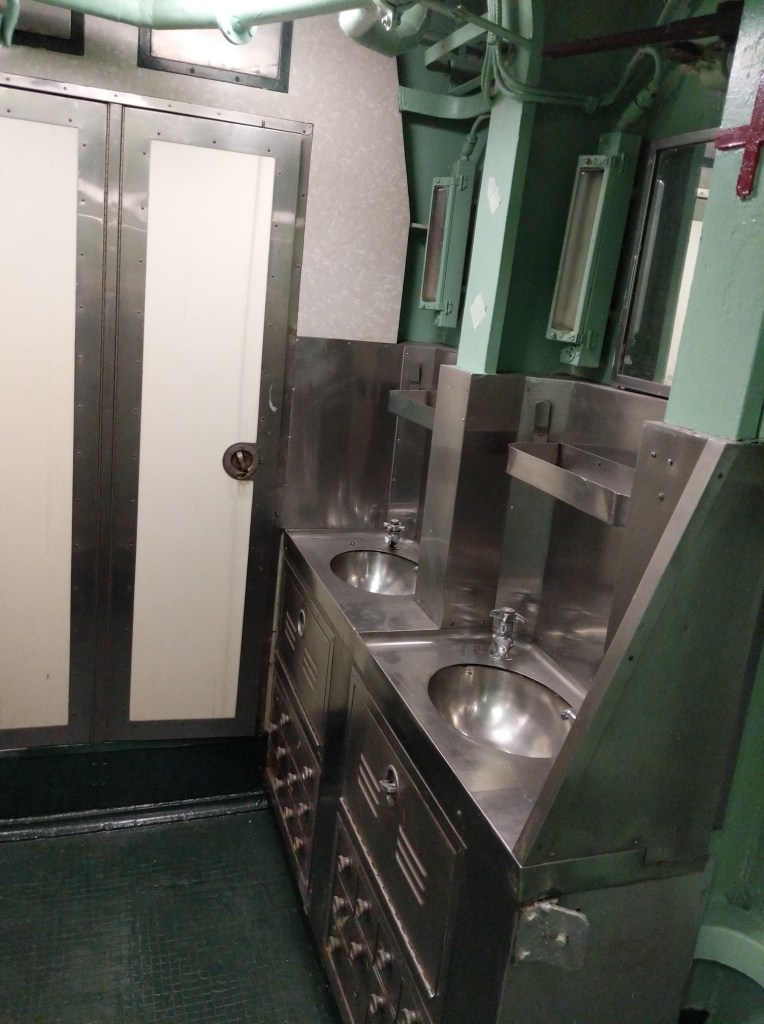
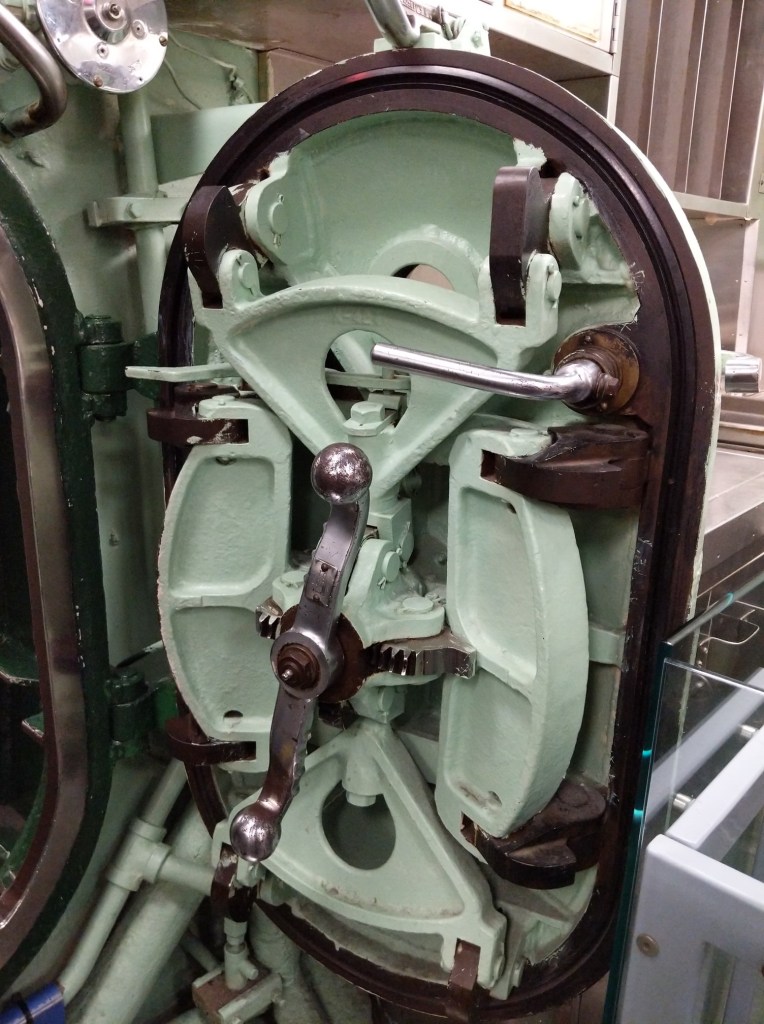
As I wrote about yesterday, I met up with my former City Tech colleague Alan Lovegreen in March 2019 on the west side of Manhattan to visit the Intrepid Museum and USS Growler submarine. My last post showed pictures of from the Intrepid. Today’s post is all about the Growler.
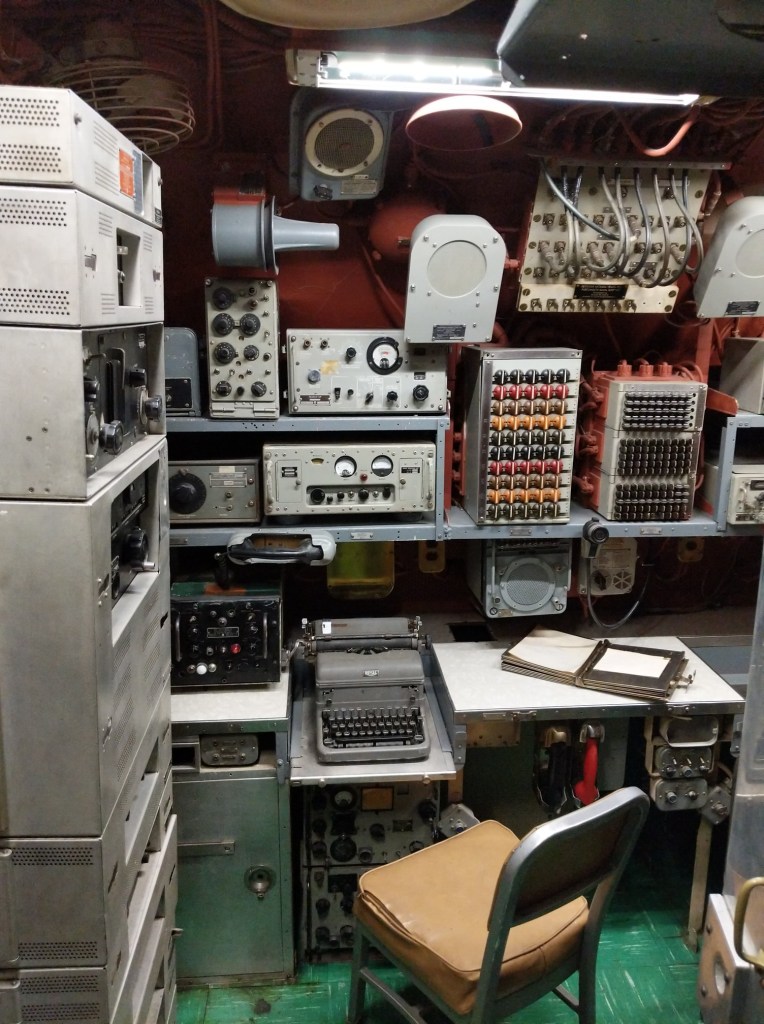
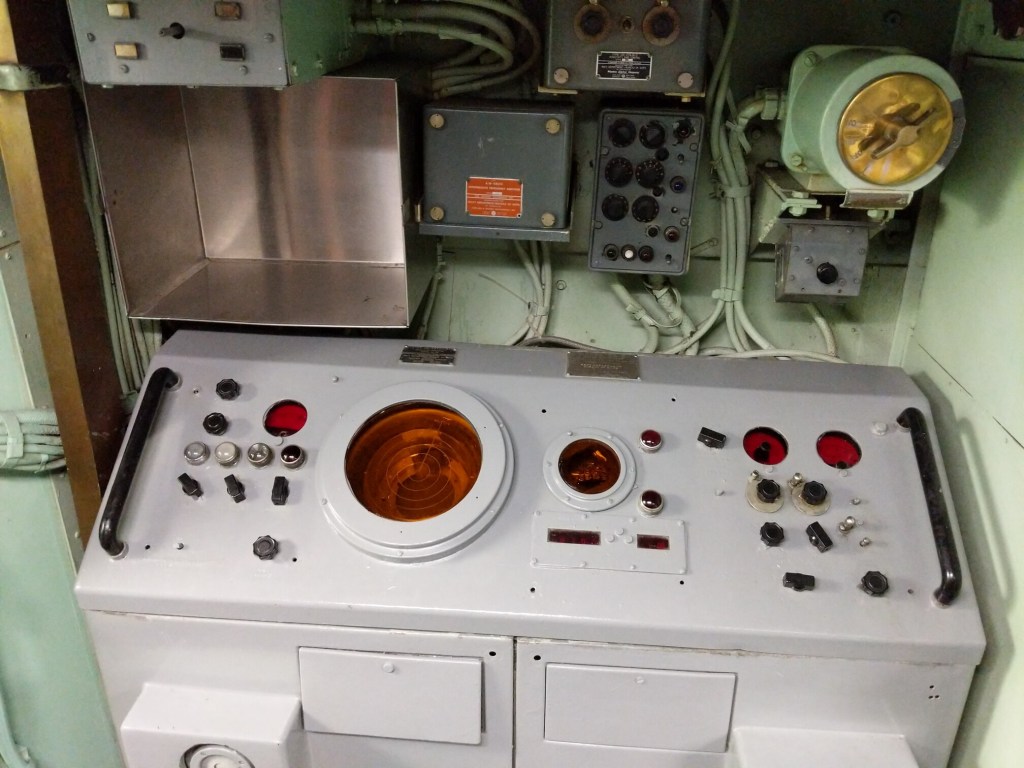
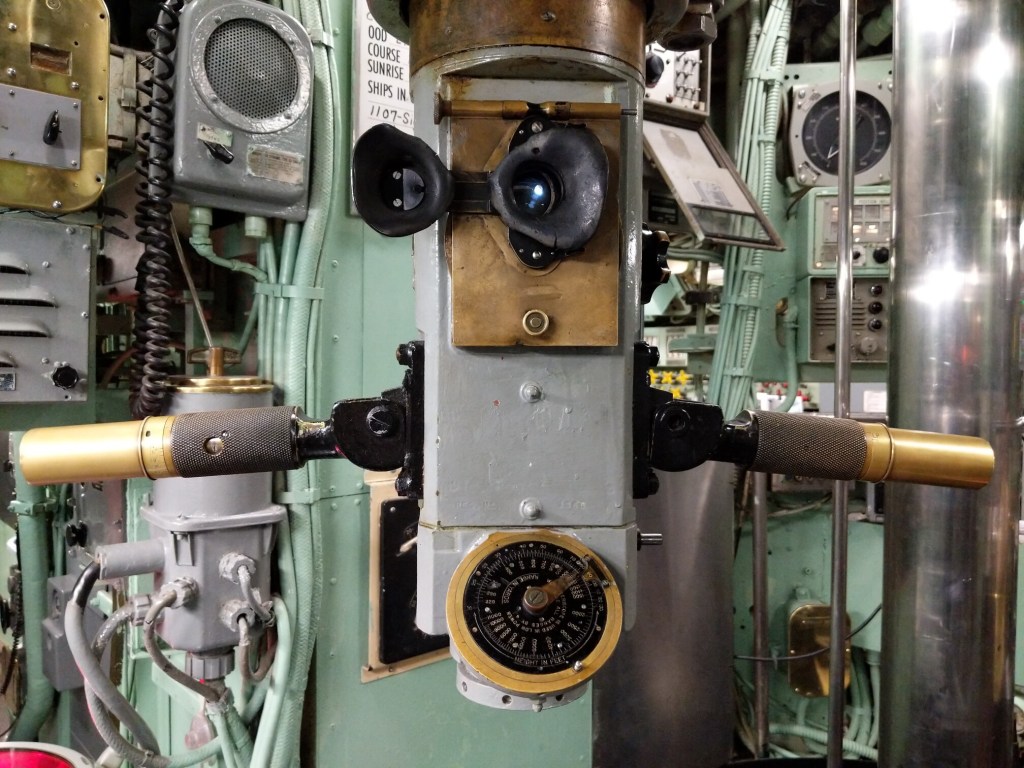
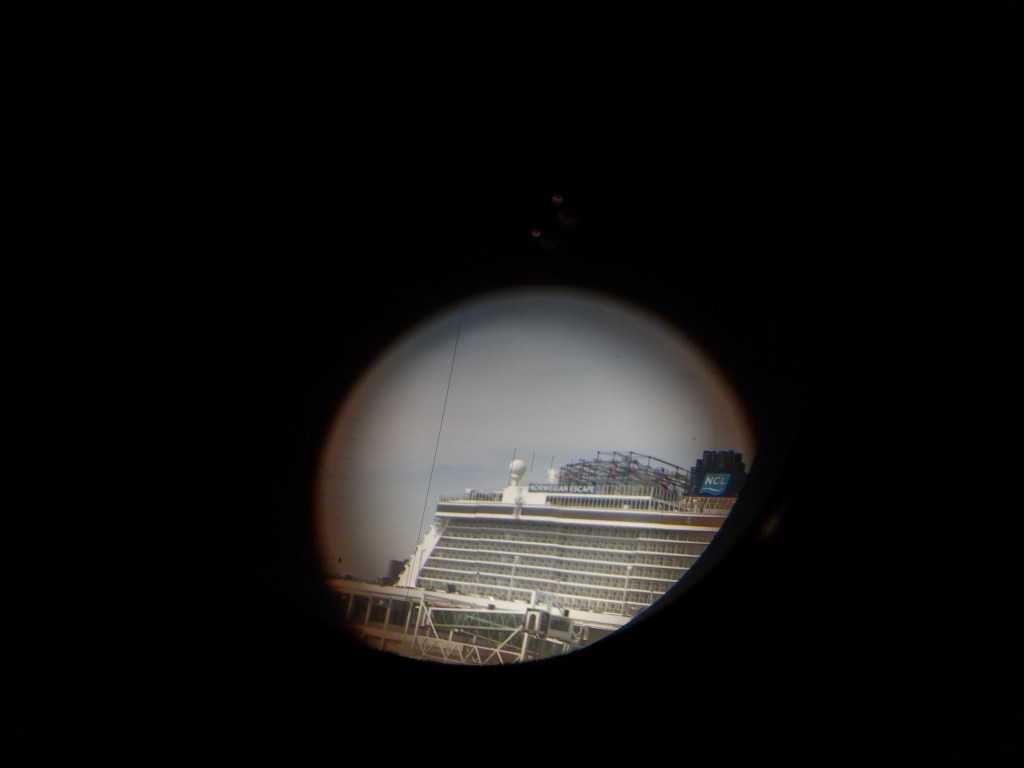
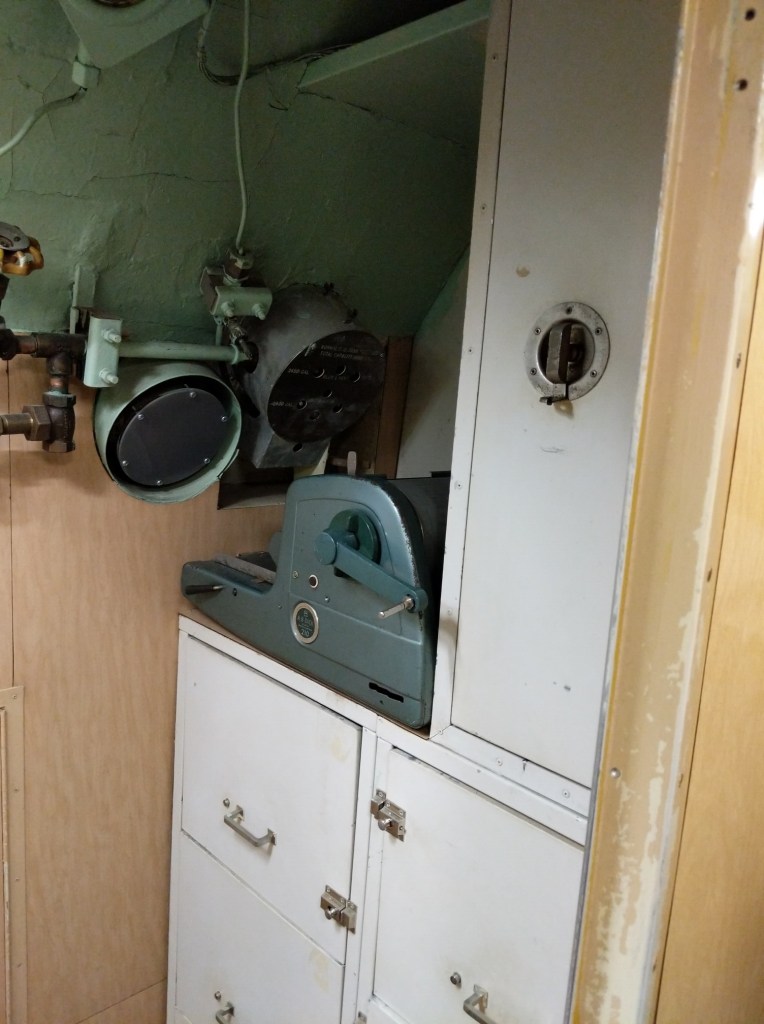
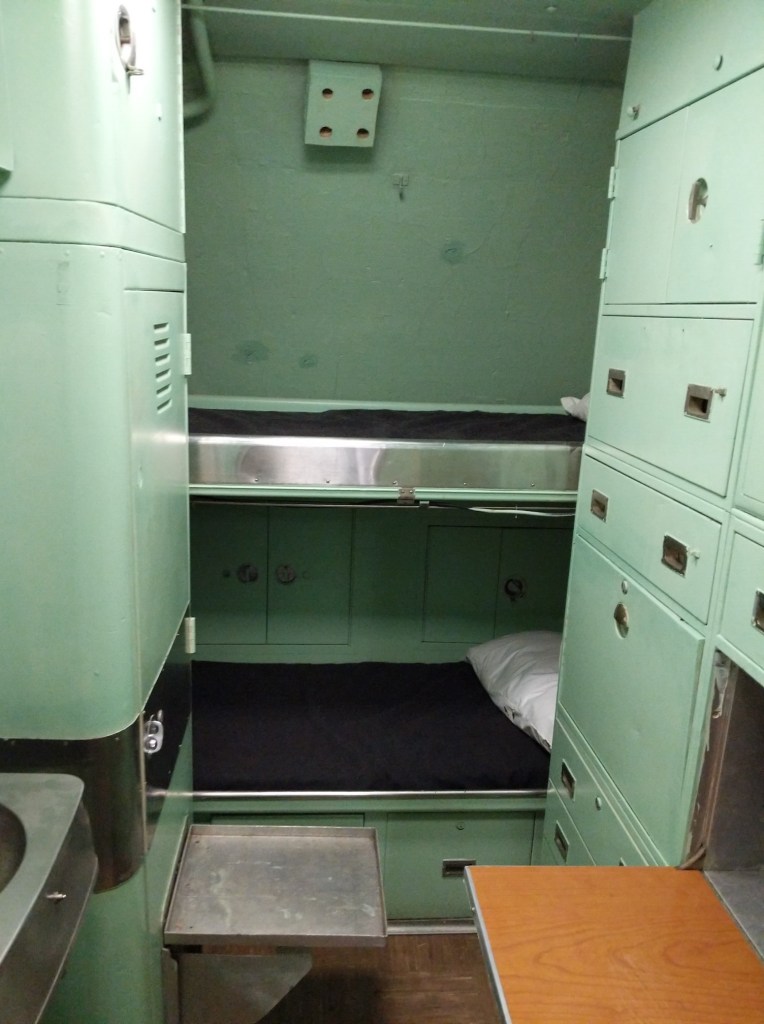
The claustrophobic interior of the Growler submarine was thrilling to walk through. Everything seemed to have its specific purpose and was made to go where it fit into the overall interior puzzle space. It’s hard to imagine the design work that went into building this (or the aircraft carrier next door for that matter) before computer aided design.
Also, I could more easily visualize the similarity between voyaging under water in a submarine and voyaging in outer space in a spacecraft. Both create a living environment for human beings in otherwise inhospitable environments. The former keeps pressure out and the latter keeps pressure in. Catastrophe is possible in a number of ways–some slow and others sudden.
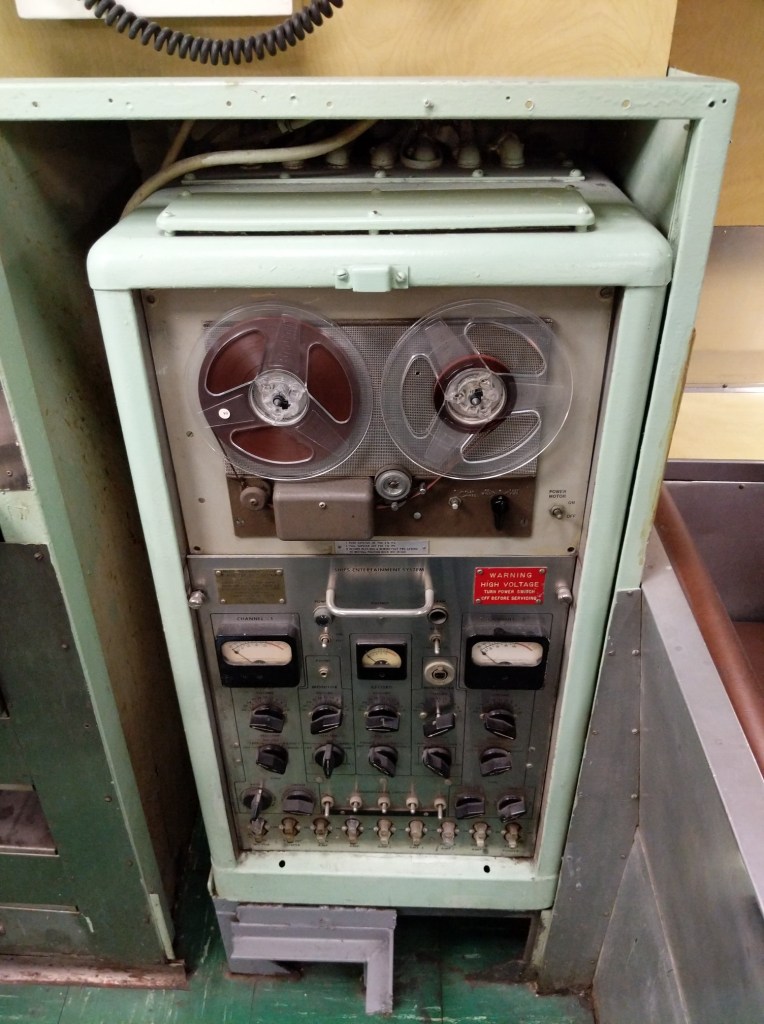
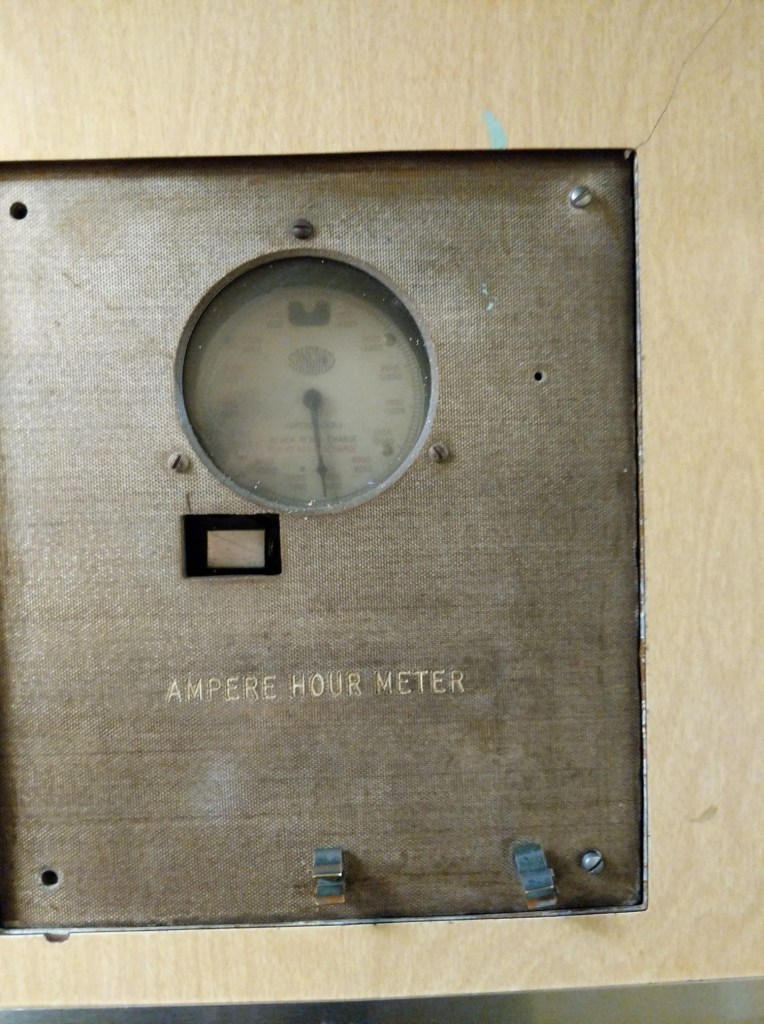
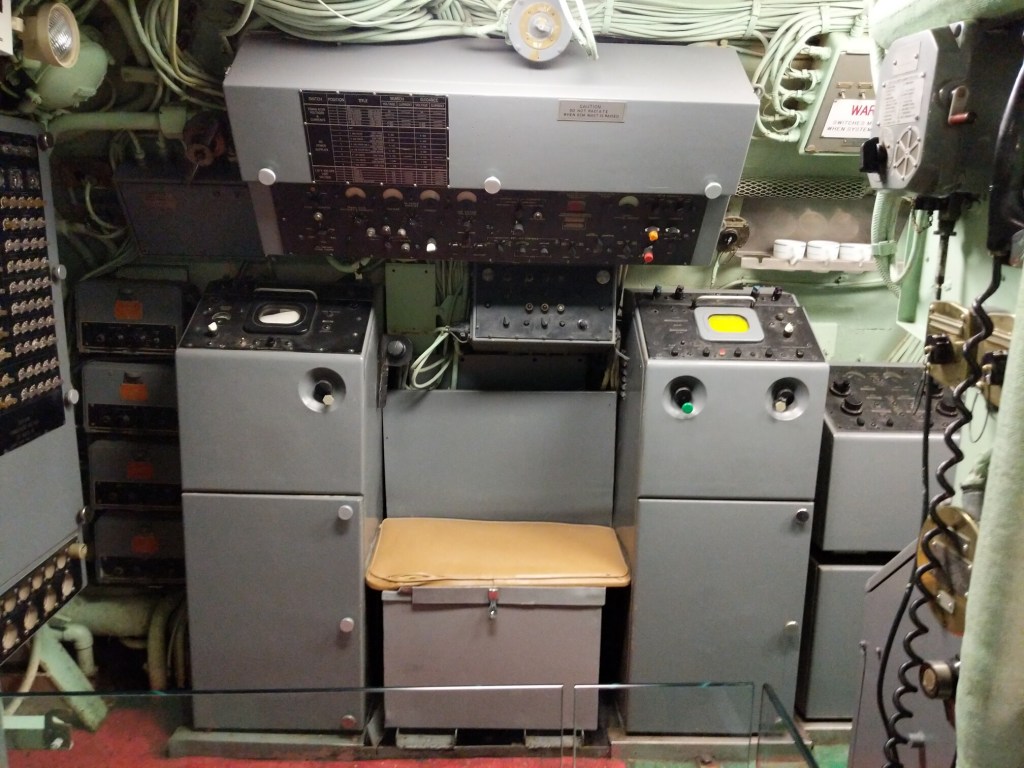
The Growler is also a communication technology museum–loud speakers, telephones, exterior microphones, recording and processing devices, radios, sonar, mimeograph machine, typewriter, gauges, and indicators.
When I’m willing to jump through the hoops of a CUNY class field trip, I imagine a multifaceted technologies of representation and technical communication gold mine at the Intrepid Museum and USS Growler submarine.
There are now 434 bibliographic entries–an addition of 52 new entries. The online resource list at the bottom of the page is now up to 56 links–an increase of only one.
Most of the new bibliographic entries are in the pedagogy, generative text, background, and textbook sections, but there are some interesting titles that I added to the other AI application sections.
Following the explosion of new titles on artificial intelligence earlier this year, the rate of new publications have slowed. I suspect that some titles were rushed out to take advantage of the hype and now new titles are being released at normal publication rates. But, I also suspect that the pipeline is in the process of rebuilding, perhaps with even more titles than were in the first wave.
As I’ve written before, the list isn’t exhaustive. I include titles that I find interesting through my research and study of generative AI. Nevertheless, I hope that it might be useful to folks who find it one way or another.
In 2010, Y and I went on a day trip to Pittsburgh to look around before going to Ikea to pick up some new furniture. My favorite place in Pittsburgh is the Cathedral of Learning at the University of Pittsburgh, which I made use of when I lived there, so we made that one stop on our itinerary.
From a distance, it is an easy to see landmark for getting around the University of Pittsburgh campus.
Standing at its entrance, the building’s magnitude is unavoidable. And, to think that this gigantic building–the second tallest educational building in the world–is dedicated to learning.
It’s interior first floor study space is equally impressive. This cavernous space lends itself to individual and collaborative work.
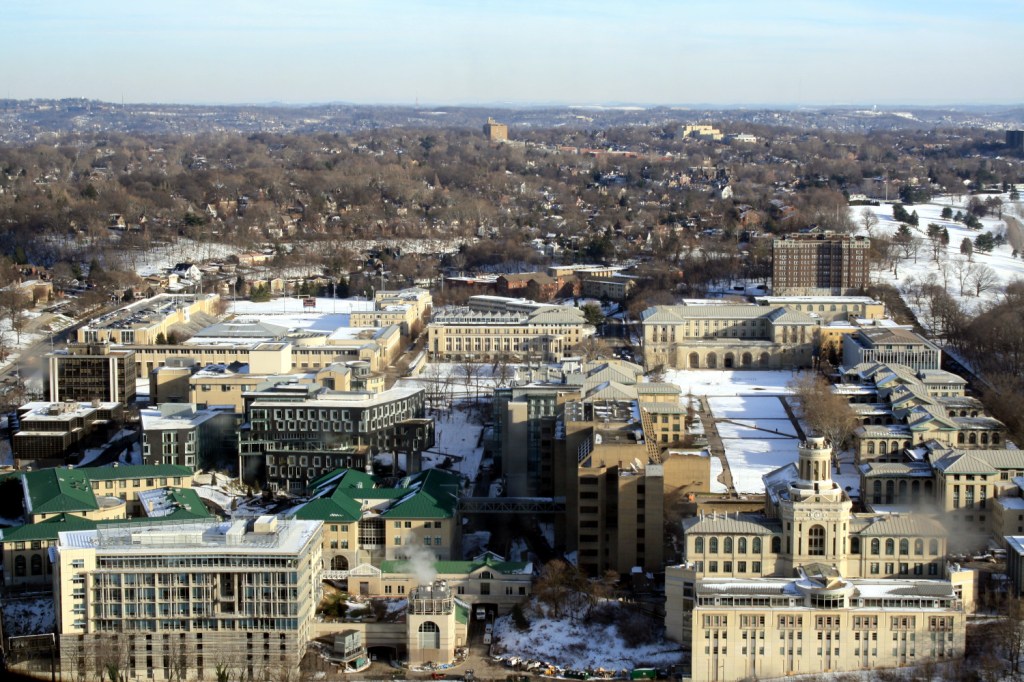
From an upper floor, you can look east to see Carnegie Mellon University.
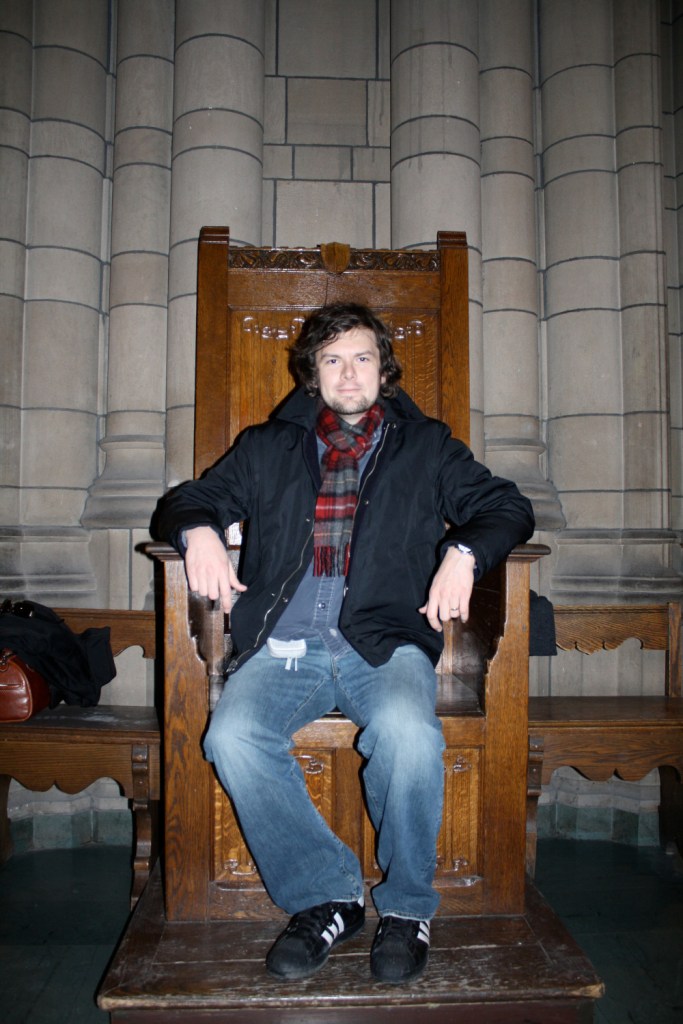
Before leaving, Y took a photo of me sitting in one of the big chairs in the study area on the first floor of the Cathedral of Learning.
I think that all universities should invest in basic studying and learning spaces where students can work individually and together. It can be something as architecturally impressive as the Cathedral of Learning, or it could be something designed around sustainability and efficiencies such as Georgia Tech’s Clough Undergraduate Learning Commons. Whatever form it takes, it should center on students and their needs whether they live on campus or commute. Essentially, students need space to study, work, and collaborate outside of the classroom.