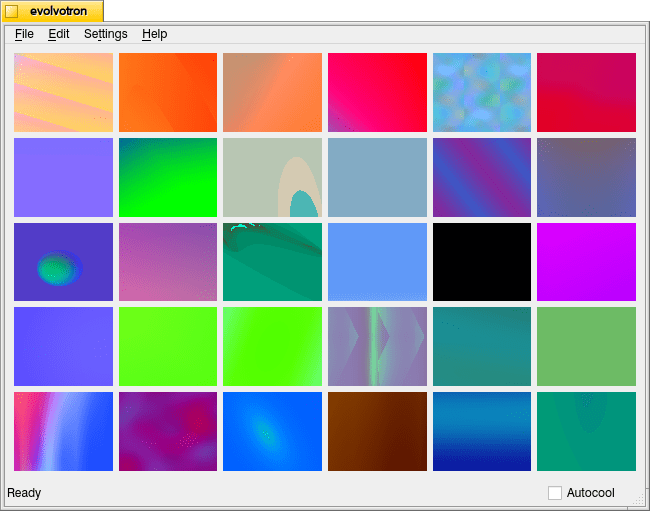
Another such image generator program is Evolvotron. It can generate fractal-based images with different patterns, colors, and shapes.
It has an interactive interface driven by user choices in response to a field of different images–each generated from a different set of parameters. Based on this initial field of images, the user can choose File > Reset (or press R on the keyboard) to generate a new field of images.
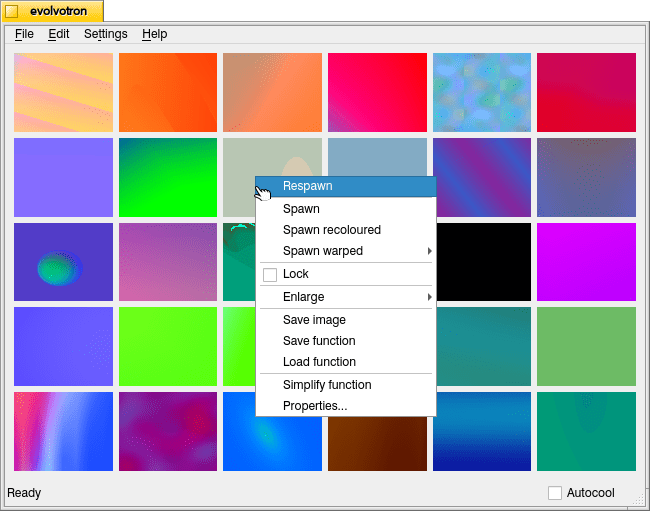
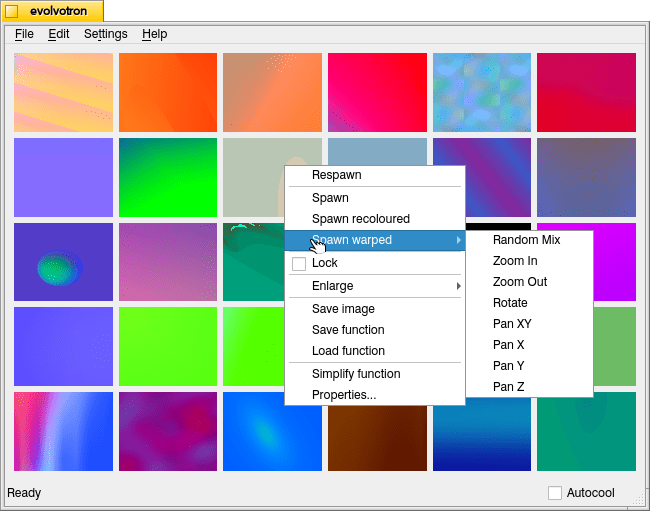
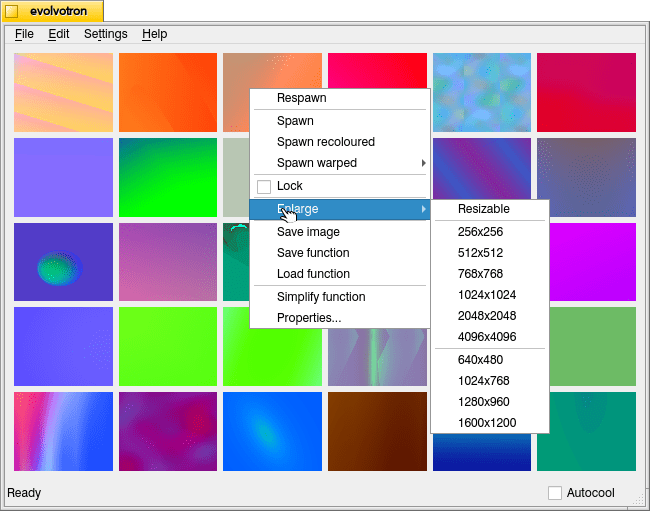
When one of these images is one that the user likes or would like to explore more, they can right click and choose to Respawn (just the one square), Spawn (generate images with adjacent parameters), Spawn recoloured (same originating parameters but different colors), and other functions such as Spawn warped (below), Enlarge (below), and Save.
Below are a few images at 1024 x 1024 that I generated with Evolvotron.
I installed Evolvotron from the Debian 12 repositories. It can also be downloaded for various Linux distributions here, and it is available for MacOS X via Fink.
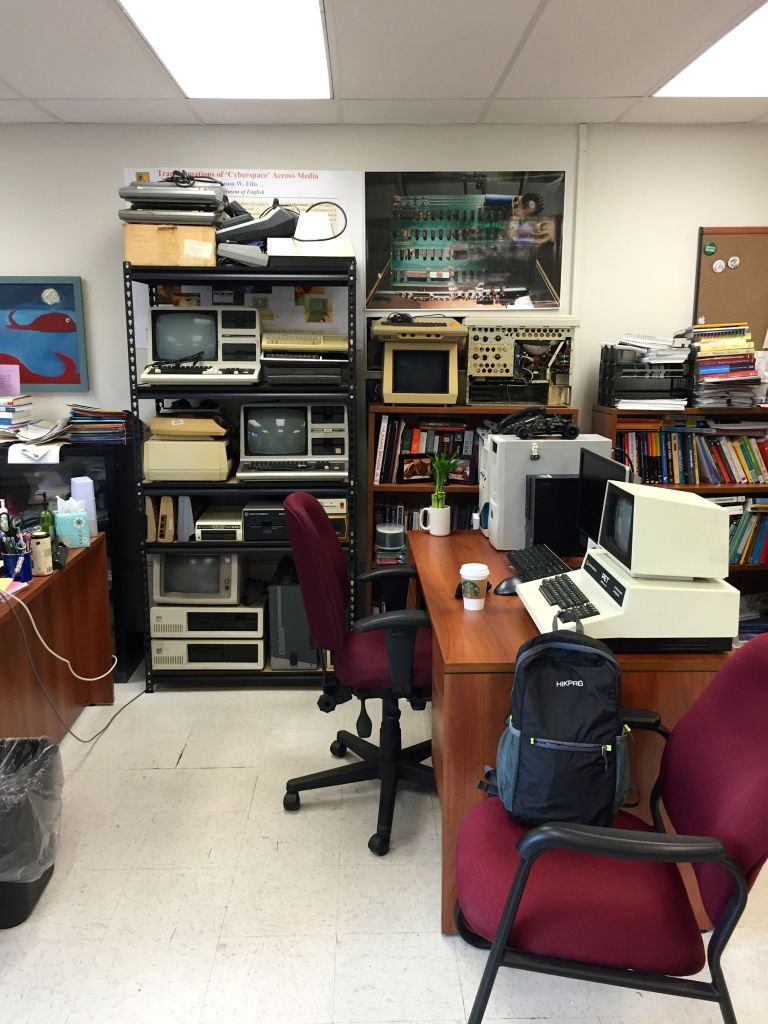
I’ve written some about starting the Retrocomputing Archive at City Tech in my cramped desk area in Namm 520 here and here, but I don’t think I’ve written about how I moved the bulk of the lab’s holdings that belong to City Tech from one building to another.
At a semi-enclosed campus, it might seem relatively easy to move equipment around, but when your campus is like City Tech’s, which is essentially a clusters of buildings on busy, big city streets with security and protocols it can be a real headache. Here’s how the move went down.
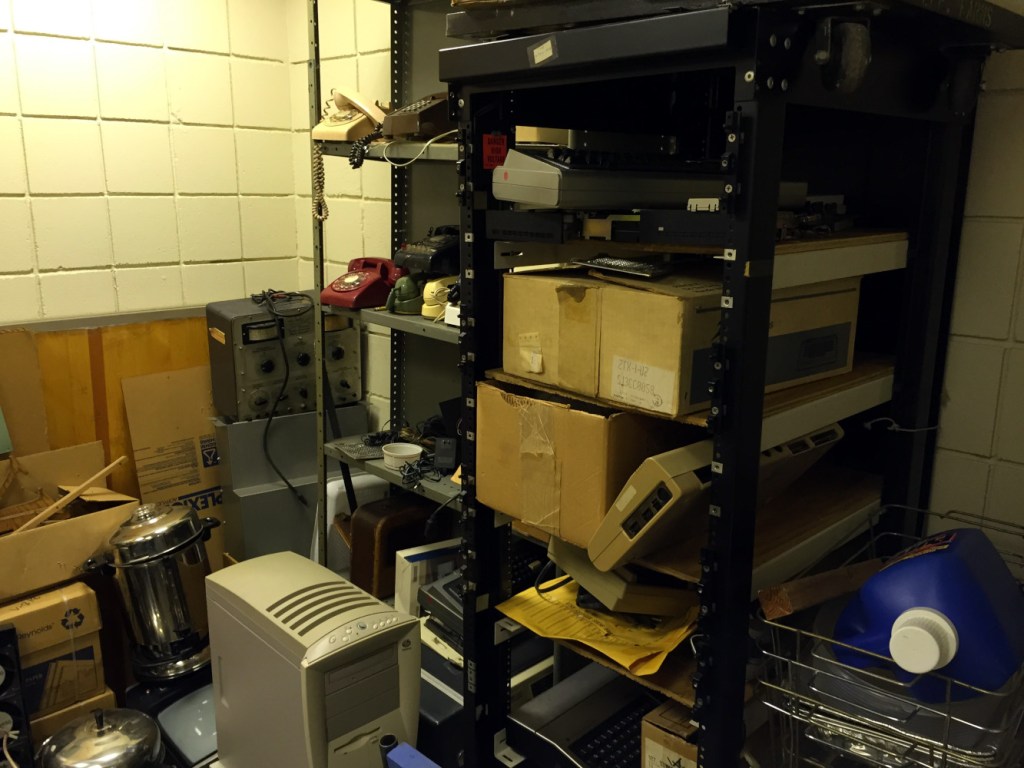
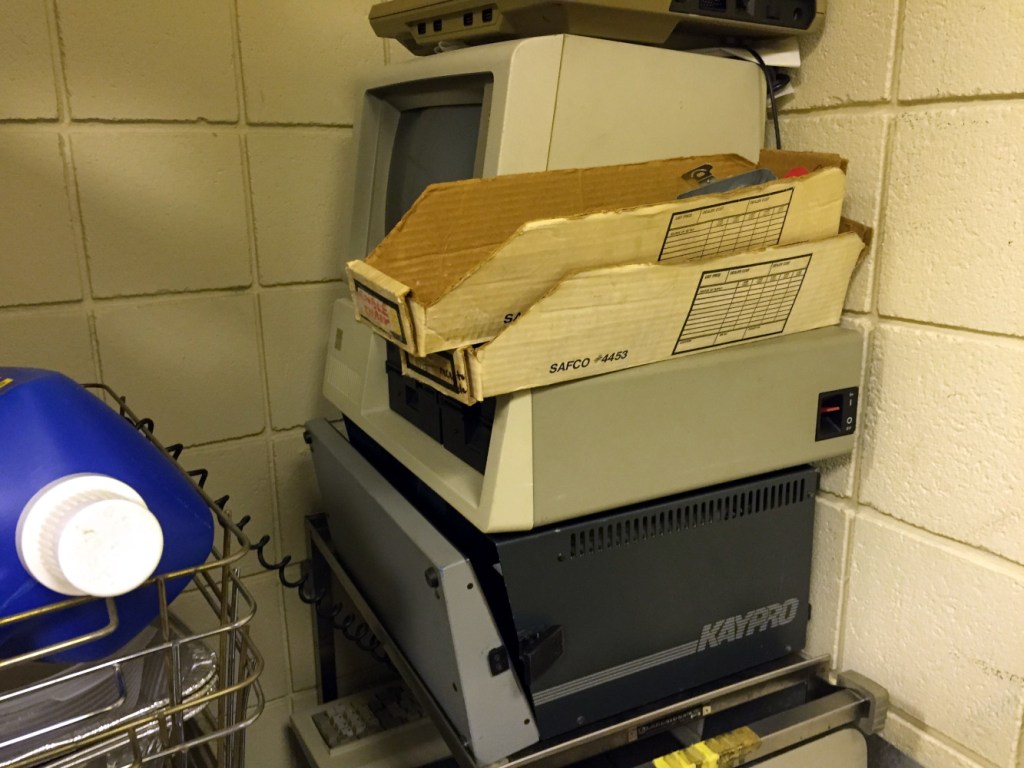
In 2015, I learned through Mary Nilles, my dearly departed English Department colleague, that Stanley Kaplan, Senior CLT Assisting the Dean of the School of Technology and Design, had been keeping a collection of forgotten, vintage computers in a closet on an upper floor in City Tech’s Vorhees Building and the dean wanted the closet cleared out.
I reached out to Stanley who gave me a tour of the large closet’s treasures seen below.
I told him that I definitely wanted to move the computers into my office for the Retrocomputing Archive, but I would need to figure out the logistics of it since I didn’t have a car to move everything from one building to the next and a cart to carry the items from the top of Vorhees to the street and then from the street into the bowels of the Namm building where my office is.
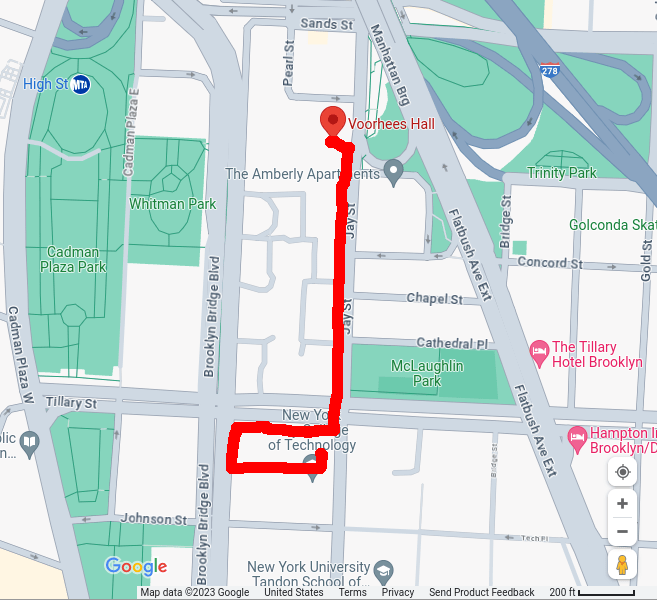
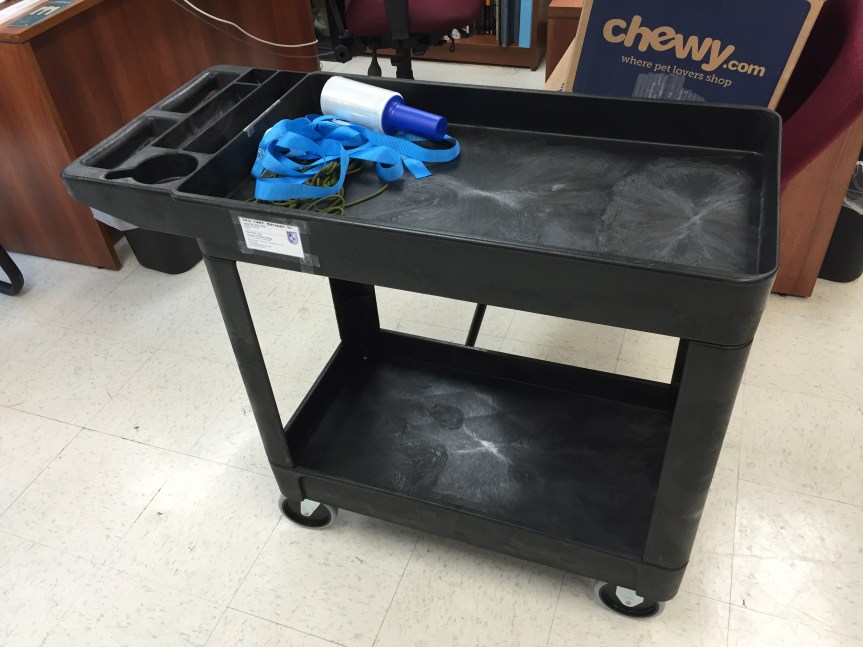
I already had nylon straps and plastic wrap from our move to New York from the year before, which I could use to secure everything on a cart, which I didn’t have. So, I purchased up a heavy duty utility cart from Lowes for about $60 (I just looked and the price is up to $130 now!), and carried it boxed (~35 pounds) across the parking lot, down the street, up the stairs to the above ground subway at 4th Ave/9th St, up the steps at Jay St/Metrotech, two blocks down Jay St into the Namm Building, elevator ride up, and dropped it next to my desk exhausted. I assembled it in the office (I had considered assembling it in the Lowes parking lot, but it would have been too awkward to carry up the steps at the 4th Ave/9th St station.
For each load of computers from Vorhees to Namm, I put the heaviest equipment on the bottom and completely filled the lower shelf space to give it as low a center of gravity as possible. I stacked the top as reasonably as I could. I strapped it down and used the plastic wrap to secure smaller items that might wiggle loose during the rattly trip through Brooklyn.
There were pros and cons about moving the computers from Vorhees to Namm. Leaving Vorhees and walking to Namm on Jay Street is down hill. However, the weight of the computers on the cart made it a strenuous task to hold the cart back from careening down the hill. The sidewalk is also uneven, broken, and pieced together with different kinds of material, which had to be navigated over and around. And, of course, there were the pedestrians, which occasionally made the move like a game of Frogger.
I was able to move the bulk of the equipment in three trips. I might have gone back to pick up a few other things, but the second trip also turned out to be the most stressful. I never had any trouble with security at the entrance of Vorhees. I showed them my faculty identification and told them that I was taking the equipment to Namm. During the first trip into Namm past security, I wasn’t questioned about the equipment. Probably because logically I am bringing things into the building rather than attempting to walk them out, which I imagine happens on occasion.
But, on the second trip into the Namm building, security stopped me and grilled me about what I was doing. Eventually, they led me to the security office on the first floor where I had an unpleasant conversation with the former public safety director about processes, protocols, and policies that admittedly serve a purpose in most cases but in an edge case like this.
Despite the computers no longer appearing in any equipment databases, Stan and I had to fill out overzealous paperwork that had to be signed off exiting and entering a building. Individual items’ serial numbers weren’t checked against the paperwork, so it seems to have been bureaucratic onanism that added unnecessary labor to an already difficult project.
Nevertheless, I moved the equipment into my limited office space and later purchased garage storage shelves to hold most of the larger computers with others on top of my official issued bookshelf and desk and others stacked into my filing cabinet.
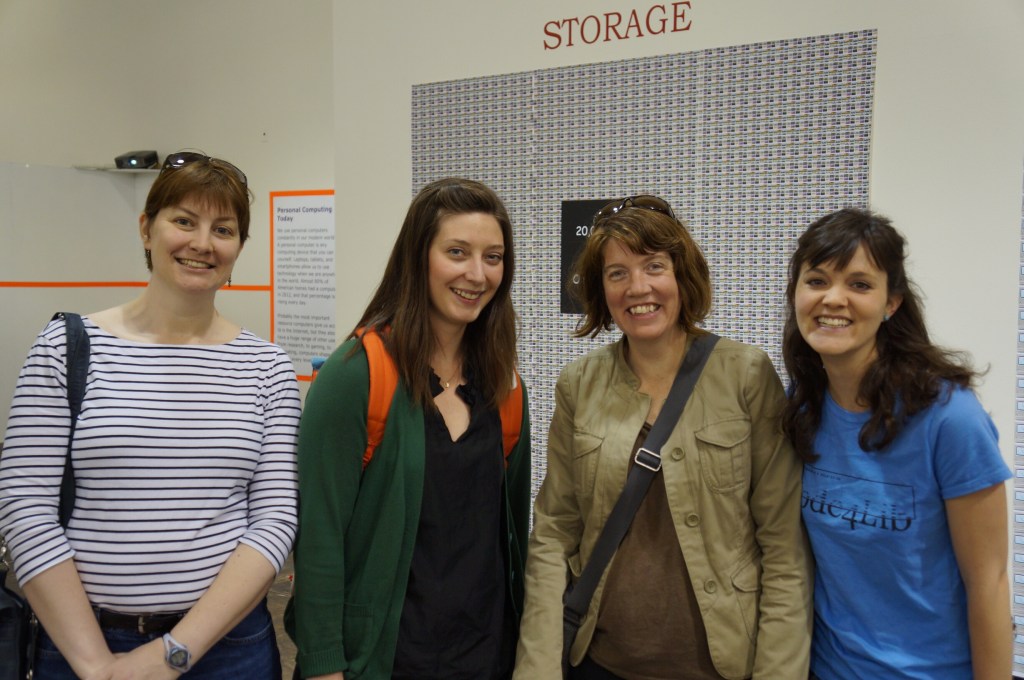
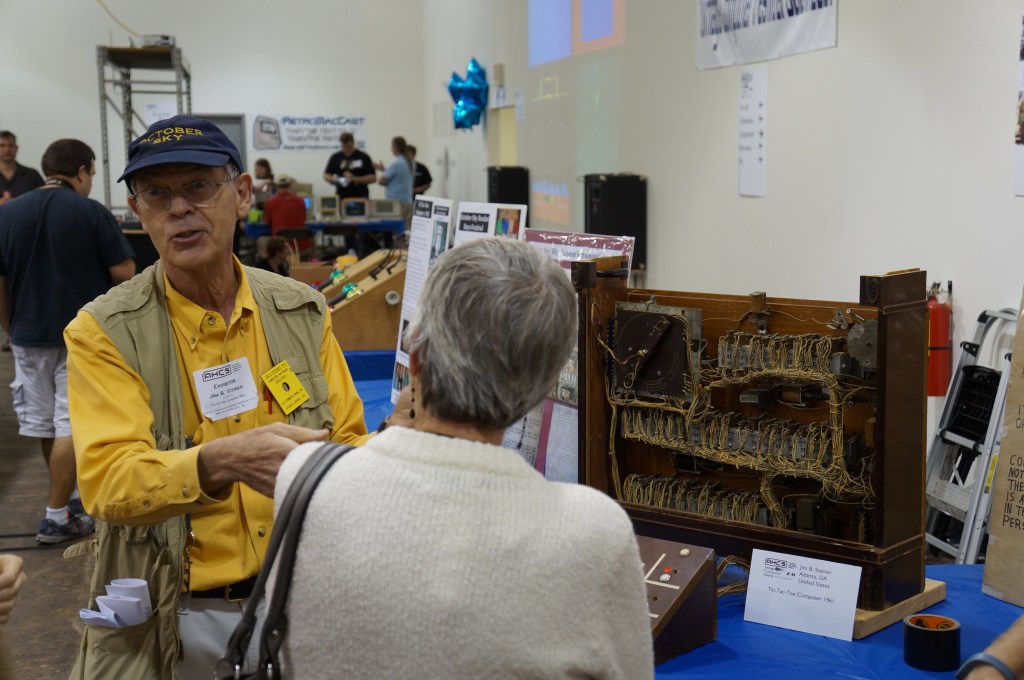
For the second Vintage Computer Festival Southeast (VCFSE 2.0) in 2014, I went with my Georgia Tech Library colleagues Sherri Brown, Lizzy Rolando, Alison Valk, and Wendy Hagenmaier (I wrote about the first VCFSE and shared photos last week here).
For me, it was great to bridge my professional and hobby worlds–one about studying and preserving our software and hardware digital culture and one about geeking out about retrocomputing–fixing it, using it, and playing with it. Sharing this event with my colleagues who were also negotiating these two overlapping worlds made it memorable to me.
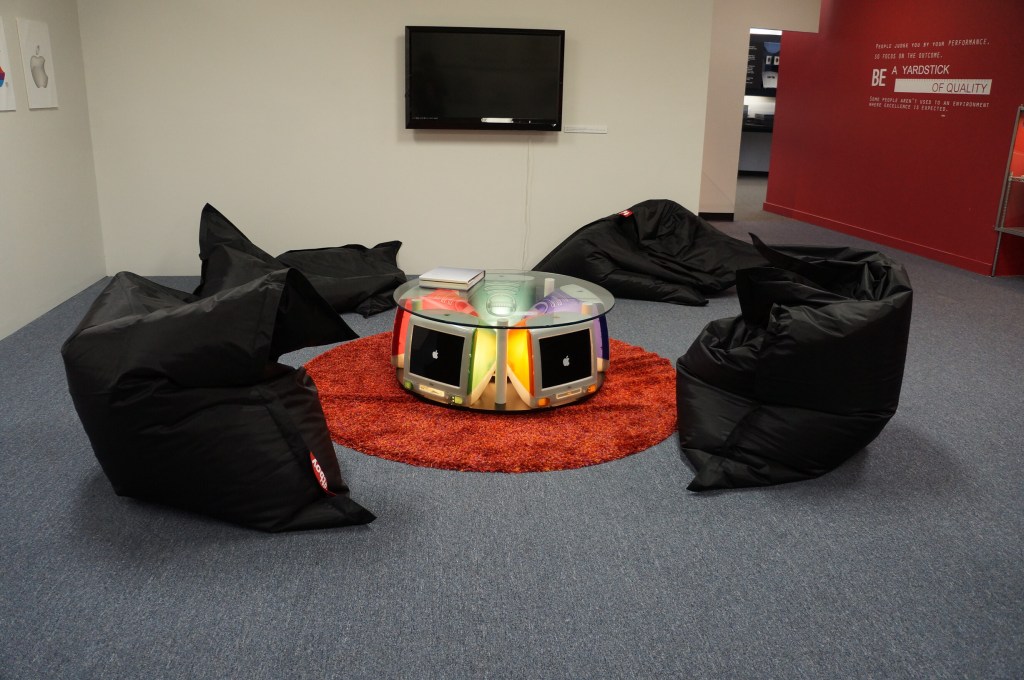
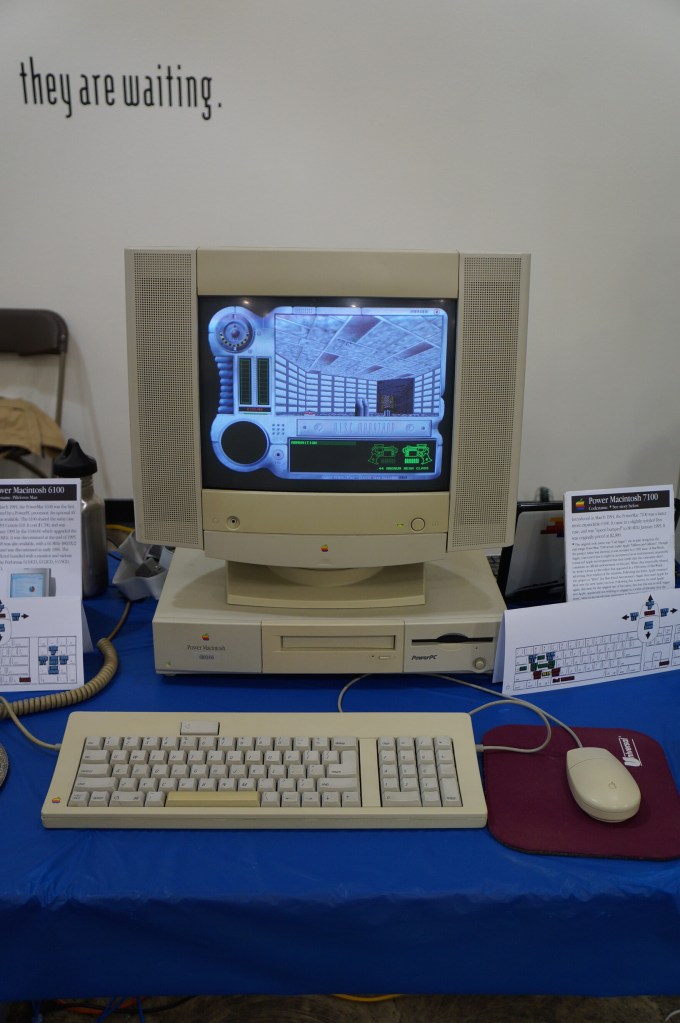
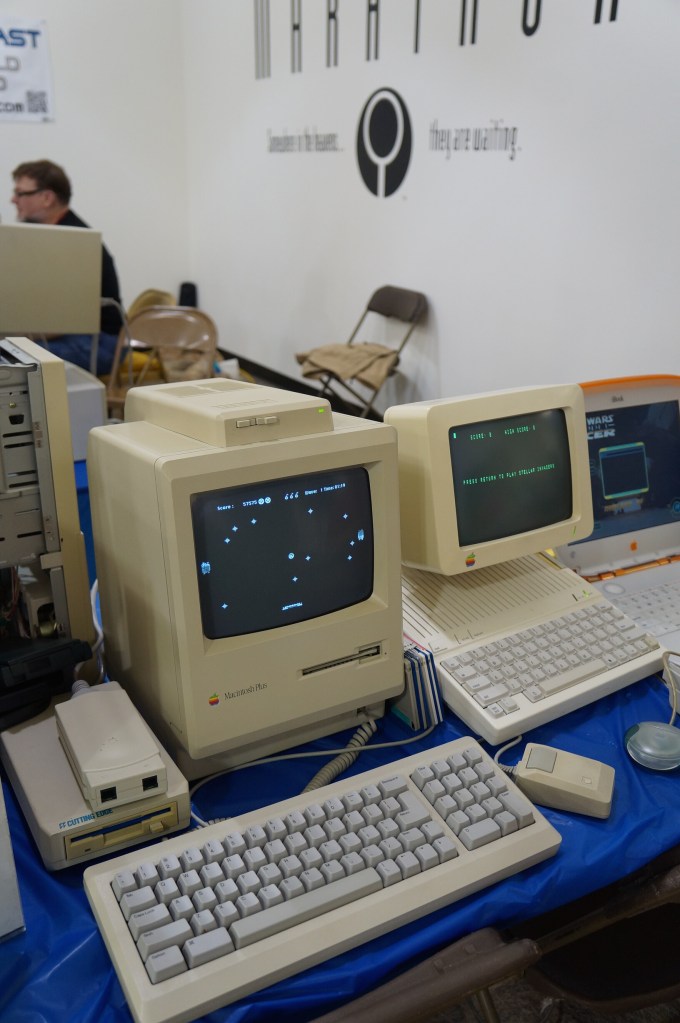
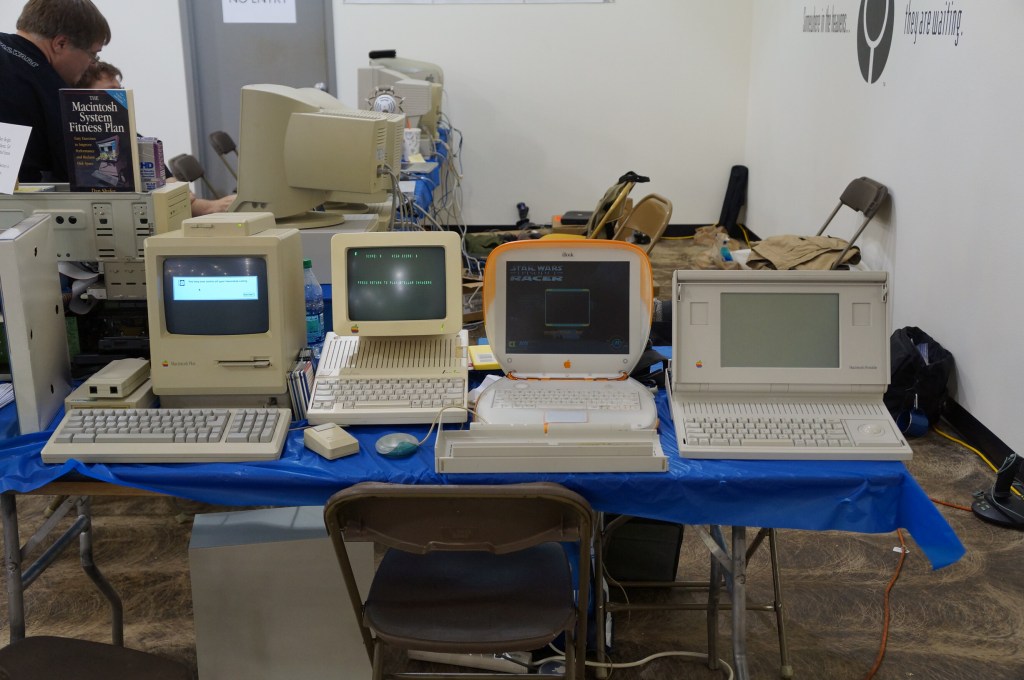
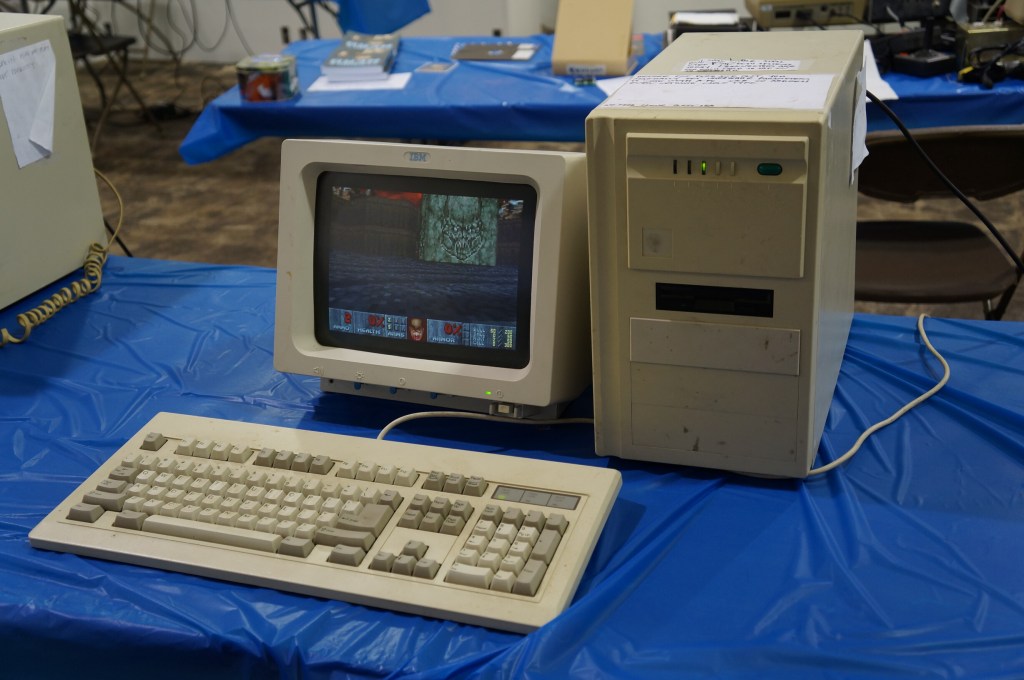
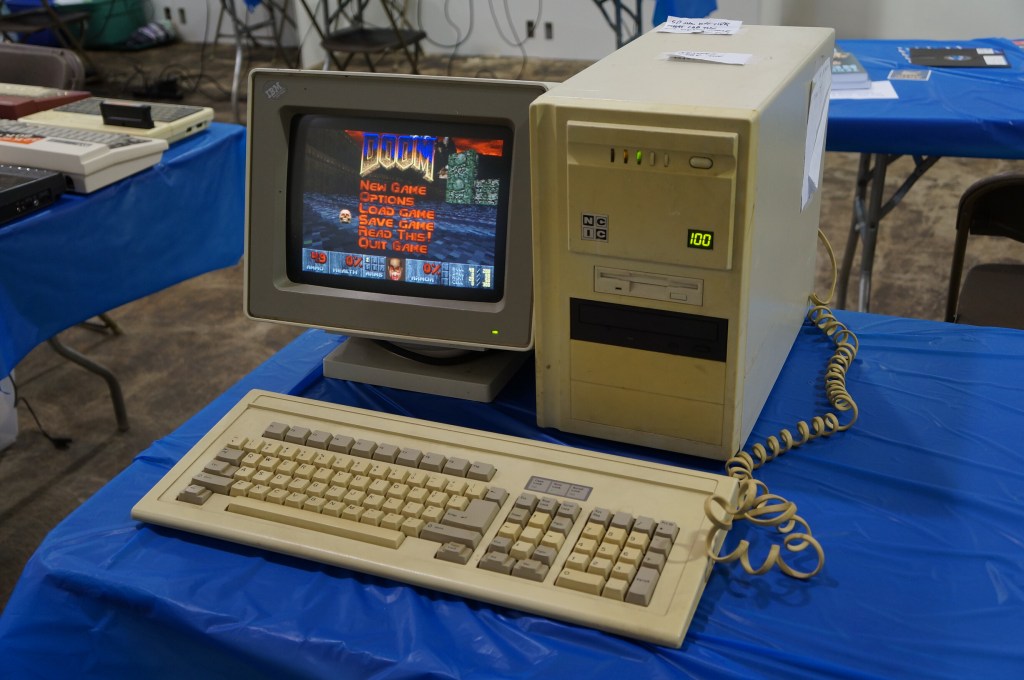
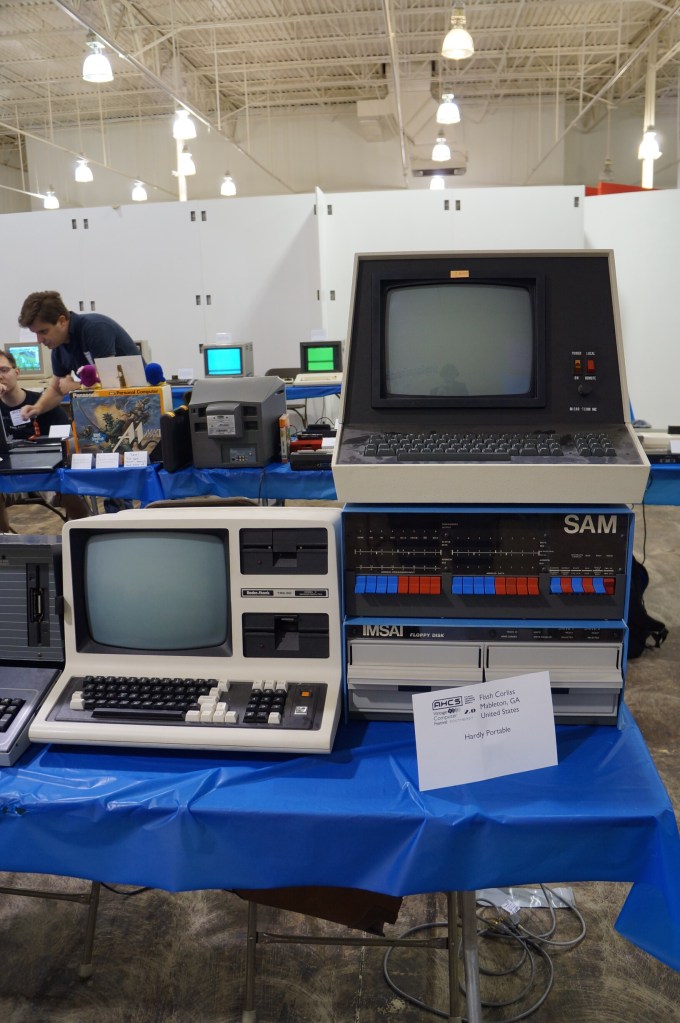
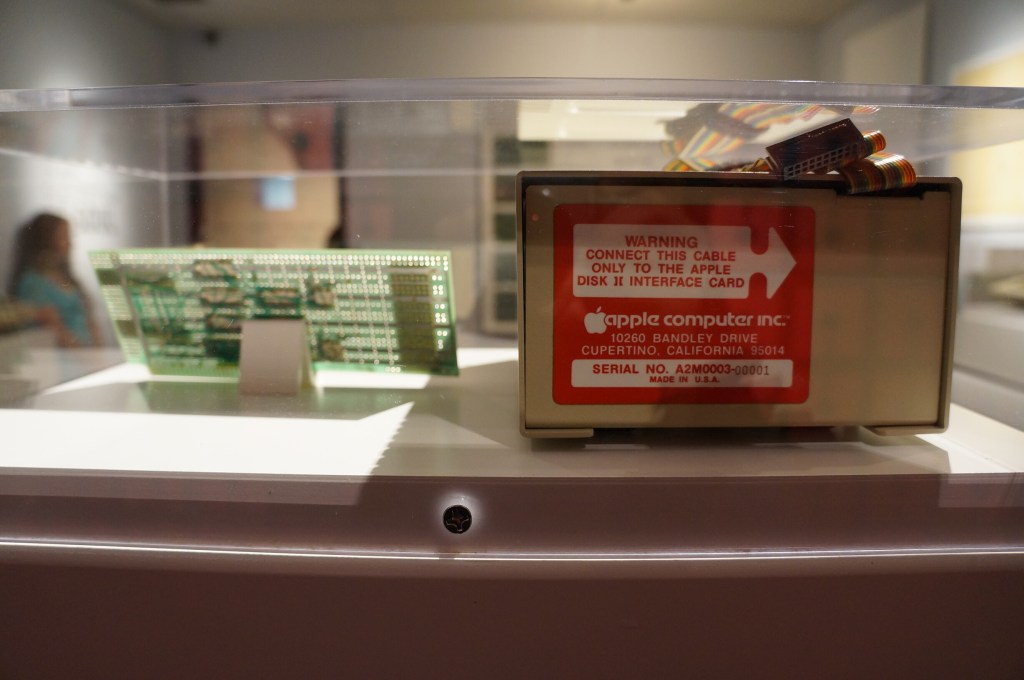
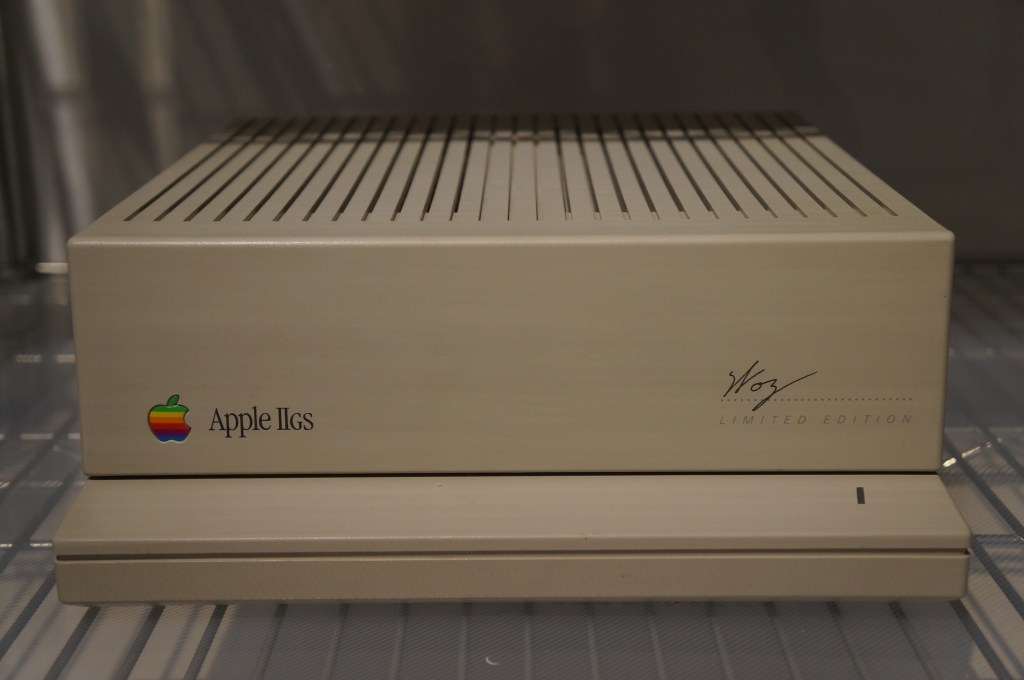
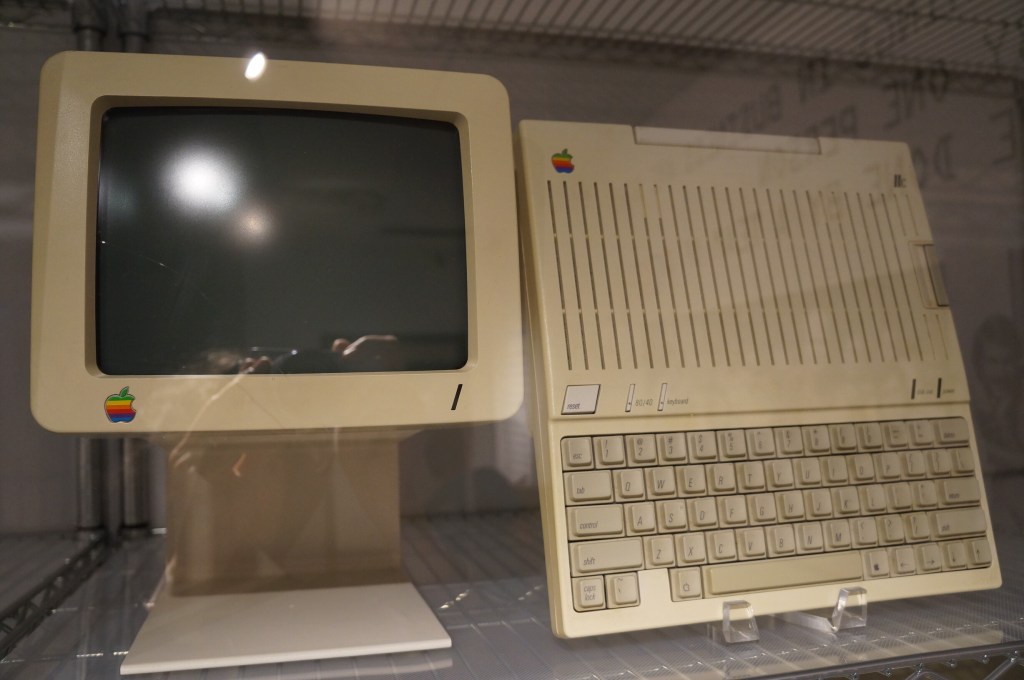
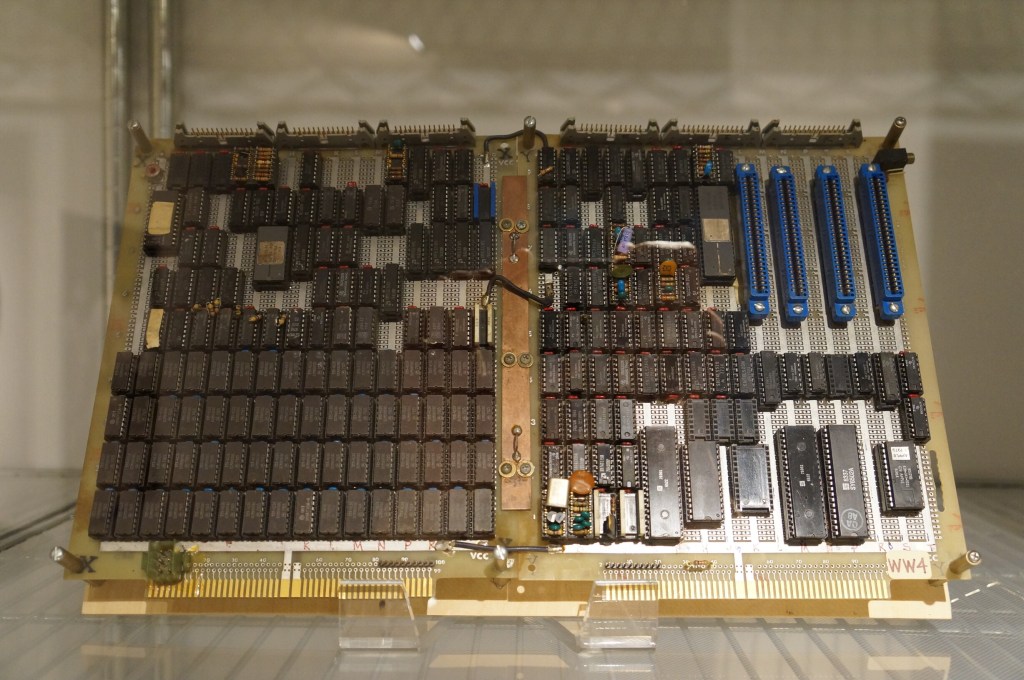
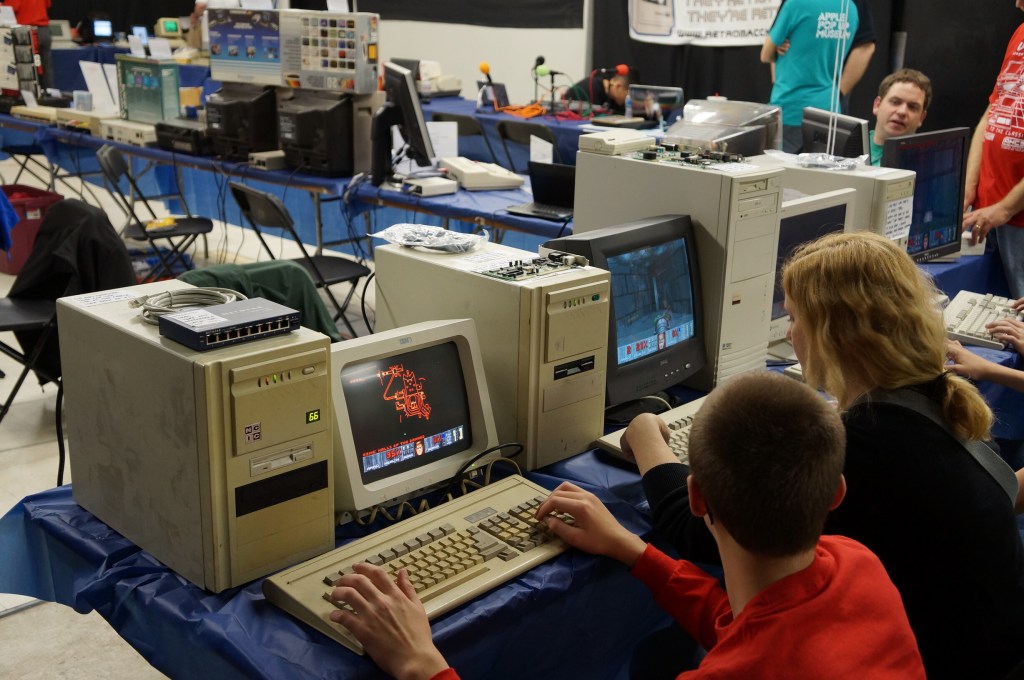
Below, I share photos from the Digital Archivists presentation panel and photos of the Apple Pop-Up Museum and other installed exhibits, and many photos from the individual exhibitor hall.
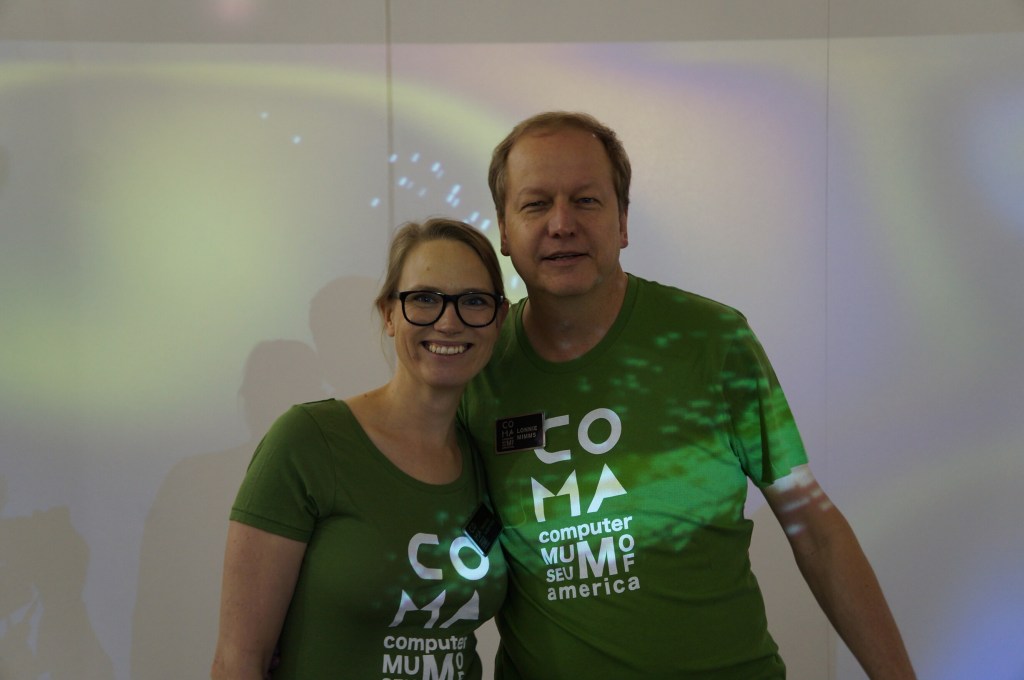
When we first got there, we had a chance to talk with the founder Lonnie Mimms (right) who was wearing a green t-shirt emblazoned with the rebranding for the space as the Computer Museum of America.
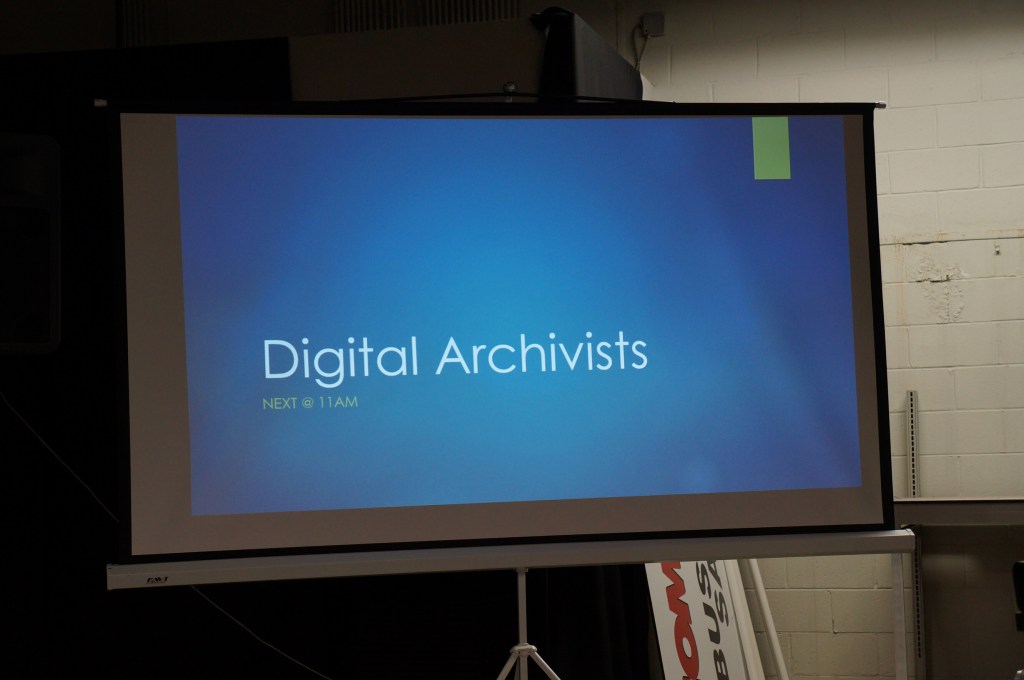
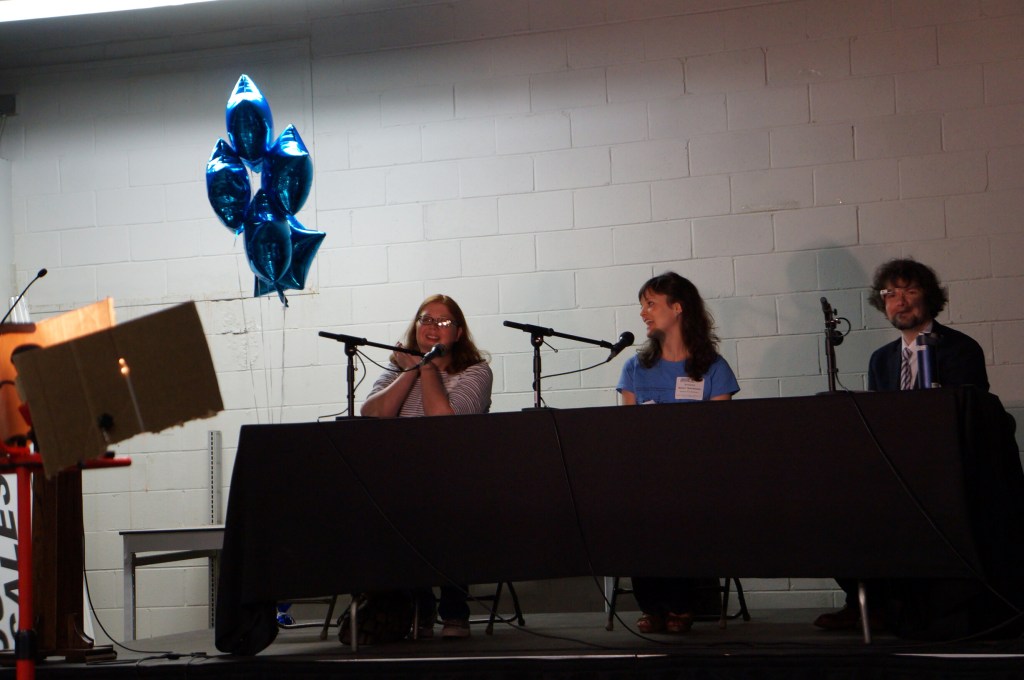
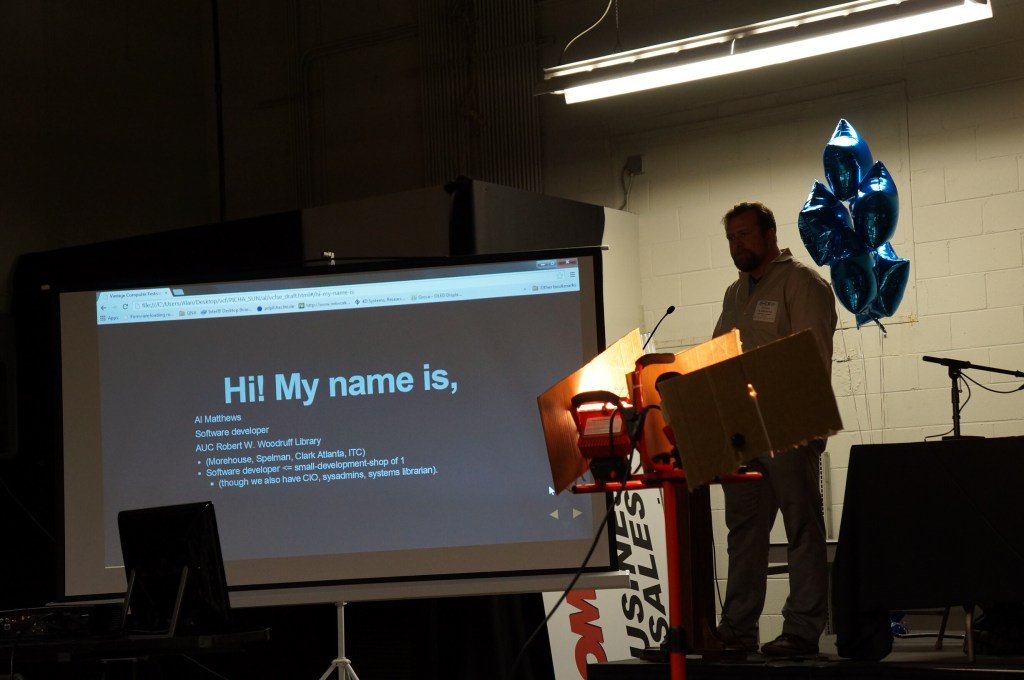
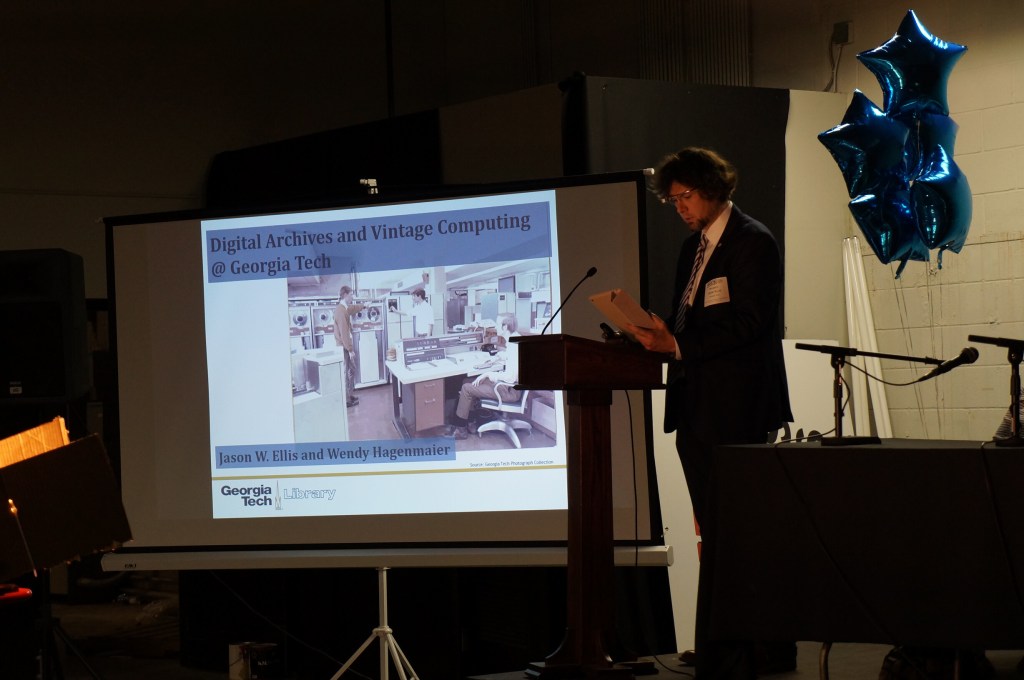
Digital Archivists Panel
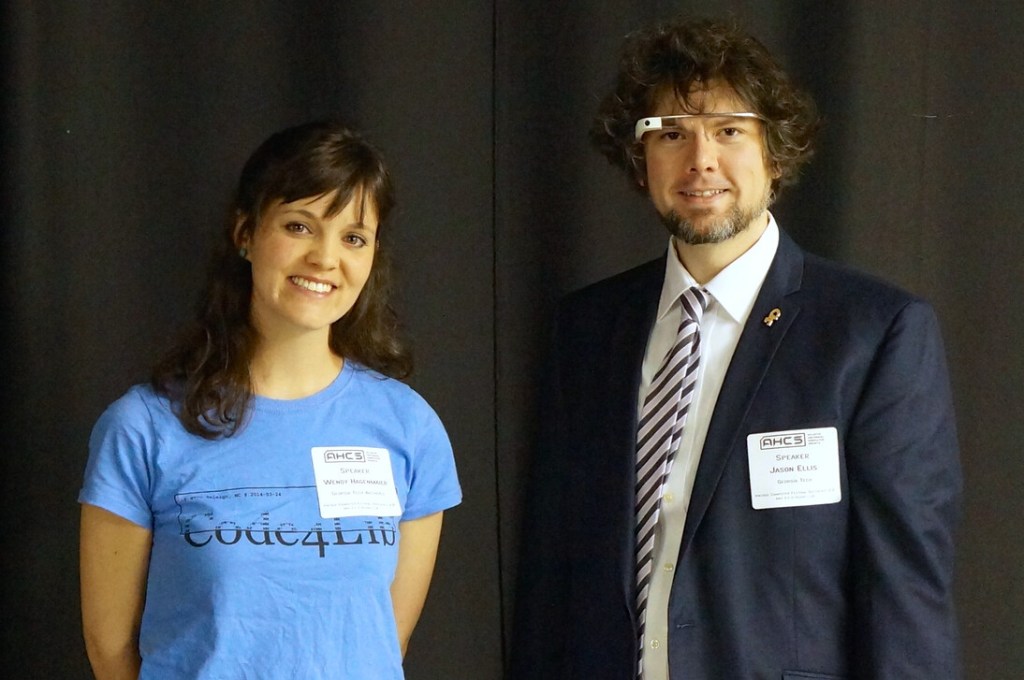
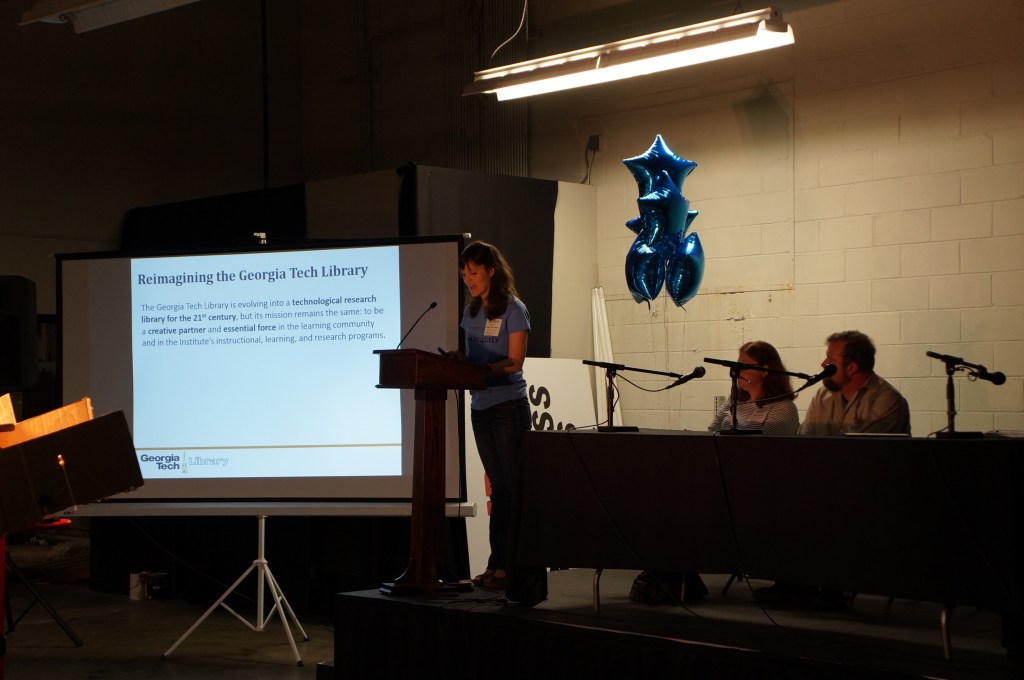
Wendy and I co-presented about “Digital Archives and Vintage Computing at Georgia Tech” during the Digital Archivists panel. Our notes from the event can be found here.
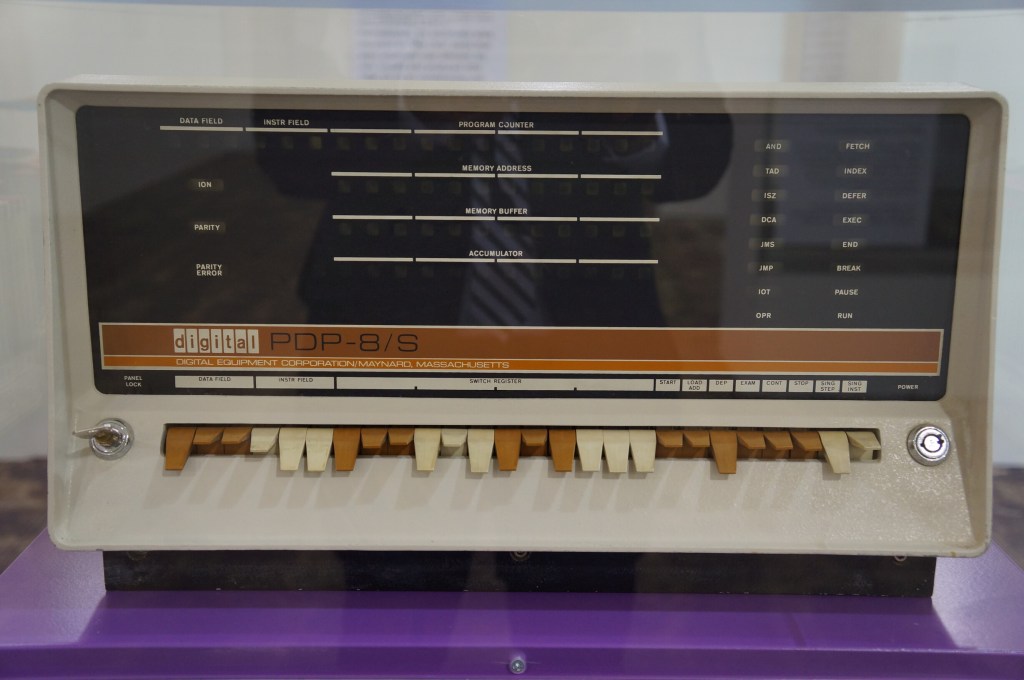
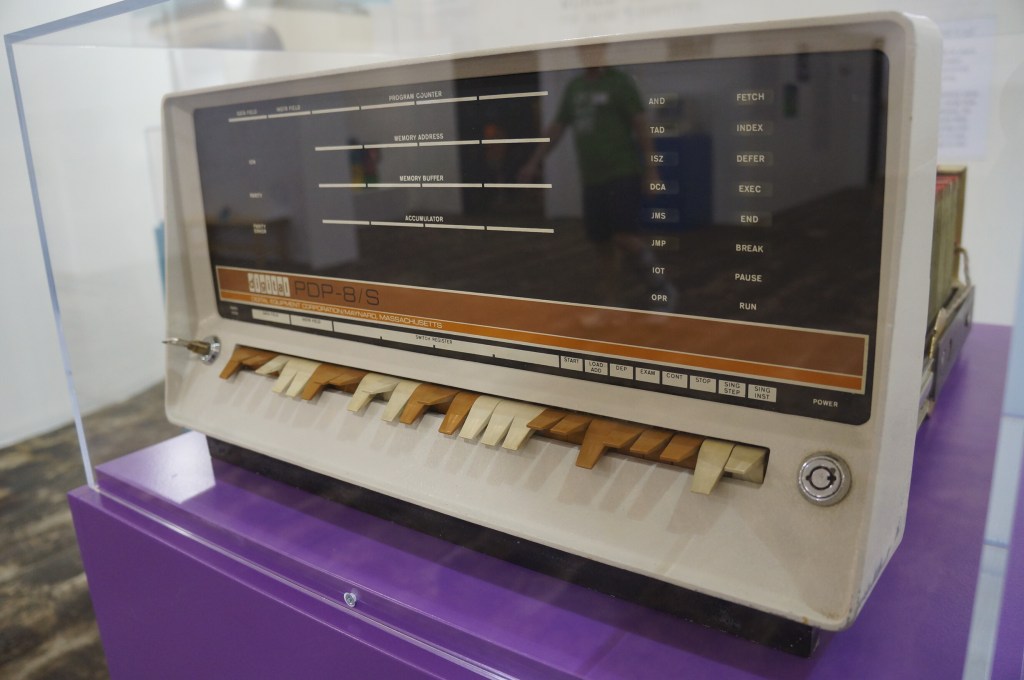
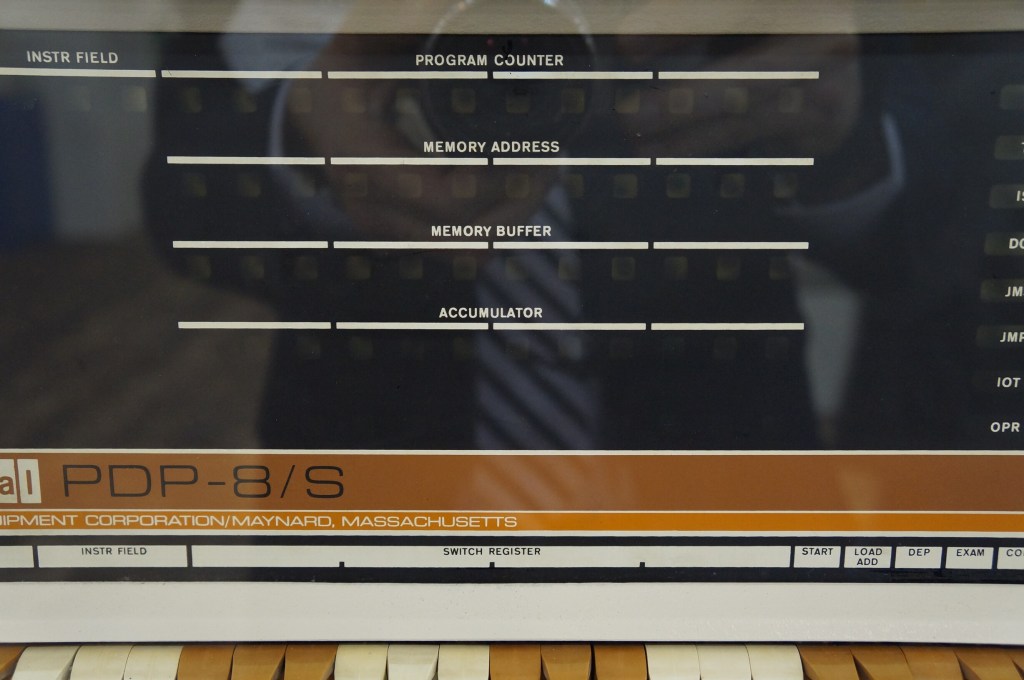
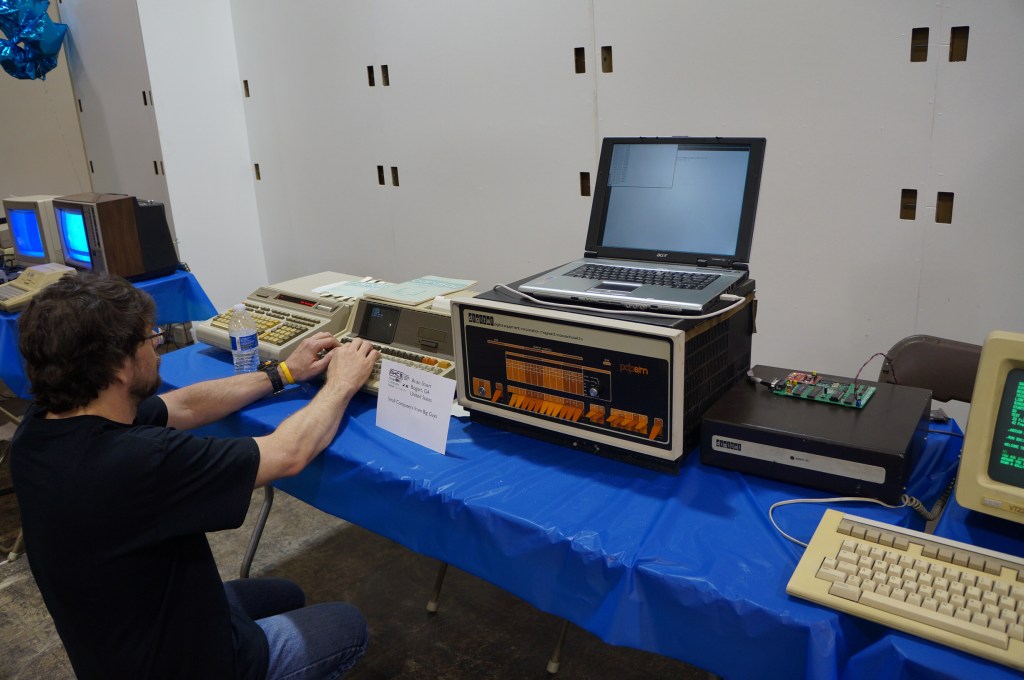
Digital PDP-8
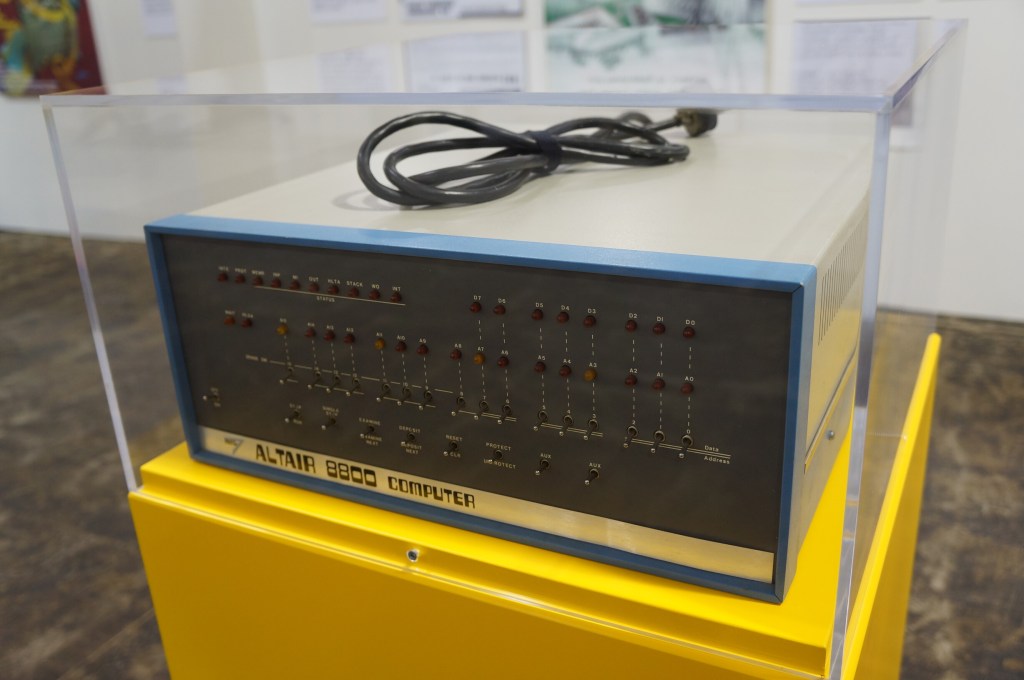
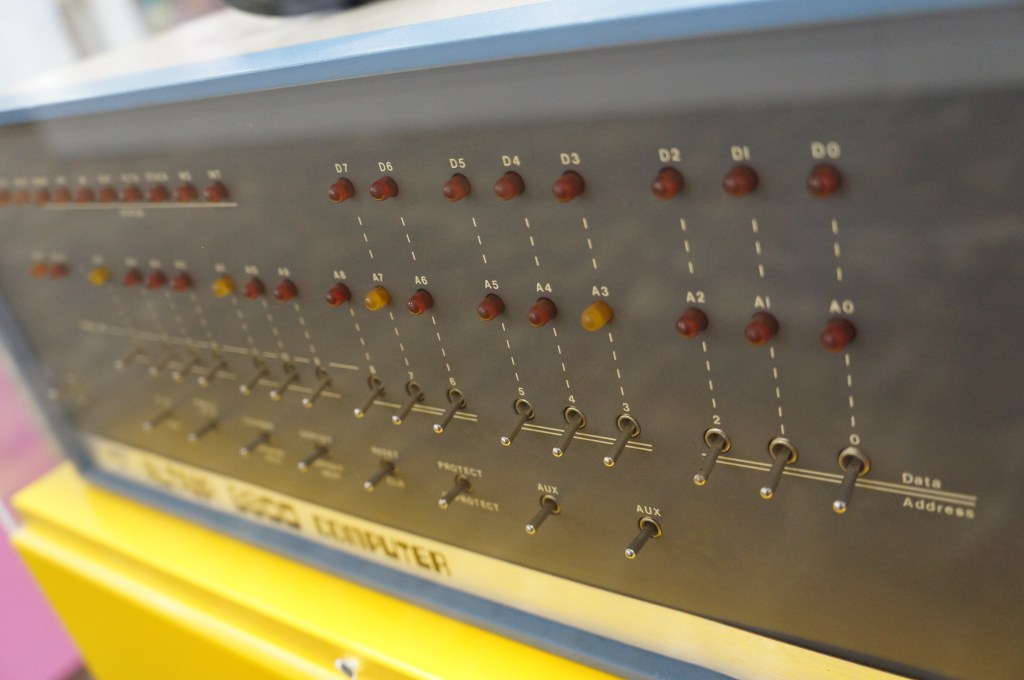
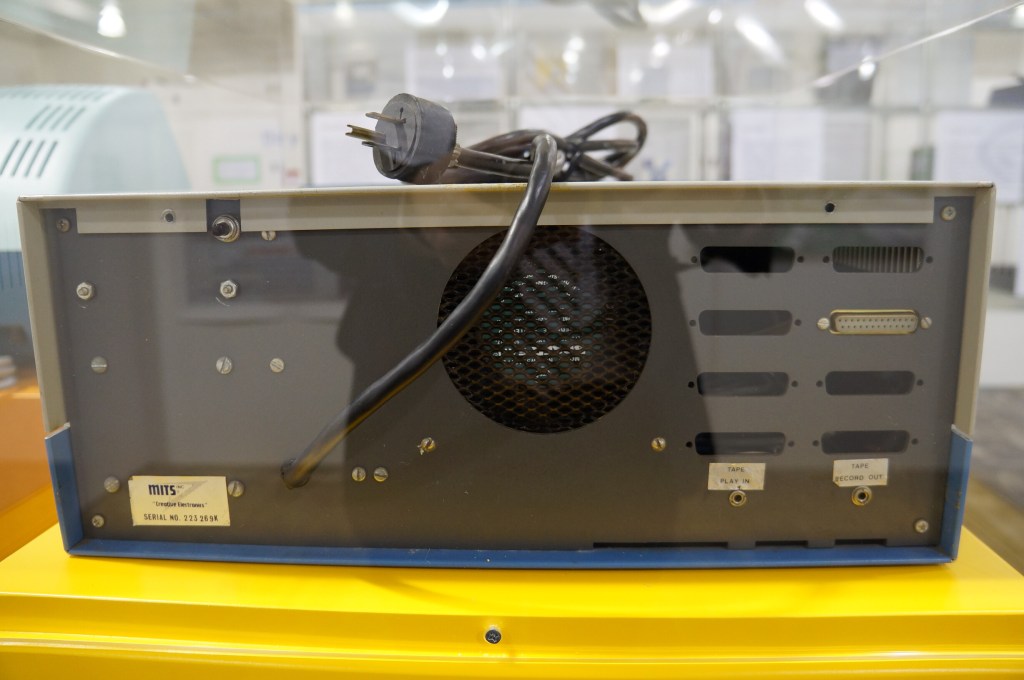
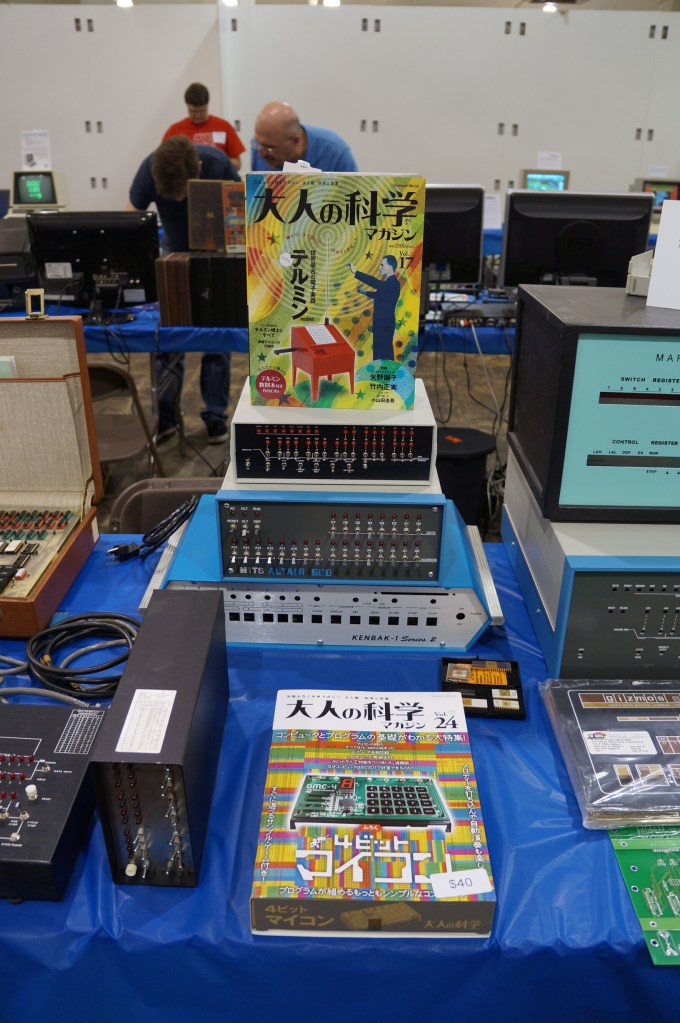
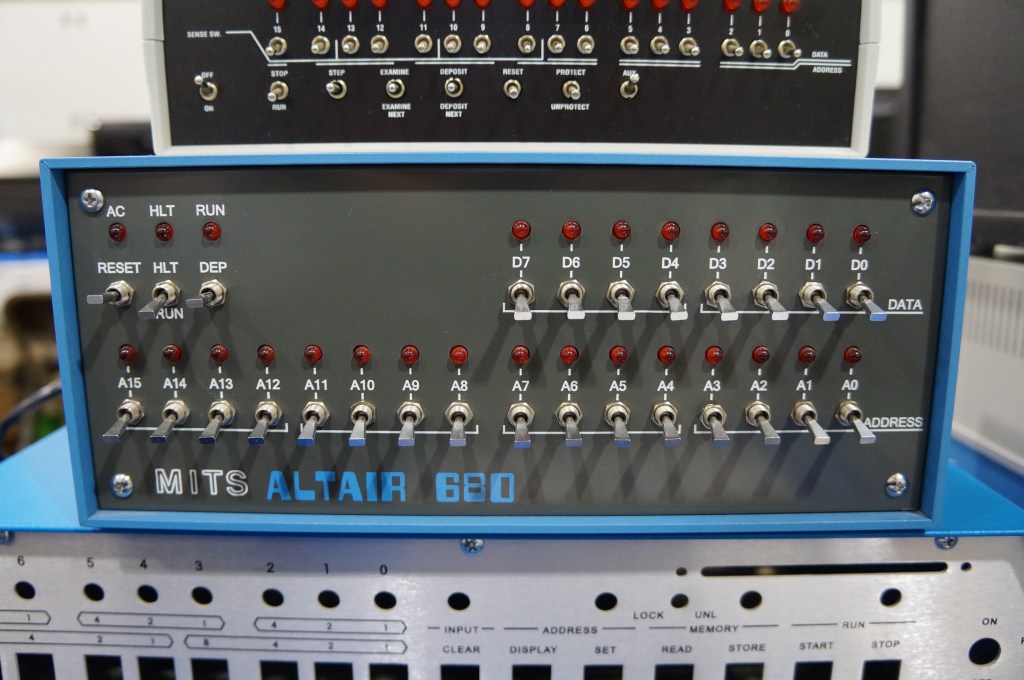
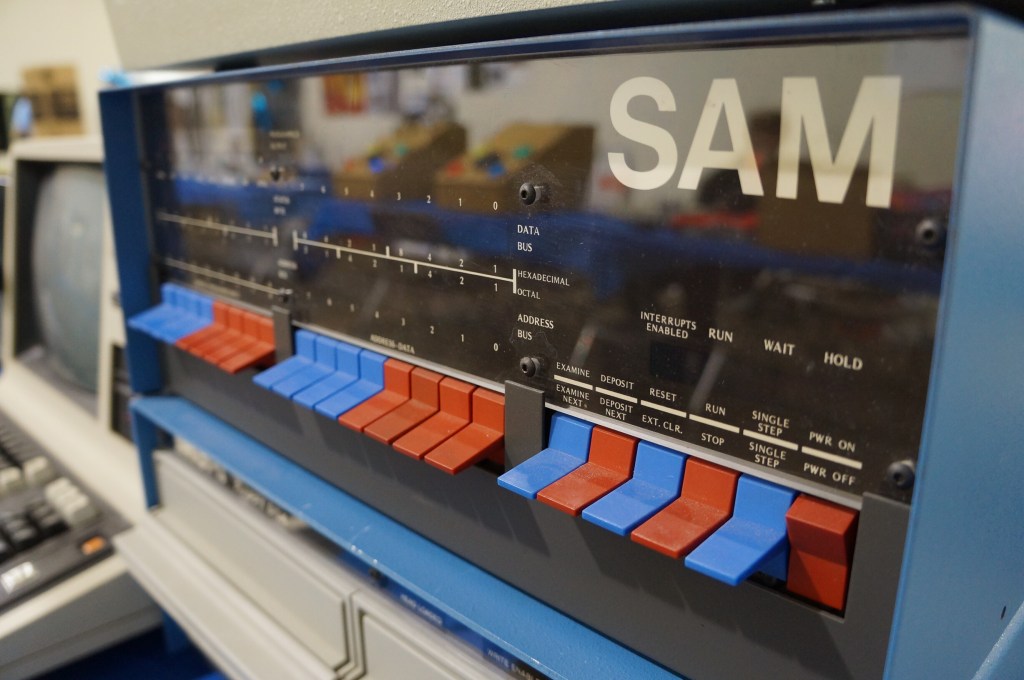
MITS Altair 8800
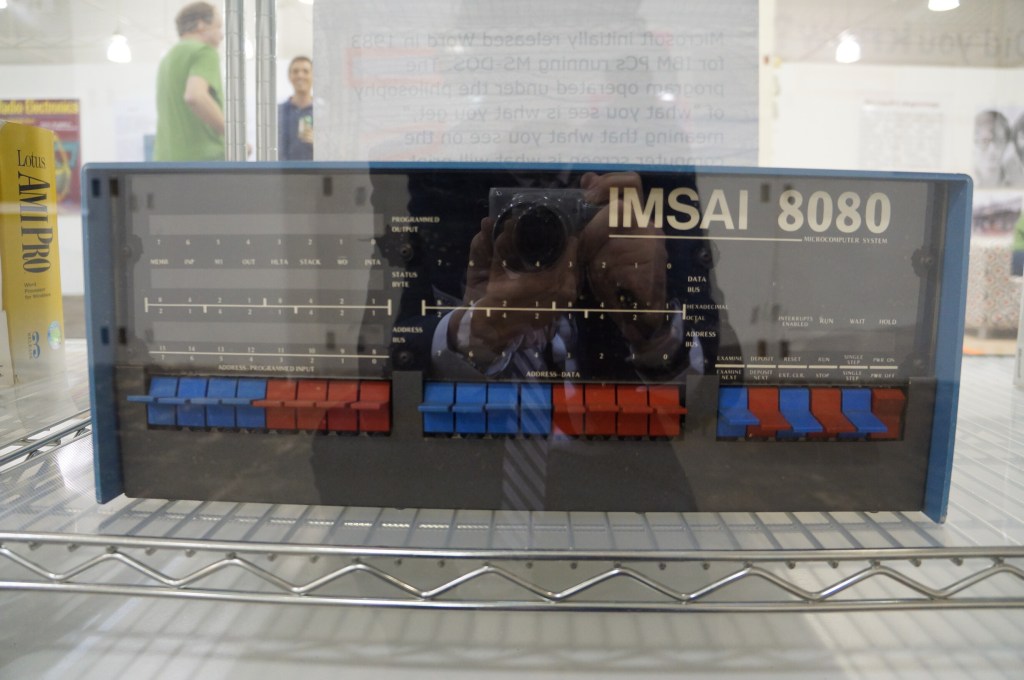
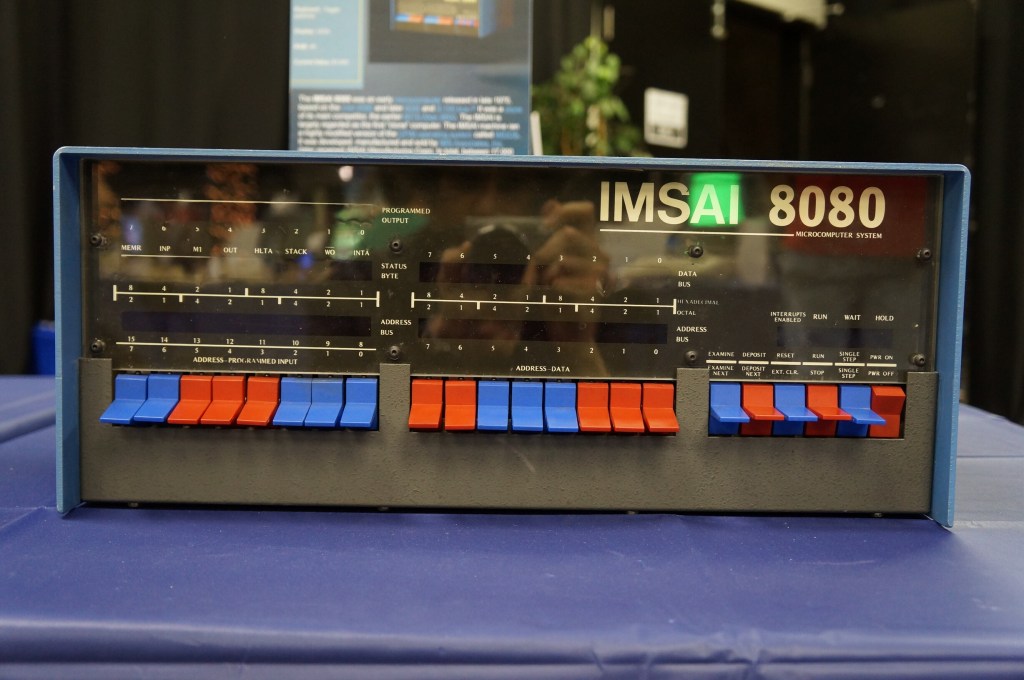
IMSAI 8080
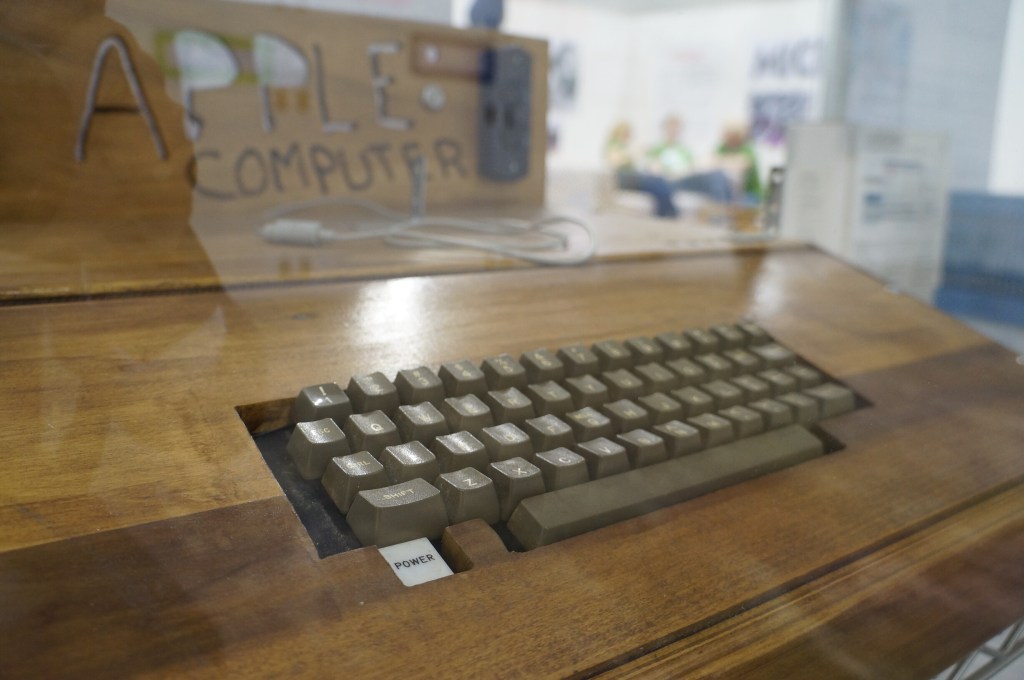
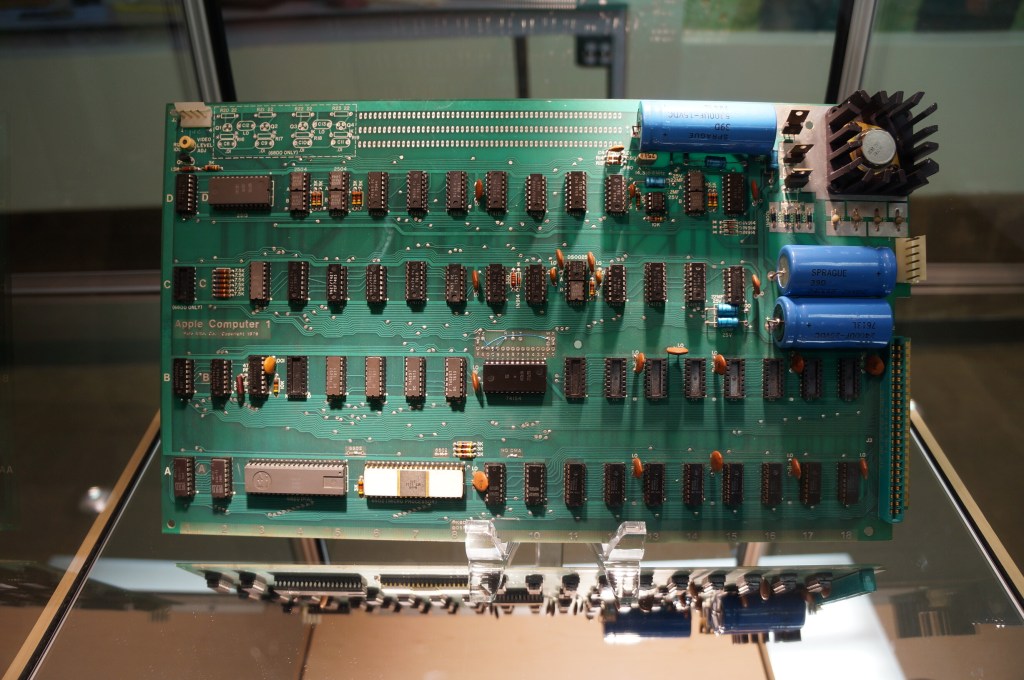
Apple I in Wood Case
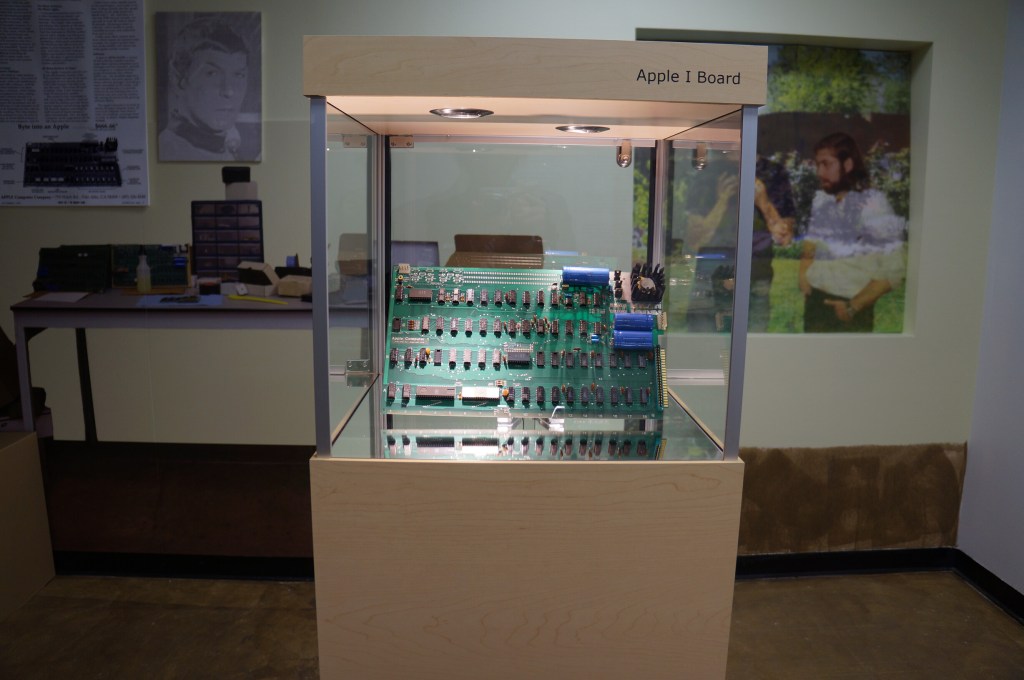
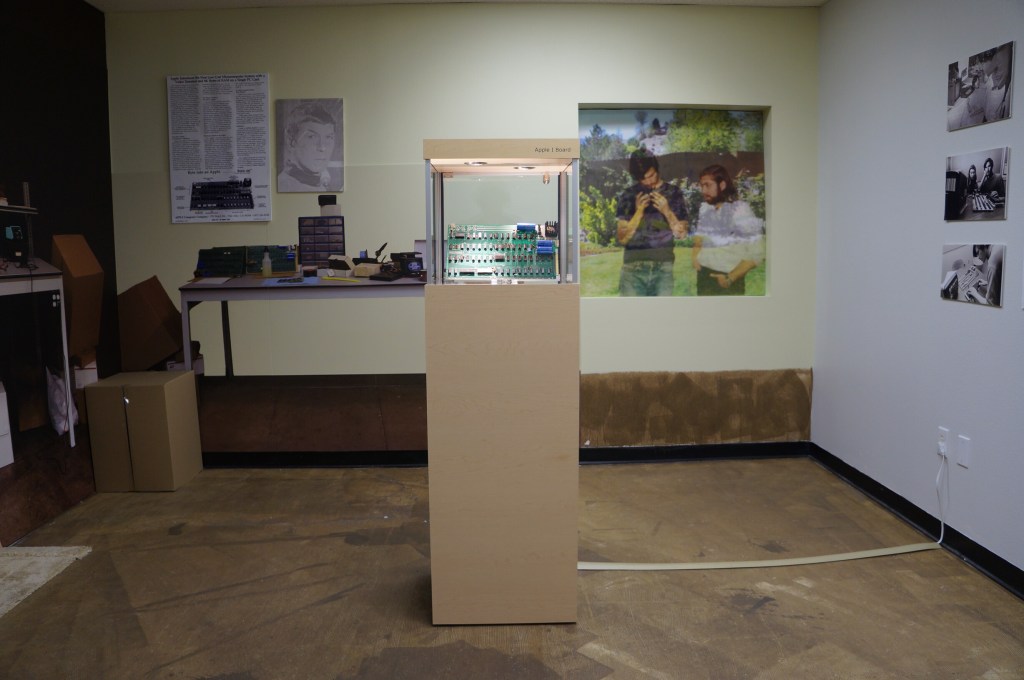
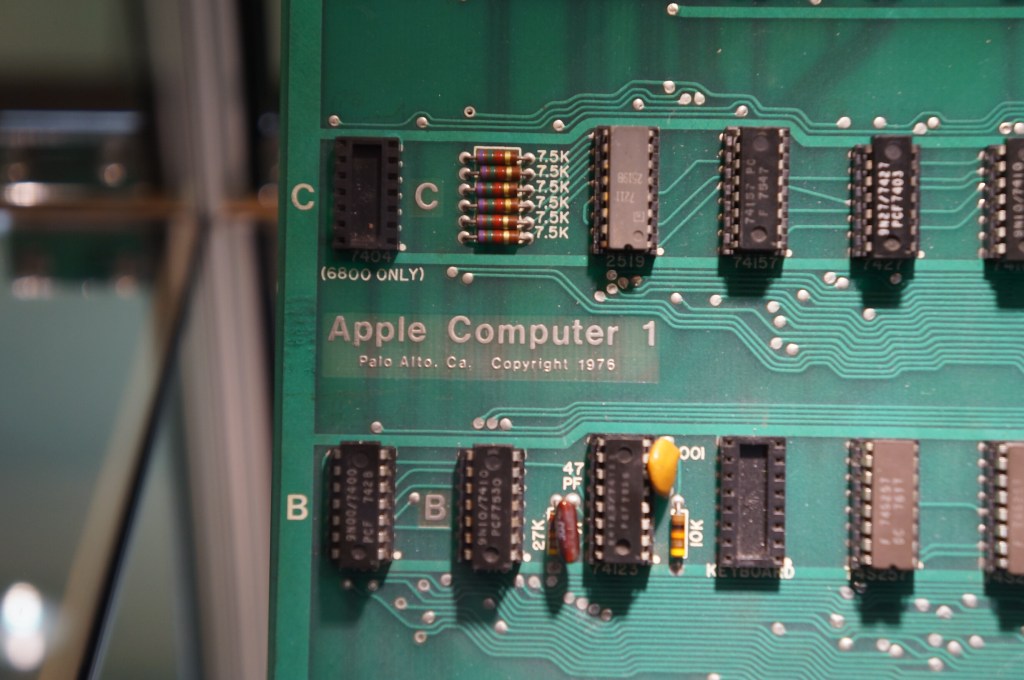
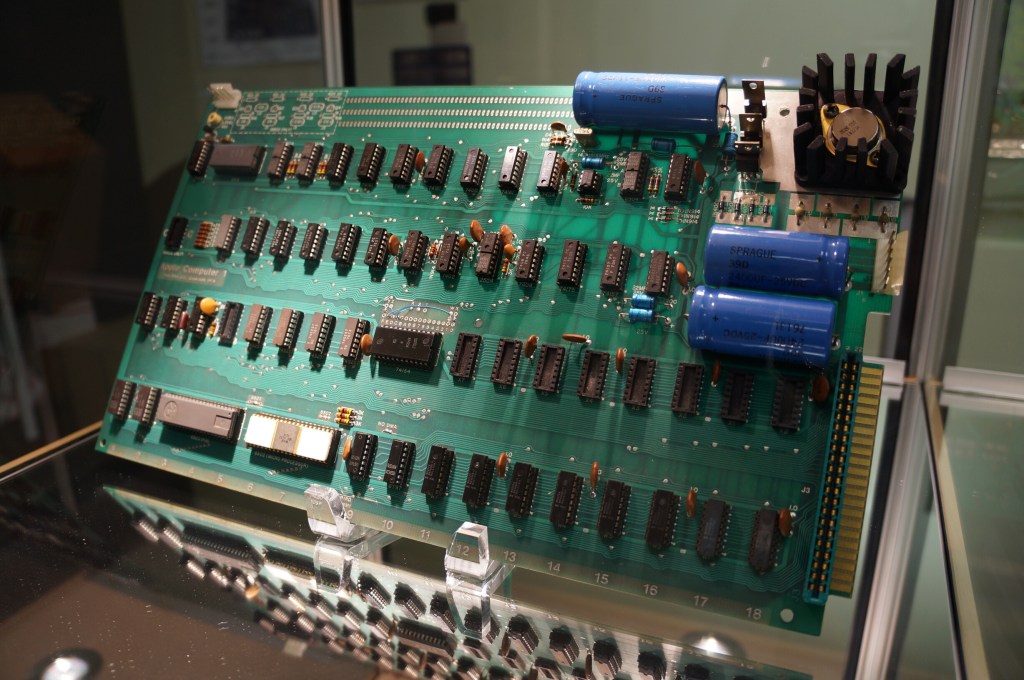
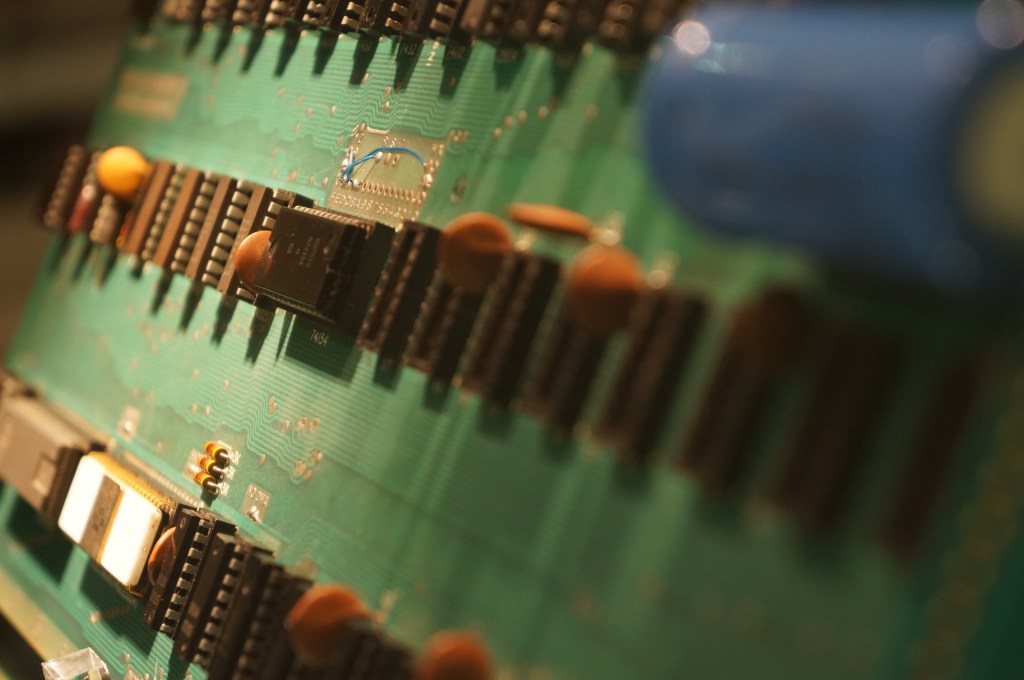
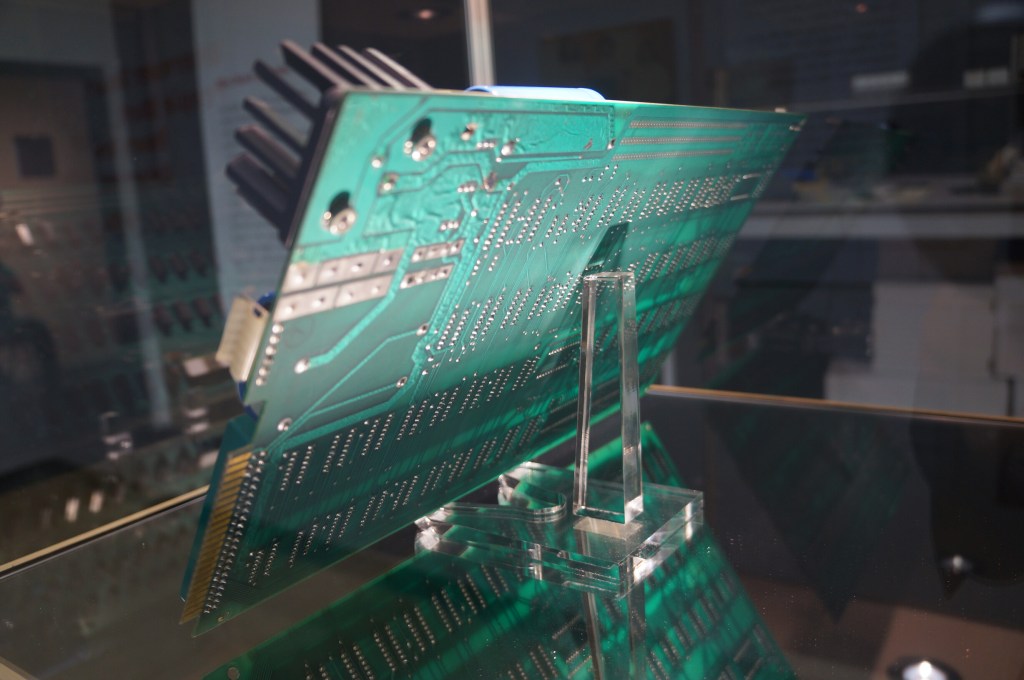
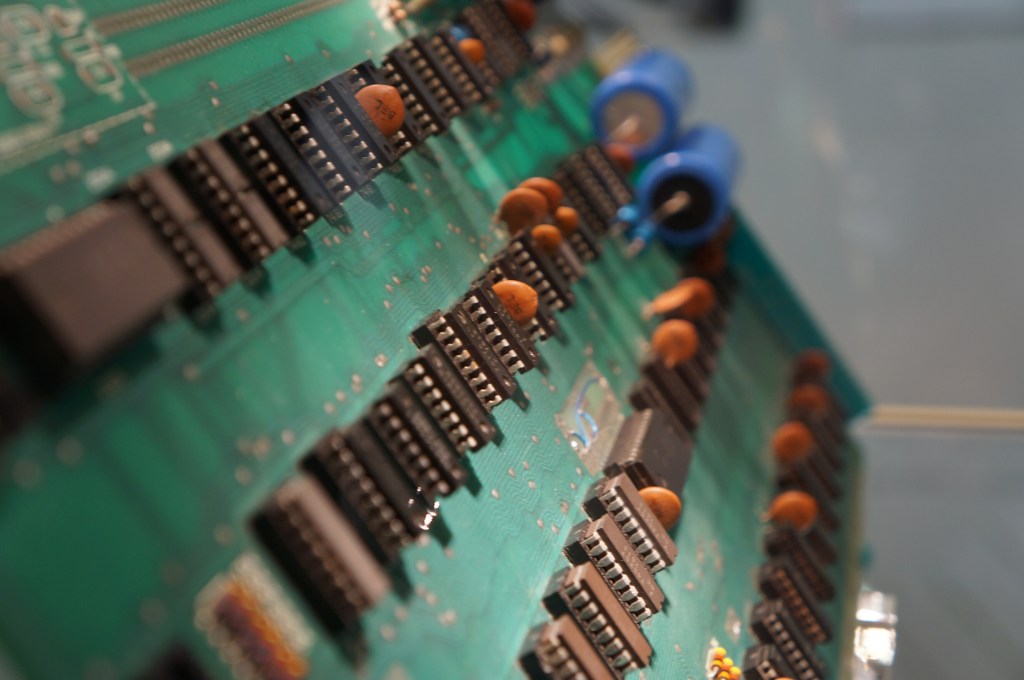
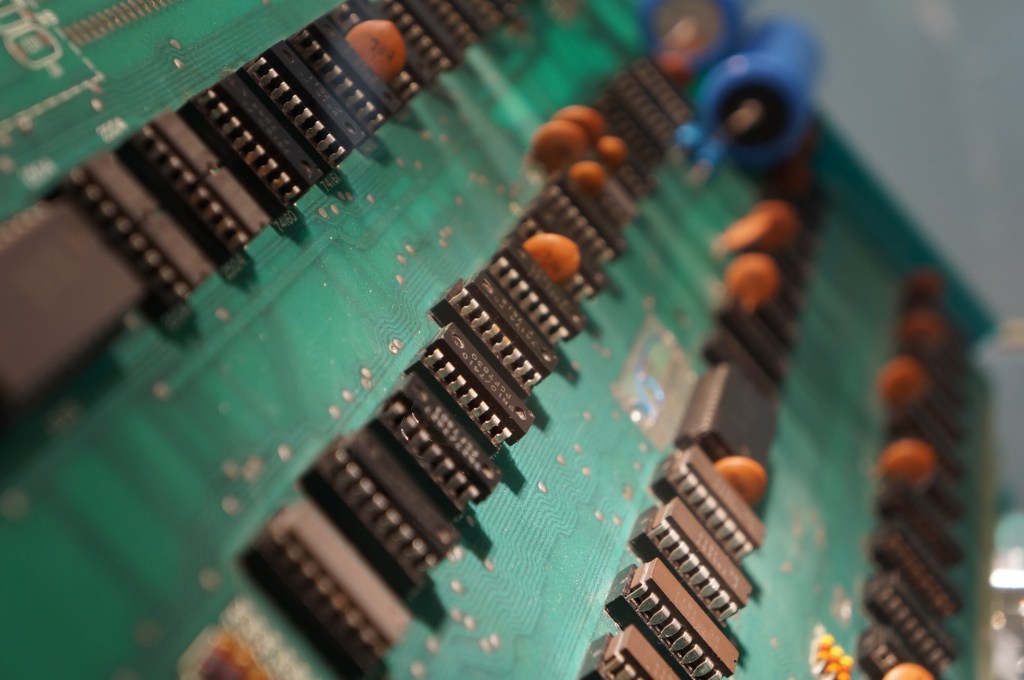
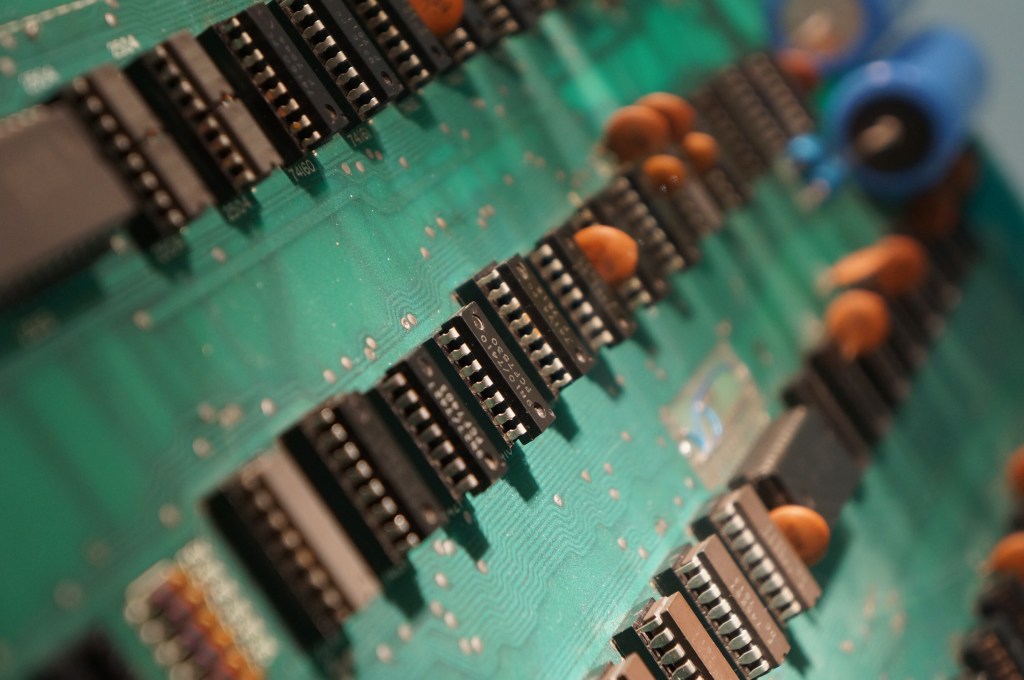
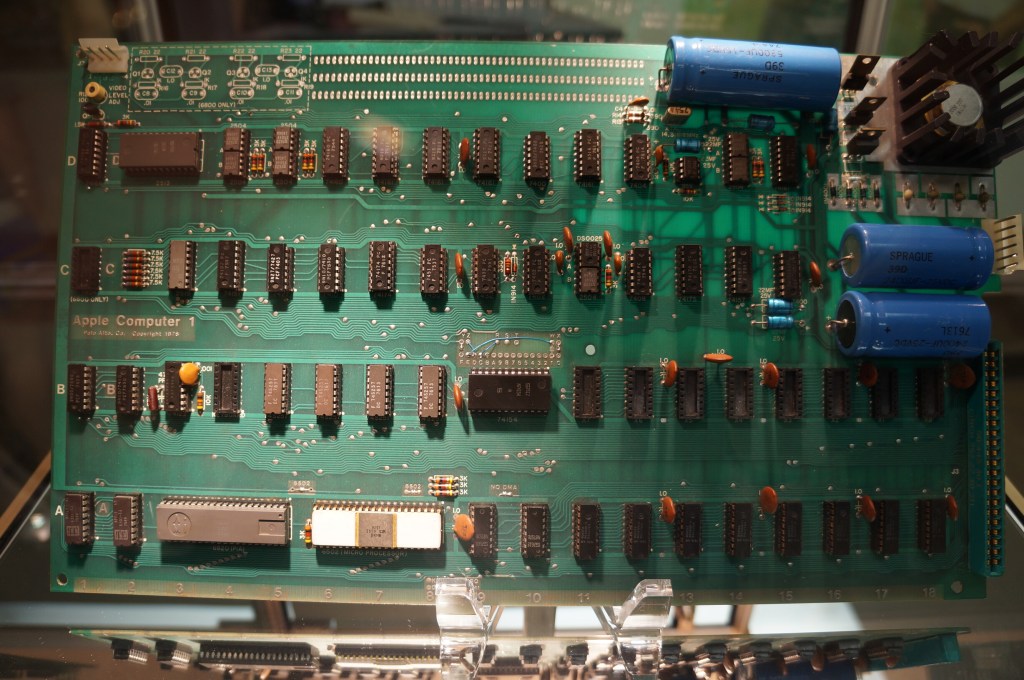
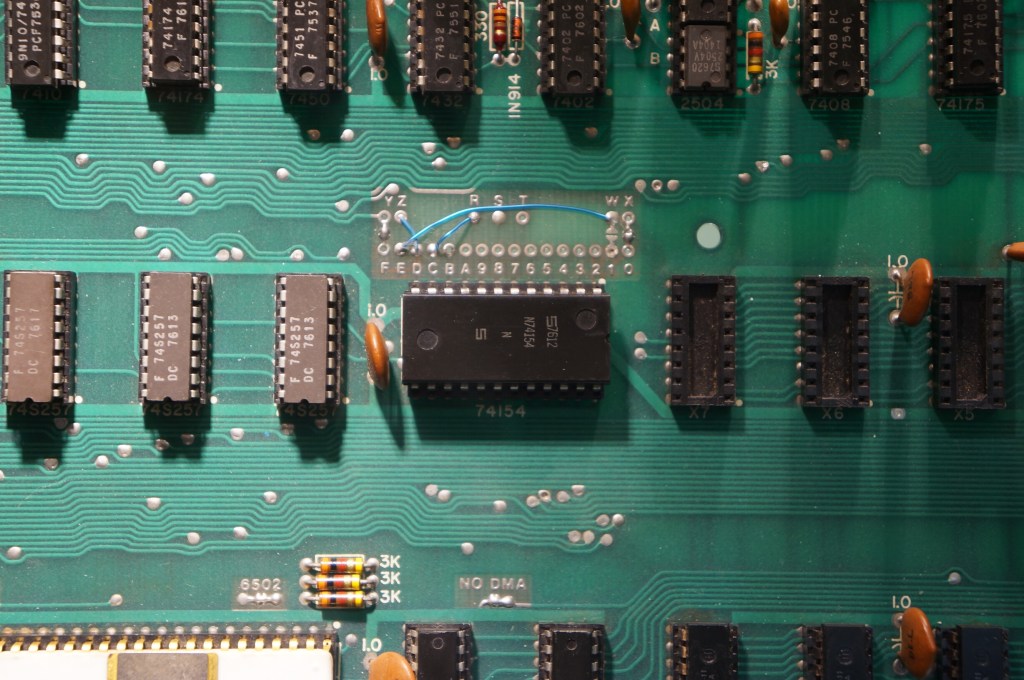
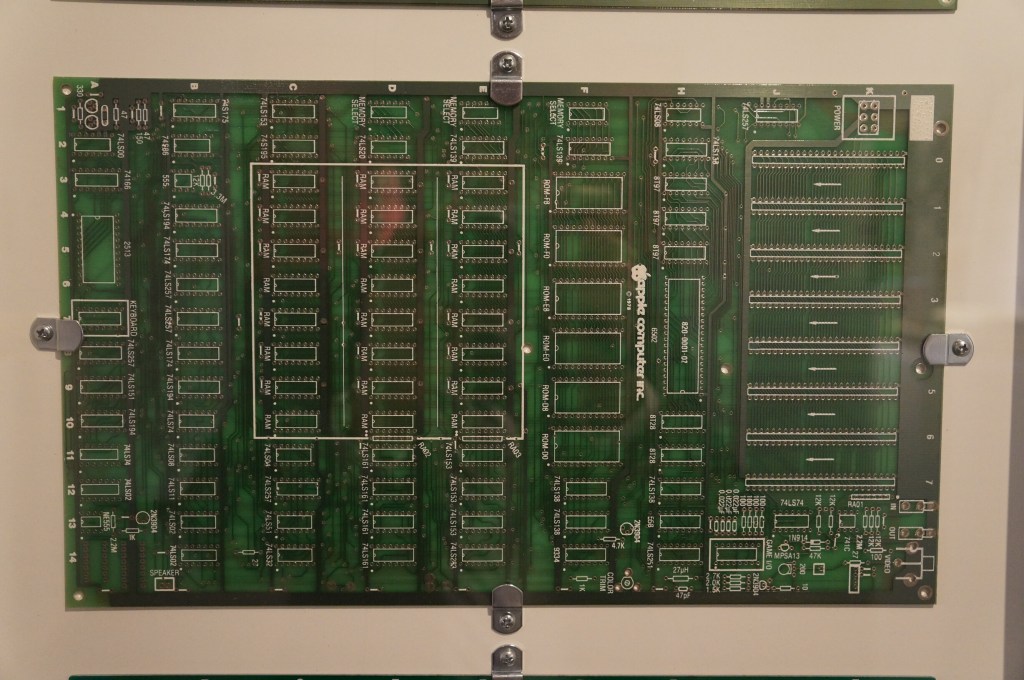
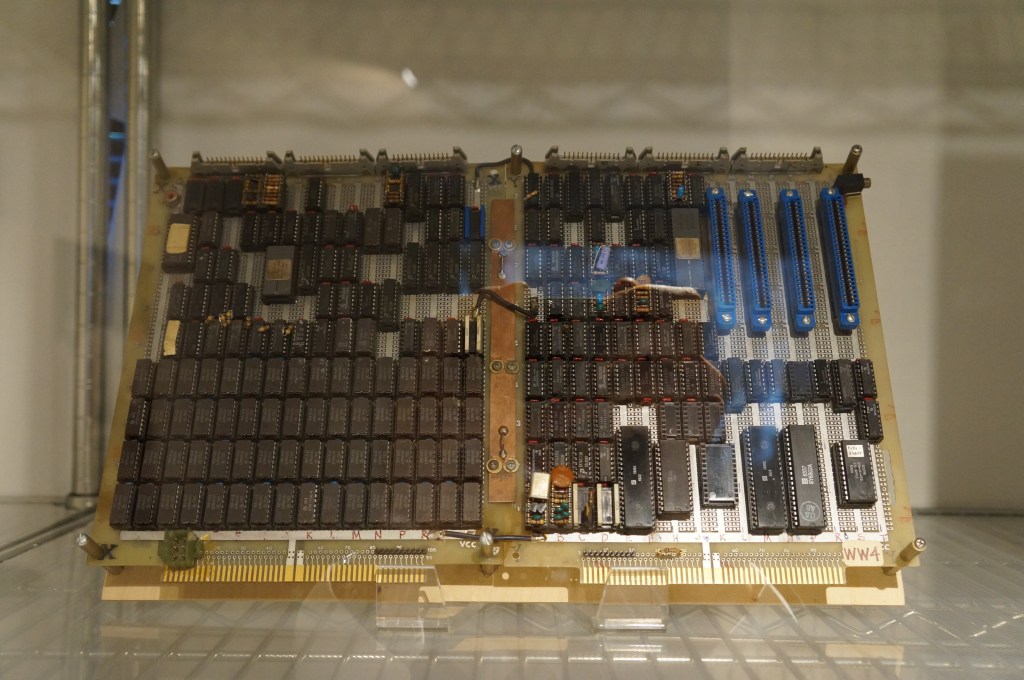
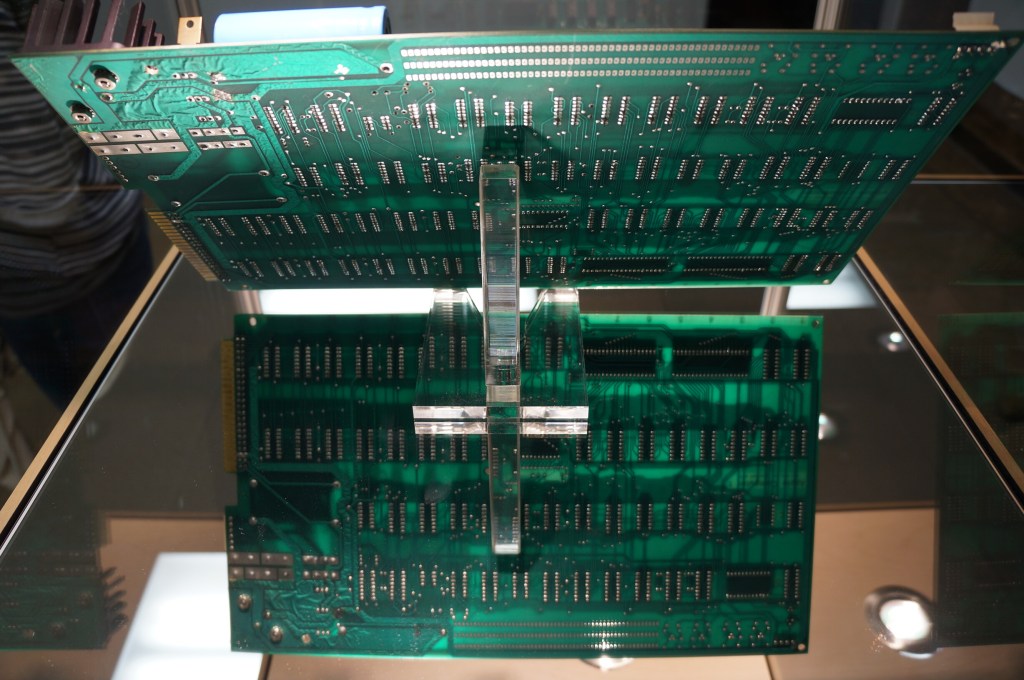
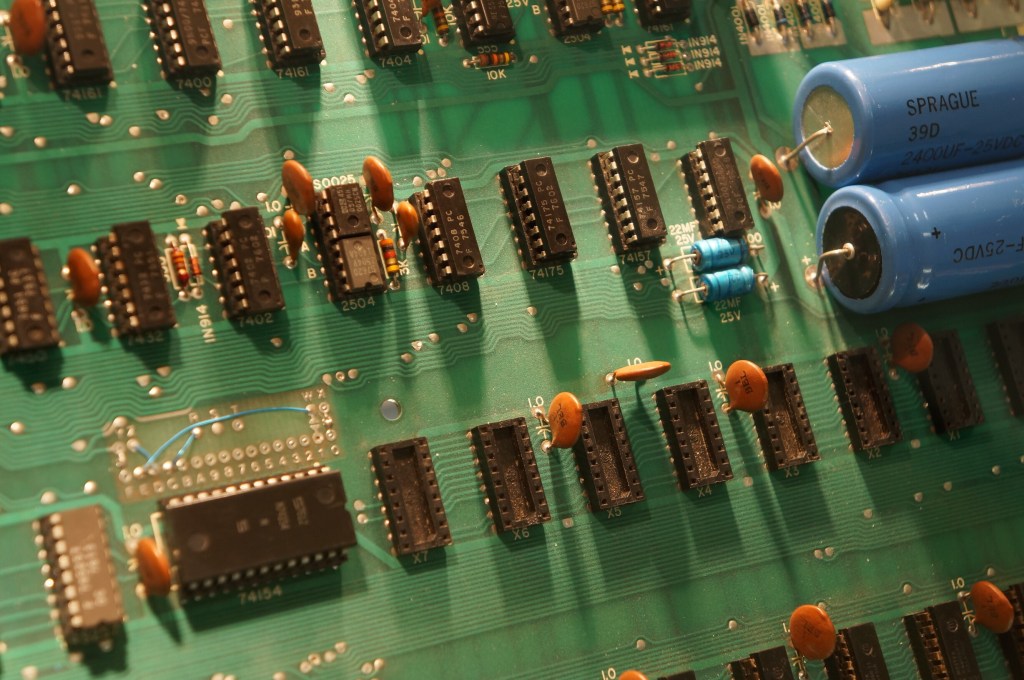
Apple I Motherboard
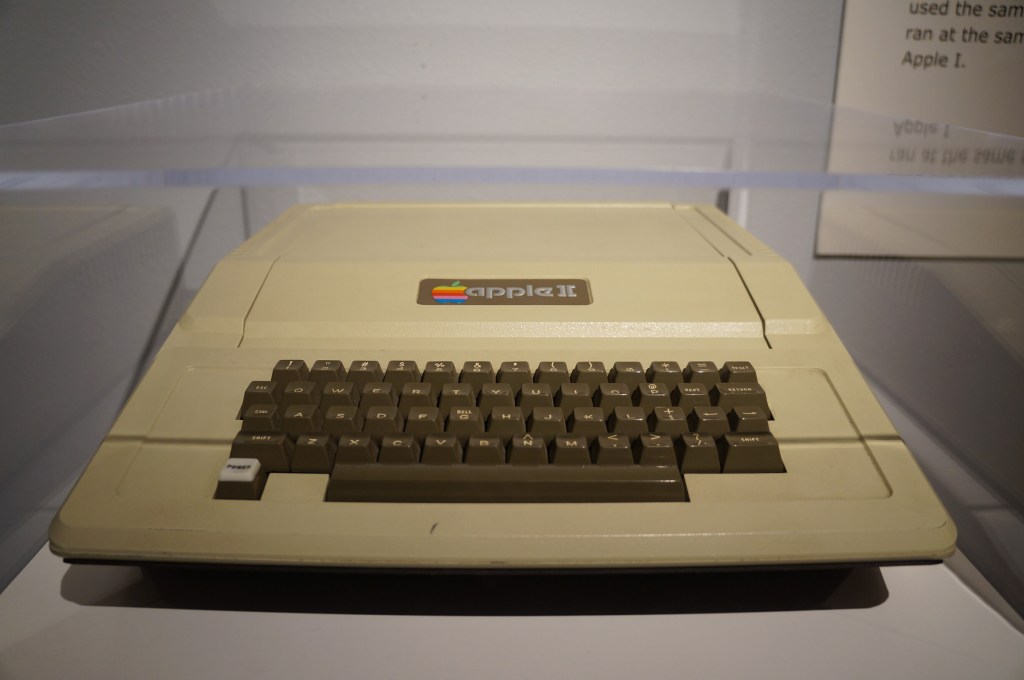
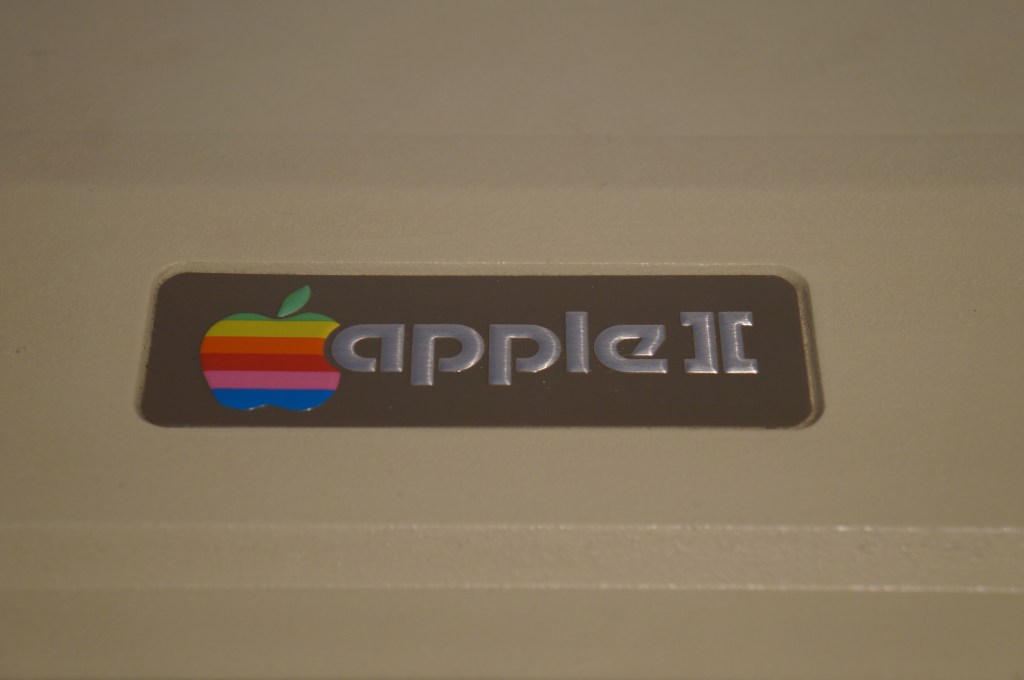
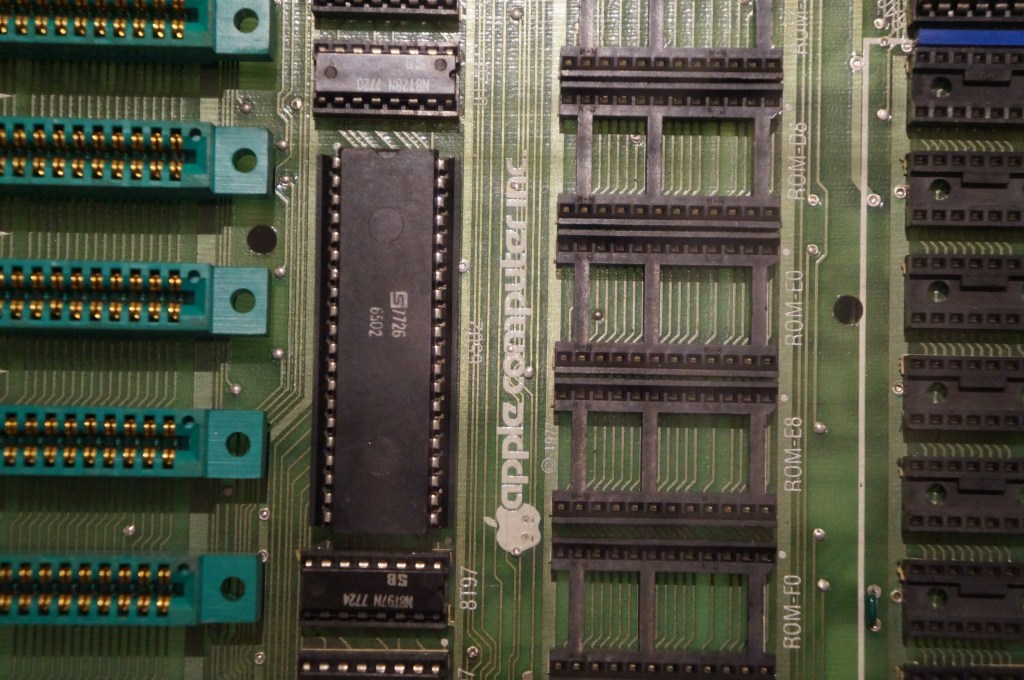
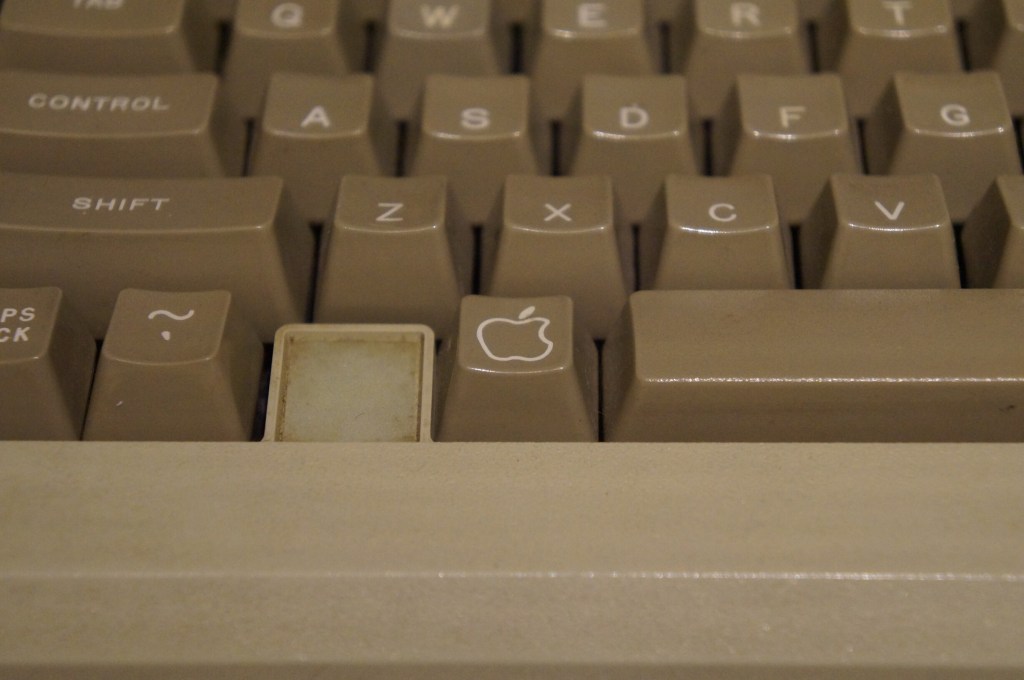
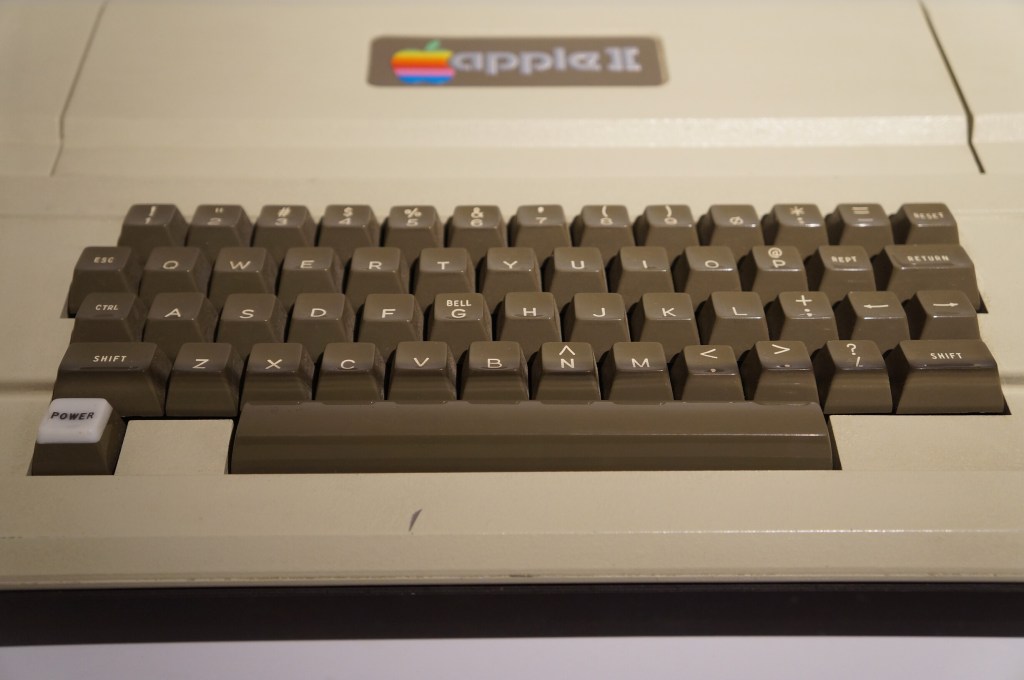
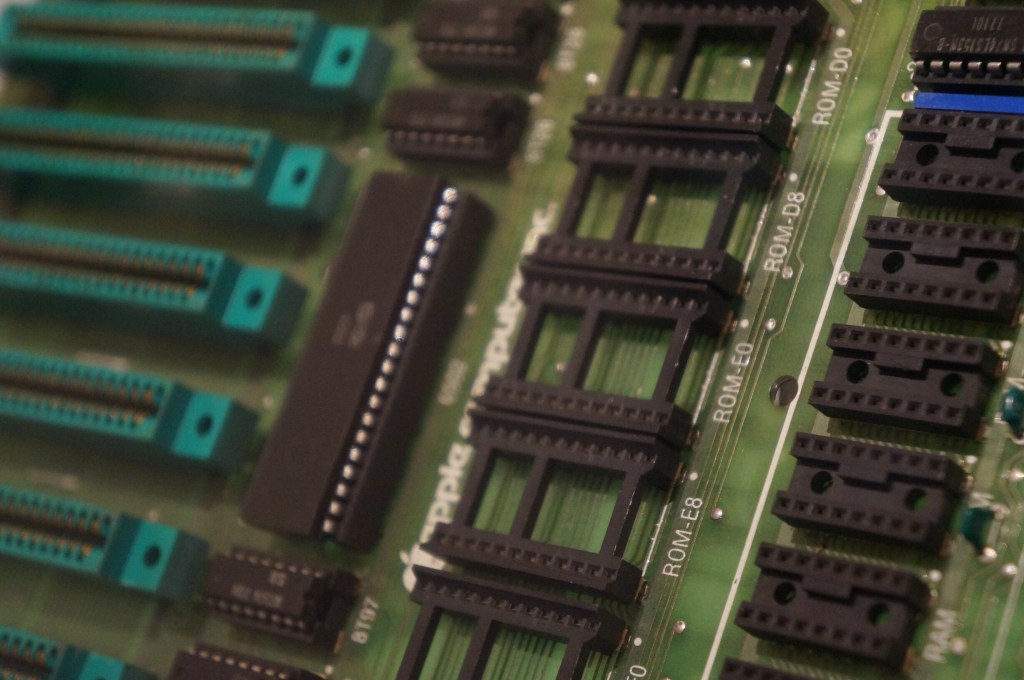
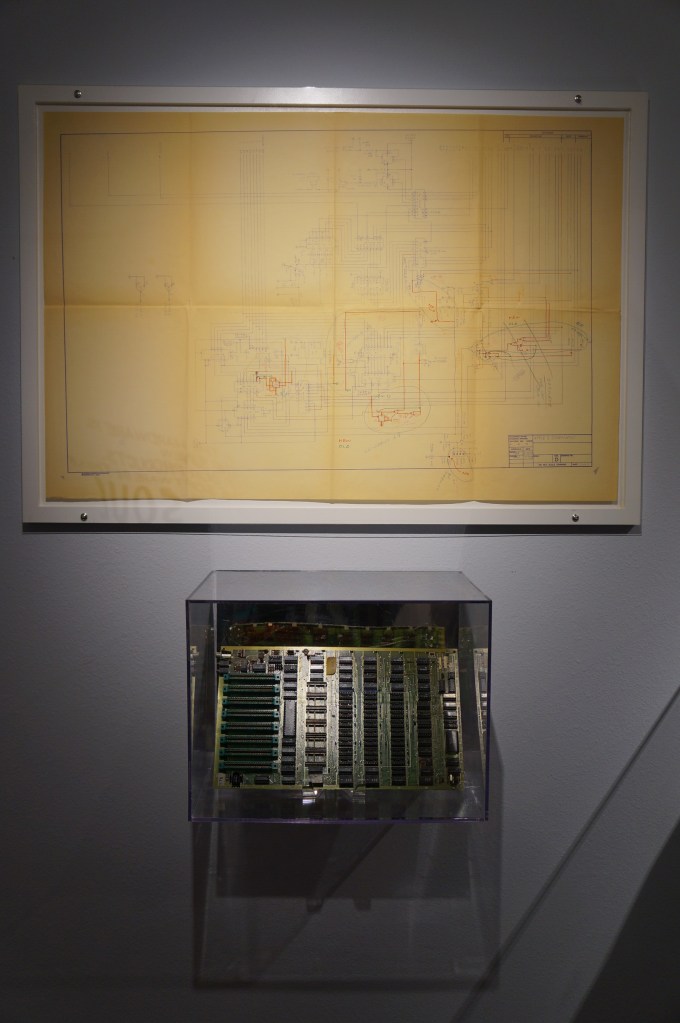
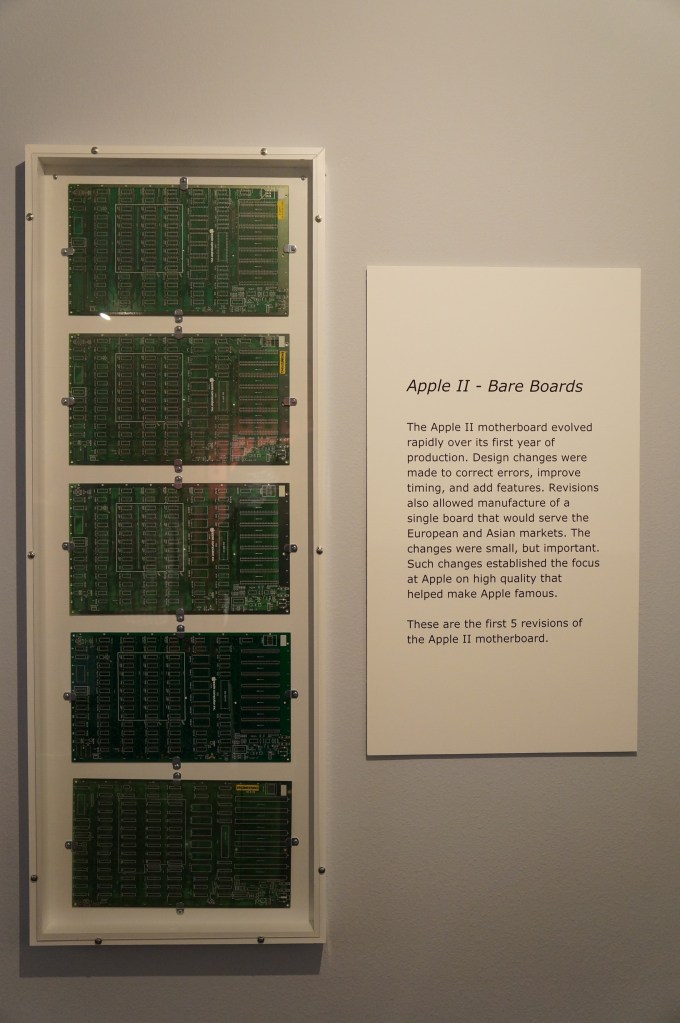
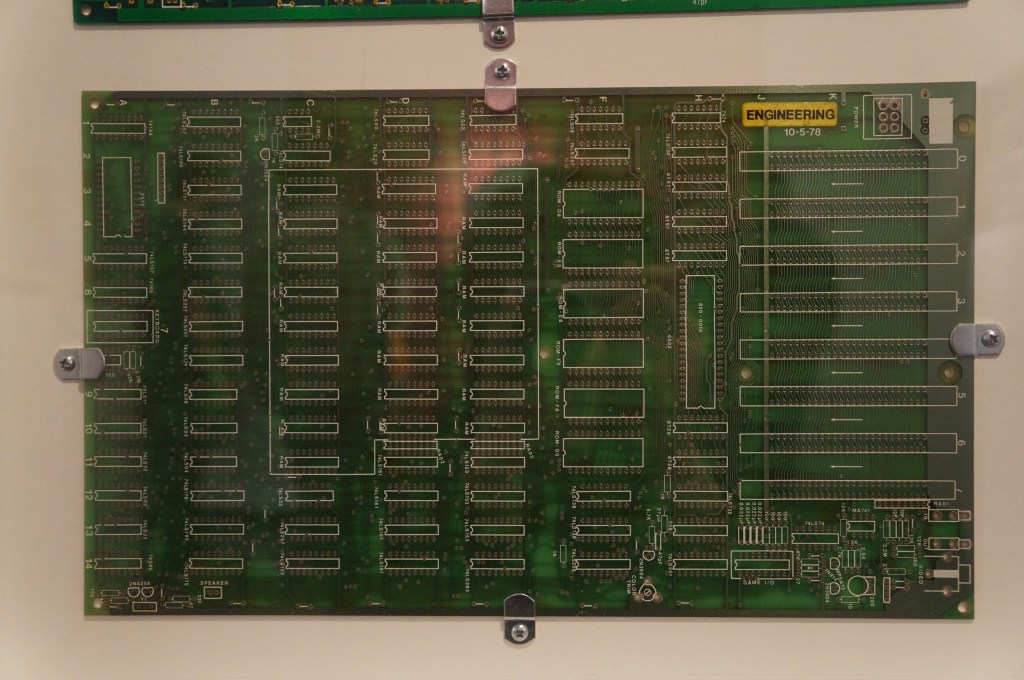
Apple II
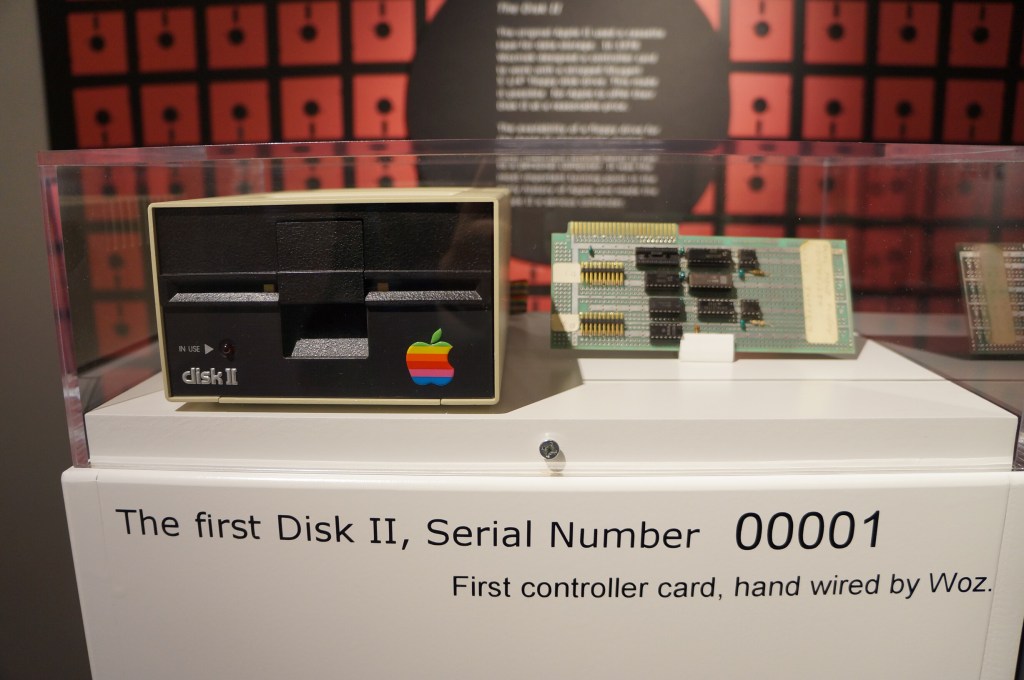
Apple Disk II, Serial Number 00001
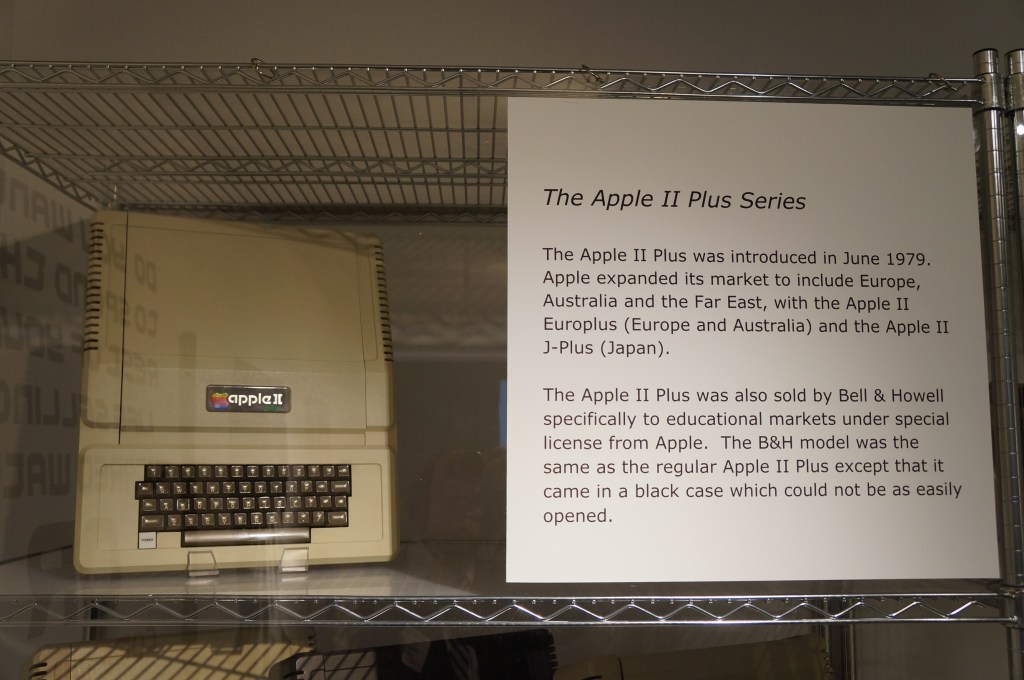
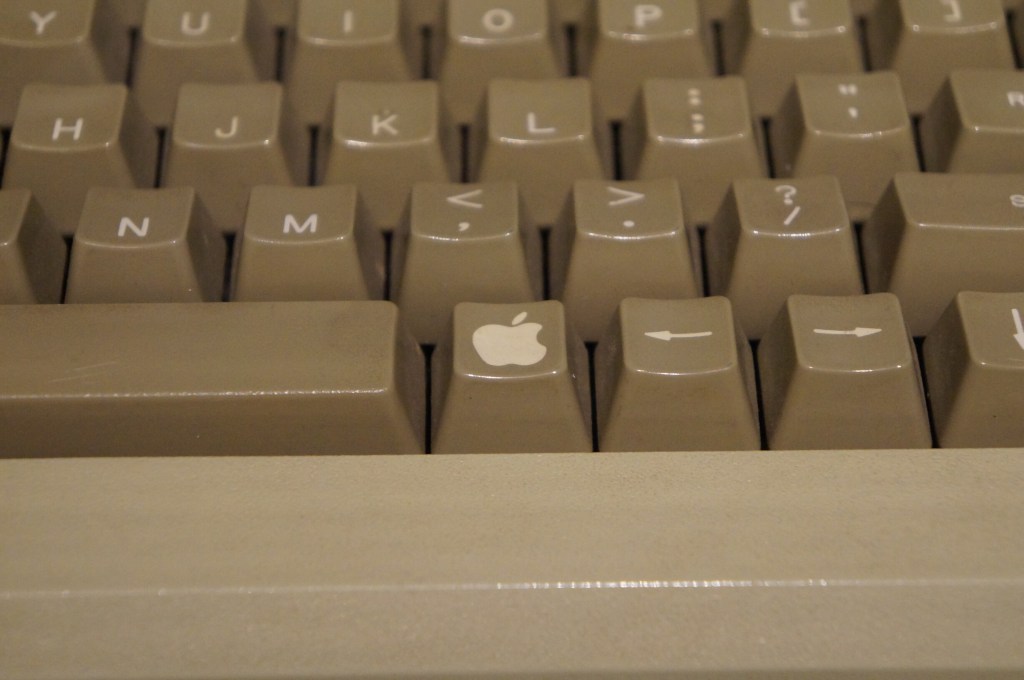
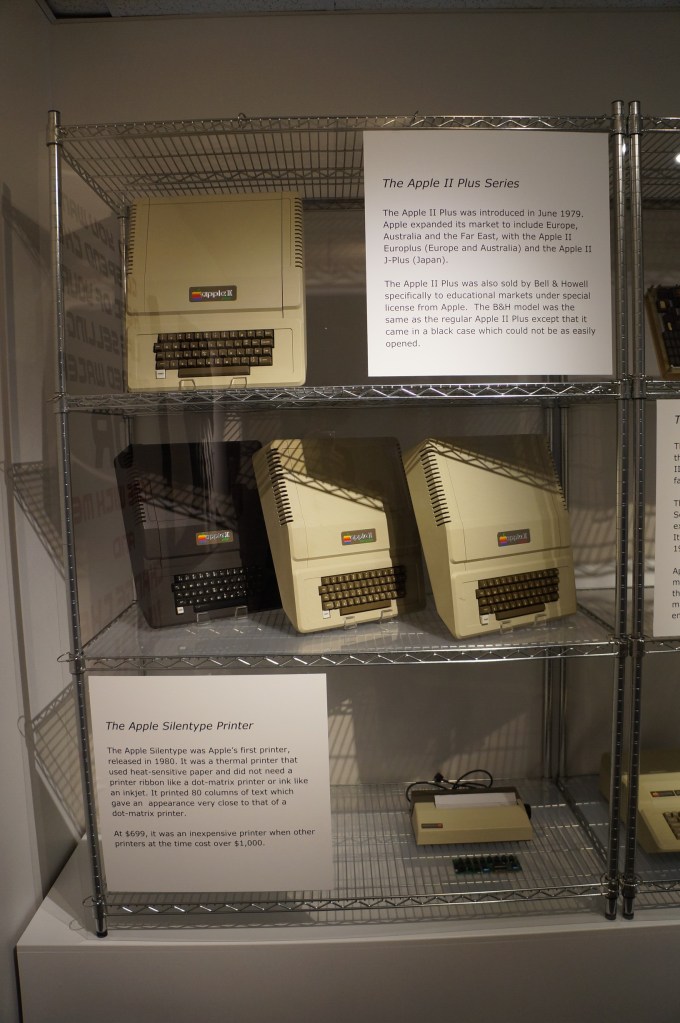
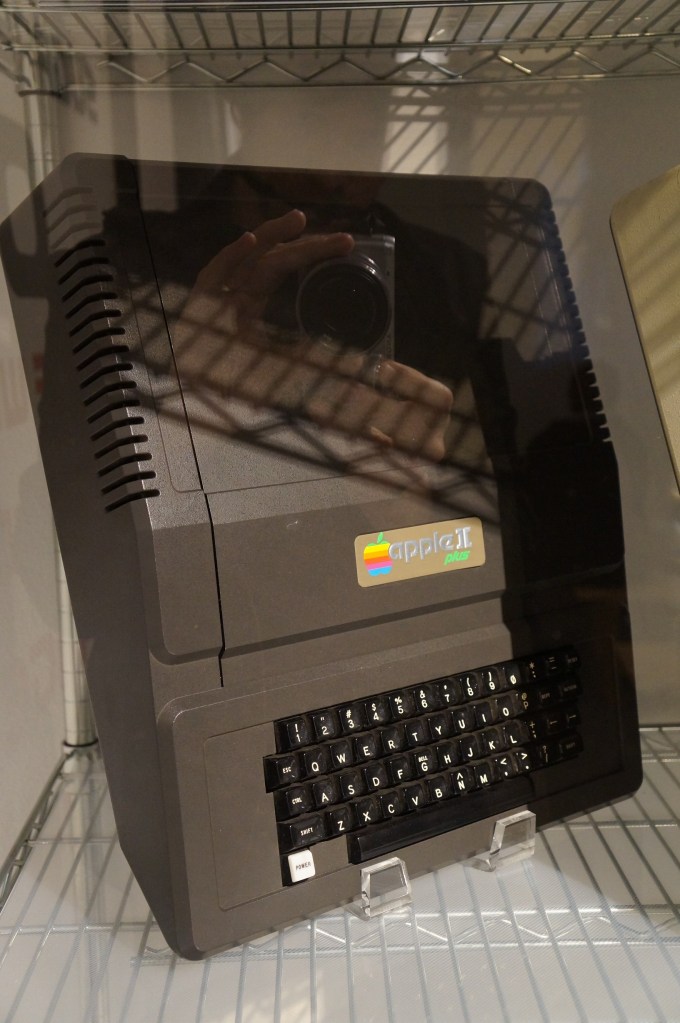
Apple II Plus
Apple IIe
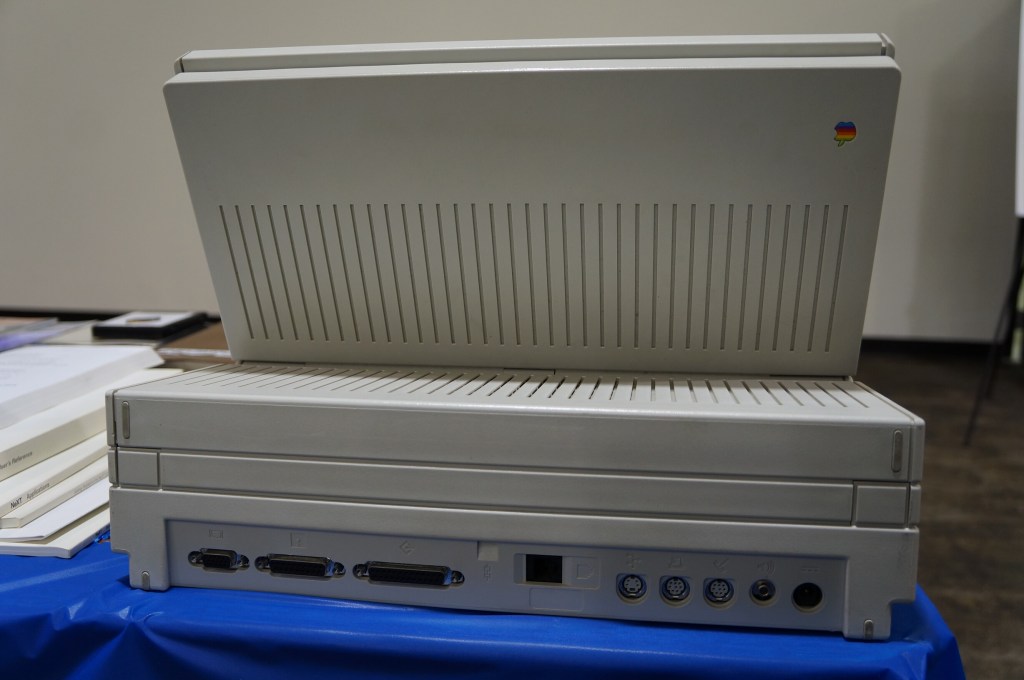
Apple IIc
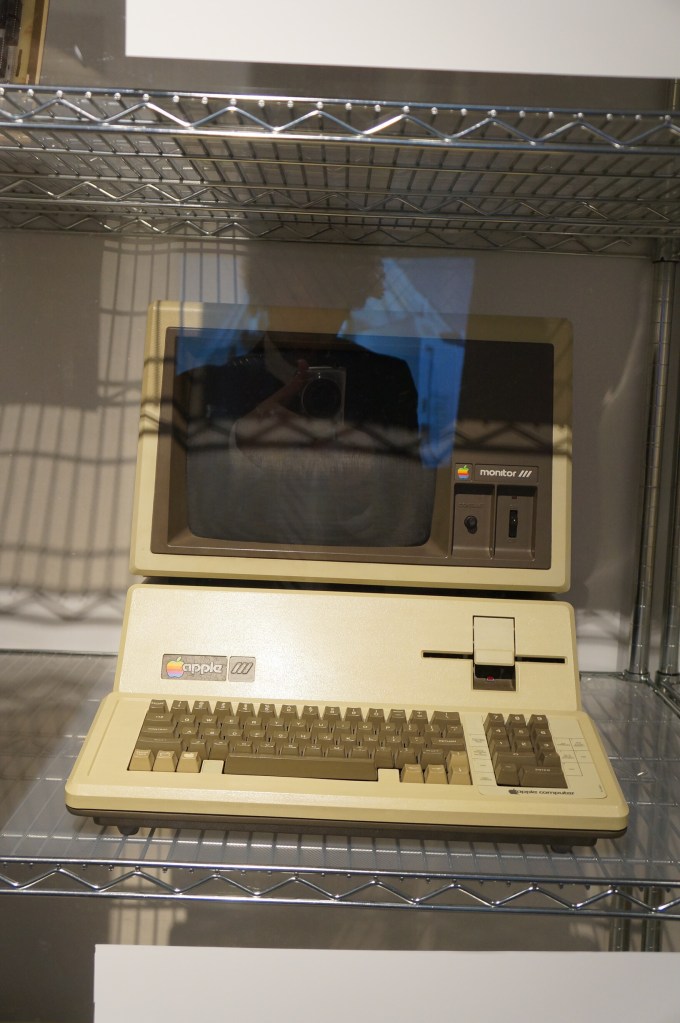
Apple III Prototype Board and Production Model
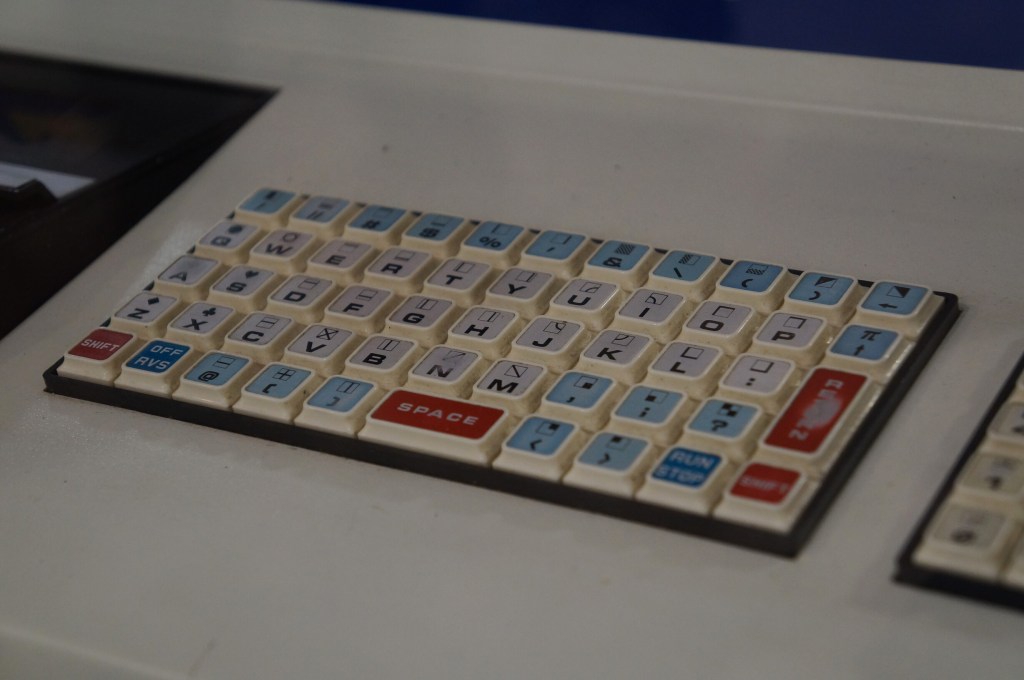
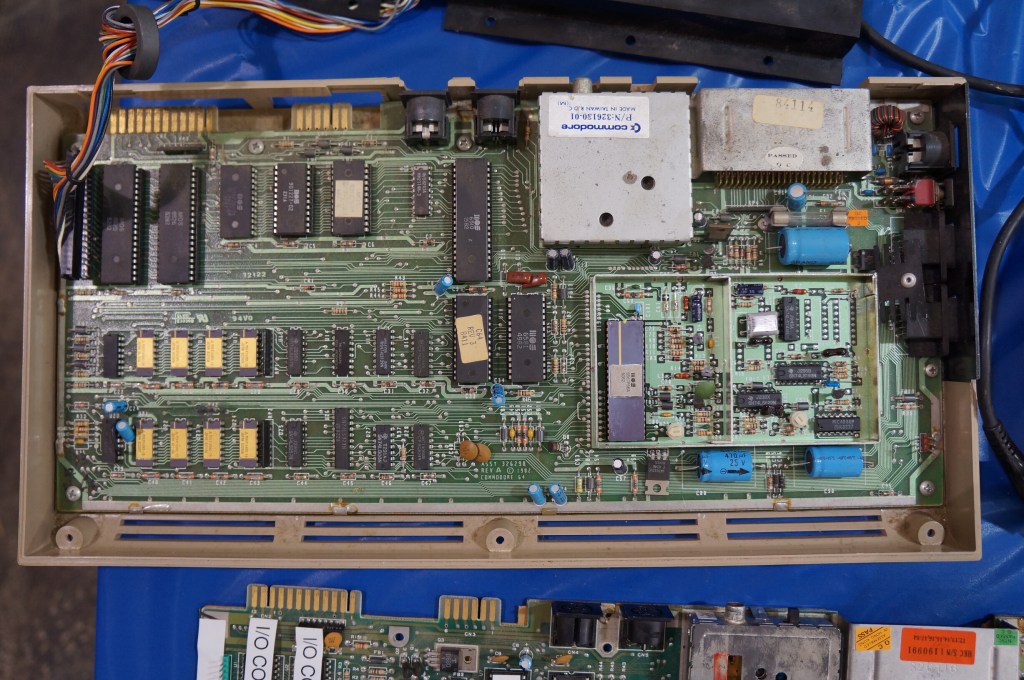
Commodore PET
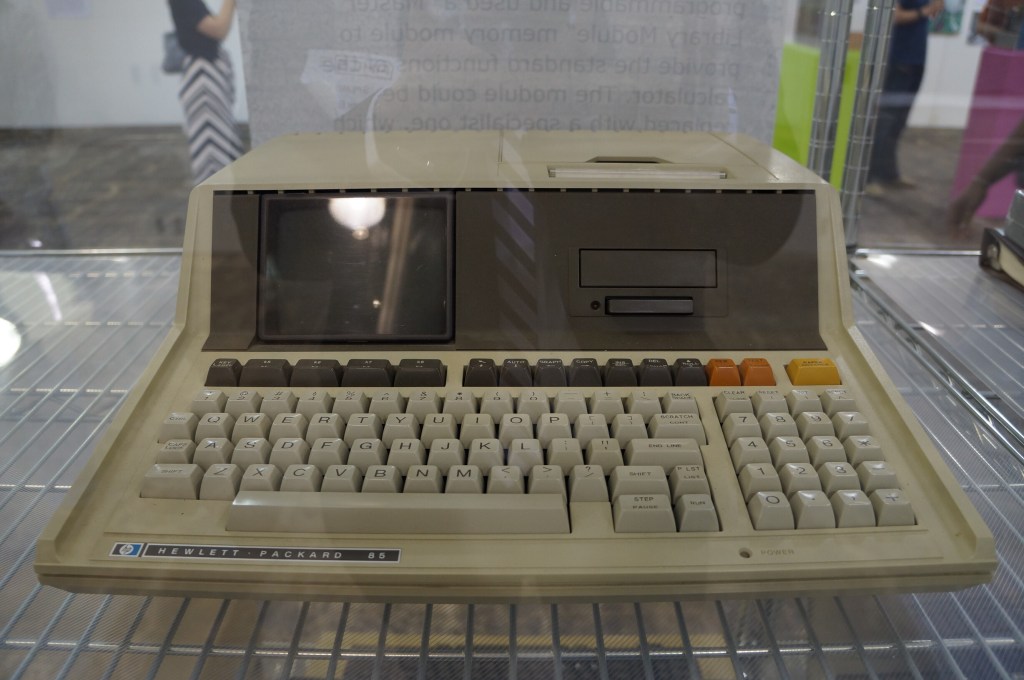
Hewlett Packard 85
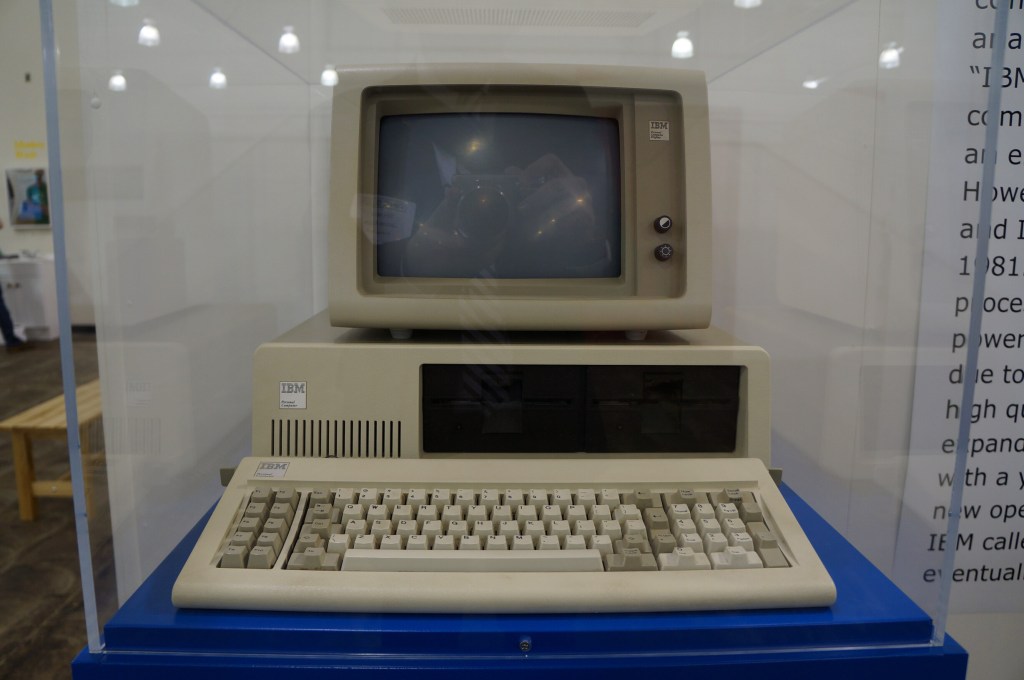
IBM Personal Computer
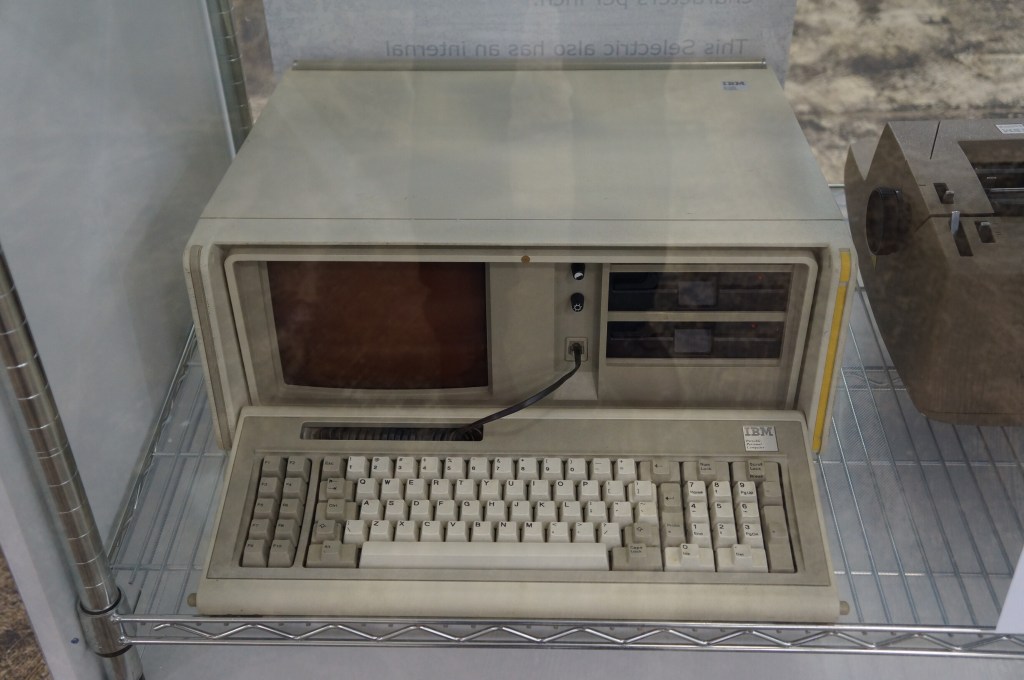
IBM Portable PC
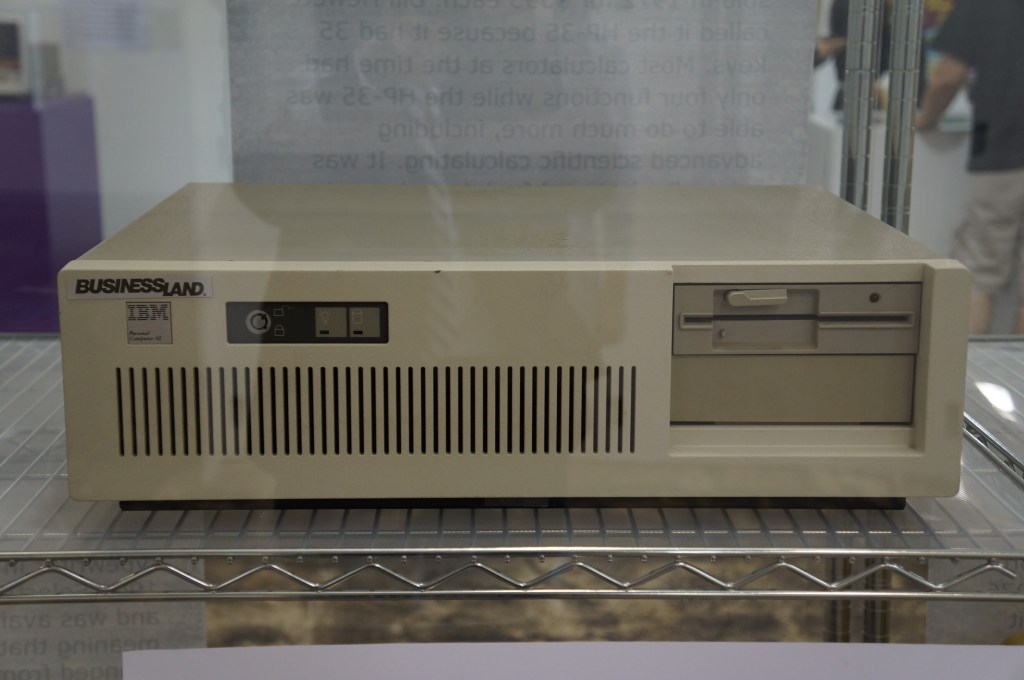
IBM PC AT
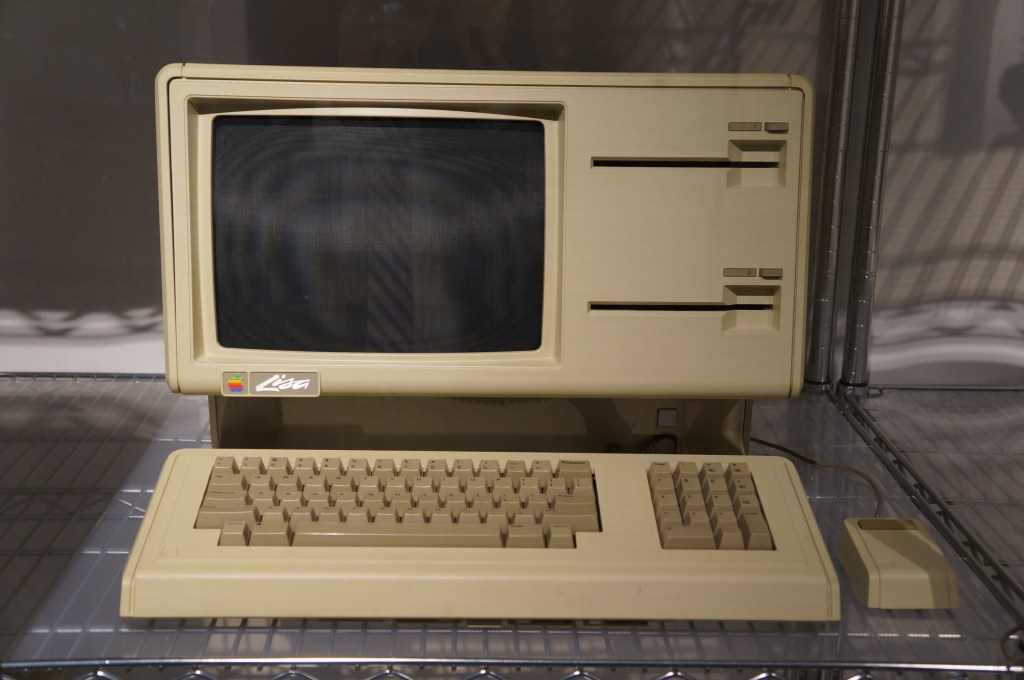
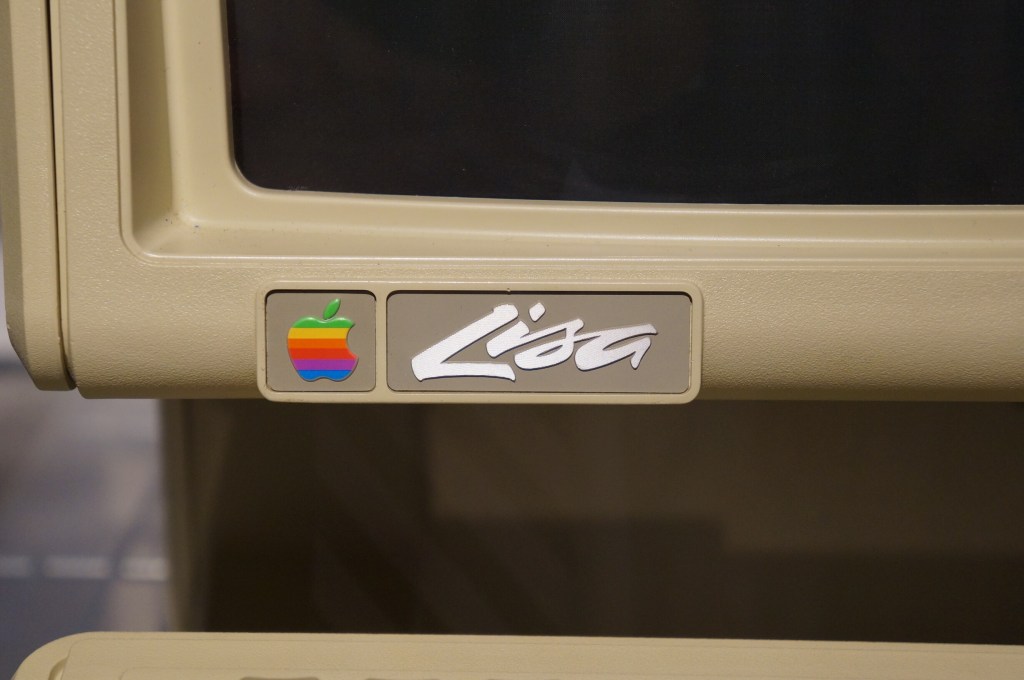
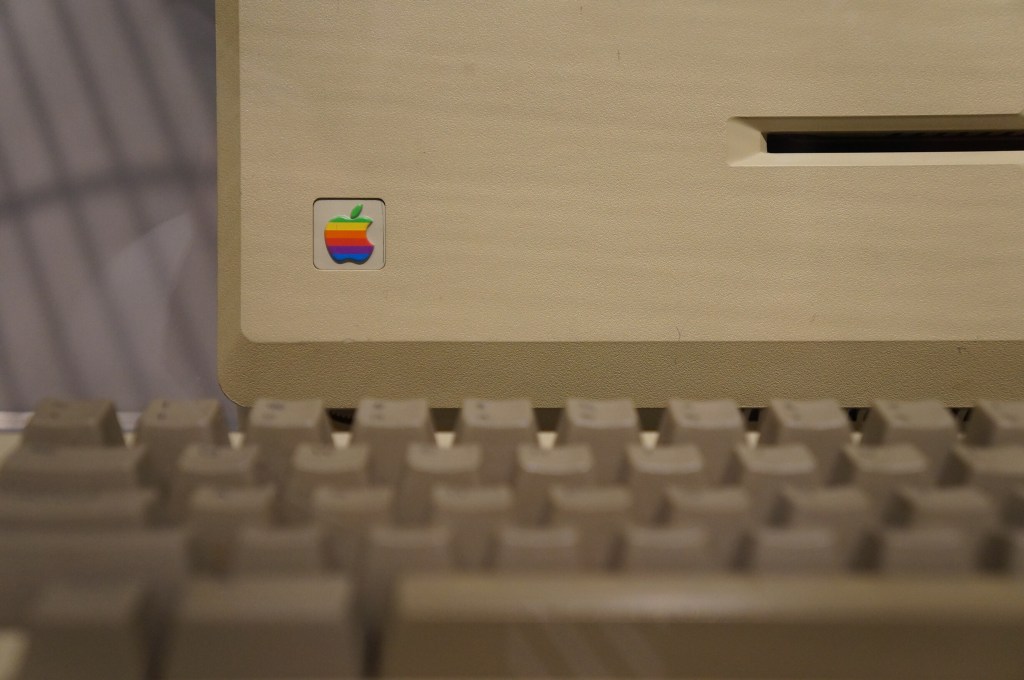
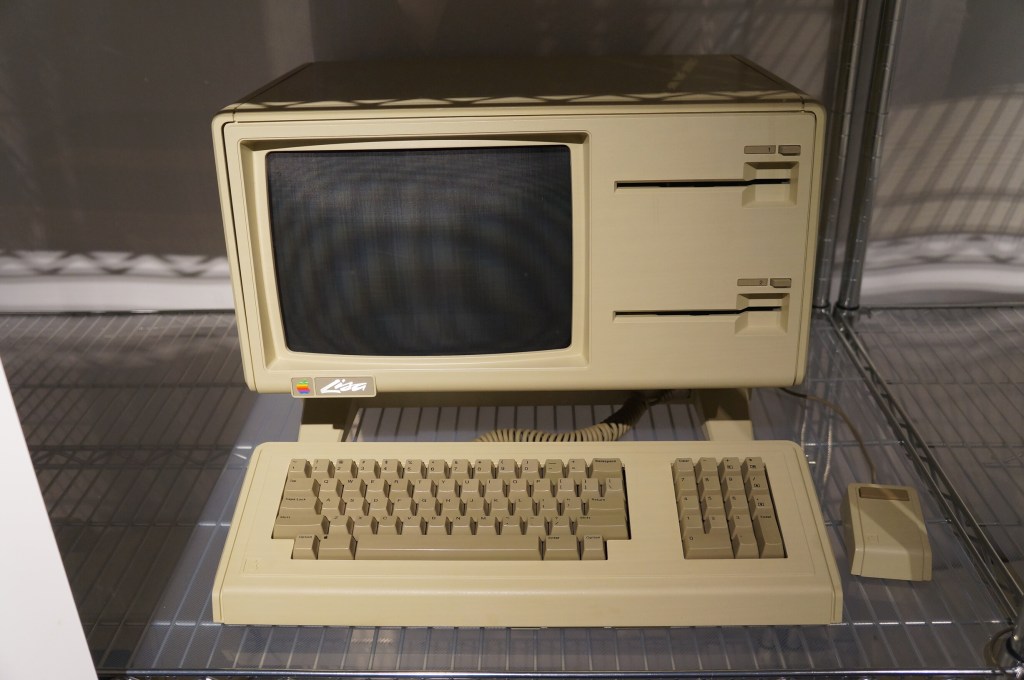
Apple Lisa
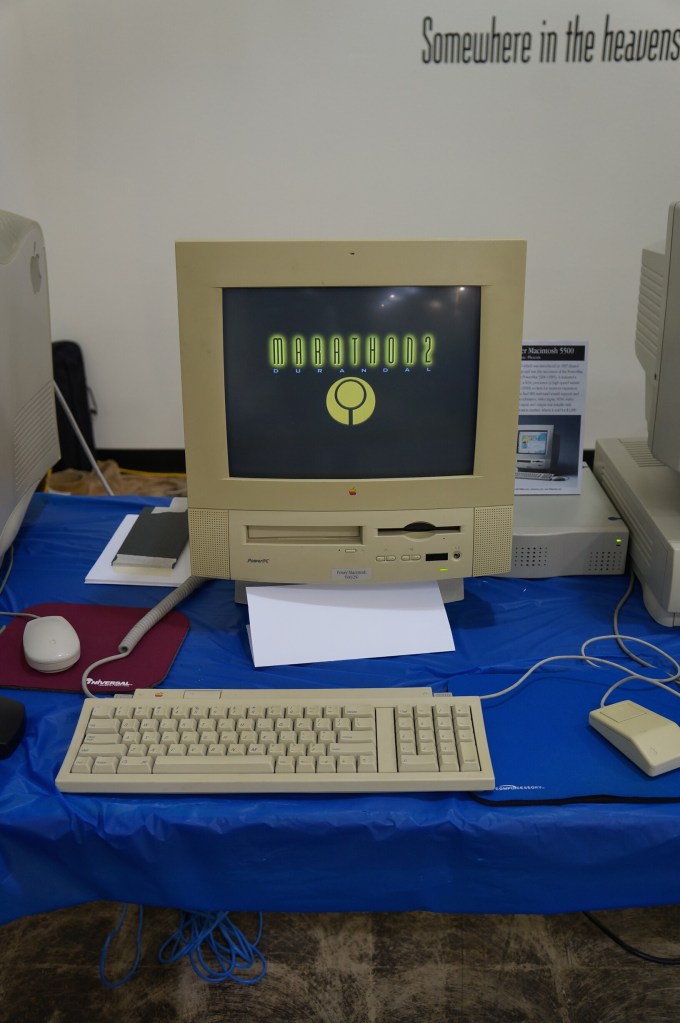
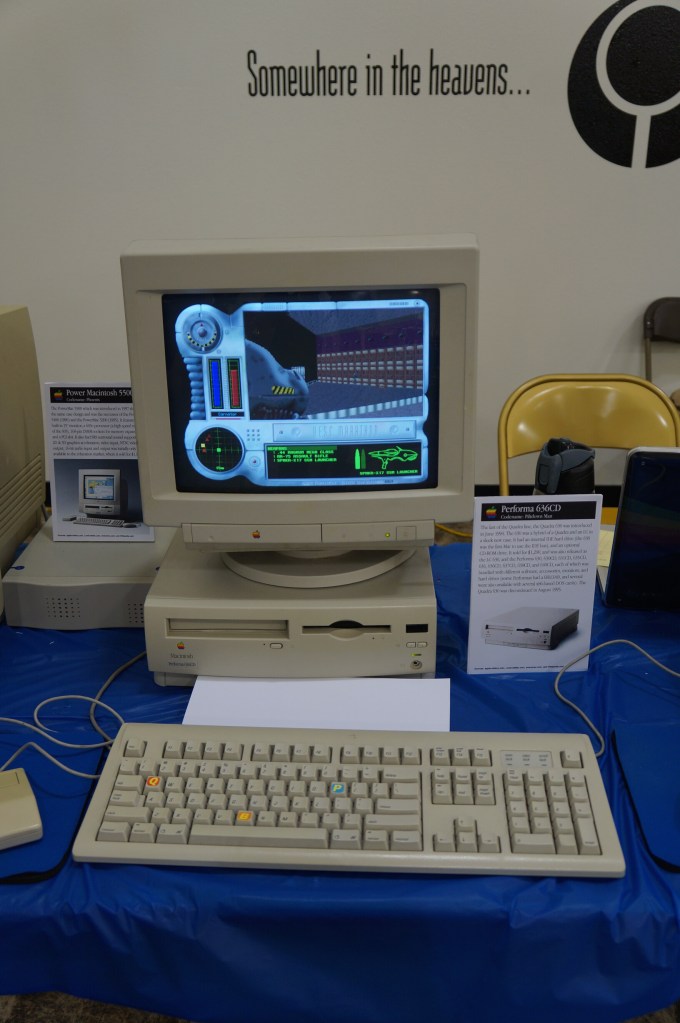
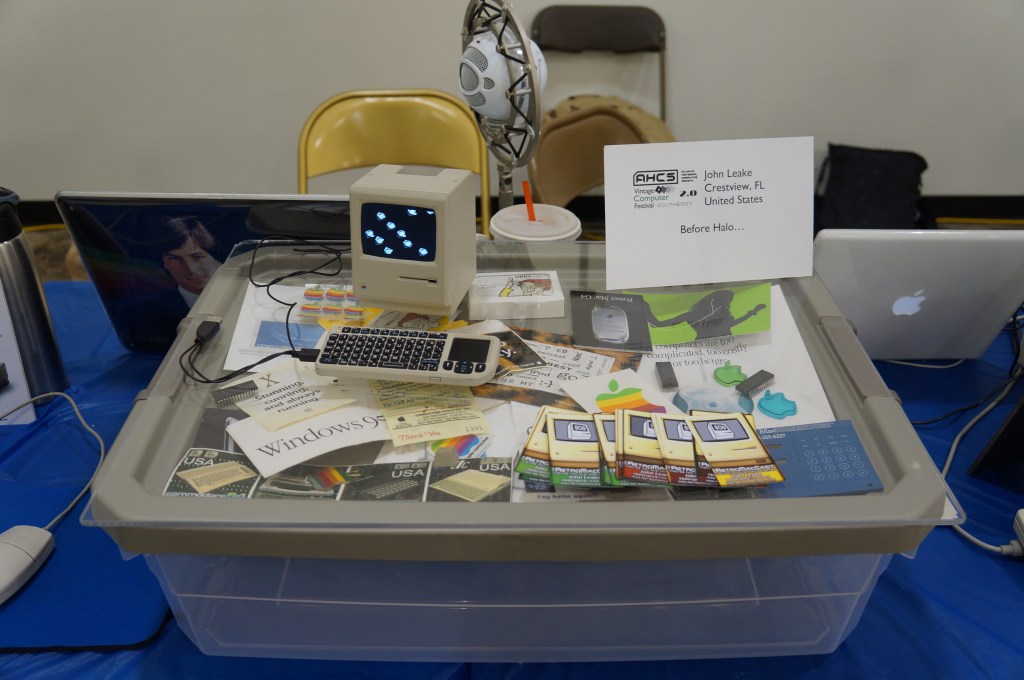
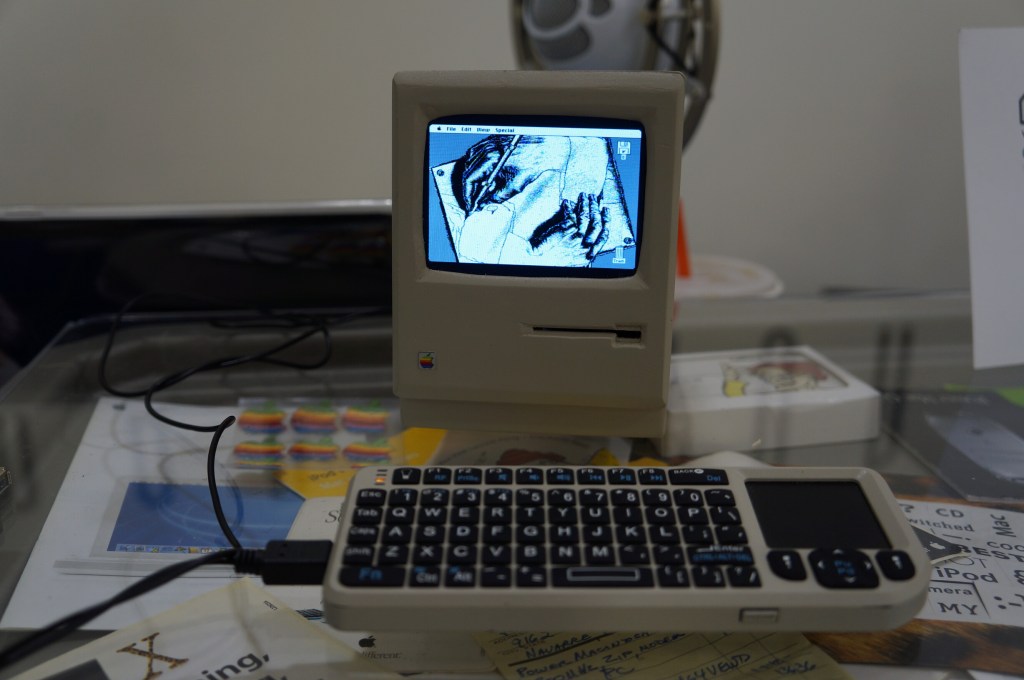
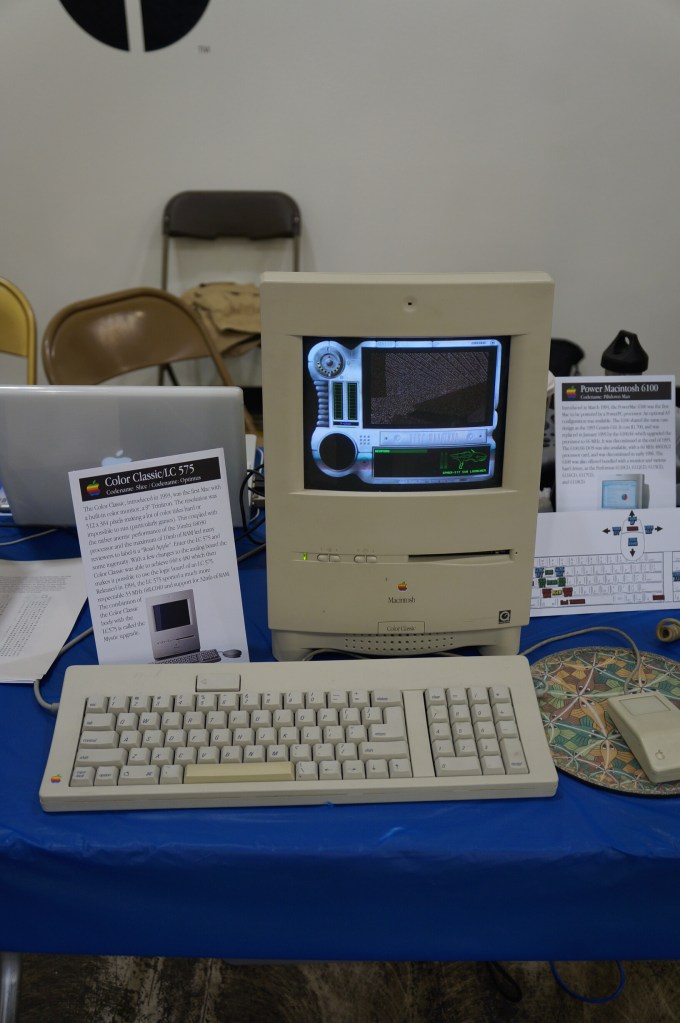
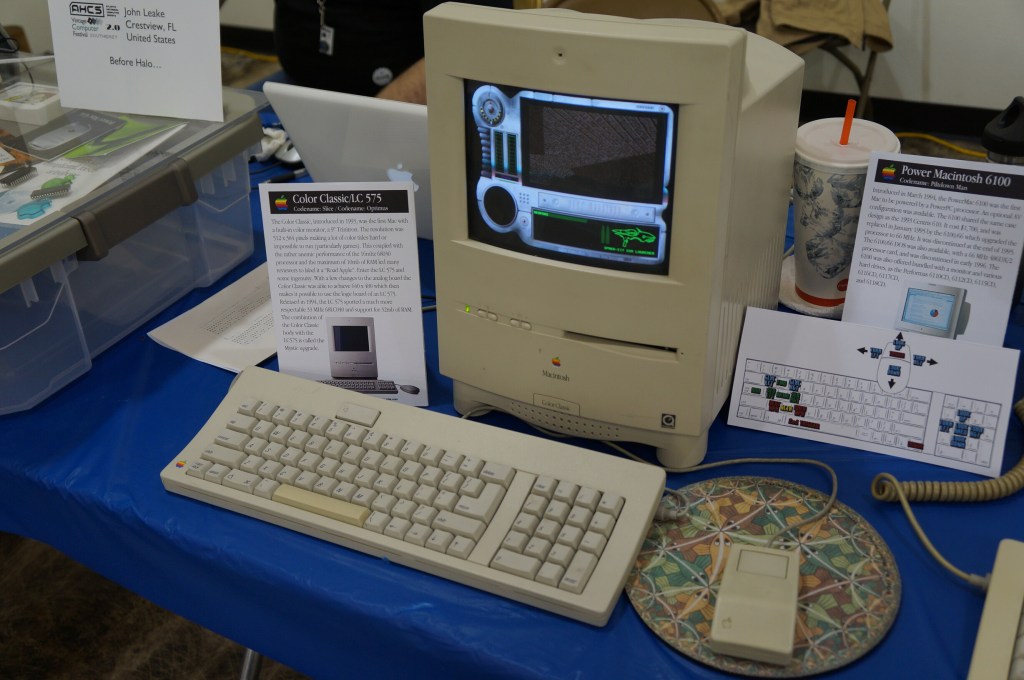
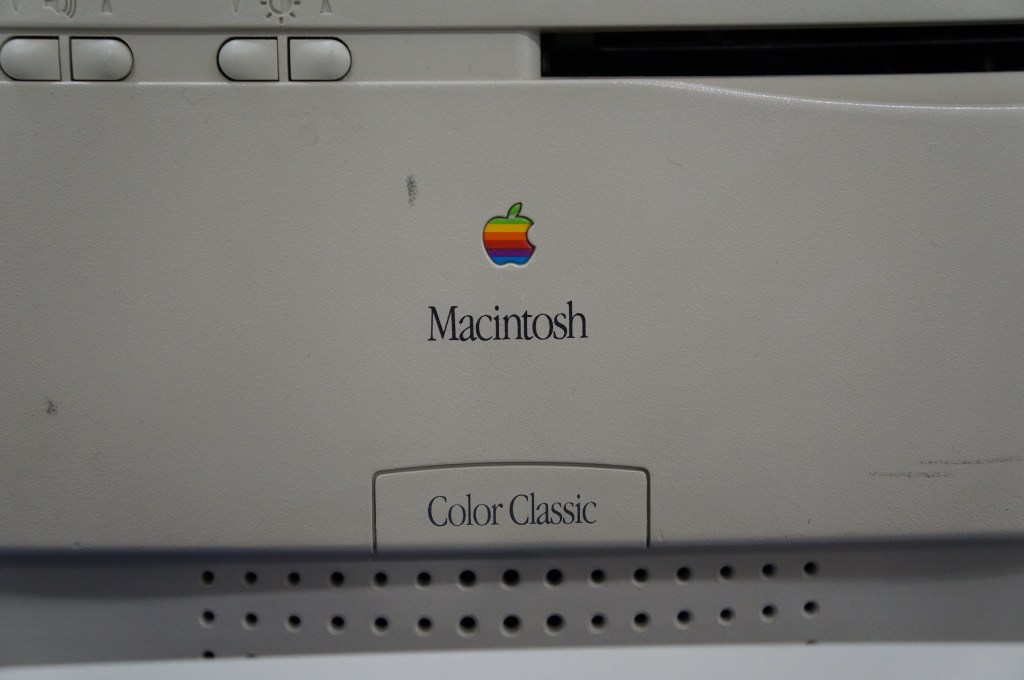
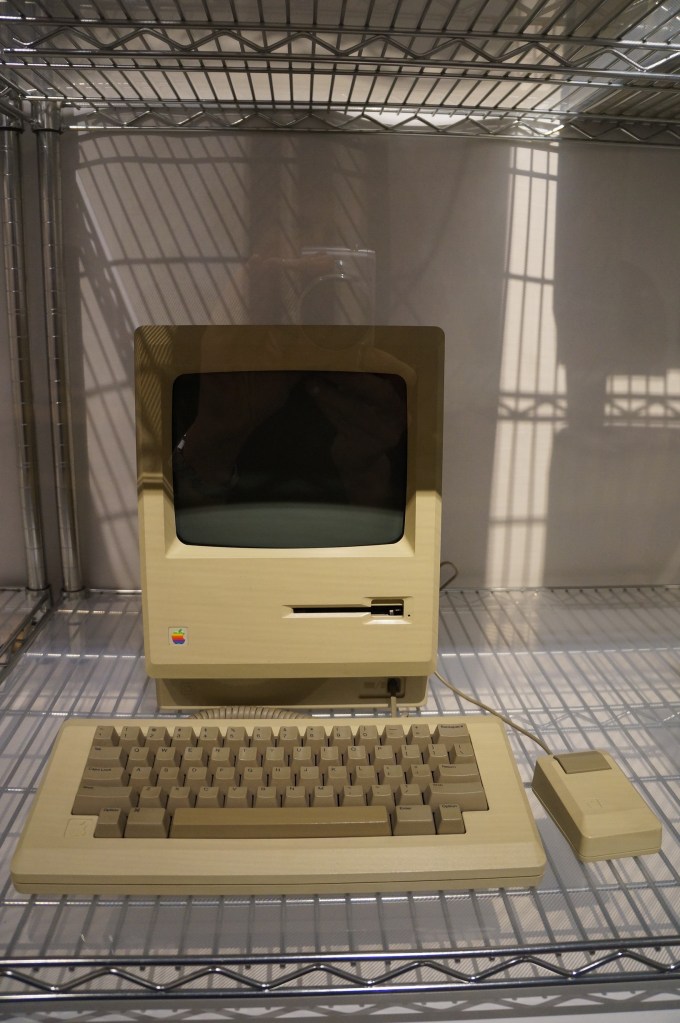
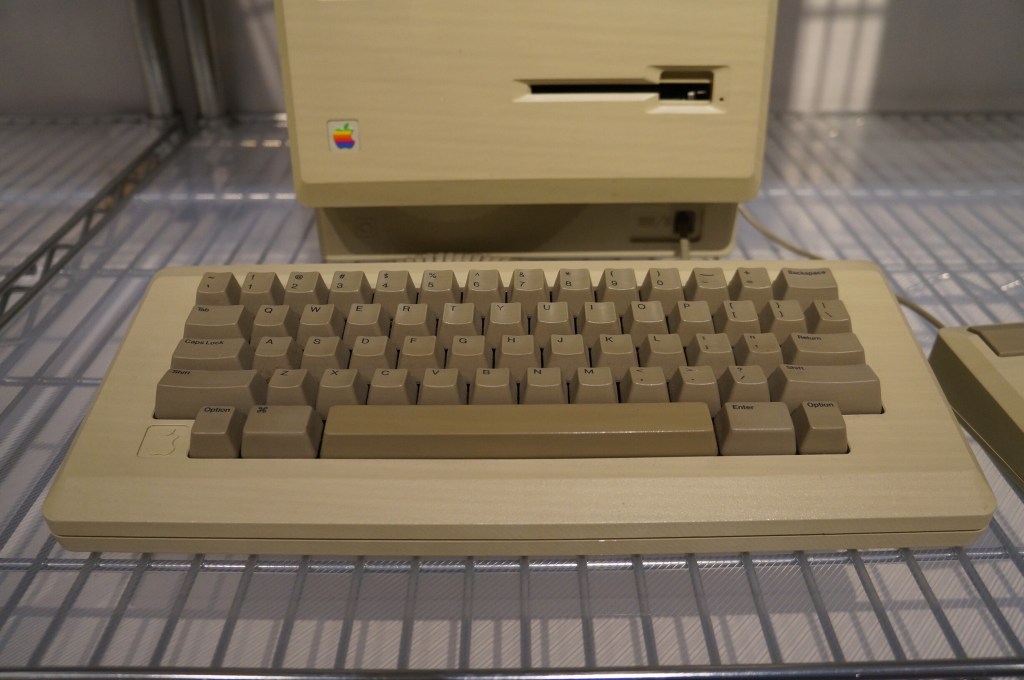
Apple Macintosh
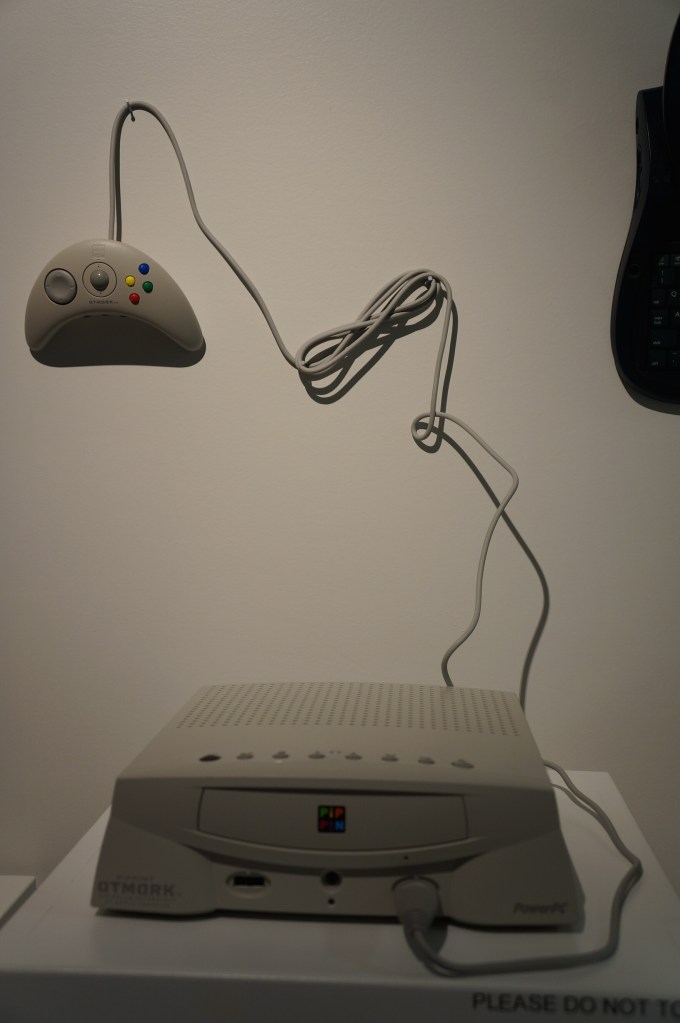
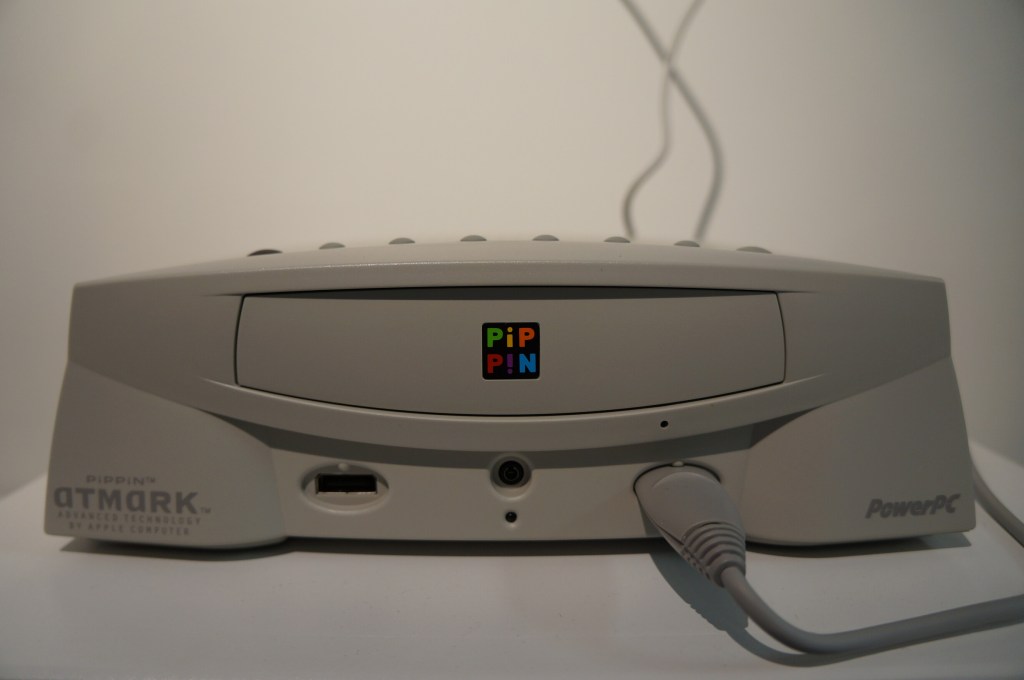
Apple PiPPiN
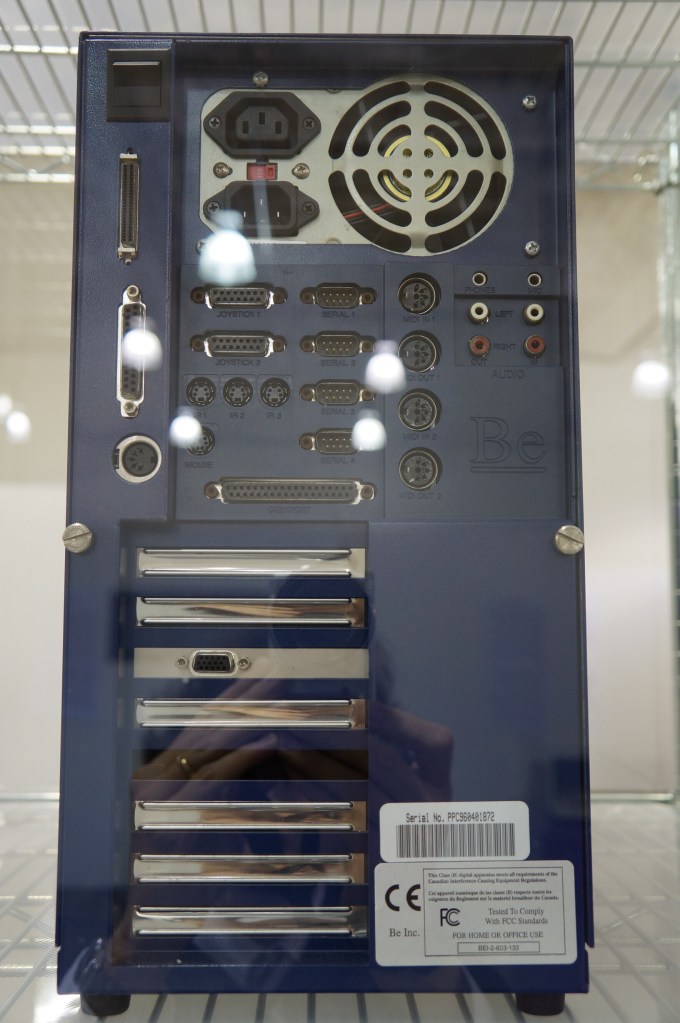
BeBox
As I’ve written before here and here, I really like BeOS, so it was a special joy to see a BeBox in person for the first time at VCFSE 2.0.
On April 20, 2013, I attended the first Vintage Computer Festival Southeast outside Atlanta, Georgia at what is now the Computer Museum of America with my friends Mark, Paul, and Bob. This was the spring of my first full year back in Atlanta after becoming a Brittain Fellow at Georgia Tech in Fall 2012. It was a good day like old times before I went to grad school.
The following year, I co-presented with Wendy Hagenmaier about Vintage Computing at Georgia Tech, which I blogged about here. I will post photos from the 2014 VSFSE next week.
IMSAI 8080 (WarGames)
If you’ve seen the film WarGames (1983), you know what kind of mischief you can get up to with a tricked out version of an IMSAI 8080.
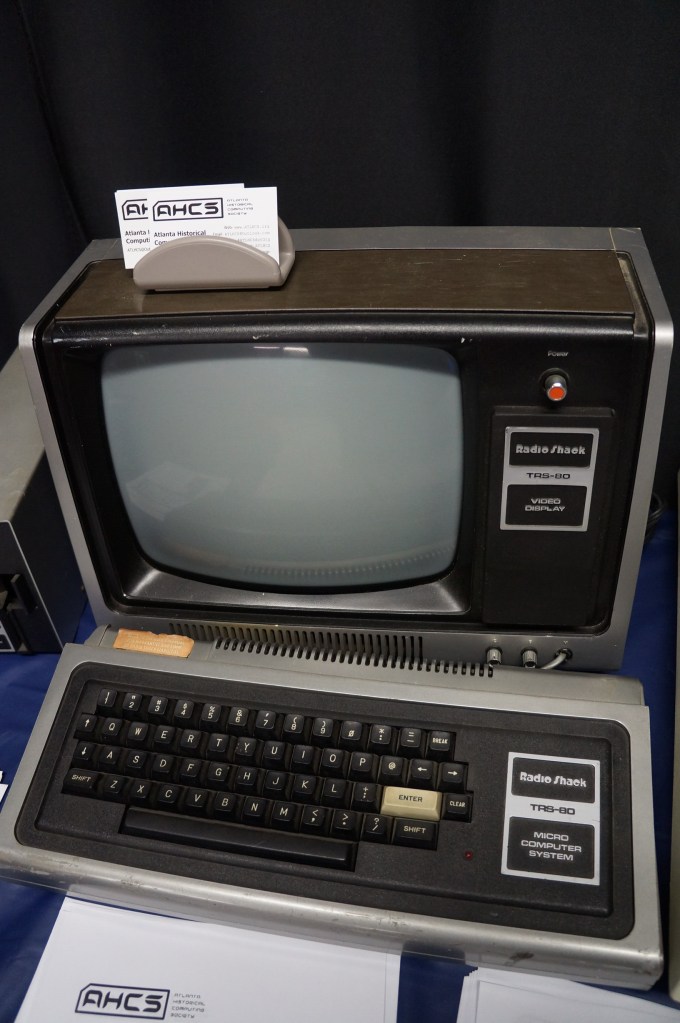
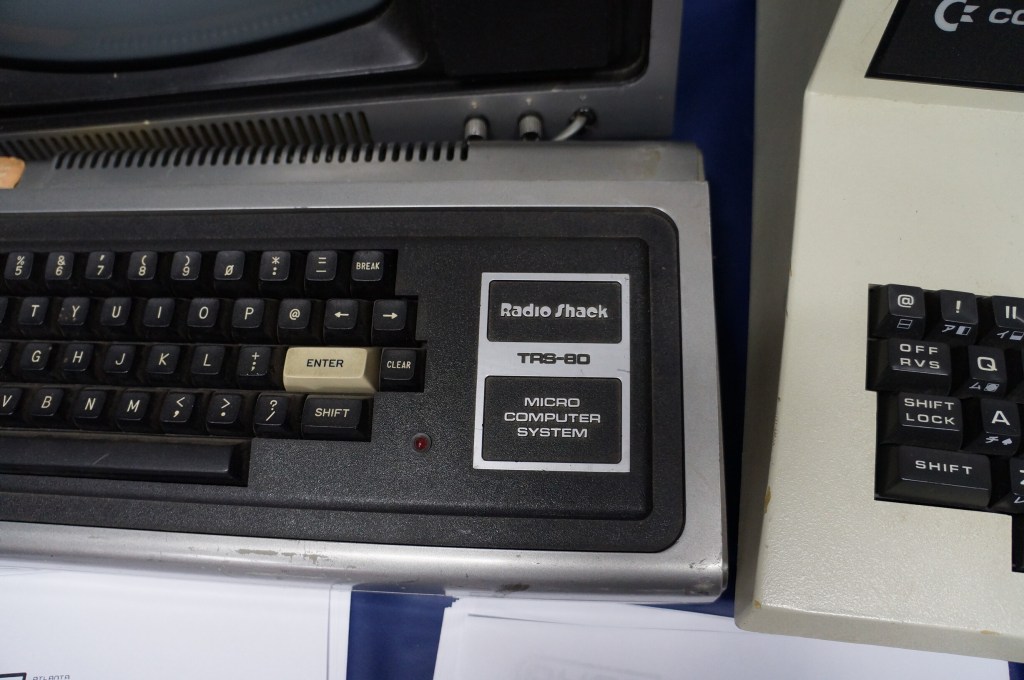
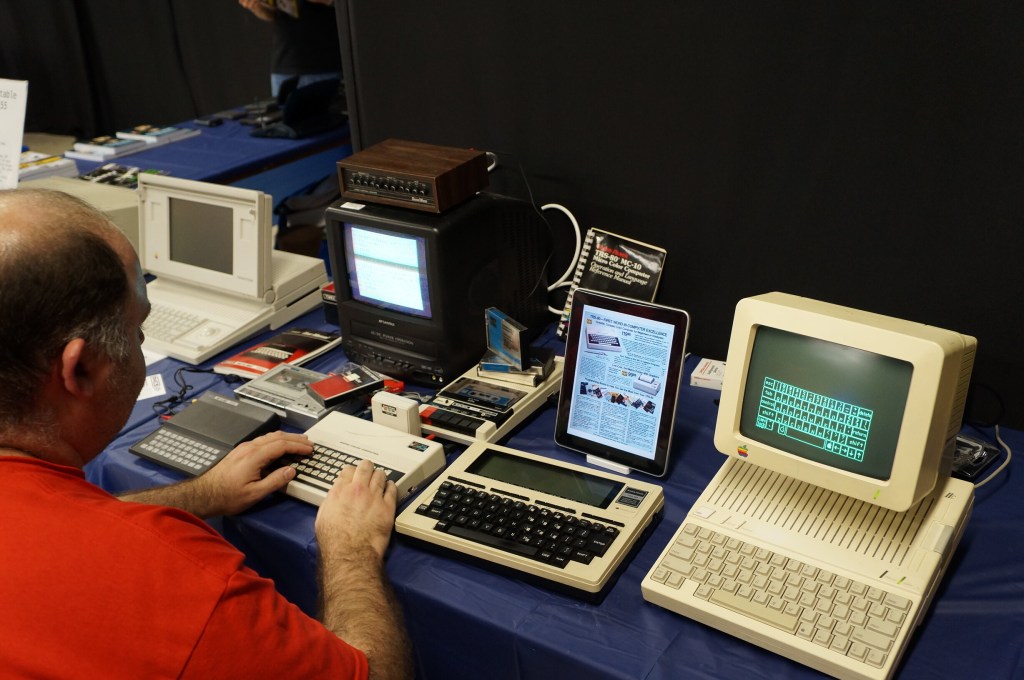
The Big Three: Radio Shack TRS-80, Commodore PET, and Apple II
I often regale my students with tales of the rise of the personal computer with the big three mass manufactured models: Radio Shack’s TRS-80, Commodore’s PET, and Apple’s Apple II (though, it’s actually an Apple IIe pictured below).
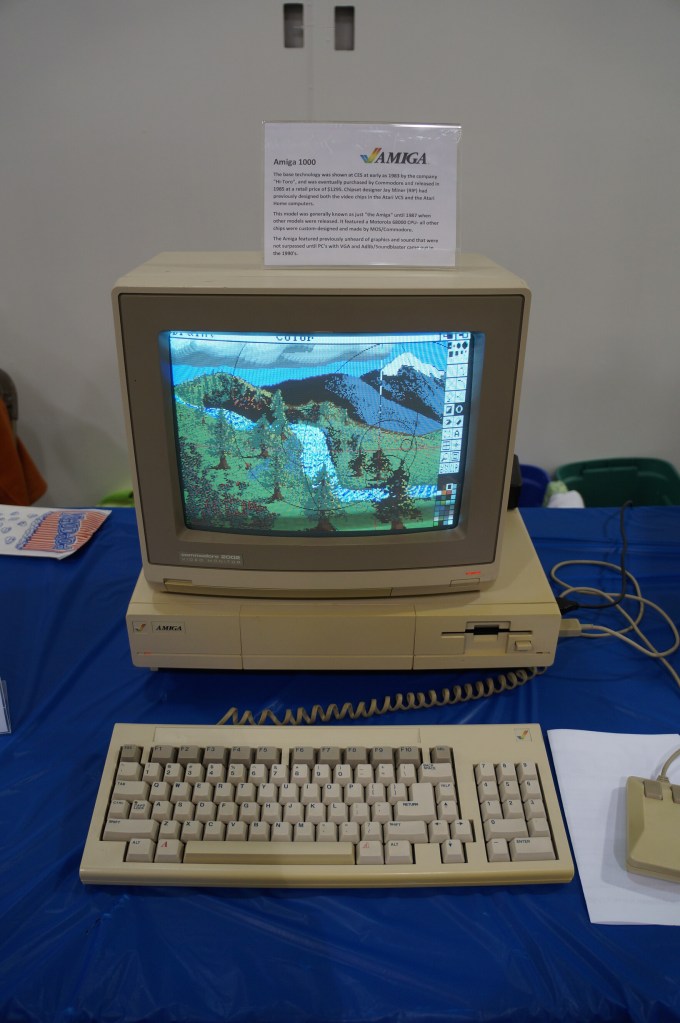
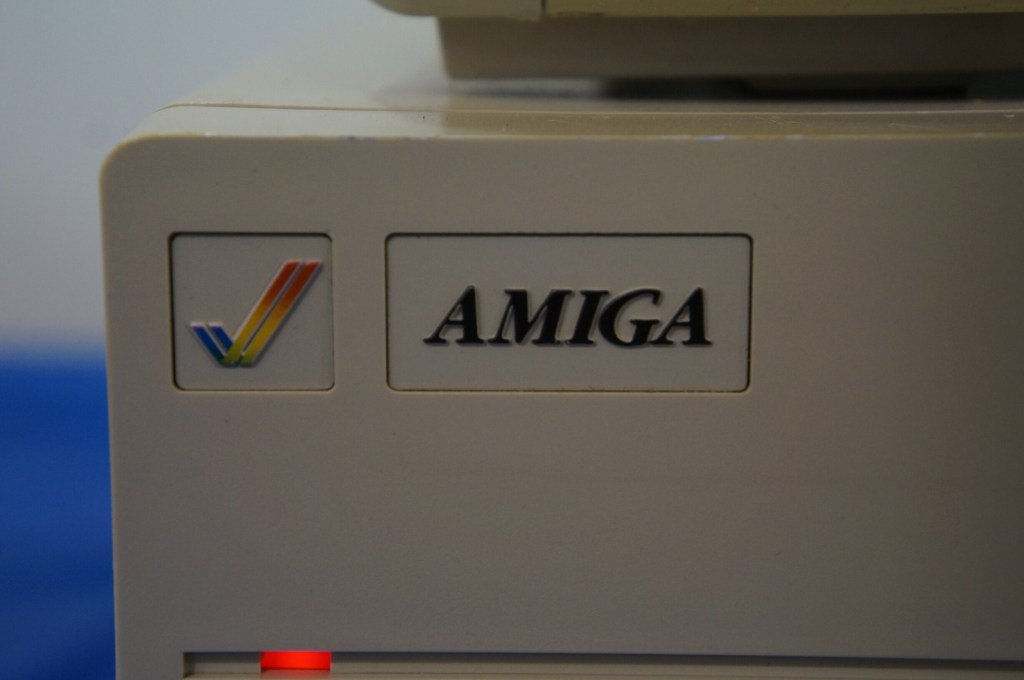
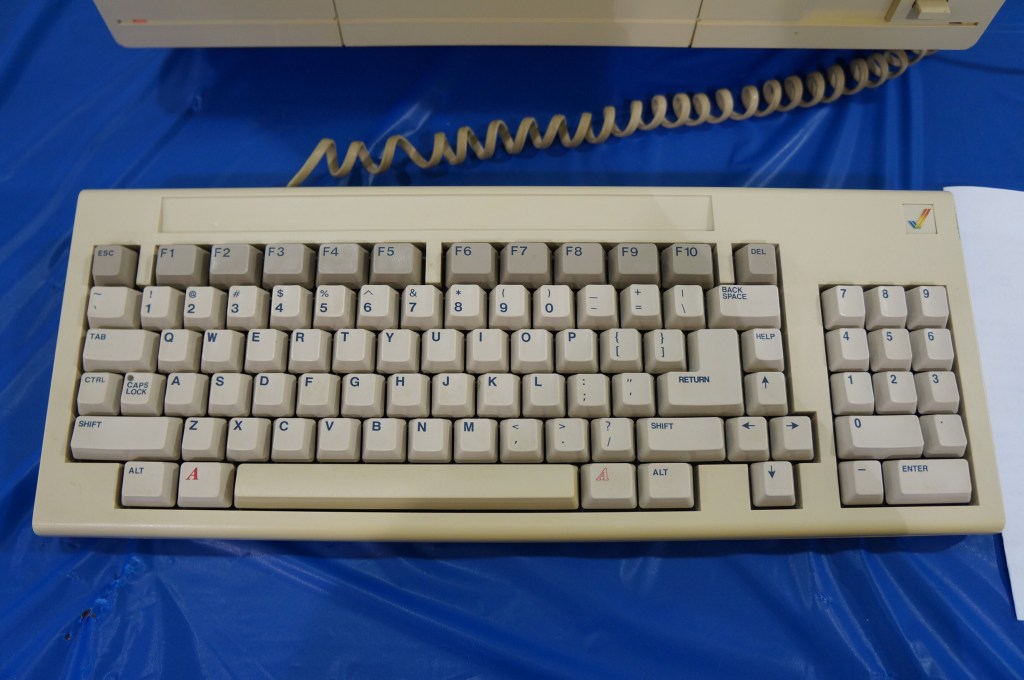
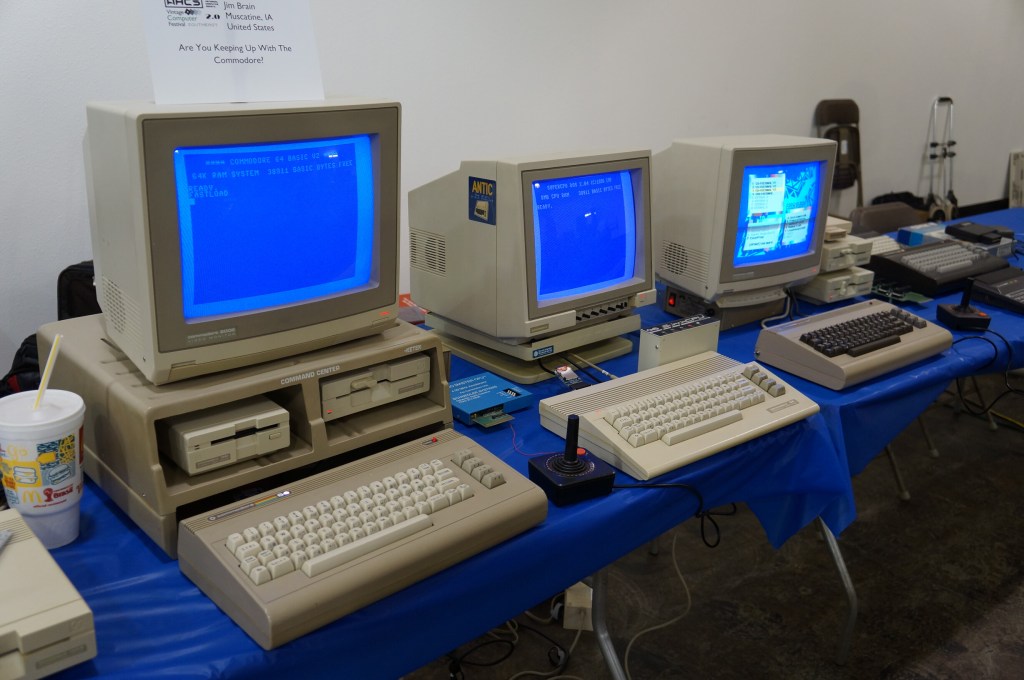
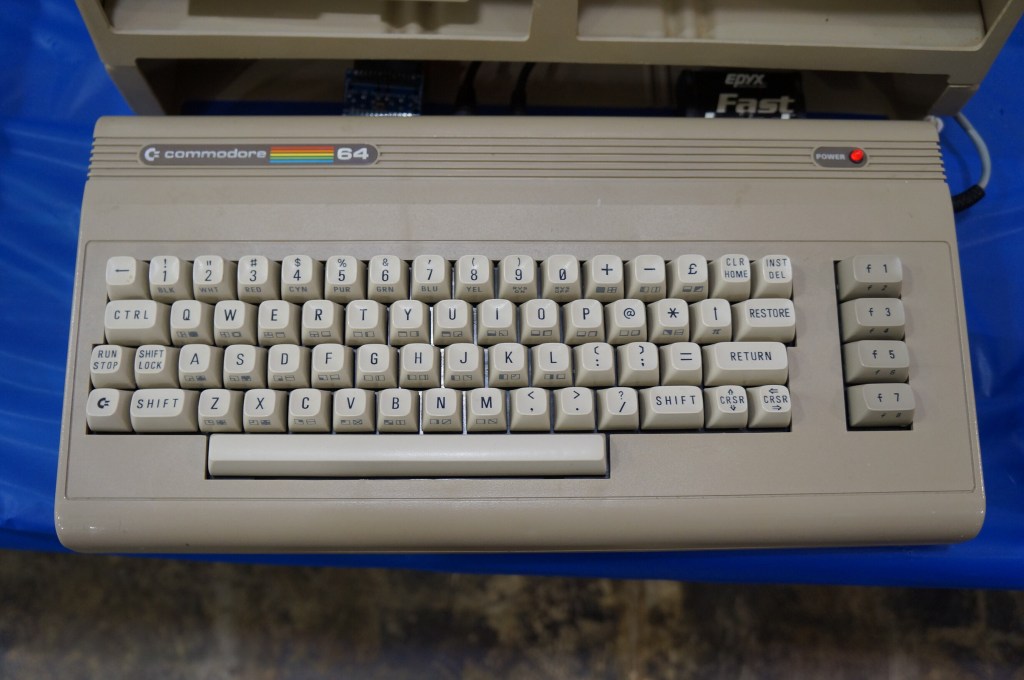
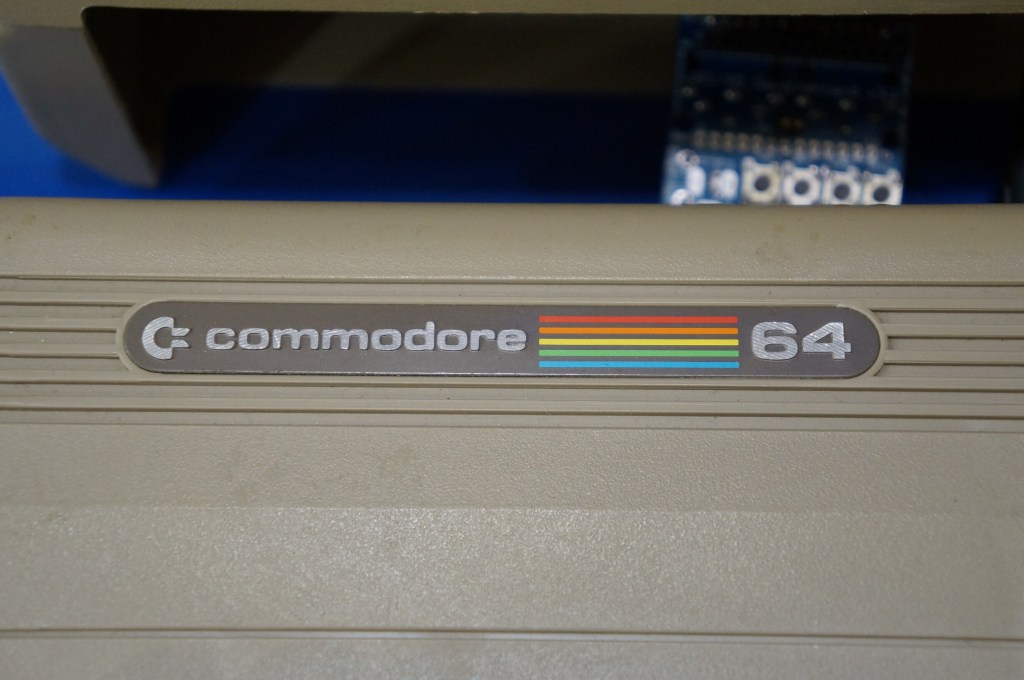
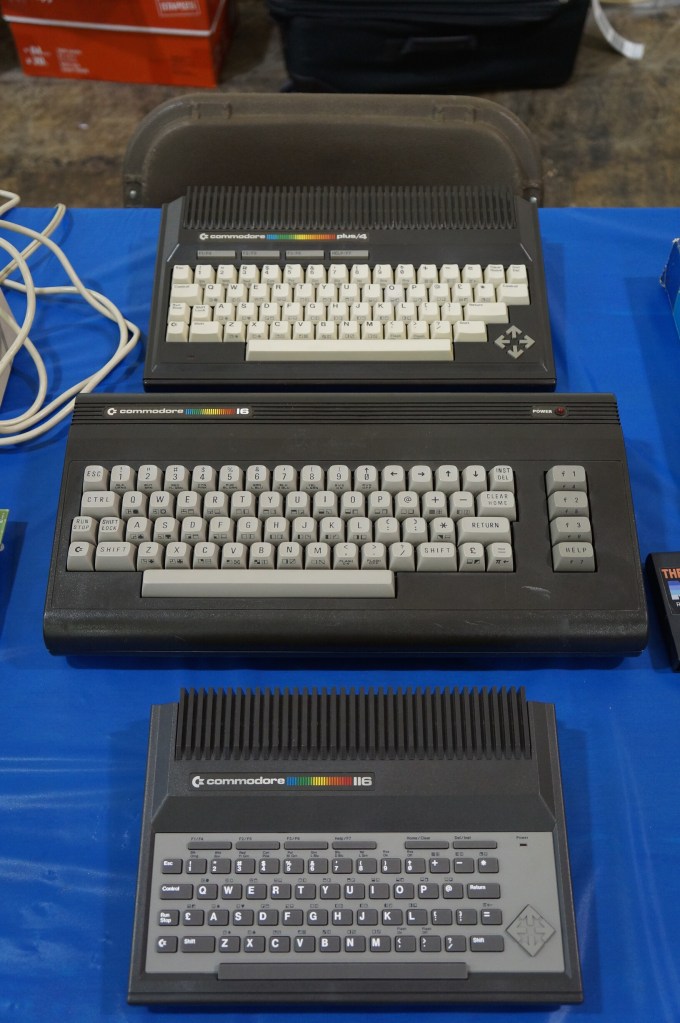
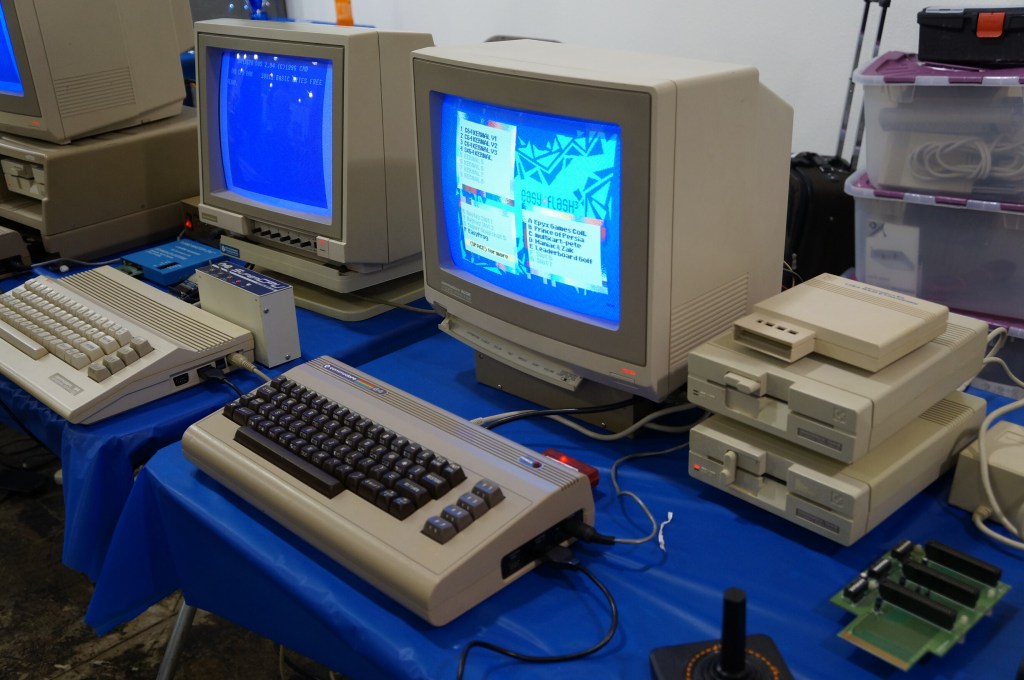
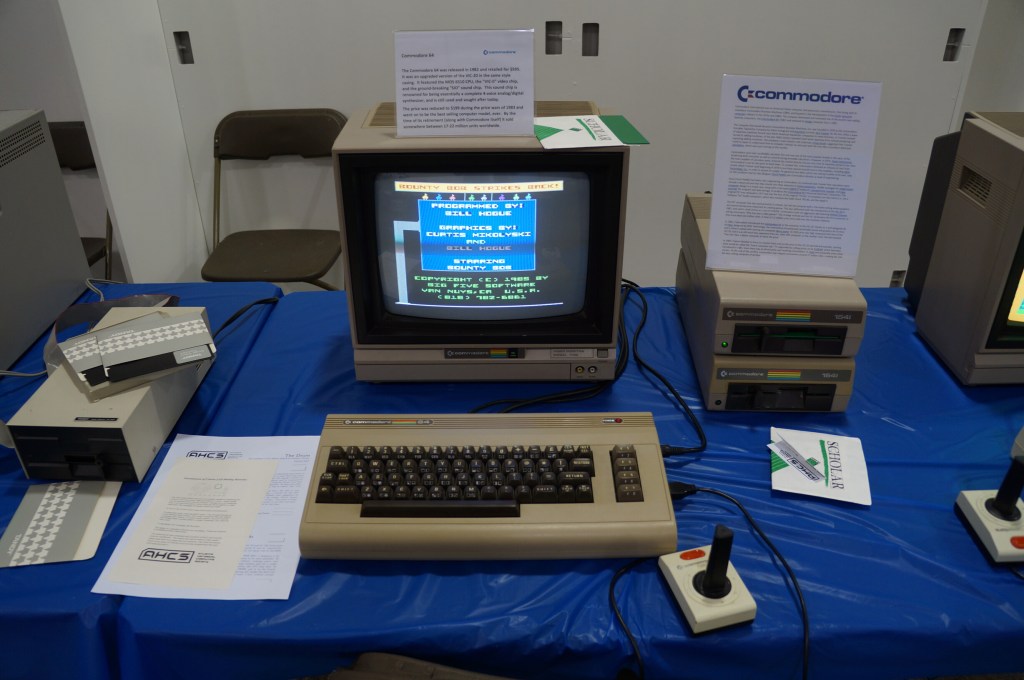
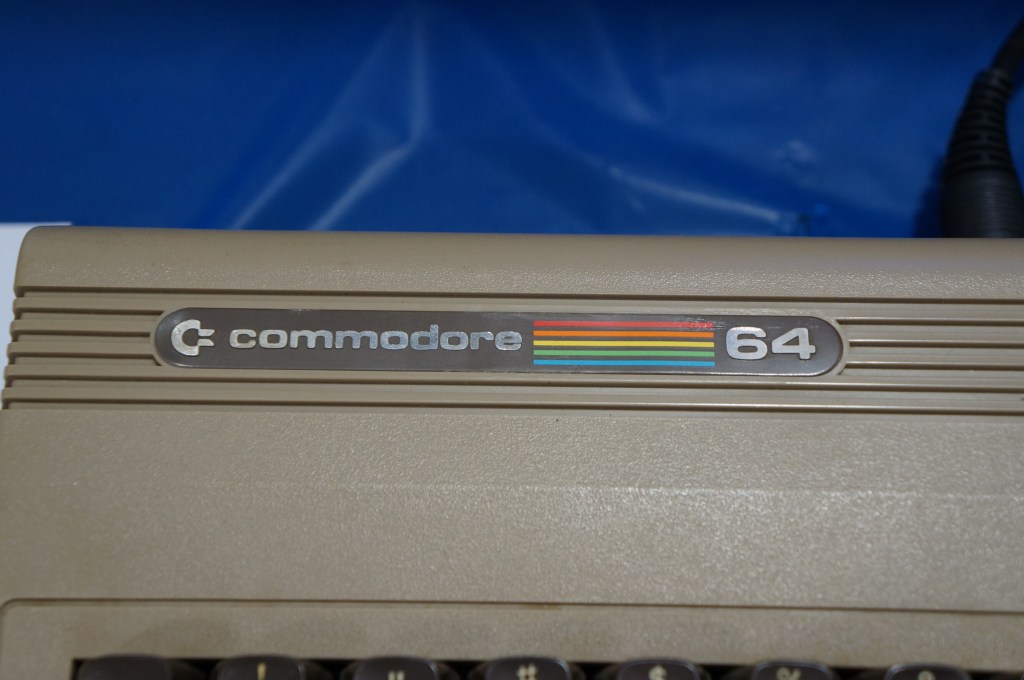
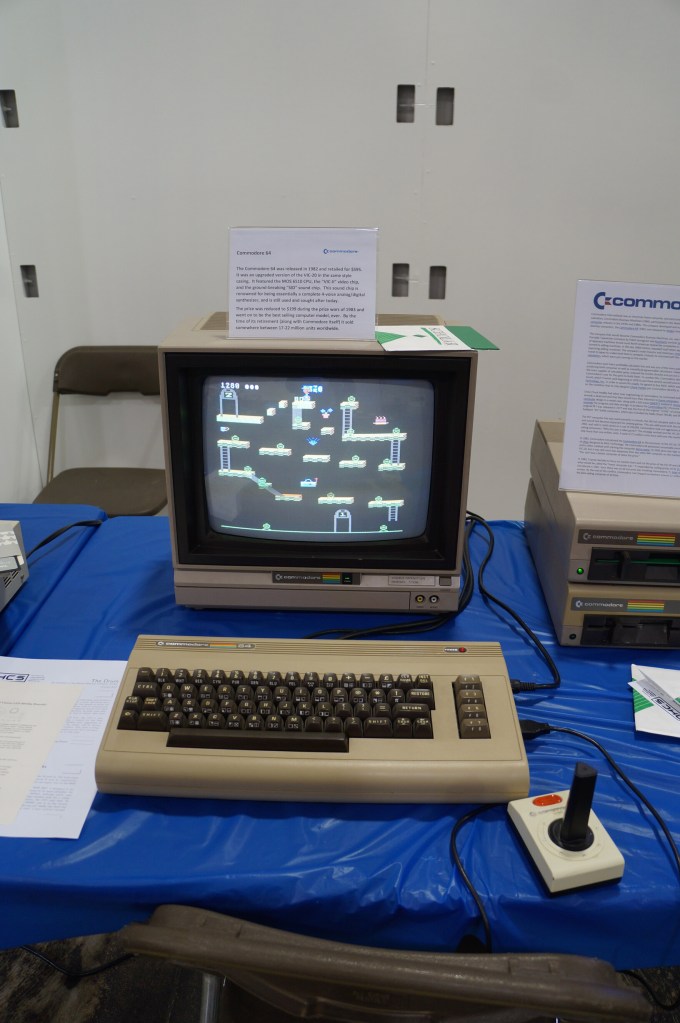
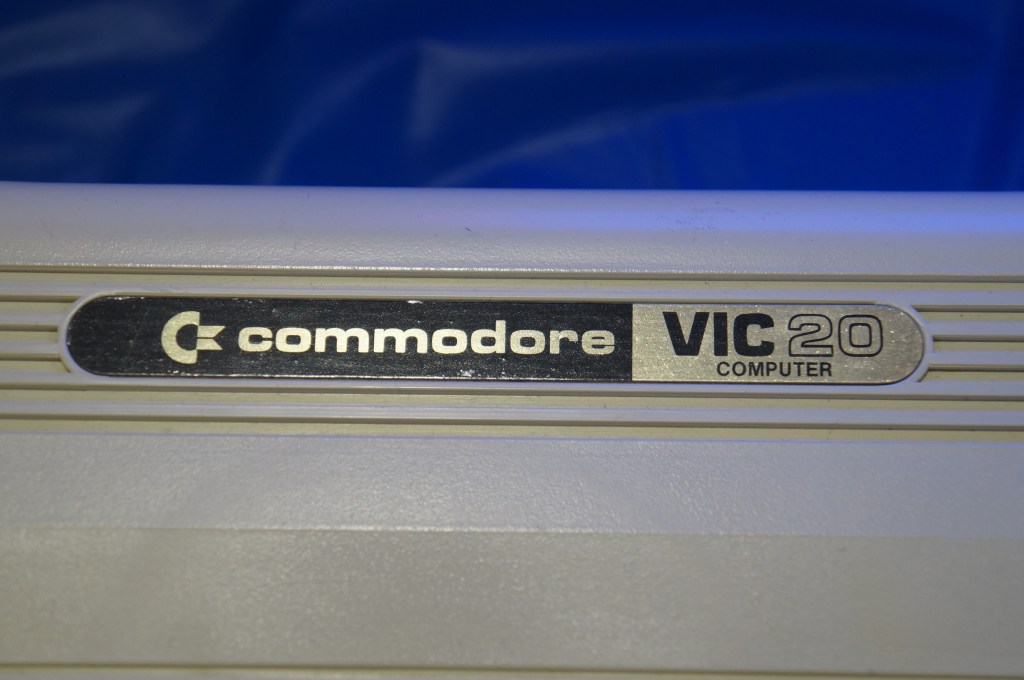
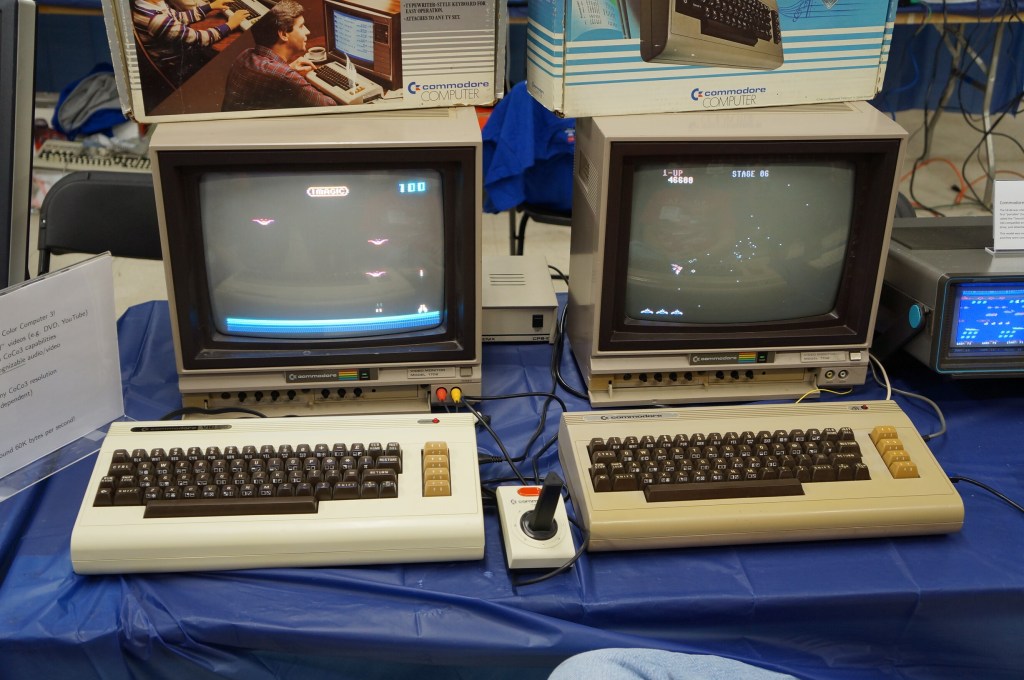
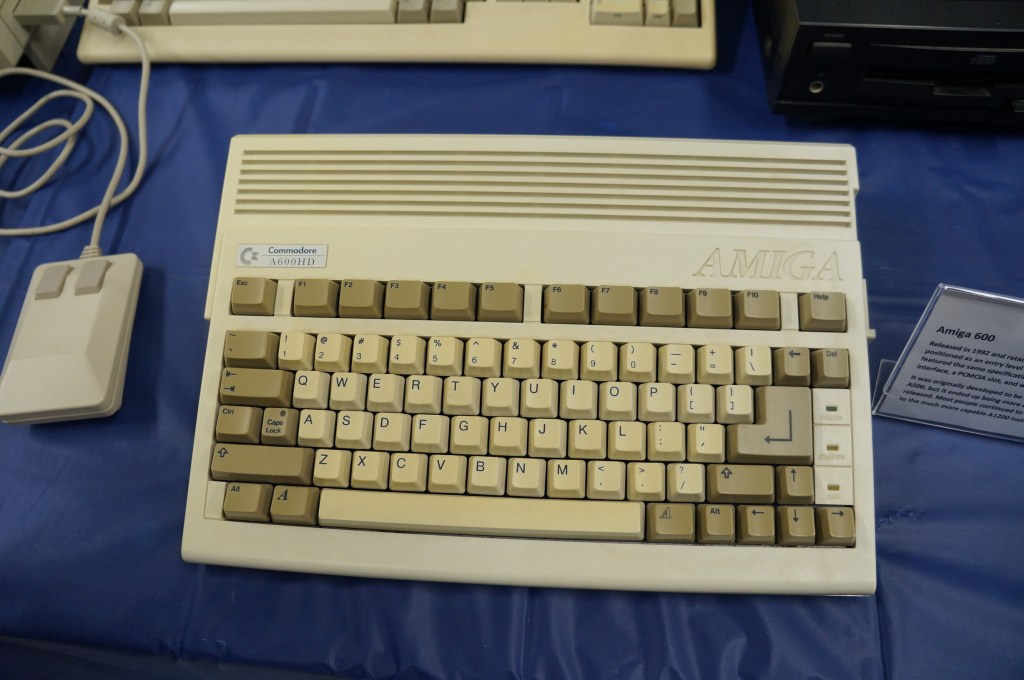
Commodore VIC-20, Commodore 64, and Amiga
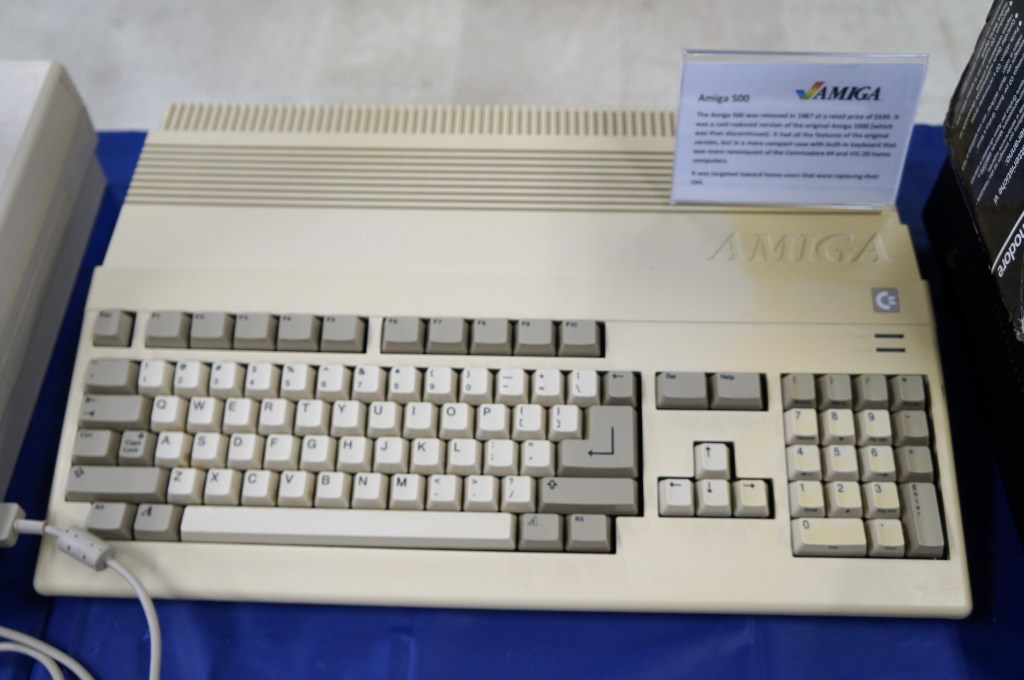
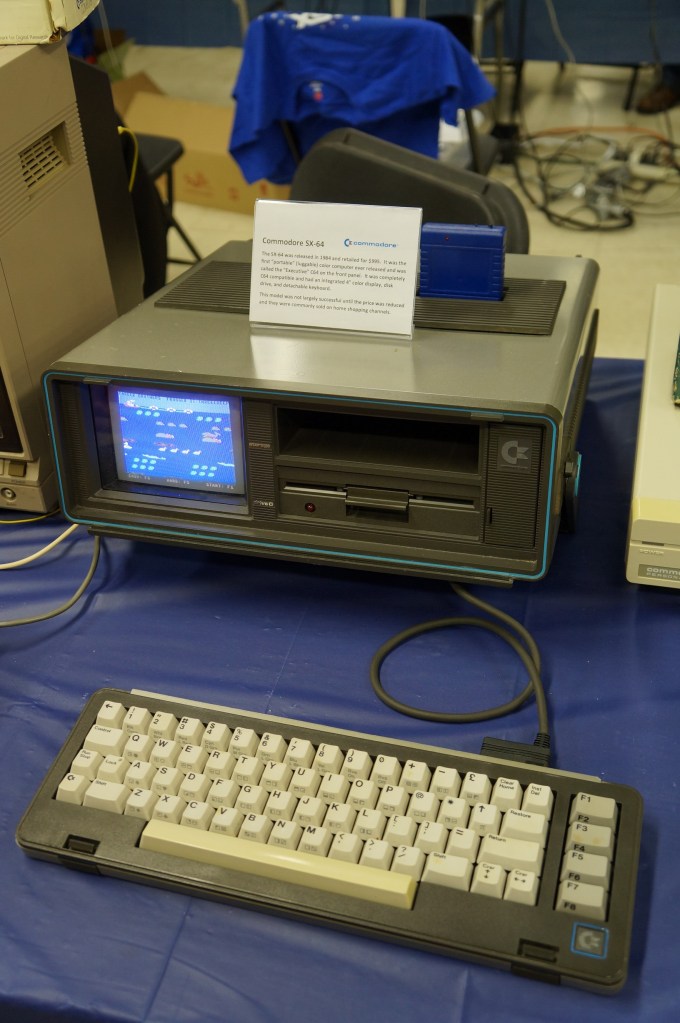
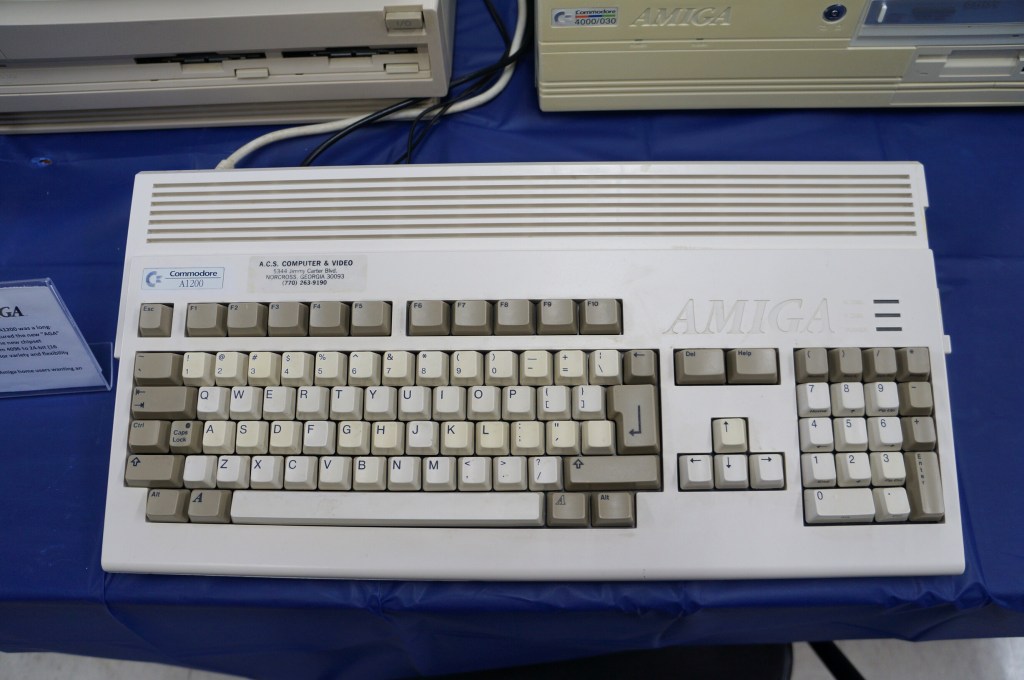
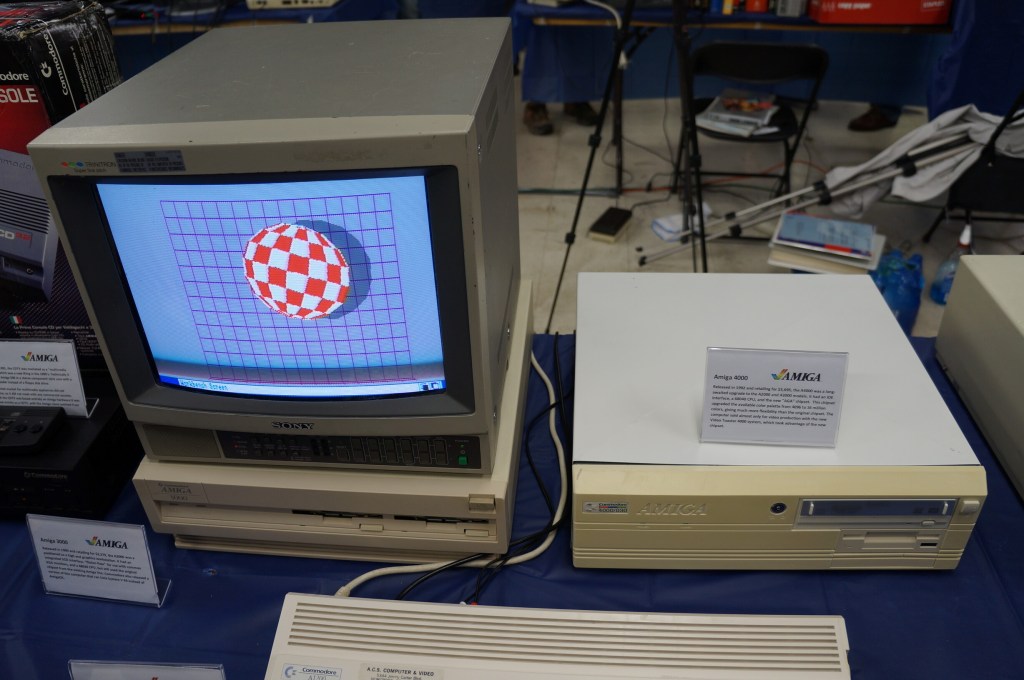
I didn’t know anyone with a VIC-20 or Commodore 64 growing up. Mark told me about having a VIC-20 when he was younger. After my trials with the Tandy Color Computer 3, my first GUI-based computer was an Amiga 2000HD. I used it for years for writing, drawing, and gaming until a tree branch attached to a long strand of Spanish moss swung Tarzan-style into my bedroom window and hit the back of the Amiga. It never ran again after that strike.
Years later, I got another Amiga 2000 from someone at a Goodwill auction. He had won the pallet that I wanted that included the Amiga. I don’t remember what I paid him for it, but I stored it at my used computer stall at Duke’s Y’all Come Flea Market in Darien, Georgia. We had a falling out and I abandoned what I still had in the stall, which included the Amiga. I never found out if it still ran or not.
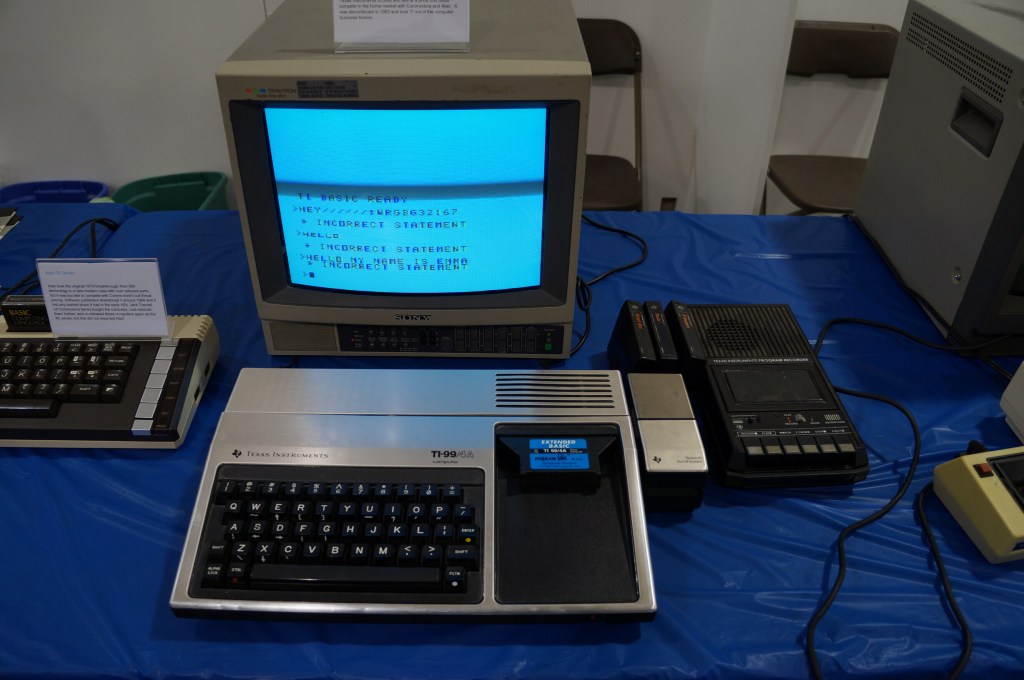
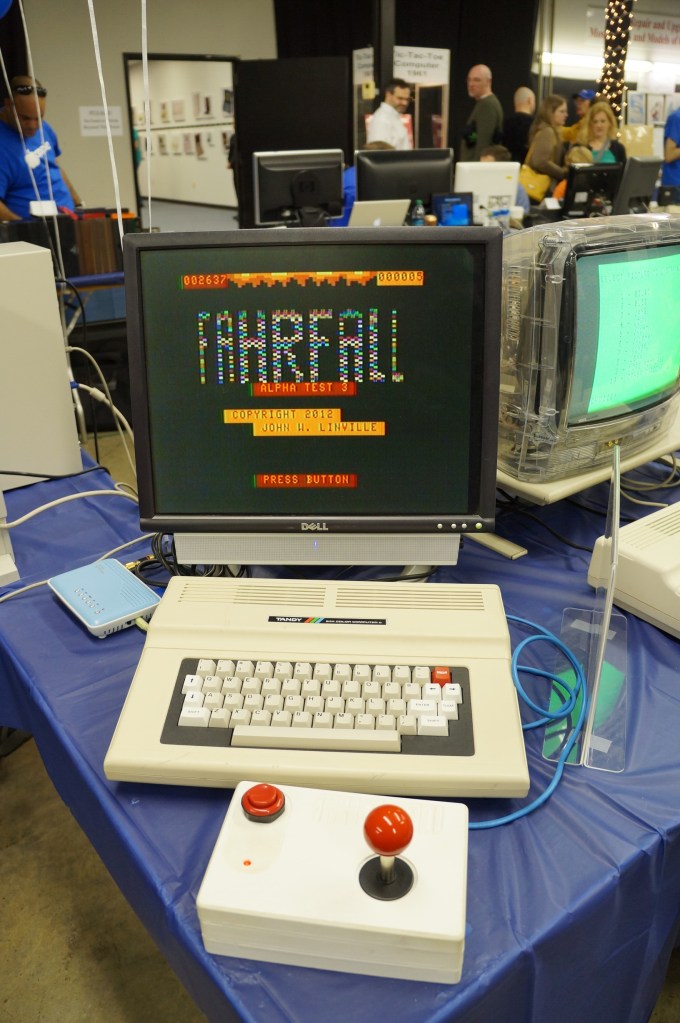
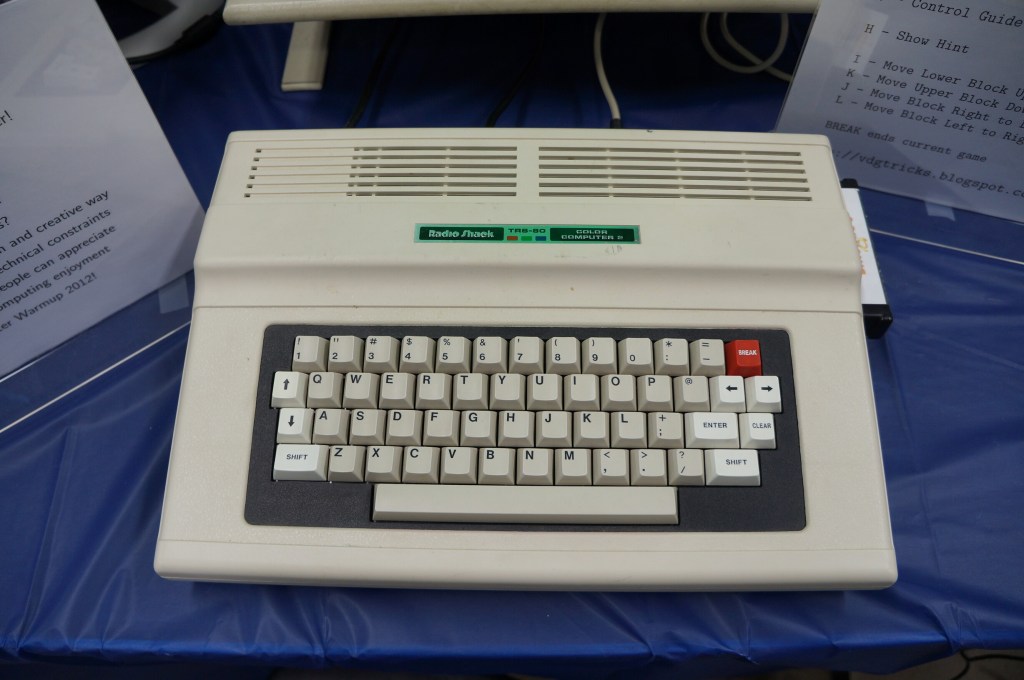
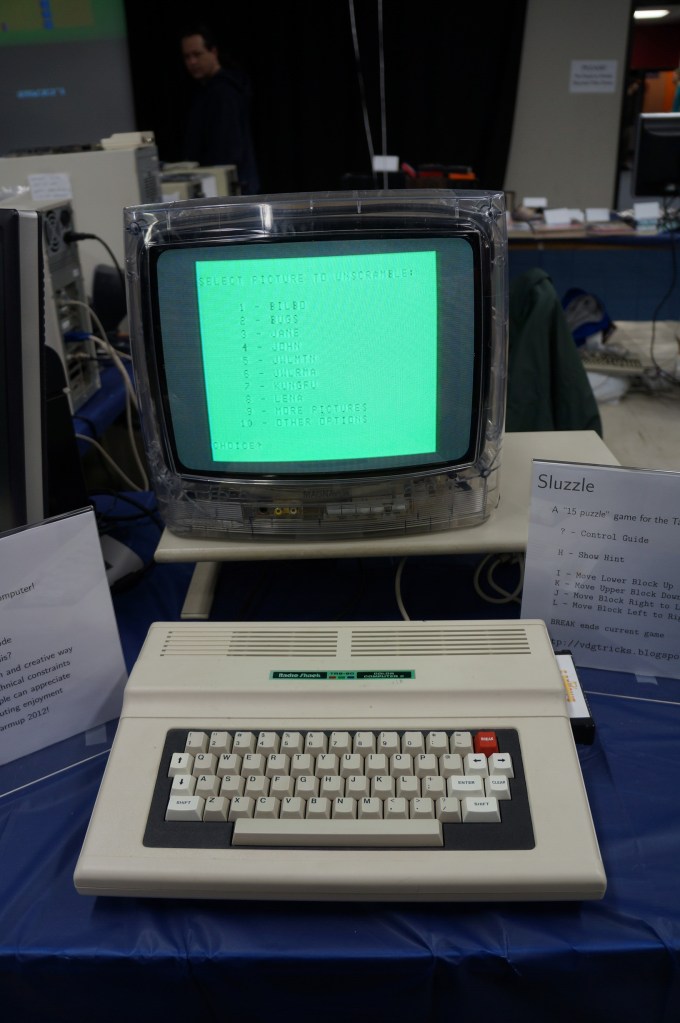
Radio Shack TRS-80 and Color Computer Series
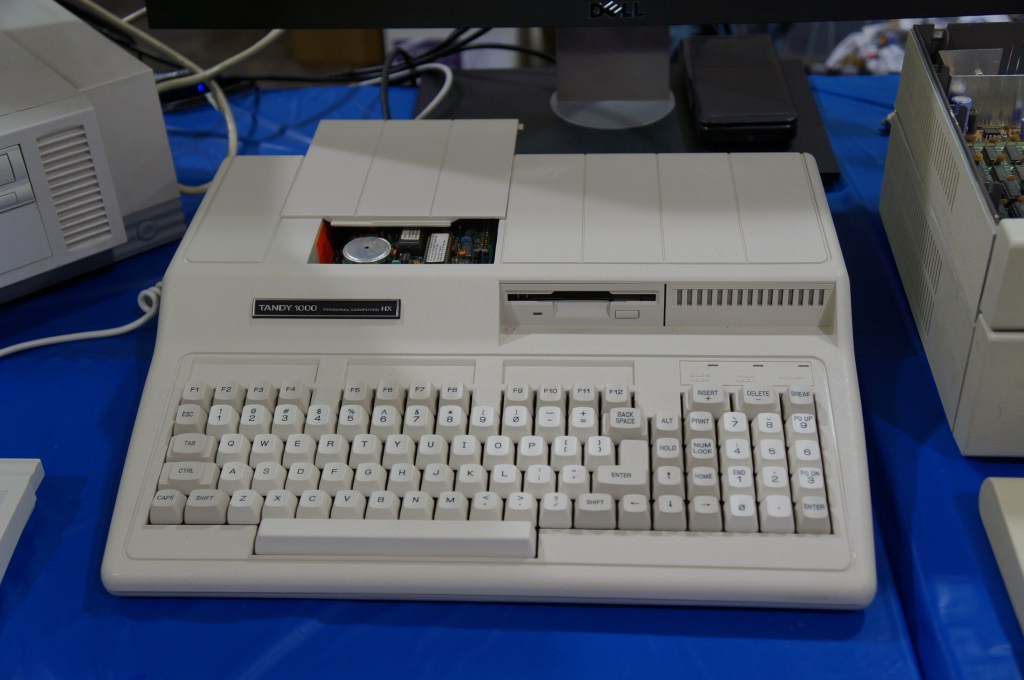
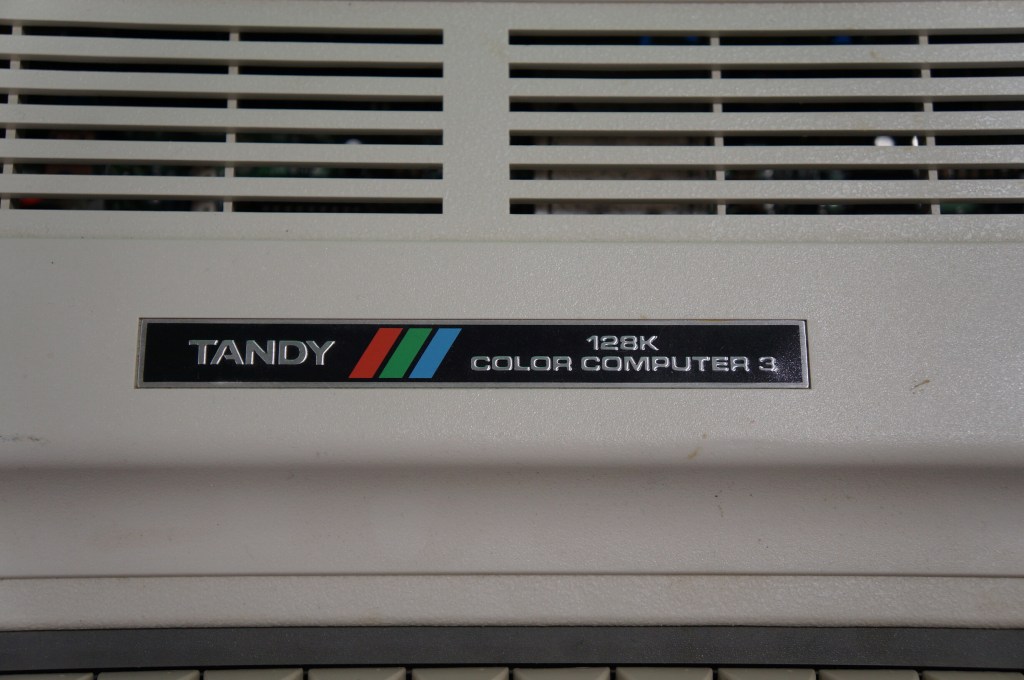
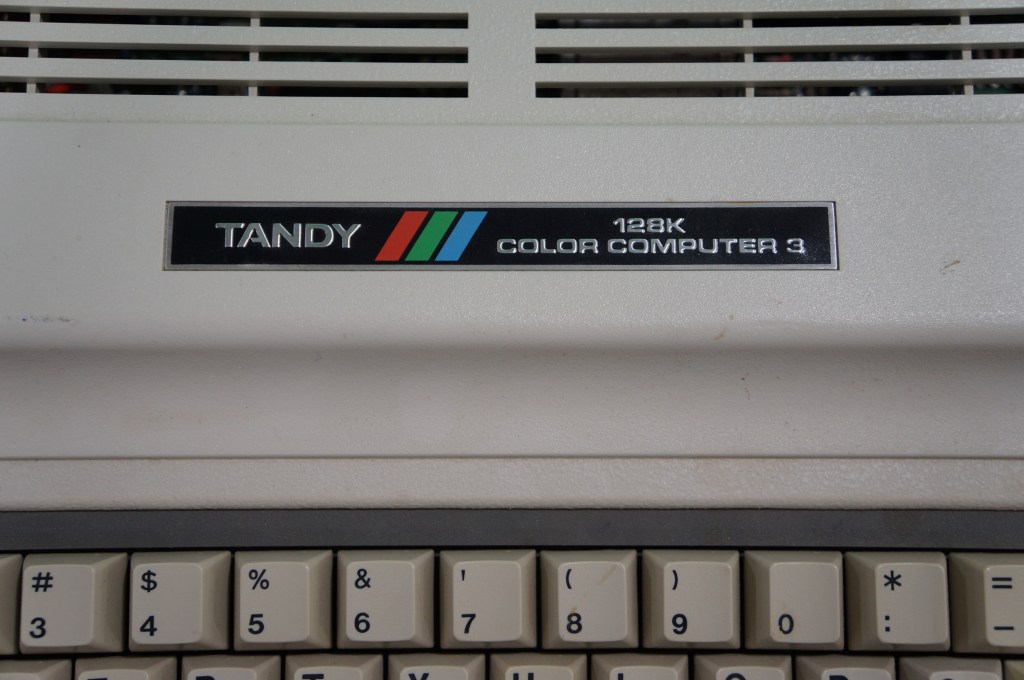
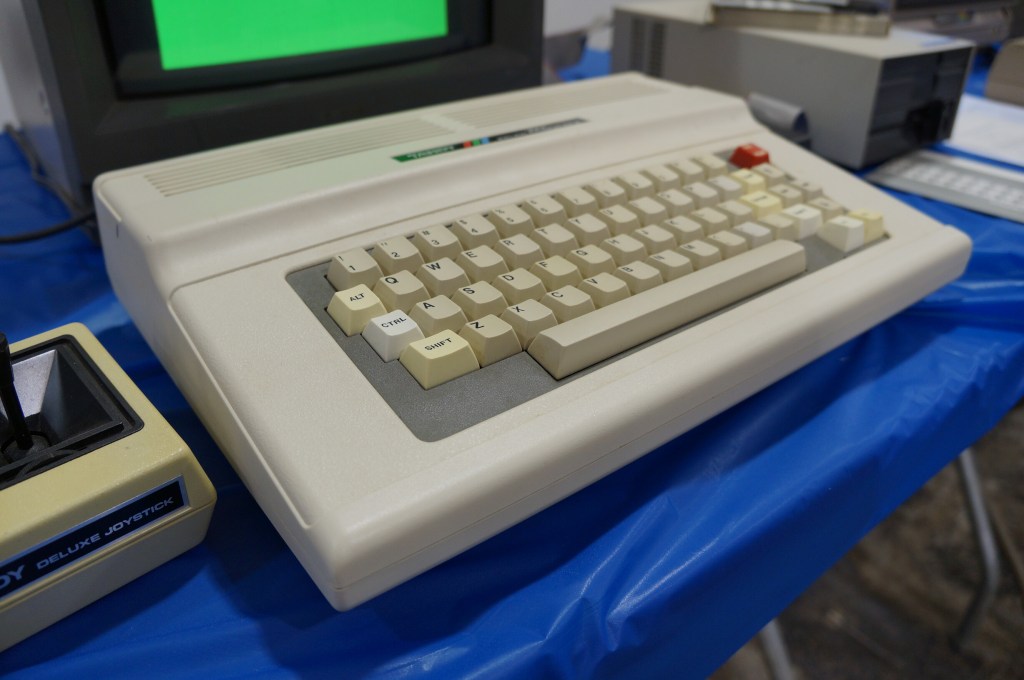
My first desktop computer was a Tandy Color Computer 3 that I hooked up to the family console TV. While I did all that I could with it, I think my mom recognized my frustrations. I wanted to make it work so badly after not having a computer and wanting one for so long. The next Christmas, my folks gave me a Commodore Amiga 2000HD, which was light years ahead of the CC3.
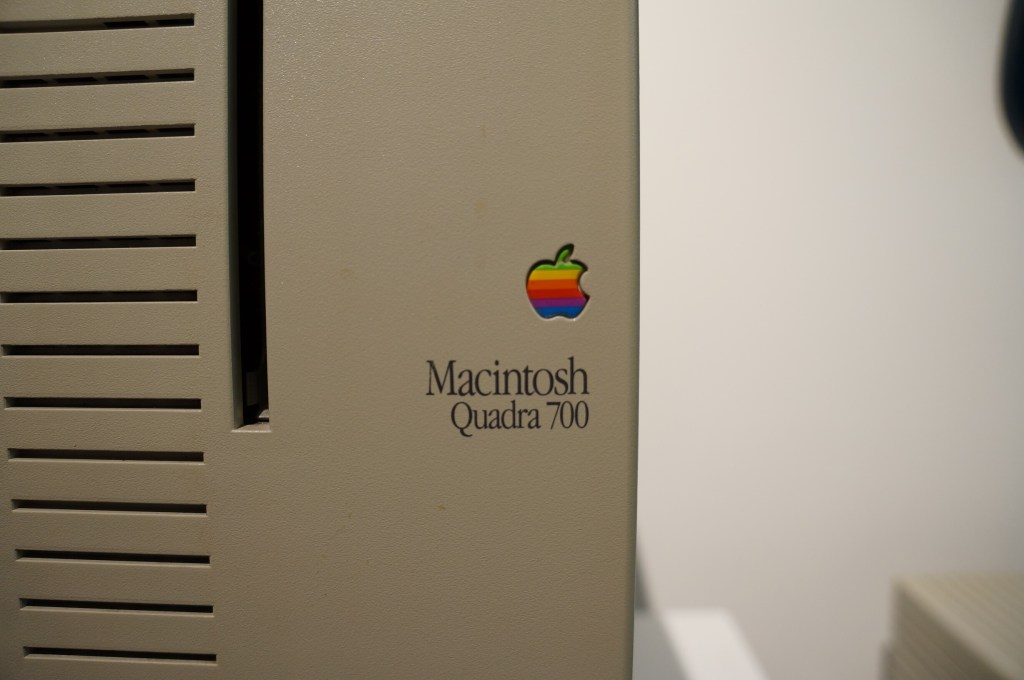
I had a Quadra 700 when I lived in Atlanta with Y. I put it in a box and left it with my folks in Georgia when we moved to NYC. Where it is now is anyone’s guess. There are many hiding places for a small box with this tiny powerhouse of a Mac. I hope to find it again one day.
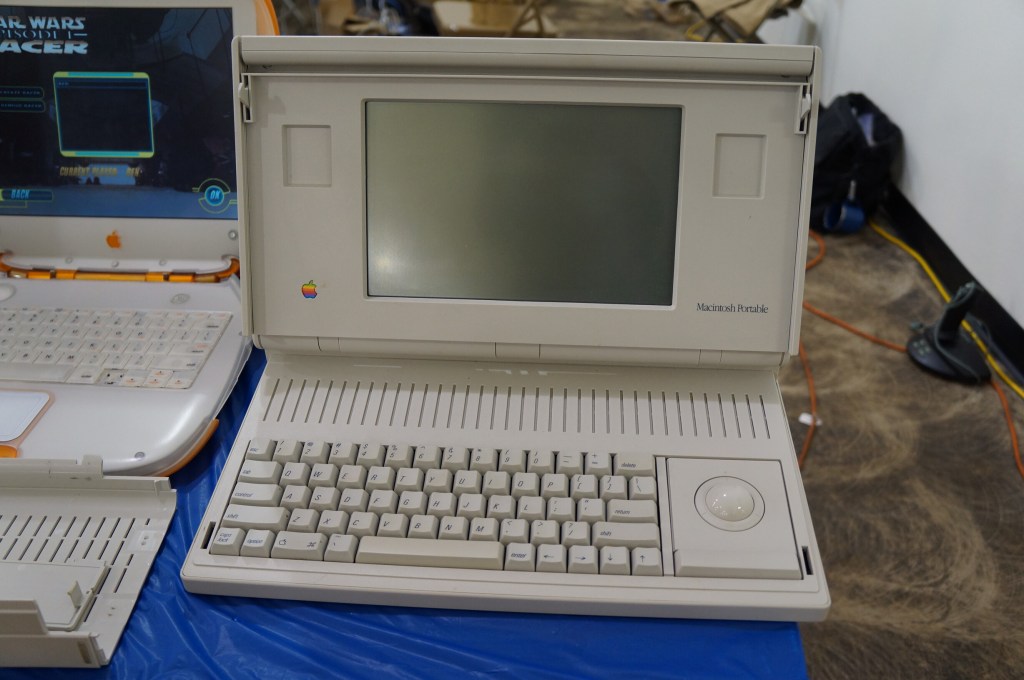
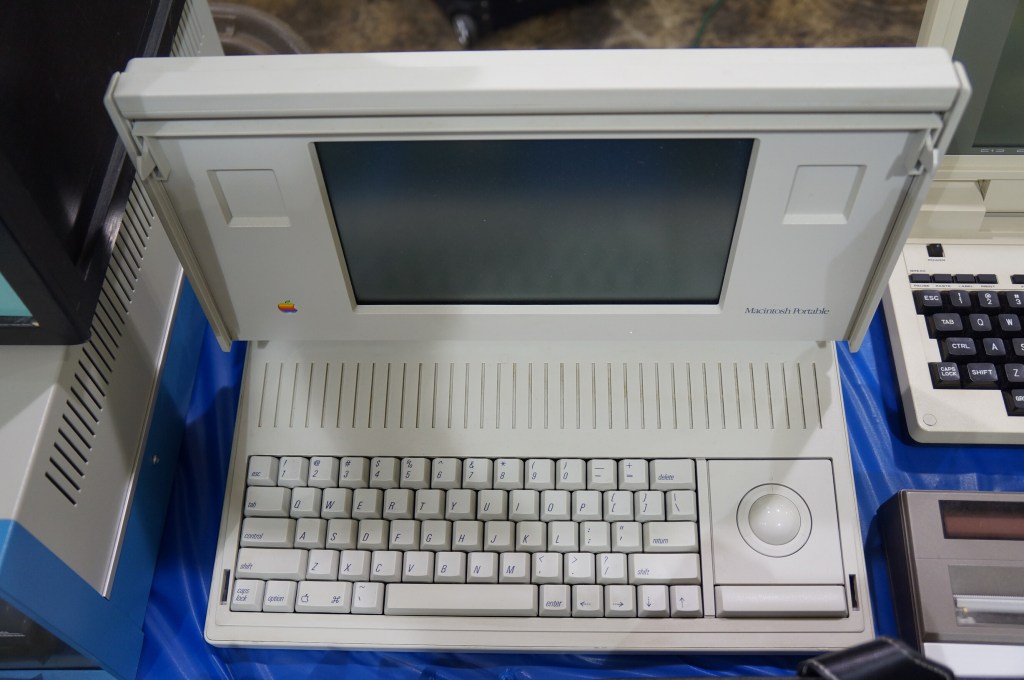
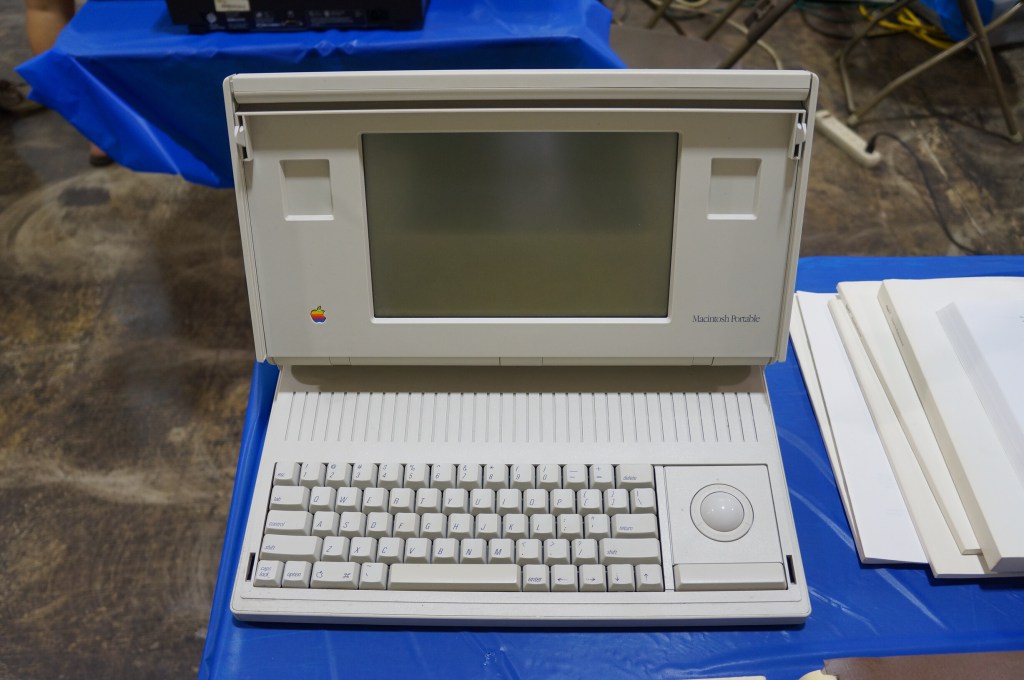
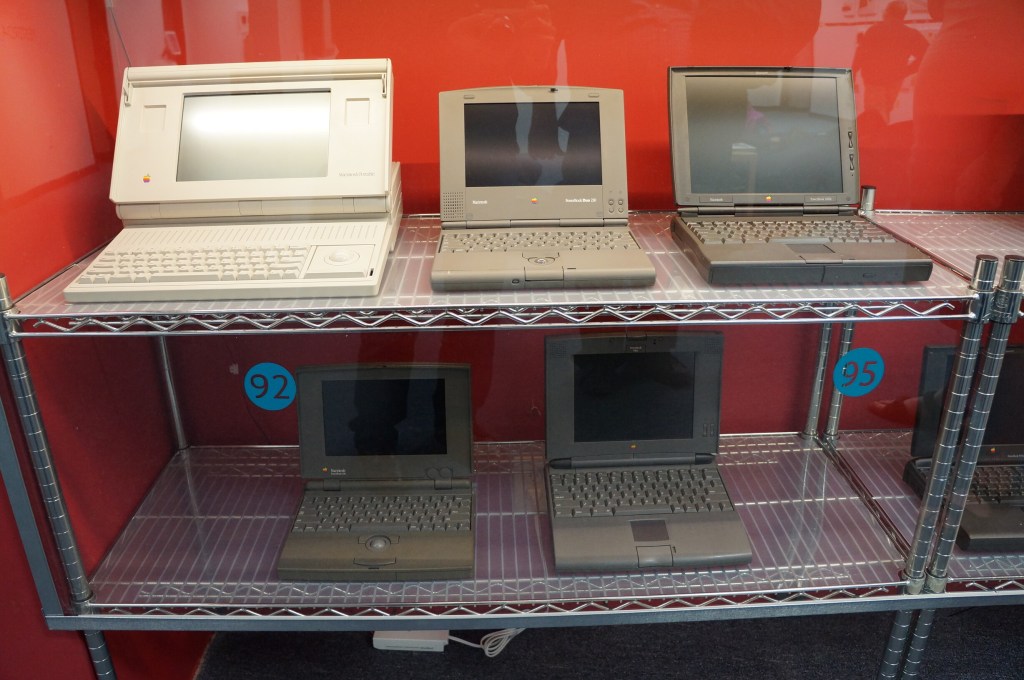
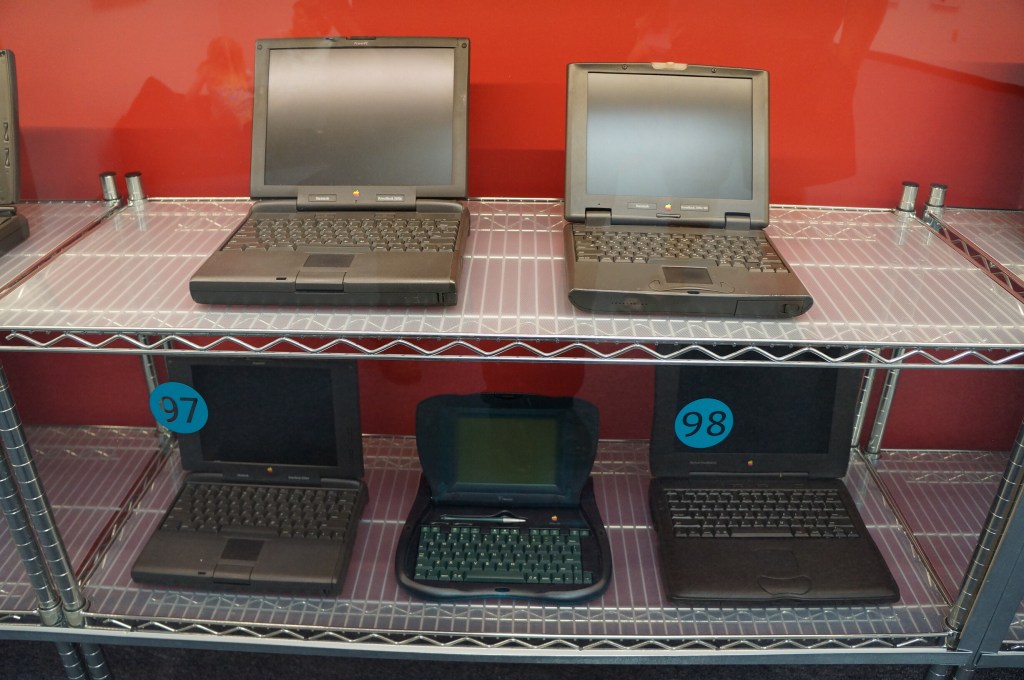
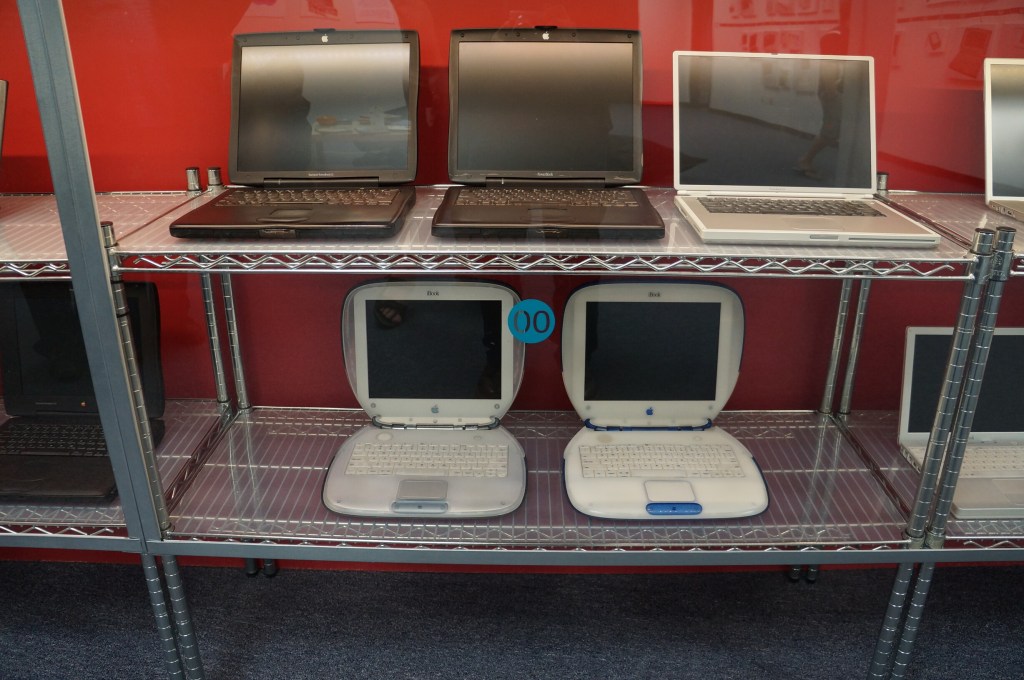
Portable Macintosh and Powerbook Line
My first laptop was a PowerBook 145B, which was my companion during my last two years of high school and the beginning of college of Georgia Tech. Later, I owned a PowerBook G4, iBook G3 (the result of a trade with my friend Kenny), 15″ MacBook Pro (2006), 12″ MacBook (unibody, 2008), and 15″ MacBook Pro (2012–Y still uses it).
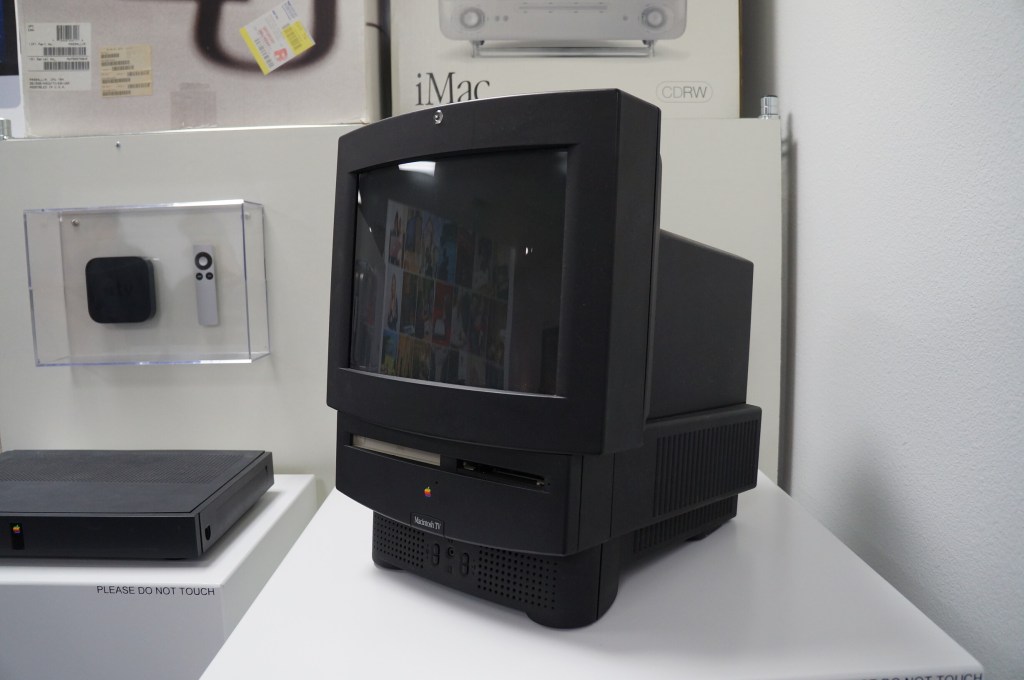
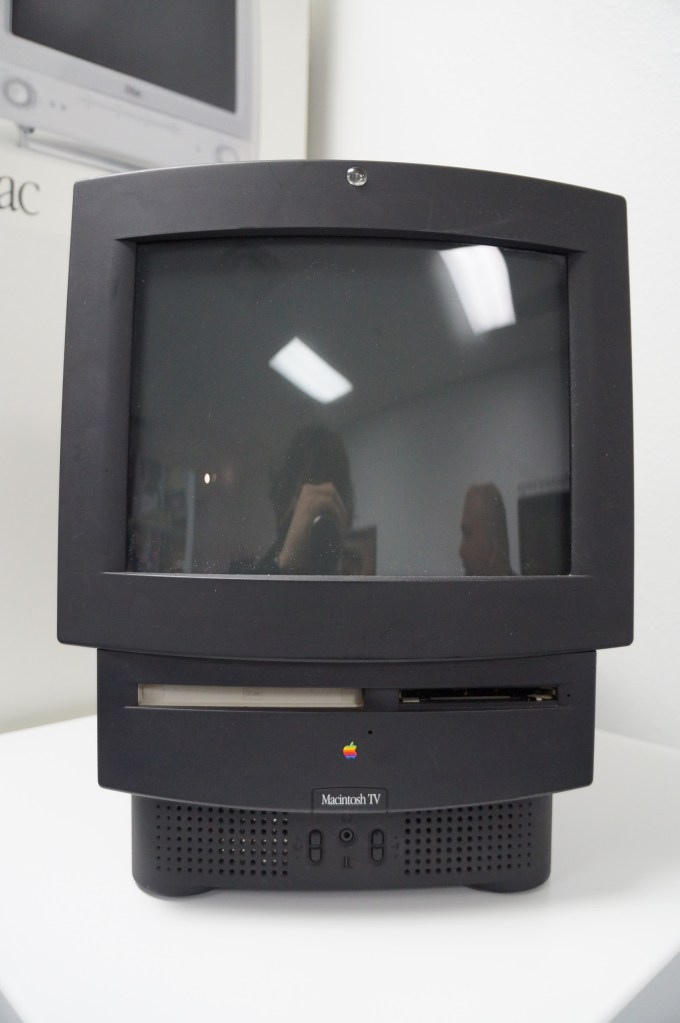
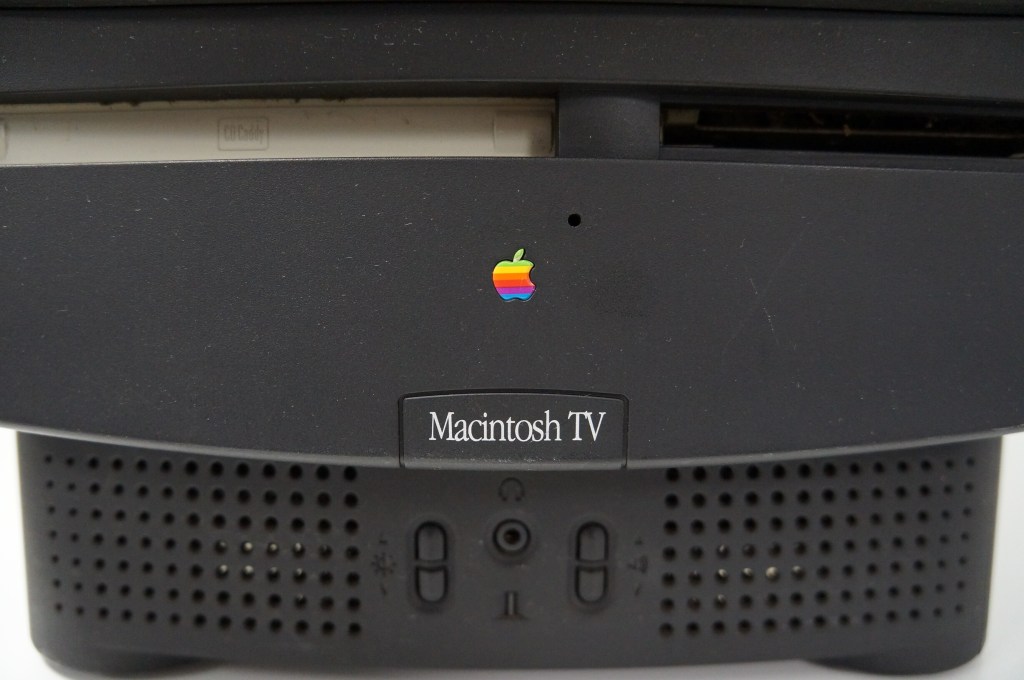
Apple Macintosh TV
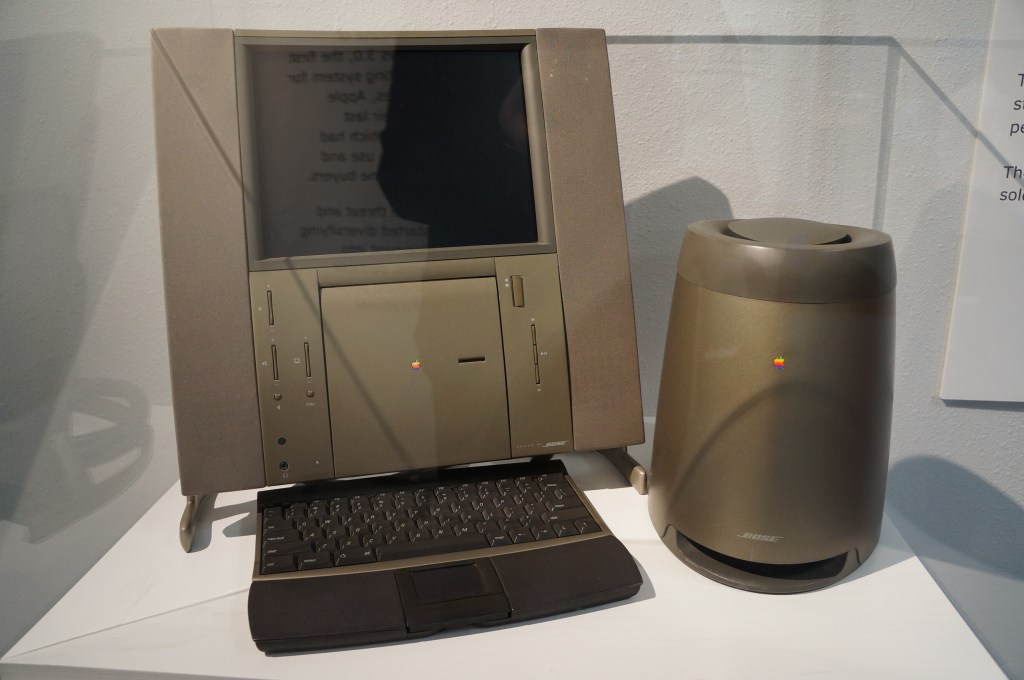
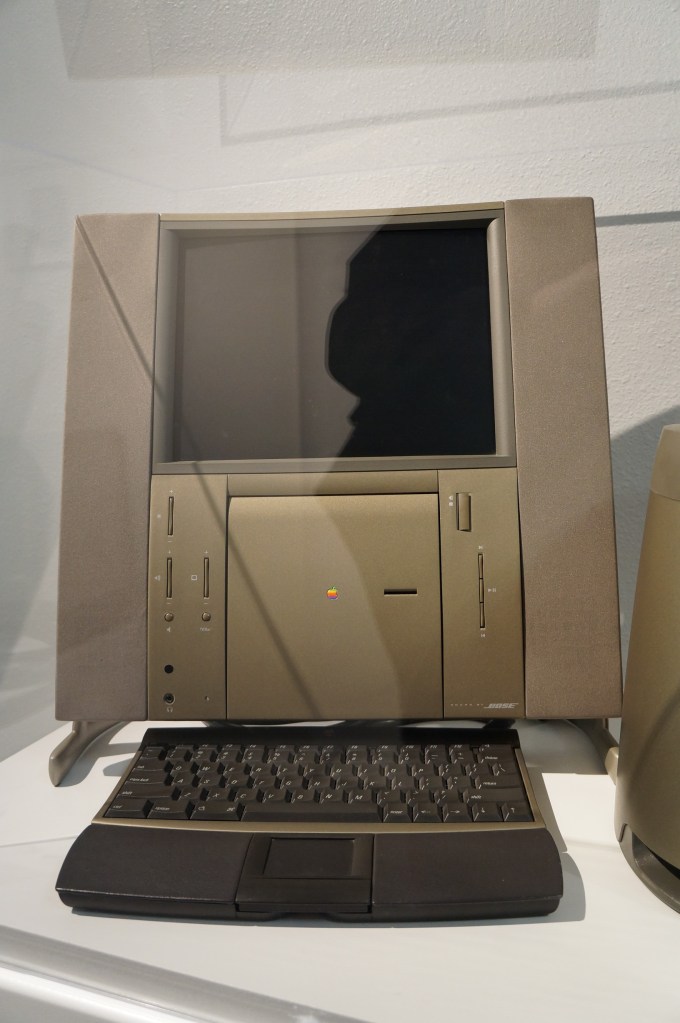
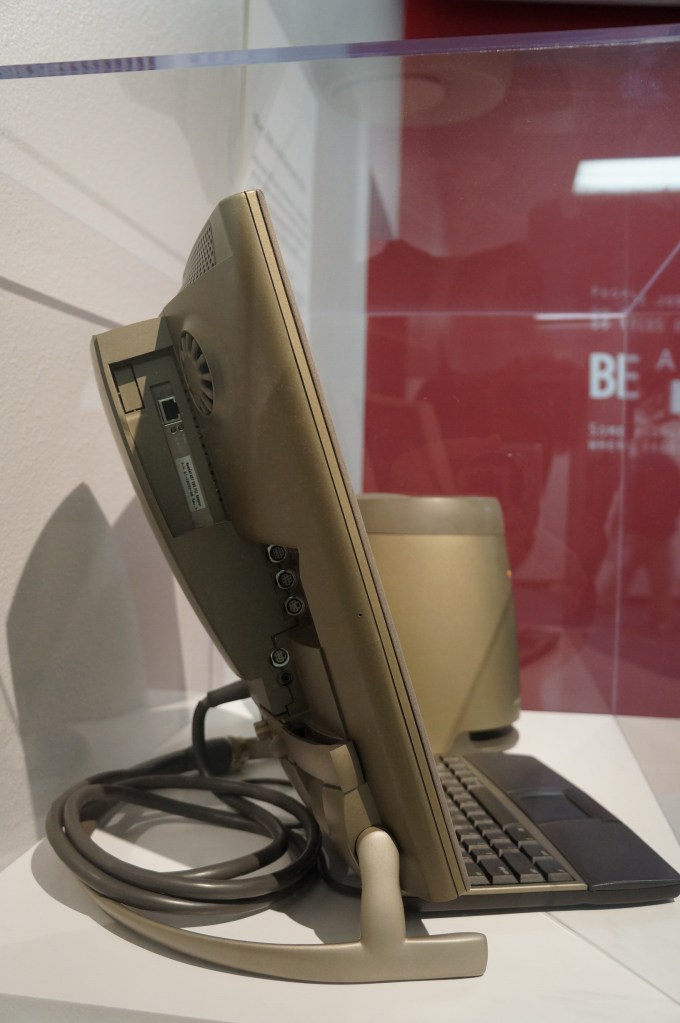
20th Anniversary Macintosh
When the 20th Anniversary Macintosh debuted, my friend Chris and I lusted after it. It was a sexy computer, but it had an out of this world price tag of $10k (though, that included having a technician deliver, setup, and demo the computer in your own home). In retrospect, it was a terrible product that ignored what the original Macintosh represented as an every person’s computer. This computer was about style and prestige and money. A lot about what Apple represents today after Steve Job’s passing seems to be drifting back toward what this computer represents.
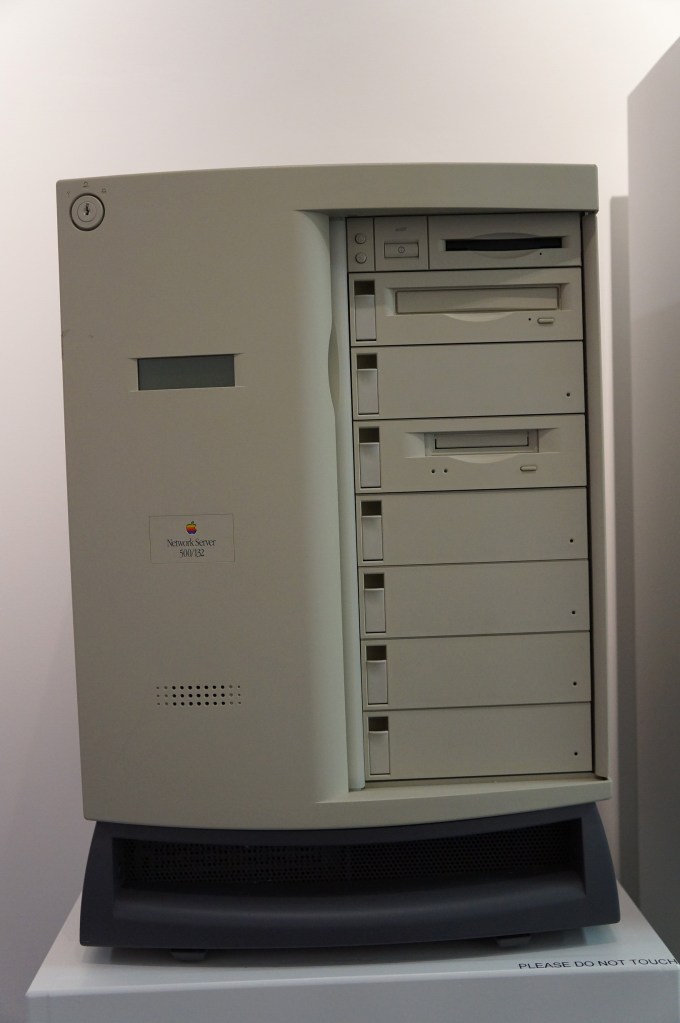
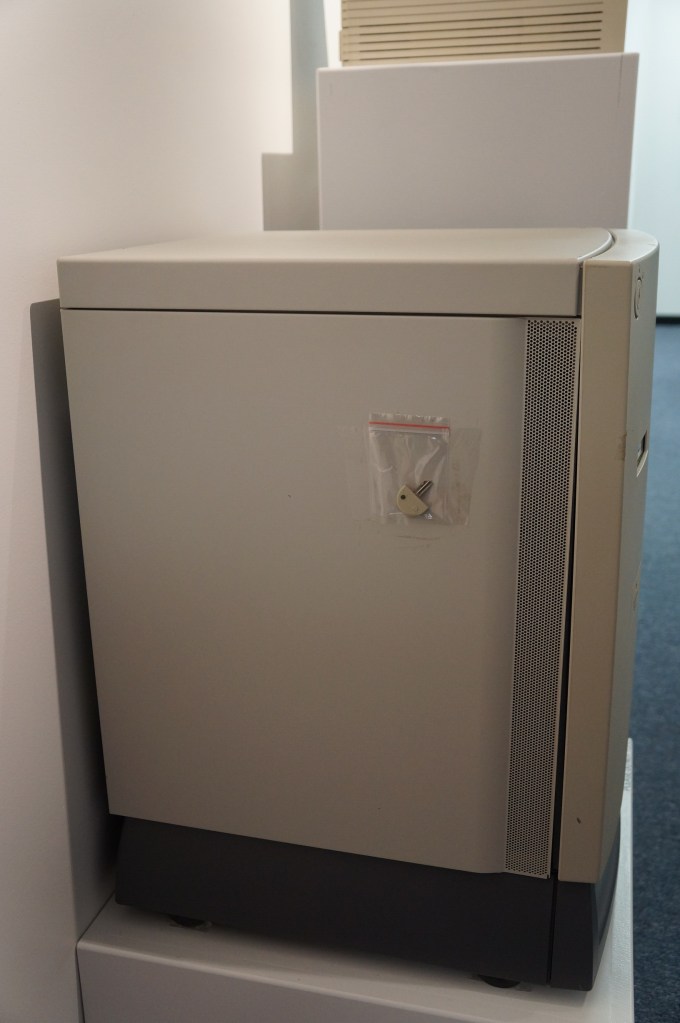
Network Server 500/132
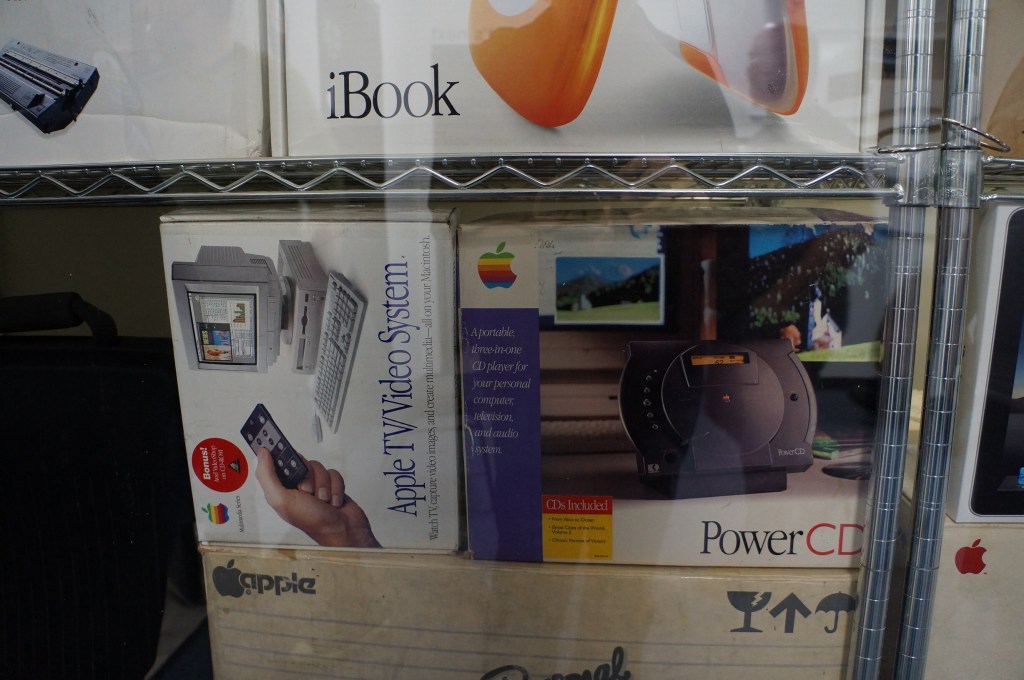
Macintosh Add-Ons
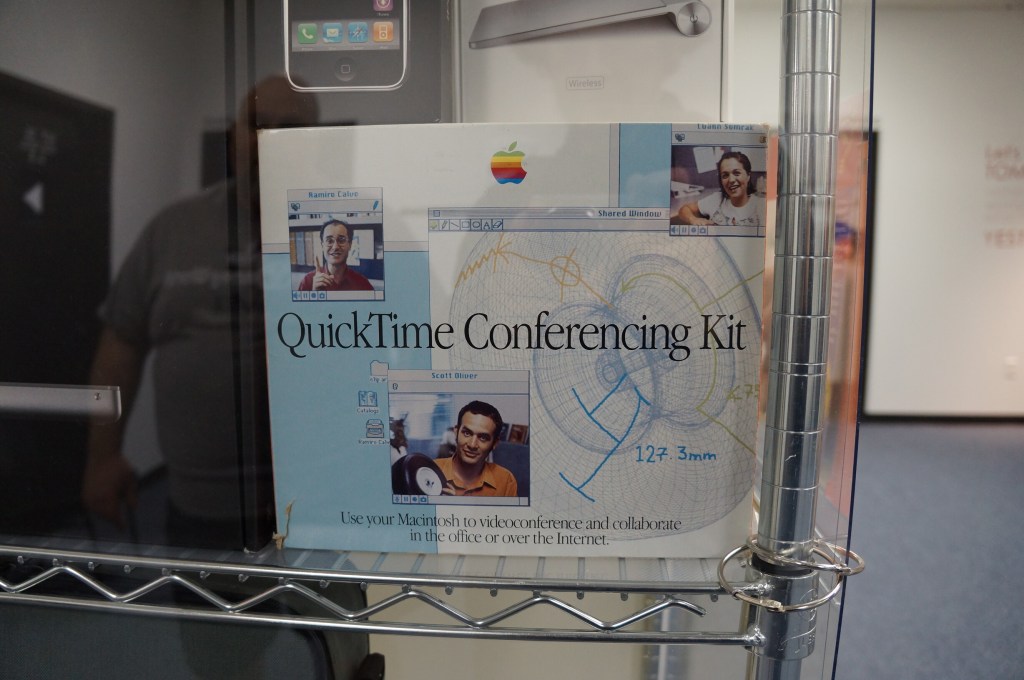
The Apple TV/Video System was an expansion card that gave you a TV tuner and video inputs for your Mac. The PowerCD was an external SCSI CD-ROM drive for Macs that might not have a CD-ROM drive built-in. And the QuickTime Conferencing Kit included a camera and software for video conferencing and collaborative tools like a shared whiteboard–back in 1995.
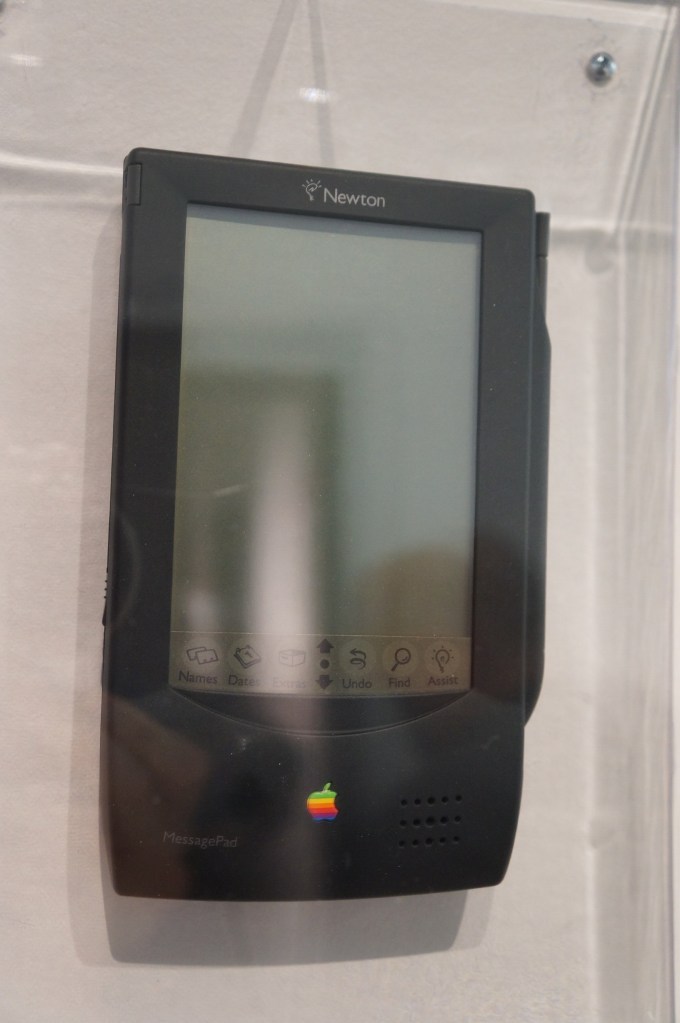
Apple Newton
The thing that used to burn me up when Apple released innovative products like the Newton, popular media like SNL would shit all over them, which would turn the general conversation away from what the products could do and had the potential to do towards the limitations and lack of imagination by those folks who would otherwise never purchase or use those products. It wasn’t criticism. It was product assassination. Had that not happened, I think the Newton would have been in a stronger position that might have let it develop further before getting killed off.
It seems like the Internet and social media provides a force or pressure against these negative megaphones of the past. However, there’s equally a lot of fanboys and cheerleaders who don’t temper their enthusiasm with a little bit of reality.
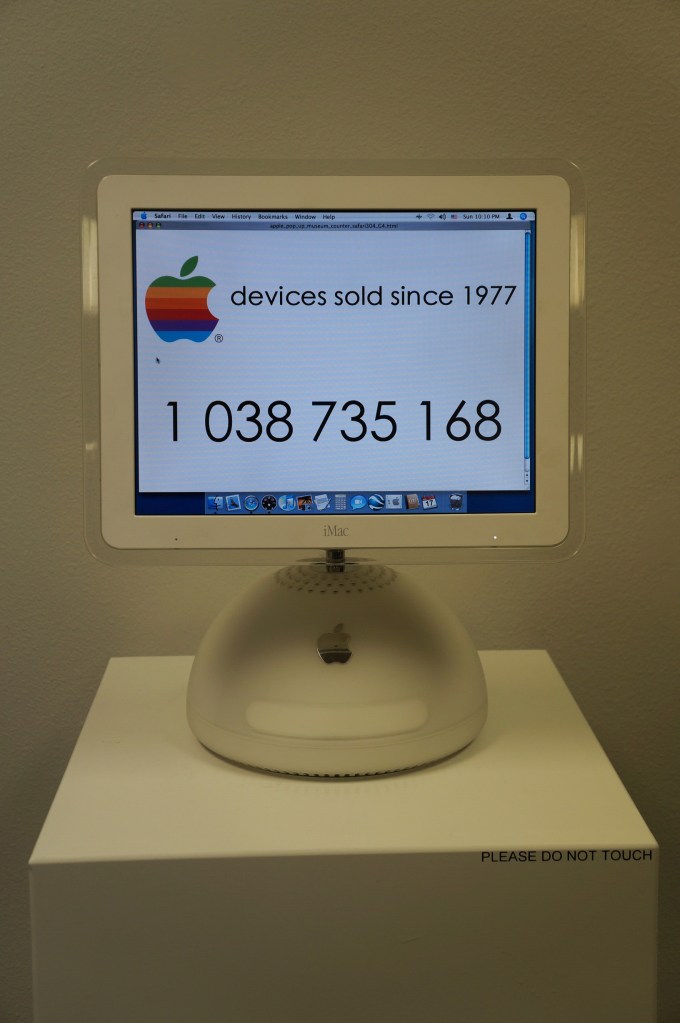
iMacs and G4 Cube
My first experience with an original Bondi Blue iMac was soon after its announcement. I was working at NetlinkIP on St. Simons Island, Georgia when a client called asking for help setting it up. I drove out to a very nice house on the island, unboxed, and configured it to dial up to the Internet. Admittedly, I took longer than was necessary so that I could thoroughly check it out.
Later, my friend Bert got a G4 Cube. Despite its complete lack of internal expandability beyond upgrading its RAM or hard drive, he used his beyond what I think most people would. Every USB port was used for devices or hubs and it was connected to his stereo system. He used it for a lot of graphics and video work and showed how it really was a supercomputer in a small package.
I had a 17″ Luxo iMac for awhile in the early 2000s, but I sold it before I built another desktop PC using an AMD Athlon 2500+ CPU. While I had it though, I liked its crisp 17″ LCD and it was a powerhouse for some of the video editing projects that I did at the time.
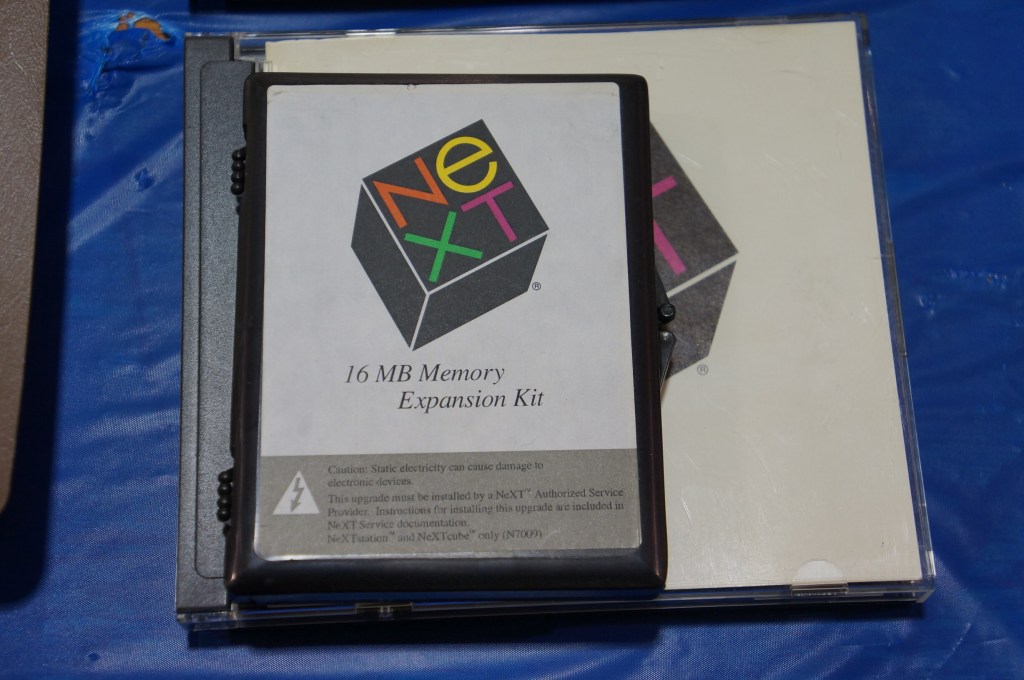
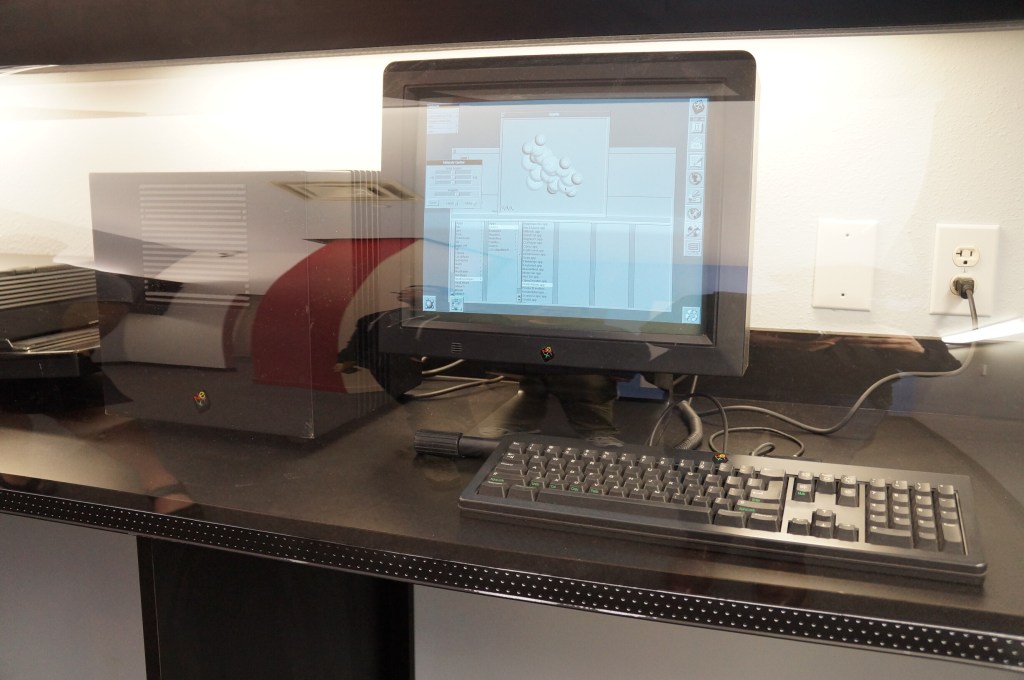
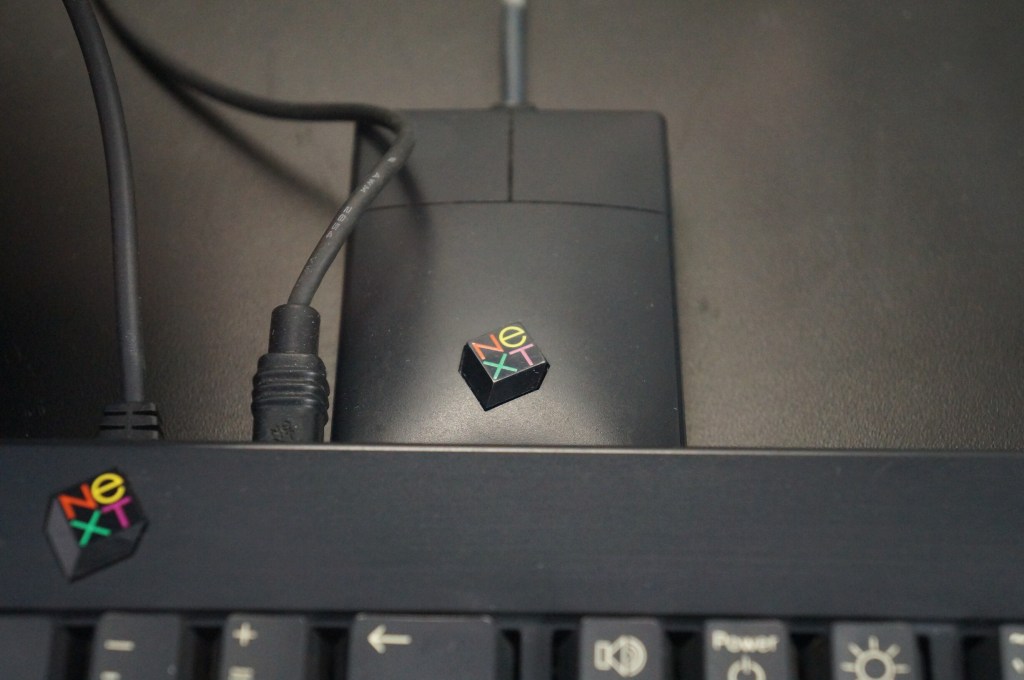
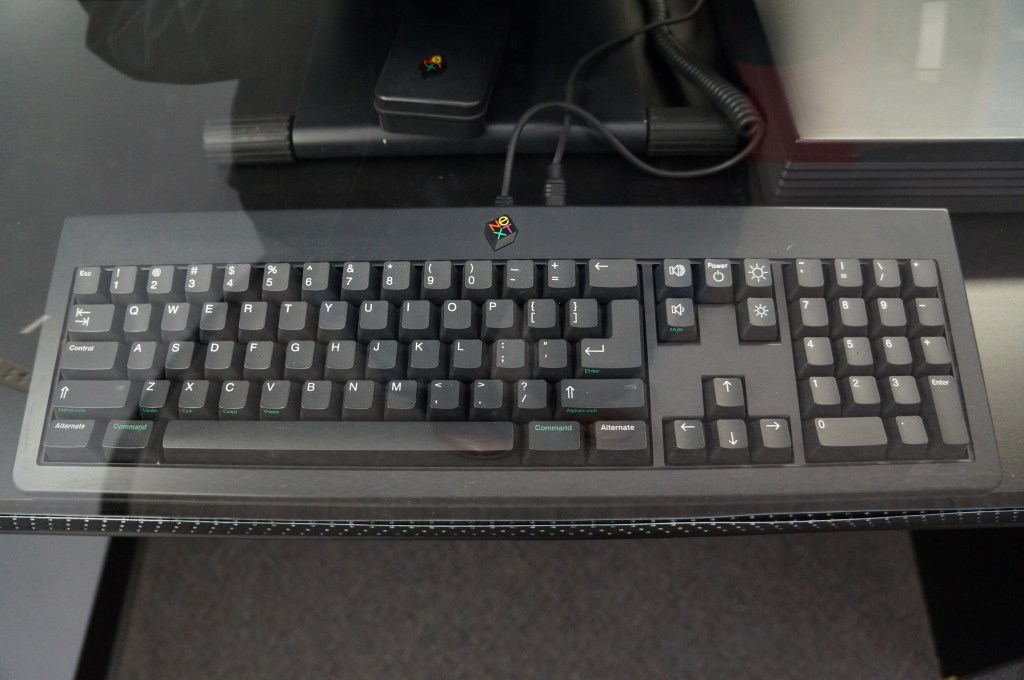
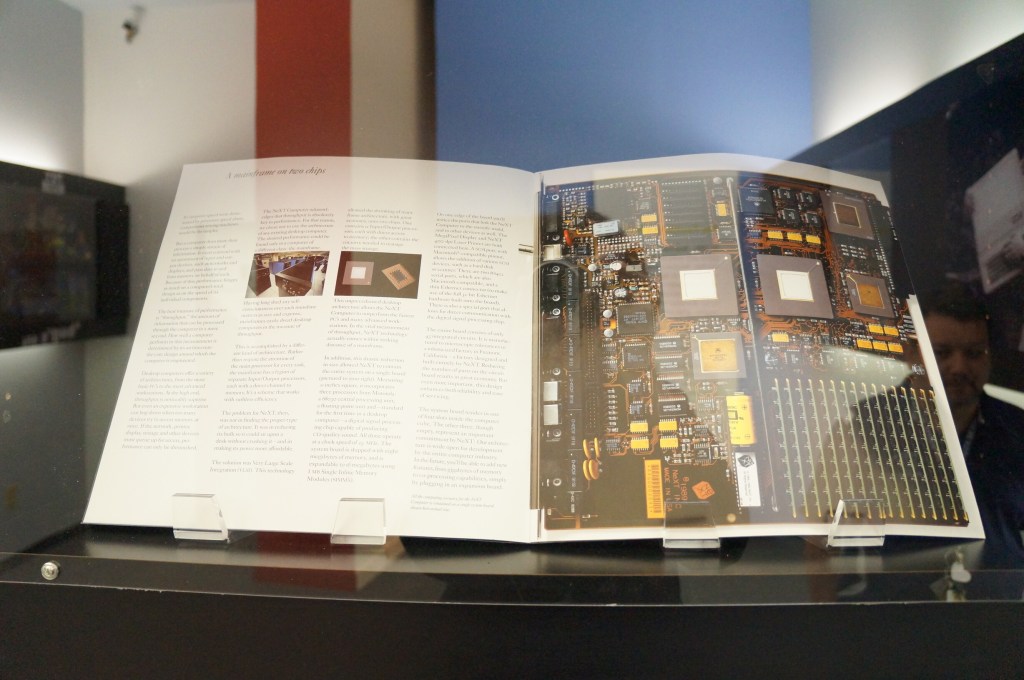
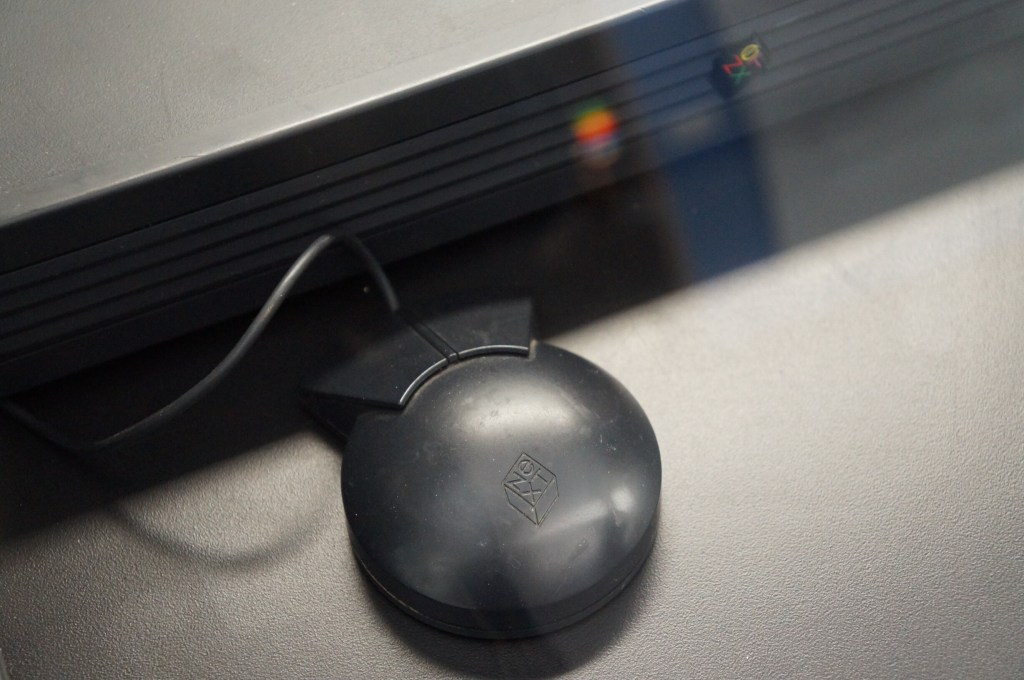
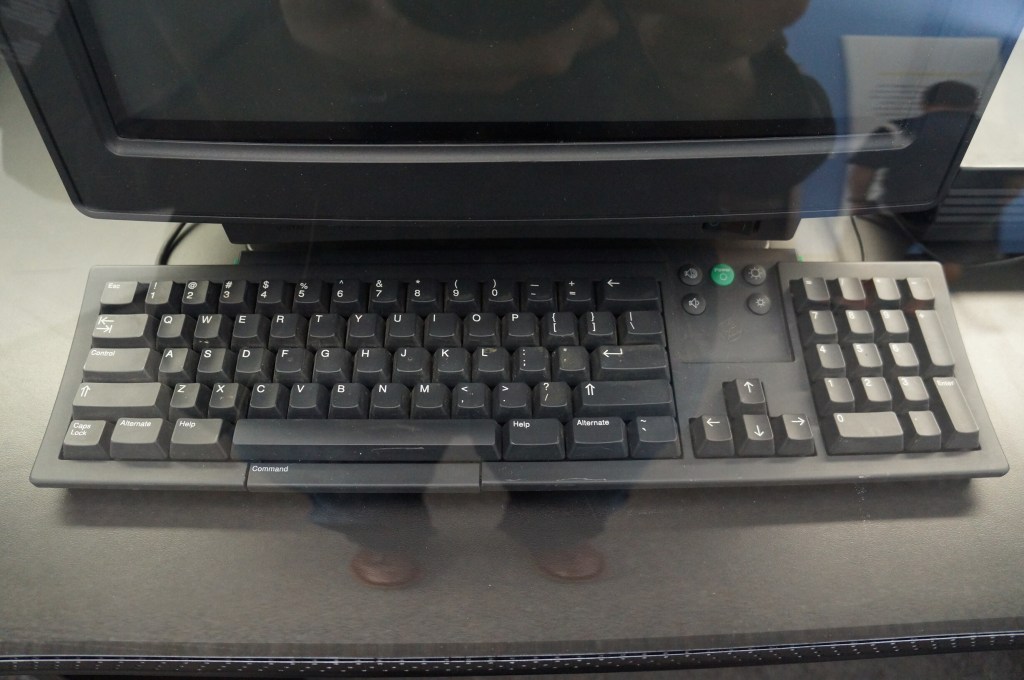
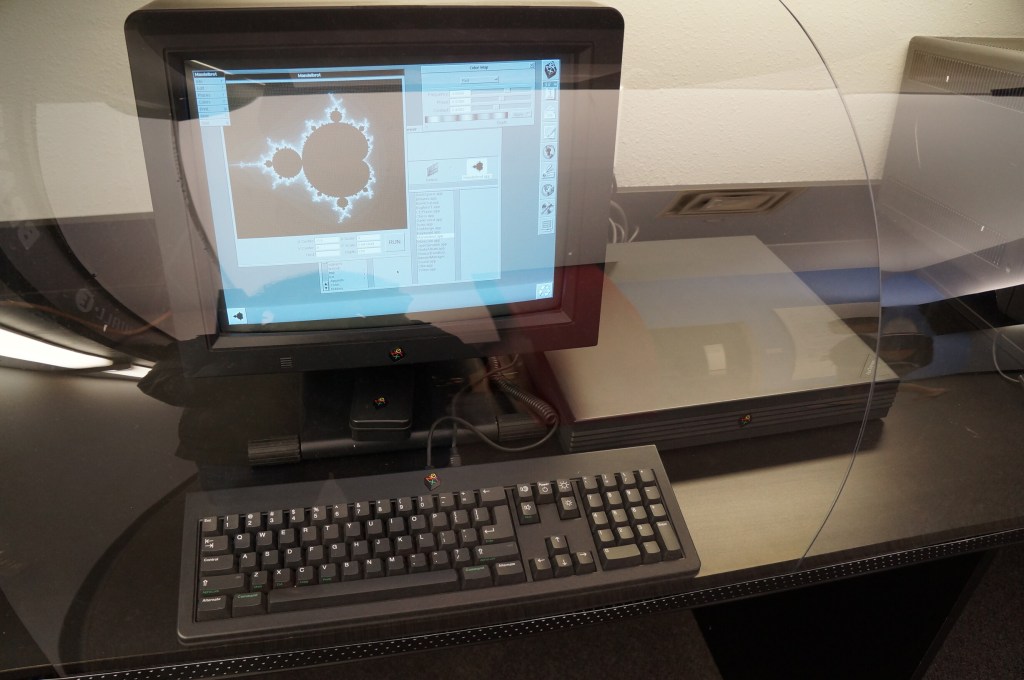
NeXT Computer
Steve Jobs’ second act and the salvation of Apple when the prodigal son returned.
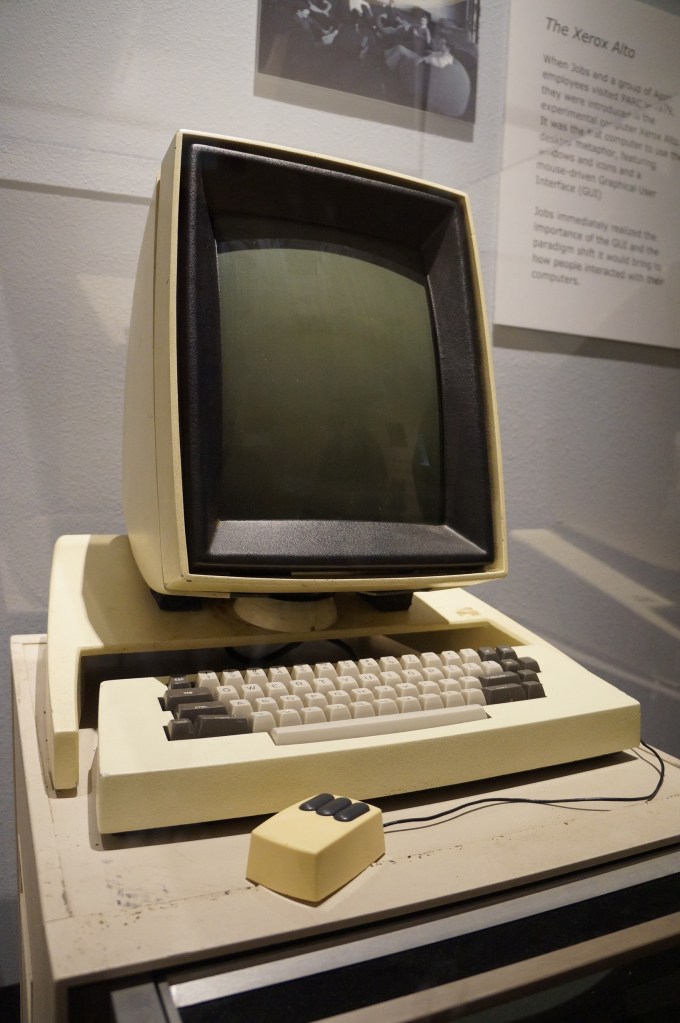
Xerox Alto
This is Xerox’s GUI desktop minicomputer that brought together what Xerox PARC had been developing and demoed to Steve Jobs and his team at Apple that led to the Lisa and eventually the Macintosh.
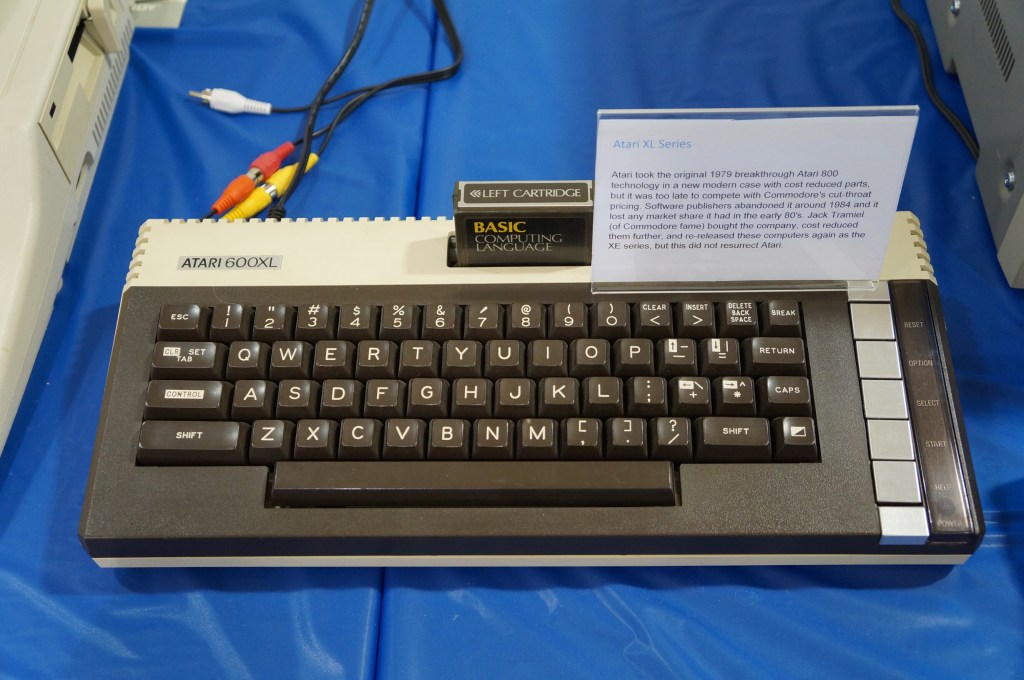
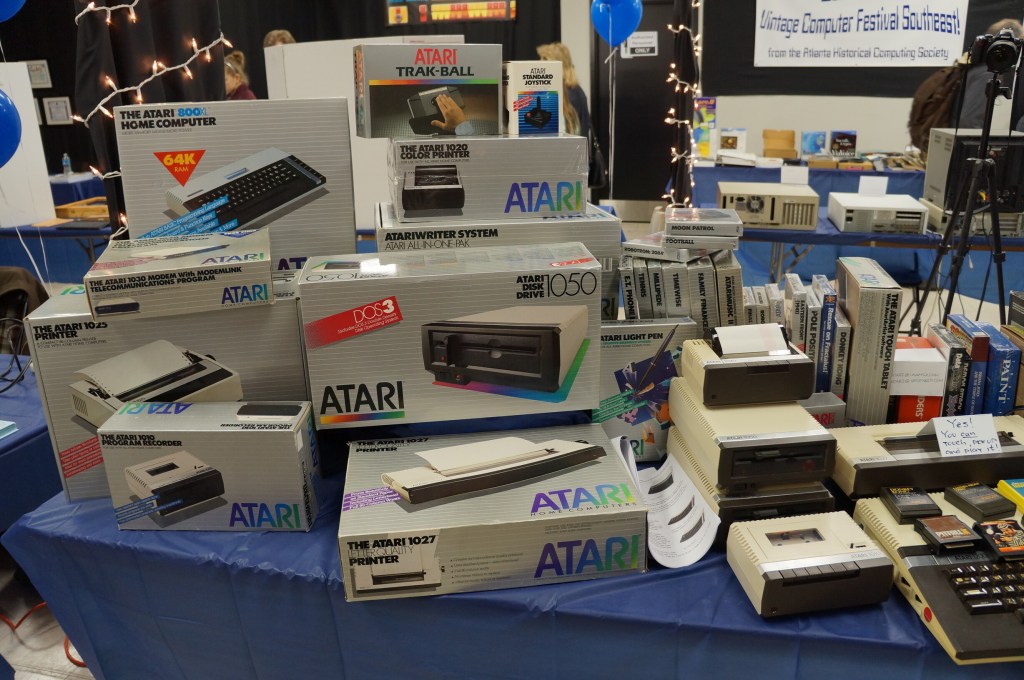
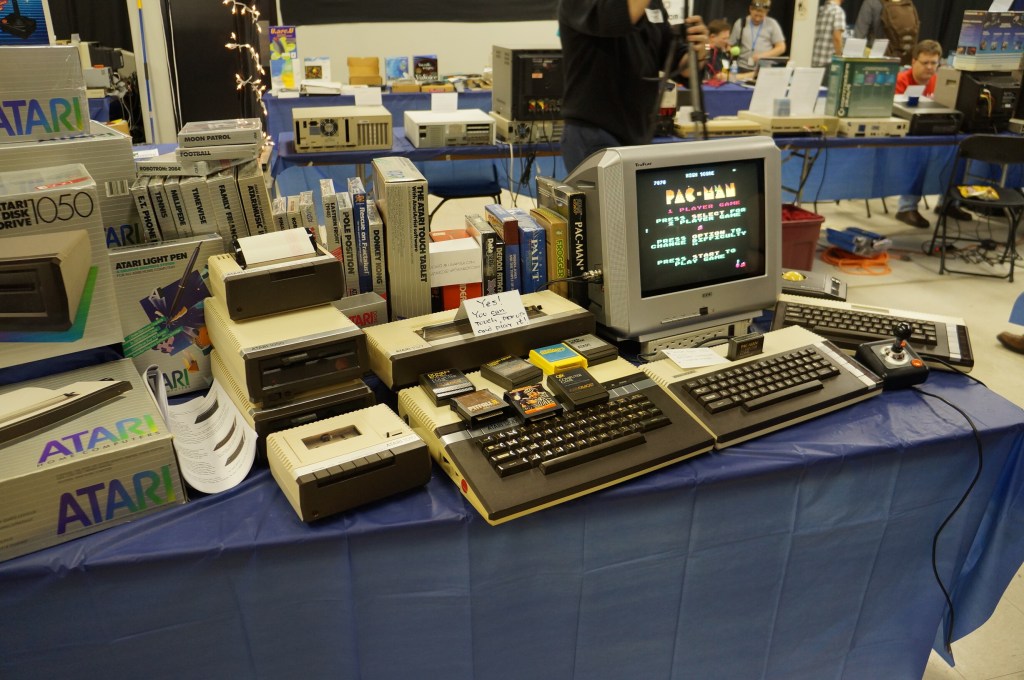
Atari Computer
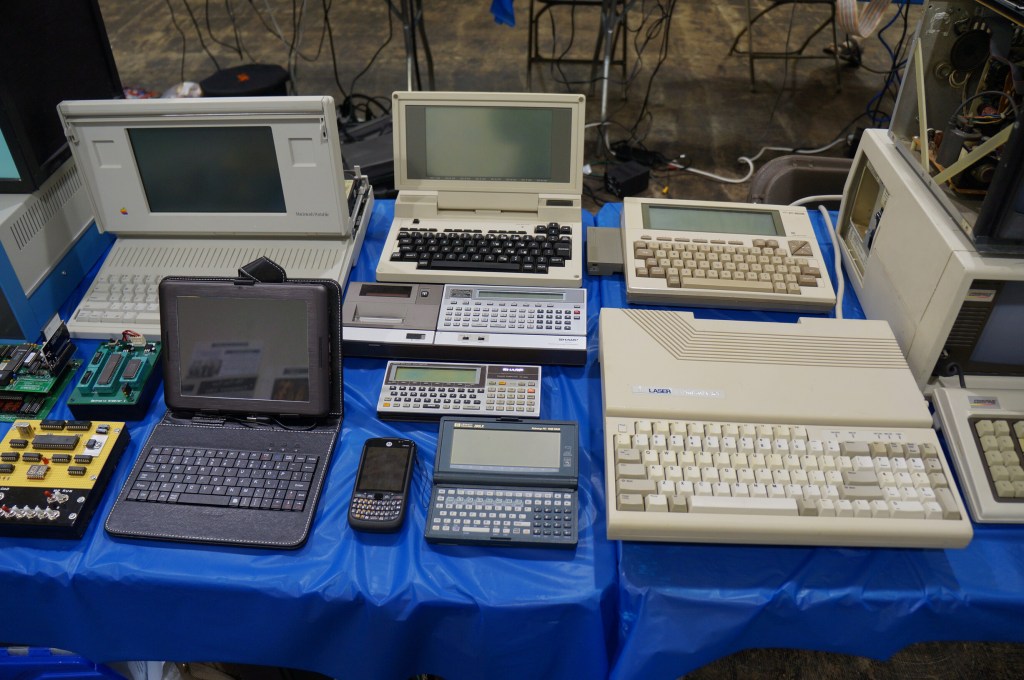
Portable Computing Miscellaneous
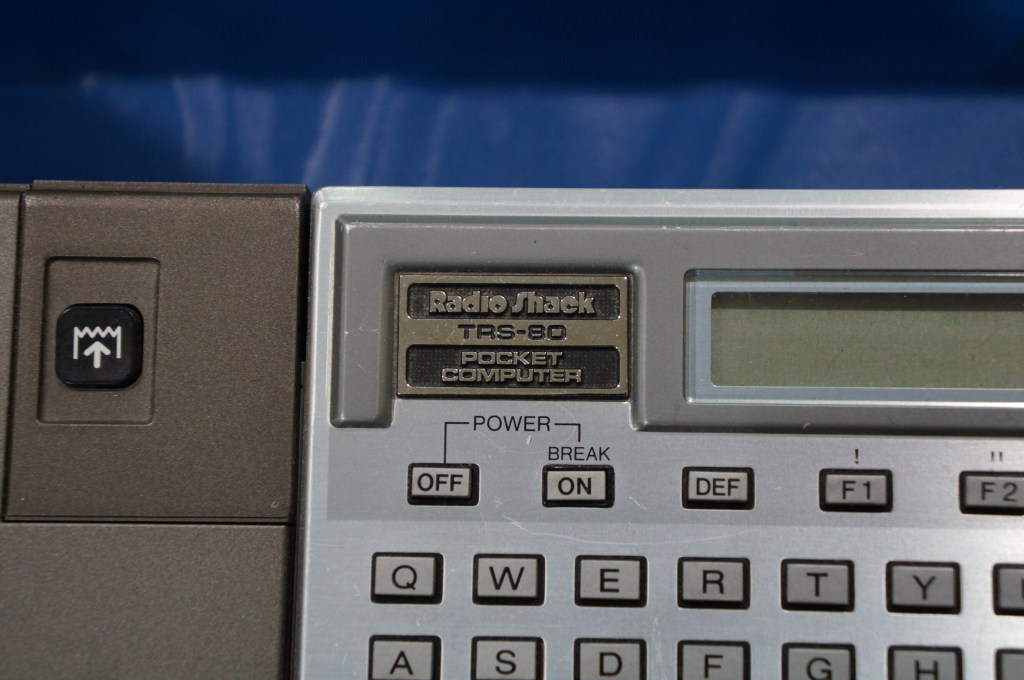
I really like the concept of pocket computers. When I was in middle school, my grandparents gave me a Radio Shack PC-7 Basic Programmable calculator. It looked like a calculator with a built-in soft cover that had a ABC keyboard layout. Considering its programmability, it was the first computer that I owned. The only digital device I had before that was an Atari 2600.
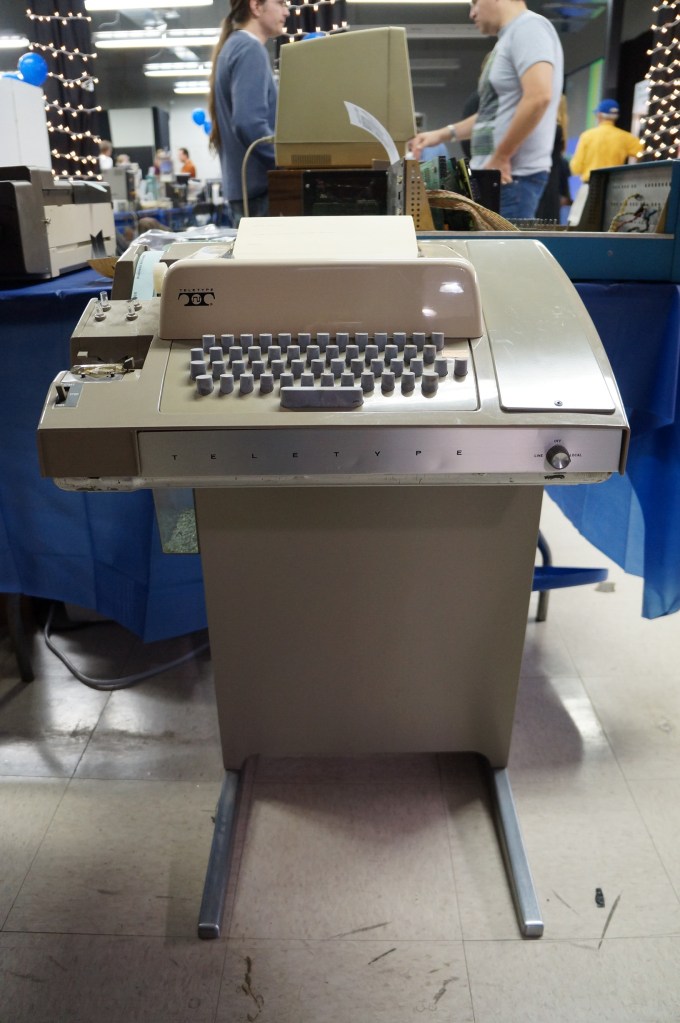
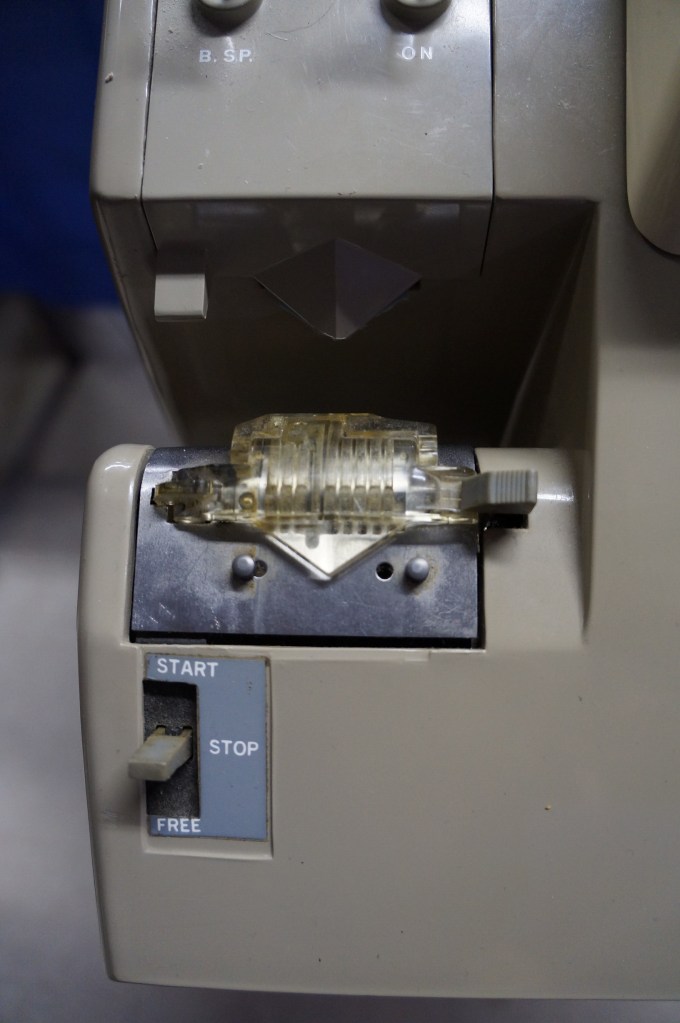
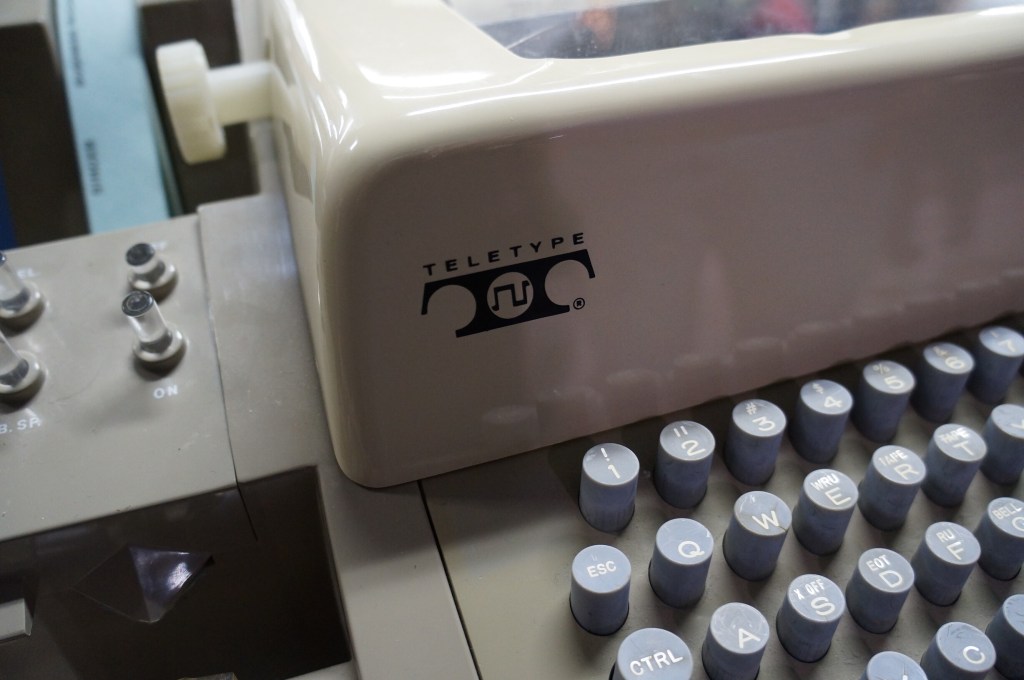
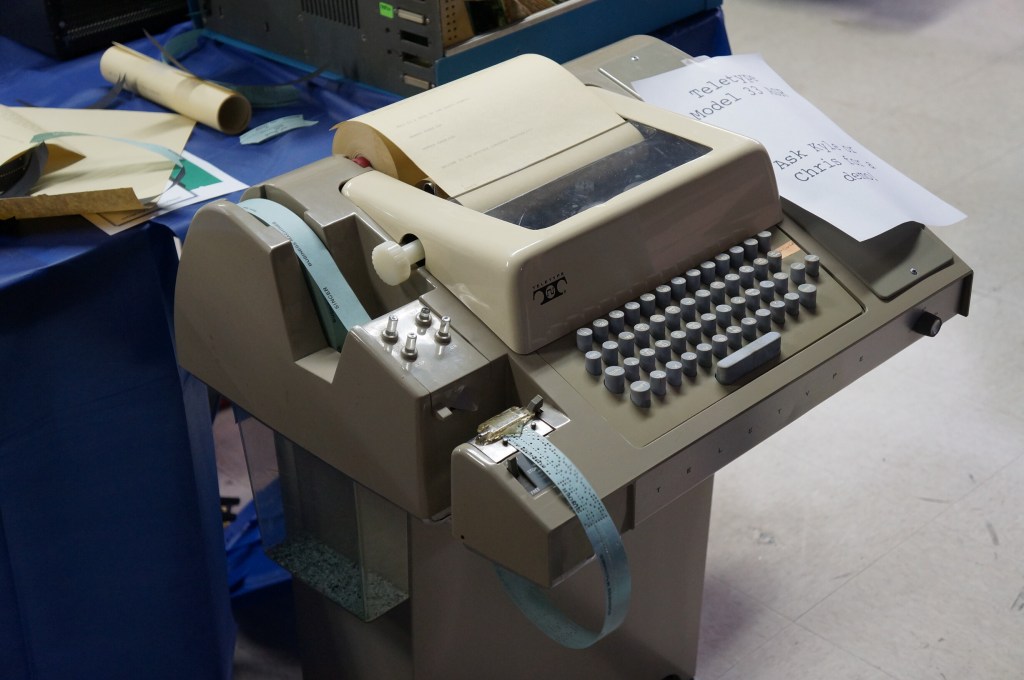
Who needs a display, printer, and program storage when you have a teletype machine like this hooked up to a mainframe or time-share minicomputer?
Captain Crunch Whistles and Tone Generating Blue Box
With the sounds generated by these cereal box toy whistles, which were adapted and expanded electronically with so-called blue boxes, you could commandeer the phone network for your own uses.
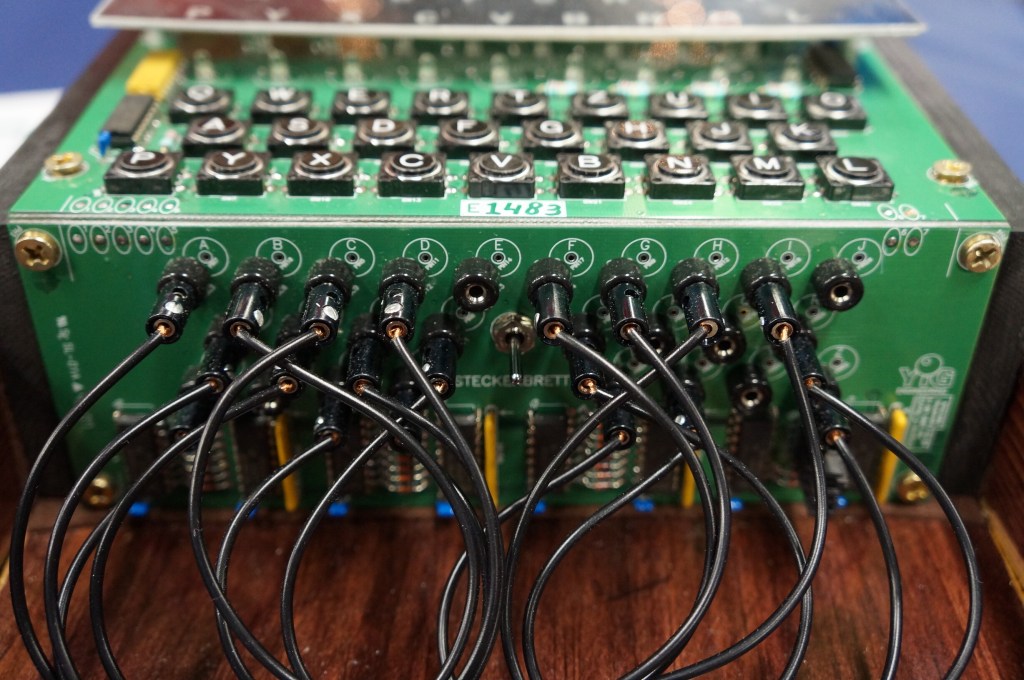
Digital Enigma Machine
This is a digital re-creation of the German Enigma machine used to cyptographically secure their communications during WWII.
Gradient blend of my most recent desktop computer from before (left) to now (right).
“In nova fert animus mutatas dicere formas / corpora.” “It is my design to speak of forms changed into new bodies.” –Ovid, Metamorphoses: Translated into English Prose, Published by G. And W.B. Whittaker, London, 1822, p. 1.
As much as I wish that I had a hoard of computers in a basement or attic, I don’t. It’s not for a lack of want to keep my old computers. It’s always been a financial consideration–sell the old to help finance the new (or used = new to me). While an errant tree limb destroyed my first practical computer–an Amiga 2000HD, I’ve been selling my old computers to help pay for newer ones and upgrades since I was in high school when I sold my 486 DX2/66MHz system before going off to Georgia Tech in 1995.
For someone who values and enjoys working on vintage computer systems, it’s a bitter pill to swallow that I have to do this. However, it also means that my computers often take on a Frankenstein monster-like existence of becoming–morphing from one system into another via upgrades and reconfigurations.
I wanted to share some background on my most recent desktop computers from the past 10 years or so as a way to reflect on this practice of tinkering and changing that produces more capable and powerful computer over time. Sometimes, a shift in architecture or new work requirements calls for a change. Sometimes, it’s wanting to try something new.
2012: Intel i7-2700K in Corsair Case
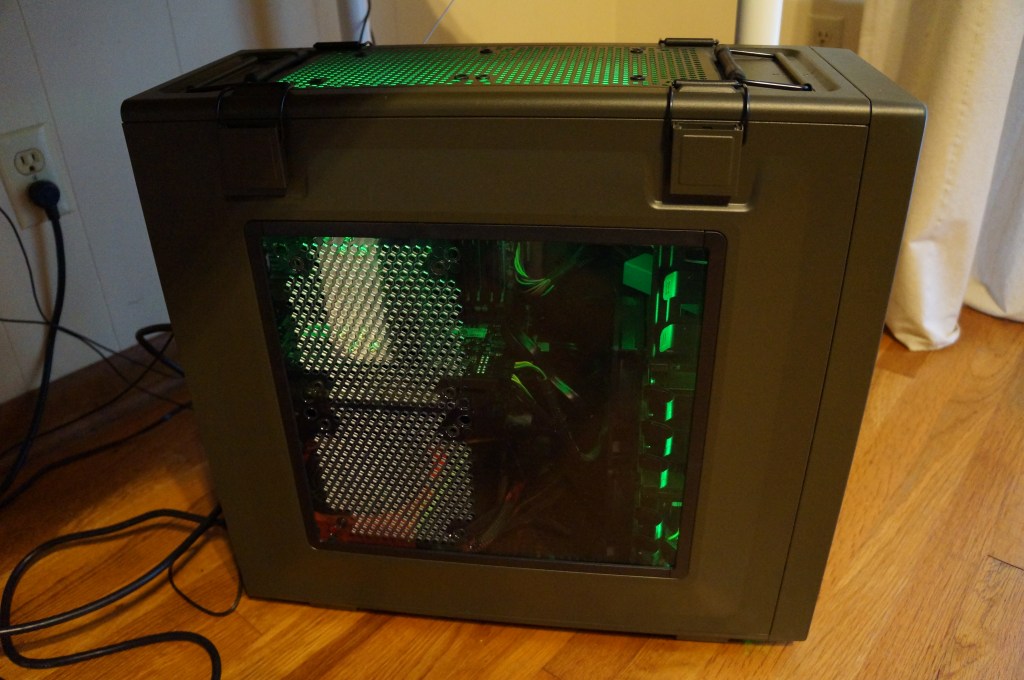
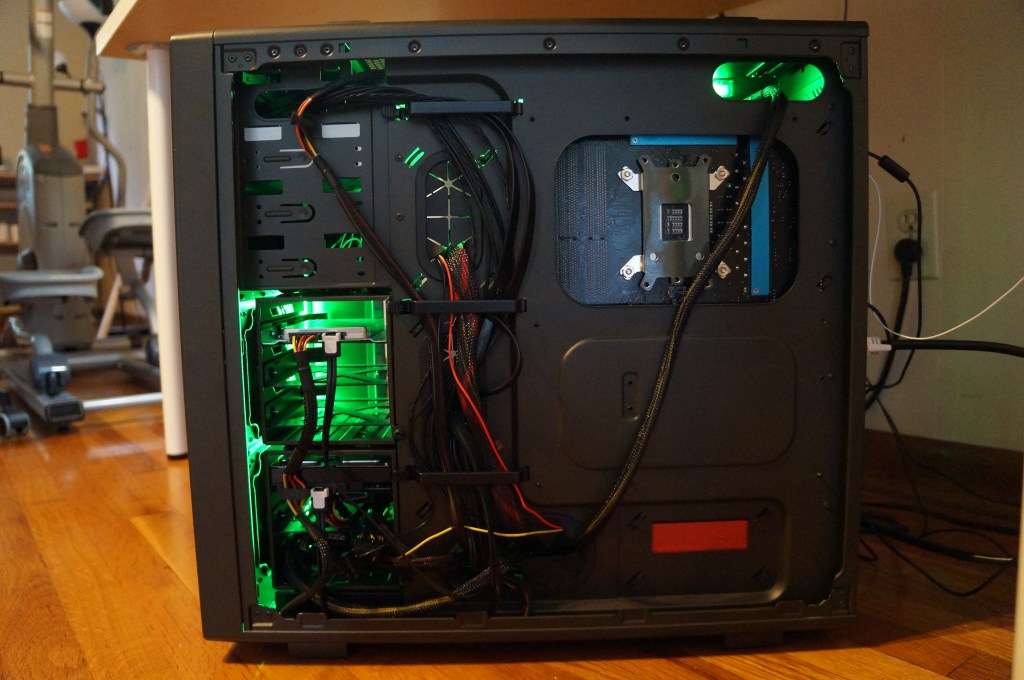
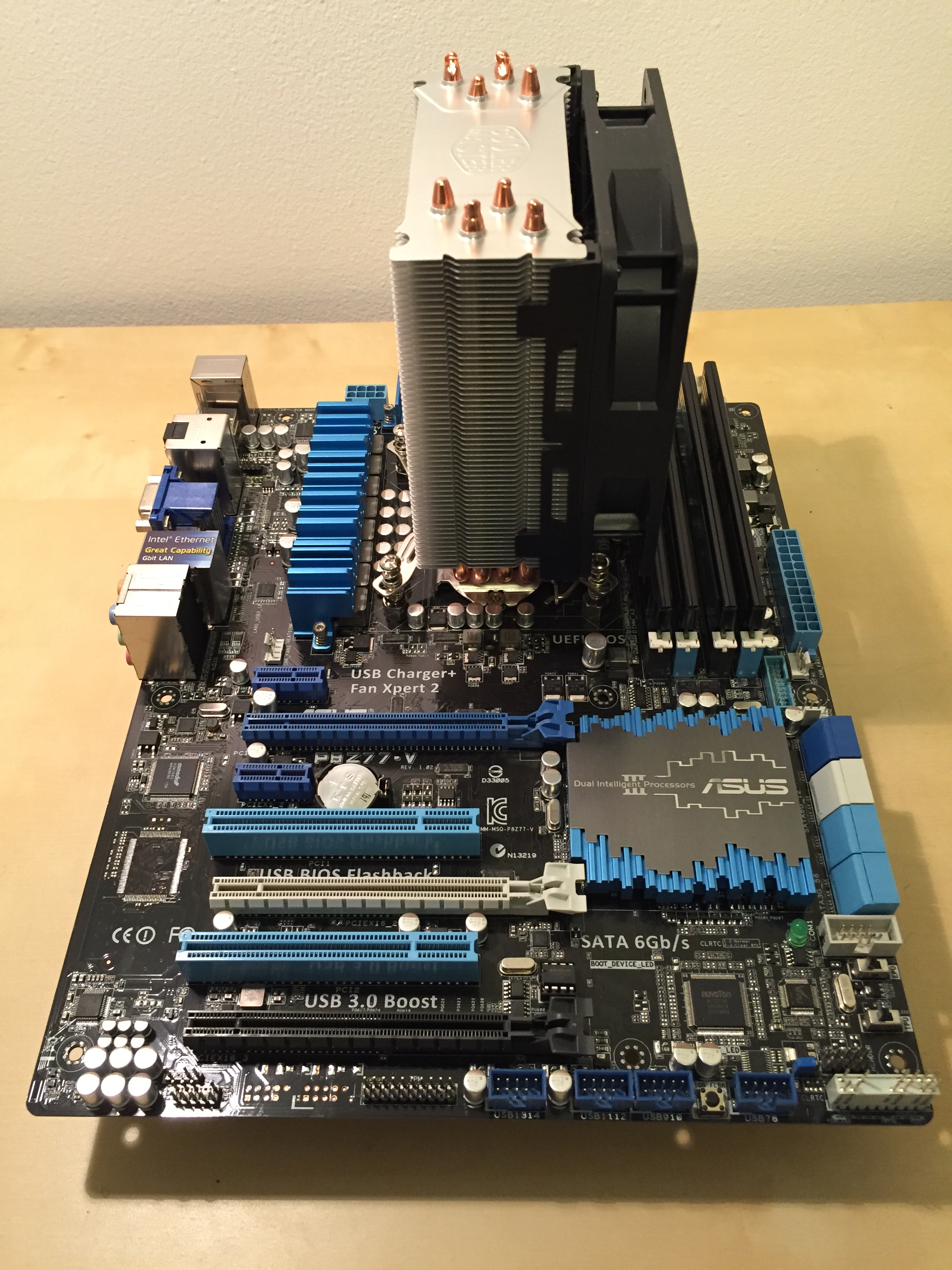
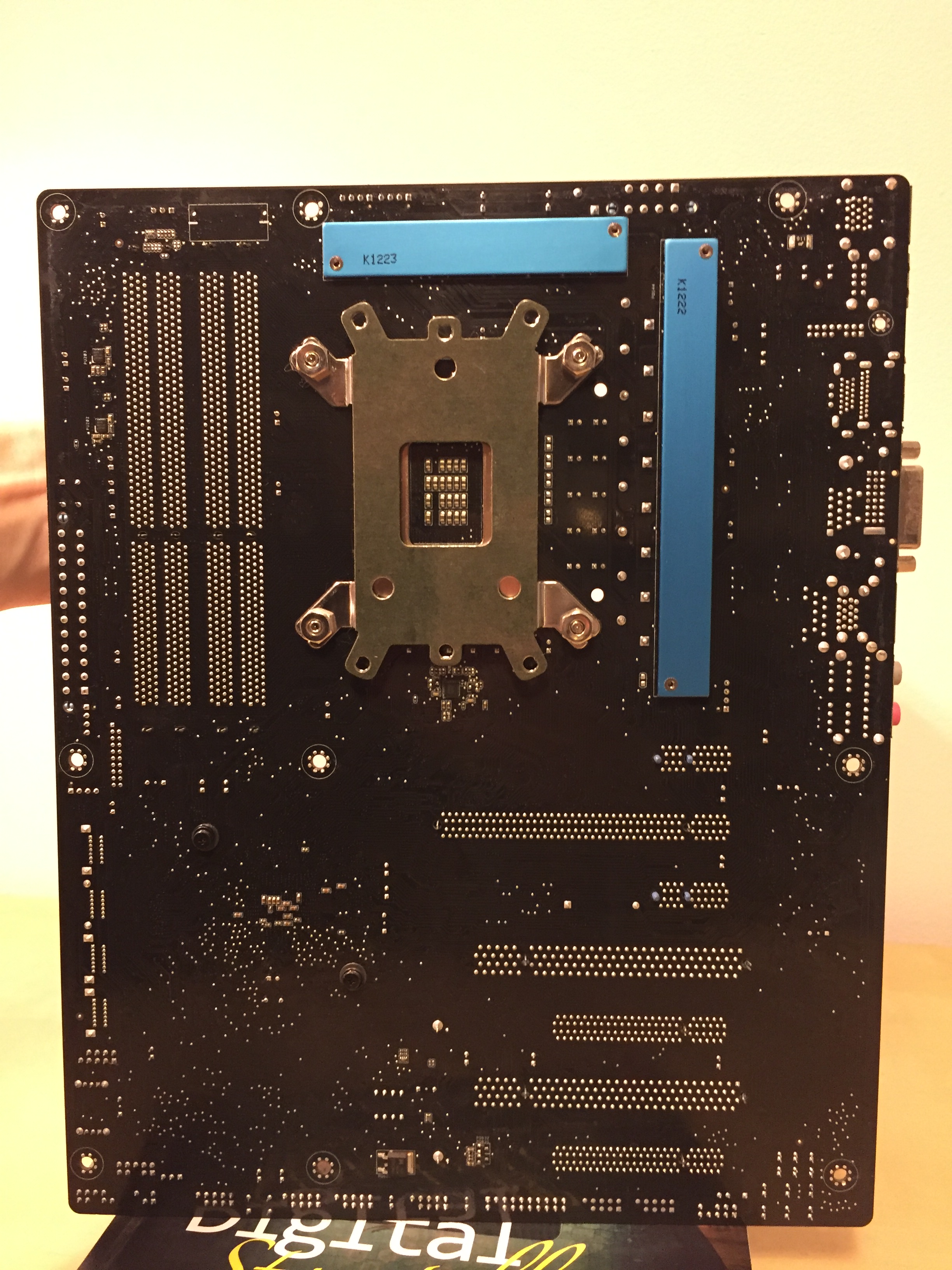
I wrote about turning this computer, which I had originally intended to use with Windows 7, into a “Customac” or “Hackintosh,” meaning a PC that ran MacOS X, here and here. I built the computer using on sale gear from the Microcenter in Duluth, GA. The 50 cal. ammo box case by Corsair and green cold cathode light tubes were its two extravagances.
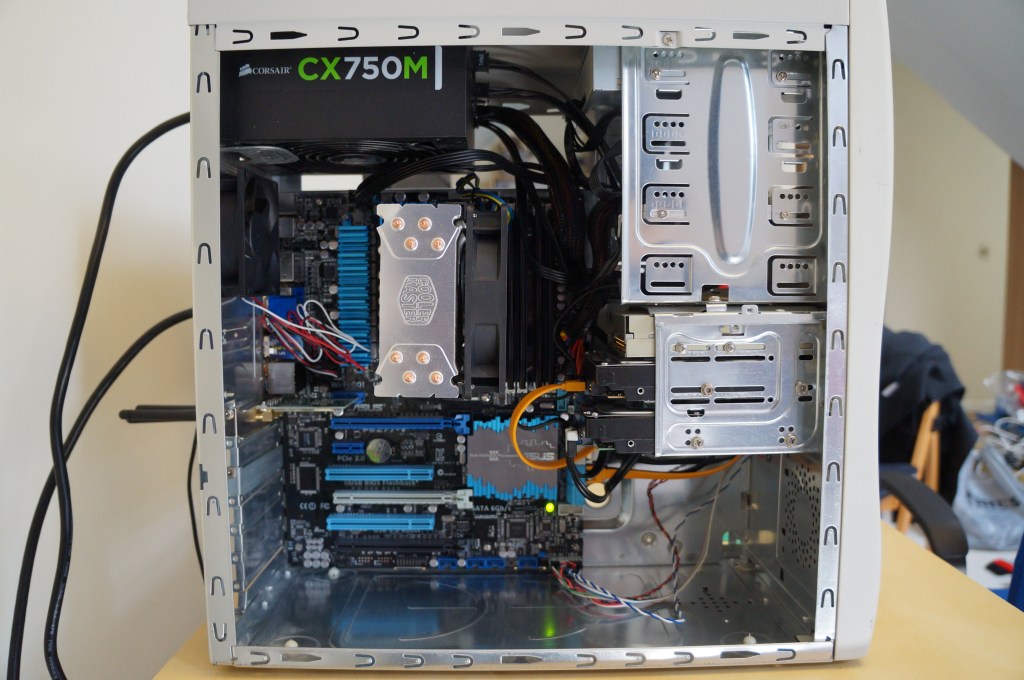
2014: i7-2700K in Retro Sleeper Case
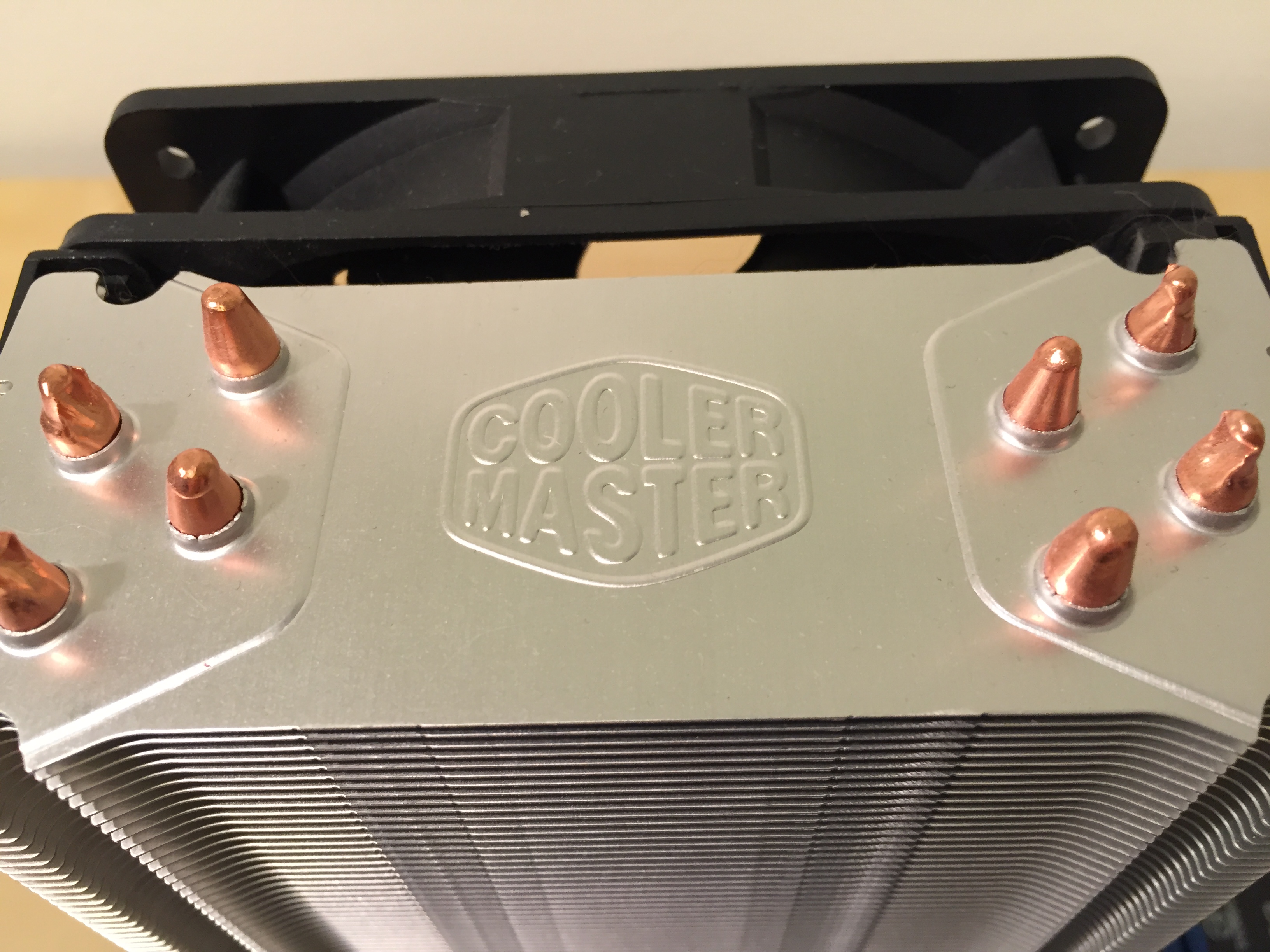
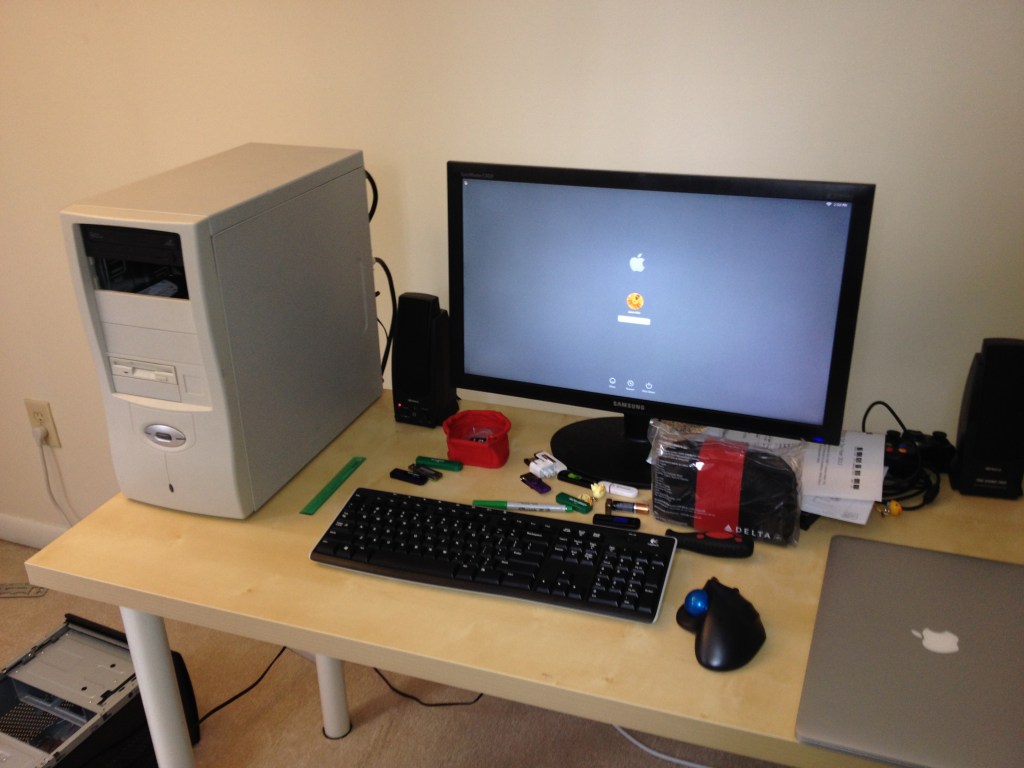
Before moving to Brooklyn to start my job at City Tech, I asked my friend Mark with help finding a beige ATX case that I could transplant my i7-2700K system into. What the kids call a “sleeper case,” or a retro-styled case but sporting contemporary computing kit. By this point, I had jettisoned the video card and relied on the CPU’s built-in graphics as this simplified using it as a Hackintosh.
After moving to Brooklyn, I switched from MacOS X, which was becoming more troublesome with Apple ID-connected software with Hacintoshes, to Linux Mint.
I had a Sapphire video card of some sort, but I can’t recall what it was now.
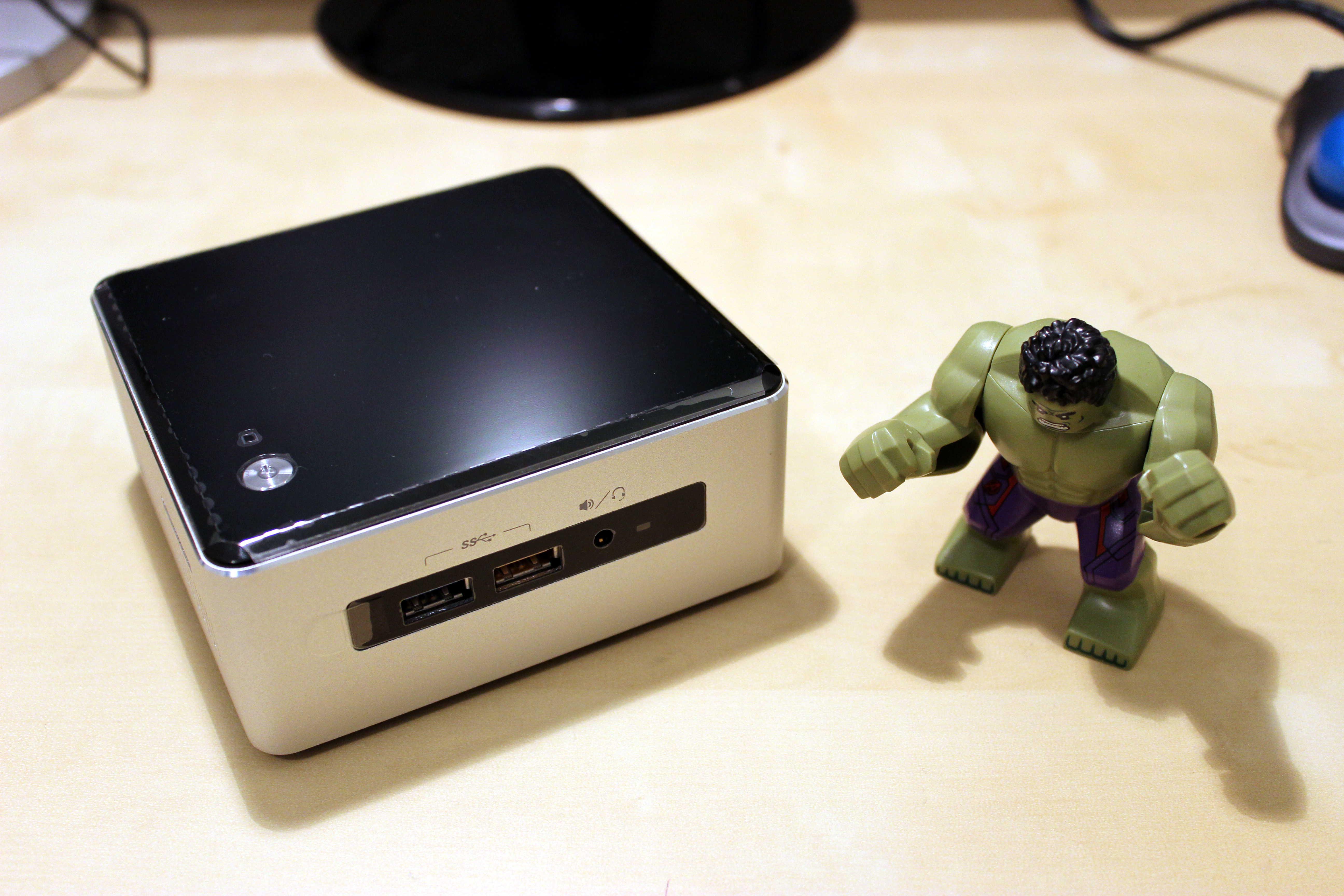
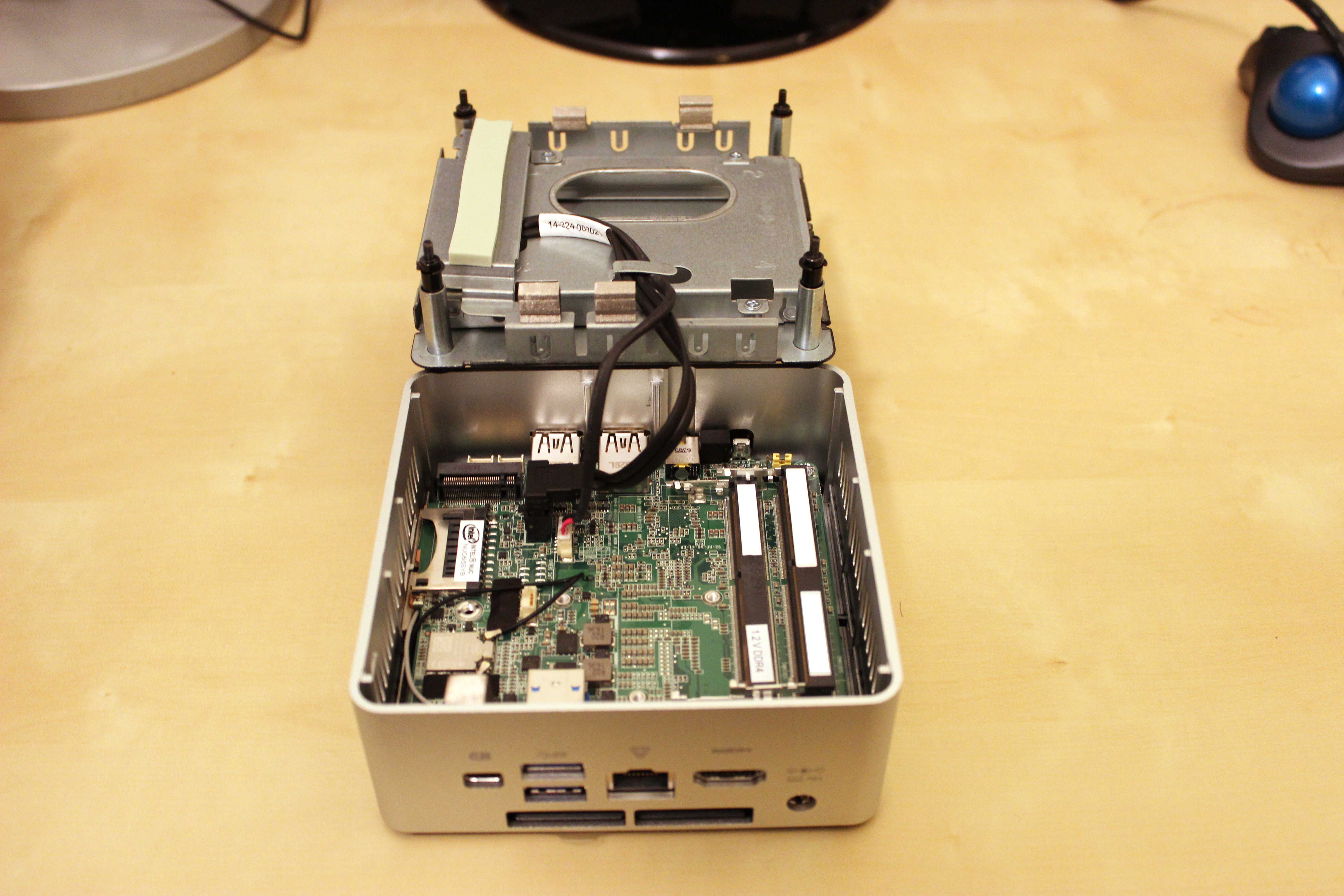
2016: Intel NUC 6I5SYH with i5-6260U CPU
I carried the i7-2700K sleeper system to City Tech to use in my office space. This left me with only a MacBook to use at home. When I saw the Brooklyn Microcenter offer an i5-based NUC for sale, I thought that would fulfill my computing needs at home and be a new kind of miniature computing experience for me. I wrote about my initial setup of it here. I was surprised by its capabilities, but new computing needs led me to build a new computer.
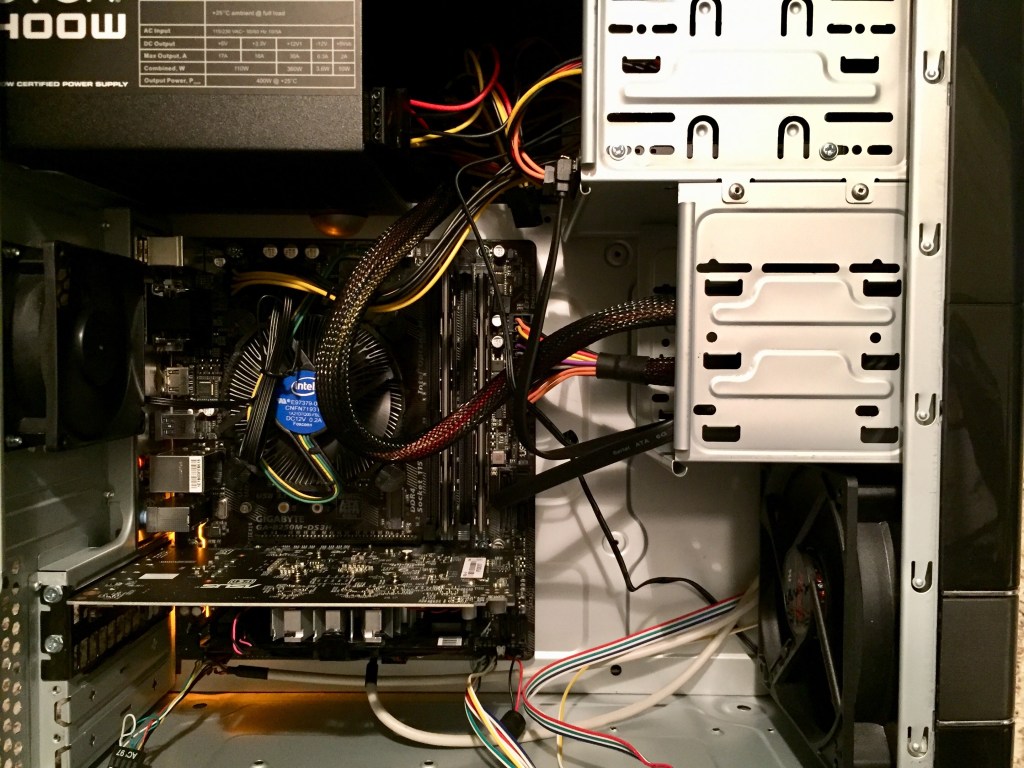
2017: Homebuilt Computer with i7-7700 CPU
I wrote about building, pricing, and benchmarking the first iteration of this i7-7700 based computer here. There were several needs that prompted me to build this machine: I run my own self-hosted instance of World of Warcraft Vanilla and experience some fan-built 3D experiences based in the Star Wars and Star Trek universes. The i5 NUC didn’t have the horsepower for this, so I sold it and built this new computer.
Later, I wanted to try out virtual reality, so when Best Buy had a sale on the Oculus Rift, I purchased a beefier NVIDIA GTX 1060 video card and VR headset (I’ll write about this more soon).
I wasn’t happy with the Oculus Rift in my small apartment space, so I sold it and the MSI Geforce GTX 1060 video card. Then, when Microcenter ran an insane deal on HP’s Mixed Reality headset, I picked it up and an EVGA Geforce GTX 1060 to try VR again (more on this soon).
Long story short: I struck out with VR again, so I sold the 1060 video card and HP mixed reality headset and settled on the built-in video graphics, which is fine for most things on a day-to-day basis.
2020: Pandemic and Upgrades
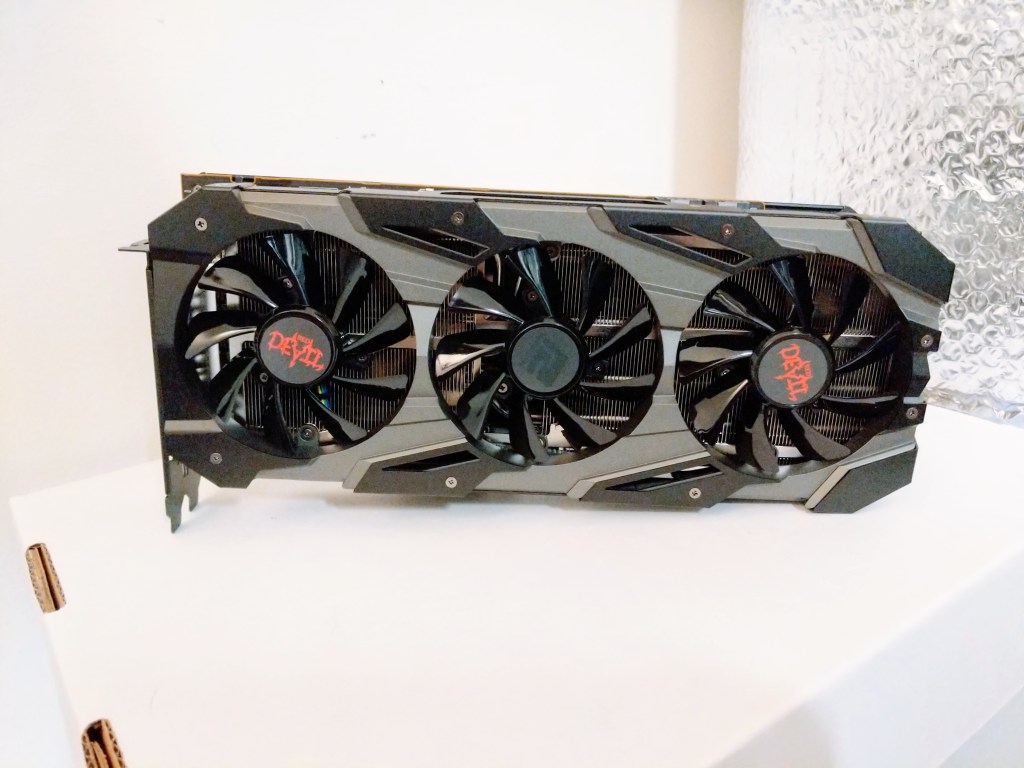
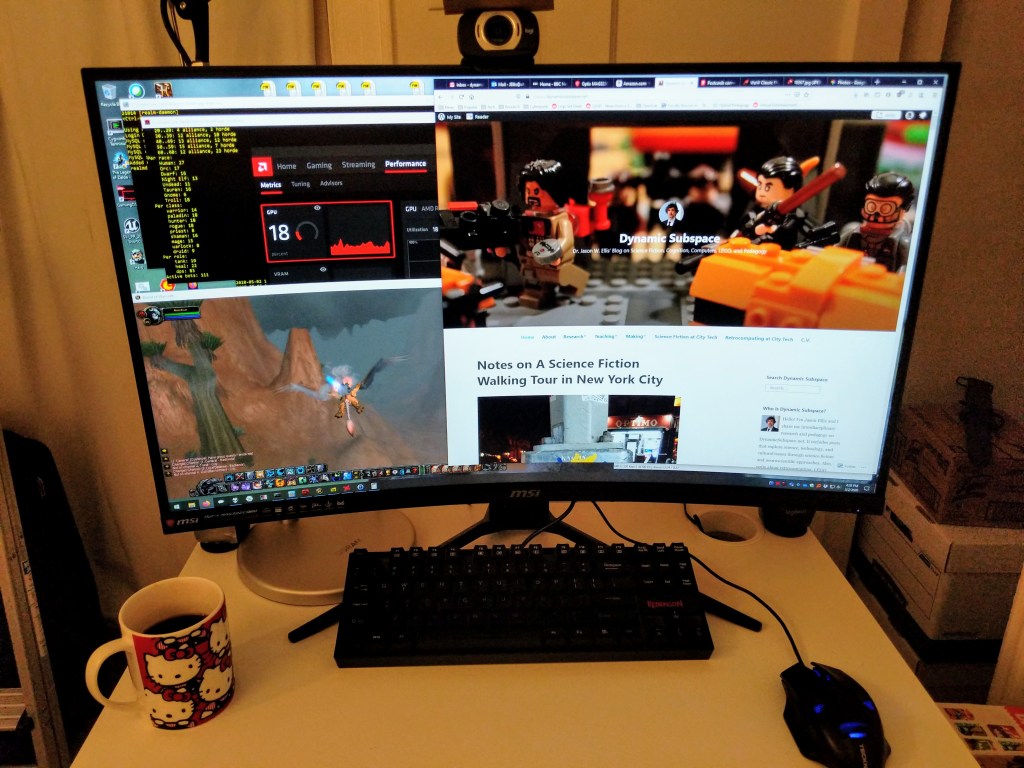
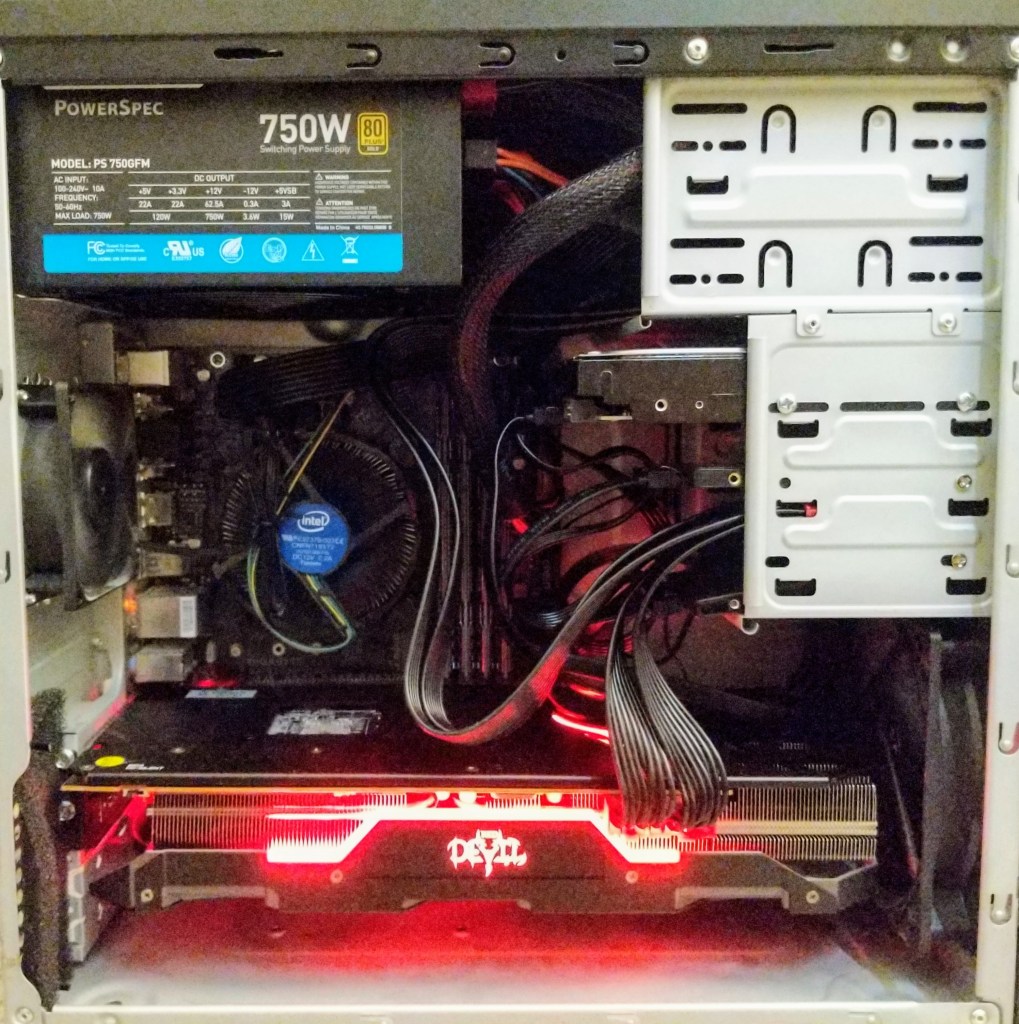
Then, the pandemic hit in 2020 and I was doing everything with my computer–lecturing, video editing, running online symposia, etc. So, I used my first pandemic Economic Impact Payment to purchase a Powercolor Red Devil AMD RX5700XT video card and an MSI 32″ curved LCD monitor to support my online, video-focused existence at that time.
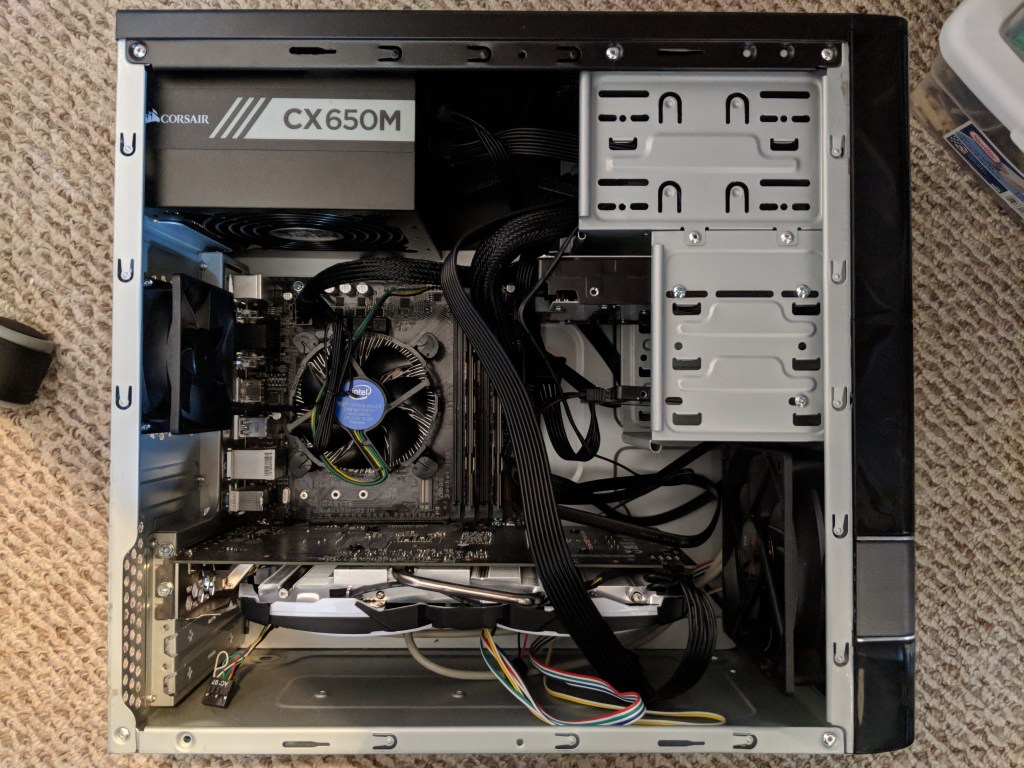
My small micro ATX case wasn’t an ideal solution for the thermal needs of the RX5700XT video card, so I transplanted the computer into a more spacious Corsair Carbide Series 100R case.
And, I added a cool 5.25″ drawer insert to keep my flash drives and other on-hand media.
Before selling it, I had swapped out the RX5700XT video card for an MSI AMD RX550 and sold the RX5700XT for a profit due to the beginnings of the video card shortage during the cryptomining boom during the pandemic.
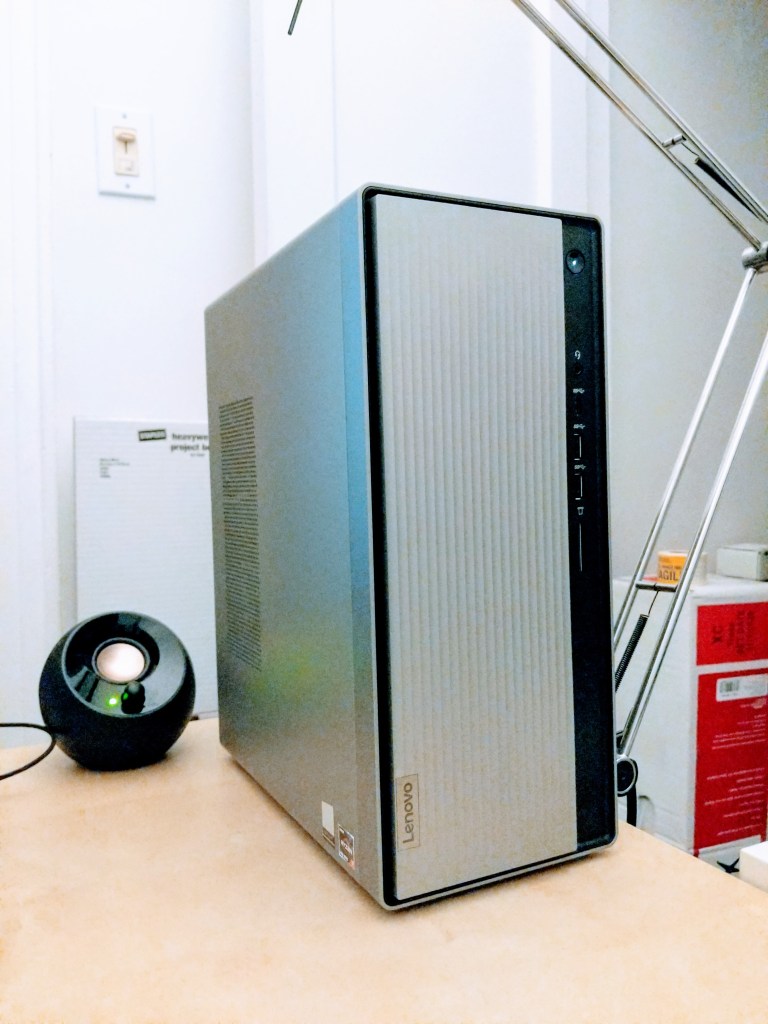
2021, early: Lenovo IdeaCentre 5 with Ryzen 4700G
Even though the RX5700XT video card was great, I ran into some cases where video card processing workflows produced workflows that I wasn’t happy with. I didn’t want to change software, so I figured the easier solution was to shift to tried-and-true CPU-focused workflows on a processor with more horsepower than the i7-7700. I opted for the least expensive Ryzen 7 system that I could find–a Lenovo IdeaCentre 5 with Ryzen 4700G. It was easy to modify and make strategic upgrades to for my needs. I wrote about purchasing this system on sale and upgrading its CPU cooler here and then improving its CPU cooling a few months later here.
2021, late: Asus ROG G15DK with Ryzen 7 5800X
While I enjoyed the Lenovo IdeaCentre 5, I began seeing new 3D demos and games released that I was interested in checking out. Lenovo’s big shortcoming was its proprietary power supply. If I had been able to swap it for a more powerful one, I could have got a video card and made the upgrade. Unfortunately, there are tales across the Internet of a mismatched PSU or adapter killing someone’s Lenovo desktop. Therefore, I began looking for a good deal on a complete system with a similar 8 core/16 thread system with a beefy video card. Granted, this was at the height of the video card shortage, so I remained patient and studied the market while waiting to pounce on this deal when I saw it.
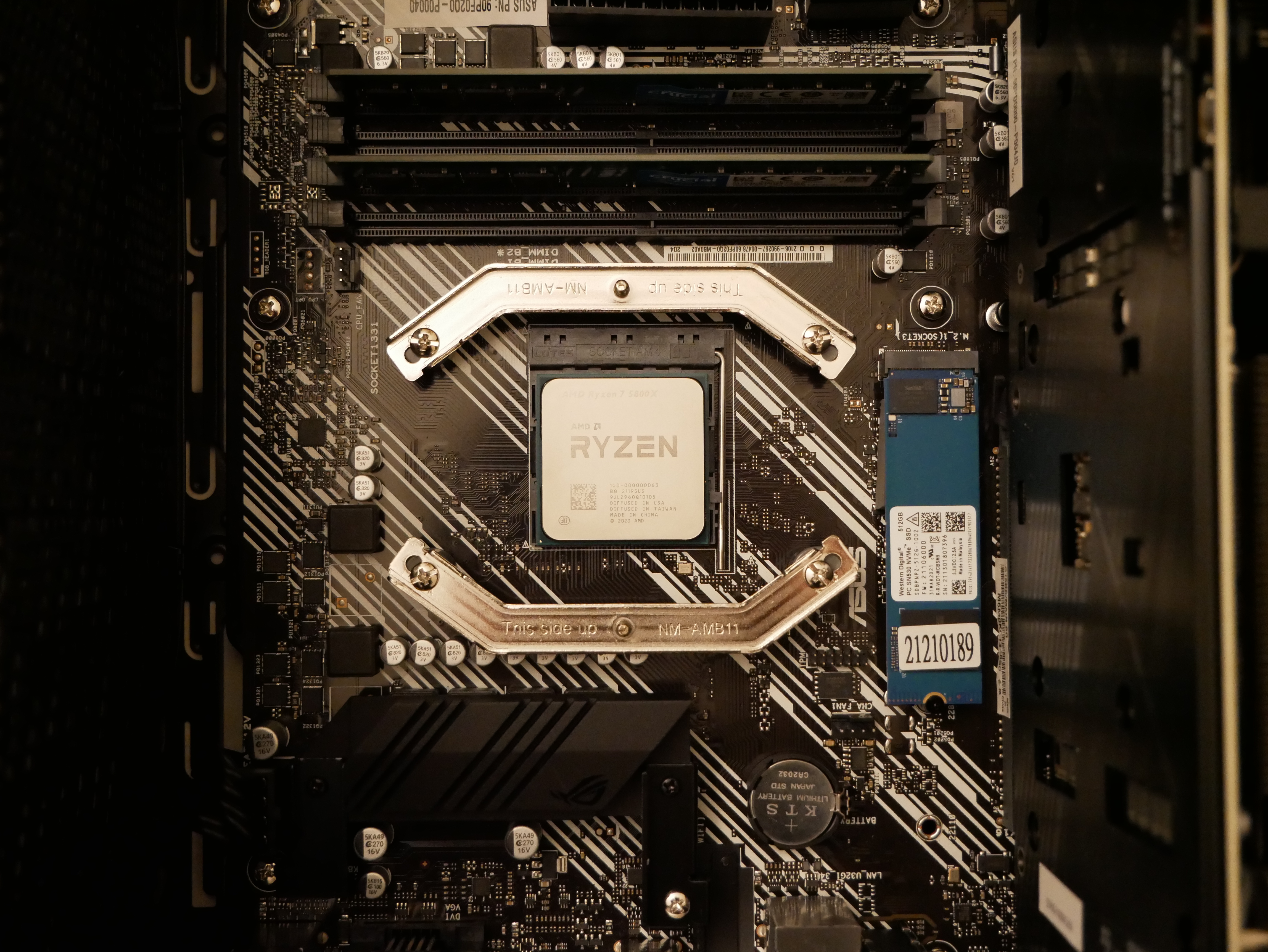
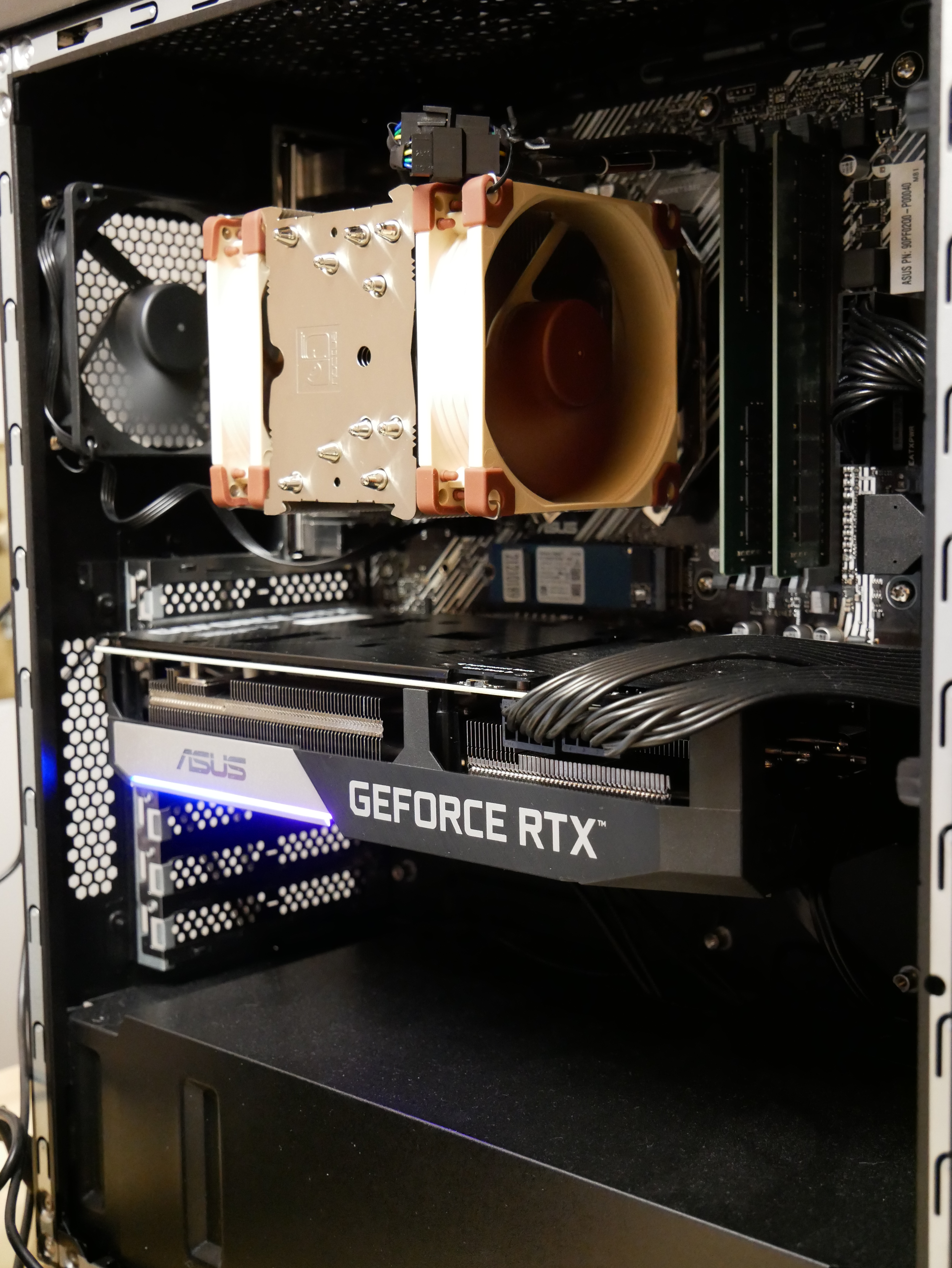
The Asus ROG G15DK came with a motherboard similarly speced to an Asus PRIME B550M-K with an AMD Ryzen 7 5800X 8-Core/16-Thread CPU, 16GB RAM, 512GB NVMe boot drive, WiFi (occupying second NVMe slot), and NVIDIA RTX 3070 8GB video card. I swapped the 32GB of RAM from the Lenovo with the 16GB of RAM in the Asus, pulled out the WiFi card to free up the second NVMe slot, and ripped out the disco lighting that was pre-installed in the case.
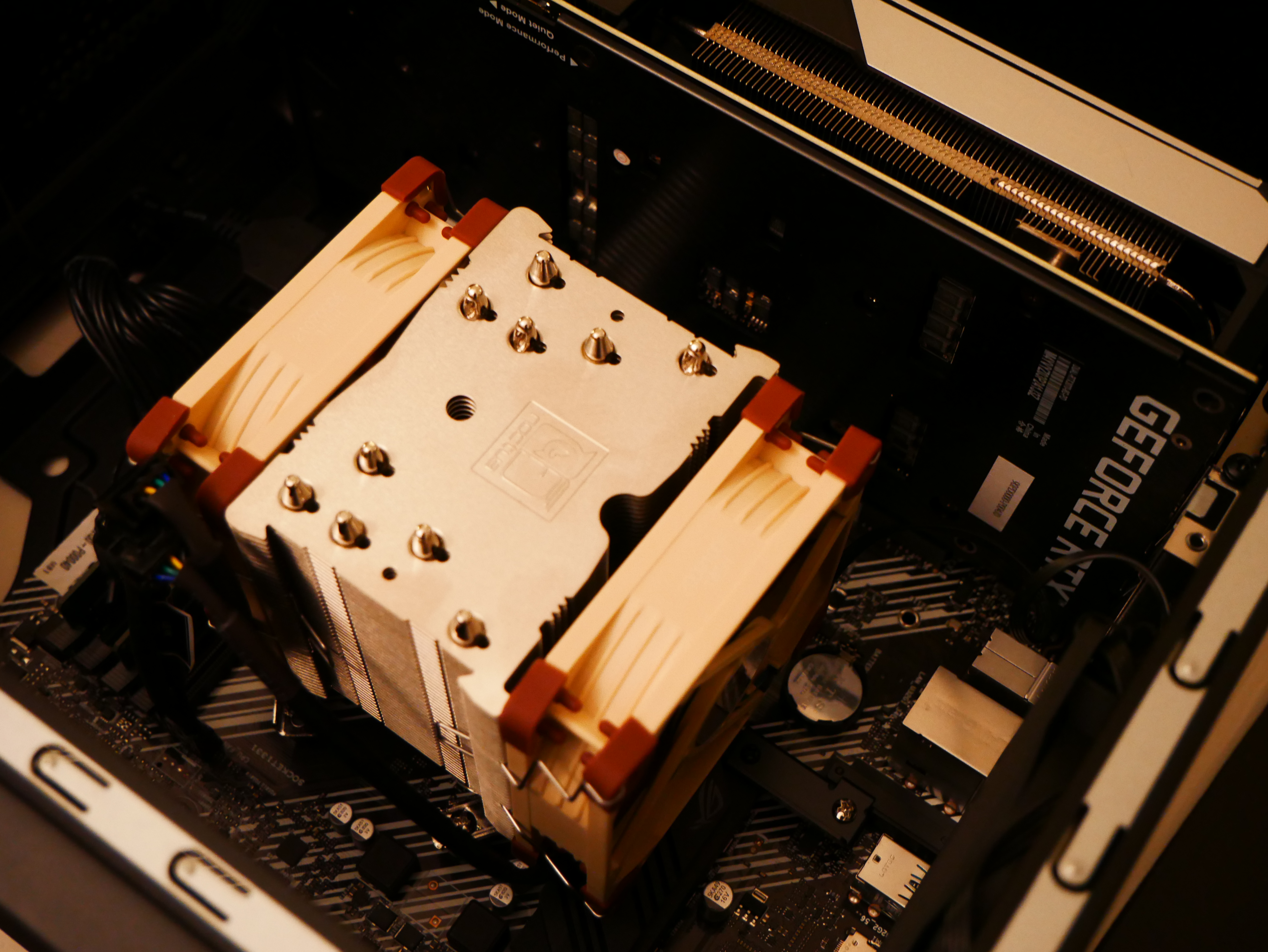
Then, the next big upgrade that I made was to change out the inadequate 3-heatpipe cooling tower supplied by Asus for a 5-heatpipe Noctua NH-U9S, which I added an additional fan to for a push-pull configuration.
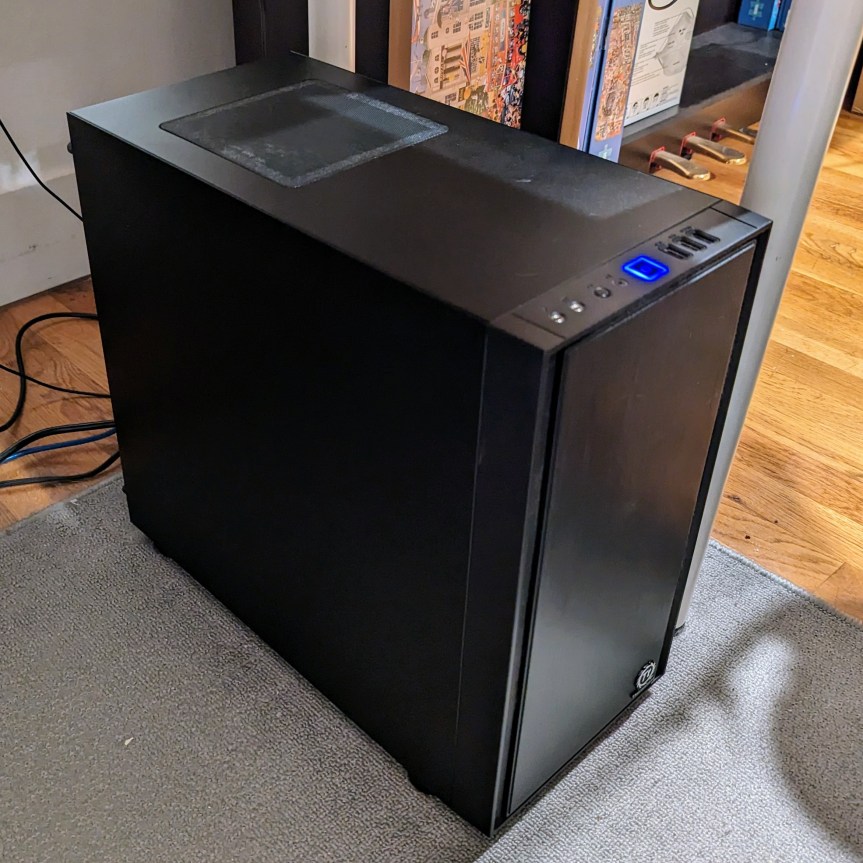
Later, I transplanted the computer into a less flashy case without a glass side panel–the Thermaltake Versa H17.
As DDR4 RAM prices improved, I upgraded from 32GB to 64GB to 128GB. And, as SSD prices plummeted, I upgraded the system drive from a 512GB nvme drive to a 2TB Samsung 970 EVO Plus drive as I had described earlier here.
2023: Current Form with NVIDIA RTX A6000
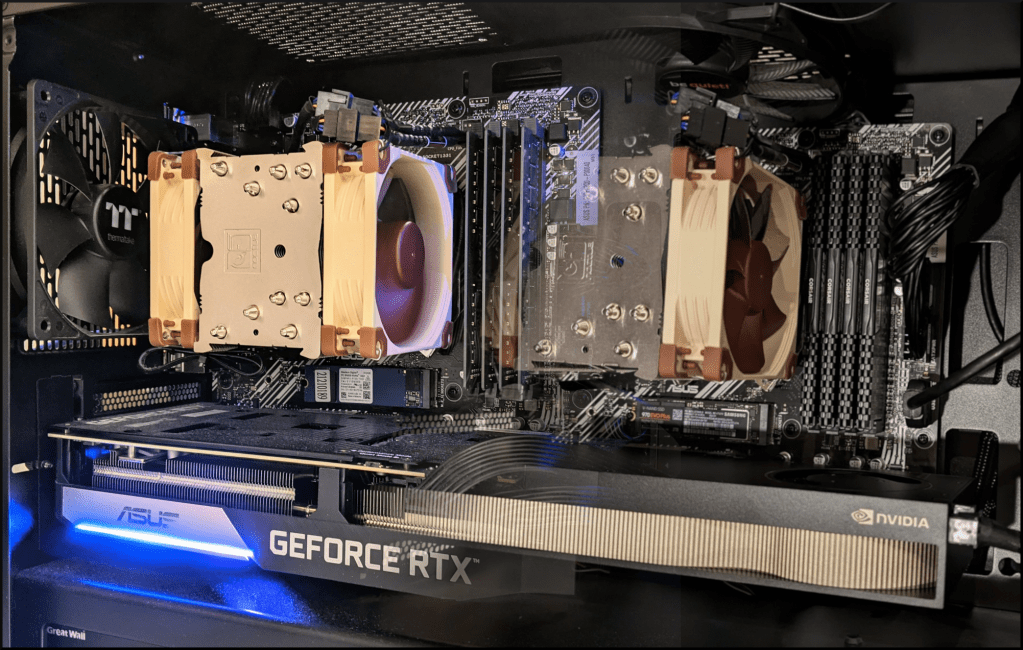
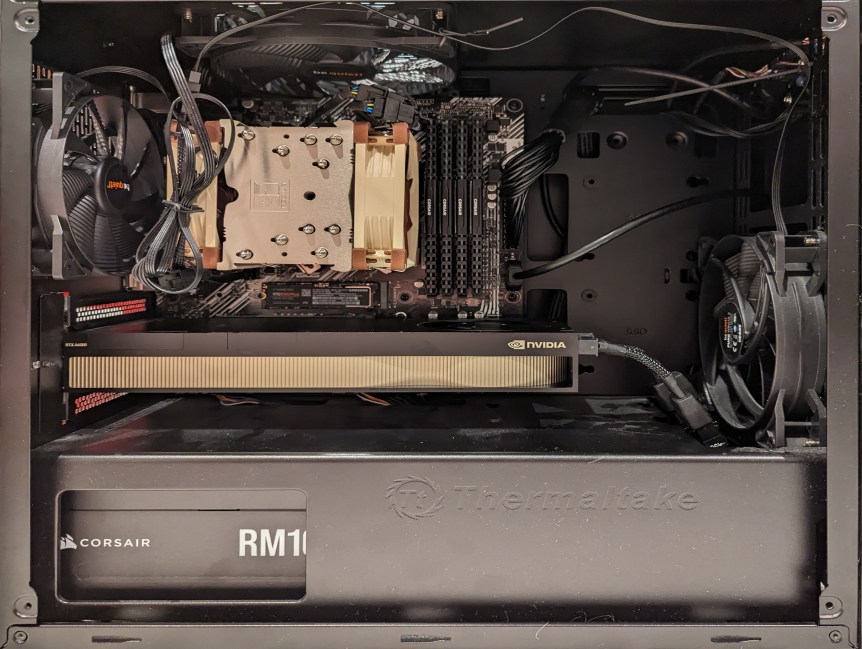
As I wrote here, the most significant upgrade to my computer–or any computer that I have ever owned for that matter–has been the NVIDIA RTX A6000 video card for AI and machine learning work that I am doing now.
2023: Free i7-6700K Bonus System
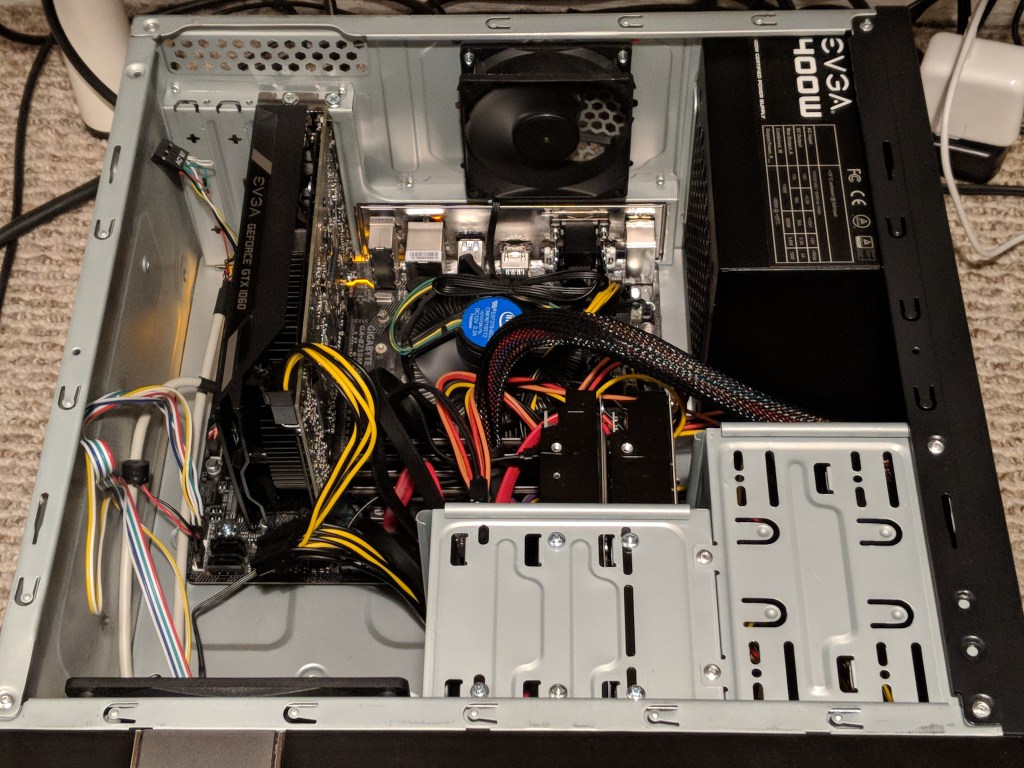
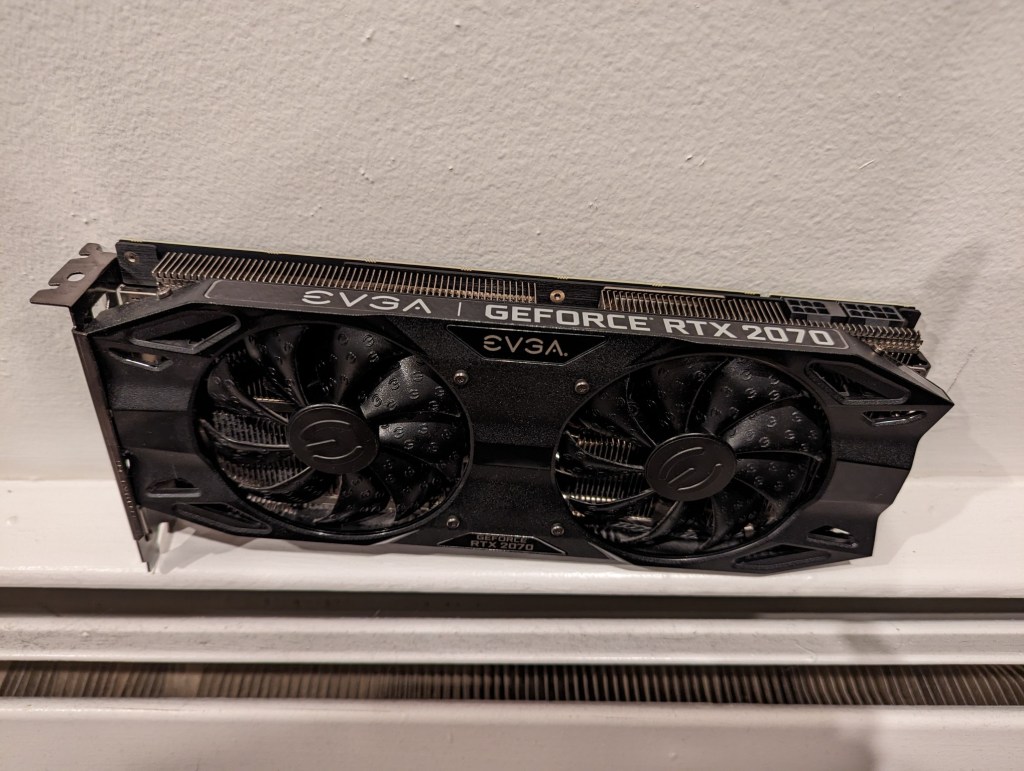
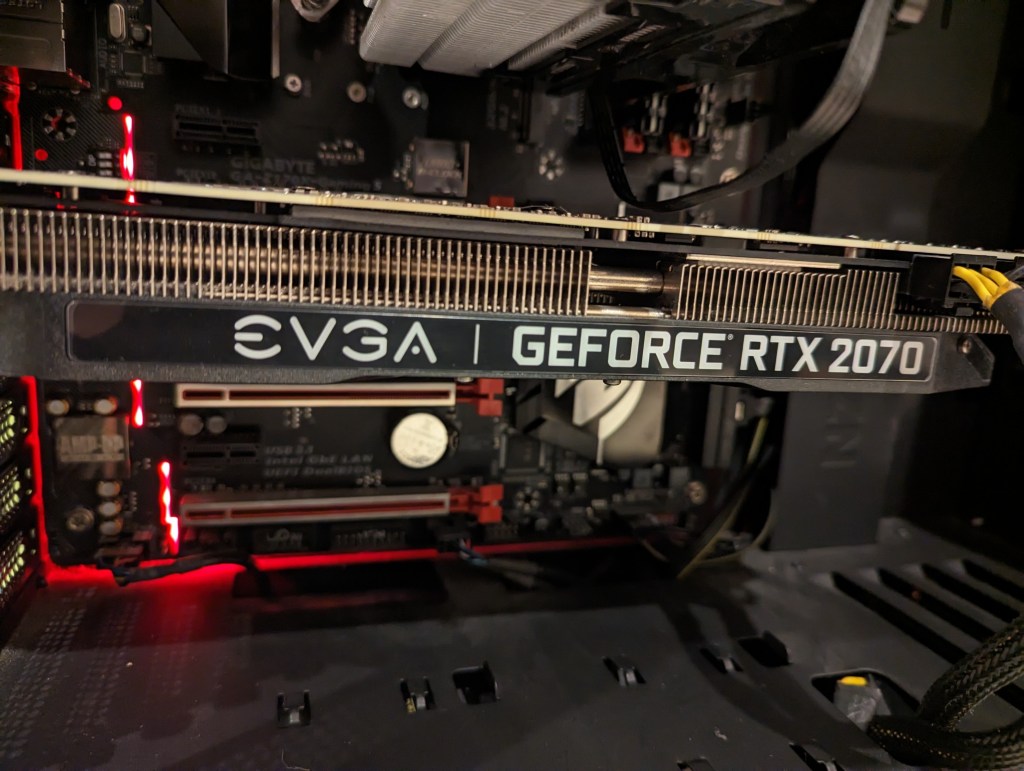
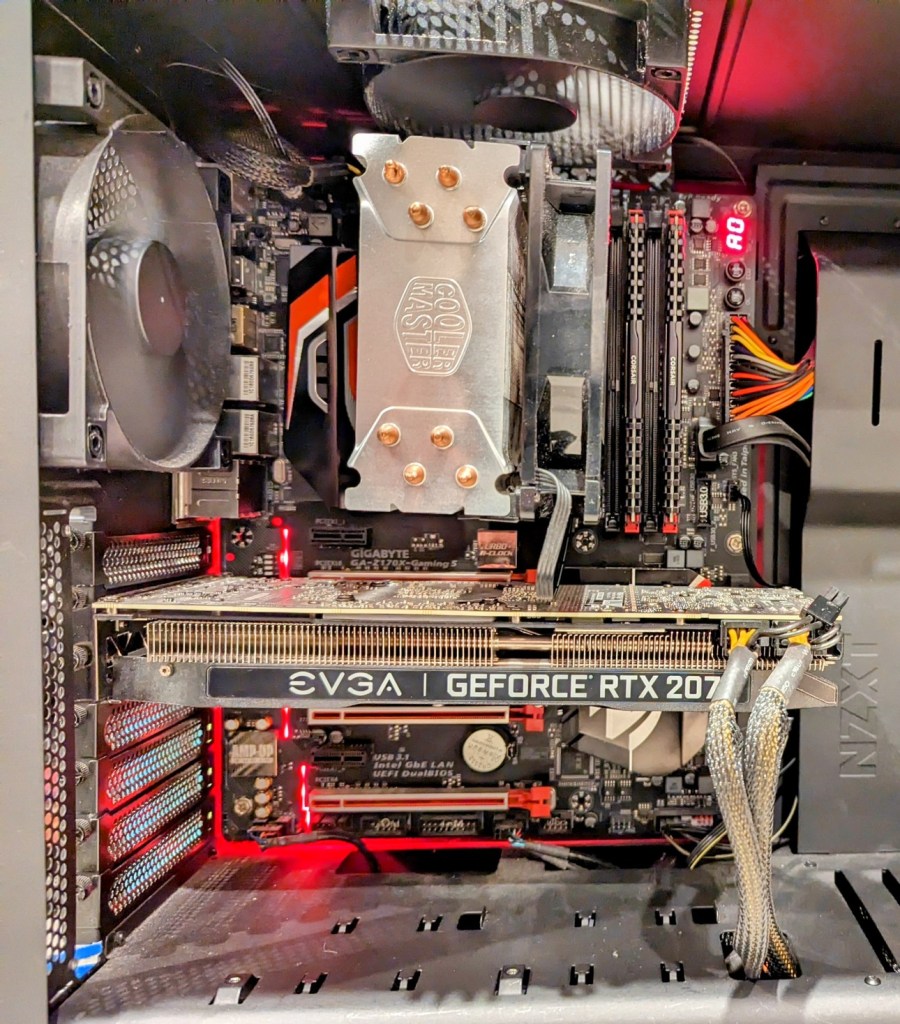
In early 2023, someone in my apartment building left this computer in the lobby with a post-it note that said, “Works! No HD.” I didn’t look the gift horse in the mouth! I carried it up the 4 flights of stairs and got to work cleaning it up and checking it out. It had an i7-6700K CPU, 16GB of DDR4-3000 XMP RAM, and EVGA Geforce RTX 2070 8GB video card on a Gigabyte GA-Z170X-Gaming 5 motherboard. I installed a spare SSD and HDD in it, ran memtest86+, and stress tested the still impressive EVGA Geforce RTX 2070 8GB video card. Everything checked out! I sold the RTX 2070 on eBay to help pay for the A6000 video card in my primary system. And, I kept this computer to serve as a media center PC (the built-in graphics work great after making the fix for screen tearing found here). Thank you to whoever gave away such a wonderful machine!
Reflections
As Ovid shows us, things change form and function and purpose. This is very true in my experience of computers. I would have liked to have held on to my computers longer–changing them further through upgrades and reconfigurations. However, I always thought at the time that I had a good reason to do the things that I did–sell one computer to help pay for a new one, or switch from a larger computer to a smaller one (or vice versa). Nevertheless, I can see that sometimes my reasons might have been motivated more by a desire for change, that perhaps using or learning a new computer might move me forward in my work or curiosity or explorations. I don’t think that’s always been the end result, but it might have played a part in the musical chairs of my computing life.
Another thing that I’ve noticed looking at these photos is how sloppy I have been with cable management. Perhaps this is a manifestation of other aspects of my life. A hurry to use rather than perfect the tools of my work, and a worry that too much tweaking when something is operational bodes well for future stability. I admit that I am nervous when working on computers because of problems with some of my earliest computers–some problems brought on by me and other problems instigated by others. The money that I put into my computers is a lot for my meager salary in an extremely high cost of living environment. Every metamorphosing change that I’ve documented in this post cost me in dollars and time and energy–the latter two involving studying, considering, weighing options, etc. You can ask Y, I don’t rush into things that I buy for myself. I have to know that I’m making the best possible decision at that moment after crushing days and weeks of self-doubt and second guessing.
But, as you can see, I’ve had some adventures building, tinkering, and upgrading computers with this post showing the most recent 10 years or so. I’ll work on another post showing some of my earlier computers, but unfortunately, the record is not nearly as complete due to my not taking as many photos back then as I try to do now. When I do, I’ll write about my Amiga 2000HD, 486DX2/66, Powerbook 145B, PowerMacintosh 8500, Blue and White G3, Dual G4, and more. Stay tuned!